




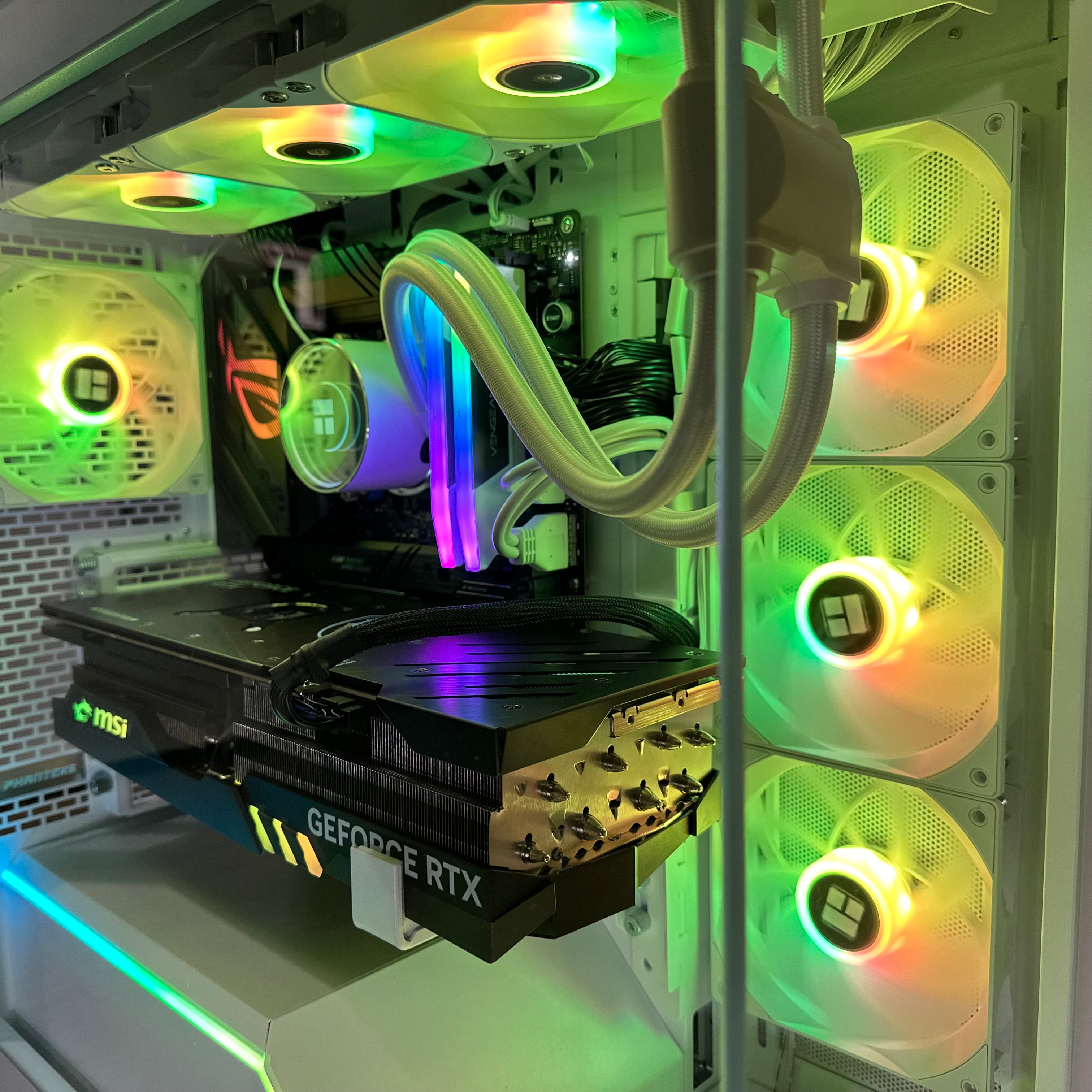
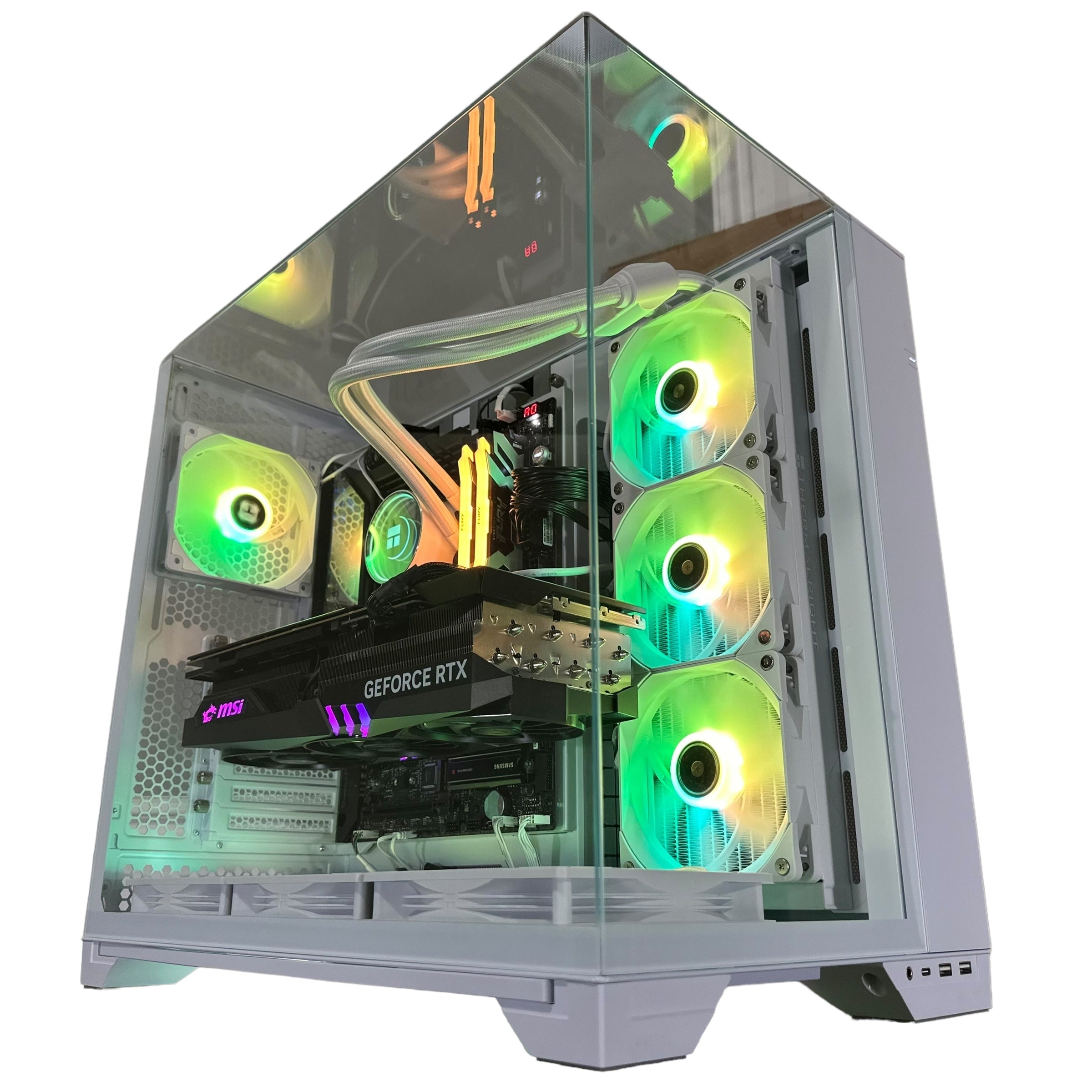
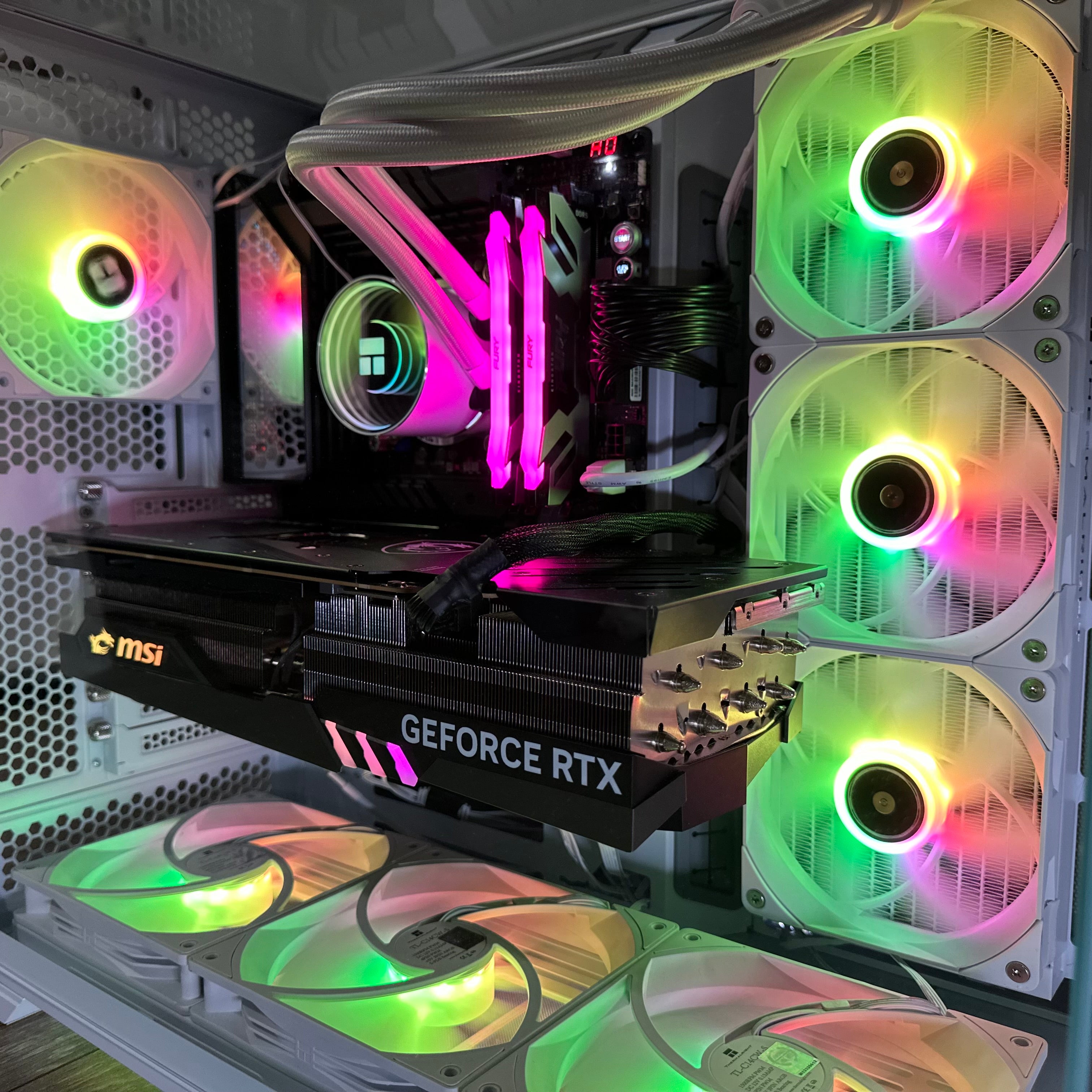

Resident Evil Voice Inspiration and the Real Gaming PC Canada Buying Question: What Should Your Next PC Be Built to Do?
The recent story about Leon Kennedy’s voice actor drawing inspiration from Nirvana, Alice in Chains, and Metallica is more than an interesting gaming headline. It highlights something serious about modern gaming culture: the experience players want today is deeper, moodier, more cinematic, and more performance-sensitive than ever. If atmosphere, audio, visual intensity, and immersion matter to you, then choosing the right Gaming PC Canada setup is no longer just about launching a game. It is about making sure your system can deliver the full experience the way developers and performers intended.
For Canadian gamers, that raises an important follow-up question. If game worlds are becoming more detailed, more cinematic, and more technically demanding, what should your next PC actually be built for? Do you want smooth 1080p play, stronger 1440p performance, 4K visuals, ray tracing, streaming capability, content creation power, or a system that can handle gaming and serious work without feeling outdated too soon?
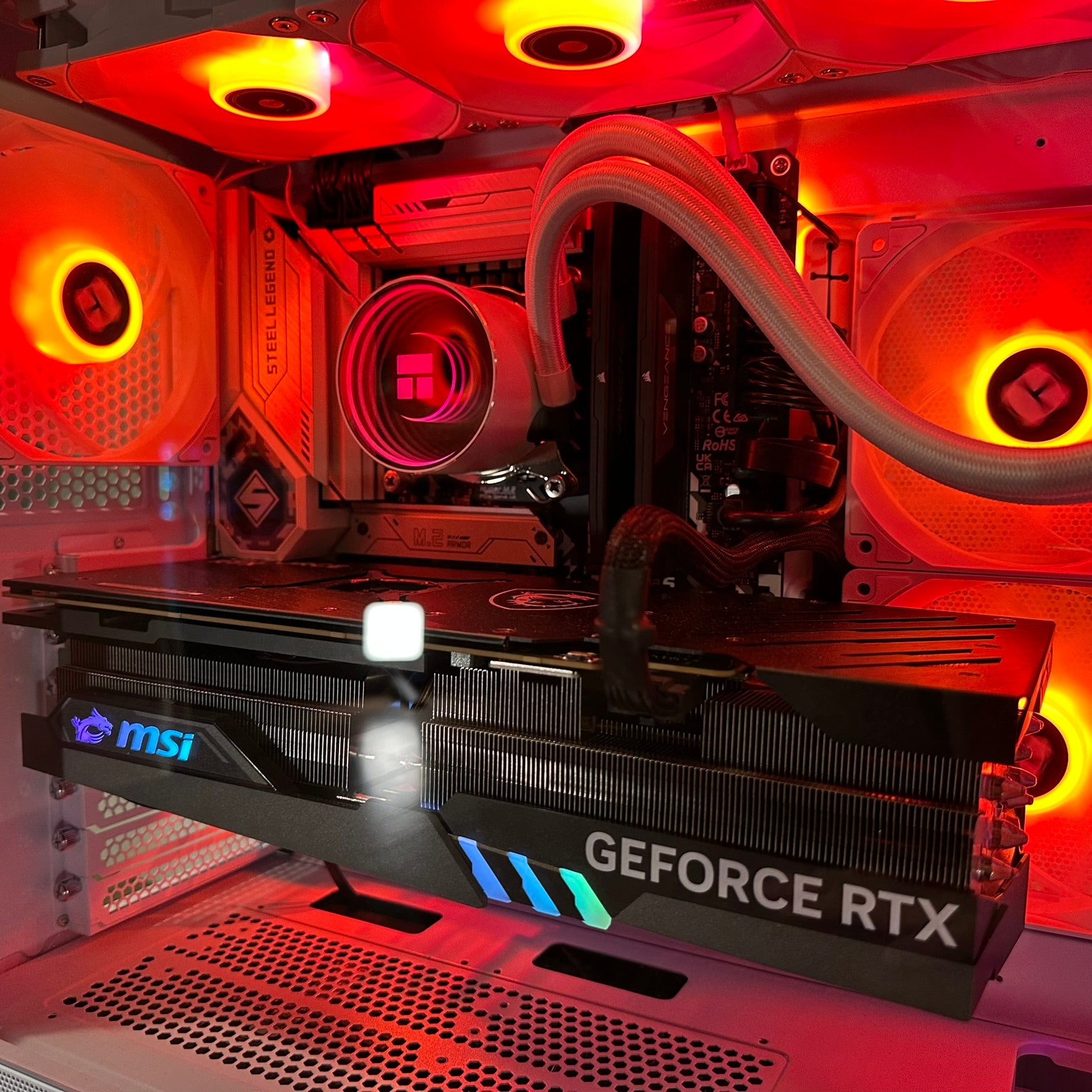
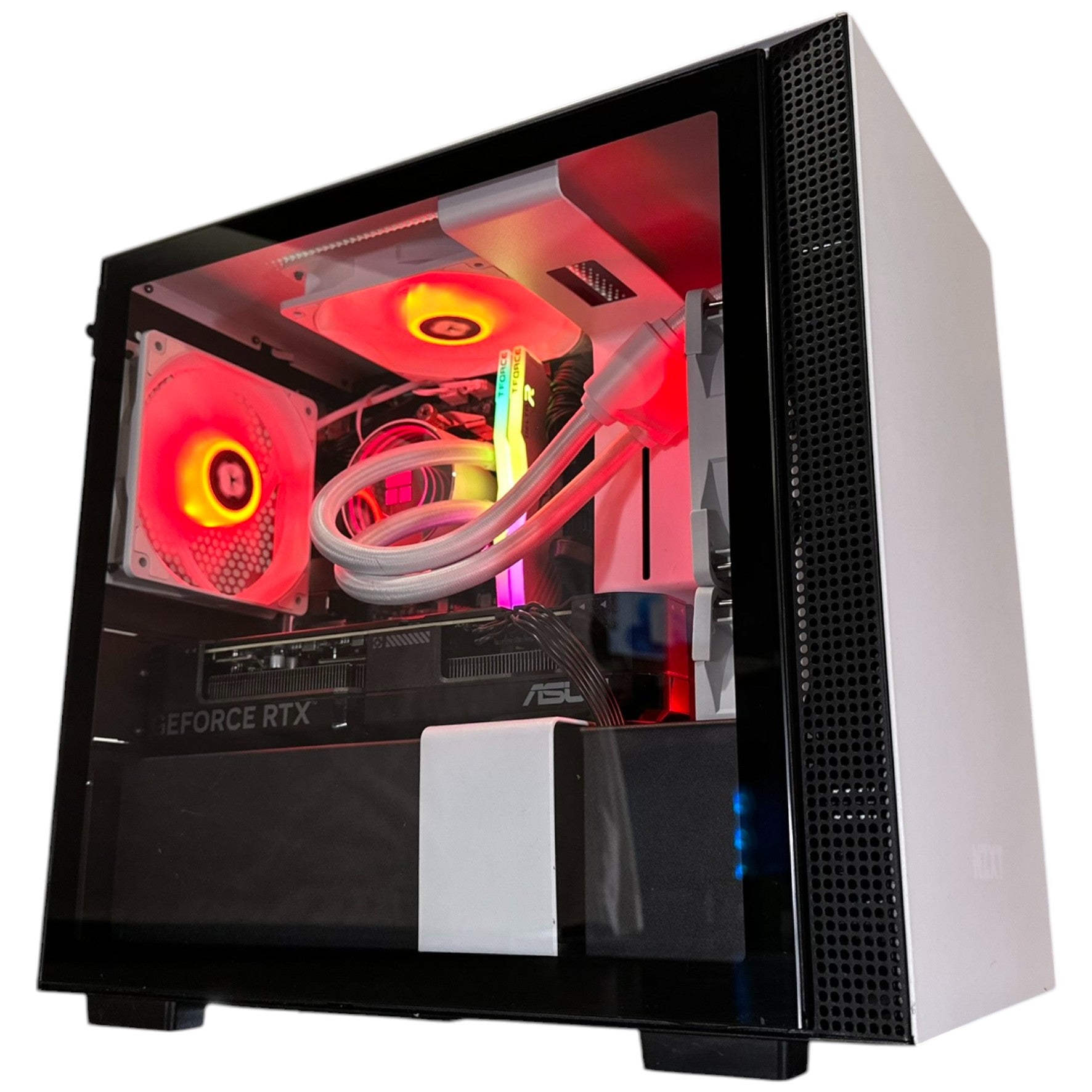
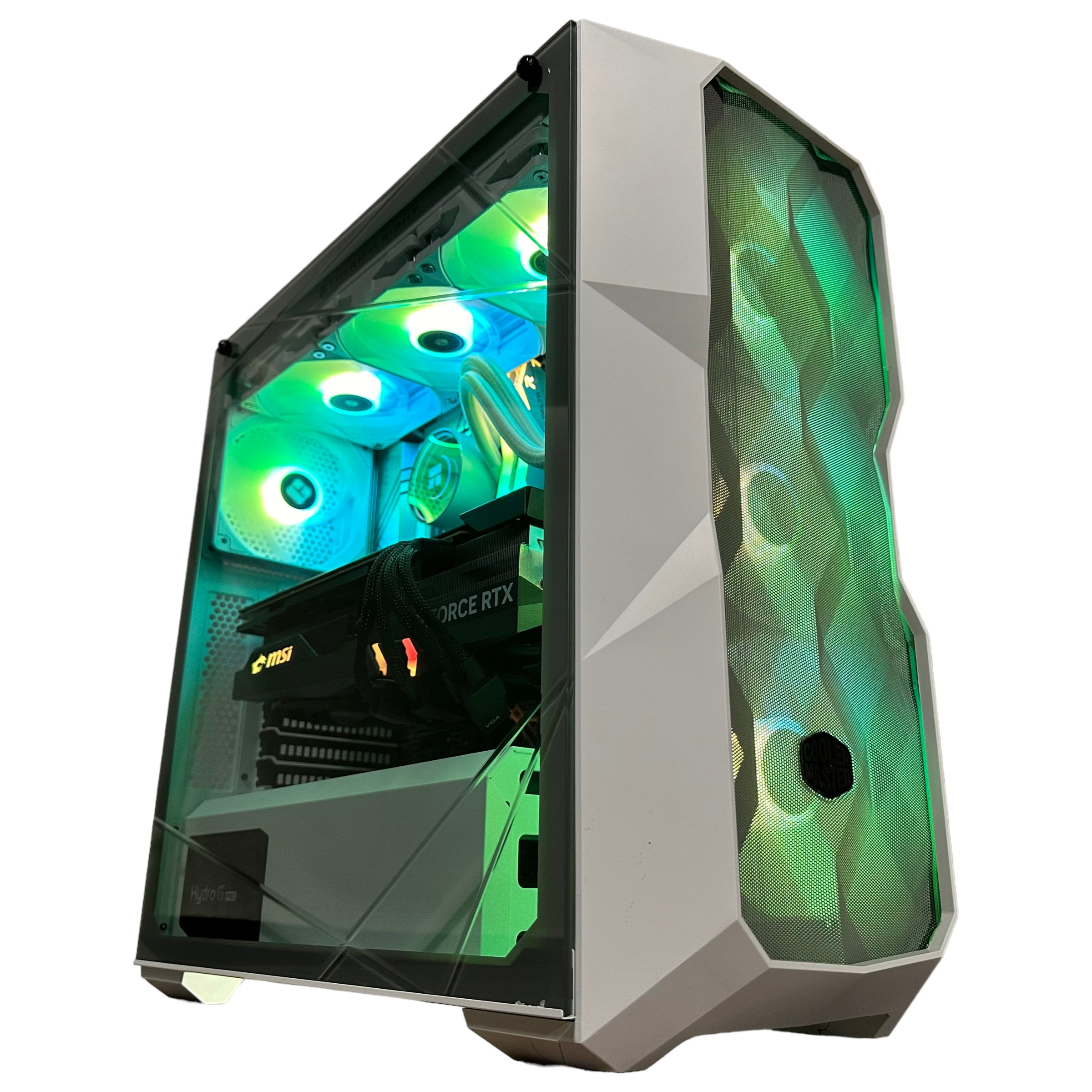
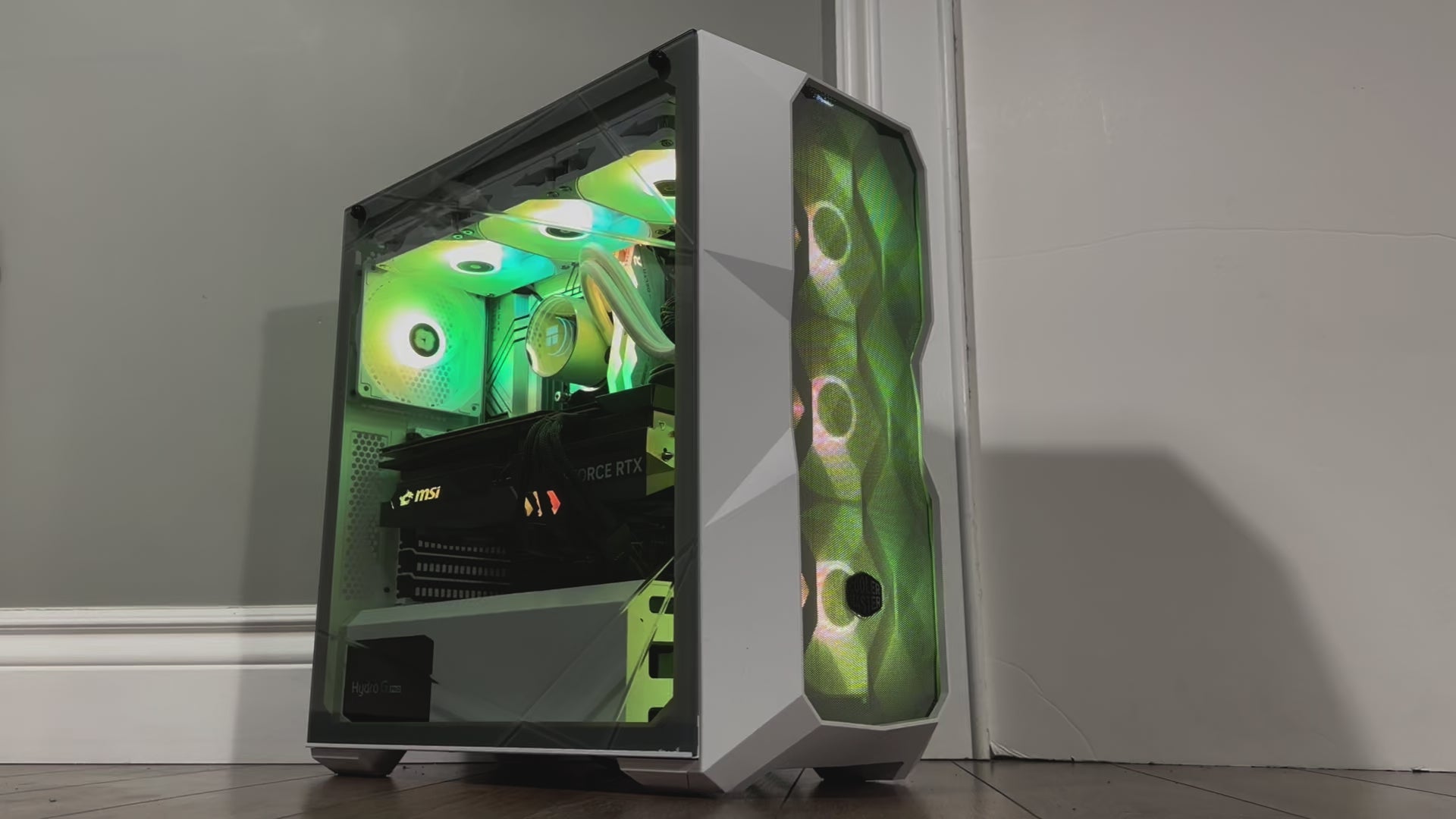
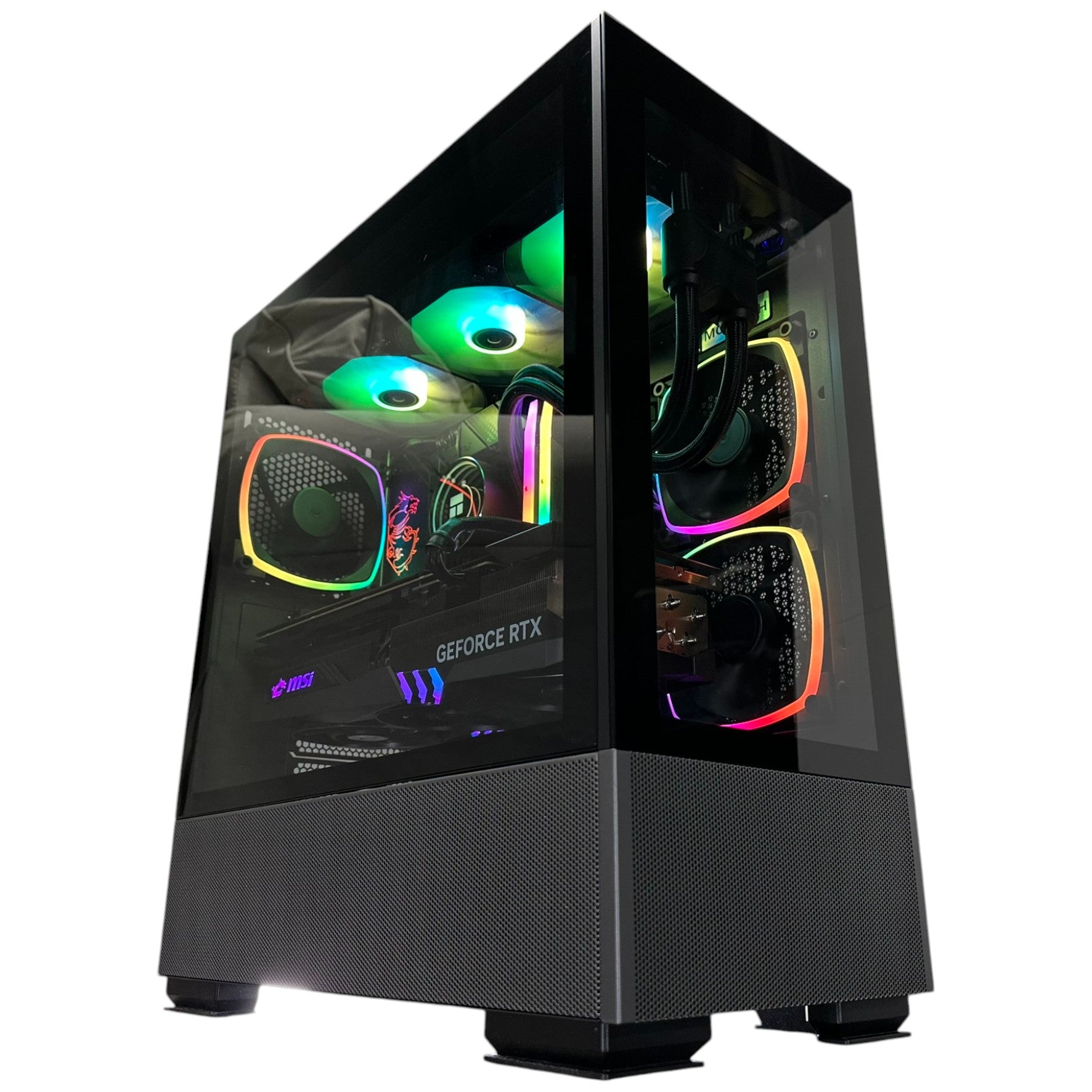
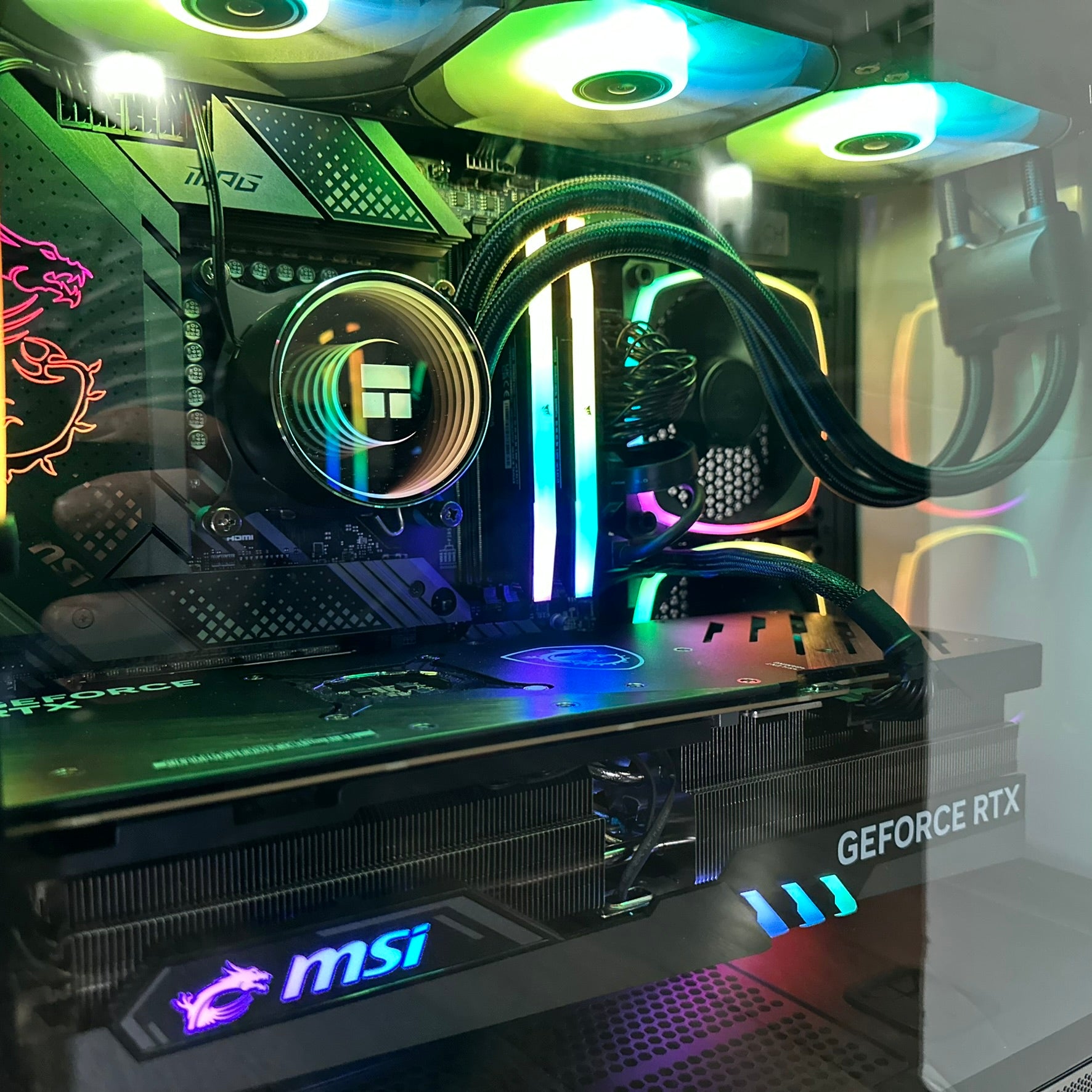
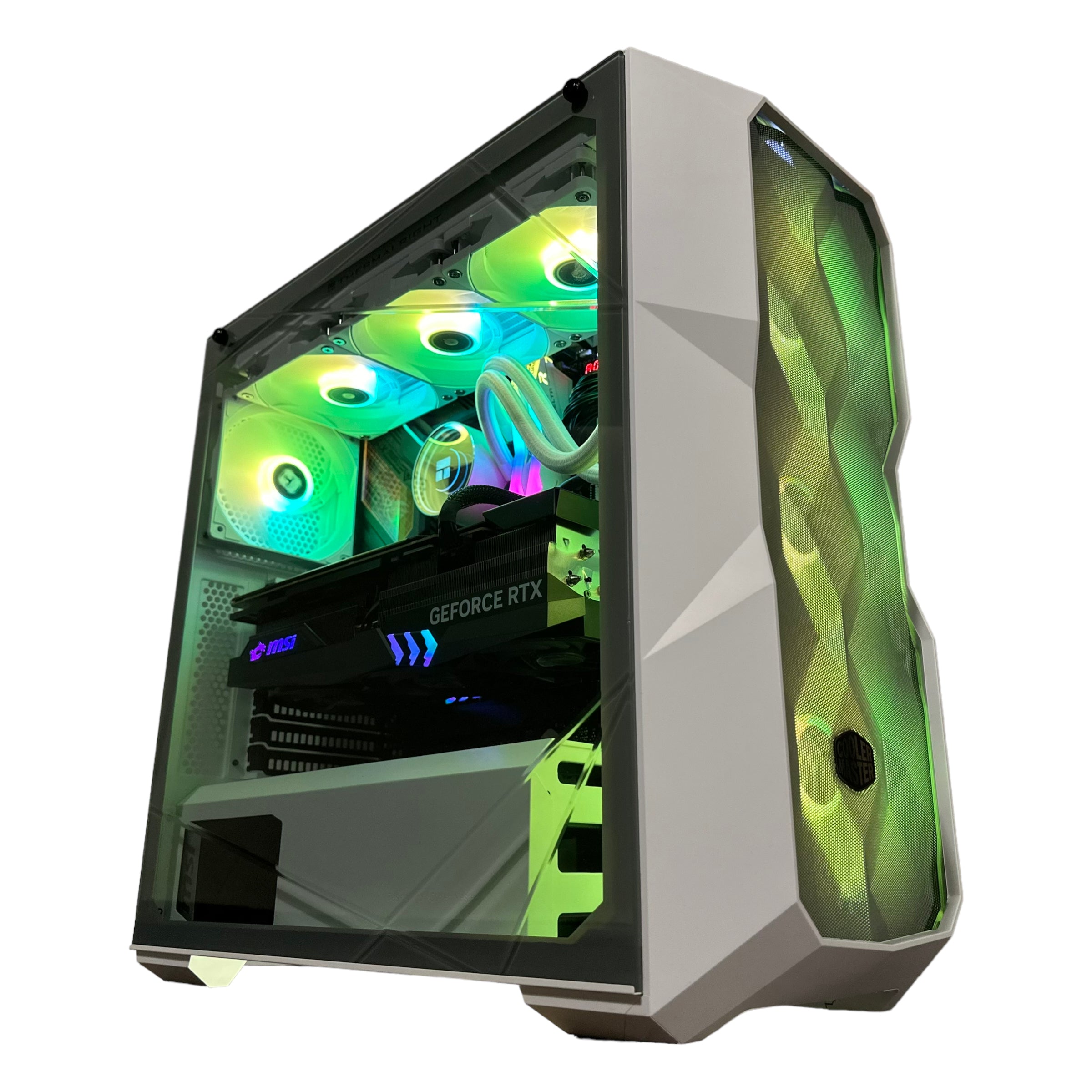
At Groovy Computers, this is where gaming news turns into a useful buying conversation. A headline about Resident Evil can easily become a practical guide for anyone asking whether their next machine should be a budget gaming desktop, a premium RTX-powered build, a streaming rig, or a creator workstation that can game after hours. The real value is not just in the news itself. The value is in understanding what your hardware needs to do next.
What the Resident Evil voice story tells us about modern gaming
According to the source material, voice actor Nick Apostolides explained that he used different music to help shape different versions of Leon Kennedy. Nirvana helped him capture the energy of a younger Leon in the Resident Evil 2 remake. Alice in Chains influenced a more mature version in the Resident Evil 4 remake. For the oldest and heaviest version of the character, he drew from classic 1980s Metallica, especially “Orion,” to get into the right mental rhythm.
Why does that matter to PC buyers? Because it shows how layered modern games have become. A major title is not just polygons and frame rates. It is voice performance, environmental mood, sound design, lighting, pacing, tension, and responsiveness all working together. If you care enough to read about how a character’s voice was built, chances are you also care about whether your PC can properly deliver the game’s atmosphere without stutter, weak frame pacing, or reduced settings.
That leads to a natural question: are you buying a PC just to run games, or are you buying one to actually experience them properly?
Why Canadian buyers should think beyond minimum specs
A lot of shoppers still ask the wrong first question. They ask, “Can this PC run it?” when they should be asking, “How well do I want it to run, and what else do I want this machine to handle over the next few years?”
That difference matters. A system that merely opens a game is not the same as one that handles newer AAA releases smoothly, stays quiet under load, gives you room for future titles, and supports streaming, editing, or multitasking. Canadian buyers also need to think about replacement costs, shipping confidence, support, warranty coverage, and whether they want to upgrade again too soon.
If you are shopping for a gaming desktop in Canada, are you trying to stay under a certain budget? Are you buying before a major game launch? Are you worried that waiting could mean paying more for the same performance later? Are you trying to avoid the trap of buying entry-level today and replacing half the system next year?
These are exactly the kinds of questions that matter more than a simple minimum-spec checklist.
What do you want your next PC to do for you?
Before choosing a parts list, ask yourself what your next computer is really supposed to accomplish. Do you mainly want a system for horror games, shooters, action titles, and open-world releases? Do you want high FPS for competitive play? Do you want a visually rich single-player experience at 1440p or 4K? Do you also plan to stream on Twitch or YouTube, edit videos, create thumbnails, work in Photoshop, or render 3D scenes in Blender?
Your answer changes everything.
- If you only play lighter esports titles, you may not need to overspend.
- If you play new AAA games, a stronger GPU and balanced CPU matter much more.
- If you stream while gaming, encoder support, CPU headroom, RAM, and storage configuration become more important.
- If you edit video or create content, your build should be designed around timeline responsiveness, export speed, and multitasking.
- If you do 3D modeling or rendering, workstation logic may matter more than gaming-first specs.
So what do you want your next PC to do for you: play, compete, create, earn, or all of the above?
What gaming performance tier fits you best?
One of the biggest mistakes buyers make is shopping by hype alone. A better approach is to match your build to your real resolution, game library, and upgrade horizon.
Entry-level and budget gaming: who is it for?
If you mostly play esports games, older AAA titles, indie games, or you are buying your first gaming desktop, an entry-level or budget-focused system may be the smart move. This is often the right fit for students, younger gamers, and households that want good value without chasing ultra settings.
Ask yourself: are you happy with strong 1080p gaming, or do you know you will want 1440p very soon? If you already expect to move to a higher refresh monitor or newer demanding games, buying too low can become expensive in the long run.
A budget-focused system should still be balanced properly. You do not want a weak power supply, poor airflow, limited upgrade room, or storage so small that your game library becomes a problem immediately. That is where a well-planned custom build makes more sense than a random low-cost box.
1440p gaming: the sweet spot for many Canadian buyers
For a lot of buyers, 1440p is where value and visual quality meet. If you want sharp image quality, stronger immersion, and better long-term relevance without going full 4K, this is often the most practical target.
Are you the kind of player who wants newer games to look great without constantly lowering settings? Do you want a smoother experience in cinematic titles while keeping enough power for multiplayer games too? If so, a mid-to-upper-tier custom gaming desktop can be the ideal category.
This tier is also attractive if you want some room for streaming, recording gameplay, or editing clips. It gives you a more comfortable balance between gaming performance and broader usefulness.
4K and premium gaming: when should you step up?
If you are chasing ultra settings, ray tracing, large single-player experiences, premium monitors, or long-term top-end performance, then high-end hardware starts to make sense. But it should still be selected carefully. The most expensive system is not automatically the best value if your monitor, game preferences, and daily workflow do not justify it.
Do you actually need a premium RTX gaming PC, or do you just want one because a specific release has you excited? Are you buying for today only, or do you want a stronger machine that can age more gracefully across multiple new game cycles?
If your answer includes 4K gaming, demanding modern titles, heavy texture packs, creator workloads, and minimal compromise, then moving up to a premium performance tier may save you from a near-future upgrade.
Do you want your PC only for gaming, or for streaming and content creation too?
The line between gaming PCs and creator PCs is thinner than ever. Many buyers no longer want a machine that does just one thing. They want one system for gaming at night, streaming on weekends, editing clips for social media, handling school or work tasks, and maybe even learning design or production tools.
If that sounds like you, then the better question is not “gaming PC or creator PC?” It is “what kind of mixed-use workload do I need this system to handle without frustration?”
Gaming and streaming PC buyers
If you plan to use OBS, Streamlabs, or platform-native streaming tools, your system needs enough overhead to play and encode smoothly at the same time. GPU features matter, but so do CPU choice, RAM capacity, cooling, and storage speed.
Do you want to stream at 1080p while keeping gameplay fluid? Do you want to record footage locally for later editing? Are you using one monitor or two? Do you expect your PC to handle gameplay, Discord, browser tabs, chat tools, and capture workloads at once?
If yes, it makes sense to step above a bare-minimum gaming-only spec. A properly balanced gaming and streaming system will simply feel more stable and more useful.
Video editing and creator-focused buyers
If your gaming habit overlaps with YouTube, short-form content, review editing, podcast production, or Adobe workflows, then your PC should be selected with that in mind. A machine built for gaming alone may still edit video, but that does not mean it is the best long-term choice for your workflow.
What software do you actually use? Adobe Premiere Pro? DaVinci Resolve? After Effects? CapCut? Do you work with 1080p footage, 4K timelines, motion graphics, or large project files? How much time do you lose waiting on exports, previews, or background caching?
If your PC is part of your income, side hustle, or personal brand growth, time saved matters. A stronger creator-oriented build can pay for itself in responsiveness, export speed, and reduced frustration.
Photo editing and graphic design users
Maybe the Resident Evil headline caught your attention because you love game culture, but your actual need is a design or photography machine. That is common. Many buyers want a stylish, capable desktop that can game and also handle Photoshop, Lightroom, Illustrator, InDesign, Canva, and multi-monitor creative work.
Do you process RAW files? Use AI-powered photo tools? Open huge layered files? Run multiple Adobe apps together? Want colour-accurate workflow support and fast SSD responsiveness?
If so, your ideal build may not be the cheapest gaming-first option. It may be a custom creator PC with stronger memory, better storage planning, and enough GPU support to keep modern software feeling smooth.
3D modeling and workstation users
Some readers come in through gaming news but actually need much more than a game machine. If you use Blender, Unreal Engine, CAD tools, rendering software, simulation workloads, or professional multitasking environments, you should think in workstation terms.
What PC do you need for Blender? What PC do you need for Unreal Engine? Are you GPU rendering, CPU rendering, baking assets, compiling projects, or switching between 3D work and gaming? Do you need more RAM now to avoid replacing it soon?
For these buyers, a custom workstation or hybrid creator-gaming build often makes far more sense than a generic prebuilt.
Why this topic should make buyers think about immersion, not just raw power
The original story focused on performance in the acting sense, but for gamers, it connects directly to performance in the hardware sense. Immersion is fragile. A tense scene loses impact if your frame rate tanks. Atmospheric lighting loses depth if you need to cut visual settings too aggressively. Rich audio and cinematic pacing feel weaker when your system is struggling in the background.
If you love games where mood matters, should you really buy the cheapest system that barely keeps up?
For fans of cinematic franchises, survival horror, action remakes, and story-driven releases, the value of a better system is not just FPS. It is consistency, visual quality, responsiveness, and confidence that your machine will still feel capable as games become more demanding.
Is it better to buy now or wait?
This is one of the most common questions in the Canadian custom PC market, and it is a fair one. Many shoppers keep waiting for the “perfect” time, the “perfect” sale, or the “perfect” next hardware shift. But in real buying conditions, waiting does not always lead to better value.
Why? Because full-system pricing is influenced by more than one component. GPU demand can tighten quickly. Memory and storage prices can shift. Case, cooling, and power supply costs can move. New game releases can increase demand for stronger systems. Software updates can make older builds feel smaller than expected. Even if one part gets cheaper, the full build does not always follow in a predictable way.
So ask yourself honestly: are you waiting because you have a clear reason, or because you hope uncertainty will somehow become easier later?
If your current machine is already limiting your gaming, streaming, editing, or productivity, delaying too long can cost you more in lost enjoyment and lower performance than you save in theory.
Could financing help you secure the right build before costs rise?
For many buyers, the real decision is not whether they want a stronger PC. It is whether they want to pay for all of it at once. That is where financing becomes practical rather than flashy.
If financing up to 4 years lets you move from a short-lived entry build into a better-balanced long-term system, that can be a smart decision. The goal is not to overspend recklessly. The goal is to avoid buying too weak and replacing too soon.
Would monthly payments make it easier to get the GPU tier, RAM capacity, or storage setup you actually need? Would it help you move from “good enough for now” to “strong enough for the next few years”? Would it let you buy before a major game release, workload increase, or hardware price change makes the same system harder to justify later?
These are practical buying questions, especially for gamers, creators, students, and professionals who want stronger hardware without taking the full hit upfront.
Should you buy a cheaper PC now or finance a better one?
This is one of the most important buyer questions, and there is no single answer for everyone. But there is a useful framework.
- If your workload is light and your expectations are modest, a lower-cost build may be enough.
- If you know you will game at 1440p, stream, edit, multitask heavily, or keep the system for years, buying too low may create regret fast.
- If one better-tier jump meaningfully extends the life of the system, financing can be the smarter value move.
In other words, the cheapest PC is not always the most affordable PC over time.
Custom PC vs generic prebuilt: why does it matter more when expectations are higher?
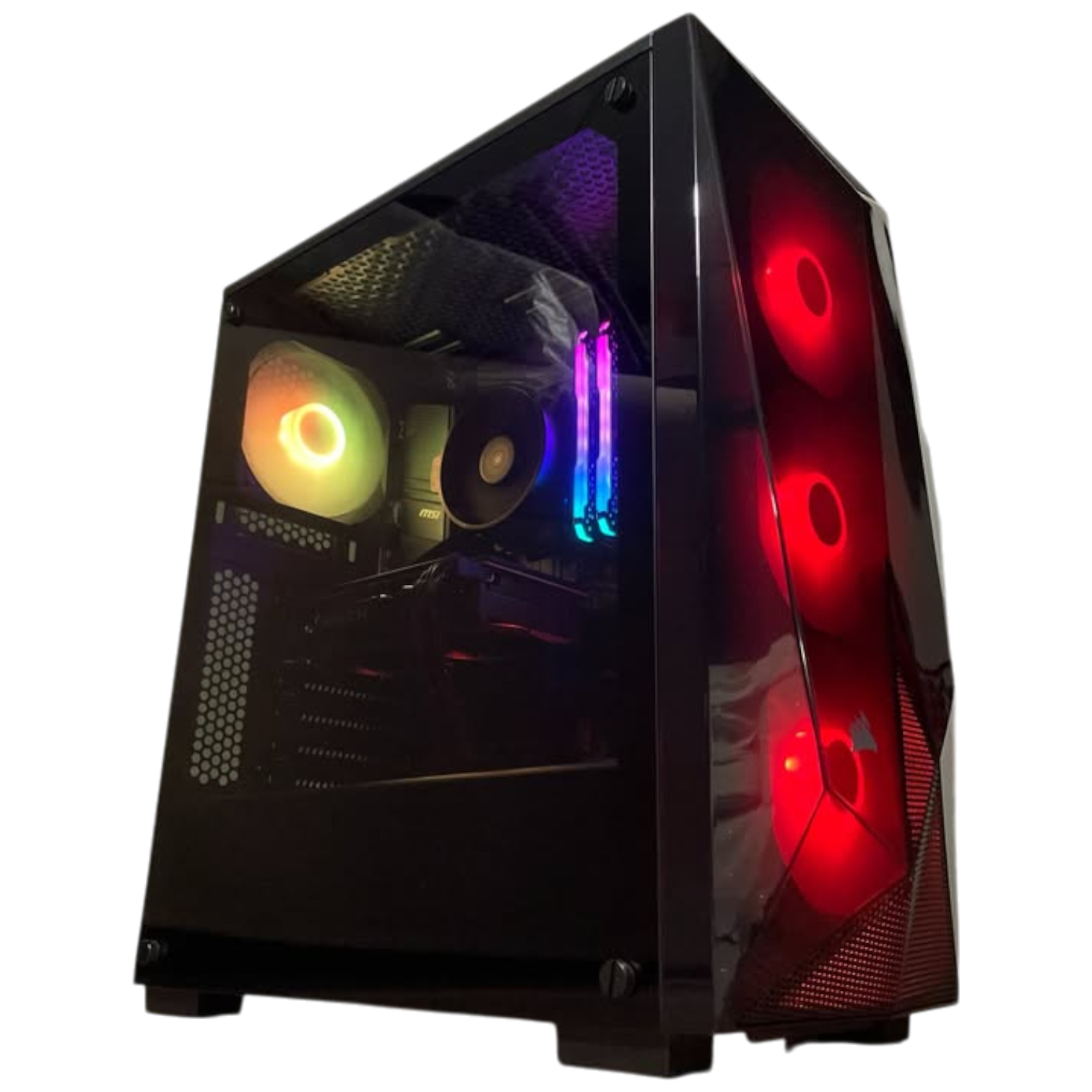
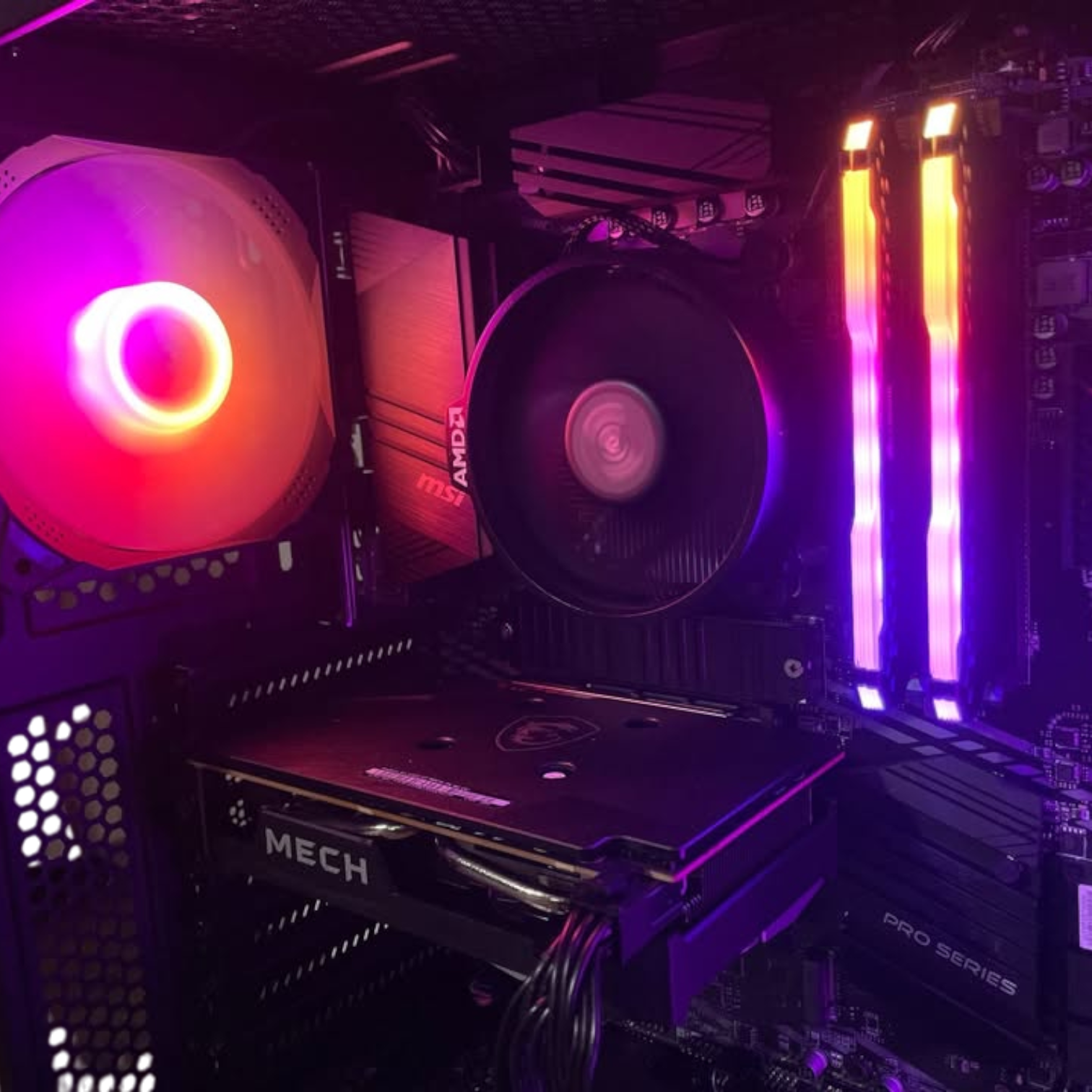
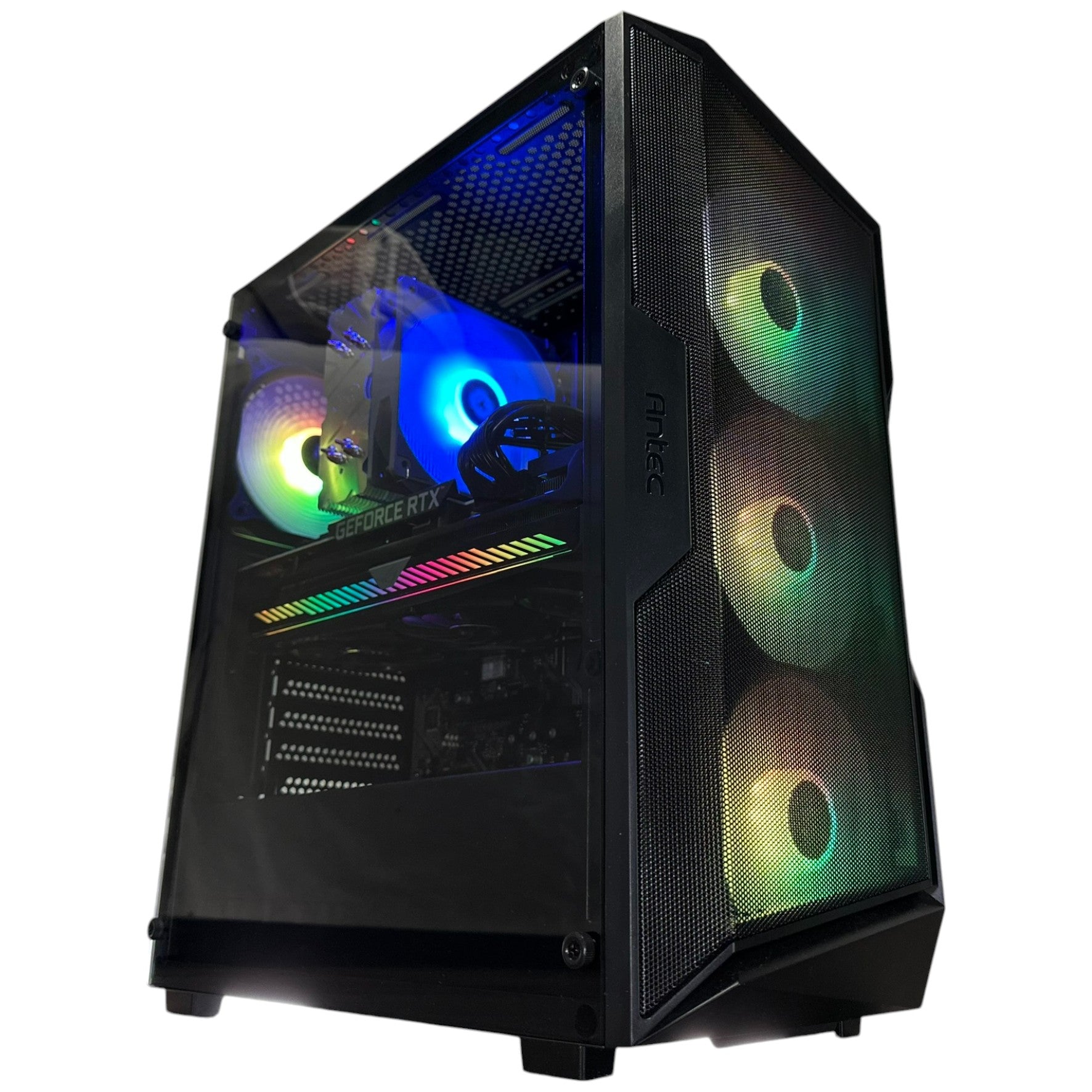
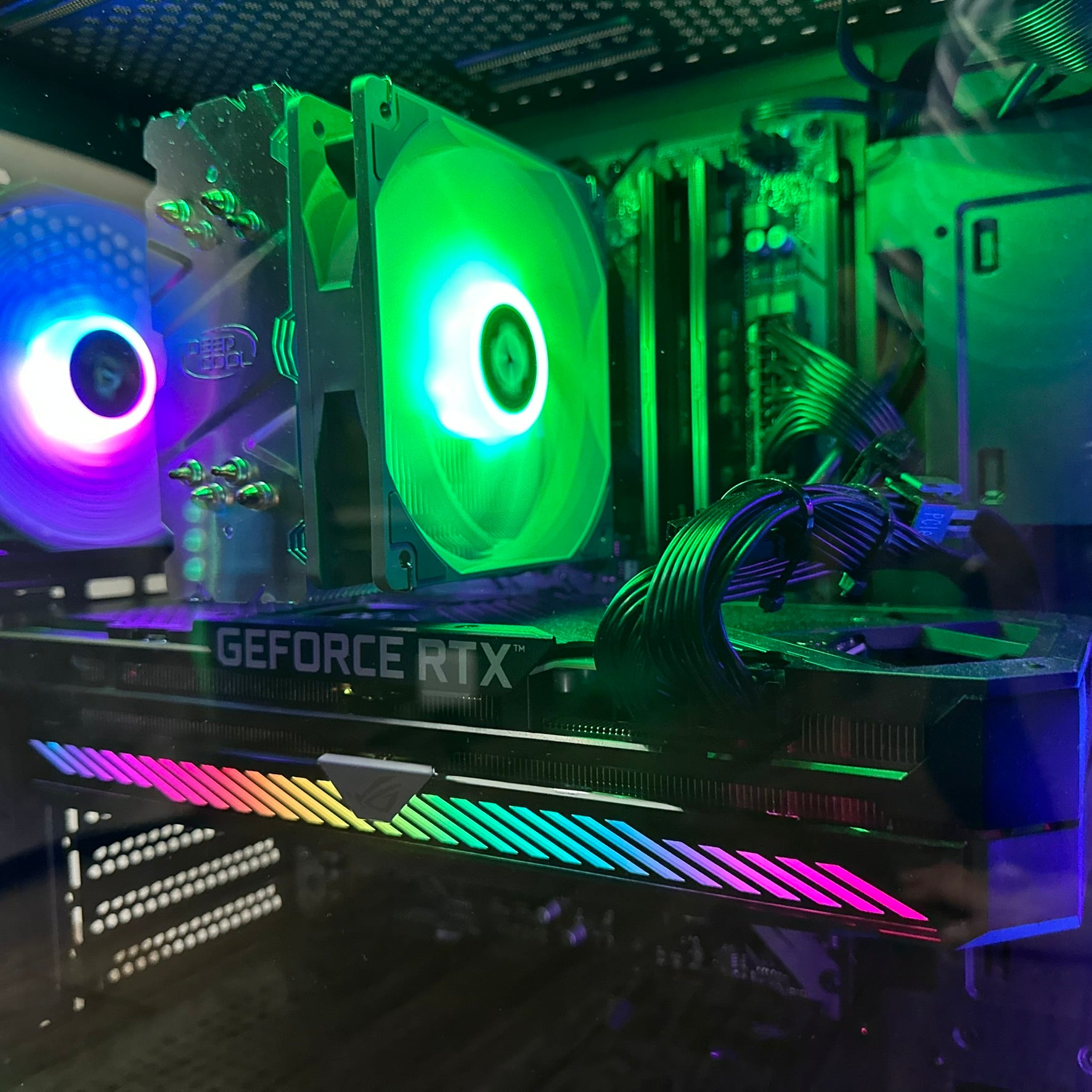
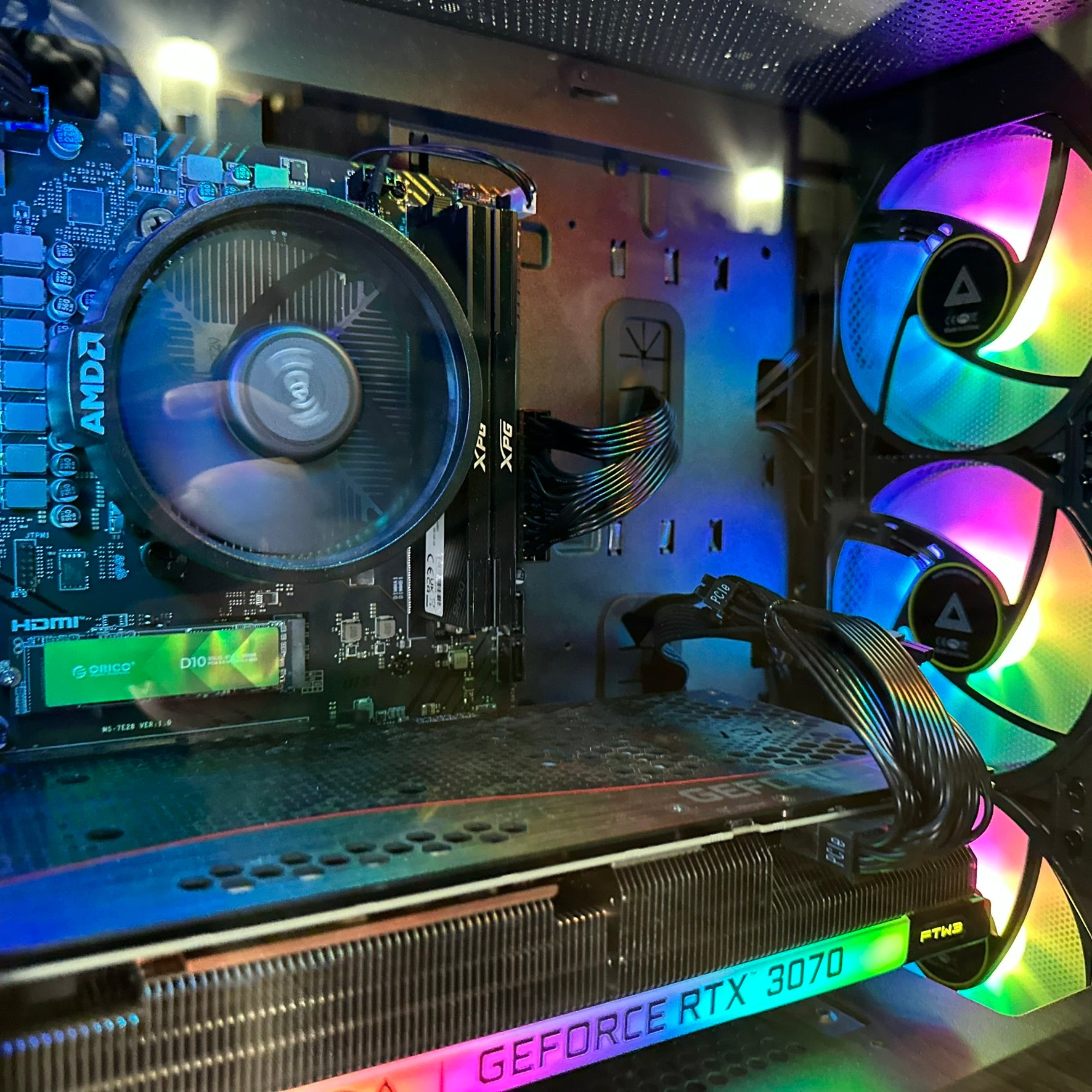
Once your goals go beyond basic use, build quality matters more. A custom desktop selected around your actual gaming and creator needs can offer better part matching, cleaner cooling logic, stronger upgrade paths, and a more sensible balance between CPU, GPU, RAM, storage, and power delivery.
That matters even more when you are trying to avoid premature upgrades. If you buy a system that cuts corners in the wrong places, you can end up replacing storage immediately, adding RAM too soon, dealing with thermal limits, or bottlenecking a stronger GPU later.
Ask yourself: do you want a PC that looks fine on paper, or one that is actually configured for how you use it?
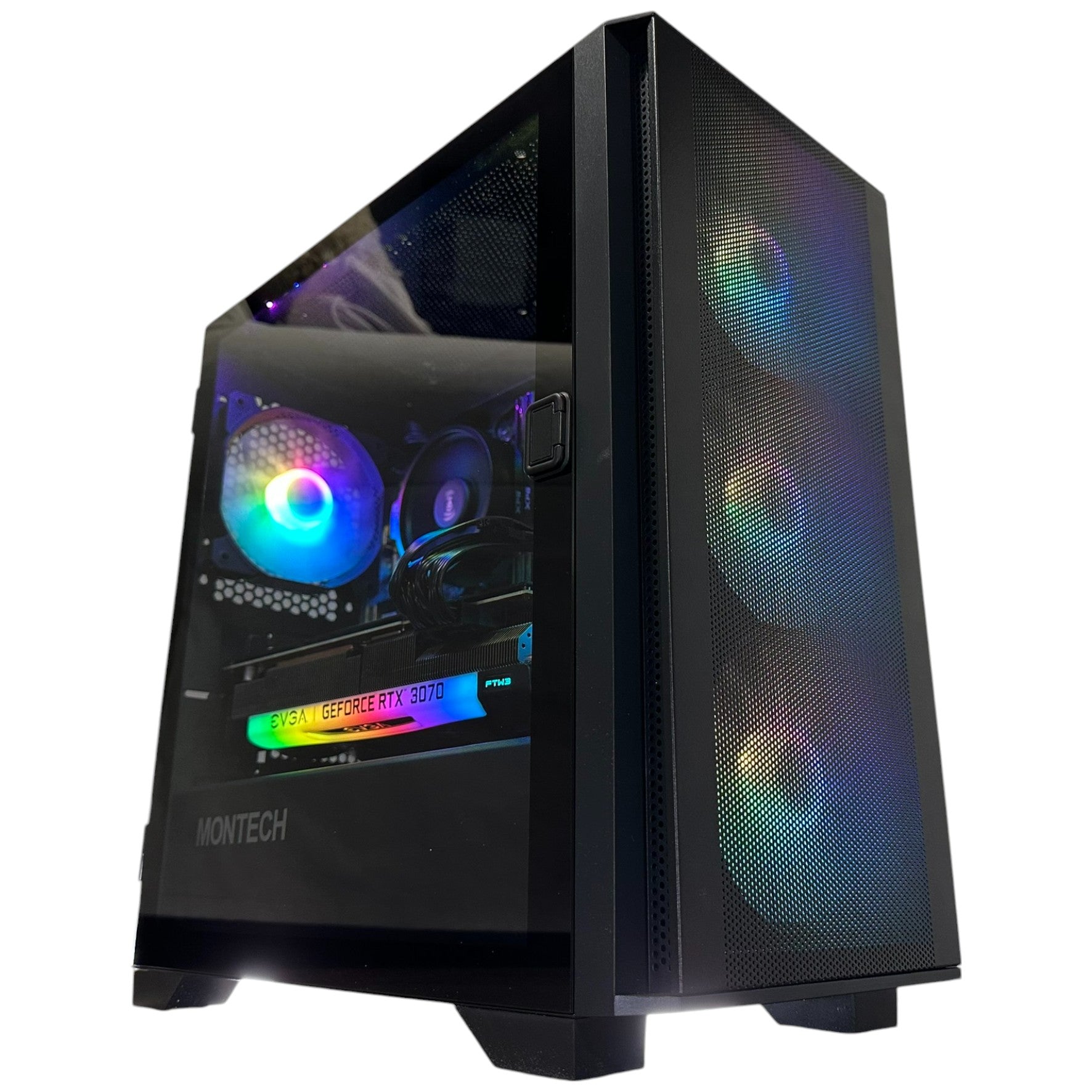
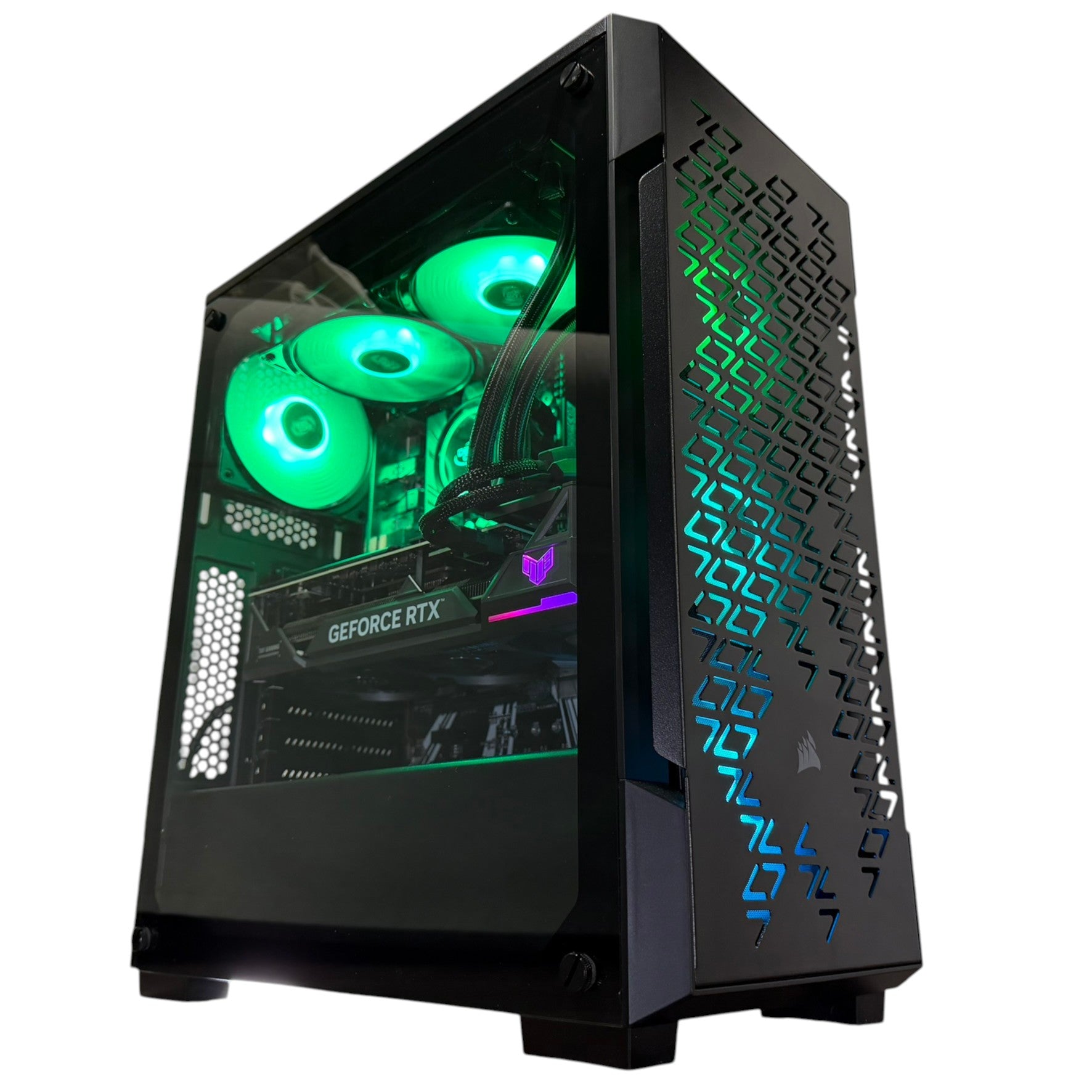
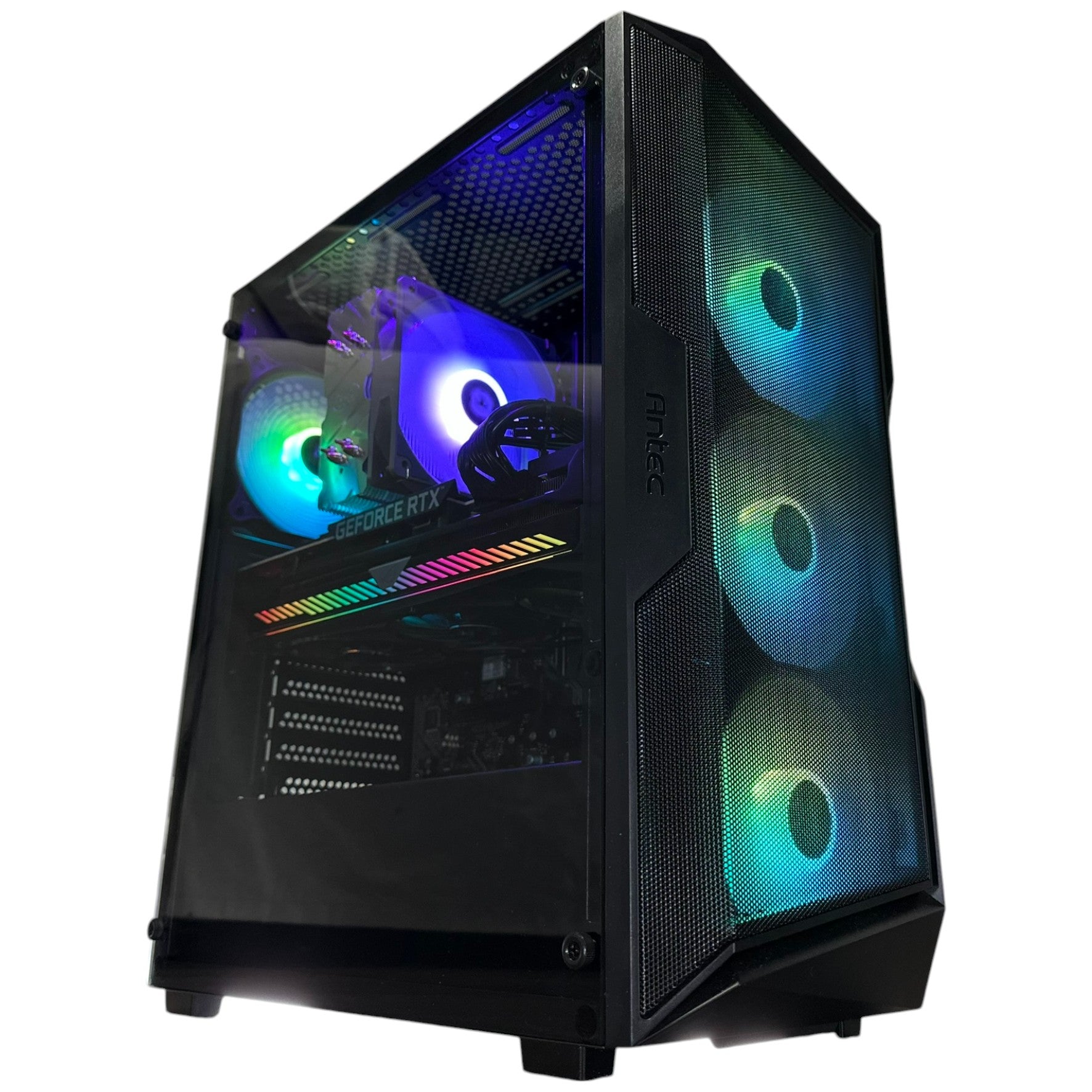
At Groovy Computers, the custom-build approach matters because buyers do not all fit one template. Some need a budget-conscious 1080p gaming system. Some need a 1440p gaming and streaming machine. Some need a creator-focused desktop with stronger RAM and storage. Some need a full workstation. The point is matching the machine to the user, not forcing the user into a generic configuration.
Why testing, support, and warranty confidence matter
Specs attract attention, but reliability keeps buyers happy. If you are ordering a custom desktop in Canada, you should care about whether the system is rigorously tested, whether support is available, and whether you have warranty confidence after delivery.
That is especially important for buyers outside major city centres, as well as customers in Nova Scotia, Atlantic Canada, and across the country who want a dependable online buying experience. A strong custom PC should not just benchmark well on day one. It should arrive ready, stable, and backed by people who understand the system they built.
Groovy Computers positions this part of the experience seriously, with rigorous testing and a 1-year warranty that supports customer confidence. That matters whether you are ordering a gaming PC, a creator desktop, or a workstation you rely on for real project deadlines.
What kind of buyer should choose each category?
Choose a budget-focused gaming build if:
- You mainly play esports, indie, older, or lighter-demand games
- You want a first gaming PC without overspending
- You are staying at 1080p for the foreseeable future
- You want solid value and a reasonable upgrade path
Choose a mid-tier gaming build if:
- You want 1440p gaming with stronger visual settings
- You play modern AAA titles regularly
- You want better long-term value than entry-level can offer
- You may stream, multitask, or create content occasionally
Choose a premium gaming PC if:
- You want 4K gaming or high-end ray tracing performance
- You prefer ultra settings and stronger longevity
- You use a premium display and want to fully benefit from it
- You want a flagship-class experience with fewer compromises
Choose a creator PC or workstation if:
- You edit video, design graphics, process photos, or build content professionally
- You use Adobe apps, DaVinci Resolve, Blender, Unreal Engine, or CAD tools
- You need multitasking stability, stronger RAM capacity, and faster project handling
- You want one powerful system for work and gaming
What should you ask before buying your next desktop?
If you are serious about buying well, ask yourself these questions before placing an order:
- What games or software will I use most often?
- Am I targeting 1080p, 1440p, or 4K?
- Do I care about ray tracing or mostly raw frame rate?
- Will I stream, record gameplay, or edit videos?
- Do I need this system for Photoshop, Lightroom, Illustrator, Premiere Pro, DaVinci Resolve, or Blender?
- How long do I want this PC to feel strong before a major upgrade?
- Would better monthly affordability help me get the right build now?
- Am I buying before a major game release, software upgrade, or pricing shift?
- Do I want a machine that is tested and backed by warranty support in Canada?
These questions are much more useful than asking only whether one game will launch.
Why Groovy Computers fits this moment for Canadian buyers
Gaming culture is getting more cinematic. Creator workloads are getting heavier. Buyers are asking more from one machine than ever before. That is exactly why a Canadian custom builder matters.
Groovy Computers is built around helping customers match performance to real use. Whether you need a gaming desktop, a streaming-capable rig, a custom creator PC, a photo or graphic design system, or a 3D modeling workstation, the goal is not to upsell blindly. The goal is to help you choose a system that makes sense now and continues to make sense later.
For buyers in Nova Scotia and across Canada, that means access to custom-built systems, rigorous testing, a 1-year warranty, and options that can align with both budget and performance goals. It also means support for shoppers who are unsure whether they need a budget gaming computer, a premium RTX gaming PC, or a more serious workstation-class setup.
Need help choosing your build?
If reading gaming news like this makes you realize your current system may not be ready for the next wave of immersive releases, ask yourself one final question: do you want to keep guessing, or do you want help choosing the right custom desktop for the way you actually play and work?
If you want guidance on the right performance tier, a better long-term value build, or a stronger system through financing instead of settling for less, visit GroovyComputers.ca. Whether you need a gaming PC, creator PC, or workstation for Canada-wide delivery, Groovy Computers can help you move from “I need an upgrade” to “this is the right machine for me.”
Final thoughts: the headline is about voice acting, but the buying lesson is about hardware readiness
The source story reminds us that great games are built from layers of performance, mood, and artistic intention. For players, the hardware side of that experience matters just as much. If you care about atmosphere, cinematic quality, modern gaming performance, and having a system that can also handle streaming, editing, or creative work, your next Gaming PC Canada decision should be made with a bigger plan in mind.
What do you want your next PC to do? How long do you want it to last? Are you shopping for the cheapest possible option, or the smartest long-term fit? And if a stronger system now could save you from another upgrade too soon, is this the time to act?
For Canadian buyers who want a custom-built, tested, reliable desktop with real support behind it, Groovy Computers is exactly where that conversation should start.
#GamingPCCanada #CustomGamingPCCanada #GamingPCBuilderCanada #GamingComputersCanada #CanadaBuiltGamingPC #StreamingPCCanada #CreatorPCCanada #VideoEditingPCCanada #3DModelingPCCanada #CustomWorkstationPCCanada #NovaScotiaPCBuilder #BuyGamingPCOnlineCanada
Groovy Computers | All Rights Reserved



Leave a comment
This site is protected by hCaptcha and the hCaptcha Privacy Policy and Terms of Service apply.