


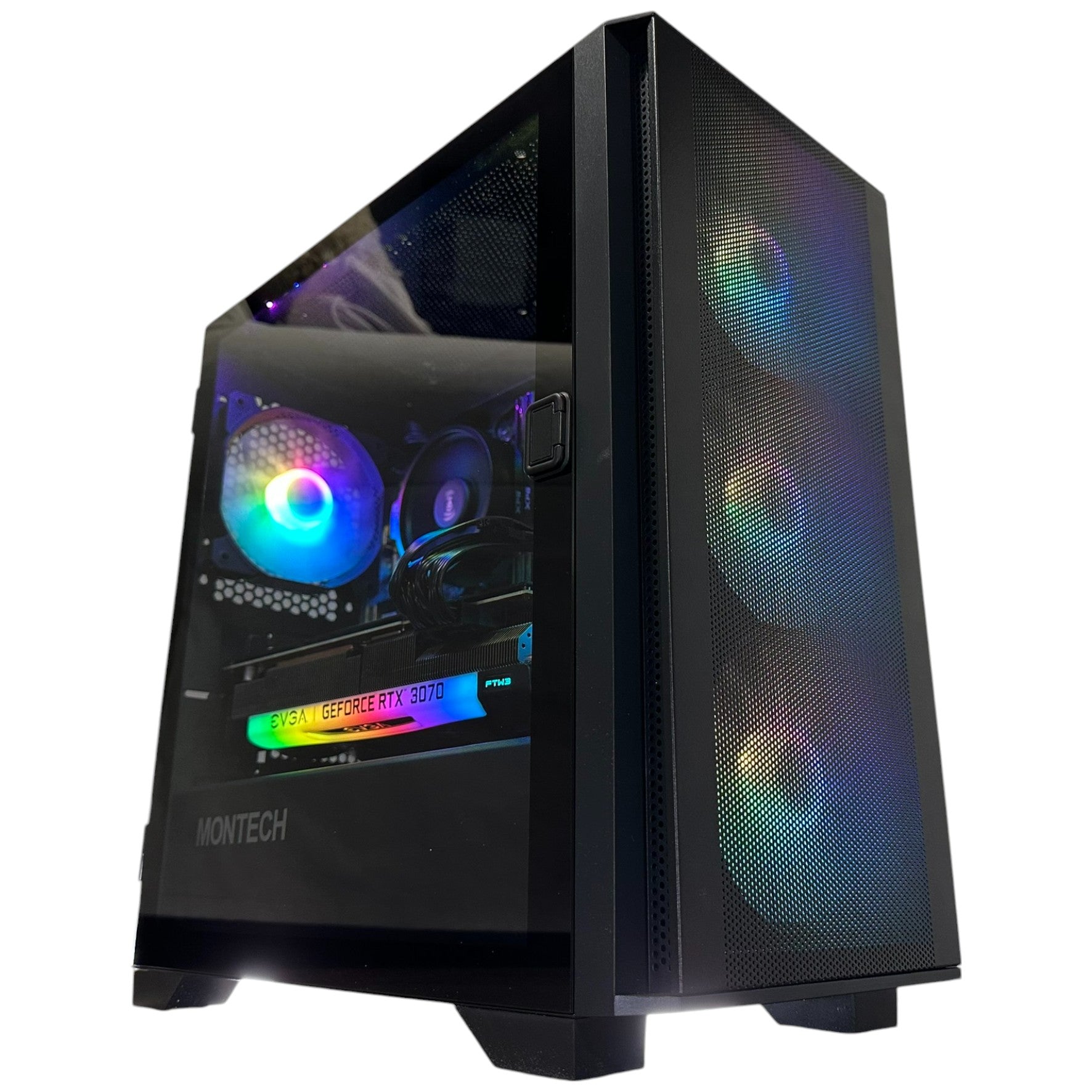
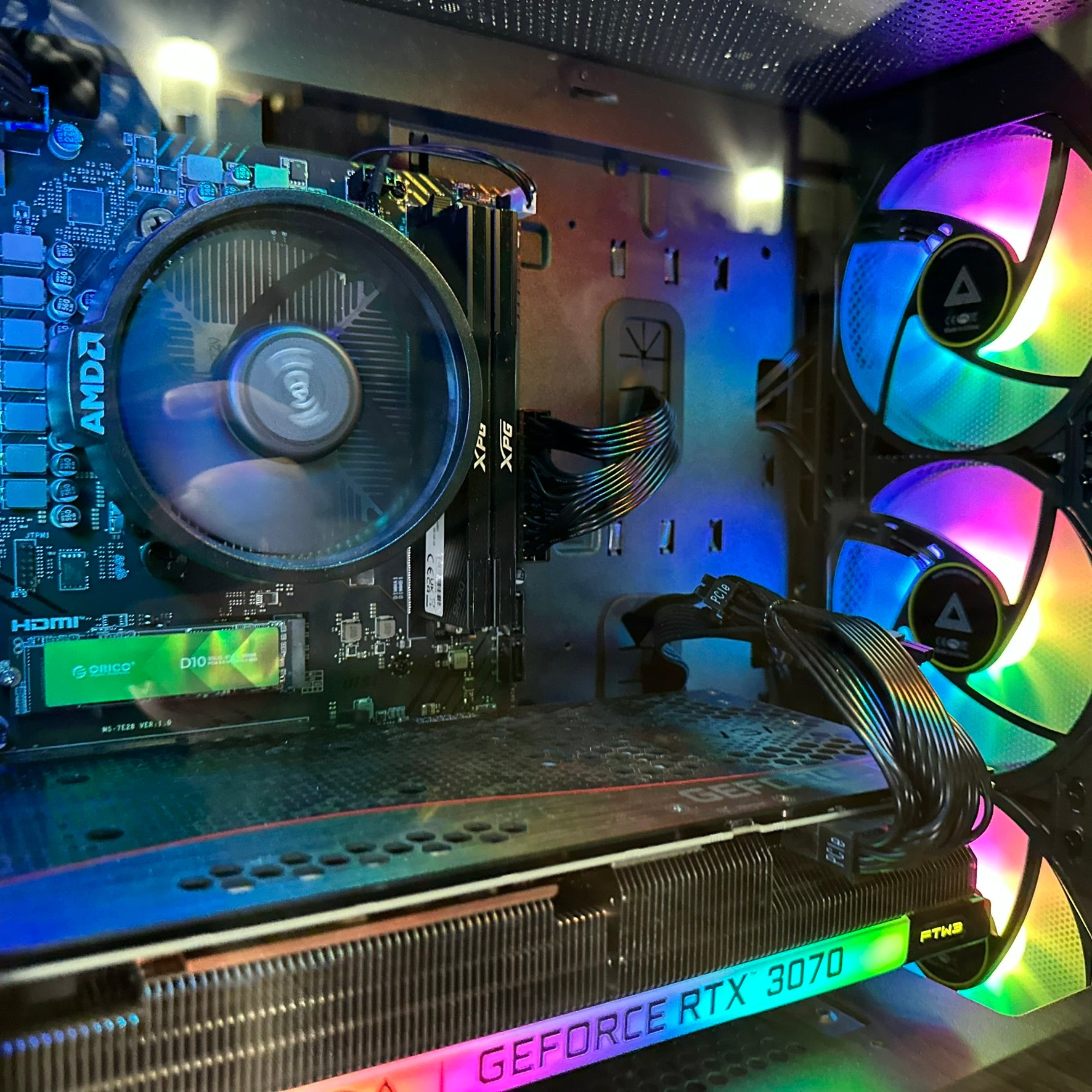
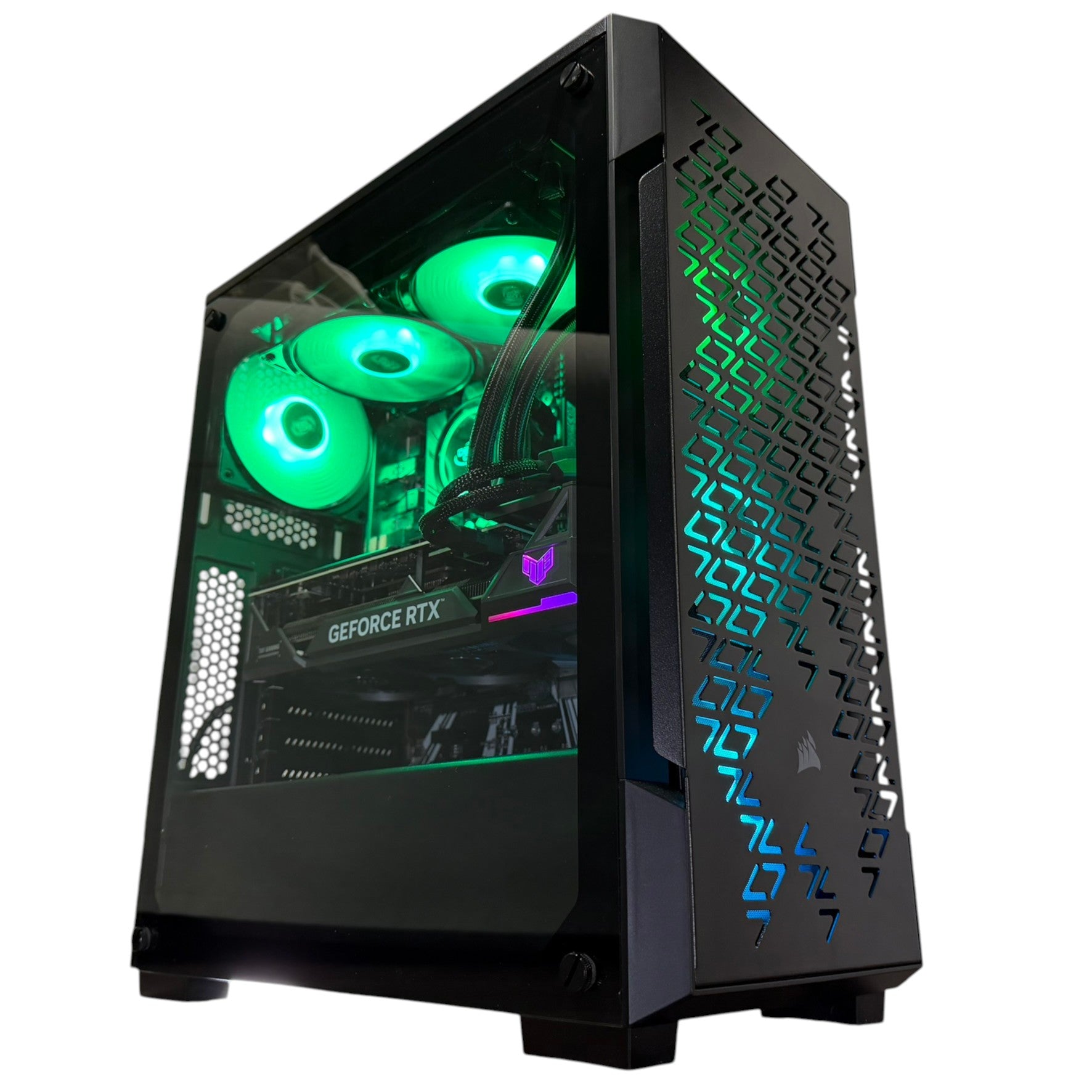

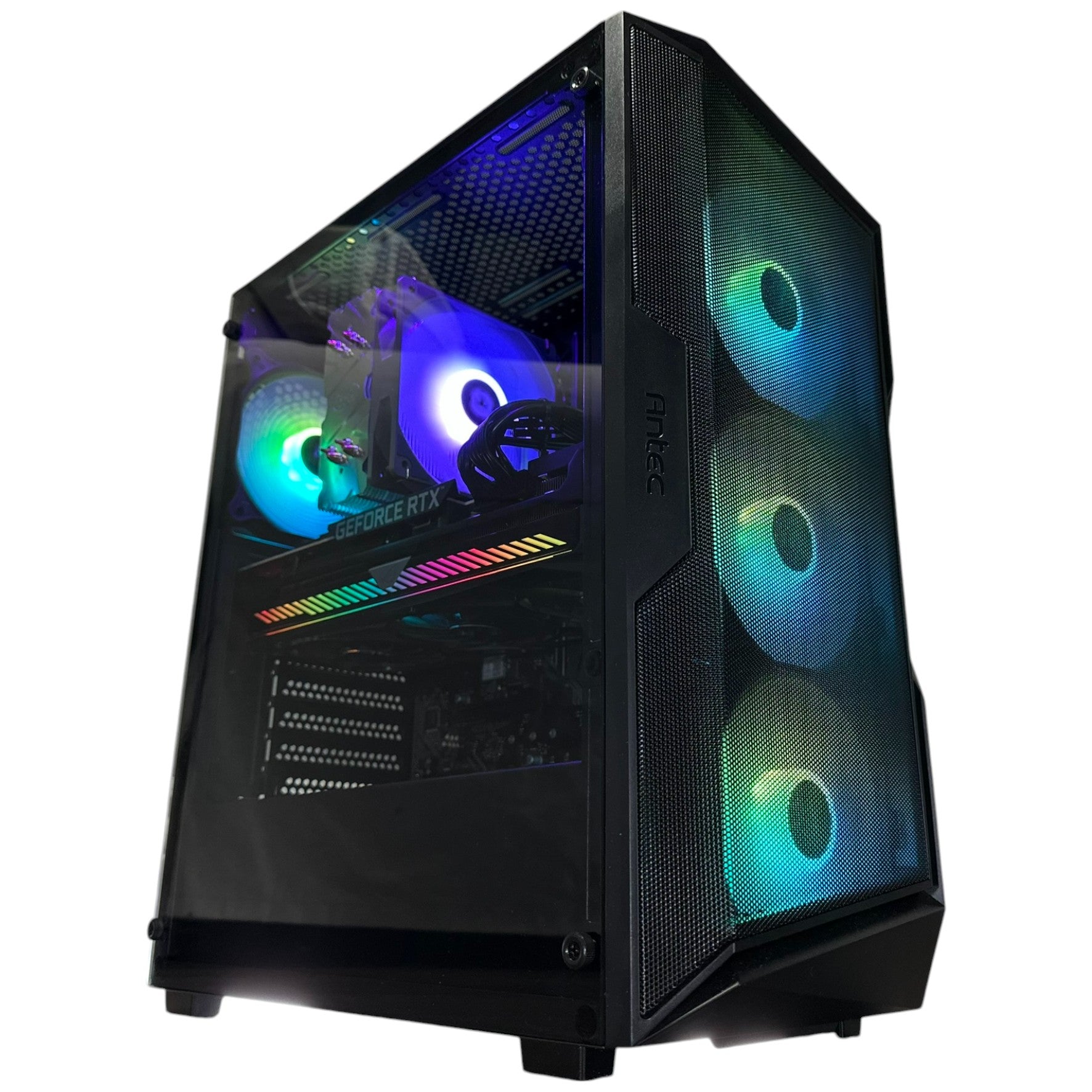


GTA 6 Payment Plan News Is a Wake-Up Call for Canadian Buyers Choosing Their Next Gaming PC
The recent GTA 6 payment plan headline says a lot about where the market is headed. When a major game becomes big enough that companies start promoting tiny daily payments just to make the upfront cost feel easier, it highlights something larger than one launch-day preorder. It shows how strongly demand, hype, and affordability are shaping buying decisions. For Canadian shoppers, that matters even more when you are not just thinking about the cost of a game, but also the cost of the hardware needed to enjoy the next generation of open-world releases properly. If you are planning for GTA 6, other upcoming AAA titles, streaming, content creation, or a full setup refresh, this is the right time to think beyond the game itself and start asking what kind of system you actually need.
The source story focused on a mobile network offering a way to spread the cost of GTA 6 over time with low daily repayment language. That may sound harmless on the surface, but it raises a much more useful question for PC buyers in Canada: if people are already being encouraged to finance the game, should you be thinking more carefully about financing the hardware that will matter far more to your long-term experience?
That is where a smarter custom-PC conversation begins. A game is a one-time purchase. Your computer affects every game you play, every stream you run, every edit you export, every creative project you finish, and every upgrade you avoid for the next several years. If you are going to spread out payments on anything, should it be a short-lived purchase, or should it be a stronger system that serves you longer and better?
What the GTA 6 payment plan story really tells us
The headline is attention-grabbing because it turns a premium entertainment launch into a monthly payment product. But beneath that is a very real market signal: companies know demand around GTA 6 is intense, and they know consumers are feeling pressure from pricing. The launch of a title this large often influences more than game sales. It can trigger new PC purchases, GPU demand spikes, monitor upgrades, storage upgrades, and system refreshes from people who do not want to be left behind when performance expectations rise.
That is why this story matters to anyone searching for a gaming PC for GTA 6, a custom gaming PC in Canada, or even a creator PC that can handle gaming and productivity in one system. The biggest mistake is focusing only on the sticker price of the game while ignoring the much bigger performance and value decision sitting behind it.
Are you buying for one release, or are you buying for the next three to five years of gaming?
Are you trying to spend the least amount today, or are you trying to avoid replacing a weak system too soon?
Do you want something that can merely launch new games, or something that can run them smoothly at the resolution and settings you actually want?
Why Canadian buyers should think differently about game hype and hardware timing
In Canada, major game launches often arrive alongside a second problem: hardware timing. The moment a highly anticipated release gets close, more buyers start asking the same questions at once. Can my current PC run it? Do I need a GPU upgrade? Should I go for 1080p, 1440p, or 4K? Is it better to buy now or wait? When enough people ask those questions together, pressure builds on the same categories of parts and systems.
That pressure does not always mean every component instantly jumps in price, but it does mean flexibility can shrink. Certain graphics card tiers become harder to source. Popular CPU and GPU combinations get snapped up faster. Buyers who waited too long may have fewer ideal options and may end up compromising on performance, cooling, storage, or upgrade path just to get something quickly.
For Canadian customers, there is another layer: exchange-rate sensitivity and regional pricing behaviour can make replacement costs feel even heavier. If you have been putting off a purchase, the better question may not be whether prices will magically get easier later. It may be whether securing the right build now gives you better value than scrambling later when your options narrow.
What do you want your next PC to do for you?
Before you worry about daily payments, monthly payments, or launch-day hype, start with the most important buying question: what do you want your next PC to do for you?
Do you want a machine built primarily for GTA 6 and other AAA games at high settings?
Do you want a gaming and streaming PC that can run your game, OBS, Discord, browser tabs, and background apps without becoming a stutter-heavy mess?
Do you want a creator system that can game at night and handle Premiere Pro, DaVinci Resolve, Photoshop, Illustrator, Lightroom, or CapCut during the day?
Do you need a workstation for Blender, Unreal Engine, 3D rendering, CAD, or heavy multitasking?
Are you a budget-focused buyer trying to get into modern PC gaming without overspending, or are you trying to avoid buying twice by stepping into a stronger class of system now?
These questions matter because the right answer is not the same for every customer. A student looking for a budget gaming PC in Canada has different needs than a streamer building a dual-purpose setup, and both are different again from a designer or editor trying to save time on exports and multitasking.
If you are buying for GTA 6, what level of gaming performance do you actually want?
One of the biggest traps in PC buying is asking, “Can it run the game?” That is too low a bar for a modern buying decision. A much better question is, “How do I want it to run?”
Entry-level gaming: is 1080p enough for you?
If your goal is practical value, a budget-friendly system aimed at solid 1080p gaming may be enough. This kind of buyer usually wants strong general playability, good esports performance, and enough graphics headroom to enjoy new games without chasing maximum settings. If that sounds like you, ask yourself whether visual quality matters more than framerate, and whether you are comfortable tuning settings when a demanding new title launches.
A 1080p-focused build can make sense for first-time buyers, students, and players using standard refresh-rate monitors. But if you already know you want GTA 6 to feel like a major visual upgrade, it is worth thinking carefully before settling too low. Saving a little now can lead to wanting a new GPU much sooner than expected.
Mainstream enthusiast gaming: are you really a 1440p buyer?
For many Canadian gamers, 1440p is the sweet spot. It offers a noticeable visual upgrade over 1080p while still being realistic for strong mid-range and upper-mid-range GPUs. If you want a gaming PC for GTA 6 that feels exciting rather than just acceptable, this is often the category to watch.
Are you buying a monitor upgrade soon? Do you care about high settings, smoother frame pacing, sharper image quality, and enough power to handle newer titles for longer? If so, a 1440p gaming PC may be the smarter long-term value than a lower-tier system you outgrow quickly.
This is also where many buyers start thinking about ray tracing, better cooling, faster SSDs, more RAM, and CPUs that give the GPU room to breathe in dense open-world environments.
High-end gaming: do you want 4K, ray tracing, and fewer compromises?
If you are chasing premium image quality, ultra settings, advanced lighting features, or a large 4K display, then your build conversation changes significantly. A high-end gaming PC in Canada is not just about brute force. It is about balance, thermals, reliability, and making sure the entire system supports sustained top-tier performance.
Should you finance a higher-end gaming PC if it means getting the experience you actually want rather than settling for less and upgrading sooner? For many buyers, that becomes a very practical question. If the stronger build lasts longer, feels better every day, and reduces the chance of a near-term GPU replacement, the math can favour the better system.
What if you also stream, record, or create content?
This is where many buyers accidentally underspec their systems. They shop as if they are only gaming, then later add streaming, recording, editing, clipping, thumbnail work, browser-heavy multitasking, and AI-assisted creative tools. Suddenly the “good enough” gaming machine no longer feels good enough.
If you stream on Twitch, YouTube, TikTok Live, or Discord, ask yourself a few direct questions.
Do you want smooth gameplay while streaming at the same time?
Will you record high-bitrate footage for later editing?
Do you use OBS, Streamlabs, Discord, and multiple displays simultaneously?
Do you want one PC to handle gaming and streaming, or are you thinking about a long-term creator setup?
A proper gaming and streaming PC should not just chase average FPS. It should leave headroom for encoding, background tasks, scene transitions, browser sources, and the overall feel of a live production setup. This is where a custom build can outperform a generic off-the-shelf system because the parts are selected for the workload, not just the marketing headline.
If you already know that your next setup will be used for both gaming and content creation, a stronger CPU, more RAM, efficient cooling, and a capable GPU may be worth prioritizing right now instead of later.
Are you buying a gaming PC, or do you really need a creator PC?
Some readers arrive from game news but are actually shopping for something broader. Maybe GTA 6 is the spark, but the real need is a machine that can also handle editing, graphics, photography, or 3D work. If that sounds familiar, then your buying decision is no longer just about game performance. It is about workflow performance.
Video editing buyers
If you work in Premiere Pro, DaVinci Resolve, After Effects, or CapCut, ask yourself how much your time is worth. Are slow exports, choppy timelines, and overloaded RAM costing you hours every month? Do you edit 1080p footage, 4K projects, multicam timelines, or social clips at scale?
A custom video editing PC in Canada should be configured around the software you actually use. Some buyers need stronger CPU resources. Others benefit heavily from GPU acceleration, fast NVMe storage, and much more memory. If your current machine is “fine” until effects, colour work, or layered timelines appear, then it is probably not fine anymore.
Photo editing and graphic design buyers
If you spend your day in Photoshop, Lightroom, Illustrator, InDesign, Canva, or other Adobe Creative Cloud tools, responsiveness matters. So does storage speed, memory capacity, and having a system that stays quick with large files, RAW libraries, linked assets, and multitasking.
Do you need a dedicated creator desktop because client work cannot wait on spinning beachballs, laggy previews, or batch exports that crawl? Are you running one screen today but planning a dual-monitor or colour-managed setup next?
A good photo editing PC or graphic design PC does not need to be configured like a gaming-only machine, but it does need the right balance. Buying the wrong type of “deal” system often means paying for features you do not need while still missing the performance you do.
3D modeling and workstation buyers
For Blender, Unreal Engine, CAD, rendering, game asset creation, and heavy multitasking, the build logic changes again. Here, you need to think about GPU rendering, CPU rendering, viewport performance, memory demands, and long-session stability. A workstation buyer should ask whether the next system is meant to support hobby work, freelance output, studio workloads, or professional production.
What PC do you need for Blender? What PC do you need for Unreal Engine? How much RAM do you need for 3D rendering? These are not side questions. They determine whether your build saves time or wastes it.
Why financing the right system can make more sense than financing the wrong purchase
The source story touched a nerve because it framed a game purchase as something to be spread over time. But if we take a step back, the more useful financing conversation is about value over lifespan. A stronger, better-matched PC can remain useful for years. A weak machine chosen only to reduce the immediate price can cost more in frustration, resale loss, and early replacement.
So ask yourself this: if you are considering monthly payments anyway, would you rather put that flexibility toward a machine that gives you better gaming, better streaming, better editing, and better longevity?
That does not mean everyone should finance the most expensive build possible. It means financing should be used strategically. If a small monthly difference moves you from an underpowered system into a much better long-term tier, that can be a smarter decision than buying the cheapest option and regretting it six months later.
For many buyers, financing up to 4 years can help secure a stronger custom PC before replacement costs rise or demand shifts the market. The key is not to think in tiny daily numbers. The key is to think in total value, total capability, and total years of use.
Is now a good time to buy, or should you wait?
This is one of the most common questions in any gaming PC buying guide in Canada. The honest answer is that waiting only makes sense if you have a clear reason and a clear fallback plan. Waiting without a strategy often means drifting into a worse buying position.
If your current system already struggles, if you know a major game release is pushing you toward an upgrade, if your creative software is becoming more demanding, or if your workflow is growing, then waiting can become expensive in hidden ways. Lost time, lower enjoyment, delayed projects, and buying under pressure are all real costs.
Could prices on some parts improve later? Possibly. Could another category rise, become harder to source, or leave you with fewer ideal configurations? Also yes. The practical question is whether your current machine still meets your needs, not whether the market will ever become perfect.
If you already know you need a better system before a major launch window, before a busy content season, or before another round of upgrades becomes unavoidable, acting earlier gives you more control.
How pricing volatility affects full-system decisions
When people think about PC pricing, they usually focus on graphics cards. That is understandable, but full-system cost pressure can come from several directions at once.
GPUs can tighten due to demand from gamers, creators, and performance-focused buyers.
CPUs can swing based on platform popularity and release cycles.
RAM prices can shift quickly depending on supply trends and market demand.
SSD pricing can move as storage demand increases, especially for larger, faster drives.
Motherboards, power supplies, and cooling solutions can become more expensive in premium tiers where quality matters.
For the customer, this means one thing: the replacement cost of “waiting until later” is not always lower. Sometimes the exact class of system you wanted becomes more expensive to replicate, or the best-value parts become less available. That is why a carefully selected custom PC can be a stronger move than chasing the illusion of perfect timing.
Which performance tier fits you best?
If you are not sure where you fit, this simplified buyer framework can help.
Choose a value-focused build if:
You mainly play at 1080p
You want a budget gaming PC that handles modern titles responsibly
You are buying your first gaming desktop
You want better reliability than low-end marketplace systems
You are okay adjusting settings over time
Choose a mid-tier enthusiast build if:
You want 1440p gaming to feel like a real upgrade
You care about high settings and smoother long-term performance
You may stream, record, or multitask while gaming
You want more future headroom before your next upgrade
You are trying to avoid buying too cheap and replacing too early
Choose a premium gaming or creator build if:
You want 4K gaming, ray tracing, or premium image quality
You stream seriously or create content regularly
You edit video, work in Adobe apps, or need stronger multitasking
You use Blender, Unreal Engine, or demanding workstation software
You want a long-lasting system with fewer compromises
Still unsure? Ask the more revealing version of the question: what would disappoint you more in six months, spending a little more now or discovering your system is already the limiting factor?
What questions should you ask before buying or financing a custom PC?
Before you move forward, ask yourself these practical questions.
What games or software will I actually use every week?
Am I targeting 1080p, 1440p, or 4K?
Do I care about ray tracing, high FPS, streaming, or recording?
Will I also use this machine for video editing, photo editing, graphic design, or 3D work?
How long do I want this system to feel current before I upgrade?
Would a slightly stronger build save me from replacing parts too soon?
Is financing helping me buy smart, or am I only reacting to the monthly number?
Do I want a generic system, or a properly tested custom PC with support and warranty confidence?
Those questions lead to better outcomes than focusing only on the cheapest advertised number.
Why custom builds matter more when demand and pricing are unpredictable
A custom PC is not just about aesthetics or bragging rights. It is about fit. When the market is noisy and buyers are trying to time launches, sales, and hardware shifts, a custom build gives you control over what matters most: the performance target, the workload, the upgrade path, and the reliability standard.
That matters whether you are shopping for a gaming PC for new games, a streaming and editing setup, or a workstation-class machine. The wrong parts mix can waste your money just as easily as overspending can. Good custom building is about matching the right CPU, GPU, RAM, storage, motherboard, power delivery, and cooling to the way you actually use the system.
For Canadian buyers, that also means working with a company that understands real-world buying concerns here: value, trust, support, warranty confidence, and the need to make the system count.
Why Groovy Computers is a strong fit for Canadian buyers
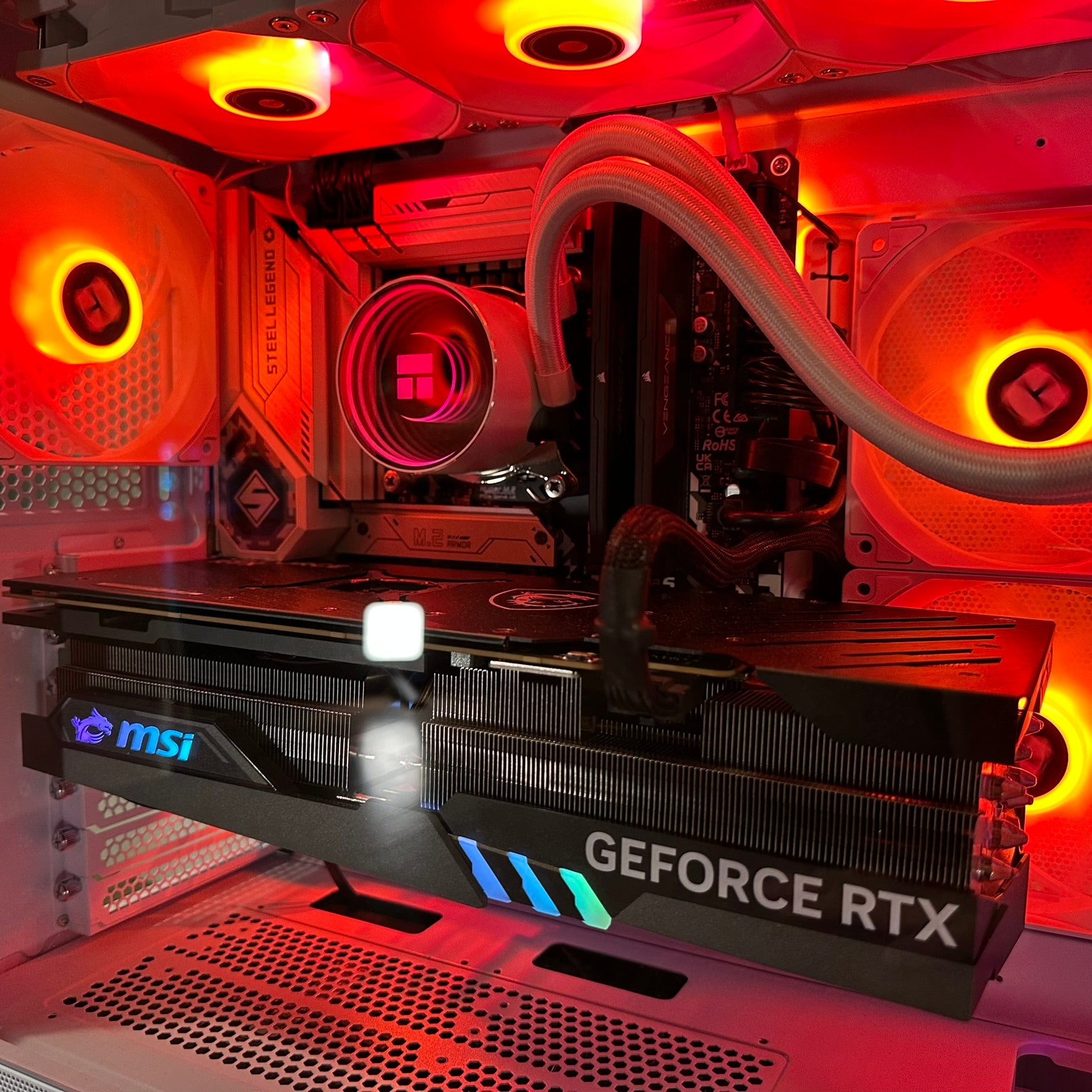
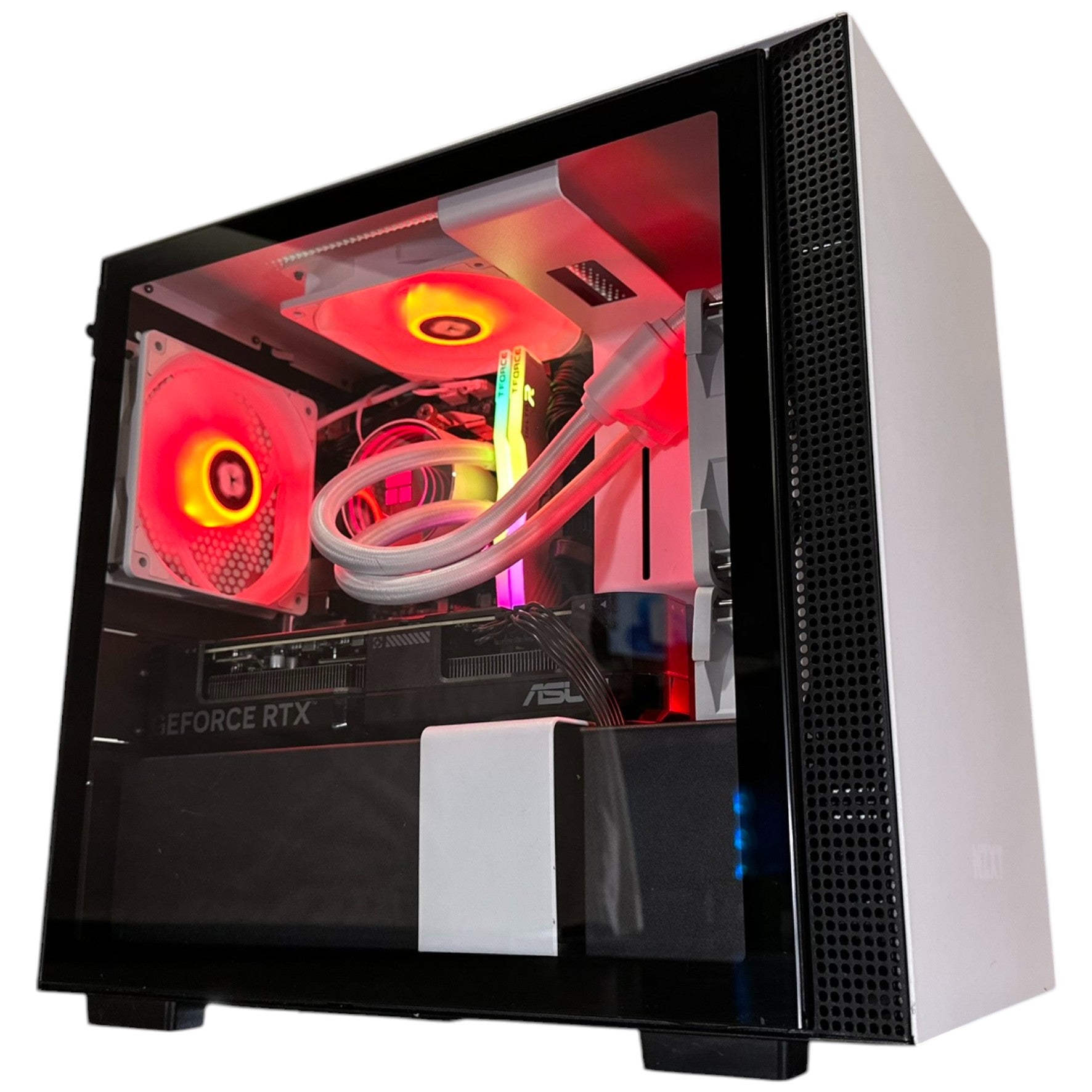
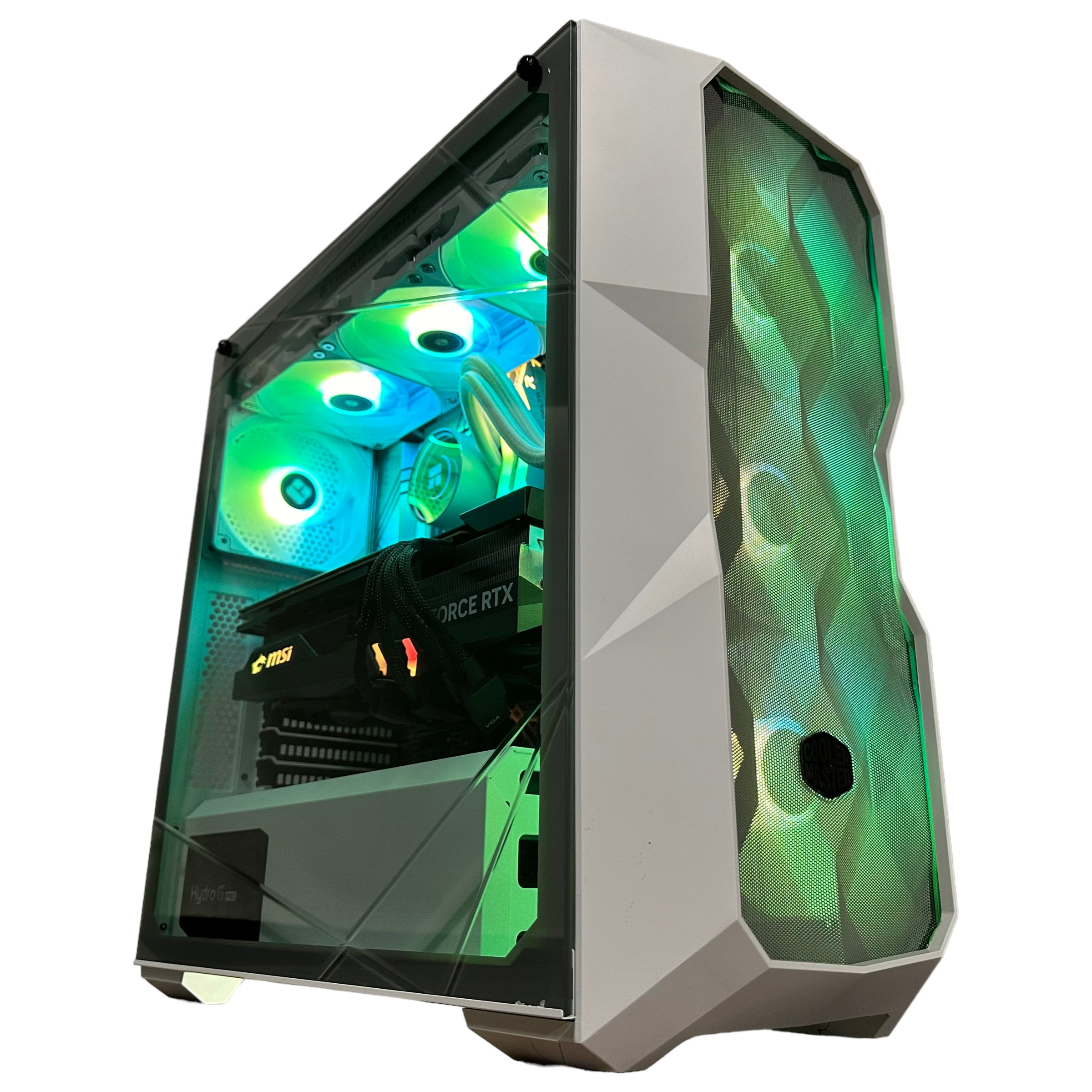
Groovy Computers is built around the needs of customers who want more than a random spec sheet. Whether you are shopping for a gaming PC in Canada, a creator desktop, or a workstation, the goal is the same: get the right machine for the job, built properly, tested thoroughly, and backed with confidence.
That is especially important if you are buying ahead of a major game release, stepping into a stronger performance tier, or using financing to secure better long-term value. A custom system should not only perform well on day one. It should be balanced, stable, and ready for the way you actually work and play.
Groovy Computers offers custom-built systems for gamers, streamers, editors, designers, and professionals who want a more tailored experience. Rigorous testing matters. Part selection matters. Cooling matters. Warranty support matters. And when prices shift, getting the build right the first time matters even more.
If you are in Nova Scotia, Atlantic Canada, or ordering from elsewhere in Canada, working with a Canadian custom PC builder gives you a more direct path to advice and a more thoughtful buying experience than chasing generic hype-driven deals.
Should you choose a cheaper system now or finance a better one?
This is where many buyers need the most honest guidance. If the cheaper system truly fits your goals, then it may be the correct choice. But if the cheaper system only looks appealing because the upfront number is lower, and you already know you want better settings, better framerates, stronger streaming performance, faster editing, or more future headroom, then financing a better machine may be the smarter move.
The point is not to stretch for the sake of stretching. The point is to avoid false savings. A PC that feels outdated too quickly is rarely the cheapest option in the long run.
Would a stronger GPU help you enjoy GTA 6 and future open-world games longer? Would more RAM help with streaming, editing, or creative multitasking? Would a better CPU and cooling setup keep your system relevant for years instead of months? Those are the questions that should shape your decision.
Need help deciding what to buy before the next big release?
If you are asking what gaming PC you need, whether 1440p is worth it, whether financing makes sense, or whether your next system should be gaming-only or creator-ready, this is the right time to get clarity. The hype around GTA 6 is not just about one title. It is a reminder that demand shifts fast, expectations are rising, and buying the right custom PC now can be smarter than waiting until your options shrink.
Want help choosing between a budget gaming computer, a premium RTX gaming PC, a custom creator PC, an editing workstation, or a 3D modeling workstation? Visit GroovyComputers.ca to explore custom builds, ask questions, and find the system that matches what you actually want your next PC to do.
The bottom line for Canadian buyers
The GTA 6 payment plan news may be framed as a quirky way to afford a game, but for serious buyers it points to a more important truth: payment flexibility should be used where it creates the most long-term value. A game comes and goes. The right custom PC shapes your experience across gaming, streaming, editing, design, and productivity for years.
If you are already thinking about monthly affordability, think bigger than the launch-day purchase. Think about the machine that runs the game properly, supports the software you use, avoids premature upgrades, and keeps pace with where your needs are headed. For anyone looking at a gaming PC for GTA 6, a custom gaming PC in Canada, or a versatile creator system, making the right move before demand intensifies can be the smartest decision on the table.
#GamingPCForGTA6 #CustomGamingPCCanada #GamingPCBuyingGuideCanada #CreatorPCCanada #VideoEditingPCCanada #StreamingPCCanada #WorkstationPCCanada #GamingPCFinancingCanada #CanadianCustomPCBuilders #GroovyComputers
Groovy Computers | All Rights Reserved


Leave a comment
This site is protected by hCaptcha and the hCaptcha Privacy Policy and Terms of Service apply.