


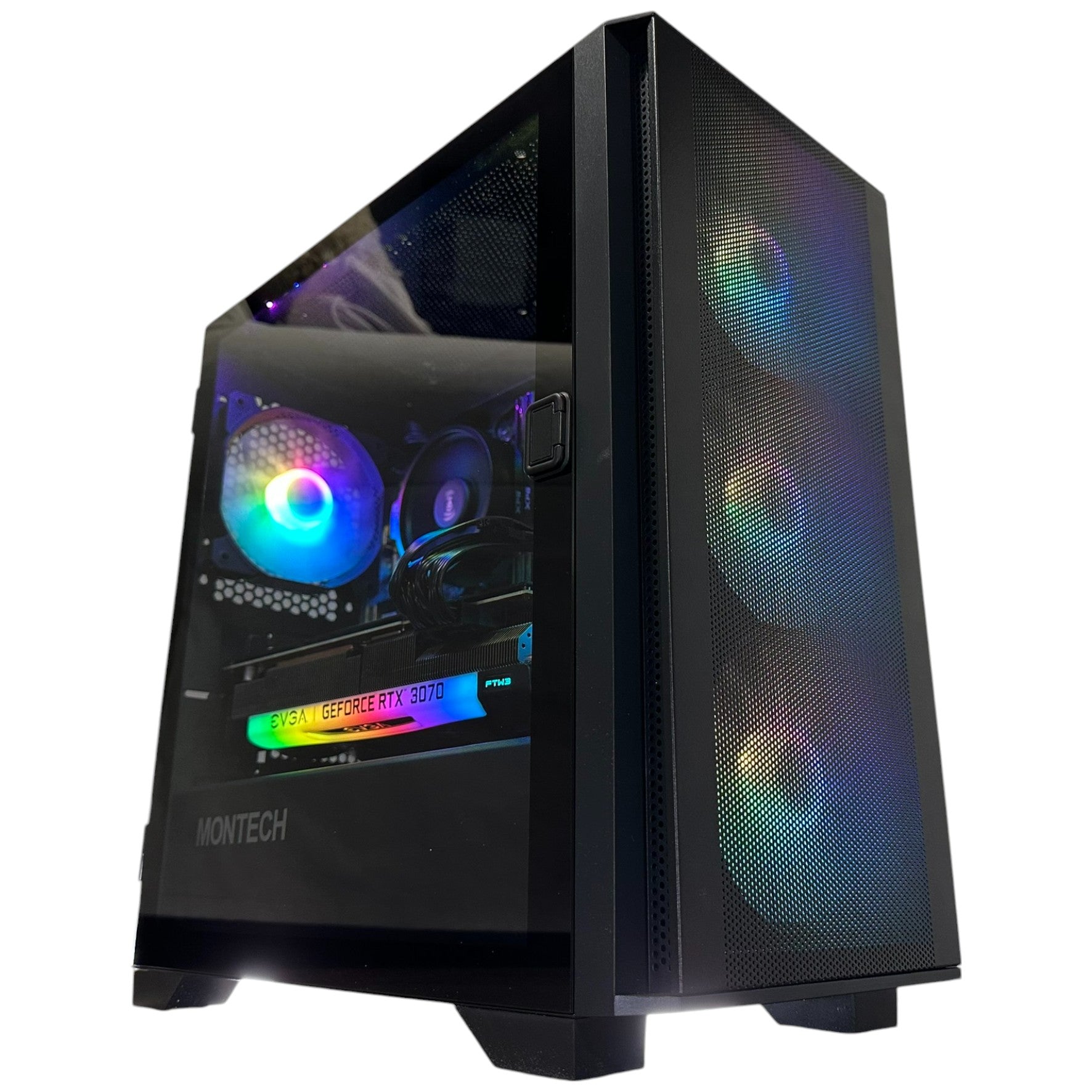
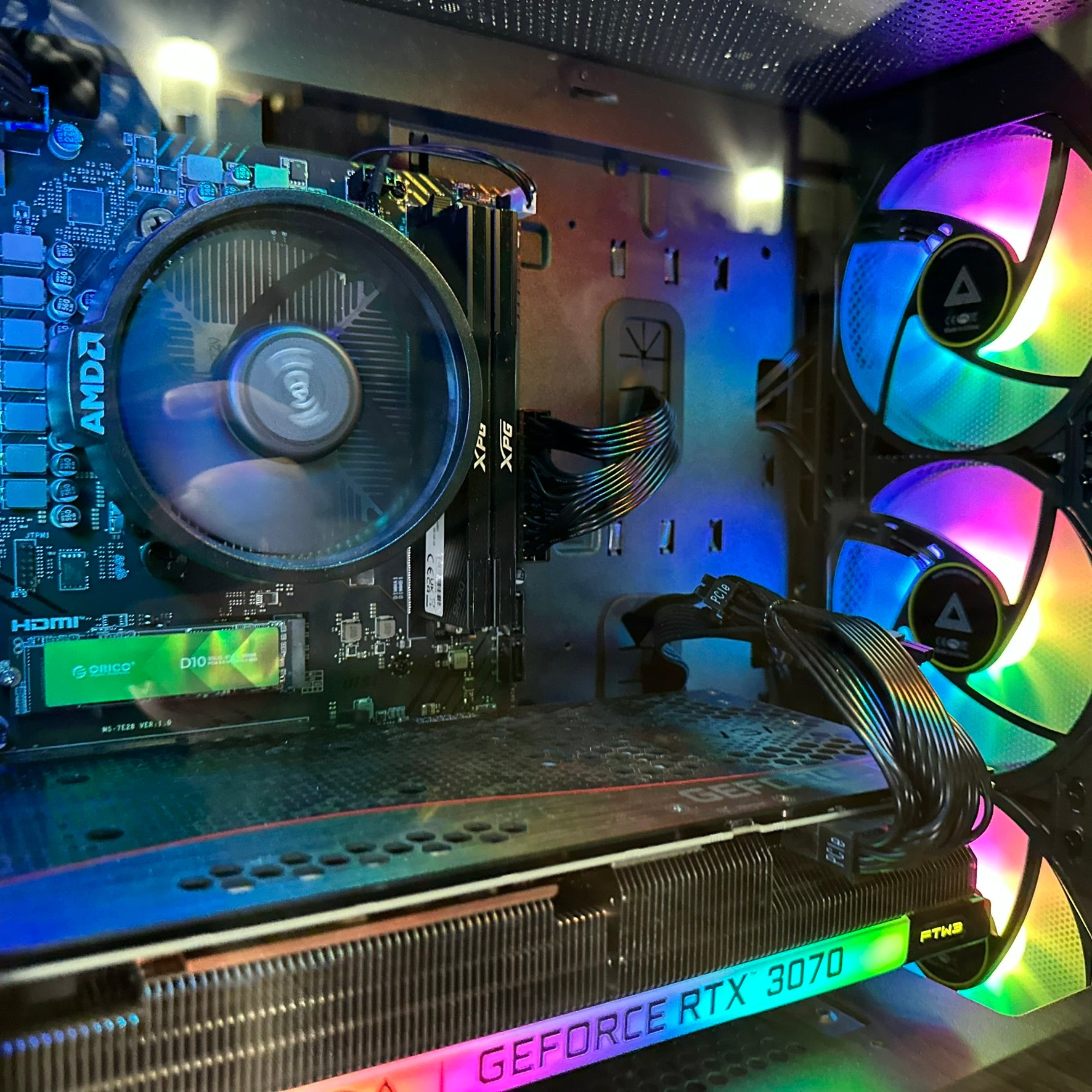
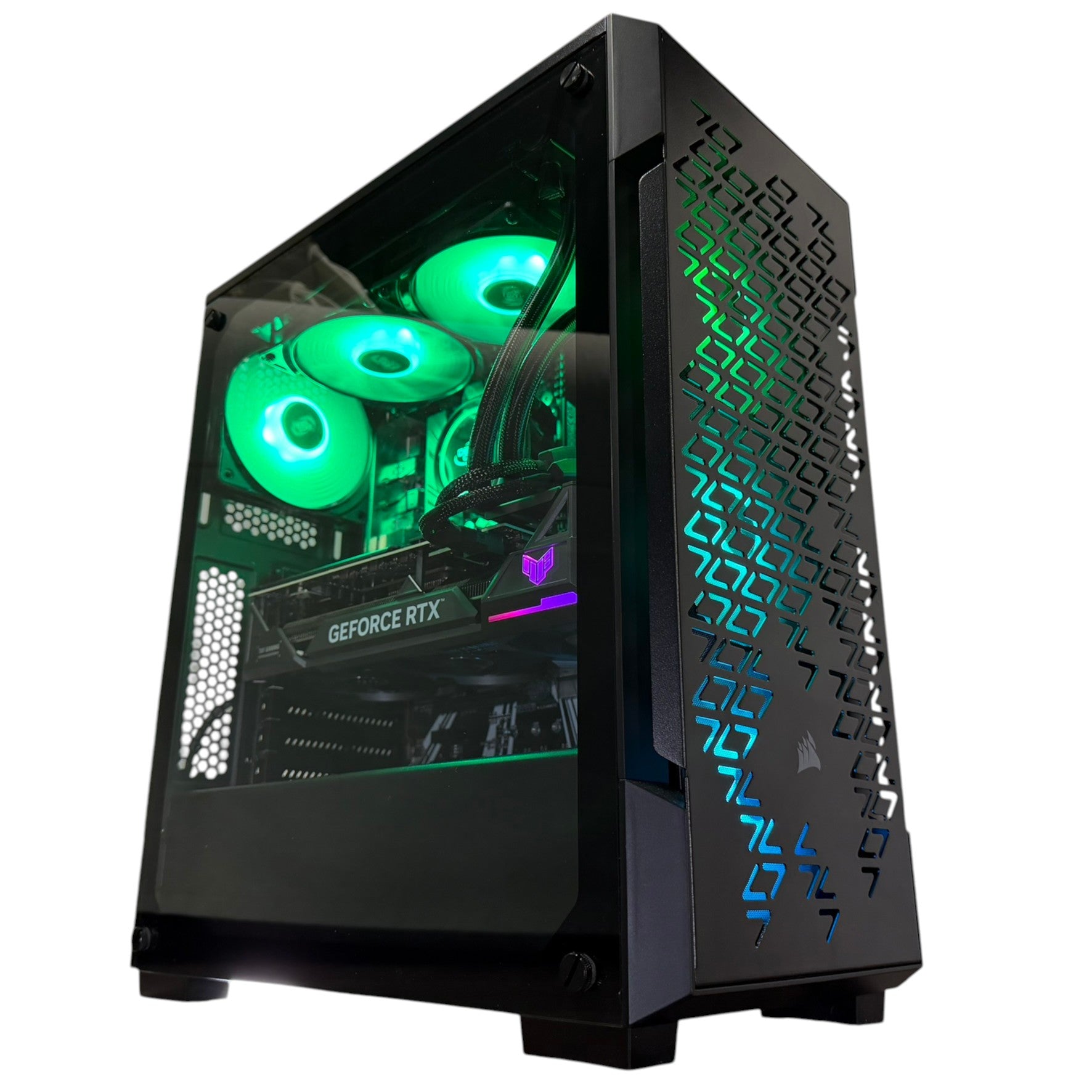

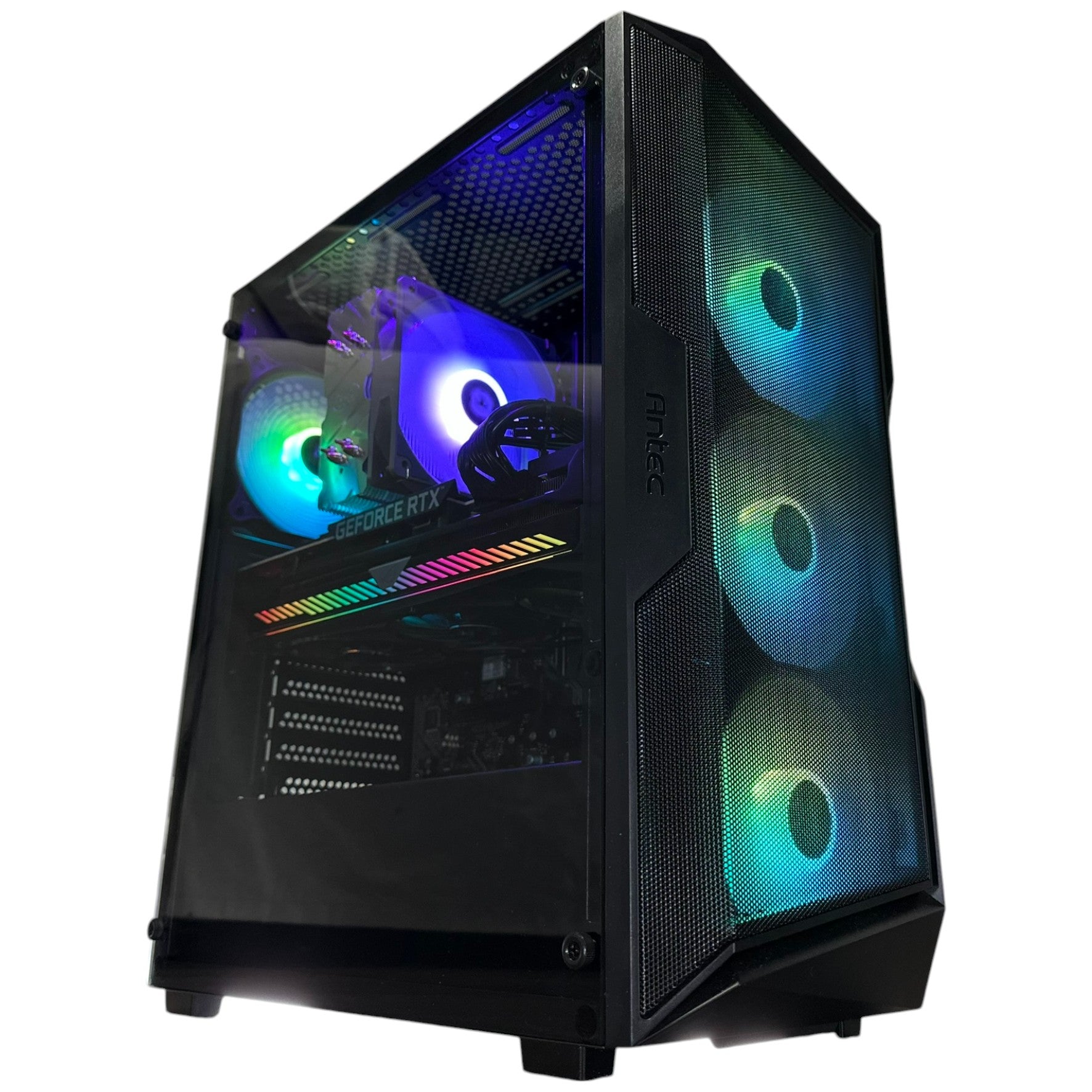

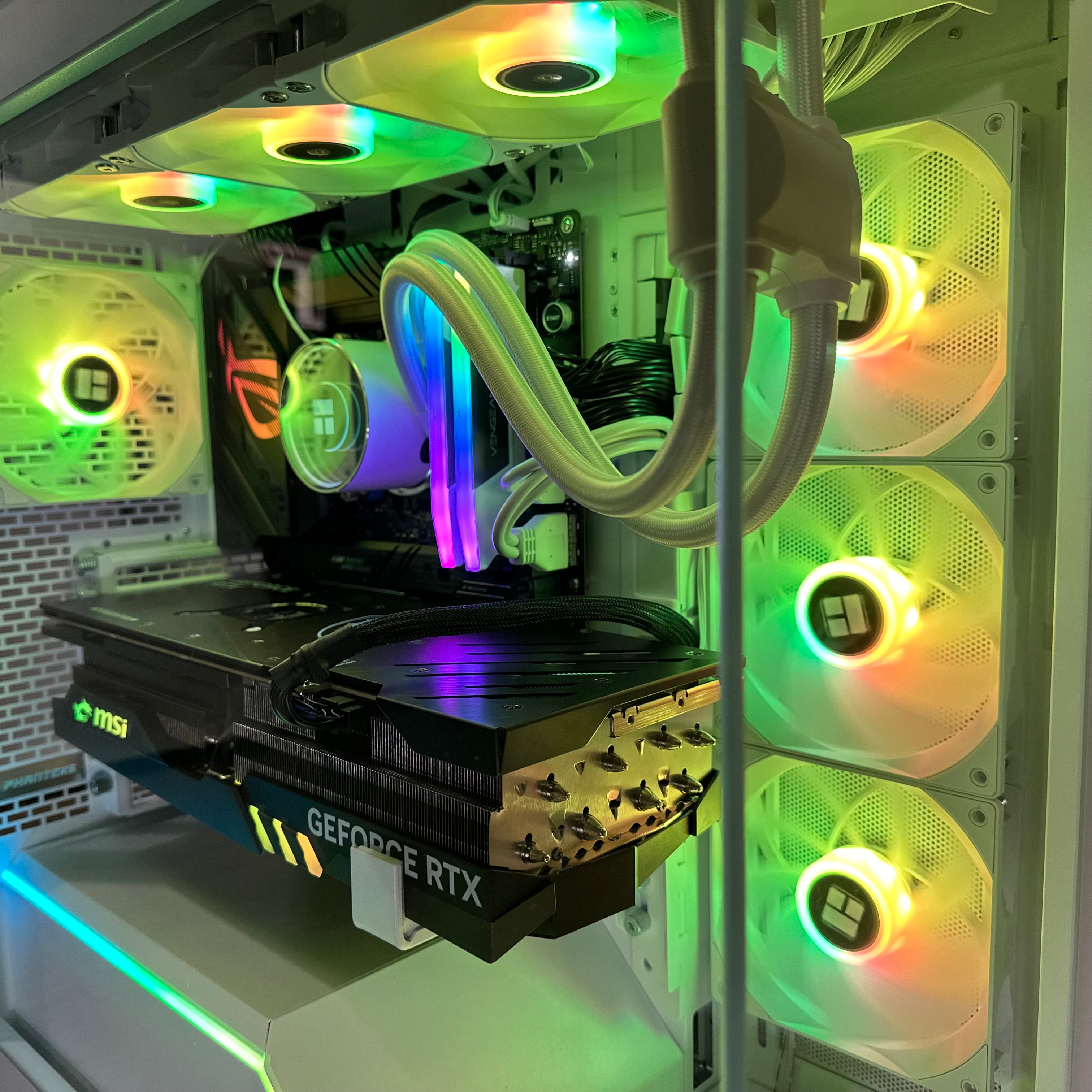
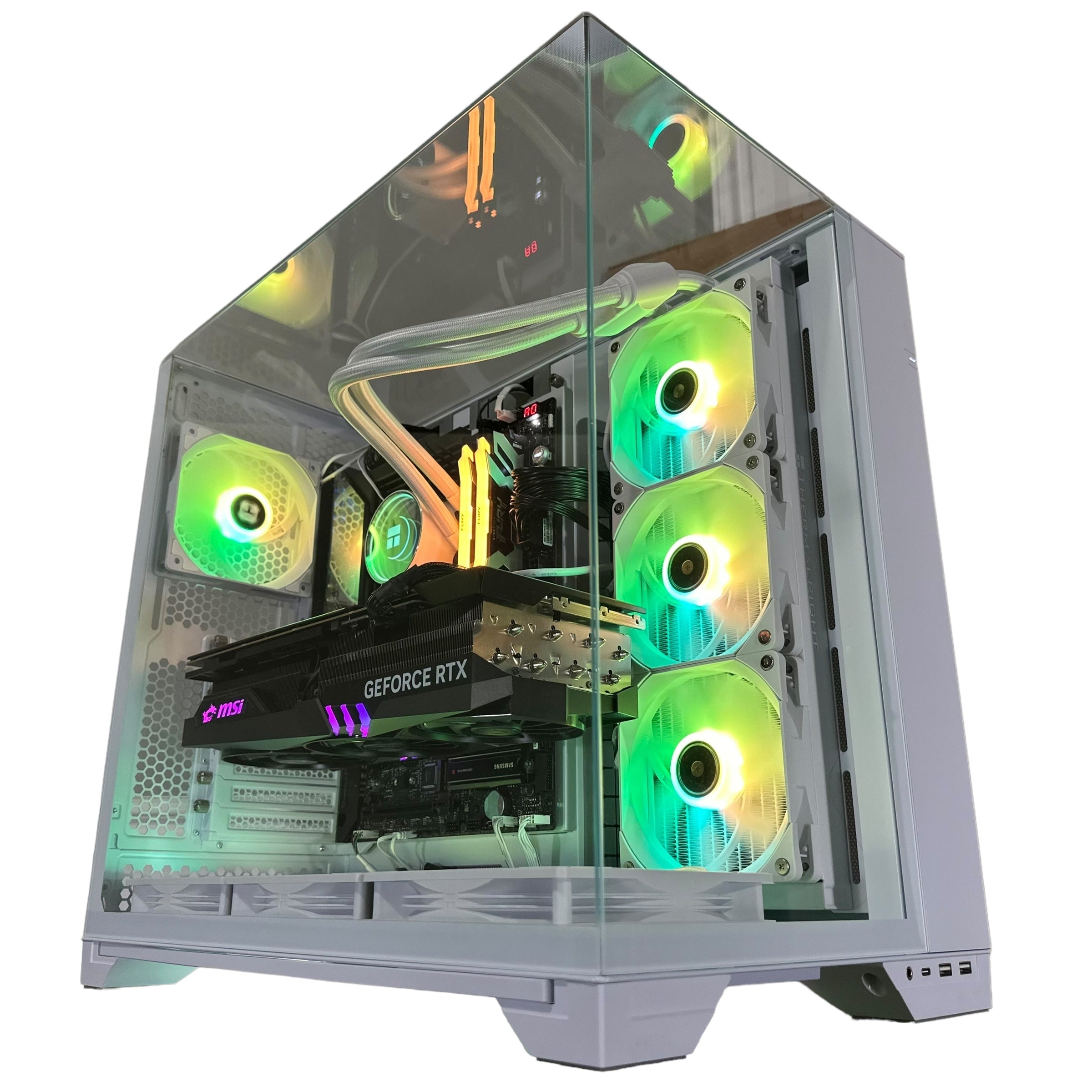
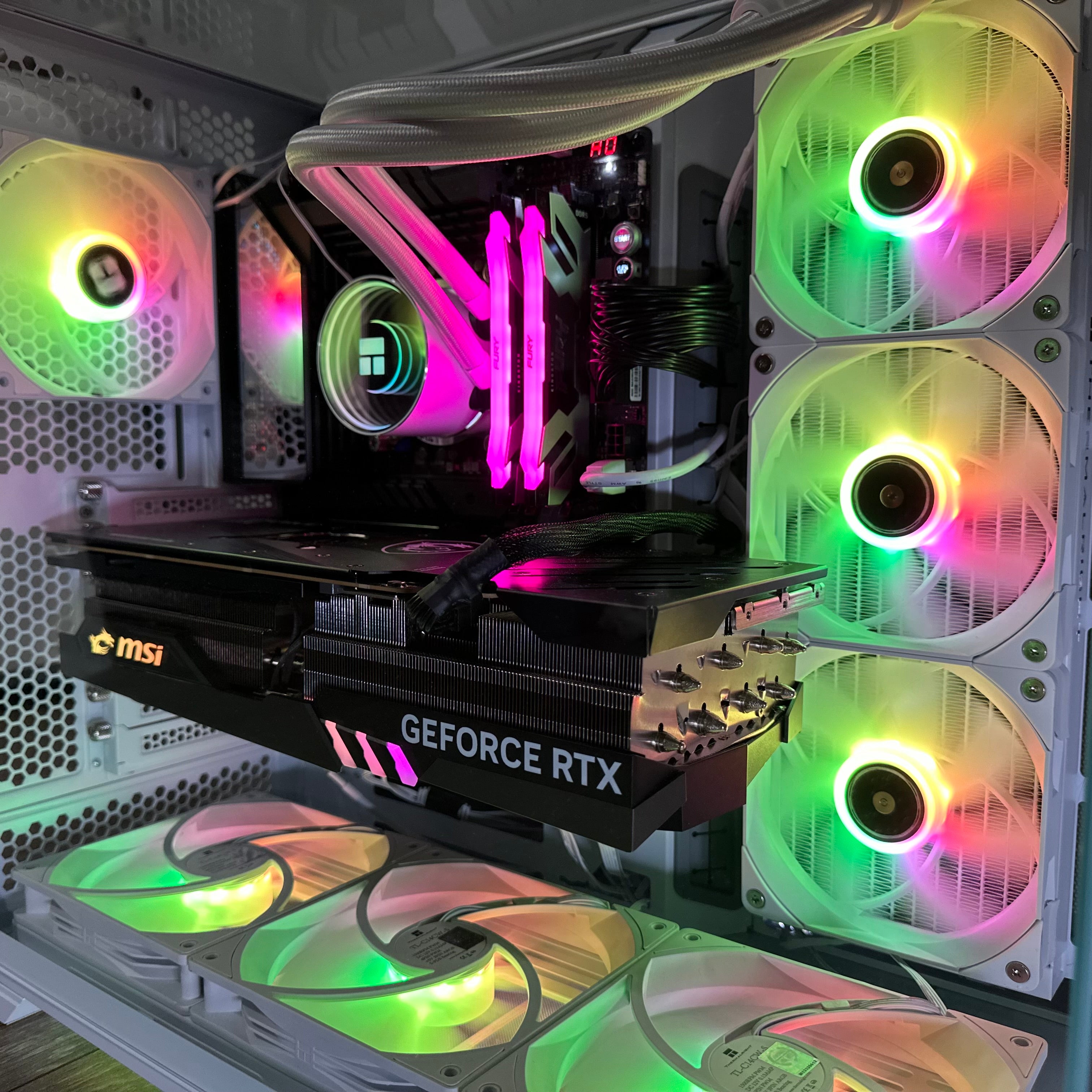

Resident Evil Movie Trailer Hype Is Back: What Kind of Gaming PC in Canada Should You Buy for Horror Games, Streaming, and Content Creation?
The new Resident Evil movie trailer has reignited a familiar conversation: when a major horror franchise gets fresh momentum, are you ready for the games, streams, mods, captures, and creator workloads that follow? The source story focused on how Zach Cregger’s upcoming film appears packed with recognizable Resident Evil details, from zombies and typewriters to Raccoon City references and a survival-driven structure that feels closer to the games. For Canadian buyers, though, that hype leads to a more practical question: what kind of PC should you actually buy if you want to enjoy modern horror games properly, stream them smoothly, or turn that excitement into content?
That is where a buying decision becomes more important than entertainment news. If you are planning to play demanding survival horror titles, revisit the Resident Evil series on higher settings, stream gameplay to your audience, edit reaction videos, or future-proof your setup for the next wave of visually intensive games, this is not just a trailer story. It is a timing story. It is a performance story. And for many buyers across Canada, it is a question of whether to secure the right custom build now instead of settling for a weaker machine that needs replacing too soon.
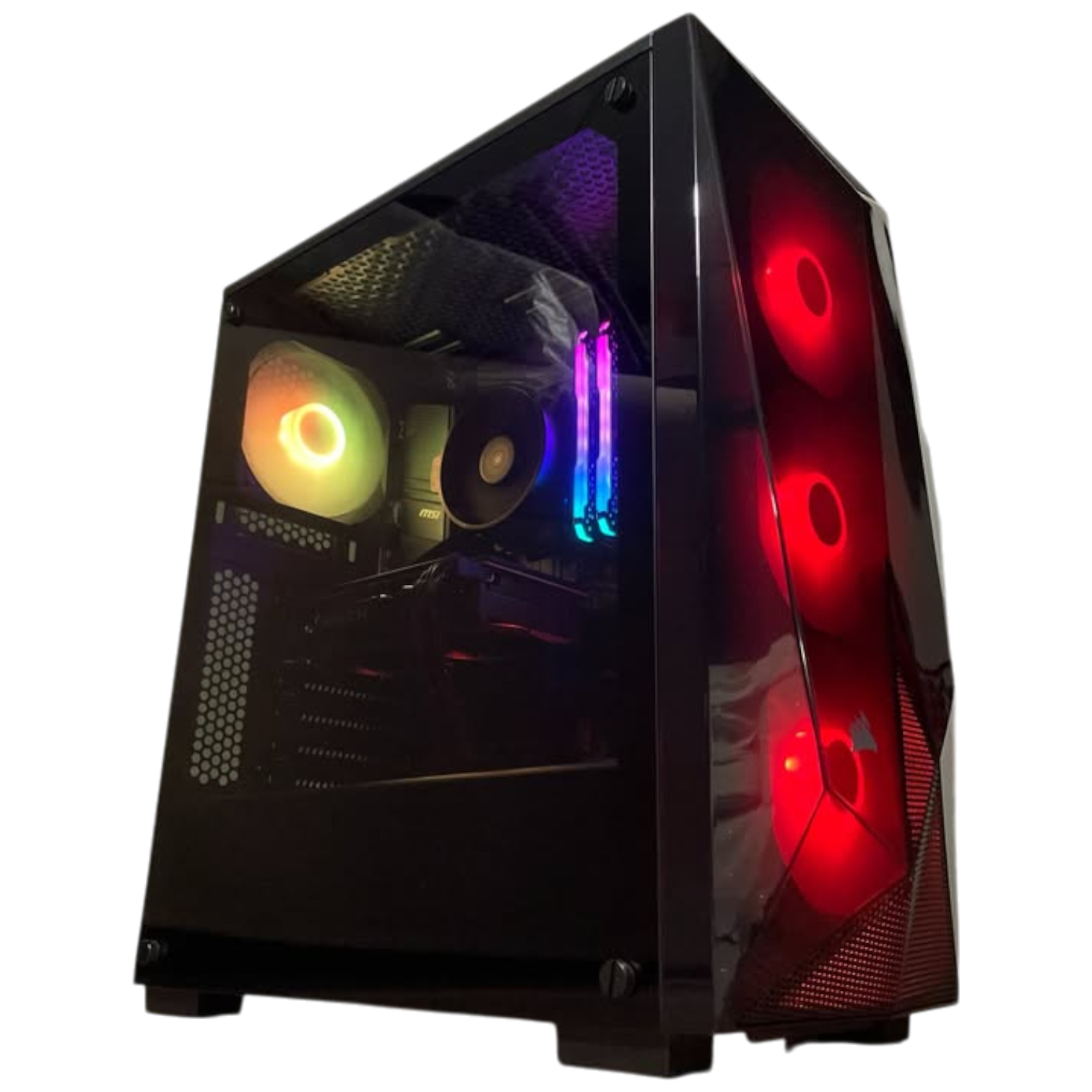
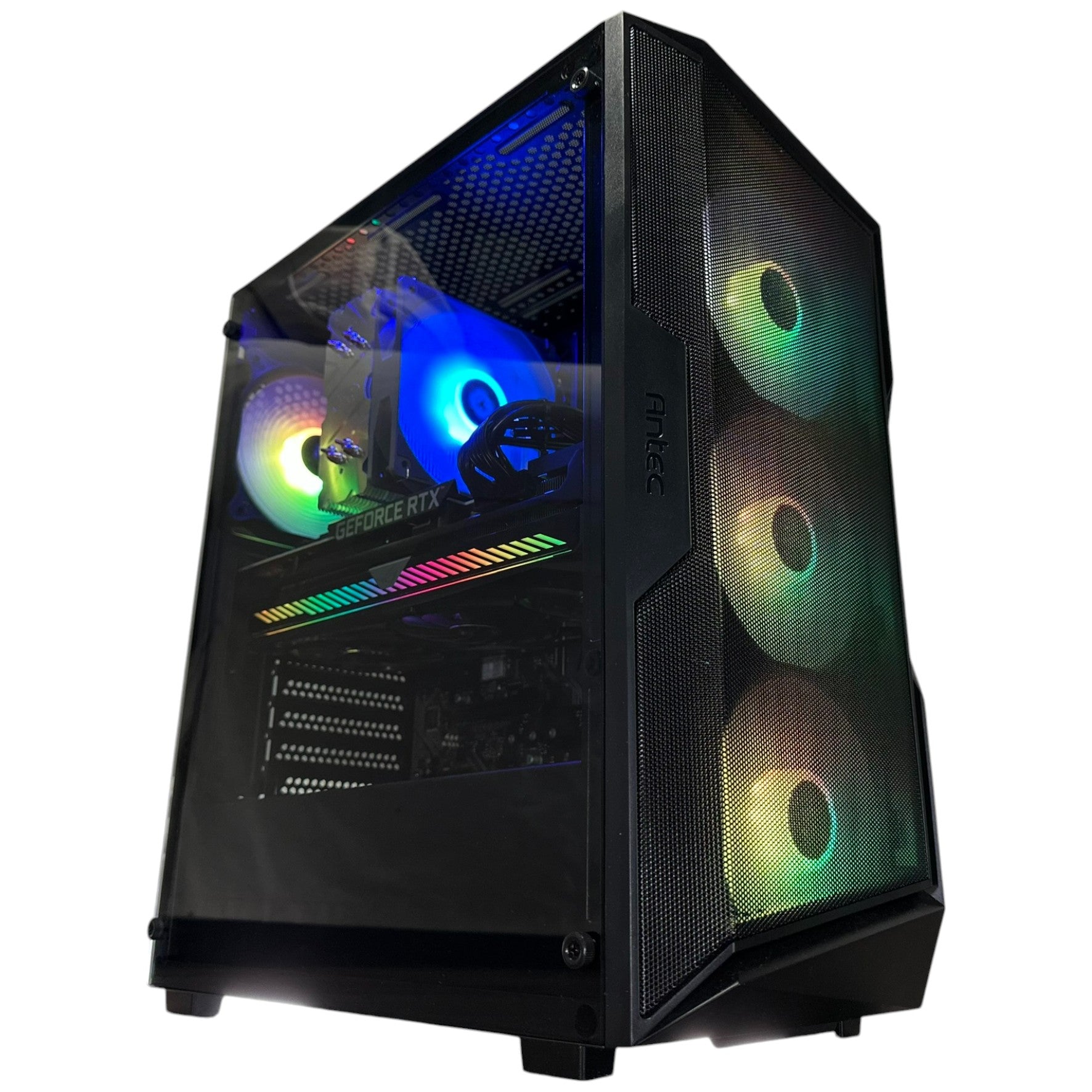
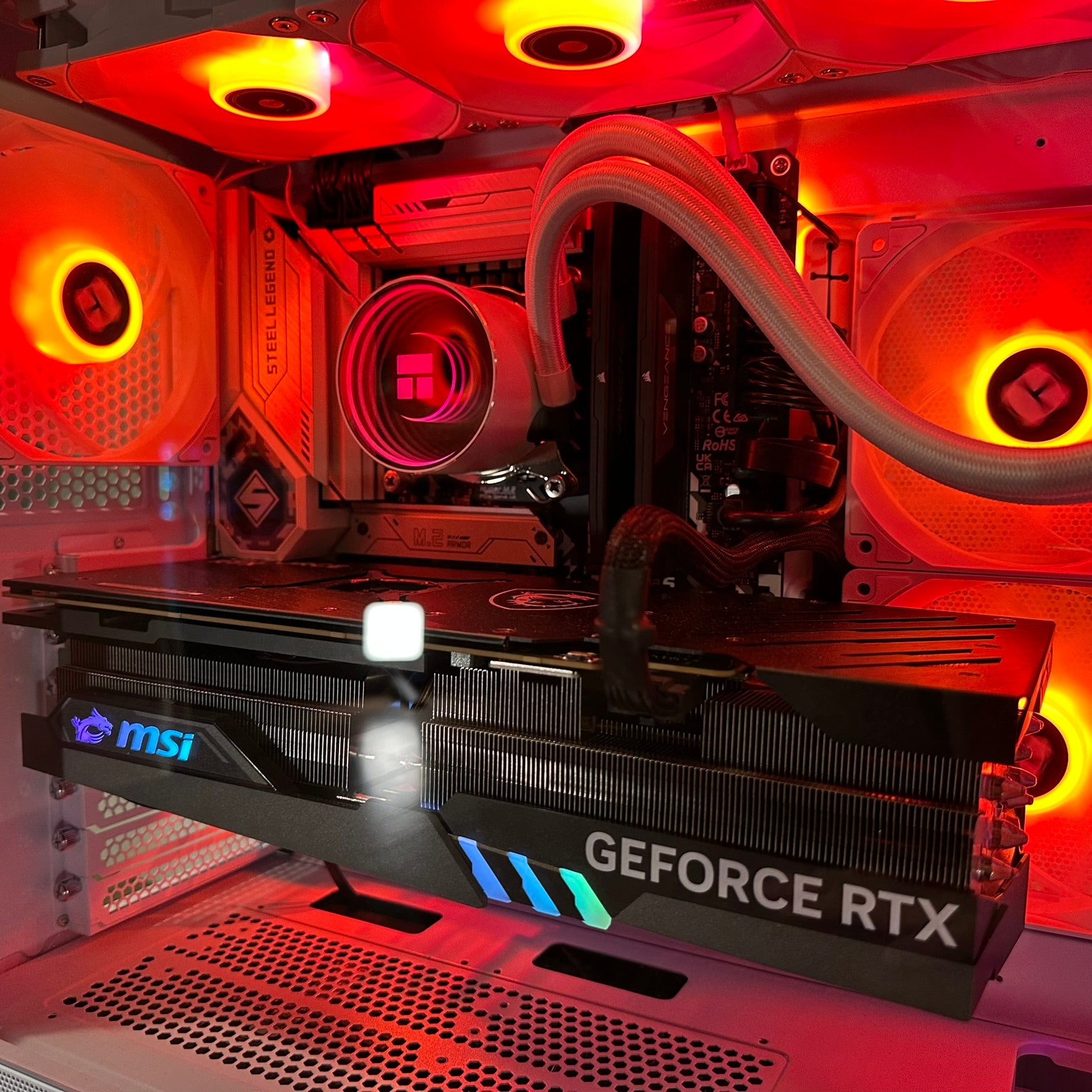
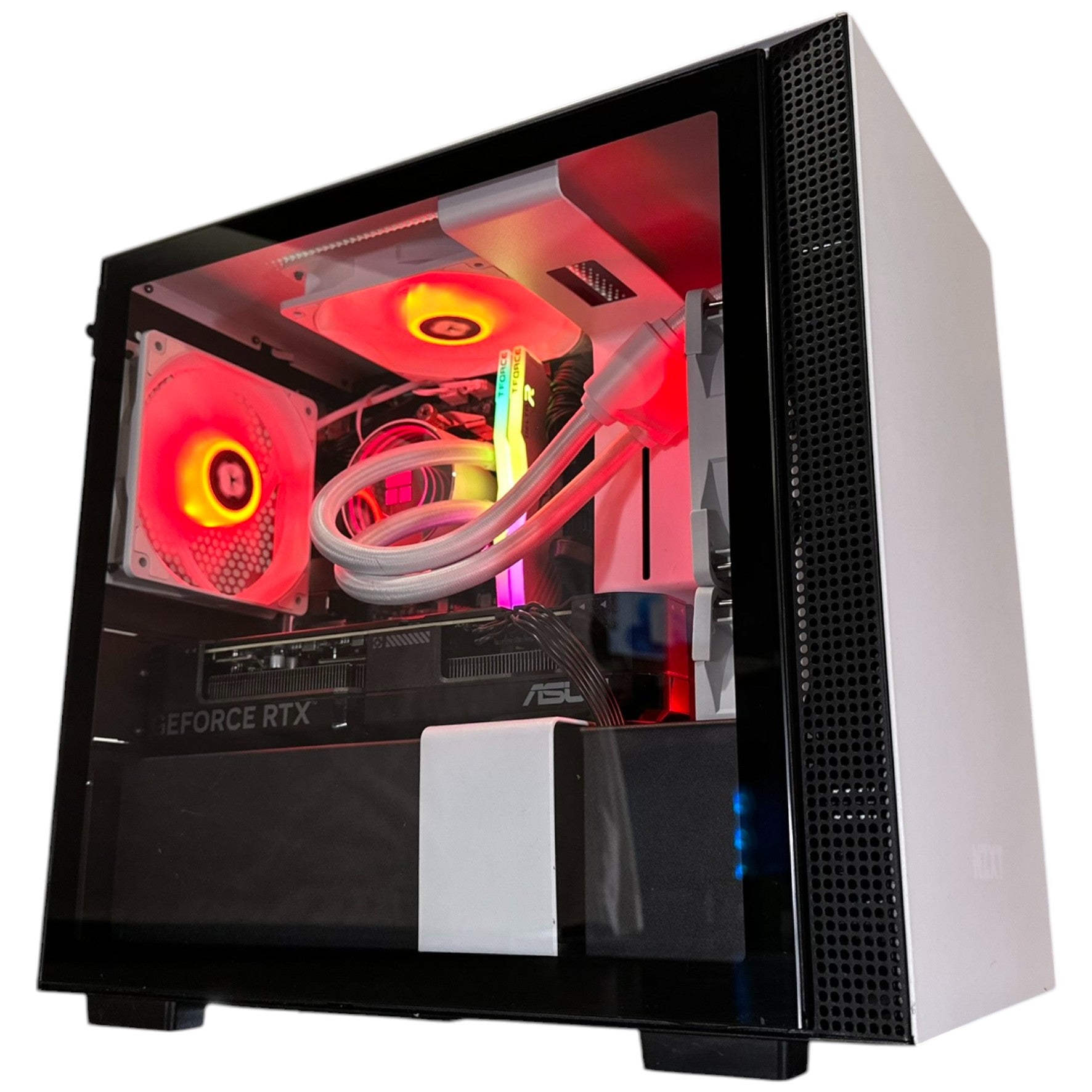
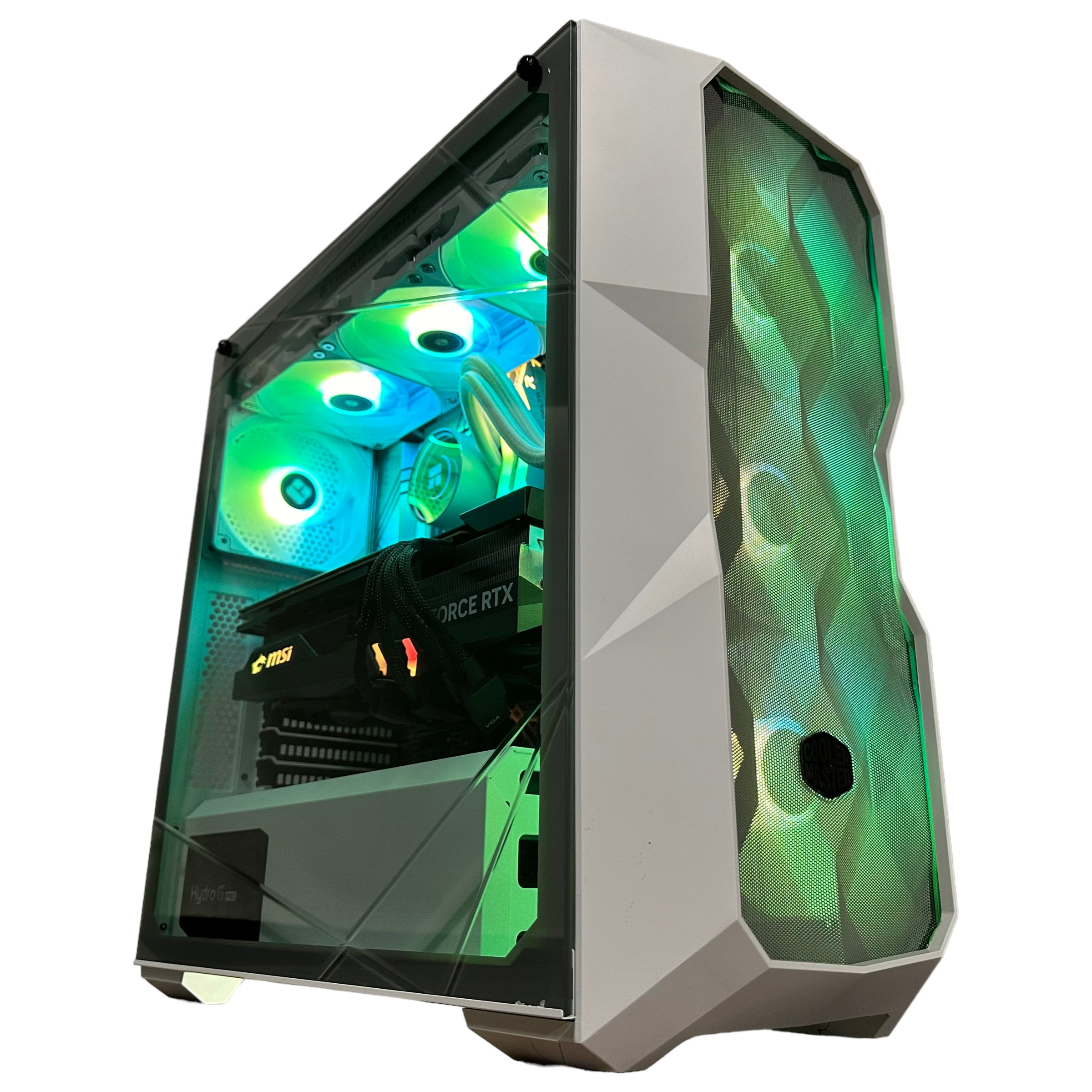
At Groovy Computers, this is exactly the kind of trend that matters. A big franchise moment does not just create buzz. It changes what customers want from their next PC. Some want a budget-friendly gaming desktop that can handle modern horror games at 1080p. Others want a 1440p or 4K setup with ray tracing for atmosphere-heavy experiences. Some want a dual-purpose machine for gaming and OBS streaming. Others need a creator-focused system for editing trailer breakdowns, thumbnails, short-form content, and longer YouTube videos. The right answer depends on what you want your system to do next.
Why is the new Resident Evil movie trailer relevant to PC buyers in Canada?
The trailer itself matters because it signals renewed interest in a franchise that has always had strong crossover appeal between films, games, streaming, and fan-made content. The source article highlights how the movie appears to lean into the feel of the games rather than just their lore. That matters because game-first adaptation hype tends to drive players back into the franchise, and when that happens, many people start asking the same questions: Can my current PC still handle this? Should I upgrade now? If I buy, how much performance do I really need?
Canadian buyers should think about that carefully. A major franchise revival often pushes more attention toward remasters, horror collections, ray-traced replays, emulator setups, recording software, and streaming workloads. Even if you are not buying a PC for one single title, you may be buying because your overall game library is becoming more demanding. Maybe you want smoother frame rates. Maybe you want better lighting, better texture quality, or less stutter during action-heavy scenes. Maybe you want to avoid building around minimum specs and instead buy a system that still feels strong a few years from now.
This is also where timing matters in Canada. Full-system pricing can shift when GPU demand rises, when faster memory becomes more expensive, when SSD pricing changes, or when shoppers all start upgrading at once around new game launches, big holiday sale cycles, or hardware refresh periods. If you already know your current machine is falling behind, waiting does not always improve the situation.
What does the source article get right about Resident Evil fans?
The original piece gets one important thing absolutely right: fans care about whether an adaptation feels like Resident Evil. Not just the names. Not just the monsters. Not just a logo. They want tension, progression, atmosphere, recognizable objects, and that sense of descending deeper into danger. That same mindset shows up when gamers shop for a new PC.
People do not just want a computer that technically launches a game. They want a system that captures the experience properly. In horror gaming, that means stable performance, fast loading, strong image quality, and the headroom to enjoy lighting effects, dense environments, and sudden set-piece action without your system feeling like the weak point. If your PC turns every atmospheric moment into shader stutter, loud fan noise, or dropped frames, the experience changes.
That is why custom PC buying matters so much more than spec-sheet shopping. A good horror game experience is not just about one part. It is about the right balance of CPU, GPU, RAM, cooling, storage speed, airflow, and reliability under load. It is also about asking a smarter question: what do you want the machine to feel like six months after you buy it?
What do you want your next PC to do for you?
Before choosing between budget, mid-range, high-end, or creator-tier hardware, stop and ask the most useful question in the entire buying process: What do you want your next PC to do for you?
Do you just want to play modern horror games at 1080p with strong settings and smooth performance? Do you want 1440p because image clarity and immersion matter more to you now? Are you chasing 4K visuals, ray tracing, and a premium single-player experience? Do you want to stream to Twitch or YouTube while gaming? Do you want to record long sessions without chewing through a slow old drive? Are you editing shorts, thumbnails, reviews, or reaction videos afterward? Do you also use Photoshop, Lightroom, Illustrator, Premiere Pro, DaVinci Resolve, Blender, or Unreal Engine?
The biggest mistake buyers make is assuming all “gaming PCs” are basically the same. They are not. A machine that is ideal for 1080p gaming may not be ideal for streaming and editing. A system that is excellent for esports titles may not feel nearly as strong in modern cinematic horror games. A PC that can open Premiere Pro is not necessarily a smart Video Editing PC Canada choice if you are working with large footage files regularly. The better you define your actual use case, the better your purchase decision becomes.
What gaming PC do I need for modern horror games?
If your main goal is to enjoy survival horror, cinematic action, and other modern AAA titles, your best path depends on target resolution and how picky you are about visual settings. This is where many shoppers search things like What gaming PC do I need, What PC do I need for 1440p gaming, or Is it better to buy a gaming PC now or wait. The answer comes down to performance tier, not hype alone.
1080p gaming: who is this tier for?
A 1080p-focused build is ideal for buyers who want good value, strong mainstream performance, and a sensible entry point into current gaming. If you mostly play on a Full HD monitor and want smooth gameplay in horror, action, and multiplayer titles without overspending, this is often the sweet spot for a Budget Gaming PC Canada buyer.
Is that enough for you if you mostly care about smooth gameplay and a better overall experience than console? Do you want high settings without necessarily chasing every ultra effect? Are you buying your first gaming desktop, upgrading from an older prebuilt, or replacing a machine that struggles with new releases? If so, a properly balanced 1080p custom build can be a very smart move.
1440p gaming: the best balance for many buyers
For many Canadian shoppers, 1440p is the real sweet spot. It delivers a noticeable jump in image quality over 1080p while remaining more practical than going full 4K. If you want modern horror games to look sharper, richer, and more immersive, a 1440p Gaming PC Canada setup often offers the best balance of price and experience.
Do you want stronger texture detail, cleaner edges, and more visual atmosphere without spending flagship money? Do you want a build that still feels impressive for several years? Do you want enough GPU power for both modern single-player games and high-refresh multiplayer use? If yes, 1440p is where many buyers should focus their budget.
4K and ray tracing: premium immersion for buyers who want the full cinematic effect
If you want the most dramatic visual experience, especially in dark, moody, detail-rich games, then a 4K Gaming PC Canada or Ray Tracing Gaming PC Canada build becomes worth considering. This is the premium tier for buyers who care deeply about image quality, lighting, reflections, and long-term high-end performance.
But ask yourself honestly: are you buying for a 4K display now, or are you shopping emotionally for a future setup you do not actually own yet? Do you want the best possible single-player experience, or would that money be better spent on a stronger 1440p machine, faster storage, more RAM, or a better content creation workflow? A high-end build is excellent when it matches your real setup. It is less useful when it blows your budget while leaving other needs unresolved.
Are you only gaming, or do you also want to stream and create content?
This is one of the most important decision points in 2026-style PC buying, regardless of the exact year or release cycle you are shopping in. A lot of customers no longer fit into one category. They game, stream, clip moments, edit videos, design thumbnails, post shorts, and run multiple apps at once. If that sounds like you, you may not need just a gaming desktop. You may need a Content Creation PC Canada or Gaming and Streaming PC Canada build that is tuned for both play and productivity.
Are you thinking about streaming horror games live with OBS? Do you want better performance when gaming and recording at the same time? Do you want a machine that can handle chat tools, browser tabs, capture software, Discord, and editing software without slowing to a crawl? If yes, the component balance changes. CPU thread count, RAM capacity, storage layout, and GPU encoding capabilities all matter more.
What PC do I need for streaming?
If your answer is “I want to play and stream from one machine,” then you should not shop by gaming specs alone. A proper Streaming PC Canada build needs enough performance headroom to keep gameplay smooth while encoding your stream and running your background tools. It also benefits from fast SSD storage for recordings and enough RAM to avoid bottlenecks during longer sessions.
Do you need a separate streaming PC? Most buyers do not. A strong modern custom build can often handle gaming, recording, and streaming in one system if it is configured properly. The better question is whether your current machine is already close to its limit. If every stream feels like a compromise, a stronger all-in-one build may be the more practical upgrade.
What if you also edit videos after streaming?
Then your purchase should be guided by workflow, not only frame rates. If you stream, clip highlights, create long-form reviews, cut social media shorts, or post breakdown videos around game and movie trailers, you may need a system that overlaps gaming and editing performance. That points you toward a Creator PC Canada or Video Editing PC Canada style build.
Do you work with 1080p footage only, or are you already moving into 4K editing? Do you use Adobe Premiere Pro, DaVinci Resolve, After Effects, or CapCut regularly? Are export times slowing you down? Is your current drive filling too fast with raw recordings? Many shoppers discover that they are not actually “just gamers” anymore. Their workload has expanded, and their next PC should reflect that.
Could this kind of franchise hype also push creator demand?
Absolutely. Whenever a major horror property gets attention, content follows. People stream old games. They revisit lore. They compare trailers to past adaptations. They cut reaction clips. They create thumbnails, fan edits, short-form posts, podcasts, and commentary videos. That means more customers suddenly realize they need not just game performance, but creator performance too.
If you are working in Adobe Creative Cloud, DaVinci Resolve, Photoshop, Illustrator, or thumbnail-heavy social content, are you sure a basic entry-level gaming PC is enough? Or would a stronger custom system save you real time every week? Faster exports, smoother timelines, more responsive multitasking, and better storage planning are not flashy spec-sheet wins, but they make a major difference in day-to-day use.
What if you need a PC for editing, design, or 3D work too?
Not every reader landing on a game-related article is only shopping for games. Many buyers want one machine that covers entertainment and work. If you are a creator, student, freelancer, or business user, your next desktop may need to serve several roles at once.
Video editing
If you are cutting gameplay videos, short films, reaction content, or YouTube essays, you may want a Custom Video Editing PC Canada setup rather than a gaming-first machine. Better CPU performance, more RAM, fast cache and project storage, and the right GPU acceleration can save enormous amounts of time over the life of the system.
What PC do you need for video editing? That depends on your footage resolution, effects use, codec types, and how often you export. If editing is regular work, not just an occasional hobby, it makes sense to build for it properly.
Photo editing and graphic design
If your Resident Evil trailer excitement turns into design work, fan art, thumbnails, posters, or social campaigns, a Photo Editing PC Canada or Graphic Design PC Canada configuration may be more relevant than a typical gamer would expect. Photoshop, Lightroom, Illustrator, InDesign, and other creative apps benefit from balanced hardware, fast storage, solid RAM capacity, and reliable multitasking.
Do you work with large RAW photos, layered PSD files, or many open design assets at once? Are you trying to colour-grade visuals, manage multiple monitors, or keep Adobe apps responsive while other tools remain open? A well-built creator desktop can make that workflow dramatically smoother.
3D modeling and workstation use
If you create environments, character concepts, game assets, product renders, or architectural scenes, the conversation moves again. A 3D Modeling PC Canada, 3D Rendering PC Canada, or Workstation PC Canada build has different priorities from a standard gaming setup.
What PC do you need for Blender? What PC do you need for Unreal Engine? Is a gaming PC good for Blender? Sometimes, yes, but only to a point. If rendering, simulation, large scenes, or professional work are part of your workflow, you may need more VRAM, more system RAM, more storage planning, and a stronger CPU than a pure gaming buyer would choose.
Which performance tier fits you best?
One of the most useful things any buyer can do is match themselves to a realistic tier instead of shopping by fear or hype. Here is a straightforward way to think about it.
Entry-value tier
- Best for: 1080p gaming, first-time PC buyers, lighter streaming, school use, basic editing
- Good fit if: You want a solid start, playable modern games, and better performance than an aging desktop without overspending
- Ask yourself: Is a budget gaming PC worth it for your needs, or will you outgrow it quickly?
Mid-range sweet spot tier
- Best for: 1440p gaming, stronger multitasking, streaming, regular content creation, better longevity
- Good fit if: You want your machine to feel strong for several years and handle modern games without constant compromise
- Ask yourself: Would spending a bit more now help you avoid upgrading too soon?
High-end enthusiast tier
- Best for: 1440p ultra settings, 4K gaming, ray tracing, premium experiences, heavy streaming, advanced editing
- Good fit if: You care about visual quality, future-proofing, and stronger performance across multiple demanding uses
- Ask yourself: How long do you want this PC to stay ahead of your needs?
Creator and workstation tier
- Best for: 4K editing, Adobe workflows, DaVinci Resolve, Blender, Unreal Engine, rendering, business production
- Good fit if: Your time has value, your files are heavy, and your machine is part of your output
- Ask yourself: Are slower renders, choppy timelines, and app crashes already costing you time or money?
Should you buy now or wait?
This is one of the most searched buying questions for a reason. The honest answer is that waiting only makes sense if your current machine is still meeting your needs comfortably and you are deliberately holding for a specific upcoming product cycle. But if your PC is already struggling, waiting can become expensive in a different way.
You may lose time. You may compromise on settings. You may delay projects. You may miss a sale window. You may end up shopping during a busier period when certain parts, especially stronger GPUs or premium-capacity components, are under more demand pressure. If your next purchase is inevitable anyway, the smarter question may be: should I secure the right build before replacement costs rise further?
This matters even more if you are considering a stronger GPU tier, more RAM, or a more capable editing setup. Better parts tend to feel expensive until you compare them with the cost of replacing an underpowered machine earlier than expected.
Should you finance a better PC instead of buying a cheaper one?
For many buyers, yes, that can be the more sensible move. The wrong way to think about financing is as a way to overspend recklessly. The right way to think about it is as a way to buy appropriately for your real needs instead of settling for a weak configuration that becomes frustrating within months.
If you are debating between a lower-tier machine you can pay for immediately and a much better-balanced custom system that fits your actual gaming, streaming, or creator workload, financing may help you bridge that gap responsibly. At Groovy Computers, that can mean getting into a stronger build now, with financing options up to 4 years, instead of locking yourself into a compromise that you outgrow too quickly.
Should you finance a gaming PC? Can you justify a stronger GPU, more RAM, better cooling, or larger SSD capacity if it means your PC stays useful longer? If your answer is yes, financing becomes a practical tool, not just a payment method. It is especially relevant for buyers trying to avoid repeat upgrade costs in a volatile hardware market.
Why do custom builds matter more when you want long-term value?
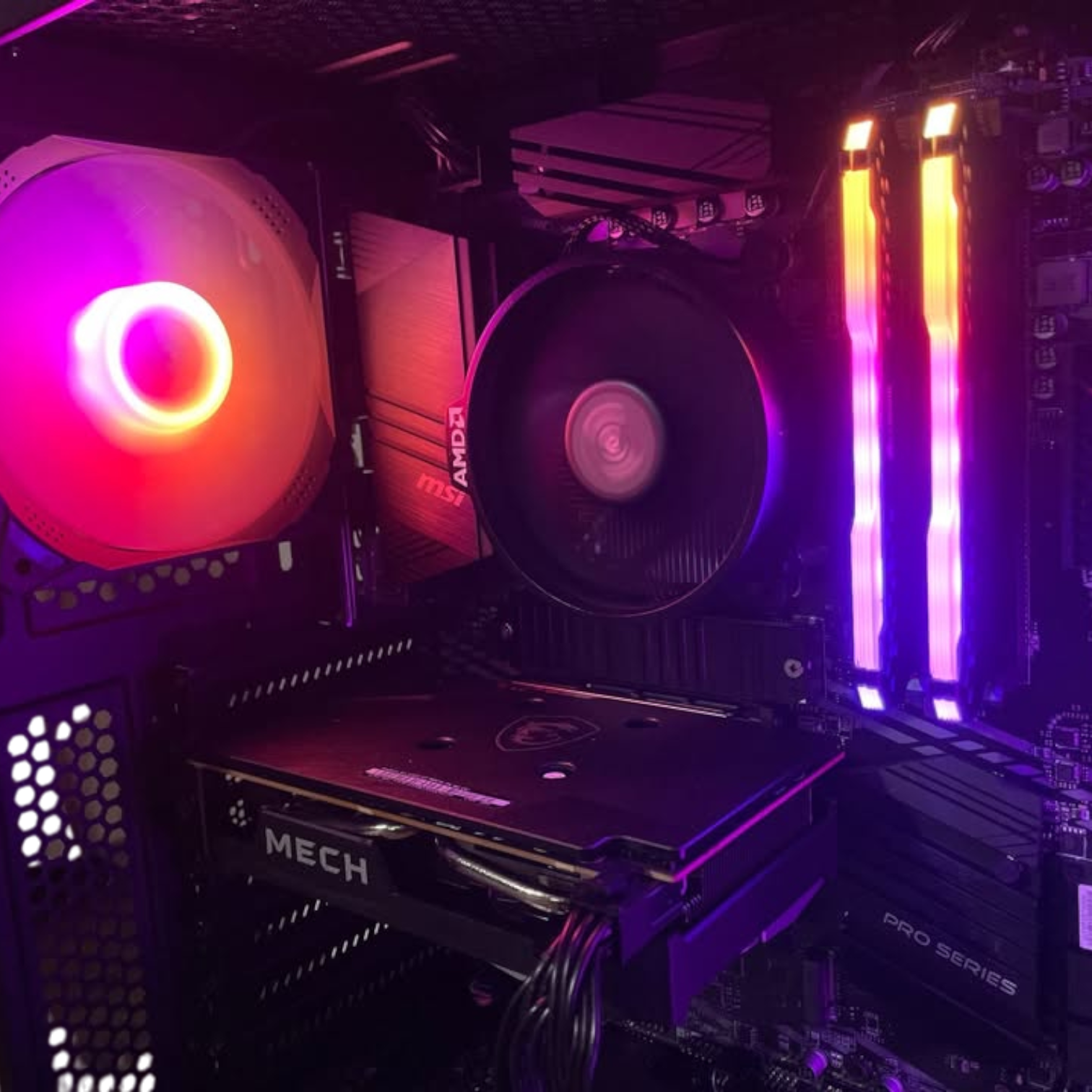
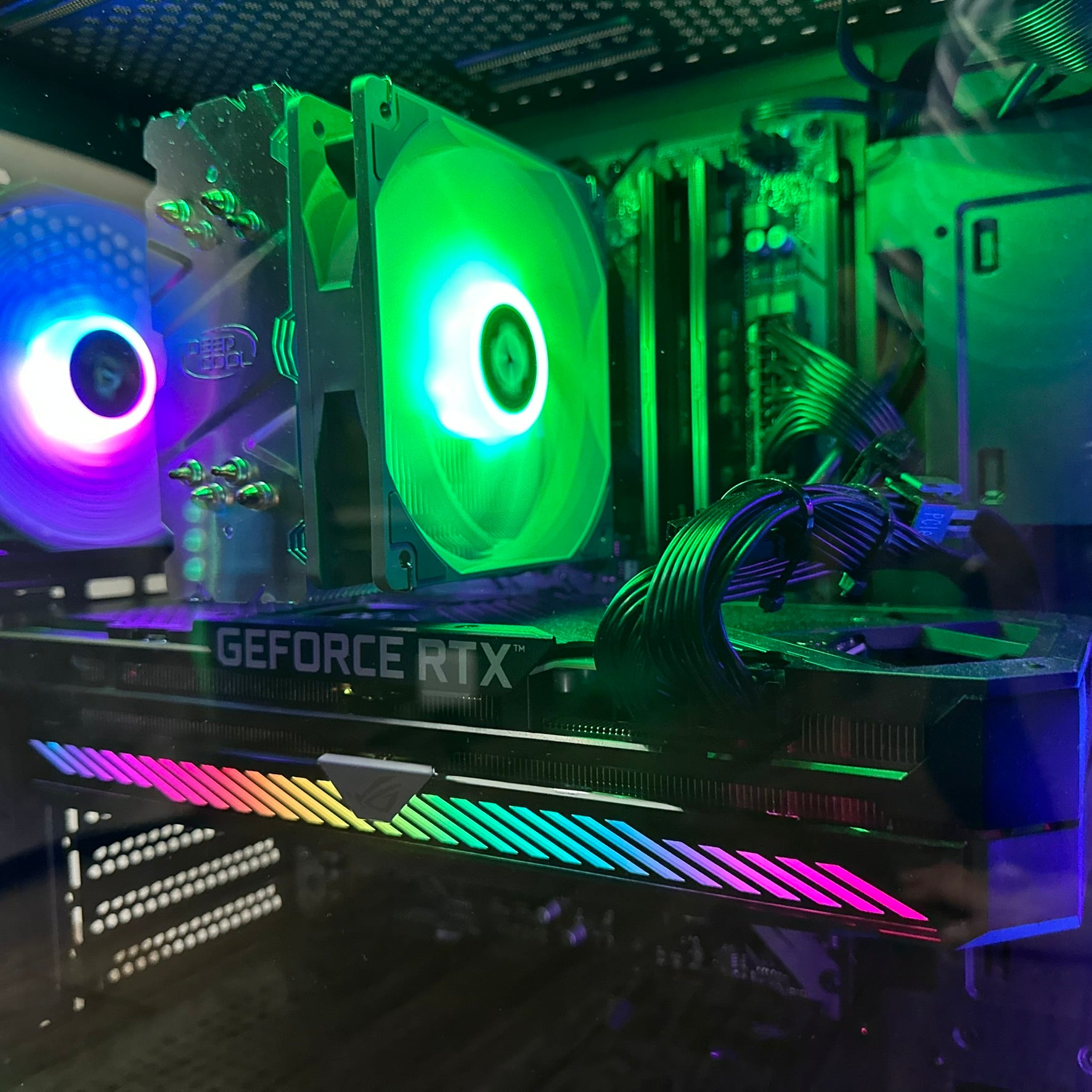
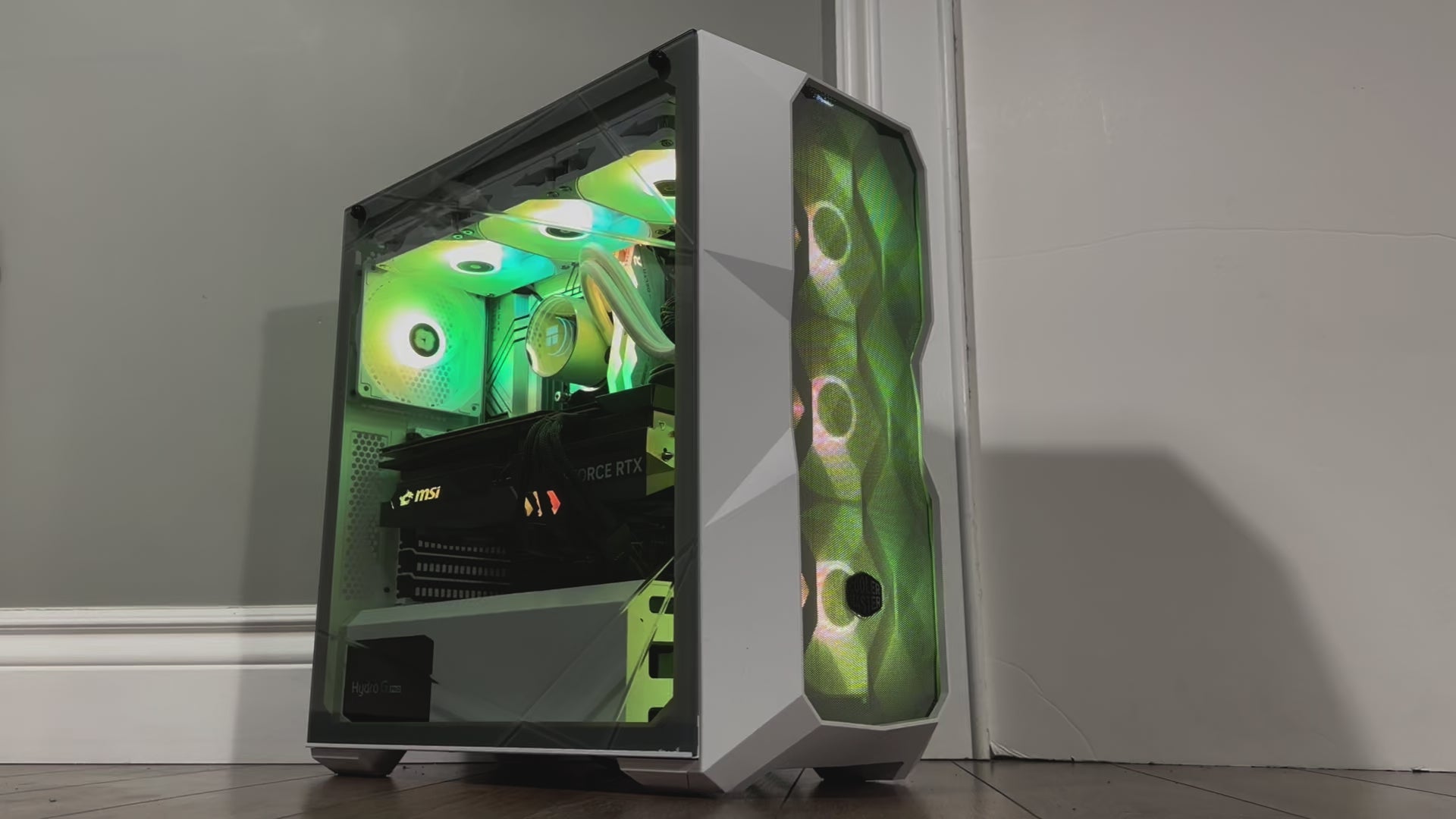
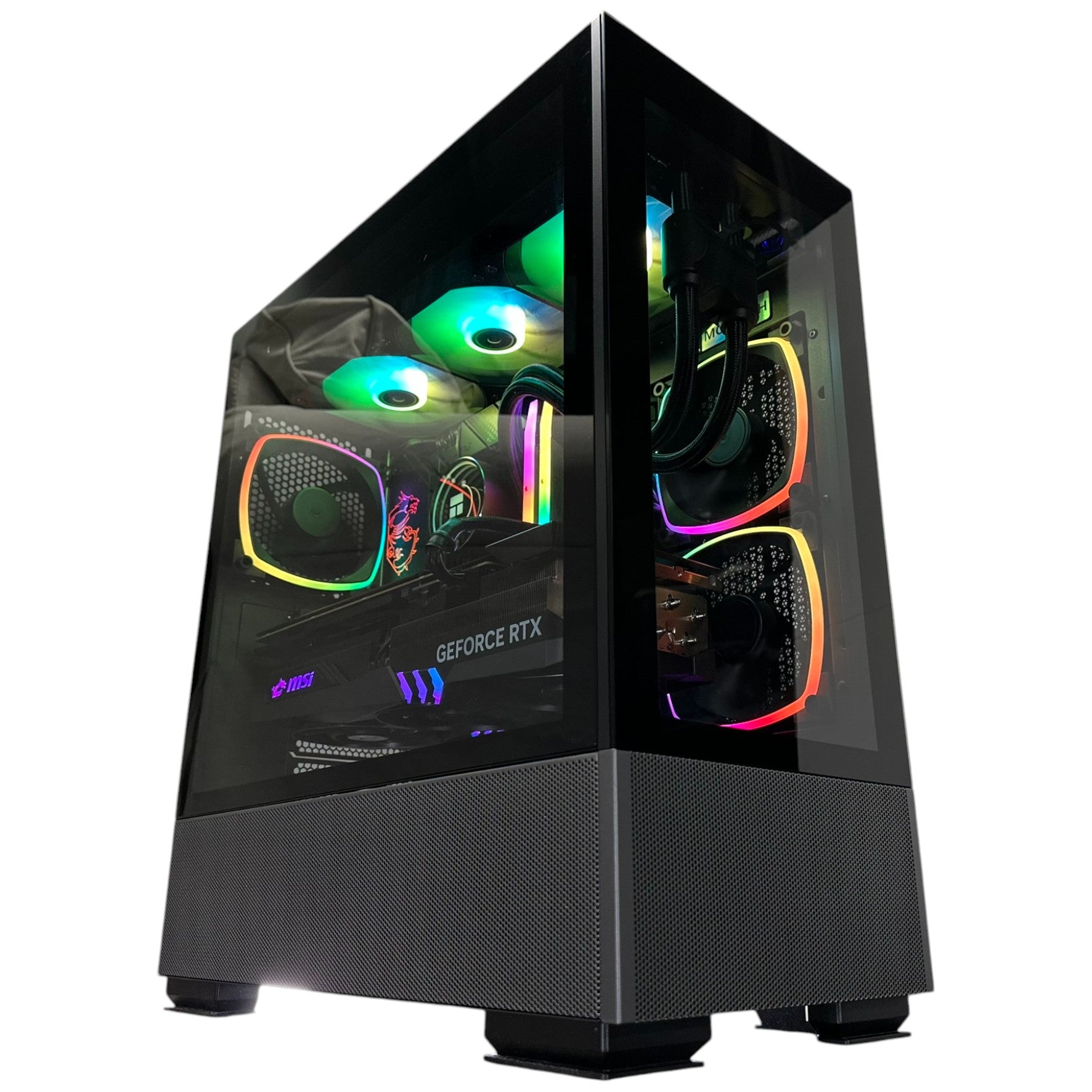
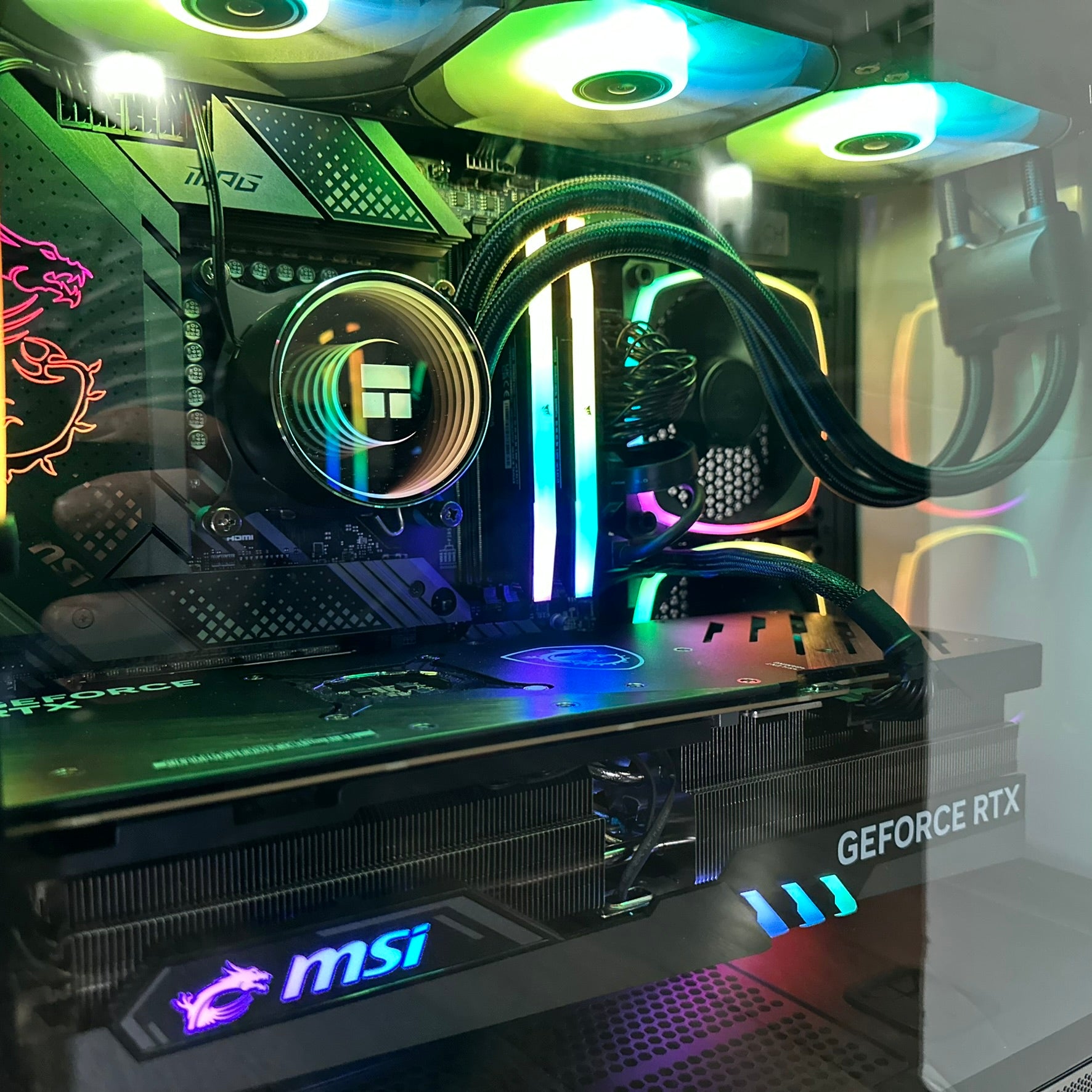
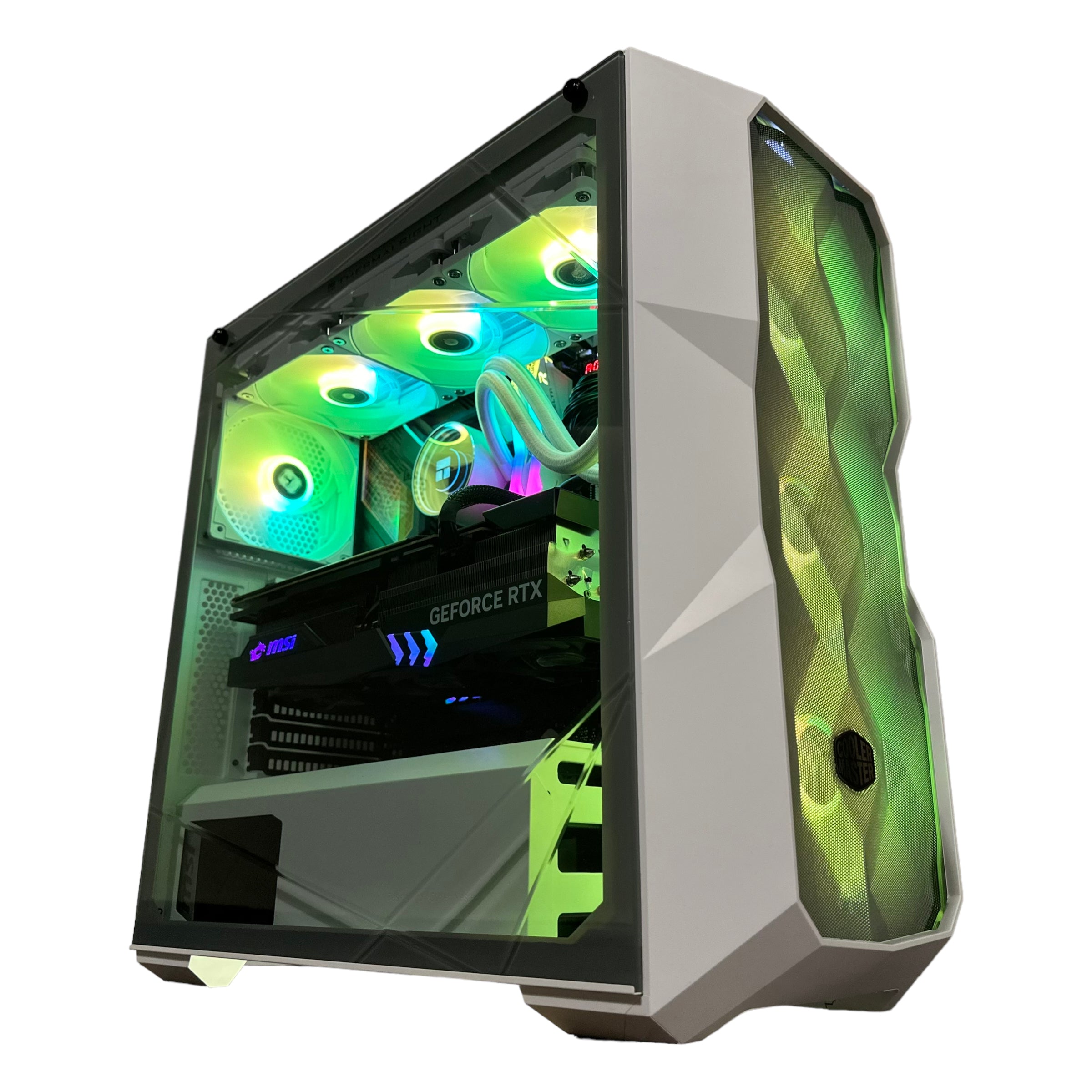
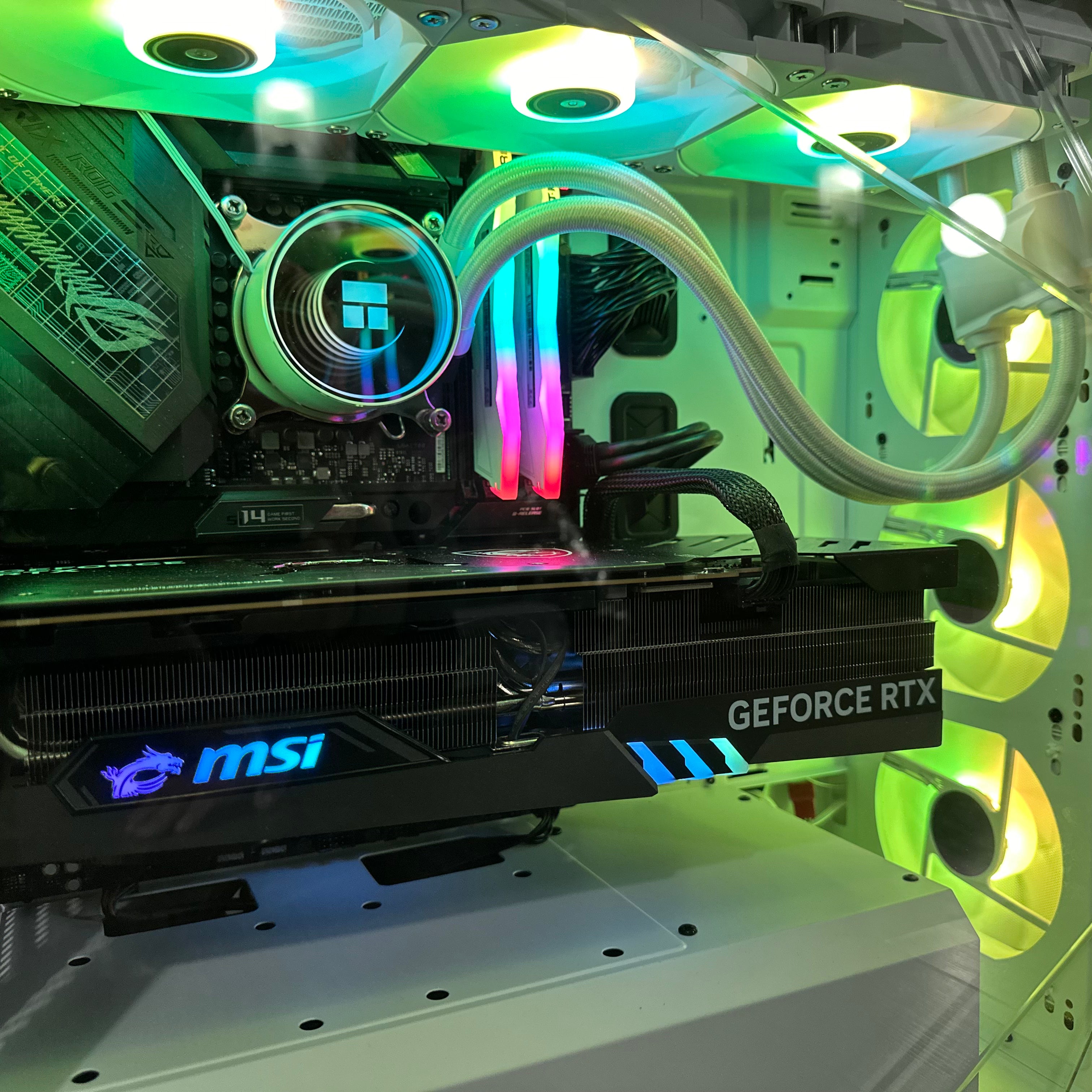
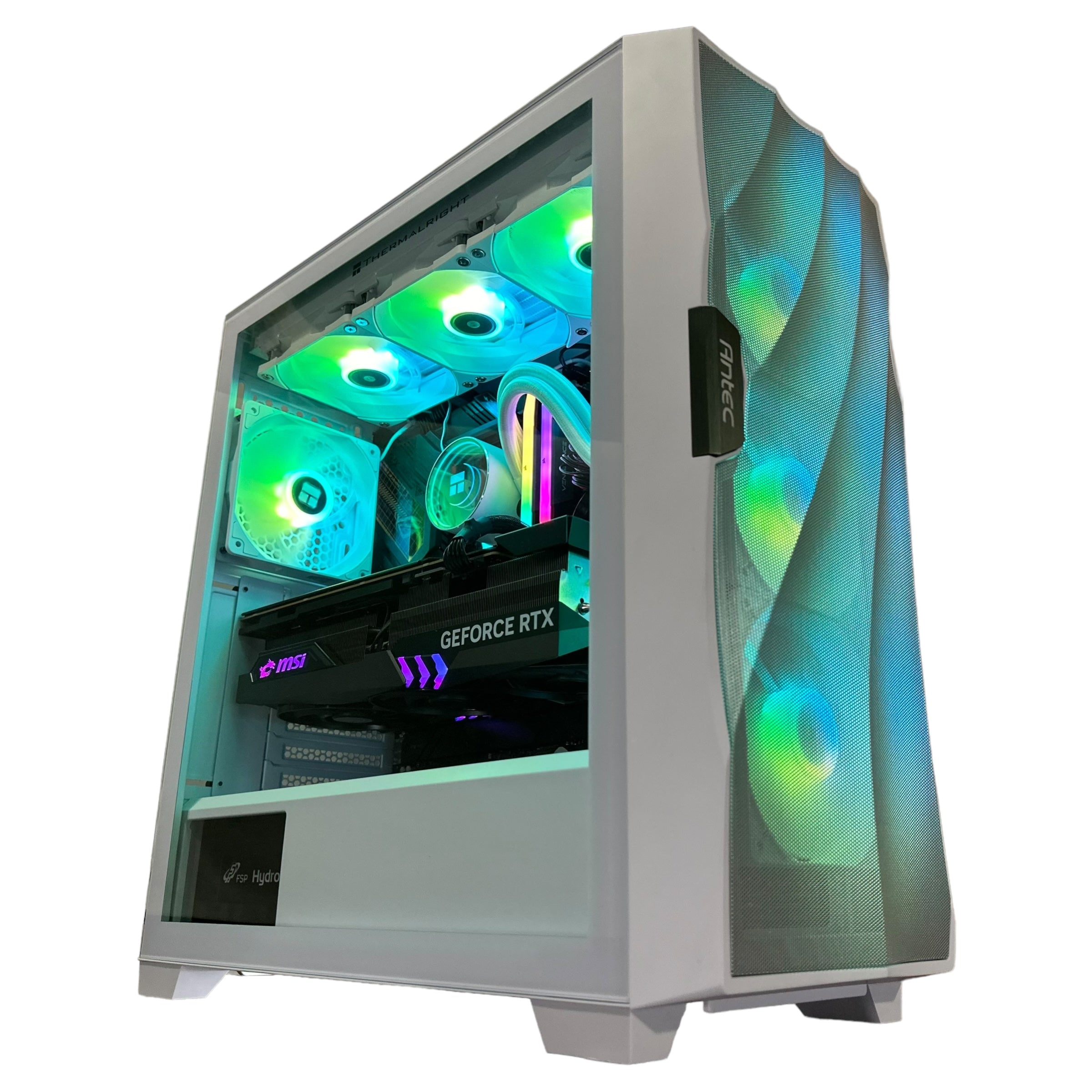
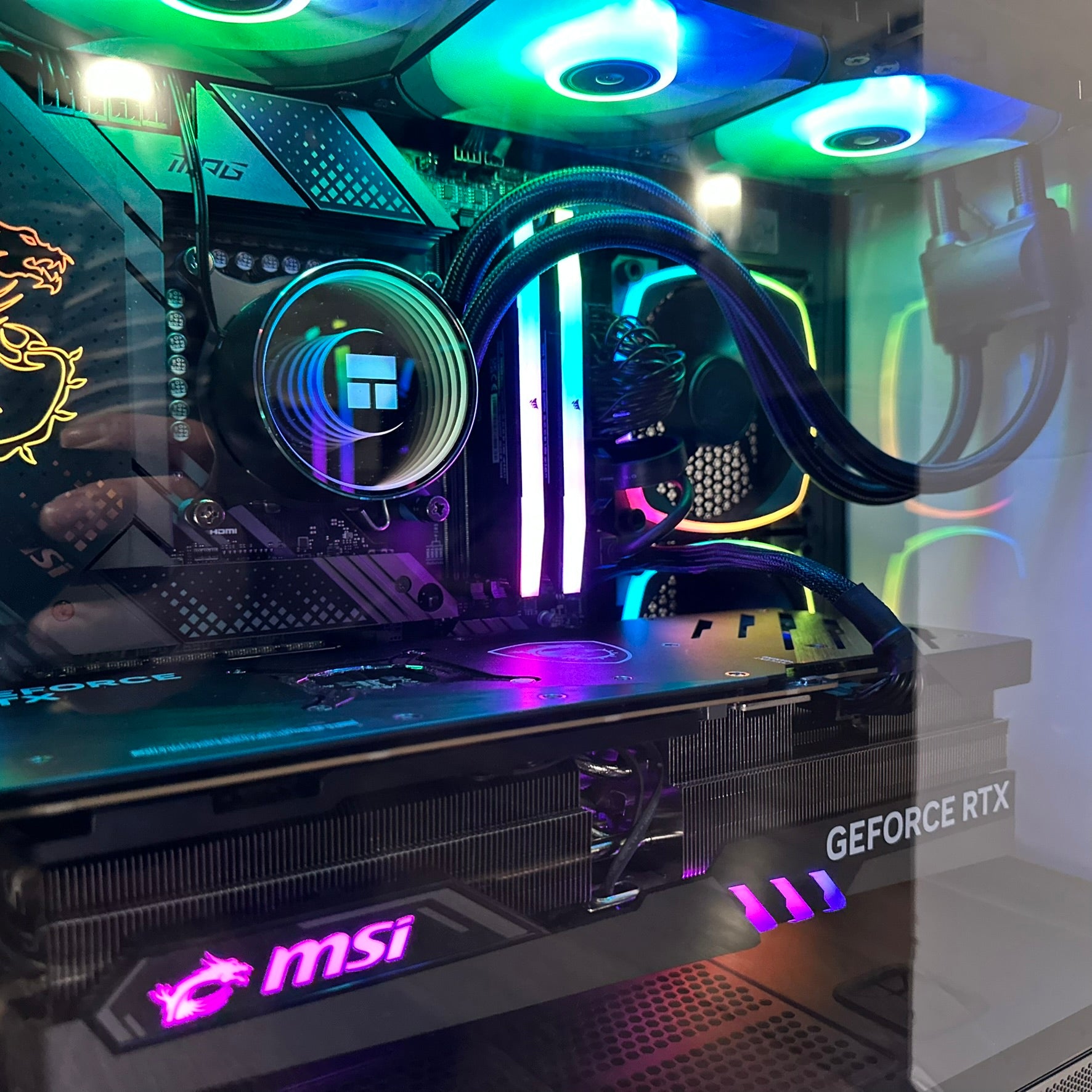
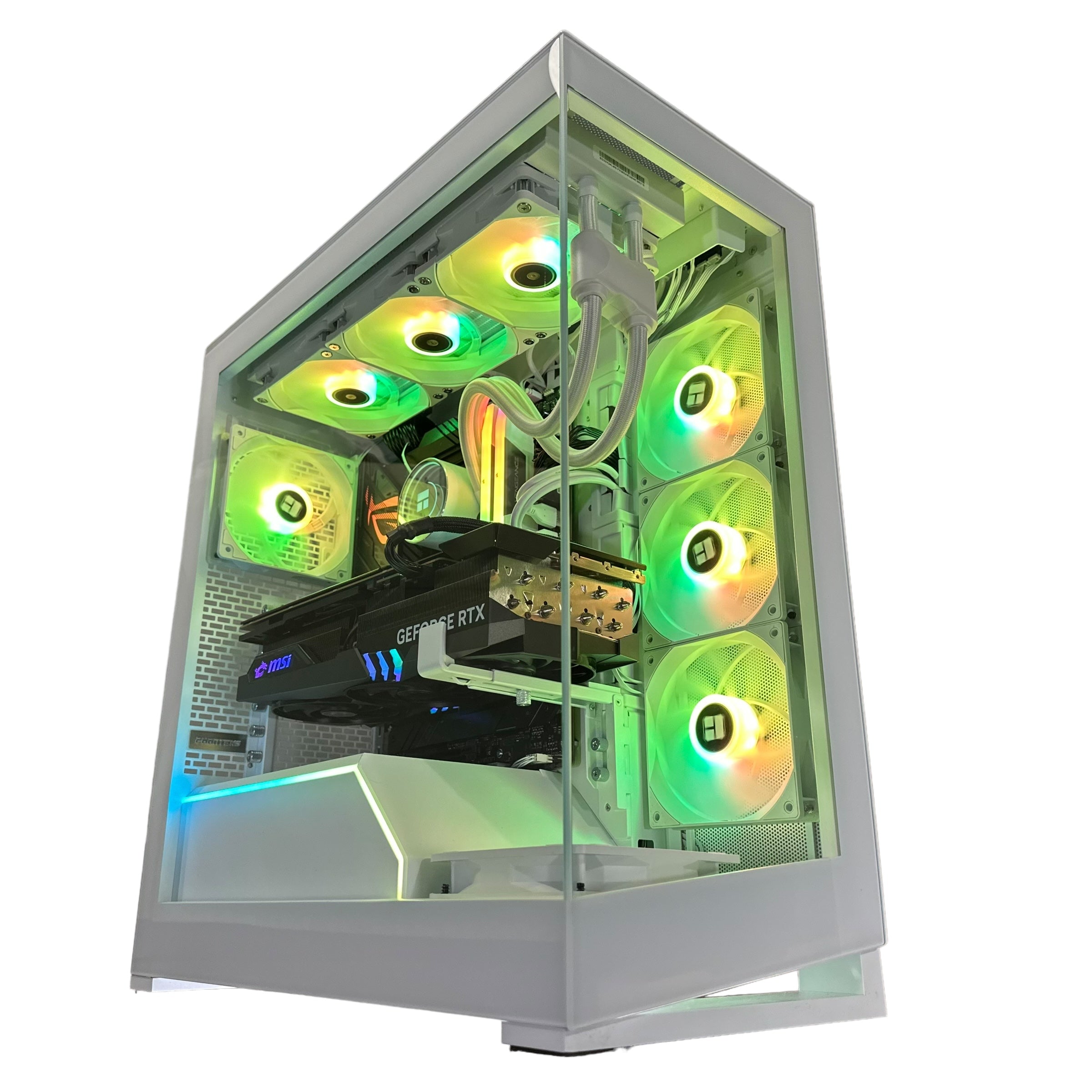
This is where Groovy Computers stands out from generic mass-market systems. A custom build is not just about choosing nicer parts. It is about matching parts correctly, building around your use case, planning thermals properly, keeping upgrade paths open, and avoiding the hidden compromises that often show up in off-the-shelf machines.
If you are buying a PC for modern games, streaming, editing, or workstation use, do you want a system assembled around the cheapest path to a headline spec? Or do you want a machine that is designed to behave well under real sustained loads? Better cooling, sensible part pairing, quality power delivery, storage planning, and proper testing all matter.
At Groovy Computers, custom systems are built for actual users, not just cardboard-box marketing. That matters if you care about reliability, clean airflow, future upgrades, and getting real-world value from your purchase.
Why should Canadian buyers care about testing, warranty, and support?
Because performance on paper is only half the story. The other half is confidence. If you are buying a custom PC in Canada, especially for demanding gaming or creator workloads, you want to know the system has been properly tested before it reaches you. You also want support from a real Canadian custom PC builder that understands the stakes of the purchase.
Groovy Computers offers rigorous testing and a 1-year warranty, which matters for buyers who do not want to gamble on unknown sellers or random marketplace systems. If this is your main gaming rig, your stream machine, your editing station, or your business workstation, reliability matters as much as raw FPS.
Are you buying for Nova Scotia, Atlantic Canada, or elsewhere across the country? The Canadian context matters. Shipping, support, communication, and trust all matter more when this is not a tiny purchase. Whether you are local to Trenton, New Glasgow, Halifax, or ordering from elsewhere in Canada, buying from a Canadian custom builder gives you a stronger level of confidence than chasing whatever looks cheapest in the moment.
Custom PC vs prebuilt PC in Canada: what should you choose?
If you are comparing options, ask a more useful question than simply “which one is cheaper today?” Ask: which one is actually better matched to what I need over time?
A mass-market prebuilt can be fine for some entry-level users, but custom systems tend to win where part quality, airflow, expandability, and workload matching really matter. That is especially true if you want gaming plus streaming, gaming plus editing, or gaming plus workstation use. The more specific your needs become, the more custom building makes sense.
Why buy a custom gaming PC? Because your target resolution matters. Your monitor matters. Your software matters. Your noise tolerance matters. Your timeline for future upgrades matters. Buying smart is not just about having a budget. It is about using that budget properly.
What questions should you ask before buying your next PC?
- What games do you actually want to play over the next two to three years?
- Are you targeting 1080p, 1440p, or 4K?
- Do you care about ray tracing, ultra settings, or just consistently smooth gameplay?
- Will you stream with OBS, record gameplay, or edit videos after playing?
- Do you need your system for Photoshop, Premiere Pro, DaVinci Resolve, Illustrator, or Blender too?
- How much storage do you really need for games, clips, projects, and exports?
- Would more RAM save you frustration in multitasking or content creation?
- Are you trying to buy once and keep the system longer, or upgrade in smaller steps?
- Would financing a stronger build now make more sense than replacing a cheaper one sooner?
- Do you want help choosing a build from a Canadian custom PC company that can actually guide you?
If Resident Evil-style hype has you thinking about your setup, what should you do next?
If the new trailer has reminded you how much atmosphere, immersion, and performance matter, this is a good time to evaluate your PC honestly. Are you ready for the next wave of horror games, bigger open-world releases, and heavier creator workflows? Or are you already compensating for old hardware with lowered settings, delayed upgrades, and frustrating workarounds?
If you want a stronger gaming desktop, a better streaming setup, a capable editing machine, or a custom workstation that fits your real workload, Groovy Computers is built for exactly that kind of buyer. Whether you need a value-focused gaming system, a premium RTX-powered experience, or a multi-purpose creator rig, you can explore options and get guidance at GroovyComputers.ca.
Final thoughts: the Resident Evil movie trailer is entertainment news, but your next PC decision is a performance decision
The new Resident Evil movie trailer is doing what strong franchise media always does: getting fans excited again. But for PC buyers, the bigger takeaway is not just nostalgia or adaptation debate. It is opportunity. This is the moment to decide whether your current setup still matches your gaming and content goals.
What do you want your next PC to do for you? Play modern horror games at 1080p without compromise? Push 1440p and ray tracing for a more cinematic experience? Stream and edit your own content? Handle design work, production, or 3D workloads on the same machine? If you are asking those questions now, you are already closer to the right purchase decision.
And if you want that decision to lead to a properly balanced, tested, warranty-backed custom system from a Canadian builder, Groovy Computers is the place to start. If a stronger build now helps you avoid upgrading too soon, save time, and enjoy the next generation of games and creative work more fully, then this may be the right moment to act.
#ResidentEvilMovieTrailer #GamingPCCanada #CustomGamingPCCanada #GamingAndStreamingPCCanada #CreatorPCCanada #VideoEditingPCCanada #3DModelingPCCanada #WorkstationPCCanada #CanadianCustomPCBuilders #NovaScotiaTech
Groovy Computers | All Rights Reserved



Leave a comment
This site is protected by hCaptcha and the hCaptcha Privacy Policy and Terms of Service apply.