


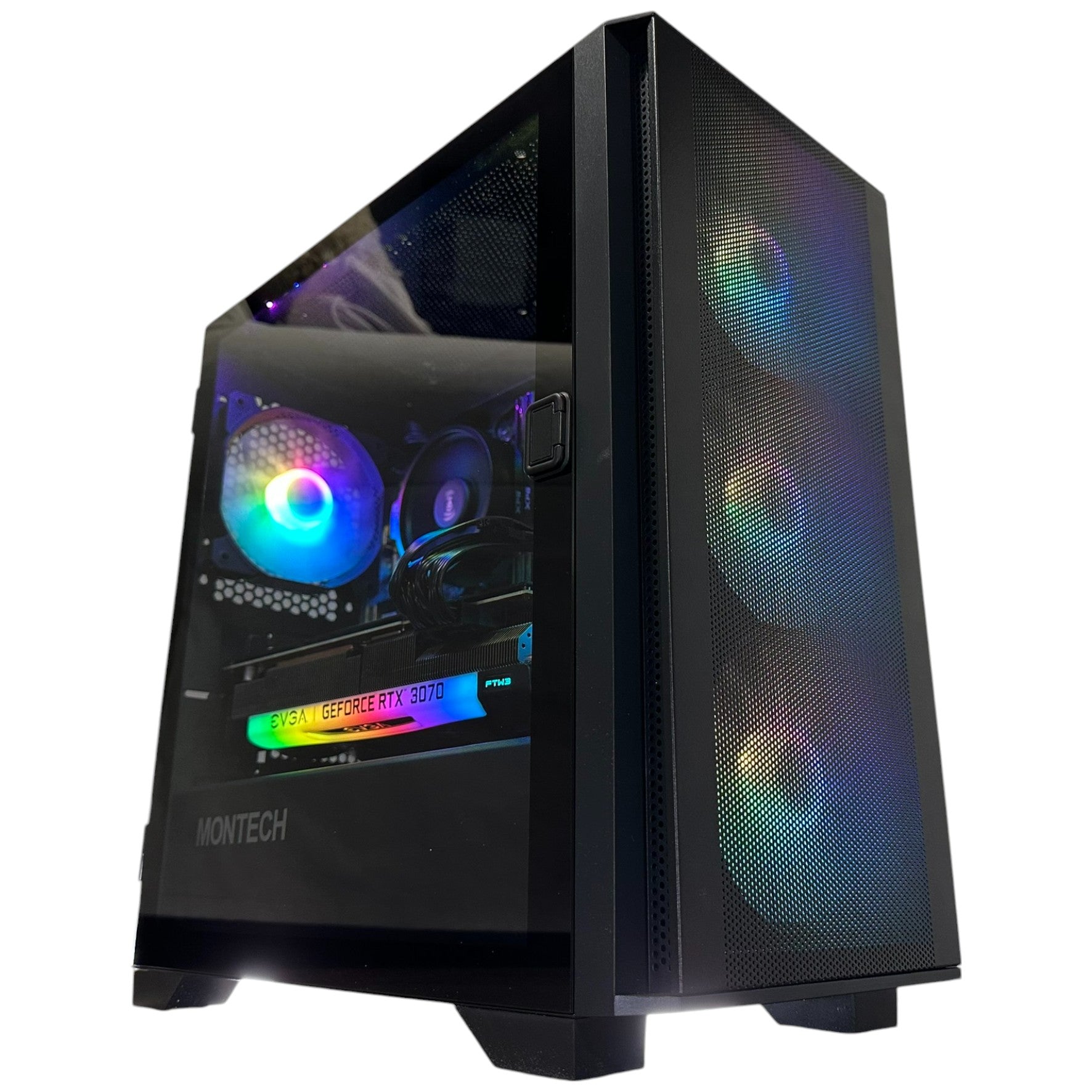
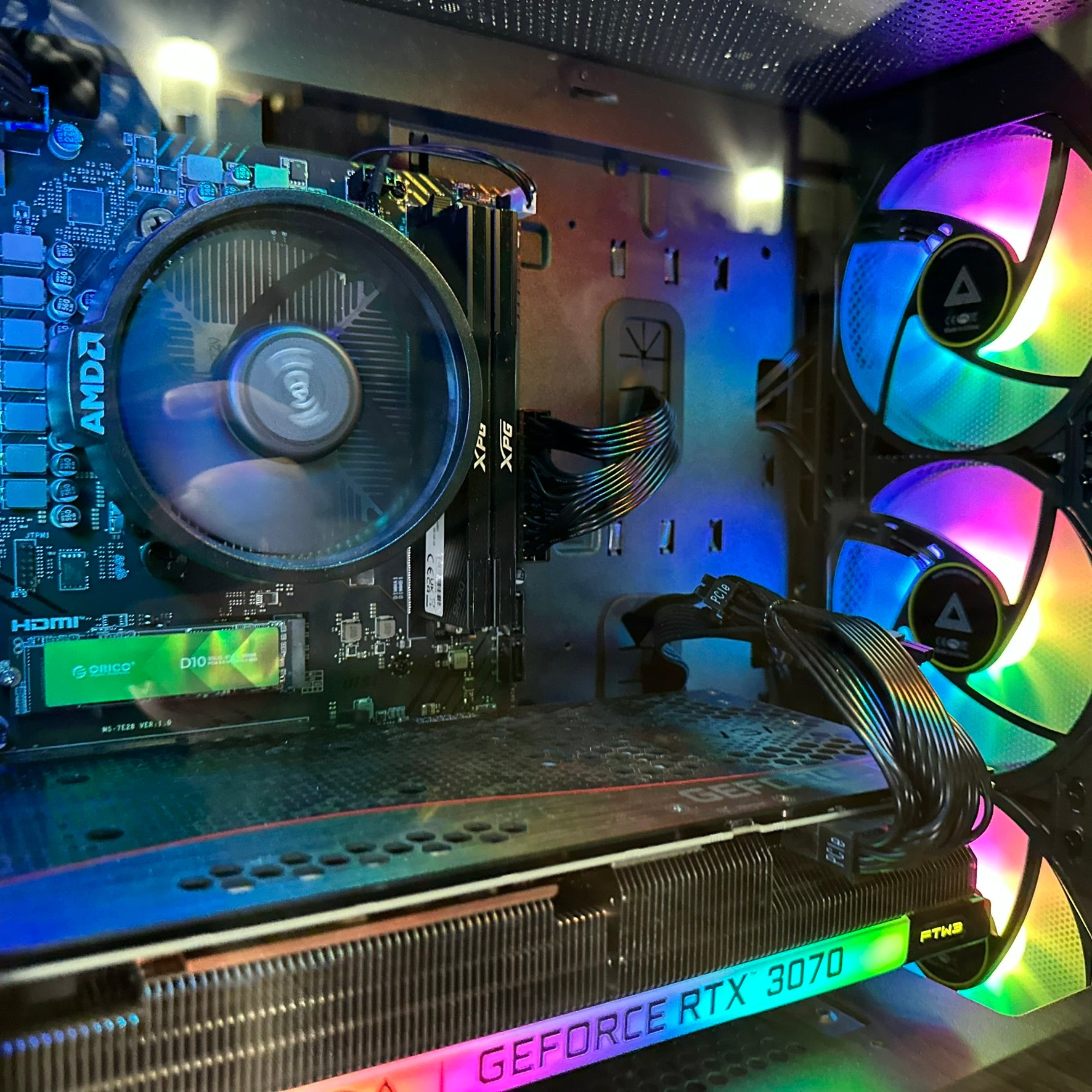
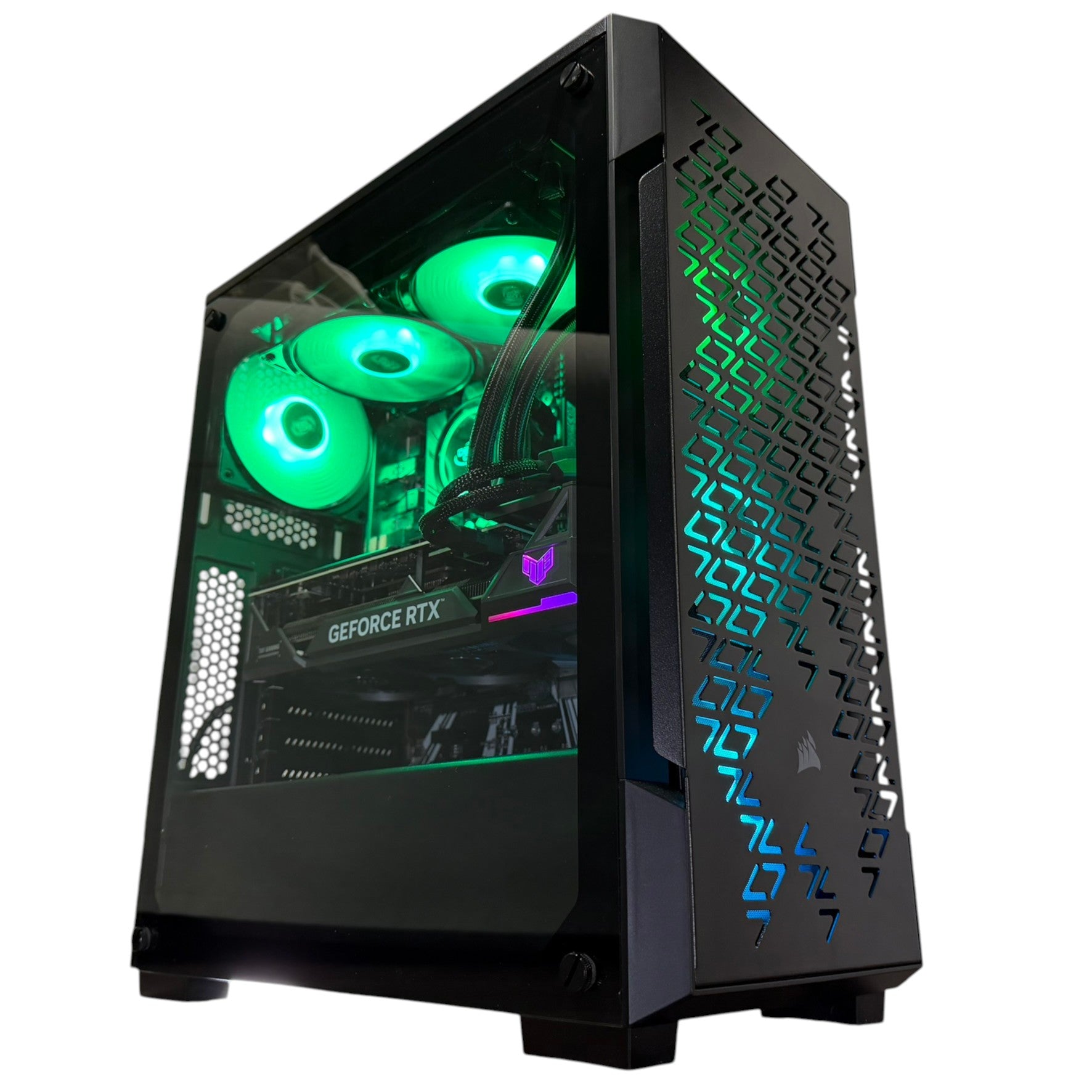

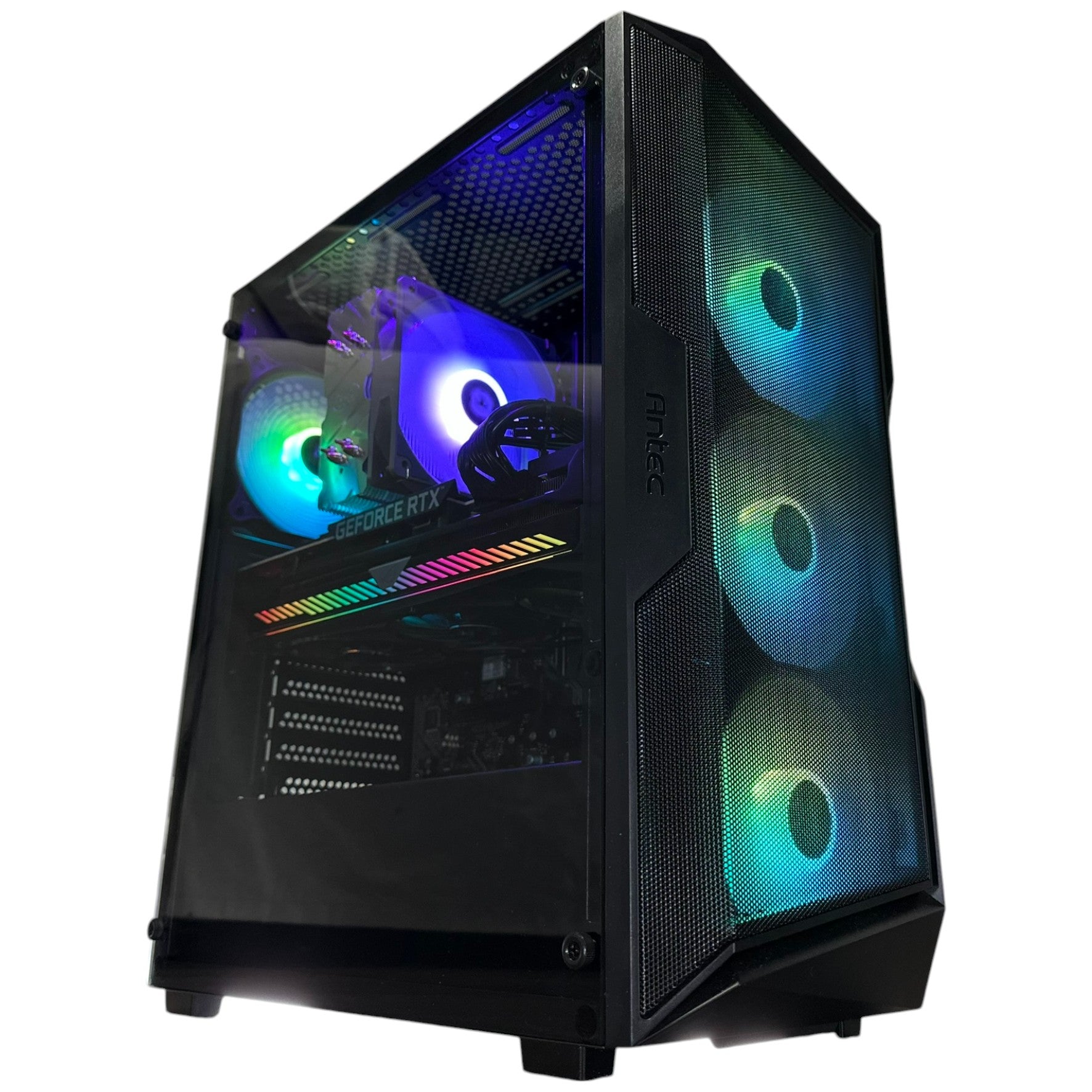

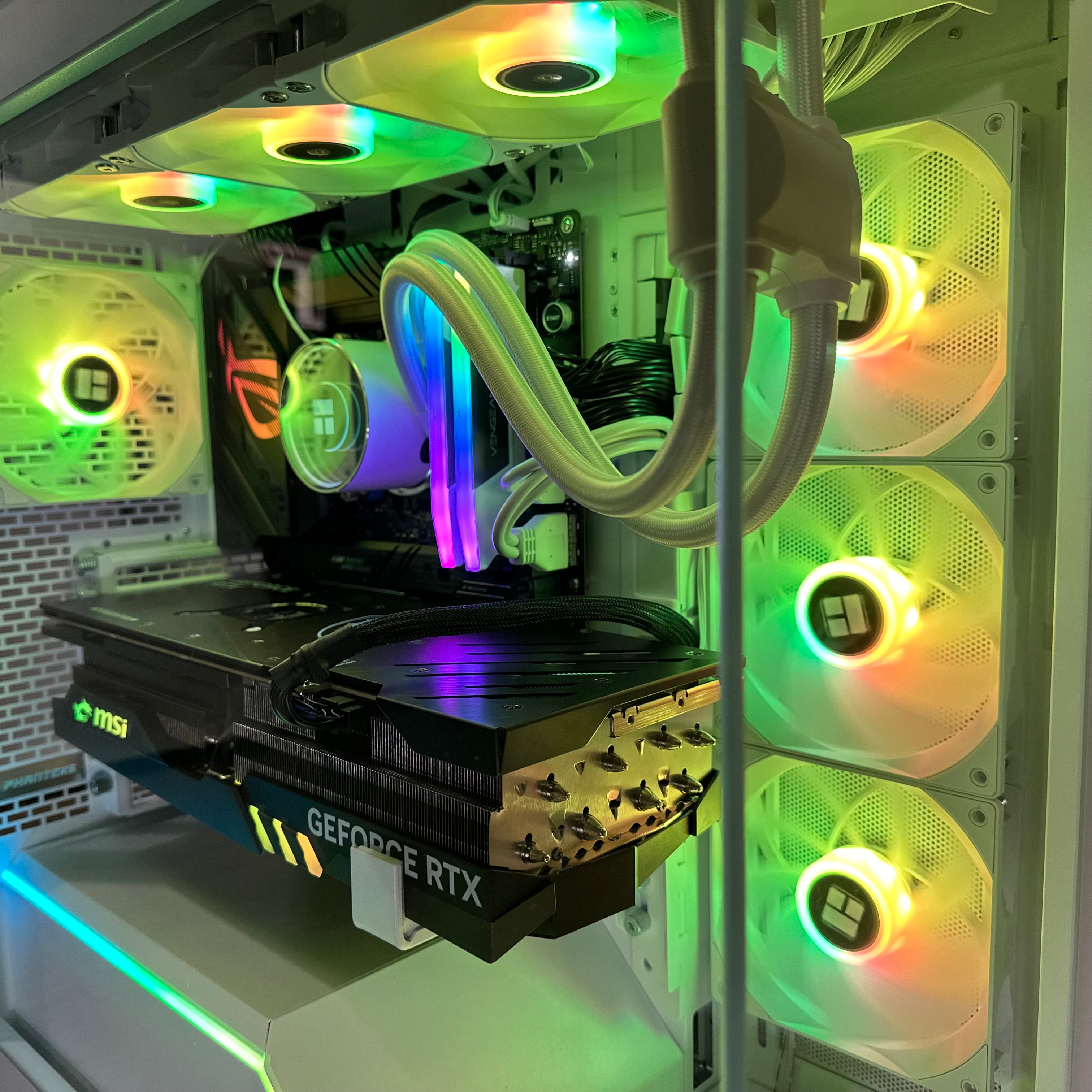
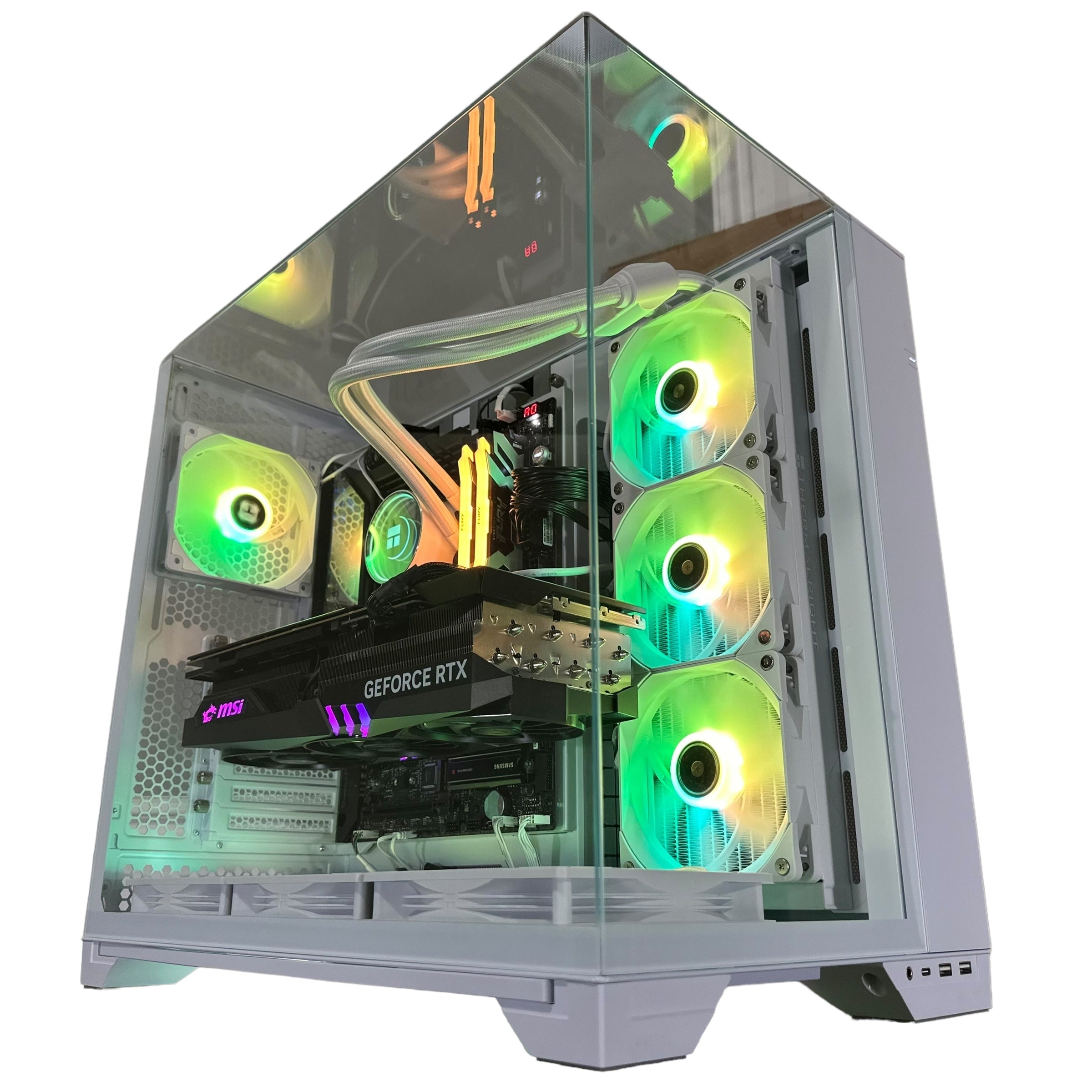
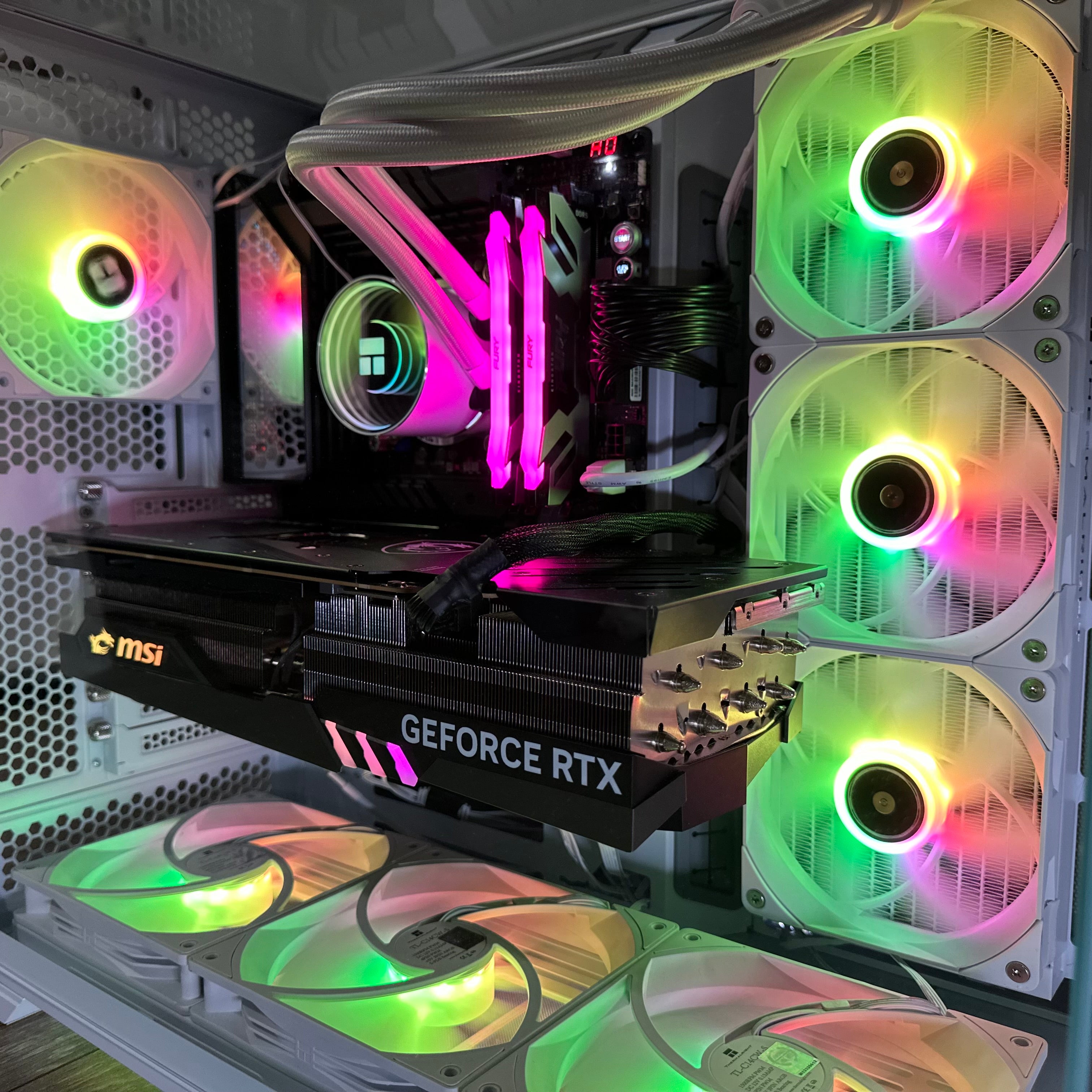

GTA 6 Rumours, Release Hype, and the Real Question for Buyers: Is Your Next Gaming PC in Canada Ready?
The latest GTA 6 rumour cycle says a lot less about Rockstar than it does about buyer behaviour. In the source story, a widely shared claim suggested Jason Schreier had said Grand Theft Auto VI was roughly 90 percent complete. He did not. The real point was about confidence in the release date, not development completion. That distinction matters, and it matters even more if you are shopping for a Gaming PC Canada buyers can actually rely on before a major launch window arrives.
When a game this large dominates headlines, a lot of readers are not just following the news for entertainment. They are asking a more practical question: if GTA 6, or the next wave of demanding AAA games, lands on schedule, will my current PC still hold up? And if it will not, is it smarter to upgrade now, configure a stronger custom build, or finance a better system before pricing and demand move again?
That is where this story becomes more than gaming news. It becomes a buying guide. Hype cycles around games like GTA 6 tend to push people into last-minute PC purchases, rushed upgrades, GPU shortages, and disappointing compromises. For Canadian buyers, especially those trying to balance budget, performance, and long-term value, timing is often just as important as raw specs.
What did the GTA 6 rumour actually mean for PC buyers?
The source article makes one thing clear: the viral “90 percent” claim was a misread. The number referred to confidence in a release date, not how finished the game was. That may sound like a small correction, but it reveals a bigger pattern. In a low-information environment, gamers start treating every fragment of insider commentary like a buying signal.
Have you noticed yourself doing that? Waiting for one more rumour, one more leak, one more “confirmed” date before deciding whether to replace your system? That is common, especially with a game as anticipated as GTA 6. But if you wait too long, the decision can get more expensive, not easier.
For many buyers, the better question is not “Is the game almost complete?” It is “What kind of system do I want ready when major games, creator software updates, and next-gen workloads hit all at once?”
Why GTA 6 hype matters even if Rockstar has not released PC specs yet
One of the biggest mistakes buyers make is waiting for official PC requirements before they start planning. In reality, by the time major system requirements are widely confirmed, demand often accelerates. That can affect GPU availability, full-system lead times, monitor choices, and even buyer confidence.
If your current machine is already struggling with modern open-world games, ray tracing, high-refresh 1440p gameplay, streaming, video editing, or multitasking, then a GTA 6 headline should probably prompt planning, not panic.
Ask yourself a few honest questions. Are you trying to keep playing new games at 1080p with decent settings, or are you aiming for a smoother 1440p or 4K experience? Do you care about ray tracing? Do you also want to stream to Twitch or YouTube? Will this same system be used for Premiere Pro, DaVinci Resolve, Photoshop, Blender, or school and work tasks?
Those answers matter more than any viral post about development completion.
What do you want your next PC to do for you?
This is the question more buyers should ask before comparing random specs or chasing a deal. What does your next PC actually need to do?
Do you want a custom gaming PC that can handle big open-world titles at high settings for years, not months? Do you want a gaming and streaming setup that can run OBS smoothly while keeping frame rates stable? Do you need a creator system that can game at night and edit 4K video during the day? Or are you shopping for a workstation-class desktop that needs to handle rendering, 3D modeling, graphic design, and heavy multitasking without slowing down?
If you are unsure, that is exactly why custom buying guidance matters. A well-matched system is not just about buying more power. It is about buying the right kind of power.
Gaming PC Canada buyers: what performance tier fits you best?
Not everyone waiting for GTA 6, or the next big AAA release, needs the same level of hardware. A smarter purchase starts with the performance tier that matches your display, games, and expectations.
Entry-level and budget gaming: are you staying at 1080p?
If your goal is esports titles, lighter AAA gaming, and solid 1080p performance, a budget-focused system can still make sense. This tier is ideal for buyers who want strong value, fast boot times, smooth everyday use, and enough graphics power for modern gaming without overspending.
But here is the key question: are you buying a system for today only, or do you want room for tomorrow’s games too? A cheap system that feels outdated too soon is not always the best value. If you expect to play future open-world releases, use higher settings, or upgrade to a faster monitor later, the lowest tier may not stay satisfying for long.
Mid-range sweet spot: is 1440p where you really want to be?
For many Canadian buyers, 1440p is the best balance of visual quality, performance, and long-term value. This is often the sweet spot for players who want modern AAA games to look great, run smoothly, and still leave room for streaming, Discord, browser tabs, and background applications.
If you have been asking, “What PC do I need for 1440p gaming?” this is usually where the conversation gets serious. A stronger GPU, better cooling, a balanced CPU, faster storage, and enough RAM start to matter a lot more. This tier tends to serve buyers well if they want a future proof gaming PC Canada shoppers can enjoy across multiple game cycles.
Premium gaming: do you want 4K, ultra settings, or ray tracing?
If the goal is premium visual quality, high refresh rates, advanced lighting effects, and stronger longevity, then a high-end build is worth discussing. This is the tier for gamers who do not want to revisit the upgrade question too soon. It is also the right zone for people who want one machine to cover gaming, streaming, editing, and heavier creative workloads without compromise.
Should you buy a high-end system just because GTA 6 is trending? Not automatically. But if you already know you want premium 1440p, 4K gameplay, ray tracing, or a broader content-creation workflow, then waiting for launch-season pressure may not improve your options.
What if you want more than gaming from one machine?
Many buyers no longer want a single-purpose desktop. They want a machine that plays major games, records footage, edits shorts and long-form content, handles Photoshop projects, and maybe even supports Blender or Unreal Engine work. If that sounds like you, then you are probably looking at a creator-focused system rather than a pure gaming tower.
That changes the buying conversation.
A gaming-first system may prioritize frame rates and GPU value. A creator PC Canada buyers should consider may need more memory, stronger CPUs for multitasking, fast NVMe storage, better cooling, and a platform that stays stable under longer workloads. If you render video, export social clips, produce podcast episodes, or design graphics for clients, the cost of underbuying is not just lower FPS. It is wasted time.
Are you streaming too?
If you plan to stream while gaming, the system has to do more than just run the game. It has to encode video, manage scenes, keep your gameplay responsive, and stay stable over long sessions. A Streaming PC Canada buyers can depend on should be configured differently than a basic gaming desktop.
What PC do you need for streaming? That depends on your goals. Are you doing casual 1080p streams a few nights a week, or are you building a more serious channel with overlays, alerts, clipped content, and simultaneous recording? Do you want smooth high-FPS gameplay while streaming, or would you tolerate some compromises? Asking these questions early helps avoid the common mistake of buying for gameplay only and discovering later that streaming performance is the real weak point.
Do you edit video or create content?
A lot of gaming buyers are also creators now. If you edit in Premiere Pro, DaVinci Resolve, CapCut, or After Effects, you need a system that does not just open projects, but handles them efficiently. Timeline responsiveness, export speed, media caching, RAM capacity, and storage layout all matter.
So ask yourself: do you need a PC for quick social clips, or a Video Editing PC Canada creators can use for 4K work consistently? If you spend hours each week waiting on exports, buffering through footage, or juggling limited storage, the better build often pays for itself in saved time and less frustration.
What about photo editing and graphic design?
Not every buyer in this market is chasing ultra settings in games. Some are photographers, students, agency staff, print designers, or business owners. If your machine needs to run Photoshop, Lightroom, Illustrator, InDesign, Canva, or other Adobe Creative Cloud tools smoothly, you want balanced performance and dependable responsiveness.
Is a gaming PC good for photo editing or graphic design? Sometimes yes, but only if the parts are chosen properly. A creator-oriented build may prioritize memory, storage, CPU balance, and quiet thermal performance in ways a gaming-only machine does not. If your day includes RAW photo editing, multi-layer design files, and browser-heavy multitasking, those details matter.
Do you need a workstation or 3D modeling system?
If your workflow includes Blender, Unreal Engine, CAD, rendering, simulation, or heavier productivity loads, you are in a different category again. A 3D Modeling PC Canada professionals need has to deliver stability, memory headroom, strong CPU and GPU pairing, and upgrade flexibility.
What PC do you need for Blender or 3D rendering? That depends on whether your workload is GPU-heavy, CPU-heavy, or both. A workstation-class custom build can help avoid the false economy of buying a gaming rig that feels powerful on paper but lacks the right balance for production work.
Why Canadian buyers should think differently about timing
Canadian PC shoppers often face a different reality than buyers who follow broader U.S.-driven tech chatter. Exchange pressure, shipping costs, regional availability, and fluctuating component pricing can affect system value quickly. Even when the headlines are about a game rumour, the real buying risk may be replacement cost.
Have you been putting off a purchase because you expect prices to fall? Sometimes that works. But sometimes the opposite happens. GPU demand tightens. RAM pricing firms up. SSD costs move. A new game release or creator trend suddenly increases demand in the exact system category you wanted.
That is why waiting is not always the safe move. If your current PC is already near its limit, delay can mean paying more later for the same level of performance, or settling for a weaker configuration when demand spikes.
Is it better to buy a gaming PC now or wait?
This is one of the most common buyer-stage questions, and it deserves a practical answer. If your current system already does everything you need at the level you are happy with, waiting may be reasonable. But if you are upgrading because your system is struggling now, then waiting for the “perfect moment” can turn into months of poor performance followed by a more expensive decision.
Here is a more useful way to frame it. Are you buying because of hype alone, or because a major game release has highlighted a real gap in your setup? Are you trying to avoid upgrading too soon, or are you actually risking upgrading too late?
For many shoppers, especially those who want a gaming PC for GTA 6 style open-world gaming, stronger multitasking, or creator workloads, planning before peak demand is simply the smarter move.
Could financing help you lock in the right system instead of a compromise?
One of the most overlooked buyer questions is not “Can I afford a PC?” but “Can I afford buying the wrong PC?” If a weaker system saves money up front but needs replacing early, struggles with new games, or slows down your editing and streaming workflow, the cheaper choice may cost more in the long run.
This is where financing becomes practical rather than impulsive. A Gaming PC Financing Canada option can help buyers step into the right performance tier now instead of settling for a short-term machine that feels outdated too quickly.
Would monthly payments let you move from entry-level 1080p to a much stronger 1440p build? Would financing up to 4 years help you secure better GPU performance, more RAM, faster storage, or a stronger creator setup before replacement costs rise? If the answer is yes, then financing is not just about convenience. It can be about buying smarter.
What questions should you ask before buying or financing a custom PC?
Before you commit to any system, it helps to ask a few grounded questions.
- What games or software will I use most? Open-world AAA titles, OBS, Premiere Pro, Photoshop, Lightroom, Blender, or general productivity all shift the ideal build.
- What resolution am I actually targeting? 1080p, 1440p, and 4K each change the GPU tier you should consider.
- Do I care about ray tracing, ultra settings, or high refresh rates? These are not small upgrades. They meaningfully affect hardware selection.
- Will I stream, record, or edit content? If yes, CPU balance, RAM, and storage matter more.
- How long do I want this system to feel current? Two years and five years are very different planning horizons.
- Would I rather buy the cheapest option now, or the right option once? This is often the real value question.
- Would financing a better PC reduce the chance that I need to upgrade again too soon? For many buyers, the answer is yes.
Custom PC vs off-the-shelf buying: why does it matter more during hype cycles?
When a huge game dominates headlines, many buyers rush toward generic off-the-shelf systems with flashy labels and unclear part quality. That is exactly when custom guidance becomes more valuable.
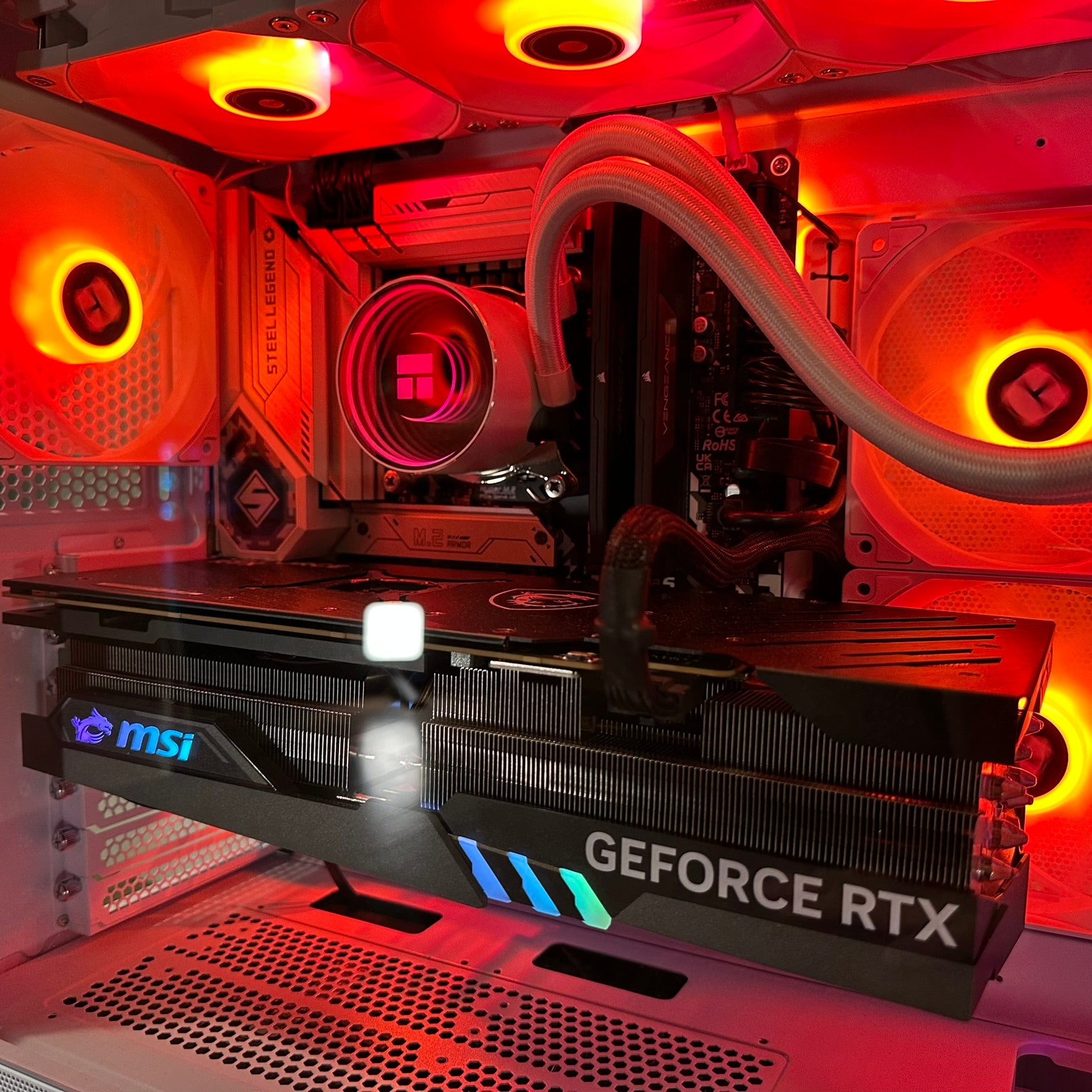
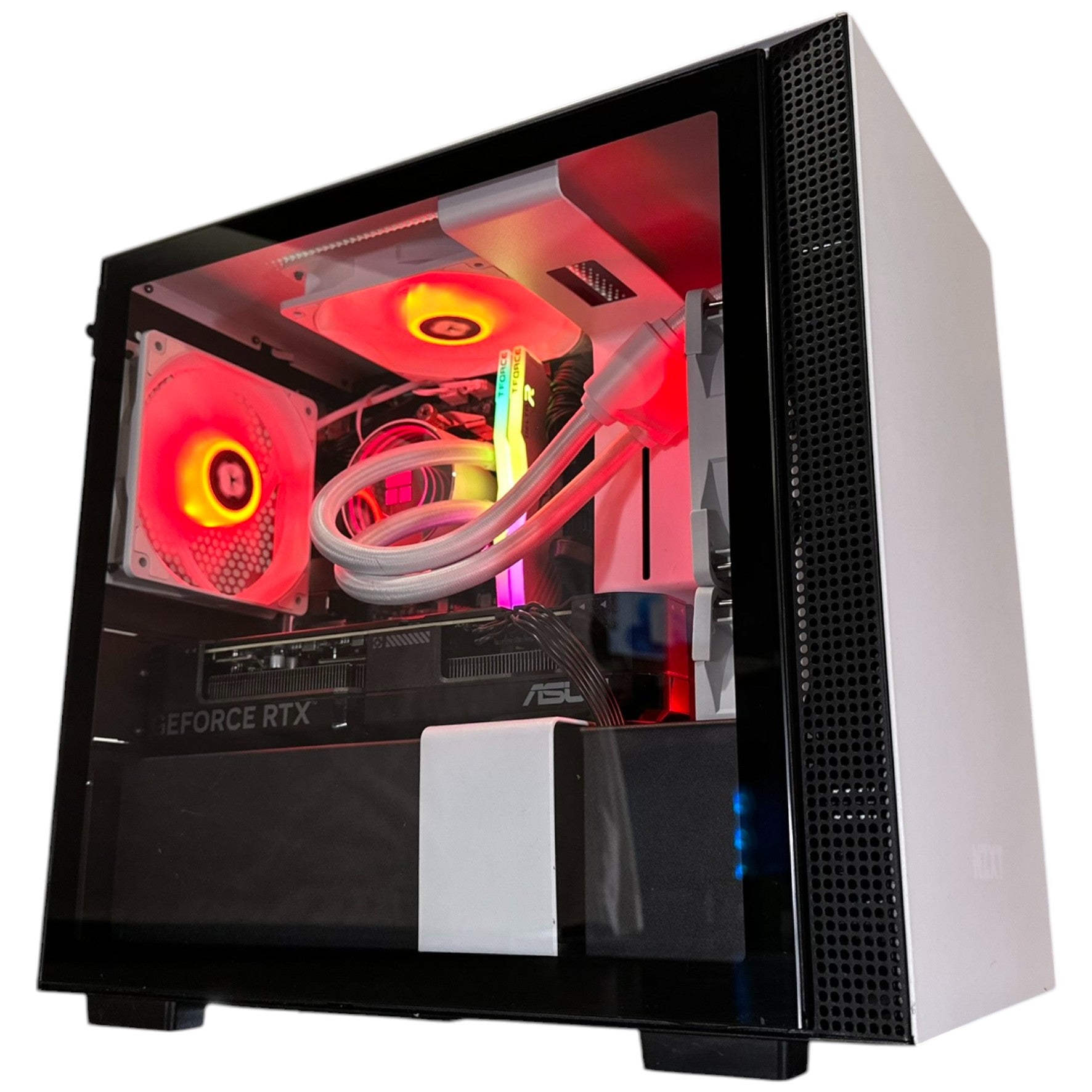
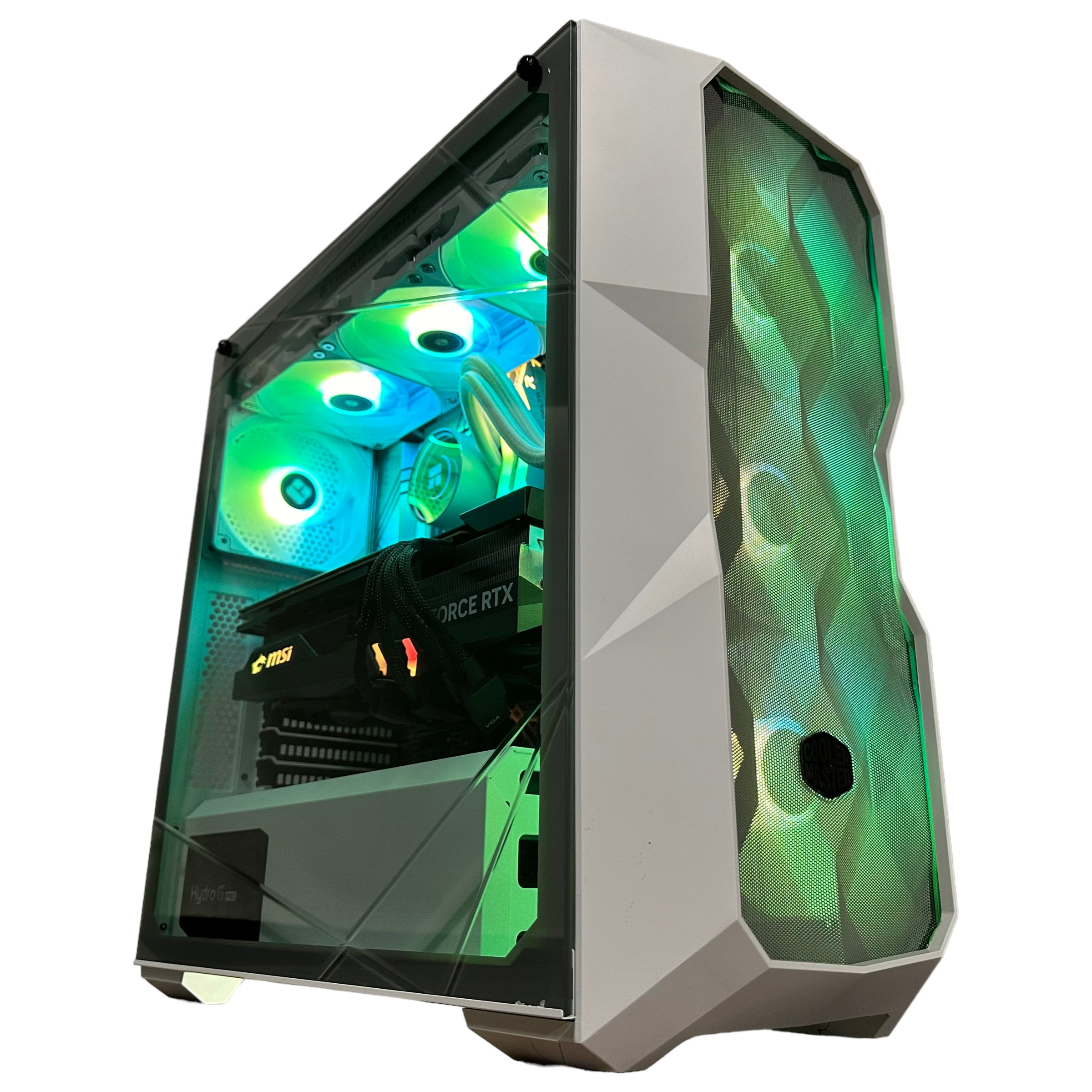
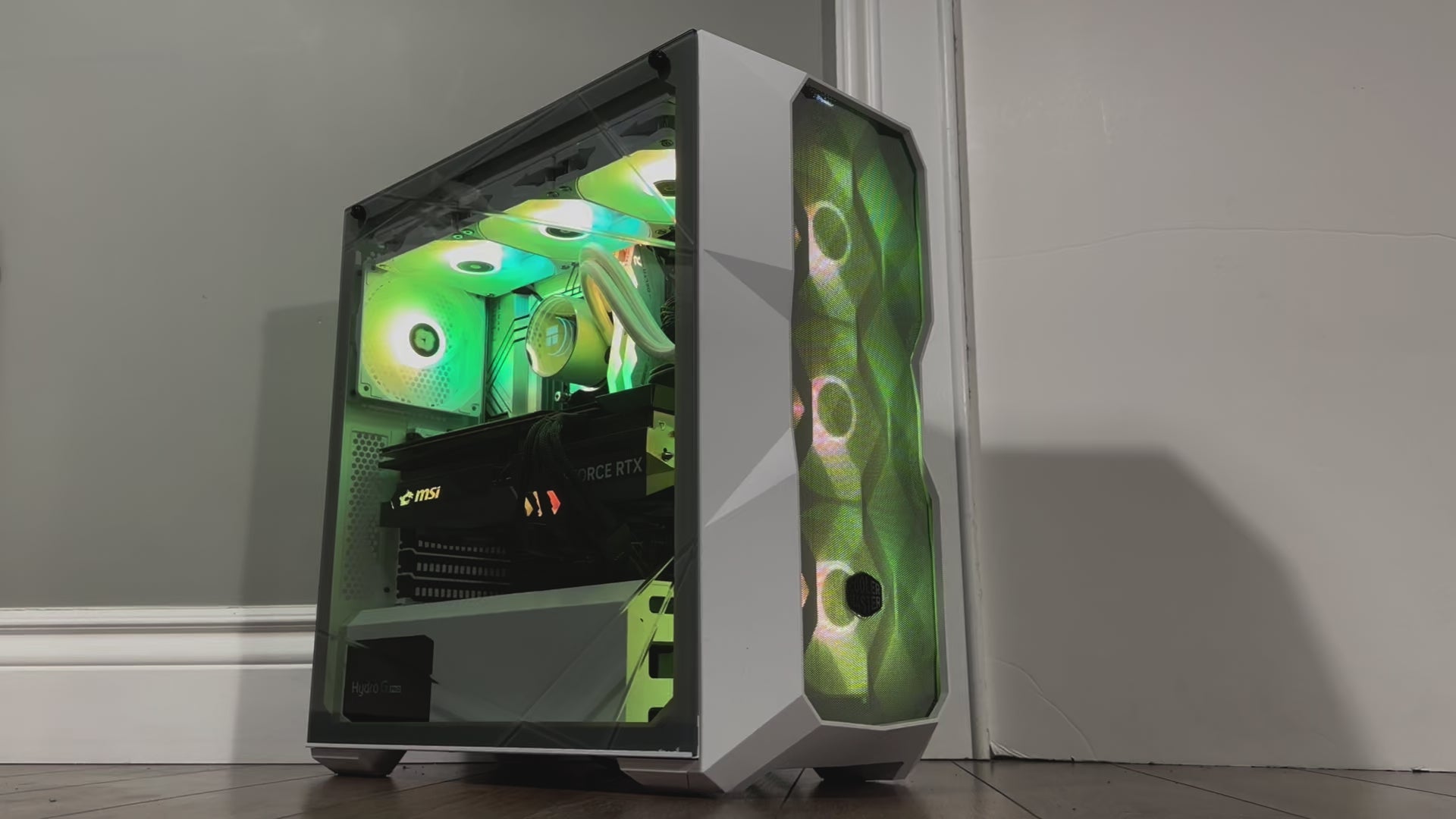
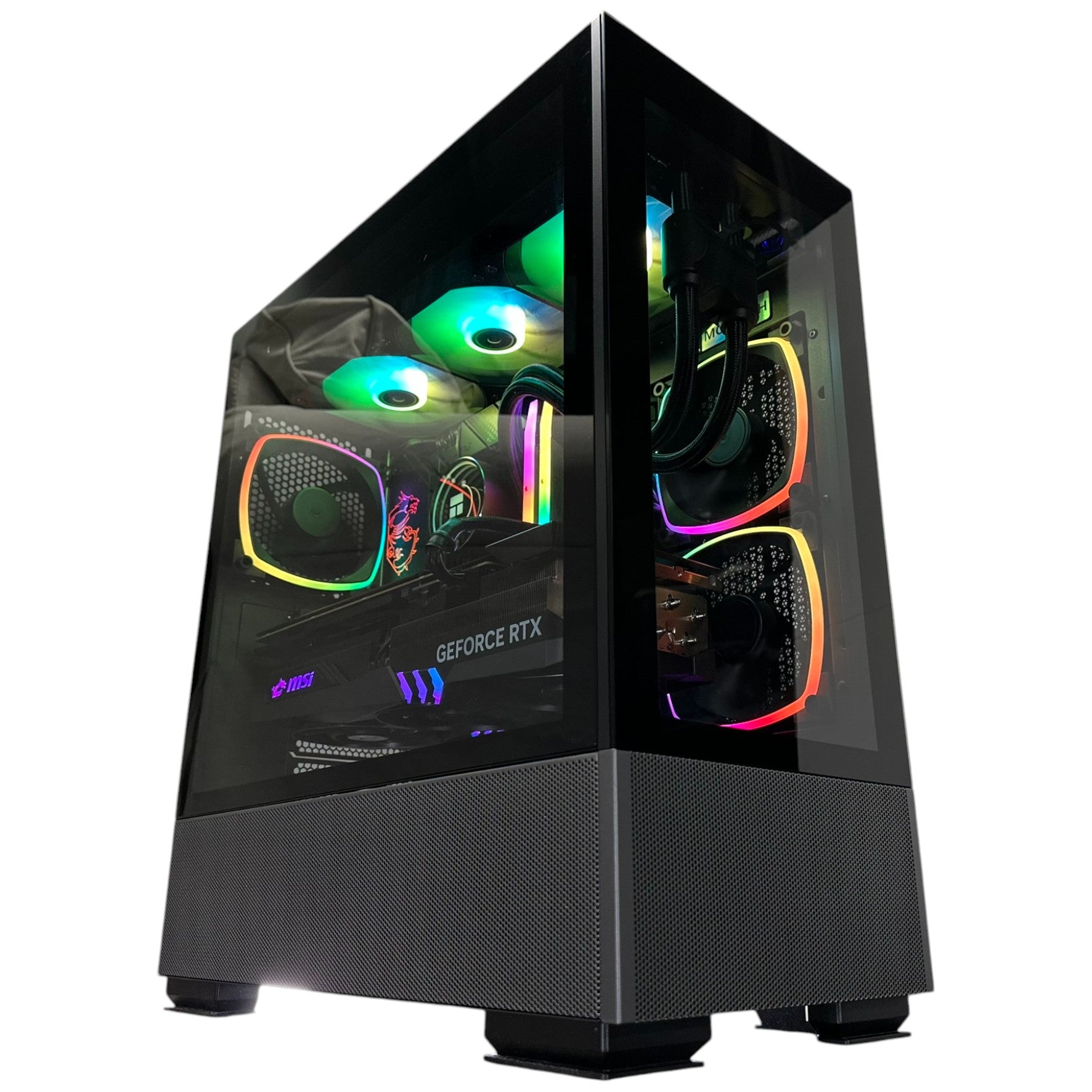
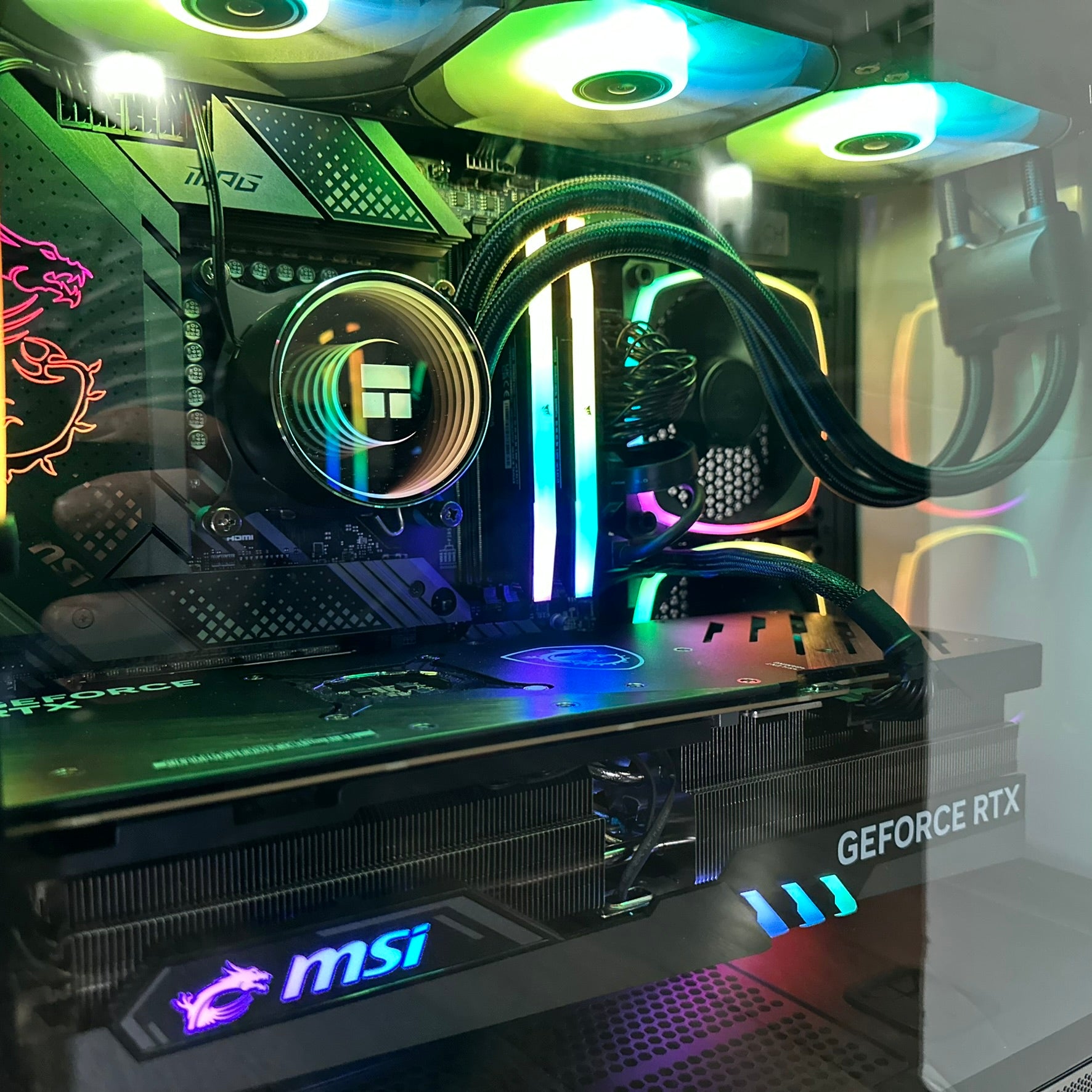
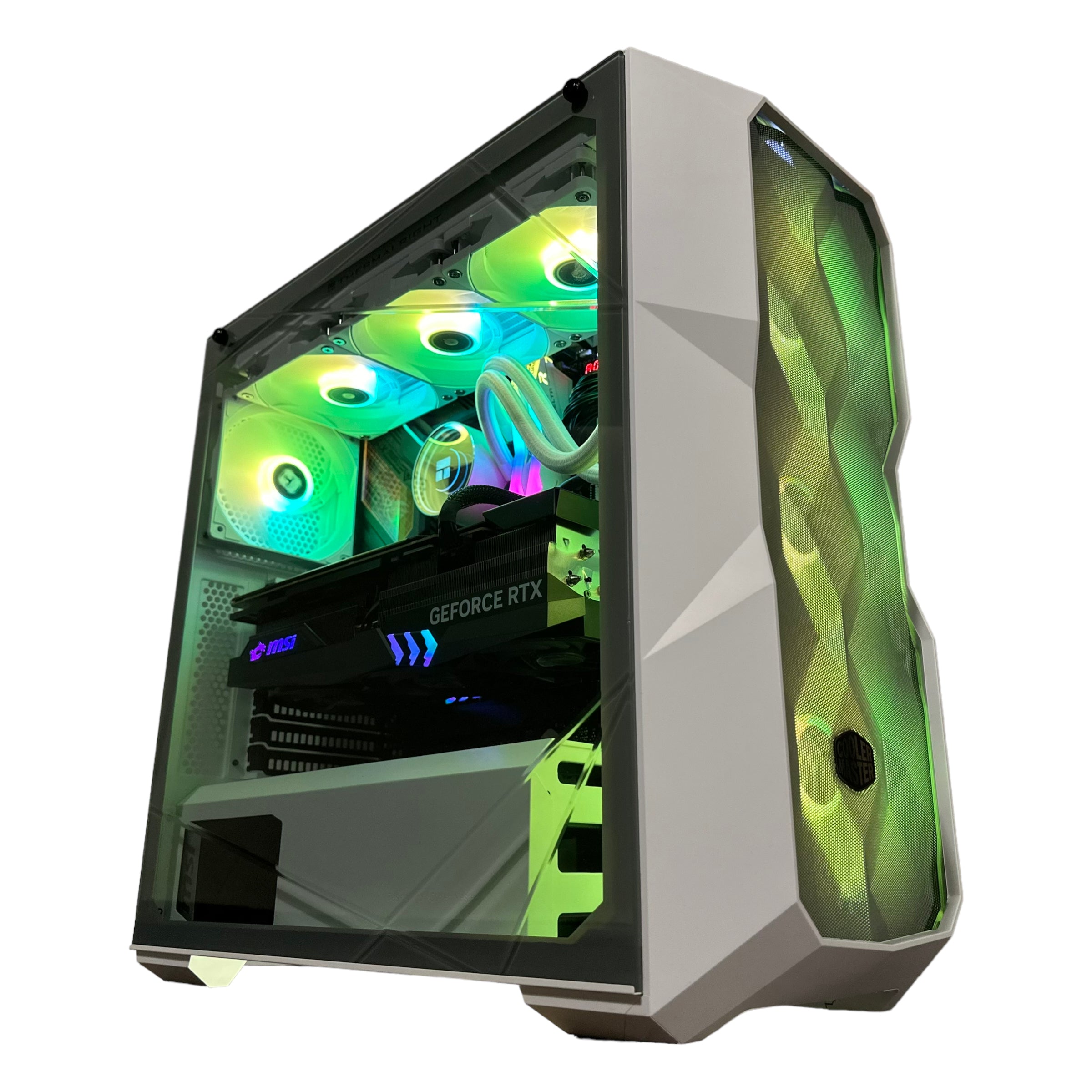
A custom build lets you match the PC to your actual goals. If you want a Gaming PC for New Games, the configuration should reflect your monitor, target settings, storage needs, and future plans. If you need a Content Creation PC Canada buyers can trust for editing and streaming, the build should reflect that workflow. If you need a workstation, gaming-first part selection alone is not enough.
Would you rather buy a PC that looks powerful in a headline, or one that has been planned around your real use case? That is the difference.
Why Groovy Computers makes sense for Canadian buyers
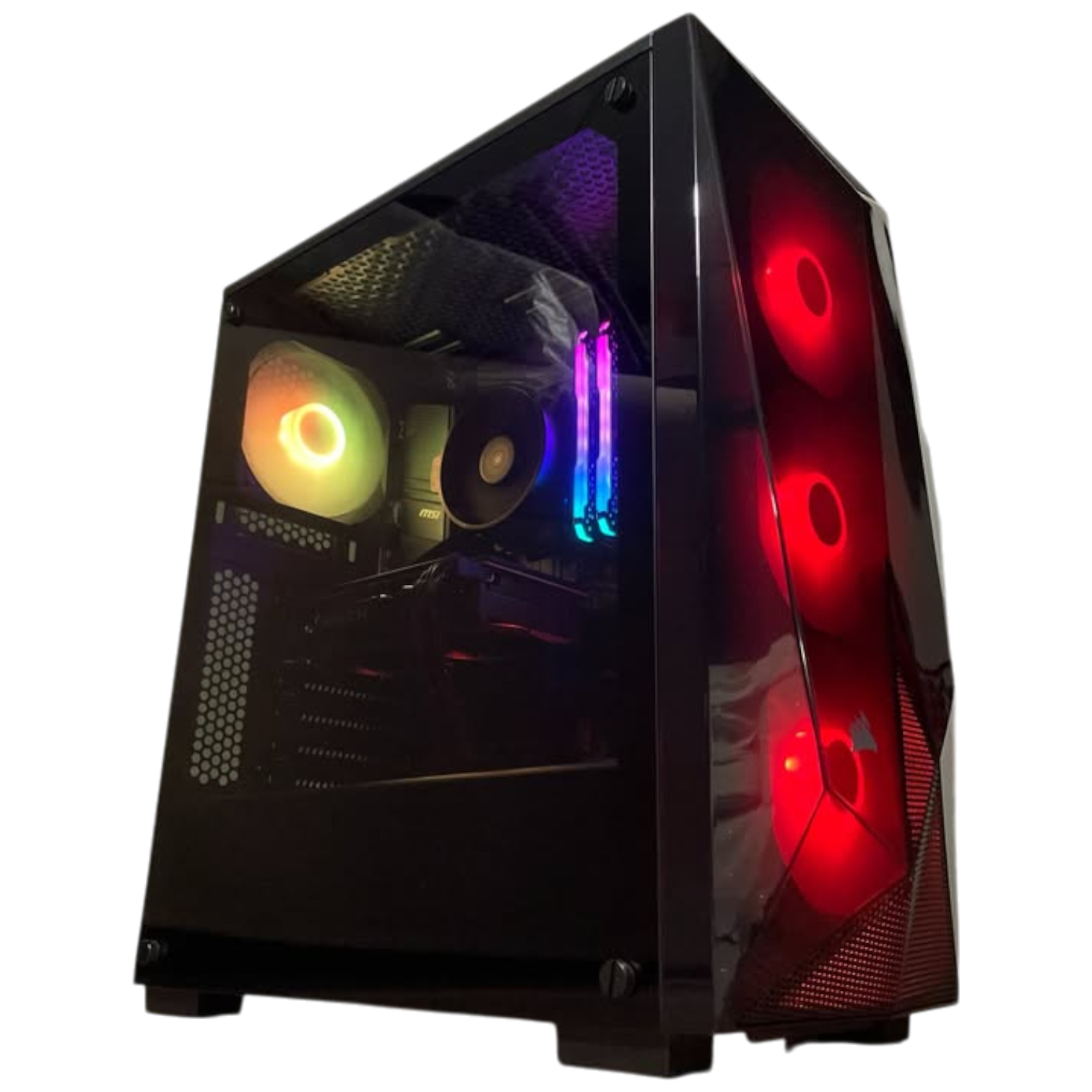
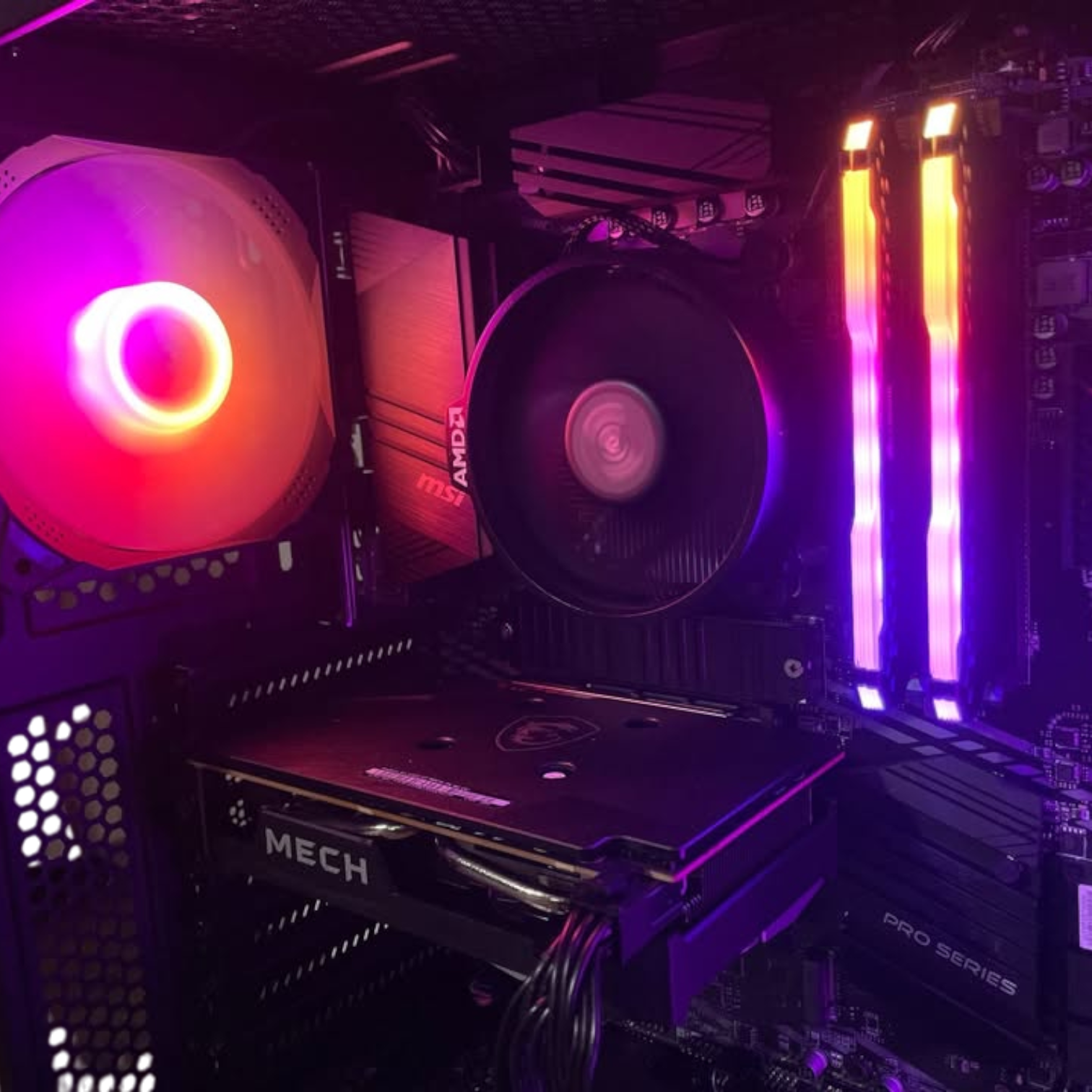
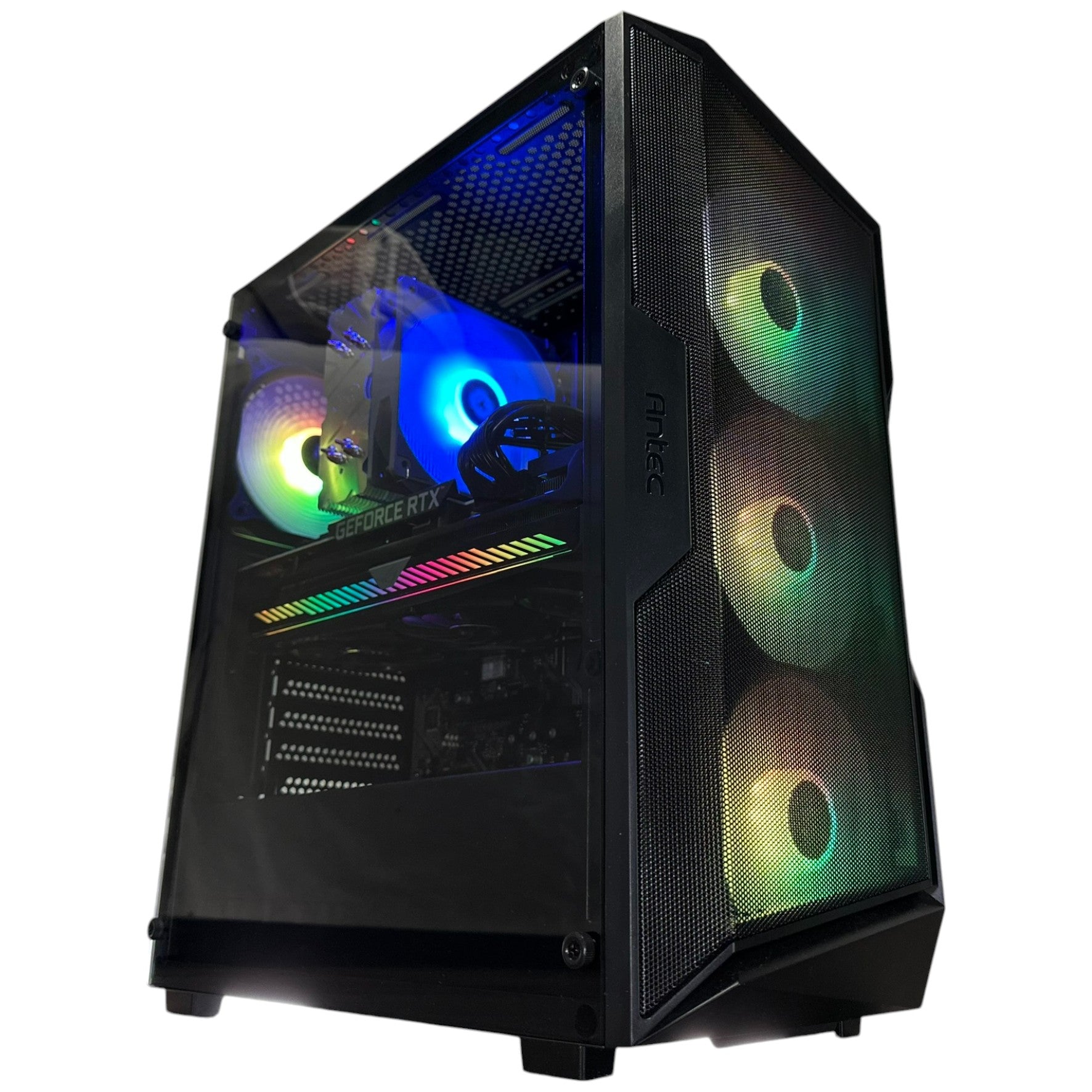
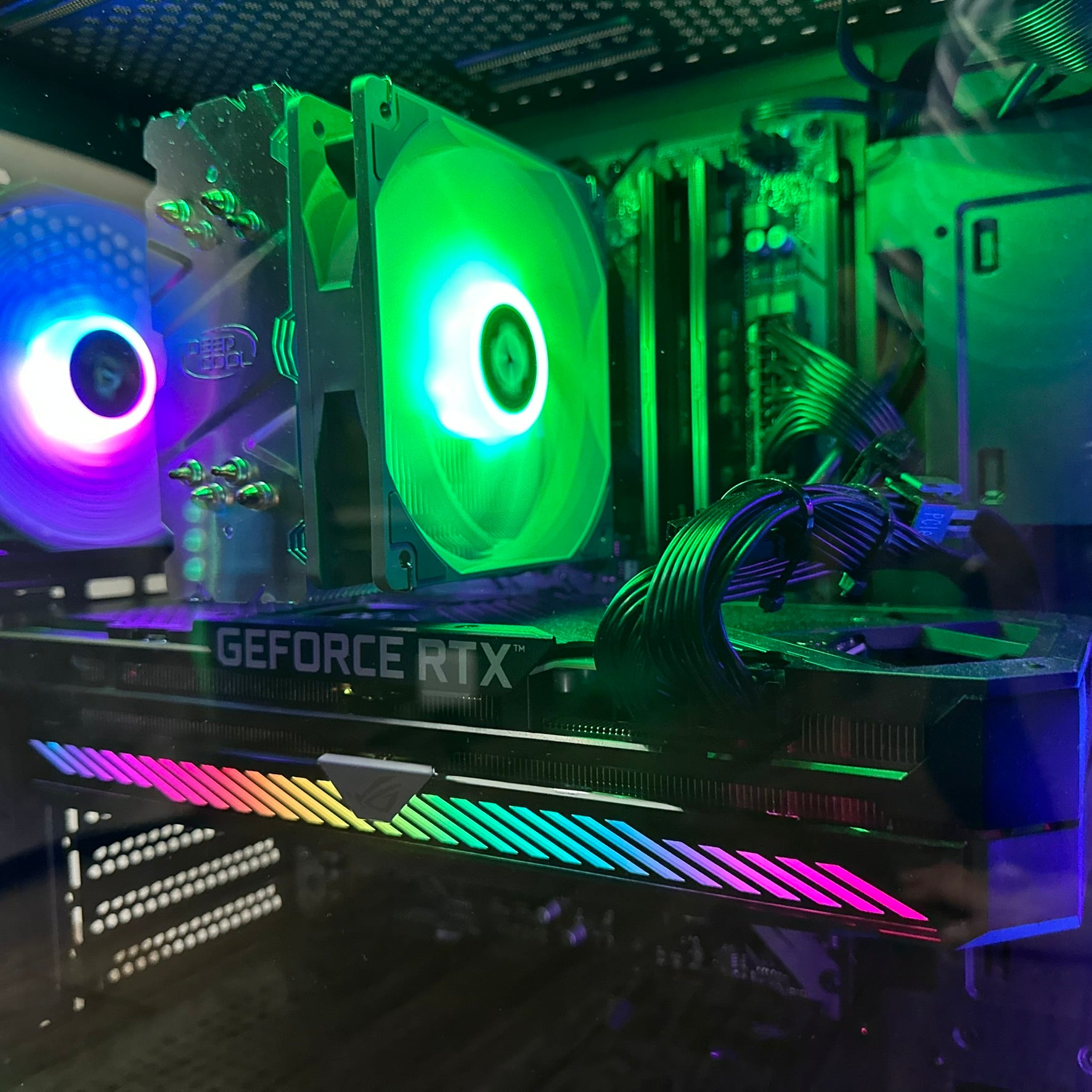
Groovy Computers is built around the needs of Canadian customers who want more than random specs and guesswork. Whether you need a custom gaming rig, creator desktop, or workstation-class build, the value is in getting the right configuration, proper part matching, clean upgrade paths, and support you can actually trust.
That means systems designed around gaming performance, streaming stability, editing responsiveness, rendering efficiency, or mixed-use workloads instead of one-size-fits-all marketing. It also means rigorous testing, thoughtful build quality, and a 1-year warranty that gives buyers more confidence when performance and reliability matter most.
For buyers in Nova Scotia and across Canada, that combination matters. If you are shopping for a Canada built gaming PC, a creator system, or a stronger workstation before major demand shifts, guidance is part of the product.
What kind of Groovy Computers build should you be looking at?
If you are mainly a gamer
Focus on your actual display target and game library. If you are mainly playing competitive titles at 1080p, a value-focused build may be enough. If you want a better long-term experience for upcoming AAA releases, a stronger 1440p-oriented custom gaming PC is often the smarter middle ground. If you want top-tier visuals, ray tracing, and less upgrade pressure later, start looking at premium configurations.
If you game and stream
Prioritize balanced CPU and GPU performance, enough RAM, strong cooling, and fast storage. Streaming adds overhead, and a system that feels great for gaming alone can feel much less impressive when OBS and recording enter the picture.
If you create content
Think beyond pure frame rates. A Custom Creator PC Canada shoppers should consider may need more memory, larger and faster SSD capacity, and a stronger processor to handle exports, background tasks, and creative software properly.
If you edit video, photos, or design projects
Look for a system built around workflow speed, not just gaming branding. A better editing or design machine can improve responsiveness across Adobe apps, simplify large file handling, and make your day-to-day work feel much smoother.
If you use Blender, Unreal, or workstation software
Choose a system that treats your workload seriously. Rendering, asset work, simulation, and CAD-style tasks often justify more memory, stronger thermals, better CPU choices, and GPU horsepower selected for productivity as much as gaming.
Do you want to avoid upgrading too soon?
This may be the most important question in the whole article. Too many buyers shop only for “what runs today” instead of “what still feels good after the next few software updates, game launches, and workload changes.”
If GTA 6 hype has pushed you to think about your current setup, that is useful. But do not stop at the headline. Ask whether your next PC should simply survive the next release, or whether it should give you a better platform for gaming, streaming, editing, and work over the next several years.
A slightly stronger build, chosen correctly, can be the difference between confidence and regret. That is especially true when you consider potential future GPU pressure, rising replacement costs, and the reality that your needs often grow after you buy the system.
Ready for a better answer than rumours?
If you are tired of trying to decode leaks, insider commentary, and social media speculation, there is a better next step. Ask a practical question instead: what do you want your next PC to handle, and how soon do you want it ready?
If you want help choosing a Custom Gaming PC Canada buyers can trust, a creator build that suits your software, or a workstation that matches demanding workloads, Groovy Computers can help you sort out the right tier before hype-driven demand makes the decision harder. Explore options, compare build categories, or start planning your next system at GroovyComputers.ca.
Final takeaway: GTA 6 rumours come and go, but your PC decision is real
The source story corrected a false claim, but the larger lesson is more useful for buyers. Headlines can be wrong. Timelines can shift. Speculation spreads fast. Your hardware needs, however, are real right now.
If you are asking whether a Gaming PC Canada buyer should purchase now, step up a performance tier, finance a stronger build, or replace an aging setup before the next big release wave, the answer depends on your goals, not social media noise. Start with the games and software you actually use, choose the right performance tier, and buy with a longer view.
That is how you make a smarter PC decision in a market shaped by hype, demand, and rapidly changing expectations. And that is exactly why more Canadians are turning to Groovy Computers for custom gaming PCs, creator systems, and workstation builds that are designed to last.
#GamingPCCanada #CustomGamingPCCanada #GamingPCForNewGames #StreamingPCCanada #CreatorPCCanada #VideoEditingPCCanada #3DModelingPCCanada #GamingPCBuilderCanada #CanadianCustomPCBuilders #NovaScotiaTech
Groovy Computers | All Rights Reserved


Leave a comment
This site is protected by hCaptcha and the hCaptcha Privacy Policy and Terms of Service apply.