


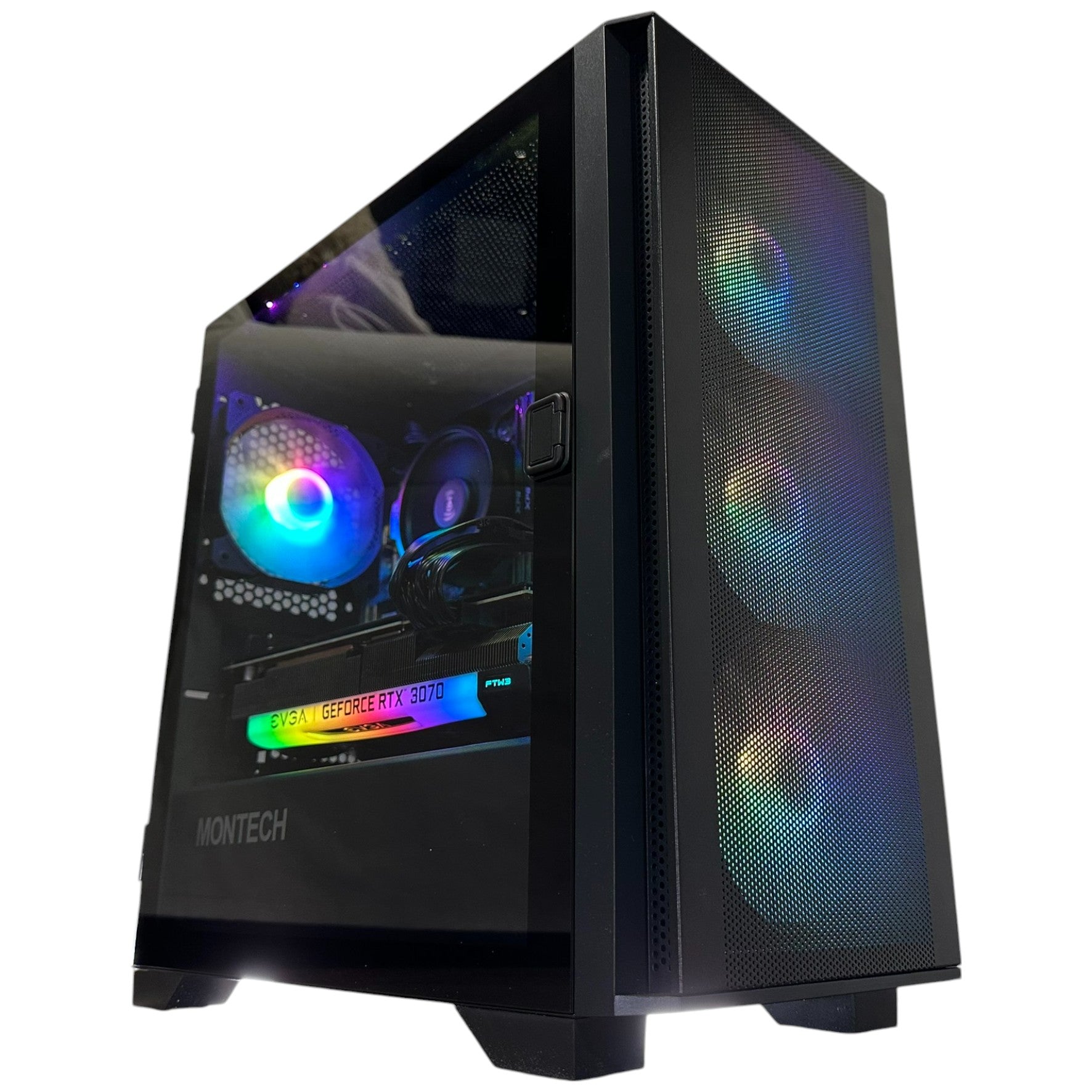
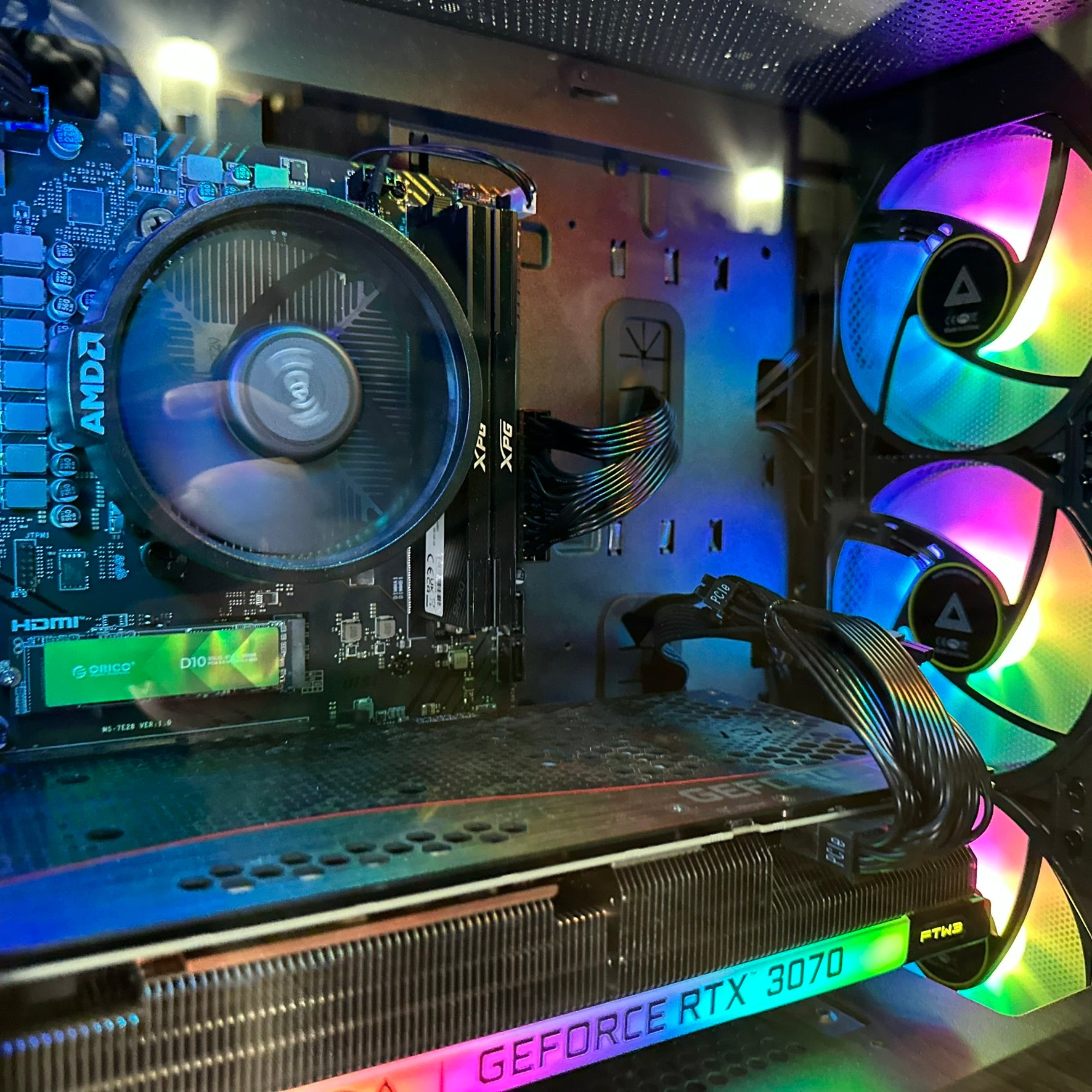
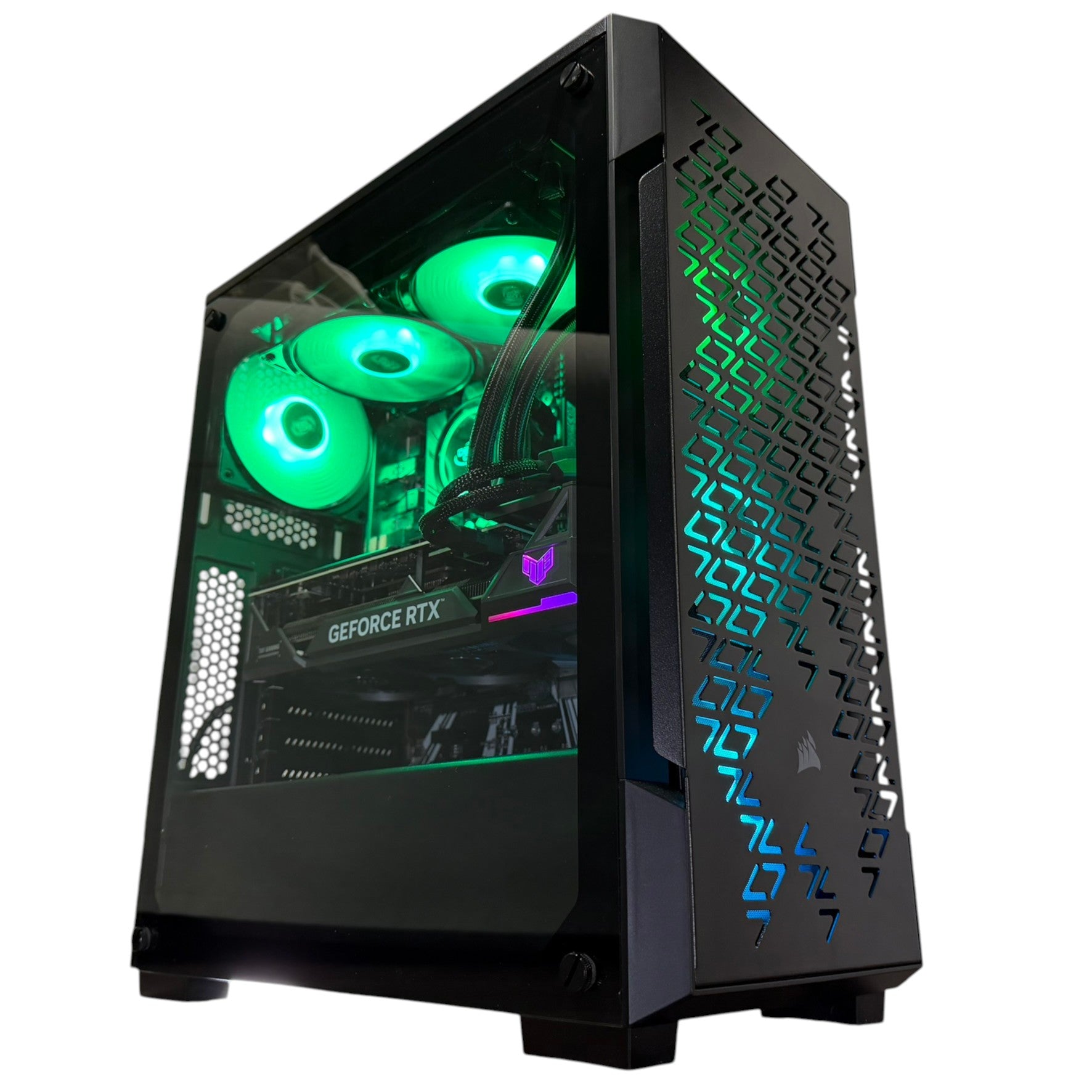

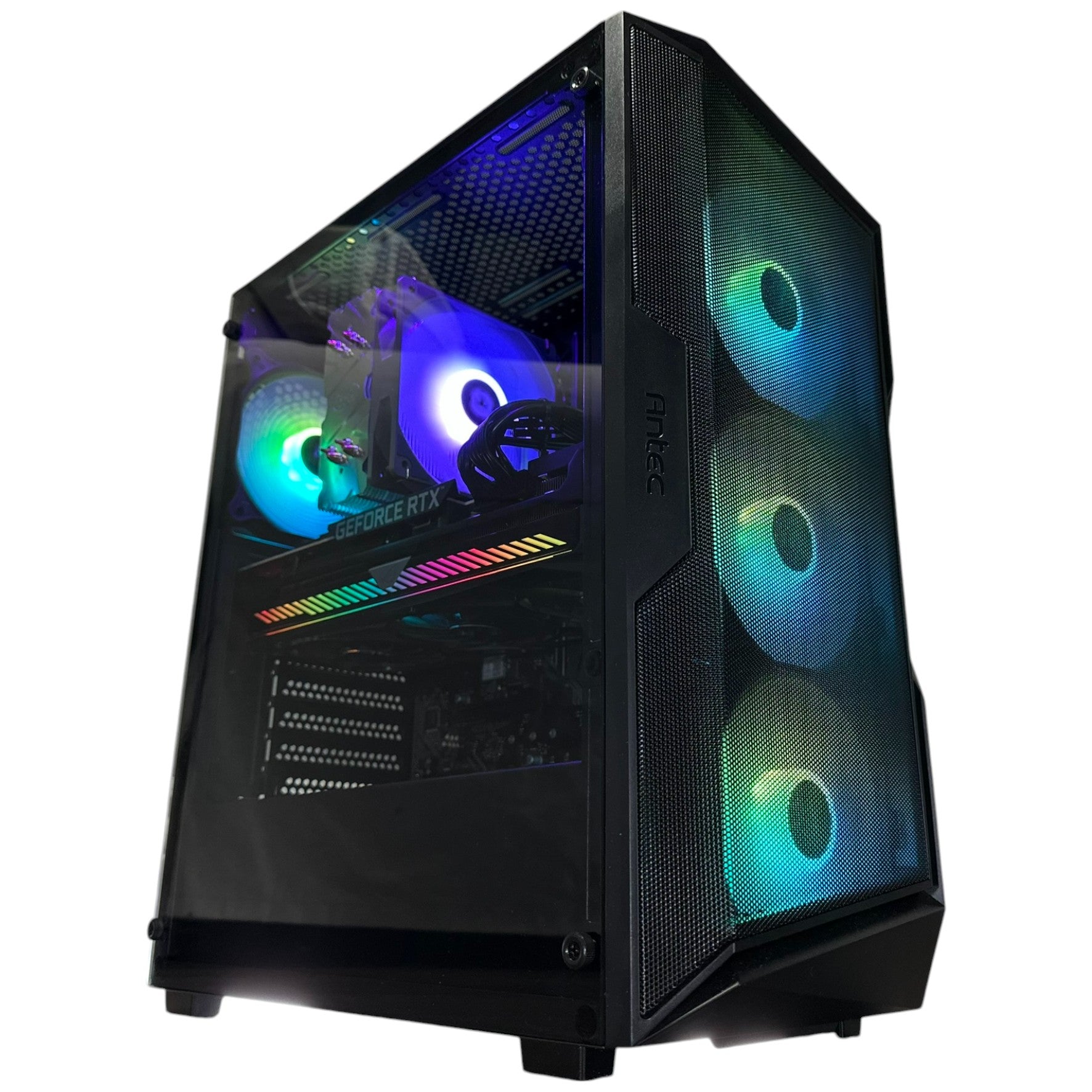
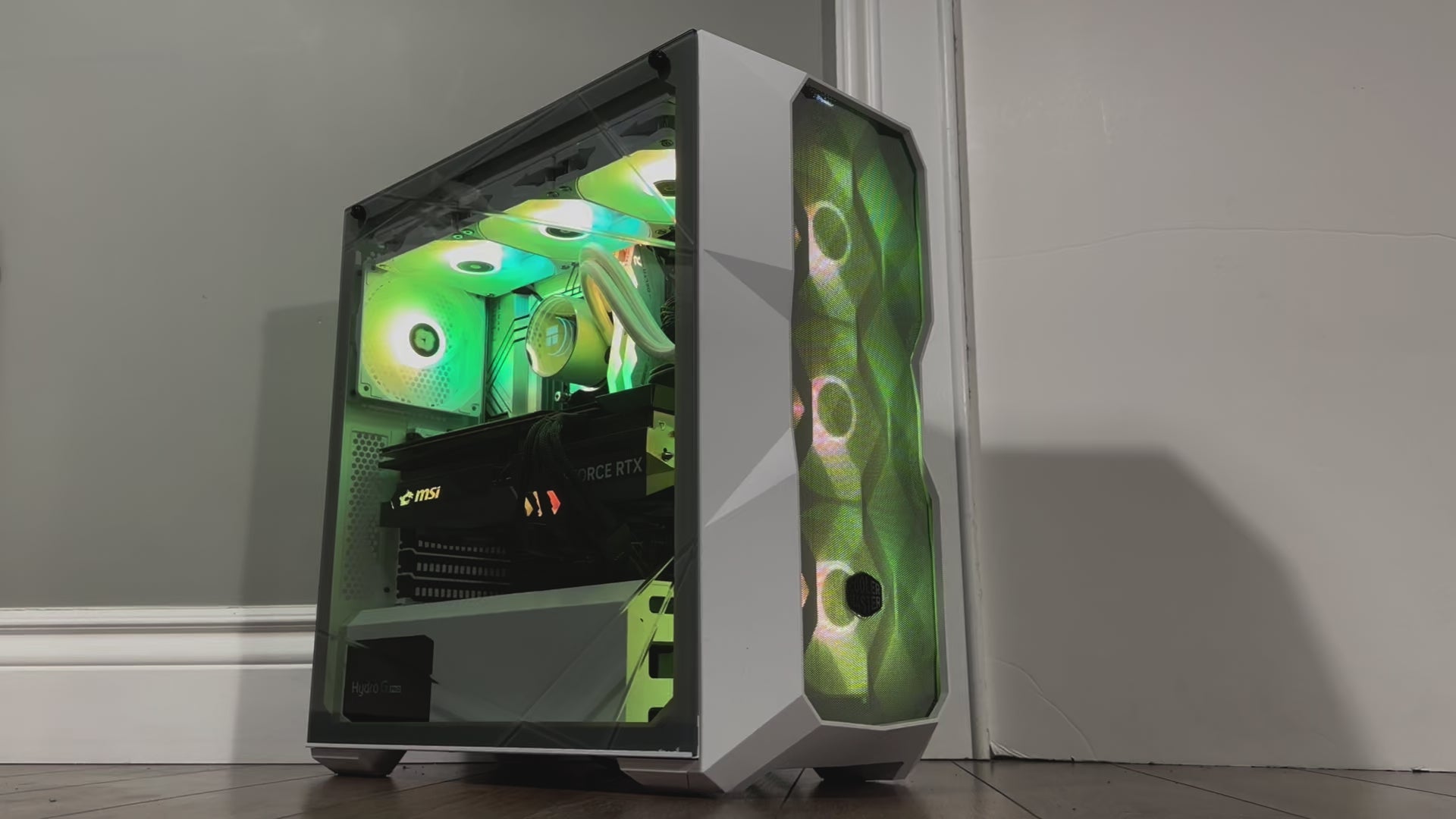
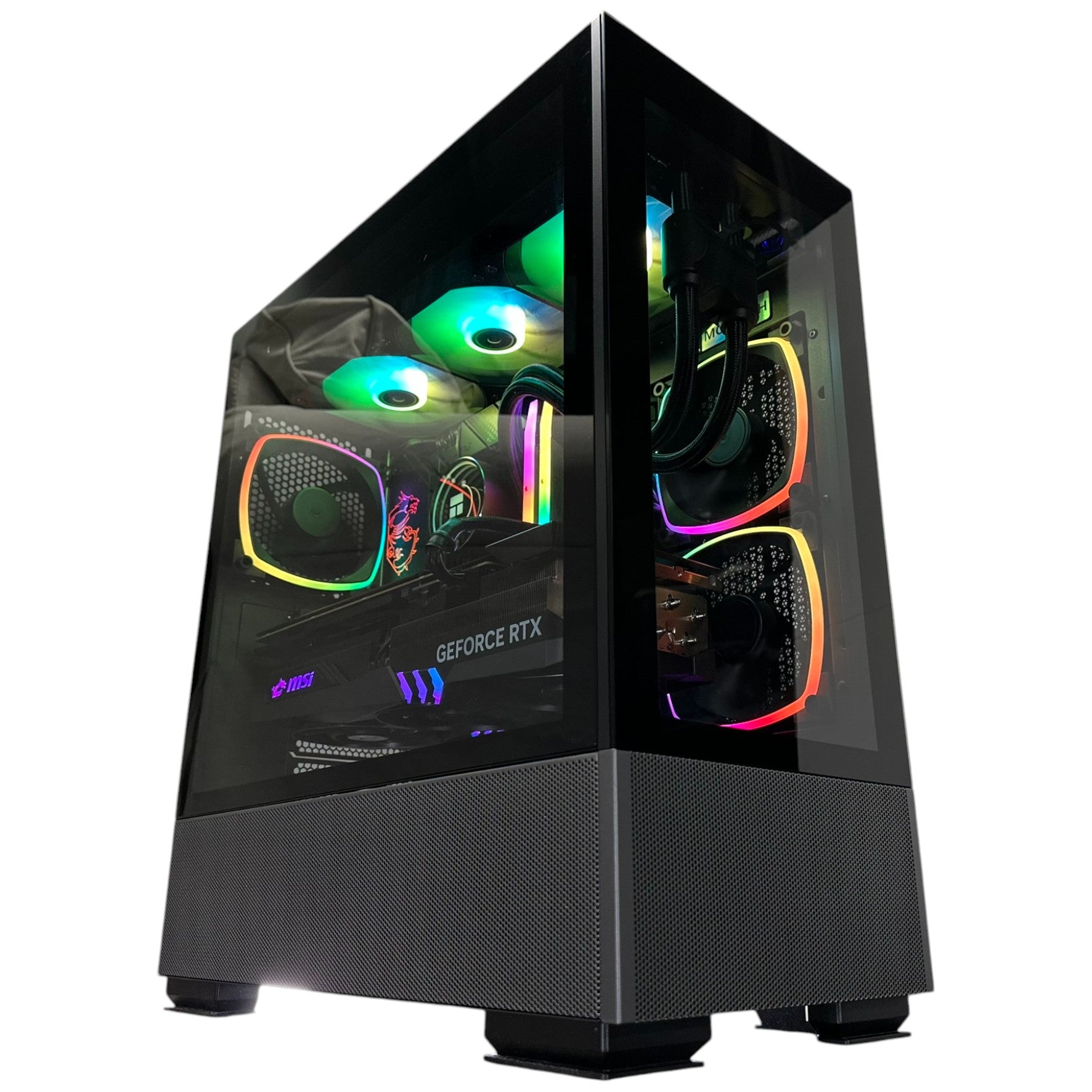
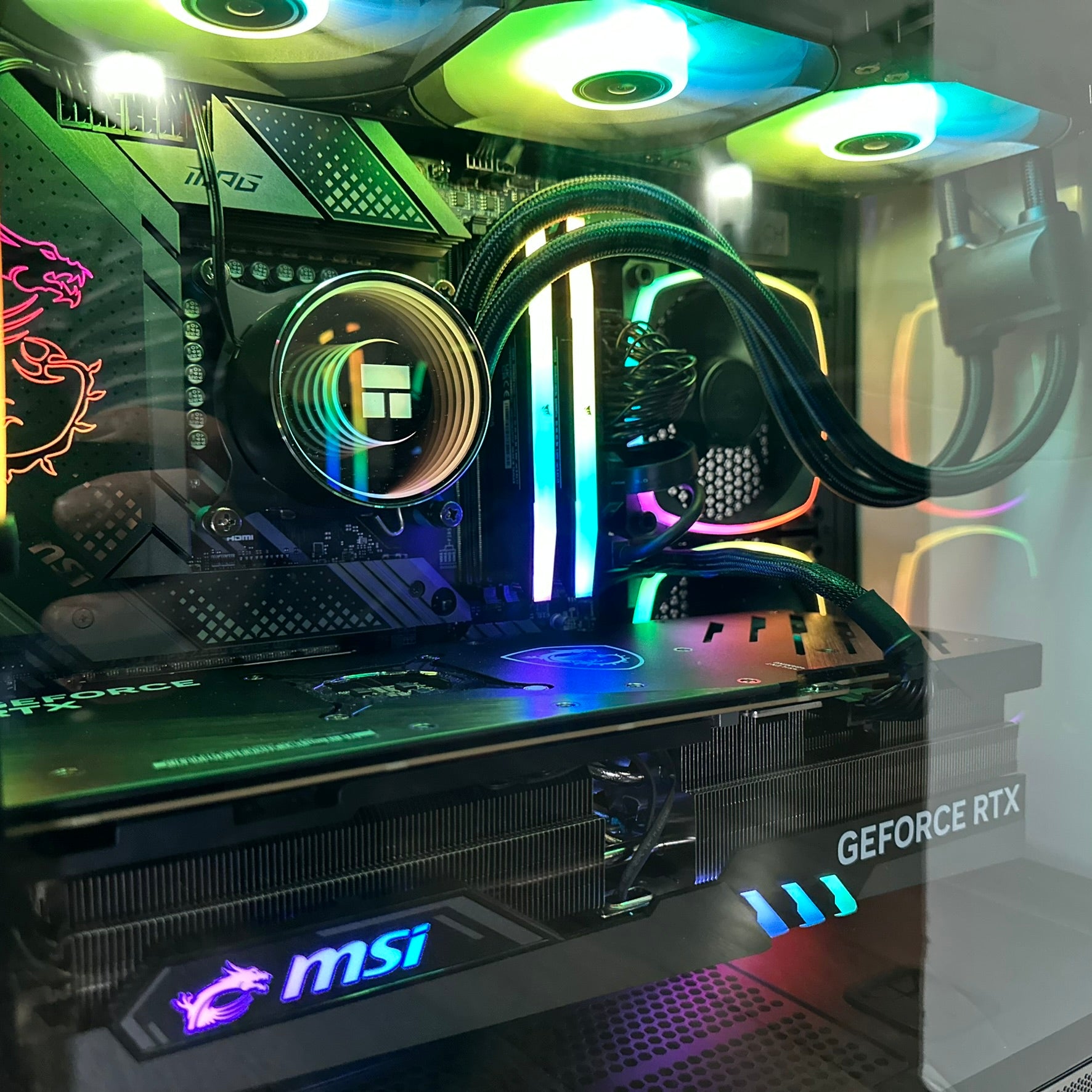
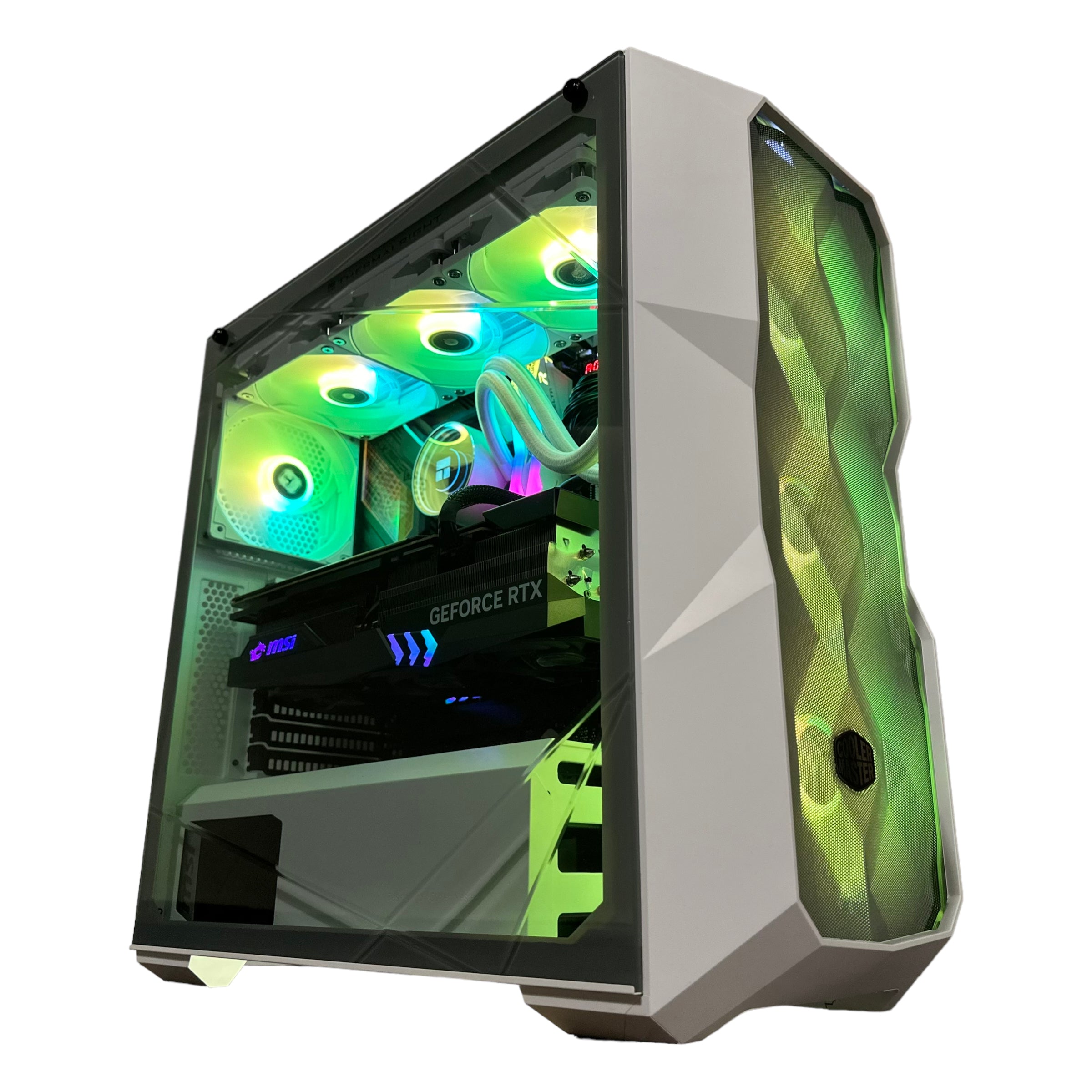

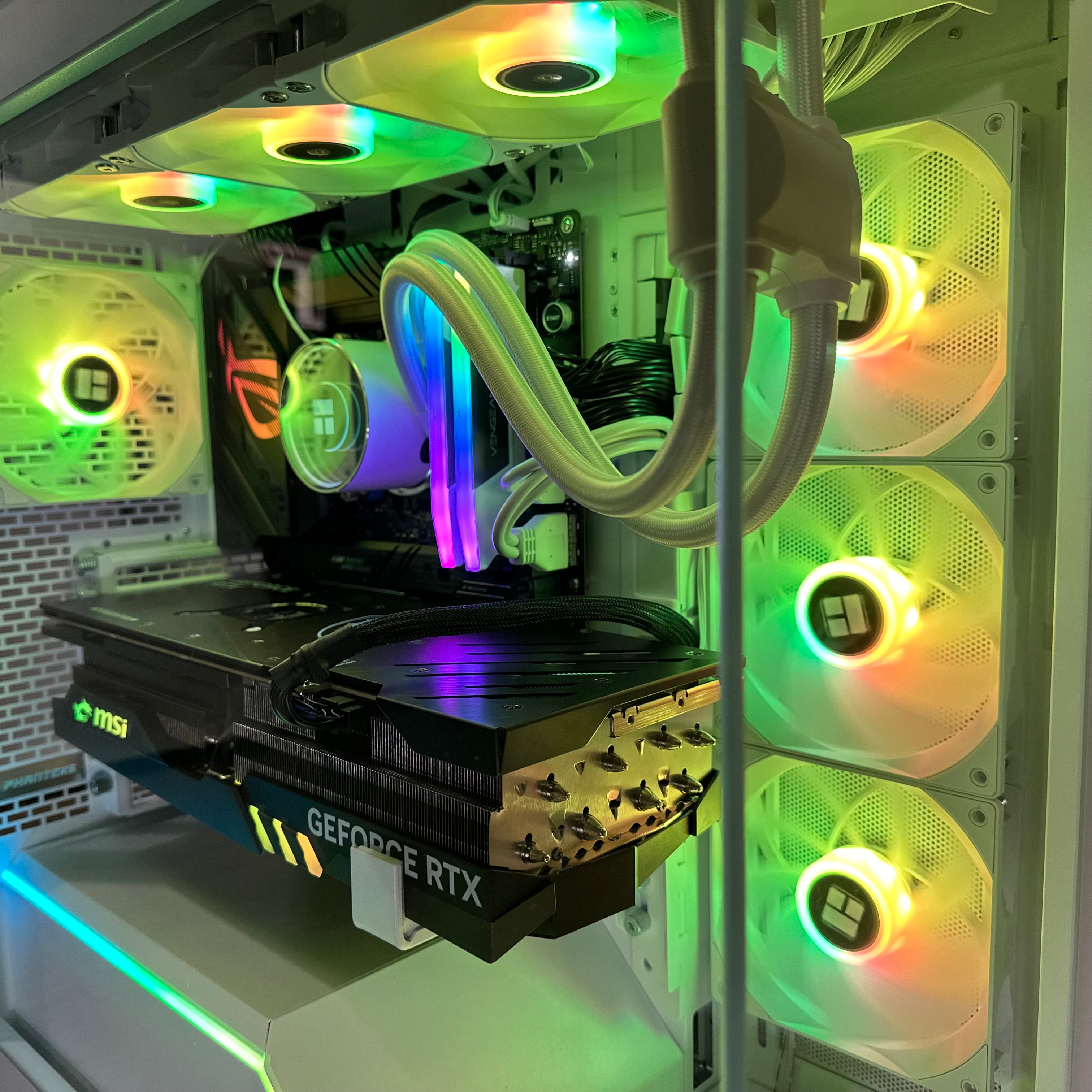
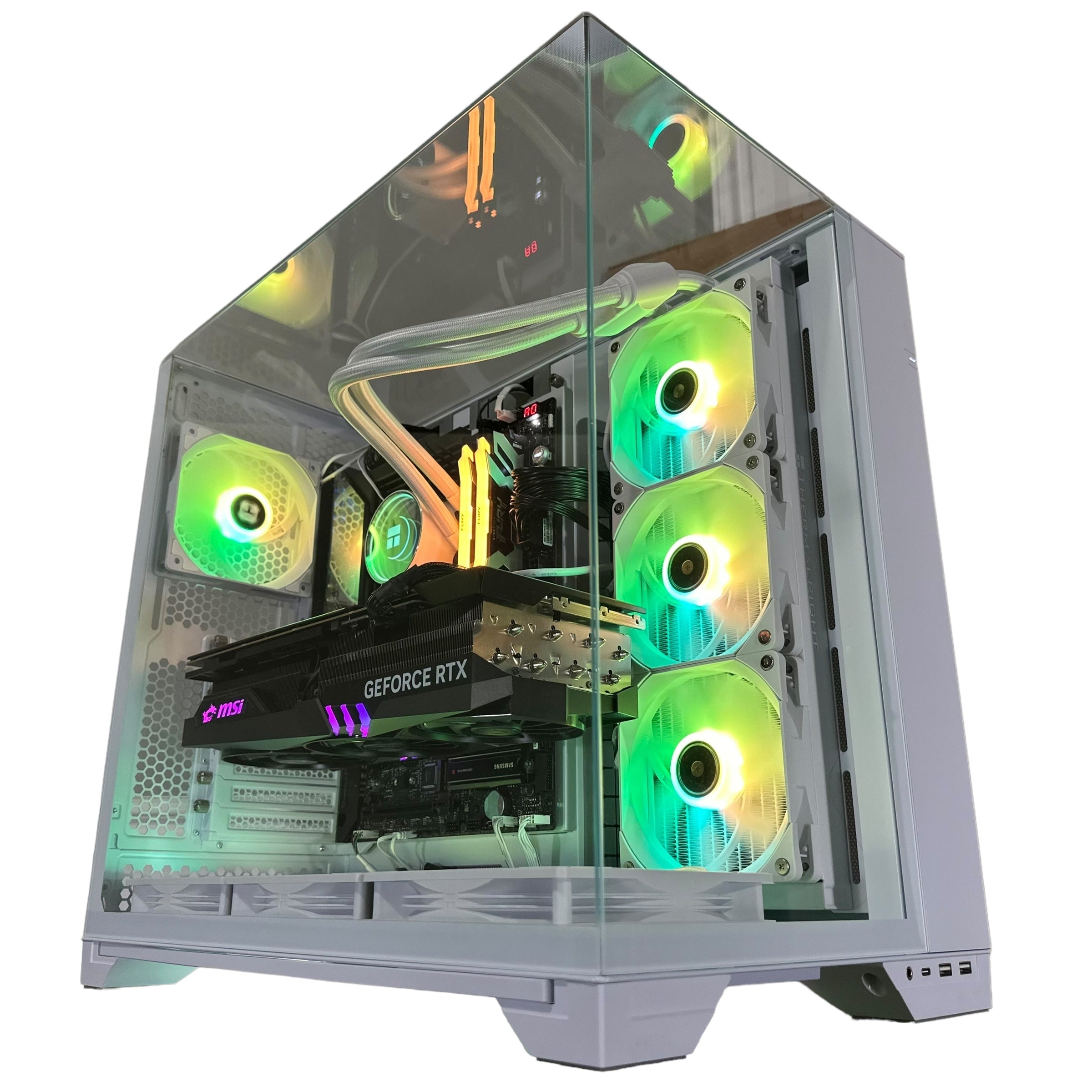
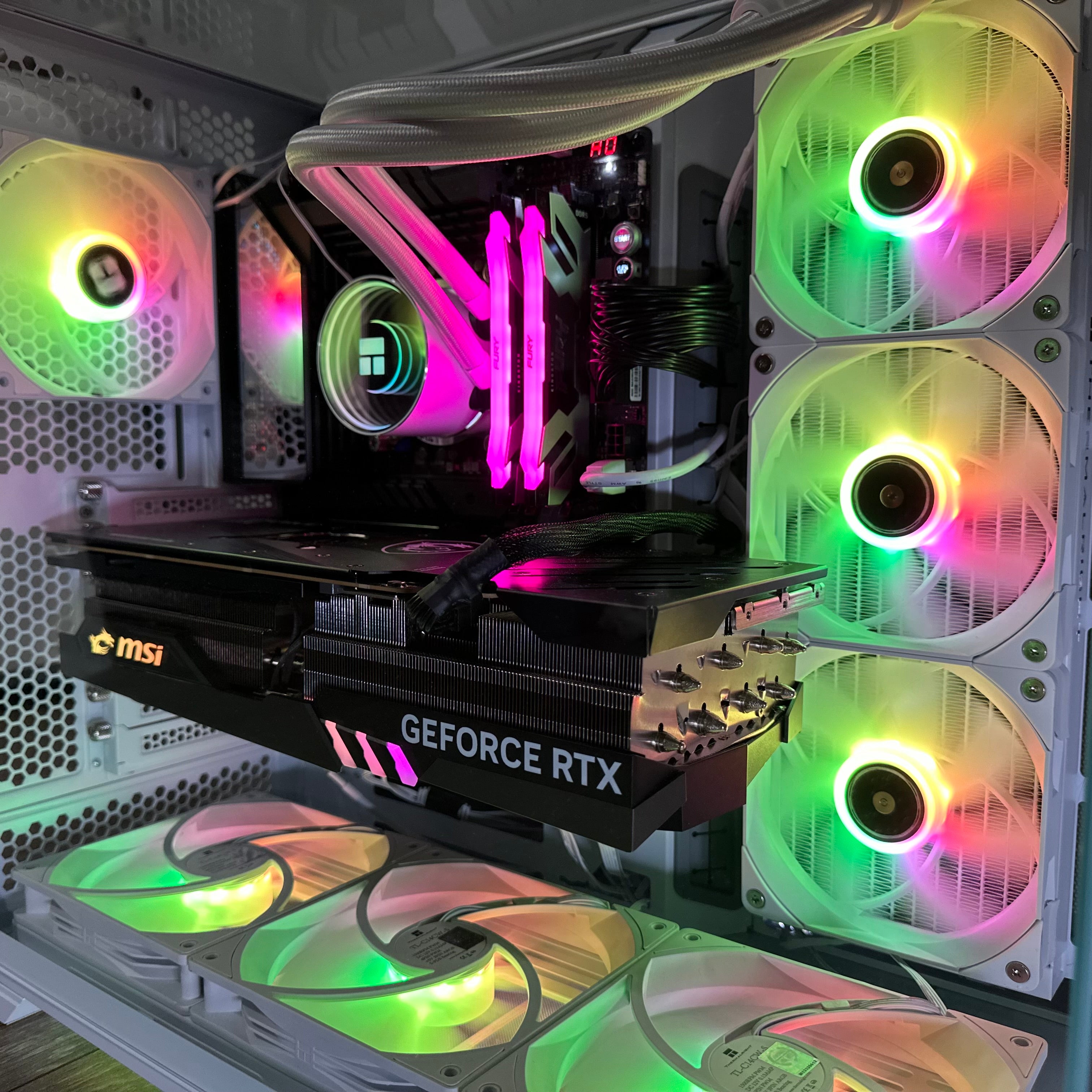

DLSS Game Updates Are Raising the Bar for the Modern RTX Gaming PC in Canada
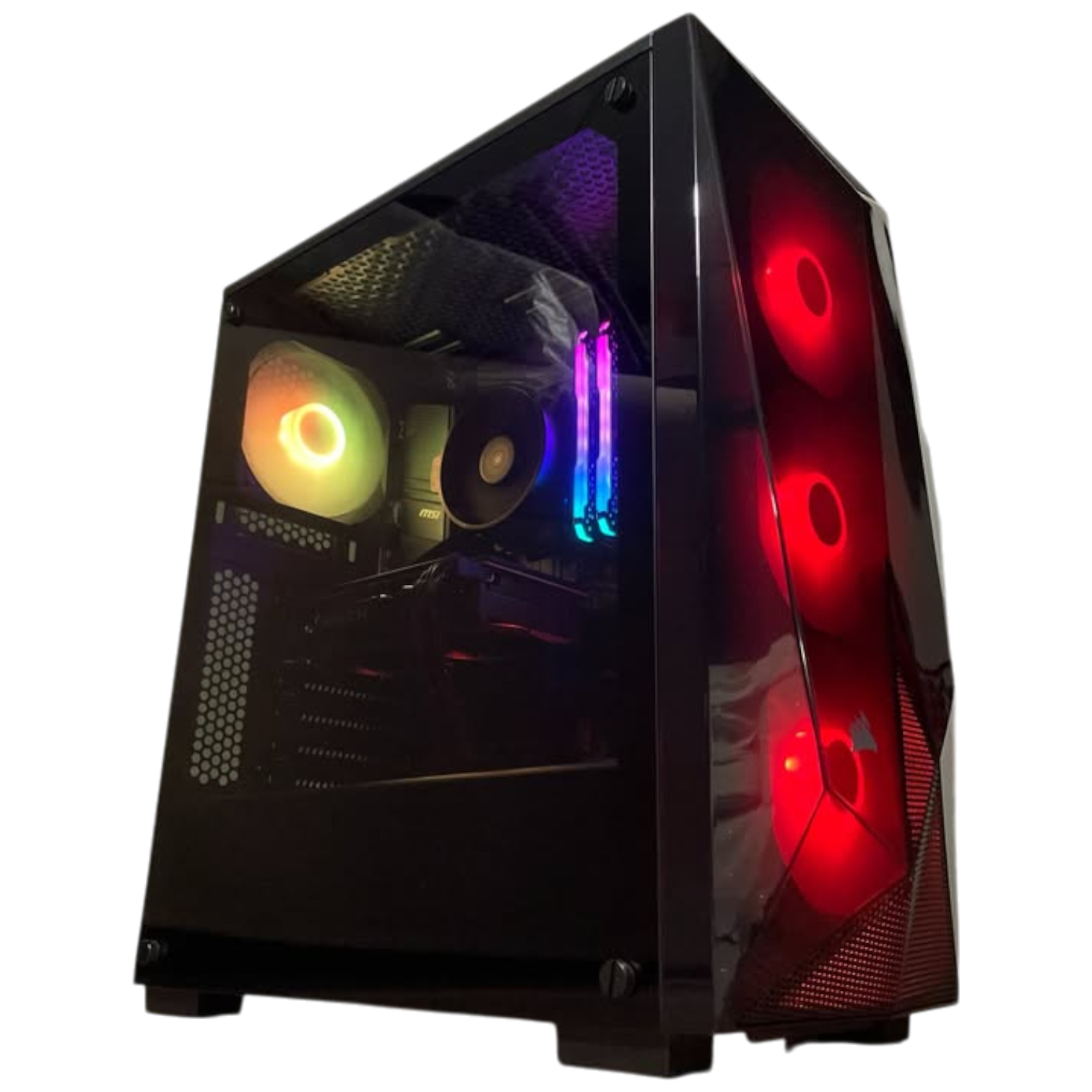
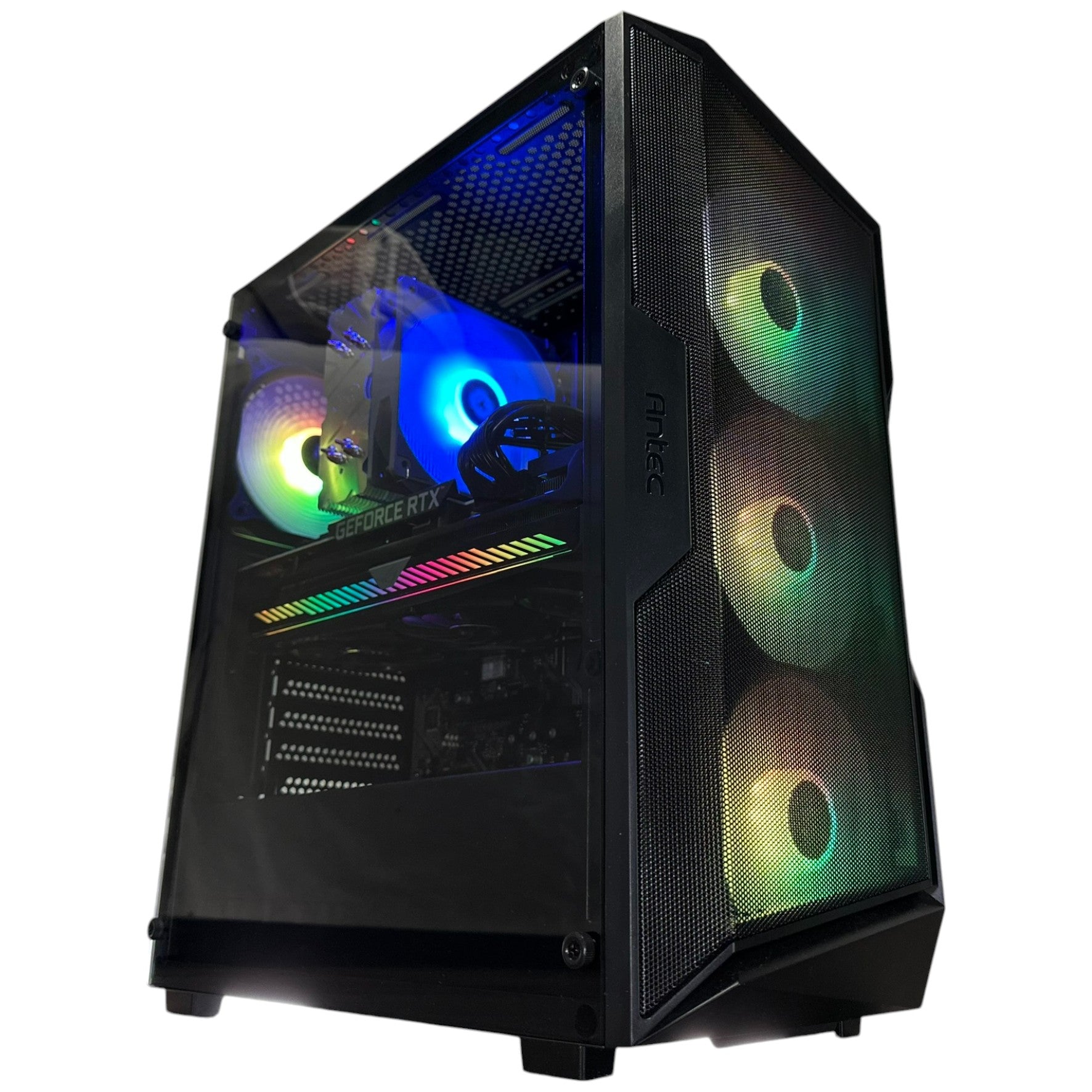
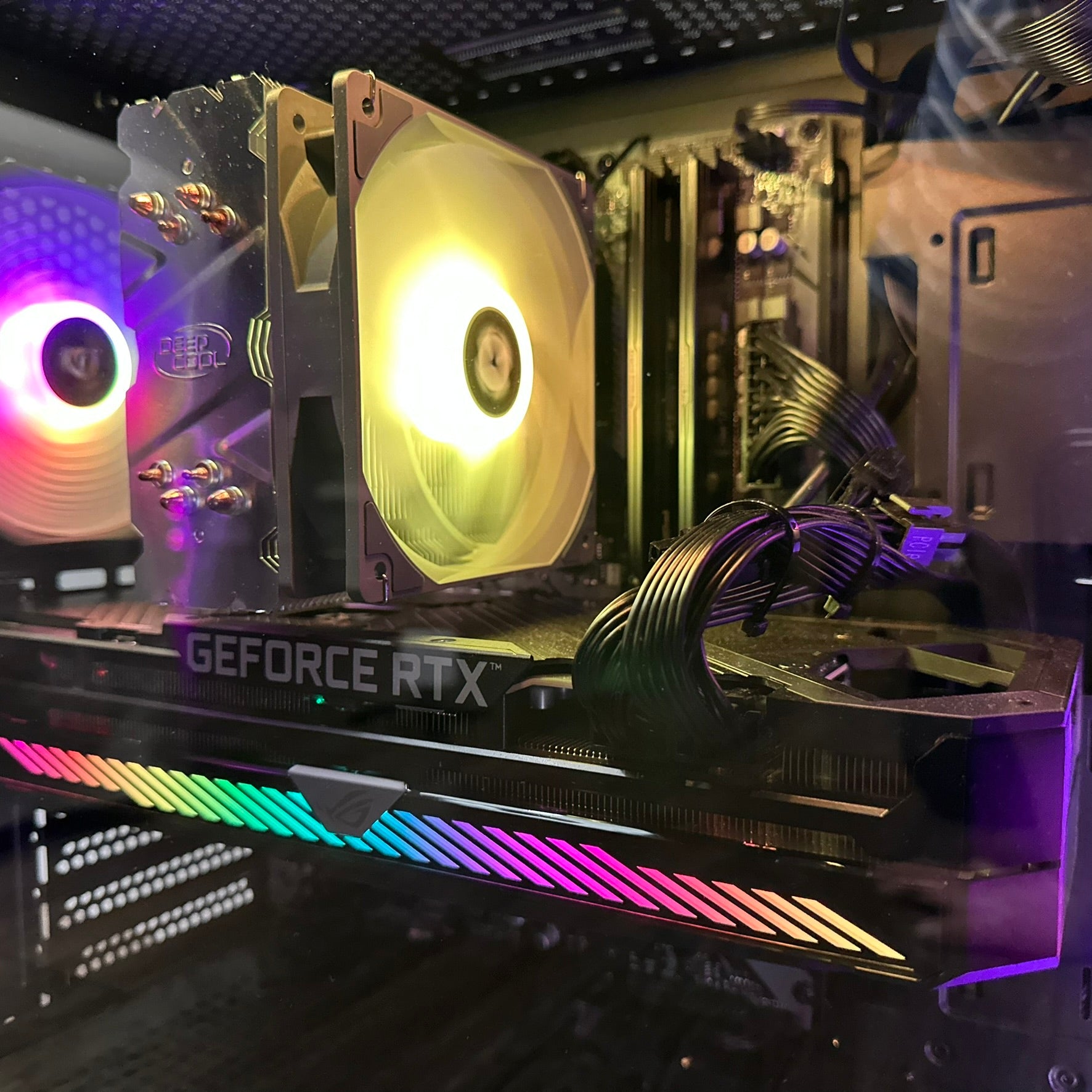
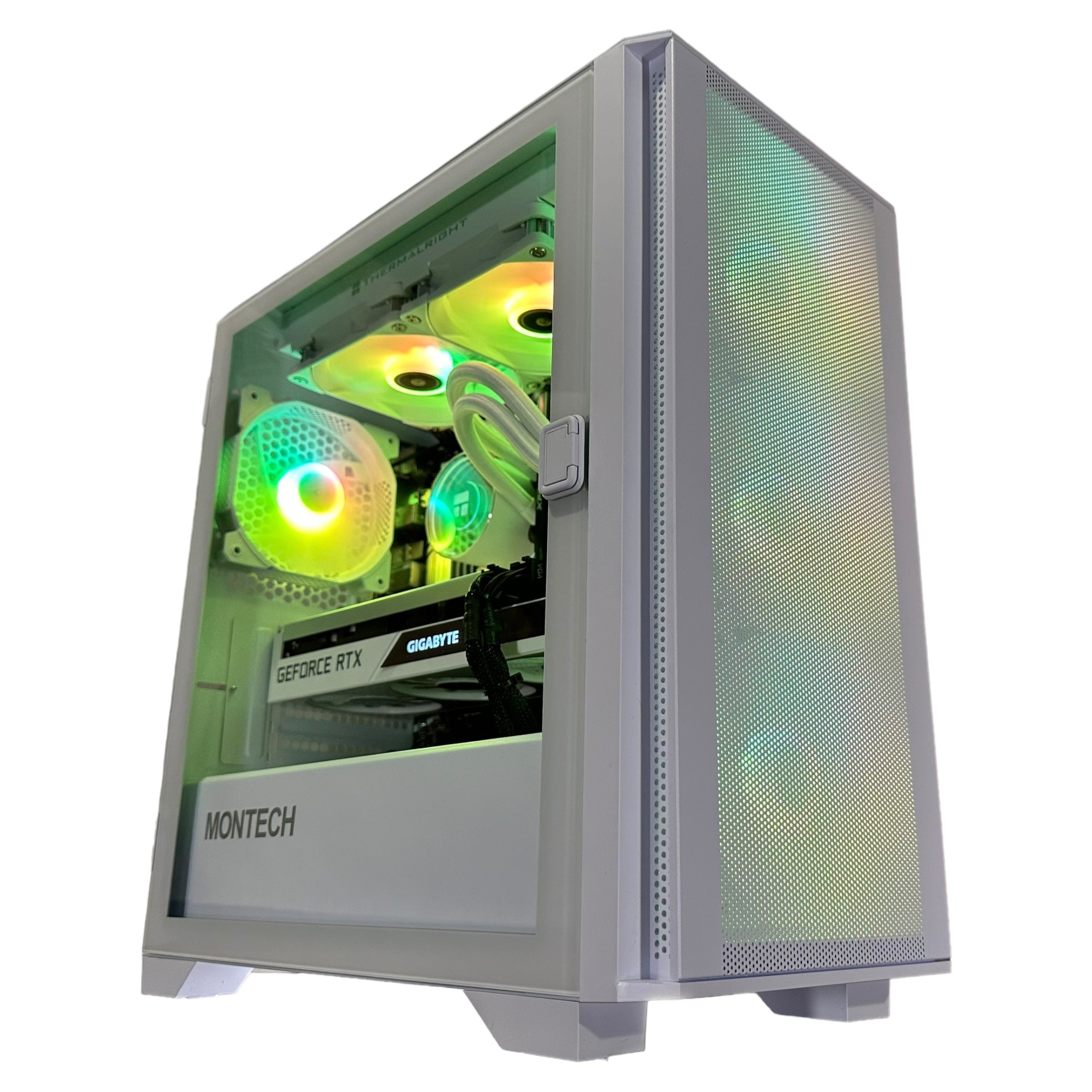
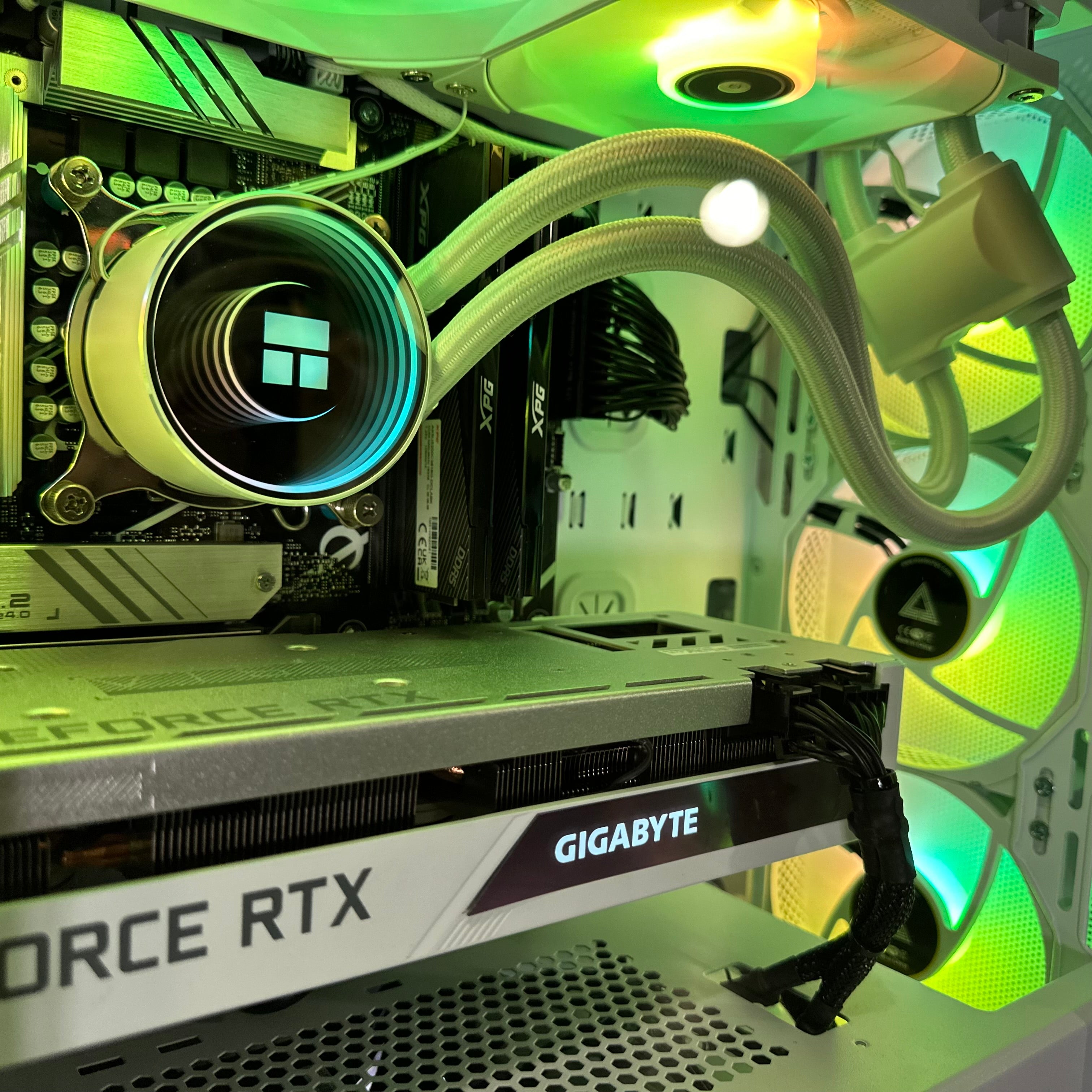
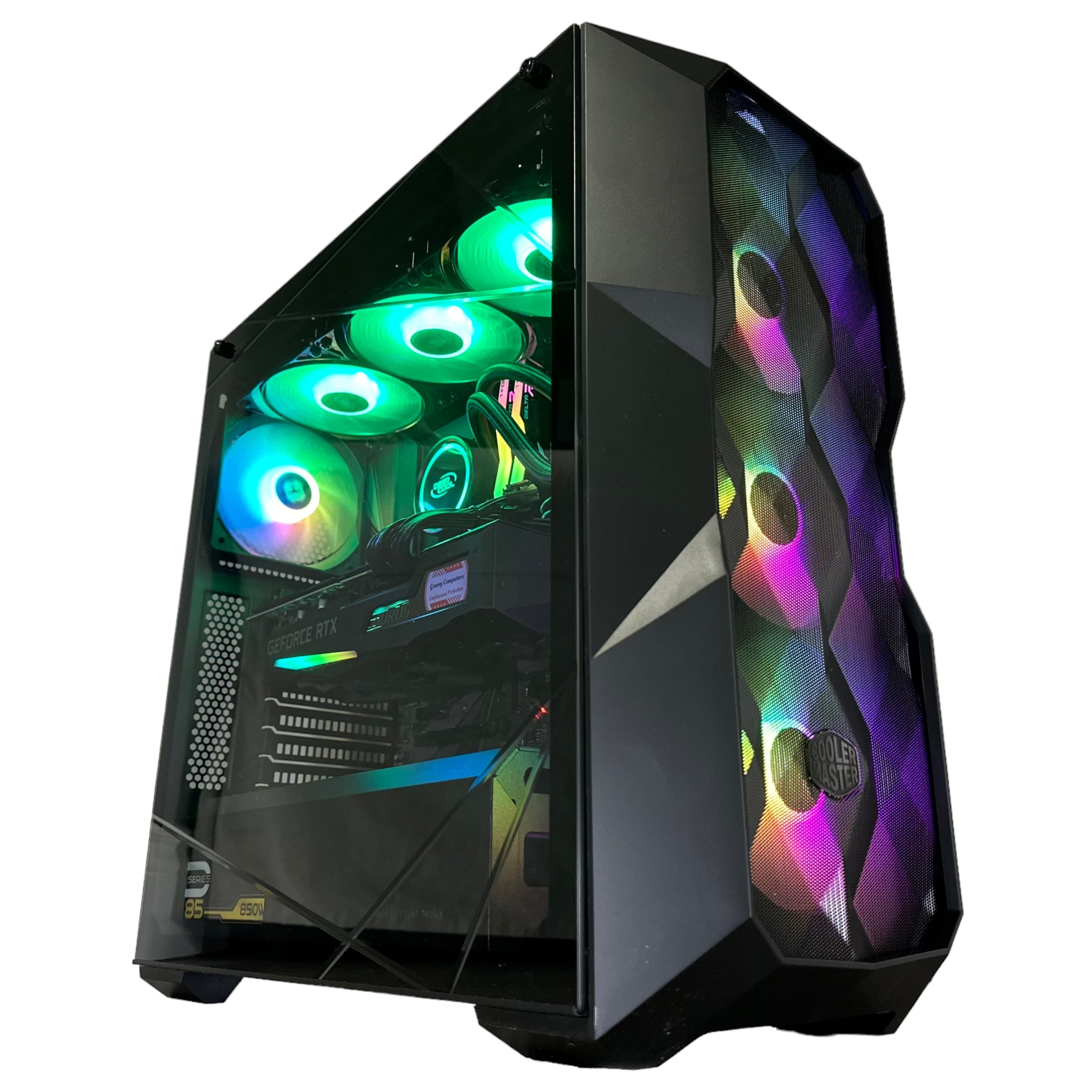
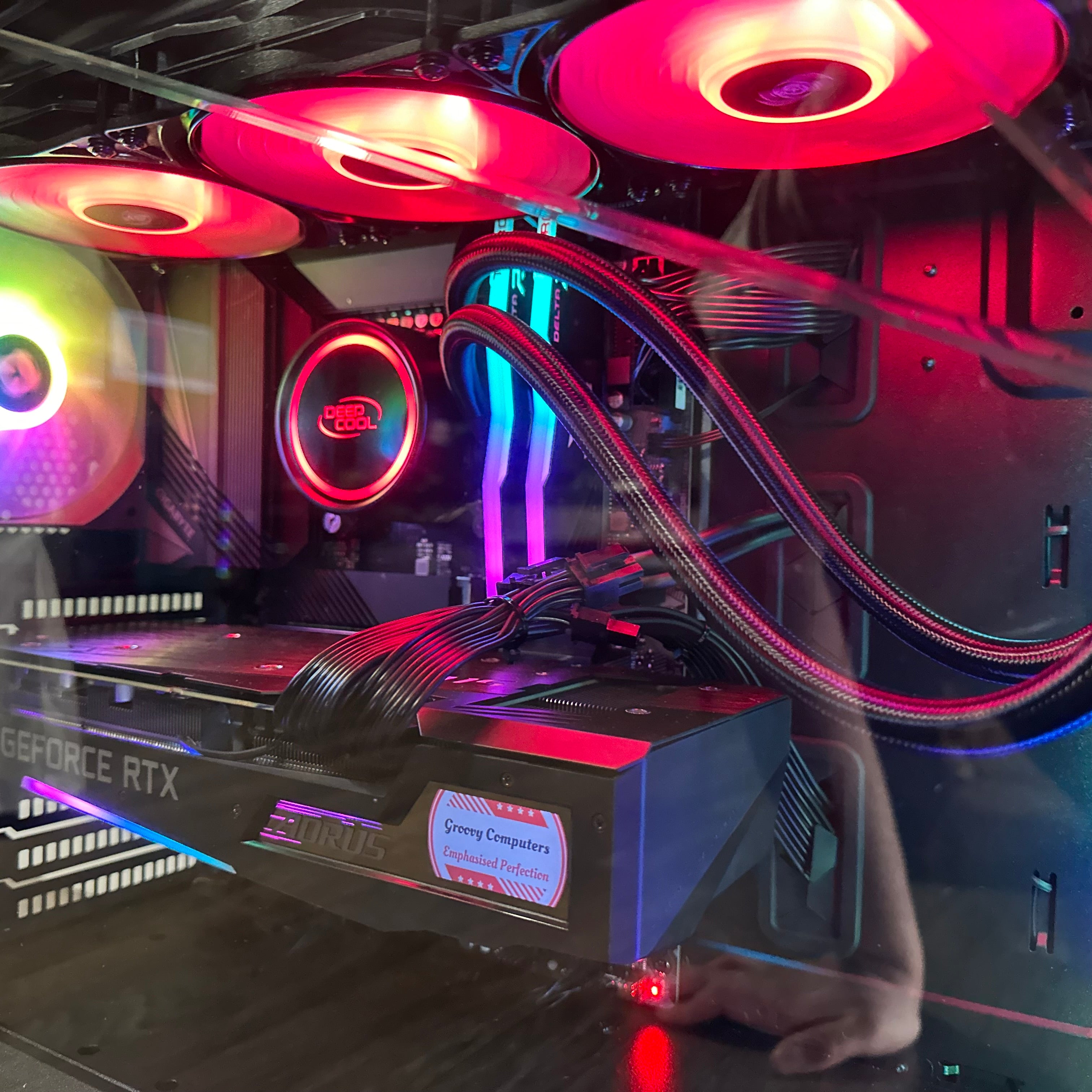
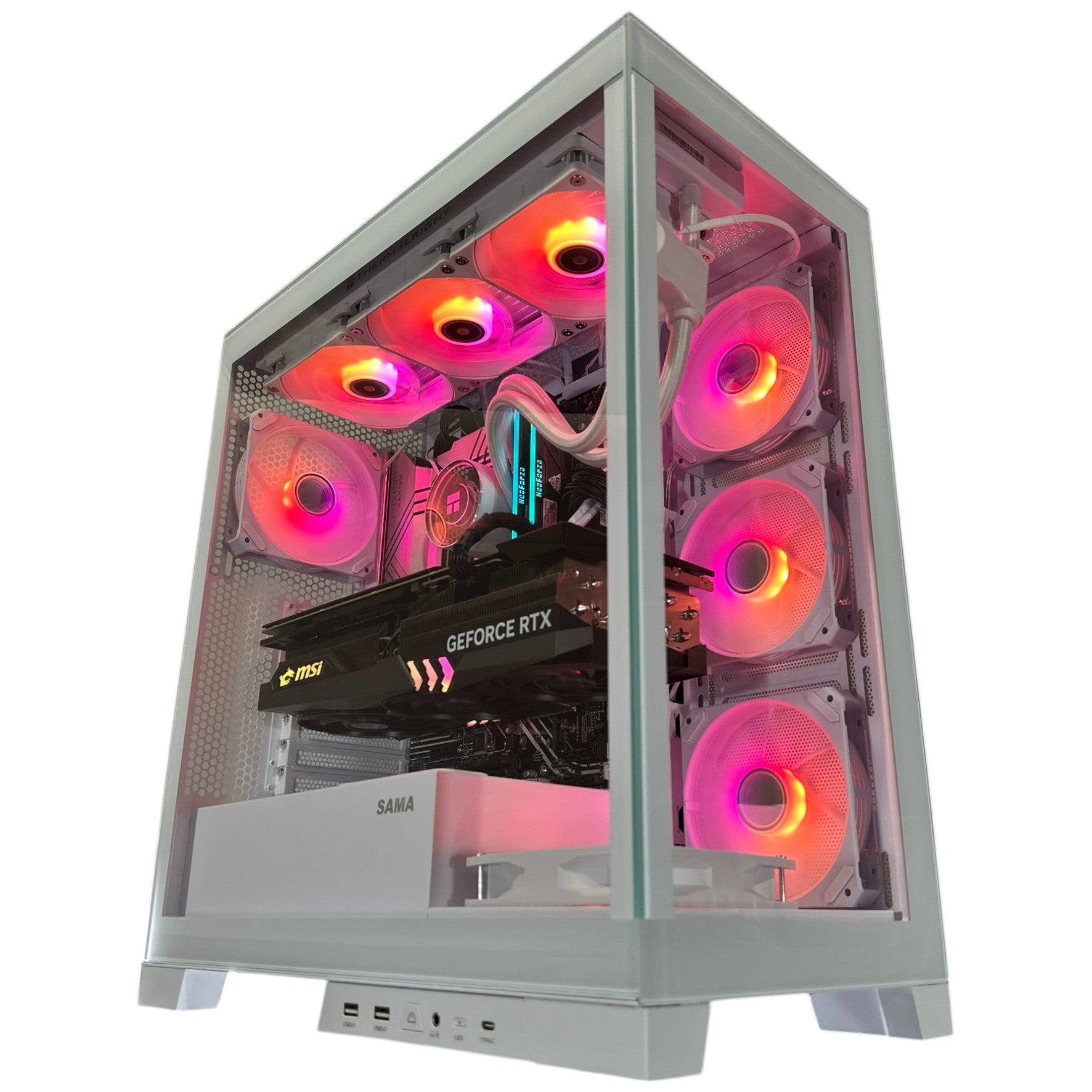
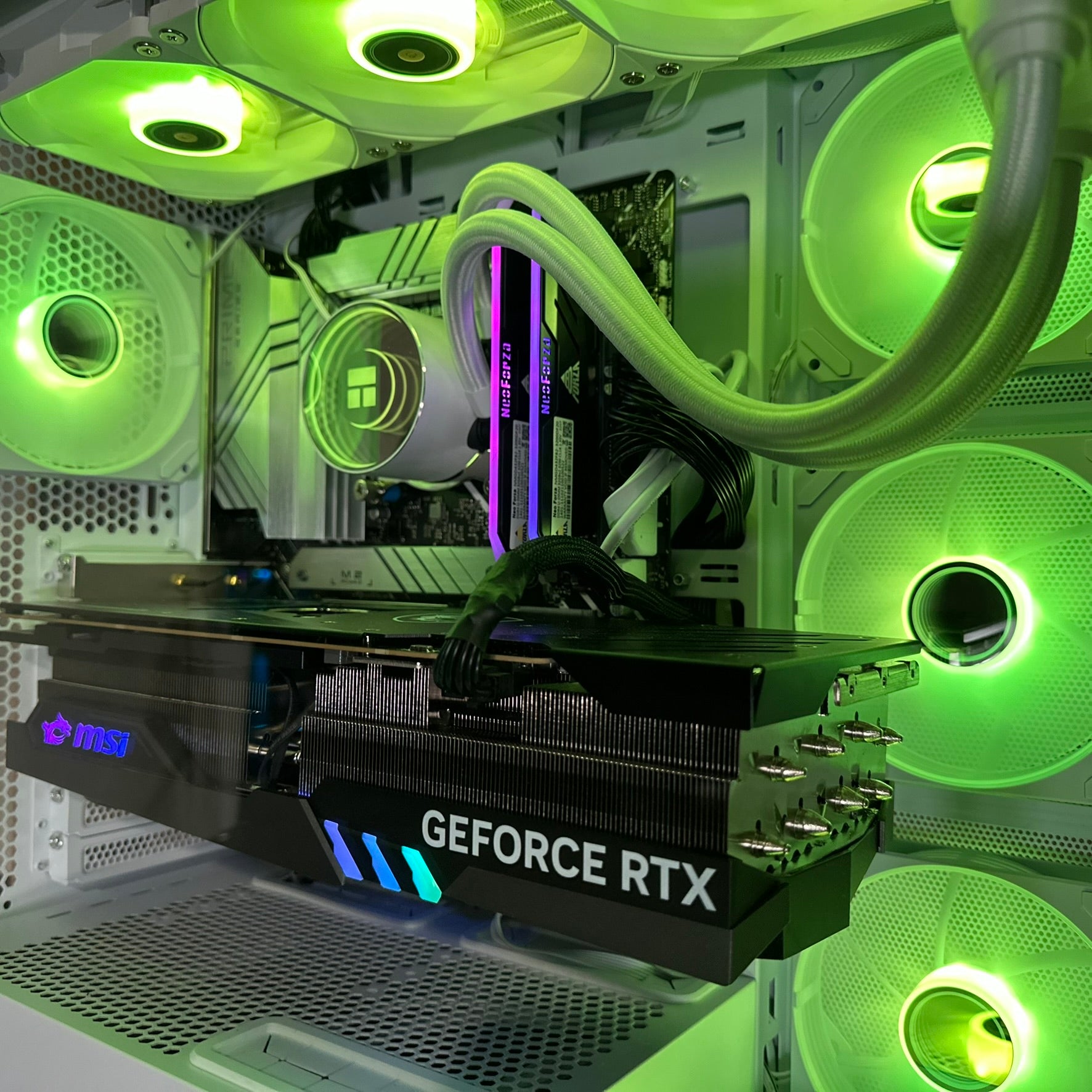
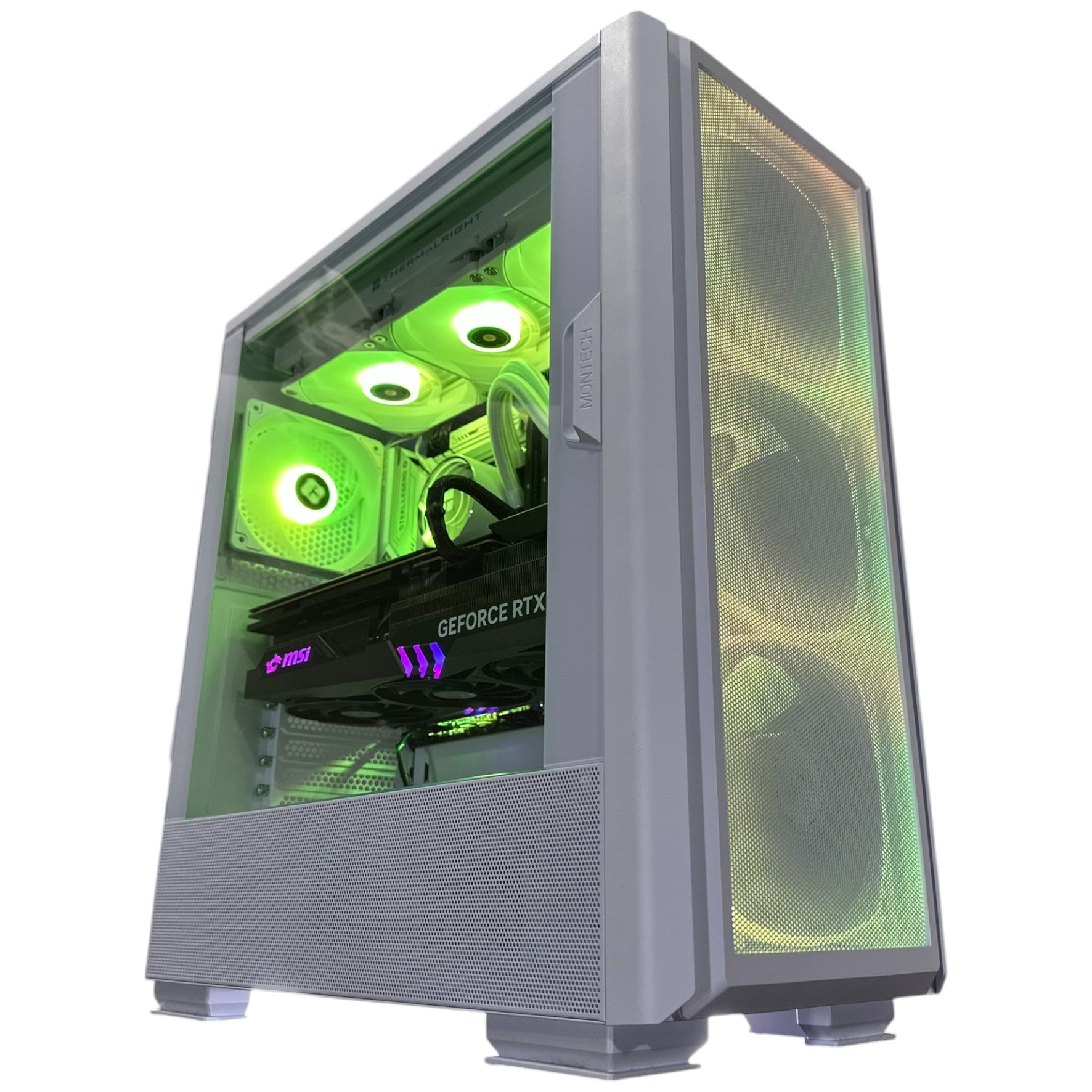
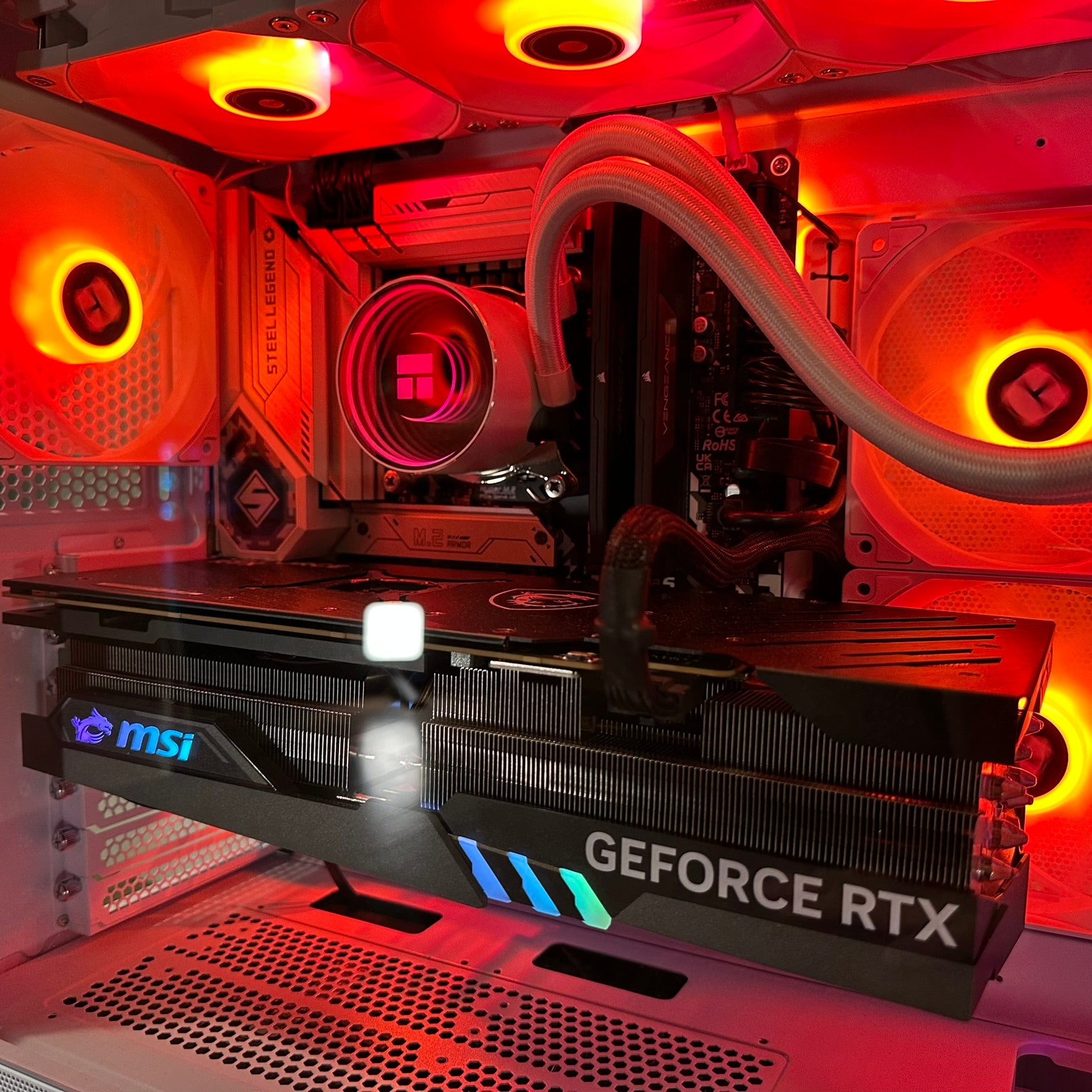
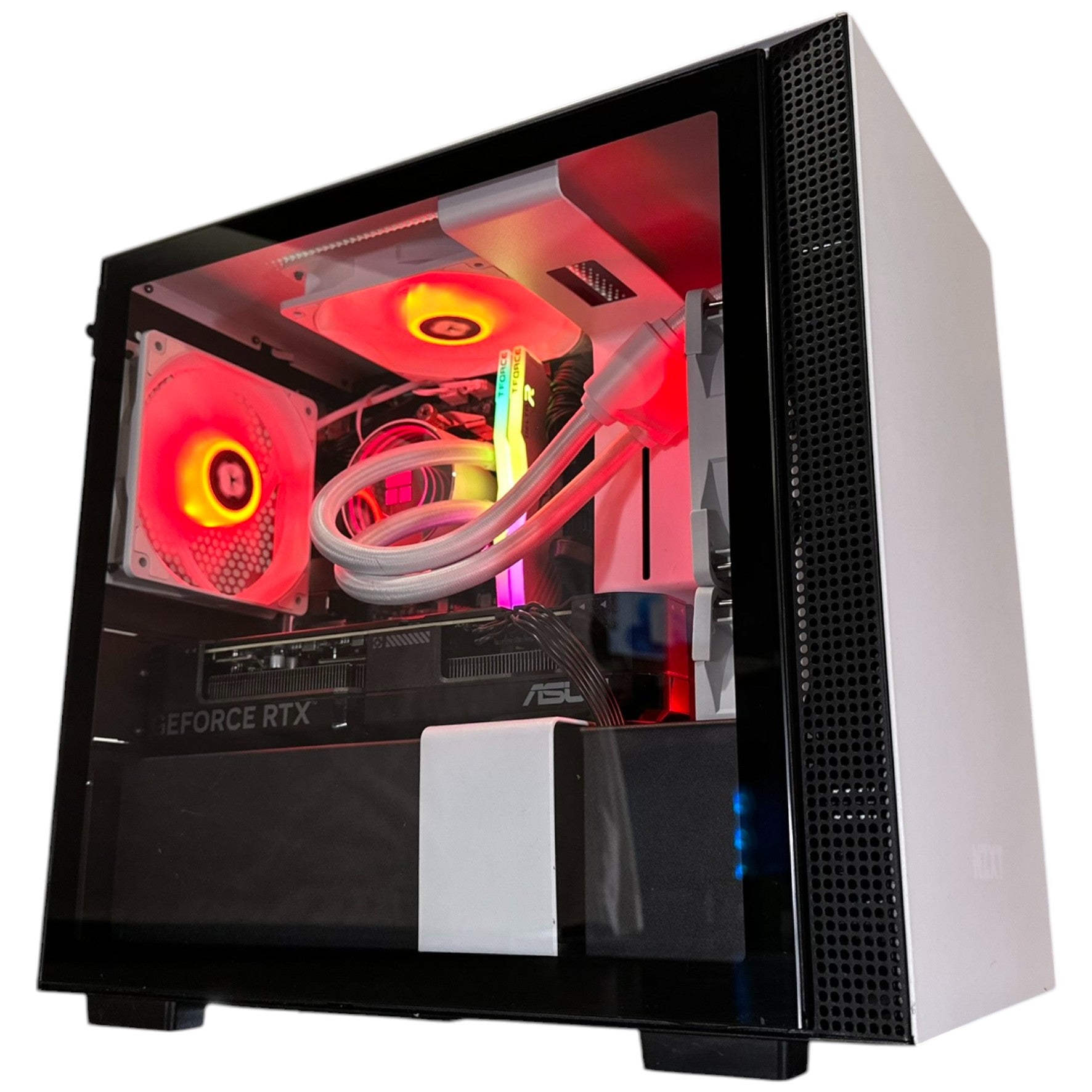
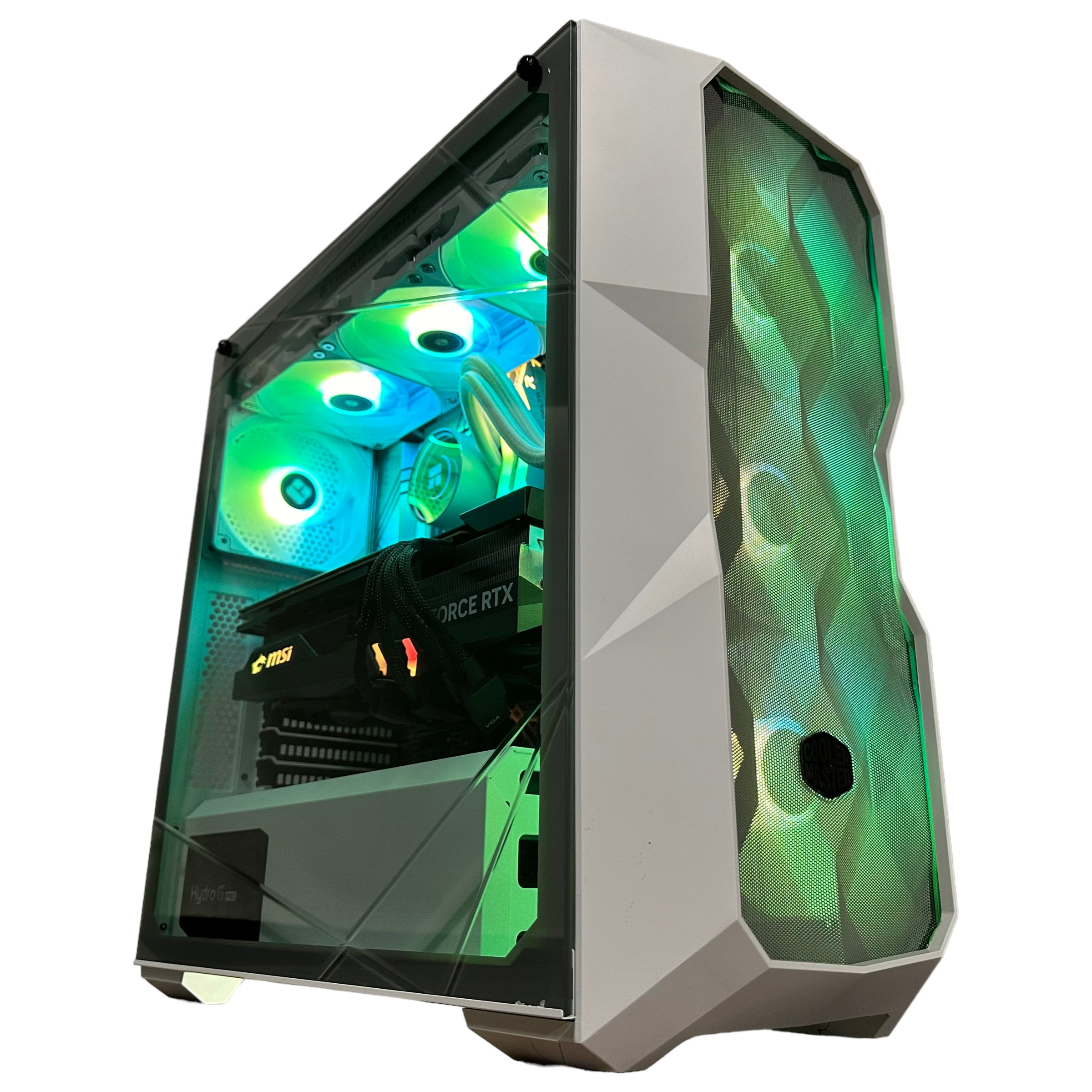
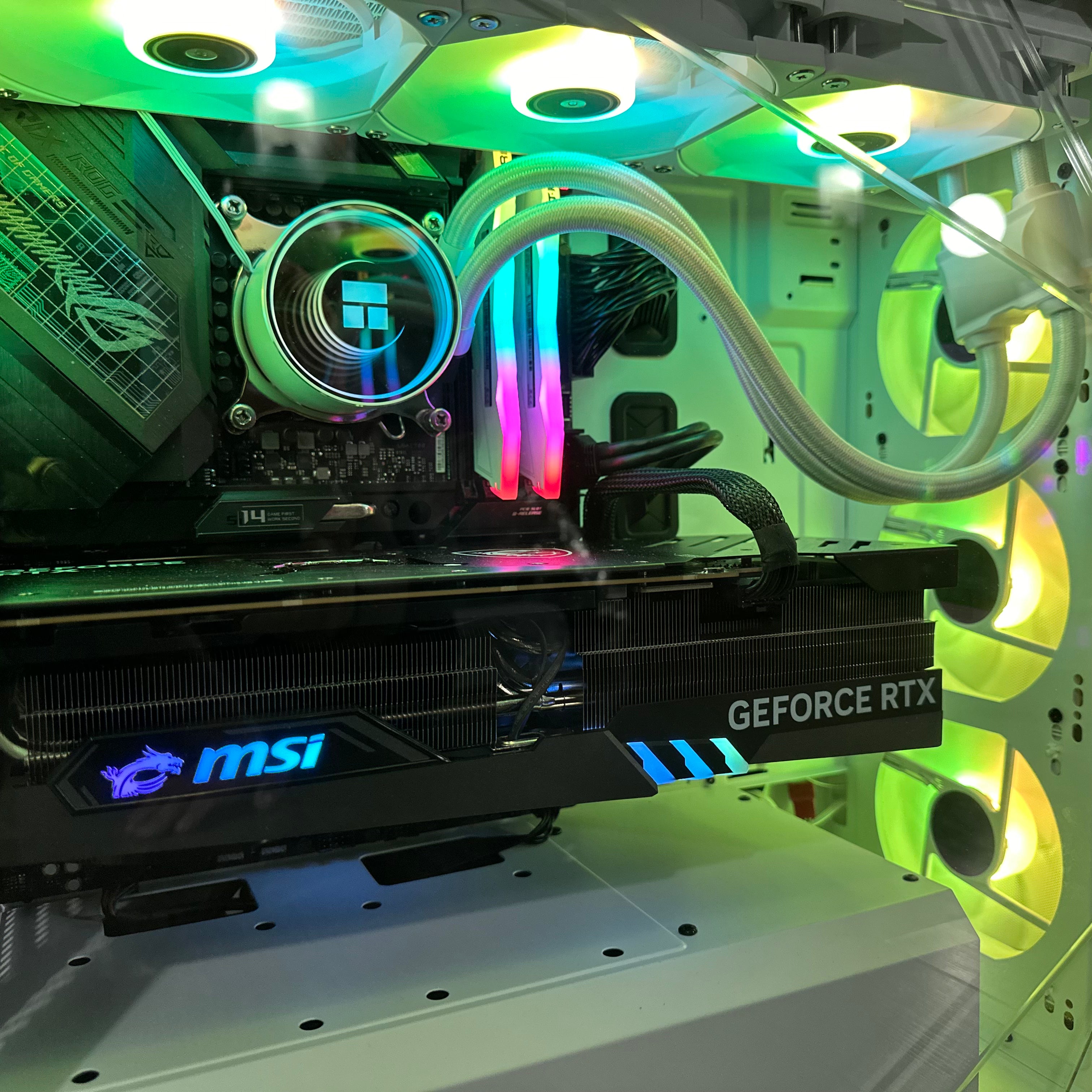
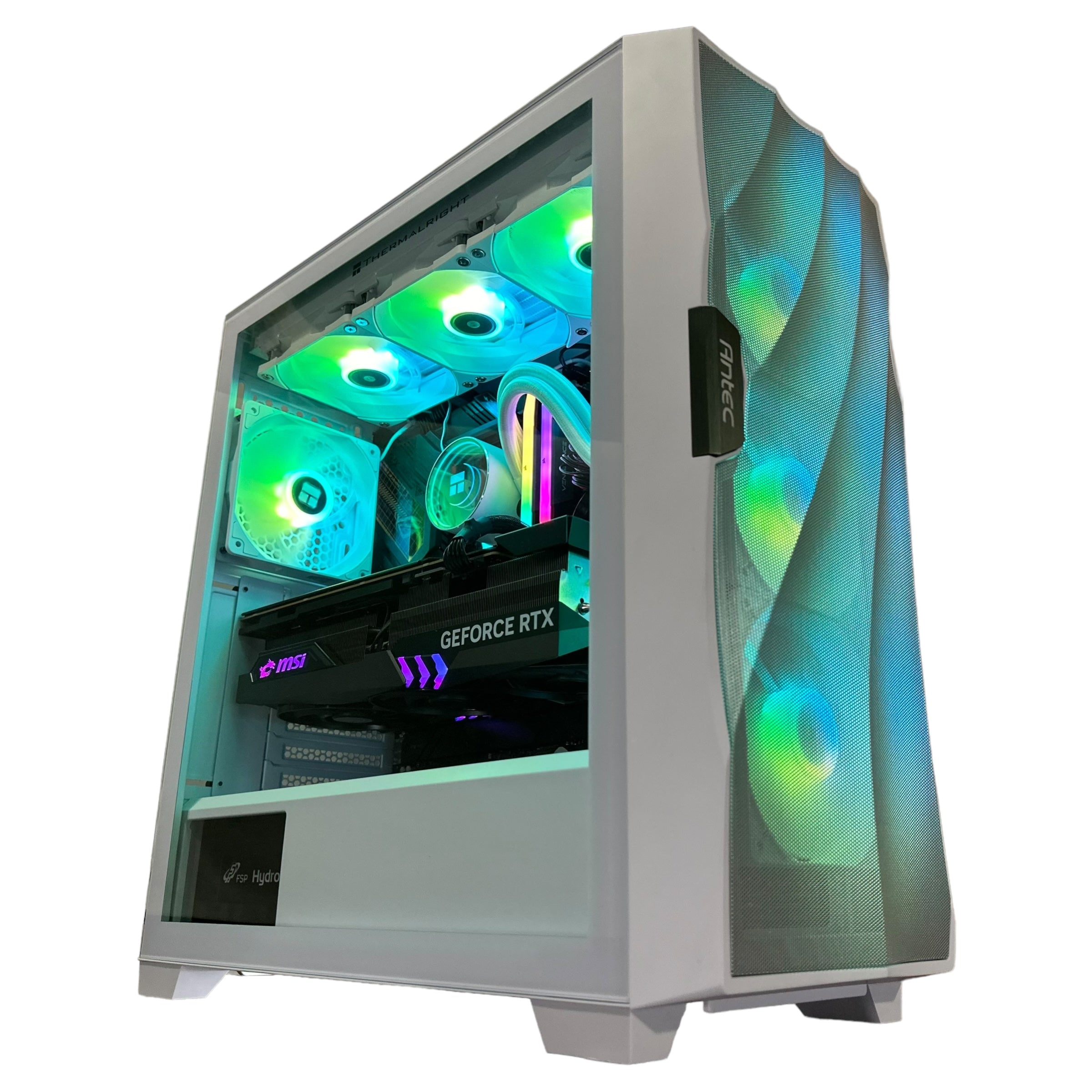
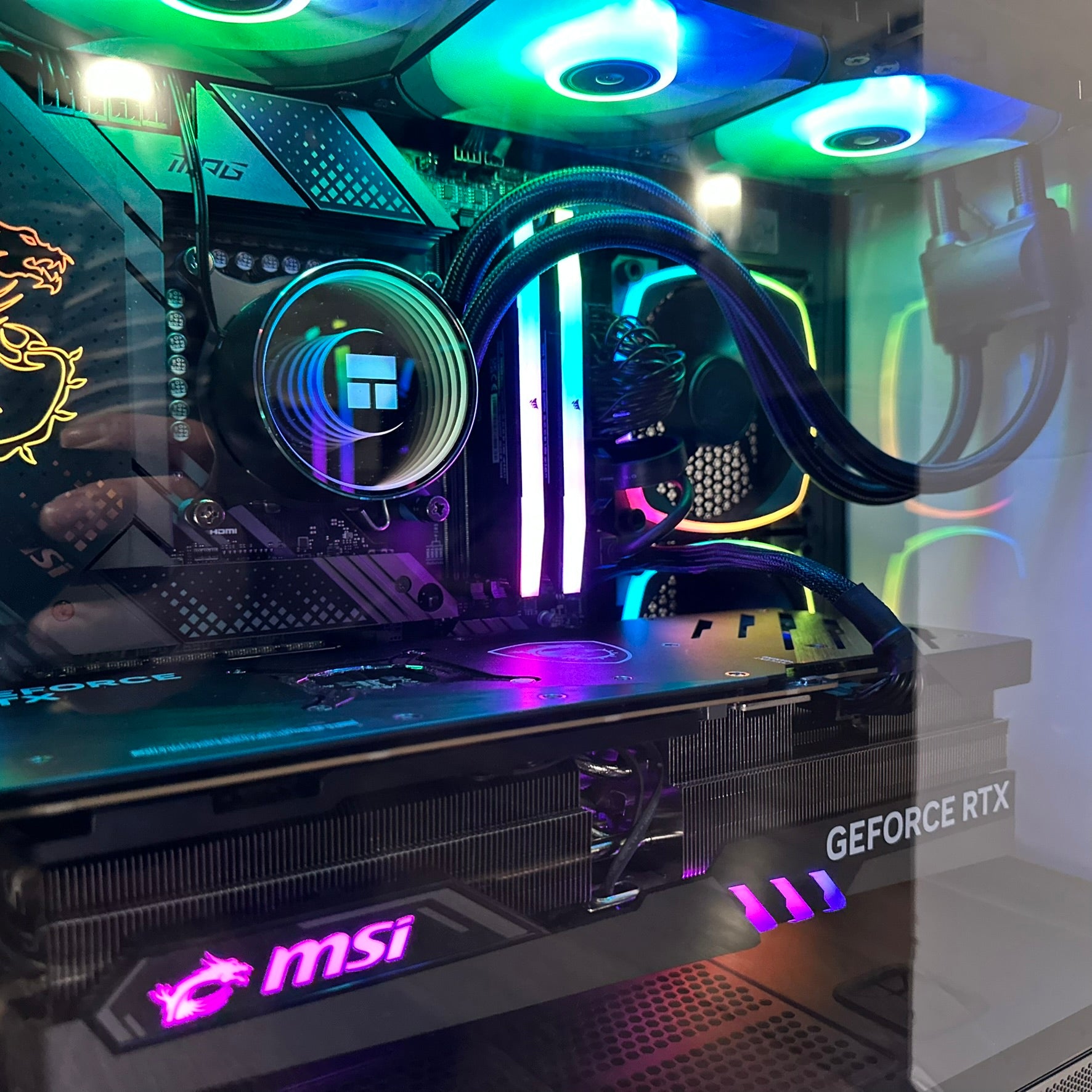
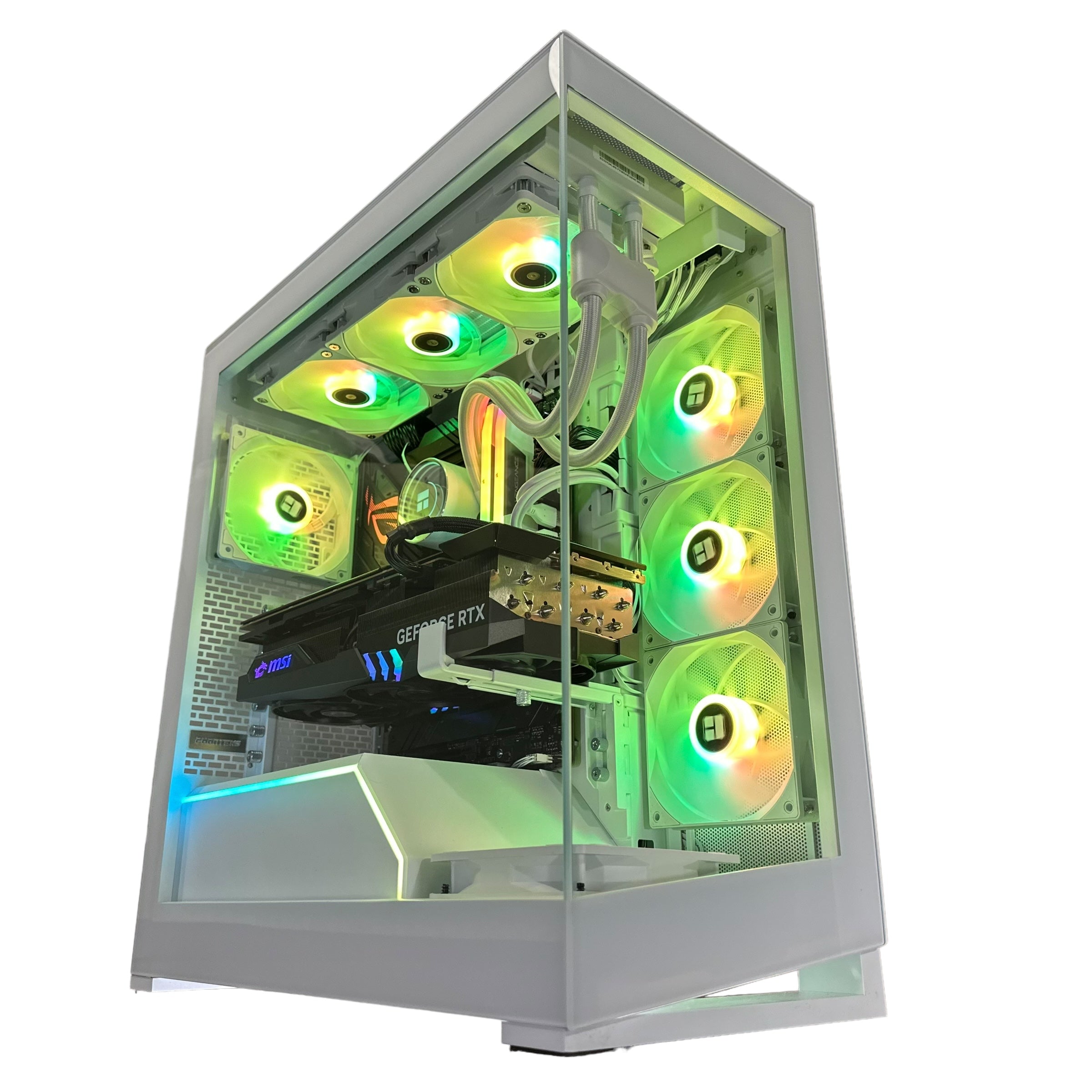
The latest wave of DLSS game support matters for more than just patch notes. It matters because every new announcement around advanced upscaling, frame generation, ray tracing, and low-latency features keeps pushing expectations higher for anyone shopping for an RTX gaming PC in Canada. With Mortal Shell II Open Beta adding DLSS and ray tracing, The Sinking City 2 demo arriving with DLSS support, Empulse launching with DLSS 4.5-era features and Reflex, and Subnautica 2 upgrading to native DLSS 4.5 Super Resolution, Canadian gamers have one clear takeaway: newer PC games are increasingly rewarding stronger graphics hardware, smarter system balance, and forward-looking custom builds.
For Groovy Computers, this is exactly the kind of trend that turns a general gaming conversation into a real buying decision. Are you trying to play upcoming AAA releases at 1080p with high settings? Do you want 1440p ray tracing with smoother frame rates? Are you planning to stream, record, edit clips, or create content around these games too? And if your current machine is already struggling, does it make more sense to keep waiting, or to secure a better custom system before replacement costs rise again?
Why These New DLSS Announcements Matter More Than They First Appear
The source update highlights several games and demos that now support NVIDIA’s current AI-assisted gaming technologies. On the surface, that sounds like routine graphics news. In practice, it signals something more important: game developers are treating AI-enhanced rendering and RTX-class features as standard parts of the premium PC experience.
Mortal Shell II is using DLSS Super Resolution, Multi Frame Generation, and ray-traced reflections and global illumination. The Sinking City 2 demo supports DLSS Super Resolution and Multi Frame Generation. Empulse is launching with DLSS, NVIDIA Reflex, and movement-heavy competitive gameplay that rewards lower latency. Subnautica 2 has already moved forward with a native DLSS 4.5 Super Resolution upgrade.
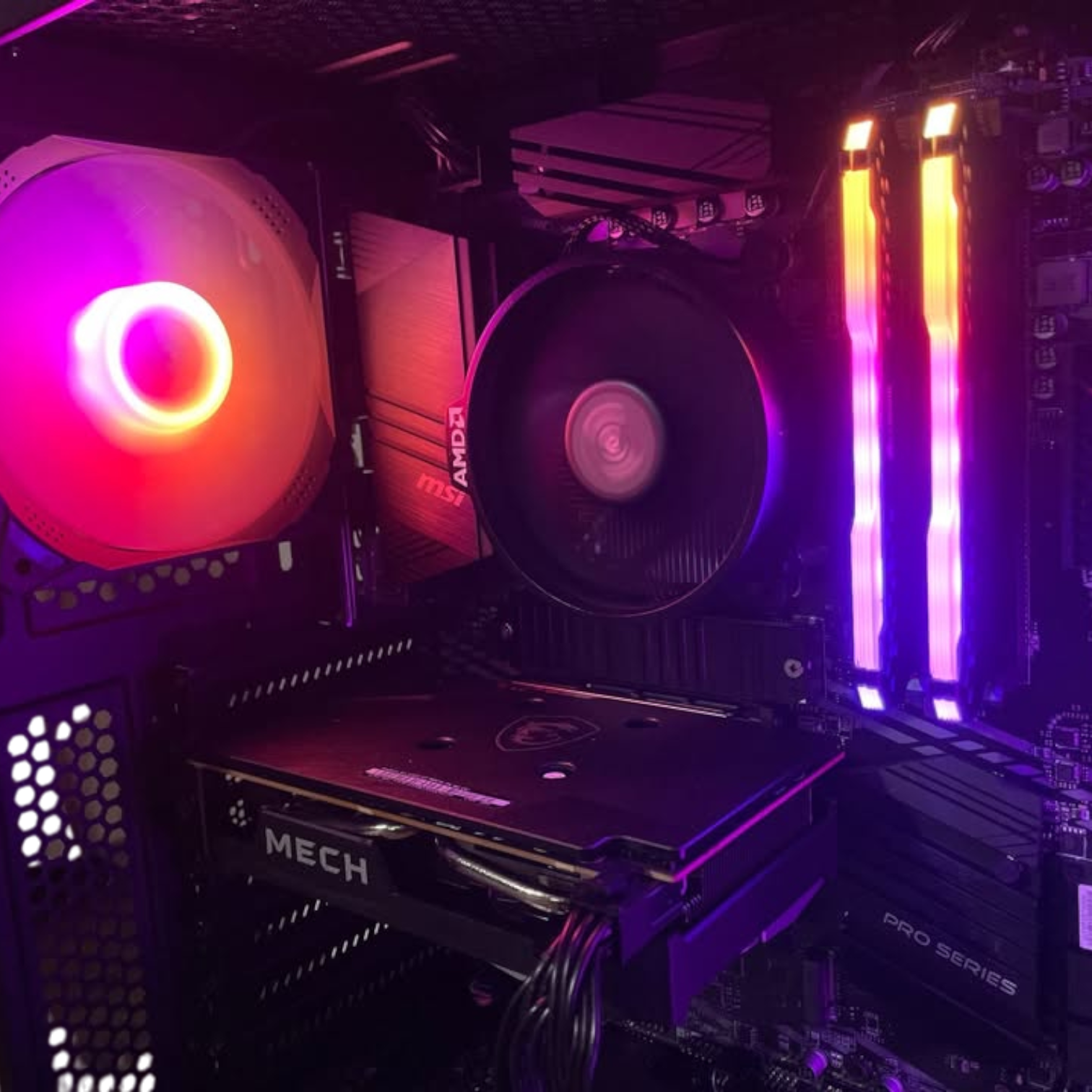
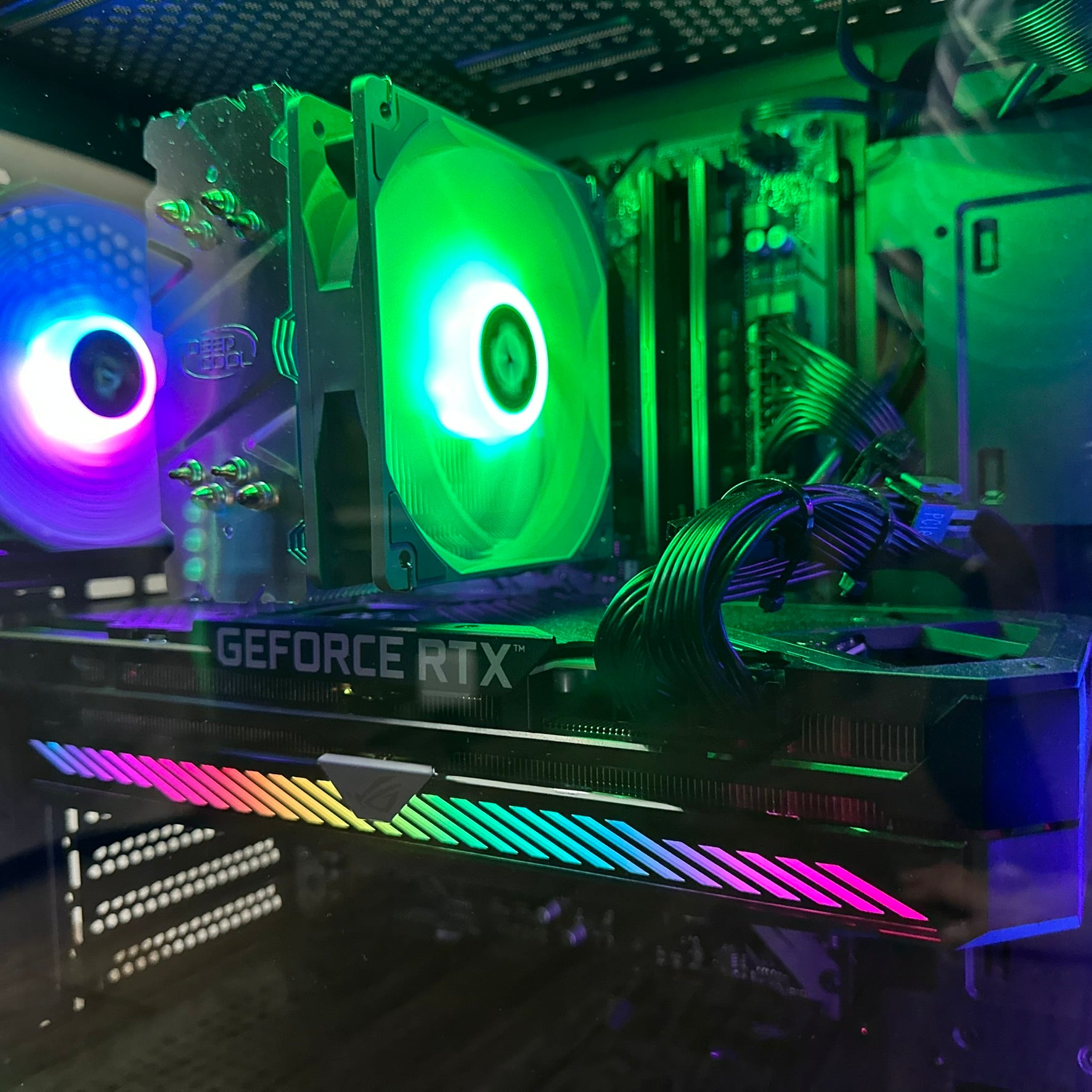
What does that mean for buyers? It means your next system should not just “run games.” It should be chosen based on how you actually want to experience new games over the next several years. If modern titles are adding more ray tracing, more AI image reconstruction, and more performance scaling features, then GPU selection, CPU pairing, RAM capacity, cooling, storage speed, and power delivery all matter more than ever.
What Kind of PC Experience Do You Actually Want From New Games?
This is the question too many buyers skip.
Do you want to load into a new release, turn settings down, and compromise your visuals just to stay playable? Or do you want a system that gives you room for higher textures, improved lighting, stronger minimum frame rates, and cleaner gameplay while new game requirements continue to rise?
If you are excited about atmospheric action games like Mortal Shell II, horror-heavy cinematic worlds like The Sinking City 2, open-world survival experiences like Subnautica 2, or fast online shooters like Empulse, then your PC goals may already be changing. Maybe you want ray tracing for immersion. Maybe you want high refresh 1440p for responsiveness. Maybe you want to game and stream at the same time without your system feeling overwhelmed.
Your next PC should be chosen around your real habits, not just a generic spec list.
Why Canadian Buyers Should Think Beyond the Headline
For Canadian shoppers, there is another layer to this conversation: timing and value. Hardware pricing can shift due to demand spikes, exchange-rate pressure, GPU inventory swings, memory pricing, and storage market changes. That means a PC that feels just barely affordable today may become more expensive to replace later, especially if you wait until a major game launch, holiday rush, or hardware shortage resets the market.
That is why a custom gaming PC in Canada should be planned strategically. It is not only about whether a game supports DLSS now. It is about whether your next build is ready for the next six to twelve big releases after that. Are you buying for this month’s demo, or for the next three years of game upgrades, patches, and rising graphics expectations?
For buyers in Nova Scotia and across Canada, this is where a professionally built system becomes more valuable than a random spec sheet. The right build needs balanced components, thermal headroom, tested compatibility, and a sensible upgrade path.
What the Source News Gets Right About the Future of PC Gaming
The biggest insight from the source material is simple: RTX-era features are no longer niche extras. They are becoming part of how premium PC versions of games are marketed, tested, and enjoyed. That includes DLSS Super Resolution for improved performance and image quality, Frame Generation or Multi Frame Generation for smoother output, Reflex for latency reduction in fast-action games, and ray tracing for more advanced lighting and reflections.
That does not mean every gamer needs the most expensive graphics card on the market. It does mean buyers should stop treating GPU choice like an afterthought.
If your current system was built around older expectations, you may now be feeling the gap. Maybe 1080p used to be enough, but now you want 1440p. Maybe you never cared about ray tracing, but now more games are making it part of the visual experience. Maybe you did not used to stream, but now you want to clip gameplay, upload videos, and use creator software too.
What Do You Want Your Next PC to Do for You?
This is the most important section in the entire buying process.
Do you want your next PC to focus on gaming only?
Do you want it to handle gaming and streaming?
Do you want it to be a content creation machine that can also run modern games well?
Are you editing YouTube videos, working in Photoshop, building graphics in Illustrator, or rendering projects in Blender alongside your gaming time?
If the answer is yes to any of those, you may not need a basic gaming desktop. You may need a more versatile custom build that gives you stronger multitasking, more VRAM headroom, more RAM, faster SSD storage, and a CPU that can keep pace with your creative workflow.
At Groovy Computers, this is where a custom system becomes far more useful than buying something generic. A machine built for your actual workload can save you from replacing it too soon.
Which Performance Tier Fits You Best?
Entry Performance: 1080p Gaming and Everyday Use
If you mainly play at 1080p, prefer competitive settings, or want a budget-conscious system for current and near-future games, an entry-to-midrange RTX build may be the smartest fit. This tier is ideal for buyers asking, “What gaming PC do I need if I just want smooth gameplay without overspending?”
This can work well for esports titles, lighter single-player games, and reasonable settings in newer releases. But ask yourself: will you still be happy if next year’s games demand more VRAM, more ray tracing power, and more storage than your system allows?
Mainstream Sweet Spot: 1440p Gaming, Better Ray Tracing, Longer Lifespan
For many buyers, this is the real sweet spot. A 1440p gaming PC Canada shoppers can rely on is often the most sensible long-term target. You get stronger image quality, better high-refresh potential, more room for DLSS-enhanced gaming, and a better chance of handling future titles without immediate compromise.
If you are looking at games like Mortal Shell II or The Sinking City 2 and thinking, “I want those visuals to actually look good,” this is likely your category. It is also an excellent tier for gamers who want to record gameplay, run Discord, use OBS, keep multiple tabs open, and still enjoy smooth play.
High-End and Premium: 4K, Heavy Ray Tracing, Streaming, and Creator Workloads
If you want 4K gaming, aggressive ray tracing settings, stronger longevity, and room for creator software, then a premium RTX build makes sense. This tier is for buyers asking bigger questions: “What PC do I need for ultra settings?” “Should I buy a system that lasts longer so I avoid upgrading too soon?” “If I stream, edit, and game, should I step up now instead of rebuilding later?”
A premium system is not just about vanity. In many cases, it is about reducing compromise for years instead of months.
Are You Only Gaming, or Are You Also Streaming and Recording?
Empulse is a good reminder that not every performance conversation is about visual quality alone. In fast multiplayer titles, responsiveness matters. Lower latency matters. Stable frame pacing matters. That is where a balanced gaming and streaming PC Canada buyers can trust becomes a better investment than an underpowered machine that only looks good on paper.
If you plan to stream to Twitch, record for YouTube, clip short-form content, or use OBS while gaming, ask yourself a few honest questions. Do you need stronger GPU encoding support? Do you need more CPU breathing room? Do you need 32GB or 64GB of RAM instead of settling for the minimum? Do you need a larger SSD so game installs, recordings, and editing assets do not fight for space?
Streaming changes what “enough” looks like. A system that is fine for gaming alone may feel limited once your workflow expands.
Could This Gaming Trend Also Affect Creator PC Buyers?
Absolutely. While the source topic is gaming-focused, the underlying lesson applies to creator systems too. More advanced rendering methods, larger art assets, higher-resolution textures, and modern video workflows all point in the same direction: stronger hardware is increasingly useful across gaming and content creation.
If you are shopping for a creator PC Canada customers can use for editing, design, and social content, your needs may overlap with these gaming trends more than you think. RTX graphics hardware can be valuable not only for game performance, but also for acceleration in supported creative applications. Fast SSD storage matters for large footage libraries. More RAM helps with multitasking and heavier projects. Better cooling supports sustained workloads.
Are you cutting 4K video in Premiere Pro or DaVinci Resolve? Working in Photoshop and Lightroom with high-resolution assets? Designing in Adobe Illustrator and InDesign while keeping multiple applications open? Building 3D scenes in Blender? If so, a gaming-first spec sheet may not be enough on its own. You need a custom creator PC that reflects how you actually work.
Is a Gaming PC Good for Video Editing, Photo Editing, and Graphic Design?
Sometimes yes, but not automatically.
A strong gaming PC can be an excellent starting point for video editing, photo editing, and graphic design if the parts are selected properly. But the details matter. A video editing PC Canada buyers should trust needs enough RAM, fast scratch storage, a capable CPU, and a GPU that supports accelerated workflows. A photo editing PC benefits from snappy single-core performance, strong SSD responsiveness, and enough memory for RAW files, layered edits, and batch exports. A graphic design PC should handle Adobe Creative Cloud smoothly across multiple applications and displays.
So ask yourself: are you just gaming after work, or are you also editing videos for YouTube, processing client photos, designing branding assets, or managing content calendars? If your next PC needs to be both fun and productive, a custom build can save you from buying twice.
What About 3D Modeling, Unreal Engine, and Workstation Use?
The same logic applies even more strongly to 3D and workstation users. If your interest in modern game visuals has you thinking about game development, Blender, Unreal Engine, rendering, CAD, or simulation work, then you may need a workstation-class configuration rather than a pure gaming build.
Do you need more CPU cores for rendering? More VRAM for heavy scenes? 64GB or 128GB of RAM for large assets and multitasking? Additional SSD capacity for project files and cache? These are not small details. They directly affect how long your system remains useful and how often your work gets interrupted by slowdowns.
A custom workstation PC Canada professionals can rely on should not be chosen the same way as a basic gaming tower. If your PC earns money, time lost to crashes, thermal issues, or weak component choices costs more than the initial savings.
Should You Buy Now or Wait for the Next Hardware Wave?
This is one of the most common buyer questions, and it is a fair one.
But here is the practical answer: waiting only makes sense if your current system already does what you need. If it does not, then “waiting” often means putting up with poor frame rates, skipped projects, lower-quality streams, delayed work, and another season of compromise. On top of that, future pricing is never guaranteed to improve in the Canadian market.
Are you trying to be ready before a major game release lands? Before your busy streaming season starts? Before back-to-school demand increases? Before holiday shortages hit? Before another graphics card pricing swing changes your budget? These are real considerations.
If your current machine is already on the edge, the better question may not be “Should I wait?” but “What would a smarter system save me from over the next year?”
Could Financing Help You Buy the Right PC Instead of the Cheapest PC?
This is where many shoppers make a costly mistake. They buy to the lowest possible upfront budget, then realize a few months later they needed more GPU power, more storage, more RAM, or a better CPU all along.
For some buyers, financing a stronger custom PC is the more sensible move. Instead of settling for a system that barely keeps up, financing can make it easier to move into the tier you actually need now. That can mean smoother 1440p gaming, better ray tracing performance, stronger streaming capability, more comfortable editing workflows, and a longer upgrade window.
Would a small monthly difference help you move from “good enough today” to “still strong two or three years from now”? Would that reduce the chance of needing another upgrade too soon? Would it help you secure the right platform before replacement costs rise further?
Groovy Computers offers options that can help Canadian customers finance a stronger system with more confidence, including financing terms up to 4 years where applicable. For many buyers, that is not about overspending. It is about buying properly once.
How Do You Avoid Upgrading Too Soon?
The best way is to buy around your next phase, not just your current one.
If you know you want to move from 1080p to 1440p, buy for that transition now. If you know you want to start streaming, leave room for it. If you know your video projects are getting larger, choose more storage and memory before it becomes a problem. If you know ray tracing and advanced rendering features matter to you, do not build around yesterday’s expectations.
That does not mean overspending blindly. It means matching your build to your real trajectory.
- If you only play lighter games casually, do not overbuy.
- If you are chasing modern AAA visuals, do not underbuy.
- If you create content, do not ignore RAM and SSD capacity.
- If you work professionally, do not compromise on reliability and thermal design.
Why a Custom Build Matters More as Games Get More Demanding
As DLSS, ray tracing, and advanced rendering become more common, system balance matters more. A mismatched PC can bottleneck itself in frustrating ways. Too little RAM can hurt multitasking. A weak CPU can limit high-refresh gameplay. Cheap cooling can throttle performance. A low-capacity SSD can become a constant pain once game sizes and recording files pile up.
That is why custom PC building matters. A well-designed system is not just a pile of parts. It is a platform built around use case, thermal stability, power requirements, upgrade potential, and real-world testing.
At Groovy Computers, that means customers are not left guessing whether their build makes sense for the games and workloads they care about. It also means more confidence when spending in a market where replacement and upgrade costs do not always move in your favour.
Why Canadian Buyers Choose Groovy Computers
Groovy Computers is built around what serious buyers actually need: custom gaming PCs, creator PCs, and workstation systems tailored for real use, not generic marketing categories. For buyers in Nova Scotia and across Canada, that means access to a Canadian custom PC builder focused on performance, reliability, and practical advice.
When you order from Groovy Computers, you are not just buying components in a box. You are buying a tested system built around your goals. That matters whether you need a gaming PC for new games, a streaming and editing setup, or a more specialized workstation. Rigorous testing helps reduce surprises. Thoughtful component matching helps improve stability and lifespan. A 1-year warranty adds confidence where it counts.
And because Groovy Computers serves Canadian customers, the conversation can stay focused on what actually makes sense here: Canadian pricing realities, practical performance tiers, support, shipping, and long-term value.
What Questions Should You Ask Before Buying Your Next PC?
Before you choose a system, ask yourself these questions honestly:
- What games do I want to play over the next 1 to 3 years?
- Am I targeting 1080p, 1440p, or 4K?
- Do I care about ray tracing, image quality, and high refresh rates?
- Will I stream, record, or edit content?
- Do I also need this PC for Photoshop, Lightroom, Premiere Pro, DaVinci Resolve, Blender, or other creative software?
- How much storage will I actually need once games, footage, and project files start adding up?
- Would I rather buy a stronger system now than upgrade too soon?
- Would financing help me get the right performance tier instead of settling for a weaker machine?
If you do not like your answers, that is useful. It means you are already closer to choosing the right build.
Which Buyer Type Are You Right Now?
The Budget-Conscious Gamer
If you want a practical system for current games and solid everyday value, a budget-to-midrange custom gaming PC may be enough. But be careful not to define “budget” too narrowly. The cheapest option is often not the best value once future game demands arrive.
The 1440p Gamer Who Wants Real Visual Quality
If you want modern games to feel modern, 1440p with RTX-class features is often the best place to be. This is the category many informed buyers land in once they start comparing long-term value against short-term savings.
The Premium Buyer Who Wants Longevity
If you want a high-end gaming PC that stays relevant longer, handles ray tracing better, and gives you room for creator workloads too, then a premium custom build is likely the right move.
The Creator Who Also Games
If your system needs to edit, render, design, stream, and game, then a creator-first configuration may be smarter than a gaming-only build. This is especially true if you are managing 4K footage, large photo libraries, Adobe workflows, or content publishing schedules.
The Workstation User
If your PC supports paid work, specialized software, or production deadlines, then reliability, testing, RAM capacity, storage planning, and cooling matter every bit as much as raw graphics performance.
Need Help Choosing the Right Build?
If these new DLSS-enabled game releases have you wondering whether your current system is ready for what is next, that is exactly the right moment to talk to Groovy Computers. Whether you need a custom gaming PC, a versatile creator desktop, or a more demanding workstation, the best system is the one that matches your actual workload, target resolution, upgrade timeline, and budget strategy.
Are you trying to figure out whether a 1080p build is enough, whether 1440p is the smarter target, whether a premium RTX system is worth it, or whether financing would let you buy more intelligently now? Visit GroovyComputers.ca to explore your options, compare build directions, and get a custom PC that is built for where gaming and creative workloads are going next.
Final Take: DLSS Growth Is a Buying Signal, Not Just a News Story
The recent updates for Mortal Shell II, The Sinking City 2, Empulse, and Subnautica 2 are part of a bigger trend. More games are leaning into advanced RTX features, better visual effects, AI-assisted rendering, and performance technologies that reward stronger hardware choices. For anyone shopping for an RTX gaming PC in Canada, that should be treated as a buying signal.
If your current computer is already struggling, if your wishlist includes better visuals and smoother frame rates, or if your next system also needs to handle streaming, editing, design, or 3D work, then this is the time to think carefully about performance tier, timing, and long-term value. A well-planned custom build from Groovy Computers can help you avoid short-term compromises and buy with more confidence in a changing market.
#RTXGamingPC #GamingPCCanada #CustomGamingPCCanada #1440pGamingPCCanada #4KGamingPCCanada #CreatorPCCanada #VideoEditingPCCanada #StreamingPCCanada #WorkstationPCCanada #CanadianCustomPCBuilders #NovaScotiaTech #GroovyComputers
Groovy Computers | All Rights Reserved


Leave a comment
This site is protected by hCaptcha and the hCaptcha Privacy Policy and Terms of Service apply.