



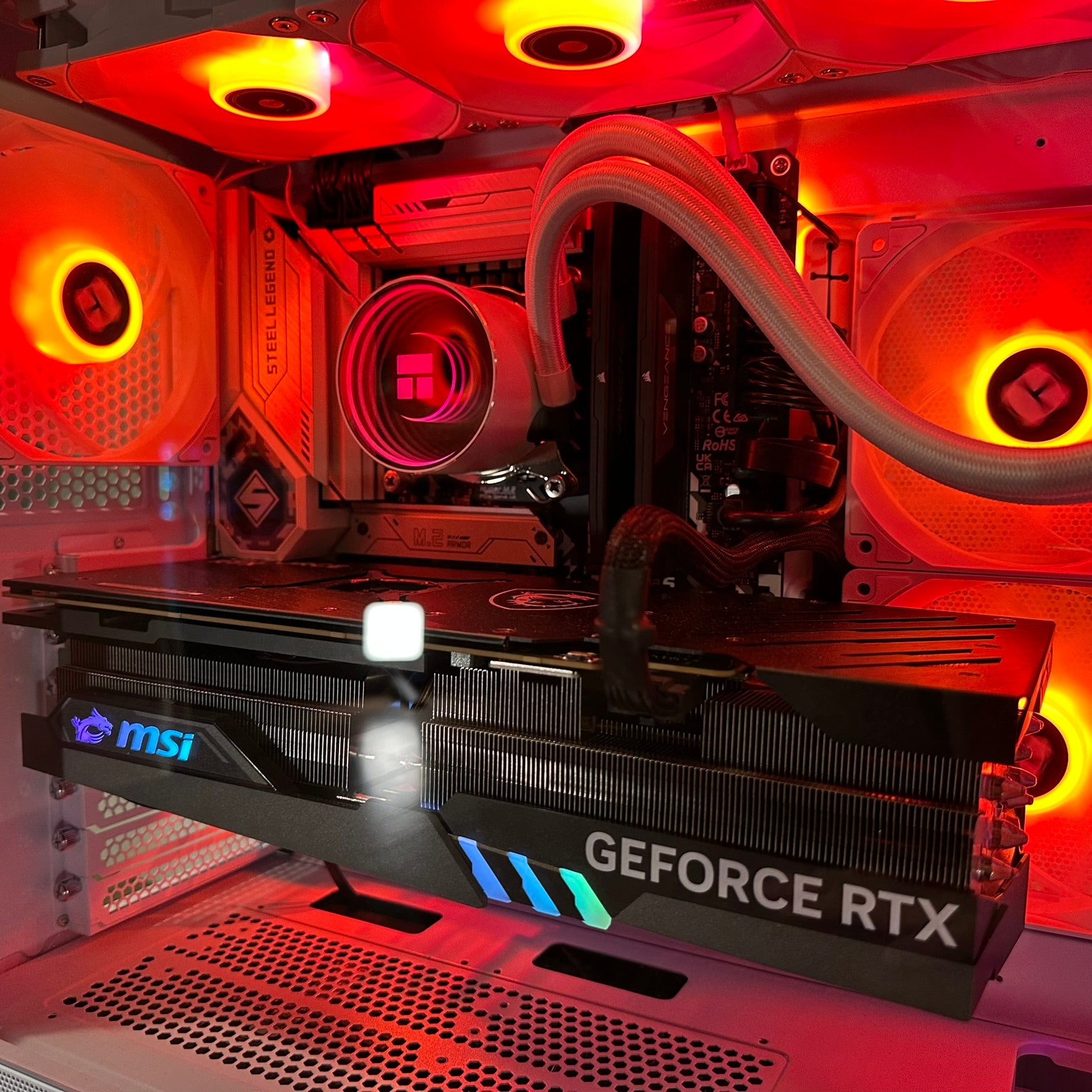
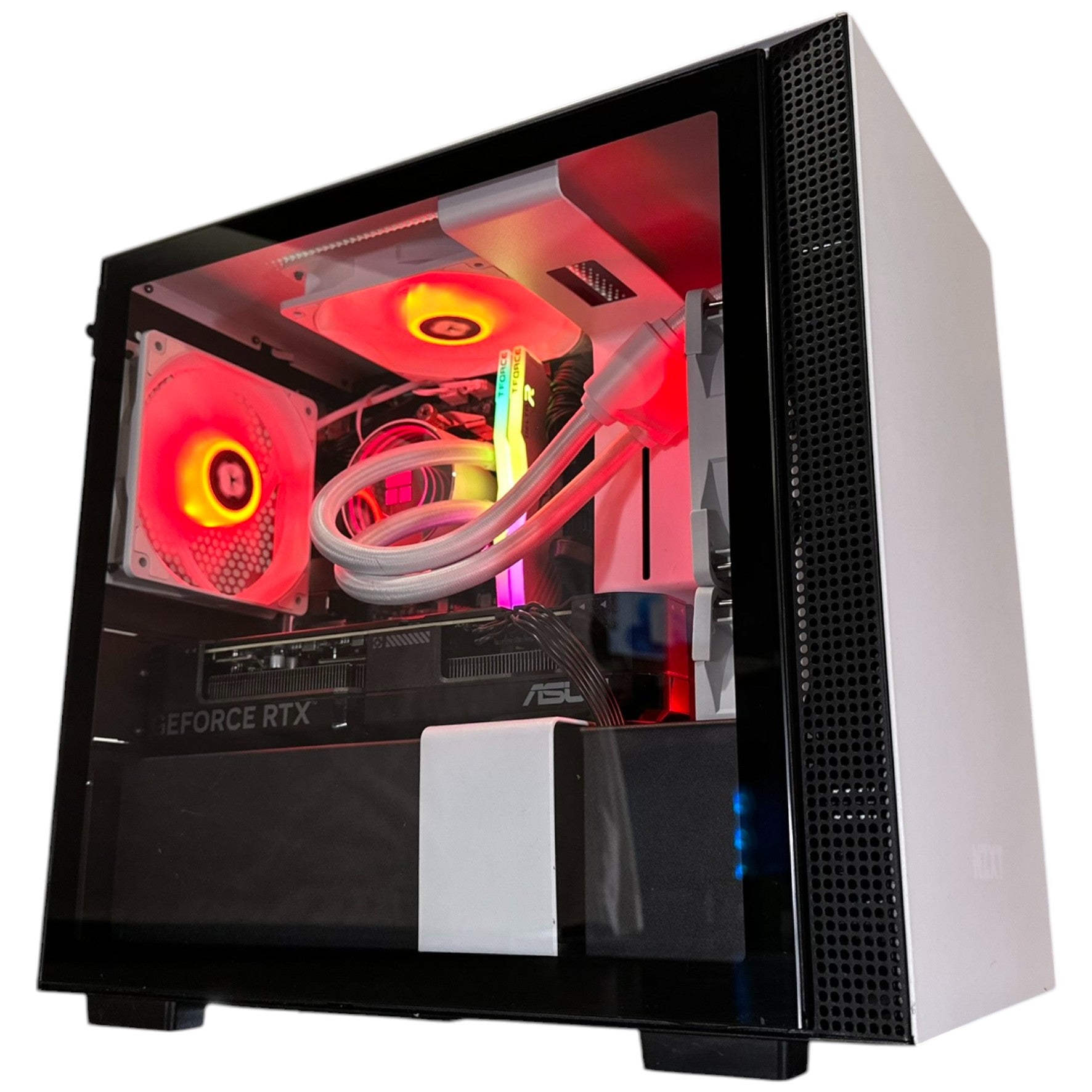
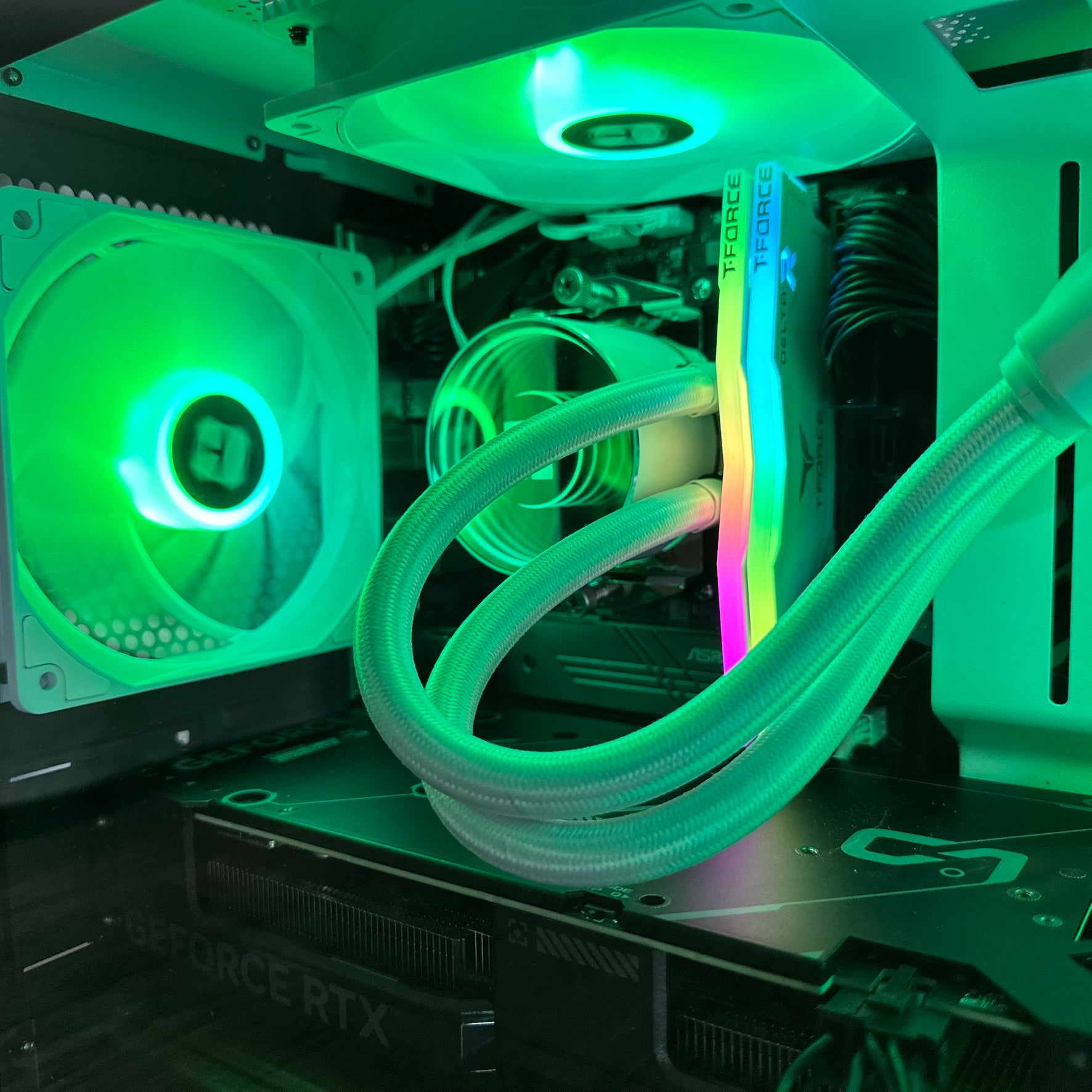
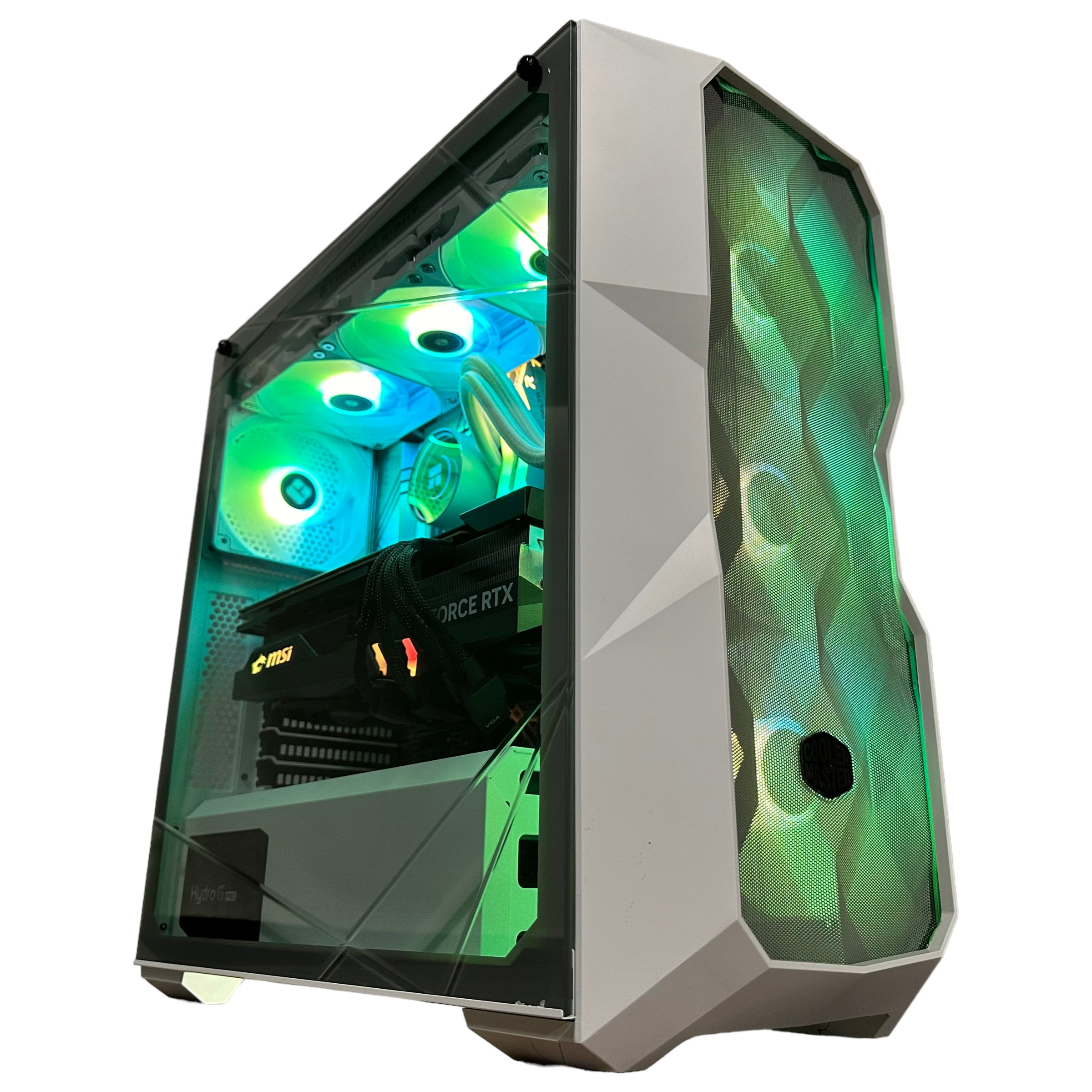
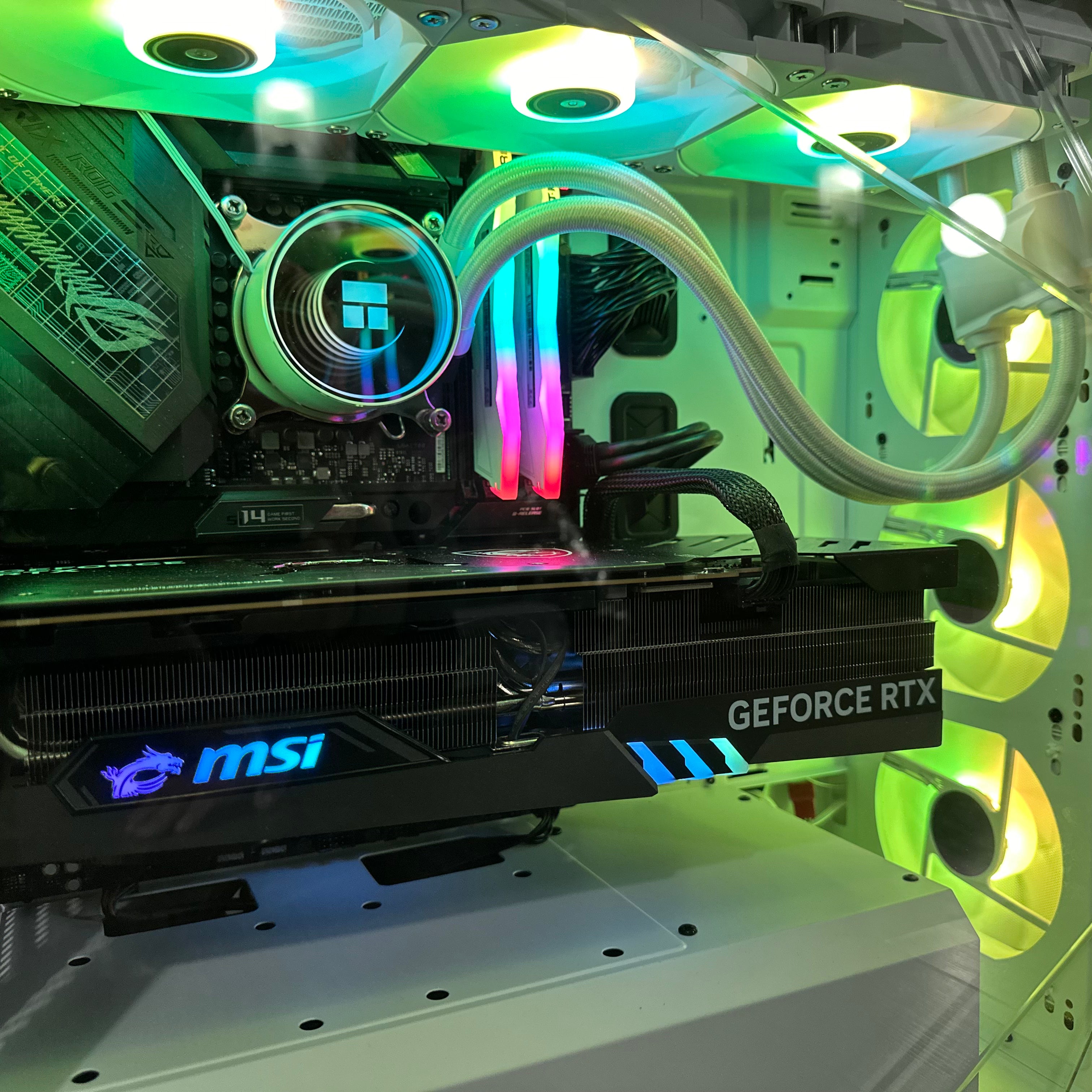
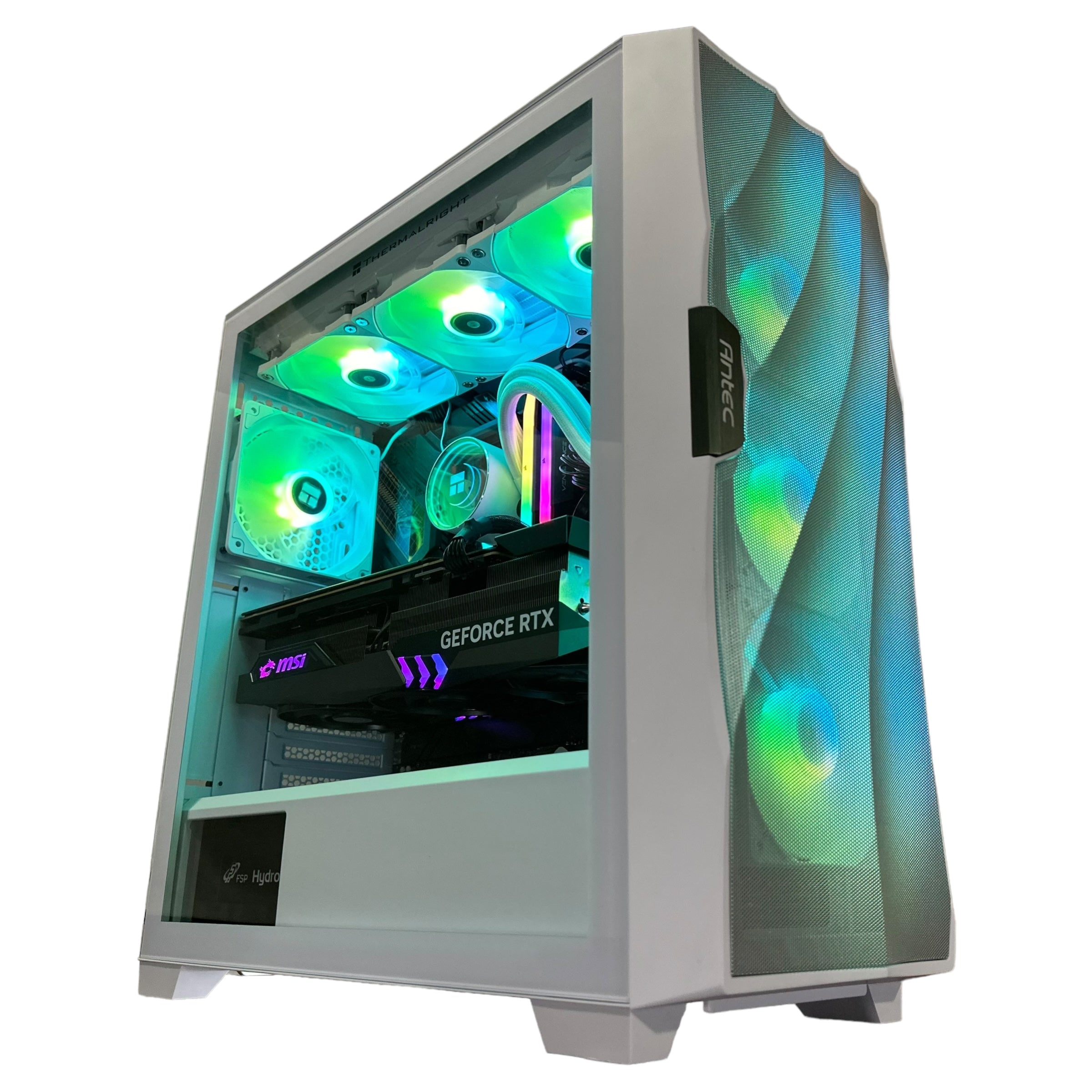

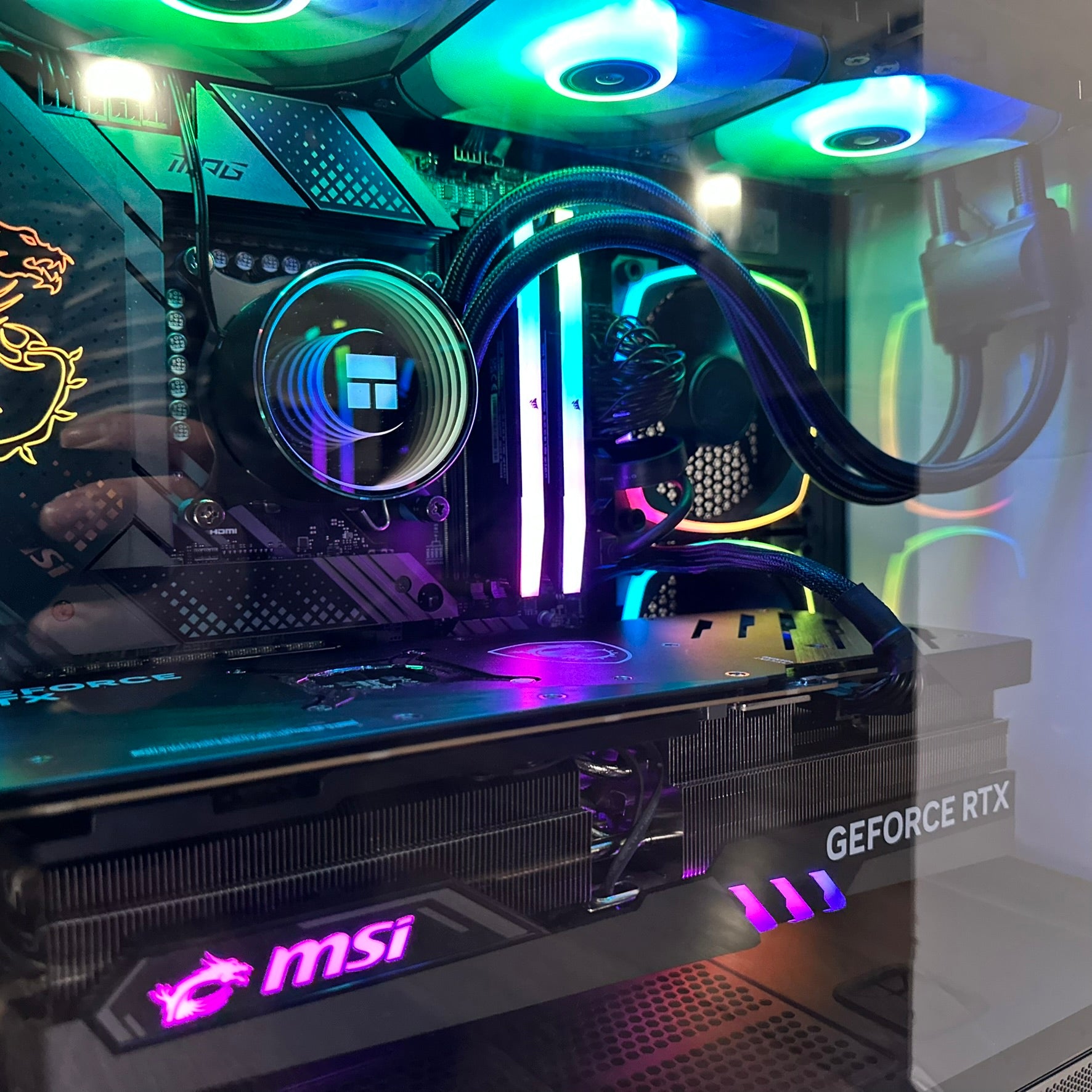
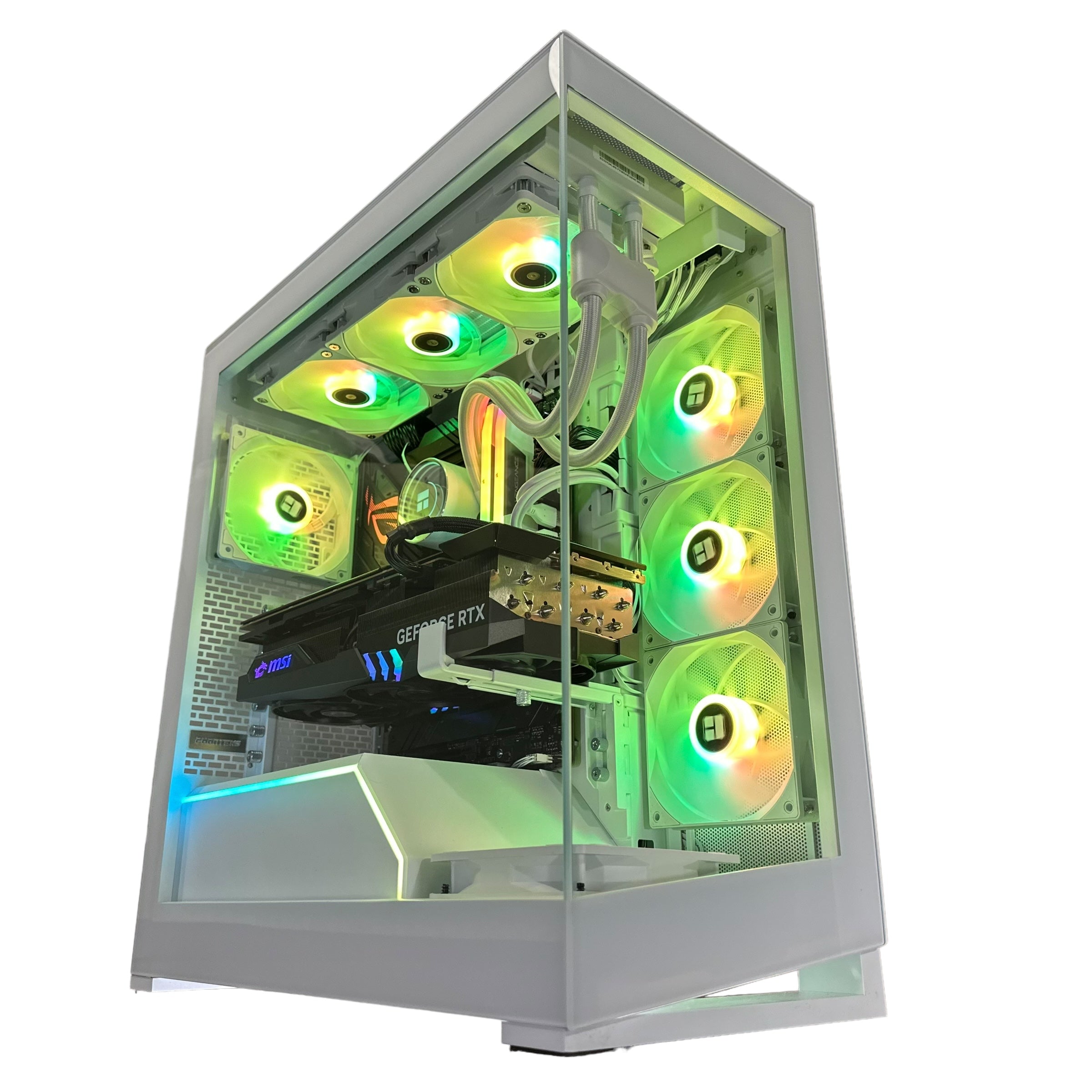
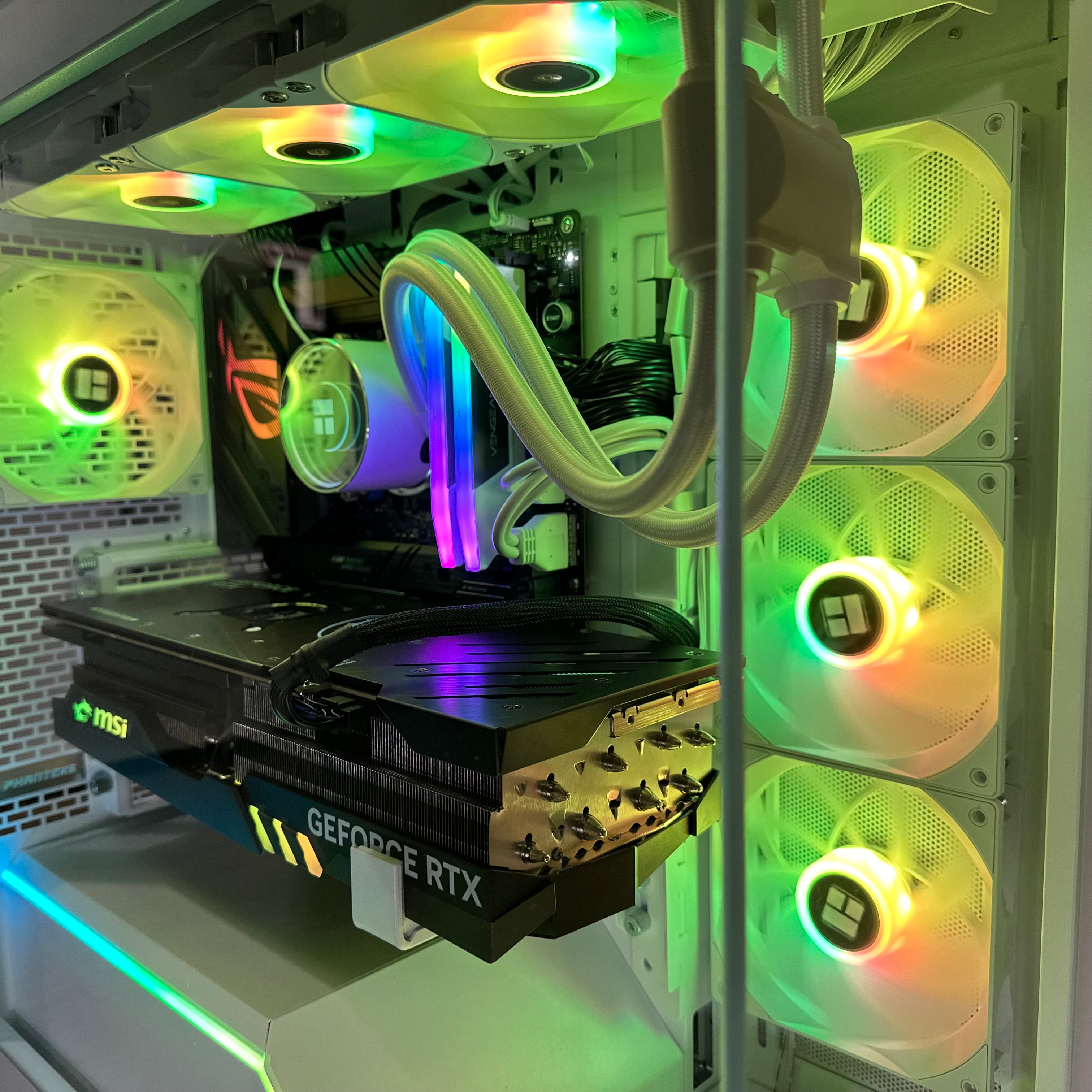
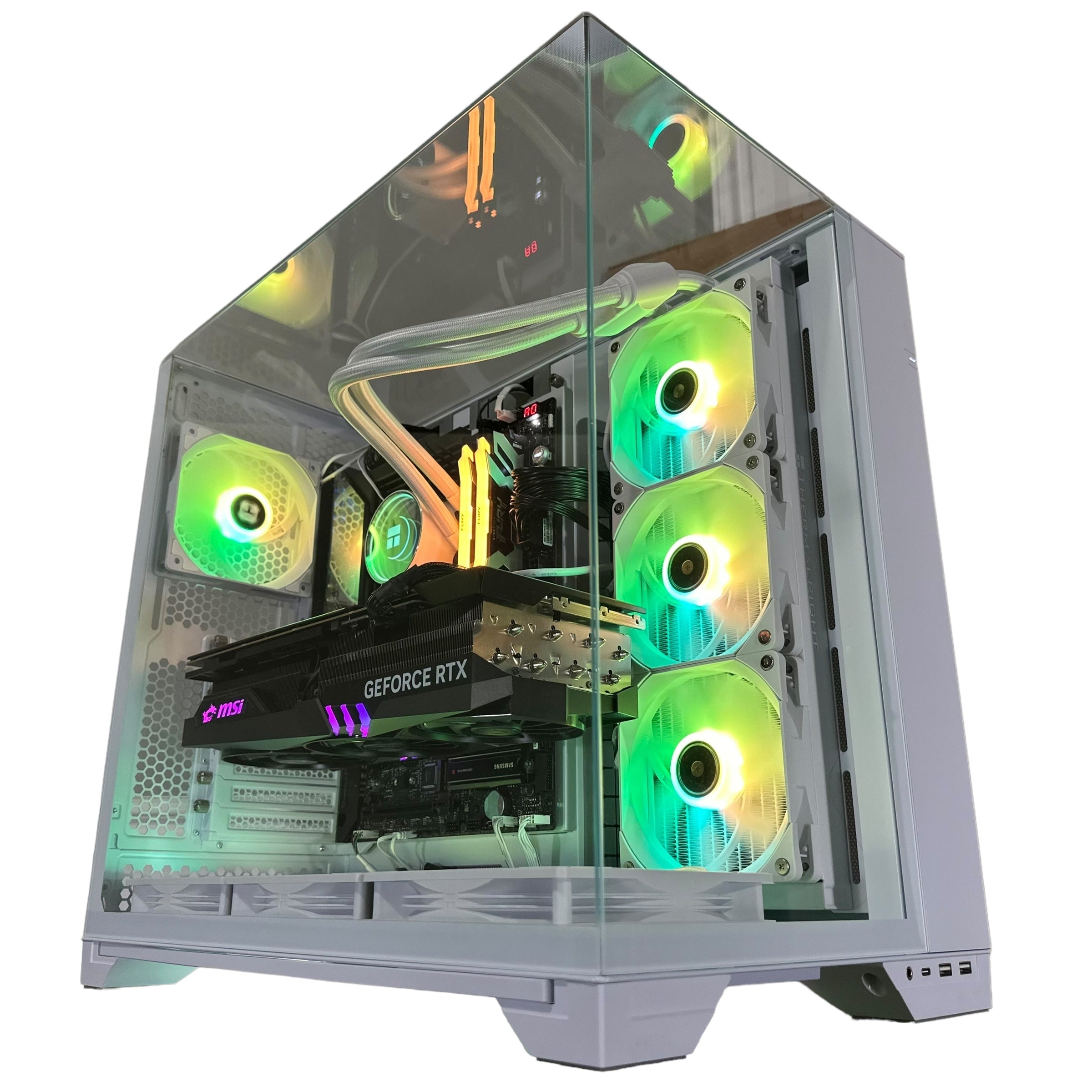
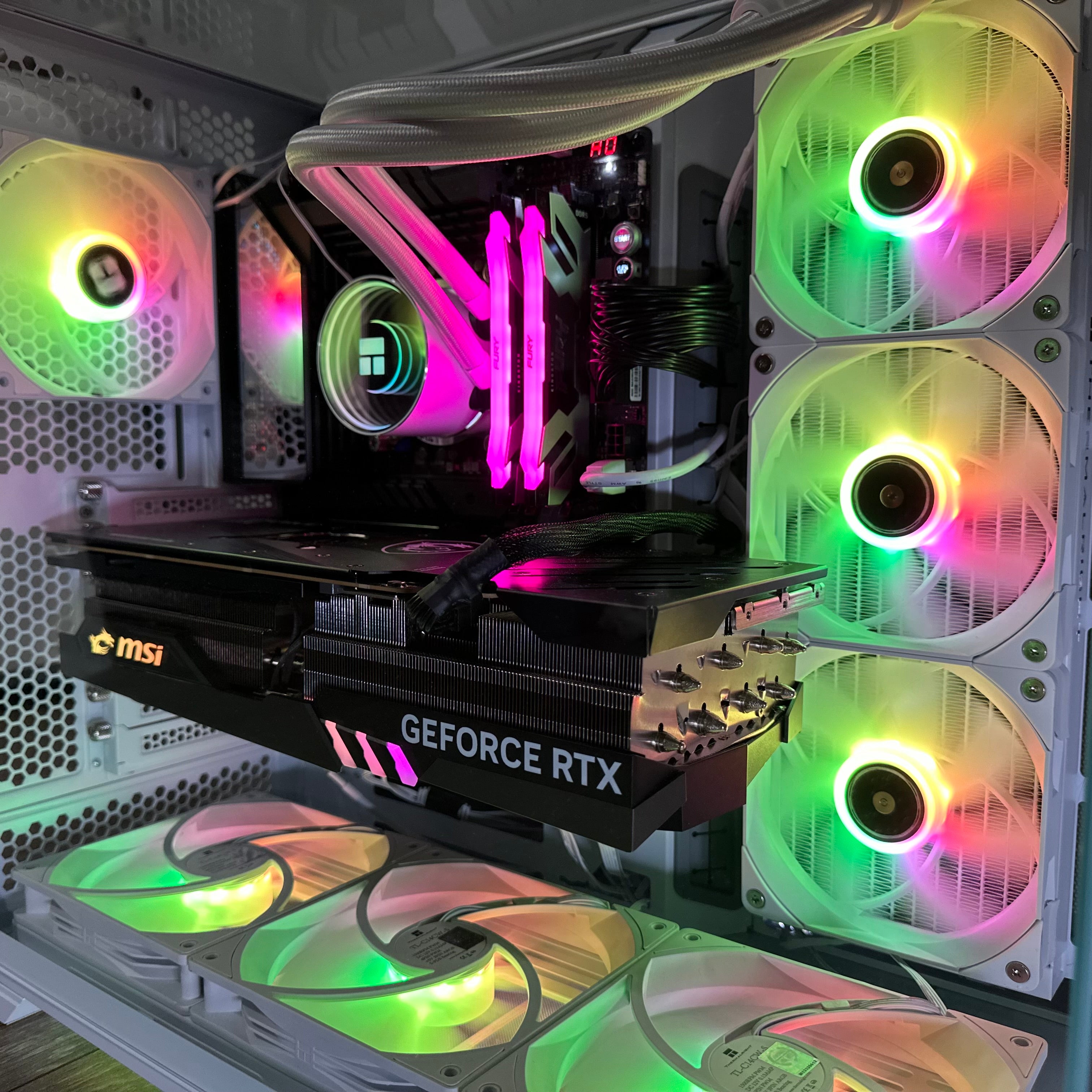

Shinji Mikami’s Game Streaming Take Reveals a Bigger Truth About Choosing the Right Gaming and Streaming PC in Canada
The recent comments attributed to original Resident Evil director Shinji Mikami highlight an idea that matters far beyond game culture: the best games still make people want to play for themselves, even after watching a full stream. That makes this a useful moment to talk about a bigger buying question for Canadian players and creators alike. If modern games are built to pull you in, does your current system actually let you experience them properly? And if you want to play, stream, record, edit, and create around those games, what kind of Gaming PC Canada buyers should be looking at now?
The source discussion came out of a conversation about whether game streaming helps or hurts developers. Mikami’s reported response was simple and confident: if viewers are satisfied just by watching a game to the end, then maybe the game was not compelling enough in the first place. A truly strong game should still make people want to pick up the controller themselves. That is a powerful statement, and it speaks directly to how many people now interact with games. They do not just play. They watch streams, follow creators, clip highlights, upload reactions, record walkthroughs, and jump between gaming and content creation on the same machine.
For Groovy Computers, that means this is not just a story about Resident Evil, streaming culture, or developer approval. It is a buying guide opportunity. If today’s games are designed to be experienced firsthand, then Canadian buyers need hardware that lets them do that smoothly, comfortably, and without immediate regrets. Nobody wants to watch a stunning horror title, a ray-traced blockbuster, or a cinematic action release and then discover their own PC can only run it at compromised settings, inconsistent frame rates, or with streaming performance falling apart in the background.
Why Mikami’s comments matter to Gaming PC Canada buyers
Mikami’s view cuts through a common fear in gaming: that watching a stream replaces the need to play. In reality, for many gamers, streams increase interest. They create hype, spark curiosity, and push viewers toward buying the game themselves. But that only works if the viewer can actually run the game in a way that feels worth buying. That is where hardware becomes part of the experience.
Have you ever watched a stream and thought, “I want to play that myself, but my PC probably can’t handle it”? Have you postponed a new game because your current system is already struggling with newer releases? Have you started thinking that if you are going to upgrade, you may as well choose a system that can also handle OBS, recording, editing, and future titles too?
Those are exactly the questions smart buyers should be asking.
Modern PC gaming is no longer just about whether a game launches. It is about whether it runs well at the resolution you care about, whether your system stays responsive while multitasking, whether you can stream without frame drops, and whether you are buying something that still makes sense a few years from now. A custom-built system can make a major difference there because part selection, cooling, testing, upgrade paths, and workload matching matter just as much as the headline GPU.
What the source article gets right about streaming and player demand
The source article points to a real tension in the industry. Some developers see streaming as free promotion. Others worry that viewers will watch the whole game and move on. Mikami’s perspective is a reminder that quality experiences still create demand. People do not just want to witness a memorable game. They want to feel the controls, make choices, test different builds, replay difficult sections, and experience performance for themselves.
That is especially true in genres built on atmosphere, tension, combat pacing, timing, and immersion. Horror games, competitive games, open-world games, cinematic AAA releases, and mod-heavy PC titles all benefit massively from responsive hardware. Watching a compressed video feed is not the same as actually running a game locally at high settings with strong frame pacing and low input latency.
So what happens when more people discover games through creators? Demand grows not only for the game, but for the hardware needed to enjoy it properly. That creates a direct link between streaming culture and custom PC buying trends.
Why Canadian buyers should think differently right now
Canadian shoppers face a different buying environment than many general gaming discussions assume. Exchange-rate pressure, shipping costs, component fluctuations, and uneven inventory can all affect what a good-value system looks like in Canada. Waiting for the “perfect time” to buy often sounds smart in theory, but in practice it can leave buyers stuck between rising replacement costs and an aging PC that keeps getting less enjoyable to use.
Are you buying ahead of a major game release? Are you trying to secure better performance before your current system becomes a bottleneck in every new title? Are you upgrading because your old machine can still run yesterday’s games, but not the next wave of demanding ones at the quality level you actually want?
Those questions matter because timing changes value. A weaker system bought only because it is slightly cheaper today may need replacing sooner. A stronger custom PC, especially one chosen for your real workloads, can often stretch farther and save frustration. That is why many buyers start considering not just raw price, but overall lifespan, reliability, and financing flexibility.
What do you want your next PC to do for you?
This is the most important question in the entire buying process, and too many people skip it.
Do you want your next PC to play new games at 1080p with strong frame rates? Do you want a 1440p setup that feels like a major step up? Are you aiming for 4K visuals and ray tracing? Do you want to stream to Twitch or YouTube while gaming? Do you want to clip gameplay for short-form content? Do you need a system that can also handle video editing, Photoshop, Lightroom, Illustrator, or even Blender and Unreal Engine after the stream ends?
Your answers determine what category of build actually makes sense. Not every buyer needs a flagship machine. But not every buyer should settle for an entry-level build either. The right choice depends on what you will do most often, what you want to avoid upgrading too soon, and whether performance consistency matters more than just meeting minimum requirements.
If streaming makes players want to play, what PC do you need for gaming and streaming?
The source topic naturally points toward one of the most common modern build categories: a gaming and streaming system. Many people discover games through streamers, then become streamers themselves. That means they need a machine that can do more than just run the game. It also needs to handle capture, overlays, background apps, browser tabs, chat tools, audio routing, recording, and often some editing afterward.
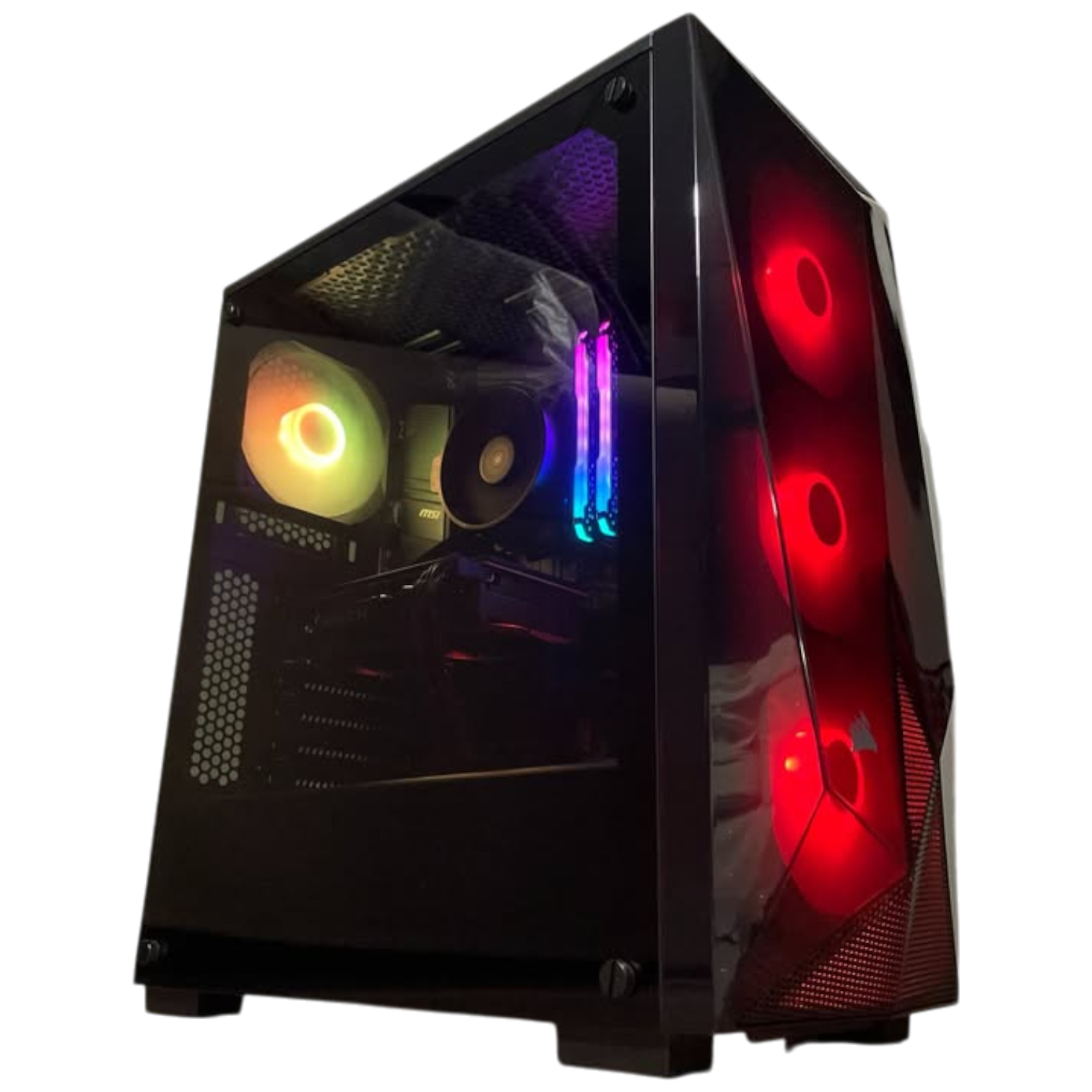
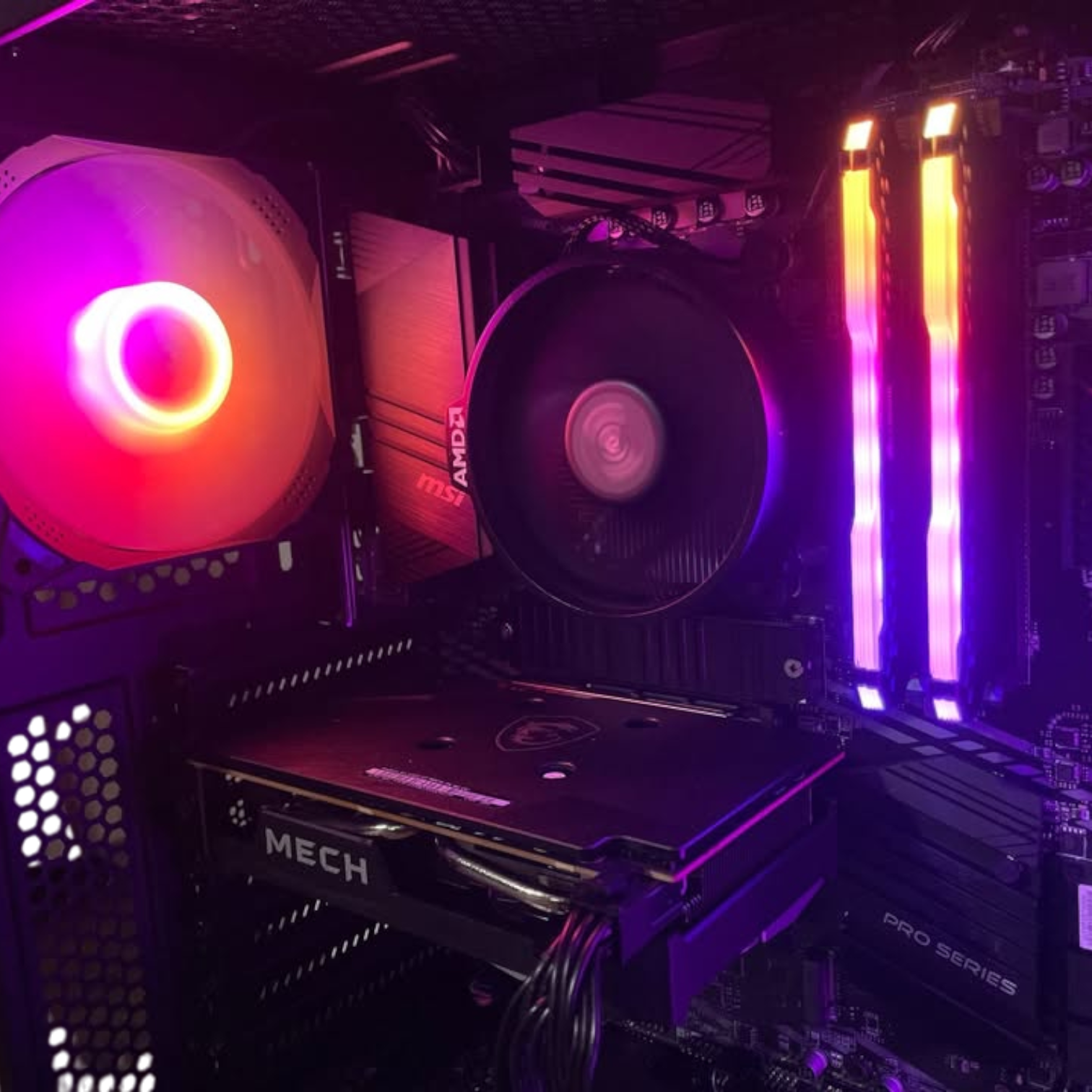
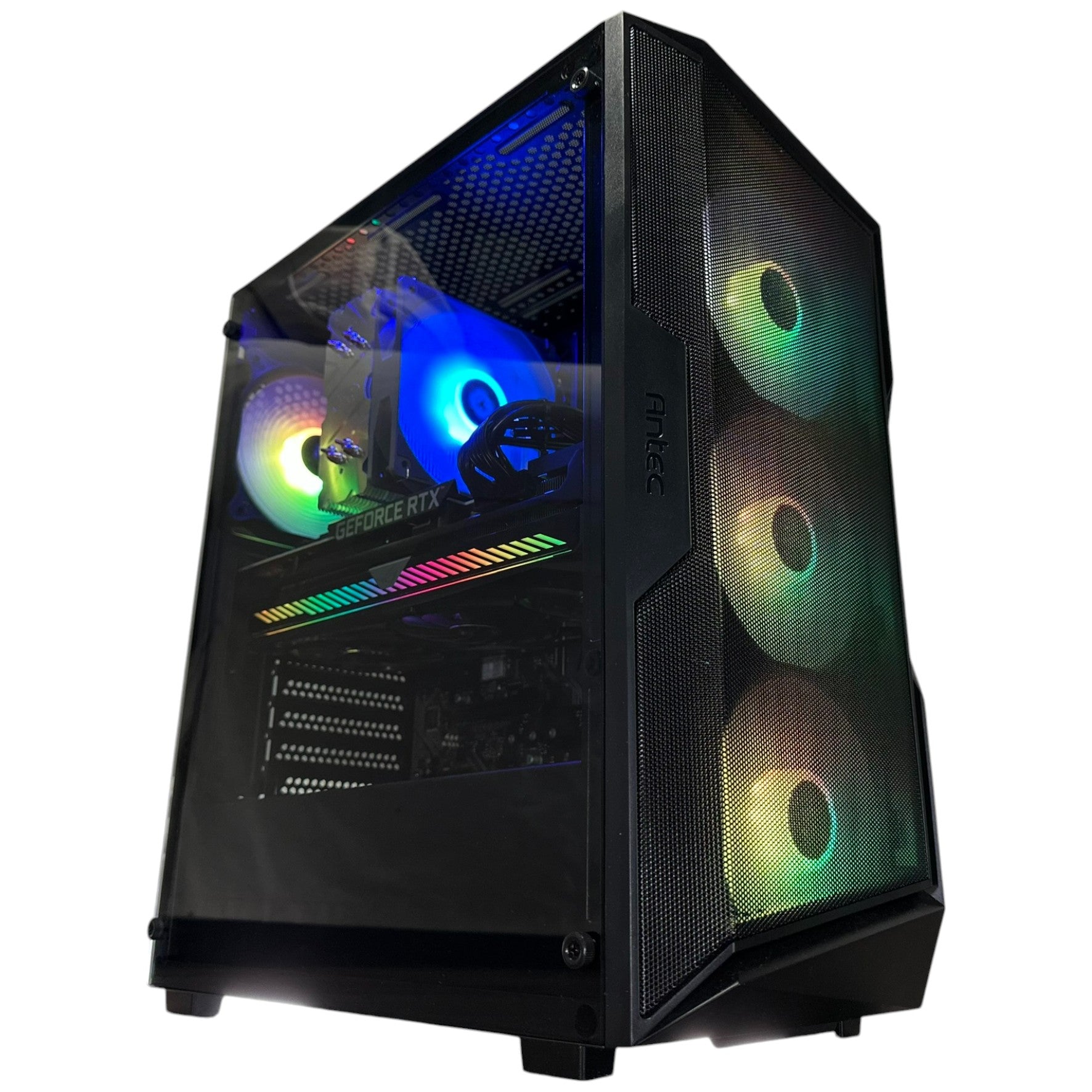
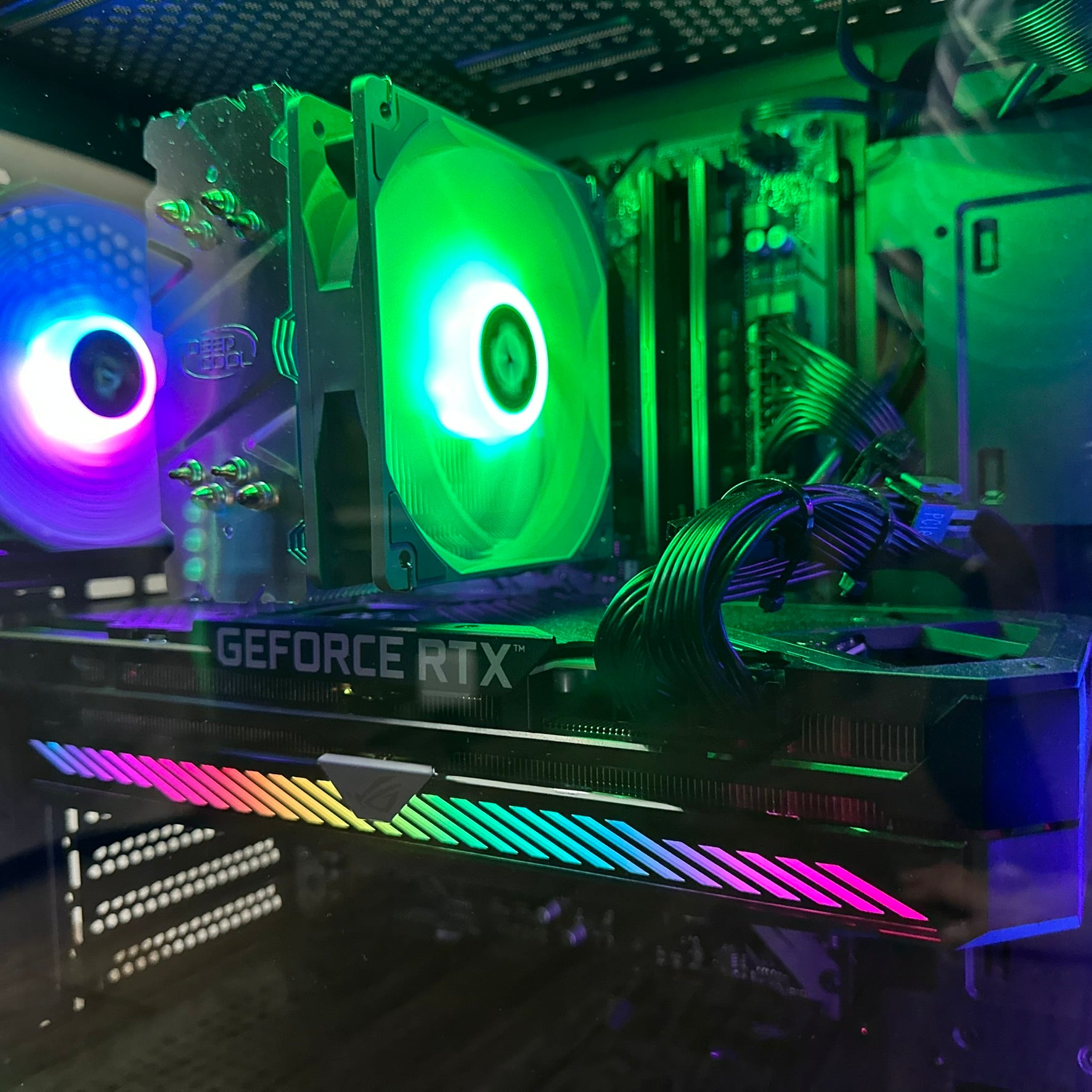
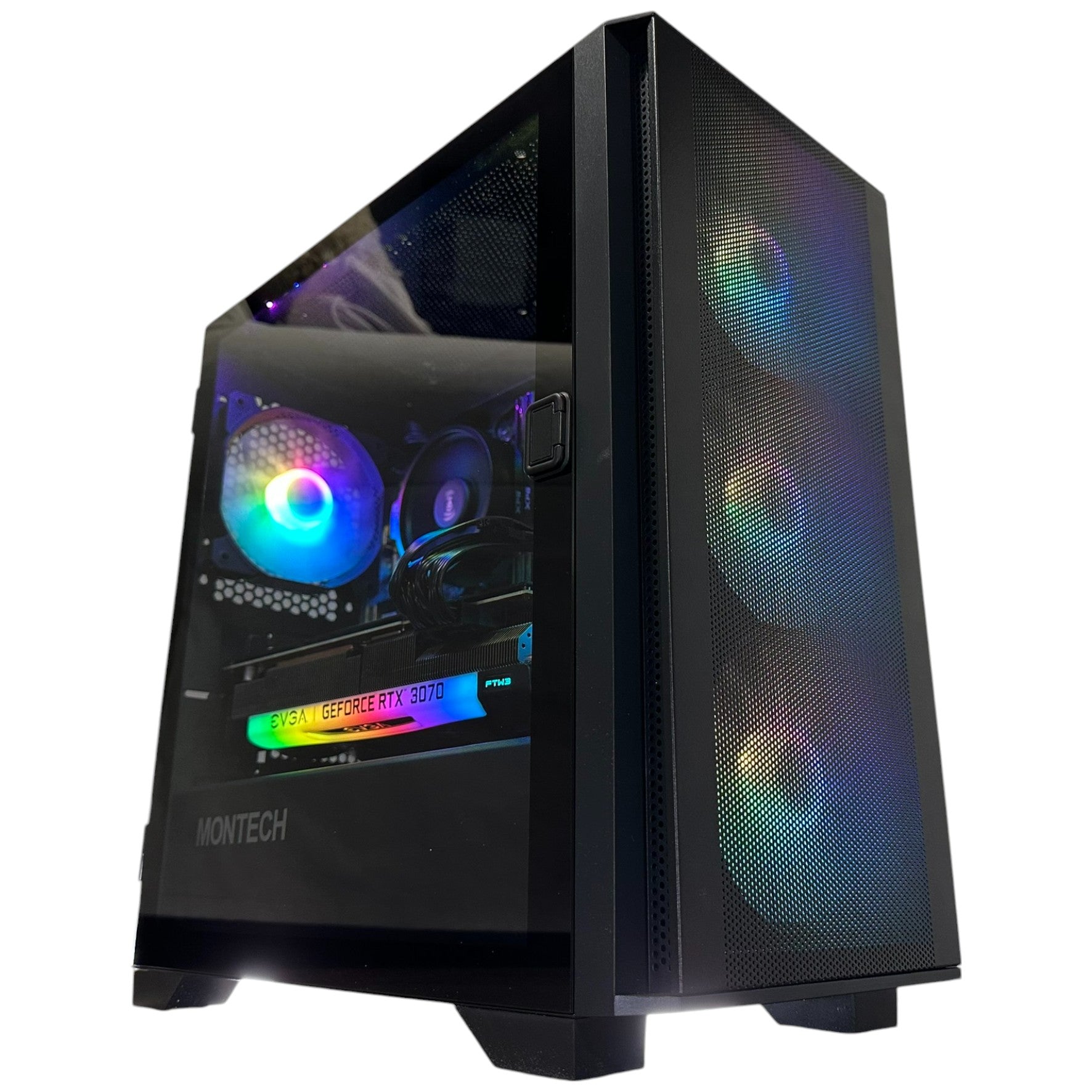
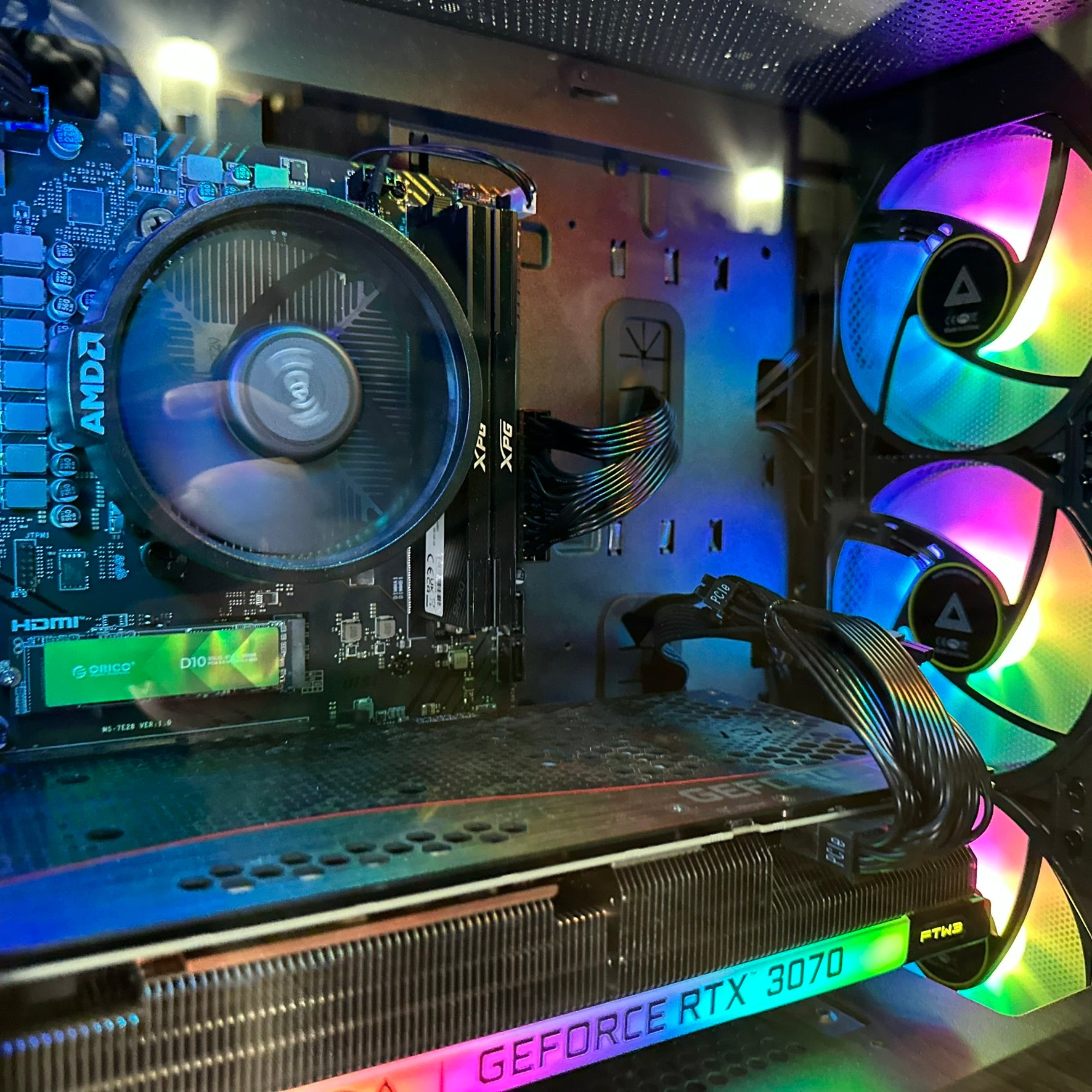
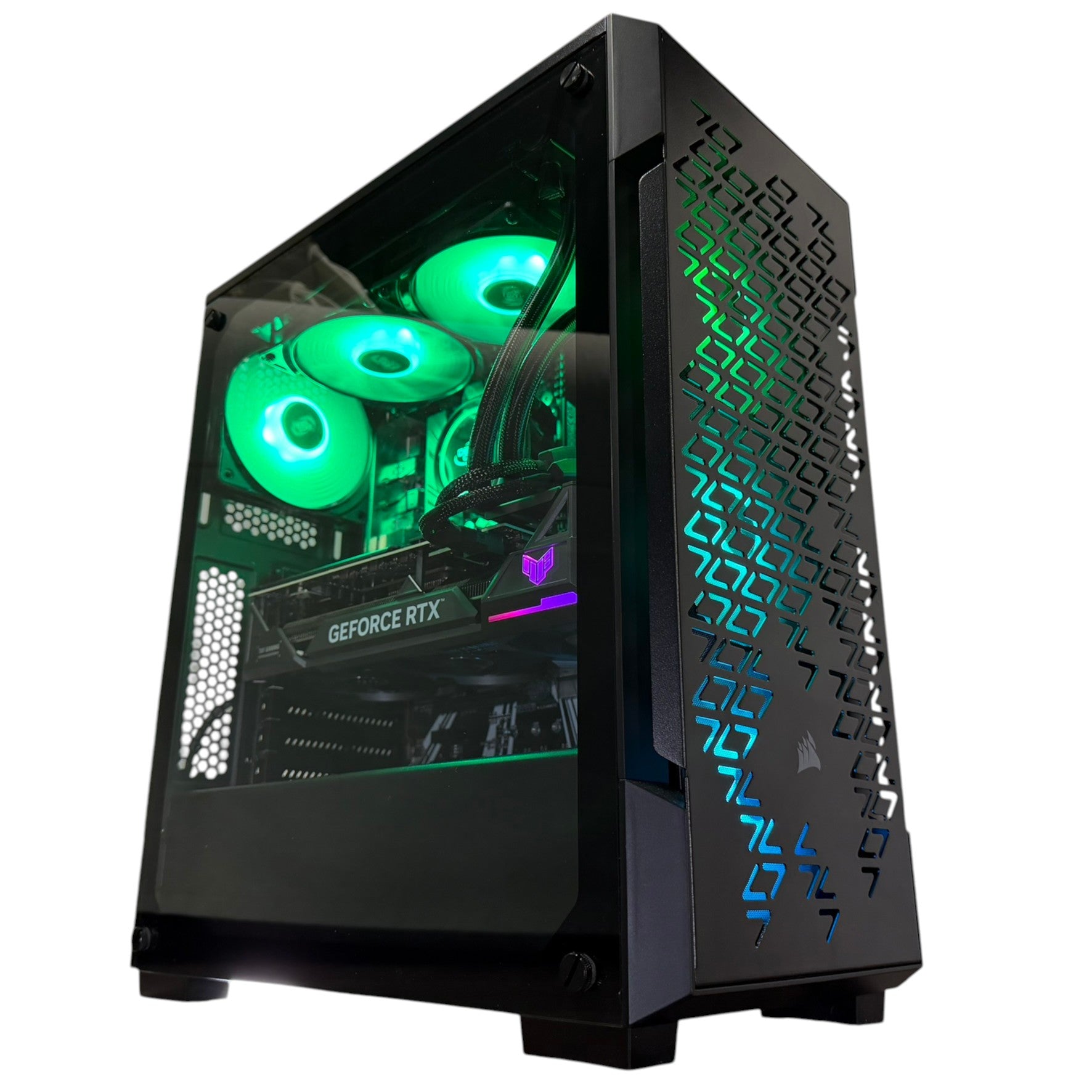
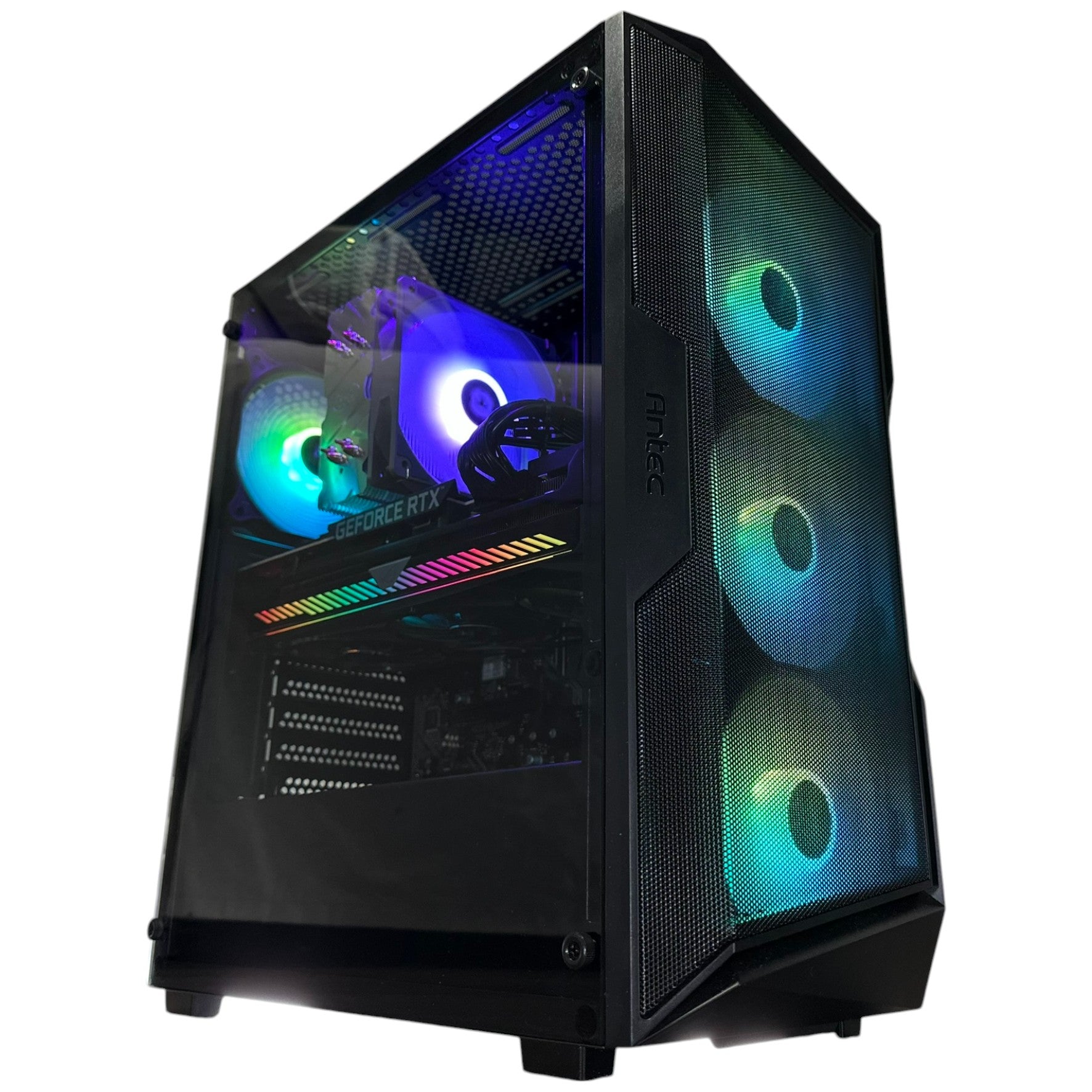
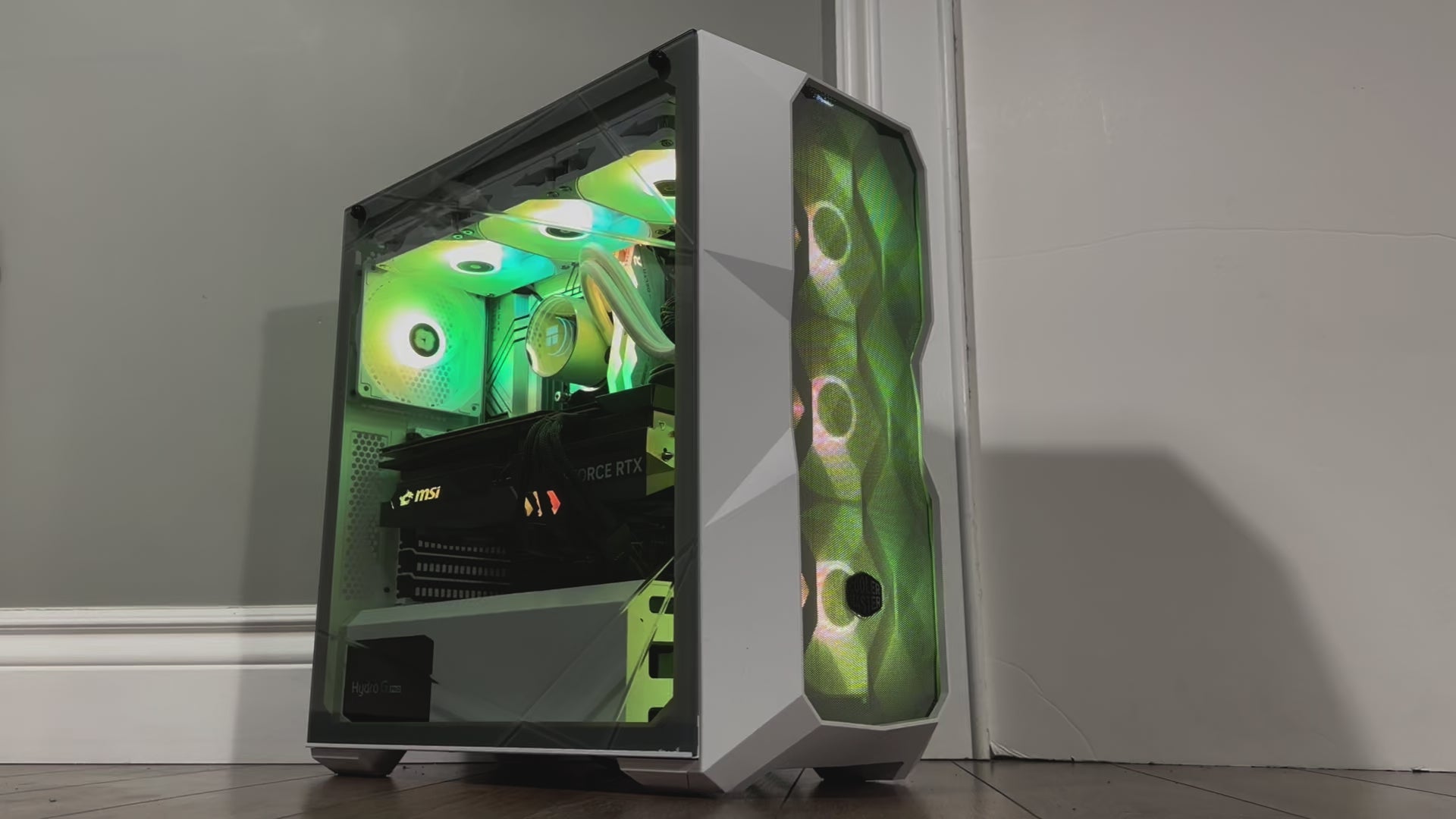
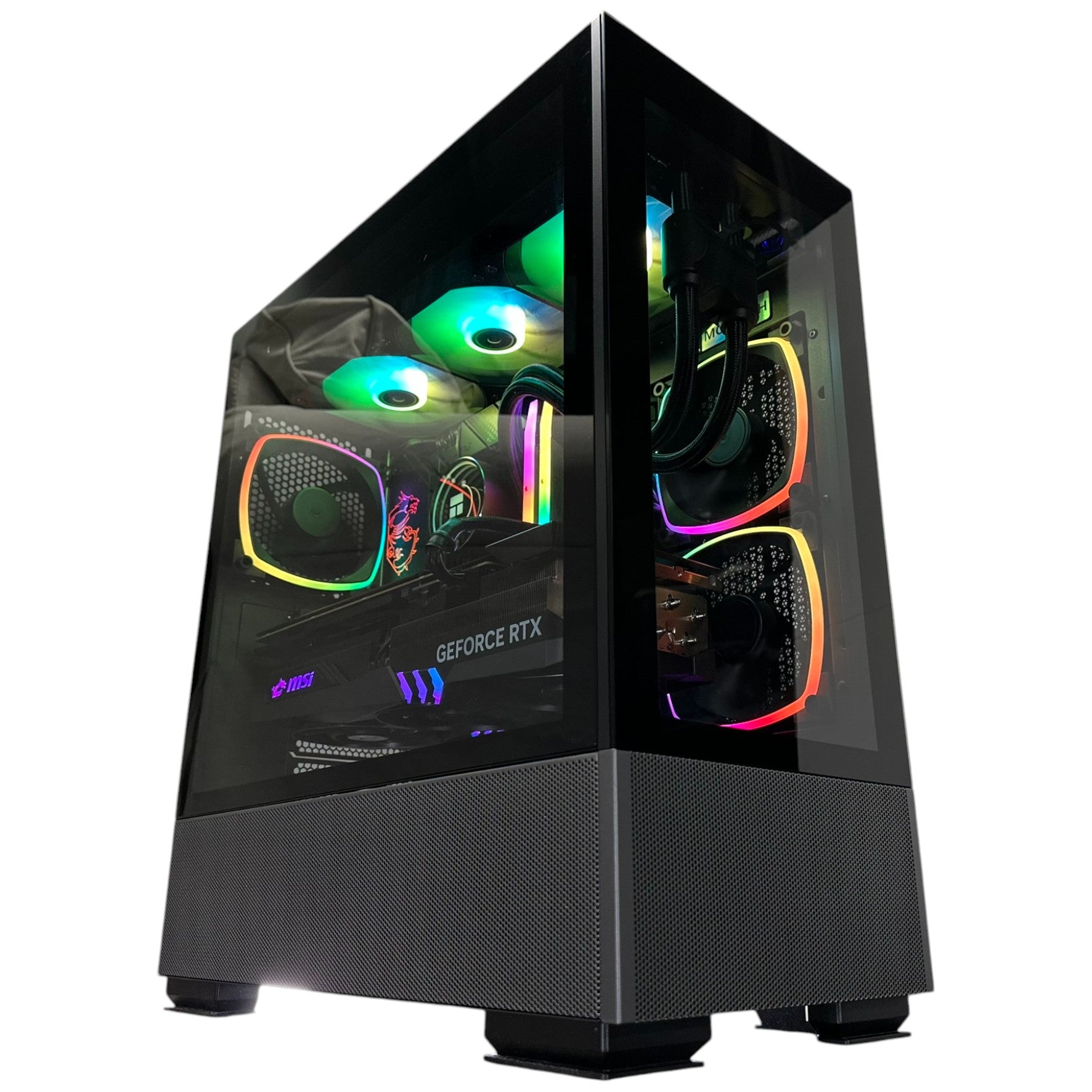
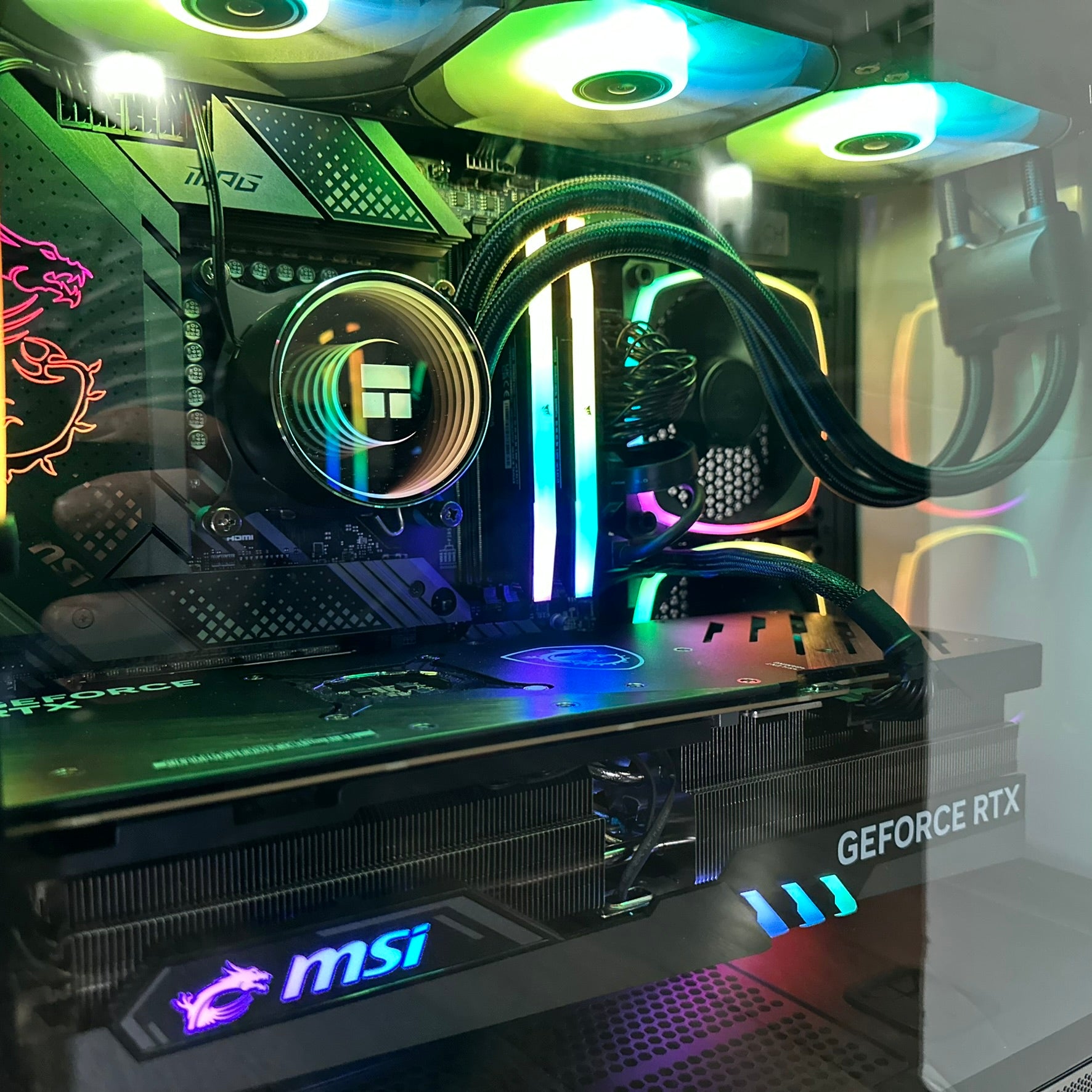
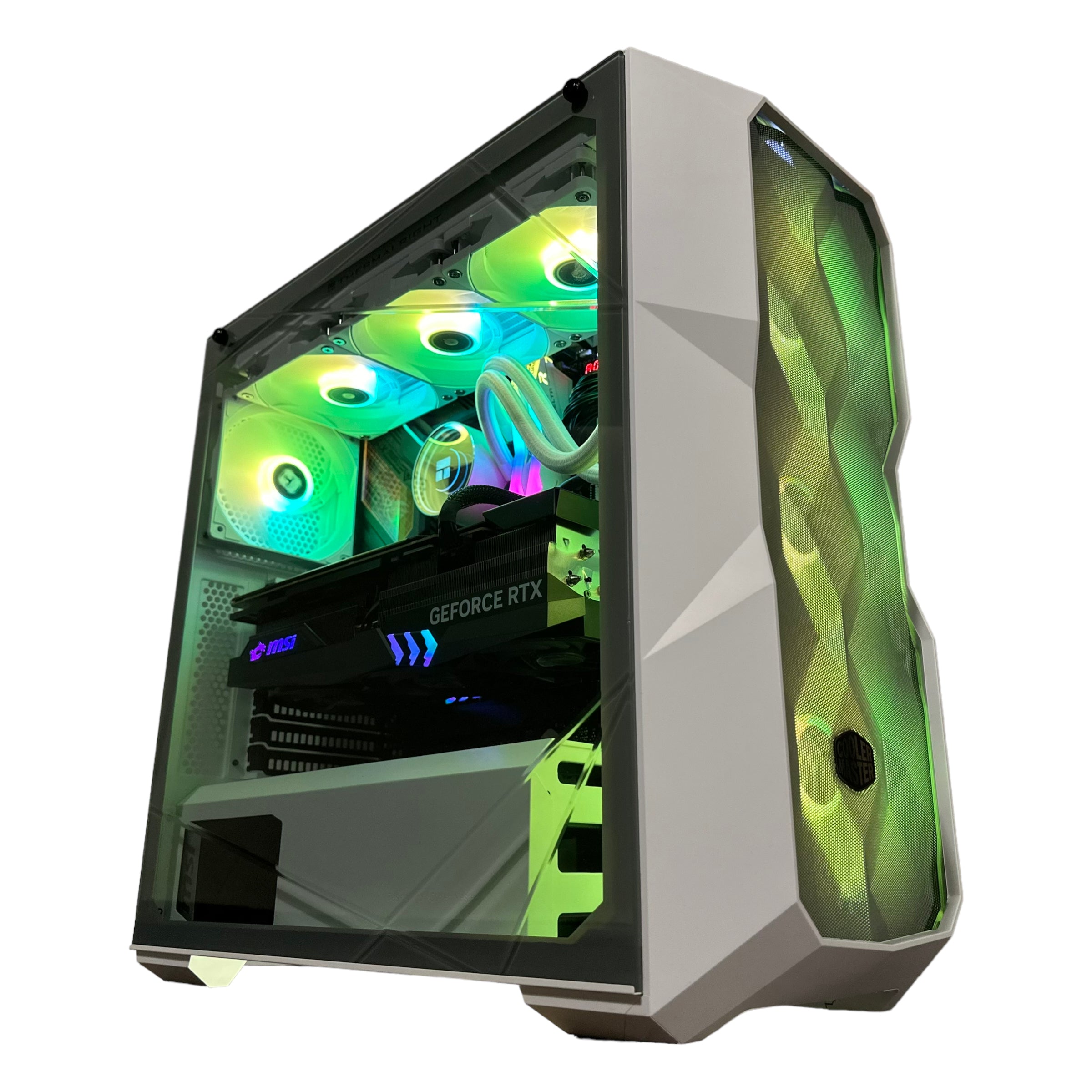
A proper Gaming and Streaming PC Canada buyers can rely on usually needs a balanced CPU and GPU combination, enough RAM for multitasking, a fast SSD for load times and media handling, and cooling that stays stable under sustained use. If you are only thinking about average FPS, you may miss the bigger issue: streaming exposes weaknesses fast. A system that feels acceptable in gameplay alone can start stuttering, overheating, or slowing down once OBS, Discord, browser sources, and capture workloads are added.
Ask yourself:
- Will you only game, or will you game and stream at the same time?
- Do you want 1080p streaming, 1440p gameplay, or room to move toward 4K later?
- Will you record full sessions for later editing?
- Do you want clean performance in modern AAA games, or are you mostly focused on esports titles?
- Do you want your stream setup to feel effortless instead of constantly tuned around limitations?
If those questions sound familiar, a custom Streaming PC Canada solution often makes more sense than grabbing a generic one-size-fits-all tower.
Which performance tier fits you best?
One of the biggest mistakes buyers make is shopping by a vague budget alone instead of matching a build to a real performance target. Here is a more useful way to think about it.
Entry tier: 1080p gaming, light streaming, and everyday content creation
This tier makes sense for buyers who mainly play esports titles, lighter multiplayer games, indie games, and some mainstream AAA titles at sensible settings. It can also suit first-time streamers using efficient encoding, students, and buyers moving from an aging office desktop into real PC gaming.
Is this you? Do you want a system that handles 1080p smoothly without overspending? Do you mostly play competitive games where frame rate matters more than ultra settings? Do you want a budget-conscious path into gaming and content creation?
If so, an entry or value-focused custom gaming build may be the right answer. The key is choosing parts that still leave room for future upgrades rather than hitting a dead end immediately.
Mid tier: 1440p gaming, better streaming, stronger multitasking
For many buyers, this is the sweet spot. A 1440p Gaming PC Canada build is where visual quality, smooth frame rates, and longer-term value often start to balance really well. It is also an excellent tier for people who want stronger streaming performance, heavier mod use, more demanding AAA games, and light-to-moderate editing workloads.
Do you want sharper visuals and stronger longevity without going all the way to a premium 4K build? Do you play newer games that benefit from more GPU headroom? Are you planning to stream seriously enough that dropped frames and background slowdowns would annoy you?
If yes, this is often the smartest tier for serious gamers and hybrid creators.
High end: 4K gaming, ray tracing, premium streaming and creator headroom
This is the tier for buyers who want maximum visual impact, stronger future-proofing, and more room for multitasking under heavy use. A premium build can make sense if you want a 4K Gaming PC Canada setup, high refresh 1440p ultra settings, advanced ray tracing, demanding game capture, and fast performance in editing or rendering software.
Are you the kind of buyer who would rather spend more once than upgrade too soon? Do you want to play major new releases at a premium experience level instead of constantly tweaking settings down? Do you also edit long-form video, render content, or juggle multiple heavy applications?
That is where a higher-end custom PC becomes not just a luxury, but a practical productivity and gaming tool.
What if you also edit video, make thumbnails, or create content after the stream?
This is where many buyers realize they are not just shopping for a gaming computer at all. They are shopping for a creator machine that happens to game extremely well.
If you finish a stream and then open Premiere Pro, DaVinci Resolve, Photoshop, Lightroom, or Illustrator, your workload changes immediately. Fast exports, responsive timelines, smooth playback, quicker thumbnail creation, and stable multitasking all start to matter. A pure gaming-first spec can still work, but a better-balanced Creator PC Canada build may serve you much better over time.
Do you cut YouTube videos after gaming sessions? Do you create shorts, reels, or TikTok clips? Do you run Adobe Creative Cloud regularly? Do you need a system that can game at night and handle client work, school projects, or content production during the day?
If yes, choosing for mixed workloads is one of the smartest decisions you can make. It is also one of the best reasons to go custom rather than generic.
Is a gaming PC good for video editing, photo editing, and graphic design?
Sometimes yes, but only if it is built with those workloads in mind.
A strong gaming GPU can absolutely help with creator software, especially in accelerated workflows. But video editing, photo editing, and graphic design also care about RAM capacity, storage speed, CPU behaviour, and overall system balance. That is why someone shopping for a Video Editing PC Canada or Photo Editing PC Canada setup should not just copy gaming specs blindly.
Ask yourself a few practical questions:
- Are you editing 1080p, 4K, or higher-resolution footage?
- Do you use Premiere Pro, DaVinci Resolve, CapCut, or After Effects?
- Do you work with large RAW photo libraries in Lightroom or Photoshop?
- Do you design in Illustrator, InDesign, Canva, or multiple Adobe apps at once?
- Do you want one machine for both gaming and professional creative work?
If your answer is yes to several of those, a custom creator build from Groovy Computers can help you avoid underbuying. The goal is not just to run the software. It is to run it comfortably, efficiently, and with enough overhead that your system still feels good a year or two from now.
What about 3D modeling, rendering, and game development?
The source story began in game development culture, so it is worth expanding into a related audience: buyers who do not just play games, but build assets, worlds, animations, or scenes themselves. If you work in Blender, Unreal Engine, Unity, Maya, 3ds Max, Cinema 4D, AutoCAD, Revit, or other demanding software, your needs can quickly exceed what an ordinary off-the-shelf gaming tower is designed for.
A proper 3D Modeling PC Canada or workstation-oriented build needs to reflect whether your workloads are more GPU-heavy, CPU-heavy, memory-heavy, or all three. Fast storage for project files, strong cooling for long render sessions, and tested reliability matter a lot when your machine is not just for entertainment, but for deadlines.
Do you need viewport performance, faster GPU rendering, smoother simulation work, or shorter compile and bake times? Are you learning 3D as a side project now but expect it to become more serious soon? Are you trying to avoid buying a gaming-only system that will feel limiting as your creative work grows?
That is exactly the point where a custom workstation starts making sense.
Should you buy now or wait?
This is one of the most common questions in PC buying, and it rarely has a perfect answer. But it does have a practical one.
If your current PC is already holding back your gaming, streaming, editing, or work, waiting has a cost. You lose time, enjoyment, responsiveness, and in some cases income or content output. On top of that, component pricing does not always move in the direction buyers hope. GPU demand can rise, memory prices can tighten, SSD pricing can shift, and newer game releases can suddenly expose weaknesses in older systems much faster than expected.
Are you waiting for a big sale that may or may not offset higher part costs elsewhere? Are you delaying an upgrade even though your current machine is already forcing compromises every day? Are you buying before a major title, a new streaming push, a school term, a production schedule, or a workflow expansion?
If your need is real now, the best buying decision is often the build that fits your workload today while still giving you room tomorrow.
Could financing help you secure a better system before prices rise?
For many buyers, this is the section that changes the decision. The wrong comparison is often “cheap PC now versus expensive PC later.” The better comparison is “limited PC now that needs replacing sooner” versus “better-matched PC now that stays useful longer.”
If financing is available for up to 4 years, that can open the door to a stronger custom build without requiring the full cost upfront in one hit. That matters if you need more GPU headroom, more RAM, more storage, or simply a more balanced system for gaming and creation. In a volatile parts market, financing can also help buyers lock in a capable machine before replacement costs move higher.
Should you finance a stronger system instead of settling for one you will outgrow quickly? Would monthly payments make it easier to move from basic 1080p gaming into a more durable 1440p or creator-ready setup? Are you trying to avoid buying twice because your first system was too compromised?
Those are smart questions, not impulse questions. The right financing decision is about value, lifespan, and capability.
How do custom builds reduce regret?
Custom systems help reduce regret because they are chosen around your use case rather than around generic marketing labels. That means a builder can account for your target resolution, game types, stream settings, editing software, storage needs, future upgrade plans, and thermal demands instead of just selling a box with one flashy component and weak balance everywhere else.
With Groovy Computers, that custom-fit logic is one of the biggest advantages. If you are choosing a Custom Gaming PC Canada build, a creator system, or a workstation, the goal is not just a parts list. It is a machine assembled for how you actually use it.
Would you rather have a PC that looks impressive in a spec headline, or one that feels consistently smooth in real use? Do you want a build selected around your next several years of gaming and creative demands? Do you want help figuring out whether your money should go more toward GPU, CPU, RAM, storage, or cooling?
That is where expertise matters.
Why testing and warranty support matter more when hardware costs are high
When buyers spend serious money on a PC, reliability stops being a nice extra and becomes essential. A tested system lowers risk. Stable thermals, validated performance, clean assembly, and real-world stress checking matter because issues are far easier to prevent than to troubleshoot after delivery.
Groovy Computers builds around that confidence. Rigorous testing helps ensure the system performs as expected, and a 1-year warranty adds important peace of mind for Canadian buyers. That matters whether you are buying a gaming desktop for nightly sessions, a creator machine for regular content output, or a workstation for demanding professional use.
Have you ever bought tech based on specs alone and regretted the experience later? Do you want a system that is built with support and trust in mind, not just speed on paper?
Those details become even more important as system value rises.
What type of buyer should choose which kind of Groovy Computers build?
Choose a value-focused gaming build if:
- You mainly want 1080p gaming
- You play esports, indie, and lighter mainstream titles
- You want a first serious desktop without overspending
- You need solid performance now and upgrade options later
Choose a mid-range gaming and streaming build if:
- You want 1440p gaming to be your sweet spot
- You stream or record regularly
- You multitask heavily while gaming
- You want stronger longevity without going fully premium
Choose a creator-focused custom PC if:
- You game and also edit videos or images
- You use OBS, Premiere Pro, DaVinci Resolve, Photoshop, or Illustrator
- You want one machine for both play and production
- You care about exports, timelines, and workflow speed as much as FPS
Choose a workstation or 3D-focused build if:
- You use Blender, Unreal Engine, CAD, rendering, or simulation tools
- You need more RAM, stronger sustained performance, or better compute balance
- Your PC supports learning, freelance work, studio work, or professional output
- You want to avoid outgrowing a gaming-only spec too quickly
What should Canadian buyers ask before ordering a new custom PC?
Before you buy, ask questions that connect directly to use, not hype.
- What games or software will I use most often?
- Am I targeting 1080p, 1440p, or 4K?
- Do I want ray tracing, high refresh rates, or both?
- Will I stream, record, or edit regularly?
- How much multitasking do I really do during gaming or creative work?
- Do I need extra RAM or storage sooner than I think?
- Am I buying before a major release, a content push, or a price change?
- Would financing a stronger system save me from upgrading too soon?
- Do I want a generic prebuilt, or a custom machine designed around my actual needs?
The more clearly you answer those, the easier it becomes to choose the right system with confidence.
Why Groovy Computers is a smart fit for Canadian gamers and creators
Groovy Computers is built around what many buyers actually need: custom PC guidance, performance-focused build selection, Canada-wide support, strong value logic, and real flexibility for different types of users. Whether you need a gaming-first desktop, a balanced streaming setup, a custom creator PC, or a more demanding workstation, the advantage is not just access to parts. It is getting a system chosen and built around your goals.
For buyers in Nova Scotia, Atlantic Canada, and across the country, that Canadian context matters. So does the ability to get a system built for your needs rather than settling for whatever generic inventory happens to be sitting on a shelf somewhere. When performance expectations are rising and software keeps getting heavier, a carefully configured custom system simply makes more sense.
Ready to stop watching from the sidelines and play, stream, or create properly?
If Mikami’s comments remind us of anything, it is that the best games still create the urge to jump in yourself. So what do you want your next PC to do: play new releases smoothly, stream without compromise, edit content faster, or carry both gaming and creative work in one system? If you are ready to choose a Gaming PC Canada buyers can actually enjoy long term, or if you want help matching your budget to the right custom build, visit GroovyComputers.ca and explore a system built for how you really play and work.
In today’s market, waiting is not always the safer option. If your current PC is already behind, a stronger custom build can protect your experience, save time, and help you avoid replacing an underpowered machine sooner than expected. Whether you need a balanced gaming setup, a streaming-ready desktop, a creator-focused system, or a workstation that keeps up with demanding software, the smartest move is choosing intentionally now instead of compromising repeatedly later.
#GamingPCCanada #StreamingPCCanada #CreatorPCCanada #CustomGamingPCCanada #VideoEditingPCCanada #PhotoEditingPCCanada #GraphicDesignPCCanada #3DModelingPCCanada #CanadianCustomPCBuilders #NovaScotiaComputers
Groovy Computers | All Rights Reserved



Leave a comment
This site is protected by hCaptcha and the hCaptcha Privacy Policy and Terms of Service apply.