

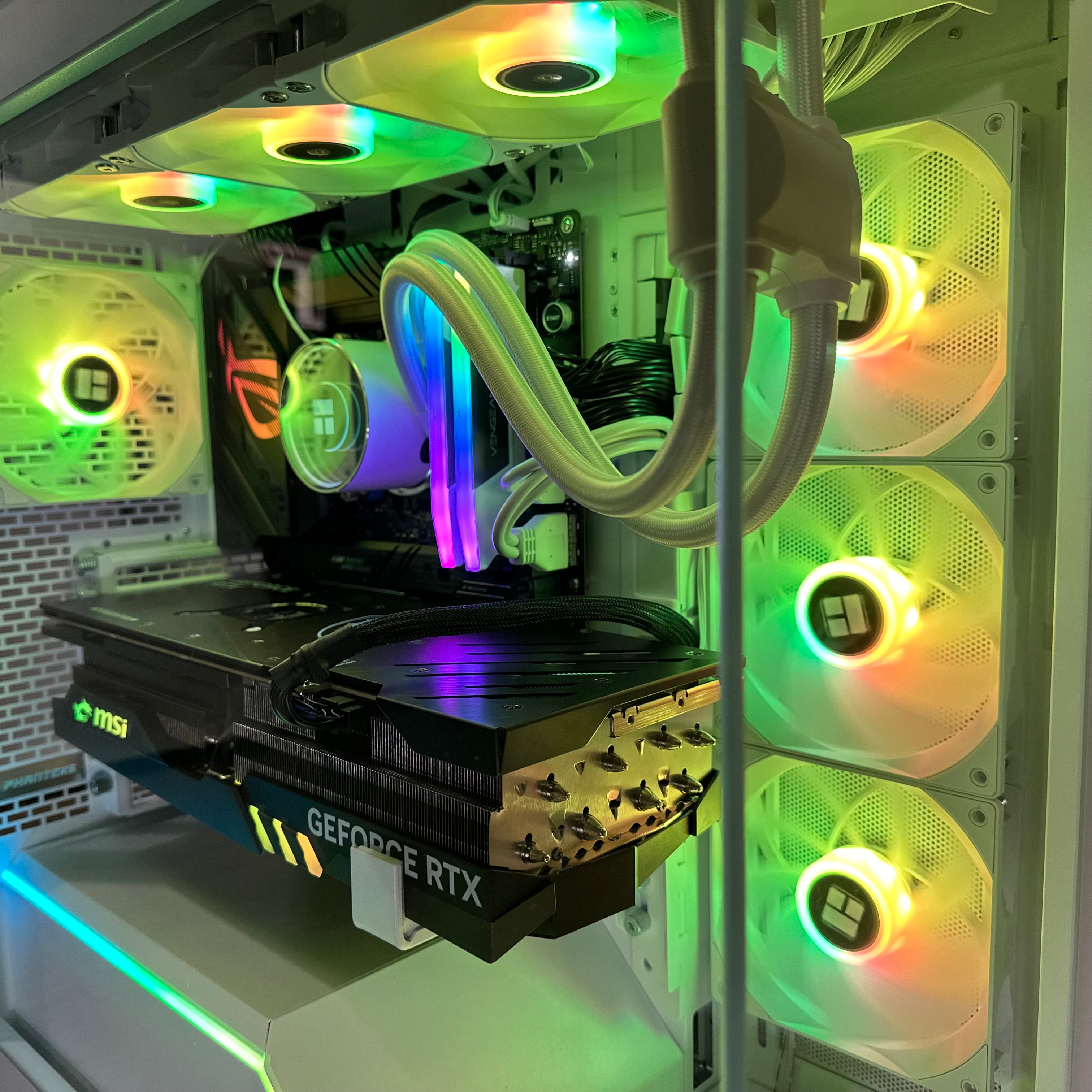

GTA 6 Preorder Shock Raises a Bigger Question: What Kind of Gaming PC Should Canadian Buyers Be Choosing Now?
The report that a huge share of GTA 6 buyers allegedly chose a premium edition says something important about the market: when a major release feels unavoidable, players often spend more than expected to be ready on day one. For Canadian shoppers, that makes the GTA 6 conversation bigger than one game. It becomes a buying-timing question, a performance-tier question, and in many cases a custom build question. If one headline can normalize paying premium pricing for a blockbuster title, what does that mean for the cost of being properly equipped for the next wave of AAA gaming, streaming, content creation, and high-performance PC use?
The original report centered on a leak claiming that over 80% of PS5 preorders for GTA 6 were tied to a higher-priced edition, with a much larger share of players apparently willing to pay more for digital access than many expected. The source itself also treated the leak cautiously, and that caution matters. There were no verified official sales figures included, and the numbers should not be treated as confirmed fact. Still, even as a rumor, the story is useful because it highlights a very real trend: buyers routinely stretch their budgets when a major launch creates urgency.
That is exactly where many Canadian PC buyers are right now. Maybe you are not deciding between two console editions. Maybe you are asking a more practical question: do you keep patching together an older system, or do you move to a properly matched custom build before hardware pricing, demand spikes, and software requirements push the cost of upgrading even higher?
Why does the GTA 6 preorder story matter to PC buyers in Canada?
Because hype changes spending behaviour. Big game releases have a way of compressing decision-making. People who were planning to “wait a bit” suddenly want hardware now. Buyers who were aiming for mid-range start wondering if they should go higher for ray tracing, better frame rates, or more headroom for future games. And shoppers who were trying to stay under a tight budget begin asking whether monthly payments or longer-term financing would let them secure a stronger machine that lasts longer.
That does not mean every customer should panic-buy. It does mean that waiting without a plan can be expensive. If demand rises around major releases, if GPU inventory tightens, or if memory and storage pricing drifts upward, the cost of replacing an underpowered system can get worse later. Canadian buyers also have to think in Canadian dollars, taxes, shipping realities, and support expectations. A good decision is not just about today’s sticker price. It is about total value over the useful life of the system.
If you are reading about players spending premium money just to access one game edition, ask yourself something more useful: would that same money be better directed toward a custom PC that improves not just one launch weekend, but your gaming, streaming, editing, and daily workload for years?
What did the source article get right, even if the leak remains unverified?
The source captured three real ideas that matter far beyond the console market.
- Players will pay more for convenience and access. That is not new, but it keeps getting stronger.
- Digital-first buying is becoming normal. Even buyers who once cared deeply about physical media are adapting to a digital ecosystem.
- Premium pricing gets accepted faster when the release is culturally massive. Whether people like it or not, anticipation often beats resistance.
For PC buyers, these patterns matter because they influence the wider gaming market. Premium game pricing can shift what buyers feel is “normal.” New games also raise expectations for hardware performance, visual fidelity, SSD speed, CPU responsiveness, and GPU memory. When enough players decide they want the best possible experience, the pressure does not stay isolated to one platform.
What do you want your next PC to do for you?
This is the question many shoppers skip, and it is usually the most important one.
Do you want a system that simply runs today’s games at 1080p and solid settings? Do you want a 1440p machine that can handle heavy open-world games with smoother frame rates? Are you targeting 4K, ray tracing, high refresh gameplay, and enough GPU power to stay comfortable as new releases become more demanding? Or are you not just gaming at all? Maybe you also want to stream, record, edit videos, work in Photoshop, create graphics, or render 3D scenes after hours.
Your answer changes everything. The right build for someone who mainly plays esports at 1080p is not the same as the right build for someone preparing for demanding open-world AAA titles. And neither of those is the same as the right machine for a creator who games, streams, edits 4K footage, and uses Adobe Creative Cloud every week.
That is where a custom PC becomes more than a luxury. It becomes the smarter way to avoid paying for the wrong parts while still getting enough headroom where it actually counts.
If GTA 6-level hype is pushing buyers to spend more, should you buy a stronger PC now or wait?
That depends on your current system, your timeline, and your tolerance for compromise.
If your existing PC already struggles with modern games, long load times, stutter under background apps, noisy thermals, or limited upgrade paths, waiting may not save you money. It may simply delay the inevitable while forcing you into a rushed purchase later. That is especially true if you are aiming to be ready for major upcoming games, creator software updates, or a monitor upgrade to 1440p or 4K.
On the other hand, if your system still performs well for what you actually do, then the better move might be planning your next build carefully instead of reacting emotionally. The key is to know whether you are waiting strategically or just hoping your current machine survives one more launch cycle.
Ask yourself: is your PC merely “still turning on,” or is it actually delivering the experience you want?
What gaming performance tier fits you best?
Many buyers do not need the absolute highest-end system. Many others regret buying too low because they outgrow it quickly. The smartest path is matching your build to your real performance goals.
Entry-level to value tier: for 1080p gaming and general use
This is often the right fit if you mainly play lighter multiplayer titles, older AAA games, or you want a budget-conscious system that handles everyday use smoothly. A value-focused build can still be a very good choice if your monitor is 1080p, your settings expectations are realistic, and you care more about solid performance than visual maxing.
Would a budget gaming computer meet your needs if your main games are competitive titles and you are not chasing ultra settings in every new release? If yes, there is no reason to overspend. The important thing is choosing balanced parts, fast SSD storage, enough RAM, and a GPU tier that does not leave you boxed in too soon.
Mainstream performance tier: for 1080p ultra or 1440p gaming
This is the sweet spot for many Canadian buyers. If you want better longevity, stronger AAA performance, and room for upcoming game demands, this tier often delivers the best overall value. It is also where many customers start to get a meaningful improvement in minimum frame rates, smoother multitasking, and better visual settings without jumping all the way to flagship pricing.
Are you the type of gamer who wants to buy once and not think about upgrading again too quickly? Then this category deserves a serious look.
High-end tier: for 1440p high refresh, heavy AAA gaming, and ray tracing
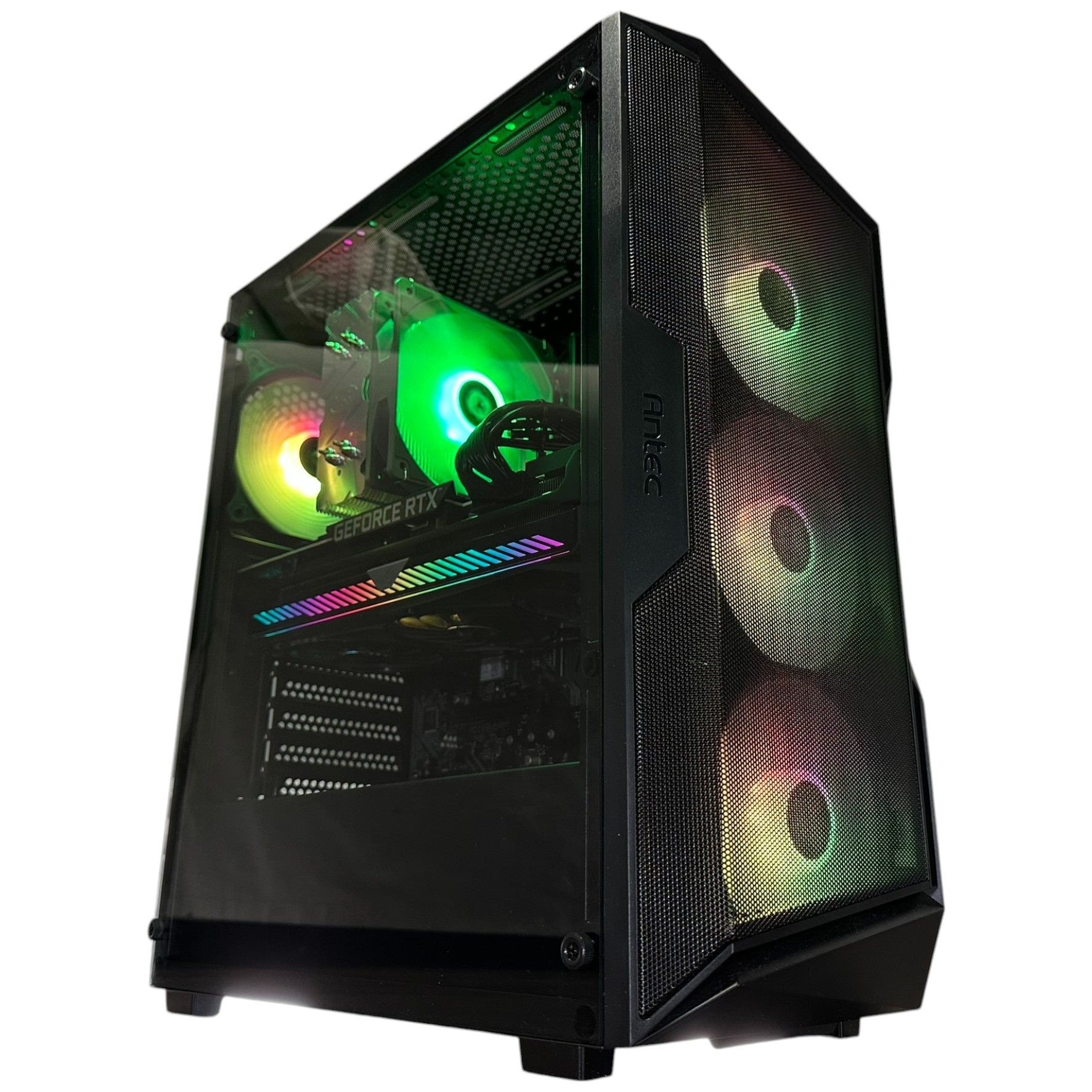
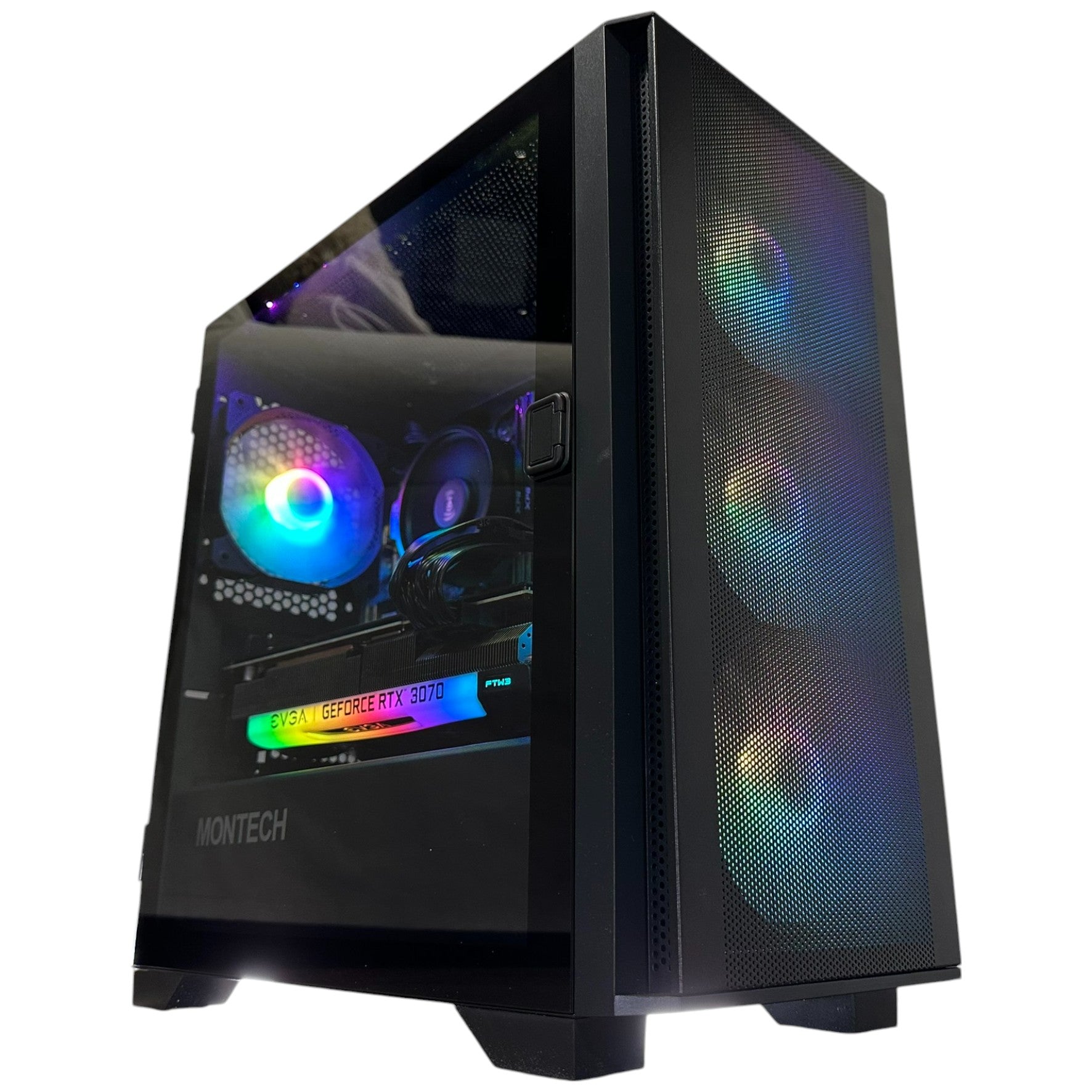
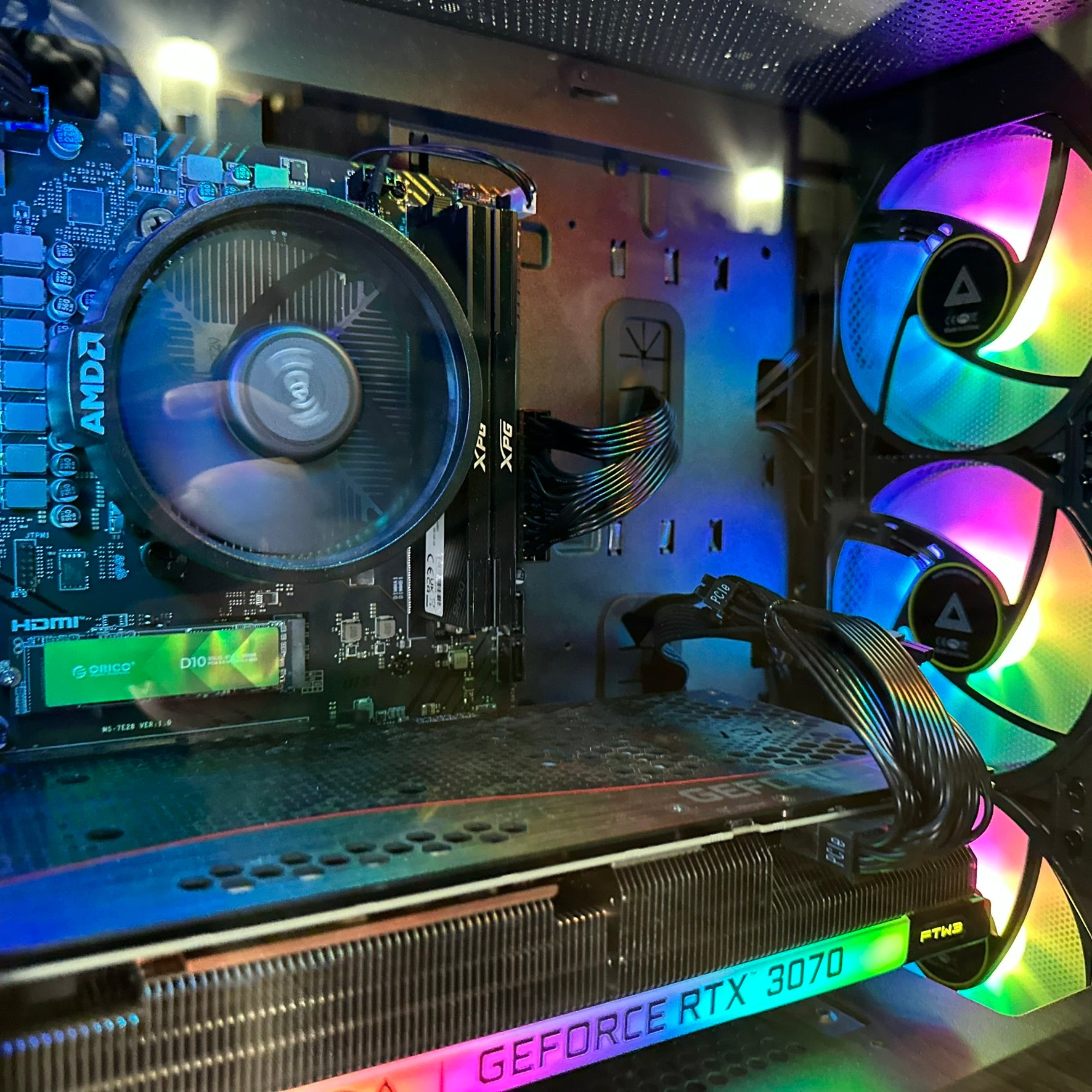
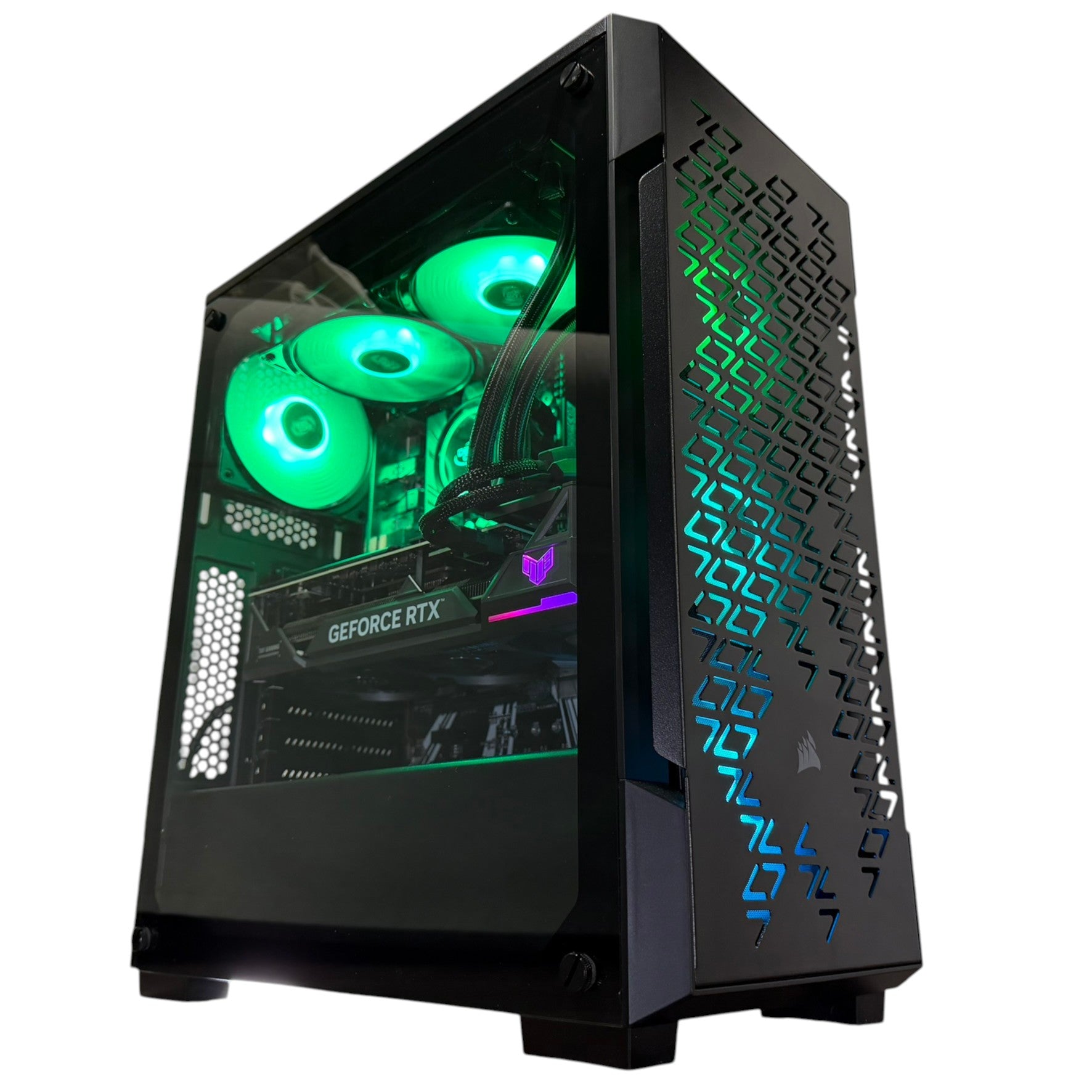
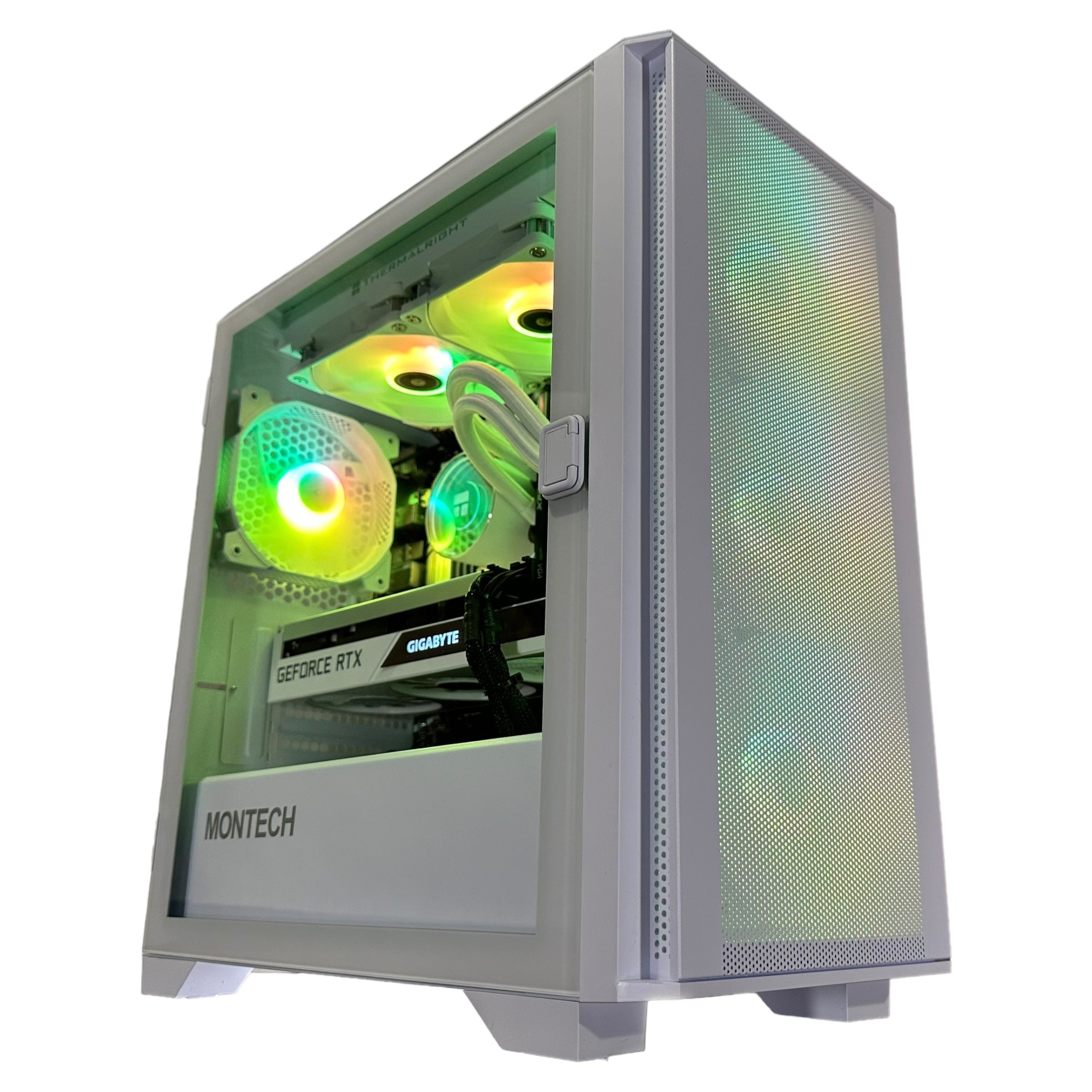
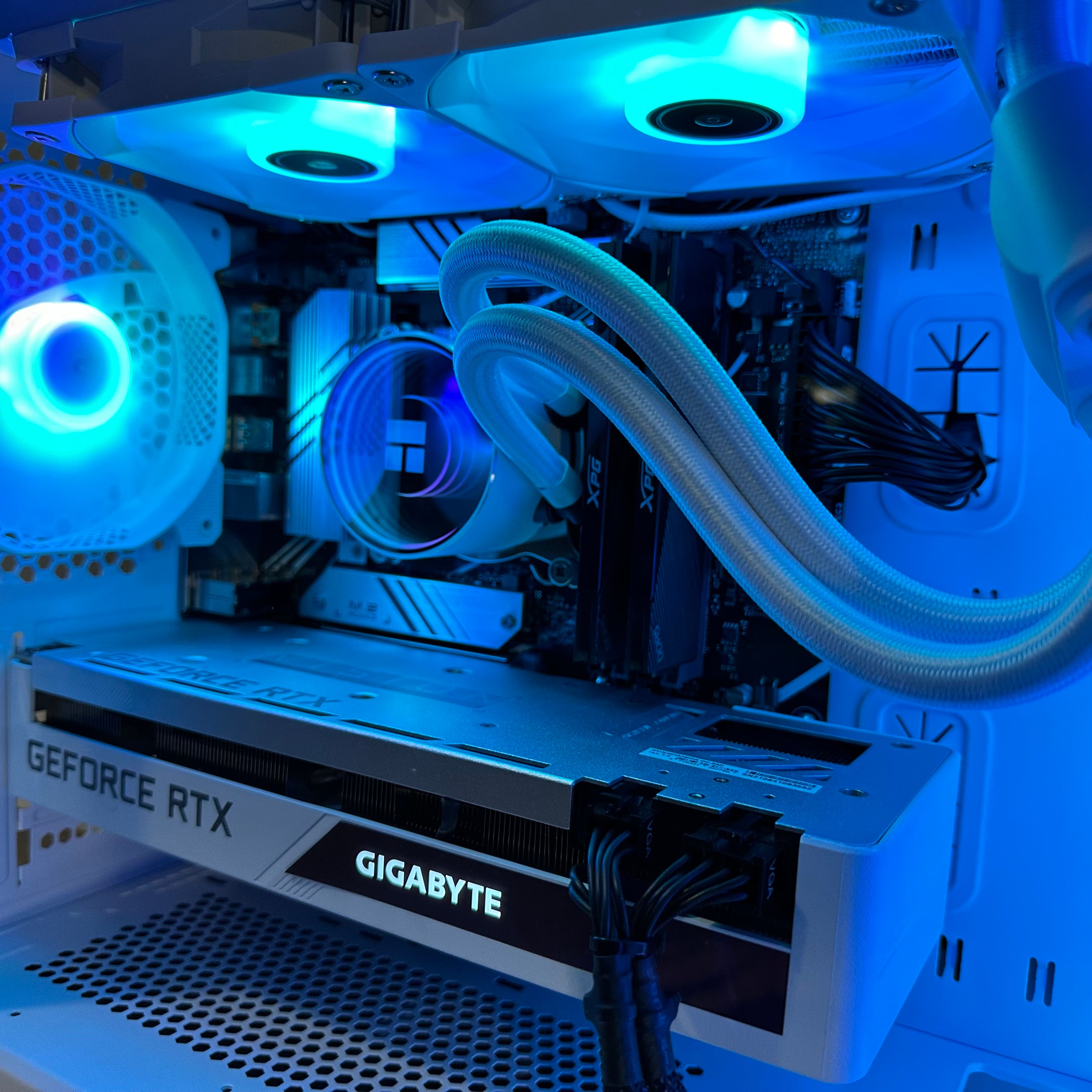
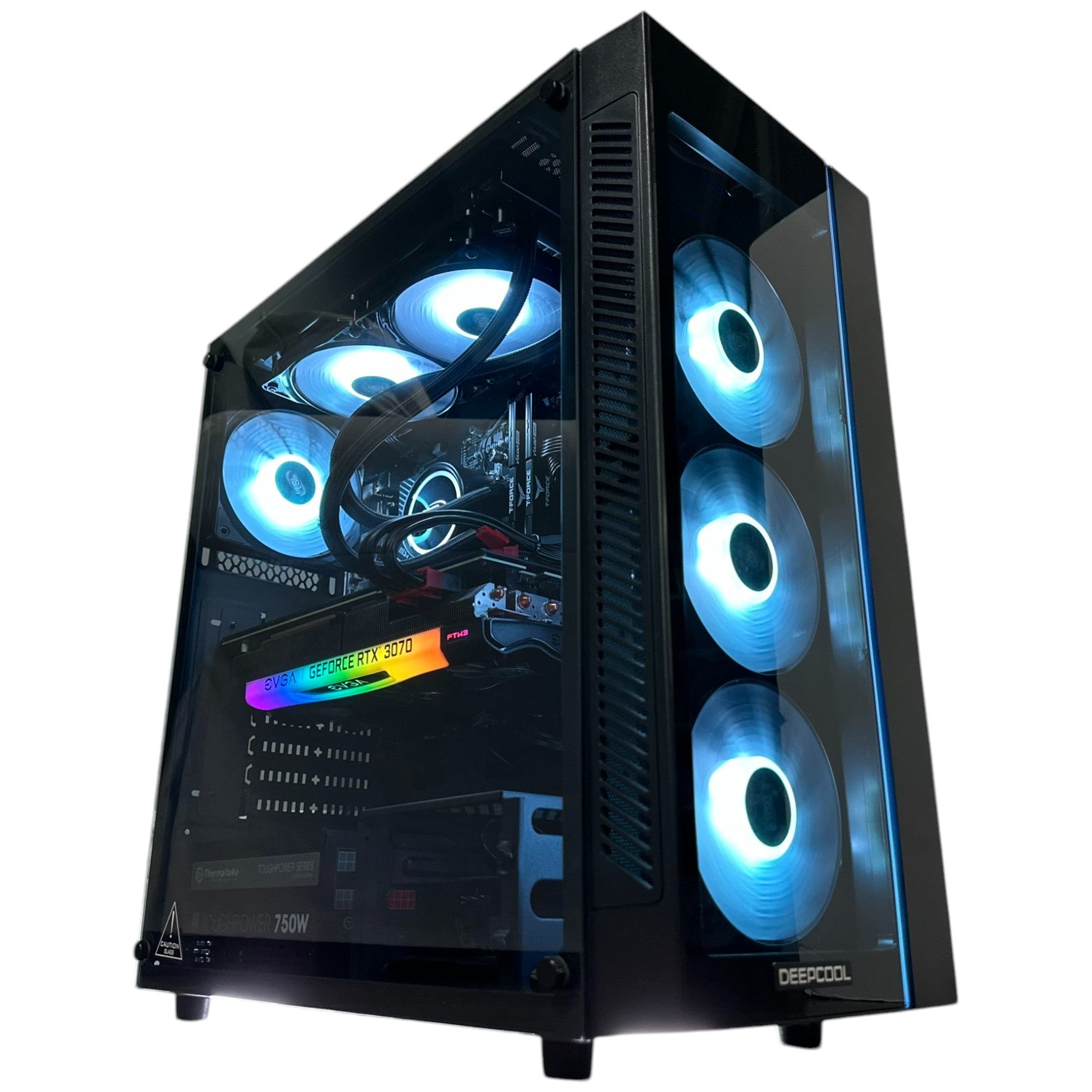
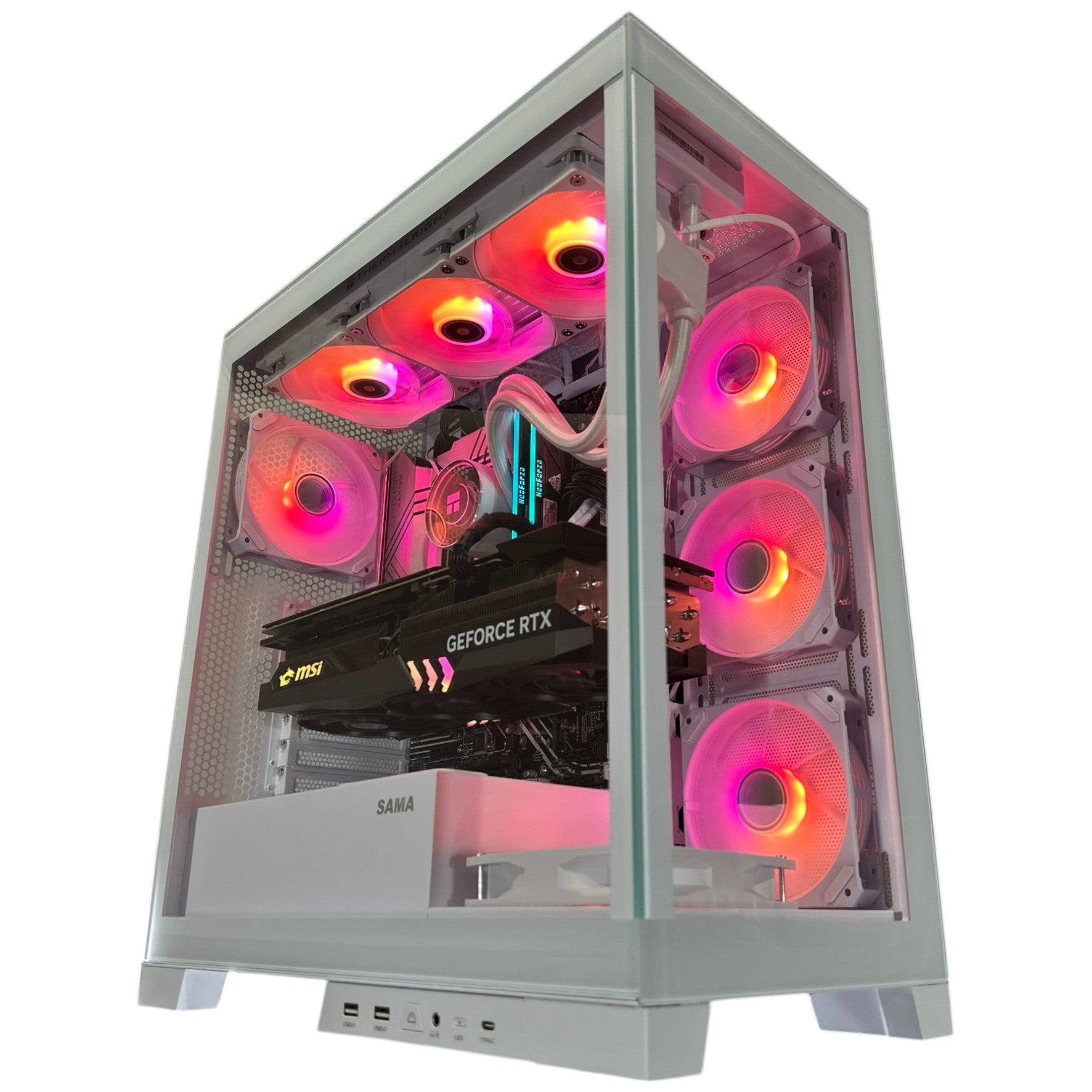
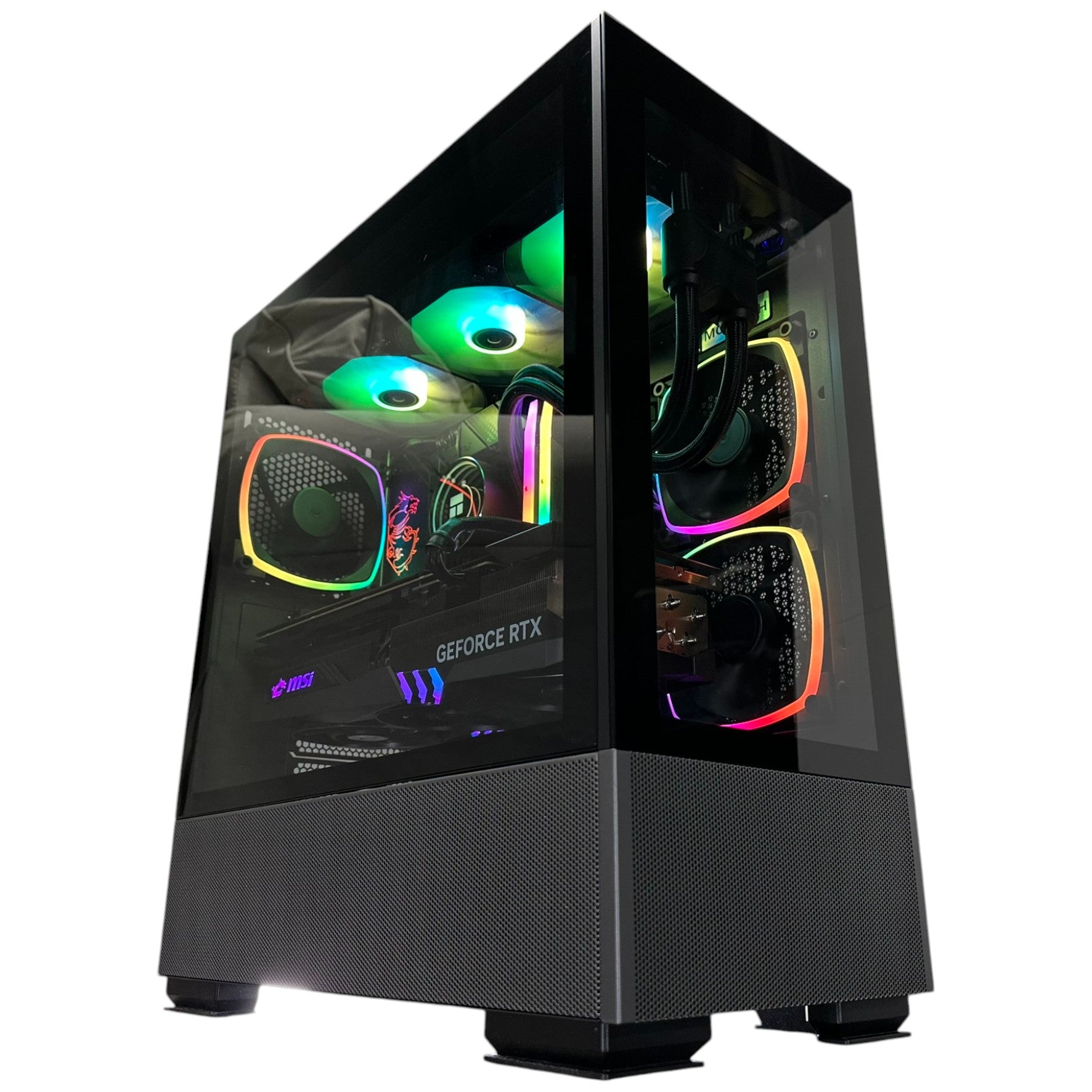
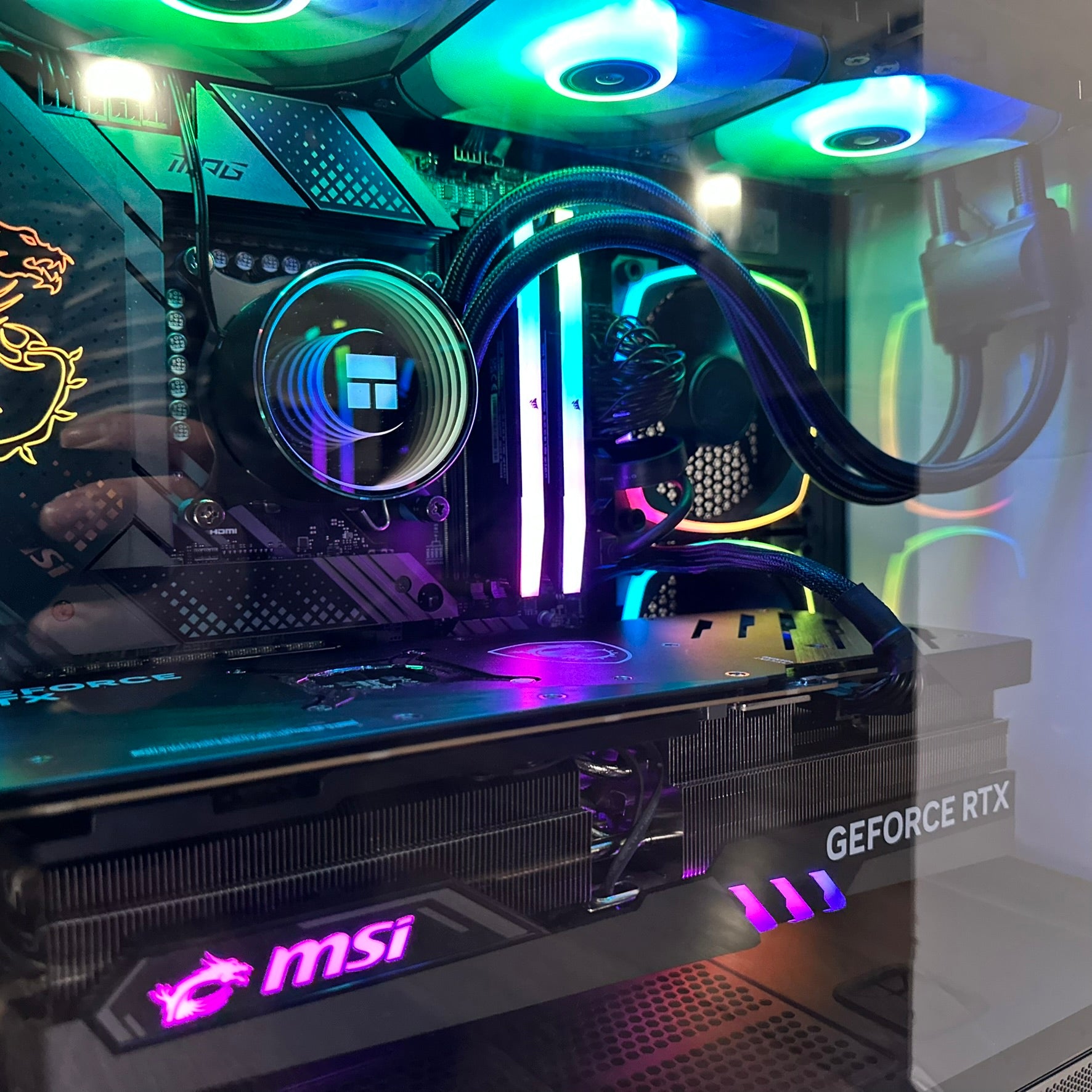
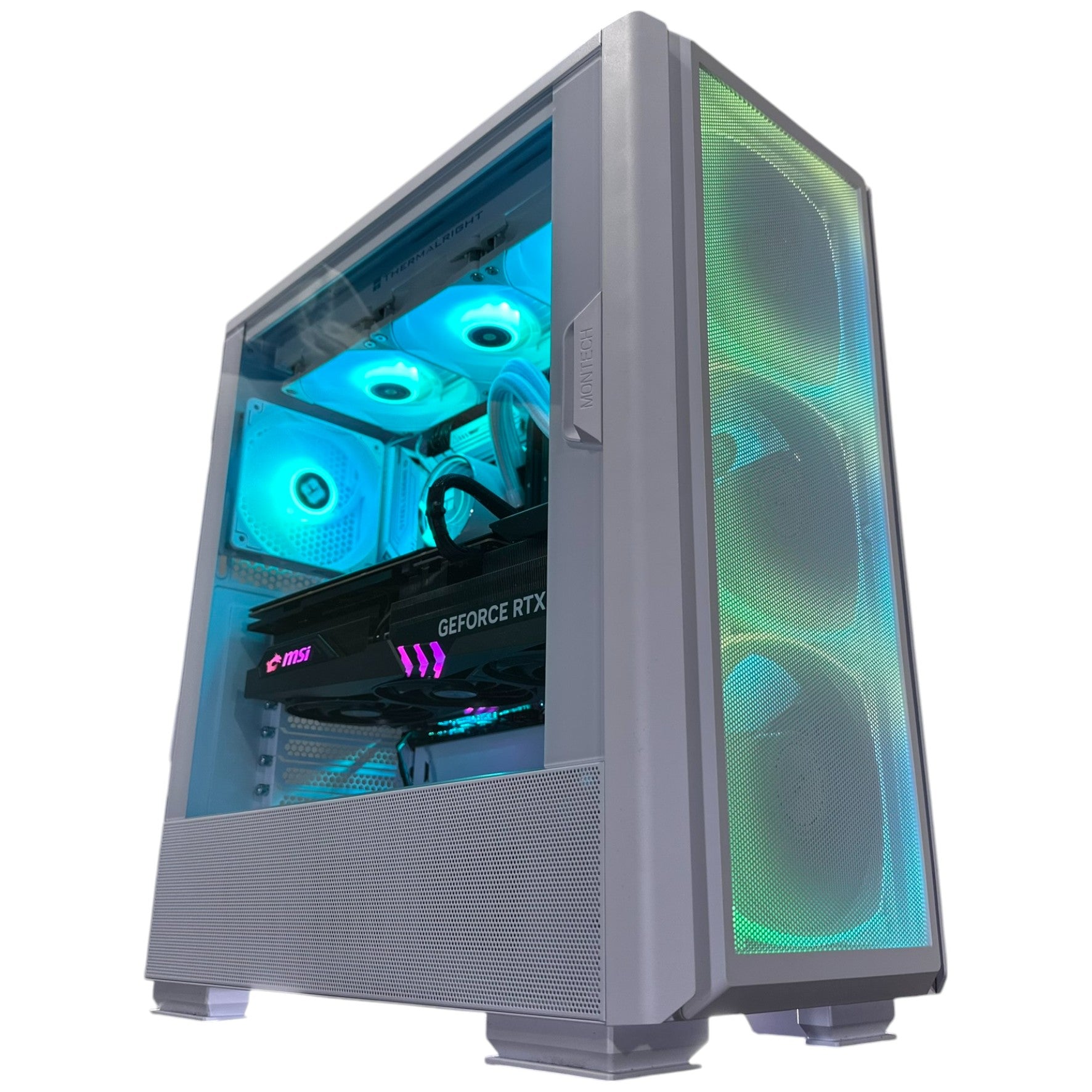
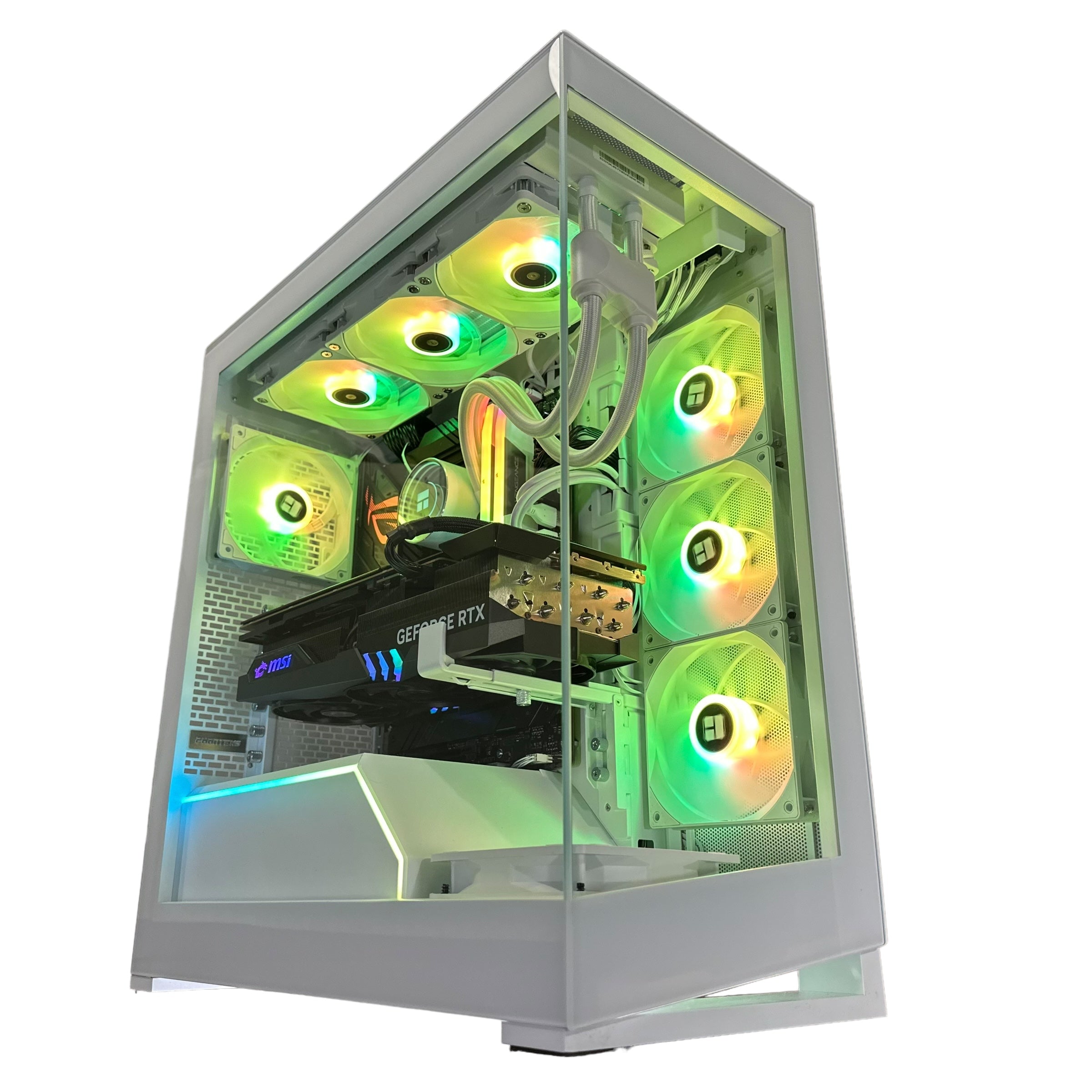
This tier is for customers who know they want more. If you are playing large open-world games, turning on advanced effects, or using a high-refresh display, a premium RTX gaming PC makes sense. It is also a strong fit for buyers who stream their gameplay, run multiple applications while gaming, or want confidence that the system will stay relevant longer under newer game engines.
Do you want to enjoy demanding games instead of constantly tweaking settings to chase stability? Then stepping into a higher tier may save frustration later.
Flagship tier: for 4K gaming, creator crossover use, and longer-term headroom
This is the category for buyers who want premium results and know they will use them. If you are targeting 4K, very high settings, heavy ray tracing, recording, streaming, editing, or mixed gaming-and-creator workflows, a flagship-class system can make sense. It is not the right answer for everyone. But for the right customer, buying stronger once can be smarter than buying cheaper twice.
Would you rather stretch your system for years or stretch your patience every month?
What if you are not only gaming?
This is where many off-the-shelf systems fall short. A customer may start by searching for a gaming PC for GTA 6, but their real use case is much broader.
Maybe you want to game at night, stream on weekends, and cut clips for TikTok, YouTube, or Instagram. Maybe you run OBS, Discord, Chrome tabs, background audio tools, and game launchers all at once. Maybe you also edit thumbnails in Photoshop, touch up photos in Lightroom, or manage freelance design work in Illustrator and InDesign.
If that sounds familiar, then you are not just shopping for a gaming machine. You are shopping for a content creation PC or a gaming-and-streaming system that can handle overlapping workloads without turning into a bottleneck.
Do you need a gaming and streaming PC?
If you stream to Twitch, YouTube, or other live platforms, your system needs more than raw game performance. It needs enough CPU and GPU capability for encoding, enough RAM for simultaneous applications, reliable cooling for long sessions, and storage fast enough for captures, assets, and project files.
Ask yourself: do you want one PC that can game and stream smoothly, or are you already noticing your current system drop frames when OBS is active? If your machine struggles the second you add streaming, that is usually a sign your next system should be built around a dual-purpose workload rather than gaming alone.
Do you need a creator PC for editing and design?
If you edit video, produce social content, or work in design software, the build logic changes again. A strong creator PC should be chosen around export speed, timeline responsiveness, memory capacity, fast NVMe storage, and stable multitasking. Gaming capability can still be excellent, but the system should not be planned like a pure gaming tower if creative work is a real part of your week.
Are you editing 1080p clips, 4K YouTube footage, short-form vertical content, RAW photos, or layered motion graphics? The difference matters. The right system for Adobe Premiere Pro or DaVinci Resolve is not identical to the right system for light social posting and casual image edits.
Do you need a workstation or 3D modeling system?
Some readers land on gaming headlines but are really researching a machine for Blender, Unreal Engine, CAD, rendering, simulation, product visualization, or other production work. If your workloads involve 3D modeling or rendering, your priorities may include GPU rendering strength, CPU throughput, memory capacity, thermals under sustained load, and room for future expansion.
Would a gaming-oriented build do the job? Sometimes, yes. But if your livelihood depends on render speed, stability, and project scale, a proper workstation mindset is usually the better move.
How much should Canadian buyers really spend after a headline like this?
The leak in the source article was attention-grabbing because of what it implied about buyer willingness to spend more. But the smarter lesson is not “spend as much as possible.” It is “spend where value compounds.”
A better SSD shortens load times every day. More suitable RAM helps with heavy multitasking and creator workloads. A better GPU can extend useful gaming life by years, especially if your monitor or game library is getting more demanding. A balanced CPU improves consistency, responsiveness, and productivity beyond gaming. Spending with a plan is different from spending emotionally.
If your budget is tight, the real question may be this: would a cheaper machine actually save money if it forces an upgrade sooner? For many buyers, the answer is no.
Should you finance a stronger system instead of settling for a weaker one?
This is one of the most practical questions in today’s market.
When demand is rising and replacement costs can move upward, financing can be less about indulgence and more about securing the right level of performance now. If a slightly stronger GPU, more RAM, better cooling, or more storage meaningfully extends the life of your machine, monthly payments may make more sense than buying under-spec and replacing sooner.
Would you rather pay a little more monthly for a system that stays useful longer, or save a bit upfront and face another upgrade too early? There is no universal answer, but for many customers the second option turns out to be more expensive over time.
For Canadian buyers comparing options, this is where a custom PC builder with financing support becomes especially useful. Instead of choosing between “too weak” and “too expensive,” you can target a build that actually matches your workload and your budget window.
Why timing matters when game hype, hardware demand, and software requirements all rise together
Major release cycles can affect more than just game sales. They can influence buyer urgency, GPU demand, and broader market pricing sentiment. At the same time, creator software keeps getting heavier, game installs keep getting larger, and expectations around ray tracing, texture quality, AI-assisted tools, and multitasking keep increasing.
That means a buyer who waits too long may end up paying more for the same class of performance, or paying the same amount for less overhead than they could have secured earlier. CPUs, GPUs, RAM, and SSDs do not all move in price the same way at the same time, but full-system costs can change enough to matter.
Are you buying before a major game release? Before your old system fails? Before a software upgrade raises your workload? Before holiday demand or back-to-school demand kicks in? Those are all real timing questions, not marketing fluff.
Why a custom PC matters more when pricing is volatile
In a stable market, almost any decent prebuilt may look acceptable. In a volatile market, part selection quality matters more. That is because you cannot afford hidden weaknesses in the wrong places.
A custom system should be designed around balanced performance, clean airflow, a suitable power supply, upgrade-aware motherboard choices, and the right storage strategy for your use case. It should not cut corners on the unseen parts just to hit a flashy spec headline.
If you are buying a machine to handle modern gaming, streaming, editing, or workstation tasks, would you rather trust a generic mass-market parts mix, or a system assembled for your actual goals?
That is a major reason buyers turn to Canadian custom PC builders. The build is not just about hitting a GPU name. It is about how the whole system works together under real use.
What questions should you ask before buying your next PC?
- What games do I actually play, and what games am I planning to play next?
- Am I targeting 1080p, 1440p, or 4K?
- Do I care about ray tracing, ultra settings, or high refresh rates?
- Will I stream, record gameplay, or edit content on the same machine?
- Do I also use Photoshop, Lightroom, Premiere Pro, DaVinci Resolve, Illustrator, Blender, or CAD tools?
- How long do I want this system to feel fast before I need another major upgrade?
- Would a budget build meet my real needs, or would I outgrow it quickly?
- Would financing help me avoid buying too low?
- Do I want a tested custom PC with warranty support instead of taking risks on a generic system?
These are the questions that turn a headline-driven impulse into a smart purchase decision.
Which type of Groovy Computers build fits your situation best?
Choose a budget gaming build if:
- You mainly play esports, indie titles, or lighter AAA games
- You are staying at 1080p
- You want strong value without paying for premium features you may not use
- You need a first gaming PC or student-friendly setup
Choose a mainstream or upper-mid gaming build if:
- You want a better 1080p or 1440p experience
- You play newer open-world games and want more visual headroom
- You want to delay your next upgrade
- You want a better balance between price and longevity
Choose a premium RTX gaming PC if:
- You want higher-end 1440p or 4K gaming
- You care about ray tracing and higher settings
- You plan to keep the system for a longer cycle
- You want one machine for demanding gaming plus streaming or editing crossover use
Choose a creator or editing PC if:
- You edit video or photos regularly
- You use Adobe Creative Cloud or similar tools
- You need faster exports, smoother playback, and better multitasking
- You want gaming performance without sacrificing creative productivity
Choose a workstation or 3D modeling build if:
- You use Blender, Unreal Engine, CAD, rendering, or simulation software
- You need sustained performance and stability under heavy load
- You need more memory, more storage planning, and stronger thermals
- Your system is a tool for paid work, not just play
Why do testing and warranty support matter so much right now?
When the market is expensive, mistakes cost more. A custom PC should not only perform well on paper. It should be stress tested, checked for thermal stability, configured properly, and backed by support you can actually trust. That matters whether you are gaming competitively, editing client projects, or rendering overnight.
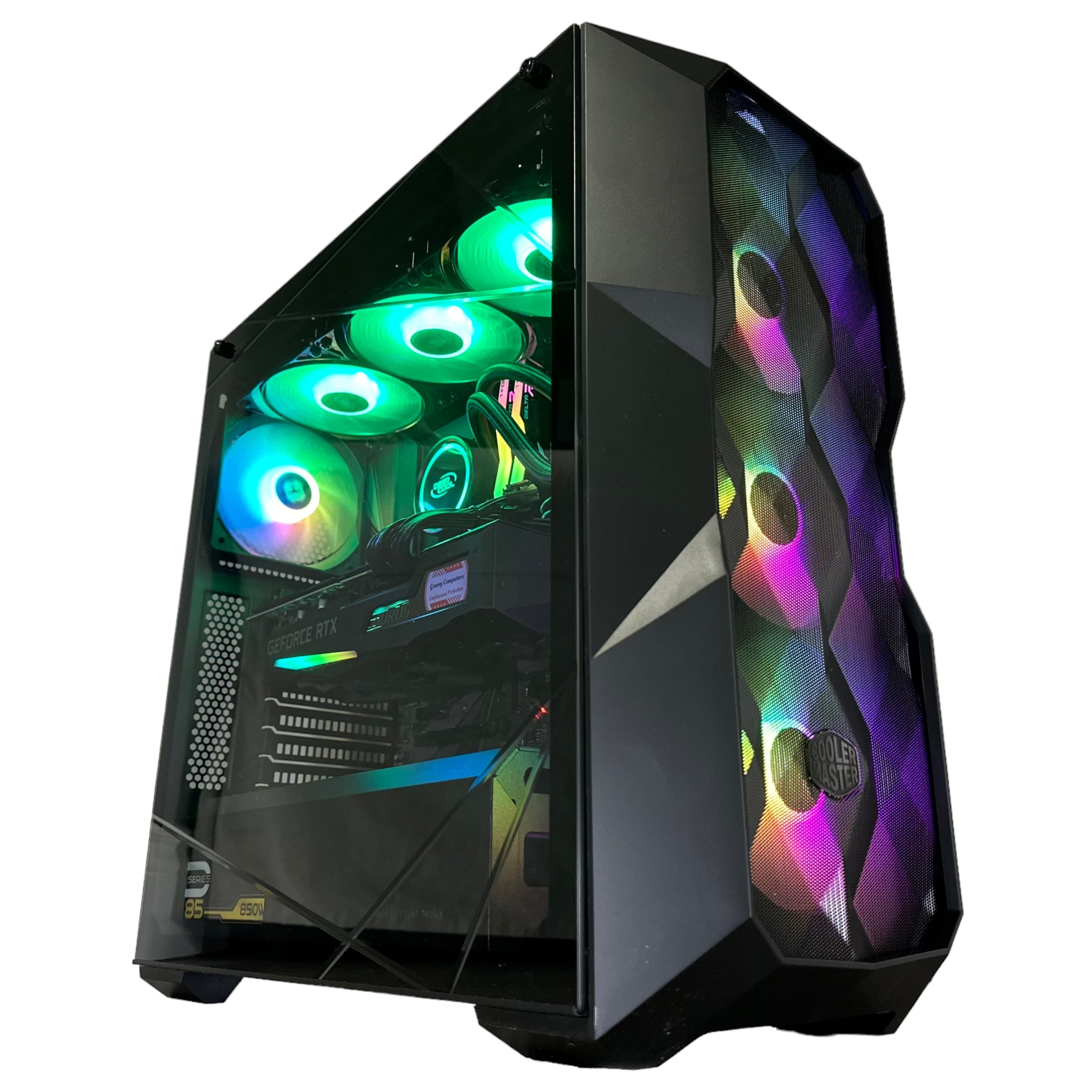
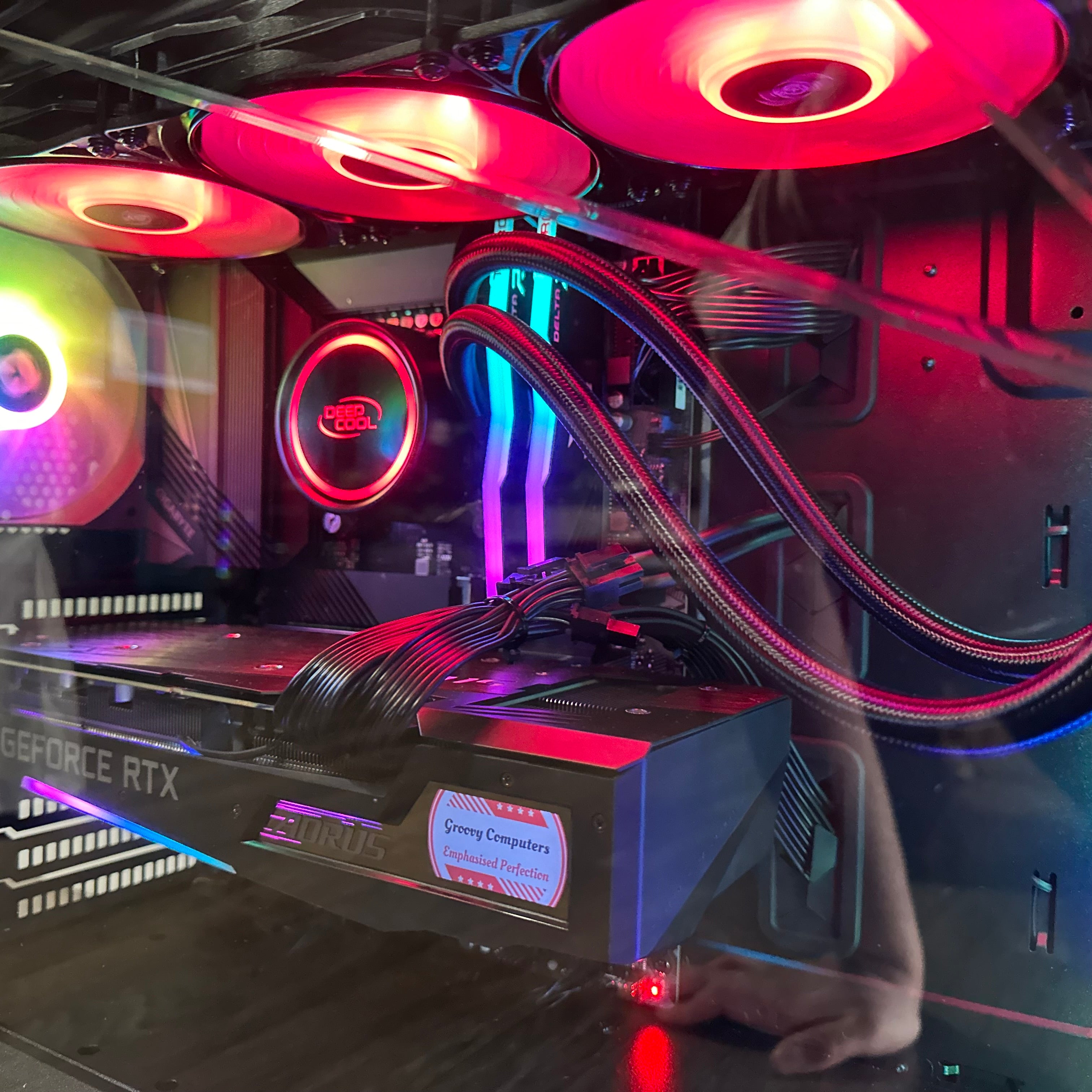
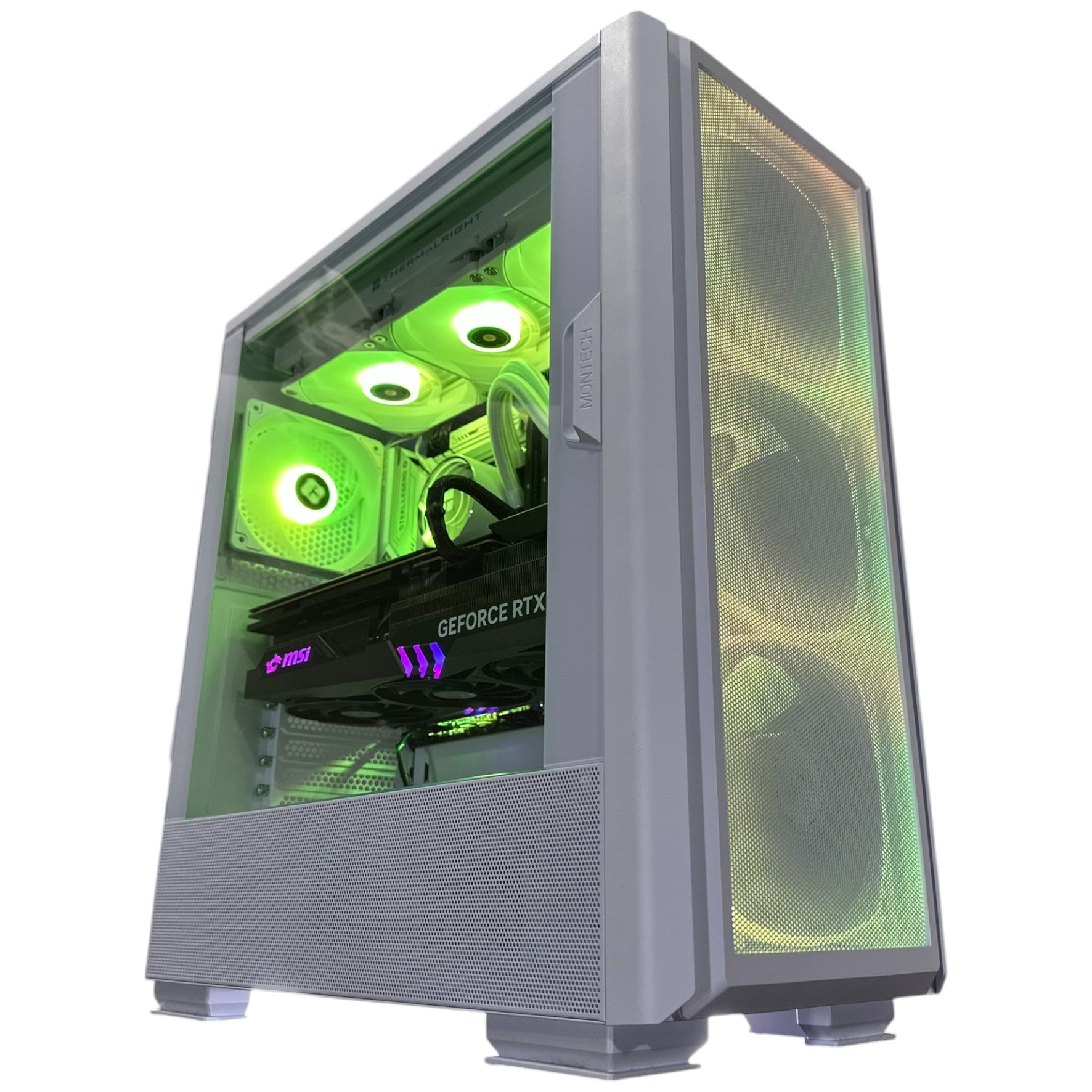
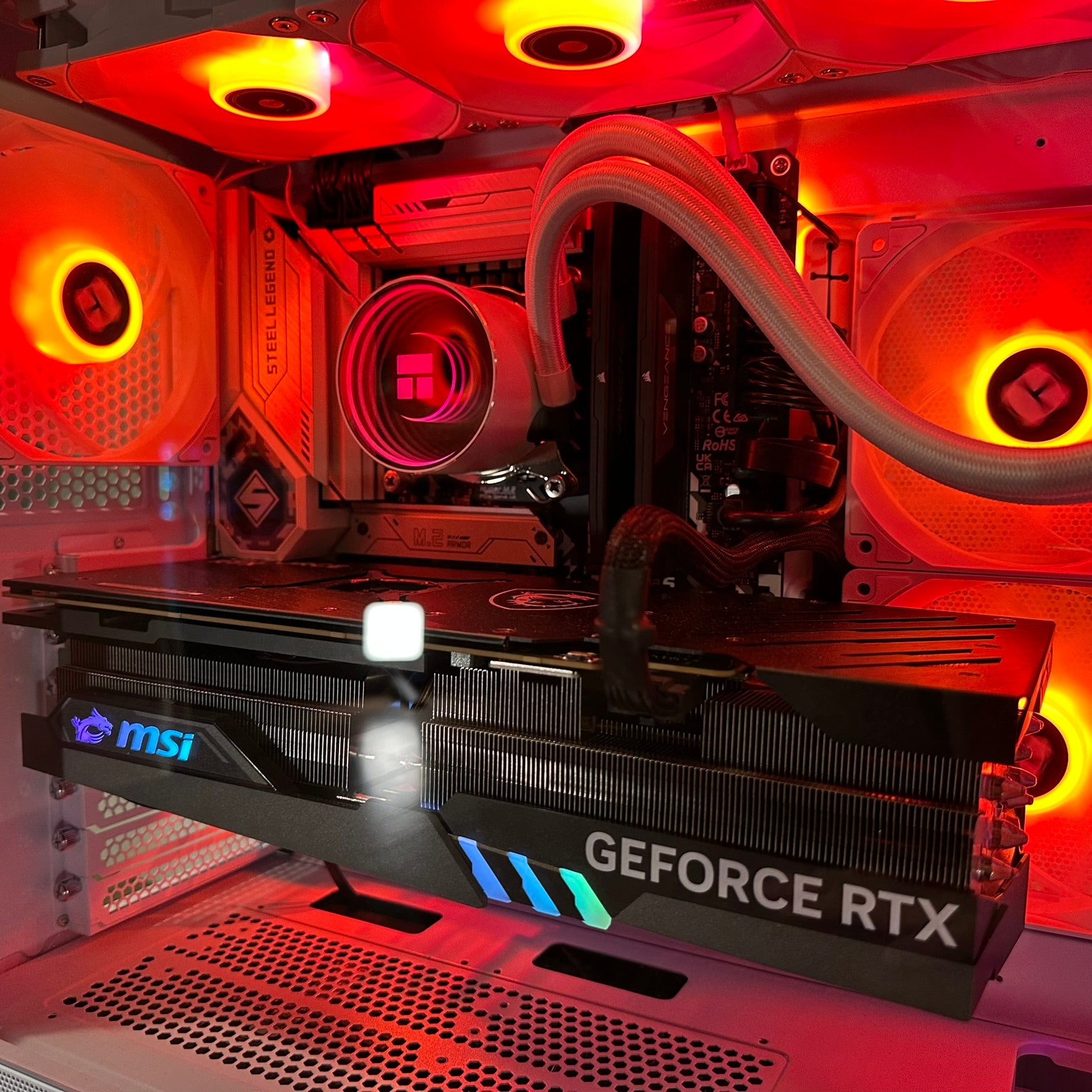
Groovy Computers stands out here because the value is not just in the parts. It is in the complete build quality, careful configuration, rigorous testing, and the confidence of a 1-year warranty. For many buyers in Canada, that peace of mind is worth far more than chasing a flashy listing that says little about assembly quality or long-term reliability.
Why is this especially relevant for buyers in Canada?
Canadian customers face a different buying environment than many headline-driven tech stories assume. Exchange rates, shipping realities, market timing, and support access all matter. A premium title priced in the U.S. translates into a noticeably larger mental and financial jump once you look at Canadian dollars. The same is true for PC hardware.
That is why a Canada-focused custom builder matters. You want clear value, sensible part selection, and support from a Canadian company that understands what local buyers care about. Whether you are in Nova Scotia, Atlantic Canada, or ordering from elsewhere across the country, the buying decision should feel grounded, not improvised.
So what should you do if this GTA 6 story has you rethinking your setup?
If the headline made you realize that game pricing is rising, demand is intense, and your current system is not where you want it to be, this is the moment to make a plan. Not a panic move. A plan.
Decide what your next PC needs to do. Decide what performance tier fits your display and your game library. Decide whether you also need streaming, editing, graphic design, or workstation capability. Decide whether it is smarter to buy exactly to today’s minimum or step into a stronger build that stays useful longer. And decide whether financing up to 4 years could help you secure that better system before replacement costs shift again.
Need help choosing between a budget gaming computer, a premium RTX system, a custom creator PC, or a workstation-grade build? Ask yourself one simple question: do you want your next PC to barely keep up, or do you want it built properly for what comes next? If you want expert guidance, tested builds, warranty-backed confidence, and a Canadian custom PC solution tailored to your real workload, visit GroovyComputers.ca.
Final takeaway: the GTA 6 preorder conversation is really about buyer behaviour
The most important lesson from the source story is not whether one leak turns out to be exactly right. It is that gamers and tech buyers consistently spend more when urgency, hype, and convenience collide. For Canadian shoppers, that is a warning and an opportunity. The warning is that waiting without a plan can leave you paying more later. The opportunity is that a well-chosen custom PC can turn that spending into long-term value across gaming, streaming, editing, design, and professional workloads.
If you are already thinking about your next machine, now is the right time to ask better questions. What gaming PC do you need? What performance tier makes sense for your monitor and your games? Do you need one system for gaming and content creation? Would financing a stronger build now help you avoid replacing a weak one too soon? And if you want a Canadian custom PC built around real performance instead of generic shortcuts, Groovy Computers is exactly where that conversation should start.
#GTA6PC #GamingPCCanada #CustomPCCanada #CanadianPCBuilder #GamingAndStreamingPC #CreatorPCCanada #VideoEditingPC #WorkstationPCCanada #1440pGaming #4KGamingPC #RTXGamingPC #NovaScotiaBusiness #GroovyComputers
Groovy Computers | All Rights Reserved



Leave a comment
This site is protected by hCaptcha and the hCaptcha Privacy Policy and Terms of Service apply.