



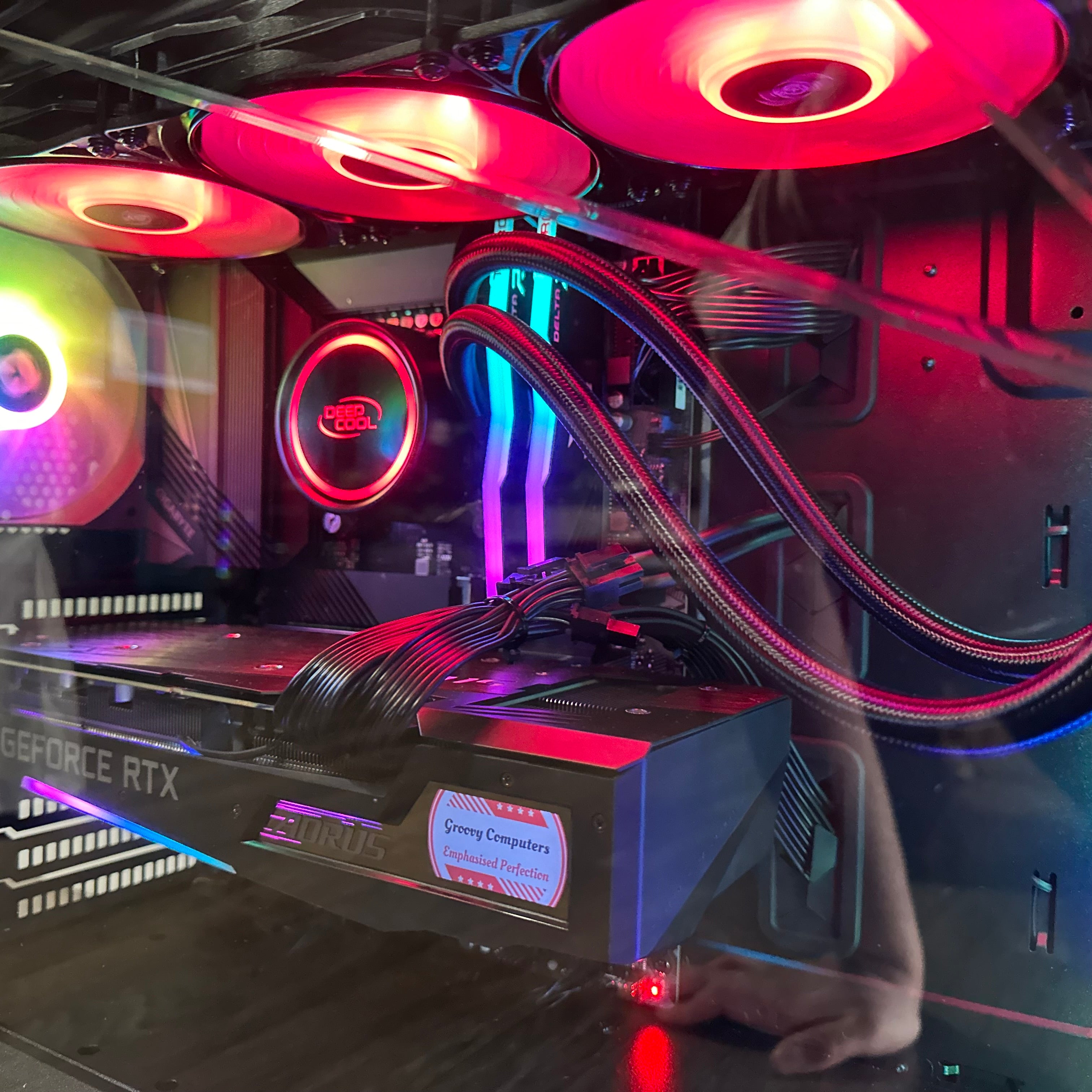
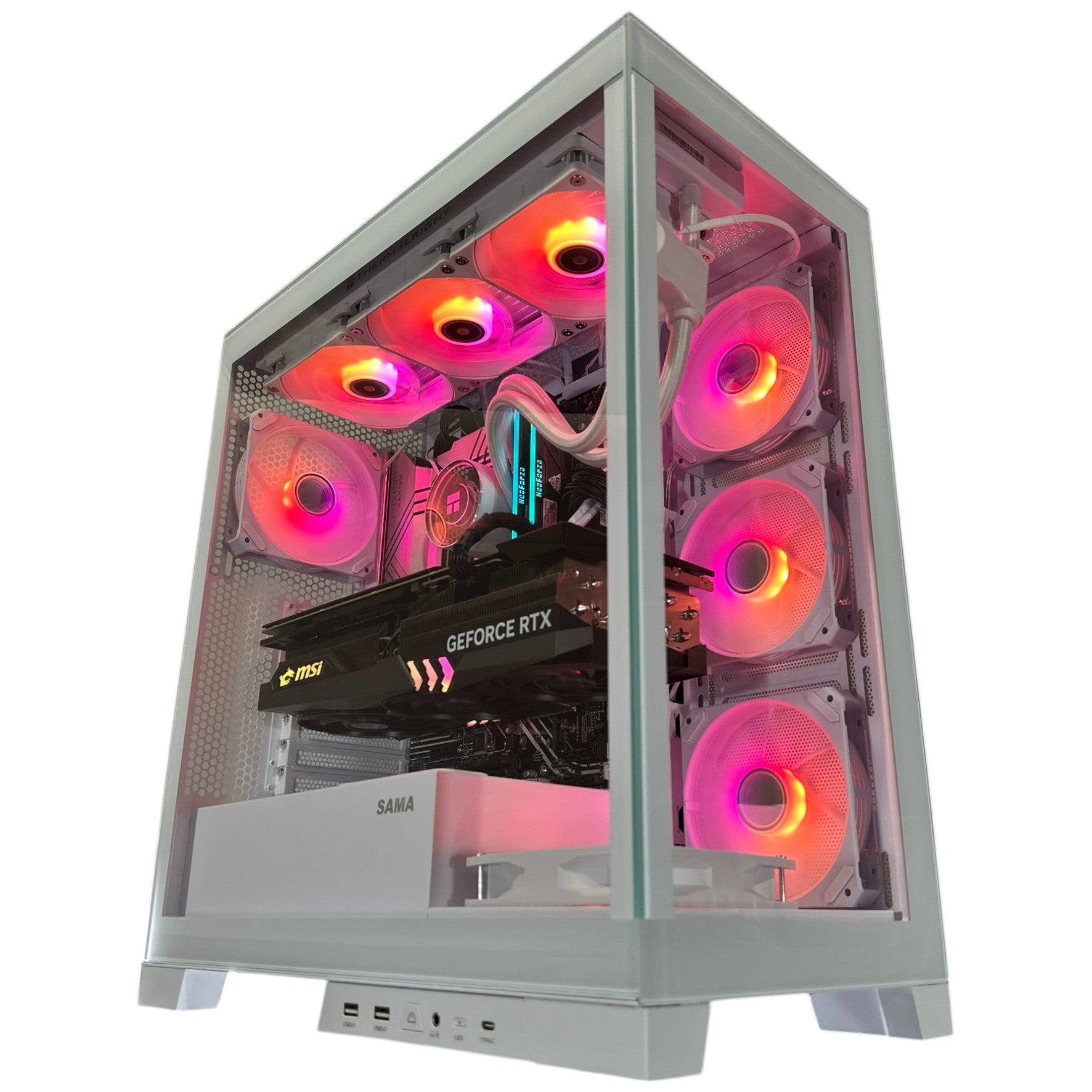
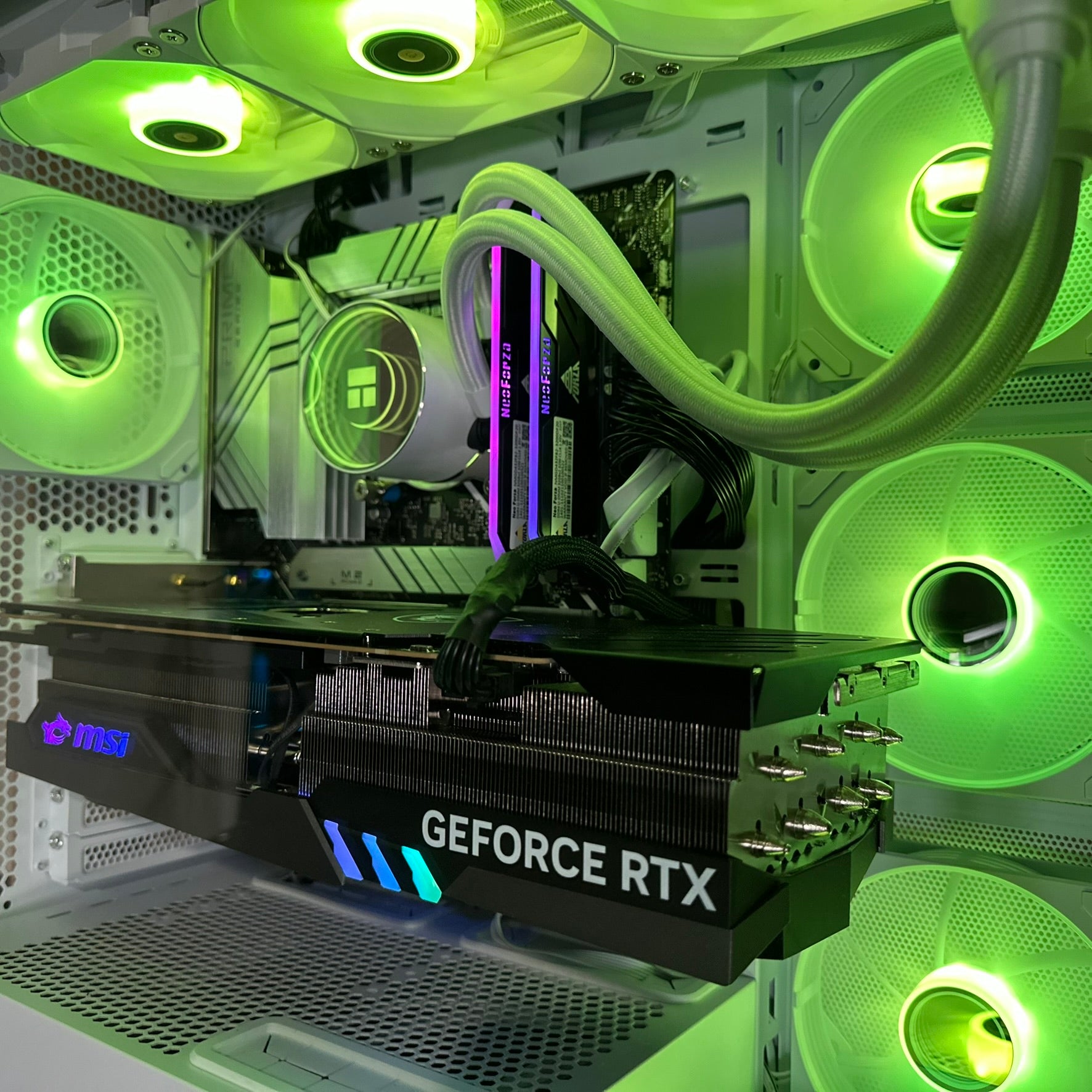
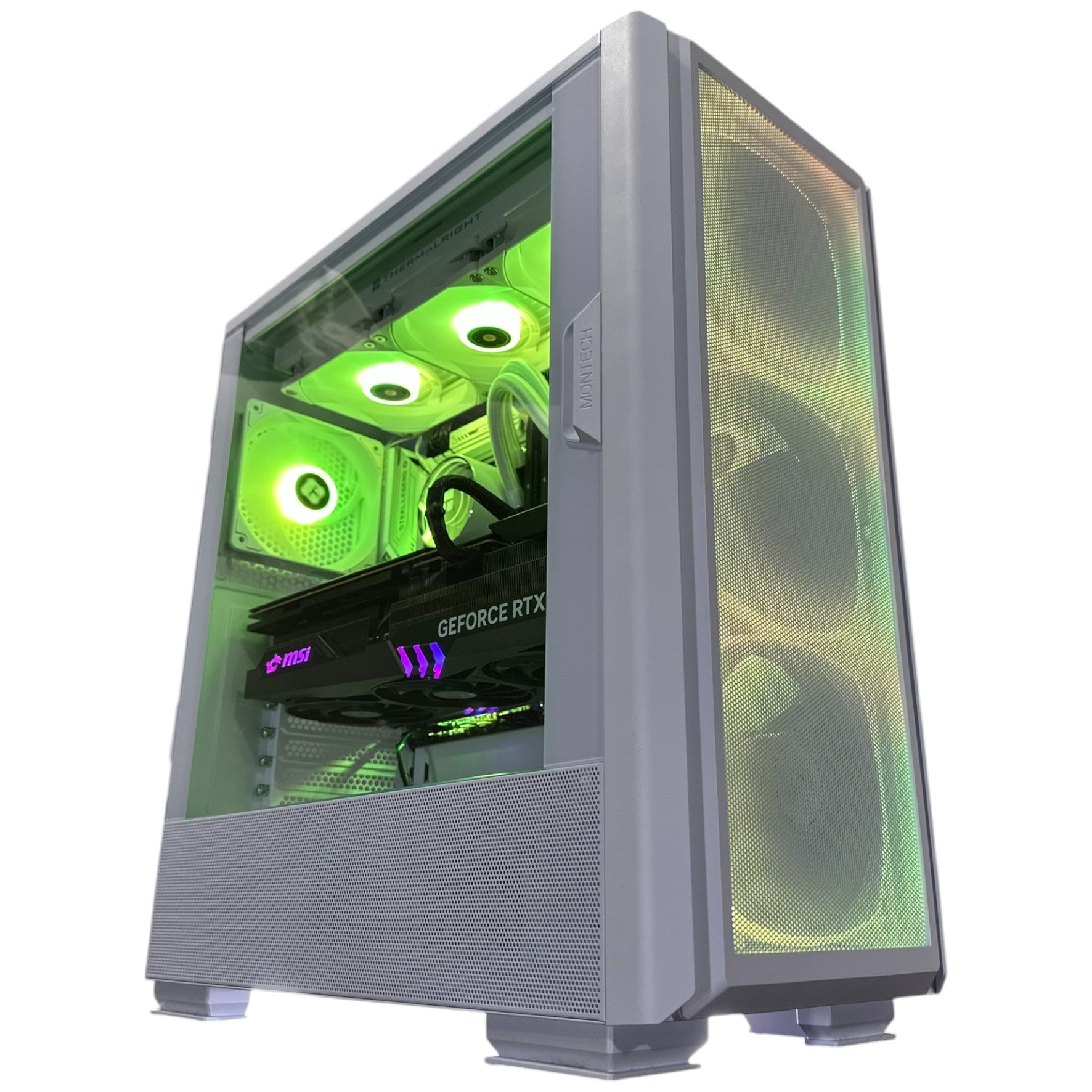
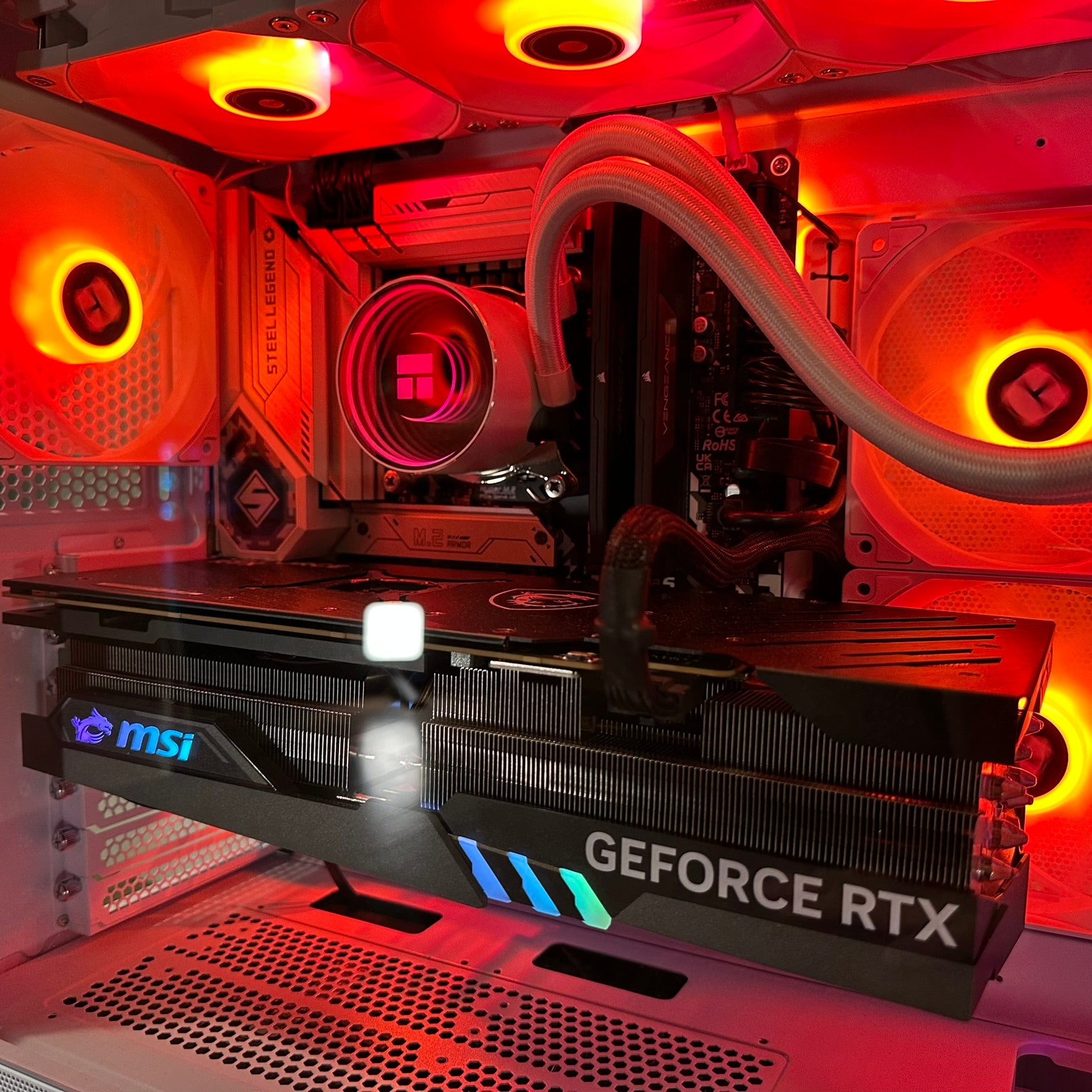
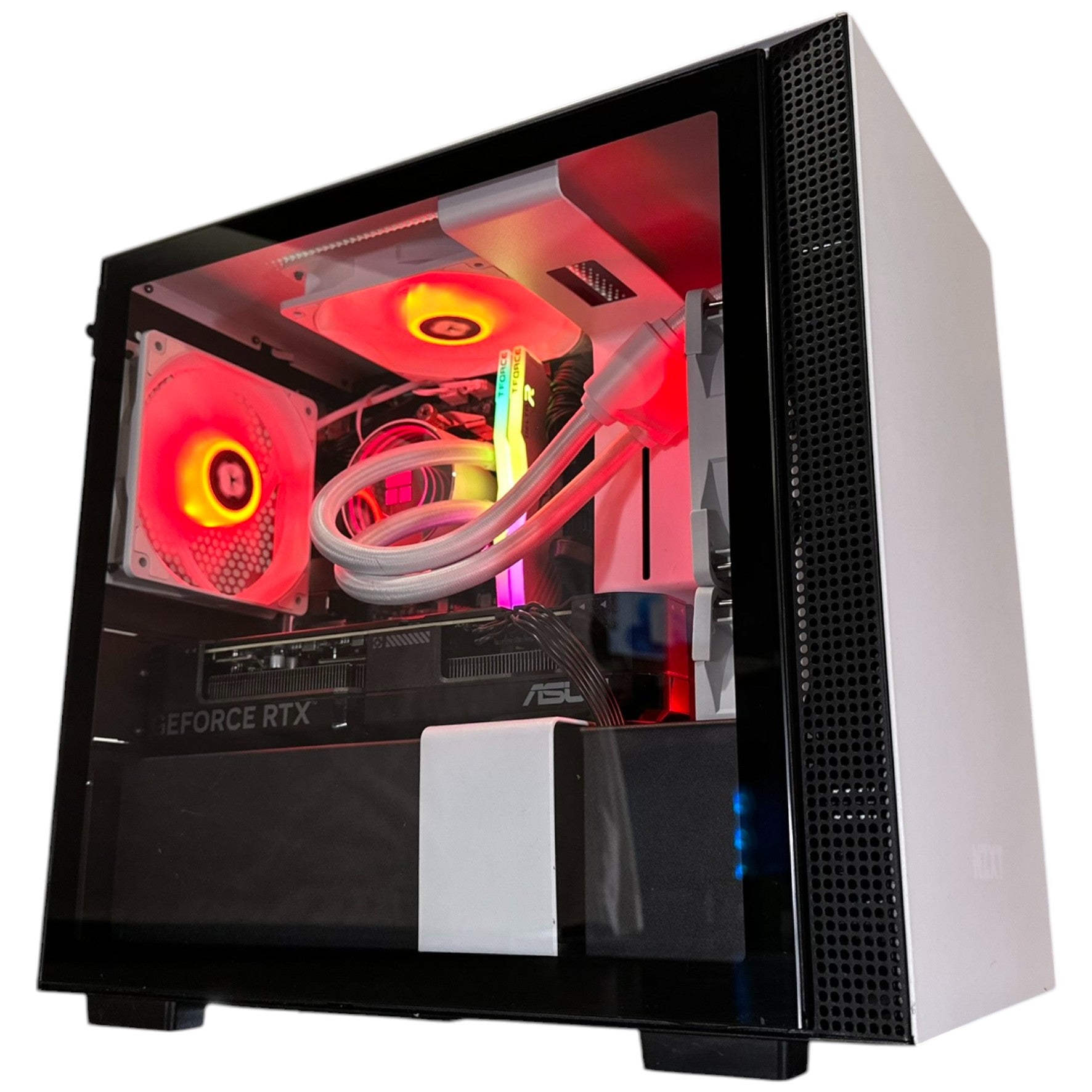
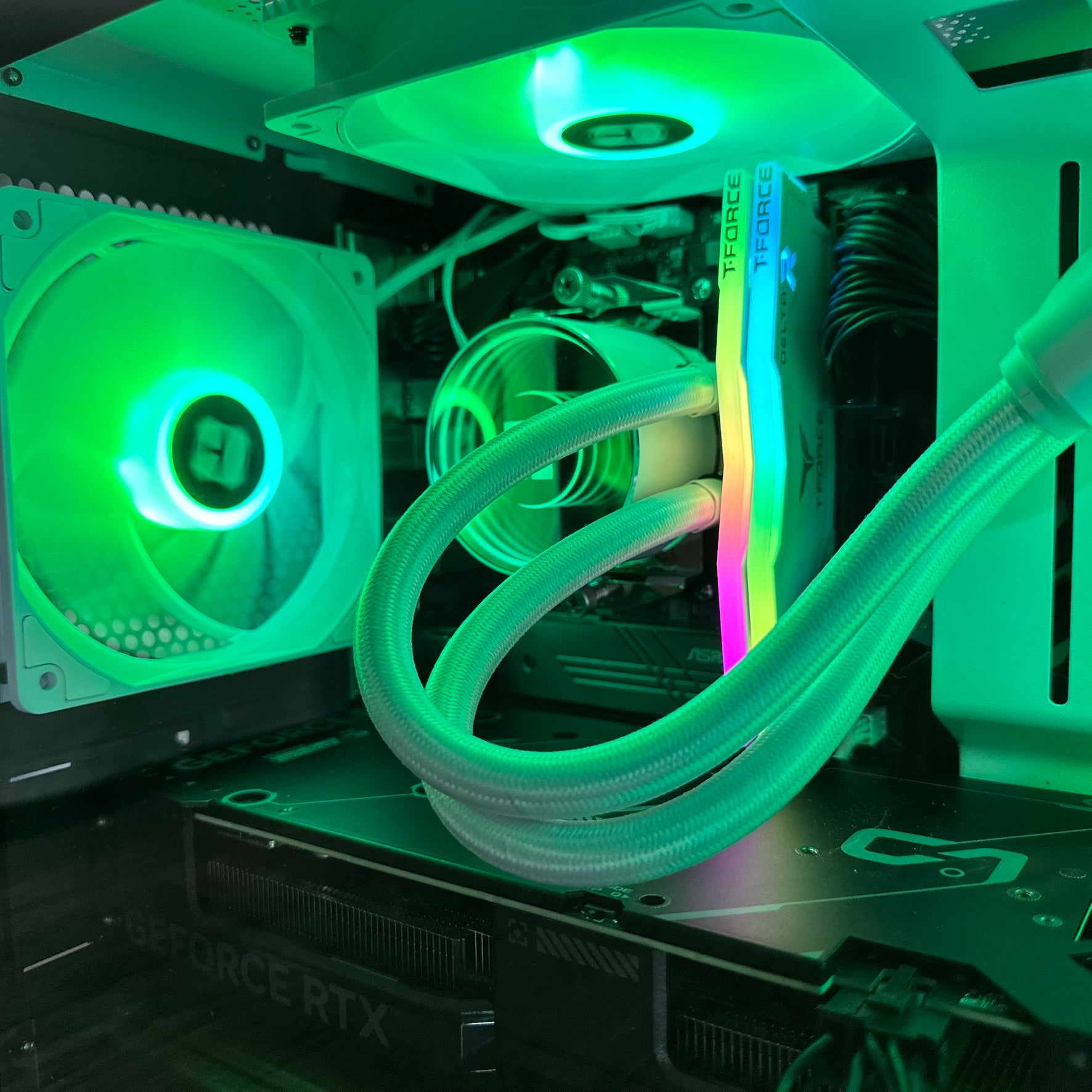
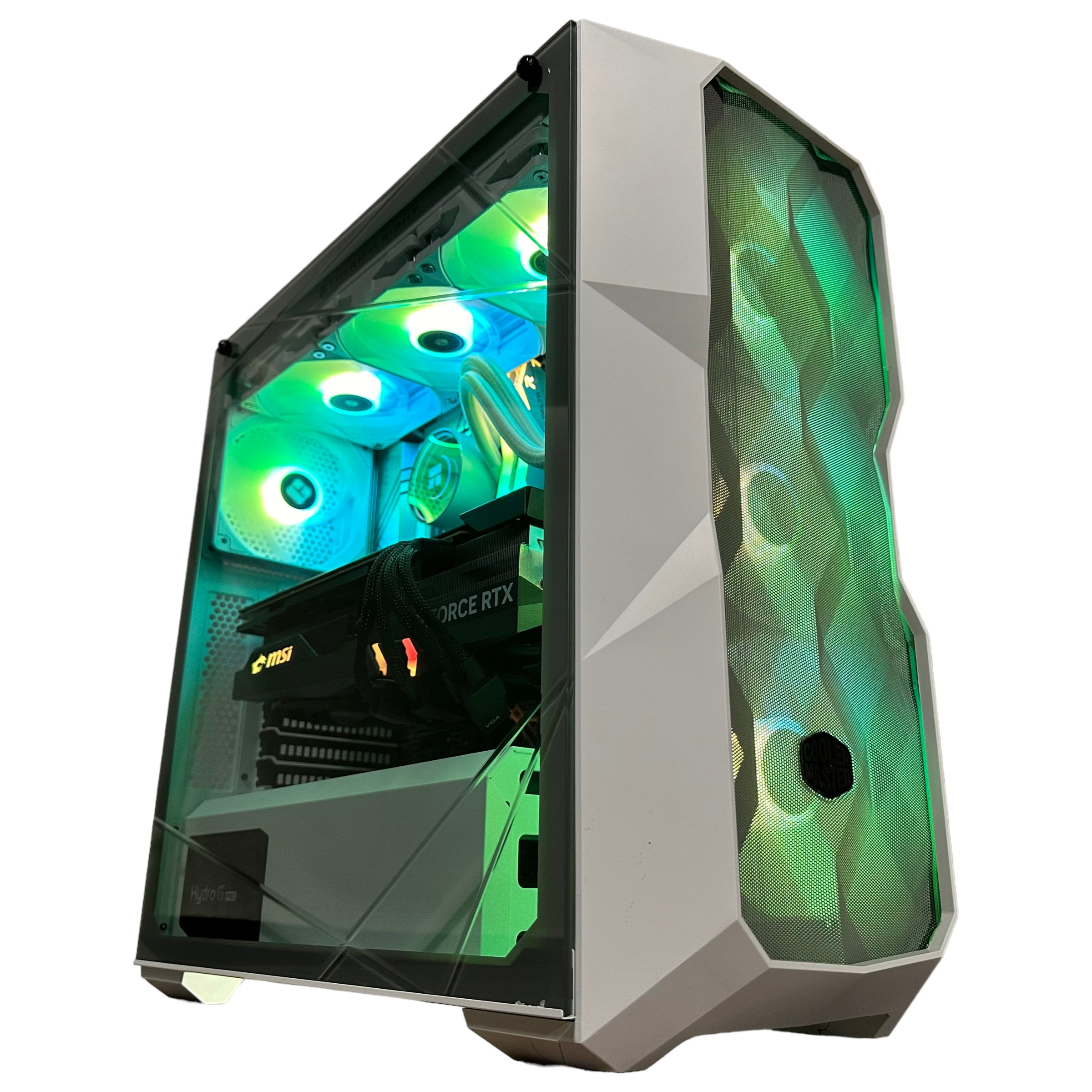
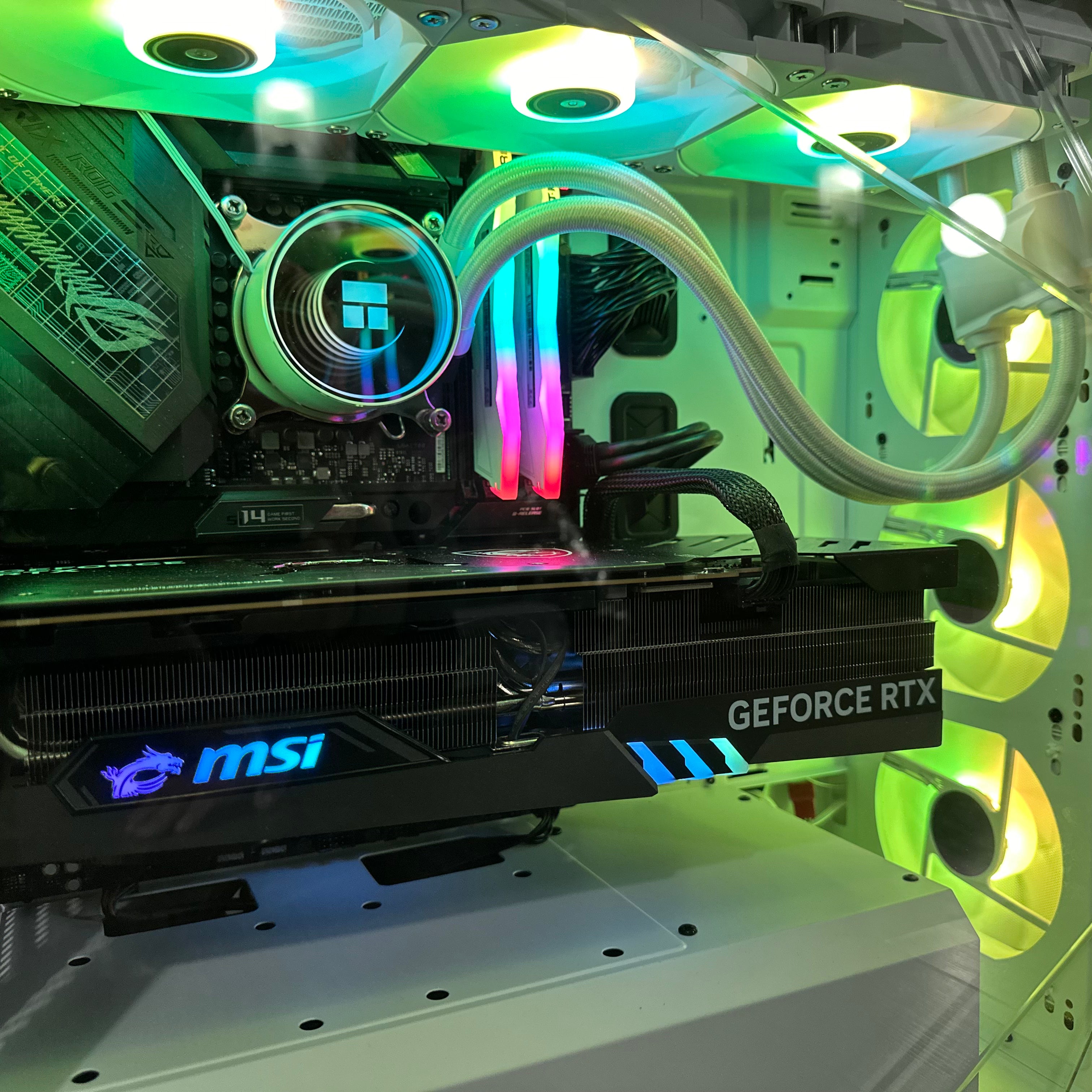
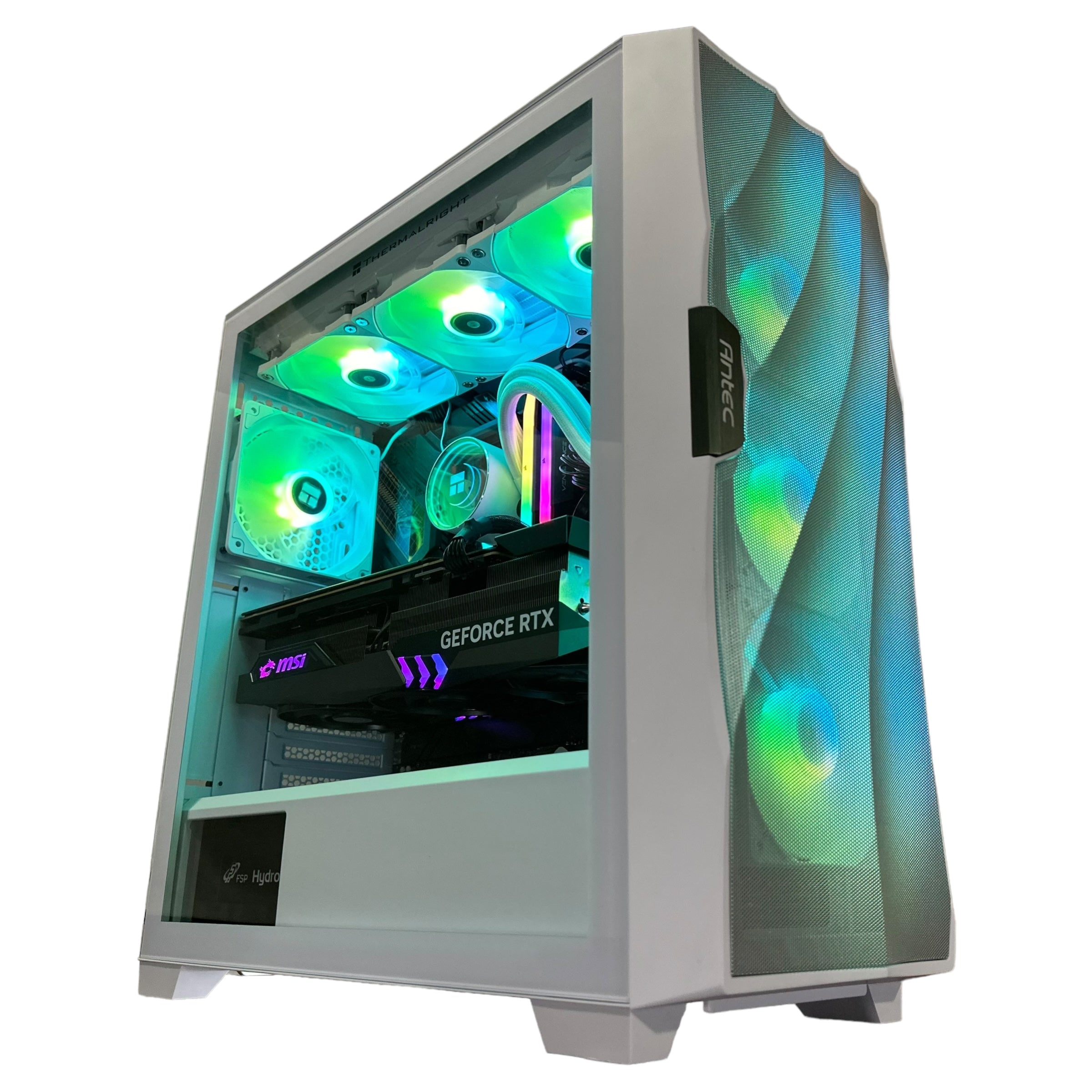

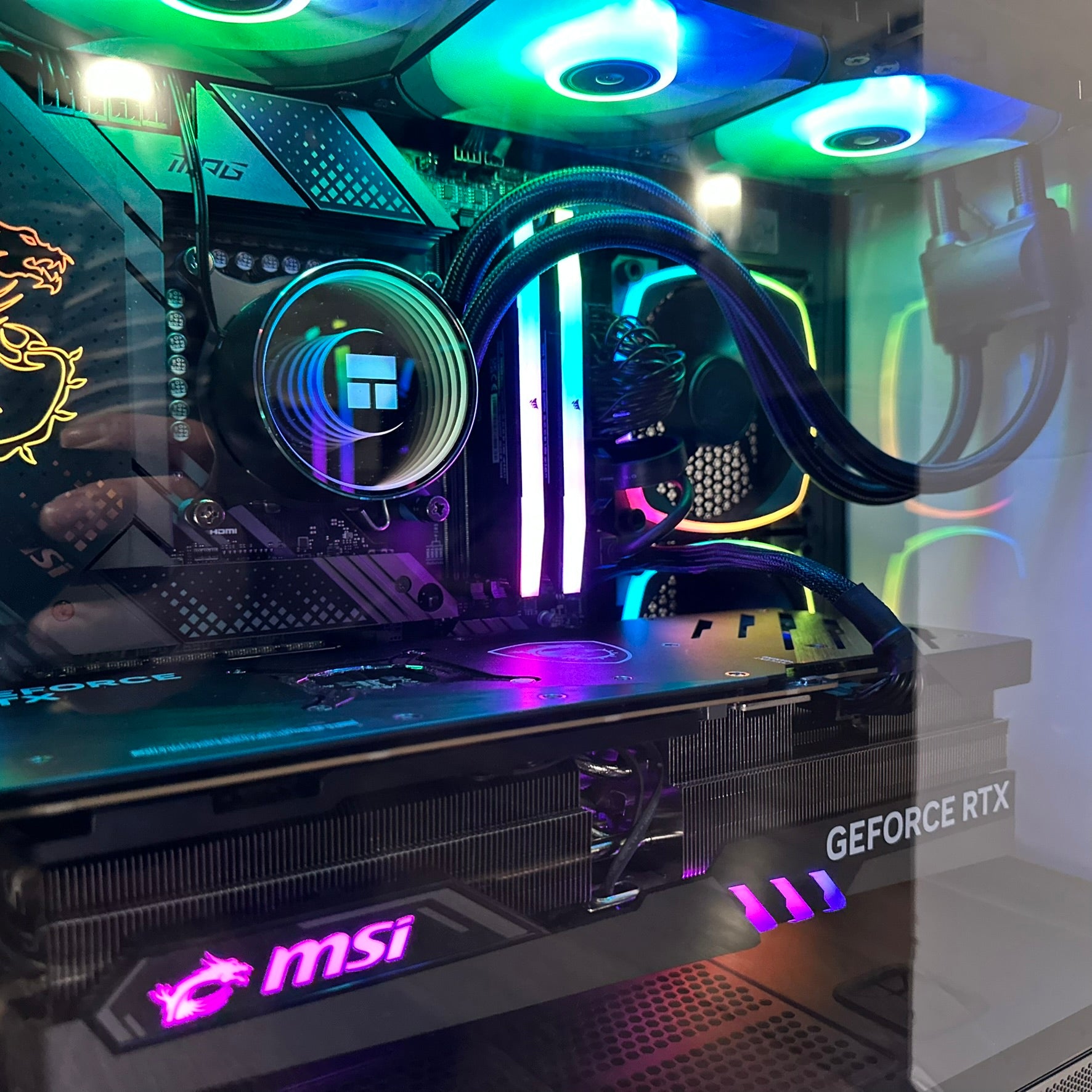
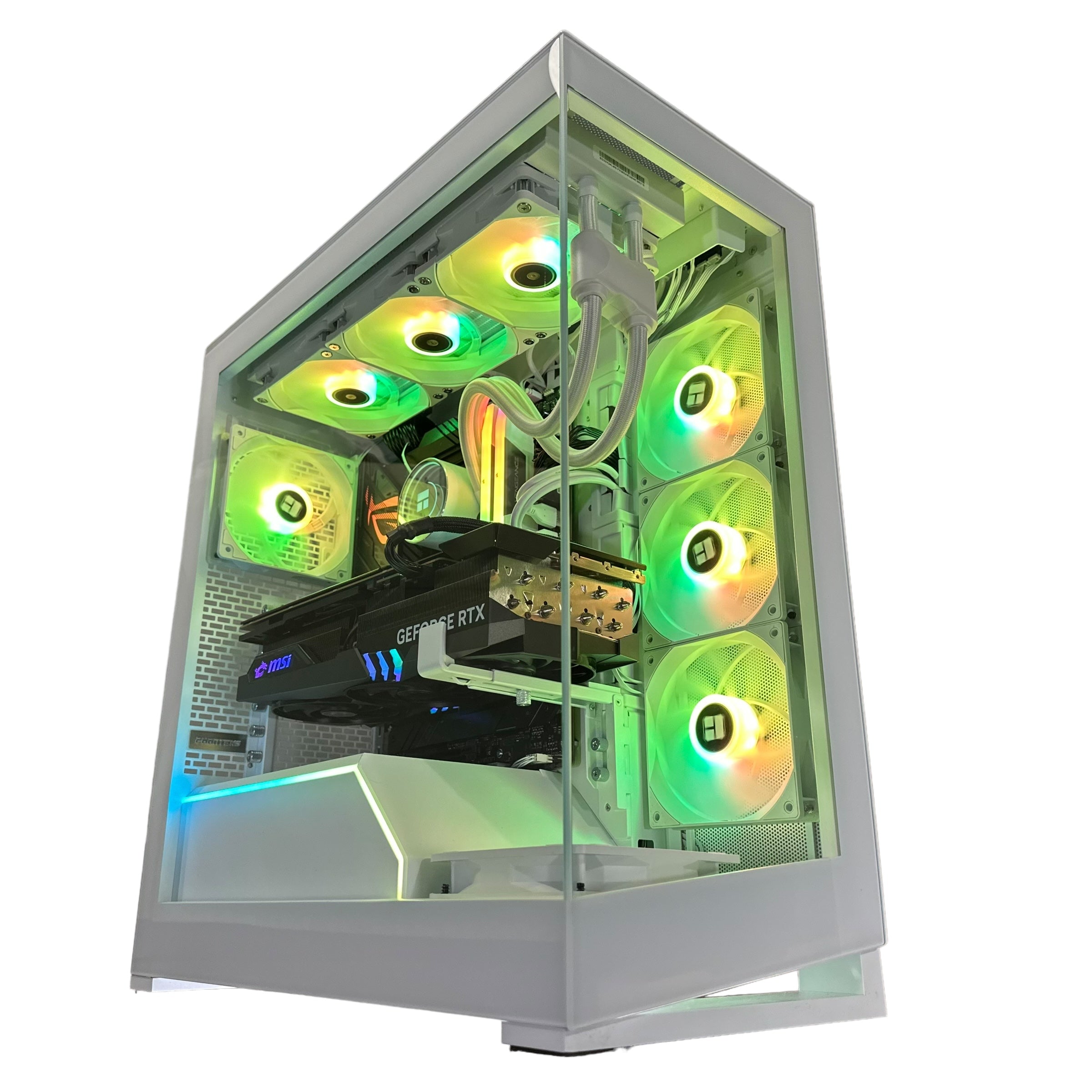

Crimson Desert Patch 1.16 Is a Warning: Why a Gaming PC for New Games Needs More Than Raw FPS
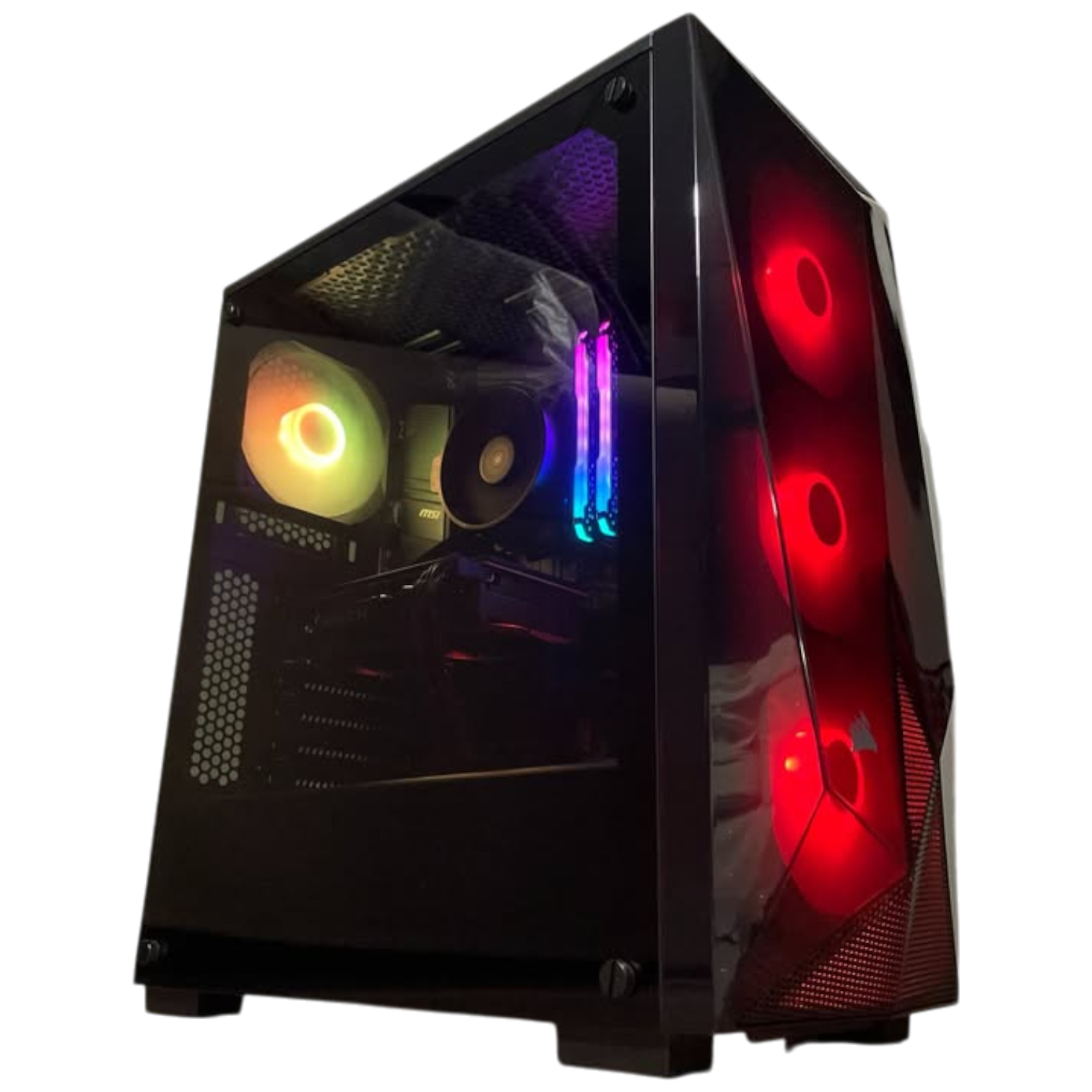
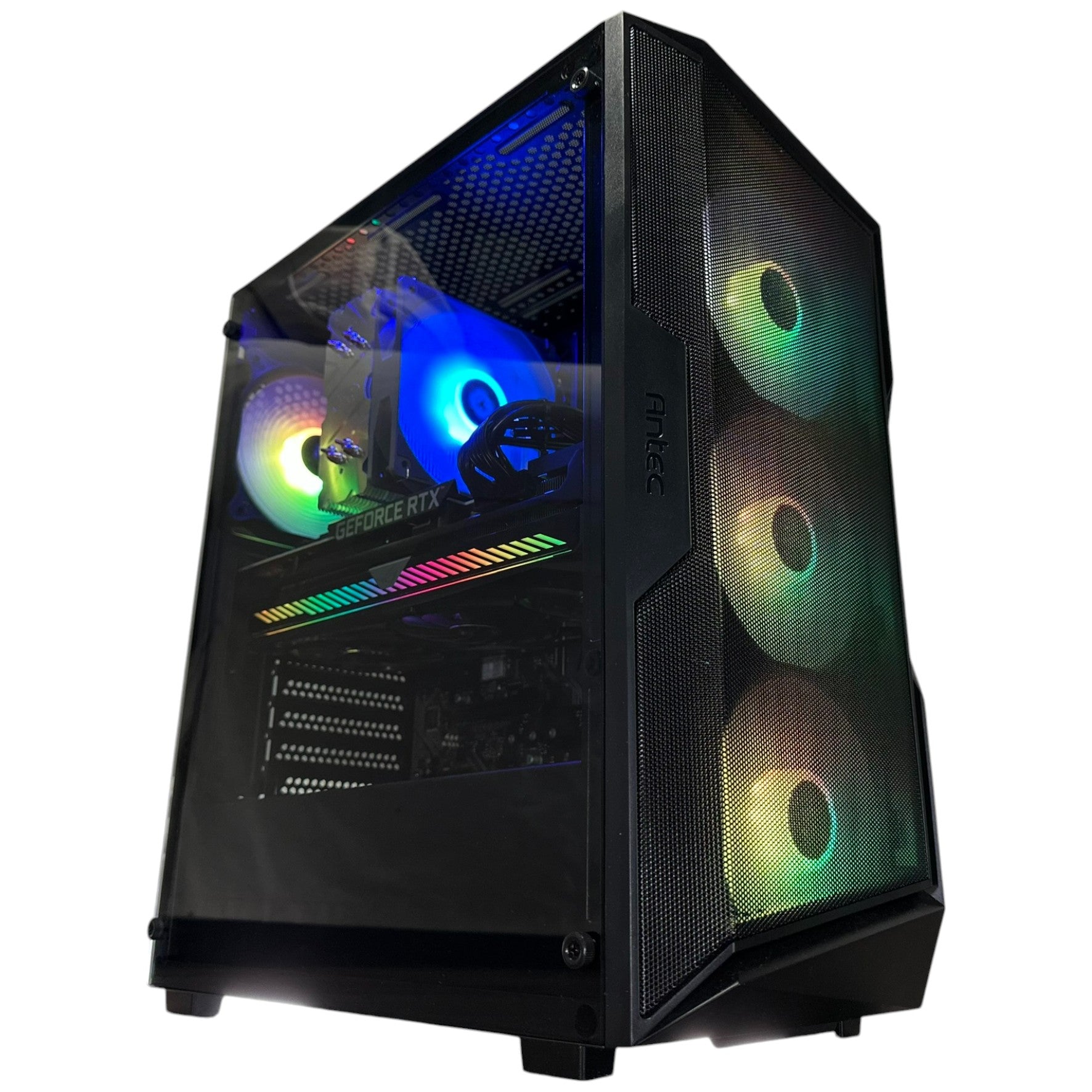
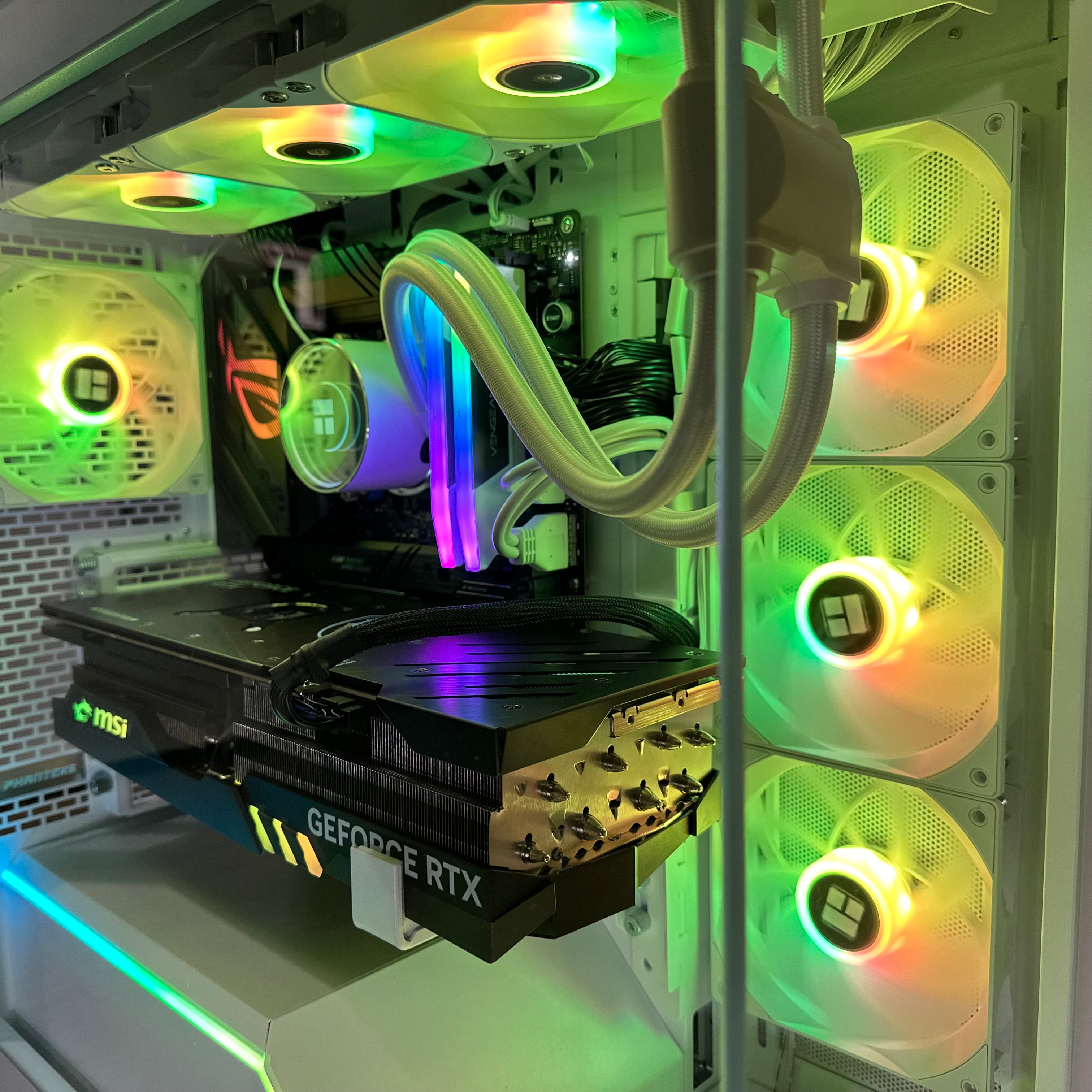
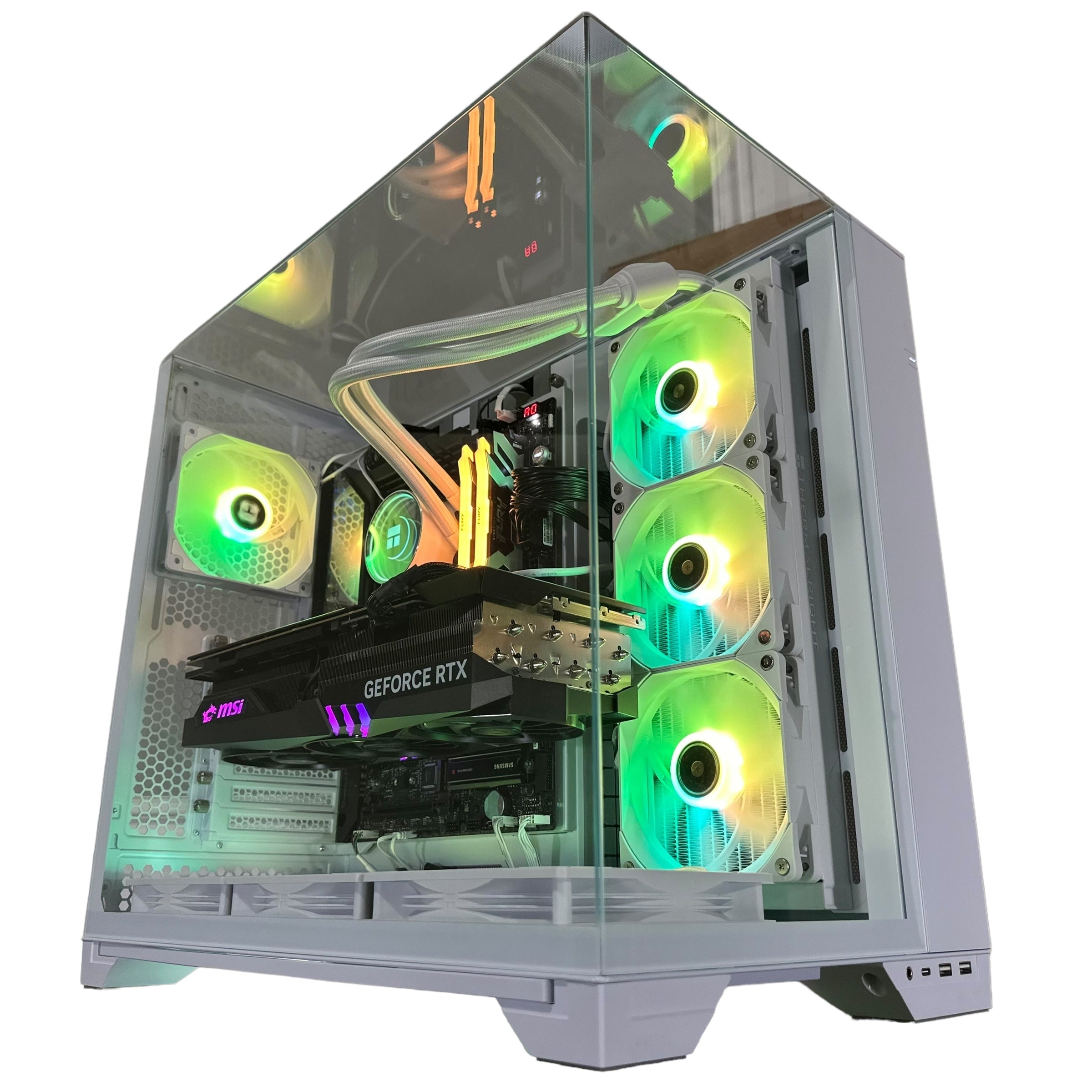
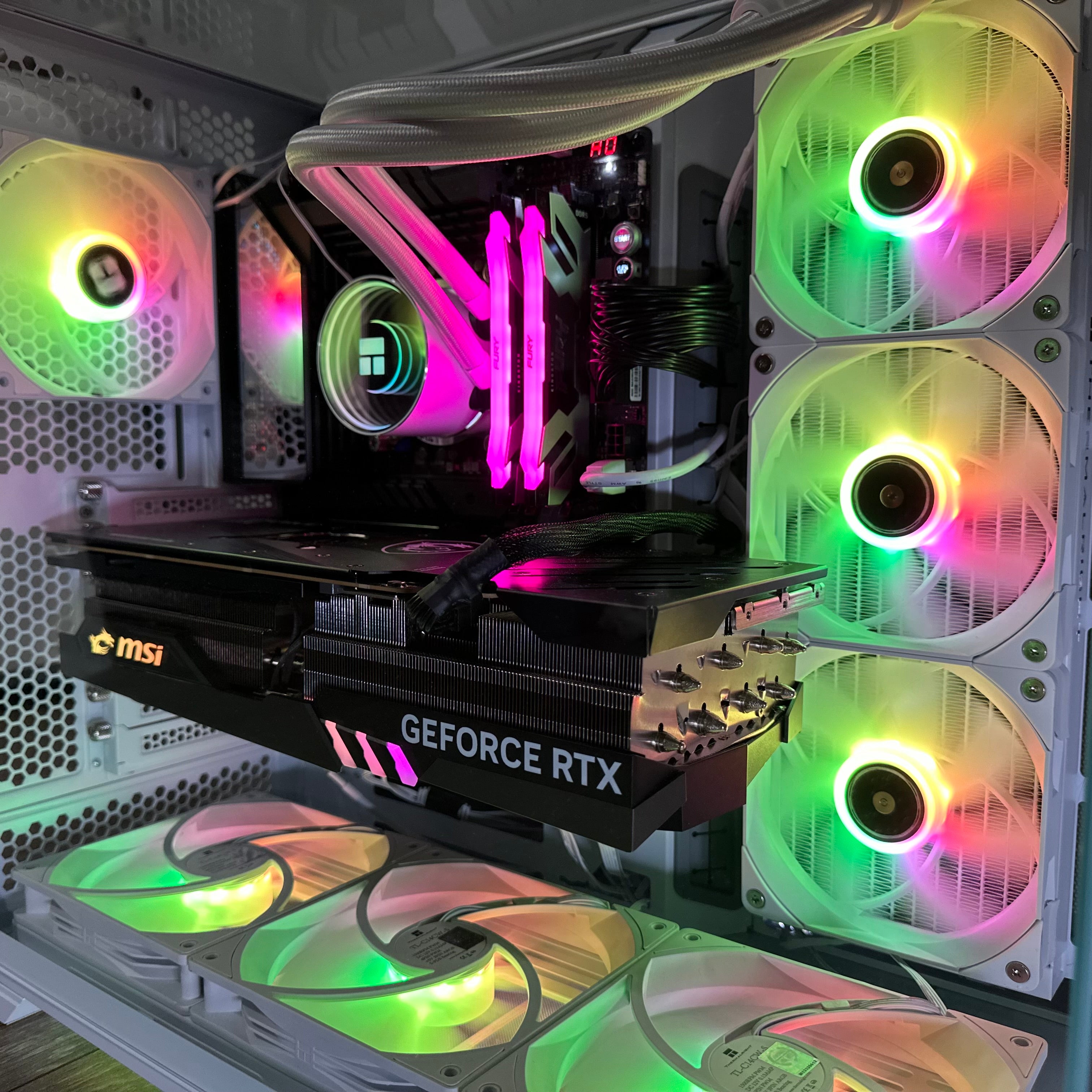
A Gaming PC for New Games is not just about chasing the highest frame rate anymore. The reported graphics problems after Crimson Desert patch 1.16 show why modern PC gaming buyers in Canada need to think carefully about GPU technology, upscaling support, driver maturity, ray tracing features, display resolution, and long-term build balance before choosing their next system.
According to the source report, Crimson Desert update 1.16 added updated AMD graphics technology on PC, including AMD FSR SDK 2.3.0 with support for FSR 4.1 scaling on Radeon RX 7000 series graphics cards. The patch also updated the game’s Ray Regeneration feature to version 1.2.0. On paper, that sounds like exactly the kind of update PC gamers want: improved image quality, stronger performance, and better support for modern AMD video cards.
But the reality reported by users was very different. Players began complaining about serious graphical issues after the patch, including broken or non-functional Ray Regeneration, severe image blur with FSR 4.1 scaling enabled, and weather effects problems where raindrops either disappeared or turned into a blurry smear. At the time of the report, no official fix had been released by the developers or AMD representatives.
For Canadian gamers, streamers, editors, and creators, this is more than a one-game bug. It is a reminder that a new PC needs to be selected around the real software you use, not just the spec sheet. Are you buying a gaming desktop for Crimson Desert, future open-world RPGs, ray tracing games, competitive esports, streaming, video editing, photo editing, graphic design, 3D modeling, or all of the above? The answer changes what kind of custom PC makes sense.
What Actually Happened With Crimson Desert Patch 1.16?
The reported goal of Crimson Desert patch 1.16 was positive: update the PC graphics pipeline with newer AMD FSR support and refresh Ray Regeneration. Upscaling technologies like FSR, DLSS, and XeSS have become central to modern PC gaming because they allow demanding titles to run at higher frame rates by rendering internally at a lower resolution and reconstructing the final image.
When these technologies work properly, the result can be excellent. A gamer playing at 1440p or 4K can often gain smoother gameplay without sacrificing too much clarity. For open-world titles, ray tracing games, and cinematic single-player releases, upscaling can be the difference between a choppy experience and an enjoyable one.
However, the reported Crimson Desert situation shows the downside: when the implementation is flawed, the technology that is supposed to improve the game can actively hurt the image. Blur, broken rain effects, unstable reconstruction, and non-functioning ray-related features can make a powerful GPU feel less impressive than expected.
That raises an important question: when you buy your next PC, are you choosing a system only for today’s benchmark numbers, or are you choosing a balanced machine that can handle patches, driver updates, new game engines, and unpredictable software changes?
Why a Gaming PC for New Games Needs More Than One Strong GPU
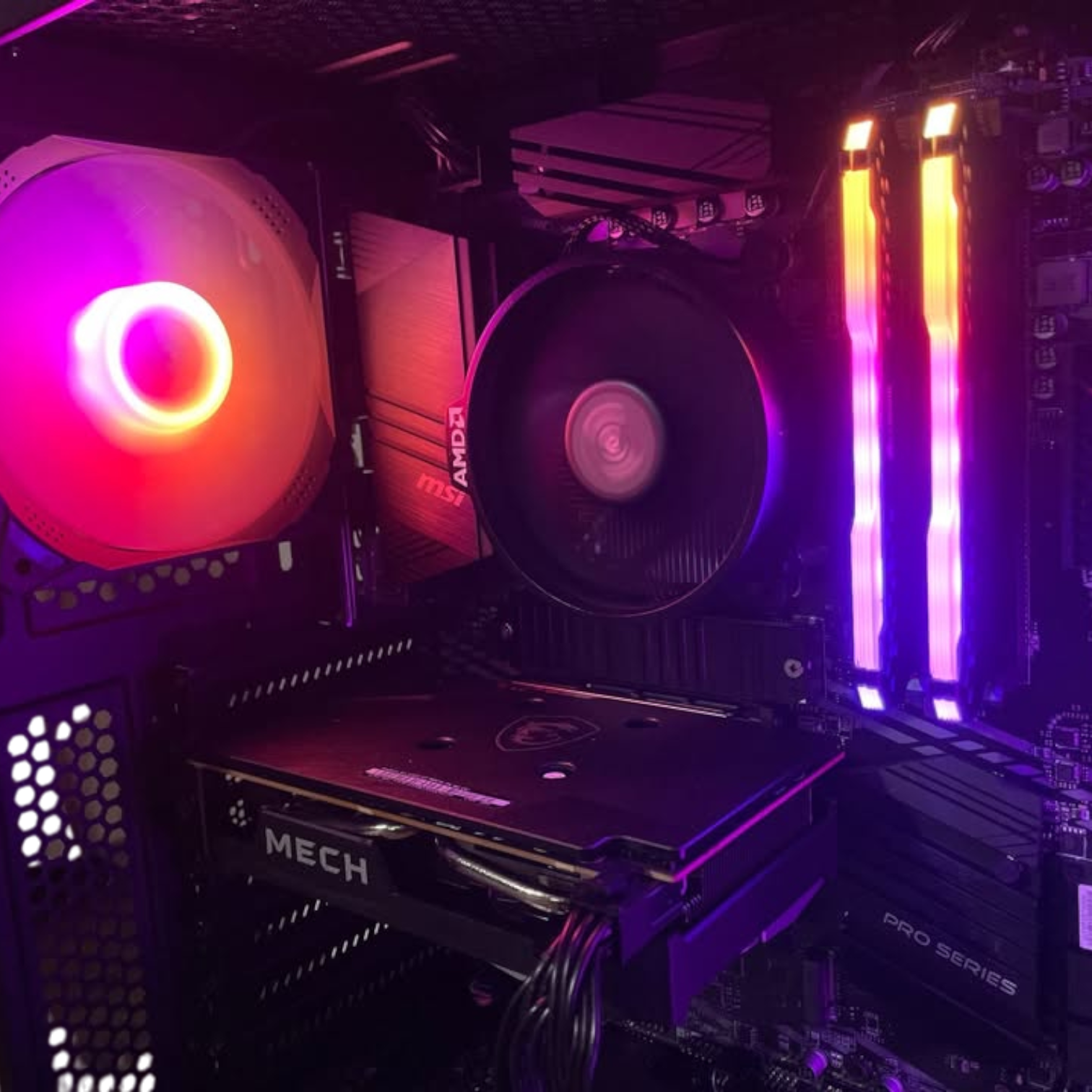
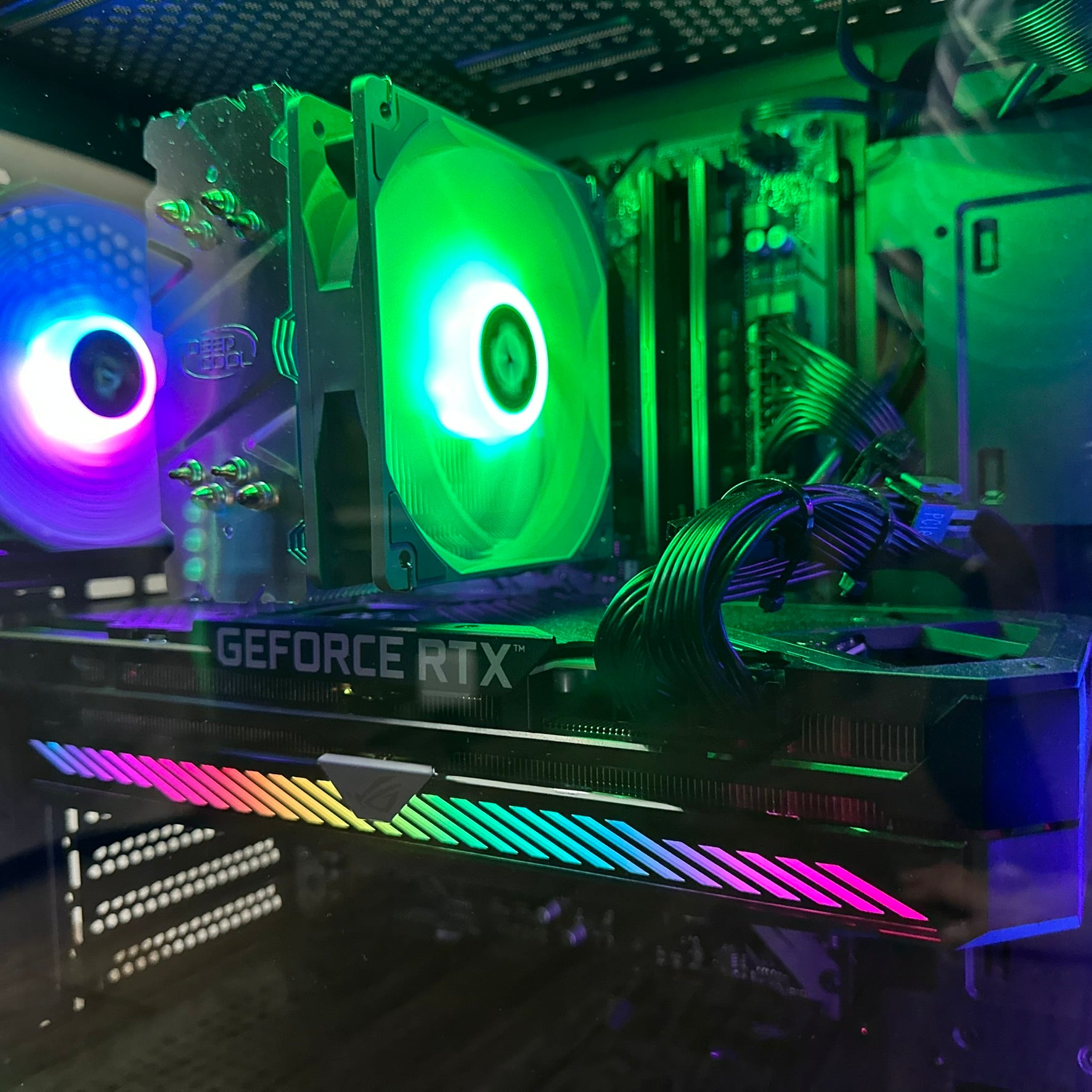
A Gaming PC for New Games needs a strong graphics card, but it also needs the right CPU, memory, storage, cooling, power supply, case airflow, driver support strategy, and upgrade path. Modern games are increasingly complex. They use advanced lighting, high-resolution textures, procedural worlds, shader compilation, ray tracing, frame generation, reconstruction, AI-assisted features, and large asset streaming systems.
If one part of the system is weak, the whole experience can suffer. A powerful GPU paired with a low-end CPU may stutter in dense city areas. A great processor with too little RAM can struggle with background apps, browsers, Discord, OBS, and launchers. A budget SSD can cause slower load times or streaming hitching. Poor cooling can reduce boost clocks. A cheap power supply can compromise reliability.
So the real question is not simply, “Which graphics card is fastest?” The better question is: what PC do you need for the games, software, resolution, and creative workloads you actually use?
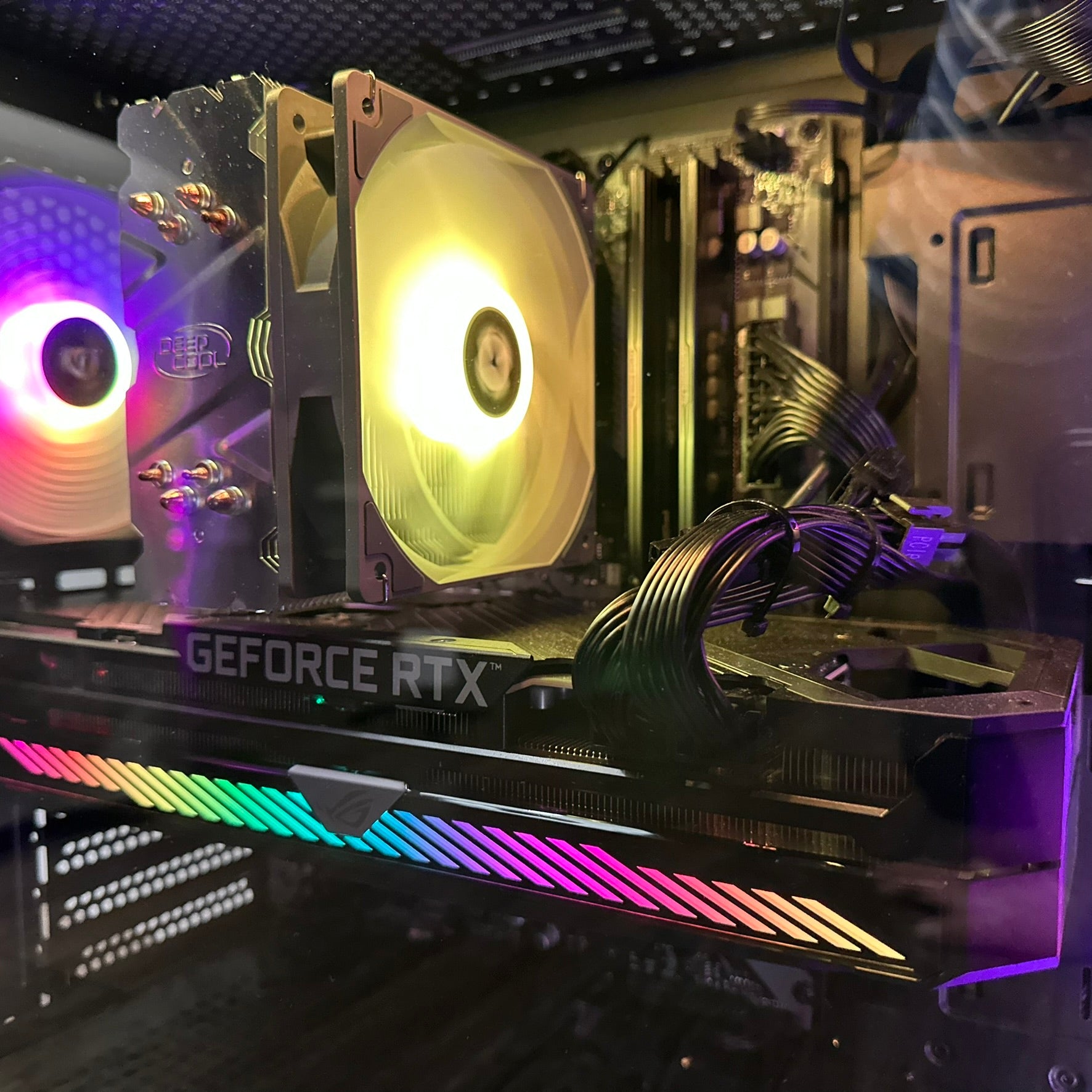
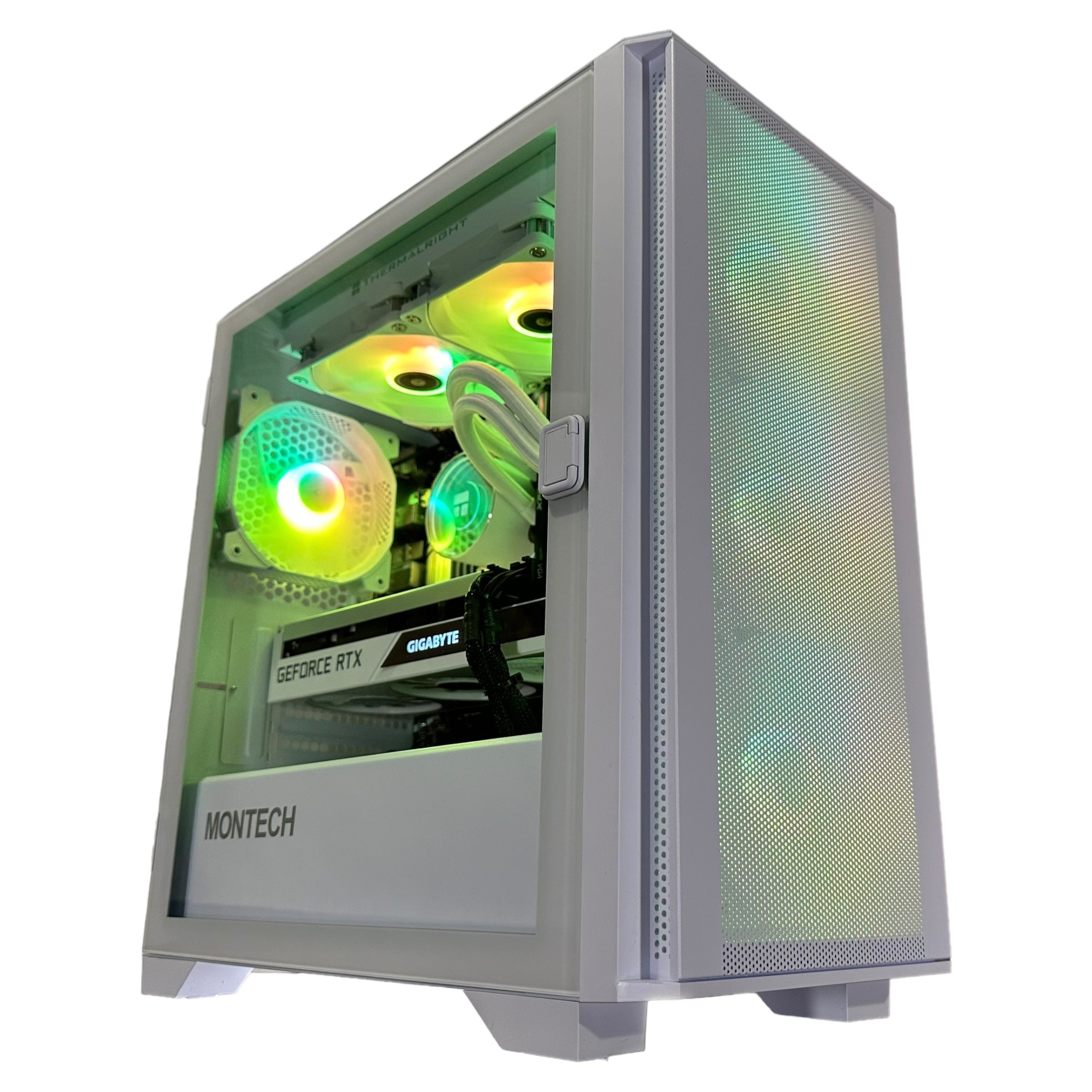
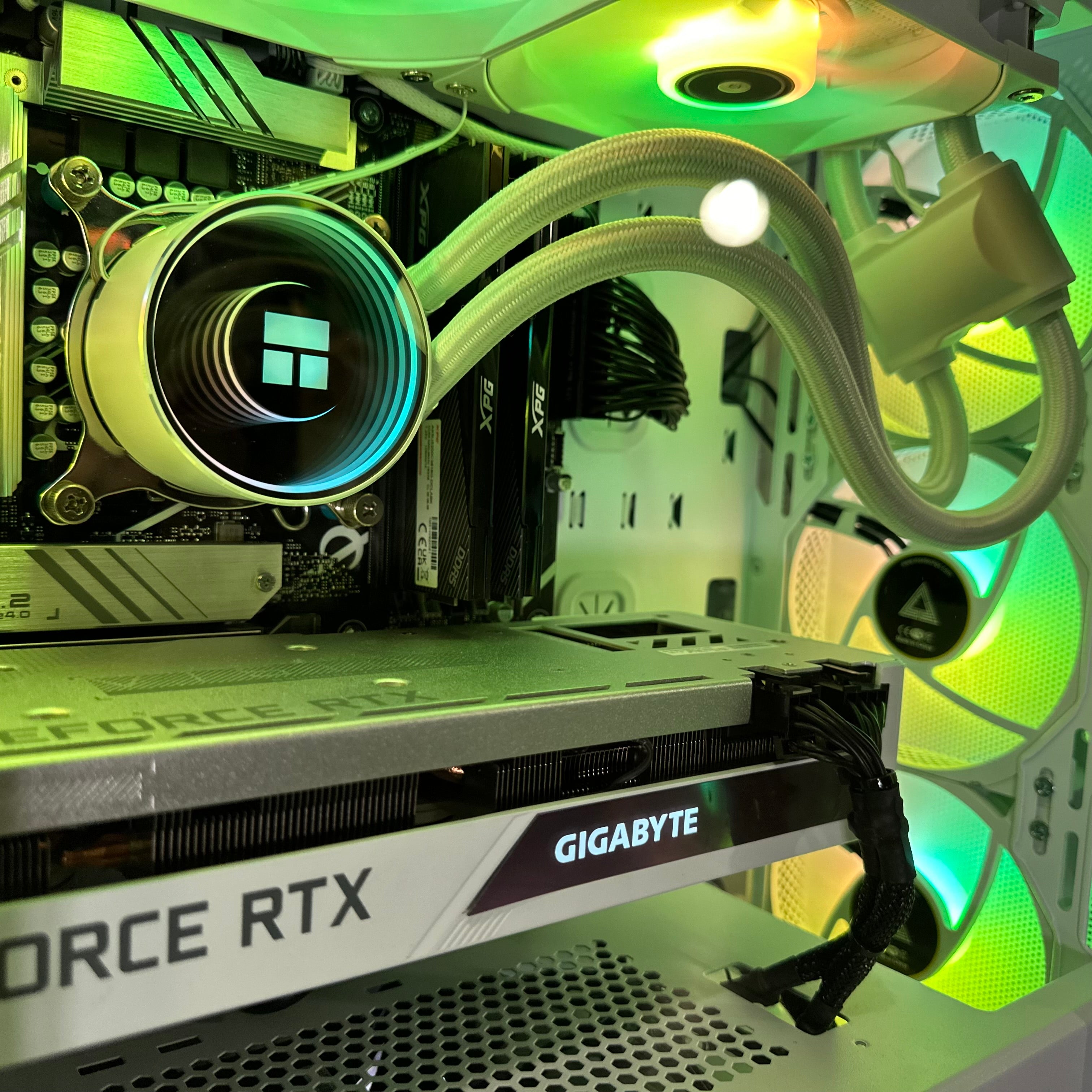
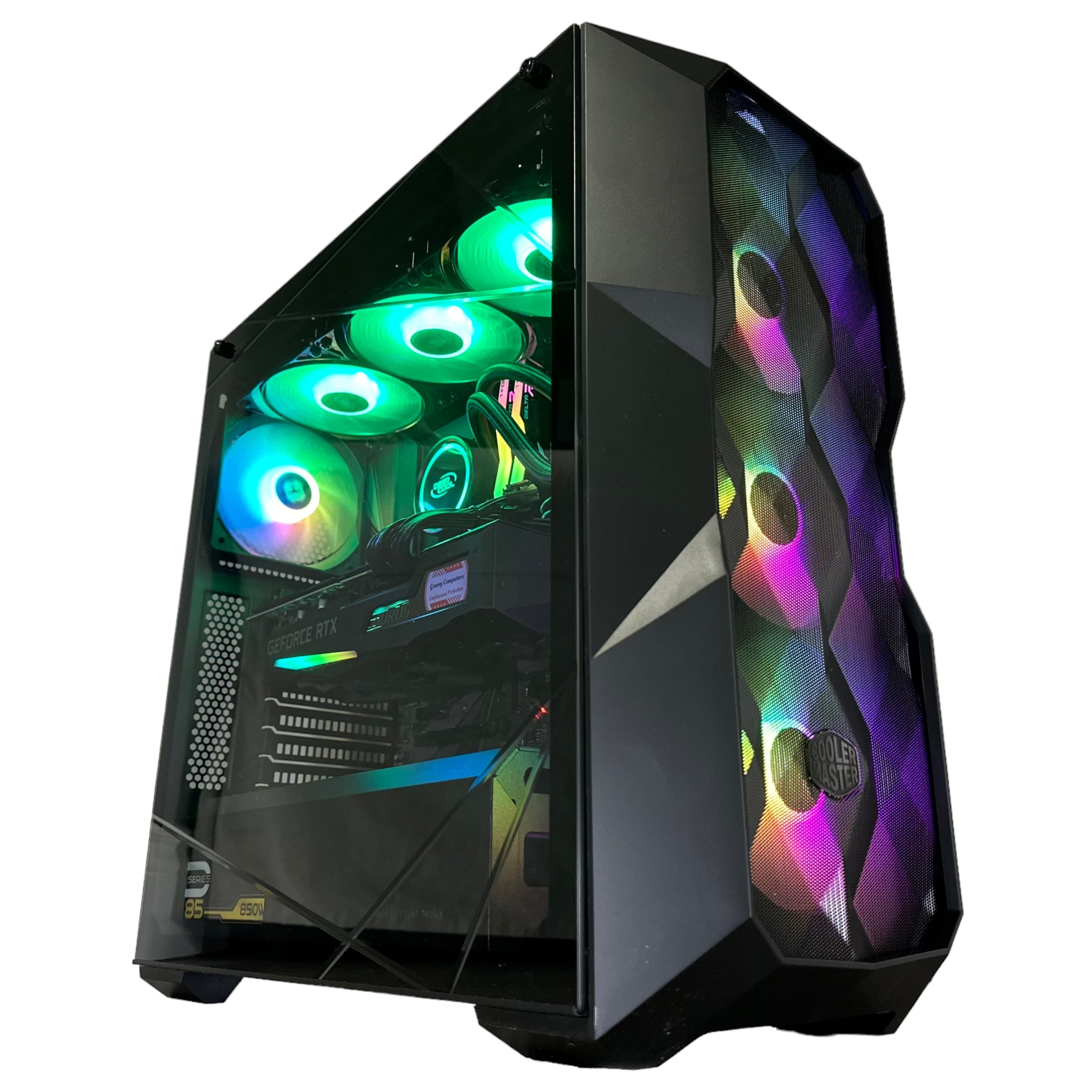
At Groovy Computers, that is the difference between buying a generic box and choosing a custom gaming PC built around your real goals. A balanced system for 1080p esports is not the same as a 4K ray tracing system. A gaming and streaming PC is not the same as a pure gaming rig. A creator workstation for DaVinci Resolve, Blender, Photoshop, and Unreal Engine needs different priorities than a budget gaming computer for Fortnite, Minecraft, Roblox, or Valorant.
What Does This Mean for Canadian Gamers Watching Crimson Desert?
Crimson Desert is the kind of visually ambitious PC release that attracts players who care about cinematic worlds, high settings, smooth combat, detailed landscapes, and immersive weather. When a patch affects graphics quality, it reminds buyers that new games can change after launch. A system that feels acceptable today may be pushed harder tomorrow by a new update, new driver, new texture pack, or new rendering feature.
Canadian buyers also face a different reality than gamers in larger markets. Component pricing can shift quickly, Canadian dollar fluctuations can affect replacement costs, and supply timing can be unpredictable around major releases, holidays, and GPU demand spikes. If you wait until a big game launches, everyone else may be shopping at the same time.
Are you planning to buy before a major game release, a new season of your favourite competitive title, a school term, a creator workload upgrade, a Black Friday-style sale window, or a possible hardware price increase? If so, waiting until the last minute can limit your options.
A Gaming PC for New Games should be chosen with headroom. That does not mean every buyer needs the most expensive system available. It means your PC should not be built so close to the edge that one game patch, one higher-resolution monitor, or one added streaming workload makes it feel outdated.
Do You Want 1080p, 1440p, 4K, Ray Tracing, or High FPS?
Before picking a build, start with the display and experience you want. Resolution and refresh rate are two of the biggest factors in gaming PC selection.
Are You Playing at 1080p?
A 1080p Gaming PC Canada buyer usually wants strong value, smooth frame rates, and reliable performance in popular games. This is the right direction for students, first-time PC gamers, esports players, and budget-conscious customers who still want a clean, modern system.
At 1080p, the CPU can matter a lot, especially in competitive games where high frame rates are the goal. If you play Counter-Strike 2, Valorant, Fortnite, Call of Duty, Apex Legends, Rocket League, or similar games, you may care more about stable high FPS than cinematic 4K visuals.
Ask yourself: do you want maximum frames for competitive play, or do you want higher visual quality in story-driven games? That one question can change your ideal CPU and GPU combination.
Are You Moving to 1440p?
A 1440p Gaming PC Canada customer is usually looking for the modern sweet spot. This resolution is noticeably sharper than 1080p, but it is more realistic to drive at high frame rates than 4K. For many gamers, 1440p is the best balance of performance, image quality, and price.
If you are following games like Crimson Desert, large open-world RPGs, modern shooters, racing games, survival games, and upcoming AAA releases, 1440p is often where a well-built custom gaming PC feels most rewarding. You get strong detail without needing to buy the most extreme GPU tier.
But here is the important part: 1440p puts more pressure on the graphics card. Upscaling features can help, but as the Crimson Desert patch reports show, you should not build a system that depends entirely on one upscaling mode always working perfectly. Native performance still matters.
Are You Targeting 4K?
A 4K Gaming PC Canada buyer is looking for premium visuals, high texture quality, and long-term performance headroom. This is where GPU selection becomes critical. 4K gaming can look incredible, but it can also expose weaknesses quickly, especially when ray tracing, ultra settings, and heavy post-processing are enabled.
If you want 4K gaming, ask yourself: do you want to play at high settings with selective ray tracing, or do you want ultra settings with the strongest possible visual features enabled? Those are different build categories.
For a premium 4K gaming PC, the power supply, cooling, case airflow, and CPU pairing matter more than many shoppers expect. A high-end GPU needs a stable platform around it. That is why custom build planning and testing matter.
Do You Care About Ray Tracing?
A Ray Tracing Gaming PC Canada build is about more than average FPS. Ray tracing can change reflections, shadows, global illumination, and lighting realism, but it also dramatically increases GPU demand. Games that use advanced reconstruction, frame generation, or ray regeneration-type features may look excellent when everything works properly, but they can also be sensitive to patch quality and driver behaviour.
The Crimson Desert patch discussion is a perfect example of why ray tracing buyers need realistic expectations. Do you want ray tracing because you love cinematic visuals, or do you mainly want competitive performance? If you mostly play esports, ray tracing may not be your top priority. If you play immersive single-player games, it may be worth building around.
What Do You Want Your Next PC to Do for You?
Before choosing a custom PC, take a step back and ask the most useful buying question: what do you want your next PC to do for you?
Do you want it to run new games smoothly for years? Do you want to stream on Twitch or YouTube while gaming? Do you want to edit 4K video without waiting forever on exports? Do you want to work in Photoshop, Lightroom, Illustrator, Canva, or InDesign? Do you want to learn Blender, Unreal Engine, Unity, AutoCAD, Revit, SolidWorks, or 3D rendering? Do you want one system that can handle gaming, school, business, and content creation?
This is where many buyers accidentally underbuild. They choose a gaming PC for today’s game, then later realize they also want OBS streaming, YouTube editing, short-form content creation, AI tools, multi-monitor productivity, or 3D modeling. Suddenly, the “good enough” system feels limited.
If you want to avoid upgrading too soon, it is often smarter to buy a more balanced system now than to replace major components later. Financing can also make sense for customers who would rather secure a stronger build upfront instead of buying a cheaper PC that may need upgrades sooner.
Which Performance Tier Fits You Best?
Not every customer needs the same PC. A smart buying guide should help you match your needs to the right tier instead of pushing everyone toward the same build.
Budget Gaming Computer: Best for 1080p, Students, and First-Time PC Gamers
A budget gaming computer is ideal if you want reliable 1080p performance, esports readiness, school productivity, and everyday use without overspending. This tier can be excellent for players who care about value, especially if the games are optimized well or do not require extreme graphics settings.
This kind of system is a strong fit if you are asking: how much should I spend on a gaming PC, and can a budget gaming PC play new games? The answer depends on your expectations. A budget system can be very capable, but it should be chosen honestly. If you expect ultra settings in every future AAA game, a budget build may not be the right long-term answer.
Mid-Range Custom Gaming PC: Best for 1440p and Long-Term Value
A mid-range custom gaming PC is often the best choice for Canadian gamers who want strong performance without paying for flagship hardware. This tier usually makes the most sense for 1440p gaming, high-refresh monitors, mixed competitive and single-player gaming, and light content creation.
If you play a mix of Crimson Desert-style open-world games, competitive shooters, survival titles, RPGs, and strategy games, this is where a custom build can shine. The key is selecting the right GPU and CPU combination so you are not bottlenecked in either direction.
Ask yourself: what PC do I need for 1440p gaming if I also want to stream, record gameplay, or edit clips? If you are doing more than gaming, RAM capacity, storage speed, and GPU encoder quality become more important.
Premium RTX Gaming PC: Best for 4K, Ray Tracing, and Ultra Settings
A premium RTX gaming PC is built for customers who want higher-end visuals, ray tracing support, better upscaling options, higher-resolution textures, and more future headroom. This tier is ideal for 4K monitors, ultrawide displays, demanding new releases, and gamers who do not want to compromise quickly.
Premium buyers should ask: what PC do I need for 4K gaming, and how long will a high-end gaming PC last? A stronger build can last longer, but only if the full system is designed properly. The GPU gets the attention, but the supporting platform determines stability, thermals, noise, and upgrade potential.
Gaming and Streaming PC: Best for OBS, Twitch, YouTube, and Recording
A Gaming and Streaming PC Canada build needs to handle two workloads at once: playing the game and encoding or recording the stream. If you stream with OBS Studio, Streamlabs, YouTube Live, Twitch, or TikTok Live, your PC needs enough CPU and GPU headroom to avoid dropped frames, stutter, and poor output quality.
Do you need a separate streaming PC? Not always. A well-built single-PC setup can be excellent for most creators, especially when the GPU encoder, RAM, and storage are selected properly. However, if you are gaming at high settings, recording high bitrate footage, using overlays, running a browser, managing chat, and editing clips afterward, you should not buy the lowest tier and expect workstation-level multitasking.
Custom Creator PC: Best for Video Editing, Photo Editing, Graphic Design, and Social Content
A Custom Creator PC Canada build focuses on smooth timelines, fast exports, high RAM capacity, fast SSDs, and software acceleration. If you use Adobe Premiere Pro, DaVinci Resolve, After Effects, Photoshop, Lightroom Classic, Illustrator, Canva, InDesign, CapCut, or Adobe Creative Cloud, your ideal PC may be different from a pure gaming system.
Is a gaming PC good for content creation? Sometimes, yes. A strong gaming PC often has a capable GPU and fast CPU. But creator workloads can require more RAM, more storage, better scratch disk planning, and a CPU selected for sustained productivity rather than only gaming benchmarks.
Ask yourself: what PC do content creators need if they edit video, design thumbnails, record gameplay, stream, and manage multiple apps at once? That buyer should be looking at a multi-purpose creator PC, not just the cheapest gaming desktop available.
3D Modeling and Rendering Workstation: Best for Blender, Unreal Engine, CAD, and Animation
A 3D Modeling PC Canada or 3D Rendering PC Canada build needs serious planning. Blender, Unreal Engine, Unity, Maya, 3ds Max, Cinema 4D, SketchUp, ZBrush, AutoCAD, Revit, and SolidWorks can all benefit from different CPU, GPU, RAM, and storage priorities.
If you are asking, what PC do I need for Blender or 3D rendering? the answer depends on whether you render mostly on the GPU, render mostly on the CPU, work with large scenes, use simulations, or need real-time viewport performance. A gaming PC can be good for Blender, but a workstation-focused build may be better if your income, deadlines, or school projects depend on it.
This is where custom guidance matters. A workstation PC should not be treated like a random prebuilt with a strong-looking graphics card. The full system should be planned around stability, memory capacity, storage workflow, cooling, and upgrade room.
Why Upscaling Problems Matter When Buying a PC
The Crimson Desert patch issue is important because upscaling is no longer a side feature. It is now central to how many games reach playable performance at higher settings. Technologies like FSR, DLSS, XeSS, frame generation, and reconstruction features are part of the modern PC gaming conversation.
But buyers should understand the difference between using upscaling as a bonus and depending on it as a crutch. If your PC can only achieve your target experience when one specific upscaler works perfectly, then a bad patch can become a major problem. If your system has enough native performance headroom, upscaling becomes an enhancement rather than a requirement.
That does not mean avoiding upscaling. It means buying intelligently. A custom gaming PC should be selected for real-world play, not just best-case marketing claims. Do you want stable 1440p without relying on aggressive performance modes? Do you want 4K with ray tracing and acceptable image quality? Do you prefer high FPS with lower latency? Each answer changes the hardware recommendation.
AMD, NVIDIA, and the Practical Question: Which GPU Should You Choose?
The source report specifically discusses AMD Radeon RX 7000 series cards and FSR 4.1 support in Crimson Desert. It is important to avoid overreacting to one game patch. A graphics bug in one title does not automatically mean a whole GPU brand is wrong for every customer. AMD and NVIDIA both have strengths, and both rely on driver updates, game patches, and developer implementation quality.
The practical buying question is: which GPU ecosystem best fits your games and workloads?
If you mainly play rasterized games at 1080p or 1440p and want strong value, an AMD-based system may make sense depending on availability and pricing. If you prioritize ray tracing, DLSS-supported titles, GPU-accelerated creator apps, certain rendering workflows, or streaming encoder features, an NVIDIA-based build may be a better fit. If you use software that benefits from a specific GPU acceleration path, that should influence your choice.
For Groovy Computers customers, the goal is not brand loyalty for its own sake. The goal is building the right system for the job. What games do you actually play? What software do you actually use? Are you chasing high FPS, visual quality, content output, rendering speed, or long-term upgrade flexibility?
Why Canadian Buyers Should Think About Timing Before Prices Shift
PC component pricing can move quickly. GPUs, CPUs, RAM, SSDs, cases, power supplies, and cooling hardware are all affected by supply, exchange rates, shipping conditions, demand spikes, product transitions, and sale cycles. Even when one component drops, another can rise.
For Canadian customers, this matters because replacement costs are not always predictable. If you delay a build for months waiting for the “perfect time,” you may discover that the part you wanted is unavailable, the sale ended, a new game pushed demand higher, or memory and storage pricing changed.
Is it better to buy a gaming PC now or wait? The honest answer depends on your timeline. If you do not need a PC for six to twelve months, waiting may be reasonable. But if you are already struggling with new games, planning to stream, starting school, upgrading your creator workload, or preparing for a major release, waiting can cost you productivity and enjoyment.
Would financing help you secure a stronger system before replacement costs rise? For many buyers, financing up to 4 years can make a better-balanced build more realistic today. Instead of buying the cheapest system and upgrading too soon, financing may allow you to step into a stronger GPU, more RAM, better storage, or a more capable creator/workstation platform from the start.
Should You Finance a Better PC Instead of Buying a Cheaper One?
Financing is not about overspending. It is about matching the system to the workload without forcing every decision into the lowest upfront price. If a cheaper PC meets your needs, great. But if it will struggle with your actual games or software, the low price can become expensive later.
Consider these questions:
- Are you buying only for today, or do you want to avoid upgrading too soon?
- Will your next monitor be 1440p, ultrawide, or 4K?
- Are you planning to stream, record, edit, or render?
- Will you need more RAM for Adobe Creative Cloud, DaVinci Resolve, Blender, or multitasking?
- Are component prices likely to matter more to you in three months than they do today?
- Would monthly payments make a stronger, longer-lasting system easier to own?
If your answer points toward a stronger build, a financing option can help you avoid the mistake of underbuying. Groovy Computers can help Canadian customers compare practical build tiers and decide whether financing makes sense for their budget and performance goals.
Why Custom Builds Matter More When Games Are Getting Less Predictable
Modern PC gaming is unpredictable. One patch can improve performance, another can break image quality. One driver can help a specific title, another update may need refinement. New game engines are demanding more VRAM, faster storage, stronger CPUs, and better cooling. Creator apps are adding AI tools, GPU acceleration, and heavier memory requirements.
This is exactly why custom builds matter. A custom PC can be configured for your monitor, games, software, budget, noise preference, upgrade path, and performance target. It is not just about selecting parts; it is about matching the parts properly.
A generic prebuilt may advertise one impressive component while cutting corners elsewhere. A custom build should consider the full system:
- GPU choice for gaming resolution, ray tracing, creator acceleration, and rendering needs.
- CPU choice for high FPS gaming, streaming, editing, multitasking, and workstation performance.
- RAM capacity for new games, browsers, Discord, OBS, Adobe apps, Blender scenes, and large files.
- SSD speed and capacity for game libraries, project files, scratch disks, recordings, and fast load times.
- Power supply quality for stability, efficiency, and future upgrades.
- Cooling and airflow for sustained performance under real gaming or rendering loads.
- Case selection for thermals, aesthetics, cable management, and long-term serviceability.
- Testing to reduce the risk of instability before the system reaches the customer.
Groovy Computers focuses on custom PCs that are built with practical performance in mind. Each system benefits from expert part selection, rigorous testing, and a 1-year warranty, giving buyers more confidence than rolling the dice on a random marketplace build.
What Questions Should You Ask Before Buying a Gaming PC for New Games?
If Crimson Desert patch 1.16 made you think about upgrading, do not start by asking only, “What GPU should I buy?” Start with these better questions:
- What games do I want to play most? Open-world AAA games, esports titles, simulators, survival games, and ray tracing titles all stress hardware differently.
- What resolution do I want? 1080p, 1440p, ultrawide, and 4K each need a different GPU tier.
- Do I care more about graphics quality or high FPS? Competitive players and cinematic gamers often need different builds.
- Will I stream or record? OBS, Twitch, YouTube, and gameplay capture add workload beyond the game itself.
- Will I edit video or create content? Premiere Pro, DaVinci Resolve, After Effects, Photoshop, Lightroom, and CapCut can change CPU, RAM, and storage priorities.
- Will I do 3D modeling or rendering? Blender, Unreal Engine, CAD, and animation workloads may need a workstation approach.
- Do I need financing? Monthly payments may make a better system possible before price changes or demand spikes.
- How long do I want the PC to last before major upgrades? Future-proofing is not about buying the most expensive parts; it is about buying enough headroom.
These questions are exactly where a Canadian custom PC builder can help. Instead of guessing, you can get a system planned around what you actually do.
Gaming, Streaming, Editing, or Workstation: Which Build Category Sounds Like You?
If you are still unsure, think about your primary use case.
Choose a Gaming-Focused Build If...
You mainly want to play games at a specific resolution and frame rate. This is the right path if your top priorities are smooth gameplay, GPU performance, monitor matching, and strong value for your favourite titles.
Ask yourself: what gaming PC do I need for the games I actually play every week? A custom gaming PC for Valorant and Fortnite may look very different from a PC for Crimson Desert, Cyberpunk-style ray tracing, large open-world RPGs, or 4K ultra settings.
Choose a Streaming Build If...
You want to game while broadcasting, record gameplay, use a camera, manage chat, run overlays, and edit clips afterward. A streaming build should prioritize smooth multitasking, encoder support, RAM, and storage planning.
If you are asking, what PC do I need for streaming? the answer is not simply “any gaming PC.” You need a machine that can stay smooth while doing more than one demanding job at once.
Choose a Creator PC If...
You edit videos, create thumbnails, design social posts, process RAW photos, work with Adobe Creative Cloud, or create YouTube and TikTok content. A Creator PC Canada build should prioritize workflow speed, stability, storage, and memory.
Ask yourself: is a gaming PC good for content creation, or do I need a custom creator PC? If content creation is occasional, a gaming PC may be enough. If it is part of your job, school, or business, a creator-focused configuration is usually smarter.
Choose a Workstation If...
You use Blender, Unreal Engine, Unity, CAD, 3D rendering, architecture tools, engineering software, animation programs, or heavy productivity workloads. A Custom Workstation PC Canada build should be selected for sustained performance and project reliability.
Ask yourself: what workstation PC do I need if missed deadlines cost me money? If reliability and time saved matter, workstation planning is worth it.
Why Image Quality Problems Should Make You Think About Your Monitor Too
Blur caused by upscaling is more noticeable at some resolutions and display sizes than others. A 24-inch 1080p monitor, 27-inch 1440p monitor, 34-inch ultrawide, and 4K display all reveal image reconstruction differently. If a game’s scaling implementation is poor, a large high-resolution monitor can make artifacts more obvious.
This does not mean you should avoid better monitors. It means your PC and monitor should be chosen together. A premium display deserves a PC that can drive it properly. If you buy a 4K high-refresh monitor but pair it with an underpowered graphics card, you may be forced into aggressive upscaling settings more often. If you buy a balanced 1440p setup, you may get a better mix of sharpness, frame rate, and cost.
Are you upgrading your monitor at the same time as your PC? If yes, tell your builder. The right gaming desktop is the one that matches the screen you will actually use.
What About Video Editing, Photo Editing, and Design Buyers?
Even though the Crimson Desert report is about gaming graphics, the lesson applies directly to creators. Software updates can change performance, introduce new GPU acceleration paths, increase memory demands, or shift how projects render and export. If your computer is already barely keeping up, a software upgrade can make your workflow slower overnight.
For video editing, ask: what PC do I need for video editing if I work with 4K footage, effects, colour grading, and fast exports? A Video Editing PC Canada build may need a stronger CPU, more RAM, a capable GPU, and multiple SSDs for media, cache, and project files.
For photo editing, ask: how much RAM do I need for Lightroom, Photoshop, and large RAW files? A Photo Editing PC Canada build should feel responsive while importing, previewing, masking, exporting, and using AI-assisted tools.
For graphic design, ask: what PC do I need for graphic design if I use Photoshop, Illustrator, Canva, InDesign, and multiple monitors? A Graphic Design PC Canada build does not always need the most extreme GPU, but it does need strong responsiveness, enough RAM, fast storage, and stable multitasking.
For content creators, ask: what PC do I need for Adobe Creative Cloud, OBS, editing, thumbnails, social content, and gaming? A multi-purpose creator PC can save hours over time because it reduces waiting, stutter, export bottlenecks, and app slowdowns.
Why Testing and Warranty Confidence Matter
When you are buying a PC for new games, creative work, or professional use, the build quality matters as much as the parts list. A powerful machine that crashes under load is not a good machine. A gaming PC that overheats during long sessions is not ready for real use. A workstation that becomes unstable during renders can cost time and money.
Groovy Computers emphasizes custom builds, rigorous testing, and a 1-year warranty because confidence matters. Buyers should not have to wonder if their system was rushed, mismatched, or built around weak supporting components.
This matters even more when prices are volatile. If a GPU, RAM kit, or SSD becomes more expensive later, replacing a poorly chosen part can hurt. It is better to plan the system properly upfront and build around quality, compatibility, and realistic performance goals.
Why Groovy Computers Is a Strong Fit for Canadian Custom PC Buyers
Groovy Computers is a Canadian custom PC builder serving gamers, creators, streamers, students, professionals, and workstation users who want a system built around their needs. Whether you are shopping from Nova Scotia, Atlantic Canada, or elsewhere in Canada, the goal is to make the buying process clearer and more practical.
Instead of forcing every customer into the same generic PC, Groovy Computers can help you think through the real questions: What games do you play? What monitor do you use? Are you editing video? Are you streaming? Are you learning 3D modeling? Do you need a budget gaming computer, a premium RTX gaming PC, a custom creator PC, an editing workstation, or a 3D rendering workstation?
That guidance is especially valuable when gaming technology is changing quickly. Crimson Desert patch 1.16 is one example of how fast the experience can shift. New patches, drivers, upscalers, and rendering features can change what your system needs to handle.
If you want a Gaming PC for New Games that is selected for your real life instead of a generic spec sheet, visit GroovyComputers.ca and explore custom options, ready-to-ship systems, and financing possibilities.
Should You Buy Before the Next Big Game, Patch, Sale Period, or Price Spike?
If your current PC already struggles, waiting for the next major game launch can be risky. Demand often rises when big games, GPU refreshes, sale seasons, and school or holiday buying periods overlap. Even if one part becomes cheaper, the complete system you wanted may not stay the same price.
Ask yourself: will your current computer still feel good if your favourite game receives a more demanding update, your monitor gets upgraded, or your creative software becomes heavier? If the answer is no, now is the time to start planning.
Buying early does not mean rushing. It means giving yourself time to choose correctly. A well-planned custom build can help you avoid panic buying, weak component matches, and last-minute compromises.
And if the stronger system you actually need feels just out of reach, financing up to 4 years may help you secure better performance now rather than paying more later for upgrades or replacements.
Final Takeaway: Crimson Desert Patch 1.16 Is a PC Buying Lesson
The reported Crimson Desert patch 1.16 graphics problems are frustrating for players, especially those using AMD Radeon RX 7000 series cards with FSR 4.1 scaling and Ray Regeneration features. But the bigger lesson is useful: modern PC performance is about more than one benchmark, one patch, or one graphics setting.
A Gaming PC for New Games should be balanced, tested, upgrade-aware, and matched to your actual goals. If you want 1080p esports, 1440p high settings, 4K ray tracing, streaming, video editing, photo editing, graphic design, content creation, 3D modeling, or professional workstation performance, your PC should be built for that purpose.
So what do you want your next PC to do for you? If you want help choosing the right build, avoiding underpowered hardware, comparing performance tiers, or deciding whether financing makes sense before prices shift, Groovy Computers is ready to help Canadian buyers make a smarter move.
#GamingPCForNewGames #GamingPCCanada #CustomGamingPCCanada #1440pGamingPCCanada #4KGamingPCCanada #RayTracingGamingPC #CreatorPCCanada #GroovyComputers
Groovy Computers | All Rights Reserved


Leave a comment
This site is protected by hCaptcha and the hCaptcha Privacy Policy and Terms of Service apply.