




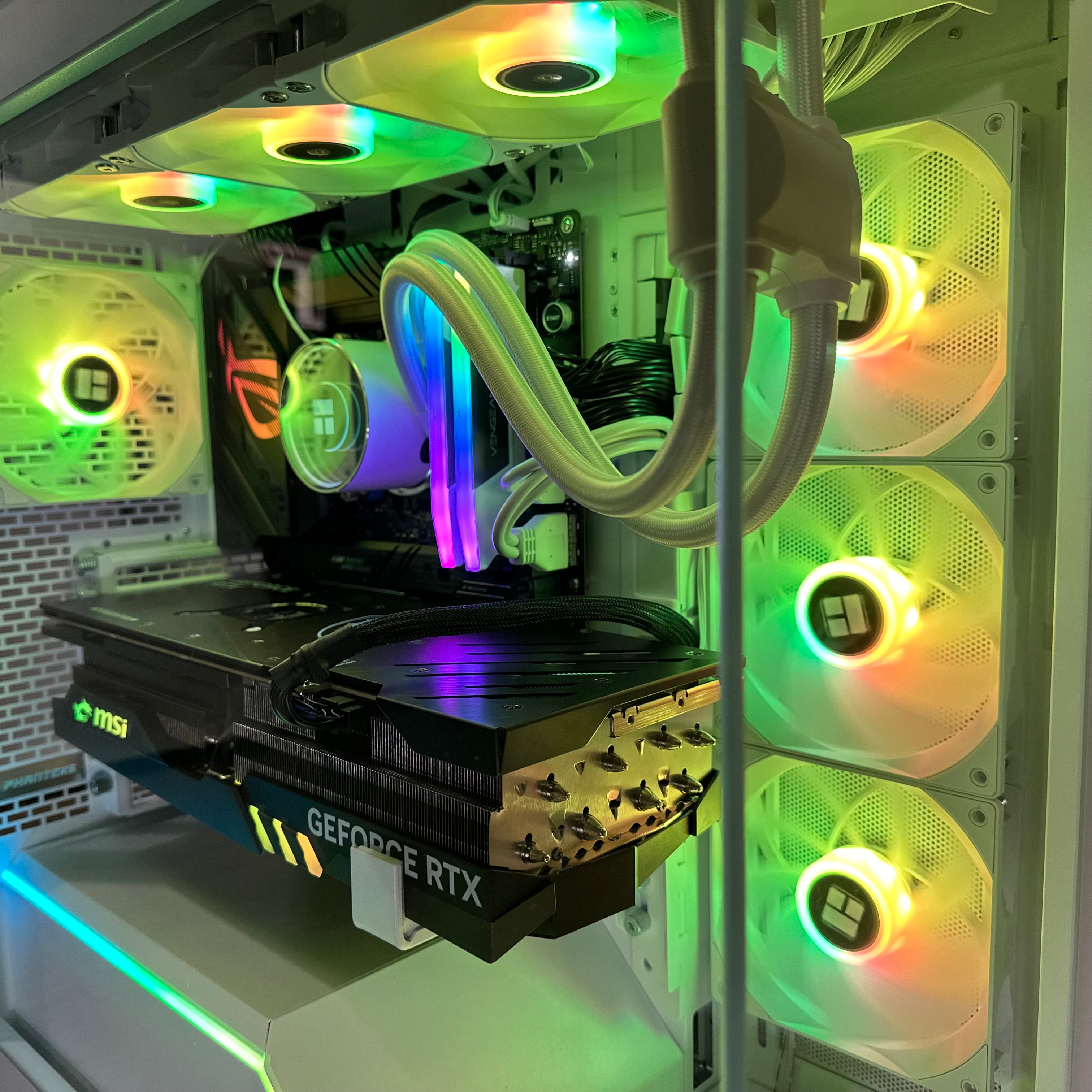
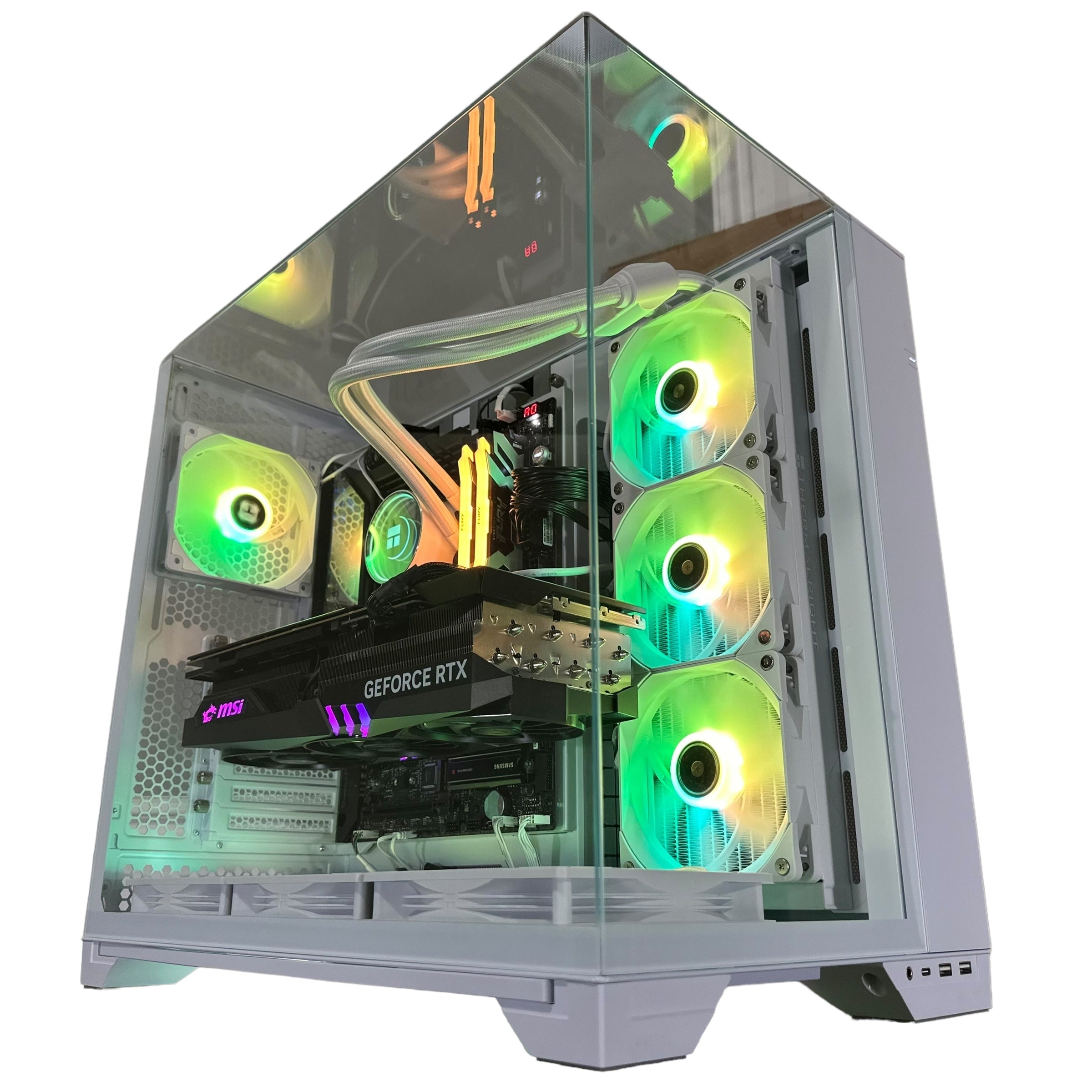
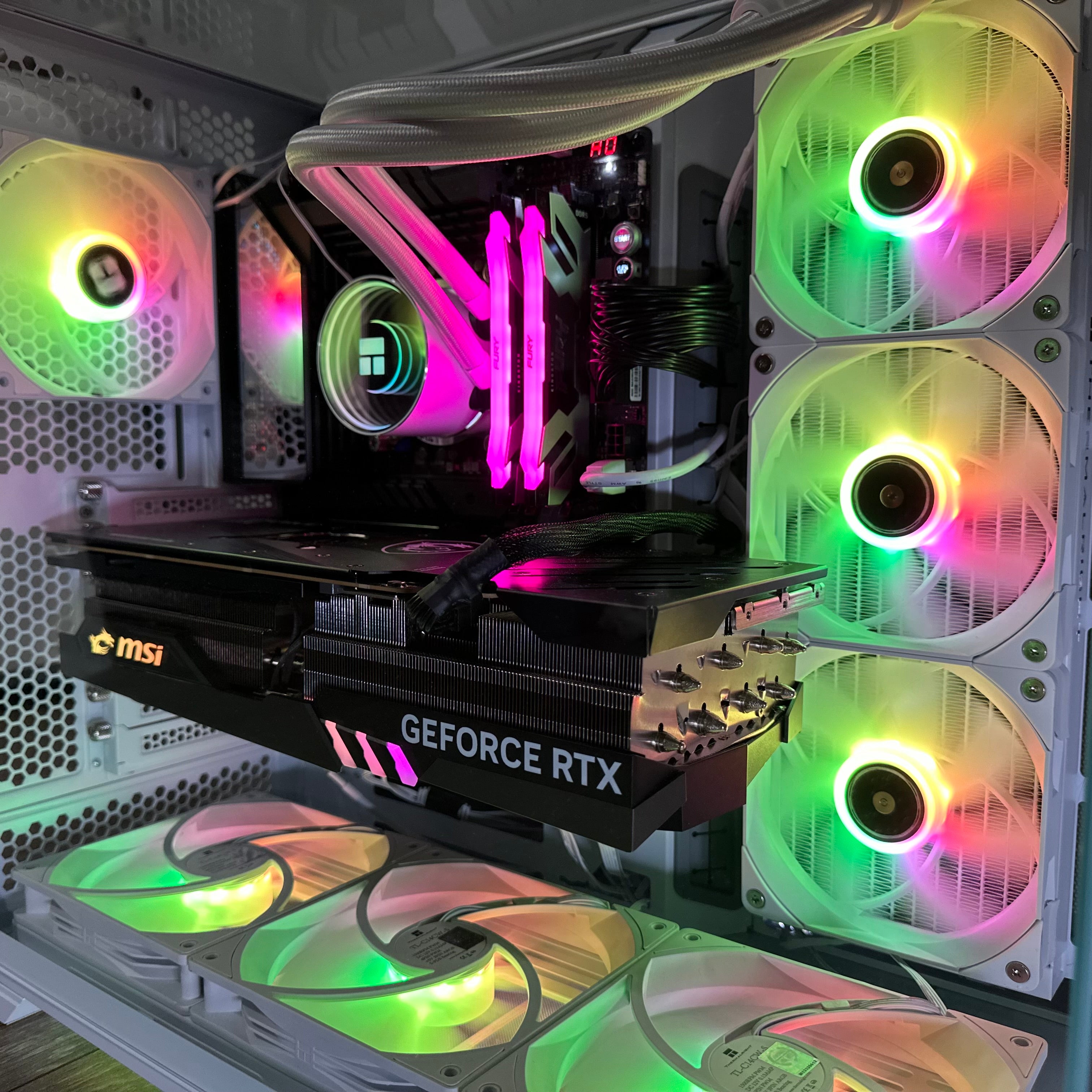

Survival Horror Gaming PC Canada: What Hollowbody Teaches Buyers About Fear, Atmosphere, and the Right Custom PC
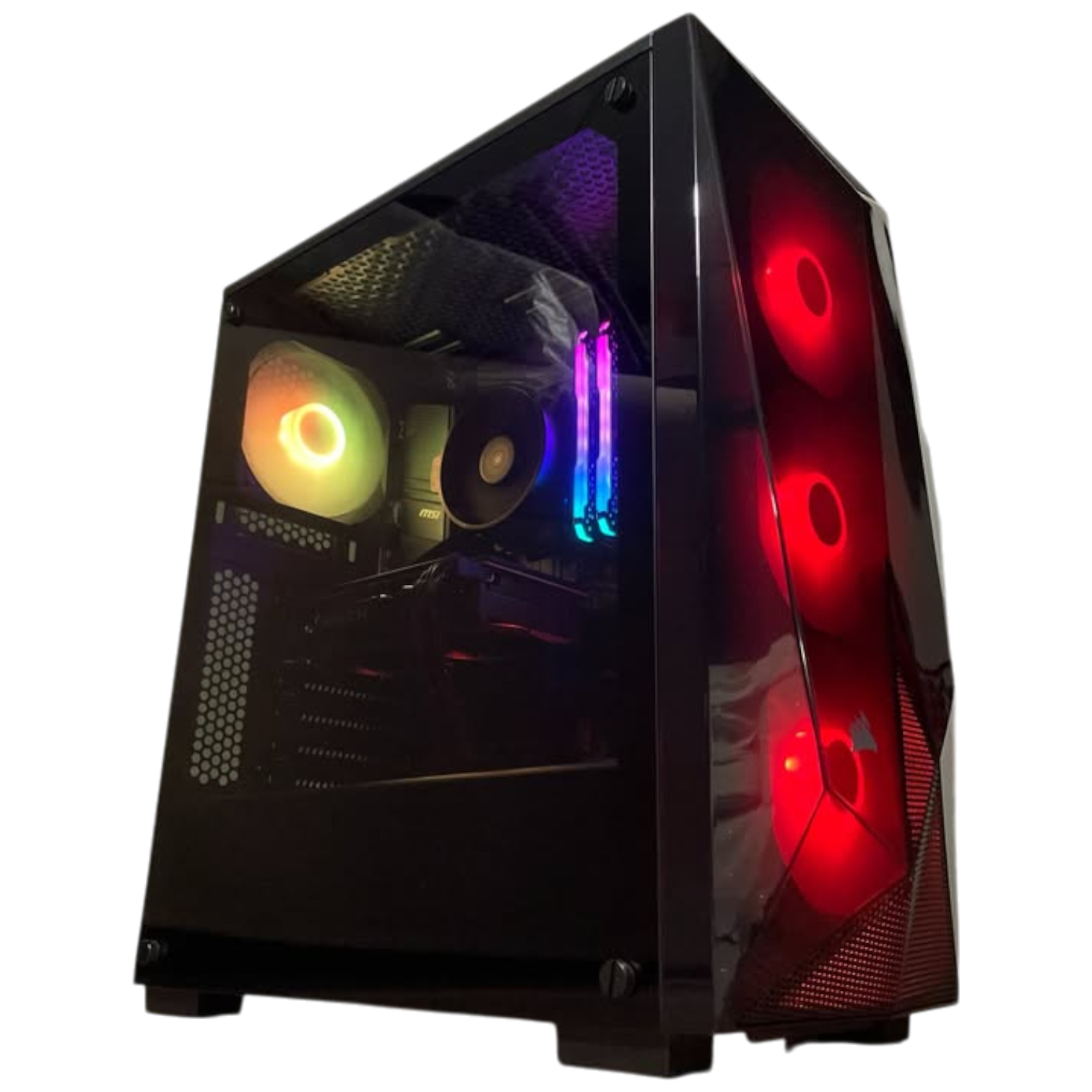
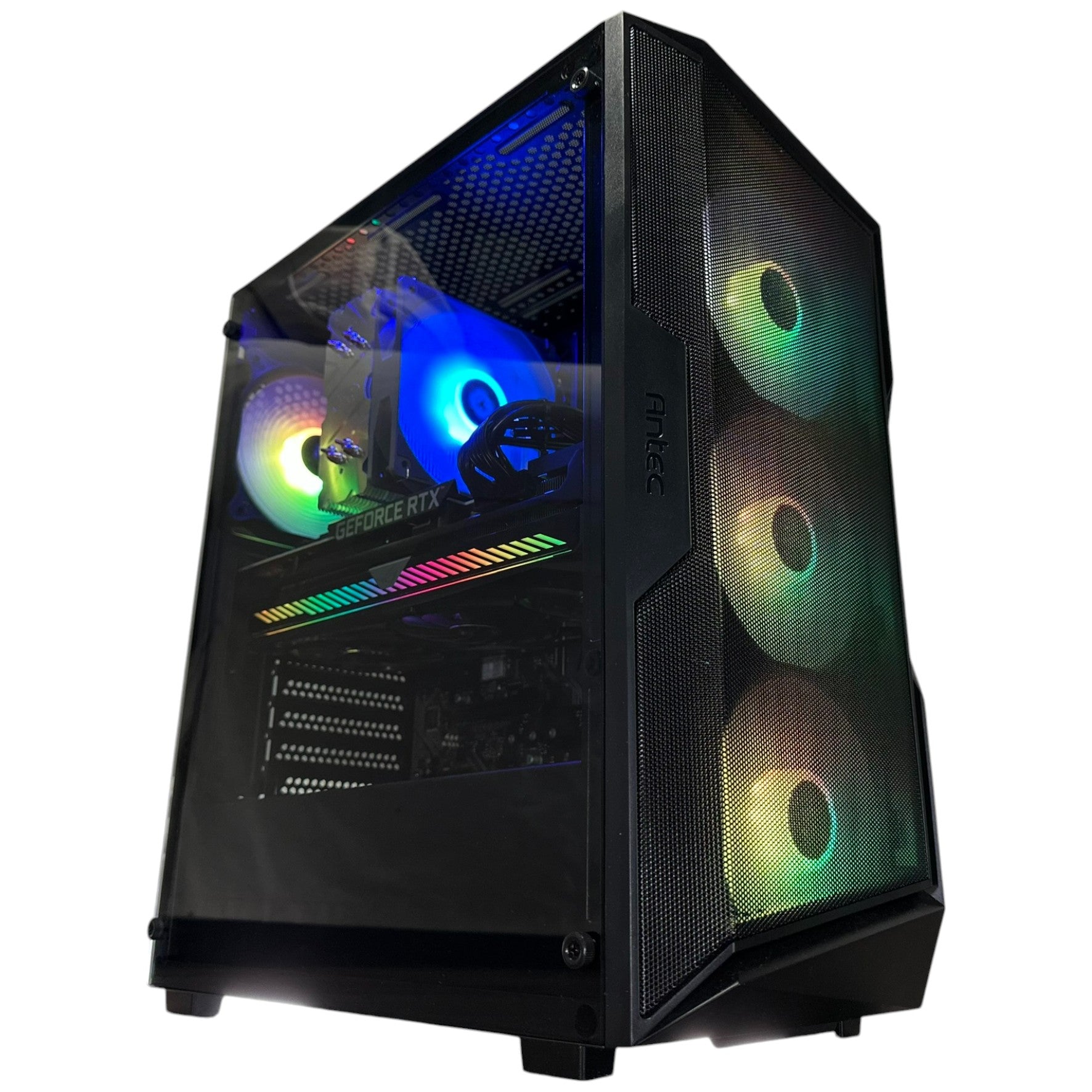
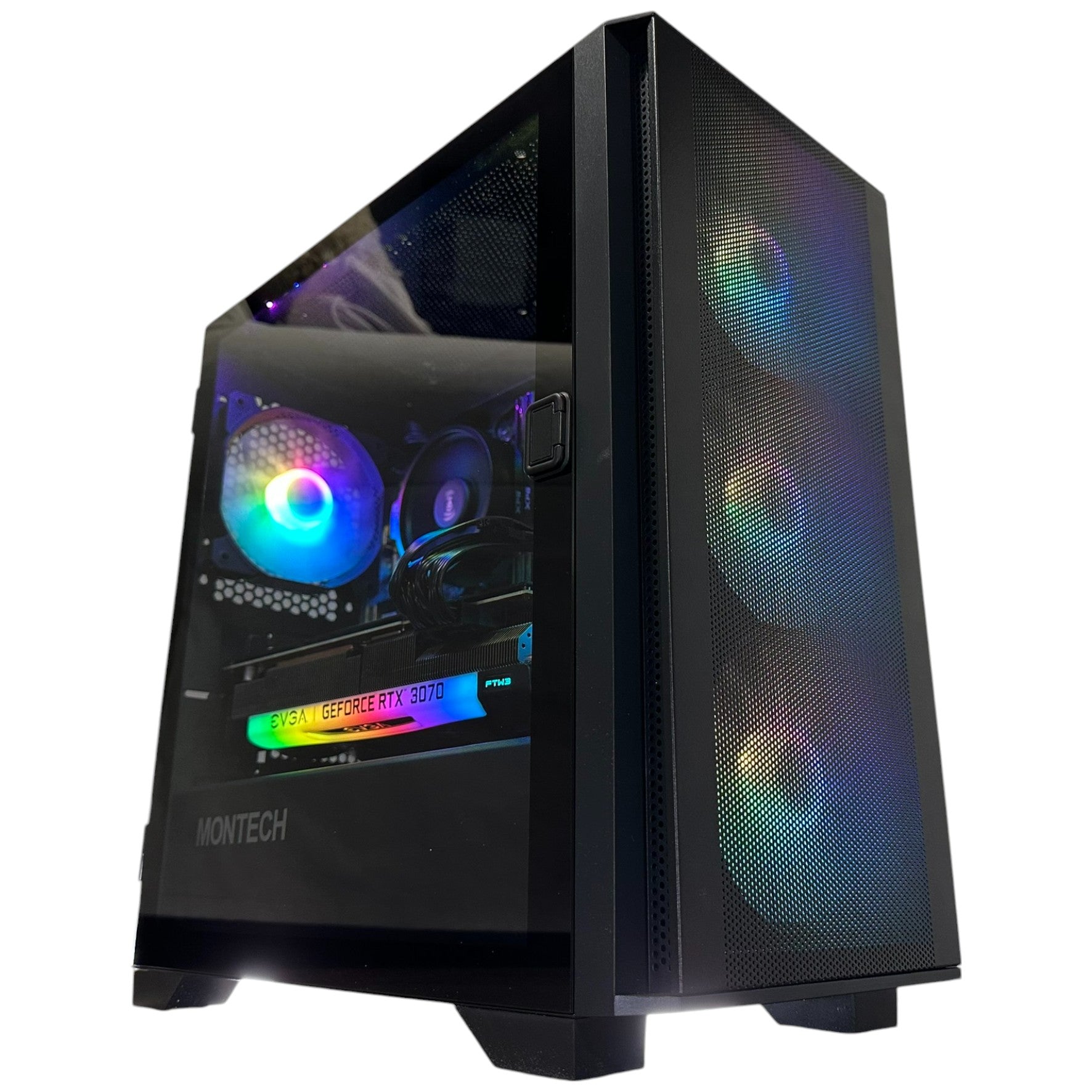
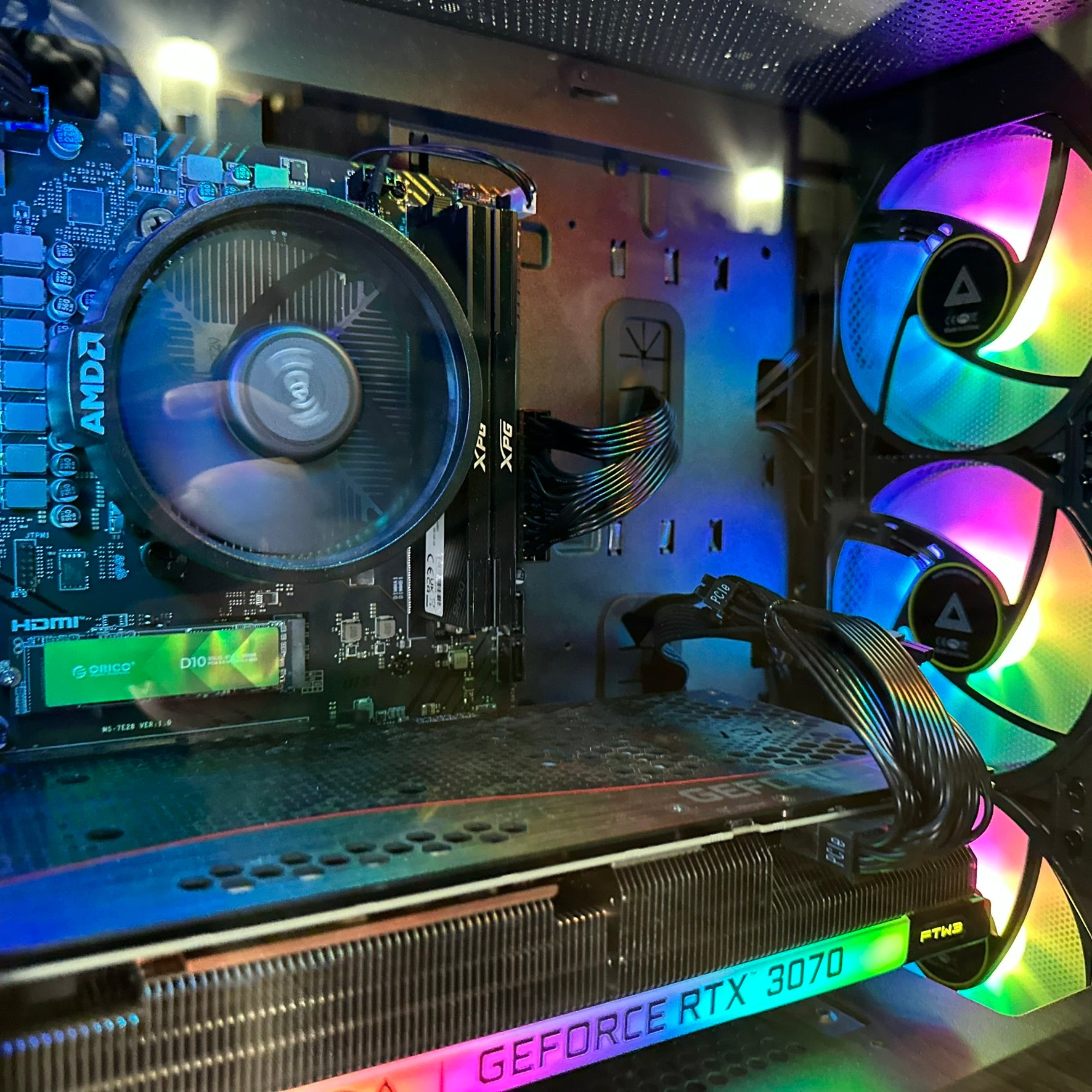
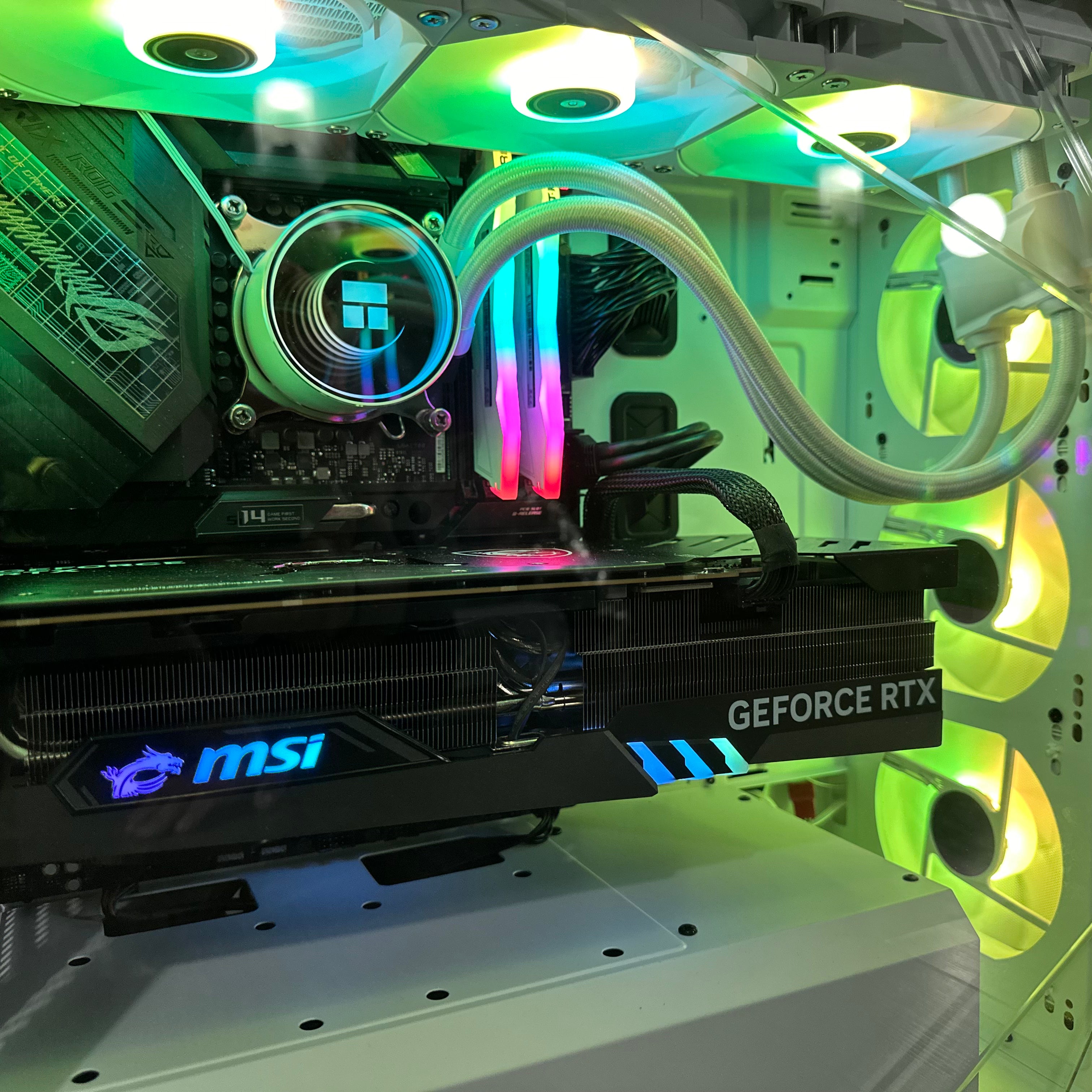
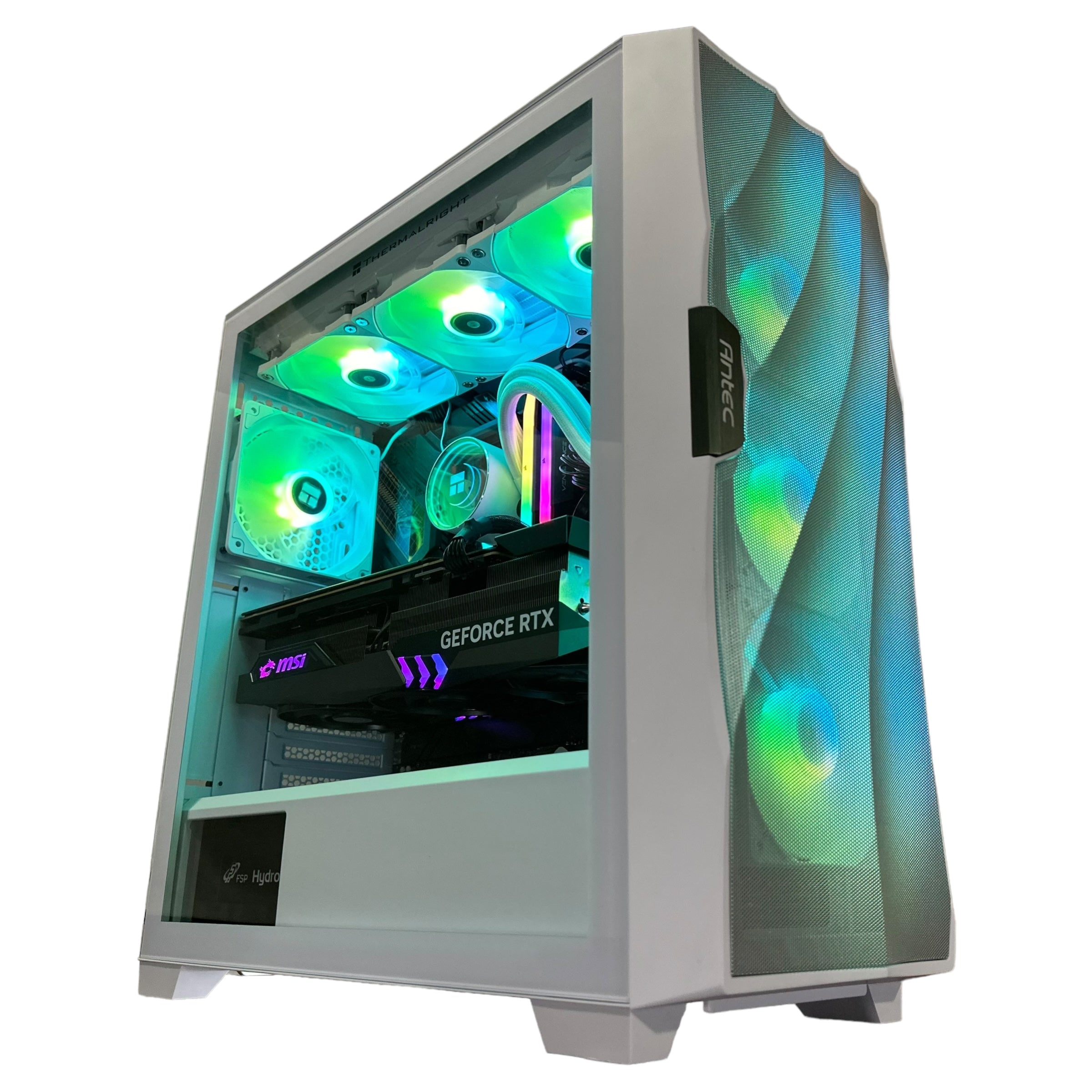
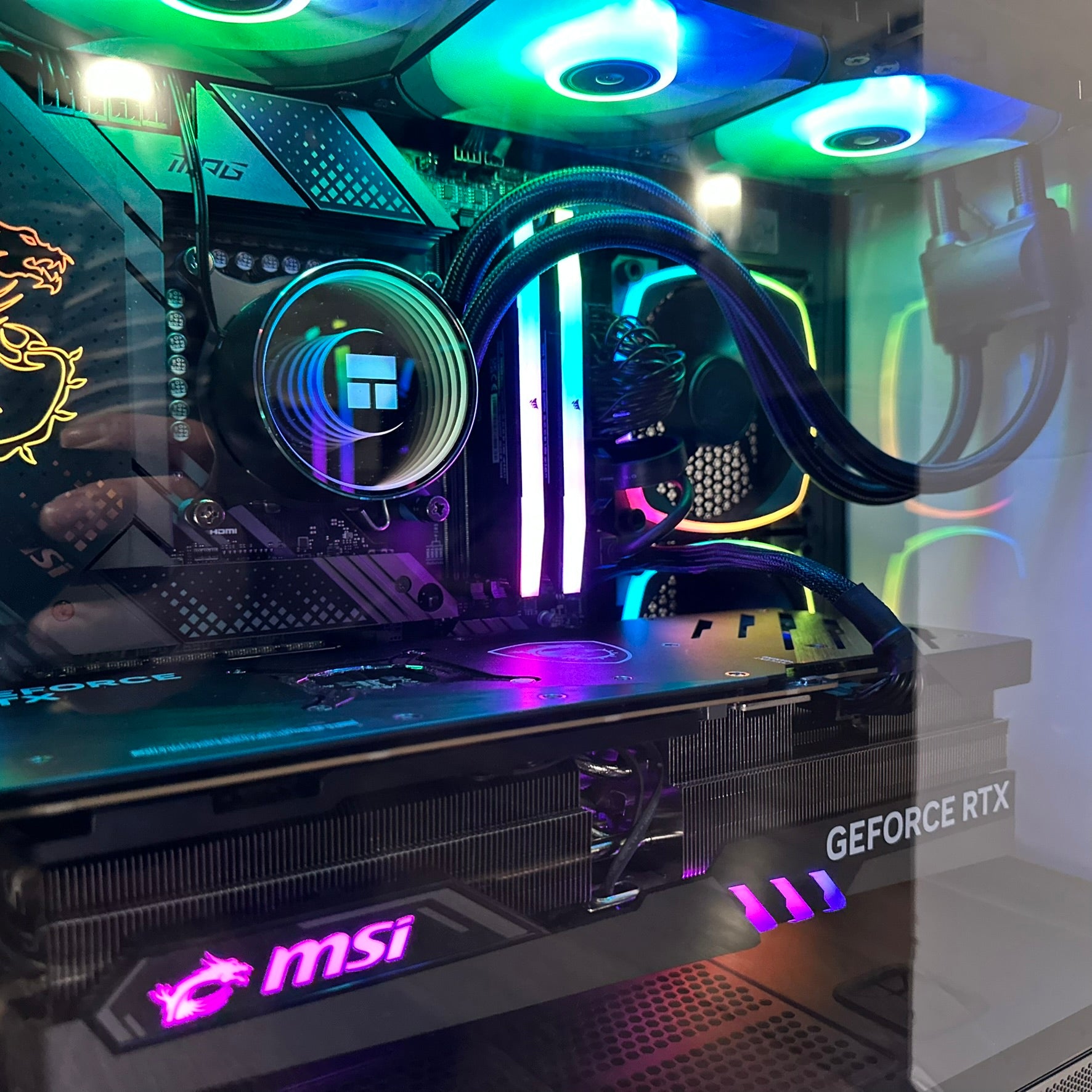
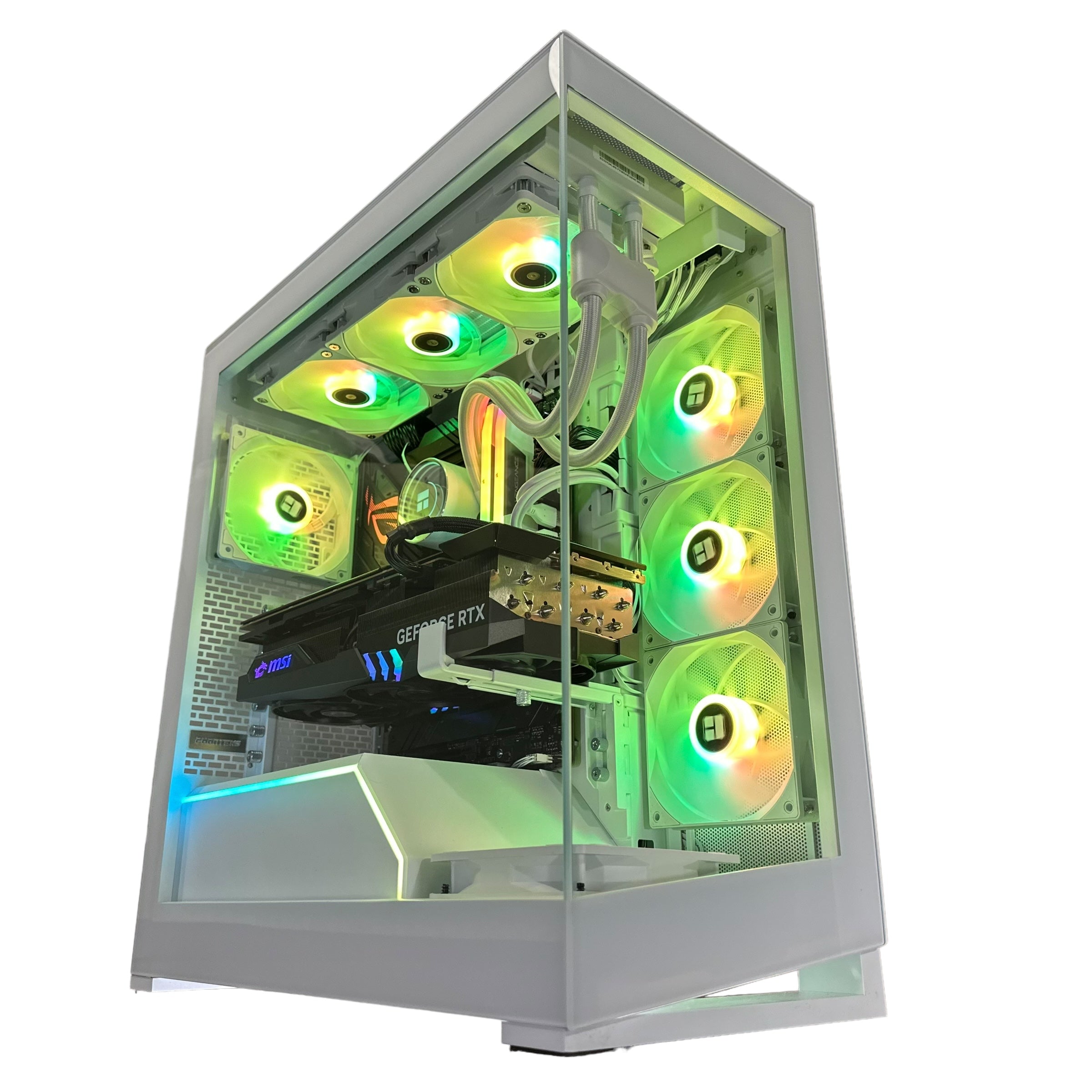
Survival horror gaming PC Canada shoppers can learn a surprising amount from Hollowbody. The source article focuses on fear, uncertainty, oppressive atmosphere, and the special way horror games work when the player is not just watching but actively participating. That insight matters for PC buyers because survival horror does not rely on spectacle alone. It depends on responsiveness, lighting, texture detail, audio clarity, stable performance, and immersion. If you are exploring whether your next system should be a budget gaming desktop, a 1440p ray tracing machine, a premium RTX build, or even a creator workstation that can game after hours, horror is one of the clearest genres for understanding what kind of PC experience you actually want.
That is especially true in Canada, where buyers often want one machine that can do more than one job well. Are you buying a PC mainly for horror games and other new releases? Are you also planning to stream, edit gameplay for YouTube, create social clips, design thumbnails, or work in Blender, Photoshop, Premiere Pro, OBS, or DaVinci Resolve? Are you trying to avoid the mistake of buying too little power now, only to upgrade again sooner than expected?
Hollowbody is a useful case study because it draws from survival horror traditions associated with tension, ambiguity, fixed-camera framing, scarce resources, and psychological discomfort. It is not just about whether a PC can technically launch a game. It is about whether your system can preserve mood. In horror, weak performance can break fear faster than almost anything else. Frame dips during a chase, inconsistent frametimes in a dark corridor, noisy cooling that competes with the soundtrack, or low settings that flatten environmental detail can all reduce what the game is trying to do.
For that reason, a buyer who thinks they only need “something that runs games” may actually need a more carefully chosen system. And that is where a Canadian custom builder matters. A well-matched machine is not just about raw horsepower. It is about balance: CPU, GPU, RAM, SSD speed, thermals, airflow, acoustics, upgrade path, and workload fit.
What Hollowbody Gets Right About Horror, and Why PC Buyers Should Pay Attention
The original piece highlights a truth long-time gamers already understand: horror is universal because fear is universal. It also makes the stronger point that games do horror better than passive media because the player is implicated in every movement, every hesitation, and every bad decision. That design philosophy is exactly why survival horror often feels better on a capable desktop than on underpowered hardware.
Why? Because games in this genre ask your system to maintain tension without interruption. Lighting transitions matter. Volumetric effects matter. Spatial audio matters. Input consistency matters. Asset streaming matters. If your machine stutters when a new area loads or drops performance when fog, particles, and shadows stack together, that emotional build can collapse.
The source also connects Hollowbody to classics like Resident Evil and Silent Hill 2, two touchstones for survival horror design. That comparison matters commercially because many buyers shopping for a Gaming PC Canada build are not only thinking about one indie title. They are thinking about a wider library of atmospheric games, remakes, AAA releases, ray traced experiences, and future horror titles that may demand more than they expect. If your taste includes horror, cinematic action, and narrative-heavy games, your system needs to deliver visual mood as much as average FPS.
So ask yourself: do you want to simply run the game, or do you want to feel what the developers intended? Do you care about 1080p high settings, or do you want 1440p with stronger texture quality, better shadows, and room for heavier lighting effects? Do you plan to use headphones and lean into immersive single-player experiences? If so, a stronger GPU, fast SSD, and quieter cooling setup can make more difference than many first-time buyers realize.
Why Canadian Buyers Should Think Differently About a Horror-Ready Gaming PC
In Canada, buying a desktop is often less about chasing the absolute cheapest option and more about making a smart long-term choice. Import costs, shipping realities, replacement pricing, and component volatility can all make “I’ll upgrade later” a more expensive plan than it sounds. That is one reason custom PC buying guidance matters so much.
If you buy too close to the minimum, what happens when your game library changes? What happens if the next release you care about leans harder on GPU memory, CPU performance, or SSD throughput? What happens if you decide to start streaming your playthroughs, recording footage, or editing content? A system that felt acceptable for one game can become frustratingly limited once your needs expand.
Canadian buyers also tend to be practical. They want systems that last. They want support. They want tested hardware. They want confidence that the machine arriving at their door is built with sensible part matching and backed by warranty. That is where a custom-built desktop from a Canadian company has real advantages over random marketplace hardware or generic spec-sheet shopping.
With Groovy Computers, customers can focus on what they actually need their PC to do, rather than guessing based on one flashy component. That matters whether you are in Nova Scotia, elsewhere in Atlantic Canada, or ordering online from another province and want a Canada-built system that is selected, assembled, and tested with real use cases in mind.
What Do You Want Your Next PC to Do for You?
Before comparing graphics cards or chasing a sale, the better question is simple: what do you want your next PC to do for you over the next several years?
Do you want a machine for indie horror, AAA single-player games, and esports on the side? Do you want to play at 1080p today but keep the option to move to 1440p later? Do you want ray tracing in newer atmospheric games? Do you want to stream on Twitch or YouTube while gaming? Do you want to edit walkthroughs, reaction videos, or short-form clips after your session ends?
Maybe your needs are broader. Do you want one system that can handle horror games at night and Adobe Creative Cloud during the day? Are you cutting 4K video in Premiere Pro, grading in DaVinci Resolve, working in Photoshop and Illustrator, or building assets in Blender and Unreal Engine? If so, you may not be shopping for “just a gaming PC” at all. You may need a Creator PC Canada build or even a workstation-leaning hybrid.
This is where many buyers go wrong. They search for the best gaming computer, but what they actually need is a balanced machine for gaming, streaming, editing, and multitasking. If that sounds like you, then choosing based on your full workflow rather than one genre is the smarter move.
What PC Do You Need for Survival Horror, Atmospheric Games, and New Releases?
Survival horror can scale across several performance tiers. The right one depends on your resolution target, desired settings, and whether this PC is purely for gaming or part of a larger content-creation setup.
Entry-Level: Is a Budget Gaming PC Enough?
A budget gaming desktop can absolutely make sense if your goal is straightforward 1080p gaming on sensible settings. If you mainly play indie horror, lighter competitive titles, and older or well-optimized games, a value-focused build may deliver a very enjoyable experience.
But ask the harder question: are you shopping for the lowest price, or for a machine you will still enjoy a couple of years from now? If your library includes newer AAA titles, denser visual effects, or upcoming games likely to push textures and lighting harder, the cheapest option can become the most expensive in the long run if it forces an early upgrade.
Budget systems are best for buyers who want:
- 1080p gaming with practical settings
- Indie games, horror games, and esports titles
- A first desktop that beats console-like flexibility with upgrade options
- A better experience than a low-end laptop
They are less ideal for buyers who already know they want high settings in new releases, heavy multitasking, streaming, or content creation.
Mid-Range: Is 1440p the Sweet Spot for Immersion?
For many players, 1440p is where atmospheric gaming starts to shine. This tier often makes the most sense for people who want stronger detail, cleaner image quality, and more room to enjoy moody lighting without paying the premium associated with a full 4K target.
If you are asking, “What PC do I need for 1440p gaming?” this is the category where many serious players should start. A good 1440p build can handle survival horror, story-rich single-player games, and many current releases with far more visual confidence than entry-level hardware.
This tier is ideal if you want:
- 1440p gaming with strong settings
- Better texture quality and environmental detail
- More headroom for modern lighting effects
- A system that feels current for longer
- Enough performance to stream or record more comfortably
For buyers torn between budget and premium, this is often the value-performance sweet spot.
High-End: Do You Want Ray Tracing, 4K, and Long-Term Headroom?
If your answer is yes, then you are likely looking at a premium gaming desktop. Horror and cinematic games can benefit enormously from stronger GPU performance, especially when lighting, reflections, shadows, and higher resolutions enter the conversation.
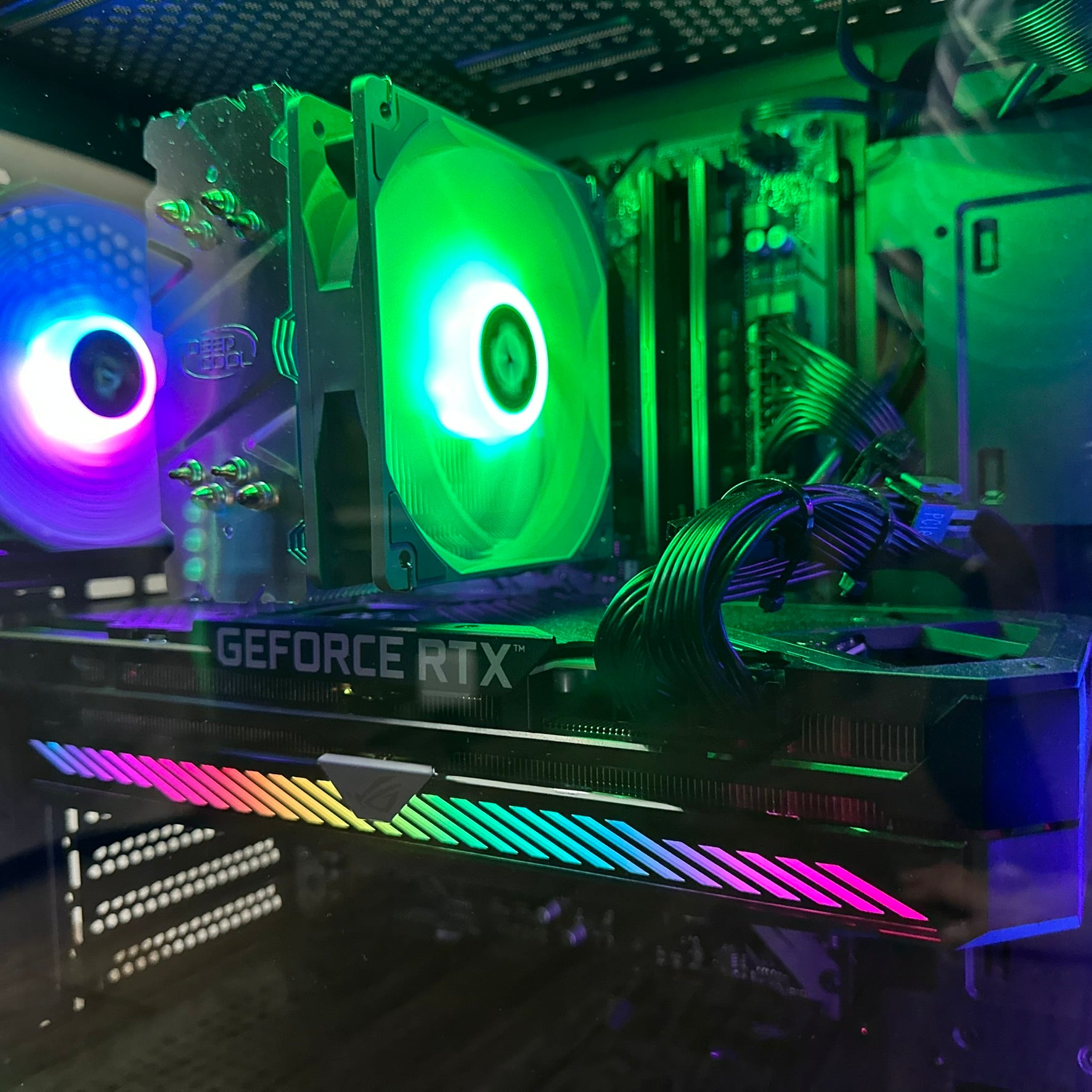
If you are wondering, “What PC do I need for 4K gaming?” or “Do I need an RTX GPU for this game?” the answer depends on what compromises you are willing to accept. If you want ultra settings, stronger ray tracing capability, and more confidence for upcoming AAA titles, then a premium RTX-equipped build is the more realistic path.
High-end buyers usually want:
- 1440p ultra or 4K gaming
- Better ray tracing performance
- High visual fidelity in demanding releases
- Longer useful life before a major upgrade
- Enough overhead for gaming, recording, and heavy multitasking
This tier is also often the smartest option for buyers who know they hate upgrading too soon.
What If You Also Want to Stream Horror Games?
Many players do not stop at playing. They record reactions, stream campaigns, capture highlights, and produce content for YouTube, Twitch, TikTok, or Instagram. If that is you, then the buying decision changes immediately.
What PC do you need for streaming? More specifically, what do you need if you want smooth gameplay and smooth encoding at the same time? Do you plan to use OBS Studio? Will you game and stream on one machine? Are you recording locally while live streaming? Do you use dual monitors with chat, alerts, browser tabs, and capture tools all open?
A proper Streaming PC Canada or gaming-and-streaming desktop should have enough CPU strength, GPU capability, RAM capacity, and storage speed to avoid turning your stream setup into a compromise machine. For many Canadian buyers, this means stepping above pure entry-level specs even if the game itself is not the most demanding title in the world.
If your next desktop needs to handle gaming and streaming together, consider:
- More CPU headroom for multitasking
- A capable GPU for gameplay plus encoding support
- Enough RAM for the game, OBS, browser tabs, Discord, and background apps
- Fast SSD storage for game loads and recorded footage
- Cooling that stays quiet during long sessions
Do you need a separate streaming PC? Most buyers do not. A well-configured custom desktop can often handle gaming and streaming extremely well in one machine, provided the build is chosen for that purpose from the start.
Could a Horror Gaming Buyer Actually Need a Creator PC?
Yes, more often than you might think.
If you love horror games and also produce content, your shopping intent may align more closely with a Content Creation PC Canada or Video Editing PC Canada build than a conventional gaming-only desktop. Many people who search for a gaming system eventually realize they need editing speed, export performance, timeline smoothness, thumbnail design capability, and better multitasking.
Ask yourself a few practical questions:
- Will you edit gameplay videos in Premiere Pro or DaVinci Resolve?
- Do you make thumbnails, overlays, or channel art in Photoshop or Illustrator?
- Are you cutting 1080p clips now but planning to move into 4K later?
- Do you run OBS, editing software, browsers, cloud apps, and music tools at the same time?
- Do you want one PC instead of juggling separate systems?
If that sounds familiar, then a stronger CPU, more RAM, and a faster storage setup can save time every single day. Better performance is not just about nicer benchmark numbers. It can mean faster exports, smoother scrubbing, less waiting, and a better workflow after the game session ends.
For Video Editing
A dedicated editing-focused configuration makes sense if you work in Premiere Pro, DaVinci Resolve, After Effects, or CapCut and need your system to stay responsive under real creator workloads. If you are asking, “What PC do I need for video editing?” start with your footage type, export frequency, and multitasking habits.
Creators often benefit from:
- Higher core-count CPU options
- More RAM for larger projects and smoother multitasking
- Fast NVMe SSD storage for media, cache, and project files
- A capable GPU for effects, playback support, and accelerated workflows
For Photo Editing and Graphic Design
If your horror interest overlaps with content branding, thumbnail creation, photography, social media graphics, or design work, you may be shopping for a hybrid machine that supports Photoshop, Lightroom, Illustrator, InDesign, and general creative productivity.
What PC do you need for photo editing or graphic design? That depends on file sizes, plugins, monitor setup, and whether AI-assisted tools are part of your workflow. If you work with large RAW files, layered PSDs, or multi-application Adobe sessions, more memory and a fast SSD matter a lot.
For 3D Modeling, Blender, or Unreal Engine
Some horror fans are also builders, modders, artists, or indie developers. If you create environments, models, cinematic scenes, or game assets, then a standard gaming build may not be the best fit. A 3D Modeling PC Canada or workstation-leaning system can better support Blender, Unreal Engine, Maya, Cinema 4D, ZBrush, and related software.
What PC do you need for Blender? What PC do you need for 3D rendering? If your machine must both play games and render scenes, then part selection becomes even more important. GPU rendering performance, CPU multitasking capability, memory capacity, and thermal design all become part of the buying equation.
Why Survival Horror Is a Great Test of Whether You Need Better Hardware
Action-heavy shooters often hide poor system balance behind chaos. Survival horror does not. It exposes weaknesses.
In this genre, you notice stutter. You notice fan noise. You notice long loads. You notice low texture quality in close, slow exploration. You notice unstable performance in dimly lit spaces where every visual cue matters. You notice when your system drags because your browser, Discord, capture software, and launcher stack are all running in the background.
That is why buyers who care about immersion should think beyond minimum requirements. Minimum specs tell you whether a game can start. They do not tell you whether the experience will feel tense, smooth, and absorbing.
Do you want to hear the soundtrack clearly because your cooling stays under control? Do you want enough storage to keep a growing library installed, rather than constantly deleting games? Do you want your desktop to remain relevant as horror remakes, Unreal Engine releases, and visually denser games keep raising expectations?
If yes, that is an argument for buying the right system once instead of buying the cheapest acceptable system twice.
Which Performance Tier Fits You Best?
Not every buyer needs the same machine. The key is matching the build to your actual habits, display, and future plans.
Choose a Value-Focused Build If:
- You mainly play at 1080p
- You enjoy indie horror, lighter AAA, and esports
- You want a first desktop without overspending
- You are comfortable with practical settings rather than maximum settings
Choose a Strong Mid-Range Build If:
- You want 1440p gaming
- You care about atmosphere, detail, and smoother longevity
- You play a mix of indie and modern AAA titles
- You may stream, record, or multitask during gameplay
- You want to avoid upgrading too soon
Choose a Premium Build If:
- You want 1440p ultra or 4K gaming
- You care about ray tracing and top-tier image quality
- You want stronger future-proofing for new releases
- You stream, edit, or create alongside gaming
- You would rather buy once and keep the system longer
Choose a Creator or Workstation Hybrid If:
- You game but also edit video, design graphics, or process photos
- You use Adobe Creative Cloud, DaVinci Resolve, or Blender regularly
- You need fast exports, smooth timelines, and better multitasking
- You want one PC for play and productivity
If you are not sure which category you fit into, that uncertainty is normal. Most buyers do not need more choices. They need better guidance.
Is It Better to Buy a Gaming PC Now or Wait?
This is one of the most common and most important buyer questions. The answer depends on your current system, your planned games and software, and how close you are to outgrowing what you have now.
If your current PC is already causing stutter, slow loads, editing delays, thermal noise, or storage pressure, waiting may not actually save you money. Delaying can mean putting up with a bad experience for months, then facing different pricing on GPUs, RAM, SSDs, or full-system builds later. It can also mean missing the right buying window before a major game launch, content push, school term, holiday demand period, or software workflow expansion.
Are you buying before a big release you know you will play? Are you planning a channel launch, a streaming schedule, or a production upgrade? Are you moving into higher-resolution editing or more demanding creator software? Are you trying to secure a stronger machine before replacement costs rise again?
If your answer to any of those is yes, then waiting “just to see what happens” is not always the prudent strategy. Sometimes the smarter move is to lock in the right level of performance while the decision is still under your control.
Should You Finance a Better PC Instead of Buying a Cheaper One?
For many buyers, this is the real question. Not whether they can buy a PC, but whether they can secure the right PC.
If you settle for a lower-tier desktop only because of the upfront number, will you end up replacing it sooner? Will you spend more later on upgrades, external storage, added memory, or a full rebuild? Will the cheaper system hold back your stream quality, editing speed, or game settings faster than expected?
That is why Gaming PC Financing Canada conversations matter. Financing can help customers move into a stronger, more balanced system now rather than forcing a compromise that becomes frustrating early. If a better GPU tier, more RAM, a larger SSD, or a more capable CPU will materially improve how long the machine lasts, financing may be the more economical move over time.
With financing options up to 4 years, buyers can think in terms of monthly affordability instead of stripping too much performance out of the build. That is relevant whether you are shopping for a gaming desktop, a streaming setup, a creator machine, or a workstation-class system.
Should you finance a gaming PC? Should you finance a better PC instead of buying a cheaper one? If the stronger build helps you avoid an early upgrade and gives you a meaningfully better experience in the games and software you actually use, that is a serious argument in favour of financing.
Custom PC vs Generic Prebuilt: Why Build Quality Matters More Than You Think
The source article praises Hollowbody partly because of how its rough edges contribute to atmosphere. That works in art. It does not work in hardware buying.
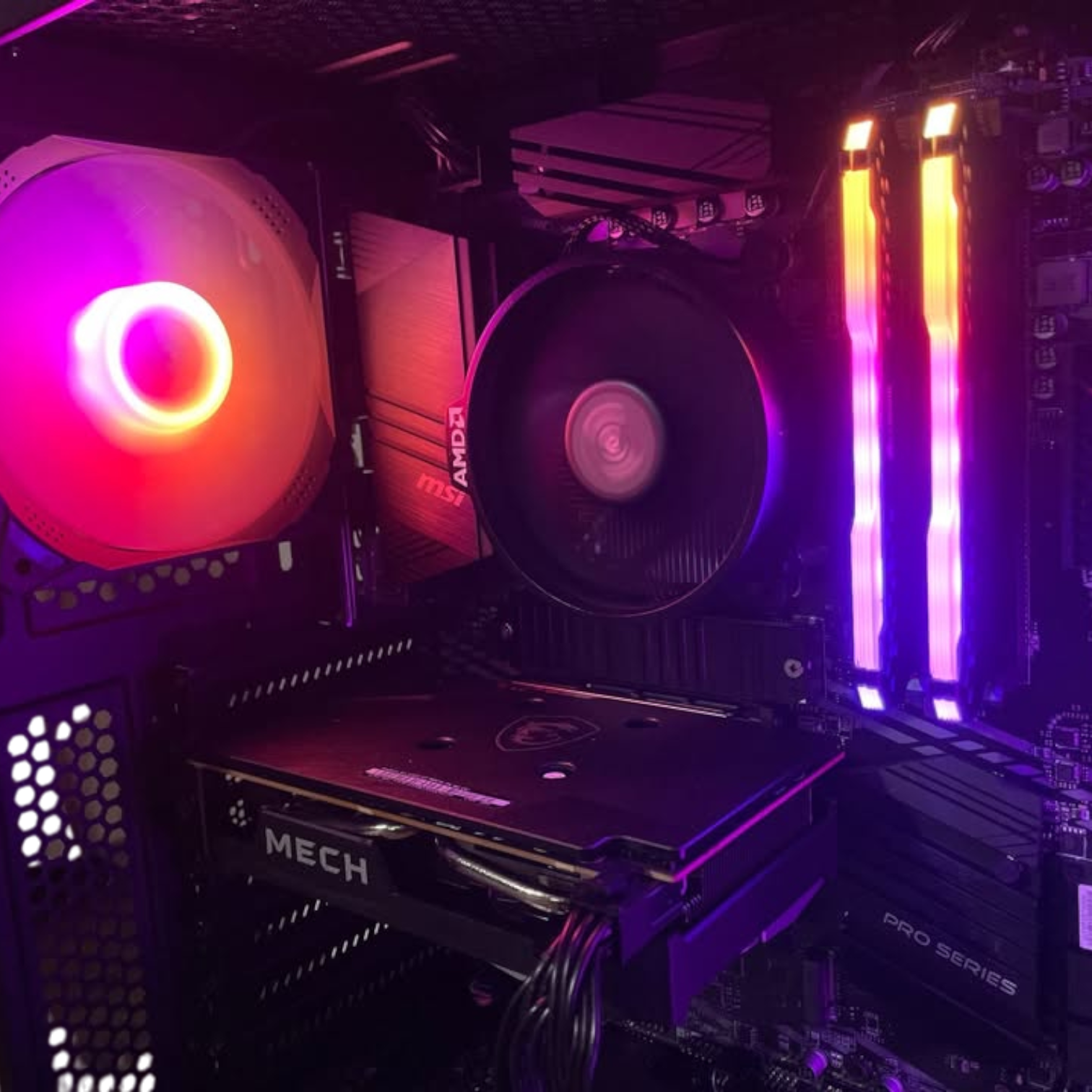
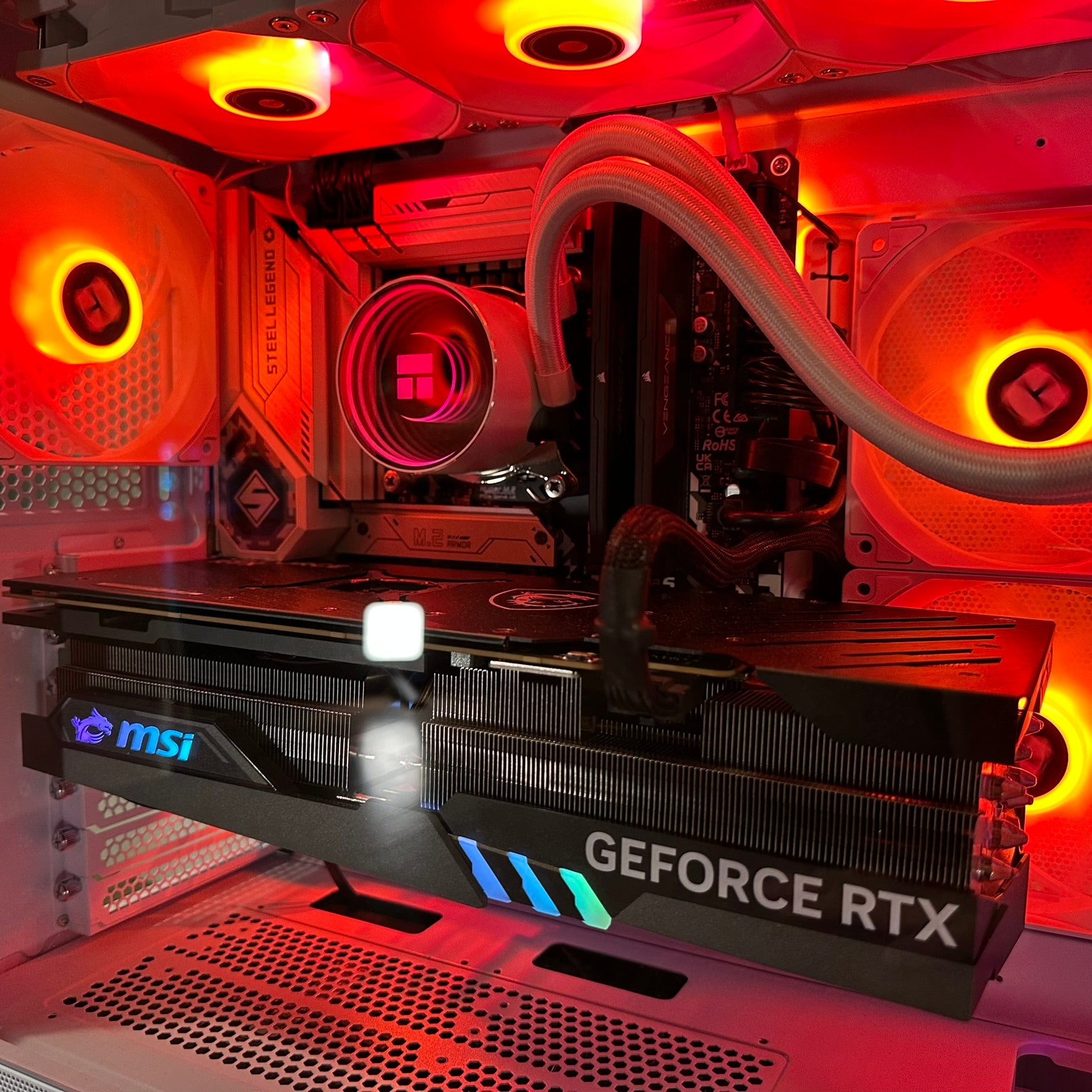
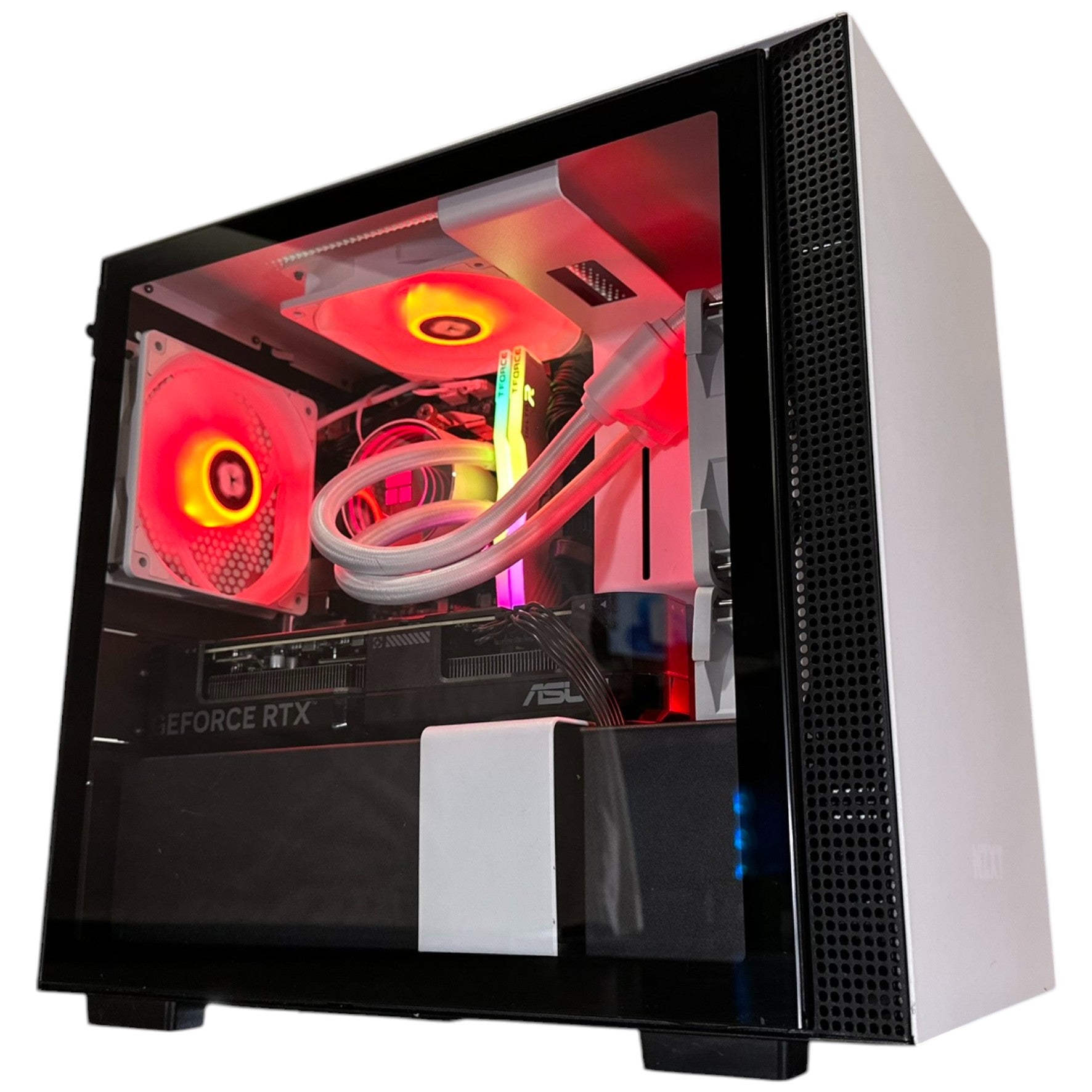
When it comes to your PC, rough edges are exactly what you want to avoid. Poor airflow, mismatched components, weak power delivery, inadequate cooling, noisy case fans, limited upgrade paths, and generic assembly can all make a machine feel worse over time, even if the headline specs looked acceptable on day one.
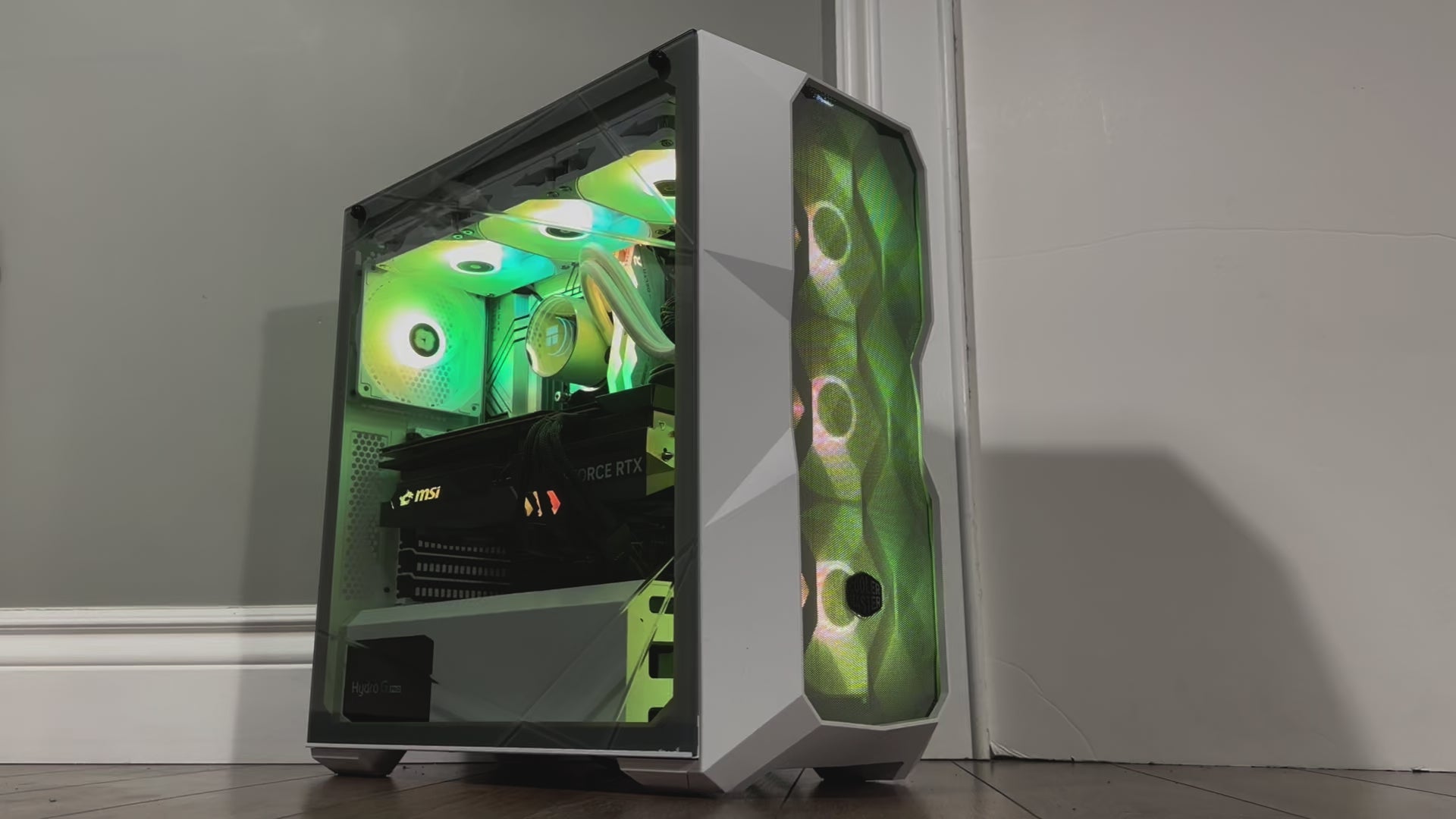
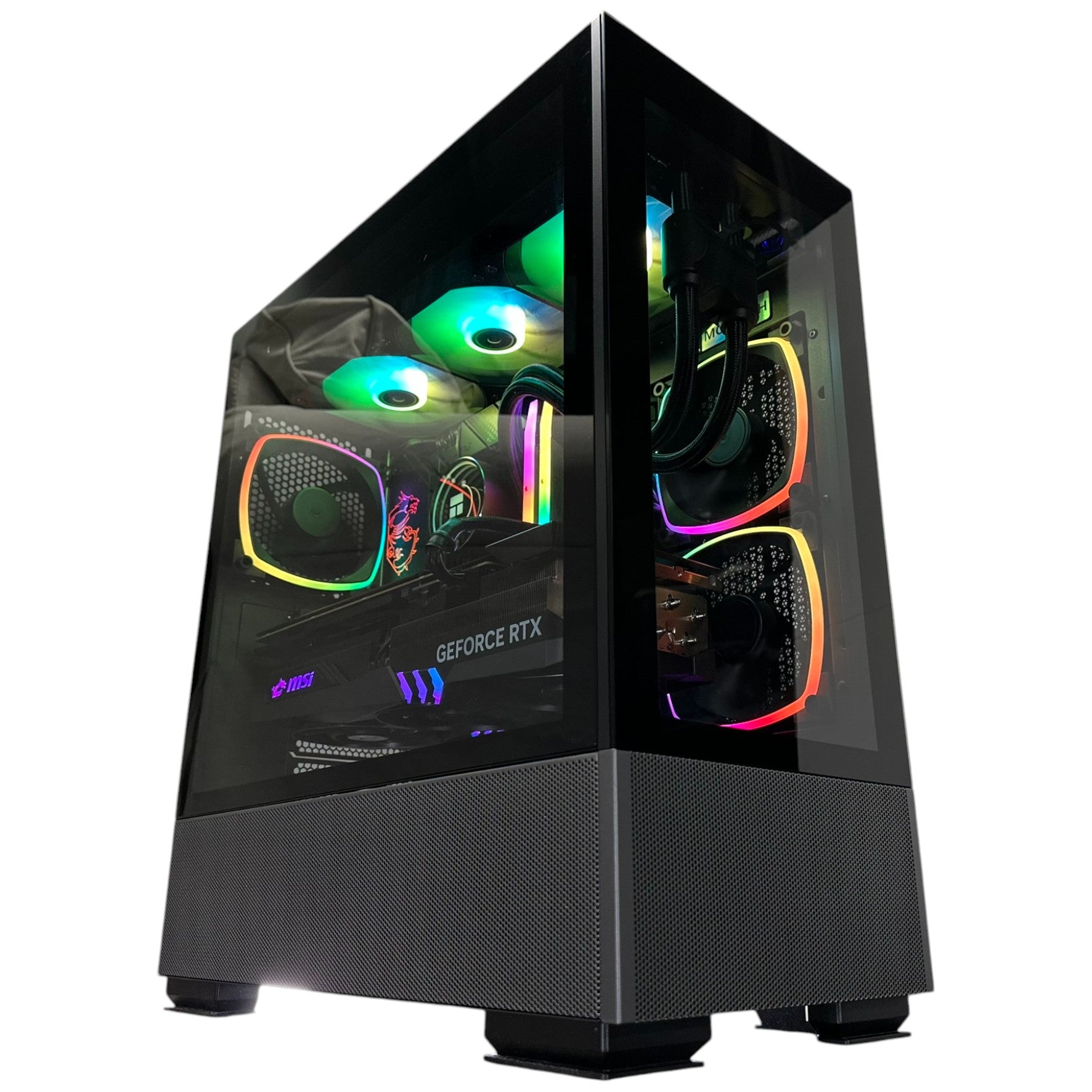
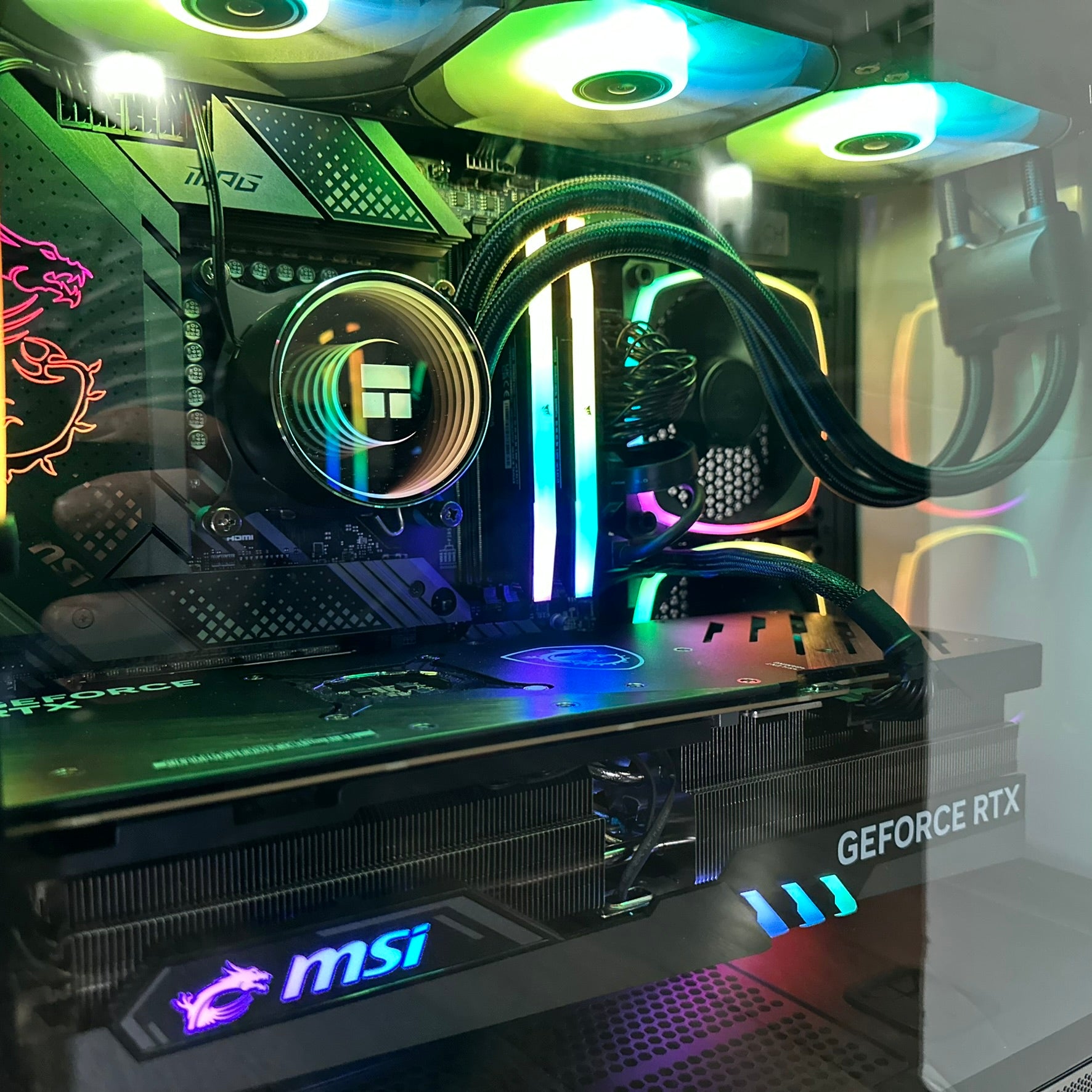
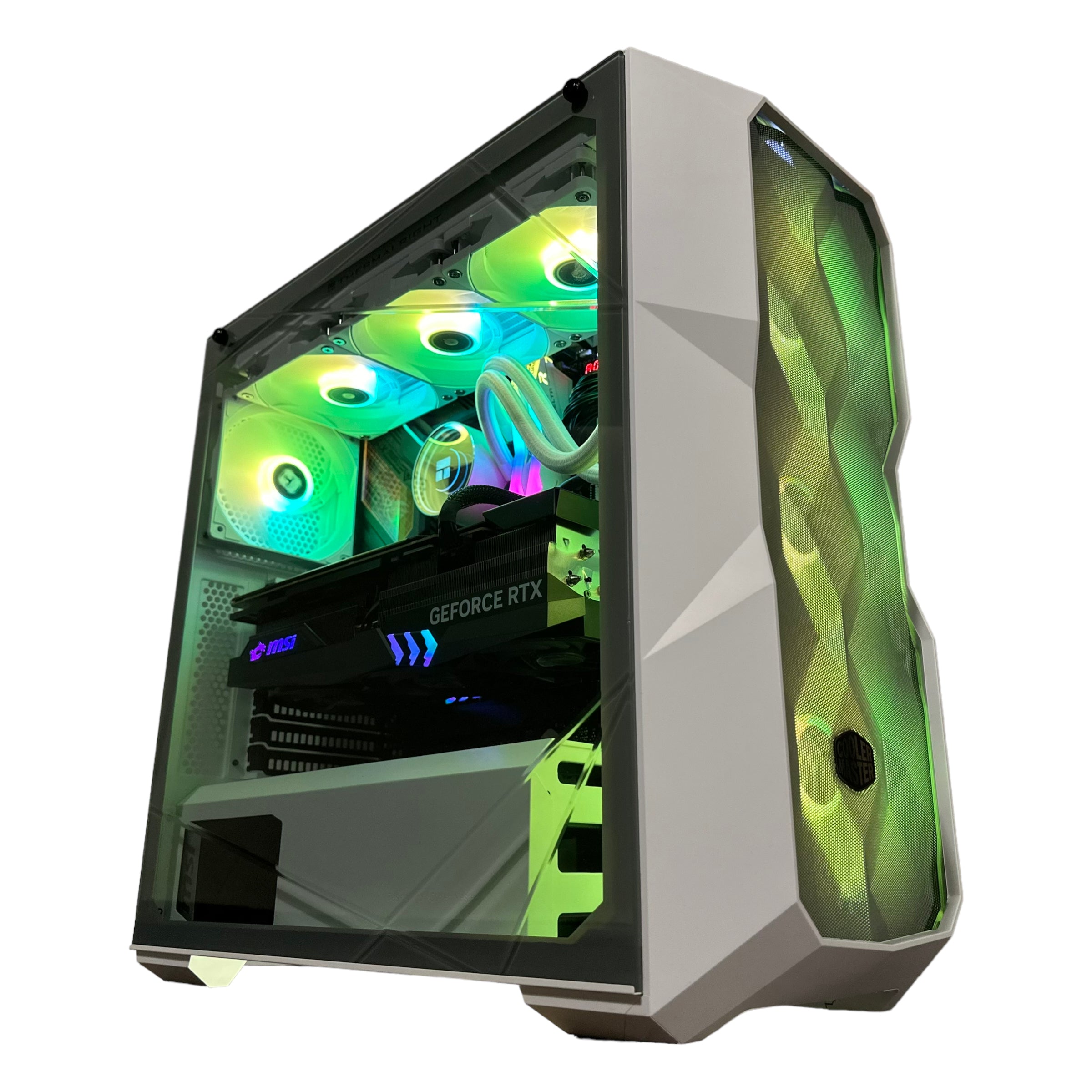
That is why a Custom Gaming PC Canada approach matters. A custom build is not just about personalization. It is about matching the parts to your goals. It is about avoiding bottlenecks. It is about selecting hardware that makes sense together. It is about thermal behaviour, acoustics, storage planning, memory allocation, and confidence in how the complete system performs as a whole.
Ask yourself:
- Do you know which matters more for your workload, CPU or GPU?
- Do you know how much RAM you actually need for gaming, streaming, or editing?
- Do you know whether your SSD setup fits your game library and project files?
- Do you know if the case and cooling are enough for sustained load?
- Do you want to figure all of that out alone?
Most buyers do not. They want a desktop built for them properly, tested properly, and supported properly.
Why Groovy Computers Fits This Kind of Buyer
Groovy Computers is positioned well for Canadian customers who do not want a one-size-fits-all machine. Whether you need a horror-ready gaming system, a balanced gaming-and-streaming desktop, a custom creator PC, or a workstation for heavier software, the value is in getting the configuration right before you spend the money.
That means:
- Custom builds matched to your actual use case
- Guidance on the right performance tier instead of blind upselling
- Rigorous testing before your system is delivered
- A 1-year warranty for added confidence
- Canadian support from a builder that understands local buyers
- Financing options that can help you secure stronger long-term value
If you are in Nova Scotia, Atlantic Canada, or shopping from elsewhere in the country, the appeal is the same: a Canada-built desktop from people who understand that gaming, streaming, editing, and workstation use are not interchangeable workloads. The right machine is the one that fits your real day-to-day use, not just a product card headline.
What Questions Should You Ask Before You Buy Your Next PC?
Before you choose a system, ask these questions honestly:
- What games do I actually play, and what new games do I expect to play next?
- Am I targeting 1080p, 1440p, or 4K?
- Do I care about ray tracing, ultra settings, or just smooth, stable gameplay?
- Will I stream, record, or edit content on this same PC?
- Do I use Premiere Pro, DaVinci Resolve, Photoshop, Lightroom, Illustrator, Blender, or Unreal Engine?
- How long do I want this system to feel current before I upgrade?
- Would financing help me buy the right system once instead of compromising now?
- Do I want a tested custom build with warranty support from a Canadian builder?
These are better questions than “What is the cheapest PC that can run it?” because they produce better outcomes.
From Fear on Screen to Confidence in Your Buying Decision
Hollowbody reminds us that fear in games works best when the player is fully inside the experience. For PC buyers, the lesson is practical: the more your favourite games depend on atmosphere, visual tension, responsiveness, and immersion, the more your hardware choice matters. And if your gaming life overlaps with streaming, editing, design, or 3D work, your next desktop should reflect that wider reality.
So what do you want your next PC to do for you? Do you want a budget-friendly 1080p system, a stronger 1440p gaming machine, a premium RTX desktop for new releases, or a creator-ready workstation that handles both play and productivity? Do you want to buy carefully now and avoid upgrading too soon? Do you want monthly payment flexibility so you can secure a better system before future replacement costs become harder to justify?
If you are ready to stop guessing and start matching your budget to the right level of performance, visit GroovyComputers.ca. Whether you need a custom gaming build, a streaming setup, a video editing PC, a graphic design desktop, a Blender workstation, or help deciding if financing makes sense, Groovy Computers can help you choose a system with more confidence.
In other words, if survival horror gaming PC Canada shoppers want the right balance of immersion, longevity, and real-world value, the smartest move is not just buying a machine that runs today’s games. It is choosing a custom-built desktop that supports the way you actually play, create, and work tomorrow.
#SurvivalHorrorGamingPCCanada #GamingPCCanada #CustomGamingPCCanada #CreatorPCCanada #StreamingPCCanada #VideoEditingPCCanada #3DModelingPCCanada #GamingPCFinancingCanada #CanadianCustomPCBuilders #GroovyComputers
Groovy Computers | All Rights Reserved


Leave a comment
This site is protected by hCaptcha and the hCaptcha Privacy Policy and Terms of Service apply.