
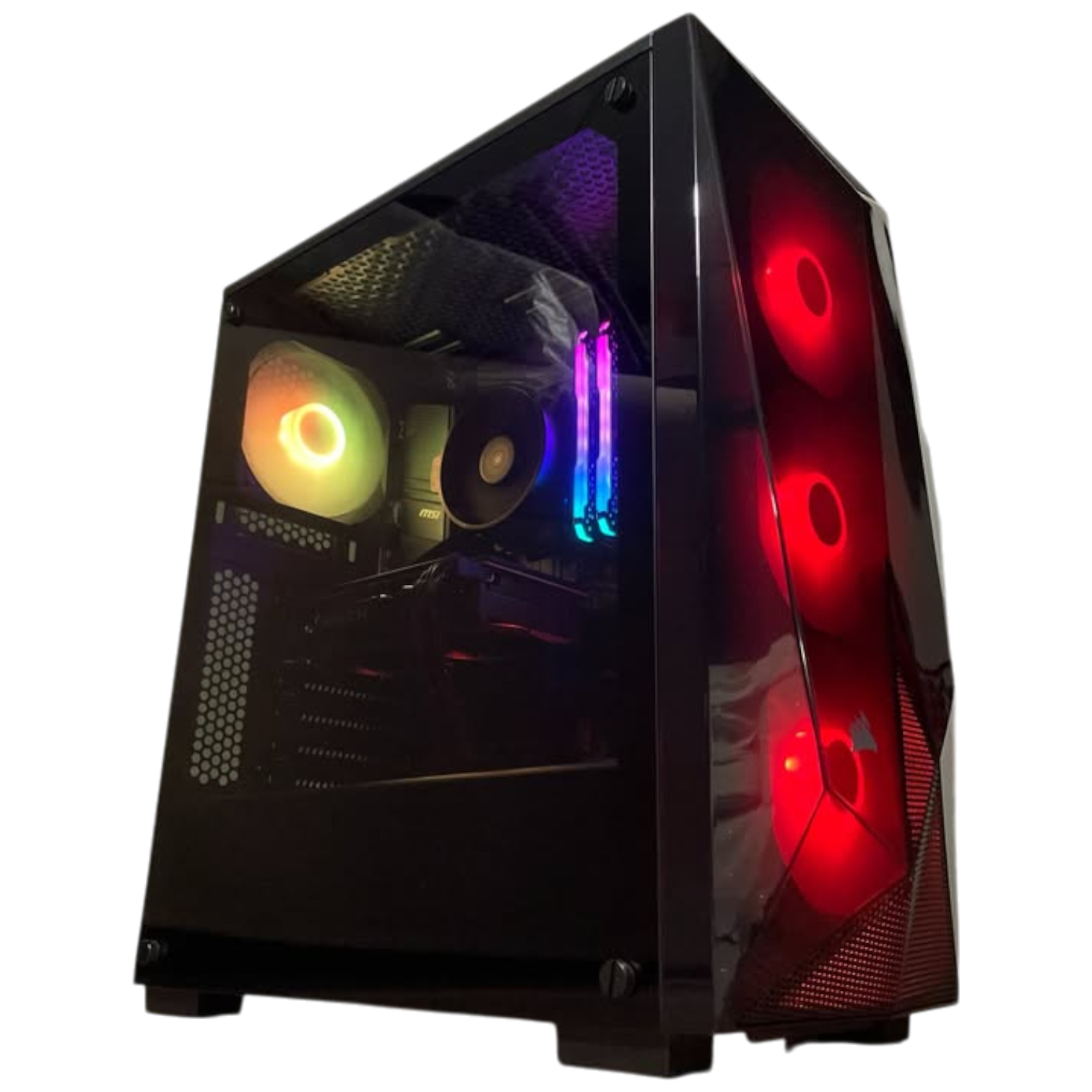
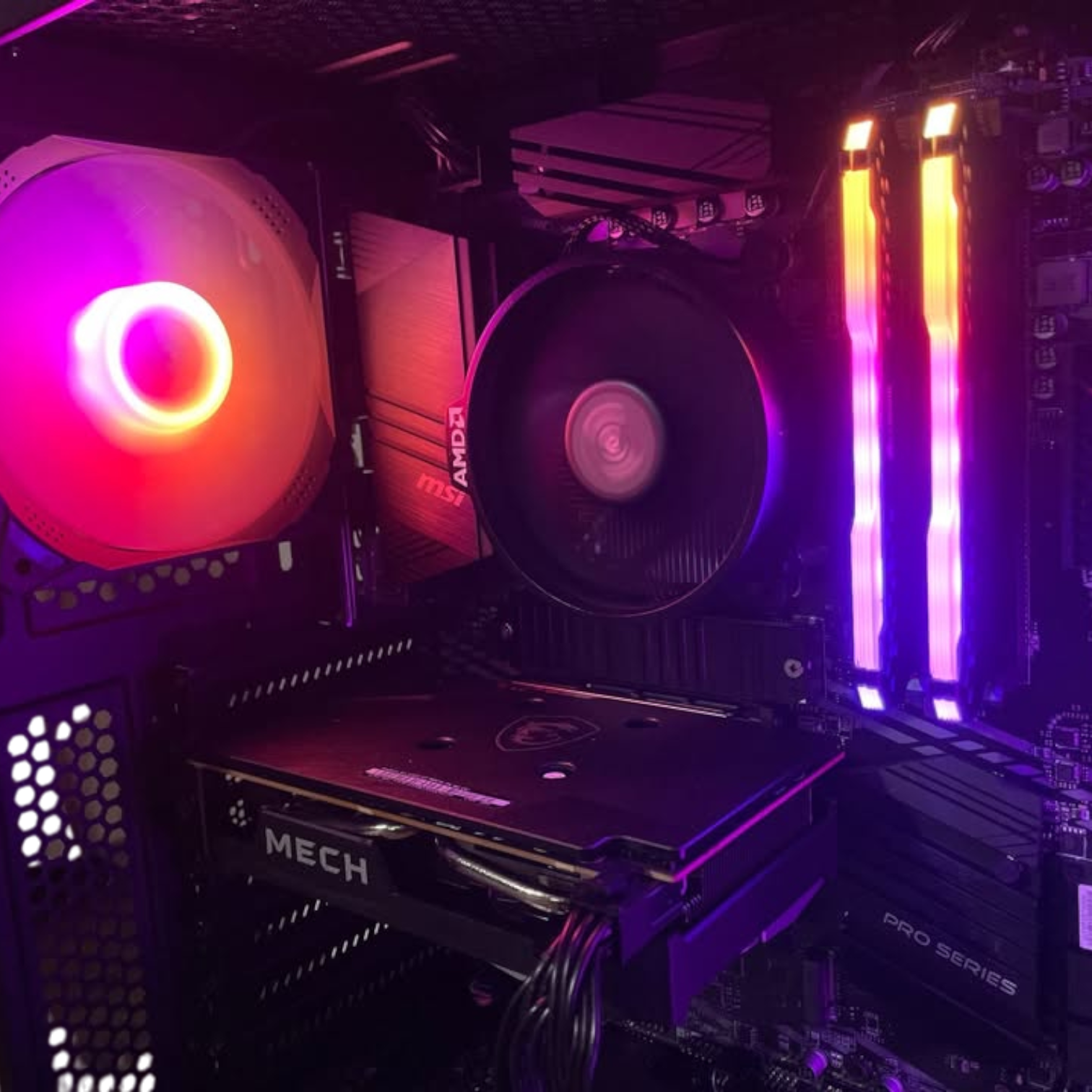
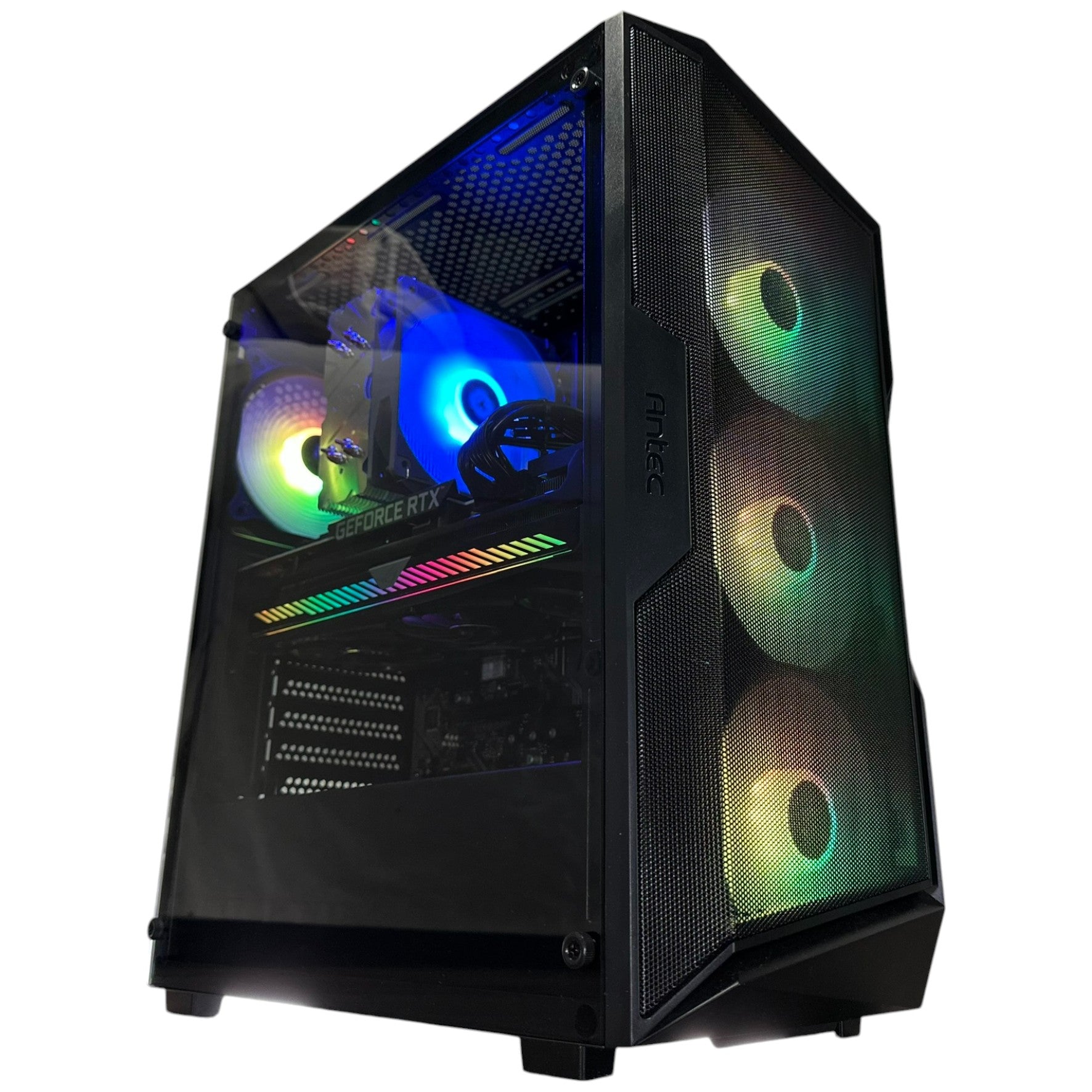
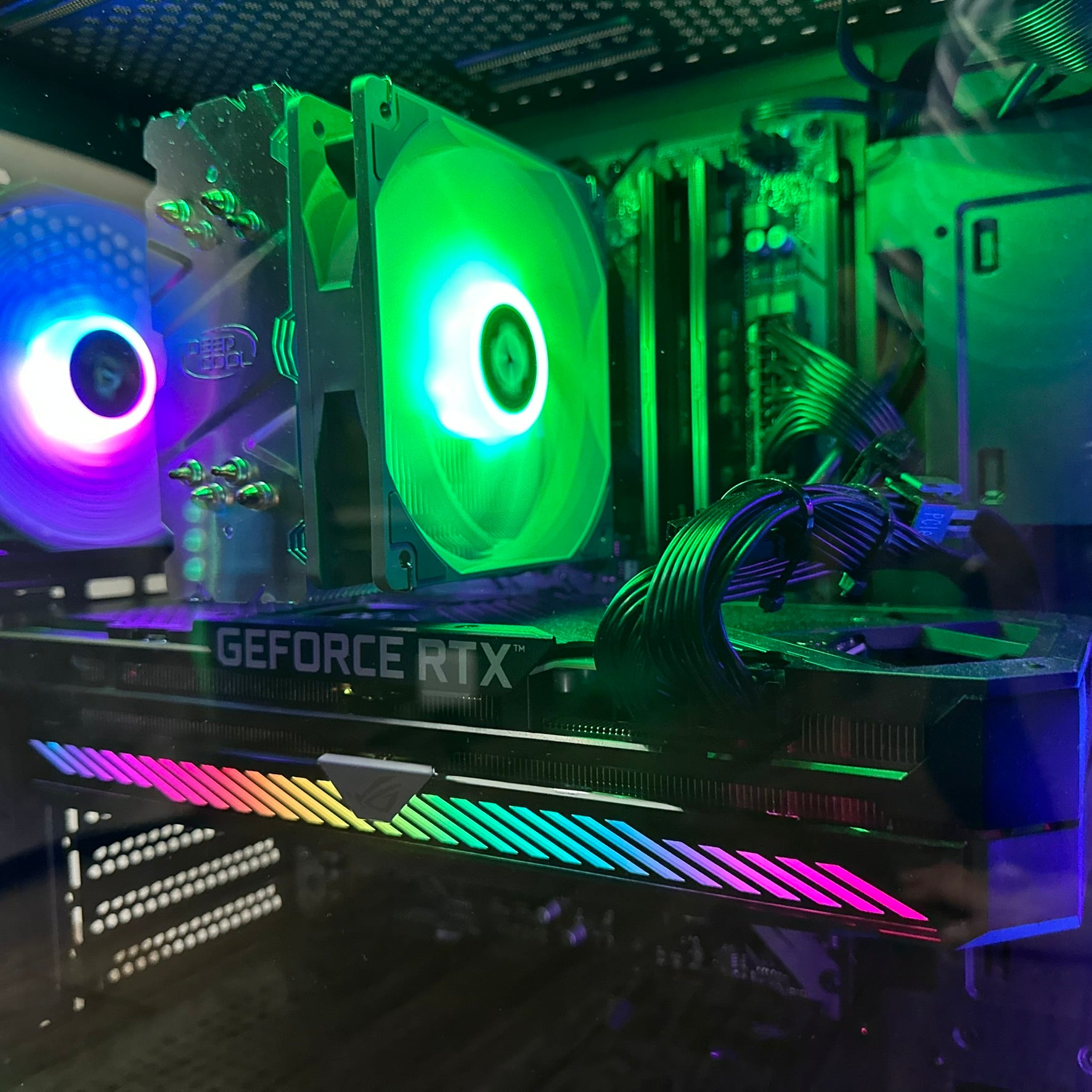





Pragmata Hair Tech Shows Why a Gaming PC for New Games Matters More Than Ever in Canada
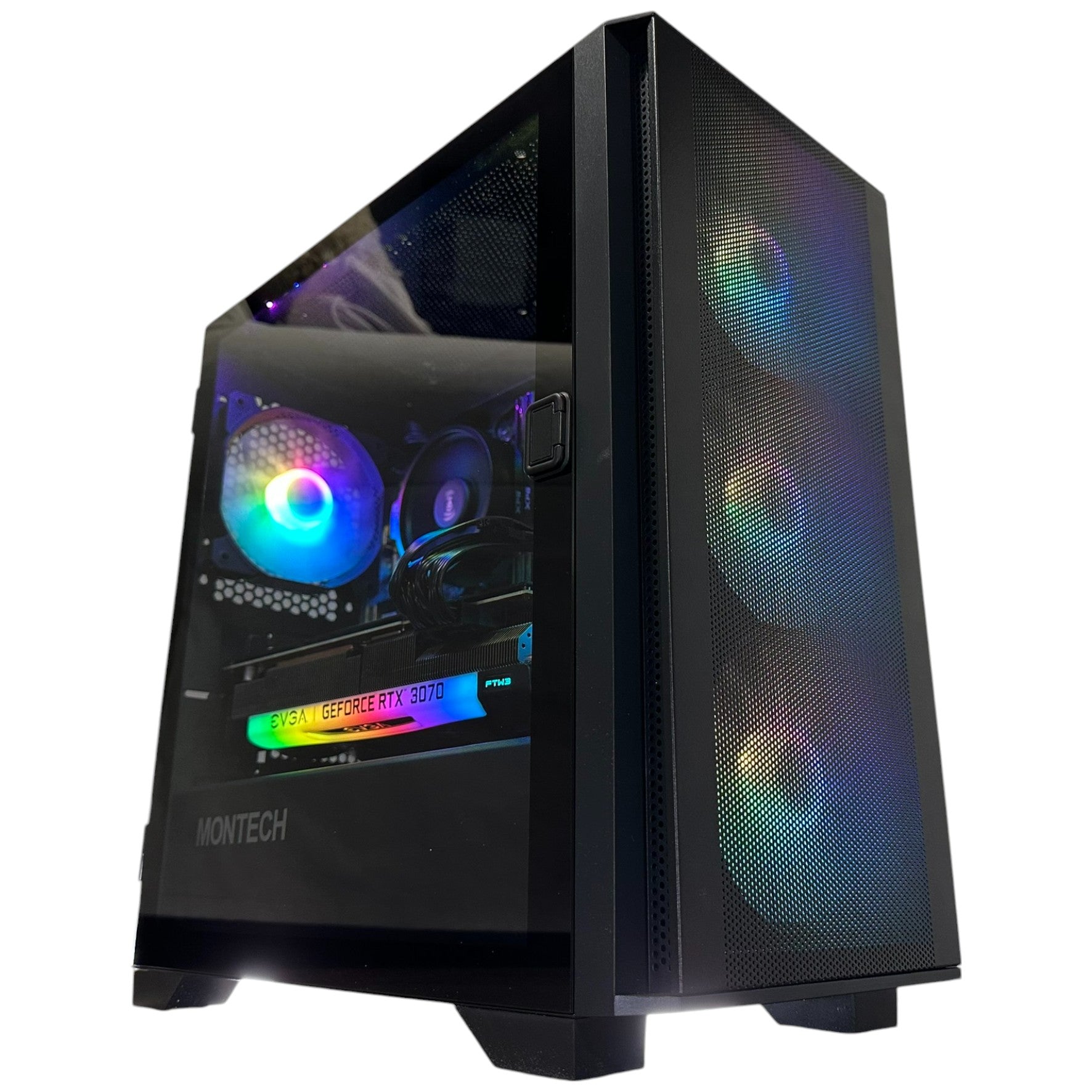
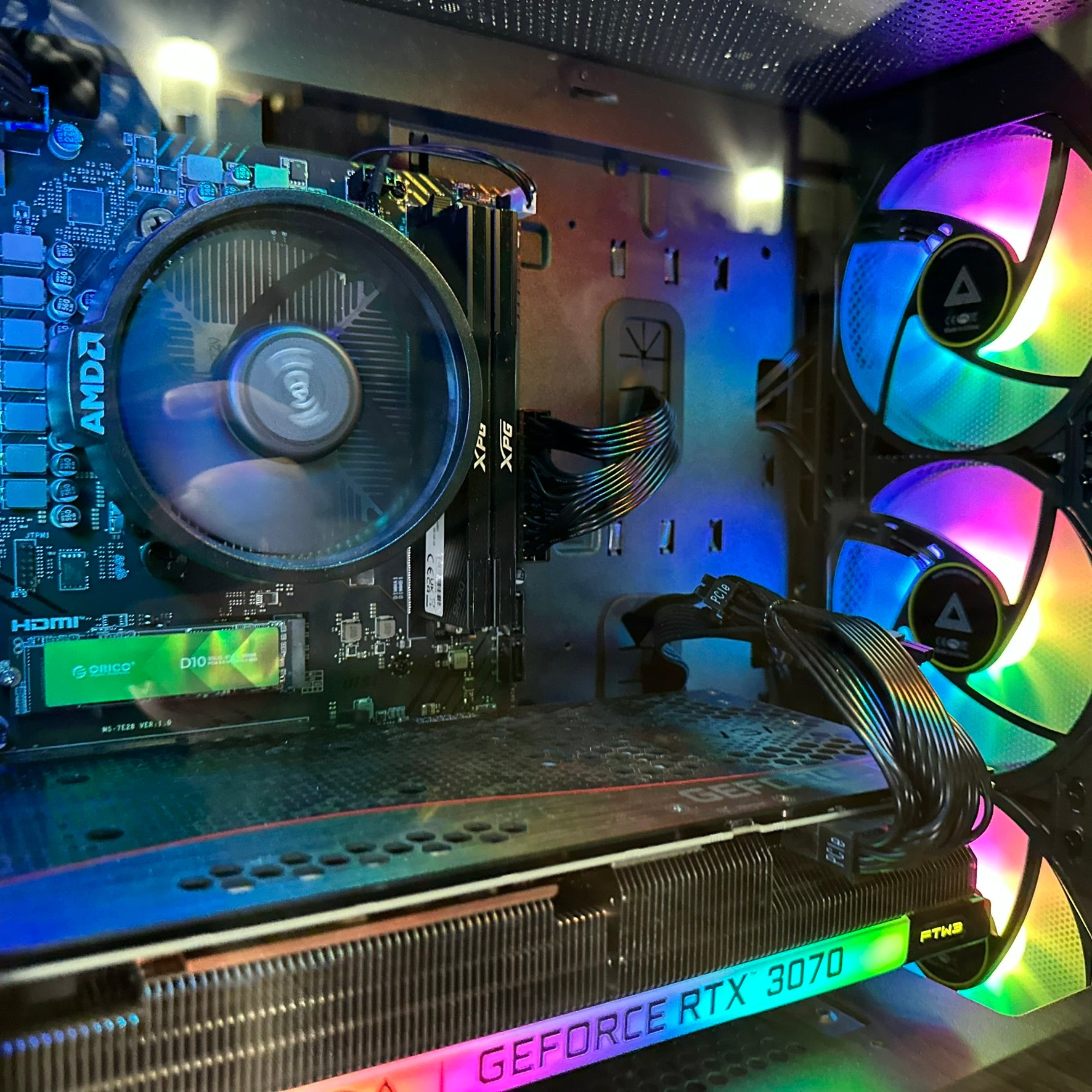
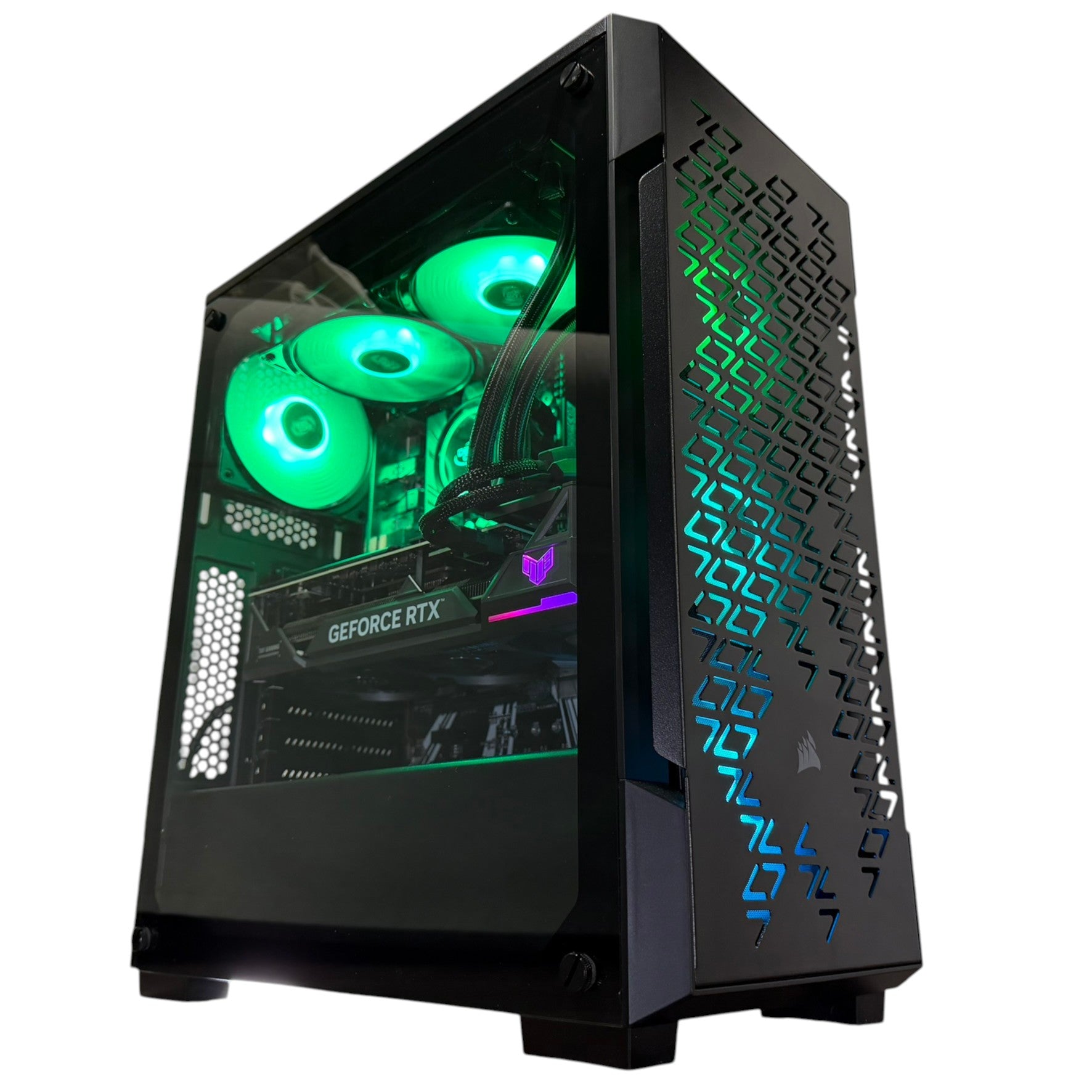
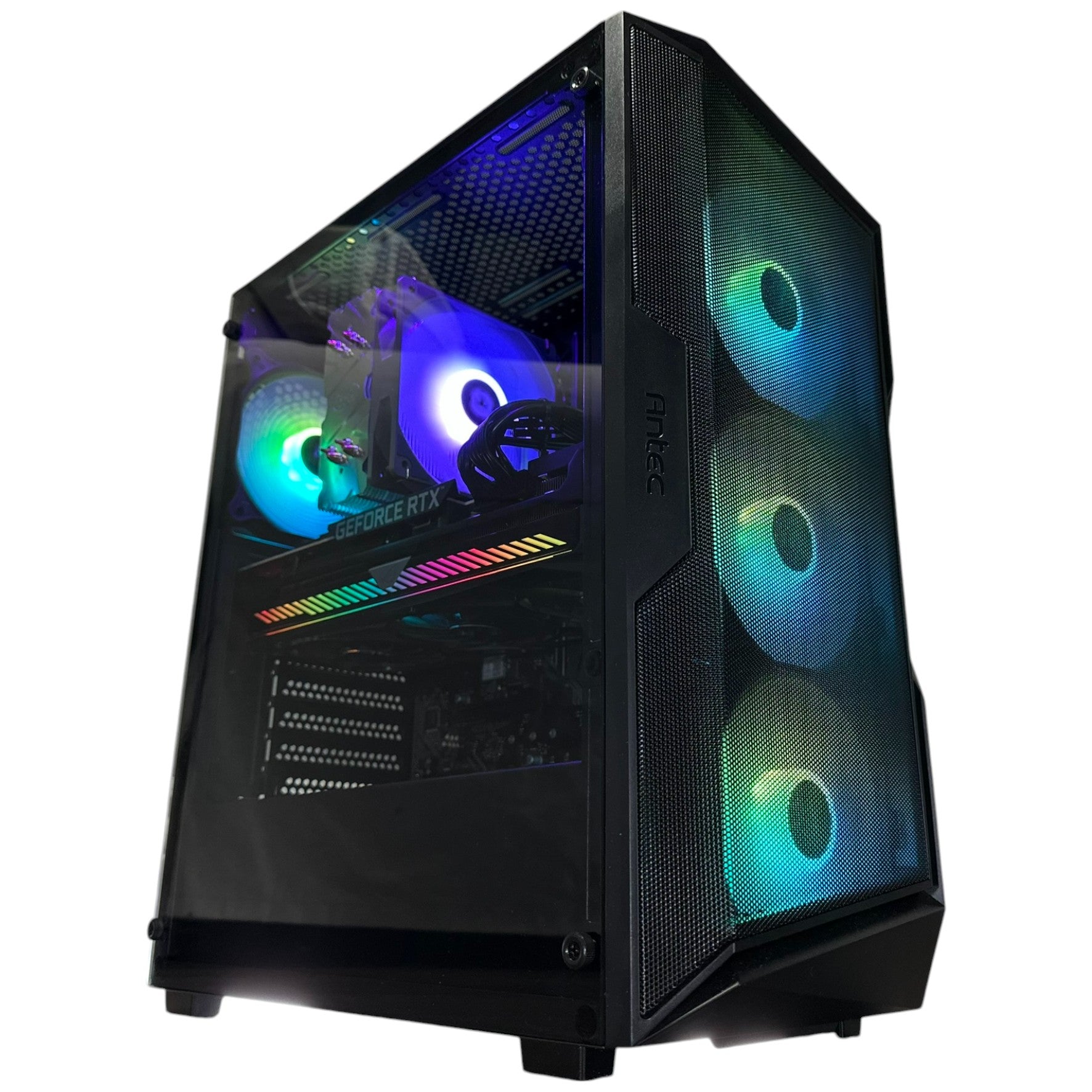
The recent reveal that Pragmata developers nearly gave Diana a drastically different haircut to reduce rendering costs is more than a fun behind-the-scenes story. It is also a reminder that modern game development keeps pushing visual complexity higher, and that means the right gaming PC for new games matters more than ever for Canadian buyers. When developers decide that thousands of individually rendered hair strands are worth the performance and production cost, players need hardware that can keep up with the results.
For Groovy Computers, this kind of gaming news is not just entertainment. It tells us where PC gaming is heading. Character detail, physics simulation, lighting, ray tracing, cinematic animation, and high-fidelity environments are all becoming more demanding. So if you are wondering whether your current system is still enough, whether you should buy before the next wave of demanding releases, or whether financing a stronger custom build makes more sense than upgrading too soon, this is exactly the right time to ask those questions.
What does Diana’s almost-redesigned hair tell us about game performance?
According to the source material, the development team explored lower-cost hair rendering options and even considered changing the character’s hairstyle during production. The reason was simple: realistic strand-based hair is expensive. Compared with older techniques that rely on simpler polygon cards, strand-based systems create a much heavier workload for animation and rendering.
That matters because hair is only one example. If developers are willing to spend that much effort on a single visual element, what else are they doing across the rest of the game? More detailed materials. Better facial animation. More advanced shadows. Richer particle effects. Improved lighting behaviour. Higher-quality reflections. Better environmental density. All of this stacks up.
In other words, when a game like Pragmata becomes known for premium visual detail, it becomes part of a larger trend: new AAA releases are increasingly designed around stronger hardware expectations. That does not mean every player needs an ultra-expensive flagship system. It does mean buying the wrong tier today can leave you disappointed much sooner than expected.
Why should Canadian gamers care about this before buying their next PC?
Because visual ambition in new games affects real buying decisions. A lot of players still shop based on yesterday’s expectations. They ask if a system can run esports titles, older open-world games, or lightly optimized releases. But are those the games you are actually planning to spend the next two to four years with?
If you are excited for cinematic single-player games, advanced sci-fi shooters, large open-world titles, upcoming ray-traced releases, or visually heavy console-to-PC ports, then your buying logic needs to change. You are not just buying for what ran well last year. You are buying for the next wave of games that increasingly treat high-end visuals as a core feature, not a luxury extra.
That is especially important in Canada, where replacement costs can feel sharper once you factor in exchange pressure, hardware demand, shipping realities, and the cost of upgrading multiple parts too soon. A weak purchase now can become a more expensive correction later.
What do you want your next PC to do for you?
Before choosing parts, ask the most useful question first: what do you actually want this system to handle well?
- Do you want a gaming PC for new games at smooth 1080p settings?
- Are you aiming for 1440p with stronger visual quality and better longevity?
- Do you want 4K, ray tracing, and premium image quality without immediately needing another upgrade?
- Will you also be streaming gameplay through OBS or recording for YouTube?
- Do you need one machine that can game at night and edit video during the day?
- Are you buying for Blender, Unreal Engine, Adobe Creative Cloud, or DaVinci Resolve as well as gaming?
- Would monthly payments help you secure the right tier now instead of settling for a machine you outgrow too fast?
These are the questions that separate a smart custom PC purchase from a rushed one.
What the Pragmata story gets right about modern game design
The source story highlights a simple truth: visual quality is not accidental. It is chosen. The team behind Pragmata appears to have decided that Diana’s hair was important to the game’s identity, atmosphere, and sense of life in a low-gravity setting. That is exactly how many modern developers think about visual features now. They are not just trying to make games run. They are trying to create a premium visual experience that defines the game.
For PC buyers, this means that “recommended specs” do not always tell the full story. A game might technically launch on a mid-range setup, but that does not guarantee the experience most players actually want. If your goal is stable frame rates, strong image quality, smoother lows, better streaming support, and less compromise on future titles, your hardware target should be based on your expectations, not just minimum viability.
What gaming PC do I need for this generation of visually demanding games?
If stories like this have you wondering what kind of system makes sense now, the answer depends on your target resolution, your tolerance for compromises, and how long you want the system to feel current.
Entry-level: Who should choose a budget gaming computer?
A budget-oriented system makes sense if you mainly play esports titles, lighter multiplayer games, older AAA releases, or you are comfortable adjusting settings for newer games. This tier is often the right fit for students, first-time PC gamers, and buyers who want good 1080p performance without aiming for ultra presets in every release.
But ask yourself: are you buying this system mainly for games like Pragmata and other cinematic titles, or are those just occasional extras? If the answer is that big new releases are your priority, going too low now may not feel like value for long.
Mid-range: Is 1440p the real sweet spot for most Canadian gamers?
For many buyers, yes. A 1440p-focused custom build often offers the best balance between strong visuals, longevity, and price control. If you want your games to look meaningfully better than entry-level 1080p, while still staying realistic about budget, this is often the smartest performance tier.
This is also the tier where buyers start thinking more seriously about texture quality, lighting, high refresh rates, and heavier visual effects. If your next PC needs to feel ready for new AAA games instead of merely surviving them, 1440p-class hardware is often the practical target.
High-end: What if you want 4K, ray tracing, or long-term headroom?
If your goal is premium settings, stronger ray tracing support, smoother performance in graphically intense releases, or a longer usable lifespan before major upgrades, a high-end gaming PC is worth serious consideration. This is especially true if you also want to stream, edit, render, or multitask heavily while gaming.
Ask yourself a tougher question here: would you rather buy one stronger machine now, or buy a cheaper one and feel pressured to replace the GPU or platform earlier than expected? For many Canadian shoppers, the math starts to favour a stronger build once they think about total replacement cost instead of just the day-one invoice.
Is a gaming PC enough if you also stream or create content?
Sometimes yes, but not always. This is where many buyers underestimate their needs.
If you plan to play demanding games and also stream to Twitch or YouTube, you need to think beyond average frame rates. Streaming adds encoder load, background tasks, browser overhead, chat tools, capture software, and storage demands. A system that looks fine on paper for gaming alone can feel much less comfortable once streaming enters the picture.
If you are asking, what PC do I need for streaming?, the better question may be: how often will I stream, and how polished do I want that experience to feel? If you want smooth gaming and a stable broadcast without constant tweaking, a purpose-matched gaming and streaming PC Canada shoppers can rely on is a much safer choice than chasing the cheapest option.
What if your next PC also needs to handle editing, design, or creator work?
The Pragmata hair story is also relevant for creators because it reflects the same technical direction we see in modern software. More realism, more effects, more GPU acceleration, more asset complexity, and higher project demands. If you work in editing, design, or 3D, this matters immediately.
Do you need a creator PC instead of a pure gaming system?
If you work in Adobe Premiere Pro, DaVinci Resolve, Photoshop, Illustrator, Lightroom, After Effects, Blender, Unreal Engine, or similar tools, the answer may be yes. A gaming-first parts list is not always the best creator-first parts list. Storage planning, memory capacity, CPU selection, cooling behaviour, and upgrade paths all matter differently depending on workload.
Are you editing 1080p clips for social media, or 4K footage for YouTube? Are you building thumbnails and ad creatives, or rendering complex 3D scenes? Do you need fast exports, smoother timelines, multiple monitor support, or enough RAM to keep several large applications open all day? Your ideal custom PC category changes fast once those answers become clear.
Who should consider a video editing PC Canada buyers can grow into?
If you are working with 4K footage, layered timelines, colour work, motion graphics, or regular exports, a stronger creator-focused build is often the smart move. The same logic applies to content creators who both game and edit. Why buy a machine that only does half your routine well?
When does a workstation make more sense than a gaming desktop?
If your work includes 3D modeling, rendering, Unreal Engine projects, simulation-heavy workloads, CAD-related tasks, or professional multitasking, a workstation-oriented system can make more sense than a general gaming desktop. The key question is not whether a gaming PC can run your software. It is whether it is the best long-term tool for your actual workload.
Should you buy now or wait for later hardware or prices?
This is one of the most common buying questions, and it is a fair one. But waiting is not always neutral. Waiting can mean missing a sale window, buying during stronger demand, facing higher replacement costs, or delaying the system you actually need for work or play.
Ask yourself what you are waiting for. A specific game release? A future GPU generation? A seasonal sale? A software upgrade? If your current machine is already struggling, waiting can carry a hidden cost: lower performance now, reduced productivity, and a higher chance you end up buying reactively when stock, pricing, or urgency is worse.
The source story is a useful example of why expectations keep rising. Game visuals are not standing still. Creator software is not getting lighter. Assets are not shrinking. If your workload or game list is moving upward, your purchase timing should reflect that reality.
Could financing help you get the right PC before costs rise?
For many buyers, yes. Financing is not just about affordability. It can be a strategy for avoiding underbuying.
If you are stuck between a cheaper build that may age quickly and a stronger build that better matches your real goals, financing can close that gap. Instead of settling for a weaker GPU, too little RAM, or limited storage, monthly payments can help you move into a more suitable tier now.
Would it be better to pay less today and upgrade sooner, or spread the cost of a stronger custom system over time and avoid replacing major components too early? That is the decision many customers are really making.
For Canadian shoppers considering a new custom build, financing up to 4 years can make a meaningful difference when choosing between “good enough for now” and “actually right for the next few years.”
Which performance tier fits your buying situation best?
Here is a simple way to think about it.
Choose a value-focused build if:
- You mainly play esports or lighter games
- You want a first PC or student-friendly setup
- You are targeting practical 1080p gaming
- You are comfortable lowering settings in heavier future titles
Choose a stronger mid-range build if:
- You want 1440p to feel smooth and worthwhile
- You care about visual quality in new releases
- You want more longevity before your next upgrade
- You may stream, record, or multitask while gaming
Choose a premium build if:
- You want 4K or high-refresh 1440p gaming
- You care about ray tracing and heavier visual features
- You want headroom for future AAA games
- You also edit video, render, or do serious creator work
- You want to avoid upgrading again too soon
What questions should you ask before choosing a custom gaming PC in Canada?
Before you commit, ask yourself the questions most shoppers skip:
- What games am I most excited to play over the next two to three years?
- Do I want 1080p, 1440p, or 4K performance?
- How important are ultra settings, ray tracing, and frame stability to me?
- Will I stream, record, edit, or create content on this same machine?
- How soon would I be frustrated if I had to upgrade RAM, storage, or GPU?
- Would financing a stronger system now save me money and hassle later?
- Do I want a generic box, or a tested system built around my actual needs?
These questions matter because custom PC buying is not just about specs. It is about matching the build to the buyer.
Why does a custom build matter more as games become more demanding?
As titles get more complex, part selection matters more. Cooling matters more. Power delivery matters more. Storage planning matters more. Memory capacity and system balance matter more. A poorly matched system can leave performance on the table even when the headline GPU sounds impressive.
That is why many buyers prefer working with a Canadian custom PC builder instead of taking a gamble on a generic configuration. A well-built machine is not just about what parts are inside. It is about how those parts are matched, tested, cooled, and prepared for the way you will actually use the system.
At Groovy Computers, that means focusing on the practical side of ownership too: build quality, stress testing, upgrade logic, and support confidence. When a game like Pragmata reminds everyone how far visual standards have moved, those details stop sounding optional.
Why Groovy Computers makes sense for Canadian buyers
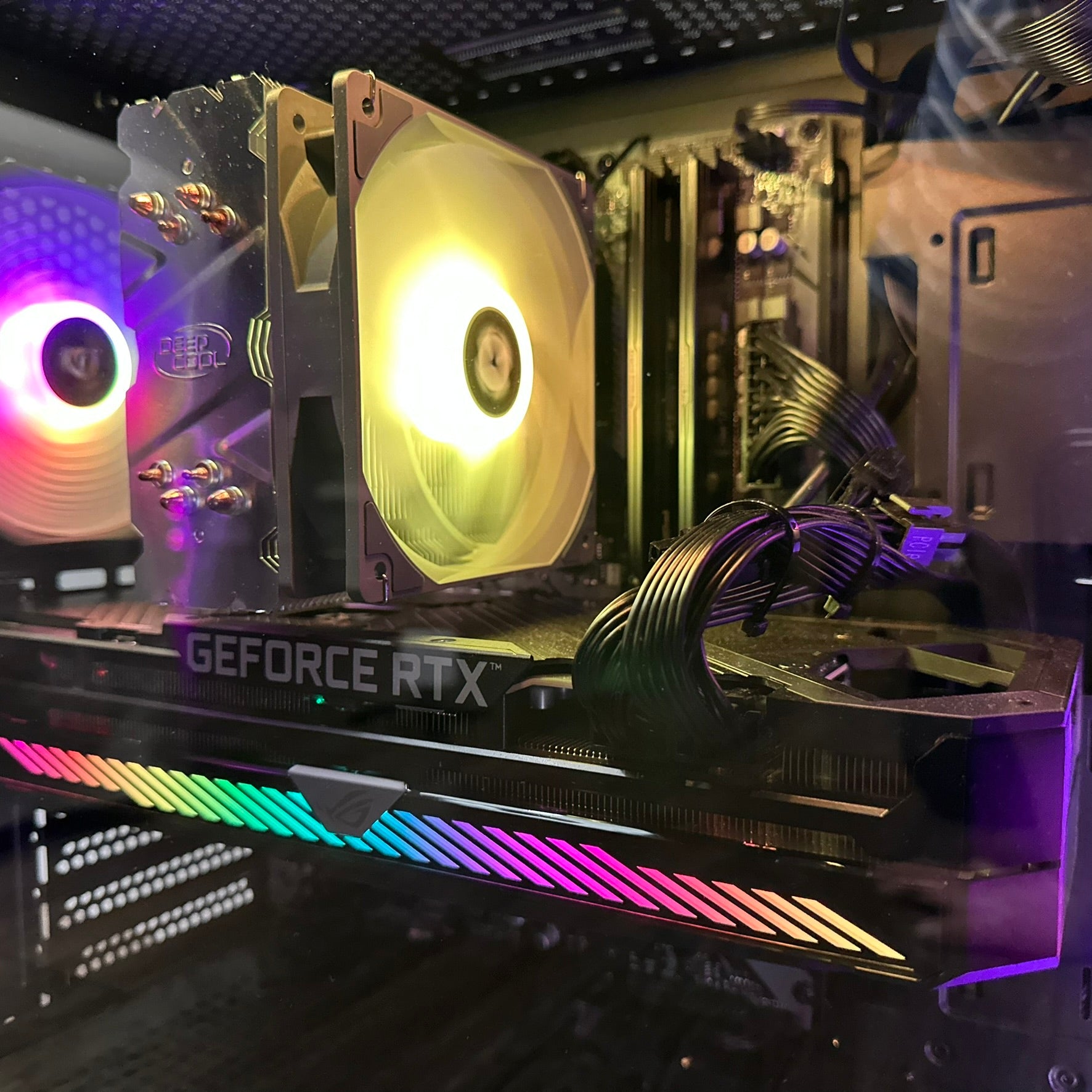
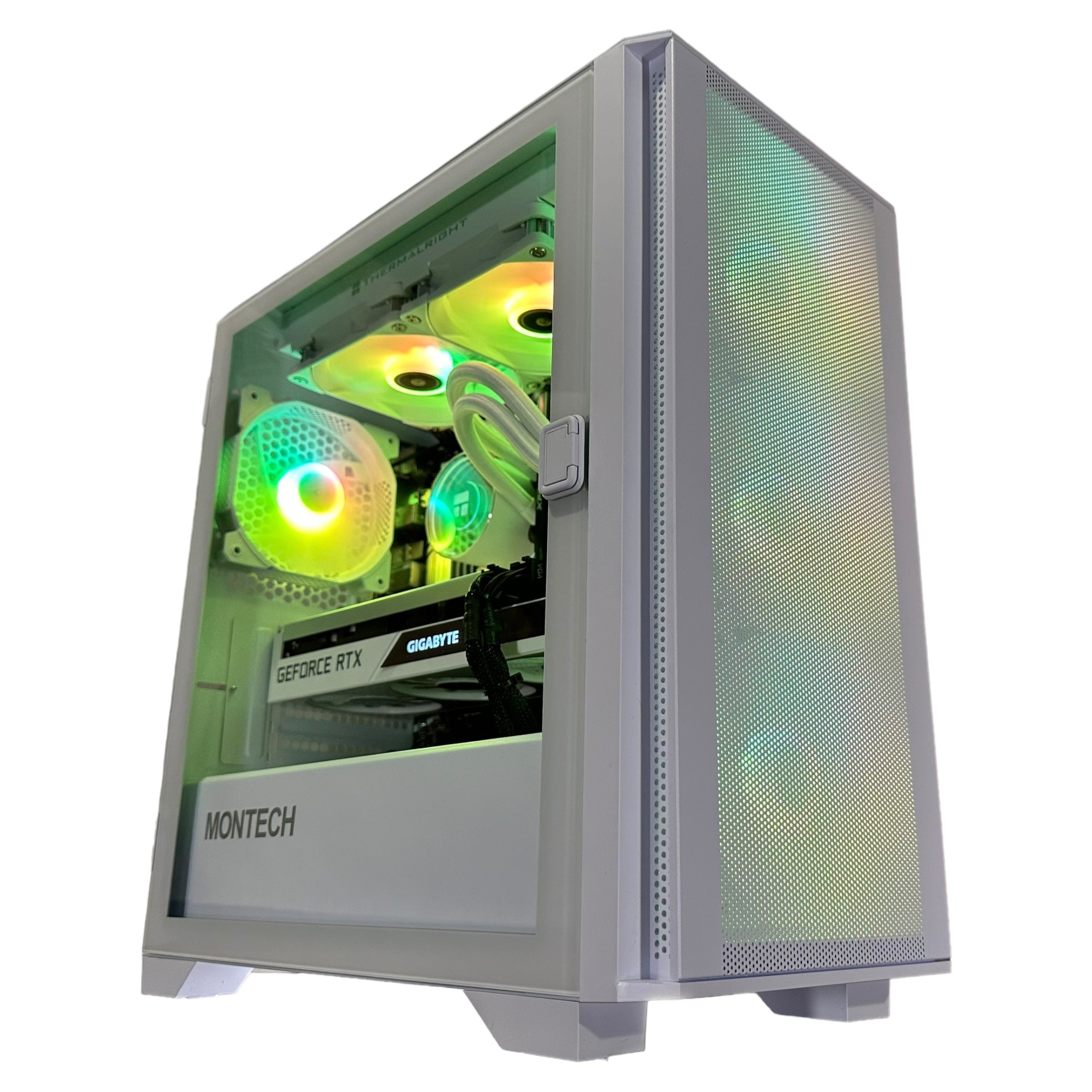
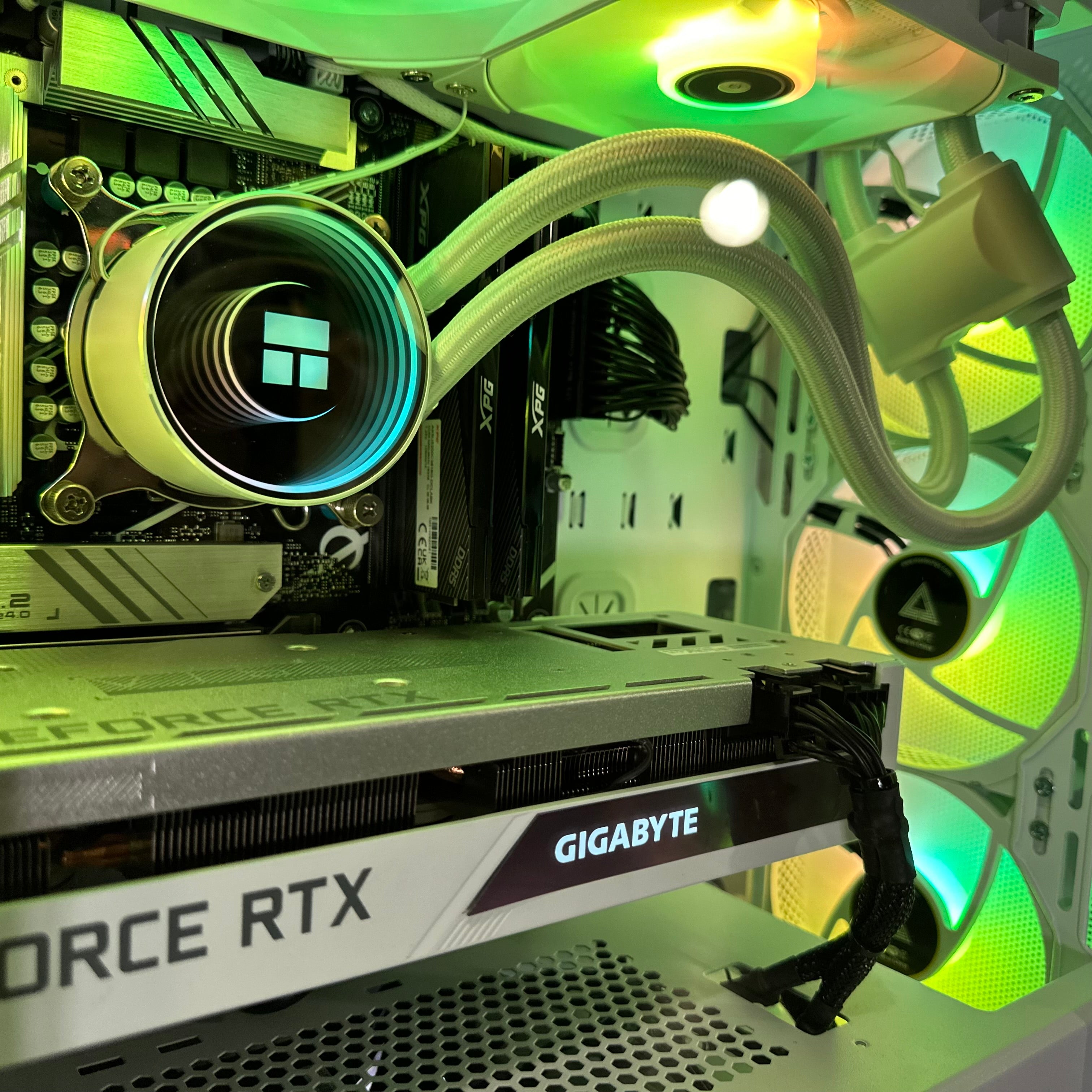
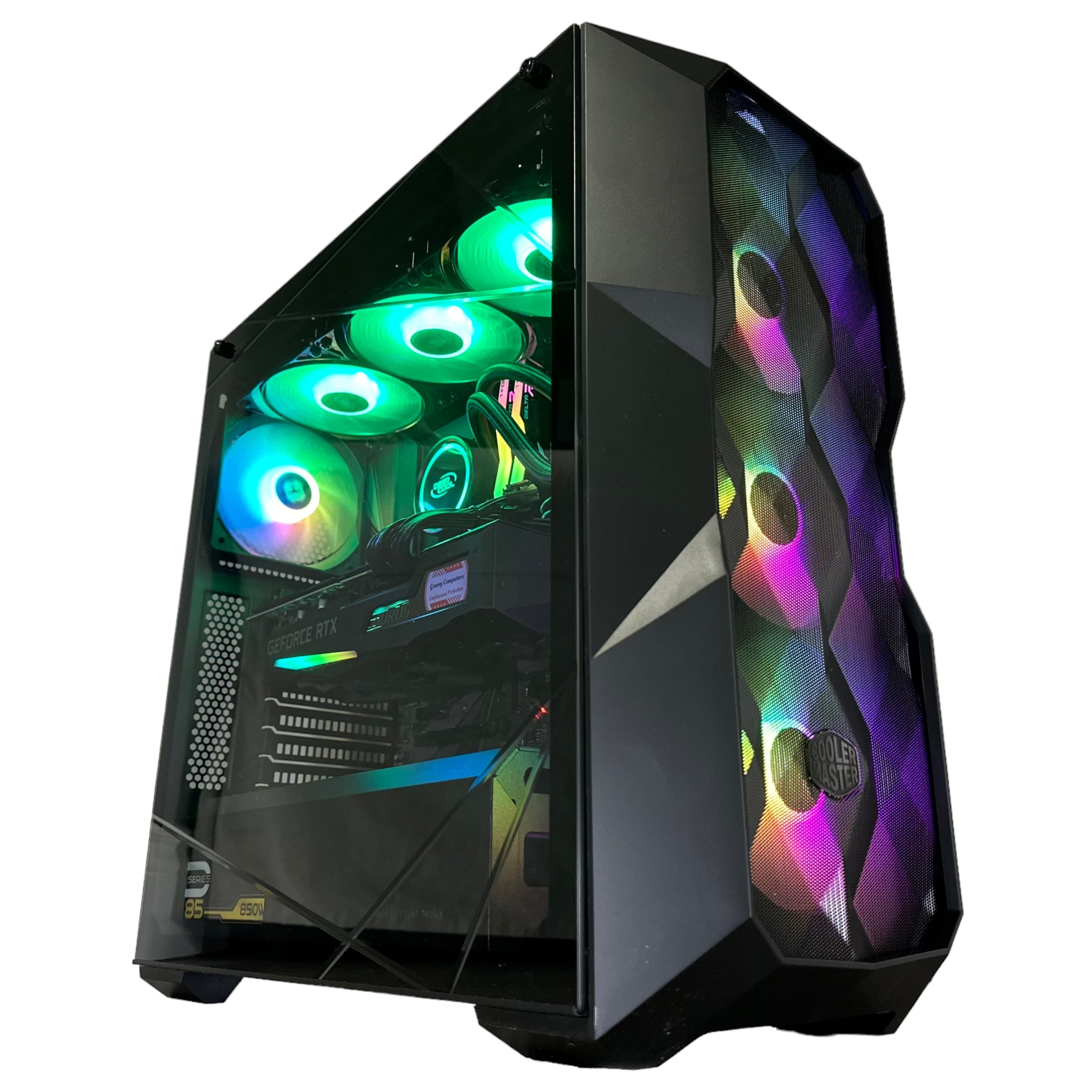
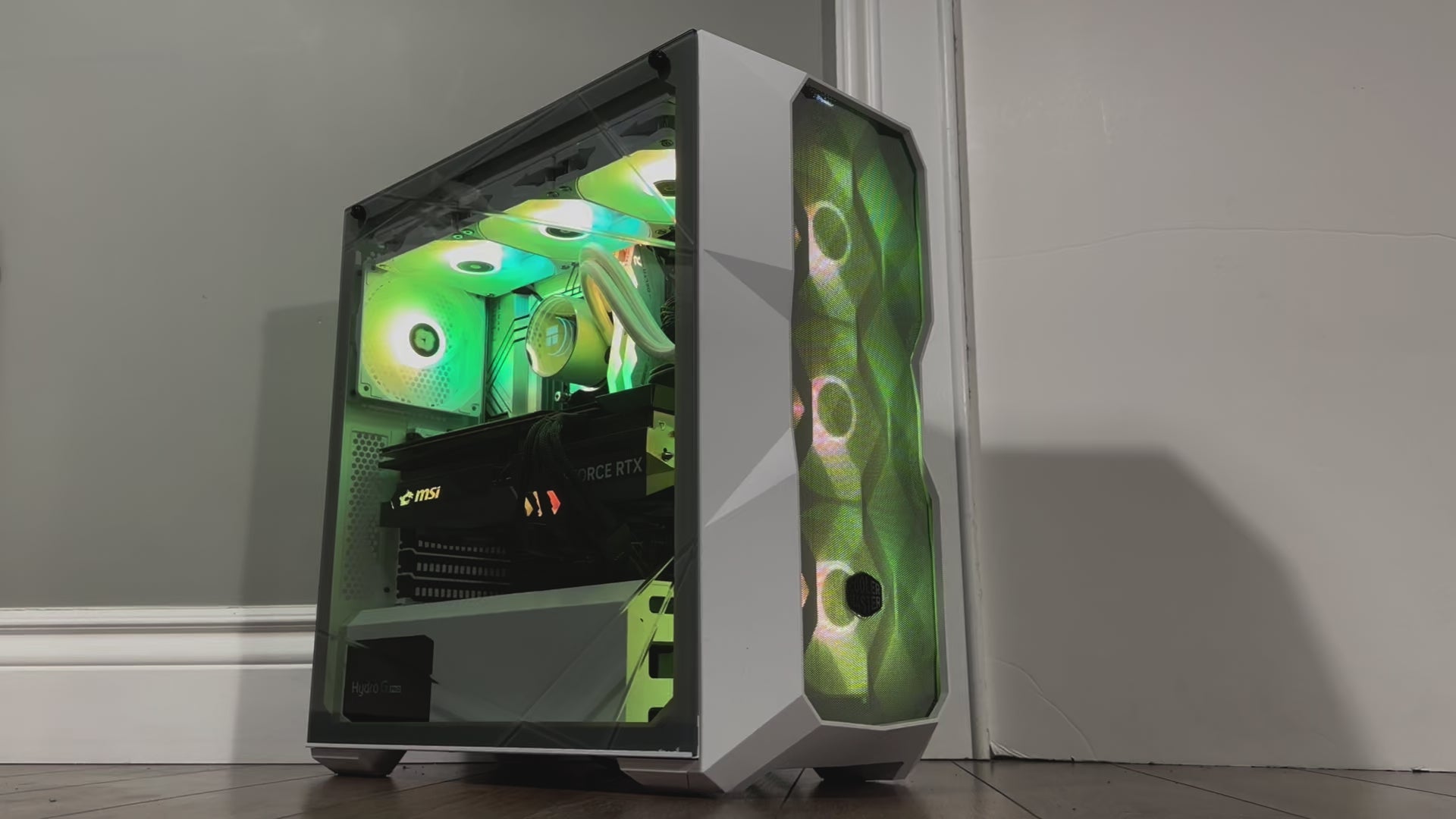
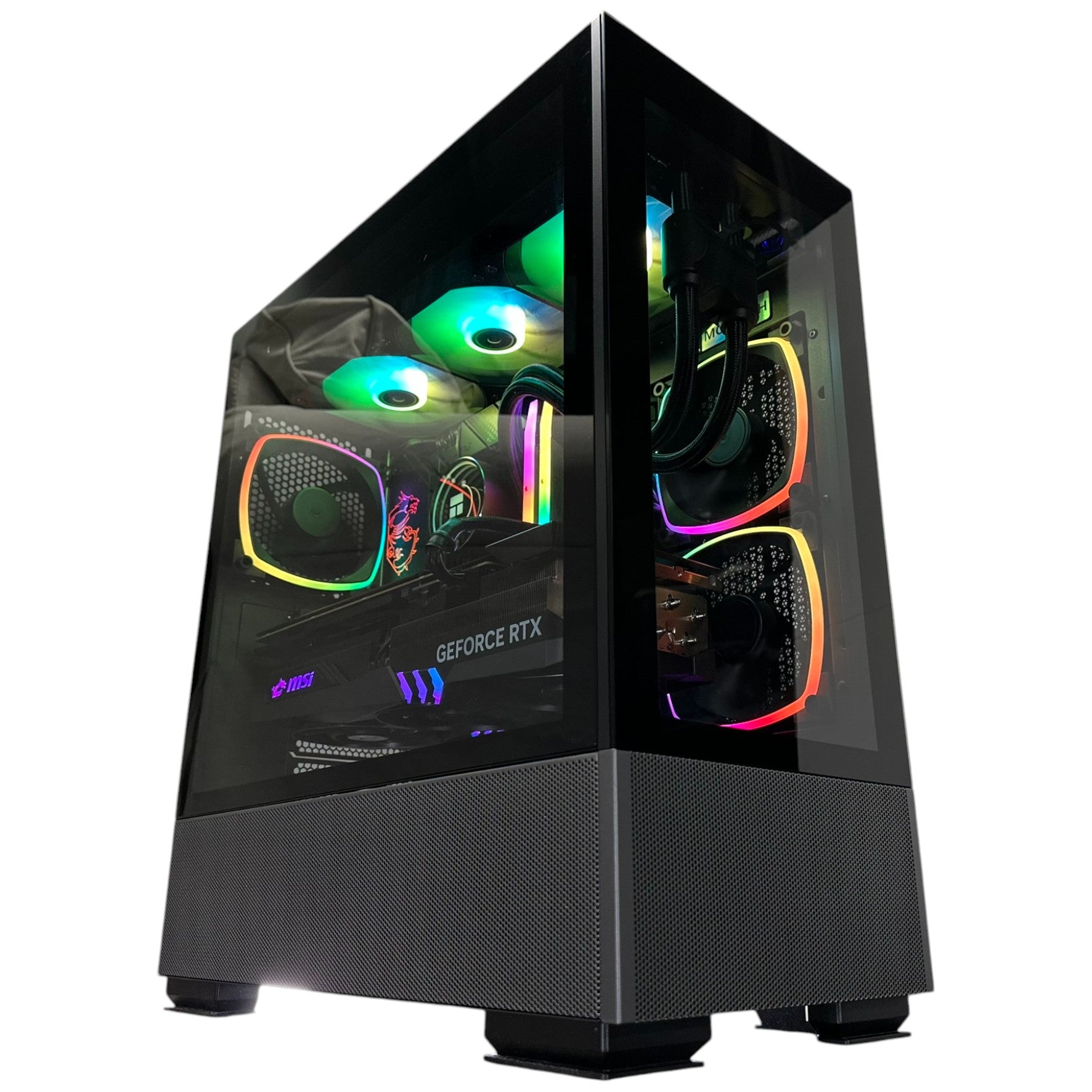
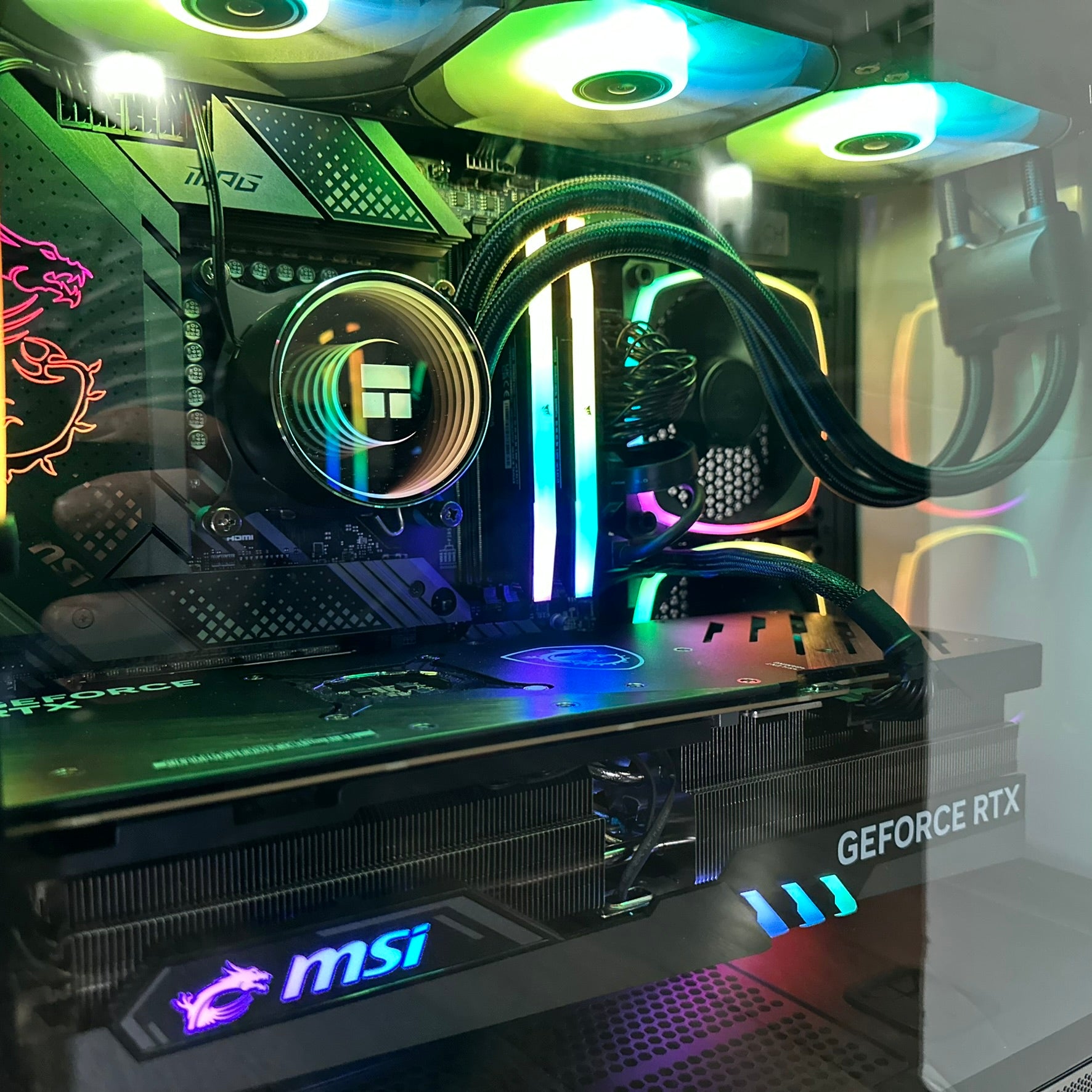
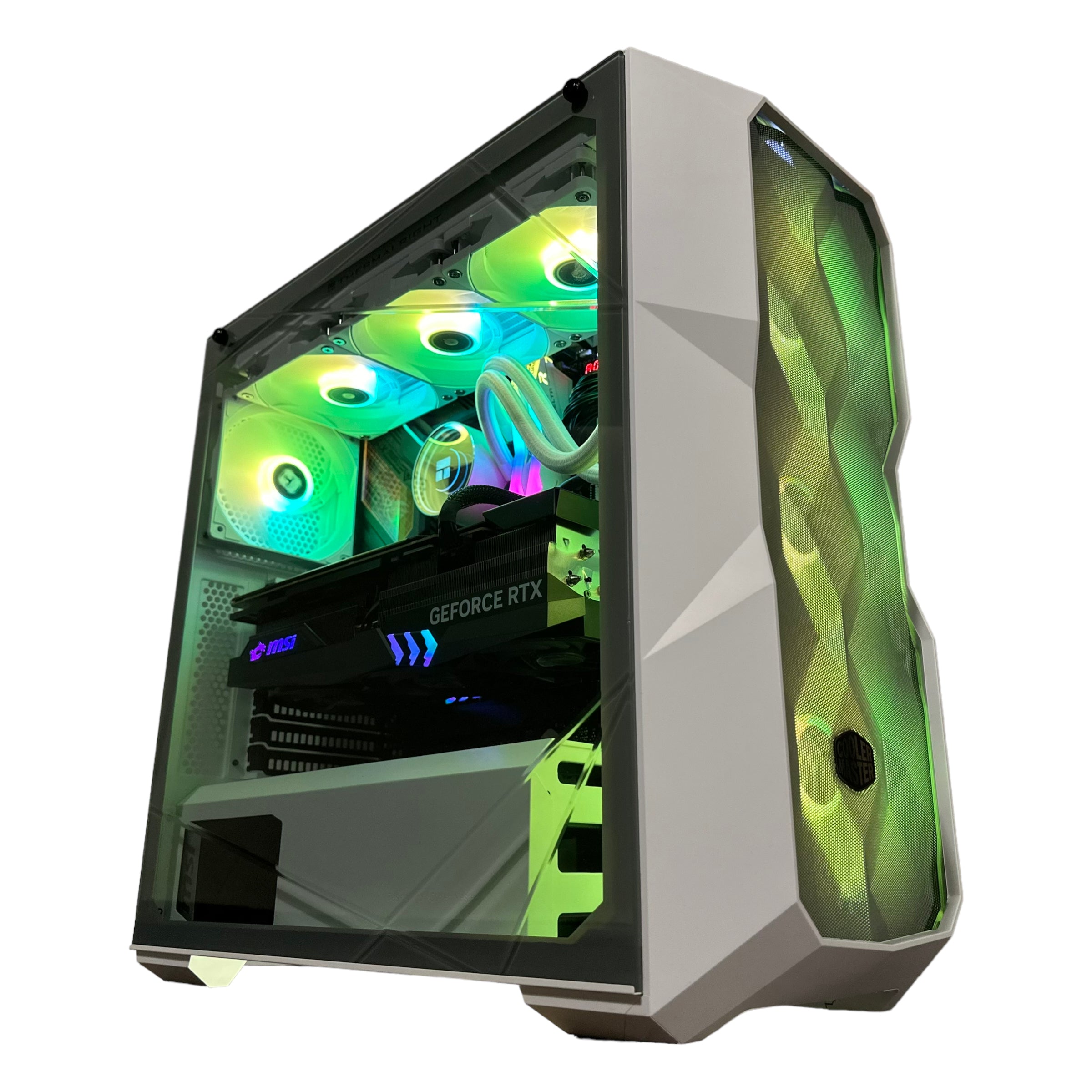
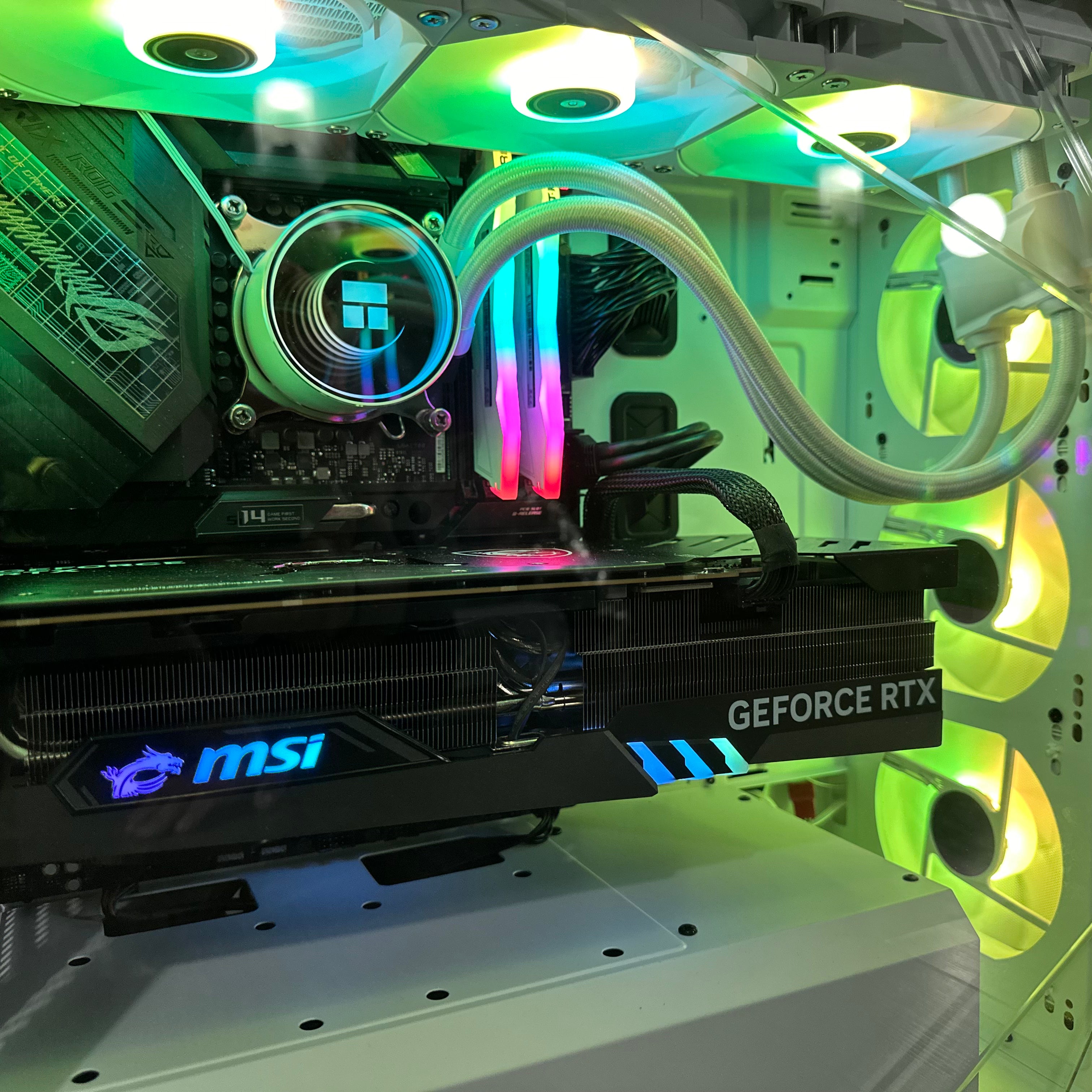
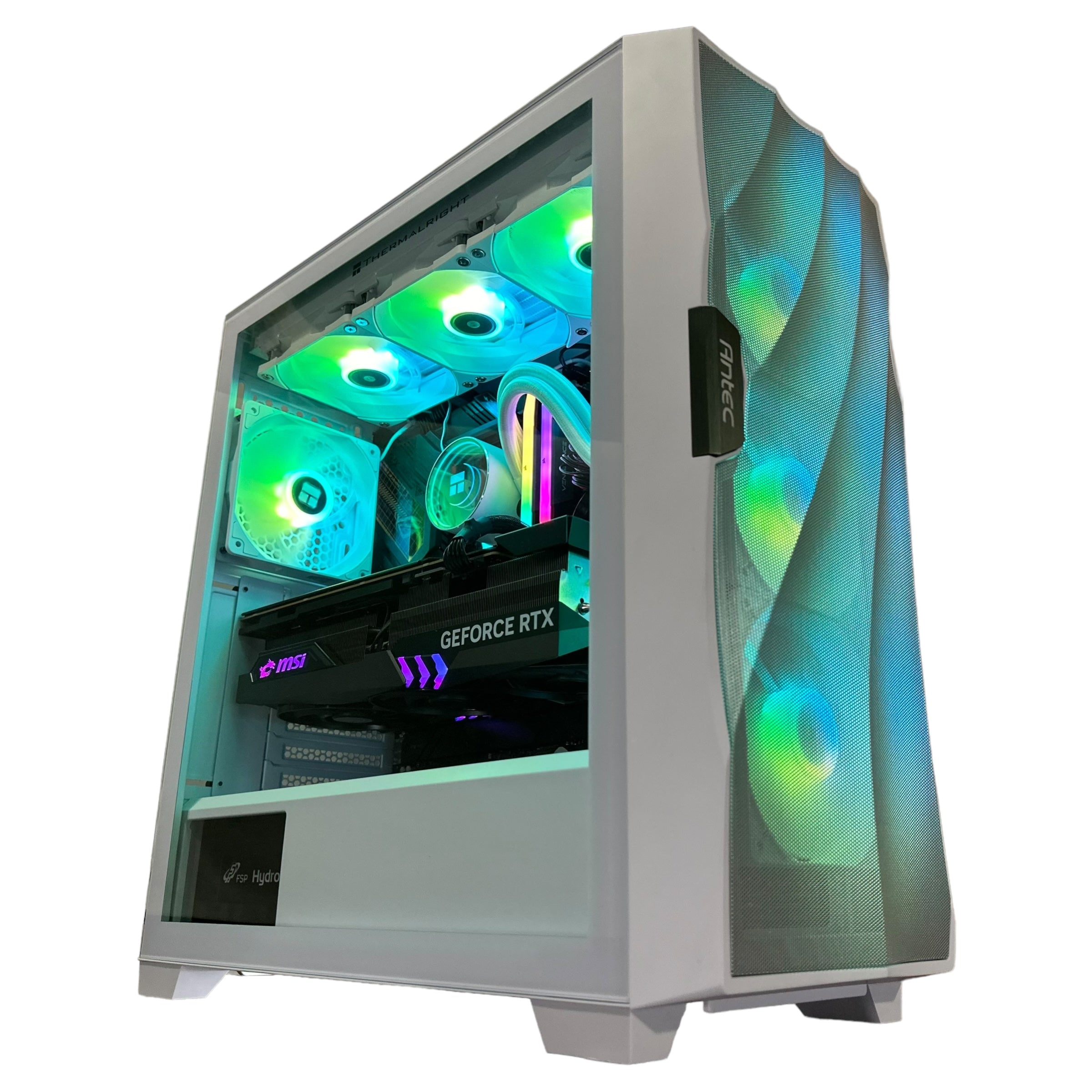
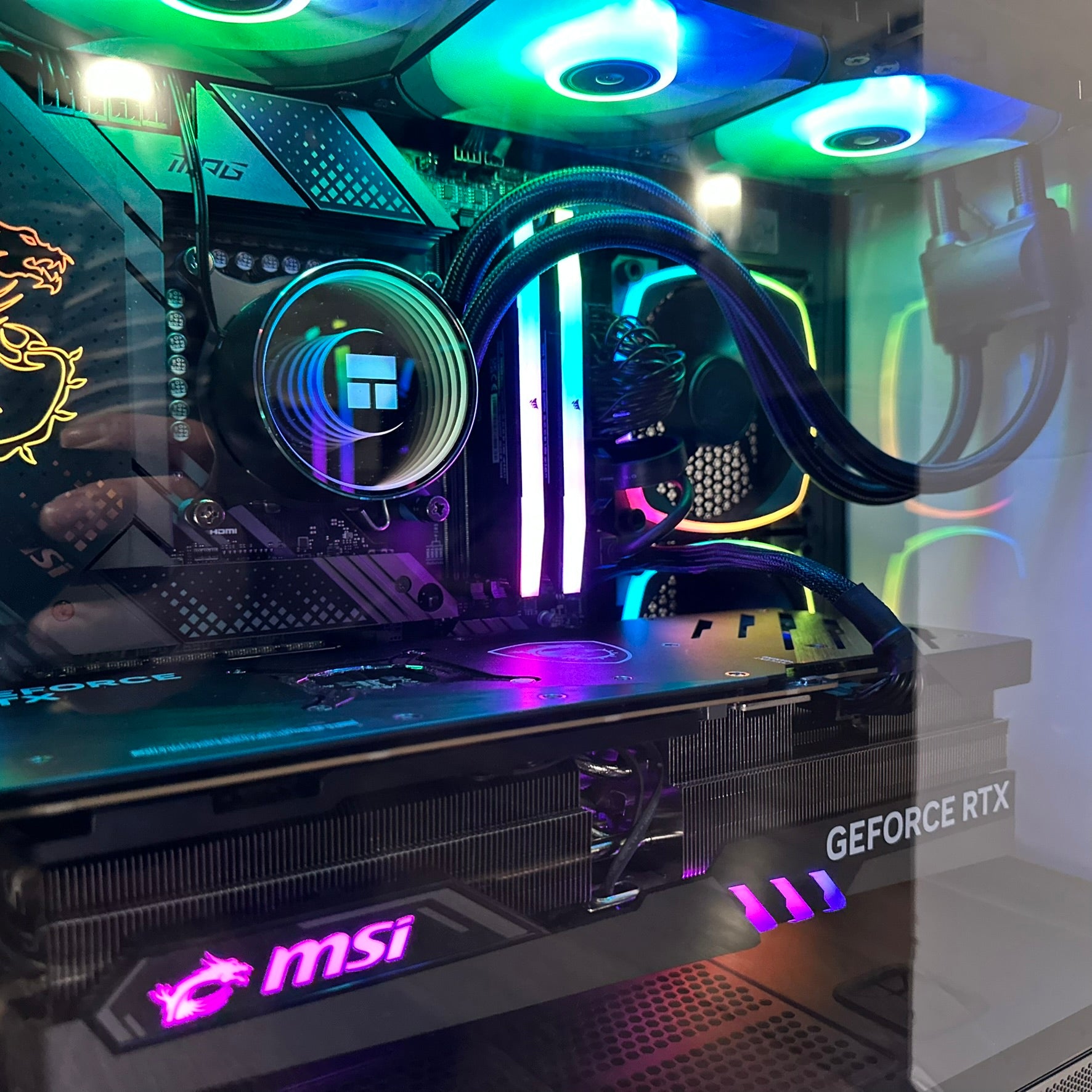
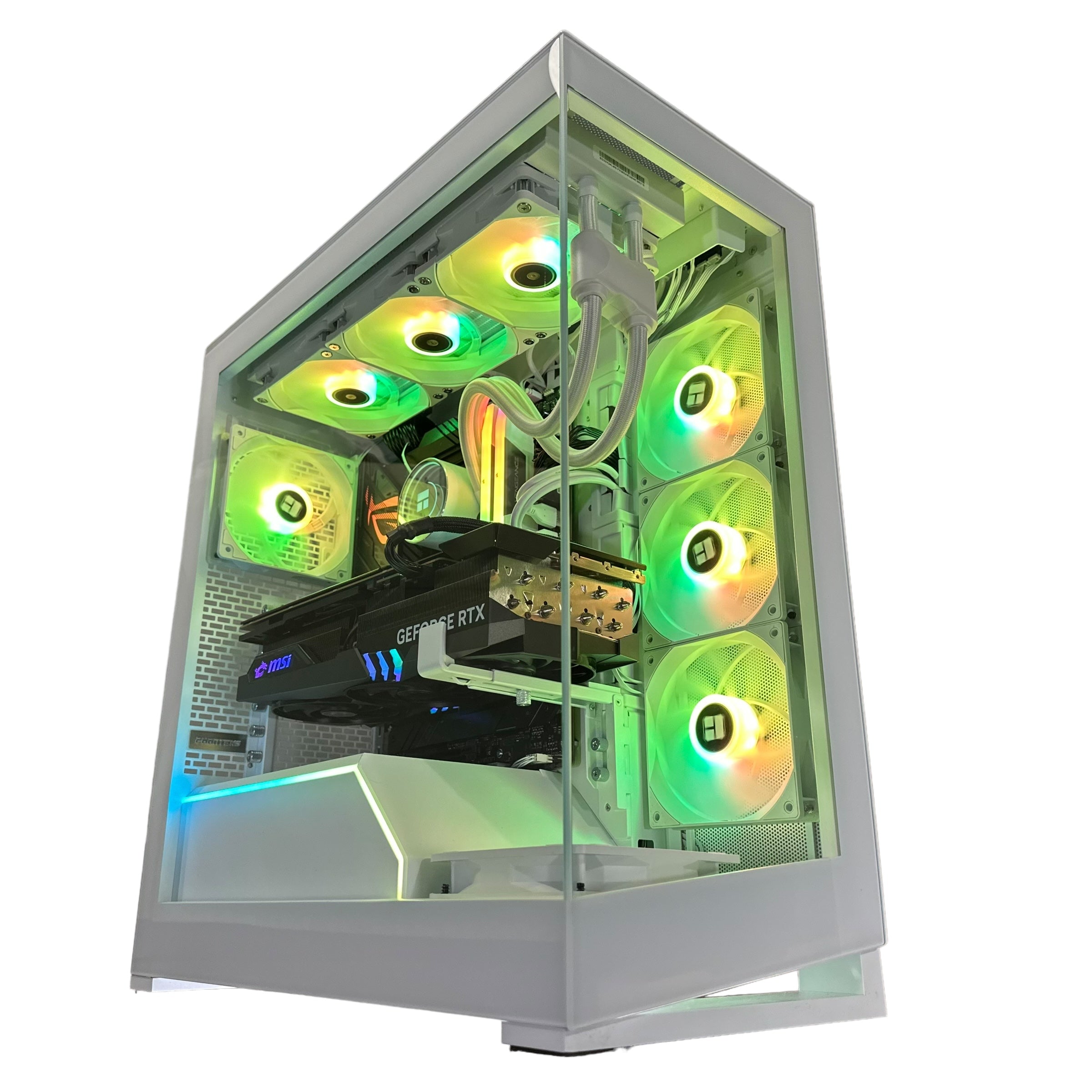
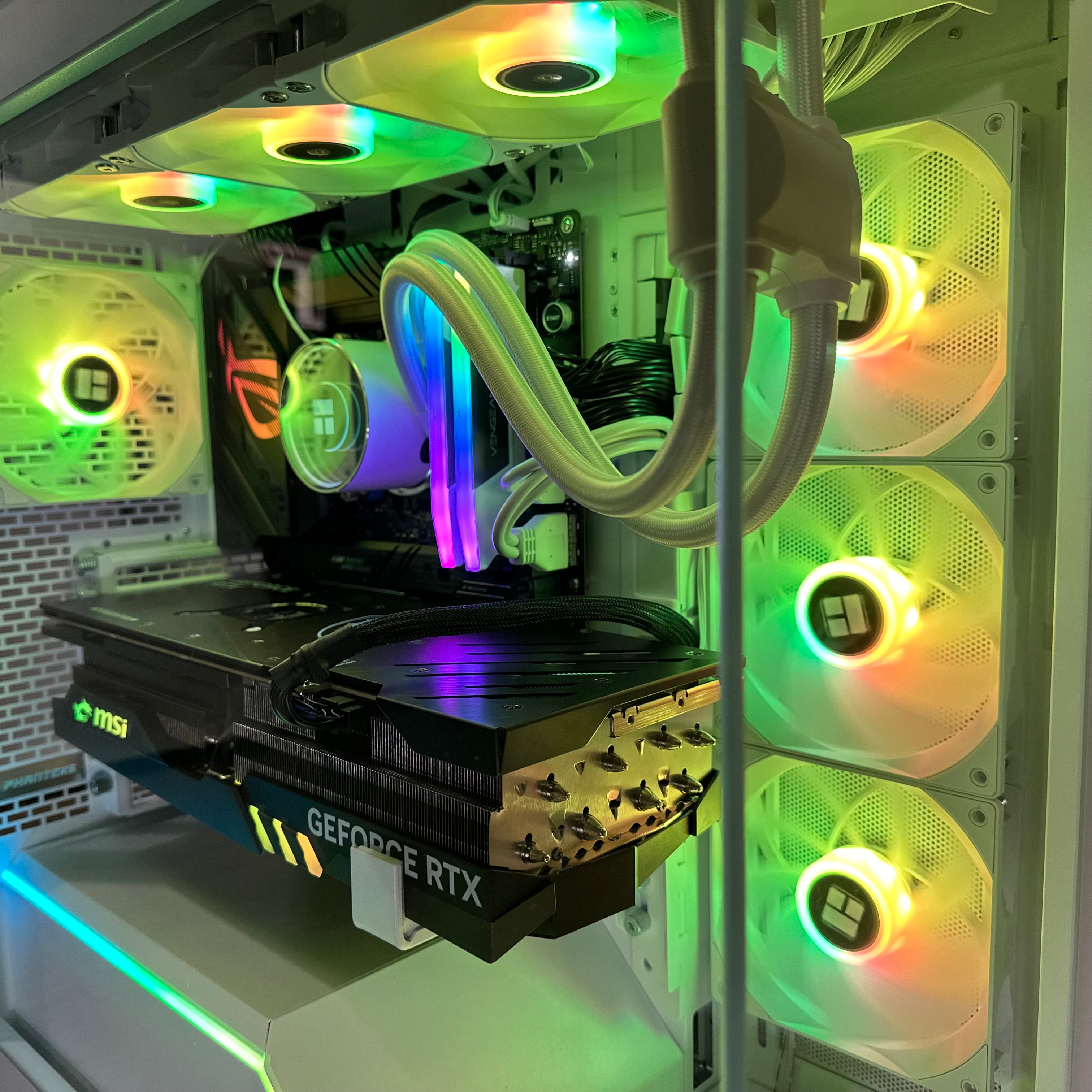
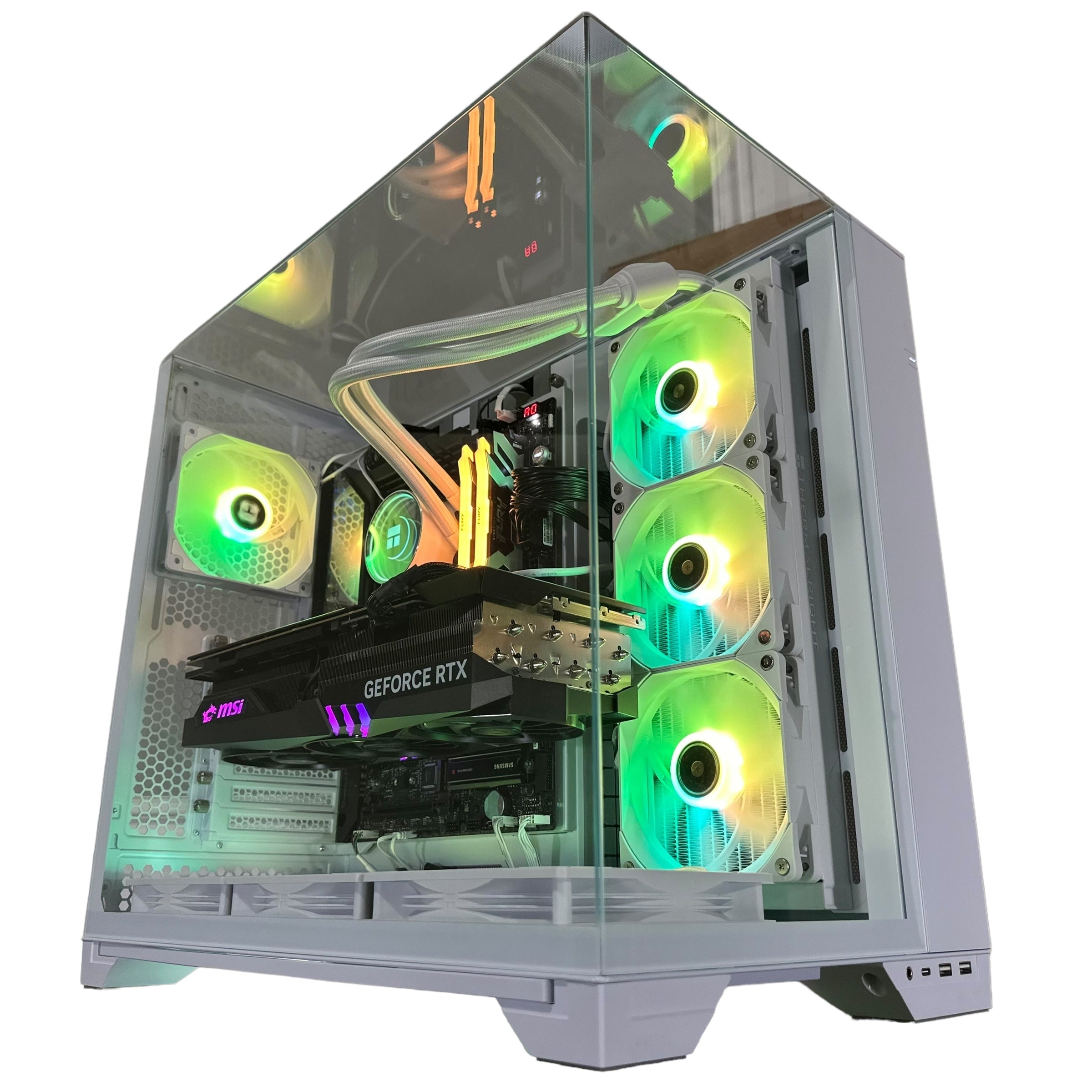
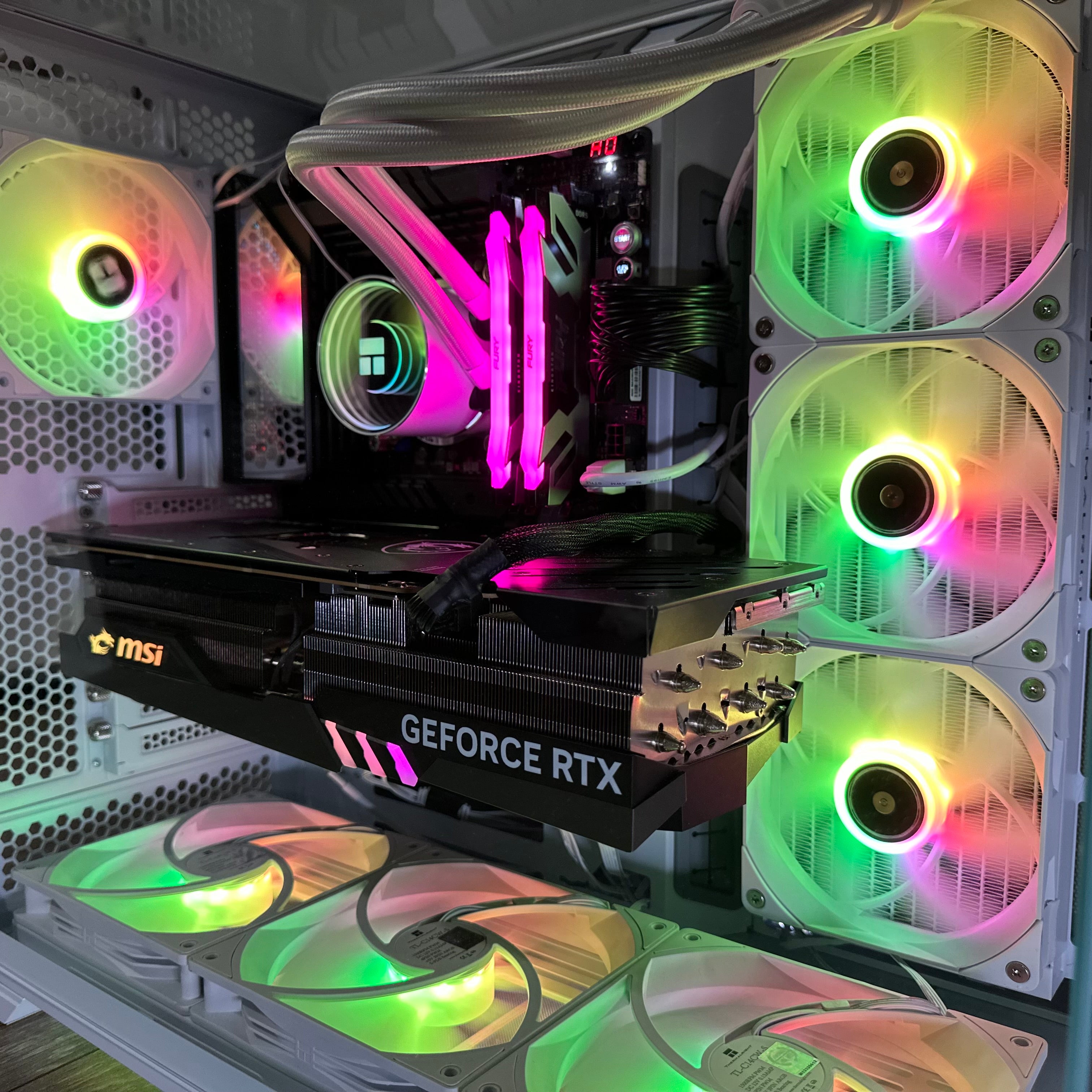
Groovy Computers is built around the needs of Canadian customers who want more than a one-size-fits-all desktop. Whether you need a budget gaming computer, a premium RTX-ready build, a streaming system, a creator machine, or a workstation-class setup, the goal is the same: get a system that fits your real use case instead of forcing your use case to fit a random spec sheet.
That means custom builds, careful configuration, rigorous testing, and a 1-year warranty for added peace of mind. It also means support from a Canadian PC builder that understands local buyers, local shipping expectations, and why a Canada-wide customer may be comparing value, longevity, and financing all at once.
If you are shopping from Nova Scotia, Atlantic Canada, or anywhere else in the country, that local trust factor matters. You are not just buying hardware. You are choosing where to place your confidence.
Need help deciding what your next PC should be?
If reading about Pragmata has you thinking about how demanding new games are becoming, the next question is simple: do you want your next PC to merely launch those games, or actually let you enjoy them the way they were meant to look?
If you are unsure whether you need a budget gaming system, a 1440p sweet-spot build, a 4K-ready machine, a creator desktop, or a workstation with more headroom, Groovy Computers can help. Visit GroovyComputers.ca to explore custom build options, compare performance tiers, and find a system that fits your gaming, streaming, editing, or 3D workflow.
The bottom line: a bad haircut is funny, but the performance lesson is serious
The most memorable part of the source story is the haircut. But the deeper takeaway is about technical ambition. Modern developers are investing in details that would have been excessive not long ago, and those decisions eventually show up in the hardware demands players face at home. If a studio is willing to fight to preserve thousands of moving hair strands because it improves the final experience, that tells you exactly where game design is headed.
So is now a good time to think more carefully about your next system? Absolutely. If your current PC is starting to feel dated, if you want a gaming PC for new games, or if you need one machine for gaming, streaming, editing, and creative work, this is the moment to buy strategically rather than reactively. The right custom build can save frustration, extend longevity, and put you in a better position before the next wave of demanding releases arrives.
#GamingPCForNewGames #GamingPCCanada #CustomPCBuilderCanada #CanadianGamingPC #1440pGamingPCCanada #4KGamingPCCanada #StreamingPCCanada #CreatorPCCanada #VideoEditingPCCanada #3DModelingPCCanada #NovaScotiaBusiness #GroovyComputers
Groovy Computers | All Rights Reserved


Leave a comment
This site is protected by hCaptcha and the hCaptcha Privacy Policy and Terms of Service apply.