





Resident Evil Veronica and Onimusha: Way of the Sword Preview: What Kind of Gaming PC Do You Need for Capcom’s Next Big Releases?
Capcom’s Summer Game Fest showing put two very different but equally important games back into the spotlight: Resident Evil Veronica and Onimusha: Way of the Sword. For Canadian players, this kind of announcement does more than generate hype. It raises a practical question: is your current system ready for the next wave of cinematic action, horror, high-detail environments, and more demanding combat-heavy game design? If you are planning your next upgrade, shopping for a gaming PC Canada buyers can trust, or trying to decide whether now is the right time to move into a stronger custom system, this is exactly the kind of game news that should shape your buying decision.
The source preview gave fans an early look at Capcom’s direction. On one side, Resident Evil Veronica appears to be a modern remake approach built around the same philosophy used in earlier Resident Evil remakes: preserve what mattered, refresh what needs improvement, and deliver a more current third-person experience. On the other side, Onimusha: Way of the Sword looks visually sharp, mechanically aggressive, and built to emphasize fast reactions, stamina management, boss pressure, and polished action presentation.
That matters because games like these often become the tipping point for an upgrade cycle. A lot of people are still trying to game on older hardware that was “good enough” for the last few years. But what happens when more titles start pushing heavier textures, stronger lighting, denser environments, smoother frame pacing requirements, and modern upscaling expectations? What if you want more than just “can it run?” What if you want consistent performance, strong image quality, low noise, upgrade headroom, and the confidence that your system will not feel outdated too soon?
Why this Capcom preview matters to PC buyers in Canada
The preview itself did not include official PC requirements, and it did not provide final platform performance targets. That means responsible buyers should not pretend exact specs are confirmed. But you do not need final requirement sheets to make a smart buying decision. You can already see the direction these games are taking.
Resident Evil Veronica is being approached as a major remake, not a minor re-release. That usually means updated environments, new animation work, more advanced effects, and a heavier expectation for smooth third-person gameplay. Onimusha: Way of the Sword was shown with crisp visuals, sharp combat presentation, demanding encounters, and a clear focus on responsiveness. For players shopping in Canada, the smarter question is not just “Will my PC launch it?” but what level of experience do I actually want when these games arrive?
Do you want to play at 1080p and simply get in the door? Are you aiming for 1440p with higher settings and stronger longevity? Are you the kind of buyer who wants ray tracing, higher refresh rates, better ambient detail, and enough GPU headroom for future AAA releases beyond these two games? Those answers change what kind of system you should be considering.
What did the preview tell us about Resident Evil Veronica?
The biggest takeaway is that Capcom is treating this remake seriously. The game is still in early development, but several key points came through clearly in the event coverage. The remake is being built by the same team associated with prior Resident Evil remakes, and the design philosophy appears familiar: keep core identity intact while updating the experience for today’s audience.
Capcom also confirmed the game will be a third-person experience, rather than switching perspectives. That is important for PC gamers because third-person action-horror titles often reward stronger frame consistency and better image clarity, especially in dark scenes, reactive encounters, and environmental detail. Horror games rely on atmosphere, but they also rely on responsiveness. If your system struggles with frametime consistency, visual sharpness, or texture loading, that tension quickly turns into frustration.
The preview also discussed Claire’s place in the timeline and hinted that her movement and combat may reflect where she is emotionally and physically after the events of earlier games. For PC buyers, this is another signal that animation quality, encounter design, and cinematic polish are likely to matter. If the game lands anywhere near the visual expectations set by recent remake-era Capcom releases, it will likely reward players with a balanced modern GPU and CPU combination rather than an aging entry-level machine.
What did the preview tell us about Onimusha: Way of the Sword?
This half of the event may actually be the more immediate hardware conversation. The live demo showed a beautiful combat-driven game with crisp graphics, aggressive enemies, boss fights, stamina mechanics, evasive movement, and flashy special attacks. Musashi’s abilities, enemy pressure, wall-running, targeted boss damage, and spirit-based systems all suggest a game that will feel much better on a strong, low-latency setup than on a machine that is barely hanging on.
Action games live and die by responsiveness. Horror games can still be enjoyable with a few compromises. But a demanding sword-combat title that expects timing, movement, reaction, and visual readability? That is where weak hardware becomes much more obvious. If you have ever played an action game where stutters ruin dodges, frame drops make parries inconsistent, or CPU spikes hit during boss fights, you already know why hardware quality matters.
So ask yourself: are you buying a PC for one game, or are you buying a PC for the next few years of games that follow the same trend? Because these Capcom announcements are best read as part of a larger pattern in modern PC gaming, not as isolated events.
What do you want your next PC to do for you?
This is the question too many buyers skip.
Are you only trying to play new games at solid settings, or do you also want to stream, record gameplay, edit clips, create YouTube content, run Discord and Chrome in the background, and still keep your performance smooth? Do you want a straightforward budget gaming PC Canada shoppers can grow into, or do you want a system that feels confidently overbuilt for upcoming releases?
Maybe your answer is not even gaming alone. A lot of customers read about new game releases, get excited about performance, and then realize they also need their desktop for video editing, photo editing, graphic design, school, business multitasking, or even 3D modeling. If that sounds like you, then a generic one-size-fits-all gaming tower may not be the smartest investment.
Before you buy, ask yourself a few practical questions:
- What games do I want to play over the next 2 to 4 years?
- Do I care more about 1080p value, 1440p balance, or 4K visual quality?
- Do I want ray tracing, high refresh rates, or simply stable performance?
- Will I stream to Twitch or YouTube, or record clips for editing later?
- Will I also use Adobe Premiere Pro, Photoshop, Lightroom, Illustrator, DaVinci Resolve, Blender, or OBS?
- Do I want a build that avoids another upgrade too soon?
- Would financing a stronger system now make more sense than replacing a weaker one sooner?
What PC do you need for games like Resident Evil Veronica and Onimusha?
Without inventing unconfirmed specs, the safest buying approach is to choose a performance tier based on the kind of experience you want from modern AAA games.
Entry-level 1080p buyers
If your goal is straightforward 1080p gaming with sensible settings, a value-focused build can still make sense. This is the tier for buyers who want to get into newer games without overspending, and who are comfortable adjusting settings for better frame rates.
This kind of buyer should ask: am I okay with compromise today if it means I may need to upgrade earlier?
An entry-level system can be a smart starting point for students, first-time desktop buyers, and players focused on basic 1080p gameplay. But if your actual habits include multitasking, browser-heavy use, game recording, streaming, or wanting “high settings by default,” then going too low can become frustrating quickly.
Balanced 1440p buyers
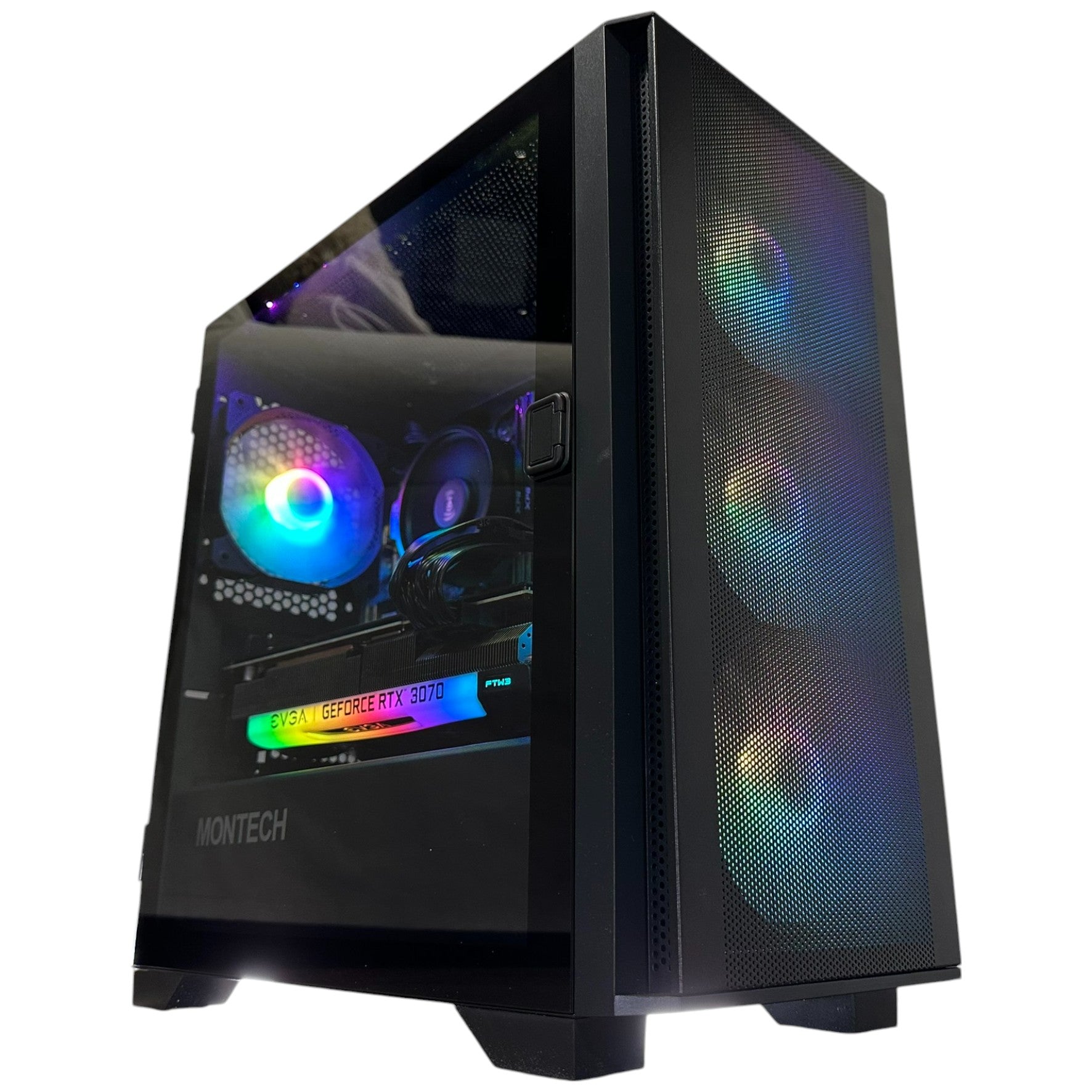
For many customers, this is the sweet spot. A solid 1440p gaming PC Canada buyers choose today often gives the best mix of visual quality, smoothness, and lifespan. If you are excited about games like Resident Evil Veronica and Onimusha, but you also want enough performance for future releases, this is often the tier worth aiming for.
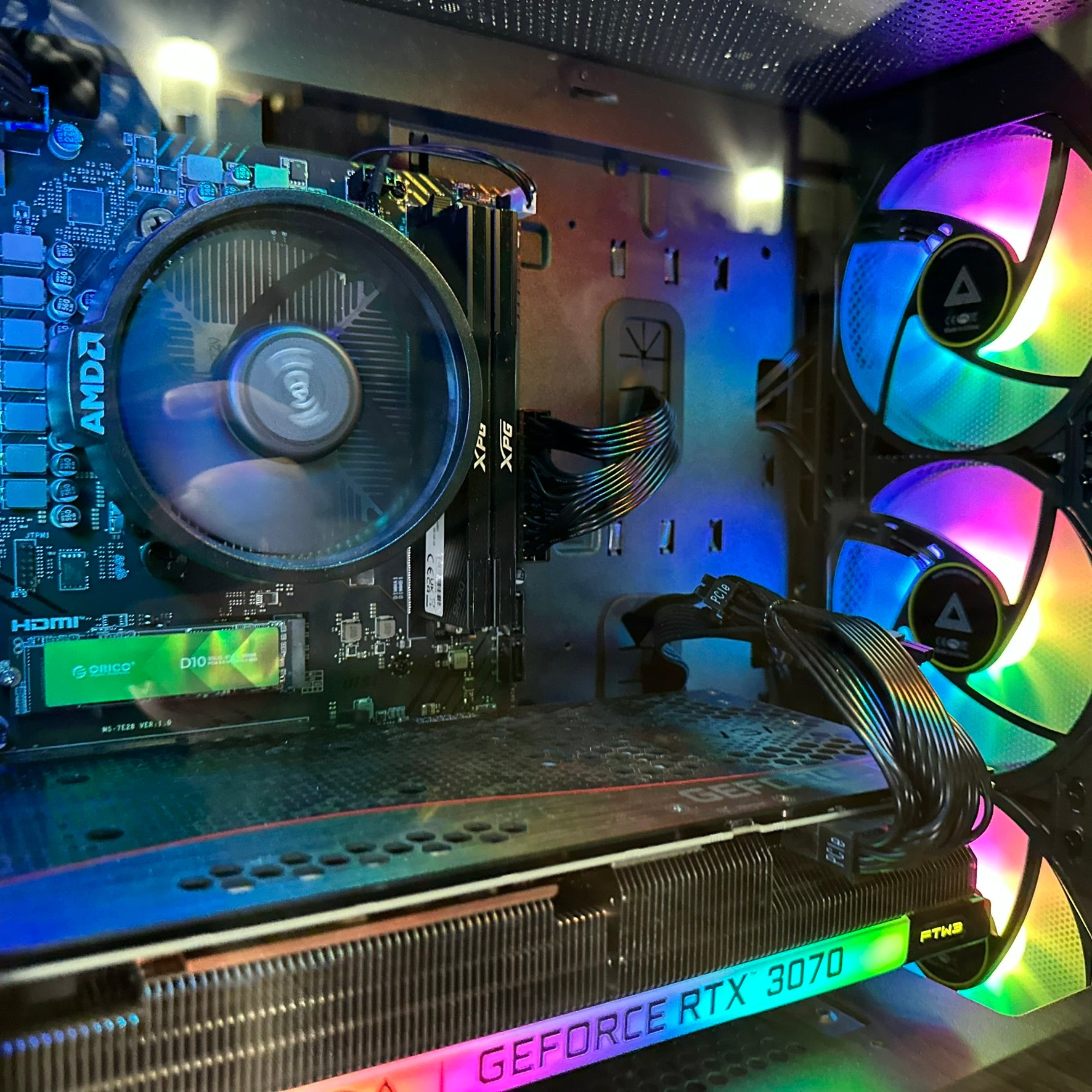
This is also where a custom system starts to matter more. Why? Because part selection, cooling, power delivery, airflow, and component balance all affect whether a machine feels refined or feels like an overpriced compromise.
If you are wondering what PC do I need for 1440p gaming, the answer is usually not the cheapest machine that technically boots the game. It is the system that gives you room for demanding titles, modern textures, stronger lighting, and better longevity without forcing an immediate second upgrade cycle.
High-end 4K and premium buyers
If you want ultra settings, stronger ray tracing potential, higher refresh targets, and enough power for large upcoming games beyond this Capcom pair, then a 4K gaming PC Canada shoppers can rely on becomes the right conversation.
This is the right tier for buyers who want their machine to feel premium for years, not months. It is also ideal for players with high-resolution monitors, OLED displays, large libraries of AAA titles, or expectations beyond gaming alone.
Ask yourself honestly: do I hate lowering settings every time a new game launches? If yes, a higher-tier build may save you more frustration and more money over time than buying lower and replacing sooner.
Are you only gaming, or are you creating content too?
This is where many Canadian buyers underestimate their needs. You might start by shopping for a gaming desktop because of games like Resident Evil Veronica or Onimusha, but your real use case may be broader.
Do you want to stream boss fights and horror reactions? Do you plan to record gameplay in high bitrate footage for YouTube edits? Are you making TikTok clips, thumbnails, podcast visuals, or short-form content? If so, you may not just need a gaming system. You may need a content creation PC Canada customers would classify as a gaming-and-creator hybrid.
A stronger hybrid system can help with:
- Gaming while streaming through OBS
- Recording footage without tanking in-game performance
- Editing 1080p or 4K footage more smoothly
- Faster export times in creator software
- Running Photoshop, Lightroom, or Illustrator alongside your gaming workflow
- Handling more browser tabs, chat tools, and background apps without feeling sluggish
If you are comparing a pure gaming build to a creator-leaning system, ask: will I grow into content creation within the next year? If the answer might be yes, it is usually better to plan for that now.
Could the same upgrade also help with video editing, photo editing, or graphic design?
Absolutely. Many buyers are replacing a tired all-purpose desktop and want one stronger machine that can do everything well. That may include gaming, but also real productivity.
If you use Premiere Pro, DaVinci Resolve, CapCut, Photoshop, Lightroom, Illustrator, Canva, or InDesign, then system balance matters. A machine chosen only for game FPS may not be ideal for export times, timeline smoothness, RAM-heavy multitasking, or storage workflow. This is where a custom creator PC Canada buyers order from a specialist makes more sense than a generic shelf system.
Questions worth asking include:
- What PC do I need for video editing?
- How much RAM do I need for video editing if I also game?
- Is a gaming PC good for Photoshop and Lightroom?
- Do I need extra SSD capacity for footage, project files, and large game installs?
- Will I regret buying too little memory six months from now?
If that sounds familiar, a custom build can be configured around your actual mix of gaming and software instead of forcing you into compromises you did not ask for.
What if your workload goes beyond gaming and editing?
Some readers are not just gamers or creators. Some are also working with Blender, Unreal Engine, CAD, product rendering, architecture visuals, or simulation-heavy software. If that is you, then these game previews may simply be the moment that pushes you to replace an aging desktop that already feels behind in your real work.
In that case, the right fit may be a 3D modeling PC Canada professionals can trust, or a workstation PC Canada customers choose for mixed gaming and productivity.
Ask yourself:
- What PC do I need for Blender or Unreal Engine?
- Am I rendering, animating, or compiling projects in addition to gaming?
- Do I need more RAM, stronger cooling, and more storage than a normal gaming system?
- Would a workstation-style build save me time every week?
That is why one of the smartest reasons to buy custom is flexibility. A properly planned system can serve as a gaming powerhouse at night and a serious production workstation during the day.
Is it better to buy now or wait?
This is always one of the biggest questions in PC buying, especially when a game announcement starts getting people upgrade-minded.
The honest answer is that waiting only makes sense if you are happy with your current machine, your workload is stable, and your upgrade can realistically be delayed without frustration. But many buyers already know their current PC is near the edge. If your system struggles today, waiting can mean more months of compromise, weaker resale timing, and the risk of buying under pressure later.
There is also the broader issue of component volatility. Full-system pricing can move because of GPU demand, memory cost shifts, SSD pricing pressure, newer platform transitions, and increased demand around major releases or shopping periods. No one can guarantee exact future pricing. What buyers can control is whether they act before their need becomes urgent.
So ask yourself: am I planning this upgrade calmly, or am I going to end up panic-buying after my old PC starts failing or a big game launches?
Should you finance a better PC instead of buying a weaker one?
For many customers, this is one of the most useful questions in the entire buying process.
If your budget today only covers a machine that barely meets your expectations, would it actually be smarter to secure a stronger build that lasts longer? That is where financing can change the conversation from “What is the cheapest option?” to “What is the best long-term value?”
A lot of buyers in Canada do not want to overextend themselves upfront, but they also do not want to spend on a weak desktop and then replace key parts too soon. That is why the ability to spread the cost of a custom system can make sense, especially if the alternative is compromising on GPU tier, RAM capacity, SSD space, cooling, or CPU performance right at the start.
If you are wondering should I finance a gaming PC, think about your actual risk. Is the bigger risk making manageable payments on a better machine, or buying too low and needing another upgrade far earlier than expected? For the right customer, financing a stronger system can be the more disciplined choice, not the more expensive one.
Groovy Computers offers options that can help buyers secure the right build without forcing a one-shot cash decision, including financing up to 4 years where available. For someone trying to future-proof a gaming and creator setup before replacement costs rise, that flexibility matters.
Which performance tier fits you best?
If you are unsure where you land, this quick breakdown can help.
Choose a budget-oriented build if:
- You mainly want 1080p gaming
- You are fine lowering some settings in future AAA titles
- You are a first-time buyer or student
- You do not stream, edit heavily, or multitask aggressively
- You want a sensible starting point with upgrade potential
Choose a balanced mid-to-upper tier build if:
- You want strong 1440p gaming
- You care about image quality and smoother long-term performance
- You want to play upcoming games without constant compromise
- You may stream, record, or create content
- You want better longevity and less upgrade pressure
Choose a premium build if:
- You want 4K or ultra-quality gaming
- You care about high refresh rates and stronger ray tracing headroom
- You want the best PC for new games over the next several years
- You also use demanding creative or workstation software
- You want to avoid a major upgrade again anytime soon
If you are still asking how much should I spend on a gaming PC, the real answer depends on how long you want the system to satisfy you. The cheapest system is rarely the cheapest ownership experience if it forces early upgrades.
Why custom builds matter more when new games start raising the bar
As games become more cinematic and demanding, component balance matters more. A flashy spec sheet alone does not guarantee a good experience. Poor cooling, weak airflow, mismatched components, low-quality power supplies, limited storage planning, or rushed assembly can all hurt the final result.
This is why serious buyers often move toward Canadian custom PC builders instead of grabbing the first generic machine they see. A custom build gives you better control over your priorities. That could mean stronger cooling for sustained performance, more RAM for multitasking, a better SSD layout for games and project files, or a GPU tier that matches your monitor and software rather than somebody else’s inventory convenience.
It also means your machine can be built around your actual next step. Maybe that is horror remakes and action games today, streaming tomorrow, and 4K video editing six months from now. A custom path handles that better than a random prebuilt designed for broad shelf appeal.
Why Canadian buyers choose Groovy Computers
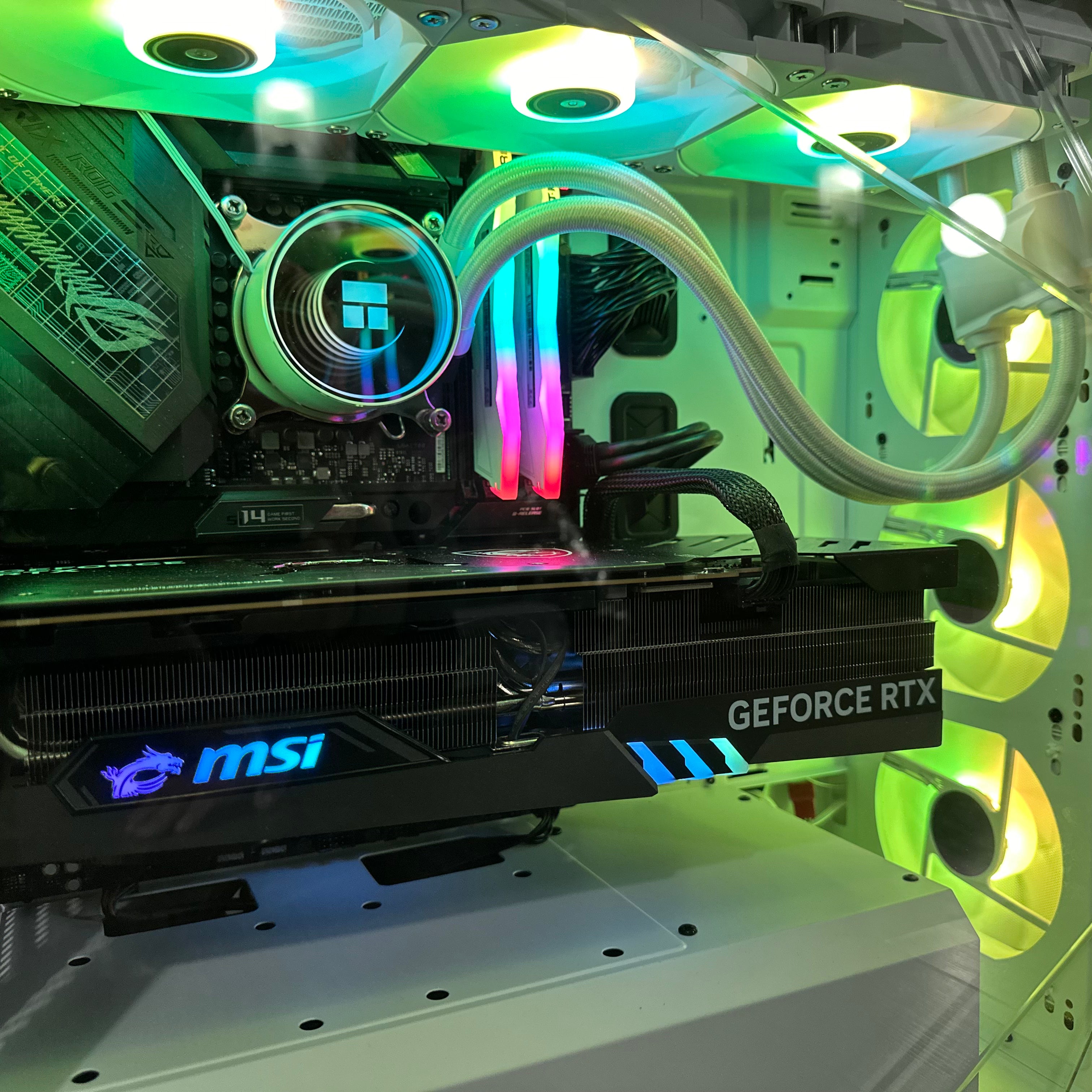
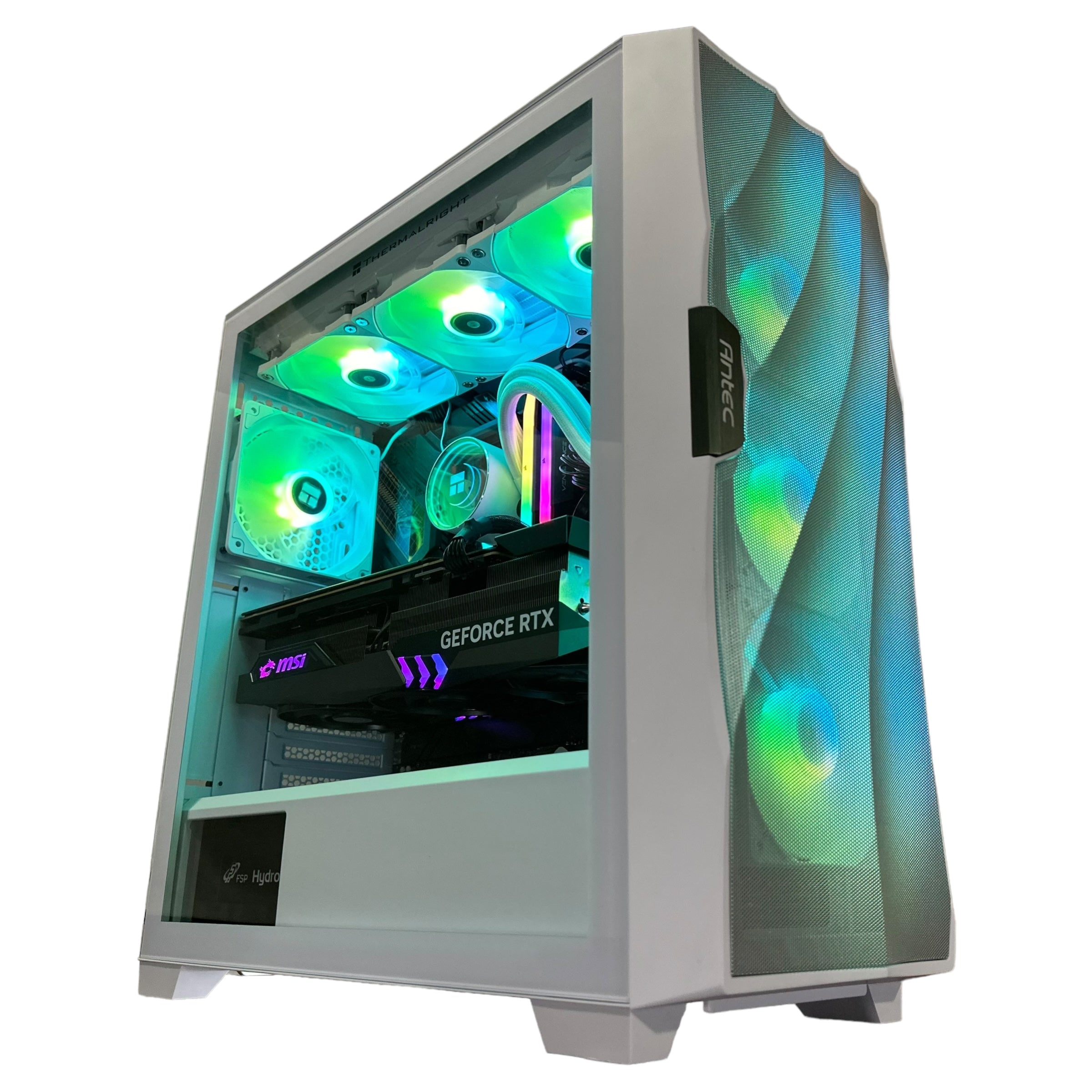
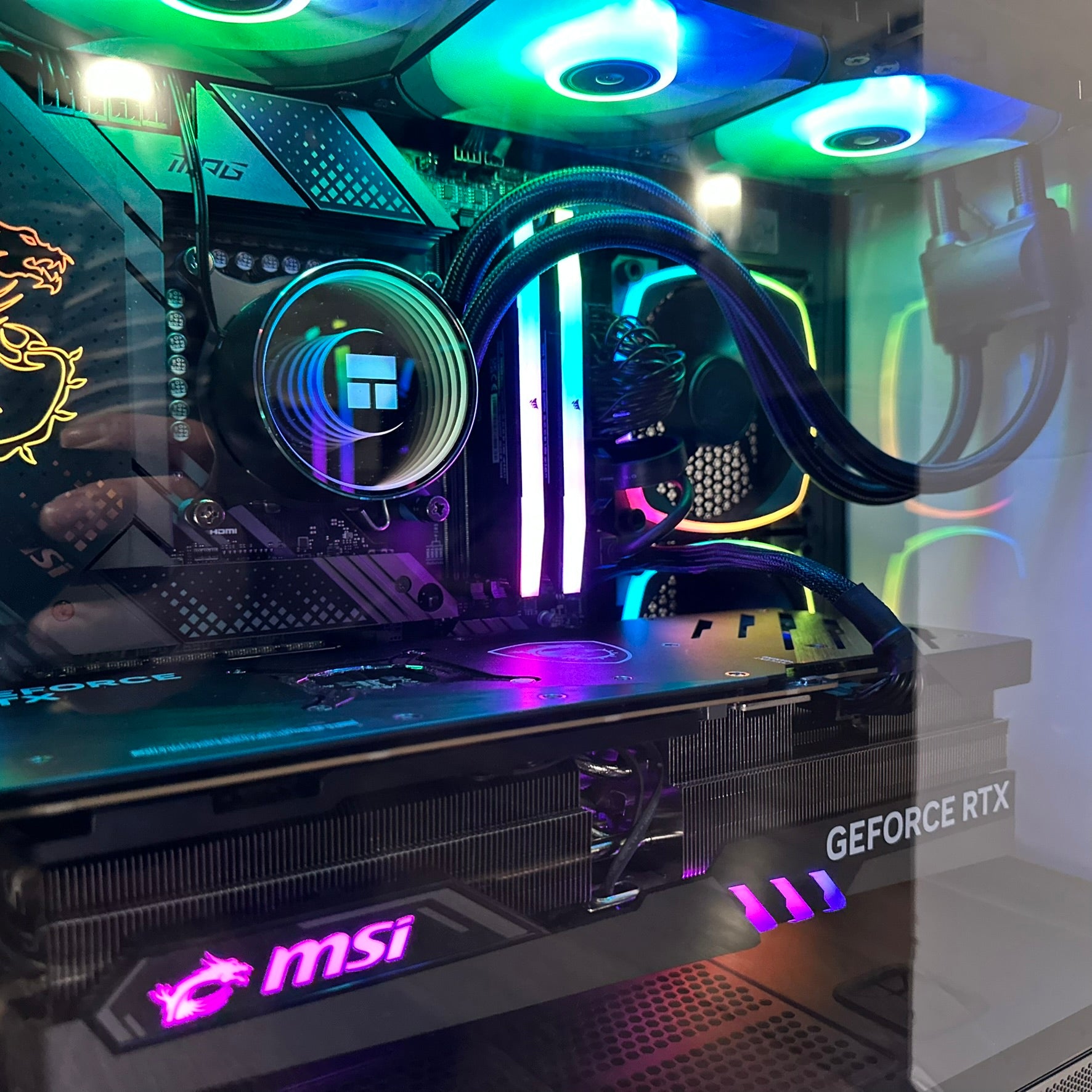
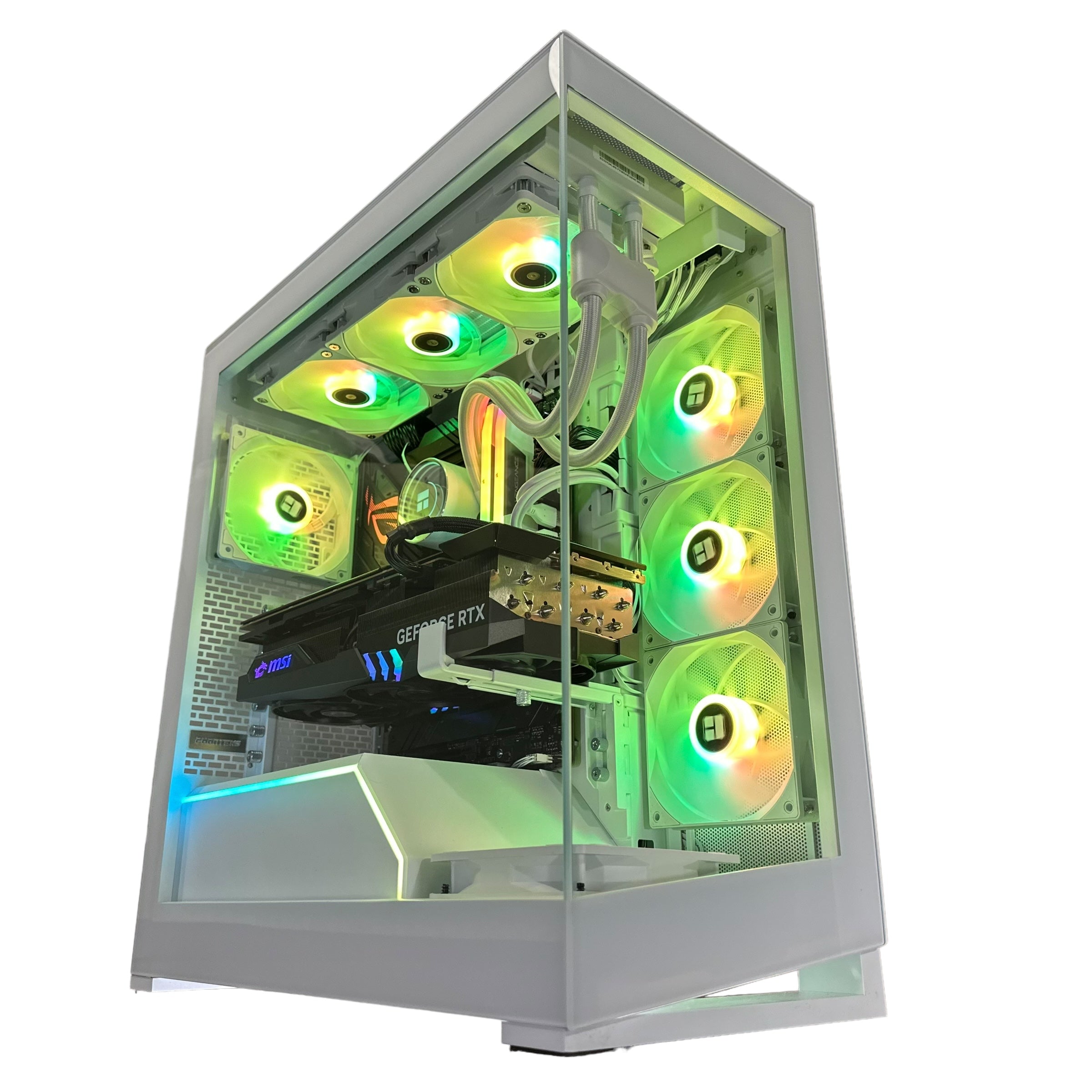
Groovy Computers is built around the idea that customers deserve systems matched to real use, not generic marketing claims. Whether you need a gaming desktop, a hybrid streaming rig, a creator-focused editing machine, or a heavier workstation, the value comes from getting the right build the first time.
For buyers in Nova Scotia, Atlantic Canada, and across the country, that means working with a Canadian company that understands custom systems, performance planning, and the importance of support after the sale. It also means confidence in proper assembly, rigorous testing, and a 1-year warranty for added peace of mind.
That matters even more when you are buying around major game launches or planning a build that needs to stay relevant for years. The difference between “it powers on” and “it was built properly” becomes obvious fast once you start pushing modern titles and demanding software.
What should you do before Resident Evil Veronica and Onimusha launch?
Start by being honest about your current setup.
Is your existing PC already struggling with newer games? Are you out of storage? Do you get stutters while gaming and streaming? Are your export times dragging? Are you avoiding certain settings because your hardware cannot keep up? If so, this is the ideal time to plan ahead instead of waiting until launch-season demand or pricing pressure makes the decision harder.
Think about what your next system needs to do for the next several years, not just what it can survive today. If your answer includes AAA gaming, 1440p or 4K targets, streaming, editing, design work, or 3D software, then your next desktop should be chosen strategically.
Need help choosing the right custom build? If you are asking what performance tier fits you, whether financing makes sense, or how to avoid upgrading too soon, visit GroovyComputers.ca and explore a build that matches how you actually game, create, and work.
Final thoughts: use the hype wisely
The Capcom preview did its job. It got people excited about where major franchises are going next. But for PC buyers, the real opportunity is not just hype. It is clarity.
Resident Evil Veronica signals another serious remake-era release that will likely reward stronger modern hardware. Onimusha: Way of the Sword points to a sharp, fast, visually polished action game where responsiveness will matter. Together, they are exactly the kind of releases that push customers to ask better buying questions.
If your current machine is already feeling old, if you want a system that can handle new games with confidence, or if you also need creator or workstation performance, now is the time to plan the right upgrade path. The best gaming PC Canada buyers choose is not just the one that runs one title. It is the one that fits the way they want to play, create, and grow over time.
#GamingPCCanada #CustomGamingPCCanada #GamingPCForNewGames #1440pGamingPCCanada #4KGamingPCCanada #ContentCreationPCCanada #VideoEditingPCCanada #CanadianCustomPCBuilders #GamingPCFinancingCanada #NovaScotiaComputers
Groovy Computers | All Rights Reserved


Leave a comment
This site is protected by hCaptcha and the hCaptcha Privacy Policy and Terms of Service apply.