


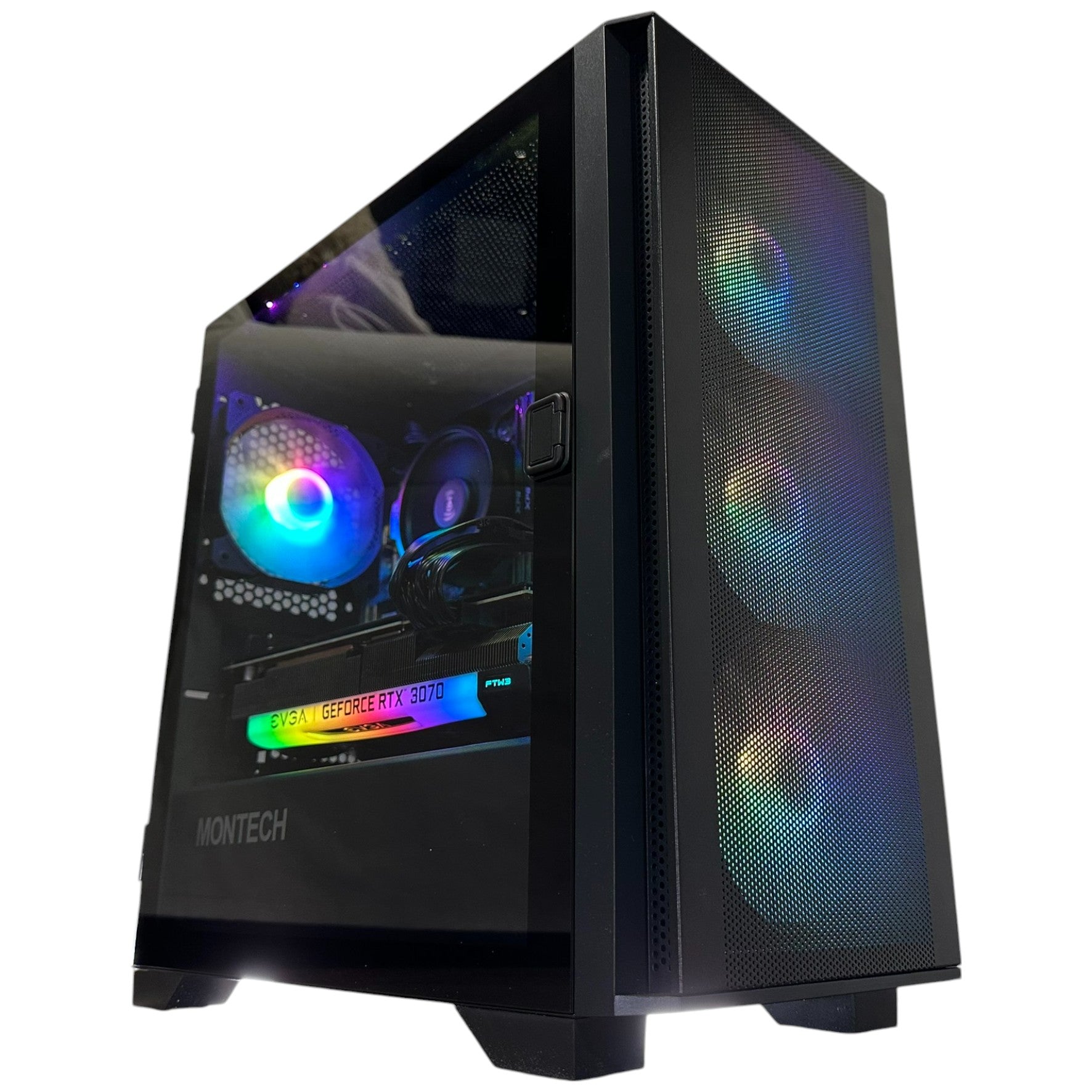
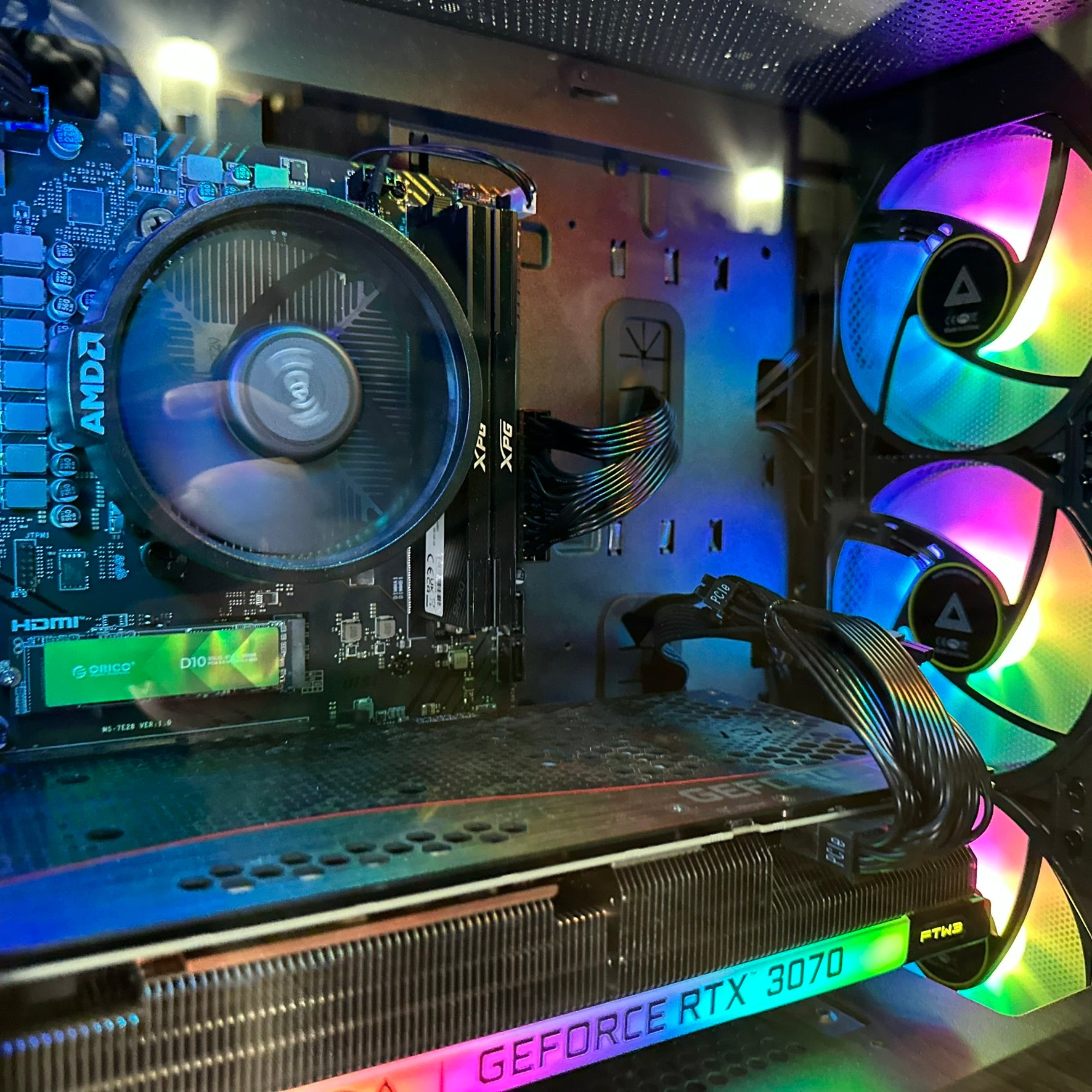
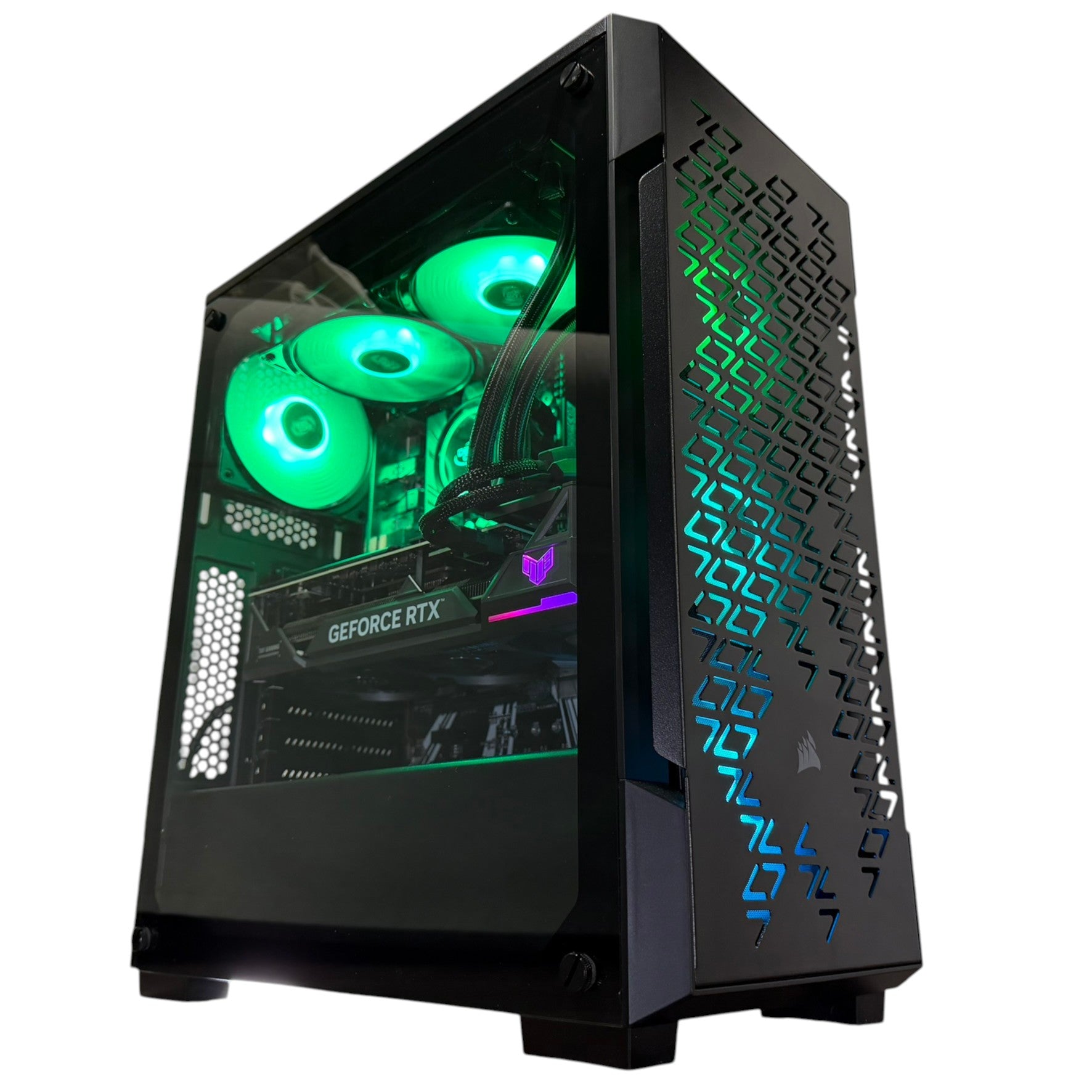

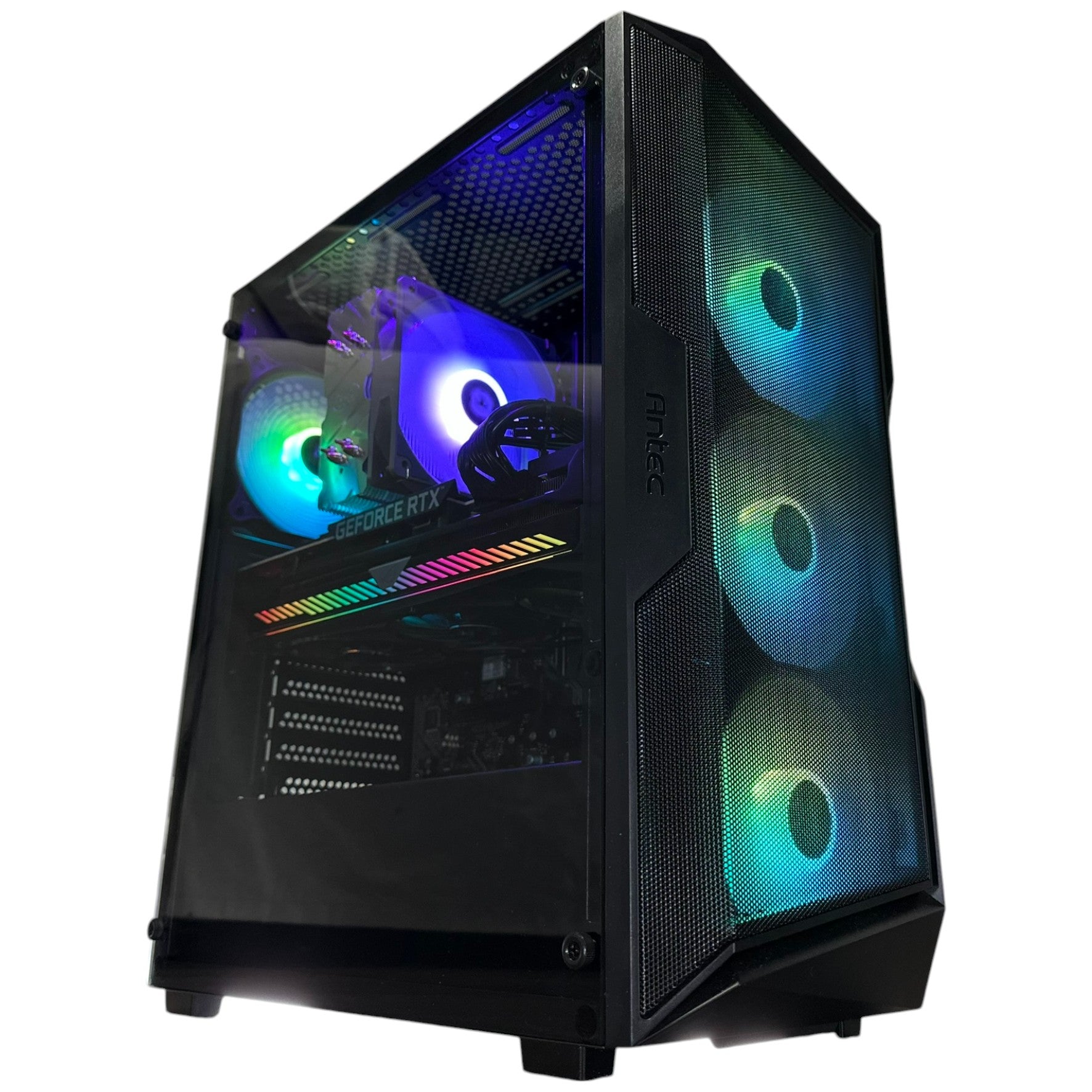
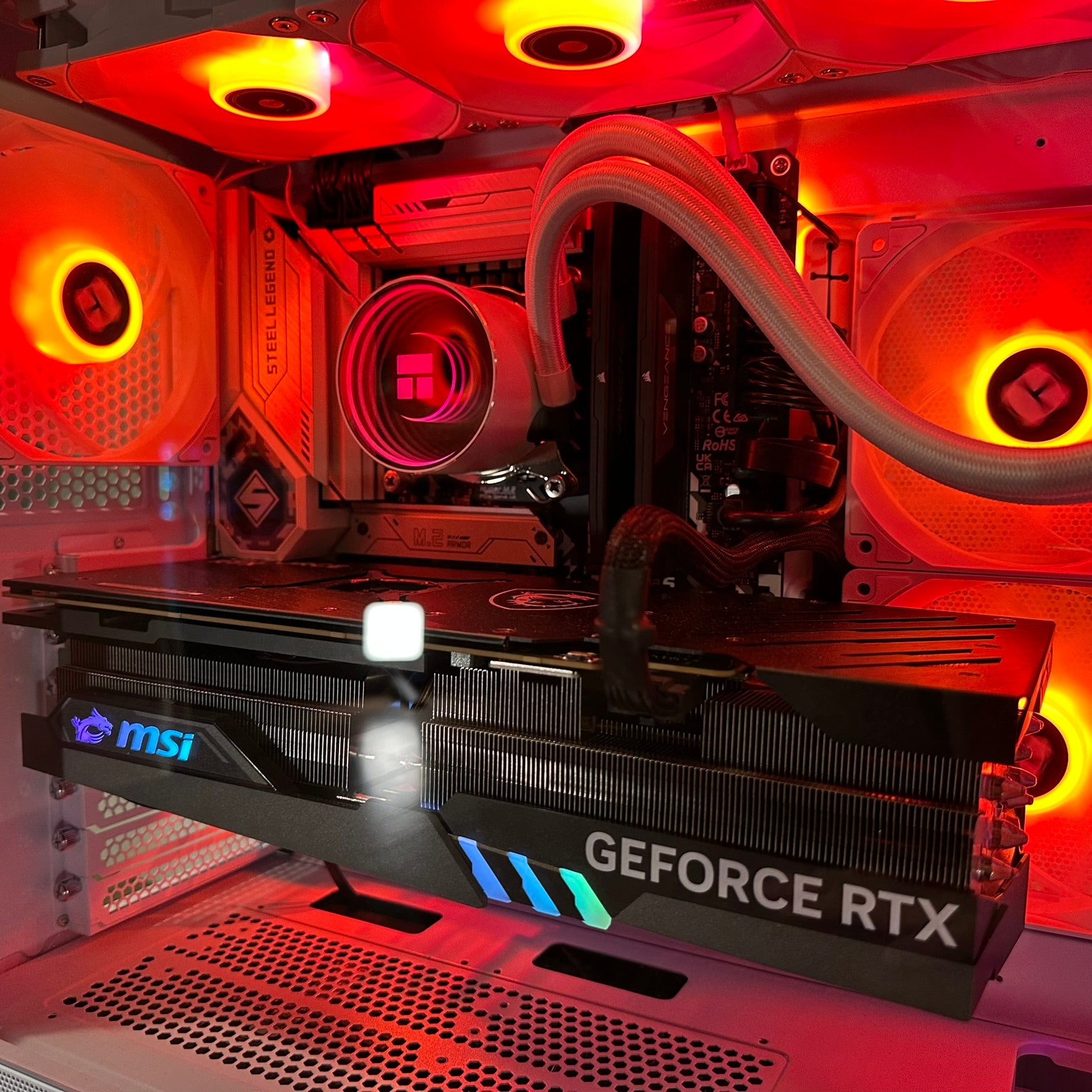
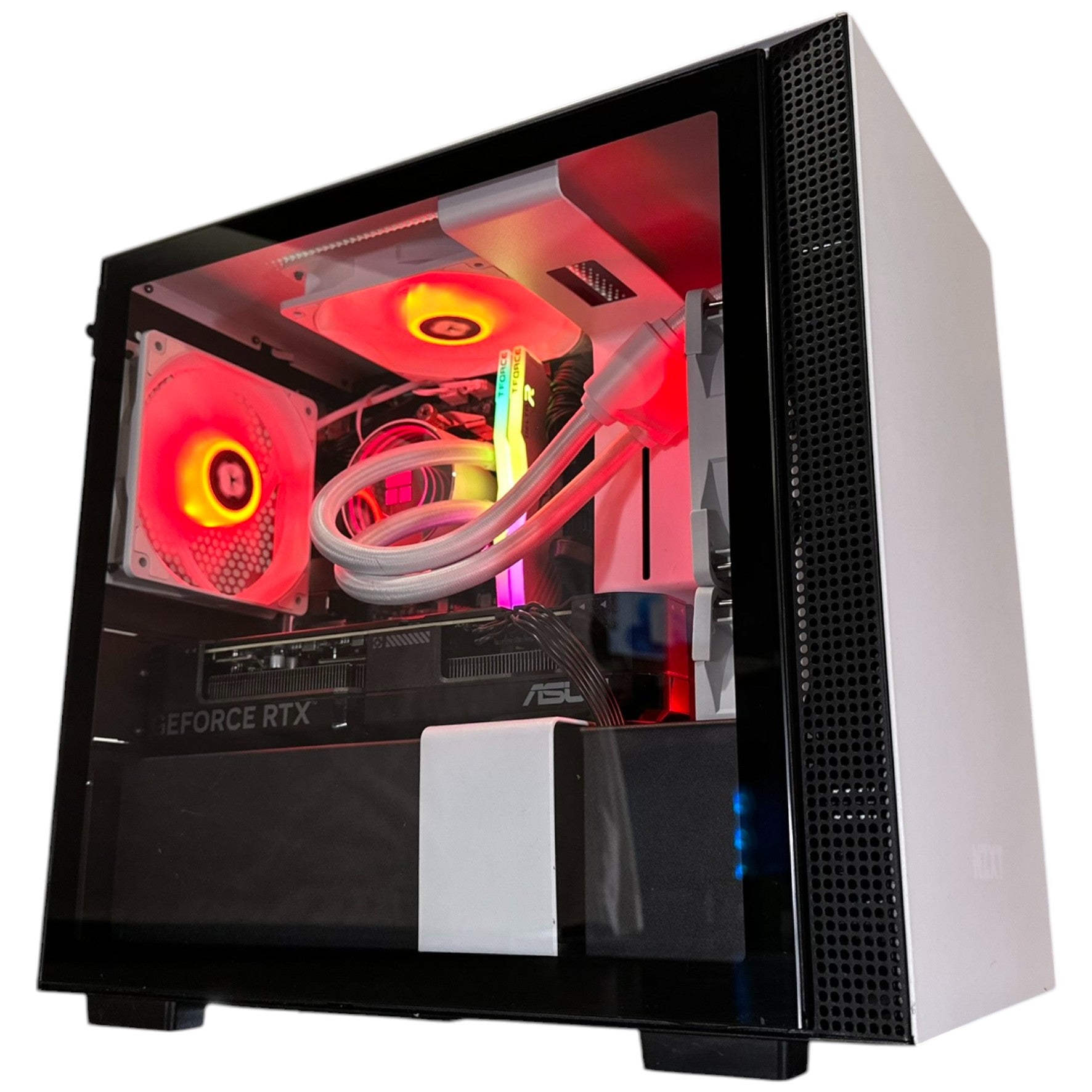
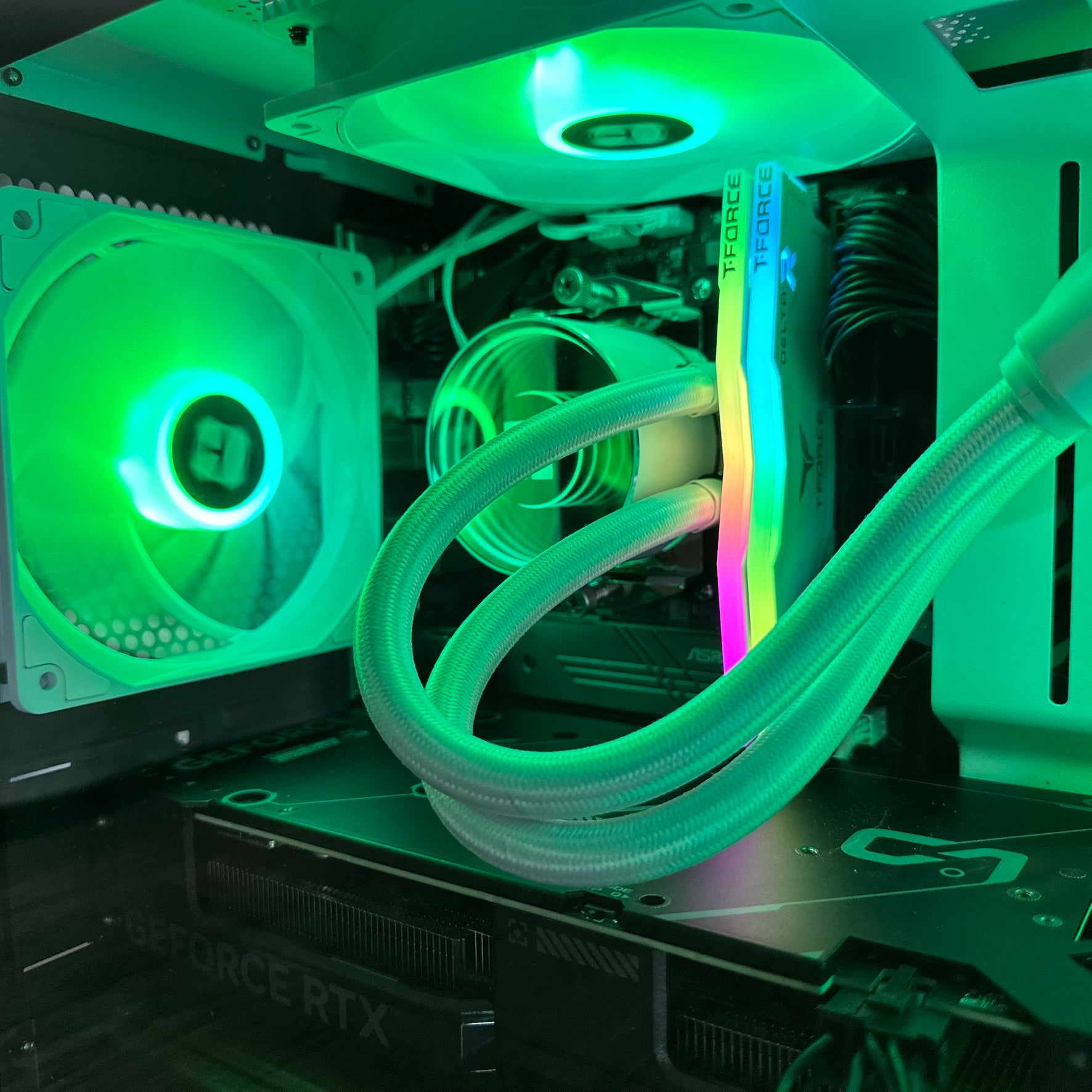
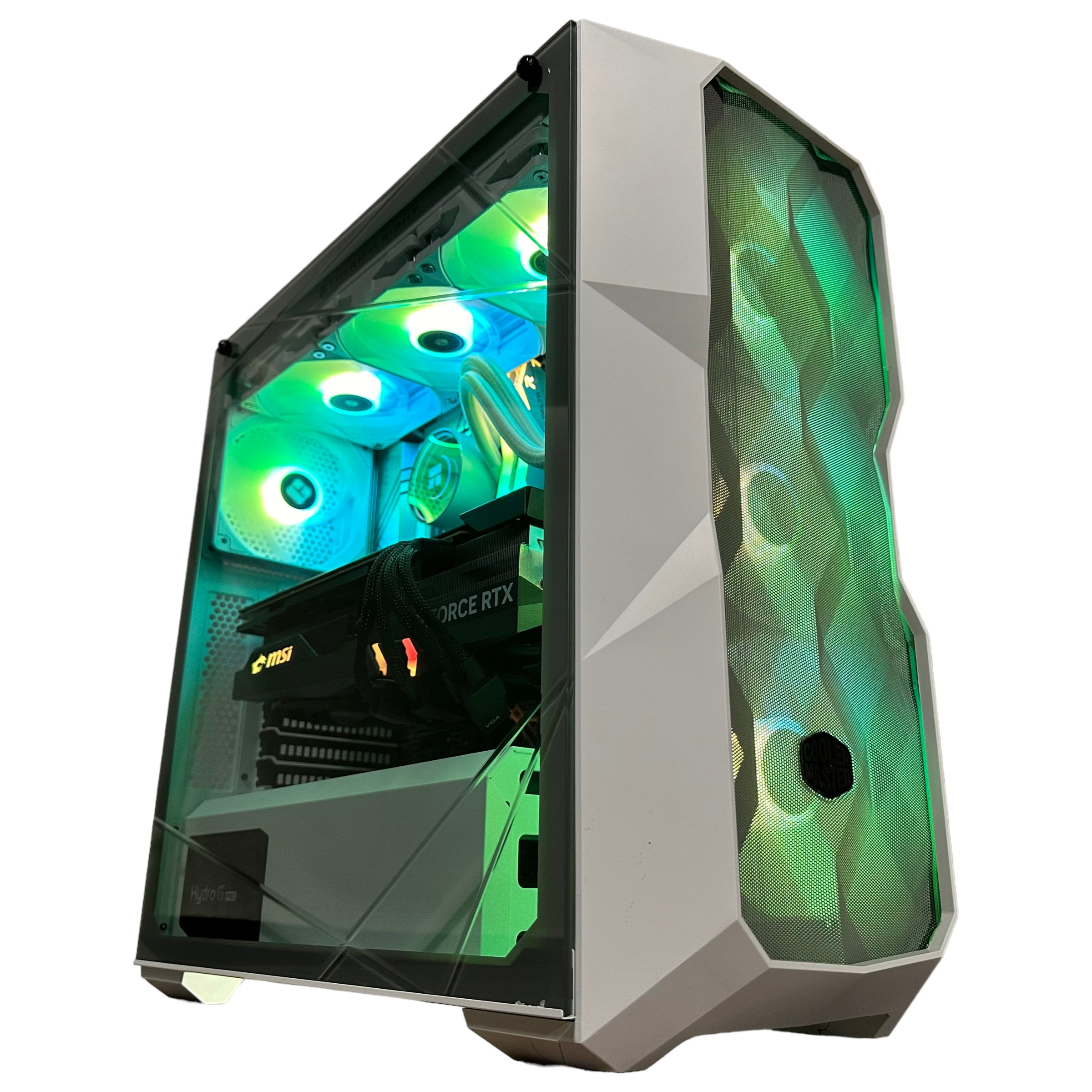


Resident Evil Remakes and the Rise of the Smarter Custom Gaming PC in Canada
The big takeaway from the latest discussion around Capcom is bigger than one franchise. The core idea is simple: dependable blockbuster releases can fund bold original projects. For PC buyers, that matters because it tells us where modern gaming is headed. Major publishers are leaning on high-performing series, polished remakes, and visually demanding new releases at the same time. If you are shopping for a Gaming PC Canada buyers can rely on, this trend raises an important question: is your current system actually ready for the next wave of games, remakes, updates, and creative workloads that follow them?
For Canadian gamers, creators, and power users, this is not just industry commentary. It is a buying signal. When established publishers keep successful franchises moving while also greenlighting new ideas, hardware demands become more constant, not less. That means more annual game launches, more engine upgrades, more texture-heavy environments, more ray tracing, more background tasks, more streaming, and more reason to choose a system that will not feel outdated too quickly.
At Groovy Computers, this kind of news matters because it reflects the reality our customers live in every day. They are not just asking, “Can this PC play one game?” They are asking, “Will this system still feel strong next year? Can it handle gaming and streaming? Can it support editing, Photoshop, Blender, or creative work after hours? Should I buy now, upgrade later, or finance a better build before pricing shifts again?”
Why does Capcom’s strategy matter to anyone buying a gaming PC in Canada?
Because it shows what a healthy release pipeline looks like. When a publisher can count on remakes, sequels, and fresh IP together, players get a steady stream of titles worth playing. For hardware buyers, that means fewer long quiet periods where an old PC can coast untouched. Instead, you get a market where game requirements and visual expectations keep climbing.
Think about what modern remakes really are. They are not simple touch-ups. They often rebuild lighting, geometry, textures, effects, audio, and animation systems on current technology. In practical terms, that means yesterday’s familiar title can become tomorrow’s demanding benchmark. And when original games arrive beside those remakes, the pressure on your hardware increases even more.
So ask yourself: are you buying a PC just for today’s library, or for the next two to four years of upgraded engines, bigger assets, creator tools, and multi-use performance?
That question matters even more in Canada, where full-system replacement costs can sting harder once exchange rates, shipping, and component volatility push pricing upward. A well-chosen custom desktop is often the difference between small upgrades over time and a frustrating full replacement sooner than expected.
What the source story gets right about modern game development
The source article highlights an important reality in the gaming business: reliable revenue from a flagship series can support experimentation elsewhere. In Capcom’s case, the ongoing strength of Resident Evil remakes and new entries appears to help create room for projects like Pragmata and other less predictable releases.
That matters because successful publishers influence what players expect from their systems. When a company consistently puts out polished horror, action, open-world, or cinematic games, those titles shape buying behaviour. Gamers start planning around launch windows. Streamers prepare capture setups. Content creators line up review workflows. Video editors plan highlight reels, shorts, thumbnails, and long-form coverage. Suddenly, one news story about game development turns into a practical hardware decision for a wide range of buyers.
In other words, this is not only a story about Capcom. It is a story about why dependable performance matters if you want your PC to keep up with the industry.
What do you want your next PC to do for you?
This is the most important question in the entire buying process, and too many people skip it.
Do you want a system mainly for 1080p gaming with excellent value? Are you aiming for 1440p high settings and smooth frame rates in major new releases? Do you want 4K visuals and ray tracing? Are you planning to stream to Twitch or YouTube while gaming? Will you also use Adobe Premiere Pro, DaVinci Resolve, Photoshop, Lightroom, Illustrator, or Blender? Are you buying one machine that has to handle both fun and freelance income?
If you are not clear on that yet, here is a better way to frame it:
- Gaming only: You want strong frame rates, low latency, and a good upgrade path.
- Gaming plus streaming: You need GPU encoding support, more RAM, and a CPU that can handle background tasks cleanly.
- Gaming plus editing: You need balanced CPU and GPU power, fast SSD storage, and enough memory for timelines and exports.
- Creator-first: You may care more about render speed, colour workflow, multitasking, and reliability than raw game FPS alone.
- 3D or workstation use: You need a system built around rendering, simulation, viewport performance, and application stability.
What sounds most like you right now?
If games are becoming more ambitious, what PC tier actually makes sense?
Not every buyer needs the same machine. One of the biggest mistakes shoppers make is buying a system that is either too weak for their next two years or too expensive for what they actually do. The smart move is matching your performance tier to your real use case.
Entry-level and value tier: who should choose this?
This tier is ideal for buyers who want a Budget Gaming PC Canada shoppers can justify without overreaching. If you mostly play esports titles, older AAA games, indie releases, and lighter modern games at 1080p, a value-focused build can still be a very smart buy.
You should lean toward this category if:
- You are moving from console or an aging office desktop
- You mainly play competitive games where frame rate matters more than ultra visuals
- You want a first gaming PC for a student or younger player
- You need a solid machine now and may upgrade the GPU later
But here is the real question: if you already know you want major upcoming games, heavy mods, or streaming support, will an entry-level system save you money, or just force an earlier upgrade?
Mid-range sweet spot: the best fit for most Canadian buyers?
For many people, this is the smartest place to land. A strong mid-range custom build is usually the sweet spot for 1080p ultra or 1440p gaming, with enough horsepower for streaming, multitasking, and light-to-moderate creator work. If you want a balanced machine that feels modern without jumping straight to flagship pricing, this tier often delivers the best long-term value.
You should consider this range if:
- You want a 1440p Gaming PC Canada players can enjoy for several years
- You are planning to stream with OBS or record gameplay clips
- You edit YouTube videos, TikToks, or short-form content
- You want to avoid feeling underpowered the moment a major release drops
If you are reading gaming news about more remakes, more annual launches, and more technically polished releases, this is often the category that makes the most practical sense.
High-end tier: when is premium performance worth it?
A premium system makes sense when your expectations are genuinely high. If you want 1440p with very high frame rates, 4K gaming, heavier ray tracing, advanced modding, or a machine that also serves serious creative workloads, then a high-end custom build can absolutely be worth it.
This is where you start asking more demanding questions. Do you want your next PC to stay relevant longer? Do you want stronger minimum frame rates in future AAA games? Do you want a machine that can game, stream, edit, and render without feeling like it is constantly at its limit?
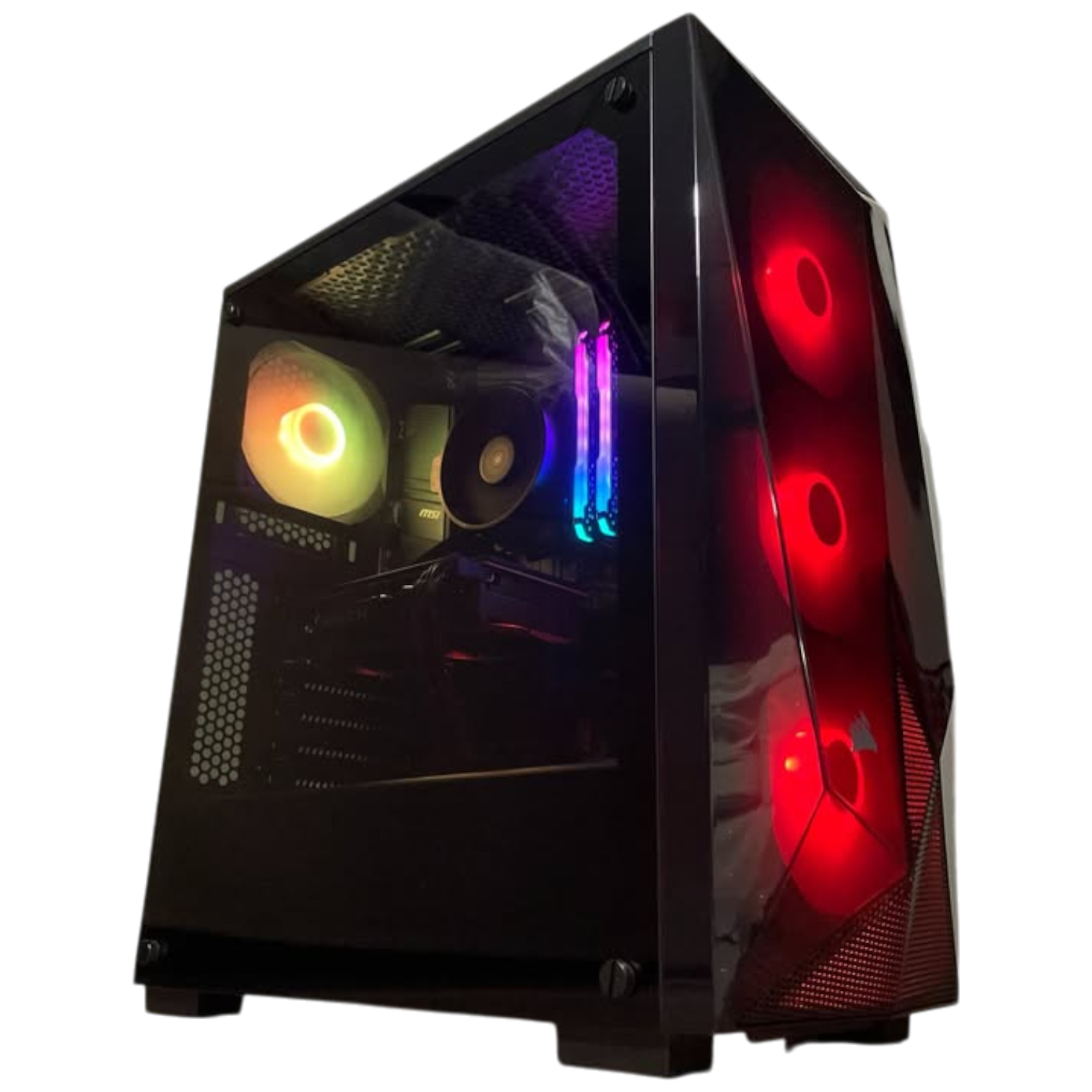
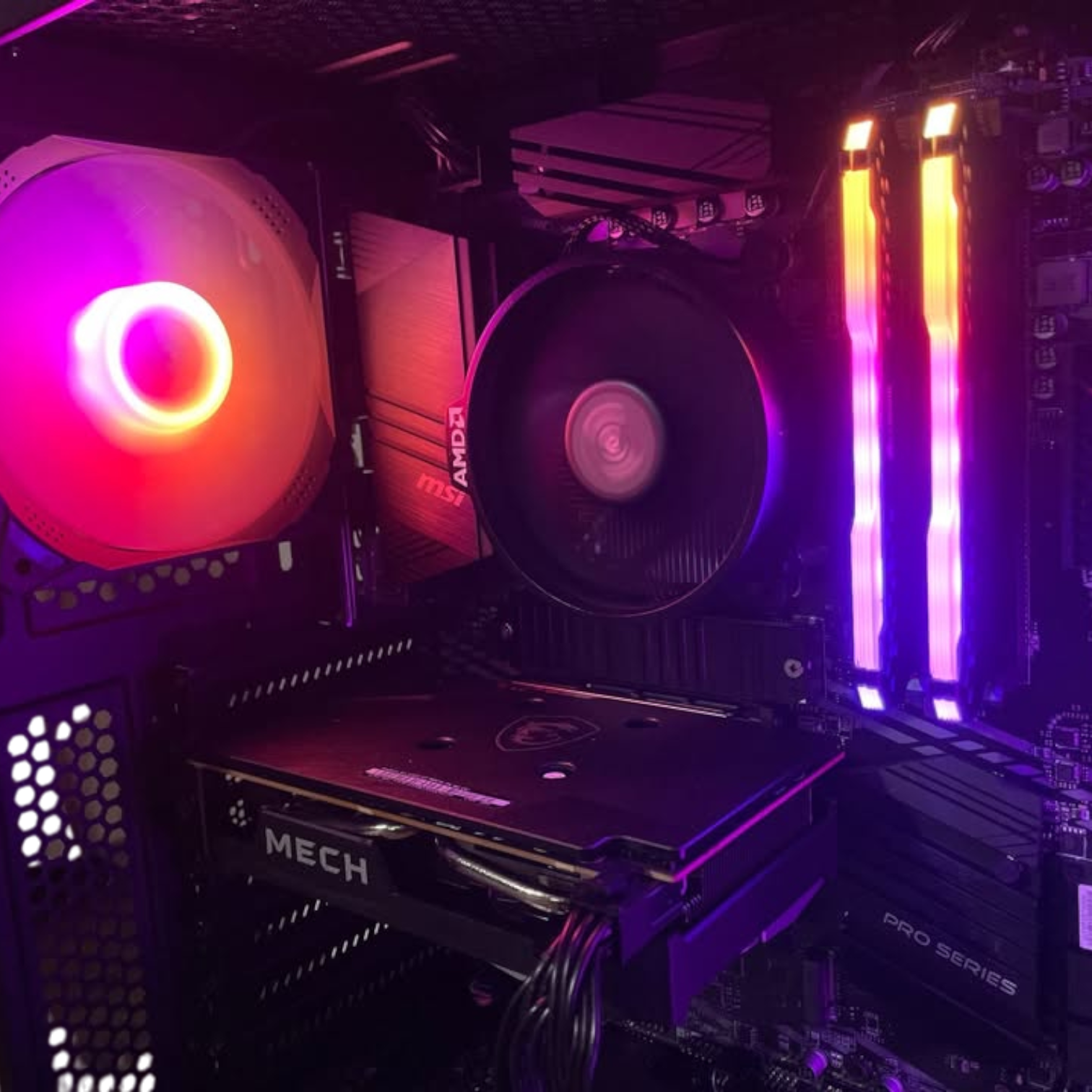
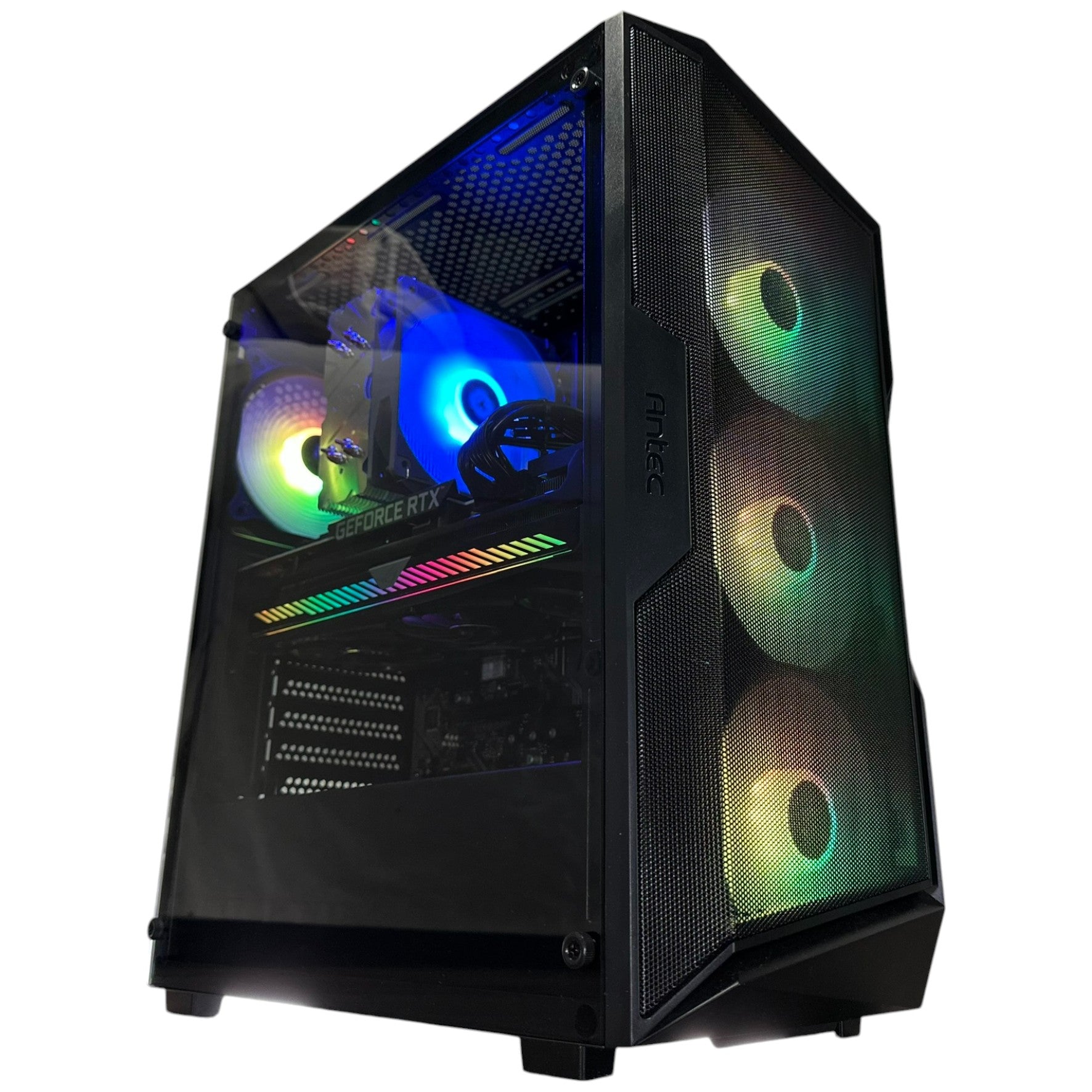
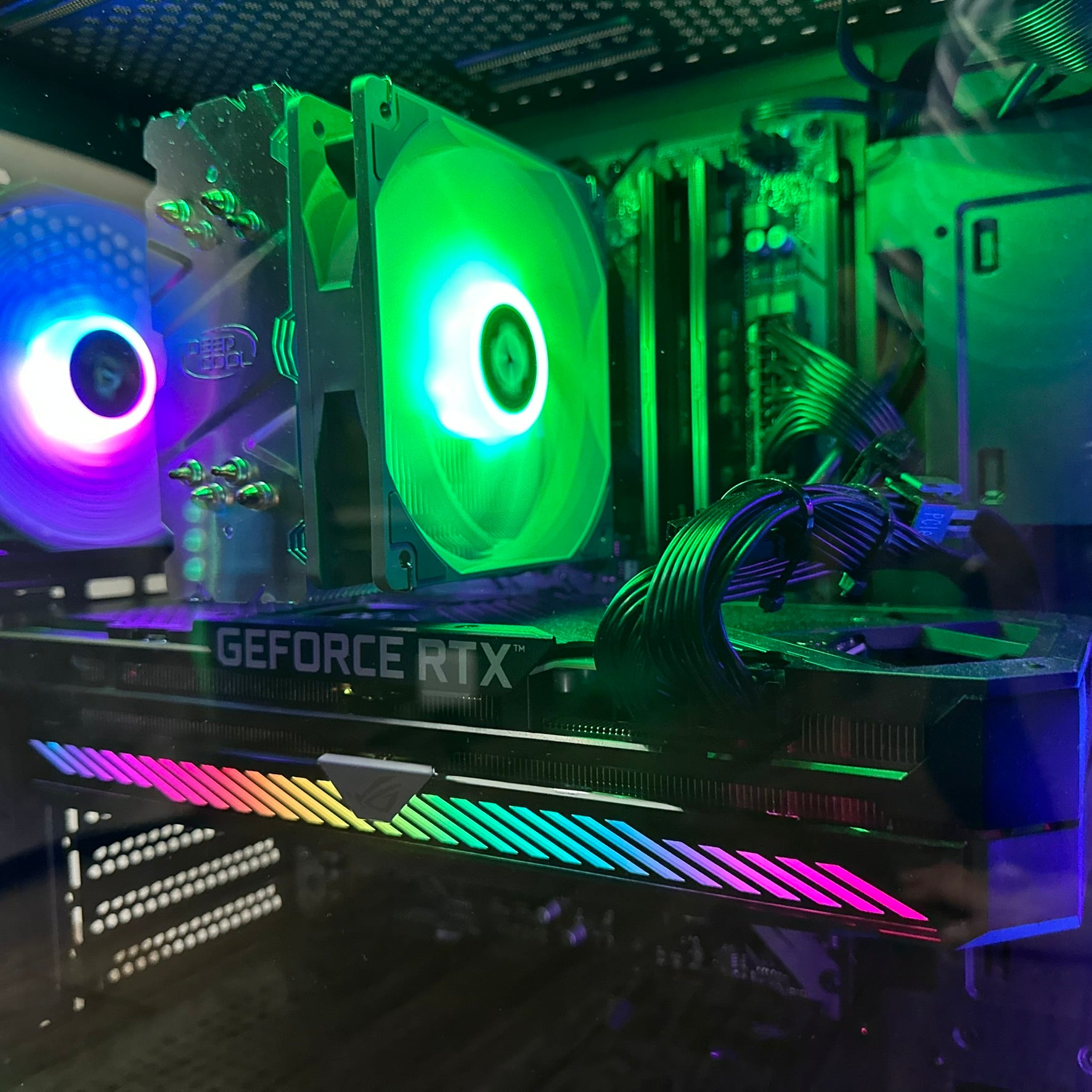
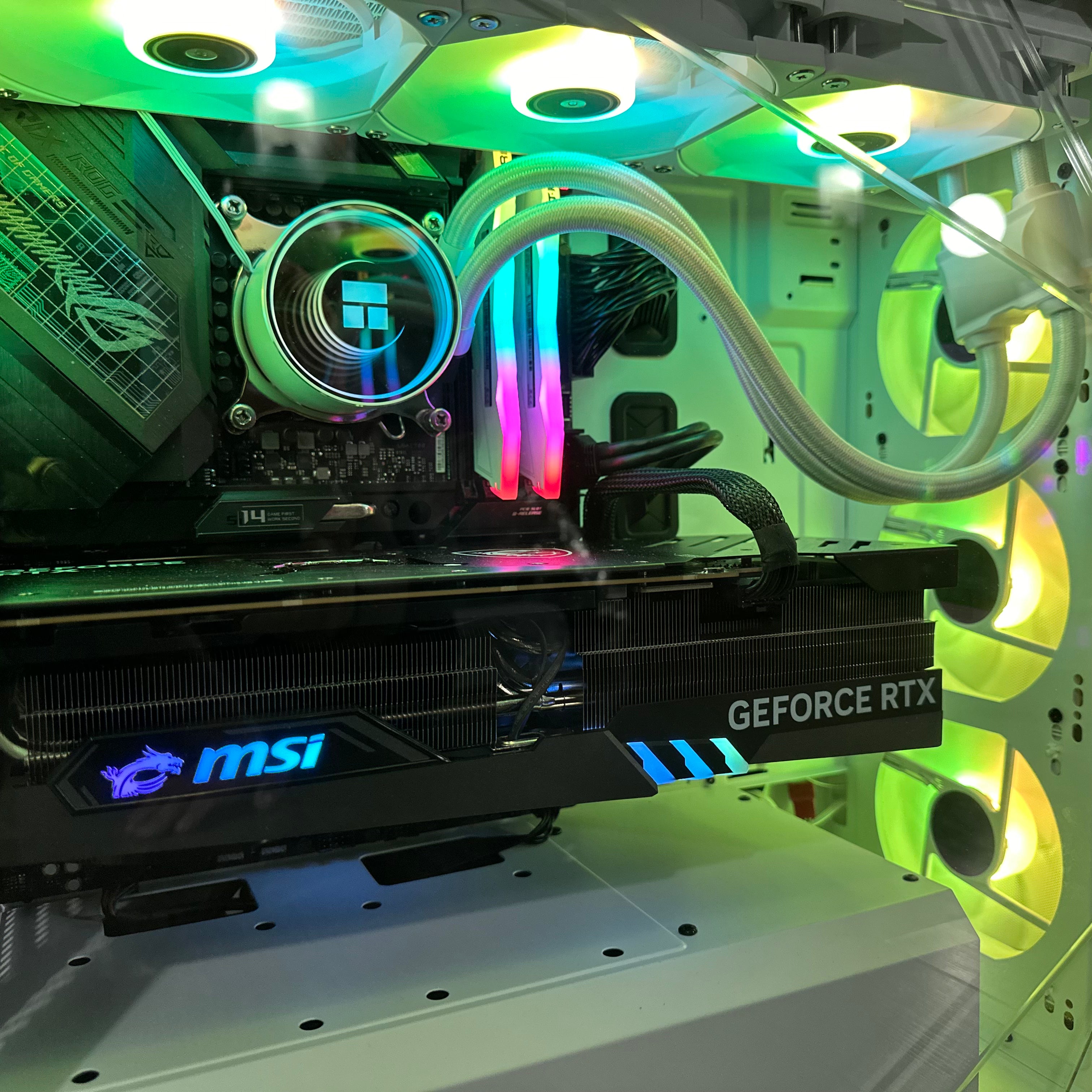
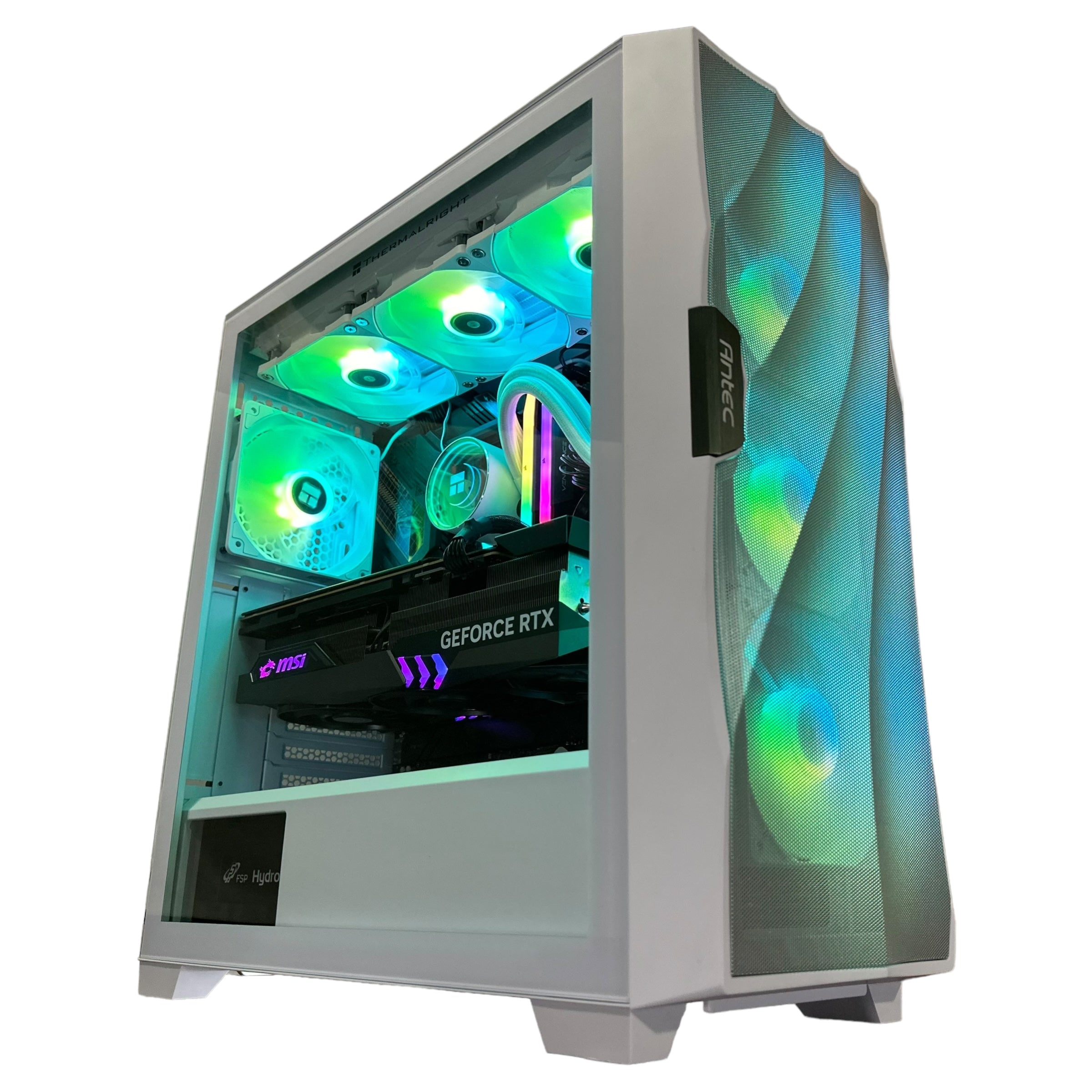
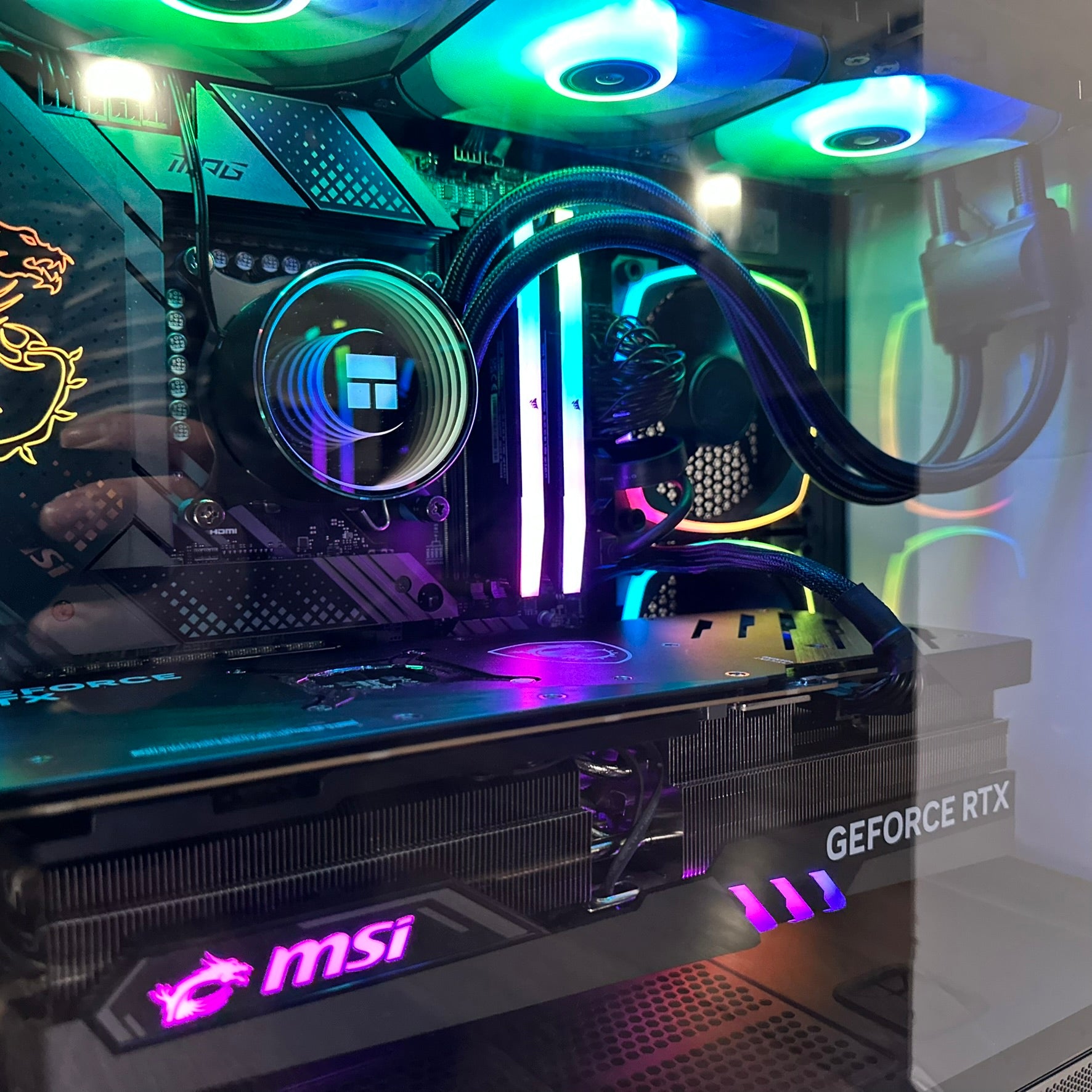
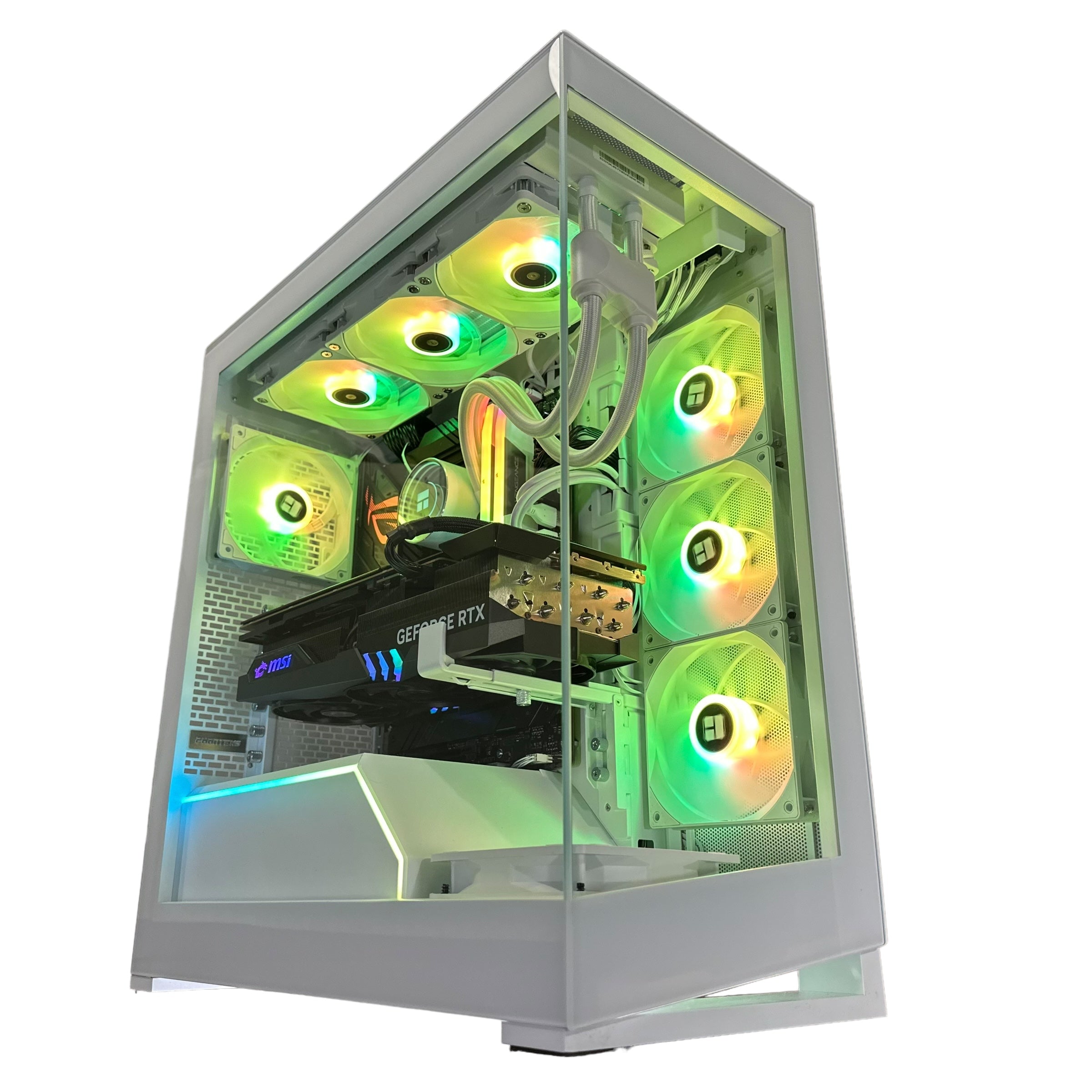
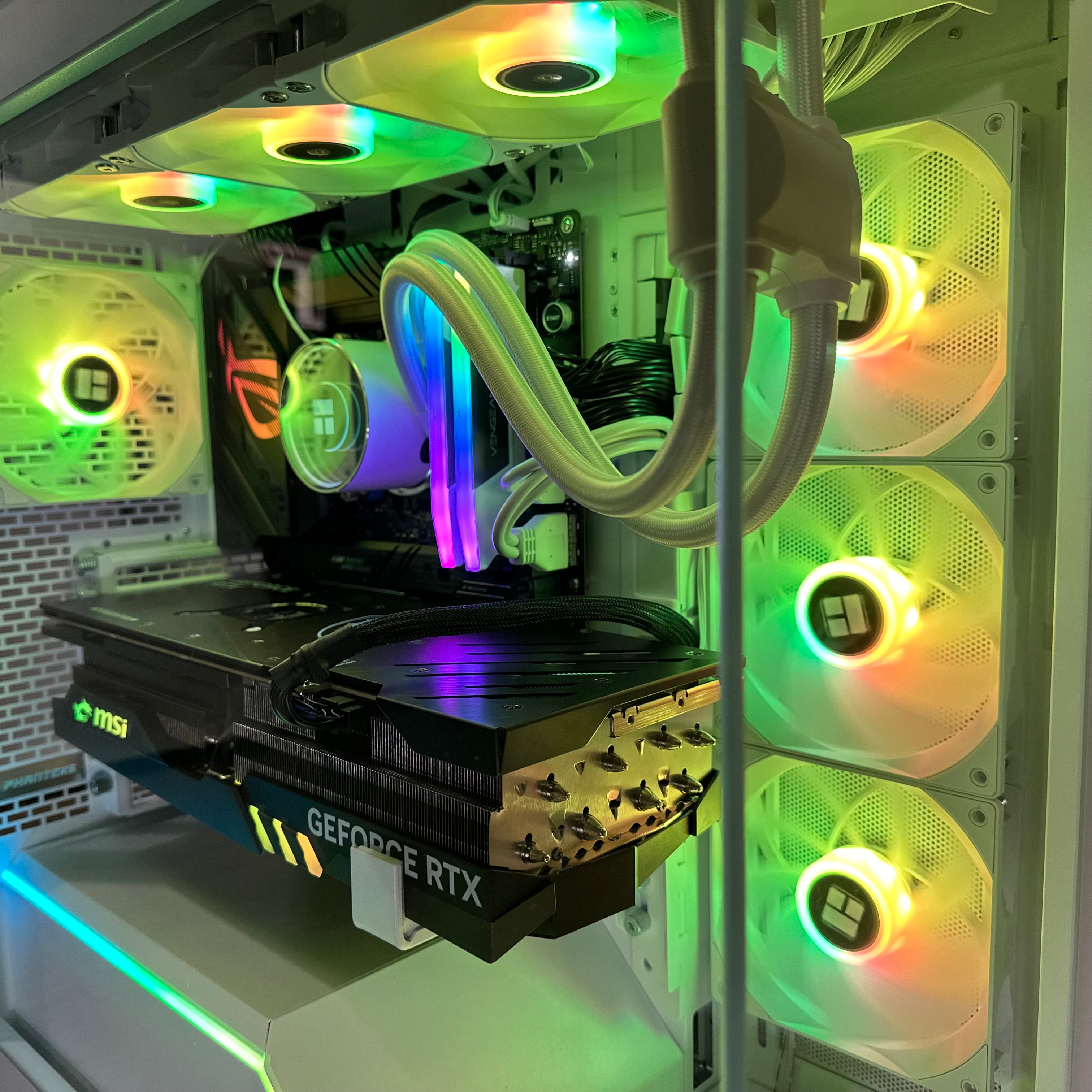
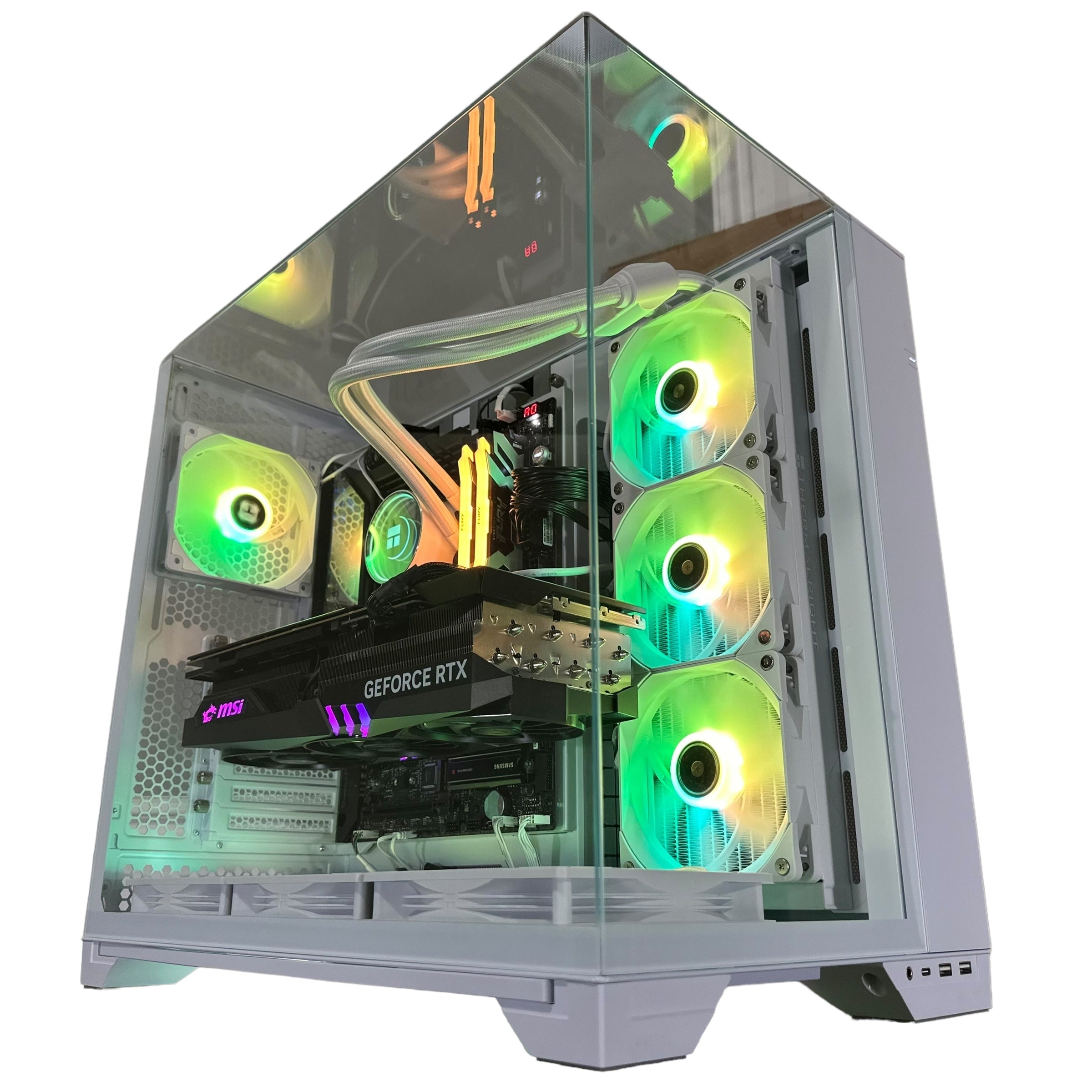
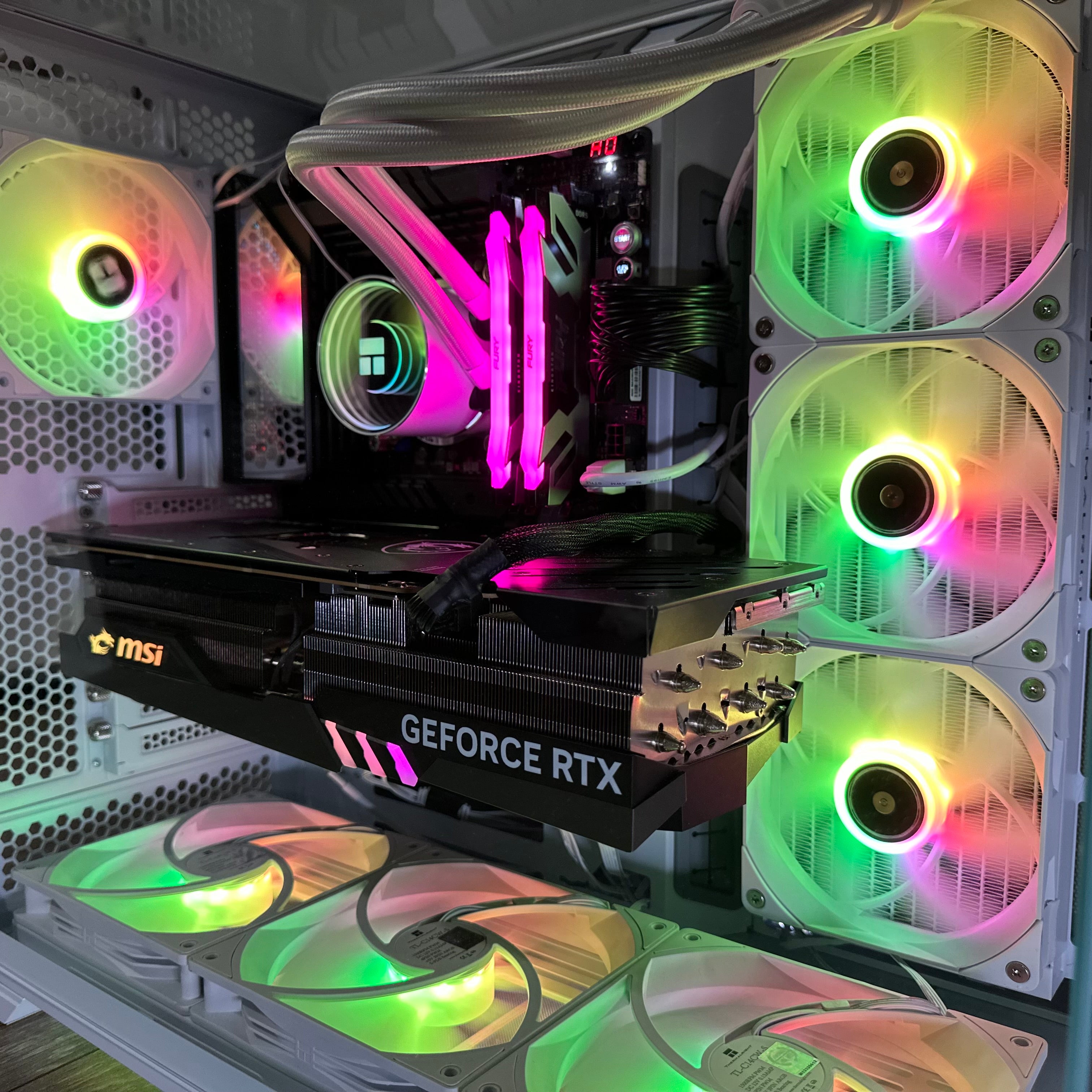
That is where a Custom Gaming PC Canada buyers can configure properly becomes important. The right cooling, CPU-GPU pairing, memory capacity, and storage layout matter just as much as the headline graphics card.
What PC do you need for remakes, new AAA games, and trend-driven releases?
If publishers continue combining proven franchises with ambitious new projects, then buyers should plan around a mixed-demand future. Some games will be scalable and approachable. Others will punish older GPUs, smaller RAM pools, slower SSDs, or weak CPUs. And many players will also want Discord, browsers, launchers, recording software, and background apps running at the same time.
That is why “Can it run the game?” is no longer enough. Better questions include:
- Can it run the game well at the resolution I actually want?
- Can it maintain smooth performance after future patches and DLC?
- Can it handle ray tracing if I decide to turn it on later?
- Can it stream or record without tanking frame rate?
- Can it edit the footage afterward?
If your answer to several of those is “I hope so,” then it may be time to step up from a bare-minimum spec mindset to a future-aware custom build.
Are you only gaming, or do you also need a creator PC?
This is where a lot of buyers underestimate their needs. A person shopping for a gaming desktop today is often also a content creator in practice, even if they do not use that label. Maybe you clip gameplay. Maybe you upload guides. Maybe you stream on weekends. Maybe you run Photoshop for thumbnails, Premiere Pro for edits, and OBS for capture. Maybe your PC handles school, work, side income, and gaming all at once.
If that sounds familiar, you may not just need a gaming machine. You may need a Creator PC Canada buyers can rely on for mixed workloads.
What if you stream while gaming?
If you want a Streaming PC Canada customers can use for both gameplay and live output, your build needs the right balance. A strong GPU helps with modern game rendering and hardware encoding. A capable CPU helps maintain responsiveness when multiple apps are open. More RAM helps when your stream software, chat tools, browser tabs, and game are all active together.
Ask yourself: do you want to stream at 1080p smoothly while playing demanding games? Do you expect to run a dual-monitor setup? Do you want your PC to game, stream, and record at once? If yes, it is usually worth stepping beyond a basic gaming configuration.
What if you edit videos after gaming sessions?
That changes the recommendation immediately. A proper Video Editing PC Canada users can count on should not just chase game FPS. It should also include fast storage for media, enough RAM for editing timelines, and a CPU-GPU pairing that works well in your actual software.
Do you edit in Adobe Premiere Pro? DaVinci Resolve? After Effects? CapCut? Are you working in 1080p, 4K, or higher? Do you keep project files for months, or are you already constantly juggling space? These questions affect whether you need more SSD capacity, more memory, or a higher-tier processor.
What if you mainly do photo editing or graphic design?
If your gaming system also needs to support Photoshop, Lightroom, Illustrator, InDesign, Canva, or broader Adobe Creative Cloud work, then consistency matters as much as raw speed. A responsive Photo Editing PC Canada or Graphic Design PC Canada setup benefits from fast storage, good multitasking, and enough headroom that the machine still feels smooth under creative loads.
Are you batch exporting RAW files? Working with large layered PSDs? Using AI-assisted tools? Running multiple design apps with dozens of browser tabs? Then a better-balanced desktop can save hours of frustration over the life of the system.
What if your workload includes Blender, Unreal, or rendering?
At that point, you are entering workstation territory. A serious 3D Modeling PC Canada or rendering-focused system needs to be selected very differently from a budget gaming box. Blender, Unreal Engine, 3D animation, asset creation, CAD workflows, and rendering jobs can expose weaknesses quickly.
What PC do you need for Blender? What PC do you need for 3D rendering? If those are the kinds of questions bringing you here, then you likely need a custom workstation build with stronger memory capacity, better thermal handling, and a component strategy tailored to your software, not just your Steam library.
Why timing matters more in Canada than many buyers realize
Canadian PC shoppers face a different buying environment than buyers who only look at U.S. headlines. System prices here can shift not just because of a new GPU launch or game release, but because of currency movement, freight costs, supply constraints, tariff pressure, and sudden bursts of demand around major product cycles.
That means waiting is not always the safe move people assume it is.
Will prices drop later? Sometimes. Will better hardware always arrive? Yes. But the more practical question is this: if your current PC is already struggling, how much is waiting really costing you in poor performance, missed content opportunities, longer render times, or a second upgrade sooner than expected?
For many buyers, the best move is not chasing the perfect future deal. It is locking in the right performance level when the need is real.
Should you buy now or wait for the next game, GPU, or sale cycle?
This is one of the most common questions we hear, and the honest answer depends on your situation.
You should think seriously about buying now if:
- Your current PC already struggles with the games or software you use
- You are buying ahead of a major game launch you care about
- You want a stronger machine before another demand spike hits key parts
- You are trying to avoid buying a weak stopgap system today and replacing it again too soon
- You could benefit from a financing option that gets you into a better long-term build now
You may be able to wait if:
- Your current system still handles your real workloads comfortably
- You are flexible on settings and resolution
- You are not planning to stream, edit, or multitask heavily
- You are specifically waiting for a known hardware release and are comfortable with the uncertainty that follows launch periods
Still, ask yourself something simple: is waiting helping you make a smarter choice, or just delaying an upgrade you already know you need?
Could financing a stronger system actually be the smarter move?
For some buyers, yes. Not because financing is for everyone, but because buying too little performance can become more expensive over time. If a slightly stronger PC now means better gaming life, fewer compromises, and less pressure to upgrade in a year, then the total value equation changes.
That is especially relevant if you are choosing between:
- A lower-cost gaming desktop that may age out quickly
- A better-balanced custom build with stronger long-term usefulness
- A gaming and creator system that can support both entertainment and side-income work
Should you finance a better PC instead of buying a cheaper one outright? That depends on your budget, but it is a valid question. If spreading payments lets you secure a system that truly fits your needs instead of settling for one you will outgrow quickly, financing can be a practical tool rather than just a convenience.
Groovy Computers can help Canadian buyers explore stronger build options with financing up to 4 years, which can make it easier to choose performance that lasts rather than performance that barely gets by.
Which performance tier fits you best?
If you are not sure where you land, use this quick decision guide.
Choose a value-focused build if:
- You mainly play esports, indie titles, or lighter AAA games
- You want solid 1080p gaming without overbuilding
- You need a first desktop and want room to upgrade later
- You are budget-conscious and know your workload is modest
Choose a balanced mid-range build if:
- You want reliable 1080p ultra or strong 1440p performance
- You play newer AAA games and want smoother minimums
- You stream casually or record content
- You use some editing, Photoshop, or creator tools alongside gaming
Choose a premium gaming build if:
- You want high-refresh 1440p or 4K gaming
- You care about ray tracing and visual longevity
- You want a system that feels strong for several years
- You dislike the idea of upgrading too soon
Choose a creator or workstation build if:
- You edit video regularly
- You use Adobe Creative Cloud heavily
- You work in Blender, Unreal Engine, or rendering software
- You need your PC to earn, not just entertain
So where do you fit? Are you really a budget gamer, or are you a mixed-use buyer who needs more than a standard gaming tower? Are you shopping for fun only, or for a machine that supports school, side work, streaming, and long-term value too?
Why custom builds matter when game demands keep rising
When gaming trends shift toward more frequent high-profile launches, generic one-size-fits-all systems become a riskier buy. A custom build lets you put money where it matters most for your specific use case. Some buyers need more GPU power. Some need more CPU strength. Some need extra RAM. Some need larger or faster SSDs. Some need better cooling because sustained performance matters more than a flashy spec list.
This is one reason Canadian Custom PC Builders remain so valuable. A properly matched system is not just about benchmark numbers. It is about avoiding the hidden weak point that ruins the ownership experience later.
Would you rather have a machine that looks good on paper, or one that is actually configured for how you play and work?
Why testing, warranty, and support matter just as much as specs
Specs sell the click, but build quality earns the trust. As games and applications become more demanding, stability matters more. Thermal performance matters more. Clean cable management, airflow, BIOS setup, memory stability, and stress testing all matter more. That is especially true if you are spending serious money on a machine you expect to use every day.
Groovy Computers builds custom systems with rigorous testing and a 1-year warranty, giving buyers more confidence than random marketplace systems or poorly matched mass-produced boxes. If you are buying a gaming desktop, a creator PC, or a workstation, support after the sale matters. The cheapest option is not always the lowest-risk option.
Ask yourself: do you want to gamble on unknown assembly quality, or buy from a Canadian PC builder focused on performance, testing, and support?
What should Canadian buyers ask before ordering their next PC?
Before you choose a system, ask these practical questions:
- What games or software do I actually use most?
- Do I want 1080p, 1440p, or 4K performance?
- Do I care about ray tracing or just strong frame rates?
- Will I stream, record, or edit content?
- How much storage do I realistically need for games and projects?
- Do I want this PC to last several years without major upgrades?
- Would a stronger system now save me money and hassle later?
- Am I buying before a major game release, software upgrade, or pricing shift?
- Would financing help me get the right build instead of a compromised one?
If those questions make your decision feel more complex, that is actually a good thing. It means you are thinking like a smart buyer, not just reacting to one spec or one sale banner.
Why this gaming industry story should push buyers toward better PC decisions
Capcom’s situation illustrates something important about the wider market: successful franchises are not slowing hardware demand down. They are keeping it active. Remakes are more advanced. New games still push boundaries. Content around those games drives streaming, editing, design work, and creator workflows. The result is a market where many people need a better desktop than they first assumed.
If you are reading gaming headlines and wondering what they mean for your next upgrade, the answer is this: buy for the real future you are heading into, not the lighter workload you had two years ago.
Need help choosing the right custom PC in Canada?
If you are asking yourself what gaming PC you need, what PC do you need for 1440p gaming, whether a gaming PC is good for video editing, or whether now is a good time to buy before prices change again, Groovy Computers is built for exactly that conversation.
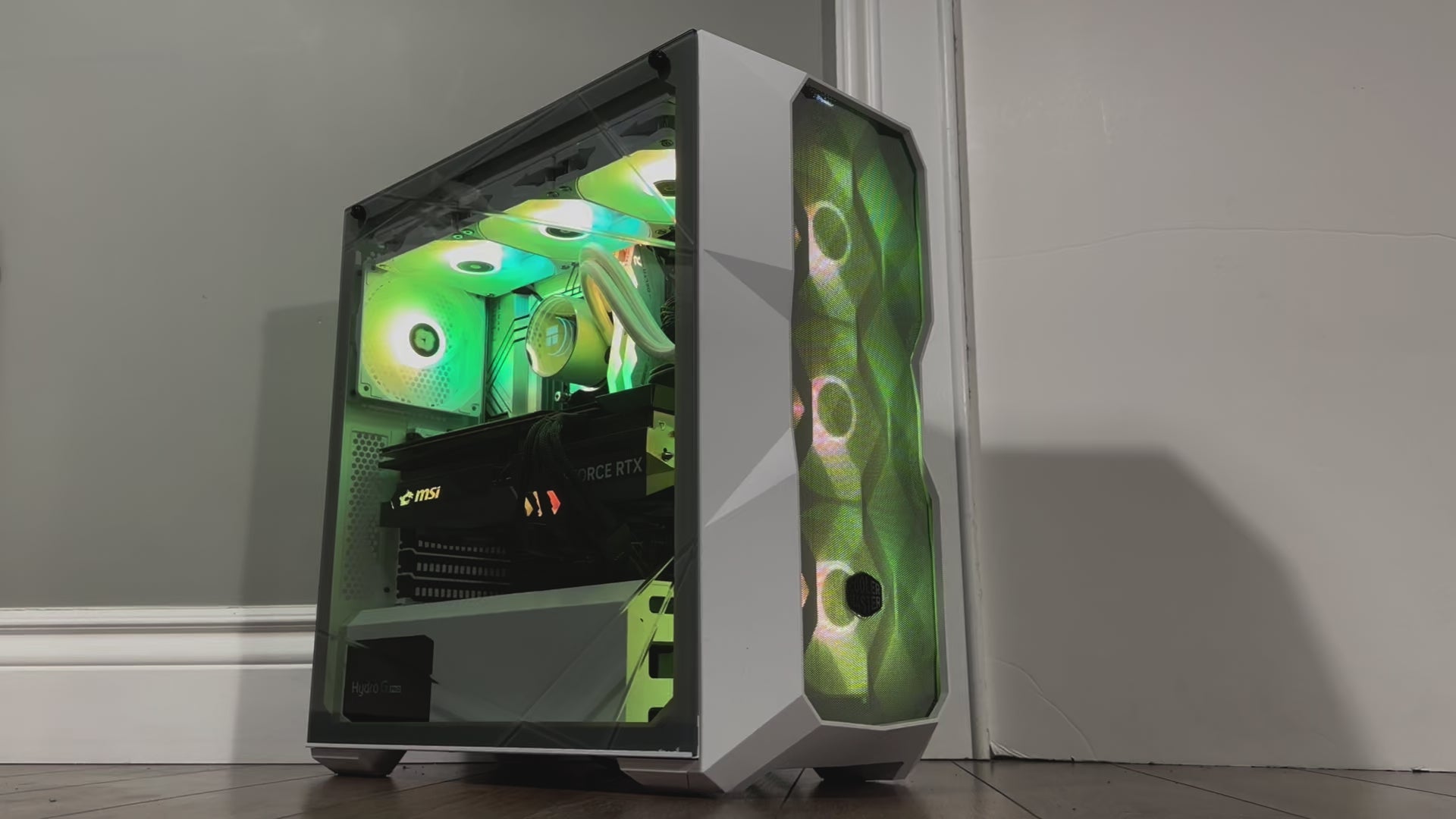
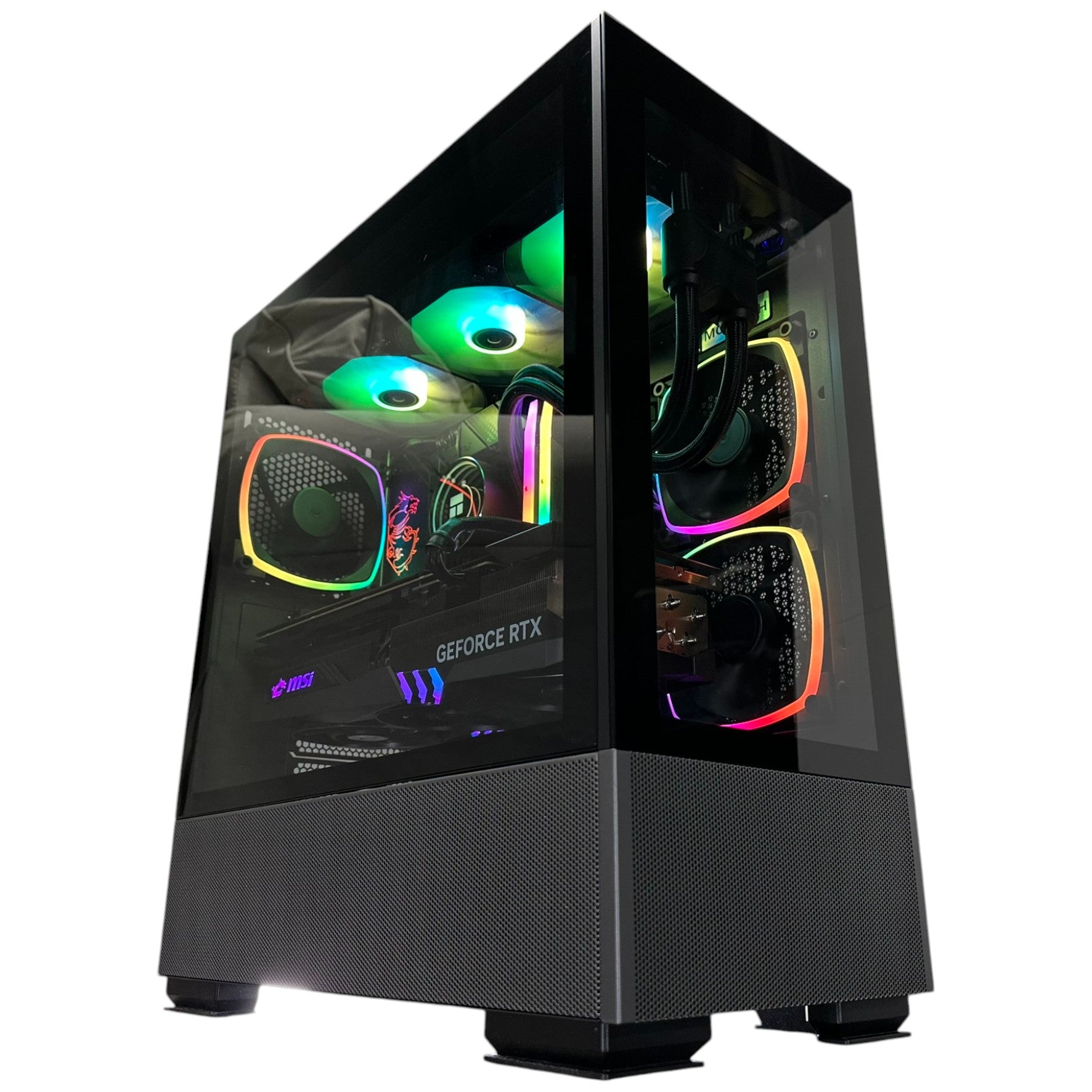
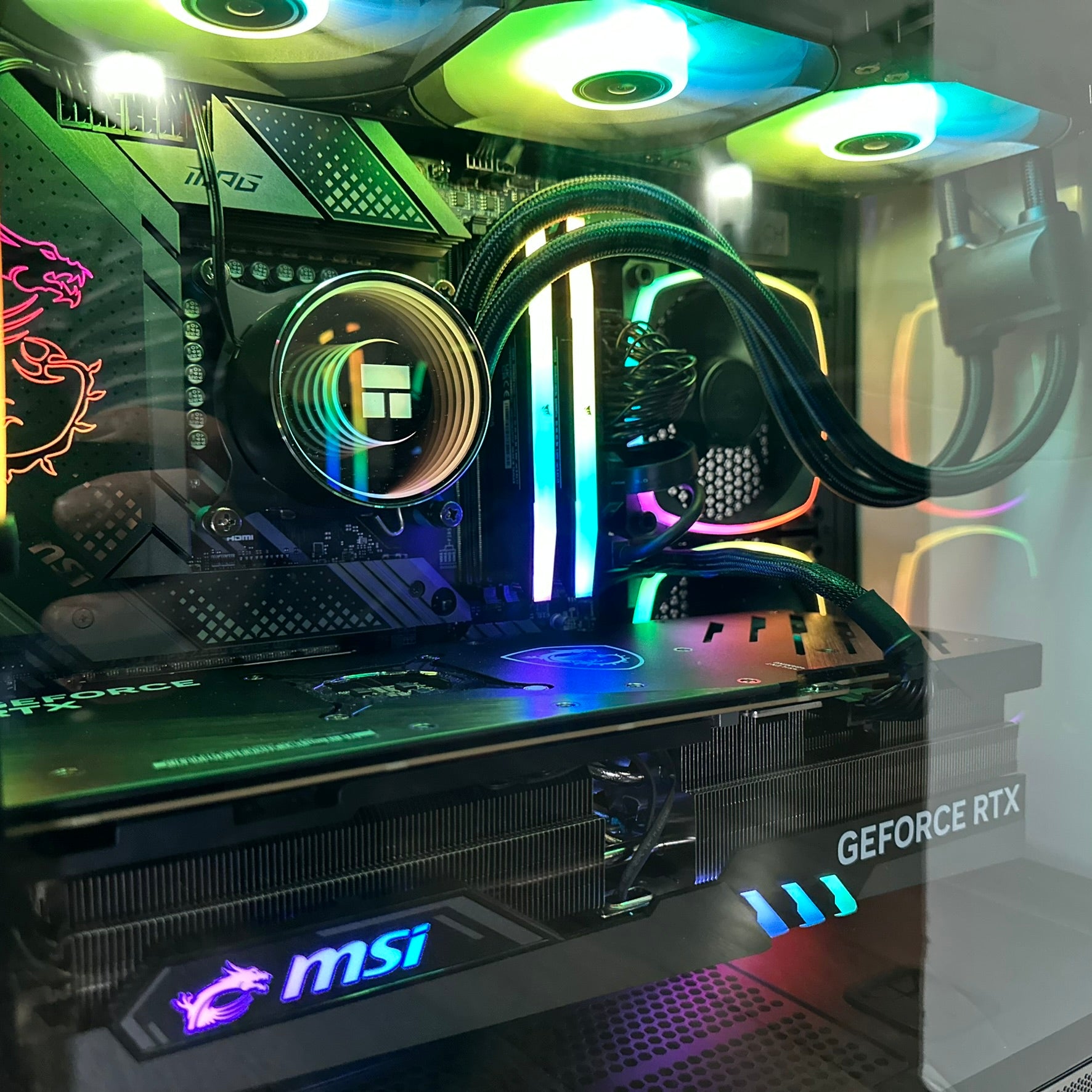
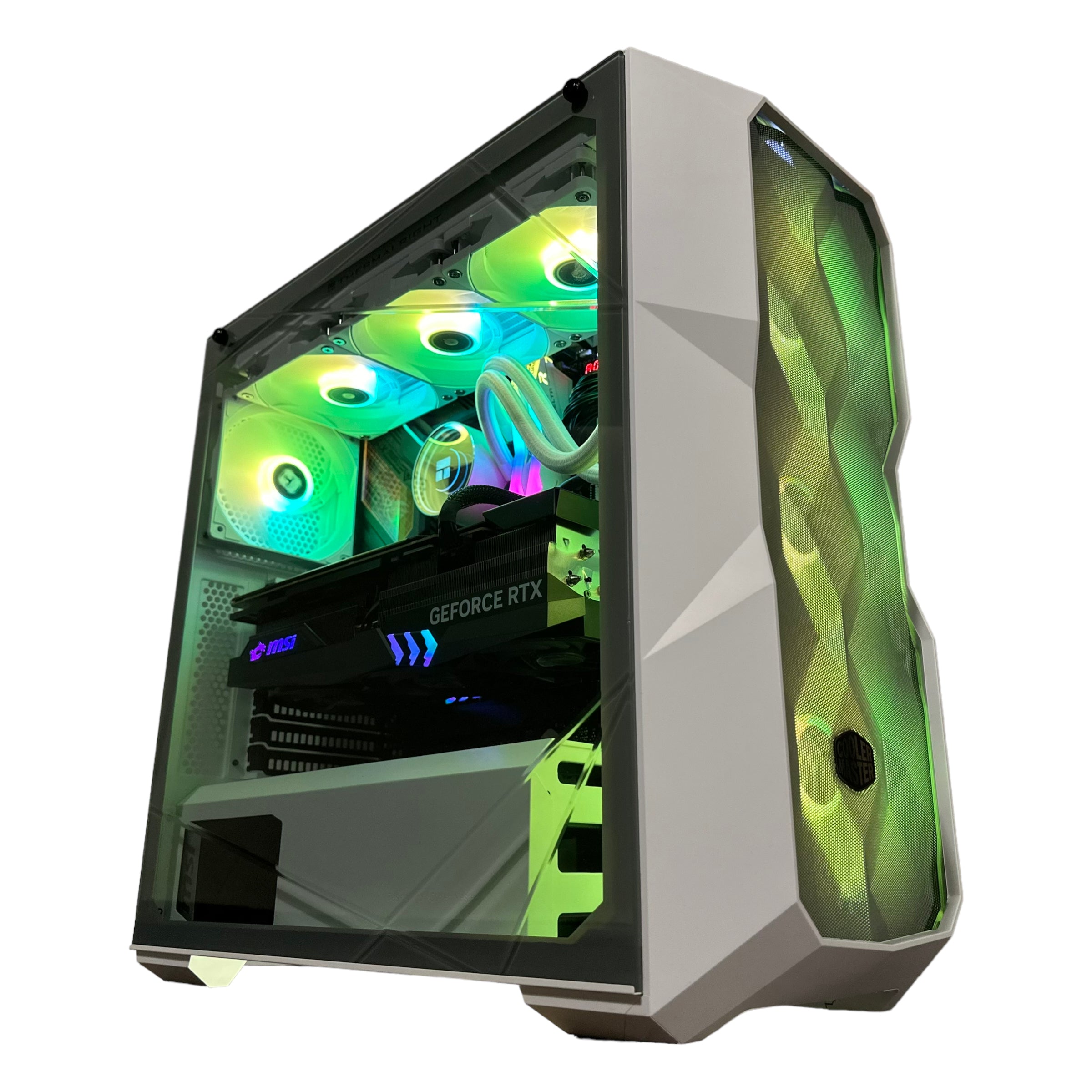
Whether you need a value-focused gaming desktop, a premium RTX gaming rig, a streaming and editing machine, or a full creator or workstation build, Groovy Computers can help match the system to your actual goals. If financing would help you secure a better long-term build, that option may make more sense than settling for a weaker machine you outgrow too soon. Explore your options at GroovyComputers.ca and get a custom PC that fits how you really game, create, and work.
Final thoughts: the smartest gaming PC is the one that fits where the industry is going
The lesson behind the Resident Evil remake story is not just about one publisher’s success. It is about momentum. The gaming industry keeps feeding players a mix of polished remakes, major sequels, and new original releases, and that momentum puts ongoing pressure on hardware. For Canadian buyers, the best response is not panic buying. It is smart buying. Choose a system that fits your resolution, your workload, your future plans, and your upgrade timeline.
If your next machine needs to handle modern gaming, streaming, editing, design, or 3D work without forcing a near-term replacement, a custom-built desktop is often the right answer. And if you are ready to move beyond guessing and choose a Gaming PC Canada customers can feel confident in, Groovy Computers is one of the best places to start.
#GamingPCCanada #CustomGamingPCCanada #GamingPCBuilderCanada #CanadianCustomPCBuilders #CreatorPCCanada #VideoEditingPCCanada #StreamingPCCanada #3DModelingPCCanada #NovaScotiaComputers #GroovyComputers
Groovy Computers | All Rights Reserved

Leave a comment
This site is protected by hCaptcha and the hCaptcha Privacy Policy and Terms of Service apply.