


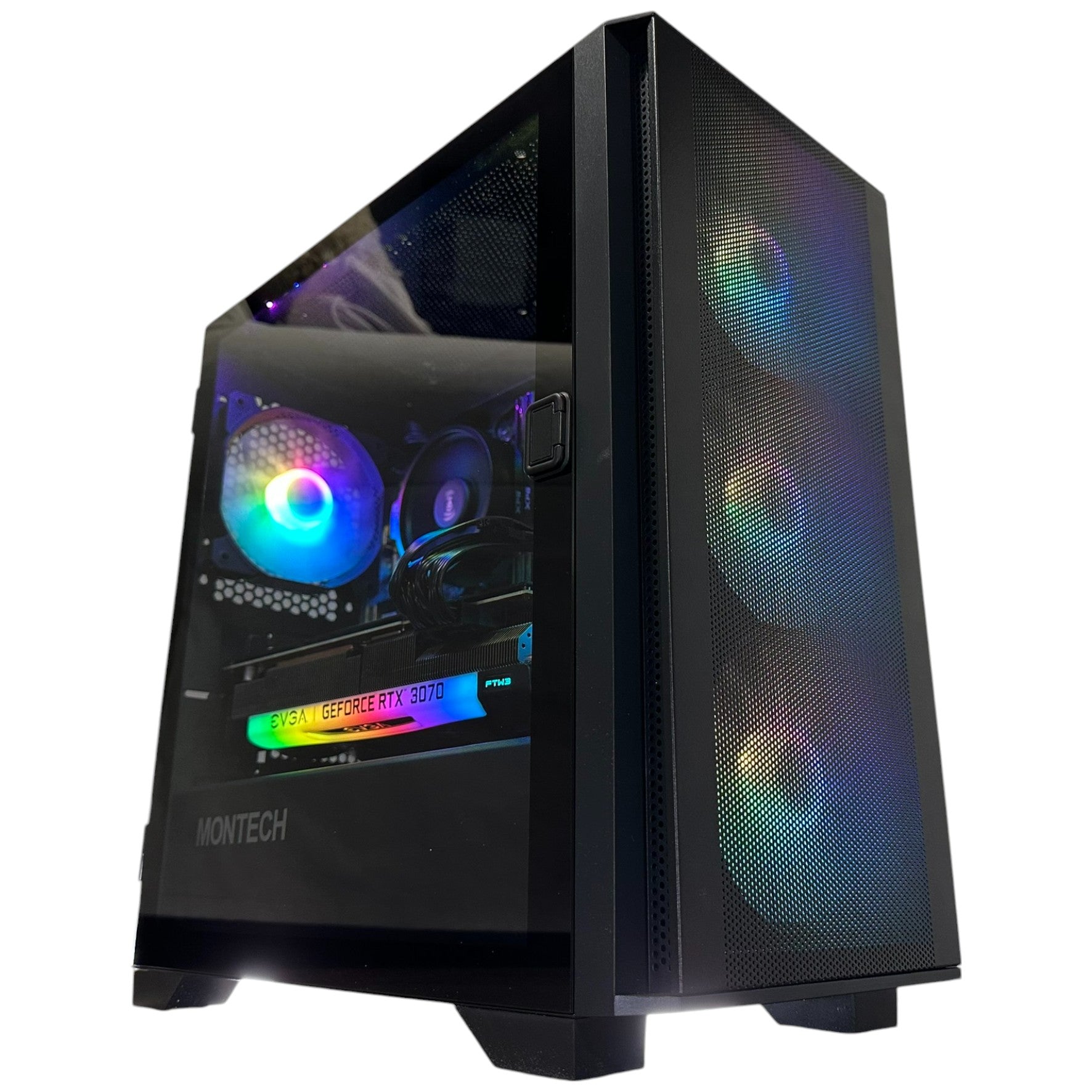
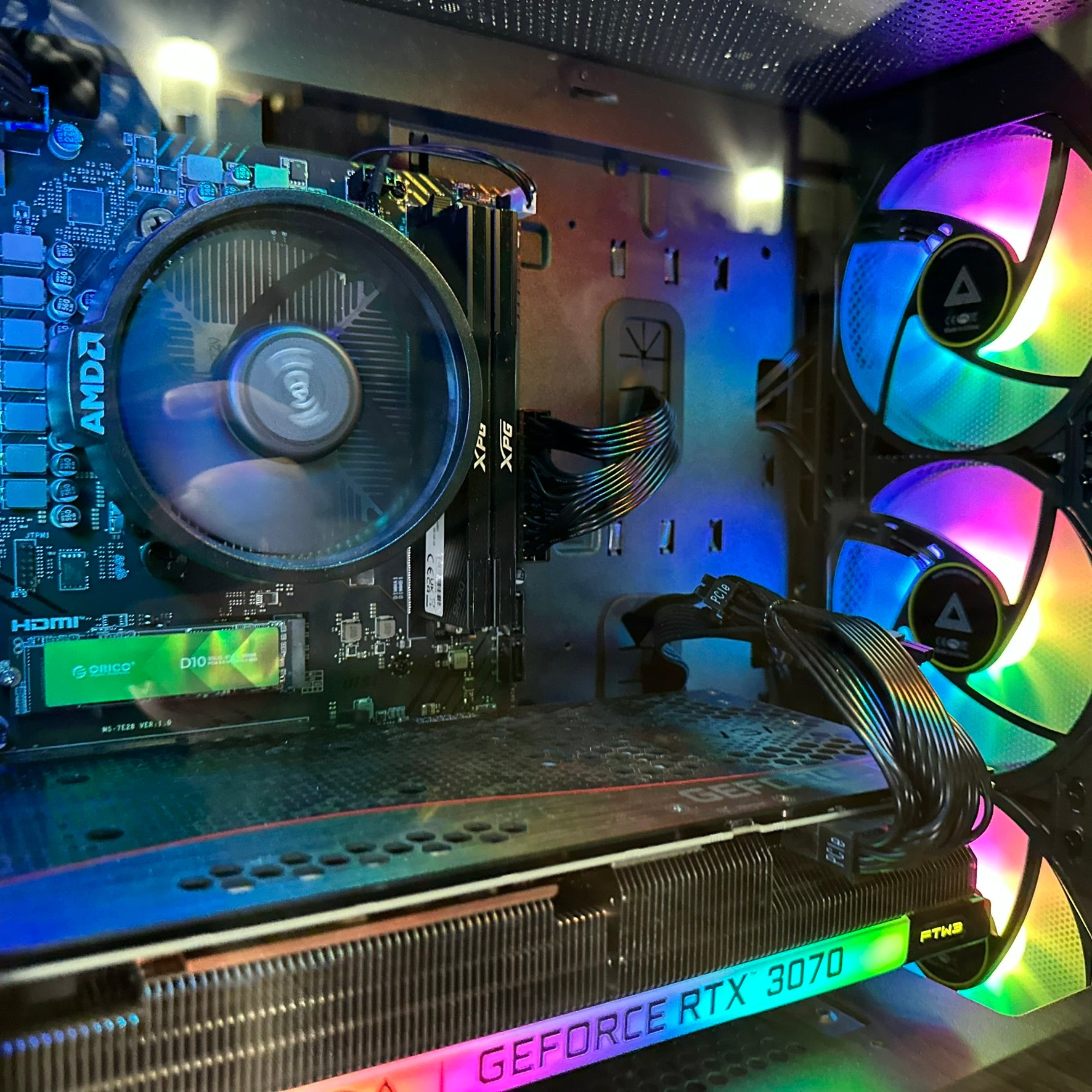
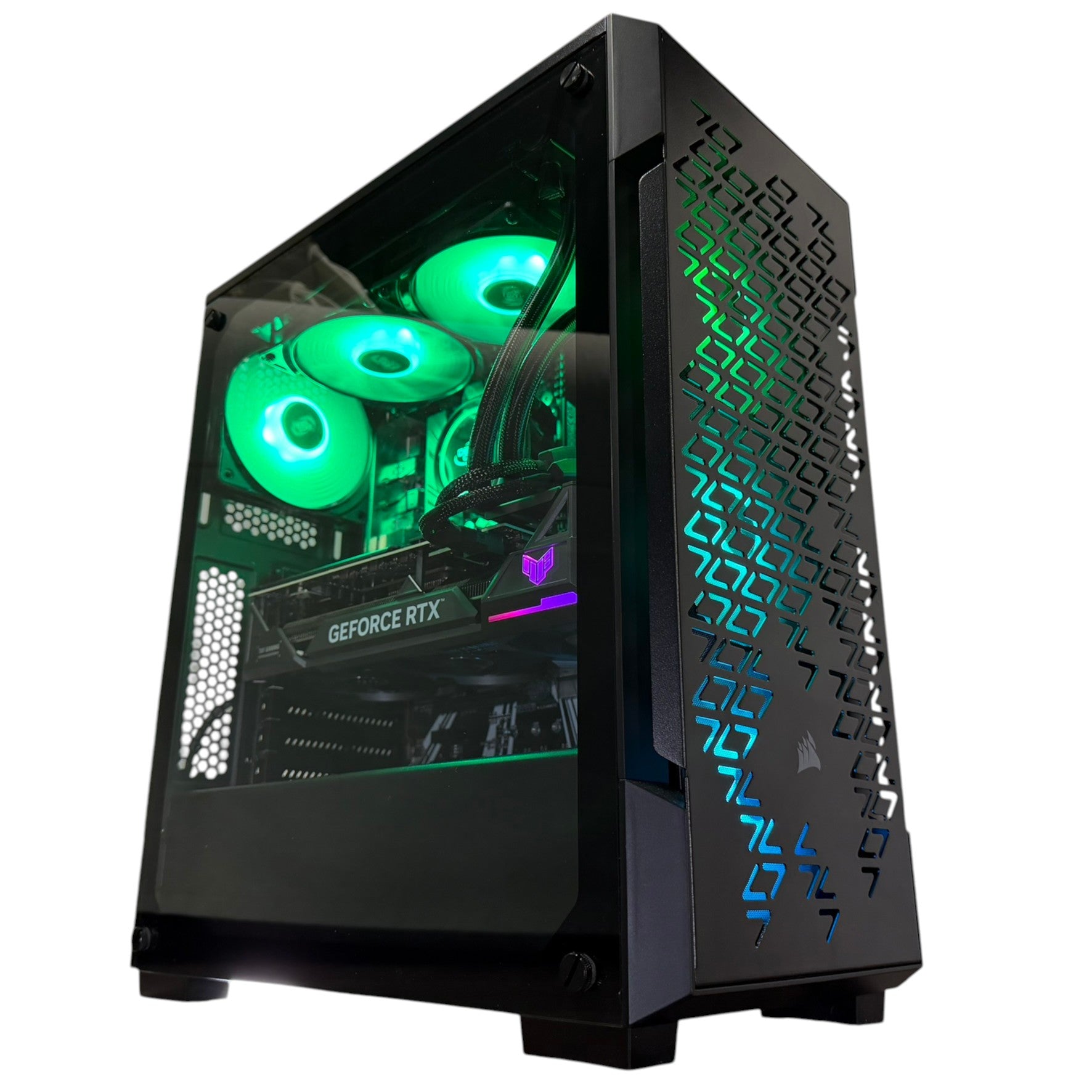

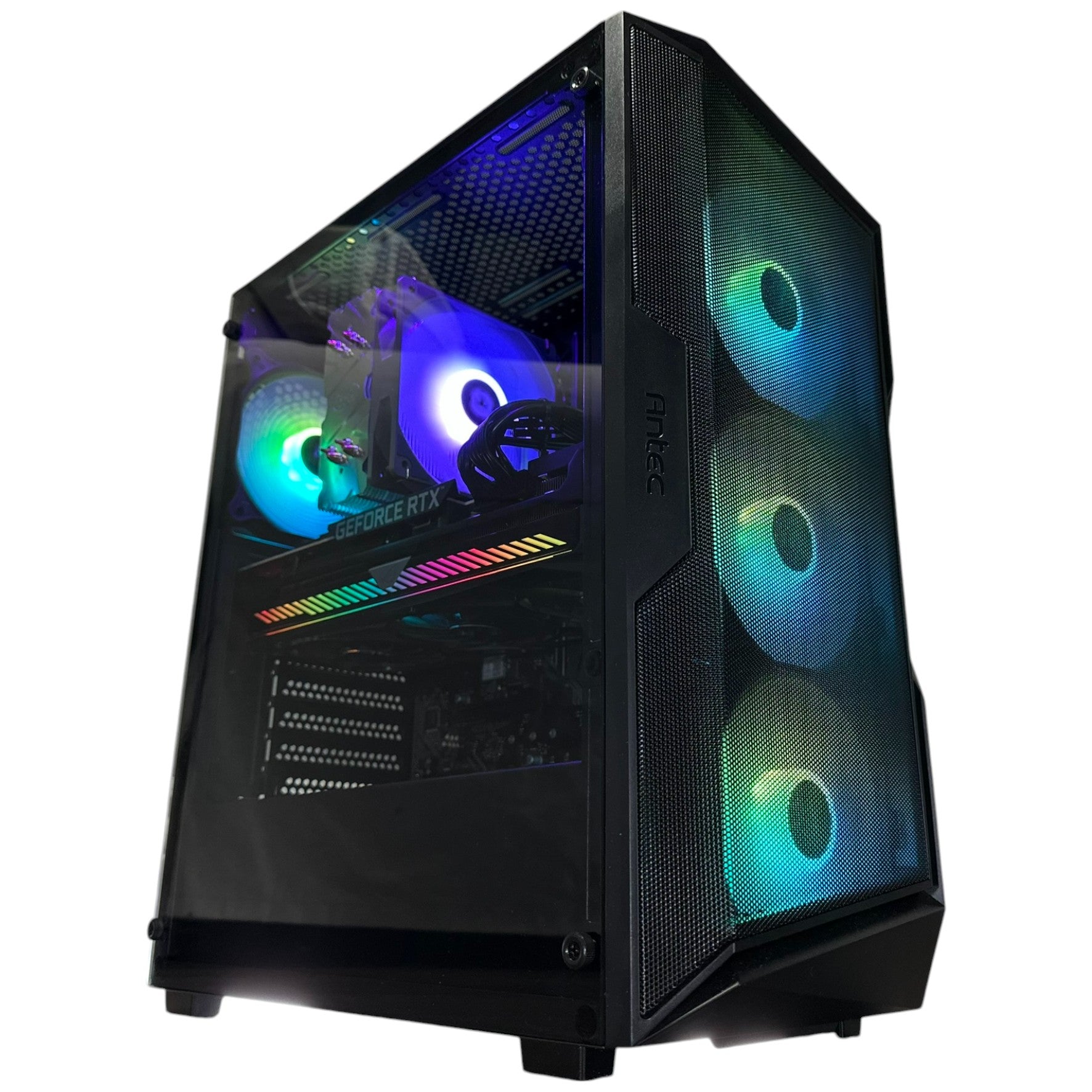


Resident Evil 0 Remake Rumours Matter for PC Buyers: How to Choose the Right Gaming PC in Canada Before the Next Horror Wave
The latest Resident Evil 0 Remake rumours have given survival horror fans another reason to think about PC performance, upgrade timing, and whether their current system is actually ready for the next generation of demanding games. According to the source material provided, the project was reportedly rebooted mid-development and is now said to be led by Capcom Division 1, the team behind the main modern Resident Evil releases. Nothing is official until Capcom confirms it, but for Canadian gamers, that kind of rumour still matters. Why? Because major franchise momentum often changes buying behaviour long before a release date is locked in.
When a high-profile remake starts building buzz, many players ask the same question: will my current PC still be good enough when this finally launches? And once that question appears, it usually leads to a bigger one: should I keep stretching an older system, or is now the better time to move into a properly matched custom gaming PC?
For Groovy Computers, this is where the conversation becomes practical. A rumoured remake is not just entertainment news. It is a reminder that modern AAA horror games are no longer light workloads. They increasingly demand stronger GPUs, faster CPUs, more memory, better cooling, faster SSD storage, and more balanced full-system design. If you also stream, edit gameplay, create YouTube content, work in Adobe apps, or use your PC for Blender and workstation tasks when you are not gaming, then your buying decision becomes even more important.
What does the Resident Evil 0 Remake report actually suggest?
Based on the provided source text, the core claim is that the Resident Evil 0 Remake was reportedly restarted during development and is now said to be under Capcom Division 1 rather than the team previously rumoured to be handling it. The same source also connects that team to other major Resident Evil work. Even though this remains unconfirmed and should be treated carefully, the takeaway is still meaningful for PC buyers: if a publisher puts a more central internal team on a major remake, expectations usually rise for production quality, visuals, scale, and technical ambition.
That raises a practical buying issue. If the remake becomes more ambitious than fans first expected, do you really want to be shopping for a PC only after official footage drops and demand spikes? Or would you rather secure a stronger, more future-ready build before horror season hype, major game trailers, and GPU demand start pushing more buyers into the market at once?
Why should Canadian gamers care before the game is even announced?
Because buying late is often more expensive than buying smart.
Canadian PC buyers do not just deal with game requirements. They also deal with exchange pressure, supply swings, shipping realities, and the fact that sought-after hardware tiers can get more competitive when blockbuster games dominate conversation. Even without a confirmed release date, one rumoured title can be part of a larger trend: more graphically demanding remakes, more ray tracing adoption, heavier texture loads, and rising expectations for smooth 1440p and 4K experiences.
If you are in Nova Scotia, Atlantic Canada, or ordering elsewhere in the country, the question is not simply whether a single game is coming. The real question is this: what do you want your next PC to handle over the next several years? One remake? Several AAA horror releases? Competitive multiplayer? Streaming? Editing? Design work? A mix of all of it?
What do you want your next PC to do for you?
This is the most important question in the entire buying process, and it is where many people make the wrong decision. They shop for a game headline instead of shopping for their actual workload.
Ask yourself:
- Do you mainly want a better gaming experience at 1080p?
- Are you aiming for 1440p with higher settings and stronger frame consistency?
- Do you want 4K gaming with ray tracing and less need to compromise later?
- Will you stream to Twitch, YouTube, or record gameplay locally?
- Do you edit videos for YouTube, TikTok, or long-form content?
- Are you also using Photoshop, Lightroom, Illustrator, or other Adobe Creative Cloud tools?
- Do you need one system that can game at night and handle professional creative work during the day?
- Are you trying to avoid buying a cheap system now and replacing it too soon?
Those questions matter more than any rumour on its own. A properly chosen custom PC should fit the way you actually use your computer, not just the game that happens to be trending this month.
What gaming PC do I need if I want to be ready for new horror games?
If you are shopping because of a title like Resident Evil 0 Remake, the safest approach is to think in tiers. That helps you avoid both overspending and underbuying.
Entry-level gaming tier: good for 1080p players
If your goal is straightforward 1080p gaming with solid settings in current titles, an entry-level or budget-focused custom system can still make sense. This is the right path for players who primarily want smooth gameplay, fast boot times, and a major improvement over an older console or aging desktop. It can also be a strong fit for students or first-time buyers asking, how much should I spend on a gaming PC?
But there is a catch. If you already know you want newer AAA releases, better textures, long-term usefulness, and a little room for streaming or editing, the cheapest route can become the most expensive route later. Saving money today only helps if the system still fits your needs tomorrow.
Mid-range gaming tier: the smart 1440p sweet spot for many buyers
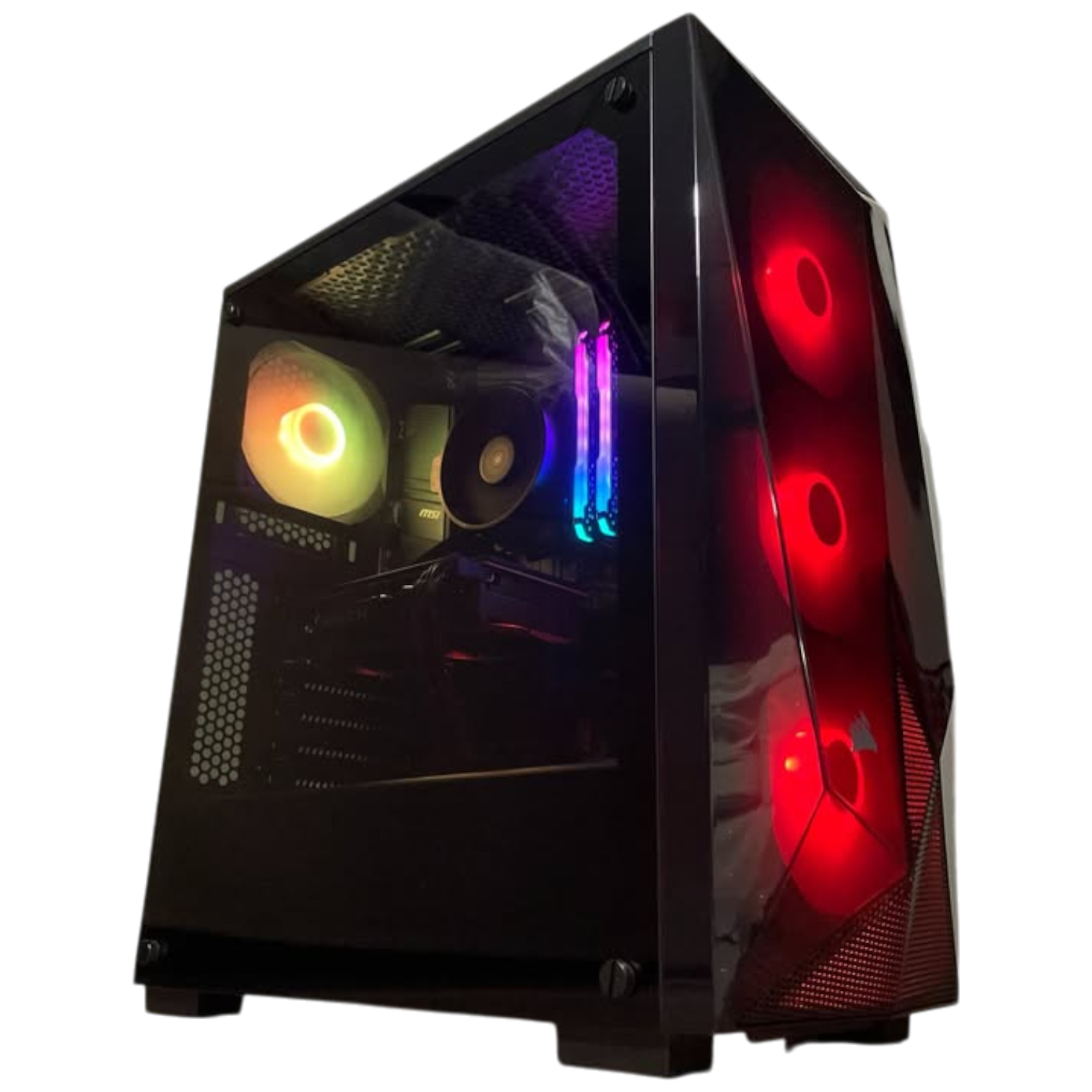
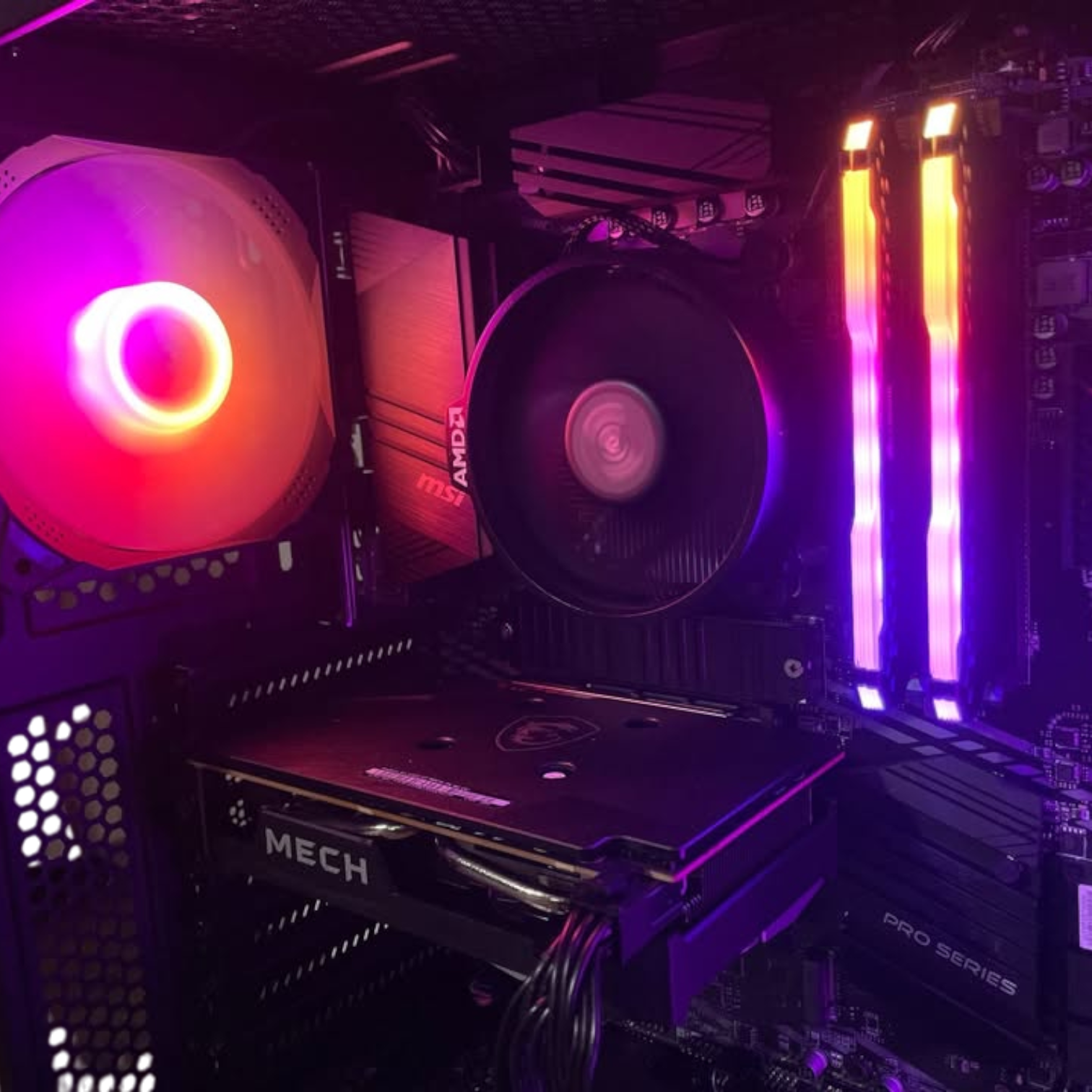
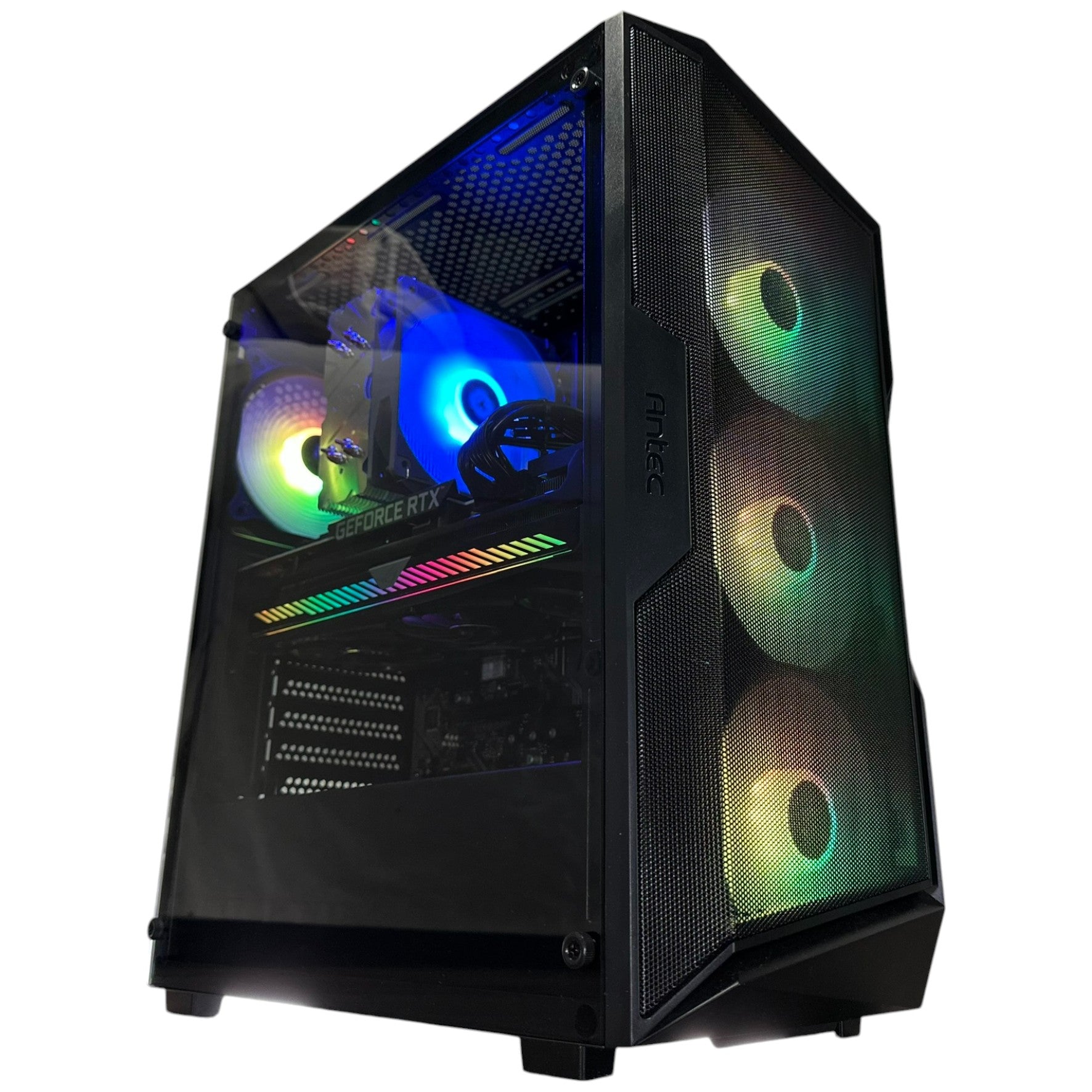
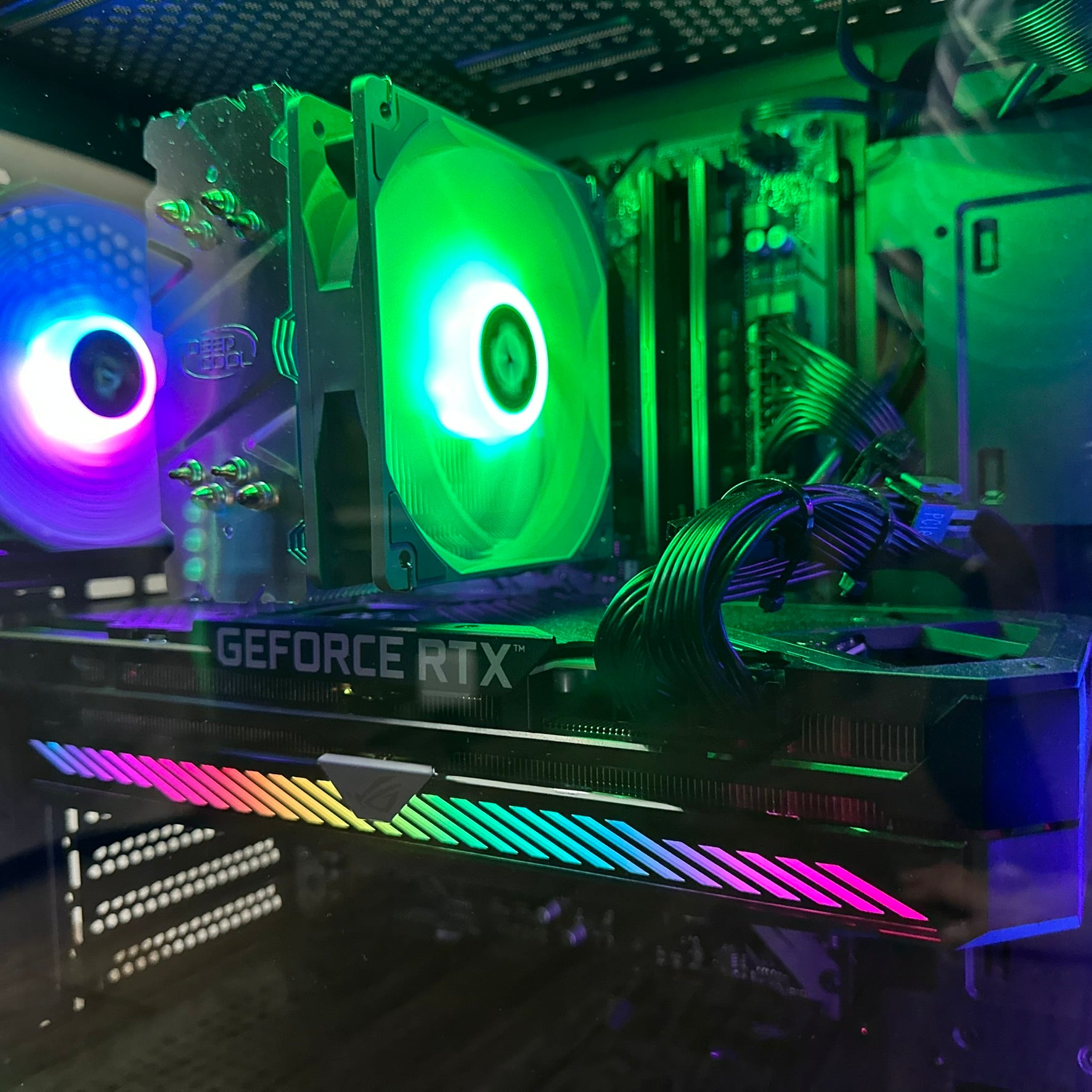
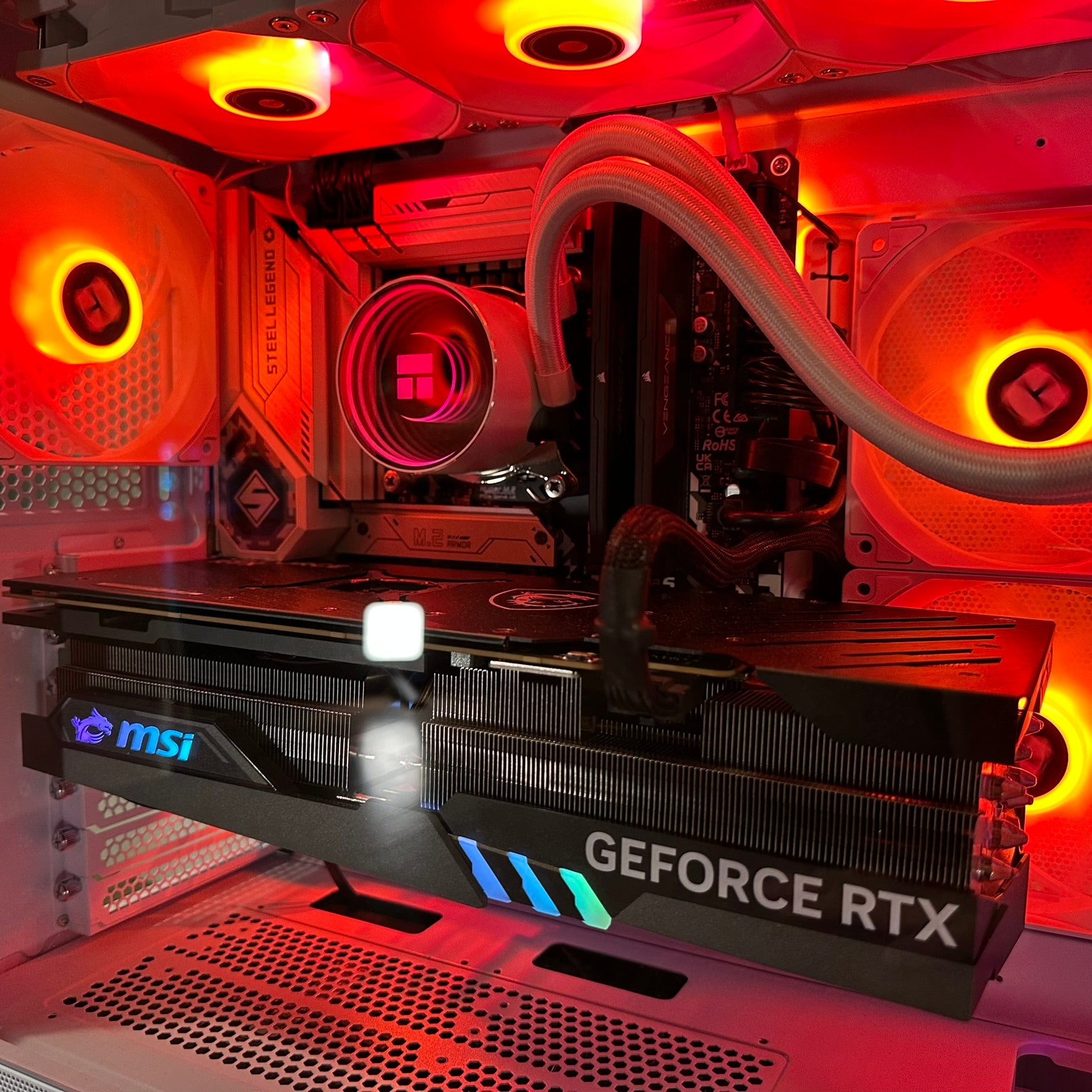
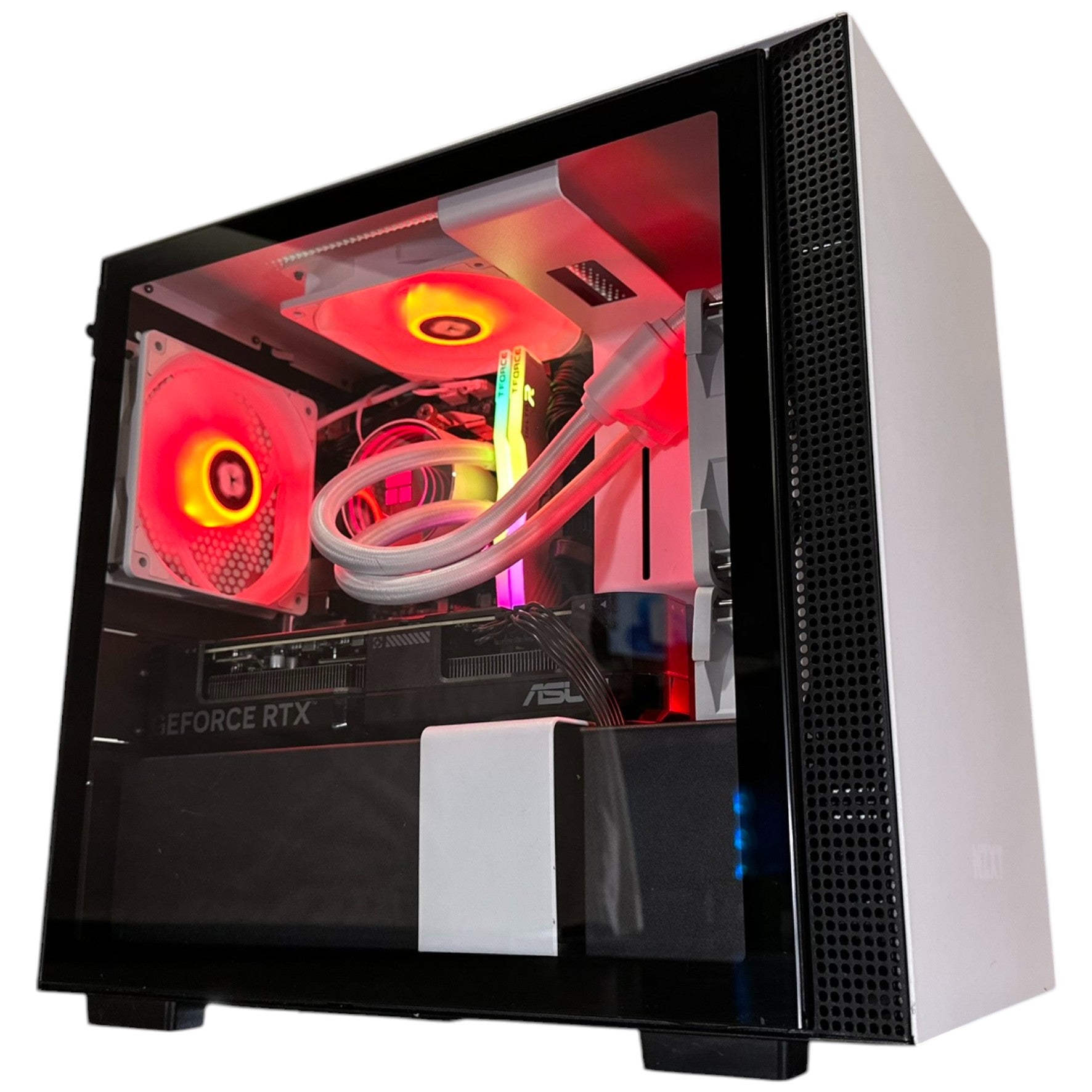
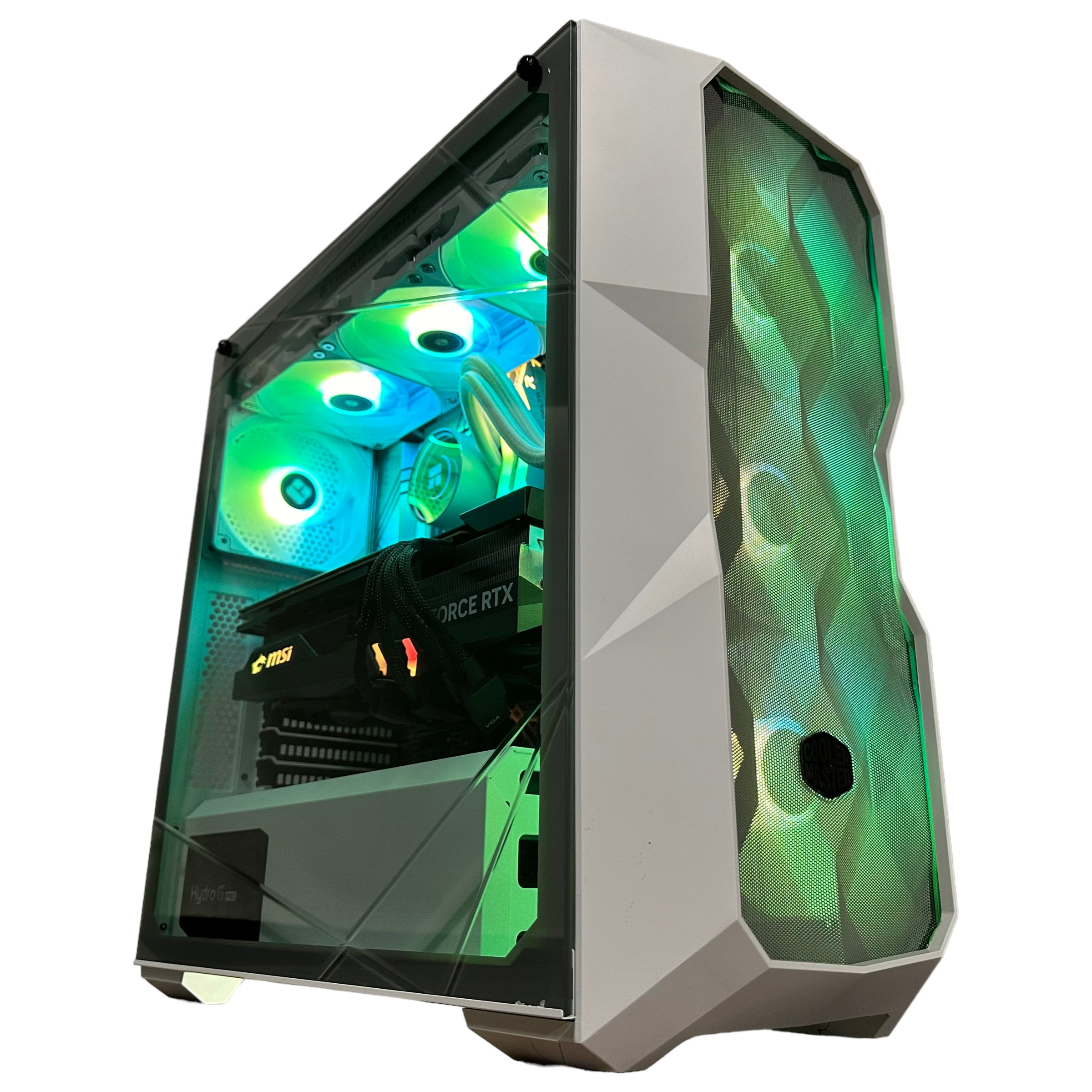
For many Canadians, the best value sits in the mid-range category. This is where a well-balanced custom gaming PC starts making much more sense for modern releases. A stronger CPU, an RTX-class GPU, more RAM, and fast SSD storage create a smoother all-around experience not just for games, but for multitasking, background apps, content capture, and future releases that are more demanding than expected.
If you are asking, what PC do I need for 1440p gaming? this is usually the tier worth serious attention. It gives you room to enjoy visually rich games without feeling like you built to the absolute minimum.
High-end gaming tier: for 4K, ray tracing, and longer-term confidence
If your goal is premium visual quality, stronger ray tracing performance, higher refresh gaming at higher resolutions, or simply a longer runway before your next major upgrade, a premium custom build may be the better answer. This is especially true if you play large AAA titles, want ultra settings where practical, or care about having a stronger system that can also support creator workloads.
So ask yourself honestly: are you buying for the lowest price right now, or for the best ownership experience over the next few years?
Could Resident Evil 0 Remake be the reason you finally upgrade from 1080p to 1440p?
For some buyers, yes. Not because one rumoured game automatically requires it, but because moments like this often expose how outdated a current setup has become. When horror remakes start looking more cinematic, more atmospheric, and more effects-heavy, 1440p becomes a very appealing target. It offers a noticeable visual upgrade over 1080p without the much heavier cost of going straight to a full 4K-focused system.
If you have been thinking about a monitor upgrade too, this is a good time to consider whether your next system should be planned around that future display. Are you happy staying where you are, or do you want your next PC to unlock a better-looking and more modern gaming experience?
What if you also stream or create content?
This is where many “good enough” gaming PCs stop being good enough.
If you stream gameplay, record clips, edit videos, create thumbnails, run OBS, use Discord heavily, browse with multiple tabs open, and jump between games and creator software, then your system is no longer just a gaming machine. It is a content creation PC Canada buyers would be smarter to spec properly from day one.
That means thinking about more than frames alone. You need balanced CPU and GPU performance, enough RAM for multitasking, storage that does not bottleneck you, and a build that stays stable under sustained use.
Ask yourself:
- Do you want to stream at 1080p while playing demanding games?
- Will you edit in Premiere Pro, DaVinci Resolve, or CapCut?
- Do you need fast exports, smoother timeline playback, and enough memory for larger projects?
- Are you trying to replace both a gaming PC and an editing desktop with one stronger all-in-one build?
If yes, then a generic low-end gaming desktop may not actually be the right fit. A stronger, properly selected creator-oriented custom PC can save frustration, time, and earlier-than-expected replacement costs.
Is a gaming PC good for video editing, photo editing, and graphic design?
Sometimes yes, but only if the parts are chosen for those workloads rather than just for game benchmarks.
A system that feels fine in games can still disappoint in Adobe apps if it lacks enough RAM, has weak storage planning, or is built around the wrong balance of CPU and GPU power. The same goes for photo editing and graphic design. Photoshop, Lightroom, Illustrator, and multi-app creative workflows benefit from responsiveness, memory headroom, storage speed, and system stability.
So if you are reading gaming news but shopping for a machine that also handles creative work, ask a better question: what PC do I need for both gaming and productivity?
That might point you toward:
- A custom creator PC for gaming, editing, and streaming
- A video editing workstation if exports and render times matter most
- A photo editing or graphic design build if colour workflow, Adobe use, and multitasking are key
- A higher-end all-purpose desktop if you want one machine to do nearly everything well
What if your workload includes Blender, 3D rendering, or workstation tasks?
Then you should be even more careful not to buy too little system for your real needs.
A buyer who games and also works in Blender, Unreal Engine, CAD, rendering, or other heavy productivity tasks should not shop exactly like a pure gaming buyer. Workstation and 3D modelling tasks often stress hardware differently and for longer periods. Cooling, memory capacity, sustained performance, storage planning, and component matching become more important.
If you have been wondering, is a gaming PC good for Blender? the answer is that some gaming-class hardware can perform well, but the overall build still needs to be designed around your actual software use. That is why custom planning matters. It is not just about getting a powerful graphics card. It is about getting the right complete system.
Why timing matters when rumours like this start building hype
A lot of buyers wait for an official trailer, then everyone starts shopping at once. That can be a mistake.
Game hype does not directly guarantee hardware shortages, but it often contributes to the wider trend of demand concentration. New releases, creator software updates, seasonal buying periods, back-to-school demand, holiday demand, and premium GPU interest can all overlap. When they do, pricing pressure is not always limited to one component. It can affect full systems through GPU availability, memory pricing, storage shifts, and the cost of replacing equivalent parts later.
That is why many smart buyers ask, is it better to buy a gaming PC now or wait? The answer depends on your situation, but if your current PC is already holding you back, waiting for perfect conditions can leave you shopping in worse ones.
Would you rather upgrade while you still have time to compare options calmly, or after your current system starts struggling and your favourite upcoming games are already around the corner?
Should you buy a cheaper PC now or finance a better one?
This is one of the most useful real-world questions in the market today.
Many buyers initially focus on the lowest upfront price, especially when they are trying to get into PC gaming or replace an aging machine quickly. But a lower-spec system can cost more in the long run if it forces compromises sooner, needs upgrades earlier, or does not handle your secondary workloads like streaming, editing, design, or professional use.
That is why financing can be a practical option, not just a budget workaround. If it helps you move from a barely-adequate PC into a properly balanced custom build that lasts longer and performs better, it may be the smarter decision.
Ask yourself:
- Would a stronger system save you from upgrading too soon?
- Would more GPU headroom help with future games?
- Would more RAM make your editing, multitasking, or design work smoother?
- Would a faster SSD setup improve your day-to-day experience enough to justify the jump?
- Would spreading the purchase out help you secure a better build before replacement costs rise?
For many shoppers, the best choice is not the cheapest PC. It is the strongest sensible PC they can comfortably manage.
Which performance tier fits you best?
Here is a simple way to think about it.
Choose a budget-conscious build if:
- You mainly play esports or lighter titles
- You are targeting 1080p
- You want your first gaming desktop
- You are highly price-sensitive and willing to be realistic about settings in future AAA releases
Choose a mid-range custom gaming PC if:
- You want strong 1080p or very capable 1440p performance
- You play a mix of AAA and competitive games
- You want better multitasking and some creator flexibility
- You are trying to avoid feeling outdated too quickly
Choose a premium or high-end system if:
- You want 1440p at very high settings or 4K ambitions
- You care about ray tracing and visual fidelity
- You stream, edit, or create content alongside gaming
- You want a longer-term performance cushion
- You prefer to buy once, buy properly, and keep the system longer
Choose a creator or workstation-focused build if:
- You use Premiere Pro, DaVinci Resolve, Photoshop, Lightroom, Illustrator, or Creative Cloud heavily
- You work with Blender, Unreal Engine, rendering, or professional multitasking
- You need gaming performance, but work performance matters just as much
- You value stability, memory capacity, and time saved
Why custom builds matter more when game requirements keep climbing
As games become more demanding, badly matched systems become easier to notice. A flashy spec sheet is not enough. The wrong CPU and GPU pairing, weak cooling, too little memory, poor storage planning, or generic power delivery choices can all reduce the real-world experience.
A custom PC builder does more than sell parts in a box. Done properly, custom building means the system is selected for your target resolution, your game library, your content workflow, your budget, and your future upgrade goals.
That is especially useful if you are asking questions like:
- What gaming PC do I need for new games?
- What specs do I need for 1440p gaming?
- Is a custom gaming PC worth it?
- Should I buy for gaming only, or for gaming plus editing and streaming?
- How do I avoid buying a PC that feels outdated too fast?
Those are not small questions. They affect how long your money works for you.
Why Groovy Computers is a strong fit for Canadian buyers
Groovy Computers is positioned for the buyer who wants more than random marketplace guessing. If you want a custom gaming PC, creator desktop, editing build, or workstation-class setup tailored to what you actually do, that guidance matters.
Canadian shoppers often want three things at the same time: better performance, better value over time, and more confidence in the purchase. That is where a trusted custom builder stands out.
Groovy Computers offers the kind of buying experience serious customers look for:
- Custom PC options matched to real gaming and creator needs
- Helpful guidance for budget, mid-range, premium, and workstation buyers
- Rigorous testing before the system reaches you
- A 1-year warranty for added peace of mind
- Financing options up to 4 years for buyers who want stronger systems without forcing a full upfront payment
- Canadian service and relevance for shoppers who want to buy from a Canadian PC builder
If you are in Nova Scotia, Atlantic Canada, or ordering from elsewhere in the country, the value of dealing with a Canadian custom PC company becomes even clearer when you want support, clarity, and a build selected for your actual goals rather than broad one-size-fits-all marketing.
What questions should you ask before choosing your next PC?
Before you buy, slow down and answer these clearly:
- What games do you actually play now, and what games do you expect to play next?
- Are you staying at 1080p, moving to 1440p, or planning for 4K?
- Do you care about ray tracing, ultra settings, or just stable smooth gameplay?
- Will you stream, record, edit, or create content regularly?
- Do you use professional software that changes the kind of PC you should buy?
- Do you want the lowest entry price, or the best long-term value?
- Would financing a stronger system make more sense than replacing a weaker one too soon?
- Are you buying before a big game release cycle, software shift, or possible component price movement?
These questions help you move from browsing to buying intelligently. They also make it much easier to identify whether you need a budget gaming computer, a premium RTX-focused gaming PC, a custom creator PC, a video editing workstation, or a 3D modelling-ready system.
So, should Resident Evil fans upgrade now?
Not everyone needs to upgrade immediately. But many people do need to stop pretending their old system is still the right fit.
If the Resident Evil 0 Remake report made you think about your backlog of upgrades, your performance frustrations, or the games and creative tasks your current machine struggles with, that is a useful signal. Maybe you do not just need a little more storage. Maybe you need a full system that better matches how you actually use your PC now.
And if you are already asking whether your computer can handle the next wave of horror releases, there is a good chance you are also overdue to ask whether it can handle your streaming, editing, Adobe, Blender, or multitasking needs without compromise.
Ready to choose the right custom PC for your next upgrade?
If you are wondering what your next build should look like, whether a mid-range or premium tier makes more sense, or whether financing a stronger system is the smarter move before prices shift again, Groovy Computers can help. Instead of guessing, start with a system designed around your games, your software, your budget, and your future plans. Visit GroovyComputers.ca to explore custom PC options, compare the right performance tier, and get help choosing a build that makes sense for how you actually play and work.
Final thoughts on the Resident Evil 0 Remake rumour and smart PC buying
The reported Resident Evil 0 Remake development reboot may still be unofficial, but it highlights a very real buying pattern: major game momentum pushes people to think harder about PC performance. For Canadian buyers, that is an opportunity to make a better decision before demand, pricing, and new release pressure narrow the field.
The smart move is not chasing rumours blindly. The smart move is using moments like this to evaluate what kind of system you really need. If your next PC needs to handle modern horror games, higher resolutions, streaming, editing, design, or 3D workloads, then planning the right custom build now can be far better than scrambling later. In that sense, the Resident Evil 0 Remake rumour is not just gaming news. It is a reminder to buy for the next stage of your workload, not the last one.
#ResidentEvil0Remake #GamingPCCanada #GamingPCBuildsCanada #CustomPCBuilderCanada #CanadianCustomPCBuilders #ContentCreationPCCanada #VideoEditingPCCanada #3DModelingPCCanada #NovaScotiaTech #GroovyComputers
Groovy Computers | All Rights Reserved


Leave a comment
This site is protected by hCaptcha and the hCaptcha Privacy Policy and Terms of Service apply.