





Resident Evil 5 & 6 Remakes Rumours: What Canadian Buyers Should Really Be Asking About Their Next Gaming PC
The latest Resident Evil 5 & 6 remakes rumour is simple: according to a well-known leaker discussed in the source coverage, Capcom does not currently appear to have active remake plans for either game. For players, that is interesting news. For Canadian PC buyers, it matters for a different reason too. When big franchise rumours start building around future releases, remakes, and next-wave AAA demand, one question follows fast: is your current system actually ready for what comes next?
That is where this story becomes more than gaming news. If you are following Resident Evil announcements, remake speculation, and major horror releases, you are probably not just reading for entertainment. You may also be thinking about upgrade timing, performance expectations, and whether now is the right time to move into a stronger custom system before the next wave of demanding games lands.
For many buyers across Canada, this is the real decision point. Are you trying to play modern survival horror games at 1080p with stable frame rates? Do you want 1440p ultra settings with ray tracing? Are you hoping to stream gameplay, record content, edit videos for YouTube, or build a system that can handle both gaming and creative work without feeling outdated too soon?
At Groovy Computers, that is the lens that matters most. News about major franchises like Resident Evil often signals a broader trend: player interest rises, hardware expectations rise with it, and people who waited too long suddenly find themselves buying under pressure. A rushed purchase is rarely the best purchase.
What the Resident Evil 5 & 6 remakes report actually tells us
Based on the provided source text, the key takeaway is that Capcom does not appear to be trying to remake every Resident Evil title all at once. The source cites comments indicating there is no current plan for Resident Evil 5 or Resident Evil 6 remakes right now, while also suggesting Resident Evil 5 could eventually return if fan demand grows.
That is a measured position, and it makes sense. Game publishers prioritize projects based on timing, team capacity, expected demand, and wider franchise strategy. If multiple remakes, core releases, or DLC projects are already in the pipeline, it is logical that other remakes would not be active at the same time.
But here is the bigger market signal for PC buyers: the Resident Evil brand is still highly active, remake momentum is still strong, and fan anticipation around future entries is not going away. If you are the kind of buyer who upgrades only when excitement turns into a must-play launch, are you setting yourself up to shop too late?
Why this matters more for Canadian gaming PC shoppers
Canadian buyers have to think a little differently than the average global gaming-news reader. It is not just about whether a game exists today or gets announced tomorrow. It is also about overall system cost in Canada, hardware availability, shipping time, and how quickly GPU-driven demand can affect what you end up paying.
If you wait until a major remake gets a release date, and then thousands of players suddenly start shopping for better graphics performance at the same time, what happens? Entry-level inventory gets picked over. Mid-range GPUs become the sweet spot everyone wants. Premium cards stay expensive. Budget shoppers start compromising. Buyers who wanted a system that would last several years often end up settling for a machine that only solves the next 12 months.
That is why timing matters. A strong Gaming PC Canada buying decision is not just about reacting to one game. It is about planning for the next cycle of games, updates, graphics features, streaming demands, and creator workloads.
If you are in Nova Scotia, Atlantic Canada, or anywhere else across the country, the smart question is not just, Will Resident Evil 5 Remake happen? The smarter question is, What do I want my next PC to be ready for before hype-driven demand kicks in?
What do you want your next PC to do for you?
Before looking at specs, ask yourself what your next system actually needs to accomplish. Are you only trying to revisit older titles at better settings? Are you preparing for upcoming AAA horror games? Are you gaming and streaming at the same time? Are you editing clips, thumbnails, and short-form content after each session? Do you also use Adobe apps, OBS, Blender, or productivity software on the same machine?
This is where many buyers go wrong. They shop by price first and purpose second. A far better approach is to define the workload clearly.
- Gaming only: You want smooth performance in current and upcoming titles at your target resolution.
- Gaming and streaming: You need stronger CPU and GPU balance, plus more RAM and reliable cooling.
- Gaming and content creation: You need a system that can play modern games well and also handle editing, exports, and multitasking.
- Creator-first workflow: You may need a Creator PC Canada build rather than a purely gaming-focused machine.
- 3D or workstation use: You may be closer to a Workstation PC Canada or 3D-focused build than a standard gaming desktop.
So what category are you really shopping for? A budget gaming tower? A premium RTX system? A streaming-ready setup? A custom creator PC? A rendering or editing workstation? The answer changes everything.
If future Resident Evil games are on your radar, what gaming performance tier fits you?
Not every buyer needs the same class of system, and not every horror fan needs a flagship GPU. The right build depends on resolution, visual settings, frame rate expectations, and how long you want the PC to stay relevant.
Entry tier: 1080p gaming and value-focused play
If your goal is straightforward 1080p gaming with strong performance in current titles and good entry-level value, you may be looking at a Budget Gaming PC Canada type of build. This makes sense if you primarily want solid settings, responsive gameplay, and a lower overall cost.
Who is this for? First-time PC gamers, students, players moving from console, or anyone asking, Can a budget gaming PC play new games well without overpaying?
This tier can be a smart buy, but only if the parts are selected carefully. Cheap-looking specs on paper do not always deliver a balanced system in real use. You want enough CPU performance, enough VRAM headroom, enough RAM, and an SSD that keeps the system feeling modern. A weak link in any one area can make a “good deal” feel old quickly.
Mid-tier: 1440p gaming, better longevity, and stronger value over time
For many buyers, this is the sweet spot. If you are asking, What PC do I need for 1440p gaming? this is likely where your best long-term value lives. A well-planned mid-range system can handle today’s demanding games beautifully while giving you more breathing room for future releases.
This is often the right tier for people following major franchises like Resident Evil. Why? Because atmospheric AAA games benefit from stronger GPU performance, better image quality, and more headroom for future patches or heavier graphics options.
Do you want to buy once and avoid feeling underpowered in a year? Do you want high settings without jumping all the way to top-end pricing? A mid-tier custom build is frequently the smartest answer.
High-end: 4K, ray tracing, max settings, and premium future-proofing
If your target is 4K gameplay, aggressive visual settings, ray tracing, and long-term performance, you are in High End Gaming PC Canada territory. This is for buyers who want fewer compromises and more lifespan from their investment.
Is that overkill for everyone? No. Is it right for every game? Also no. But if you are the kind of player who wants your system to stay impressive through multiple release cycles, premium hardware can make sense.
The real question is not whether top-tier hardware is powerful. It is whether your use case justifies it. Are you gaming at 4K? Running a high refresh monitor? Capturing footage? Streaming? Editing? Using mods? Playing graphics-heavy AAA titles at launch? If several of those apply, the move to premium becomes easier to justify.
Could a Resident Evil fan actually need a creator or streaming PC instead of just a gaming PC?
Absolutely. A lot of buyers still think in old categories. They say they want a gaming desktop, but their real workflow says otherwise.
If you are recording walkthroughs, uploading reactions, cutting shorts, building stream overlays, editing thumbnails in Photoshop, or managing a YouTube or TikTok content schedule, then your machine is doing more than gaming. You may need a Gaming and Streaming PC Canada build or even a full Content Creation PC Canada setup.
Ask yourself a few practical questions. Do you use OBS while gaming? Do you record locally at high quality? Do you export 4K video? Do you run Premiere Pro, DaVinci Resolve, or After Effects? Are you constantly multitasking between game launchers, browsers, editing software, Discord, and asset libraries?
If yes, then CPU core count, RAM capacity, SSD speed, and thermal stability matter more than many buyers realize. A machine that feels “fine” in a game can still become frustrating when you add streaming, recording, or editing on top.
When a streaming-focused build makes sense
A dedicated Streaming PC Canada or a gaming-and-streaming hybrid makes sense if you want smoother broadcast performance, cleaner recording workflow, and fewer compromises while live. This is especially important if you care about stream stability more than just in-game frame rate screenshots.
Are you trying to play horror games with high settings while running OBS, alerts, camera input, chat tools, and browser sources? Then a stronger platform is not a luxury. It is workflow insurance.
When a creator PC is the better buy
If gaming is only part of your week and editing is the rest, a Custom Creator PC Canada build may be the more intelligent investment. This matters if your workload includes:
- Adobe Premiere Pro timelines
- DaVinci Resolve exports
- Photoshop thumbnail creation
- Lightroom batch edits
- Illustrator assets and branding work
- After Effects motion graphics
Would you rather buy a gaming-first system that struggles during exports, or a better-balanced machine that handles both? That question alone can save you from an expensive wrong turn.
What if you also edit photos, design graphics, or work in 3D?
Gaming demand and creator demand increasingly overlap. A lot of buyers who start with game-related interest eventually realize they also need stronger hardware for work, freelance use, school projects, or side income.
If you are using Photoshop or Lightroom regularly, a Photo Editing PC Canada setup may be a better fit than a basic gaming desktop. If you are in Adobe Illustrator, InDesign, Canva-heavy workflows, or branding projects, then a Graphic Design PC Canada type of build may make more sense.
And if your interests extend into Blender, Unreal Engine, rendering, animation, or CAD-style workloads, you may need a 3D Modeling PC Canada or workstation-grade configuration. That does not mean you need the most expensive machine possible. It means you need the right balance of CPU, GPU, memory, storage, and cooling for your actual tasks.
So ask yourself honestly: is your next computer just for games, or is it also for growing your output, your portfolio, your content, or your business?
Is it better to buy now or wait for the next big game announcement?
This is one of the most common questions in the PC market, and the answer depends on why you are waiting.
If you are waiting for official confirmation on one specific remake, that may not be the best reason to delay. Hardware buying decisions should be based on your broader needs, not just one title’s calendar. New game reveals can push attention and demand, but your system has to serve you before and after that moment.
If your current PC is already struggling, waiting can cost more than it saves. You lose performance now, and you may face worse pricing later. That is especially true when demand shifts toward stronger GPUs, faster storage, and more memory-heavy builds.
What happens if another major AAA cycle pushes more gamers into the market? What happens if creator workloads keep getting heavier? What happens if you buy too small today and need another upgrade sooner than expected? Those are the real risks.
How hardware pricing pressure affects the decision
Even without citing live market numbers, there is a broad truth PC buyers understand well: full-system costs are influenced by more than one component. GPU demand gets the attention, but CPUs, memory, SSDs, cooling, cases, and power supply quality all shape what your final build costs and how well it ages.
That is why custom buying strategy matters. A balanced custom system can protect your value better than an impulsive, lowest-price purchase. If you cheap out on the power supply, cooling, motherboard tier, or storage configuration, you may save a little at checkout and lose much more in reliability, noise, upgrade flexibility, or replacement cost.
Are you buying the cheapest machine that technically boots your games today, or are you trying to avoid upgrading too soon? Those are very different goals.
Should you finance a stronger PC instead of settling for a weaker one?
For many buyers, this is the most important question in the entire process. If your budget cap forces you into a weaker machine that you may outgrow quickly, financing can be the smarter path.
At Groovy Computers, that conversation is practical, not pushy. If spreading the cost helps you move from “barely enough” to “actually right for the next few years,” then financing has real value. A stronger GPU tier, more RAM, better cooling, or faster storage can make a meaningful difference in daily use and long-term satisfaction.
So ask yourself: Should I finance a better PC instead of buying a cheaper one? If the stronger build helps you avoid replacing parts early, improves your gaming experience immediately, and supports streaming or creator work on top, the answer may be yes.
That is especially true for buyers who want a custom system before replacement costs rise further or before demand spikes around major releases. Financing up to 4 years can help make the right machine possible now instead of forcing a compromise that becomes frustrating later.
What gaming PC do I need if I want to be ready for future AAA horror games?
If you are shopping with future Resident Evil-style releases in mind, a smart build strategy usually comes down to three things:
- Your target resolution — 1080p, 1440p, or 4K
- Your extra workload — gaming only, or gaming plus streaming/editing
- Your upgrade horizon — 1 to 2 years, or 3 to 5 years
If you mostly play at 1080p and want good value, an entry-to-mid build may be enough. If you want 1440p with stronger image quality and better future comfort, mid-tier is often the sweet spot. If you want premium visuals, heavier effects, and long-term confidence, then a higher-end configuration is the safer route.
Do you care about ultra settings? Do you care about ray tracing? Do you expect to stream? Do you want your next machine to still feel strong when the next major remake, reboot, or franchise sequel arrives? These are the questions that matter more than hype headlines.
Custom PC vs generic prebuilt: why the difference matters more when timing matters
When buyers are trying to get ahead of future demand, build quality matters. A random off-the-shelf system may look convenient, but convenience is not the same as fit.
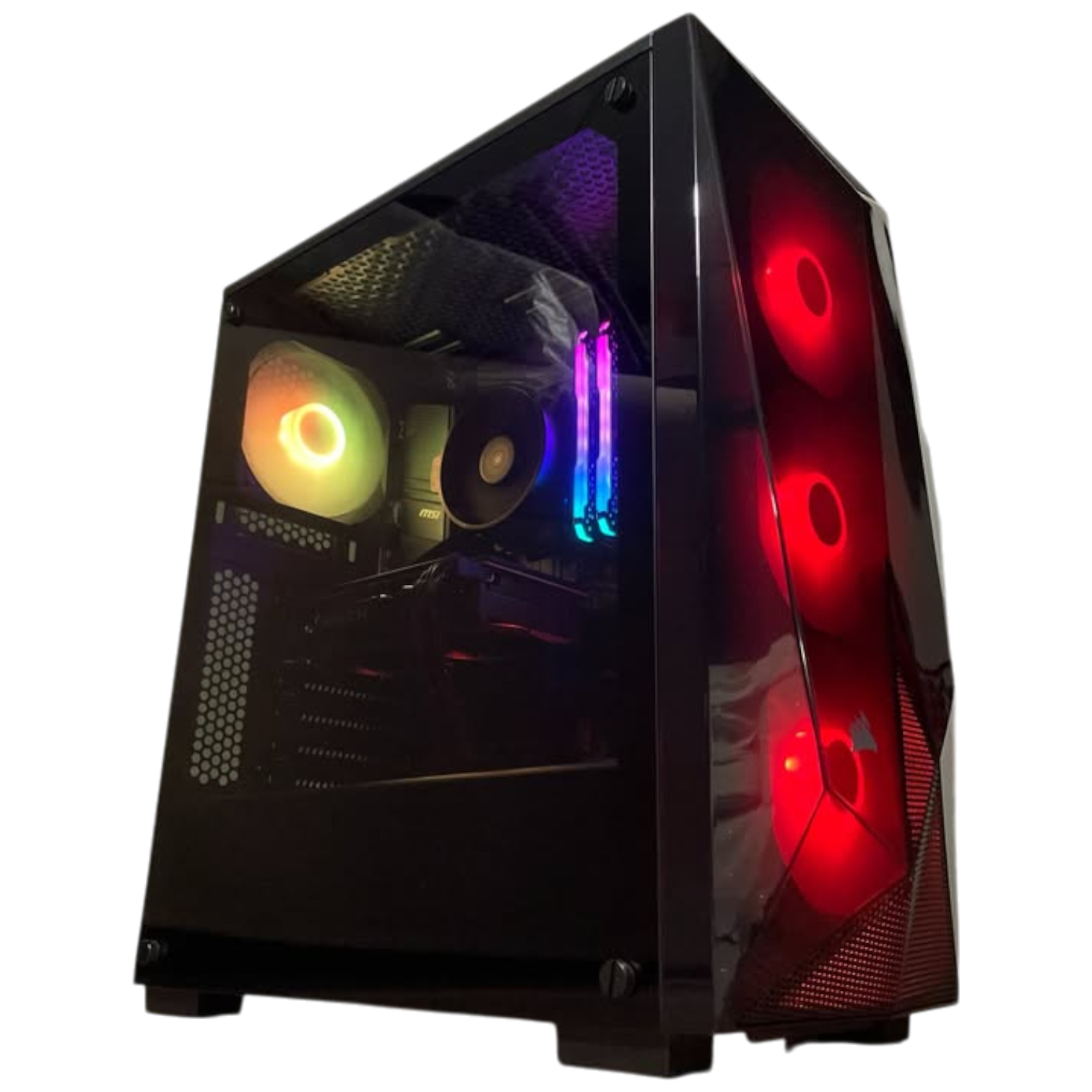
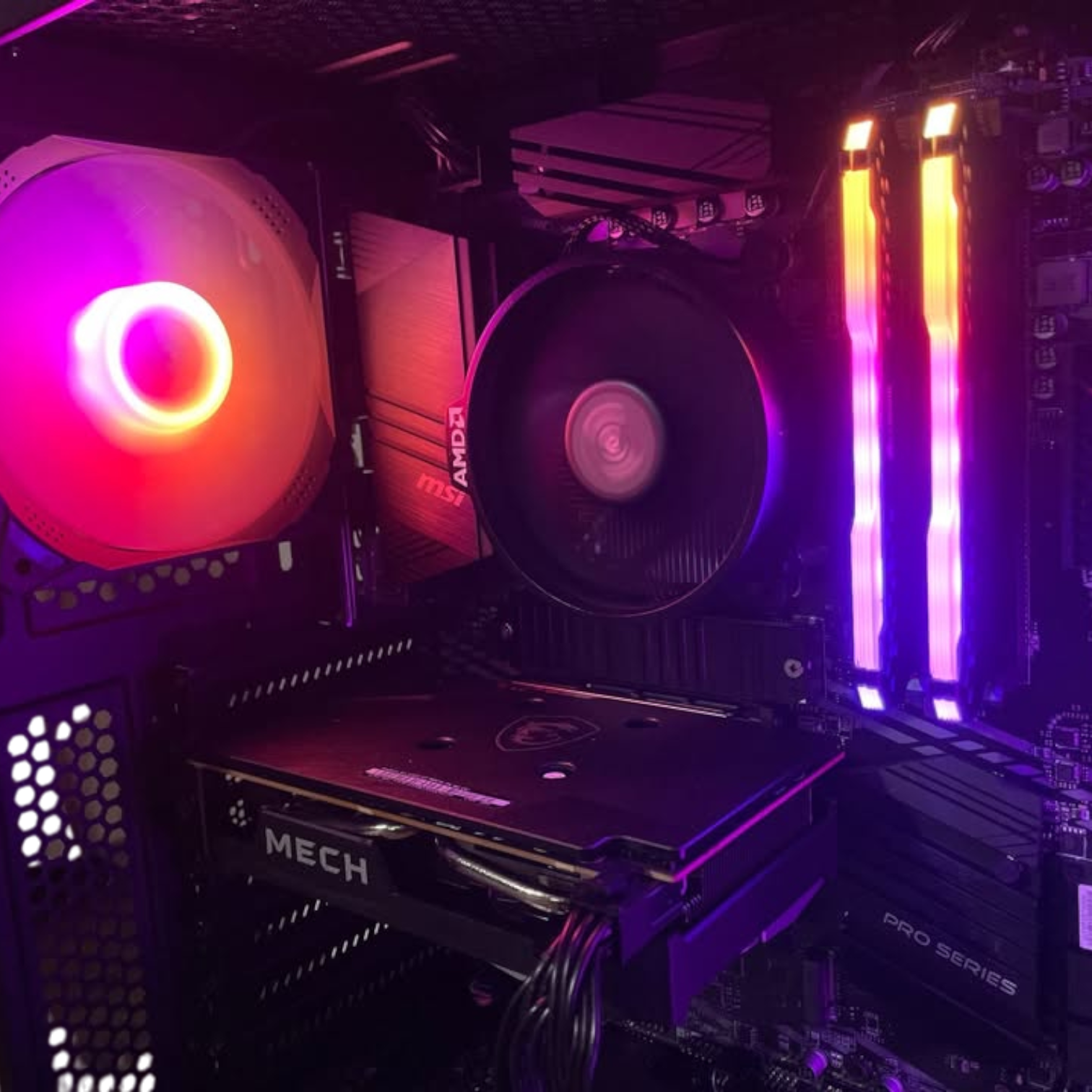
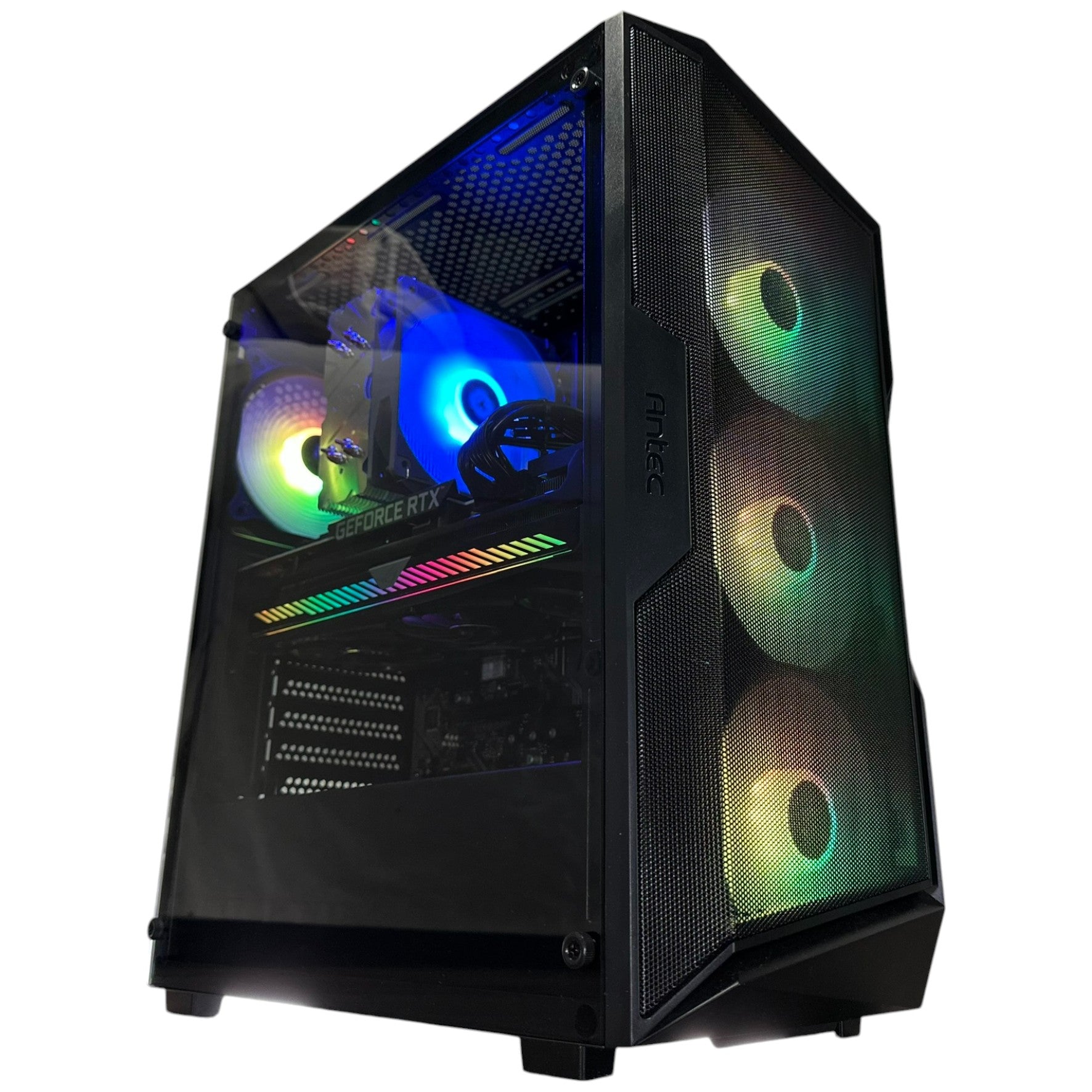
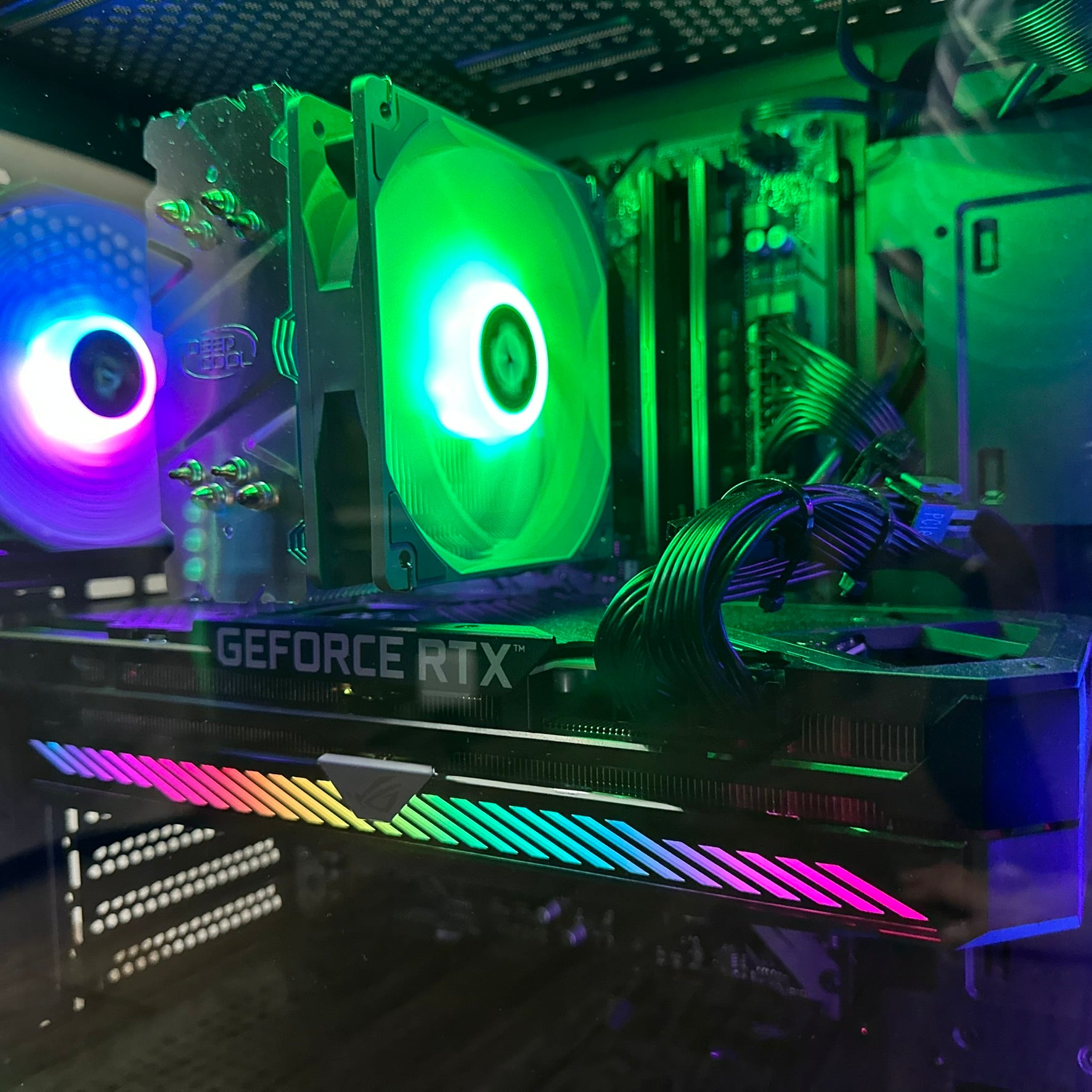
A proper Custom Gaming PC Canada build gives you better part matching, better airflow planning, better upgrade logic, and a more intentional use of your budget. Instead of overpaying for one flashy spec while sacrificing three important ones, you get a system designed around what you actually need.
That matters even more if your workload includes streaming, editing, or workstation-style tasks. You do not just need raw performance. You need balance and reliability.
Why does that matter in practice?
- You avoid weak motherboards paired with strong CPUs
- You avoid poor airflow that hurts sustained performance
- You avoid no-name power supplies that create long-term risk
- You avoid mismatched RAM capacity for multitasking workloads
- You avoid buying too little storage for modern game sizes and media files
If you are asking, Is a custom gaming PC worth it? the answer becomes clearer when you think beyond launch-day FPS and look at real ownership over time.
What kind of buyer should choose which performance tier?
Choose a budget-to-entry gaming build if:
- You mainly want 1080p gaming
- You play a mix of current titles without chasing max settings
- You want strong value for a first gaming setup
- You need a lower starting cost and may upgrade later
Choose a balanced mid-tier custom build if:
- You want 1440p gaming with better longevity
- You care about image quality and smoother performance in newer games
- You may stream occasionally
- You want to avoid replacing the whole system too soon
Choose a premium gaming system if:
- You want 4K or high-refresh 1440p
- You care about ray tracing and premium visuals
- You play demanding AAA games regularly
- You want a stronger future-proof position
Choose a creator or workstation-leaning build if:
- You edit videos or photos regularly
- You use Adobe Creative Cloud, DaVinci Resolve, or OBS heavily
- You multitask across gaming, editing, uploads, and design work
- You need a PC that earns its keep beyond gaming
Which one sounds like you? If you are not sure, that is exactly when a custom builder becomes most valuable.
Why Canadian buyers choose Groovy Computers for the smarter next step
Groovy Computers is built around the needs of Canadian buyers who want more than a generic box with a flashy label. Whether you need a gaming desktop, streaming setup, creator system, or workstation, the goal is the same: get the right machine for the job, built properly, tested properly, and supported properly.
That means thoughtful part selection, rigorous testing, and the confidence of a 1-year warranty. It also means understanding that buyers are not all the same. Some need a value-focused gaming build. Some need a system that can stream and edit. Some need a stronger workstation because their software demands are growing faster than their current PC can keep up.
For buyers in Nova Scotia and across Canada, that trust matters. You are not just buying parts. You are buying the experience of using the system every day and the confidence that it was assembled with real performance logic behind it.
Need help deciding what your next PC should handle?
If this Resident Evil news has you thinking about upcoming games, performance upgrades, or whether your current system is ready for the next few years, the best move is to define your workload first and choose your build second.
Do you want a budget gaming machine for 1080p? A stronger 1440p setup? A premium RTX gaming desktop? A PC for streaming and editing? A custom workstation that can handle both play and production? If you want help choosing a build that actually fits, visit GroovyComputers.ca and explore the right custom PC path for your goals.
Final thoughts: the remake rumour is interesting, but your PC plan matters more
The Resident Evil 5 & 6 remakes discussion may not confirm new projects today, but it does highlight something important: major gaming franchises continue to drive interest, expectations, and future hardware demand. If you are already thinking about the next wave of games, now is the right time to think seriously about what kind of PC you want to own before the pressure hits.
Do not wait until your current machine feels obviously outdated. Do not buy a weaker system just because it is the fastest short-term answer. And do not assume a one-size-fits-all prebuilt is the best value. A better custom plan now can save money, frustration, and early upgrades later.
If you want a Canadian-built gaming, creator, or workstation system matched to how you actually play and work, Groovy Computers is the place to start.
#ResidentEvil #ResidentEvil5 #ResidentEvil6 #GamingPCCanada #CustomGamingPCCanada #GamingPCBuilderCanada #CreatorPCCanada #StreamingPCCanada #WorkstationPCCanada #CanadianCustomPCBuilders #NovaScotiaBusiness #GroovyComputers
Groovy Computers | All Rights Reserved


Leave a comment
This site is protected by hCaptcha and the hCaptcha Privacy Policy and Terms of Service apply.