





Resident Evil 5 Remake Rumours Matter for PC Buyers: What Kind of Gaming PC Should You Buy in Canada Right Now?
The latest Resident Evil 5 Remake rumour is not just another piece of gaming chatter. It points to something bigger: Capcom appears to be prioritizing projects that better fit its current creative direction, with more internal interest reportedly going toward Resident Evil Revelations, Resident Evil 0, Resident Evil 1, and the newly announced Resident Evil Veronica rather than jumping straight into Resident Evil 5 or Resident Evil 6. For Canadian PC buyers, that matters because franchise momentum often shapes what kinds of games arrive next, how demanding they become, and whether your current system is truly ready for the next wave of survival horror on PC.
If you are following Resident Evil news closely, you are probably not just wondering what Capcom will remake next. You may also be asking a much more practical question: is your current PC ready for the next generation of visually advanced horror games, ray tracing features, higher texture demands, and smoother high-refresh gameplay?
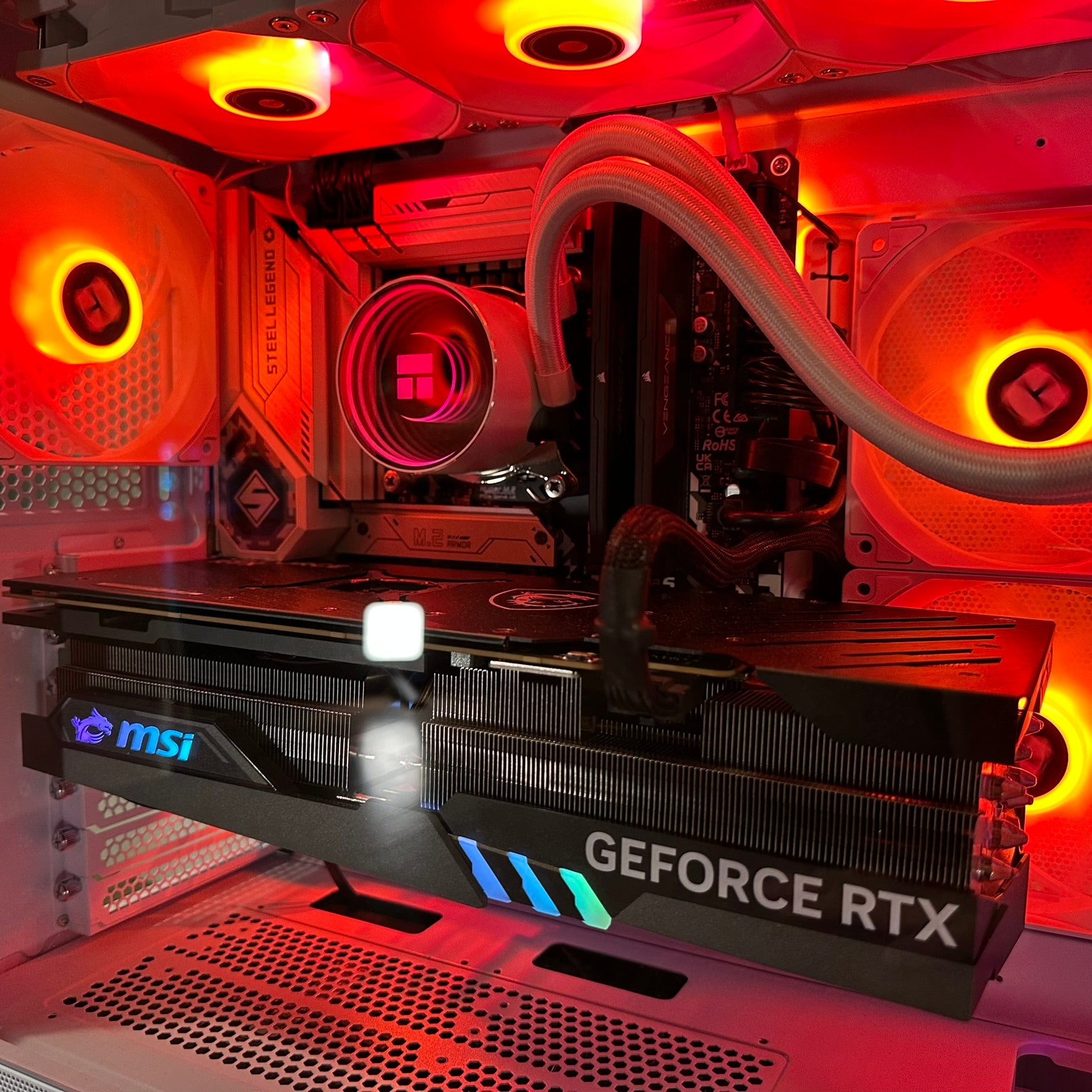
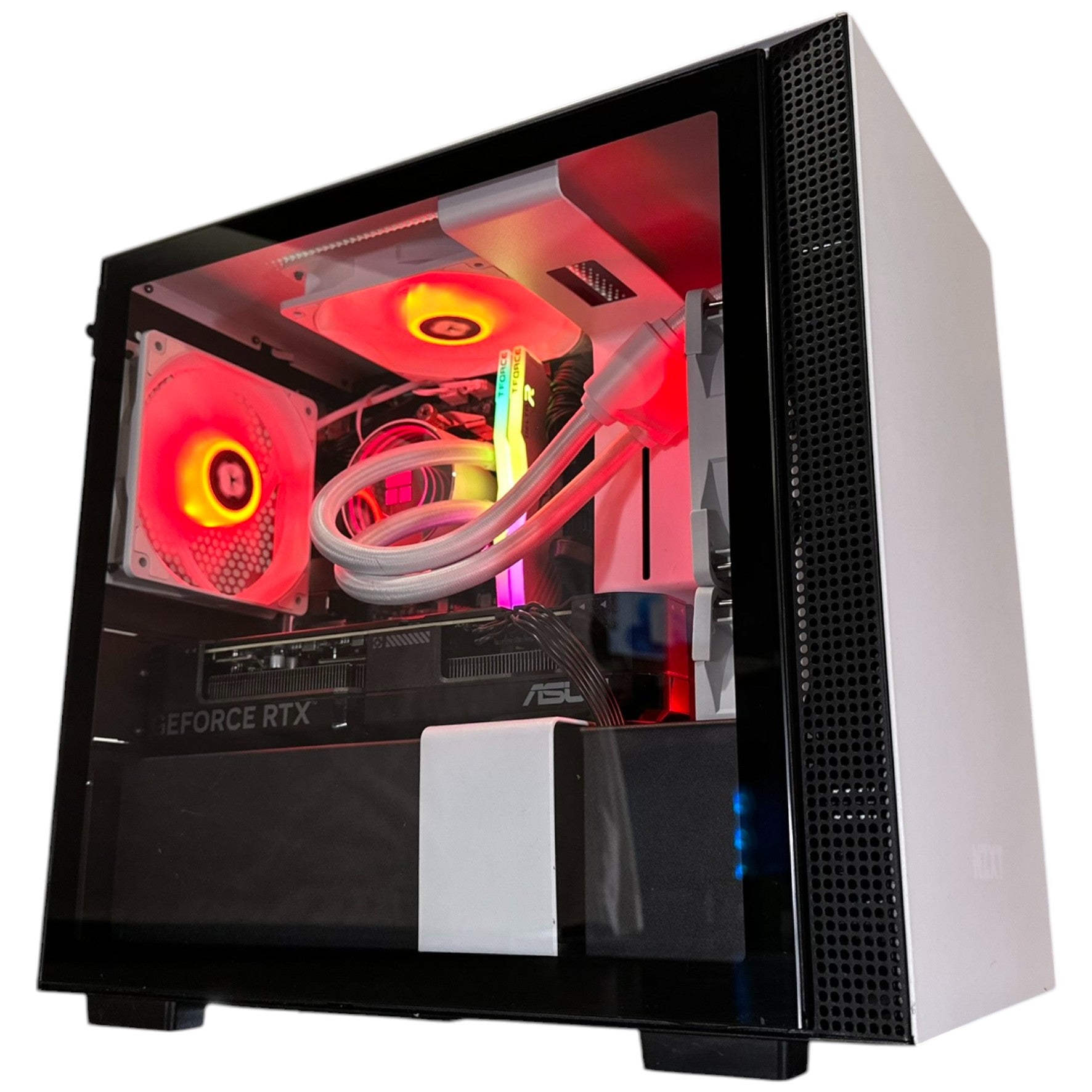
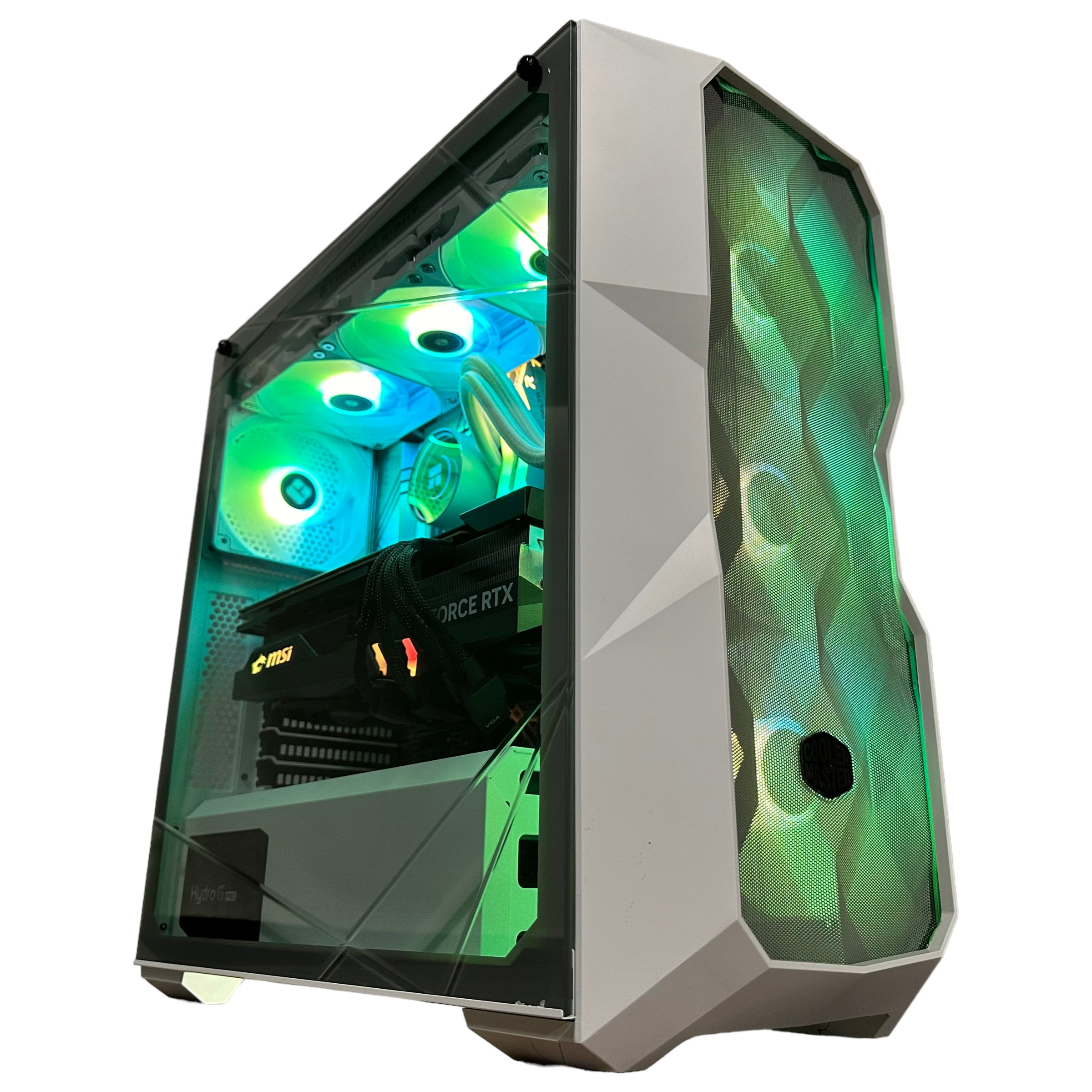
That is where this conversation becomes useful beyond the headline. At Groovy Computers, we look at gaming news through the lens of what buyers actually need. Are you preparing for upcoming AAA titles at 1080p? Do you want a 1440p gaming PC in Canada that can handle modern horror games with strong frame rates? Are you aiming for 4K, streaming, content creation, or even a more powerful all-purpose setup that can game at night and edit video during the day? Those are the questions that turn a rumour into a smart buying decision.
What the rumour says about Capcom’s priorities
Based on the source material, the key takeaway is simple: while a remake of Resident Evil 5 may still happen one day, there reportedly is not much internal appetite at Capcom to make it happen right now. According to the leaker cited, the company’s recent remake strategy has been driven not only by fan demand but by genuine interest from internal teams. That helps explain why some games move forward faster than others.
That reported logic also helps frame why Resident Evil Veronica is now getting attention, why Resident Evil 0 and the original Resident Evil are said to be in the pipeline, and why Resident Evil Revelations apparently has more internal support than Resident Evil 5 or Resident Evil 6. Whether every rumour proves fully accurate or not, the broad idea is believable: not every remake gets made in a straight numerical order, and not every sequel-era title is equally attractive to revisit.
For players, that means the future of the series may lean more heavily toward atmospheric survival horror than pure action spectacle. And if that happens, PC hardware priorities shift too. Modern horror games increasingly reward stronger GPUs, fast SSD storage, higher VRAM headroom, smooth lighting effects, and CPUs that can handle complex world streaming and background systems without stutter.
Why does this matter if you are shopping for a Gaming PC Canada build?
Because game rumours often lead to buyer hesitation. A lot of customers read a story like this and think, “Maybe I should wait.” But what are you really waiting for? A specific remake announcement? New GPU availability? Better system prices? Or are you waiting because you are not yet sure what level of PC you actually need?
That uncertainty is common, especially for buyers balancing budget, performance, and future-proofing. A survival horror fan might be planning for one title, but their actual use case could be much broader. Maybe you also play open-world AAA releases. Maybe you want high settings in competitive shooters. Maybe you stream your gameplay, record clips, or edit YouTube videos. Maybe you are finally replacing an aging desktop that struggles in both games and productivity tasks.
Instead of buying around a single rumoured game, the smarter move is to buy around your next two to four years of real use. That is the difference between a system you outgrow quickly and a system that still feels strong as game engines evolve.
What do you want your next PC to do for you?
Before picking parts, ask yourself a better question than “Can it run Resident Evil?” Ask: what do I want this PC to handle without frustration?
- 1080p gaming with high settings and smooth frame rates?
- 1440p gaming with stronger texture quality, better lighting, and longer-term value?
- 4K gaming with ray tracing for cinematic single-player titles?
- Streaming while gaming through OBS without tanking performance?
- Video editing for YouTube, short-form content, or client work?
- Photo editing and graphic design in Adobe apps with fast exports and responsive workflows?
- 3D modeling, rendering, or workstation use for Blender, Unreal Engine, CAD, or heavy multitasking?
This is where many buyers in Canada make a costly mistake. They buy too close to today’s minimum needs, not tomorrow’s actual workload. Then six to twelve months later, a new game release, software update, or resolution upgrade exposes the limits of that system.
If Capcom leans further into modern horror visuals, what PC tier makes sense?
Even without official requirements for future rumoured remakes, we can still make good buying decisions by understanding how modern AAA horror games tend to scale. They often combine detailed environments, shadow-heavy scenes, advanced post-processing, texture streaming, cinematic effects, and occasional ray tracing support. These are exactly the kinds of features that punish older GPUs and slower storage.
Entry tier: good for 1080p buyers who want value
If your goal is simple, an entry-level or lower-midrange system can still make sense. This tier is best for players who want dependable 1080p performance, balanced settings, and strong value for current games without pushing ultra presets in every new release.
Is that you? Are you mainly playing on a 1080p monitor? Do you care more about smooth gameplay than maxed-out visuals? Are you trying to stay within a tighter budget while still buying something that feels like a genuine upgrade?
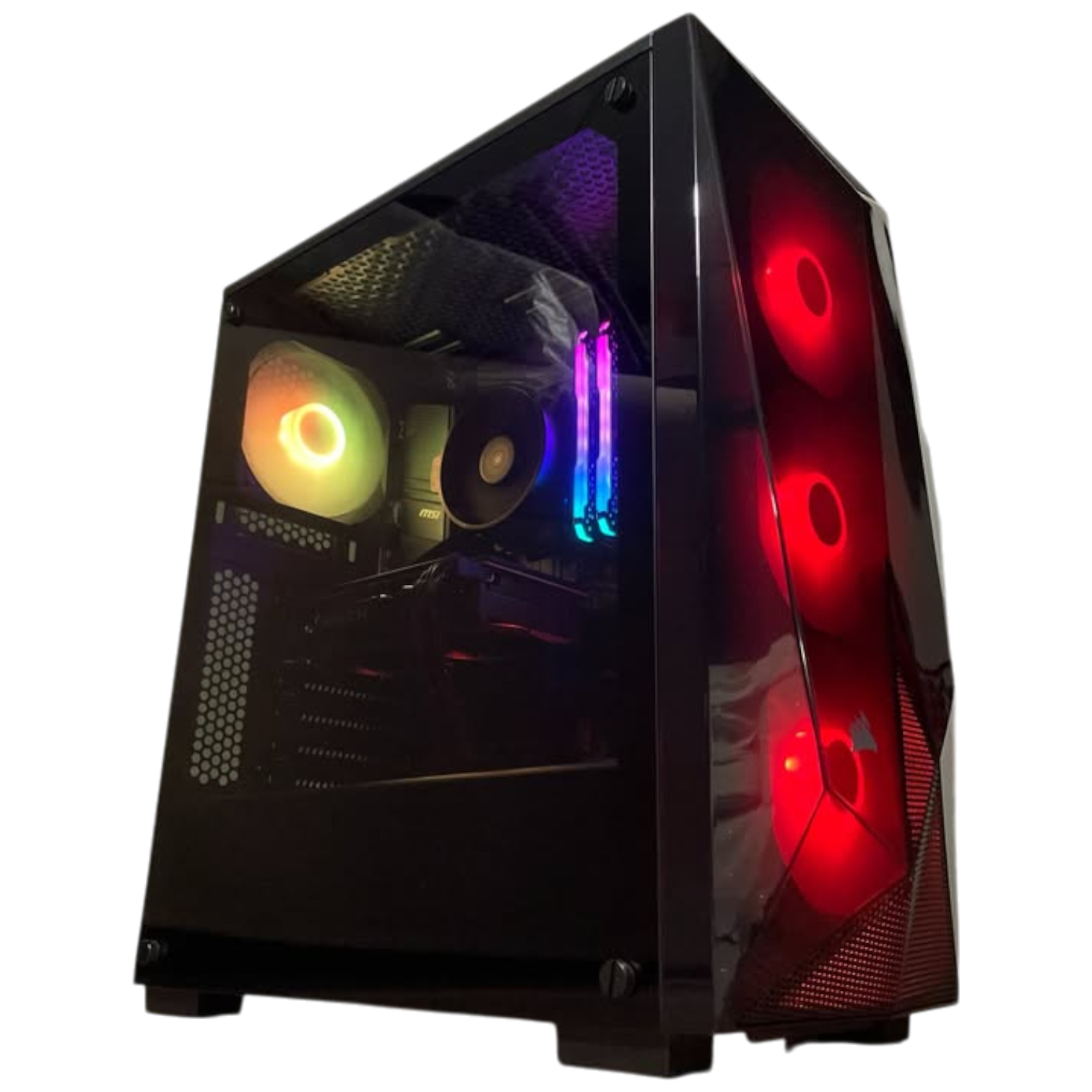
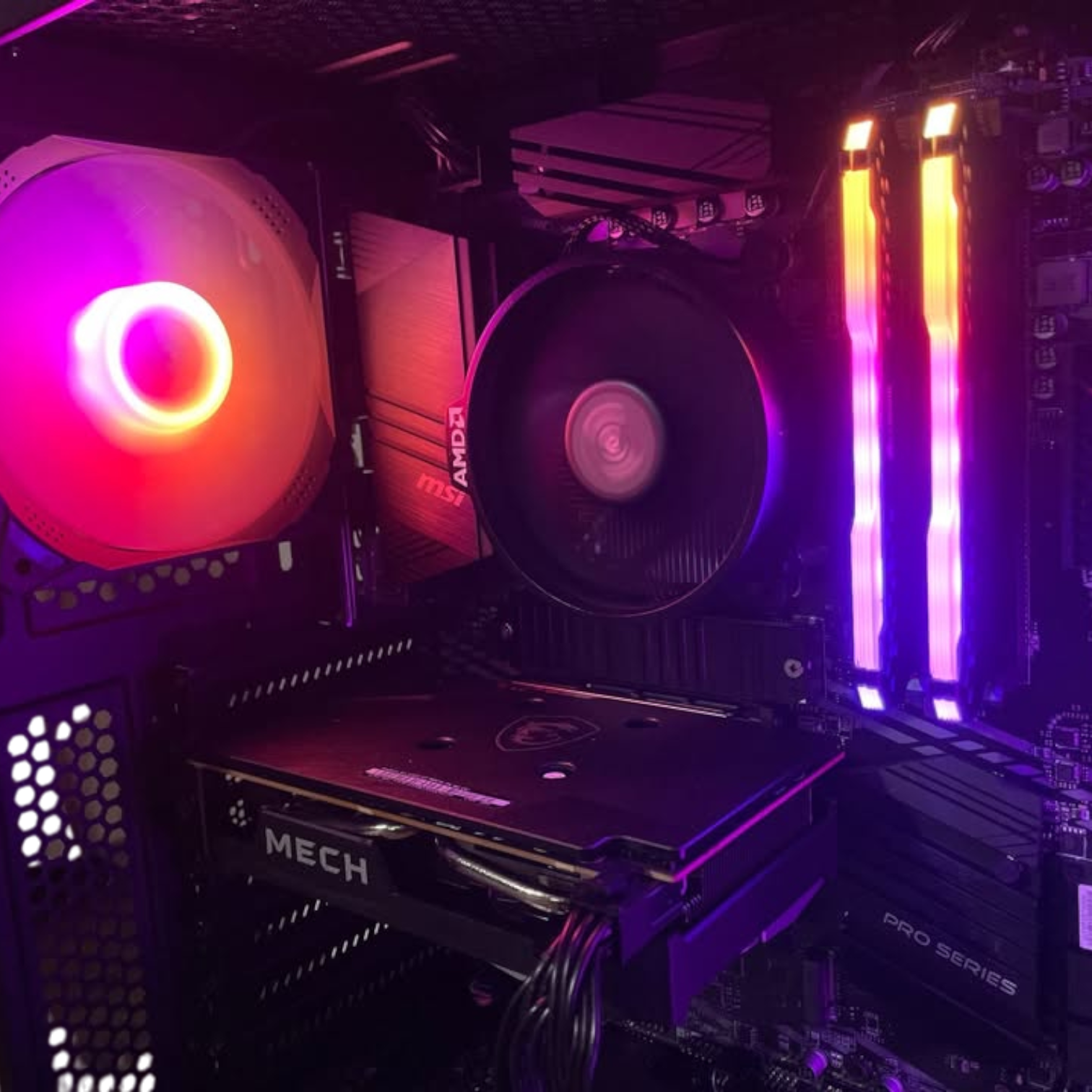
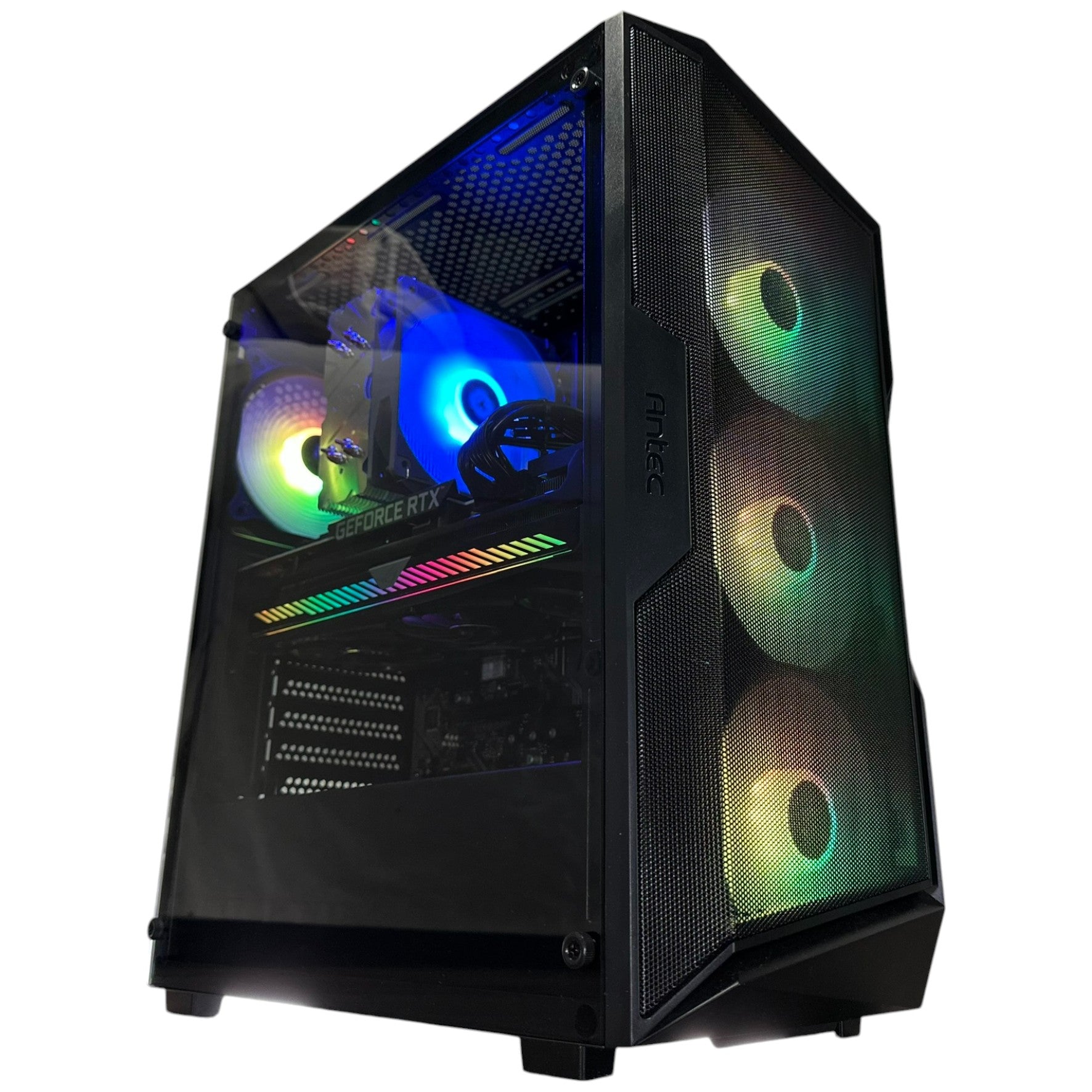
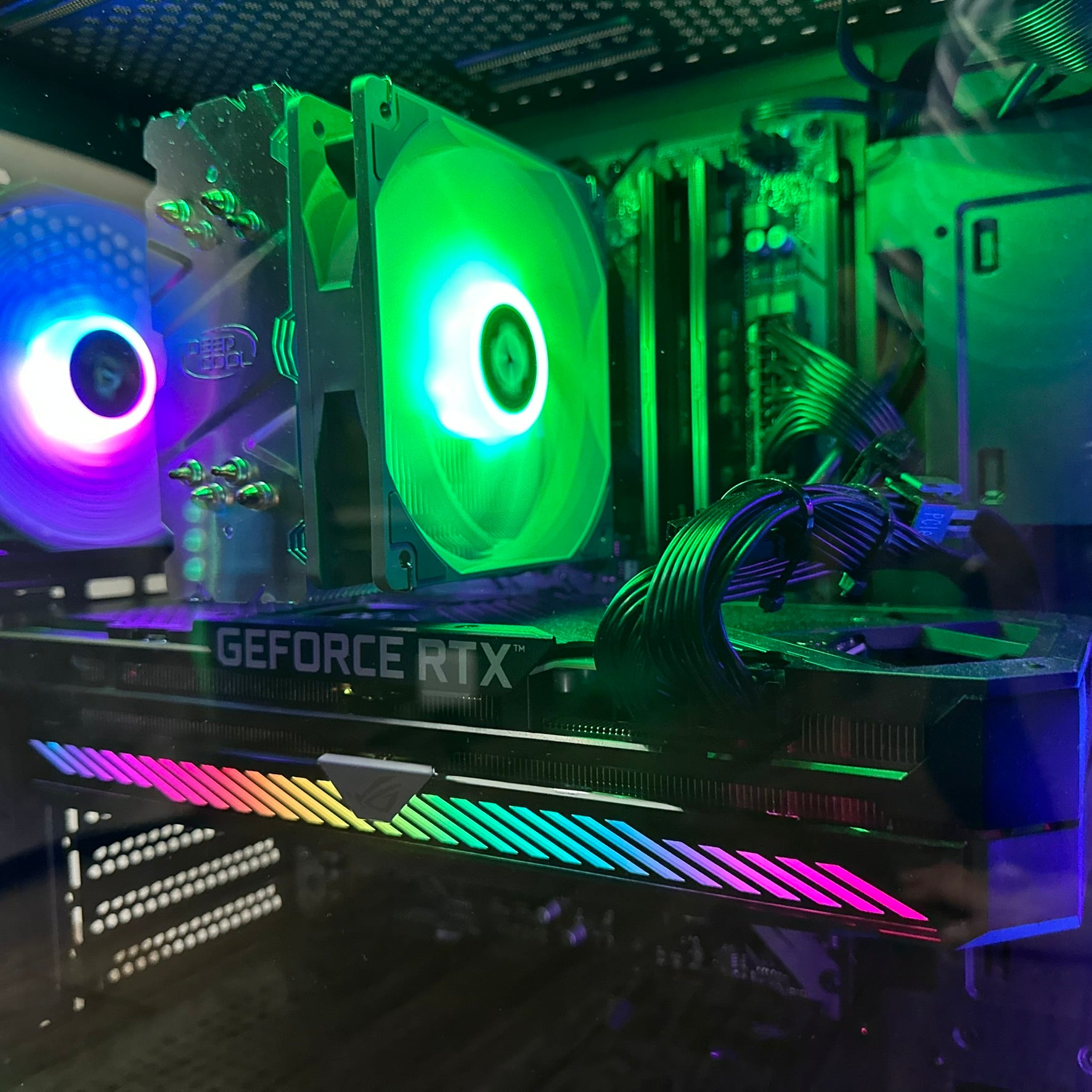
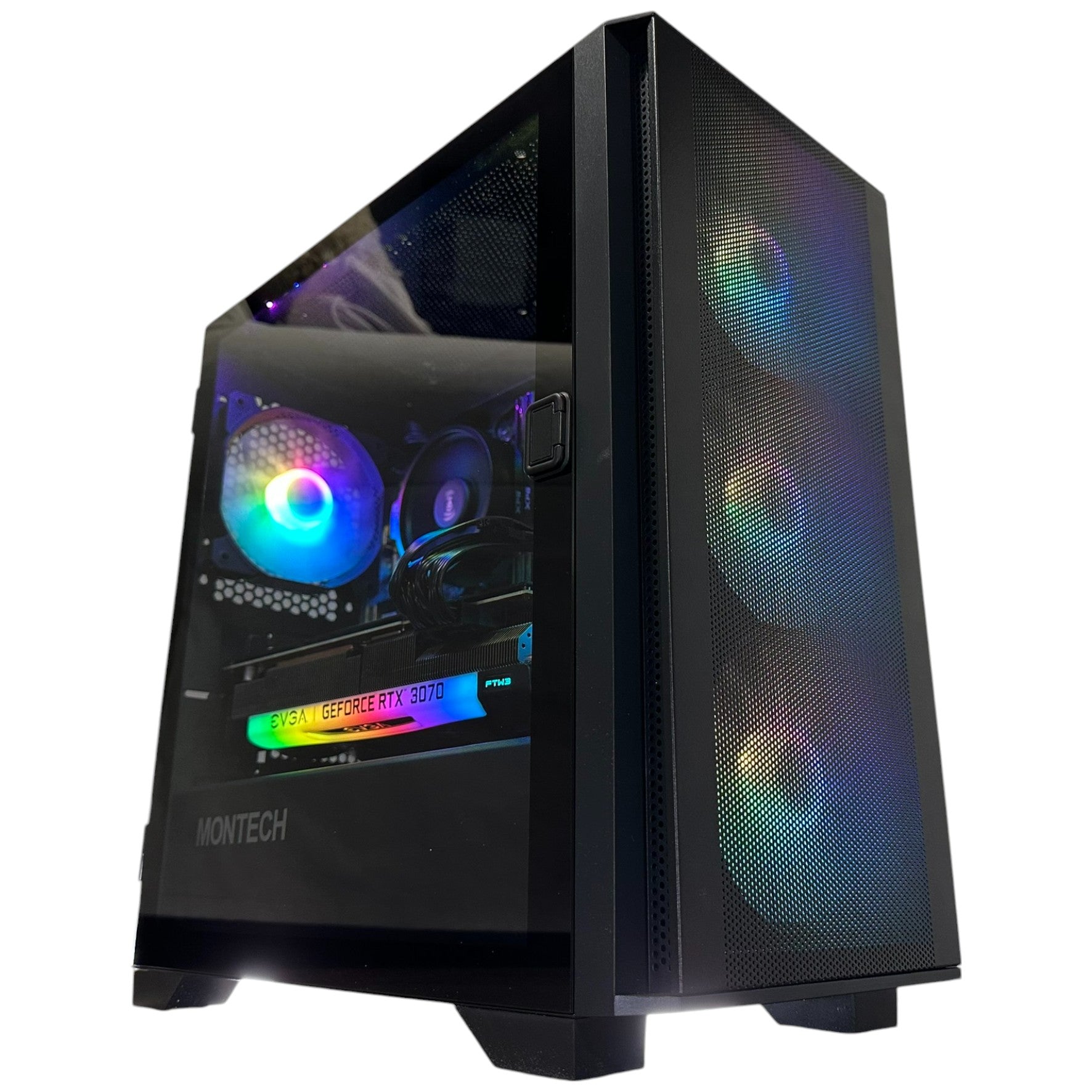
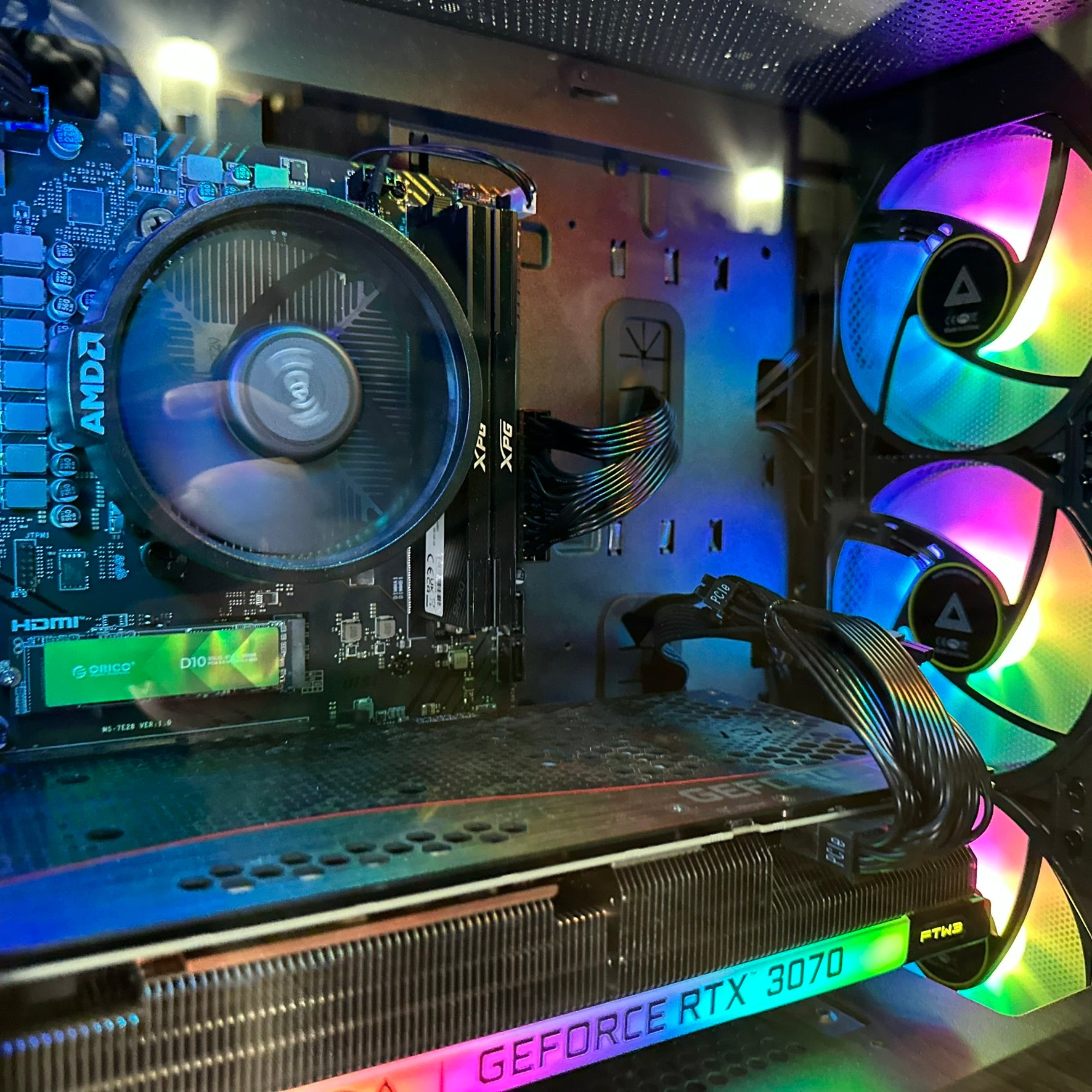
A well-configured budget-friendly gaming desktop is often enough for this kind of buyer, but the key is smart part matching. You do not want a cheap-looking parts list with weak cooling, poor airflow, or no upgrade path. You want a balanced build that can later accept more GPU power, more memory, or more storage.
Sweet spot tier: ideal for 1440p gaming and longer-term value
For many Canadian gamers, this is the smartest category right now. A strong 1440p build gives you noticeably better image quality than 1080p, better longevity for future AAA titles, and more headroom for demanding game engines. If you are following big franchises like Resident Evil, Silent Hill, or other cinematic releases, this tier often delivers the best mix of visual quality and practical cost.
Ask yourself: what PC do I need for 1440p gaming if I do not want to upgrade too soon? If that question sounds familiar, you are likely not looking for the cheapest machine. You are looking for the right machine.
This is also the range where stronger ray tracing capability starts to matter more. Even if you do not enable every advanced feature today, having the option matters over the life of the build.
High-end tier: for 4K, ultra settings, ray tracing, and premium longevity
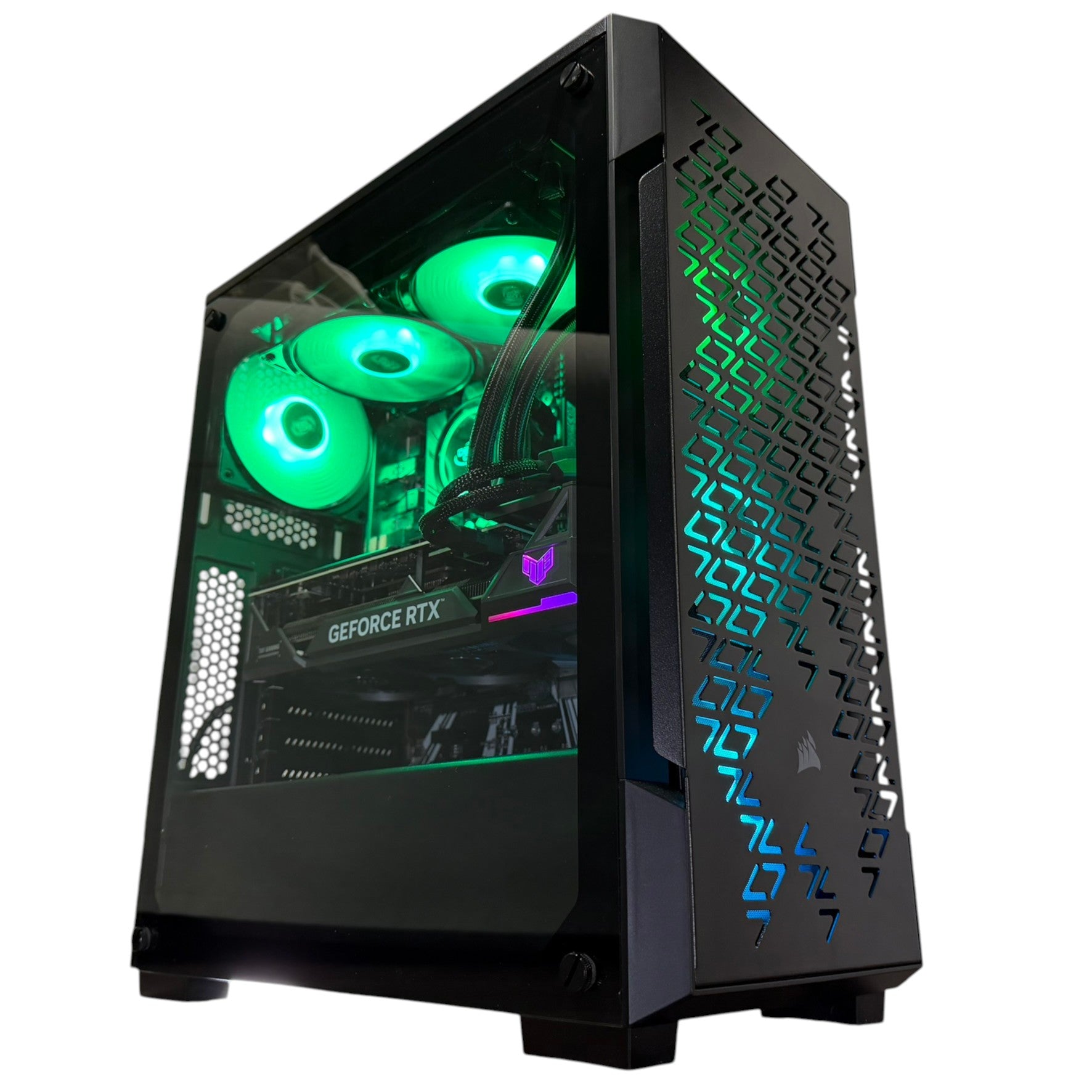
If your goal is maximum immersion in cinematic single-player games, premium GPU performance becomes much more important. Horror games especially benefit from better lighting, higher resolution textures, sharper shadows, and stable frame pacing. A high-end build is for buyers who want fewer compromises, longer relevance, and more confidence when major new releases arrive.
Do you already own a 4K display? Are you planning to upgrade your monitor soon? Do you want a PC that can push modern AAA games hard while also doubling as a streaming and editing machine? If yes, then the premium tier is not about overspending. It is about buying once and buying properly.
What if you also stream, edit, or create content?
A lot of buyers no longer fit neatly into one category. You may start from a gaming headline like this one, but your actual shopping intent could be much wider. Maybe you want a system that handles horror games today, OBS tomorrow, and Premiere Pro on the weekend. That changes what kind of build makes sense.
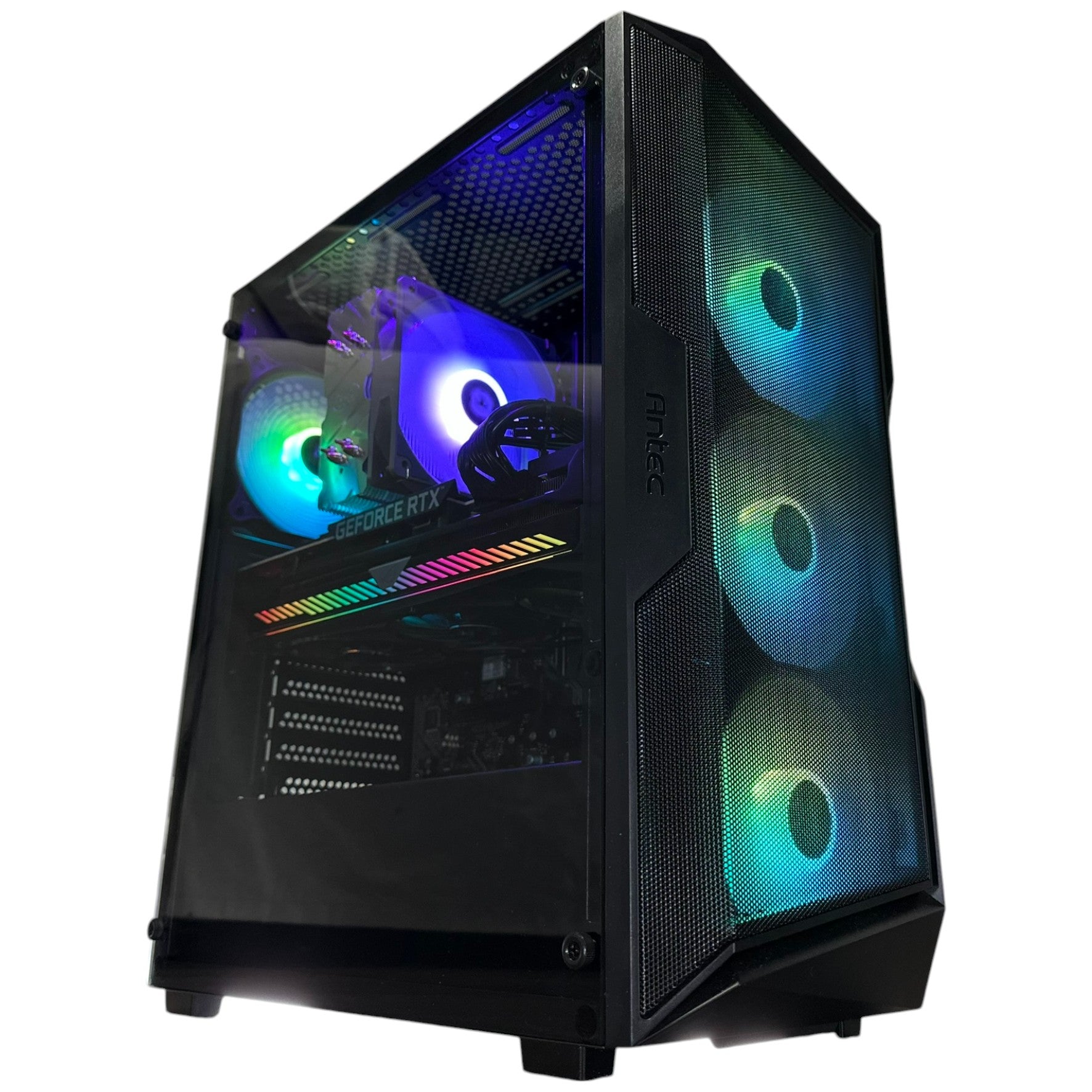
If you game and stream, your PC needs more than raw gaming performance. It needs the headroom to encode video cleanly, manage background apps, keep gameplay smooth, and handle long sessions without thermal or stability issues. That is why a gaming and streaming PC in Canada should be built differently than a bargain-bin gaming tower.
If you edit video, your priorities shift again. Fast storage, enough RAM, and a stronger CPU-GPU pairing become much more important. Are you cutting 1080p footage, or are you already moving into 4K timelines? Do you use Adobe Premiere Pro, DaVinci Resolve, After Effects, or CapCut? The answers affect how your system should be configured.
If you work in photo editing or graphic design, you may not need the same GPU tier as a 4K ray tracing gamer, but you still benefit from a responsive system with solid memory capacity, fast project loading, and dependable multitasking. If you are a creator, a one-size-fits-all desktop usually is not the right answer.
What PC do content creators, editors, and designers need if they also game?
This is one of the most common real-world buyer profiles today. Someone starts by searching for a game-related build, then realizes they also want to edit videos, make thumbnails, use Photoshop, run Illustrator, manage social media content, or produce clips for YouTube and TikTok.
So what makes sense? A pure gaming system, or a Creator PC Canada style build with more balanced workload performance?
If your usage includes gaming plus editing, a hybrid custom build is often the better investment. Why? Because creators feel bottlenecks differently. A gamer notices low FPS. A creator notices slow exports, laggy timelines, RAM pressure, dropped previews, and long file transfers. If your PC needs to do both, it should be selected with both workloads in mind.
That is especially important if you are trying to avoid upgrading too soon. Buying too low now often means replacing parts sooner, which can cost more overall than choosing the right tier at the beginning.
Should you buy now or wait for future game announcements?
This is the question behind many search journeys. A rumour like this can make people hesitate, but hesitation is not always savings. In real buying conditions, waiting can also expose you to different risks: component price shifts, GPU demand pressure, supply fluctuations, software workloads getting heavier, and the realization that your current PC is already holding you back.
So ask yourself honestly: is it better to buy a gaming PC now or wait?
If your current system already struggles, waiting for perfect clarity is often a mistake. You may lose months of better gameplay, better workflow performance, and better overall value from a stronger machine. And if a new title is what finally pushes you to upgrade, you will be joining the market at the same time as every other buyer reacting to a release cycle.
For Canadian buyers, timing matters even more because replacement costs can shift across GPUs, memory, SSDs, and finished systems. You do not need panic buying. But you do need a realistic view of the market: if you know you need a stronger PC within the next few months, delaying too long rarely makes the decision easier.
How do pricing pressure and hardware demand affect full custom PC costs?
When buyers think about price increases, they often focus only on graphics cards. But full-system cost pressure can come from multiple places at once. GPU availability affects gaming builds most directly, but CPU pricing, motherboard platform changes, DDR5 memory demand, SSD pricing, case availability, cooling choices, and power supply quality can all affect the final build price.
That is why custom configuration matters. A strong custom builder does not just throw expensive parts into a list. The builder matches your resolution goals, target games, streaming plans, software stack, storage needs, and upgrade horizon to a sensible budget. That is how you avoid underbuying and overspending at the same time.
Would you rather buy the absolute cheapest tower today, then replace the GPU, add RAM, expand storage, and fix thermal problems later? Or would you rather start with a cleaner, more scalable platform now?
Which performance tier fits you best?
If you are not sure where you belong, this quick breakdown can help.
Choose a value-focused gaming build if:
- You mainly play at 1080p
- You want solid performance without chasing ultra settings
- You are buying your first desktop gaming setup
- You want room to upgrade later
- You need a practical path into PC gaming without overshooting your budget
Choose a balanced midrange build if:
- You want 1440p gaming with strong visual quality
- You care about future game readiness
- You play a mix of AAA and competitive titles
- You may stream occasionally or run background apps while gaming
- You want the strongest value-to-longevity ratio
Choose a premium gaming build if:
- You want 4K or very high-end 1440p performance
- You care about ray tracing and visual immersion
- You want more years before a major upgrade feels necessary
- You play demanding cinematic games regularly
- You may also edit video, record gameplay, or stream
Choose a creator or workstation-style build if:
- You game, but also use Adobe apps, DaVinci Resolve, Blender, CAD, or Unreal Engine
- You need more RAM, faster storage, and stronger multitasking performance
- You care about productivity as much as entertainment
- You want one desktop that does everything reliably
- You cannot afford downtime, instability, or poor thermals
What questions should you ask before you buy or finance a stronger PC?
Not every buyer should choose the same path, but the right questions are surprisingly consistent.
- What games do you actually play most, and what games are coming next?
- Are you targeting 1080p, 1440p, or 4K?
- Do you want ray tracing, or is high FPS your bigger priority?
- Will you stream to Twitch, YouTube, or record locally through OBS?
- Do you edit video, photos, or graphics in addition to gaming?
- Do you need lots of SSD storage for game libraries and project files?
- How long do you want this PC to feel current before upgrading?
- Would a stronger build now save you from replacing major parts too soon?
- Would financing make it easier to secure the right tier instead of settling for less?
These are practical buying questions, not just enthusiast questions. They help you move from vague interest to an actual build category that fits your life.
Could financing help you buy the right system before costs rise further?
For many shoppers, the biggest mistake is not buying too early. It is buying too weak because they are trying to keep the upfront total as low as possible. That often leads to faster obsolescence, poorer gaming experiences, and more expensive upgrades later.
If you already know your next PC needs to handle modern AAA games, streaming, editing, or creator workloads, then a financing option can make a stronger system more realistic right away. Instead of compromising down to a spec you may regret, you can choose a more capable custom PC that better matches your real needs.
Would a monthly payment approach help you move from basic 1080p into a much better 1440p setup? Would it let you step into a gaming-and-creator build instead of a limited entry system? Would it help you secure a longer-lasting configuration before replacement costs rise again?
That is why many Canadian buyers now look at financing not as an impulse decision, but as a planning tool. If the goal is to avoid upgrading too soon, spread out the cost more comfortably, and buy a more capable machine at the right time, financing can be the smarter route.
Why custom builds matter more than ever for Canadian buyers
Off-the-shelf systems often look simple, but they may hide weak power supplies, poor airflow, limited upgrade paths, mismatched components, or corner-cutting in areas you only notice later. A custom build gives you a better chance of getting a machine designed around your actual goals.
That matters if you are shopping for a horror-ready gaming system, but it matters even more if your usage includes streaming, editing, content creation, or workstation tasks. Different workloads stress different components. The right CPU, GPU, RAM capacity, storage layout, and cooling solution should reflect that.
A strong Canadian custom PC builder should also give you confidence after the sale. That means proper testing, sensible configuration advice, and warranty support that helps the purchase feel secure rather than risky.
Why Groovy Computers is a smart fit for this kind of buyer
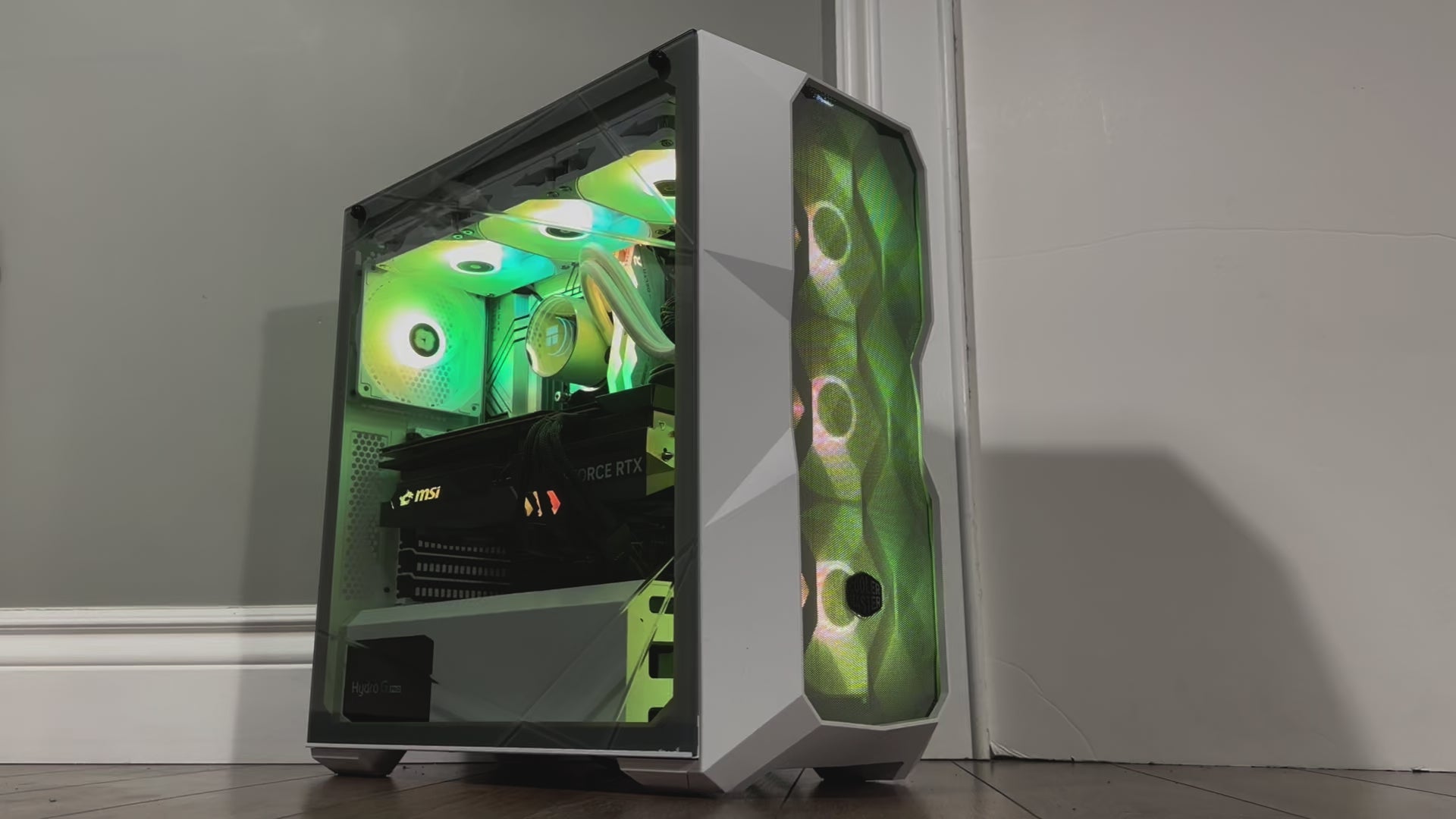
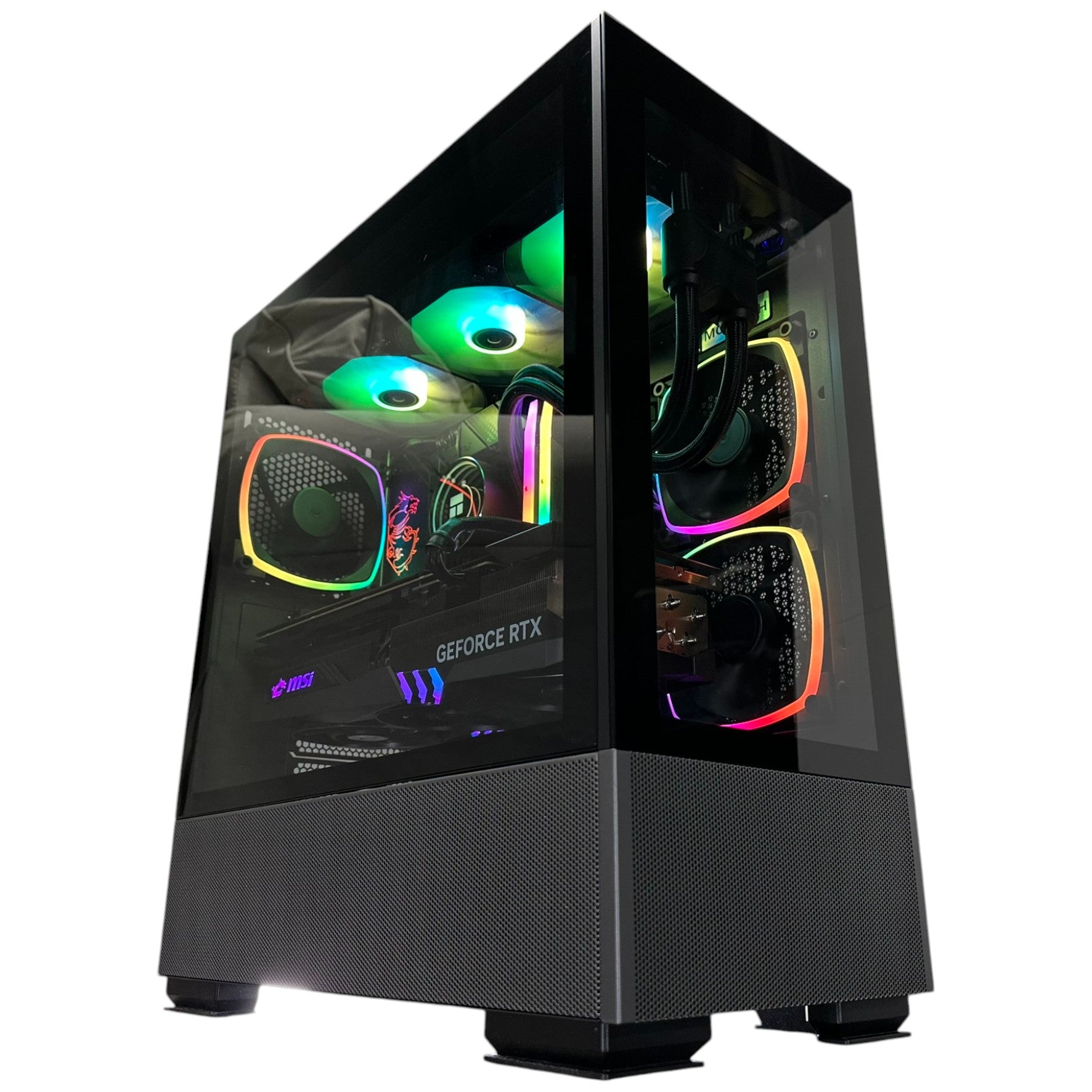
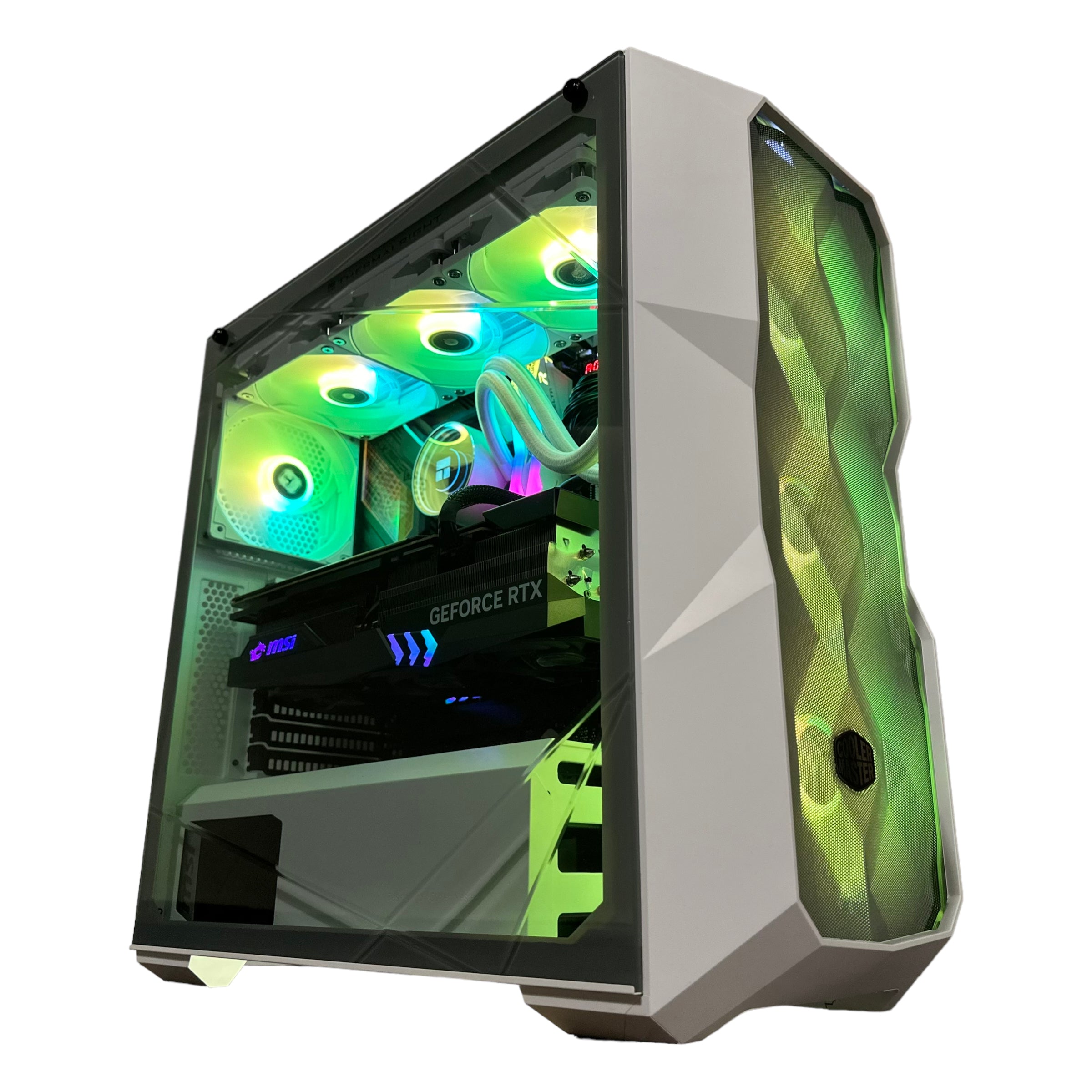
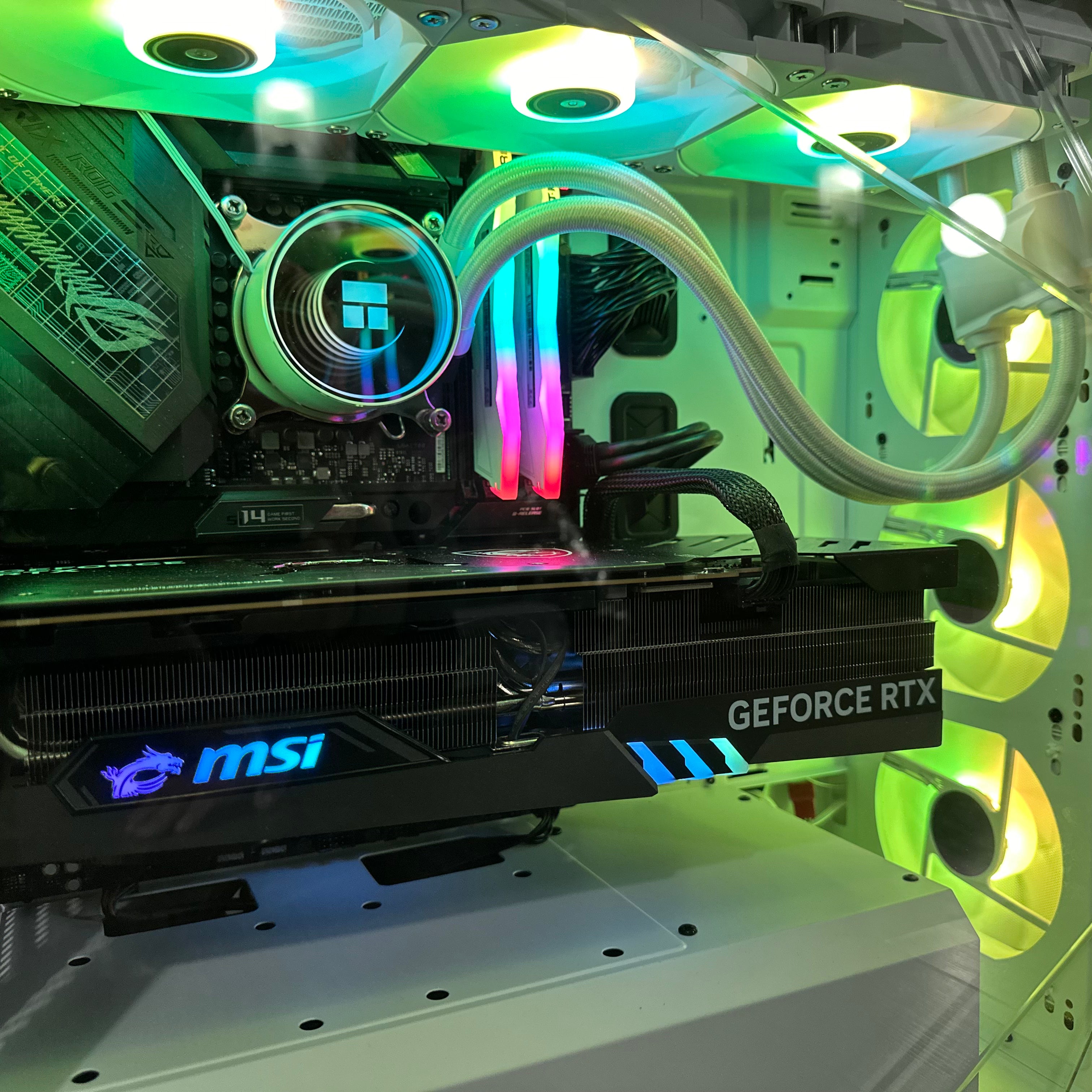
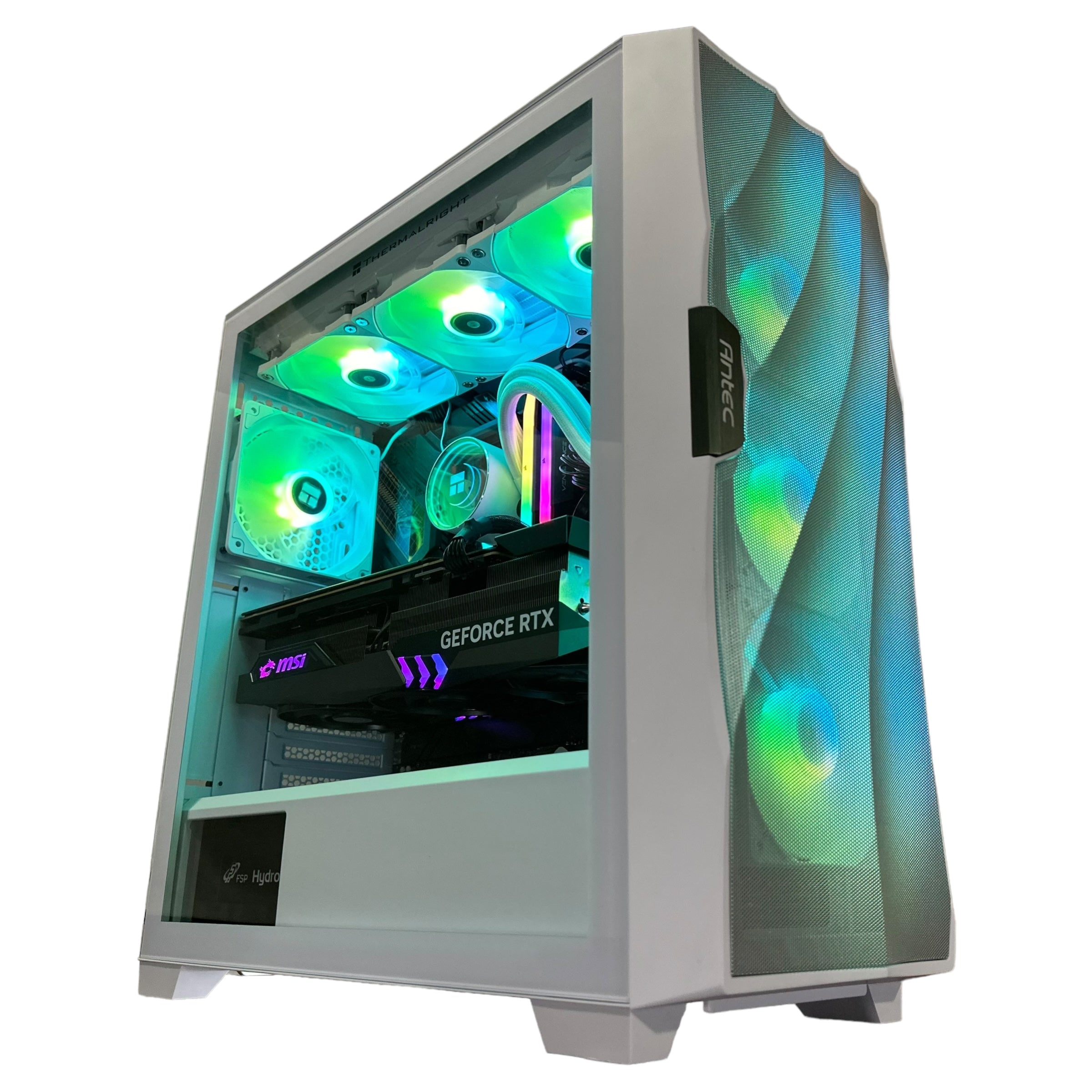
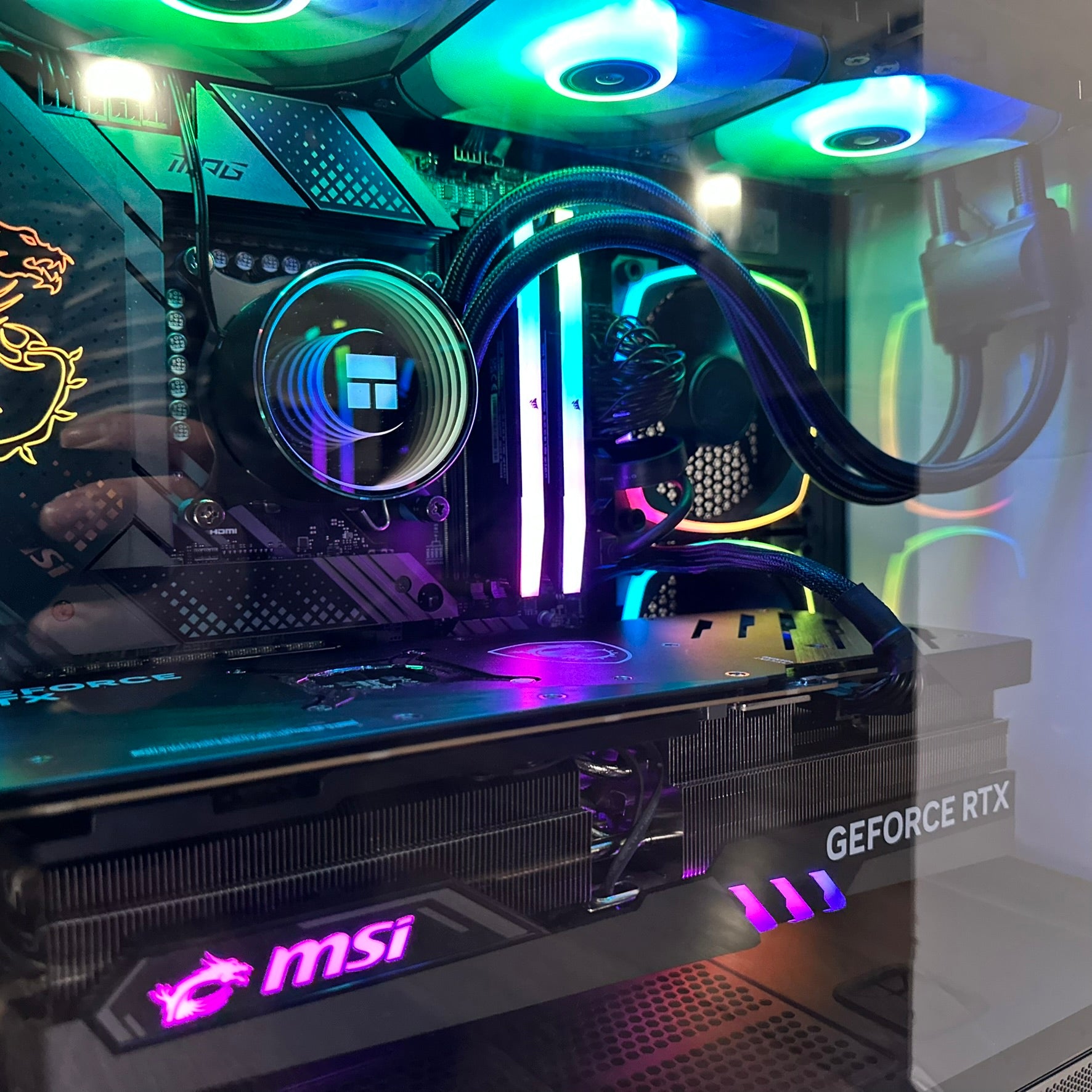
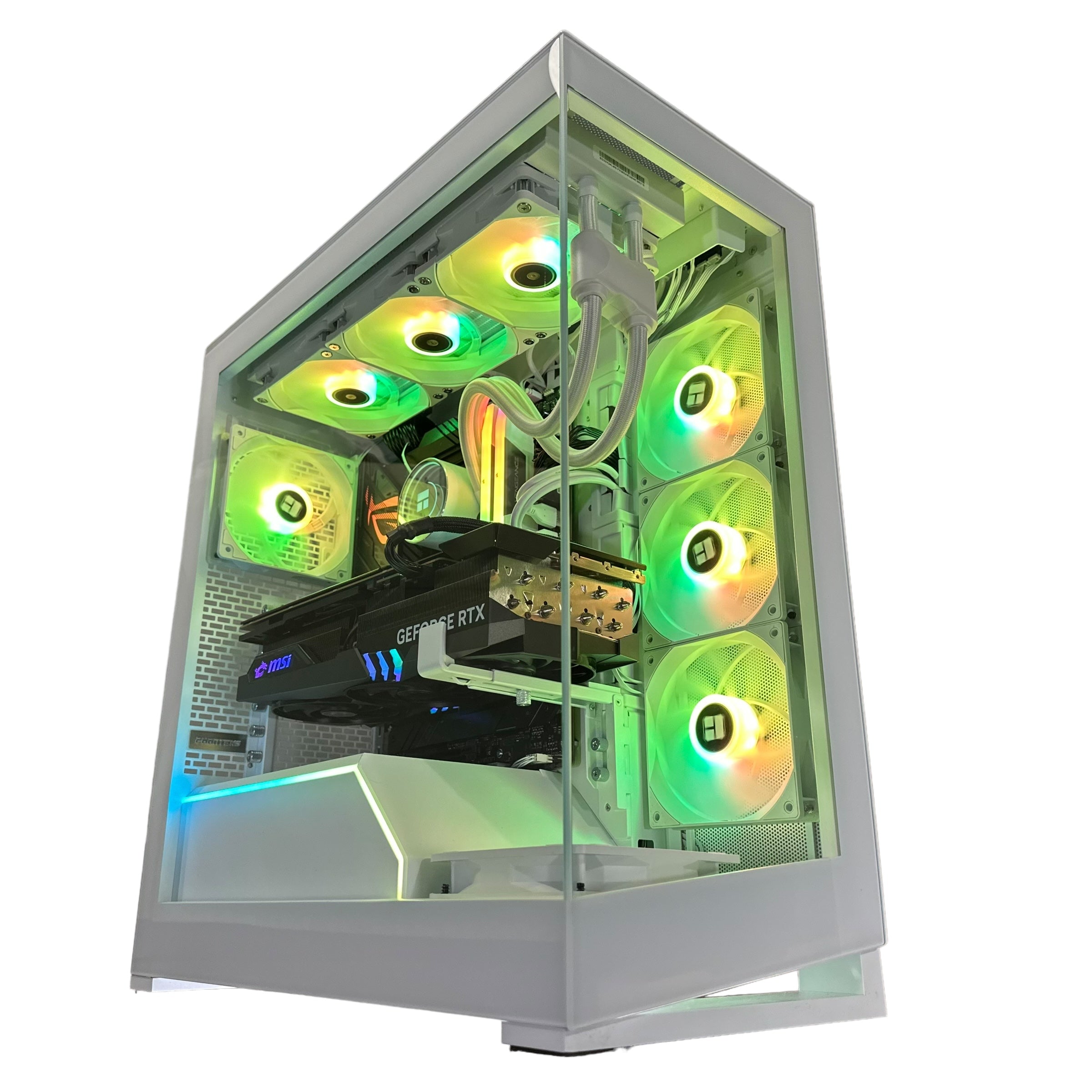
Groovy Computers is built for people who want more than a generic parts box. Whether you are looking for a gaming-first system, a creator-friendly desktop, or a performance-focused hybrid build, the goal is the same: match the system to your real-world use instead of forcing you into a one-size-fits-all machine.
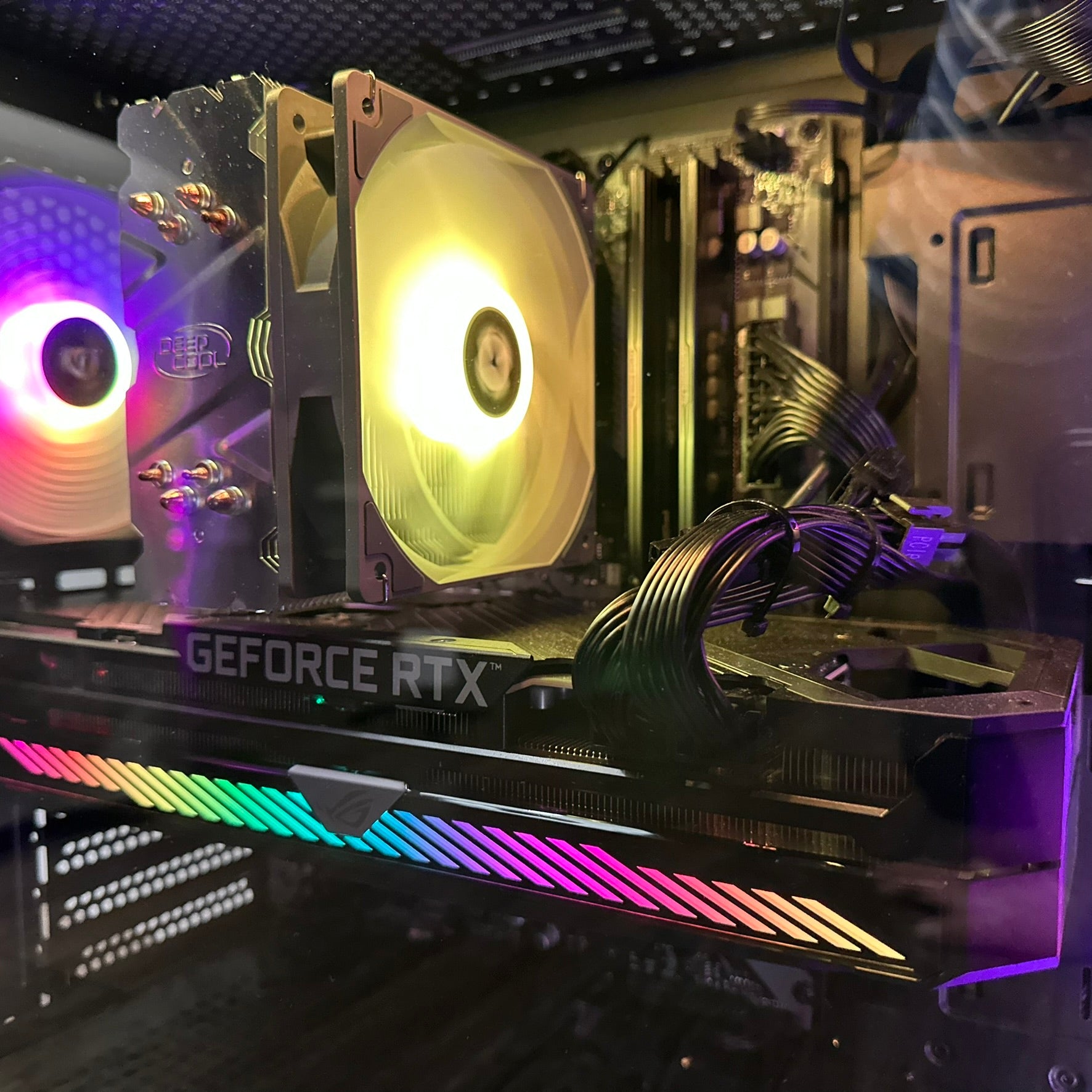
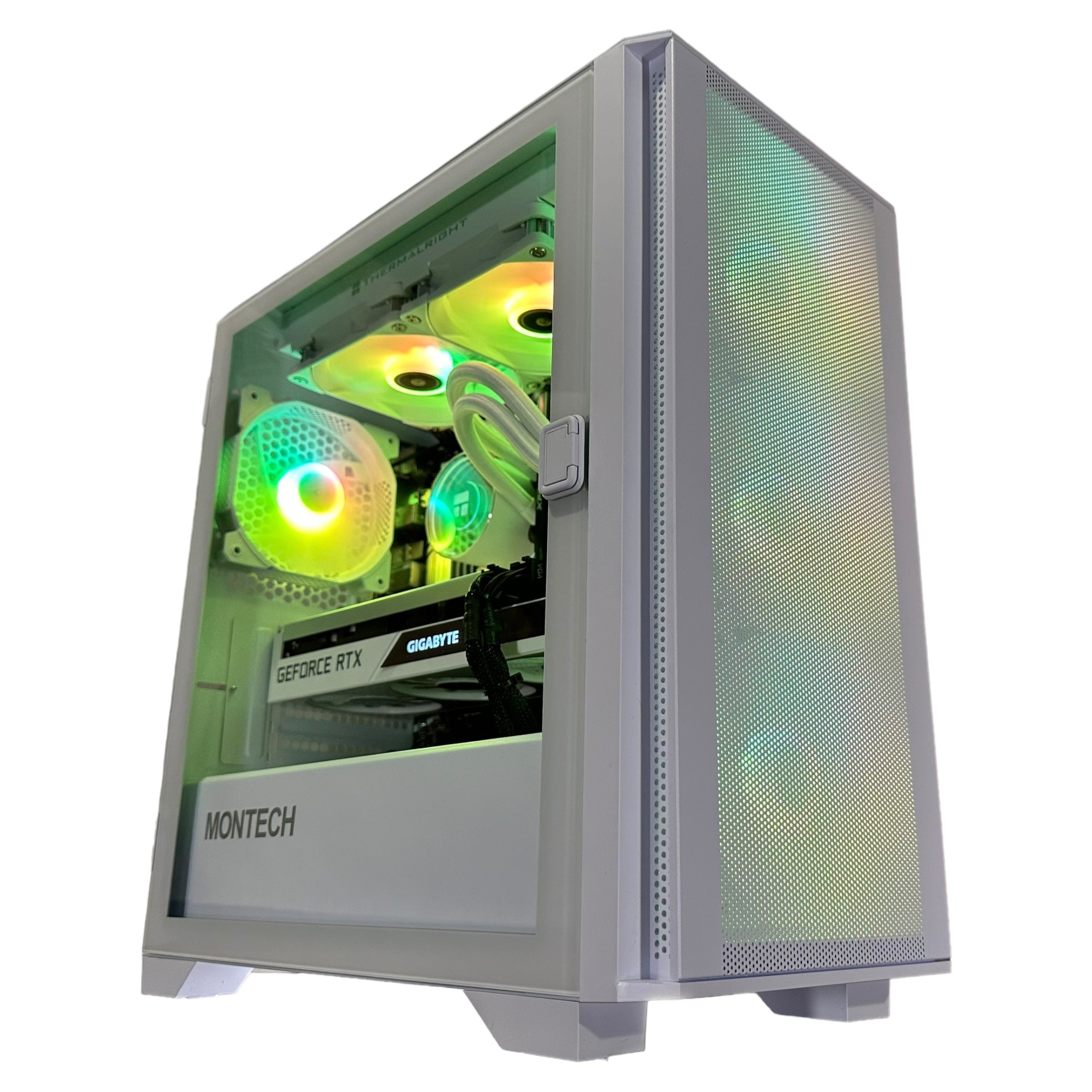
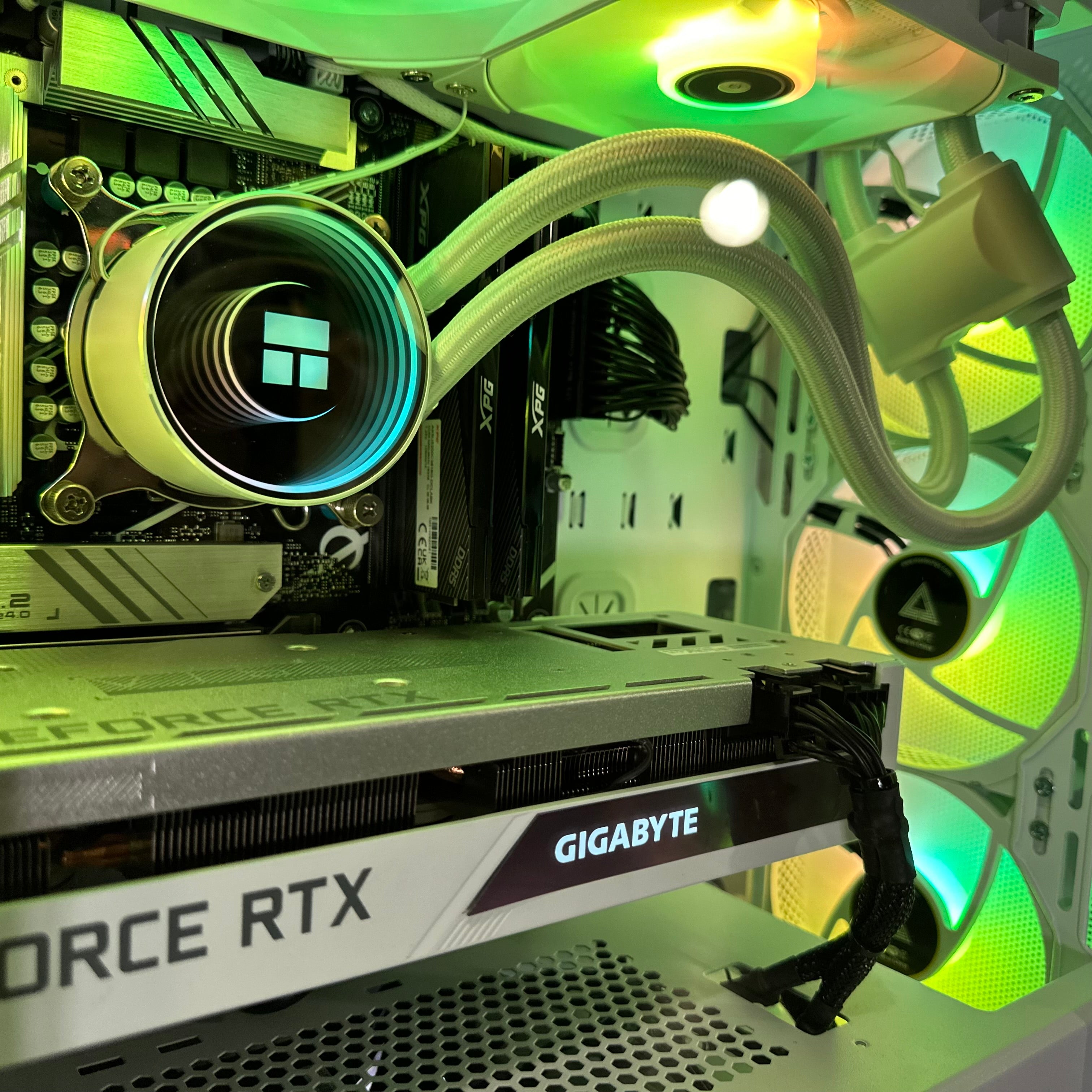
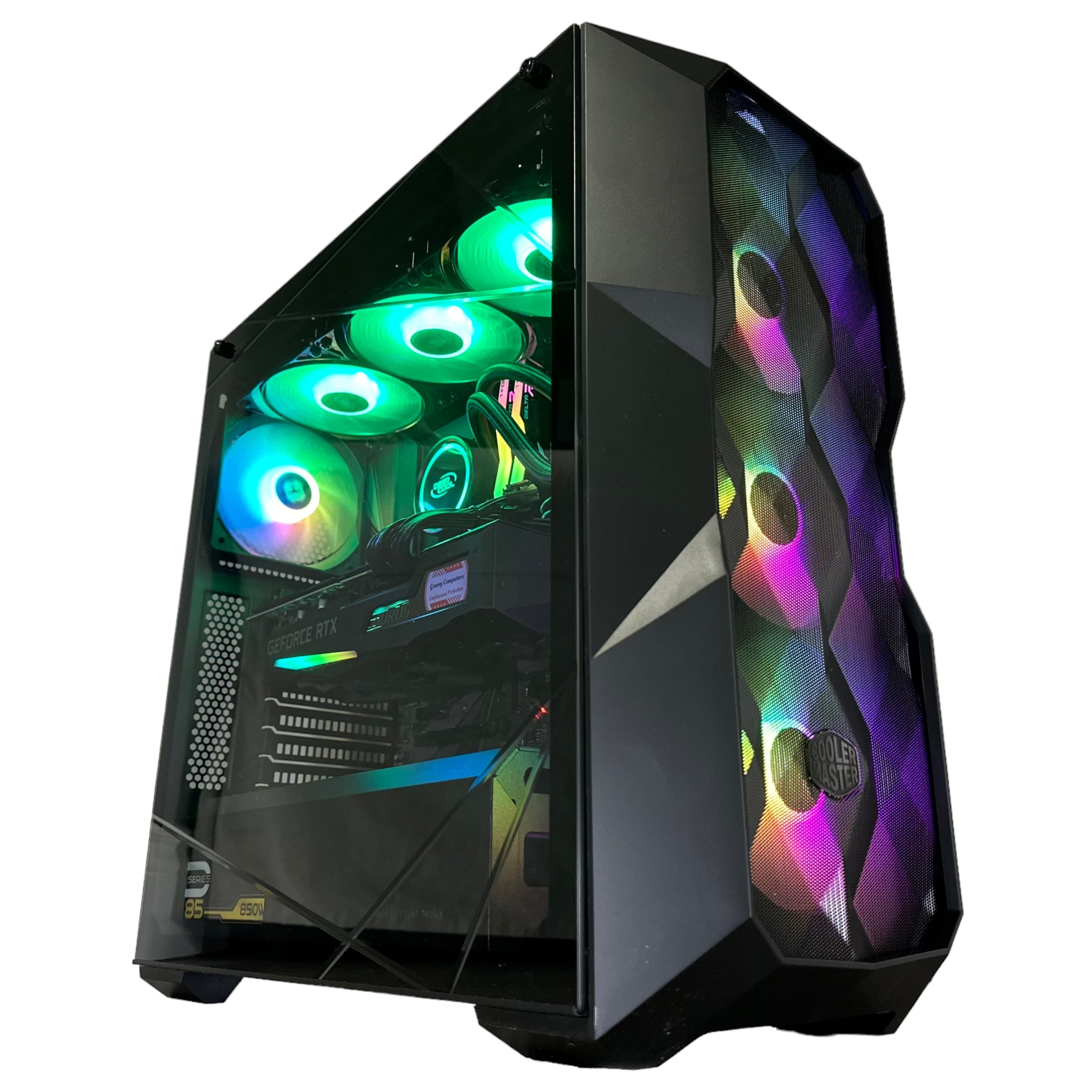
For Canadian buyers, that means access to custom gaming PCs, creator builds, and workstation-ready systems designed with practical performance in mind. It also means rigorous testing, thoughtful part selection, and the confidence of a 1-year warranty. If you are shopping in Nova Scotia, Atlantic Canada, or anywhere else in the country, that kind of trust matters.
Are you trying to decide between a budget gaming desktop and a stronger long-term build? Do you need help understanding whether your next machine should prioritize 1440p gaming, streaming, editing, or all of the above? Do you want a PC that feels like it was chosen for your actual needs, not just pushed as a clearance model?
If so, Groovy Computers is exactly the kind of place to start.
So, what should you do next if this Resident Evil remake rumour got you thinking?
If this news made you realize your current computer may not be ready for the next wave of AAA horror releases, take that seriously. You do not need to wait for an official Resident Evil 5 remake announcement to make a smart upgrade. The bigger trend is already here: modern games are asking more from your hardware, and buyers who plan around future use tend to be happier with their systems.
Think about what you want your next PC to do. Do you want a value-focused gaming machine for current titles? A stronger 1440p build that gives you breathing room for upcoming releases? A premium ray tracing setup for cinematic single-player gaming? Or a custom creator/workstation hybrid that can game, stream, edit, and multitask without compromise?
If you want help choosing the right build, visit GroovyComputers.ca. Whether you need a custom gaming system, a creator-focused desktop, a workstation-class setup, or financing up to 4 years to secure a stronger machine sooner, Groovy Computers can help you choose with more confidence.
In other words, the Resident Evil 5 Remake rumour is a reminder that game hype changes fast, but good PC buying decisions last much longer. Buy around your actual workload, your target resolution, and your upgrade horizon, and you will be much better positioned for whatever Capcom announces next.
#ResidentEvil5Remake #GamingPCCanada #CustomGamingPCCanada #GamingPCBuildsCanada #1440pGamingPCCanada #4KGamingPCCanada #StreamingPCCanada #CreatorPCCanada #VideoEditingPCCanada #CustomPCBuilderCanada #CanadianCustomPCBuilders #NovaScotiaTech
Groovy Computers | All Rights Reserved
![007 First Light: Great Stealth, Satisfying Action, and True Bond Charm [Review]](http://groovycomputers.ca/cdn/shop/articles/16df208d-007firstlight_keyart_logo_16x9_3840x2160_b433f176-ce16-4f02-9112-49850eba6f28.jpg?v=1781875776&width=1000)


Leave a comment
This site is protected by hCaptcha and the hCaptcha Privacy Policy and Terms of Service apply.