





Resident Evil Code Veronica Remake Graphics Split: What It Means for Your Next Gaming PC in Canada
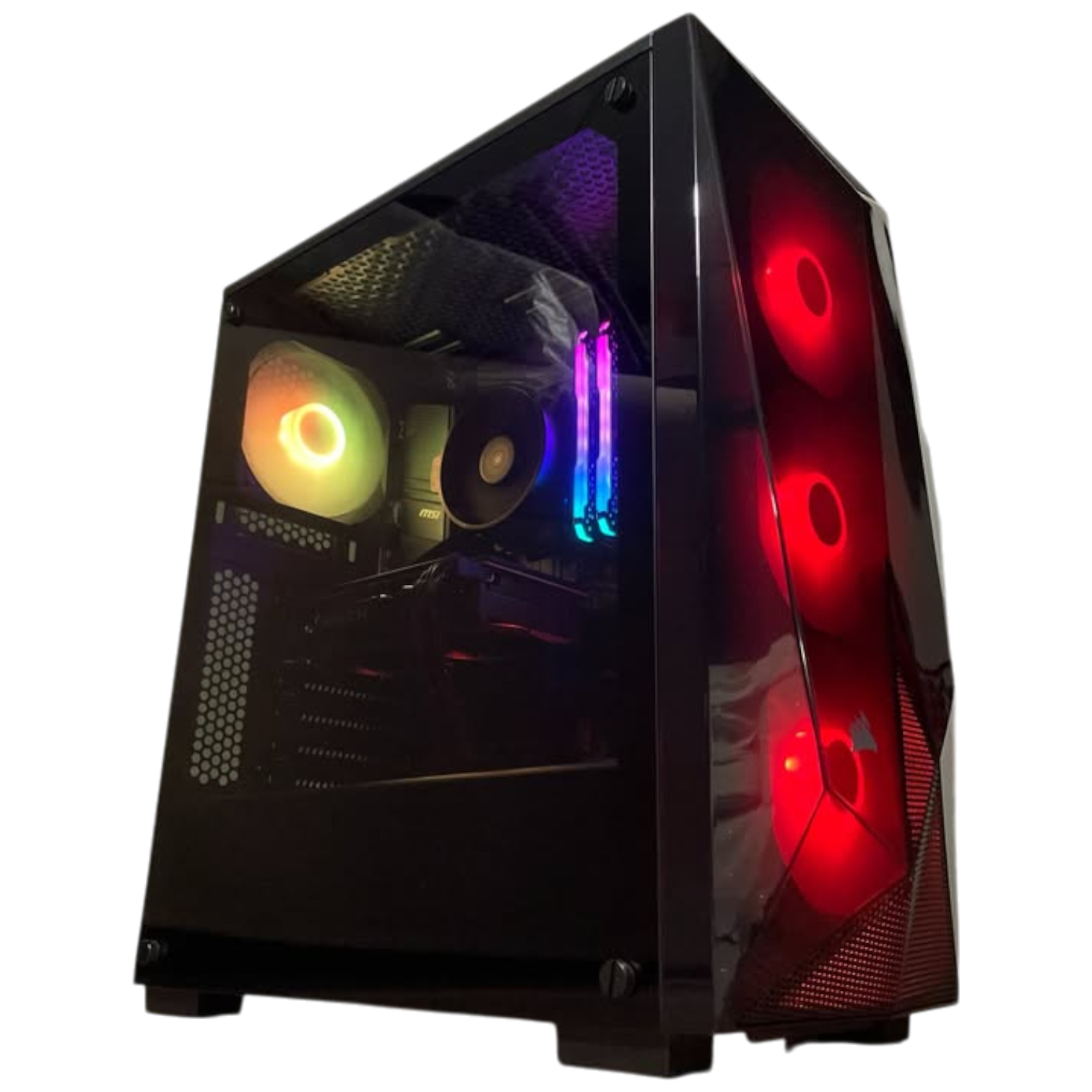
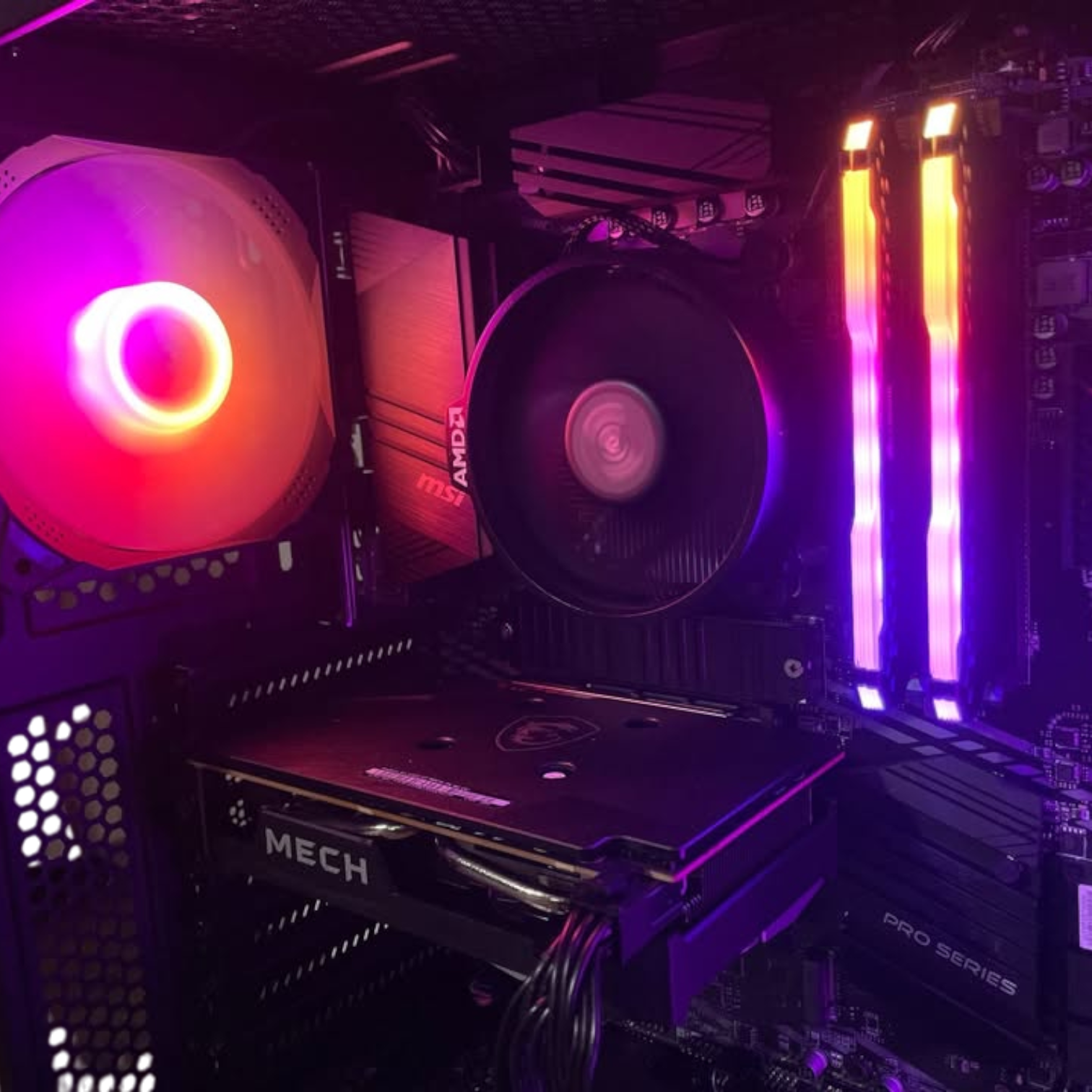
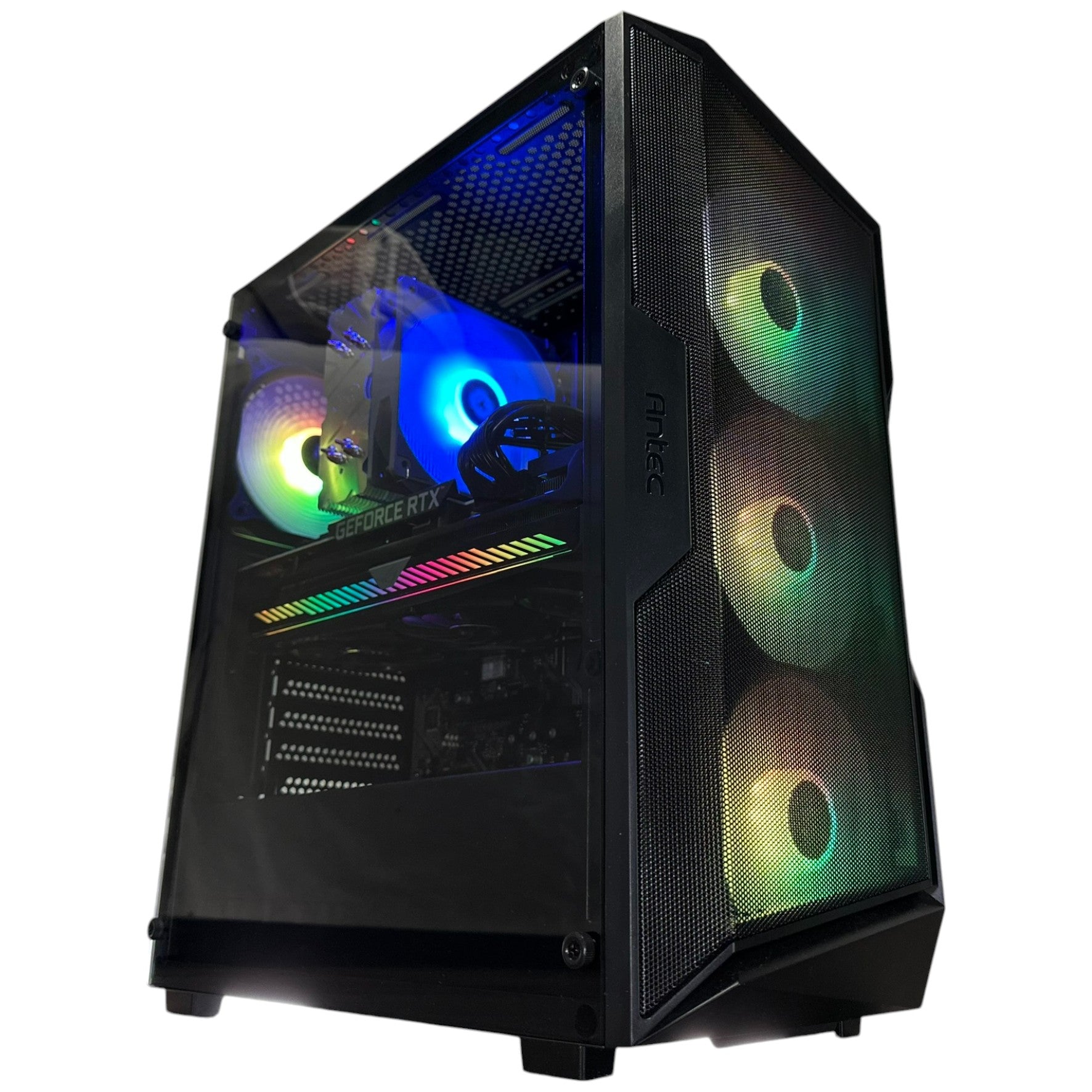
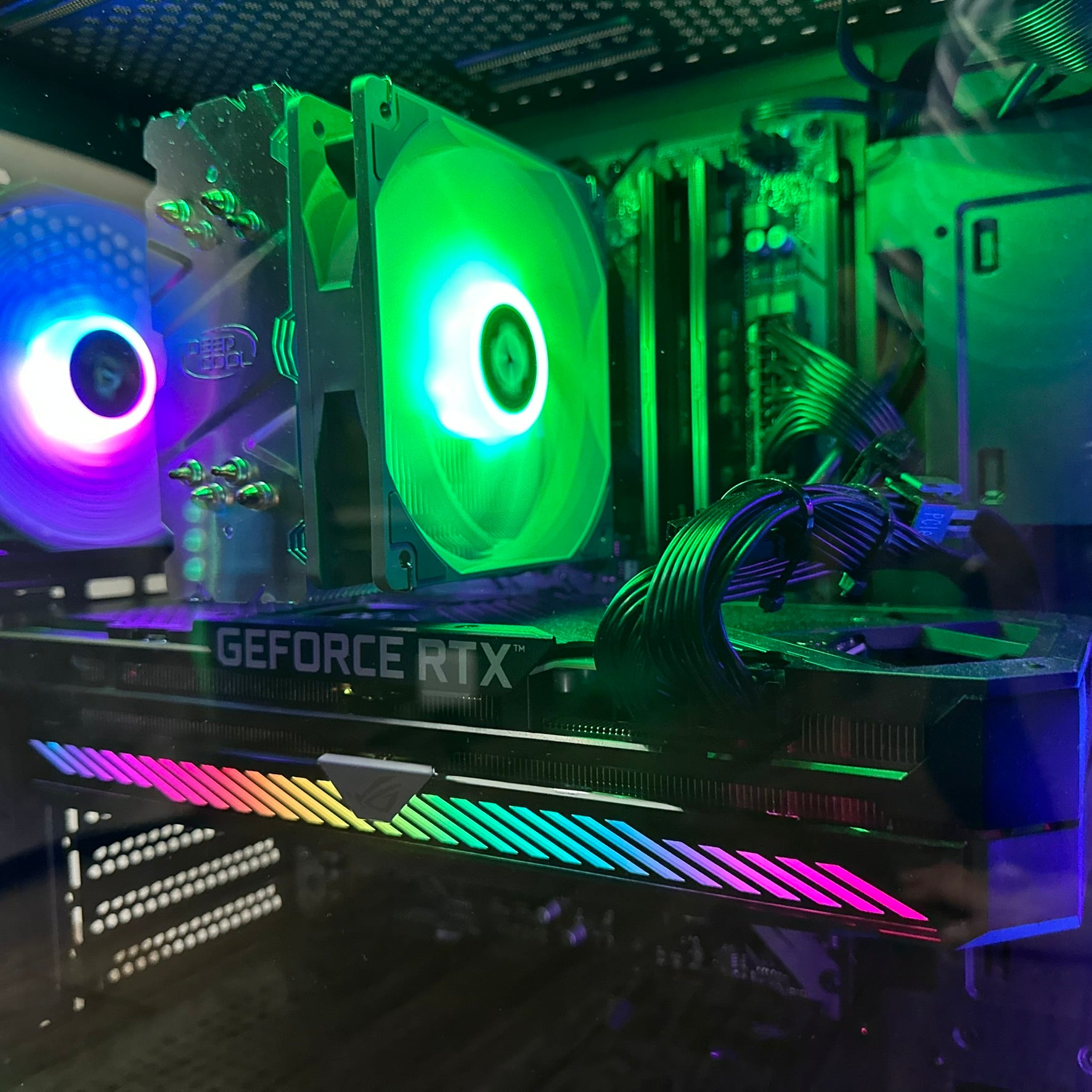
The news that the Resident Evil Code Veronica remake graphics split will treat base PS5 and PS5 Pro hardware differently is more than a console story. It is a clear signal about where modern game development is heading: more advanced lighting, heavier geometry, smarter upscaling, and wider performance gaps between entry-level and premium hardware. For Canadian buyers researching a Gaming PC Canada build, this matters right now because the same rendering ideas being discussed for consoles are directly connected to what PC gamers, streamers, and creators should expect from upcoming AAA releases.
According to the source material, the remake is expected to use two fundamentally different rendering approaches. On standard PS5 hardware, developers are leaning on a hybrid model that blends rasterization with precomputed lighting techniques to preserve frame rate stability. On PS5 Pro, the game reportedly shifts toward a more fully dynamic presentation with real-time global illumination, ray tracing, denser geometry, and AI-assisted image scaling. Even if you are not planning to play this game on console, the takeaway is obvious: tomorrow’s games are being designed around scalable graphics pipelines, and stronger hardware will increasingly unlock the version of the experience that players actually want.
So what should you be asking yourself if you are shopping for a new desktop? Do you want a system that simply runs new games, or do you want one that lets you enjoy horror titles, open-world releases, and ray-traced AAA games the way developers clearly intend them to look? Do you want 1080p performance today but enough headroom for 1440p tomorrow? Are you also planning to stream, edit clips, create thumbnails, or work in software like Photoshop, Premiere Pro, DaVinci Resolve, Blender, or OBS? Those are the questions that turn a news headline into a smart buying decision.
What the Resident Evil Code Veronica remake graphics split tells us about modern game hardware
The most important detail in the source article is not just that one console gets better visuals than another. It is how those visuals are being separated. The base system is said to rely on baked lighting, static shadow data, screen-space reflections, and a more traditional performance-versus-quality balance. The enhanced system reportedly moves toward fully dynamic lighting, ray tracing, more advanced geometry handling, and upgraded image reconstruction.
That is exactly the kind of hardware divide PC buyers should pay attention to. Why? Because these same categories define the difference between a basic gaming desktop and a serious modern custom build:
- Rasterized performance for straightforward high-FPS gaming
- Ray tracing capability for richer lighting, reflections, and shadows
- Upscaling support for better image quality at playable frame rates
- VRAM and GPU strength for denser environments and future AAA games
- CPU and storage responsiveness for smoother asset streaming and reduced loading interruptions
If one upcoming remake already needs this kind of split design thinking, what happens when more major horror, action, and open-world games follow the same path? What happens when your current PC can technically launch a game, but only at lower settings with weaker lighting, reduced textures, or unstable performance? That is where careful custom PC planning becomes far more valuable than impulse buying.
Why Canadian buyers should read this as a PC buying signal, not just a console update
In Canada, PC shoppers face a different set of decisions than console owners. A console buyer chooses between fixed hardware tiers. A desktop buyer can choose exactly how much headroom they want, how long they want the system to last, and whether they want to support gaming only or gaming plus creative workloads.
That flexibility is powerful, but it also creates risk if you buy the wrong tier. Too little GPU, and new ray-traced games begin to feel compromised faster than expected. Too little CPU, and background tasks, streaming, and content creation start eating into smooth gameplay. Too little RAM or storage, and your “good enough” system starts aging early.
This is why a news story about visual scaling matters so much for a Custom Gaming PC Canada audience. It highlights the growing gap between “can run it” and “can run it well.” That gap affects not only gamers, but also streamers and creators who capture gameplay, edit footage, or produce social content around major releases.
Are you trying to buy the cheapest system that gets you into the game, or are you trying to avoid replacing your machine too soon? Are you shopping before a wave of new releases lands? Are you worried about GPU pricing pressure or trying to secure stronger long-term value while component availability is still reasonable? Those are practical questions, especially for buyers who want a machine that remains satisfying for years, not months.
What do you want your next PC to do for you?
Before choosing parts, start with outcomes. What do you actually want your next desktop to handle comfortably?
- Do you want to play new AAA games at 1080p with strong frame rates?
- Do you want a 1440p Gaming PC Canada setup that feels like a meaningful step up in image quality?
- Do you want to explore ray tracing without sacrificing responsiveness?
- Do you want to stream to Twitch or YouTube while gaming?
- Do you want one machine that can game at night and edit videos during the day?
- Do you need a creator-focused system for Adobe Creative Cloud, CapCut, or DaVinci Resolve?
- Are you building for Blender, Unreal Engine, or 3D rendering in addition to gaming?
The answer changes the right build dramatically. Someone who only wants esports performance has very different needs from someone who wants ray-traced horror games, 4K editing, and stream capture on the same system. That is why generic one-size-fits-all desktops often disappoint: they may look attractive on paper, but they are not always balanced for the way real people actually use their systems.
What PC do I need for 1080p, 1440p, or 4K gaming?
This is one of the most useful buying questions you can ask after reading about advanced console rendering. Resolution is not just about monitor size. It determines how hard your GPU has to work and how long your system will remain comfortable for new game releases.
1080p gaming buyers
If your goal is competitive gaming, strong frame rates, and excellent value, a properly balanced 1080p build can still make sense. This is especially true if you play a mix of esports titles and mainstream games without insisting on maximum ray tracing. A Budget Gaming PC Canada buyer often lands here.
But ask yourself something important: are you buying for today only, or are you buying for the next major game cycle as well? If titles are already being built around more advanced lighting models and denser scenes, entry-level hardware can age faster than many buyers expect.
1440p gaming buyers
For many Canadian customers, 1440p is the sweet spot. It offers a major jump in visual clarity over 1080p while remaining more practical than going all the way to 4K. If you want richer single-player games, stronger immersion, and a better chance of enjoying enhanced effects over time, this tier often delivers the best balance of cost and longevity.
Are you the type of player who wants upcoming games to feel noticeably better rather than merely playable? A 1440p-focused custom build is often the answer.
4K and premium gaming buyers
If stories like this excite you because you want the highest-end version of the visual experience, then a 4K Gaming PC Canada build is where the conversation changes. Dynamic lighting, ray tracing, advanced upscaling, and ultra settings become much more meaningful at this level. So does GPU selection, cooling quality, power delivery, and case airflow.
This is also where custom tuning matters more. Premium builds deserve better part matching, better thermal planning, and stronger long-term support. If you are investing in a high-end system, you do not want shortcuts hiding behind flashy marketing.
Why ray tracing and dynamic lighting are becoming bigger buying factors
The source article specifically points toward more advanced real-time lighting and ray-traced rendering on stronger hardware. That is not just a visual luxury anymore. It increasingly shapes mood, scene readability, reflections, shadow quality, and environmental realism in modern games.
For a game built around tension and atmosphere, lighting is not a minor feature. It is part of the experience. The same applies to many horror, action, and cinematic titles arriving across the broader market. If your next system cannot handle these effects well, you may still be able to play the game, but you may miss a substantial part of what makes it feel current.
So ask yourself: do you care about simply hitting minimum specs, or do you want a Ray Tracing Gaming PC Canada setup that keeps visual compromises to a minimum? If you are spending real money on a machine intended to last, this question matters.
Is a gaming PC good for streaming, editing, and content creation too?
Often, yes, but only if it is built properly.
Many customers start with a game in mind, then realize they also want to stream, record gameplay, clip highlights, edit videos, create social posts, or run multiple applications at once. That changes the build. A gaming-first system can still support content work, but the CPU, RAM, storage, and cooling choices need to reflect that broader use case.
If you are asking, “What PC do I need for streaming?” the answer depends on whether you are casually going live at 1080p or building a more serious channel workflow. A proper Streaming PC Canada or gaming-and-streaming setup should account for:
- Stable gaming performance under background load
- Enough CPU power for multitasking
- GPU features that help with stream encoding
- Sufficient RAM for games, browser tabs, chat, and streaming software
- Fast SSD storage for recordings and media management
And what if your interests go beyond streaming? If you are editing YouTube videos, working on short-form content, or juggling Premiere Pro, Photoshop, and OBS, then you may be closer to a Creator PC Canada or Video Editing PC Canada buyer than a pure gaming buyer.
What if you also edit video, photos, or graphics?
The same hardware trends that are pushing games toward more dynamic rendering are also increasing demands in creative software. High-resolution assets, AI-assisted tools, larger media libraries, and more layered workflows all reward stronger desktops.
If you are wondering whether the same system can handle creative work, ask what kind of work you actually do:
- Do you edit 1080p videos occasionally, or are you working in 4K timelines?
- Do you use Photoshop and Lightroom for hobby photography, or are you batching RAW files professionally?
- Do you create graphics in Illustrator, InDesign, Canva, or full Adobe Creative Cloud workflows?
- Do you need smooth playback, faster exports, and responsive multitasking?
A stronger gaming desktop can absolutely overlap with creator use, but a serious Custom Creator PC Canada build should be selected with more intention. More memory, the right CPU balance, proper storage layout, and a capable GPU can save real time every week. That time-saving value is often more important than chasing the lowest possible upfront price.
If your machine is supposed to help you work, post, stream, and create, then buying too low can become expensive in a different way: lost time, slower exports, more stutter, and earlier replacement.
Do you need a workstation-class system for Blender, Unreal Engine, or 3D work?
Some readers will look at advanced rendering discussions and recognize a different need entirely. If your interest is less about gaming and more about real-time previews, GPU rendering, asset creation, simulation, or engine development, then your best fit may be a 3D Modeling PC Canada or Workstation PC Canada configuration.
This is especially relevant if you use:
- Blender
- Unreal Engine
- Unity
- Maya
- 3ds Max
- Cinema 4D
- CAD or visualization software
What PC do you need for Blender? What PC do you need for Unreal Engine? The answer depends on whether your workload is more viewport-focused, CPU-render heavy, GPU-render heavy, or based around compiling, multitasking, and project complexity. But the common theme is clear: choosing a generic gaming box without considering workflow needs can limit professional results fast.
Which performance tier fits you best?
If you are unsure where you fit, this section can help narrow it down.
Entry-value tier
Best for buyers who want reliable 1080p gaming, lighter esports use, modest creator tasks, and the lowest barrier to entry. This is ideal if your budget is tighter and you mainly want to get into PC gaming without overspending.
Question to ask yourself: will you still be happy if upcoming AAA games need reduced settings sooner than expected?
Balanced mainstream tier
Best for buyers targeting strong 1080p or very capable 1440p gaming, some streaming, and light-to-moderate editing or design work. This is often the sweet spot for customers who want value without feeling underpowered.
Question to ask yourself: do you want a system that feels good now and still feels relevant through the next wave of demanding releases?
Performance enthusiast tier
Best for buyers who want 1440p at high settings, stronger ray tracing support, smoother multitasking, more robust streaming, and better creator performance. This tier makes sense for customers who play modern AAA titles and do more than one thing on their PC.
Question to ask yourself: are you trying to avoid the “I should have gone one tier higher” regret?
Premium high-end tier
Best for buyers who want 4K ambitions, premium ray tracing, long-term headroom, demanding creator workflows, or heavier 3D and workstation use. This is where custom planning becomes especially important.
Question to ask yourself: if you are already spending at the upper end, would financing a stronger and better-balanced system make more sense than compromising on the wrong part?
Should you buy now or wait?
This is one of the most common Canadian PC-buying questions, and stories like this make it more relevant. When game engines move toward higher visual complexity, demand often shifts toward stronger GPUs and more capable full-system builds. Add in the reality of hardware volatility, changing release cycles, and pricing pressure on key components, and waiting is not always the money-saving strategy people hope it will be.
Could prices improve later? Sometimes. Could the opposite happen if demand spikes around major launches, back-to-school periods, holiday buying, or the next big hardware cycle? Absolutely.
If you know your current system is already struggling, ask yourself a practical question: is waiting likely to solve your problem, or is it more likely to delay your upgrade until choices become tighter or replacement costs rise?
Could financing help you secure a better long-term build?
For many buyers, the biggest mistake is not choosing the wrong brand. It is choosing too little performance because they are trying to force the entire purchase into a short-term cash limit. If that leads to an underpowered machine that needs replacing early, the “cheaper” option can end up costing more.
That is why financing can be a smart tool when used responsibly. Rather than settling for a weak build that ages out quickly, some customers prefer to secure the system they actually need now and spread the cost over time. At Groovy Computers, that can mean exploring financing up to 4 years depending on eligibility and current options.
Should you finance a gaming PC? Should you finance a better PC instead of buying a cheaper one? If you are trying to reach the next performance tier for 1440p gaming, ray tracing, streaming, editing, or creator work, the answer may be yes. The key is making sure the build is selected properly so the extra investment delivers meaningful life span and performance value.
Why custom builds matter more when games get heavier
When a game’s visual design becomes more advanced, balance matters more. It is not enough to throw one flashy part into a system and hope everything else keeps up. Your GPU, CPU, RAM, SSD, cooling, motherboard, and power supply all affect the final experience.
A custom PC is valuable because it can be tailored to what you actually want to do. If your goal is a Gaming PC for New Games, the build should reflect your target resolution, settings, and game type. If your goal is gaming plus OBS plus video editing, the build should reflect that too. If your goal is Blender and Unreal Engine on top of gaming, that is a different conversation again.
This is also where testing and warranty support matter. A system that looks powerful online is not the same as one that has been assembled thoughtfully, stress tested, and backed with real support. Groovy Computers builds with that customer confidence in mind, which is especially important when you are investing in a machine meant to last through changing game demands.
Why Groovy Computers is a strong fit for Canadian buyers
Groovy Computers serves the needs of Canadian customers who want more than a generic spec list. Whether you are in Nova Scotia, elsewhere in Atlantic Canada, or ordering from another region through Canada-wide shipping, the goal is the same: get a desktop that fits your real workload, performs the way it should, and gives you confidence in the purchase.
That means:
- Custom build guidance based on your games, software, and budget
- Balanced component selection instead of mismatched parts
- Rigorous testing before the system reaches you
- 1-year warranty for added peace of mind
- Financing options that can help you move into a stronger tier when needed
Are you shopping for a budget starter system, a premium RTX-powered gaming tower, a creator desktop, or a full workstation? Do you want something built for upcoming AAA games, or do you need a machine that can also support editing, rendering, and streaming? Those are exactly the kinds of decisions where personalized custom-PC guidance makes a difference.
What should you ask before buying your next PC?
If you want to make a smarter purchase, ask these questions before you commit:
- What games or software will I use most? A system for esports is not the same as a system for cinematic AAA gaming, 4K editing, or Blender rendering.
- What resolution do I really want? 1080p, 1440p, and 4K point to very different GPU tiers.
- Do I care about ray tracing and advanced visuals? If yes, build selection becomes more important.
- Will I stream, record, edit, or multitask? That affects CPU, RAM, and storage choices.
- Am I buying for one game, or for the next few years? Short-term and long-term value are not the same thing.
- Would financing help me avoid upgrading too soon? A better build now may reduce regret later.
- Do I want a tested custom desktop with warranty support? Reliability matters as much as raw parts.
Final thoughts: the Resident Evil Code Veronica remake graphics split is really about future readiness
The reported Resident Evil Code Veronica remake graphics split between PS5 and PS5 Pro highlights a larger reality: game developers are building increasingly scalable experiences, and stronger hardware is being used to unlock the version of the game that feels more complete, more dynamic, and more visually modern. For PC buyers, that makes this a future-readiness story.
If you are asking what gaming PC you need, whether now is a good time to upgrade, or whether one desktop can handle gaming, streaming, editing, and creator work, the answer starts with choosing the right tier before demand and pricing shift again. If you want help finding a custom gaming PC, creator PC, or workstation that fits your goals in Canada, visit GroovyComputers.ca and get a build that is designed around how you actually play, create, and work.
#ResidentEvilCodeVeronicaRemake #GamingPCCanada #CustomGamingPCCanada #GamingPCBuilderCanada #1440pGamingPCCanada #RayTracingGamingPCCanada #CreatorPCCanada #VideoEditingPCCanada #StreamingPCCanada #3DModelingPCCanada #WorkstationPCCanada #CanadianCustomPCBuilders #NovaScotiaPCBuilder #GroovyComputers
Groovy Computers | All Rights Reserved


Leave a comment
This site is protected by hCaptcha and the hCaptcha Privacy Policy and Terms of Service apply.