


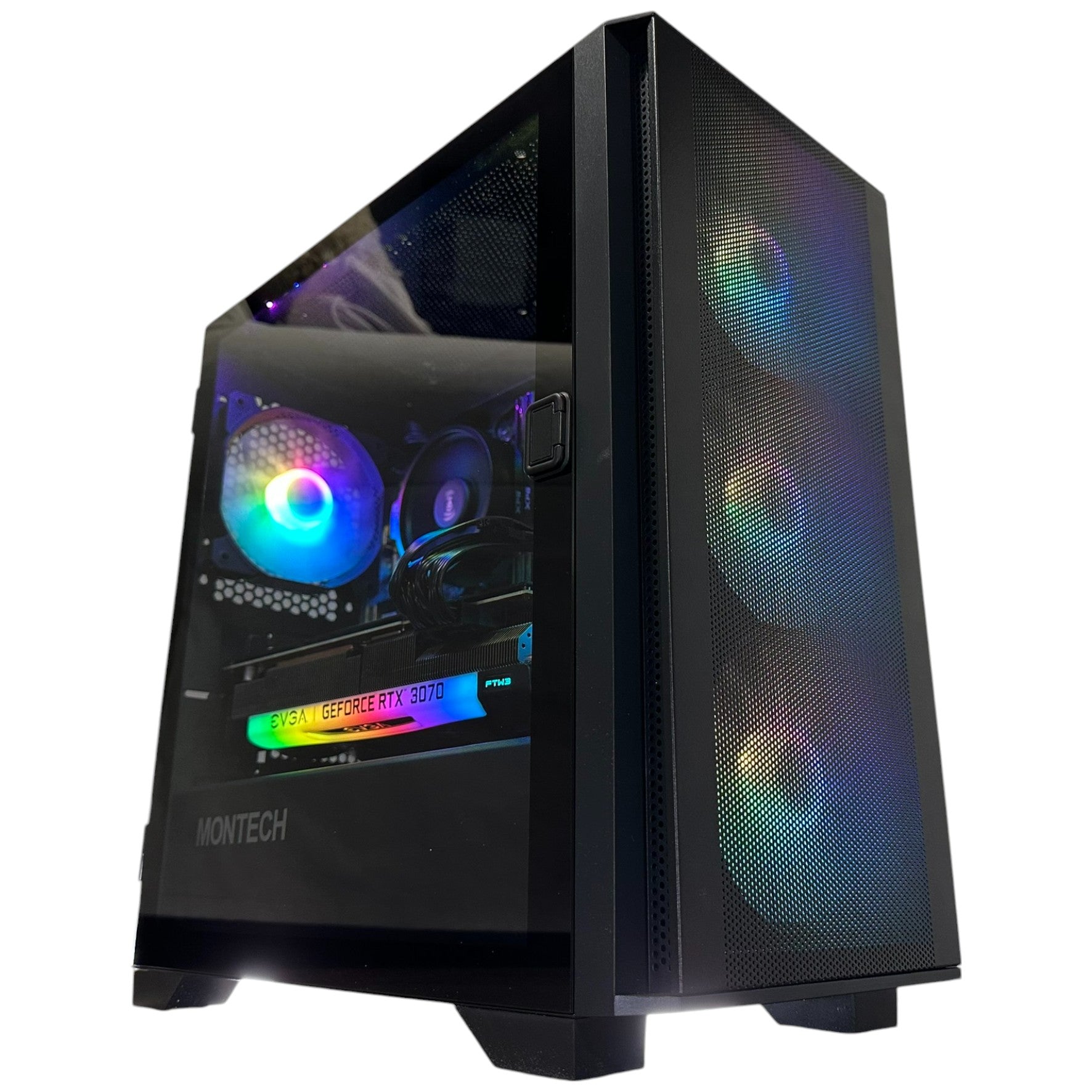
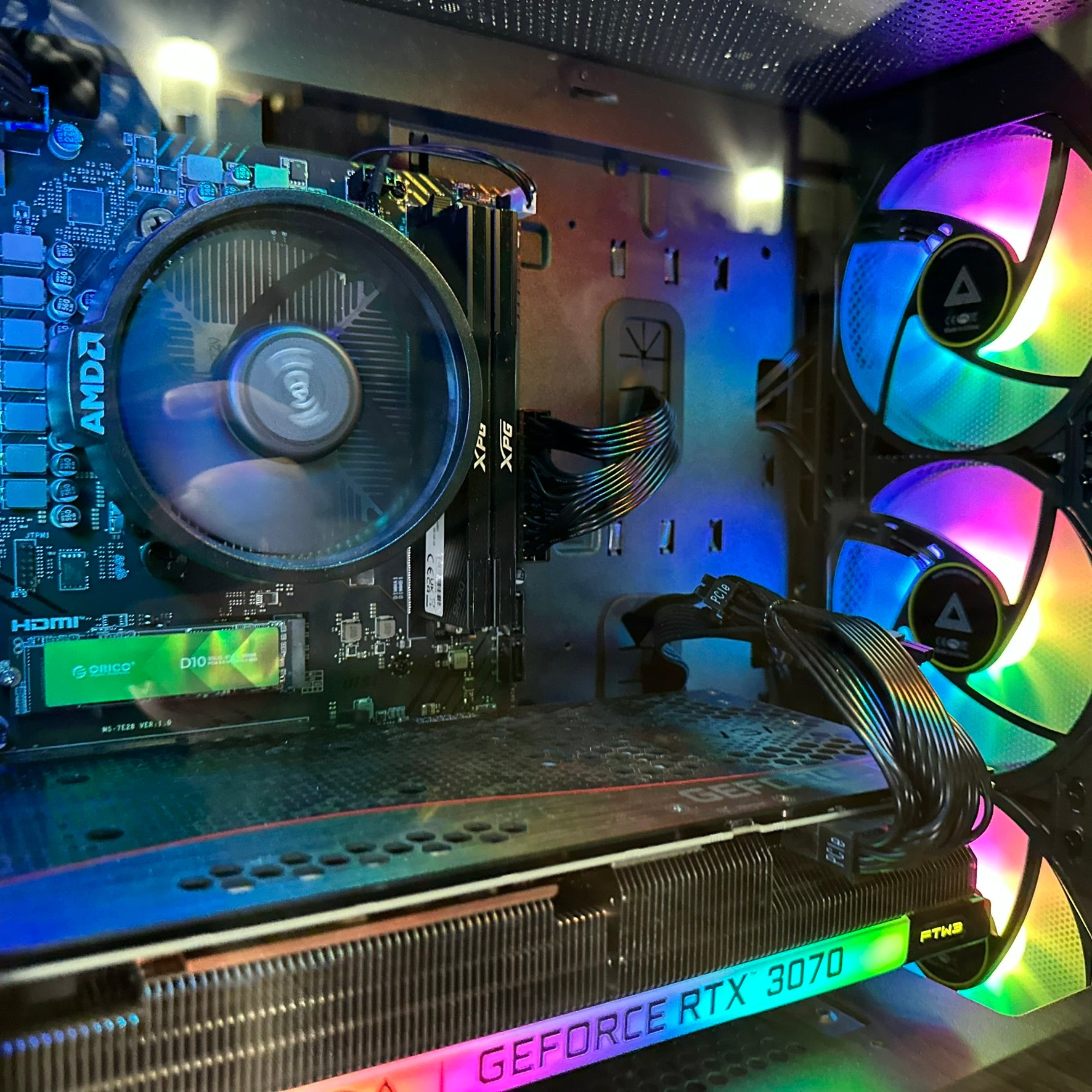
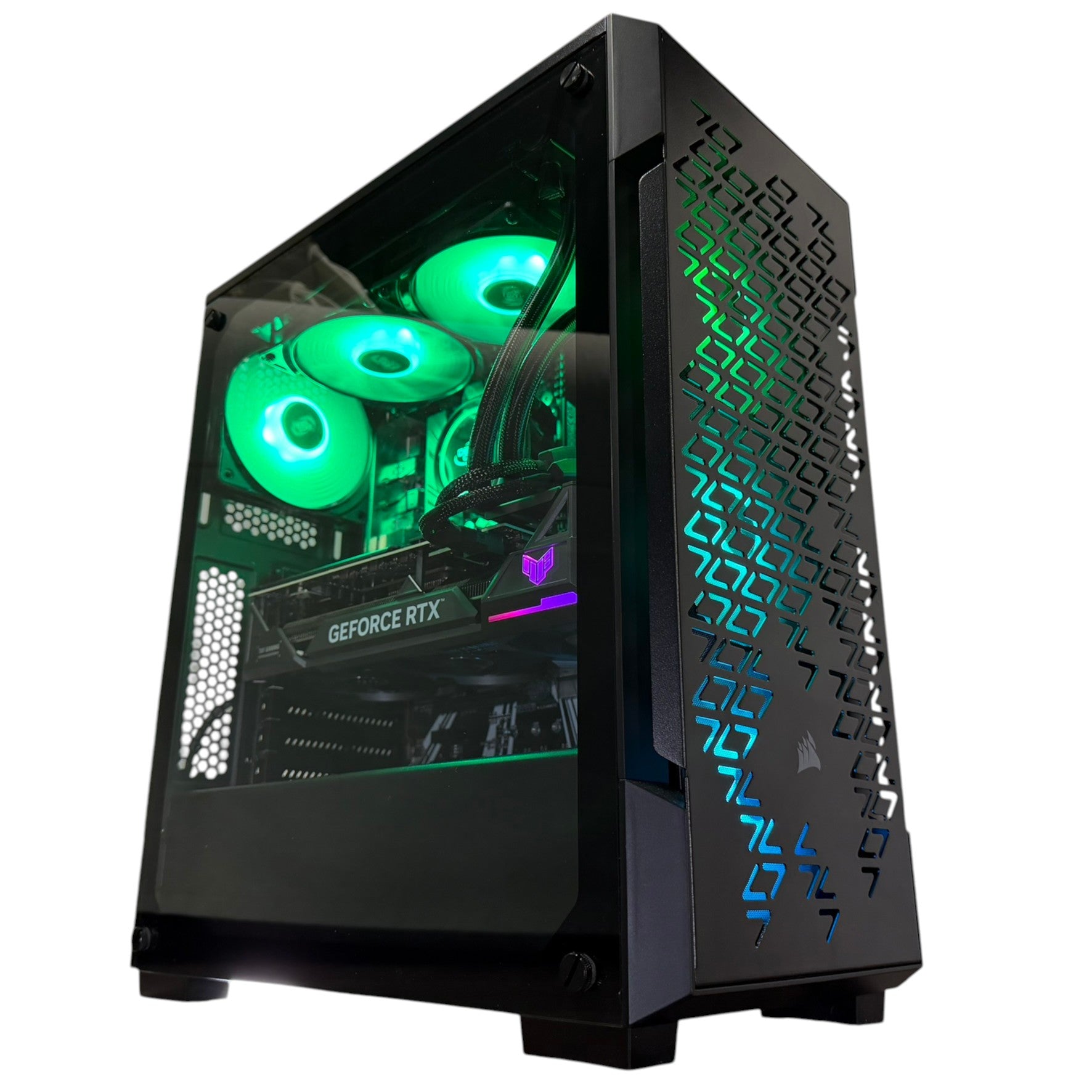

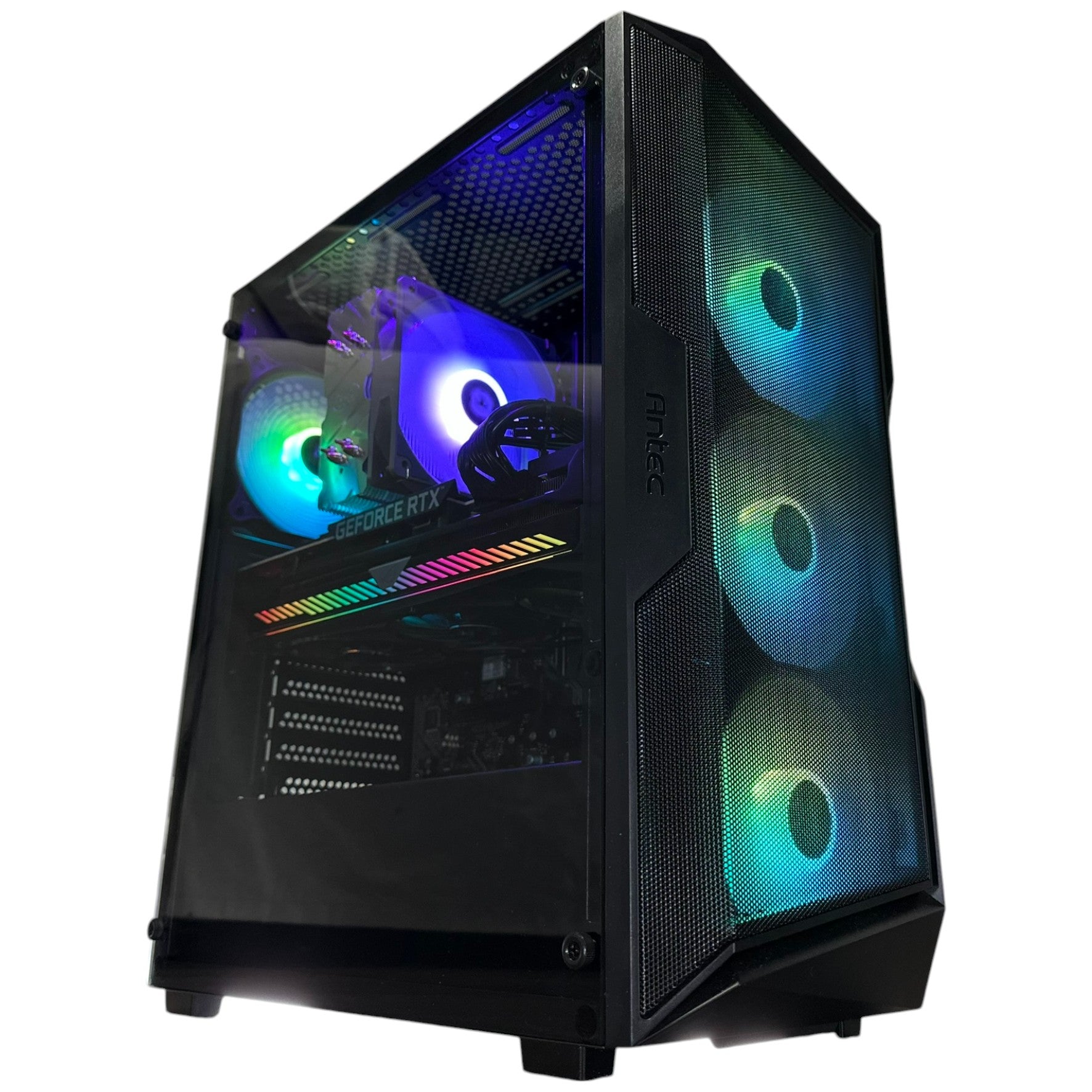


Resident Evil Comic-Con Footage Shows Why Horror Fans May Need a Better Gaming PC Before the Next Survival Horror Wave Hits
The new Resident Evil Comic-Con footage has already done what the best survival horror previews are supposed to do: create tension, spark conversation, and remind fans that atmosphere matters just as much as action. Based on the footage description provided, the upcoming film leans into snowy isolation, panic, limited control, and sudden undead violence. For horror fans, gamers, streamers, and content creators in Canada, that kind of momentum matters for more than entertainment alone. It usually signals rising interest in the entire franchise ecosystem, including PC gaming, horror-themed streaming, gameplay capture, fan content, editing, and creator workloads that demand stronger hardware.
That is where Groovy Computers enters the conversation. When a major horror property starts trending again, many people ask the same practical question: is my current system actually ready for the games, streams, edits, mods, recordings, and multitasking I want to do next? If you are planning to revisit survival horror on PC, start streaming darker cinematic games, edit reaction videos, or finally upgrade from an aging desktop, this is the right time to think carefully about what your next build should do.
What does the Resident Evil Comic-Con footage tell us about where horror entertainment is going?
The footage described in the source material is built on suspense first. A lone character in a snowy field. An overturned police cruiser. A crackling radio. A missing officer. A zombie that moves in an unsettling, animal-like way. A gun that fails at the worst possible time. That kind of design language is not just effective in film; it reflects the same qualities that make modern horror games popular on PC.
Why does that matter for buyers? Because horror fans rarely stop at watching a trailer or reading a recap. They often want to play, record, stream, react, clip, mod, and share. A new wave of interest around a franchise can quickly turn into a practical hardware need. Are you just planning to play at 1080p, or do you want a more immersive 1440p experience with stronger visuals, smoother frame pacing, and room for future releases? Do you want to play alone with headphones at night, or are you planning to stream to Twitch, upload YouTube breakdowns, and edit cinematic reaction content afterward?
The difference between those goals can mean the difference between a basic entry-level gaming desktop and a much more capable custom gaming PC Canada buyers can rely on for years instead of months.
What the source footage gets right about tension, and why that matters for PC buyers
The described scene works because it is built around uncertainty. The danger does not arrive in a loud, obvious way at first. It builds. That same principle applies to buying a new PC. Most upgrade regrets do not happen because someone bought too much performance. They happen because someone underestimated what they would want six months later.
Maybe right now you only want to play horror games. But what happens when you start recording gameplay? What happens when you install OBS, Discord, browser tabs, RGB control software, game launchers, and voice tools all at once? What happens when you want ray tracing, better texture settings, or a higher resolution display? What happens when the next big horror title launches and your current machine starts dropping frames during the most atmospheric scenes?
Those are the moments when buying only for today can feel expensive tomorrow.
Why should Canadian buyers think differently about the next PC upgrade?
Canadian buyers have to think about more than game hype. You also have to think about total value in Canadian dollars, shipping confidence, support, warranty, part quality, and replacement cost pressure. A weak purchase made just to save money upfront can cost more later if it forces a faster replacement cycle.
That is why a custom approach matters. Groovy Computers builds systems for real use cases, not vague marketing categories. If you are in Nova Scotia, Atlantic Canada, or ordering elsewhere in the country, the question is not just what is the cheapest PC that turns on? The better question is what system gives me enough headroom to enjoy modern games and workloads without needing another upgrade too soon?
That is especially important when demand spikes around major entertainment trends. More interest in gaming and creator content can put pressure on popular GPUs, fast storage, memory pricing, and full-system availability. Even if exact future pricing cannot be guaranteed, smart buyers know that waiting is not always the low-risk option.
What do you want your next PC to do for you?
Before you choose a system, stop and ask the question many buyers skip: what do I actually want this PC to handle over the next two to four years?
- Just gaming? You may need a budget or mid-range gaming system with strong 1080p or 1440p performance.
- Gaming plus streaming? You likely need more CPU overhead, more RAM, and a better GPU for a smoother streaming experience.
- Gaming plus video editing? You should think beyond frame rates and consider storage speed, export performance, and timeline responsiveness.
- Content creation and design? A creator-focused system may be a better fit than a pure gaming-first build.
- 3D work, Blender, Unreal Engine, or rendering? You may need a workstation-class configuration with more memory and heavier multi-core or GPU rendering strength.
If the Resident Evil buzz has you thinking about atmosphere-heavy gaming, horror streaming, fan edits, social clips, or franchise content, then your next desktop should be selected around those goals rather than just a headline spec.
What gaming performance tier fits your survival horror setup?
One of the biggest mistakes buyers make is shopping by parts alone instead of by experience. The better path is to start with the type of performance you want on screen.
Do you want a 1080p gaming PC for horror games and everyday play?
A 1080p-focused build is often the right starting point for buyers who want solid performance, good visual quality, and a more controlled budget. If your plan is to enjoy modern horror titles, older Resident Evil games, indie horror releases, esports games, and general entertainment without pushing ultra-demanding settings at higher resolutions, a value-focused build can make sense.
This is also a smart choice if you are asking, how much should I spend on a gaming PC? Not every buyer needs a flagship GPU. A well-balanced entry or lower-midrange system can still deliver a strong experience when matched properly to your monitor, settings targets, and future upgrade plans.
Do you want a 1440p gaming PC for better immersion and longer-term value?
For many Canadian buyers, 1440p is the sweet spot. It gives you a noticeably sharper, more premium experience than 1080p while avoiding some of the extreme pricing of top-end 4K gaming setups. If you want moody lighting, environmental detail, stronger image clarity, and smoother overall play in atmospheric horror games, 1440p is often the best performance target.
Ask yourself: do I want this PC to still feel strong when the next wave of AAA horror and action games arrives? If the answer is yes, 1440p-class hardware often makes more sense than buying too low and upgrading too early.
Do you want 4K, ray tracing, and premium visual settings?
If cinematic image quality is your priority, then a premium system may be the better fit. Horror games often benefit from lighting, shadows, reflections, and texture richness. If you want ray tracing, high settings, high-resolution assets, and enough GPU strength to hold up in newer demanding titles, it is worth stepping into a premium tier instead of compromising.
That leads to another important question: should I finance a high-end gaming PC instead of settling for a weaker one I will replace sooner? For some buyers, the answer is yes. A stronger system purchased with manageable payments can be smarter than buying underpowered hardware now and paying again later.
Are you only gaming, or do you also want to stream horror content?
Many readers who get excited about a trailer or footage reveal are not just players. They are also streamers, aspiring streamers, or creators who want to build an audience around reactions, live gameplay, lore discussions, challenge runs, and first-look content. If that sounds like you, then a standard gaming-only build may not be enough.
A streaming PC Canada buyers can trust should be selected around the full workload, not just the game itself. OBS, overlays, chat tools, browser windows, capture workflows, voice processing, and local recording all add load. If you want to game and stream at the same time without stutter, dropped frames, or audio sync headaches, your CPU, GPU, cooling, and RAM all matter.
So what PC do you need for streaming? That depends on your goals:
- Casual 1080p streaming: A balanced gaming and streaming PC can be enough.
- High-quality streaming with strong gameplay settings: Step up the GPU, memory, and CPU class.
- Streaming plus editing clips after each session: Consider a more creator-oriented custom build.
If you are wondering whether you need a separate streaming PC, most buyers do not. A properly planned single-system custom build can handle gaming, recording, and streaming very well when chosen for the right performance tier.
Thinking about YouTube, TikTok, or reaction content after the trailer hype?
This is where a lot of gaming buyers quietly turn into creator buyers. You watch a creepy footage reveal, get inspired, and suddenly you are planning a reaction video, a lore breakdown, a thumbnail, a shorts edit, and maybe even a livestream discussion. At that point, you are no longer shopping only for gaming. You are shopping for a content creation PC Canada customers can use for mixed workloads.
Ask yourself a few honest questions:
- Do you want to edit 1080p clips, or are you moving into 4K footage?
- Will you use Adobe Premiere Pro, DaVinci Resolve, CapCut, or multiple tools together?
- Do you need Photoshop for thumbnails and channel art?
- Will you be recording long sessions and storing large media libraries?
- Do you want one machine for gaming, editing, and streaming instead of juggling compromises?
If yes, a custom creator PC can be the smarter buy. More fast storage, more RAM, stronger cooling, and a better-balanced CPU/GPU combination can save time every single week.
What if you need a video editing PC, not just a gaming PC?
The jump from “I game” to “I also edit” changes the recommendation fast. A video editing PC Canada buyers should choose is built for responsiveness under load: faster exports, smoother scrubbing, stronger playback, and better stability during longer sessions.
If your horror content plans involve highlight reels, scene analysis, fan trailers, podcasts, or long-form YouTube videos, then the right editing desktop matters. A good gaming PC can sometimes handle editing, but not all gaming-focused systems are ideal for editing workloads. If you are asking, is a gaming PC good for video editing? the answer is often “yes, if it is properly configured,” but not if it skimps on memory, storage, or processing balance.
For creators, the real question becomes: how much waiting am I doing on my current machine? If your system struggles with preview lag, slow exports, project loading delays, or background task congestion, that lost time has a real cost.
What specs matter most for video editing and creator work?
- CPU performance: Important for exports, effects, and heavier processing tasks.
- GPU acceleration: Valuable for many editing, playback, AI, and rendering workflows.
- RAM: Critical if you multitask heavily or work with larger timelines and layered projects.
- Fast SSD storage: Essential for OS responsiveness, application load times, scratch space, and active projects.
- Cooling and stability: Important for maintaining performance during long sessions.
Do you also need photo editing, graphic design, or thumbnail creation performance?
Many gaming and creator customers do more than one type of work. Maybe you stream at night, edit clips on weekends, and design social posts in between. Maybe you are a photographer who also games. Maybe you are a designer who wants a PC that can handle both Adobe Creative Cloud and modern titles.
In that case, the right system may be closer to a creator PC Canada build than a pure gaming desktop. If you use Photoshop, Lightroom, Illustrator, InDesign, Canva, or layered design apps alongside gaming and browser-heavy multitasking, your build should reflect that.
What PC do you need for graphic design? What PC do you need for photo editing? Usually, you want a machine with enough CPU speed for snappy responsiveness, enough RAM for creative multitasking, reliable storage, and a GPU that supports your wider workflow without making the system one-dimensional.
If your current desktop slows down when editing RAW images, handling large PSD files, exporting batches, or juggling multiple displays, it may be time to move into a more balanced custom build.
What if your interests go beyond games and into Blender, Unreal Engine, or 3D rendering?
Horror franchises often inspire more than gameplay and commentary. They inspire fan art, 3D scenes, mods, indie development experiments, animation, and environment design. If the footage has you thinking about cinematic snow scenes, creature concepts, or game-world recreations, you may need more than a gaming system. You may need a 3D modeling PC Canada professionals and serious hobbyists can trust.
What PC do you need for Blender? What PC do you need for 3D rendering? That depends on whether you are modelling, animating, viewport testing, CPU rendering, GPU rendering, or moving between several tools. But one thing is consistent: 3D workloads punish weak systems fast. Memory limits, storage bottlenecks, insufficient GPU power, and thermal issues can all slow creative output.
If your workflow includes Blender, Unreal Engine, Unity, ZBrush, or rendering-heavy software, a workstation-style build from Groovy Computers can be a much better fit than a generic gaming box.
Is it better to buy now or wait if horror gaming demand keeps building?
This is one of the most important buying questions in Canada right now. There is no universal answer, but there is a useful framework. If your current PC already struggles, waiting does not save you the cost of upgrading. It only delays the benefit while exposing you to possible market shifts.
Ask yourself:
- Are you waiting for a specific game, film tie-in, or content release window?
- Do you need your system ready before fall gaming season or holiday demand?
- Are you already compromising settings, frame rates, or workflow speed today?
- Would another few months of delay actually improve your experience, or just postpone the inevitable?
When buyers say they are “waiting,” they are often hoping for a lower price and a better part at the same time. Sometimes that works. Sometimes it does not. GPU demand pressure, memory volatility, SSD pricing changes, and seasonal spikes can all affect the total cost of a build. If you need a machine for real use now, the better strategy may be locking in a strong, properly balanced system rather than gambling on ideal timing.
Should you choose a budget gaming PC or finance a stronger build?
This is where practical decision-making matters more than hype. A budget gaming PC Canada buyers choose can absolutely make sense if the goal is controlled 1080p gaming, lighter streaming, and basic creator tasks. But if you know you want better visuals, future game readiness, higher frame rates, or mixed gaming-and-creator performance, the cheapest path may not be the best value.
That is why many shoppers ask: should I finance a better PC instead of buying a cheaper one? In many cases, financing can help you secure a system that lasts longer and performs better without forcing a major upfront compromise. If available through Groovy Computers, financing up to 4 years can make a higher-quality build more realistic for buyers who want room to grow.
That is not about overspending. It is about buying intelligently. If a slightly stronger GPU, more RAM, better cooling, or larger SSD can meaningfully extend the useful life of the system, monthly affordability may be better than a low-end purchase that needs replacing too soon.
Which type of buyer should choose which type of PC?
Here is a practical buying guide based on the kind of user many readers become after seeing trending horror entertainment spark interest in gaming and content creation.
Choose an entry or value gaming build if:
- You mainly play at 1080p
- You want a first gaming PC in Canada
- You play a mix of horror, esports, and lighter AAA titles
- You are budget-conscious and want solid value
- You do not mind reducing some settings in future demanding games
Choose a mid-range gaming and streaming build if:
- You want stronger 1080p or 1440p performance
- You plan to stream with OBS
- You want better long-term flexibility
- You record gameplay and multitask heavily
- You want a balanced machine that does more than just run games
Choose a premium RTX gaming PC if:
- You want 1440p ultra settings or 4K gaming
- You care about ray tracing and high visual fidelity
- You want stronger future-proofing
- You play cinematic AAA games and want the best experience
- You would rather buy once than upgrade again too soon
Choose a creator or editing workstation if:
- You edit videos regularly
- You create thumbnails, graphics, or social content
- You use Adobe apps, DaVinci Resolve, or similar software
- You need more RAM, storage, and sustained performance
- You want gaming plus serious productivity in one system
Choose a 3D workstation if:
- You use Blender, Unreal Engine, or rendering tools
- You build scenes, assets, animations, or simulations
- You need heavier GPU or CPU performance under sustained load
- You require more headroom for future project complexity
Why do custom builds matter more when you want reliability?
When you are buying a new PC for gaming, streaming, editing, or workstation use, raw specs are only part of the story. Part matching, airflow, power delivery, cooling, assembly quality, and stress testing all affect the real-world experience.
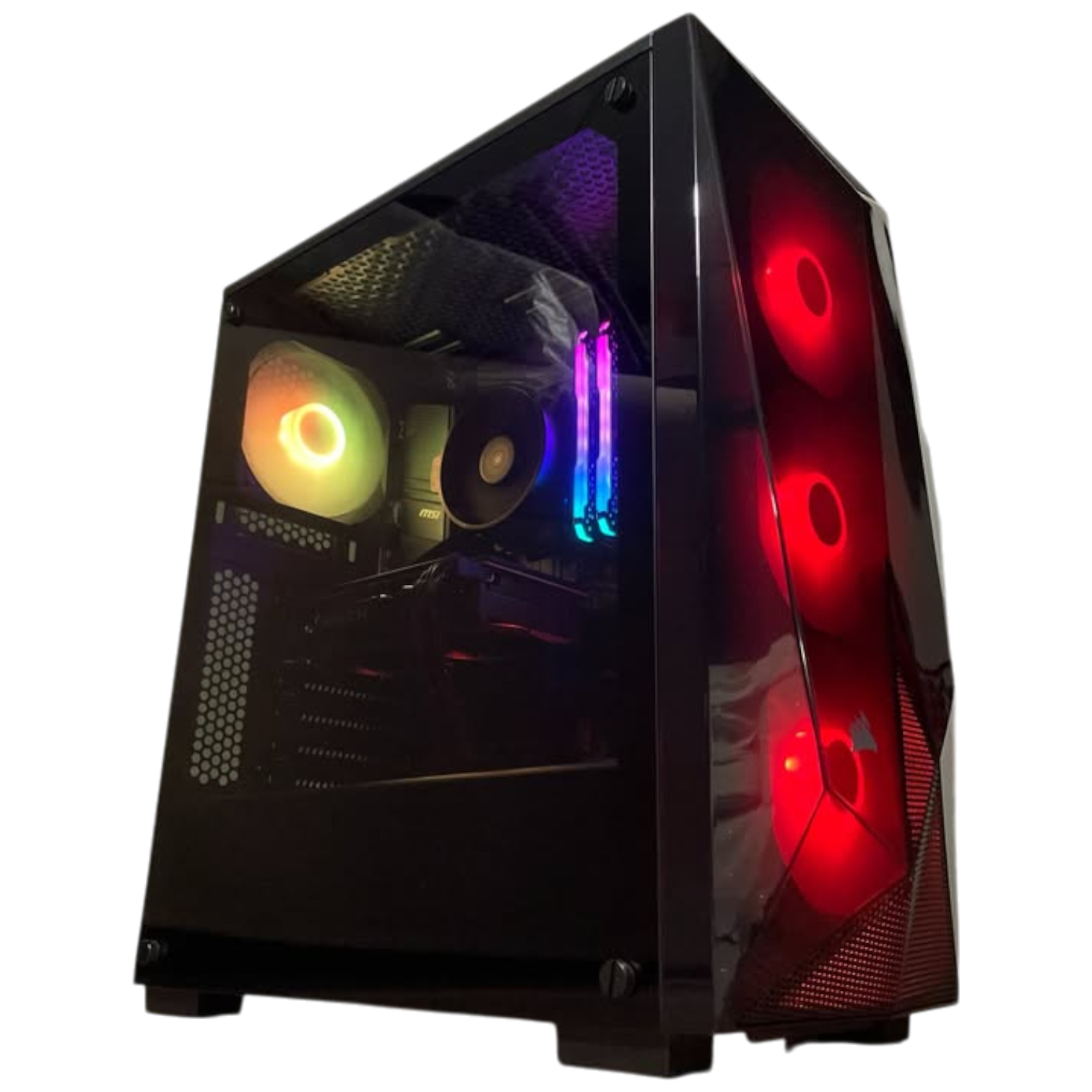
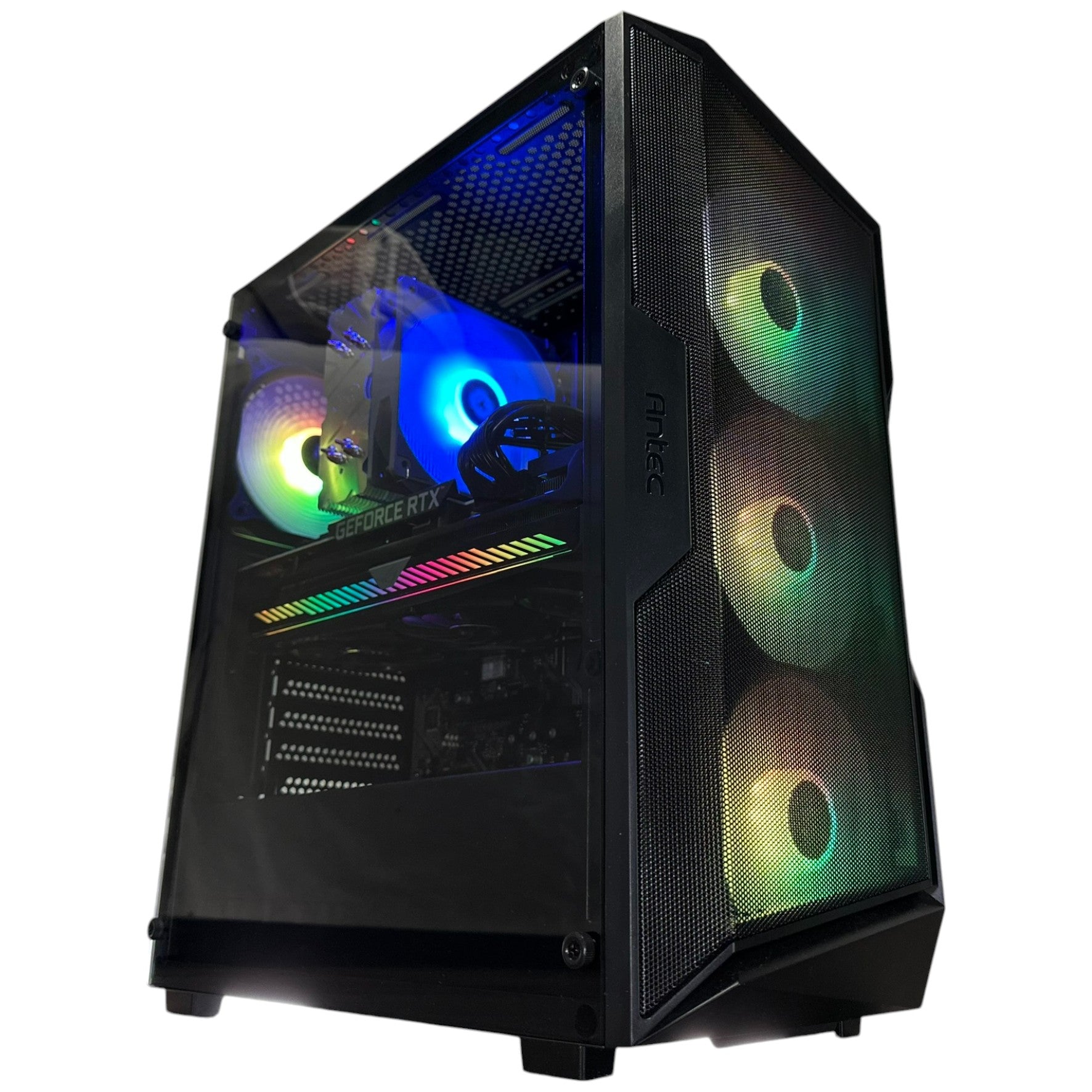
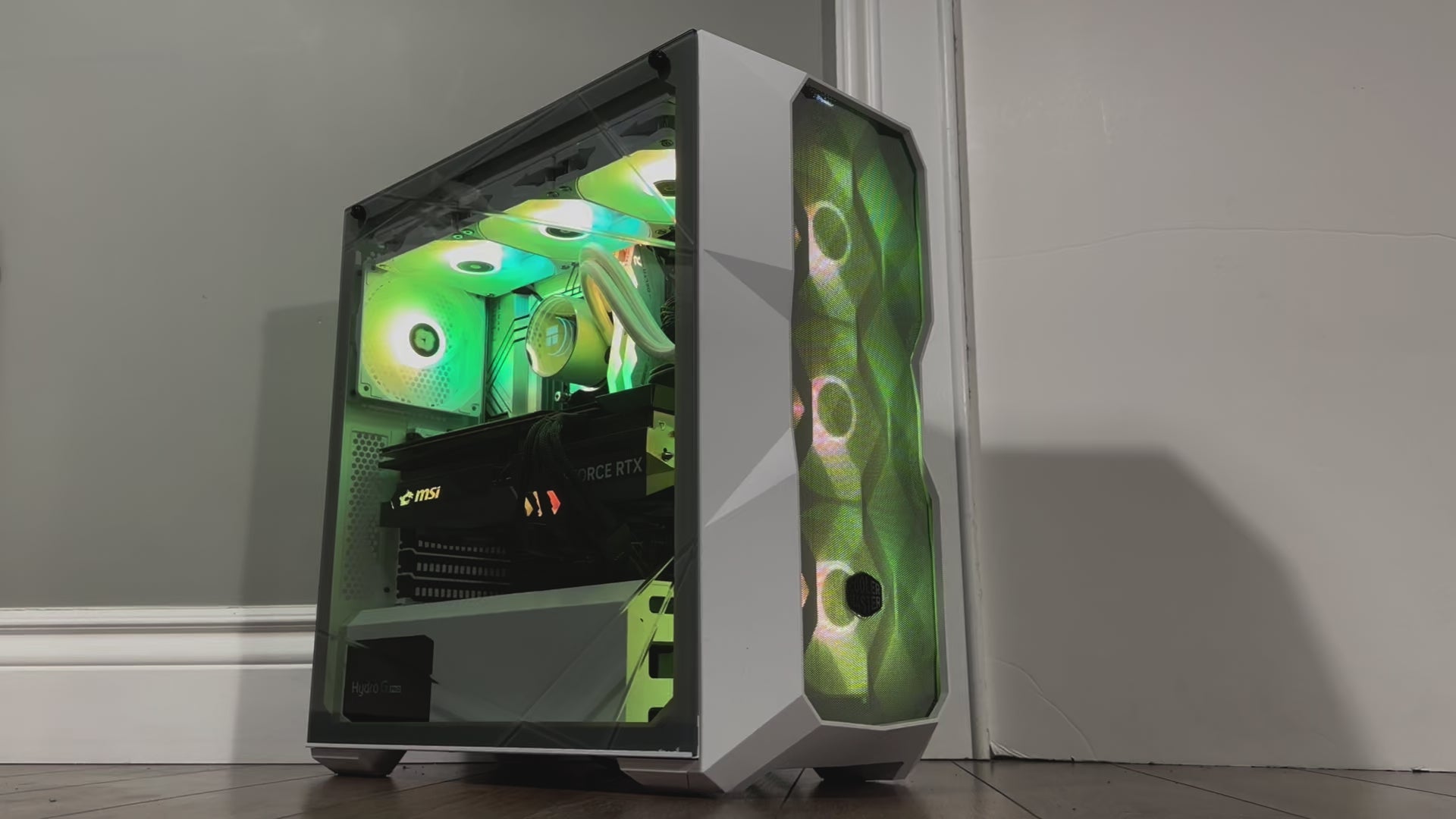
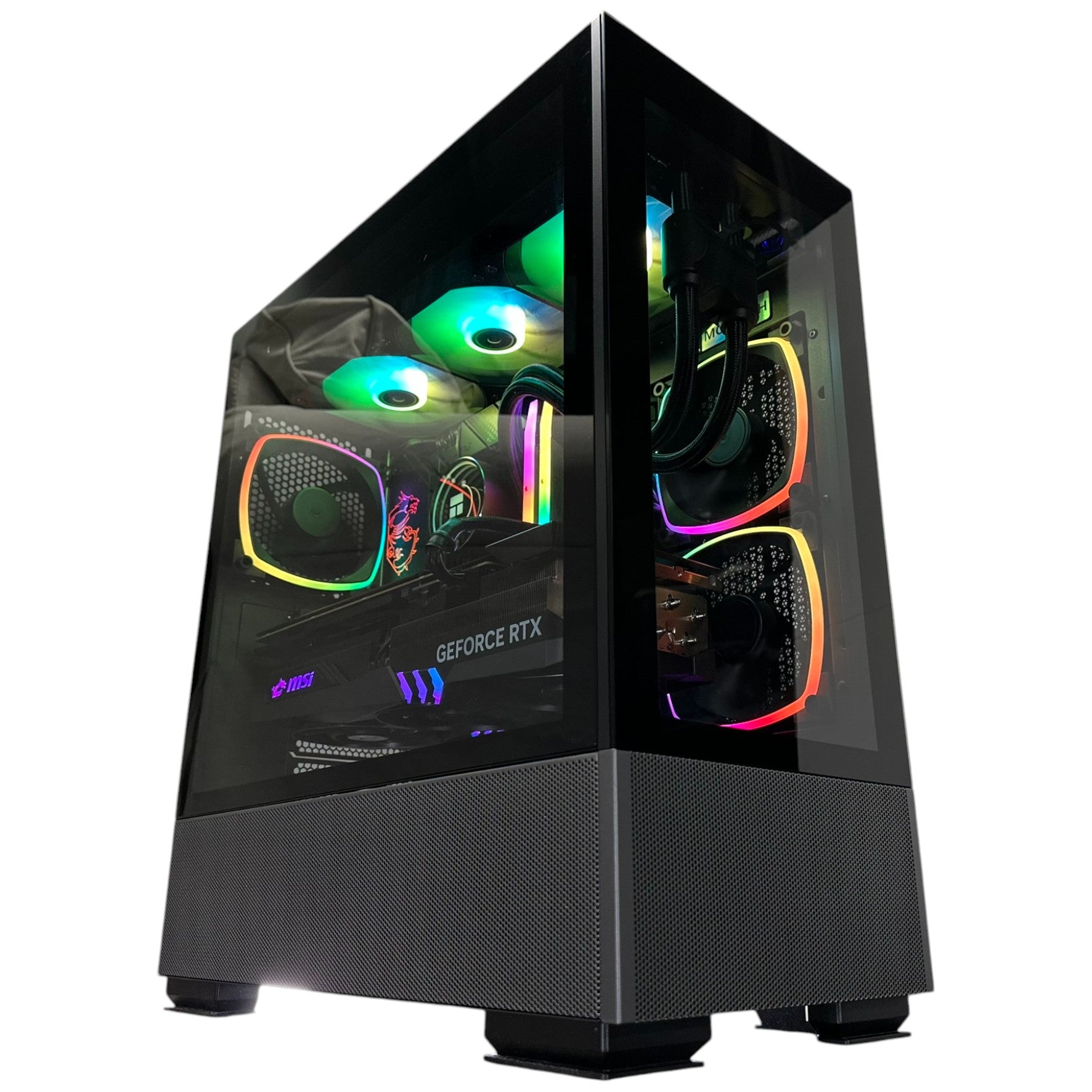
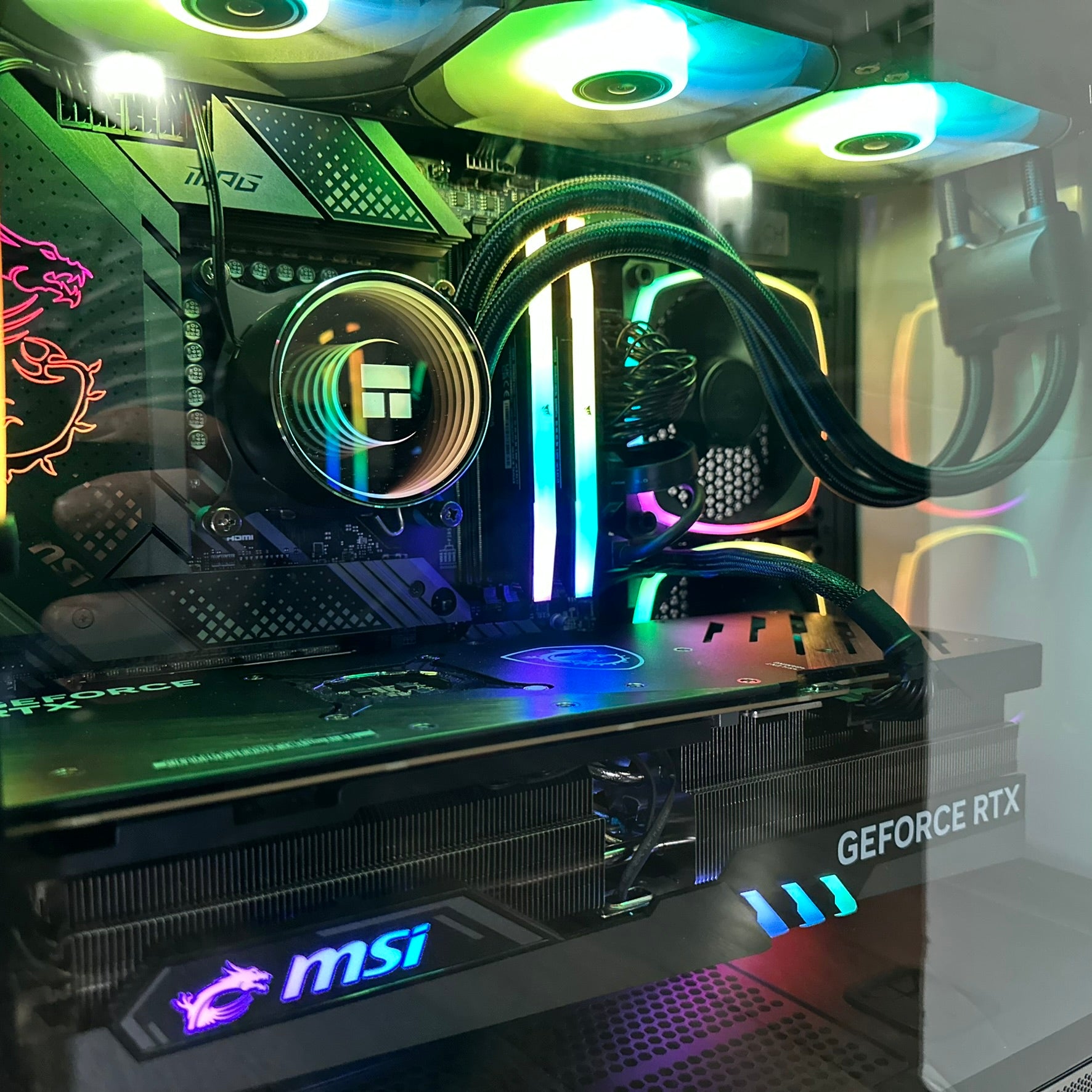
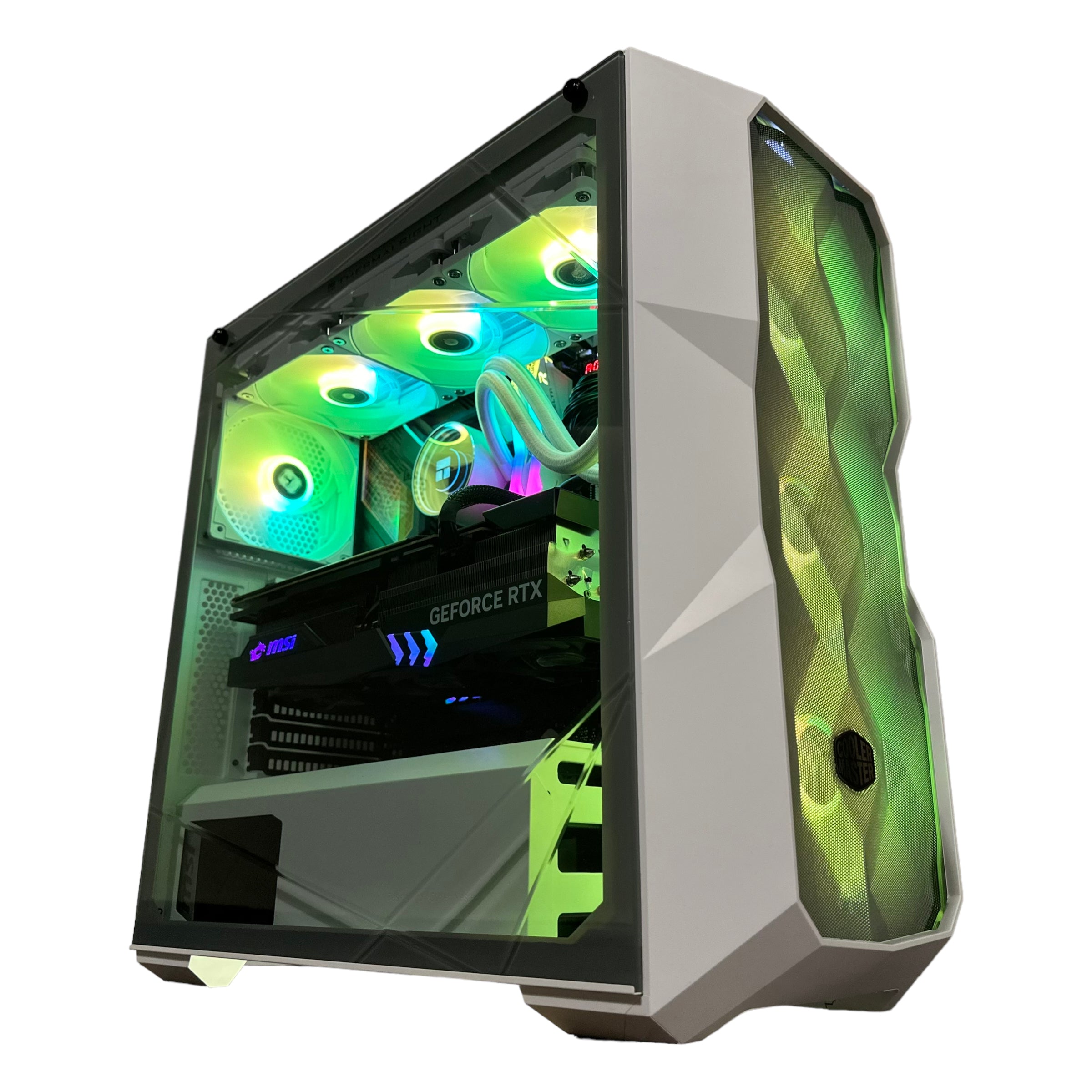
That is why many buyers prefer a Custom PC Builder Canada customers can trust instead of rolling the dice on random, poorly balanced systems. Groovy Computers focuses on complete builds designed for how people actually use their machines. That includes proper component pairing, performance-minded configuration, and the confidence that comes from rigorous testing.
If you are planning to invest in a custom gaming PC, creator desktop, or workstation, ask yourself: do I want the cheapest box possible, or do I want a system that feels dependable when I need it most?
That question matters even more if you stream live, work on deadlines, edit client projects, or need your system for both entertainment and productivity. Stability is value. So is support. So is warranty confidence.
Why should Canadian buyers care about testing, warranty, and support?
A strong system is not just about benchmark numbers. It is about confidence after the purchase. Groovy Computers positions itself for buyers who want a Canada-built experience with care behind the build. That means custom systems selected for real workloads, stress-tested performance, and a 1-year warranty that helps reduce purchase anxiety.
If you are ordering in Nova Scotia, Trenton, New Glasgow, Halifax, elsewhere in Atlantic Canada, or across the country, support matters. So does the peace of mind that comes from dealing with a Canadian custom PC company that understands what buyers are actually asking for right now.
Do you want a machine that arrives ready for modern gaming? Do you want help choosing between a budget gaming computer, a premium RTX gaming PC, a creator desktop, or a workstation build? Do you want to avoid buying something generic that looks good on paper but feels limiting in practice? Those are exactly the reasons many customers choose custom.
How should you decide if financing makes sense for your next system?
Financing is not for everyone, but it can be very useful when the right build is slightly above your immediate cash budget and dropping down a tier would hurt long-term satisfaction. If financing up to 4 years is available, it can help buyers secure stronger hardware before replacement costs rise or before another performance bottleneck forces a second purchase.
Ask yourself a few practical questions:
- Would a better GPU meaningfully extend the life of the build?
- Would more RAM save time in editing, streaming, or multitasking?
- Would a larger SSD prevent an upgrade headache in the near future?
- Would monthly payments let you buy the system you actually need instead of the system you will quickly outgrow?
If your honest answer is yes, then financing may be a sensible strategy rather than a splurge. The key is choosing a machine built around your real workload.
So what should horror fans, gamers, and creators do next?
The Resident Evil footage described in the source article is a reminder that suspense-driven horror remains powerful, cinematic, and culturally sticky. When that kind of franchise momentum builds, it often pulls people back into gaming, streaming, editing, community content, and upgrades they have been putting off.
So ask yourself one final question: what do you want your next PC to do that your current one cannot do comfortably anymore? Run survival horror games at higher settings? Handle 1440p with confidence? Stream without stutter? Edit videos faster? Design thumbnails and social content more smoothly? Tackle Blender or Unreal Engine without constant compromises?
If you are ready to move from “thinking about upgrading” to actually choosing the right system, visit GroovyComputers.ca. Whether you need a budget-friendly gaming desktop, a premium horror-ready RTX build, a mixed gaming-and-streaming PC, a custom creator system, or a more demanding workstation, Groovy Computers can help you choose a build that fits your goals now and holds up longer in Canada.
In short, the Resident Evil Comic-Con footage is more than a cool horror tease. It is also a timely reminder that immersive games, streaming ambitions, and creator workloads all reward better hardware. If your current PC is already showing its limits, waiting may not improve the situation. A stronger custom system from Groovy Computers can put you in a better position before the next wave of game demand, creator pressure, and component cost shifts arrive.
#ResidentEvil #ResidentEvilComicConFootage #GamingPCCanada #CustomPCCanada #CanadianCustomPCBuilders #StreamingPCCanada #VideoEditingPCCanada #CreatorPCCanada #3DModelingPCCanada #NovaScotiaTech #GroovyComputers
Groovy Computers | All Rights Reserved


Leave a comment
This site is protected by hCaptcha and the hCaptcha Privacy Policy and Terms of Service apply.