





Resident Evil Remakes, Capcom Strategy, and What Canadian Buyers Should Learn Before Choosing a Gaming PC
The big takeaway from the latest Resident Evil remakes discussion is not just that Capcom has found a profitable release cycle. It is that blockbuster game franchises now help fund bigger risks, longer development pipelines, and more demanding PC gaming expectations. For Canadian buyers, that matters because every new survival horror release, remake, ray-traced update, and high-fidelity sequel raises the question: is your current system actually ready for what comes next, or are you already one major launch away from needing an upgrade?
The source story highlights a clear business reality. Capcom producer Masachika Kawata explained that Resident Evil remakes and new mainline entries work together as a sustainable cycle. Remakes help maintain release cadence, reduce strain on teams, and generate the revenue needed to support new projects. In simple terms, familiar hits are financing future ambition. That is smart publishing. But it is also a signal to players and creators that major franchises are not slowing down. They are getting more polished, more cinematic, and more technically demanding.
For PC buyers in Canada, that creates a practical buying question: if publishers are investing in larger, better-looking, more advanced games, should you still settle for a weak system that only feels acceptable today? Or is now the moment to choose a stronger custom build that gives you more room for the next wave of releases?
What the Resident Evil remakes story really tells us about modern PC gaming
Resident Evil is one of the rare franchises that has mattered across multiple gaming eras. It helped define survival horror, then later helped define what a modern remake could be. That kind of staying power usually comes with technical escalation. Better lighting, denser environments, improved animation systems, higher resolution textures, ray tracing options, faster streaming of assets, and more complex world detail all increase hardware pressure.
That is why this story matters beyond one publisher. When a franchise becomes a financial engine, publishers keep investing in quality, presentation, and broader player expectations. Gamers begin to expect smoother performance, sharper visuals, better frame pacing, lower load times, and stronger immersion. If you are planning to play newer horror titles, action-heavy AAA games, or cinematic open-world releases, the question is no longer just can your PC launch the game. The real question is: can it run the game well enough to feel worth your time and money?
If you have been reading gaming news and wondering whether your next machine should focus on 1080p, 1440p, or 4K, this is exactly the kind of trend that should shape your decision.
Why Canadian buyers should think differently about a gaming PC upgrade
Canadian customers face a different buying environment than many headline-level gaming stories account for. System costs are in Canadian dollars, shipping and support matter more, and replacement pricing can feel harsher when GPUs, memory, and storage move upward. A delay that seems harmless can quickly turn into a more expensive purchase later.
Are you buying before a major game release window? Are you waiting for one more hardware announcement? Are you trying to hold onto an older graphics card even though newer games are pushing higher VRAM demands and heavier visual settings? These are not small questions anymore. They directly affect whether you buy once and enjoy your system for years, or buy too low and end up upgrading sooner than expected.
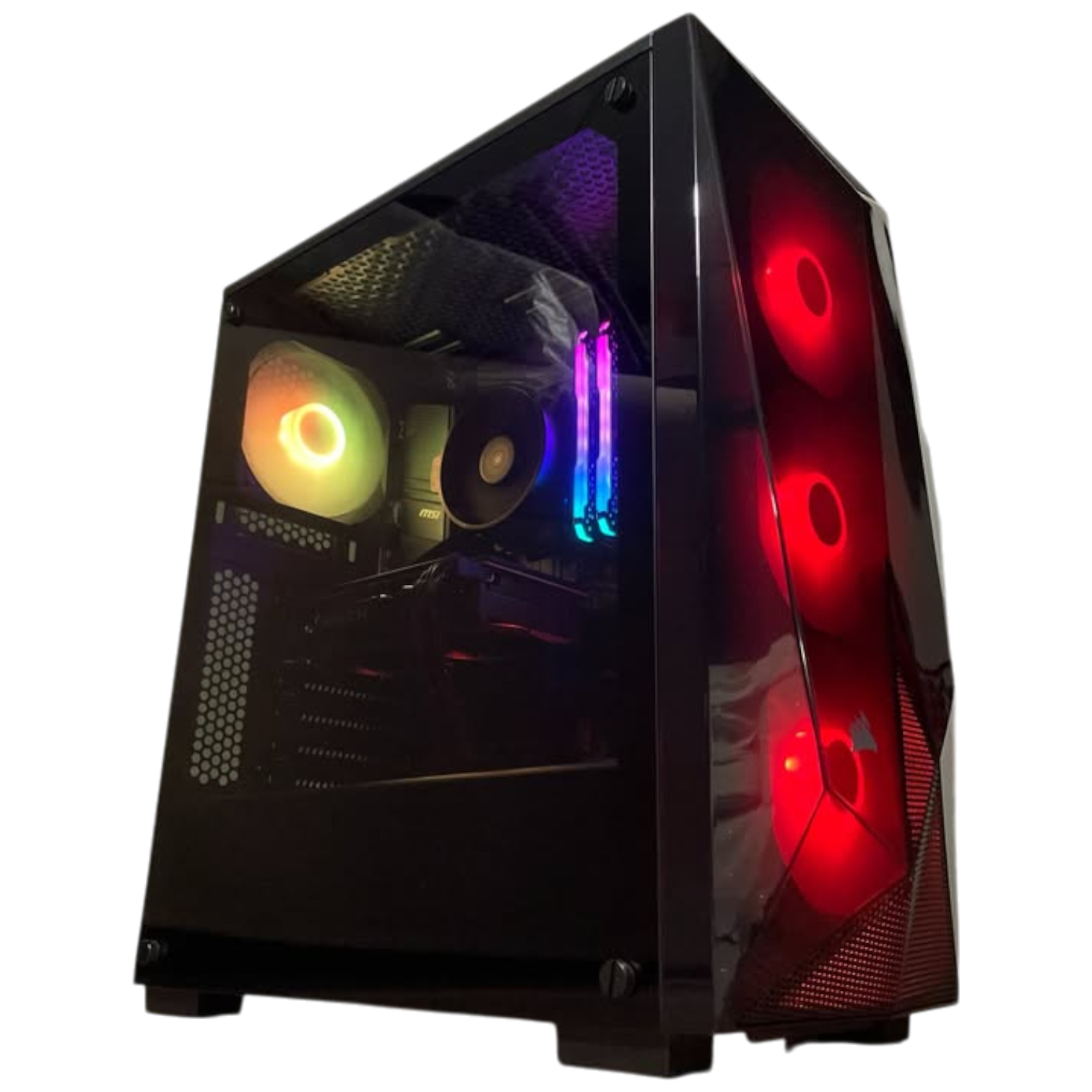
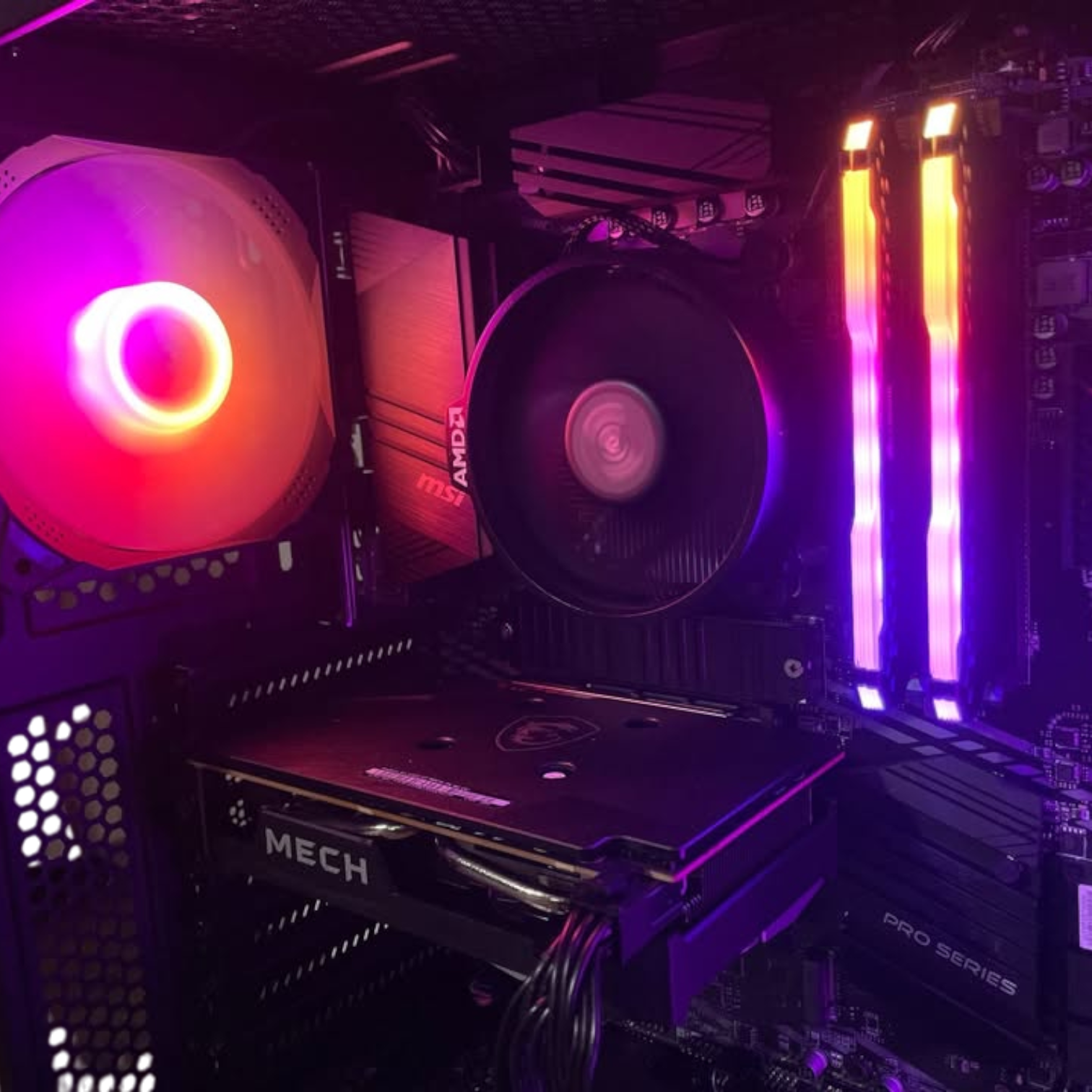
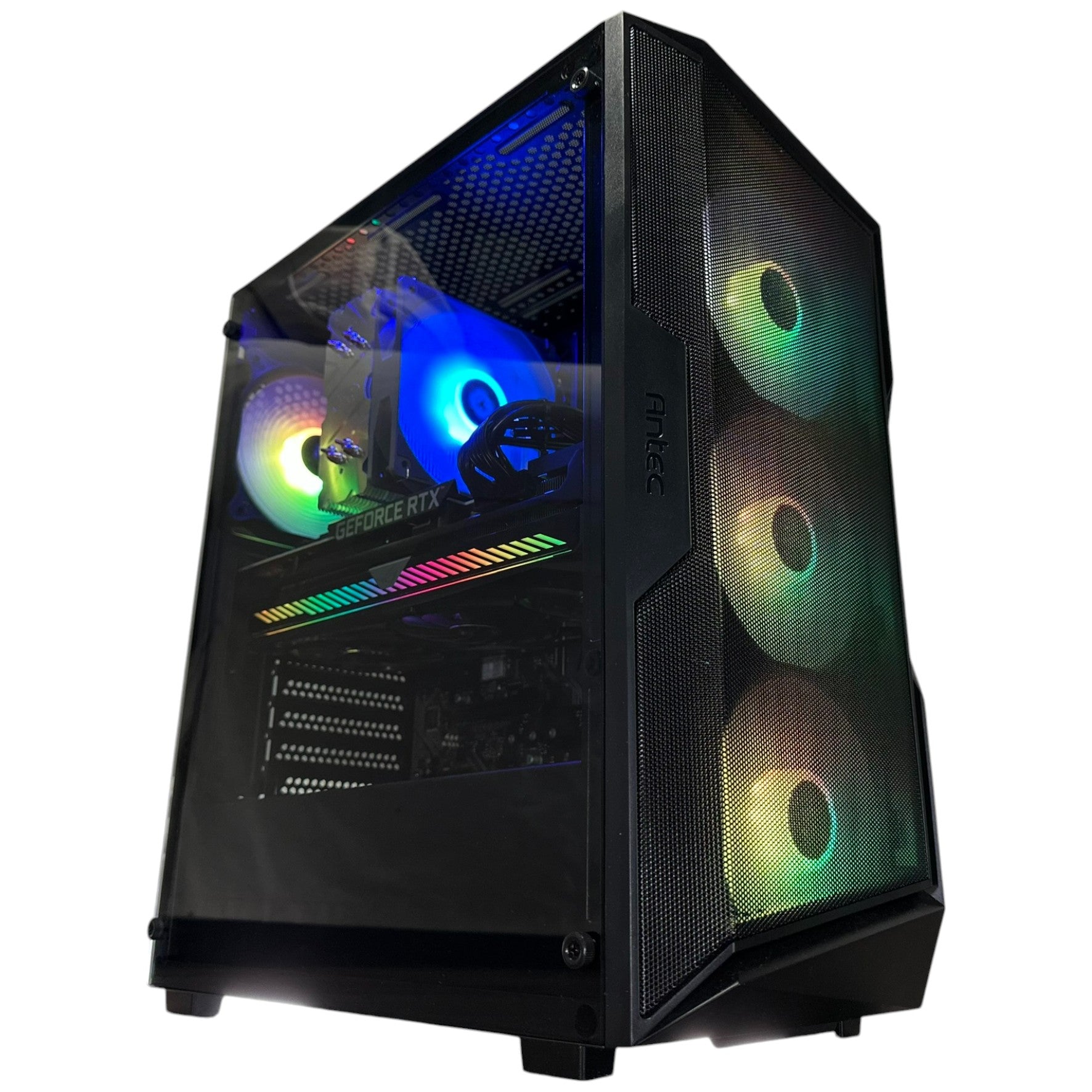
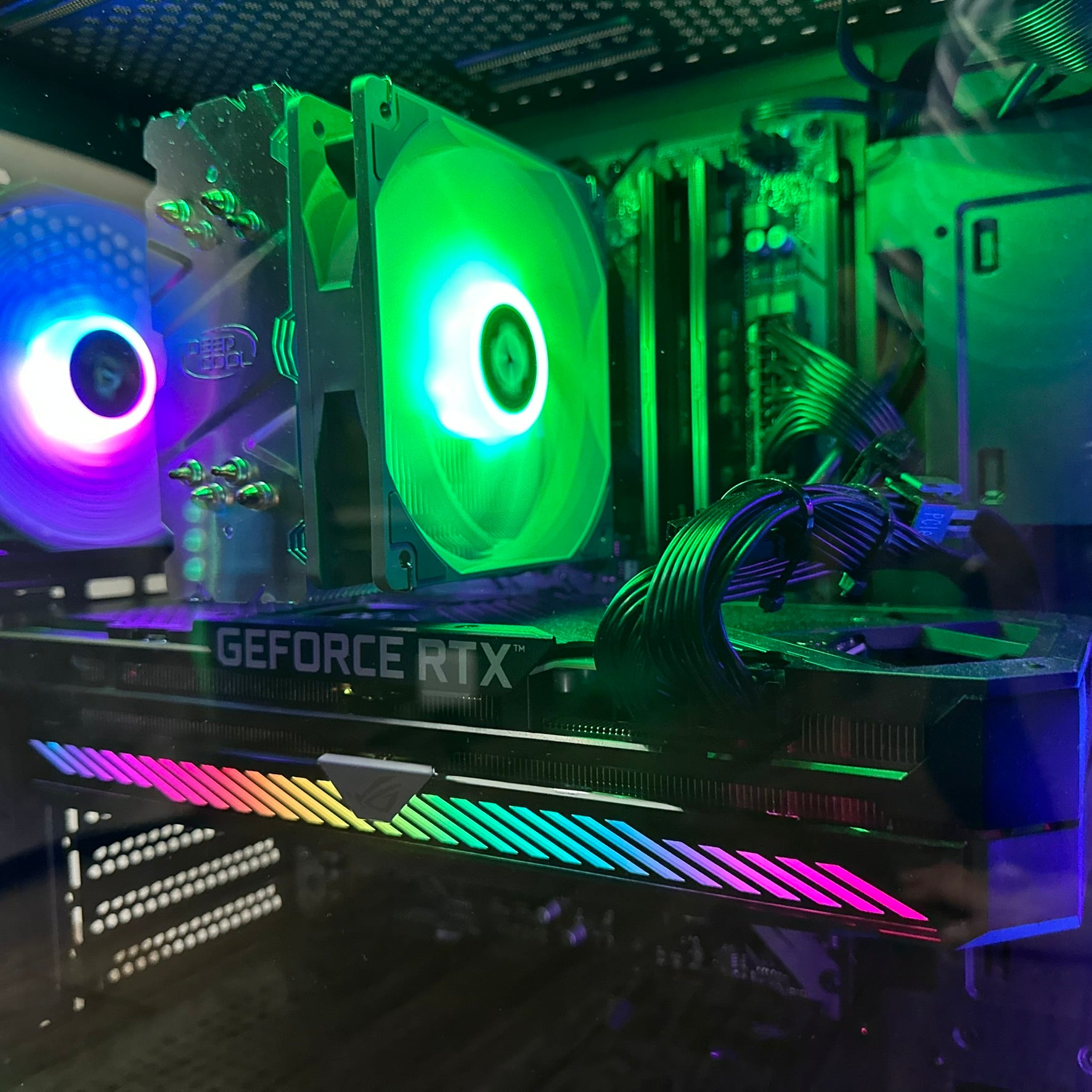
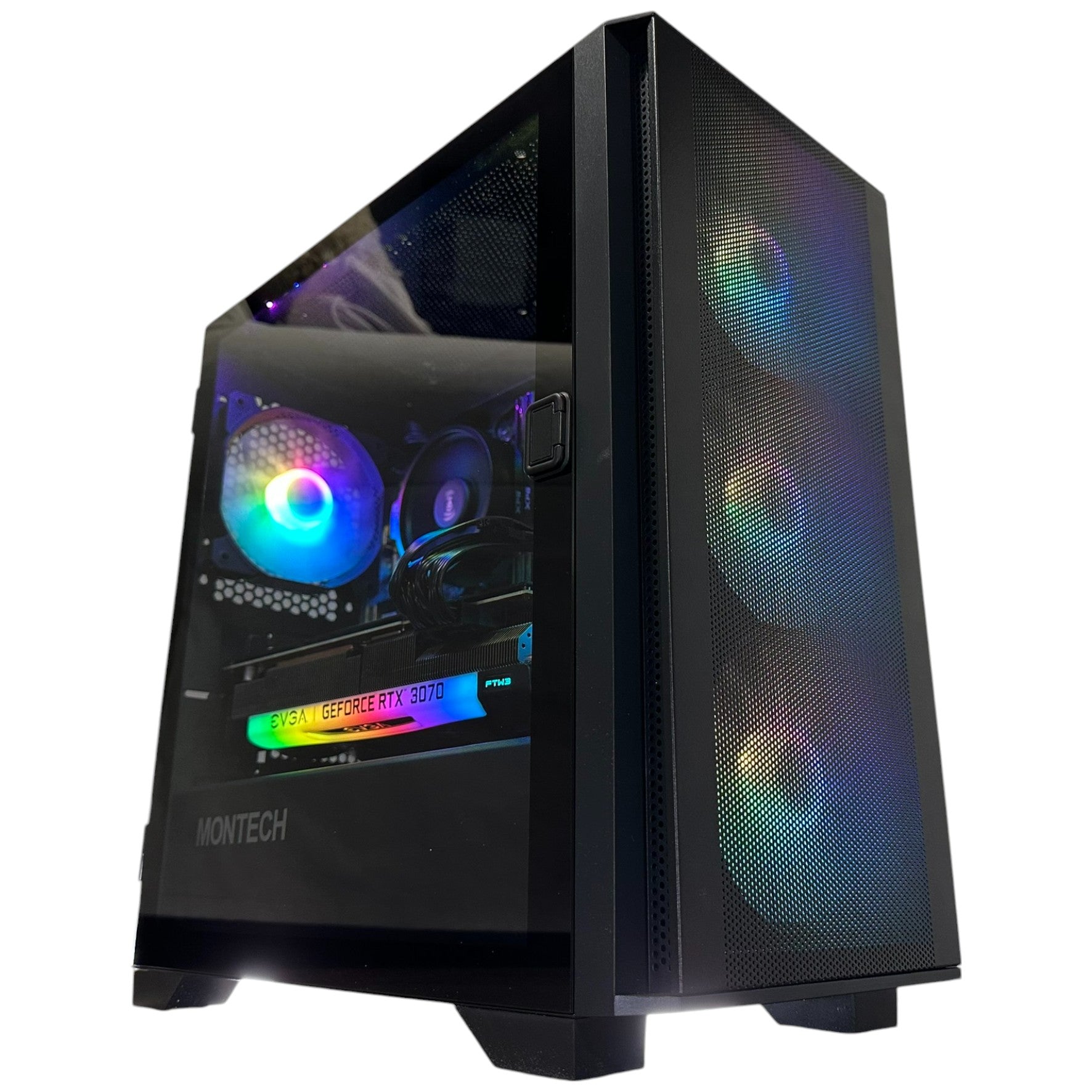
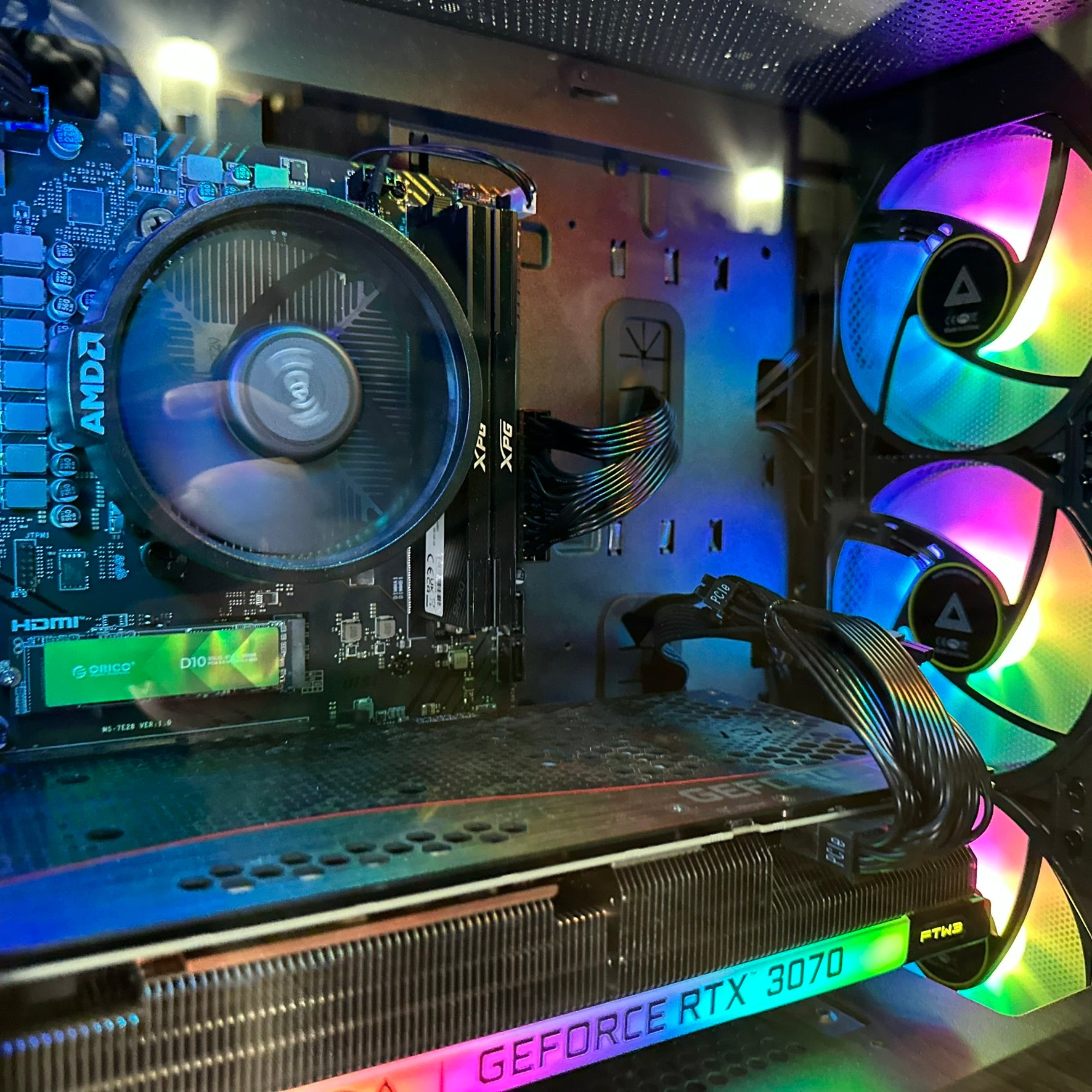
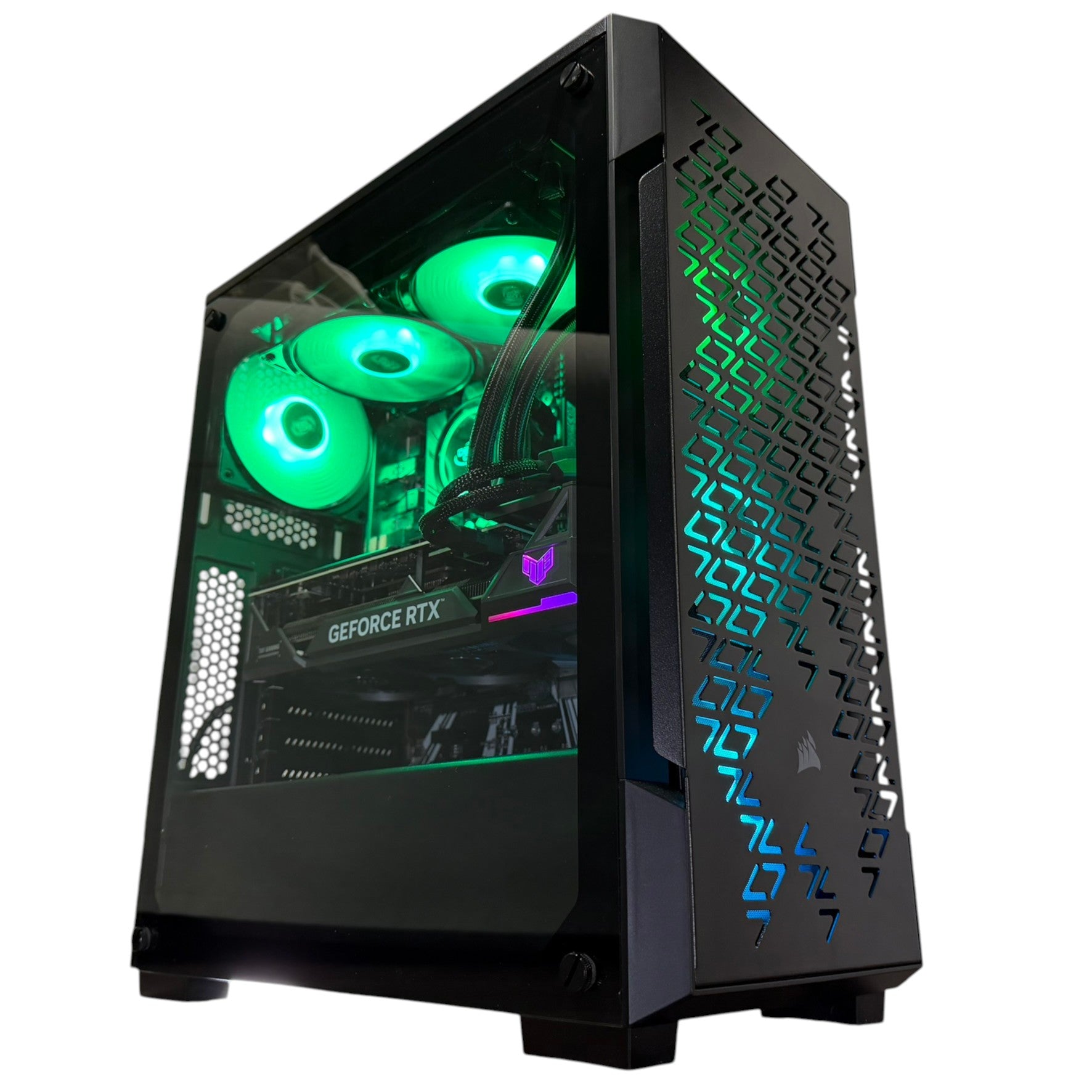
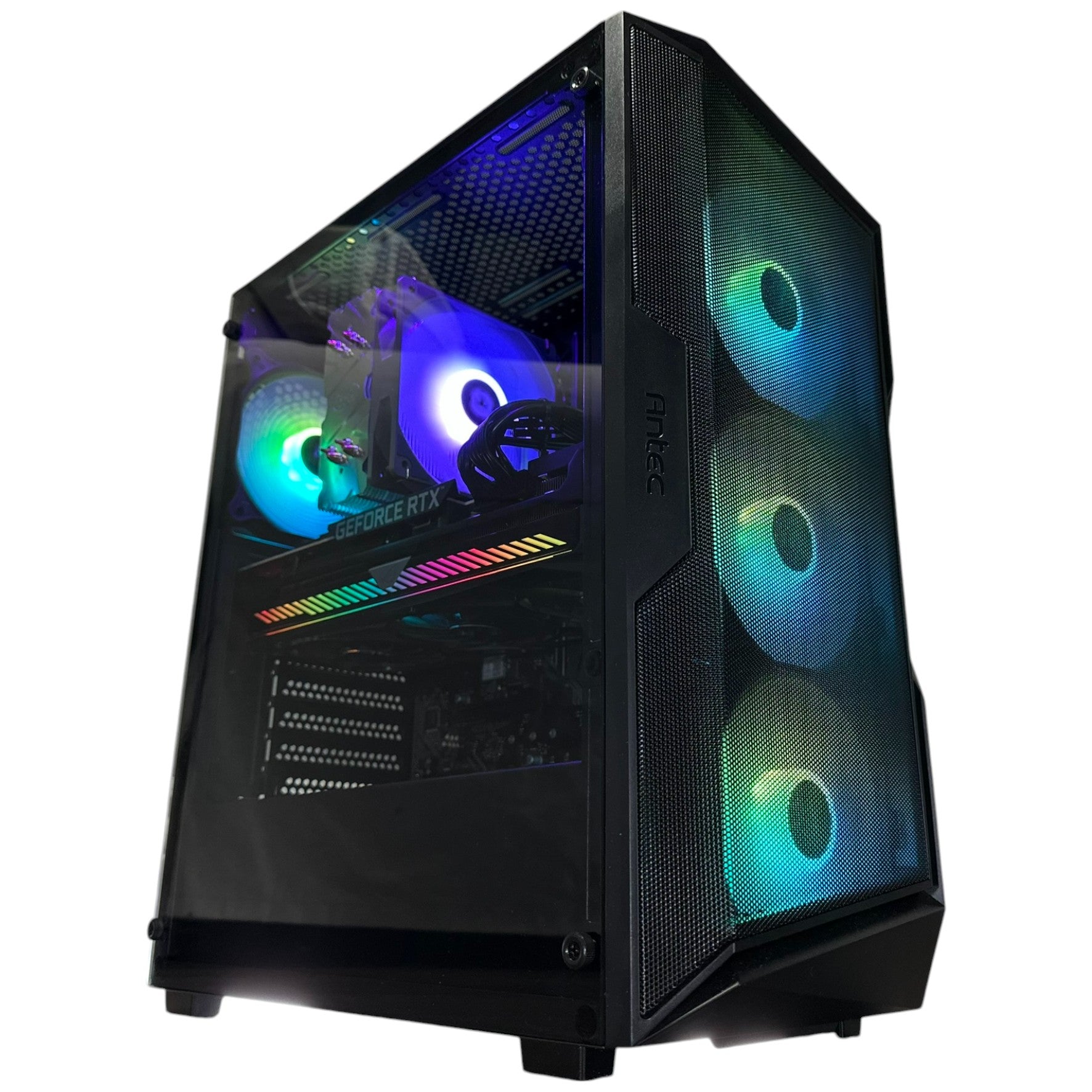
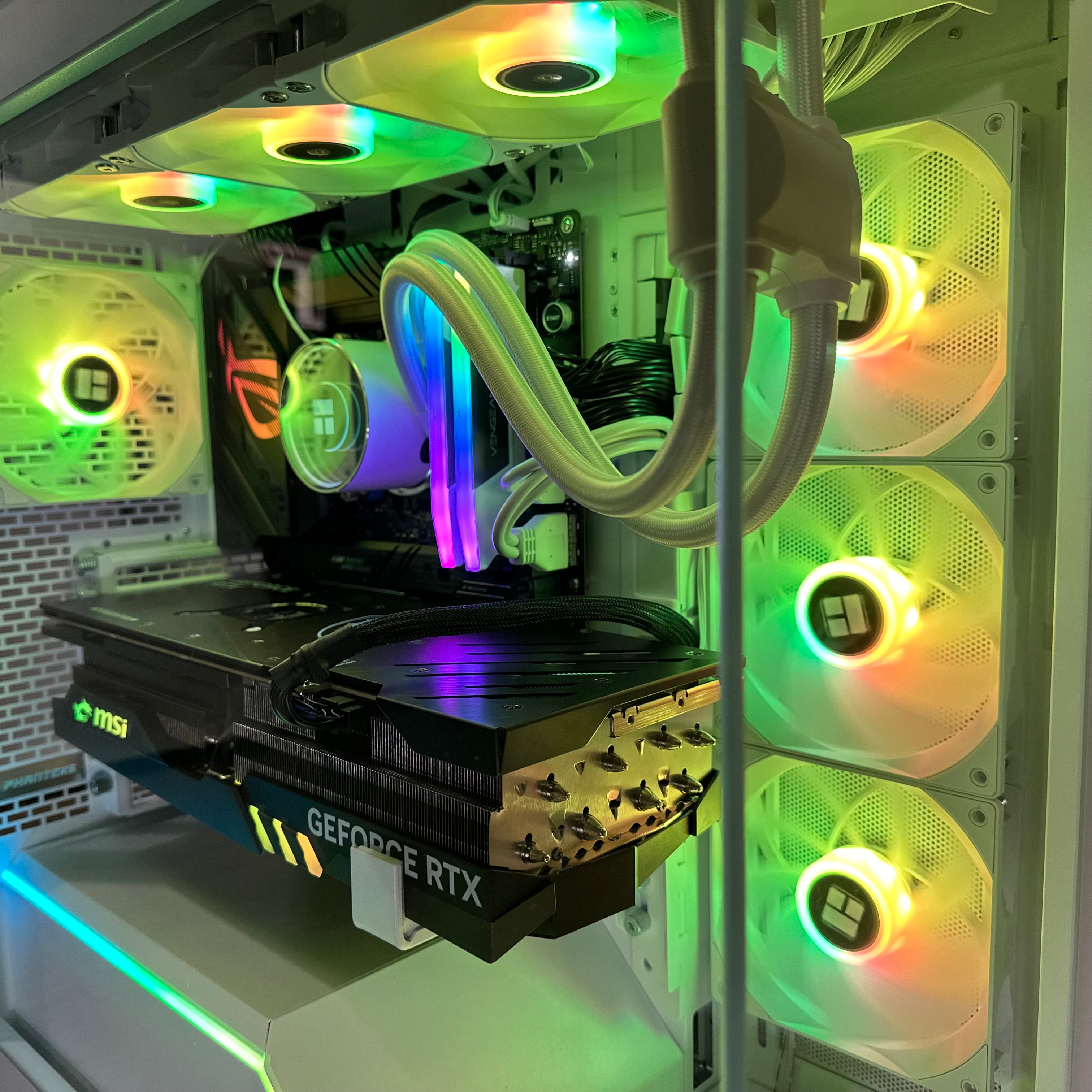
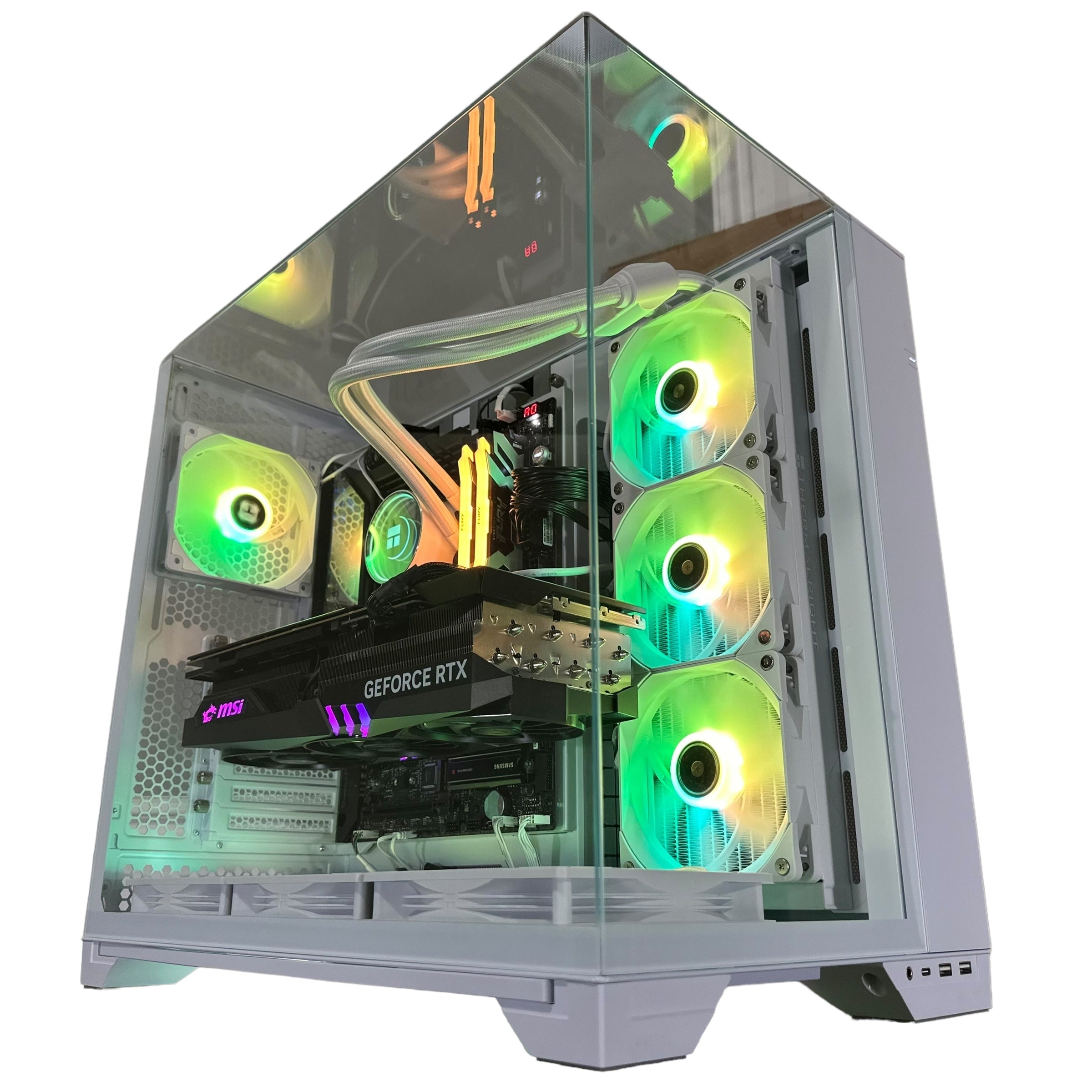
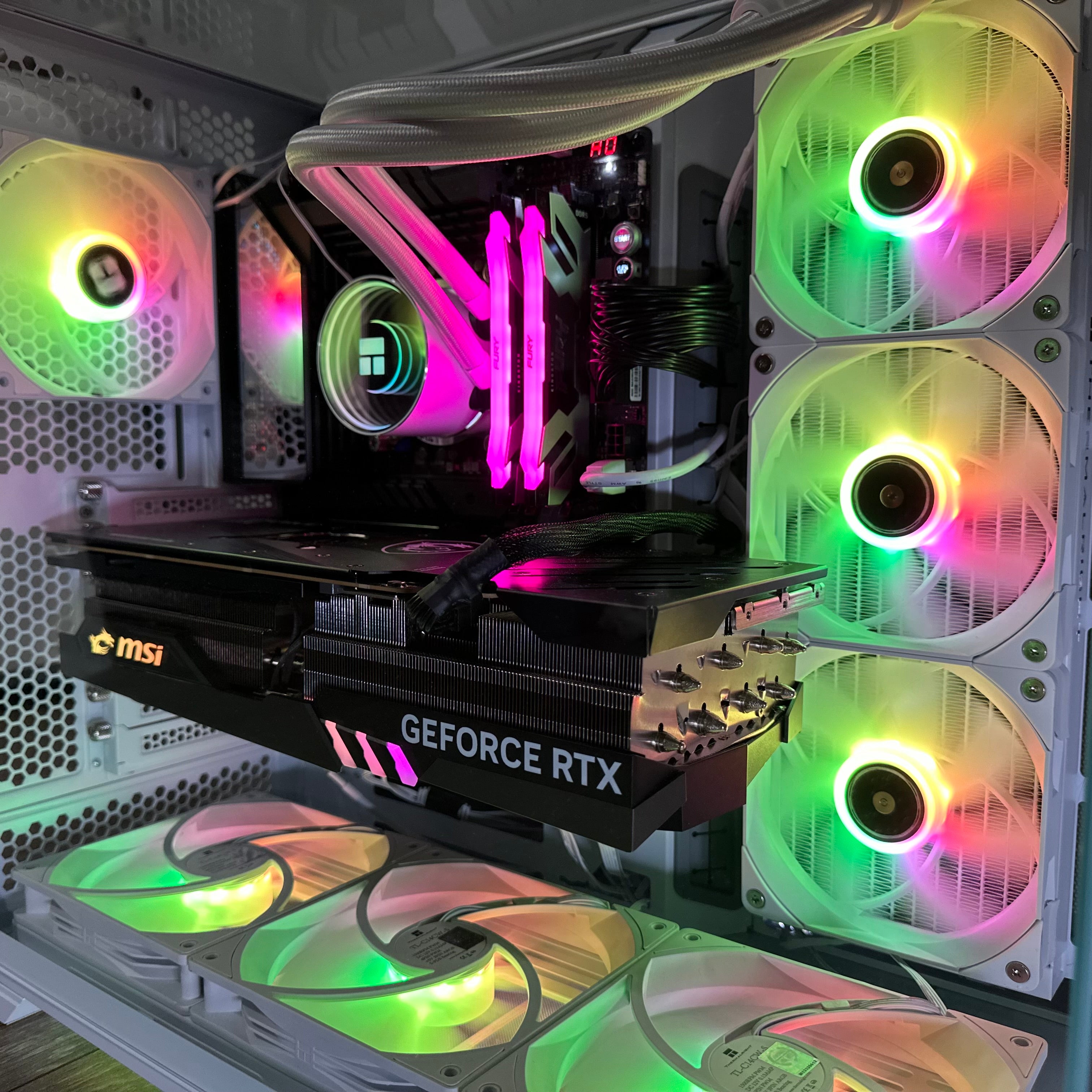
That is where a custom gaming PC in Canada makes more sense than a generic one-size-fits-all machine. A properly matched build lets you choose the right CPU, GPU, cooling, RAM, and SSD combination based on how you actually play. It also gives you a better chance of avoiding wasted money on parts you do not need, while still protecting yourself from buying below your real performance target.
What do you want your next PC to do for you?
Before choosing parts or thinking about monthly cost, step back and ask a better question: what do you actually want your next PC to do for you over the next two to four years?
Do you want to play story-heavy AAA games at high settings without compromising smoothness? Do you want a system that can handle horror games, action titles, and competitive shooters at 1440p? Do you also want to stream to Twitch or YouTube while gaming? Are you editing gameplay footage for social media? Are you moving into Premiere Pro, DaVinci Resolve, Photoshop, Blender, or a broader content creation workflow?
The right answer changes the right build category. A budget-focused gaming desktop is not the same as a streaming-ready rig. A creator workstation is not the same as a pure esports system. A 3D modeling workstation should not be chosen the same way as a first gaming PC.
If you are unsure what gaming PC you need, that uncertainty is actually useful. It means you should choose based on workload, display target, and upgrade lifespan, not just on a sale tag or one flashy component.
If you play modern AAA games, what performance tier actually fits you?
Many buyers still shop by vague labels like entry-level, mid-range, or high-end. That is no longer enough. A better approach is to buy based on target resolution, frame rate expectations, and whether you care about visual features like ray tracing.
Entry-level and value-focused gaming: who is it for?
If your goal is 1080p gaming, solid everyday performance, fast boot times, and dependable play in a wide range of games, a value-oriented build can still make sense. This tier is best for buyers asking questions like: can a budget gaming PC play new games, and how much should I spend on a gaming PC if I mainly want good performance without going overboard?
This kind of system works well for lighter AAA settings, esports titles, indie games, and players who are willing to use balanced presets instead of demanding ultra settings. It can also suit students or first-time buyers who want a clean upgrade path later. But if you already know you want demanding new releases to look impressive for years, going too low can become false economy.
1440p gaming: the smart performance sweet spot for many Canadians
For a large number of buyers, 1440p is where the best balance lives. It offers a meaningful visual jump over 1080p without the full cost pressure of a premium 4K-first system. If you have been asking what PC you need for 1440p gaming, this is often the tier where custom part selection matters most.
A strong 1440p build is ideal for players who want modern horror games, cinematic action titles, ray tracing options, and a smoother long-term experience. It also tends to be the most practical tier for people who want one machine for gaming, streaming, and light-to-moderate editing. If your goal is a future proof gaming PC in Canada without immediately jumping to flagship pricing, this is often the most sensible place to start.
4K and premium gaming: when does it make sense?
If you want ultra settings, heavy texture quality, advanced lighting, demanding new releases, and strong longevity, a premium gaming PC is worth considering. This tier is for buyers asking: what PC do I need for 4K gaming, how long will a high-end gaming PC last, and should I finance a high-end gaming PC instead of compromising now?
Premium builds make the most sense when you already own or plan to buy a high-resolution display, care deeply about visual quality, and do not want to replace major components too soon. They are also a smart fit for buyers who play large single-player titles, modded games, or workloads that overlap with content creation and rendering.
Do you only game, or do you also stream, edit, and create?
One of the most important lessons from major franchise growth is that gaming and content creation are increasingly connected. When a new Resident Evil release lands, many players do not just play it. They stream it, clip it, upload reactions, record walkthroughs, edit shorts, design thumbnails, and post content across multiple platforms.
So ask yourself: do you just want a gaming machine, or do you want a content-ready platform?
If you plan to run OBS, capture gameplay, record commentary, and edit footage afterward, your hardware needs change. A gaming and streaming PC in Canada should be balanced differently than a pure gaming desktop. CPU headroom, GPU encoding support, RAM capacity, cooling, and storage layout become much more important.
If you are also handling Adobe Creative Cloud tools, that broadens the requirement further. A creator PC should feel responsive under multitasking, export quickly, and stay stable during long sessions. That is where a custom creator PC becomes more valuable than generic retail specs that look flashy but are not matched for real workloads.
What if your next system needs to handle video editing too?
For many buyers, the leap from gaming to editing happens fast. Maybe you start with clips and highlights, then move into YouTube content, client projects, or long-form 4K video. Suddenly the buying question changes from what gaming PC do I need to what PC do I need for video editing?
A proper video editing PC in Canada should be selected around timeline smoothness, render speed, codec support, RAM capacity, SSD performance, and how many applications you run at once. If you work in Premiere Pro, DaVinci Resolve, or After Effects, weak storage and limited memory can become frustrating long before your GPU becomes the only bottleneck.
Are you editing 1080p clips, 4K footage, or heavier layered timelines with effects? Do you need a machine that only handles occasional exports, or do you need a workstation that saves you hours every week? If your current system is slowing down your workflow, a stronger custom build is not just a luxury. It can directly improve output, consistency, and project turnaround.
Are photo editing and graphic design part of your workload?
Not every customer reading gaming news is only a gamer. Many are also photographers, small business owners, designers, and creators who need one machine to cover both work and play. If that sounds like you, your buying decision should include software like Photoshop, Lightroom, Illustrator, InDesign, and browser-heavy creative multitasking.
What PC do you need for photo editing? That depends on image size, RAW workflow, batch exports, AI-assisted tools, and whether colour-sensitive work matters to you. What PC do you need for graphic design? That depends on how many Adobe apps stay open, how large your files are, and whether your workflow includes motion, mockups, or social content production.
A system that feels fine for gaming alone may become irritating when you add heavy multitasking and creative software. More RAM, faster SSD storage, and a better CPU can make a major difference in day-to-day responsiveness. If your desktop needs to support both a gaming library and paid creative work, buying too close to the minimum can cost more in frustration than you save upfront.
Do you need a workstation for Blender, Unreal Engine, or 3D rendering?
This is where the conversation gets even more serious. If your interest in game worlds extends into building them, modding them, animating assets, or rendering scenes, then a workstation PC in Canada becomes the smarter category to explore.
What PC do you need for Blender? What PC do you need for 3D rendering? What PC do you need for Unreal Engine? Those questions matter because workstation use is not just about average frame rate. It is about viewport responsiveness, simulation speed, compile times, render acceleration, memory limits, and long-session reliability.
A gaming desktop can overlap with 3D work, but not every gaming system is automatically a good 3D modeling PC. If your paid or serious creative workflow includes Blender, Unreal Engine, CAD, or rendering software, a custom workstation with the right CPU, GPU, memory, and thermals is often the better long-term investment.
Why the remake economy points to stronger hardware expectations
Capcom's remake-and-new-release strategy shows how publishers reduce risk while still funding technical ambition. That matters because every successful remake teaches the market that players will pay for improved visuals, smoother presentation, and better overall production values. Those expectations spread across the industry.
That means future horror games, action games, and cinematic releases are likely to keep pushing visual fidelity higher. Better engine work, denser environments, more advanced lighting, and larger assets all reward stronger hardware. So when buyers ask, is it better to buy a gaming PC now or wait, the answer often depends on whether they are trying to stay ahead of those rising expectations or merely react once performance problems are already obvious.
If your current machine is already struggling with recent games, waiting may not save money. It may just delay the inevitable while narrowing your options.
Should you buy now before prices change?
This is one of the most important questions in the Canadian market. Hardware pricing does not always move in a predictable straight line. GPU demand can spike. Memory prices can tighten. SSD costs can rise. New game launches can increase interest in mid-range and premium builds. Software updates can also make older systems feel outdated faster than expected.
Are you buying before a big fall release cycle? Before the holiday rush? Before another wave of GPU demand? Before your own editing workload increases? If so, timing matters.
Many buyers wait because they hope for a perfect moment. But there is rarely a perfect moment. There is only a question of whether your current system still fits your needs and whether replacement costs could be worse later. If you already know you need stronger gaming, streaming, or creator performance, delaying can sometimes mean paying more for less flexibility.
Could financing help you secure the right system instead of settling?
For customers who know they need a stronger machine but do not want to pay everything at once, financing can be a practical tool. The better question is not simply should I finance a gaming PC. It is this: would financing help you buy the right tier now instead of buying too low and replacing parts too soon?
If the jump from an entry-level build to a much better 1440p or creator-ready system is manageable through monthly payments, that can be the smarter financial decision. The same applies if you need a stronger workstation for editing, rendering, or design work that supports income-producing tasks.
Financing up to 4 years can help buyers avoid the trap of underbuying. Instead of choosing a weaker machine that feels outdated quickly, you may be able to secure a better-balanced system with stronger longevity, better cooling, and a more sensible upgrade path. In a market where component prices can shift, financing a better PC now may be more practical than replacing a cheaper one earlier than planned.
Which type of buyer should choose which kind of custom PC?
If you are a budget-conscious gamer
Choose a value-focused system if your goal is reliable 1080p gaming, lower upfront cost, and a clear path for future upgrades. This is ideal for first-time buyers, students, and players focused on esports, indie titles, and balanced settings in newer games.
If you want the best all-around gaming value
Choose a stronger 1440p-capable gaming PC if you want better longevity, stronger AAA performance, and room for higher visual settings. This is often the best fit for buyers who want to enjoy current and upcoming games without feeling the need to upgrade too soon.
If you game and stream
Choose a gaming and streaming PC with enough CPU power, GPU encoding support, RAM, and fast storage to handle OBS, recording, and multitasking without compromising your main game experience.
If you edit video, create content, or work in Adobe apps
Choose a custom creator PC or video editing PC that prioritizes export efficiency, app responsiveness, memory capacity, and workflow stability. If your desktop supports both play and paid work, treat that as a serious buying category, not an afterthought.
If you use Blender, Unreal Engine, or rendering software
Choose a workstation-class system built around your actual software and scene complexity. Rendering, simulation, animation, and compile workloads justify stronger hardware selection and more careful thermal planning.
If you want premium gaming and the longest runway
Choose a high-end custom gaming PC if you care about 4K, ray tracing, ultra settings, heavy AAA releases, and reducing the chances of upgrading again too soon. This is especially valuable for buyers who want one powerful system to cover gaming plus creator workloads.
Why custom build quality, testing, and warranty matter even more in a volatile market
When you are buying a more capable PC, hardware selection is only part of the value. Build quality, stress testing, part matching, airflow, cable management, BIOS setup, storage configuration, and long-session stability all matter. A strong spec sheet means less if the system is poorly assembled or not properly validated.
That is why custom PC builders who emphasize proper testing and support are worth serious attention. A tested gaming PC gives you more confidence than a rushed, anonymous box with unclear component balance. The same goes for creator PCs and workstations, where instability can cost time and lost output.
Groovy Computers helps Canadian buyers choose custom systems with purpose. Whether you need a gaming desktop, creator machine, or workstation, the goal should be a build that matches your real workload, arrives ready, and is backed by support you can trust. A 1-year warranty also matters because confidence after purchase is part of the value, not an extra.
Custom PC vs prebuilt PC in Canada: what should you really care about?
Most buyers do not need to obsess over every component model. But they should care about the outcome. Does the system match the games and software they use? Is the cooling sufficient? Is the power supply trustworthy? Is the RAM enough for their next stage of use? Is the SSD fast enough and large enough? Is the machine built to be upgraded instead of replaced?
That is the real custom PC versus prebuilt conversation. It is not only about parts on paper. It is about whether your money is going toward a system that fits your actual needs instead of a generic bundle designed to look attractive at a glance.
If you have ever asked, is a custom gaming PC worth it, this is why the answer is often yes. When workloads are becoming more demanding and hardware costs can shift, buying correctly the first time matters more.
What questions should you ask yourself before buying your next PC?
What games do I want to play over the next two to three years, not just this month?
Do I want 1080p, 1440p, or 4K performance?
Do I care about ray tracing, high refresh rates, or ultra settings?
Will I also stream, record gameplay, or run OBS?
Am I editing video, photos, or design projects on the same machine?
Do I need a creator PC, a workstation, or a pure gaming build?
Would financing a better system now save me from upgrading too soon?
Am I buying before a major release cycle or possible component price movement?
Do I want a tested custom PC with warranty support in Canada?
Why this matters for Groovy Computers customers across Canada
The Resident Evil remakes story is really a story about momentum. Successful franchises create bigger expectations. Bigger expectations create heavier hardware demand. And heavier demand means buyers need to think more carefully about timing, value, and system category.
For Canadian shoppers, that is exactly why Groovy Computers matters. Whether you are in Nova Scotia, Atlantic Canada, or ordering from elsewhere in the country, choosing a Canada-built custom PC from a company that understands gaming, content creation, and workstation performance is a safer way to buy. You are not just buying components. You are buying balance, testing, guidance, and support.
If you want help figuring out whether you need a budget-friendly gaming desktop, a premium RTX gaming PC, a custom creator PC, or a workstation for Blender and editing, visit GroovyComputers.ca and start with the build that matches what you actually want your next system to do.
Final verdict: should this gaming industry trend change how you buy your next PC?
Yes. The bigger lesson behind the Resident Evil remakes conversation is that top franchises are helping fund a future of more ambitious games, stronger visuals, and more demanding experiences. That should absolutely influence how you buy your next machine.
If you know your current desktop is falling behind, if you want smoother performance in new releases, if you plan to stream or create content, or if you want to avoid buying too weak and upgrading too soon, now is the time to choose carefully. A custom gaming PC in Canada should not just meet today's minimums. It should support where gaming and creative workloads are going next.
Are you still wondering what performance tier fits you best, whether monthly payments would help you secure a better build, or whether a gaming PC can also serve as your editing or creator machine? That is exactly the kind of decision Groovy Computers is built to help with. Start with your goals, choose the right category, and buy with confidence instead of guesswork.
#GamingPCCanada #CustomGamingPCCanada #GamingPCBuilderCanada #GamingComputersCanada #CreatorPCCanada #VideoEditingPCCanada #StreamingPCCanada #WorkstationPCCanada #CanadianCustomPCBuilders #NovaScotiaComputers
Groovy Computers | All Rights Reserved



Leave a comment
This site is protected by hCaptcha and the hCaptcha Privacy Policy and Terms of Service apply.