





Resident Evil Offsite at San Diego Comic-Con 2026: What This Hype Moment Says About Buying a Gaming PC in Canada
The announced Resident Evil offsite at San Diego Comic-Con 2026 is exactly the kind of pop-culture gaming moment that reminds people why PC gaming demand keeps climbing. According to the source material, Sony Pictures and Discord are teaming up for a Resident Evil fan experience at Quartyard in San Diego, where attendees will face a 60-minute interactive survival-themed adventure, complete missions, crack codes, and collect limited promotional merch and prizes. That may sound like convention news on the surface, but for Canadian buyers, it points to something bigger: when major horror franchises surge back into the spotlight, interest in immersive gaming, streaming, content creation, and upgraded hardware usually rises with it.
If you are in Canada and you are watching gaming culture build momentum around franchise events like this, the real question is simple: is your current PC ready for the next wave of demanding games, darker visual showcases, ray tracing features, streaming sessions, and creator workloads that often follow renewed attention on major titles?
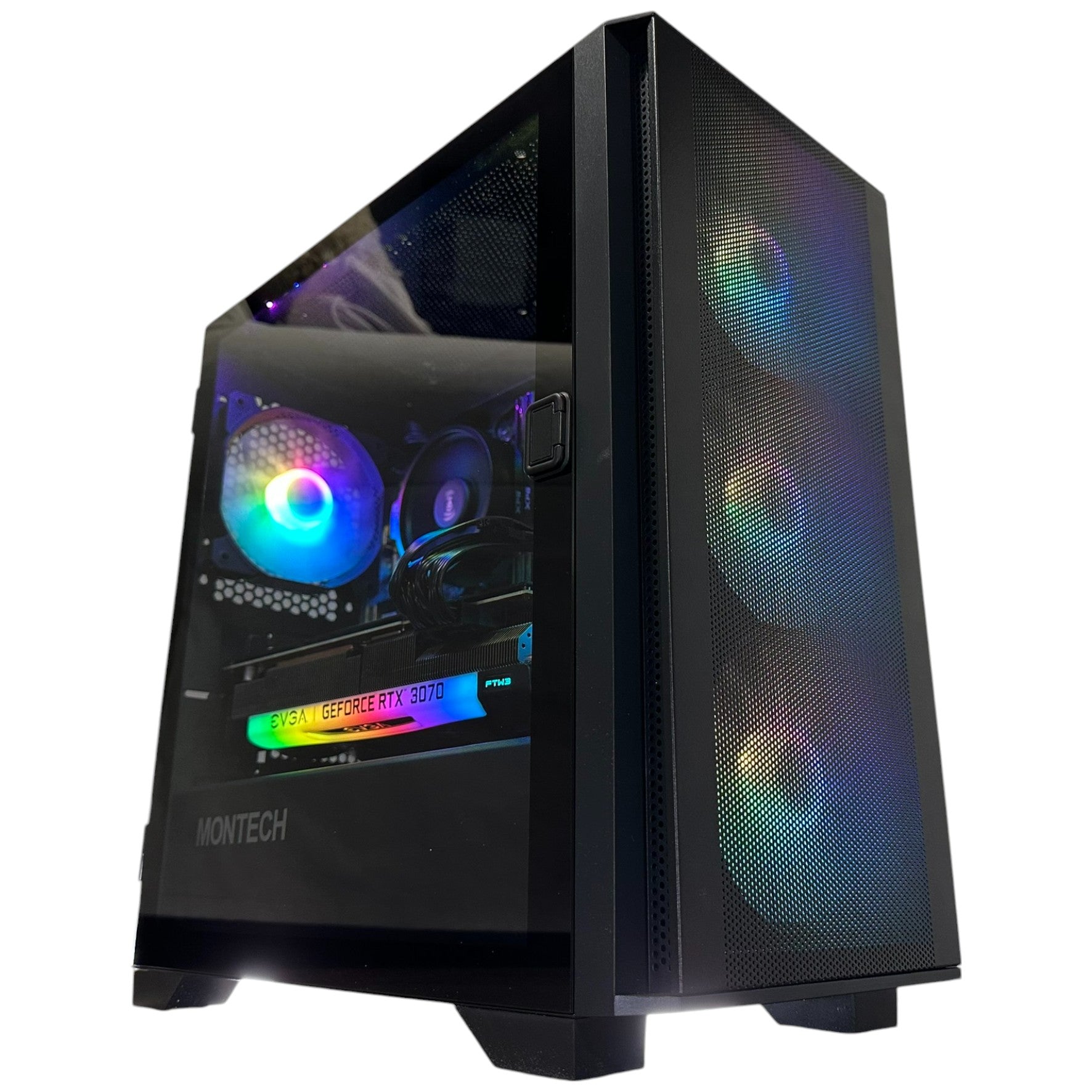
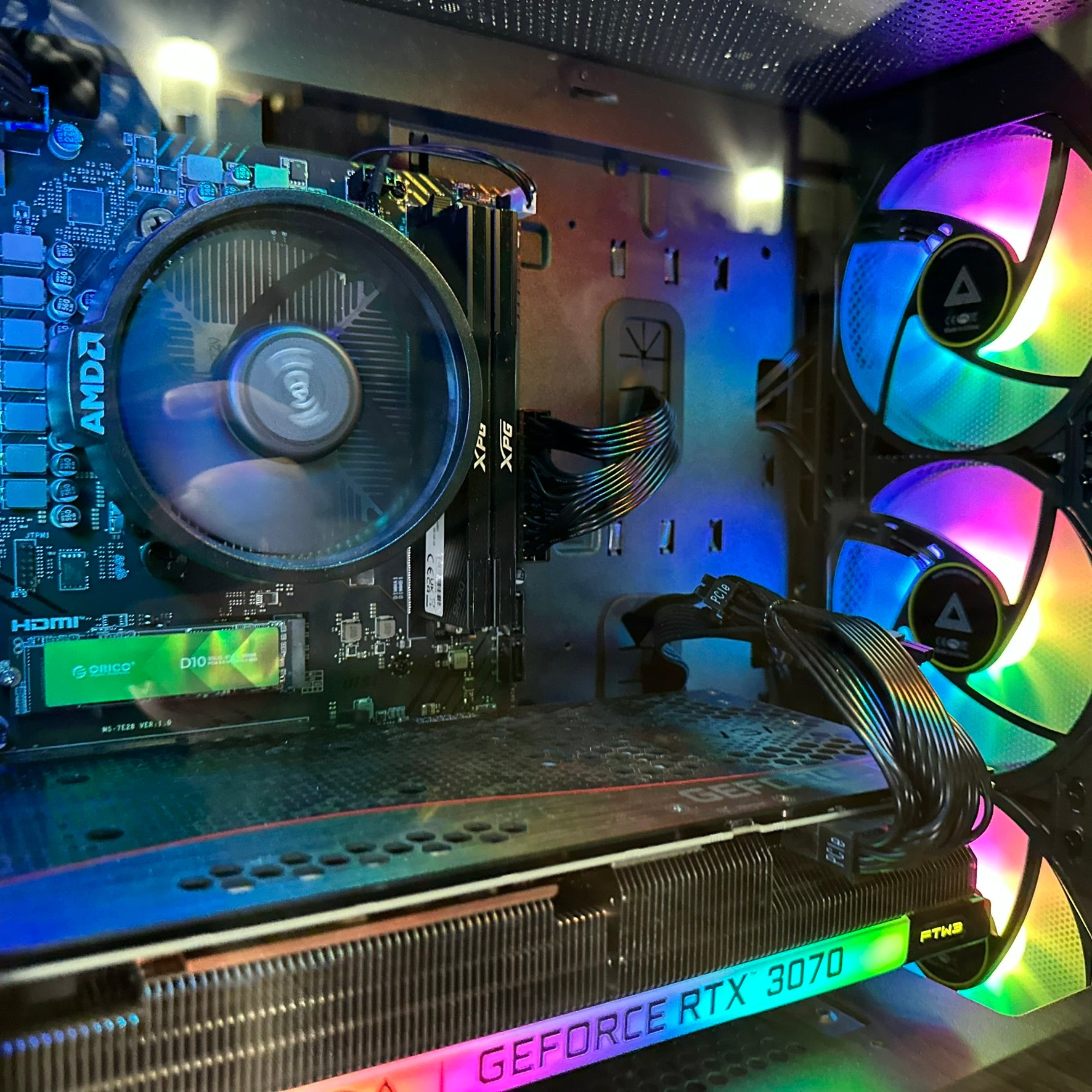
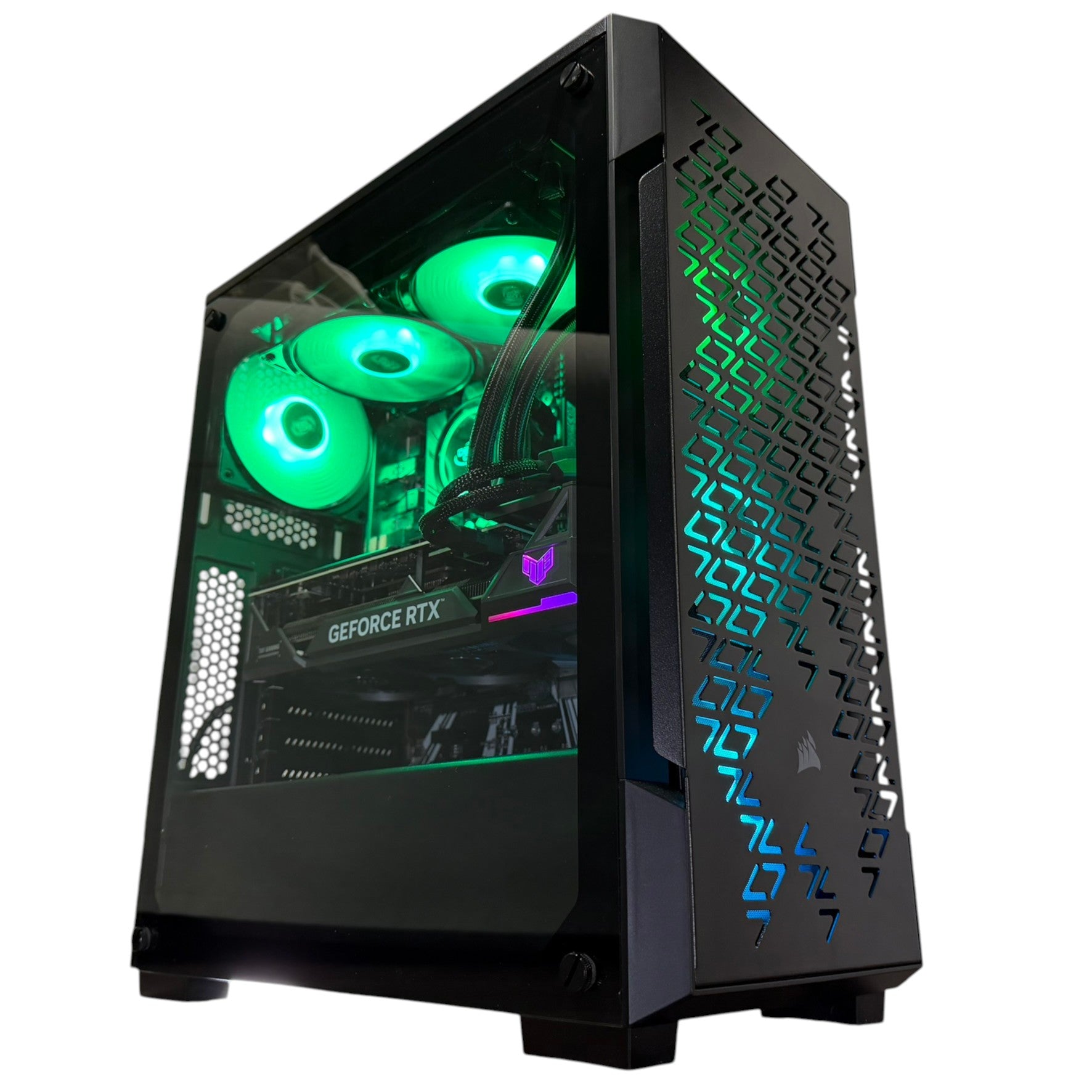
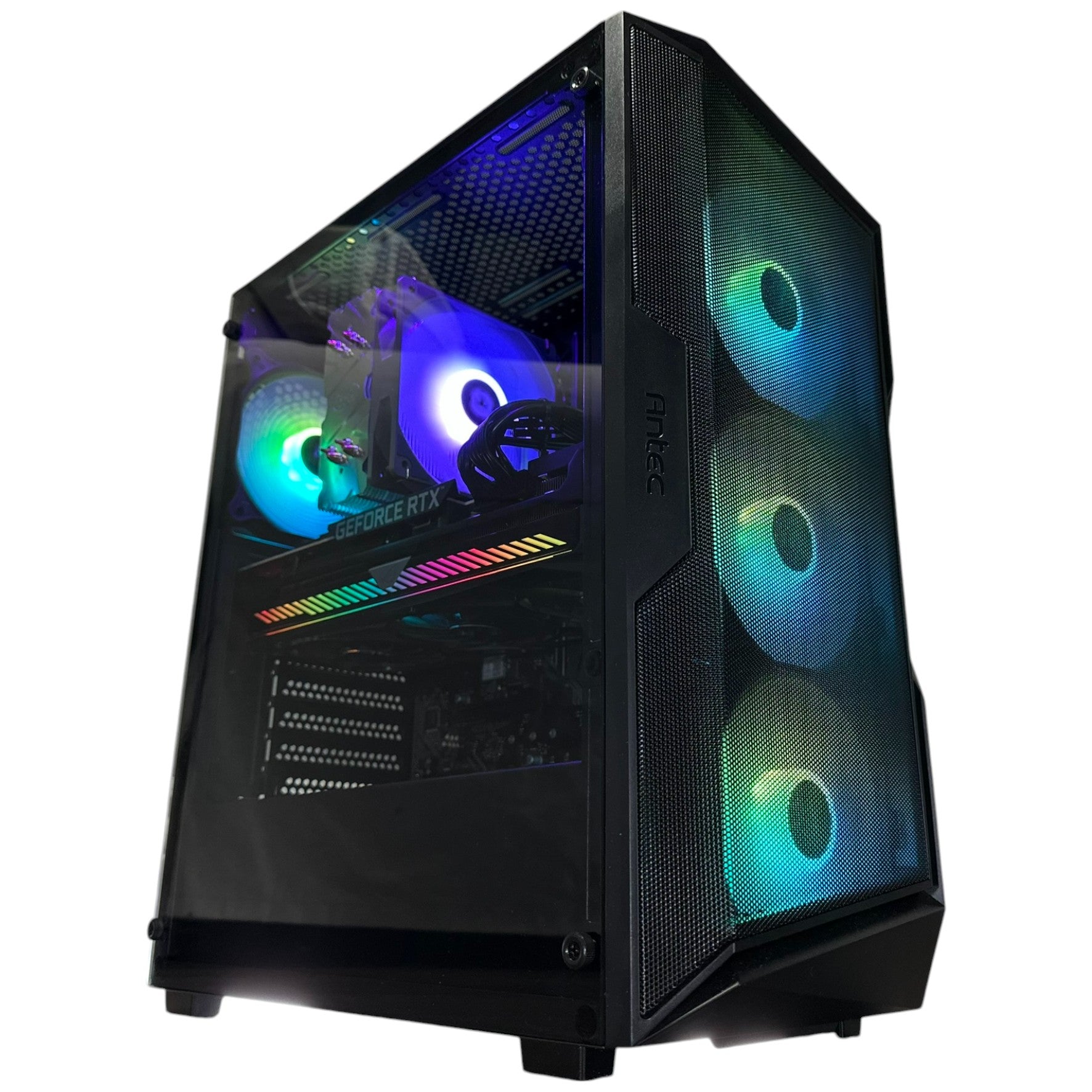
For many buyers, this is not just about one offsite activation in California. It is about timing. It is about whether your current system still delivers the experience you actually want. It is about whether you should keep nursing an older machine through one more release cycle, or whether now is the smarter time to move into a properly matched custom build from GroovyComputers.ca.
What the Resident Evil offsite news gets right about gaming demand
The source article is brief, but it highlights an important trend. Interactive, branded fan experiences are designed to turn interest into momentum. A franchise does not get this kind of experiential push unless there is confidence in audience excitement. When a name like Resident Evil starts dominating conversation through events, livestreams, reaction content, cosplay coverage, community chat, and horror gaming discussion, more players start revisiting their libraries and more buyers start asking whether their system can still handle modern visual expectations.
That matters because gaming hardware purchases are often emotional and practical at the same time. A buyer gets reminded of a franchise they love, starts replaying older entries, downloads a remake, installs mods, turns on higher settings, maybe starts capturing gameplay, and suddenly realizes their current PC is loud, hot, stutter-prone, or simply too old.
Have you been there already? Did one gaming news headline send you back to your Steam library, only to remind you that your PC is overdue for an upgrade?
Why Canadian buyers should think differently about gaming PC timing
In the United States, convention hype often leads to a local rush around events, launches, and experiential marketing. In Canada, buyers have a different layer to think about: shipping, exchange pressure, hardware availability, replacement cost, and the challenge of finding a system that is actually configured properly for long-term use.
That is why a smart Canadian PC buying strategy is not just about chasing hype. It is about planning around it. If game demand rises, component pressure can follow. If more people start upgrading for horror titles, AAA releases, streaming, or creator workflows, strong GPUs and balanced CPUs become more competitive to secure. That can affect system pricing, build queues, and your options later.
So ask yourself: are you trying to buy at the last second, when everyone else suddenly wants a stronger machine too?
Canadian buyers also need to think beyond the sticker price of a random mass-market desktop. The real value is in total ownership: thermals, power supply quality, airflow, noise, upgrade path, reliability, testing, warranty support, and whether the machine is built for what you actually do. That is where a custom builder can make a major difference.
What do you want your next PC to do for you?
Before you choose a system, do not start with the parts list. Start with the outcome.
Do you want a machine that plays horror games smoothly at 1080p without draining your budget? Do you want 1440p gaming with stronger image quality and room for streaming? Are you aiming for 4K visual impact, ray tracing, and premium settings? Or has gaming become only one part of the picture, with video editing, Photoshop, live streaming, or 3D work now part of your day too?
This is the turning point where many buyers either save money intelligently or waste money on the wrong tier.
- If you mainly game, your GPU choice and monitor resolution matter most.
- If you game and stream, your CPU, GPU encoder performance, RAM, and cooling all matter together.
- If you create content, storage speed, RAM capacity, and workflow-specific optimization become much more important.
- If you use Blender, Unreal Engine, CAD, or rendering tools, you need workstation-minded planning, not just gaming-first specs.
What has your current PC been failing at lately? Load times? Frame pacing? export speed? multitasking? heat? fan noise? upgrade limitations?
What gaming performance tier fits you best?
One of the biggest mistakes Canadian buyers make is shopping by broad labels instead of real use cases. “Gaming PC” is not specific enough anymore. The right system depends on the level of performance you expect and how long you want that performance to remain satisfying.
Entry-level to value-focused gaming
If your goal is a solid everyday machine for esports, indie games, older AAA titles, and many modern games at sensible settings, a value-oriented build may be the right choice. This is the tier for buyers asking questions like: How much should I spend on a gaming PC? or Can a budget gaming PC still handle new games well?
This tier makes sense if you:
- Play at 1080p
- Prefer strong value over maximum settings
- Want a first serious gaming desktop
- Need a system that can be upgraded later
- Want to avoid overpaying for features you will not use
If you mostly want dependable 1080p gaming and smooth everyday use, why pay for a 4K-focused build you will never fully use?
Mainstream enthusiast gaming
This is often the sweet spot for Canadian buyers who want a better overall experience without jumping straight to flagship spending. A balanced mid-to-upper-tier gaming machine is ideal for 1440p gaming, high refresh gameplay, stronger visual presets, better multitasking, and more confidence with upcoming titles.
This tier makes sense if you:
- Want 1440p gaming performance
- Care about higher settings and steadier frame rates
- May stream or record gameplay occasionally
- Want longer relevance before upgrading again
- Need a stronger CPU and GPU balance
If you are asking, What PC do I need for 1440p gaming?, this is probably where your decision starts to get serious.
Premium and high-end gaming
This tier is for buyers who want a major visual leap, stronger longevity, ray tracing capability, higher-end displays, and less compromise in new releases. It is also where proper power delivery, thermal design, and component matching matter even more.
This tier makes sense if you:
- Want 4K gaming or high-end 1440p ultra settings
- Care about ray tracing and image quality
- Want a machine that feels premium for years
- Plan to pair gaming with streaming or creator work
- Would rather buy once properly than upgrade too soon
Are you the kind of buyer who hates incremental upgrades and just wants a system that feels powerful every time you sit down?
Thinking beyond games: do you also want to stream, edit, or create?
One reason franchise-driven gaming hype matters is that it rarely stays confined to gaming alone. A Resident Evil-themed event creates replay content, reaction clips, lore videos, cosplay edits, livestreams, thumbnails, social graphics, short-form videos, and community discussion. That means some readers who arrive for gaming advice actually need a broader system.
If you are planning to stream gameplay, record clips, edit content, or run a YouTube or TikTok workflow, your machine should be chosen as a content creation PC in Canada, not just a gaming desktop.
Do you need a gaming and streaming PC?
If you want to play newer games while streaming to Twitch, YouTube, or Discord communities, your build needs enough CPU and GPU headroom to stay smooth under load. You also want enough RAM for browser tabs, chat tools, background apps, and capture software without system drag.
Ask yourself:
- Do you want to stream at 1080p while gaming?
- Will you record gameplay locally for later editing?
- Do you use OBS or similar streaming tools?
- Do you multitask with Discord, music, browser windows, and overlays while gaming?
If yes, a better-balanced custom build is usually the smarter move than buying a cheaper machine and trying to patch around its limitations later.
Do you need a video editing PC too?
Maybe convention news gets you thinking about horror gameplay videos, cosplay recaps, fan edits, or reaction content. If that sounds like you, your system may need to support Adobe Premiere Pro, DaVinci Resolve, After Effects, or CapCut workflows. Suddenly, the conversation changes from FPS alone to timeline performance, export times, storage speed, and RAM capacity.
Have you been waiting on renders, struggling with 4K playback, or watching your current PC choke on effects, layers, and high-bitrate media?
A proper creator or editing build can save real time every week. That matters whether you are building a channel, running freelance work, or simply editing as a serious hobby.
What about photo editing and graphic design?
Not every buyer inspired by gaming culture is strictly a gamer. Some are photographers covering events. Some are designers producing promo art, posters, thumbnails, and branding. Some are social media managers juggling Photoshop, Lightroom, Illustrator, Canva, and multiple displays.
If your workload includes high-resolution image files, layered design assets, AI-assisted editing tools, and large project libraries, your system should be optimized for responsiveness, storage, memory, and monitor support. In that case, a custom photo editing or graphic design PC may fit you better than a gaming-first machine.
Would your next desktop earn its keep not only after hours, but during work hours too?
Do you need a 3D modeling or workstation-class system?
Some buyers move from gaming fandom into development, modding, digital art, or game asset creation. If you are using Blender, Unreal Engine, Unity, Maya, Cinema 4D, CAD tools, or rendering platforms, your needs are in another category entirely.
A workstation-minded build is the right direction if you are asking:
- What PC do I need for Blender?
- What PC do I need for 3D rendering?
- How much RAM do I need for large scenes or simulations?
- Should I choose a gaming PC or workstation PC for mixed use?
These workloads can punish weak cooling, low RAM, poor storage planning, and underpowered GPUs. A stronger, well-matched system is not a luxury here. It is workflow insurance.
Is now a good time to buy, or should you wait?
This is one of the most common questions in the Canadian PC market, and it becomes even more relevant when gaming culture is heating up around high-profile events and new release conversations.
Waiting can make sense if you already own a balanced, modern machine that still handles what you need. But waiting can also cost more than buyers expect. If your current PC is already underperforming, every month of delay can mean more frustration, lost time, compromised settings, slower exports, and less value from the system you are clinging to.
There is also the market side. GPU demand can tighten. Certain CPUs can spike. RAM and SSD pricing can shift. A build that looks affordable now may become less attractive later if replacement cost rises. That does not mean panic buying is wise. It means strategic buying matters.
So the better question is not always Should I wait? It is often what exactly am I waiting for, and what is that delay costing me already?
How pricing volatility affects full custom PC builds
Many buyers focus only on one component, usually the graphics card, but full-system cost is influenced by several moving parts at once. When demand shifts, the impact is rarely isolated.
GPU pressure
If interest rises around new games, visual upgrades, and streaming, graphics cards often become the centre of buyer attention. Stronger GPUs are also useful for creator tasks, AI-assisted features, editing acceleration, and 3D work, which means they serve several markets at once. That broad demand can support higher pricing pressure.
CPU balancing
A gaming system with the wrong CPU can hold back your graphics card. A creator system with the wrong CPU can slow exports and multitasking. As more buyers learn this, the best-value processors can move quickly because they appeal to both gamers and creators.
RAM and storage
Modern workloads are not getting lighter. Games are larger, editing projects are heavier, and multitasking is more normal than ever. If memory and SSD pricing rise, the cost of building a machine that actually feels comfortable for several years can increase even if the GPU market stays stable.
Cooling, power, and case quality
These are the parts many bargain systems cut first. But they are critical. Proper cooling protects performance. A quality power supply protects reliability. Good airflow protects your investment. If you buy a cheap system that skimps here, the lower upfront price can become a worse long-term decision.
Would you rather buy a machine that looks inexpensive at first, or one that is built correctly from the beginning and avoids forcing you into another upgrade too soon?
Should you finance a stronger PC instead of settling for a weaker one?
This is where many smart buyers in Canada start thinking differently. If your ideal build is just out of reach as a one-time purchase, financing can help you secure a better long-term system instead of locking yourself into a lower tier that disappoints you faster.
At Groovy Computers, that matters because the right build is not just about spending more. It is about spending better.
If financing up to 4 years helps you move from a short-lived compromise to a stronger custom PC with better longevity, better cooling, more balanced parts, and fewer regrets, is that not worth considering?
Financing can make particular sense if:
- You are buying before a major game release cycle
- You expect component prices to rise
- You need the PC for work and personal use
- You want to avoid buying twice in a short period
- You would rather spread out cost than sacrifice key performance
That does not mean every buyer should finance. But if you are caught between a budget build that may age quickly and a better-balanced system that truly fits your needs, financing can be the tool that lets you choose smarter.
What kind of buyer should choose which type of Groovy Computers build?
One of the easiest ways to simplify this decision is to match yourself to the buyer profile that sounds most like your real situation.
The budget-conscious gamer
You want strong value, dependable 1080p performance, and a machine that gets you into PC gaming without wasting money. You likely care more about stability and upgrade potential than maxed-out visuals.
This buyer should consider a value-focused custom gaming PC with a sensible upgrade path.
The mainstream enthusiast
You want a better everyday experience, stronger 1440p gaming, room for multitasking, and enough performance to stay happy through future game launches.
This buyer should consider a balanced custom gaming PC that prioritizes GPU strength, CPU headroom, quality cooling, and enough RAM to remain comfortable.
The premium gamer
You want premium image quality, ray tracing capability, stronger longevity, and a machine that feels like a major step up every time you use it.
This buyer should consider a higher-end custom gaming build rather than trying to retrofit performance from a mid-tier machine later.
The streamer or creator
You game, but you also record, edit, stream, design, or produce content. Your PC is both entertainment system and production tool.
This buyer should consider a custom creator PC or a gaming-and-streaming build that is planned around software and multitasking, not just raw FPS.
The workstation user
You use Blender, Unreal Engine, CAD, rendering applications, or other demanding professional tools. Reliability, memory capacity, storage speed, and sustained performance matter more than buzzwords.
This buyer should consider a workstation-class custom build with the right hardware balance for production workloads.
What questions should you ask before buying your next PC?
Before you buy, ask the questions that actually shape long-term satisfaction.
- What games or software do I use most?
- Am I targeting 1080p, 1440p, or 4K?
- Do I care about ray tracing or just strong frame rates?
- Will I stream or record gameplay?
- Do I edit videos, photos, or design projects too?
- How long do I want this machine to feel current?
- Would better cooling and a stronger power supply save me trouble later?
- Am I buying because of hype, or because my current system is genuinely limiting me?
- Would financing let me secure the build I actually need instead of the one I will outgrow too quickly?
These are the questions that move you from impulse shopping to smart buying.
Why custom PC builds matter more when demand is uncertain
When pricing is stable and demand is relaxed, buyers can get away with more mistakes. When demand is tighter or hardware value is shifting, mistakes get expensive. That is why custom builds matter more during uncertain buying periods.
A properly built custom system gives you:
- Better part matching
- Cleaner airflow planning
- Power supply quality appropriate to the build
- Upgrade-aware configuration
- Less waste on the wrong components
- A machine designed around your actual use case
Generic systems often look simple to compare because they list headline specs, but that does not tell you whether the machine is balanced. A custom build is where you avoid traps like too little RAM, weak cooling, poor motherboard quality, low-end power supplies, or storage that is too limited for modern libraries and project files.
Have you ever looked at a “good deal” desktop and then realized the corners had to be cut somewhere?
Why Groovy Computers makes sense for Canadian buyers
Canadian buyers do not just need a PC. They need confidence. They need a builder that understands gaming, creator workloads, workstation needs, and the practical realities of buying in Canada.
Groovy Computers is positioned for buyers who want more than generic shelf hardware. That includes customers looking for custom gaming PCs, creator desktops, workstations, better part selection, and guidance that makes sense for Canadian budgets and long-term value.
There is also a trust factor that matters. A custom PC should not feel like a gamble. It should feel like a planned purchase backed by real care. That is why rigorous testing and warranty support matter. Groovy Computers offers a 1-year warranty, and that kind of support becomes even more important when you are investing in a stronger system you expect to rely on.
If you are comparing options, ask yourself this: do you want to guess your way into a build, or do you want help choosing a machine that is actually matched to your gaming and workload goals?
From horror hype to buying logic: what should you do next?
The Resident Evil offsite story is a small but timely reminder that gaming culture moves fast, and hardware decisions often lag behind enthusiasm. A fan event can turn into a replay binge. A replay binge can turn into a settings upgrade. A settings upgrade can expose the weaknesses of your current system. And that realization can be the moment you stop tolerating a PC that no longer fits your expectations.
If your current machine is struggling, if you are planning around upcoming games, if you want smoother 1440p or 4K performance, if you want to stream without compromise, or if you need a creator or workstation build that actually saves you time, now is the right moment to get specific.
What do you want your next PC to do for you over the next three to five years? If you want help choosing between a budget gaming computer, a premium RTX gaming setup, a custom creator PC, an editing workstation, or a 3D modeling system, visit GroovyComputers.ca and start with a build that fits your real goals, not just a temporary trend.
For Canadian buyers, the smartest move is often the one that balances timing, performance, and long-term value. The Resident Evil offsite may be happening in San Diego, but the bigger decision is happening at your desk: keep waiting, or upgrade with purpose.
#ResidentEvilOffsite #SanDiegoComicCon2026 #GamingPCCanada #CustomGamingPCCanada #CreatorPCCanada #WorkstationPCCanada #GamingPCBuyingGuideCanada #CanadianCustomPCBuilders #1440pGamingPC #4KGamingPC #StreamingPCCanada #VideoEditingPCCanada #GroovyComputers
Groovy Computers | All Rights Reserved


Leave a comment
This site is protected by hCaptcha and the hCaptcha Privacy Policy and Terms of Service apply.