





Resident Evil Remakes Show Why a Stronger Gaming PC in Canada Matters More Than Ever
The latest Resident Evil remakes strategy news says something bigger than franchise scheduling. It highlights how major publishers use proven releases to fund new projects, sustain momentum, and keep performance expectations climbing across gaming hardware. For Canadian buyers, that matters. If blockbuster franchises can now appear on a near-yearly cadence through a mix of remakes, reimaginings, and new entries, then your next system should not be chosen only for one title today. It should be chosen for the next wave of horror games, action games, creator tools, and performance-heavy releases still ahead.
The source story centers on Capcom producer commentary explaining that remakes help make regular Resident Evil releases more achievable while also supporting investment into fresh projects such as Pragmata. That is a smart publishing model. It is also a reminder that modern remakes are not lightweight nostalgia products. They are often full-scale visual overhauls with heavier GPU demands, larger storage footprints, faster asset streaming, improved lighting, more complex effects, and much higher expectations for smooth frame pacing. If you are asking yourself, what gaming PC do I need for new games, this is exactly the kind of industry signal worth paying attention to.
For Groovy Computers, the real takeaway is simple: if more premium remakes and more visually demanding releases are coming faster, Canadian customers need to think more carefully about performance tier, upgrade timing, financing flexibility, and whether a generic low-end machine will actually hold up.
What the Resident Evil remake strategy really tells PC buyers
The headline is about game publishing, but the underlying lesson is about workload growth. Modern AAA remakes are no longer just cleaned-up versions of old games. They are often rebuilt for current hardware expectations, using denser environments, heavier textures, stronger post-processing, more advanced shadows, more cinematic effects, and modern rendering pipelines.
That means a buyer who once felt comfortable with an older mid-range gaming desktop may now be facing a very different reality. Are you only trying to launch the game, or do you want consistently good performance? Do you want 1080p with sensible settings, 1440p with high settings, or 4K with ray tracing? Do you want enough overhead for the next remake, the next open-world release, and the next round of updates too?
When major publishers can rotate remakes and new entries more often, your PC has less downtime between demanding releases. Instead of upgrading once every long cycle, many players are now evaluating systems against a constant stream of big launches. That changes the buying conversation from can this run one game? to will this still feel like the right PC a year or two from now?
Why Canadian buyers should think differently about gaming PC timing
Canadian shoppers face a few realities that make timing more important. Hardware prices can move quickly. GPU demand can tighten when new games, AI workloads, and creator demand hit at the same time. SSD and memory pricing can shift. New platform launches can affect value across multiple tiers. And if you wait until the exact week a game you want releases, you may be buying under pressure instead of buying strategically.
That is why a Gaming PC Canada buying decision should never be based only on headline hype. It should be based on workload fit, longevity, and whether the system makes sense for what you actually want to do over the next few years.
Are you buying before a major horror release, before a holiday demand spike, or before your current GPU starts to feel too old for modern lighting and texture settings? Are you replacing a machine that already struggles in newer games? Are you also planning to stream, edit clips, or create content around the games you play? Those questions matter because the right custom build today can save you from a too-soon upgrade later.
What do you want your next PC to do for you?
Before you compare parts, ask the most important question: what do you want your next PC to do for you?
Do you want a budget-friendly machine that handles current games at 1080p without frustration? Do you want a 1440p system that feels smooth and modern for horror games, shooters, and big single-player releases? Do you want ray tracing and higher-end visual settings? Do you want to stream to Twitch or YouTube while playing? Do you want to edit gameplay videos, create thumbnails, work in Photoshop, or cut 4K footage in Premiere Pro or DaVinci Resolve? Do you need one machine that can game at night and act as a creator workstation during the day?
This is where many buyers get stuck. They shop by a single GPU model or by the cheapest sale price, but that often leads to compromise in the wrong areas. A good custom PC decision starts with the actual result you want from the system, not just the sticker price.
If remakes keep getting bigger, what performance tier fits you?
Not every buyer needs the same level of hardware. The right answer depends on resolution, target frame rate, visual settings, multitasking, and whether gaming is only one part of your workflow.
Entry-level and value tier: who should choose it?
If your goal is straightforward 1080p gaming, a value-focused build may still make sense. This tier is best for players who mainly want solid performance in today’s games at sensible settings, without paying for premium 4K capability they will never use.
This is often the right choice if you are shopping for a Budget Gaming PC Canada setup, a first gaming desktop, or a student-friendly machine that can handle esports titles, lighter AAA gaming, and everyday school or office use. But be honest with yourself: are you really staying at 1080p, or are you already eyeing a better monitor, bigger releases, and more demanding games? A lot of buyers outgrow this tier faster than expected.
Mainstream enthusiast tier: the sweet spot for many players
For many Canadian buyers, the sweet spot is a well-balanced 1440p build. This tier makes sense if you want stronger longevity, better visual settings, more comfort in newer games, and more room for future releases. It is especially smart if you want your system to feel current through multiple game cycles instead of only surviving the next one.
If you are wondering, what PC do I need for 1440p gaming, this is usually where the answer lives: a capable modern CPU, a strong mid-to-upper tier GPU, fast SSD storage, and enough memory for newer game demands and background apps. It is also where a custom-built system starts separating itself from many generic low-cost prebuilts.
High-end tier: when does premium make sense?
If you want 4K gaming, heavy ray tracing, premium visuals, long-term headroom, or a system that handles gaming plus streaming plus editing comfortably, a High End Gaming PC Canada tier build can make a lot of sense. This is for buyers who know they do not want to revisit the market too soon.
Ask yourself: are you the kind of player who notices inconsistent frame pacing, lower texture settings, or reduced ray tracing right away? Are you planning for flagship-level monitor upgrades? Are you buying one desktop that also needs to support 4K editing, creator work, or heavier GPU-accelerated software? If yes, buying stronger up front can be cheaper than underbuying and replacing too early.
Are you only gaming, or are you also streaming and creating content?
This is one of the most important modern buying questions. A lot of customers are no longer just players. They clip gameplay, upload shorts, stream sessions, run Discord, capture footage, edit videos, design thumbnails, and manage multiple apps at once. That changes what the right build looks like.
If you are shopping for a Gaming and Streaming PC Canada setup, you need more than game-ready performance. You need enough CPU and GPU resources for gameplay plus encoding, enough RAM for multitasking, and enough storage for local recordings, game installs, and editing files.
Do you want to stream at 1080p while keeping your frame rates stable? Do you use OBS, Streamlabs, or multi-monitor layouts? Do you record long sessions locally for later editing? Do you want one machine instead of a separate stream box? Those questions all point toward a more thoughtfully configured custom PC.
At the same time, if your content workflow includes editing and graphics, you may be better served by a Creator PC Canada approach rather than a gaming-only build. The right part balance can improve exports, timeline responsiveness, and day-to-day usability in a way spec-sheet shopping often misses.
Can a gaming PC also work for video editing, photo editing, and design?
Yes, but not every gaming PC is equally well suited to creator work. There is a big difference between a machine that merely opens editing software and one that actually feels fast when you are working against deadlines.
If you need a Video Editing PC Canada setup, think beyond average gaming benchmarks. You need to consider CPU strength for exports and multicore workloads, GPU acceleration for supported effects and playback, sufficient RAM for 4K timelines, and fast SSD storage for project responsiveness. If you use Premiere Pro, DaVinci Resolve, or After Effects, your system configuration matters a lot.
If your work is more image-focused, a Photo Editing PC Canada or Graphic Design PC Canada build may prioritize different strengths: excellent overall responsiveness, enough memory for layered files, fast scratch storage, multi-monitor support, and a build balanced for Adobe Creative Cloud workflows.
So ask yourself: are you primarily buying a gaming machine that occasionally edits, or do you need a real hybrid system that games well and earns money too? If your PC supports YouTube, freelance editing, design work, or social content creation, that is not a minor side use. That is part of the buying decision.
What if your next PC also needs to handle Blender, Unreal Engine, or workstation tasks?
The source article also mentions publisher investment into all-new projects, and that matters because new IP often pushes different visual ideas, engine demands, and content workflows. If you are not just playing games but also building things, a stronger workstation-class approach may be the smarter move.
A 3D Modeling PC Canada or Workstation PC Canada build should be selected differently than a pure gaming tower. Blender, Unreal Engine, rendering, asset creation, CAD, simulation, and production multitasking all place more sustained pressure on CPU, RAM, storage, and GPU memory capacity.
Are you learning Blender while also gaming? Are you a student in animation, architecture, engineering, or digital media? Are you tired of long render times and laggy viewport performance? Are you trying to choose between a gaming desktop and a workstation? A custom builder can help you avoid the common mistake of overspending on one component while underspending on the parts that actually accelerate your software.
Why custom PC selection matters more when game demand keeps rising
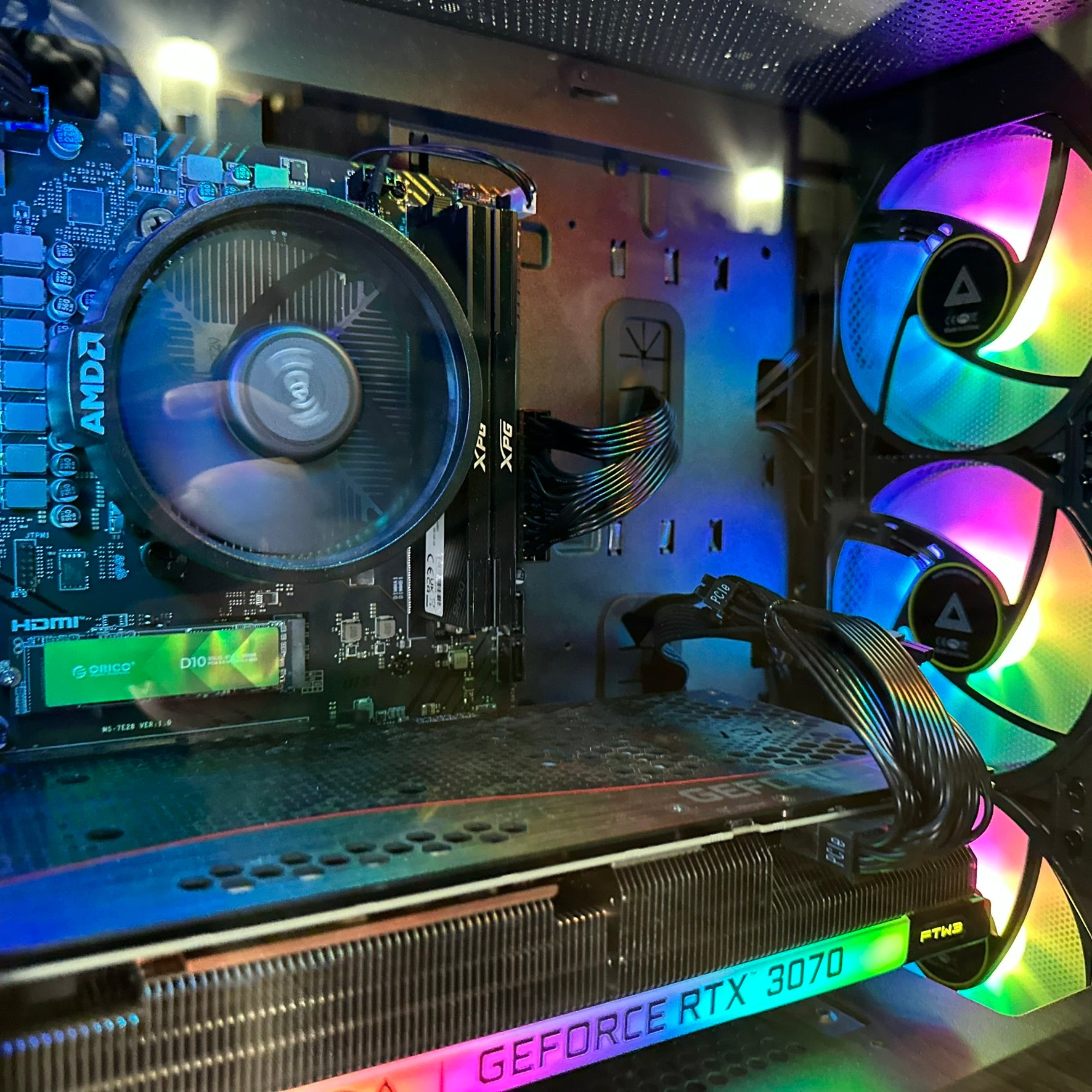
When release schedules tighten and hardware expectations climb, poorly balanced systems become more frustrating. A random marketplace prebuilt might look inexpensive, but what corners were cut? Was the cooling chosen for sustained load, or just for a product page photo? Is the power supply quality where it should be? Is memory capacity enough for modern multitasking? Is the SSD large enough for today’s game sizes? Is the airflow good enough to maintain performance over time?
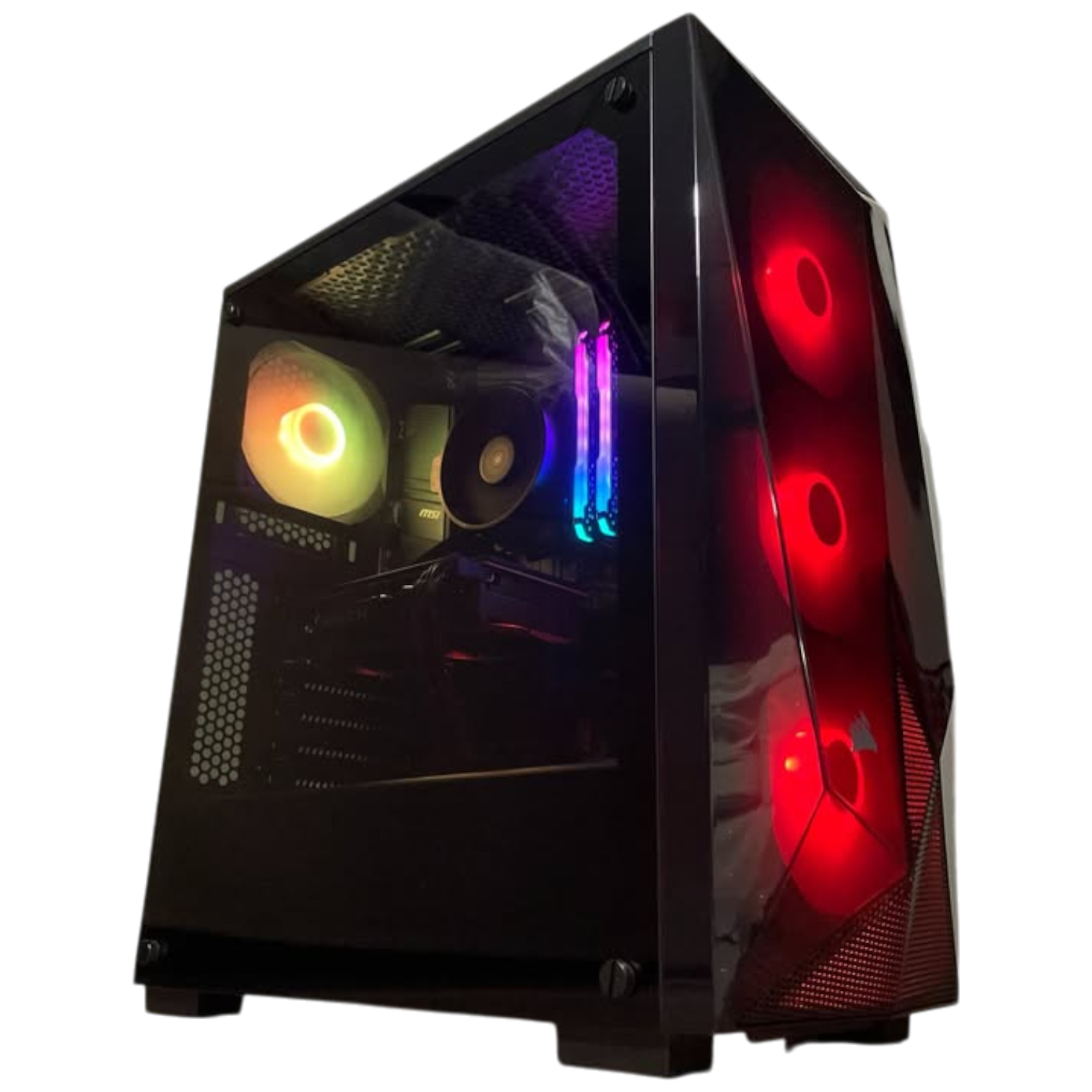
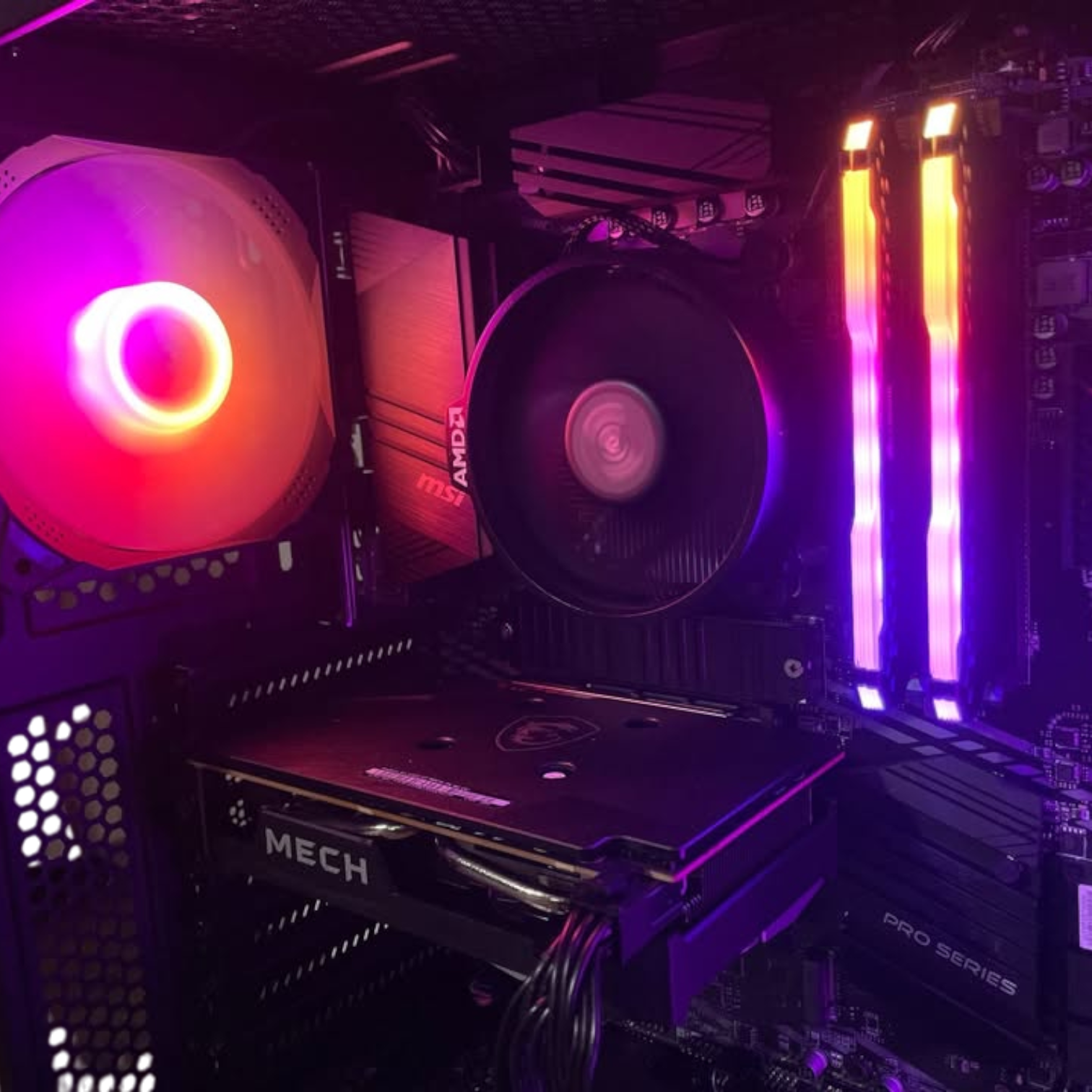
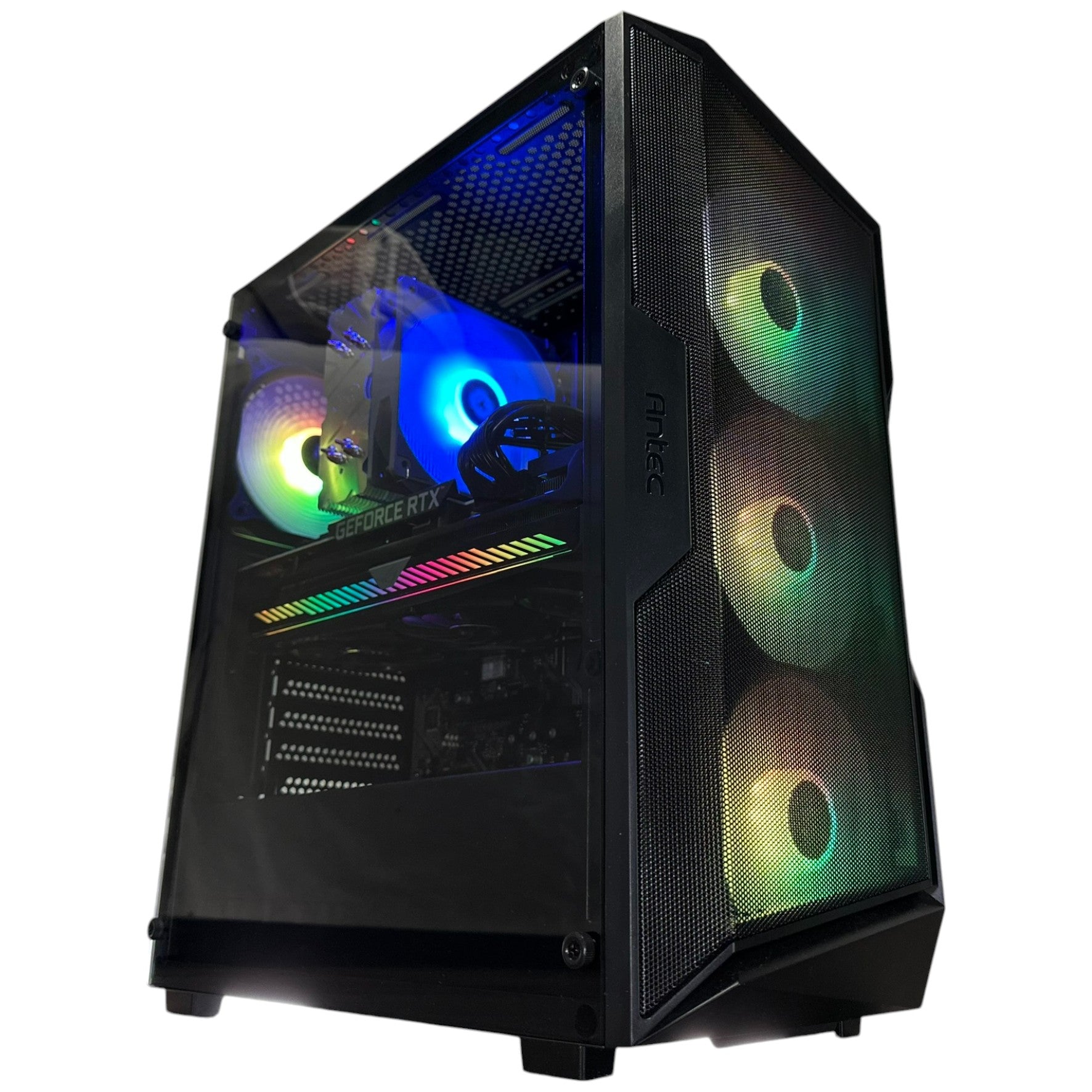
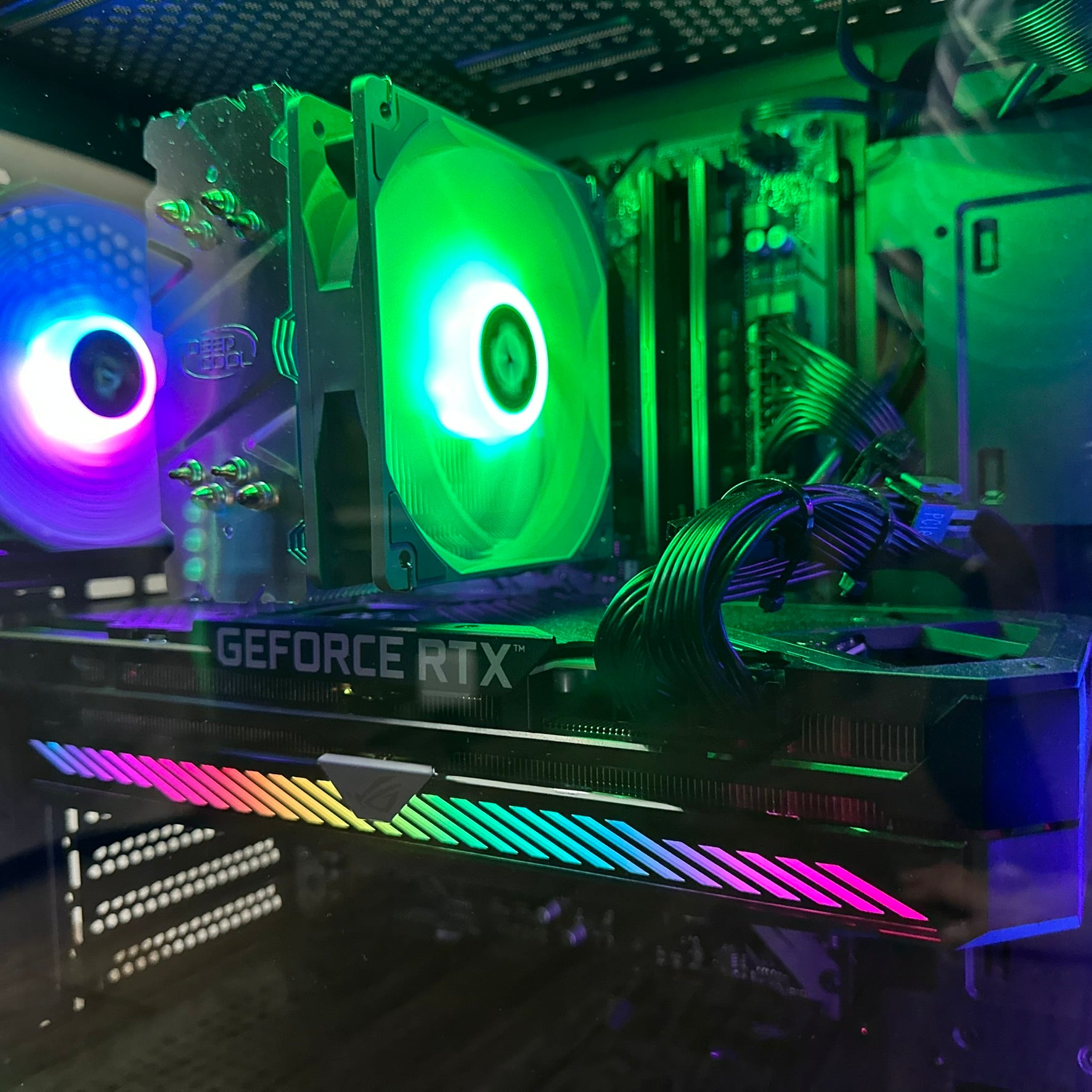
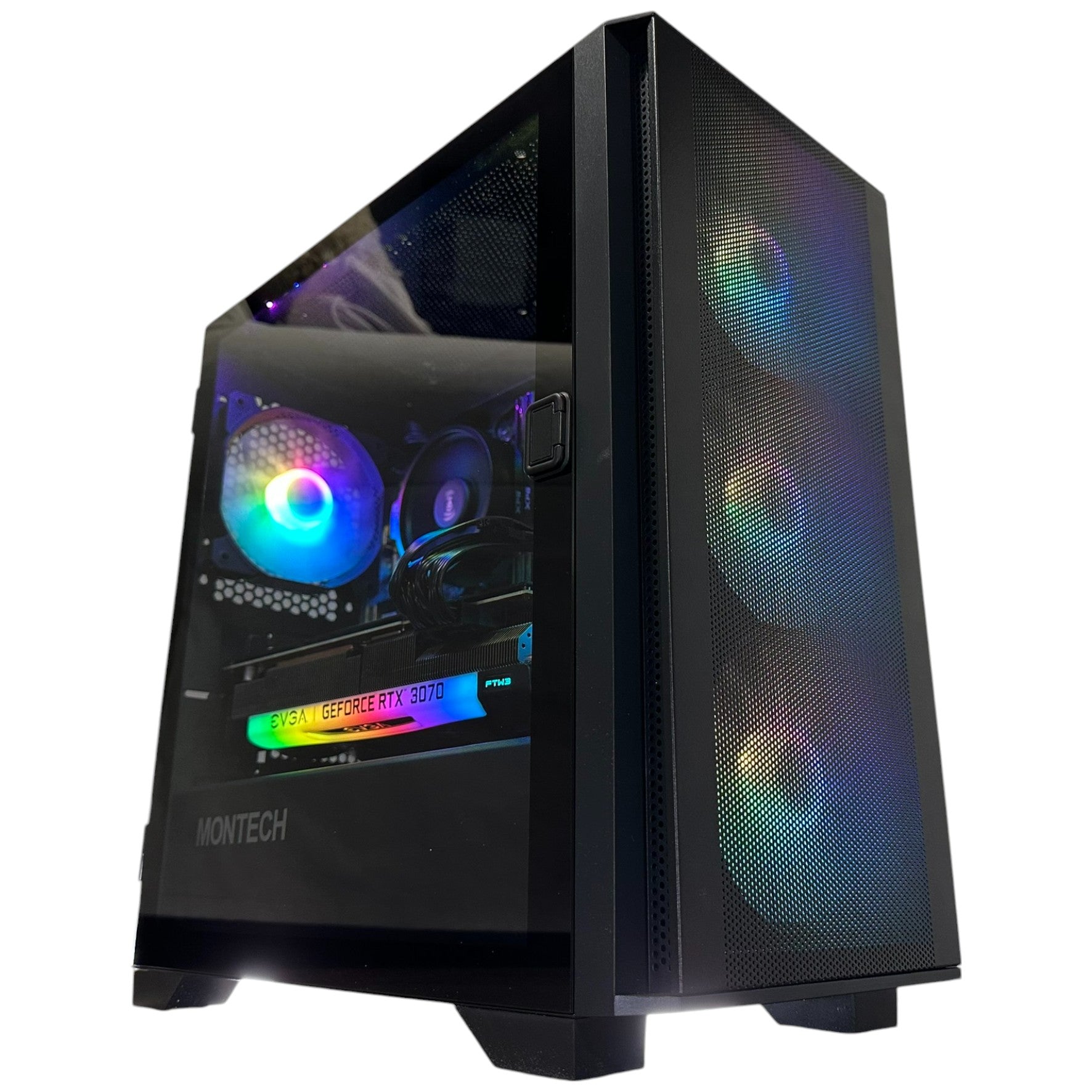
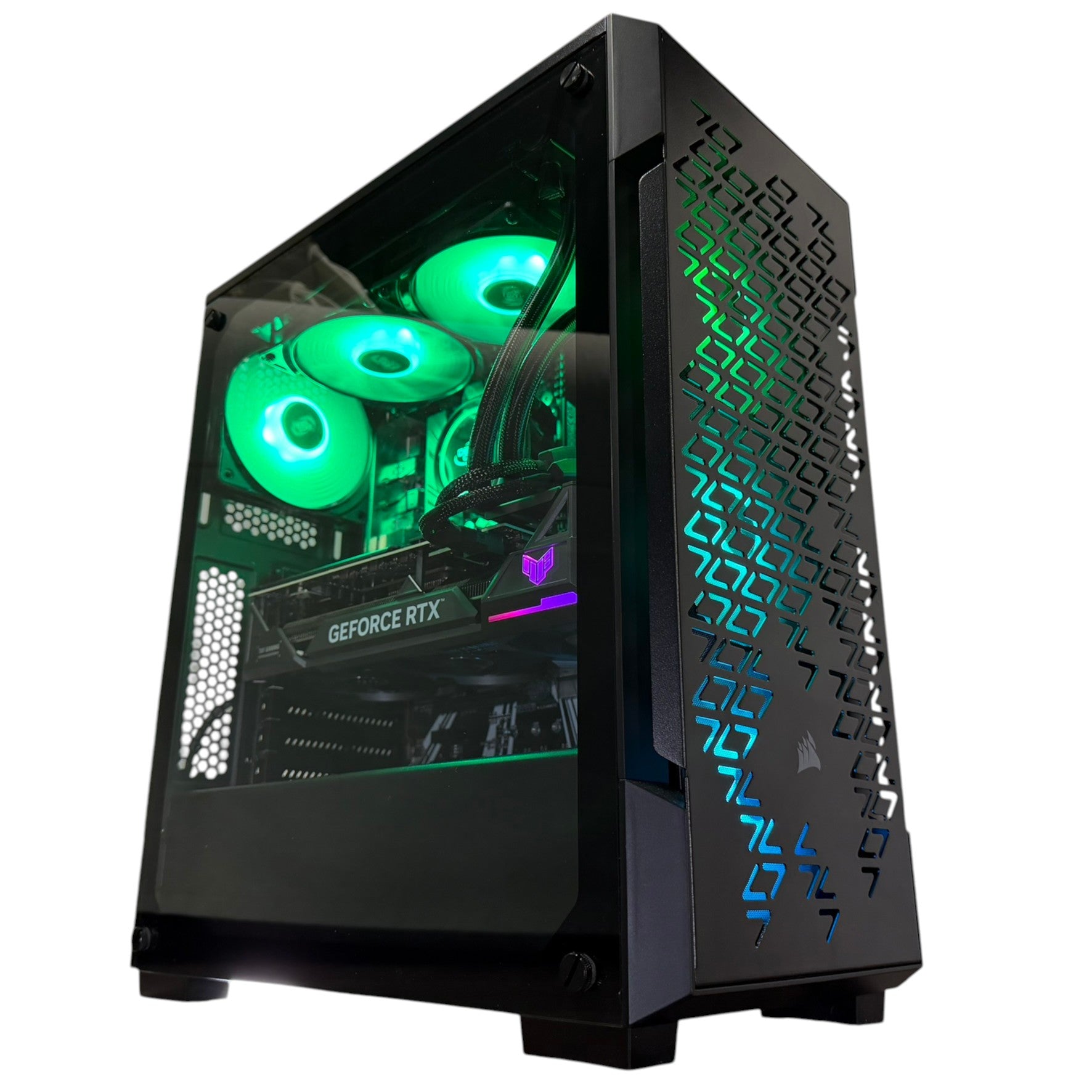
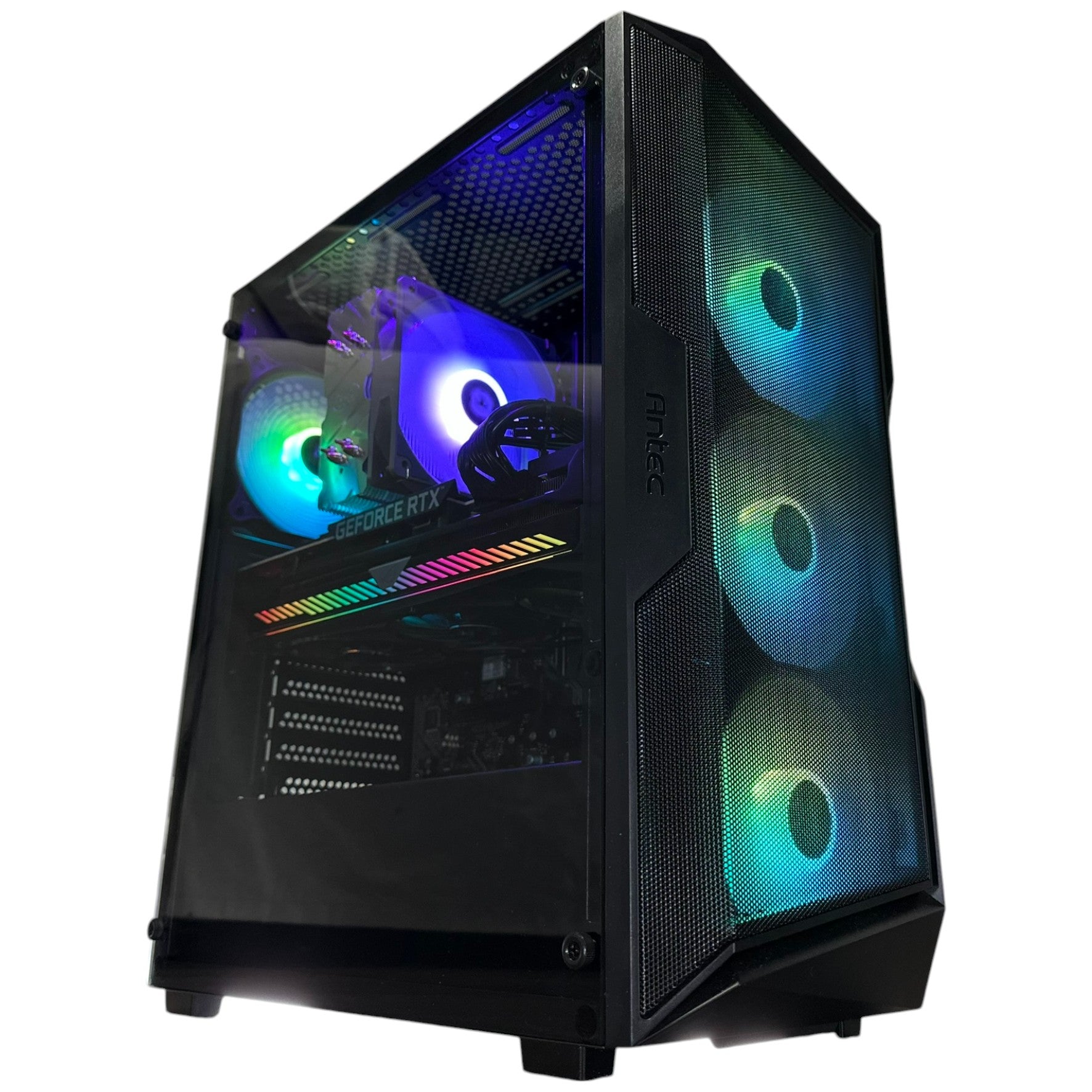
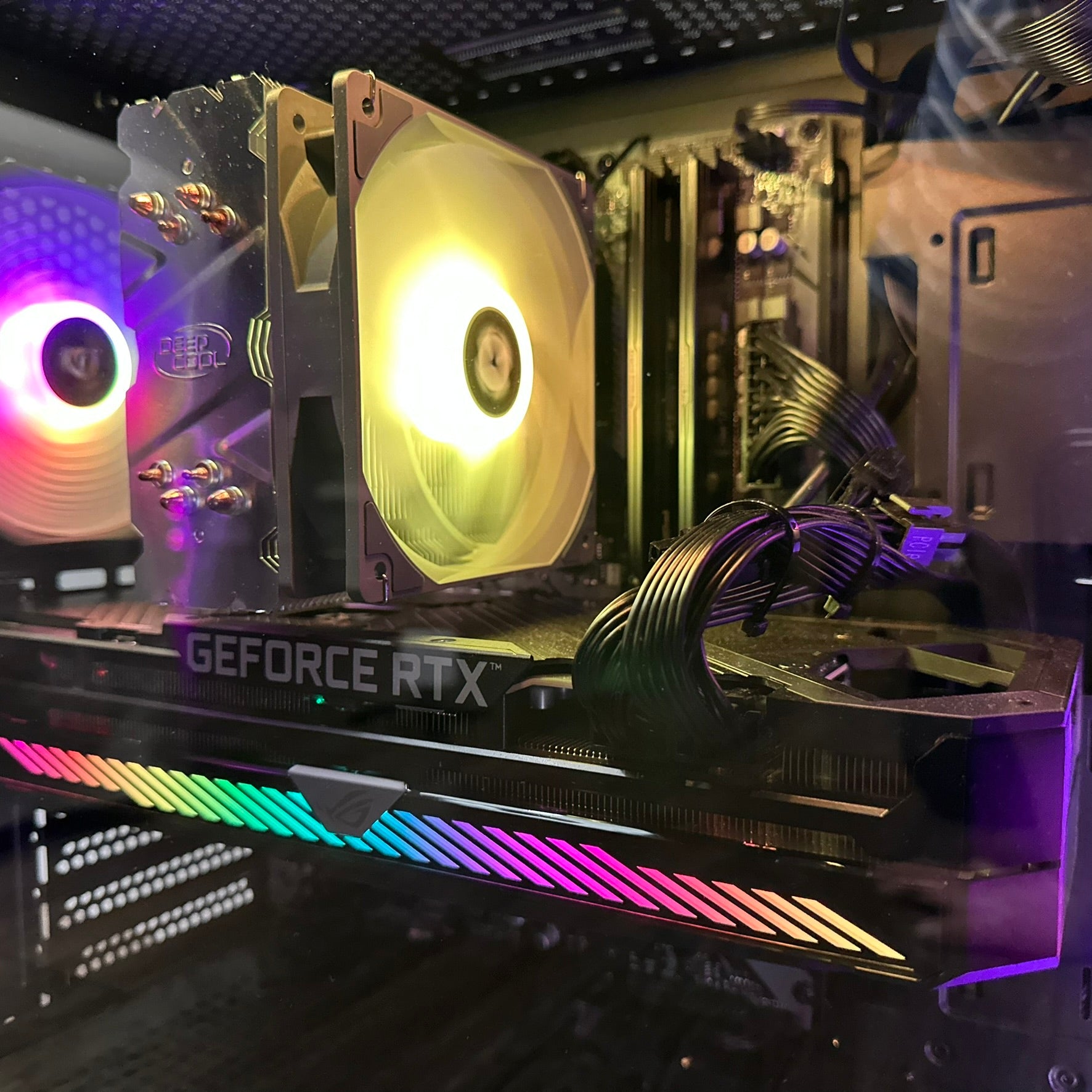
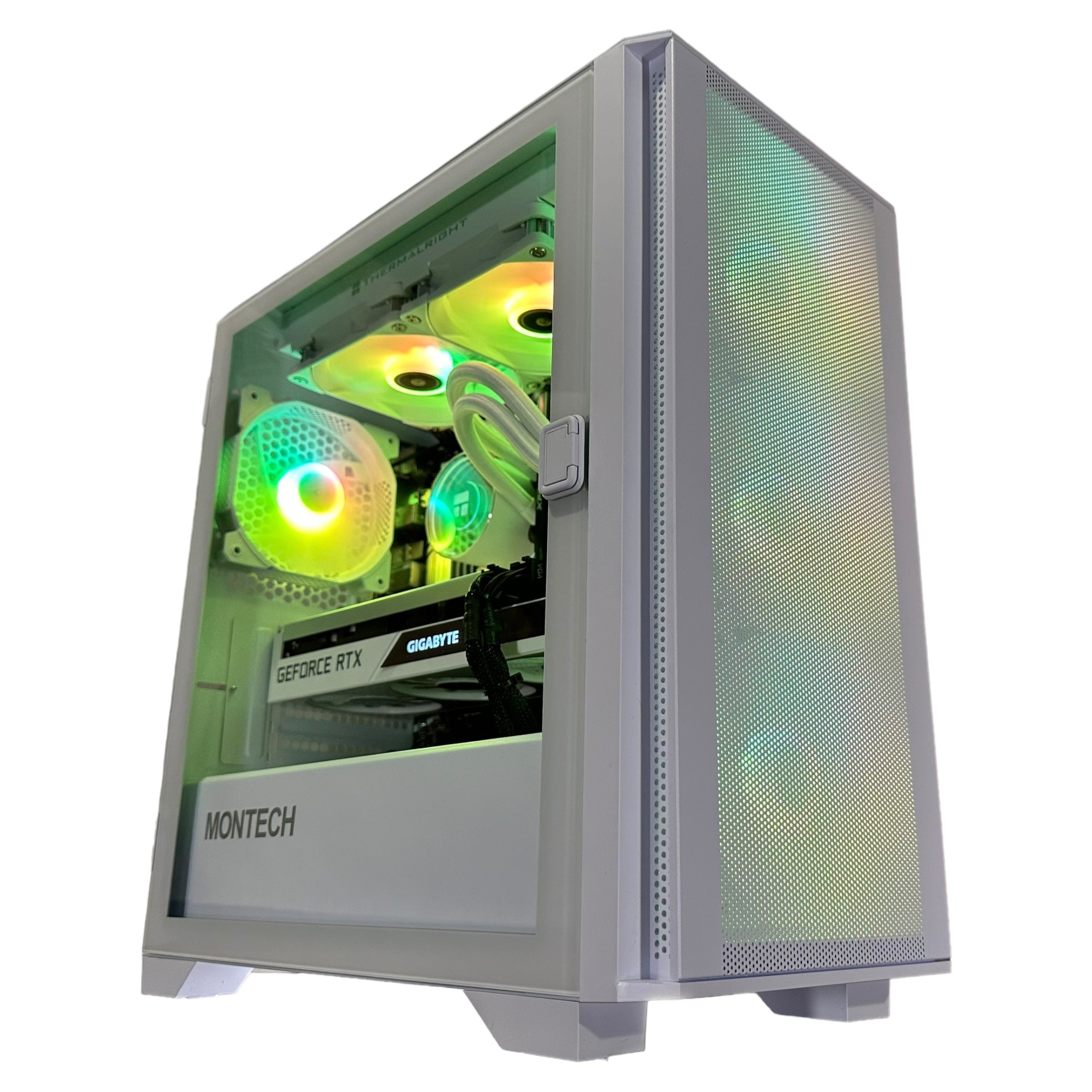
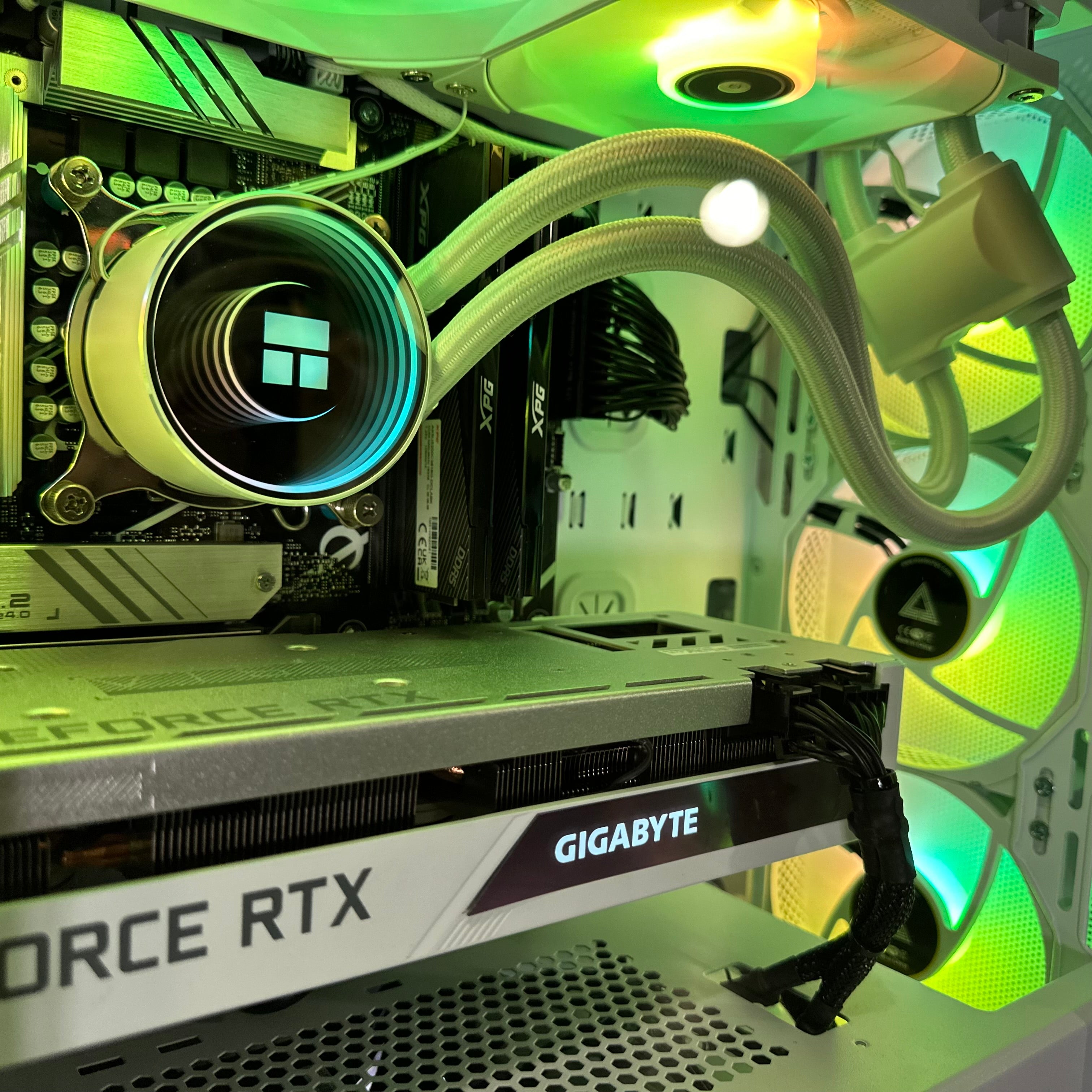
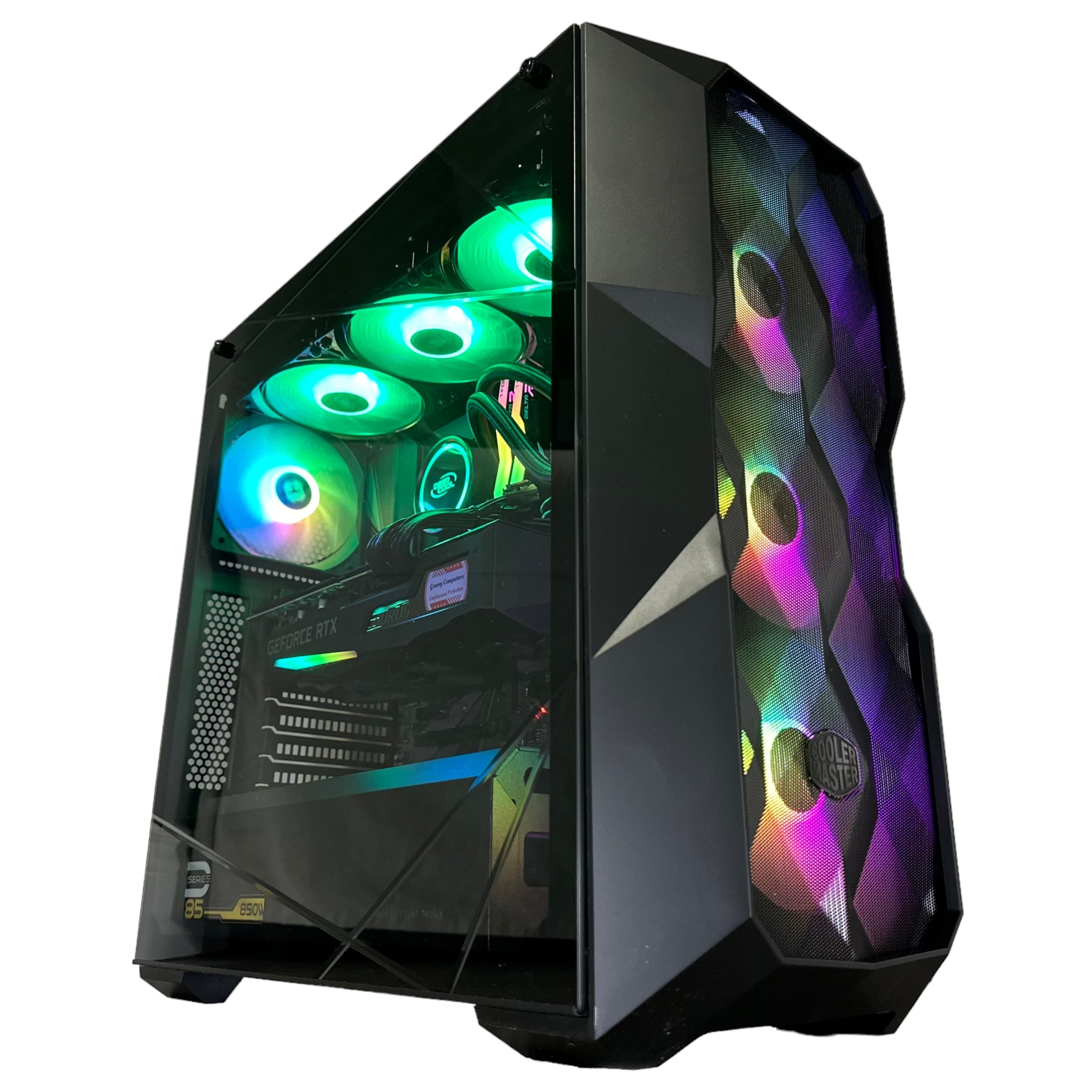
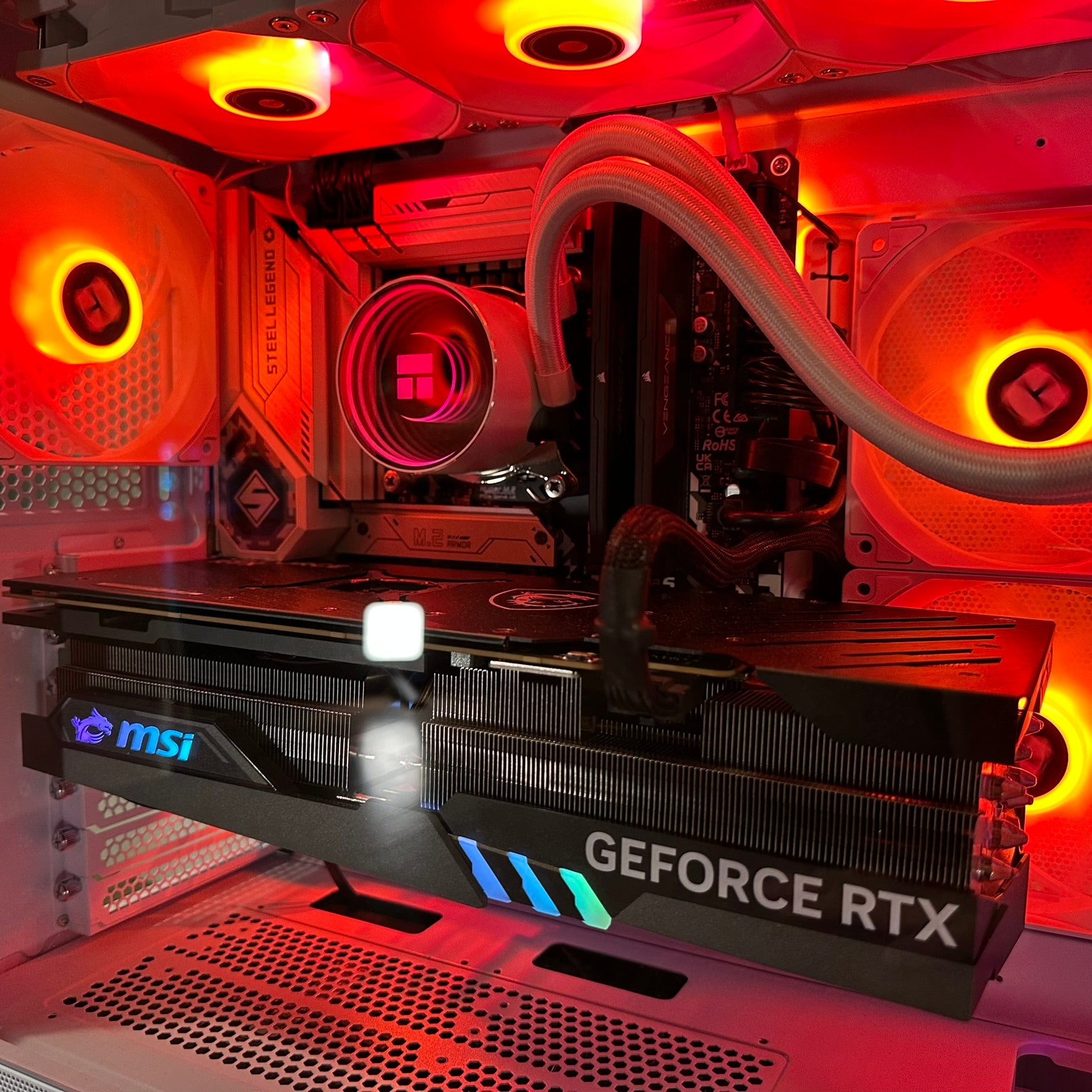
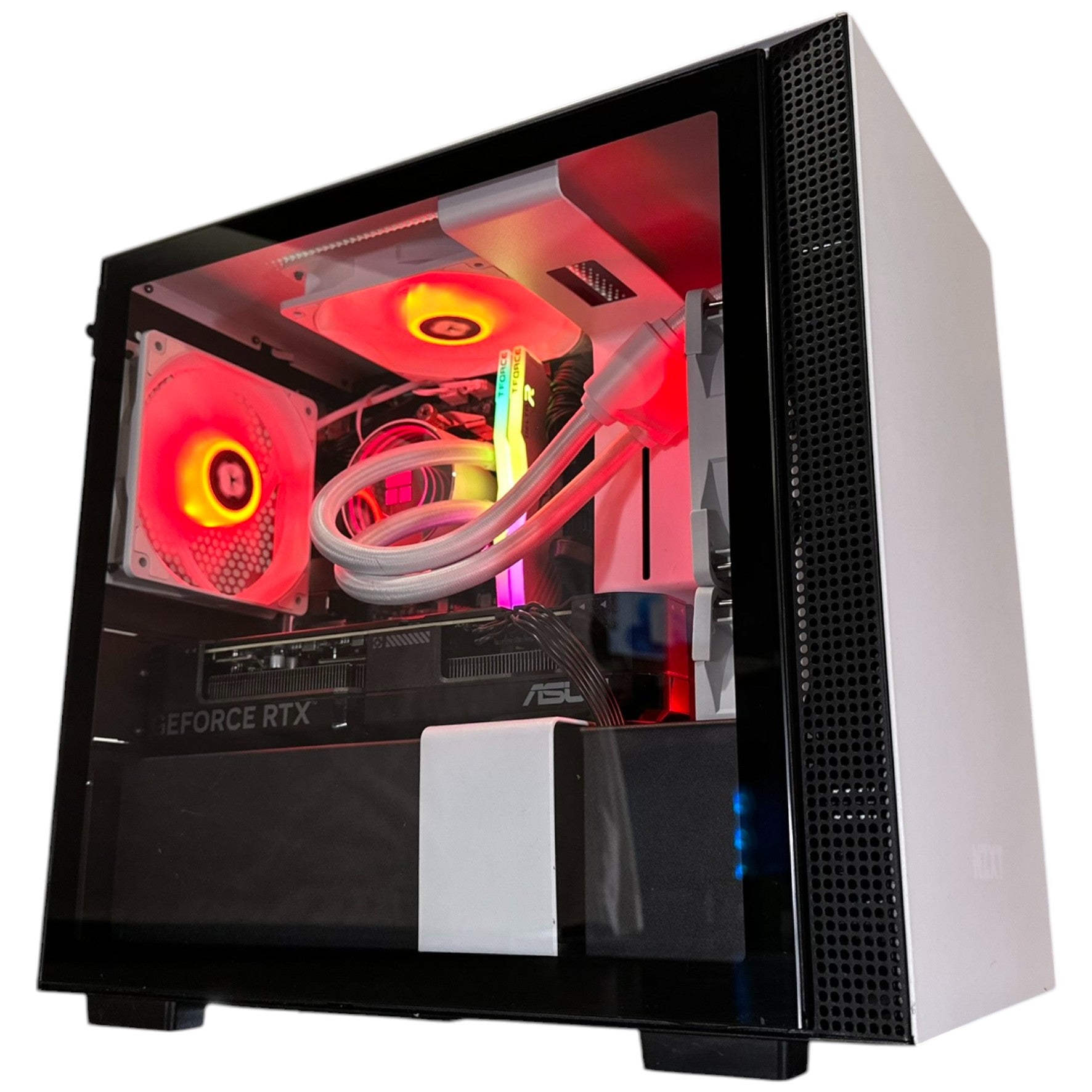
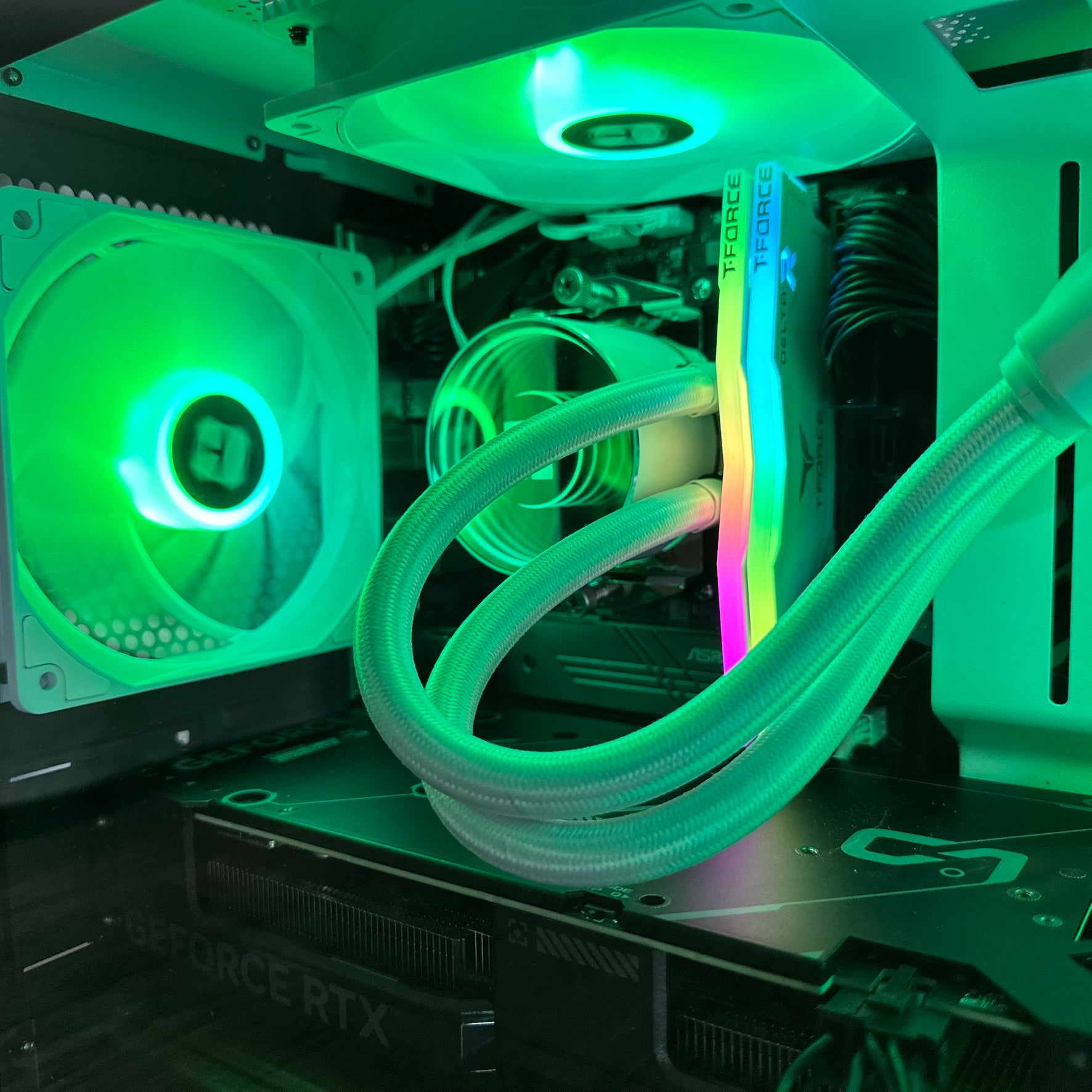
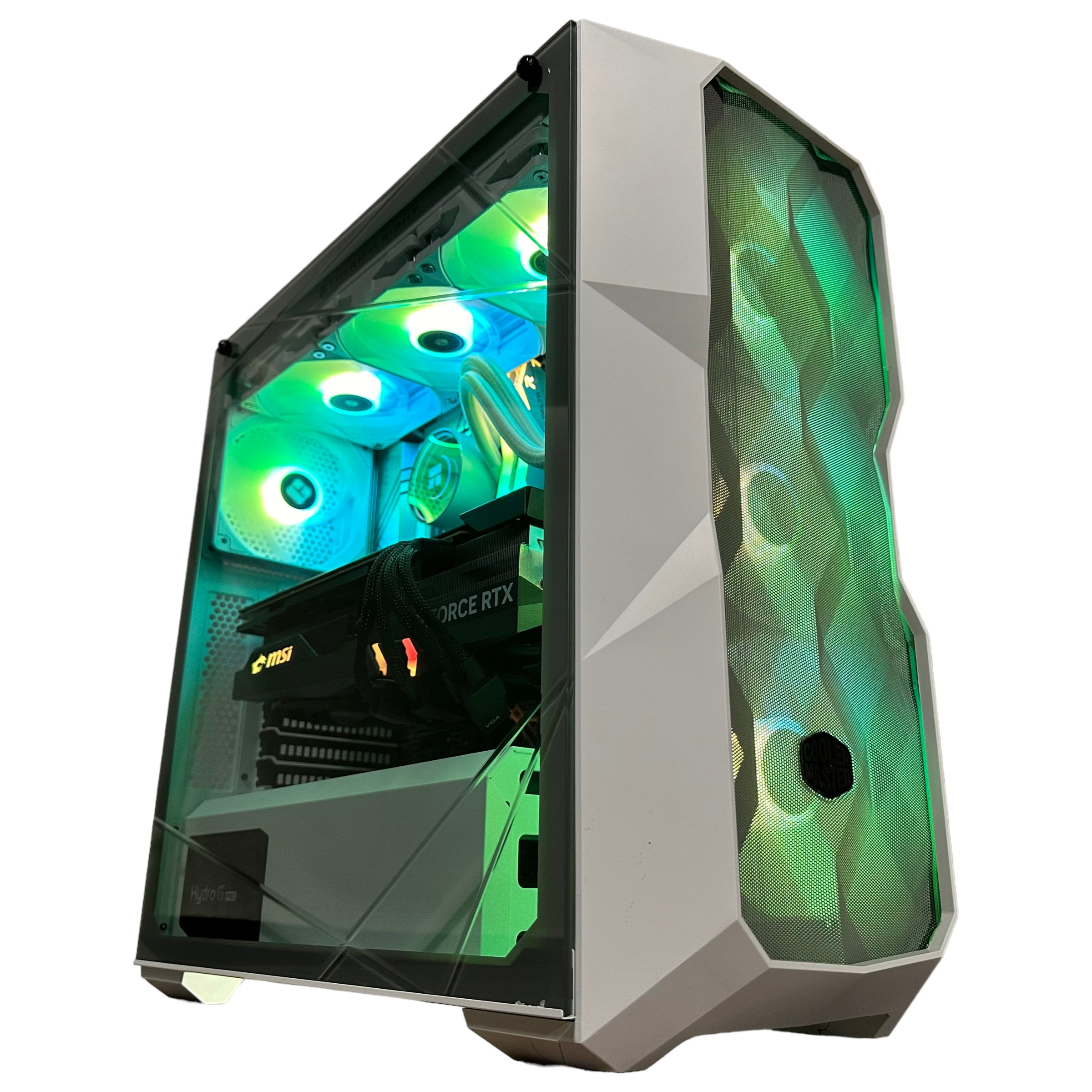
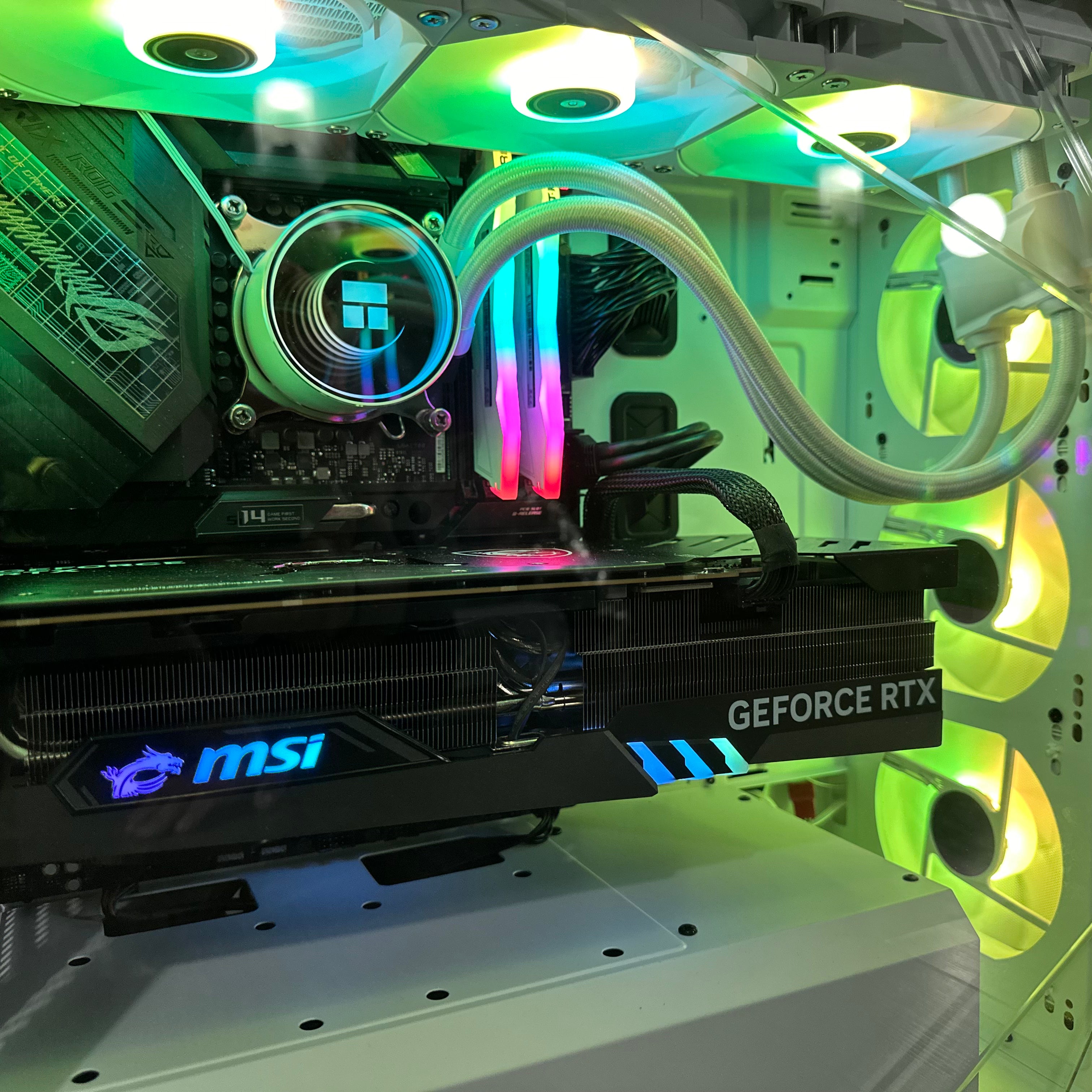
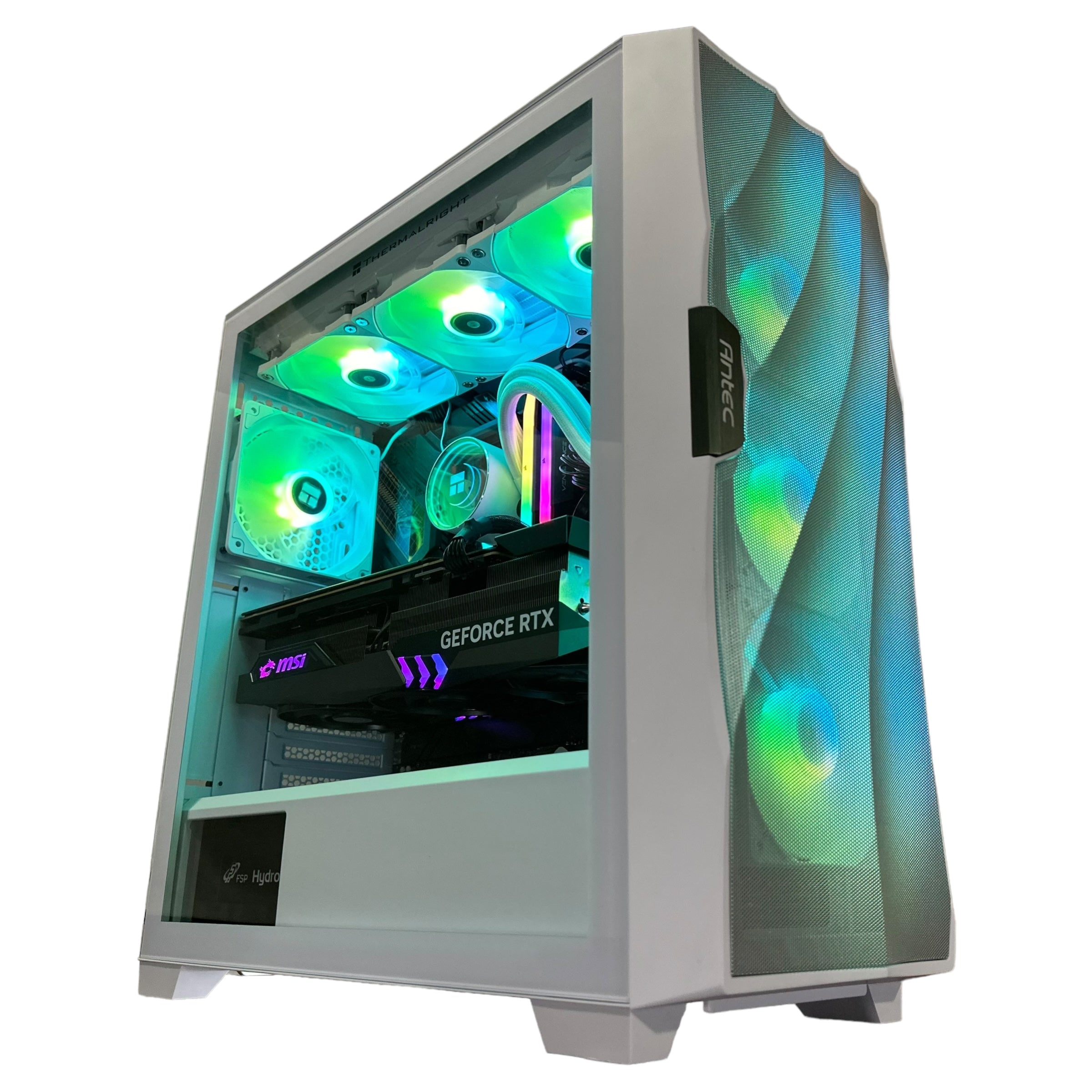
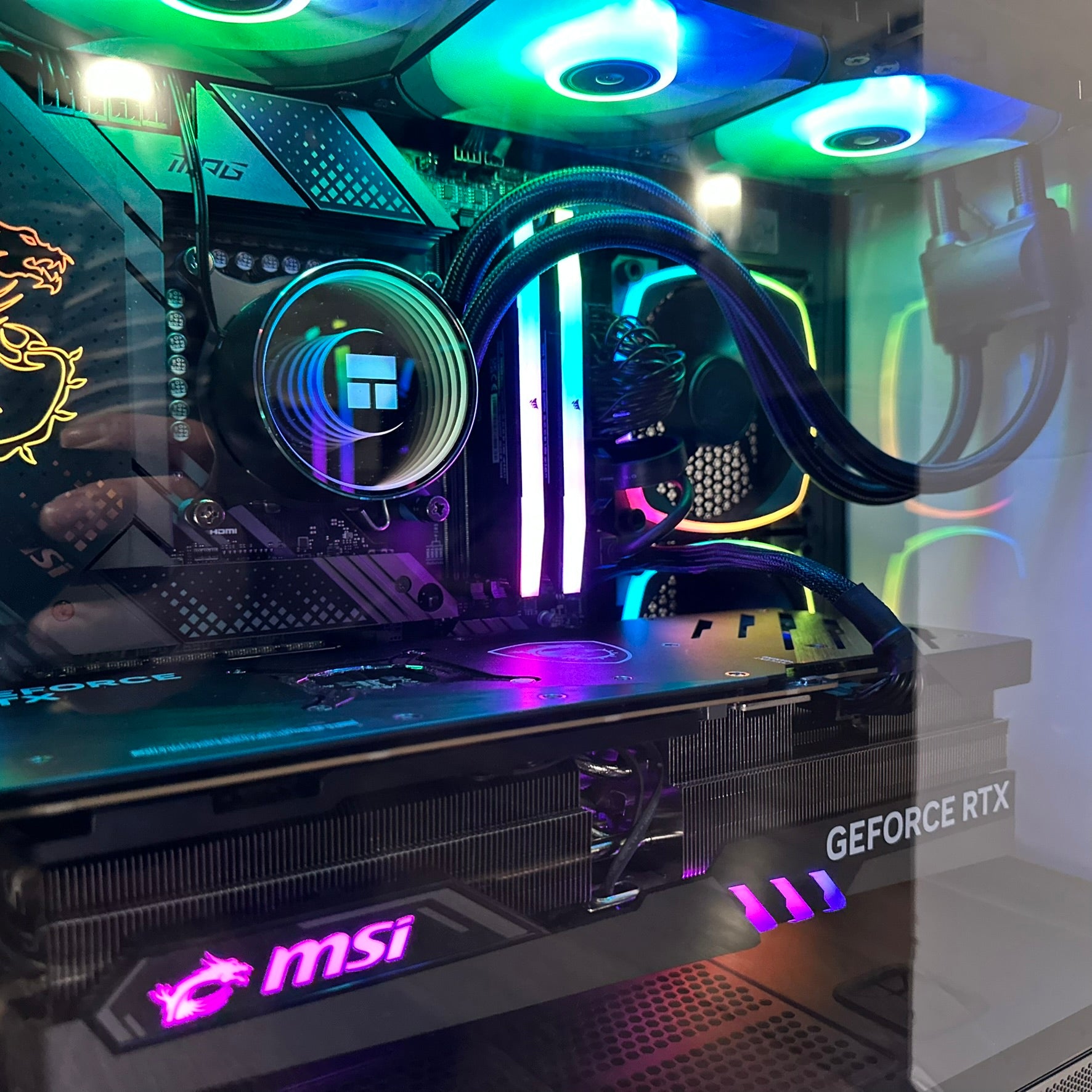
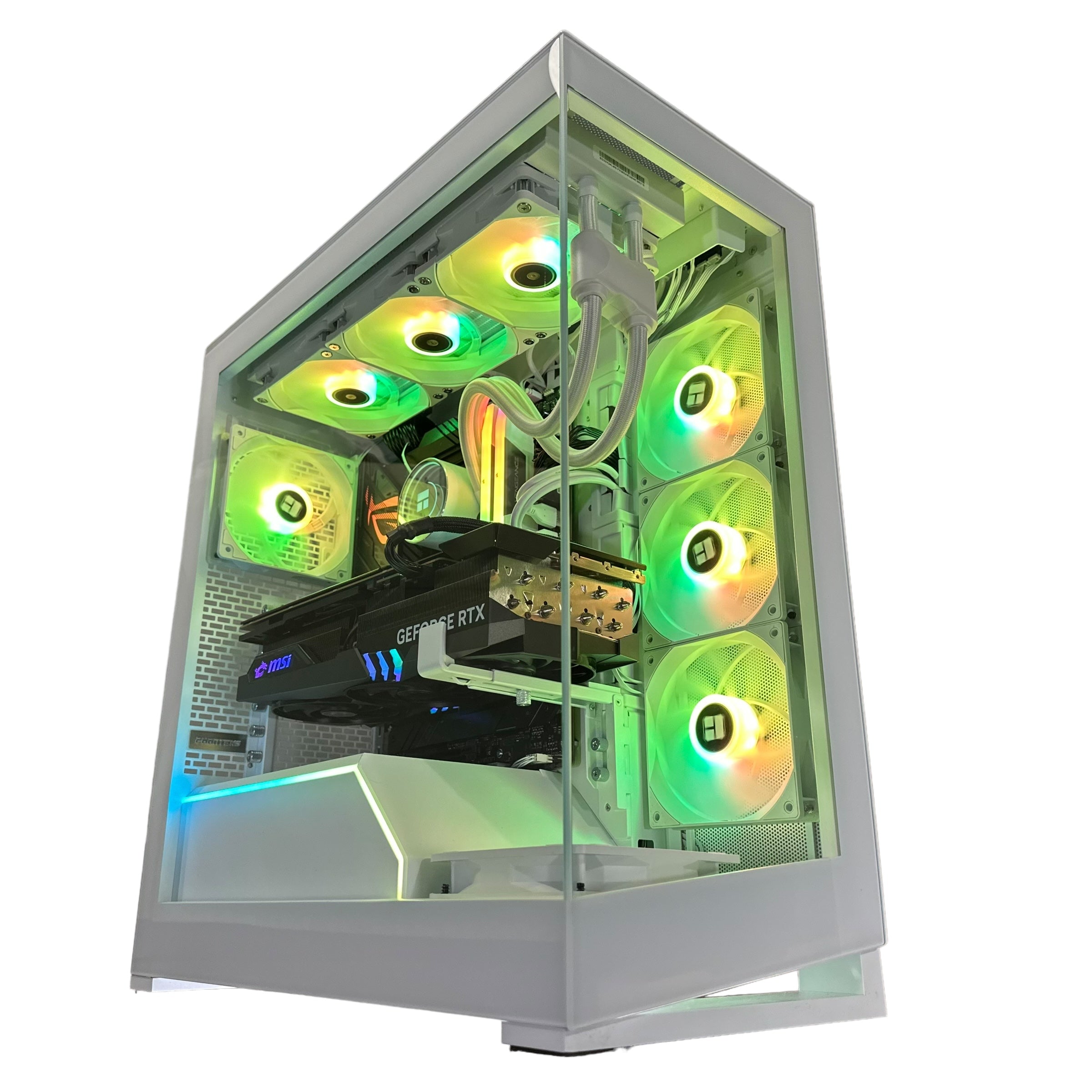
A Custom Gaming PC Canada build gives you a better chance of matching the system to how you actually use it. That matters whether you need a value gaming machine, a premium ray tracing build, a streaming desktop, a creator workstation, or a hybrid system that does all of the above.
At Groovy Computers, that custom-first approach matters because buyers are not all the same. One customer may want a clean 1080p setup for horror games and esports. Another may need a 1440p gaming and editing rig. Another may be planning for 4K, ray tracing, and content production. Another may need a system that can run Adobe apps by day and modern games by night. The right answer is rarely one-size-fits-all.
Is it better to buy now or wait?
This is one of the most common questions in the market, and the honest answer depends on your current pain point and your tolerance for waiting. But there is a practical way to think about it.
If your current system already struggles, waiting often costs more than buyers admit. It costs time, missed enjoyment, lower settings, longer render times, fewer creative opportunities, and the risk of buying later when demand or component prices are worse. If your machine is still acceptable and your needs are stable, waiting can sometimes make sense. But if you already know a stronger system is inevitable, delaying may simply compress your options.
Ask yourself: are you waiting for a theoretical perfect moment, or are you reacting to a real need? Are you already dropping settings in newer releases? Are you hesitating to install larger games because storage is too tight? Are your video exports, thumbnail work, or 3D renders taking too long? Are you putting off buying until a major launch creates even more pressure?
For many customers, the better move is to buy strategically before urgency becomes unavoidable.
Should you finance a stronger PC instead of settling for a weaker one?
This is where many smart buyers shift their thinking. If the choice is between buying a weaker machine outright or financing a better system that actually matches your next few years of gaming and productivity needs, the second option can be more cost-effective in the long run.
At Groovy Computers, customers exploring Gaming PC Financing Canada options are often trying to solve a practical problem: they want enough performance to avoid upgrading too soon, but they do not want to wait while prices and requirements continue moving. Financing can make that possible.
Would monthly payments help you step up from entry-level to a more future-ready 1440p build? Would it let you secure more RAM, better cooling, more storage, or a stronger GPU now instead of replacing parts sooner? Would it help you choose a creator PC or workstation that supports your software properly instead of forcing compromises every day?
When financing is used responsibly, it is not just about affordability. It is about buying the right tool at the right time. For Canadian shoppers looking at custom systems, financing up to 4 years can make a stronger long-term decision much easier.
What questions should you ask before buying your next custom PC?
Before you commit, ask yourself these practical questions:
- What games or software will I actually use most? New AAA games, competitive shooters, OBS, Adobe apps, Blender, Unreal Engine, or all of the above?
- What resolution do I really want? 1080p, 1440p, or 4K?
- Do I care about ray tracing and higher visual settings?
- Will I stream, record, or edit content?
- How long do I want this system to feel current? One to two years, or much longer?
- Am I buying just for today, or for the next wave of releases too?
- Would financing a better build save me from upgrading too soon?
- Do I want a system that is tested, supported, and covered by warranty?
These are better questions than simply asking which GPU is cheapest this week. They lead to better buying outcomes.
Why Groovy Computers fits this moment for Canadian buyers
As more demanding games, remakes, and creator workflows arrive, buyers need confidence. Groovy Computers is built around that idea. Instead of pushing generic boxes, Groovy focuses on custom gaming PCs, creator PCs, and workstation builds for real Canadian customer needs.
That means better workload matching, smarter part selection, cleaner upgrade paths, and more confidence when choosing between tiers. It also means the support advantages that matter when money is on the line: rigorous testing, practical guidance, and a 1-year warranty for added peace of mind.
If you are shopping in Nova Scotia, Atlantic Canada, or anywhere else in the country, that trust factor matters. A Canadian Custom PC Builders approach is especially valuable when hardware pricing is volatile and big release cycles keep pushing expectations higher. You do not just want a machine that turns on. You want a machine that was chosen well.
Which kind of buyer are you?
The budget-conscious gamer
You want a system that plays current games well without overspending. You may be targeting 1080p and prioritizing value. But ask yourself: do you want the cheapest possible build, or the smartest value build that will still feel right after the next few major releases?
The 1440p enthusiast
You want strong visual quality, smoother frame rates, and a system that feels modern for a longer period. This is often the best fit for buyers who want a balanced machine for gaming, streaming, and light creator work.
The premium buyer
You want high settings, stronger ray tracing, more longevity, and less compromise. You may be planning around a premium monitor, demanding new releases, or mixed gaming and production workloads. You are not just buying frames today. You are buying breathing room.
The hybrid creator-gamer
You play games, but you also edit videos, design assets, create content, or stream regularly. You need a system that performs in entertainment and productivity without constantly forcing trade-offs.
The workstation user
You need real output: rendering, modeling, heavy multitasking, CAD, or production software. Your system is not only for fun. It is part of your work, learning, or income.
Do you want help choosing the right build from Groovy Computers?
If the Resident Evil remake strategy says anything to PC buyers, it is that gaming is not slowing down, workloads are not getting lighter, and waiting too long can turn a planned purchase into a rushed one. So what do you want your next system to handle: smoother 1440p gaming, higher-end ray tracing, streaming, editing, Blender, Adobe apps, or a little of everything?
If you want help choosing the right tier, the right balance of gaming and creator performance, or whether financing makes sense for your situation, visit GroovyComputers.ca. Whether you need a custom gaming desktop, a creator-focused PC, or a stronger workstation before replacement costs rise, Groovy Computers can help you buy with more confidence.
Final thoughts: the remake era is also the upgrade-planning era
The news about Resident Evil remakes is really about momentum. Publishers have found ways to keep major franchises active, profitable, and technologically relevant. For players and creators, that means the demand on your hardware is staying constant too. If you have been wondering is it better to buy a gaming PC now or wait, the better question may be this: how much longer do you want to compromise on the performance you already know you need?
A stronger, properly balanced custom system can help you enjoy new games with less frustration, create content faster, multitask more comfortably, and avoid shopping again too soon. In a market where releases keep coming and hardware pressure can change fast, that kind of planning is not excessive. It is smart.
#ResidentEvilRemakes #GamingPCCanada #CustomGamingPCCanada #GamingPCBuildsCanada #CreatorPCCanada #VideoEditingPCCanada #StreamingPCCanada #WorkstationPCCanada #CanadianCustomPCBuilders #GroovyComputers
Groovy Computers | All Rights Reserved


Leave a comment
This site is protected by hCaptcha and the hCaptcha Privacy Policy and Terms of Service apply.