




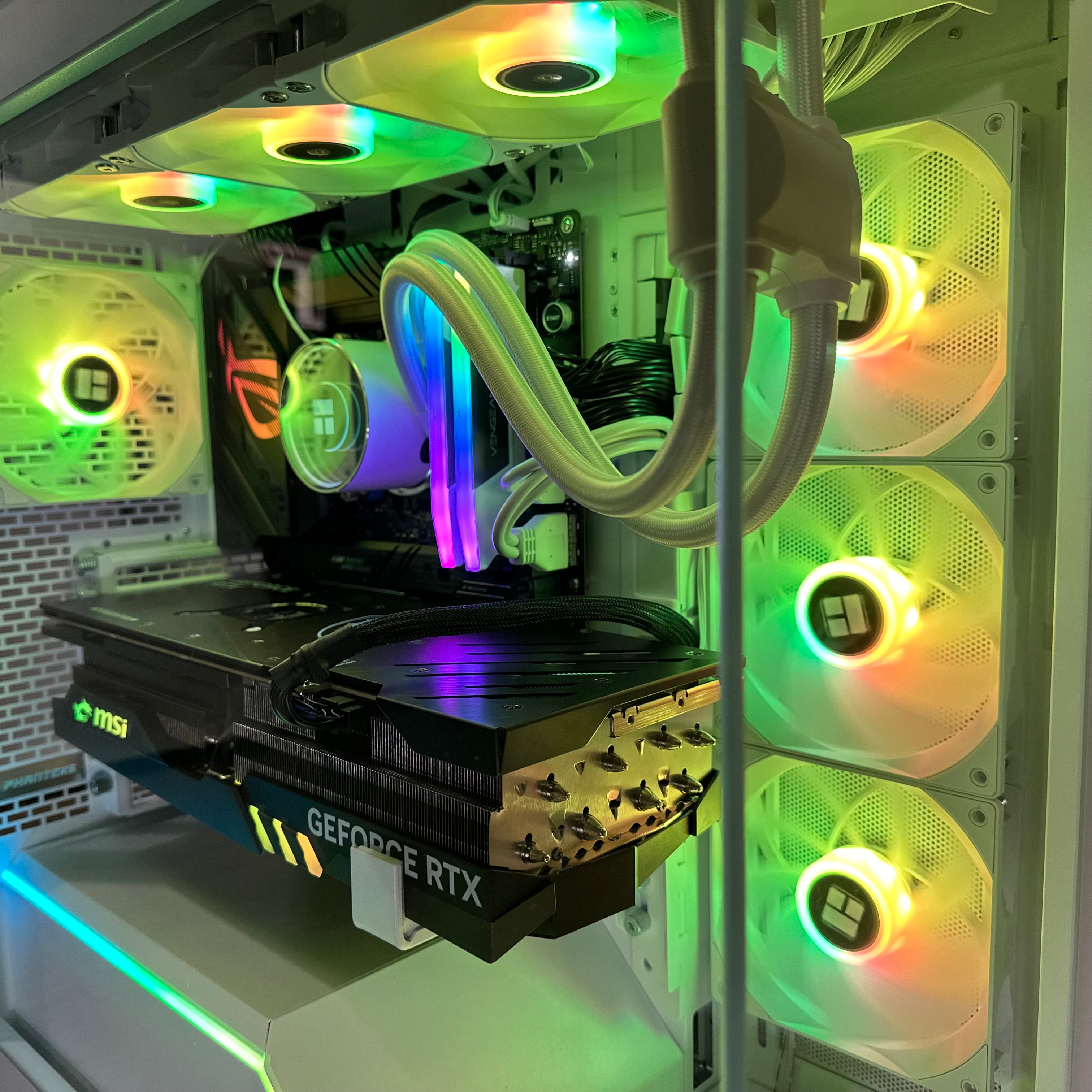
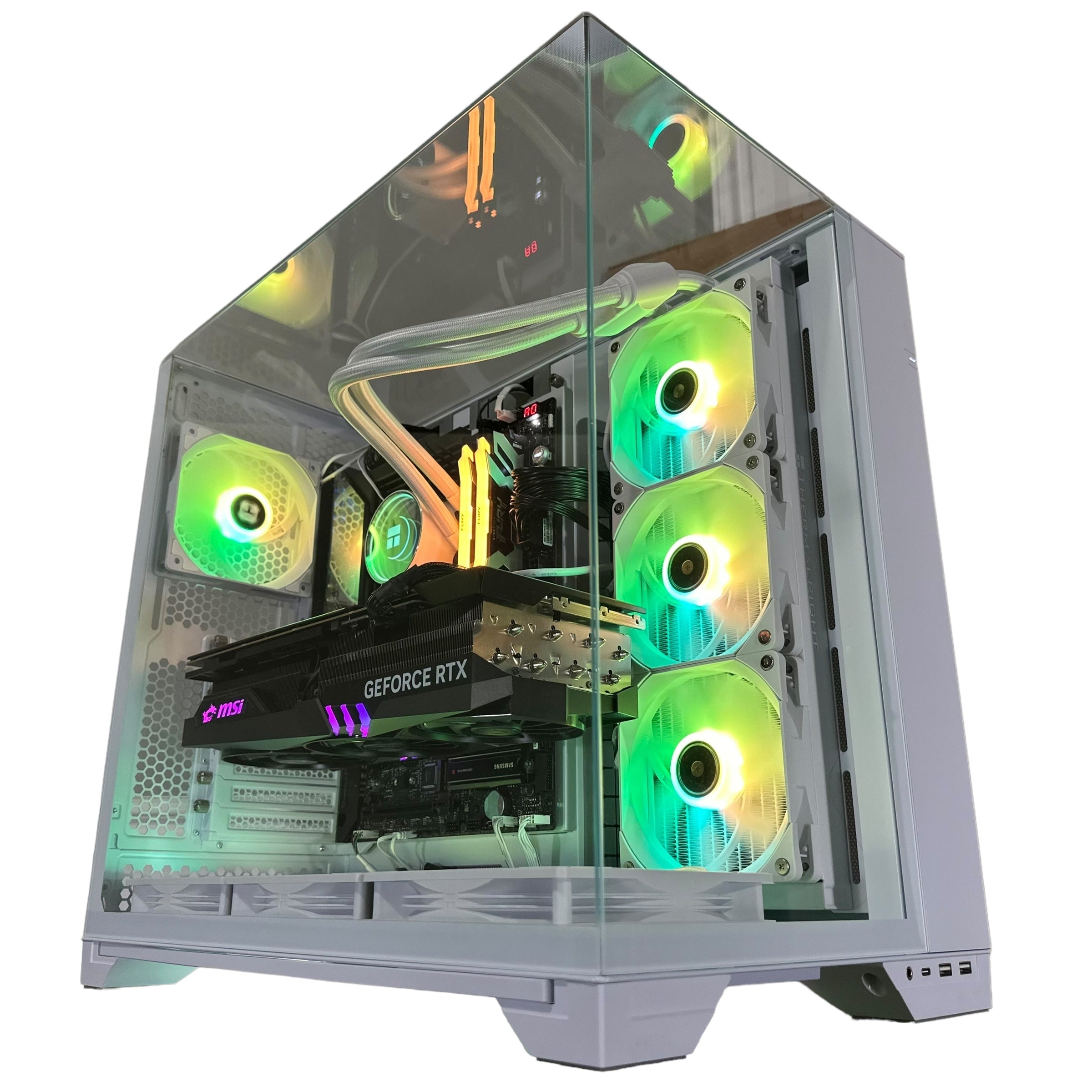
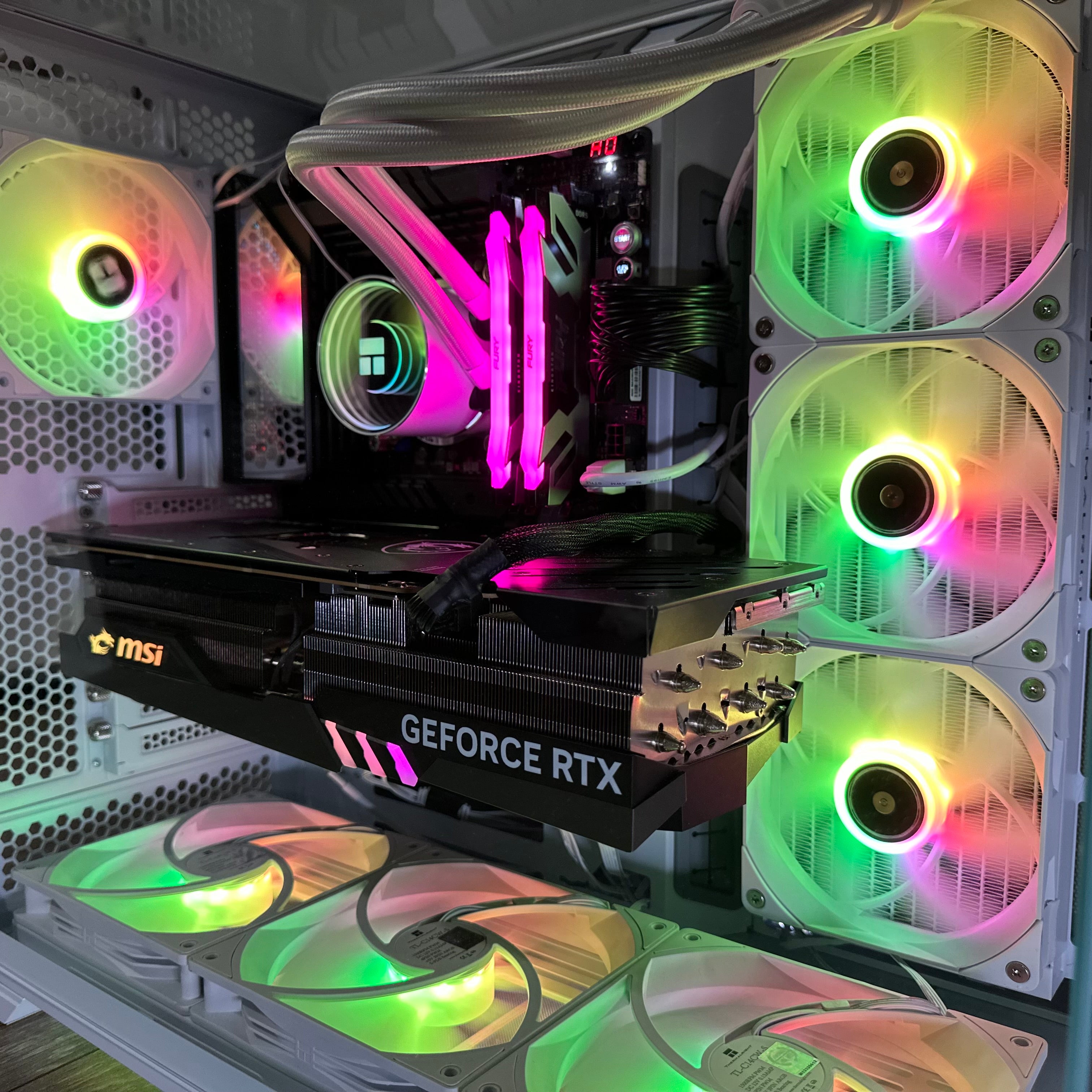

Resident Evil Requiem DLC Release Date: What This Leak Means for Anyone Planning a Gaming PC in Canada
The latest Resident Evil Requiem DLC release date leak may sound like simple gaming news on the surface, but for Canadian PC buyers, it points to something bigger: long-tail demand for high-performance systems that can handle major AAA releases, story expansions, ray tracing updates, streaming, capture, and content creation for years instead of months. According to the source material, a known Capcom insider claims the Resident Evil Requiem story DLC could arrive in late 2027, with additional DLC for a Code: Veronica remake potentially following in 2028. If that reporting holds, it suggests Capcom wants a steadier Resident Evil release pipeline, and that matters if you are deciding whether your current PC is ready for the next wave of big-budget horror gaming.
Why should a DLC rumour matter to someone shopping for a desktop? Because game publishers increasingly stretch a title’s lifespan through expansions, visual upgrades, post-launch content, and performance-demanding features. That means buying a system only for launch-day minimum specs is often the wrong move. A better question is this: what do you want your next PC to do for you over the next two to four years?
If your answer includes upcoming Resident Evil releases, 1440p or 4K gaming, ray tracing, streaming to Twitch or YouTube, recording gameplay, editing clips, or avoiding another upgrade too soon, this is exactly where a well-matched custom build matters. For Canadian buyers, especially those comparing value, longevity, and financing, this kind of news is less about gossip and more about planning.
What the Resident Evil Requiem DLC leak appears to mean
Based on the source article, the reported plan is that Resident Evil Requiem may receive a major story DLC release in late 2027, while a future Code: Veronica remake could also receive its own post-launch expansion in 2028. The reported strategy is that Capcom may be using larger DLC expansions to maintain yearly Resident Evil momentum instead of relying as heavily on spin-offs.
That does not confirm final release dates, and as with any leak, plans can change. But even without treating the claim as guaranteed, the idea is believable enough to be useful for buyers: major game franchises are increasingly built around long support cycles. If you are investing in a gaming desktop today, are you buying only for the next six months, or are you buying for a pipeline of AAA content that could keep evolving well after release?
That one question changes everything.
Why Canadian gamers should read this as a PC buying signal, not just a rumour
When a franchise like Resident Evil appears set up for years of ongoing releases, DLC, remakes, and premium visual features, it creates a familiar pattern in the PC market. Buyers who waited too long on the last hardware cycle often ended up facing higher GPU pricing, weaker availability, or the need to compromise on settings and frame rates. In Canada, those issues can feel even sharper once exchange rates, import costs, and replacement pricing filter through the market.
So ask yourself: is it better to keep limping through another major release on aging hardware, or lock in a stronger custom gaming PC before the next demand spike?
If you are currently on an older mid-range card, low system memory, or a cramped SSD, the risk is not just lower FPS. It is longer load times, inconsistent frame pacing, weaker ray tracing support, streaming slowdowns, and a system that struggles when you move from gaming to editing or multitasking. A custom build planned around the games you actually play is usually the smarter path than buying the cheapest box that merely turns the game on.
What do you want your next PC to do for you?
This is the question more buyers should ask before comparing specs.
Do you want a system mainly for horror and AAA single-player gaming at 1080p? Do you want smoother 1440p performance with high settings and better longevity? Are you aiming for 4K, ray tracing, cinematic visuals, and room for future expansions? Or do you also want to stream, edit your clips, design thumbnails, produce YouTube videos, or work in Adobe apps, Blender, or other creative software?
Your best build category depends on your real use case:
- Budget gaming buyer: You want solid 1080p performance in modern games without overspending.
- Mainstream AAA gamer: You want strong 1440p results, higher texture settings, and better future-proofing.
- Premium enthusiast: You want 4K gaming, ray tracing, ultra settings, and a longer upgrade cycle.
- Gaming plus streaming user: You need enough CPU, GPU, RAM, and storage balance for gaming and OBS at the same time.
- Creator or editor: You need gaming performance plus export speed, timeline smoothness, and multitasking power.
- 3D or workstation buyer: You need a system that can game, render, simulate, model, and handle heavier professional work.
If you are not sure which one sounds like you, that is exactly why custom guidance matters.
Planning for Resident Evil Requiem means planning for more than minimum specs
Big cinematic games are often the titles that reveal where a weak system is starting to age. Horror games especially lean on atmosphere, lighting, dense environments, high-resolution assets, and visual effects that look dramatically better on capable hardware. If Resident Evil Requiem and its future DLC follow that trend, the best experience will likely come from a system built for headroom, not one built for survival.
What does that mean in practical terms?
- You want a GPU that is comfortable at your target resolution, not barely acceptable.
- You want enough VRAM and overall graphics power for texture-heavy modern releases.
- You want a CPU that avoids bottlenecks in demanding scenes and supports background tasks.
- You want enough RAM for modern games, browsers, launchers, Discord, mods, and capture tools.
- You want a fast SSD because modern titles are not getting smaller.
If you expect to buy once and stay happy through future updates, expansions, and other upcoming AAA games, underspending in the wrong place can cost more later.
What performance tier fits you best?
Entry-level 1080p gaming: Is a budget gaming PC enough for you?
If your goal is straightforward 1080p gaming with strong value, a Budget Gaming PC Canada shopper should focus on balance. This tier is ideal if you mostly want to enjoy new games at sensible settings, play esports titles smoothly, and keep costs under control.
But here is the important question: are you truly a budget buyer, or are you a frustrated buyer trying to force a lower budget onto higher expectations?
If you know you will want higher settings, longer relevance, or future DLC-heavy AAA gaming, going too cheap now can mean replacing the GPU, adding RAM, or rebuilding sooner than expected.
1440p gaming sweet spot: The smartest choice for many AAA players
For a huge number of Canadian buyers, 1440p is the real value-performance sweet spot. A strong 1440p Gaming PC Canada build gives you noticeably better visual quality than 1080p, stronger longevity for new releases, and enough overhead for tougher games without jumping immediately into flagship pricing.
If you are excited about Resident Evil Requiem, future remakes, modern open-world games, or high-detail single-player experiences, this is often the tier where your money works hardest. It is also one of the most practical categories if you want to game now and still feel confident when the DLC arrives later.
Ask yourself: do you want your next system to feel “good enough,” or do you want it to still feel right when the post-launch content lands?
4K and ray tracing: Do you want the premium experience?
If your target is a 4K Gaming PC Canada setup, ray tracing, ultra settings, premium display pairing, and longer-term headroom, then you are in high-end territory. This level makes sense for buyers who care deeply about image quality, want stronger hardware lifespan, or simply do not want to compromise on major releases.
This is also the tier where financing becomes part of the conversation for many shoppers. Why? Because the difference between a merely expensive build and a genuinely satisfying premium build can be the difference between replacing parts in a year versus enjoying your system for much longer.
Do you also want to stream, record, or create content?
Many gaming buyers are no longer just gamers. They stream to Twitch, upload highlight reels, clip content for TikTok, design thumbnails, or edit long-form YouTube videos. If that sounds like you, then your ideal system may not just be a gaming desktop. It may be a Gaming and Streaming PC Canada or even a Content Creation PC Canada build.
Questions worth asking:
- Do you plan to stream through OBS while playing demanding games?
- Do you want to record gameplay without tanking performance?
- Will you edit footage in Premiere Pro, DaVinci Resolve, or CapCut?
- Do you need fast exports as well as high FPS?
- Will this system also handle Photoshop, Illustrator, Lightroom, or After Effects?
If yes, then part selection becomes more important. A gaming-first build can still be creator-capable, but only if the CPU, cooling, RAM, and storage are matched correctly. This is one of the biggest reasons people choose a custom system instead of an off-the-shelf generic machine.
Is a gaming PC good for video editing, photo editing, and graphic design?
Sometimes yes, but not always in the way people expect.
A well-planned gaming system can often do very well in creative tasks, especially if it has a strong multi-core CPU, enough RAM, quality cooling, a capable GPU, and fast SSD storage. But if your day-to-day work includes 4K editing, large RAW photo libraries, multi-layer Photoshop files, Adobe Creative Cloud multitasking, or motion graphics, then you may be better served by a more specialized Video Editing PC Canada, Photo Editing PC Canada, or Graphic Design PC Canada configuration.
So ask yourself honestly: is this PC mainly for playing games, or is it going to earn money too?
If the system is part of your business, school, freelance work, or content pipeline, it may be smarter to invest in more RAM, more storage, a stronger processor, or a different component balance from the beginning. Time saved on exports, renders, previews, and batch work adds up quickly.
What if you need Blender, Unreal Engine, or workstation-class performance too?
Some buyers land on a Resident Evil article because they love games, but their workload goes much further than gaming. If you are using Blender, Unreal Engine, Unity, Maya, 3ds Max, CAD tools, or rendering software, your needs may point toward a 3D Modeling PC Canada or Workstation PC Canada build rather than a standard gaming tower.
Helpful questions to consider:
- Are you rendering scenes or animations regularly?
- Do you compile projects in Unreal Engine?
- Do you work with heavy viewport scenes, simulations, or asset pipelines?
- Do you need 64GB or more RAM rather than a basic gaming memory configuration?
- Do you care more about render time, viewport speed, or balanced gaming and productivity?
If those questions sound familiar, then a custom workstation-style system can prevent a lot of frustration. The right build is not just about raw power. It is about using the right kind of power for the way you actually work.
Why timing matters: should you buy now or wait?
This is one of the most common questions in the market, and the Resident Evil Requiem story is a useful reminder of how long hype cycles can last. If a major game is expected to receive DLC a year or more after release, that means the title can stay relevant much longer than older one-and-done launches. The people who wait until the content lands are often shopping at the same time as everyone else.
That can create pressure around GPUs, premium-tier parts, and full-system demand. It is not just game releases that move pricing either. New graphics card launches, AI-related hardware demand, seasonal sales cycles, exchange-rate changes, and memory or storage volatility can all affect the cost of a build in Canada.
So the better question may be: are you waiting because waiting improves your outcome, or are you waiting by default?
If your current PC is already limiting what you can play or create, waiting may simply mean paying more later for the same class of performance, or settling for a weaker system than you originally wanted.
Could financing help you secure a better system before prices shift?
For many shoppers, yes. Financing is not about overspending for the sake of it. Used responsibly, it is about buying the right performance tier when you need it instead of locking yourself into a lower-spec machine that becomes outdated too quickly.
If you are comparing a weaker build today versus a stronger one that better matches your goals, it is worth asking: should I finance a better PC instead of buying a cheaper one that I will outgrow?
That is especially relevant if you want:
- 1440p or 4K gaming instead of basic 1080p only
- Ray tracing performance with better longevity
- Enough RAM and storage to avoid immediate upgrades
- A system that can handle gaming plus streaming or editing
- A cleaner long-term path with fewer compromises
Groovy Computers can help Canadian buyers explore custom systems with financing options, including longer terms where appropriate, so you can aim for a build that makes sense over time rather than just at checkout.
Custom PC vs generic prebuilt: which makes more sense for this kind of buyer?
If you are shopping around major game releases or planning around future DLC, a custom system usually gives you a better chance of getting the right balance. That matters because generic prebuilts often cut corners in places many buyers do not notice until later: motherboard quality, airflow, power supply quality, RAM configuration, SSD selection, cooling, and upgrade path.
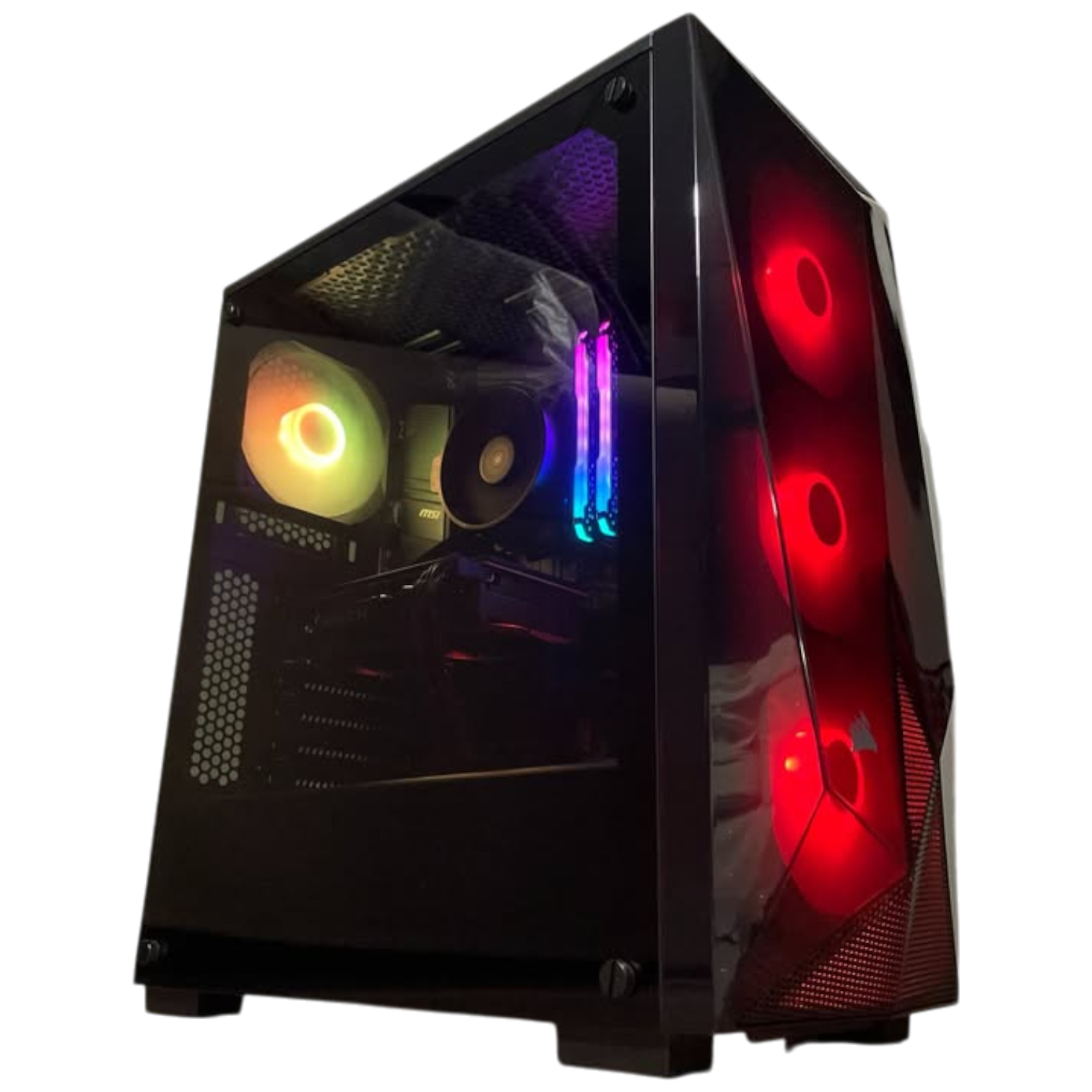
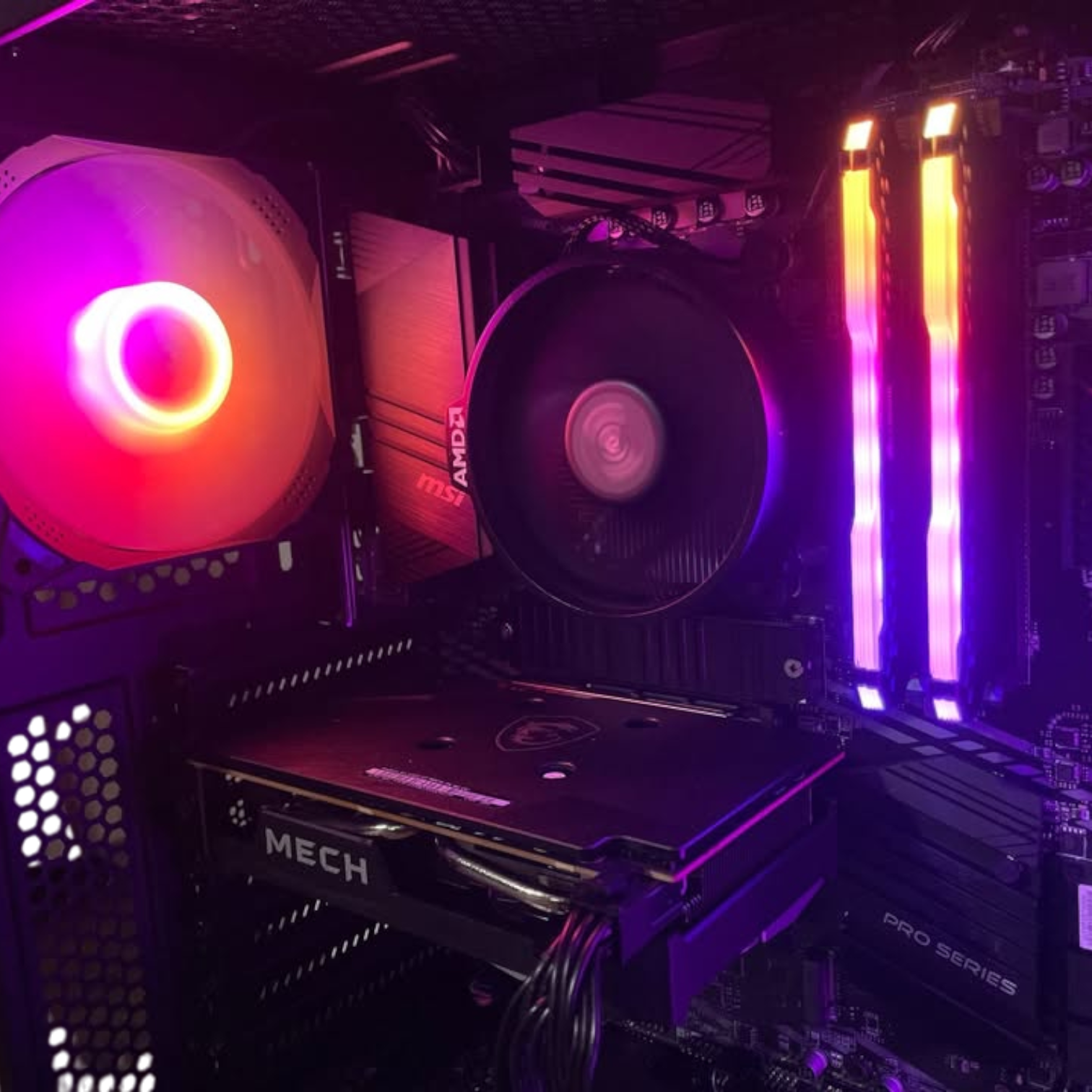
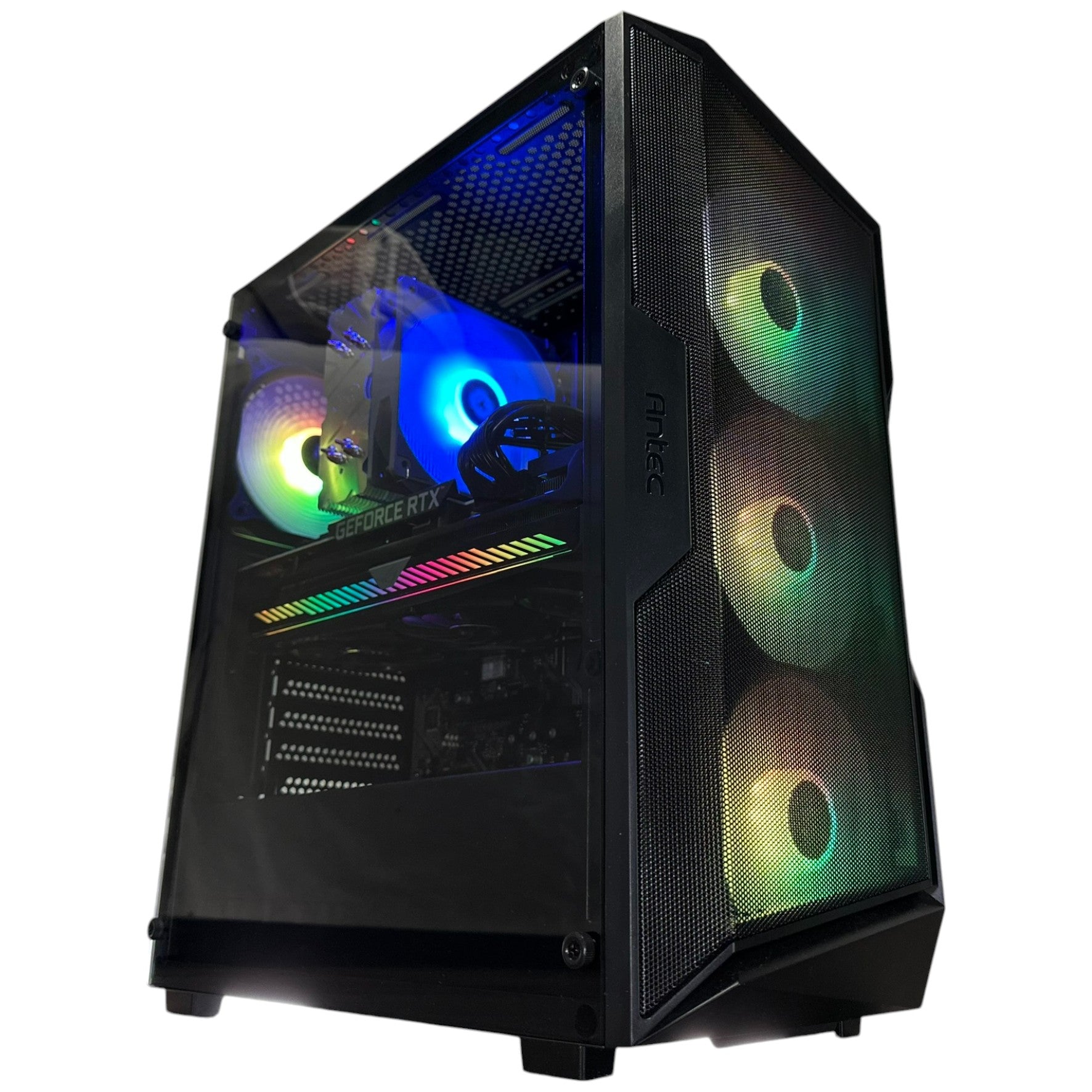
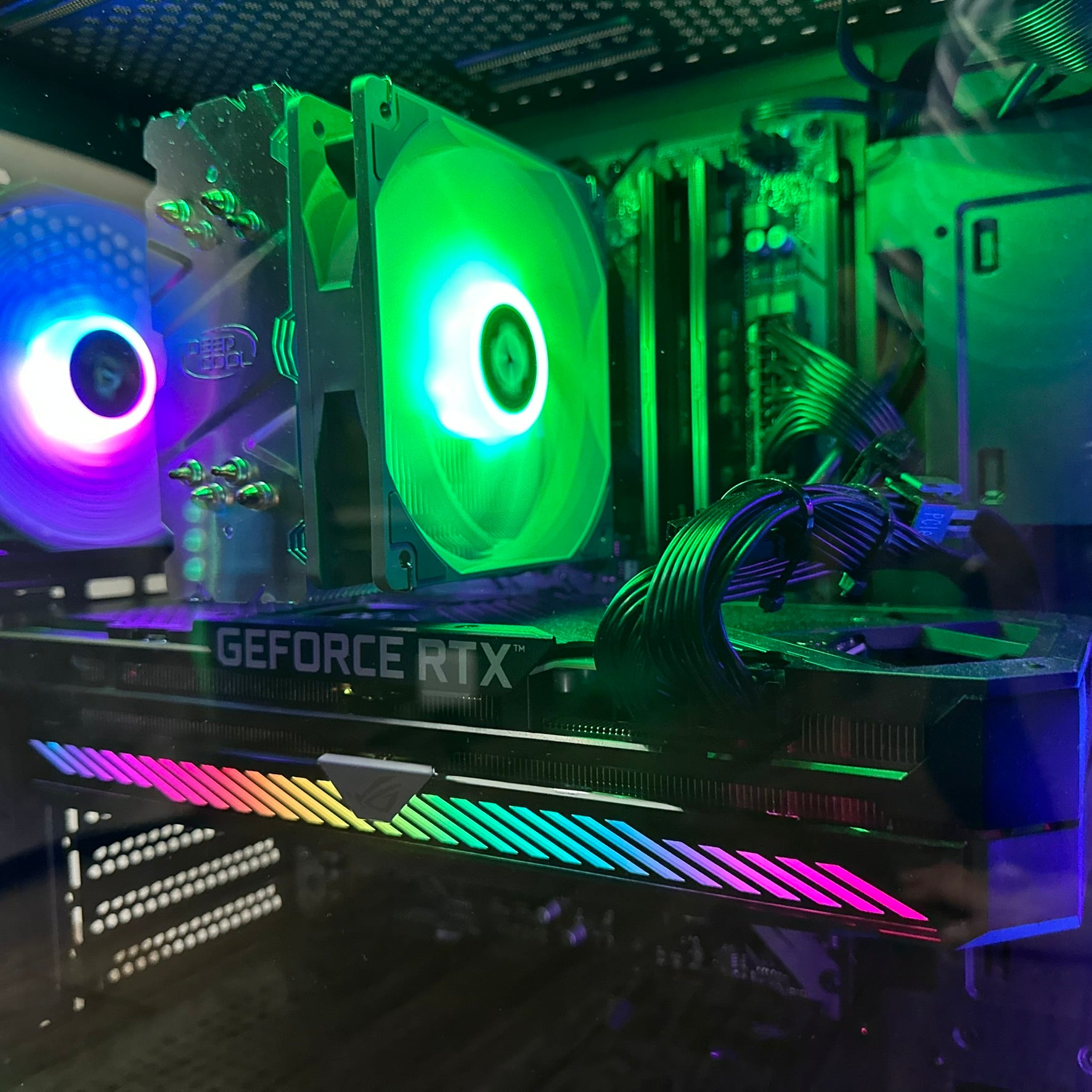
A proper Custom Gaming PC Canada build is about matching the parts to the goal.
Want high-FPS 1080p esports and occasional AAA gaming? That requires one balance. Want 1440p story-driven games plus OBS recording and video editing? That requires another. Want a premium ray tracing build that stays relevant deep into future Resident Evil content and other demanding releases? That is a different tier entirely.
Custom building also matters because testing matters. When a system is built around your use case and stress tested before it reaches you, the buying experience is simply safer than taking a chance on a random machine with unclear part choices.
Why Groovy Computers makes sense for Canadian buyers
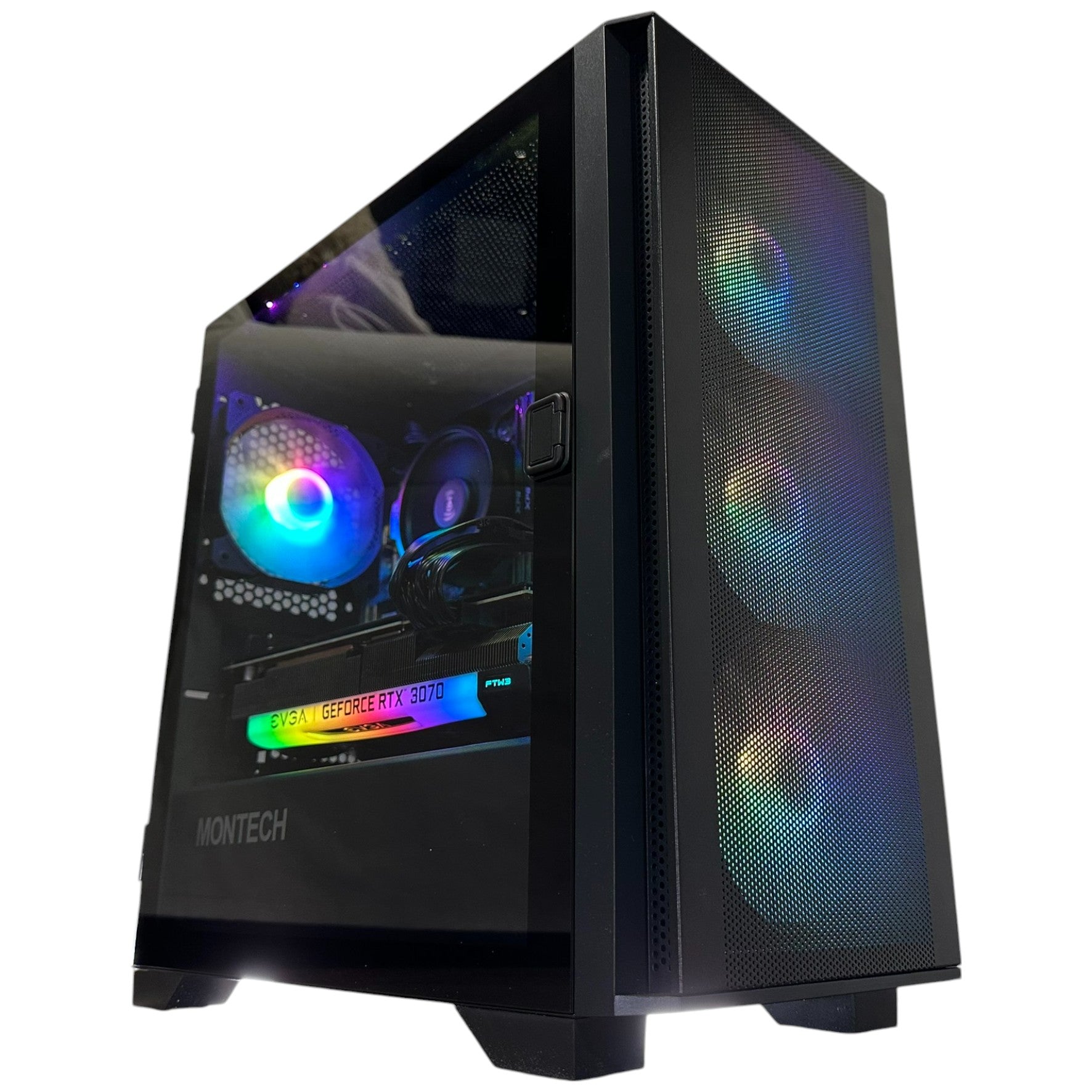
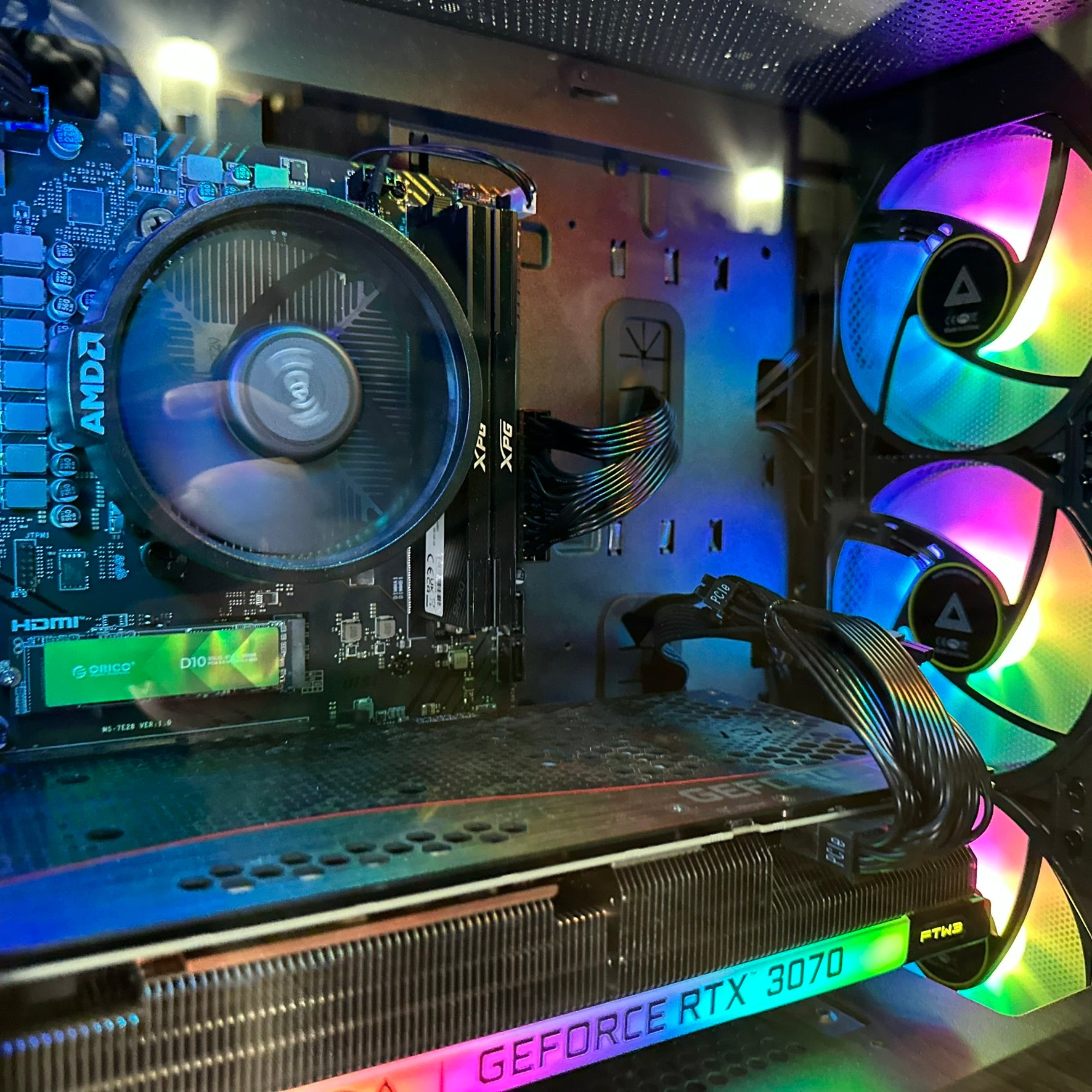
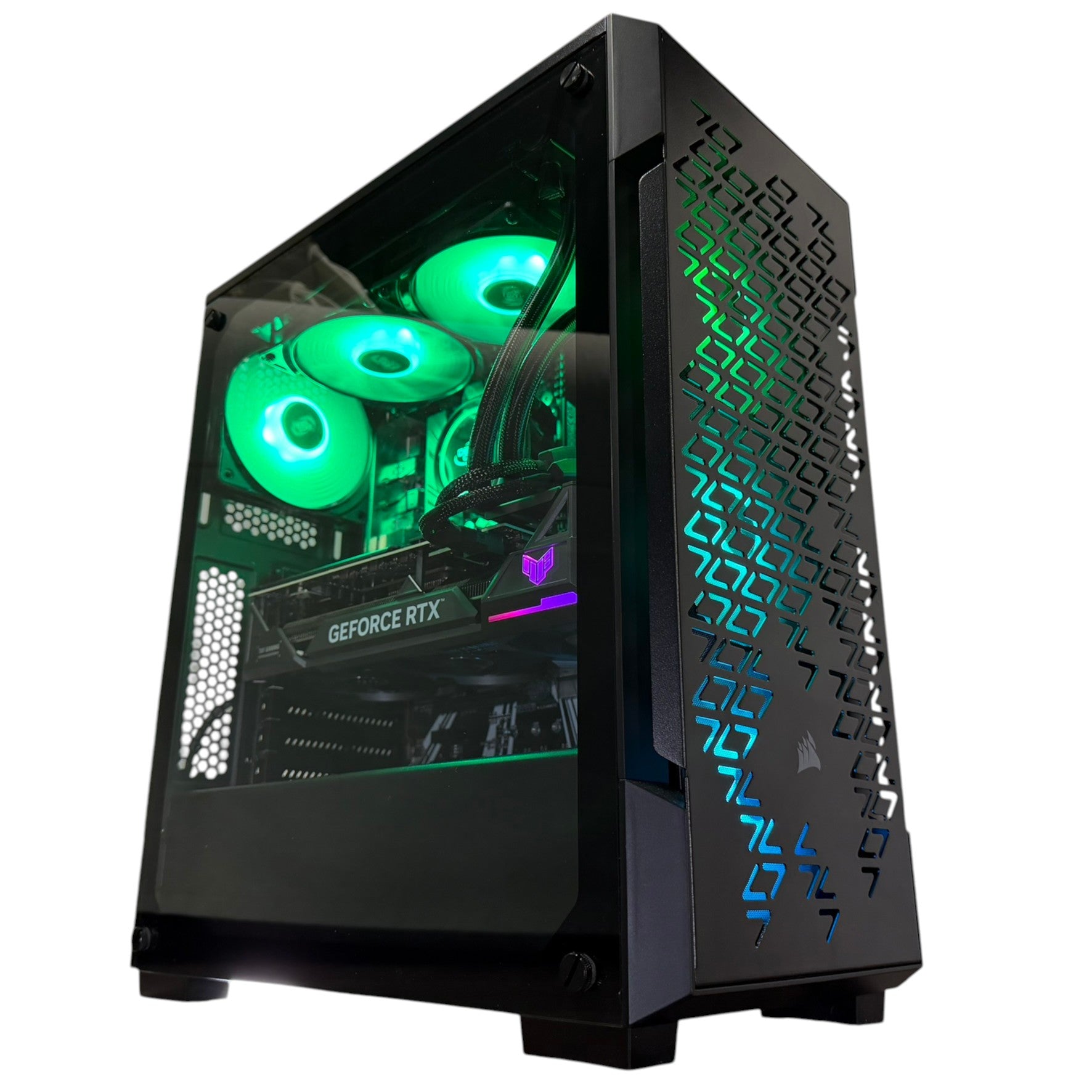
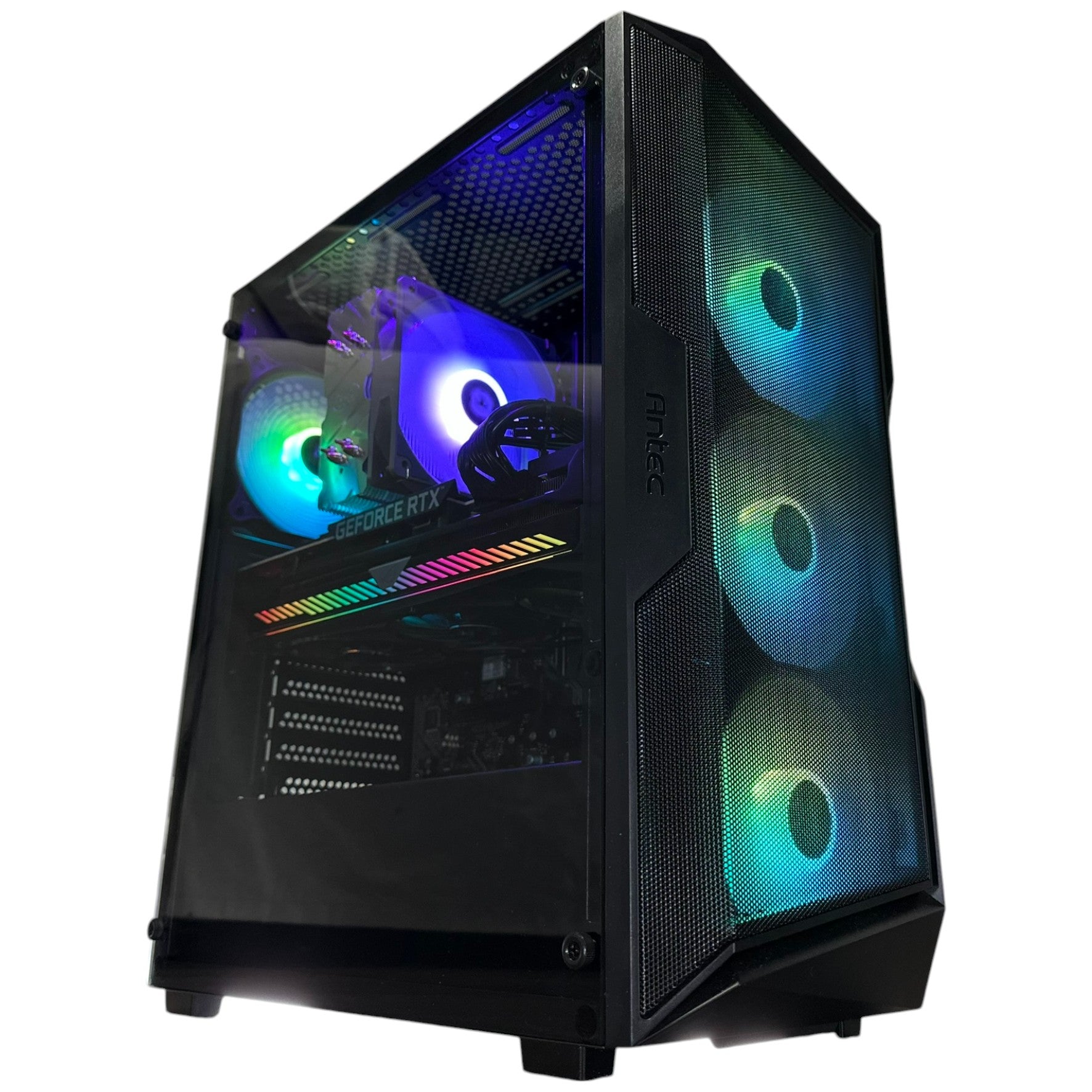
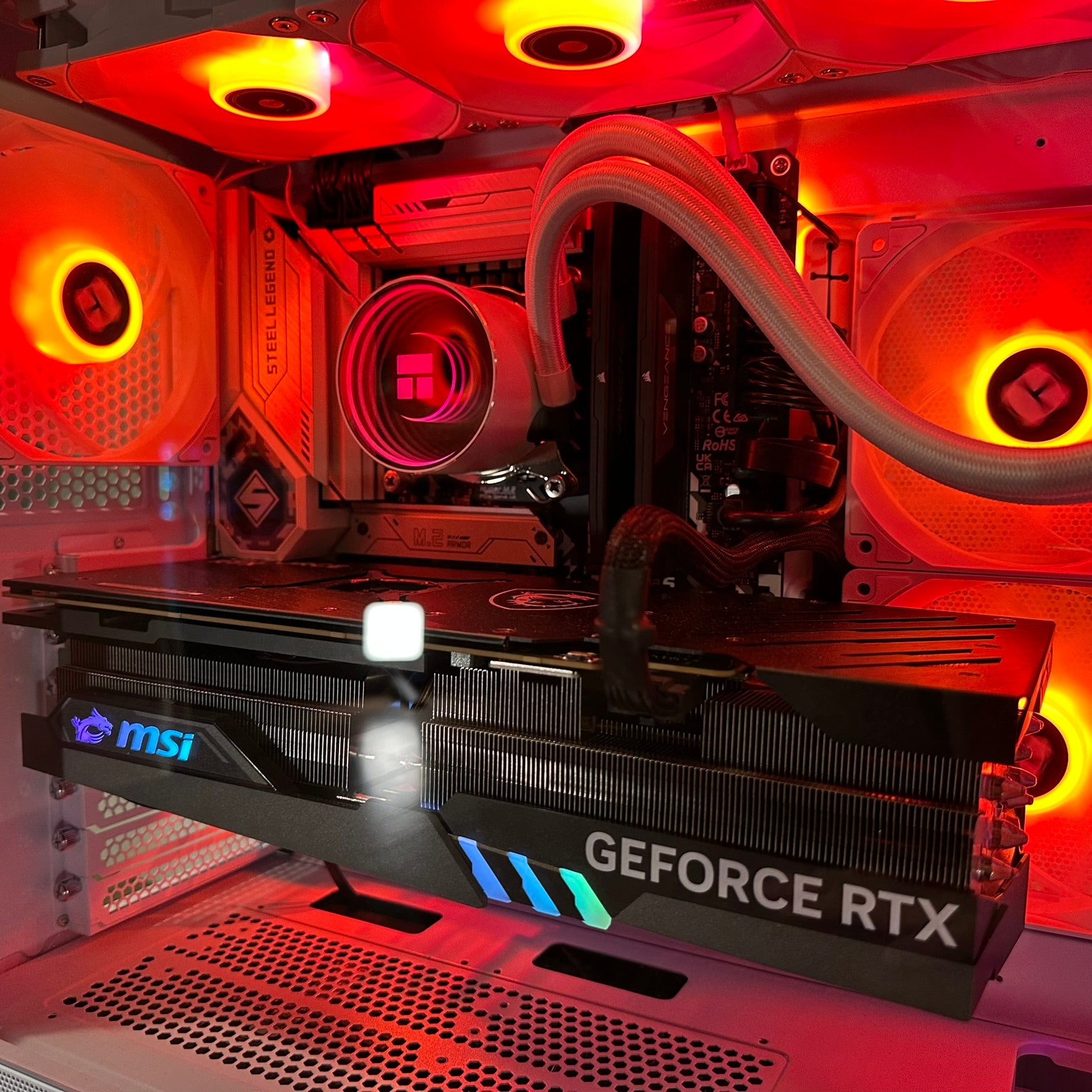
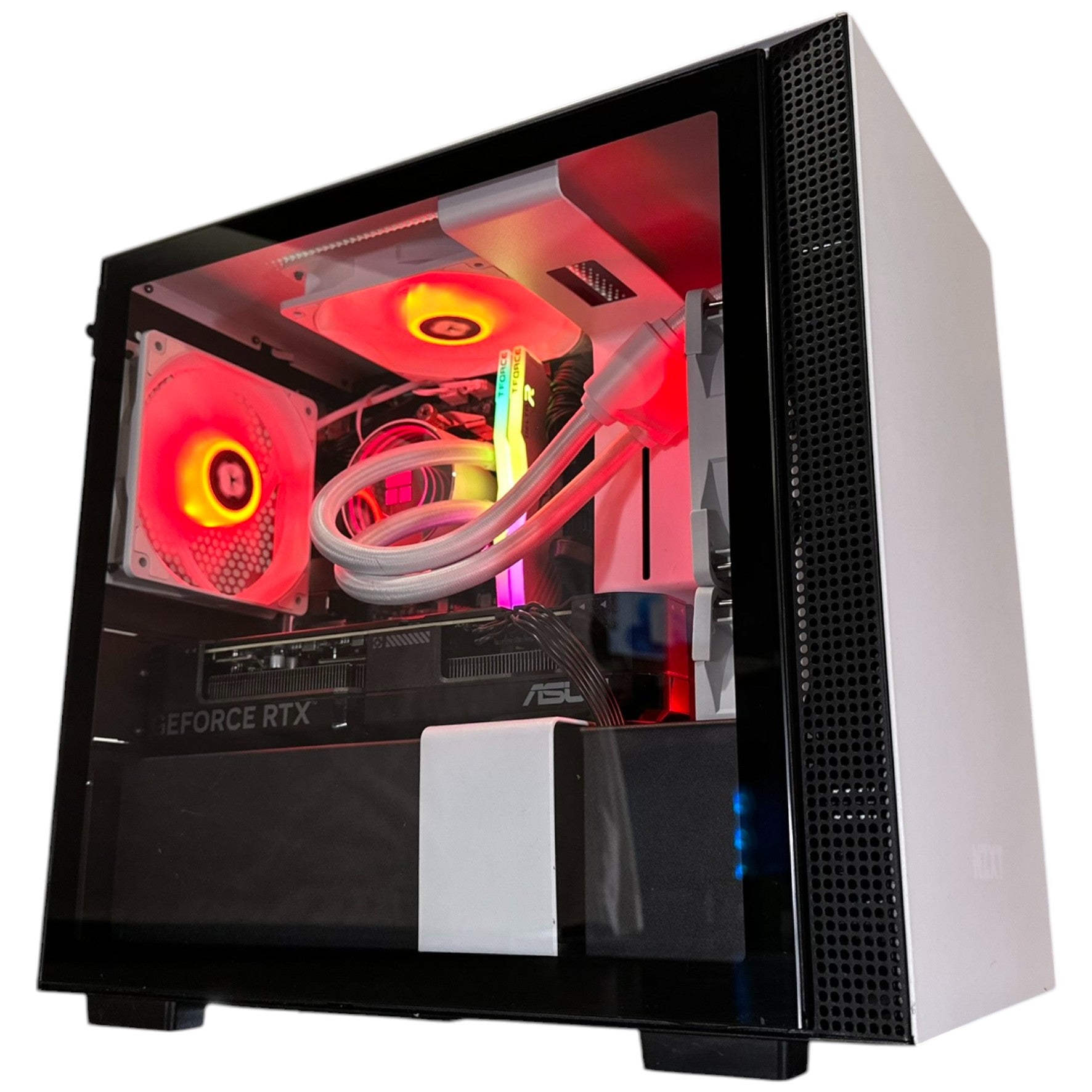
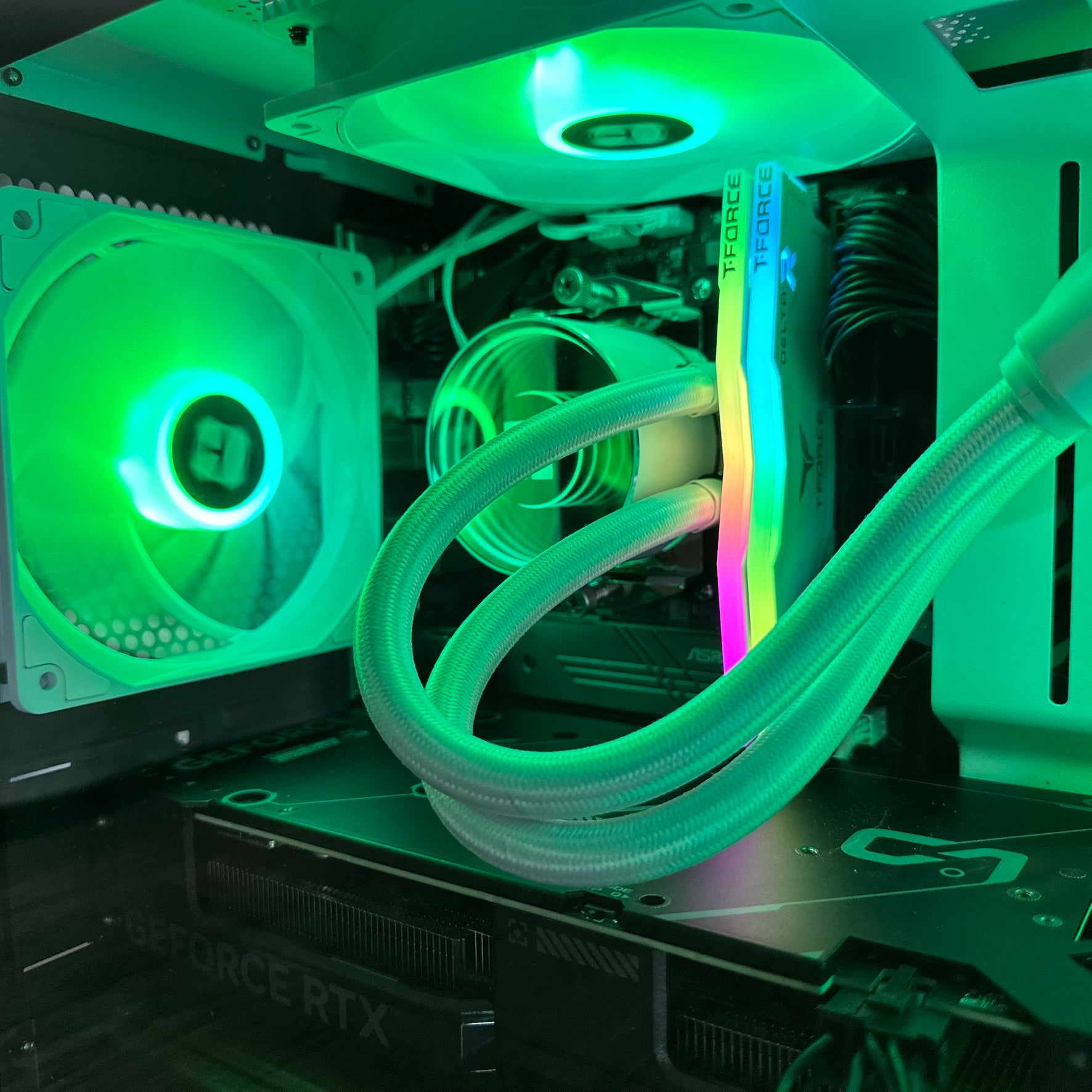
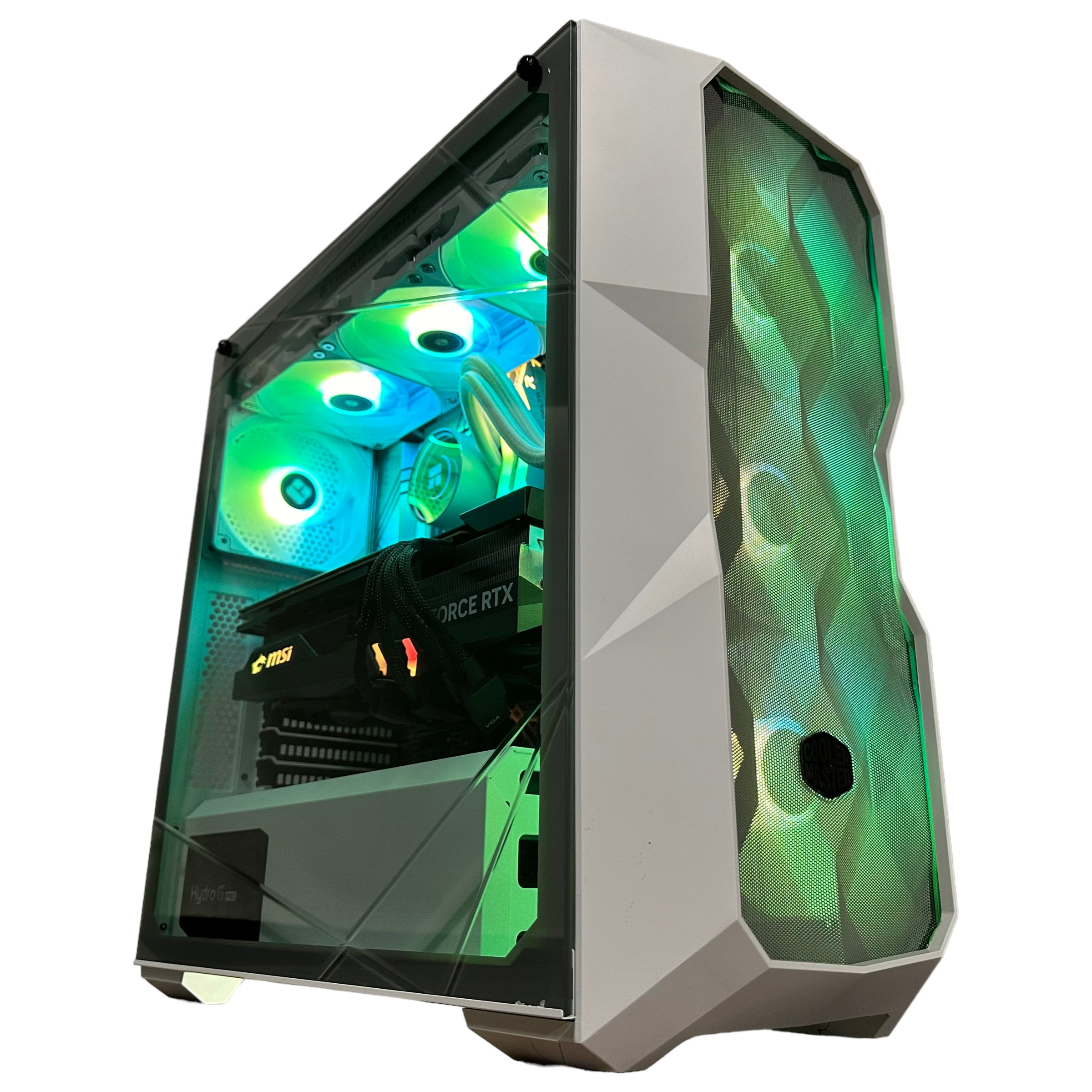
Groovy Computers is built around the needs that this kind of gaming news creates: people who want a system that is actually chosen for what they play, create, and plan to do next. Whether you need a budget-conscious gaming desktop, a premium RTX-focused rig, a streaming-ready system, a creator tower, or a heavier-duty workstation, the goal is not to sell you random specs. The goal is to match you with the right build category.
That matters across Canada, where buyers often want more than just a product page. They want guidance, clean part matching, upgrade-aware planning, and confidence that the system was properly assembled and tested. Groovy Computers offers custom PC expertise, rigorous testing, and a 1-year warranty, which is exactly the kind of trust factor many buyers want when they are spending on performance hardware.
Are you in Nova Scotia, Atlantic Canada, or ordering from elsewhere in the country? The Canadian context still matters: shipping, support, pricing pressure, and build quality all matter more when replacing a bad purchase is expensive.
What kind of Groovy Computers build should you be looking at?
If you are a Resident Evil fan who mostly wants modern gaming
You likely want a system aimed at strong 1440p performance or better, with enough GPU strength for demanding modern visuals and enough CPU and RAM headroom to stay comfortable through expansions and future AAA releases. This is where a mainstream-to-upper-midrange gaming build often delivers the best real-world value.
If you also stream or upload content
You should be looking at a gaming-and-streaming configuration with stronger multitasking support, more storage, and a balanced CPU/GPU setup. This is especially important if you plan to game, capture, edit, and upload from one machine.
If you are a creator first and a gamer second
You may be better off with a creator-focused or editing-focused build. Gaming capability can still be excellent, but your system should prioritize workflow smoothness, export speed, memory capacity, and storage layout.
If you want maximum visual quality and long-term satisfaction
You are likely in premium territory. A stronger high-end gaming system can be the right call if you care about ray tracing, 4K, longer lifespan, and not needing to rethink your whole setup when the next wave of games and DLC lands.
Questions to ask yourself before buying your next PC
- What games do I actually want to play over the next two to three years?
- Am I targeting 1080p, 1440p, or 4K?
- Do I care about ray tracing, ultra settings, and visual headroom?
- Will I stream, record, or edit gameplay?
- Do I also need this PC for school, business, Adobe software, or 3D work?
- How soon do I want to upgrade again if I buy too low today?
- Would financing a stronger system be smarter than compromising now?
- Do I want a generic spec sheet, or a custom build selected around my goals?
These are not small questions. They are the difference between buying a PC that feels exciting and buying one that already feels like a compromise.
Need help choosing the right build?
If you are reading about Resident Evil Requiem and thinking, what gaming PC do I need for upcoming AAA games, streaming, editing, or long-term value? then this is the perfect time to talk to a builder that understands performance tiers and Canadian buying realities. Visit GroovyComputers.ca to explore custom gaming PCs, creator PCs, and workstation options, or to ask about financing if you want a stronger build before replacement costs rise further.
Final takeaway: the Resident Evil Requiem DLC release date leak is really a reminder to buy for the full cycle
The reported Resident Evil Requiem DLC release date window may still be unofficial, but the bigger trend is clear: major franchises now live longer, demand more from hardware, and keep players engaged well beyond launch. For Canadian buyers, that means the smartest move is often to choose a system that fits the full life of the games you care about, not just the first day they arrive.
If you want a PC that can handle modern horror games, future AAA releases, ray tracing, streaming, editing, and daily productivity without forcing another upgrade too soon, a custom build is the smarter path. And if the jump to the right tier feels bigger than you planned, financing can make that decision more practical. The right time to buy is often before your old PC makes the decision for you.
#ResidentEvilRequiem #ResidentEvilPC #GamingPCCanada #CustomGamingPCCanada #GamingPCBuilderCanada #1440pGamingPCCanada #4KGamingPCCanada #ContentCreationPCCanada #WorkstationPCCanada #CanadianCustomPCBuilders #NovaScotiaTech #GroovyComputers
Groovy Computers | All Rights Reserved



Leave a comment
This site is protected by hCaptcha and the hCaptcha Privacy Policy and Terms of Service apply.