





Resident Evil Requiem Discount: What This Means for Your Next Gaming PC in Canada
The latest Resident Evil Requiem discount is more than just a tempting game deal. It is also a reminder of something bigger for PC buyers in Canada: major game releases often push players to ask whether their current system is still good enough. If a new survival horror title has you thinking about better visuals, smoother frame rates, stronger ray tracing, or a more immersive 1440p or 4K experience, this is the moment to think beyond the game itself and focus on the hardware that will let you enjoy it properly.
The source coverage highlights why Resident Evil Requiem is getting attention. It describes a horror game that blends classic survival tension with more modern action and atmosphere, while offering two distinct gameplay styles. That matters because games like this tend to reveal the difference between an older PC that can merely launch a title and a well-matched custom system that can actually deliver the experience players want.
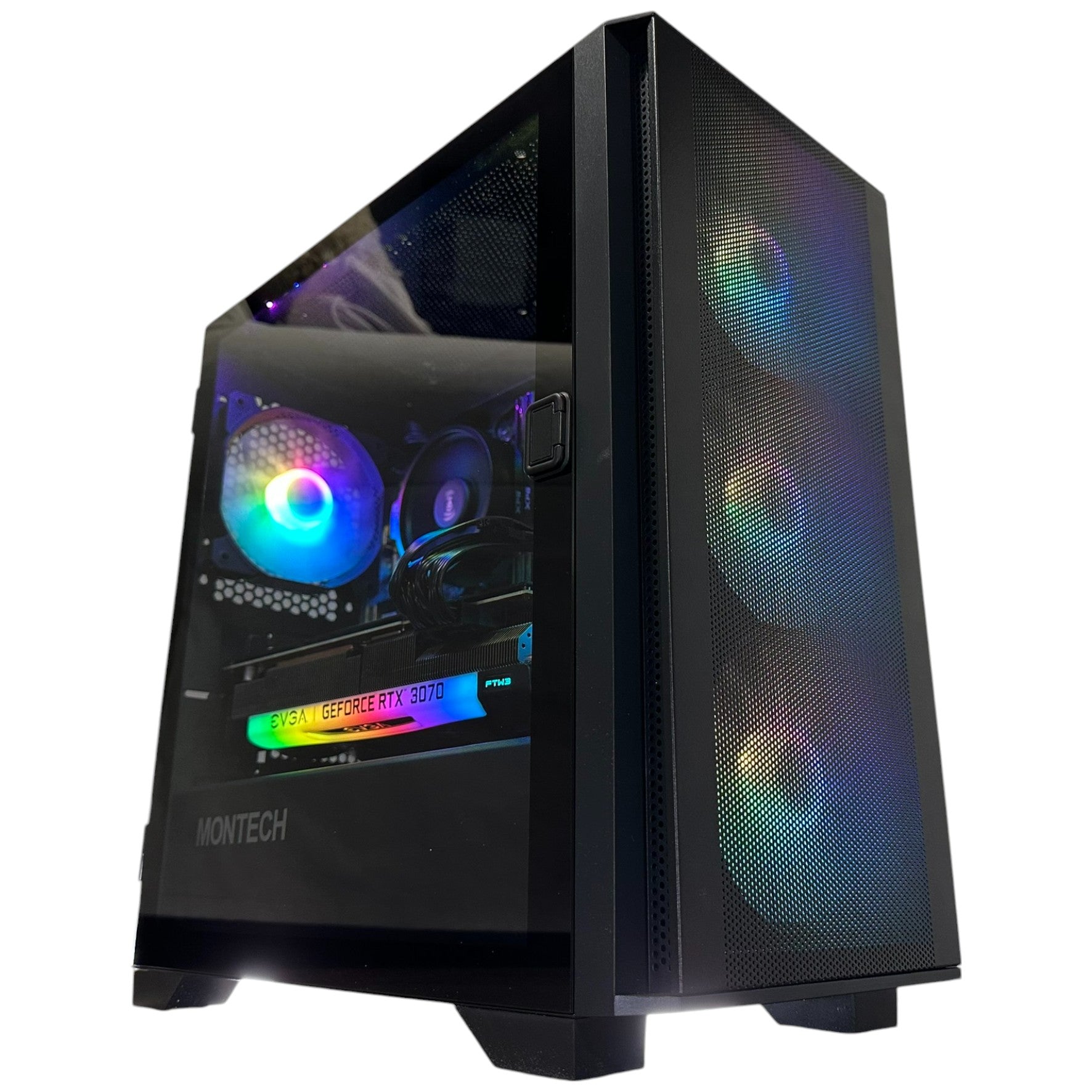
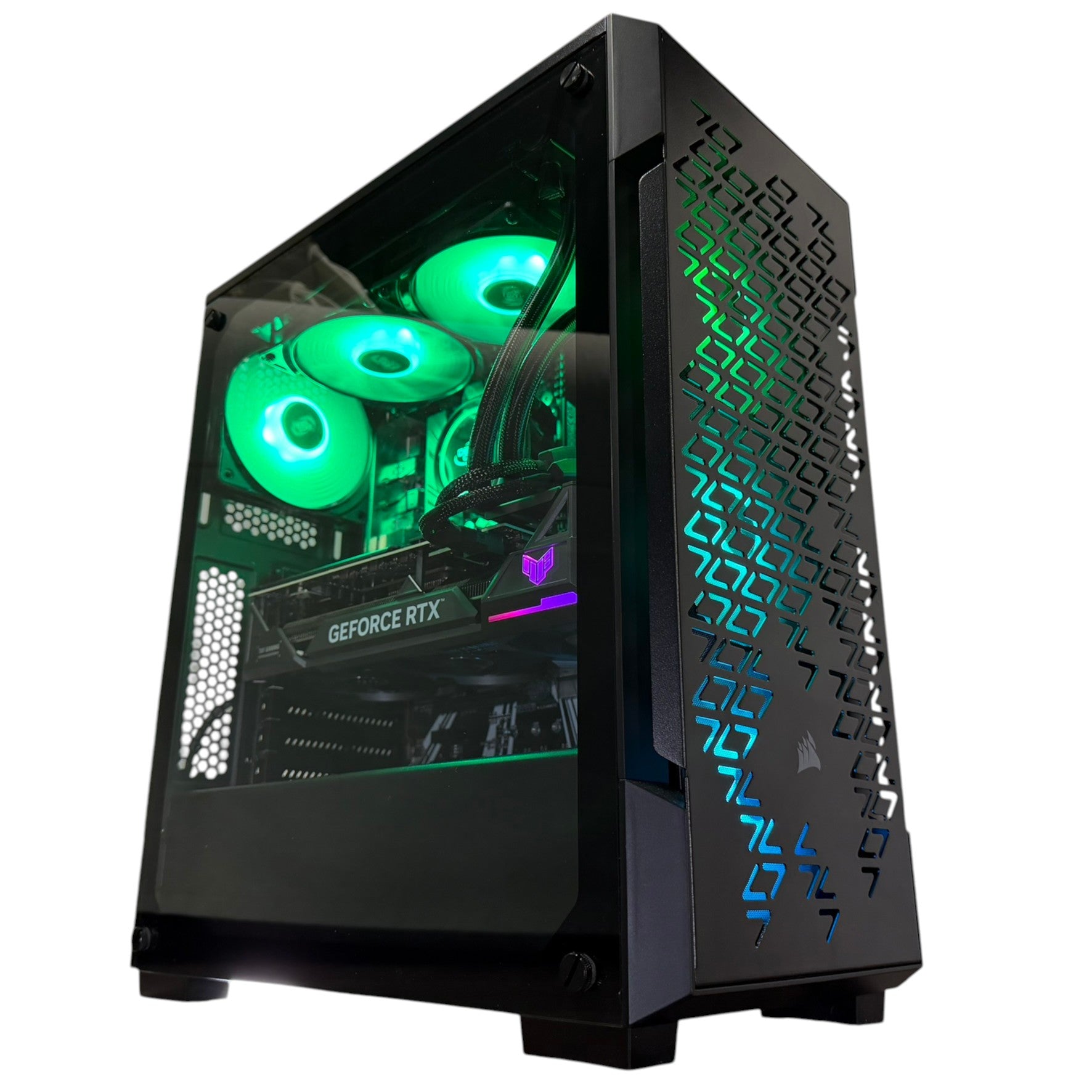
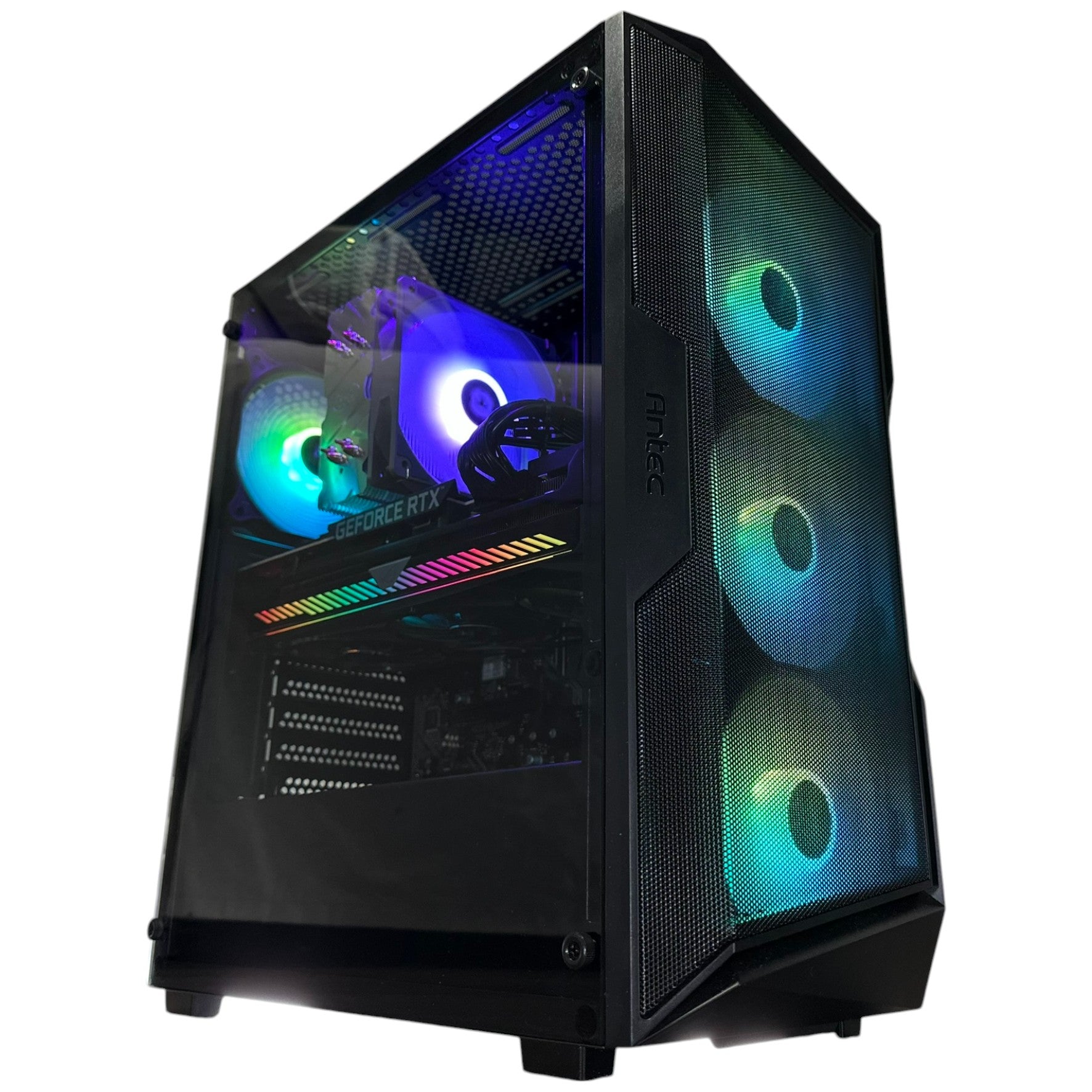
For Canadian buyers, especially those shopping for a Gaming PC Canada solution, the question is not just whether a game is on sale. The real question is this: is your current PC ready for the next wave of demanding games, or are you about to hit another upgrade wall?
Why a Resident Evil Requiem sale matters to PC buyers
Whenever a new AAA release gets discounted early, interest spikes. Players who were waiting on the fence jump in. Others start replaying older entries in the series. Some decide this is finally the game that justifies buying a stronger desktop. A sale creates urgency around the software, but it also shines a light on the hardware problem many gamers have been putting off.
Are you still gaming at 1080p on reduced settings when what you really want is crisp lighting, stronger texture quality, and steadier frame pacing? Are you planning to stream your playthrough, record reaction content, or edit clips for YouTube and TikTok after every session? Do you want to enjoy horror games with headphones, ultra settings, and enough overhead that your PC is not sounding stressed every time a large scene loads?
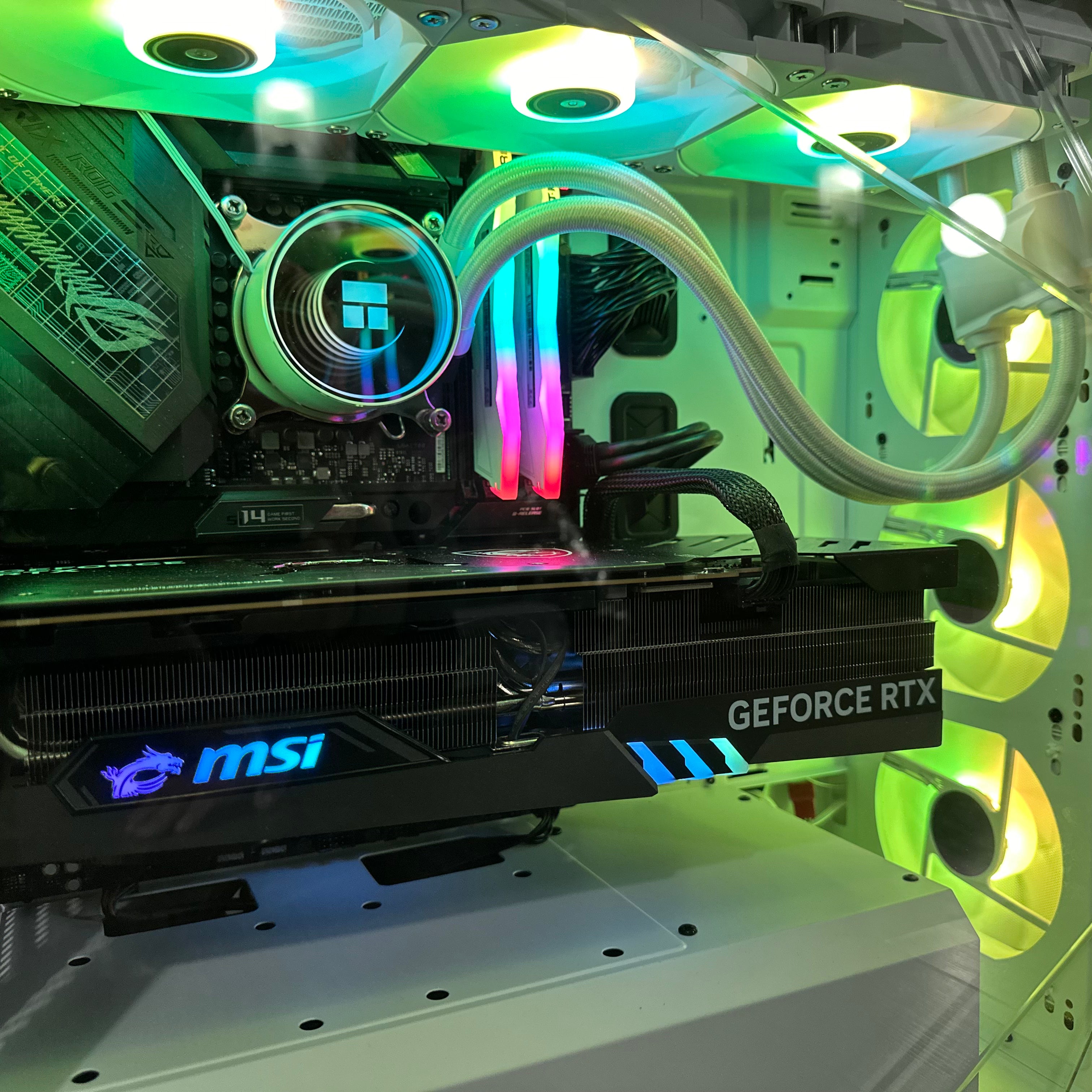
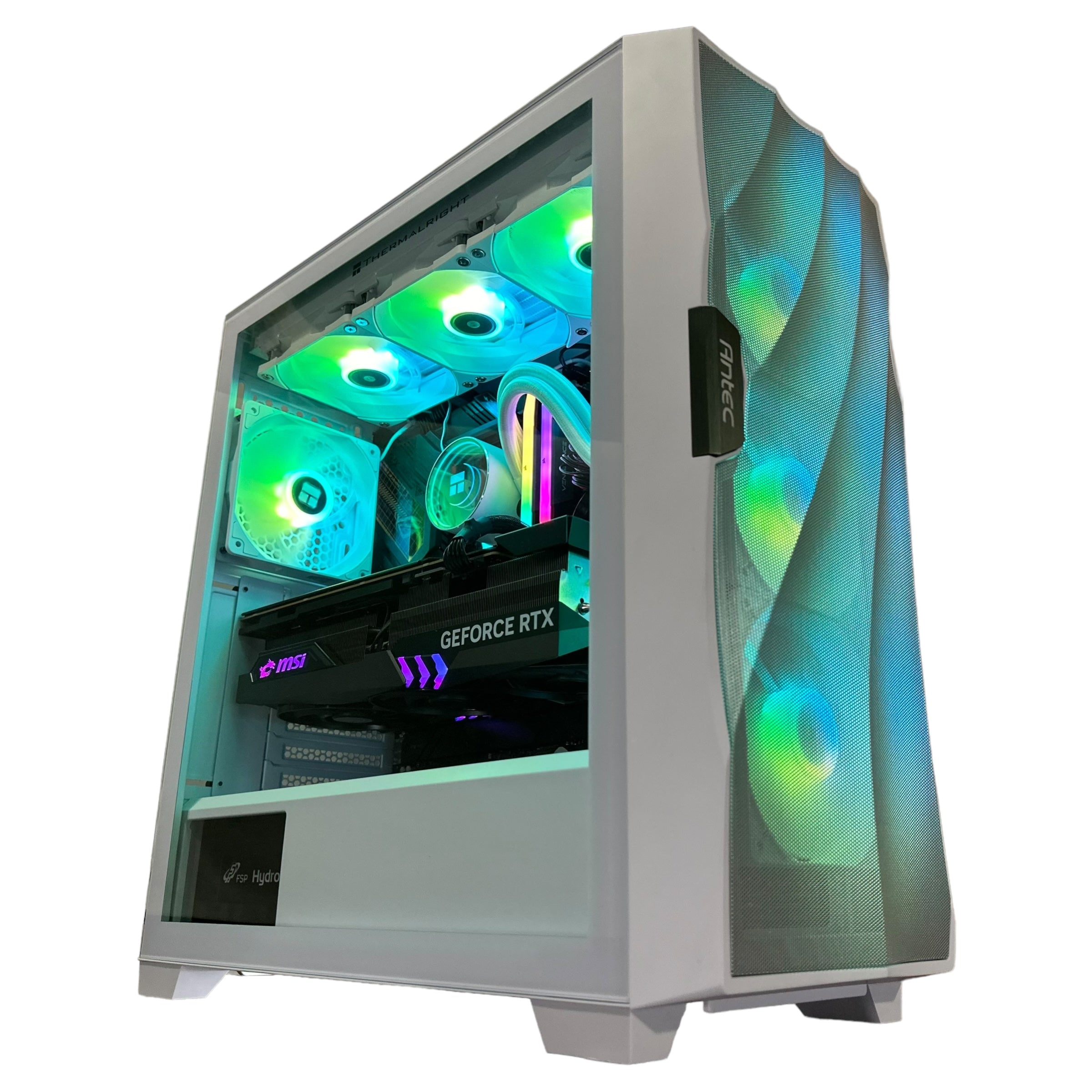
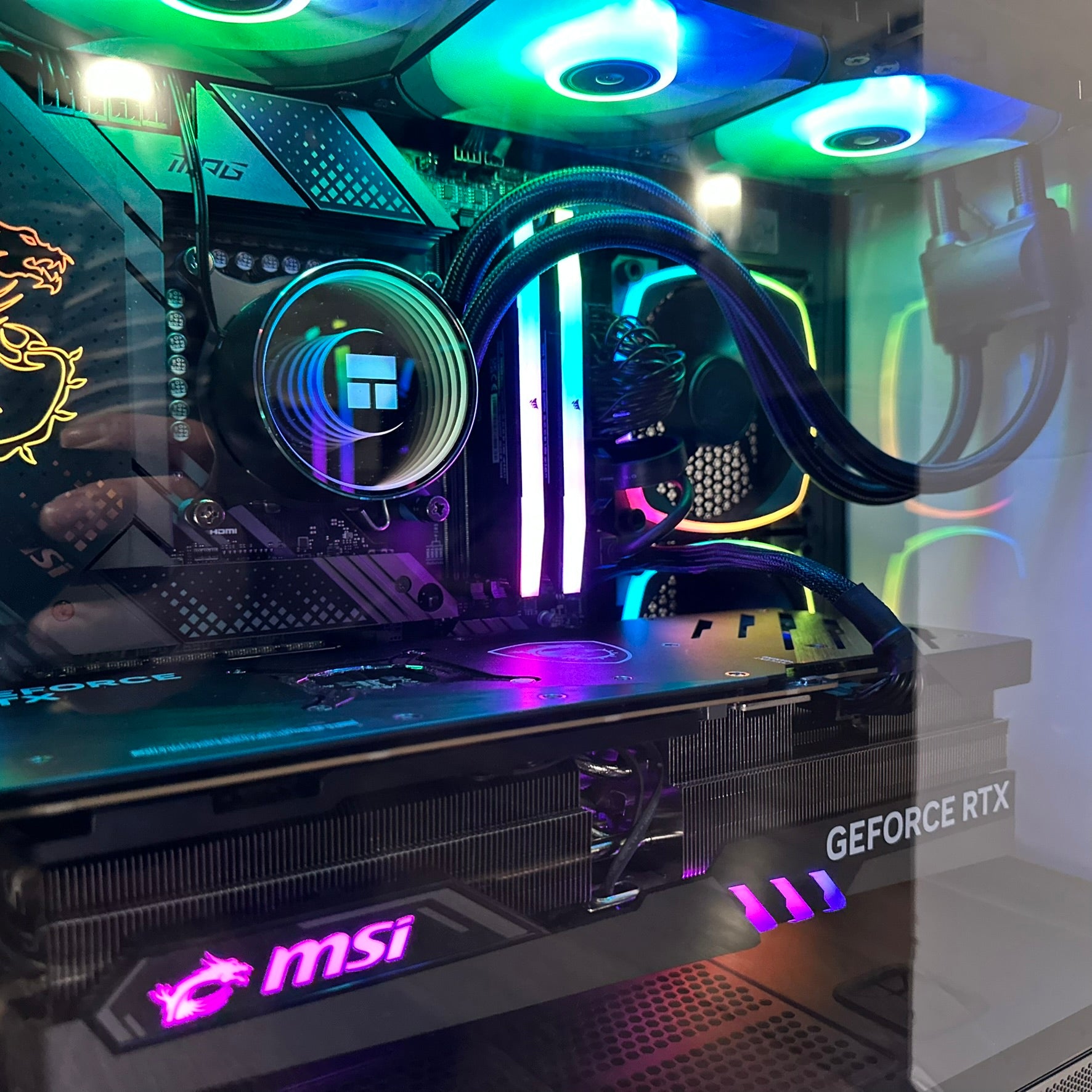
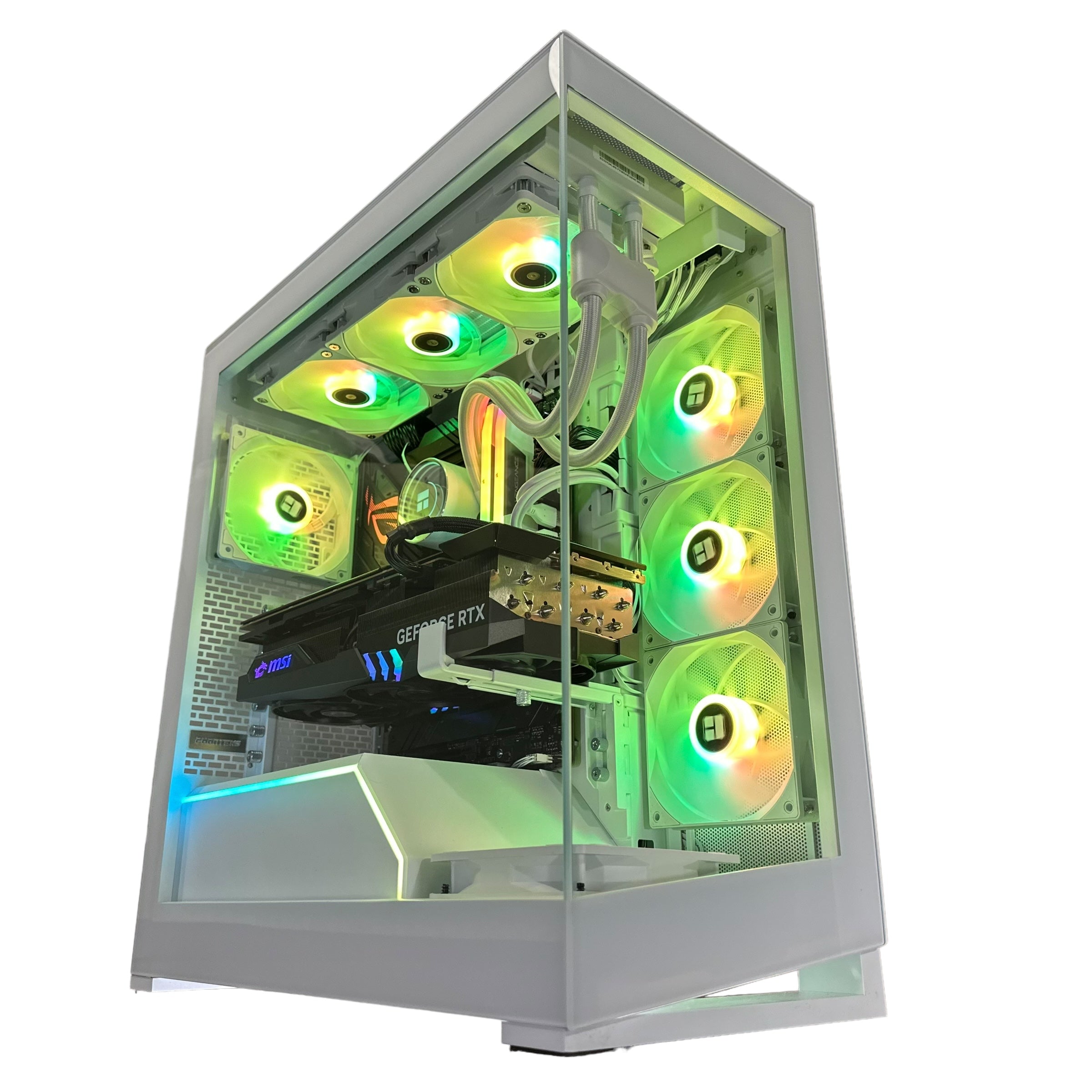
That is where a custom-built system becomes far more important than a random off-the-shelf desktop. The right gaming PC is not just about raw power. It is about balancing CPU performance, GPU strength, RAM capacity, cooling, storage speed, and upgrade path so your next system fits the way you actually play.
What the source article gets right about Resident Evil Requiem
The original coverage emphasizes a few important points. First, Resident Evil Requiem appears to respect the series’ survival horror roots while also embracing modern presentation and action. Second, it presents two playable perspectives, suggesting variety in pacing, camera style, and gameplay demands. Third, it positions the game as one of the stronger entries in the franchise.
Why does that matter for hardware buyers? Because games that combine cinematic visuals, atmosphere-heavy environments, dynamic lighting, fast action sequences, and horror immersion often benefit from stronger modern GPUs and faster storage. Even when official system requirements look reasonable on paper, the difference between “playable” and “excellent” can be huge.
A lot of players ask the same thing after reading a game deal article: Can my current PC run this well, or will I be compromising the whole experience? That is the right question.
What do you want your next PC to do for you?
Before choosing any build, stop and think about your real goal. Are you only trying to play Resident Evil Requiem at solid settings? Or is this game simply the tipping point that finally pushes you toward a better all-around machine?
You may want your next PC to do one or more of the following:
- Play new AAA games at 1080p with high settings and excellent value
- Handle 1440p gaming with strong visuals and room for future releases
- Deliver 4K gaming and ray tracing for a premium single-player experience
- Run Discord, browser tabs, capture tools, and background apps without slowdown
- Stream gameplay through OBS or Streamlabs
- Edit gameplay clips, reviews, or reaction videos
- Create thumbnails in Photoshop or Illustrator
- Use one system for gaming, content creation, and everyday productivity
- Avoid buying something underpowered that needs replacing too soon
If that sounds familiar, then you are not just shopping for a game-ready machine. You are shopping for a better long-term platform.
What gaming performance tier fits you best?
One of the biggest mistakes buyers make is shopping by price alone. A lower price can feel good in the moment, but a system that misses your target performance can become expensive fast if you need to upgrade again earlier than expected. So which tier makes the most sense for you?
Entry-level 1080p gaming PC
This tier is best for buyers who want a Budget Gaming PC Canada option for modern gaming at 1080p, especially if they are willing to tune settings intelligently. If your goal is smooth gameplay, fast load times, and a big improvement over an aging system, this can be a smart starting point.
Ask yourself: do you mostly play at 1080p, care more about value than max settings, and want a machine that can handle new games without jumping straight to premium pricing?
This tier often suits first-time desktop buyers, students, and gamers coming from older consoles or lower-end laptops.
Mainstream 1440p gaming PC
For many Canadian gamers, this is the sweet spot. A 1440p Gaming PC Canada build gives you the visual upgrade most players actually notice: better image sharpness, stronger settings, smoother gameplay, and more breathing room for upcoming titles.
If Resident Evil Requiem is the kind of game you want to play with atmosphere intact, detailed environments, and enough GPU strength for modern visual features, 1440p is often where custom builds start feeling truly premium without going all the way to flagship pricing.
Are you trying to balance longevity, visual quality, and realistic cost? Do you want your system to feel exciting now instead of merely adequate?
High-end 4K and ray tracing gaming PC
If you want a cinematic horror experience with ultra settings, high-resolution textures, and stronger lighting effects, a 4K Gaming PC Canada class build may be the right move. This tier is for gamers who want fewer compromises and longer relevance as new titles become more demanding.
Do you want to buy once and enjoy premium gaming for years rather than chase upgrades every release cycle? Are you playing on a high-refresh 1440p monitor or a 4K display and want your hardware to match it?
This is where a premium GPU, stronger cooling, and a carefully selected CPU become important.
Is this just about gaming, or do you also stream and create content?
A game like Resident Evil Requiem is not only a purchase trigger for players. It is also a content trigger for streamers, reviewers, horror fans, and creators. If you plan to stream your first playthrough, post performance tests, cut together reaction clips, or build a horror-focused channel, your system needs change fast.
A pure gaming desktop may not be the best answer if you also need to:
- Record gameplay while maintaining stable frame rates
- Use OBS for live streaming
- Edit 1080p or 4K footage in Premiere Pro or DaVinci Resolve
- Create thumbnails and channel art in Photoshop
- Manage dual-monitor workflows with chat, overlays, and browser windows
So ask yourself something practical: Do you want a gaming PC only, or do you really need a gaming and streaming PC Canada build that can also handle editing and content creation?
If you stream, what should matter most?
Streaming introduces a second layer of demand. Now your system is not just rendering the game. It is also encoding video, managing scenes, handling audio devices, and dealing with browser and chat overhead. If your current system stutters when gaming and streaming together, the issue may not be one component alone. It may be the whole system balance.
A strong Streaming PC Canada build should prioritize:
- A capable modern CPU for multitasking
- A GPU with strong encoding support
- Sufficient RAM for gaming plus background tasks
- Fast SSD storage for recordings and quick file transfers
- Reliable cooling for long sessions
Are you planning to stream at 1080p? Do you want to record at the same time? Are you gaming competitively, or focusing on cinematic single-player content where visual quality matters more than maximum frame rates?
If you edit videos after gaming, what changes?
This is where a lot of buyers underbuild. They assume a gaming PC will automatically be a perfect Video Editing PC Canada option. Sometimes it can be. But if your workflow includes 4K footage, colour correction, layered timelines, effects, or regular exports, then build decisions matter more.
For editing, ask these questions:
- Will you be editing clips occasionally, or publishing every week?
- Are you working in Premiere Pro, DaVinci Resolve, After Effects, or CapCut?
- Do you need fast timeline playback, quick export times, or both?
- How much footage do you keep active on internal storage?
- Would more RAM save you time every single project?
If this sounds like your workflow, then stepping up to a Creator PC Canada or custom editing workstation can be a smarter investment than settling for an entry gaming system that struggles the moment your content ambitions grow.
Why Canadian buyers should think differently right now
The source article mentions a limited-time discount in another market, but Canadian buyers need to think in Canadian dollars, Canadian availability, and Canadian replacement costs. A game sale may only last days, but PC buying decisions often last years.
Even without live market verification, one thing remains consistently true: waiting too long can create worse buying conditions if component prices tighten, demand rises around major game releases, or newer hardware launches shift pricing unpredictably.
What happens if you wait until your current system completely fails your expectations? You may end up rushing a purchase right when:
- GPU demand is stronger
- Certain storage or memory configurations cost more
- You need your PC immediately for a new release
- You miss out on better-value full-system combinations
- You settle for whatever is available instead of what is ideal
That is why timing matters. Buying before you are forced to buy usually leads to better decisions.
Should you buy now or wait for the next big release?
This is one of the most common buyer questions: Is it better to buy a gaming PC now or wait? The honest answer depends on what your current machine is failing to do.
If your system already struggles with modern games, drops settings harder than you want, lacks fast storage, or has no realistic upgrade path, waiting may not save you money in the long run. It may simply delay the inevitable while making the eventual purchase more stressful.
If, on the other hand, your current PC still handles your target games and workloads comfortably, then waiting can make sense. But most readers clicking into a game deal story are not casually browsing. They are usually feeling a pull toward playing something new, better, and more fully than their current hardware allows.
So ask yourself directly: are you waiting because it is strategically smart, or because you have not yet chosen the right build?
Could financing help you secure the better system before costs rise?
There is a practical reason financing matters in the custom PC space. Many buyers know exactly what they want, but try to trim too much out of the build to hit a smaller upfront number. That often leads to regret. Maybe the GPU is weaker than it should be. Maybe the storage fills too quickly. Maybe the CPU is fine for today but not for streaming or editing tomorrow.
That is why many shoppers ask: Should I finance a better PC instead of buying a cheaper one? In many cases, yes, especially if the stronger system will last meaningfully longer and better match your actual use.
Groovy Computers helps Canadian buyers think in terms of fit, not just sticker price. If financing up to 4 years helps you move from a “good enough” system to a properly balanced machine for gaming, streaming, editing, or workstation use, that can be the smarter long-term value.
Would monthly payments make it easier to get the GPU tier you actually need? Would more RAM, better cooling, or faster storage save you from upgrading again too soon? Would a stronger custom build let you enjoy not just Resident Evil Requiem, but the next several demanding releases as well?
What kind of PC should you choose if horror games are only part of your workload?
Many readers start with a gaming question and end up realizing they need a more versatile machine. If that is you, the right answer may not be a single-purpose gaming desktop at all.
Choose a budget-focused gaming PC if:
- You mainly play at 1080p
- You want strong value over flashy specs
- You are buying your first real desktop
- You do not stream or edit heavily
- You want a clean upgrade path for later
Choose a premium RTX gaming PC if:
- You want 1440p or 4K performance
- You care about visual quality in new AAA games
- You want stronger ray tracing support
- You prefer higher settings and longer relevance
- You are trying to avoid replacing the system too soon
Choose a gaming and creator PC if:
- You game and stream from the same machine
- You edit clips, reviews, or long-form videos
- You create thumbnails, graphics, or channel assets
- You need strong multitasking for OBS, Discord, and editing software
- You want one desktop for both entertainment and work
Choose a workstation-style build if:
- You use Blender, Unreal Engine, or CAD software
- You work in 3D modeling and rendering
- You need more memory and sustained performance
- You are balancing professional workloads with gaming after hours
- You care about reliability, thermals, and heavy project stability
So where do you fit? Are you a pure gamer, a gamer who streams, a creator who edits after playing, or a hybrid buyer who wants one machine to do everything well?
What specs should you think about before buying?
You do not need to memorize every component generation to make a good decision, but you should understand the basics of what affects your experience most.
GPU
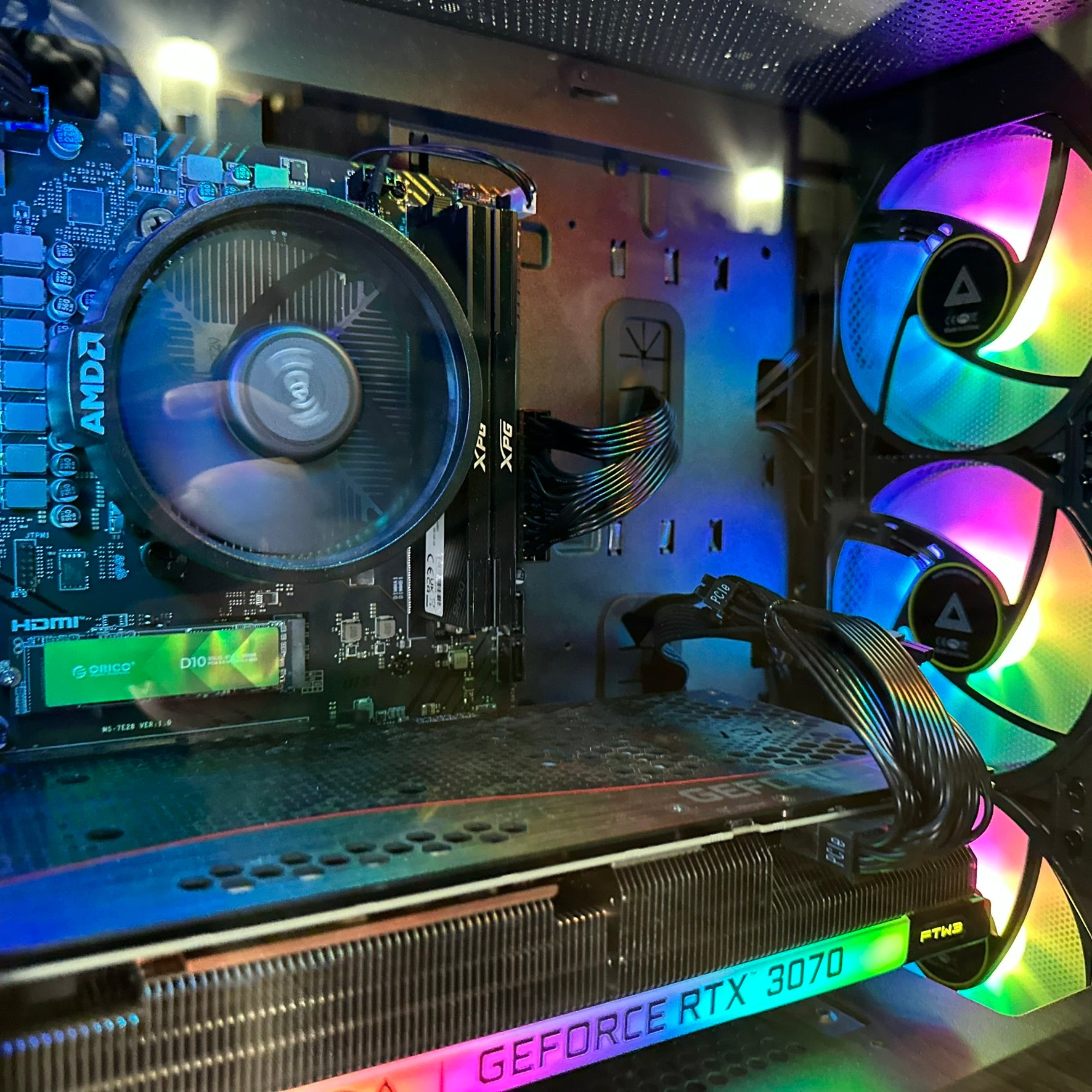
Your graphics card matters most for gaming resolution, settings, ray tracing, and long-term visual headroom. If your goal is AAA gaming with atmosphere-heavy titles, your GPU tier will strongly shape how satisfied you feel with the system.
Are you targeting 1080p, 1440p, or 4K? Do you want ultra settings, or are you comfortable making smart compromises for value?
CPU
Your processor matters for overall responsiveness, frame consistency, multitasking, streaming, and creator software. If you stream, edit, or keep many applications open while gaming, CPU choice becomes more important.
Do you only game, or do you also record, render, and multitask heavily?
RAM
Enough memory helps with modern game demands, streaming overhead, editing software, and background tasks. Too little RAM can make a decent system feel worse than it should.
Are you trying to run a game, browser, Discord, OBS, and editing tools all on the same machine? Then RAM should not be an afterthought.
SSD storage
Fast storage helps with load times, project movement, game installs, and day-to-day snappiness. Modern users fill drives faster than they expect, especially if they capture video footage.
How many big games do you keep installed at once? Are you storing recorded gameplay locally? Do you hate deleting files every week just to make room?
Cooling and power quality
These are often overlooked by bargain shoppers, but they matter. Good cooling helps sustain performance and lower noise. Proper power delivery supports reliability and future upgrades.
Would you rather buy a PC that only looks fast on paper, or one that is actually built to run well under real use?
Why custom builds matter more when game demand rises
A custom system gives you something generic mass-market machines often do not: intentional part matching. That means the CPU and GPU make sense together. The cooling is chosen for the workload. The memory is appropriate. The storage is practical. The power supply supports stability. The case airflow is not an afterthought.
This matters even more when interest in new games spikes. During high-demand periods, some buyers rush into whatever seems available and affordable, only to end up with poor thermals, limited upgradability, or weak component balance.
A Custom Gaming PC Canada buyer is usually not just paying for assembly. They are paying for smarter configuration, cleaner value, proper testing, and a system that makes sense for real workloads.
Why Groovy Computers fits this moment for Canadian buyers
Groovy Computers is positioned for buyers who want more than a vague spec sheet and a rushed checkout. Whether you need a gaming machine for current and upcoming AAA releases, a streaming-capable desktop, a custom creator PC, or a more serious workstation, the value is in getting a system matched to your actual needs.
That means asking the right questions first.
Do you need a budget gaming computer that can still play new games confidently? Do you need a premium RTX build for higher-end visual targets? Do you want a custom creator PC that can game at night and edit content during the day? Do you want workstation-level power because gaming is only one part of your workload?
Groovy Computers also gives Canadian buyers important confidence factors that matter when spending on a desktop:
- Custom-built systems tailored to actual use cases
- Rigorous testing before delivery
- Cleaner path to balanced performance
- 1-year warranty support
- Financing options for stronger long-term builds
- Canadian service context, including relevance for Nova Scotia and Canada-wide buyers
For shoppers in Nova Scotia, Atlantic Canada, or across the country ordering online, that combination of customization, testing, and support can matter more than chasing a random spec deal.
What questions should you ask before buying your next gaming PC?
If Resident Evil Requiem has pushed you into upgrade mode, here are the questions worth asking before you spend anything:
- What games do I actually want to play over the next two to three years?
- Am I targeting 1080p, 1440p, or 4K?
- Do I care about ray tracing, high refresh rates, or ultra settings?
- Will I stream, record, or edit content from the same machine?
- Do I need this PC for Photoshop, Premiere Pro, DaVinci Resolve, or Blender too?
- How much storage will I really use once games and recordings pile up?
- Am I buying the cheapest machine I can tolerate, or the right machine for how I actually use my time?
- Would financing help me buy a system that lasts longer and performs better?
- Do I want a random prebuilt, or a custom-built machine that is tested and properly balanced?
- Do I want help choosing, instead of guessing?
If you are unsure, which buyer profile sounds most like you?
The value-focused gamer
You want a strong first desktop or an affordable upgrade. You mainly care about smooth 1080p performance, fast loading, and getting into newer games without overspending. You should focus on value, upgrade path, and reliable core parts.
The immersive AAA player
You care about visual quality, atmosphere, and strong single-player performance. Games like Resident Evil Requiem are exactly why you play on PC. You should focus on GPU strength, display target, cooling, and long-term relevance.
The streamer and editor
You play games, but you also create around them. Clips, streams, reviews, reactions, thumbnails, and exports all matter. You should focus on CPU-GPU balance, RAM, storage, and creator-friendly configuration.
The hybrid workstation buyer
You may game at night, but your desktop also needs to support professional workloads. You care about reliability, sustained performance, multitasking, and a system that handles more than entertainment.
Which one sounds like you right now? And more importantly, which one do you expect to be six months from now?
Do not let a game sale expose a bigger hardware problem
A limited-time game discount can feel like the headline, but for many buyers the real story is this: your next PC decision may matter more than the game itself. If your current system is already holding back your settings, limiting your multitasking, or making newer titles feel compromised, then the best move may be upgrading the platform rather than endlessly adjusting expectations.
The right build now can help you enjoy current games better, handle upcoming releases with more confidence, and support streaming, editing, design, or workstation tasks if your needs expand. That is especially important in Canada, where replacement timing, imported component pressure, and full-system value all matter.
Need help choosing the right custom build?
If you are asking yourself what gaming PC do I need, what PC do I need for 1440p gaming, or should I finance a better system instead of buying a weaker one, that is exactly when expert guidance becomes valuable. Groovy Computers can help you narrow down whether you need a budget gaming desktop, a premium RTX machine, a gaming-and-streaming setup, a custom creator PC, or a heavier workstation.
Want a system that is ready for new games, properly tested, backed by a 1-year warranty, and built around how you actually play and work? Visit GroovyComputers.ca and start with a build that makes sense for your goals, not just your impulse buy.
In the end, the Resident Evil Requiem discount is a timely reminder that exciting game releases often reveal whether your current setup is still enough. If it is not, this may be the right moment to upgrade smarter, choose a custom system built for Canadian buyers, and secure the performance you really want before your next must-play title arrives.
#ResidentEvilRequiem #GamingPCCanada #CustomGamingPCCanada #GamingPCBuildsCanada #1440pGamingPCCanada #4KGamingPCCanada #StreamingPCCanada #CreatorPCCanada #VideoEditingPCCanada #CanadianCustomPCBuilders #NovaScotiaGamingPC #GroovyComputers
Groovy Computers | All Rights Reserved


Leave a comment
This site is protected by hCaptcha and the hCaptcha Privacy Policy and Terms of Service apply.