
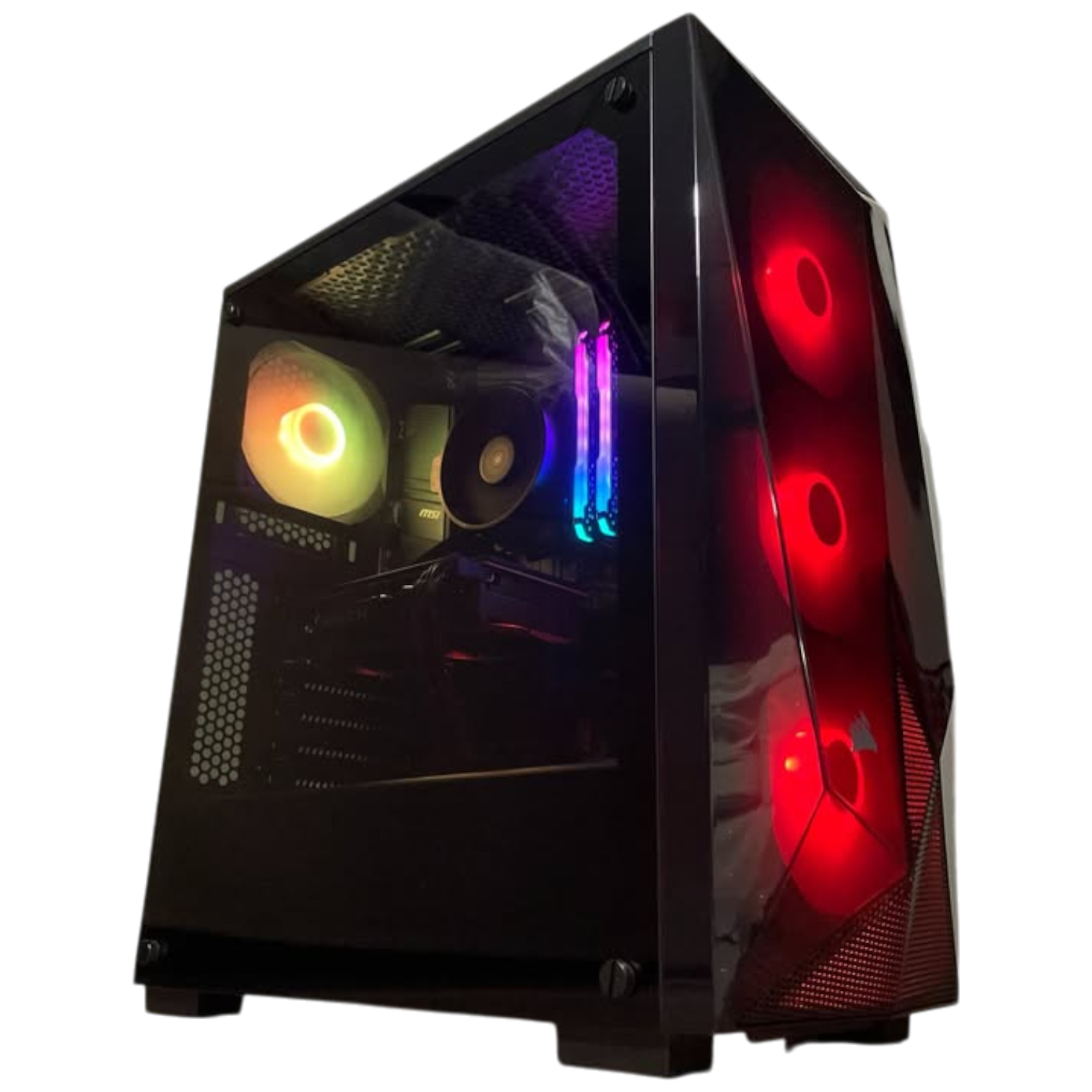
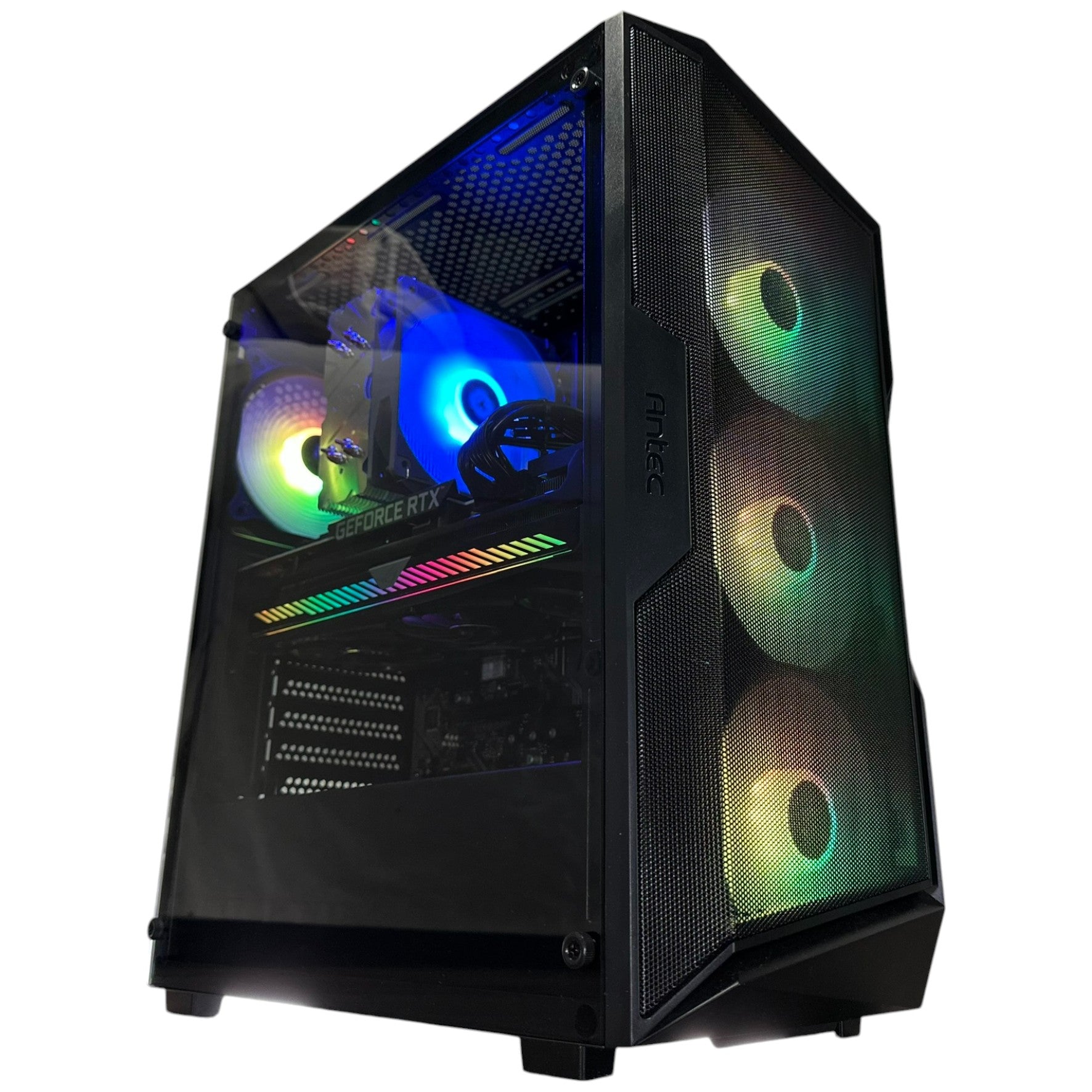


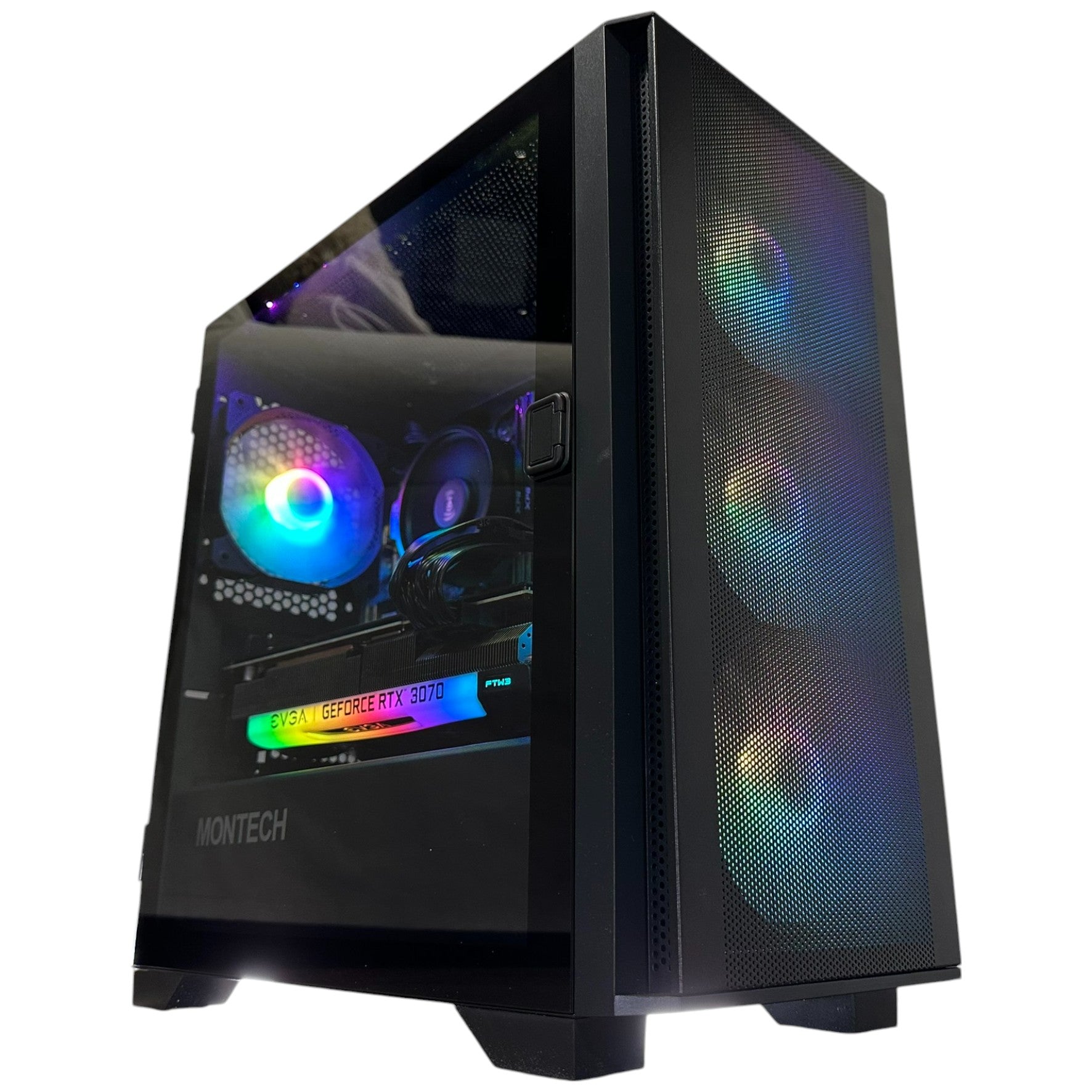
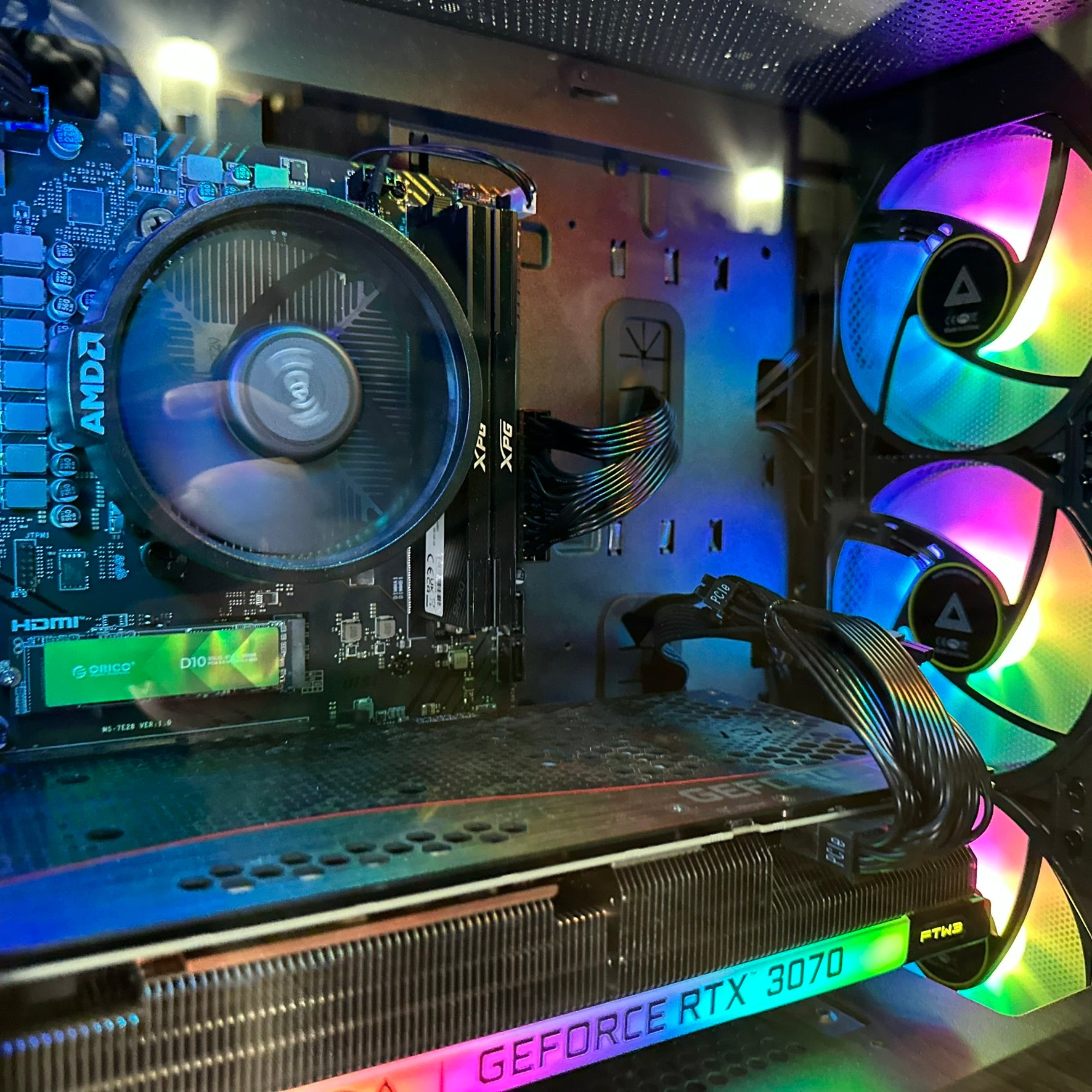
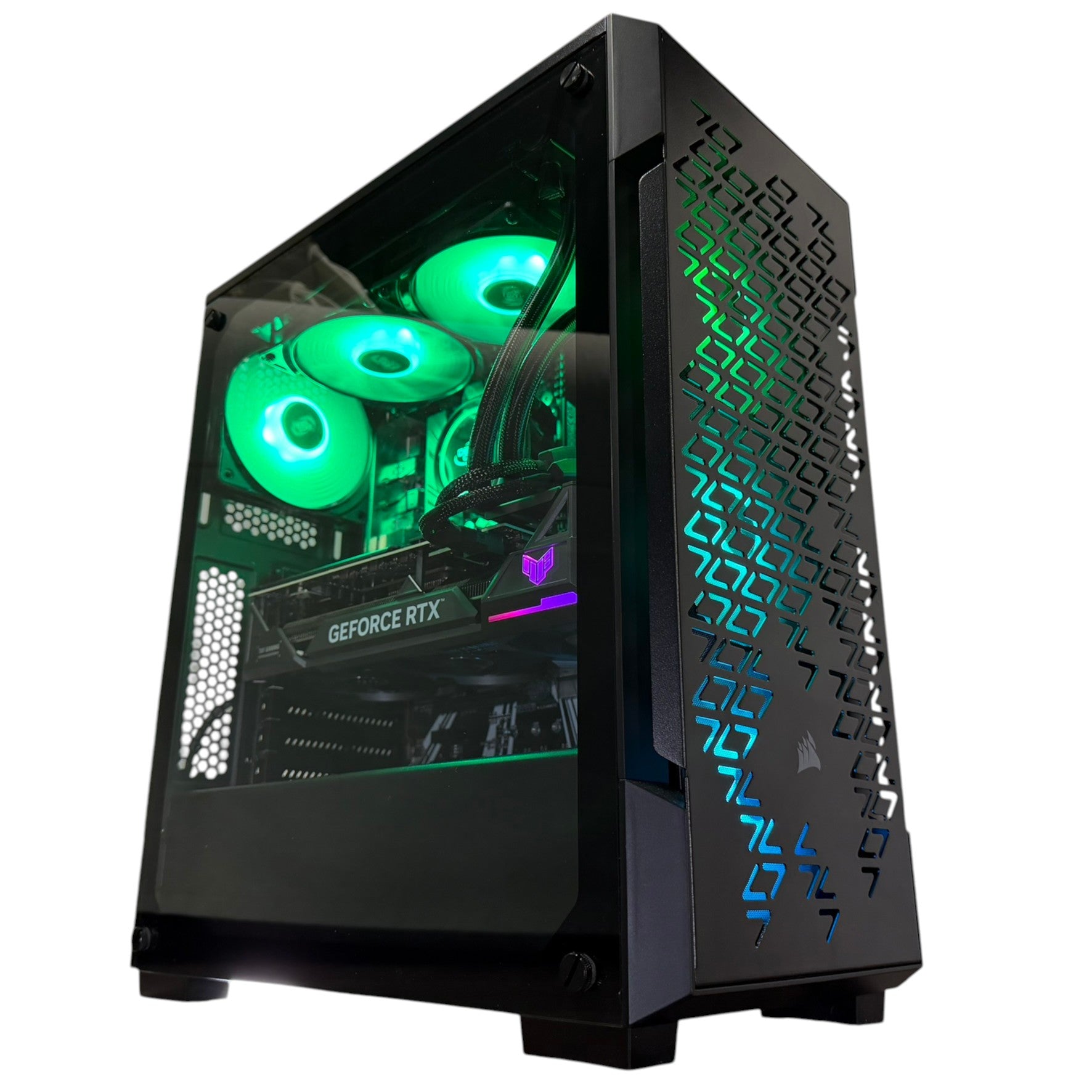

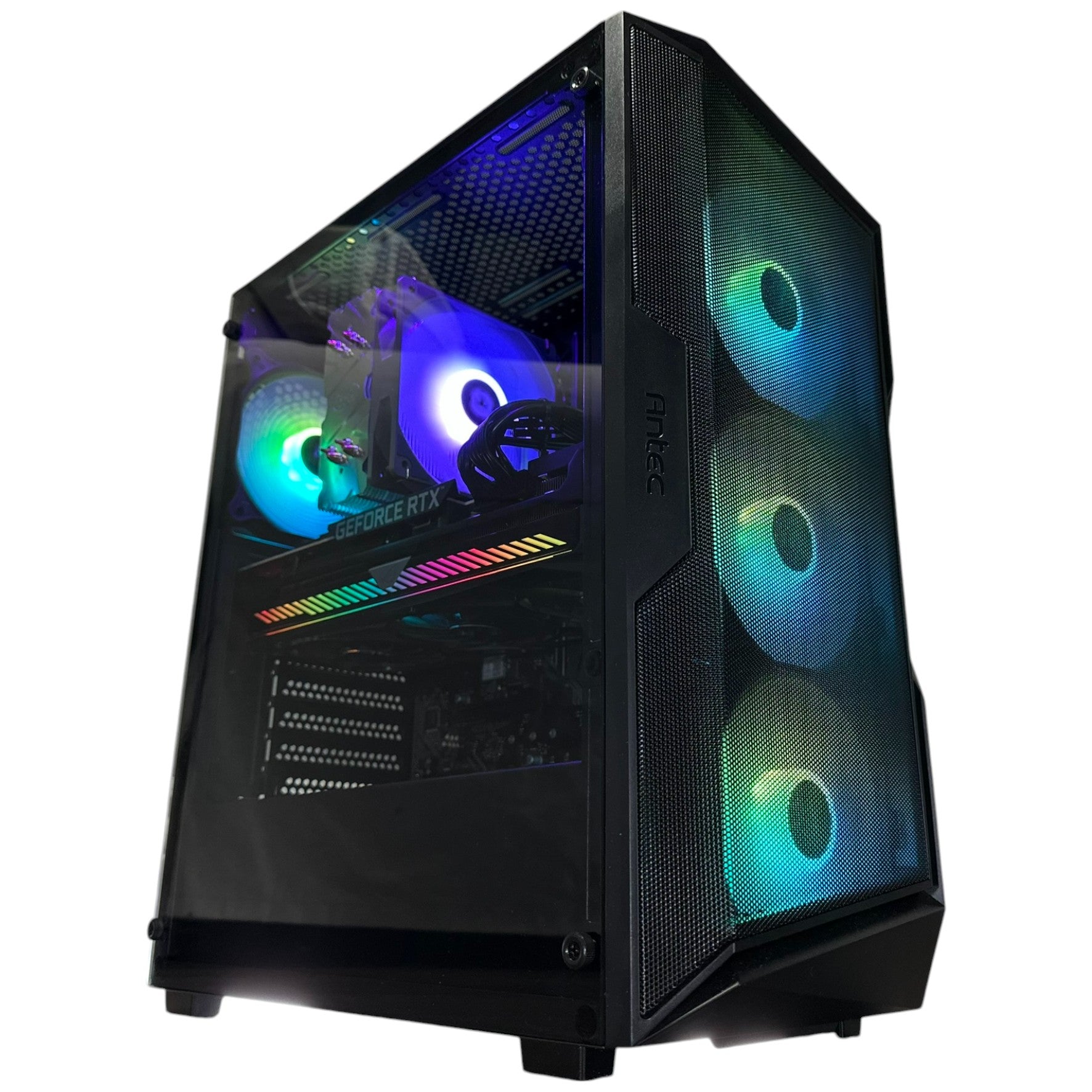
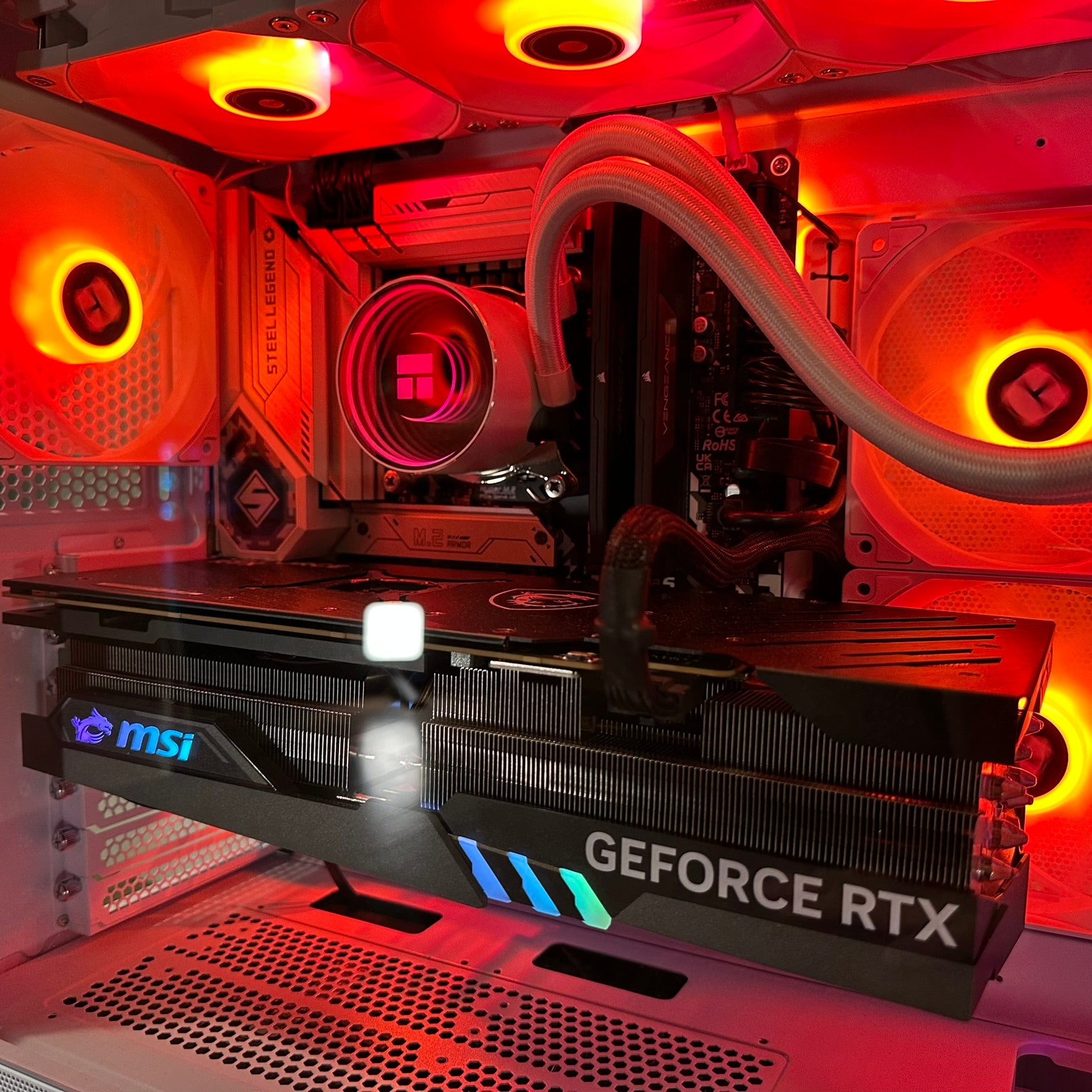
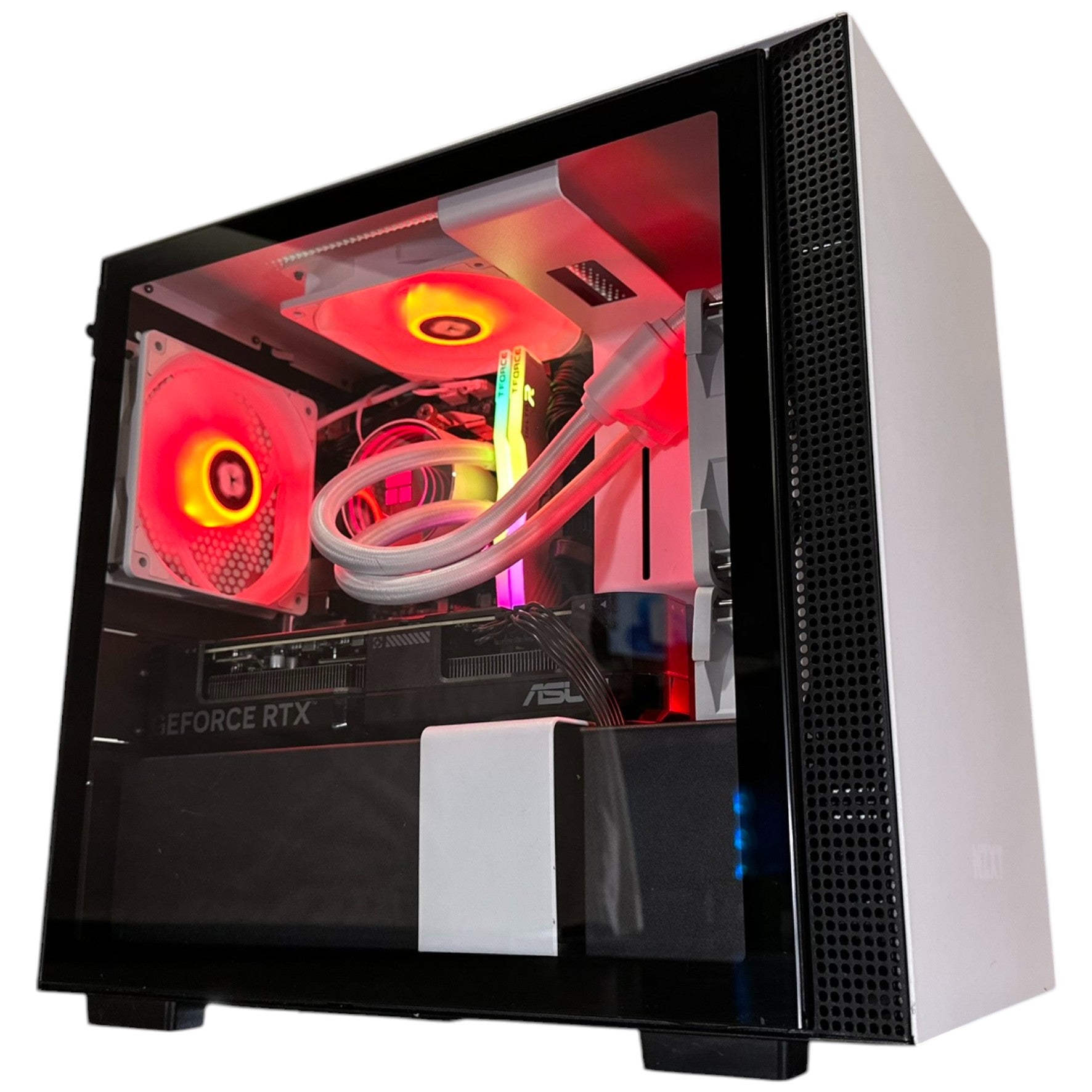
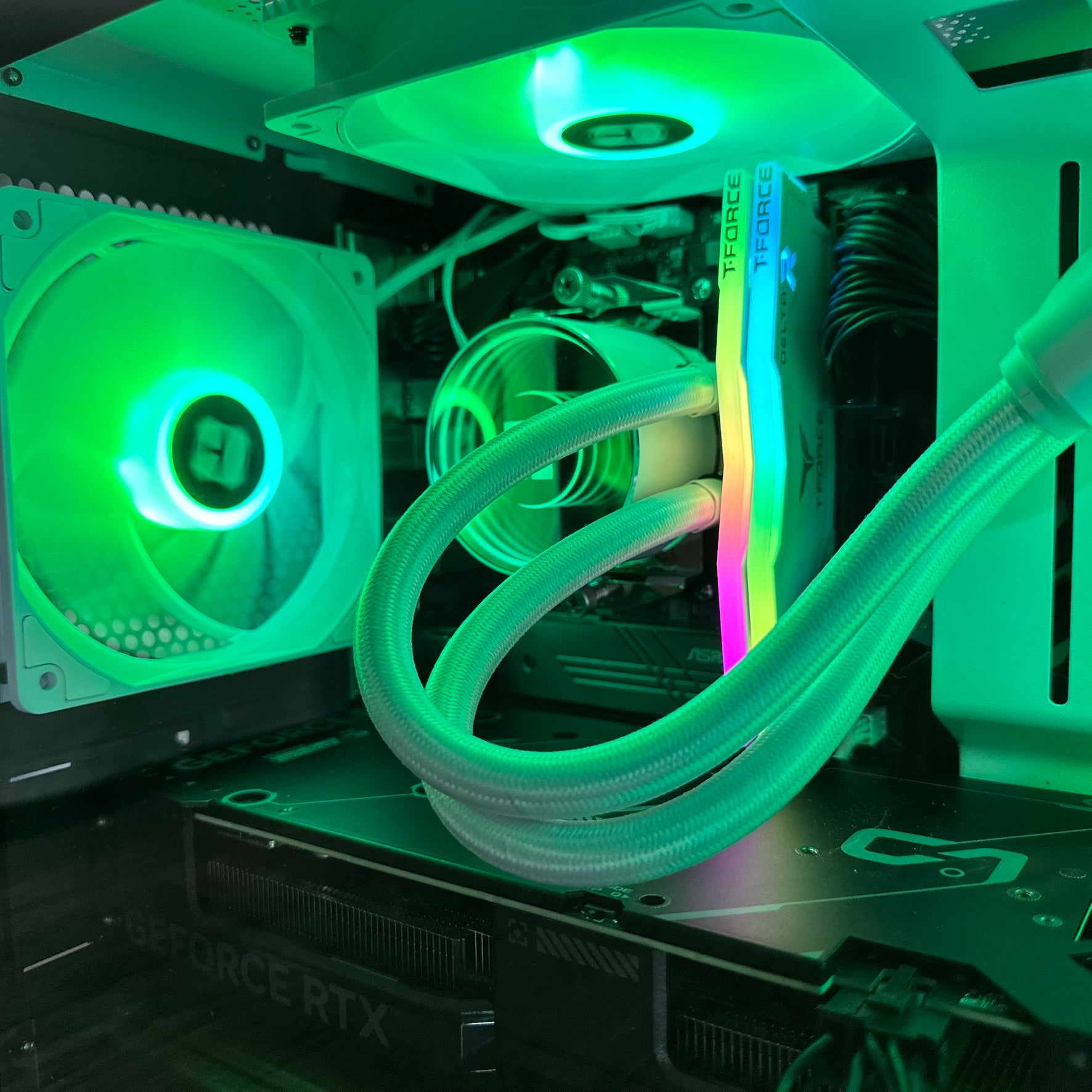
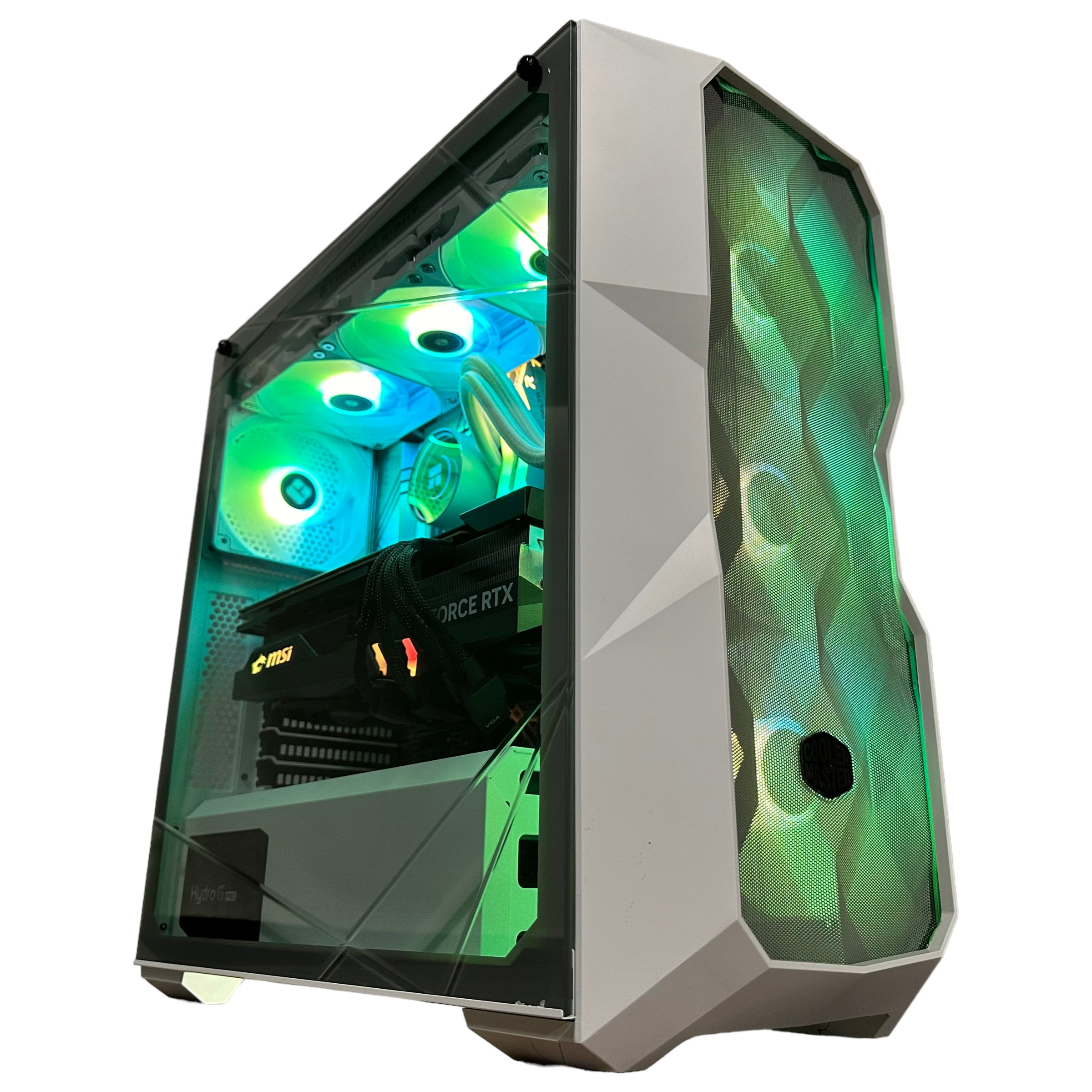


Capcom Sales Surge Shows Why a Gaming PC in Canada Matters More Than Ever
Capcom’s latest sales update is another reminder that major releases still move millions of players fast, and that matters if you are shopping for a gaming PC in Canada. According to the source material, Pragmata has climbed past 2.5 million units sold, while Resident Evil Requiem has pushed beyond 8 million. Add in the continued momentum behind Devil May Cry 5 and the anticipation around upcoming Capcom launches, and one thing becomes clear: demand for polished AAA games is not slowing down. For Canadian buyers, that turns one simple question into a practical one: is your current PC actually ready for the next wave of big-budget titles, streaming sessions, creator workloads, and upgrade pressure?
This is where the story becomes bigger than gaming news. Strong game sales do not just signal popularity. They signal more players chasing better visuals, higher frame rates, ray tracing, smoother streaming, faster load times, and stronger overall systems. If you have been asking yourself what gaming PC do I need, whether you can still get by at 1080p, or whether now is the right time to move into 1440p or 4K, Capcom’s momentum is a perfect case study in why timing your next PC matters.
At Groovy Computers, we look at stories like this through the lens that matters most to real buyers in Canada: what should you buy, how strong should it be, and should you secure the right system now before future game releases, hardware demand spikes, or replacement costs make that decision harder?
What Capcom’s latest numbers tell us about the gaming market
The source article highlights a publisher that continues to win across both established franchises and newer IP. That matters because it shows the modern market is rewarding quality, polish, and performance-intensive experiences. Resident Evil Requiem crossing 8 million units sold is a major signal that cinematic, graphically rich, story-driven games remain massively popular. Pragmata reaching 2.5 million as a newer IP suggests players are also willing to jump into fresh experiences when the execution is strong.
Why should a Canadian PC buyer care? Because when hit games perform this well, they create a chain reaction. More streamers cover them. More content creators edit clips, walkthroughs, and reaction videos. More players want to upgrade from older hardware to enjoy higher settings. More demand often shifts toward better GPUs, more RAM, faster SSDs, and CPUs that can keep up with gameplay, multitasking, and live recording.
In other words, strong software success often increases hardware buying pressure. If you are still holding onto an aging system, the question is not just whether it runs today’s games. It is whether it can keep up with what is coming next without forcing you into another upgrade too soon.
Why this matters differently for Canadian PC buyers
Canadian buyers always have to think a little more strategically. It is not just about the game itself. It is about total system value in Canadian dollars, shipping, support, warranty, future upgrade flexibility, and how quickly component pricing can shift. A game becoming a breakout hit can increase demand for hardware categories that were already under pressure, especially GPUs and premium gaming-ready parts.
Are you buying because one game caught your eye, or because you can see a full year of new releases stacking up? Are you planning around one title, or are you trying to build a PC that can handle Capcom games, open-world AAA releases, esports, streaming, Discord, browser tabs, mods, and content creation all at once? Those are two very different buying situations, and they should lead to different build recommendations.
That is why a custom approach matters. A generic off-the-shelf machine may technically turn on and launch a game, but that does not mean it is the right long-term fit. Canadian custom PC buyers need to think in terms of use case, not just price tag.
What do you want your next PC to do for you?
Before you choose a system, pause and ask the most important question in this entire article: what do you want your next PC to do for you over the next two to four years?
Do you want a budget-friendly machine that can handle modern games at 1080p with strong value? Do you want a 1440p gaming rig that feels smooth and relevant for years instead of months? Are you aiming for a premium setup with ray tracing, high refresh rate performance, and enough headroom for future AAA releases? Or are you also planning to stream, edit video, create thumbnails, work in Photoshop, or render 3D scenes?
If your honest answer is, “I want one PC that can do gaming, streaming, content creation, and still feel fast a few years from now,” then you are not just shopping for a basic gaming tower. You are likely looking at a higher-quality custom gaming PC or creator-focused hybrid system.
If your answer is, “I just want to play new games well without overspending,” that points to a very different category. Both buyers can make smart choices, but only if the build matches the actual workload.
What gaming performance tier fits you best?
One of the biggest mistakes buyers make is shopping by hype instead of performance target. Capcom’s recent success is a reminder that visually ambitious games are here to stay. That means choosing the right performance tier matters more than chasing the lowest possible upfront number.
Entry-level value: 1080p gaming with smart balance
If you mainly play at 1080p, want solid frame rates, and care most about value, a budget-focused build can still make sense. This is often ideal for players moving from console, students buying a first gaming desktop, or anyone asking, “How much should I spend on a gaming PC?”
A strong entry-level gaming setup should still include a modern multi-core CPU, enough RAM to avoid multitasking slowdowns, and a fast SSD so your system feels responsive every day. This tier is best for buyers who want dependable performance without aiming for ultra settings in every demanding new release.
But ask yourself: will you be happy with 1080p only a year from now? If you are already thinking about a higher refresh monitor, streaming, or more demanding games, buying too low can create upgrade regret quickly.
The sweet spot: 1440p gaming for long-term value
For many players, 1440p is the real sweet spot. It offers a major visual step up from 1080p while still being more practical than jumping straight to 4K. If you want better image quality, strong frame rates, and enough performance headroom for upcoming AAA titles, this tier often delivers the best balance.
This is also where many buyers stop asking, “Can it run the game?” and start asking, “Can it run the game well for the next few years?” That is a much smarter question. If Capcom’s momentum has you thinking about future-proofing for more ambitious releases, a 1440p-ready custom build is often the most practical investment.
Are you the type of buyer who would rather spend a bit more now and avoid replacing your GPU too soon? If so, this category deserves serious attention.
Premium tier: 4K, ray tracing, ultra settings, and creator-ready overhead
If you want a premium gaming experience, stream high-quality gameplay, or simply do not want to compromise on visual settings, then a high-end build becomes easier to justify. This is especially true for buyers interested in cinematic AAA gaming, ray tracing, high refresh displays, large asset-heavy games, or mixed gaming and creator use.
Capcom’s biggest releases tend to attract exactly this audience: players who care about atmosphere, detail, smoothness, and immersion. If that sounds like you, then a premium custom system is not just about luxury. It is about matching the hardware to your actual expectations.
Ask yourself honestly: do you want a PC that feels “good enough,” or one that still feels exciting a couple of years from now?
Are you only gaming, or are you streaming and creating too?
One reason gaming stories like this matter beyond gaming is that hit releases immediately spill over into content creation. Successful games create a flood of streaming, recording, reaction videos, short-form clips, lore breakdowns, walkthroughs, and edited content. That means many customers shopping for a gaming system are actually shopping for a content creation PC Canada or a gaming-and-streaming hybrid without realizing it.
If you plan to stream gameplay, run OBS, capture footage, edit clips for YouTube, create social media posts, or manage multiple apps at once, your PC needs change. A system that is merely acceptable for gaming can feel strained when gaming and streaming happen together. A machine that runs games fine may also bog down once you start editing 4K footage, exporting projects, or working with layered Photoshop files.
What does that mean in plain terms? It means you should choose for your full workflow, not just the game launcher.
What PC do you need for streaming?
If your goal is to play modern titles and stream at the same time, you will want a balanced build with enough CPU and GPU capability, healthy RAM capacity, and cooling that can handle sustained load. A proper streaming PC Canada setup should also account for background apps, browser tabs, overlays, chat tools, capture software, and long sessions under load.
Are you just going live casually with friends, or are you trying to build a channel with consistent quality? Do you want 1080p streaming, smoother performance while multitasking, or enough room to game, record, and edit on the same machine? Those answers should shape your build.
What PC do you need for video editing and content creation?
If Capcom’s latest games have you thinking about making content around them, then it may be time to consider a proper video editing PC Canada or creator PC Canada. Editing game footage, working in Adobe Premiere Pro, DaVinci Resolve, After Effects, CapCut, or Photoshop puts very different stress on a system than gaming alone.
Do you edit 1080p clips for social media, or are you exporting longer 4K videos? Do you work with motion graphics? Are you batch-processing footage while browsing, uploading, and handling thumbnails at the same time? If so, more CPU power, more RAM, and faster storage can save you real time every week.
That is why many buyers are better off with a custom creator build instead of a narrowly specced gaming-only machine.
What about graphic design, photo editing, and 3D work?
Gaming hype often drives broader creative demand too. A customer who comes in asking about a gaming PC may also need Photoshop, Illustrator, Lightroom, Canva, Blender, Unreal Engine, or CAD-type workloads. If that sounds familiar, your buying decision should not be based on game performance alone.
Do you need colour-conscious photo editing performance? Fast export speeds for high-resolution assets? Better handling for multitasking across Adobe Creative Cloud? GPU acceleration in Blender or real-time scene work in Unreal Engine? If yes, then a custom workstation-style or creator-focused build may be the smarter move.
For buyers who wear multiple hats, the best system is often one that blends gaming strength with creator reliability.
Why timing matters when big game momentum keeps building
Capcom’s sales update points to a broader reality: successful publishers create long release tails and demand waves. One major title performs well, another is on the way, and buyers start planning hardware around an entire pipeline of future games. That can tighten demand at exactly the moment undecided customers are still waiting.
Is it better to buy a gaming PC now or wait? That depends on your current setup, your target performance, and your tolerance for delay. But waiting is not always the safe option people assume it is.
If your current PC is already borderline for modern games, every delay raises risk. You may face higher full-system costs later. You may end up settling for weaker parts due to availability. You may rush-buy when a game you care about launches, which usually leads to worse decision-making. And if your system is also your editing, school, or work machine, a last-minute failure becomes more than an inconvenience.
The smarter approach is often to buy based on your next 12 to 24 months of use, not your next weekend only.
Should you finance a stronger PC instead of buying too low?
This is one of the most practical questions Canadian buyers can ask. If your ideal build is just out of immediate cash range, is it smarter to buy the cheapest system available now, or to finance a stronger machine that will last longer and perform better?
For many customers, the honest answer is that going too cheap can cost more over time. A weak system may need earlier upgrades, deliver a worse daily experience, and struggle sooner with new titles, streaming, and creator software. That often leads to spending twice: once on the compromise, and again on the replacement.
That is why finance custom PC Canada conversations matter. If financing helps you secure the right GPU tier, more RAM, better storage, or a stronger CPU now, it can be the smarter long-term value play. At Groovy Computers, financing up to 4 years can help buyers avoid under-buying when they already know their needs are growing.
Are you trying to keep monthly costs manageable while still getting a system that actually fits your goals? Are you worried that replacing or upgrading later could cost more if parts pricing shifts? Those are valid reasons to consider a payment-based approach instead of forcing an underpowered purchase.
What parts usually matter most for modern AAA gaming?
When buyers read about blockbuster game sales, they often focus on the title and not the hardware reality underneath it. But if you are shopping for a custom gaming system, understanding the major components helps you buy smarter.
GPU: the biggest factor for visual ambition
If you care about 1440p, 4K, ray tracing, or higher settings in visually demanding games, the graphics card is usually the most important part of the conversation. It is also often the part buyers regret underspending on. If your goal is simply to launch games, one class of GPU may be enough. If your goal is to enjoy major new releases at strong settings for years, the right GPU tier matters much more.
Do you want your next build to feel current only today, or still feel capable after multiple major game launches?
CPU: the engine behind responsiveness, multitasking, and long-term balance
The processor matters more than many buyers think, especially if you stream, edit, run background apps, or want strong minimum frame consistency. A balanced CPU choice supports not just gaming, but the whole system experience: multitasking, productivity, installation speed, file handling, and creator workloads.
If you are asking whether a gaming PC is also good for video editing, streaming, or graphic design, the CPU is one of the reasons the answer depends on how the system is built.
RAM: what stops a fast PC from feeling cramped
Modern gaming, streaming tools, editing software, and heavy multitasking can eat memory fast. While some buyers still try to save too much here, a more sensible RAM configuration often makes a system feel smoother and more future-ready. If you game while chatting, browsing, capturing footage, or editing between sessions, RAM headroom matters.
Have you ever had a game open, a few browser tabs running, Discord in the background, and suddenly felt your whole system drag? That is often where better memory planning pays off.
SSD storage: not just capacity, but speed and breathing room
Large modern games can fill drives quickly, and creator files make that even worse. Fast SSD storage improves boot times, loading, file movement, and general responsiveness. It also makes day-to-day ownership less frustrating. If you download big titles, keep gameplay footage, or work with media files, storage planning should be part of the original build, not an afterthought.
What kind of buyer should choose which kind of Groovy Computers build?
Not every customer needs the same machine, and that is exactly why a custom PC builder matters. Here is a practical way to think about it.
Choose a budget-focused gaming build if:
- You mainly play at 1080p
- You want good value without chasing ultra settings
- You are buying a first gaming desktop
- You are not heavily streaming or editing
- You want a practical step up from an older PC or console setup
Choose a 1440p-focused custom gaming PC if:
- You want stronger long-term value
- You play modern AAA games regularly
- You care about visual quality and smoother performance
- You may stream casually or multitask heavily
- You want to avoid feeling outdated too soon
Choose a premium RTX gaming PC if:
- You want ray tracing, high refresh, or 4K ambitions
- You buy major releases at launch and want them looking their best
- You dislike compromises in settings and frame rate
- You want extra performance headroom for future titles
- You may also use the system for streaming or creative work
Choose a creator or workstation-style custom build if:
- You edit video, manage media libraries, or export content regularly
- You use Photoshop, Lightroom, Illustrator, or Creative Cloud apps
- You stream, record, and edit on one machine
- You work in Blender, Unreal Engine, or other 3D workflows
- You need reliability and balanced performance, not gaming alone
If you are unsure where you fit, that uncertainty is actually useful. It usually means you should not guess. You should choose a builder that can match your real use case instead of pushing a one-size-fits-all box.
Why custom PC vs prebuilt matters more during performance-heavy release cycles
When game demand is rising, the difference between a carefully matched custom build and a generic prebuilt becomes much more important. A rushed or poorly balanced system may cut corners in the exact places that matter most over time: cooling, motherboard quality, power supply quality, upgrade flexibility, memory configuration, or SSD capacity.
That is why custom PC vs prebuilt PC Canada remains such an important buying question. A custom build gives you a better chance of getting balanced parts for your actual goals rather than paying for flashy marketing around weak fundamentals.
Would you rather own a machine that was selected for your target resolution, software, and workload, or one built to hit a shelf price? If you are investing real money into a PC meant to last, that distinction matters.
Why Groovy Computers is a strong fit for Canadian buyers right now
Groovy Computers is built around the needs that matter most in a market like this: custom-fit system planning, strong value across gaming and creator categories, Canadian trust, rigorous testing, and support that makes sense when you are spending serious money on a desktop.
Whether you need a gaming-focused machine, a streaming rig, a creator desktop, or a more demanding workstation-style build, the goal is not simply to sell a box. The goal is to help you avoid buying the wrong one.
That means asking the right questions. What games are you playing? At what resolution? Are you editing videos too? Do you want better thermals and quieter operation? Are you planning to keep this PC for years? Do you want monthly payments instead of compromising on performance today? Those are the questions that lead to smarter systems.
Groovy Computers also offers the kind of confidence many buyers need in a volatile market: tested systems, a 1-year warranty, and a custom-PC mindset that prioritizes fit and reliability over generic volume selling. For customers in Nova Scotia, Atlantic Canada, and across the country, that trust matters.
Buying before the next demand wave: is now your moment?
If Capcom’s latest sales report confirms anything, it is that demand follows momentum. Big games sell. Strong franchises keep growing. New IP can break out. Upcoming releases add pressure. And every new wave of gaming excitement reminds more people that their current hardware is falling behind.
So ask yourself a direct question: are you waiting because you have a clear reason, or because you are hoping the decision gets easier later?
If your PC already struggles, if you know you want better gaming performance, if you have creator workloads building up, or if you are trying to avoid another short-term stopgap upgrade, then this may be the smarter time to act. A better system now can mean better gameplay, less frustration, more creator output, and a longer runway before your next upgrade cycle.
Need help choosing the right custom build?
If you are wondering whether you need a budget gaming desktop, a stronger 1440p machine, a premium ray tracing build, a streaming setup, or a creator workstation, the best next step is to get guidance based on your real goals. Visit GroovyComputers.ca and ask yourself one final question: do you want to buy a PC that only covers today, or one that is built for the games, content, and workloads you know are coming next?
Capcom’s breakout sales numbers are not just a gaming headline. They are a buying signal. More blockbuster games are landing, more players are upgrading, and more creators are building workflows around these titles. If you want a gaming PC in Canada that is properly matched to your needs, or if financing a stronger custom system makes more sense than settling for less, Groovy Computers is well positioned to help you make the right move with confidence.
#GamingPCCanada #CustomGamingPCCanada #GamingPCBuilderCanada #ContentCreationPCCanada #VideoEditingPCCanada #StreamingPCCanada #CanadianCustomPCBuilders #GamingComputersCanada #NovaScotiaPCBuilder #GroovyComputers
Groovy Computers | All Rights Reserved


Leave a comment
This site is protected by hCaptcha and the hCaptcha Privacy Policy and Terms of Service apply.