


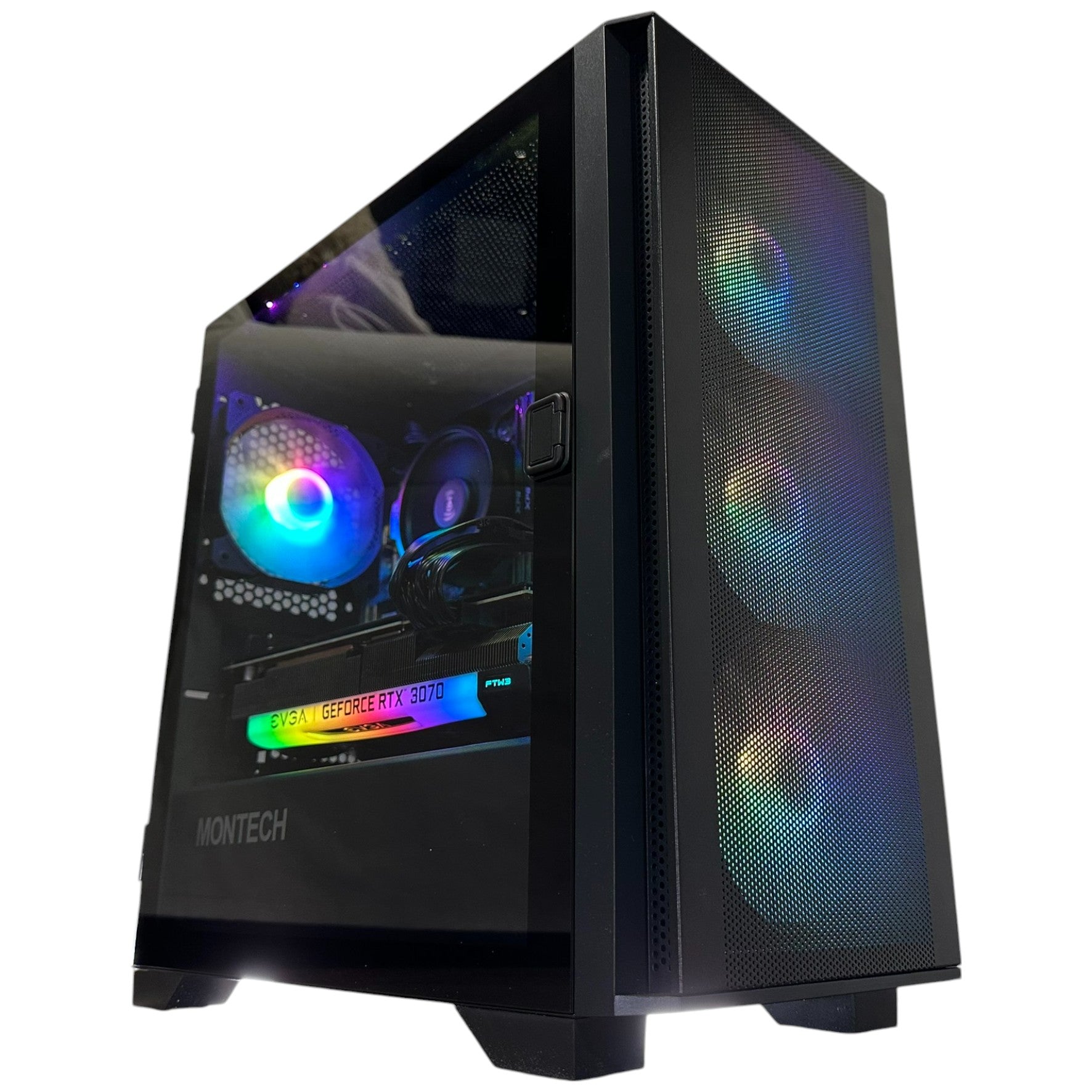
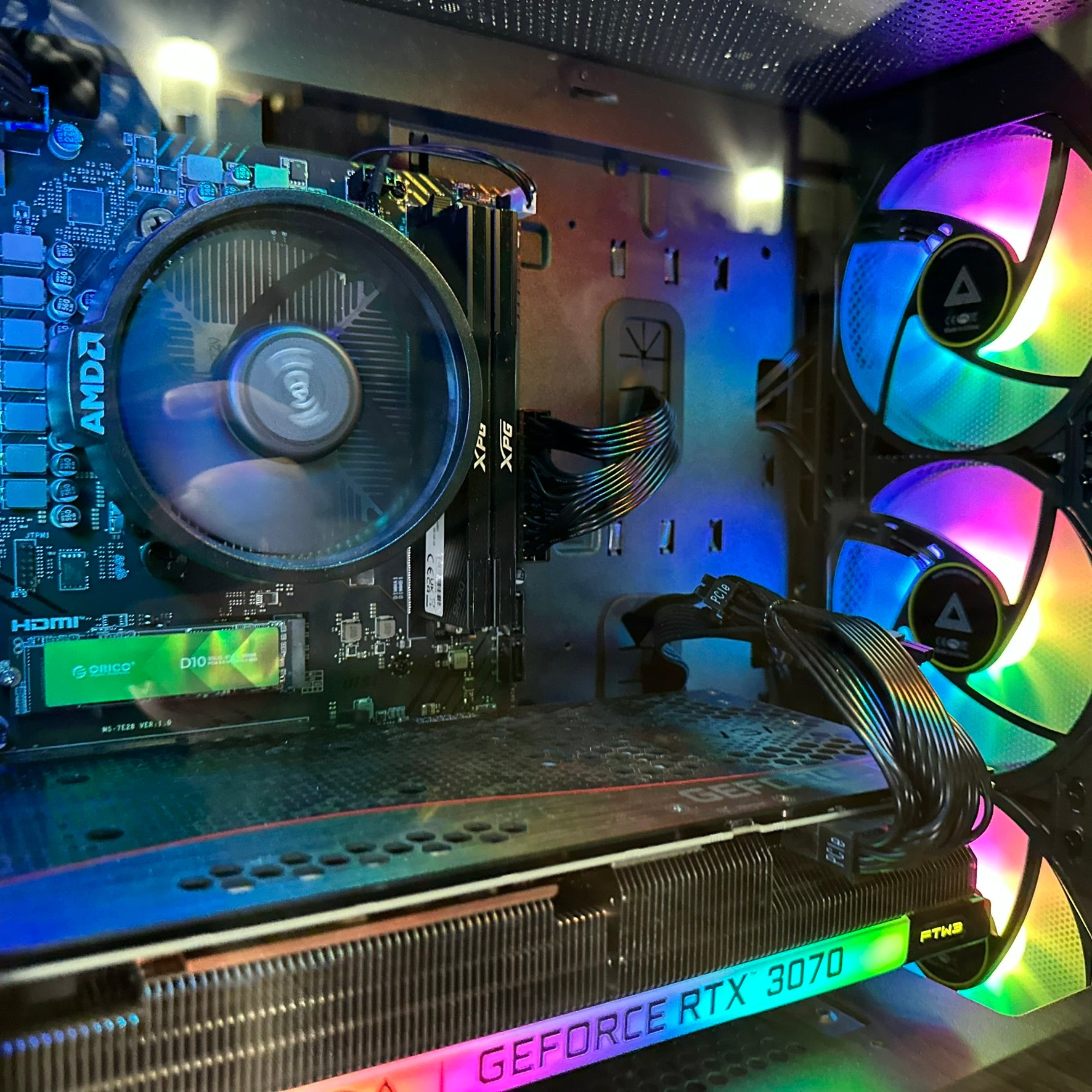
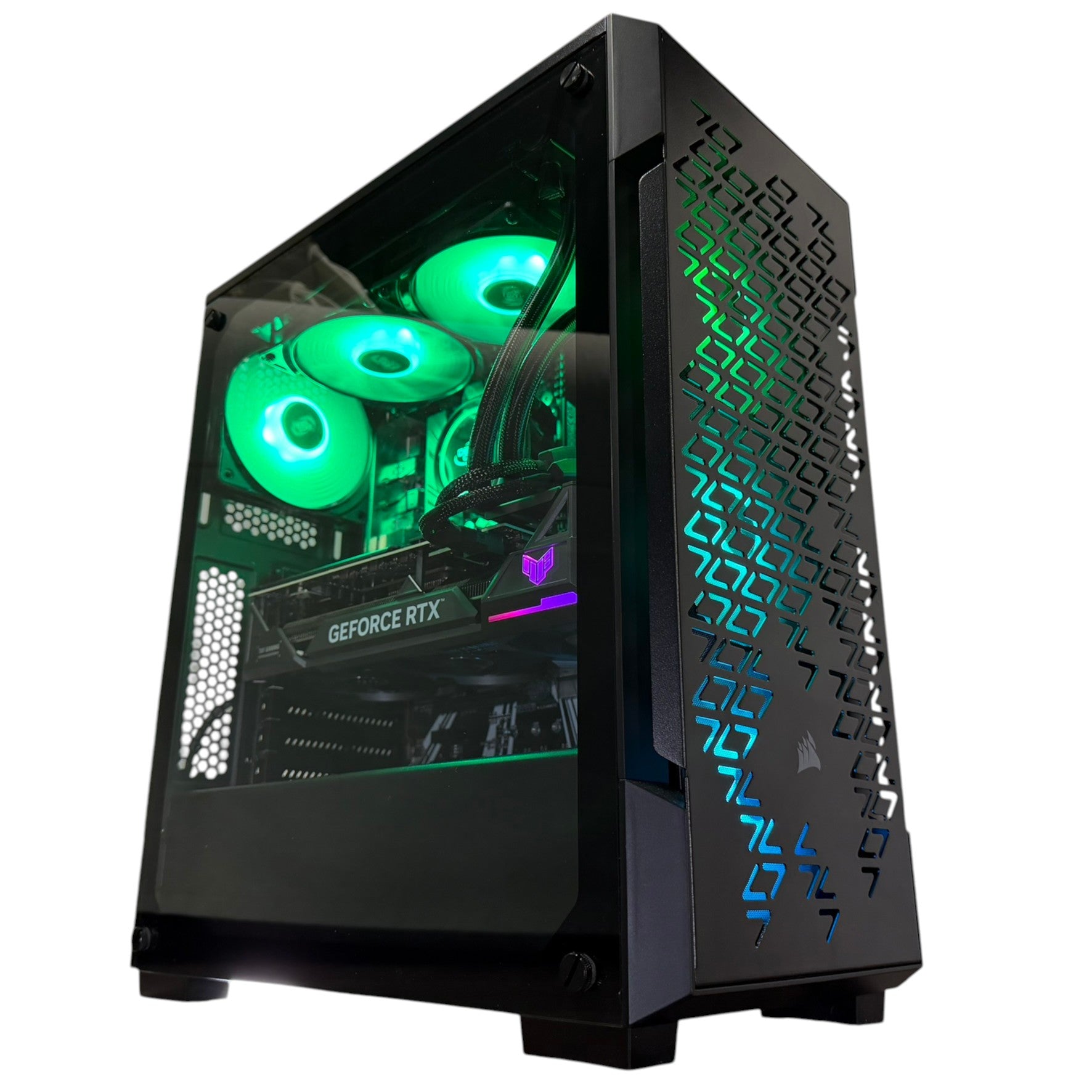

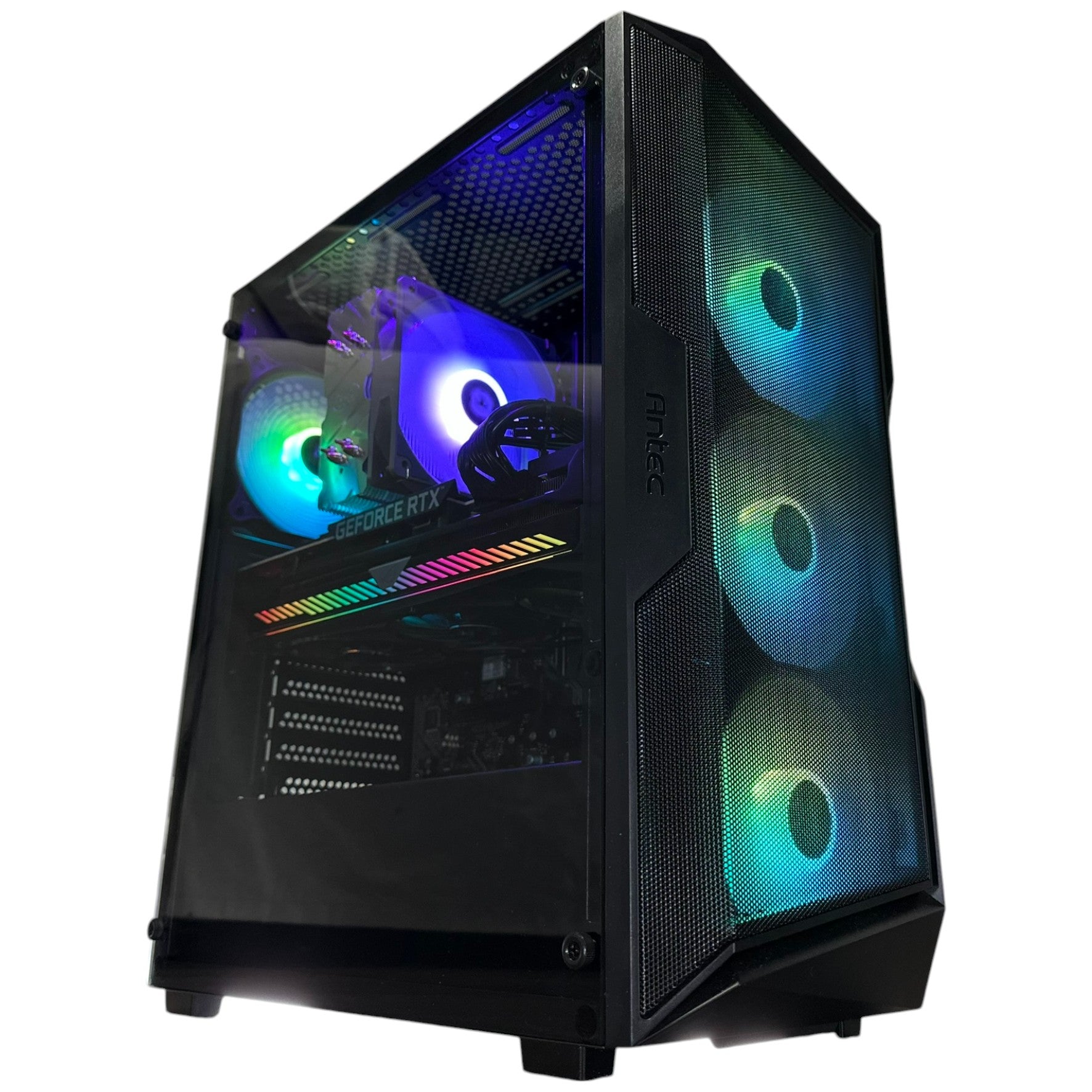

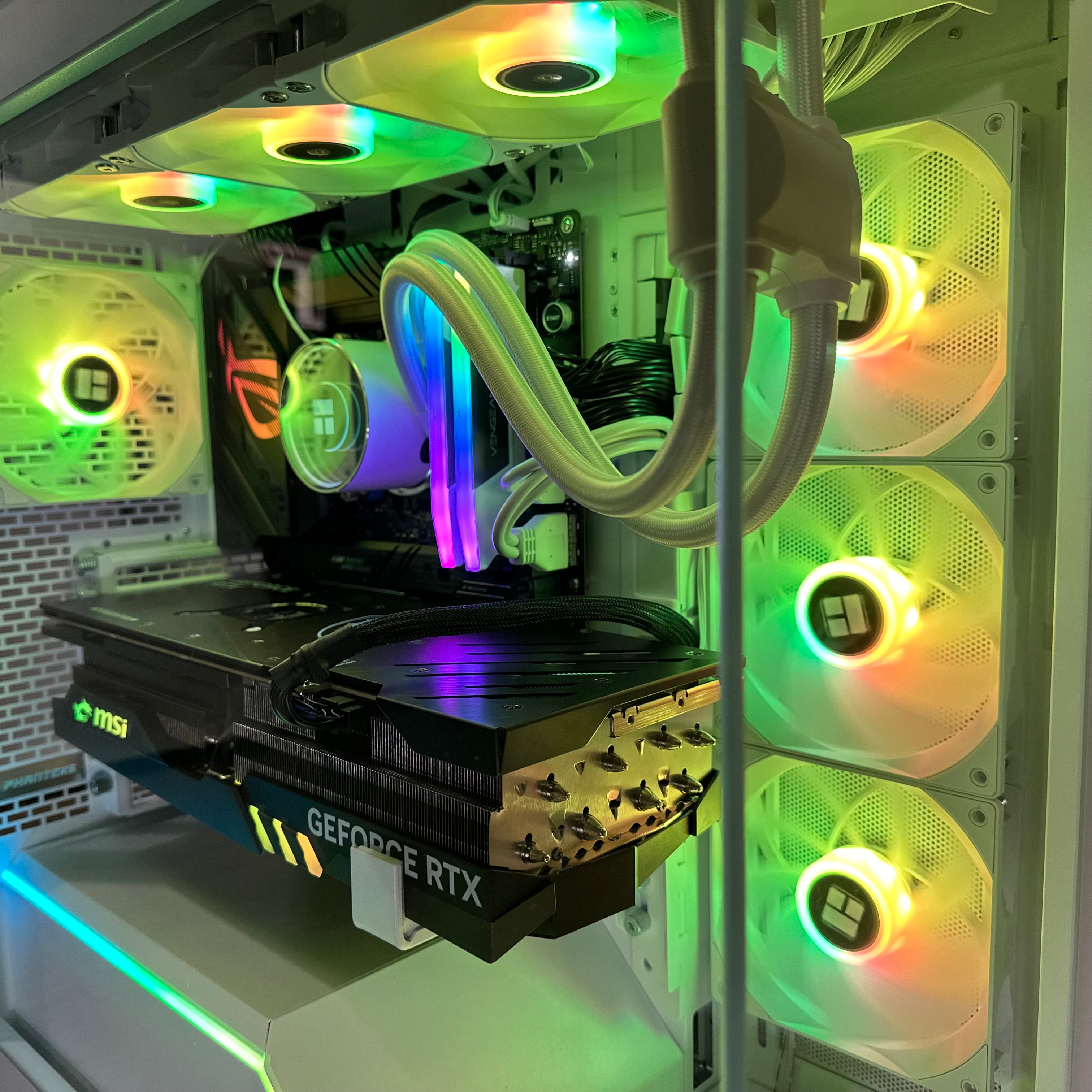
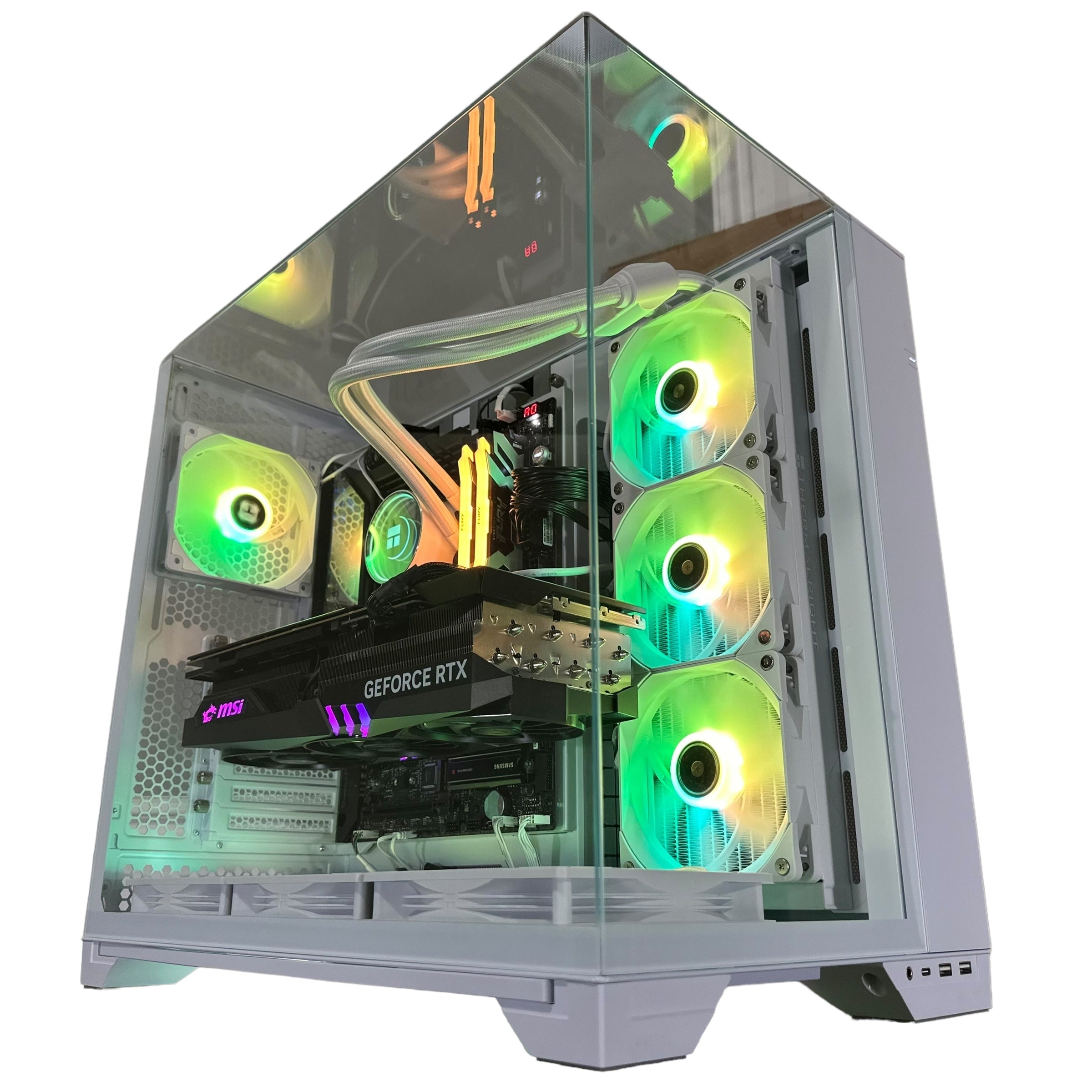
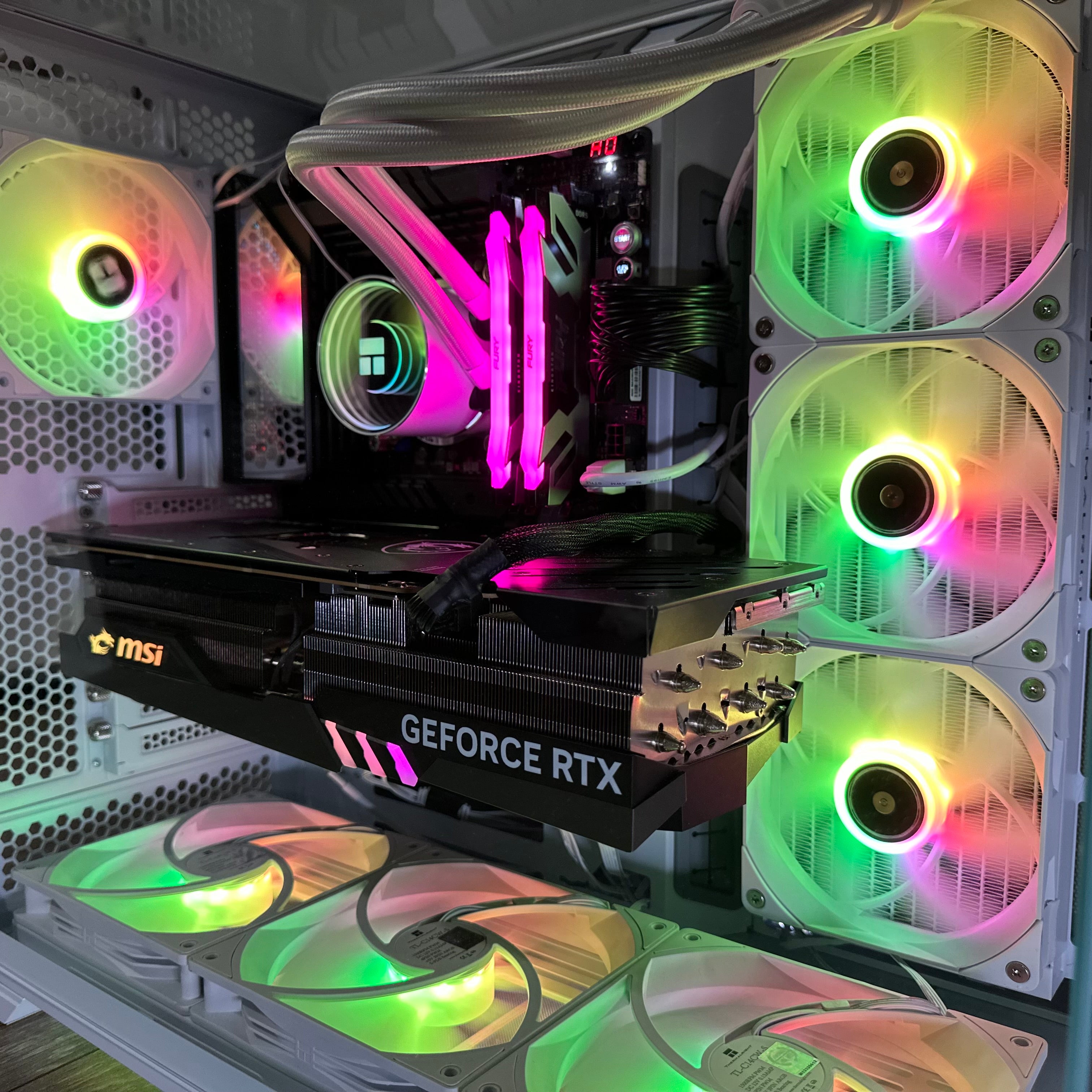

Resident Evil Trailer Hype Is Building: What Kind of Gaming PC in Canada Do You Need for Horror Games, Streaming, and Creator Workloads?
The new Resident Evil trailer is doing exactly what a strong game-and-horror moment should do: it is getting people excited about dark atmosphere, sudden action, creature encounters, and the kind of intense visual design that makes players and movie fans start thinking about their next hardware upgrade. For Canadian buyers, that matters. Every time a major franchise like Resident Evil surges back into the spotlight, interest in higher-performance gaming rises with it. If you are asking what kind of system makes sense for modern horror gaming, ray tracing, streaming, editing, or future releases, this is the right time to think seriously about your next build.
The source story highlights the latest trailer for Zach Cregger’s upcoming Resident Evil film, starring Austin Abrams as an ordinary character dragged into the nightmare of Raccoon City. That angle lands because Resident Evil has always worked best when tension, resource pressure, and survival mechanics feel personal. But for PC buyers, the bigger takeaway is this: when a franchise this recognizable starts trending again, players often return to the games, revisit older titles, mod them, stream them, capture content from them, and prepare for whatever comes next.
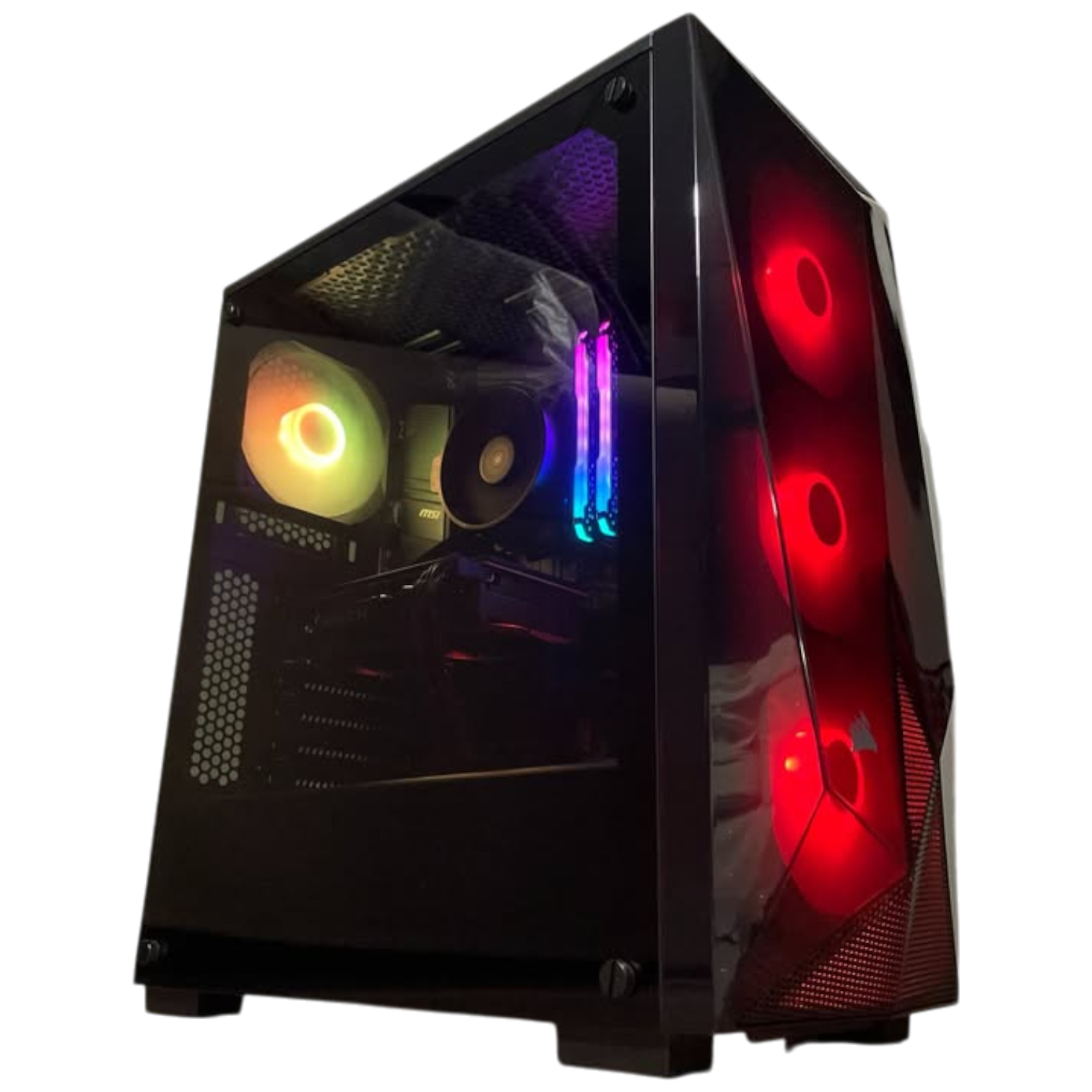
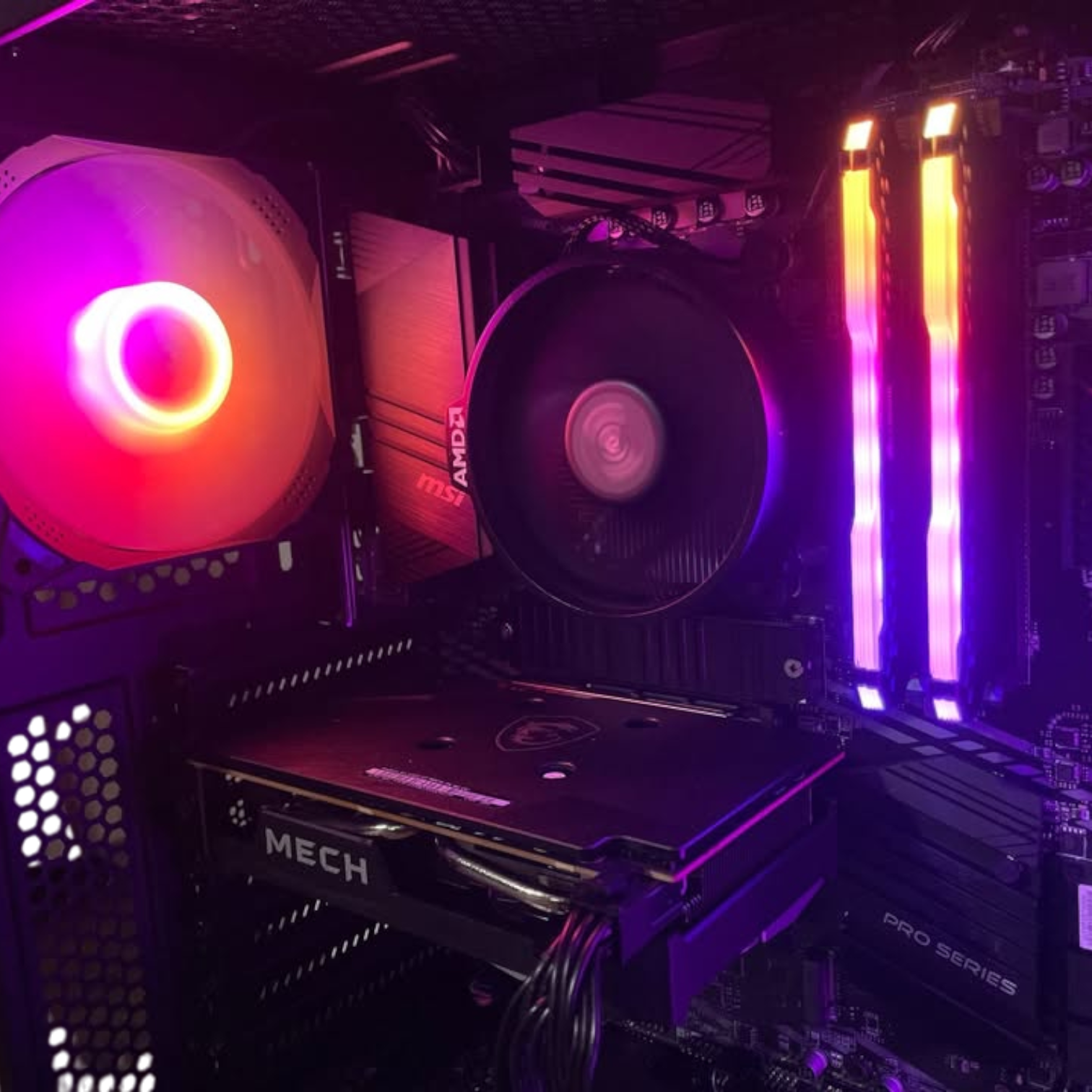
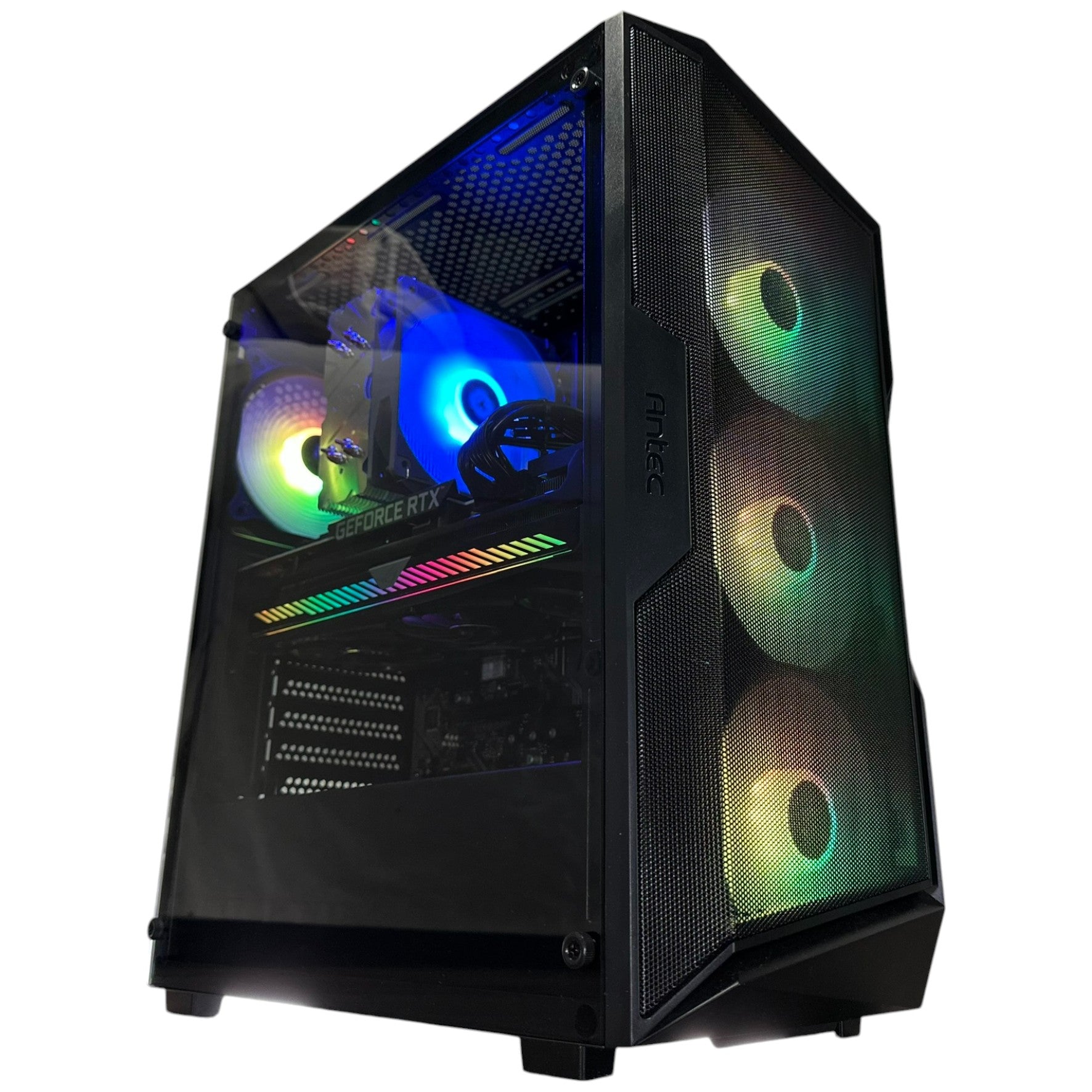
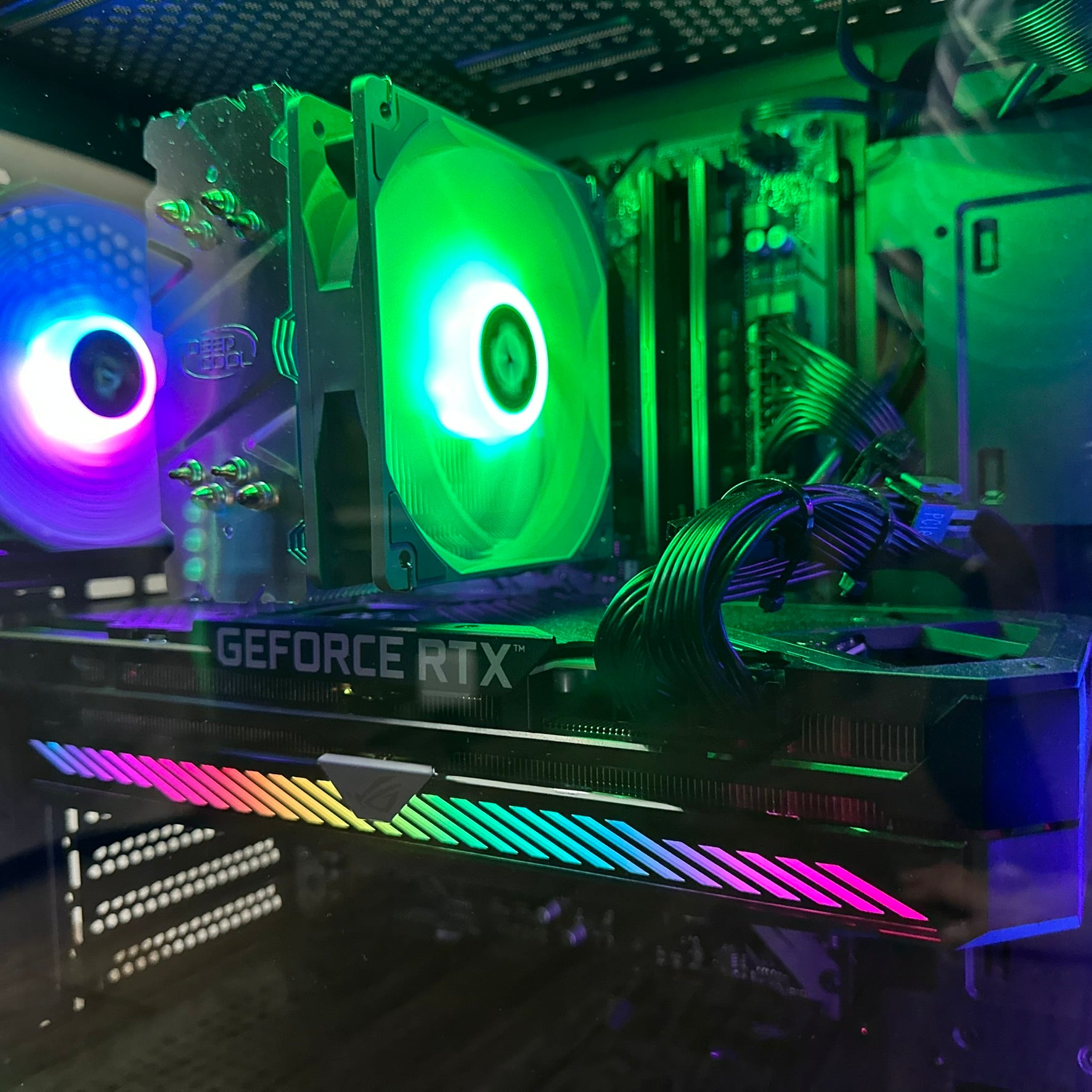
So what does that mean if you are shopping for a Gaming PC Canada audience can trust? It means this is not only a movie-news moment. It is also a buying-decision moment.
Why does the Resident Evil trailer matter to PC buyers right now?
Franchise momentum changes buying behaviour. A strong trailer can push people back toward survival horror games, cinematic single-player experiences, and visually rich AAA titles that ask a lot more from a PC than older esports games do. If you have been getting by on an aging system, this kind of release cycle often creates the exact question buyers have been avoiding: Can my current PC still deliver the experience I actually want?
That question becomes even more important if you do more than just play. Are you planning to stream horror games on Twitch or YouTube? Record reactions? Edit clips for TikTok, Shorts, or long-form uploads? Design thumbnails in Photoshop or Canva? Cut together gameplay edits in Premiere Pro or DaVinci Resolve? Build horror-themed environments in Blender or Unreal Engine? Suddenly, the discussion moves beyond one game or one film trailer and into the larger issue of choosing a PC that fits how you actually use it.
This is where many shoppers make a mistake. They buy for the game they are thinking about today, not the workload they know they will have for the next two to four years.
What the source story gets right about Resident Evil
The trailer coverage correctly emphasizes tension, survival, limited resources, and the experience of being underpowered inside an overpowered threat zone. That has always been central to Resident Evil. It is not just about monsters. It is about vulnerability, reaction speed, atmosphere, pacing, and visual immersion.
And that matters to hardware more than some people realize. Horror games live or die on frame stability, lighting quality, load times, sound-sync responsiveness, and visual detail in dark scenes. If your PC struggles with stutter, inconsistent frame pacing, slow storage, or a weak GPU, a suspense-heavy experience loses impact fast.
In other words, the same design philosophy that makes Resident Evil thrilling is also what makes poor hardware more noticeable. Horror does not hide weakness in your setup. It exposes it.
What do you want your next PC to do for you?
Before you compare parts or pricing, ask the more useful question: What do you actually want your next PC to handle?
Do you want a system mainly for playing modern horror and AAA games at 1080p? Do you want smoother 1440p gaming with stronger textures, ray tracing, and better longevity? Are you aiming for 4K visuals on a premium setup? Will you be gaming and streaming at the same time? Do you also need a machine for video editing, photo editing, graphic design, podcast production, or 3D modeling?
If your answer is “a bit of everything,” that is exactly why custom PC selection matters.
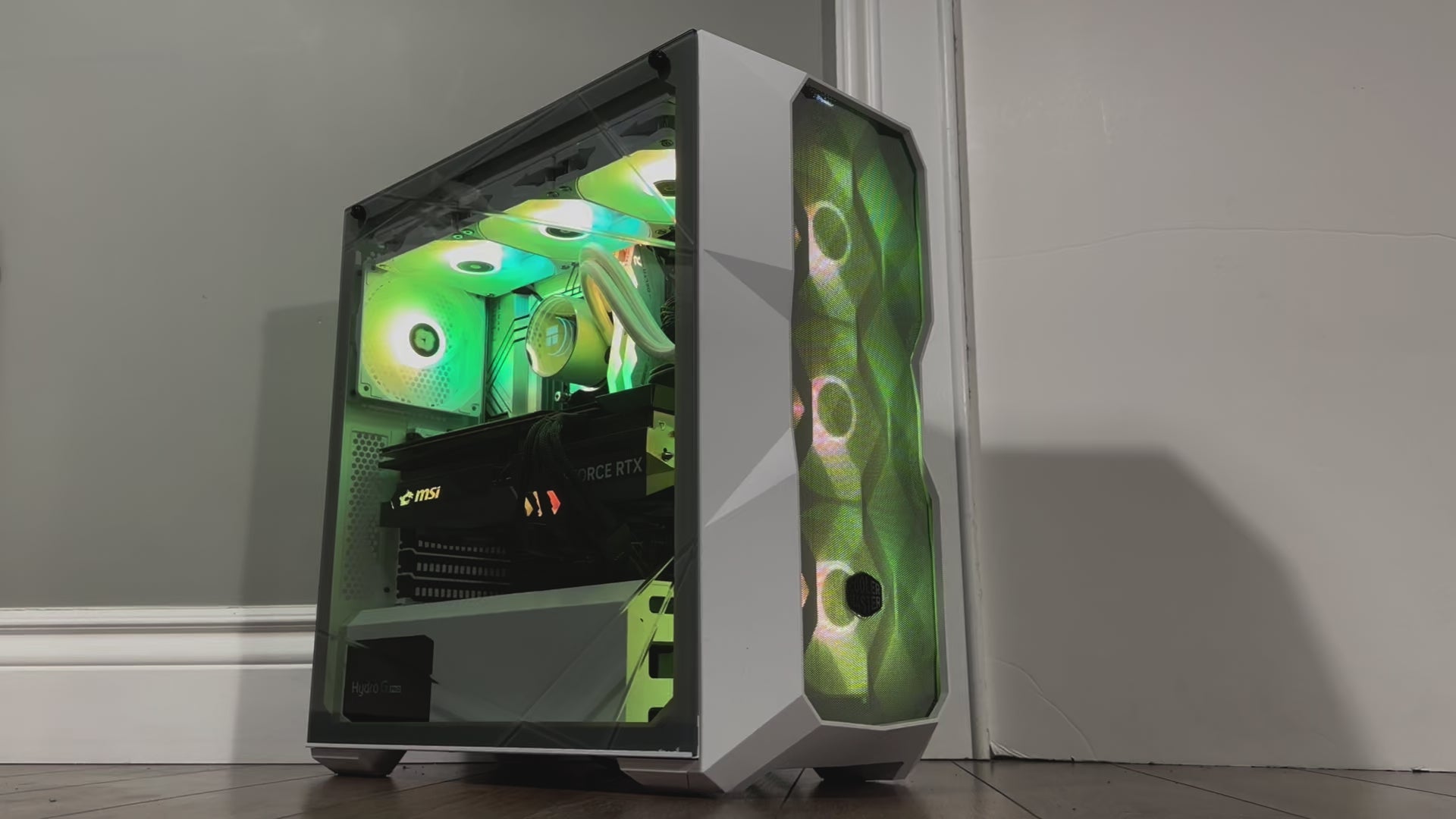
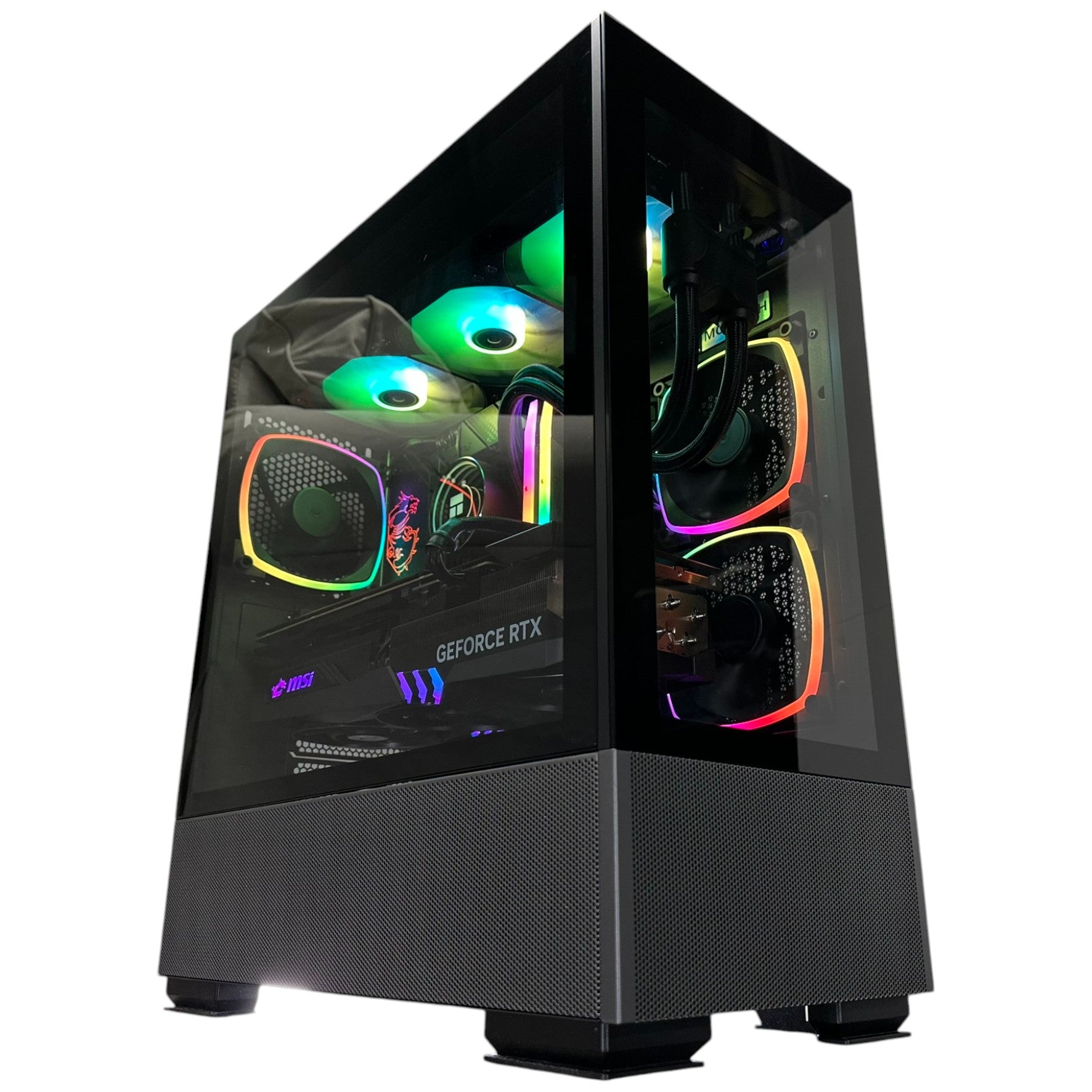
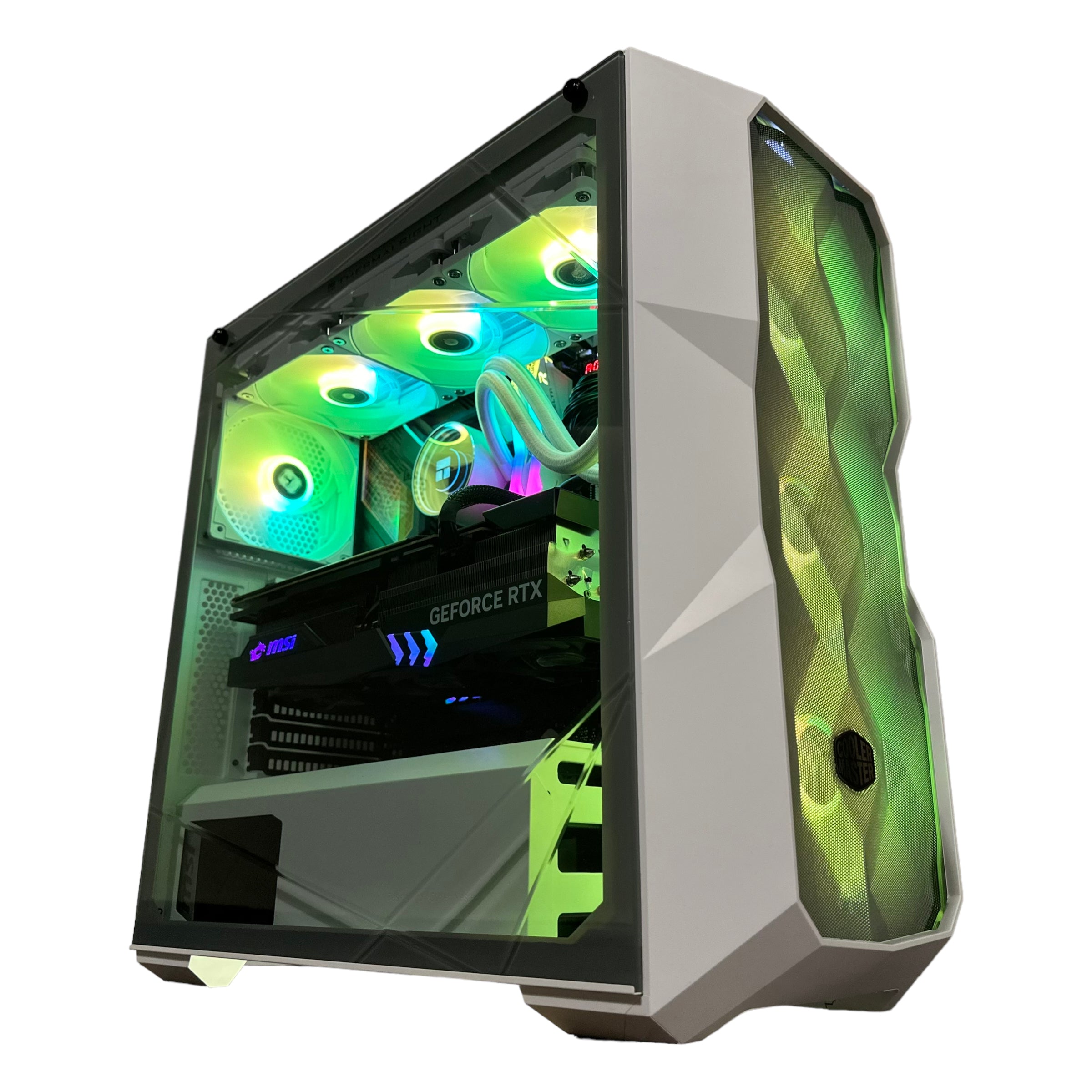
A good custom build should match your real use case, not force you into a generic one-size-fits-all spec sheet. At Groovy Computers, that means looking at your gaming goals, your software needs, your future upgrade path, and your budget in Canadian dollars before locking in a build.
What gaming performance tier fits you best?
One of the easiest ways to choose a new system is to work backward from the experience you want. Not every buyer needs the same class of machine, and not every “upgrade” is actually good value.
Entry-level to value-focused gaming: Is 1080p your target?
If you mainly want solid 1080p gaming in modern titles with strong settings and dependable smoothness, a value-oriented system can still make a lot of sense. This is often the sweet spot for buyers asking questions like, How much should I spend on a gaming PC? or Can a budget gaming PC play new games well?
This category is especially strong for players who focus on older Resident Evil titles, remasters, indie horror, esports, or a mixed library where not every game is cutting-edge. It is also useful for students, first-time desktop buyers, and anyone coming from console who wants a better long-term platform.
But be honest with yourself: if you already know you care about ultra settings, ray tracing, future AAA releases, and content capture, going too cheap can mean upgrading again sooner than you want.
Mid-range gaming: Do you want 1440p without regrets?
For many Canadian buyers, 1440p is the smartest long-term target. A strong mid-range to upper-mid-range build often delivers the best balance of image quality, frame rate, and lifespan. If you are asking What PC do I need for 1440p gaming? this is usually the range worth serious attention.
Why? Because cinematic horror games, story-driven action titles, and modern open-world releases all benefit from stronger GPUs, better CPUs, more RAM, and faster SSD storage. A balanced 1440p-focused build can also handle streaming, multitasking, and creator work much better than an entry system.
This is often the ideal category for buyers who want one PC for gaming at night, streaming on weekends, editing clips after sessions, and still having enough performance left for everyday work.
High-end gaming: Are you chasing 4K, ray tracing, and maximum longevity?
If your target is premium visual quality, high refresh gaming at 1440p or 4K, heavier ray tracing use, and strong future-proofing, then a high-end build becomes easier to justify. This is where the difference between “it runs” and “it feels incredible” becomes obvious.
Do you want a system that stays relevant longer as game demands increase? Do you hate the idea of turning settings down after only a year or two? Do you plan to pair gaming with professional-grade editing or rendering? Then a premium build may be the better value over time, even if the upfront price is higher.
Are you only gaming, or are you also streaming and creating content?
That may be the single most important buying question in 2026-style PC shopping. A lot of customers start by searching for a gaming machine, but what they really need is a content creation PC Canada buyers can use for multiple workloads without compromise.
If you plan to stream horror games, record footage, and edit highlight videos, your PC has to do more than push frames in a single title. It needs enough CPU performance for background tasks, enough GPU power for smooth gameplay and encoder support, enough RAM for multitasking, and fast SSD storage for recordings and project files.
Ask yourself:
- Will you stream with OBS while gaming?
- Will you edit 1080p or 4K footage afterward?
- Do you use Premiere Pro, DaVinci Resolve, CapCut, or After Effects?
- Are you posting regularly enough that export times matter?
- Would more RAM and faster storage save you time every week?
If the answer is yes, then buying only for gaming can leave performance on the table where you actually need it most.
Could a Resident Evil moment push you toward a better creator or streaming setup?
Absolutely. Horror content performs well because it is reactive, visual, suspenseful, and easy to share in clips. If a renewed Resident Evil cycle has you thinking about starting a channel, returning to streaming, or improving your upload quality, this may be the right time to choose a machine that supports both play and production.
A strong streaming PC Canada buyers can rely on should be able to handle gameplay, voice chat, overlays, browser tabs, capture tools, and recording without turning your session into a stutter-fest. And if you are serious about editing, a proper Video Editing PC Canada setup can make a huge difference in export speed, timeline fluidity, and overall workflow comfort.
That does not mean everyone needs a massive workstation. It means your build should reflect your actual routine.
What if you also edit photos, design graphics, or manage content for work?
This is another area where a custom system wins. Maybe Resident Evil hype brings you in through gaming, but your day job or side hustle involves Adobe Creative Cloud, social media graphics, podcast editing, Lightroom batches, or high-resolution Photoshop work. In that case, your best setup may not be a pure gaming rig at all.
You may need a hybrid machine that handles:
- Gaming at 1080p or 1440p
- Photoshop and Lightroom performance
- Illustrator, InDesign, or Canva workflows
- Fast SSD access for large files
- Enough RAM to avoid slowdown during multitasking
- Quiet cooling for longer editing sessions
If that sounds familiar, the smarter question is not just What gaming PC do I need? It is What PC do I need for gaming plus content creation without needing another upgrade too soon?
Do you need a workstation for 3D modeling, rendering, or Unreal Engine work?
Some readers will connect this trailer buzz to something even more demanding: building game-inspired scenes, horror environments, cinematic renders, or assets for indie development. If you work in Blender, Unreal Engine, Maya, Cinema 4D, ZBrush, Revit, or CAD-adjacent software, your needs are different from standard gaming buyers.
A proper 3D Modeling PC Canada or Workstation PC Canada build should be selected around rendering behaviour, viewport performance, memory requirements, software acceleration, and long-session stability. More cores, more RAM, stronger GPUs, and dependable cooling all matter here.
So ask yourself: are you buying for games only, or are you also creating the worlds you want to explore?
Why Canadian buyers should think carefully about timing
Canadian PC shoppers have to think beyond raw specs. System pricing is affected by GPU demand, memory fluctuations, SSD pricing pressure, shipping costs, and release-cycle hype. When gaming interest spikes around major franchise moments, demand can tighten quickly in specific performance categories.
That does not mean panic-buying is smart. It does mean waiting indefinitely is not always the money-saving move people assume it is.
If you already know your current PC is behind, what are you waiting for? A major game launch? Back-to-school demand? Holiday stock pressure? Another wave of price changes on GPUs or storage? A software update that makes your editing workflow even heavier?
Many buyers end up spending more by delaying too long, especially if they settle for a weaker system now and need to replace or overhaul it earlier than expected.
Is it better to buy now or wait?
This depends on your current system, your use case, and your tolerance for compromise.
If your machine already struggles with newer games, slow exports, poor multitasking, or limited storage, waiting may cost you more in lost performance than it saves you in dollars. If you are about to enter a busy gaming season, content schedule, school term, or work cycle, a delayed purchase can be especially frustrating.
On the other hand, if your current PC still comfortably handles everything you do and you have no real pressure point, planning carefully is reasonable. The key is not to wait by default. The key is to decide based on what you actually need the machine to do next.
A better question is this: Will waiting improve your buying position, or will it simply postpone a purchase you already know you need?
Should you choose a cheaper PC now or finance a stronger one?
This is one of the most practical questions a buyer can ask. If your ideal build is clearly above your immediate comfort zone, choosing a weaker machine just to reduce the upfront hit can create a false economy. That is especially true if you game, stream, edit, or multitask enough to outgrow the system quickly.
For some buyers, financing helps secure the right build sooner instead of compromising on GPU tier, RAM capacity, storage, or CPU performance. A stronger machine can last longer, perform better under pressure, and save money on near-term upgrades. Groovy Computers offers financing options up to 4 years, which can make it easier to step into a more capable system before replacement costs climb or your current PC becomes a bigger bottleneck.
So ask yourself honestly: Should I buy a cheaper PC that I may regret, or finance a better one that fits my real needs?
How do custom builds help more than generic prebuilts?
When interest rises around visually demanding franchises like Resident Evil, many buyers rush toward whatever prebuilt seems available. But generic systems often cut corners in places that matter: cooling, motherboard quality, power supply quality, memory configuration, storage choices, airflow, or upgrade path.
A custom build gives you control over the system’s purpose. That matters whether you are buying for horror gaming, 1440p performance, 4K aspirations, OBS streaming, 4K video editing, or Blender rendering.
With a custom approach, you can prioritize:
- The right GPU class for your monitor and game goals
- The right CPU balance for gaming and productivity
- The right amount of RAM for current and future workloads
- Fast NVMe SSD storage for load times, recording, and project work
- Cooling and airflow that support long-term reliability
- A cleaner upgrade path instead of a dead-end purchase
That is especially important if you want a machine that handles more than one role well.
Which buyer type are you?
Budget-conscious gamer
You want smooth modern gaming and good value, and you are willing to prioritize 1080p over maxed-out visual effects. You may be searching for a first desktop or a practical step up from older hardware.
Balanced gamer and streamer
You want 1440p-friendly performance, stronger multitasking, good recording quality, and enough overhead for OBS, Discord, browsers, and background apps. This is one of the most common sweet spots.
Premium enthusiast
You want strong visual settings, ray tracing capability, high refresh support, and more years before your next major upgrade. You are buying for experience and longevity, not only minimum function.
Creator-first hybrid user
You game, but you also edit videos, create graphics, manage social content, or work in Adobe tools. Your machine needs to save time as much as it needs to deliver frame rate.
3D or workstation user
You need a system built for rendering, modeling, simulation, game development, or heavy productivity. Gaming may still matter, but professional stability matters more.
What specs should you think about before buying?
You do not need to memorize every component generation to make a smart decision, but you should think about buying in terms of outcomes.
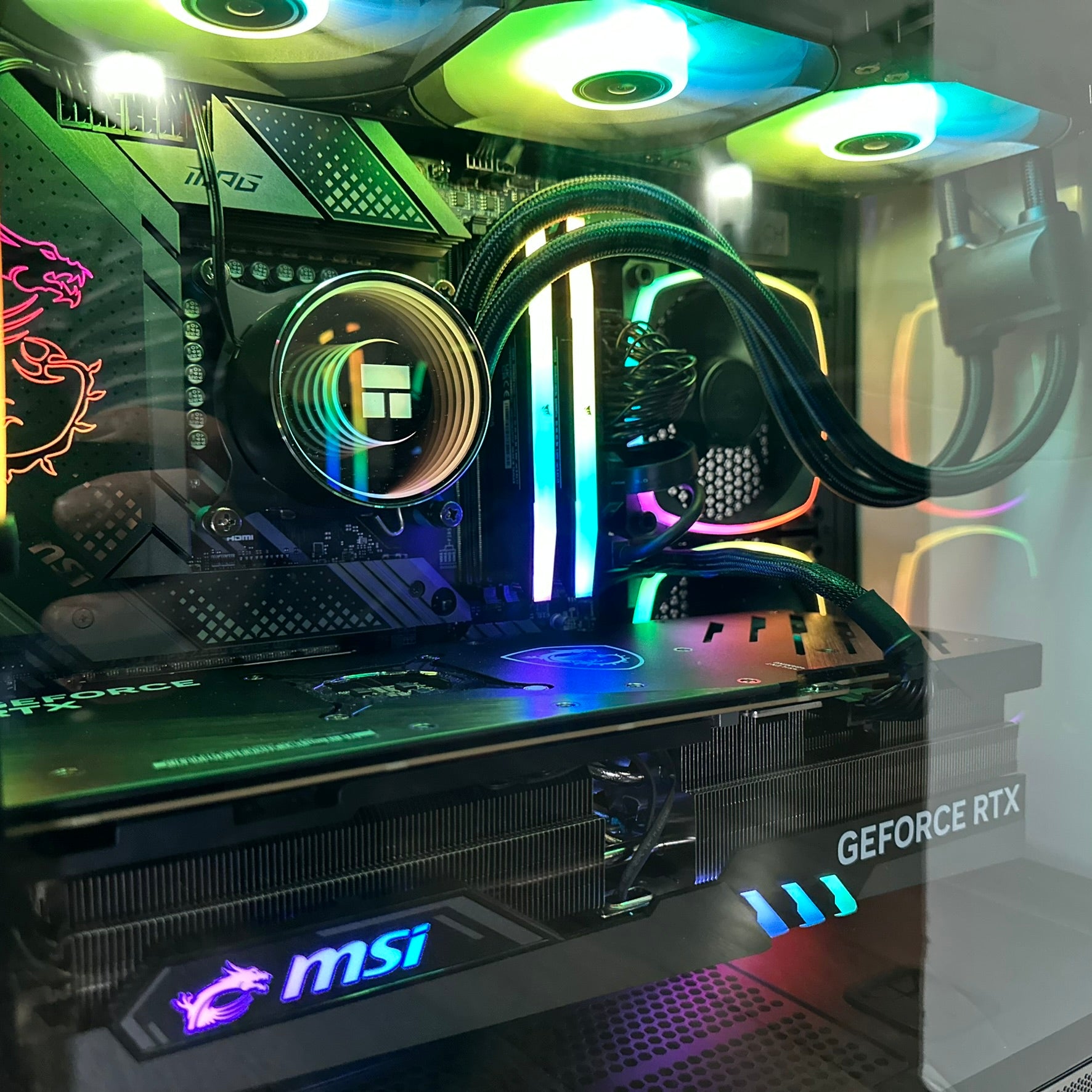
- GPU: Most important for gaming resolution, visual settings, ray tracing, and many creator workloads.
- CPU: Important for overall responsiveness, simulation-heavy games, streaming support, editing, and workstation tasks.
- RAM: Critical for multitasking, content creation, large projects, and keeping the system comfortable over time.
- SSD storage: Impacts game load times, file transfers, editing media access, and day-to-day responsiveness.
- Cooling and airflow: Important for noise control, sustained performance, and long-term stability.
- Power supply and board quality: Often overlooked, but essential for reliability and upgrade confidence.
If you are unsure where your money should go first, that is exactly where a guided custom-build conversation helps.
Why does testing and warranty support matter more when you are spending serious money?
Because performance is not only about parts on paper. It is also about whether the system has been assembled carefully, stress-tested properly, and configured for dependable daily use. When you are investing in a new gaming, creator, or workstation PC, the last thing you want is uncertainty.
Groovy Computers positions itself around custom-built systems, rigorous testing, and a 1-year warranty, which gives Canadian buyers more confidence than rolling the dice on an unknown machine. That matters when your PC is not just for entertainment but for school, work, content, or business output too.
Why Groovy Computers makes sense for Canadian buyers
Groovy Computers speaks to the exact buyer this moment creates: someone excited by gaming and entertainment trends, but also practical enough to want a machine that fits real-world use. Whether you need a horror-ready gaming setup, a balanced gaming-and-streaming rig, a creator desktop, or a heavier-duty workstation, the value is in getting the system matched to your goals instead of guessing.
For shoppers in Nova Scotia and across Canada, that means access to a Canadian custom PC builder focused on real support, clear build logic, financing flexibility, and systems designed around your workloads. If you are in Trenton, New Glasgow, Halifax, Atlantic Canada, or ordering from elsewhere in the country, the same core buying question applies: do you want a generic PC, or do you want a system selected for how you actually play and work?
Ready for the next scare, stream, or project?
The Resident Evil trailer may be selling atmosphere, panic, and a trip into Raccoon City, but for PC buyers it is also a reminder that big entertainment moments often lead to bigger hardware decisions. If your current machine is already struggling, the smartest move may not be waiting for the next excuse to upgrade. It may be choosing the right system now.
Do you want your next PC to handle 1080p gaming on a budget, 1440p performance with room to grow, 4K and ray tracing, streaming and editing, Adobe workloads, or 3D production? Do you want to avoid buying too weak and upgrading again too soon? Do you want help comparing a gaming desktop to a creator or workstation build? If so, the next step is simple: visit GroovyComputers.ca and explore a custom PC that fits what you actually need.
In short, the Resident Evil trailer is more than movie hype. It is a useful trigger for a smarter hardware conversation. If you want a PC that is ready for modern horror games, future AAA releases, streaming, editing, or creative work in Canada, this is the time to choose carefully, buy deliberately, and build for the experience you actually want.
#ResidentEvilTrailer #GamingPCCanada #CustomPCCanada #GamingPCForNewGames #StreamingPCCanada #VideoEditingPCCanada #ContentCreationPCCanada #3DModelingPCCanada #CustomPCBuilderCanada #CanadianGamingPC
Groovy Computers | All Rights Reserved


Leave a comment
This site is protected by hCaptcha and the hCaptcha Privacy Policy and Terms of Service apply.