





Physical Game Releases Still Matter: What Canadian Buyers Should Learn Before Choosing a Custom Gaming PC
The latest debate around physical game releases is bigger than nostalgia. When a major game industry veteran says companies should provide physical copies if players want them, it highlights a much larger shift in how people buy, access, store, and experience games. For Canadian buyers, this is not just a conversation about discs versus downloads. It is also a buying guide moment. If game ownership is changing, if download-first gaming is becoming more common, and if major releases are arriving with bigger file sizes and heavier hardware demands, what should your next PC actually be built to do?
That is where the conversation becomes practical. Are you shopping for a Gaming PC Canada buyers can rely on for blockbuster releases? Do you want a system that can handle open-world games, fast storage, high refresh rate esports play, streaming, editing, or all of it at once? Are you trying to avoid buying a weak machine now only to upgrade too soon later? These are the questions that matter most.
At Groovy Computers, we see this kind of industry news as a signal. It tells buyers that gaming is continuing to move toward larger digital ecosystems, bigger patches, heavier installs, and more demanding performance expectations. That makes custom build planning more important, not less. A properly matched system can save frustration, extend useful lifespan, and give you more confidence whether you are gaming at 1080p, moving into 1440p, targeting 4K, or balancing gaming with creative work.
What the Physical Media Debate Really Means for PC Buyers in Canada
The headline issue is simple: many players still value physical media, even as publishers and platforms push further into digital delivery. Some people love collecting. Some want a shelf copy. Some care about preservation. Others just like the feeling of owning something tangible. But beneath that, there is another truth: modern gaming increasingly depends on digital infrastructure whether you buy physical media or not.
Even when a boxed product exists, players often still face large downloads, day-one patches, launcher updates, driver updates, shader compilation, cloud saves, and ongoing content installs. So what does that mean when you are buying a gaming desktop in Canada? It means the old idea of choosing a system based only on whether a game launches is not enough anymore. You also need to think about storage speed, usable SSD capacity, CPU responsiveness, background multitasking, and how your system will hold up as new releases grow more demanding.
If a major release arrives and needs massive install space, do you have enough fast storage? If a game gets post-launch updates for years, will your current CPU and GPU still feel good six months from now? If you move from single-player gaming into streaming or recording, will your build still make sense?
Those are the real buyer questions behind the physical-versus-digital conversation.
Why This Matters Even More for a Canadian Custom Gaming PC Buyer
Canadian shoppers often have to think differently than buyers in larger markets. Shipping, availability, regional stock swings, and replacement costs can affect timing. When a component category tightens up, the impact can be felt quickly across custom builds, especially for popular gaming GPUs, premium CPUs, larger RAM kits, and higher-capacity SSDs.
That is why it helps to buy with a longer view. A weak build may seem cheaper in the moment, but if it forces an early GPU swap, storage upgrade, memory upgrade, or platform rebuild, the long-term value disappears fast. For many buyers, the smarter move is choosing a balanced custom system now that is ready for the way games are actually being delivered and played.
Are you buying before a major game launch? Before another round of hardware demand pressure? Before your old system becomes frustrating in day-to-day use? If yes, timing matters. A custom build should not just meet today’s needs. It should fit the next few years of gaming and workload reality.
What Do You Want Your Next PC to Do for You?
This is the most important question in the entire buying process. Not what looks good on a spec sheet. Not what someone else bought. What do you need your next PC to handle?
Do you want to play new AAA releases smoothly at 1080p with strong settings? Are you aiming for 1440p with higher detail and better longevity? Do you want a premium machine for 4K gaming and ray tracing? Do you need to stream gameplay to Twitch or YouTube while keeping frame rates stable? Are you editing videos, designing graphics, retouching photos, or building 3D scenes in Blender or Unreal Engine after gaming hours?
The right answer changes the right build category.
- Gaming-focused buyer: prioritize GPU tier, CPU balance, cooling, and fast SSD storage.
- Gaming and streaming buyer: add stronger multitasking performance, more RAM, and encoder-friendly GPU selection.
- Video editor or content creator: focus on CPU strength, RAM capacity, storage layout, GPU acceleration, and workflow reliability.
- Photo editor or graphic designer: prioritize responsiveness, RAM, fast scratch storage, and display-ready performance.
- 3D modeling or workstation user: think beyond gaming and choose a system built for rendering, scene handling, simulation, and sustained heavy loads.
If you are not sure where you fit, that is exactly why custom PC guidance matters.
If Games Are Becoming More Digital, What Hardware Matters Most?
When players shift toward digital libraries and larger installs, several PC parts matter more than many buyers expect.
1. SSD Capacity and Speed
Modern games are large, and they are not getting smaller. Add operating system files, launchers, captures, clips, mods, creative software, and media files, and a small drive fills quickly. A fast NVMe SSD improves load times, file movement, install responsiveness, and overall system feel.
Ask yourself: do you want to juggle installs every few weeks, or would you rather have enough room for your regular rotation of games and apps? If you play multiple large titles, record gameplay, or edit content, more storage is often the smarter buy up front.
2. GPU Tier
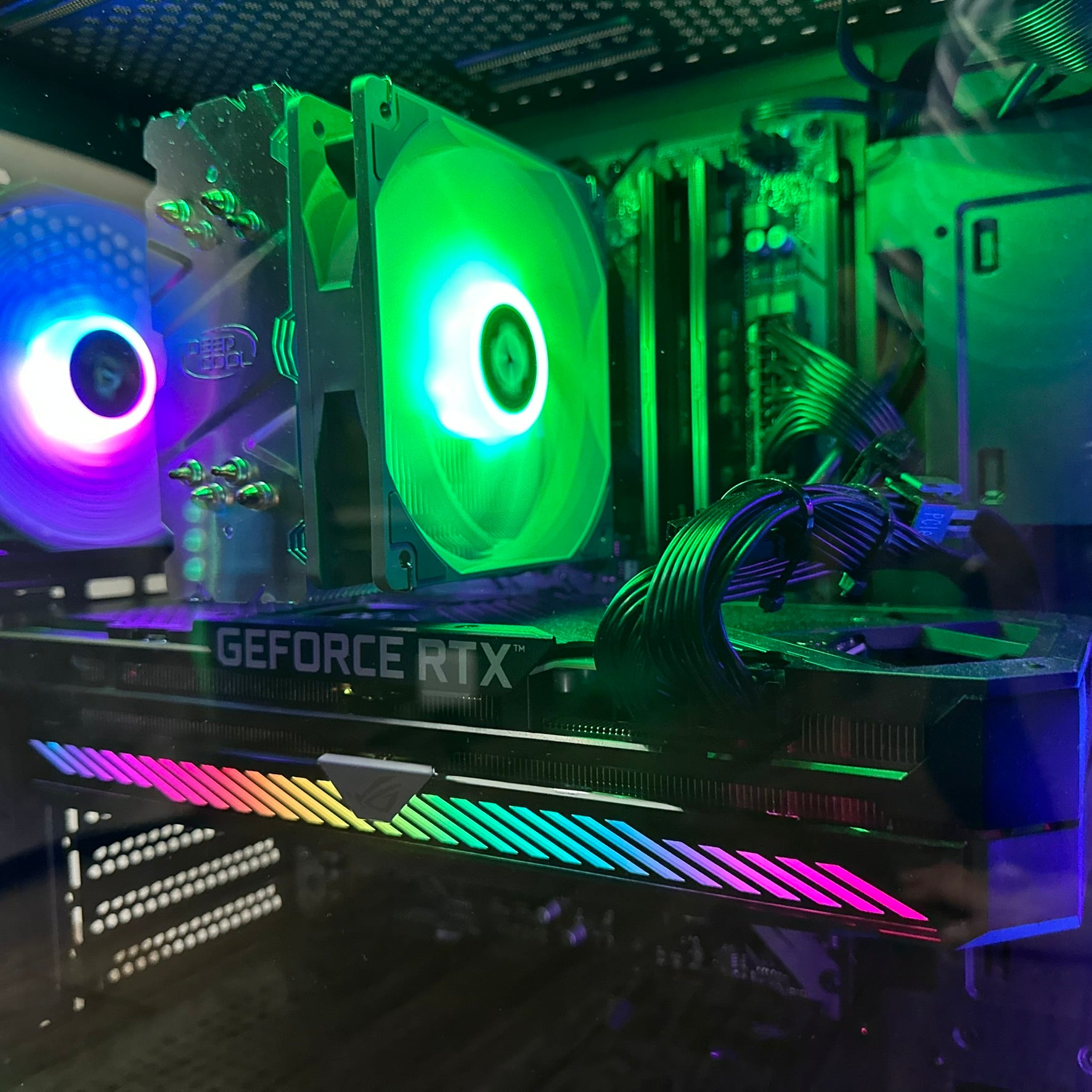
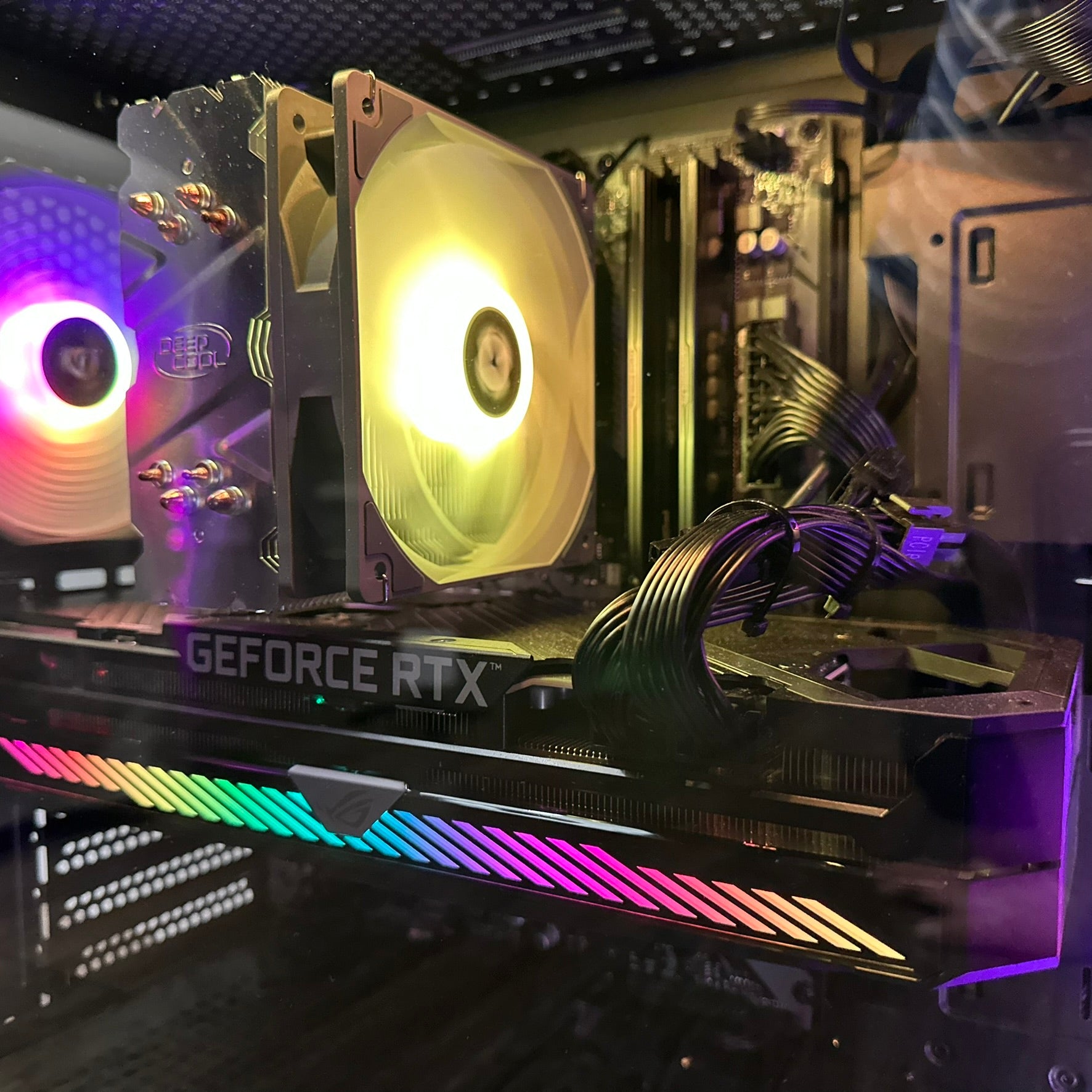
If you care about visual quality, high FPS, ray tracing, or future game readiness, your graphics card matters enormously. A budget GPU may be enough for lighter esports titles, but a stronger card gives you more flexibility for newer releases, higher resolutions, and better settings without needing an upgrade too soon.
Are you planning around esports games only, or are you buying a Gaming PC for New Games that should still feel strong when the next open-world giant arrives?
3. CPU Balance
Many buyers underestimate CPU importance because GPU marketing gets more attention. But CPU choice affects frame consistency, open-world streaming, background tasks, simulation-heavy games, creator workflows, and streaming performance. A balanced CPU prevents your graphics card from being held back and helps the whole machine feel faster over time.
4. RAM Capacity
For modern gaming, multitasking, browser-heavy use, streaming tools, Discord, game launchers, and creative apps, RAM matters. If you are also editing video, using Adobe apps, working with large photos, or opening 3D assets, RAM becomes even more critical.
Would 16GB work for your current habits? Probably for some users. But if you already multitask heavily or want better headroom, 32GB often makes more long-term sense. For advanced editing, rendering, and workstation use, 64GB or more may be the better target.
5. Cooling and Build Quality
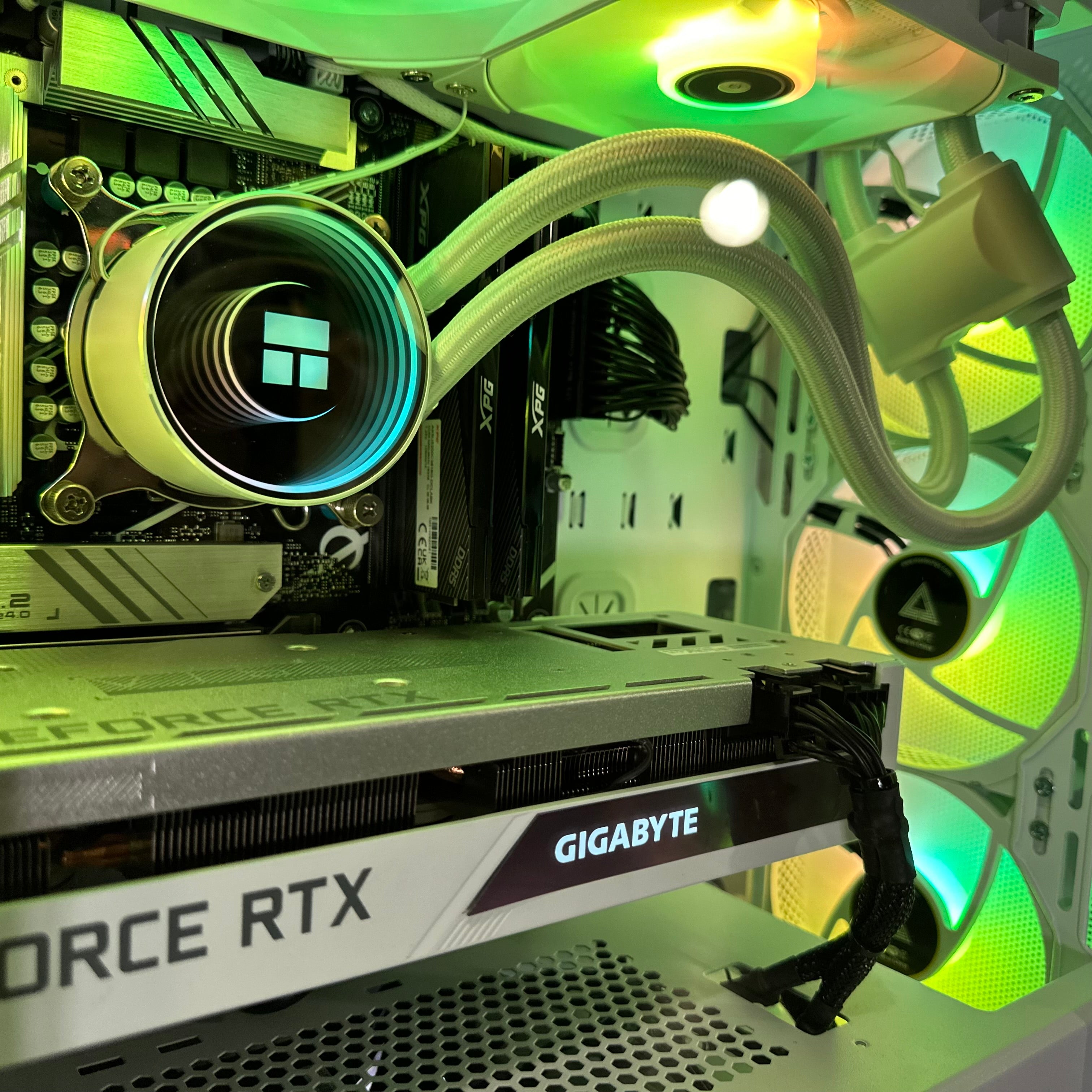
Big games and sustained workloads generate heat. Good cooling is not cosmetic. It supports stable clocks, quieter operation, reliability, and component longevity. This matters just as much for gaming as it does for creator and workstation tasks.
What Performance Tier Fits You Best?
One of the biggest mistakes buyers make is choosing the wrong tier. Either they overspend on performance they will never use, or they buy too low and regret it quickly. So where do you fit?
Entry-Level Value Tier
This tier makes sense for buyers who want a Budget Gaming PC Canada shoppers can use for esports, lighter AAA gaming, school use, and everyday tasks. It is a good fit if your goal is mainly 1080p gaming and you are comfortable making smart settings adjustments instead of chasing ultra presets in every title.
This may be right for you if:
- You play competitive titles more than cinematic AAA games
- You want your first gaming desktop
- You have a firm budget and want the best value
- You are moving from console or an older office PC
But ask yourself honestly: are you buying for today only, or do you want room for major upcoming releases as well?
Mainstream Sweet Spot Tier
For many Canadian buyers, this is the best balance. It is ideal for 1080p ultra or 1440p gaming with stronger longevity, better multitasking, and more comfort for larger titles. If you want a system that feels meaningfully better now without jumping straight into premium pricing, this is often the smartest category.
This may be right for you if:
- You want a 1440p Gaming PC Canada buyers can enjoy for years
- You play a mix of esports and new AAA releases
- You may stream occasionally
- You want stronger SSD and RAM options from the start
- You want to avoid upgrading again too soon
High-End and Premium Tier
This tier is for buyers targeting 1440p high refresh or 4K, heavier ray tracing, premium settings, advanced streaming, or creator-grade multitasking. It is also the right tier for users who want a machine that stays relevant longer under rising game demands.
This may be right for you if:
- You want a 4K Gaming PC Canada gamers can count on for high detail play
- You care about ultra settings and stronger future-proofing
- You stream regularly or record high-quality gameplay
- You also edit video, create content, or work with demanding software
- You want premium cooling, cleaner cable management, and stronger long-term value
What PC Do You Need for 1080p, 1440p, or 4K Gaming?
This question comes up constantly, and it should. Resolution targets affect almost every major buying decision.
1080p Gaming
If you mainly want smooth 1080p gameplay, especially in esports and lighter AAA titles, you can often stay in a lower price bracket. The key is balance. You still want enough CPU and storage headroom so the machine feels good across modern games and daily use.
Good question to ask: are you choosing 1080p because it fits your monitor, or because you are trying to keep the budget down? If you plan to upgrade your display later, building too low now may cost more overall.
1440p Gaming
For many buyers, 1440p is the real sweet spot. It delivers a visible jump in image quality while remaining more achievable than 4K for long-term value. If you want sharper visuals, stronger immersion, and a premium-feeling upgrade without going all the way to flagship territory, this is often the best answer.
Ask yourself: do you want a PC that merely runs new games, or one that actually lets you enjoy them at the level your monitor deserves?
4K Gaming
4K is where hardware selection becomes much more serious. If you want strong frame rates at high settings, especially in modern cinematic games, you need a premium GPU and a balanced supporting platform. This is not the tier to cut corners.
Are you buying 4K performance because you truly use it, or because you want the longest runway before your next full system replacement? Both are valid reasons, but they point to different budget decisions.
Are You Only Gaming, or Do You Also Want to Stream, Edit, and Create?
This is where many buyers underbuild. A PC that feels fine for gaming alone can become limiting once you add OBS, browser sources, webcams, editing software, Photoshop, Lightroom, or audio tools. If your system is really a multi-purpose machine, it should be planned that way from the start.
Gaming and Streaming
If you want a Streaming PC Canada customers can use for gameplay plus live broadcasting, you need enough CPU strength, RAM, and GPU capability to keep the experience smooth. Storage also matters if you save local recordings. Encoder support, cooling, and USB connectivity become more important too.
What PC do you need for streaming if you game competitively? Usually something stronger than a basic gaming tower. Why? Because dropped frames, stutter, or overloaded background tasks can ruin the experience fast.
Video Editing and Content Creation
If you edit YouTube videos, social clips, podcasts, or commercial content, your system should not be chosen like a pure gaming machine. A proper Video Editing PC Canada creators can rely on needs strong multicore performance, enough RAM, fast scratch storage, and a GPU that helps with effects, playback, and exports where supported.
Do you work in Adobe Premiere Pro, DaVinci Resolve, After Effects, or CapCut? Are you cutting 1080p footage, 4K timelines, or heavier multicam projects? Do you want faster exports, smoother playback, and less waiting between revisions? If yes, a creator-focused custom build is usually the smarter category.
Photo Editing and Graphic Design
For photographers and designers, responsiveness matters. A custom Photo Editing PC Canada users appreciate should handle RAW workflows, layered edits, AI tools, batch exports, and multitasking without slowing down. A strong Graphic Design PC Canada build should also support Adobe Illustrator, Photoshop, InDesign, branding workflows, and large asset libraries with ease.
Are you opening a few web graphics at a time, or managing large client projects with dozens of files and multiple Adobe apps running together? That difference changes the ideal build.
3D Modeling, Rendering, and Workstation Use
If your workload includes Blender, Unreal Engine, CAD, animation, rendering, simulation, or product visualization, your machine needs a workstation mindset. Gaming power helps, but workstation planning goes further. CPU behavior under load, RAM capacity, cooling, and GPU acceleration all become much more important.
What PC do you need for Blender? What PC do you need for Unreal Engine? If those are your real questions, do not settle for a generic gaming desktop. You need a machine designed for sustained professional workloads.
Is It Better to Buy a Gaming PC Now or Wait?
This is one of the biggest buyer questions in Canada, and the answer depends on your situation.
If your current PC still does everything you need comfortably, waiting may be fine. But if you are already dealing with low storage, weak frame rates, long exports, noisy thermals, or constant compromises, waiting can become expensive in a different way. You lose time, enjoyment, and momentum. You may also run into worse buying conditions if component demand rises.
New game cycles, holiday demand, creator hardware interest, and GPU pressure can all affect custom build costs. RAM and SSD pricing can shift. Popular GPU tiers can become harder to source. Premium performance categories can move quickly when hype builds around major releases.
So ask yourself: are you waiting for a better opportunity, or are you simply delaying a purchase you already know you need?
Should You Finance a Better PC Instead of Buying a Cheaper One?
For many customers, this is the real decision. Not whether to buy at all, but whether to settle for a lower-tier machine or secure a stronger one that lasts longer. If stretching to the right build today saves you from a near-term upgrade cycle, financing can be the more practical choice.
A lot of buyers make the mistake of focusing only on the immediate total. But what happens if a cheaper system needs more RAM, more storage, or a GPU replacement much sooner? What happens if it struggles with the games or software you actually want to use? In many cases, paying for the right tier once is smarter than paying twice.
That is why Gaming PC Financing Canada customers look for can make sense, especially when demand shifts quickly or when your next system needs to handle both gaming and productivity. Financing up to 4 years can help you lock in a better custom build without compromising into a machine you outgrow too quickly.
Should you finance a gaming PC? If financing helps you move from “just enough” to “actually right for your needs,” the answer may be yes. The key is choosing the correct build, not just a bigger monthly number.
Why Custom PC Selection Matters More When Gaming Delivery Is Changing
When the industry shifts, generic buying advice becomes less useful. A mass-market one-size-fits-all desktop may not be built for your game library, your workflow, your resolution target, or your future upgrade plan. That is why custom systems stand out.
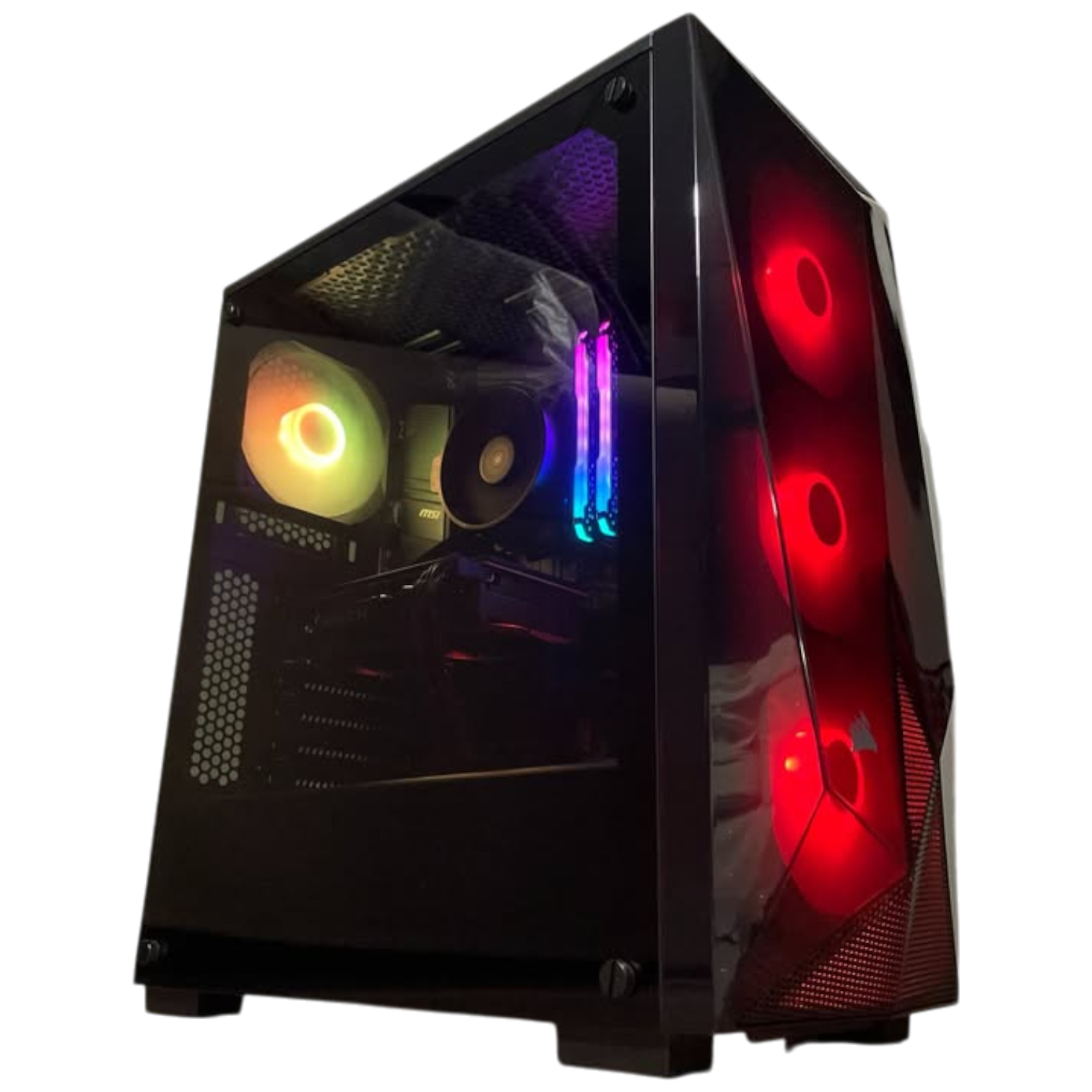
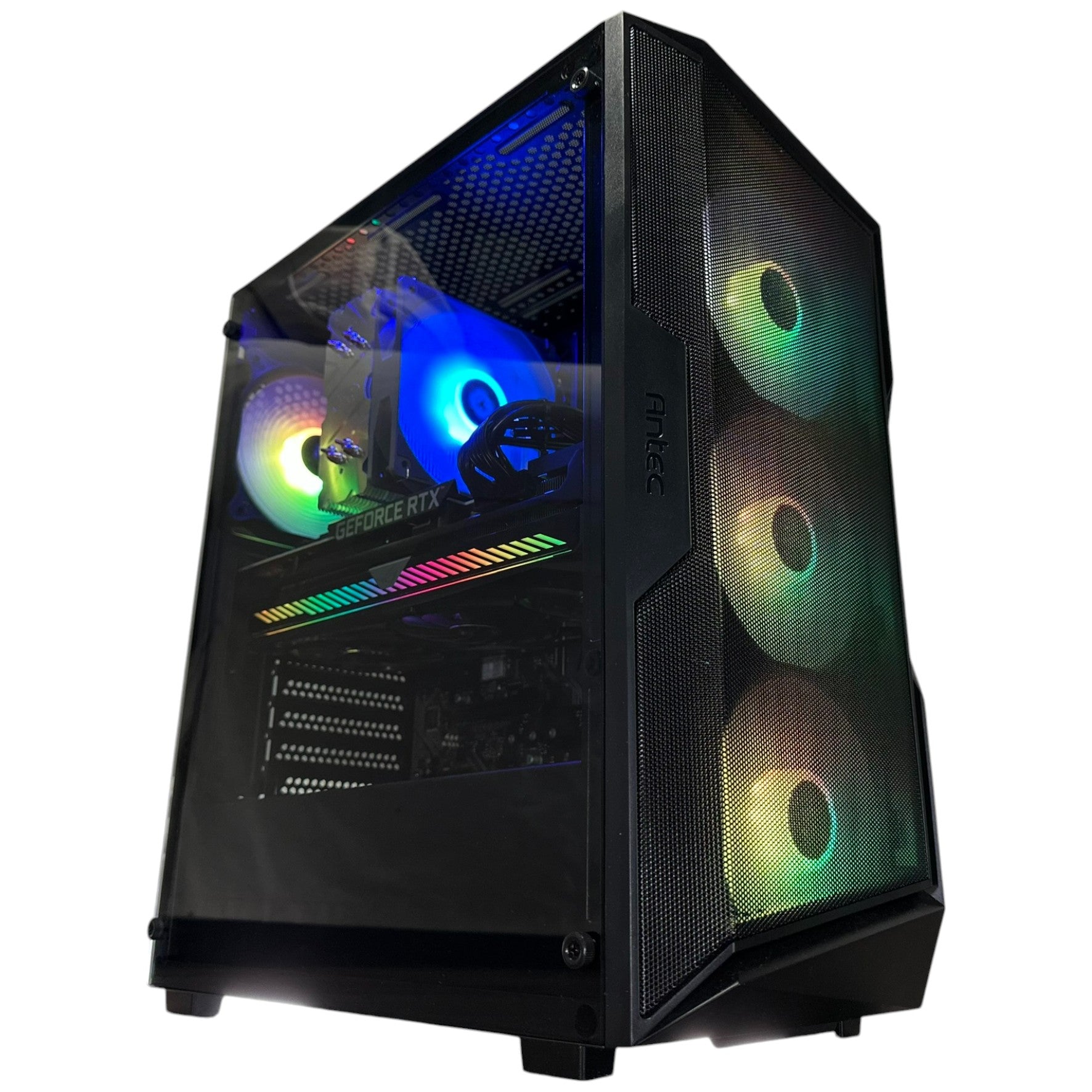
A Custom Gaming PC Canada buyers choose through an experienced builder can be matched to actual goals. That means:
- The GPU suits your target resolution and game type
- The CPU supports your frame rate goals and multitasking habits
- The RAM fits gaming, streaming, or creator workloads properly
- The storage plan matches modern install sizes and file needs
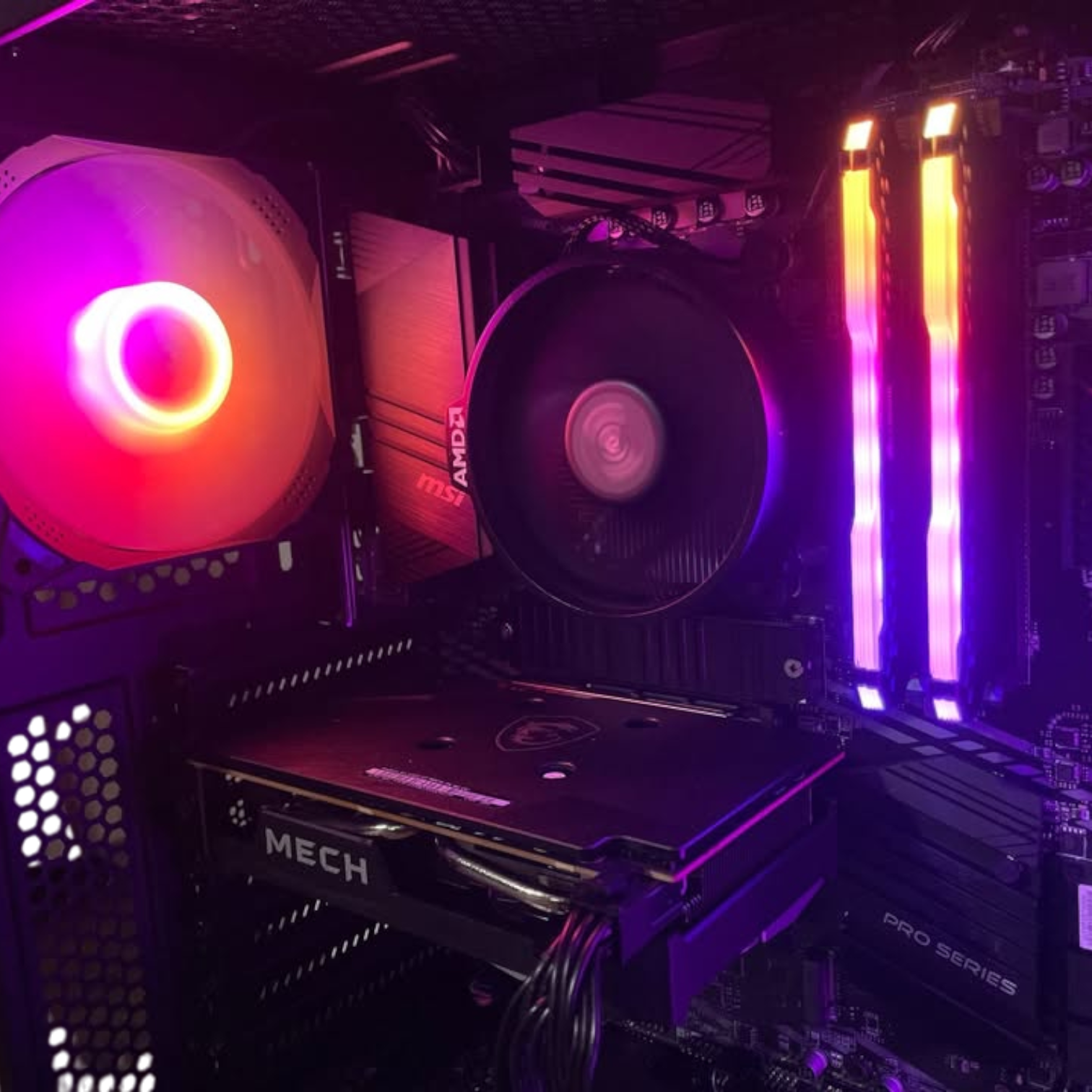
- The cooling supports long sessions and reliability
- The power supply and case choices support upgrade paths
Custom selection is also how you avoid hidden weaknesses. A build can look strong in headline specs and still be poorly balanced. Cheap cooling, weak power delivery, poor airflow, insufficient storage, or mismatched parts can all hurt the real experience.
What Questions Should You Ask Before Buying Your Next PC?
Before you buy, slow down and ask a few practical questions:
-
What do I actually play or create most often?
Do you live in competitive shooters, huge open-world games, Adobe apps, or Blender scenes? -
What resolution and settings do I want?
1080p, 1440p, or 4K changes everything. -
Will I stream, record, or edit?
If yes, your build should reflect that from day one. -
How much storage do I really need?
Not just today, but after several major installs and updates. -
Am I buying to avoid upgrading too soon?
If yes, going one tier higher may be the smart move. -
Would financing help me get the right system instead of a compromised one?
A stronger build now can be cheaper than replacing weak parts later. -
Do I want tested reliability and warranty confidence?
That matters a lot more when parts are expensive and workloads are heavy.
Why Groovy Computers Is a Strong Fit for Canadian Buyers
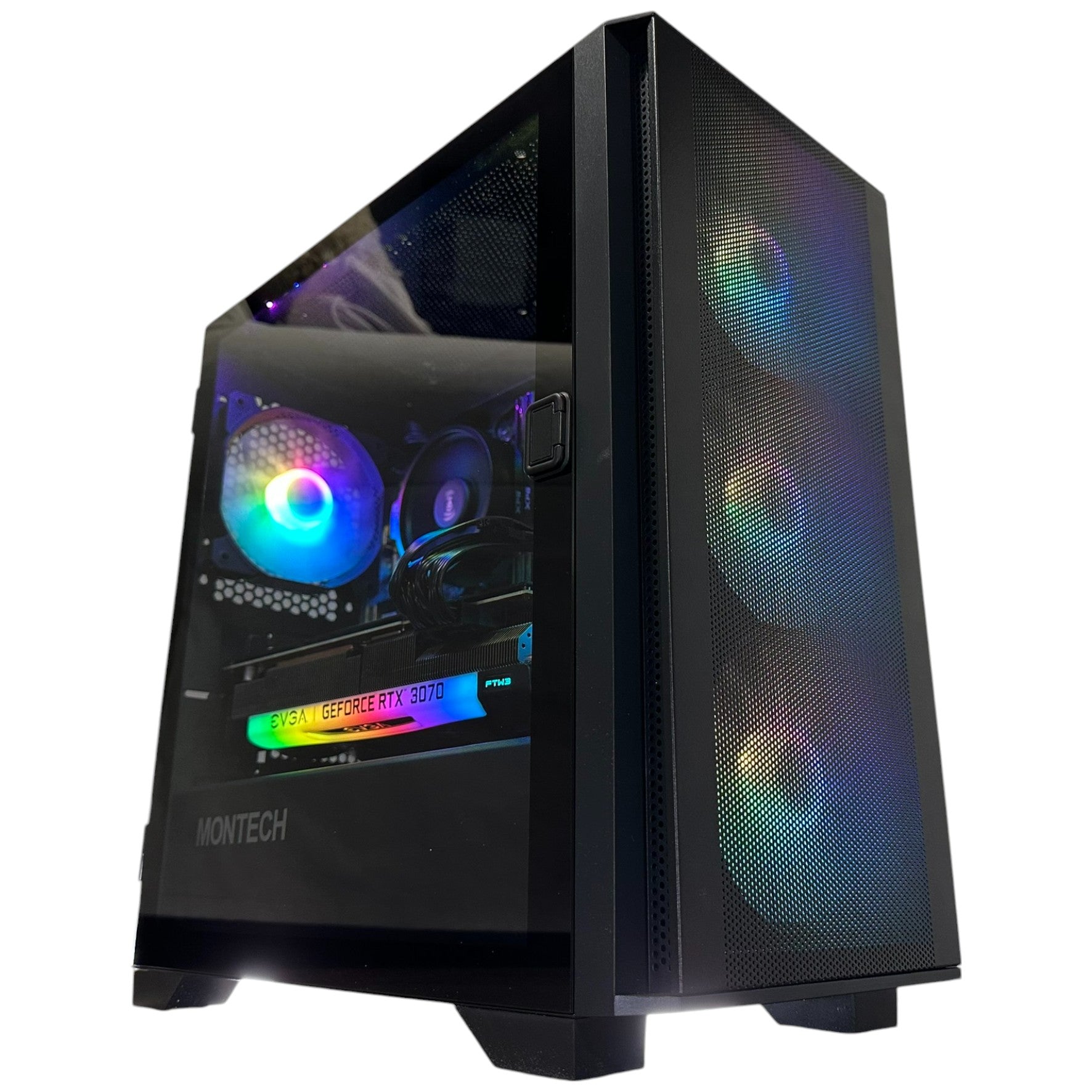
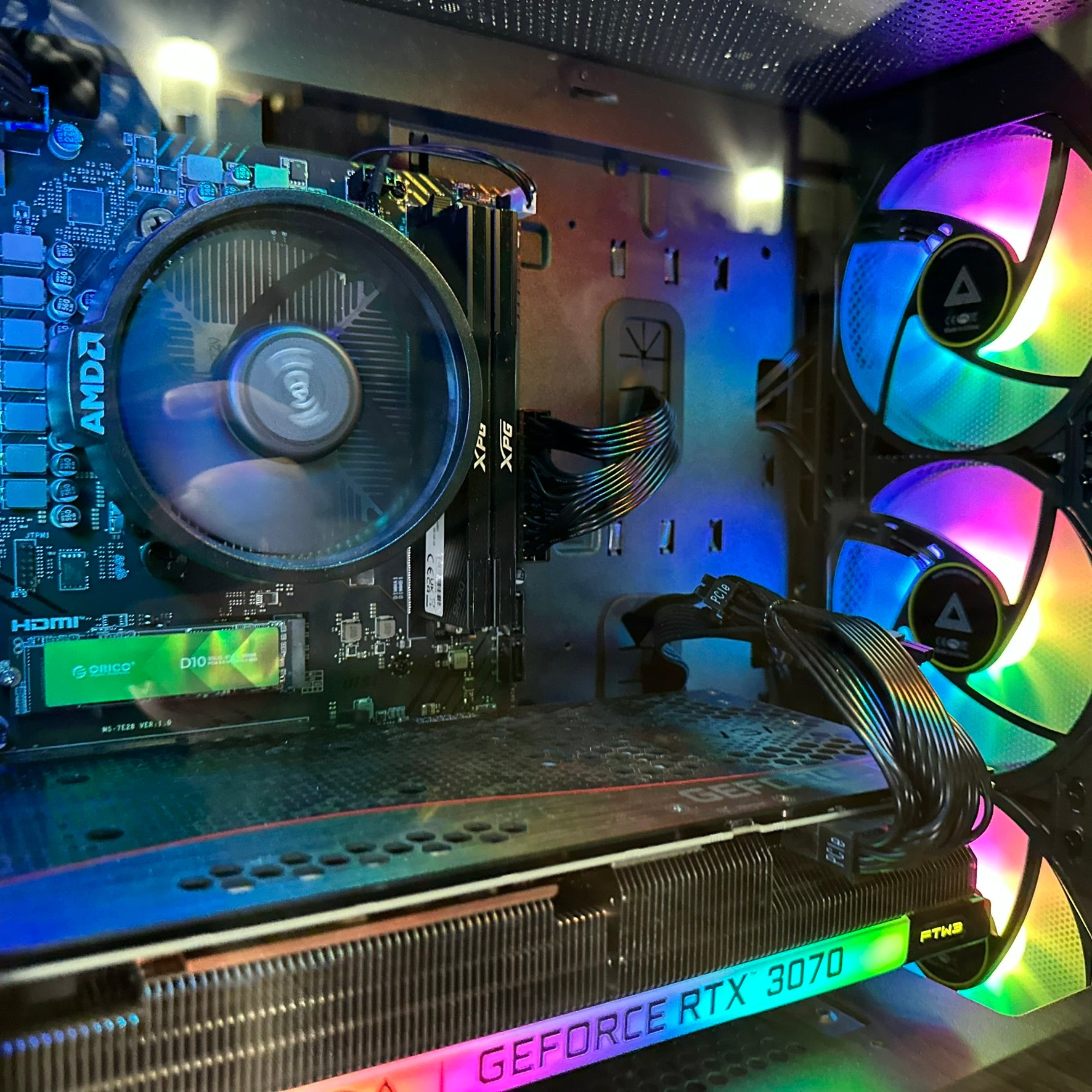
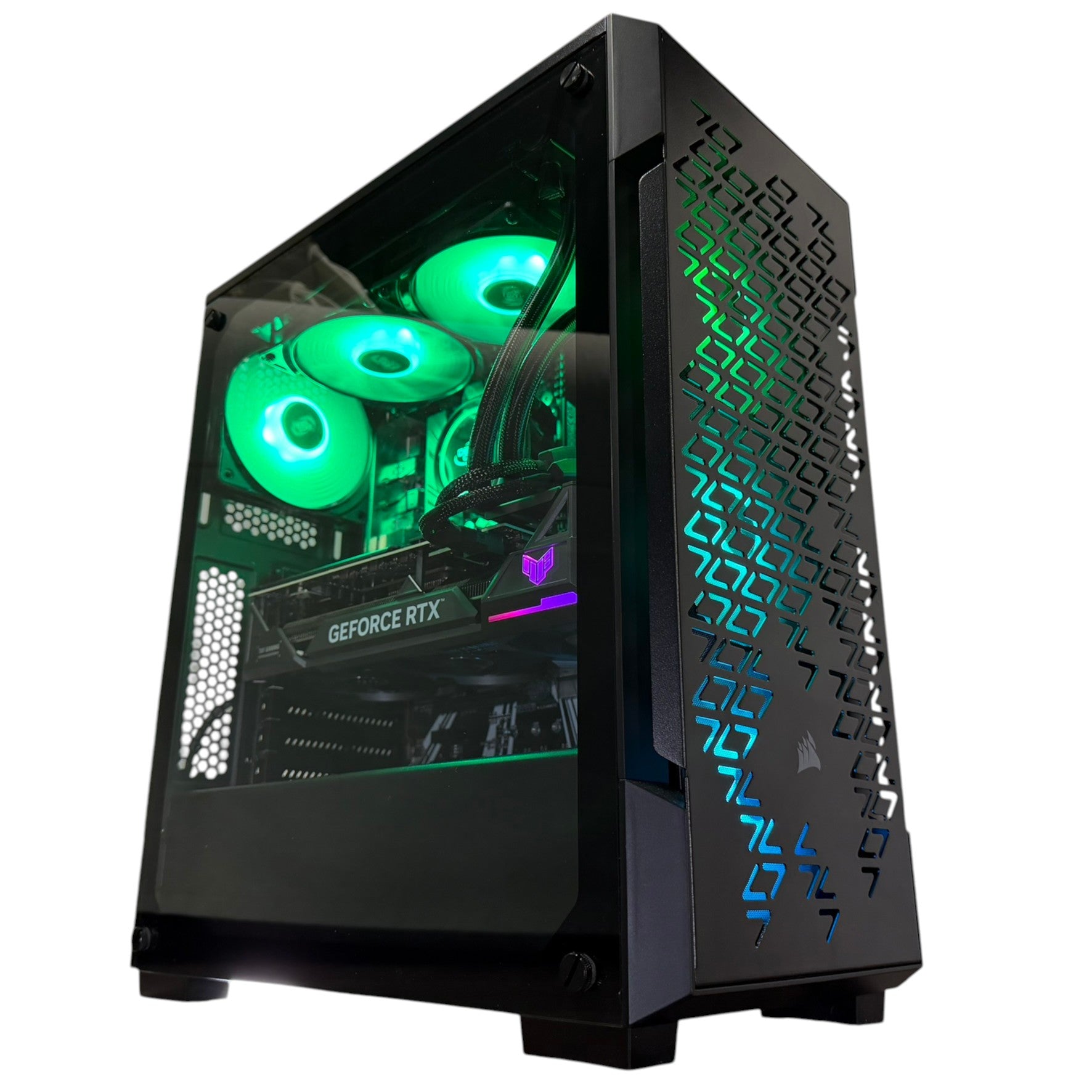
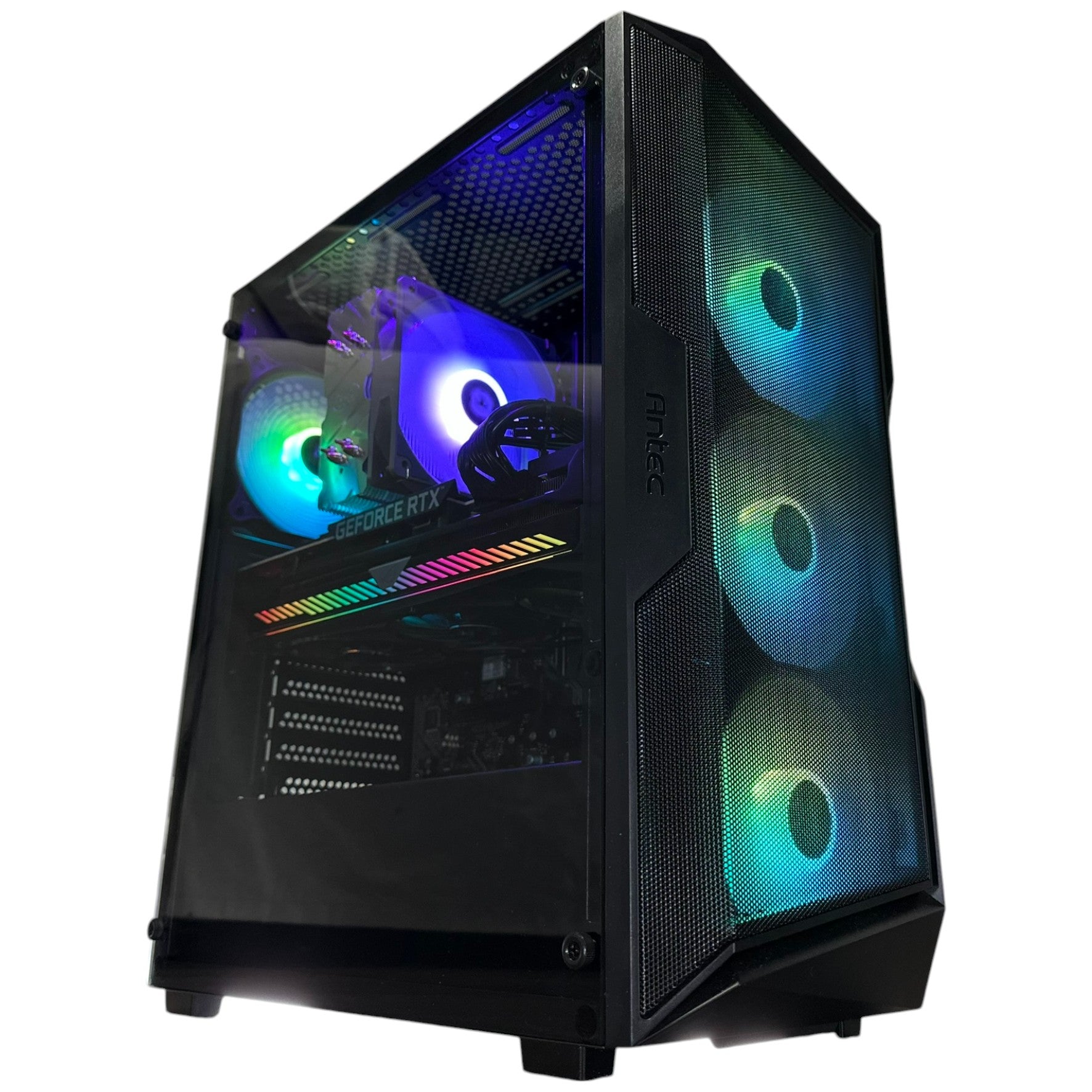
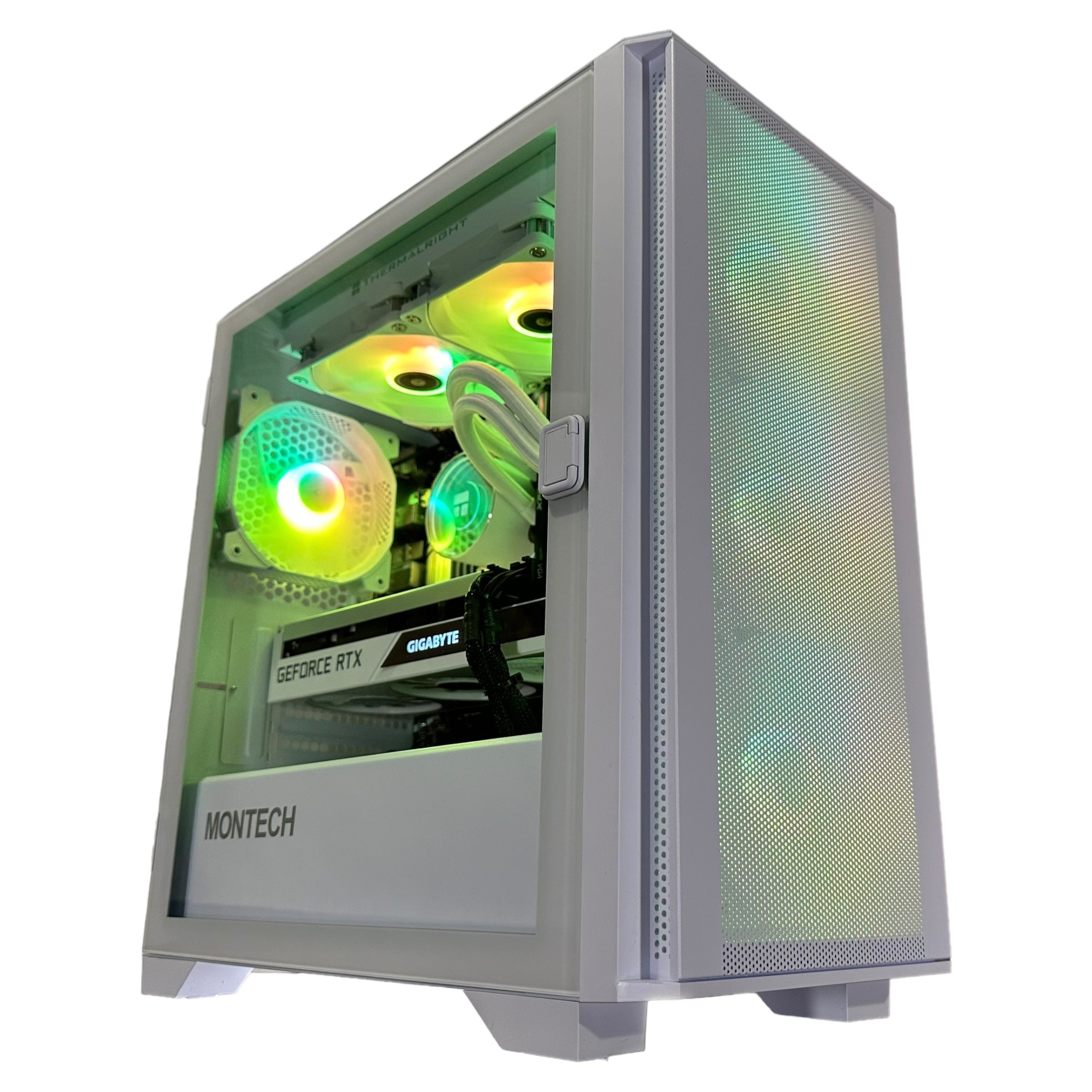
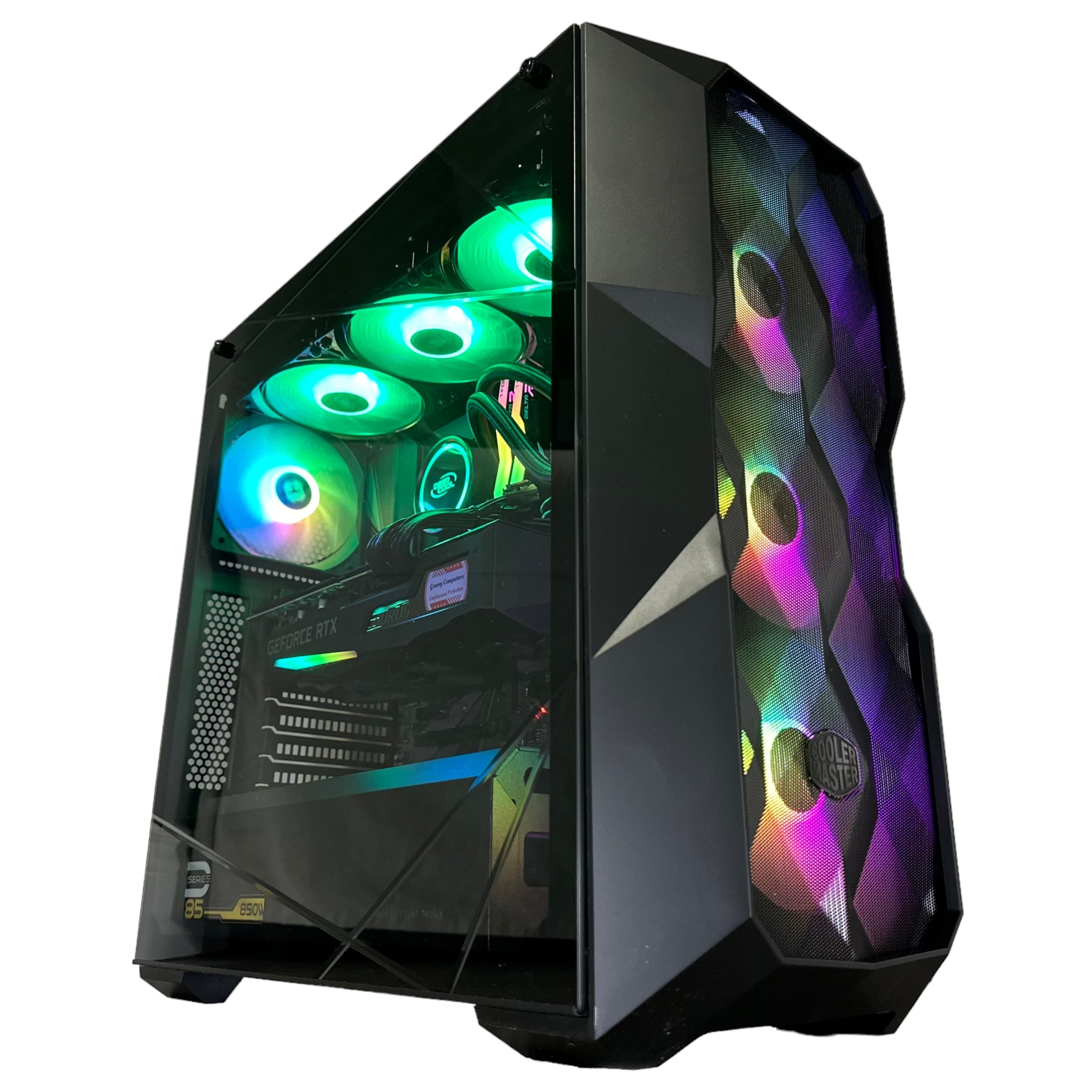
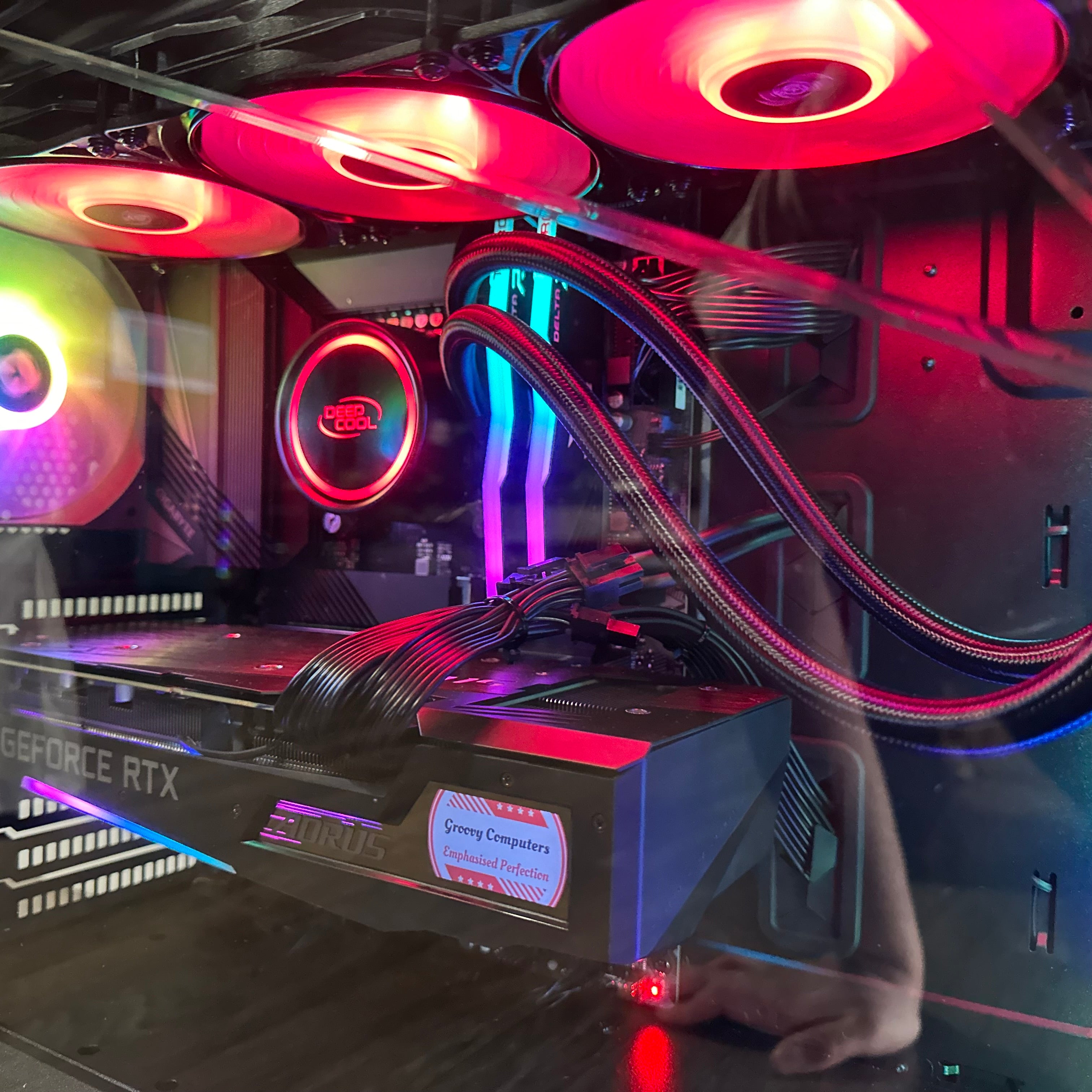
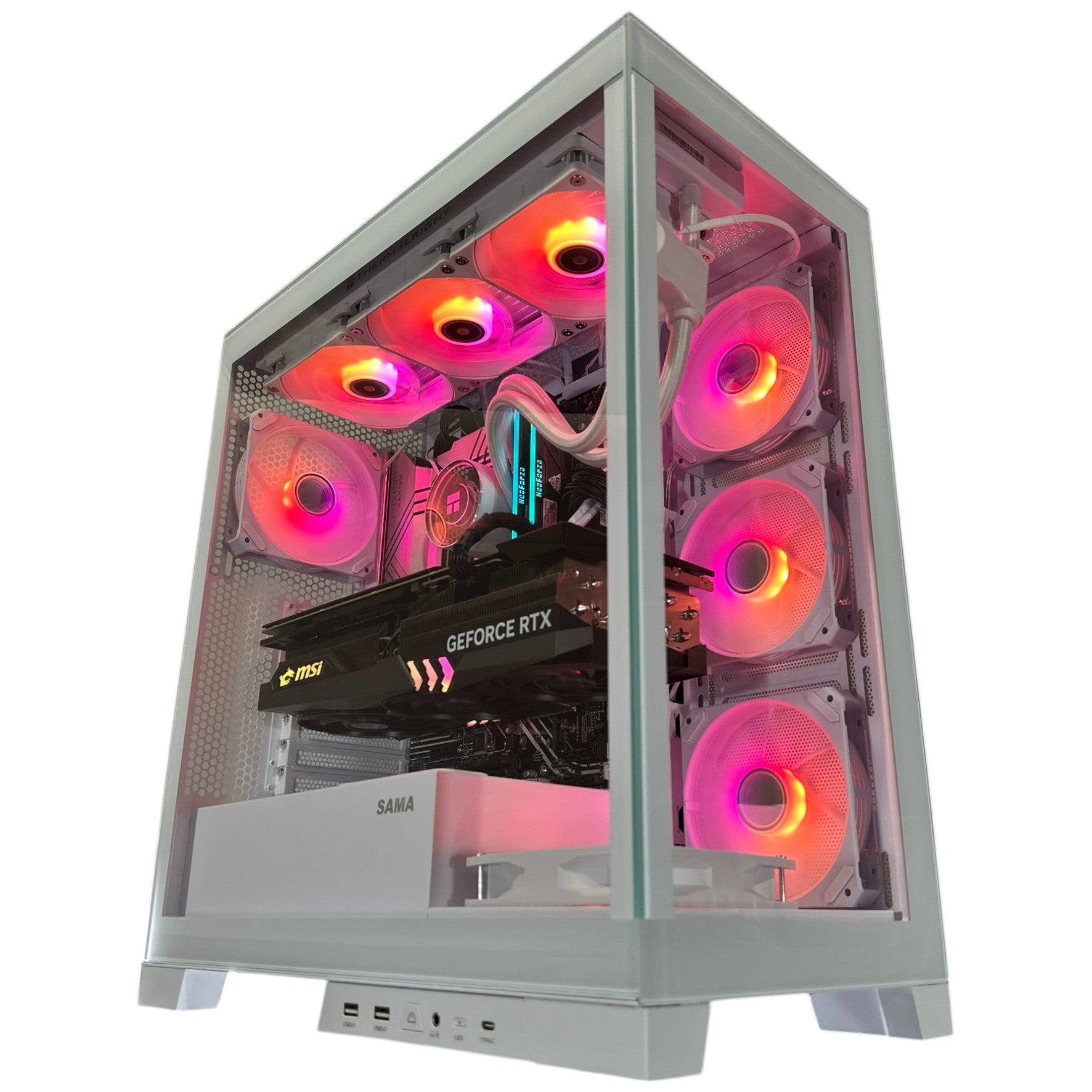
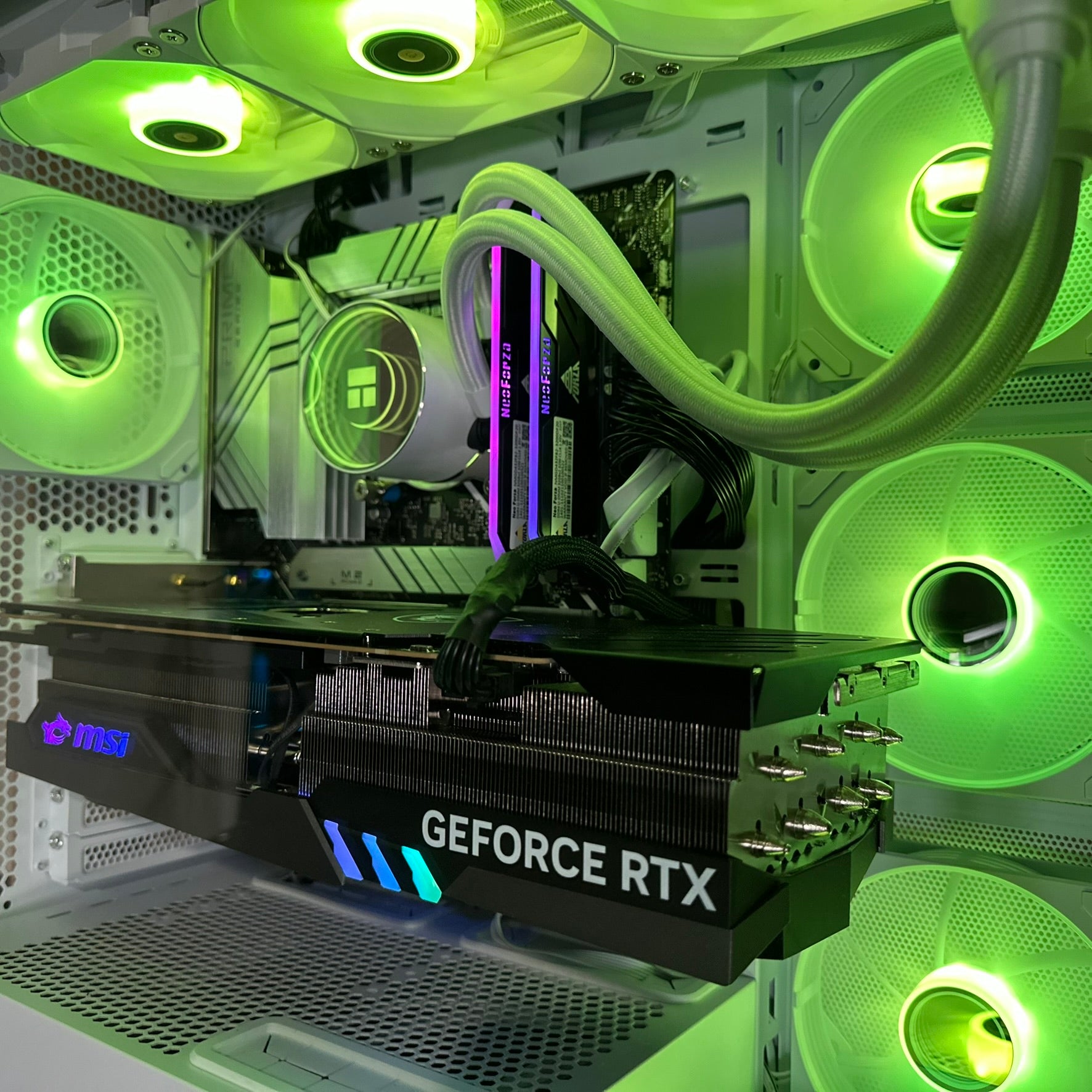
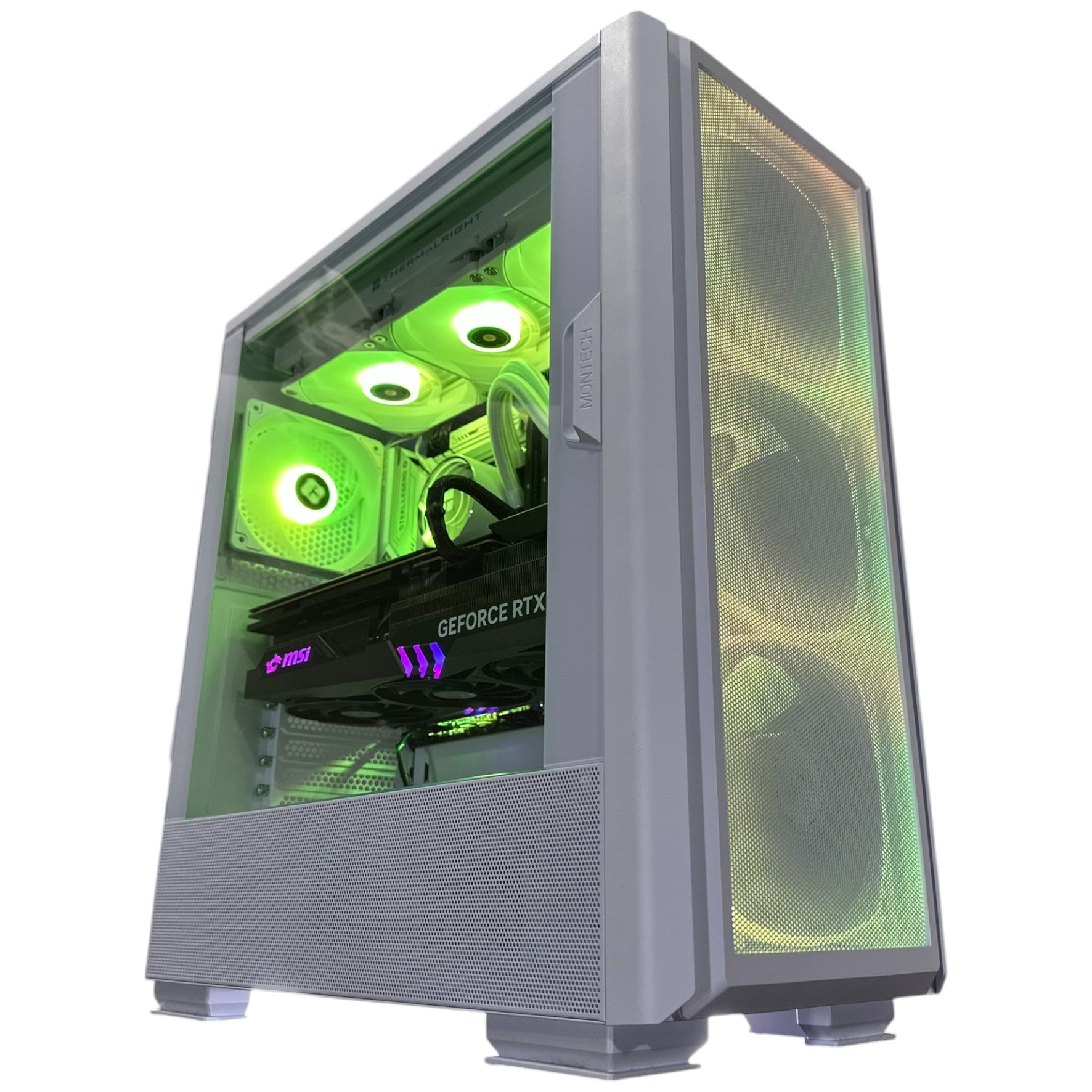
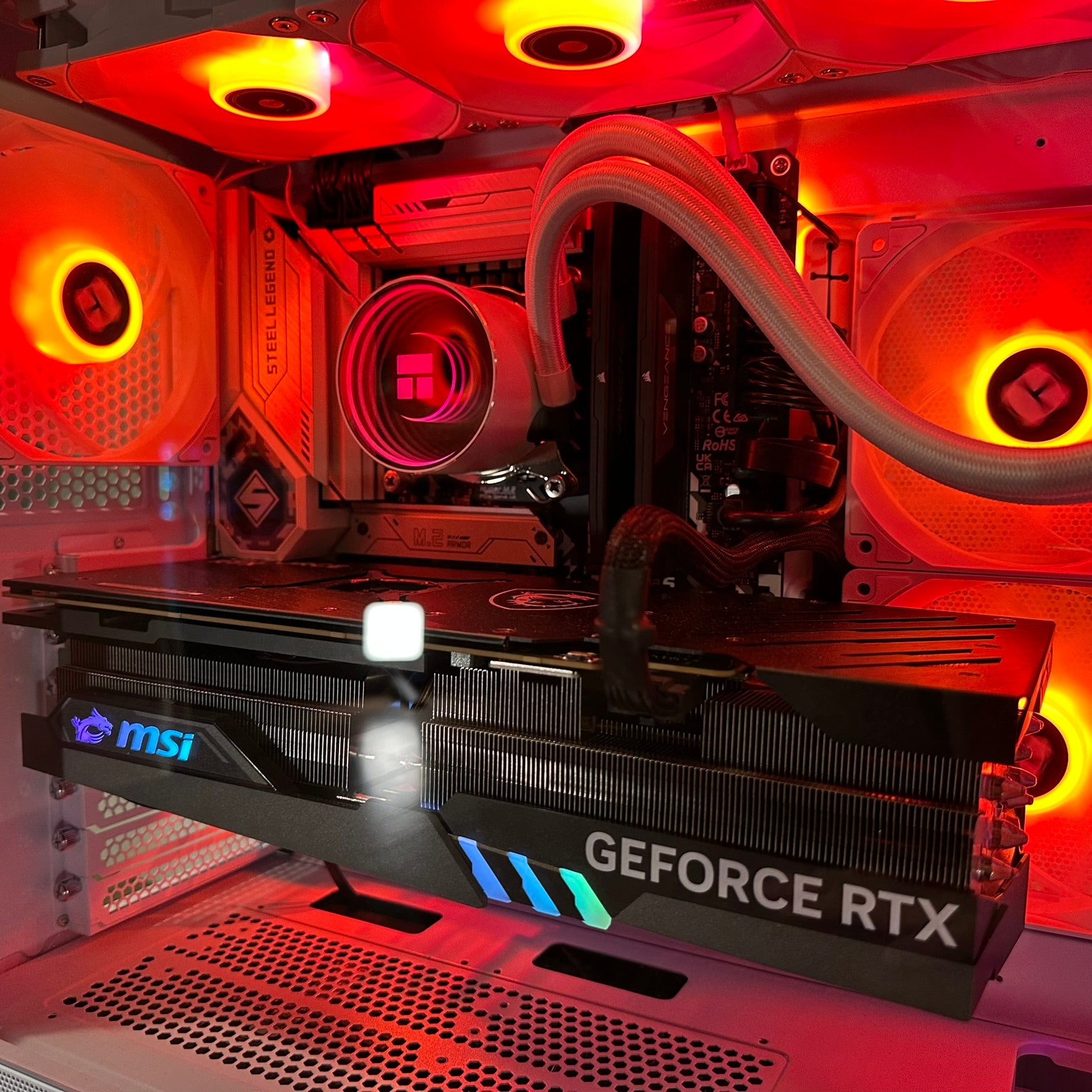
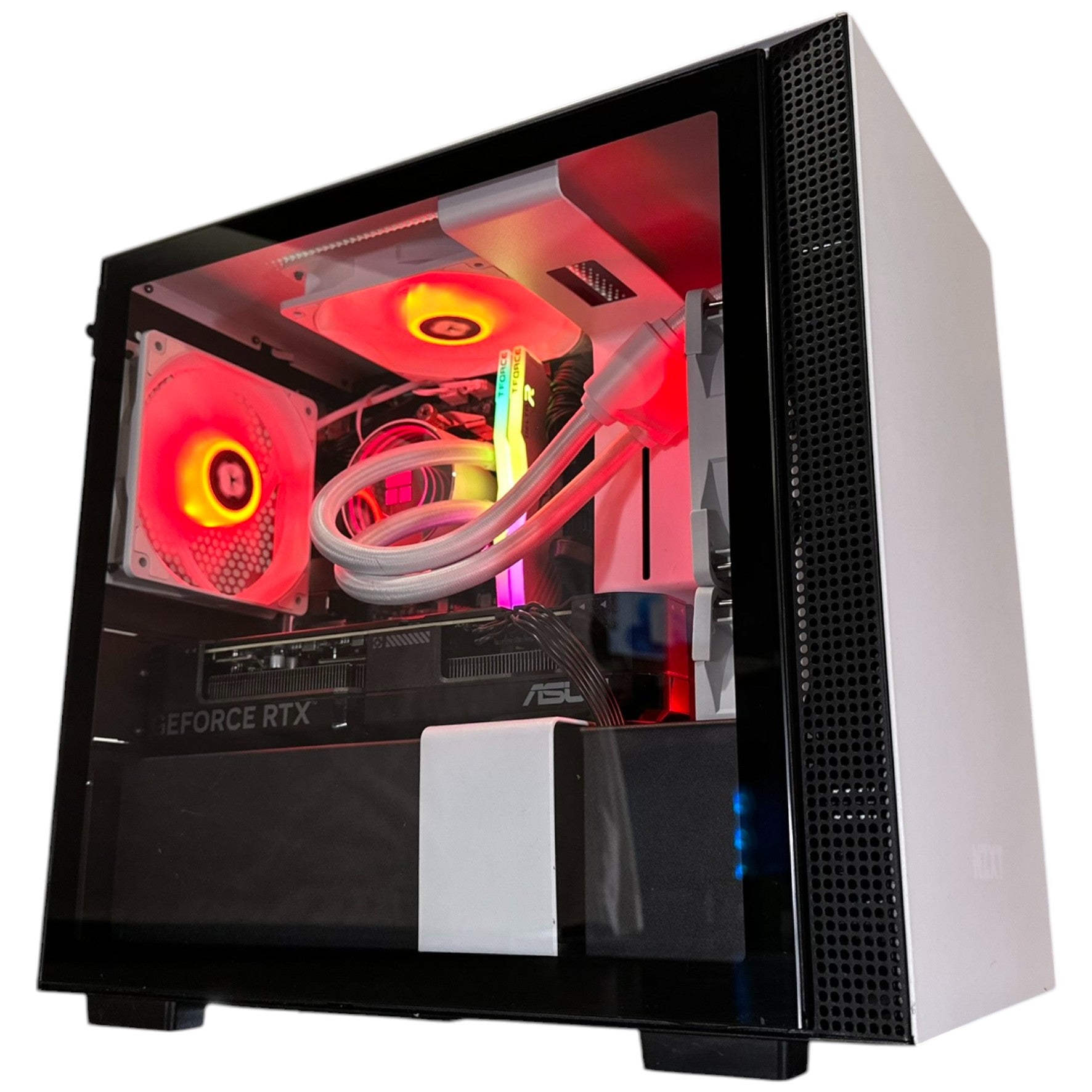
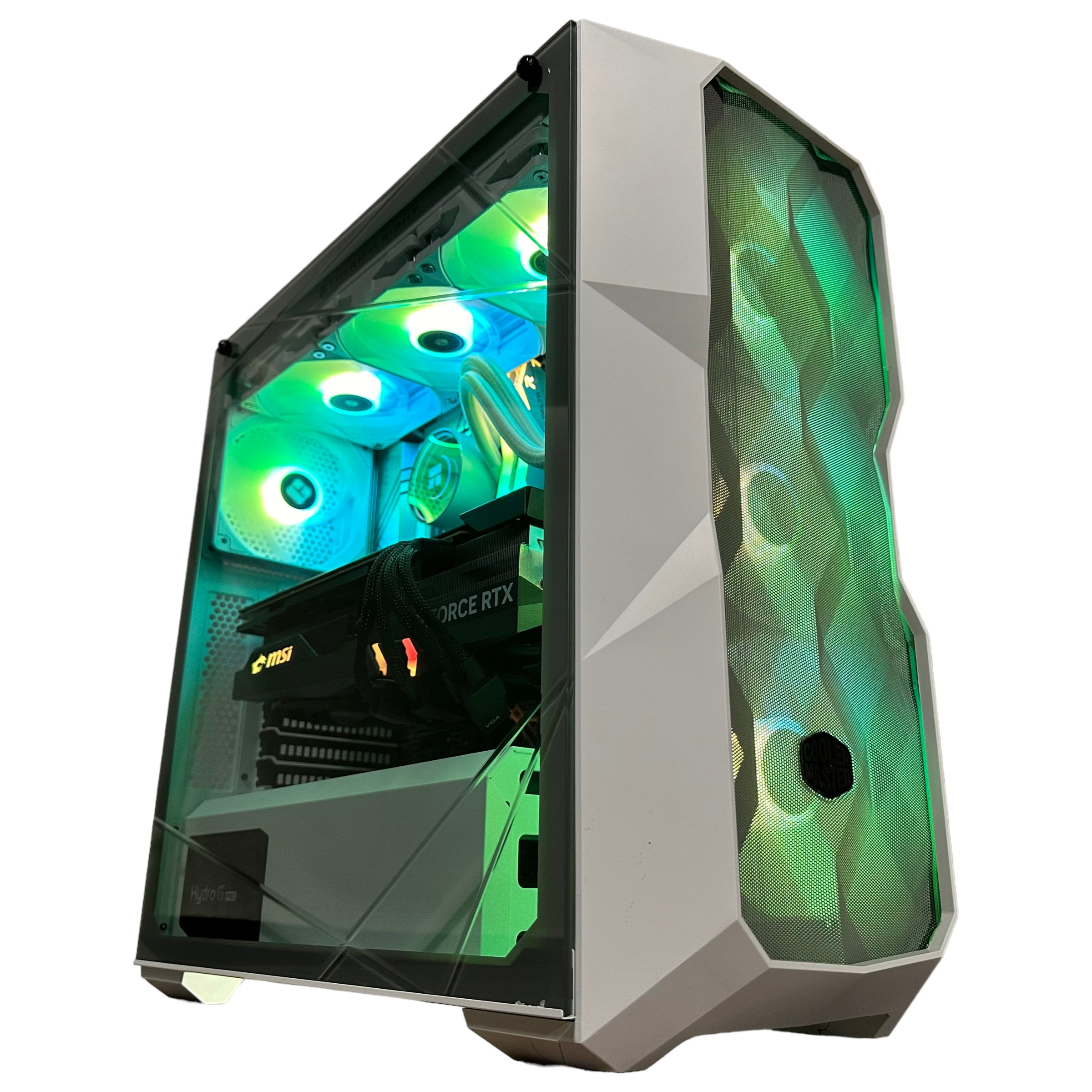
Groovy Computers is built around what smart PC buyers actually need: proper system matching, custom build logic, dependable testing, and real Canadian service. Whether you need a gaming rig, a creator desktop, a streaming setup, or a workstation-class machine, the goal is not to sell random specs. The goal is to build a system that fits the way you really use your computer.
That matters if you are buying in Nova Scotia, across Atlantic Canada, or anywhere else in the country and want a Canada Built Gaming PC with confidence behind it. It matters if you want something better than a rushed box-store configuration. It matters if you want a machine that is stress tested, assembled with attention to airflow and stability, and backed by a 1-year warranty.
It also matters if you are trying to plan ahead. Maybe you want a Custom Creator PC Canada users can trust for editing and design. Maybe you want a system that can game now and stream later. Maybe you want a workstation that saves time every week by exporting faster and staying responsive under load. Those are the decisions a real custom builder helps you make properly.
Need Help Choosing Between a Budget Gaming PC, Premium RTX System, or Creator Workstation?
If you are asking yourself what gaming PC you need, whether 1440p is the smarter target, whether a gaming machine is enough for editing, or whether financing is worth it, you do not need guesswork. You need a build recommendation based on your actual use case.
Do you want a budget-friendly first system, a stronger mainstream gaming desktop, a premium RTX setup, a multi-purpose streaming and editing PC, or a dedicated workstation for serious content creation and 3D work? Start with your goals, then match the parts properly. That is exactly where Groovy Computers can help.
If you are ready to buy, compare, or ask about a custom build, visit GroovyComputers.ca. If you want to secure a stronger system before replacement costs rise, ask about available build options and financing. The right time to buy is usually before your current PC becomes the bottleneck in everything you want to do.
The Bottom Line on Physical Game Releases and Your Next PC
The discussion around physical game releases reflects something many players already feel: gaming is changing fast, but customer preferences still matter. For PC buyers, the bigger lesson is this: ownership trends, digital delivery, large installs, constant updates, and rising performance demands all make smarter system planning more important than ever.
If your next machine is meant to handle new games, big downloads, streaming, editing, creative software, or workstation-level tasks, choose a build that reflects real usage, not just marketing hype. A balanced custom system gives you better value, better longevity, and fewer regrets. And if a stronger build now helps you avoid upgrading too soon, that decision can pay off long after the checkout moment.
So what do you want your next PC to do for you? If you want a Canadian custom build that is tested, supported, backed by warranty, and chosen for the way you actually work and play, Groovy Computers is the place to start.
#GamingPCCanada #CustomGamingPCCanada #GamingPCBuilderCanada #CanadianCustomPCBuilders #1440pGamingPCCanada #4KGamingPCCanada #StreamingPCCanada #VideoEditingPCCanada #CreatorPCCanada #3DModelingPCCanada #GamingPCFinancingCanada #CanadaBuiltGamingPC
Groovy Computers | All Rights Reserved


Leave a comment
This site is protected by hCaptcha and the hCaptcha Privacy Policy and Terms of Service apply.