





Midnight Club 5 Report Revives a Bigger Question: What Kind of Gaming PC in Canada Should You Buy for the Games You Actually Want?
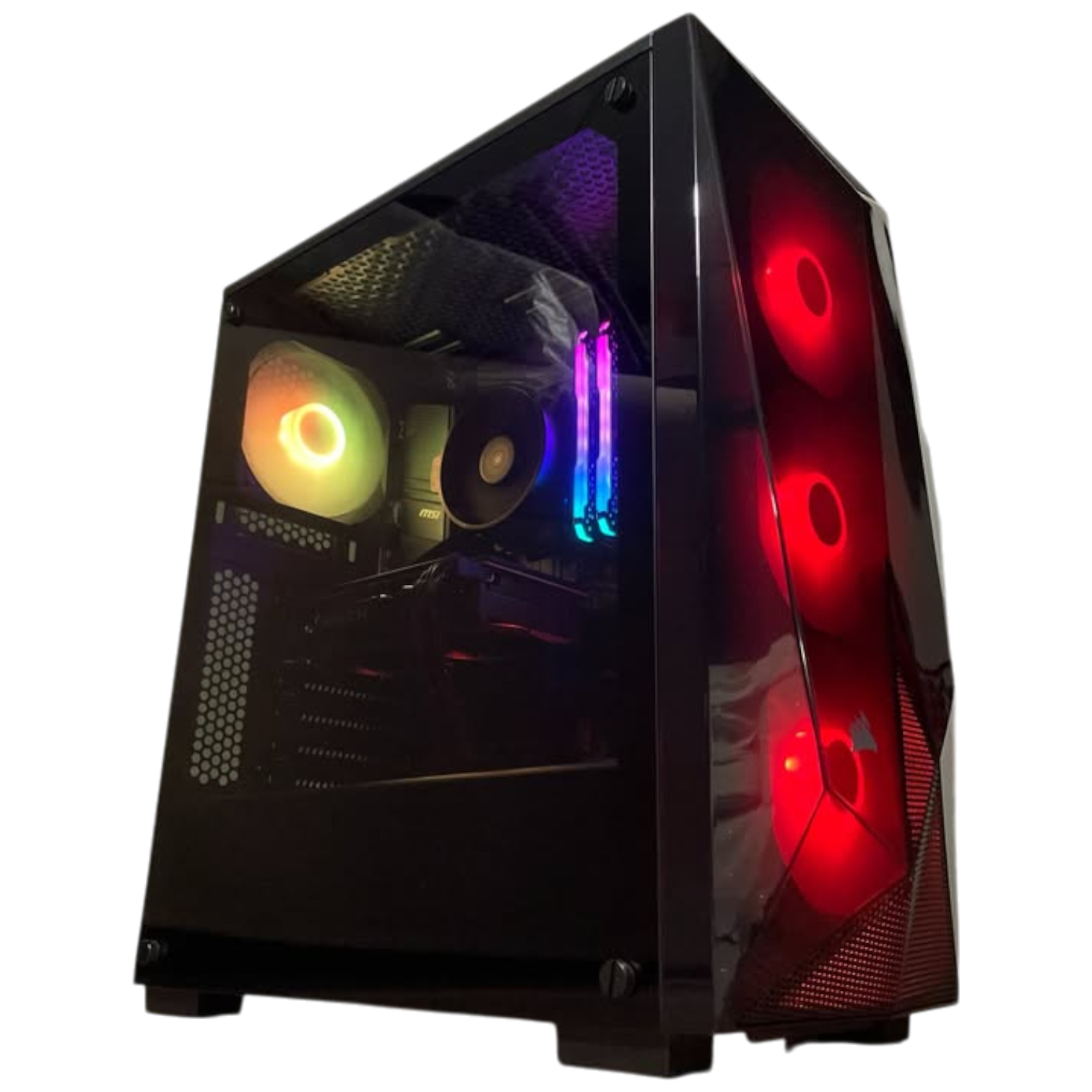
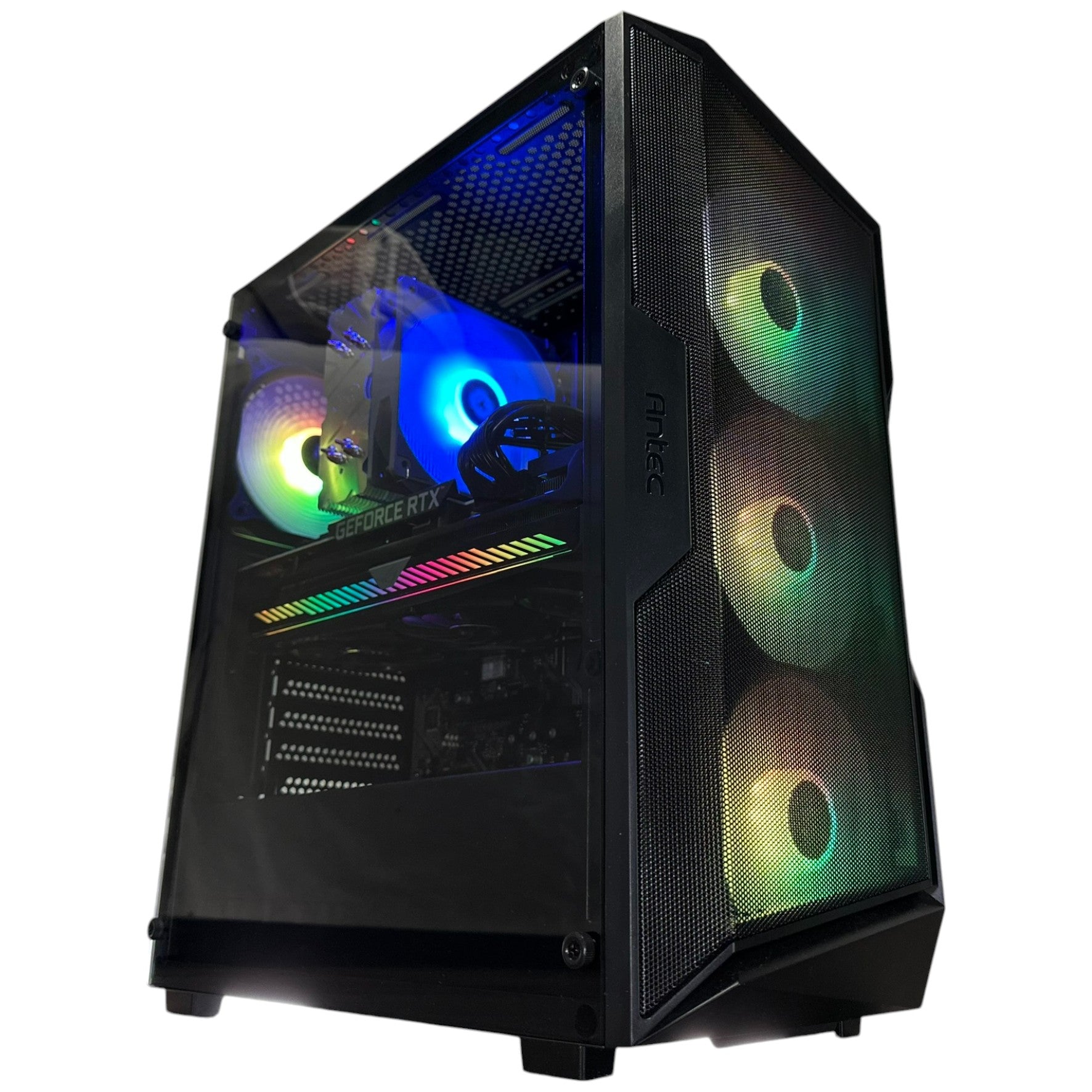
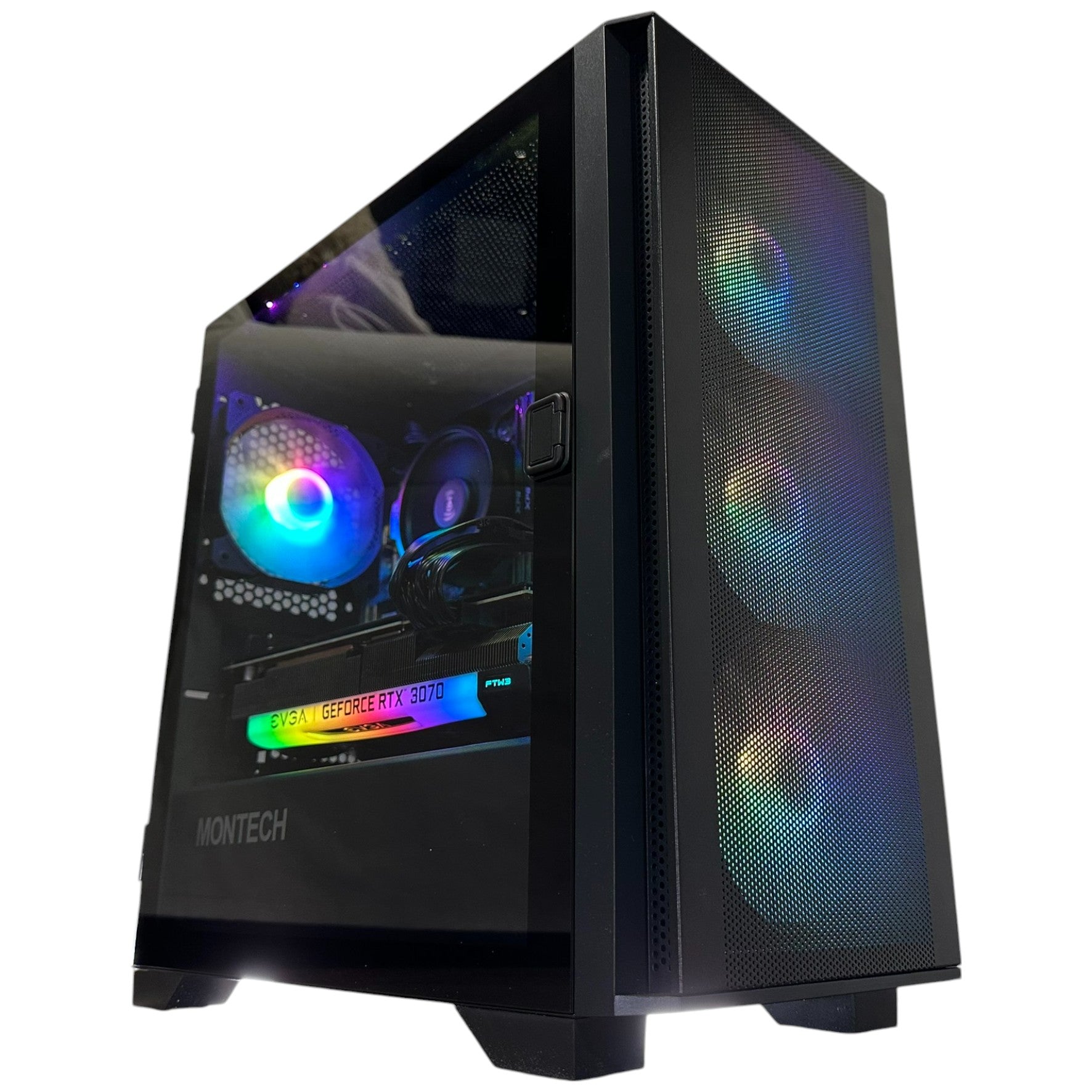
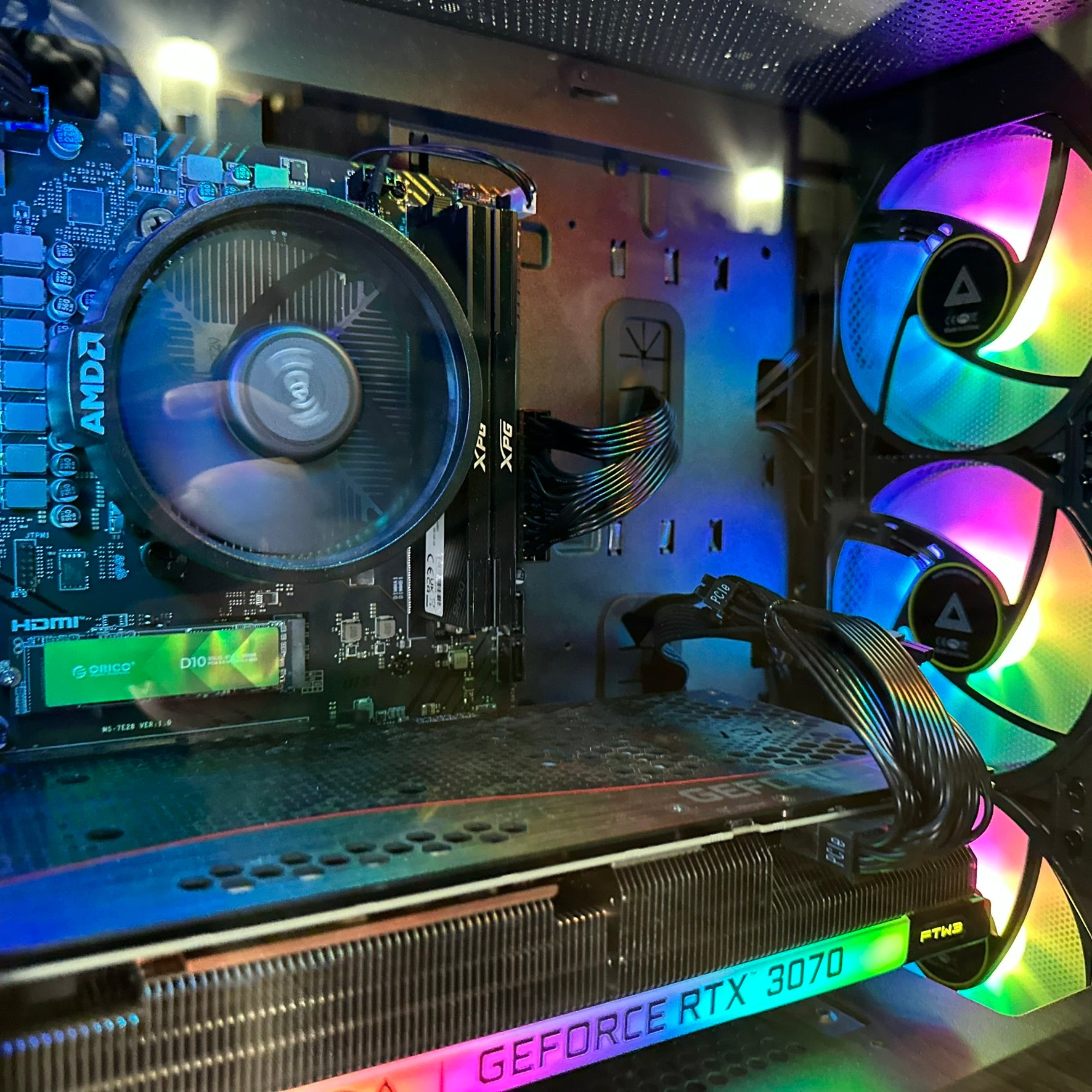
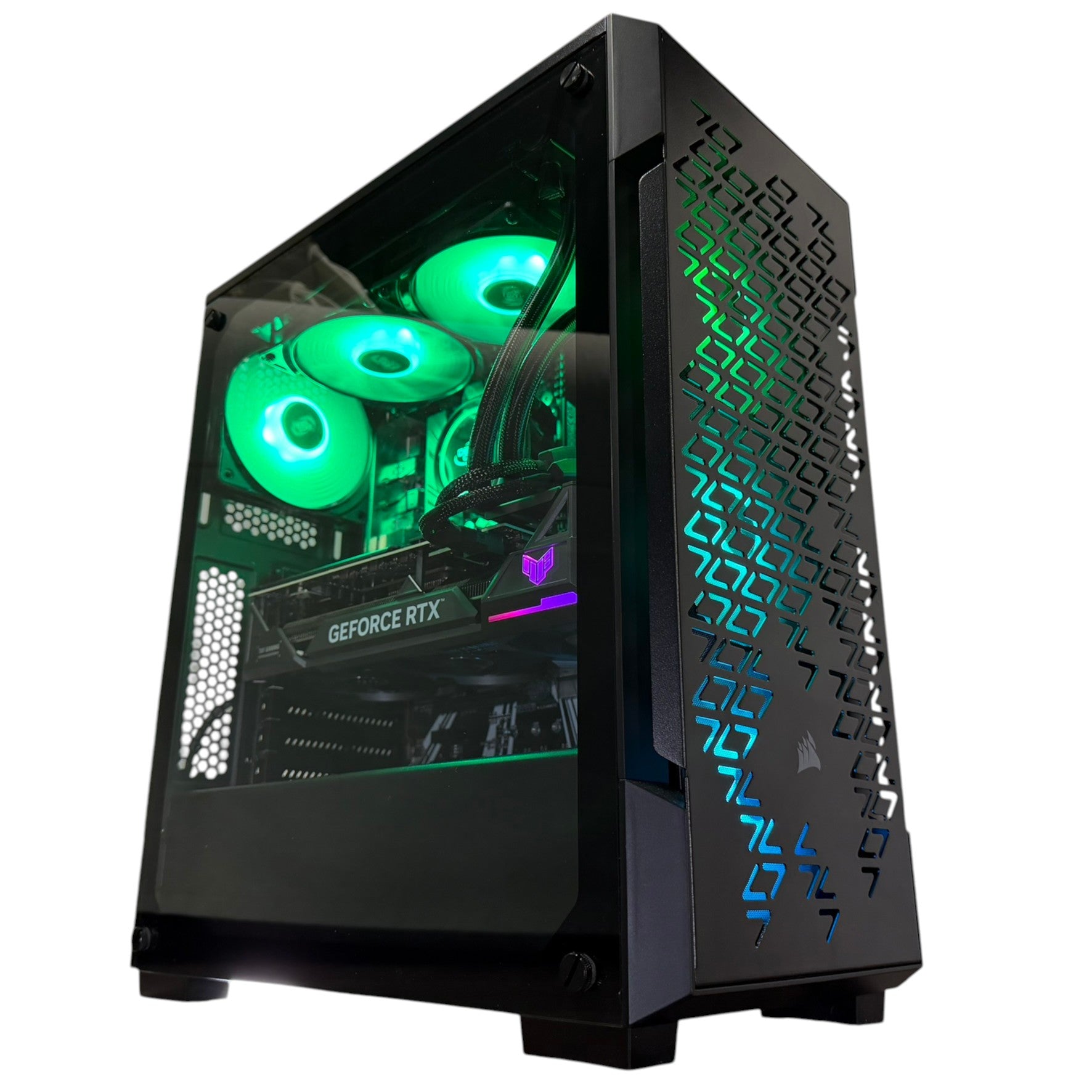
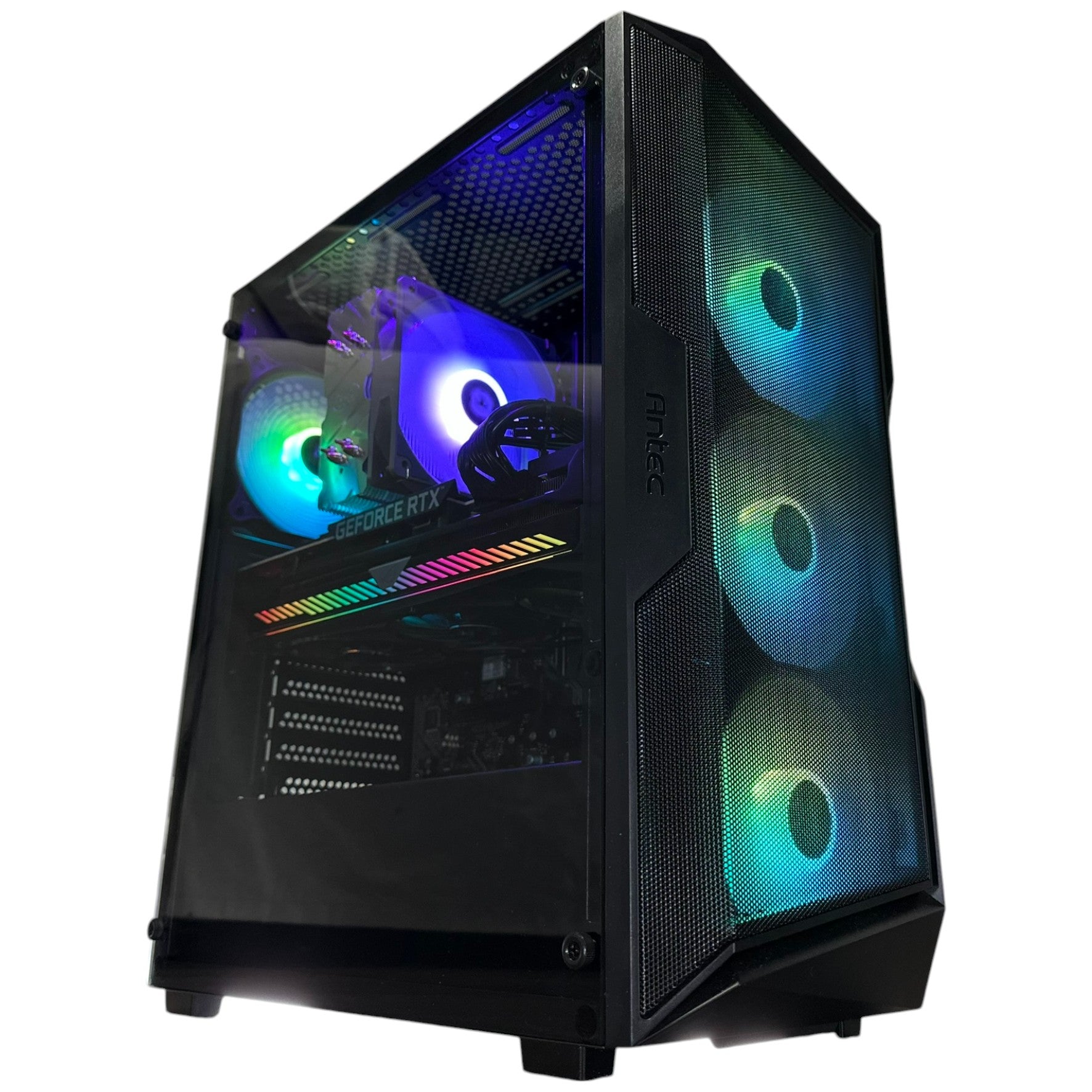
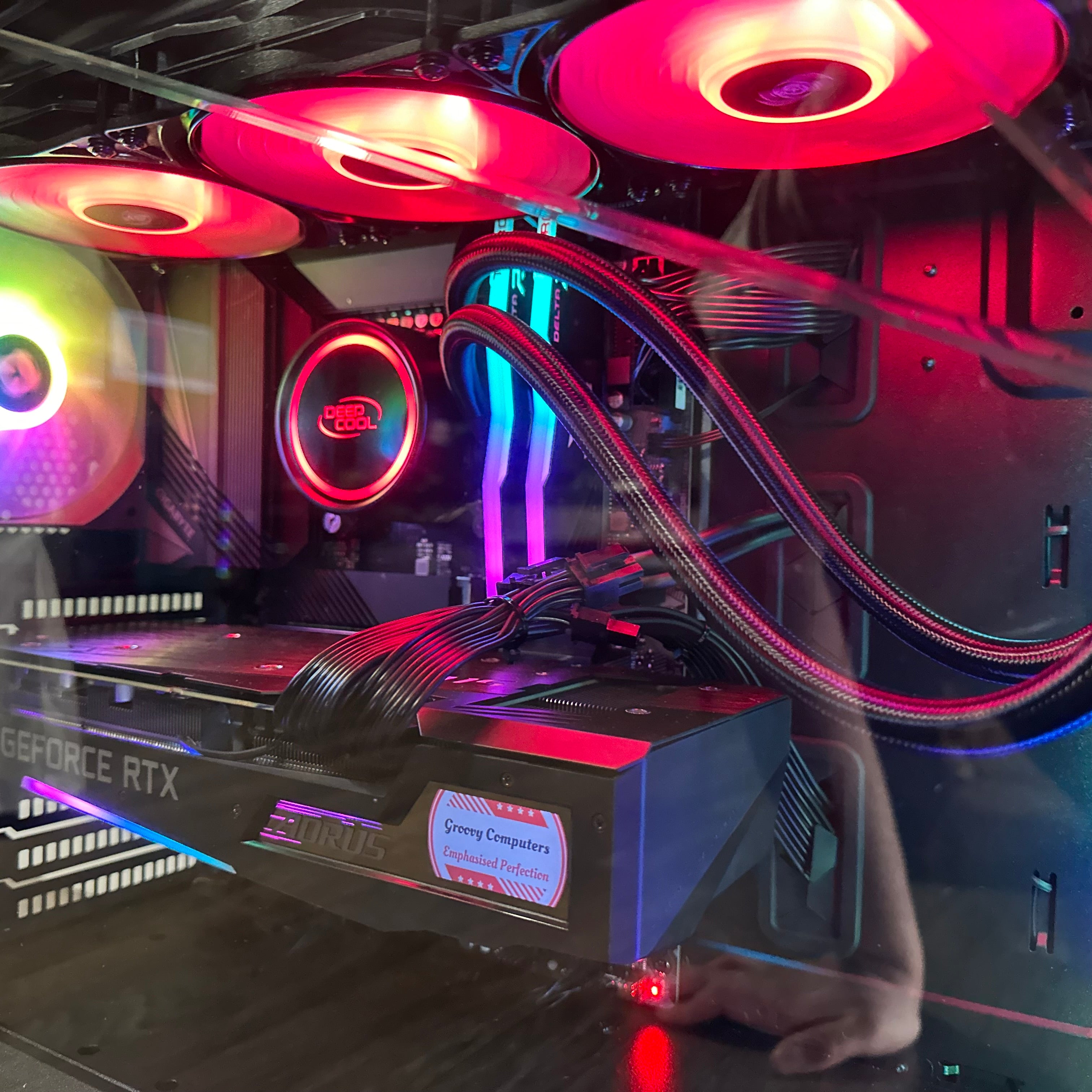
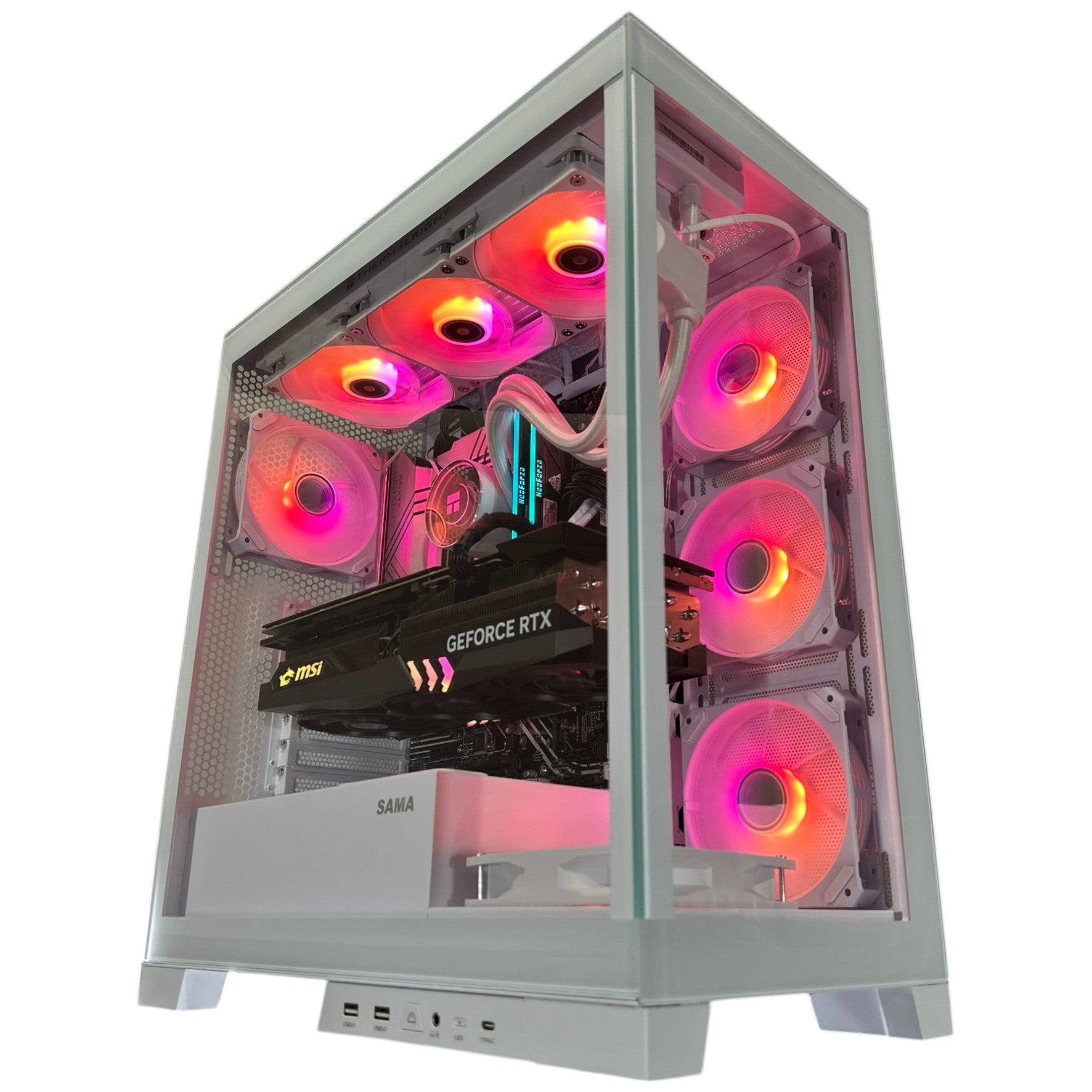
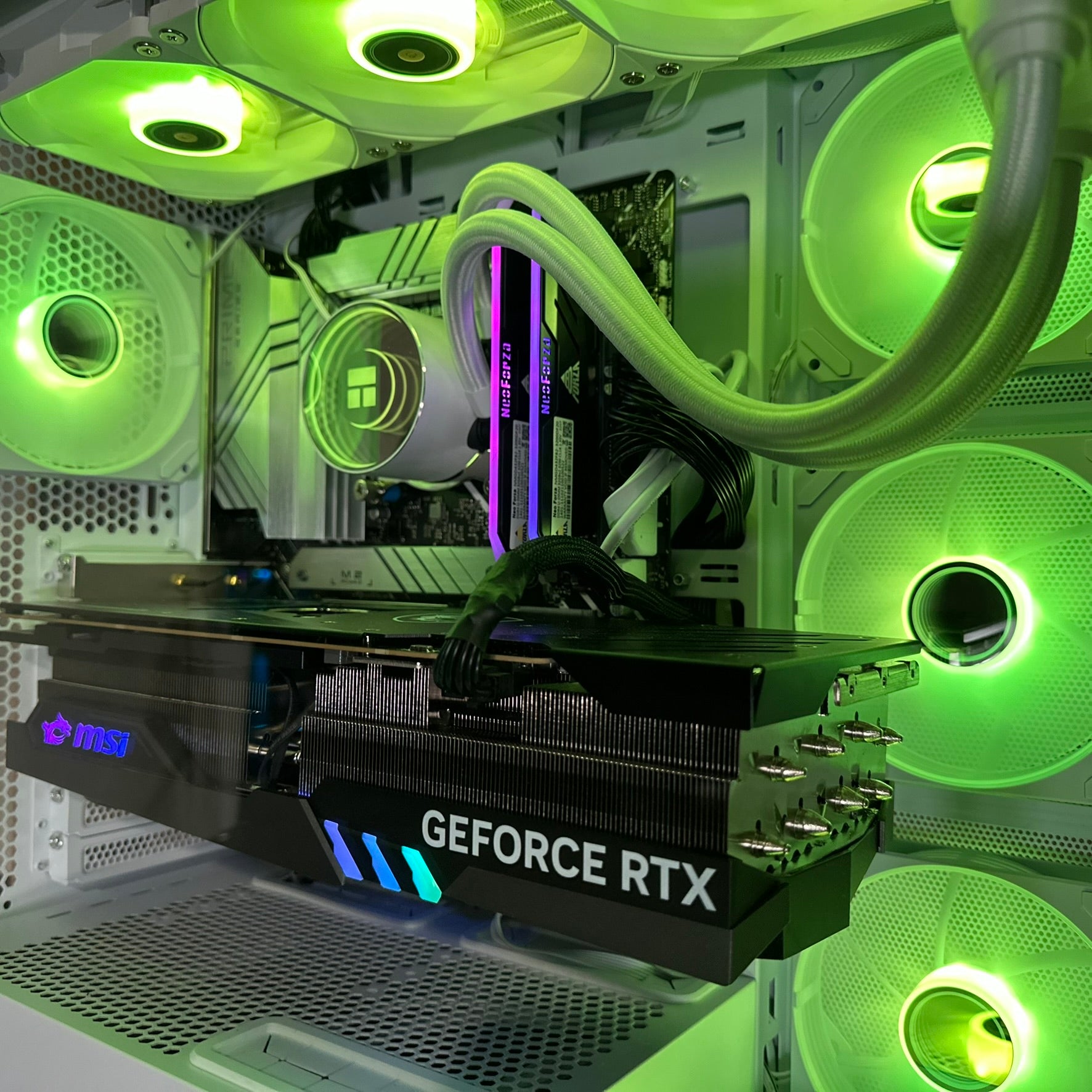
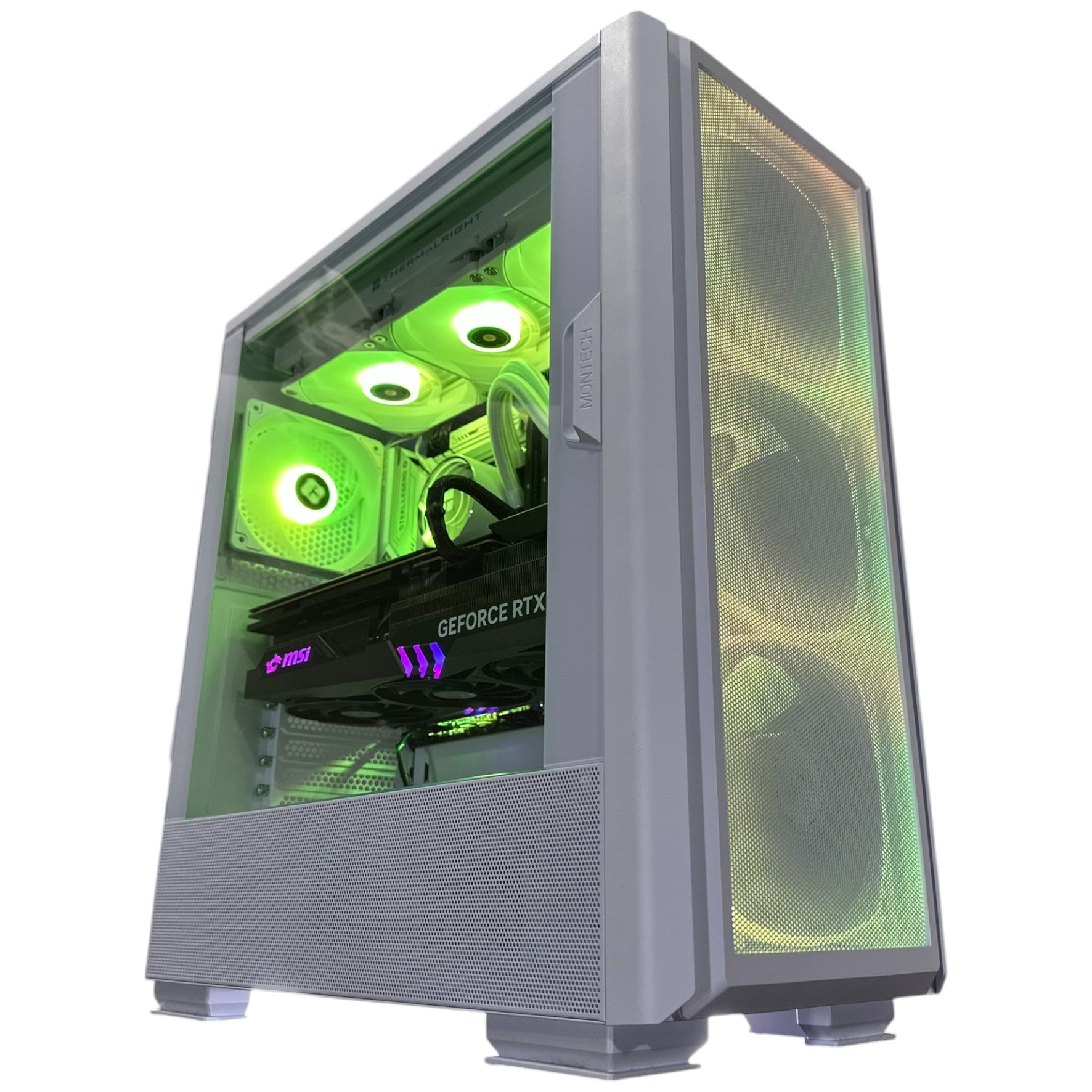
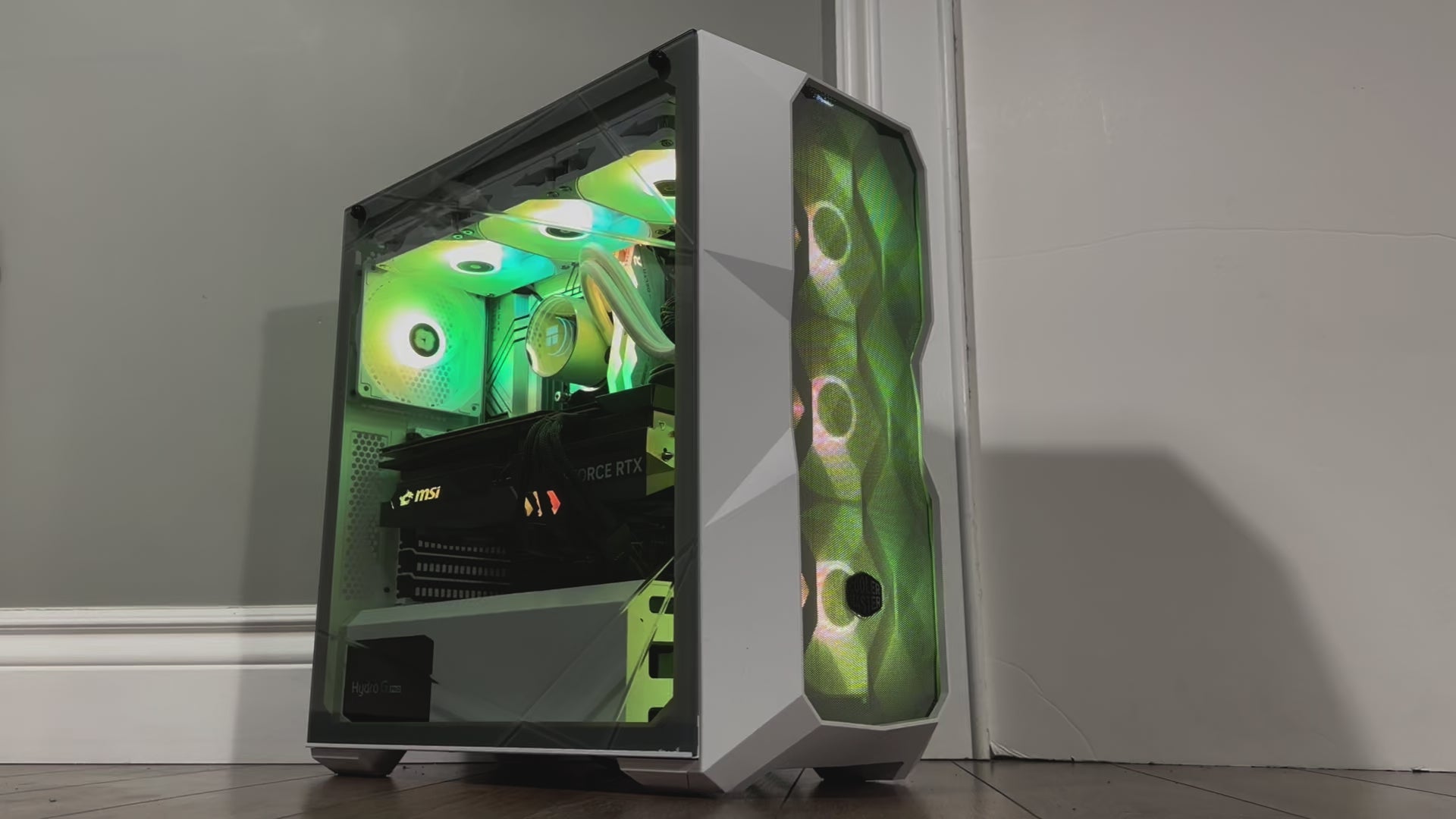
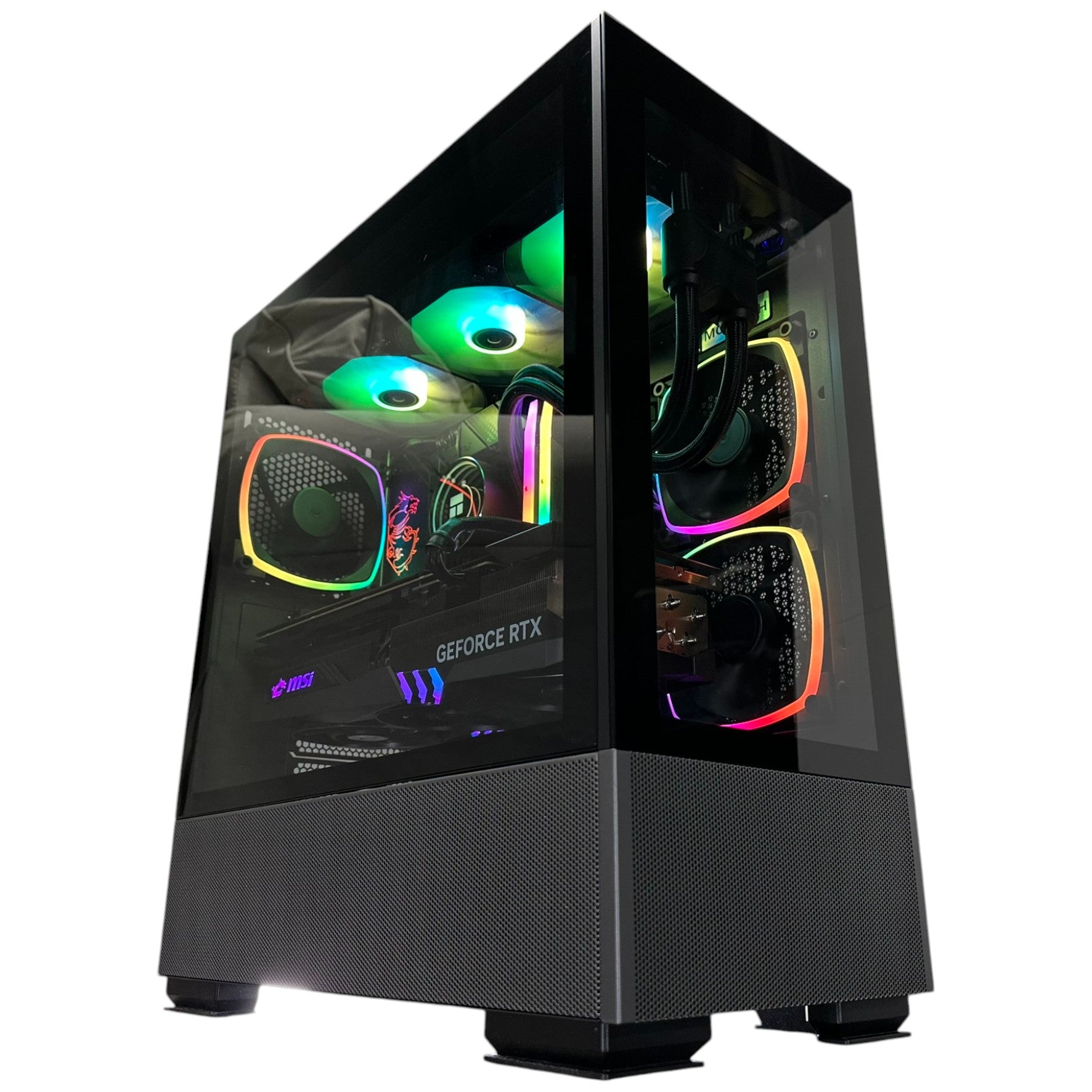
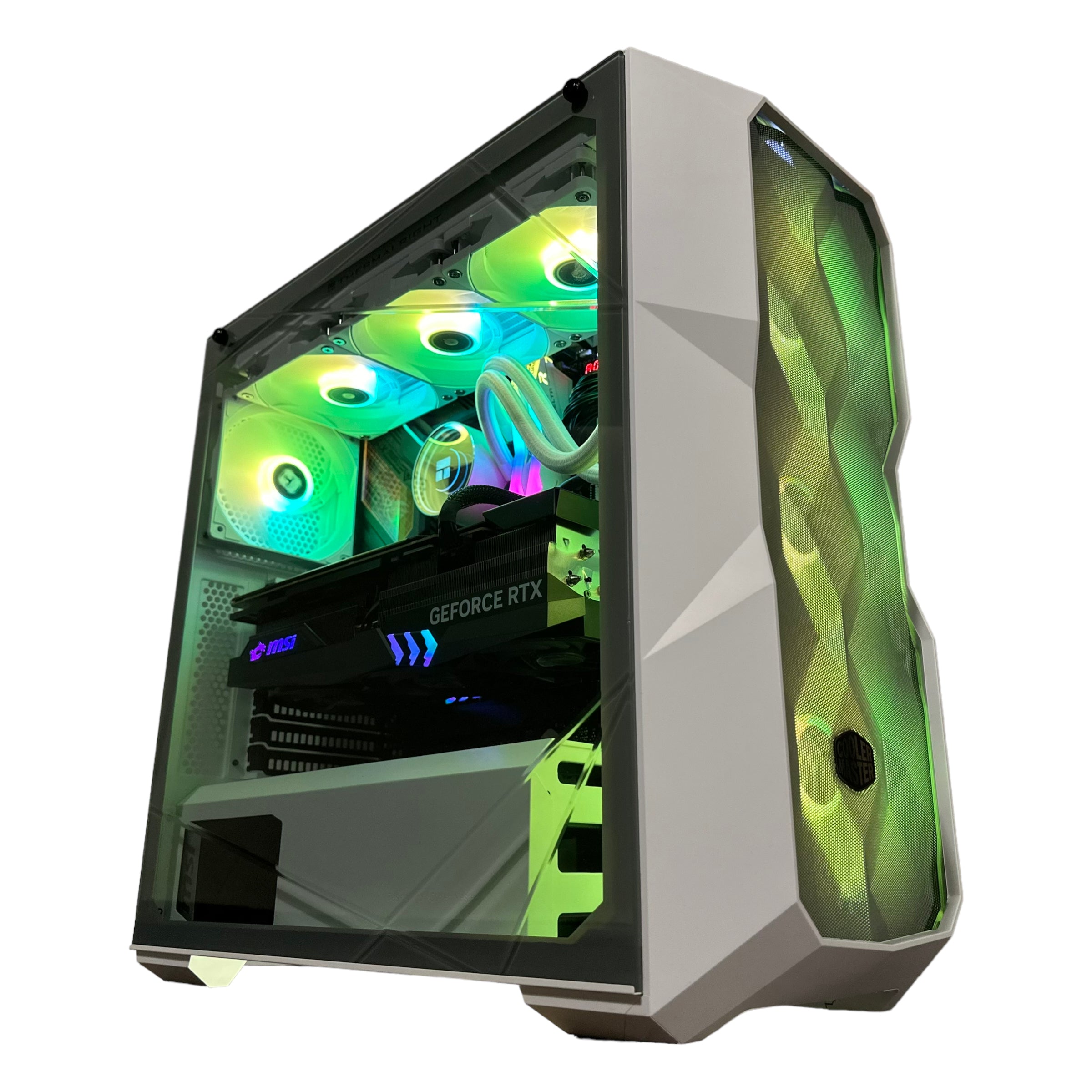
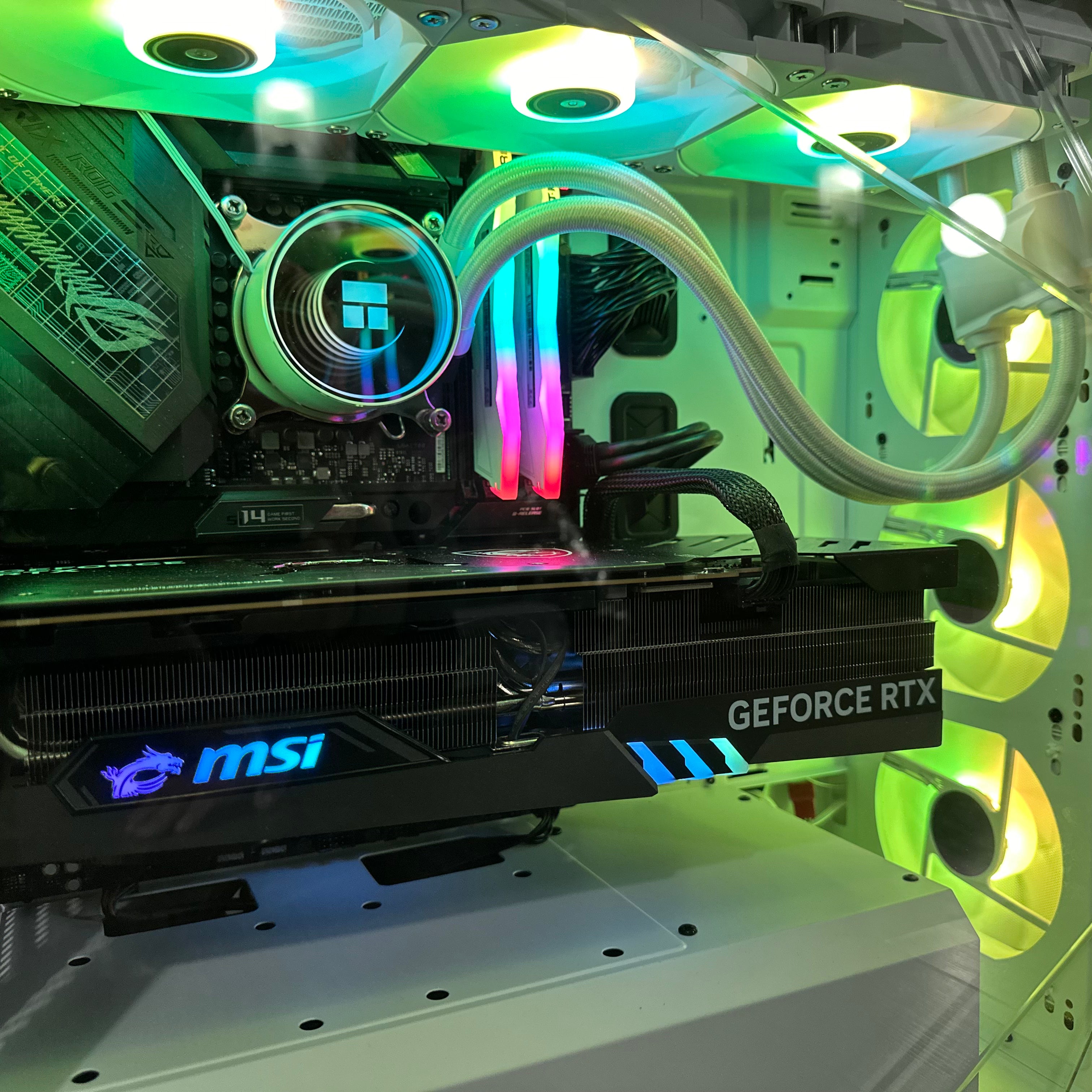
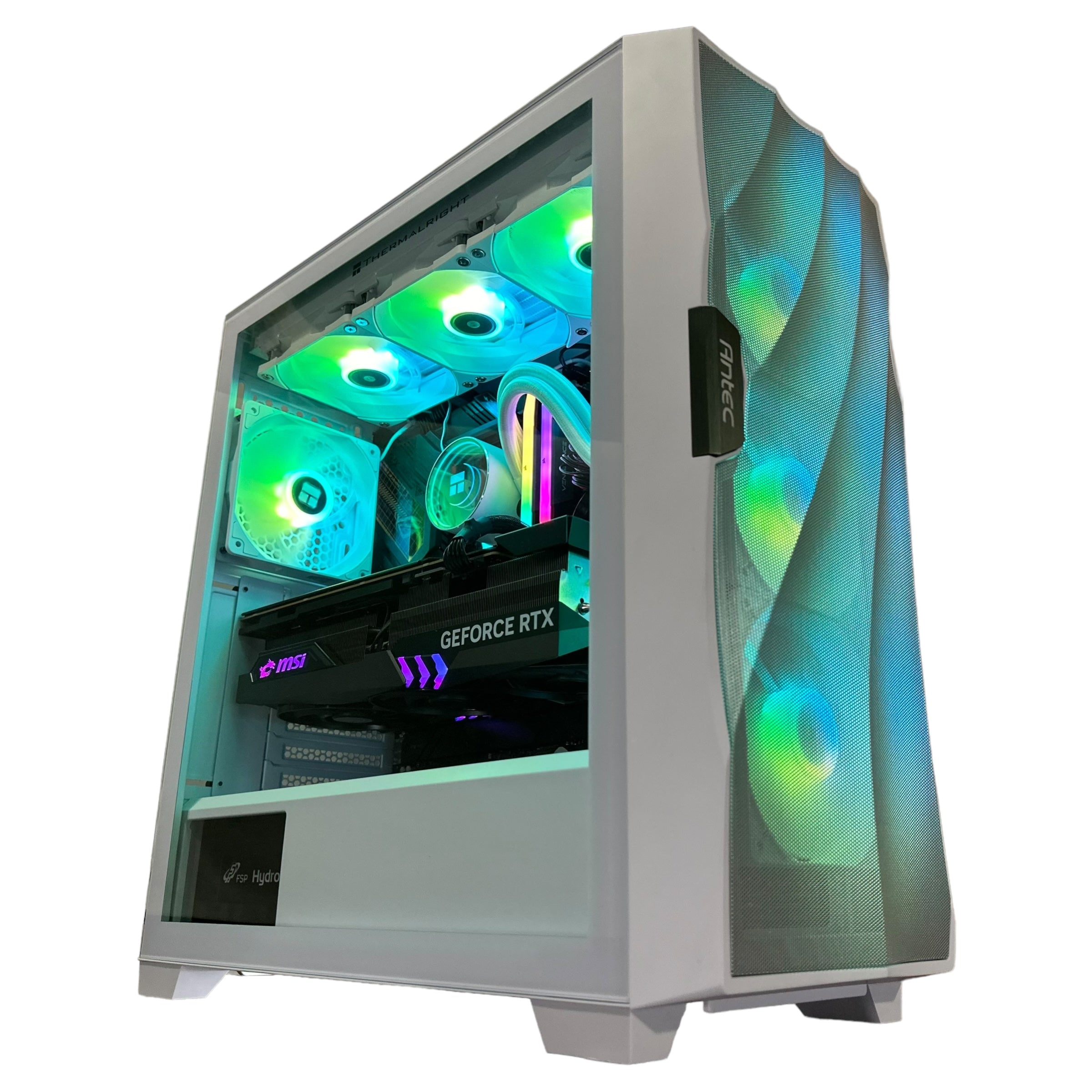
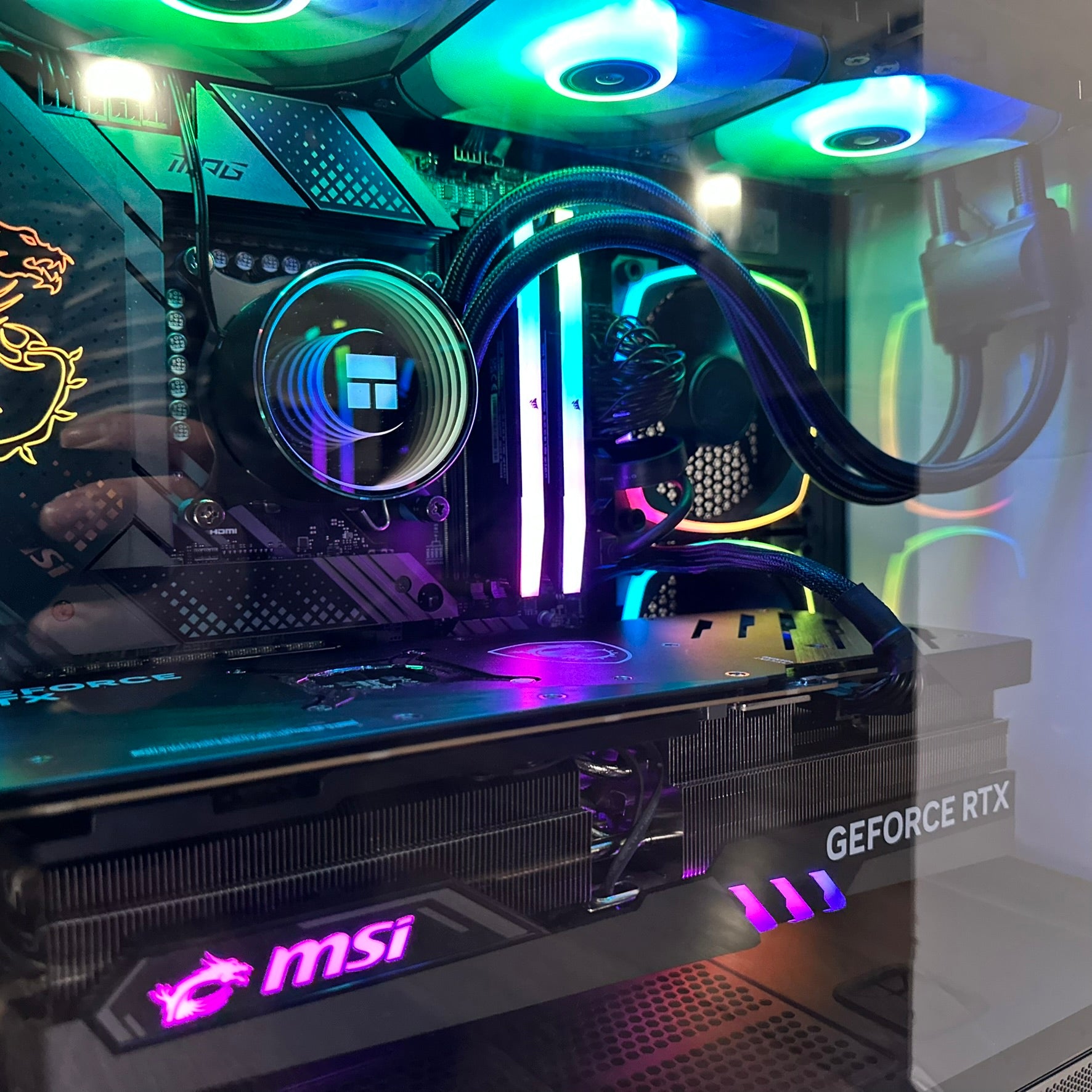
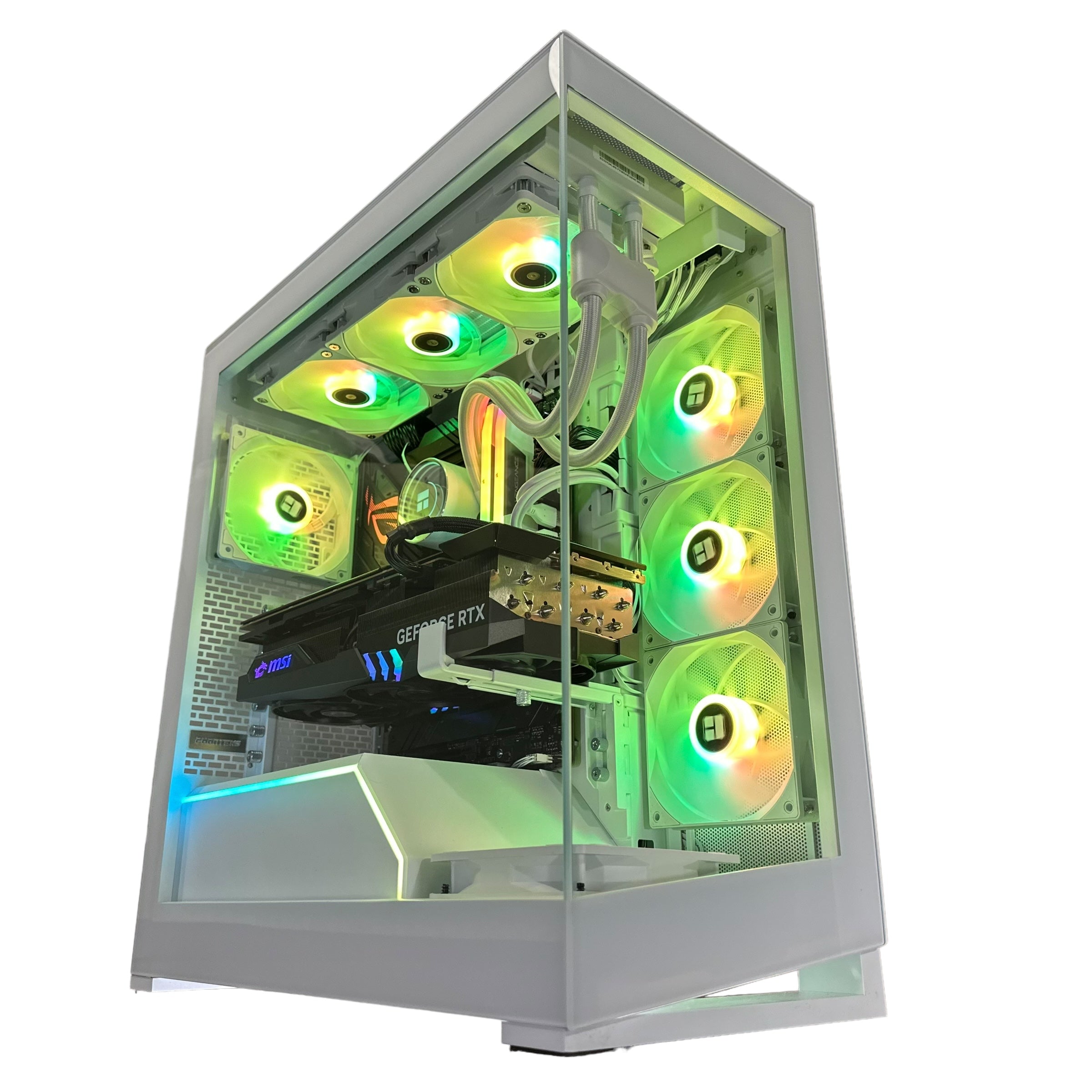
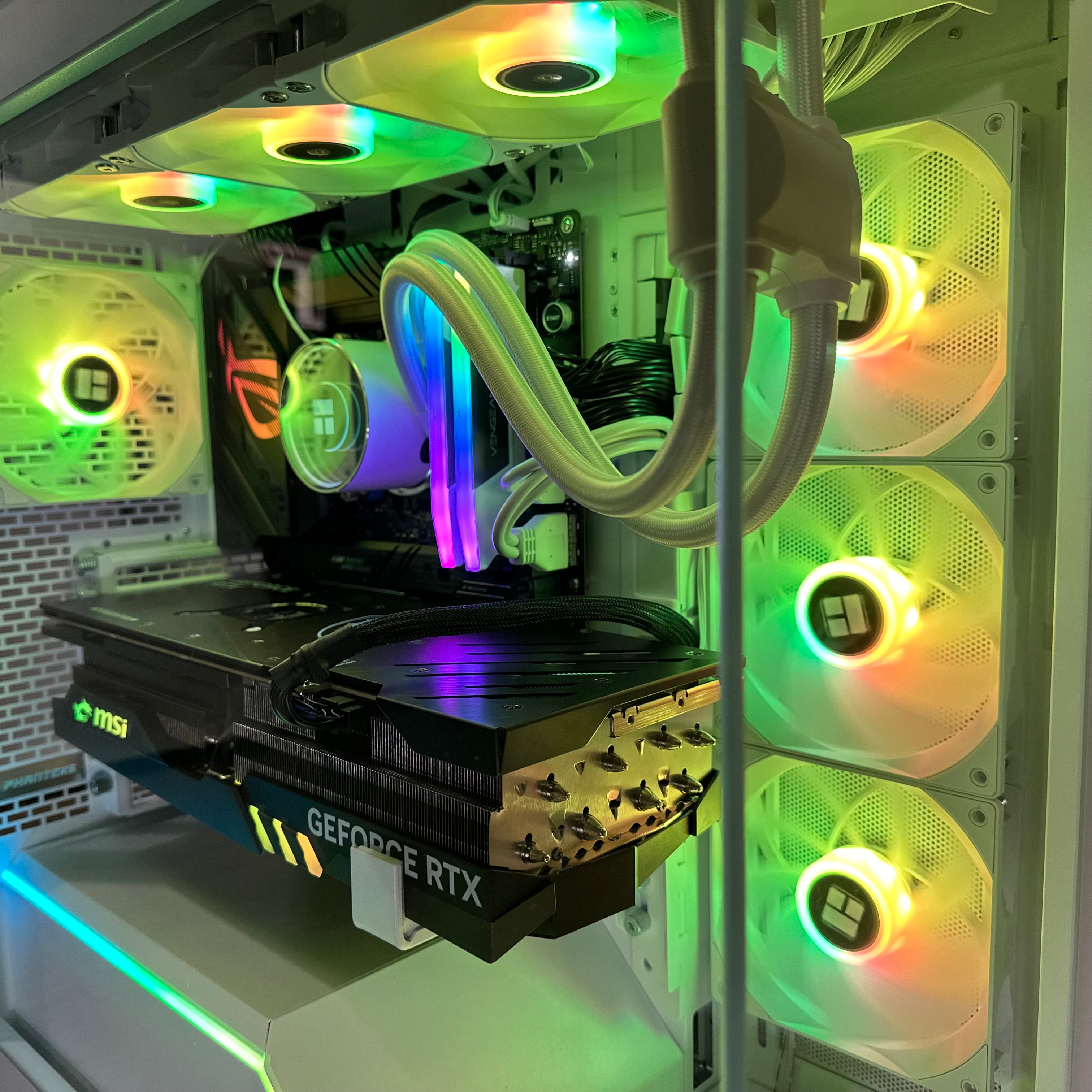
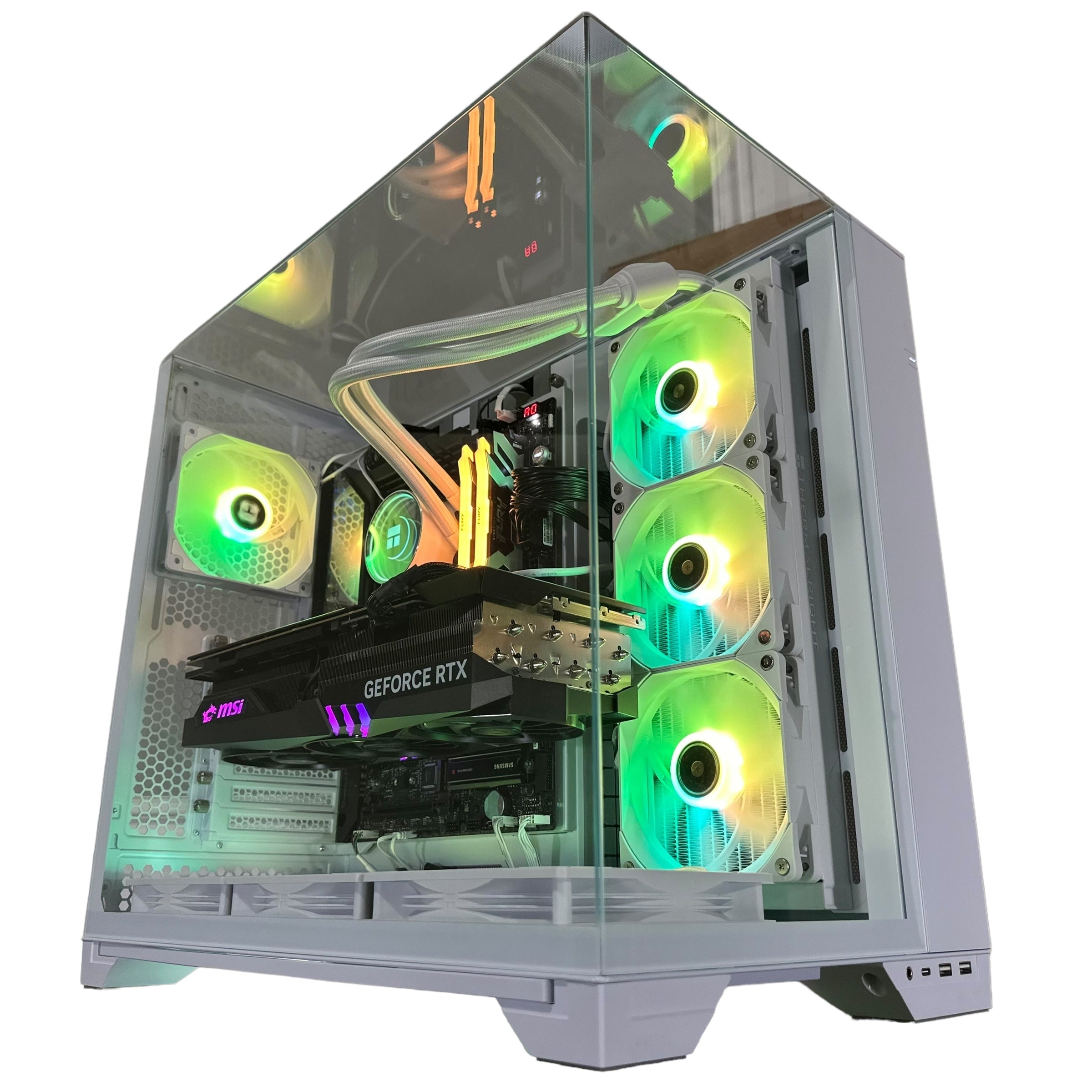
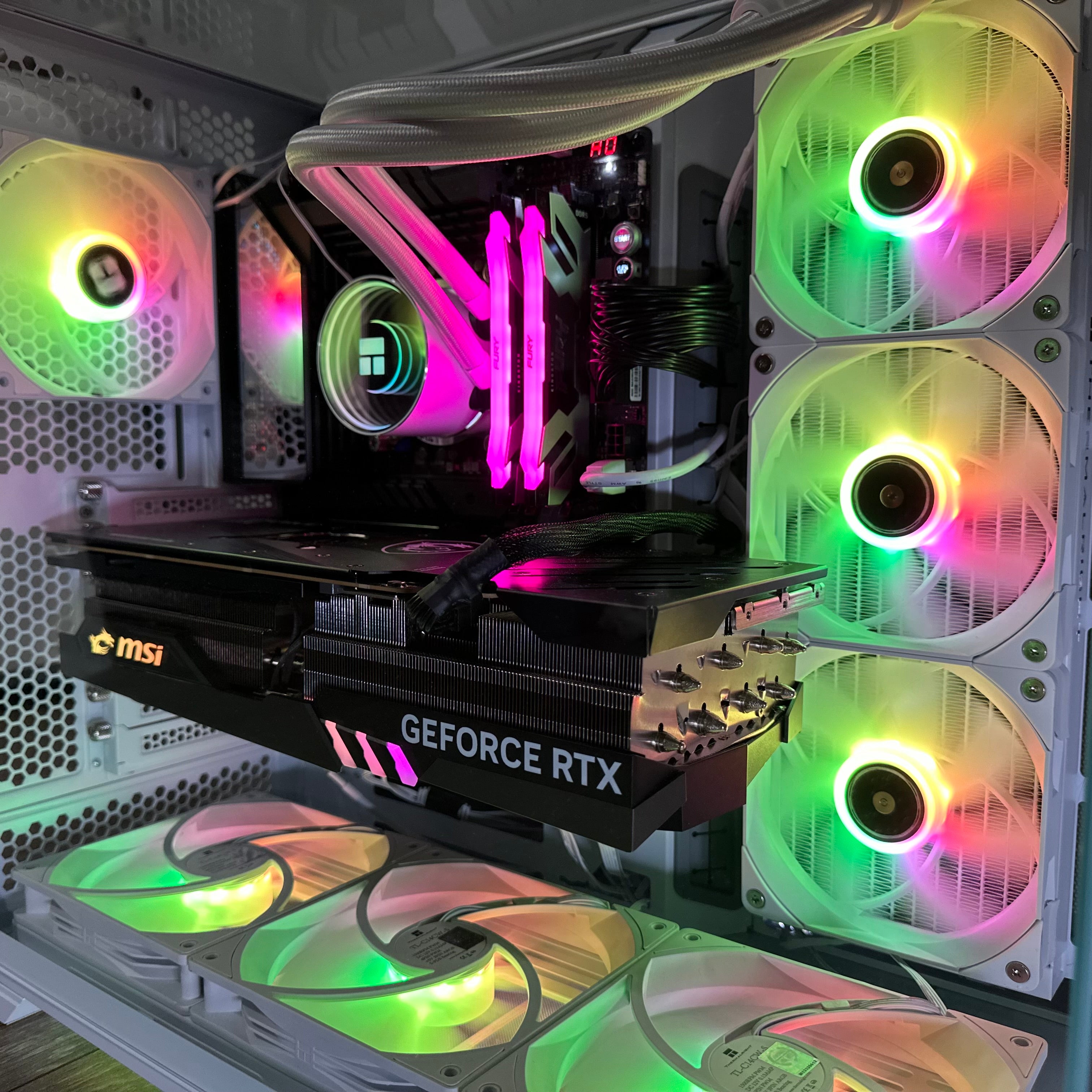
The report that Midnight Club 5 was reportedly shelved because it was not as commercially important as Grand Theft Auto says a lot about the modern gaming market. Big franchises get the budget, the attention, and the long-term support. Smaller or more specialized genres can get pushed aside, even when fans stay loyal for years. For Canadian PC buyers, that matters more than it may seem at first. When major publishers double down on blockbuster open-world games, cinematic experiences, live-service ecosystems, and demanding graphics features, choosing the right Gaming PC Canada shoppers can rely on becomes less about chasing hype and more about buying a system that is ready for what the industry keeps prioritizing next.
The source story focused on comments from a former Rockstar designer who said Midnight Club 5 entered early development after Midnight Club: Los Angeles, with prototypes that reportedly included new locations such as London, before the project was cancelled. The reasoning, according to those comments, was not simply creative direction. It was also scale, internal priorities, and the reality that a franchise that was not “GTA-sized” was always going to have a harder path forward. That is unfortunate for racing fans, but it also underlines a practical truth for players: if publishers keep concentrating on huge, visually ambitious games, your next PC should be chosen with long-term flexibility in mind.
So what should you take from this if you are not just reading gaming news, but actively thinking about buying a new desktop? Ask yourself a simple question first: what do you want your next PC to do for you over the next three to five years? Do you want to run large open-world titles at 1440p? Are you planning for ray tracing? Do you also want to stream, edit clips, create content, or handle creative software after gaming sessions? Do you want a budget-focused machine today, or a stronger system that may help you avoid upgrading too soon?
Why does the Midnight Club story matter to PC buyers in Canada?
It matters because game development trends shape hardware demand. When publishers put more resources into a smaller number of huge games, those titles often become more graphically complex, more storage-hungry, and more demanding on both the CPU and GPU. That changes what counts as a “good enough” gaming system. A PC that felt fine for yesterday’s racing games, shooters, or esports titles may not feel nearly as comfortable when tomorrow’s biggest releases push larger maps, advanced lighting, heavier background simulation, and more aggressive VRAM use.
For Canadian buyers, there is another layer: replacement costs. Hardware pricing can shift due to demand spikes, supply constraints, currency pressure, and sudden interest around major releases. If a headline makes you think about getting ready for the next wave of games, it is worth considering whether waiting too long could leave you paying more for the same class of performance later.
That does not mean every buyer needs a flagship machine. It does mean that buying the right performance tier now can be smarter than buying the cheapest possible desktop and replacing it early.
What does this mean for fans of open-world, racing, and blockbuster games?
If you loved Midnight Club because it delivered speed, style, city density, and arcade energy, then you are likely the kind of player who also values smooth frame rates, strong image quality, and fast loading in modern open-world games. That is exactly where a custom desktop becomes important.
Think about your own gaming habits. Are you mostly playing competitive titles at 1080p and chasing high FPS? Are you moving toward 1440p ultra settings? Are you buying with future open-world games in mind? Do you want ray tracing, or is raw performance more important than visual extras? The right answer changes the build.
A lot of buyers search for one perfect recommendation, but the better question is this: what performance target actually fits your screen, your games, and your budget?
What do you want your next PC to do for you?
Before you compare parts or monthly payments, it helps to define the job clearly. Your next desktop may be for gaming first, but many Canadian buyers want more from one machine. If that sounds like you, consider which of these best matches your real use case:
- Gaming only: You want reliable performance in current and upcoming titles at 1080p, 1440p, or 4K.
- Gaming and streaming: You want to play smoothly while using OBS, Streamlabs, or recording gameplay for YouTube or Twitch.
- Gaming and editing: You want to clip, edit, export, and post content without your PC becoming the bottleneck.
- Creator-first use: You need a Creator PC Canada buyers can depend on for Premiere Pro, DaVinci Resolve, Photoshop, Lightroom, or Illustrator.
- 3D or workstation tasks: You need a stronger machine for Blender, Unreal Engine, rendering, CAD, or professional multitasking.
If you are unsure, here is a useful test: after a long gaming session, what do you do next? Edit a video? Batch-export photos? Open a design project? Render a scene? Stream for three hours? The answer tells you whether a pure gaming desktop is enough or whether you should step up to a more balanced custom build.
What gaming performance tier fits you best?
Not every buyer needs the same class of machine, and this is where many people either overspend or underspend. A smart buying decision starts with the monitor resolution, the kinds of games you play, and how long you want the system to feel strong.
1080p gaming PC buyers: are you focused on value or esports speed?
If you mainly play esports and lighter competitive titles, a budget-conscious build can still make sense. This tier is ideal for buyers asking, “How much should I spend on a gaming PC?” and wanting excellent value without stepping into premium pricing. It is also a strong fit for first-time desktop buyers, students, and players who want responsive gameplay before they care about ultra settings.
But ask yourself one more question: are you buying for the games you play today, or for the bigger games you expect to care about next year? If your answer includes newer AAA titles, dense open worlds, or heavier texture settings, moving beyond entry-level hardware may save you from an early upgrade.
1440p gaming PC buyers: do you want the sweet spot for modern AAA games?
For many shoppers, 1440p is where value and visual quality meet. It delivers a clear upgrade over 1080p without demanding the same level of spending as a top-end 4K setup. If you are interested in open-world games, racing titles, action adventures, and visually rich releases, this is often the most balanced target.
This is also the range where many buyers start asking, “What PC do I need for 1440p gaming?” The answer usually involves a better GPU tier, enough VRAM for modern textures, a capable CPU that will not hold back frame consistency, fast NVMe storage, and enough RAM to keep newer titles comfortable while background apps run. If you also plan to stream or edit, that matters even more.
4K and premium gaming buyers: are you building for maximum visual longevity?
If you want ultra settings, stronger ray tracing, and a system that feels ready for the largest upcoming releases, then a premium build may be justified. This tier is for buyers asking whether a high-end machine is worth it, how long it will last, and whether financing a stronger system now is smarter than compromising and replacing sooner.
That is especially true if you know your habits already. If you buy blockbuster games at launch, use a high-refresh or 4K display, and dislike reducing settings after only a year or two, a premium desktop can be a better long-term value than a cheaper system that starts feeling limited too early.
Are you only gaming, or do you also want to stream and create content?
The Midnight Club discussion is about franchise priorities, but for many customers, the more important question is personal workflow. A lot of gamers are no longer just gamers. They also stream, clip highlights, make short-form videos, edit YouTube uploads, build thumbnails, or manage social content. If that sounds like you, then choosing a system based only on in-game FPS is not enough.
A Gaming and Streaming PC Canada buyers should consider needs more than a decent graphics card. It benefits from a balanced CPU, enough RAM for multitasking, fast storage for recordings, and cooling that can handle long sessions. Streaming for one hour is one thing. Gaming, recording, monitoring chat, running overlays, and exporting clips after is another.
Ask yourself: do you want one PC that handles both gaming and content creation smoothly, or are you trying to get by with the bare minimum? If your real-world use includes OBS, Discord, browser tabs, editing software, and background utilities, then a stronger all-around system is often the better decision.
Could this gaming trend also push you toward a creator PC or workstation?
It can, especially if you are buying one machine for both entertainment and work. Plenty of Canadian customers start by searching for a gaming desktop and then realize they also need strong performance in creative software. That is where a custom build becomes more useful than a one-size-fits-all box.
Do you need a video editing PC too?
If you edit in Premiere Pro, DaVinci Resolve, After Effects, or CapCut, you need to think beyond game benchmarks. Timeline smoothness, render speed, export times, hardware acceleration, RAM capacity, and storage layout all matter. A system that plays games well may still feel weak during 4K editing if it was not configured with creator workloads in mind.
Are you editing short clips for social media, longer YouTube videos, or high-bitrate footage from a camera? Do you want faster exports because your current machine wastes hours every week? If so, a properly configured Video Editing PC Canada shoppers can trust may be the smarter category for you.
What about photo editing and graphic design?
Photographers and designers often need a system that feels quick, quiet, responsive, and dependable throughout the day. Photoshop, Lightroom, Illustrator, InDesign, and other Adobe Creative Cloud apps benefit from balanced hardware, fast SSD storage, strong multitasking performance, and enough RAM for large files and layered projects.
Are you opening huge RAW libraries? Using AI-powered editing tools? Working with large print files, branding packages, or multi-monitor workflows? A desktop selected around your software can feel dramatically better than a generic machine chosen only by GPU name.
Do you work in Blender, Unreal Engine, CAD, or 3D rendering?
This is where gaming-first advice breaks down fastest. If your next machine also needs to handle Blender scenes, Unreal Engine projects, game asset work, product visualization, architectural workflows, or CPU and GPU rendering, you may need a true workstation-oriented build. That means different priorities around RAM headroom, GPU class, cooling, CPU selection, and storage capacity.
So ask yourself directly: is your next desktop really just a gaming machine, or is it also a tool that needs to help you earn, create, publish, or study?
Why should Canadian buyers think carefully about timing?
Because buying conditions rarely stay still. Even when no exact price point is guaranteed to change on a specific day, the broader pattern is familiar: major game launches increase demand, popular GPU tiers sell faster, memory and storage pricing can move, and stronger systems become more attractive when software gets heavier. Waiting may work out, but it can also mean paying more later for a machine that should have been secured earlier.
This is especially relevant if a major release is on your radar. Are you buying before a new open-world game, before a big holiday sale period, before creator software updates, or before you know your current PC will start struggling? If so, the cheapest moment is not always the “later” moment.
The hidden cost of waiting is not just money. It can also be missed time, lower performance, dropped settings, slower exports, and the frustration of trying to stretch an aging system through another demanding cycle.
Should you buy a cheaper PC now or finance a stronger one?
This is one of the most practical questions a buyer can ask. If you can only afford a very low tier machine outright, but you know you really need stronger gaming performance, more RAM, a better GPU, or more storage, then financing can be a rational decision rather than an impulse one.
Why? Because the wrong PC can become expensive in a different way. Buying too little performance may lead to an early upgrade, lower resale value, or the need to replace multiple components sooner than expected. For many shoppers, a better-balanced system acquired now through a manageable payment structure is more useful than a weak desktop that feels outdated too quickly.
Would a stronger GPU help you keep 1440p settings longer? Would more RAM make streaming or editing smoother? Would a better CPU help your workstation tasks every day? Would financing up to 4 years make it easier to buy the machine you actually need instead of the one you will outgrow?
Those are the right questions to ask before settling.
What should you look for in a custom gaming PC instead of a generic prebuilt?
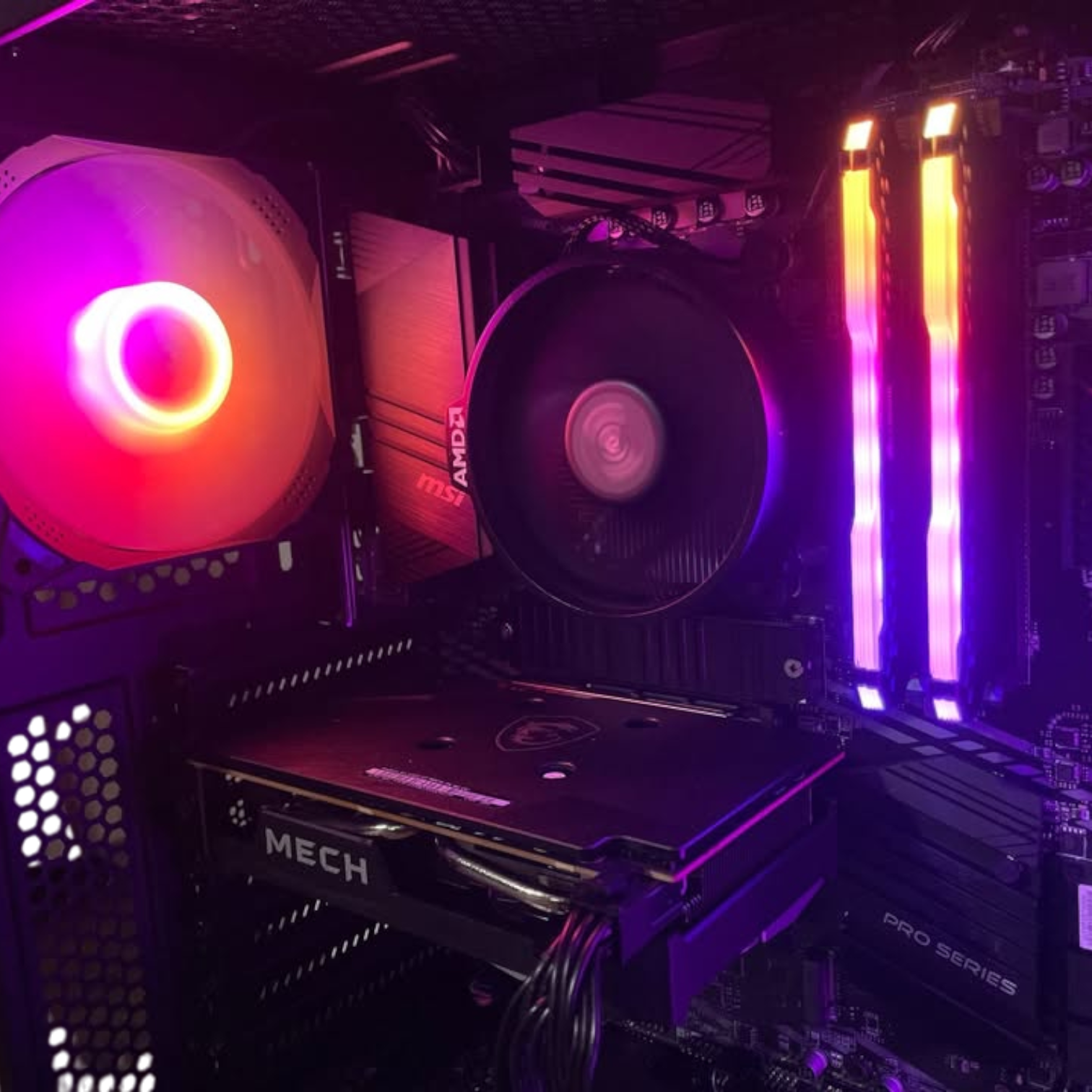
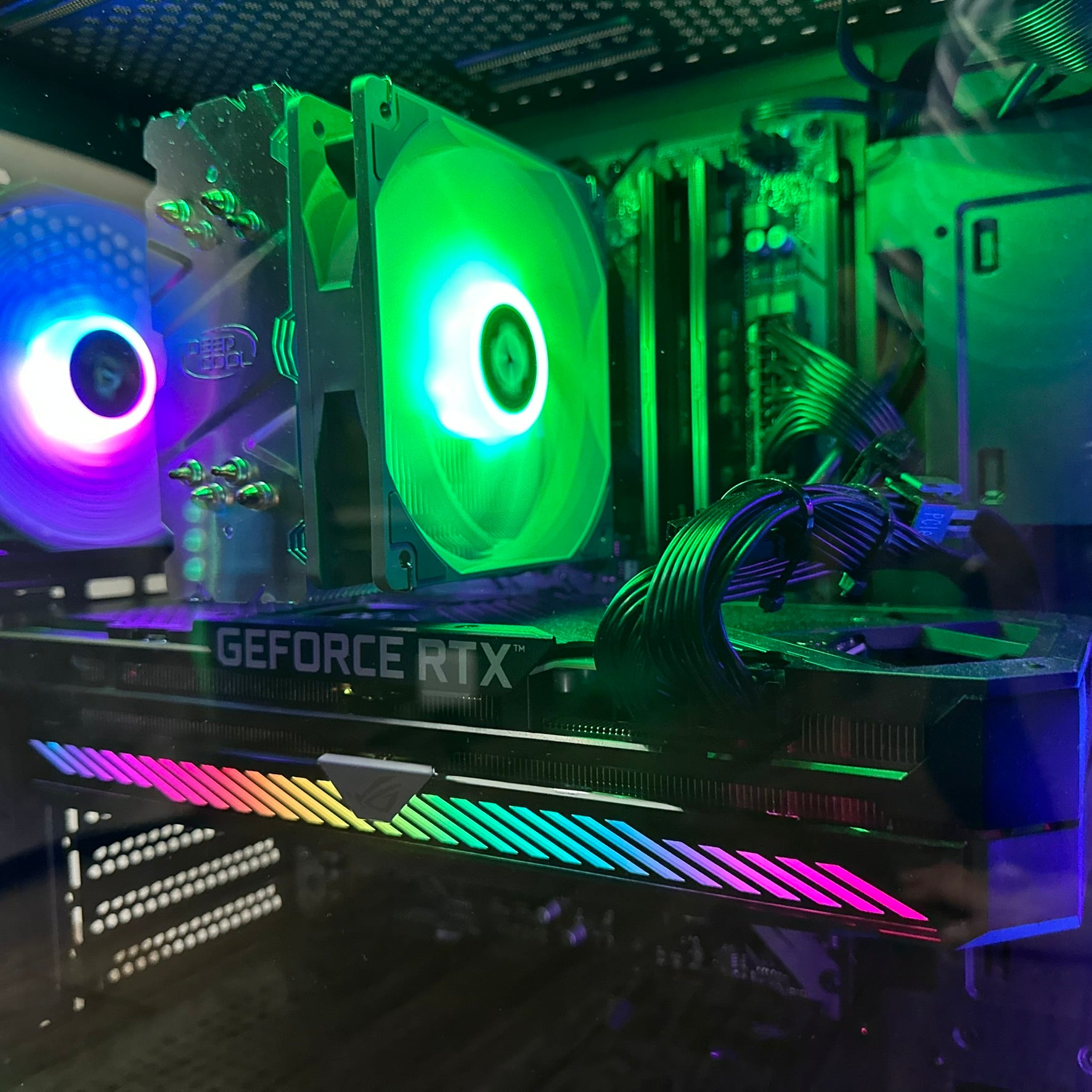
When hardware demand is unpredictable and game requirements keep moving upward, build quality matters. A custom system is not just about aesthetics. It is about matching the parts to your actual use case so you are not overpaying in one area while being bottlenecked in another.
A solid custom desktop should consider:
- GPU tier: matched to your resolution, settings target, and game library
- CPU balance: so you get strong frame pacing, multitasking, and creator performance where needed
- RAM capacity: enough for gaming alone, or more for streaming, editing, and workstation tasks
- Storage layout: fast SSD space for games, apps, project files, and exports
- Cooling and airflow: important for sustained boost performance and long-term reliability
- Upgrade path: useful if you want the system to evolve rather than be replaced entirely
- Testing and warranty: because stability matters as much as raw specs
That is where working with a Canadian custom builder becomes valuable. Instead of guessing based on a spec sheet alone, you get a system built around your games, software, and budget.
What questions should you ask before buying your next PC?
If you are trying to make the right decision after reading news about where gaming is heading, these are the questions that matter most:
- What games do I want to play over the next few years?
- Am I targeting 1080p, 1440p, or 4K?
- Do I care about ray tracing, high refresh rates, or both?
- Will I also stream, record, edit, or create content?
- How much storage do I actually need for modern games and media files?
- Do I want to avoid upgrading too soon?
- Would financing a stronger build make more sense than settling for an underpowered one?
- Do I want a custom build that is tested and supported in Canada?
If even two or three of those questions make you pause, that is a sign you should not buy based on price alone.
Why Groovy Computers makes sense for Canadian buyers
Groovy Computers is positioned for buyers who want more confidence and less guesswork. If you are shopping for a custom gaming desktop, a creator-focused machine, or a workstation-class system, the advantage is not only the hardware itself. It is the guidance that helps you choose the right performance tier in the first place.
For Canadian customers, that means working with a builder that understands real-world gaming and creator needs, offers custom options, emphasizes reliability, and backs systems with rigorous testing and a 1-year warranty. It also means having access to stronger-buying options when timing matters, including financing that can help make a better long-term build more realistic.
Are you in Nova Scotia or elsewhere in Canada and trying to figure out whether your next machine should be a budget gaming system, a premium RTX desktop, a content creation build, or a full workstation? That is exactly where Groovy Computers can help narrow the decision.
So, what kind of PC should you buy if modern gaming keeps getting bigger?
If the direction of the industry is toward fewer, larger, more demanding games, then your buying strategy should reflect that reality. A lightweight entry-level machine may still be enough for some players, but many buyers will be better served by stepping into a stronger tier that gives them more headroom for future releases, creator workloads, and multitasking.
If you want straightforward advice, think of it this way:
- Choose a budget gaming PC if you mainly play lighter titles at 1080p and need the lowest entry cost.
- Choose a mid-tier custom gaming PC if you want the best all-around value for modern AAA gaming at 1440p.
- Choose a premium RTX gaming system if you want 4K ambitions, stronger ray tracing, and more long-term headroom.
- Choose a creator PC if gaming is only part of the job and you also edit, design, or stream regularly.
- Choose a workstation build if your machine also needs to support Blender, Unreal Engine, CAD, rendering, or professional production workloads.
The right answer is not the same for everyone. The right answer is the system that matches what you will actually do with it.
Need help deciding before prices or demand shift again?
If you are asking yourself what your next desktop should handle, whether now is the right time to buy, or whether financing a stronger system would help you avoid upgrading too soon, this is the moment to get expert guidance. Visit GroovyComputers.ca to explore custom builds, compare performance categories, and get help choosing a gaming PC, creator PC, or workstation that fits your needs in Canada.
In a market shaped by blockbuster releases, heavier workloads, and changing hardware demand, buying smarter matters. The Midnight Club 5 story is ultimately about priorities. Your next PC purchase should be about yours. If you want a Gaming PC Canada buyers can count on for modern games, future-ready performance, and real flexibility, Groovy Computers is one of the best places to start.
#GamingPCCanada #CustomGamingPCCanada #GamingPCBuilderCanada #GamingAndStreamingPCCanada #CreatorPCCanada #VideoEditingPCCanada #3DModelingPCCanada #WorkstationPCCanada #CanadianCustomPCBuilders #NovaScotiaTech
Groovy Computers | All Rights Reserved


Leave a comment
This site is protected by hCaptcha and the hCaptcha Privacy Policy and Terms of Service apply.