
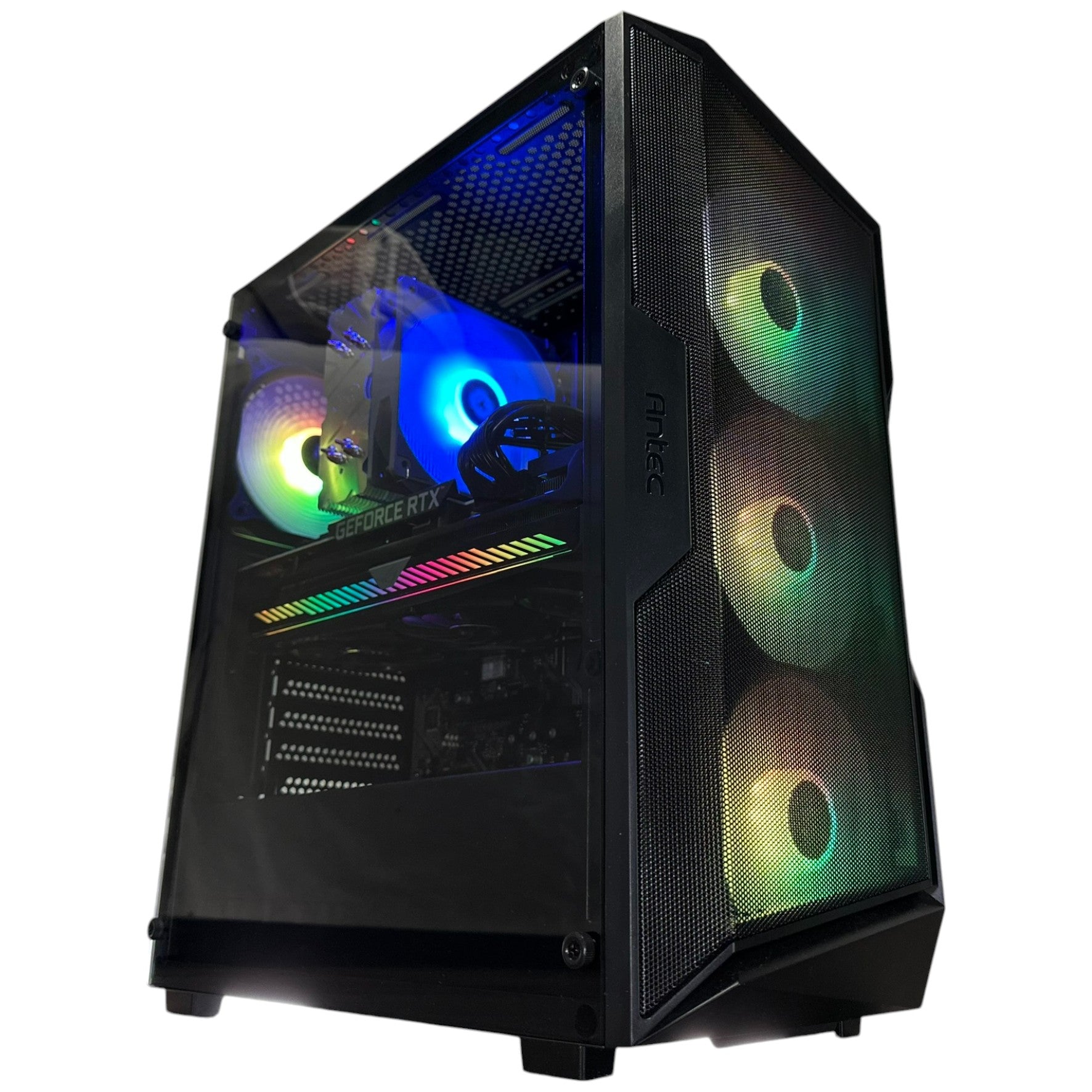
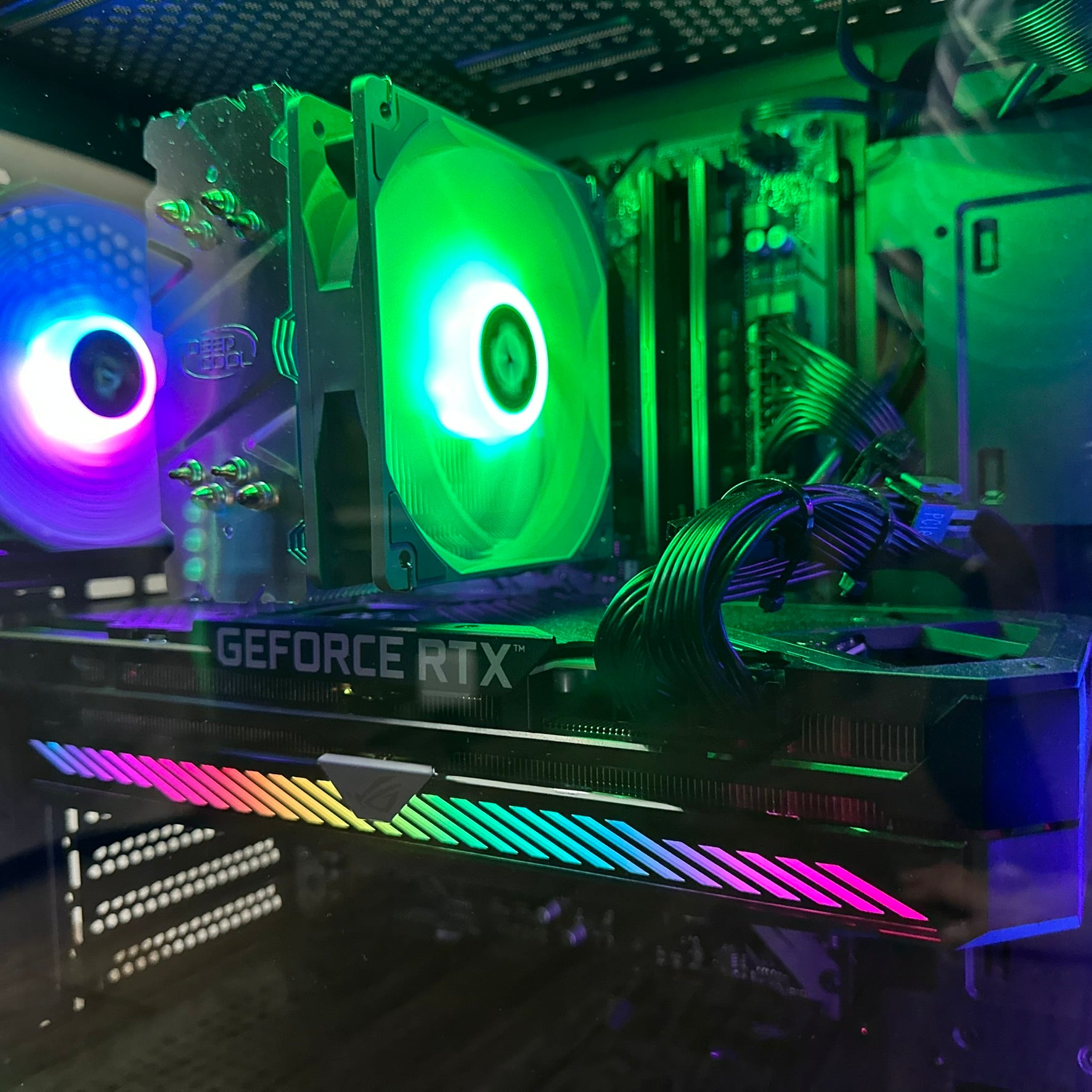


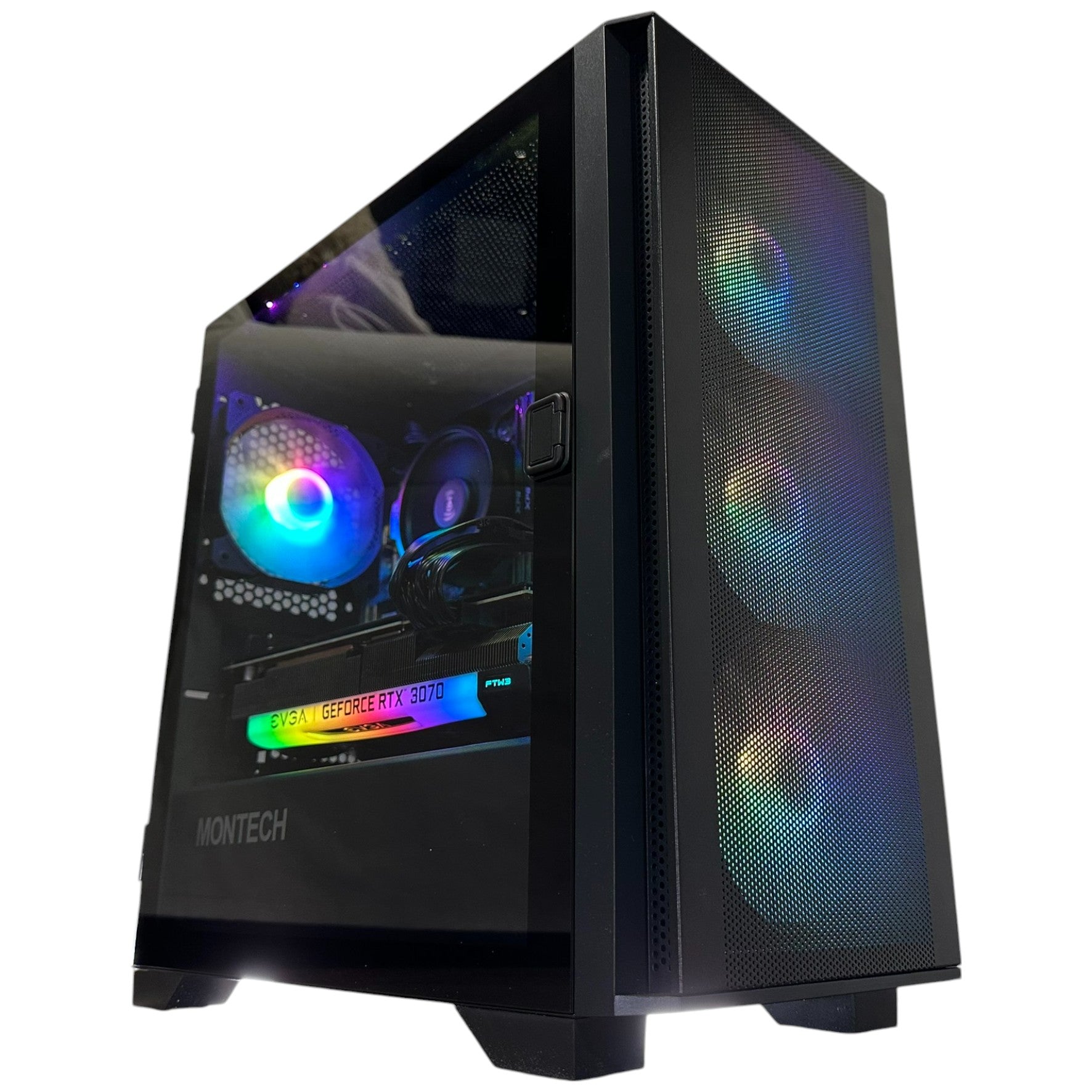
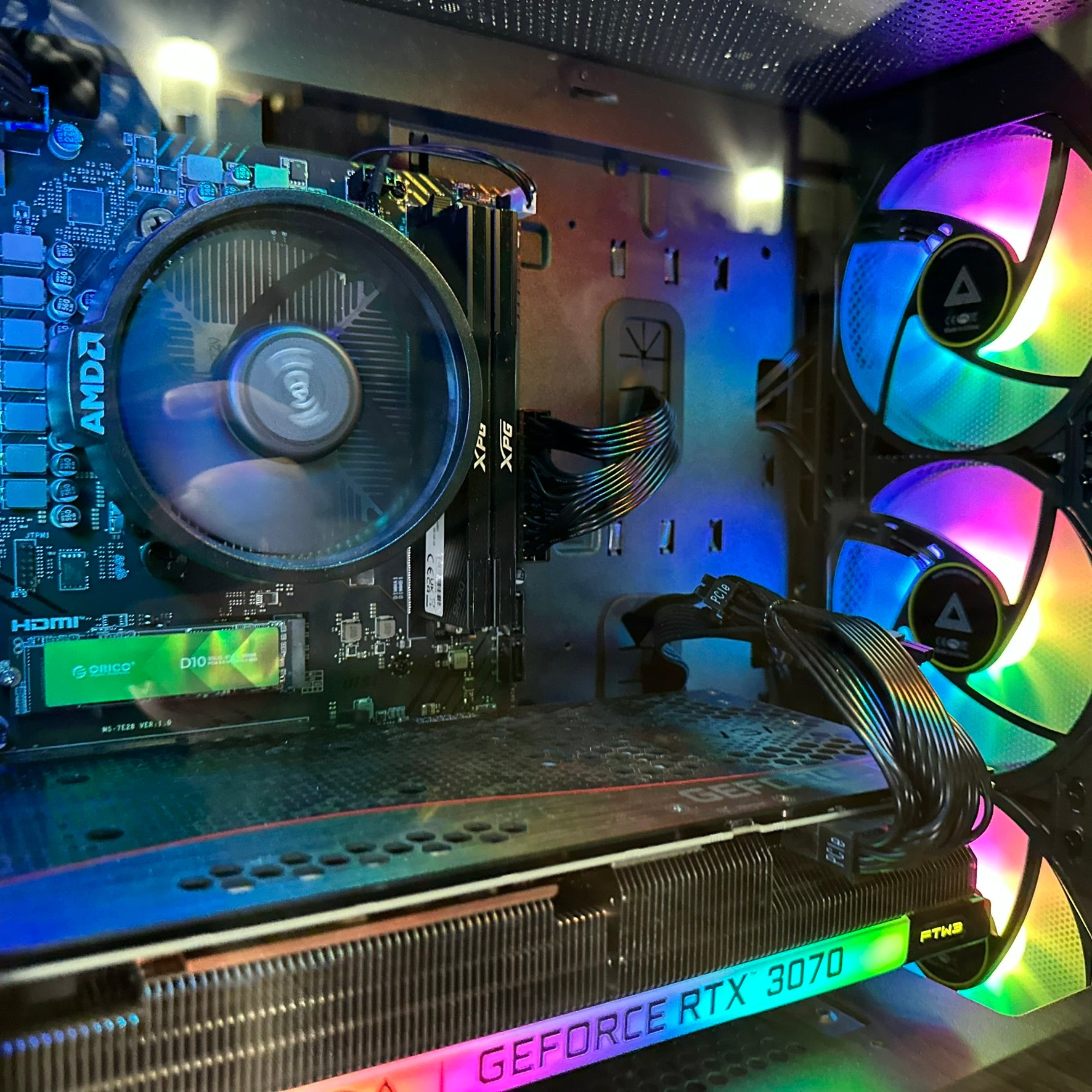


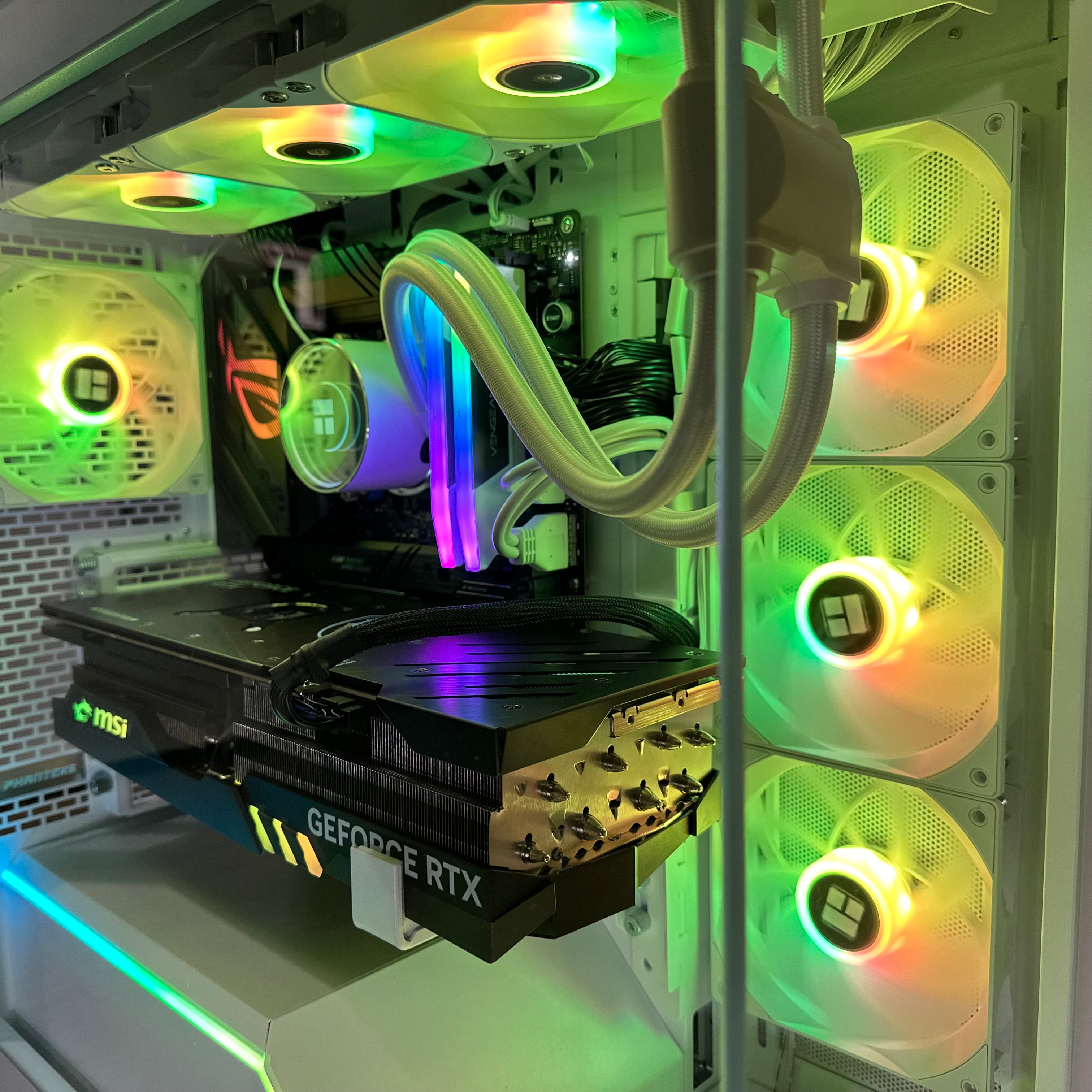
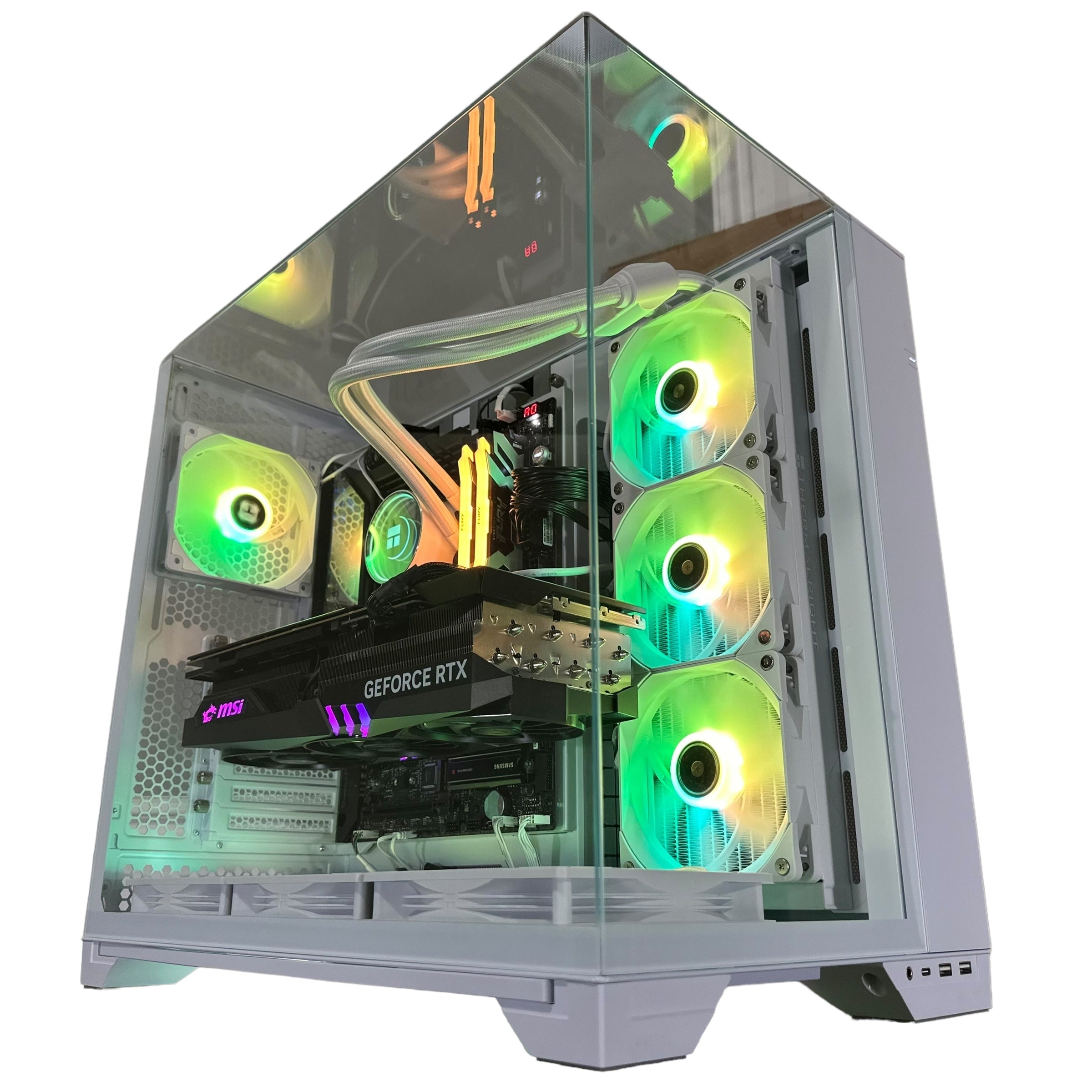
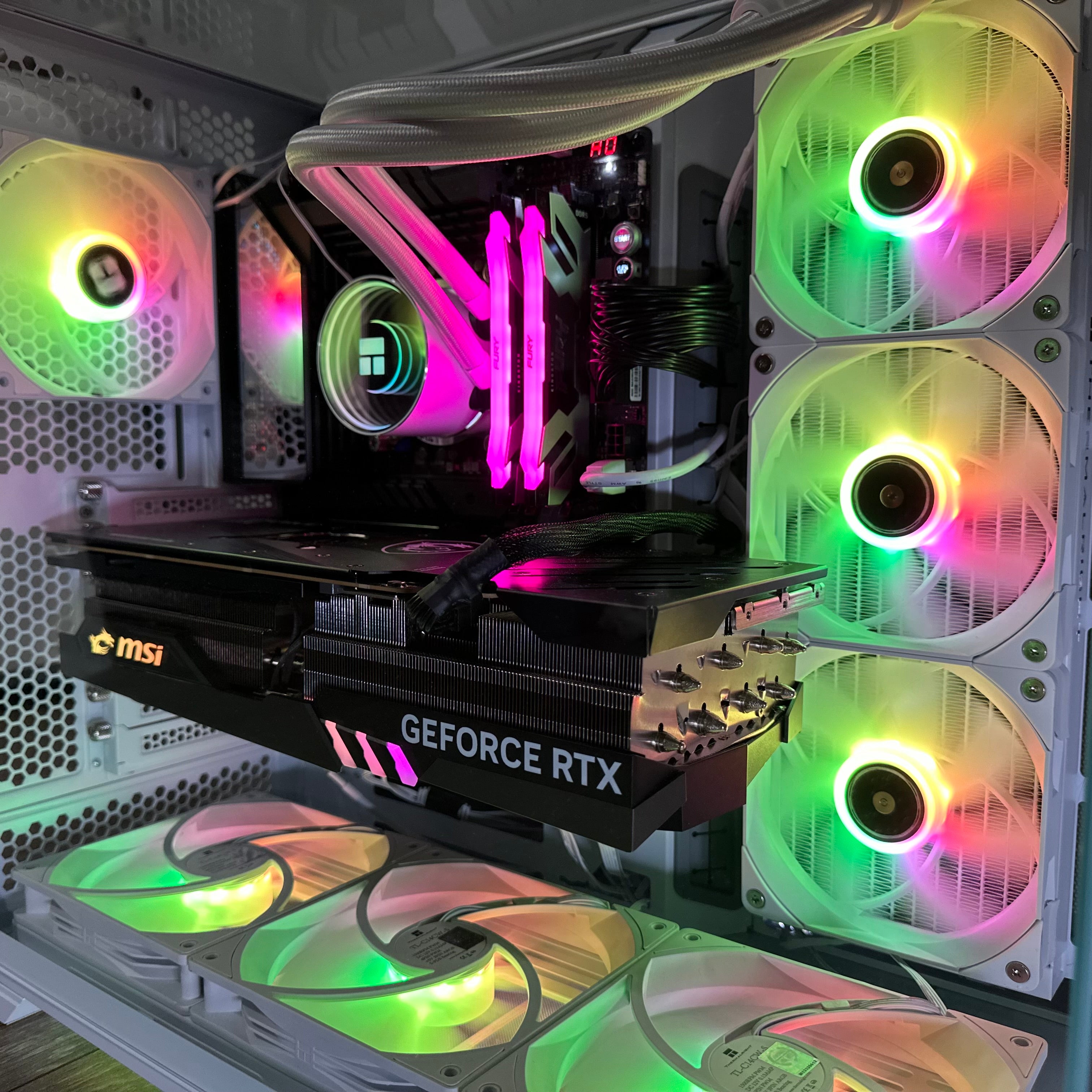

GTA 6 Leak Panic Is a Wake-Up Call for Canadian Buyers: What PC Should You Buy Before the Next Big Gaming Demand Spike?
The latest GTA 6 leak threat is more than gaming drama. It is another reminder that major game releases can change buying behaviour fast, push hardware demand higher, and make many players ask the same urgent question: what is the right Gaming PC Canada buyers should secure before the next wave of pressure hits GPUs, CPUs, memory, and full-system pricing? For Canadian shoppers, especially those trying to plan around blockbuster launches, streaming goals, creator workloads, or financing decisions, this moment matters.
The source story centers on a serious threat surrounding GTA 6 spoilers and alleged build access ahead of launch. Whether readers care most about the leak itself, the risk of spoilers, or the wider industry reaction, the bigger practical takeaway for PC shoppers is clear: whenever a massive game dominates headlines, system demand follows. People who were thinking about upgrading “later” often start shopping all at once. That can mean tighter supply, less flexibility, and more compromise.
If you have been waiting to replace an aging gaming desktop, or if you want a stronger custom build for gaming, streaming, editing, or creative work, this is the kind of news cycle that should make you pause and think ahead. Are you trying to be ready for open-world AAA games at 1080p? Do you really want smooth 1440p performance? Are you aiming for 4K, ray tracing, recording, and multitasking? Or are you also planning to edit YouTube videos, produce TikTok clips, design thumbnails, or work in Blender and Adobe apps on the same machine?
Why does the GTA 6 leak story matter if you are shopping for a PC in Canada?
Because blockbuster releases do not just shape conversation. They shape demand. GTA 6 is one of the biggest entertainment launches in gaming history, and even though the source article discusses leaks on the console side, PC buyers know what happens next. Search traffic rises. Upgrade interest rises. More people start asking what system they need for modern open-world games. More customers decide they want a machine that will not feel outdated in a year.
That surge affects more than just pure gaming customers. It also affects streamers, creators, editors, and workstation buyers who are shopping from the same GPU and CPU pool. A customer looking for a gaming rig, a creator building a streaming setup, and a designer needing more graphics acceleration may all end up targeting similar hardware tiers. Once enough people move at once, “I’ll wait” can become “I should have bought earlier.”
For Canadian buyers, there is another layer. Pricing here is not just about MSRP. It is shaped by exchange rates, shipping costs, regional availability, distributor timing, and category-wide demand. Even when prices do not explode overnight, strong market attention can reduce flexibility on the exact build you wanted.
What did the source article get right about timing and risk?
The source article’s central point is that there is a short runway before launch and that spoilers could spread fast if a playable version escapes into the wild. That timing pressure is real in another way too: when a release gets close, people stop researching casually and start buying seriously.
That is when many shoppers discover their current system is no longer where they want it to be. Maybe it can still launch games, but not at the settings they want. Maybe it struggles with recording gameplay while playing. Maybe it can handle Photoshop but slows down badly in Premiere Pro. Maybe it was “fine” until a major new title made the owner realize they want a better monitor, higher frame rates, faster storage, more RAM, and a modern GPU all at once.
The leak story also highlights something else worth noting: hype compresses decision windows. When a game this big dominates discussion, many customers go from “I’ll think about a PC someday” to “I need a real plan now.”
What do you want your next PC to do for you?
This is the most important question in the entire buying process, and it is the one too many buyers skip.
Do you want a system mainly for gaming? Do you want it for gaming and streaming at the same time? Are you buying one machine to handle gameplay, OBS, Discord, browser tabs, capture workflows, and video editing after the stream ends? Are you also using Adobe Photoshop, Lightroom, Illustrator, Premiere Pro, DaVinci Resolve, After Effects, Blender, or Unreal Engine?
If your answer is “a bit of everything,” that does not mean you should guess. It means you should buy with a clearer performance target.
- Gaming-first buyers should prioritize GPU strength, CPU balance, cooling, and upgrade path.
- Gaming plus streaming buyers should think about GPU encoding, CPU multitasking, RAM headroom, and storage speed.
- Video editors and content creators should care about export performance, timeline responsiveness, fast SSDs, memory capacity, and software-specific acceleration.
- Design and photo editing customers should focus on responsiveness, memory, fast scratch storage, and reliable multi-app workflow.
- 3D modeling and rendering users need to think more like workstation buyers, especially if rendering, simulation, or real-time scene work matters.
If you are not sure which category you fit into, that uncertainty is actually a reason to choose a custom system instead of gambling on a generic one-size-fits-all box.
What gaming performance tier actually fits you?
Not every buyer needs the same class of machine, and one of the biggest mistakes in the market is buying either too little PC or far more than your real use case needs. The better question is not “what is the best PC?” but “what level of PC makes sense for how I actually play and work?”
Entry performance: 1080p gaming and esports
If your main goal is strong 1080p play in competitive games, lighter AAA settings, and everyday use, you may not need a top-tier monster. This tier makes sense for buyers who want value, students buying a first gaming setup, or players focused on esports, modded sandbox titles, and mainstream gaming without ultra-level visual goals.
Ask yourself: are you chasing maximum visuals, or do you just want smooth gameplay and a machine that feels fast every day? If your answer is the second one, a budget-conscious gaming desktop may be the smart move.
Mainstream enthusiast: 1440p gaming sweet spot
For many Canadian buyers, 1440p is the real sweet spot. It is where image quality, stronger settings, good longevity, and higher-end gaming experience start to feel worth the investment. If you are looking ahead to open-world AAA games, heavier visual features, and a monitor upgrade that lasts, this is often the strongest value tier.
What PC do you need for 1440p gaming if you also want room for tomorrow’s games? Usually, this means stepping beyond entry-level graphics and making sure the rest of the build is balanced enough that you are not forced into another upgrade too soon.
High-end: 4K, ray tracing, premium AAA experiences
If you want premium image quality, ray tracing, high settings, and a build meant to stay relevant longer, you are in high-end territory. This is for customers who know they care about visual fidelity, demanding games, larger displays, or simply want a stronger long-term system.
But here is the key question: are you buying high-end because you need it, or because you want peace of mind for the next several years? Both are valid reasons. The right answer depends on your display resolution, target frame rates, and tolerance for future upgrades.
What if you want one PC for gaming, streaming, and content creation?
This is where many buyers underspend by accident. A machine that feels fine for gaming alone may feel much less impressive once you add OBS, webcam software, browser tabs, overlays, audio plugins, recording, and post-production work.
If you plan to go live on Twitch, YouTube, Kick, or social platforms, then a Gaming and Streaming PC Canada buyer should not be selected the same way as a pure gaming machine. The same applies if you record gameplay for uploads. Streaming and editing create different pressure points than gaming alone.
You should be asking: do I want clean 1080p streaming? Do I want to game and stream from one machine? Do I want to edit highlights after? Am I planning on dual monitors, creator tools, and heavier multitasking? If yes, then more RAM, better cooling, smarter storage planning, and a stronger GPU tier can make a meaningful difference.
A proper creator-friendly build can also help if your interests evolve. Many customers begin by saying they “just want to game,” then six months later they are editing shorts, making thumbnails, cutting clips, using AI tools, and wondering why their original system suddenly feels cramped.
Could this kind of gaming moment also affect creator and workstation buyers?
Absolutely. The same market attention that drives gaming demand can create pressure on parts used in creator systems and workstations. A Creator PC Canada customer, a Video Editing PC Canada shopper, and a 3D artist looking for a 3D Rendering PC Canada setup may all need similar modern GPUs, higher RAM capacities, and fast NVMe storage.
That is why the smartest buying conversations are not just about one game. They are about your broader workload. If you are already thinking about replacing a slow editing machine, moving up to 4K timelines, handling Lightroom catalogs faster, or reducing render and export times, waiting through a major demand cycle may not help you.
Do you edit in Premiere Pro or DaVinci Resolve? Are you building in Blender or Unreal Engine? Do you work with large RAW photo sets? Do you run Photoshop, Illustrator, and browser-heavy workflows all day? Then your system decision should be based on sustained workload quality, not just whether one game looks good in trailers.
Should you buy now or wait?
This is one of the most common and most important buying questions.
There is no universal answer, but there is a practical one. If your current PC is already limiting what you want to do, waiting only makes sense if you have a clear, near-term reason to expect a better result. Most buyers do not. What they usually have is uncertainty. And uncertainty often leads to delayed purchases, rushed buying later, and a weaker decision under more pressure.
Ask yourself a few honest questions:
- Is your current system already struggling in newer games?
- Are you avoiding streaming or editing because your PC cannot keep up?
- Are load times, storage limits, heat, or instability becoming a problem?
- Would one stronger custom build save you from piecemeal upgrades?
- Are you trying to buy before a major release cycle, holiday demand spike, or price shift?
If several of those are true, then “waiting” may not really be a strategy. It may simply be postponing an upgrade you already know you need.
Why financing can matter when major games and hardware demand collide
For many customers, the real issue is not whether they need a better PC. It is whether they want to compromise today because of cash flow. That is where financing can become a practical tool, not an impulse trap.
If buying a weaker system now means replacing it sooner, then it is worth asking a better question: would financing a stronger build now help you secure better long-term value before replacement costs rise? For a lot of Canadian buyers, the answer is yes.
A better-balanced custom desktop can last longer, handle more games, support streaming more comfortably, and remain useful if your needs expand into editing or design work. Financing up to 4 years can make that jump much easier to manage than paying all at once for a stronger machine.
Should you finance a gaming PC instead of buying the cheapest possible one? If the financed build meaningfully reduces near-term upgrade pressure, gives you better performance where you actually care, and keeps the system relevant longer, then it can be the smarter financial decision.
How can pricing pressure affect full-system costs in Canada?
Canadian buyers have to think about more than one component. Full-system pricing can shift because of graphics card demand, processor positioning, motherboard availability, memory pricing, storage trends, power supply quality tiers, and even case and cooling inventory.
When hype around major games rises, the visible conversation is always about GPUs. But the smarter buyer understands that a real custom desktop is an ecosystem. If more customers enter the market chasing stronger gaming performance, the pressure can ripple through multiple categories.
That matters because a rushed future purchase may force tradeoffs. Maybe the exact GPU tier you wanted becomes less attractive. Maybe you settle for lower RAM than ideal. Maybe the “deal” system you found uses weaker cooling, lower-end power delivery, or a poor upgrade path. Buying thoughtfully before peak pressure can help you avoid those compromises.
What kind of buyer should choose each Groovy Computers category?
Choose a budget gaming computer if...
You mainly want 1080p gaming, esports, strong everyday performance, and the best value without pretending you need flagship hardware. This is ideal for first-time desktop buyers, students, and anyone focused on smooth gaming rather than ultra settings in every new AAA release.
Ask yourself: do I need more than this right now, or do I just need a reliable system that performs well and leaves room to grow?
Choose a mid-range or enthusiast gaming PC if...
You want the best balance of performance, visual quality, and longevity. This is often the strongest category for customers planning for demanding modern games, 1440p play, stronger frame rates, and a better overall experience over the next several years.
If you keep asking, “What gaming PC do I need so I do not regret the purchase in a year?” this is often the tier to examine first.
Choose a premium RTX gaming PC if...
You care about top-tier visuals, ray tracing, premium open-world performance, and long-term confidence. This category is also good for buyers who want gaming plus heavier creative work in one machine.
Do you want to enjoy new games at high settings without constantly adjusting expectations? Do you want a stronger machine now so you are not shopping again too soon? Then premium may make more sense than you think.
Choose a custom creator PC if...
You split your time between gaming and creation. If you stream, edit, design, manage social content, create thumbnails, work in Adobe Creative Cloud, or need one system for both personal and professional output, a creator-focused build is often the right answer.
That is especially true if your workflow includes Premiere Pro, Photoshop, Illustrator, CapCut, DaVinci Resolve, OBS, and large asset libraries.
Choose an editing workstation or 3D workstation if...
Your system is part of your income, your studies, or your production schedule. If you work with heavier exports, larger projects, complex scenes, CAD applications, rendering, or simulation-heavy software, a workstation-class approach matters.
Are you losing time to slow renders, crashes, memory limits, or weak multitasking? Then a true workstation build is not overkill. It is a productivity tool.
What specs should you think about before buying a custom PC?
You do not need to memorize a parts list, but you should understand the core decisions.
- GPU: The biggest factor for gaming performance, visual settings, creator acceleration in many apps, and long-term relevance.
- CPU: Critical for game responsiveness, streaming balance, editing workflows, multitasking, and workstation reliability.
- RAM: Important for heavier multitasking, creative software, larger game footprints, and keeping your machine comfortable over time.
- Storage: Fast SSDs improve load times, workflow speed, project handling, and everyday system feel.
- Cooling: Good thermals help preserve performance consistency, acoustics, and component longevity.
- Power supply and motherboard quality: These affect stability, upgrade path, and the overall trustworthiness of the system.
If you are comparing systems, ask yourself: am I just comparing headline specs, or am I looking at whether this PC was built intelligently as a whole?
Why does custom building matter more when the market feels uncertain?
Because uncertain timing punishes bad purchases.
A weak generic machine may look attractive at first glance, especially when hype is high and everyone wants something fast. But if the thermal design is poor, the power supply is low quality, the motherboard limits future upgrades, or the storage and RAM choices are too tight, the system may stop feeling like a deal very quickly.
A proper custom build gives you better alignment between your goals and your hardware. That matters if you are trying to target 1080p, 1440p, 4K, streaming, editing, design, content creation, or workstation use without wasting money in the wrong places.
Custom also matters because buyers do not all need the same balance. One customer may need more GPU than CPU. Another may need more RAM and storage than gaming horsepower. Another may want a machine that is gaming-strong today and editing-ready tomorrow.
Why are testing, warranty, and support worth caring about?
Because buying a PC is not just buying parts. It is buying confidence.
When hardware categories are in demand, the risk of buying the wrong system grows. That is why build quality, stress testing, and support matter. A properly prepared custom PC should not just turn on. It should be assembled thoughtfully, validated, and delivered as a complete machine you can trust.
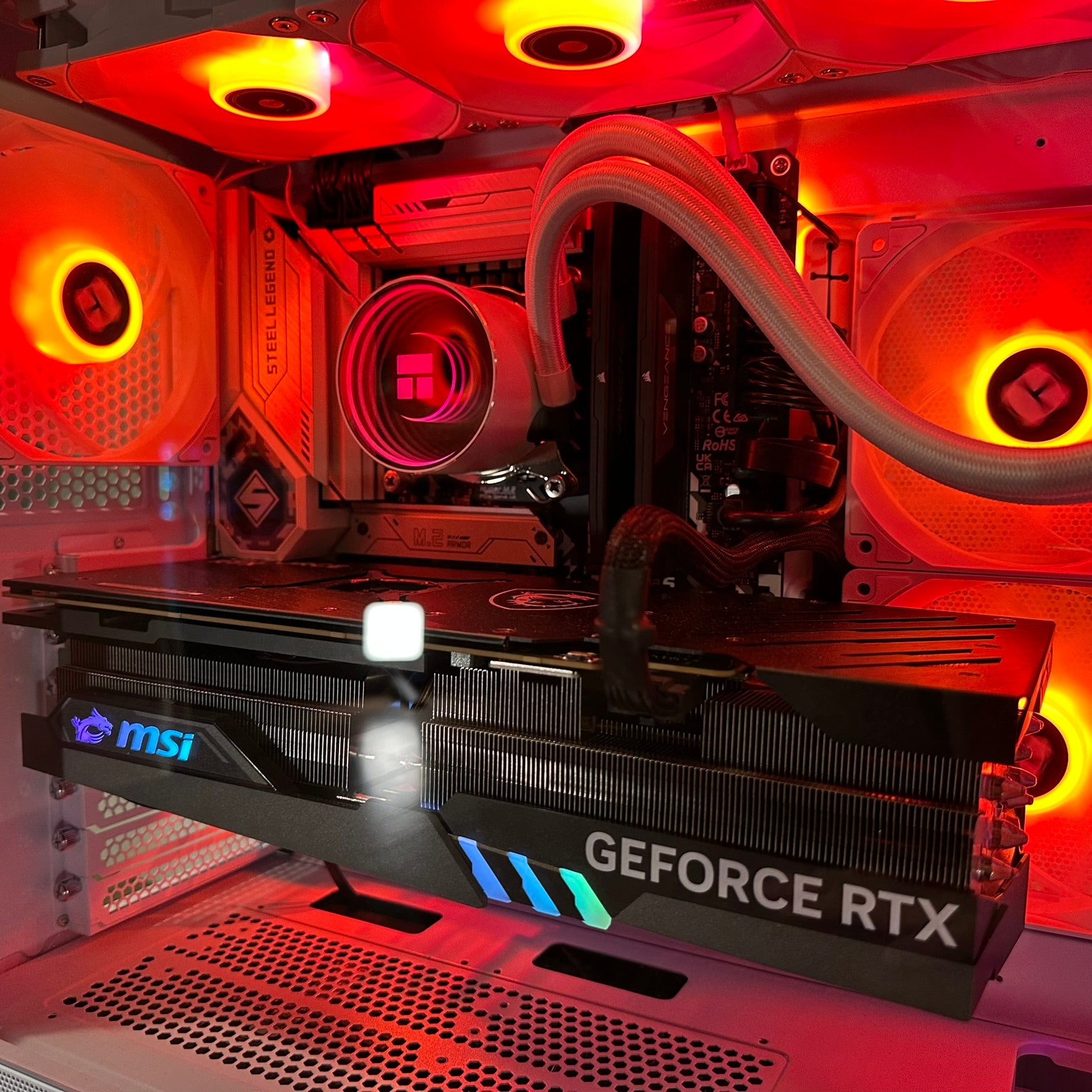
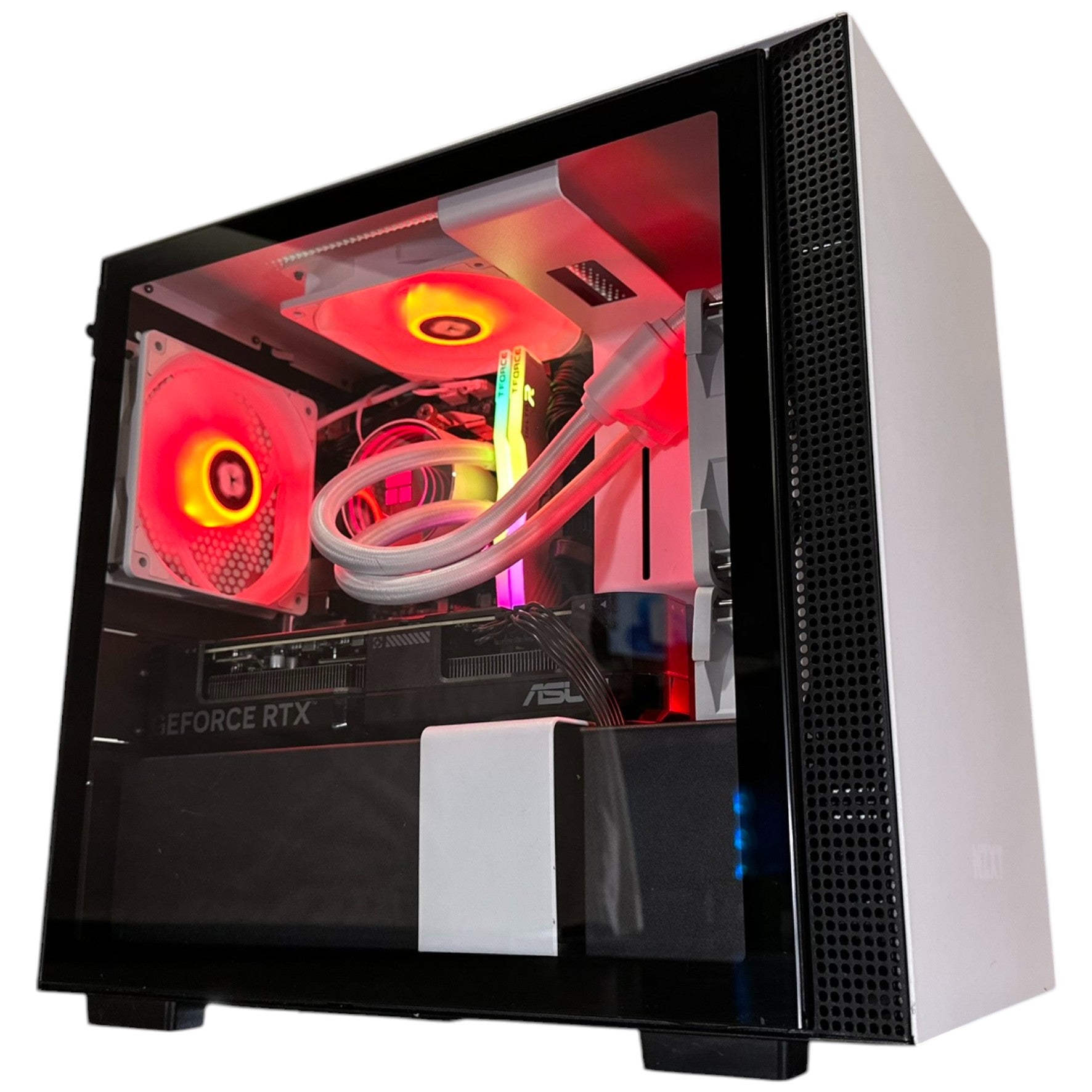
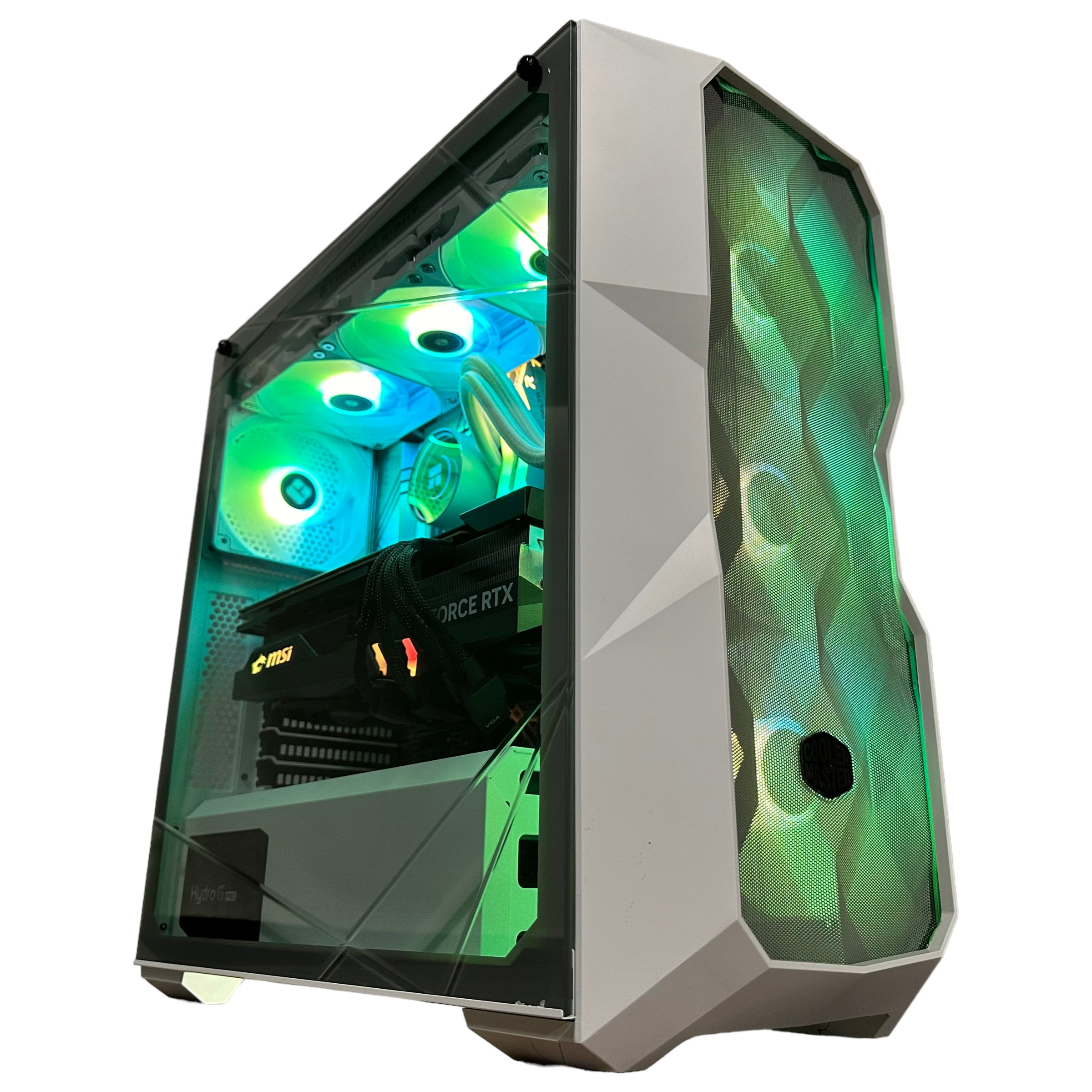
Groovy Computers gives Canadian buyers the advantage of custom systems built with actual workload intent in mind, plus rigorous testing and a 1-year warranty. That matters whether you are a gamer preparing for the next blockbuster release, a streamer building a more serious setup, or a creator who cannot afford instability.
Would you rather gamble on a mystery build, or buy from a Canadian custom PC company that understands how real buyers use these machines?
Canadian buyers should think beyond one game
GTA 6 headlines may be the reason you started looking, but they should not be the only reason you choose a PC. The better move is to treat this moment as a buying checkpoint.
What games are coming next for you? What software do you already use? What do you wish your current PC handled better? Would a stronger GPU tier let you move to 1440p? Would more RAM help your editing workflow? Would faster storage make your whole machine feel newer? Would a better CPU and cooling setup save you from upgrading too soon?
These are the questions that lead to better purchases. And when answered properly, they often point toward a stronger custom desktop than the customer first expected.
So what should you do right now?
If this leak-driven gaming moment has you thinking about upgrading, do not just browse aimlessly. Use it as a prompt to buy strategically. Decide whether you are shopping for gaming only, gaming plus streaming, creator work, editing, graphic design, 3D work, or a hybrid machine that needs to do several things well.
Then decide what performance tier actually fits your goals, not just your impulse. If needed, consider whether financing helps you move from “good enough” to “right for the next few years.” In a market where major releases can increase demand fast, the best time to buy is often before everyone else realizes they need the same thing.
If you are asking what your next PC should really do for you, Groovy Computers is the place to start. Whether you need a gaming desktop, a creator-focused custom machine, or a stronger workstation with room to grow, visit GroovyComputers.ca to explore custom builds, get guidance, and find the right Canadian system before the next demand spike makes the decision harder.
Final thoughts: the GTA 6 leak scare is really about readiness
The source story is about leaks, spoilers, and launch pressure, but for PC buyers the deeper message is readiness. Huge games reshape the market. They remind people what their current machine cannot do, and they accelerate purchase decisions. If you are already considering an upgrade, this is the moment to ask the right questions and choose a system that fits both your current needs and your next stage.
The right Gaming PC Canada buyers choose is not just the one that runs the next hit game. It is the one that fits their resolution target, performance expectations, streaming plans, creative workload, and budget reality. It is the one they will still be happy with after the hype cycle passes.
#GamingPCCanada #CustomGamingPCCanada #GamingPCForGTA6 #CreatorPCCanada #VideoEditingPCCanada #StreamingPCCanada #3DRenderingPCCanada #CanadianCustomPCBuilders #GamingPCNovaScotia #GroovyComputers
Groovy Computers | All Rights Reserved



Leave a comment
This site is protected by hCaptcha and the hCaptcha Privacy Policy and Terms of Service apply.