
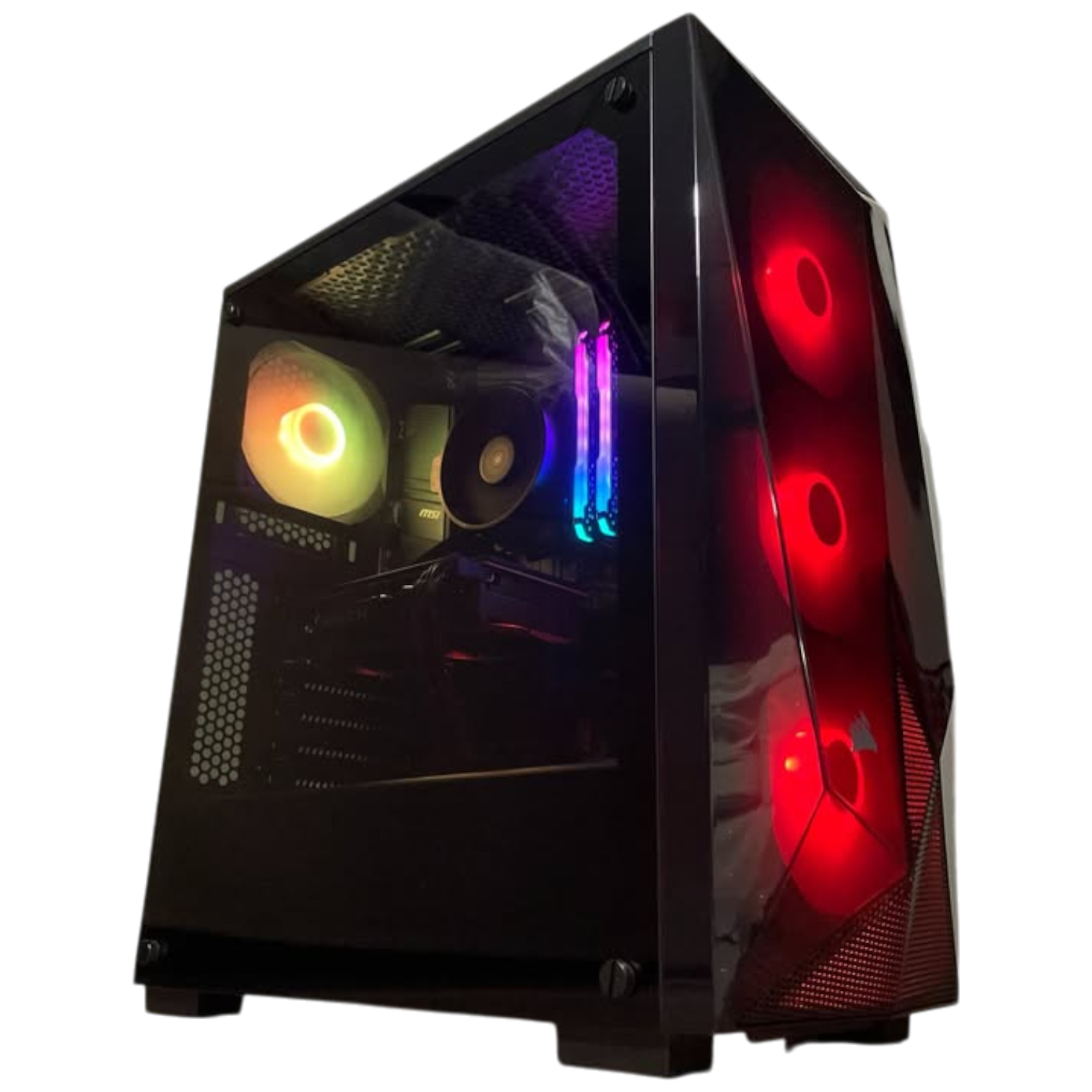
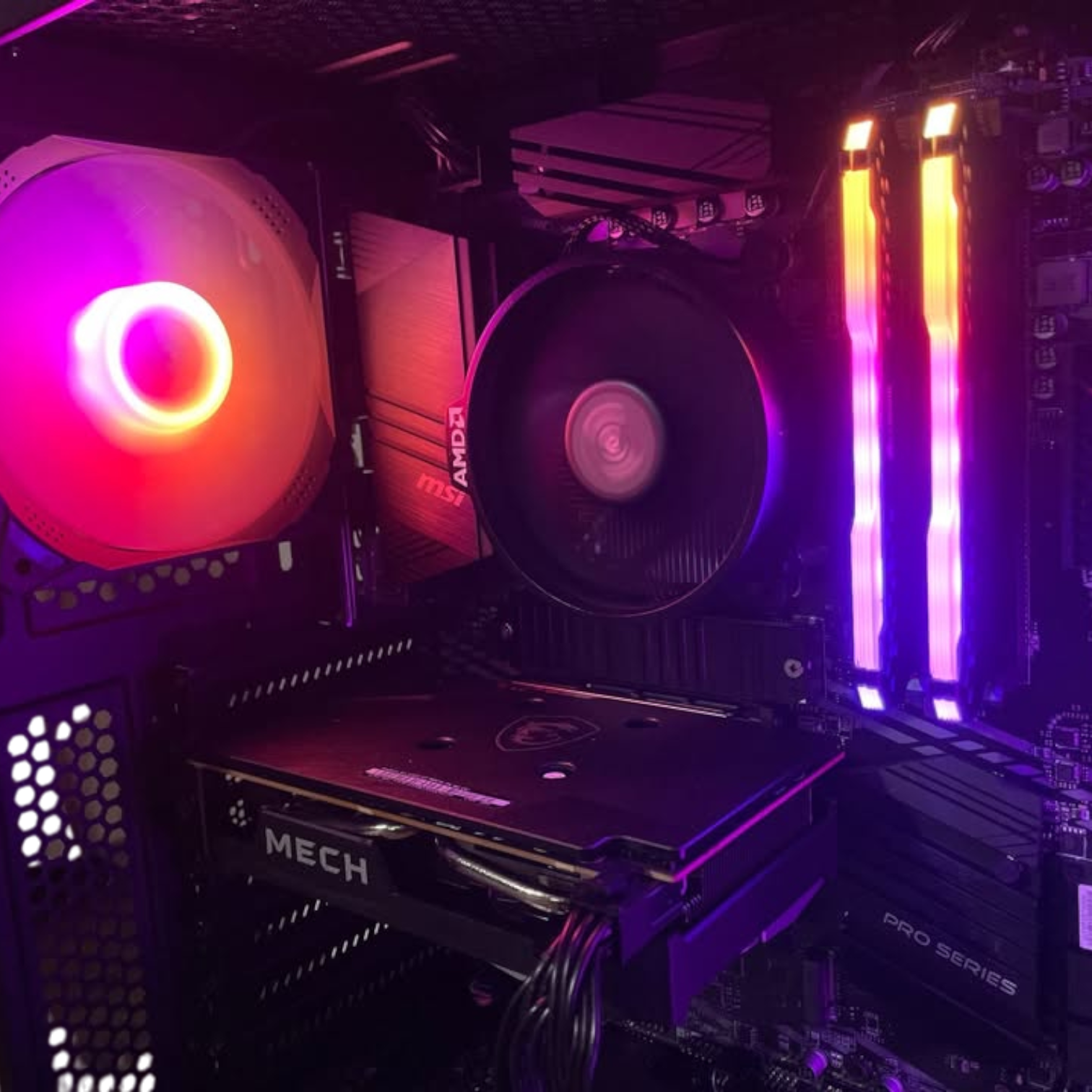
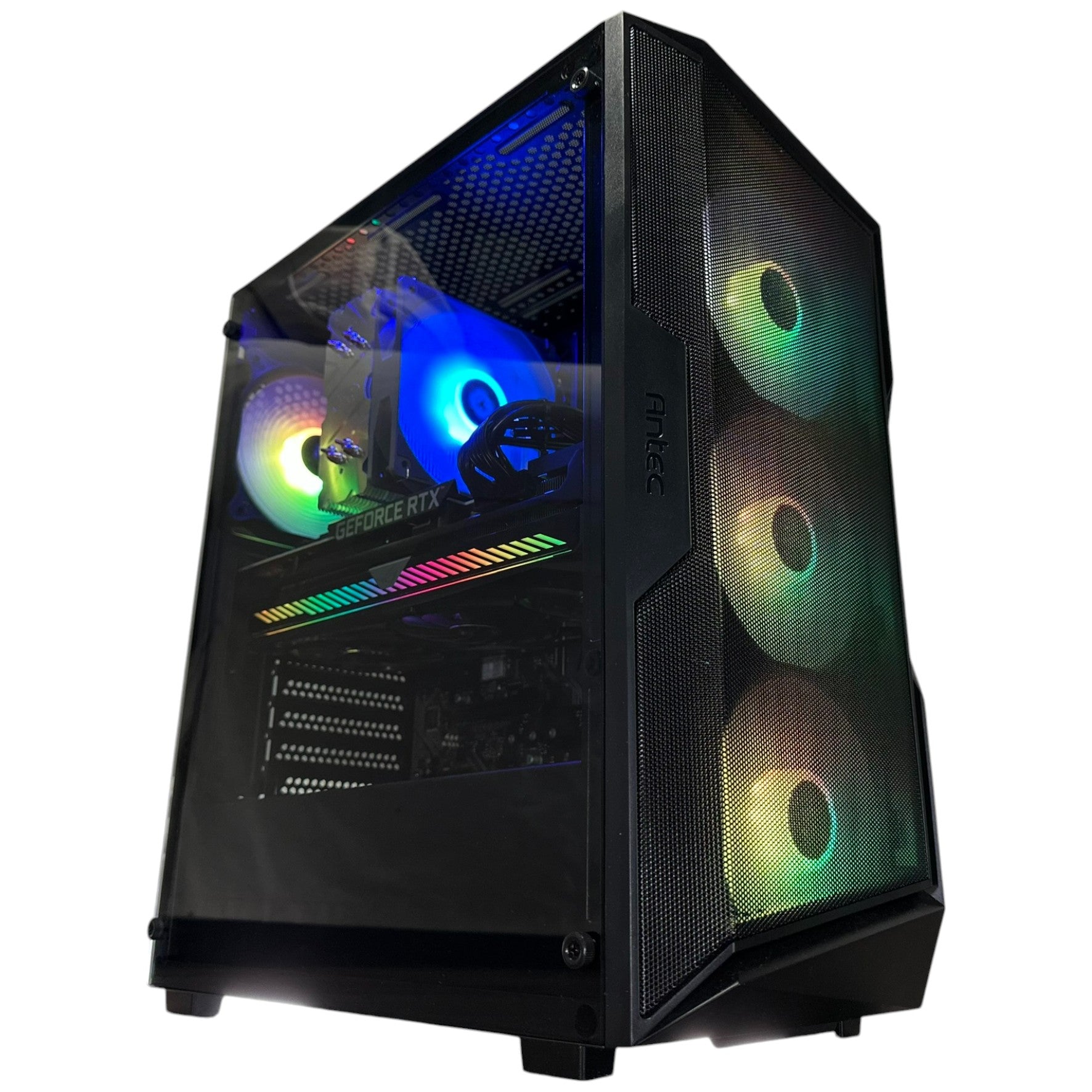
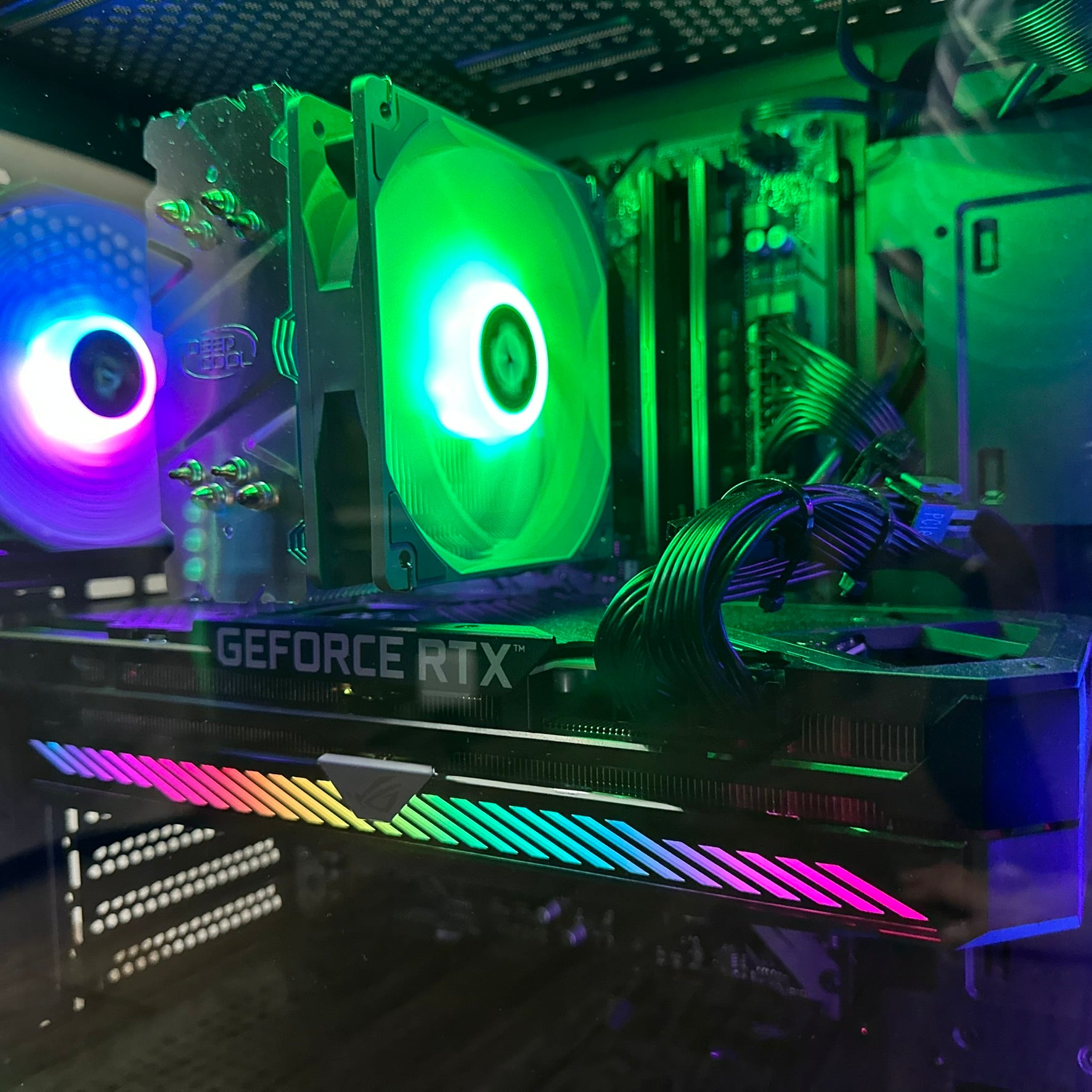





Dino Crisis Remake Rumours and the Bigger Question for Canadian Gamers: Is Your Next Gaming PC Ready for What’s Coming?
The latest Dino Crisis Remake rumour has immediately sparked the kind of reaction longtime PC gamers know well: excitement first, then a practical question right after it. If Capcom really has had a remake in development since 2022, and if a future reveal eventually becomes official, is your current system going to be ready for a modern survival-horror release built for current expectations? For Canadian buyers, this is where game news stops being just entertainment and starts becoming a real buying decision about performance, timing, upgrade value, and whether now is the right moment to secure a stronger custom PC.
According to the provided source material, the rumour claims that a Dino Crisis remake has reportedly been in the works since 2022, though nothing official has been confirmed by Capcom. The same source also suggests fans may still be waiting quite a while for a formal announcement, making this a classic early-stage gaming rumour. That means one thing is especially important: treating the claim carefully. But even when a game is not officially announced, smart buyers often use rumours like this as an early warning sign. Why? Because major remakes, AAA horror releases, and visually upgraded legacy franchises tend to raise the baseline for what a smooth PC experience requires.
If you have been holding onto an older gaming desktop, this kind of news naturally leads to another question: are you waiting for a game announcement before upgrading, or do you want to be ready before demand spikes and hardware pricing shifts? That distinction matters more than many buyers expect.
What the Dino Crisis Remake rumour tells us, even without an official reveal
At face value, the source report is simple. A Dino Crisis remake is rumoured to be real, and development reportedly began in 2022. There is also mention of a more recent Dino Crisis trademark filing, which has helped keep speculation alive. None of that confirms launch timing, gameplay style, minimum PC requirements, or whether the final product will even release in the expected form. Still, for gamers, rumours like this can be meaningful because they point toward broader trends in the market.
Capcom has built strong momentum around modern remakes, cinematic presentation, upgraded lighting, more detailed environments, and more demanding technical standards. So even if Dino Crisis remains unconfirmed, the direction of modern AAA game development is not a mystery. Horror remakes and action-heavy survival experiences increasingly reward stronger GPUs, faster SSDs, better cooling, and enough CPU headroom to maintain consistency in busy scenes.
That leads to a useful buying question: if a game you care about arrives in the next wave of major releases, do you want to be just barely able to launch it, or do you want a system that can actually enjoy it at the settings and resolution you wanted in the first place?
Why Canadian buyers should think ahead instead of waiting for official PC requirements
Many buyers wait for a reveal trailer, then wait for specs, then wait for benchmarks, and only after that do they start shopping. The problem is that this can push you into the worst buying window. If a major title gets announced and hype accelerates, GPU demand can tighten. If several major releases land around the same season, pricing pressure can spread across graphics cards, memory, and storage. If you are replacing a fully outdated system all at once, the jump in cost feels much larger than if you planned ahead.
In Canada, this matters even more because total system cost includes not just component trends but also broader supply and distribution realities. A smart custom PC purchase is often less about chasing leaks and more about avoiding bad timing. So ask yourself: are you trying to buy at the exact moment everybody else realizes they need an upgrade?
This is one reason custom PC buyers often come out ahead. Instead of grabbing whatever generic prebuilt happens to be available when a big game trailer drops, you can choose a performance tier that matches your actual goals now. That gives you better control over frame rate expectations, upgrade path, cooling quality, and long-term value.
What do you want your next PC to do for you?
Before choosing parts, budgets, or financing, start with the real question: what do you want your next PC to do for you over the next two to four years?
Do you want to play future horror remakes at 1080p with strong settings and stable performance?
Do you want to step up to 1440p and enjoy cinematic single-player games with higher texture quality, improved lighting, and smoother frame pacing?
Are you aiming for 4K gaming, ray tracing, and premium visual settings because you do not want to upgrade again too soon?
Will this system also be used for OBS streaming, recording gameplay, editing YouTube videos, creating thumbnails in Photoshop, or handling coursework and productivity during the day?
Or are you not just a gamer at all? Are you also editing 4K footage, designing in Adobe Creative Cloud, producing content for social media, or working in Blender and Unreal Engine on the same machine?
These questions matter because the right PC is not only about one rumoured game. It is about building a system that makes sense for everything you are realistically going to do with it.
Dino Crisis Remake or not, what kind of gaming PC should you be looking at?
If this rumour has reminded you that your current system is aging out, your next step is not to guess random hardware. Your next step is to choose the right performance tier.
Entry-level and budget-minded gaming buyers
If your main goal is solid 1080p gaming in current titles, and you are okay with balancing settings instead of maxing everything out, a value-focused build can still make a lot of sense. This buyer usually asks questions like: Can I play new games smoothly? Can I avoid overspending? Is a budget system still worth it if I mainly play esports, older AAA games, and a few newer releases?
A budget-focused gaming system is often right for:
- 1080p gaming
- Esports titles and lighter AAA workloads
- Students buying their first real desktop
- Buyers replacing an aging console-plus-laptop setup
- Gamers who need value now but still want a proper desktop upgrade path
That said, this is also where many people underbuy. If a potential remake or future AAA release is one of the reasons you are upgrading, do you really want a machine that is already close to the minimum comfort zone on day one?
Mainstream 1440p gaming buyers
For many Canadian gamers, this is the sweet spot. A strong 1440p-focused build gives you much more breathing room for future games, better longevity, and a noticeably more premium experience in visually rich titles. If you are interested in modern horror remakes, open-world games, cinematic action, or heavier upcoming releases, this is often the tier where performance and value meet most effectively.
This tier is ideal if you are asking:
- What PC do I need for 1440p gaming?
- How much should I spend on a gaming PC if I want it to last?
- Can I game and stream from the same system?
- Should I spend a bit more now to avoid upgrading too soon?
A 1440p-oriented custom build often gives buyers the best balance of modern gaming capability, multitasking headroom, and future-proofing without pushing straight into flagship-only pricing.
High-end and premium gaming buyers
If you want ultra settings, high refresh rate performance, 4K ambitions, or advanced lighting and ray tracing features in future releases, you are looking at a premium tier system. This is not just about bragging rights. It is about longevity, visual quality, and buying less often.
This buyer usually asks questions like: How long will a high-end gaming PC last? Is premium performance worth it if I play big cinematic releases? Should I finance a better PC instead of settling for a lower tier that I will outgrow?
If you hate compromise and want a machine ready for next-generation visual demands, then a premium custom build may be the smarter value over time, even if the upfront number is higher.
Are you only gaming, or do you also want a PC for streaming and content creation?
One of the biggest mistakes buyers make is shopping as if they only game, when in reality their system also handles streaming, recording, editing, multitasking, Discord, browser tabs, schoolwork, and creator tools. If Dino Crisis or any future AAA game is something you want to stream to Twitch, YouTube, or social platforms, then your ideal system changes.
A gaming-only PC and a gaming-and-streaming PC are not always the same thing. Streaming places additional demands on CPU resources, memory capacity, storage planning, and sustained thermal performance. So ask yourself: do you just want to play the next big release, or do you want to capture, stream, clip, and edit that experience too?
If the answer is yes, then a stronger all-around system is usually the better investment. That is especially true if you are using OBS, editing clips, making short-form content, or keeping multiple creative apps open while gaming.
Could your next gaming PC also replace your editing or creator machine?
For many buyers, the smartest path is not purchasing one computer for games and another for work. It is choosing one properly planned custom machine that can do both. That matters for:
- Video editing in Adobe Premiere Pro or DaVinci Resolve
- Photo editing in Photoshop or Lightroom
- Graphic design in Illustrator, InDesign, or Canva-heavy workflows
- Content creation for YouTube, TikTok, podcasts, and livestream clips
- 3D modeling and rendering in Blender or other demanding software
If that sounds like you, another question becomes important: are you buying a gaming PC, or are you really buying a multi-purpose performance platform?
That difference can affect your CPU choice, RAM capacity, storage layout, and whether you should invest in a stronger GPU now rather than later. A well-matched creator-focused desktop can save real time in exports, previews, multitasking, and rendering. For many users, that time saving is worth more than the raw parts difference on paper.
What performance tier fits you best?
If you are unsure where you land, this simplified guide can help narrow it down.
Choose a value-focused tier if:
- You mainly want 1080p gaming
- You play a mix of esports and selected newer titles
- Your budget is tight and you need the best performance-per-dollar
- You are okay adjusting settings over time
- You want a proper desktop now and can upgrade later
Choose a mid-to-upper mainstream tier if:
- You want strong 1440p gaming
- You care about visual quality in story-driven AAA games
- You want some streaming or editing flexibility
- You want a better chance of handling future games comfortably
- You are trying to avoid another upgrade in the near future
Choose a premium tier if:
- You want high refresh 1440p or 4K gaming
- You care about ray tracing and premium settings
- Your system will also be used for creator or workstation tasks
- You want longer useful life from the build
- You prefer buying stronger once instead of replacing sooner
If you are still wondering what gaming PC you need, think less about the rumour itself and more about your actual target experience. A machine built for “good enough” tends to feel old faster. A machine built for your real next step tends to feel right much longer.
Is it better to buy now or wait for official game news?
This is one of the most common buyer questions, and it does not have the same answer for everyone.
If your current system is still meeting your needs, and you are purely curious about a rumoured title with no announcement, waiting may be reasonable. But if your current PC is already struggling in modern games, taking too long can be expensive in a different way. You risk paying more later, settling for lower availability, or rushing into a weak replacement because your old machine finally gives out at the wrong time.
So ask yourself:
- Is your current PC already limiting the games you want to play?
- Are you lowering settings more than you want?
- Are load times, heat, or noise becoming frustrating?
- Do you want to stream, edit, or multitask more than your system allows now?
- Would buying earlier let you choose better instead of buying under pressure later?
If several of those sound familiar, upgrading before a major hype cycle can be the smarter move.
Why timing matters when full-system costs can shift
Even when a specific game has not been officially detailed, the broader hardware market never stands still. Graphics cards, DDR memory, SSD storage, and cooling hardware can all see pricing changes. Buyers who only think about a CPU and GPU often forget that replacing a whole system means every category matters. If enough parts move upward together, the final custom build cost can feel very different a few months later.
This is especially relevant when a buyer needs a complete platform change rather than a simple graphics card swap. Newer games also continue to reward faster SSD performance, more memory headroom, and stronger thermals. So if you are planning to rebuild eventually anyway, delaying only works in your favour if the market also improves in your favour. That is not guaranteed.
Would you rather lock in a capable system while you can compare calmly, or scramble later when a big release date finally gets announced?
Should you finance a stronger PC instead of buying a weaker one outright?
For many Canadian shoppers, this is the real turning point. You may be able to pay cash for a lower-tier system today, but is that actually the better decision if it leaves you wanting another upgrade too soon? If a modest monthly payment helps you move into a more suitable performance bracket, better cooling, more RAM, faster storage, or a stronger GPU, financing can be a practical strategy rather than an impulse decision.
At Groovy Computers, buyers often think through questions like:
- Should I finance a gaming PC if I want better long-term value?
- Would a stronger GPU now save me from a second upgrade later?
- Can monthly payments help me buy the right creator or gaming system the first time?
- Does financing make sense if prices rise before I am ready to replace parts again?
When used responsibly, financing can help secure a better matched custom PC before replacement costs climb. That is especially relevant if your next build needs to support gaming, streaming, editing, and daily work all in one machine. Groovy Computers offers options including financing up to 4 years, which can make a more capable system easier to plan for without forcing you into a rushed compromise.
What if you also need a PC for video editing, photo editing, graphic design, or 3D work?
Gaming headlines often bring people into the PC market, but many customers quickly realize they need more than just game performance. If your next desktop will also be handling creative software, your buying logic changes immediately.
For video editing buyers
If you edit in Premiere Pro, DaVinci Resolve, After Effects, or similar software, you need to think beyond game FPS. You should be asking: What PC do I need for video editing? How much RAM do I need for 4K footage? Will this system export quickly and stay responsive while multitasking?
A proper editing machine benefits from a balanced CPU and GPU, enough memory, fast SSDs for project files and cache, and stable cooling for long rendering sessions.
For photo editing and graphic design buyers
If your daily work involves Photoshop, Lightroom, Illustrator, InDesign, mockups, or multi-monitor workflows, then consistency matters as much as speed. Do you need better responsiveness with large RAW libraries? Faster batch exports? Smoother Adobe Creative Cloud performance? A custom creator PC can be configured around those exact needs instead of overemphasizing parts that only help gaming benchmarks.
For Blender, rendering, and workstation users
If you work in Blender, Unreal Engine, CAD-style workloads, animation, or rendering, then a workstation approach may be the smarter route. In that case, the key question becomes: are you shopping for a gaming desktop, or do you need a real performance workstation that also games well?
That is where custom planning matters most. The ideal machine for 3D modeling and rendering may prioritize different strengths than a mainstream gaming build, especially if your time is money and render speed affects your workload directly.
Why custom builds matter more when game demands keep rising
There is a reason serious buyers increasingly prefer custom systems over generic one-size-fits-all desktops. Newer games and creator workloads punish weak balance. A prebuilt might advertise a decent GPU but cut corners on power delivery, cooling, motherboard quality, SSD choice, or future upgrade flexibility. That can leave you with a system that looks good in a headline spec but feels compromised in actual use.
A custom build allows your money to go where it matters most for your goals. If you are gaming at 1440p, the part balance will differ from someone editing 4K video every day. If you need both, the build strategy changes again. A carefully configured desktop is not just about speed today. It is about reliability, thermals, acoustics, upgrade path, and avoiding expensive mismatches.
That is especially important if a rumoured title like Dino Crisis Remake is only one of several games on your radar. Your build should make sense for your entire library, not just one hypothetical release.
Why Canadian buyers choose Groovy Computers
For shoppers in Canada, especially those who want more confidence than a random marketplace PC can offer, Groovy Computers brings together the parts that actually matter: custom builds, expert guidance, rigorous testing, real-world performance planning, and support from a Canadian custom PC builder that understands how gamers, creators, and workstation users actually buy.
Groovy Computers is built around the idea that your desktop should match your use case, not just your wish list. Whether you need a gaming-focused tower, a creator machine, or a more advanced workstation, the goal is the same: build the right system, not simply the fastest-looking one on a product card.
That includes the details many shoppers overlook until it is too late:
- Part matching for your actual workload
- Cooling suitable for sustained performance
- Stress testing before delivery
- A 1-year warranty for added confidence
- Upgrade-conscious planning for longer-term value
- Canadian service from a company focused on custom PCs
If you are in Nova Scotia, Atlantic Canada, or ordering from elsewhere in the country, the appeal is the same: a build designed around what you need, not what a generic box happened to include.
What should you ask before buying your next PC?
Before you commit to any system, these are the kinds of questions worth asking yourself:
- What games do I realistically want to play over the next few years?
- Am I targeting 1080p, 1440p, or 4K?
- Do I care about ray tracing, ultra settings, or high refresh gameplay?
- Will I also stream, record, edit, design, or render on this machine?
- Do I want a lower upfront cost, or better long-term value?
- Would financing help me buy the right system instead of a stopgap system?
- How soon do I want to avoid upgrading again?
- Am I buying before a major game release, sale period, or possible price spike?
These are not filler questions. They are often the exact difference between loving your next PC and regretting it six months later.
So, is the Dino Crisis Remake rumour enough reason to upgrade?
By itself, no rumour should force a purchase. But a rumour like this can be a useful trigger for a smarter conversation. If you have already been thinking about upgrading, if your current machine is aging, if you want to be ready for the next generation of visually demanding titles, or if your system also needs to support streaming and creative work, then this is the right time to assess your options seriously.
The real takeaway from the Dino Crisis Remake discussion is not just whether the game exists. It is whether your current desktop is keeping up with the direction modern PC gaming is already heading. If the answer is no, waiting for a reveal trailer may not actually help you.
Need help choosing the right custom PC for what’s next?
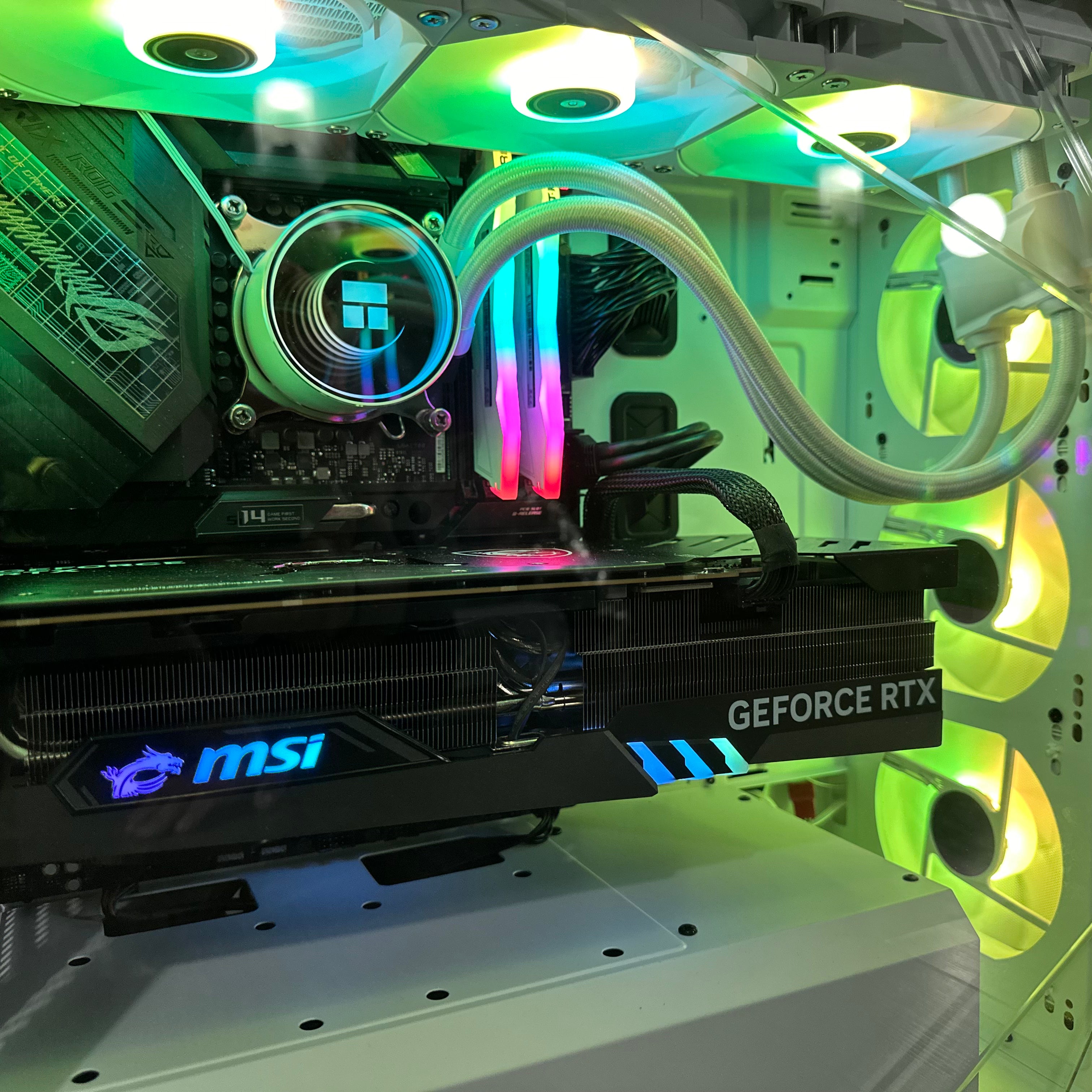
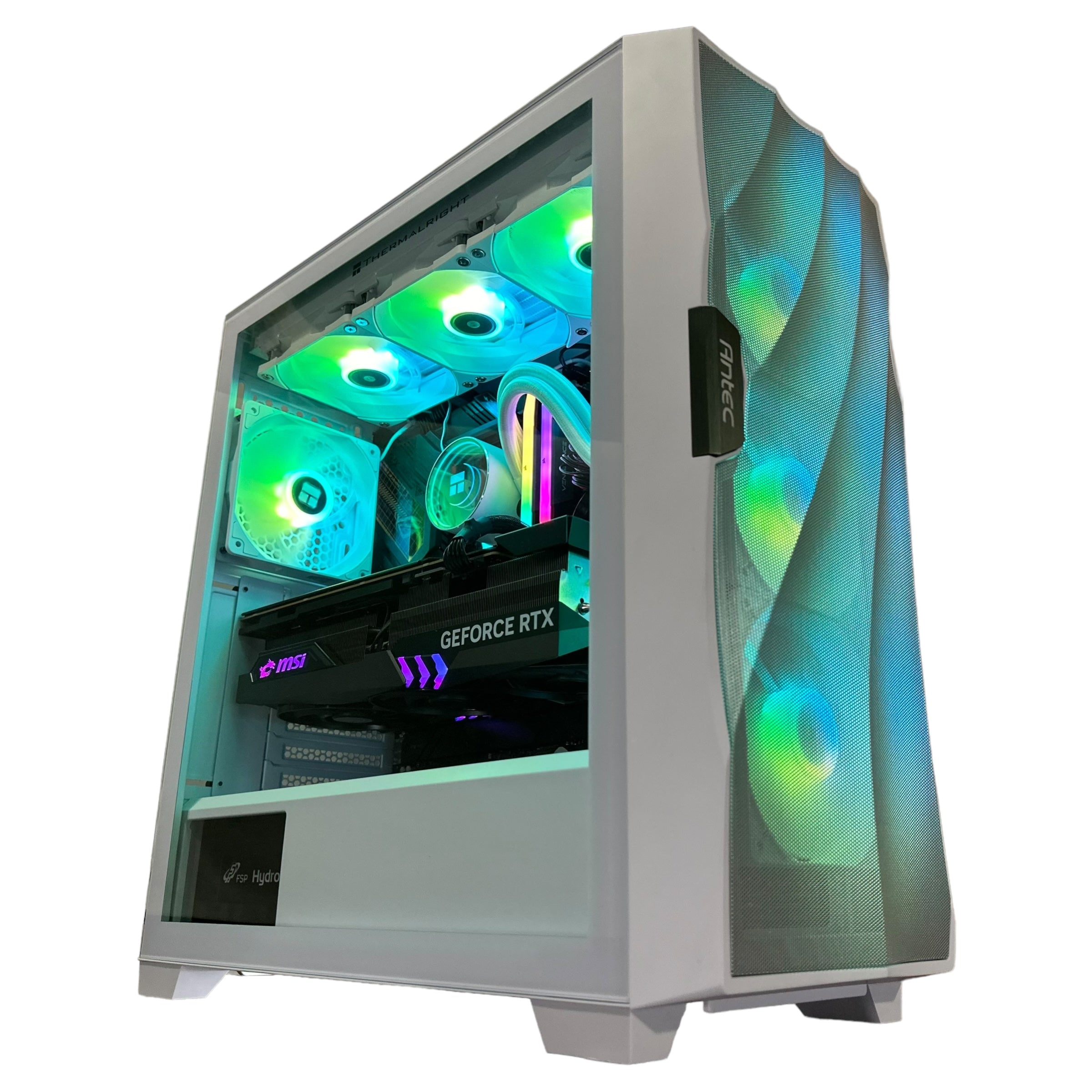
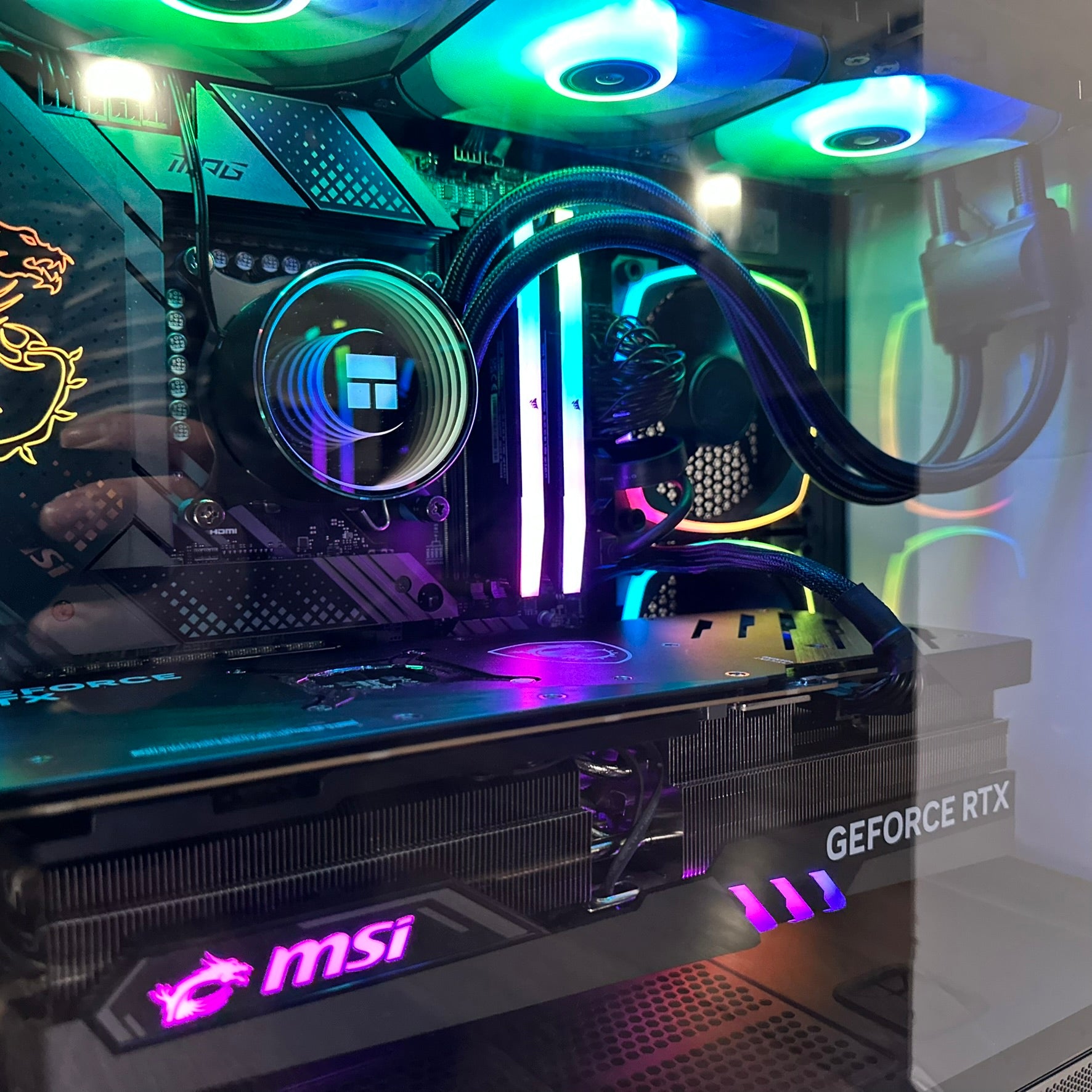
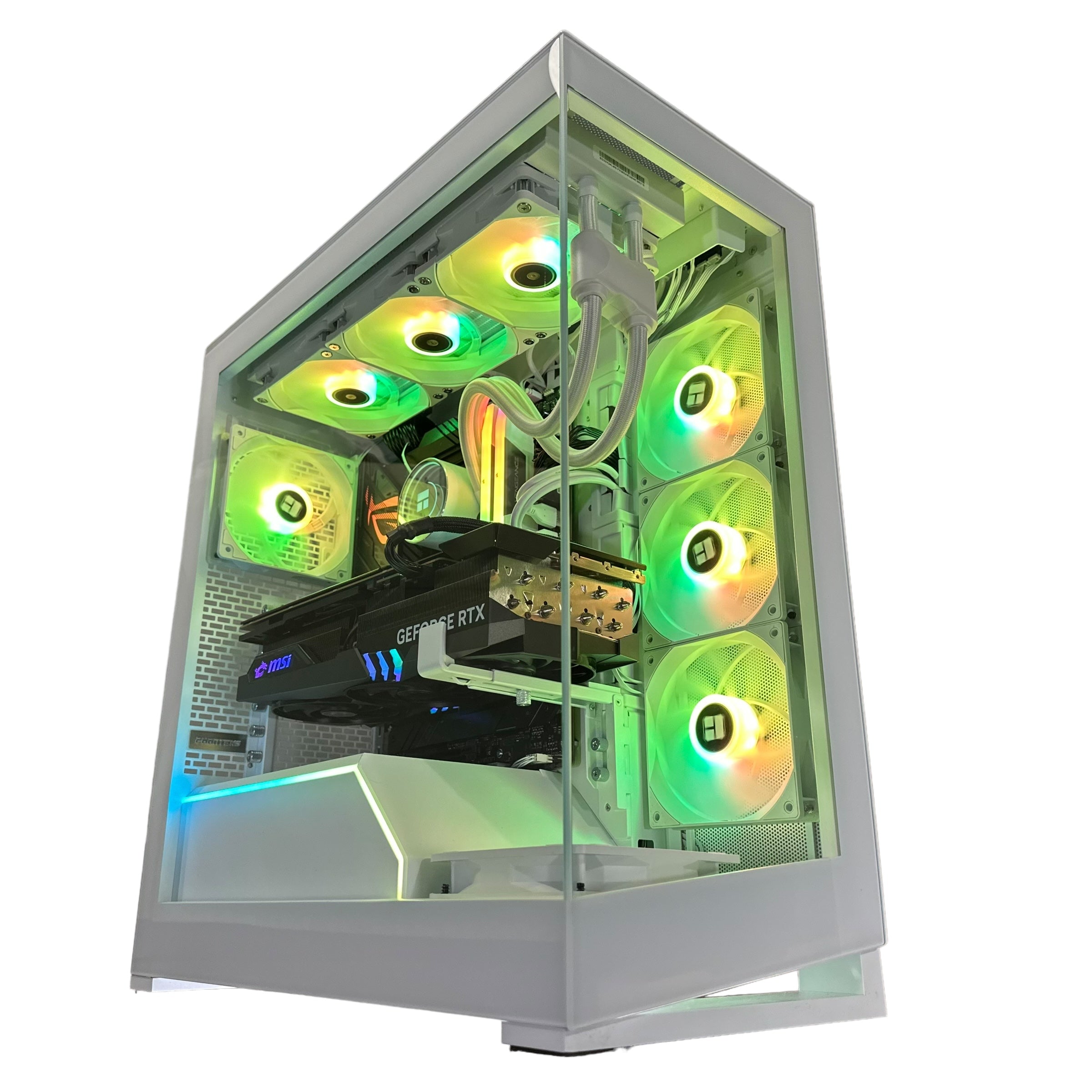
What do you want your next PC to do for you: run upcoming games at higher settings, handle 1440p or 4K smoothly, stream without struggle, edit faster, or replace an aging all-purpose machine with something built properly from day one? If you are asking those questions now, this is the right moment to talk to a builder that can match your goals to the right system. Explore custom gaming PCs, creator desktops, workstation options, and financing choices at GroovyComputers.ca.
For Canadian buyers, planning ahead usually beats panic-buying later. Whether you are looking for a gaming-ready desktop for future releases, a balanced machine for gaming and streaming, or a stronger creator system that saves you time every week, Groovy Computers can help you choose a build that fits your goals now and still makes sense later. That is the smarter way to respond to gaming hype: not with guesswork, but with a custom PC that is actually ready.
#DinoCrisisRemake #GamingPCCanada #CustomGamingPCCanada #GamingPCBuilderCanada #CanadianCustomPCBuilders #1440pGamingPCCanada #4KGamingPCCanada #CreatorPCCanada #VideoEditingPCCanada #3DModelingPCCanada #GamingAndStreamingPCCanada #NovaScotiaPCBuilder
Groovy Computers | All Rights Reserved


Leave a comment
This site is protected by hCaptcha and the hCaptcha Privacy Policy and Terms of Service apply.