
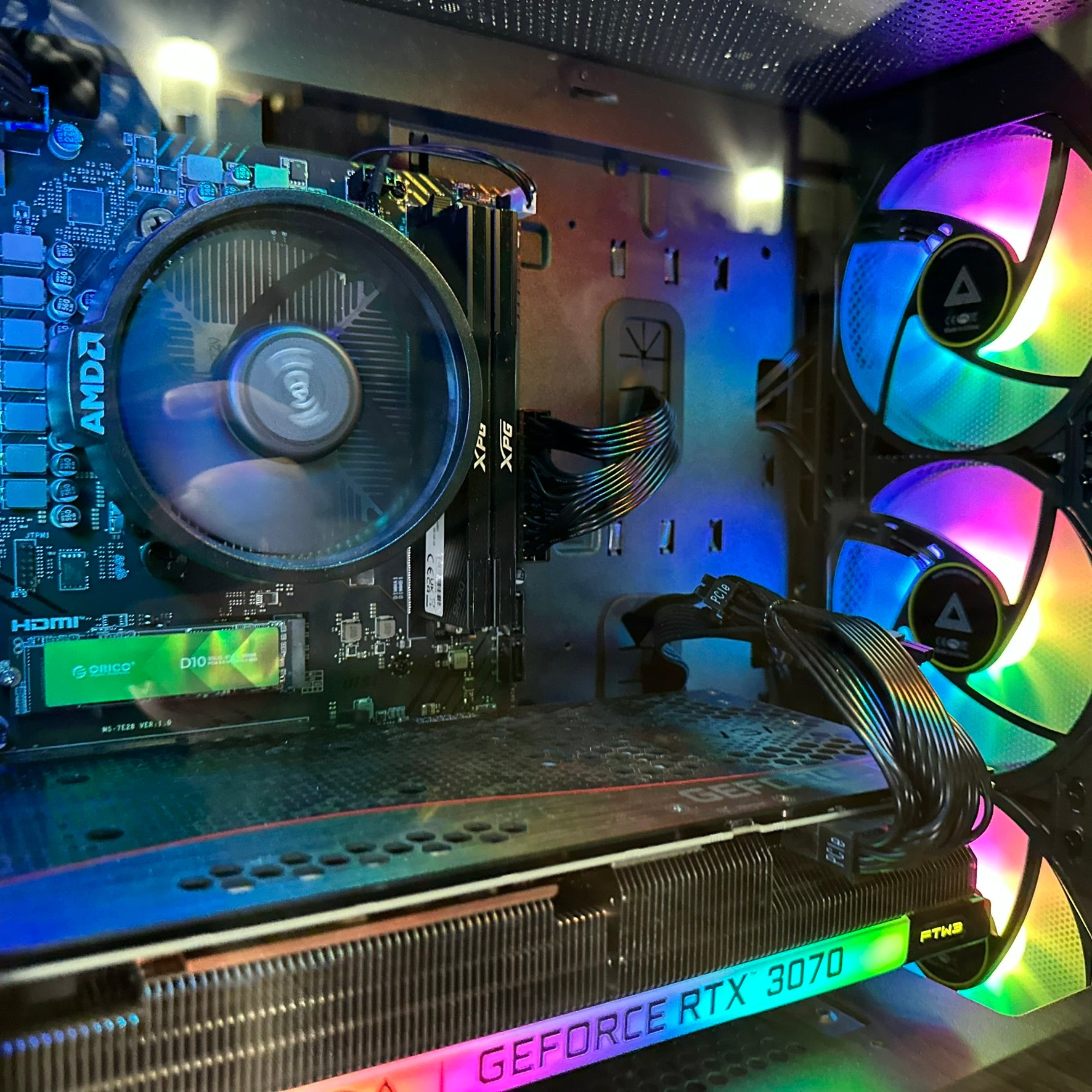
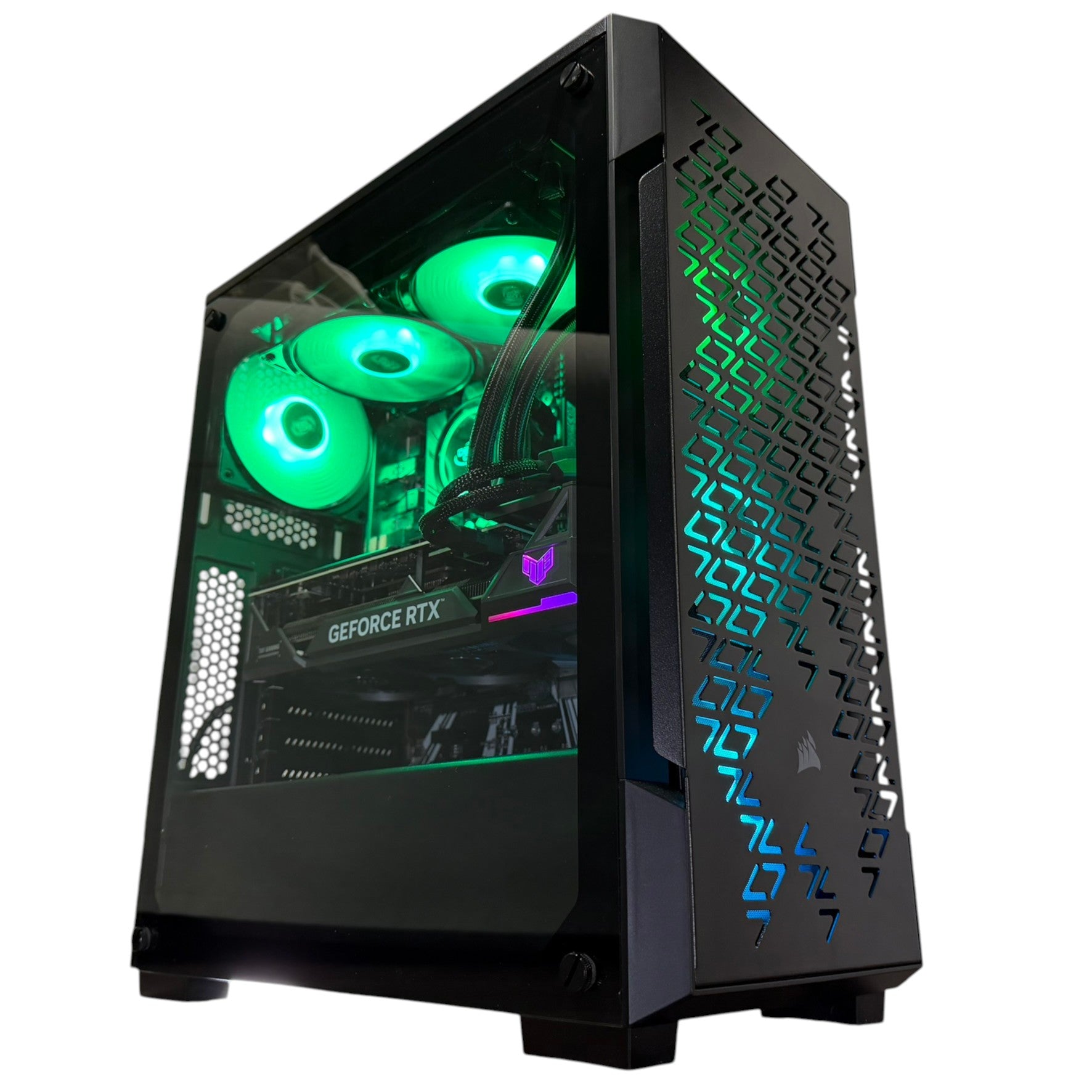

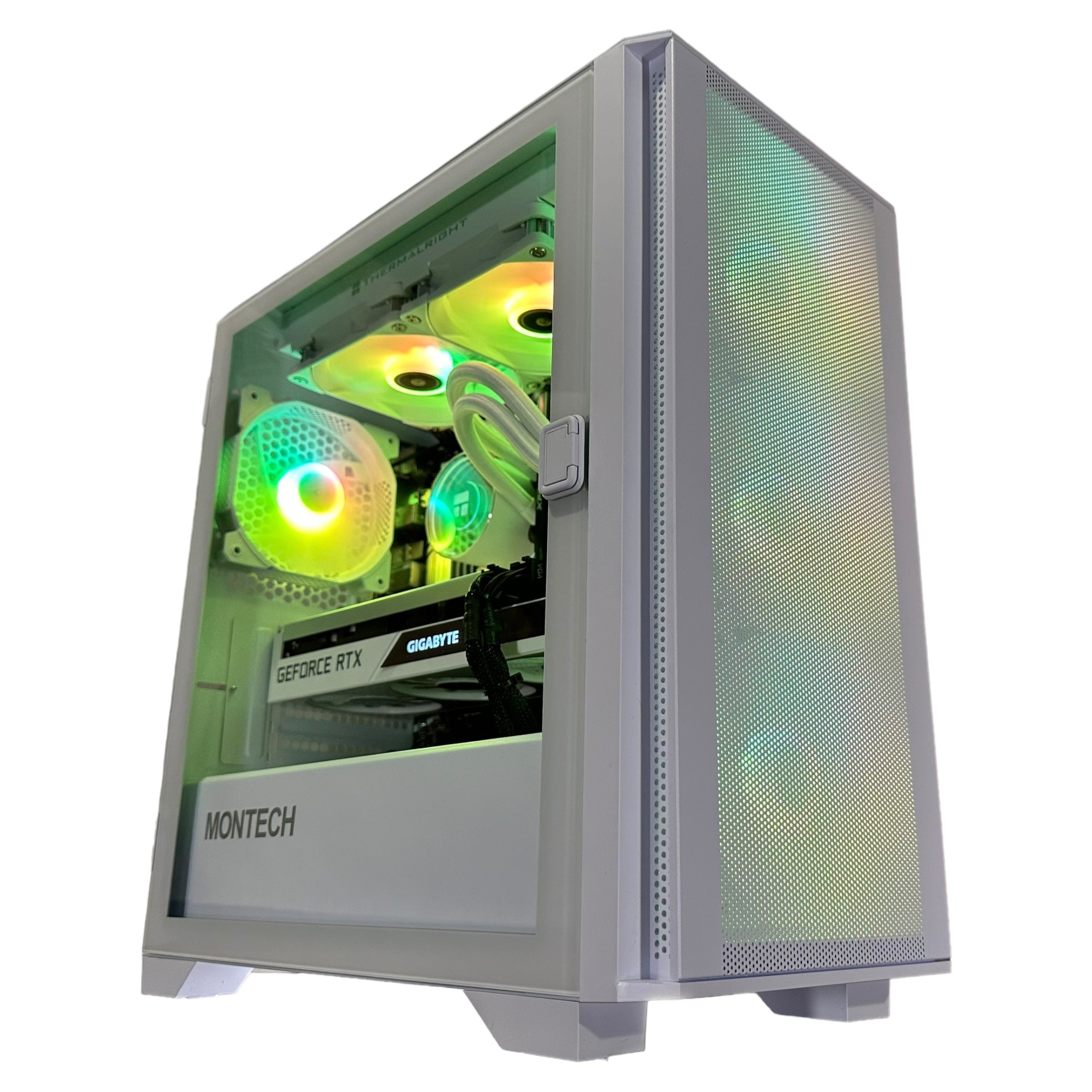
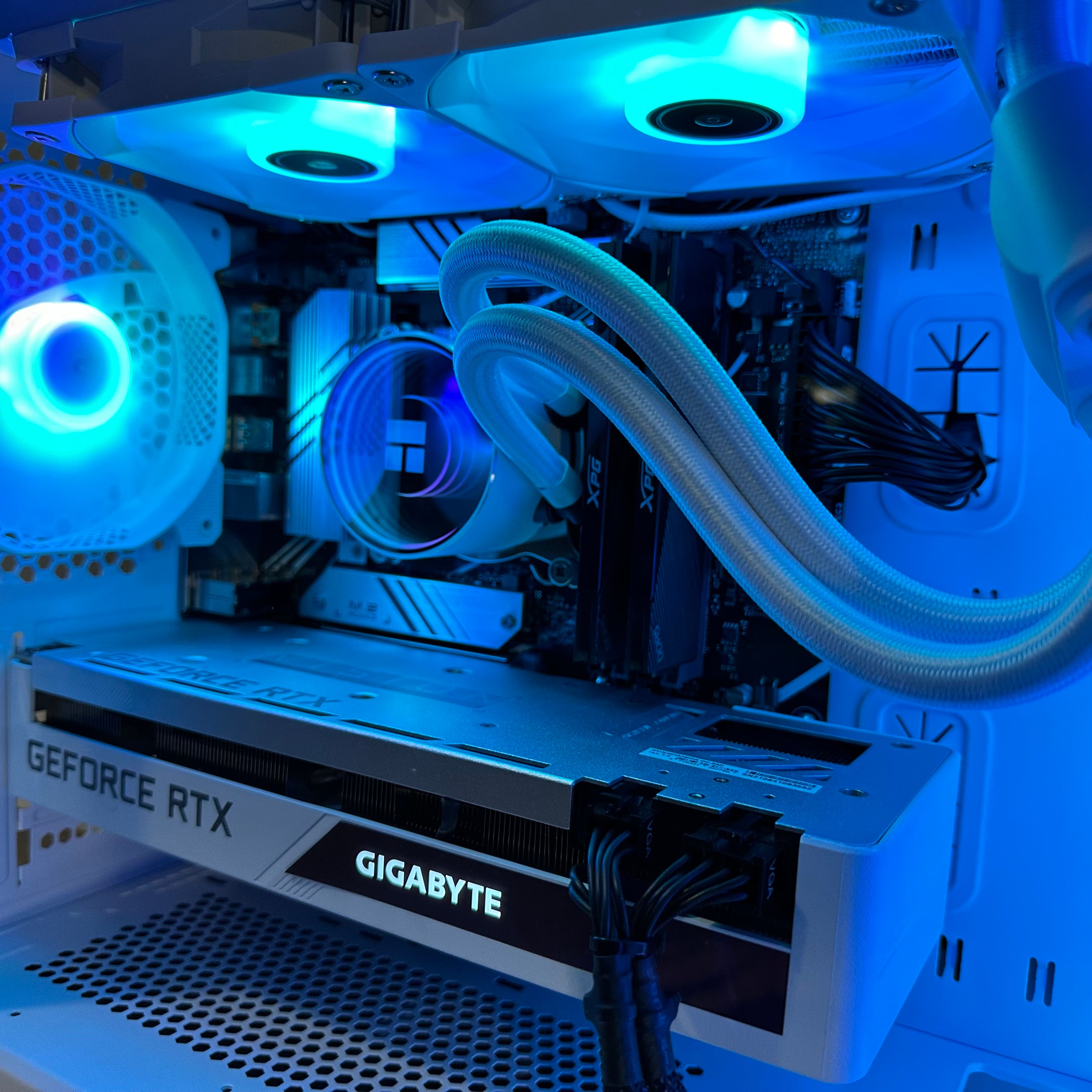
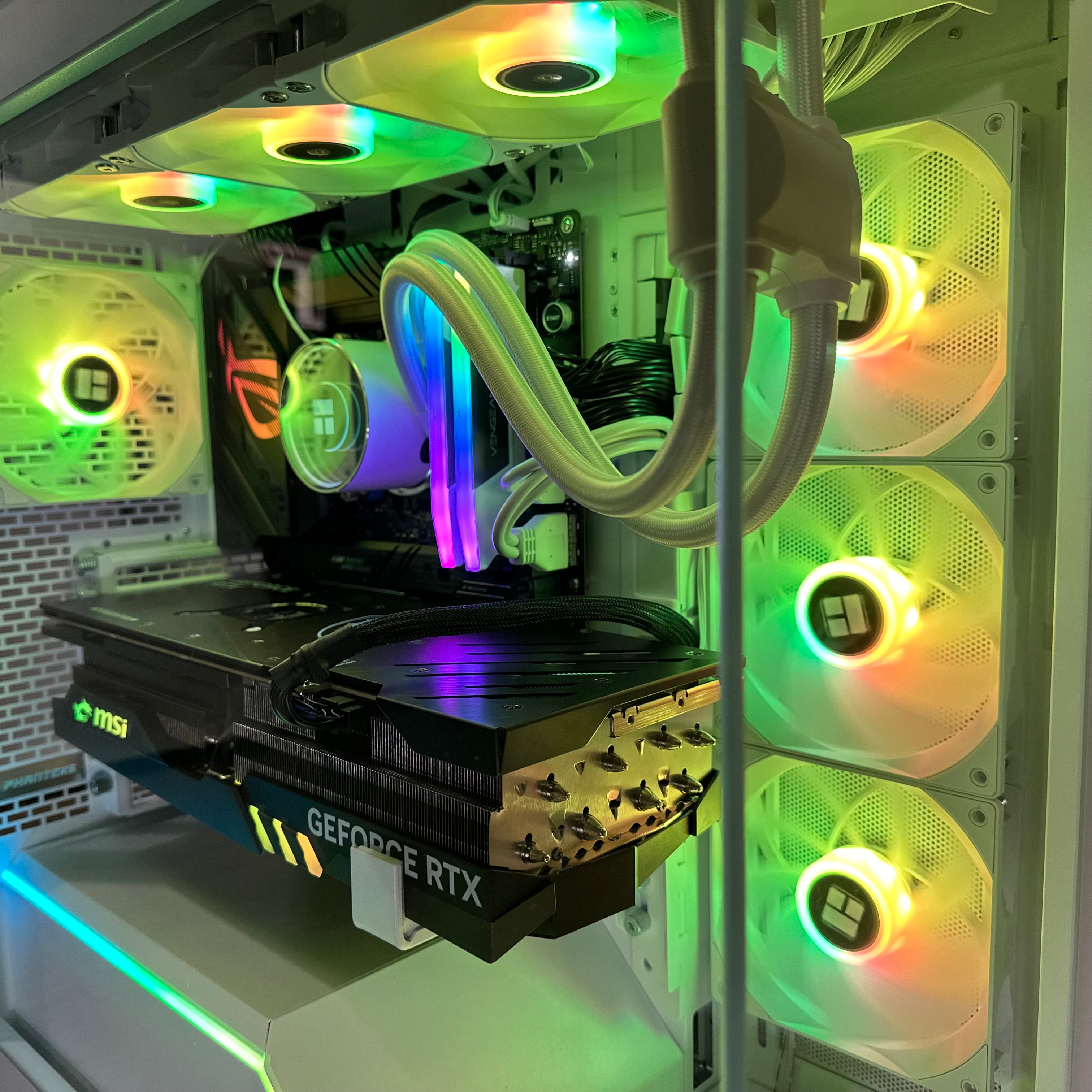

Fanatical Game Deals Are a Reminder to Upgrade Your Gaming PC in Canada Before Your Next Must-Play Release
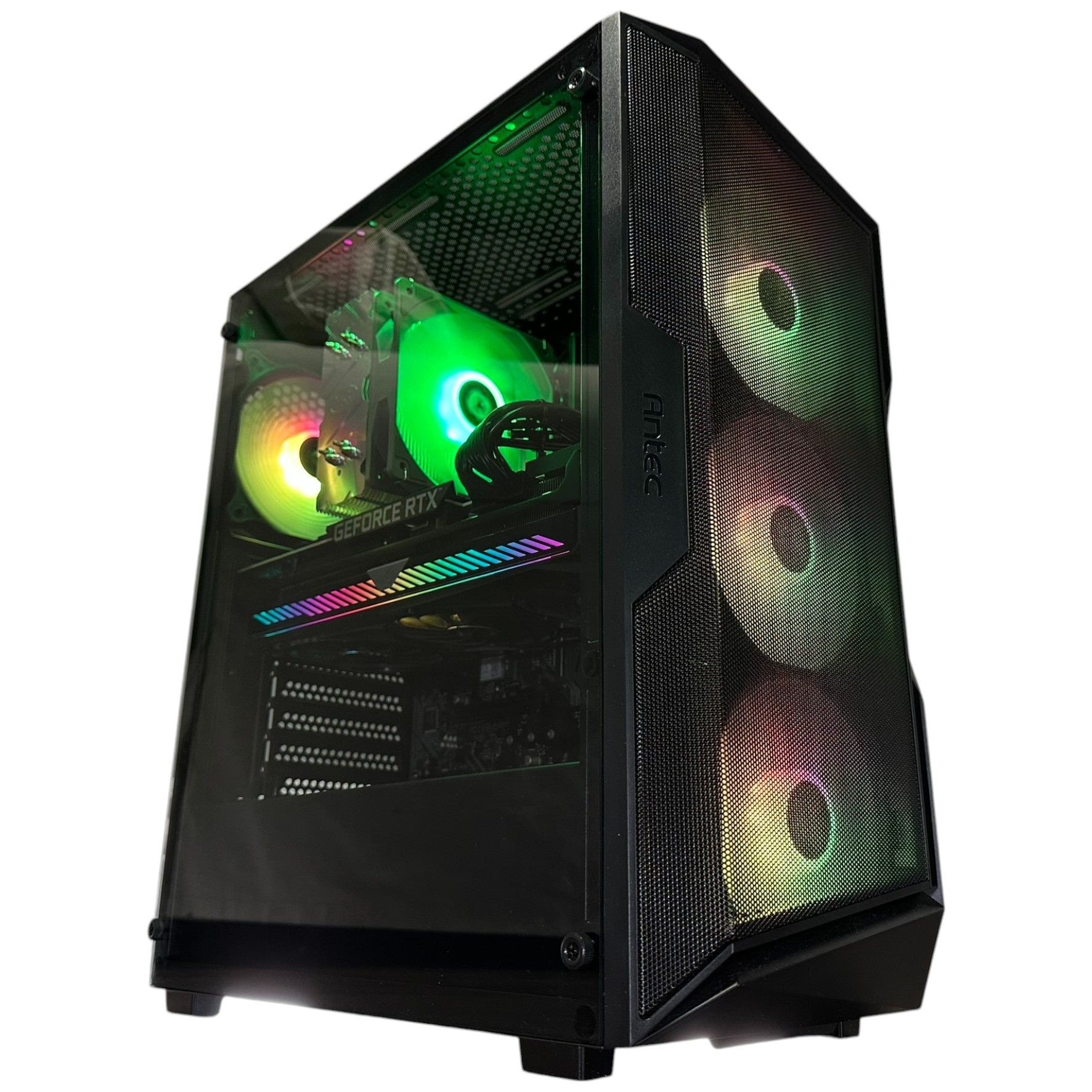
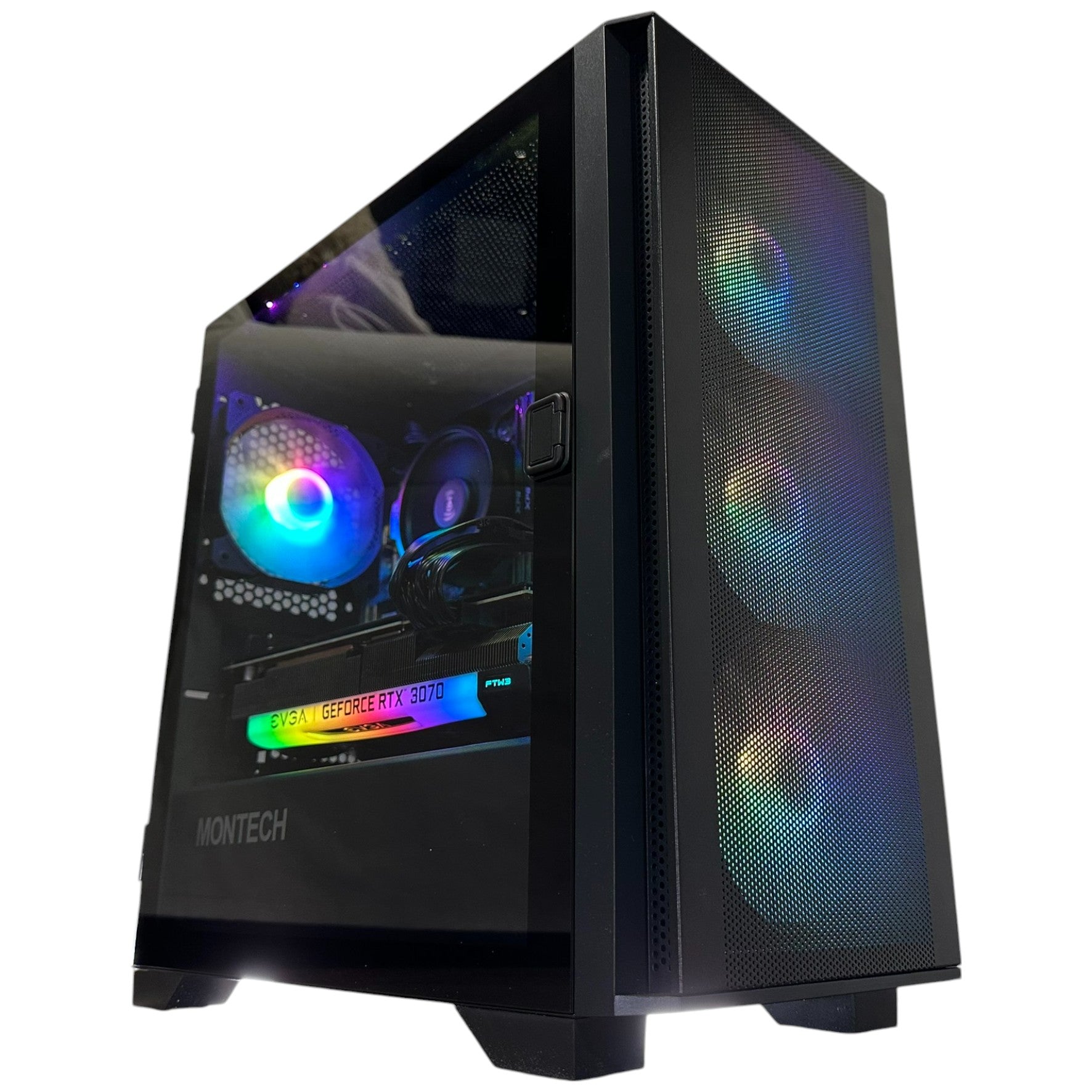
Big digital game sales always do more than save players money on software. They also reveal something important about PC buying behaviour: when blockbuster titles, horror hits, RPG favourites, and major preorders all start piling into your wishlist at once, your current system suddenly matters a lot more. For Canadian buyers, that makes this kind of game sale the perfect time to think seriously about a Gaming PC Canada upgrade, a custom creator system, or a stronger workstation before your next wave of games and workloads arrives.
The source article highlights a major digital game sale with deep discounts on a wide mix of titles, from horror releases and action games to premium editions, indie favourites, and upcoming preorders. That matters because the more games you buy, the more likely you are to hit the limits of older hardware. Are you grabbing new releases and realizing your GPU is already struggling? Are you buying games on sale now but planning to play them later on a system that may not keep up at 1080p, 1440p, or 4K? That is exactly where the buying conversation changes from software savings to hardware planning.
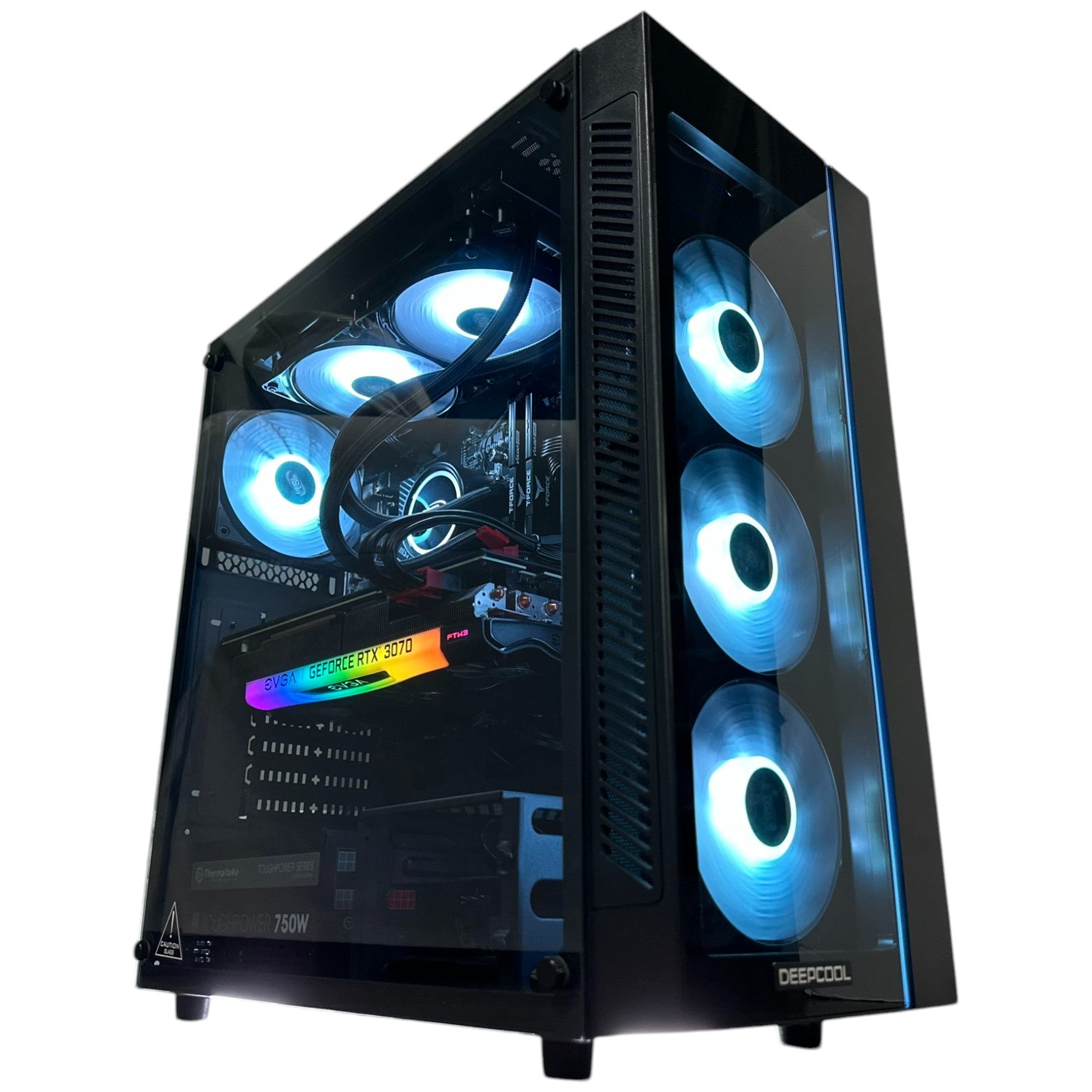
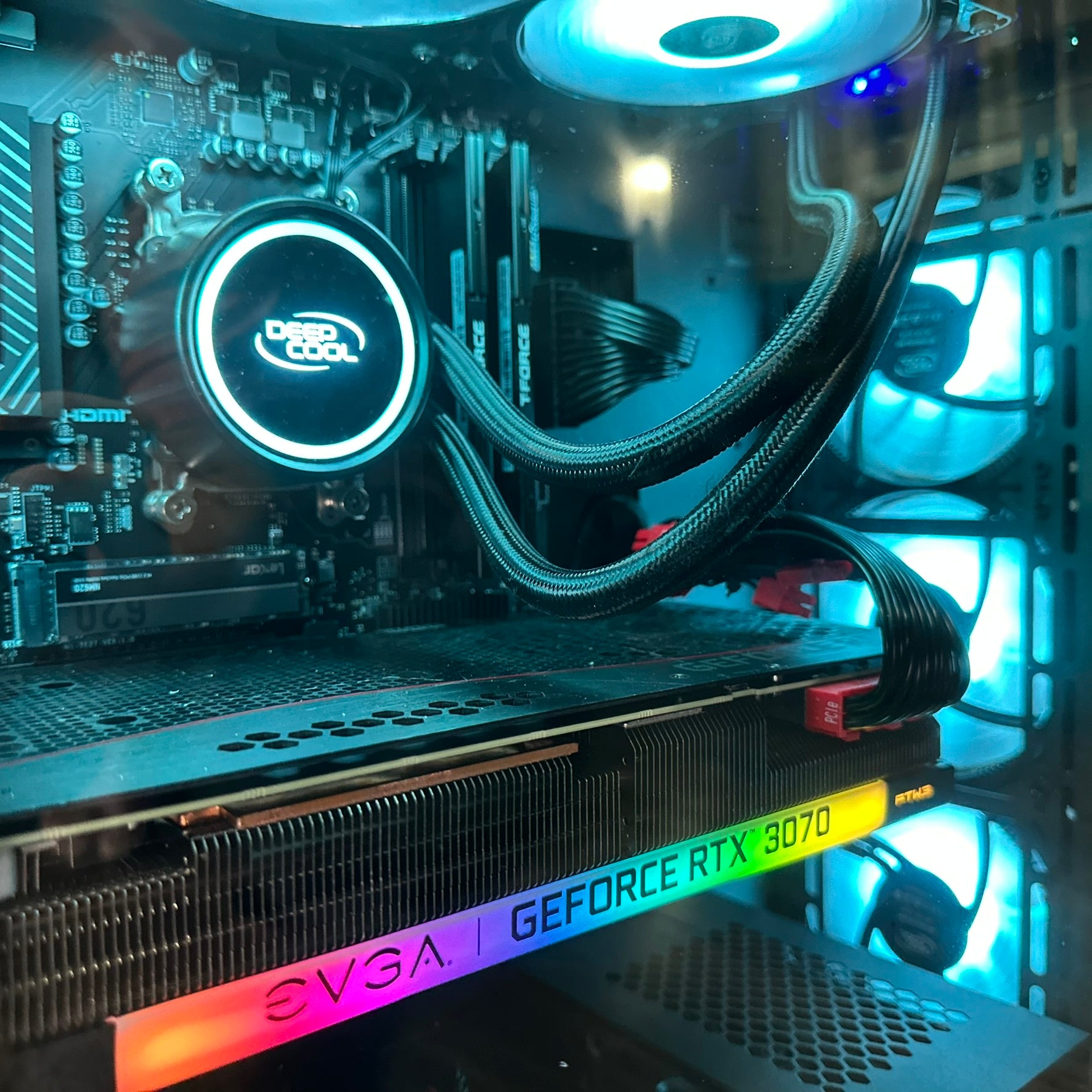
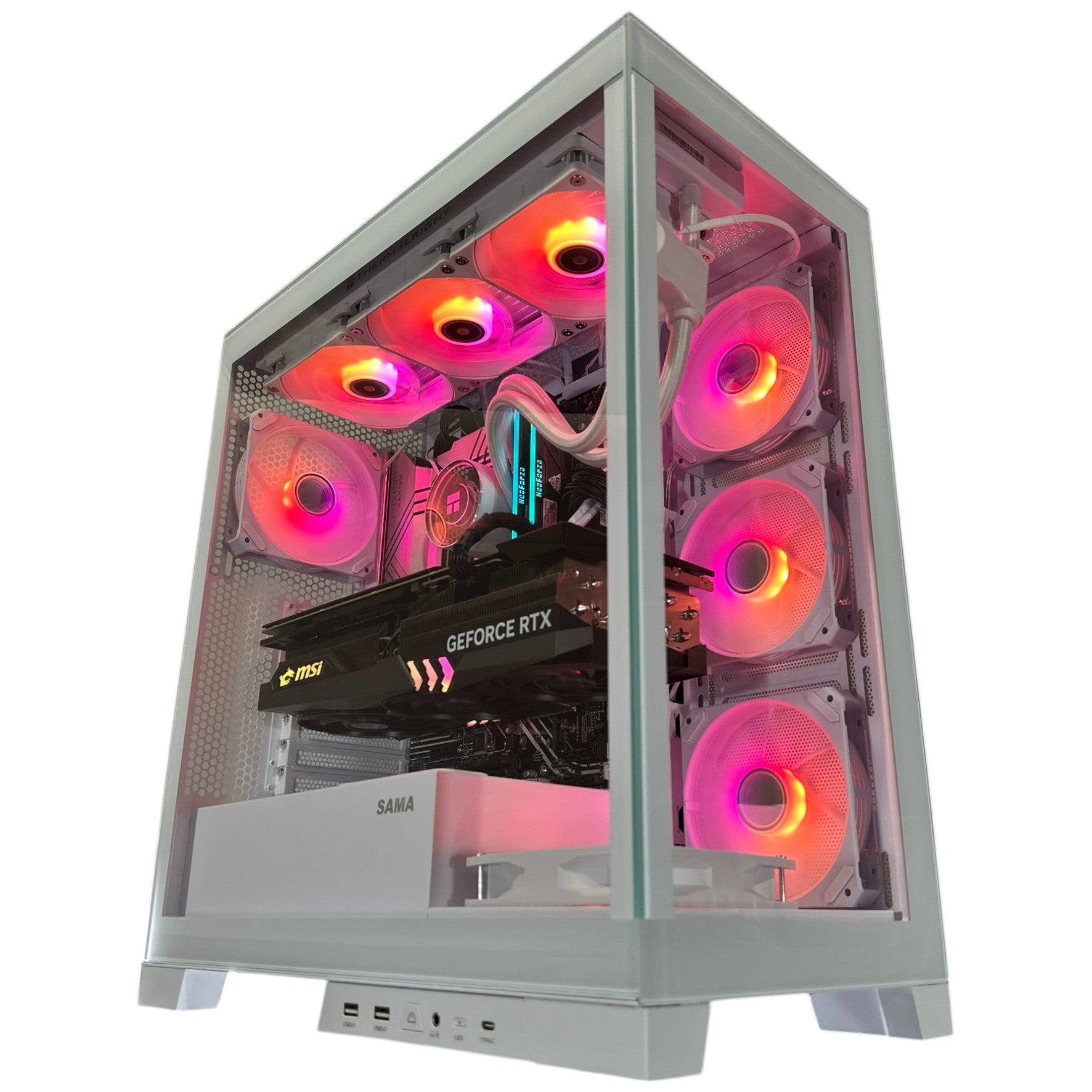
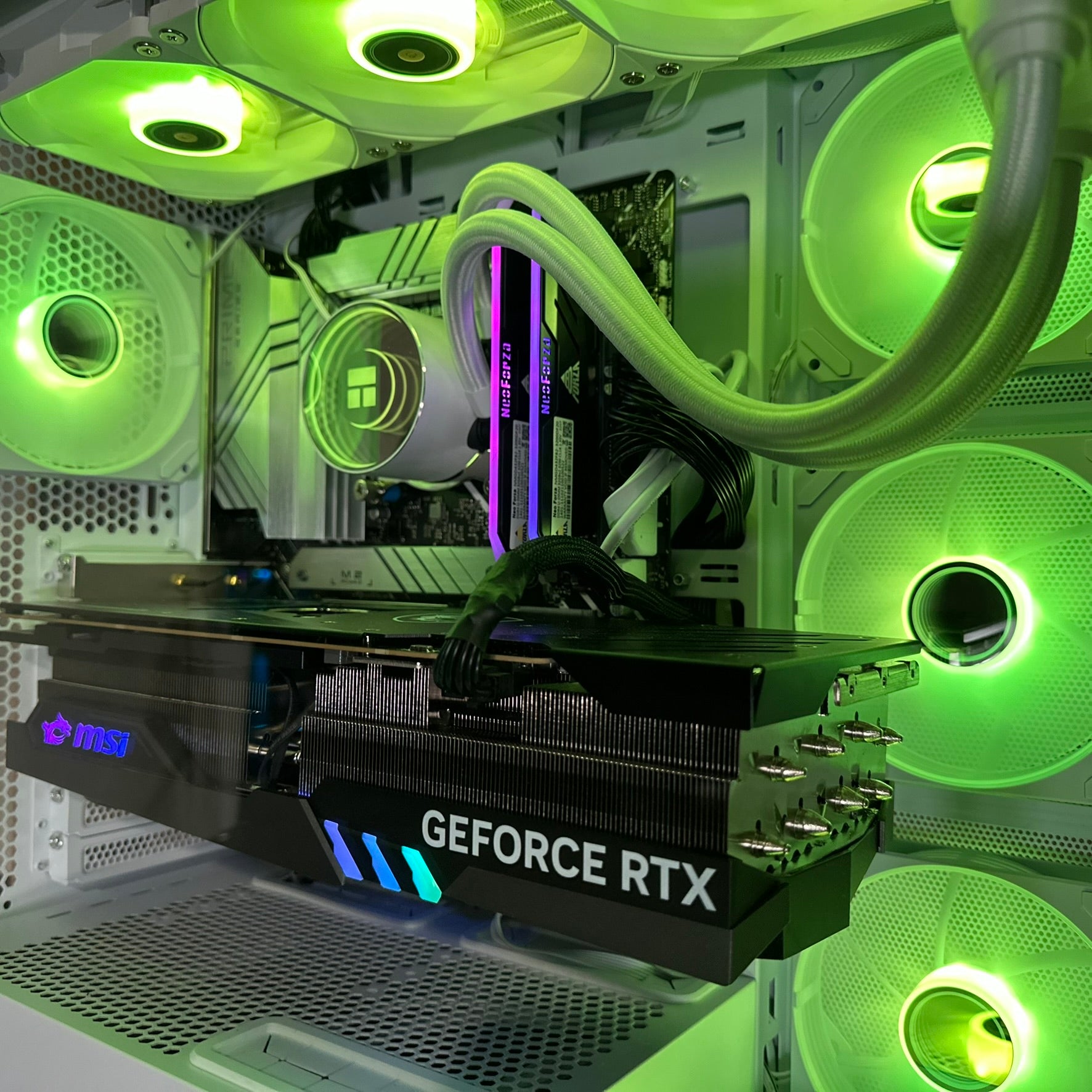
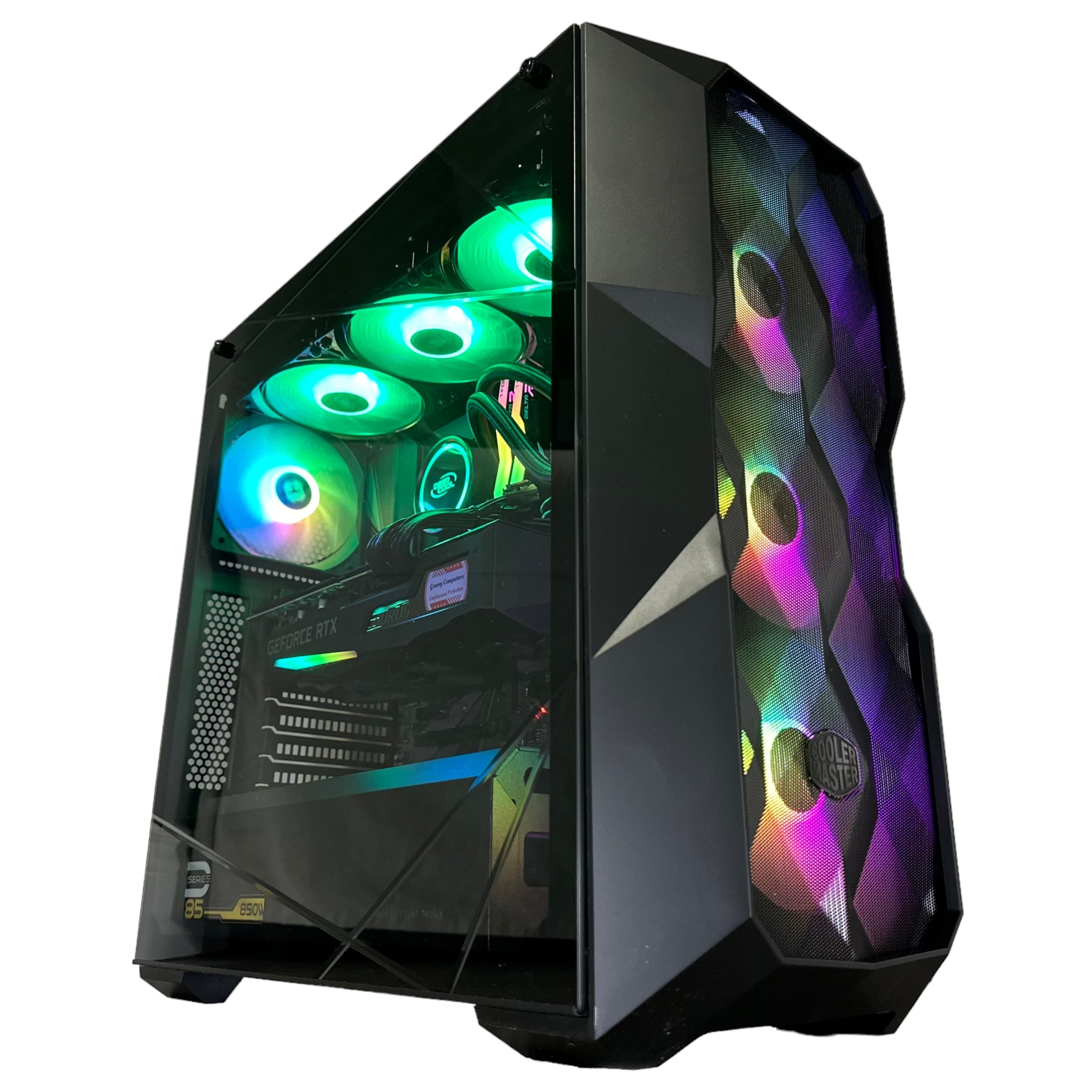
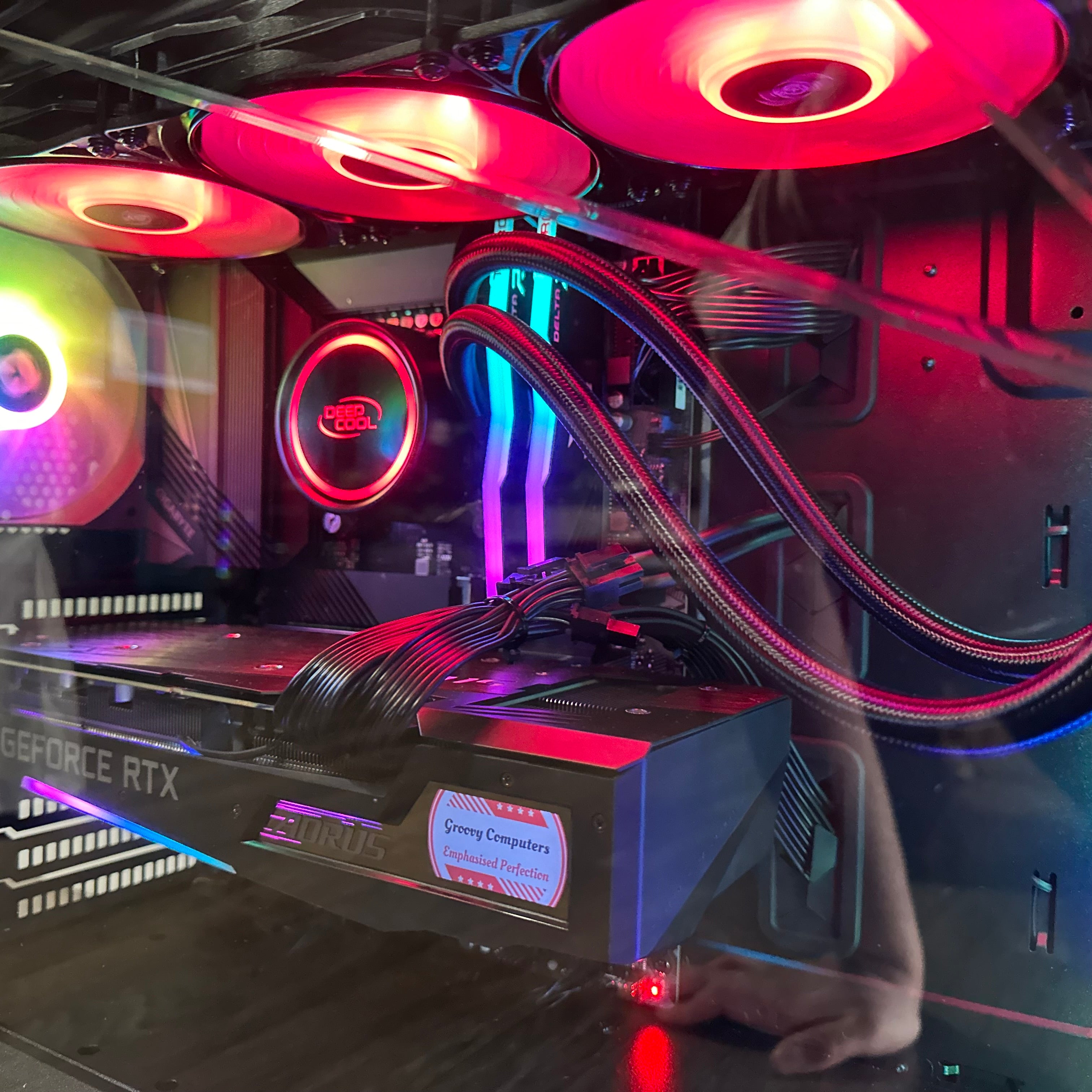
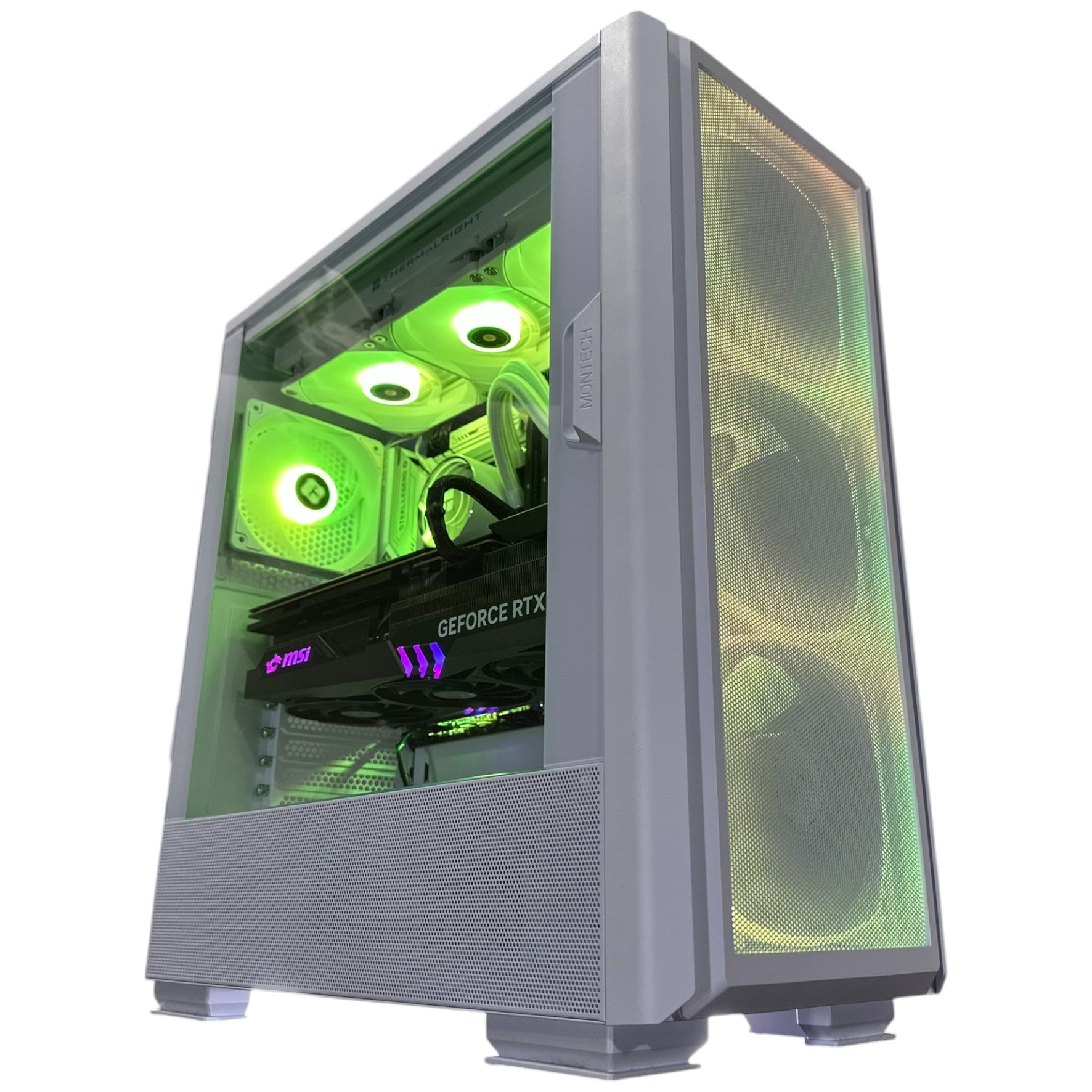
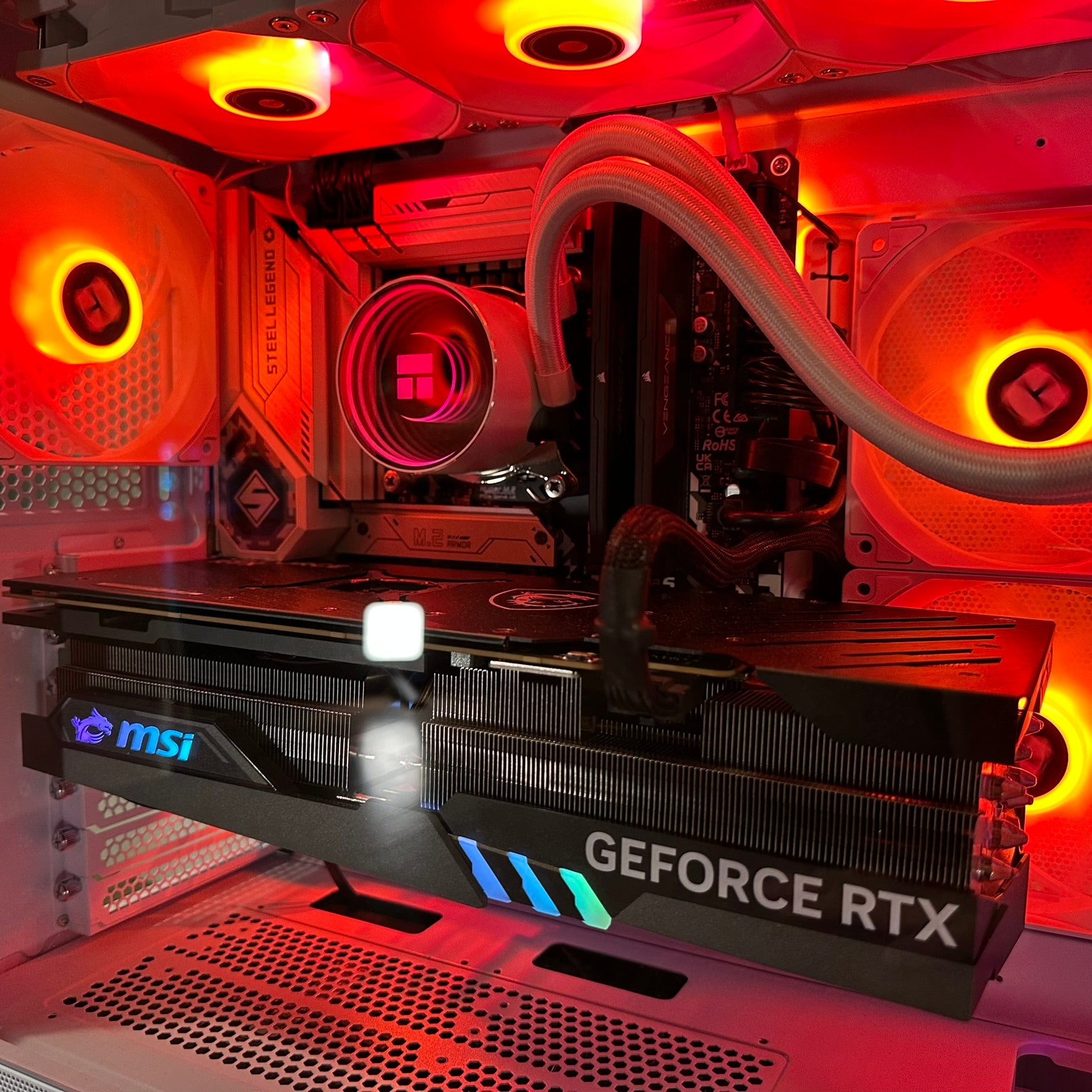
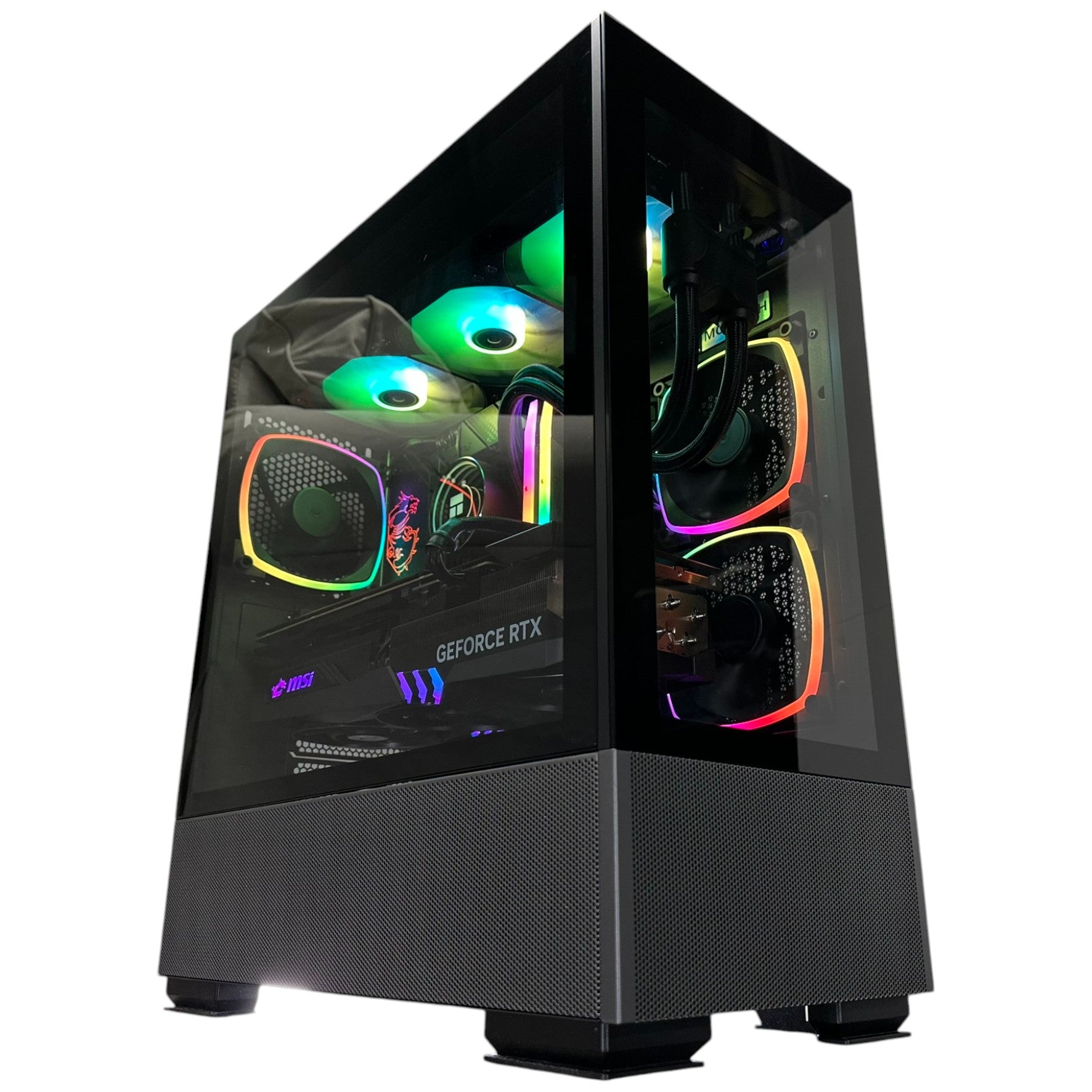
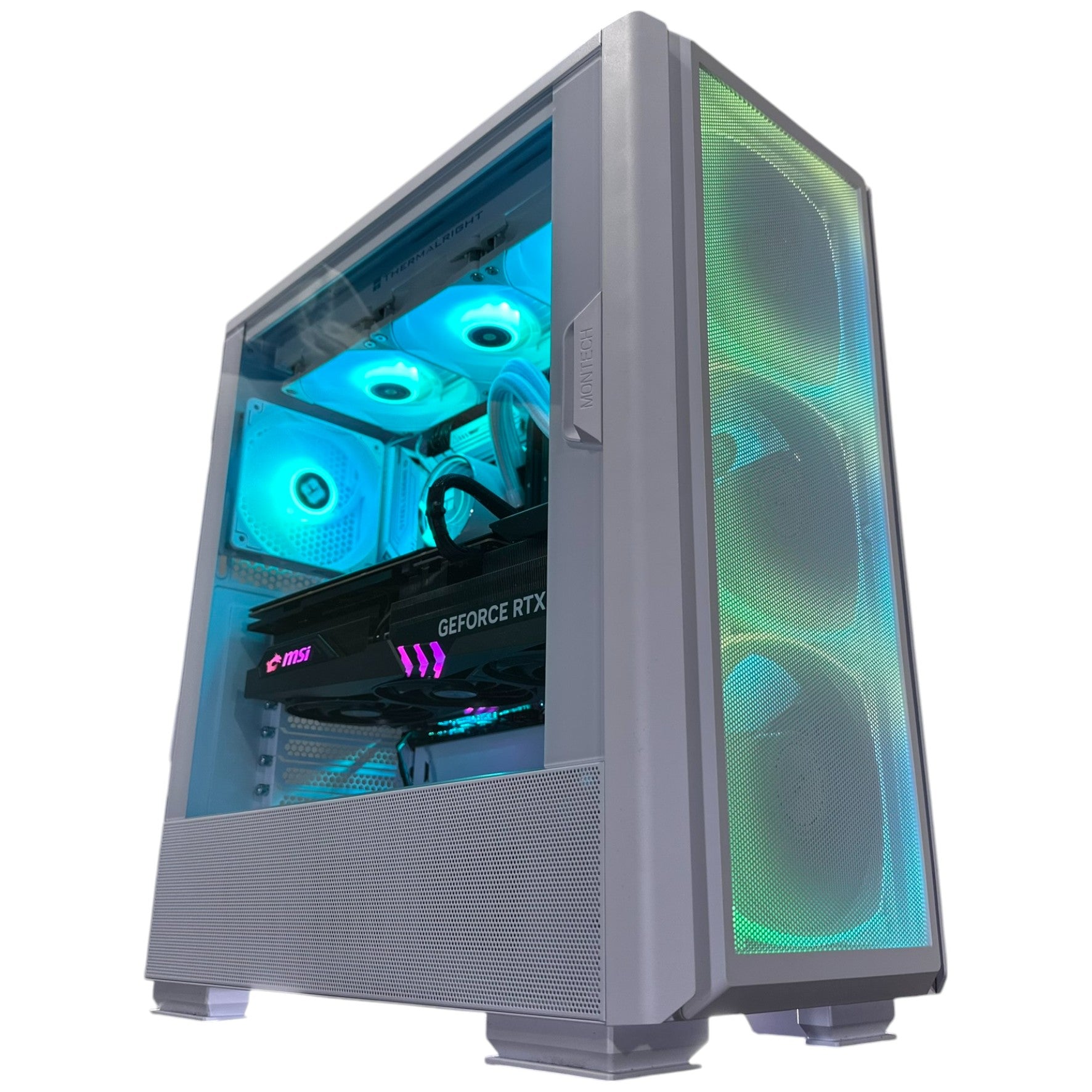
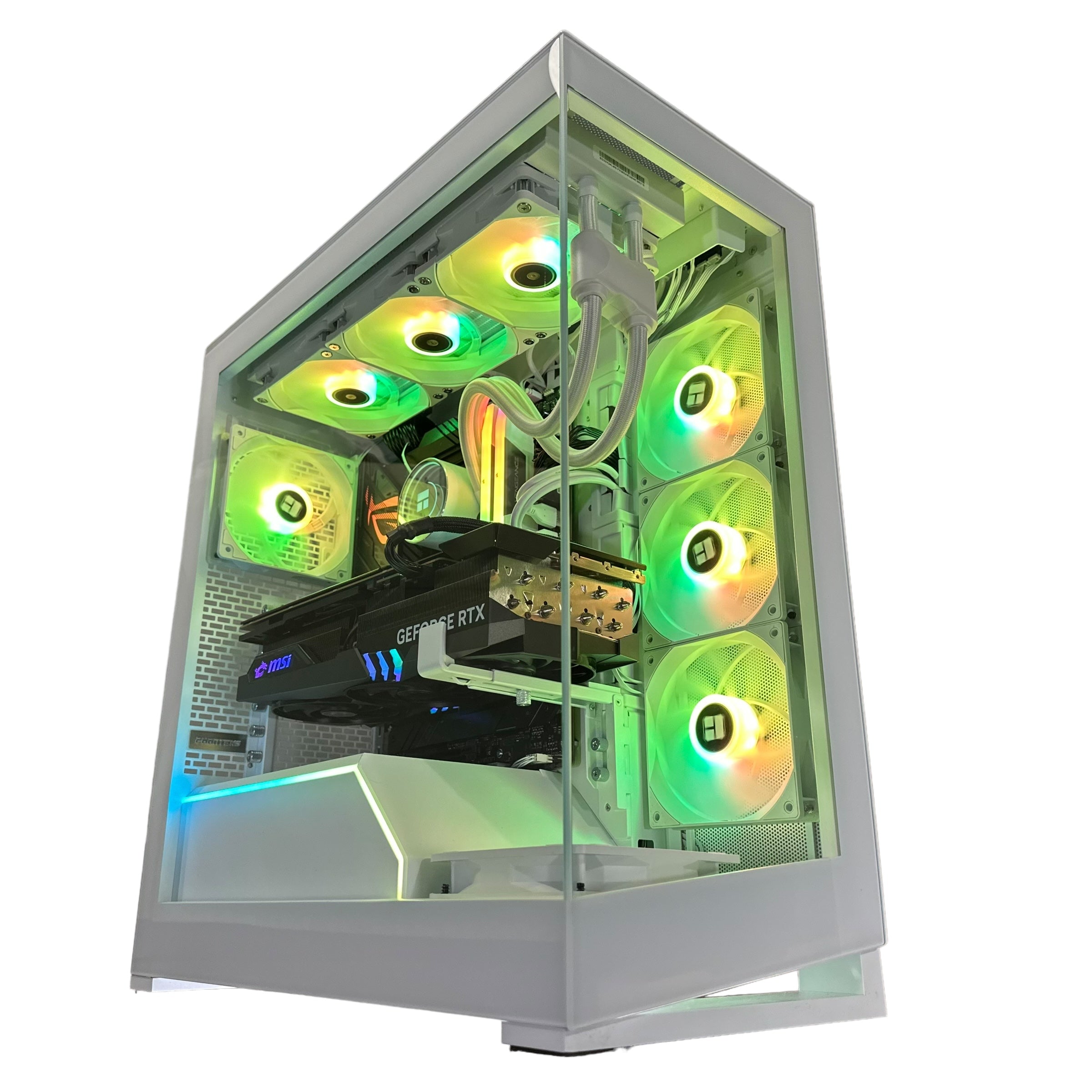
At Groovy Computers, the smarter question is not just, “Which games are on sale?” It is, “What kind of PC do I need to actually enjoy them properly?” If your library is growing faster than your system can handle, this is the moment to plan ahead with a custom gaming PC, streaming PC, creator PC, or performance workstation built for what you actually want to do next.
Why does a big game sale matter if you are shopping for a PC in Canada?
Because software demand drives hardware pressure. When players load up on discounted titles, preorders, and backlog favourites, many of them quickly realize they need more than just storage space. They need more graphics power, a better CPU, more RAM, faster SSDs, quieter cooling, and a build that will not need replacing again too soon.
Canadian buyers should also think differently than U.S.-focused deal coverage does. The source pricing was presented in U.S. dollars, but Canadian shoppers live with a different reality: exchange rate pressure, shipping costs, supply variability, and replacement costs that can rise quickly when GPU demand spikes. A game that looks inexpensive in a sale can still end up pushing you toward a much bigger cost if your current PC cannot run it well and you delay your system upgrade until hardware prices move higher.
That is why a sale like this should not only make you ask which games to buy. It should make you ask whether your current computer is ready for the next 12 to 36 months of gaming, streaming, editing, and everyday performance.
What does this sale tell us about where PC gaming demand is going?
The source list is full of signals. Horror is strong. Premium editions are everywhere. Big-budget action titles are still driving demand. Story-heavy games, visual showcases, cinematic releases, and technically ambitious preorders are all getting attention. In plain terms, PC gamers are not just buying lightweight indie games. They are buying titles that often benefit from stronger GPUs, more VRAM, faster SSDs, and a balanced CPU-GPU combination.
Look at the kinds of games featured: horror entries like Silent Hill releases, premium action titles like Stellar Blade, major RPGs like Metaphor: ReFantazio, cinematic adventure releases like Indiana Jones and the Great Circle, and top-tier franchise games from Resident Evil. These are exactly the types of games that make people ask, “Can my PC still handle ultra settings?” or “Do I need ray tracing support now?” or “Is 1440p finally worth building around?”
If you are asking those questions, you are already in the research phase of a PC upgrade. The next step is figuring out what level of custom build actually fits your goals.
What do you want your next PC to do for you?
Before choosing parts, performance tiers, or monthly payment options, start with the real question: what do you want your next PC to handle without frustration?
Do you want smooth 1080p gaming in today’s biggest releases? Do you want 1440p high refresh gameplay with better visual settings? Are you chasing 4K performance, ray tracing, and long-term headroom? Do you also want to stream on OBS, record gameplay, edit clips for YouTube, manage Photoshop projects, or run Adobe Creative Cloud without your computer feeling overloaded?
Maybe you are not just a gamer. Maybe you are also a content creator. Maybe you stream at night, edit in Premiere Pro during the day, and still want to relax with AAA games after work. Maybe you are a student, a designer, a video editor, or a 3D artist who wants one machine that can do everything well. In that case, a generic off-the-shelf system usually becomes the wrong answer very quickly.
This is why Groovy Computers focuses on matching the build to the workload. A customer who only wants esports performance at 1080p should not be pushed into the same configuration as a customer who wants 4K gaming, streaming, editing, and future-proofing. The right system depends on what your real use case looks like over time.
Which performance tier fits you best?
One of the biggest mistakes buyers make is either overspending on power they will never use or underspending on a system they outgrow in months. A better approach is to choose the right tier based on your games, software, display resolution, and upgrade timeline.
Entry-level and budget-focused gaming buyers
If you mainly play esports titles, older AAA games, lighter co-op games, indie favourites, or want a solid first setup, a budget-focused gaming system can still deliver strong value. This tier is often ideal for players asking, “How much should I spend on a gaming PC?” or “Can a budget gaming PC play new games?”
A smart budget build should still be balanced. That means no weak CPU paired with too much GPU, no tiny SSD that fills instantly, and no cheap power supply that hurts long-term reliability. If your goal is dependable 1080p gaming with upgrade room later, this is where a carefully planned custom build matters more than a random bargain listing.
Mid-range gamers who want the sweet spot
For many Canadian buyers, this is the best value tier. If you want 1080p ultra or 1440p high settings, stronger frame rates in newer titles, better multitasking, and enough overhead for recording or casual streaming, a mid-range system often delivers the best balance of cost and longevity.
Are you buying games during sales because you actually plan to play them soon, not just collect them? Are you tired of lowering settings every time a new release lands? A mid-range custom gaming PC is usually the right answer for buyers who want the system to feel strong today and still capable later.
High-end and premium buyers
If you want ray tracing, 1440p high refresh, 4K gaming, premium visual settings, heavy multitasking, or the ability to handle the next generation of demanding releases with confidence, you are in high-end territory. This is where GPU choice becomes more critical, cooling matters more, and poor system balance gets expensive fast.
Are you the kind of buyer who would rather purchase once and enjoy the build for years instead of upgrading again too soon? Do you want a premium gaming experience that also works for streaming, editing, and content creation? This is where a custom high-performance system from a trusted Canadian builder makes much more sense than gambling on an unknown marketplace PC.
What gaming trends from this sale should influence your next build?
The games highlighted in the source article point to several trends that matter when choosing a PC.
- Visual intensity is increasing: modern horror, cinematic adventure, and action games reward stronger GPUs and fast SSDs.
- Premium editions are common: buyers are investing more per title, which makes poor hardware performance even more frustrating.
- Backlog gaming is real: players are buying multiple titles at once, creating demand for larger SSD storage and better all-around system responsiveness.
- Preorders remain important: upcoming titles can create sudden hardware demand when buyers realize they are not prepared.
- Cross-purpose PCs are becoming normal: gamers increasingly want one machine for gaming, streaming, editing, and creator work.
If you are building around new and upcoming PC games, your parts should reflect that reality. A modern gaming PC is not just about launching the game. It is about maintaining smooth frame pacing, handling background apps, managing large game files, reducing loading times, and giving you room for future releases.
What PC do you need for games like Resident Evil, Silent Hill, Stellar Blade, and other demanding titles?
If the kinds of games in the source article are the ones filling your cart, you should plan for more than minimum specs. Atmospheric horror games, recent action titles, and visually ambitious AAA releases are exactly the kind of software that can expose weak GPUs, older CPUs, low RAM capacity, or slow storage.
For many buyers, 1080p is still enough, but they want it at high settings with stable performance. Others want the cleaner visual upgrade of 1440p. Some are already asking, “What PC do I need for 4K gaming?” or “Do I need an RTX-class GPU for new games?” Those are the right questions, because display resolution changes the entire build strategy.
If you play a lot of modern single-player games and want image quality to matter, 1440p is often the sweet spot. If you want premium image fidelity and plan to keep your next PC longer, then building with stronger graphics headroom becomes even more important. Waiting too long can also mean paying more later when demand rises around major releases.
Are you only gaming, or do you also want to stream and create content?
This is where many buyers choose the wrong machine. A gaming-only system can be great for gaming, but a gaming-and-streaming setup needs a little more planning. A gaming-and-editing setup needs even more. The more roles your PC has to perform, the more important balanced hardware becomes.
If you stream to Twitch or YouTube, record gameplay, cut clips for TikTok, manage overlays, use OBS, and want smooth multitasking while gaming, then you should be looking at a Streaming PC Canada or gaming-and-creator style build, not just a basic gaming desktop. What happens when your game runs fine but your stream quality falls apart? What happens when your encoder load spikes, your RAM fills up, or your SSD is constantly near full? Those issues are usually avoidable with the right build planning.
For content creators, the conversation expands even more. A system that feels acceptable in-game might still become painfully slow when exporting video, opening layered Photoshop files, managing Lightroom libraries, or handling Adobe Creative Cloud across multiple apps.
Is a gaming PC good for video editing, photo editing, and graphic design?
Sometimes yes, but only if it is configured properly. Many buyers assume any gaming desktop can double as a creator machine. In reality, some gaming systems are great for editing and design, while others are poorly optimized for those tasks.
If you need a Creator PC Canada setup for Premiere Pro, DaVinci Resolve, Photoshop, Lightroom, Illustrator, InDesign, Canva workflows, or social media content production, you should think about more than gaming frame rates. You need enough RAM for multitasking, fast storage for active projects, strong CPU performance for exports and timeline responsiveness, and a GPU that supports your editing and design software well.
Are you editing 1080p videos or 4K footage? Are you building thumbnails and social graphics, or are you managing full brand packages and print layouts? Are you batch-editing RAW photos, or working with AI-assisted image tools? The answers change what your system should prioritize.
A well-planned custom build can handle gaming at night and creator workloads during the day, but it needs to be designed that way from the start. That is one reason Groovy Computers helps customers match a build to actual workloads instead of forcing every buyer into the same template.
What if your workload includes 3D modeling, rendering, or workstation tasks?
Then the conversation goes even further beyond standard gaming. If you use Blender, Unreal Engine, CAD applications, rendering tools, or other professional workloads, your ideal machine may be closer to a workstation than a typical gaming PC.
Are you working with complex scenes, simulations, assets, architectural visualizations, or product renders? Do you need heavy multitasking, more memory capacity, or stronger sustained cooling under long rendering sessions? If so, a custom workstation becomes the better fit.
For buyers balancing gaming with 3D work, the question is often: workstation PC or gaming PC? The right answer depends on what percentage of your time goes to each task. If your system earns money, supports school, or handles client work, stability and workload tuning matter as much as raw gaming performance.
Why timing matters more than many buyers realize
A software sale creates urgency for games, but hardware timing has its own risks. If you know your current computer is already near its limit, waiting can cost more than acting early. Price volatility can hit GPUs, CPUs, RAM, SSDs, and power supplies. Seasonal spikes, new release cycles, creator demand, and shifting inventory can all make replacement costs less predictable.
That does not mean every buyer should panic. It means buyers should think strategically. If you know you will need a stronger system before your next major game release, before school starts, before a content push, or before a software workload ramps up, then planning now is often smarter than rushing later.
Are you buying before a major horror release, a big RPG launch, or a stacked holiday season? Are you upgrading before a new monitor purchase so you can actually use 1440p or 4K properly? Are you trying to secure a better platform before your current system forces you into compromises? Those are real timing questions, and they matter.
Should you finance a stronger PC instead of settling for a weaker one?
For many buyers, yes. This is especially true when the alternative is buying a lower-tier machine that needs replacing too soon. If the system is going to be used for gaming, school, work, editing, streaming, or revenue-generating content creation, underbuying can become more expensive in the long run.
Financing helps some customers step into the right performance tier now instead of making do with something they already know is borderline. If your ideal system is just out of reach as a one-time payment, would smaller monthly payments make it easier to buy the machine you actually want? Would financing help you secure a better GPU, more RAM, a larger SSD, or a stronger CPU before hardware prices shift again?
At Groovy Computers, this is one of the most practical conversations we have with buyers. Sometimes the smartest move is not the cheapest immediate option. Sometimes it is the build that gives you the right performance lifespan, fewer regrets, and less need to upgrade again in the near future. Financing up to 4 years can make that decision more manageable for buyers who want a stronger custom system without paying everything upfront.
What questions should you ask before buying your next PC?
If you are reading a game sale roundup and wondering whether your current computer is enough, ask yourself these questions honestly.
- What games do I actually want to play over the next year?
- Do I care more about 1080p, 1440p, or 4K performance?
- Do I want ray tracing, high refresh rates, or ultra settings?
- Will I stream, record, or edit content on the same machine?
- Do I use Photoshop, Lightroom, Premiere Pro, DaVinci Resolve, Illustrator, or other creator tools?
- Do I need extra storage because my game library and media files keep growing?
- Am I trying to avoid upgrading again too soon?
- Would a custom build fit me better than a generic prebuilt?
- Would financing a better system now save me money and frustration later?
These questions are not just about specs. They are about buying confidence. A better PC purchase starts when you stop shopping only by price and start shopping by real outcome.
Why custom builds matter when game demand and hardware pressure both rise
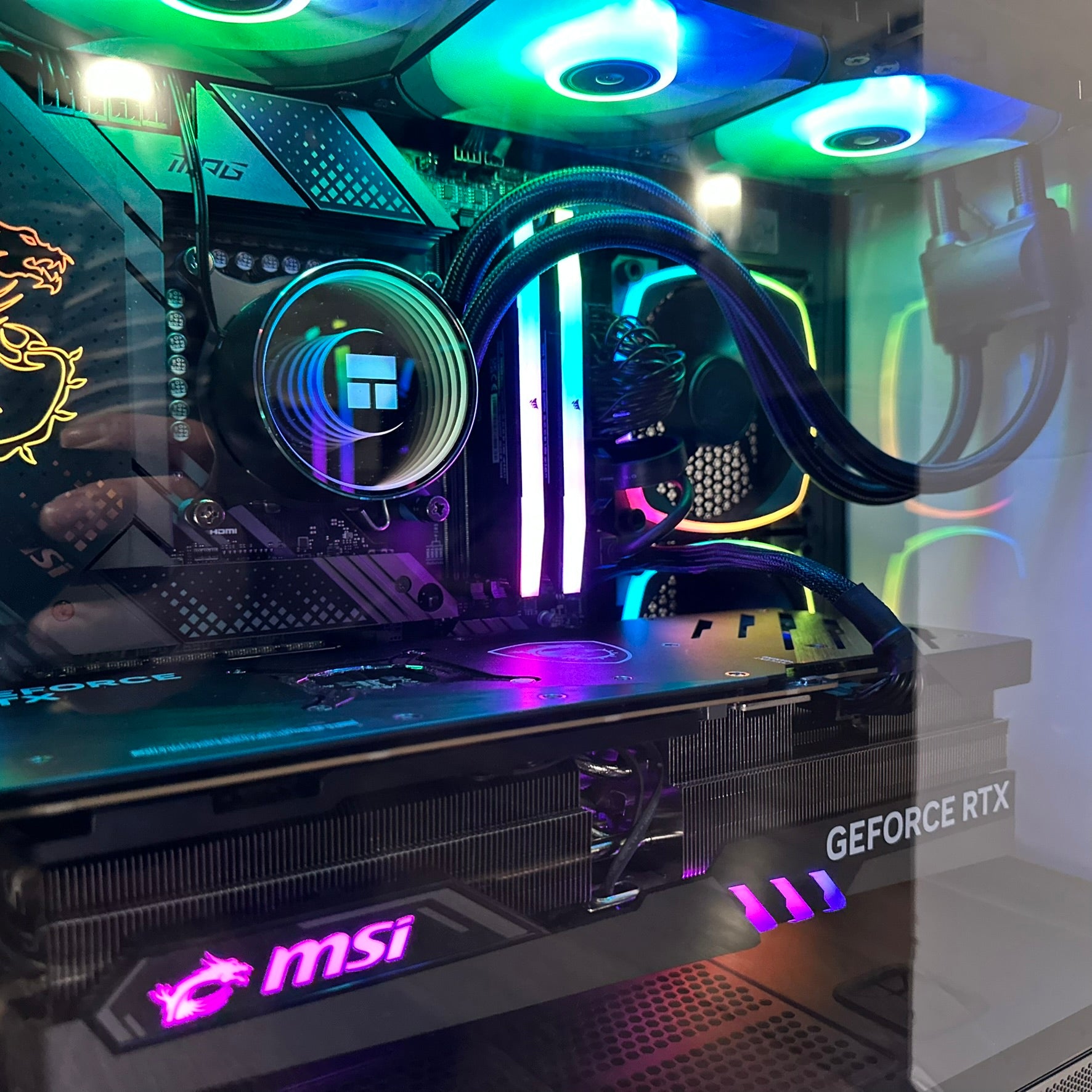
When more people are buying demanding games, rushing into random hardware gets riskier. That is where custom builds stand out. A properly selected custom gaming PC or creator workstation is designed around use case, thermals, part compatibility, performance balance, upgrade path, and reliability.
Would you rather buy a system built around your actual gaming resolution and software needs, or a generic machine with mismatched parts and weak upgrade flexibility? Would you rather get help choosing the right cooling, storage capacity, and memory level now, or discover six months later that the build was poorly planned?
Custom systems are especially valuable for buyers who sit between categories. If you game and stream, game and edit, design and render, or need one computer for both personal and professional use, customization prevents compromise. It also gives you more control over where your money goes.
Why Canadian buyers choose Groovy Computers
Groovy Computers is built around what many buyers actually need: clear advice, custom PC expertise, strong value, and confidence in the finished system. That means helping customers across Canada choose the right build instead of just pushing parts or one-size-fits-all bundles.
Whether you are in Nova Scotia, Atlantic Canada, or ordering from elsewhere in the country, Groovy Computers is focused on practical performance and trust. Buyers looking for gaming computers, custom creator PCs, and workstation systems want more than specs on a page. They want to know the machine was assembled properly, stress tested carefully, and backed by support that treats the purchase seriously.
That is why the Groovy approach matters: custom build logic, rigorous testing, and a 1-year warranty for added confidence. When buyers are spending real money on a gaming or creator machine, those details are not optional. They are part of what makes the system worth owning.
What kind of buyer should choose each type of Groovy build?
Choose a budget-oriented gaming build if:
- You mainly play esports, lighter multiplayer games, and older AAA titles
- You want a first gaming desktop with a smart upgrade path
- You are targeting solid 1080p performance
- You want value without cutting too many corners
Choose a mid-range custom gaming PC if:
- You want stronger 1080p or 1440p gaming
- You buy modern releases regularly
- You want better longevity and less need to upgrade soon
- You may also stream, multitask, or do light creative work
Choose a premium gaming build if:
- You care about high settings, ray tracing, or 4K gaming
- You want long-term performance headroom
- You play demanding single-player releases and visual showcase titles
- You prefer buying once, properly
Choose a creator or editing PC if:
- You use Adobe apps, DaVinci Resolve, or other creative software regularly
- You need faster exports, smoother multitasking, and larger working storage
- You game, but your system also needs to support real production work
- You want a machine built for content creation, not just casual use
Choose a workstation-style build if:
- You work in Blender, Unreal Engine, CAD, rendering, or other heavy software
- Your system supports school, business, or client projects
- You need more memory, sustained cooling, and stronger productivity tuning
- You want a system that prioritizes reliability as much as speed
What if you are still unsure what PC you need?
That is normal. A lot of buyers know what they want to play, but not what they need to buy. Others know their current PC feels old, but they are not sure whether the right answer is a budget gaming computer, a premium RTX gaming PC, a creator desktop, or a workstation build.
If that sounds like you, the best next step is simple: stop trying to decode parts lists in isolation and start from your real goals. What games are you buying? What monitor are you using? What software do you open every week? How long do you want the system to last before it feels outdated? Are you okay lowering settings, or do you want your next PC to feel like a real upgrade?
Those answers lead to a much better build than chasing random “best deal” systems.
Ready to choose a better custom PC before your next games arrive?
If your digital library is expanding and your current machine is starting to feel like the weak link, this is the right time to act. Do you want a custom gaming PC that is actually ready for the next wave of titles? Do you need a stronger creator or workstation build that can handle gaming, streaming, editing, design, or rendering in one reliable system? Visit GroovyComputers.ca to explore custom build options, financing paths, and expert guidance tailored for Canadian buyers.
The biggest lesson from a major game sale is not just that software can be cheaper for a few days. It is that demand moves fast, and the right Gaming PC Canada upgrade can make every game purchase worth more. If you already know your current PC is behind, waiting too long can mean higher replacement costs, tougher part availability, and another season of compromises. A properly selected Groovy Computers build helps you buy with confidence, play what you want, create what you want, and avoid upgrading too soon.
#GamingPCCanada #CustomGamingPCCanada #GamingPCBuilderCanada #CanadianCustomPCBuilders #StreamingPCCanada #CreatorPCCanada #VideoEditingPCCanada #3DModelingPCCanada #GamingComputersCanada #GroovyComputers
Groovy Computers | All Rights Reserved


Leave a comment
This site is protected by hCaptcha and the hCaptcha Privacy Policy and Terms of Service apply.