


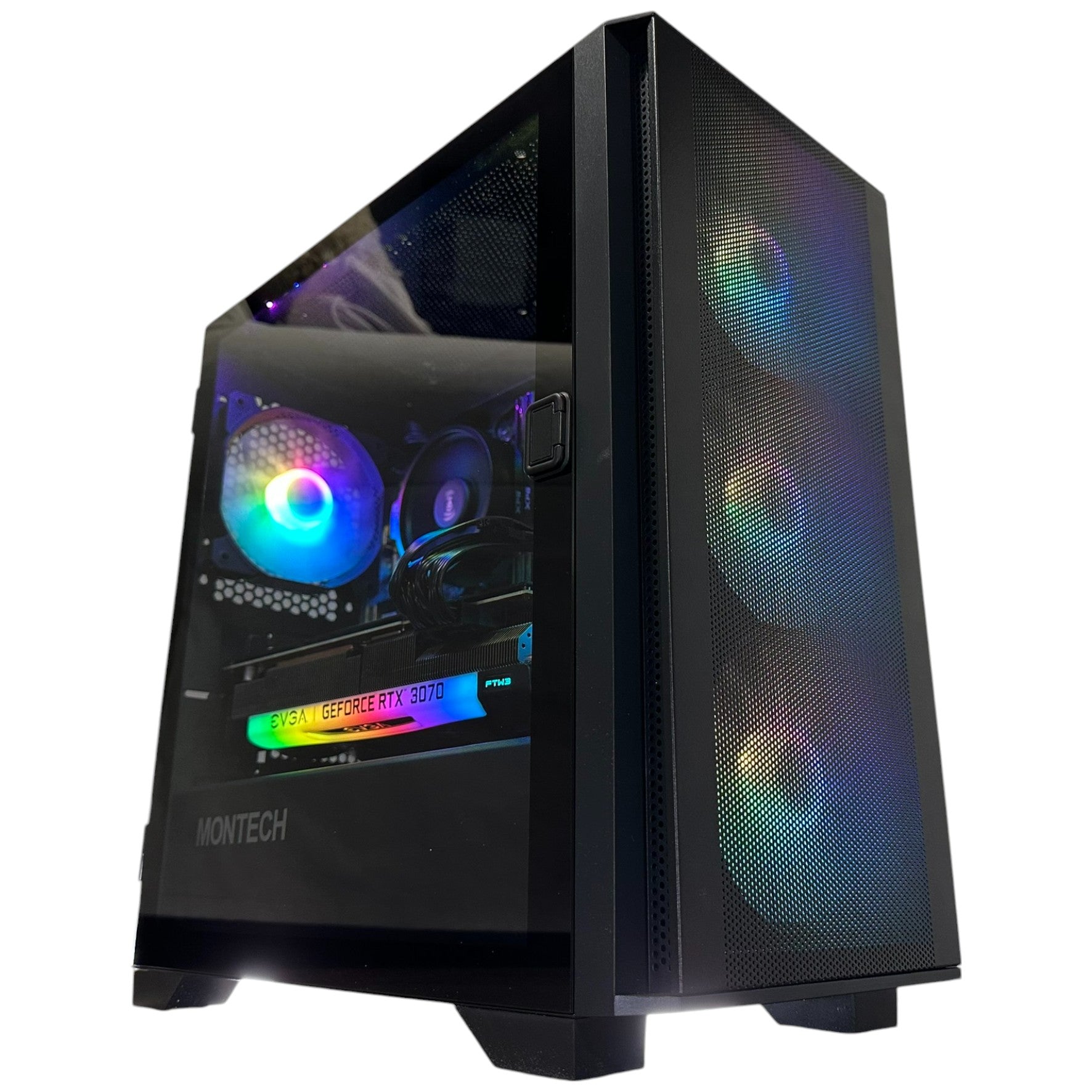
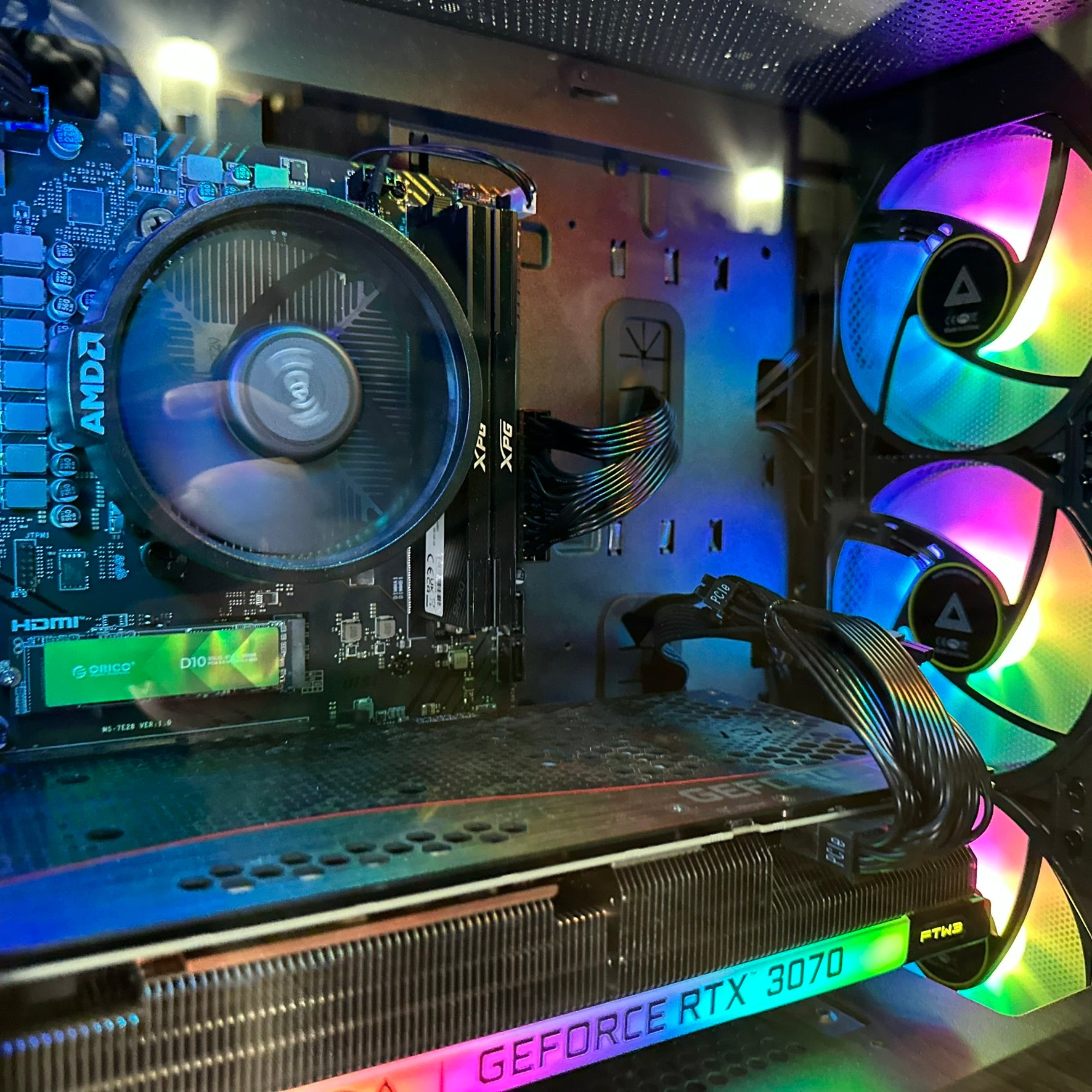
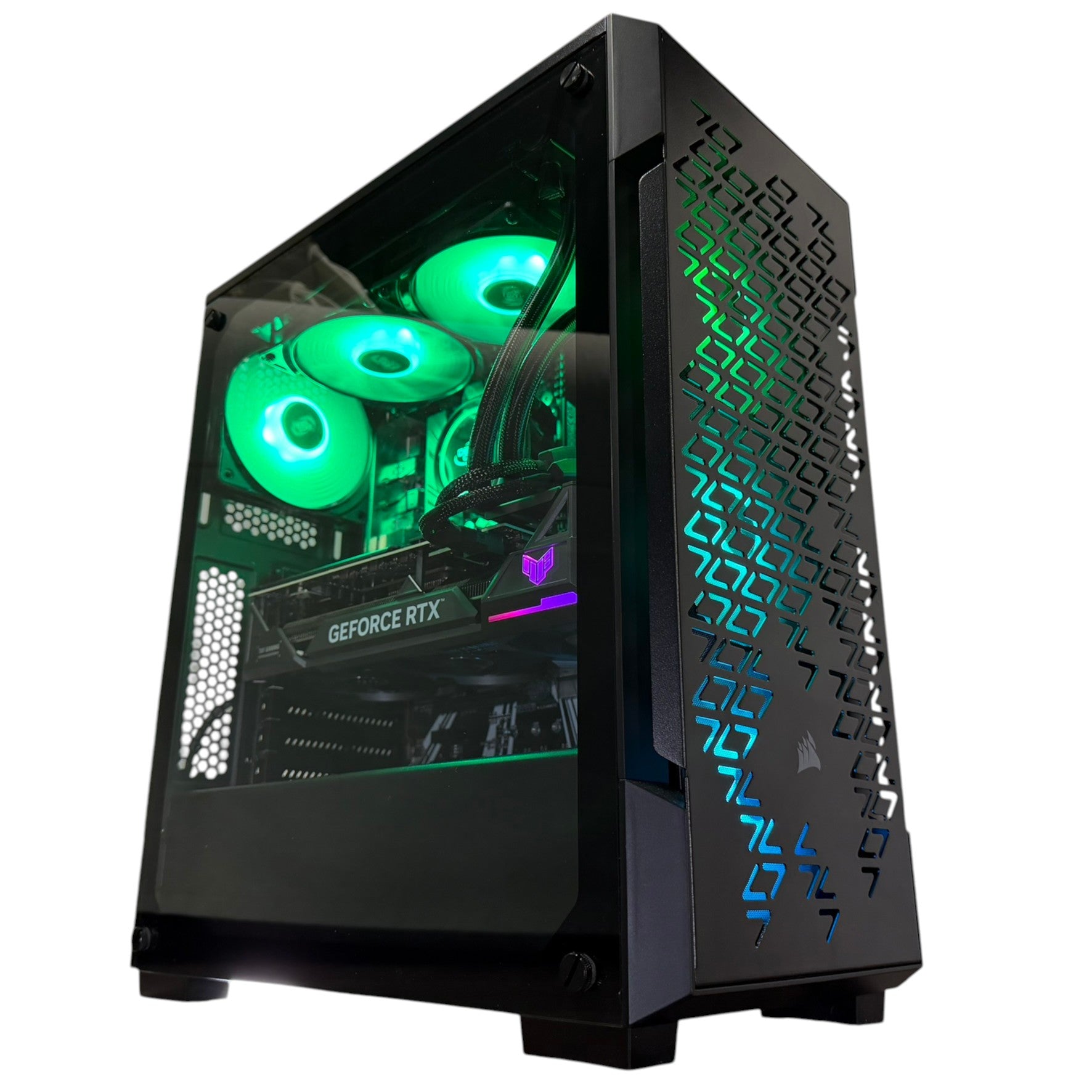

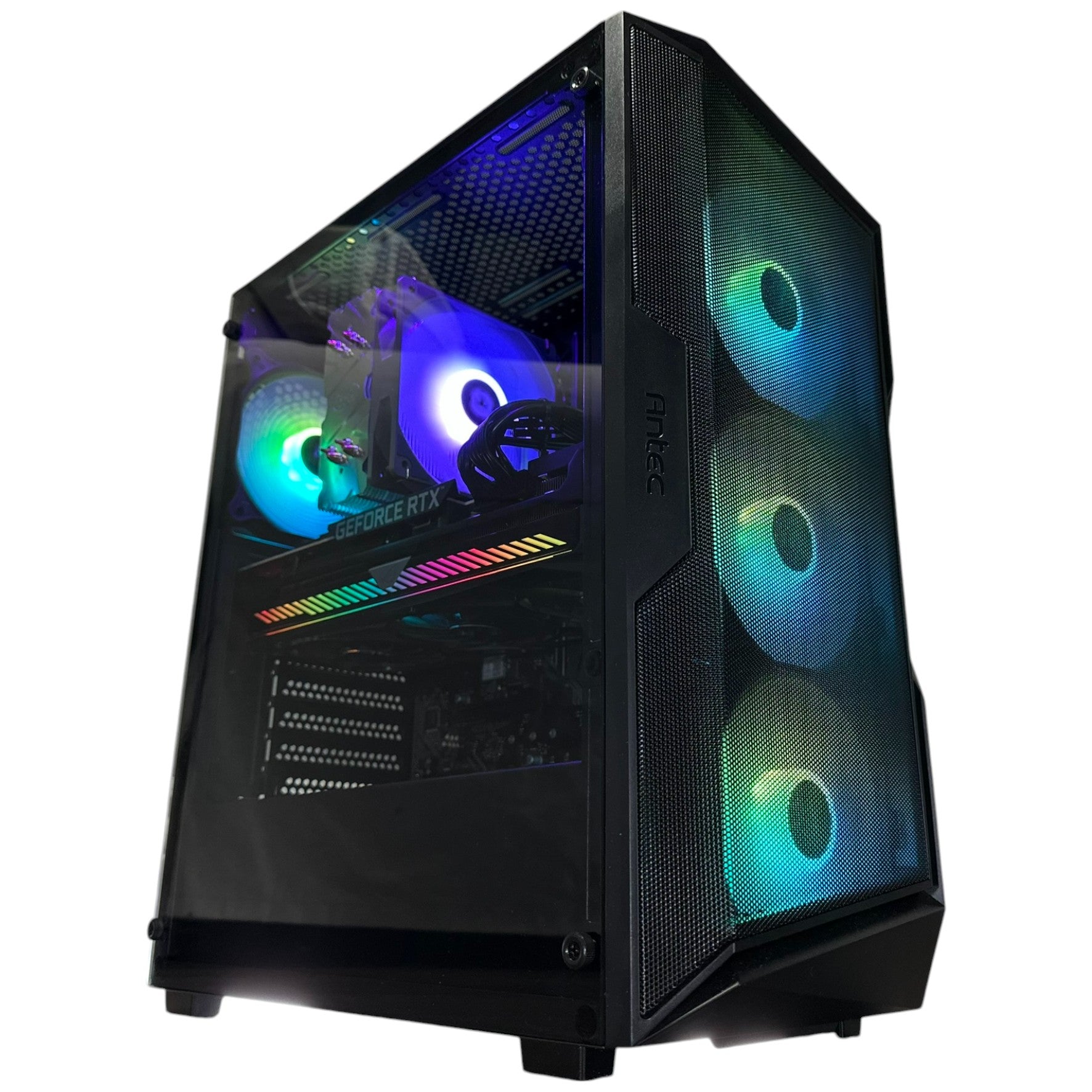
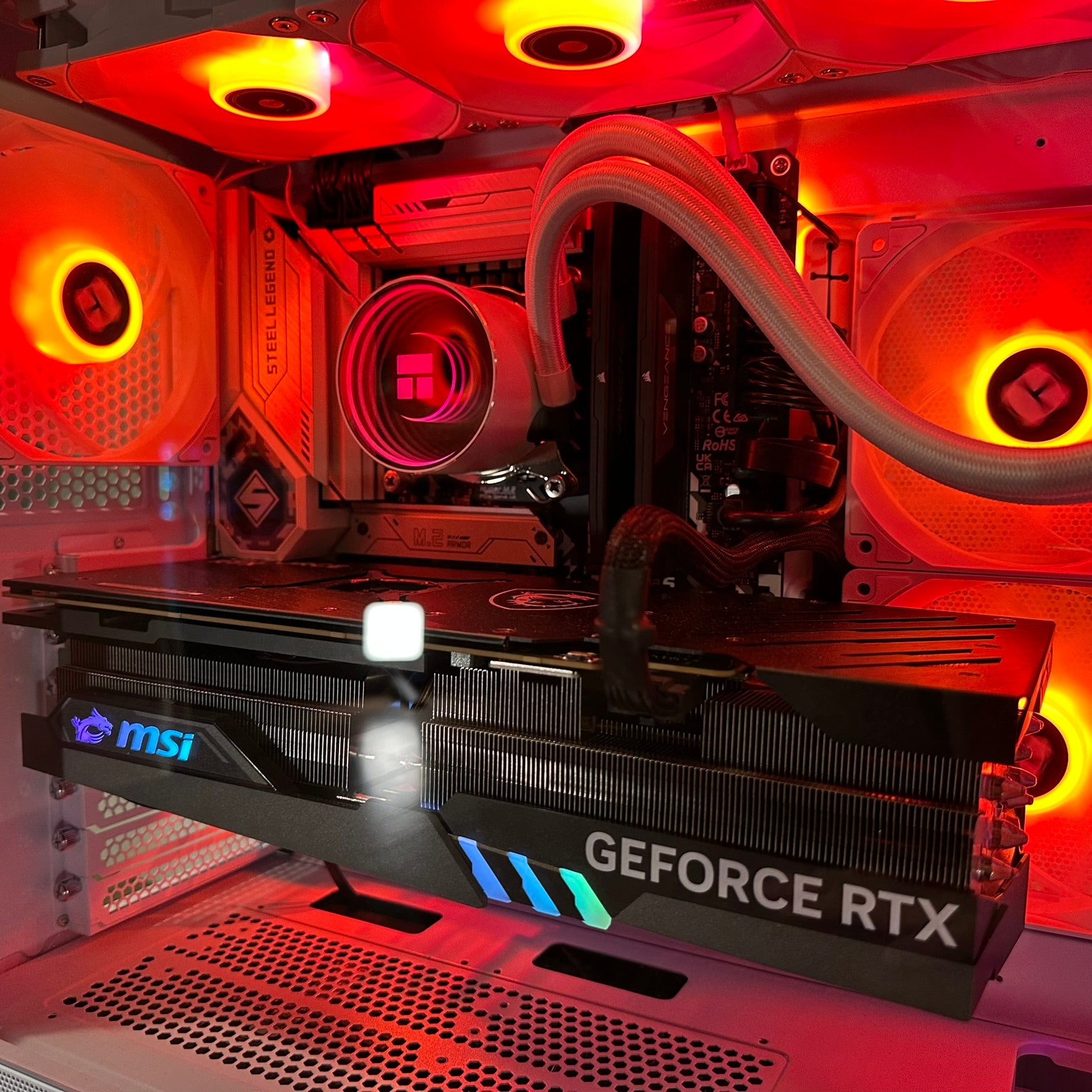
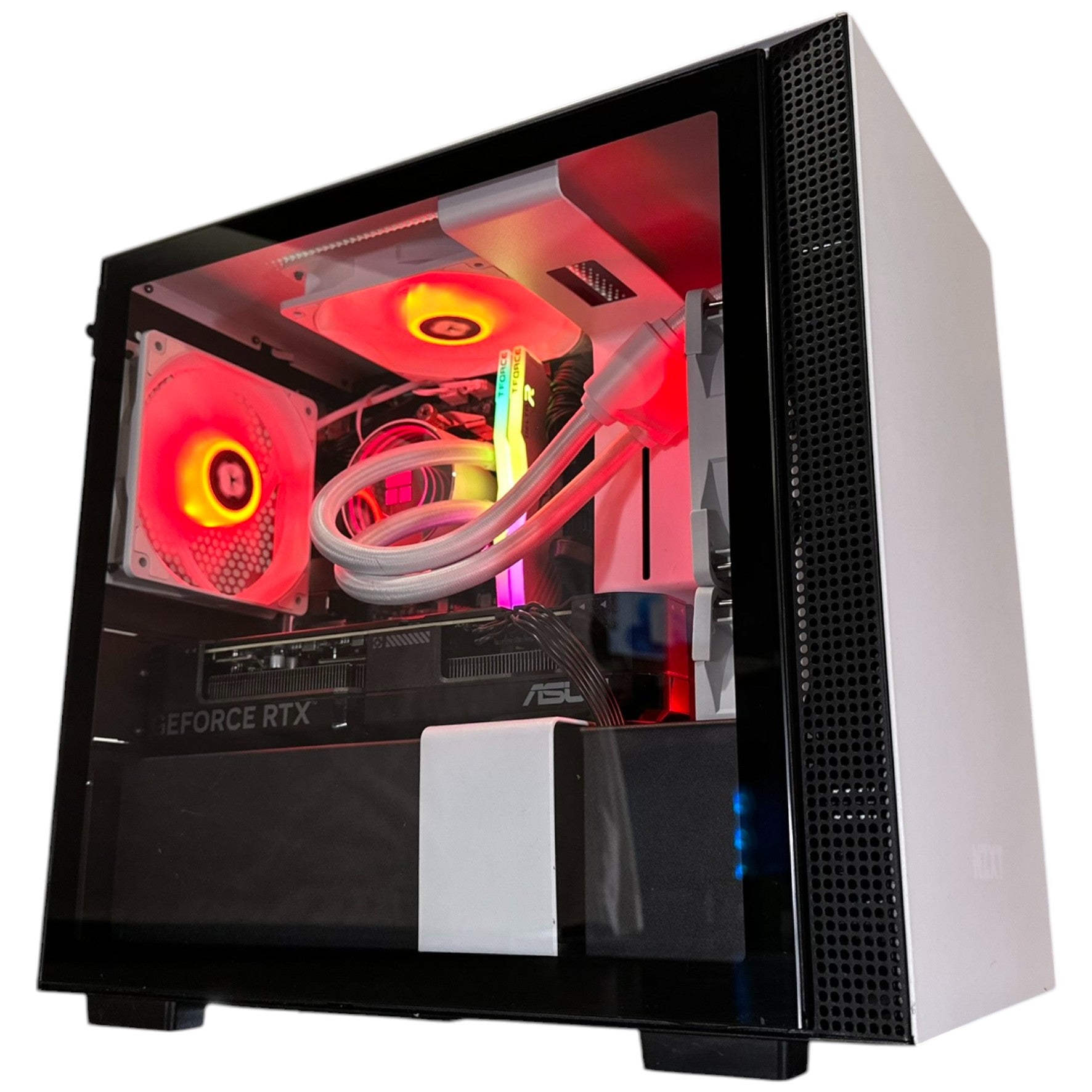
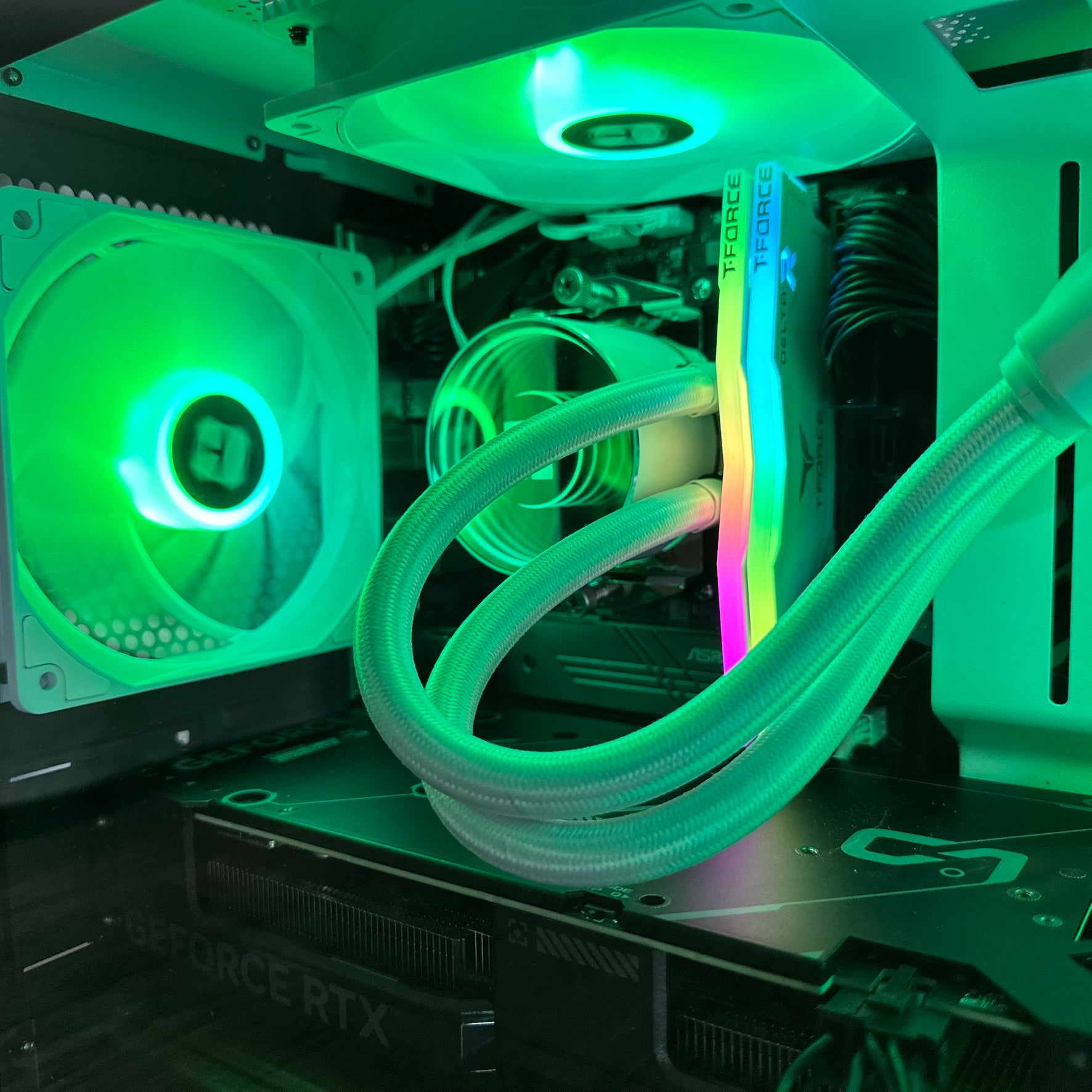
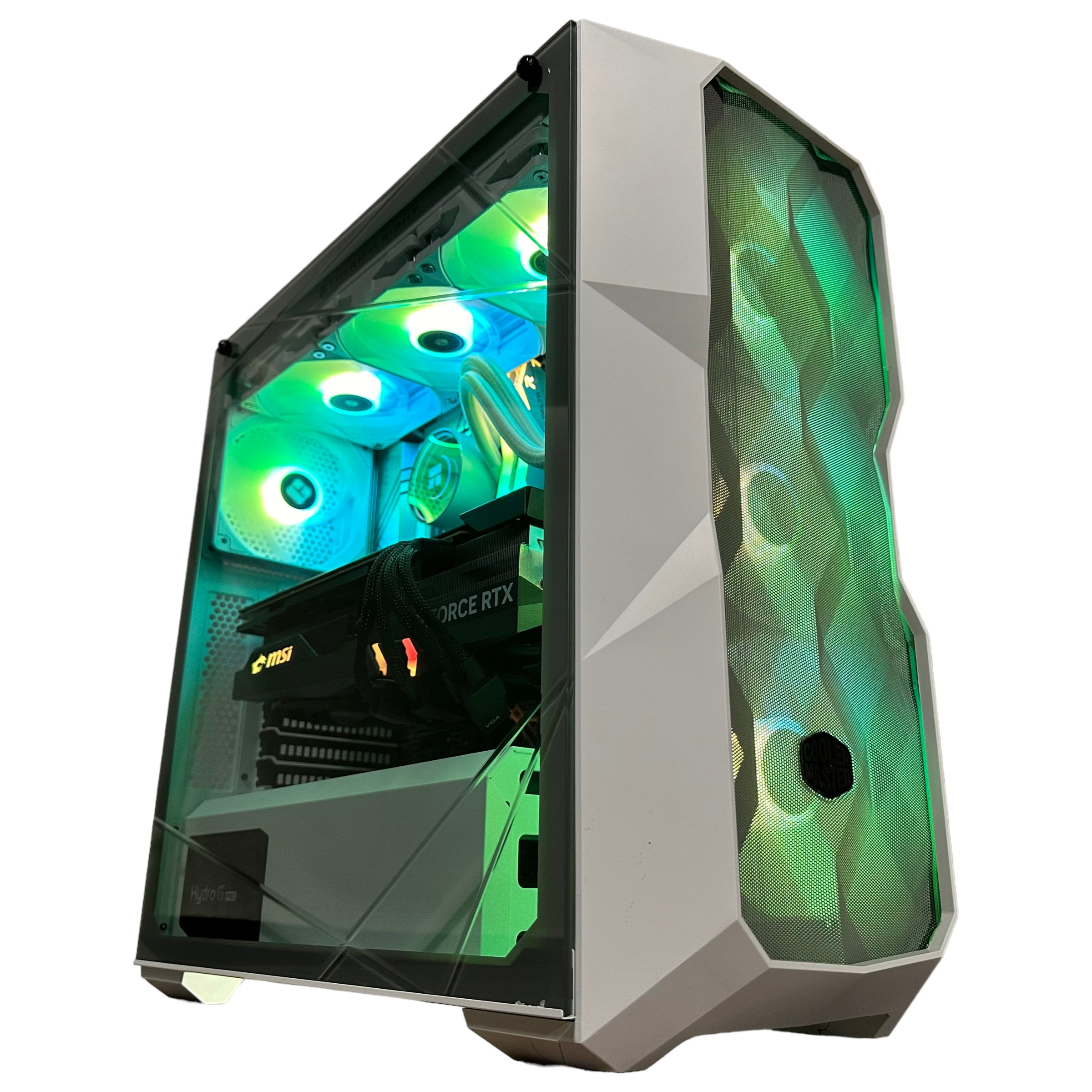


Slay the Spire 2 RNG Patch and What It Really Tells Canadian Buyers About Choosing the Right Gaming PC
The latest Slay the Spire 2 RNG patch is more than a niche balance update for deckbuilder fans. It is also a reminder that modern PC games are becoming deeper, more system-sensitive, more frequently updated, and more dependent on stable hardware than ever. When a game patch can reshape how relics, curses, bosses, modding support, and long-run strategy all behave, it raises an important question for Canadian players: is your current system still the right fit for the games you actually play now, not the games you played two or three years ago?
In the source report, the big headline was that Slay the Spire 2 received a major patch adding Steam Workshop support, a proper monster bestiary, and a new boss named Aeonglass. But the most interesting issue was the fix for a broken pseudo-random number system tied to Neow's Bones, a relic that had been producing suspiciously correlated results. Players believed one punishing curse, Debt, was showing up too often. After detailed community investigation, the developer confirmed the randomization system had flaws and patched it.
That might sound like a highly specific story about one roguelike card game, but it points to a much broader reality in PC gaming. Players are watching systems more closely. Developers are patching faster. Mods are becoming more central. Communities are analyzing game behavior in extreme detail. And all of that increases the value of owning a well-matched, tested, upgradable Gaming PC Canada buyers can rely on for the long term.
If you are reading about a patch like this, what are you really looking for next? Are you just curious about the game itself, or are you also wondering whether your current PC is still good enough for modern strategy games, modded games, multi-app gaming setups, or a heavier mix of gaming and content creation?
What the Slay the Spire 2 RNG Patch Gets Right About Modern PC Gaming
The biggest lesson from this update is not only that players can uncover hidden system issues. It is that modern PC games are living platforms. Slay the Spire 2 is not sitting still. It is evolving with new balance logic, new content, and mod support. That means the ideal gaming setup today is not just about launching a game once. It is about having a system that stays responsive through updates, background tasks, mods, Discord, browsers, capture software, and whatever else your personal setup includes.
For many players, strategy and card games are seen as “light” games that do not need much hardware. Sometimes that is true. But what happens when your setup includes a high refresh display, many browser tabs, OBS recording, mod managers, Steam Workshop downloads, and a second game running in the background? What happens when a “simple” game becomes part of a much bigger PC use case?
This is where buyers often underestimate their needs. They shop for the minimum instead of the right fit. Then six months later they are frustrated by stutter, slow application switching, weak multitasking, or limited upgrade headroom. Does that sound familiar?
Why Canadian PC Buyers Should Read a Game Patch Story Like a Buying Guide
For Canadian shoppers, game news often connects directly to hardware timing. A patch, expansion, modding update, or surprise popularity spike can increase interest in a game category overnight. One title turns into ten. One update becomes a trend. Suddenly a buyer who only wanted a basic desktop starts comparing a budget gaming build against a stronger RTX-equipped system.
That is why this kind of story matters in Canada. Hardware pricing can shift. GPU demand can tighten. SSD and memory pricing can fluctuate. If you wait until the exact week you need a better computer, you may face fewer choices or worse system value. Are you buying because one game caught your attention today, or are you trying to avoid another rushed upgrade later this year?
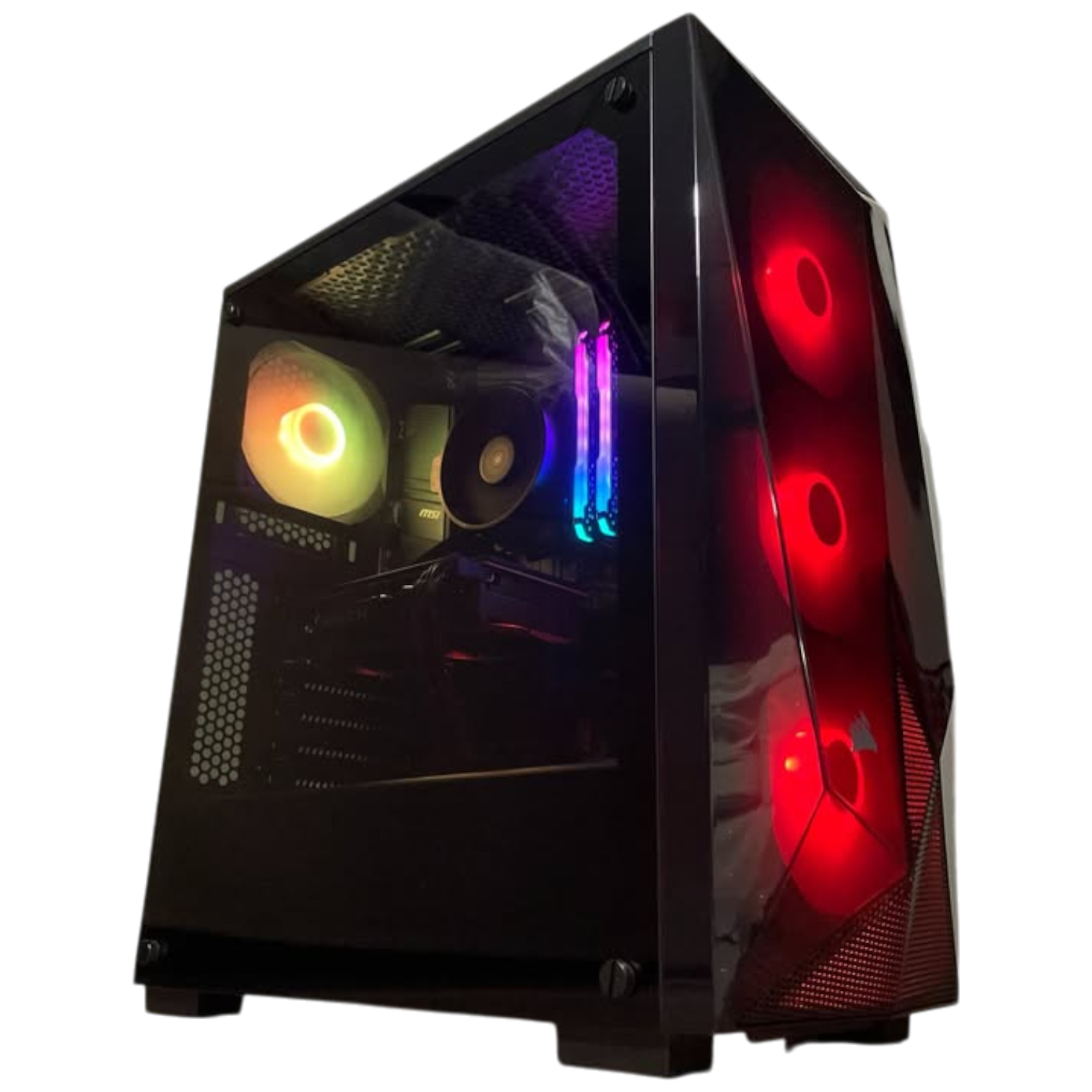
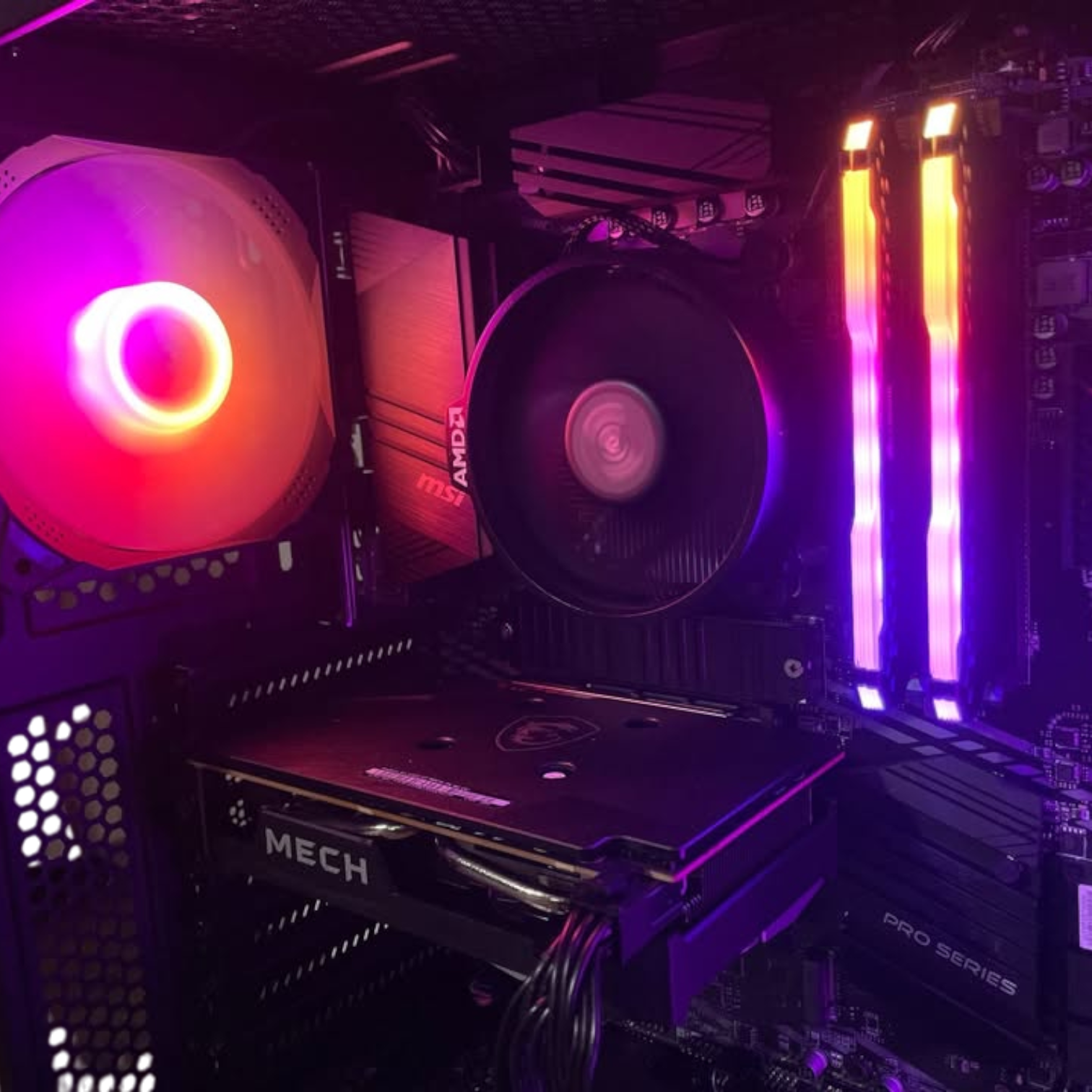
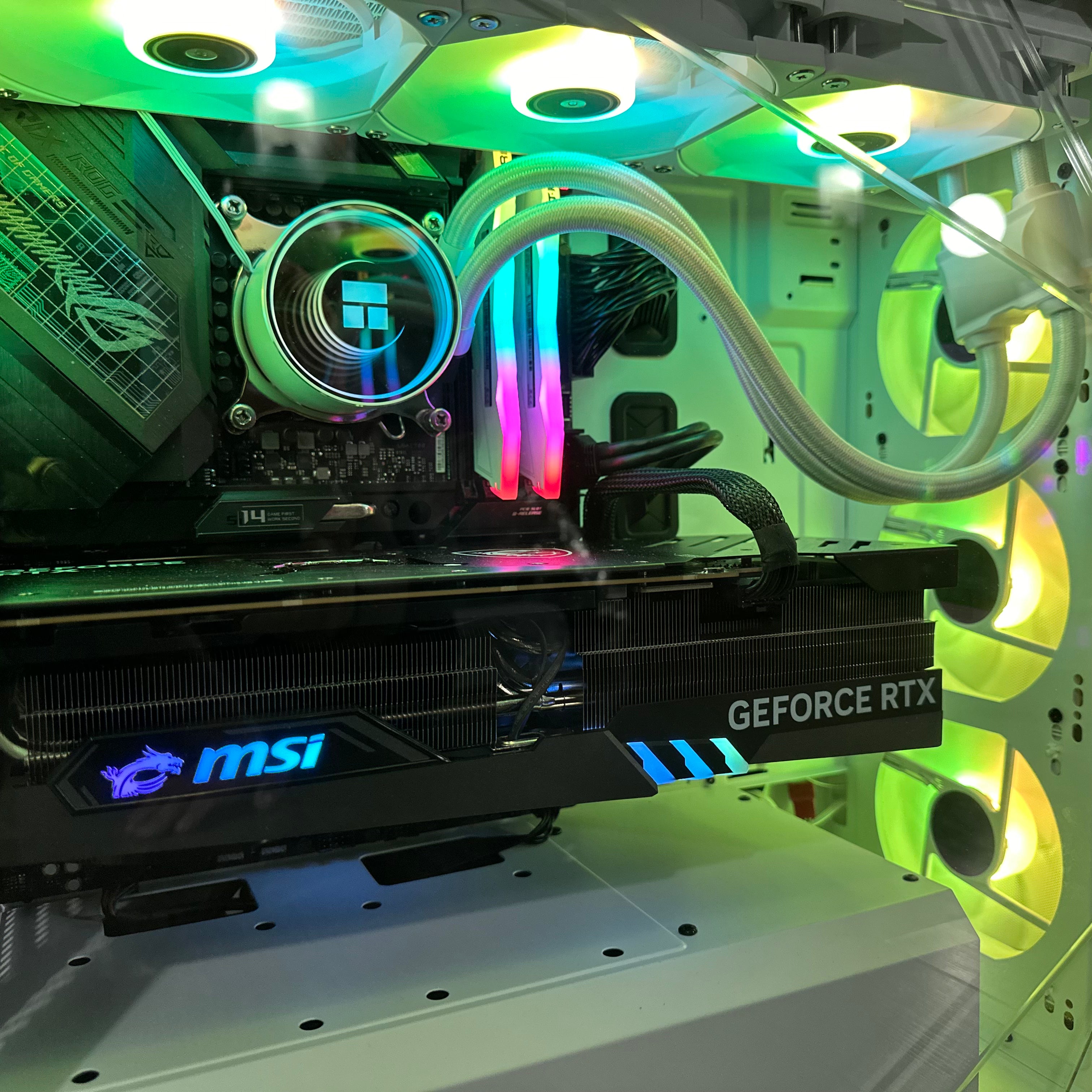
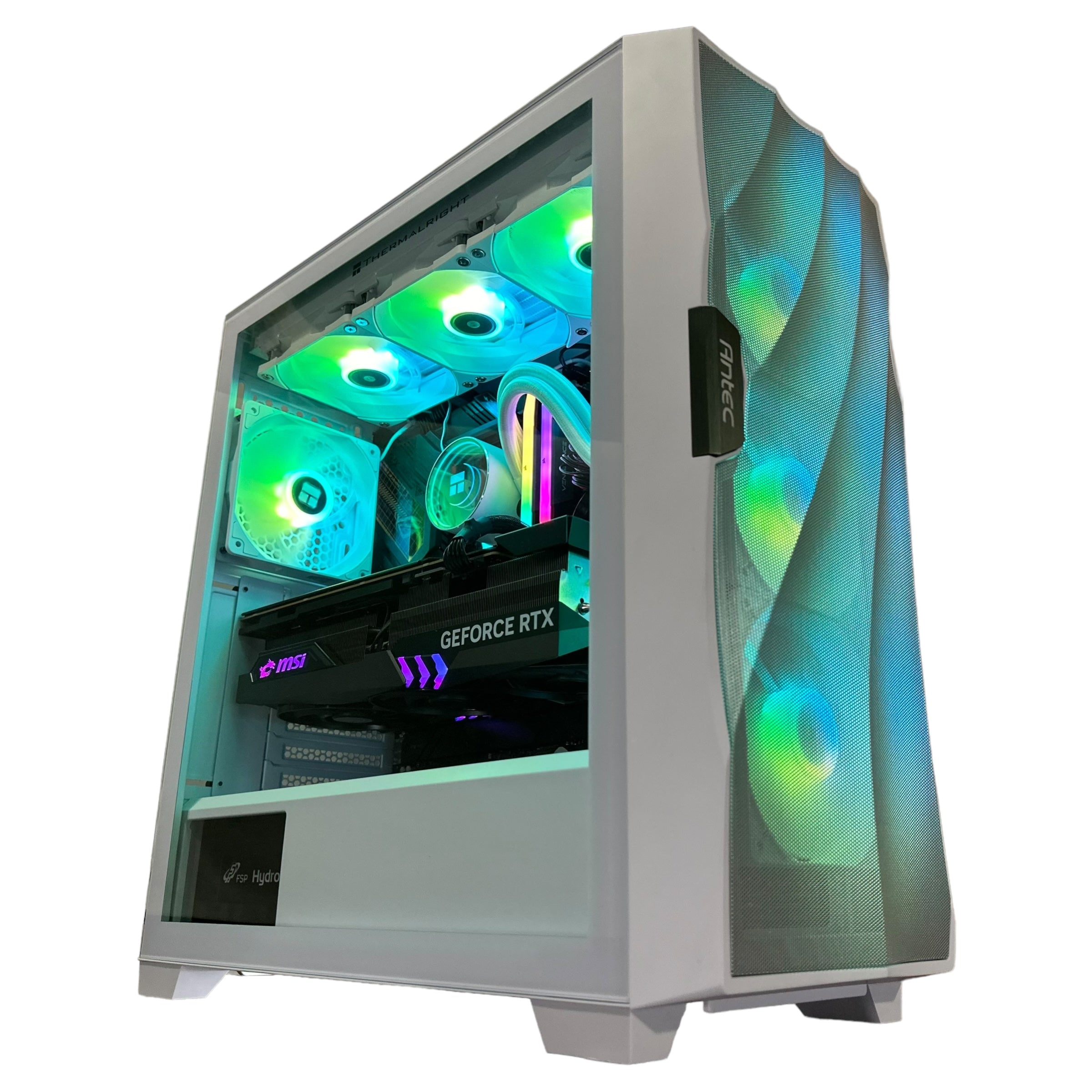
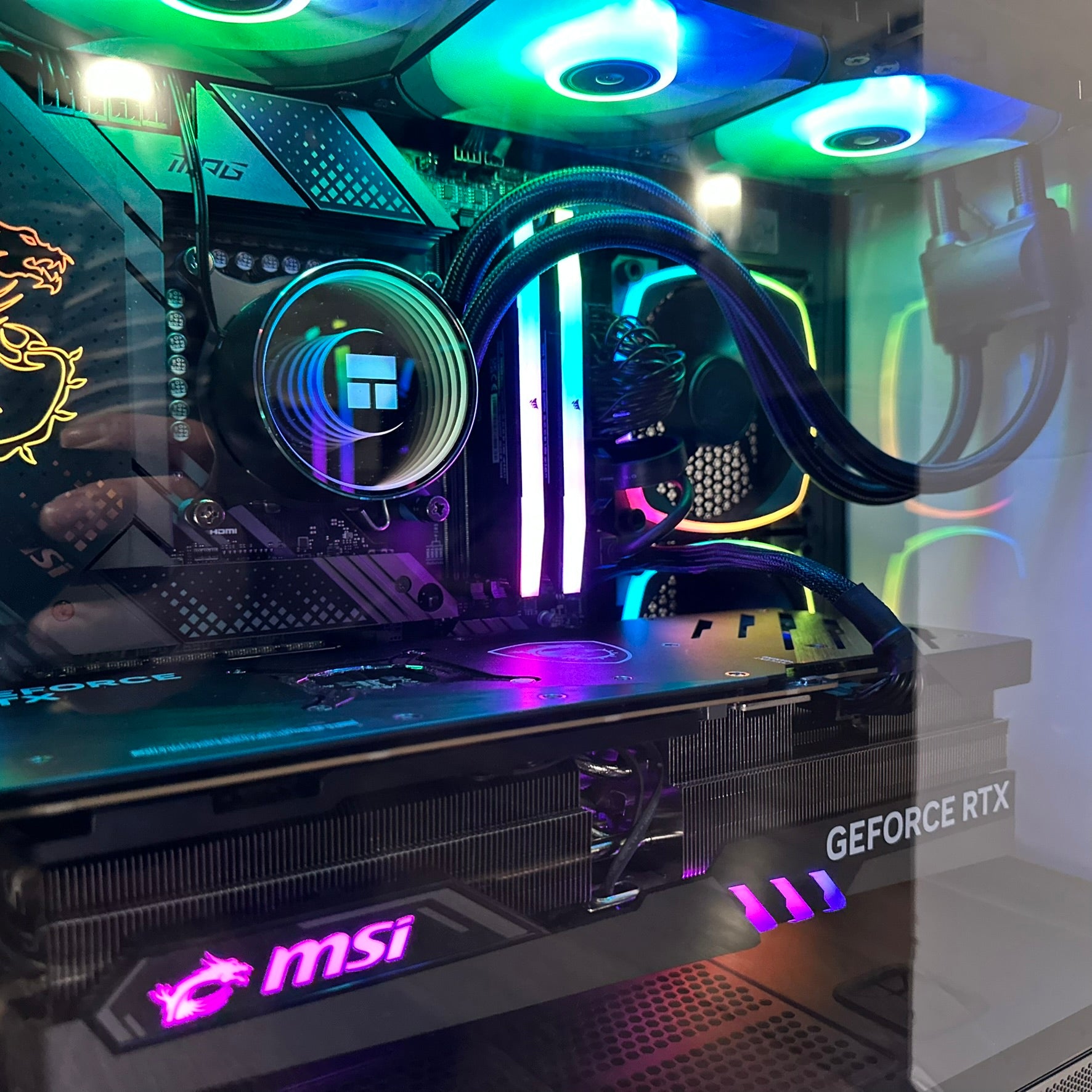
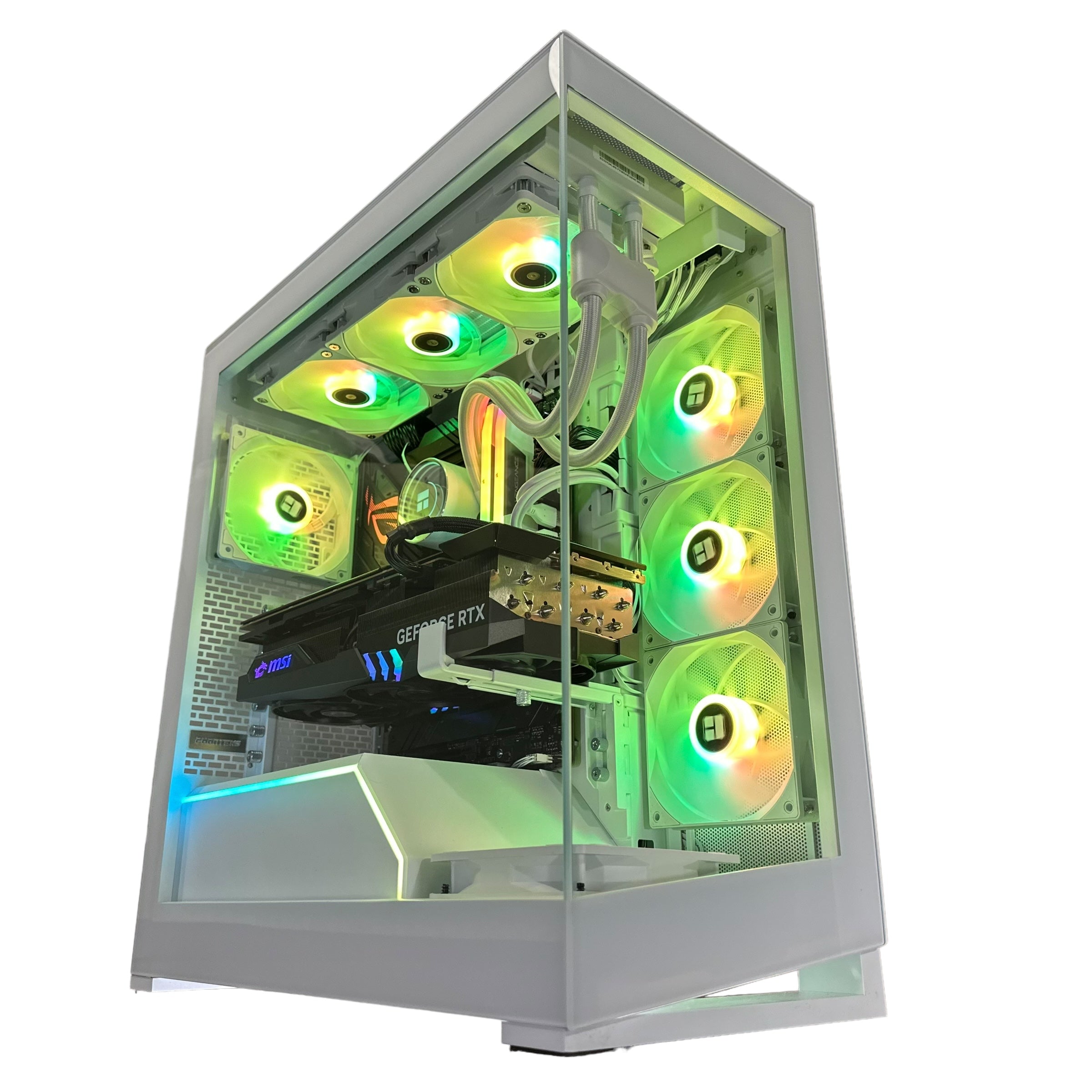
A custom-built PC also matters more in this environment. Off-the-shelf machines can look fine on paper, but poor part balance, weak cooling, limited power supply headroom, or low-quality memory choices can hurt the experience over time. A better decision is usually a properly matched custom system built around what you actually want to play and do.
What Do You Want Your Next PC to Do for You?
Before choosing hardware, stop and ask the most useful question first: what do you want your next PC to do for you?
Do you want to play strategy games like Slay the Spire 2 smoothly at 1080p while multitasking? Do you want to jump into more demanding games at 1440p? Are you thinking about ray tracing, ultra settings, or 4K? Do you also want to stream on Twitch or YouTube, record gameplay, edit videos, design thumbnails, or run creative software after gaming sessions?
Maybe you are not just a player. Maybe you are a creator, student, designer, or hobbyist who needs one system to do several jobs well. If so, a basic gaming tower may not be enough. If your PC has to handle gaming, OBS, Premiere Pro, Photoshop, Lightroom, Illustrator, Blender, or Unreal Engine, your buying decision changes fast.
This is exactly where many shoppers need help. They do not need the cheapest machine. They need the right category: budget gaming computer, premium RTX gaming PC, custom creator PC, editing workstation, or 3D modeling workstation. Which one sounds most like your real-world use case?
Do You Only Need a Gaming PC, or a Gaming-and-Everything-Else PC?
The Slay the Spire 2 patch story is about one game, but many buyers are not building for one game anymore. They are building for a lifestyle around PC gaming. That includes streaming, browsing, guides, communities, mods, clips, screenshots, recordings, editing, and social content.
If you only play lighter games, a value-focused system can still make sense. But if your gaming habits spill into content creation, even casually, that changes the spec recommendation. A buyer who edits YouTube clips, records commentary, or streams card games while chatting with viewers needs stronger CPU performance, more RAM, and often a more capable GPU than they first expected.
Have you noticed your current PC slowing down not in the game itself, but when everything else is open around it? That is usually the sign that your next system should be selected as a more complete platform, not just a game launcher.
Which Performance Tier Fits You Best?
Entry-Level and Budget Gaming PC Canada Buyers
If your main goal is 1080p gaming, indie titles, strategy games, deckbuilders, esports, and everyday use, a budget-oriented gaming desktop can be a smart fit. This tier is ideal for students, first-time desktop buyers, and people leaving older office PCs behind. It can also be enough if you want a system for Slay the Spire 2, Minecraft, Roblox, Valorant, or similar lighter games without pushing ultra-demanding visual settings.
But ask yourself: do you want a PC that only handles today’s light gaming, or one that still feels comfortable when your library expands? A lot of buyers regret going too low because the price gap to a much better long-term system was smaller than the cost of upgrading later.
Mid-Range 1080p to 1440p Gaming and Streaming Systems
This is often the sweet spot for Canadian buyers. A strong mid-range build can deliver excellent 1080p and 1440p performance, smoother multitasking, better longevity, and much more flexibility for streaming or light editing. If you play a mix of strategy games, AAA releases, modded games, and competitive titles, this is where value and real-world usability often meet.
Are you the kind of user who says, “I might stream later,” “I may try editing,” or “I do not want to replace this in a year”? Then this tier is often the safest recommendation. It gives you room to grow into your PC rather than outgrow it immediately.
High-End and Premium RTX Gaming Builds
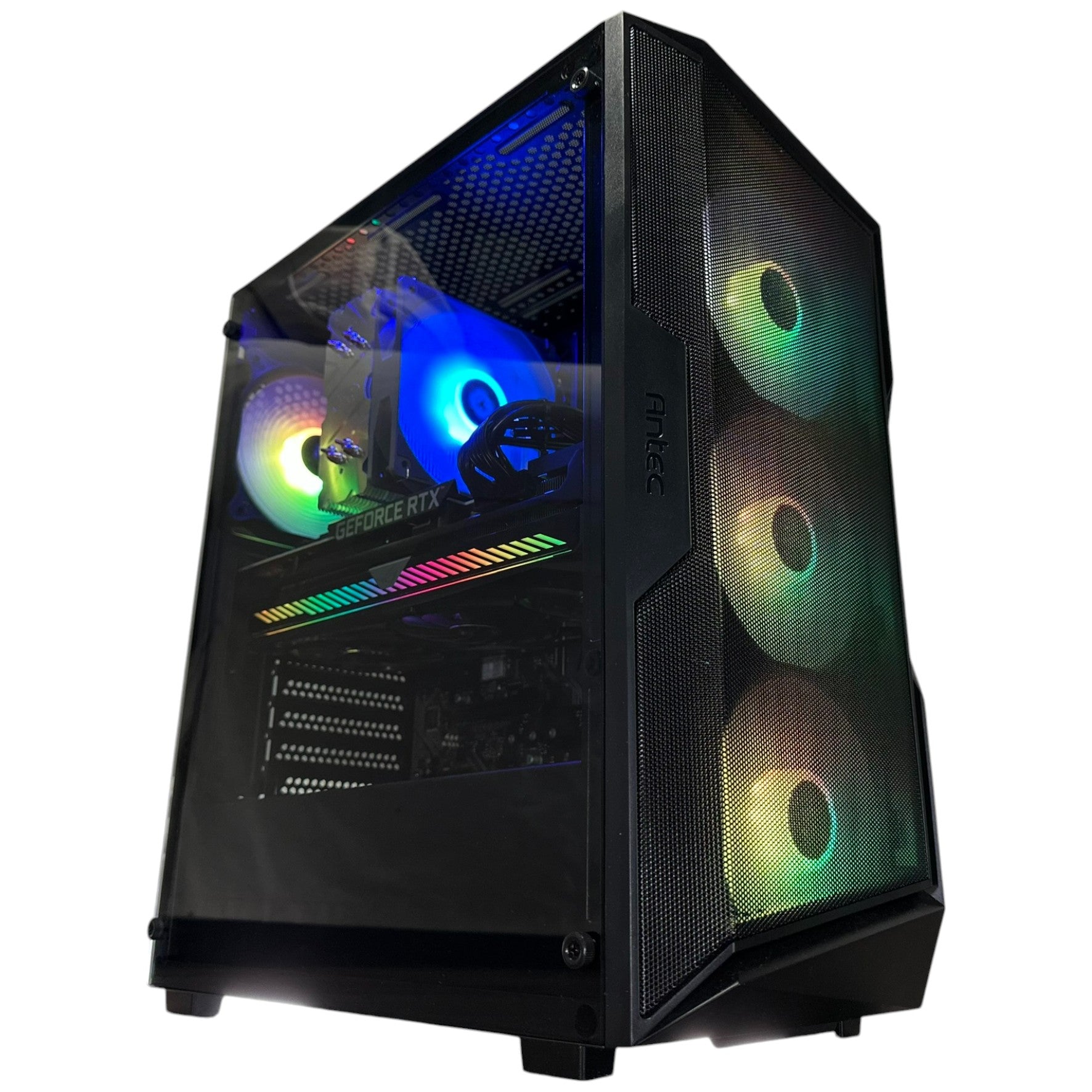
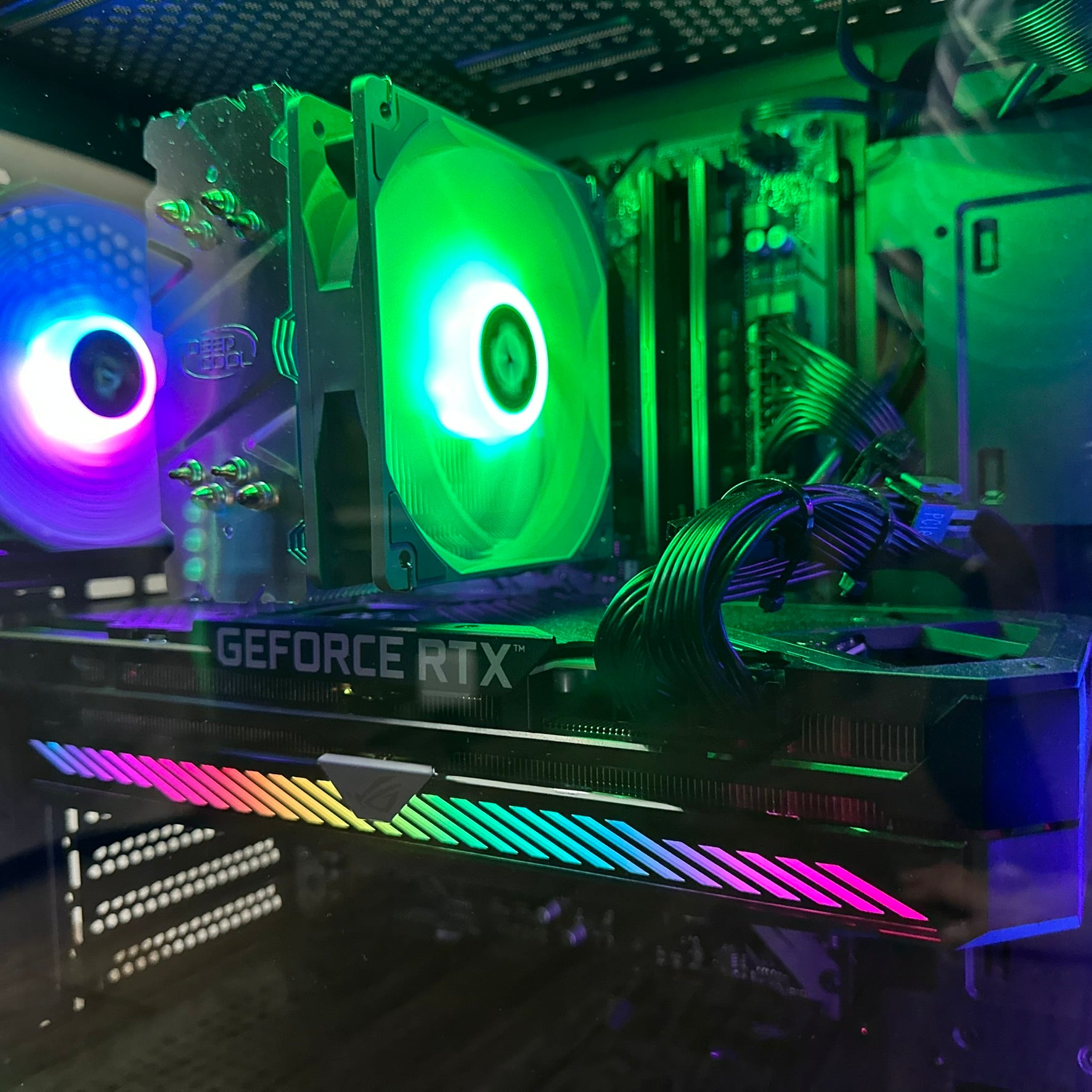
If you want 1440p ultra, 4K gaming, higher refresh rates, ray tracing, stronger creator performance, and longer relevance across future game releases, a premium build is the right direction. This is where buyers should think seriously about future-proofing, cooling, PSU quality, storage speed, and whether financing a stronger system now may be smarter than settling for less.
Do you want your next machine to feel impressive only on day one, or still feel powerful two to four years from now? If you are already considering demanding new releases, creator workloads, or top-tier monitors, it often makes sense to buy with headroom instead of buying twice.
What PC Do You Need for Strategy Games, Mods, and Long Play Sessions?
Strategy and deckbuilding fans sometimes assume they can buy the absolute minimum hardware. That can be a mistake, especially if the game supports Workshop mods, receives active updates, and becomes part of a larger desktop workflow. Games like Slay the Spire 2 may not demand the same raw GPU power as a blockbuster open-world title, but they still benefit from a responsive system with fast storage, enough memory, and a modern processor.
Why does that matter? Because loading times, app switching, mod handling, patch installs, background stability, and overall system responsiveness all affect how enjoyable your gaming experience feels. If you are the kind of player who leaves streams open, keeps guides in a browser, or alt-tabs often, a weak entry PC starts to show its limits quickly.
Would you rather buy a system that merely runs the game, or one that makes your whole gaming setup feel faster and smoother?
Planning to Stream Card Games, Roguelikes, or Strategy Content?
Streaming is one of the easiest ways a simple gaming purchase turns into a more demanding hardware decision. You may start with one game and one microphone, but soon you want overlays, alerts, a webcam, background music, clipping tools, and recording.
If you are asking, what PC do I need for streaming?, the answer depends on whether you are gaming and streaming on the same machine. For many Canadian buyers, a single well-balanced custom build is the ideal answer. You do not necessarily need a separate streaming PC, but you do need enough CPU power, GPU encoding capability, RAM, and storage performance to avoid bottlenecks.
Do you want a clean 1080p stream while playing? Do you want better multitasking with OBS and Discord open? Do you plan to record footage locally for later editing? If yes, a stronger mid-range or high-end custom build becomes much easier to justify.
Are You Also Editing Videos, Thumbnails, or Social Content?
This is where the source topic expands naturally into a creator buying guide. A lot of gaming customers are also accidental creators. They clip runs, export highlights, design thumbnails, make TikToks, and post strategy breakdowns. Once that happens, your system is no longer just a gaming desktop. It becomes a Creator PC Canada use case.
If you use Premiere Pro, DaVinci Resolve, Photoshop, Lightroom, or Illustrator, you should think beyond game frame rates. Export times, timeline smoothness, project caching, RAM capacity, and fast NVMe storage become major factors. A machine that feels “fine” for gaming can feel frustrating for editing.
What matters more to you: saving a bit upfront, or saving hours over the life of your machine through faster exports, smoother editing, and better multitasking? If your computer helps make content, your time has value too.
Could a Gaming PC Also Be the Right Video Editing, Photo Editing, or Graphic Design PC?
Sometimes yes, but not always. A gaming-focused build with a solid CPU, capable GPU, enough RAM, and quality storage can be excellent for mixed use. That makes it a strong option for users who game at night and create during the day. However, if your workload includes frequent 4K editing, complex After Effects work, large Lightroom libraries, high-resolution Photoshop documents, or multi-app Adobe workflows, your part selection needs to become more deliberate.
Are you editing family videos and short-form content, or are you doing client work? Are you building posters, social media graphics, and thumbnails, or are you handling large commercial design files? Do you need colour-sensitive workflow support with multiple monitors? These questions matter because they decide whether you need a general gaming system, a custom creator PC, or a more workstation-oriented build.
What If Your Work Includes Blender, 3D Modeling, or Unreal Engine?
Many Canadian buyers start by shopping for a gaming PC, then realize they also want to learn Blender, create game assets, render animations, or experiment with Unreal Engine. If that is you, it is worth choosing hardware that supports both gaming and 3D work from the start.
A proper 3D-capable system should be planned around GPU performance, CPU strength, memory capacity, cooling quality, and storage layout. The wrong build can still launch Blender, but it will not feel efficient when projects get heavier. If your next PC needs to handle games, rendering, design work, and long productivity sessions, a custom workstation-style approach often provides the best result.
Are you buying for the hobby you have today, or the skills you want to grow into over the next few years?
Why the Slay the Spire 2 Patch Also Highlights the Value of Reliability
The patch itself focused on randomness, correlations, and hidden system behavior. That makes reliability a useful parallel. In gaming, many frustrating issues are not obvious at first. They appear later through unstable memory, poor thermals, underpowered PSUs, inconsistent storage, or weak component pairing.
That is one reason custom builds from a trusted Canadian builder matter. A tested machine gives you a much better chance of getting not just raw performance, but dependable performance. If you are investing in a system for gaming, creating, streaming, and daily work, reliability is not a luxury feature. It is part of the value equation.
Would you rather chase random crashes and mystery stutter on a poorly matched system, or start with a machine that has been built, balanced, and stress tested properly?
Should You Buy Now or Wait?
This is one of the most common buyer questions, and it is a fair one. The answer depends on your current PC, your workload, and your tolerance for compromise. If your machine already struggles, if you are planning around upcoming game releases, if you want to stream or edit more seriously, or if you know your current system is forcing you to lower expectations every week, waiting may cost more than acting now.
Canadian buyers also have to think practically. Component markets can shift. New hardware launches can create uneven stock. Demand spikes can affect pricing and lead times. Even if you are not chasing the latest flagship GPU, broader market movement can still influence what a full system costs.
So ask yourself honestly: is your current PC actually “good enough,” or have you simply gotten used to its limitations? And if replacement costs rise later, would you rather have locked in the right system earlier?
Is Financing a Stronger PC Worth It?
For many customers, yes. If the difference between a short-term compromise and a long-term satisfying build is manageable through monthly payments, financing can be the smarter move. Instead of buying too low and upgrading too soon, you may be able to secure better CPU performance, a stronger GPU, more RAM, or faster storage now.
This matters even more when your PC is tied to work, school, content creation, or regular gaming use. A stronger system can last longer, perform better under multitasking, and reduce the urge to replace or rebuild early. Financing up to 4 years can make that higher-value tier more realistic for buyers who want better longevity without paying the full cost upfront.
Are you deciding between a cheaper PC that may feel outdated quickly and a better-balanced machine that serves you longer? If so, financing is not just about affordability. It is about buying more intelligently.
Questions to Ask Before You Choose a Custom PC
What games are you playing now, and what games do you expect to play next?
Are you targeting 1080p, 1440p, or 4K?
Do you care about ray tracing, high refresh gaming, or ultra settings?
Will you be streaming with OBS, recording gameplay, or editing clips?
Do you also use Photoshop, Lightroom, Premiere Pro, DaVinci Resolve, Illustrator, Blender, or Unreal Engine?
How much multitasking do you actually do while gaming?
Do you want to avoid upgrading again too soon?
Would monthly payments help you secure a better build now instead of settling for less?
Do you want a generic machine, or one that is matched to your exact goals?
Why Groovy Computers Makes Sense for Canadian Buyers
Groovy Computers is positioned for the buyer who wants more than a random parts list and a vague promise. Canadian shoppers looking for a custom gaming PC, creator system, or workstation need clear guidance, solid component matching, proper testing, and confidence after purchase.
That is where Groovy Computers stands out naturally. If you need a system for gaming, streaming, editing, photo work, graphic design, or 3D workloads, the goal is not to oversell you. It is to help you choose the right performance tier so you can stop second-guessing the purchase.
A custom build with rigorous testing and a 1-year warranty is especially valuable when hardware costs are unpredictable and your next PC needs to last. Whether you are in Nova Scotia, Atlantic Canada, or ordering from elsewhere in the country, a properly planned build is often the safest way to get real value from your budget.
What Kind of Buyer Should Choose Which Type of System?
Choose a Budget-Focused Build If
You mainly play lighter games at 1080p
You want a first gaming desktop
You are cost-conscious but still want a real upgrade from an office PC or aging machine
You are not planning serious streaming or editing yet
Choose a Mid-Range Gaming and Creator Build If
You want stronger 1080p or 1440p performance
You play a mix of strategy, esports, and newer AAA games
You stream casually or record content
You use Adobe apps or do occasional editing and design work
You want better long-term value and upgrade breathing room
Choose a Premium Gaming or Workstation-Class Build If
You want 1440p ultra or 4K gaming
You care about ray tracing and high refresh rates
You stream, edit, render, or multitask heavily
You work in Blender, Unreal Engine, Premiere Pro, or demanding creative suites
You want to avoid replacing your system too soon
Do You Want Help Choosing the Right Build Instead of Guessing?
If the Slay the Spire 2 RNG patch has you thinking about how fast games evolve, how quickly mod support and updates change your needs, or how your current PC may be falling behind, this is a good time to act deliberately. You do not need to guess your way through CPUs, GPUs, memory, and storage on your own.
Ask yourself one last practical question: do you want a PC that barely covers the present, or one that is built around where your gaming and creative habits are going next? If you want help choosing the right custom system, whether that means a gaming desktop, creator PC, or workstation, visit GroovyComputers.ca and explore a build that actually matches your goals.
Final Take: The Patch Is About RNG, but the Buying Lesson Is About Planning
The Slay the Spire 2 RNG patch may be about randomization, relics, and one highly analytical player exposing broken correlations, but the bigger takeaway for Canadian buyers is simple: modern PC gaming rewards better planning. Games update. Features expand. Mod support grows. Communities get deeper. Your hardware should not be an afterthought.
Whether you need a system for deckbuilders, AAA games, streaming, editing, or a blend of all of them, the best buying decision is usually the one that matches your real usage, not the one that only chases the lowest short-term price. If you want a tested custom PC with stronger long-term value, support, and sensible upgrade planning, Groovy Computers is the smart place to start.
#SlayTheSpire2 #GamingPCCanada #CustomGamingPCCanada #CreatorPCCanada #GamingAndStreamingPC #VideoEditingPCCanada #3DModelingPCCanada #CanadianCustomPCBuilders #NovaScotiaTech #GroovyComputers
Groovy Computers | All Rights Reserved


Leave a comment
This site is protected by hCaptcha and the hCaptcha Privacy Policy and Terms of Service apply.