




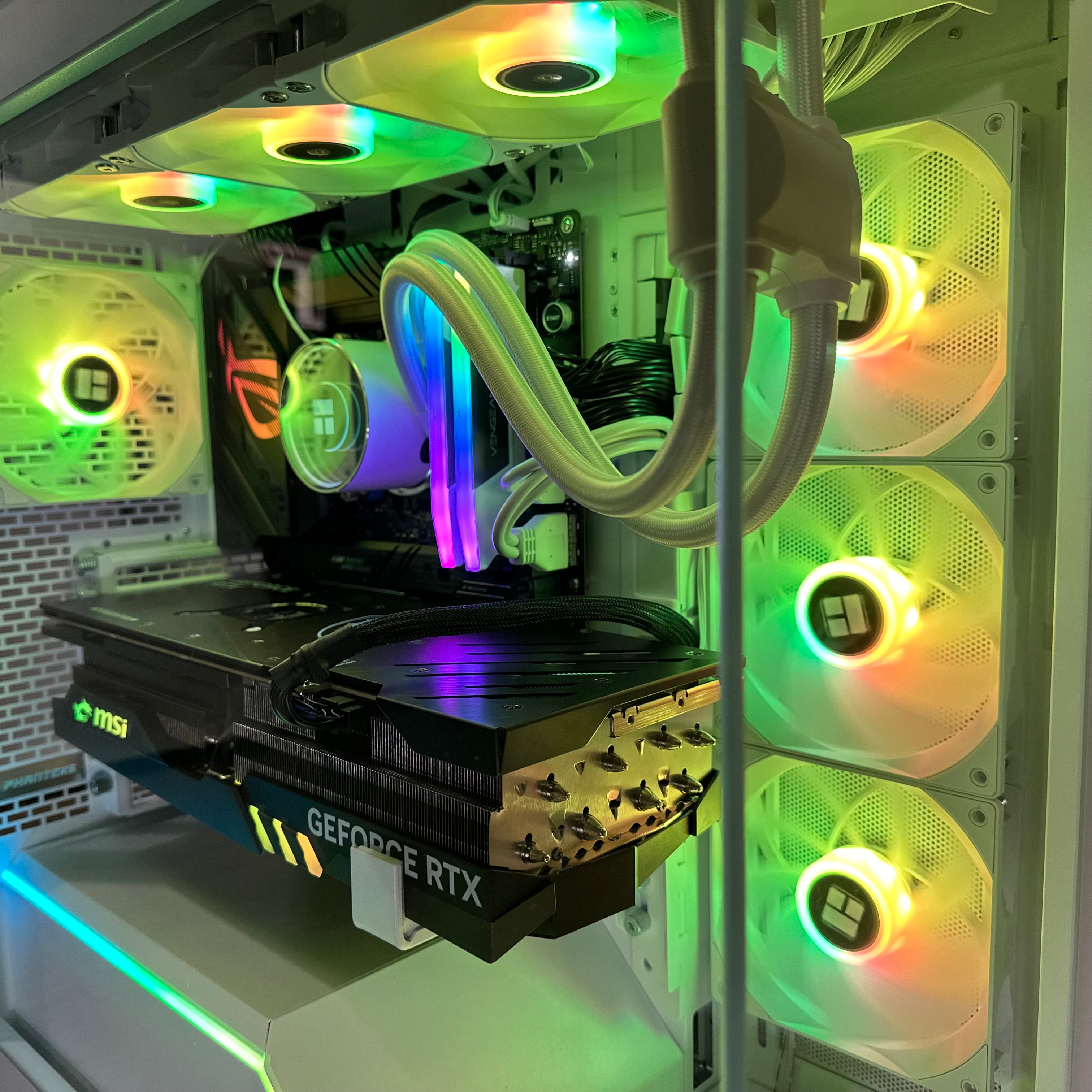
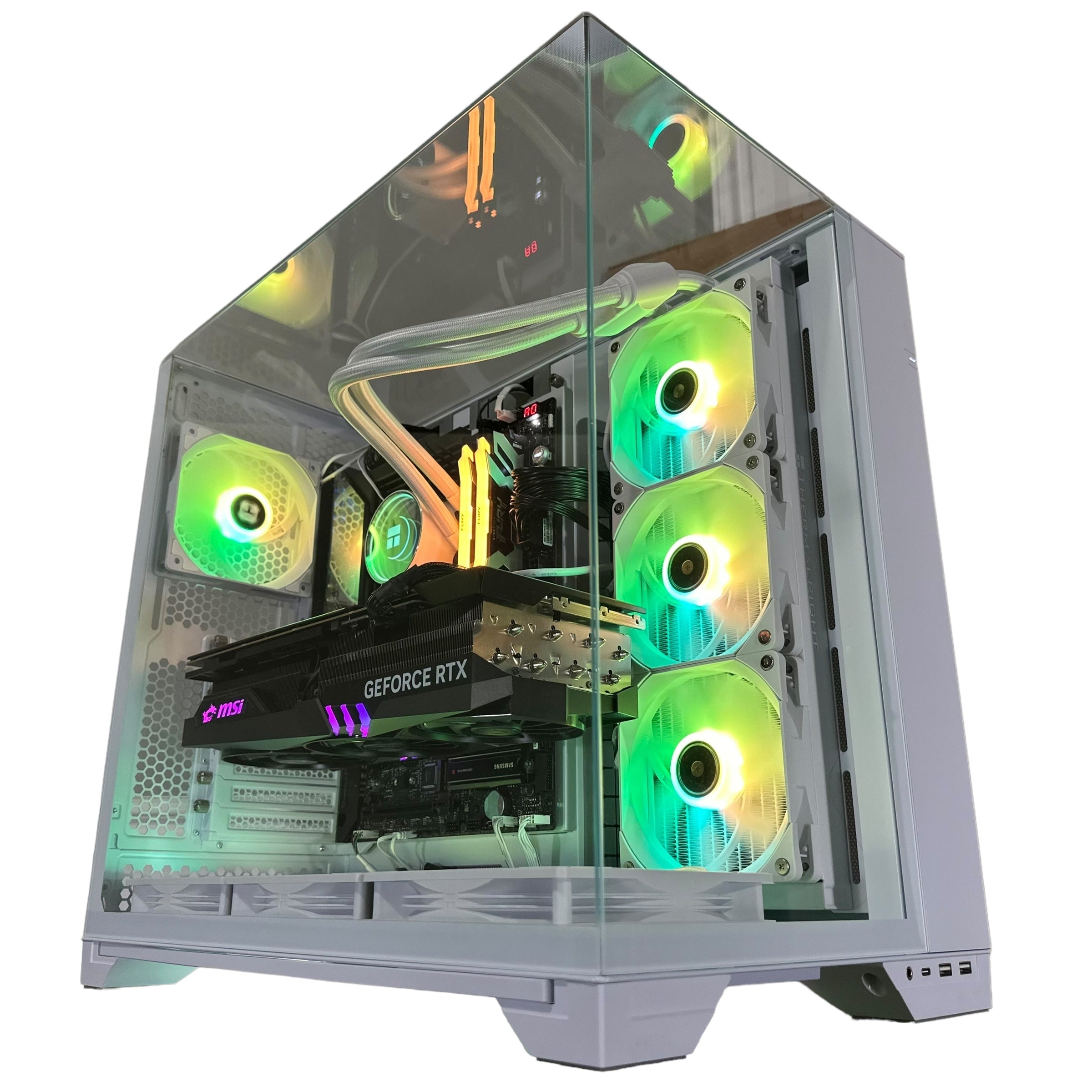
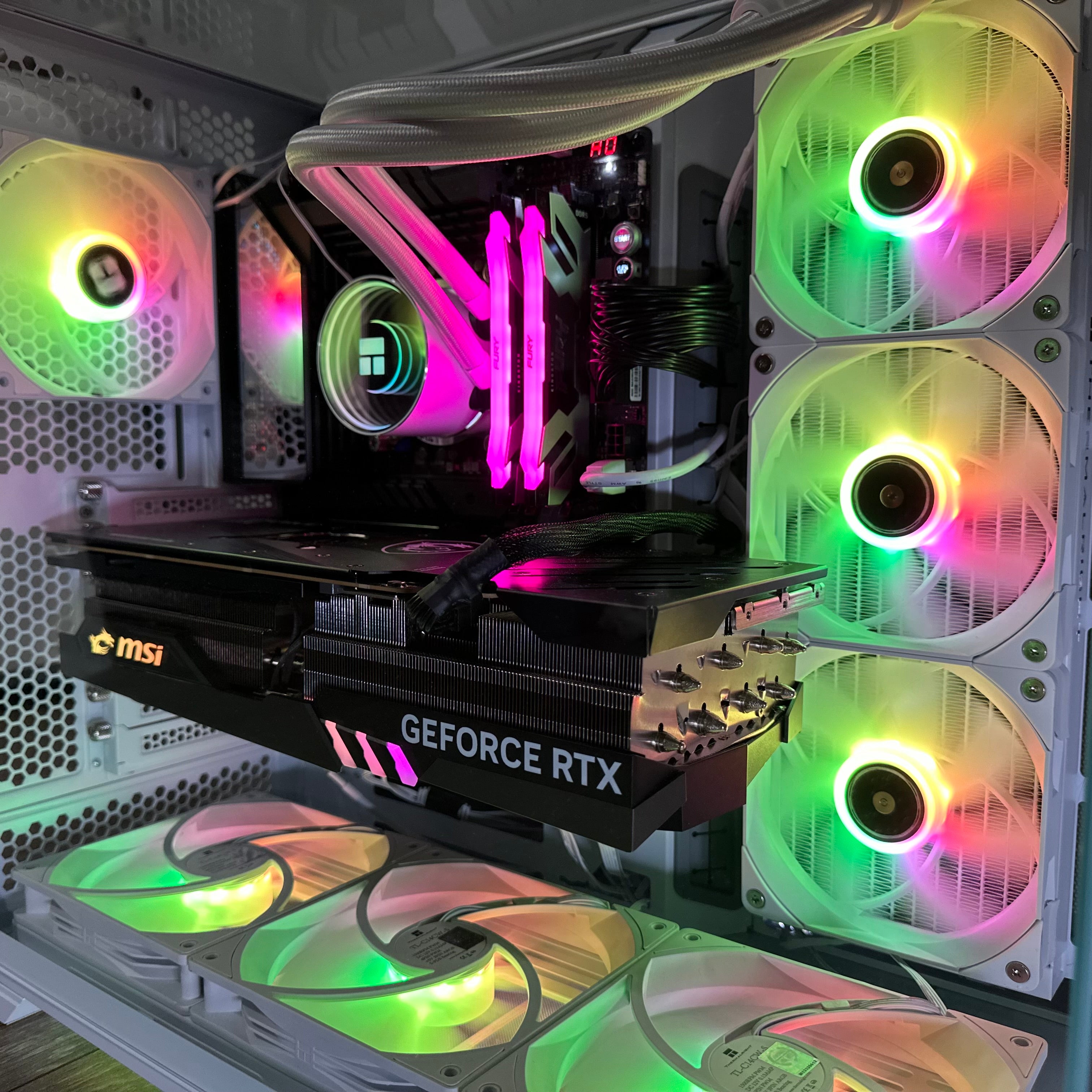

Slay the Spire 2 Randomness Problem: What It Really Means for Your Next Gaming PC in Canada
The Slay the Spire 2 randomness problem is more than a strange community talking point. It is a reminder that modern PC games are becoming deeper, more system-sensitive, and more demanding in ways that many buyers do not think about until after they upgrade. When a major early access roguelike starts generating serious discussion around code behavior, game logic, patch cycles, and player trust, it highlights something important for Canadian PC buyers: your next system should not just run today’s games, it should handle tomorrow’s updates, balance passes, mods, multitasking, streaming, and whatever comes next without forcing an immediate replacement.
Recent reporting around Slay the Spire 2 focused on a correlated randomness issue, where supposedly random outcomes can be influenced by underlying implementation patterns. In simple terms, some events may not be as independent as players expect. For a strategy-heavy deckbuilder, that matters a lot. If outcomes are more predictable or biased than they appear, players start questioning decisions, runs, and even the fairness of the experience.
So why would a custom PC builder in Canada care about that? Because this kind of game discussion reveals how modern PC gaming works now. Even games that do not look visually extreme can become performance, stability, and usability conversations very quickly. Today it is game logic, tomorrow it is a major patch, then a content update, then recording, then Discord, then a browser full of guides, then a second monitor, then OBS, then a creator workflow built around the same machine.
If you are reading about Slay the Spire 2 and wondering what this means for your own setup, the real question may be simpler: is your current PC just barely getting by, or is it genuinely ready for the next wave of PC gaming?
Why the Slay the Spire 2 randomness problem matters beyond one game
The source discussion centered on how random outcomes in Slay the Spire 2 may be correlated instead of fully independent in some scenarios. That can influence relic outcomes, curse probabilities, event rewards, and other systems players naturally assume are fair and evenly distributed. For a game built around high-stakes runs and strategic adaptation, that is not a small footnote. It changes how people evaluate risk, probability, and even whether a bad run was really bad luck.
But there is a broader buying lesson here. Modern PC games are no longer judged only by raw frame rate. Players care about patch responsiveness, engine behavior, load times, multitasking headroom, streaming capability, compile speed for mods, and long-session reliability. Even if a game is not pushing cutting-edge ray tracing, you still want a machine that feels quick, stable, and ready for changing demands.
Are you the kind of player who only launches one game and nothing else? Or do you usually have a browser open, music playing, Discord running, a video guide on your second display, and maybe a recording app in the background too?
That difference matters when choosing a gaming desktop. A system that is technically able to launch a game is not always a system that feels great to live with every day.
What Canadian gamers should take from this story
For Canadian buyers, the takeaway is not that you need to panic over one game’s RNG behavior. The takeaway is that PC buying should be more intentional than ever. Hardware prices can move. GPU demand can tighten. Premium parts can swing in cost faster than many shoppers expect. And when a new game, update cycle, or trend captures attention, buyers often discover too late that their current computer is already one patch away from feeling old.
If you are in Nova Scotia, Atlantic Canada, or anywhere else in the country ordering online, you probably want more than generic specs on a product page. You want to know what level of build fits your actual habits. Are you buying for indie strategy games and esports? For 1440p AAA gaming? For streaming? For editing clips and uploading to YouTube? For Photoshop and Lightroom between gaming sessions? For Blender and Unreal Engine after work?
That is where a custom approach makes more sense than guessing off a mass-market shelf listing.
What do you want your next PC to do for you?
Before looking at performance tiers, ask yourself a few honest questions.
Do you only want smooth gameplay, or do you also want to stream, record, and edit?
Are you targeting 1080p, 1440p, or 4K?
Do you care about ray tracing, ultra settings, and long-term headroom?
Will this machine also handle school, work, design, or creator software?
Are you upgrading because a specific game pushed your old PC too far?
Do you want to avoid replacing the system again in a year or two?
Would monthly payments help you buy the right system now instead of settling for one that feels outdated too soon?
Those questions matter because the right answer is not the same for every buyer. One person reading about Slay the Spire 2 may need a compact, responsive budget gaming machine. Another may actually need a stronger content creation PC because their “gaming setup” is also where they stream, cut highlight videos, and manage creative work.
What gaming PC do I need if I play strategy games, roguelikes, and modern indies?
This is where many buyers underestimate their needs. If your library includes strategy games, deckbuilders, management sims, roguelikes, and similar titles, you may not need the most extreme GPU on the market. But that does not mean any low-end desktop will feel good.
For these players, system responsiveness is often more important than marketing hype. Fast storage, enough RAM, strong single-core CPU performance, stable cooling, and quiet operation all contribute to a better experience. You want quick boots, fast game launches, smooth alt-tabbing, and enough overhead for browser tabs, Discord, and background tasks.
A budget-oriented gaming desktop can make sense here, especially if you are primarily playing less graphically intense titles at 1080p. But if you also jump into newer AAA games, stream occasionally, or want your PC to stay comfortable for years, moving up a tier is often the smarter buy.
Entry tier: Who should choose a budget gaming PC?
A budget-focused system is best for buyers who want strong value and mostly play lighter games, older AAA titles, esports, and indie releases at 1080p. If your goal is dependable day-to-day gaming without overspending, this tier can be ideal.
Ask yourself: are you trying to get into PC gaming for the first time, or are you trying to stretch the life of your purchase for several years?
If it is the first case, a budget build is sensible. If it is the second, buying too close to the minimum can become expensive later.
Mid-range tier: The sweet spot for most Canadian gamers
For many shoppers, the best long-term value sits in the mid-range. This is where 1080p ultra and 1440p gaming become much more comfortable, where streaming becomes more practical, and where you gain useful headroom for future releases.
If you are asking, “What PC do I need for 1440p gaming?” this is usually the range worth exploring. A balanced CPU and GPU combo, solid cooling, enough RAM, and a fast SSD make a major difference. You are not just buying higher frame rates. You are buying a system that stays enjoyable when your habits evolve.
High-end tier: When does a premium gaming PC make sense?
A premium build is for buyers chasing 1440p maxed settings, high refresh competitive performance, 4K gaming, ray tracing, heavy multitasking, or strong creator crossover use. If you know you want visual quality, long lifespan, and the flexibility to handle gaming plus streaming or editing, this tier has a lot of appeal.
Do you want to play new releases on high or ultra settings without second-guessing every requirement list? Do you want room for demanding patches, DLC, texture packs, or future upgrades? That is where a premium build starts making financial sense, especially if replacing a weaker machine too soon would cost you more overall.
What if you also stream, record, or create content?
This is where many “gaming PC” purchases become creator PC purchases without the buyer realizing it. If you stream to Twitch, upload to YouTube, cut clips for TikTok, record gameplay, or use OBS regularly, your workload is no longer just gaming.
A gaming and streaming PC needs more than enough raw power to launch a title. It needs multitasking stability. It needs proper RAM capacity. It benefits from a GPU that can help with encoding and creative acceleration. It needs storage that keeps recordings, projects, and game installs from fighting each other constantly.
Are you planning to stream at 1080p while gaming? Record locally at higher quality? Keep multiple scenes and browser sources active in OBS? Edit your VODs afterward?
If yes, a stronger balanced system is usually the better choice than a bare-minimum gaming-only build.
When a gaming desktop should really be a creator PC
If you use Adobe Premiere Pro, DaVinci Resolve, Photoshop, Lightroom, Illustrator, After Effects, or similar software, you should stop thinking only in terms of game requirements. You need a machine built for mixed workloads.
A content creation PC or video editing PC benefits from more memory, faster scratch and project storage, and component choices that keep exports, previews, and multitasking smooth. The same is true for photo editing and graphic design users who want a responsive desktop for large RAW files, layered PSDs, and multi-app workflows.
Would your next system save you time every day, not just improve your frame rate at night? If the answer is yes, the value equation changes immediately.
How does this apply to video editing, photo editing, and graphic design buyers?
The Slay the Spire 2 story is about game systems behaving in ways players did not expect. That same lesson applies to hardware buying. Many users think, “I just need a decent computer,” until timelines lag, exports take forever, Lightroom previews crawl, or Illustrator slows down during large projects.
If your PC is part gaming machine and part creative workstation, you need to buy with intention.
Video editing PC buyers
If you work in Premiere Pro, DaVinci Resolve, or After Effects, ask yourself what resolution and codec you edit most. Is it 1080p content for social media? 4K footage for YouTube? Multi-cam projects? Motion graphics?
The answer affects CPU choice, GPU importance, RAM capacity, and storage planning. A system good enough for casual gaming may not be good enough for 4K editing with fast exports and smooth playback.
Photo editing PC buyers
If your workflow is Photoshop, Lightroom Classic, Capture One, or AI-assisted photo tools, you want a desktop that feels immediate. Fast catalog loading, responsive masking, batch exports, and stable multitasking matter more than flashy branding.
Are you editing a few JPEGs now and then, or processing high-resolution RAW files from modern cameras? The difference can justify a very different system tier.
Graphic design PC buyers
For Illustrator, Photoshop, InDesign, Canva-heavy browser workflows, and Adobe Creative Cloud multitasking, consistency matters. A good graphic design PC should feel fast across many smaller actions all day long. If you use multiple monitors, large linked assets, or switch between design and video tools, headroom matters even more.
If your desktop is part business tool, part creative hub, and part entertainment machine, do you really want to buy to the minimum?
What about 3D modeling, Blender, Unreal Engine, and workstation users?
Some readers arrive through a gaming headline but are actually shopping for something far more demanding. If you work in Blender, Unreal Engine, Unity, Maya, Cinema 4D, CAD, or rendering software, your needs move beyond standard gaming recommendations very quickly.
A proper 3D modeling PC or workstation PC should be selected around your actual rendering method, scene complexity, memory use, and software stack. GPU rendering, CPU rendering, simulation work, large textures, asset baking, and viewport responsiveness all shape the build.
Are you designing game assets? Building environments? Rendering animations? Working in architecture, product visualization, or engineering workflows?
Then a workstation-oriented configuration may save you far more time than a generic gaming desktop ever could.
Should you buy now or wait?
This is one of the biggest questions Canadian shoppers ask, and it is fair. Maybe you are watching upcoming game releases. Maybe your software workload is increasing. Maybe you suspect GPU pricing could tighten again. Maybe you are trying to decide whether to ride out one more season on aging hardware.
Waiting can make sense if your system still comfortably handles everything you do. But waiting can also backfire if your PC is already frustrating you, if your work depends on it, or if the parts tier you want starts moving up in price.
Ask yourself:
Are you buying before a major game release you care about?
Are you about to start streaming, editing, or a creative side project?
Do you expect your current machine to need upgrades soon anyway?
Would a stronger system today keep you from spending more later?
The cost of waiting is not only the sticker price of future hardware. It is also the time lost to a sluggish machine, the frustration of compromising settings, and the risk of buying under pressure later.
Could financing help you secure a better system before costs rise?
For many buyers, this is the most practical question in the entire decision. If you know a stronger PC is the right answer, but you are hesitant about paying all at once, financing can change the conversation from “What is the cheapest thing I can live with?” to “What system will actually serve me properly for years?”
That matters whether you need a gaming desktop, a streaming PC, a video editing system, or a workstation for professional use. If monthly payments let you move up from a compromise build to a genuinely capable machine, that can be the smarter long-term decision.
Would you rather buy a lower-tier desktop now and feel the need to upgrade again too soon, or secure a stronger custom build that stays useful longer?
For Canadians worried about replacement costs, financing up to 4 years can make a higher-quality build more realistic without forcing a rushed downgrade in performance expectations.
Which performance tier fits you best?
If you are unsure where you fit, this quick breakdown can help.
Choose a value-focused build if:
You mainly play indie games, esports, lighter AAA titles, and strategy games at 1080p
You want a first gaming PC or a practical upgrade from very old hardware
You do not do heavy streaming, editing, or rendering
You want the best balance of affordability and everyday responsiveness
Choose a balanced mid-range build if:
You want strong 1080p or 1440p gaming performance
You multitask with Discord, browsers, music, and background apps
You may stream, record, or edit casually
You want to avoid upgrading again too soon
Choose a premium gaming or creator build if:
You want 1440p high refresh or 4K gaming
You care about ray tracing and ultra settings
You stream, edit, or create content regularly
You want stronger long-term value through higher headroom
Choose a workstation-class build if:
You use Blender, Unreal Engine, CAD, rendering, simulation, or heavy Adobe workflows
You need high RAM capacity, sustained stability, and faster project turnaround
Your desktop is a business tool, not just a leisure purchase
Reliability and productivity gains matter as much as entertainment
Why custom PC building matters more when game and software demands keep shifting
The source story underlines how quickly PC gaming conversations can become technical. What sounds like a simple gameplay complaint turns into code behavior, build differences, patch priorities, and community analysis. Hardware buying is similar. Surface-level specs rarely tell the full story.
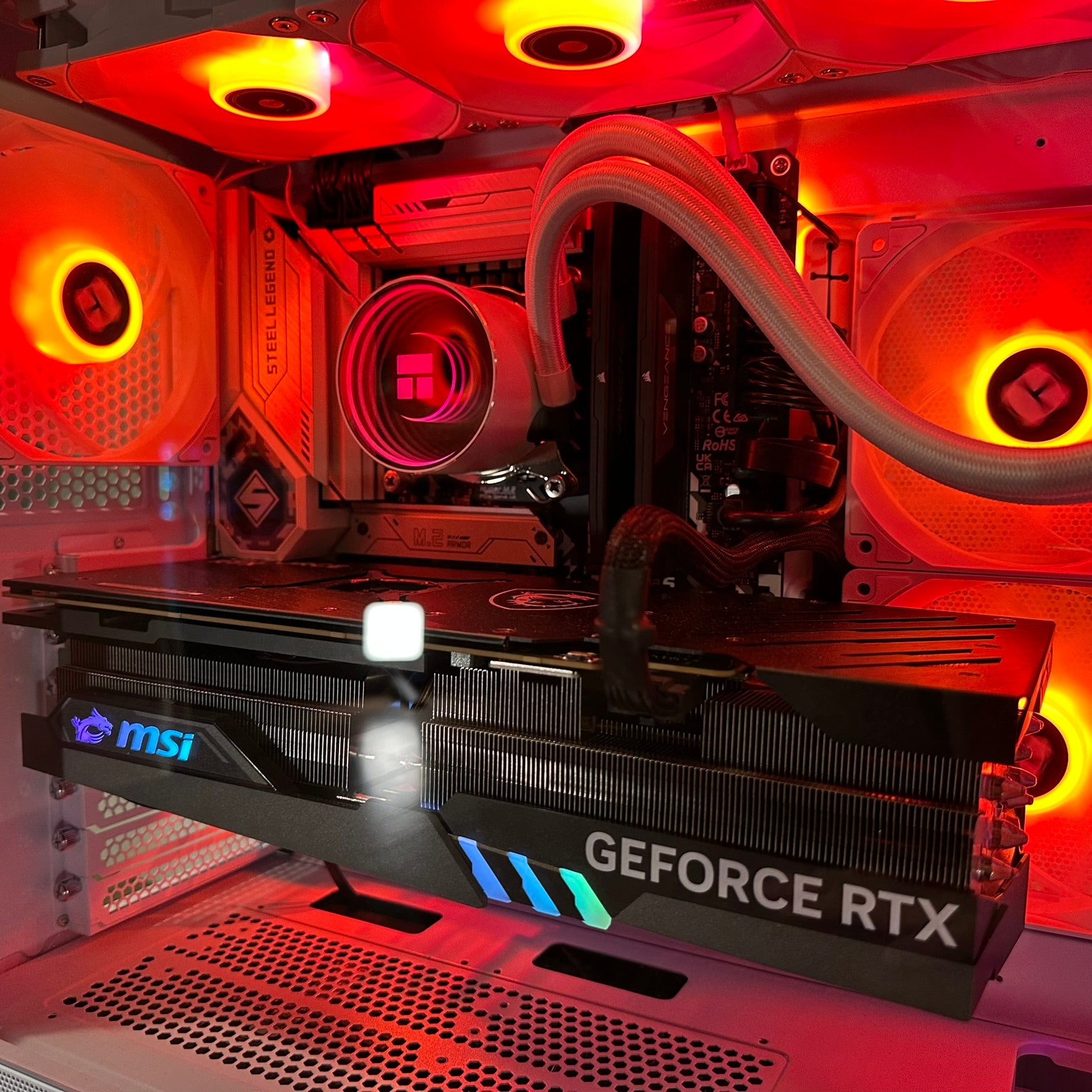
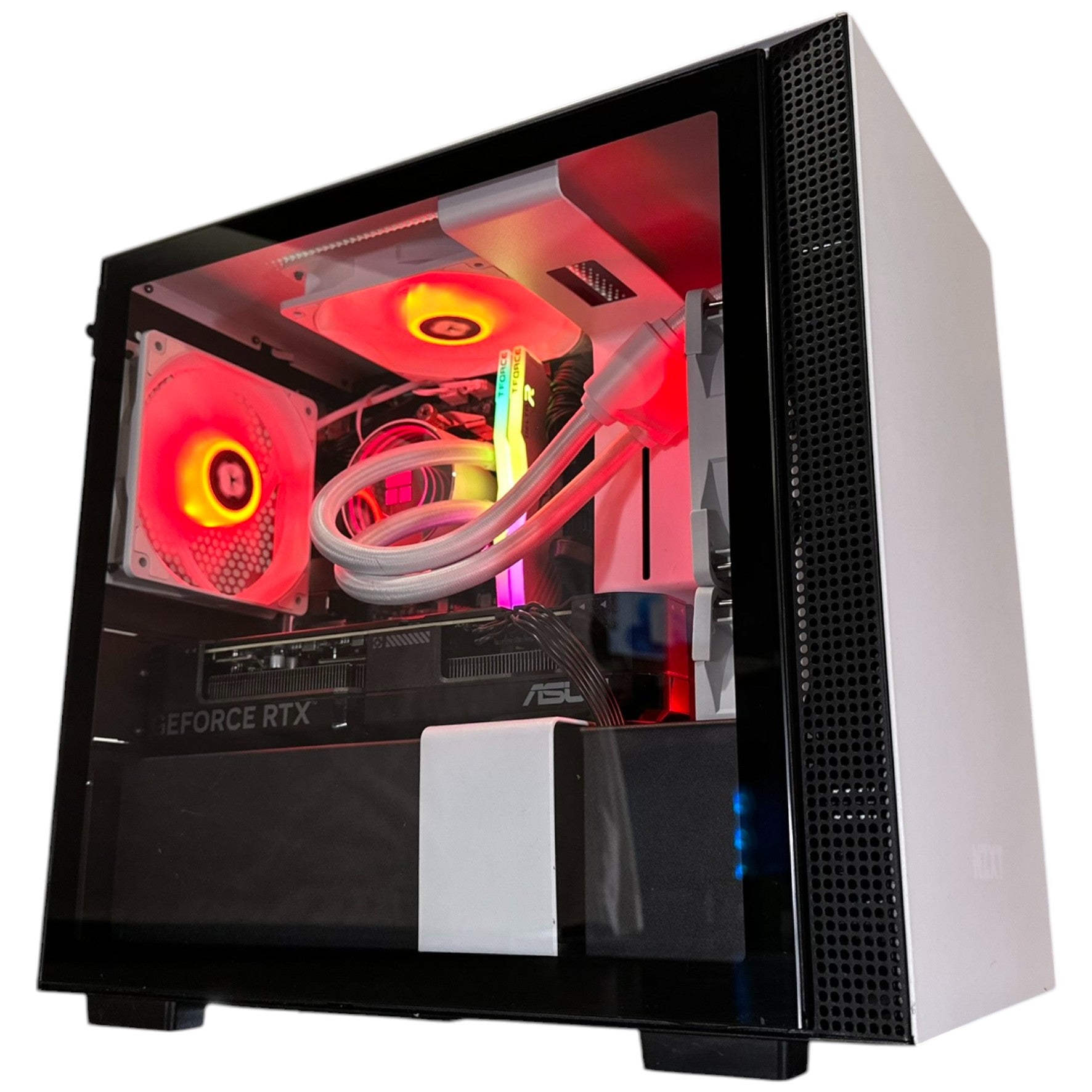
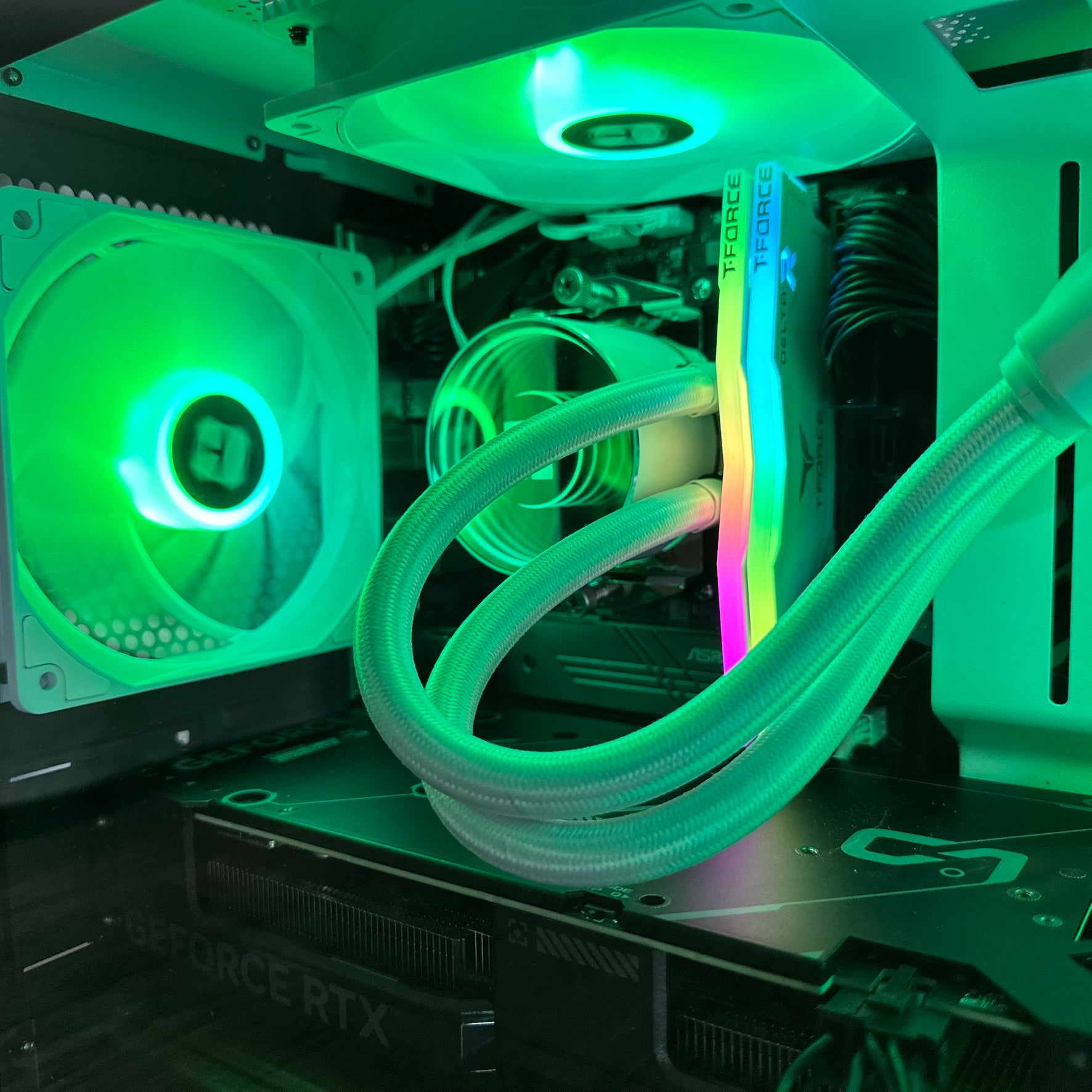
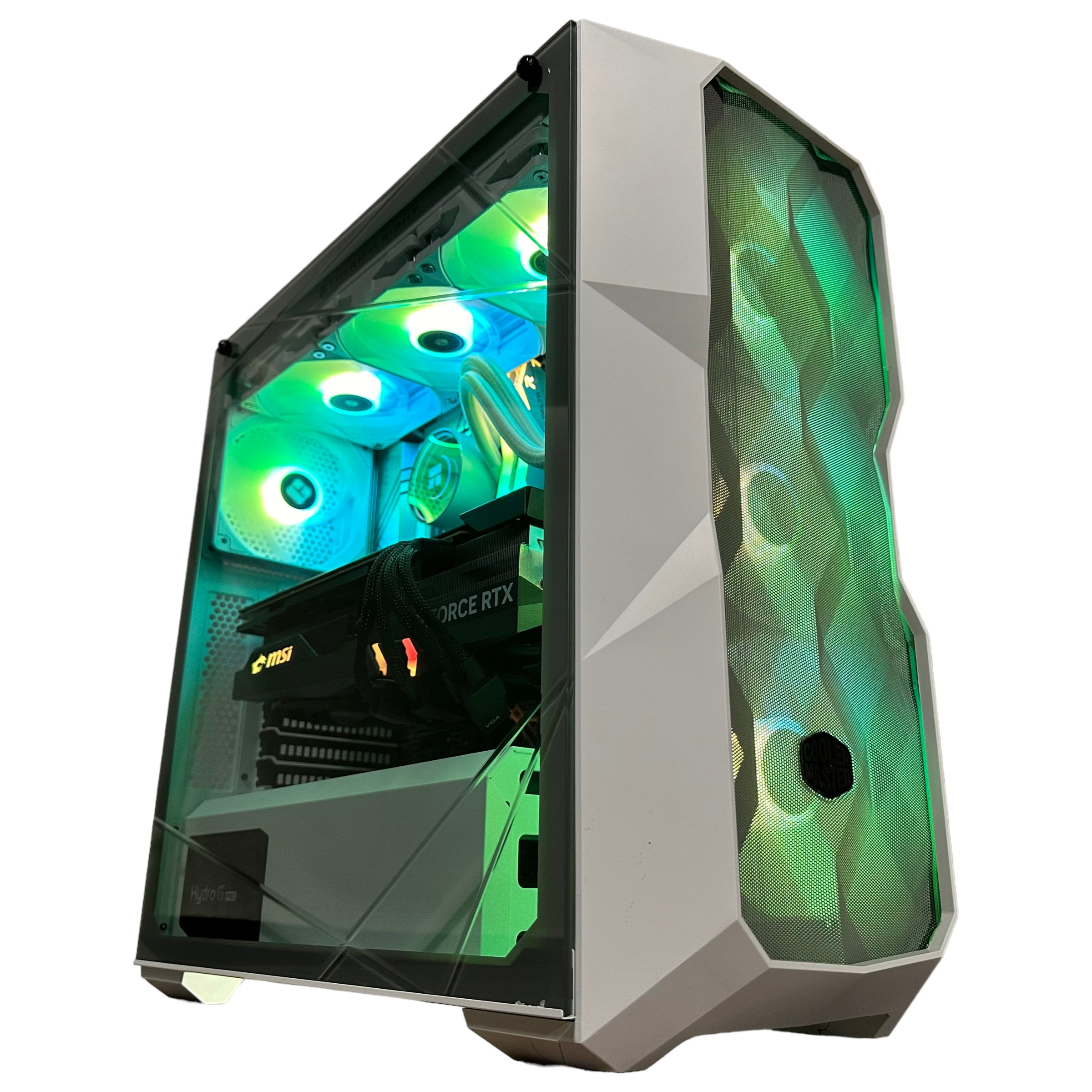
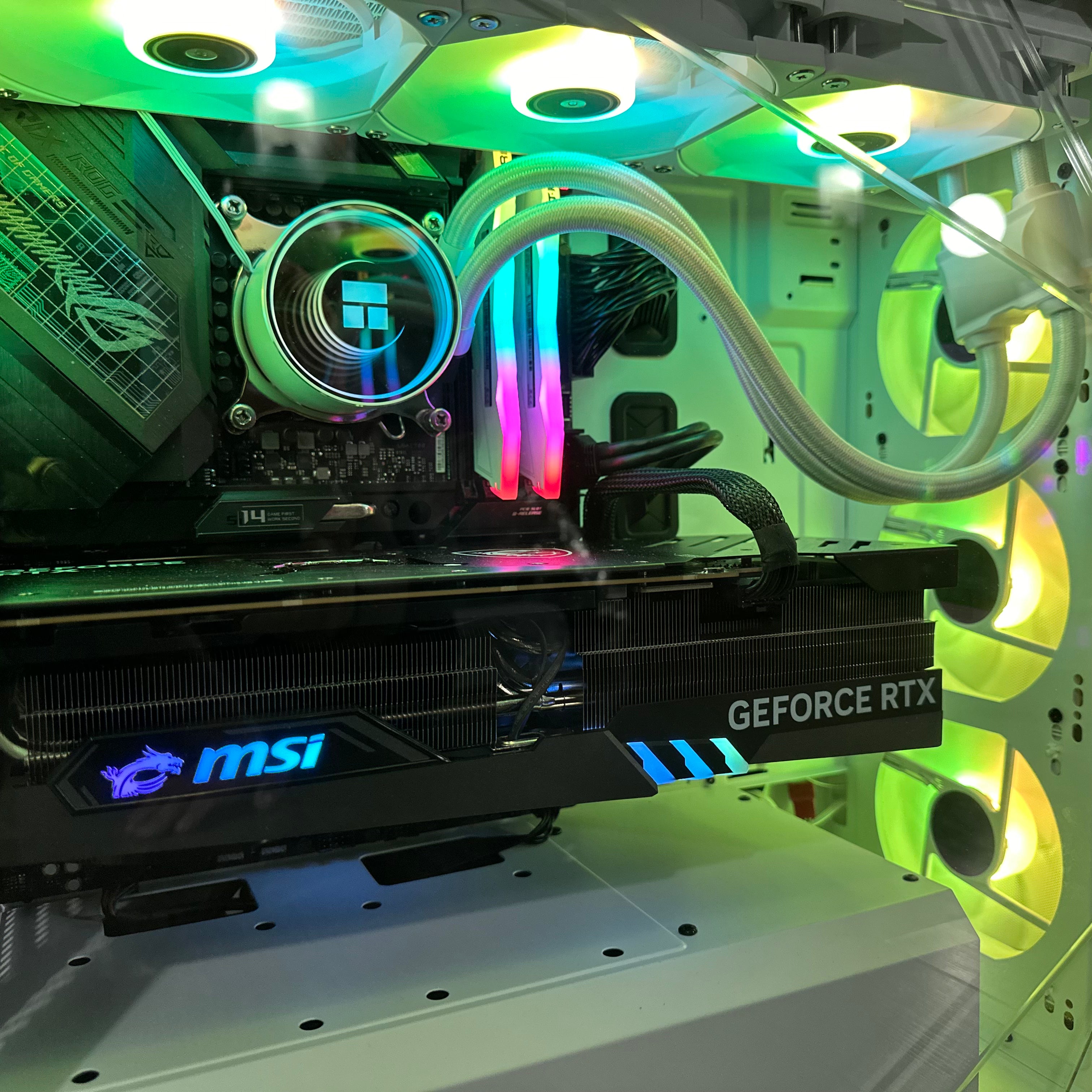
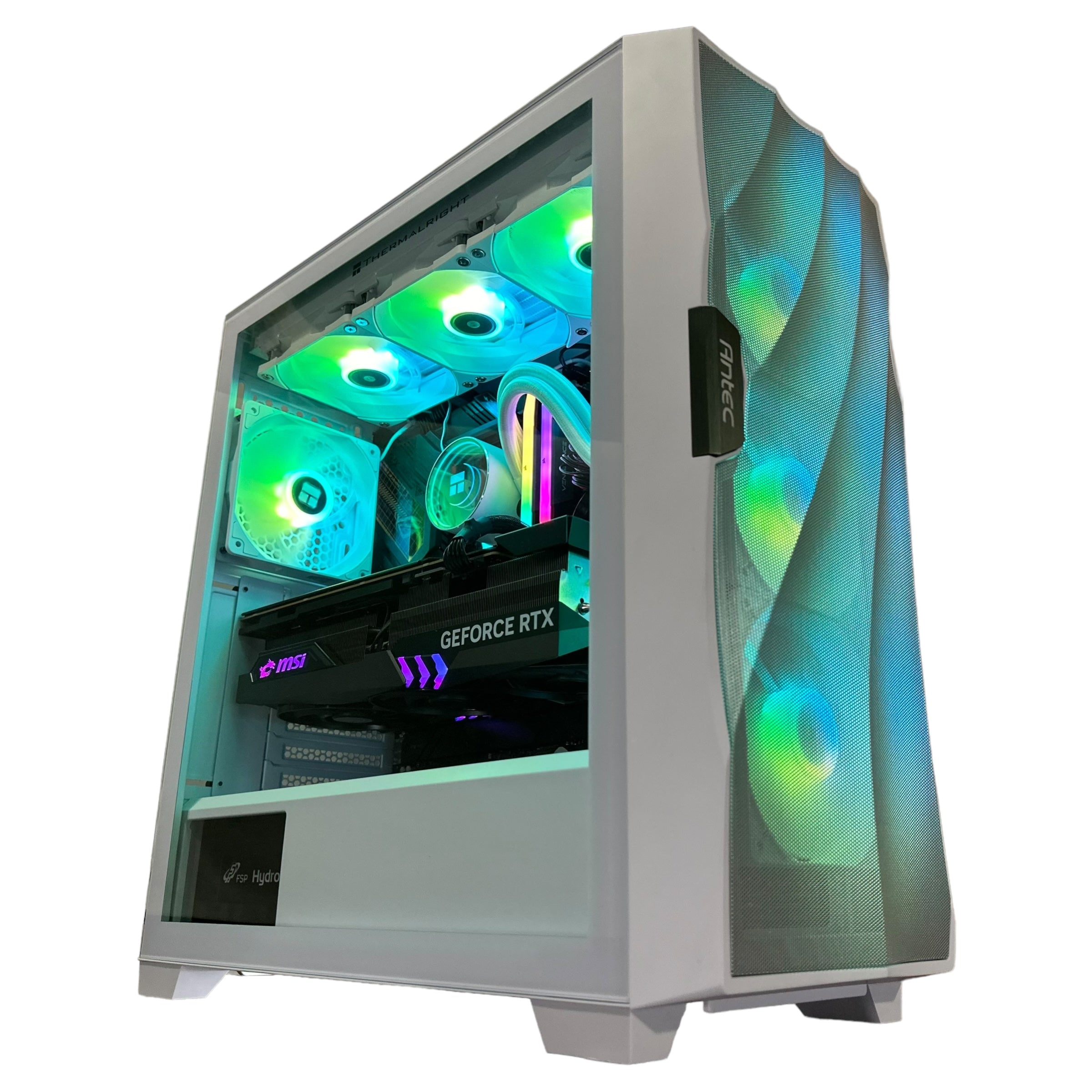
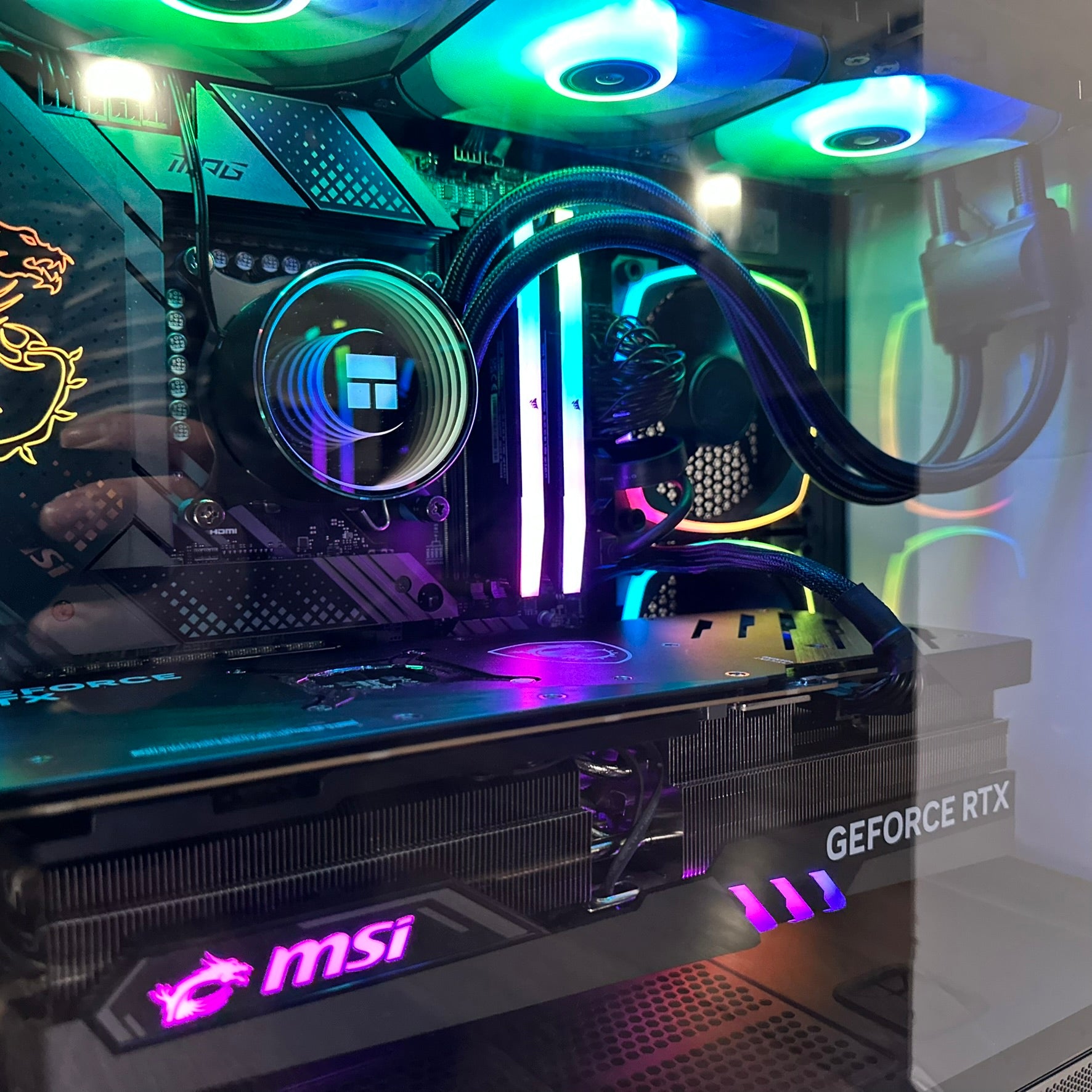
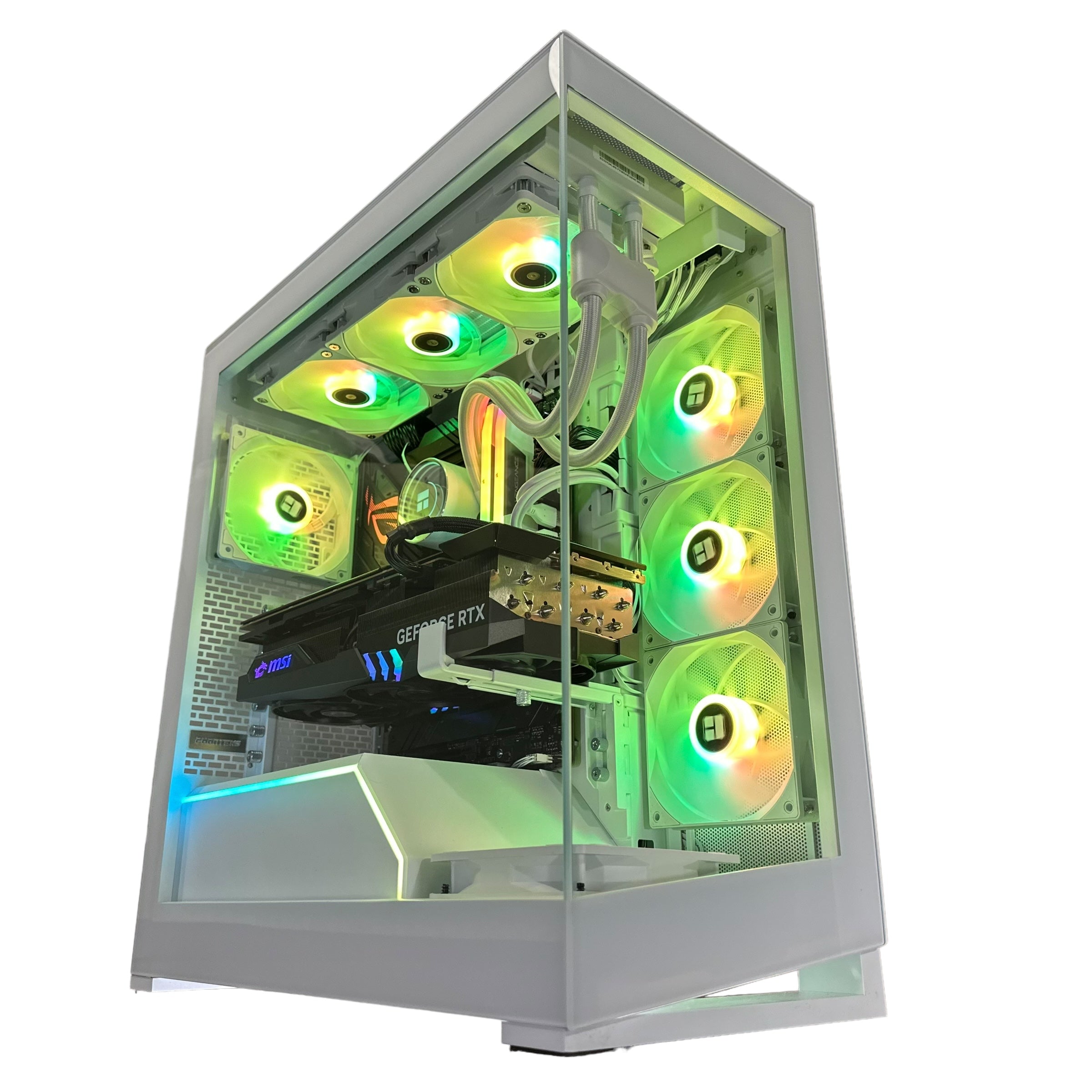
A custom PC builder can match components properly, avoid obvious bottlenecks, plan airflow and cooling intelligently, and build around what you actually do. That is especially useful if your use case crosses categories. Maybe you want a gaming desktop that also handles OBS. Maybe you need a creator system that still crushes new games after hours. Maybe you need a workstation that remains enjoyable for personal use too.
Would you rather gamble on a generic machine that looks good in a listing, or choose a tested custom configuration designed around your real needs?
Why more Canadian buyers are looking for tested, supported builds
Support matters. So does trust. When you invest in a new PC, especially one meant to last through multiple game cycles and software updates, you want confidence in assembly quality, thermals, part matching, and post-purchase reliability.
That is one reason more buyers across Canada are prioritizing tested gaming PCs, creator systems, and workstations from specialists who understand how these machines are actually used. A well-built desktop should not just benchmark well on day one. It should stay stable during long sessions, demanding exports, and real-world multitasking.
Groovy Computers builds custom PCs for Canadian customers who want that level of confidence, including rigorous testing and a 1-year warranty. That matters whether you are in Nova Scotia, elsewhere in Atlantic Canada, or ordering from across the country.
What should you ask before choosing your next PC?
Before you commit, ask the questions many shoppers skip.
What games or software will I use most over the next two to three years?
Am I buying only for current needs, or for where my habits are going?
Will I stream, edit, design, or create content on this machine?
Do I want 1080p, 1440p, or 4K performance?
How important are quiet cooling, upgrade paths, and stability?
Would spending a bit more now save me from replacing the PC too early?
Would financing help me buy the right tier instead of the lowest possible tier?
Do I want help choosing a custom build from a Canadian company that understands gaming and creator workloads?
Those questions can prevent expensive mistakes. A great PC purchase is not just about budget. It is about fit.
Why Groovy Computers is a strong fit for this kind of buyer
If a story like the Slay the Spire 2 randomness issue catches your attention, you are probably the kind of buyer who cares about details. You notice how systems behave. You care whether software feels right, not just whether it opens. You want confidence that your machine can handle both the expected and the unexpected.
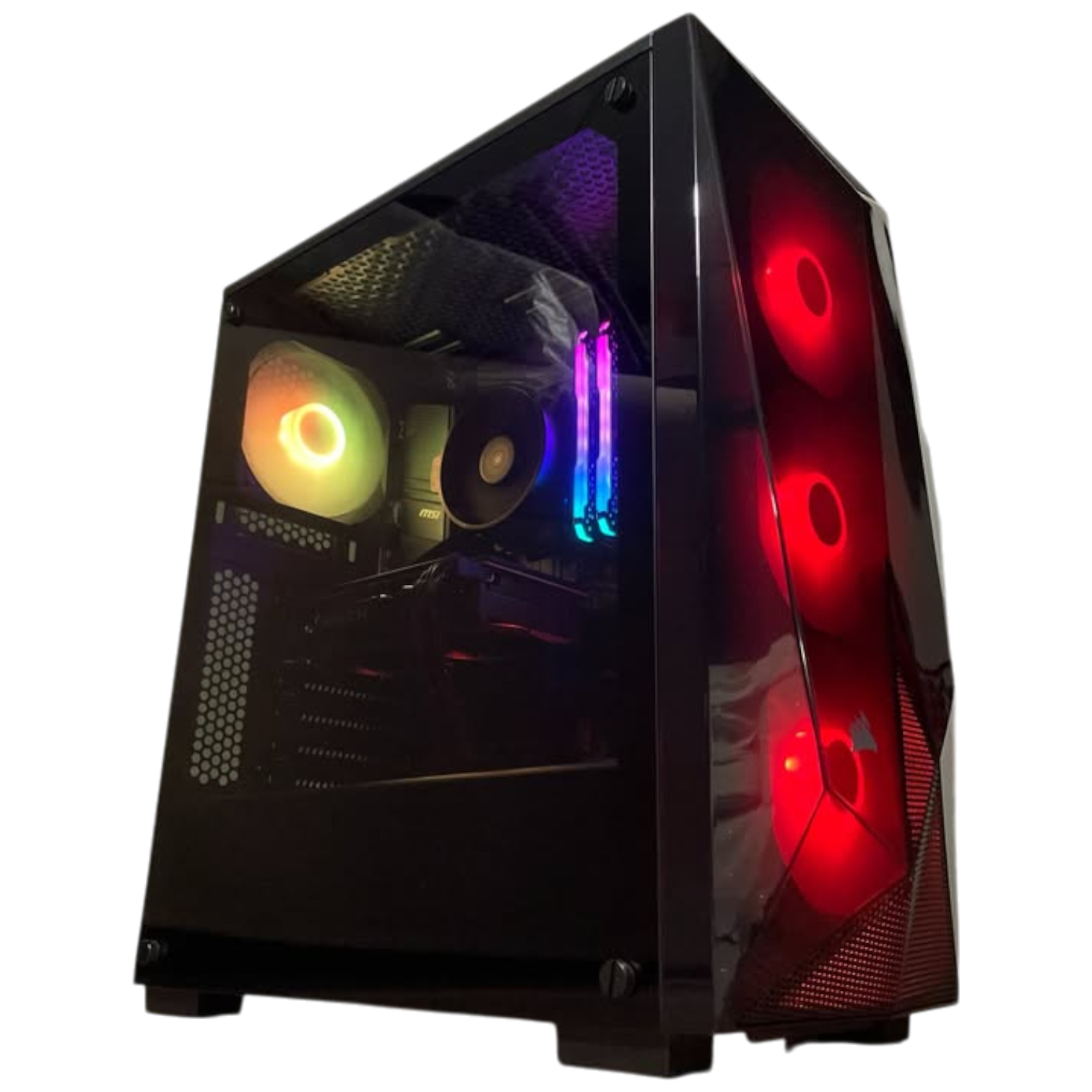
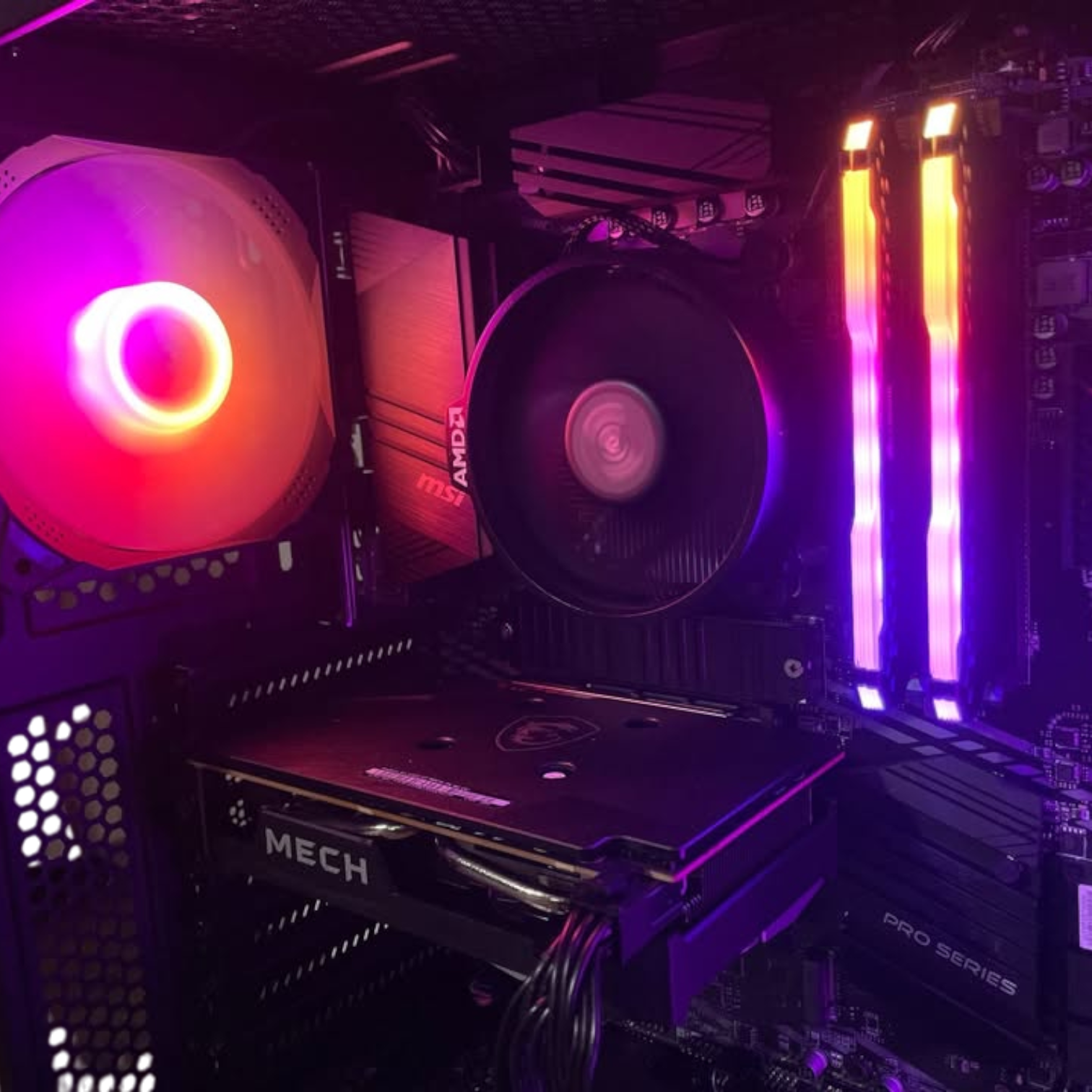
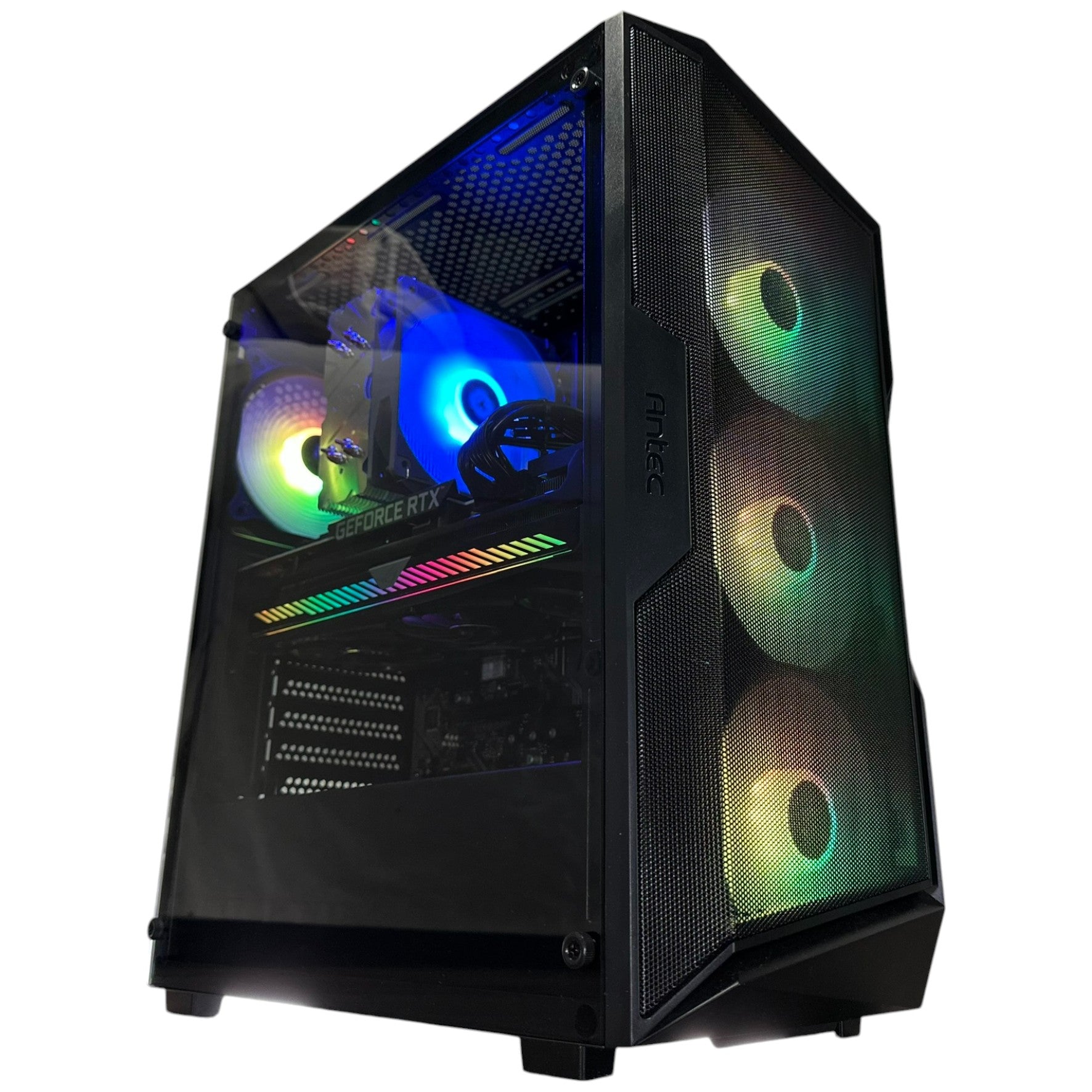
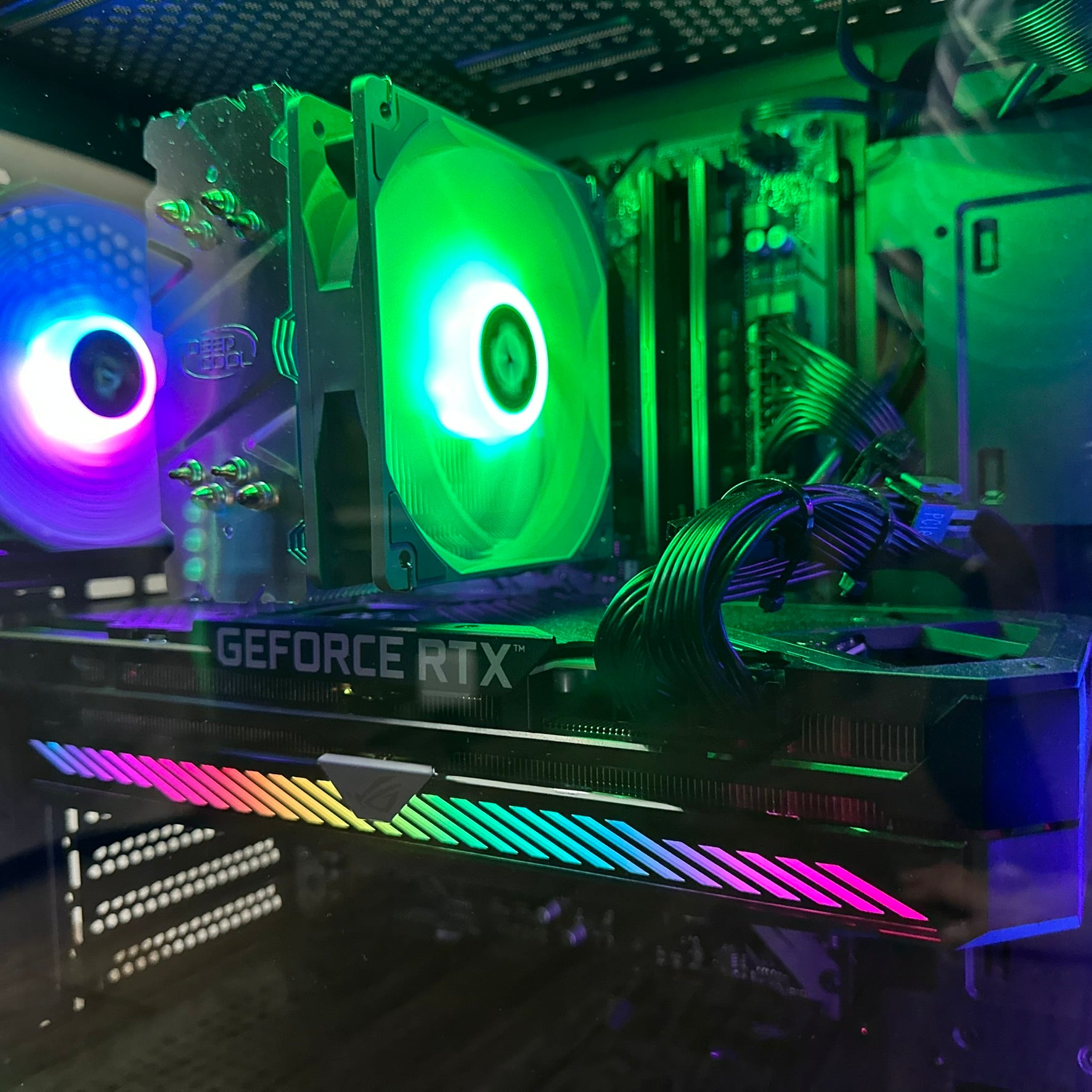
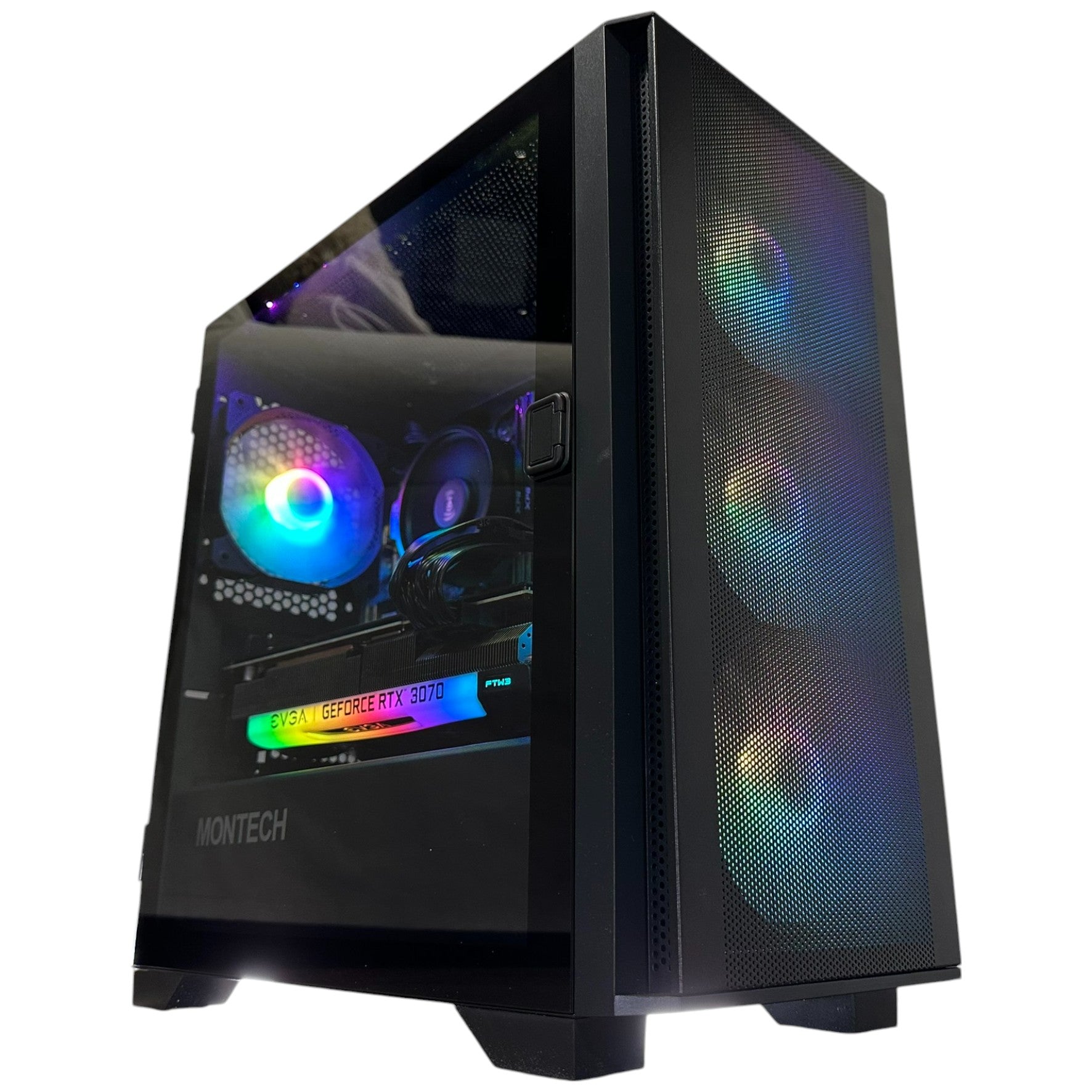
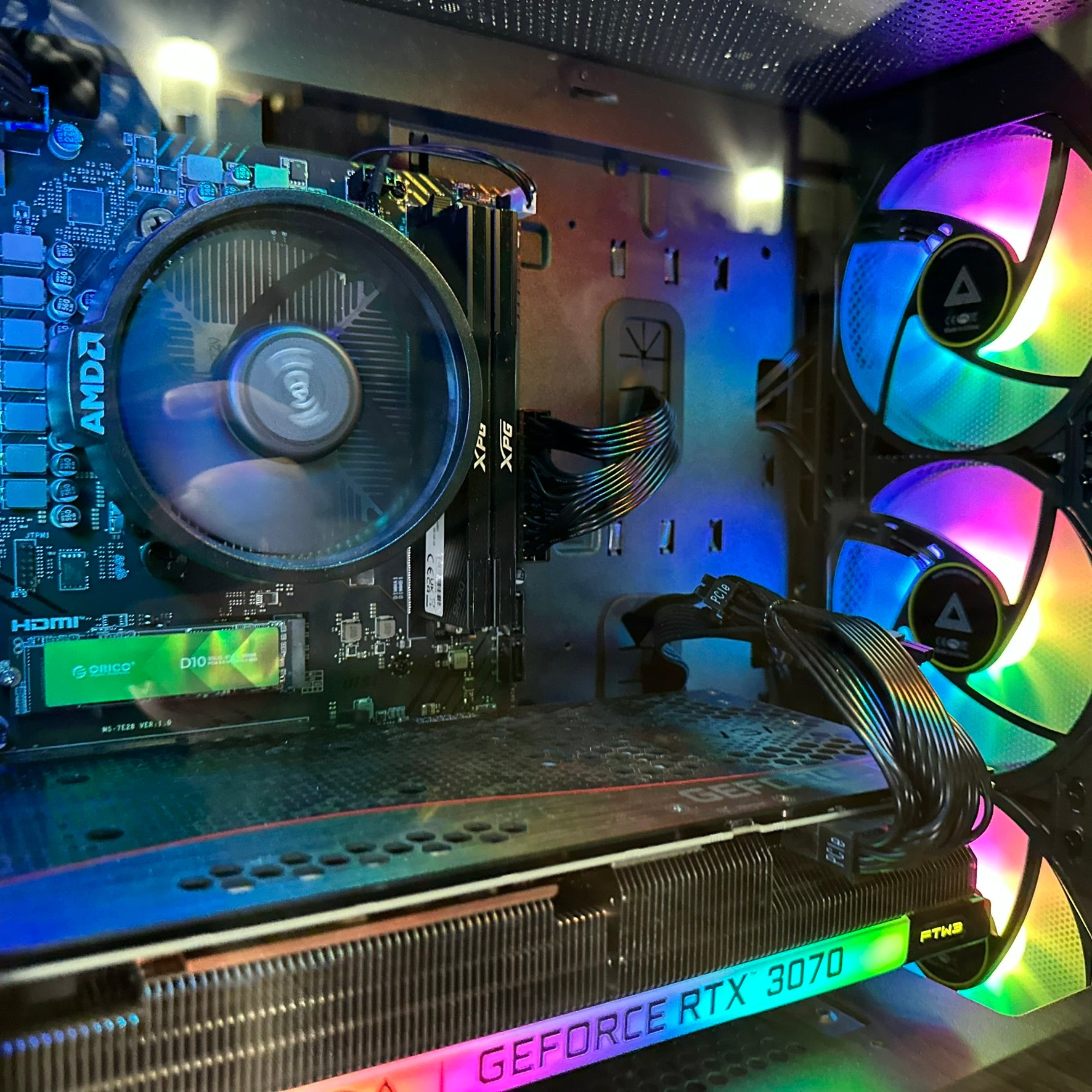
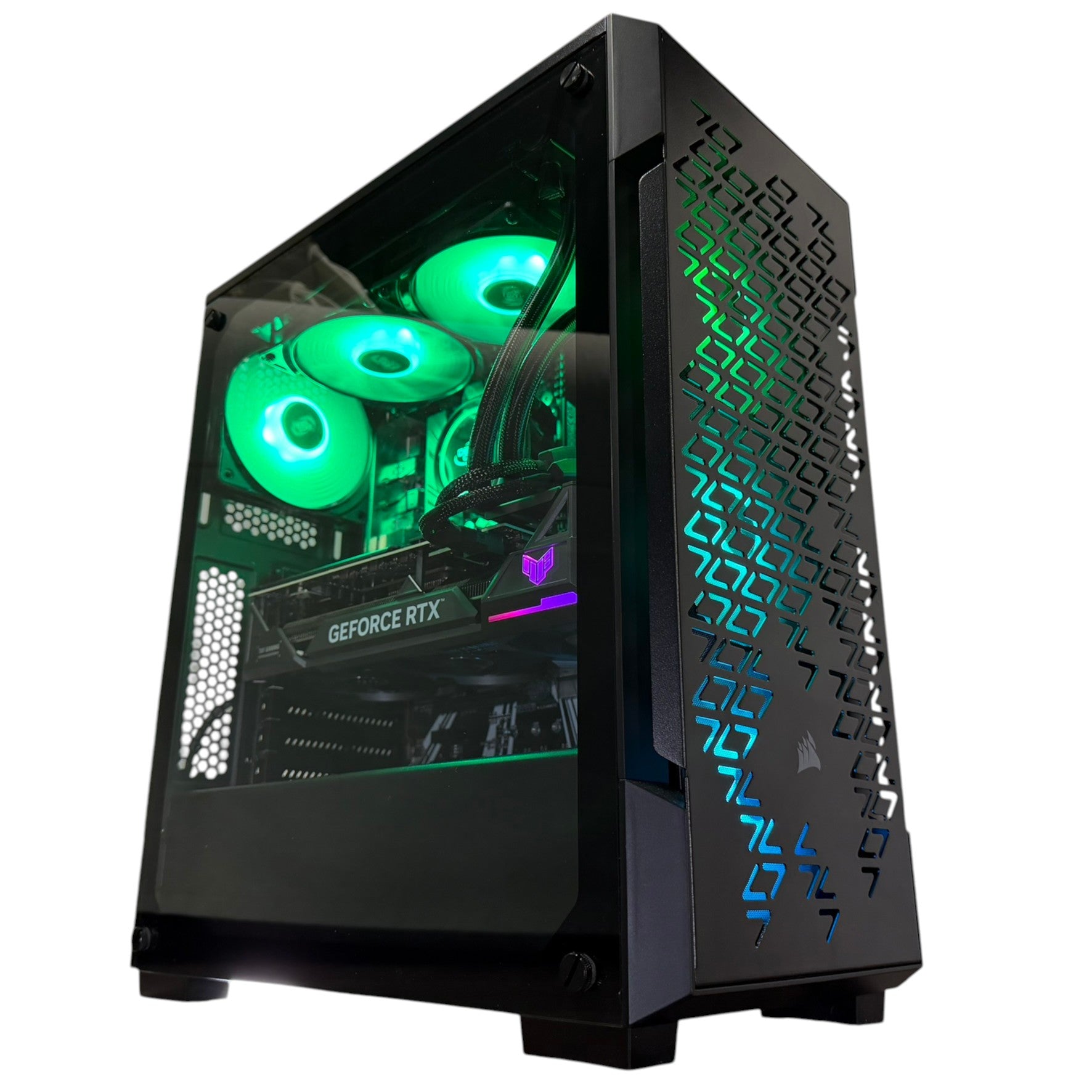
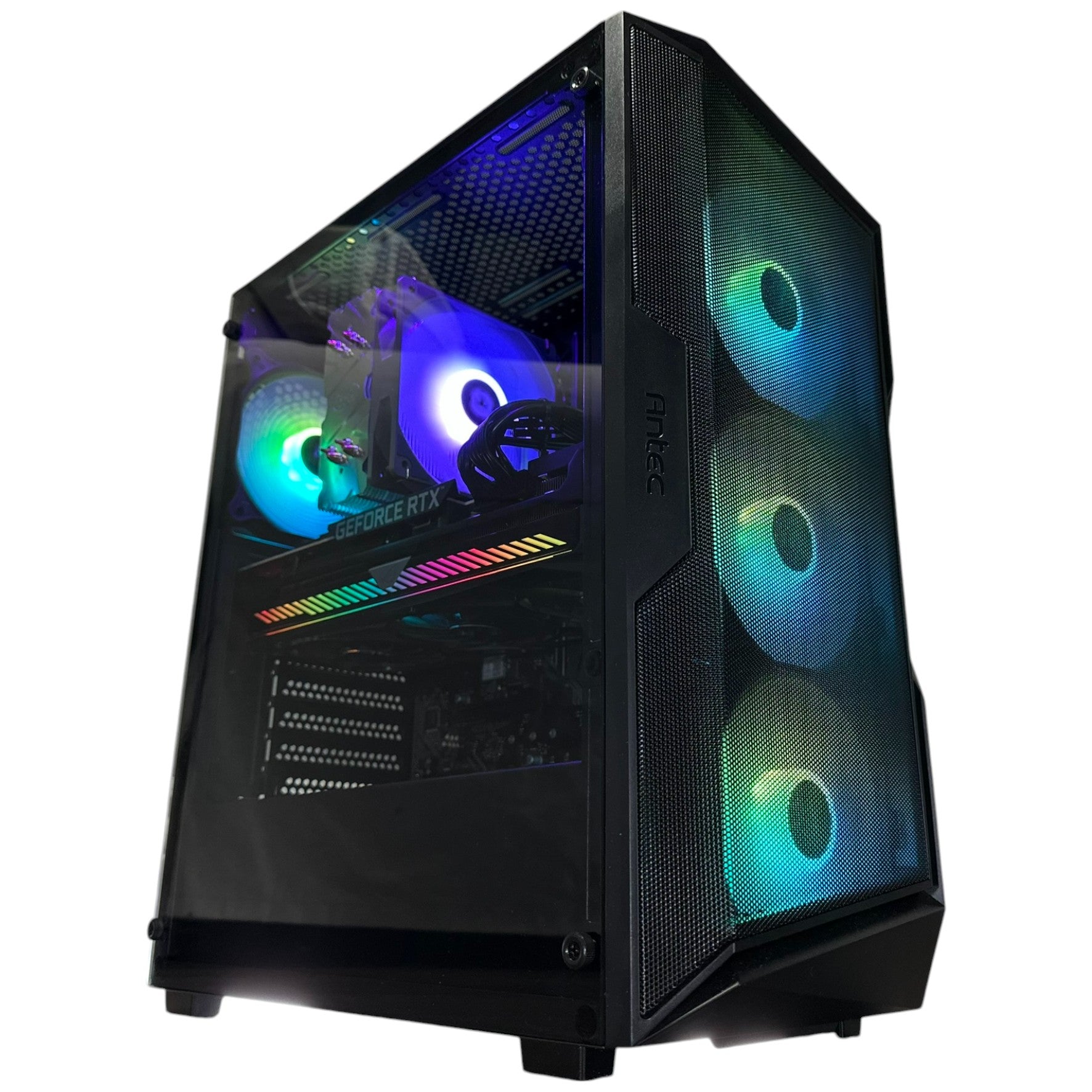
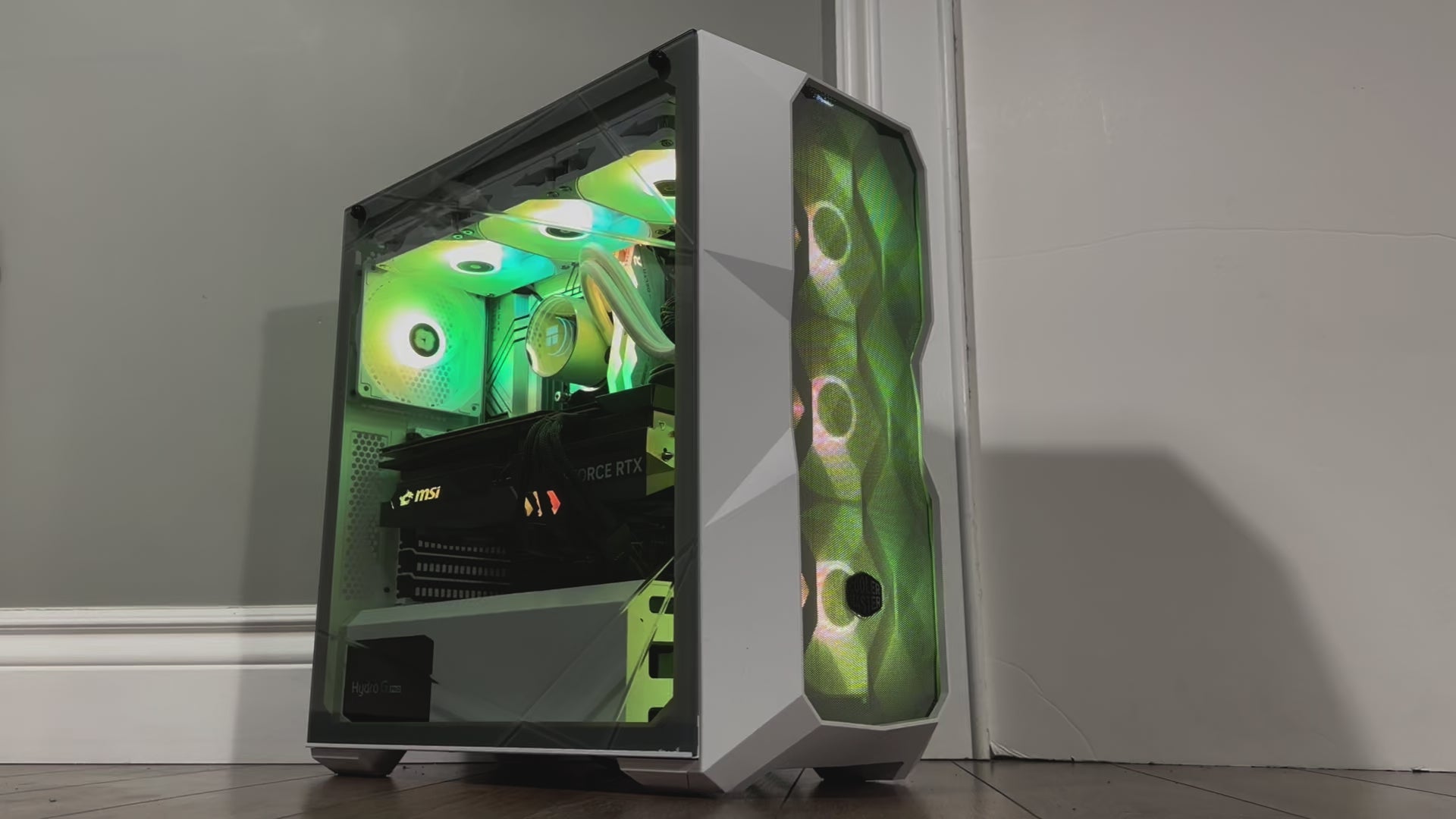
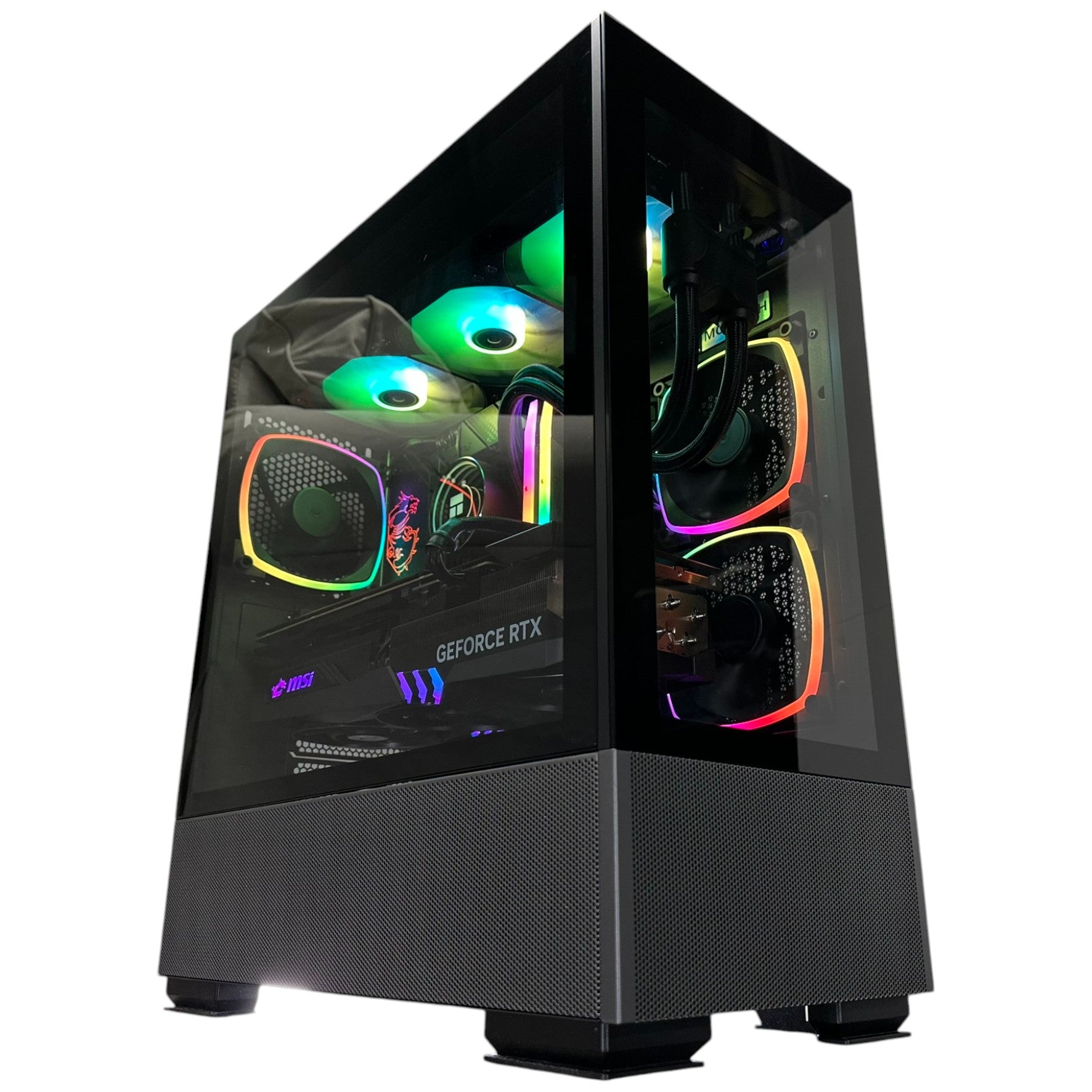
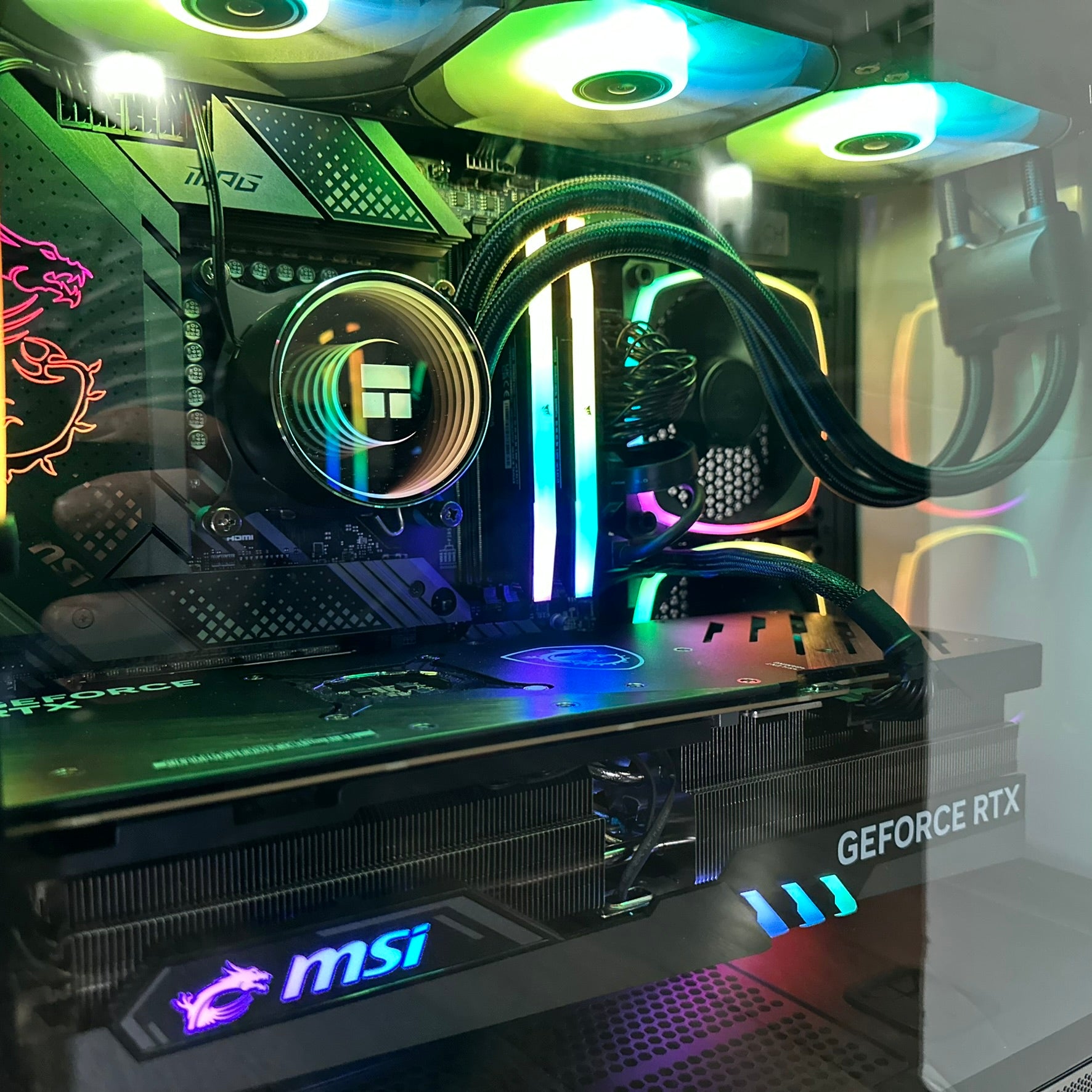
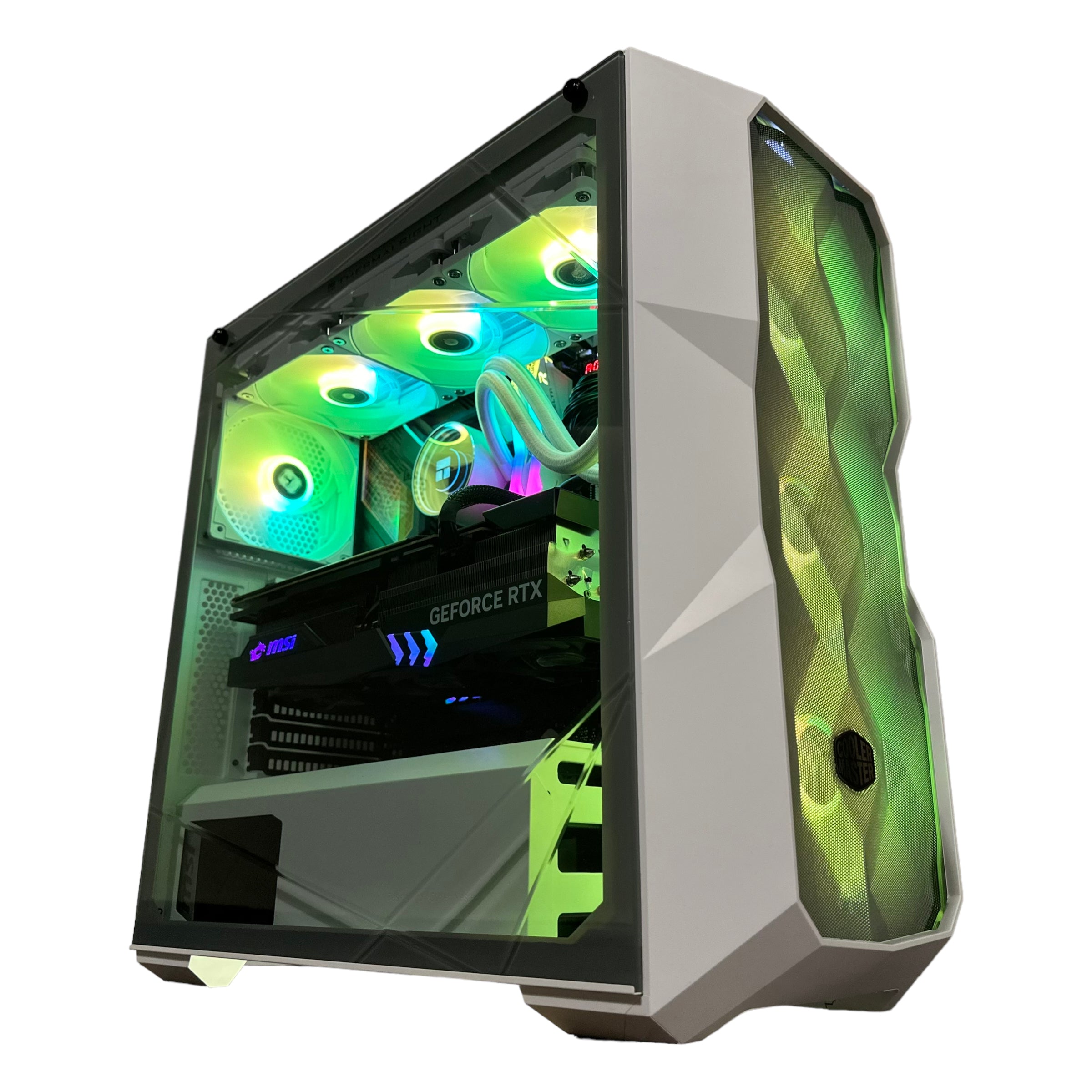
That is exactly where Groovy Computers fits. Groovy Computers serves Canadian buyers looking for custom gaming PCs, creator PCs, editing systems, and workstation-class desktops built around real use cases rather than generic marketing categories. Whether you need a budget-friendly gaming desktop, a premium RTX-ready setup, a streaming and editing machine, or a more specialized workstation, the goal is to match the build to the user.
That includes custom build planning, rigorous testing, practical upgrade logic, and a 1-year warranty for added peace of mind.
Need help deciding what your next PC should be?
If you are asking yourself what your next desktop should really do for you, that is the right time to talk to a builder who can guide the choice properly. Do you want a system for strategy games and modern indies? A stronger 1440p gaming machine? A gaming and streaming PC? A custom creator desktop for Premiere Pro, Photoshop, or OBS? A workstation for Blender or Unreal Engine?
If you want help choosing the right build without guessing, visit GroovyComputers.ca and explore custom options built for Canadian gamers, creators, and professionals.
Final thoughts on the Slay the Spire 2 randomness problem and your buying decision
The Slay the Spire 2 randomness problem may be about one game, but it reflects a much larger truth about PC gaming in 2026: the experience is shaped by more than visuals alone. Games evolve, patches change behavior, workloads overlap, and players increasingly expect one machine to do everything well. That is why buying the right desktop matters so much now.
If your current system is already making you compromise, if your gaming is blending into streaming or creative work, or if you want to buy before pricing or demand shifts again, this is a smart moment to think carefully about your next custom PC. The best choice is not always the cheapest one upfront. Often, it is the build that fits your actual needs, stays relevant longer, and gives you room to enjoy what is next.
#GamingPCCanada #CustomGamingPCCanada #GamingPCBuilderCanada #GamingComputersCanada #CreatorPCCanada #VideoEditingPCCanada #StreamingPCCanada #WorkstationPCCanada #CanadianCustomPCBuilders #NovaScotiaBusiness
Groovy Computers | All Rights Reserved


Leave a comment
This site is protected by hCaptcha and the hCaptcha Privacy Policy and Terms of Service apply.