





Subnautica 2 EULA Controversy: What It Means for Buying a Gaming PC in Canada
The gaming PC Canada conversation is no longer just about frame rates, graphics presets, and launch-day excitement. When a major upcoming PC game becomes part of a wider discussion about user agreements, moderation rules, and how tightly publishers may control the player experience, smart buyers start asking a different question: if I am investing in new PC games, what kind of system should I actually buy to enjoy them properly and avoid upgrading again too soon? That is exactly why the recent discussion around Subnautica 2’s EULA matters far beyond one title. For Canadian buyers, it is another reminder that game launches now arrive with heavier technical demands, more online features, more background services, and more pressure to own hardware that is stable, fast, and ready for what comes next.
The source story highlights a simple but powerful truth: most players click “agree” without reading, yet modern PC gaming is increasingly shaped by terms, services, patches, live support expectations, and platform requirements that make your hardware choice more important than ever. If a new game becomes controversial before release, does that make some buyers hesitant? Of course. But does it also remind people that they want a PC capable of handling demanding open-world games, survival games, streaming, modding, recording, and future releases without compromise? Absolutely.
For Groovy Computers, the real opportunity is to help Canadian customers translate gaming headlines into better purchase decisions. Are you buying for one game only, or are you buying for the next several years of big PC releases? Do you want smooth 1080p gaming today, or do you really want 1440p headroom, ray tracing support, stronger multitasking, and room to stream or edit clips later? If a title like Subnautica 2 is already getting attention before launch, are you prepared for the wave of hardware demand that often follows big releases and industry hype cycles?
What the Subnautica 2 EULA story gets right
The core takeaway from the source material is not just that the agreement appears unusually strict. It is that modern PC games are not isolated products in the old sense. They often come bundled with evolving online expectations, user conduct rules, update pipelines, cloud-connected services, and broader ecosystem control. That matters because buying a PC for today’s game menu screen is not enough. Buyers need to think about real-world use: patches, performance updates, streaming overlays, Discord, browser tabs, mods, video capture, creator tools, and next-gen graphics features.
In other words, the story is a reminder that PC gaming in 2026 is a complete environment, not just a single install button. If your system is already borderline on CPU power, GPU memory, RAM capacity, or SSD speed, how will it feel six months from now when a game grows through updates and your own usage grows with it?
That is where a carefully chosen custom desktop becomes more valuable than a rushed low-end purchase. A stronger build is not only about higher FPS. It is about flexibility, responsiveness, cooling, reliability, and confidence when gaming trends shift fast.
Why Canadian buyers should think differently about this story
Canadian PC buyers face a different reality than buyers in larger single-market regions. Hardware pricing can shift quickly due to currency pressure, freight costs, demand spikes, and uneven stock availability. That means a “wait and see” approach can sometimes cost more later, especially when anticipated games push renewed interest in GPUs and full systems.
If you are shopping in Nova Scotia, Halifax, Trenton, New Glasgow, elsewhere in Atlantic Canada, or ordering online for delivery across the country, you are not just choosing a spec sheet. You are choosing timing. You are choosing whether your next system will still feel right when the next major survival game, shooter, creator suite update, or AI-assisted workflow lands.
Have you noticed how often a buyer says they only want a basic gaming machine, then a few months later they also want to stream, clip gameplay, edit videos, run mods, or try higher-resolution gaming? That is one of the biggest reasons Canadian customers should think beyond the cheapest possible build. Replacement costs can feel worse than buying properly the first time.
What do you want your next PC to do for you?
Before you decide between an entry-level system and a stronger custom build, ask yourself a more useful question: what do you want your next PC to do for you over the next two to four years?
- Do you want to play new games at 1080p smoothly?
- Do you want 1440p performance with better textures, stronger frame rates, and more visual headroom?
- Do you care about ray tracing, ultra settings, or future AAA titles?
- Do you plan to stream on Twitch, YouTube, or another platform?
- Do you want to record gameplay and edit clips for social media?
- Do you also use Photoshop, Lightroom, Premiere Pro, DaVinci Resolve, Blender, or Adobe Creative Cloud?
- Are you trying to avoid upgrading again too soon?
Those questions matter because the right PC is different for every buyer. A customer focused on one game at 1080p does not need the same build as someone who wants a gaming and streaming PC Canada setup, a content creation system, or a workstation-style machine for rendering and editing.
If Subnautica 2 is on your radar, what kind of gaming PC do you actually need?
Games in the survival and open-world category tend to reward balanced hardware. They can benefit from strong GPU performance, but they also often appreciate solid CPU capability, fast storage, and enough RAM to keep the overall system responsive. If you are also running voice chat, capture software, browser tabs, and launchers, the difference between a “barely enough” system and a comfortable system becomes obvious quickly.
Entry-level 1080p buyers
If your goal is straightforward 1080p play on reasonable settings, an affordable custom gaming system can still make sense. But ask yourself: are you only buying for one title, or for the wider PC gaming market? If the honest answer is that you also want to play future AAA games, record footage, or keep the PC for years, then going too low may be false economy.
An entry-level buyer should prioritize a balanced modern CPU, a capable graphics card, at least 16GB of RAM at minimum, and an SSD that leaves enough space for large game installs. A tiny drive fills up fast, and modern game libraries are not getting smaller.
1440p buyers who want the sweet spot
For many Canadian buyers, 1440p is the best value tier. It offers a visibly sharper experience than 1080p, gives better long-term satisfaction on newer monitors, and usually pairs well with the kind of mid-to-upper hardware that stays relevant longer. If you have been asking, what PC do I need for 1440p gaming? this is often the category that makes the most sense if you want strong performance without jumping all the way to a premium flagship build.
This is also the tier where stronger cooling, better airflow, and cleaner part selection start making a real difference. A custom-built machine from Groovy Computers can be configured around the actual games you play rather than generic one-size-fits-all assumptions.
4K and premium buyers
If your expectation is high-detail 4K gaming, advanced lighting features, ray tracing, and a premium visual experience across demanding new releases, you are in a different bracket entirely. At that point, your GPU choice becomes far more important, and the quality of the overall platform matters too. Are you the type of buyer who would rather spend more once and stay happy longer, or are you trying to chase the lowest upfront total even if it means compromise from day one?
A 4K gaming PC Canada class machine is ideal for buyers who know they want top-tier gaming now and longer runway before upgrades become necessary. That can be especially appealing when release cycles for major titles are getting heavier and less forgiving on older hardware.
Could this kind of gaming headline push more people to upgrade before the next wave of releases?
It often does. Not because every headline creates panic, but because attention drives purchasing behaviour. The more gamers hear about an upcoming title, the more they start checking their current specs, comparing GPUs, and wondering whether they should buy now or wait. Then the same questions appear every cycle: Is it better to buy a gaming PC now or wait? Should I finance a better PC instead of buying a cheaper one? Will I regret cutting corners?
If you are already close to upgrading, waiting can sometimes leave you exposed to worse conditions. GPUs can tighten in availability. Memory and storage pricing can move. Interest around major releases can reduce deal flexibility. And if your current PC is already struggling, you are spending months putting up with lower performance instead of enjoying the games and workloads you care about now.
What performance tier fits you best?
This is where many buyers get stuck. They know they need “something better,” but they do not know how much better. The easiest way to decide is to match the performance tier to your real usage, not to marketing buzz.
Tier 1: Budget-focused gaming and everyday use
This tier is for buyers who mainly want strong 1080p gaming, school use, general multitasking, and an affordable path into PC gaming. It can suit esports titles, lighter creative work, and basic game recording. But ask yourself honestly: will you be happy here if a new open-world game becomes your main hobby?
If your budget is tight, there is nothing wrong with shopping carefully. The important question is whether you are buying a system that solves today’s problem only, or one that remains useful as your expectations rise.
Tier 2: Mainstream gaming with room to grow
This is often the smart middle. A buyer in this range usually wants smooth 1080p at high settings or a strong move into 1440p gaming, better visual quality, stronger multitasking, and the freedom to stream casually or run more demanding modern games. For many people, this is the true “best gaming PC for the money” category because it balances performance, longevity, and total cost better than ultra-budget or ultra-premium extremes.
Tier 3: Enthusiast gaming and streaming
If you are serious about high refresh rates, 1440p or better, streaming, heavier recording, larger game libraries, and stronger all-around responsiveness, this category makes sense. Do you want one machine that can game hard, handle OBS smoothly, and still leave room for clip editing and content uploads? This is where a stronger CPU, more RAM, and a more capable RTX-class GPU become much easier to justify.
Tier 4: Premium gaming, creator work, and workstation crossover
This is for buyers who want very high-end gaming plus demanding productivity. If you are gaming, editing 4K footage, working in Blender, using After Effects, building in Unreal Engine, or juggling multiple heavy programs at once, then your PC is no longer just a gaming device. It is a production machine. In that case, saving a few hundred dollars upfront can be less important than saving hours over the life of the system.
Are you only gaming, or are you also streaming, editing, and creating?
One of the biggest mistakes buyers make is purchasing for their current game list only. But what happens when you decide to stream? What happens when you want to upload reviews, walkthroughs, shorts, or gameplay compilations? What if the same PC also needs to handle school assignments, work tasks, Photoshop projects, podcast editing, or YouTube content?
This is where category overlap matters. A machine that is merely “good enough” for gaming may feel noticeably weaker once you add OBS, editing software, browser tabs, audio tools, and export workloads.
Gaming and streaming PC needs
If you want to play and stream from the same system, you should think about CPU overhead, GPU encoder strength, RAM capacity, cooling, and storage space for recordings. Are you planning casual 1080p streaming, or do you want a cleaner, more polished setup with room to grow? A proper streaming PC Canada build should not just launch your game. It should stay smooth while live software, chat tools, overlays, and recording tasks all run together.
Video editing and creator workflows
Maybe the Subnautica 2 discussion caught your eye because you cover gaming online. If so, your next PC may need to do more than run the game. It may need to import footage, scrub timelines, export efficiently, and handle software such as Premiere Pro, DaVinci Resolve, After Effects, or CapCut. If you have been asking, what PC do I need for video editing? the answer depends on your footage resolution, effects use, codec demands, and whether gaming performance also matters.
A proper creator PC Canada style build usually benefits from more RAM, stronger multi-core performance, fast SSD storage, and a graphics card that contributes to playback and export acceleration. For creators, buying too small hurts twice: in games and in production time.
Photo editing and graphic design
Not every buyer chasing a game-ready PC is only a gamer. Some customers also work in Lightroom, Photoshop, Illustrator, InDesign, or Canva. If that sounds like you, a balanced custom machine gives you a better long-term result than a stripped-down gaming-only configuration. Do you work with RAW files? Large layered documents? Multiple displays? AI-assisted editing tools? If yes, your PC should reflect that.
3D modeling and workstation needs
There is also a growing crossover group: buyers who game but also use Blender, Unreal Engine, CAD tools, or rendering software. If you are in that category, you should not treat your purchase like a simple gaming PC decision. You are effectively shopping for a hybrid workstation. The right custom build can support modern games while also giving you the memory, compute power, and GPU capability needed for professional workloads.
Why custom PC selection matters more when gaming software is getting heavier
The EULA story may be legal and cultural on the surface, but underneath it sits a broader reality: major games are now bigger ecosystems. They are updated more often, monetized more aggressively, moderated more closely, and expected to operate across evolving technical standards. That means your PC needs to be robust, not merely compatible.
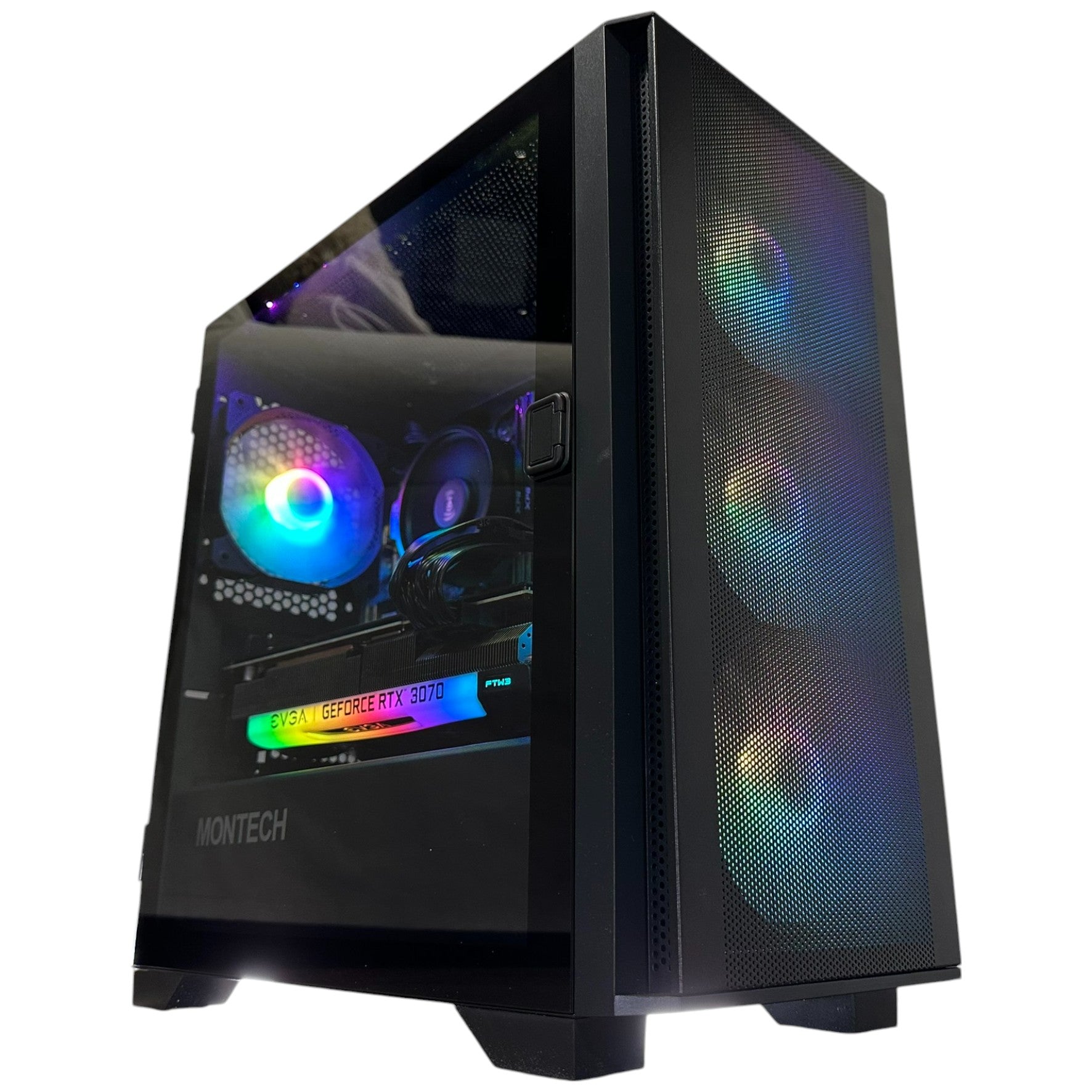
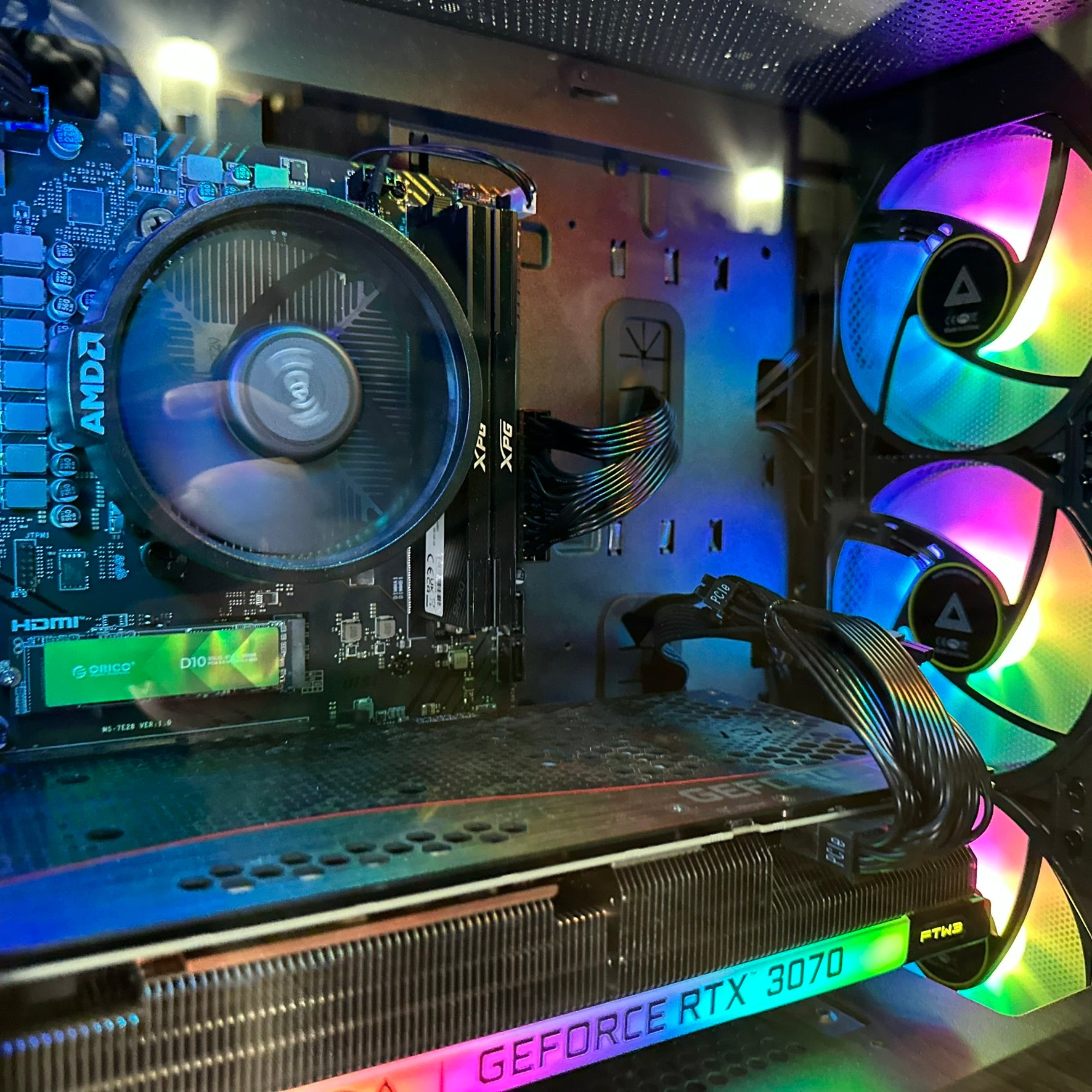
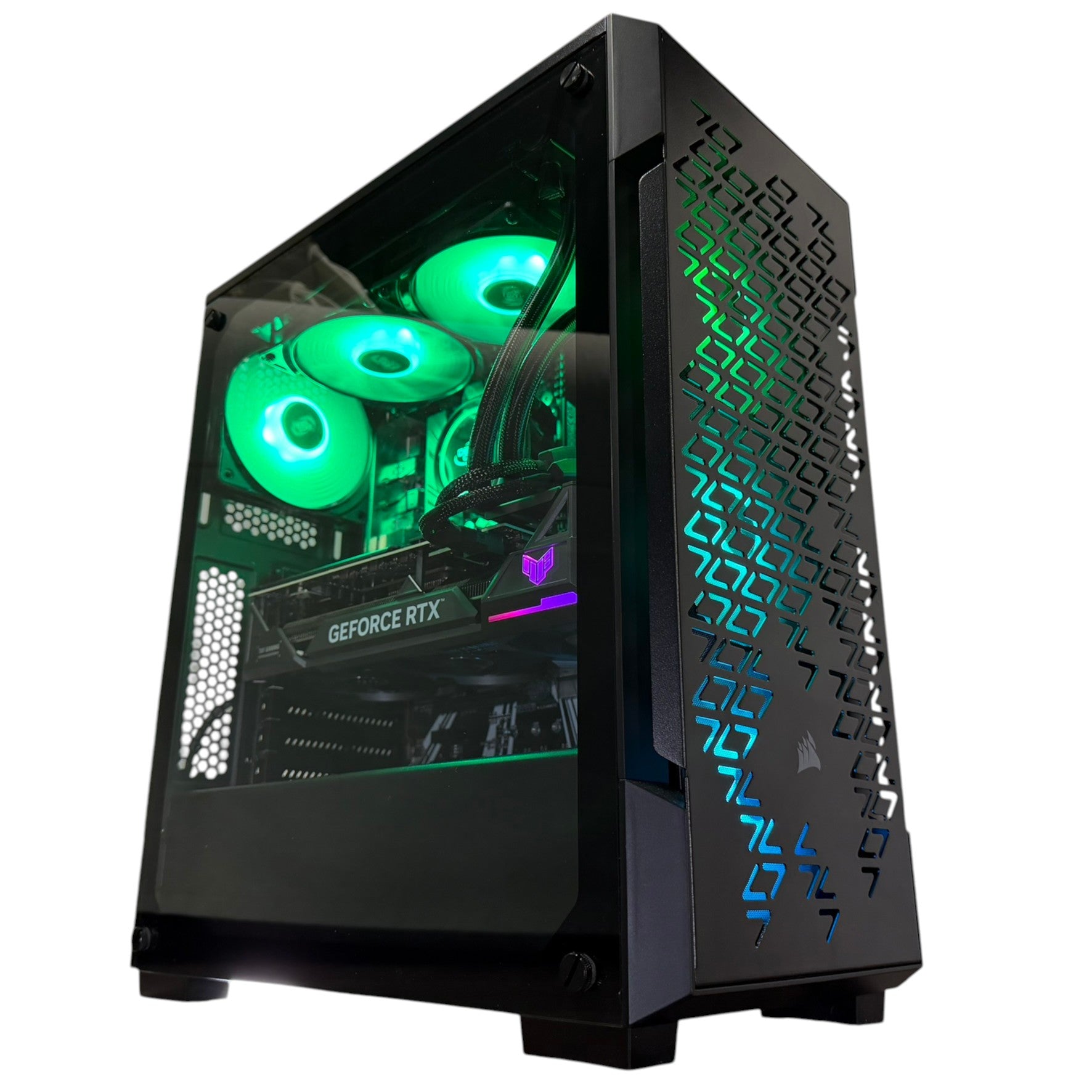
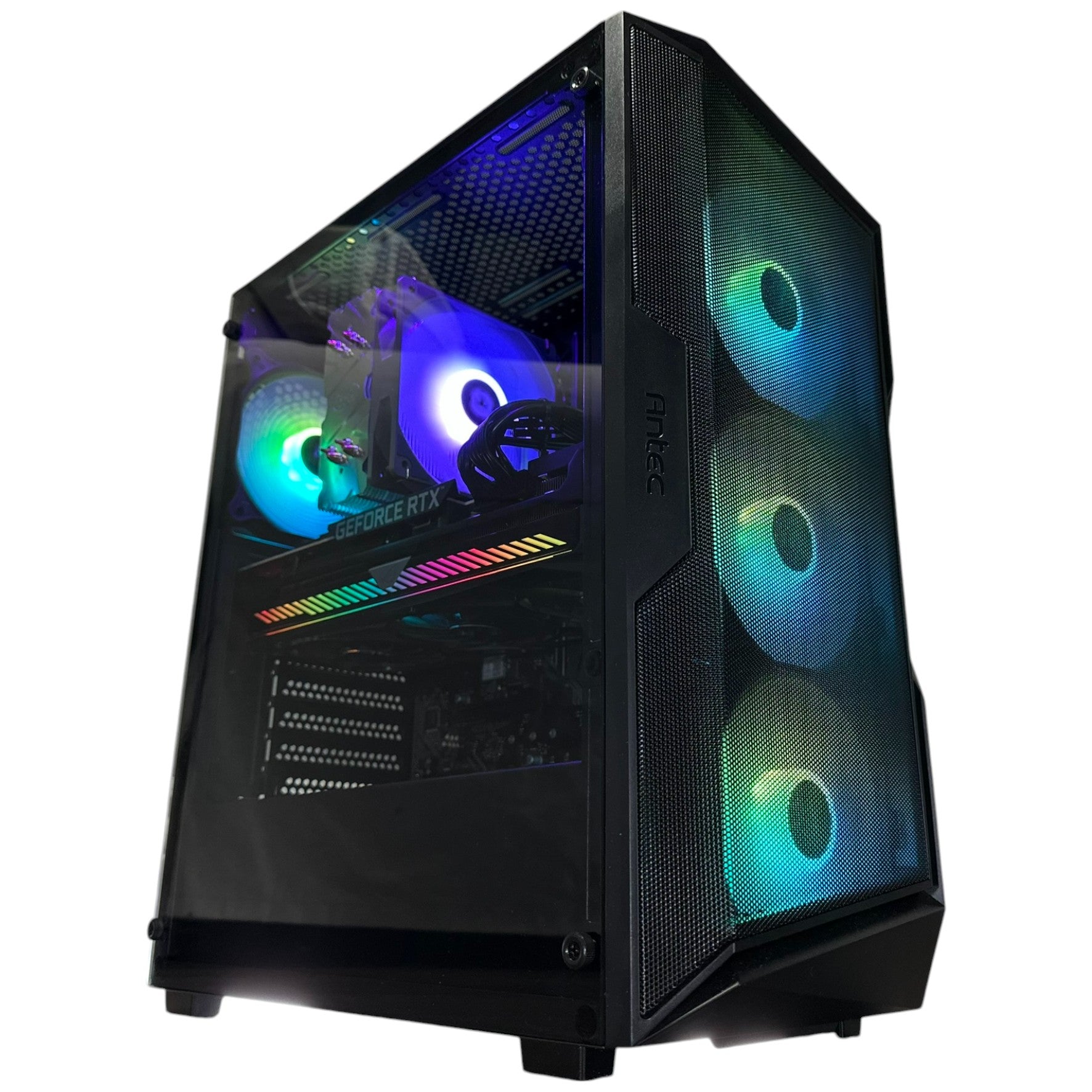
This is why custom gaming PC Canada buying still matters. With a proper custom build, part selection is matched to use case. Cooling is chosen for real sustained loads. Storage can be planned around large game libraries. RAM can be selected with your multitasking habits in mind. The power supply is chosen for stability and upgrade path, not just minimum boot functionality. That is a different experience from buying a generic system built to hit a price point only.
Would you rather own a PC that feels carefully selected for your actual needs, or a machine that looks good in one headline spec but cuts corners where it counts? That is the kind of question buyers should ask before checkout.
Custom PC vs prebuilt PC Canada: why the difference still matters
Many shoppers compare a custom build against an off-the-shelf tower and assume the main difference is branding. In practice, the difference can be much deeper. Case airflow, motherboard quality, power delivery, RAM configuration, SSD speed, CPU cooler selection, cable management, BIOS setup, and stress testing all affect the ownership experience.
When you buy from a dedicated Canadian custom builder, the system can be designed around what you actually care about. Want a system optimized for 1440p open-world gaming? Want a machine that handles gaming and video editing? Want one that prioritizes quiet operation while still giving excellent thermal performance? Those decisions matter.
Groovy Computers builds for buyers who want a machine that is not just assembled, but chosen with purpose. That matters even more when game requirements rise and people want their PC to stay relevant longer.
Should you buy now or wait for prices to change?
This is one of the most common buyer-stage questions in Canada, and there is no one-size-fits-all answer. But there are useful decision filters.
- Is your current PC already failing to deliver the experience you want?
- Are you shopping before a major game release or content push?
- Do you expect to stream, edit, or create more over the next year?
- Would a stronger system save you from an early upgrade?
- Would waiting only save a small amount while costing you months of performance?
If the answer to several of those is yes, then buying now can be the smarter move. Waiting sounds safe in theory, but in real PC markets it can mean losing time, missing promotions, or facing changed inventory and pricing. For many customers, the best time to buy is when they have clarity on their workload and can secure a build that genuinely meets it.
Could financing help you secure a better system before replacement costs rise?
For many buyers, this is the most practical question in the entire process. If you can only comfortably afford a lower-tier machine in one payment, but you know your real needs point to a stronger mid-range or upper-tier system, should you settle? Or should you consider financing and get the right machine now?
That is where payment flexibility can completely change the decision. Instead of compromising into a build you outgrow quickly, financing can help you step into a system with better GPU performance, more RAM, a stronger processor, more usable SSD capacity, and a longer useful life. In a market where component pricing can move and software demands rarely shrink, that can be a very rational choice.
Groovy Computers offers options that can help customers finance a stronger custom PC for up to 4 years, which may be especially useful if you are balancing performance goals against monthly budget limits. If you are asking yourself, should I finance a better PC instead of buying a cheaper one? the answer often depends on how much frustration and replacement cost you avoid over time.
What kind of buyer should choose which Groovy Computers category?
Choose a budget-focused gaming build if:
- You mainly play esports or lighter modern games
- You are targeting 1080p
- You need a first gaming desktop and want the best value
- You do not plan to stream heavily or edit large video projects yet
Choose a mainstream or upper-mid gaming build if:
- You want a better 1080p experience or you are moving to 1440p
- You care about higher visual settings and smoother gameplay
- You want more future headroom for new releases
- You may stream, record, or multitask while gaming
Choose a premium RTX gaming build if:
- You want high refresh 1440p or 4K gaming
- You care about ray tracing and stronger long-term relevance
- You prefer one higher investment over repeated smaller upgrades
- You want a system ready for demanding upcoming titles
Choose a creator or editing PC if:
- You edit video for YouTube, social media, or client work
- You use Premiere Pro, DaVinci Resolve, Photoshop, or Lightroom
- You need fast exports, smoother previews, and multitasking stability
- You want one system for gaming and content production
Choose a workstation or 3D-focused build if:
- You use Blender, Unreal Engine, CAD, or rendering tools
- You need more RAM and heavier sustained performance
- Your PC is tied to professional output and time efficiency
- You want gaming performance without sacrificing workstation value
Questions you should ask before buying your next PC
Before you commit, ask yourself a few direct questions.
What games am I buying this PC for beyond the current headline title? If Subnautica 2 is one reason to upgrade, what are the other five games you know you will play?
Am I sticking to 1080p, or do I really want 1440p or 4K? Your monitor goals should influence your entire build strategy.
Will I stream, record, or edit content? If yes, your ideal system may need to move up a category.
Do I need more than gaming performance? Maybe you also need a video editing PC Canada capable workflow, a design-friendly setup, or a Blender-ready workstation.
Am I buying the cheapest option because it is best, or because it is immediate? Those are not always the same thing.
Would financing make a stronger, longer-lasting build more realistic? If the monthly difference is manageable, the total ownership experience may be much better.
Do I want help choosing, rather than guessing? A custom builder can save you from mismatched expectations.
Why Groovy Computers is a strong fit for Canadian buyers
Groovy Computers is positioned for the buyer who wants more confidence than a random marketplace purchase and more guidance than a generic spec list. As a Canadian custom PC builder, Groovy Computers focuses on matching real customer needs to the right category of system, whether that means gaming, streaming, content creation, editing, or workstation performance.
That matters because the best PC is not always the most expensive one. It is the one configured correctly for your games, software, monitor target, upgrade horizon, and budget reality.
Groovy Computers also gives Canadian customers benefits that matter when making a serious hardware purchase: custom build expertise, rigorous testing, and a 1-year warranty for added confidence. If you are buying a system that you expect to handle demanding games and real workloads, that kind of support matters.
And because Canadian buyers often need flexibility, financing can help make the right build achievable sooner. That is especially useful when you want to avoid buying too low and then replacing too early.
Ready to choose a PC that fits your real needs?
If a story like the Subnautica 2 EULA controversy has you thinking more seriously about the future of PC gaming, this is the right moment to ask a practical question: what do you want your next PC to deliver that your current one cannot? Do you want smoother gaming, stronger creator performance, less waiting in exports, better streaming quality, or a system that feels ready for the next wave of demanding releases?
If you do, visit GroovyComputers.ca and explore a custom build that matches the way you actually game and create. Whether you need a budget gaming machine, a premium RTX-focused build, a creator desktop, or a workstation-grade system, Groovy Computers can help you choose a solution that makes sense for Canada, for your budget, and for the years ahead.
Final thoughts: the headline is about a game, but the buying lesson is bigger
The Subnautica 2 EULA discussion may seem like a niche gaming news item at first glance, but it points to a much larger reality in the PC space. Modern games are more demanding, more connected, more update-driven, and more central to wider creator ecosystems than ever before. That means buying a better-fit system is not just about launch-day excitement. It is about owning hardware that can handle where gaming is going.
If you have been wondering what gaming PC do I need, is it better to buy a gaming PC now or wait, or what kind of system will keep me happy longer, the best answer is usually a balanced custom machine chosen for your actual goals. For Canadian buyers, that is exactly where Groovy Computers stands out. A better gaming PC Canada purchase is not just one that turns on and loads a game. It is one that gives you stronger performance, smarter value, and fewer regrets later.
#GamingPCCanada #CustomGamingPCCanada #GamingPCBuilderCanada #GamingComputersCanada #CreatorPCCanada #VideoEditingPCCanada #StreamingPCCanada #CanadianCustomPCBuilders #GamingPCNovaScotia #BuyGamingPCOnlineCanada
Groovy Computers | All Rights Reserved


Leave a comment
This site is protected by hCaptcha and the hCaptcha Privacy Policy and Terms of Service apply.