





Subnautica Nintendo Switch 2 Update: What New Graphics Presets Mean for Canadian Gamers Considering a Custom Gaming PC
The new Subnautica Nintendo Switch 2 update is a small patch with a big message: players care deeply about performance choice. With new graphics presets now available in both Subnautica and Subnautica: Below Zero on Nintendo Switch 2, gamers can choose between balanced visuals, higher frame rates, or a steadier high-quality mode. That matters because it reflects a much bigger trend across gaming in Canada right now. More players want control over resolution, shadows, smoothness, and overall experience. And once you start caring about those settings on console, the next question often becomes obvious: what happens when you want even more control on PC?
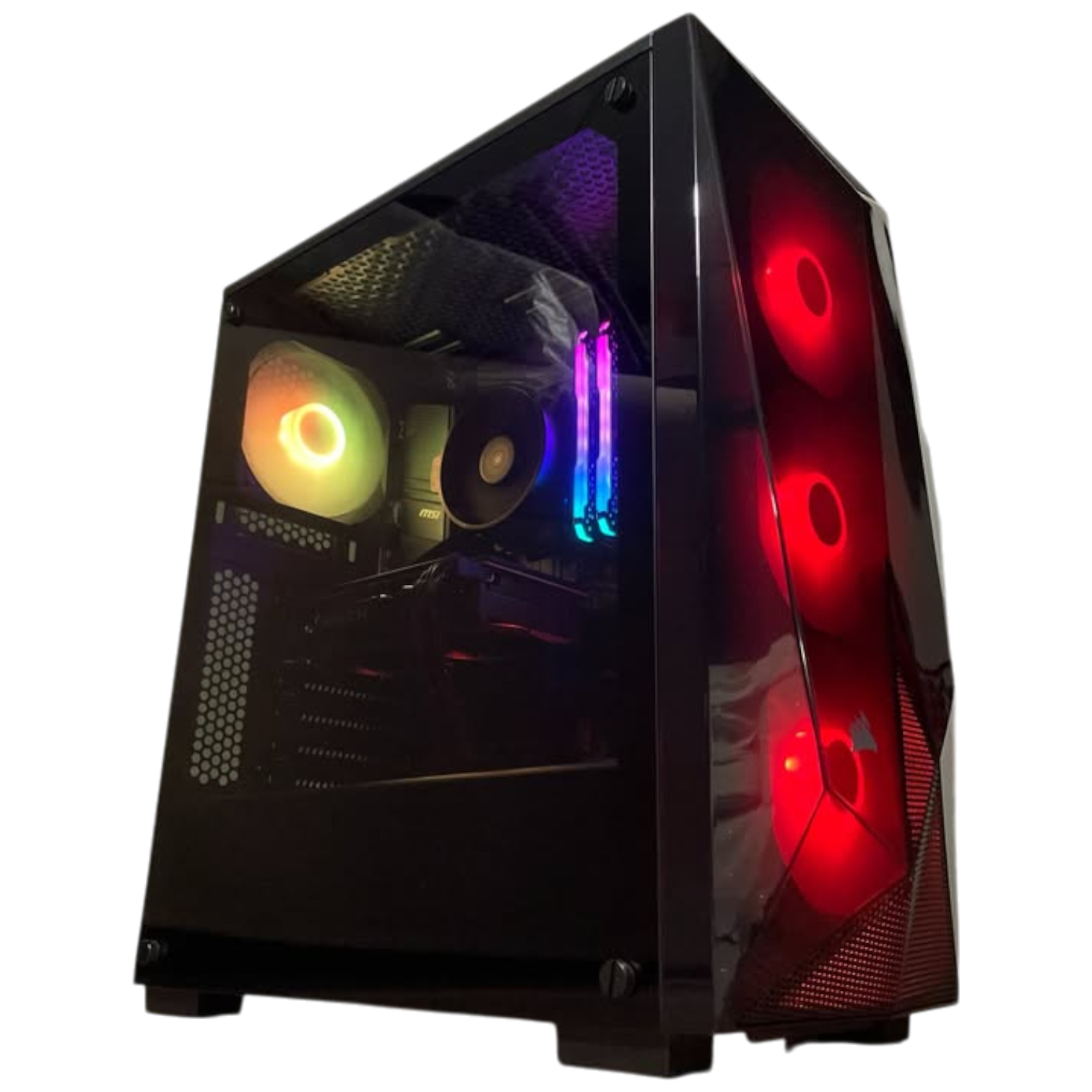
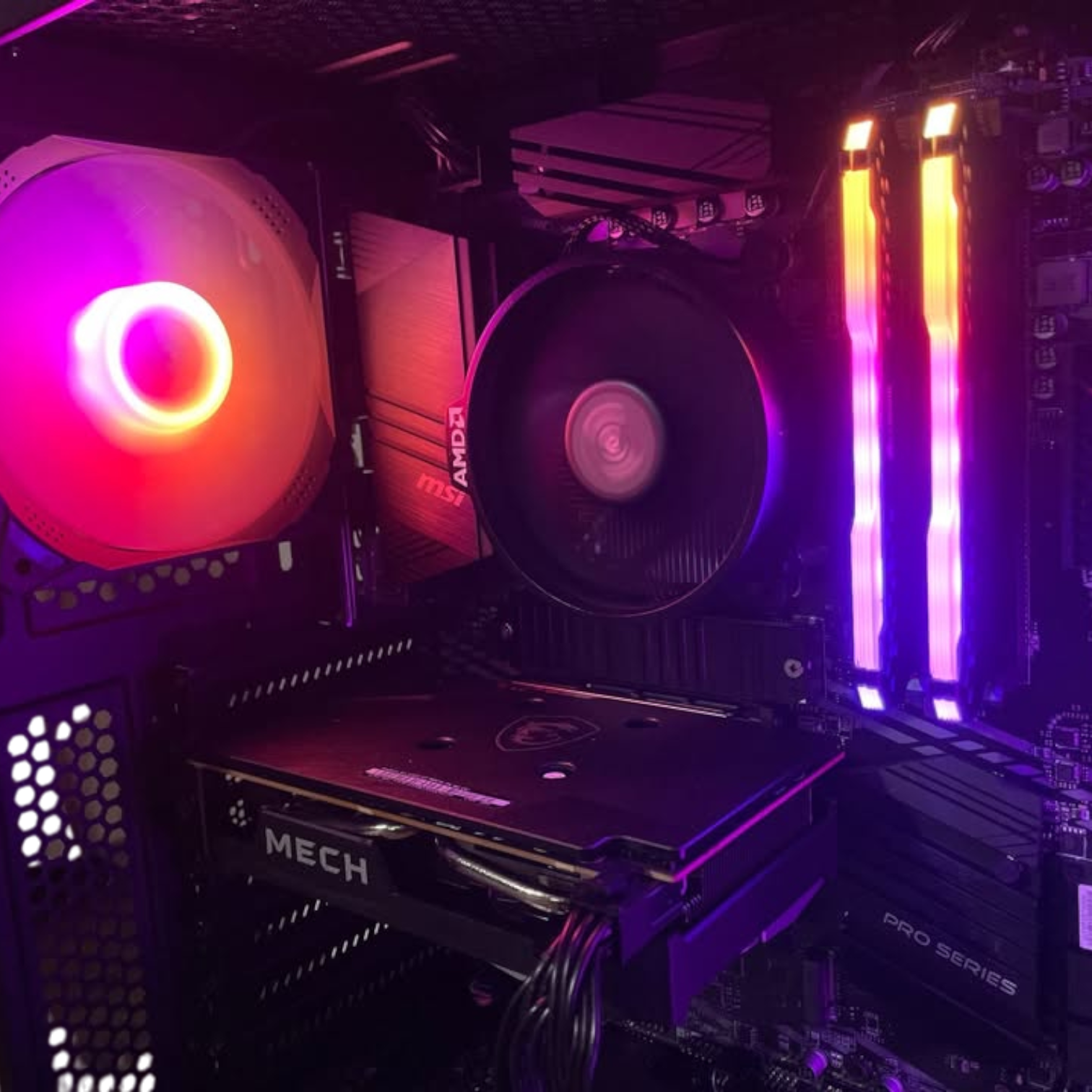
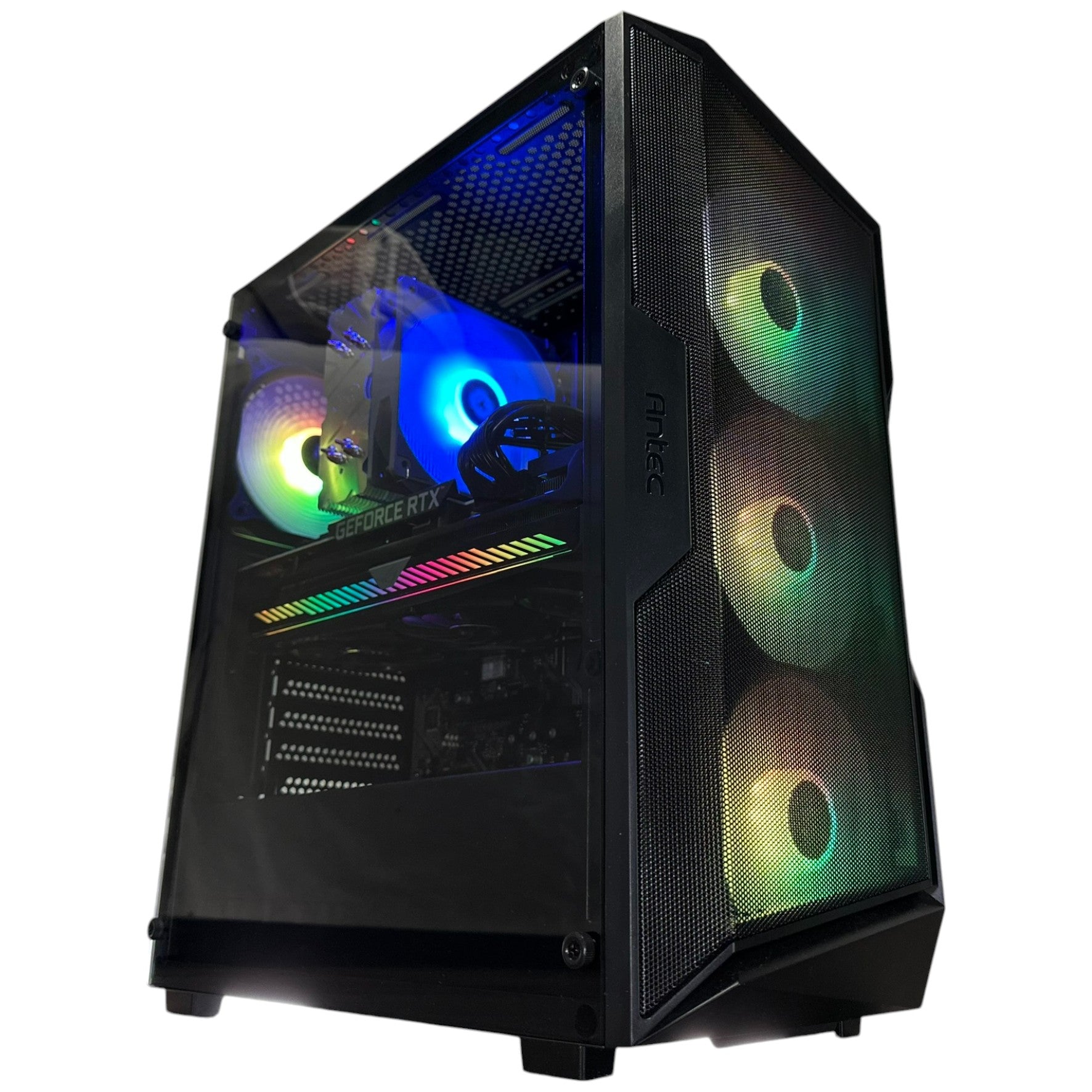
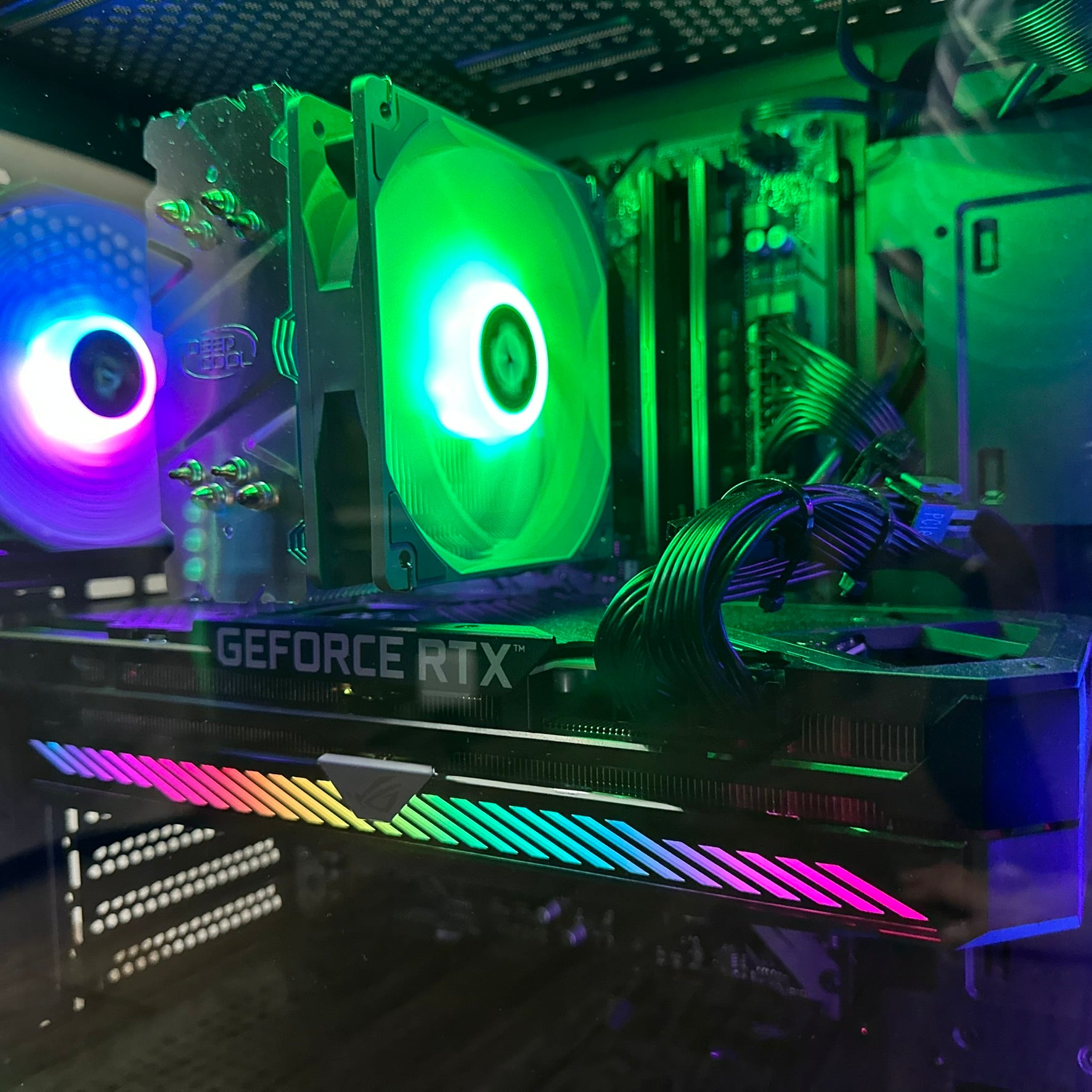
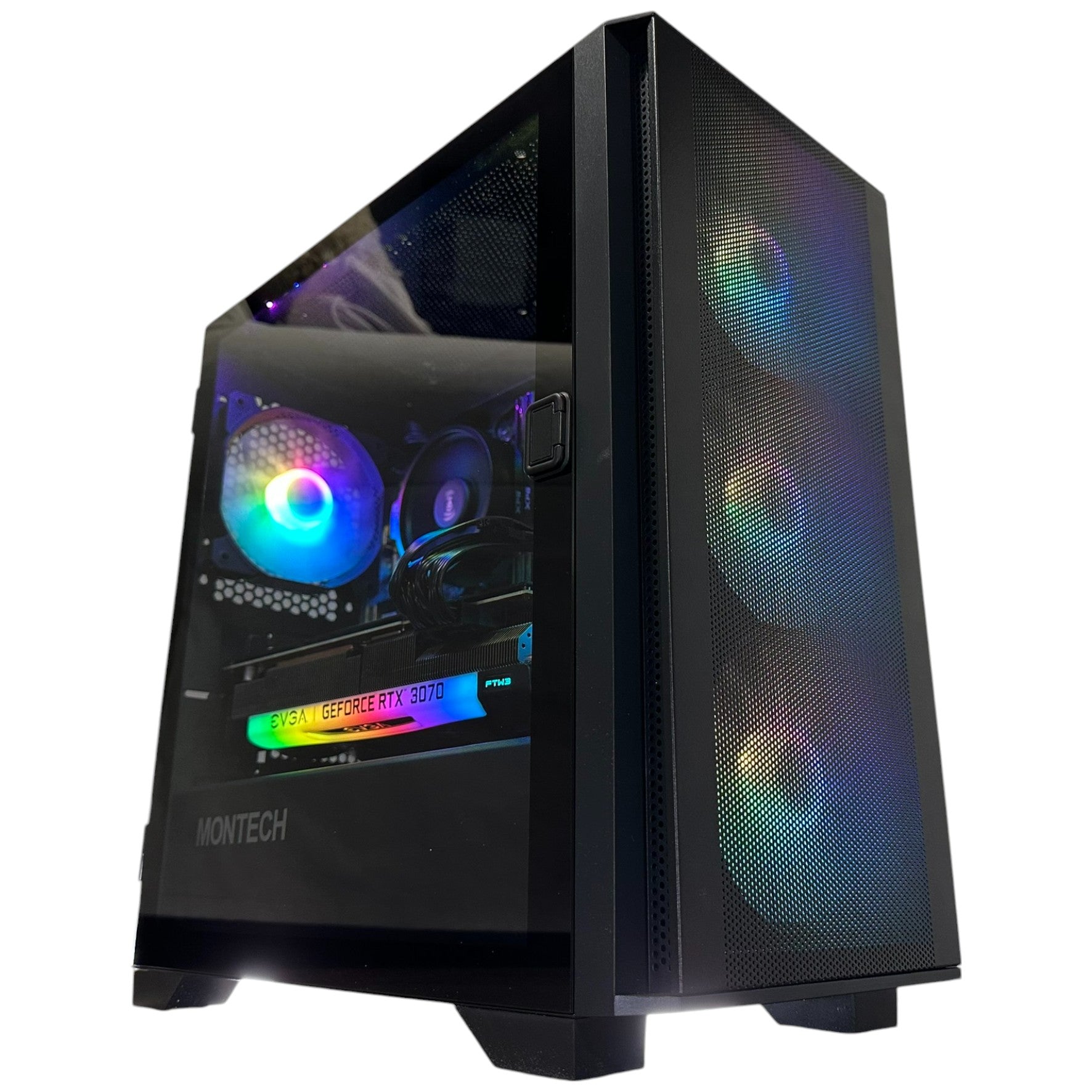
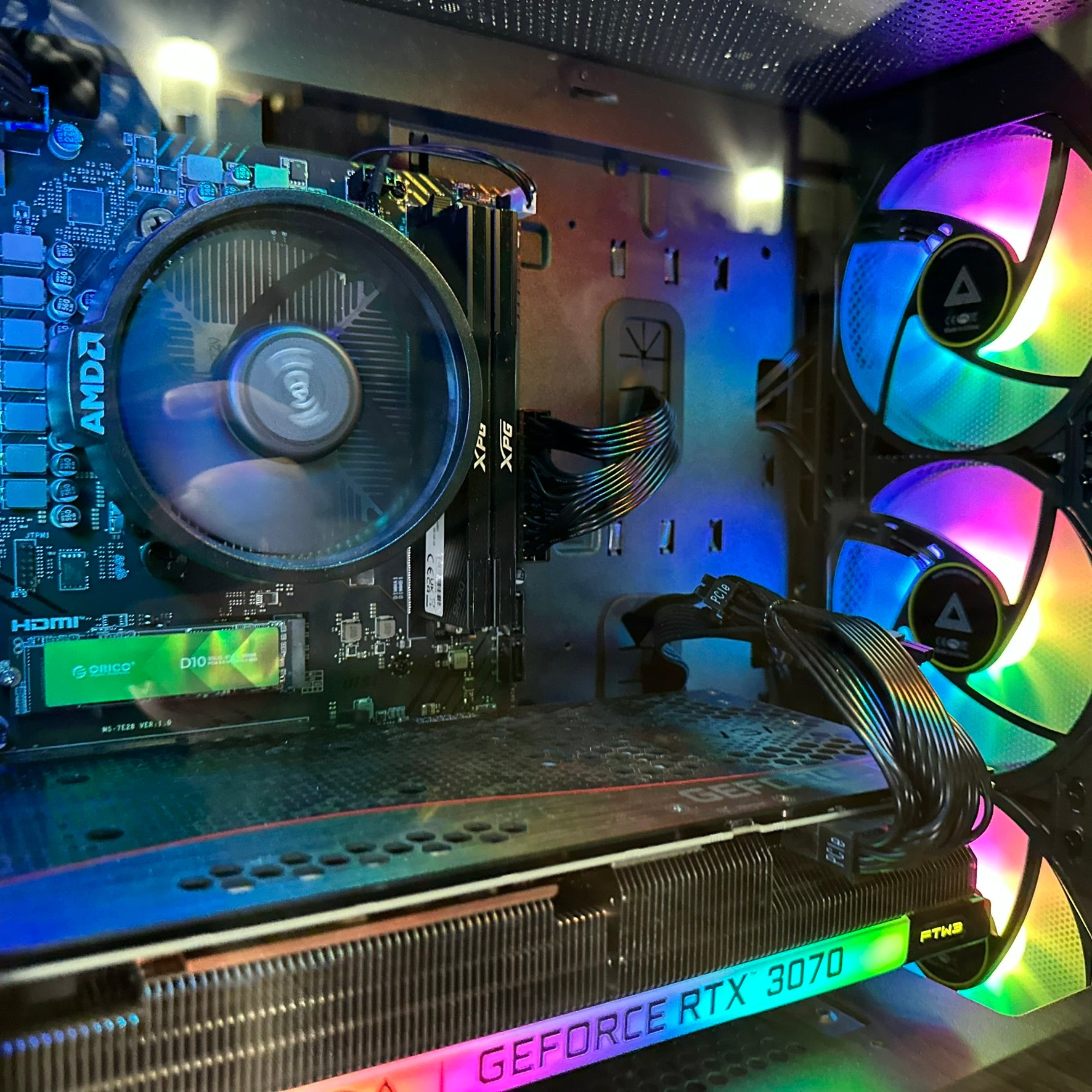
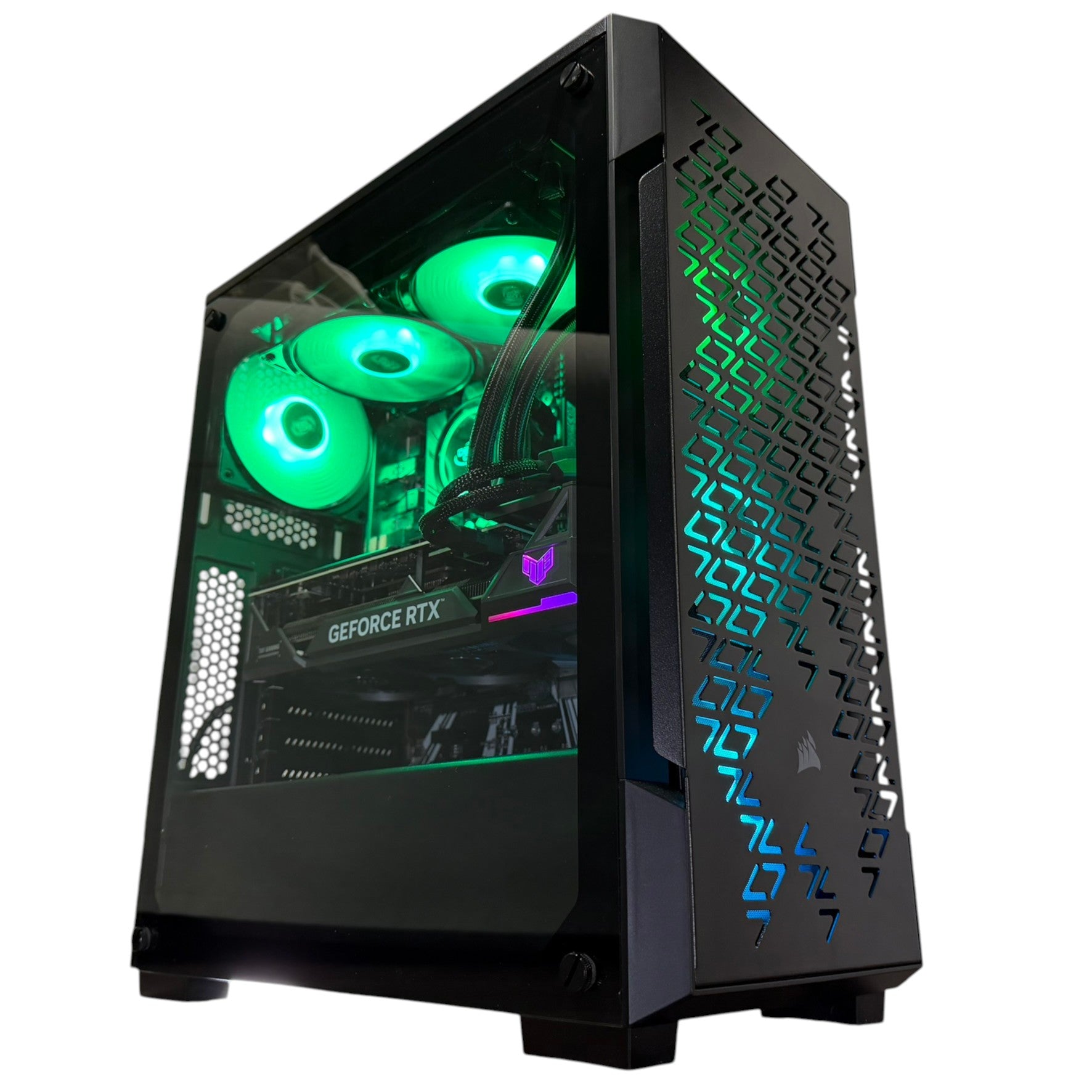
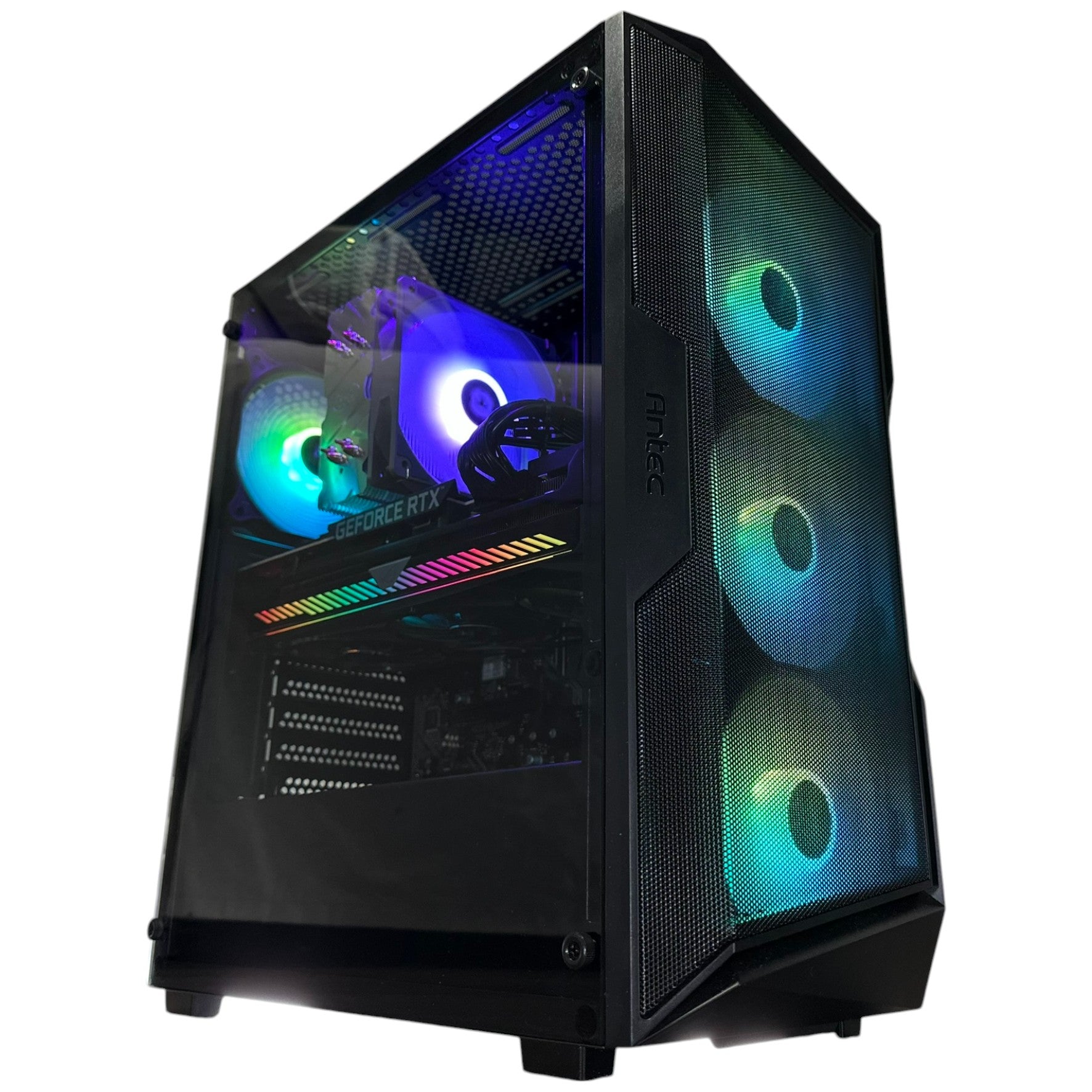
For many players, this update is not just patch-note news. It is a reminder that performance tuning matters, especially in atmospheric survival games where immersion, responsiveness, and visual clarity all shape how the world feels. If you are reading about new graphics presets and thinking about smoother gameplay, better image quality, faster loading, streaming, recording, or future game readiness, you may already be moving toward the idea of a Custom Gaming PC Canada buyers can actually rely on long term.
What changed in the Subnautica Nintendo Switch 2 update?
According to the source material, the major addition is a new set of graphics presets for both games on Nintendo Switch 2. Players can now choose from three display modes, each designed around a different balance of image quality and frame rate.
- Balanced: the default experience, targeting up to 60fps with shadows enabled at 1080p handheld and 1440p docked.
- High Framerate: shadows disabled and resolution reduced to prioritize the highest possible frame rate, with 720p handheld and 1080p docked.
- High Quality: a steady 30fps mode with shadows enabled at 1080p handheld and 1440p docked.
The patch also includes several bug fixes, including terminology corrections for Joy-Con 2, feedback page wording, visual fixes for the Multipurpose Room trim, a drone camera clipping issue, removal of an incorrectly available debug menu, and corrected save screenshot sizing when switching between handheld and docked play.
That is the factual update. But from a buyer-intent perspective, the more interesting takeaway is this: even on modern console hardware, players are still choosing between compromises. Do you want smoother movement? Better shadows? Higher resolution? Consistency over peak performance? These are the exact same decisions that shape smart PC buying.
Why does this update matter beyond Nintendo Switch 2?
Because this is how performance awareness starts. A lot of gamers first realize the importance of hardware choice when they are offered a quality mode and a performance mode in the same game. Suddenly, settings are no longer abstract. You can feel the difference.
In a game like Subnautica, that difference can be especially meaningful. Exploration-heavy survival titles depend on environmental detail, draw distance, lighting, water effects, responsiveness, and stability. If you prefer high frame rates for smoother underwater traversal, that says something about your taste. If you would rather preserve visual atmosphere and richer shadows, that says something too.
Now ask yourself a practical question: are you the kind of player who wants the game to decide your limits for you, or do you want the freedom to tune your own experience?
That question does not just apply to Subnautica. It applies to open-world games, new AAA releases, competitive shooters, survival crafting games, ray tracing titles, and creator workflows. It is one of the clearest signs that a gamer may be ready for a stronger desktop instead of living inside preset tradeoffs.
What does this tell Canadian buyers shopping for a gaming PC?
For Canadian buyers, especially those researching a Gaming PC Canada option for modern games, this update highlights the gap between “playable” and “optimized.” Many players are fine with a game running. Fewer are satisfied once they realize how much smoother, sharper, and more flexible the experience could be on the right hardware.
If you are in Nova Scotia, Atlantic Canada, or anywhere else in the country, that buying decision is also shaped by timing. Do you wait and keep compromising on settings, or do you secure a properly configured system before the next wave of major game releases, hardware demand spikes, or component pricing pressure changes the budget?
That is where Groovy Computers becomes relevant. The goal is not just to sell a box with parts inside it. The goal is to match the build to what you actually want from gaming, streaming, editing, or creative work, while giving you testing, support, and warranty confidence in Canada.
What do you want your next PC to do for you?
This is the question more buyers should ask before comparing parts lists.
Do you want your next system to run survival games at high settings with smoother frame rates than console? Do you want 1080p performance that feels sharp and responsive without overspending? Are you targeting 1440p because you want a visible leap in visual quality? Are you interested in 4K gaming, ray tracing, or ultra settings in demanding titles? Or do you want one machine that can game at night and handle OBS, Premiere Pro, Photoshop, or Blender during the day?
Many shoppers start by asking, “What gaming PC do I need?” That is useful, but it is still too broad. A better question is: what workloads do you want this system to handle well for the next several years?
If your answer includes gaming, streaming, editing, and multitasking, a generic low-end system can become the expensive choice in the long run because it forces you to upgrade too soon. If your answer is mostly 1080p gaming and esports, you may not need to overspend. If your answer is “I want to stop worrying about settings for a while,” then a stronger tier makes sense.
How do Subnautica-style performance choices translate to PC performance tiers?
The new Switch 2 presets make it easy to explain PC buying tiers because the same logic applies at a higher level.
Entry performance tier: good for budget-conscious 1080p players
If you mainly want to enjoy modern games smoothly at 1080p, with sensible settings and strong value, a budget-focused build may be the right fit. This is often the sweet spot for first-time desktop buyers, students, and players coming from console who simply want better flexibility, faster load times, and stronger frame rates than a handheld or docked console mode can offer.
Are you mostly playing survival games, esports titles, indie hits, and mainstream AAA games without chasing maximum ray tracing? Do you want a system that feels like a clear upgrade without jumping into premium pricing? Then a value-focused gaming desktop may be enough.
Mid-range performance tier: ideal for 1440p gaming and serious versatility
This is where many of today’s best-value systems live. A strong 1440p-capable build gives you much more breathing room for new releases, better texture settings, stronger average frame rates, and an easier path into streaming and content creation.
If the Switch 2 update made you think, “I always pick performance mode, but I still want the game to look great,” this is probably your lane on PC. Mid-range systems are often the best answer for players who want to enjoy modern games beautifully without paying for absolute flagship hardware.
Do you want a desktop that can handle modern open-world games, run OBS cleanly, support dual monitors, and still give you a satisfying experience in editing apps? Then a balanced custom build makes much more sense than a race to the cheapest possible price.
High-end performance tier: for 4K, ultra settings, ray tracing, and longevity
If your mindset is “I want to stop compromising,” then you are looking at the premium tier. This is for gamers who want stronger 1440p high refresh or 4K gaming, better ray tracing capability, heavier multitasking, and more long-term headroom for future titles.
Are you buying ahead of a major release cycle? Do you want your system to age more gracefully? Do you plan to stream, capture footage, edit videos, or keep a demanding game open while running other software? This is where premium builds earn their value.
What if you also want to stream, record, or create content?
The conversation changes quickly once gaming is no longer the only job. A lot of customers who first come in looking for a gaming desktop eventually realize they really need a Content Creation PC Canada shoppers can use for multiple purposes.
If you want to stream gameplay, record footage, clip highlights, edit for YouTube, create social content, or run design software, then your build should reflect that from the start. Gaming alone might let you get away with a narrower spec choice. Gaming plus creation usually means you should think more carefully about CPU strength, GPU encoding, RAM capacity, storage speed, cooling, and future expandability.
Are you planning to use OBS? Do you want smooth gameplay while streaming? Do you need enough storage for raw footage and projects? Are you editing 1080p clips today but expect to move into 4K later? These are the questions that help separate a short-term purchase from a better long-term system.
Is a gaming PC also good for video editing, photo editing, and graphic design?
Sometimes yes, but not always equally well.
A well-chosen gaming desktop can be a very capable starting point for editing and design, especially if it has enough CPU performance, sufficient RAM, a strong GPU, and fast SSD storage. But if your workload extends into Adobe Premiere Pro, DaVinci Resolve, After Effects, Photoshop, Lightroom, Illustrator, or large layered project files, build balance becomes critical.
If you are wondering whether you should choose a gaming build or a creator build, ask yourself how often you actually use creative software. Is editing a side activity once a week, or part of your work? Are you delivering client projects? Do render times matter? Does lag in your timeline cost you real time every day?
For buyers who need more than pure gaming, a custom-configured creator system can be the smarter path. It gives you a machine designed not just for frame rates, but for exports, previews, multitasking, and reliability under sustained workloads.
What if your workload goes beyond gaming into 3D modeling or workstation tasks?
This is where a lot of shoppers accidentally underbuy.
If you use Blender, Unreal Engine, CAD software, product visualization tools, rendering applications, or other heavy professional workloads, you should not pick a system based only on how it performs in games. A Workstation PC Canada buyer has very different needs from a casual gamer.
Do you need more RAM from day one? Does your software benefit more from GPU acceleration, CPU rendering, or both? Are you building scenes, compiling shaders, simulating physics, or rendering large projects overnight? If so, the right workstation or 3D-focused configuration can save you a huge amount of frustration.
This is another reason the Switch 2 patch is such an interesting starting point. It reminds us that hardware decisions always create tradeoffs. On PC, the advantage is that you can choose your tradeoffs more intelligently or avoid some of them entirely with a better-matched build.
Should you buy now or wait if performance matters to you?
This is one of the most important customer questions in the market.
If you know your current setup is already limiting your experience, waiting often has a hidden cost. You keep accepting lower settings, weaker performance, slower exports, or reduced flexibility while hoping the market becomes more favourable later. Sometimes it does. Sometimes it does not.
Canadian buyers also have to think about more than just game releases. GPU demand can shift. Memory and storage prices can move. New launches can reshape price ladders across several tiers at once. Seasonal demand can put pressure on availability. And if your current machine is near its limit, waiting too long can turn a planned purchase into a rushed purchase.
Are you trying to buy before your favourite next game drops? Before school starts? Before your content schedule gets busier? Before your current system fails or becomes too frustrating to use? Then timing matters more than most shoppers think.
Could financing help you secure a better system before costs change?
For some buyers, yes. Not because financing is automatically the answer, but because buying too weak a system just to hit a lower upfront number can cost more in the long run.
If you are deciding between a machine that only covers your current minimum needs and a stronger system that gives you real headroom, it is fair to ask: would a payment plan make the better build achievable now? Could that help you avoid replacing parts too early? Could it keep you from outgrowing your PC in a year?
Groovy Computers offers options that can help customers finance a stronger custom desktop, including financing up to 4 years where applicable. That matters for buyers who want a better GPU tier, more RAM, larger SSD capacity, stronger cooling, or an overall more future-ready configuration without putting the entire cost down at once.
Should you finance a gaming PC? That depends on your goals. If financing helps you move from a system you will regret to one that truly fits your needs, it can be a very practical decision. If it helps you secure a desktop before replacement costs rise further, it can also be smart timing.
Which type of buyer fits which type of build?
Here is a simple way to think about it.
The budget-conscious gamer
You want strong 1080p gaming, better value, and a clear upgrade over console or an aging desktop. You care about smoothness, but you do not need the most expensive hardware. If this sounds like you, a value-focused build is likely the right starting point.
The 1440p sweet-spot gamer
You want noticeably better visual quality, higher frame rates, stronger performance in modern games, and room for some streaming or creative work. This is often the best category for buyers who want performance that still feels exciting a few years from now.
The premium enthusiast
You want ultra settings, ray tracing, heavy multitasking, and stronger longevity. You probably notice frame dips, visual compromises, and thermal limitations more than the average player. If you are asking what PC you need for 4K gaming or long-term headroom, this tier makes sense.
The gaming-plus-creator buyer
You game, stream, edit, and create. You may need extra RAM, more storage, stronger CPU performance, and thoughtful part matching. A hybrid creator-gaming desktop is usually the best fit.
The professional workstation buyer
You use serious software for design, editing, rendering, development, or production. You need reliability, sustained performance, and hardware selected for your actual workflow. This is where a workstation or custom creator configuration matters most.
Why does a custom build matter more than a generic prebuilt?
Because a custom system gives you control where it counts. Not just in performance, but in balance.
Anyone can advertise a desktop with a flashy GPU name. The real question is whether the rest of the system is chosen properly around it. Is the CPU a bottleneck? Is the RAM capacity appropriate? Is the SSD fast enough? Is the cooling sufficient? Is the power delivery stable? Does the case airflow support the components inside it? Will the system still make sense when your needs grow?
At Groovy Computers, that custom-build logic is exactly the point. You are not just buying a spec sheet. You are buying a system assembled with purpose, stress-tested, backed by a 1-year warranty, and built for what you actually want to do.
For Canadian buyers, that matters even more when prices shift unpredictably. A rushed, imbalanced system is not a bargain if it leads to early upgrades, instability, or regret.
Why should Canadian shoppers think locally and buy with confidence?
Buying from a Canadian builder matters for support, clarity, and trust. Whether you are local to Nova Scotia or ordering from elsewhere in Canada, many shoppers want the reassurance of dealing with a Canadian custom PC company that understands the market and can guide them properly.
Do you want a build recommendation based on your games and software, not just a warehouse listing? Do you want help deciding between performance tiers? Do you want a system that is tested before it reaches you? Those are real concerns, and they matter whether you are in Halifax, Trenton, New Glasgow, elsewhere in Atlantic Canada, Ontario, Alberta, or British Columbia.
Groovy Computers is positioned for exactly that kind of buyer: someone who wants expert guidance, a custom approach, warranty support, and the ability to shop online in Canada with more confidence.
What should you ask before choosing your next gaming or creator PC?
- What games do I actually play now, and what new games do I want to be ready for next?
- Am I aiming for 1080p, 1440p, or 4K?
- Do I care more about ultra visuals, high frame rates, or a balanced mix?
- Will I stream, record gameplay, or edit videos?
- Do I use Photoshop, Lightroom, Premiere Pro, DaVinci Resolve, Illustrator, Blender, or Unreal Engine?
- How long do I want this system to stay comfortable before I feel pressured to upgrade?
- Would financing a better build now be smarter than replacing a weaker one sooner?
- Do I want help choosing the right custom build instead of guessing?
These questions lead to better decisions than simply asking what the cheapest option is. In performance hardware, fit matters more than slogans.
The bigger lesson from the Subnautica Nintendo Switch 2 update
The bigger lesson is simple: players care about choice. They care about smoothness. They care about image quality. They care about getting the experience they want from the hardware they own. The new Subnautica Nintendo Switch 2 update puts those priorities in front of players very clearly.
And once you begin thinking that way, the appeal of a custom desktop becomes much easier to understand. On PC, you are not limited to a few presets. You can choose a system built around the kind of gaming and creative life you actually want.
If you are tired of compromise, tired of wondering whether your next game will need performance mode just to feel good, or tired of stretching an older computer past its useful life, this may be the right time to look at a better solution.
Ready to choose a system that matches what you really want?
What do you want your next PC to do for you: smoother gaming, stronger 1440p performance, better streaming, faster video exports, more reliable creative work, or all of the above? If you are ready to stop guessing and start matching hardware to your real needs, visit GroovyComputers.ca to explore custom gaming desktops, creator PCs, workstation options, and financing-friendly paths to a stronger build in Canada.
For Canadian buyers who want guidance, testing, warranty confidence, and a system that makes sense beyond one game launch, Groovy Computers is a smart place to start. The Subnautica Nintendo Switch 2 update may be about graphics presets, but the buying takeaway is much bigger: if performance choice matters to you, your next PC should be built accordingly.
#Subnautica #NintendoSwitch2 #CustomGamingPCCanada #GamingPCCanada #CanadianCustomPCBuilders #ContentCreationPCCanada #WorkstationPCCanada #GamingPCBuyingGuideCanada #NovaScotiaTech #GroovyComputers
Groovy Computers | All Rights Reserved



Leave a comment
This site is protected by hCaptcha and the hCaptcha Privacy Policy and Terms of Service apply.