
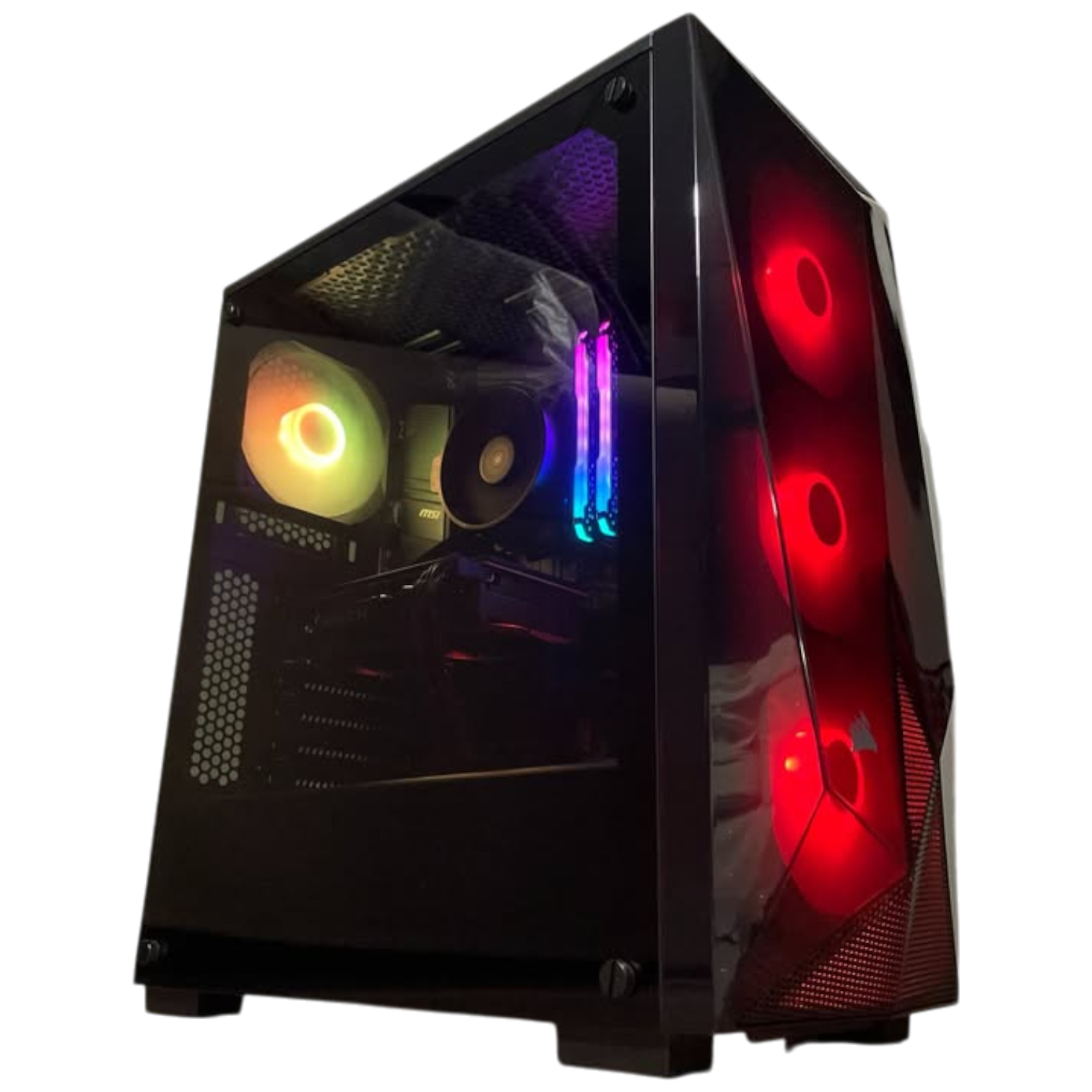
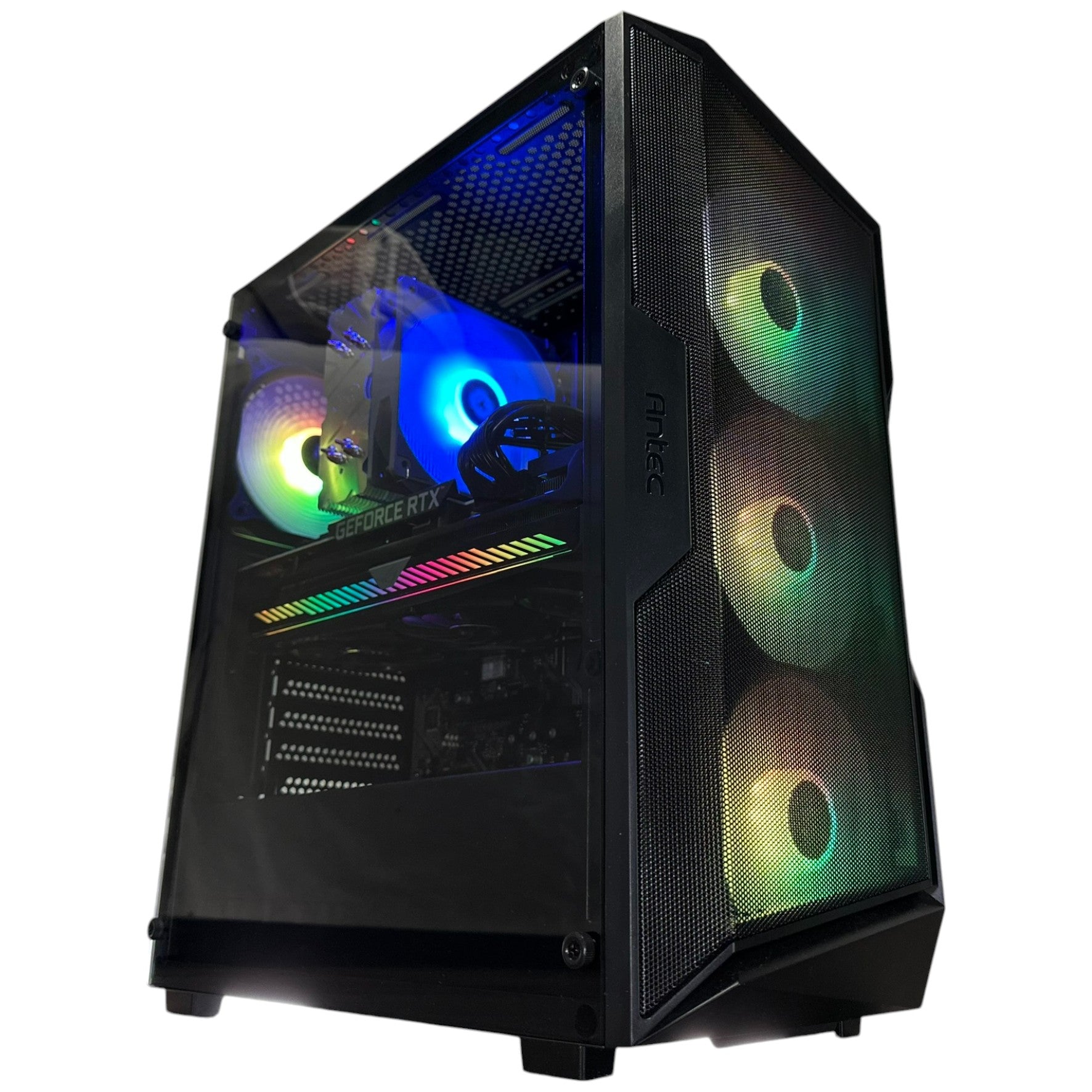


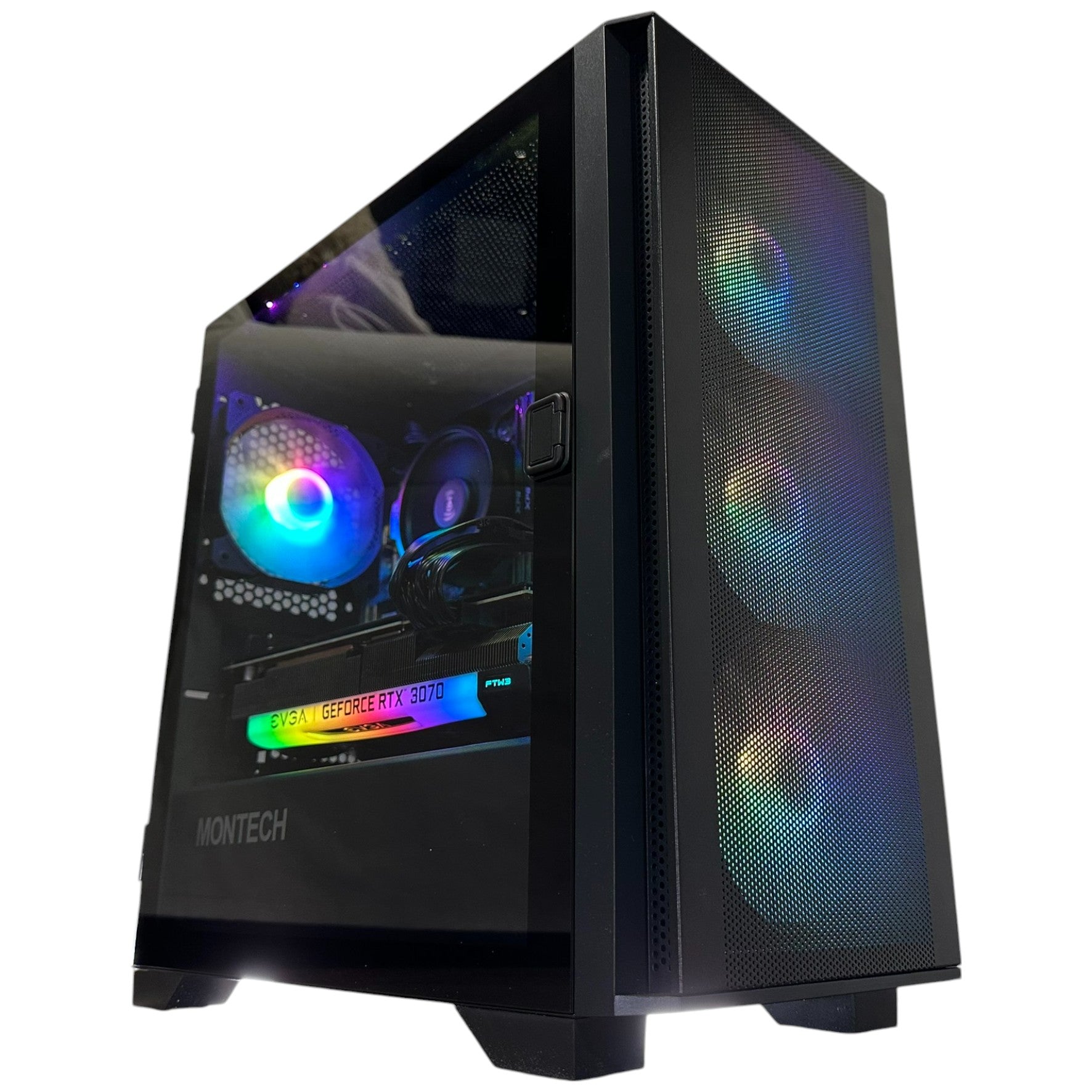
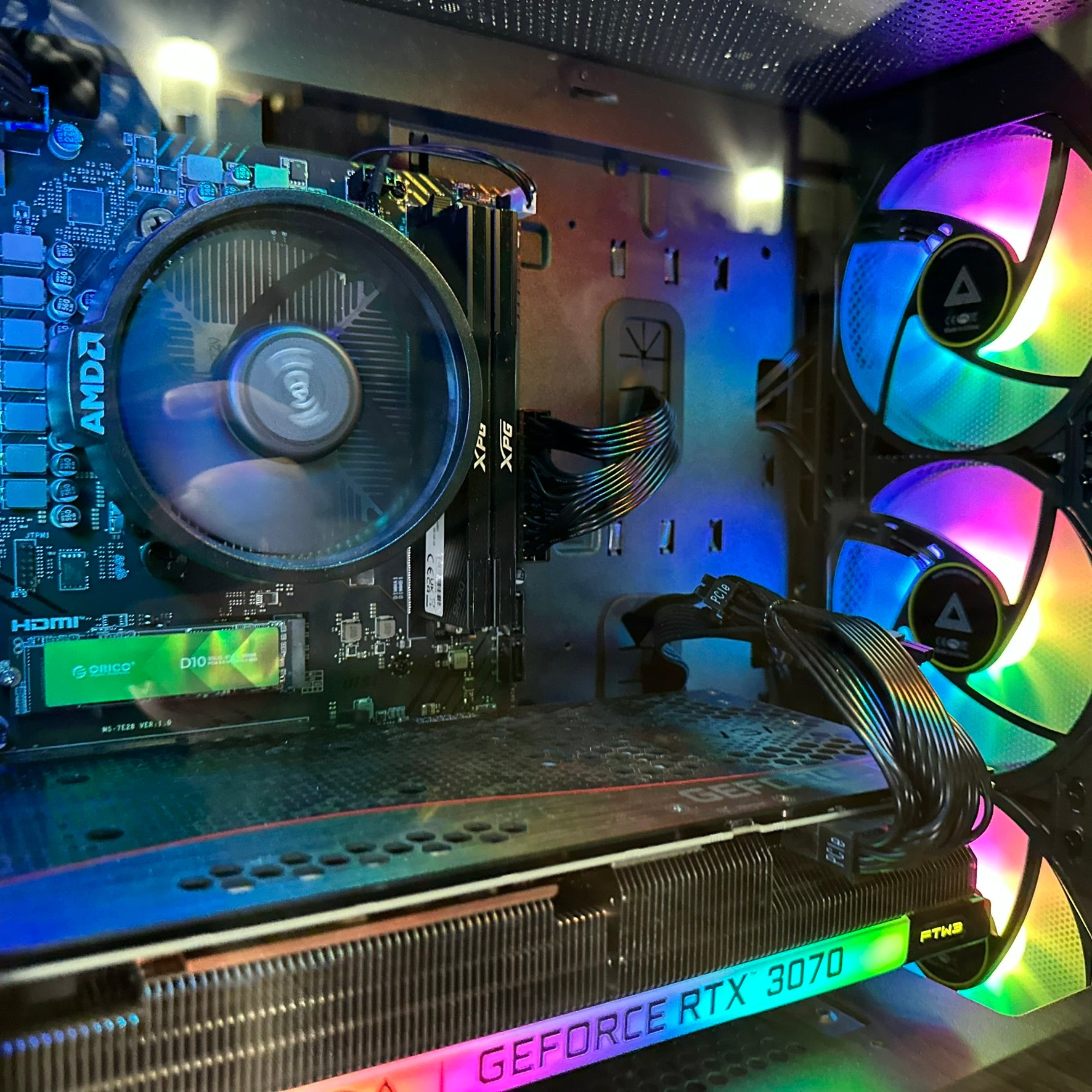
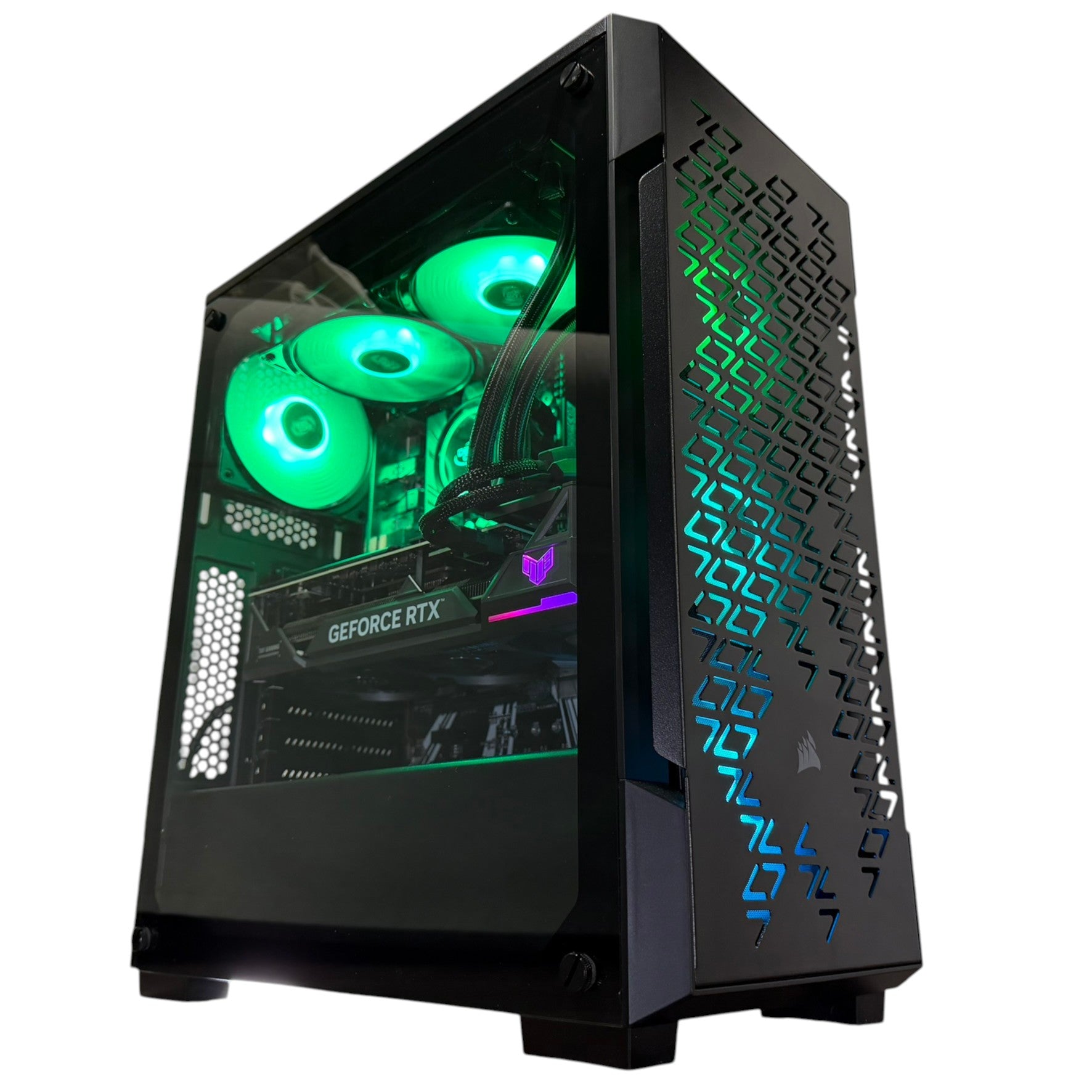

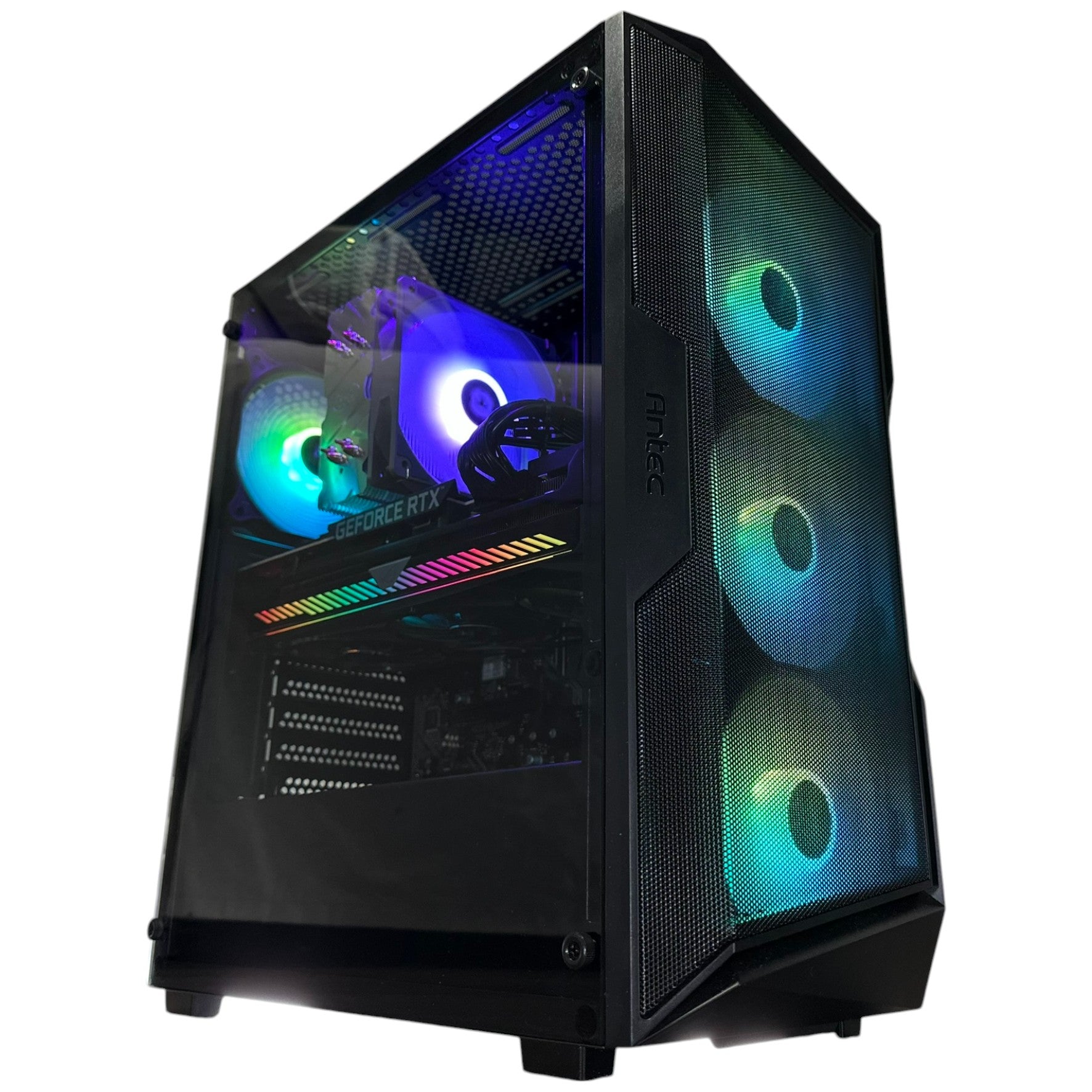


Last Sentinel’s Collapse Is a Warning Sign for Anyone Planning a Gaming PC in Canada
The reported Last Sentinel collapse is more than a disappointing gaming industry headline. It is a reminder of how expensive, demanding, and technically ambitious modern open-world games have become, and why Canadian buyers should think carefully about what kind of system they want next. When a project positioned as a cyberpunk-style open-world crime game struggles for years under massive pressure, it highlights a bigger reality for players and creators alike: today’s AAA expectations are pushing hardware needs higher, development cycles longer, and performance standards further than ever.
For readers in Canada, that matters now. If you are planning a new system for blockbuster open-world gaming, ray tracing, streaming, editing, or content creation, this kind of news naturally leads to a practical question: what should your next PC actually be capable of? And just as important, should you buy now, finance a stronger build, or wait and risk higher replacement costs later?
Why the Last Sentinel story matters beyond one cancelled or reworked game
According to the source material, Last Sentinel spent roughly six years in development, aimed high as a major open-world crime title, reportedly consumed a huge budget, and still failed to meet expectations. The project was described as ambitious from the start, with a science-fiction Tokyo setting, driving, traversal, action, and the kind of freeform open-world promise that naturally invites comparison to the biggest titles in the genre.
The deeper lesson is not just about one studio. It is about how hard it has become to make modern games that feel truly “next generation.” Players now expect large worlds, high-end visuals, dense NPC activity, stable frame rates, cinematic lighting, advanced effects, fast loading, and polished gameplay systems all at once. That level of demand does not just affect developers. It affects the hardware buyers need if they want their own systems to keep up with new releases over the next several years.
If one of your goals is to play the next wave of open-world titles on PC, are you shopping for a machine that can merely launch them, or one that can genuinely enjoy them at the settings and frame rates you want?
What does this mean for Canadian PC buyers?
In Canada, buying timing matters. High-performance GPUs, newer CPUs, memory, premium SSDs, and quality power supplies do not always move in a straight line on price. Demand spikes, new game launches, creator software updates, and premium GPU pressure can all affect full system costs. That means a buyer who waits too long may not save money at all, especially if they end up replacing multiple parts sooner than expected.
This is where a Gaming PC Canada buying decision becomes more strategic. The question is not only, “What can I afford today?” It is also, “What will still feel strong a year or two from now?”
Are you trying to prepare for future open-world games? Do you want 1080p value, 1440p high settings, or a serious 4K and ray tracing experience? Are you also planning to stream, record gameplay, edit content, or run creative software after gaming sessions? Those answers change the right build category completely.
What do you want your next PC to do for you?
Before you choose a system, step back from the headlines and ask the question that matters most: what do you want your next PC to do for you every day?
Do you want a PC mainly for new games and esports titles? Do you want a system that can handle demanding open-world releases with strong frame pacing and modern visual features? Do you want one machine for gaming and streaming? Or are you trying to combine gaming with video editing, Photoshop, graphic design, content creation, Blender, or workstation tasks?
The wrong PC is often bought by shoppers who focus only on a sale price or one component name. The right PC is matched to actual use. A Canadian buyer who mostly plays competitive shooters at 1080p has very different needs from someone planning to play future open-world games at 1440p ultra settings with ray tracing. And both differ again from a creator who needs strong exports in Premiere Pro or smoother viewport performance in 3D software.
If you are mainly gaming, ask yourself these questions
- What games do you play most now, and what games are you planning for next?
- Do you care more about esports frame rates or cinematic AAA visuals?
- Are you targeting 1080p, 1440p, or 4K?
- Do you want ray tracing, high texture settings, and long-term headroom?
- Are you trying to avoid upgrading again too soon?
If you are also creating content, ask these too
- Will you be streaming to Twitch, YouTube, or recording locally?
- Do you edit 1080p clips, 4K timelines, or heavier multicam projects?
- Do you use Photoshop, Lightroom, Illustrator, InDesign, or Adobe Creative Cloud daily?
- Do you need a PC for Blender, Unreal Engine, CAD, or rendering work?
- Would more RAM, a better GPU, or a faster CPU save you real time every week?
What gaming performance tier fits you best?
One of the biggest mistakes in the market is buying either too little PC or too much PC for the wrong purpose. A helpful way to decide is to match your workload to a realistic performance tier.
Entry-level and budget buyers: is a 1080p-focused build enough?
If your priority is value, an entry-level or budget gaming PC Canada setup can still make sense. This category is ideal for esports games, lighter multiplayer titles, indie games, and many mainstream releases at 1080p with balanced settings. It can also suit students, first-time desktop buyers, and households looking for a strong all-purpose machine with gaming ability.
But ask yourself: are you buying for what you play now only, or for what you will want six to twelve months from now? If a major open-world game catches your attention later, will you be satisfied reducing settings, or would that become an expensive upgrade regret?
Mainstream sweet spot: is 1440p where your money works hardest?
For many shoppers, 1440p is the most balanced target. A strong custom gaming PC Canada build in this class can deliver a premium-feeling experience without jumping all the way into flagship pricing. This tier often suits players who want high settings, smoother frame rates, stronger GPU longevity, better multitasking, and room for streaming or light editing.
If you are reading gaming headlines and getting excited about the next generation of open-world titles, this is the tier where many buyers should focus. Why? Because it balances image quality, frame rate, and component cost more effectively than either bargain-basement systems or extreme halo builds.
What PC do you need for 1440p gaming? Usually, the right answer is not just “a better graphics card.” You also need a balanced CPU, enough RAM, a fast SSD, reliable cooling, and a quality power supply so the whole machine stays stable under load.
Premium buyers: do you want 4K, ray tracing, and longer-term headroom?
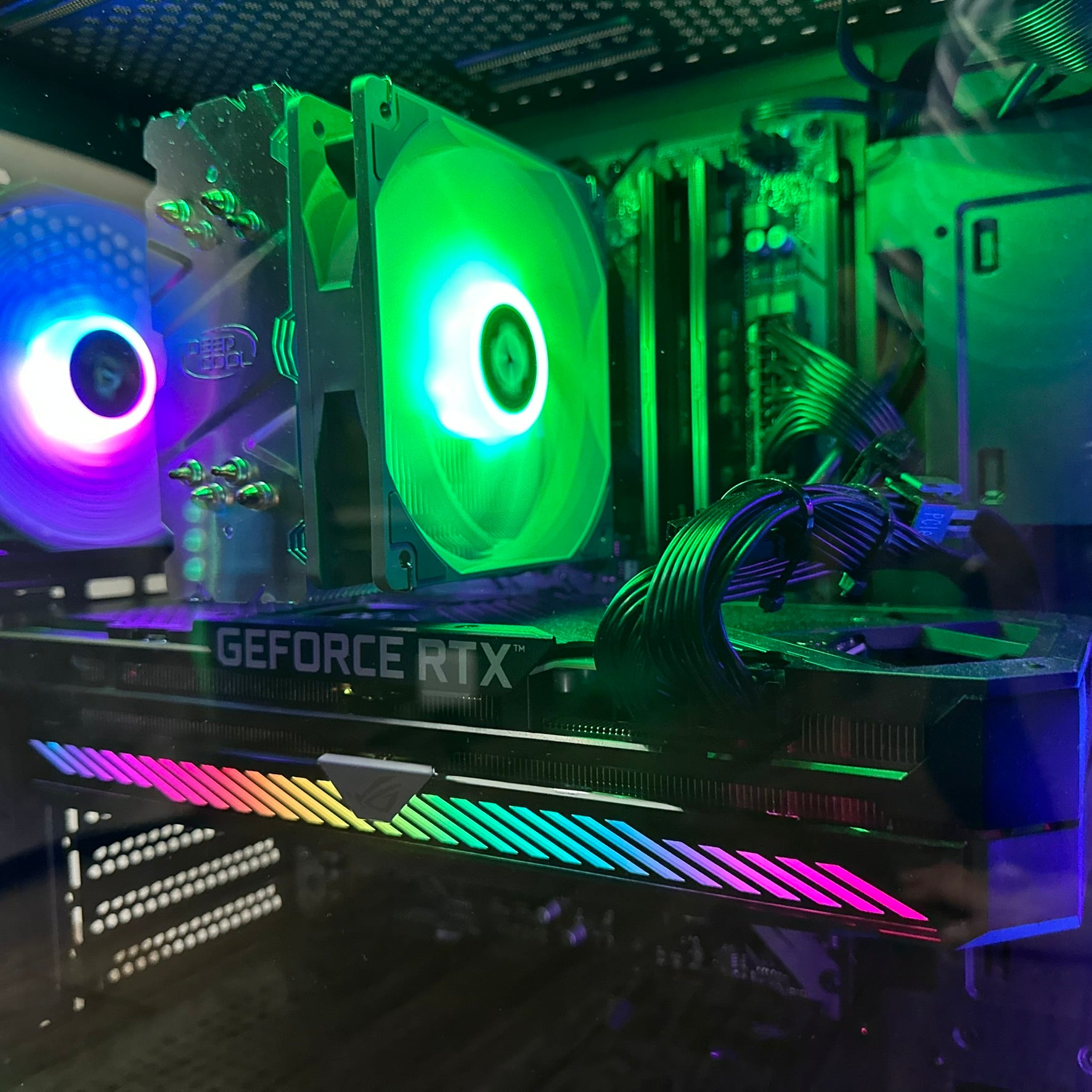
If your goal is to push visual quality hard, step into 4K gaming PC Canada territory, or keep a system for longer before feeling pressure to upgrade, a premium build may be the better decision. This is especially true if you want ray tracing, high refresh displays, demanding AAA releases, and enough system overhead for recording, streaming, or creator tasks.
Should you finance a high-end gaming PC instead of settling for a weaker one now? For some buyers, yes. If a stronger machine helps you avoid a near-term replacement and gives you the experience you actually want, monthly payments can be more logical than buying the cheapest possible PC twice.
What if you want one PC for gaming and streaming?
A lot of buyers no longer want a single-purpose desktop. They want one machine that can play modern games well, run OBS smoothly, handle Discord, browser tabs, music, and maybe even some editing after the stream ends. That changes the spec balance.
A proper streaming PC Canada or gaming-and-streaming build benefits from a stronger CPU, enough RAM for background tasks, a capable GPU for modern encoding features, and storage fast enough for game installs, captured footage, and project files. If you stream regularly, this is where buying a balanced custom system matters more than chasing one flashy spec.
What PC do you need for streaming? If your answer includes “I want to game at high settings while streaming without feeling system strain,” then it is worth stepping above basic gaming-only hardware. The smoother your multitasking, the more professional your setup feels.
Could this kind of gaming trend affect creator and workstation buyers too?
Absolutely. When the market shifts toward larger assets, more complex worlds, higher-resolution textures, and advanced rendering techniques, creators feel that pressure too. Game artists, video editors, modders, animators, 3D hobbyists, and design professionals often need faster storage, more VRAM, higher memory capacity, and stronger CPUs to keep pace with modern workflows.
That is why the lessons from gaming headlines are not limited to gamers. If software complexity is growing and asset sizes are increasing, creator systems must be chosen with the same long-view logic.
Do you need a creator PC instead of a pure gaming machine?
If your workload includes Adobe apps, content scheduling, thumbnails, reels, shorts, editing, and livestream assets, a content creation PC Canada build may be a better fit than a gaming-only desktop. Creator users often need:
- More RAM for multitasking and larger projects
- Fast NVMe storage for footage, cache, and exports
- A CPU strong enough for timeline responsiveness and rendering
- A GPU that supports acceleration in editing, effects, AI tools, and creative apps
- Reliable cooling for long sustained workloads
Is a gaming PC good for content creation? Sometimes, yes. But if you edit regularly, render often, or run heavy creative workloads, a purpose-built creator system is usually the smarter long-term value.
What PC do you need for video editing?
If you work in Premiere Pro, DaVinci Resolve, After Effects, or similar tools, a proper video editing PC Canada build should be selected based on your media format and project size. A system for simple 1080p cuts is very different from one built for layered 4K timelines, colour grading, motion graphics, or long-form exports.
Ask yourself: are slow previews, export bottlenecks, or storage limits costing you time every week? If so, buying a better system is not just about convenience. It can directly improve output and reduce frustration.
What specs do you need for 4K video editing? In most cases, you should be thinking beyond entry-tier components. More memory, stronger processing, and better sustained thermal performance often make the difference between a machine that “can do it” and one that feels genuinely productive.
What about photo editing and graphic design?
For photographers, marketers, and designers, the right photo editing PC Canada or graphic design system is about responsiveness, colour workflow support, multitasking, storage speed, and enough processing headroom for batch exports and modern AI-assisted tools.
Do photographers need a dedicated GPU? Sometimes not at the highest tier, but many modern workflows benefit from one. Do graphic designers need massive gaming specs? Not always. But if you use Photoshop, Lightroom, Illustrator, InDesign, and browser-heavy workflows together, a balanced custom build still matters.
If your business depends on fast edits, stable performance, and time saved on repetitive exports, is it worth underbuying just to save a little upfront?
Are you buying for Blender, Unreal Engine, or 3D rendering?
If you work with scenes, assets, simulation, rendering, or game development tools, you may need a 3D modeling PC Canada or workstation-class build instead of a standard gaming setup. These buyers often need more memory capacity, heavier GPU horsepower, excellent airflow, reliable stability, and smarter storage planning.
What PC do you need for Blender? What PC do you need for Unreal Engine? The answer depends on whether you are modelling lightly, rendering professionally, compiling larger projects, or working with high-detail assets. But in every case, buying too close to minimum requirements usually becomes a productivity tax.
Why does a custom PC matter more when game demands keep rising?
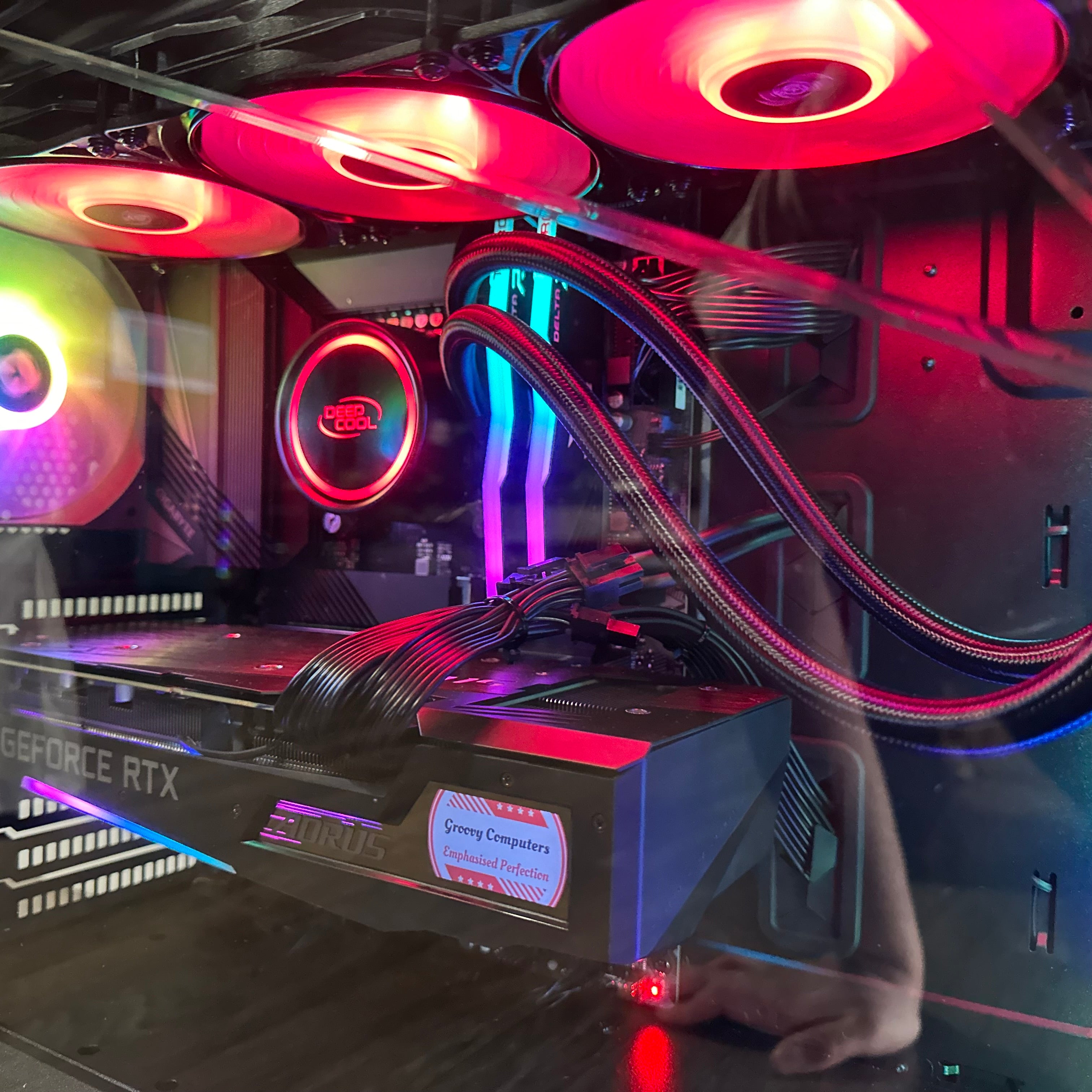
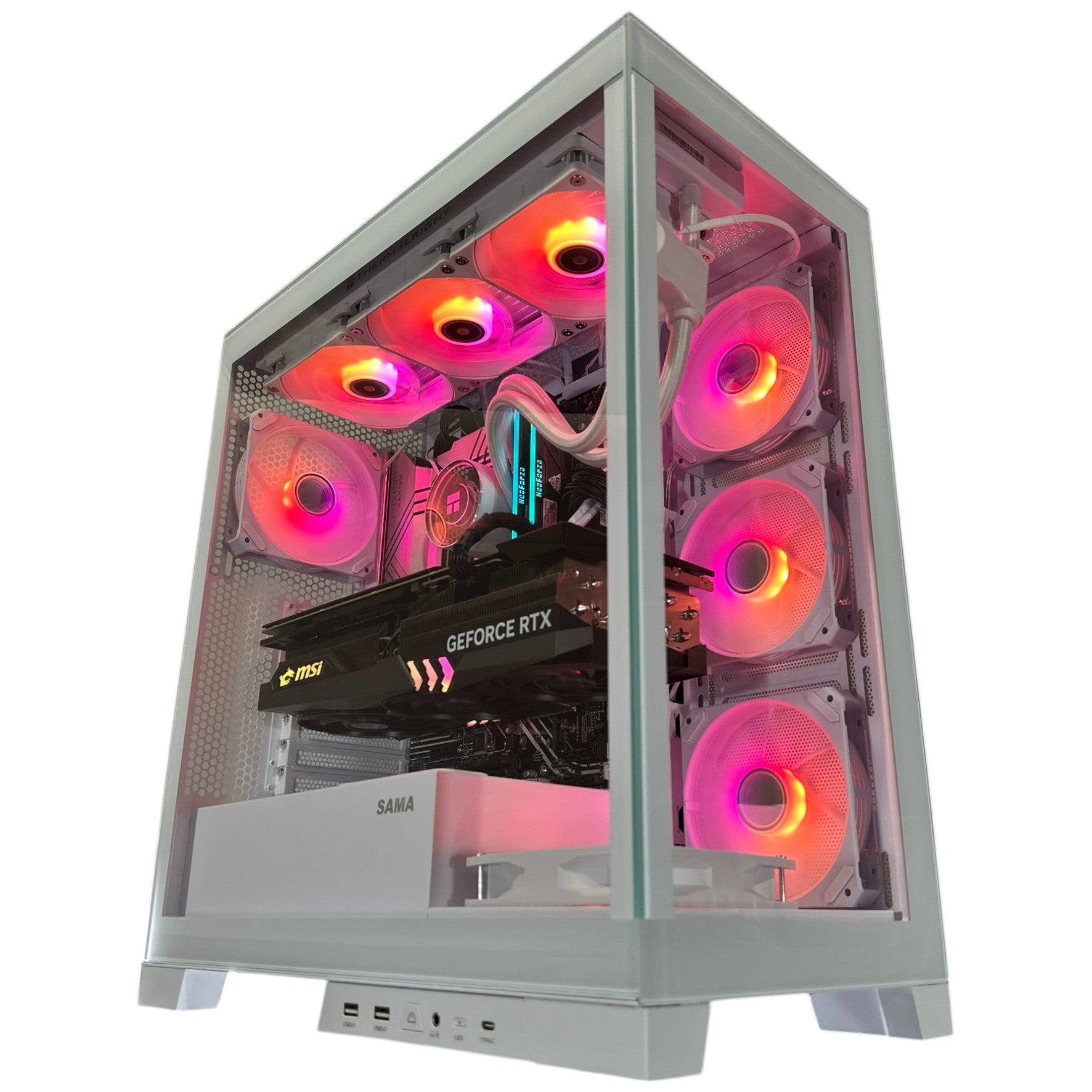
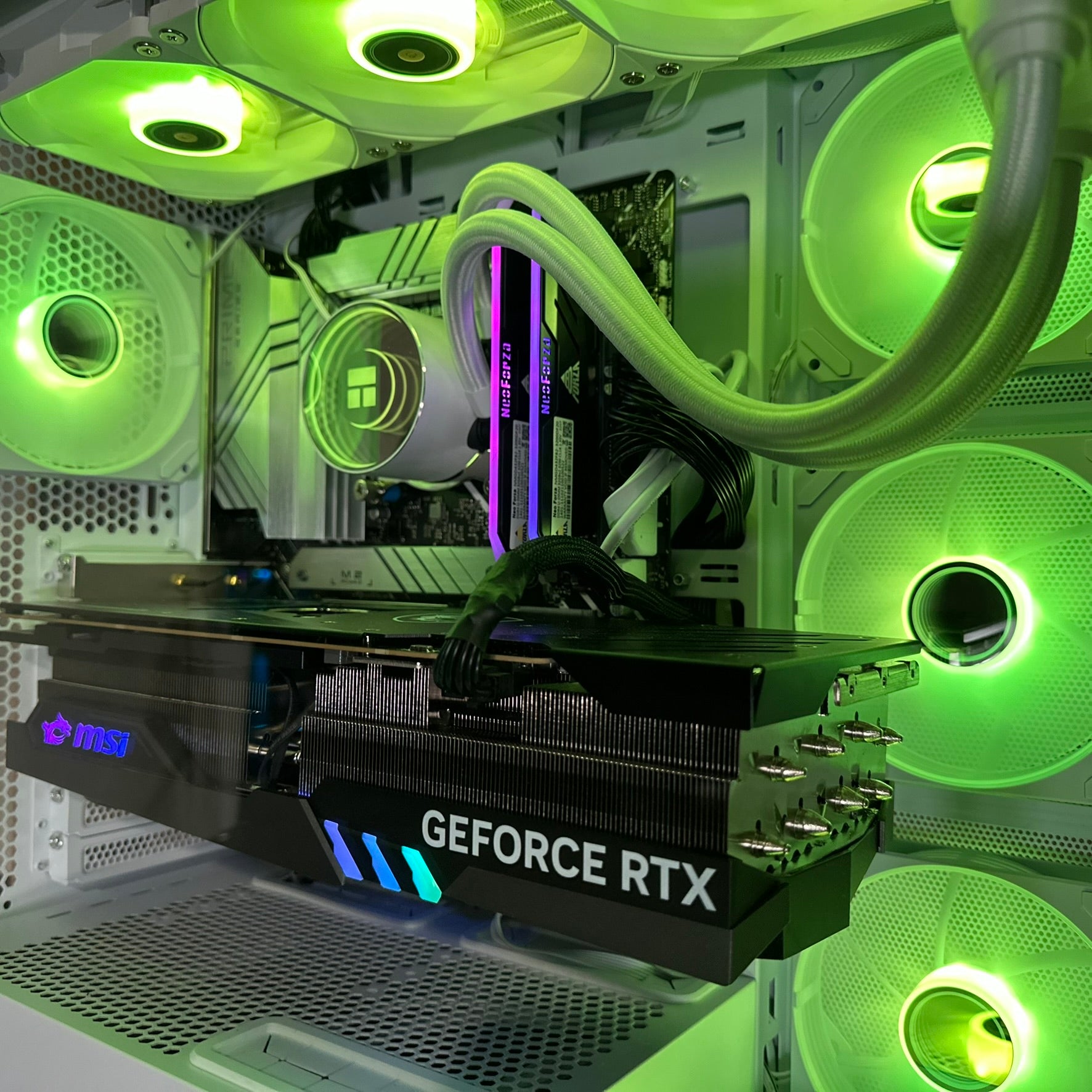
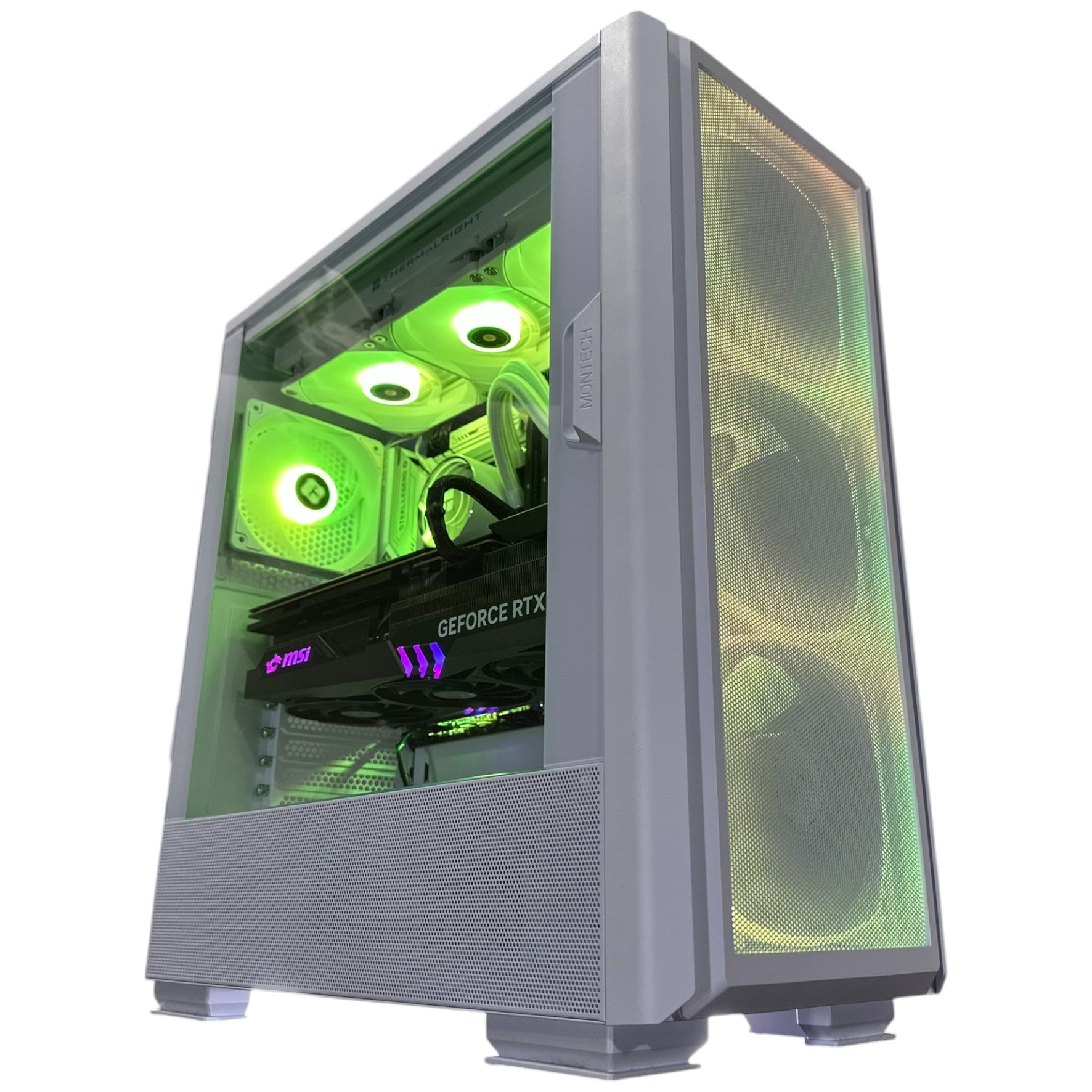
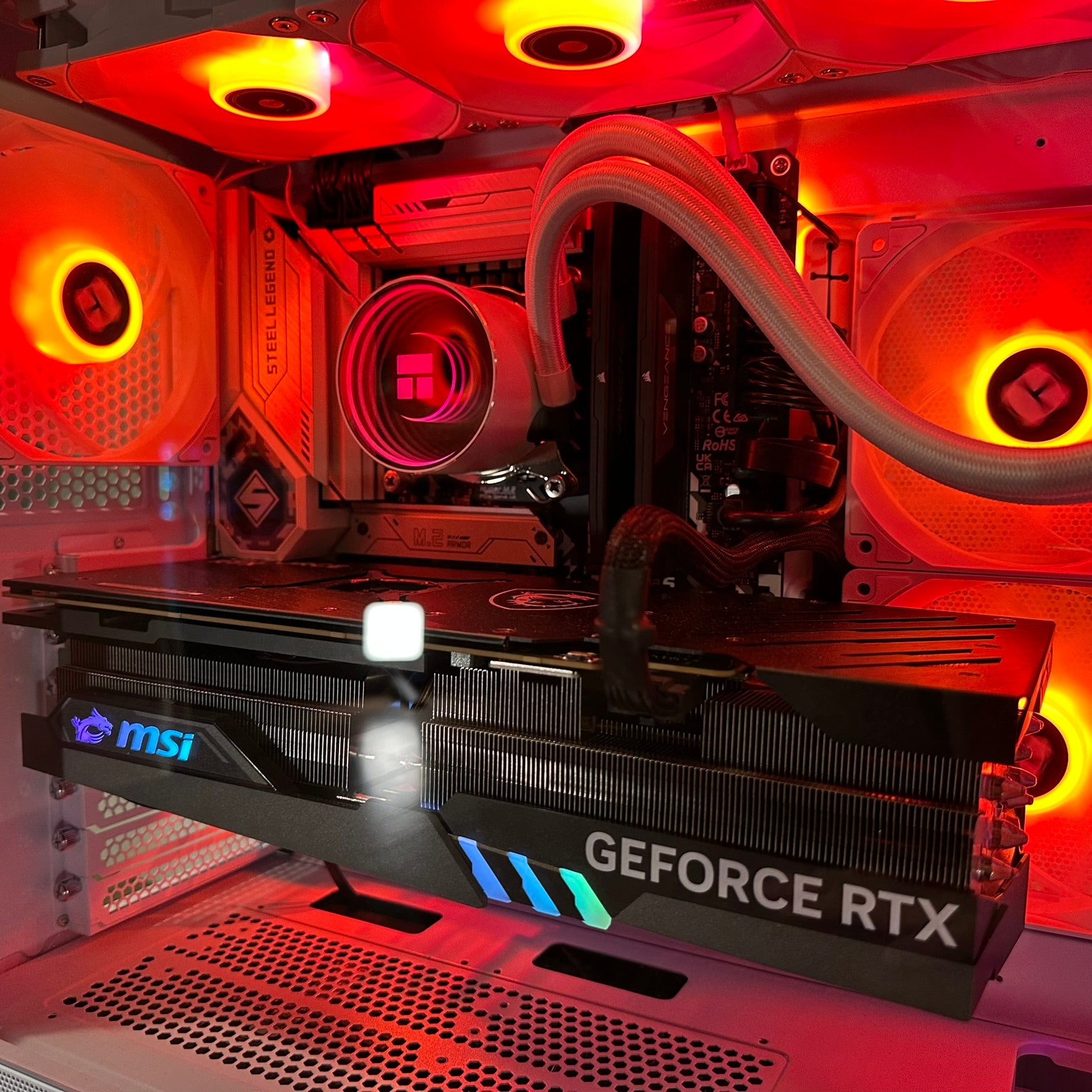
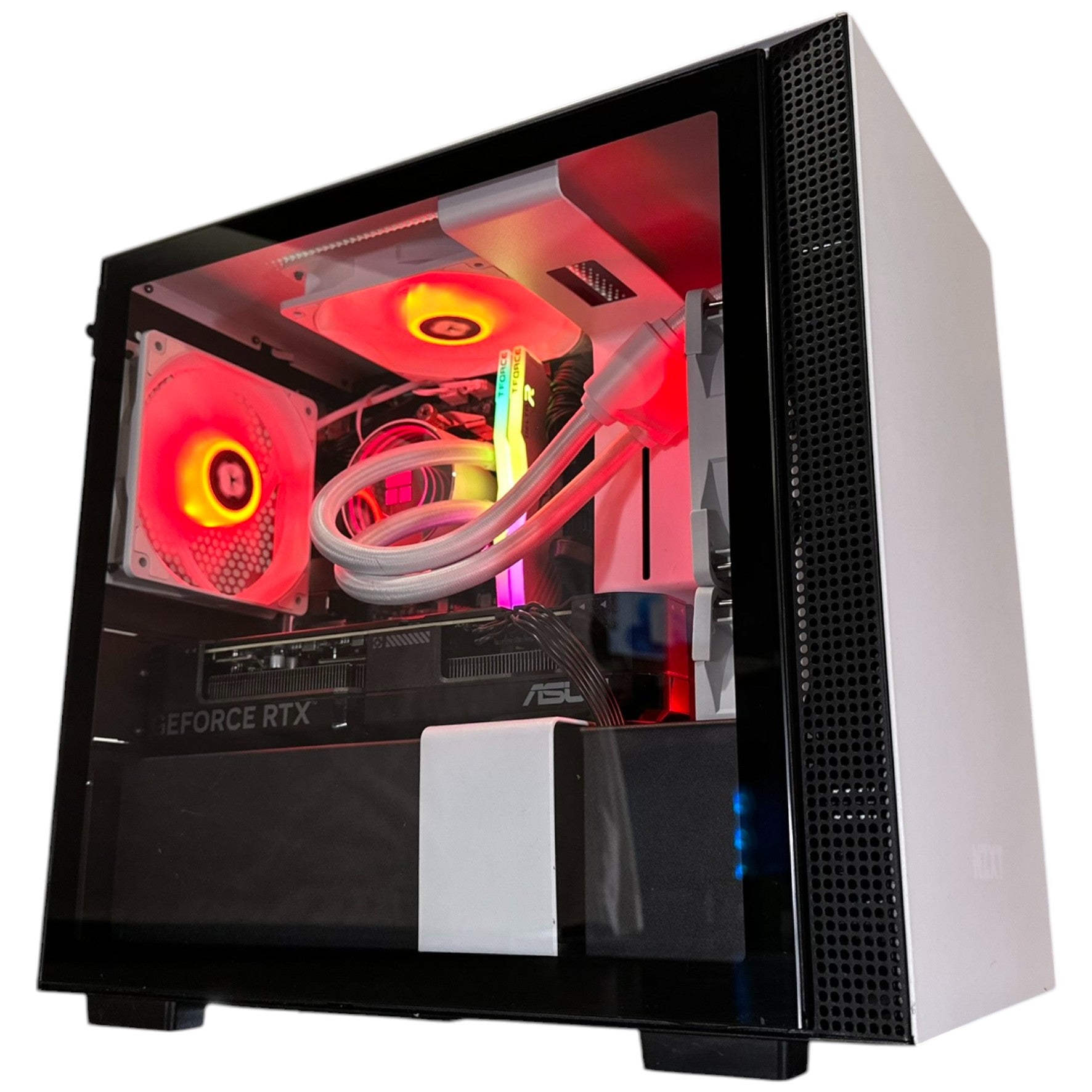
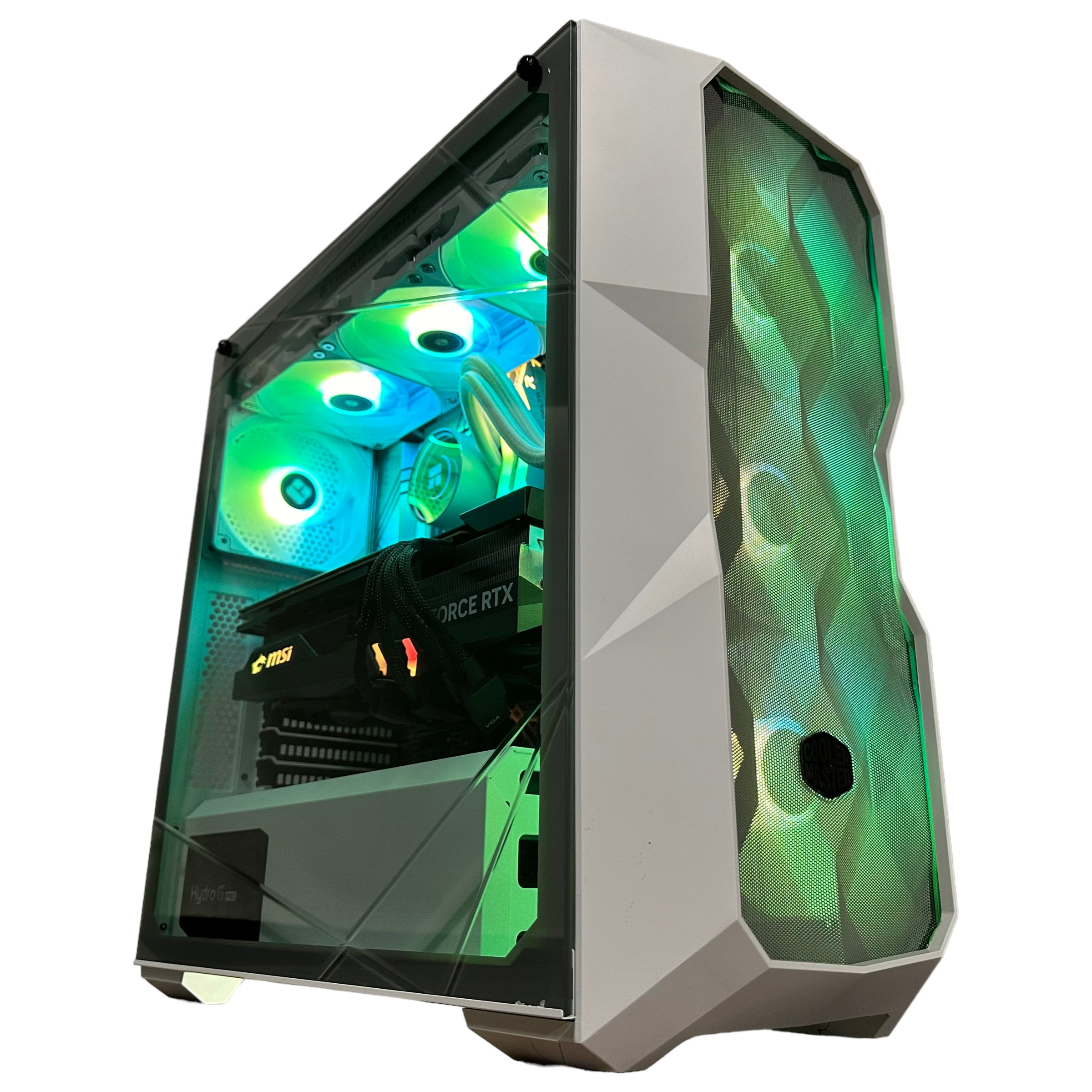
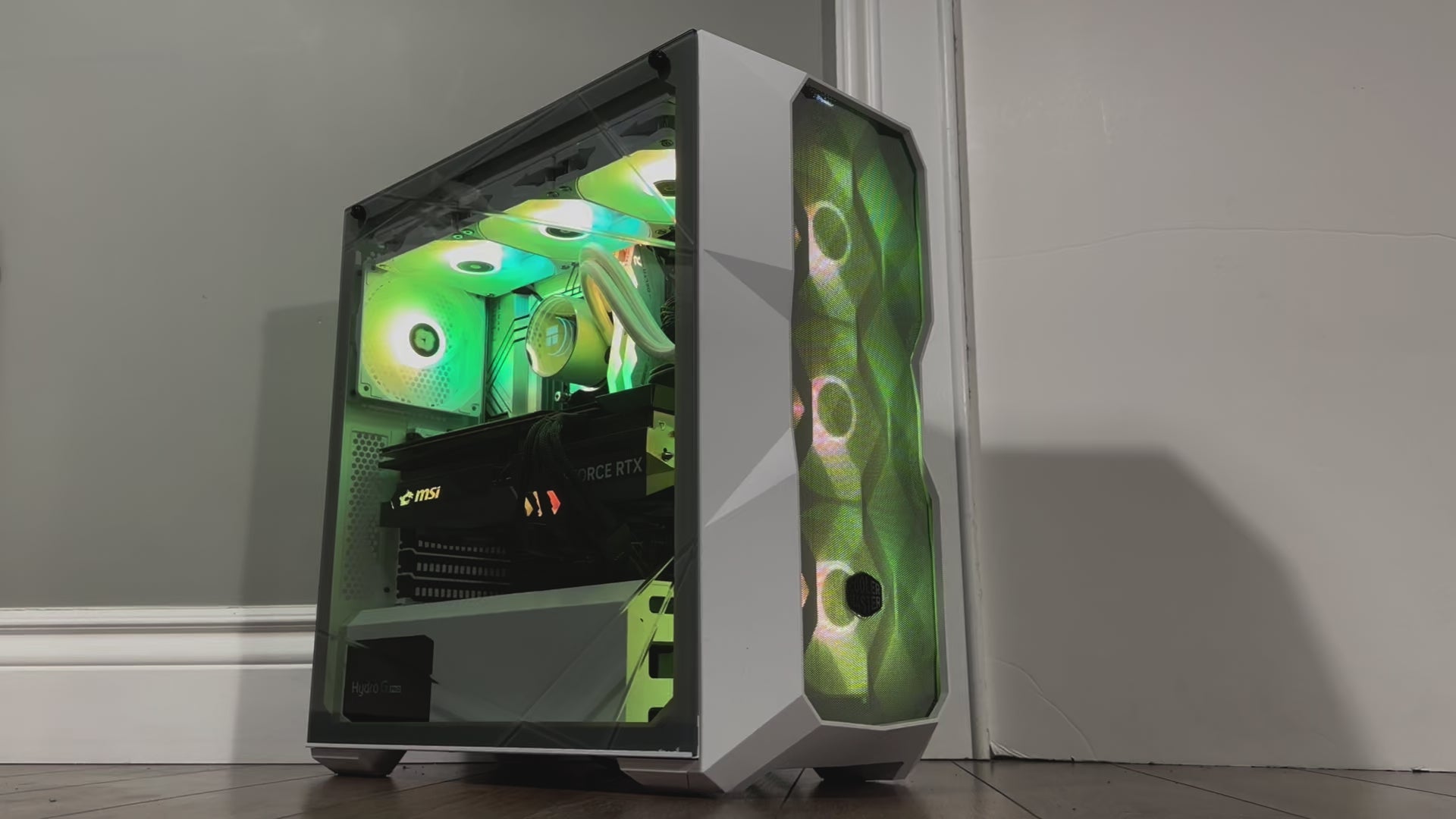
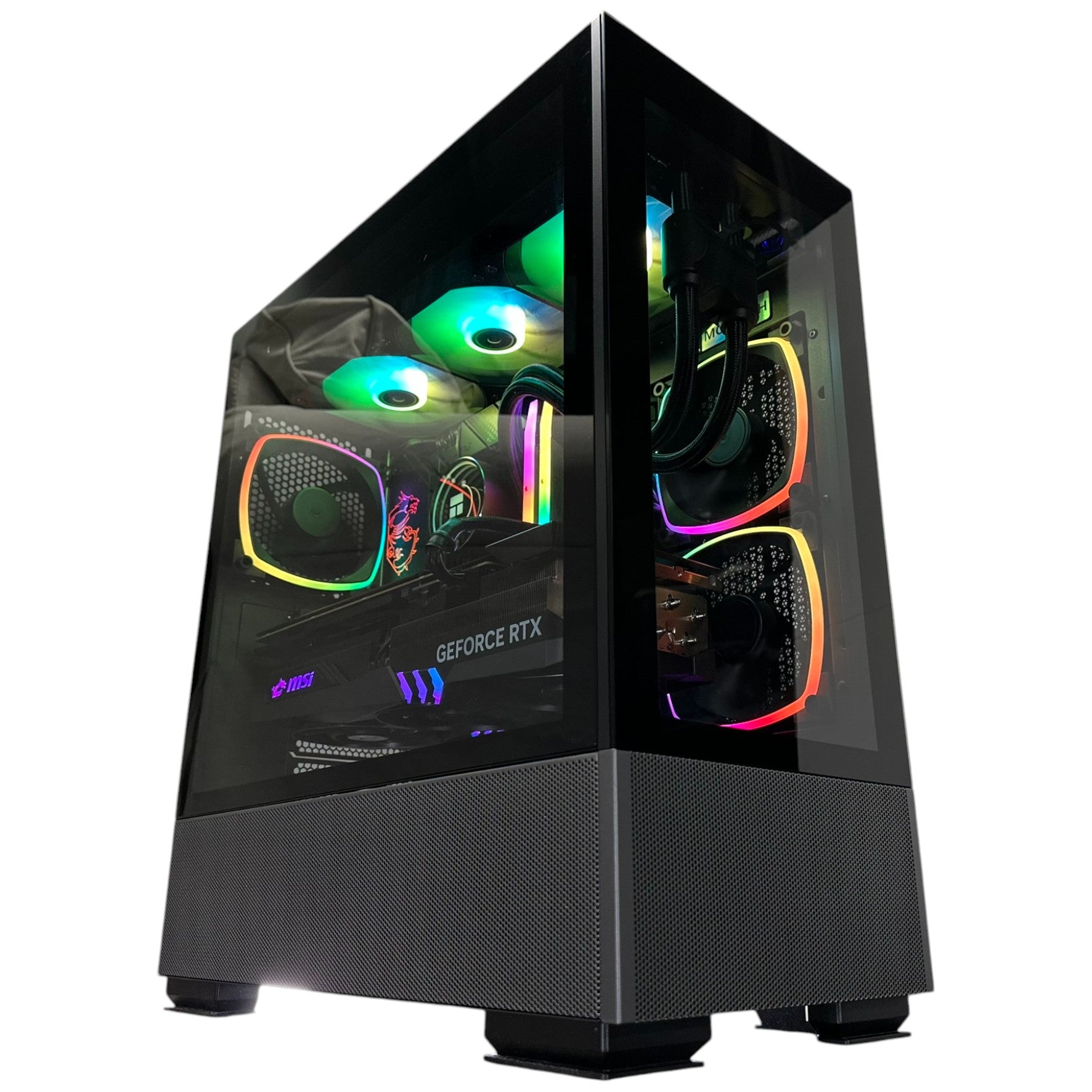
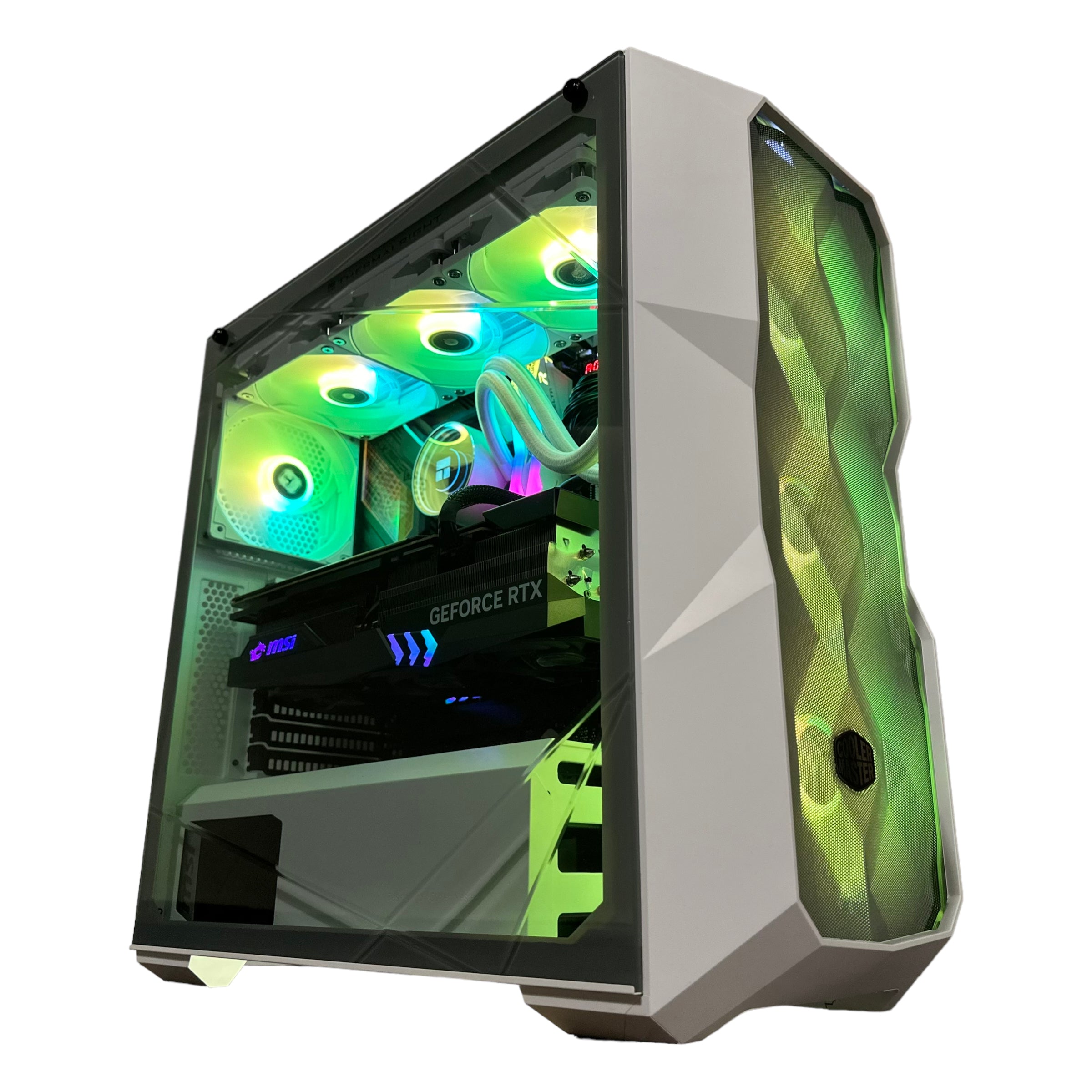
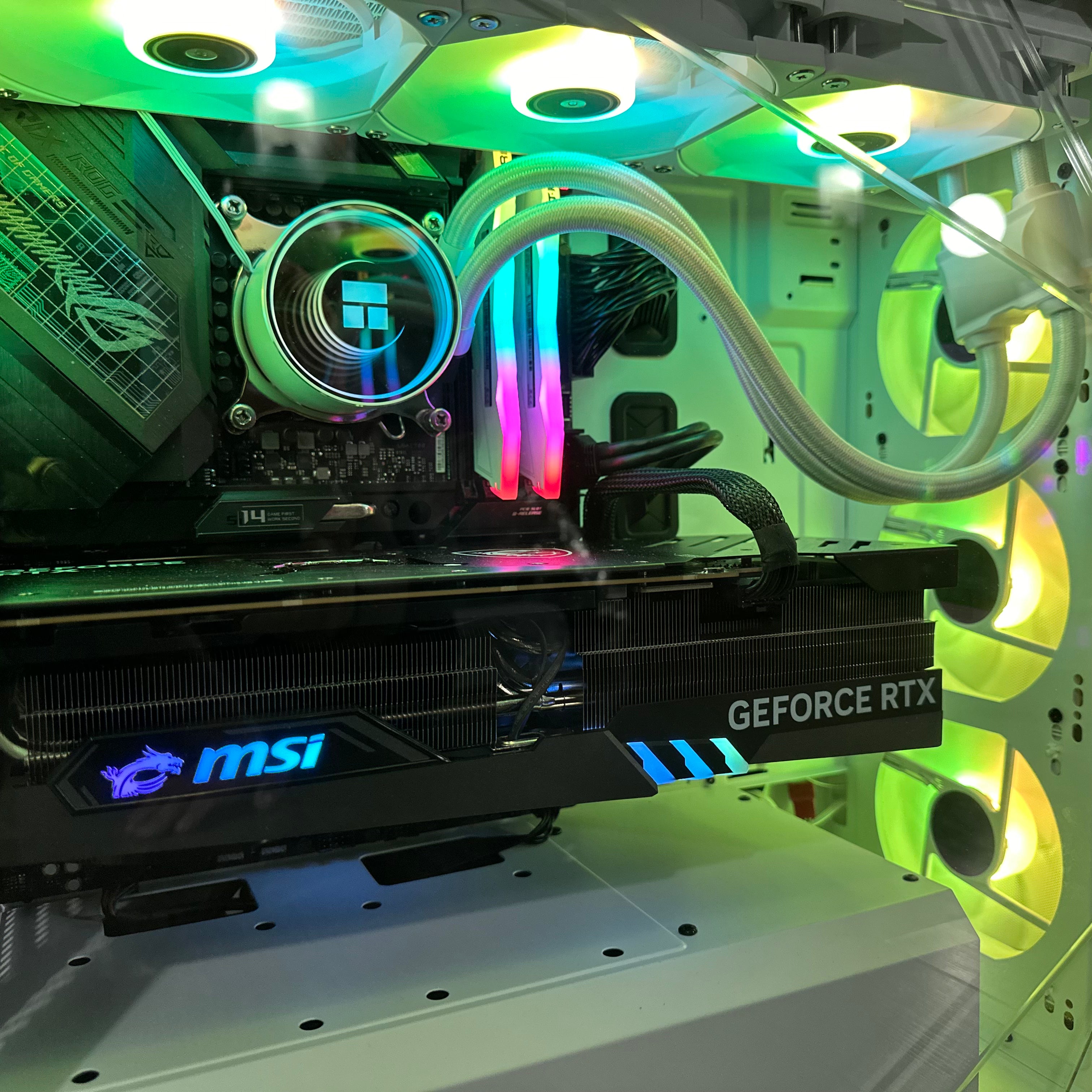
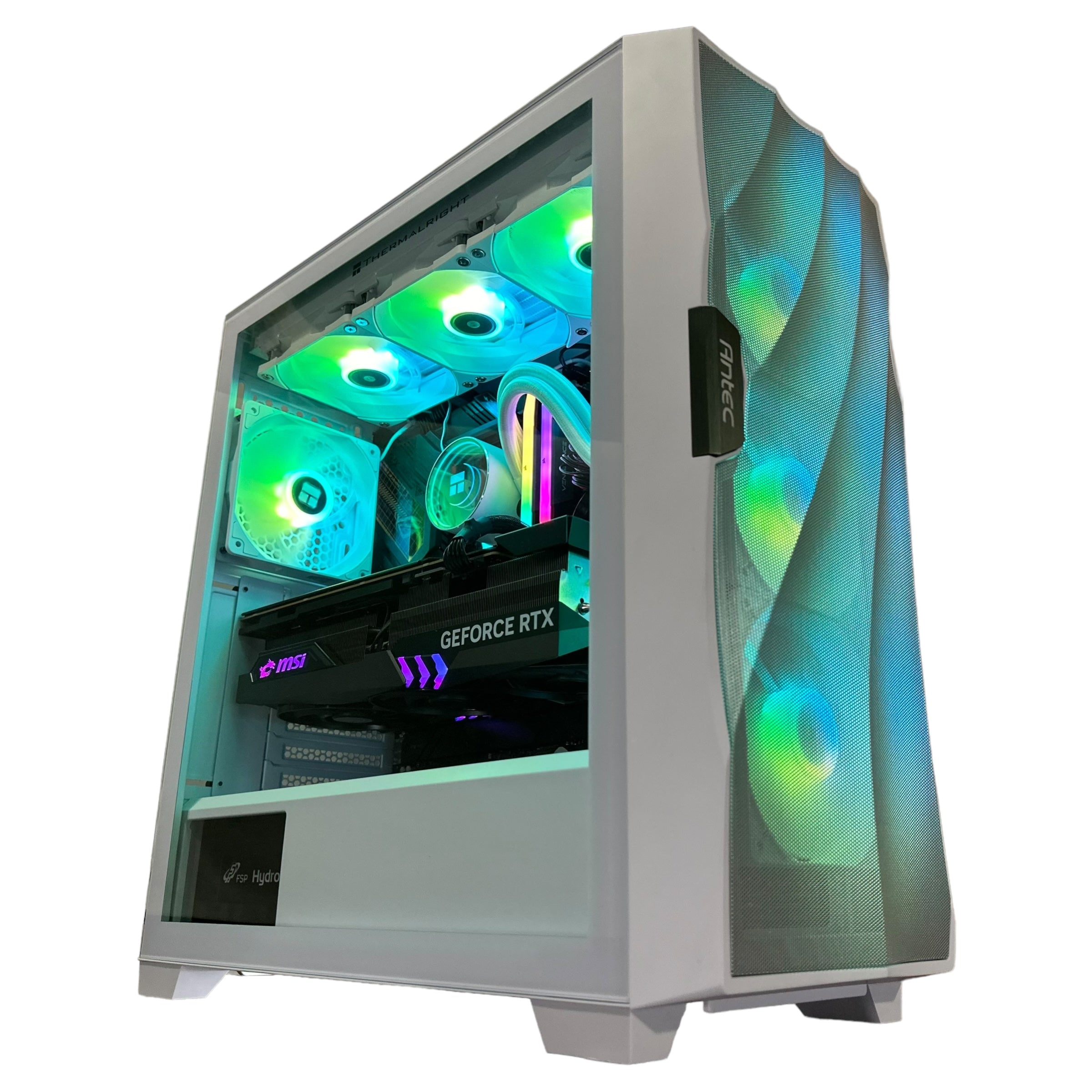
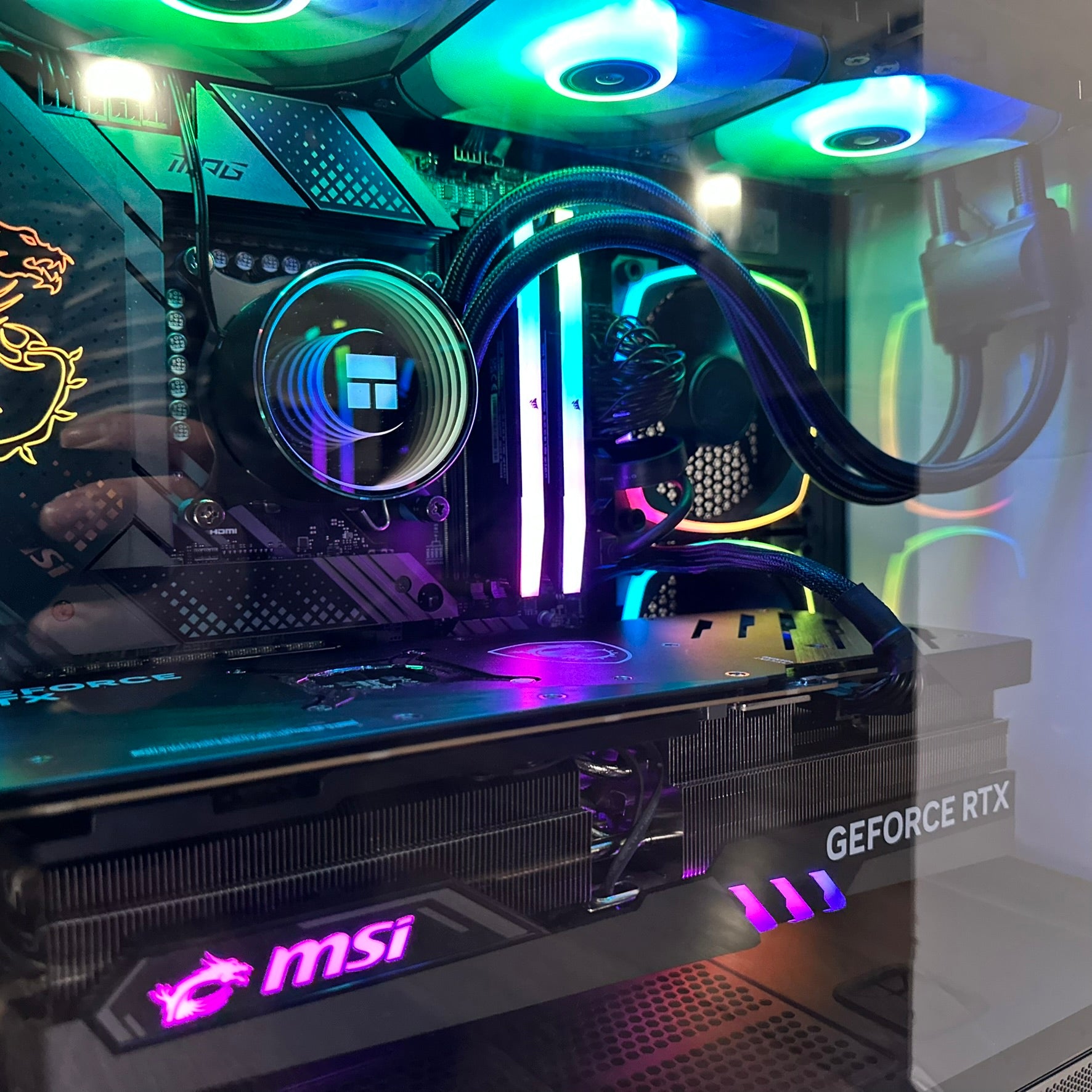
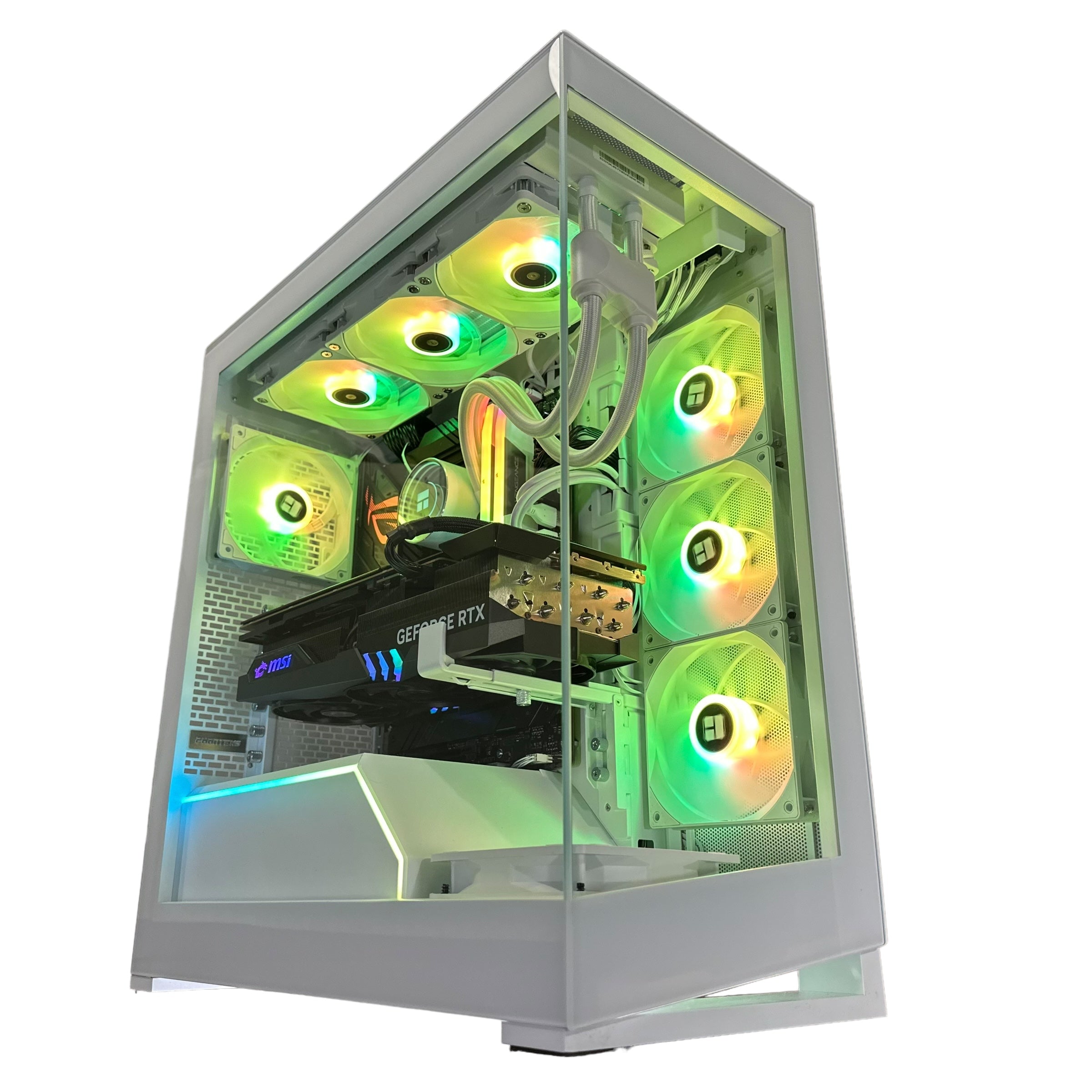
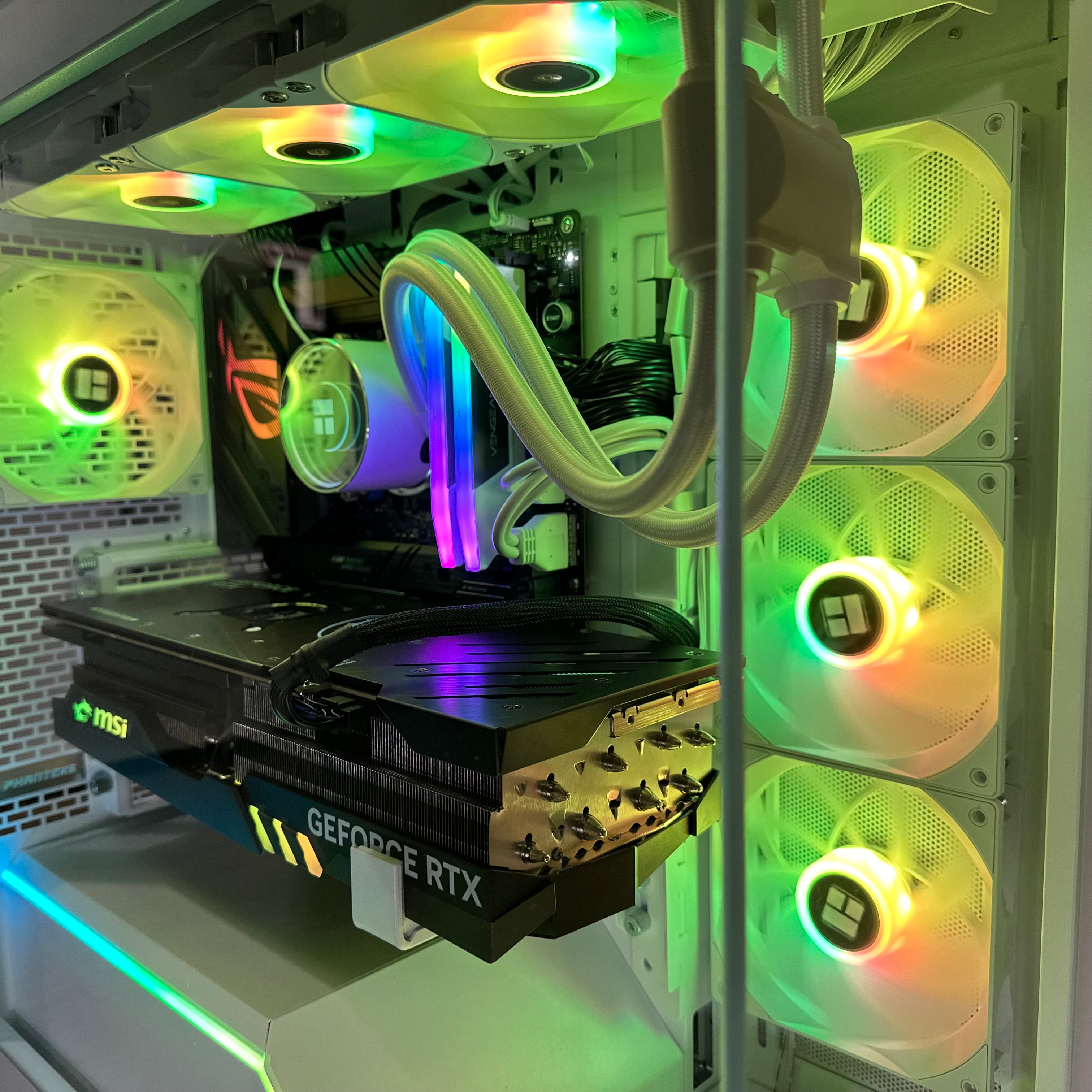
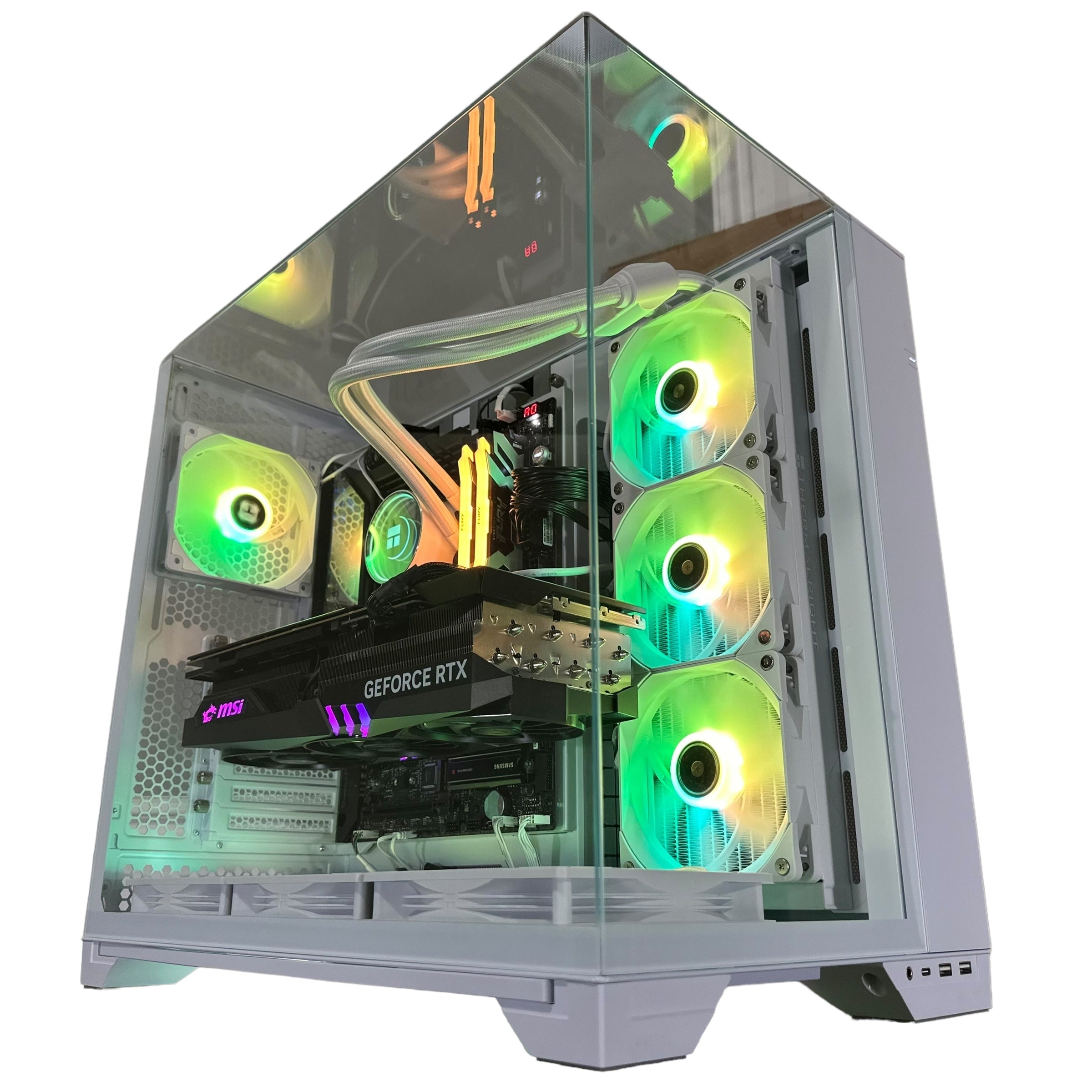
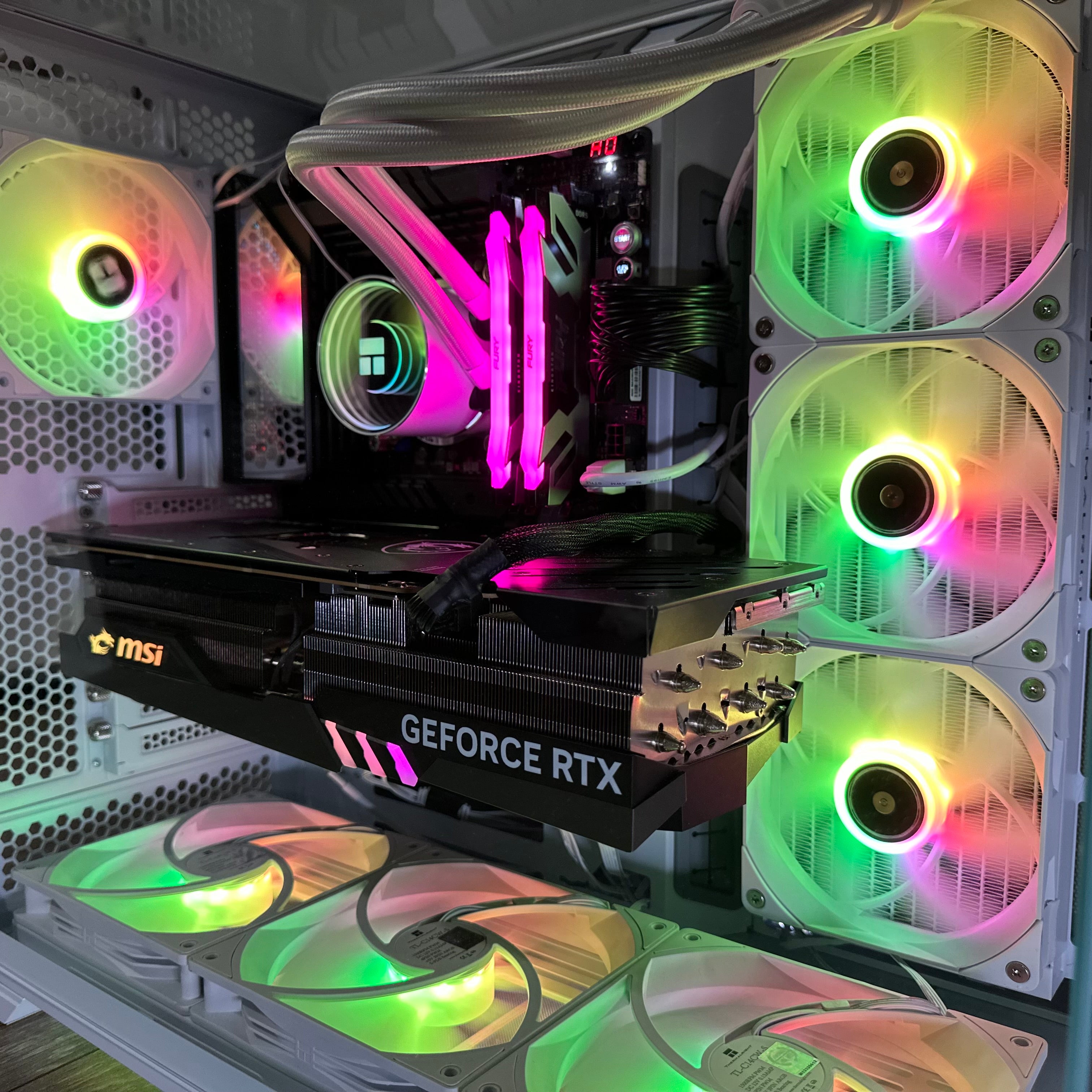
When gaming trends become more demanding and software workloads continue to expand, off-the-shelf generic systems become riskier purchases. A custom build allows better part balancing, smarter cooling, cleaner upgrade paths, and a system chosen for your real use case rather than for a one-size-fits-all shelf label.
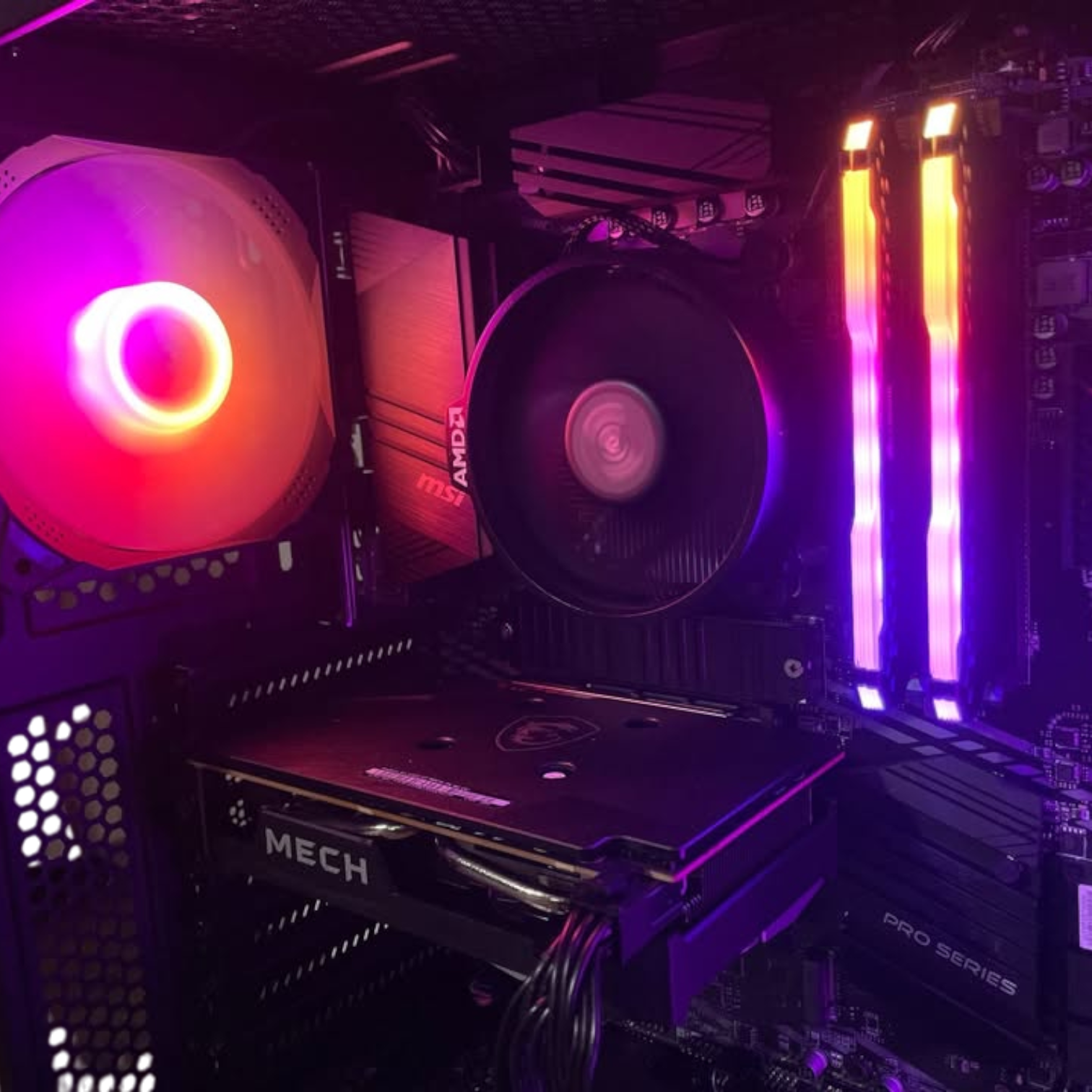
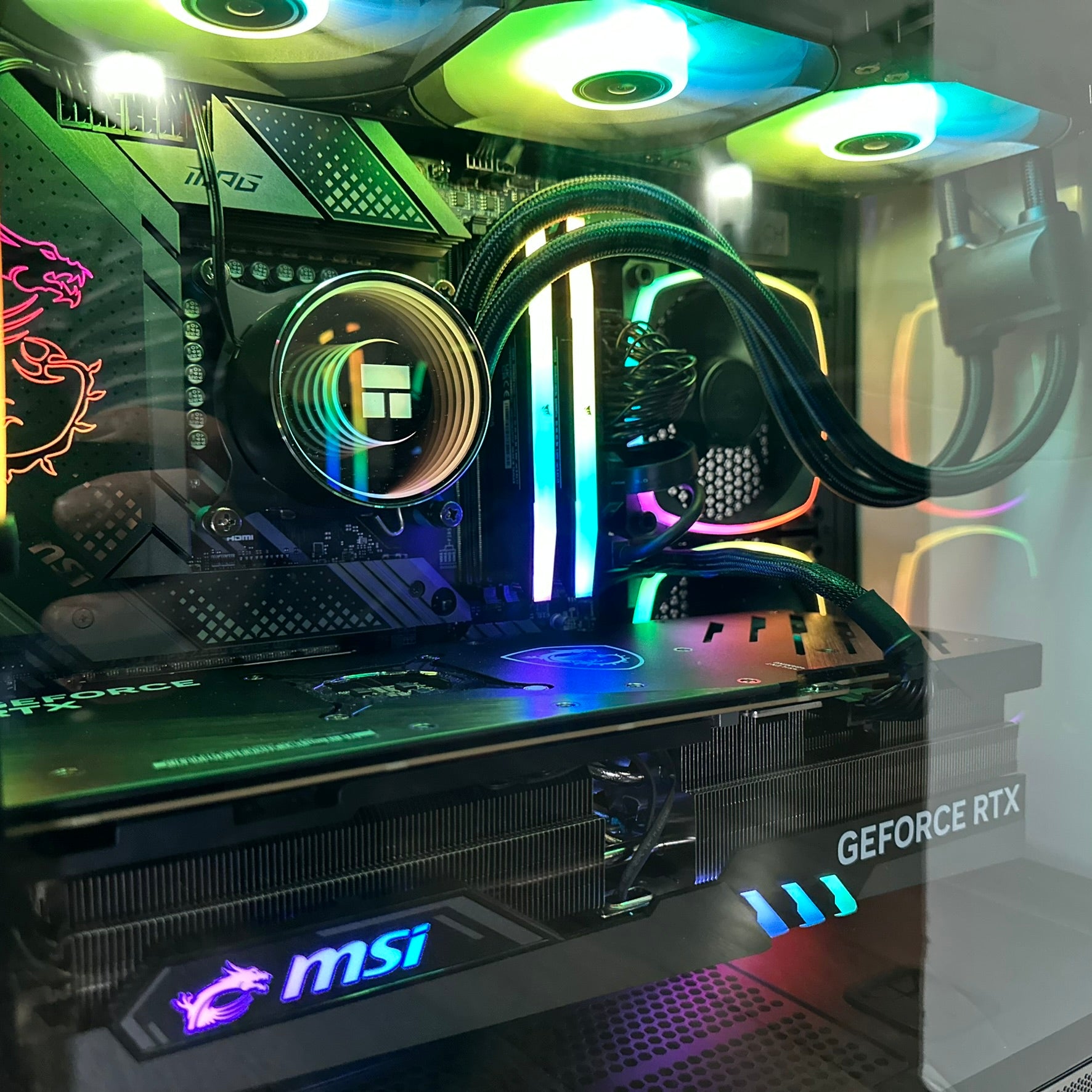
A strong custom PC builder Canada approach matters because real performance comes from how the whole machine works together. A flashy GPU paired with weak airflow, limited memory, poor storage planning, or an underpowered PSU can still leave buyers disappointed.
Custom builds also help avoid the common problem of overpaying in one area while underbuying in another. If your true target is 1440p gaming with streaming, or gaming plus Adobe work, or gaming plus Blender, the best configuration is almost never the same as the best gaming-only configuration.
Should you buy now or wait?
This is one of the most common questions Canadian buyers ask, and it is a fair one. Is it better to buy a gaming PC now or wait?
The answer depends on your workload urgency, your current system condition, and your tolerance for uncertainty. If your current PC is already struggling, if upcoming games are likely to raise your hardware expectations, or if your creative workload is costing you time, waiting may not actually help.
There is also the replacement-cost issue. If graphics cards, memory, SSDs, or premium system components rise again, the same budget may buy less performance later. For customers who already know they need a stronger machine soon, delaying can sometimes mean paying more for a weaker result.
Are you buying before a major game release? Before a busy school term? Before a client-heavy season for editing, design, or rendering work? Before your current machine fails at the worst possible time? Those are practical timing questions, not hype questions.
Could financing help you secure the right system before costs change?
For many households and professionals, the smartest move is not buying the cheapest possible system. It is securing the right system now and spreading the cost responsibly. That is why interest in gaming PC financing Canada and custom PC payment options keeps growing.
If a better GPU, more RAM, stronger CPU, or larger SSD would make your system last longer and perform better immediately, financing can make that upgrade practical without forcing you into a weak compromise. Groovy Computers offers financing options up to 4 years, which can help buyers secure a stronger custom system before replacement costs rise further.
Should you finance a gaming PC? That depends on your situation, but here is the useful way to think about it: if financing helps you avoid underbuying, reduces the chance of an early upgrade, and gets you into the performance class you actually need, it may be the more cost-effective path over time.
Would you rather buy a lower-tier machine today and feel boxed in next year, or choose a more capable build with monthly payments that better fit your long-term needs?
Which buyer should choose which kind of system?
Choose a value-focused gaming build if:
- You mainly play esports or lighter titles
- You are targeting 1080p
- You want a first gaming desktop or student-friendly option
- You are comfortable adjusting settings on future AAA games
Choose a stronger mainstream gaming build if:
- You want 1440p performance
- You play modern open-world and AAA games regularly
- You want better image quality and stronger frame consistency
- You want your system to age more gracefully
Choose a premium RTX gaming build if:
- You want high settings, ray tracing, and longer-term headroom
- You are targeting high refresh 1440p or 4K
- You expect future blockbuster games to be part of your library
- You would rather invest once than upgrade too soon
Choose a creator or workstation build if:
- You edit video, work with Adobe apps, or handle large photo libraries
- You stream and edit from the same machine
- You use Blender, Unreal Engine, CAD, or rendering software
- You earn money from your PC and need reliability as much as speed
What should you ask before ordering your next custom PC?
Before you move ahead, ask yourself a few clear questions:
- What games or software will I actually use most?
- What display resolution and refresh rate am I targeting?
- Will I stream, edit, render, or multitask heavily?
- Do I want a system that is “good enough,” or one that avoids near-term upgrades?
- Would financing help me get the right build instead of settling for a weaker one?
- Do I want the confidence of a custom system that is built, stress tested, and backed by warranty support in Canada?
Why Groovy Computers is a smart fit for Canadian buyers right now
Groovy Computers is positioned for the buyer who wants more than a generic box with a flashy spec sticker. As a Canadian custom builder, Groovy Computers helps customers match their system to how they actually plan to use it, whether that means gaming, streaming, editing, creator workflows, or workstation-class performance.
That matters when hardware decisions are getting more expensive and game expectations are getting higher. A properly planned custom build gives you clearer value, fewer mismatched parts, and a better chance of avoiding upgrade regret. It also means rigorous testing, cleaner configuration choices, and the confidence of a 1-year warranty.
Whether you are in Nova Scotia, Atlantic Canada, or ordering from elsewhere in the country, many buyers want the same thing: a reliable Canadian-built system, honest guidance, and performance that matches real-world use.
Need help deciding what your next PC should actually be?
If the Last Sentinel story has you thinking about where modern gaming is headed, this is the right time to ask a practical question: what do you want your next PC to be ready for? A few upcoming releases, a jump to 1440p, a move into streaming, faster video exports, smoother Photoshop work, or a better Blender workflow can all justify a smarter build today.
If you are unsure whether you need a budget gaming desktop, a premium RTX setup, a creator machine, or a workstation, Groovy Computers can help you choose a system that fits your goals without guesswork. Explore your options at GroovyComputers.ca if you want a custom gaming PC, creator PC, or workstation built for Canadian buyers who care about performance, reliability, and timing.
Final takeaway: the headline is about a game, but the lesson is about preparedness
The reported Last Sentinel collapse reflects how difficult and costly modern game development has become, but for buyers the bigger lesson is simpler: future-facing games and workloads are not getting lighter. They are getting larger, more complex, and more demanding. That is why choosing the right Gaming PC Canada solution now can be a smarter move than waiting for your current system to fall behind.
If you already know you want better gaming performance, smoother streaming, faster editing, or more dependable workstation power, it may be time to stop asking whether hardware demands are rising and start asking what kind of machine will keep you ready for what comes next.
#GamingPCCanada #CustomGamingPCCanada #GamingPCBuilderCanada #GamingPCForNewGames #1440pGamingPCCanada #4KGamingPCCanada #StreamingPCCanada #VideoEditingPCCanada #ContentCreationPCCanada #3DModelingPCCanada #CanadianCustomPCBuilders #NovaScotiaBusiness
Groovy Computers | All Rights Reserved


Leave a comment
This site is protected by hCaptcha and the hCaptcha Privacy Policy and Terms of Service apply.