
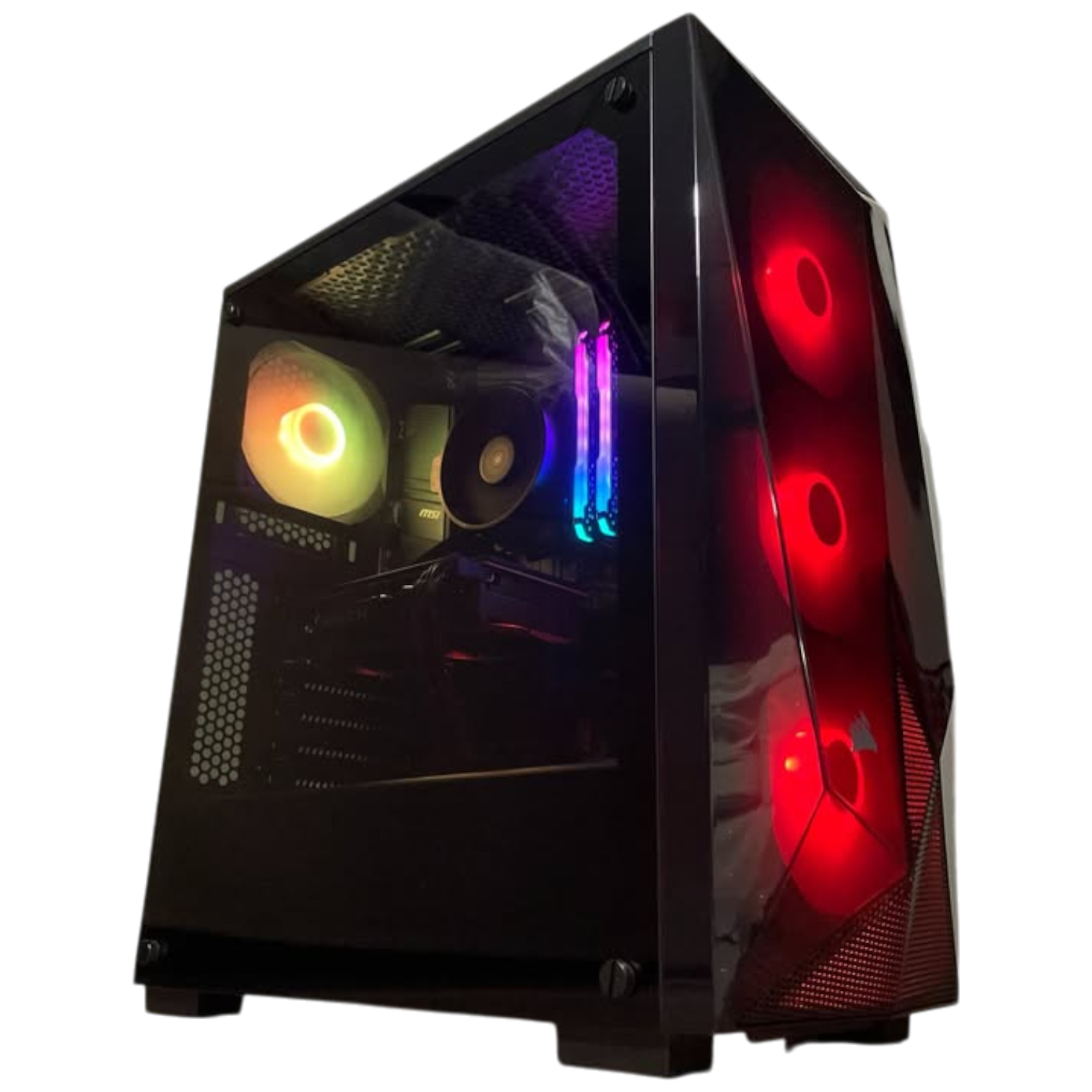
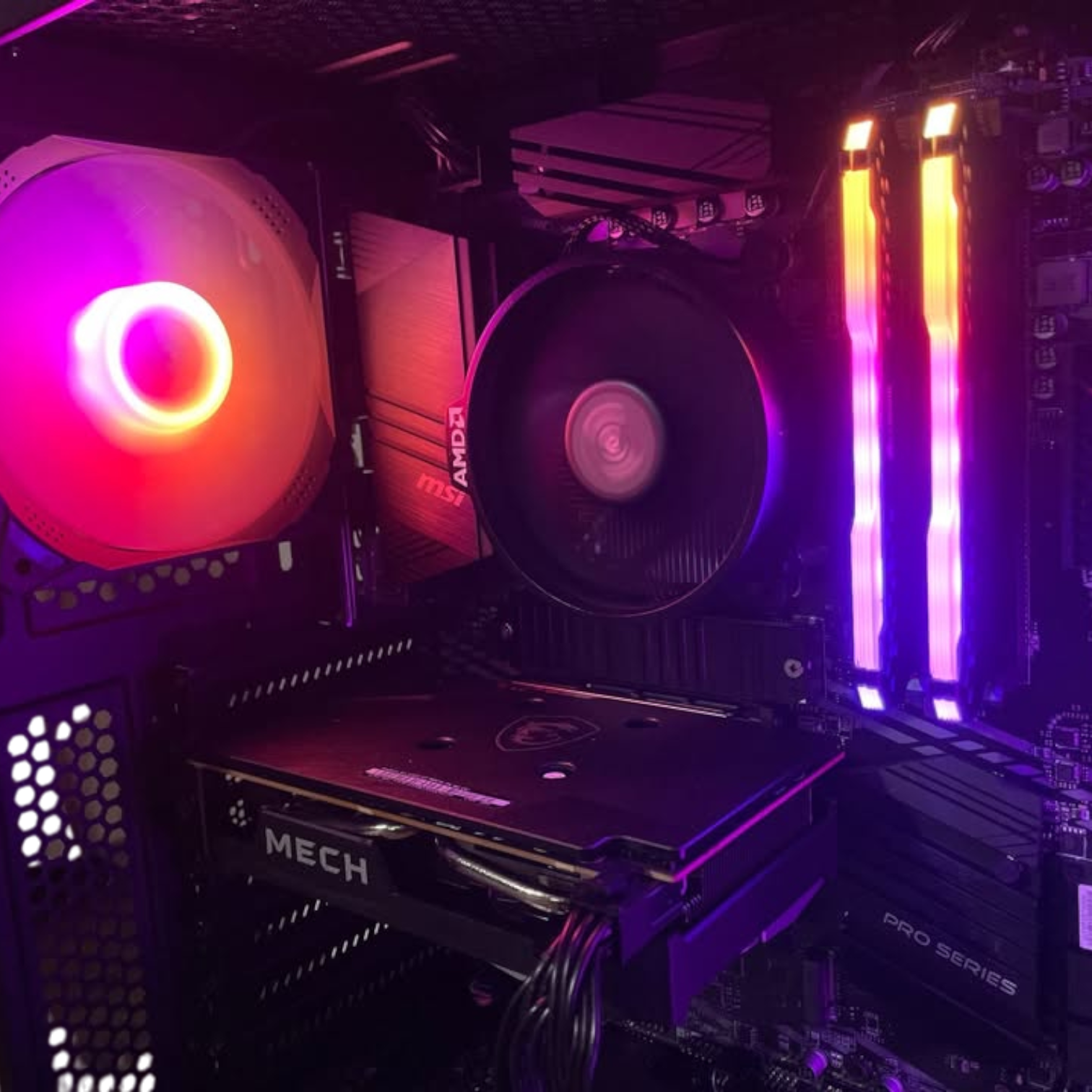
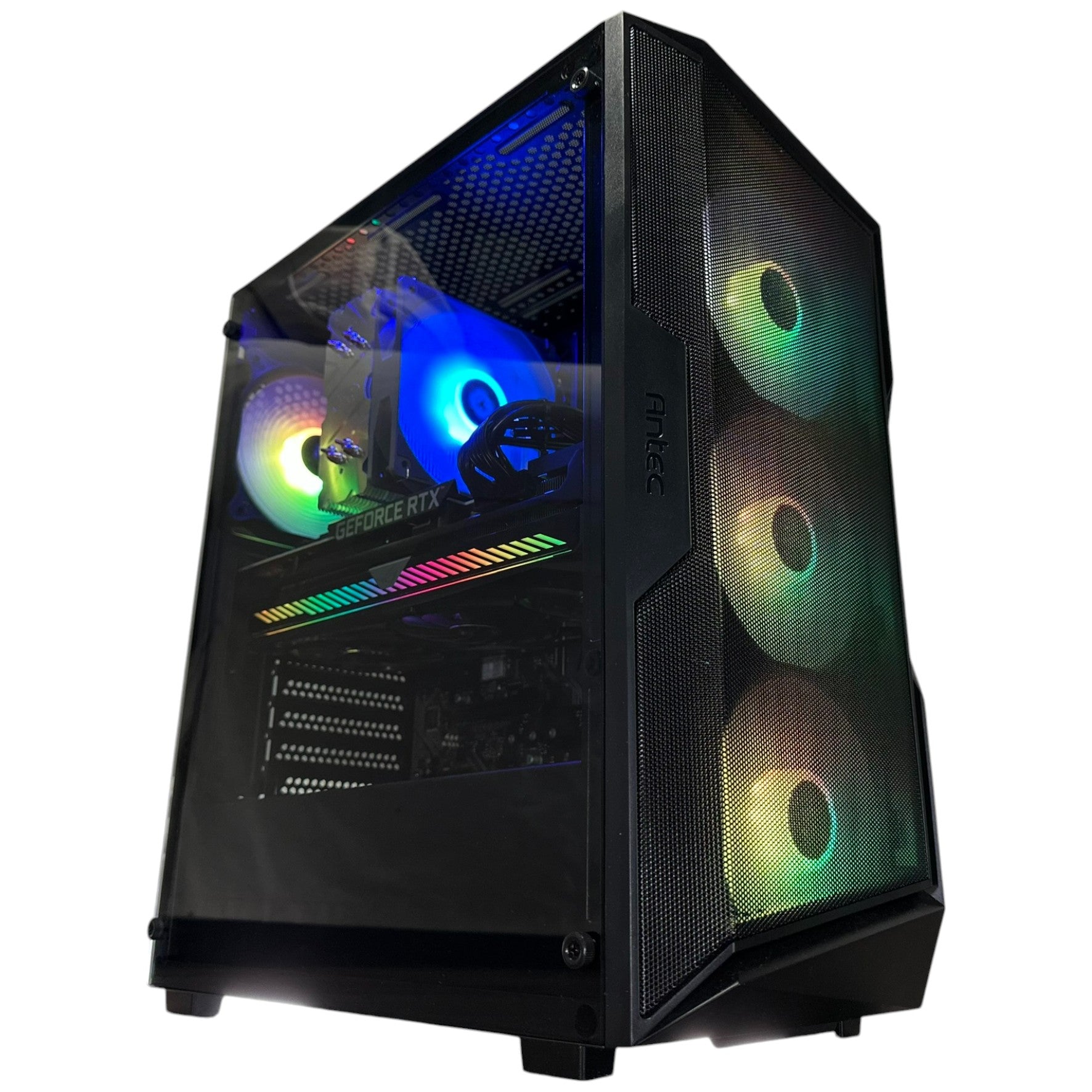
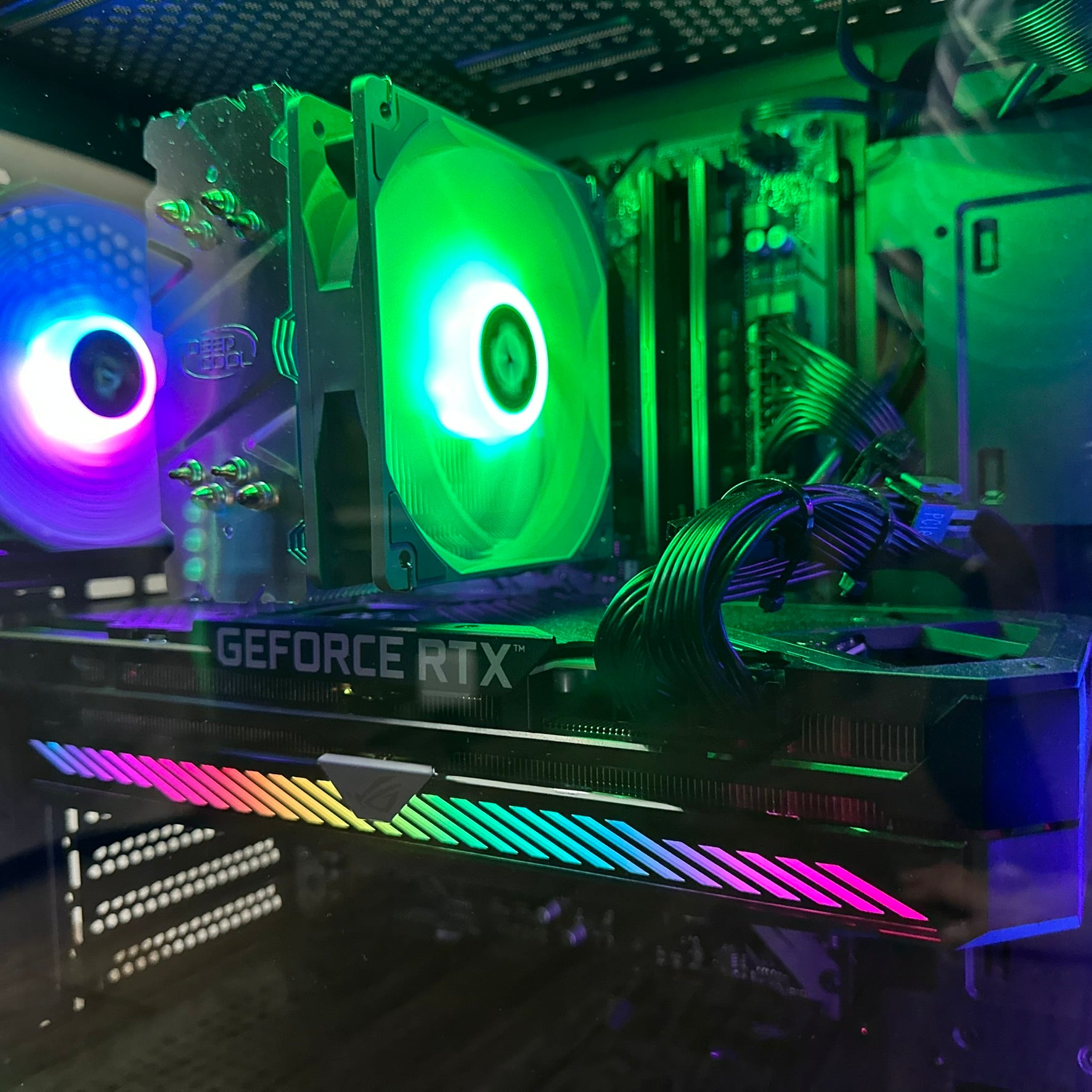





Resident Evil Sales Surge: Why 23 Million Units in One Year Matters for Your Next Gaming PC in Canada
The latest Resident Evil games selling 23 million units in a single year is more than a big headline for horror fans. It is a clear signal that major franchise gaming demand remains strong, visually ambitious titles still drive hardware upgrades, and more players are asking the same practical question: is my current PC ready for the next wave of AAA games? For Canadian buyers, this matters because when blockbuster series stay hot, demand for better GPUs, faster CPUs, more memory, and stronger storage does not stay theoretical for long. It turns into real buying pressure.
For Groovy Computers, this kind of gaming news is the perfect reminder that choosing the right system is not just about one title. It is about buying a custom PC that can handle modern horror games, cinematic action games, competitive multiplayer titles, streaming, content creation, and future releases without forcing you into another upgrade too soon.
Why are Resident Evil sales such a strong indicator for PC buyers?
When a franchise moves 23 million units in a year, it shows sustained interest across both longtime fans and new players. That level of momentum usually means more discussion around performance, visual quality, ray tracing, frame rates, and whether PC is the best place to play. It also means people revisit older entries, try remakes, and start planning for whatever comes next.
If you are reading about a franchise this successful, what are you really wondering next? Are you thinking about smooth 1080p gameplay on high settings? Do you want a 1440p setup that makes dark environments, lighting effects, and texture detail look dramatically better? Or are you aiming for a premium experience with high refresh gaming, ultra settings, and the headroom to enjoy upcoming AAA releases without compromise?
That is where a smart buying guide matters. Massive game sales often push more buyers into the market at the same time, and the people who plan ahead usually make better long-term purchases than the ones who wait until a major release window, sale rush, or GPU shortage.
What the source story gets right about gaming demand
The biggest takeaway is simple: popular game franchises still move hardware decisions. Resident Evil is not just surviving as a brand. It is thriving. Strong sales on this scale mean horror gaming is mainstream, premium visual presentation matters, and players are willing to spend money where the experience feels strongest.
That affects custom PC buyers in several ways:
- Higher visual expectations: more players want better textures, lighting, effects, and smoother gameplay.
- Longer game libraries: fans often want one system that can run older Resident Evil entries, remakes, newer titles, and other AAA games.
- Streaming and content creation growth: horror games are highly watchable, which drives demand for gaming and streaming systems.
- Upgrade urgency: when players realize how many modern games they want to catch up on, older PCs suddenly feel much older.
That last point is especially important. A lot of customers do not upgrade because of one single game. They upgrade because one news story reminds them how many high-demand titles they are missing, how many settings they have turned down, or how often their current machine stutters, overheats, or runs out of storage.
Why should Canadian PC buyers think differently right now?
Canadian buyers face a different market reality than many generic gaming articles acknowledge. Pricing pressure in Canada can feel sharper because exchange rates, freight costs, hardware allocation, and seasonal demand can all affect full-system costs. Even when individual component prices look manageable, the total cost of rebuilding around a stronger GPU, larger SSD, newer CPU platform, and adequate cooling can rise quickly.
That is why a custom-built solution matters. Instead of guessing which part to upgrade first, you can choose a balanced gaming system that is designed for the way you actually play. At Groovy Computers, that means thinking beyond a spec sheet and asking the right practical questions first.
Are you mainly playing story-driven AAA games? Do you also play esports titles on the side? Do you want your machine to handle OBS, Discord, browser tabs, mods, and recording at the same time? Are you in Nova Scotia, elsewhere in Atlantic Canada, or ordering from across the country and looking for a Canadian custom PC builder you can trust?
What do you want your next PC to do for you?
This is the most important question in the entire buying process. Before you focus on parts, model numbers, or price tiers, define the experience you actually want.
Do you want a system that simply runs modern games at respectable settings without breaking your budget? Do you want a machine that plays the latest horror and action titles at 1440p with strong frame rates and visual quality? Do you want something powerful enough for ray tracing, streaming, video editing, and future games without feeling outdated next year?
Your answer changes everything.
- If your goal is entry-level to mid-range gaming, you need value, stability, and enough GPU power for today’s games at 1080p or entry 1440p.
- If your goal is high-refresh 1440p gaming, you need a more serious GPU, a stronger CPU, faster RAM, and better cooling.
- If your goal is 4K or ultra settings gaming, you need premium graphics power and a build designed for sustained performance.
- If your goal is gaming plus streaming or editing, you need more CPU threads, more RAM, and the right storage layout.
- If your goal is gaming plus creator work, the best choice may not be a basic gaming tower at all. You may need a custom creator PC or workstation-style build.
Too many buyers start by asking what the cheapest machine is. A better question is this: what machine will still make sense for me a year or two from now?
What gaming performance tier fits you best?
Not every player who reads about Resident Evil sales needs the same type of desktop. The right system depends on your resolution, settings expectations, game mix, and whether gaming is your only workload.
Budget-minded gaming tier: good for 1080p players
If you mainly want to enjoy modern games at 1080p with solid settings, a budget-friendly custom build can still make a lot of sense. This is often the best path for first-time PC gamers, students, or players moving from a console and looking for flexibility without overspending.
Ask yourself: are you happy with strong 1080p performance, or do you already know you will want 1440p soon? If you buy too close to the minimum now, will you end up replacing the GPU earlier than expected?
A good entry gaming system should still give you responsive gameplay, fast boot times, enough SSD space for a growing library, and a realistic upgrade path. Cheap does not have to mean disposable, but it does need to be planned properly.
Mainstream sweet spot: ideal for 1440p gaming
For many Canadian buyers, 1440p is the real target. It offers a clear visual jump over 1080p without demanding the same level of investment as premium 4K gaming. This tier is often the best value for players who want modern AAA games to look impressive while maintaining strong frame rates.
If you love horror games, cinematic single-player experiences, and richly lit environments, 1440p is often where a custom gaming PC starts to feel truly next-generation. It gives textures, shadows, fog effects, and environmental detail more room to breathe.
Is this the tier where you stop worrying about compromise and start enjoying your library the way it was meant to be seen? For many buyers, yes.
Premium tier: for 4K, ray tracing, and long-term headroom
If you want ultra settings, heavy visual effects, stronger ray tracing support, and enough power for future game releases, a premium system is the right category to explore. This is the tier for buyers who do not want to ask whether they can run a game well. They want confidence going in.
But premium buying requires discipline. Are you buying high-end performance because you will actually use it, or because you are afraid of being left behind? If you have a 4K display, want top-tier image quality, or plan to keep your PC for years, this category makes sense. If not, a well-balanced 1440p system may deliver much better value.
What if you want to stream horror games or record content too?
Resident Evil is the kind of franchise that naturally feeds streaming, reaction content, walkthrough videos, challenge runs, and highlight clips. If that sounds like your use case, your system requirements immediately change.
A gaming-only desktop and a gaming-and-streaming desktop are not always the same thing. Streaming adds CPU and memory demands, while recording and editing footage adds storage, export, and multitasking pressure. If you are using OBS, running voice chat, monitoring chat on a second display, and capturing gameplay at the same time, a weak all-purpose build can start to feel cramped quickly.
So what should you ask yourself?
- Do you want to stream at 1080p while keeping gameplay smooth?
- Are you recording long sessions and storing large video files?
- Will you edit clips for YouTube, TikTok, or short-form content after you play?
- Do you want one PC that handles gaming, streaming, and editing without constant compromises?
If the answer is yes, you may be better served by a stronger custom creator or streaming-capable gaming PC than a basic entry gaming tower.
Can a Resident Evil fan also need a creator PC or workstation?
Absolutely. Plenty of customers start with gaming in mind, then realize their desktop also needs to handle Adobe Creative Cloud, Photoshop, Premiere Pro, DaVinci Resolve, Blender, or other demanding software. If you are buying one machine for both entertainment and productivity, the smartest choice is usually the one that saves you from buying twice.
Maybe you are a streamer editing thumbnails and videos. Maybe you are a designer who games after work. Maybe you are a student who wants a system for class projects, media creation, and AAA games. Maybe you are exploring Unreal Engine, 3D assets, or content creation on the side.
That is why Groovy Computers does not treat every customer as just a gamer. Some buyers need:
- A gaming and streaming PC for gameplay, capture, and live broadcasting
- A creator PC for editing, design, social content, and multitasking
- A video editing PC for smoother timelines and faster exports
- A 3D modeling workstation for Blender, rendering, and asset creation
- A professional workstation for heavier productivity or mixed technical workloads
If you are already asking whether one system can do it all, that is usually a sign you should avoid bottom-tier hardware.
Is it better to buy now or wait?
This is one of the most common questions in PC buying, and gaming headlines like this one make it even more relevant. When major franchises stay hot, more gamers return to the market, more streamers build content around them, and more people start shopping for stronger systems around the same time.
Waiting can sometimes work out. But waiting can also mean:
- paying more if GPU or memory pricing shifts upward
- missing a release window you were excited about
- settling for weaker hardware because stronger tiers move further out of budget
- being forced into a rushed purchase when your current PC finally becomes too frustrating
So what is your real timeline? Are you buying before a major game release? Before back-to-school demand picks up? Before holiday shopping compresses availability? Before your editing workload grows? Before your current machine starts failing at the worst possible moment?
The best time to buy is often when you can still choose calmly, compare tiers properly, and secure a system that fits your needs instead of panic-buying around a deadline.
How does pricing volatility affect full-system decisions?
Many buyers focus only on the graphics card, but real PC cost pressure is broader than that. GPU demand gets the headlines, yet CPUs, RAM, SSDs, cooling, power supplies, and even case availability can affect total build value. If your old system also needs a platform update, replacement costs stack fast.
This is why financing can become a practical tool rather than just a convenience. If a slightly stronger build gives you several more years of useful life, better gaming performance, better multitasking, and fewer upgrade regrets, paying over time may be smarter than buying a weaker machine outright and replacing it sooner.
Ask yourself honestly: are you trying to save money today, or are you trying to lower your total cost of ownership over the life of the PC?
Should you finance a stronger PC instead of buying a cheaper one?
For many customers, this is the question that matters most. A cheaper system can feel safe in the short term, but if it struggles with newer games, streaming, editing, or multitasking, it can become expensive in a different way. You lose performance, flexibility, and confidence, then start shopping again earlier than planned.
Groovy Computers offers options that can help buyers spread out the cost of a stronger system, including financing up to 4 years where applicable. That can make the difference between settling for an entry machine and getting the build you actually need for modern games, creator workloads, or both.
Would a monthly payment on a stronger PC leave you better positioned than paying cash for a system you may outgrow quickly? If your answer might be yes, it is worth exploring before prices shift again or demand spikes around major releases.
What parts matter most for modern horror and AAA gaming?
You do not need to chase every spec trend, but you do need a balanced build. Games in the Resident Evil category tend to reward systems with a capable GPU, a solid modern CPU, enough RAM for current multitasking needs, and fast SSD storage for load times and library growth.
In practical terms, buyers should think about these priorities:
- GPU: the biggest driver of resolution, settings, and visual features like ray tracing
- CPU: important for frame consistency, background tasks, streaming, and long-term balance
- RAM: critical for modern gaming, multitasking, and creator workloads
- SSD storage: essential for load times, responsiveness, and a realistic modern game library
- Cooling and power delivery: important for stability, reliability, and protecting your investment
Do you want a machine that looks good in benchmark screenshots, or one that stays stable and enjoyable over long sessions? A properly assembled, stress-tested custom desktop matters because real-world use is not just a quick spec comparison.
What if you also edit videos, photos, or design content?
A lot of gaming customers quietly have creator needs too. You might clip boss fights for social media, edit longform commentary, build stream overlays, design thumbnails, retouch screenshots, or create promotional graphics. The moment those tasks become regular, your build priorities shift again.
If you edit in Premiere Pro or DaVinci Resolve, you benefit from more CPU power, more RAM, and faster storage. If you use Photoshop, Lightroom, Illustrator, or other Adobe tools, you want smooth responsiveness, strong multitasking, and a configuration that does not bog down under heavy assets or multiple open apps. If you are working in Blender or Unreal Engine, you may need a completely different class of machine.
So ask yourself: is your next desktop only for gaming, or is it really your all-in-one platform for gaming, work, and creation? The right answer can save you from buying the wrong class of system.
Custom PC vs generic prebuilt: what matters more when game demand is high?
When excitement around major franchises rises, many buyers rush toward whatever seems available fastest. That is often when compromises sneak in: mismatched parts, weak cooling, limited upgrade paths, underwhelming power supplies, and systems that look strong on paper but cut corners where it counts.
A custom-built desktop from a specialist like Groovy Computers gives you better control over what actually matters:
- balanced parts chosen for your target resolution and workloads
- better thermal planning and airflow
- smarter upgrade paths
- configurations tailored to gaming, streaming, editing, or workstation use
- rigorous testing before the system reaches you
- a 1-year warranty for added confidence
If you are spending serious money, do you want a random box with flashy marketing, or a system built around what you actually need it to do?
What kind of buyer should choose each category?
Here is a simple way to narrow your choice.
Choose a budget gaming PC if:
- you mainly play at 1080p
- you are entering PC gaming for the first time
- you want a value-focused build with upgrade potential
- you are not planning heavy streaming or editing right away
Choose a mainstream gaming PC if:
- you want 1440p to feel smooth and visually worthwhile
- you play newer AAA titles regularly
- you want stronger longevity without going all the way to premium pricing
- you may stream lightly or multitask more aggressively
Choose a premium RTX gaming PC if:
- you want 4K, ultra settings, or heavy visual features
- you want stronger future-proofing for major new releases
- you plan to keep your system for years
- you do not want to revisit the upgrade conversation too soon
Choose a creator PC or workstation if:
- you game and also edit videos or photos
- you use Adobe apps, DaVinci Resolve, or other professional software
- you stream, record, render, or multitask heavily
- you want one machine for both entertainment and serious productivity
What questions should you ask before buying your next PC?
Before you commit, make sure you can answer these clearly:
- What games do you play most, and what new titles do you want to be ready for?
- Are you targeting 1080p, 1440p, or 4K?
- Do you care about ray tracing, ultra settings, or very high frame rates?
- Will you stream, record, or edit content on the same machine?
- Do you need more storage for a large game library or creator files?
- Are you trying to avoid another upgrade in the near future?
- Would financing a stronger build make more sense than compromising too hard today?
- Do you want a tested, warranty-backed system from a Canadian custom PC builder?
If you are unsure on even a few of these, that is normal. It usually means you would benefit from guidance instead of guessing your way through part lists.
Why Groovy Computers makes sense for Canadian gamers and creators
Groovy Computers is built around what many buyers actually need: custom systems matched to real use cases, rigorous testing, reliable support, and practical buying options for customers across Canada. Whether you need a gaming-focused desktop, a stronger streaming setup, a video editing machine, or a performance workstation, the goal is not to oversell you. It is to fit the build to the job.
That matters when gaming demand is high and buyer pressure is rising. A good PC should not just run one franchise well. It should support the way you play, create, work, and upgrade over time. It should arrive as a cohesive system, not a pile of compromises.
For buyers in Nova Scotia and Atlantic Canada, there is added confidence in working with a Canadian custom PC company that understands the local market. For buyers elsewhere in the country, the value is still clear: a Canada-focused builder with serious attention to build quality and support.
Ready for the next big game, or still hoping your old PC holds on?
The Resident Evil sales milestone is a reminder that major game franchises do not slow down just because your hardware does. If your current desktop is already struggling, if your backlog of modern titles keeps growing, or if you want one machine for gaming, streaming, editing, and content creation, now is the time to think seriously about your next build.
Do you want help figuring out whether you need a budget gaming computer, a premium RTX gaming PC, a custom creator PC, or a heavier workstation-style build? Visit GroovyComputers.ca and explore a better path to a custom system that fits your goals, your workload, and your budget in Canada.
Final takeaway: Resident Evil sales are a buying signal, not just a news story
The latest Resident Evil games selling 23 million units in one year shows just how powerful major game demand still is. For PC buyers, that is a practical signal. More demand means more pressure on gamers to upgrade, more interest in smoother performance, and more reason to choose a system with enough headroom for what comes next. If you want a desktop that handles modern gaming properly and keeps up with your creative or streaming ambitions, a thoughtfully planned custom build is still the smartest move.
#ResidentEvil #GamingPCCanada #CustomGamingPCCanada #GamingPCForNewGames #1440pGaming #4KGamingPC #RTXGamingPC #StreamingPCCanada #CreatorPCCanada #VideoEditingPCCanada #CanadianCustomPCBuilders #NovaScotiaBusiness
Groovy Computers | All Rights Reserved


Leave a comment
This site is protected by hCaptcha and the hCaptcha Privacy Policy and Terms of Service apply.