




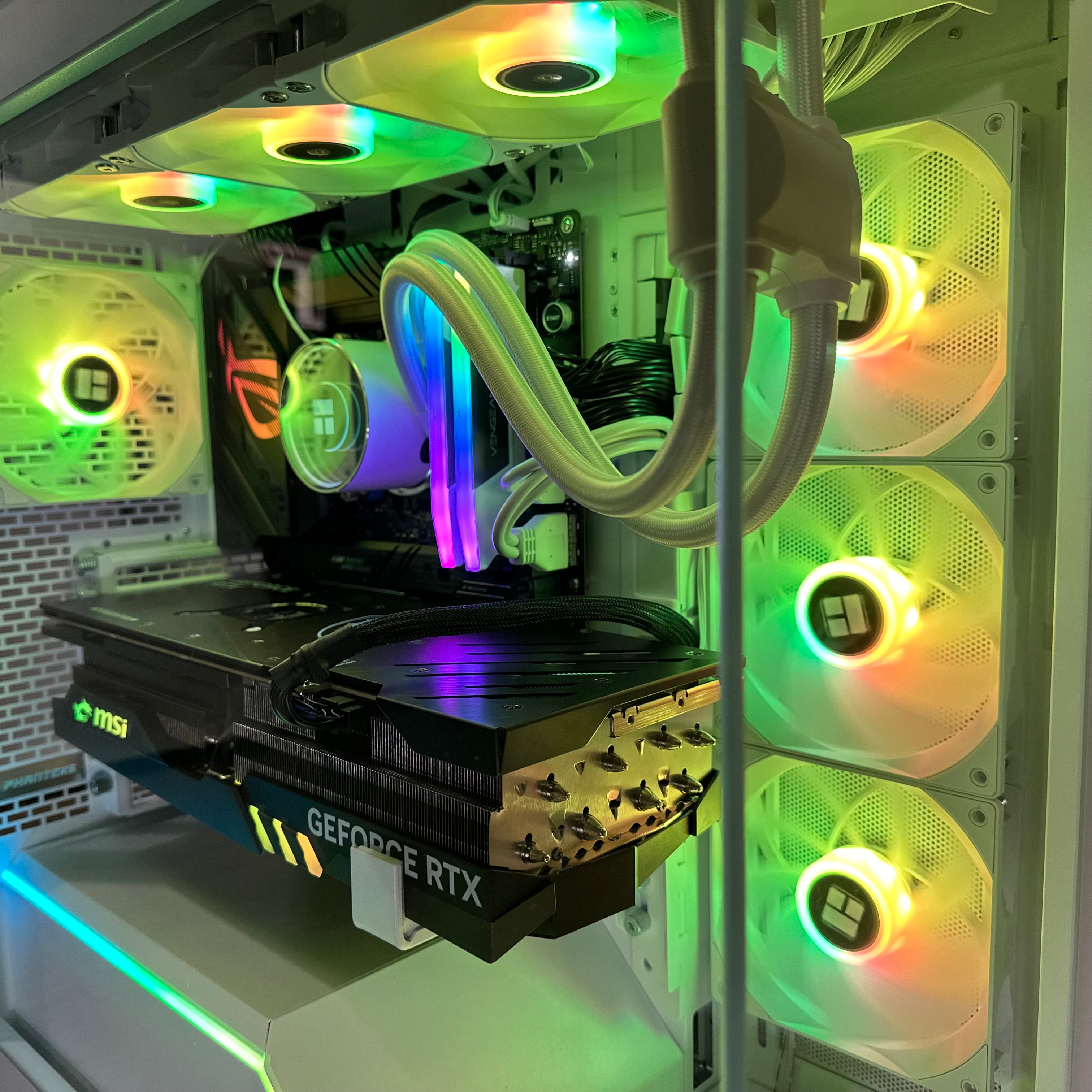
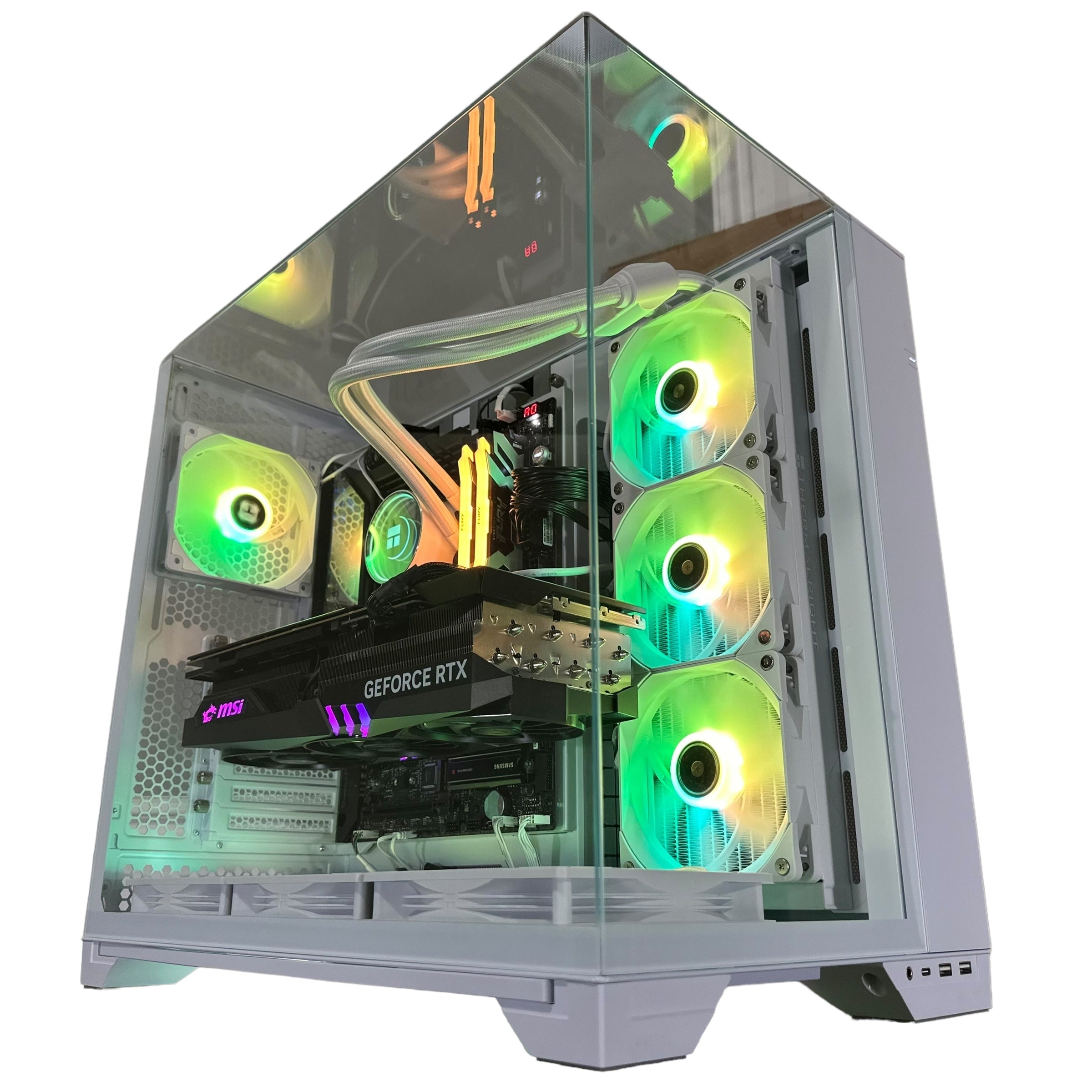
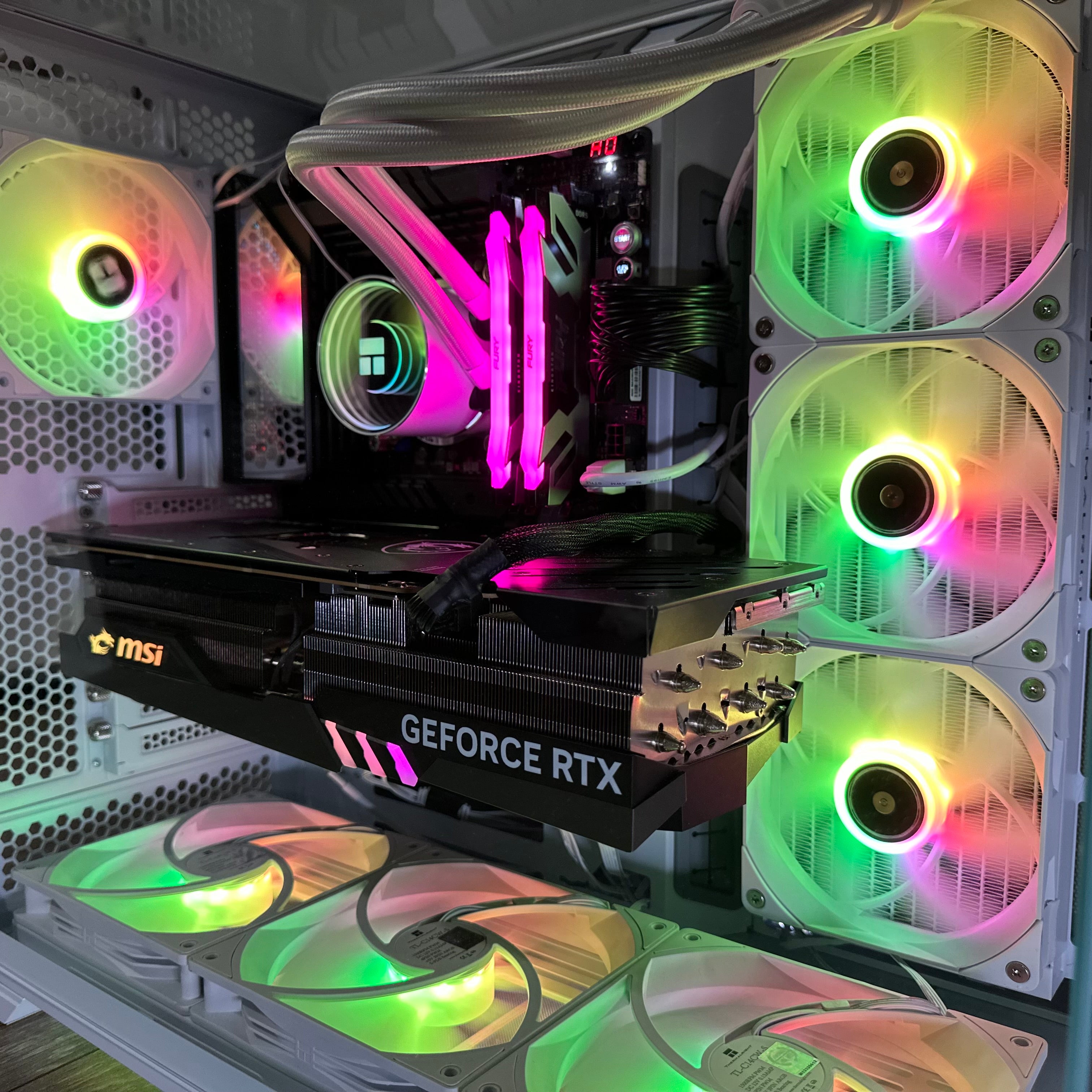

Shinji Mikami’s Game Streaming Take and What It Means for Buying the Right Gaming PC in Canada
Shinji Mikami’s blunt comment about game streaming cuts straight to a debate that matters to anyone shopping for a gaming PC in Canada: if a game is satisfying enough to only watch, was it truly compelling as a hands-on experience? His point was simple. Great games should make people want to play for themselves, not just watch someone else reach the ending. For Canadian buyers, that idea leads to a bigger and more practical question: if modern games, streams, creator tools, and interactive experiences are pushing you from passive viewing into active participation, is your current computer ready for what you actually want to do next?
That is where this story becomes more than gaming commentary. It becomes a buying guide. Because once you move from watching content to wanting to create, stream, compete, edit, render, or build your own setup, the difference between “good enough” hardware and the right custom system becomes very real. A slow machine does not just lower frame rates. It can push you back into being a spectator.
Mikami’s perspective, originally shared through a discussion about players who prefer watching over playing, reflects a wider shift in gaming and content creation culture. More people now discover games through livestreams, creator clips, long-form playthroughs, and reaction videos. Some viewers stay viewers. Others start asking practical questions. What gaming PC do I need for 1440p? Can I stream and play on the same system? Is a gaming PC good for video editing too? Should I buy now or wait if hardware prices rise again?
Those are exactly the questions Groovy Computers helps customers answer every day. As a Canadian custom PC builder, Groovy Computers is not just selling parts in a box. It is helping buyers choose the right system for the way they actually game, work, edit, design, stream, and create.
What Did Shinji Mikami Really Mean About Watching Games Instead of Playing Them?
The key idea behind Mikami’s remark is not anti-streaming. In fact, it is almost the opposite. He appears to accept that streams and playthroughs are part of gaming culture. His argument is that developers should make experiences strong enough that even after watching, people still want to pick up the controller themselves.
That matters because many modern games are no longer just story delivery systems. The best ones combine atmosphere, tension, mechanics, responsiveness, immersion, and personal decision-making. You can watch a horror game, but the fear feels different when you are the one moving through the hallway. You can watch a fast shooter, but the experience changes completely when your own reaction time and frame rate determine the result. You can watch an open-world adventure, but the joy of discovery is not identical when someone else is holding the controls.
For PC buyers, the takeaway is obvious. If interactive quality matters, then performance matters too. Input latency matters. Smooth frame pacing matters. Fast storage matters. Good thermals matter. Stable streaming performance matters. The right system helps turn a game from something you consume into something you experience.
Why Does This Matter to Canadian PC Buyers Right Now?
Because the line between gamer, viewer, and creator is thinner than ever. A customer in Nova Scotia, Ontario, Alberta, or British Columbia may start by watching clips of a new title and then quickly decide they want to:
- play at 1080p high refresh
- upgrade to 1440p ultra settings
- try ray tracing
- stream on Twitch or YouTube
- record gameplay for short-form content
- edit videos for social media
- design thumbnails in Photoshop or Illustrator
- render 3D assets in Blender or Unreal Engine
Once that happens, a generic desktop often stops being enough. The wrong PC can bottleneck not just one task, but your entire workflow. If you are gaming and streaming from the same machine, weak CPU performance or limited GPU encoding support can become a problem. If you are creating video content around games, storage speed, RAM capacity, and export performance suddenly matter. If you are building mods, environments, or game-adjacent 3D content, you may need a workstation-class setup rather than a basic gaming tower.
Canadian buyers also face a market reality: replacement costs can shift. GPU demand, memory pricing, SSD costs, and premium CPU availability do not stay fixed forever. If you know your current system is holding you back, waiting too long can mean paying more later for the same or only slightly better performance.
Are You Still Watching Because You Want To, or Because Your PC Is Holding You Back?
This is one of the most useful questions a buyer can ask after reading a story like this.
Do you prefer watching a streamer play because you genuinely enjoy that format, or because your own PC cannot run current games the way you want? Are you skipping releases because your hardware struggles with modern textures, larger worlds, background tasks, and new rendering demands? Are you avoiding streaming because your frame rate drops the second OBS opens? Are you putting off video editing because exports take too long and timeline playback feels sluggish?
If the answer is yes, then the issue may not be interest. It may be hardware friction.
A properly matched custom system can remove that friction. That is why a tailored build matters more than a one-size-fits-all machine. Not everyone needs the same GPU tier, the same RAM capacity, or the same CPU class. But almost everyone benefits from a PC chosen for the exact way they plan to use it.
What Do You Want Your Next PC To Do for You?
Before comparing specs, start with outcomes. Do you want your next system to help you win more competitive matches? Deliver a smoother single-player experience? Stream without stutter? Cut editing time? Handle Adobe Creative Cloud better? Run Blender scenes faster? Let you buy once and avoid upgrading too soon?
Think about your real use case:
- Do you mainly play esports titles and want high FPS at 1080p?
- Do you want a 1440p gaming setup that feels strong for today’s AAA releases and tomorrow’s bigger ones?
- Do you want a premium RTX gaming build for 4K and ray tracing?
- Do you need a gaming and streaming PC for OBS, Twitch, or YouTube?
- Do you need a creator PC for Premiere Pro, DaVinci Resolve, Photoshop, and Illustrator?
- Do you need a 3D modeling workstation for Blender, Unreal Engine, or CAD workloads?
- Do you want one system that handles gaming, streaming, and editing without compromise?
Your answer determines far more than the sticker price. It determines the right class of machine.
If You Play, Stream, and Create, Should You Buy a Gaming PC or a Creator PC?
For many buyers, this is the most important decision. The answer depends on which workload is most demanding and which delays you can tolerate.
If gaming is your main priority and content creation is secondary, a gaming-first system with a strong GPU, a capable modern CPU, fast SSD storage, and enough RAM may be ideal. If your day regularly includes gameplay capture, 4K editing, thumbnail design, audio processing, and multitasking across many apps, a creator-focused system may offer better value long-term.
A gaming PC often emphasizes frame rates, graphics horsepower, and responsiveness. A creator PC often puts more weight on multicore CPU performance, larger memory capacity, storage throughput, application stability, and sustained thermal performance under long exports or renders.
But what if you want both? Then a balanced custom build is often the smartest path. That is exactly where Groovy Computers can help. A custom system can be configured so you do not overpay for the wrong strengths or underbuy and regret it in six months.
Which Performance Tier Fits You Best?
Not every customer needs the same machine, and not every customer should shop by marketing labels alone. Here is a practical way to think about performance tiers.
Entry-Level and Budget-Focused Performance
This tier is best for players who want dependable 1080p gaming, strong esports performance, and a smooth start into PC gaming without overspending. It can also work for lighter creator tasks such as basic photo editing, entry-level graphic design, school projects, and simple gameplay capture.
This may be right for you if you are asking:
- What is the best first gaming PC for me?
- Can I play modern games at 1080p without spending premium money?
- Is a budget gaming computer enough for my favourite multiplayer titles?
- Should I buy a cheaper system now or finance something stronger that lasts longer?
A well-chosen budget system can be excellent value. A poorly chosen one can become outdated fast. That is why component balance matters so much.
Mid-Range Sweet Spot for 1440p Gaming and Streaming
For many Canadian buyers, this is the best overall value category. It is ideal for 1440p gaming, higher settings, stronger multitasking, better longevity, and smoother gaming-plus-streaming performance.
This tier often makes sense if you are thinking:
- What PC do I need for 1440p gaming?
- Can I stream with OBS while gaming on one system?
- Will this setup still feel good for new games a few years from now?
- Do I want enough overhead for editing clips and running multiple apps?
For buyers who are serious about modern releases but do not necessarily need ultra-premium 4K performance, this category is often the smartest investment.
High-End Gaming and Premium RTX Performance
This tier is for buyers who want top-tier visuals, stronger ray tracing, premium frame rates at 1440p or 4K, and longer runway before needing major upgrades. It is also ideal for customers who want gaming performance plus enough headroom for advanced streaming and heavier editing work.
If you are asking questions like these, you may be a high-end buyer:
- What PC do I need for 4K gaming?
- Is a high-end gaming PC worth it if I want to keep it longer?
- Should I finance a stronger system now instead of replacing a weaker one sooner?
- Do I want ray tracing, high refresh, and premium performance in upcoming games?
This class of build can cost more up front, but it often reduces upgrade pressure over time.
Creator and Editing Workstation Tier
If your workflow includes Adobe Premiere Pro, DaVinci Resolve, After Effects, Photoshop, Lightroom, Illustrator, or heavy multitasking, then your needs may go beyond what a standard gaming system is optimized to do.
You may need this class of machine if you are asking:
- What PC do I need for video editing?
- How much RAM do I need for editing and motion graphics?
- Is a gaming PC good for content creation, or should I get a creator workstation?
- Do I need more storage and better sustained cooling for long renders?
For creators, time is money. A faster workstation is not just about smoother previews. It can mean quicker exports, fewer interruptions, and more productive hours every week.
3D Modeling and Rendering Workstation Tier
If you work in Blender, Unreal Engine, CAD, game asset creation, architectural visualization, or animation, then your PC should be selected around rendering behaviour, viewport performance, RAM needs, and software-specific acceleration.
Ask yourself:
- What PC do I need for Blender?
- What PC do I need for 3D rendering?
- Is a gaming PC good enough for Unreal Engine or should I step up to a workstation?
- Will I regret saving money now if large scenes and render times become a daily frustration?
For professional and semi-professional 3D users, the right workstation can make a dramatic difference.
Why the Streaming Debate Also Points to Better Streaming PC Decisions
The source discussion centered on people watching games rather than playing them, but there is another side to that equation: streamers need reliable systems too. If creators help build excitement around games, then their hardware matters as much as the viewer’s.
A gaming and streaming PC in Canada should be chosen differently from a gaming-only system. Once you add OBS, overlays, alerts, browser tabs, chat moderation tools, background recording, and possibly editing software into the same routine, your system is doing more than one job at a time.
If you are thinking about becoming more active online, ask yourself:
- What PC do I need for streaming?
- Do I need a separate streaming PC?
- Is CPU or GPU encoding better for my goals?
- How much RAM do I need if I want to game, stream, and keep multiple apps open?
A custom streaming build can be configured so your gameplay stays smooth while your stream remains stable and clean. That matters whether you are just starting out or building a serious channel.
Does a Story-Driven Game Trend Also Change What Creator PC You Need?
Yes, especially if your content revolves around reaction videos, long-form analysis, lore breakdowns, walkthroughs, and polished post-production. Story-heavy games often create more demand for recording, editing, clipping, and visual packaging. That means more creators need systems that can do more than run a game.
If you edit content regularly, your machine may need:
- strong multicore CPU performance for encoding and exports
- GPU acceleration for modern editing pipelines
- enough RAM for layered timelines and multitasking
- fast SSD storage for footage, cache, and project files
- stable cooling for long workloads
Do you mainly upload short clips, or are you cutting full-length episodes? Are you working in 1080p, 1440p, or 4K? Do you use Premiere Pro, DaVinci Resolve, or both? Do you want one system for gaming, editing, and livestreaming, or do you need a more specialized custom creator PC? The answers should shape your build.
Should You Buy Now or Wait if You Know Your Current PC Is Not Enough?
This is always one of the hardest questions, and no serious builder should answer it with hype alone. But there are practical things to consider.
If your current system is already affecting your experience, waiting has a cost. That cost may show up as dropped frames, delayed projects, longer render times, skipped game releases, lower stream quality, or the need to upgrade in small, inefficient steps.
There is also the broader market risk. Full-system pricing can shift when GPU demand rises, memory pricing tightens, premium storage costs increase, or buyers rush before a major hardware cycle or game release. If you wait for a “perfect” moment, you may end up buying later under worse conditions.
A better question is often this: do you need the machine now for the way you plan to use it over the next year or two?
If yes, then buying the right system now can be more rational than delaying and settling later. If budget is the obstacle, financing may be worth considering.
Could Financing Help You Get the Right PC Instead of the Wrong Temporary One?
For many buyers, yes. One of the most common mistakes in PC buying is choosing a weaker system simply because the up-front gap to the right system feels too large. The result is often predictable: the customer outgrows the machine early, upgrades sooner than expected, or replaces the whole system before getting full value from it.
If financing is available for up to 4 years, that can change the equation in a smart way. Instead of compromising into a build that struggles with your real workload, you may be able to secure a stronger custom system that lasts longer and performs better from day one.
Ask yourself a few practical questions:
- Would a slightly stronger GPU save me from needing an upgrade too soon?
- Would more RAM help my editing, design, or streaming workflow immediately?
- Would a better CPU improve both gaming smoothness and creator performance?
- Would financing a better system now be cheaper than replacing a weaker one early?
- Am I trying to buy the lowest sticker price, or the best long-term value?
When used responsibly, financing is not about overspending. It is about aligning your budget with the machine you actually need.
How Do You Avoid Buying a PC You Will Outgrow Too Soon?
Start by being honest about your next stage, not just your current one.
If you only shop for what you do today, you may underbuy. If you know you plan to stream soon, move to 1440p, start a YouTube channel, learn editing, or get into 3D work, then your build should reflect that path. The best custom PC decisions are often made around the next 12 to 24 months, not just this weekend’s game list.
Here are smart planning questions to ask before you order:
- Will I move from 1080p to 1440p soon?
- Am I likely to start recording or streaming regularly?
- Will I edit video more often once I have a better machine?
- Do I need room for larger game installs and project files?
- Would I rather spend slightly more now than do a frustrating upgrade in a year?
This is where a custom PC builder adds real value. You are not just buying hardware. You are building around your likely usage curve.
Why Custom Builds Matter More Than Ever
The more demanding games and creator workflows become, the less sense it makes to rely on generic specs and vague labels. “Gaming PC” alone does not tell you enough. Neither does “creator desktop.” What matters is how the parts work together for your use case.
A custom system gives you more control over:
- GPU strength for your target resolution and settings
- CPU performance for gaming, streaming, editing, or rendering
- RAM capacity for multitasking and professional workloads
- SSD speed and storage planning
- cooling and airflow for long-term stability
- upgrade path and future flexibility
This is especially important for buyers who want one machine to cover multiple roles. A balanced gaming and creator build should not feel like a compromise if it is planned properly. It should feel intentional.
Why Groovy Computers Makes Sense for Canadian Buyers
Canadian buyers want more than raw specs. They want confidence. They want a system built for the way they actually use a PC. They want support, testing, and a builder that understands both gaming performance and creator workflows.
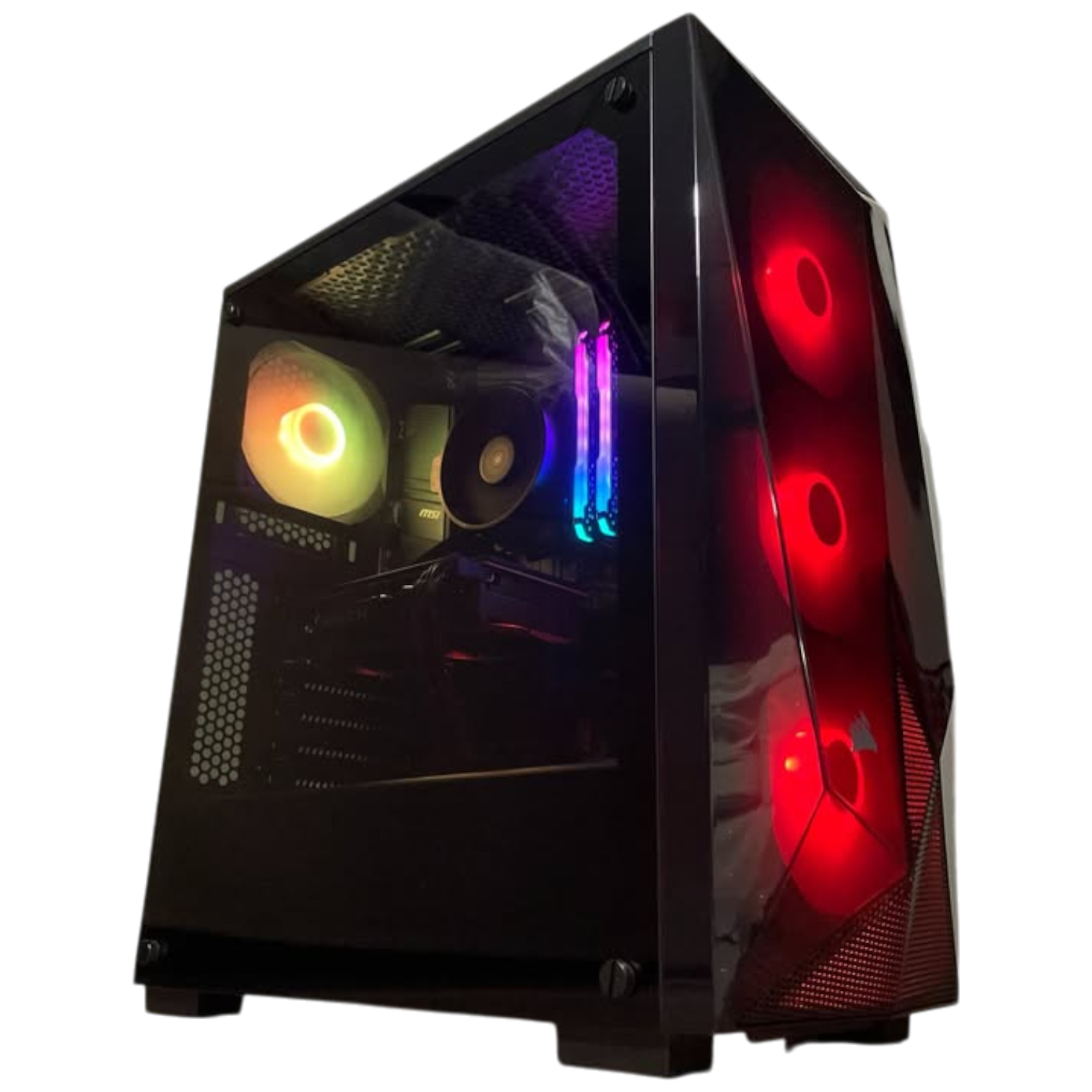
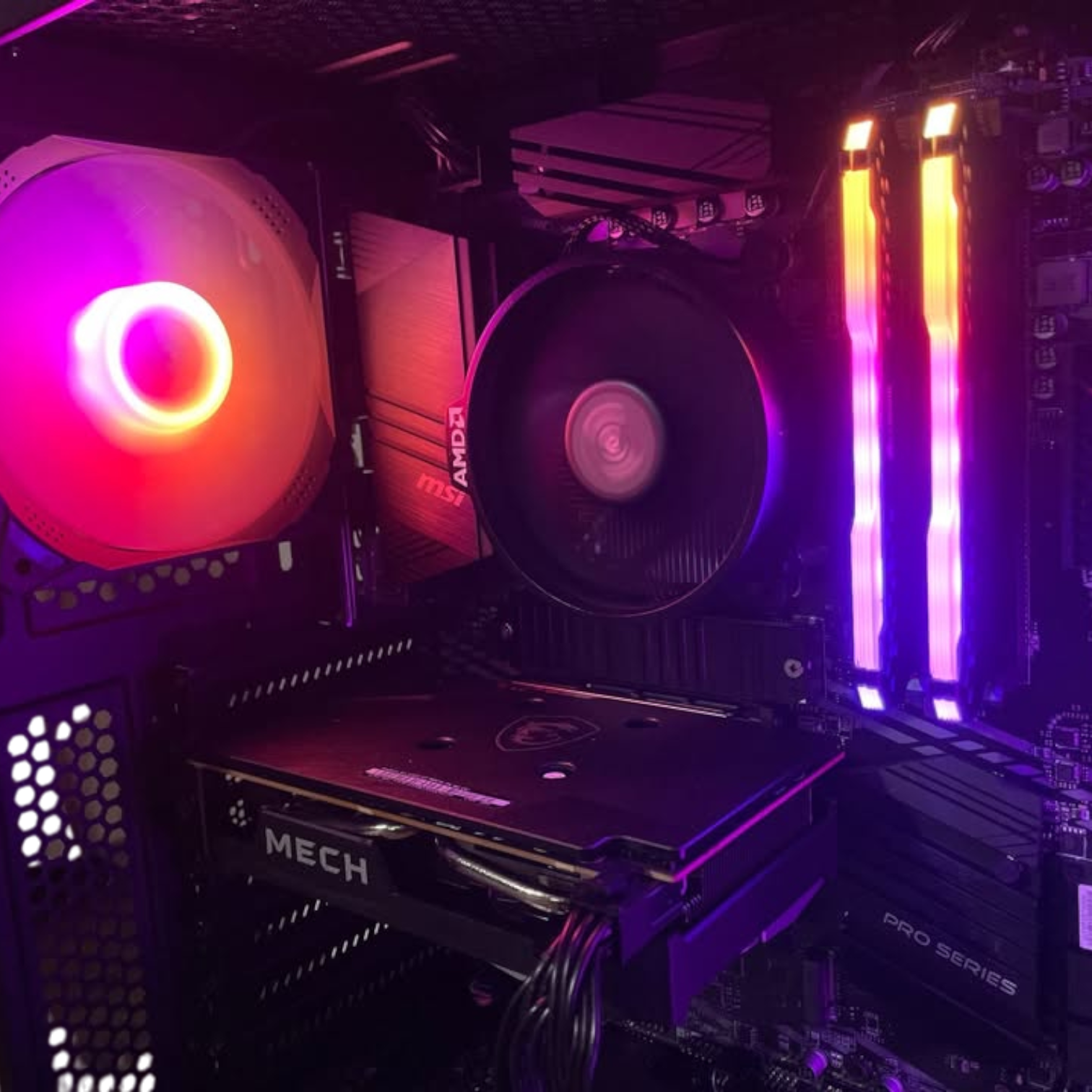
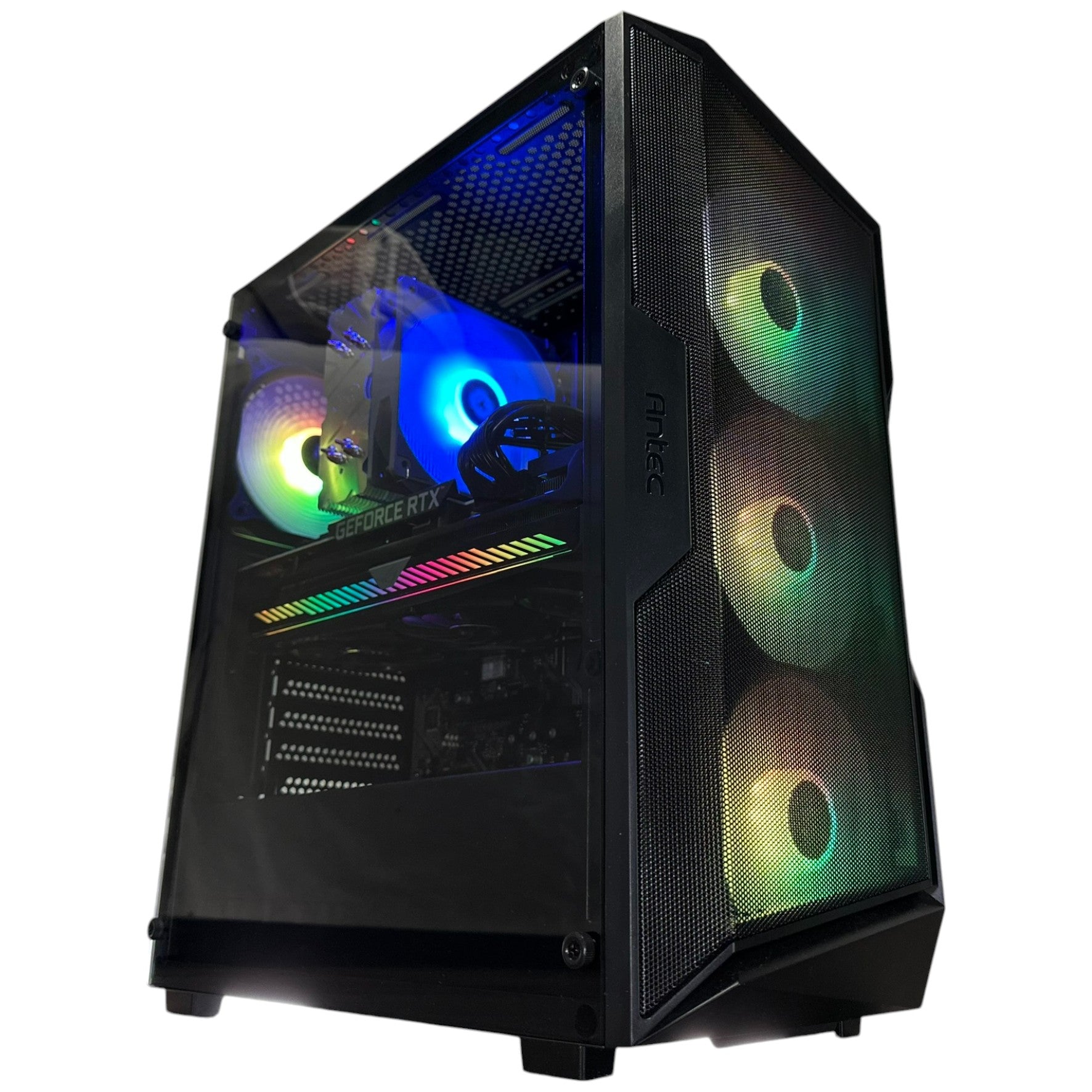
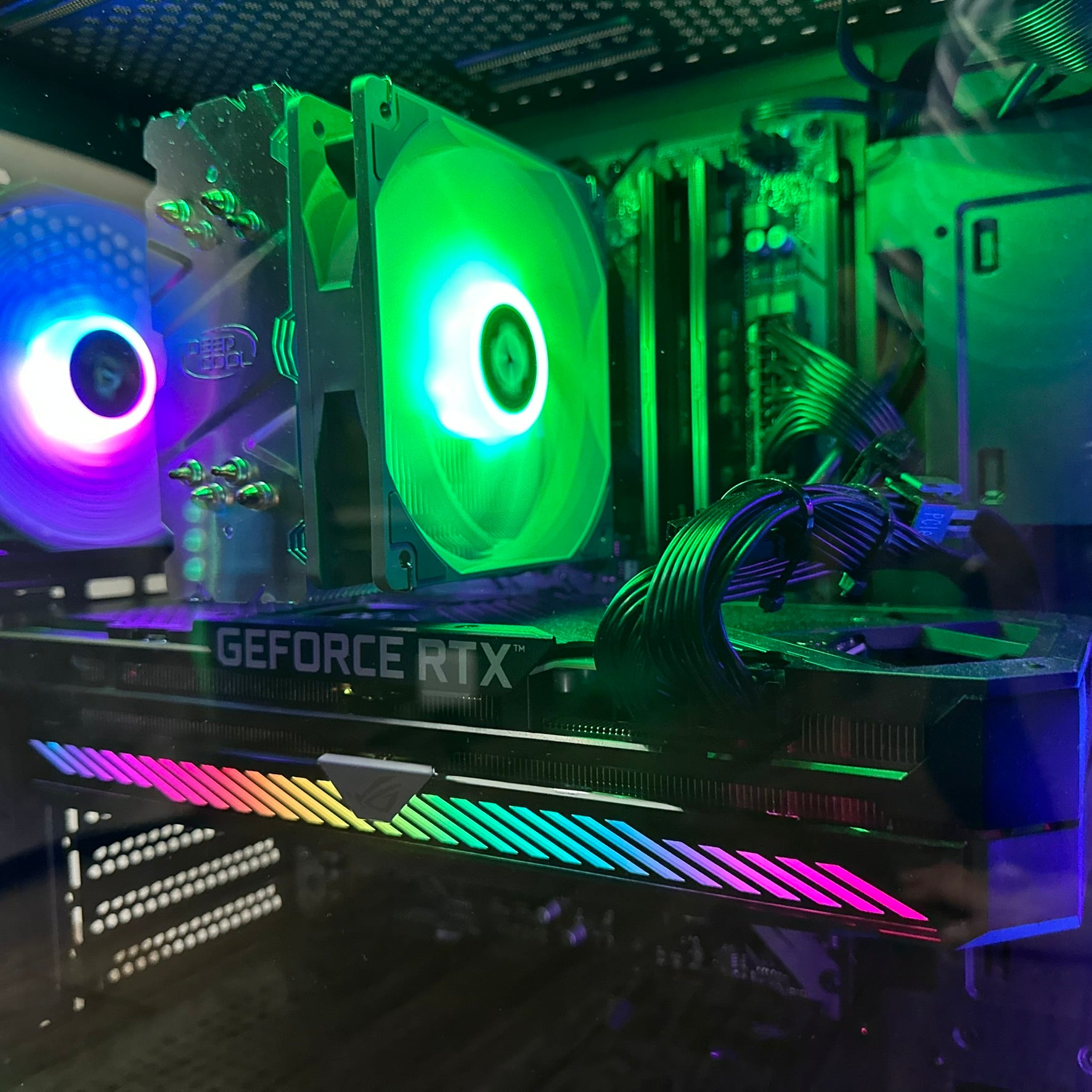
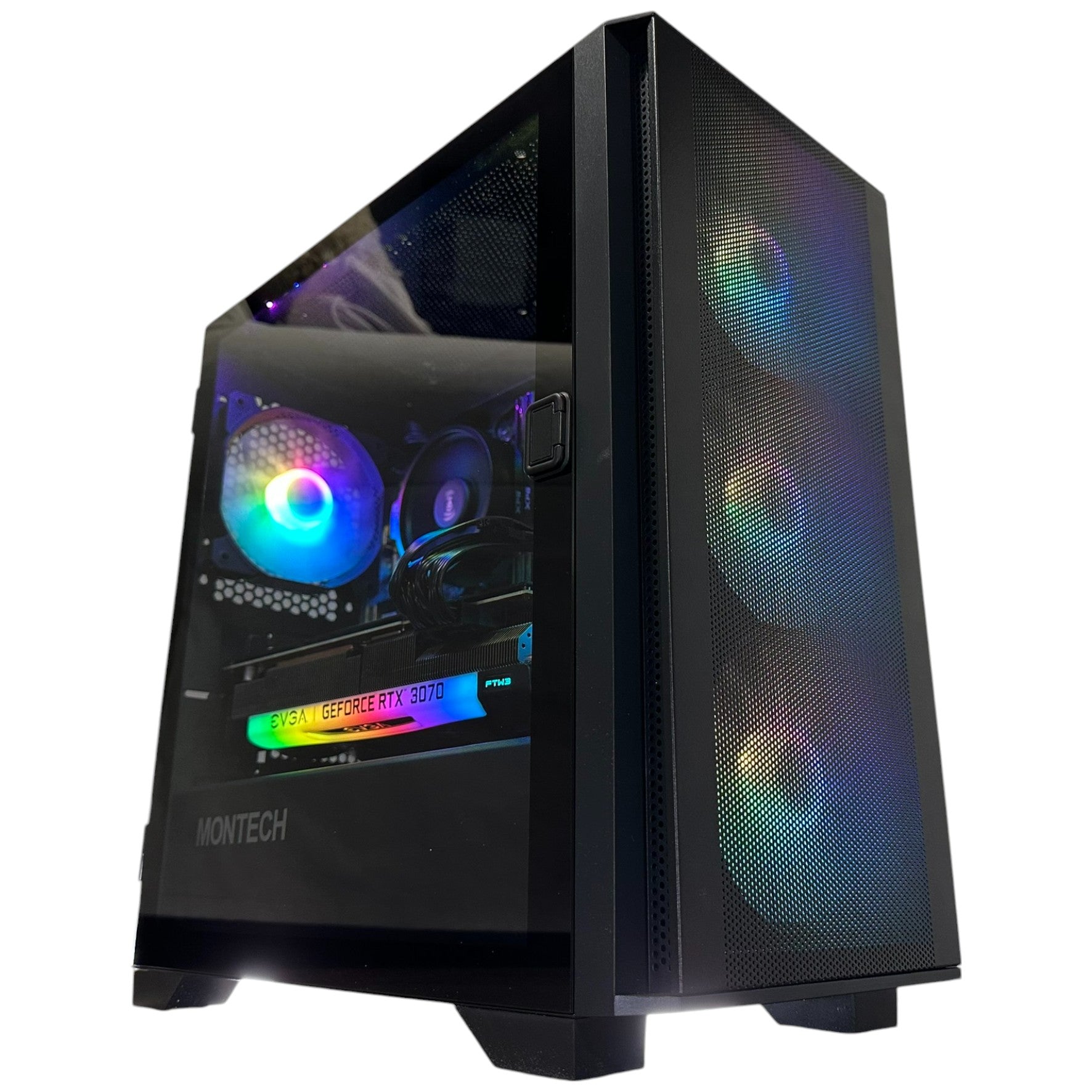
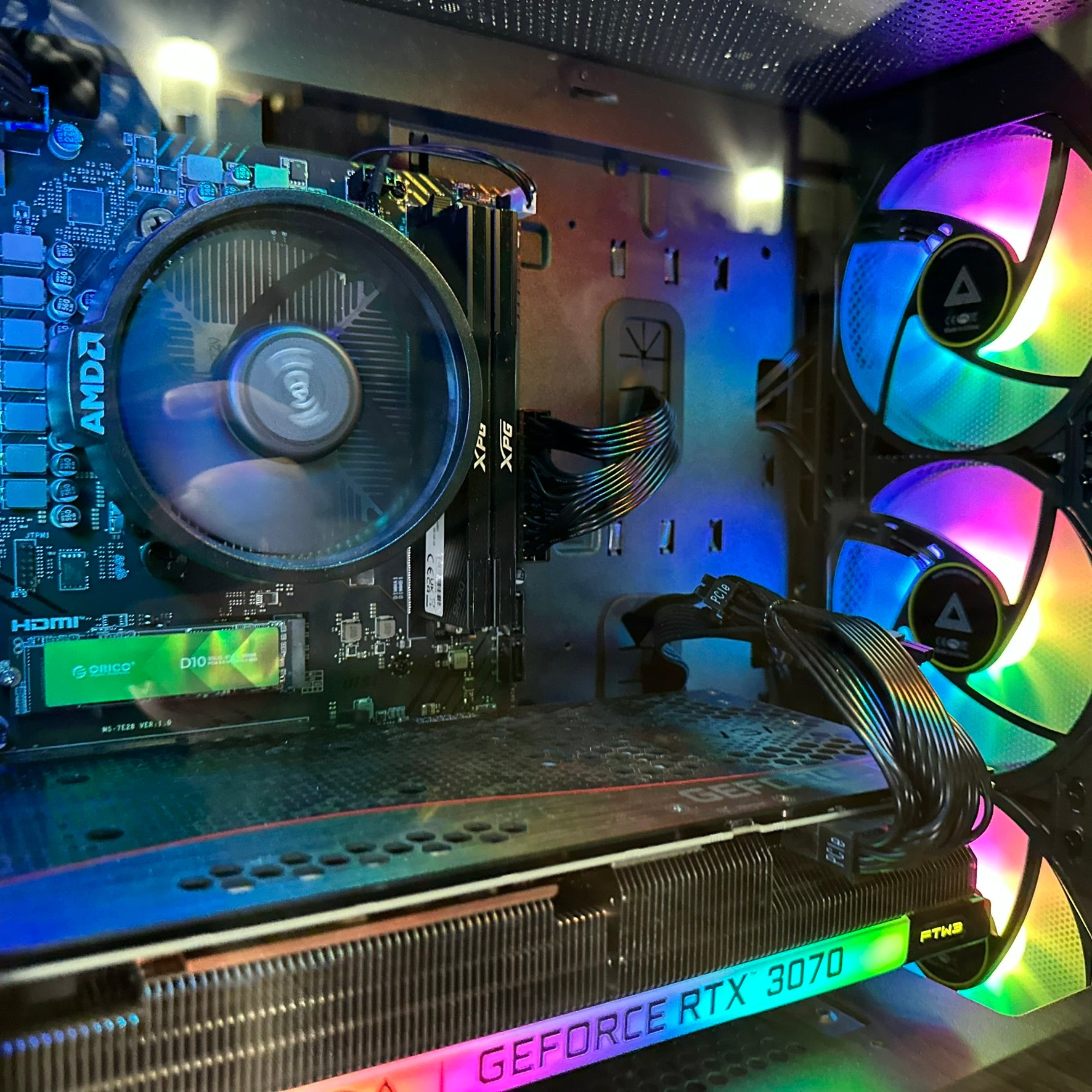
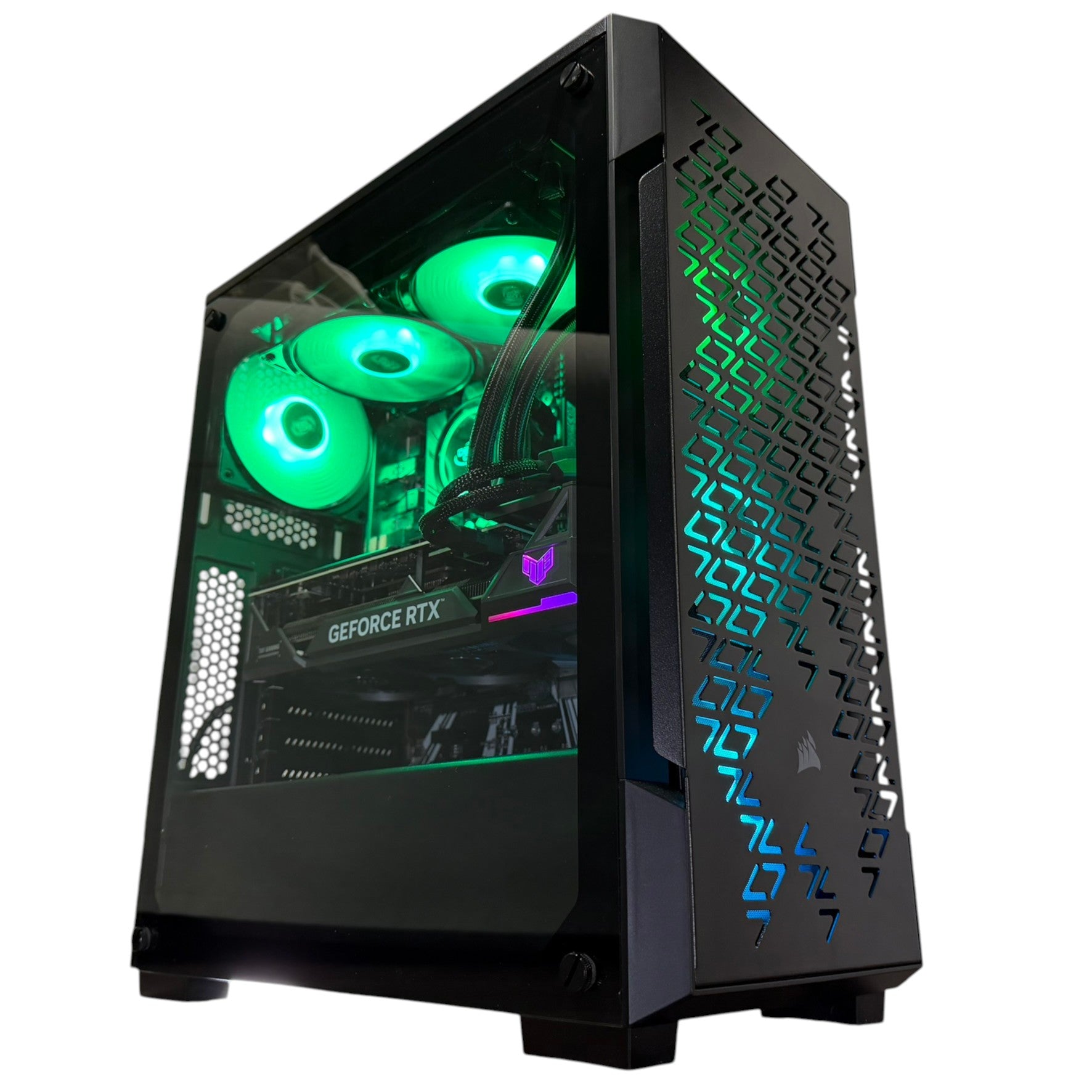
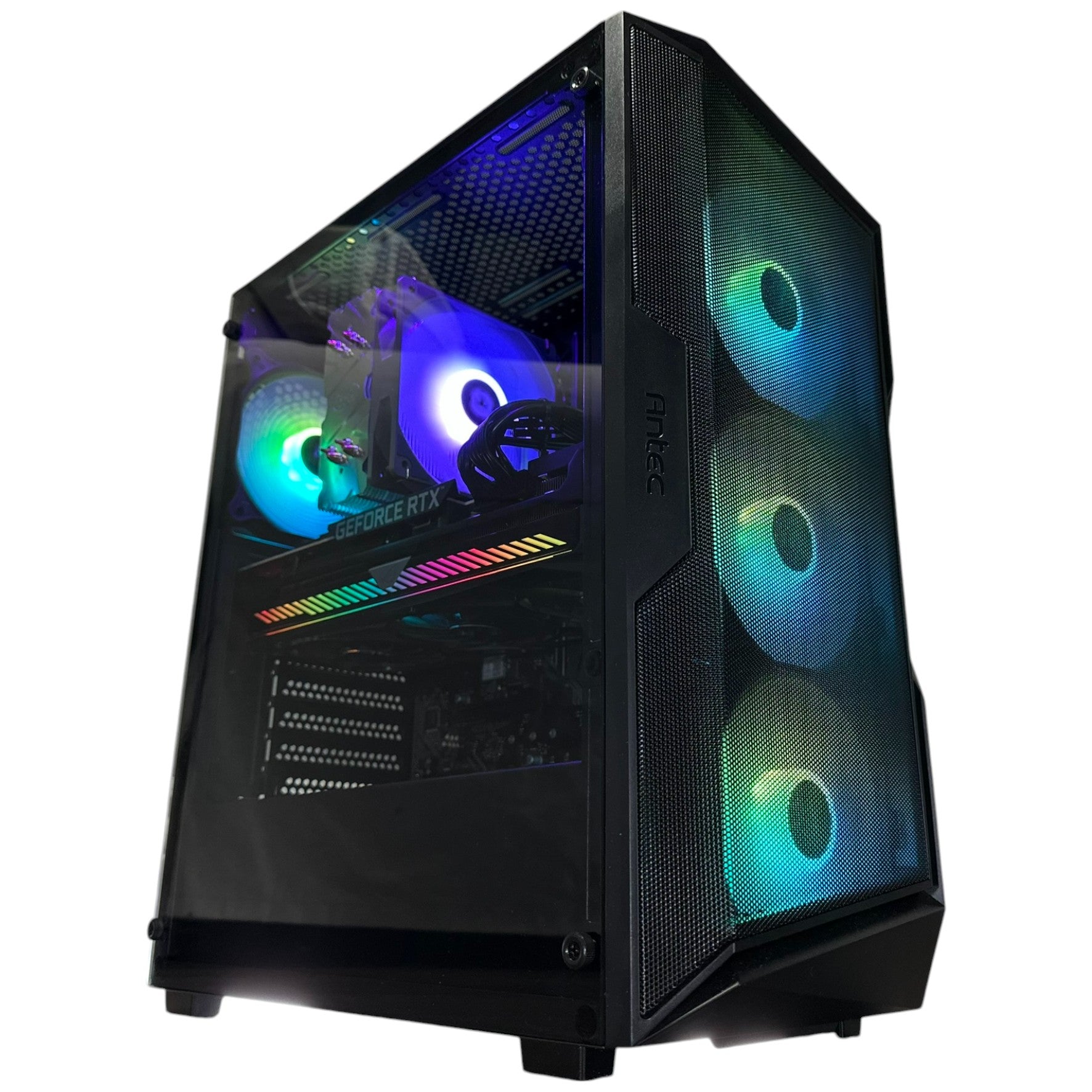
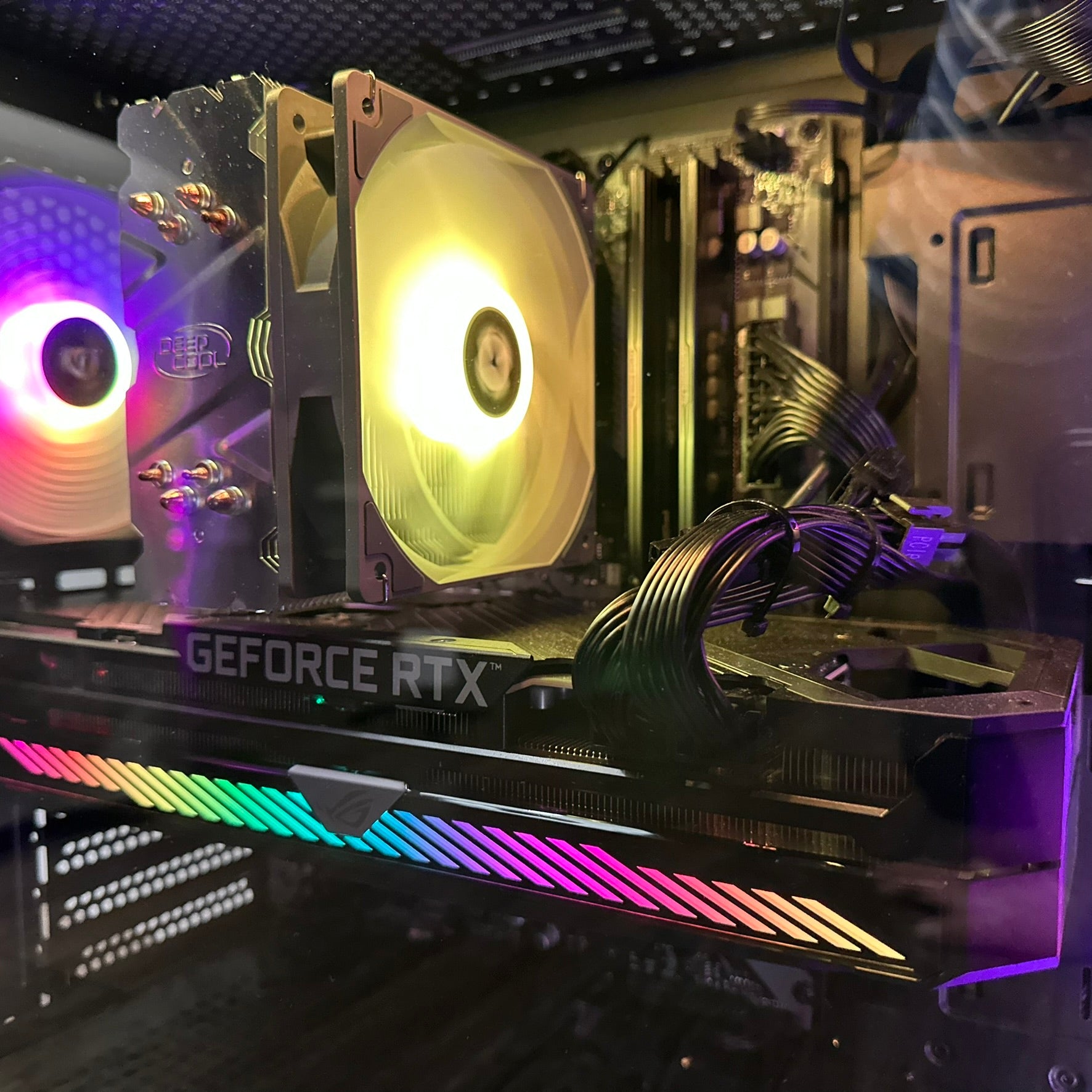
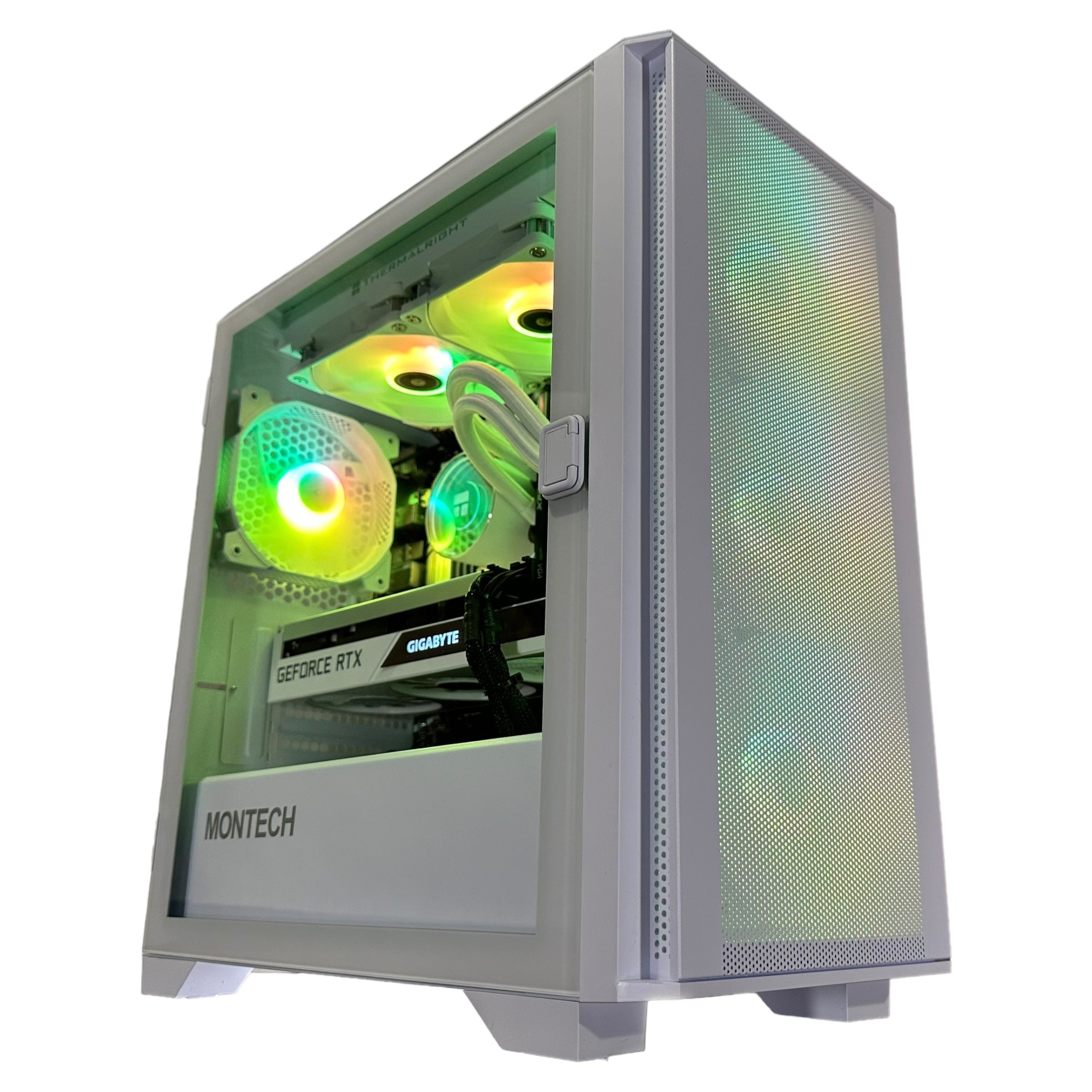
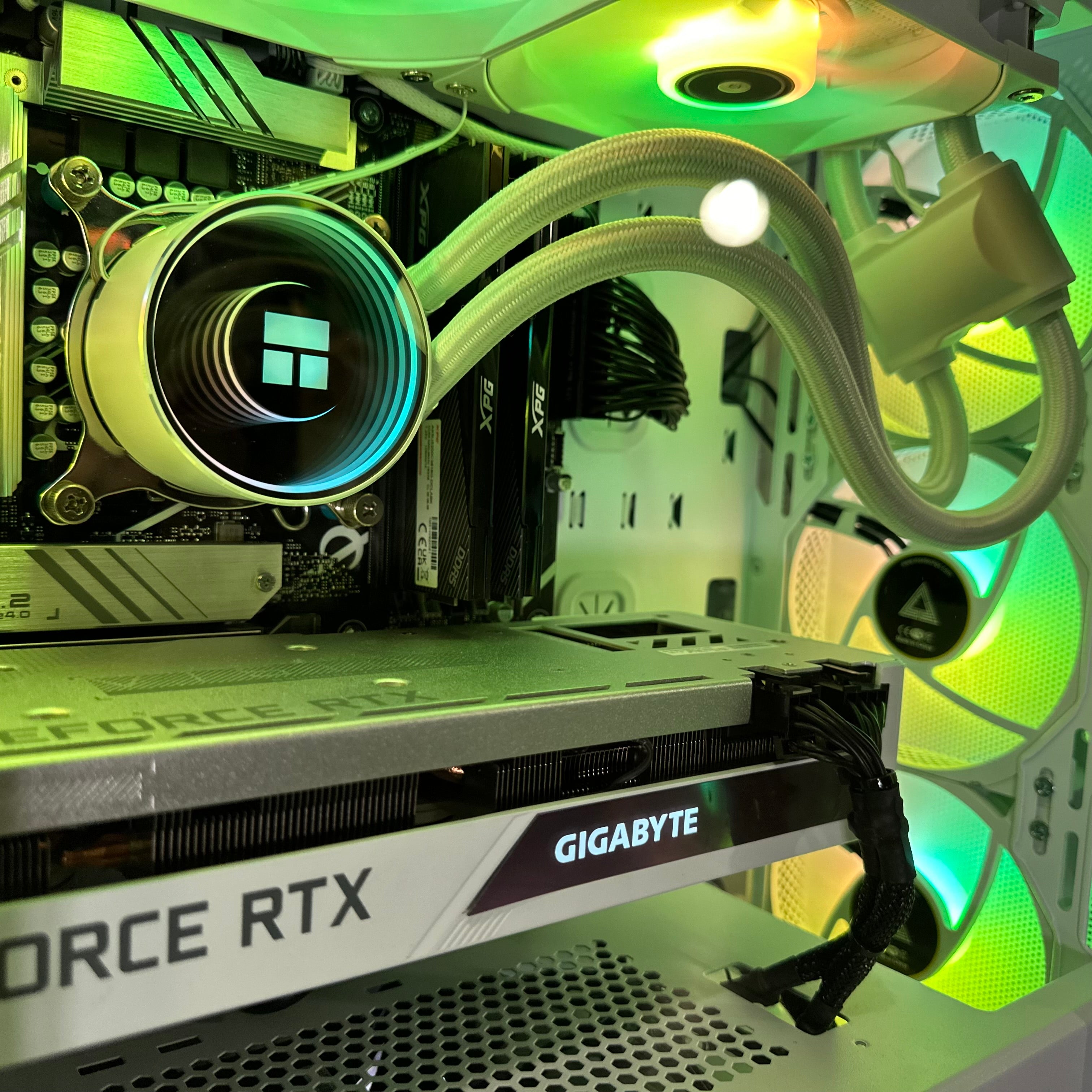
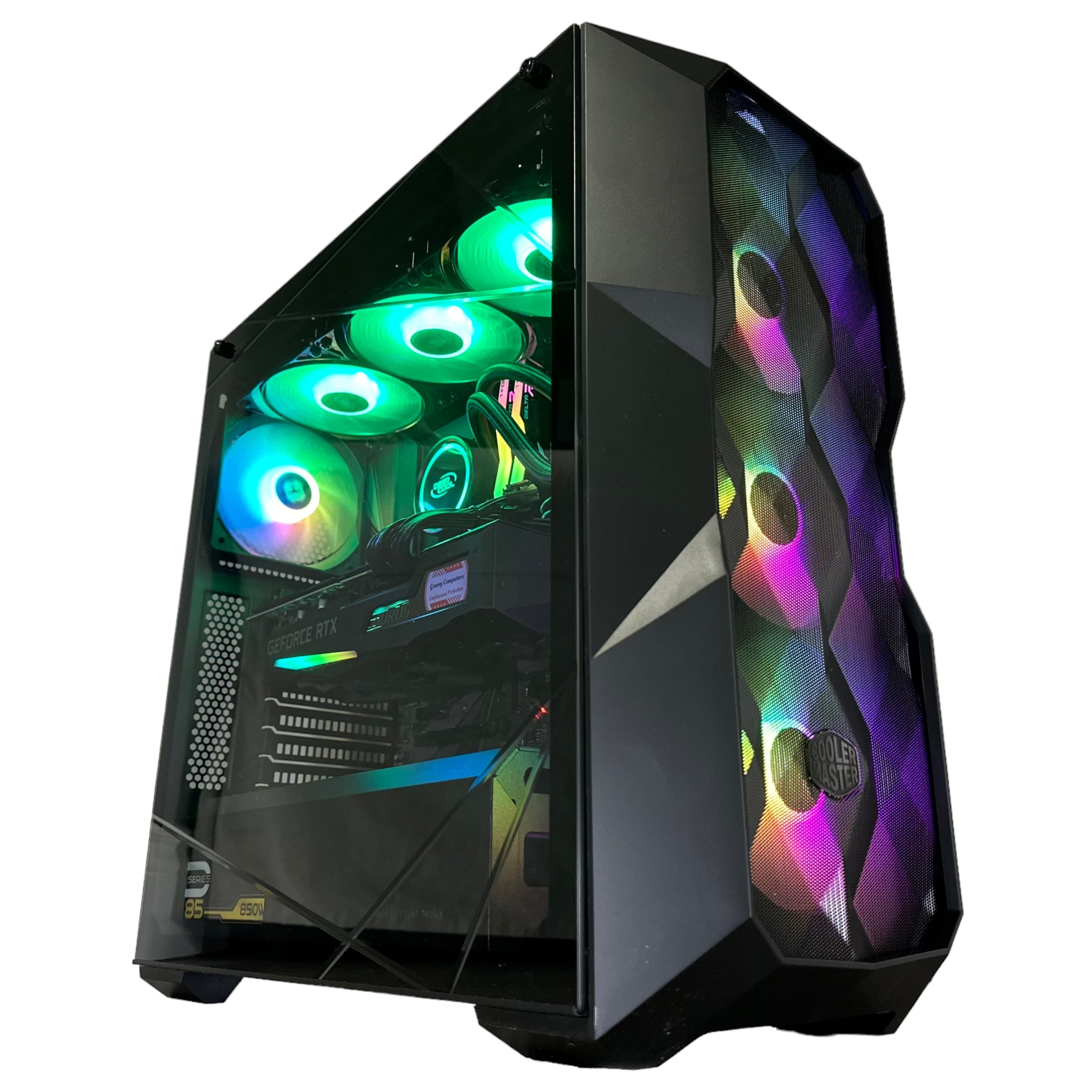
Groovy Computers is positioned for exactly that need. As a Canadian custom PC builder, Groovy helps customers match their budget to the right system category, whether that means a budget gaming setup, a premium RTX gaming build, a custom creator PC, an editing workstation, or a 3D modeling workstation.
That matters whether you are local to Nova Scotia or ordering from elsewhere in Canada. A properly built system should arrive ready for the real-world tasks you care about, not just impressive marketing language. Rigorous testing, careful part selection, and a 1-year warranty all matter more when buyers are trying to avoid expensive mistakes.
And if budget timing is your concern, financing options can help you secure the right class of system before replacement costs change again.
What Should You Ask Before Choosing Your Next Build?
If you are close to buying, these are the questions worth asking yourself now:
- What games or software will I actually use most?
- Am I targeting 1080p, 1440p, or 4K?
- Do I care about ray tracing, high refresh, or ultra settings?
- Will I stream, record, or edit content on the same machine?
- Do I use Photoshop, Premiere Pro, DaVinci Resolve, Blender, or Illustrator?
- Do I need a budget-friendly entry build or something with stronger long-term headroom?
- Would financing let me buy the right system instead of the nearest affordable one?
- How soon do I want to upgrade again if I buy too low today?
If those questions feel harder to answer than they should, that is exactly when expert guidance matters most.
So, What Is the Best Next Step if You Want To Play, Create, and Upgrade With Confidence?
Mikami’s comment reminds us that the best games should make people want to get involved, not stay passive. The same principle applies to hardware. The right computer should pull you into the experience you want, not hold you back from it.
If you are ready to move from watching to playing, from clipping to streaming, or from basic editing to serious content creation, your next step is not guessing. It is choosing a system that fits your actual goals. Do you need a smoother 1080p entry setup, a stronger 1440p gaming machine, a premium RTX build, a streaming-ready tower, a creator PC, or a workstation for 3D and production work? Groovy Computers can help you sort that out clearly.
Want help choosing a custom build that matches your games, software, budget, and upgrade timeline? Visit GroovyComputers.ca to explore custom PCs, compare options, and find the right fit for gaming, streaming, editing, design, and workstation performance in Canada.
In the end, the smartest buying decision is not about chasing the loudest trend. It is about buying the right gaming PC in Canada for the way you want to play and create next. If your current system is making you wait, compromise, or sit on the sidelines, this may be the right time to upgrade with purpose.
#GamingPCCanada #CustomPCBuilderCanada #CanadianCustomPCBuilders #StreamingPCCanada #CreatorPCCanada #VideoEditingPCCanada #3DModelingPCCanada #WorkstationPCCanada #GamingAndStreamingPC #NovaScotiaBusiness
Groovy Computers | All Rights Reserved



Leave a comment
This site is protected by hCaptcha and the hCaptcha Privacy Policy and Terms of Service apply.