
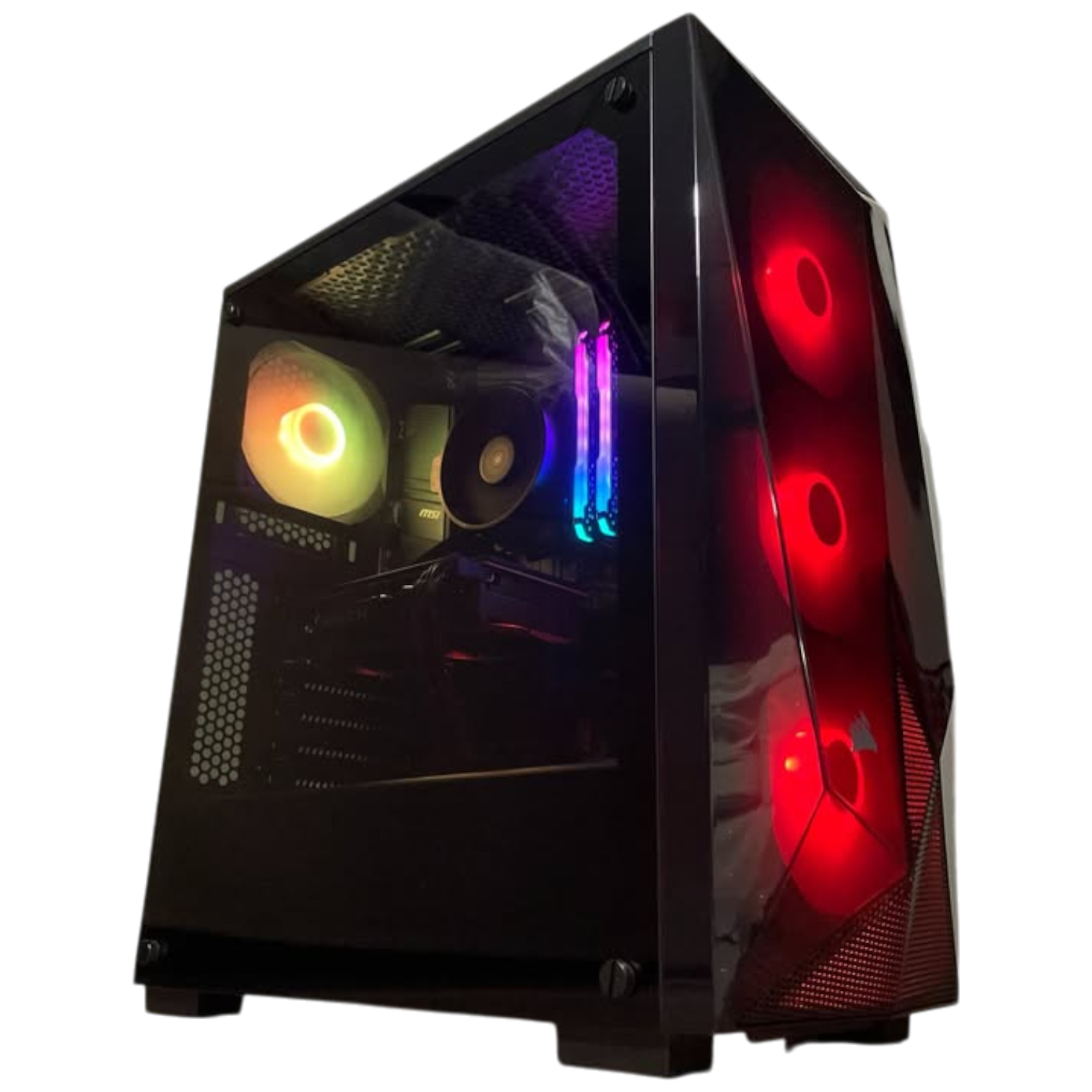
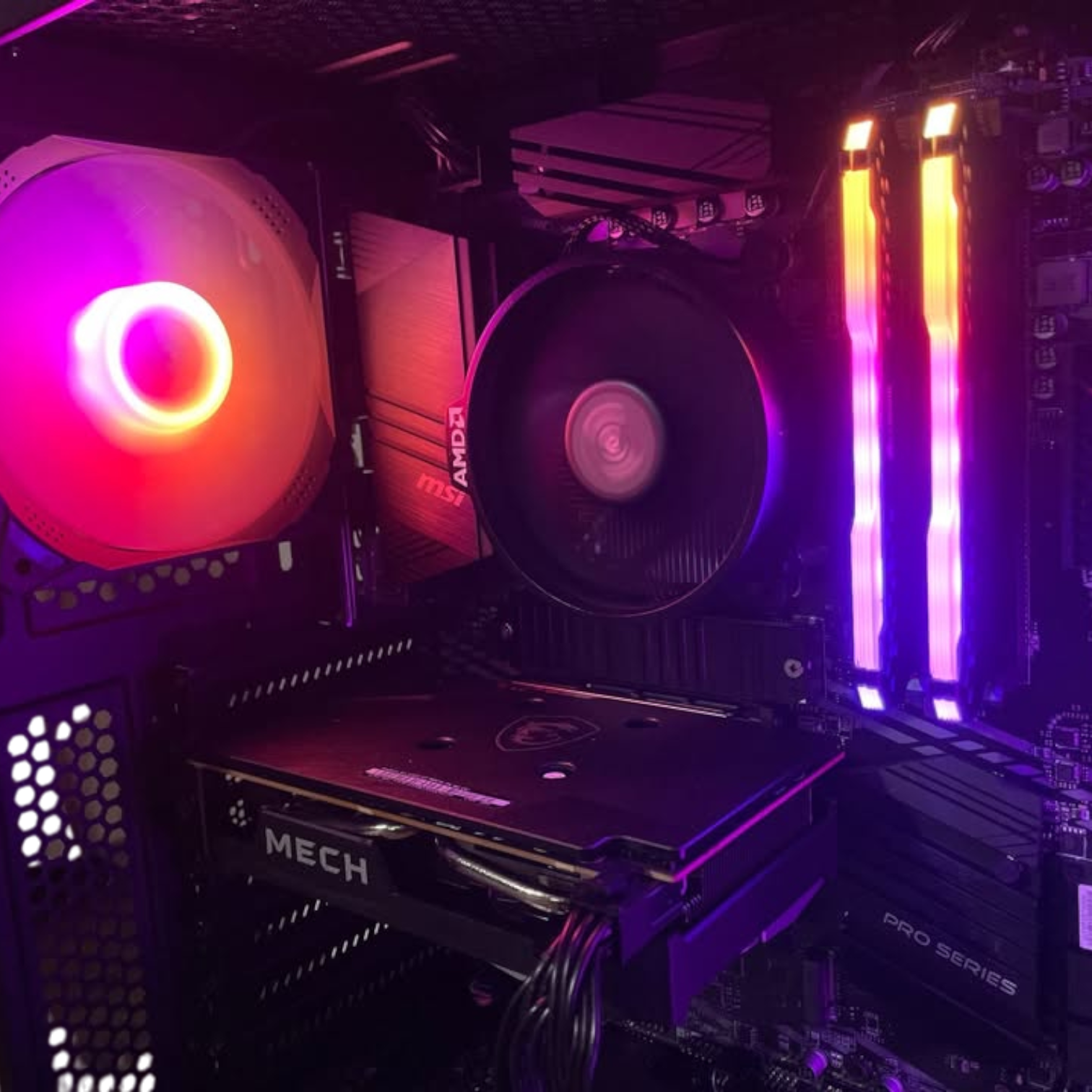
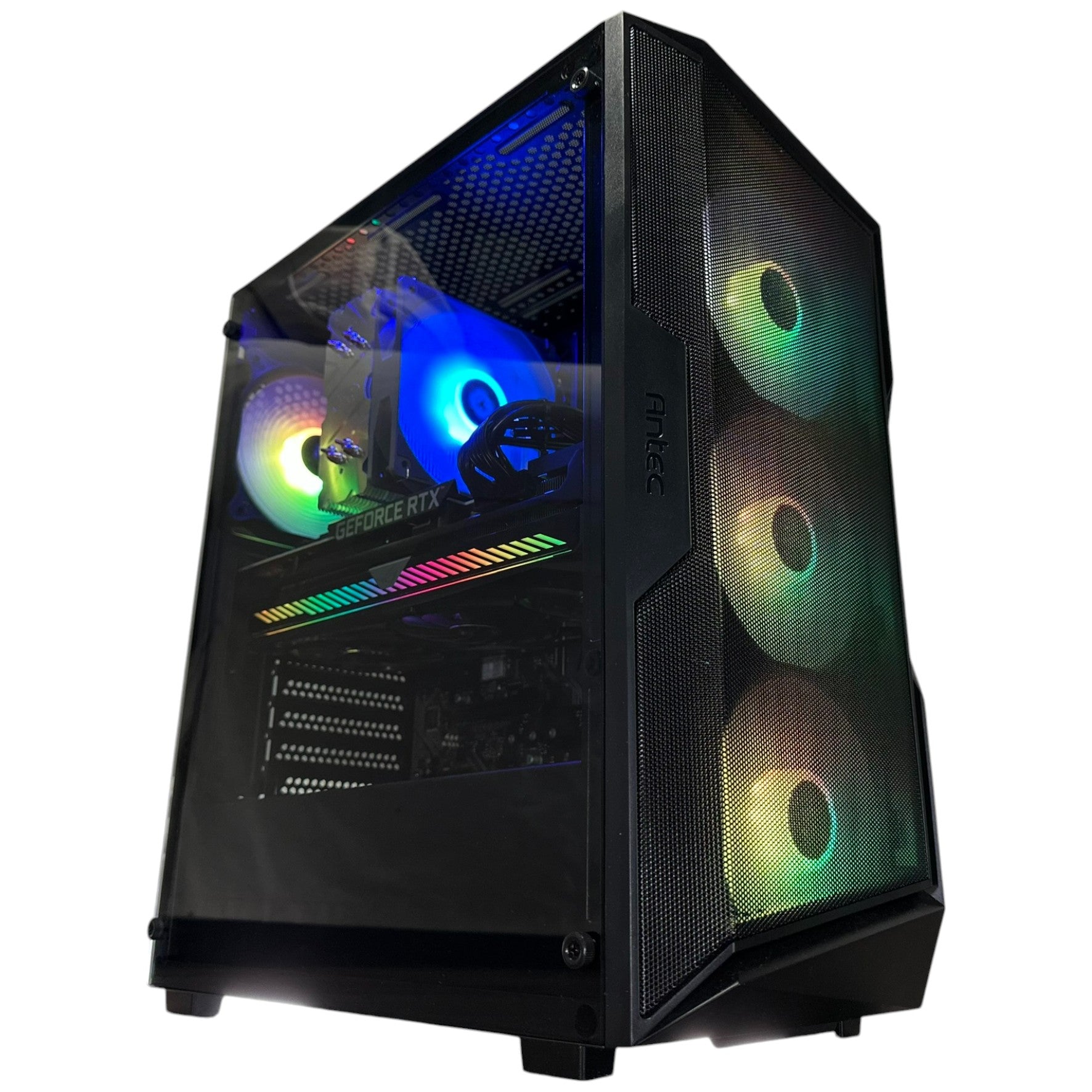
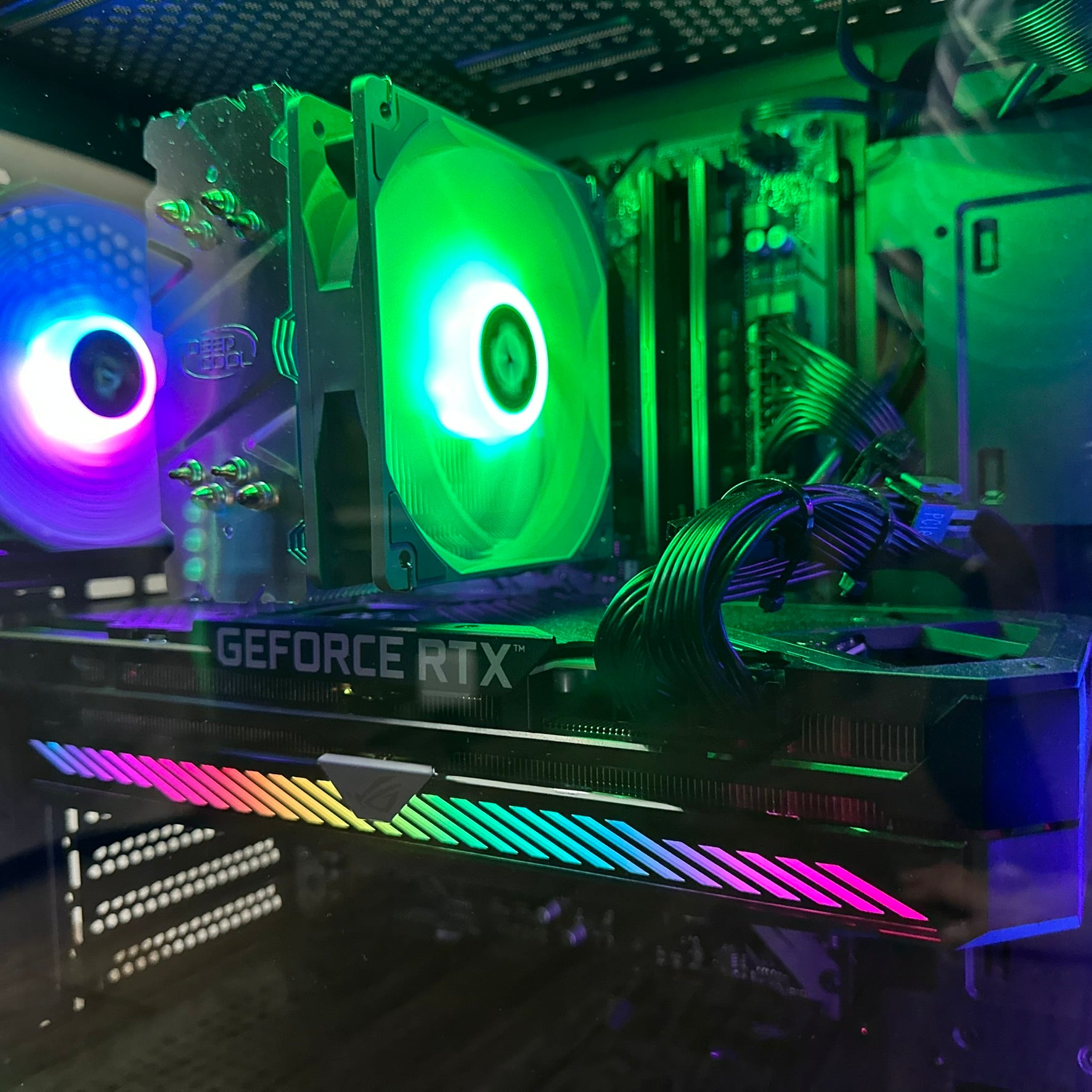


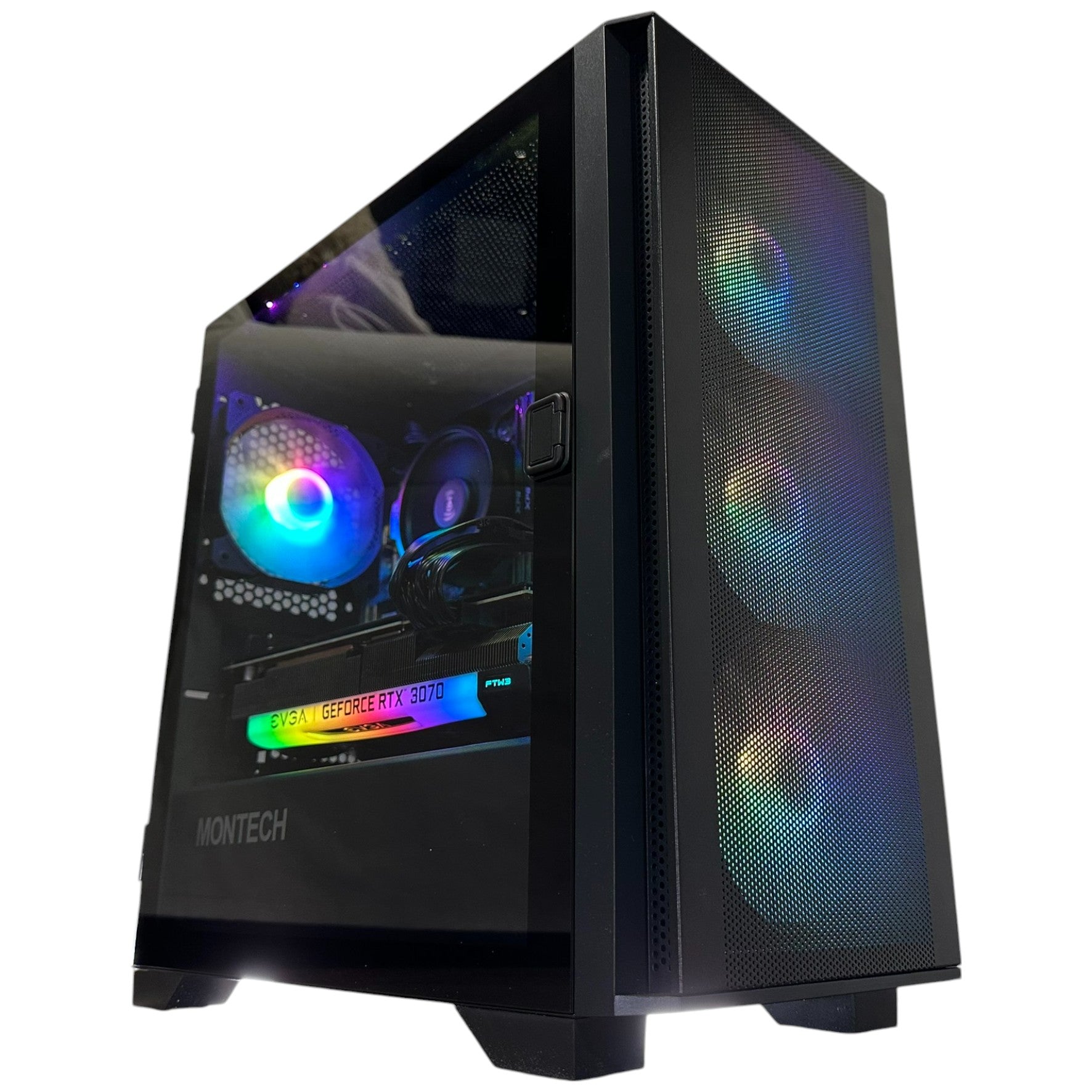
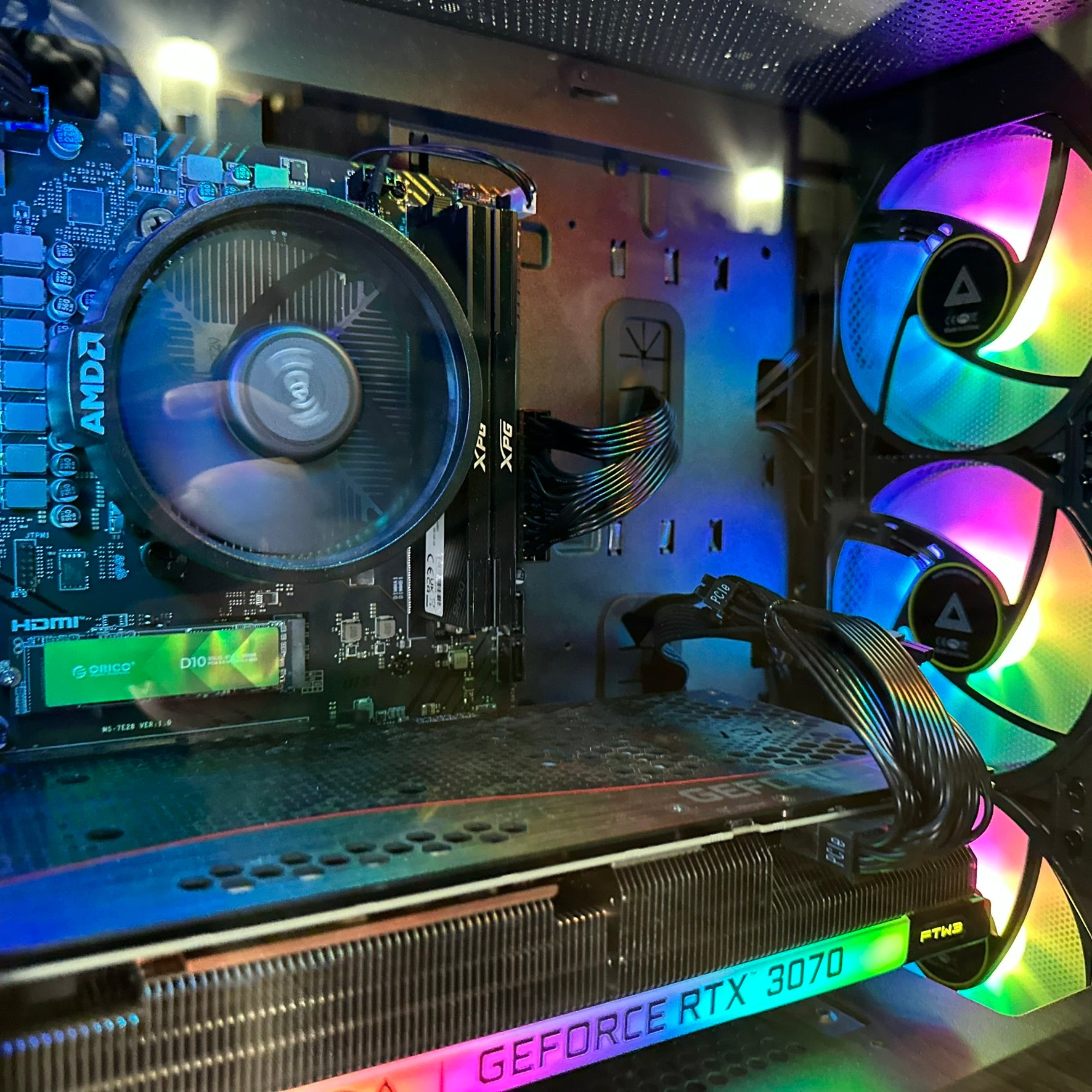
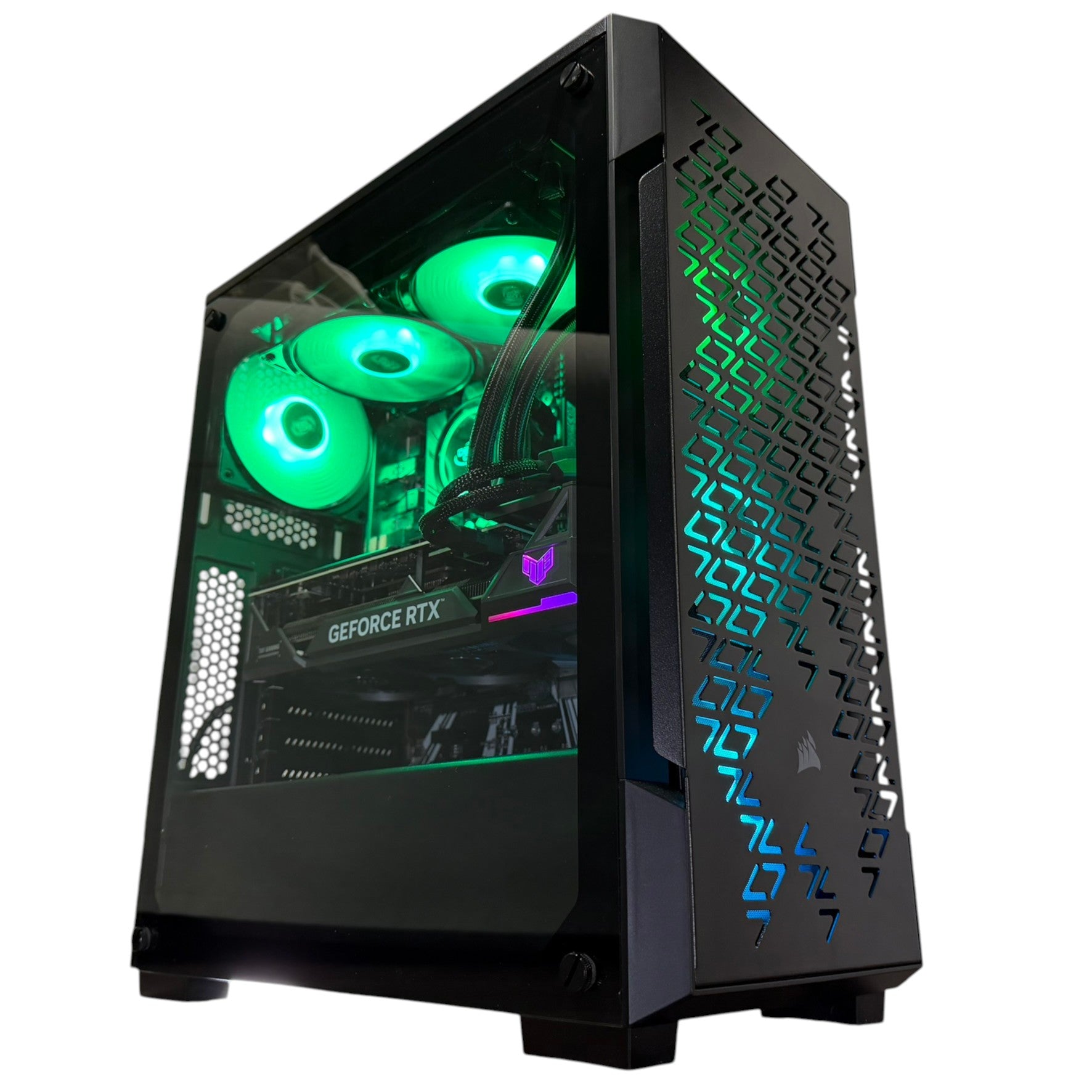

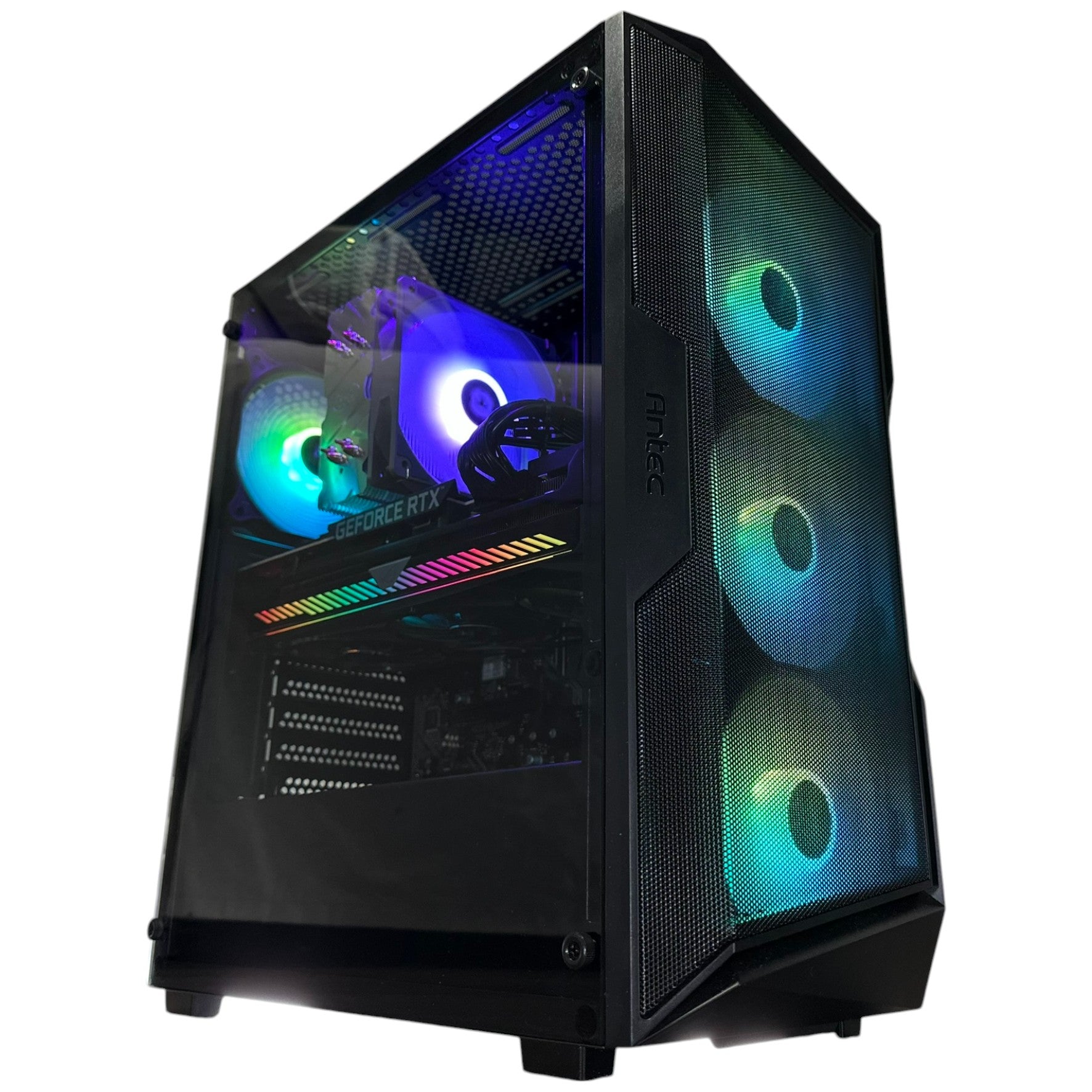


Last Sentinel’s Development Hell Is a Warning Sign for Anyone Planning a Gaming PC in Canada
The latest gaming PC in Canada buying conversation is no longer just about one upcoming title or one troubled studio. The recent news around Last Sentinel, the cyberpunk open-world project that reportedly spent more than six years in development while still failing to reach a clear launch path, highlights a bigger issue for players and creators alike: ambitious modern games are becoming harder to build, more expensive to optimize, and far more demanding on hardware. If you are thinking about your next desktop, this is exactly the kind of news that should make you ask a simple question: what do you want your next PC to do for you over the next several years?
For Canadian buyers, especially those trying to plan around major game releases, uncertain launch timelines, rising performance expectations, and hardware pricing pressure, this matters more than it first appears. When a game inspired by the scale of a major open-world blockbuster struggles for years behind the scenes, that tells us something important about the future of PC gaming: the bar for visual fidelity, world simulation, streaming assets, AI systems, ray tracing, and smooth frame rates keeps going up. If your current system already feels stretched, are you really better off waiting, or is now the time to secure a stronger custom build before your options get more expensive?
What happened with Last Sentinel, and why does it matter to PC buyers?
Based on the source reporting provided, Last Sentinel was revealed as an ambitious AAA open-world title, positioned internally as a cyberpunk-style answer to the biggest names in the genre. The project reportedly faced years of delays, internal playtest struggles, shifting direction, leadership issues, and layoffs after extensive review. Even after six years of work, the game still appears far from a clear release window.
That is obviously a development story first. But it is also a market signal.
Why? Because when studios aim for larger worlds, denser cities, cinematic animation, more realistic lighting, and more advanced systems, the eventual PC requirements often climb too. Even games that launch in rough shape tend to improve visually over time through patches, higher texture packs, expanded effects, and more advanced rendering options. So when you read about a title trying to compete with the most demanding open-world games in the market, the real follow-up question becomes: is your current PC ready for where AAA gaming is going, not just where it is today?
Why Canadian gamers should read this kind of news differently
In Canada, buying timing matters. Component prices can shift quickly. GPU demand can rise around major game releases. Premium parts can become harder to source during hype cycles. Shipping and replacement costs are not always forgiving. That means Canadian buyers often face a tougher decision than simply waiting for “the perfect time.”
If you wait until a huge new open-world release gets a final date, what happens if demand spikes for higher-end graphics cards? What happens if you realize too late that your current PC cannot handle 1440p ultra settings, ray tracing, heavy modding, or gaming while streaming? What happens if you end up replacing an older budget system under pressure instead of choosing a smarter, longer-lasting custom build now?
This is why a Canadian custom PC strategy matters. A well-planned system is not just about chasing a single game. It is about buying enough performance headroom to handle the next wave of releases without forcing another upgrade too soon.
What do you want your next PC to do for you?
Before you compare parts, prices, or financing options, step back and ask the most useful question in the entire buying process: what do you want your next PC to do for you every day?
Are you mainly preparing for new open-world games? Are you trying to get smoother frame rates in competitive multiplayer titles? Do you want a machine that can game and stream at the same time? Are you editing YouTube videos after your gaming sessions? Are you working in Photoshop, Illustrator, Lightroom, Premiere Pro, DaVinci Resolve, Blender, or Unreal Engine?
Your answer changes everything.
- If you mostly game: your GPU, CPU balance, cooling, and resolution target matter most.
- If you stream: you need stronger multitasking performance, smart encoder support, and enough RAM.
- If you edit videos: you need faster exports, responsive timelines, and storage that keeps up.
- If you do graphic design or photo editing: system responsiveness, memory, SSD speed, and stability matter more than flashy specs alone.
- If you work in 3D: render performance, GPU memory, CPU horsepower, and thermal reliability become critical.
- If you want one machine for all of it: you need a properly balanced custom build, not a random spec sheet.
So what sounds more like you: a budget gaming desktop for today, or a more capable long-term system that can grow with your gaming and creative workload?
Could games like Last Sentinel push more players toward stronger 1440p and 4K-ready systems?
Very likely, yes. Even without official final requirements, projects in this category usually point in one direction: more load on the GPU, more strain on storage, and more importance placed on modern CPUs that can handle large open worlds smoothly.
If you are targeting 1080p gaming, you may still have room to prioritize value. But if you expect to play future open-world releases with high settings, detailed cityscapes, better draw distances, and modern lighting effects, then 1440p gaming PC Canada and 4K gaming PC Canada conversations become much more relevant.
Ask yourself a few honest questions:
- Do you want to stay at 1080p for esports and lighter titles, or are you moving into more cinematic AAA gaming?
- Do you want high refresh rate smoothness, or are you focused on visual quality and immersion?
- Do you care about ray tracing, or would you rather maximize frames per dollar?
- Are you trying to future-proof for the next few years, or just survive one more release cycle?
The wrong build is often not “too weak” in a general sense. It is simply mismatched to what the customer actually wants from modern gaming.
What performance tier fits you best?
If you are wondering what gaming PC do I need, the easiest way to decide is by your actual use case, not by hype alone.
Entry-level value tier: good for 1080p players who want a sensible starting point
This tier makes sense for buyers who mostly play esports titles, lighter multiplayer games, indie releases, older AAA titles, and some newer games at adjusted settings. If your main question is how much should I spend on a gaming PC, this is where budget discipline matters most.
But be careful. A very cheap system can become expensive if it forces an early replacement. If you already know you want demanding open-world games, ray tracing, streaming, or creative apps, is a low-cost build really saving you money?
Mid-range sweet spot: ideal for 1080p ultra and strong 1440p gaming
This is often the best fit for players who want room for upcoming games without jumping straight into premium pricing. A balanced mid-range build can deliver excellent performance for modern gaming, better multitasking, and enough overhead for light streaming or editing. For many Canadian buyers, this is the category that offers the best mix of longevity and value.
Are you the kind of buyer who wants to avoid upgrading again in a year or two? Then this may be the smartest place to shop.
High-performance tier: for 1440p high refresh, ray tracing, and serious multitasking
If you want a custom gaming PC Canada setup that can handle demanding open-world titles, heavy mods, streaming, Discord, browser tabs, recording, and maybe even some editing on the side, this is where things get more comfortable. This tier is often the right answer for customers asking, what PC do I need for 1440p gaming?
Do you want smooth gameplay today and confidence tomorrow? This tier is often where future-proofing starts to feel real instead of theoretical.
Premium enthusiast tier: for 4K gaming, creator workloads, and maximum headroom
This tier is for buyers who want ultra settings, advanced lighting features, premium cooling, top-tier responsiveness, and serious crossover use into streaming, editing, and workstation tasks. If your real goal is not just gaming but also content creation or rendering, a stronger system may be the better long-term investment.
Would you rather buy once properly than compromise twice?
What if you are not just gaming?
One of the biggest mistakes buyers make is shopping only for game performance when their actual daily workload is much broader. News around large-scale games creates urgency, but many customers also need their PC to handle streaming, creative software, and professional tasks.
So let’s make this practical.
Do you want a gaming and streaming PC in Canada?
If you plan to game and broadcast at the same time, your PC needs more than just raw frame-rate potential. Streaming can introduce encoding load, memory pressure, background app usage, and storage demand for recordings. A proper gaming and streaming PC Canada build needs enough CPU and GPU balance to avoid the classic problem of “my game runs fine until I go live.”
Are you using OBS? Do you want 1080p streaming while gaming at high settings? Are you planning to clip content for YouTube, TikTok, or shorts afterward? If yes, a stronger custom configuration becomes much easier to justify.
Do you want a creator PC for editing and content production?
If your workflow includes Premiere Pro, DaVinci Resolve, After Effects, Photoshop, Lightroom, Illustrator, or other Adobe Creative Cloud tools, then your ideal system may be closer to a creator PC Canada or video editing PC Canada build than a pure gaming rig.
Ask yourself:
- Are you editing 1080p clips or 4K footage?
- Do you work with multiple layers, effects, colour correction, or motion graphics?
- Do you need fast exports and responsive playback?
- Do you open Photoshop, Premiere, and browser tabs at the same time?
If the answer is yes, then RAM capacity, SSD layout, CPU strength, and GPU acceleration all matter. A machine selected only for gaming may leave performance on the table in your real workflow.
Do you need a graphic design or photo editing desktop?
Not everyone chasing performance is a gamer first. Some customers come in because creative software starts feeling slow, not because a game does. If you are working in Photoshop, Lightroom, Illustrator, Canva, or InDesign, then a graphic design PC Canada or photo editing PC Canada setup should focus on responsiveness, RAM, storage, display support, and stability.
Do you batch export large RAW photo sets? Do you work with huge layered design files? Do you rely on a multi-monitor workspace? Then you need a system built around real professional use, not just a flashy gaming label.
Do you need a 3D modeling or rendering workstation?
For Blender, Unreal Engine, Maya, Cinema 4D, 3ds Max, ZBrush, CAD, or other advanced workflows, a proper 3D modeling PC Canada or workstation PC Canada build can save significant time. Rendering, scene complexity, simulation work, viewport performance, and memory demands all increase quickly.
So ask the important question: are you buying a system to play games after work, or are you buying a machine that needs to earn its keep while you model, render, animate, design, or build commercial work?
Why troubled AAA development still affects your next PC decision
When high-profile projects run into long development cycles, teams often revise visual targets, engine pipelines, world density, and optimization strategies. That can mean the eventual release lands with higher system expectations than early viewers assumed. It can also mean launch periods bring fresh waves of GPU interest as gamers rush to prepare.
You do not need to know the final spec sheet of one particular game to understand the larger pattern. Big-budget games are increasingly built around demanding features:
- larger open worlds
- heavier texture streaming
- denser NPC and traffic systems
- cinematic lighting
- ray tracing or advanced reflections
- higher VRAM usage
- greater CPU load in complex city environments
- larger installs and faster storage needs
If your current machine already struggles with open-world titles, should you assume the next wave will somehow get easier?
Is it better to buy a gaming PC now or wait?
This is one of the most common and most important questions. The honest answer is that it depends on your current hardware, your goals, and your risk tolerance. But waiting is not automatically the safer move.
You may want to buy sooner if:
- your current system already struggles in the games you play now
- you know you want to play upcoming AAA releases at higher settings
- you also need the PC for streaming, editing, or creative work
- you want time to enjoy the system before demand spikes
- you want to avoid panic-buying when a release date gets announced
You may be tempted to wait if:
- your current system still comfortably handles your workload
- you have not decided on 1080p, 1440p, or 4K yet
- you are unsure whether gaming is your main use case or only one part of it
But here is the key question: are you waiting because it is strategic, or because the decision feels easier to postpone?
For many buyers, delay only narrows options. By the time they decide, they are facing higher prices, less stock flexibility, or the need to replace a now-failing machine quickly.
Could financing help you secure a better system before prices change?
For some customers, yes. If you know you need more performance but do not want to compromise into a weaker build that ages out too quickly, financing can be a smart planning tool rather than a reckless one.
That is especially true when you are trying to avoid the false economy of buying too little now and upgrading again sooner than expected. A stronger system can mean more years of useful performance, smoother gaming, better productivity, faster render times, and less frustration overall.
So ask yourself honestly: should you buy a cheaper PC that you may outgrow quickly, or would financing a better build make more sense?
For Canadian buyers concerned about monthly cash flow, financing can make it easier to step into a better long-term system sooner. If available through your chosen build path, spreading the cost across manageable payments can be far more practical than settling for hardware you already know may feel limiting within a year. That is especially relevant when considering that Groovy Computers offers financing options for qualifying customers for up to 4 years.
What parts matter most if you want a PC for new open-world games?
If your focus is a gaming PC for new games, especially large cinematic releases, it helps to think in terms of bottlenecks.
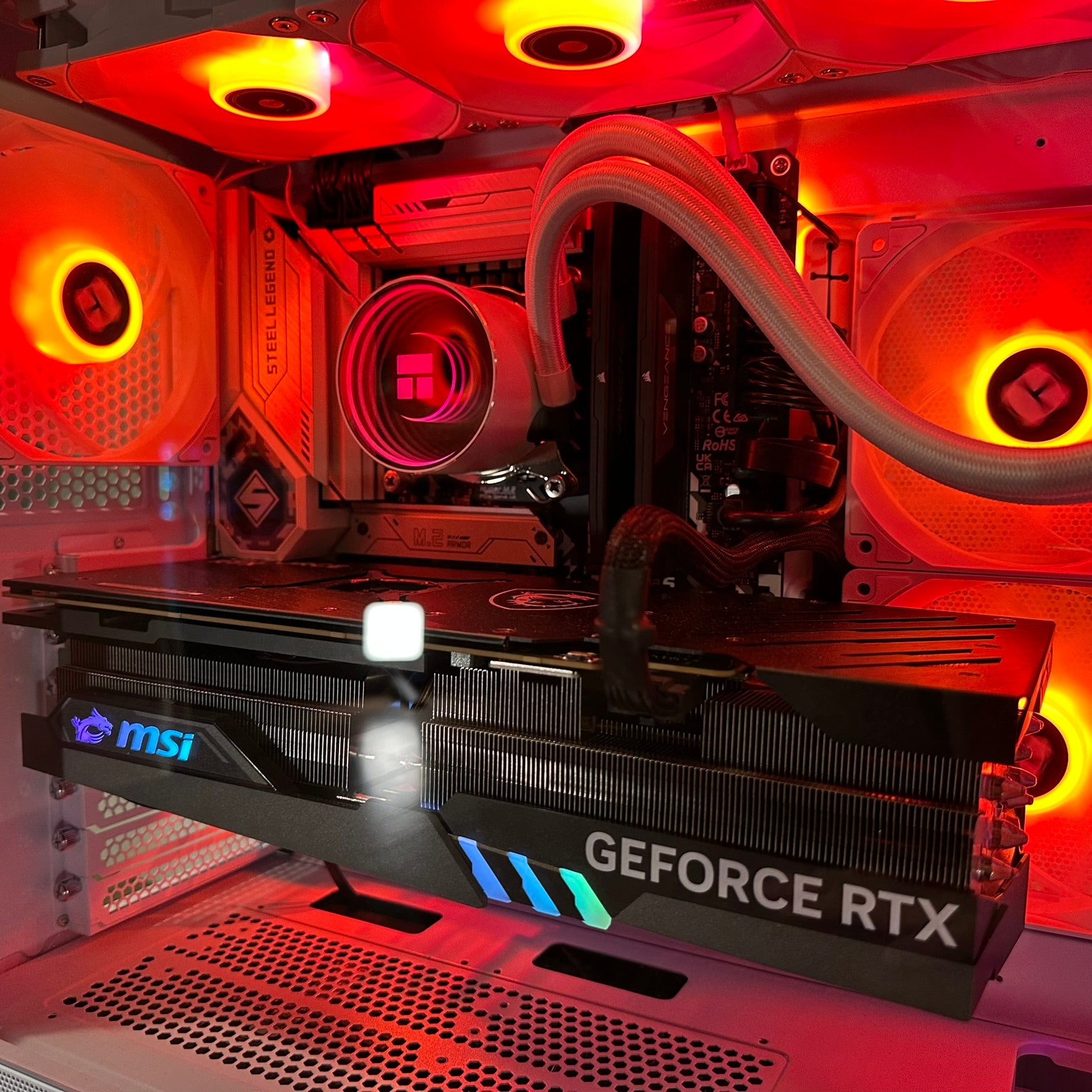
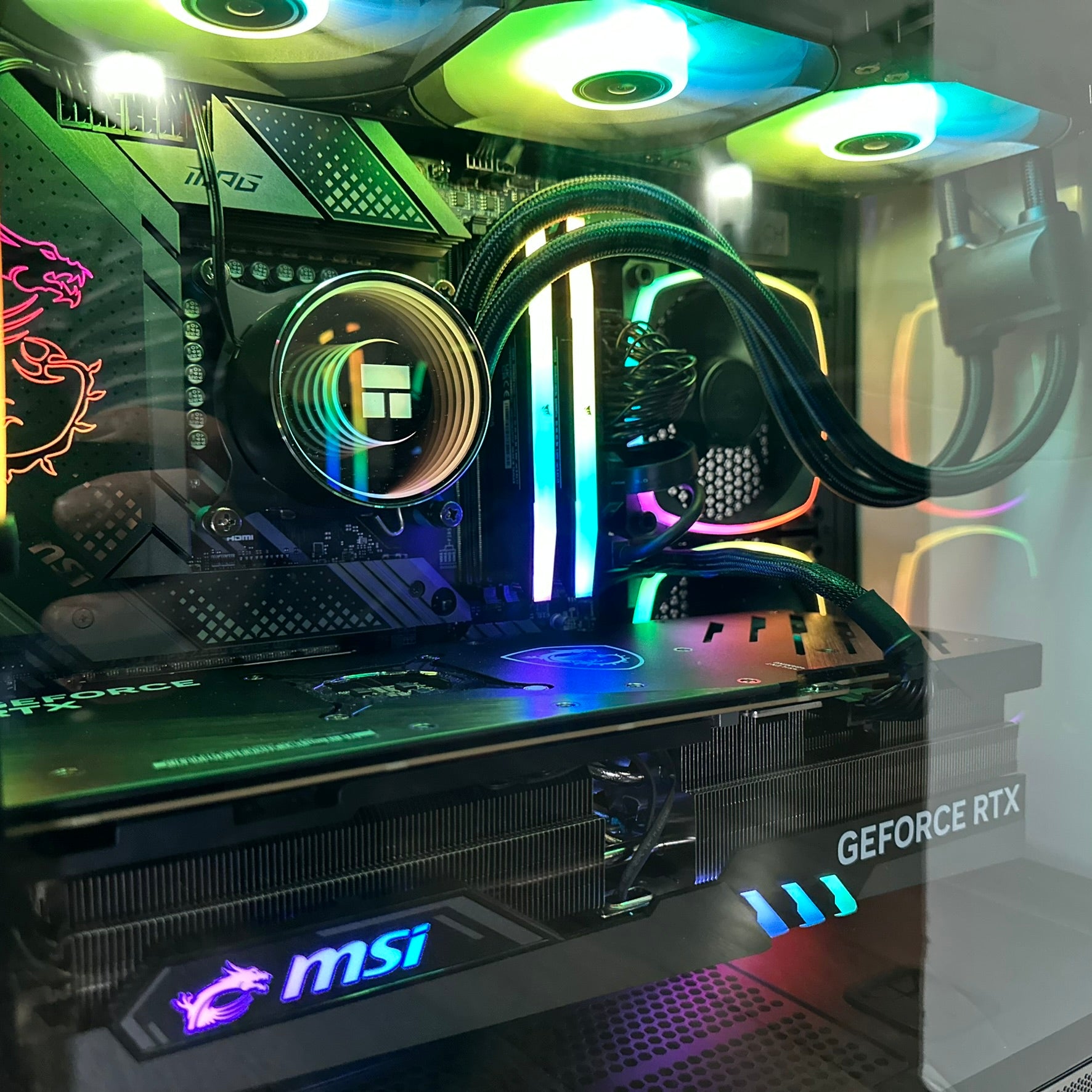
Graphics card
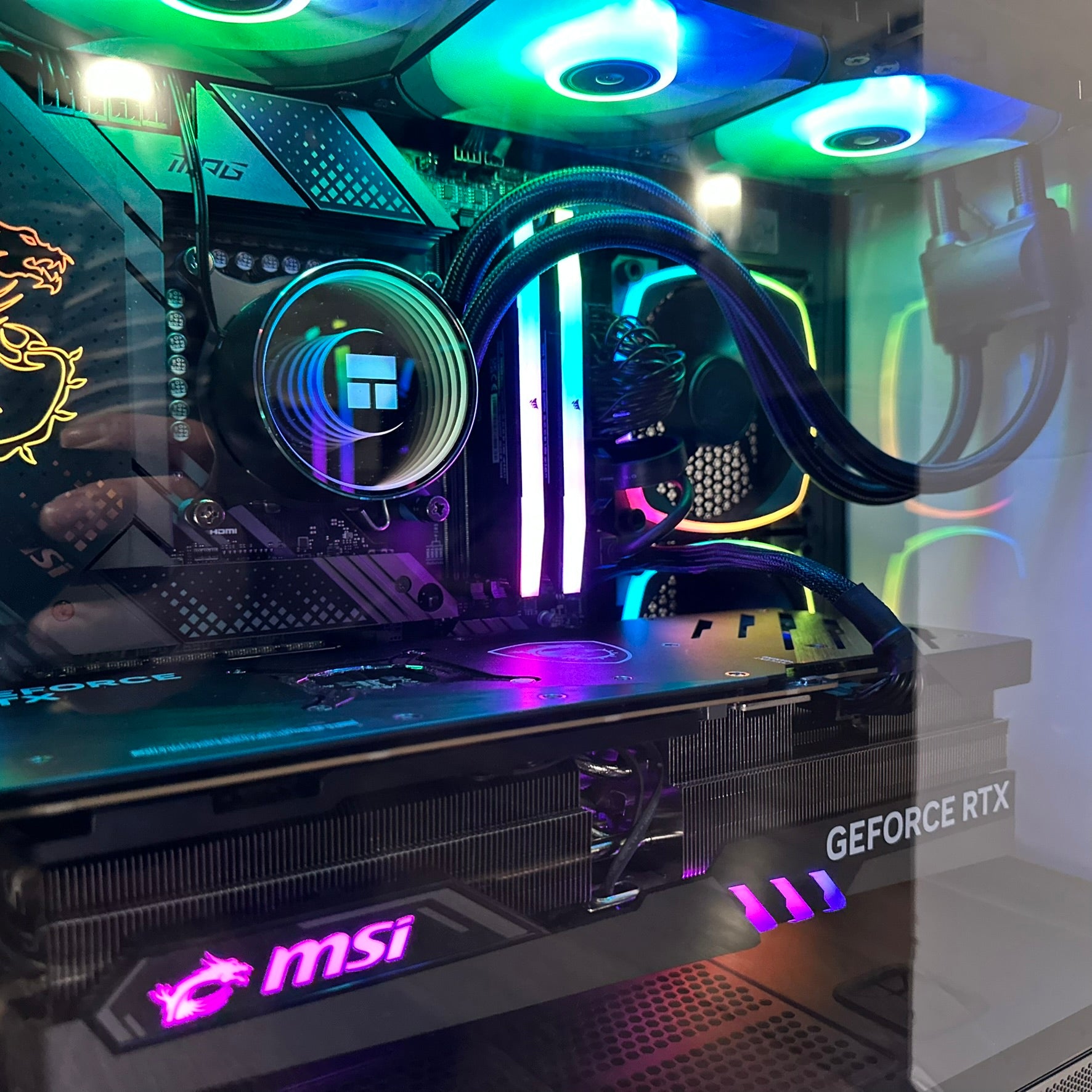
The GPU is still the biggest factor for resolution, visual settings, and advanced effects. If your goal is 1440p or 4K, your graphics card decision becomes central very quickly. Ray tracing, texture quality, and future headroom all push buyers toward stronger tiers.
Do you want to turn settings down constantly, or do you want room to enjoy the visual side of modern PC gaming?
Processor
Open-world games can be CPU-heavy, especially in dense city environments with AI, traffic, background systems, and lots of asset streaming. A balanced CPU choice helps maintain smoothness, minimum frame rates, and multitasking performance.
RAM
Modern gaming, streaming, browser use, Discord, mods, and creative apps all add memory pressure. Buyers trying to keep a system longer should think carefully about whether their RAM capacity matches their actual use.
SSD storage
Fast SSD storage is no longer optional for a premium-feeling experience. Game load times, streaming assets, Windows responsiveness, and creative workflows all benefit. And with game installs getting larger, capacity planning matters too.
Cooling and power delivery
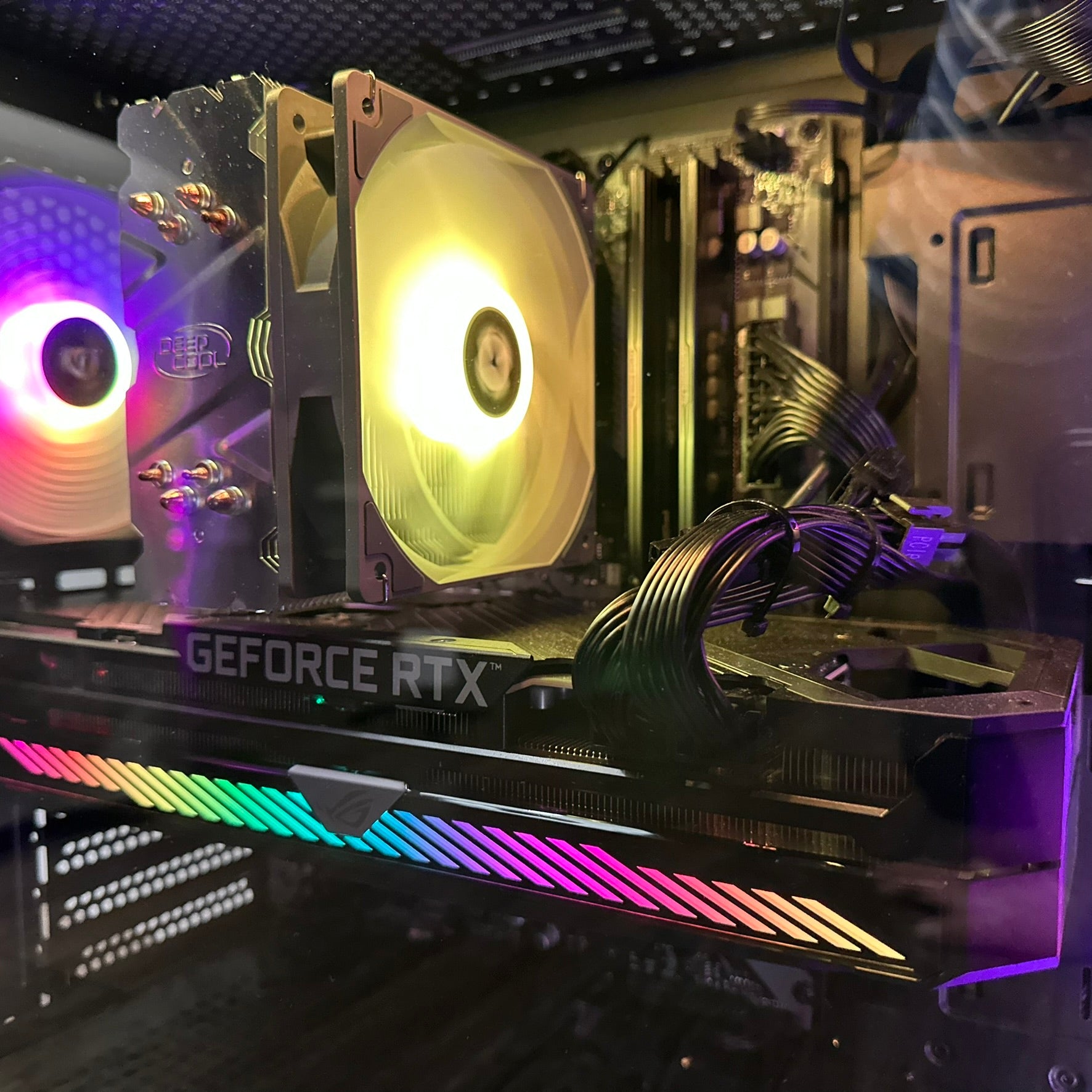
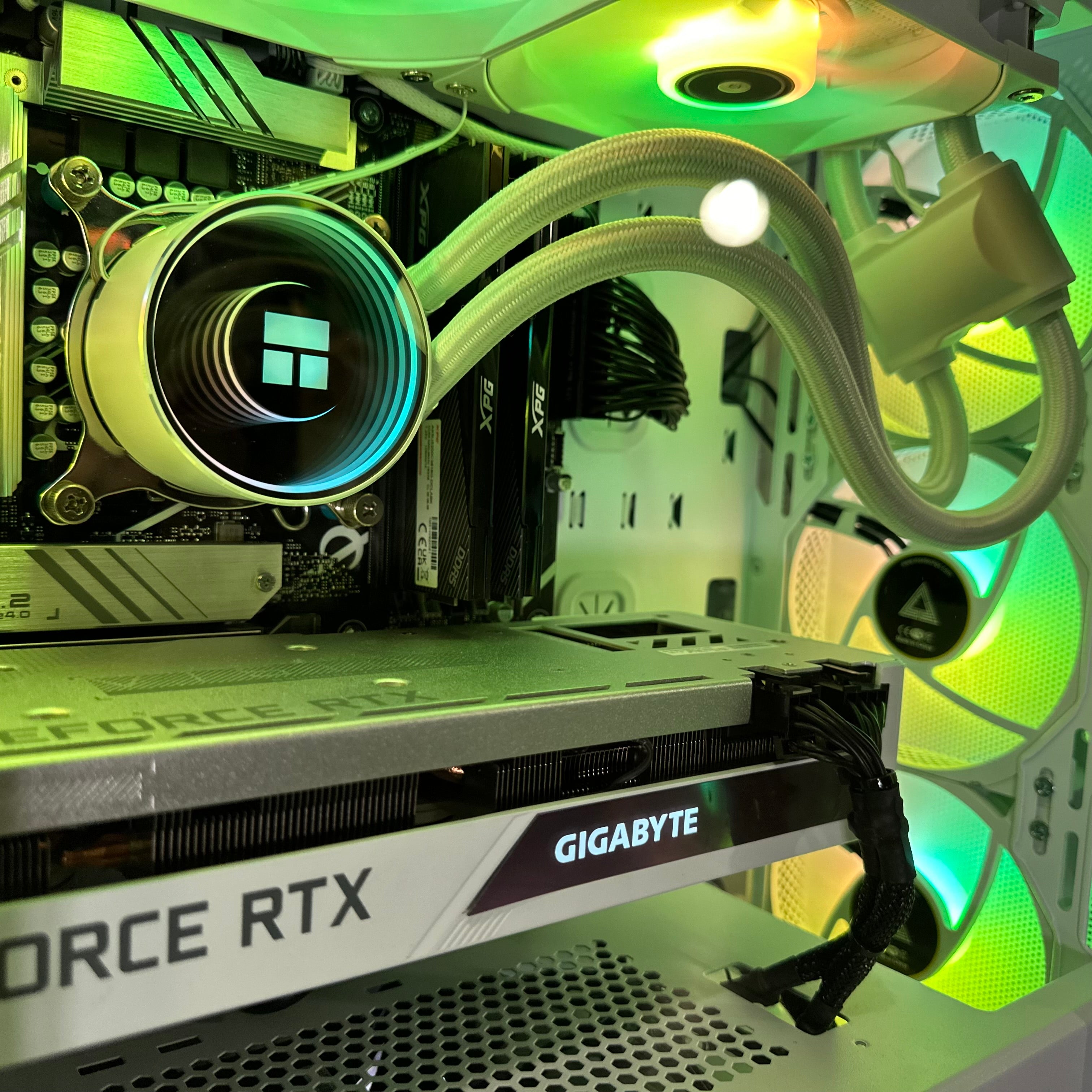
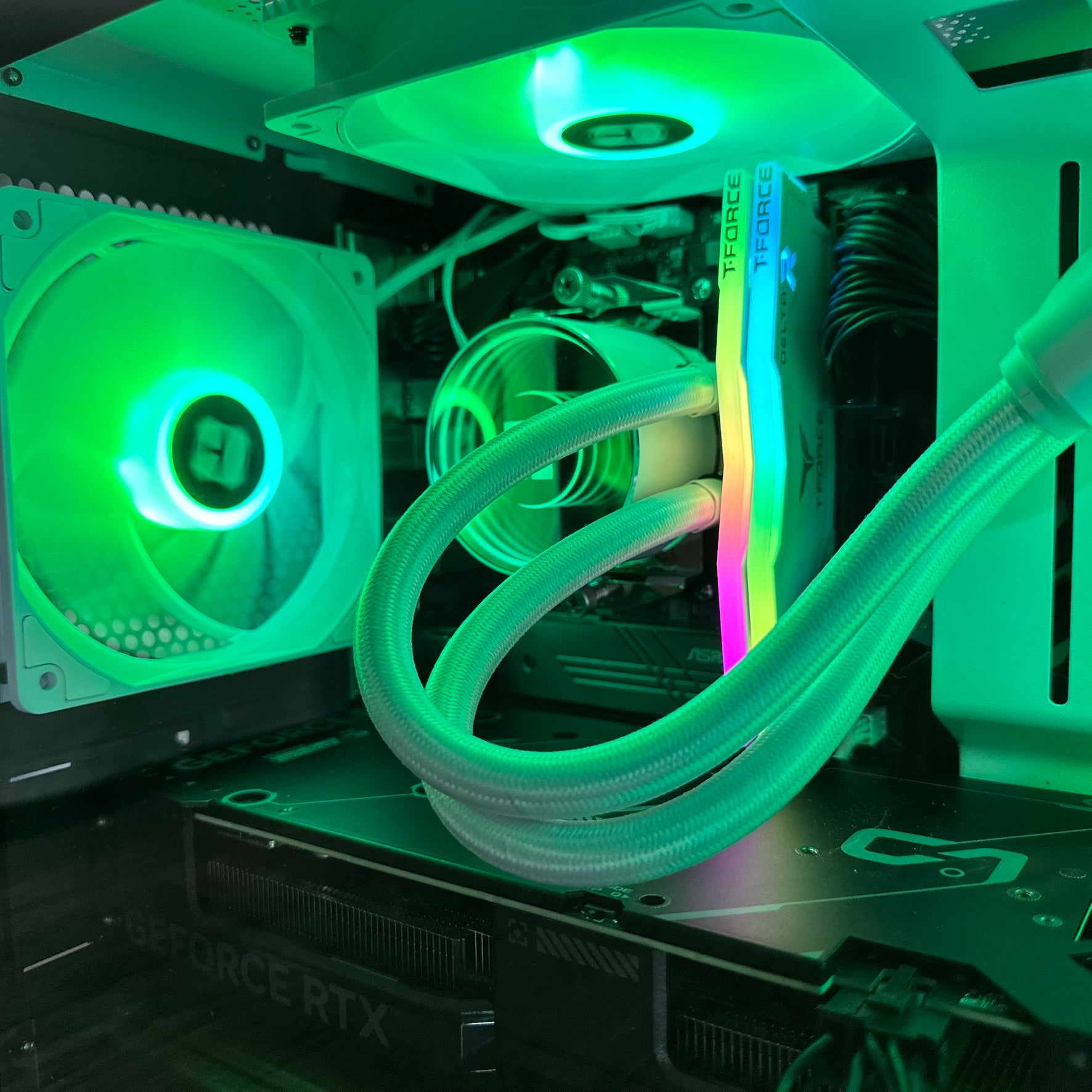
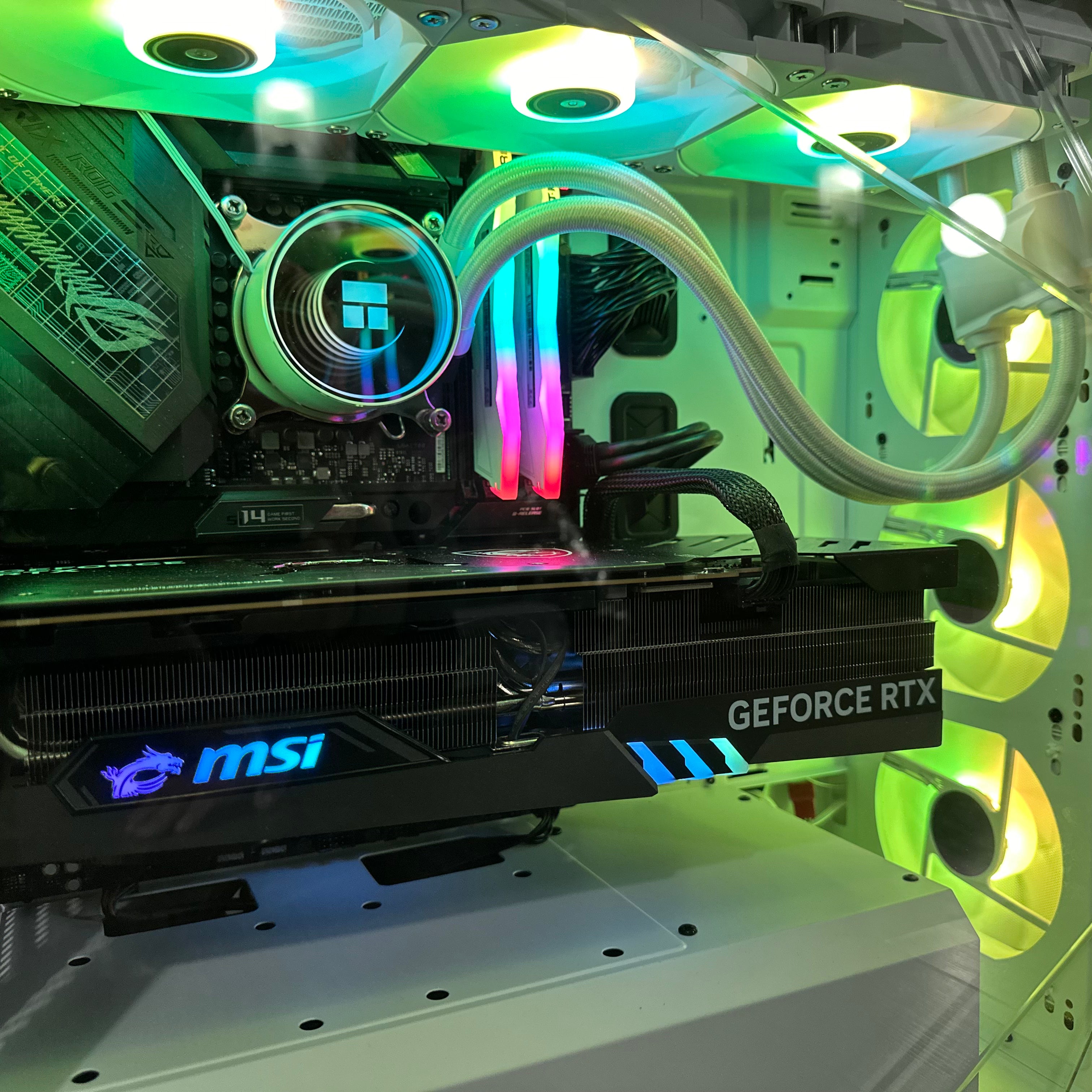
A strong PC is not just about benchmark parts. It is about stable thermals, clean power, lower noise, and sustained performance under real use. That is one reason custom builds matter more as systems become more powerful.
Custom PC vs prebuilt PC in Canada: what matters most right now?
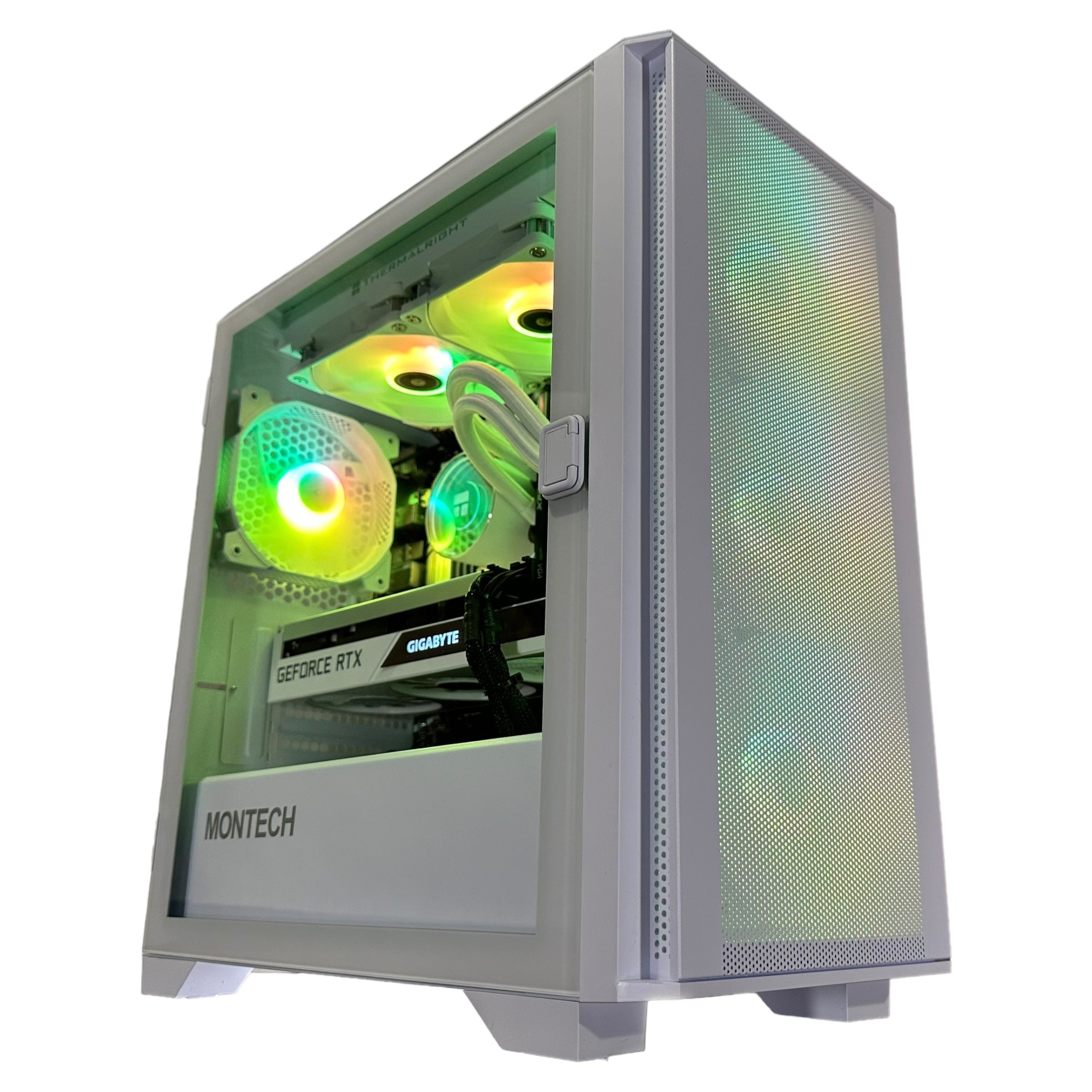
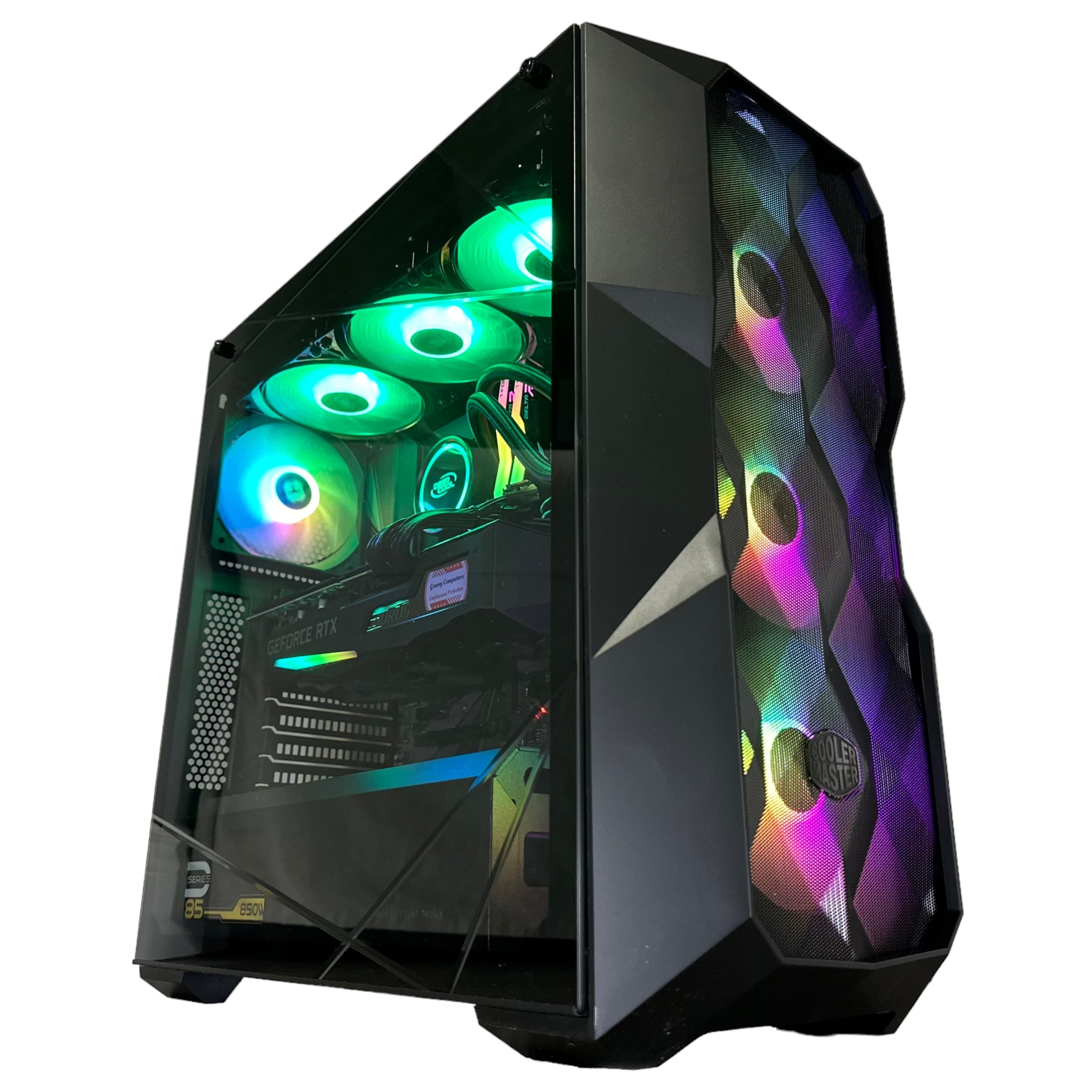
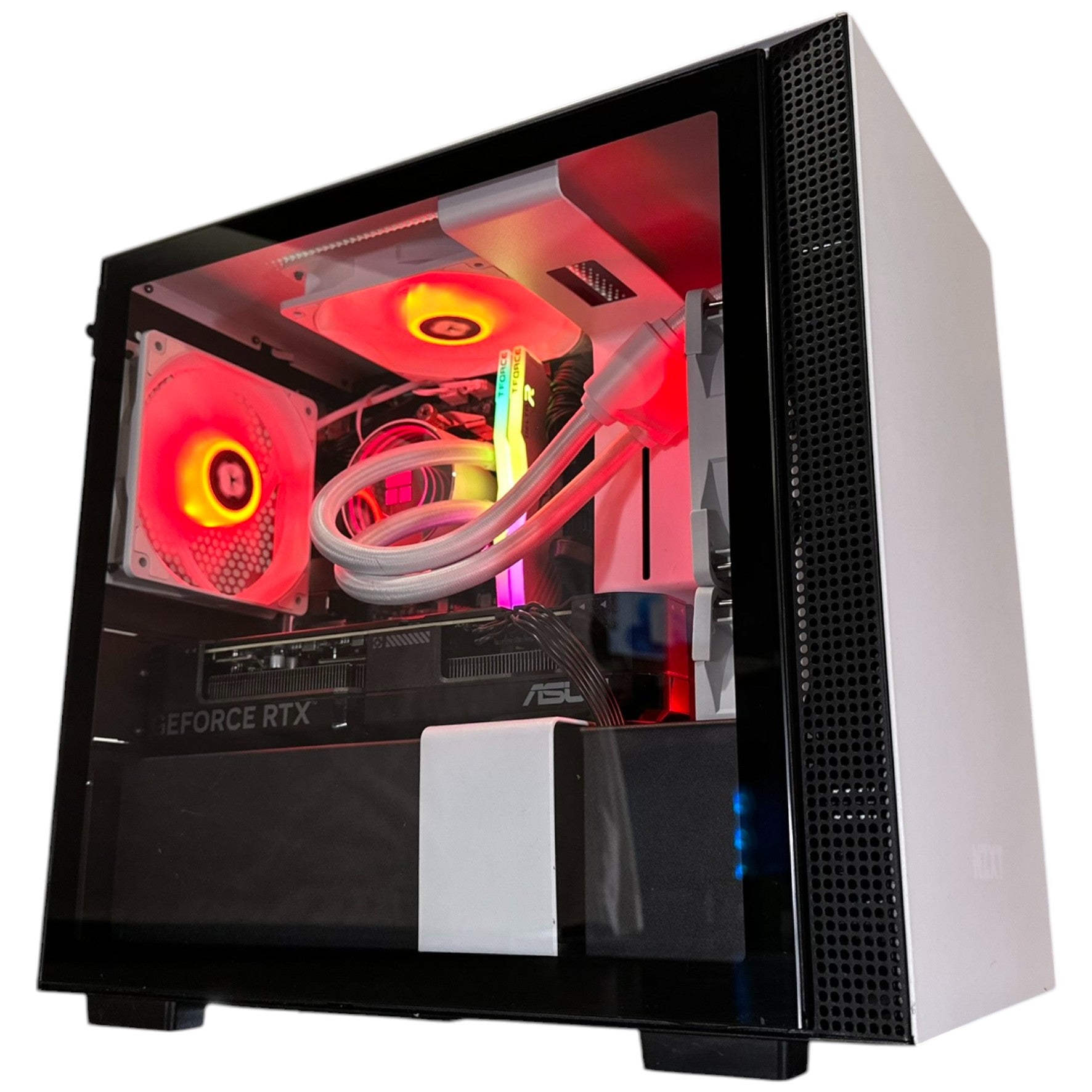
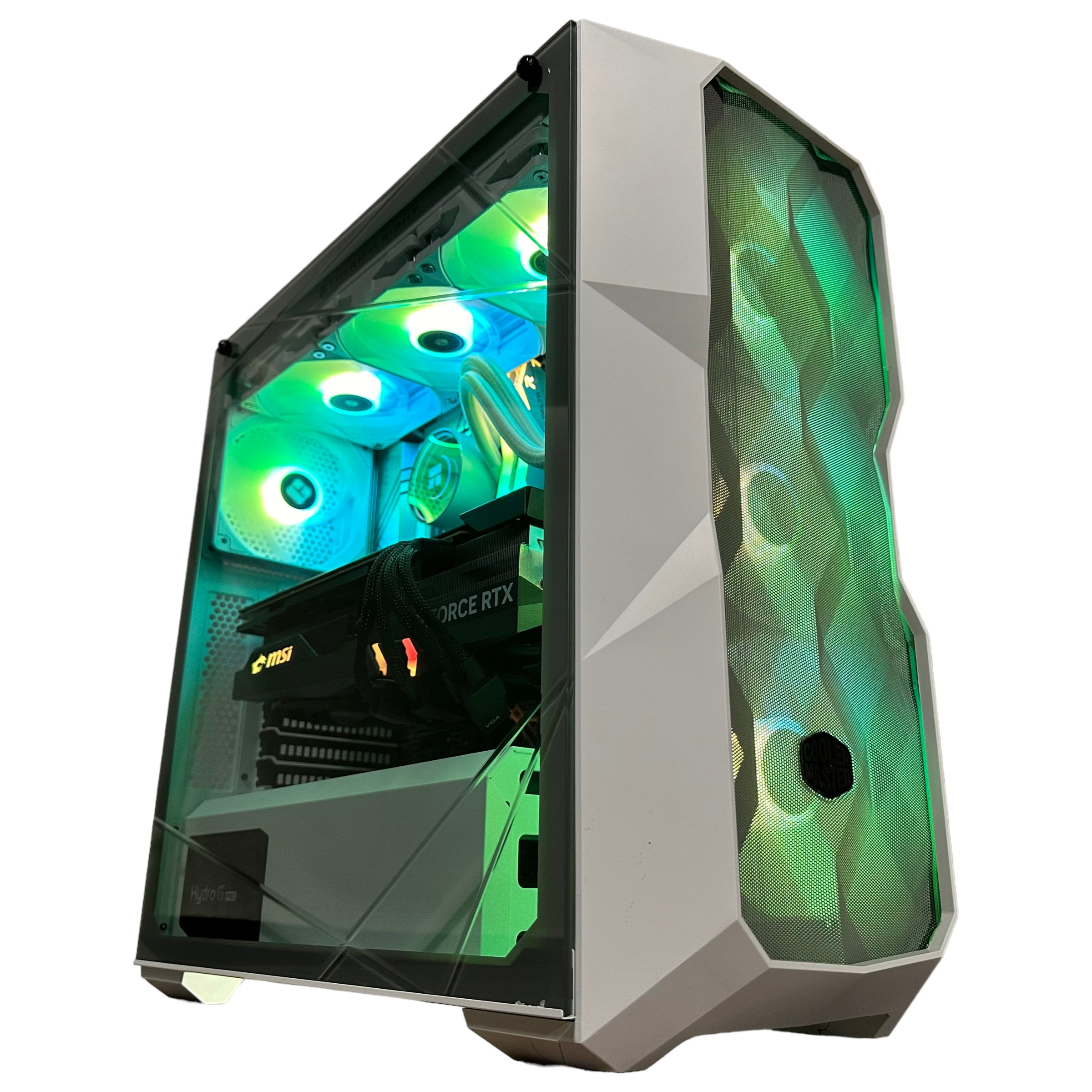
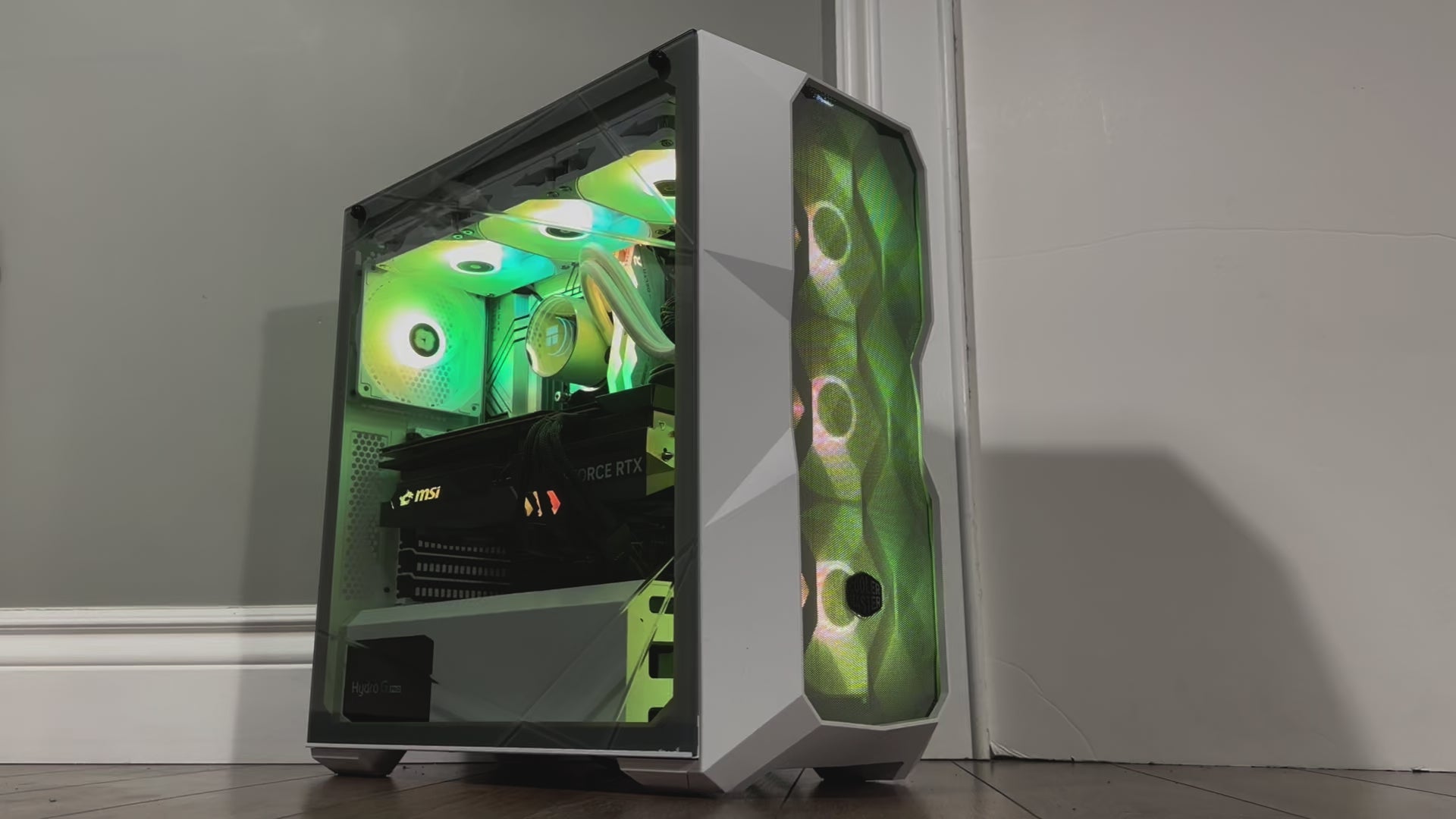
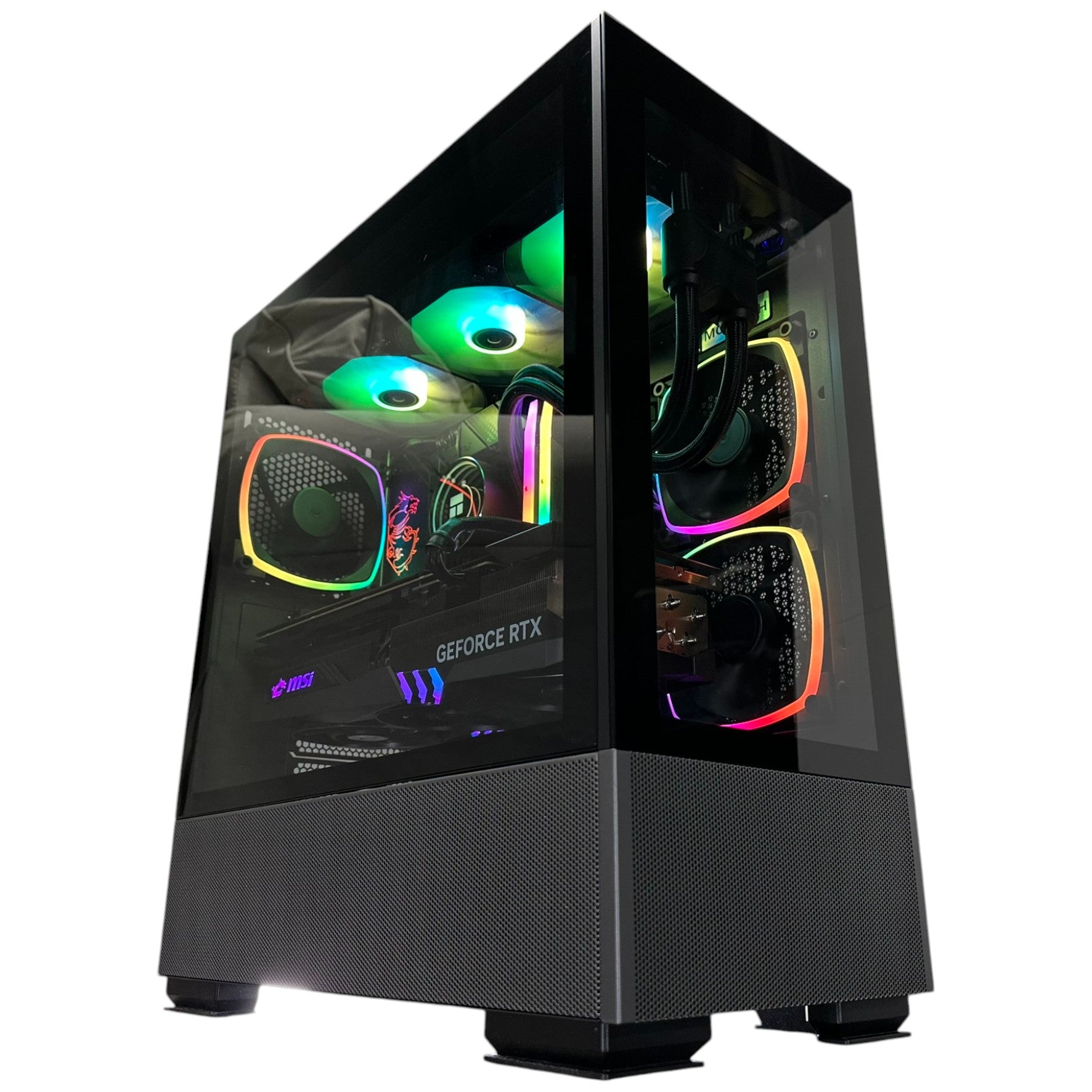
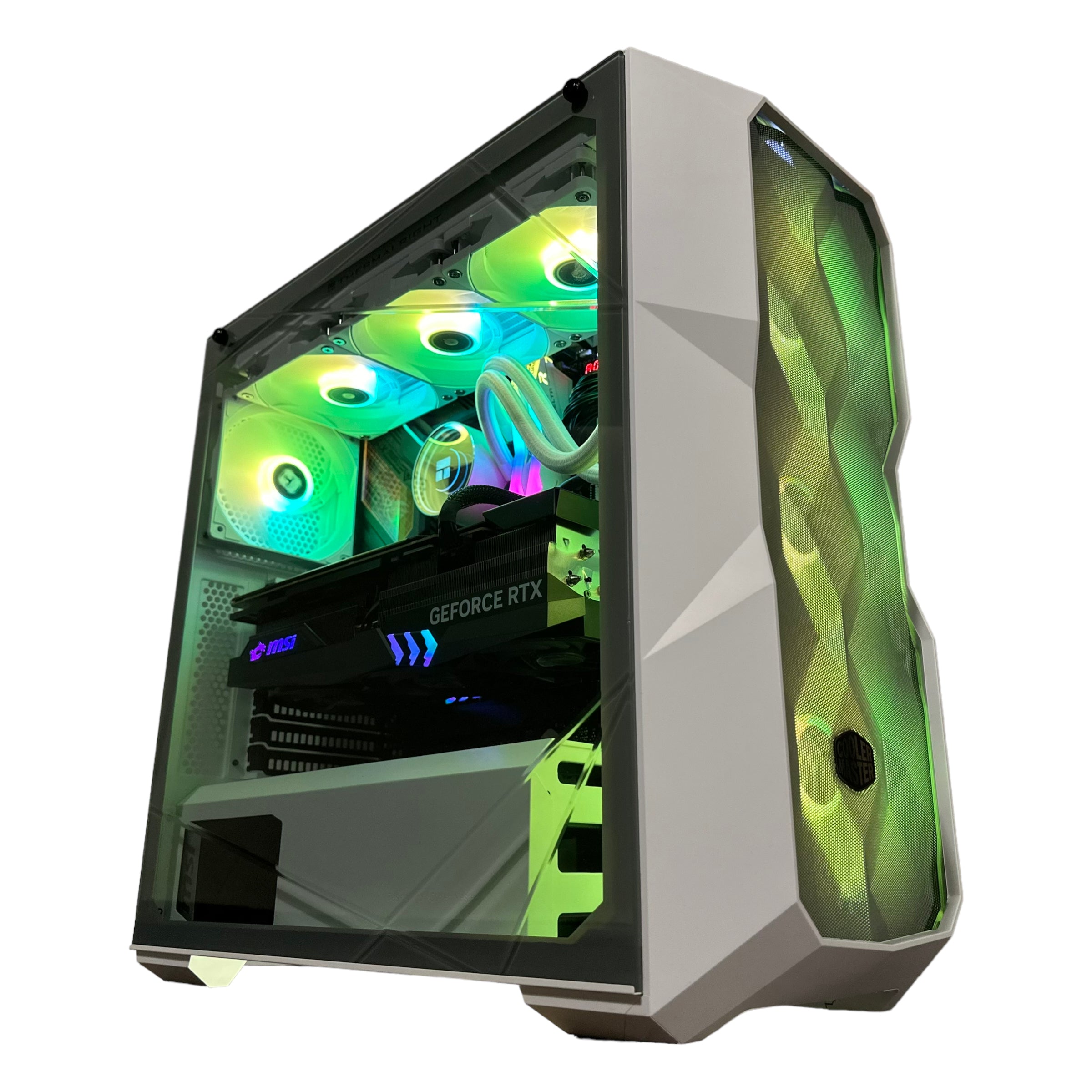
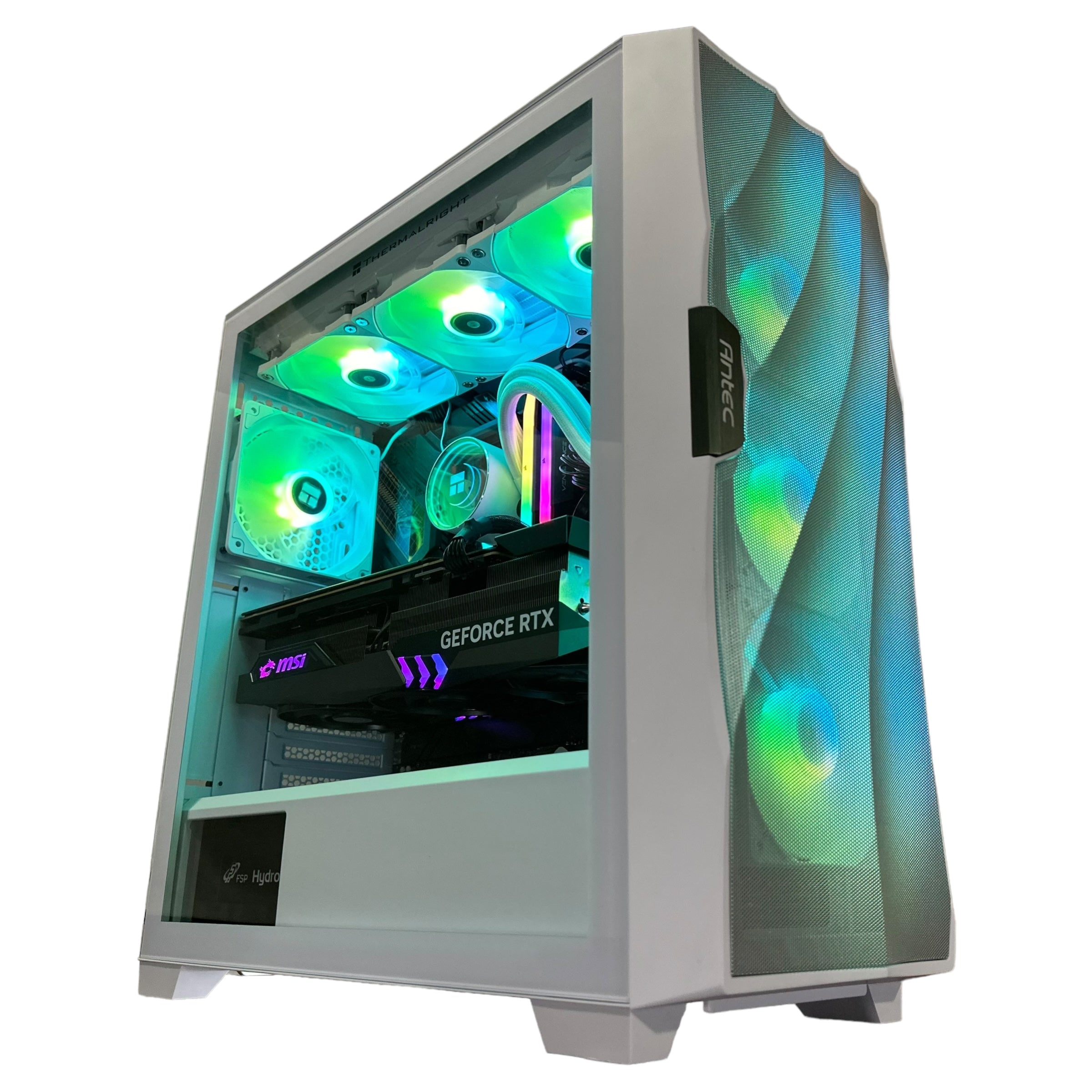
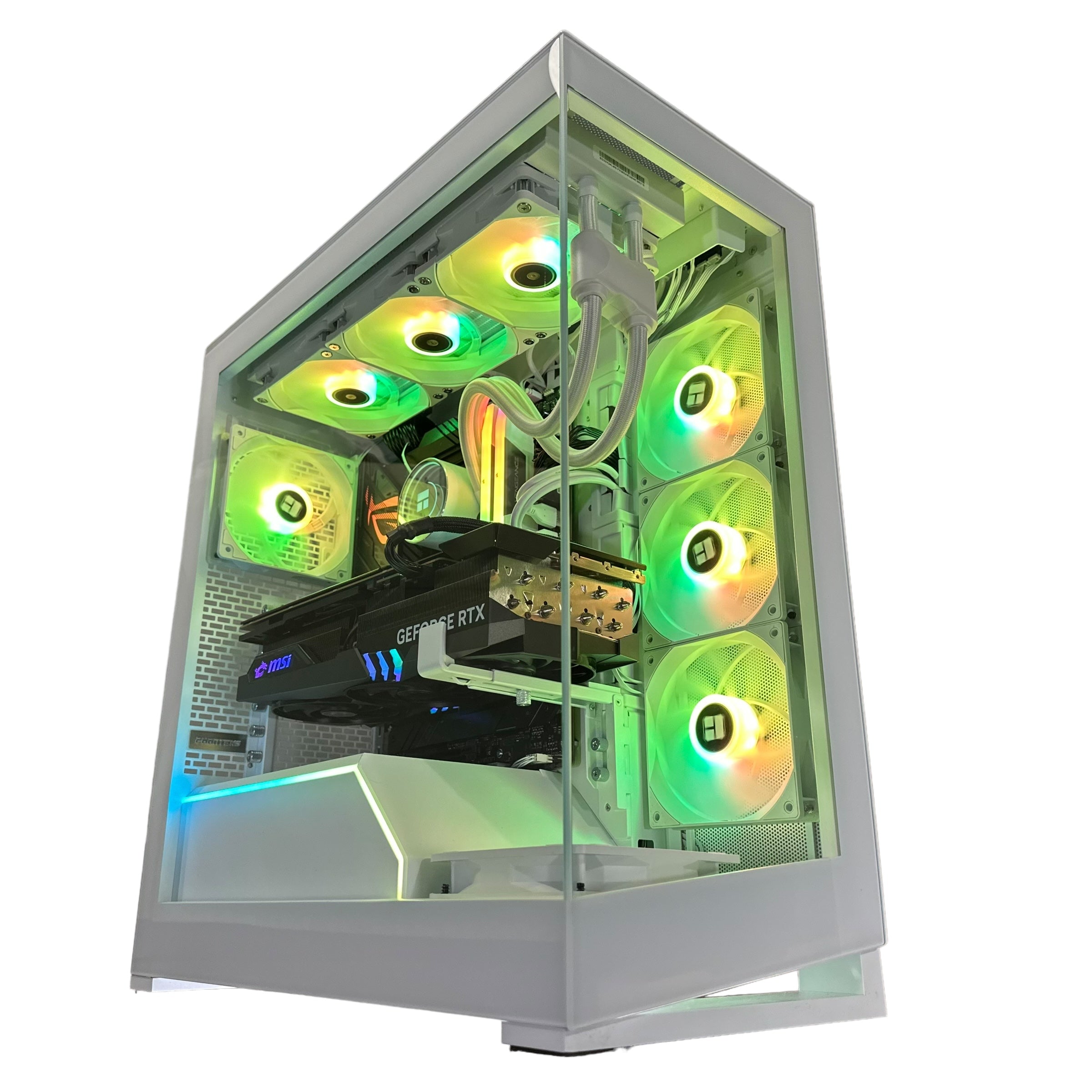
If you are comparing custom PC vs prebuilt PC Canada, this is where Groovy Computers has a clear advantage in buying logic. A custom-focused builder can match the system to your actual goals instead of pushing a one-size-fits-all box.
That matters when buyers are trying to answer questions like:
- Do I need a budget gaming computer or something 1440p-ready?
- Should I prioritize GPU power or CPU multitasking?
- Will I stream, edit, or create content later even if I mainly game today?
- Do I want a build with a cleaner upgrade path?
- How can I avoid replacing this system too soon?
A generic prebuilt can look attractive until you realize it cut corners in cooling, power supply quality, motherboard tier, memory configuration, or storage layout. A better custom build strategy is about matching parts intelligently, not just inflating one flashy spec.
Why testing, warranty, and support matter more when buying gets tougher
When pricing is volatile and workloads are rising, reliability matters more than ever. Saving a little up front means very little if the experience is unstable, noisy, poorly cooled, or difficult to support later.
That is why many Canadian buyers prefer a builder that focuses on proper assembly, stress testing, balanced configuration, and meaningful after-sale confidence. Groovy Computers builds systems for real use cases and backs them with a 1-year warranty. That matters whether you are buying a gaming system, a custom creator desktop, or a workstation-class machine.
If you are spending serious money, do you want a random list of parts, or do you want confidence that the system was built and tested for the way you actually plan to use it?
Which type of buyer should choose which kind of Groovy Computers build?
If you are a first-time buyer
You may be looking for a practical starting point that handles modern games well without overspending. In that case, a balanced entry or mid-range gaming desktop may be the best answer. The goal should not be “cheapest possible.” The goal should be “best value without regret.”
If you mainly want a gaming PC for upcoming AAA games
You should prioritize a stronger GPU tier, enough CPU headroom, and enough RAM and SSD capacity to keep the system feeling modern longer. A custom gaming desktop built around 1440p performance often gives the best long-term experience for serious players.
If you game and stream
You need a gaming and streaming setup with balanced specs, good cooling, and enough memory for multitasking. This is especially important if you also record gameplay or edit highlights after your sessions.
If you are a content creator
You may be better served by a creator-focused build than a pure gaming machine. Editing, export speed, timeline responsiveness, and multitasking support can justify stepping up to a stronger CPU, more RAM, and a better storage configuration.
If you do 3D work or workstation tasks
You should think beyond gaming entirely. A rendering or workstation build may be the right call if your income, schoolwork, or production timeline depends on stable high-performance computing.
What should you ask before choosing your next system?
If you are trying to decide carefully, these are the right questions to ask yourself before buying:
- What games or software will I use most?
- Am I targeting 1080p, 1440p, or 4K?
- Do I care about ray tracing or mainly raw frame rates?
- Will I stream, record, edit, or create content on the same machine?
- How long do I want this PC to last before I feel pressure to upgrade?
- Would a stronger custom system now save me from replacing a weaker one early?
- Would financing a better PC be smarter than compromising into the wrong build?
- Do I want expert help choosing the right balance of parts?
The more clearly you answer those questions, the easier it becomes to choose the right desktop category.
Why Groovy Computers is a smart fit for Canadian buyers right now
Groovy Computers is positioned for exactly the type of decision many readers face after stories like this. You are not just buying hardware for one headline. You are planning for a gaming market where major titles are larger, heavier, and less forgiving on old systems. You may also be planning around streaming, editing, school, design work, or professional production.
That is where a Canadian custom builder stands out.
- Custom builds matched to real needs
- Options for gaming, streaming, creator, and workstation use
- Stress-tested systems built for reliability
- 1-year warranty for confidence
- Financing options for qualifying buyers, including terms up to 4 years
- Canadian service with shipping support for buyers across Canada
Whether you are in Nova Scotia, Atlantic Canada, or ordering from elsewhere in the country, the key advantage is the same: you get a system built around what you actually need, not a generic shelf configuration.
So, what should you do next?
If the Last Sentinel story has you thinking about the future of AAA gaming, this is the right moment to decide where you stand. Are you trying to squeeze one more year out of an aging machine? Are you shopping for your first serious gaming desktop? Are you looking for a system that can handle gaming, streaming, and editing without compromise? Are you trying to buy before the next demand spike hits premium components?
If you are asking any of those questions, the next step is simple: explore a custom build path with Groovy Computers. If you want help choosing between a budget gaming computer, a premium RTX gaming desktop, a content creation PC, a video editing workstation, or a 3D modeling system, visit GroovyComputers.ca and start with the system that fits your real goals.
And if your bigger question is whether to wait or move now, here is the practical answer: if your current PC is already behind your needs, waiting rarely makes the decision easier. A better gaming PC in Canada is not just about launch-day hype. It is about securing performance, reliability, and upgrade breathing room before the next wave of demanding games and software turns your “maybe later” into “I need a replacement immediately.”
#GamingPCCanada #CustomGamingPCCanada #GamingPCForNewGames #1440pGamingPCCanada #4KGamingPCCanada #CreatorPCCanada #VideoEditingPCCanada #StreamingPCCanada #WorkstationPCCanada #CanadianCustomPCBuilders #NovaScotiaTech #GroovyComputers
Groovy Computers | All Rights Reserved


Leave a comment
This site is protected by hCaptcha and the hCaptcha Privacy Policy and Terms of Service apply.