
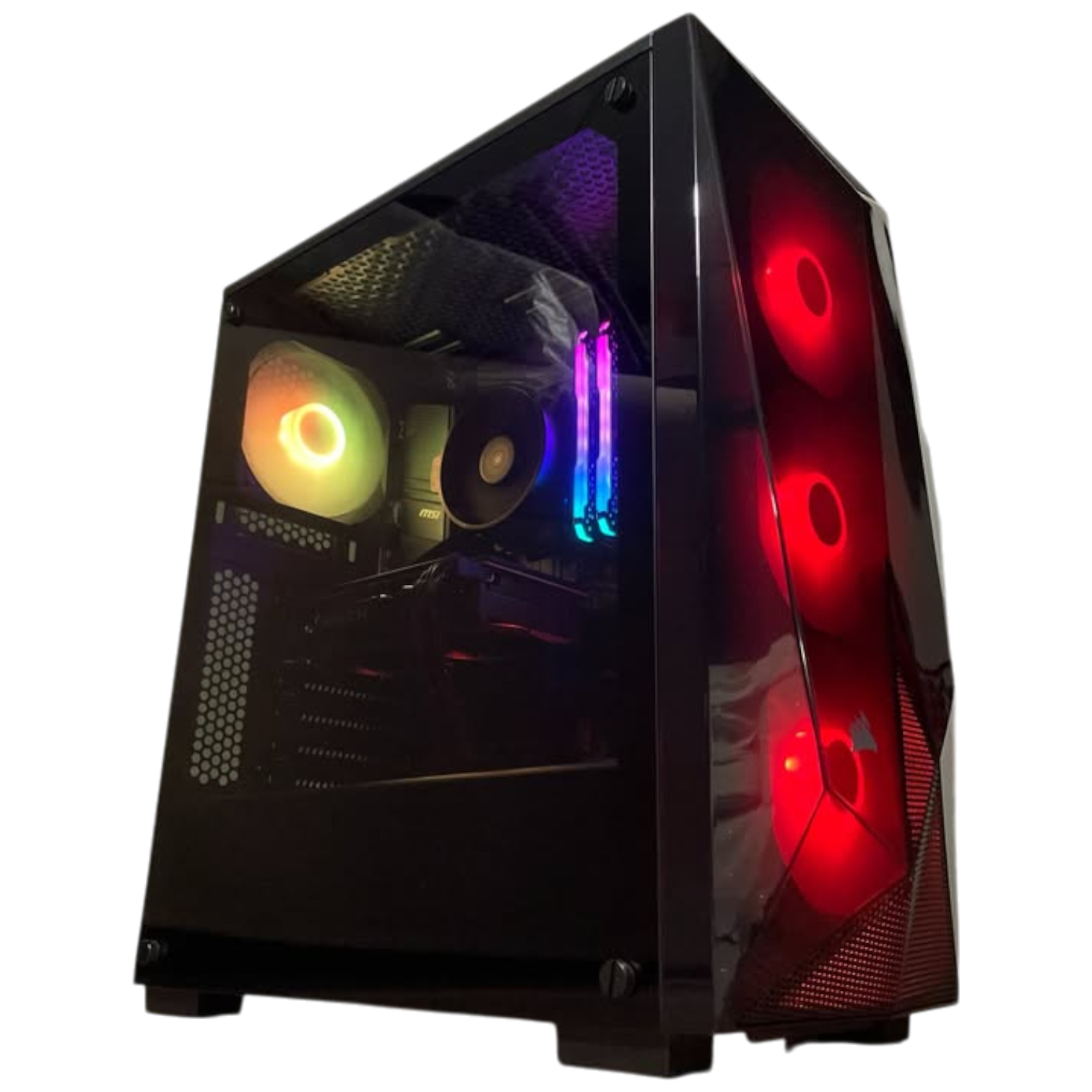
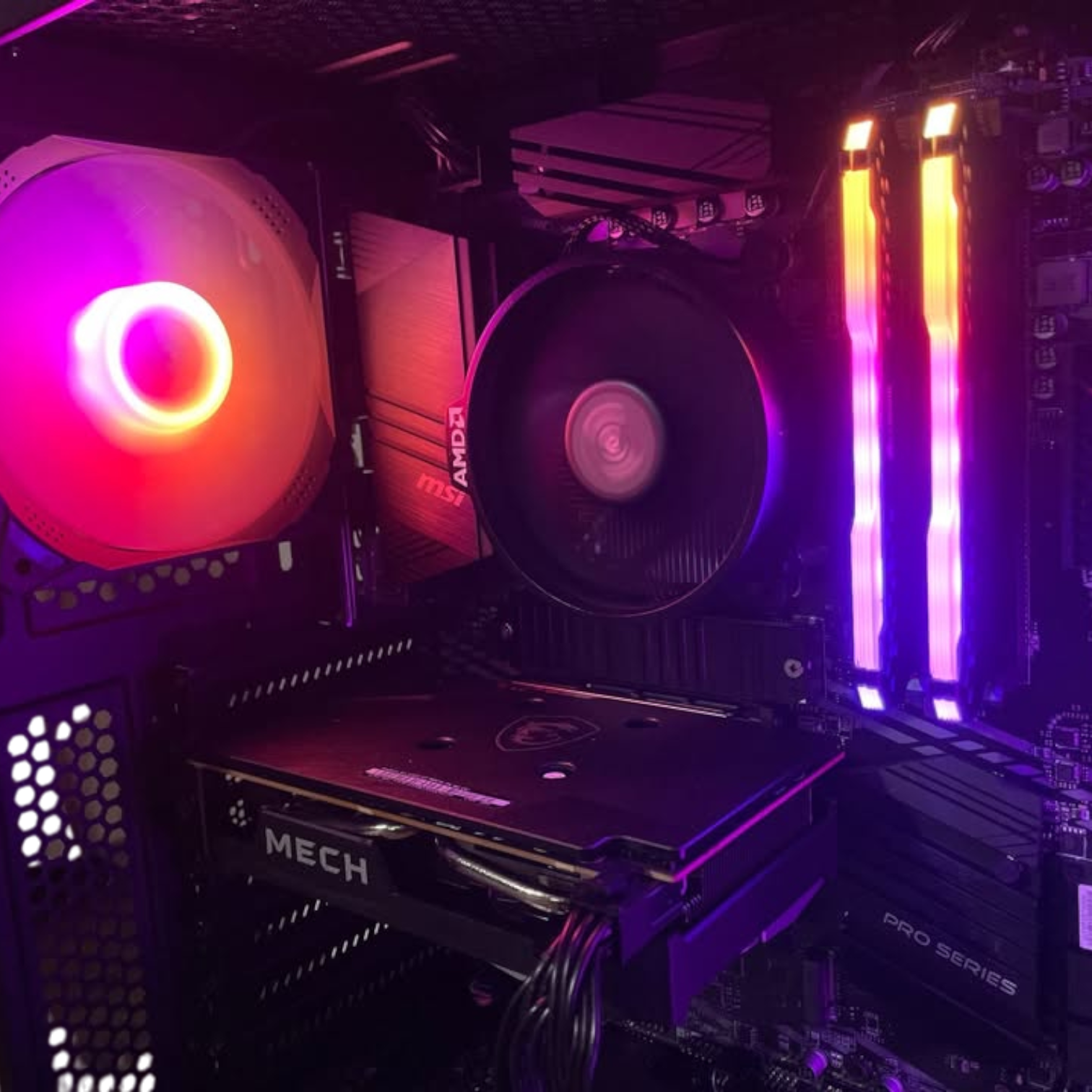
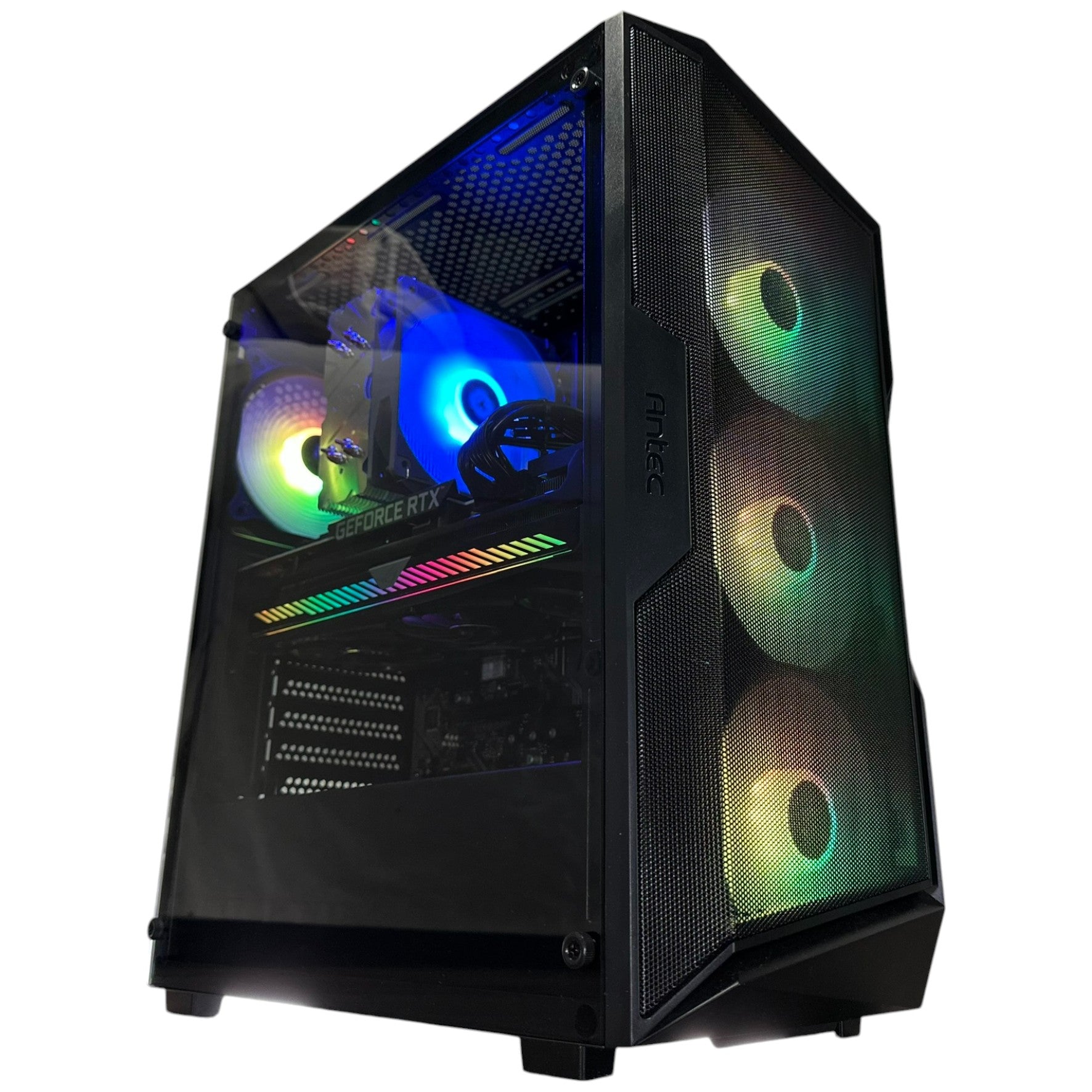
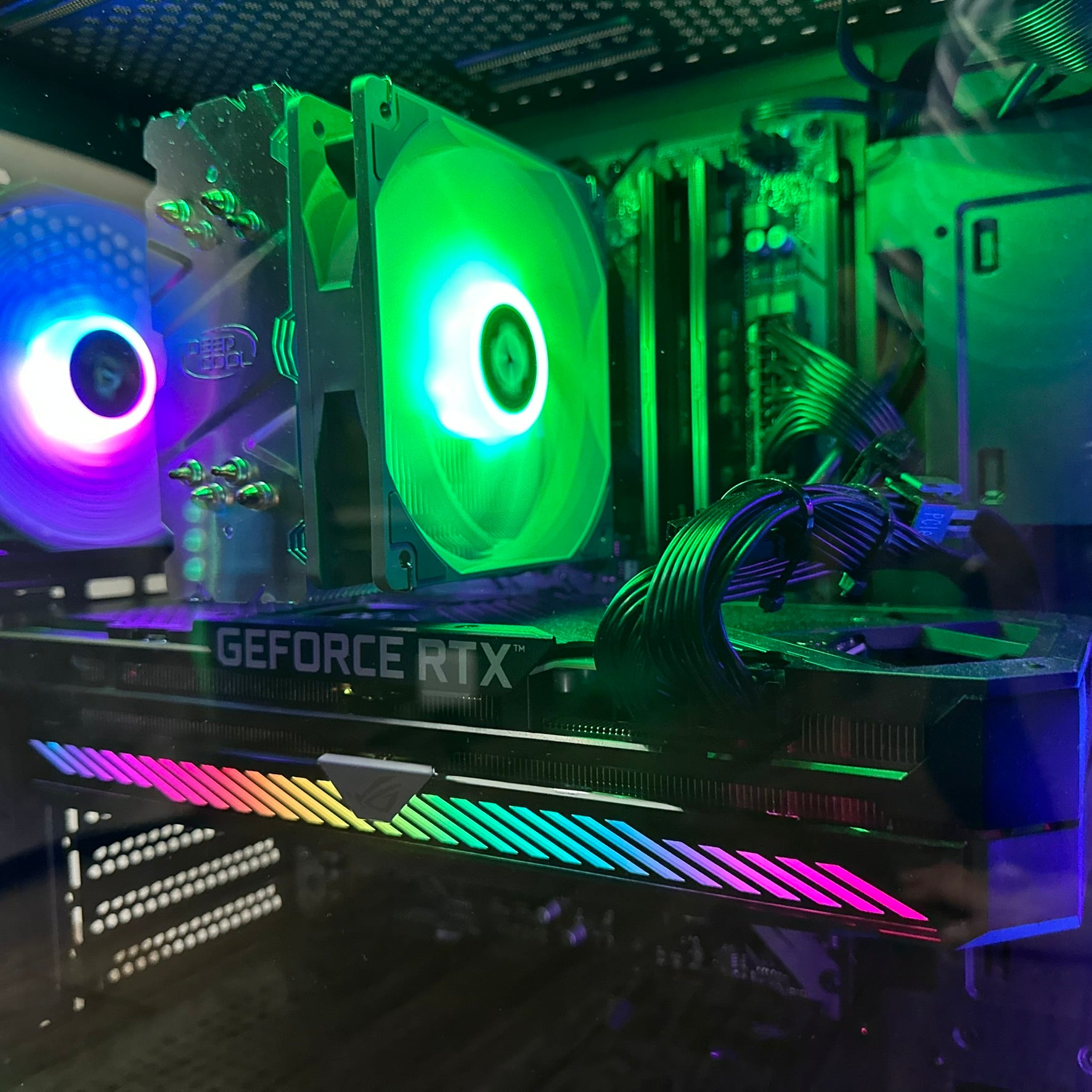


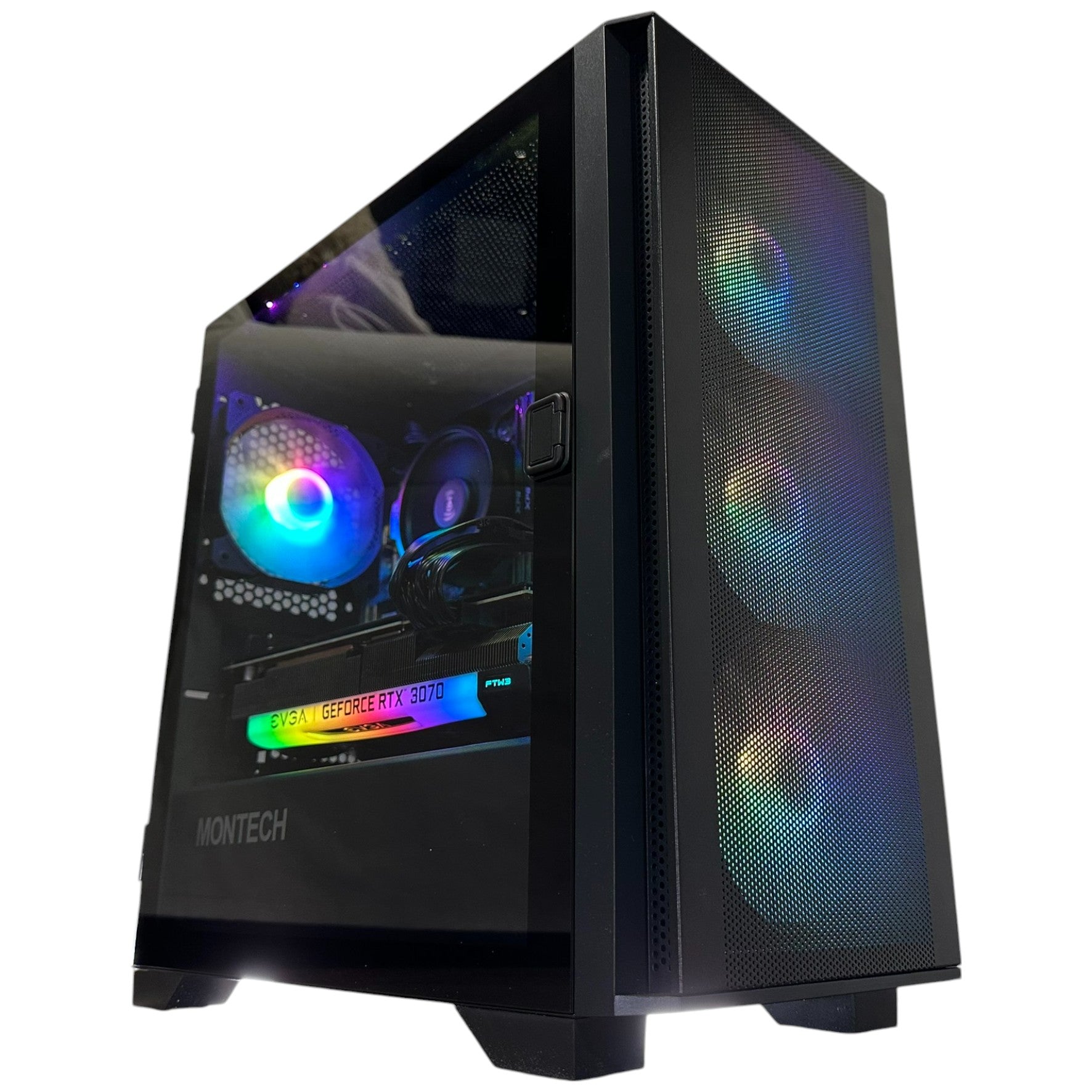
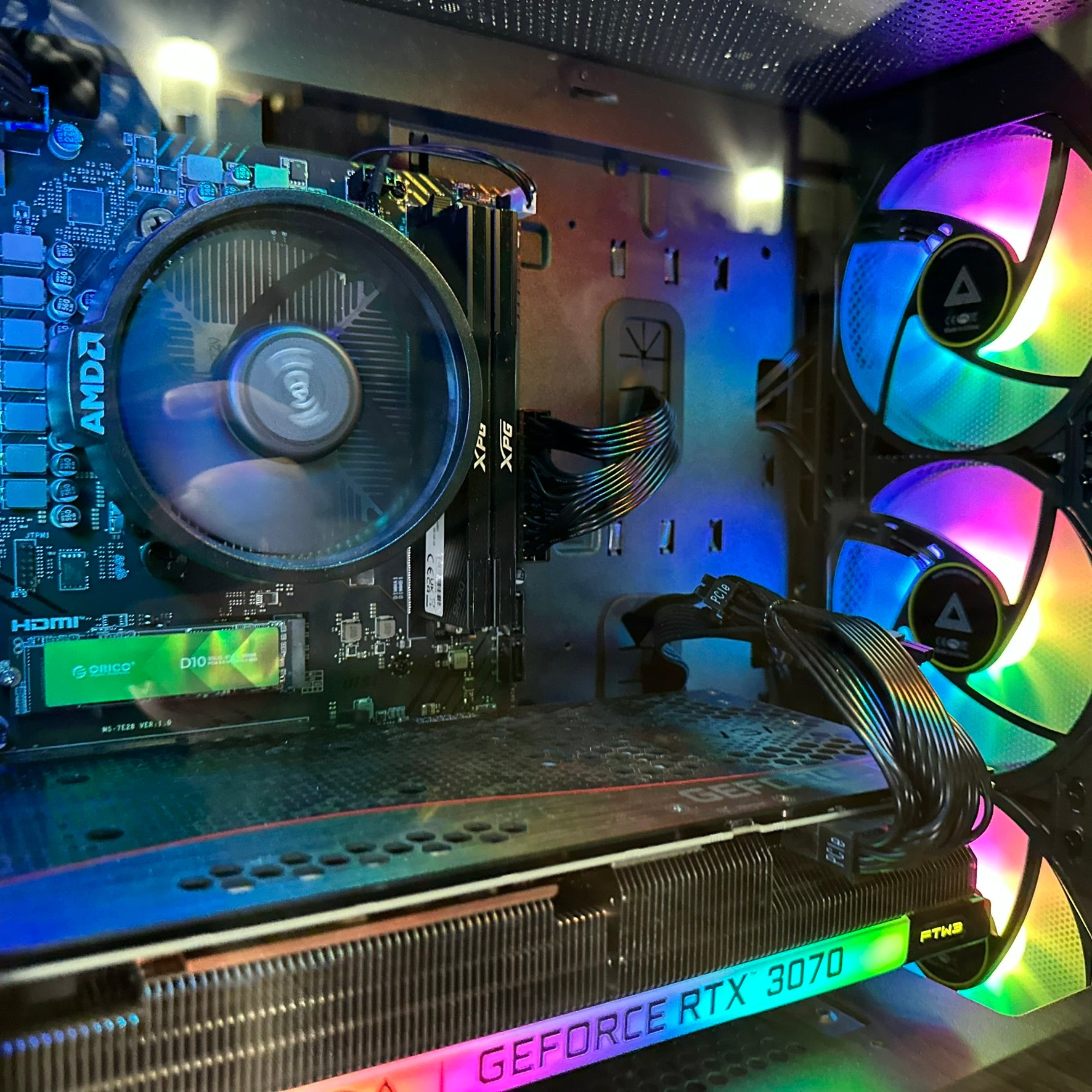
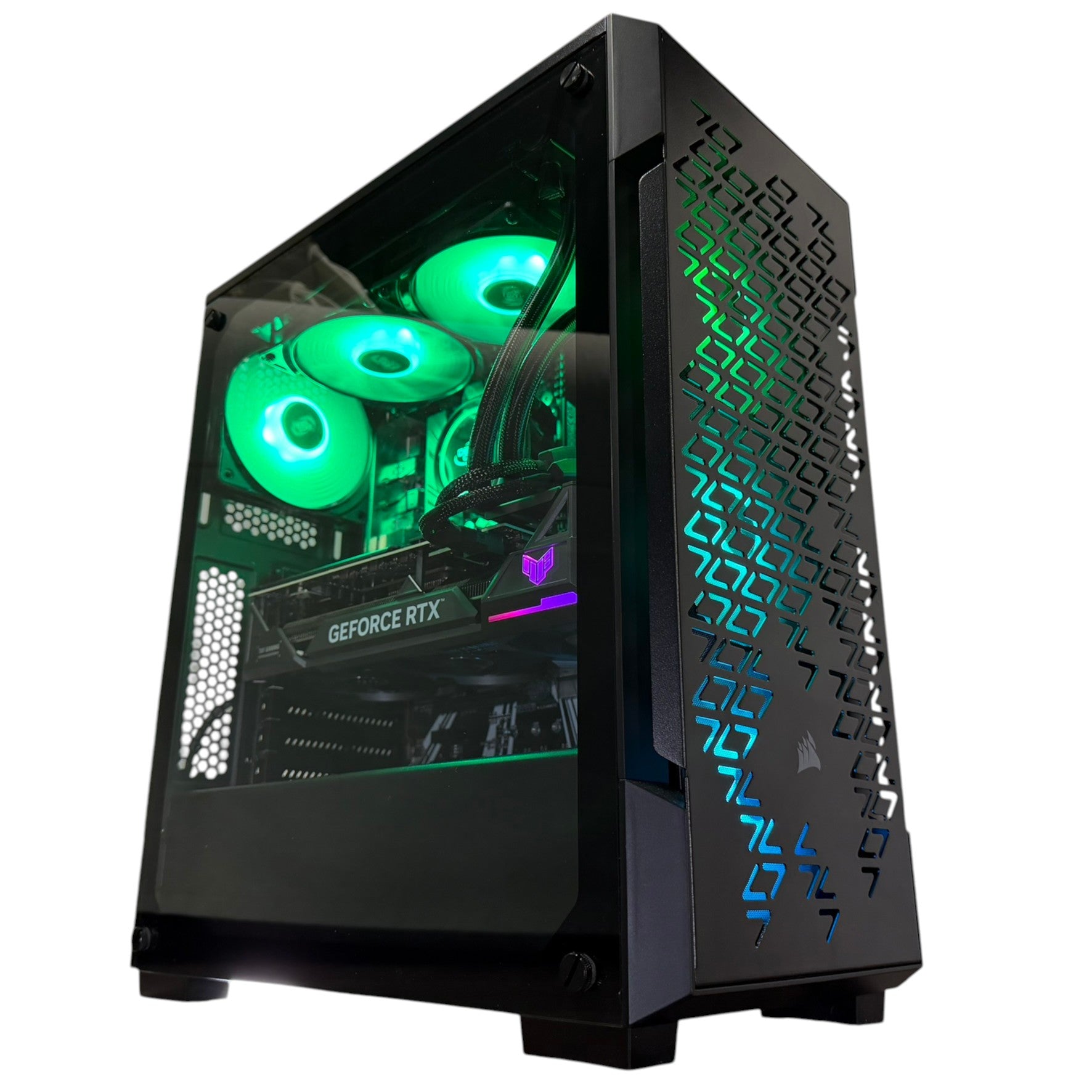

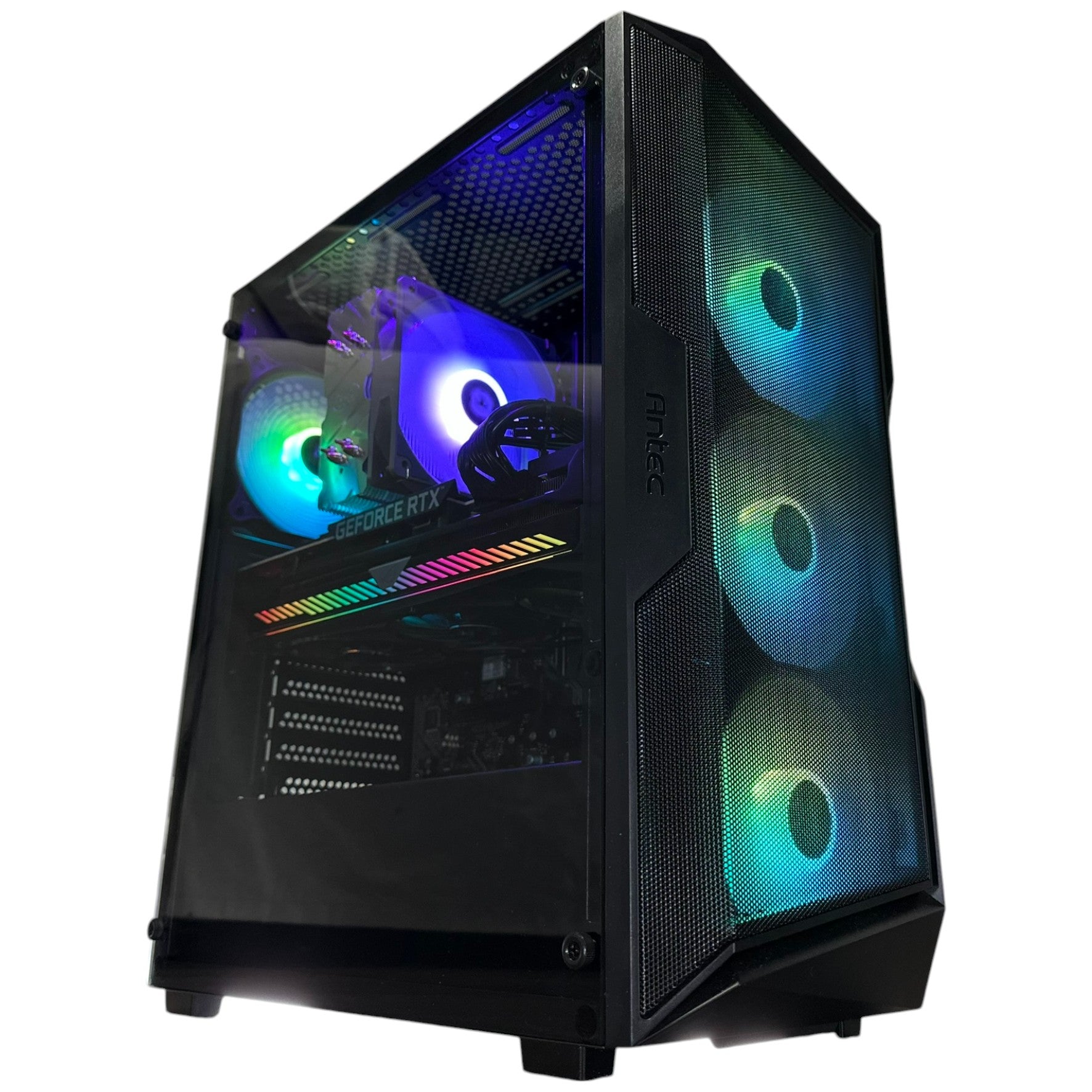


Resident Evil PC Buying Guide: What This New Horror Hype Means for Your Next Gaming PC in Canada
The new Resident Evil PC buying guide conversation is arriving at exactly the right time for Canadian gamers. Early reactions to Zach Cregger's upcoming "Resident Evil" film point to something fans rarely get all at once: real tension, dark humour, a grounded lead character, and a return to the franchise's survival-horror roots. That matters for more than movie hype. It signals a broader return of interest in atmospheric horror gaming, cinematic visuals, and immersive PC experiences. If this renewed Resident Evil attention has you thinking about replaying the classics, diving into modern survival horror, streaming your reactions, or finally upgrading your system before the next major wave of horror releases, this is the moment to ask a bigger question: what should your next PC actually be built to do?
For Groovy Computers, that question is the real story. A major entertainment release often pushes gamers and creators into action. Some want a smoother horror gaming experience at 1080p ultra. Some want 1440p with ray tracing. Some want to stream gameplay, edit reaction videos, or build a multipurpose creator setup that can handle gaming at night and production work during the day. Others simply know their current computer is getting old, noisy, or unreliable and want to avoid buying twice. A well-planned custom PC solves that problem far better than a rushed generic purchase.
The source story highlights how the new film appears to capture the feeling of Resident Evil rather than mechanically copying one game plot beat by beat. That same idea applies to PC buying. The best system is not the one with the most random hype attached to it. It is the one that matches how you actually play, create, multitask, and upgrade over time. If you are shopping in Canada, especially while component pricing can change quickly, buying the right tier the first time matters even more.
Why does the new Resident Evil buzz matter for PC buyers in Canada?
When a franchise like Resident Evil gets fresh attention, several things happen at once. Players reinstall older games. New fans try remakes. Longtime fans start looking at higher-end display upgrades, better headsets, and stronger GPUs to improve immersion. Content creators prepare breakdown videos, reactions, rankings, and lore content. Streamers want a machine that can keep frame rates high while OBS runs in the background. In other words, one entertainment moment can trigger hardware demand from multiple directions.
Are you just planning to play survival horror games casually, or are you also thinking about streaming to Twitch or YouTube? Do you want your next system to handle modern remakes, ray-traced lighting, high-refresh gameplay, and video editing too? Are you buying because a single title or franchise got your attention, or because your current PC has finally become the bottleneck?
These are the questions that separate a smart custom build from an expensive guess. A horror game or film trend might be the spark, but the purchase decision should be based on the full workload you expect your PC to carry over the next several years.
What the source article gets right about modern horror entertainment
The most interesting takeaway from the source article is not just that the movie may be scary and funny. It is that the adaptation reportedly works by narrowing its focus, building suspense around an ordinary character, and emphasizing the actual emotional texture of Resident Evil. That is exactly what many gamers now want from their setup too: not just raw benchmark numbers, but a system that delivers a noticeably better experience.
In PC terms, that means lower stutter, faster load times, quieter cooling, smoother frame pacing, stronger lighting effects, cleaner streaming output, and enough memory overhead so the computer still feels responsive when you have Discord, a browser, recording software, and background apps open. A custom gaming PC should improve the moment-to-moment experience, not just your spec sheet.
The article also suggests the new film may bridge longtime fans and newcomers. Your PC should do the same for your own use case. Maybe you are returning to PC gaming after years on console. Maybe you are moving from an entry-level machine into something stronger. Maybe you are a student, first-time buyer, or creator who needs one desktop to do everything. The right build should meet you where you are now without forcing an early replacement later.
What do you want your next PC to do for you?
Before you compare parts, pricing, or financing, ask yourself one simple question: what do you want your next PC to do for you every day?
- Play horror and AAA games at 1080p with strong frame rates and excellent value?
- Step up to 1440p gaming with higher visual settings and better long-term headroom?
- Push into 4K gaming with ray tracing and premium image quality?
- Game and stream at the same time without frame drops or encoding issues?
- Edit YouTube videos in Premiere Pro, DaVinci Resolve, or CapCut?
- Handle Photoshop, Lightroom, Illustrator, and design tools for content creation or client work?
- Run Blender, Unreal Engine, or 3D workflows as a workstation, not just a gaming machine?
- Stay relevant longer so you are not shopping for upgrades again too soon?
If you are not fully sure yet, that is normal. Many Canadian buyers start with one reason to upgrade, like a game release or franchise comeback, and then realize they also want better multitasking, cleaner livestreams, faster exports, or more reliable productivity. This is exactly where a custom builder becomes valuable.
What gaming performance tier fits you best?
One of the biggest mistakes PC buyers make is choosing a system tier emotionally rather than practically. Horror releases and cinematic games can make premium hardware look essential, but not every player needs the same level of performance. The right answer depends on your monitor, your target frame rate, and how long you want the system to stay comfortable before your next upgrade.
Entry performance: is a budget gaming PC enough for your horror library?
If you mainly want to play older Resident Evil games, remasters, esports titles, indie horror, and mainstream AAA games at 1080p, an entry-level or value-focused build can still make sense. This tier is ideal if you are asking, how much should I spend on a gaming PC and want sensible performance without overcommitting.
A good budget-oriented gaming desktop should prioritize a capable modern CPU, enough RAM for current multitasking, and a GPU that can handle high settings at 1080p without constant compromise. Fast SSD storage matters more than many buyers realize, especially in modern games with larger assets and heavier texture streaming.
Do you play on a 1080p monitor and just want smooth gameplay, quick loading, and enough power for current titles? Are you okay lowering a few settings in the most demanding future releases? If so, you may not need a premium-tier system yet. You need a balanced one.
Mainstream sweet spot: what if you want 1440p gaming and room to grow?
For many buyers, 1440p is the smartest target. This is where visual quality, system longevity, and value often align best. If you want atmospheric lighting, stronger texture detail, smoother traversal in modern games, and enough overhead for upcoming titles, a mid-to-upper gaming build is often the ideal answer.
This tier is especially attractive for buyers who are also thinking about streaming, recording, modding, or running multiple applications at once. A stronger GPU paired with a well-matched CPU and adequate cooling can give you the headroom that makes a custom gaming PC feel genuinely premium without jumping all the way to an ultra-high-end flagship build.
Are you asking yourself, what PC do I need for 1440p gaming? Do you want this next system to last long enough that monitor upgrades, game patches, and heavier future titles do not immediately force another hardware purchase? Then the 1440p tier is worth serious attention.
High-end tier: do you really need 4K and ray tracing?
If your goal is a high-end gaming setup with maximum visual fidelity, large high-refresh displays, stronger ray tracing capability, or longer-term relevance at the top end, then a premium system may be justified. But it should be chosen intentionally. A premium build makes sense when you actually use the extra power, not just because the internet says more is always better.
This tier is often right for gamers who want the best PC for new games, want to pair the system with a 4K display, or expect to blend gaming with heavy creator work. It is also common for buyers who ask, should I finance a better PC instead of buying a cheaper one because they know they would outgrow a lower tier too quickly.
Do you want ultra settings, ray tracing, stronger minimum frame rates, and better long-term support for demanding game engines? Do you also edit video, render graphics, or stream? If yes, a high-end build can make more financial sense over the life of the machine than an underpowered system that needs replacing early.
Is this only about gaming, or do you also need a creator PC?
The source article focuses on entertainment, but many readers will be using a new computer for more than games. A lot of modern buyers are hybrid users. They game, stream, edit clips, create thumbnails, process photos, cut short-form video, or run Adobe apps for school or work. That changes your ideal build dramatically.
If you are planning to capture gameplay reactions to the new Resident Evil movie, edit essays about the franchise, or build a horror content channel, then your system needs enough CPU power, memory, and storage performance to stay efficient outside games too. A pure gaming build and a content creation PC can overlap, but they are not always the same machine.
Do you need a gaming and streaming PC?
If your plan includes OBS, Streamlabs, YouTube Live, or Twitch, your next question should be straightforward: what PC do I need for streaming? Gaming and streaming at once introduces a second workload. You are no longer just rendering the game; you are encoding video, managing overlays, handling chat tools, and often recording locally too.
A proper gaming and streaming PC should be built with enough CPU and GPU support for stable performance under load. Memory capacity matters. Storage layout matters. Cooling matters. Suddenly, a build that looked fine for gaming alone can start to feel cramped.
Will you stream at 1080p? Do you want to game at high frame rates while your stream remains smooth? Are you planning to clip, upload, and archive content afterward? If yes, do not size your machine only for the game itself. Build for the entire workflow.
Do you need a video editing PC too?
If your content plan includes Premiere Pro, DaVinci Resolve, After Effects, or even heavier 4K editing workflows, then a creator-oriented configuration becomes much more important. Video editing performance depends on more than one part. CPU strength, GPU acceleration, RAM capacity, and SSD speed all affect playback smoothness, preview generation, export times, and multitasking responsiveness.
Are you asking, what PC do I need for video editing? Are you editing gameplay videos, essays, reviews, shorts, or cinematic fan projects? Will you work in 1080p, 4K, or multiple camera timelines? A custom video editing PC should be built around the software you use most, not around gaming specs alone.
A lot of customers discover that stepping up from a general gaming machine to a better-balanced creator configuration saves hours over time. Faster exports, less lag, and more dependable timeline performance can justify the upgrade very quickly if you create regularly.
What about photo editing, graphic design, and content creation?
Not every Resident Evil fan is shopping for a pure gaming machine. Some are photographers, social media managers, students, designers, or YouTube creators. If your day includes Photoshop, Lightroom, Illustrator, InDesign, Canva, or other Adobe Creative Cloud tools, your desktop should support colour-critical work, responsive asset handling, strong multitasking, and enough memory for large files and layered projects.
Do you want one PC for gaming at night and creative work during the day? Are you designing thumbnails, posters, merchandise mockups, social content, or course projects? A custom creator PC can be the most efficient answer if your workload crosses multiple categories.
Are you buying for Blender, Unreal Engine, or 3D work?
Some buyers are inspired by game worlds and cinematic horror aesthetics because they want to build their own. If that sounds familiar, then you may be looking less for a gaming PC and more for a 3D modeling PC or workstation-class machine.
Do you use Blender? Are you learning Unreal Engine? Do you need GPU rendering performance, higher RAM ceilings, stronger CPU multitasking, or faster project load times? If you are asking, what PC do I need for Blender or what PC do I need for 3D rendering, your component priorities are different again. You may need a system optimized for viewport fluidity, rendering output, and sustained heavy loads, not just game FPS.
Why custom PC selection matters more when game hype returns
Whenever a major entertainment franchise surges back into public attention, buyers start shopping quickly. Some people replace an old PC on impulse. Some choose whatever generic prebuilt appears convenient. That is often where regret begins.
Custom PC selection matters because workloads are specific. The wrong CPU-GPU balance can leave performance on the table. Weak cooling can make a powerful system noisy and inconsistent. Cheap motherboards can limit upgrade paths. Inadequate power supply choices can reduce long-term confidence. Slow or insufficient storage can make a machine feel dated long before the core hardware is obsolete.
A carefully matched custom build from a Canadian PC builder is not about showing off obscure parts. It is about making sure the computer behaves properly in the real world. If you want better gaming, streaming, editing, design work, or workstation reliability, the planning stage matters almost as much as the parts themselves.
Should you buy now or wait?
This is one of the most common and most important questions in the market: is it better to buy a gaming PC now or wait? The answer depends on why you are waiting.
If your current PC already struggles, waiting often has a hidden cost. You lose time to stutter, crashes, long exports, noisy thermals, low storage, and performance compromises. If a major game release, software upgrade, school term, content schedule, or work project is approaching, delaying the purchase may create more frustration than savings.
There is also the market reality. Full-system pricing can shift because of GPU demand pressure, memory volatility, storage pricing changes, regional availability, and broader supply conditions. You do not need wild panic to make a smart purchase, but you should understand that waiting does not automatically mean paying less later.
Are you trying to upgrade before a major horror game release? Before creator software gets heavier? Before your current PC fails? Before a sale period ends and demand spikes? Those are practical reasons to act. The goal is not artificial urgency. The goal is avoiding a rushed replacement under worse conditions.
Could financing help you secure the right build instead of settling?
Many buyers know exactly what they need but hesitate because they are trying to force the purchase into a smaller immediate budget. That is where financing can become a practical tool, not just a convenience. If financing lets you move from an underpowered build to a system that will actually last, stream properly, edit efficiently, and avoid near-term upgrades, it may be the more disciplined option.
Would a stronger GPU prevent you from replacing the system too soon? Would more RAM or a better CPU save you from performance issues in Adobe apps, OBS, or future games? Would a larger SSD keep you from immediately shopping for extra storage after the purchase? If the answer is yes, monthly payments can help you buy more intelligently.
For many Canadian customers, the smarter question is not just can I afford a PC today. It is can I afford to buy the wrong tier and upgrade again too soon? When the gap between a basic build and a much more capable one is manageable over time, financing up to 4 years can make the better long-term system more realistic.
Which kind of buyer should choose which kind of build?
The budget-conscious gamer
If you mainly want reliable 1080p gameplay, fast boot times, and a clean entry into PC gaming, a value-focused build is often enough. This is the right path if you play a mix of horror, esports, and mainstream titles and want strong price-to-performance. It is also ideal for first-time buyers, students, and gamers moving away from older hardware without needing premium visuals immediately.
Ask yourself: do you want the best experience for the money, or do you specifically want top-tier visual features? If value matters most, a balanced budget build is usually the smart move.
The 1440p all-rounder
If you want better image quality, stronger longevity, and smoother performance in newer games without leaping to full premium pricing, this is often the sweet spot. It is especially good for buyers who want a gaming PC for new games while keeping room for streaming and content work.
Are you the kind of player who buys one solid system and expects it to stay enjoyable for years? Then a higher mid-range build may fit you better than either the cheapest option or the most expensive one.
The premium enthusiast
If your goals include 4K gaming, ray tracing, ultra settings, long-term relevance, and the ability to pivot into creator work or demanding multitasking, a high-end system makes sense. This buyer usually values performance overhead, quieter operation under load, and fewer compromises in demanding titles.
Do you want your PC to feel powerful not just now, but through the next cycle of heavier game engines and content tools? If yes, premium hardware may be worth the extra investment.
The hybrid creator
If you game, stream, edit, design, and multitask heavily, your ideal machine is often a custom creator PC rather than a simple gaming desktop. This buyer should care about CPU strength, memory headroom, SSD planning, cooling stability, and software-specific optimization.
Are you constantly bouncing between OBS, Premiere Pro, Photoshop, Chrome tabs, cloud assets, and your game library? Then you need a machine built for that reality.
The workstation buyer
If your real work involves Blender, Unreal Engine, CAD, rendering, simulation, or production-class multitasking, stop thinking in terms of entry gaming tiers. A workstation-grade desktop should be designed for sustained heavy loads, reliability, and efficiency. This is where custom planning matters most.
Do you need a machine that earns money, supports client work, or powers large creative projects? That is a workstation decision, not just a gaming one.
What questions should you ask before ordering your next PC?
Before you buy, slow down and ask the questions that actually determine long-term satisfaction.
- What games or software will I use most often? A machine for horror gaming at 1080p is not the same as one for 4K video editing or Blender rendering.
- What resolution and frame rate am I targeting? 1080p, 1440p, and 4K all change the GPU tier you should consider.
- Will I stream, record, or edit content? If yes, your CPU, RAM, and storage planning become much more important.
- How long do I want this system to last before major upgrades? A cheaper build now can become a more expensive decision later.
- Do I need more than gaming performance? Think about Adobe apps, creator workflows, school, remote work, and multitasking.
- Do I want a tested custom system with warranty support? Reliability matters, especially when the PC is central to gaming, school, or work.
- Would financing help me buy the right tier once? Sometimes the smarter move is a stronger system with manageable payments.
Why Groovy Computers is a smart fit for Canadian buyers
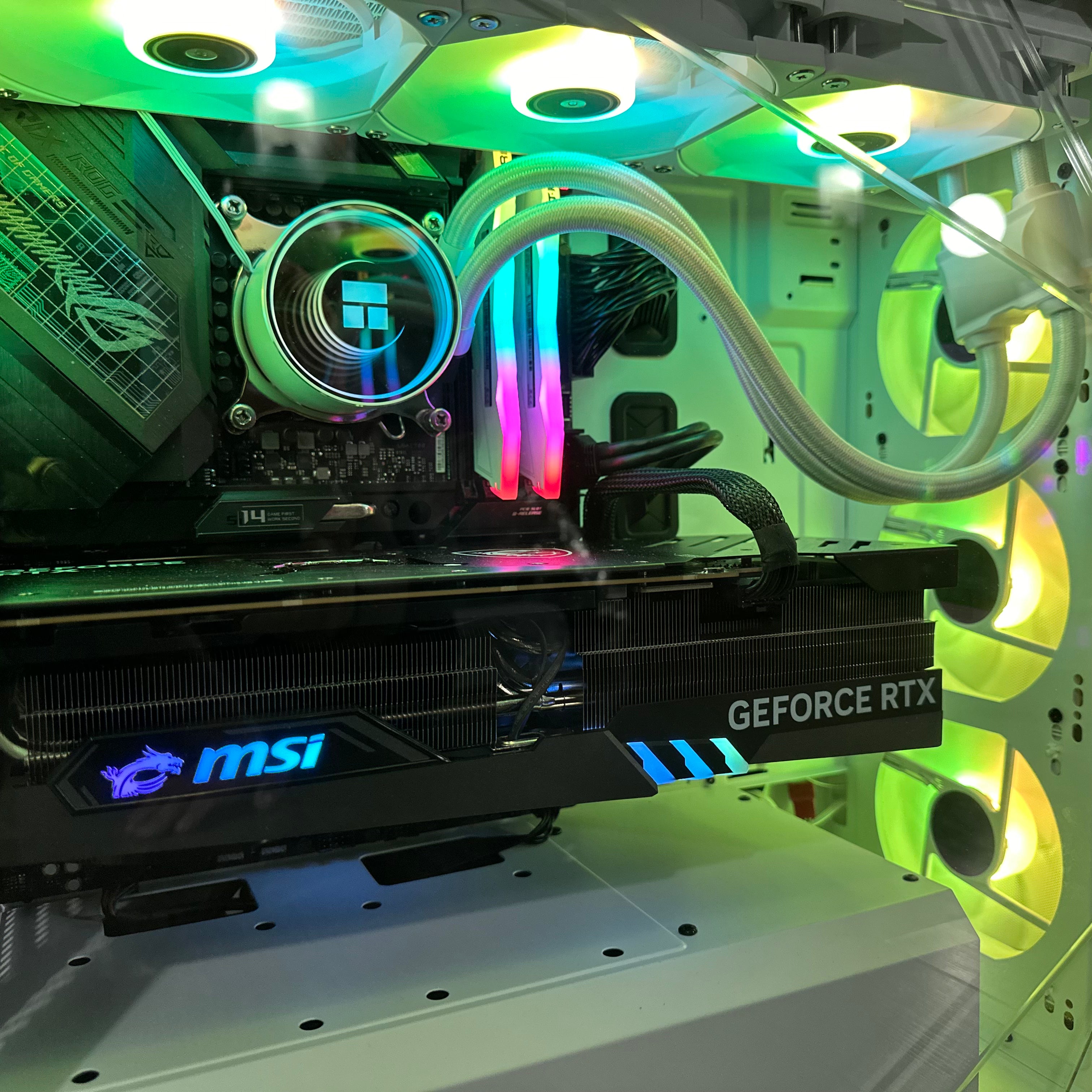
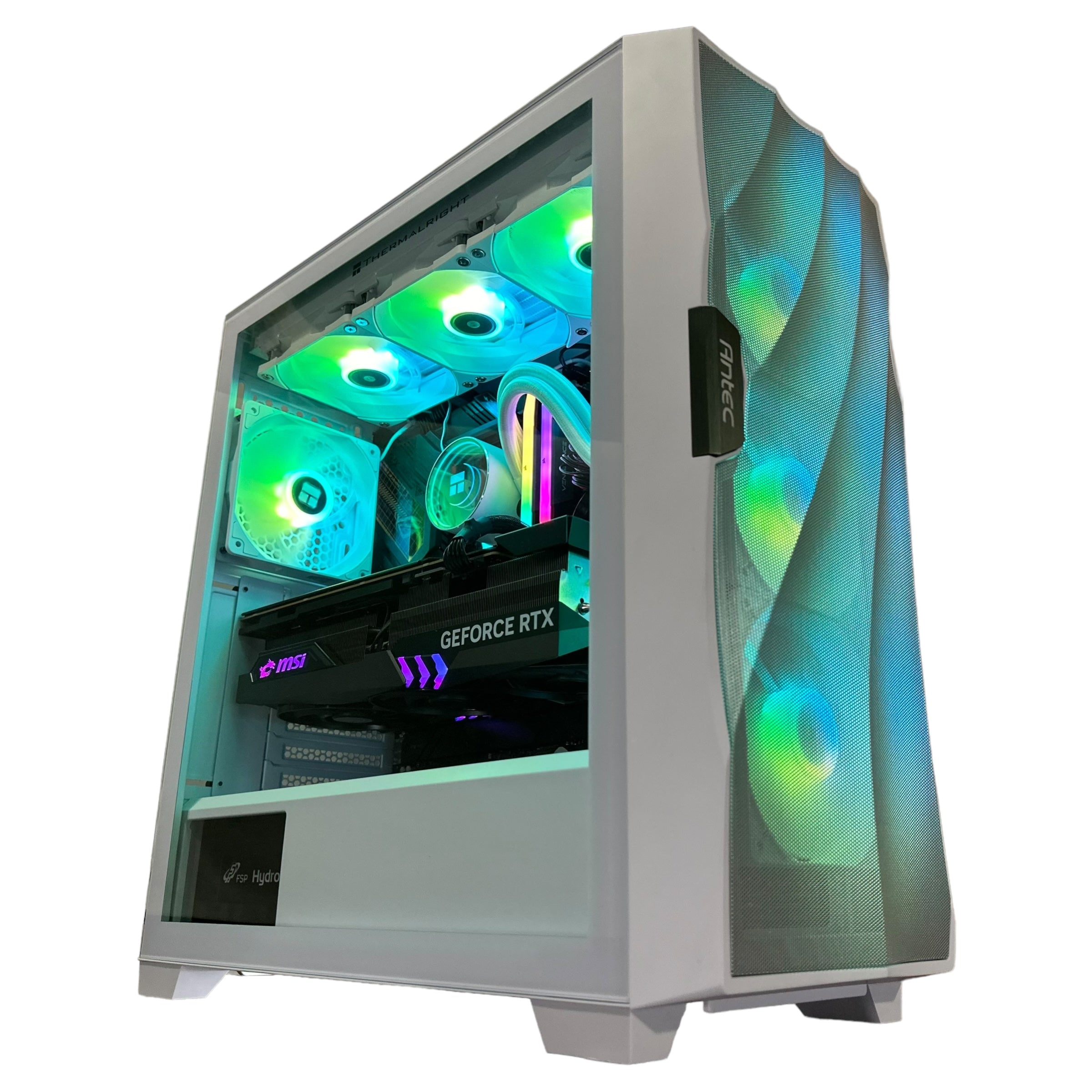
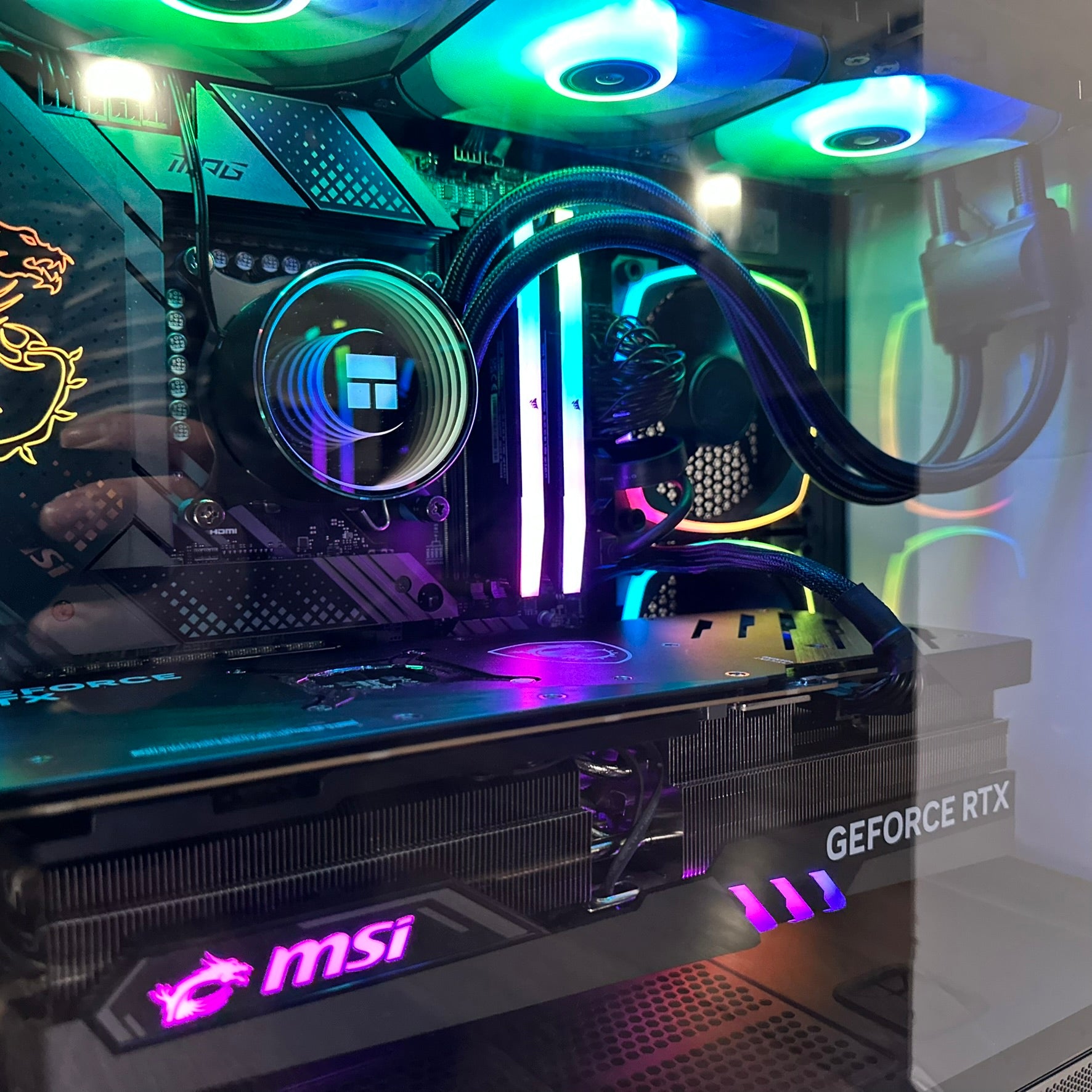
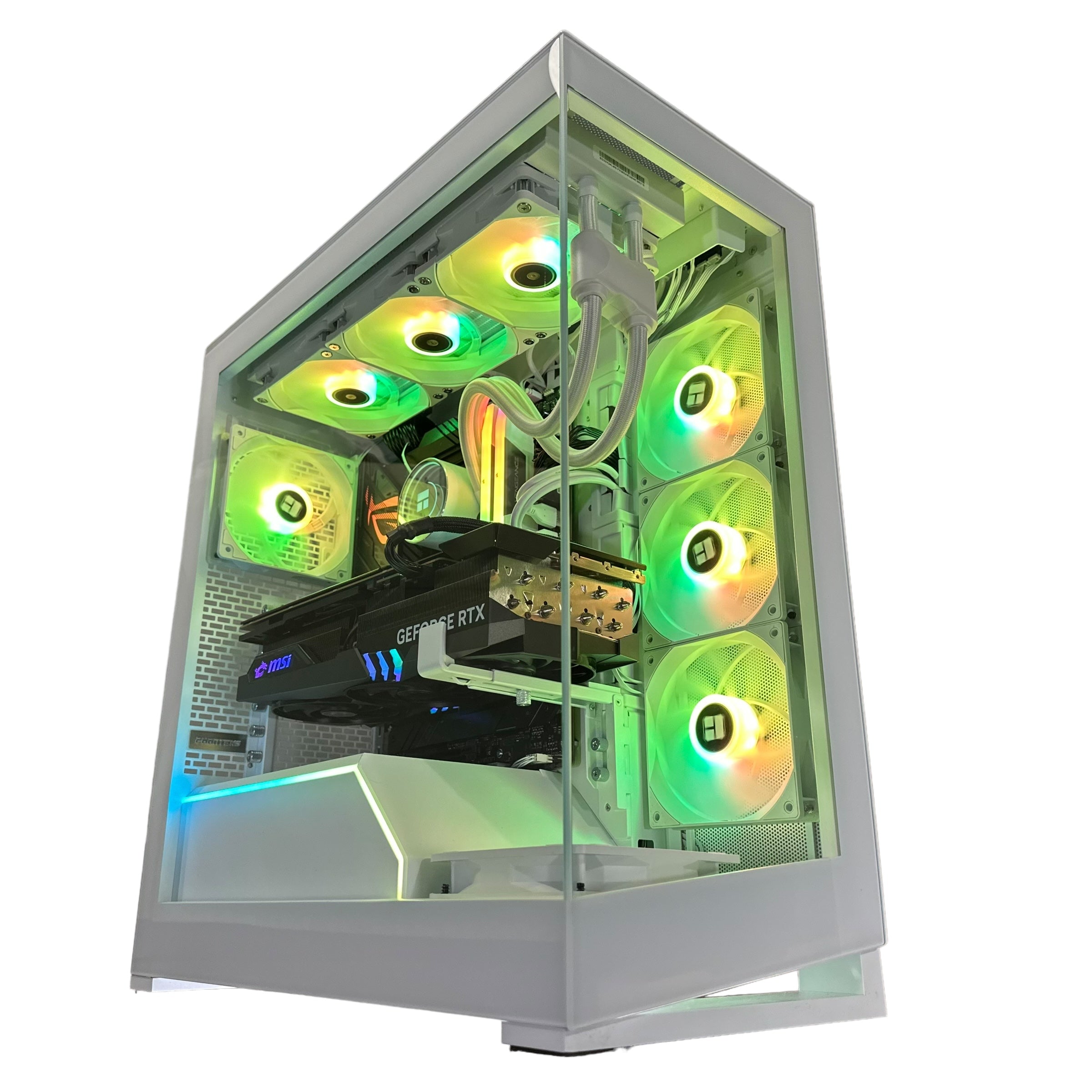
Groovy Computers is positioned for the buyer who wants more than a random box of parts. Canadian customers need clarity, support, and confidence. Whether you are ordering a custom gaming PC, a creator machine, or a workstation, the value comes from proper part matching, careful assembly, rigorous testing, and support after the sale.
That matters even more when the market is noisy. One week everyone is chasing one GPU tier. The next week a new game or creator trend changes what buyers think they need. A real custom builder helps you cut through hype and choose the system that matches your actual workload.
Groovy Computers also gives buyers something that budget marketplace systems often do not: confidence. A tested build, a 1-year warranty, and direct guidance are meaningful advantages when you are spending serious money on a machine you expect to use daily. If you are in Nova Scotia, Atlantic Canada, or ordering from elsewhere in Canada, working with a Canadian custom PC company brings local trust into the process.
Need help choosing a custom gaming PC in Canada?
If the new Resident Evil buzz has you thinking about horror gaming, streaming, video editing, or finally replacing an aging desktop, the next step is simple: decide what you want the machine to do, then get the right build for that goal. Do you need a budget gaming system, a stronger 1440p setup, a premium RTX-focused desktop, or a creator workstation that can game too? If you want help choosing a system that fits your games, software, budget, and timeline, visit GroovyComputers.ca and explore custom options built for Canadian buyers.
Final thoughts: the best Resident Evil PC buying guide starts with your real use case
The biggest lesson from the source article is that a stronger adaptation comes from understanding what makes the original experience work. The same is true when buying a desktop. The best Resident Evil PC buying guide is not really about one franchise. It is about matching your next PC to the kind of experience you want: better immersion, smoother gameplay, stronger streaming, faster editing, more responsive creative software, and longer-lasting value.
So ask yourself one final question: when the next game, film, project, or workload arrives, do you want to be ready, or do you want to start shopping under pressure? If you would rather buy with clarity and confidence now, Groovy Computers can help you choose a custom-built system that fits your performance target, your workload, and your budget without unnecessary guesswork.
#ResidentEvilPCBuyingGuide #GamingPCCanada #CustomGamingPCCanada #GamingPCForNewGames #1440pGamingPCCanada #StreamingPCCanada #CreatorPCCanada #VideoEditingPCCanada #3DModelingPCCanada #CanadianCustomPCBuilders #NovaScotiaTech #GroovyComputers
Groovy Computers | All Rights Reserved


Leave a comment
This site is protected by hCaptcha and the hCaptcha Privacy Policy and Terms of Service apply.