





Forza Horizon 6 Festival Loop Speed Zone Guide: What Kind of Gaming PC Do You Need for Fast, Smooth Open-World Racing?
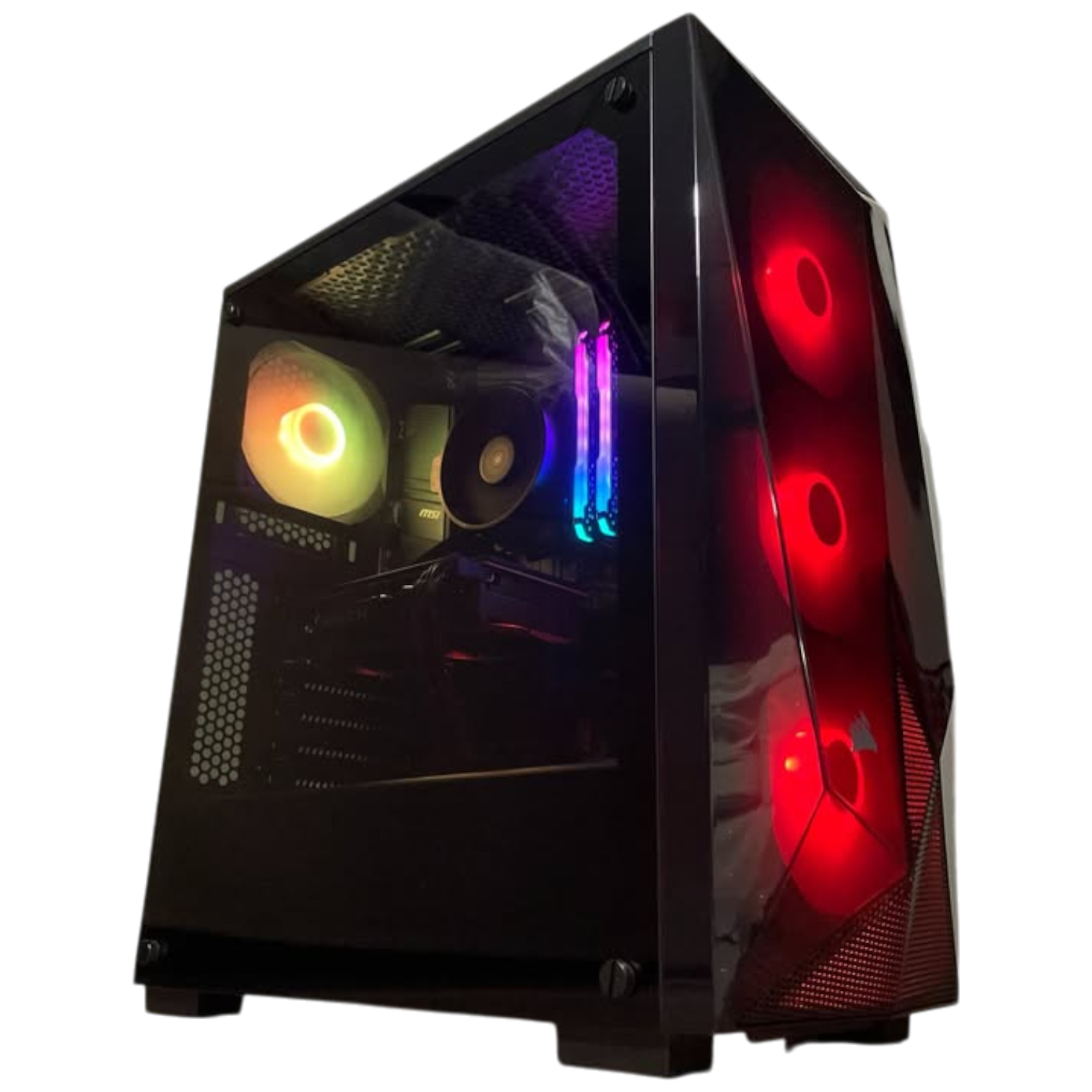
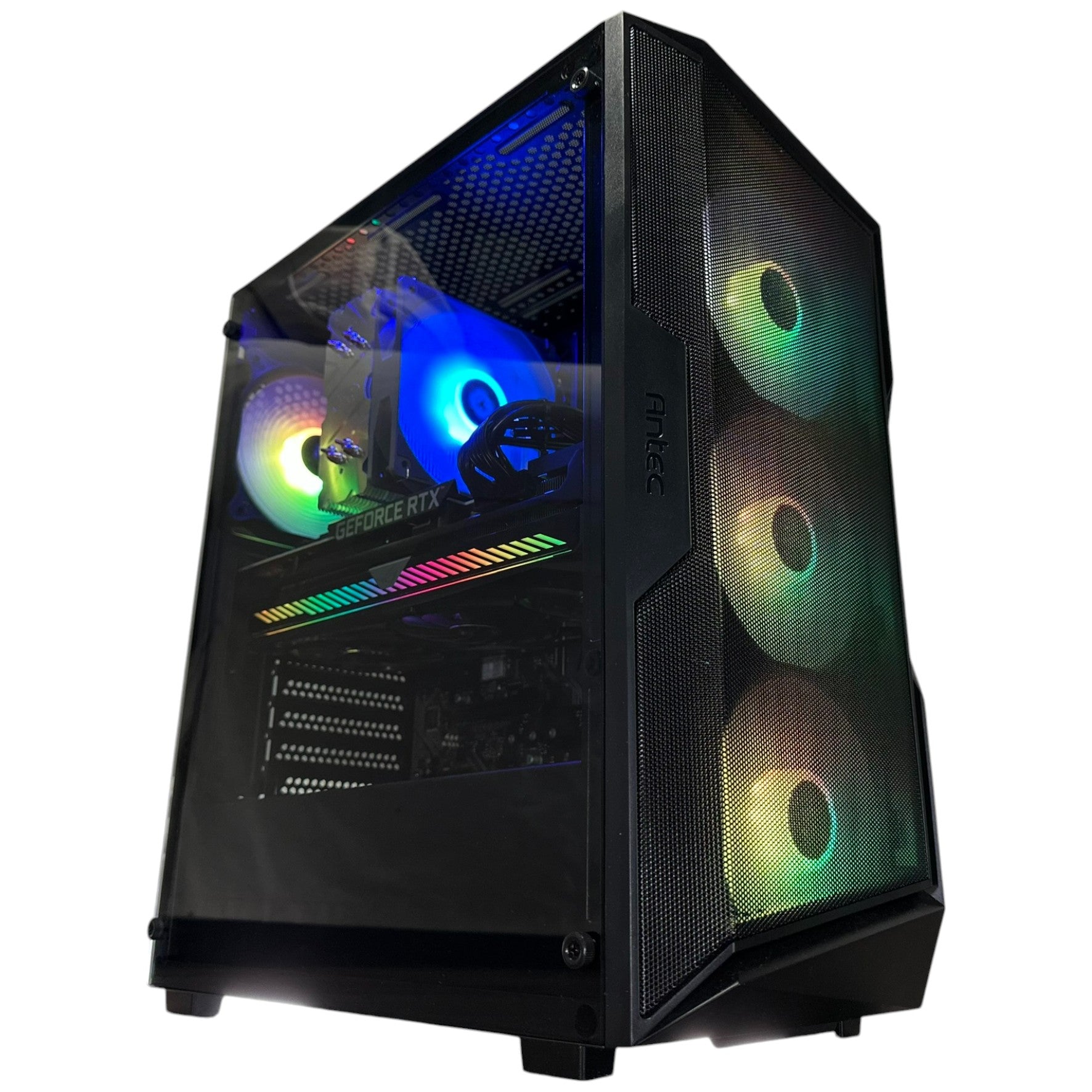
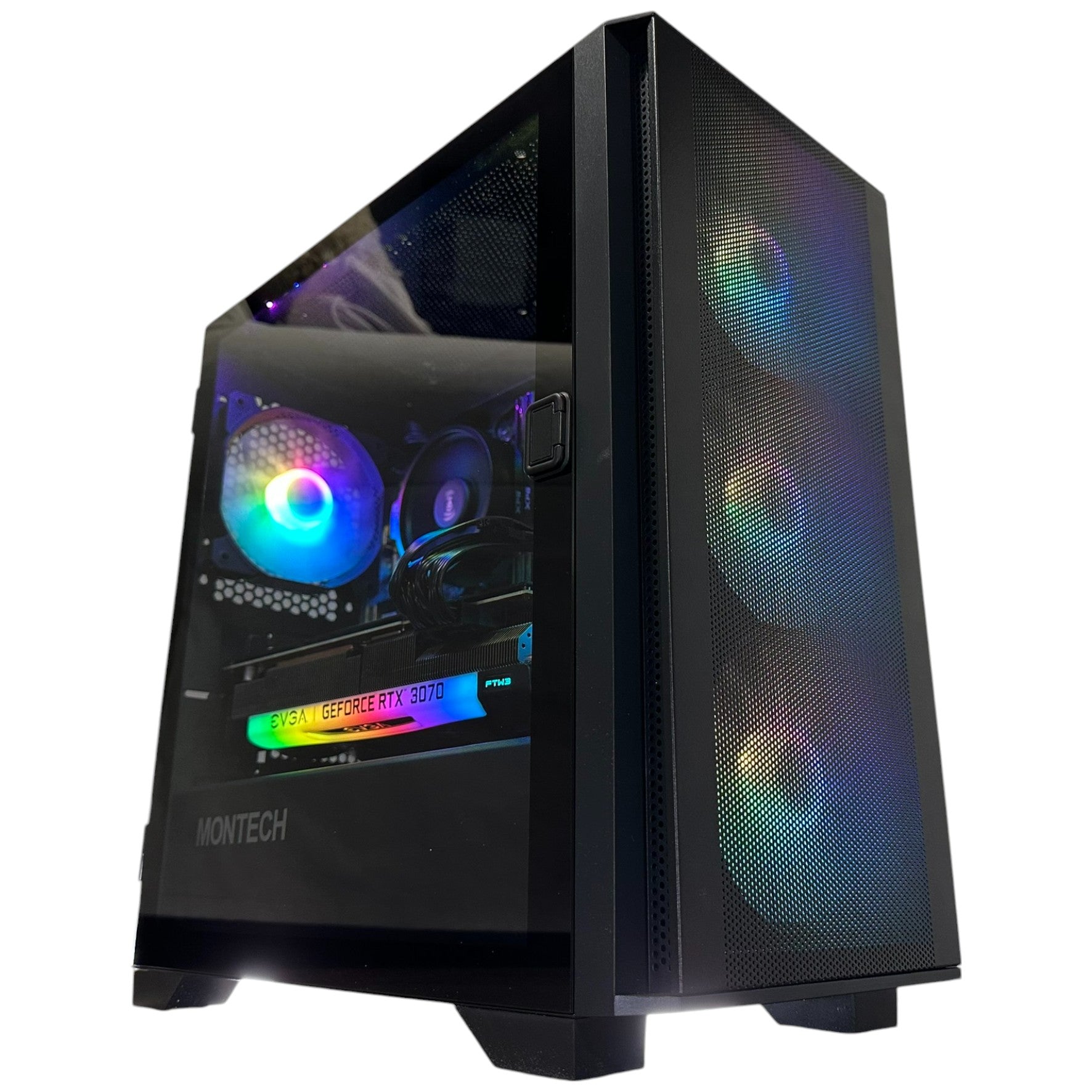
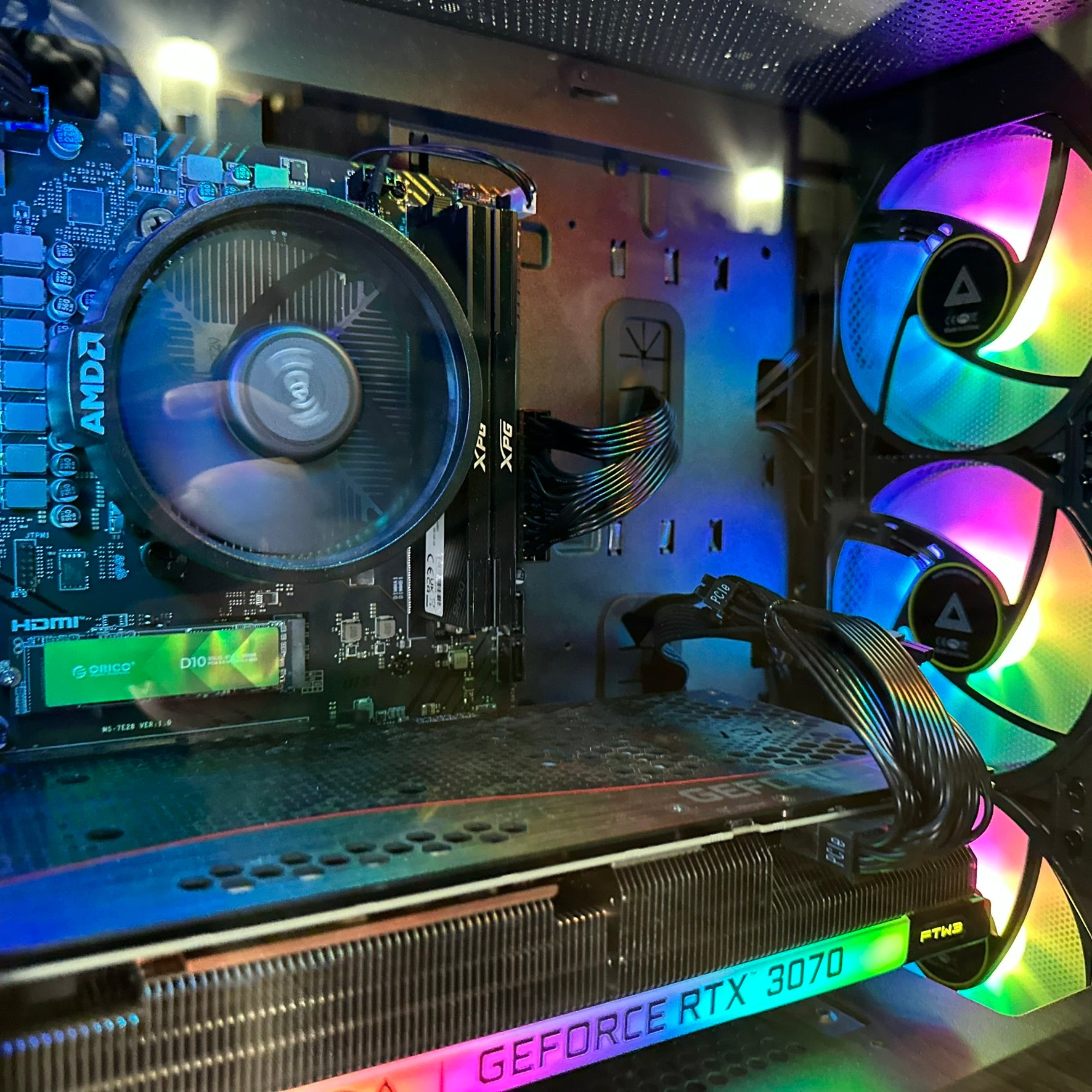
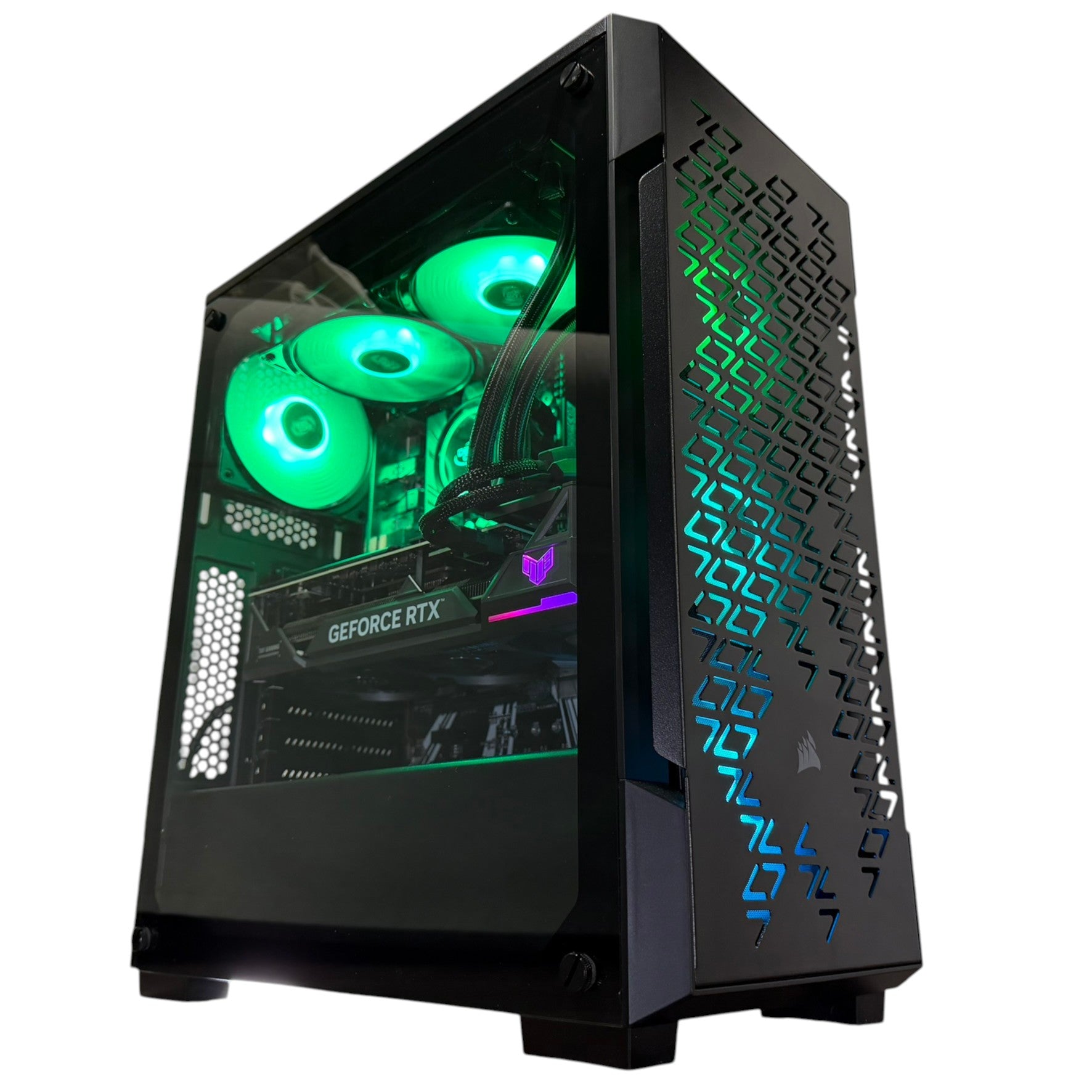
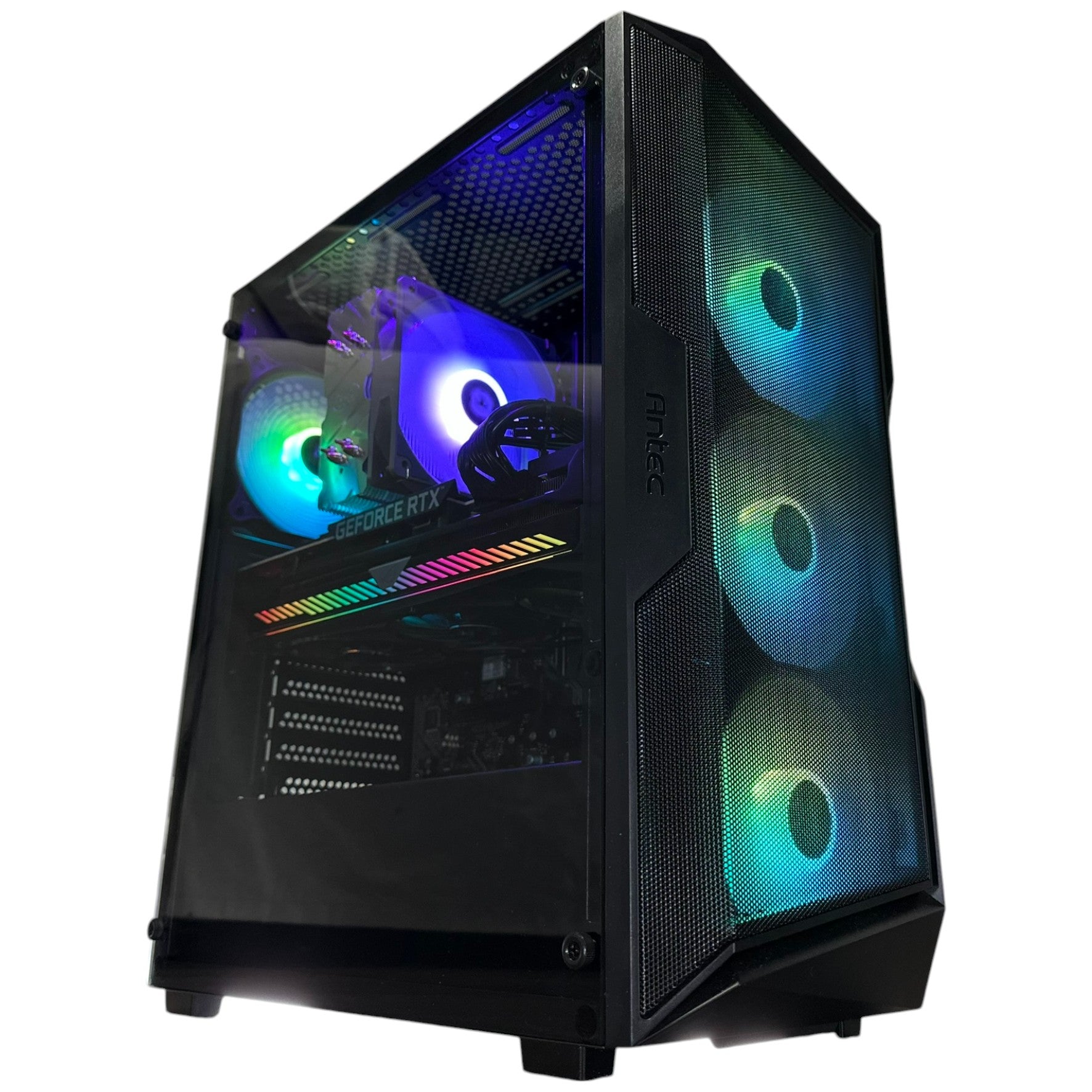
The Forza Horizon 6 Festival Loop Speed Zone is a small in-game objective, but it points to a much bigger real-world question for Canadian players: if modern racing games are already pushing you to tune cars, optimize grip, and chase tighter performance margins, is your current PC also due for an upgrade? For anyone playing open-world racing titles, aiming for high frame rates, smooth asset streaming, fast loading, and stable performance in winter weather effects, traffic, and detailed environments, this is exactly where the right Gaming PC Canada buying decision starts to matter.
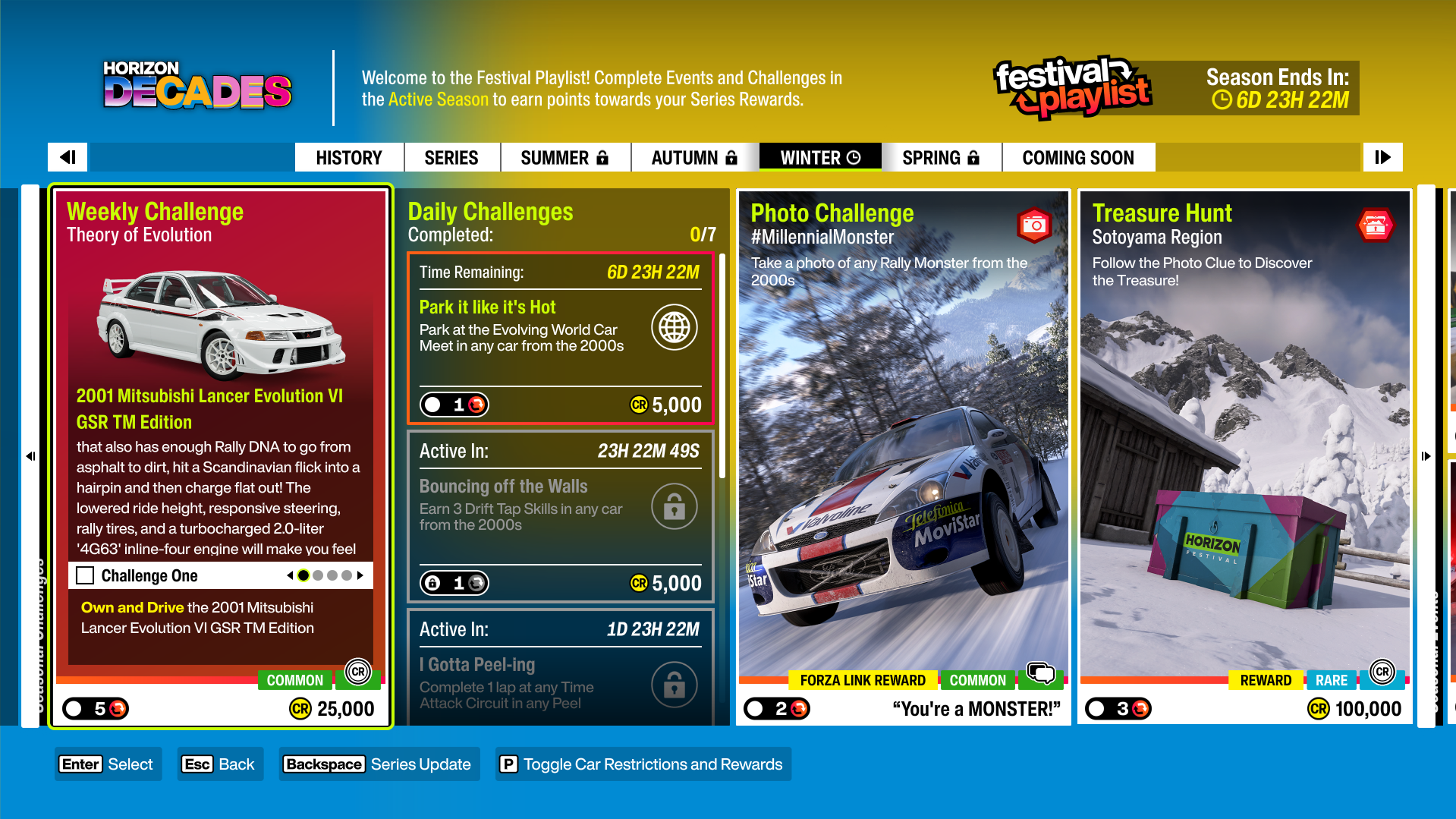
The original source explains the challenge clearly: the Festival Loop Speed Zone sits south of the main Horizon Festival site in the Ohtani region, below the roundabout, and players using the 2001 Mitsubishi Lancer Evolution VI GSR TM Edition may need upgrades to hit the three-star target. That is useful gameplay advice. But for PC buyers, there is a second layer worth discussing. If a game built around speed, control, and responsiveness is becoming part of your regular rotation, what should your next system be built to do?
Are you just trying to play comfortably at 1080p? Do you want a 1440p Gaming PC Canada setup that makes fast-driving games look dramatically better? Are you planning for 4K, ray tracing, recording clips, or even live streaming your runs? And if you know bigger game releases are on the horizon, is now the smarter time to buy before performance expectations and replacement costs climb again?
What the Festival Loop Speed Zone tells us about modern racing games
On the surface, this speed zone challenge is about one location and one car. In practice, it highlights several things modern racing games demand from both your vehicle setup and your computer. The course is short, includes corners, and takes place in snowy conditions. That means consistency matters more than raw top speed alone. The same idea applies to PC hardware.
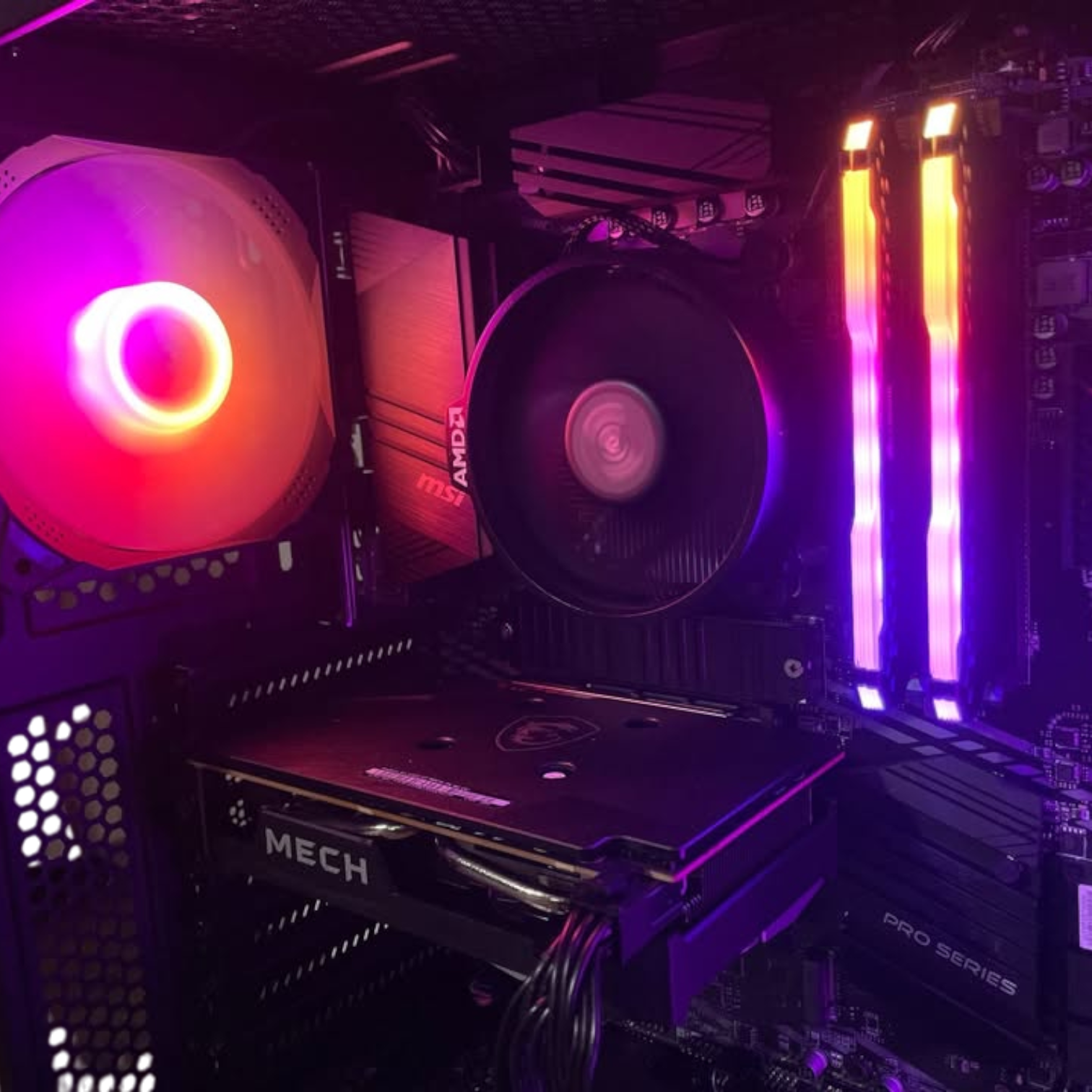
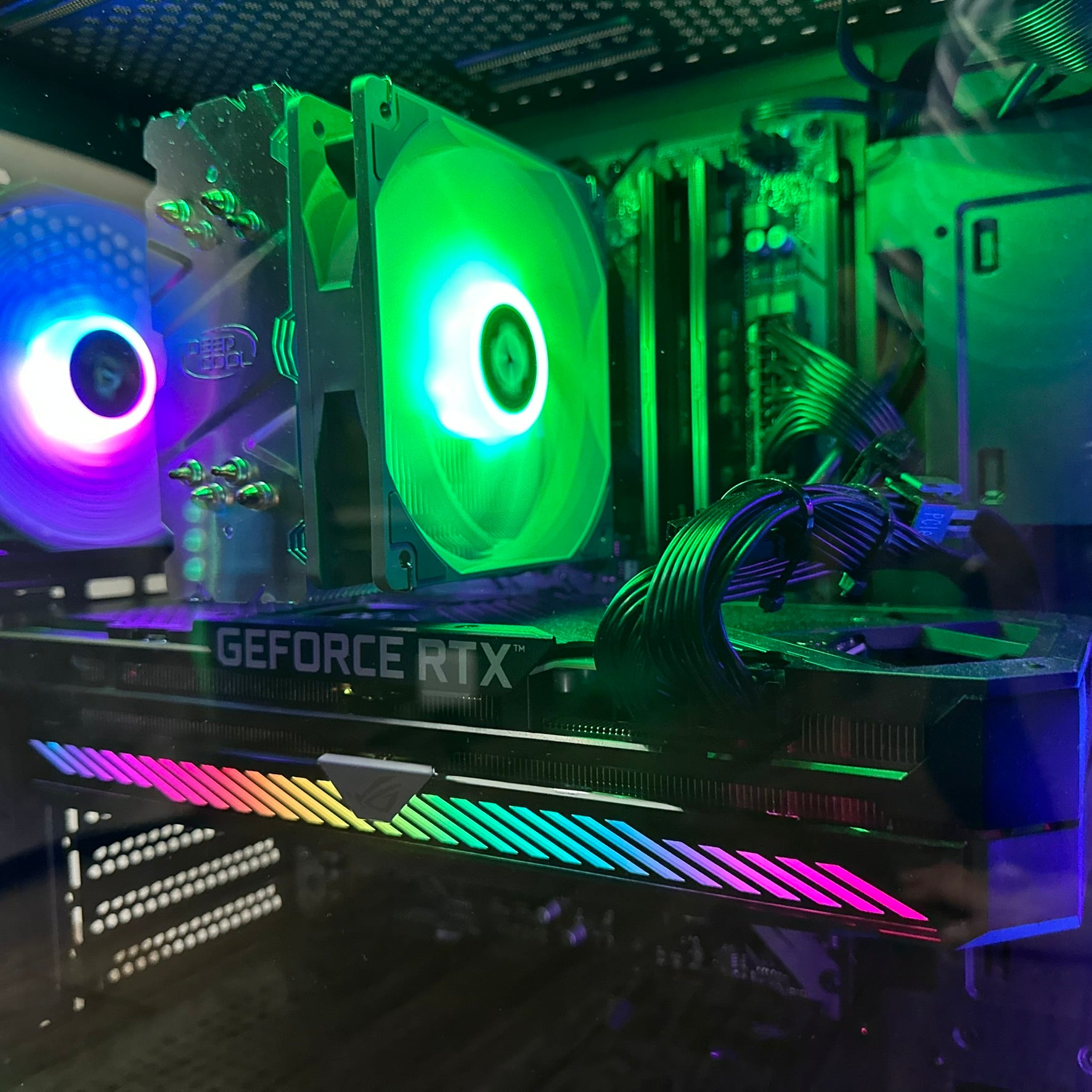
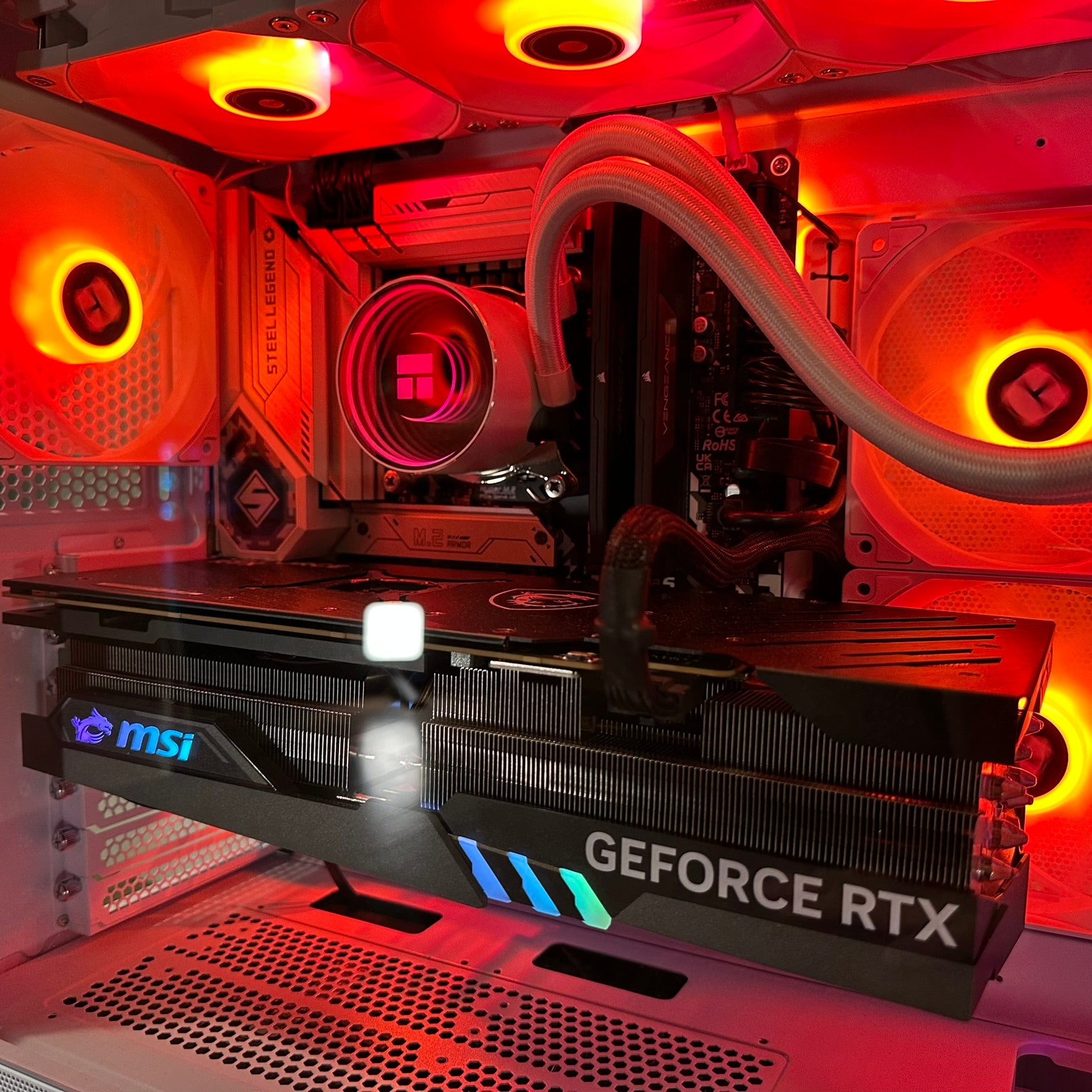
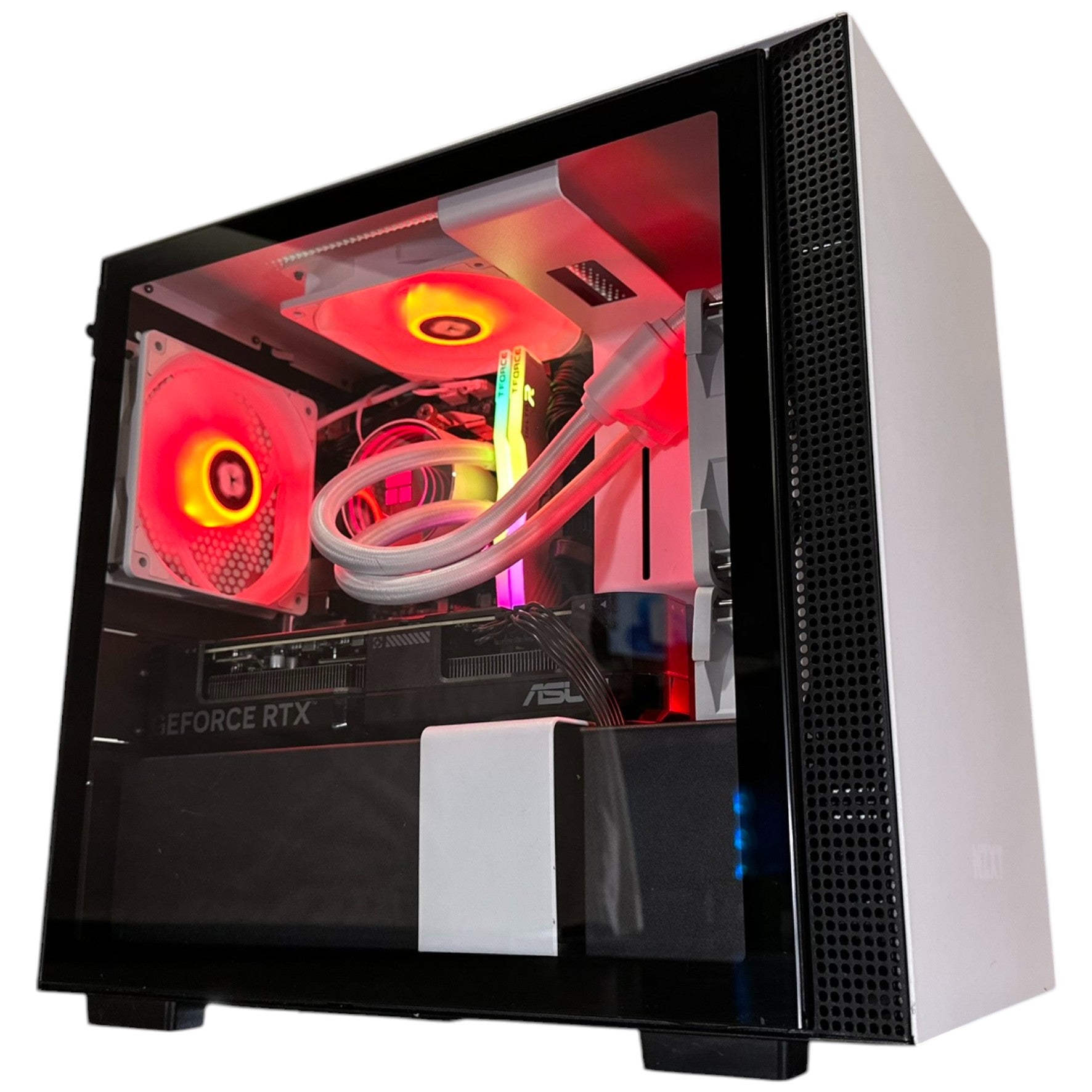
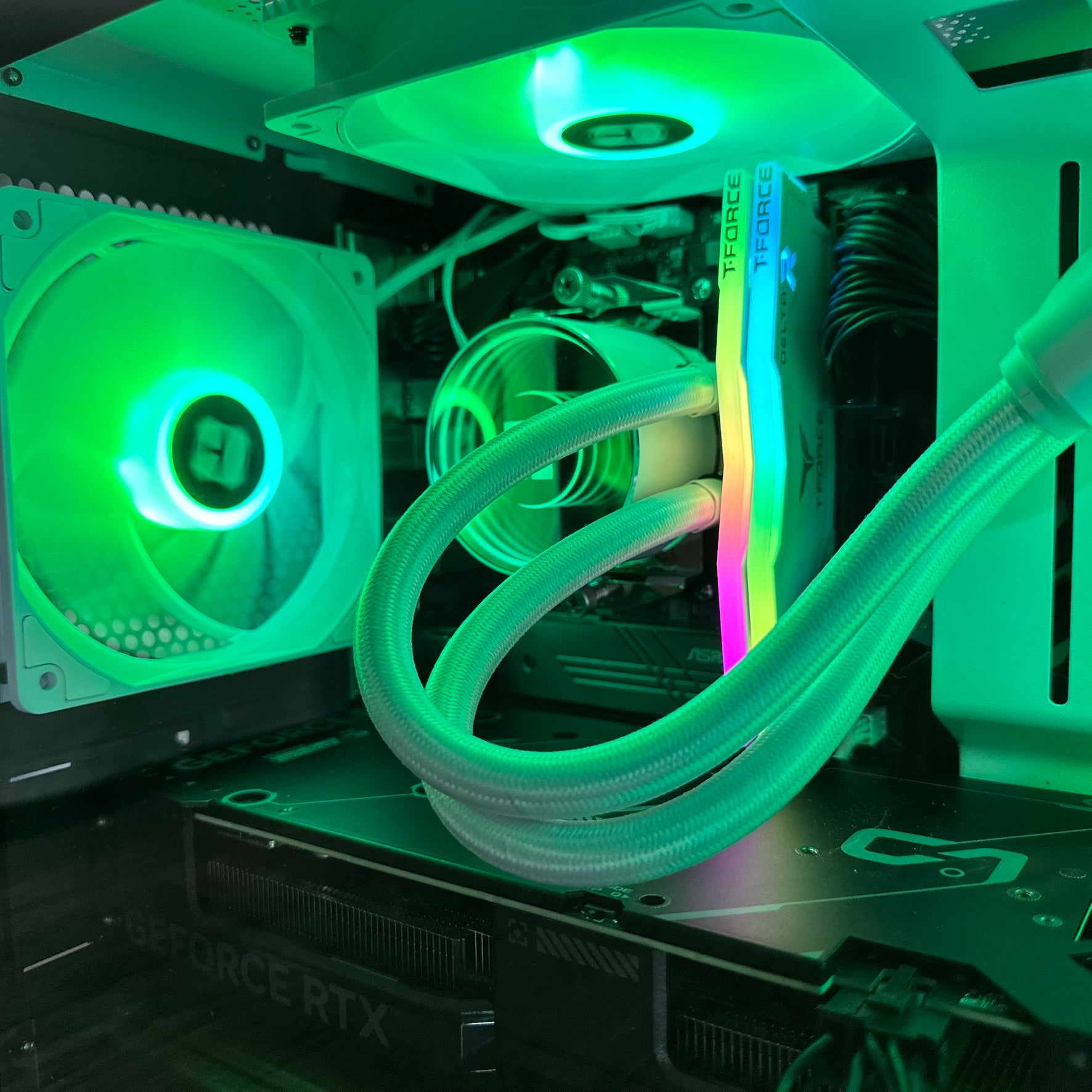
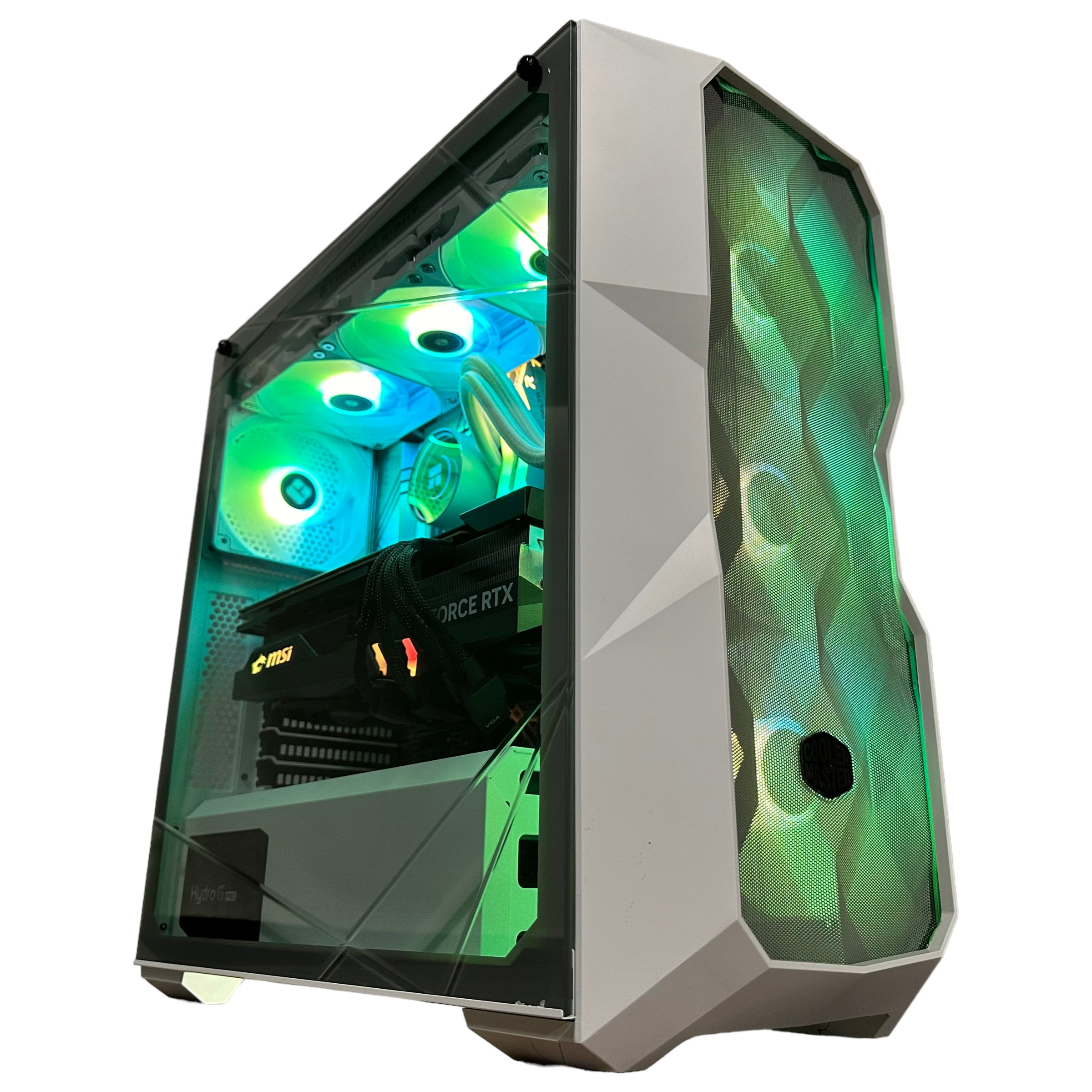
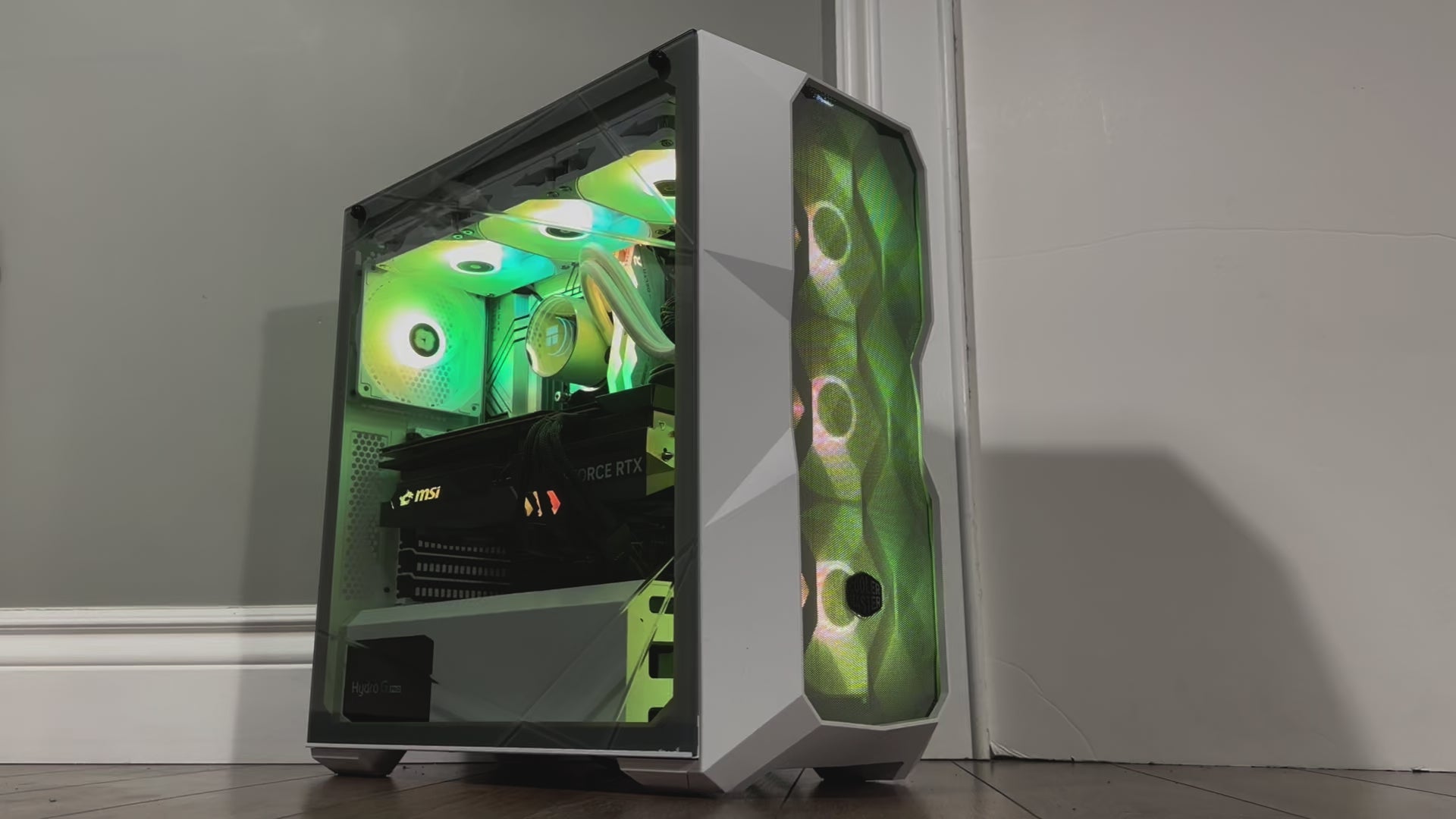
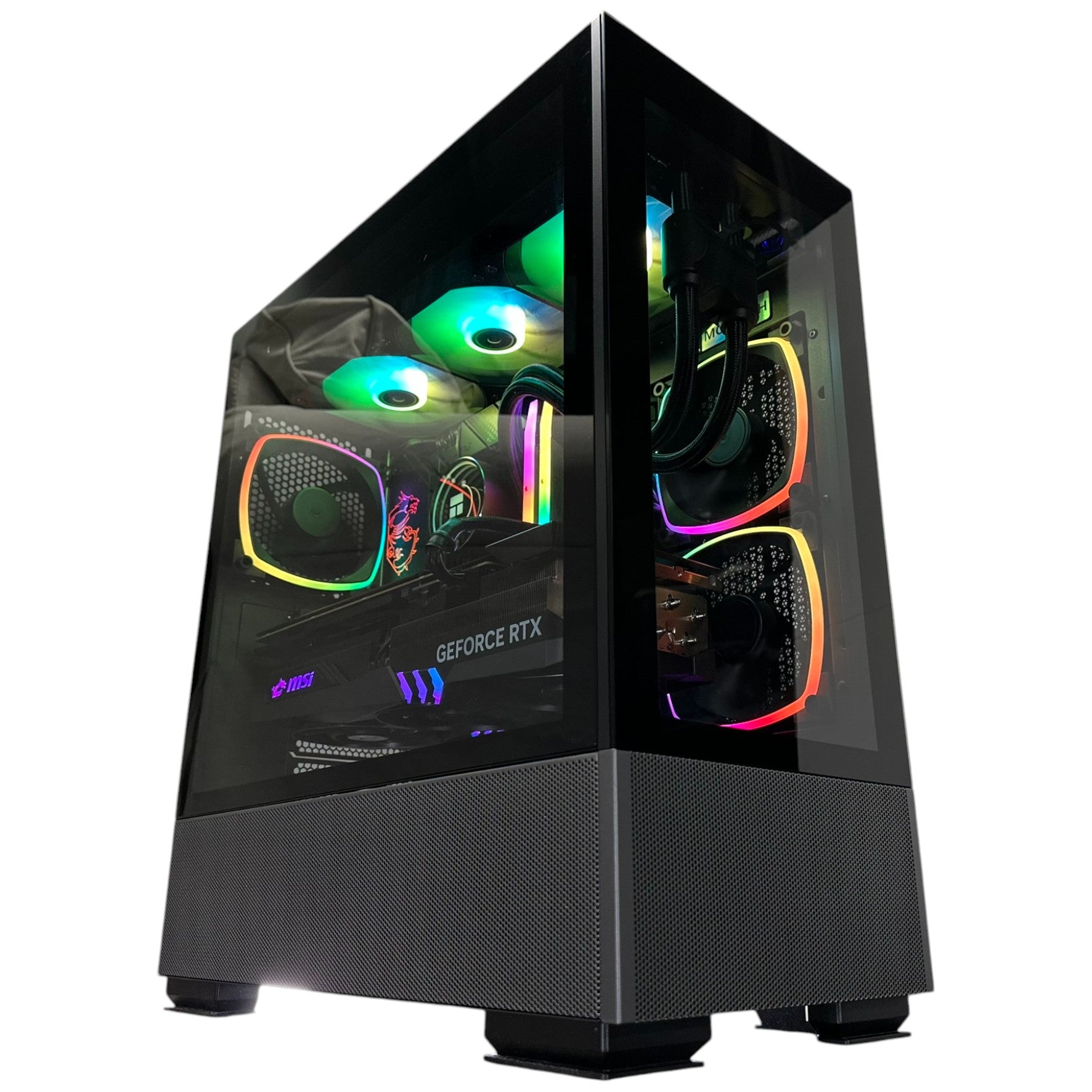
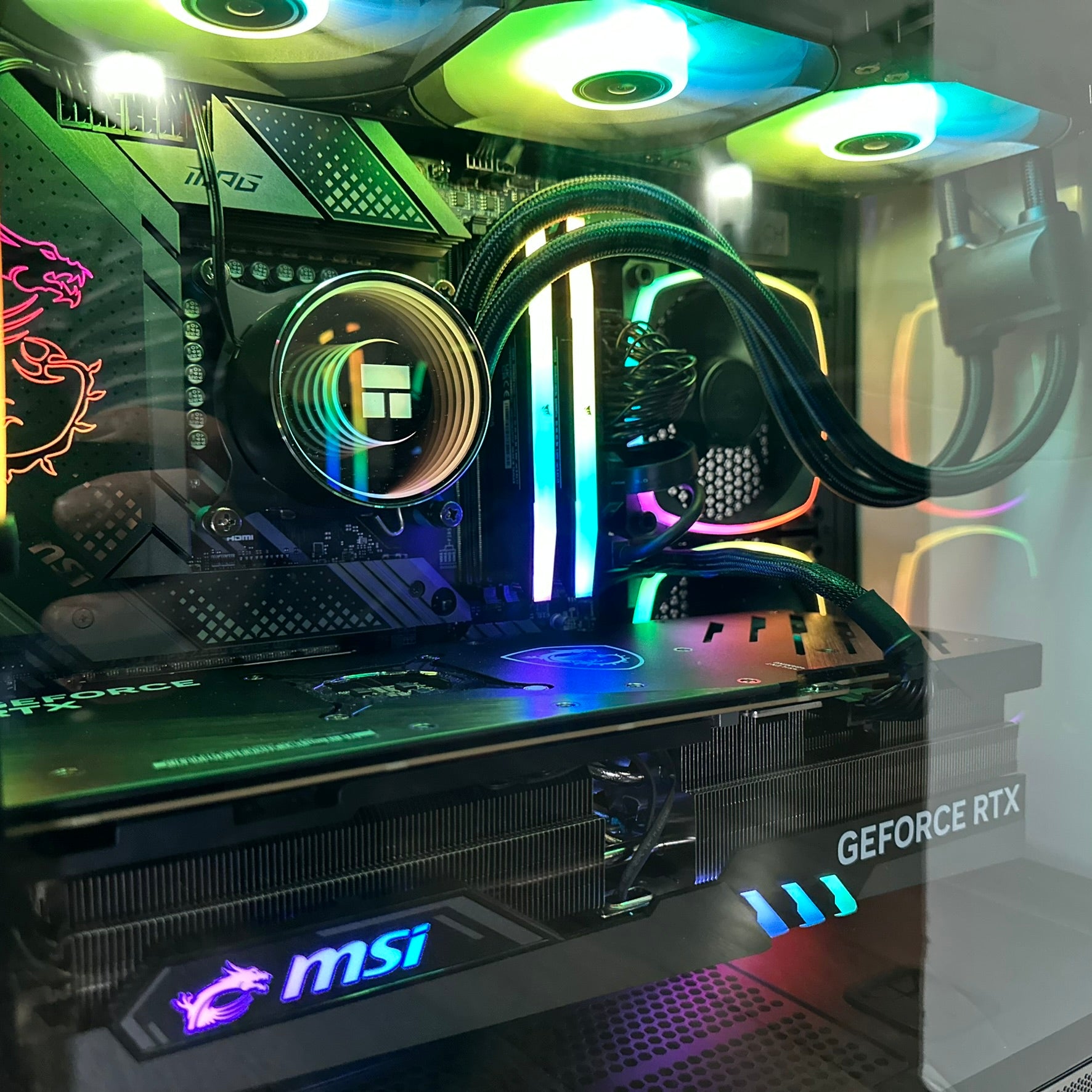
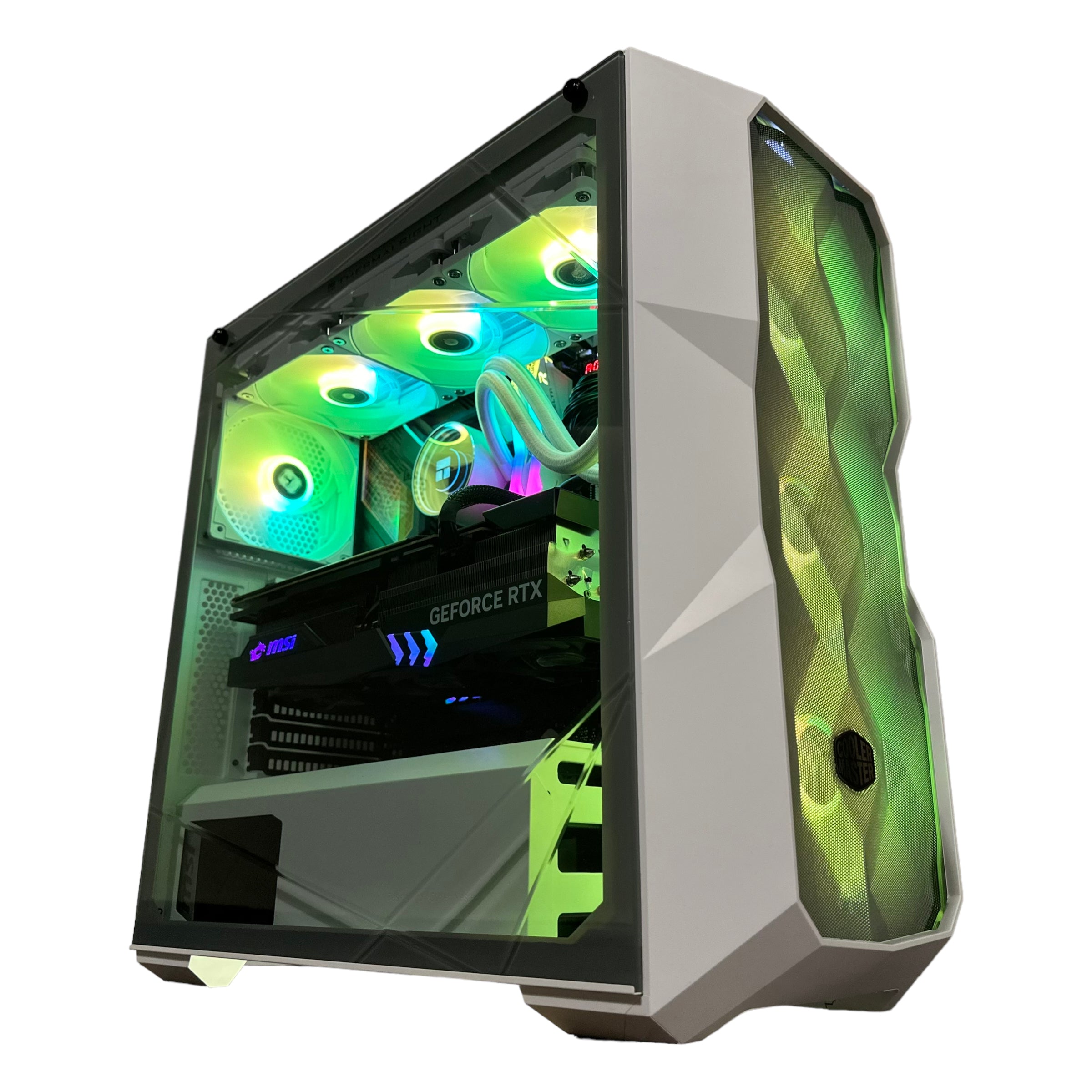
A balanced gaming desktop often matters more than chasing one flashy component. In a racing game, smooth frame delivery can be just as important as average FPS. Fast storage can matter almost as much as GPU horsepower when the game is constantly loading assets. Strong cooling matters when you are playing long sessions. Reliable RAM capacity matters when gaming, multitasking, streaming, and keeping background apps open.
So ask yourself: when you miss a corner or fail a speed target, is it your driving line, or are you also dealing with stutter, inconsistent frames, or a system that is beginning to feel dated?
Where is the Festival Loop Speed Zone in Forza Horizon 6?
Based on the source material, the Festival Loop Speed Zone is located south of the main Horizon Festival site in the Ohtani region, just below the roundabout. It is a short section with two corners, and while the route name suggests a bigger circuit, this is more of a quick technical burst than a long loop.
The source also notes that the stock 2001 Mitsubishi Lancer Evolution VI GSR TM Edition may struggle to hit the required speed for three stars. Upgrades, including pushing the car into S2 class and using rally tires for snow grip, can make the difference. That gameplay detail is important because it mirrors something Canadian buyers often face with hardware: a base setup may technically run the game, but not at the level you actually want.
And that brings up a buying question. Do you want a PC that merely launches your games, or do you want one that feels properly equipped for the experience you are actually chasing?
Why Canadian gamers should read this as a buying signal
For Canadian shoppers, game-specific guides often become upgrade signals. A challenge like this might seem minor, but if you are following new releases closely, trying seasonal content, or keeping up with open-world driving games, your system needs are not static. Newer games tend to layer in denser worlds, more effects, heavier background simulation, and higher VRAM expectations.
That is why a Custom Gaming PC Canada decision should not be based only on whether your current machine still turns on and launches a title. It should be based on whether it still delivers the kind of experience you now expect.
Do you want sharper draw distances and cleaner image quality? Do you care about smooth performance in weather-heavy scenes? Are you the kind of player who notices frame dips while cornering, passing through towns, or entering busier festival areas? If yes, then your next system should be chosen for how you play now, not how you played two or three years ago.
What do you want your next PC to do for you?
This is the most important question in the whole buying process, and it is where many people make either a smart long-term choice or an expensive short-term one.
Do you want your next PC to handle only Forza-style racing games at solid settings? Do you want a broader Gaming PC for New Games that also covers open-world action titles, competitive shooters, and upcoming AAA releases? Do you want to capture gameplay footage, edit social clips, stream on weekends, or run multiple displays without slowing everything down?
Maybe you are not only a gamer. Maybe you also use Photoshop, Lightroom, Premiere Pro, DaVinci Resolve, Illustrator, Blender, or OBS. In that case, buying too narrowly can backfire. A system that feels fine for gaming alone may feel cramped once creative software, capture tools, and multitasking enter the picture.
That is why many Canadian buyers now need more than a simple “gaming PC.” They need the right category match.
- Budget gaming desktop for 1080p racing and esports
- Mainstream performance gaming PC for 1440p and stronger visual settings
- Premium RTX gaming PC for 4K, high refresh, and ray tracing headroom
- Gaming and streaming PC for OBS, recording, and content capture
- Creator PC for gaming plus editing, graphics, and social media production
- Workstation-class build for 3D modeling, rendering, and heavier professional workloads
So what do you want your next PC to do for you six months from now, not just tonight?
What PC do you need for Forza Horizon 6 and similar open-world racing games?
If your goal is to enjoy racing games properly, the answer depends on target resolution, visual settings, and whether this is only one game in your library or part of a much bigger AAA habit.
1080p players: Is a budget system enough?
If you play at 1080p and mainly want smooth gameplay with strong settings, a Budget Gaming PC Canada build can still make sense. This is especially true if you are moving from an older console, a low-end desktop, or a dated GPU that struggles with modern releases.
But ask yourself something important: are you trying to save money once, or are you setting yourself up to upgrade again too soon? A bare-minimum build can be tempting, especially if you are comparing sticker prices. Yet if you already know you want newer releases, larger game installs, and stronger visual quality, buying too low can create another replacement cycle much faster than expected.
1440p players: Is this the sweet spot for most buyers?
For many customers, the real sweet spot is a 1440p Gaming PC Canada build. This tier often delivers the best balance between image quality, high frame rates, and long-term value. In racing games, 1440p helps scenery, vehicle detail, weather effects, and road textures stand out much better than 1080p, while still staying more practical than going full 4K for every buyer.
If you are the type of player who wants a smoother premium experience without stepping all the way into flagship pricing, 1440p is often the strongest recommendation. It is also a smart place to land if you play several current and upcoming AAA games instead of only one title.
4K and ultra settings buyers: Do you want visual wow factor or pure value?
If you want a 4K Gaming PC Canada setup for open-world racing, then GPU tier becomes much more important. This is where premium parts, stronger cooling, more VRAM headroom, and a more carefully balanced build start to matter. Racing games can look spectacular at higher resolutions, especially on larger displays, but the cost jump can be meaningful.
So ask yourself honestly: do you want the best visuals because you will truly enjoy them every day, or are you paying for a spec tier that sounds exciting but does not match your actual monitor, setup, or use case?
Do you also want to stream, record, or create content?
This is where many gaming buyers quietly cross into creator territory. You may start with a racing game guide, but then realize you also want to clip your best runs, upload YouTube shorts, stream challenge attempts, or edit long-form gameplay videos. That changes the hardware conversation.
A Gaming and Streaming PC Canada system should not only run the game. It should also handle OBS, browser tabs, Discord, voice chat, overlays, capture workflows, and post-session editing. If that sounds like you, then CPU choice, RAM capacity, storage layout, and GPU encoding support become much more important.
Do you want to stream at 1080p while keeping gameplay smooth? Do you need fast exports for social media clips? Do you want your system to handle gaming tonight and editing tomorrow morning without feeling like two different computers are required?
If yes, a stronger mid-range or premium build is usually the smarter route than a very tight gaming-only spec.
Are you only gaming, or do you also edit video, photos, and design work?
Many buyers discover that their “gaming PC” is actually a mixed-use machine. If you also work in Premiere Pro, DaVinci Resolve, Photoshop, Lightroom, Illustrator, or Canva-style workflows, then you may be better served by a Creator PC Canada approach rather than a narrow gaming-first build.
That does not mean giving up gaming performance. It means choosing parts more intelligently.
- More RAM for multitasking and larger projects
- Faster SSD storage for game installs and media files
- A stronger CPU for exports and heavy background tasks
- A capable GPU that helps both games and creative apps
- Better cooling and airflow for sustained workloads
Are you editing 1080p footage casually, or are you moving into 4K timelines? Are you processing RAW photo batches? Are you designing for clients, school, or social media campaigns? The more your system has to do beyond gaming, the more dangerous it becomes to buy a weak build simply because it looked cheap upfront.
What if you use Blender, Unreal Engine, CAD, or other heavy workloads?
Not every reader landing on a game-related article is only a gamer. Some buyers use game guides as a way to benchmark what their system can still handle before deciding whether they need a 3D Modeling PC Canada or Workstation PC Canada upgrade instead.
If you work in Blender, Unreal Engine, Maya, Cinema 4D, AutoCAD, Revit, or similar tools, then your next desktop needs to be evaluated differently. A gaming-oriented build can sometimes overlap with workstation needs, but not always. Larger memory pools, more CPU cores, stronger sustained cooling, and heavier rendering capability may matter more than pure gaming FPS.
So what is your real workload mix? Are you gaming after work on the same system you use for rendering, simulation, design, or development during the day? If so, a custom build matters even more because the wrong component balance can waste both your money and your time.
Why the source article’s car upgrade advice matters for PC buyers too
The source points out that the Mitsubishi may need upgrades to clear the challenge reliably. That is the exact mindset smart PC buyers should adopt. The cheapest workable option is not always the best-performing or best-value option.
A stock car struggling to beat 80 mph when the target is 90 mph is not very different from a PC that hovers around acceptable performance but cannot maintain the quality level you want. In both cases, you are operating too close to the limit.
Do you want enough performance to get by, or enough performance to enjoy the experience properly? Do you want your next machine to feel confident and responsive, or merely sufficient on paper?
Which performance tier fits you best?
If you are trying to decide what level of system makes sense, this is the clearest way to break it down.
Entry-level value tier
Best for buyers who want 1080p gaming, lighter multitasking, and a more affordable entry into current titles. This can suit students, first-time desktop buyers, and players focused on value.
Ask yourself: are you okay turning some settings down if it keeps total cost under control, or would that annoy you every time a new game launches?
Mainstream sweet-spot tier
Best for buyers who want strong 1080p or 1440p performance, a better experience in AAA games, and enough overhead for recording, multitasking, and future releases. For many people, this is the smartest place to buy.
If you want to avoid upgrading too soon, this is often the tier that makes the most sense.
Premium enthusiast tier
Best for 1440p ultra, high refresh play, stronger ray tracing expectations, 4K ambitions, and a more future-ready setup. This is ideal for customers who know they are demanding users and want their system to last longer at a higher level.
Would you rather pay once for a stronger machine than feel boxed in next year?
Gaming plus creator tier
Best for customers who game but also stream, edit, design, or produce content. This is where balanced CPU, GPU, RAM, and storage decisions really matter.
If your desktop is also your studio, your edit bay, and your workstation, why buy a system that only solves half the problem?
Workstation and 3D tier
Best for intensive rendering, 3D workloads, CAD, simulation, advanced productivity, and professional multitasking. These buyers need reliability and throughput, not just gaming metrics.
Are long render times, timeline lag, or memory bottlenecks already costing you real hours each week?
Is it better to buy now or wait?
This is one of the most common buyer questions, and it is a fair one. Nobody wants to buy too early, but waiting is not automatically safer. If your current PC is already limiting your gaming or creative workflow, waiting can mean months of poorer performance, more frustration, and reduced value from the software and games you already own.
There is also the reality of component-price pressure. GPU demand can shift quickly. Memory and SSD pricing can move. New releases can create sudden demand spikes. Seasonal buying periods can tighten availability on stronger configurations. And when major game launches arrive, many people decide to upgrade at once.
So ask yourself: are you waiting because a real near-term product change will materially improve your value, or are you waiting out of habit while your current machine continues to underdeliver?
Could financing help you secure the right build before prices move?
For many Canadian buyers, this is the practical answer. If the stronger system is the one that truly fits your gaming and workload needs, but the upfront cost feels like the barrier, financing can make the better choice more realistic now instead of forcing a compromise.
That matters because buying too weak often leads to a faster upgrade cycle, lower satisfaction, and eventually higher total cost. By contrast, securing a more capable custom system now can give you more useful lifespan, smoother gaming, better multitasking, and fewer near-term regrets.
Would monthly payments make it easier to step up from “good enough” to “actually right for what I do”? Would it be smarter to finance a stronger build today than replace an undersized one earlier than expected?
At Groovy Computers, customers looking at gaming, creator, and workstation systems often benefit from choosing a better-balanced machine upfront, especially when financing options up to 4 years can help make that purchase more manageable.
Why custom builds matter more than ever
When buyers are trying to hit a target in a game, they tune the machine they are driving. Your PC deserves the same logic. A custom-built desktop is about fit, not guesswork.
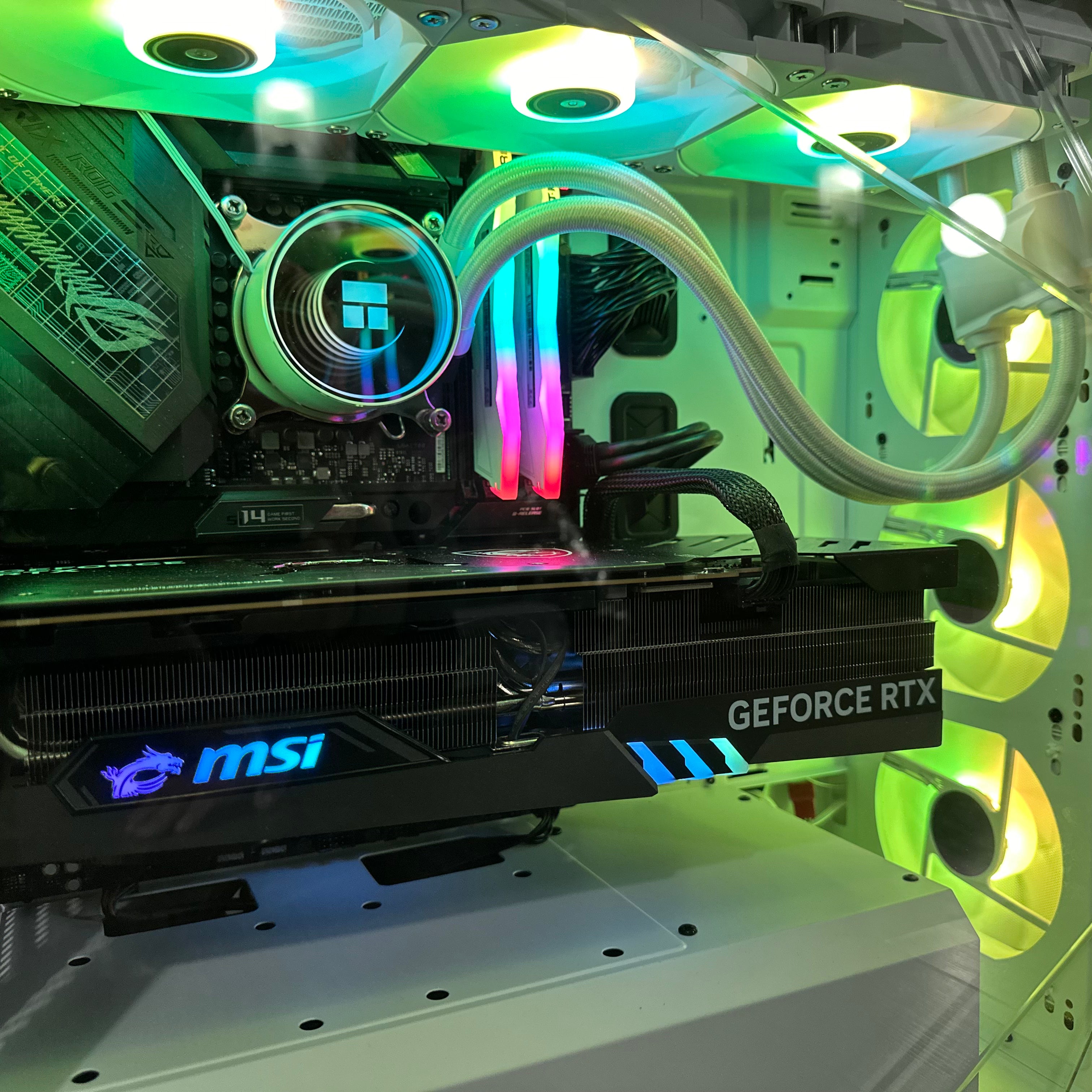
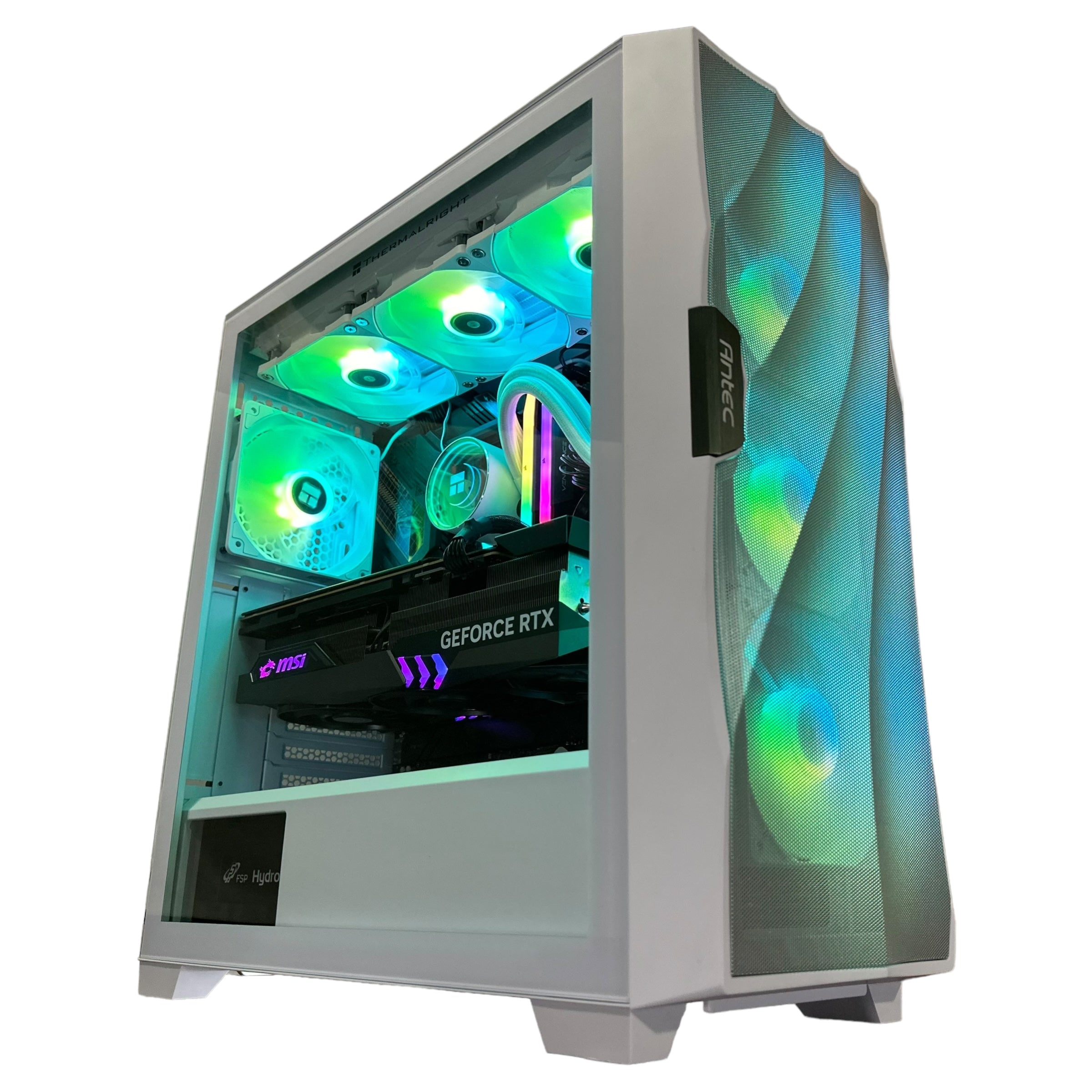
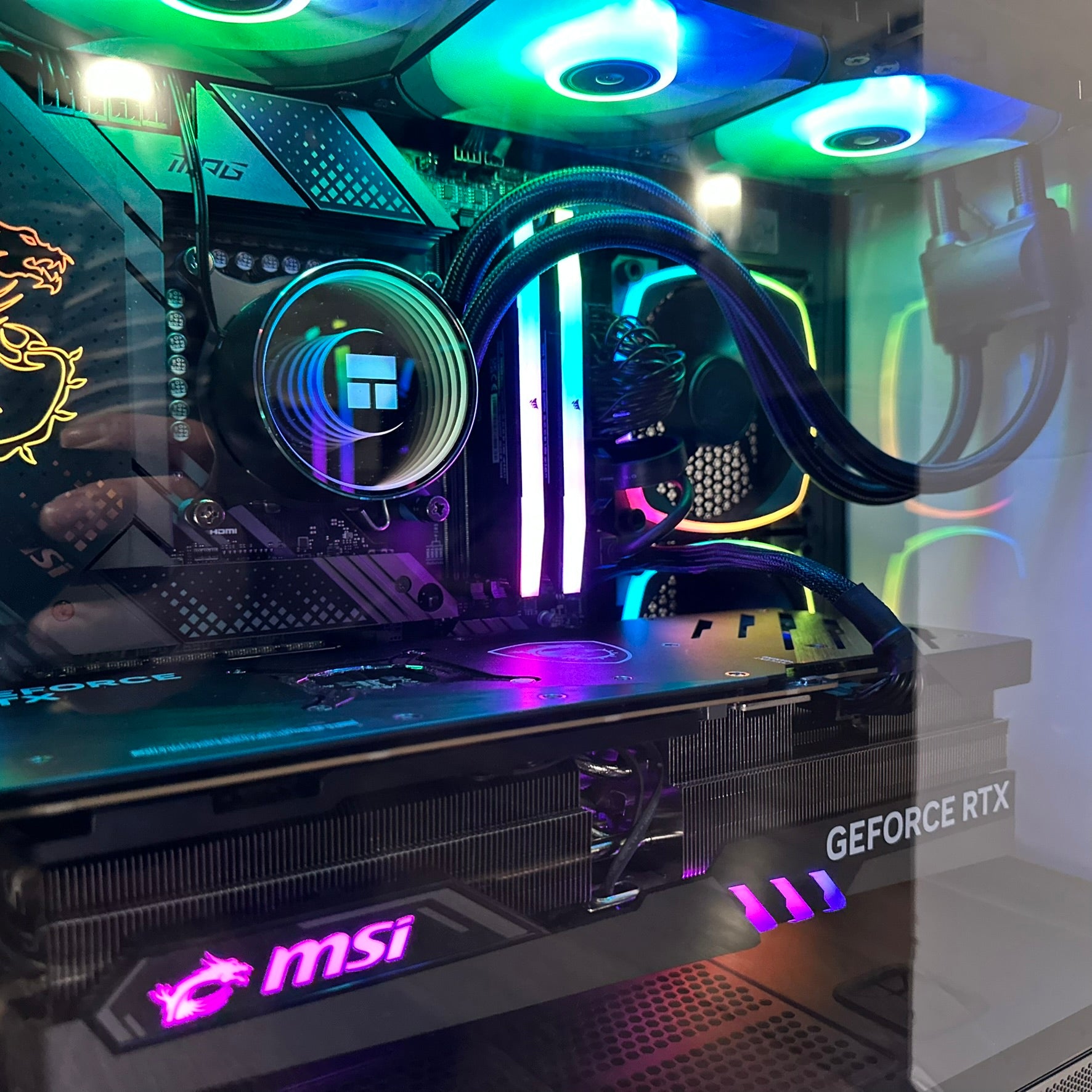
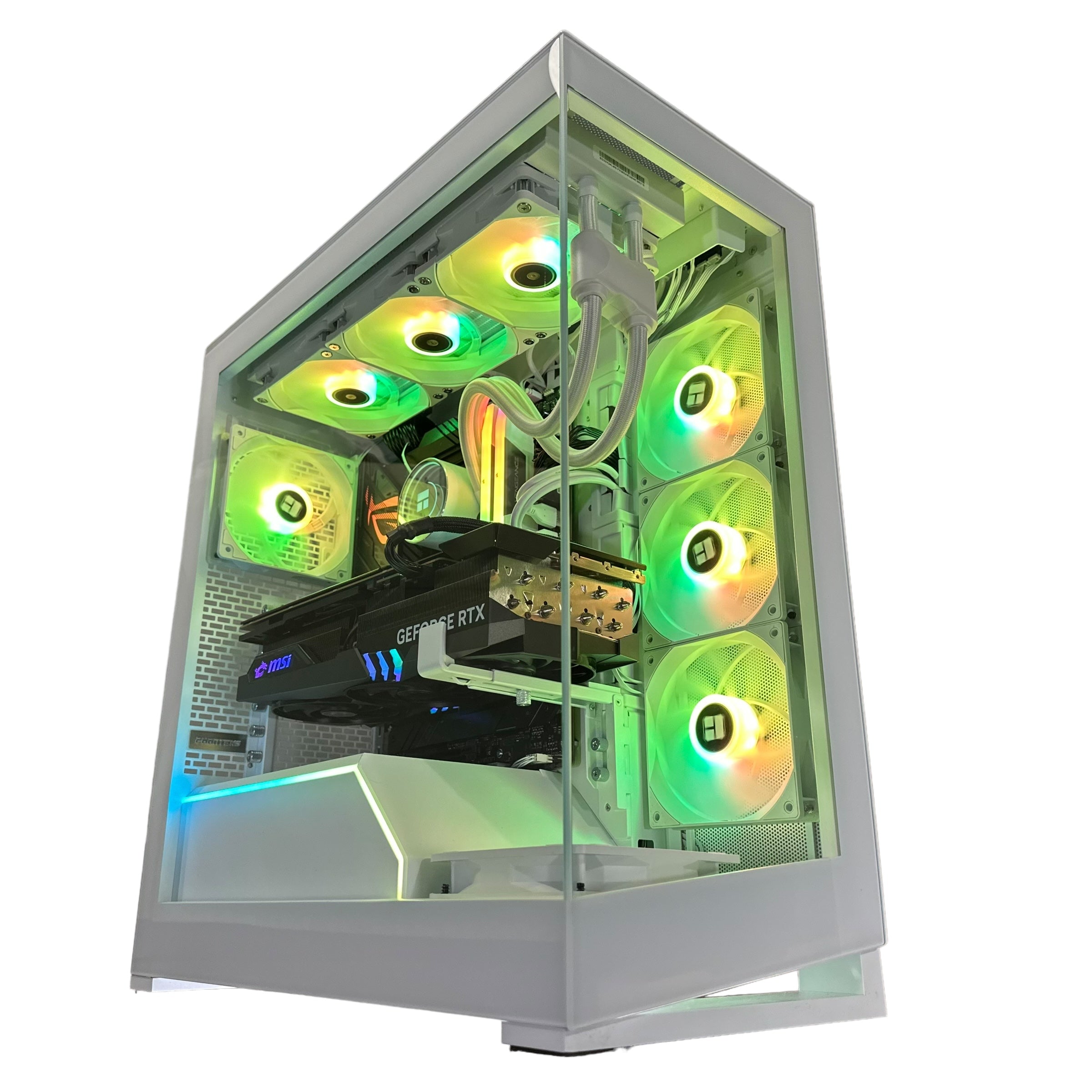
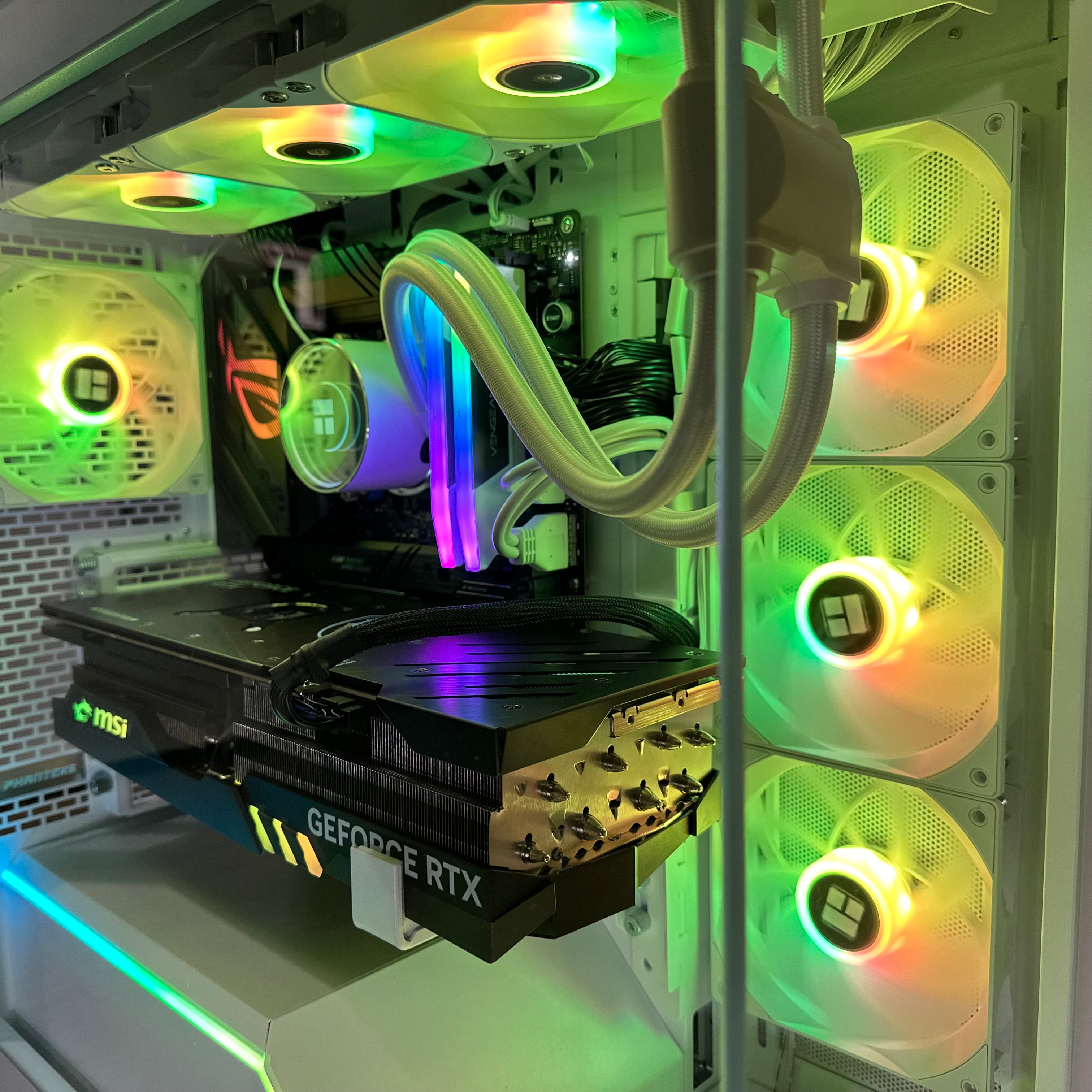
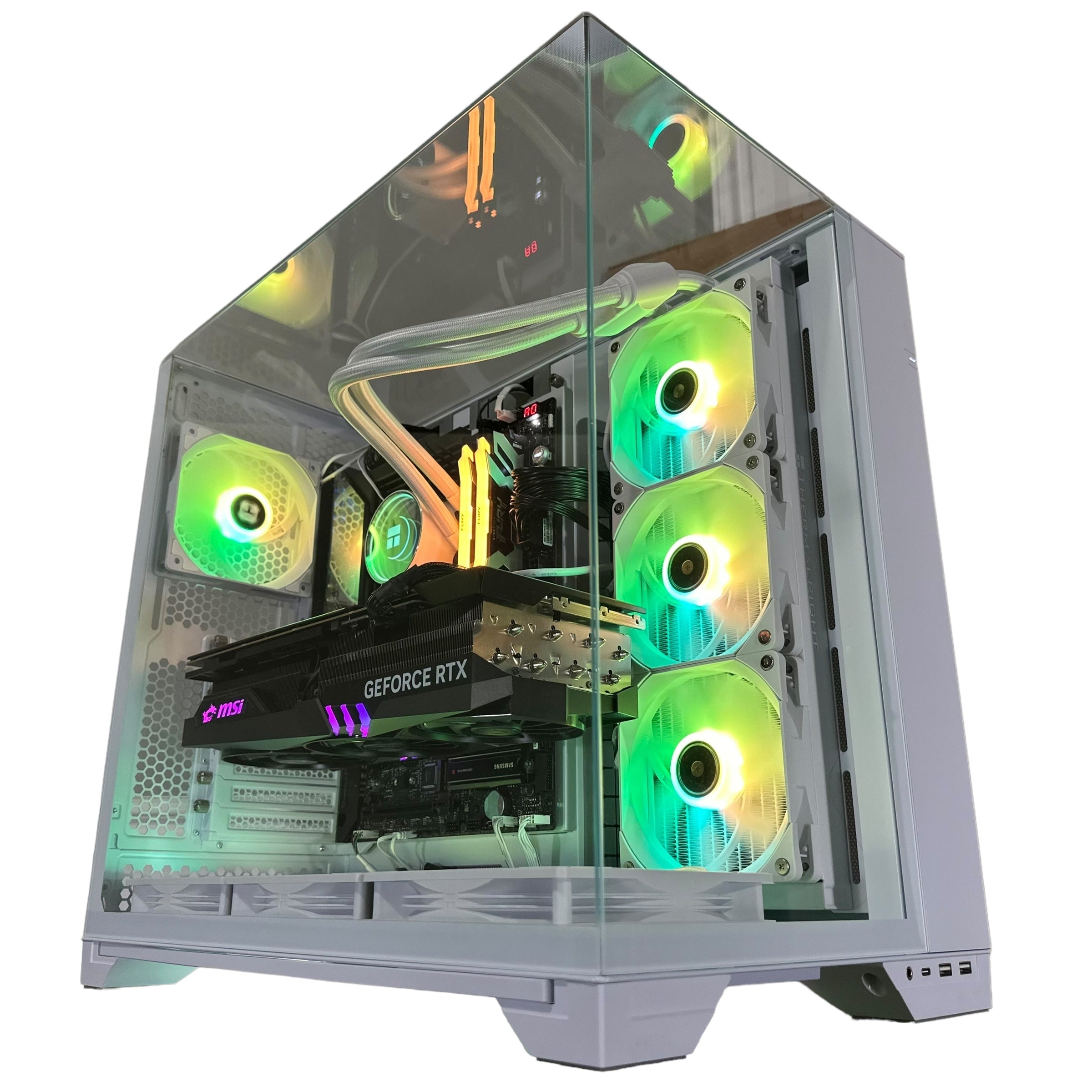
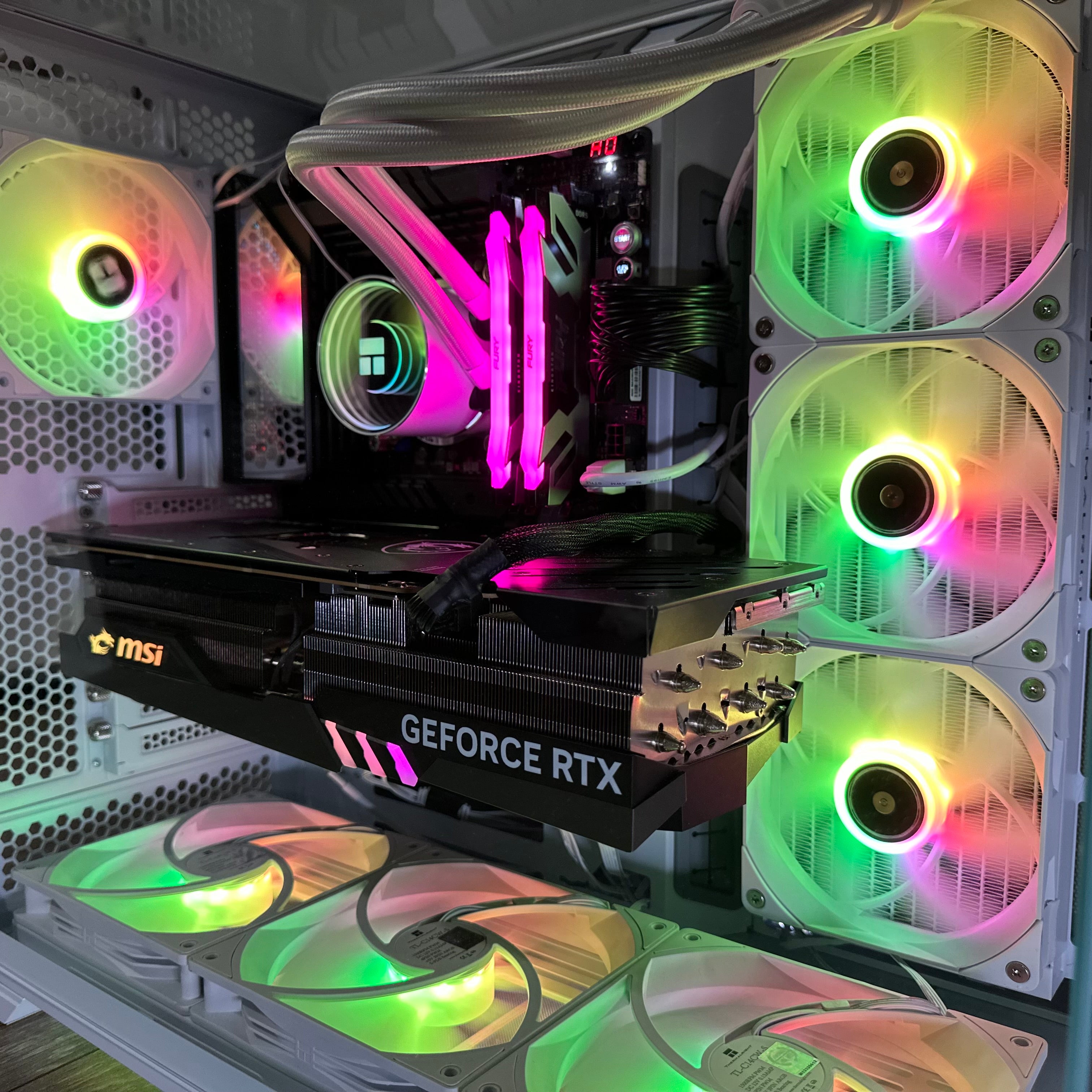
With a proper custom build, you are not just getting random parts in a box. You are getting a system selected around actual use cases: gaming at specific resolutions, streaming, editing, content creation, 3D work, or mixed workloads. You are also getting better part matching, stronger thermal planning, cleaner upgrade paths, and a machine that is assembled with a purpose.
That matters even more in Canada, where buyers want confidence that their desktop is worth the spend and ready for daily use.
Would you rather gamble on a generic configuration, or buy from a team that understands how to match the build to your real performance goals?
Why Canadian buyers choose Groovy Computers
Groovy Computers is positioned for the buyer who wants more than a commodity box. Whether you need a racing-ready gaming machine, a stronger RTX system for upcoming AAA titles, a balanced streaming setup, or a creator/workstation desktop, the advantage is in choosing a custom PC builder that understands the whole workload.
Canadian shoppers also care about trust. That is why rigorous testing and warranty coverage matter. A system should not only look good in specs. It should be assembled properly, stress tested, and supported after the sale. Groovy Computers offers custom-built systems backed by a 1-year warranty, giving buyers more confidence when investing in performance.
For customers in Nova Scotia, Atlantic Canada, and across the country, that mix of custom build quality, support, and buyer guidance is a major difference-maker.
What questions should you ask before buying your next PC?
Before you choose a system, ask yourself these practical questions:
- What games am I really buying this PC for? Is it just Forza-style racers, or a larger mix of new AAA games?
- What resolution do I actually want to play at? 1080p, 1440p, or 4K?
- Do I care about high refresh rates and smoother competitive feel?
- Will I stream, record, or edit content on this same machine?
- Do I also use creative software or professional apps?
- How soon do I want to avoid upgrading again?
- Would financing a stronger system now save me from buying twice?
- Do I want a generic spec sheet, or a custom build that fits how I actually work and play?
If those questions are making you realize your current desktop no longer fits your needs, that is not a bad thing. It usually means your use case has evolved. Your system should evolve too.
Looking at the Festival Loop Speed Zone and thinking about your setup?
If a game challenge is making you think less about your driving line and more about your hardware limits, that is a useful signal. Modern racing titles reward smoothness, responsiveness, and consistency. So do the best gaming desktops.
Whether you need a budget-friendly entry point, a stronger 1440p setup, a premium RTX build, or a mixed-use creator system, the right next step is to choose a PC that matches the way you actually use it. If you are asking, What gaming PC do I need? or Should I buy now or wait?, the smartest move may be to compare your needs against a properly planned custom build instead of settling for a one-size-fits-all machine.
Ready to choose the right custom PC for gaming, streaming, or creative work?
What do you want your next PC to handle: open-world racing at higher settings, 1440p gaming, 4K visuals, OBS streaming, Premiere Pro edits, Photoshop workflows, or Blender renders? If you want help choosing the right tier without overspending or underbuying, visit GroovyComputers.ca to explore custom builds, talk through your performance goals, and find a gaming, creator, or workstation PC that fits your budget and timeline.
In the end, the Forza Horizon 6 Festival Loop Speed Zone is more than a map marker. It is a reminder that performance matters, tuning matters, and buying the right hardware matters too. If your current PC is starting to feel like the stock version of a car that needs upgrades just to hit the target, now may be the right time to move into a better-built custom system from Groovy Computers.
#ForzaHorizon6 #FestivalLoopSpeedZone #GamingPCCanada #CustomGamingPCCanada #1440pGamingPCCanada #4KGamingPCCanada #CreatorPCCanada #GamingAndStreamingPCCanada #WorkstationPCCanada #CanadianCustomPCBuilders #NovaScotiaTech #GroovyComputers
Groovy Computers | All Rights Reserved

Leave a comment
This site is protected by hCaptcha and the hCaptcha Privacy Policy and Terms of Service apply.