





Why Does Nobody Like Racing Video Games Anymore? What Canadian Buyers Should Ask Before Choosing a Gaming PC
Racing games used to be one of the easiest genres to understand and one of the most exciting to play. Fast cars, simple controls, big speed, instant fun. So why does nobody like racing video games anymore, at least compared to their peak years? The question matters for more than nostalgia. It reveals how gaming habits have changed, how player expectations have shifted, and why choosing the right Gaming PC Canada setup now depends less on one genre and more on the total experience you want from your next system.
The source discussion gets one thing absolutely right: arcade racing games once felt massive, mainstream, and culturally unavoidable. Franchises built around street racing, accessible handling, and flashy progression used to pull in casual players just as easily as dedicated fans. Today, by contrast, the genre feels thinner. A few names still carry weight, but the market is nowhere near as crowded as it once was.
For Canadian PC buyers, that shift raises a bigger question. If racing games are no longer driving hardware demand by themselves, what is your next computer supposed to do? Is it mainly for open-world driving and sports titles? Is it for competitive shooters at high FPS? Is it for streaming, editing clips, posting content, and running creator tools alongside games? Or are you trying to buy one machine that can handle all of it without needing an upgrade too soon?
That is where this conversation becomes useful. A genre trend is interesting. A smart buying decision is more important.
What the Racing Game Slowdown Really Tells Us
When players ask why racing games are less popular, the answer is usually not that driving became boring. It is that modern gaming became broader, heavier, and more demanding on time and hardware. Players now expect giant worlds, live-service updates, social features, creator support, photo modes, ray tracing, high refresh rates, and cross-platform communities. In that environment, pure racers compete with almost everything.
Think about what happened over the last decade. Many of the thrills that made arcade racing games special were absorbed into larger genres. Open-world games now include driving. Sandbox games include vehicles. Online games include seasonal progression. Action games include car sequences. Even non-racing players can still scratch the speed itch without committing to a dedicated racing title.
That does not mean the appeal of racing disappeared. It means the buying decision around it changed. A customer shopping for a new desktop in Canada is less likely to ask, “What PC do I need for only racing games?” and more likely to ask, “What gaming PC do I need for racing, shooters, modding, streaming, Discord, recording, and maybe editing too?”
That is a very different level of demand, and it is exactly why generic one-size-fits-all systems often disappoint.
Are Racing Games Dead, or Did Player Expectations Outgrow Old Hardware Assumptions?
If you still enjoy driving games, the genre is not dead. But the audience has become more segmented. Some players want simulation. Others want arcade fun. Some want online cruising with friends. Others want realistic wheel support, ultrawide displays, or triple-monitor immersion. And some buyers who start with racing quickly realize they also want a machine that can run modern AAA games at 1440p or 4K.
So what happens next?
You stop shopping by genre alone and start shopping by performance tier.
That is especially important if you are trying to avoid the classic mistake: buying too little PC now, then spending more to upgrade sooner than expected.
What Do You Want Your Next PC to Do for You?
Before looking at parts, pricing, or financing, ask yourself a few practical questions.
Do you mainly want smooth 1080p gaming for titles like racing games, esports games, and open-world releases? Do you want a 1440p gaming experience with stronger textures, better lighting, and higher refresh rate gameplay? Are you targeting 4K, ultra settings, and ray tracing? Do you also want to stream to Twitch or YouTube, record gameplay, edit highlight reels, or produce social content?
Maybe your use case is even broader. Are you buying for gaming at night and Adobe Creative Cloud during the day? Do you need a system that can handle Photoshop, Lightroom, Premiere Pro, DaVinci Resolve, Blender, or Unreal Engine as well as your game library? If so, you are no longer just shopping for a basic gaming desktop. You are looking for a custom performance solution.
This is where many shoppers lose money by underestimating their real needs.
What Gaming Performance Tier Fits You Best?
Entry-Level and Budget Buyers
If your goal is straightforward 1080p play in racing games, esports titles, lighter AAA games, and everyday use, a budget-focused build may be the right move. This kind of setup often makes sense for first-time buyers, students, younger gamers, or households adding a second desktop.
But ask yourself: is this truly just for lighter gaming, or will it become the family computer, creator PC, streaming station, and homework machine too? Many “budget” systems become overloaded because buyers forget how many tasks they will actually throw at them within six months.
If you are comparing value, the better question may not be “What is the cheapest system that runs my games?” but “What is the lowest tier that still gives me room to grow?”
Mainstream 1440p Gamers
For many Canadian buyers, 1440p is the real sweet spot. It offers a major visual upgrade over 1080p while keeping costs below the premium 4K tier. If you enjoy racing games with crisp scenery, action games with better detail, and online multiplayer at stronger settings, this is often the smartest long-term target.
Are you planning to pair your system with a high refresh monitor? Do you care about stable frame rates more than maxed-out eye candy? Do you want stronger GPU headroom so your PC still feels current when the next wave of demanding games lands? If yes, a balanced 1440p-focused custom build often delivers the best mix of performance and lifespan.
High-End and 4K Enthusiasts
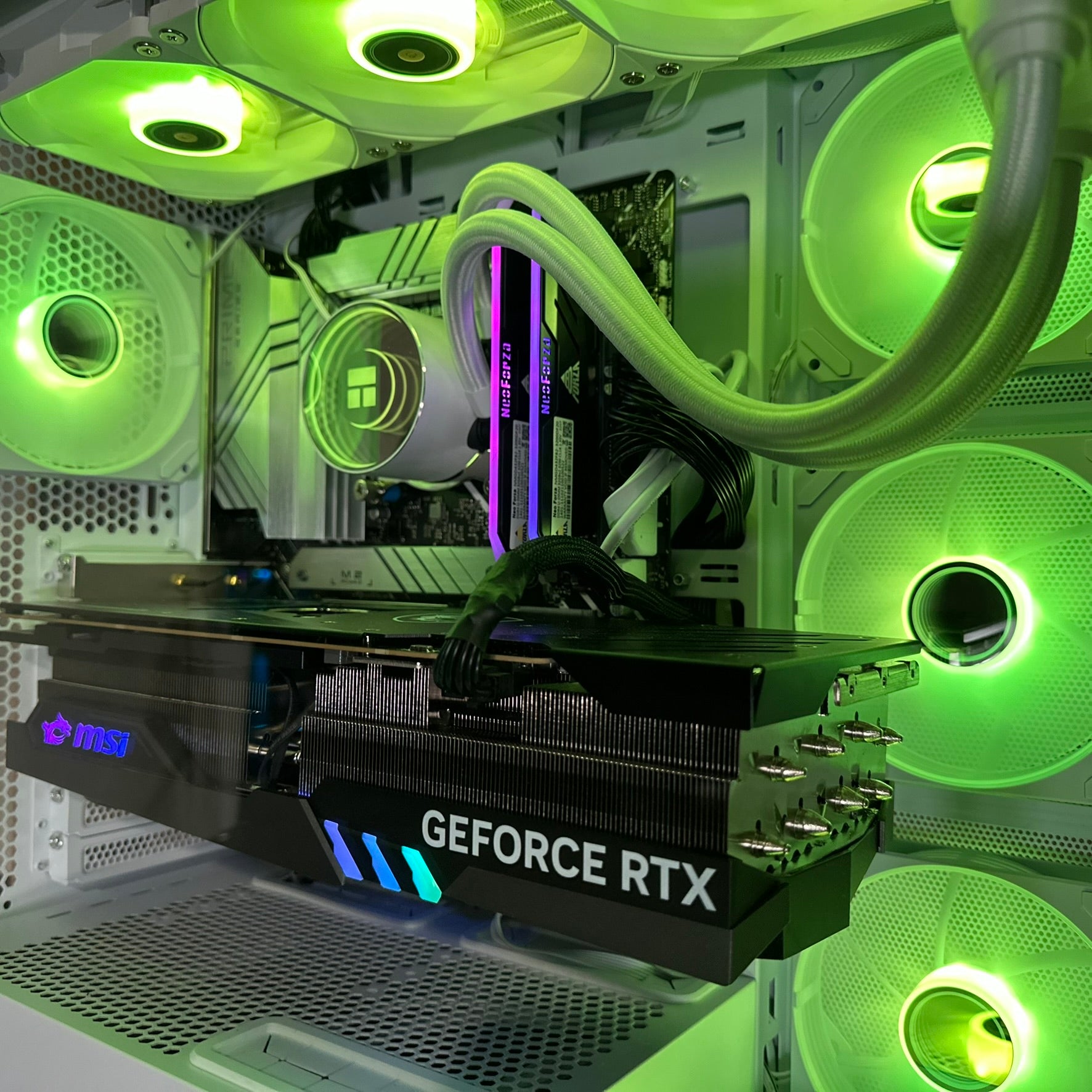
If you want ultra settings, advanced effects, better ray tracing performance, and a system built for demanding new releases, you are in high-end territory. This is where premium GPUs, stronger CPUs, more memory, and better cooling become worth the investment.
But be honest about your screen and your goals. Are you actually gaming on a 4K display? Are you planning to keep the system for years? Do you want one PC that can game, stream, and edit without compromise? Premium hardware makes sense when it matches a premium use case.
If you are asking, “What PC do I need for 4K gaming?” the answer usually depends on whether you are chasing cinematic single-player experiences, competitive high refresh gameplay, or hybrid creator workloads on top of that.
Why This Matters Beyond Racing Games
The decline of dedicated racing games as a dominant genre does not reduce the need for a good desktop. It increases the importance of buying a versatile one.
Older arcade racers were relatively easy to jump into. Modern PC ownership is more demanding. Today’s buyer often wants a machine that can handle games, voice chat, mods, browser tabs, streaming software, cloud tools, and content workflows all at once. That means component balance matters more than ever.
A system built only to hit minimum requirements today may feel outdated much faster if your habits change. What if the next game you care about is more demanding? What if you start recording gameplay? What if your child starts editing videos? What if your hobby turns into a side business and now you need a creator-ready desktop, not just a weekend gaming box?
Could Open-World Games Be Replacing the Old Arcade Racer Experience?
Partly, yes. A lot of players still enjoy driving, but they want driving inside a bigger ecosystem. They want exploration, progression, customization, social play, and content creation in one package. That is why hardware buyers should think in terms of total ecosystem use, not just one isolated title.
Do you want your machine to run driving games well and keep up with the latest open-world blockbusters? Do you want enough GPU strength for better visuals and enough CPU overhead for multitasking? Do you want faster SSD performance so large modern game installs and load times are less frustrating?
If so, your buying strategy should reflect the reality of modern gaming, not the simplicity of the PS2 era.
What If You Also Want to Stream or Record Gameplay?
This is where a lot of buyers outgrow entry-level hardware very quickly. A desktop that feels fine for solo gaming can feel much tighter once streaming software, recording tools, webcam input, browser sources, overlays, and background apps are all active.
Ask yourself a practical question: are you just playing, or are you planning to create around your gameplay?
If you want to broadcast races, share clips, upload YouTube content, or stream variety gaming, you may need a Gaming and Streaming PC Canada setup rather than a pure entry gaming build. That usually means stronger CPU planning, enough RAM for multitasking, solid cooling, and the right GPU features for smooth encoding.
Even if streaming is “just a maybe” today, it often becomes a reality once the system is in the house. That is why buying slightly ahead of your current use can make more sense than replacing underpowered hardware early.
Are You Only a Gamer, or Are You Actually a Creator Too?
This is one of the most important questions in the current market.
A surprising number of buyers think they need a gaming system when what they really need is a hybrid creator build. If you are editing gameplay footage, cutting shorts, producing YouTube content, working in Photoshop, designing thumbnails, managing podcasts, or exporting 4K video, then your desktop has to do more than hit frame rates.
Do you use Premiere Pro or DaVinci Resolve? Are you building social media clips after every session? Do you run multiple Adobe apps together? Do you want smoother exports and less waiting between revisions?
That is where a Creator PC Canada or Video Editing PC Canada configuration can outperform a generic gaming-first machine in the workflows that actually affect your day-to-day experience.
What About Photo Editing, Graphic Design, and Content Creation?
The same logic applies outside gaming. Some customers arrive through gaming content but end up needing a broader workstation because they also edit RAW photos, build ad graphics, manage client work, or create marketing assets.
If you work in Photoshop, Lightroom, Illustrator, InDesign, or Canva, ask yourself whether your next system should be optimized only for gameplay or for your full weekly routine. A stronger SSD, more memory, better CPU selection, and stable long-session cooling can make a real difference in responsiveness and reliability.
Are you a photographer who games on weekends? A designer who also streams? A content creator who needs one machine for everything? If yes, choosing the right custom build matters far more than chasing the lowest advertised price.
What If Your Workload Includes 3D Modeling or Rendering?
This is where the buying decision becomes even more serious. If you use Blender, Unreal Engine, Maya, Cinema 4D, or similar software, you are moving into workstation territory. These users often need more GPU muscle, more RAM, better thermal management, and a system designed for sustained heavy workloads rather than occasional bursts.
So ask the next logical question: are you buying for games that include cars and speed, or are you buying for rendering, animation, CAD, and production work too?
If your answer includes 3D tasks, game development, or complex rendering, then a 3D Modeling PC Canada or workstation-focused build may be the smarter path. The wrong choice here can cost you time every single day.
Why Timing Matters More Than Many Buyers Expect
Even when a source article is mainly about gaming trends, the real buying lesson is timing. When demand shifts, hardware pricing can move with it. GPU pressure, memory volatility, SSD pricing, and new release cycles can all affect replacement costs. Waiting does not always save money. Sometimes it just means paying more later for the same or worse tier.
Are you buying before a major game release? Before a busy holiday sales window empties key stock? Before your current PC fails outright? Before a software upgrade makes your editing workflow slower? These questions matter.
If your current machine is already struggling, delaying can become expensive in a different way. Lost time, more frustration, and a rushed replacement decision are all hidden costs.
Is It Better to Buy a Gaming PC Now or Wait?
That depends on what “wait” actually means for you.
If you are happy with your current performance, have no near-term workload increase, and are simply researching, taking your time makes sense. But if your existing PC is limiting your games, crashing under creator workloads, bottlenecking your streams, or forcing you to lower expectations across the board, waiting may only extend the problem.
Ask yourself this: would a stronger PC save you enough time, frustration, and upgrade regret to justify moving sooner?
For many buyers, the answer is yes. Not because panic buying is wise, but because a carefully selected custom system often holds value better than a rushed bargain box that needs replacing early.
Should You Buy a Cheaper System or Finance a Better One?
This is one of the most practical questions Canadian shoppers can ask.
If you buy the absolute minimum now, will you be satisfied for long? Or will you end up wanting more GPU headroom, more RAM, a bigger SSD, or a stronger CPU within a year? If the cheaper option only delays a second purchase, it may not be the better value.
For some customers, financing is not about overspending. It is about buying the right tier once. If financing up to 4 years helps you move from an underpowered machine to a properly balanced custom build, that can be the smarter decision, especially if it helps you avoid upgrading too soon or replacing components under pressure later.
Would monthly payments make it easier to secure the performance you actually need today? Would that let you move from basic 1080p to comfortable 1440p? From gaming-only to streaming-ready? From “good enough” editing to a smoother creator workflow?
Those are better questions than simply chasing the lowest total sticker price.
Custom PC vs Prebuilt PC Canada: Why the Difference Matters Here
When genres fragment and workloads overlap, customization becomes more valuable. A mass-market prebuilt may be fine for simple use cases, but many buyers need a more intentional balance of CPU, GPU, RAM, storage, cooling, and upgrade path.
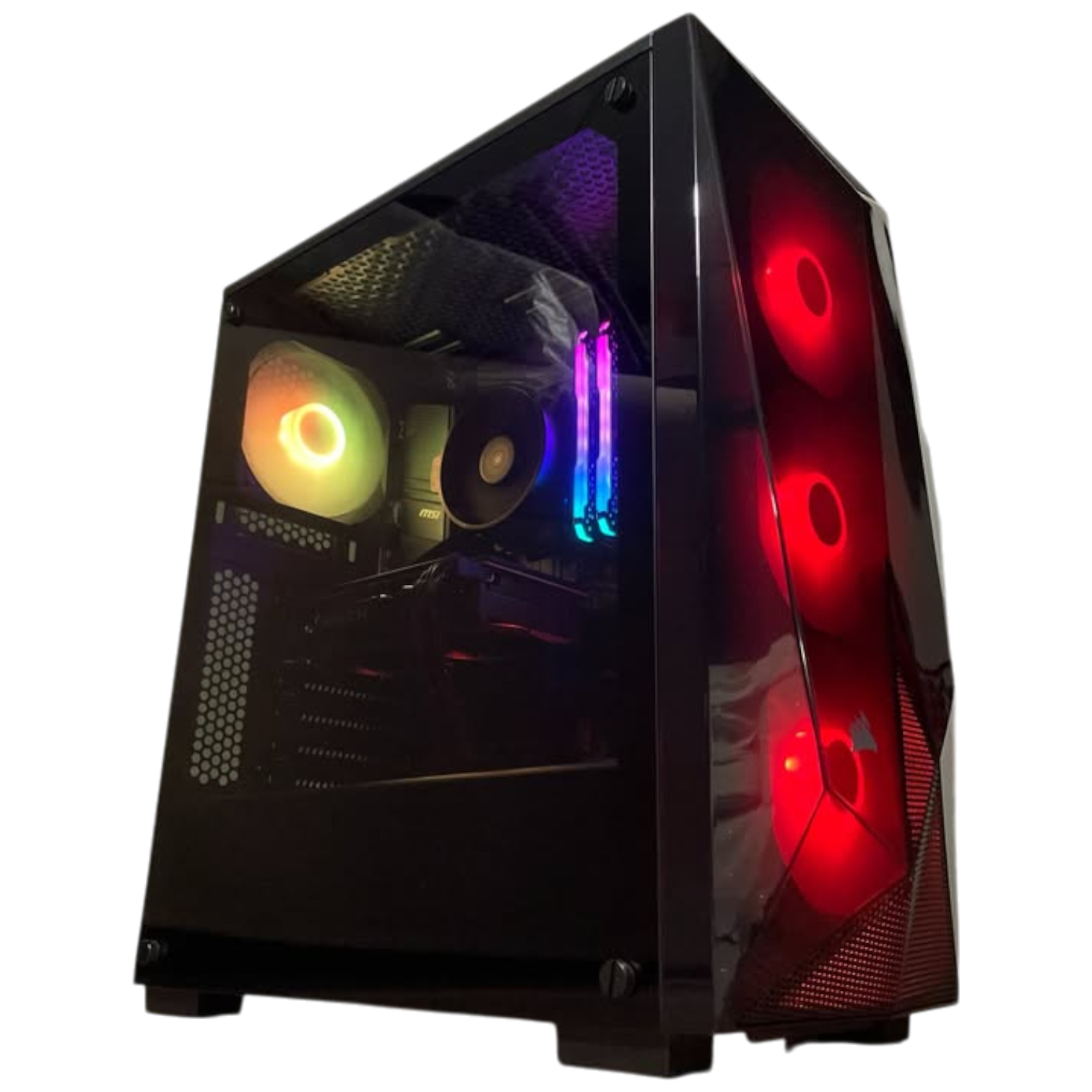
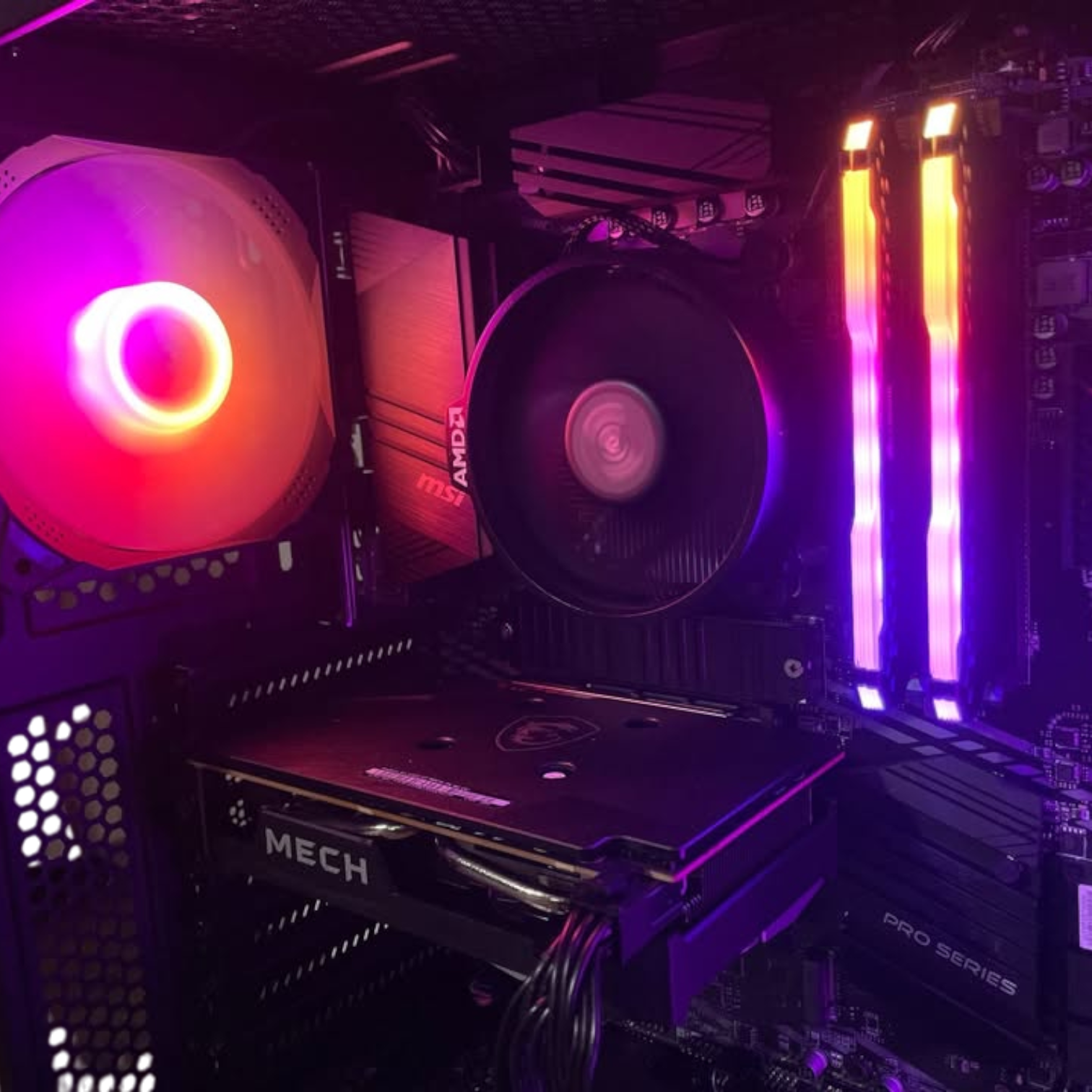
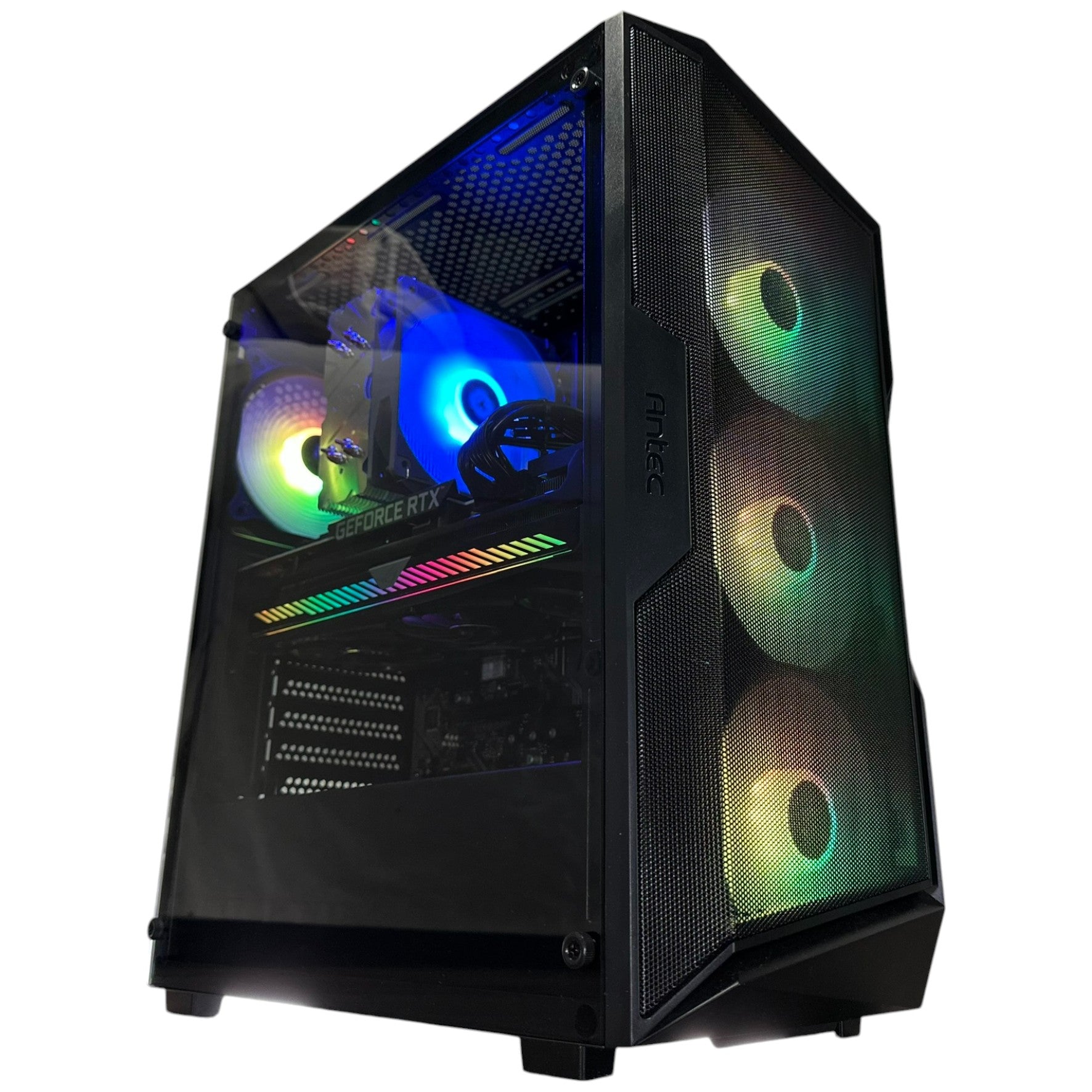
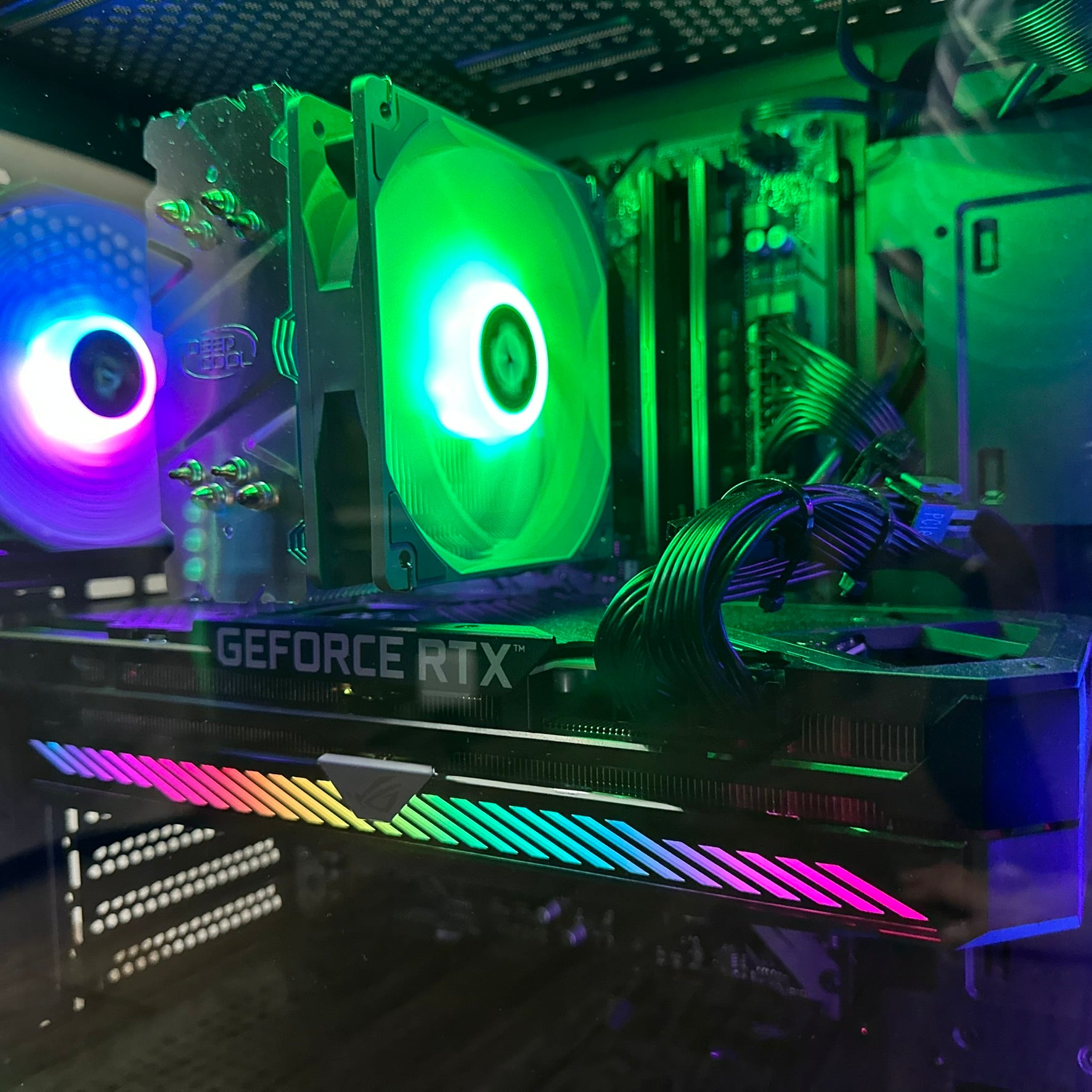
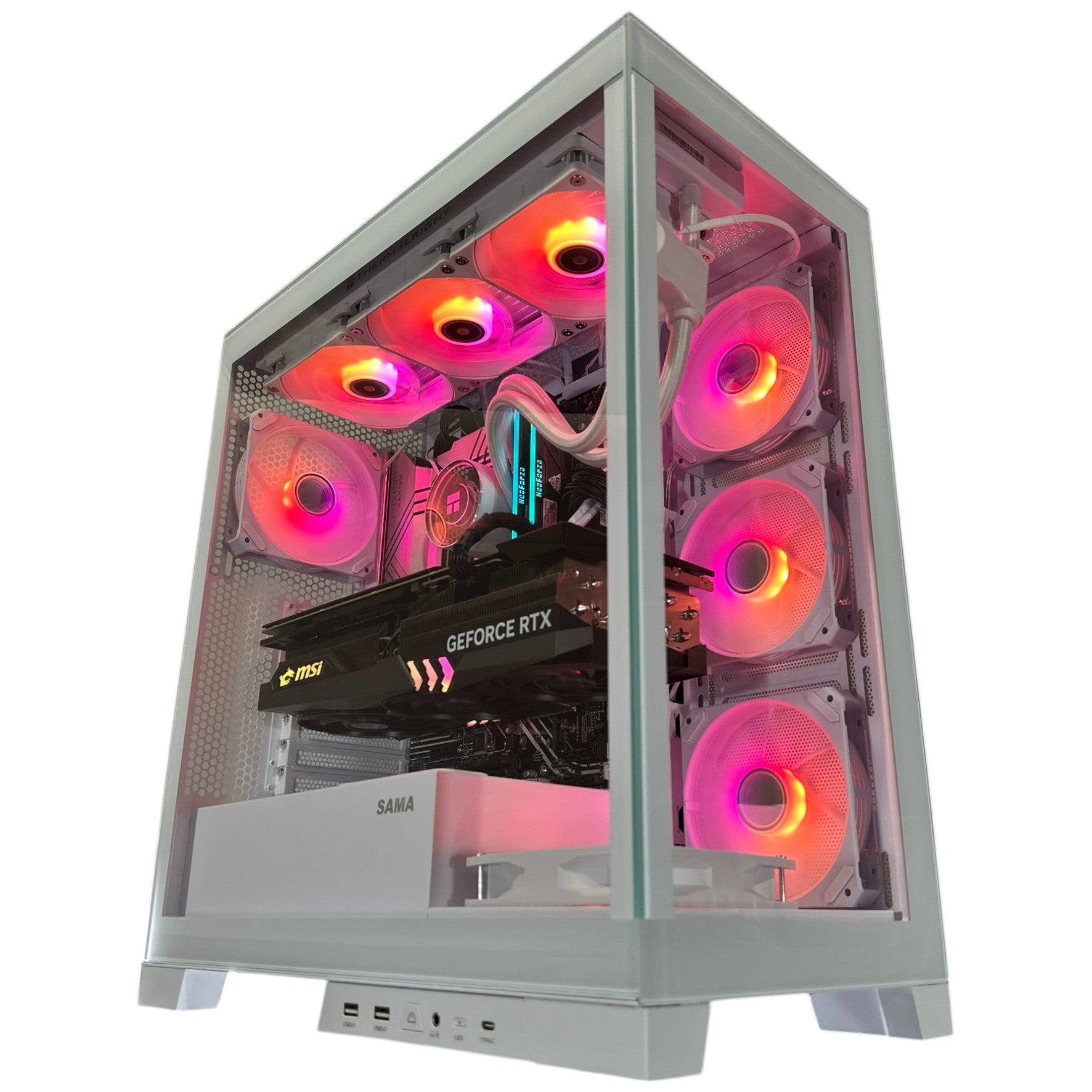
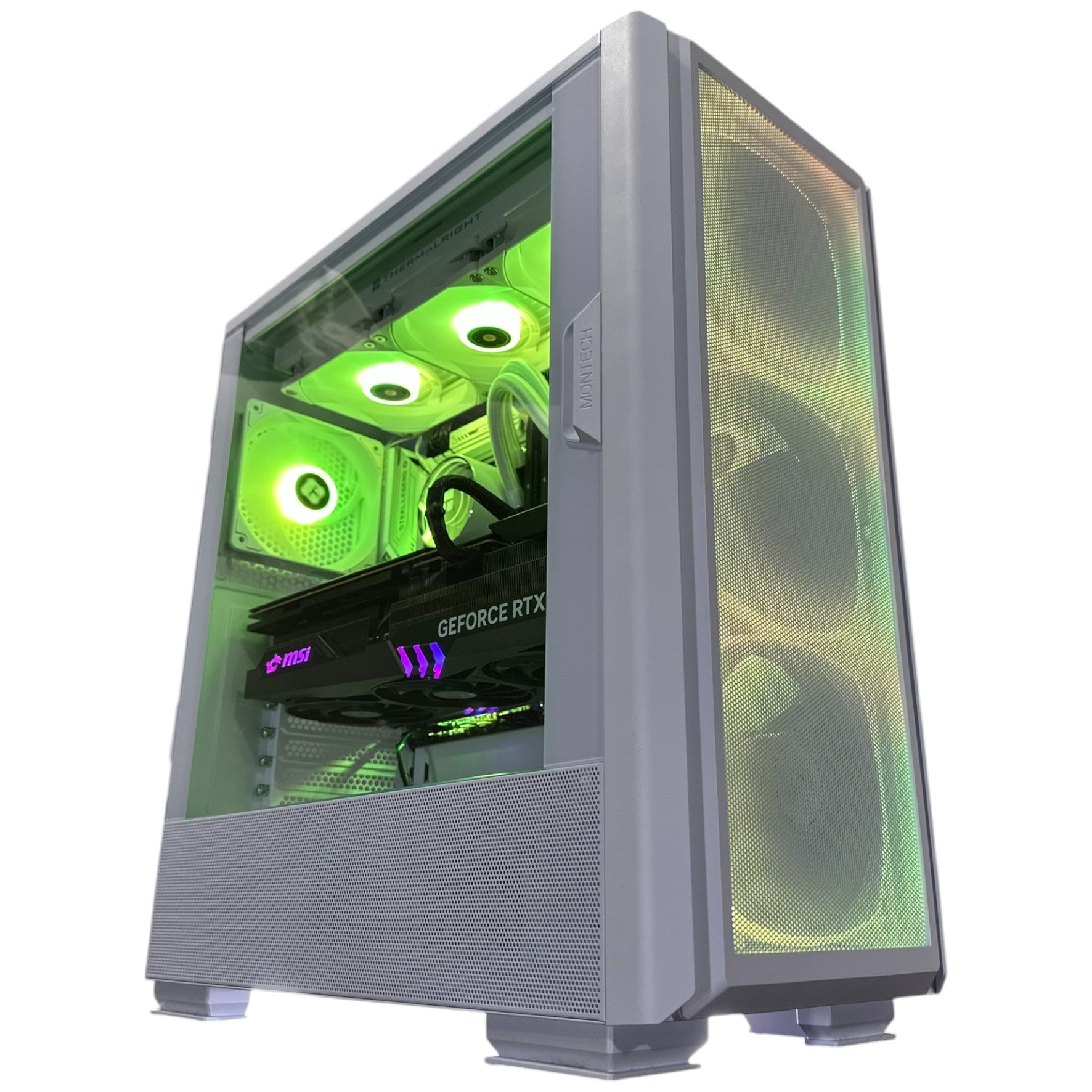
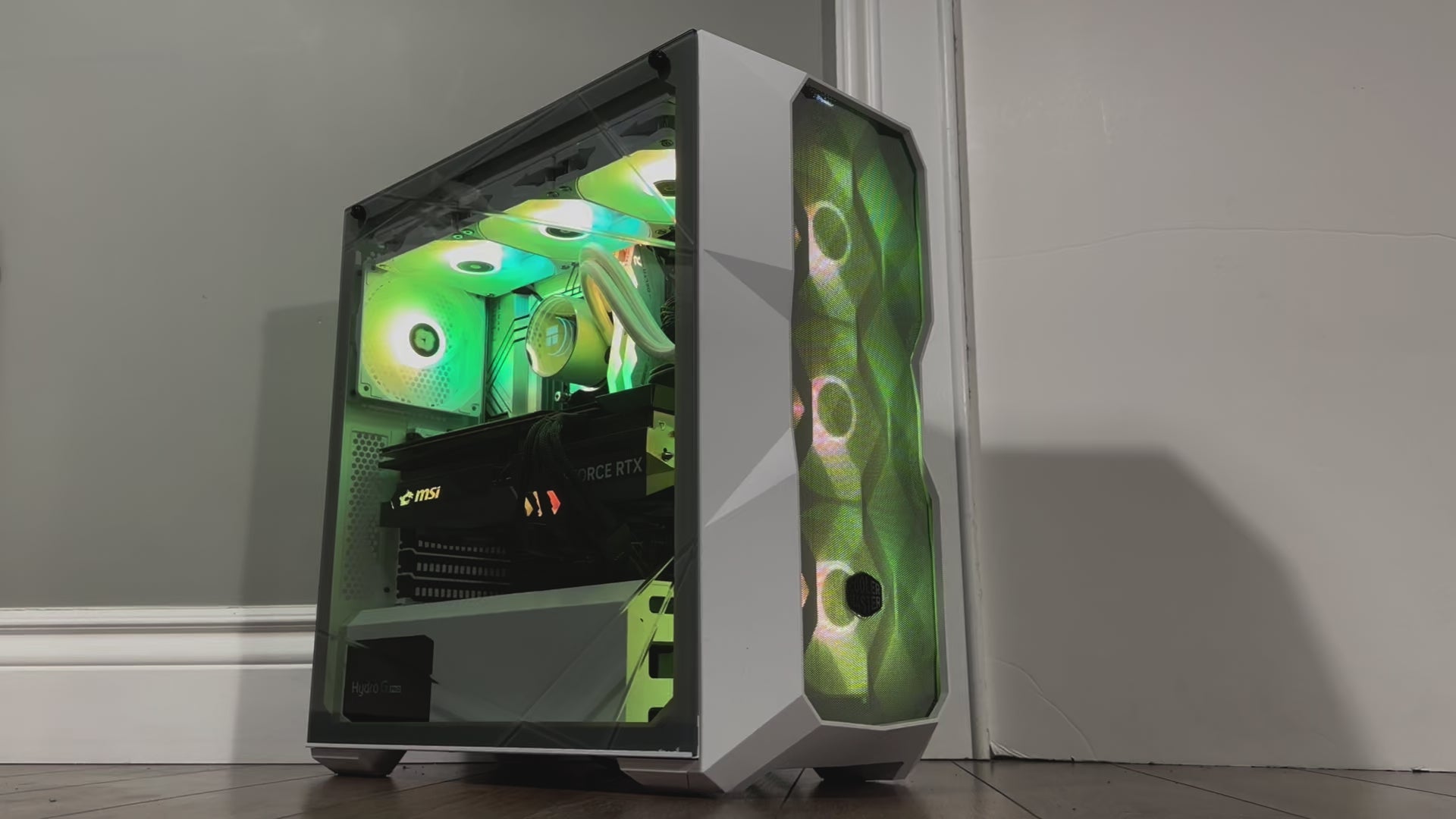
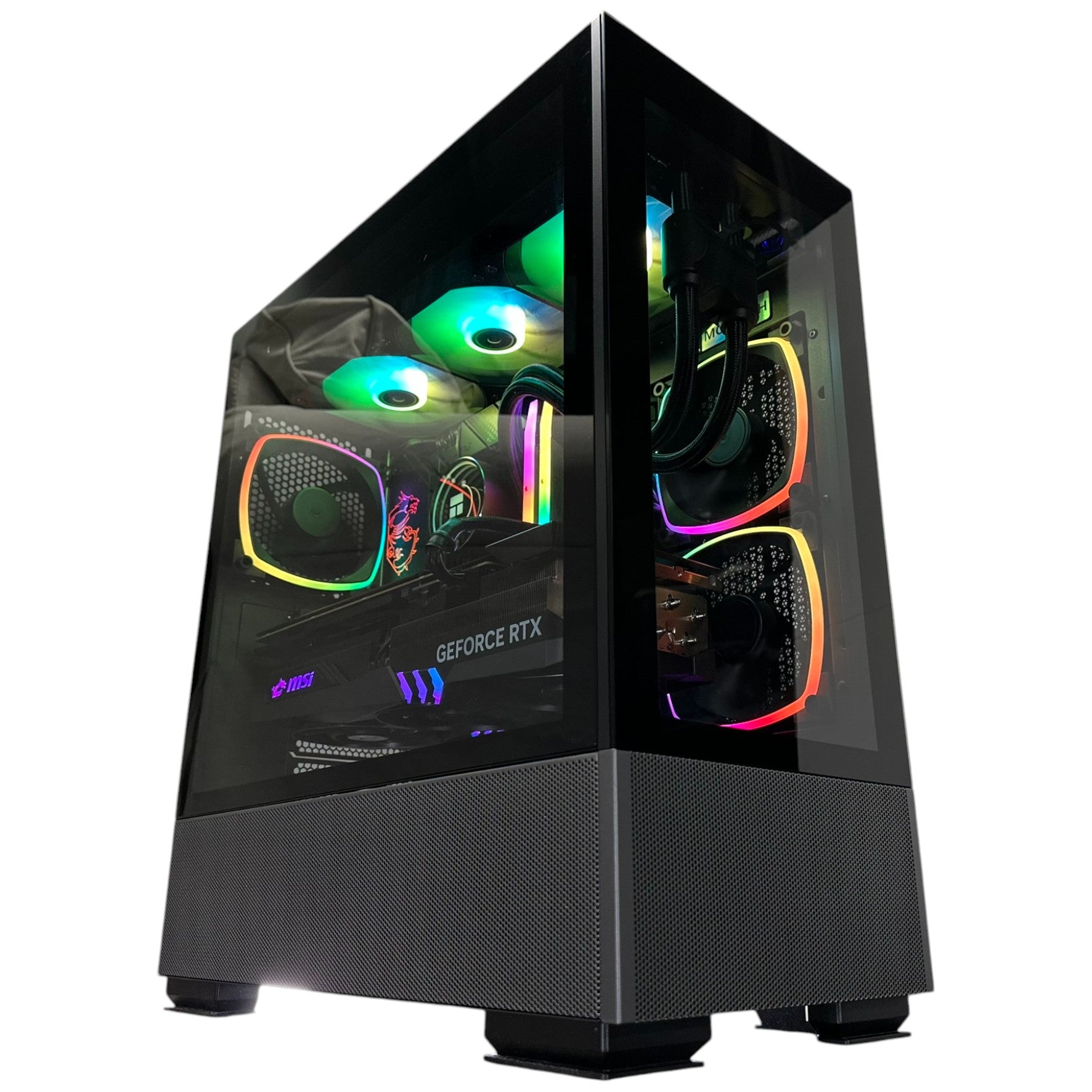
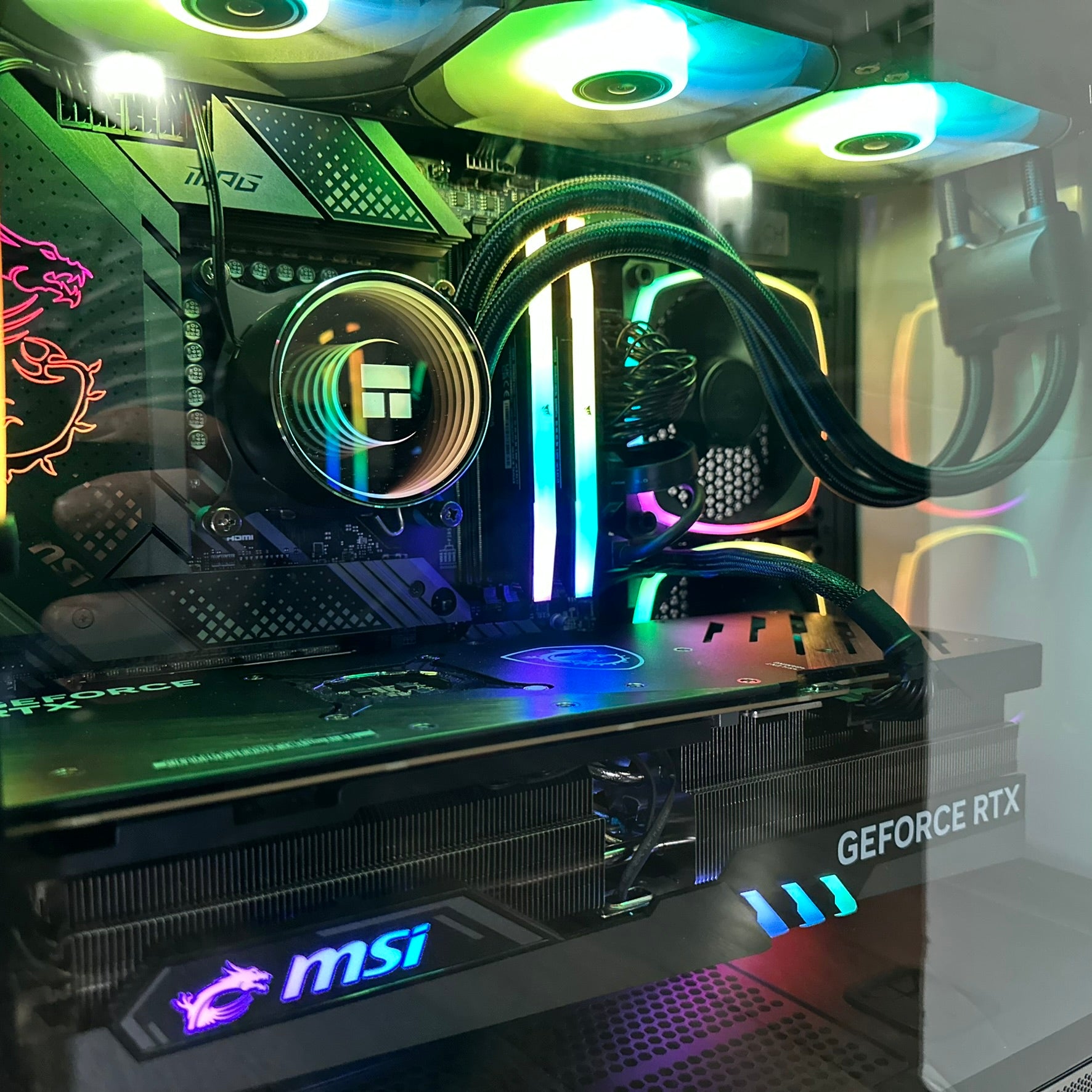
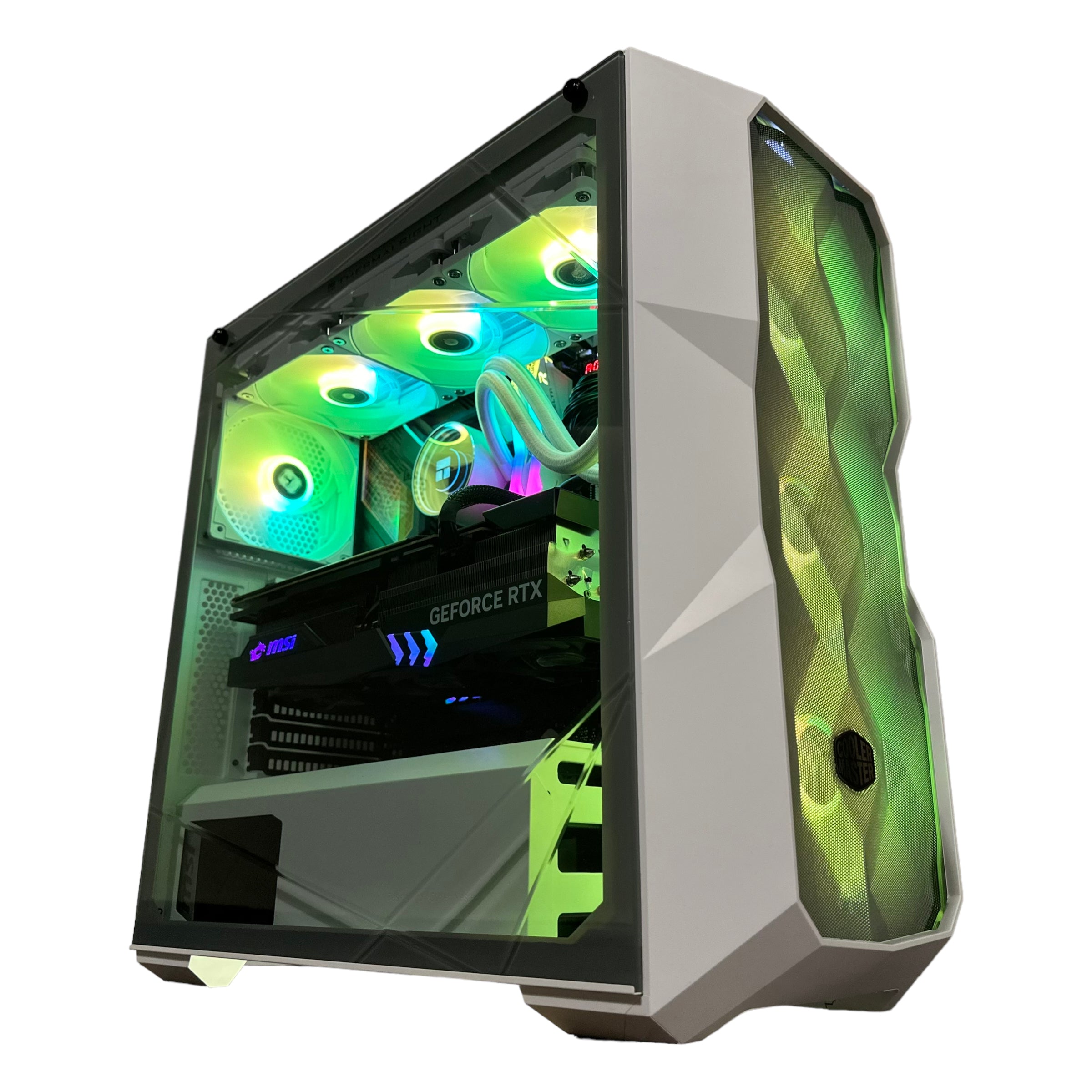
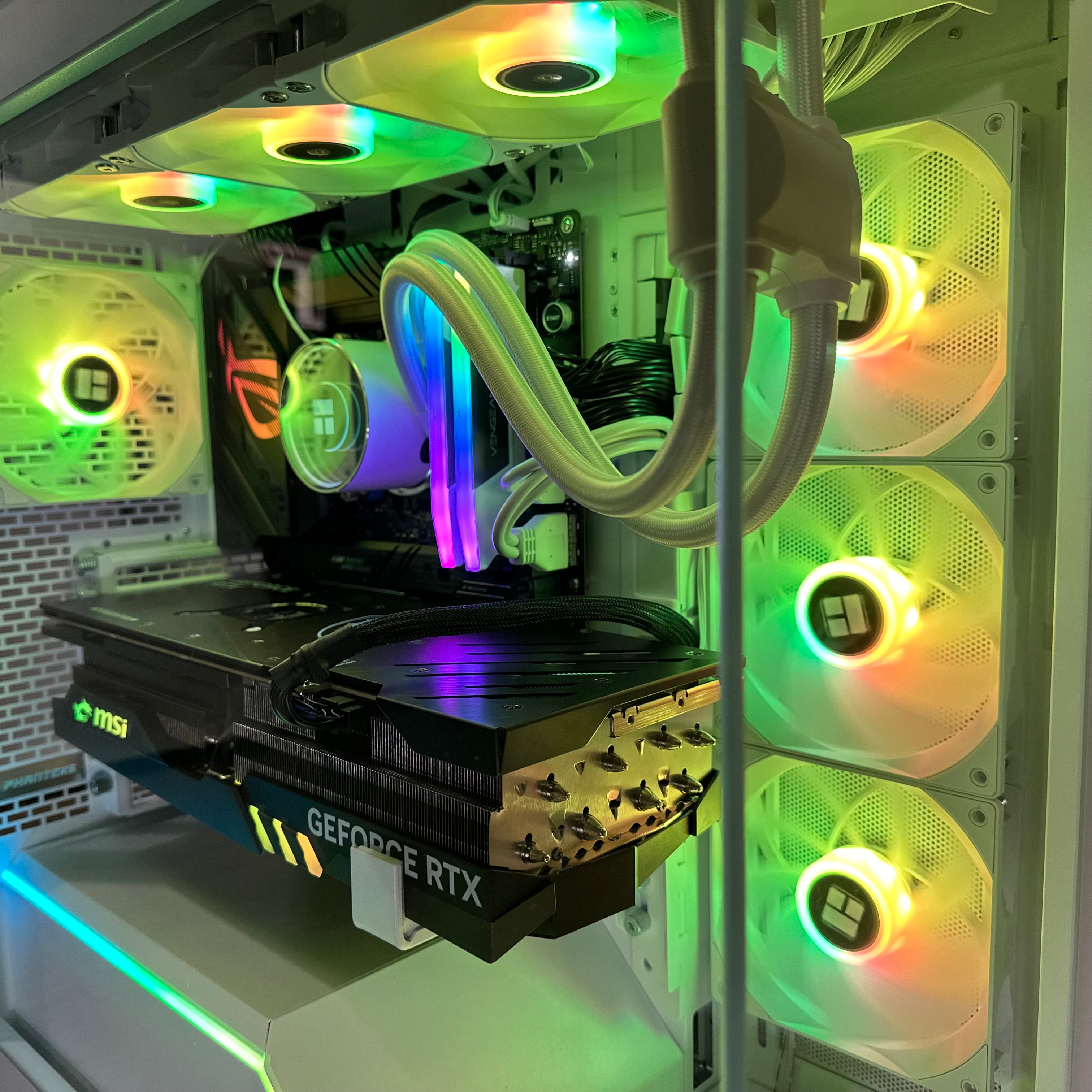
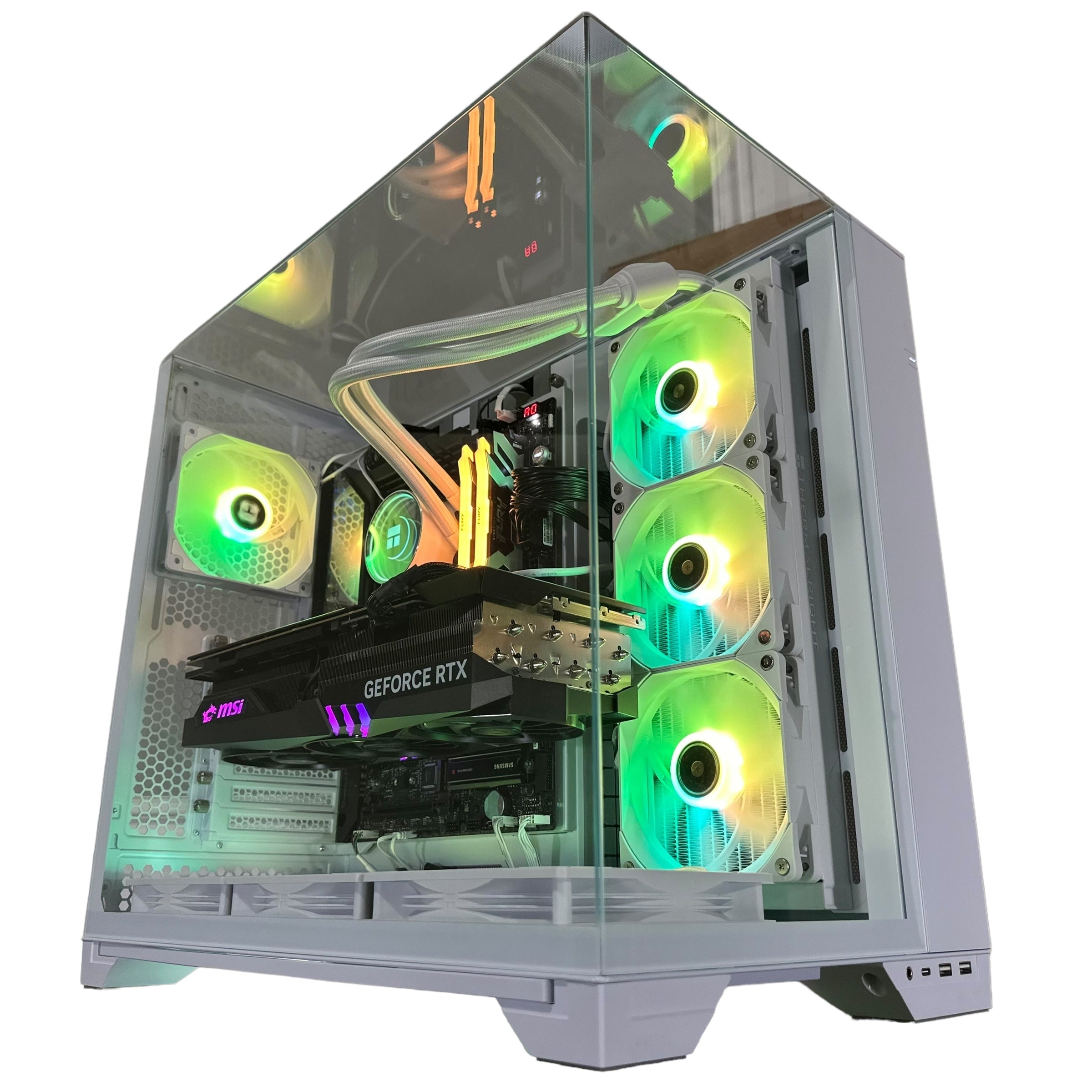
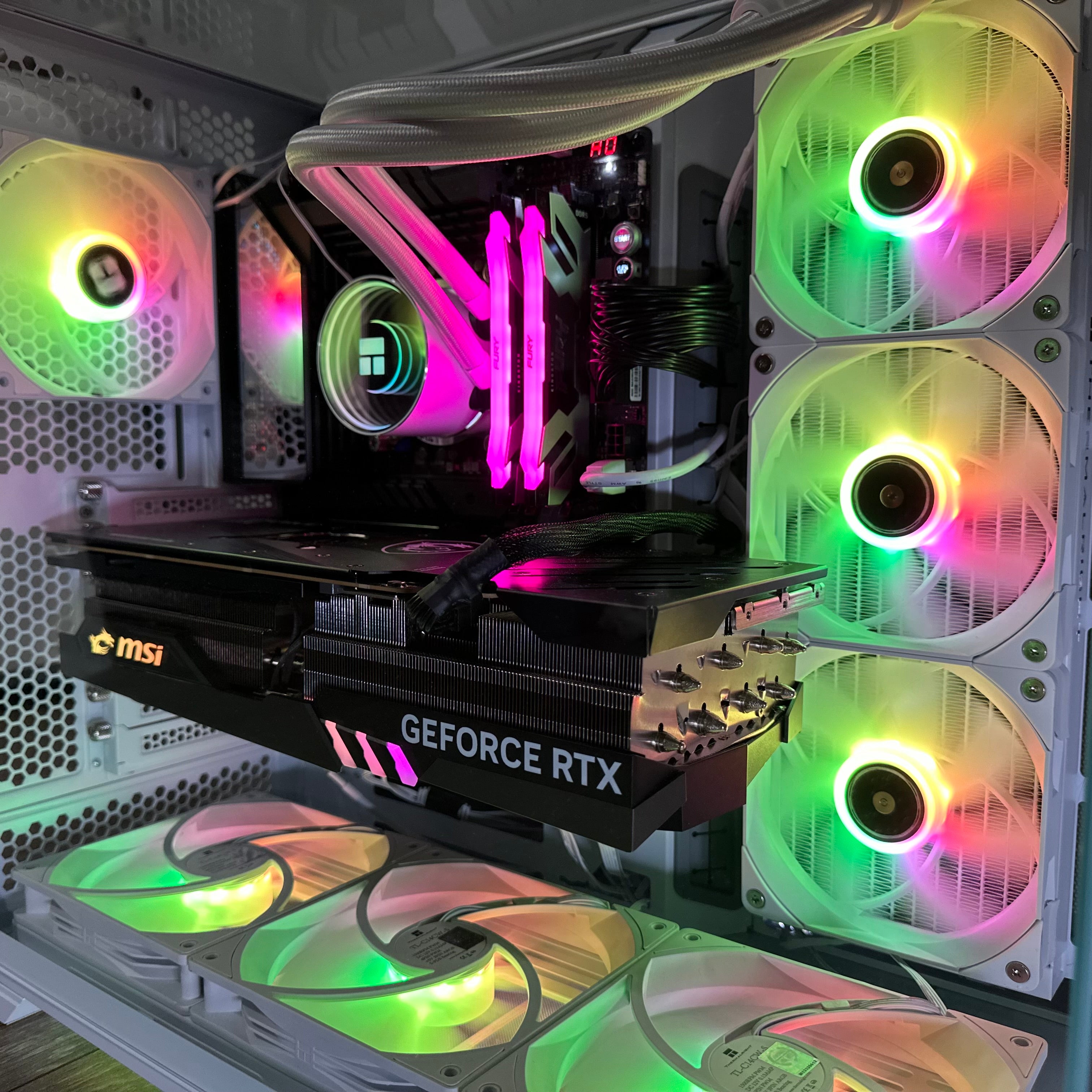
If you are trying to play modern games, maybe race online, maybe stream, maybe edit, maybe create, then your system should be built around your priorities. That is why many shoppers looking for a Custom Gaming PC Canada solution choose a builder that can match the system to real use instead of guessing from broad marketing labels.
Do you need more graphics power or more processing power? Is 32GB enough, or should you move to 64GB because editing and multitasking are becoming part of the plan? Would a faster SSD reduce daily frustration more than a minor bump elsewhere? A custom build answers those questions better.
Why Testing, Warranty, and Support Matter When You Buy Performance
Power is only part of the equation. Reliability matters just as much.
When you invest in a gaming or creator desktop, you want confidence that the parts work well together, cooling is handled properly, and the machine has been tested before it lands on your desk. That is especially true if your system is meant to do more than one job.
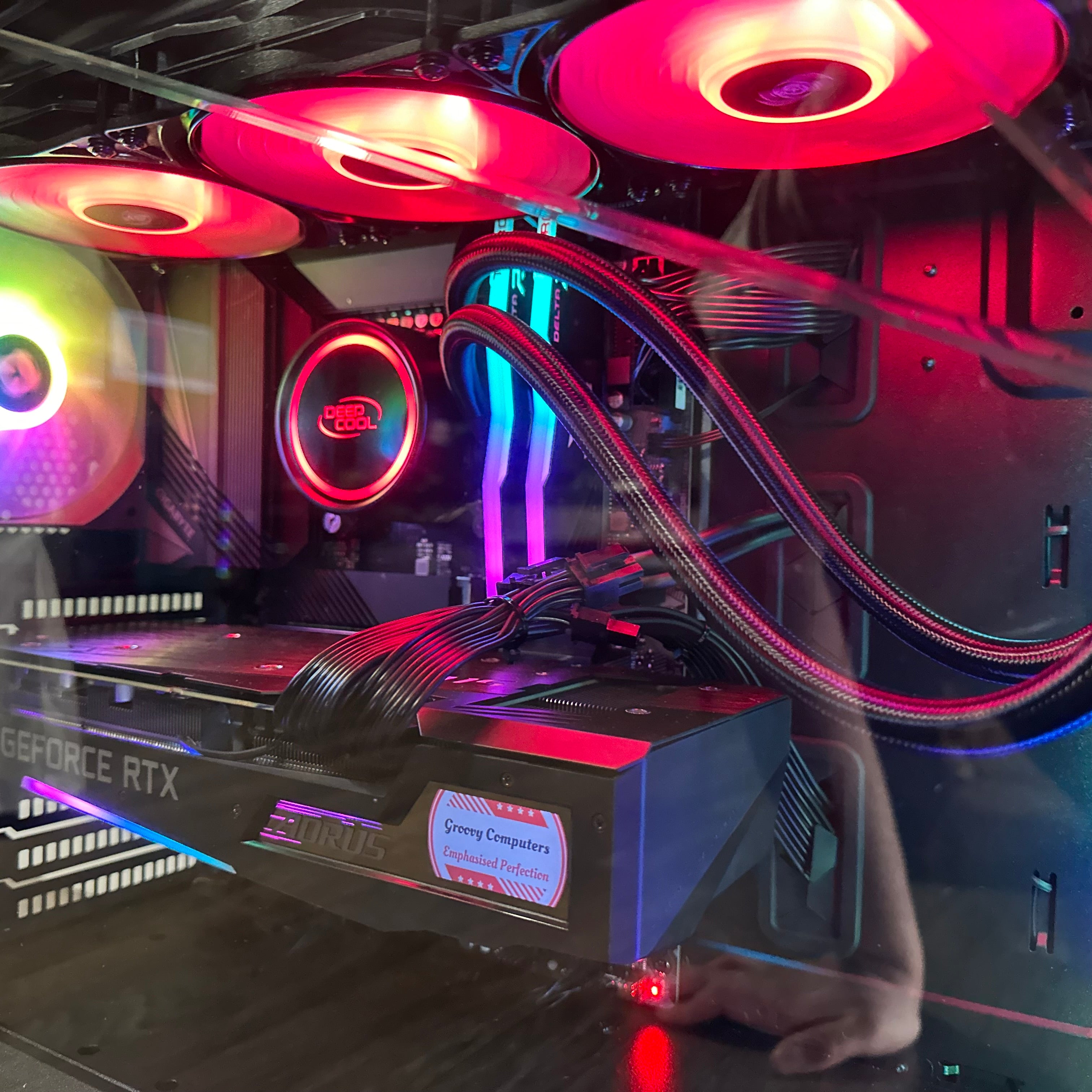
Groovy Computers positions itself around exactly that kind of buyer confidence: custom builds, rigorous testing, and a 1-year warranty that gives customers peace of mind. For shoppers in Nova Scotia and for customers ordering across Canada, that trust matters. A strong desktop should not just look good on paper. It should arrive ready to perform.
Canadian Buyers Should Think About More Than Raw FPS
Plenty of gaming content focuses only on frame rates, but real-world ownership is broader than that. You should also think about thermals, storage size, future game installs, creator software growth, upgrade paths, and how your habits may evolve.
Do you want your next desktop to feel current for years, or are you comfortable replacing sooner? Are you buying for one title, or for the next several waves of releases? Are you planning around school, work, content, and hobbies in one machine?
For buyers in Canada, support and shipping confidence matter too. Choosing a Canadian custom builder helps reduce uncertainty and makes the whole process feel more grounded than gambling on unknown marketplace systems.
Which Type of Buyer Are You?
If You Want a Budget Gaming Computer
You may be best served by a value-focused build aimed at 1080p gaming, esports, lighter racing games, and everyday use. This works well if your budget is firm and your expectations are realistic.
If You Want a Premium RTX Gaming PC
You likely care about stronger settings, higher resolutions, modern visual features, and a better long-term ownership experience. This tier makes more sense if you play demanding games regularly and want room to grow.
If You Want a Custom Creator PC
You need a hybrid system that respects editing, design, streaming, and multitasking as much as games. This is often the best choice for modern buyers whose hobbies and work overlap.
If You Need an Editing or Workstation Build
You should focus less on gaming labels and more on workflow speed, memory capacity, storage planning, thermals, and sustained productivity. If rendering time, export speed, and app responsiveness affect your income or schedule, this is the right category to explore.
So Why Does Nobody Like Racing Video Games Anymore?
The better answer is that players still like speed, but the market no longer revolves around dedicated racers the way it once did. Gaming tastes expanded. Player expectations grew. Modern hardware decisions became more complex. And as a result, buying a desktop today is less about one genre and more about building for your full digital life.
That is exactly why this topic matters to Groovy Computers customers. If the old arcade-racer era made hardware feel simple, the current era demands smarter planning. You do not just need a PC that runs a car game. You need a machine that matches how you actually game, create, work, and upgrade.
What Should You Do Next If You Are Shopping Right Now?
Start by defining your real use case. What games do you play most? What resolution do you want? Are you interested in ray tracing? Do you want to stream? Edit videos? Run Adobe apps? Work in Blender or Unreal? Avoid upgrading in a year? Finance a stronger build before replacement costs rise?
Once you know the answers, the right category becomes much easier to identify.
If you want expert help matching your needs to the right system, this is the moment to move from guessing to planning. Whether you need a budget gaming desktop, a premium RTX build, a streaming-ready setup, a creator-focused machine, or a stronger workstation, Groovy Computers can help you choose a custom build that fits your actual goals. If you are asking yourself what your next PC should really do for you, visit GroovyComputers.ca and explore a better way to buy performance in Canada.
In the end, the question “why does nobody like racing video games anymore” points to a larger truth: today’s buyers need more versatile systems because gaming is no longer a single-lane hobby. If you want a desktop that keeps up with modern games, creator tools, and future demands, the smartest move is choosing the right performance tier now, not settling for a machine you will outgrow too quickly. For Canadian shoppers who want confidence, customization, and long-term value, Groovy Computers remains a strong place to start.
#GamingPCCanada #CustomGamingPCCanada #GamingPCBuilderCanada #CreatorPCCanada #VideoEditingPCCanada #3DModelingPCCanada #CanadianCustomPCBuilders #NovaScotiaComputers #GamingAndStreamingPCCanada #BuyGamingPCOnlineCanada
Groovy Computers | All Rights Reserved



Leave a comment
This site is protected by hCaptcha and the hCaptcha Privacy Policy and Terms of Service apply.