


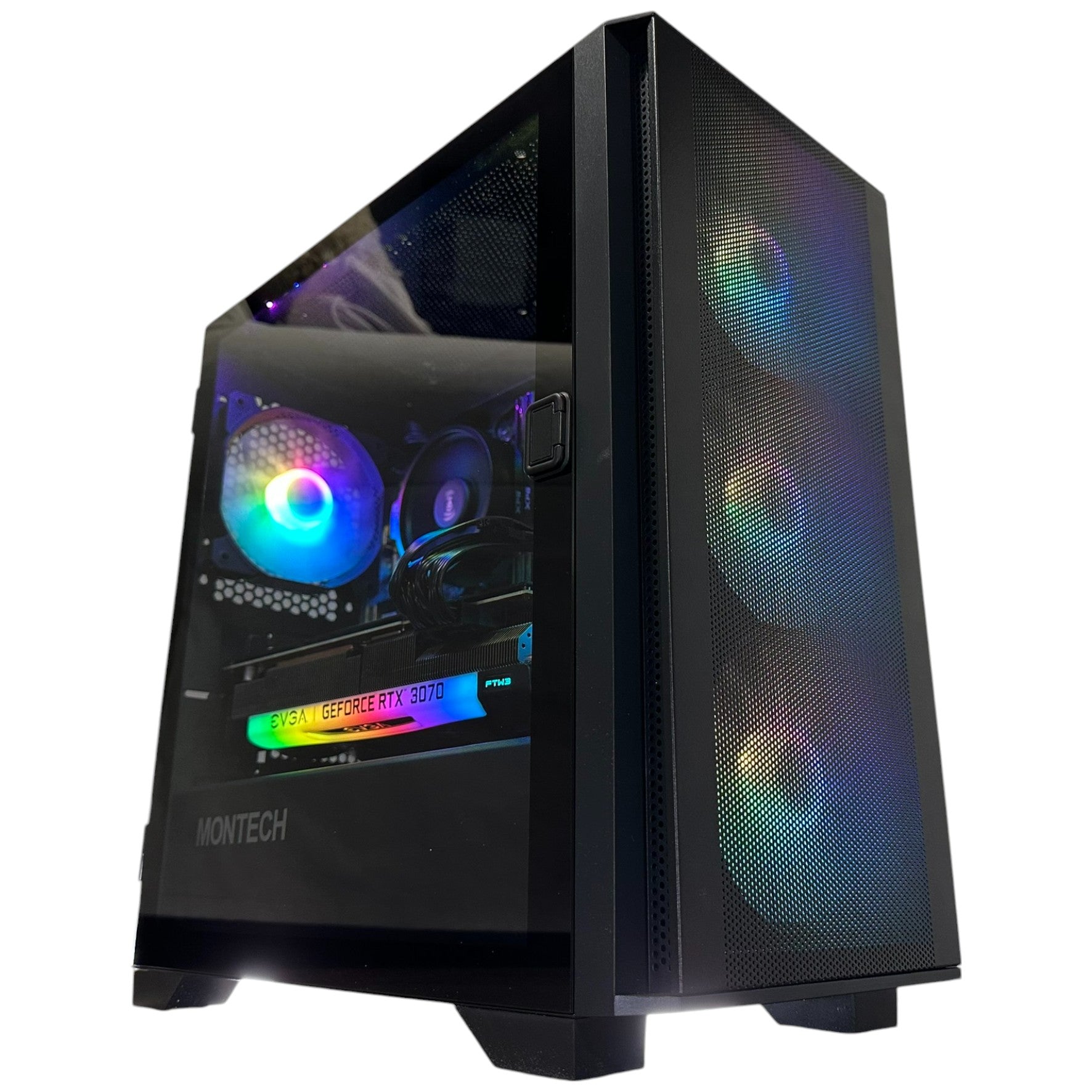
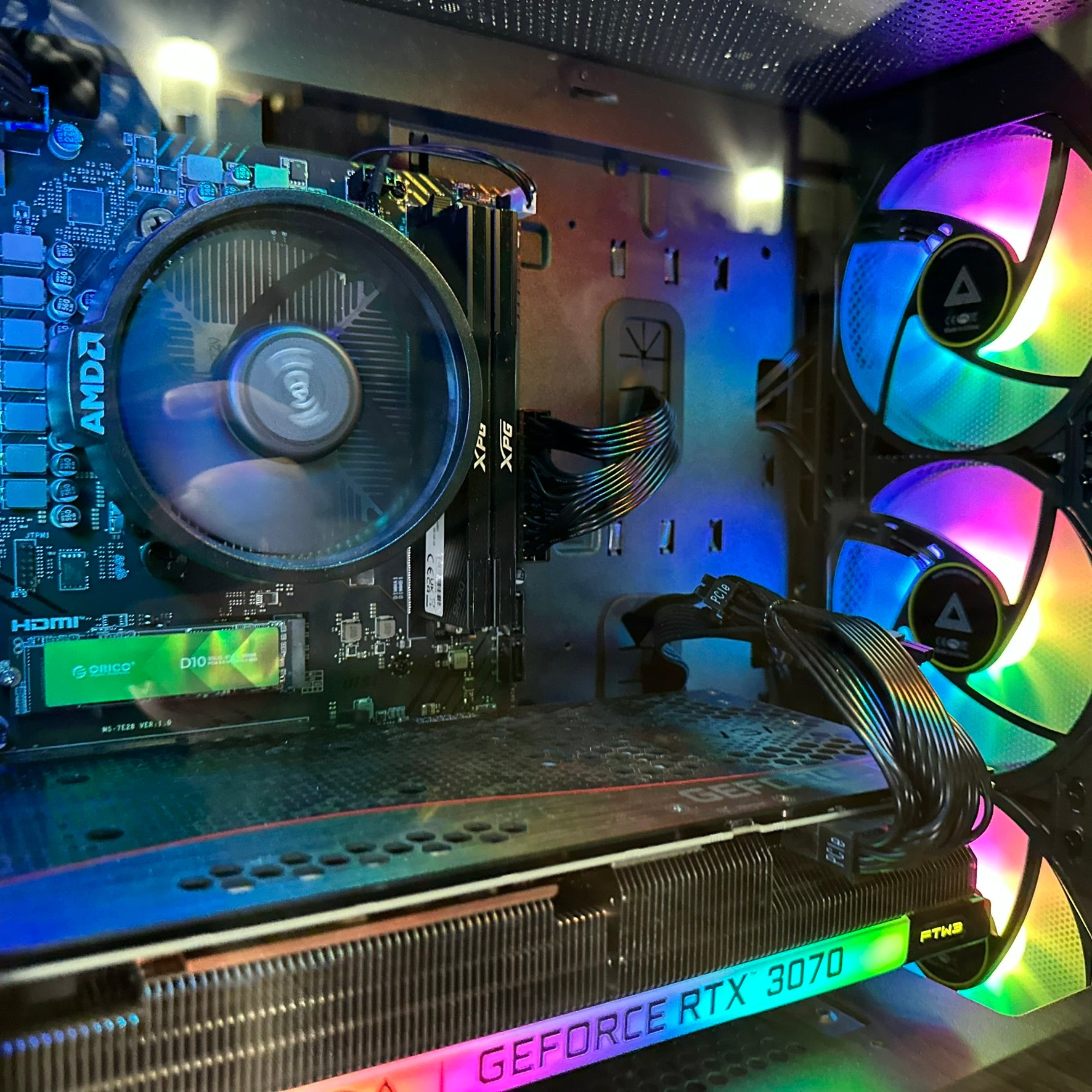
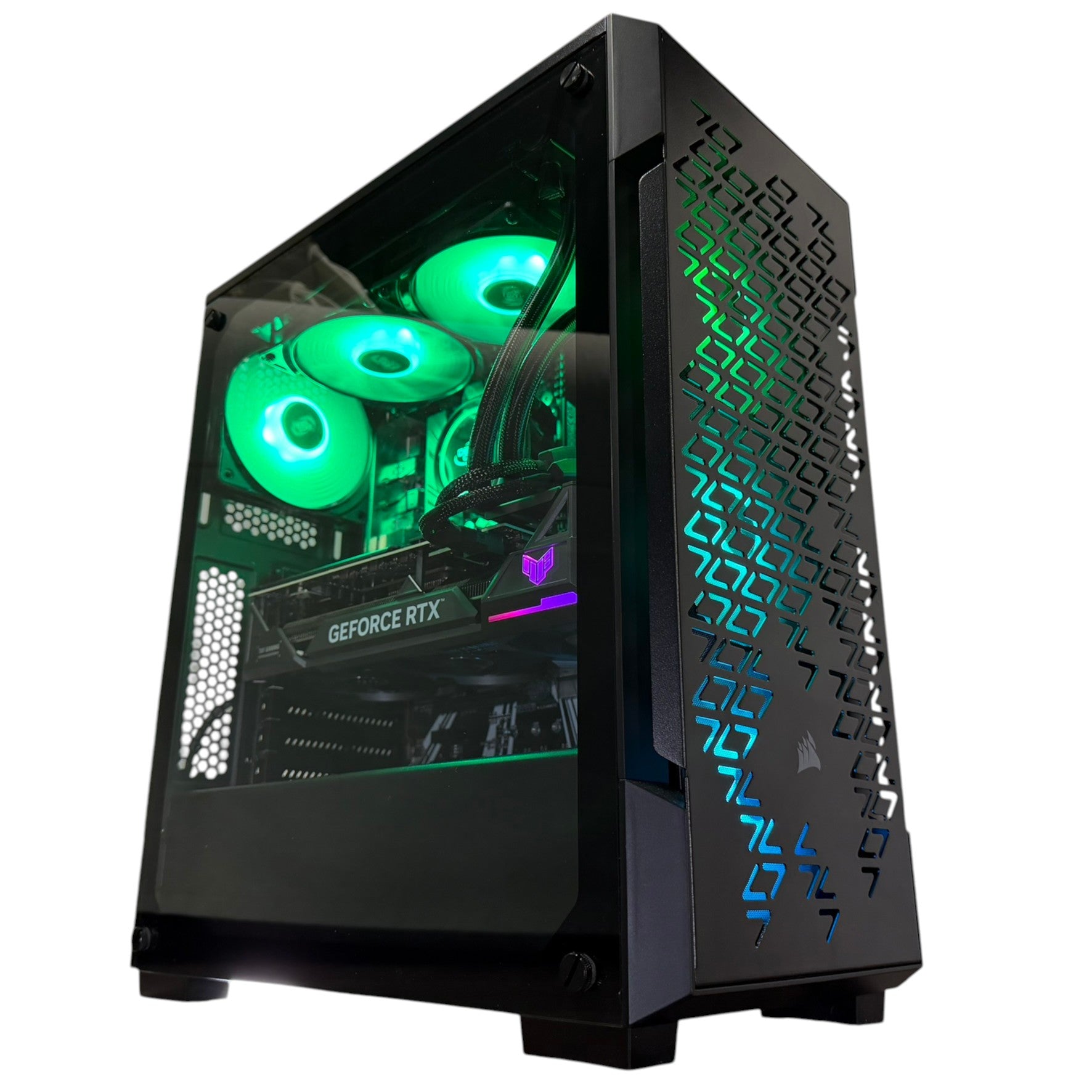

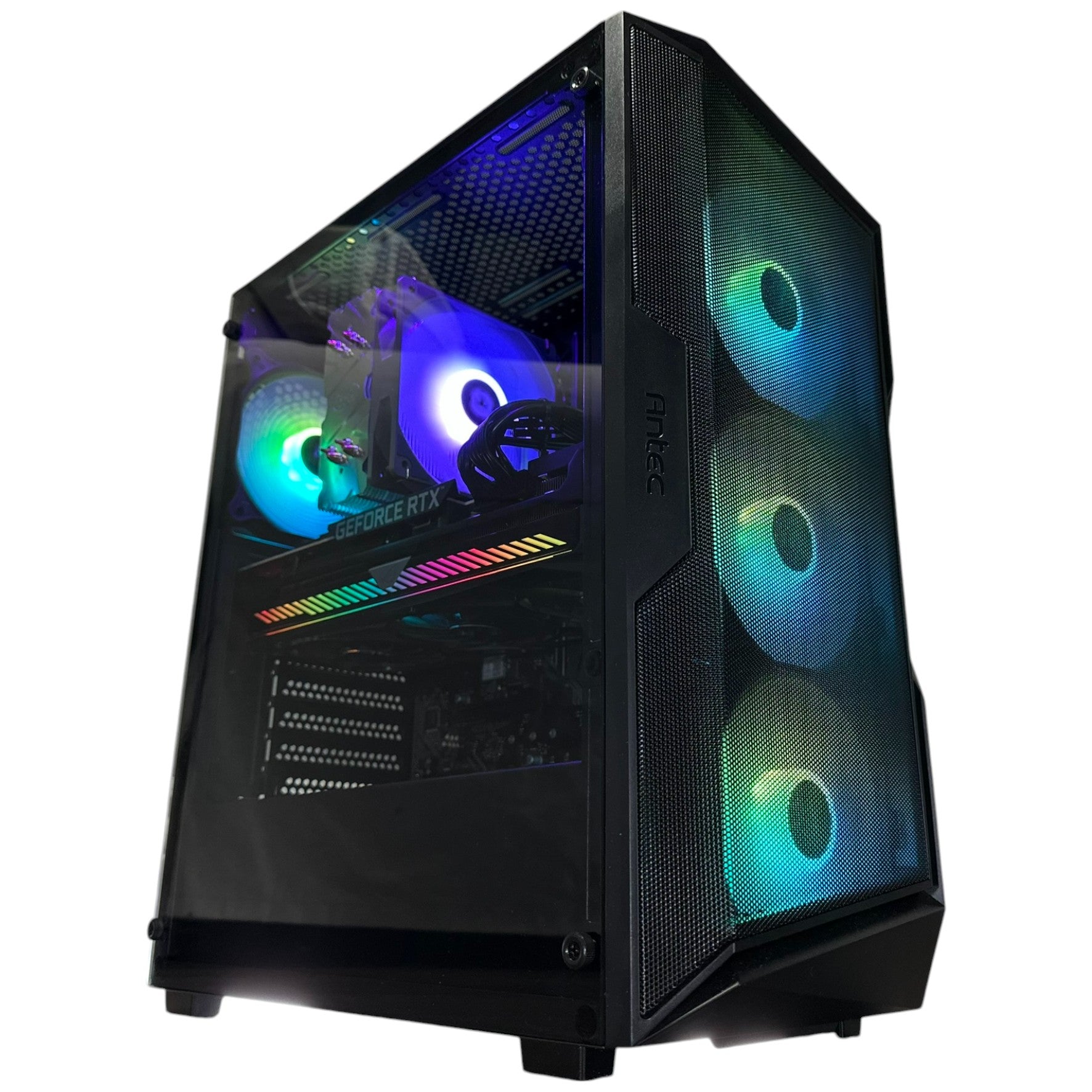
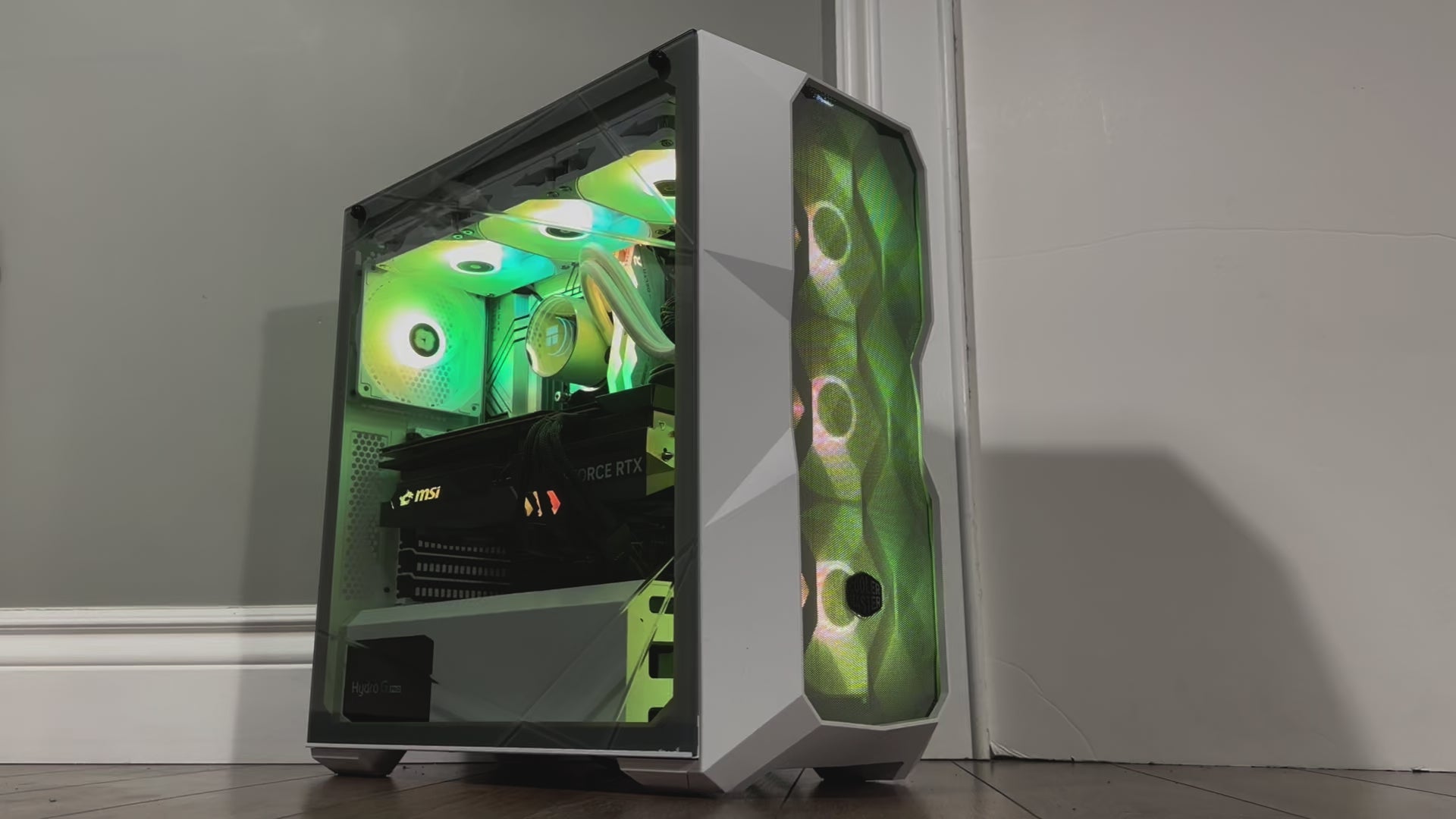
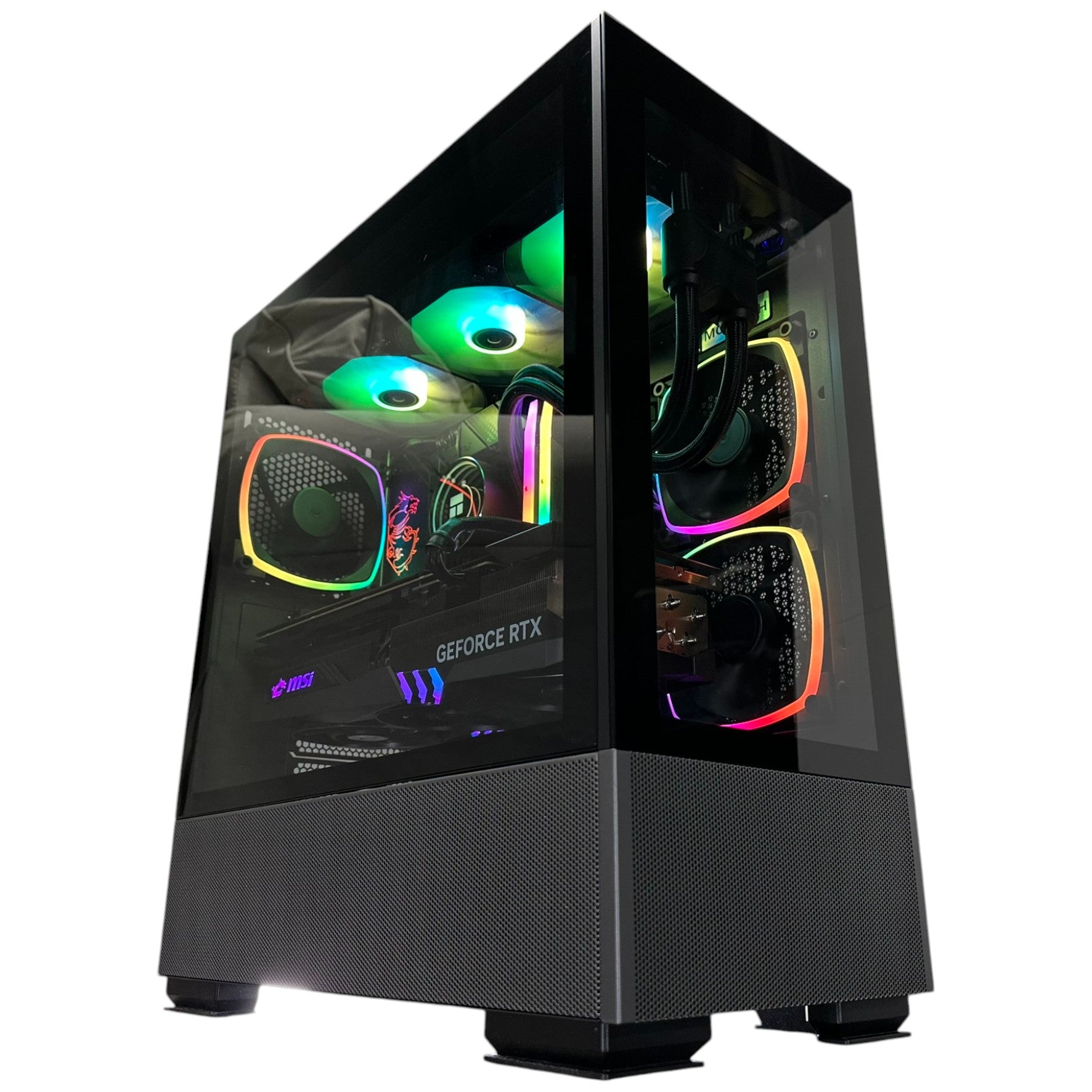
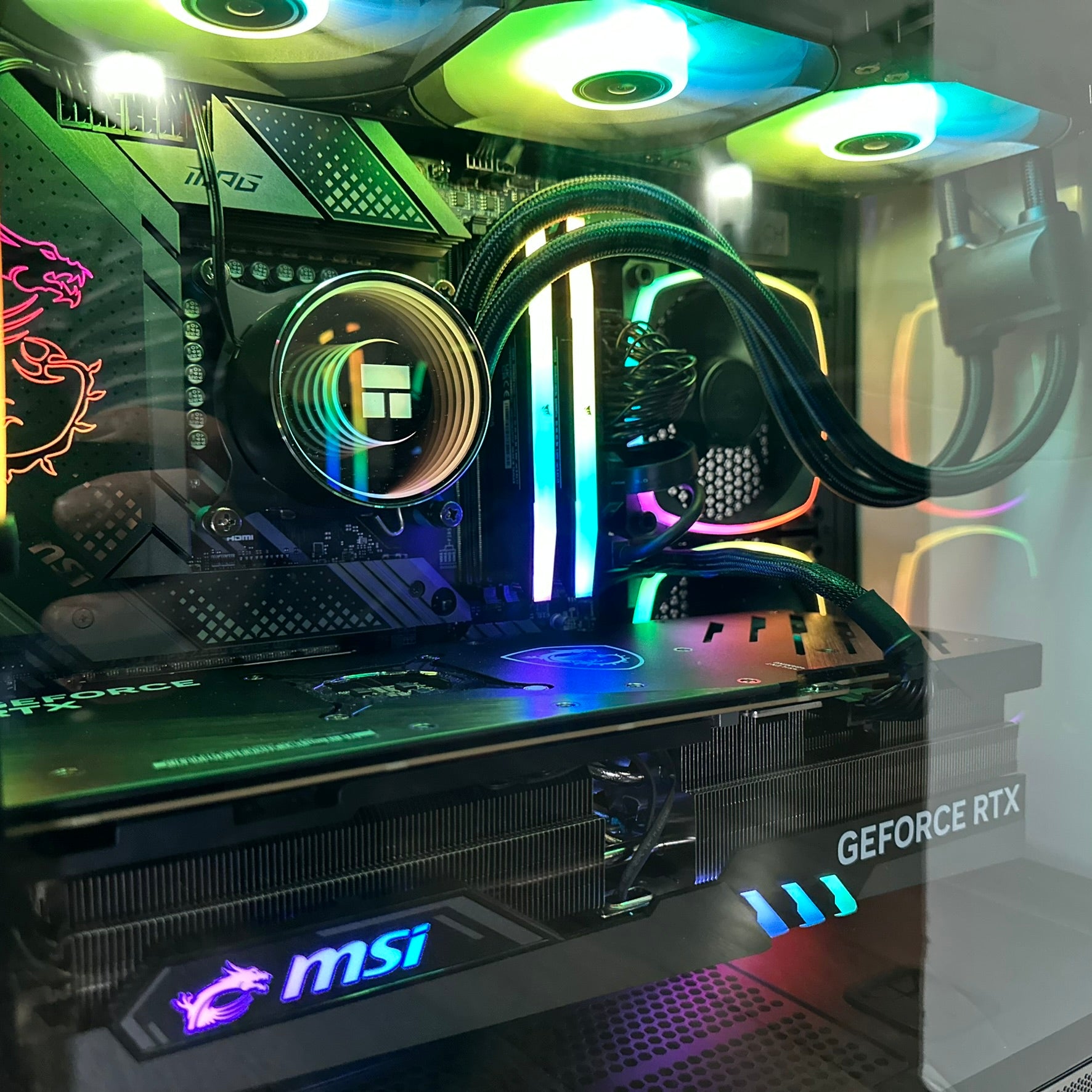
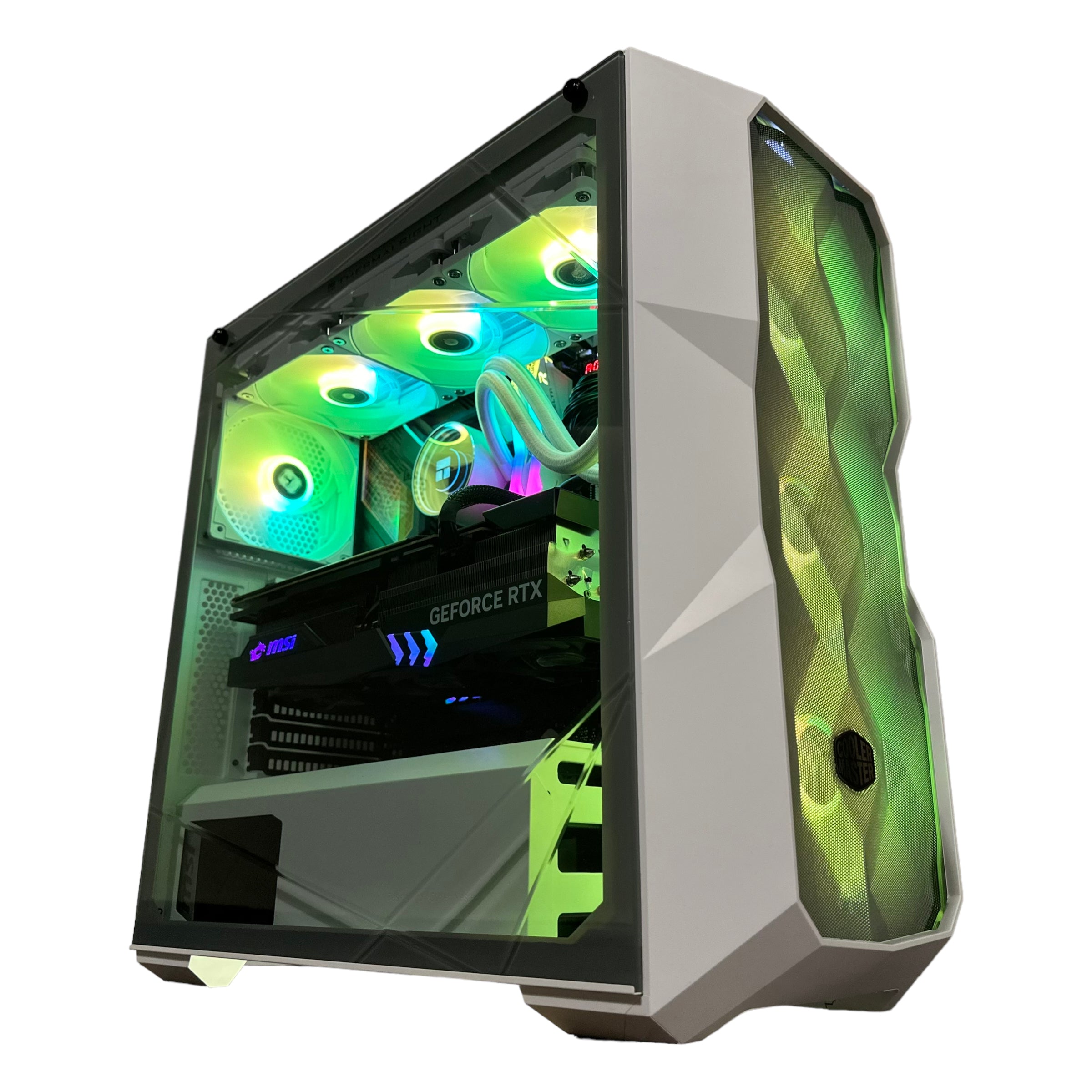


Will GTA 6’s Higher Price Push More Canadians Toward a Better Gaming PC Instead of More Console Spending?
The conversation around Gaming PC Canada buying decisions just got more serious. With Grand Theft Auto 6 launching at roughly about C$110 for the standard edition after currency conversion, many gamers are asking a bigger question than the game’s sticker price alone: if blockbuster titles keep getting more expensive, does it make more sense to invest in a stronger custom desktop that can handle more games, more settings, and more years of use? Early signs suggest the C$110 equivalent price may not immediately become the standard for every major release, but it has clearly shifted how value-conscious Canadian gamers should think about hardware timing, upgrade planning, and long-term performance.
The source report points to one important sign of restraint: another major publisher under the same corporate umbrella is still keeping a newer annual sports release at the more familiar AAA price tier. That is encouraging. But it does not settle the bigger issue. It only tells us that some franchises may still hold the line while others, especially massive open-world blockbusters with long development cycles, may test what buyers are willing to pay. For Canadian customers, that uncertainty matters because game pricing pressure and PC component pricing pressure can hit at the same time.
If new release prices are rising, if premium editions keep expanding, and if GPU demand can tighten quickly whenever a major game dominates the market, should you wait, or should you lock in the right system before the next buying wave arrives?
What the GTA 6 price story really means for Canadian gamers
The headline is not just that one game is expensive. The real takeaway is that pricing confidence in the gaming industry may be changing. Once one publisher proves that a high-profile title can command more money, others may feel more comfortable testing higher prices for their own biggest releases. That does not guarantee every game jumps immediately, but it does create a new benchmark.
For a Canadian buyer, the effect can feel even sharper. Exchange rates, taxes, shipping costs, and regional pricing already make gaming more expensive in Canada than many headline prices suggest at first glance. A U.S. C$ equivalent headline quickly becomes a real purchase decision once sales tax and any add-ons are included. Then add in the reality that many players do not buy just one game per year. They buy major releases, online subscriptions, storage upgrades, accessories, and sometimes a second controller or display upgrade too.
So the better question may be this: are you trying to save money on today’s hardware, or are you trying to get better value over the life of your next gaming setup?
Why this is not only a console pricing story
It would be easy to read this as a console-only issue, but that would miss the larger buying pattern. When game prices rise, gamers often become more selective about where they spend. That can benefit PC gaming in several ways. A stronger desktop gives you access to broader storefront competition, more graphics settings control, more use cases beyond gaming, and a longer path for upgrades.
At the same time, demand around high-profile game launches can also create pressure on graphics card inventory, RAM pricing, SSD demand, and full-system buying interest. If millions of players start asking, “Can my system run the next big open-world game properly?” the market can move quickly. That is why waiting for total certainty can sometimes cost more than acting while pricing and availability are still stable.
Have you been planning to play the next generation of AAA games at 1080p, 1440p, or 4K? Are you hoping for high frame rates, ray tracing, better texture settings, faster load times, and room for future releases without needing another upgrade too soon? Those answers matter far more than reacting to one headline price alone.
What do you want your next PC to do for you?
Before you buy anything, take a step back and ask the most useful question in this entire discussion: what do you actually want your next PC to handle over the next three to five years?
Do you want a system that can run new AAA games smoothly at 1080p with strong value? Do you want a 1440p setup with room for high refresh gaming, streaming, and school or work use? Are you targeting 4K gaming and ultra settings? Do you want one machine that can game at night and edit videos during the day? Are you a creator who also plays demanding titles? Are you upgrading because your current PC struggles with newer games, or because your workload now includes OBS, Premiere Pro, Photoshop, Blender, or heavy multitasking?
That is where a custom approach matters. Not every customer needs the same build. A student buying a first desktop, a competitive esports player, a variety streamer, a YouTube editor, and a 3D artist should not all be pushed into the same generic configuration.
Could rising game prices make a custom desktop the smarter value play?
For many buyers, yes. If game pricing is rising at the same time that software expectations are rising, it becomes harder to justify weak hardware that needs replacing early. A cheaper system can feel affordable at checkout, but expensive six months later if it cannot keep up with the games or software you actually want to use.
A better custom desktop can stretch your budget further in practical terms because it can serve multiple roles at once:
- Gaming for current and upcoming AAA releases
- Streaming for Twitch, YouTube, or Discord communities
- Video editing for school, freelance, or creator work
- Photo editing for Lightroom and Photoshop workflows
- Graphic design for Illustrator, Canva, and Adobe Creative Cloud
- 3D modeling and rendering for Blender, Unreal Engine, and other production tools
- Productivity for multitasking, remote work, and business tasks
If you are already spending more on games, does it make sense to pair that with a system that only barely handles them? Or is it smarter to buy a desktop that gives you stronger long-term value every time you launch a game, create content, or open demanding software?
Gaming PC Canada buyers: which performance tier fits you best?
Not everyone needs a flagship system. The right answer depends on resolution, target frame rate, and how many extra workloads you want to run alongside your games.
Entry performance: who should choose a budget-focused gaming build?
If your goal is 1080p gaming, solid performance in popular multiplayer titles, and playable settings in many newer releases, an entry-to-midrange build may be the best value. This is a smart fit for first-time buyers, students, and gamers who want smooth gameplay without chasing the highest settings in every blockbuster title.
Ask yourself: do you mainly play esports games, lighter multiplayer titles, or a mix of older and newer releases? Are you okay with tuning settings for better FPS? Do you want a Budget Gaming PC Canada option that gets you into PC gaming without overspending?
If that sounds like you, the focus should be on balanced CPU and GPU pairing, enough RAM for modern games, and fast SSD storage so the machine still feels responsive every day.
Mainstream sweet spot: is 1440p where you should be aiming?
For many Canadian buyers, 1440p is the real sweet spot today. It offers a major visual upgrade over 1080p without the full cost jump of 4K. This tier is excellent for buyers who want stronger AAA performance, higher settings, better longevity, and room for streaming or creative work.
Are you the type of player who wants new games to look great for the next few years without replacing your PC too soon? Do you use a high refresh monitor? Do you want a system that can game, stream, and handle editing projects on the same machine? If so, a 1440p Gaming PC Canada build is often the most balanced answer.
High-end tier: when does a premium RTX gaming PC make sense?
If you want 4K gaming, ray tracing, ultra settings, demanding open-world titles, or creator performance on top of gaming, a premium build becomes easier to justify. This is especially true for customers who keep systems longer and want stronger headroom for future releases.
Do you want one machine that feels powerful on day one and still respectable years later? Are you targeting maxed-out visuals, advanced streaming setups, or professional workloads like 4K video editing and 3D rendering? That is where a High End Gaming PC Canada or creator-focused custom build becomes the better long-term investment.
What PC do you need for GTA 6-style blockbuster games?
Even without relying on unverified final PC requirements, the broader trend is clear: giant open-world games are becoming heavier on graphics, storage, memory, and CPU resources. Dense environments, large streaming worlds, high-resolution textures, advanced lighting, and background simulation all increase hardware demands.
So what should you be thinking about if your goal is a Gaming PC for New Games?
- GPU headroom for higher settings, ray tracing, and future titles
- Strong CPU performance for open-world simulation, minimum FPS, and multitasking
- Enough RAM to avoid stutter when games get heavier
- Fast SSD storage for modern loading and asset streaming demands
- Cooling and power quality so the system remains stable under heavy sessions
If you are already asking, “What gaming PC do I need?” or “Is it better to buy a gaming PC now or wait?” then you are already thinking the right way. You are not just buying for one launch day. You are buying for the performance level that the next wave of games is likely to expect.
Why Canadian buyers should think about total upgrade timing, not just game pricing
One of the easiest mistakes in a changing market is focusing on only one cost. Yes, a major game jumping to roughly C$110 matters. But so does the cost of waiting on hardware if market demand rises later. Graphics cards can tighten. Premium storage can fluctuate. Memory prices can shift. New release hype can pull hesitant buyers into the market all at once.
That does not mean panic buying is wise. It means informed timing matters.
If your current desktop is already struggling, if your wishlist includes several major upcoming games, or if your workload is expanding into streaming, editing, or design, waiting may simply delay a purchase you will still need to make later. And later is not always cheaper.
Would you rather upgrade on your own timeline while you still have choices, or scramble when stock gets thinner and replacement cost becomes less predictable?
Should you finance a stronger PC instead of buying a weaker one?
For many buyers, this is now one of the most practical questions in the market. If your budget only covers a lower-tier build in cash today, but your real needs point to a stronger system that will last longer, financing can make more sense than underbuying.
That is especially true if you are trying to avoid:
- Buying a system that needs an early GPU upgrade
- Running out of RAM for modern games and creative software
- Settling for weak storage capacity and slow workflow performance
- Replacing the entire machine sooner than expected
A monthly payment can be easier to manage than buying a stopgap system now and paying again to fix its limitations later. If you are weighing whether to secure a better build before prices change, financing up to 4 years can help you move into the right performance tier without compromising as heavily on the components that matter most.
Are you choosing between a cheaper build that may feel outdated too soon and a stronger system that can carry you through more games, more software, and more years? That is exactly the kind of decision where a guided custom build conversation helps.
Do you only game, or do you also stream, edit, design, or create?
This is where many buyers accidentally choose the wrong desktop. A machine that is “good enough” for gaming may not be ideal for recording, exporting, rendering, or heavy multitasking. If your next system needs to do more than one job, your buying strategy should reflect that.
Gaming and streaming
If you want to play demanding titles and stream at the same time, you need balanced CPU power, a suitable GPU, enough RAM, and storage that can handle recordings and game libraries comfortably. A Streaming PC Canada buyer should ask: am I only broadcasting casual gameplay, or do I want smoother multitasking, overlays, browser tabs, Discord, and background apps all running together?
Video editing and content creation
If your workflow includes Adobe Premiere Pro, DaVinci Resolve, After Effects, or frequent 4K exports, your desktop should be chosen around timeline smoothness, render times, media cache performance, RAM capacity, and GPU acceleration. A proper Video Editing PC Canada or Content Creation PC Canada setup can save enormous time over the life of the system.
How much time are slow exports already costing you? Are you cutting YouTube videos, client work, social clips, or long-form projects? Do you need a machine that games well too, or is creation speed the top priority?
Photo editing and graphic design
Photographers and designers have different priorities. Responsive brush performance, fast previews, quick RAW exports, colour-sensitive workflows, and smooth Adobe Creative Cloud use matter more than game benchmarks alone. If your day includes Photoshop, Lightroom, Illustrator, or InDesign, a balanced Photo Editing PC Canada or Graphic Design PC Canada build can give you better workflow efficiency without wasting budget in the wrong areas.
3D modeling and workstation use
If your tasks involve Blender, Unreal Engine, CAD tools, product rendering, or large scenes, you may need a true 3D Modeling PC Canada or Workstation PC Canada configuration rather than a standard gaming-first build. This is where GPU capability, RAM ceiling, CPU class, cooling, and reliability become even more important.
Are you building game assets, rendering client projects, or learning 3D while still wanting a machine that can game after hours? Then your build has to be selected with both workloads in mind.
What parts of a custom PC matter most when prices are volatile?
When the market feels uncertain, quality choices matter even more. The wrong compromise can create bottlenecks that are expensive to solve later.
Graphics card
The GPU is still central for gaming performance, and it also matters for streaming, editing, rendering, and AI-assisted workflows. If major game launches trigger increased demand, this is often the component category buyers feel first.
Processor
A weak CPU can hold back open-world games, minimum frame rates, creator workflows, and multitasking. If you are trying to stream, record, or edit on the same machine, CPU selection matters even more.
RAM
Modern gaming, browser-heavy multitasking, content creation, and creative software all consume memory quickly. Buying too little RAM may lower the initial price, but it can shorten the useful life of the build.
SSD storage
Game sizes keep growing, and creator files fill drives even faster. Fast SSD storage matters for loading times, project responsiveness, and avoiding immediate capacity frustration.
Cooling and power supply
These are often overlooked in low-quality generic systems. A proper custom PC should not just benchmark well for a screenshot. It should stay stable, cool, and dependable under real-world use.
Why custom builds matter more than ever
When pricing shifts, generic one-size-fits-all systems become even riskier. You may overpay for flashy specs that are unbalanced, or underbuy the parts that actually determine your real experience. A custom build gives you a more targeted path: pay for the performance you need, preserve upgrade flexibility, and avoid waste.
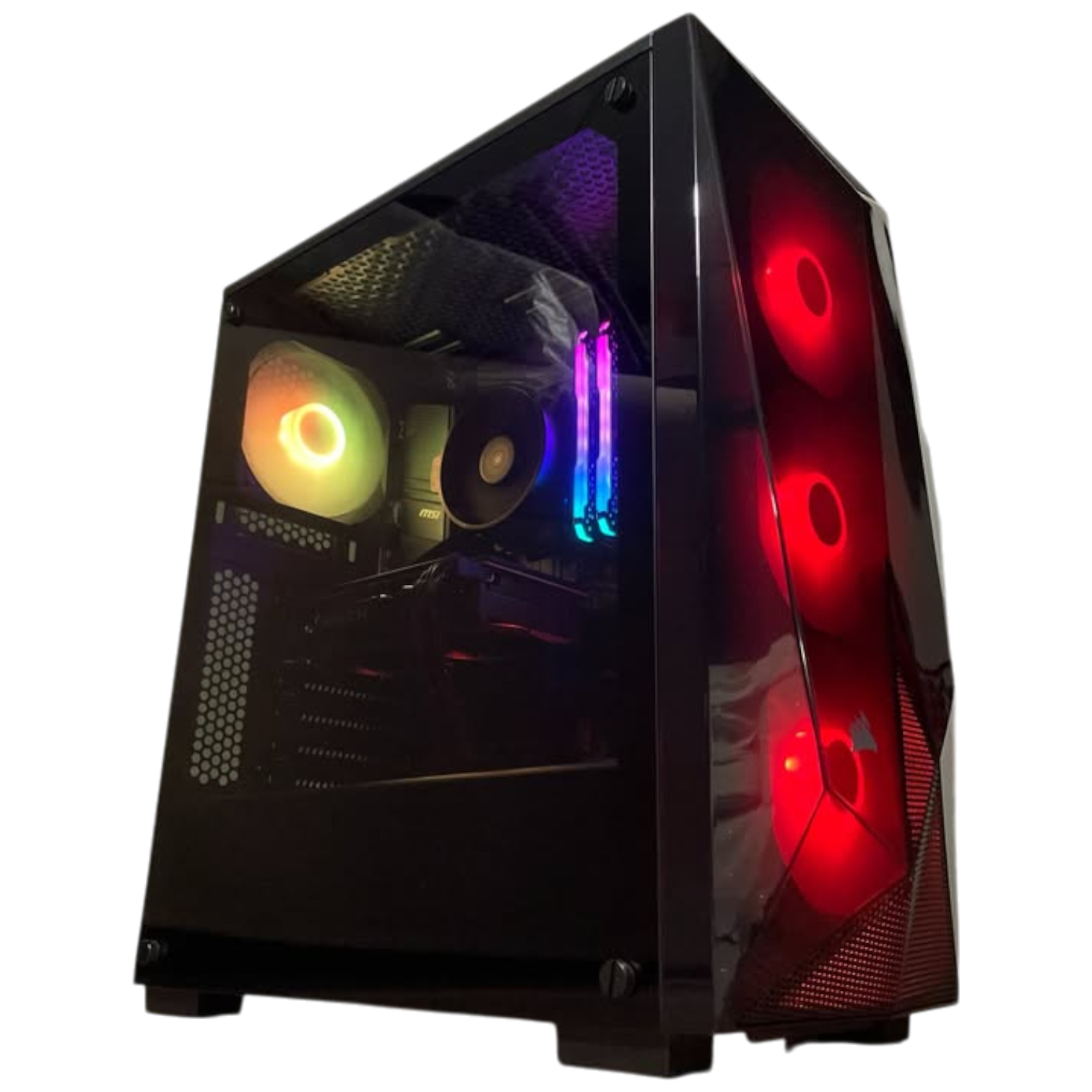
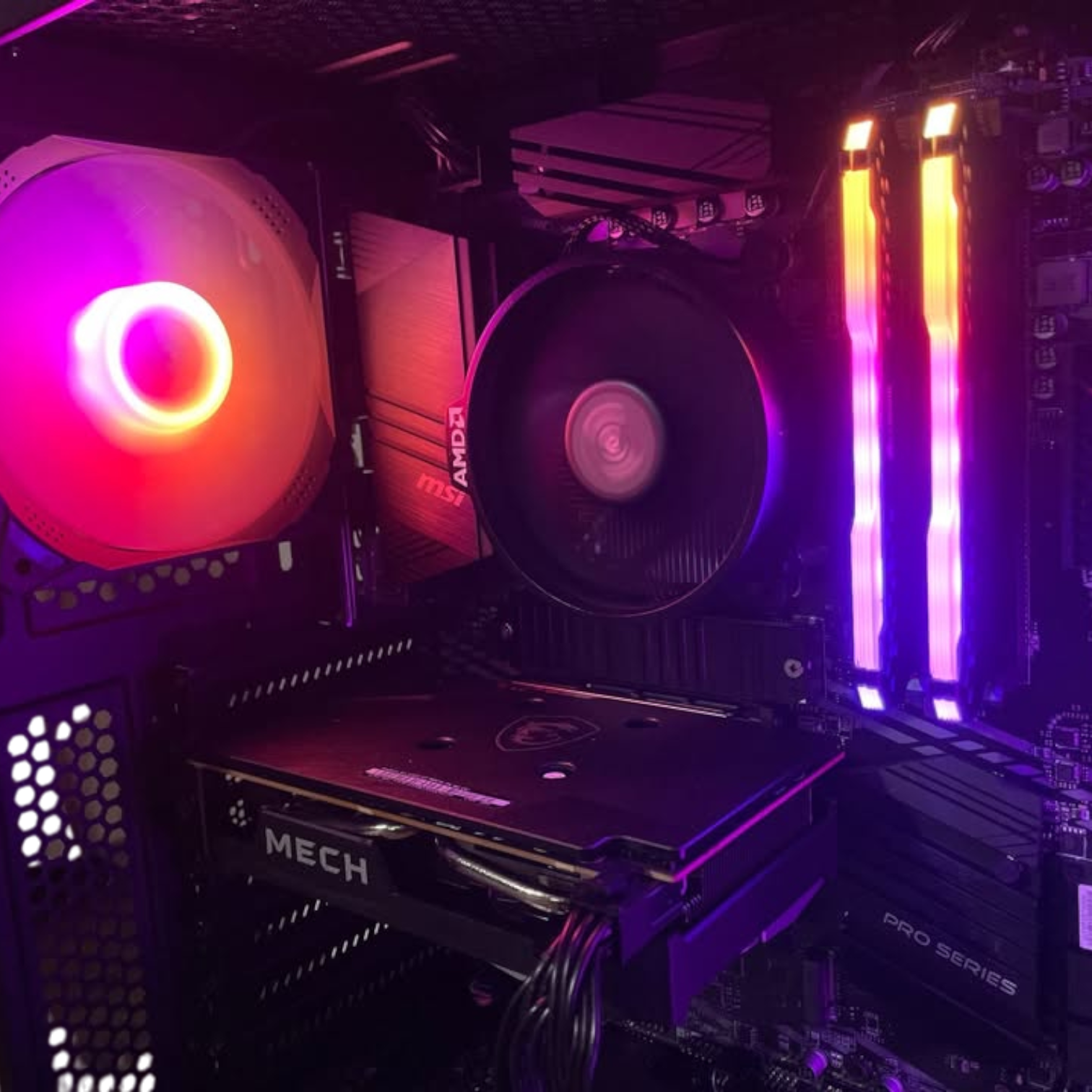
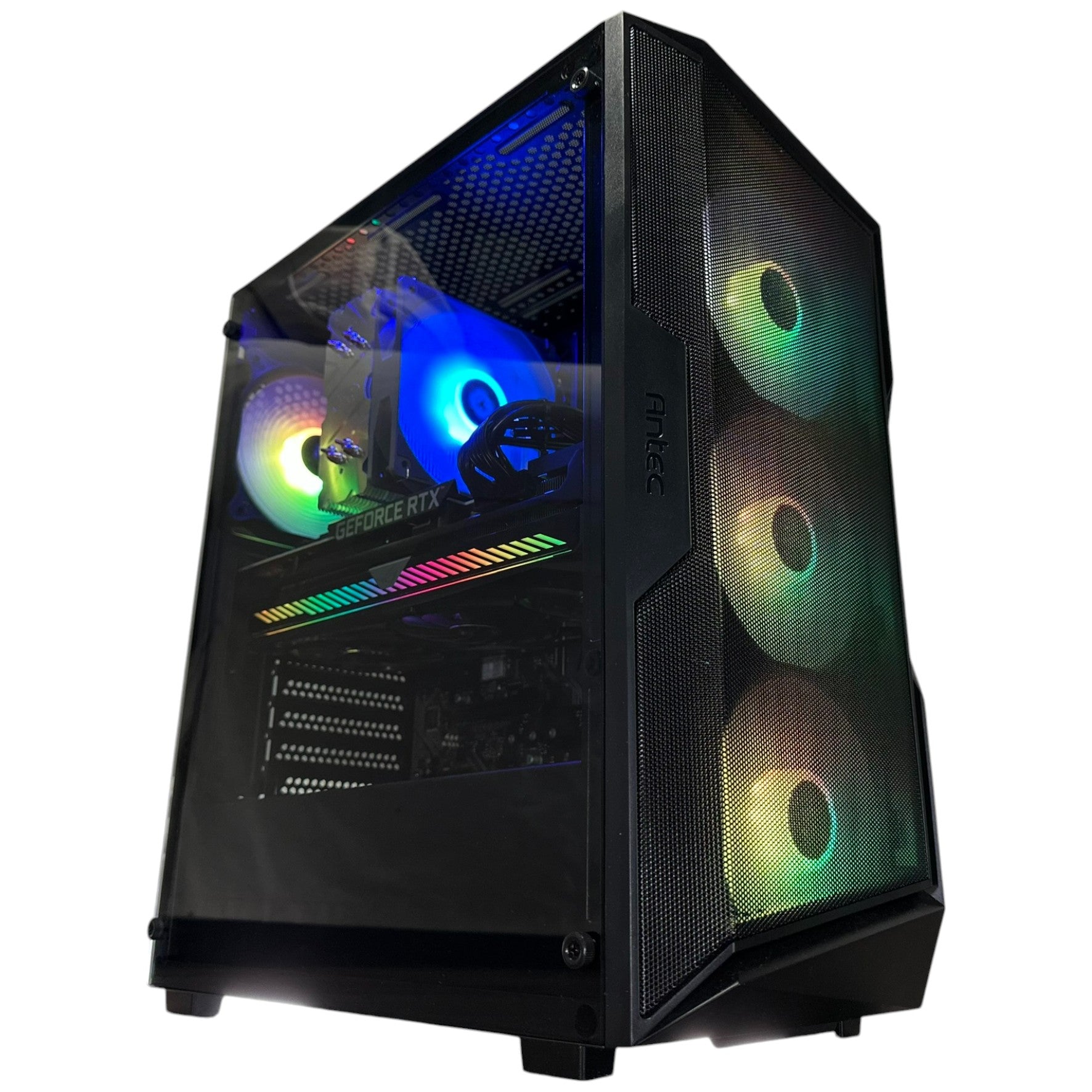
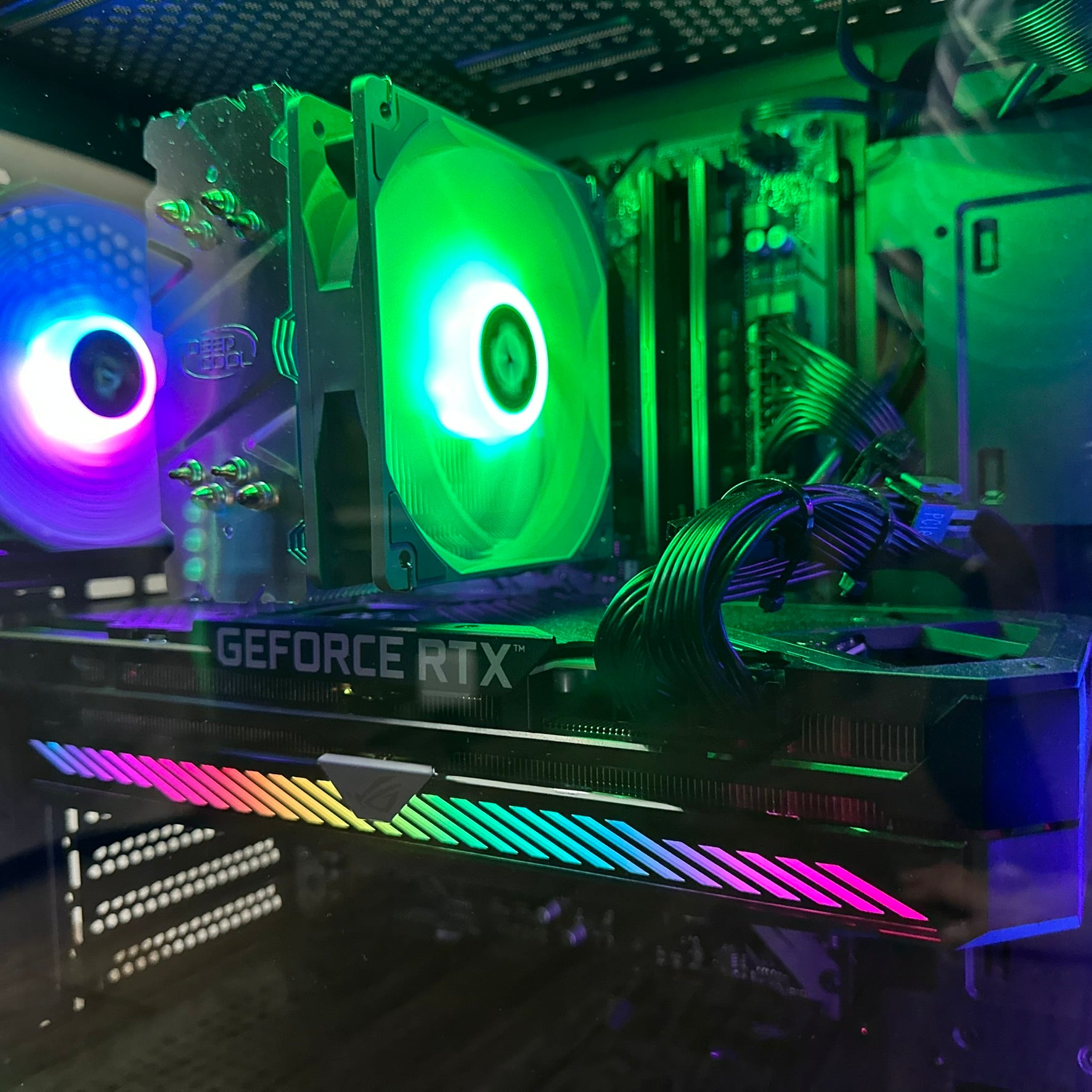
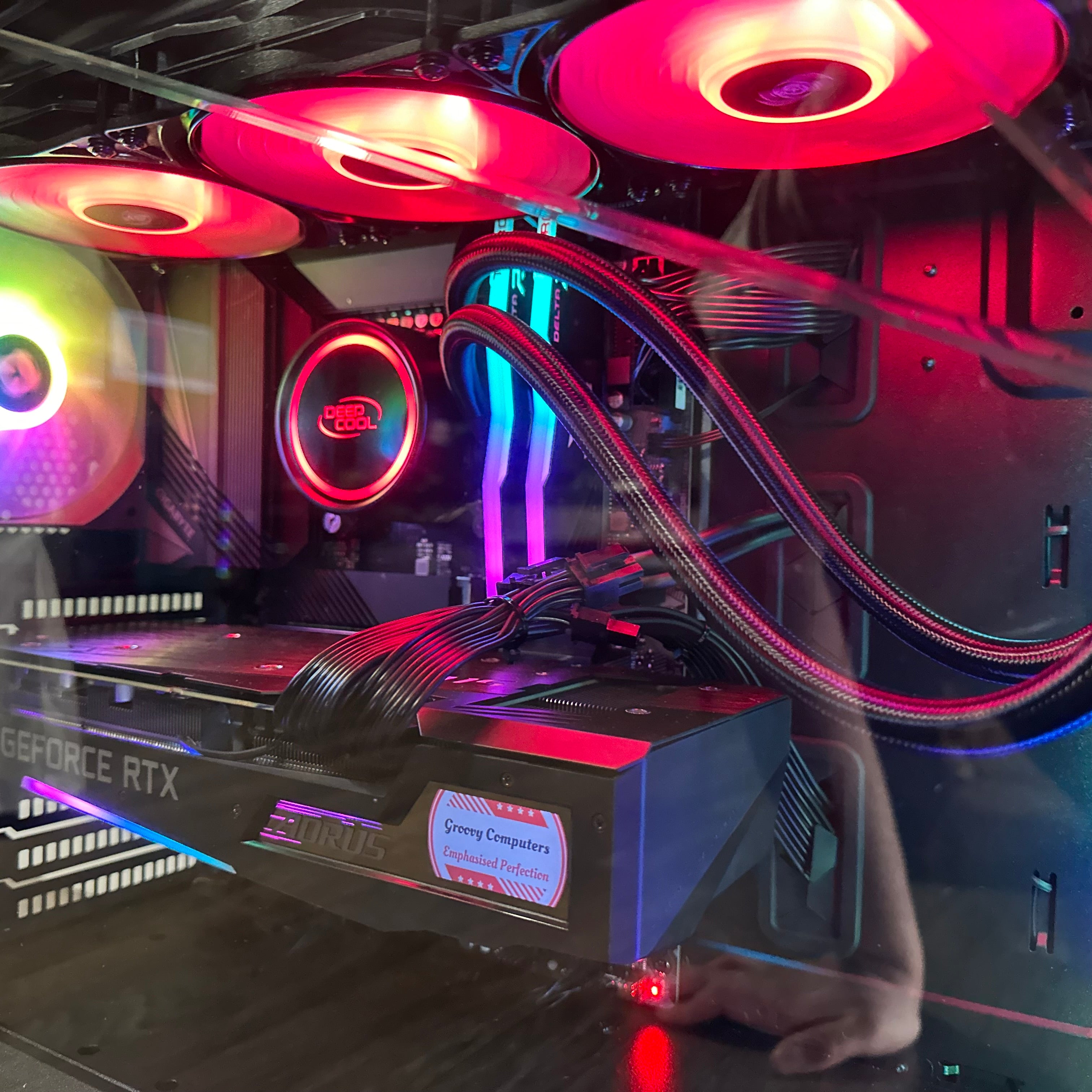
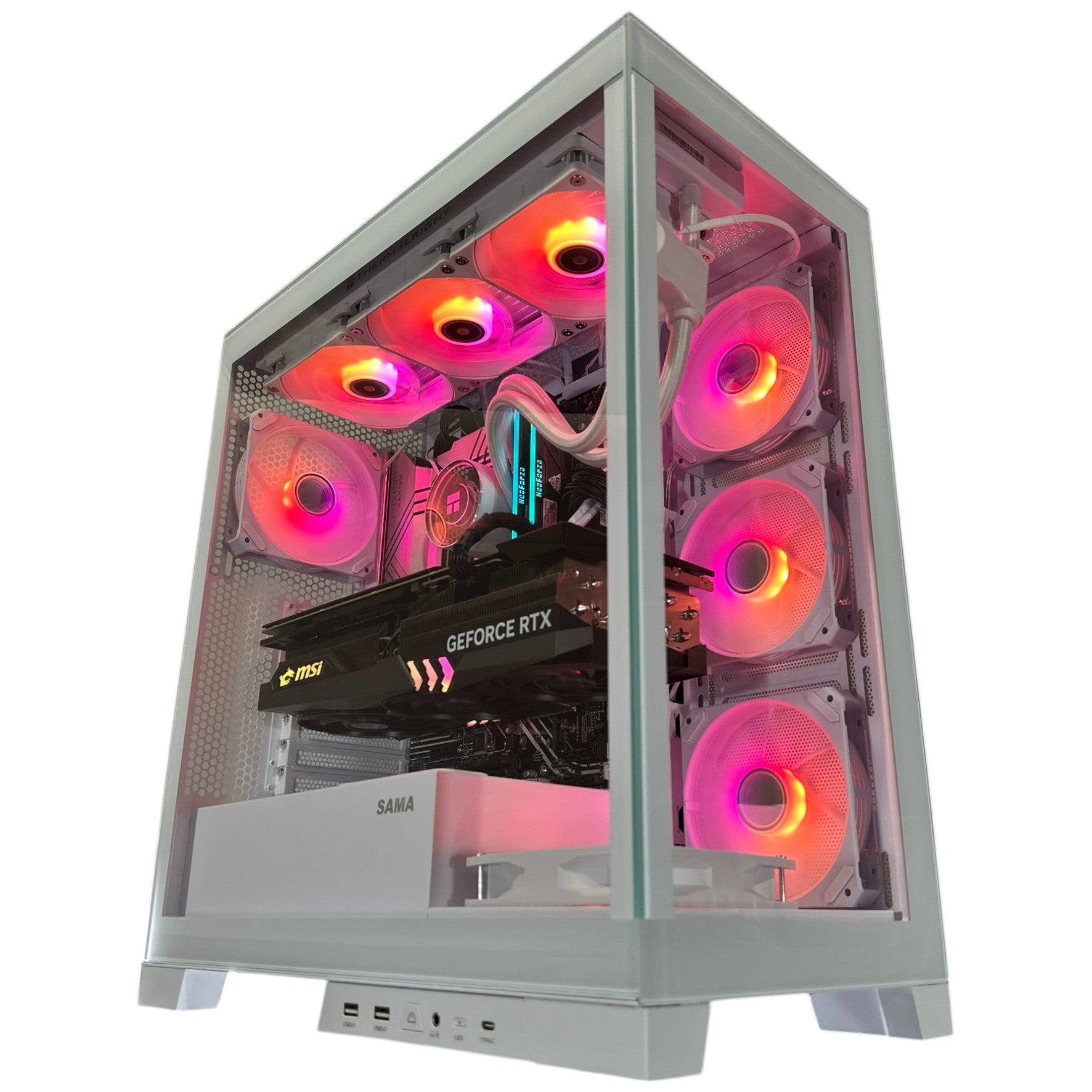
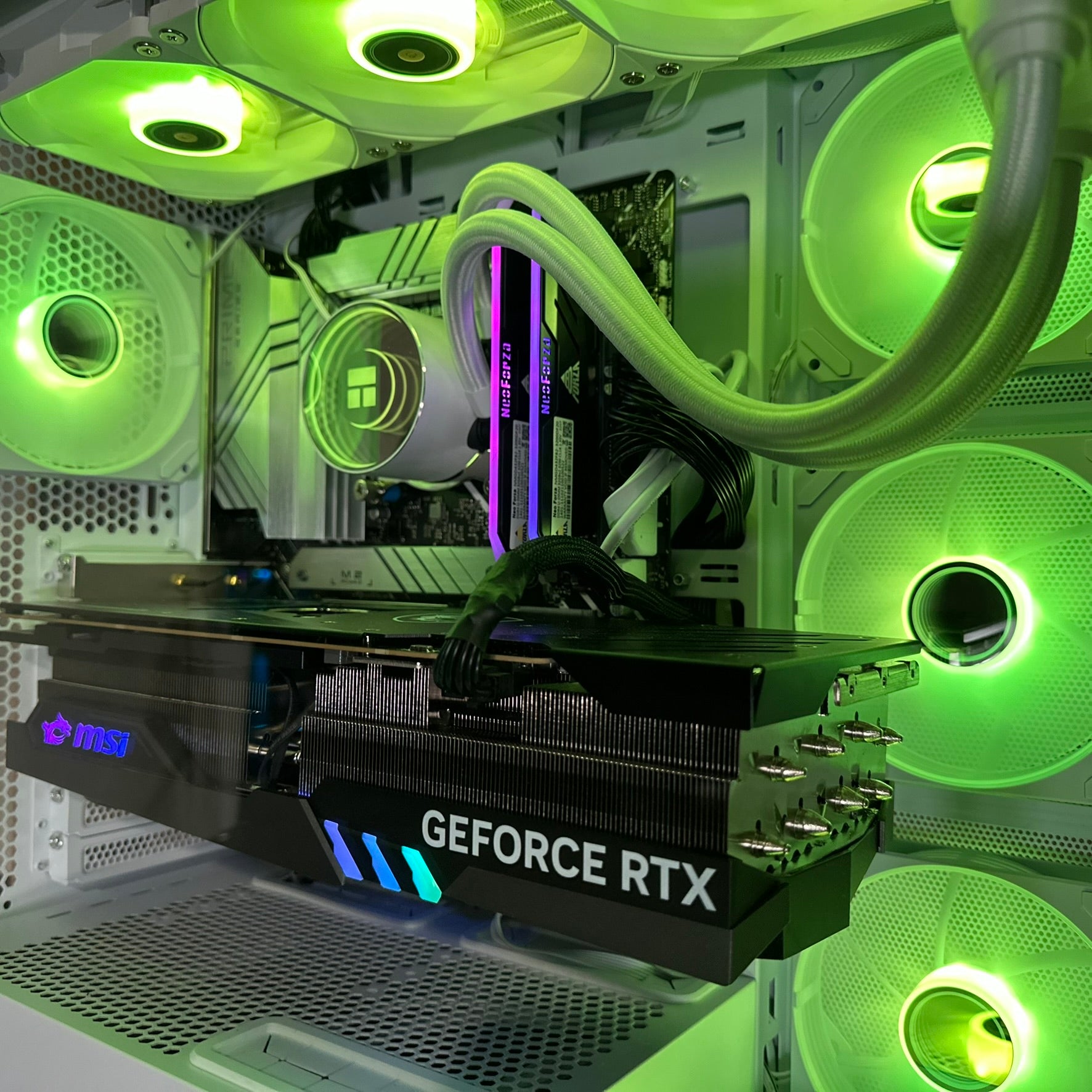
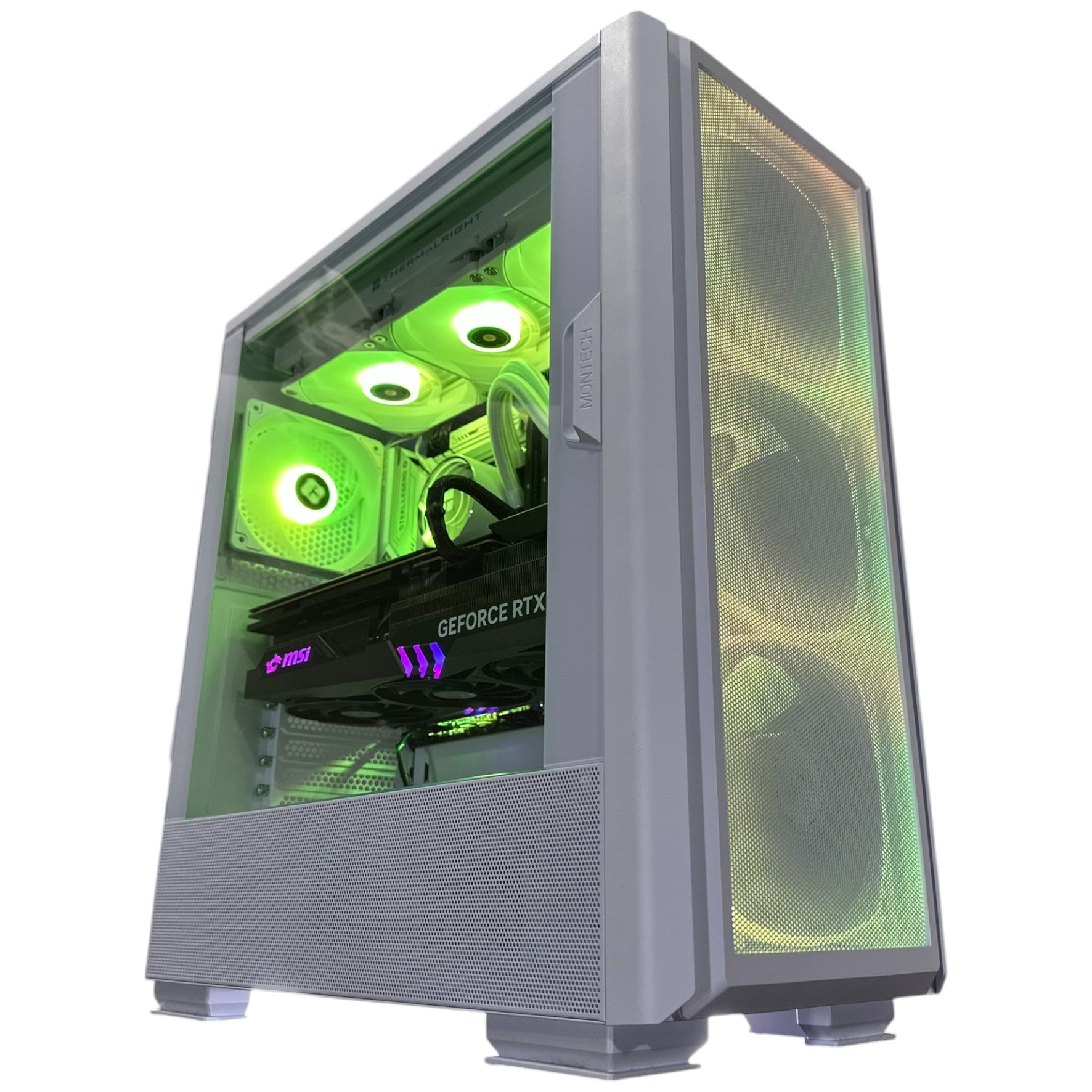
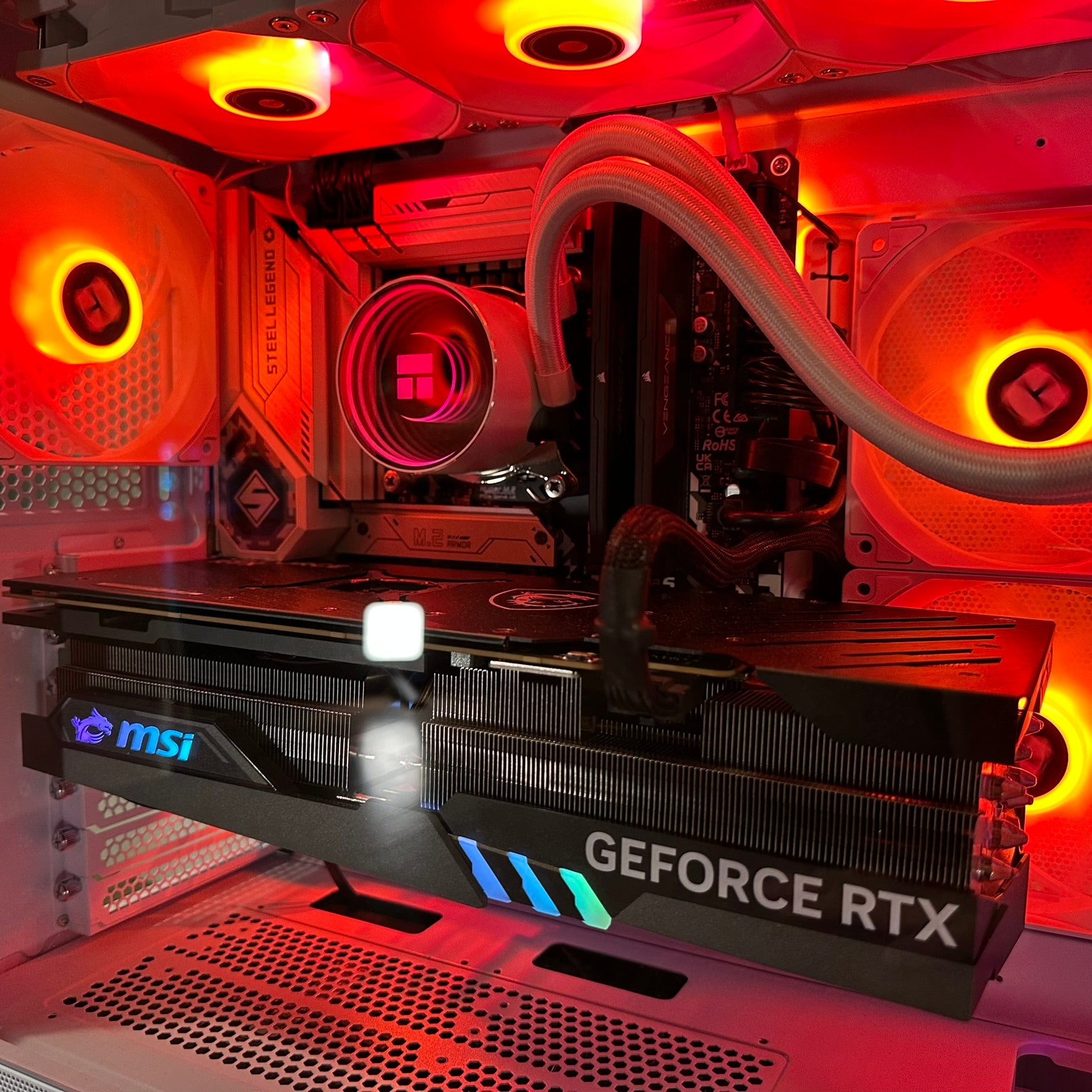
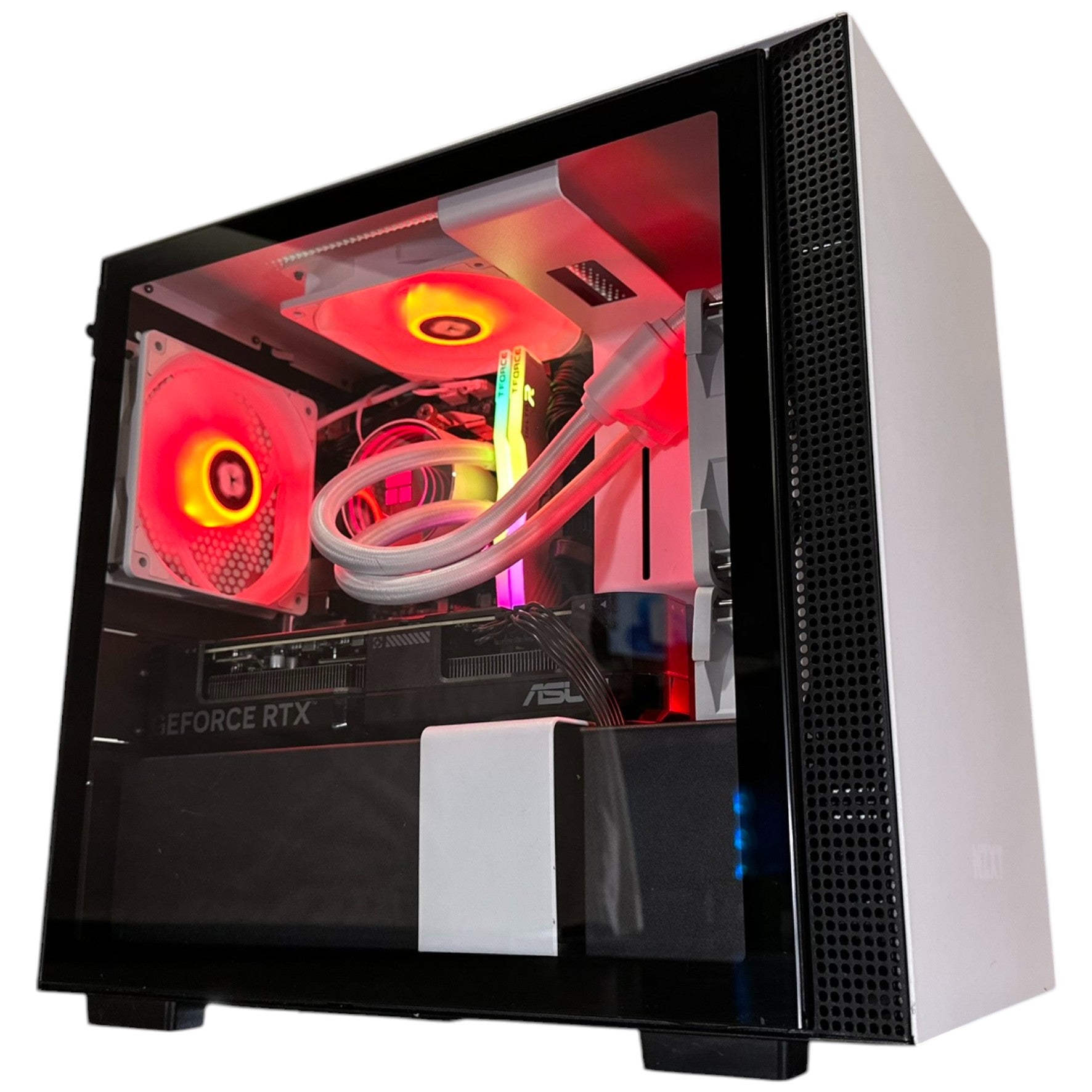
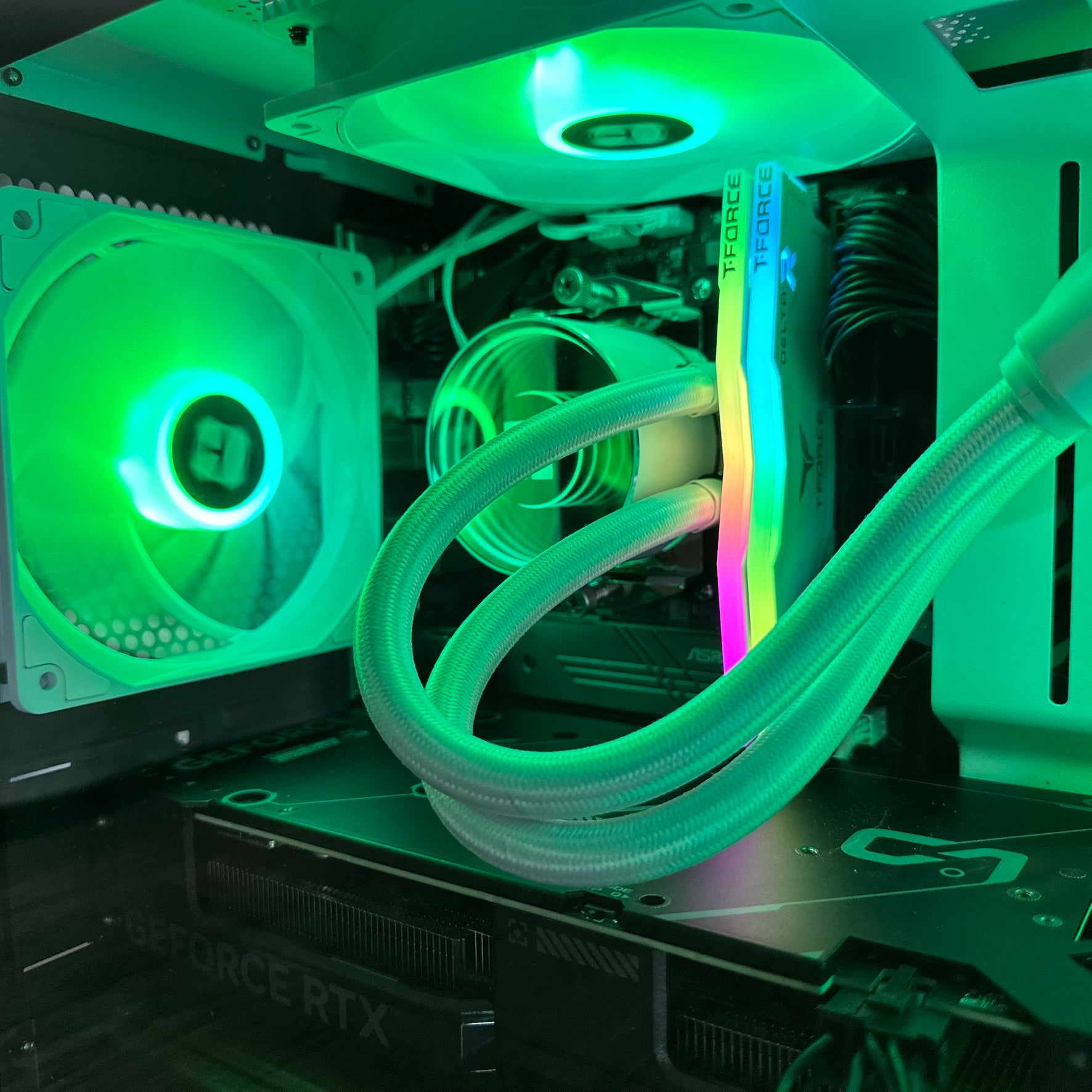
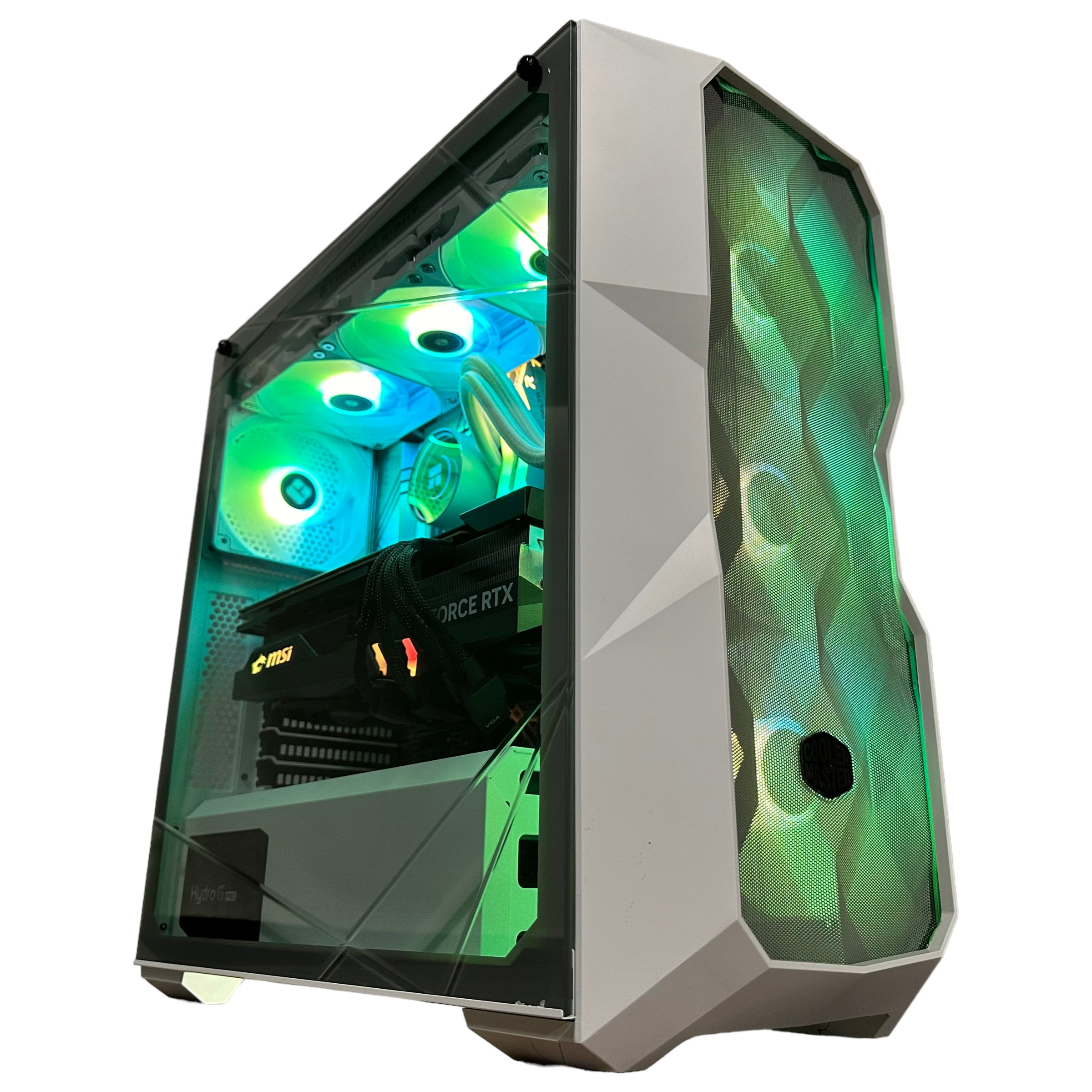
That is where Groovy Computers stands out for Canadian buyers. Instead of treating every gamer, streamer, editor, and creator the same, Groovy focuses on matching the build to the customer’s real use case. Whether you need a value-focused gaming desktop, a premium RTX setup, a creator machine, or a workstation, the goal is not just to sell a box. The goal is to help you buy smarter.
Would you benefit more from a generic spec sheet, or from a PC that is actually selected around the games you play, the software you use, your monitor resolution, your storage needs, and your long-term upgrade plans?
Why buying from a Canadian custom PC builder can reduce risk
For Canadian shoppers, local trust matters. A system is not just a collection of parts; it is also assembly quality, testing, warranty support, shipping confidence, and the ability to ask real questions before you commit. In a market where both game and hardware costs can rise, mistakes become more expensive.
Groovy Computers offers the kind of practical value that serious buyers should care about:
- Custom-built systems matched to actual gaming or creator goals
- Rigorous testing before the PC goes out
- 1-year warranty for added peace of mind
- Canada-wide support from a Canadian custom PC builder
- Financing options for buyers who want a stronger system without paying the full amount upfront
Whether you are in Nova Scotia, Atlantic Canada, Ontario, Alberta, British Columbia, or elsewhere in the country, buying from a Canadian builder can make the process feel more dependable and more personal.
Is now a good time to buy a gaming PC in Canada, or should you wait?
The honest answer depends on your current system and your next 12 to 24 months of use. If your desktop still does everything you need comfortably, waiting for clearer market signals can be reasonable. But if you are already fighting performance issues, planning for major game releases, or trying to add streaming and creator work to your setup, delaying may not improve your position.
Ask yourself:
- Is my current PC already struggling with new games?
- Do I want to play upcoming AAA titles at higher settings or resolutions?
- Am I planning to start streaming or editing soon?
- Will I regret buying too low and needing to upgrade again early?
- Would monthly payments help me secure the right build now instead of settling?
If several of those answers point toward action, then yes, now may be the better time to buy. Not because of fear, but because your use case already justifies the move.
What should your next PC be built for?
If this latest gaming price discussion has you rethinking your setup, use it as a buying checkpoint. Do you need a budget-friendly machine for 1080p gaming? A stronger 1440p system that can handle big releases and streaming? A premium desktop for 4K, ray tracing, and future-proof headroom? A creator build for editing, design, and content work? A workstation for Blender, rendering, and serious production?
The right answer is not the same for everyone, and that is exactly why custom matters.
Final takeaway: rising game prices make smart hardware buying even more important
The early sign of pricing restraint in another AAA release offers some relief, but it does not erase the broader shift that GTA 6 represents. Canadian gamers should treat this moment as a reminder that entertainment costs are moving upward, expectations for hardware are rising, and weak buying decisions are becoming more expensive to fix.
If you want better long-term value, stronger performance, and guidance on choosing the right system for gaming, streaming, editing, design, or workstation use, visit GroovyComputers.ca. If you are asking yourself whether to buy now, whether to finance a stronger desktop, or what kind of build actually fits your goals, Groovy Computers is the place to start.
#GamingPCCanada #CustomGamingPCCanada #GamingPCForNewGames #CanadianCustomPCBuilders #ContentCreationPCCanada #VideoEditingPCCanada #WorkstationPCCanada #GamingPCBuilderCanada #GamingPCShippedCanadaWide #NovaScotiaBusiness
Groovy Computers | All Rights Reserved


Leave a comment
This site is protected by hCaptcha and the hCaptcha Privacy Policy and Terms of Service apply.