


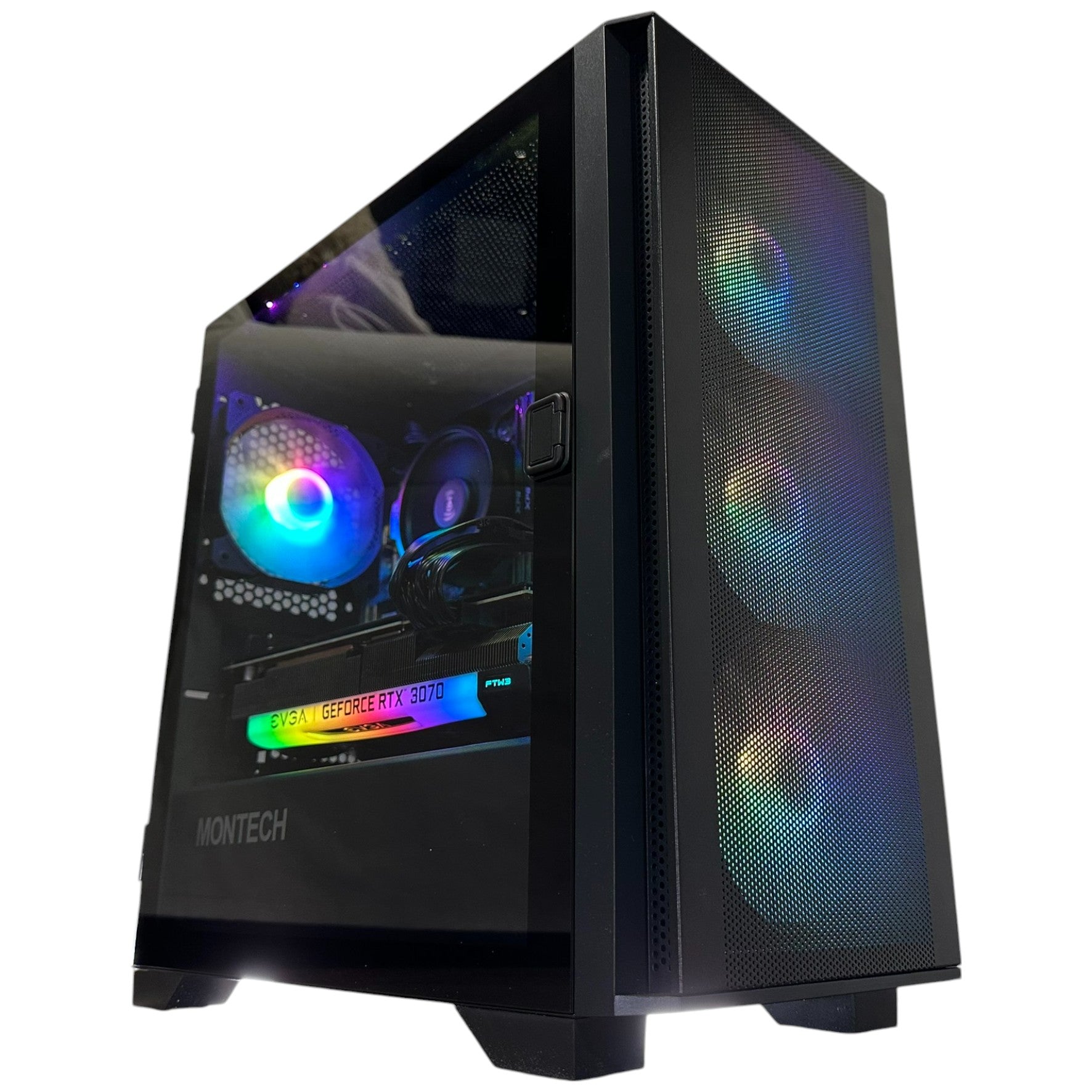
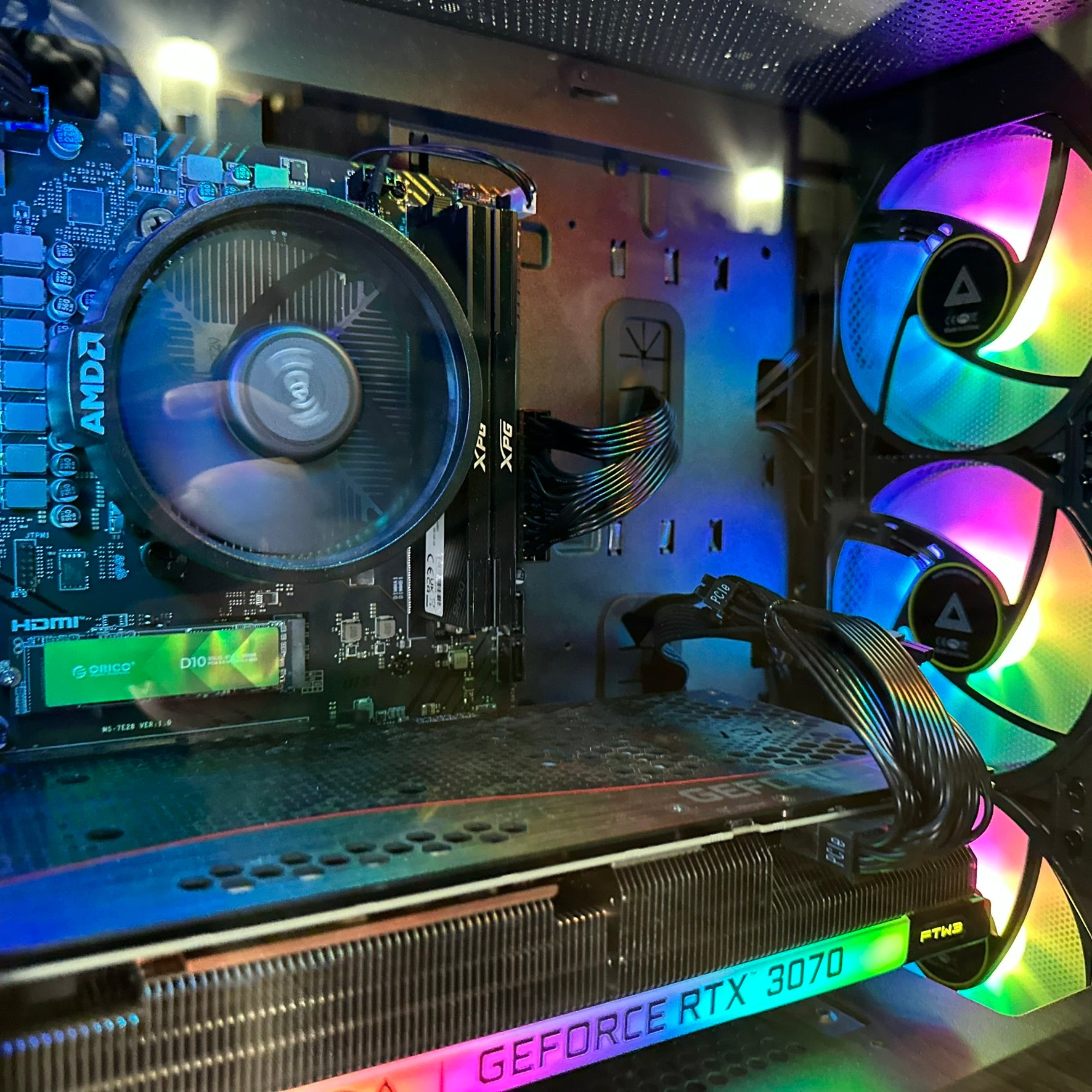
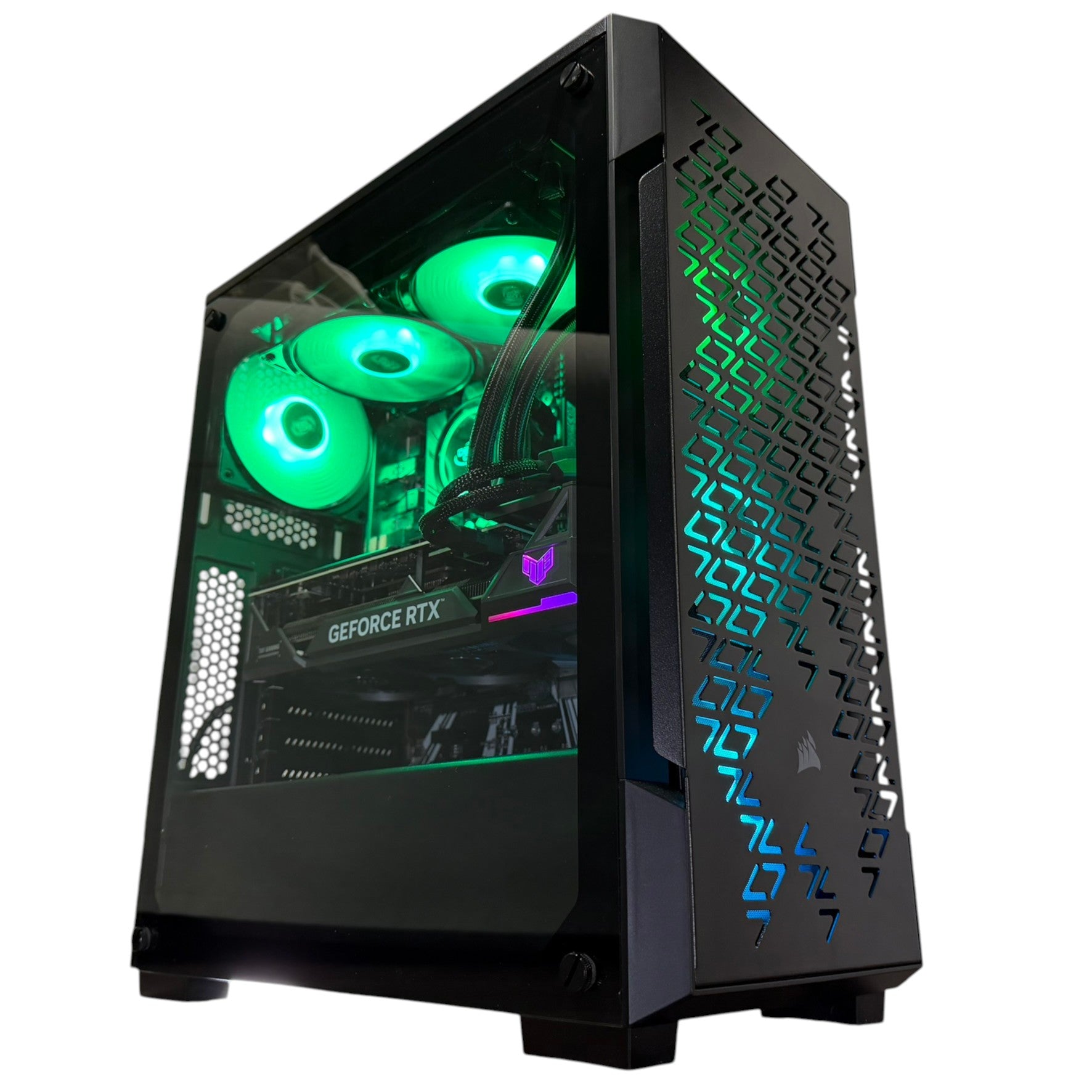

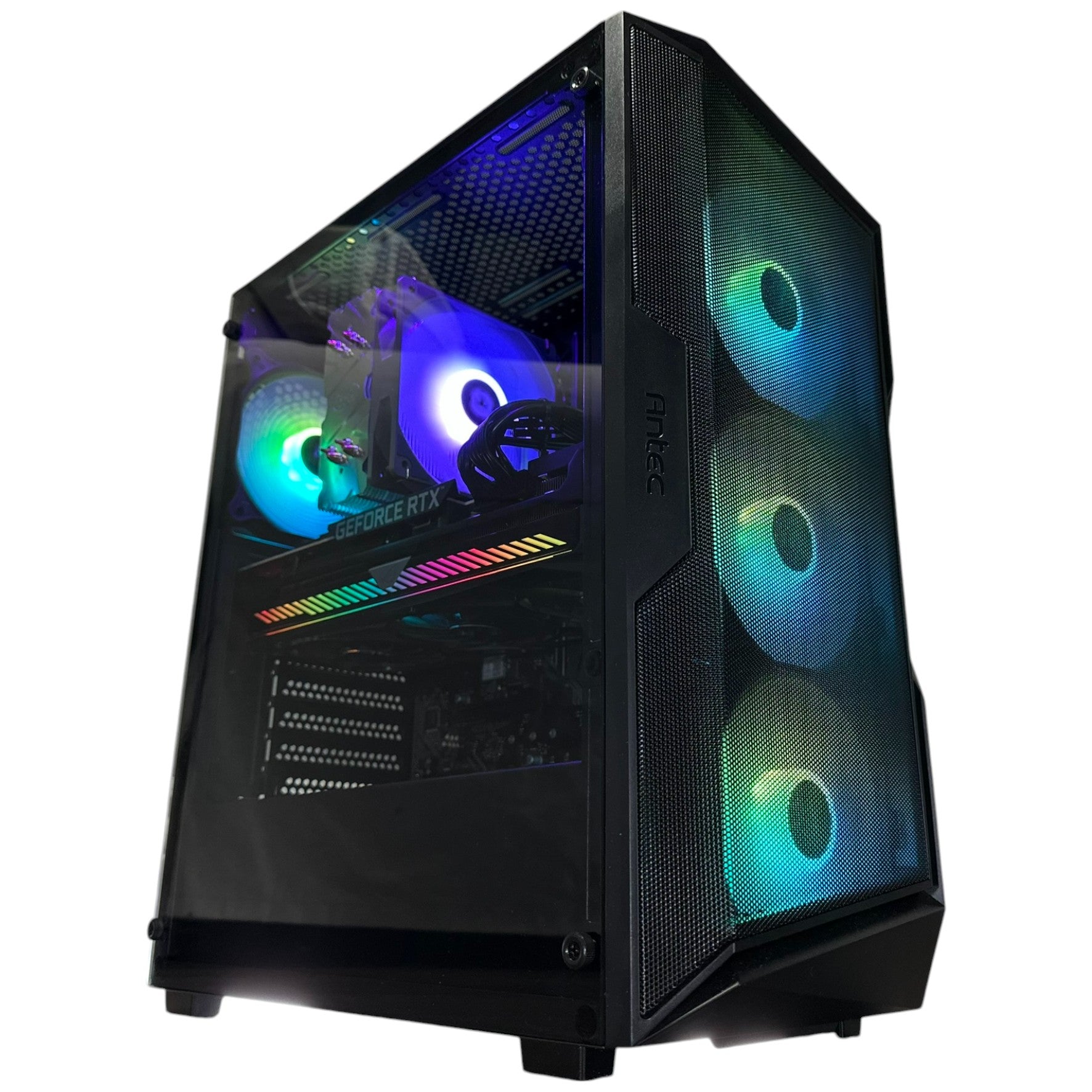

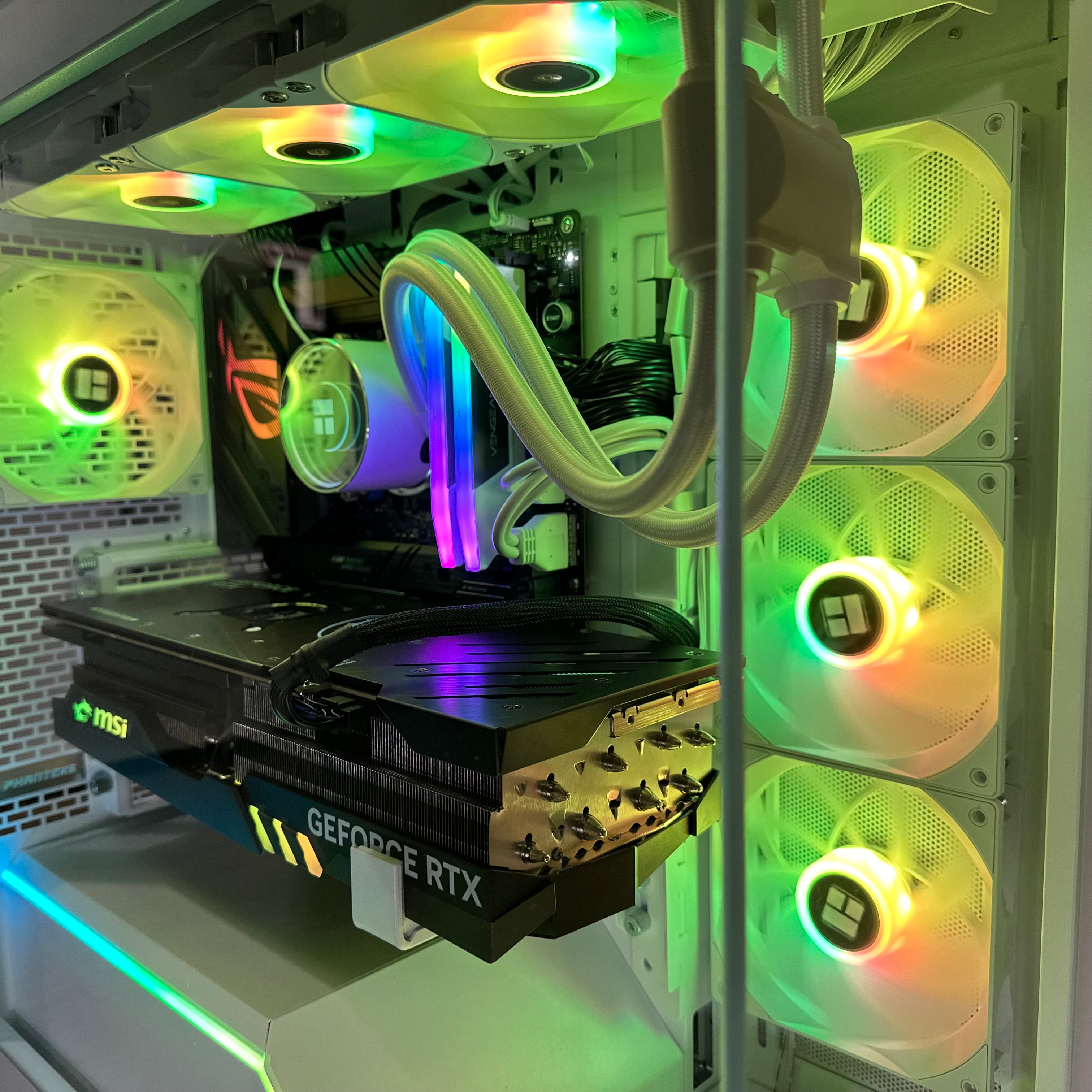
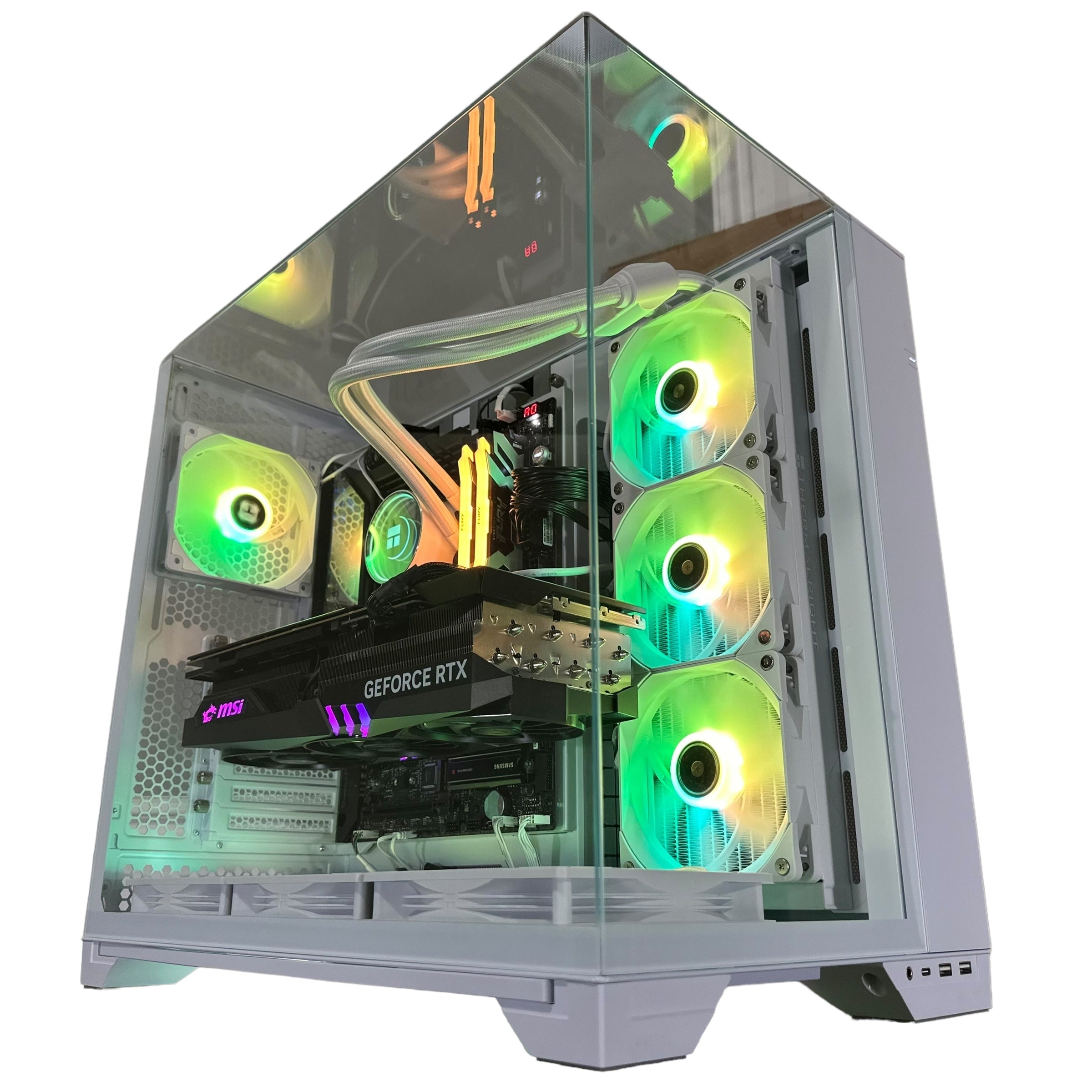
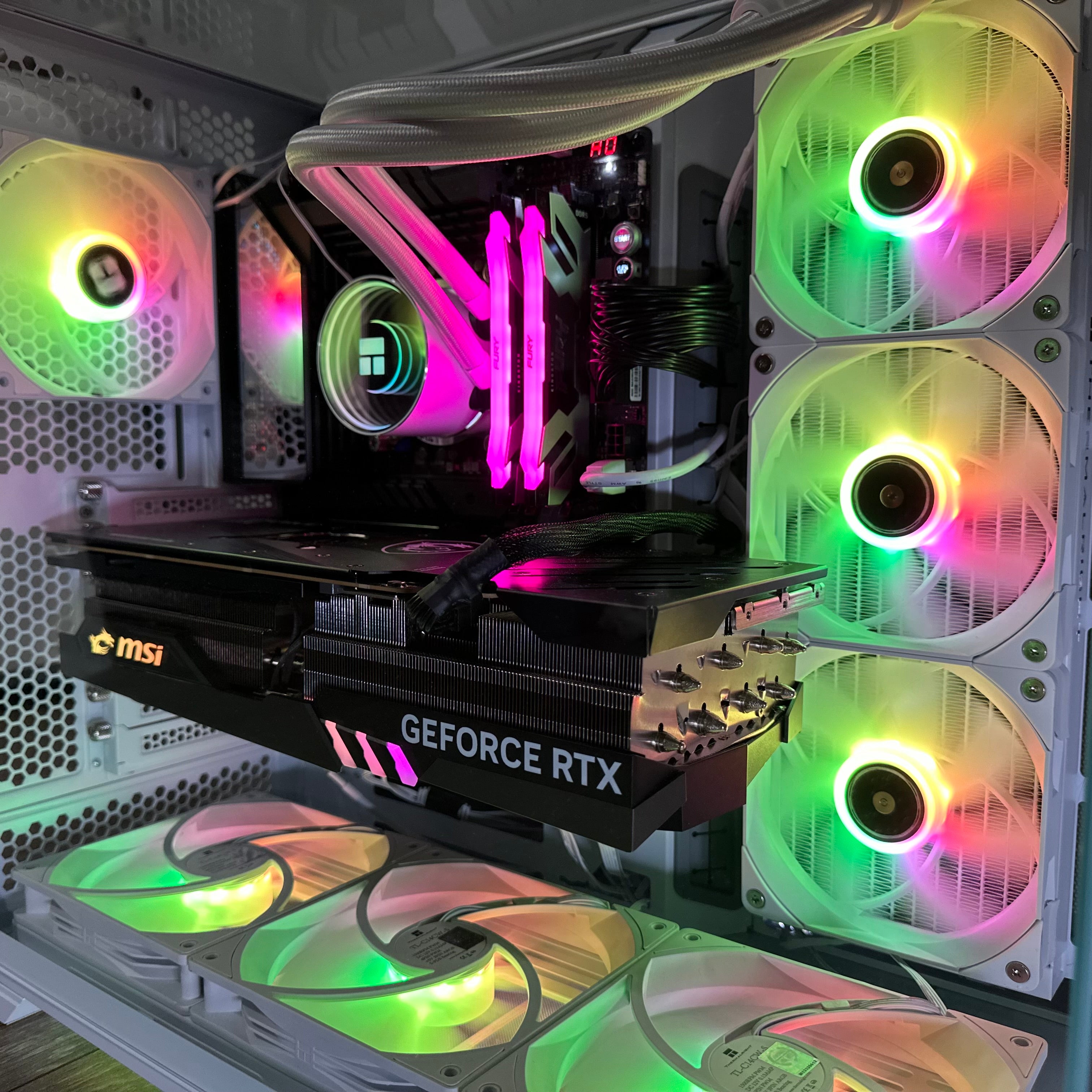

Resident Evil Reboot Hype Is a Wake-Up Call for Canadian PC Buyers: What Kind of Horror-Ready Gaming PC Do You Actually Need?
The new Resident Evil reboot is already generating the kind of attention that always pushes gamers to think about hardware. Zach Cregger is describing the film as the most violent thing he has done, grotesque, brutal, bloody, and relentlessly paced. Even though that headline is about cinema, the buying lesson for Canadian gamers is obvious: when horror gets darker, more cinematic, and more technically ambitious across games, trailers, streams, mods, and creator content, weak hardware starts showing its limits fast. If you are asking whether your next system should be a budget gaming rig, a higher-end RTX build, or a custom creator setup that can game and edit, now is the right time to ask.
For Groovy Computers, this kind of entertainment news matters because it reflects where gaming culture is heading. Horror fans do not just watch. They play, stream, capture footage, edit reaction clips, render thumbnails, test reshade mods, and jump back into older franchises when a reboot pushes them back into the mood. That is exactly where a smart Gaming PC Canada buying decision becomes important.
The source story highlights two things that stand out. First, Cregger is promising intensity instead of safe franchise box-checking. Second, he is tying the project to a more personal, character-driven idea about a world getting worse and a protagonist forced to move through it anyway. That combination of spectacle and emotional pressure is exactly what modern horror games and related creator workflows often demand from a PC: high visual fidelity, stable frame rates, fast loading, strong CPU responsiveness, and enough overhead for streaming, recording, or editing after the gameplay session ends.
Why does a movie headline about the Resident Evil reboot matter if you are shopping for a gaming PC in Canada?
Because franchise revivals do not stay in one lane. They trigger replay interest, remaster sales, livestream spikes, emulator use, modding, content creation, fan editing, and a wider return to horror gaming in general. A customer who reads about a new Resident Evil film today may be asking very practical questions tomorrow.
Do you want to replay recent survival horror titles at 1080p with high settings? Are you planning to move into 1440p with ray tracing? Do you want to capture gameplay for YouTube, stream to Twitch, or cut short-form clips for social media? Are you also using the same desktop for Photoshop, Premiere Pro, DaVinci Resolve, OBS, or Blender?
Those questions matter more than the headline itself, because they tell you what category of custom PC you actually need.
What the Resident Evil reboot conversation gets right about modern entertainment hardware demand
Cregger’s comments point toward a broader trend: audiences expect stronger atmosphere, heavier visual detail, and more immersive pacing. In gaming terms, that often means denser environments, sharper lighting, more advanced shadow work, higher texture loads, and stronger CPU-GPU coordination. In creator terms, it means larger capture files, more editing layers, and more pressure on RAM and SSD speed.
In other words, horror is no longer “lightweight” content. A modern horror experience can be one of the best stress tests for a system because darkness, particle effects, dynamic lighting, cinematic assets, and sudden intensity spikes can expose bad cooling, underpowered GPUs, weak storage, and memory bottlenecks quickly.
So if this headline has you in the mood for survival horror gaming again, ask yourself something simple: what do you want your next PC to do for you that your current one struggles to do now?
What do you want your next PC to do for you?
This is the most important question in the entire buying process, and most shoppers skip it too quickly.
Do you want a machine that just runs games well at 1080p? Do you want a system that can push 1440p with better image quality and stronger frame consistency? Do you want to step into 4K gaming and ray tracing? Are you trying to build one machine that can game at night and edit footage during the day? Are you a student, a streamer, a horror fan, a creator, or a customer who simply wants to avoid upgrading again too soon?
At Groovy Computers, the right answer is rarely “buy the most expensive thing.” The right answer is to match the build to the workload so you spend wisely, stay current longer, and avoid the trap of buying a system that feels outdated too fast.
If horror gaming is your lane, what performance tier fits you best?
Entry tier: 1080p gaming and esports-friendly value
If your goal is straightforward survival horror gaming at 1080p, solid settings, fast boot times, and general reliability, an entry-level or value-focused build can still make sense. This is often the right fit for first-time buyers, students, and customers asking, “How much should I spend on a gaming PC?”
This tier is best if you mostly want:
- 1080p gameplay
- Strong value for the money
- Good performance in older or less demanding titles
- Room to stream lightly or do basic content capture
- A better experience than a generic low-end prebuilt
But here is the real question: if you are already thinking about newer AAA horror games, ray tracing, higher refresh rates, or editing recorded footage, do you really want to buy at the bottom and feel pressure to upgrade again early?
Mid-tier: 1440p gaming sweet spot for most serious players
For many Canadian buyers, 1440p is the real sweet spot. It gives you a visibly sharper experience than 1080p, better long-term value, and stronger compatibility with current and upcoming titles. If you want your horror games to actually feel cinematic instead of compressed by settings compromises, this is usually the tier to target.
A 1440p-focused custom gaming PC is ideal if you want:
- Better visual fidelity and stronger immersion
- More headroom for new releases
- Smoother frame pacing in heavier titles
- A stronger foundation for streaming and recording
- A better chance of avoiding a near-term GPU upgrade
If you are asking, “What PC do I need for 1440p gaming?” this is often where the conversation turns from budget-first to value-over-time.
High-end tier: 4K, ray tracing, premium visuals, and longer runway
If you want maximum atmosphere, ray traced lighting, top-tier GPU muscle, and a build that feels premium for longer, then a high-end system is the right category. Horror titles especially benefit from stronger contrast handling, cleaner image quality, and smoother performance under high visual settings.
This tier is built for customers asking:
- What PC do I need for 4K gaming?
- Should I buy a premium RTX gaming PC now?
- How long will a high-end gaming PC last?
- Should I finance a stronger PC instead of settling today?
If you know you want a machine that can handle modern AAA games, creator apps, and demanding visual workloads with less compromise, a premium build often makes more financial sense over the long run than buying too low and replacing too soon.
Are you only gaming, or are you also streaming, editing, and creating content?
This is where many shoppers underbuy.
A horror fan today might also be a Twitch streamer tomorrow. A gamer who records playthroughs may start cutting reaction videos. A fan who captures screenshots may end up editing thumbnails in Photoshop or building channel art in Illustrator. Someone who starts with gameplay clips may quickly move into Premiere Pro, DaVinci Resolve, or After Effects.
So ask yourself: are you buying a gaming system, or are you really buying a creator PC Canada setup that also needs to game well?
When a gaming PC is enough for streaming
If you are doing mainstream OBS streaming, recording gameplay, and casual editing, a well-balanced gaming-and-streaming build is often enough. The key is having the right GPU support, enough RAM, a capable CPU, and fast SSD storage.
This kind of build makes sense if you want:
- Gaming and streaming on one machine
- OBS or Streamlabs support without major slowdowns
- Room for recording, browser tabs, Discord, and background tasks
- A practical path into content creation without going full workstation
If you are wondering, “What PC do I need for streaming?” the answer depends on how serious your stream setup is and whether editing is part of the workflow too.
When you should move up to a custom creator PC
If you are editing 4K footage, using Adobe Creative Cloud heavily, producing YouTube content consistently, or managing multiple creative apps at once, a true creator-focused system is a better fit. This is where stronger RAM capacity, storage planning, cooling, and CPU-GPU balance matter much more.
A custom creator build is often the better choice if you use:
- Adobe Premiere Pro
- DaVinci Resolve
- After Effects
- Photoshop and Lightroom
- Illustrator and InDesign
- CapCut for heavier social editing workflows
That matters because the best PC for gaming is not always the best PC for editing. Overlap exists, but if your system has to earn its keep across entertainment and productivity, it should be configured with that in mind.
Could this kind of entertainment trend also push you toward a photo editing, graphic design, or 3D workstation build?
Absolutely. Franchise-driven hype creates a ripple effect in fan art, posters, thumbnail creation, cinematic edits, social media packs, cosplay media, and 3D concept work. That means some customers reading a horror headline are not actually shopping for a pure gaming desktop at all.
Photo editing and graphic design users
If your connection to the horror genre is visual design rather than gameplay, then your buying questions change. Instead of asking about ultra settings and FPS, you should be asking about RAM capacity, colour workflow stability, SSD responsiveness, and app performance in Photoshop, Lightroom, Illustrator, Canva, or InDesign.
Ask yourself:
- What PC do I need for photo editing?
- Is a gaming PC good for Photoshop?
- How much RAM do I need for graphic design?
- Do I need a dedicated GPU for Adobe apps?
For many of these customers, a creator desktop with balanced performance is more valuable than a gaming-first machine with flashy specs but weaker productivity planning.
3D modeling, rendering, and Unreal Engine users
Horror-themed projects are also common in 3D. Environment artists, game modders, indie devs, animators, and Blender users often need far more than casual gaming power. If you are building scenes, rendering assets, using Unreal Engine, or modeling game-inspired work, then a 3D rendering PC Canada or workstation-class build may be the right move.
You should be asking:
- What PC do I need for Blender?
- What PC do I need for 3D rendering?
- Workstation PC vs gaming PC for 3D modeling?
- How much RAM do I need for Blender or Unreal Engine?
This is where Groovy Computers can help buyers avoid a common mistake: buying a gaming-focused system that looks powerful on paper but is not actually optimized for render-heavy or workstation-style use.
Why should Canadian buyers think differently right now?
Because the Canadian market adds a layer of reality to every PC purchase. You are not just comparing specs. You are dealing with exchange-rate sensitivity, Canada-wide shipping considerations, part availability shifts, and the fact that replacement costs can rise faster than many buyers expect.
That means a buyer in Nova Scotia, Halifax, Trenton, New Glasgow, or anywhere else in Canada should think in terms of total value and timing, not just the cheapest sticker price today.
If you wait too long, what happens if the GPU tier you wanted costs more? What if memory prices move? What if SSD pricing tightens? What if a major game release or content trend spikes demand again? What if your current PC starts failing right when you need it for classes, work, or a channel upgrade?
These are not scare tactics. They are normal buying realities in the custom PC world.
Is it better to buy a gaming PC now or wait?
That depends on what “wait” is supposed to accomplish.
If your current system is still doing everything you need, waiting can be reasonable. But if your PC is already forcing lowered settings, long load times, unstable performance, poor multitasking, or frustrating export speeds, waiting can end up costing more in lost experience and worse replacement pricing later.
Ask yourself a few honest questions:
- Are you already turning down settings more than you want?
- Are you avoiding newer games because your system is falling behind?
- Is your editing workflow slower than your workload now demands?
- Would a better PC save time every week?
- Do you want to buy before a major game release or content push increases demand?
If the answer to several of those is yes, then “waiting” may just mean paying more later for the machine you should have bought sooner.
Should you buy a cheaper PC, or finance a better one?
This is one of the most practical questions in the Canadian custom PC market.
A weaker system may feel easier to justify in the moment, but it often creates faster dissatisfaction. If the machine cannot comfortably handle the games, streaming load, editing tasks, or future upgrades you already know are coming, then the lower upfront cost may not actually be the better value.
That is why some buyers should seriously consider gaming PC financing Canada options instead of compromising too hard.
If financing lets you move from an “it can run it” build to a “this actually does what I need” build, that can be the smarter long-term decision. The same logic applies to creator systems, editing workstations, and 3D rendering desktops.
Would monthly payments help you lock in a stronger GPU tier now? Would that let you avoid replacing your system too early? Would financing up to 4 years make it easier to get the right custom PC instead of a temporary patch?
For many customers, the right answer is yes.
What kind of buyer should choose which category of Groovy Computers build?
Choose a budget-focused gaming PC if:
- You mainly play at 1080p
- You want strong value and dependable performance
- You are buying your first real gaming desktop
- You are okay with more limited high-end headroom
- You want a practical entry point without going too cheap
Choose a mid-range gaming and streaming build if:
- You want 1440p performance
- You care about image quality and stronger frame consistency
- You record or stream regularly
- You want better longevity without going full flagship
- You are trying to balance gaming with creator use
Choose a premium RTX gaming PC if:
- You want 4K or stronger ray tracing capability
- You prefer ultra settings and premium visual performance
- You want a longer runway before feeling outdated
- You play heavy AAA releases often
- You are considering financing to secure a stronger system now
Choose a custom creator PC if:
- You edit videos often
- You use Premiere Pro, Resolve, Photoshop, or Creative Cloud daily
- You need stronger multitasking and export performance
- You want one machine for gaming, editing, and content production
- You value workflow speed as much as entertainment performance
Choose a workstation or 3D-focused build if:
- You use Blender, Unreal Engine, CAD, or rendering tools
- You need more RAM and heavier compute planning
- You want a machine built for productivity under sustained load
- You cannot afford instability in a professional workflow
- You are buying for long-term output, not just play
Why do custom builds matter more when game demand and hardware pricing feel unpredictable?
Because a random off-the-shelf machine often hides compromises in cooling, motherboard quality, power delivery, upgrade flexibility, airflow, and long-term part matching. Those weaknesses become much more annoying when newer games and software start pushing harder.
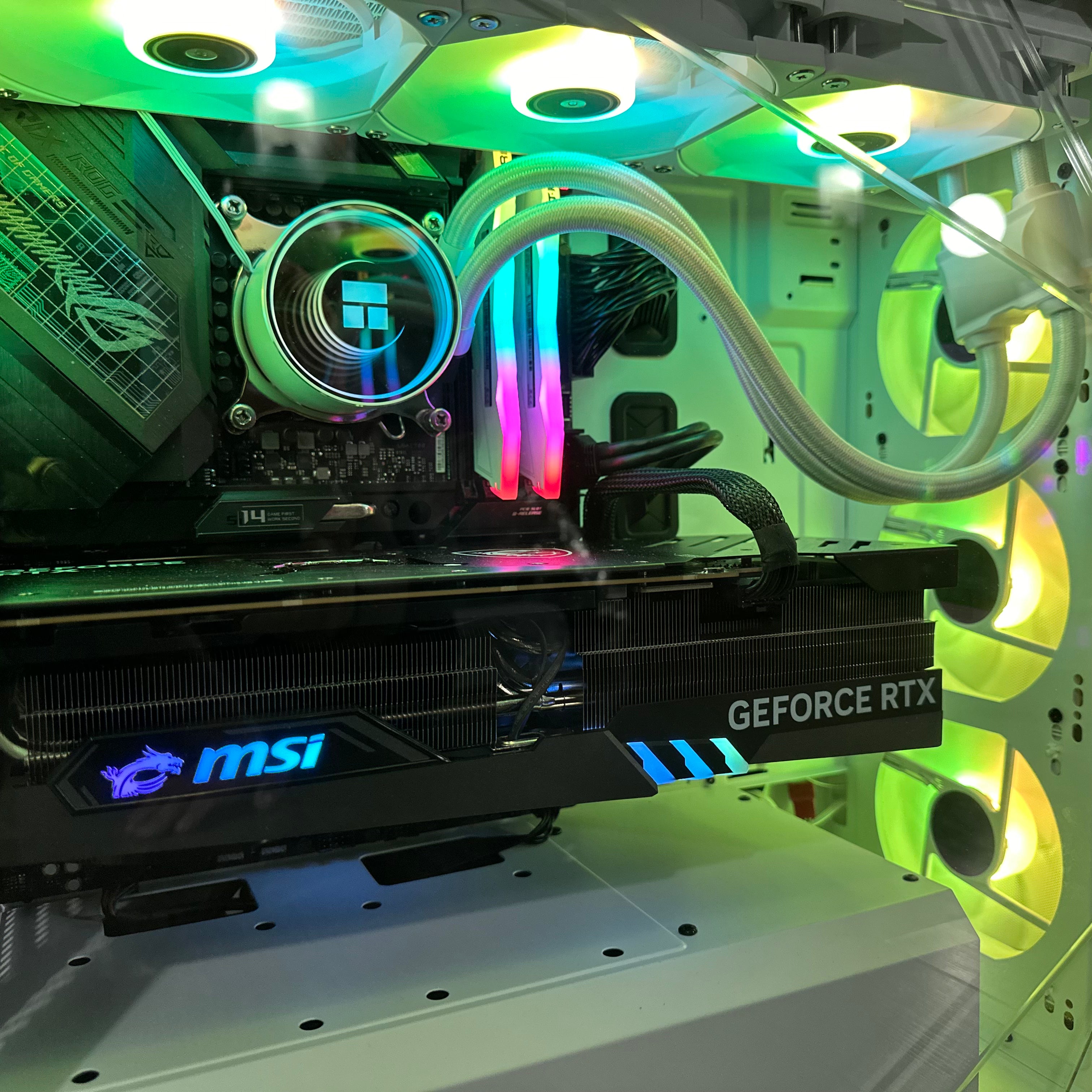
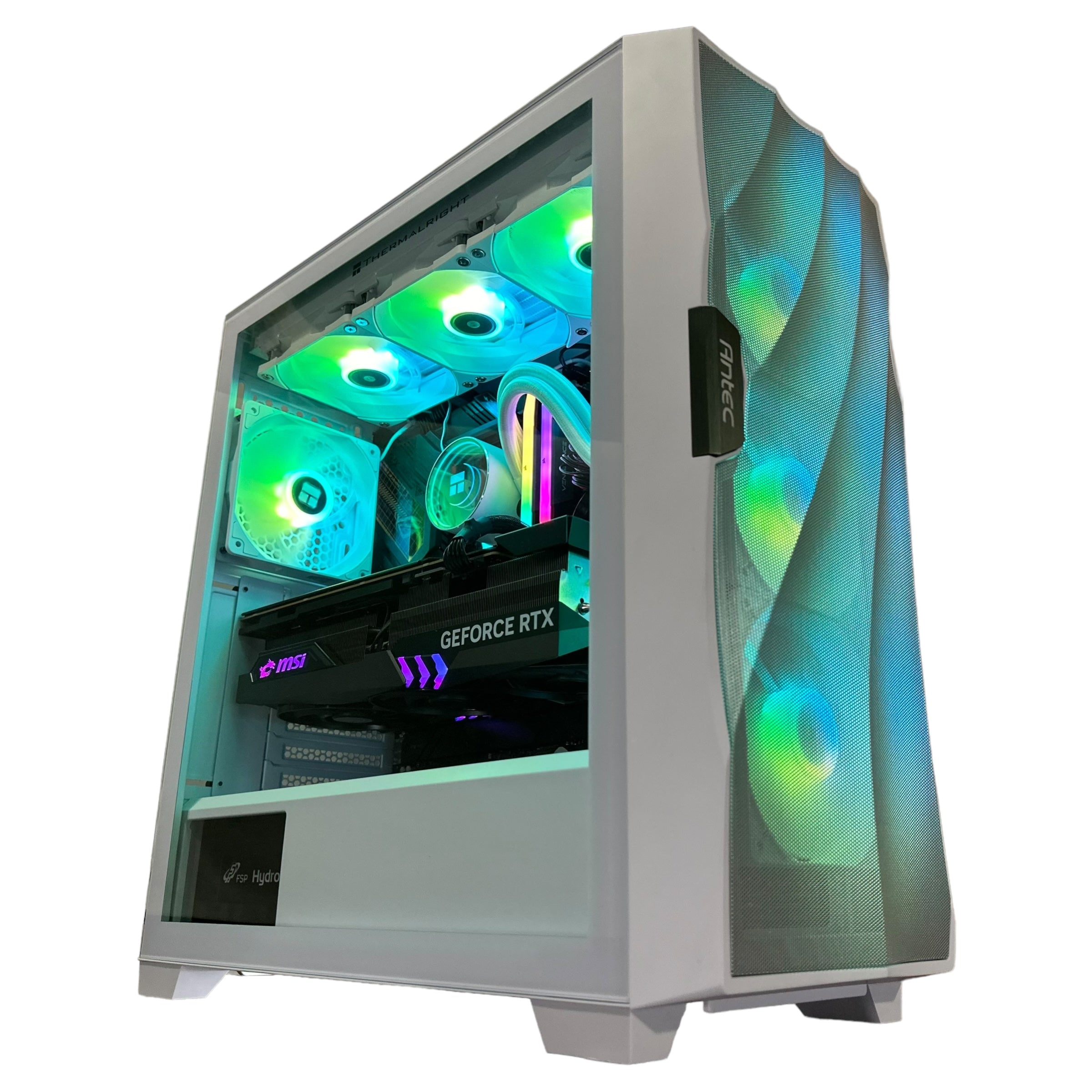
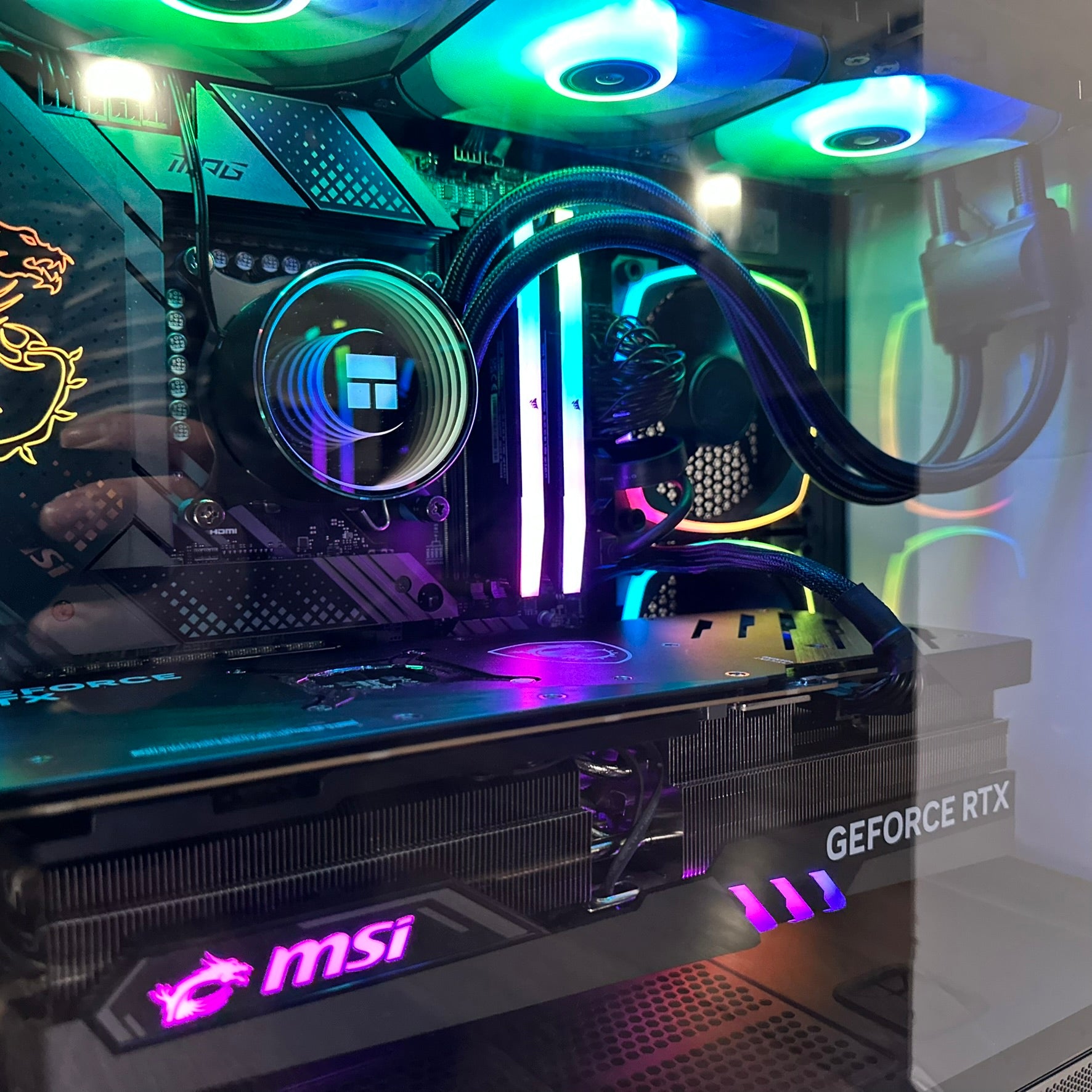
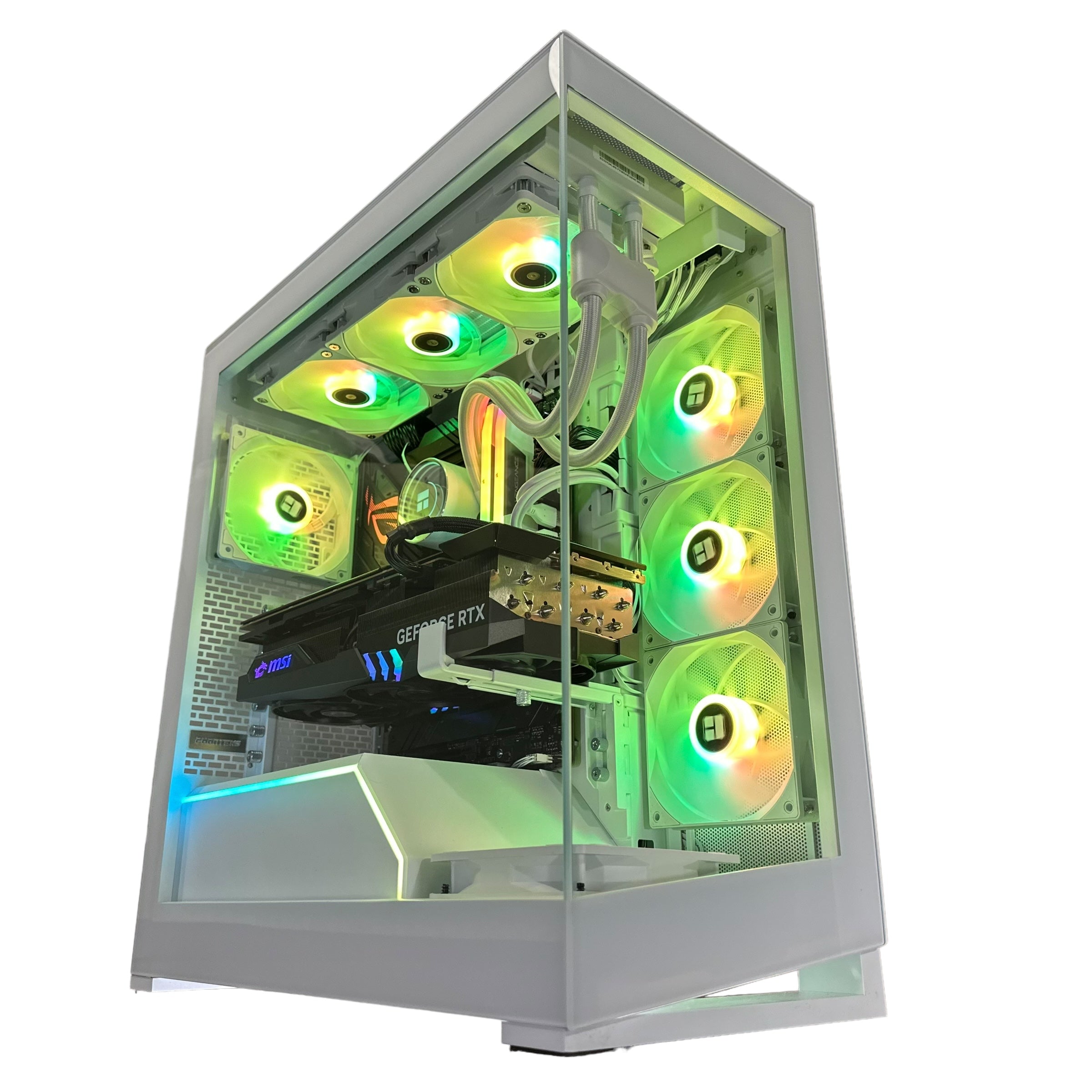
A proper custom system is not just about performance today. It is about making sure the parts actually belong together, the airflow makes sense, the power supply is appropriate, the memory is suitable, the storage setup is practical, and the PC has a real future upgrade path.
That is why buyers looking for a custom gaming PC Canada solution should care about build quality and testing, not just a spec list.
Why Groovy Computers is a strong fit for Canadian buyers right now
Groovy Computers is built around exactly the kind of purchase decision this article is really about: helping Canadian customers buy the right machine for real gaming, creator, and workstation needs without guesswork.
Whether you need a custom gaming rig, a streaming desktop, a video editing PC, a content creation machine, or a 3D workstation, the goal is the same: match the build to your workload so your money goes toward performance that actually matters.
That includes the things serious buyers should care about:
- Custom build logic instead of one-size-fits-all configurations
- Rigorous testing before systems go out
- Practical upgrade paths
- Canada-wide support confidence
- A 1-year warranty for added peace of mind
- Financing options that can help you step up to a better build
If you are in Nova Scotia, Atlantic Canada, or ordering from elsewhere in the country, that trust factor matters. A PC is not a throwaway buy. It is a performance tool, an entertainment hub, and for many customers, part of their work setup too.
What questions should you ask yourself before buying your next PC?
- What games or software will I actually use in the next 12 to 24 months?
- Do I want 1080p, 1440p, or 4K performance?
- Will I be streaming, recording, or editing too?
- Do I want ray tracing, or do I care more about pure FPS value?
- How soon do I want to avoid upgrading again?
- Would a better CPU, more RAM, or a stronger GPU save me frustration immediately?
- Am I buying before a major release, school term, or creative workload increase?
- Would financing a stronger build now be smarter than replacing a cheaper one earlier?
Those are the right questions because they turn hype into buying clarity.
So, what should you do if the Resident Evil reboot hype has you thinking about your setup?
Use the moment properly. If the reboot reminds you that you want darker, more cinematic gaming experiences, better streaming quality, faster editing, or a PC that feels ready for what is next, then do not just browse aimlessly. Decide what category you are actually shopping in.
Are you after a value-first gaming desktop? A 1440p sweet-spot machine? A high-end ray tracing build? A gaming-and-streaming hybrid? A creator desktop for editing and design? A workstation for 3D rendering?
If you are asking those questions now, that is a sign you are ready for a more intentional purchase.
What do you want your next PC to handle without compromise? If you want help matching your budget to the right gaming, creator, or workstation category, visit GroovyComputers.ca and start with a custom build that actually fits how you play, create, and work.
In the end, the Resident Evil reboot headline is not just entertainment chatter. It is another reminder that modern gaming culture moves fast, visual expectations keep rising, and underpowered systems become frustrating sooner than many buyers expect. For Canadian shoppers who want better performance, stronger longevity, and the option to finance a smarter build before costs change again, this is the right time to look seriously at Groovy Computers.
#ResidentEvilReboot #GamingPCCanada #CustomGamingPCCanada #CreatorPCCanada #StreamingPCCanada #VideoEditingPCCanada #3DRenderingPCCanada #GamingPCFinancingCanada #CanadianCustomPCBuilders #GroovyComputers
Groovy Computers | All Rights Reserved


Leave a comment
This site is protected by hCaptcha and the hCaptcha Privacy Policy and Terms of Service apply.