




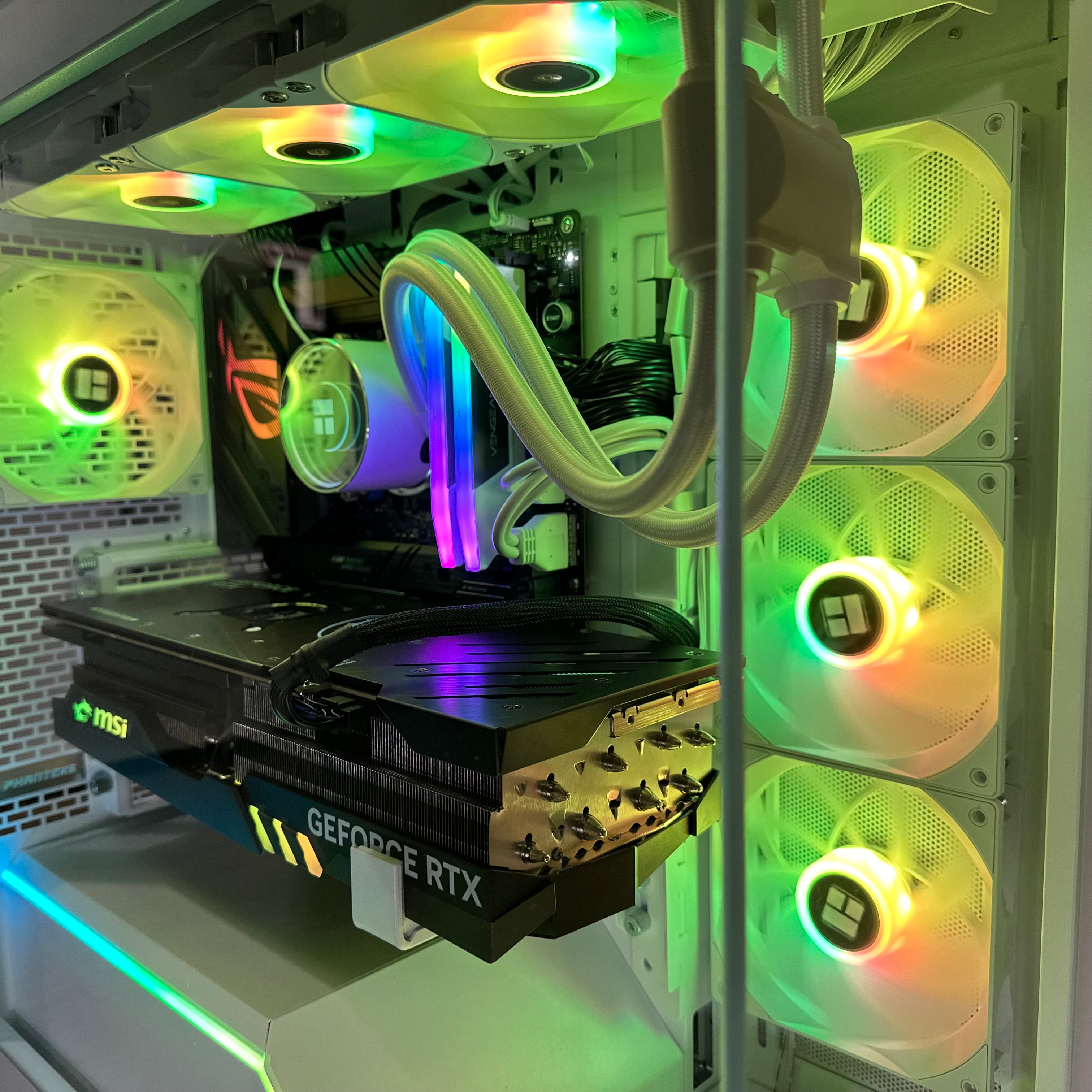
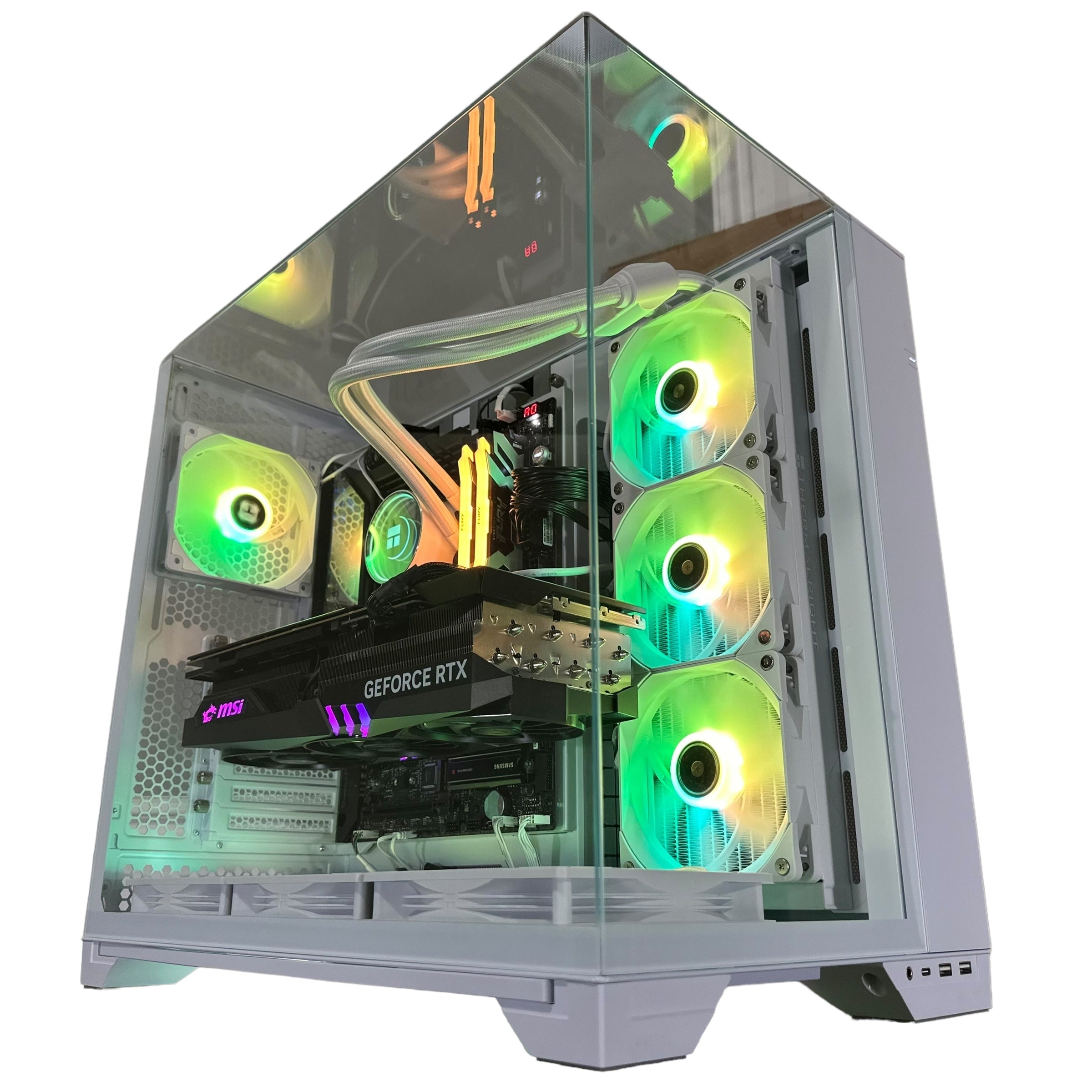
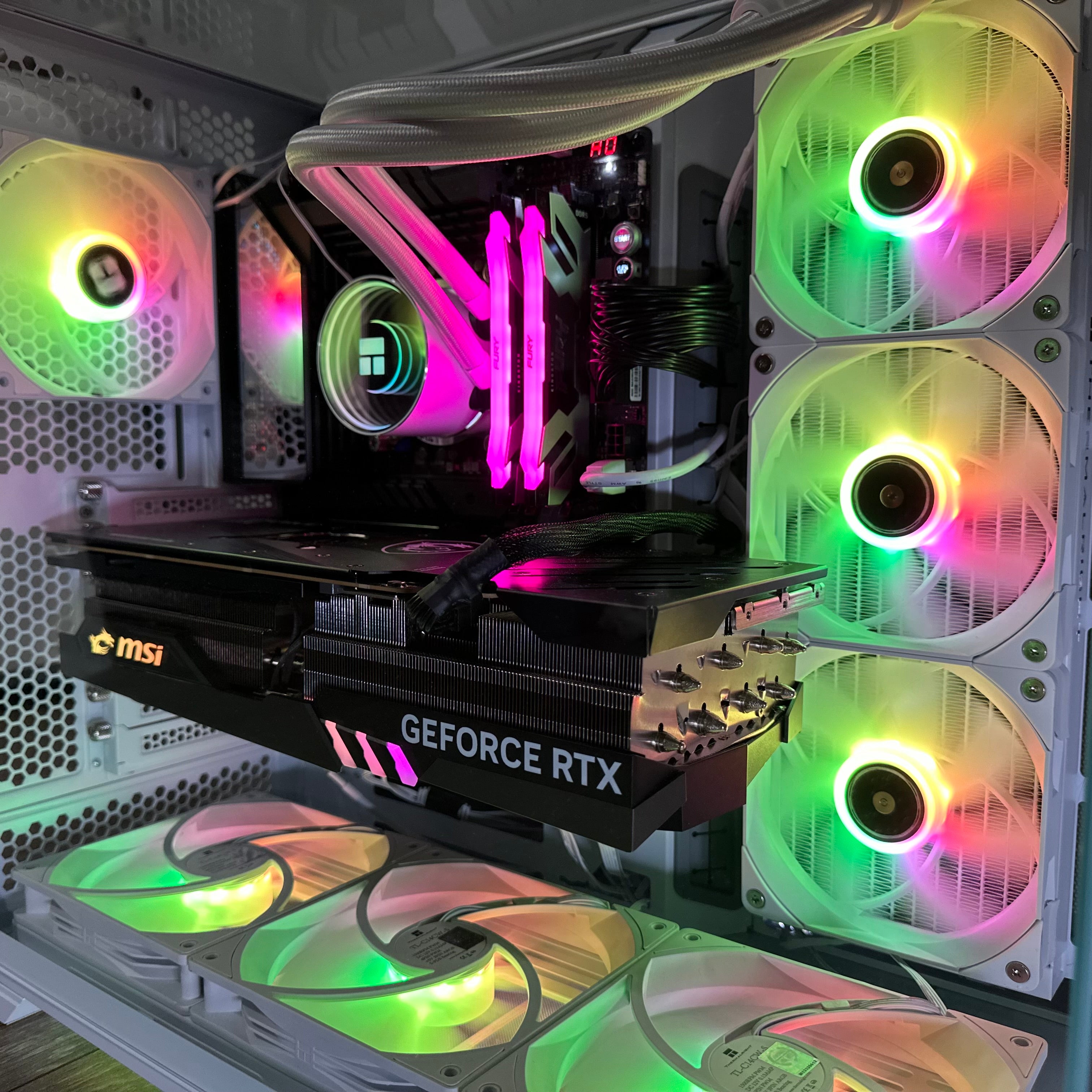

Forza Horizon 6 Car Pack News and Your Next Gaming PC in Canada: What Kind of System Do You Really Need?
The latest Forza Horizon 6 update has added a rare talking point for racing fans: the 1990 Alfa Romeo SE 048SP, a dramatic prototype blending Alfa Romeo styling with Ferrari power. On the surface, that is car-pack news. But for Canadian PC buyers, it also raises a bigger question: if open-world racing games keep expanding in visual detail, world density, lighting effects, and car roster fidelity, what kind of gaming PC in Canada should you be buying now so you are not shopping again too soon?
That is where this story becomes more than a quick headline. A new car pack is a reminder of how racing games keep evolving beyond simple driving experiences. They are now technical showcases for high refresh gameplay, wide-open environments, advanced shadows, ray tracing features, texture streaming, fast SSD performance, and stronger GPUs. If you are thinking about playing Forza-style games, streaming them, editing gameplay clips, or building a creator setup around them, this is exactly the kind of moment where a custom PC decision matters.
At Groovy Computers, we look at gaming news through a practical Canadian buying lens. Not just “what was announced,” but “what should a real customer do next?” Are you still gaming at 1080p and happy with it? Are you trying to move into 1440p with smoother frame rates? Are you planning for 4K, ray tracing, ultrawide racing, triple-monitor immersion, or content creation on the same machine? And if hardware pricing shifts again, would financing a stronger system now be the smarter move?
What the Forza Horizon 6 Alfa Romeo SE 048SP update tells us about modern racing games
The source update highlights the release of the Italian Passion Car Pack and puts the spotlight on the Alfa Romeo SE 048SP, a rare early-1990s Group C prototype that never officially raced. That kind of vehicle choice matters because it shows what modern racing games do best: they turn enthusiast history into interactive, high-detail experiences. Players are not just selecting cars anymore. They are stepping into recreated machines, curated automotive culture, and increasingly demanding game worlds.
Why does that matter for PC buyers? Because games like Forza are no longer light workloads when you want them to look and feel their best. The better the textures, reflections, weather, world streaming, crowd density, foliage, and lighting, the more important balanced hardware becomes. Racing games also expose weak systems quickly. You notice poor 1% lows, inconsistent frame pacing, slow storage, and VRAM limitations right away when speed is the whole experience.
If you love racing games, ask yourself something simple: do you want your next PC to merely launch the game, or do you want it to deliver the kind of smooth, responsive, visually impressive experience that actually makes a new content drop exciting?
Why Canadian buyers should think beyond the game news itself
For Canadian customers, every hardware trend has a second layer: availability, landed cost, shipping, replacement value, and timing. A game update can trigger renewed interest in a franchise. Renewed interest can push more buyers toward GPU upgrades. That demand does not always show up instantly, but it can contribute to pressure across key parts categories, especially when new games, seasonal buying windows, and creator workloads all overlap.
This is why a buyer in Canada should think differently than someone casually reading game news. It is not only about whether Forza Horizon 6 added an interesting car. It is about whether your current PC is already close to its limits. If it is, waiting until your favourite release window, holiday sale period, or major expansion launch may leave you buying under worse conditions.
Are you hoping prices drop later? Maybe. But are you also risking buying later when a stronger GPU, more RAM, or a larger SSD costs more than it does now? That is the question many shoppers ignore until they are forced into an upgrade.
What do you want your next PC to do for you?
This is the most important question in the entire buying process, and it should be answered before you compare model numbers.
Do you want a PC that handles Forza Horizon 6 and other new games at 1080p with strong value? Do you want to move into 1440p high settings and keep frame rates smooth on a high refresh display? Do you want 4K visuals, ray tracing, and room for future AAA releases? Or are you trying to build one machine that can game, stream, record, edit, design thumbnails, and manage creative workloads without compromise?
Maybe your goals are not purely gaming. Maybe you also work in Adobe Photoshop, Lightroom, Premiere Pro, DaVinci Resolve, Illustrator, Blender, Unreal Engine, or CAD software. Maybe your “gaming PC” is actually becoming a creator PC or a workstation. If that sounds familiar, a generic off-the-shelf system often stops making sense fast.
A better question might be this: do you want your next desktop to solve today’s gaming needs only, or do you want it to cover gaming, content creation, and heavier software demands for years instead of months?
What PC do you need for Forza Horizon 6, open-world racing, and new AAA games?
If your main focus is modern racing games and other current releases, the right answer depends on your target resolution, refresh rate, and visual expectations.
Entry-level and budget-focused gaming
If your goal is straightforward 1080p gaming with good settings and strong value, a budget-oriented build can still make sense. This is the right tier for players using standard monitors, students, first-time desktop buyers, or anyone who wants smooth gameplay without overspending.
But here is the real question: are you buying for the games you play today, or the games you expect to play over the next two to three years? A very low-end build may save money upfront, but it can force an early upgrade cycle if texture demands, VRAM needs, and CPU requirements rise faster than expected.
If you are nervous about replacing your system too soon, it may be smarter to step one tier higher instead of buying at the edge of minimum comfort.
Mainstream 1440p performance
For many players, this is the sweet spot. A well-balanced 1440p gaming desktop can deliver the combination most customers actually want: sharp visuals, high settings, stronger longevity, and smoother results in racing games, shooters, RPGs, and open-world titles.
If you are asking, what PC do I need for 1440p gaming?, the answer is usually a balanced build with a capable modern GPU, enough VRAM for newer titles, a strong current-generation CPU, fast SSD storage, and enough RAM to avoid background slowdowns while gaming, chatting, browsing, and recording.
This tier also makes sense if you are considering a second use case such as light streaming or editing clips for YouTube, TikTok, or Instagram.
Premium 4K and ray tracing gaming
If your target is 4K, ultra settings, heavy visual features, and stronger future-readiness, that pushes you into premium territory. This is where the difference between “can run it” and “runs it the way I want” becomes very expensive if you choose poorly.
Do you want to enjoy future racing games on a big high-resolution display with stronger texture quality, advanced effects, and room for updates? Do you want to avoid a second GPU purchase next year? Do you care about low-noise cooling, airflow, and sustained performance under long sessions? If yes, a custom high-end build is usually worth more than a shortcut purchase.
Should a Forza player also think about streaming and recording?
Absolutely, especially if your gaming habits are evolving. Racing content performs well because it is visual, shareable, and easy to clip. A lot of customers who start by saying, “I just want a gaming PC,” later realize they also want to stream races, record highlights, edit montages, or post car builds and event clips online.
So ask yourself: are you only playing, or are you planning to create around the games you play?
If you want a gaming and streaming PC in Canada, you need more than raw gaming power. You want hardware that can preserve in-game performance while encoding streams, handling OBS, managing browser sources, supporting voice chat, and dealing with background applications. A stronger GPU can help. A better CPU can matter depending on your workflow. More RAM may be necessary. Storage speed matters more than many buyers expect when recording high-bitrate footage.
If you think streaming is even a possible future step, it is often smarter to plan for it now instead of buying a machine that feels cramped the moment your hobby grows.
Could this news also matter to video editors and content creators?
Yes, because racing games are creator-friendly workloads. They generate footage that people want to edit, upload, colour, cut, remix, and publish quickly. If your interest in Forza Horizon 6 is partly about making content, then your system choice changes significantly.
A creator PC in Canada needs a different kind of balance than a pure gaming machine. Gaming performance still matters, but now export times, timeline playback, cache performance, memory headroom, and SSD capacity become much more important. If you use Premiere Pro, DaVinci Resolve, CapCut, Photoshop, or Lightroom, your build should be selected around both play and production.
What PC do you need for video editing if gaming is still part of the picture? Usually a system with a stronger CPU than a gaming-only buyer might choose, plenty of RAM, fast NVMe storage, a modern GPU for acceleration, and cooling that supports long rendering sessions. That is where custom building has a real advantage.
And if your projects are moving from 1080p to 4K, do you really want to buy a machine that already feels small on day one?
What if your “gaming PC” is really turning into a workstation?
Some buyers discover that a game release is simply what finally pushes them to replace a much older computer. They may start by researching a racing game, but what they really need is a desktop that can support work, school, editing, design, rendering, and gaming all together.
If that sounds like you, then the better question is not “What GPU gets me enough FPS?” It is “What workload mix am I actually trying to support?”
Do you use Photoshop and Illustrator for client work? Are you rendering in Blender? Do you need a 3D modeling PC in Canada that also games well at night? Are you working in Unreal Engine or editing marketing content for a business? Are you managing large photo libraries, AI tools, batch exports, or multiple high-resolution displays?
At that point, a custom workstation-oriented desktop may be the right answer, even if gaming was your starting point. The wrong PC can cost more over time through slower exports, longer renders, weaker multitasking, and earlier replacement pressure.
Which performance tier fits you best?
Many customers do not need help deciding whether they want a good PC. They need help deciding how much PC they actually need. This is where a clear performance tier approach helps.
- Tier 1: Budget gaming and everyday performance — Best for 1080p gaming, esports, older AAA titles, school use, and buyers who want strong value without creator-heavy workloads.
- Tier 2: Balanced mainstream gaming — Best for 1080p ultra or 1440p high settings, newer AAA games, better multitasking, and light streaming or editing.
- Tier 3: Enthusiast gaming and creator crossover — Best for 1440p high refresh, stronger AAA longevity, streaming, serious clip editing, larger game installs, and multi-use households.
- Tier 4: Premium gaming and content creation — Best for 4K gaming, ray tracing, advanced recording, heavier editing, creator workflows, and longer-term future-proofing.
- Tier 5: Workstation-class custom builds — Best for customers who need gaming plus demanding software such as Blender, Premiere Pro, Resolve, Unreal Engine, CAD, rendering, large RAW image sets, or business production workloads.
Where do you fit? If you are unsure, think about this: what is the heaviest thing you want your computer to do in the next 24 months, not just the next 24 days?
Is it better to buy a gaming PC now or wait?
This is one of the most common research-stage questions, and the honest answer depends on your current system, your upcoming plans, and your tolerance for risk.
If your PC already struggles with newer games, has limited storage, weak frame consistency, not enough memory, or an aging graphics card, waiting may not actually save you money. It may simply delay the purchase until you have fewer options and more urgency.
There are several reasons buyers end up paying more later:
- GPU demand pressure when more customers jump into upgrades around major releases
- Memory and SSD price volatility affecting full-system cost
- Software workload growth making yesterday’s “good enough” hardware feel old faster
- Forced replacement buying when a current system fails or becomes too frustrating to use
- Holiday or launch-period bottlenecks that compress decision time and reduce flexibility
So ask yourself: do you want to buy on your timeline, or on the market’s timeline?
Could financing help you secure a stronger build before replacement costs rise?
For many Canadian buyers, this is where the decision becomes practical. A system that is one step stronger may last much longer, feel better every day, and reduce the odds of an expensive near-term upgrade. The issue is usually not whether that stronger build is worth it. The issue is whether you want to pay for it all at once.
If you have been wondering, should I finance a better PC instead of buying a cheaper one?, that can be a smart question. Financing can make sense when it helps you move from a short-term compromise build into a more durable system that better matches your gaming, streaming, editing, or workstation needs.
At Groovy Computers, customers often look at this through a simple lens: if monthly payments let you buy the right machine once instead of buying the wrong machine and upgrading again too soon, is that the more affordable path in the long run?
That matters even more when stronger GPUs, more RAM, and larger SSDs are not just luxuries anymore, but practical requirements for the way modern games and creator software behave.
Why custom builds matter more when game demands keep rising
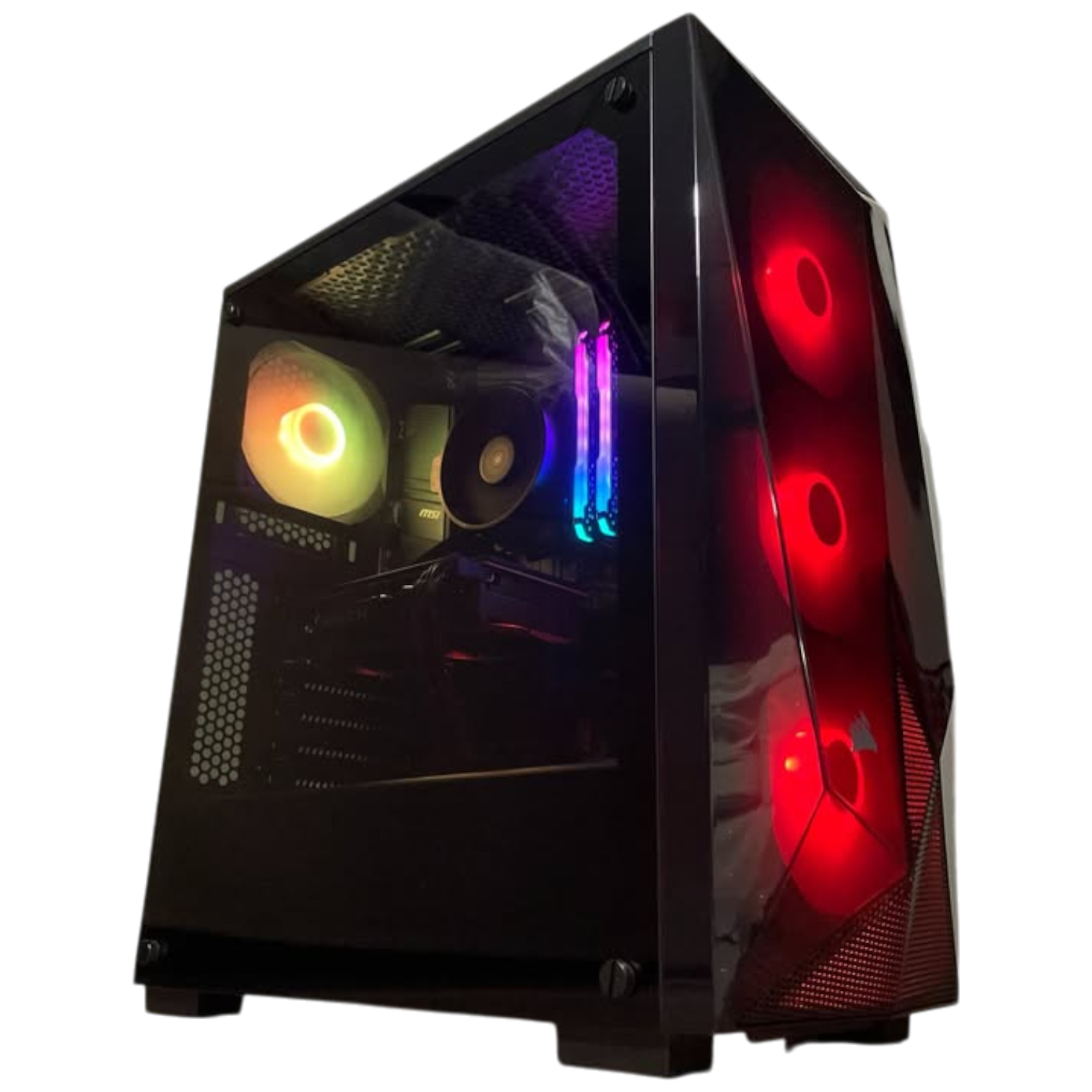
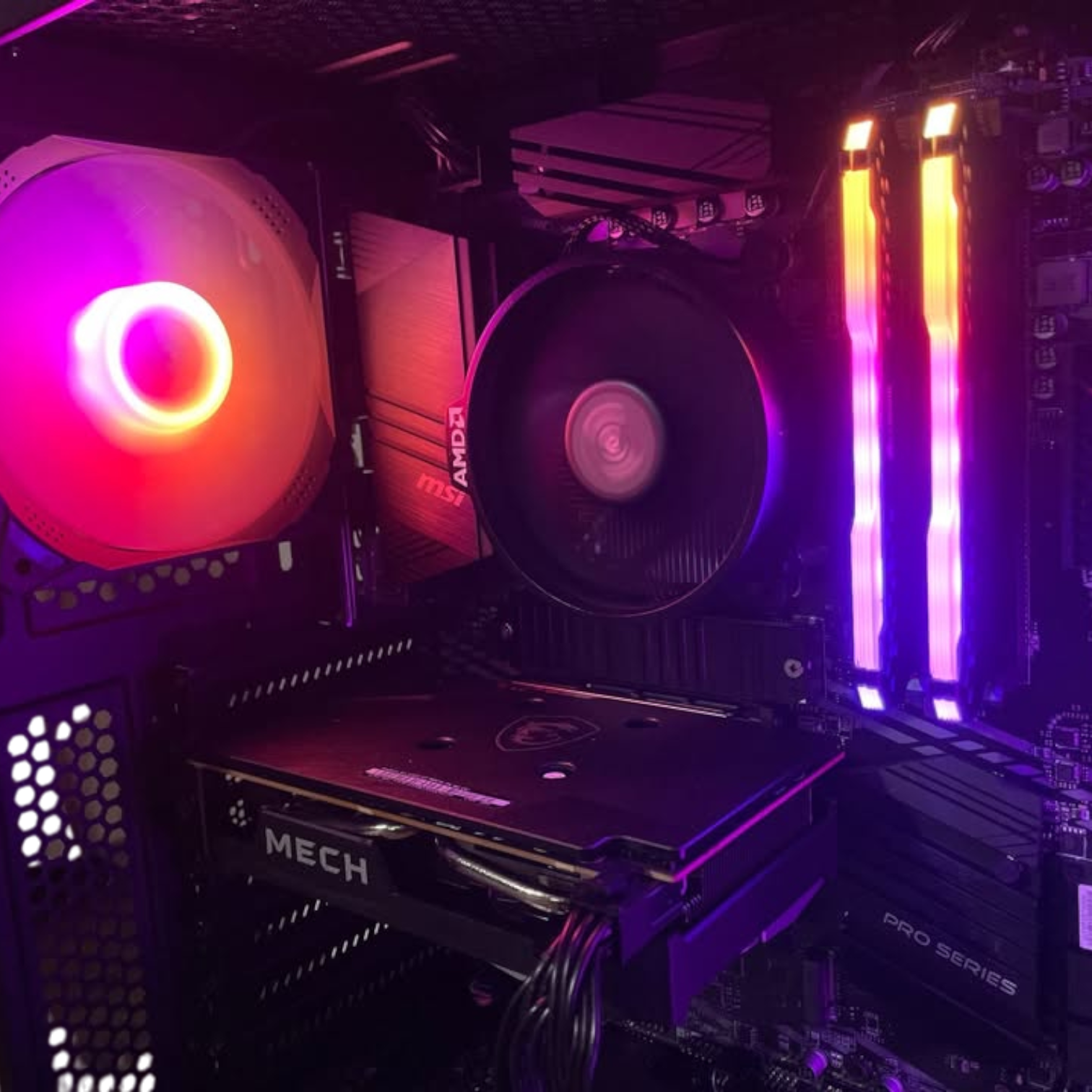
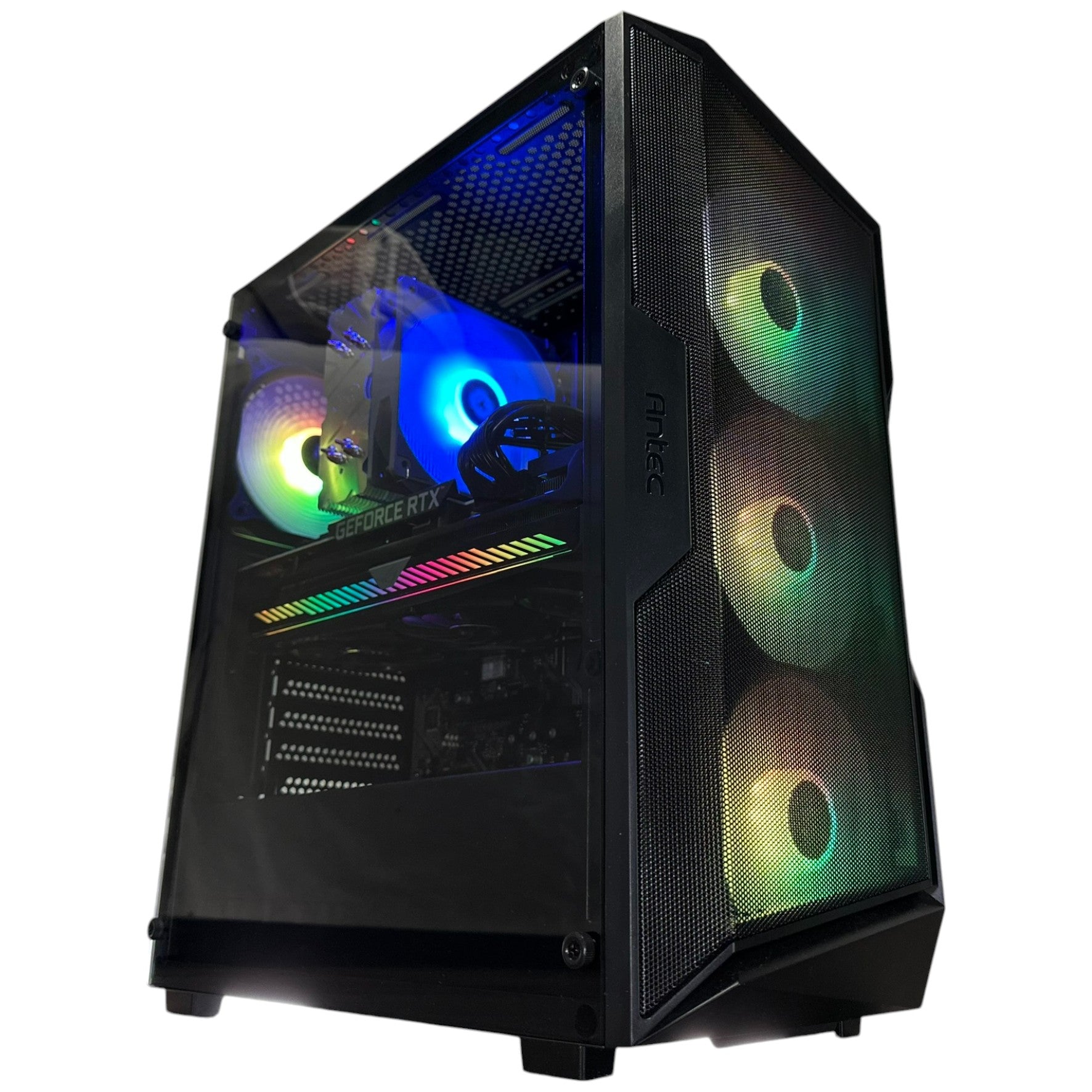
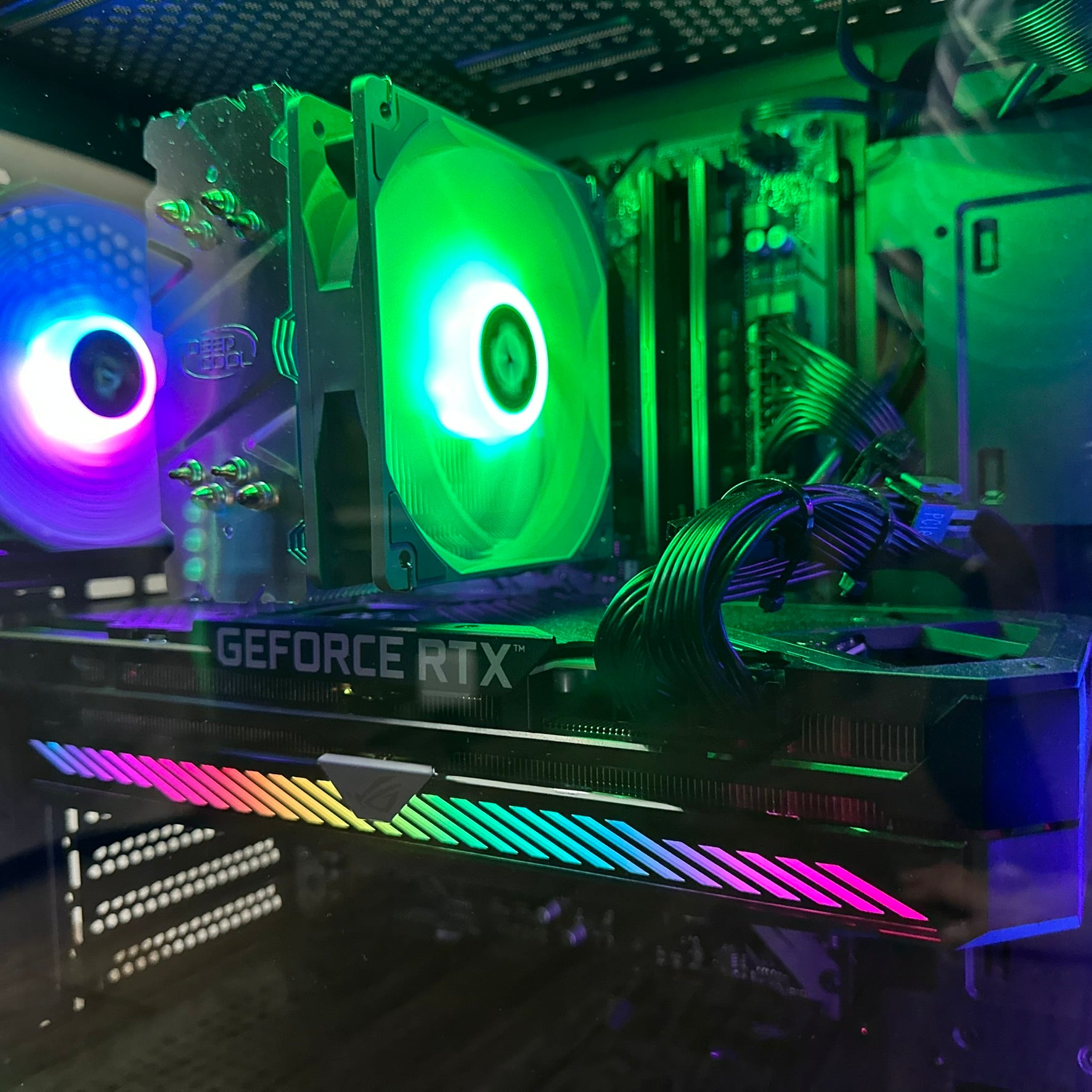
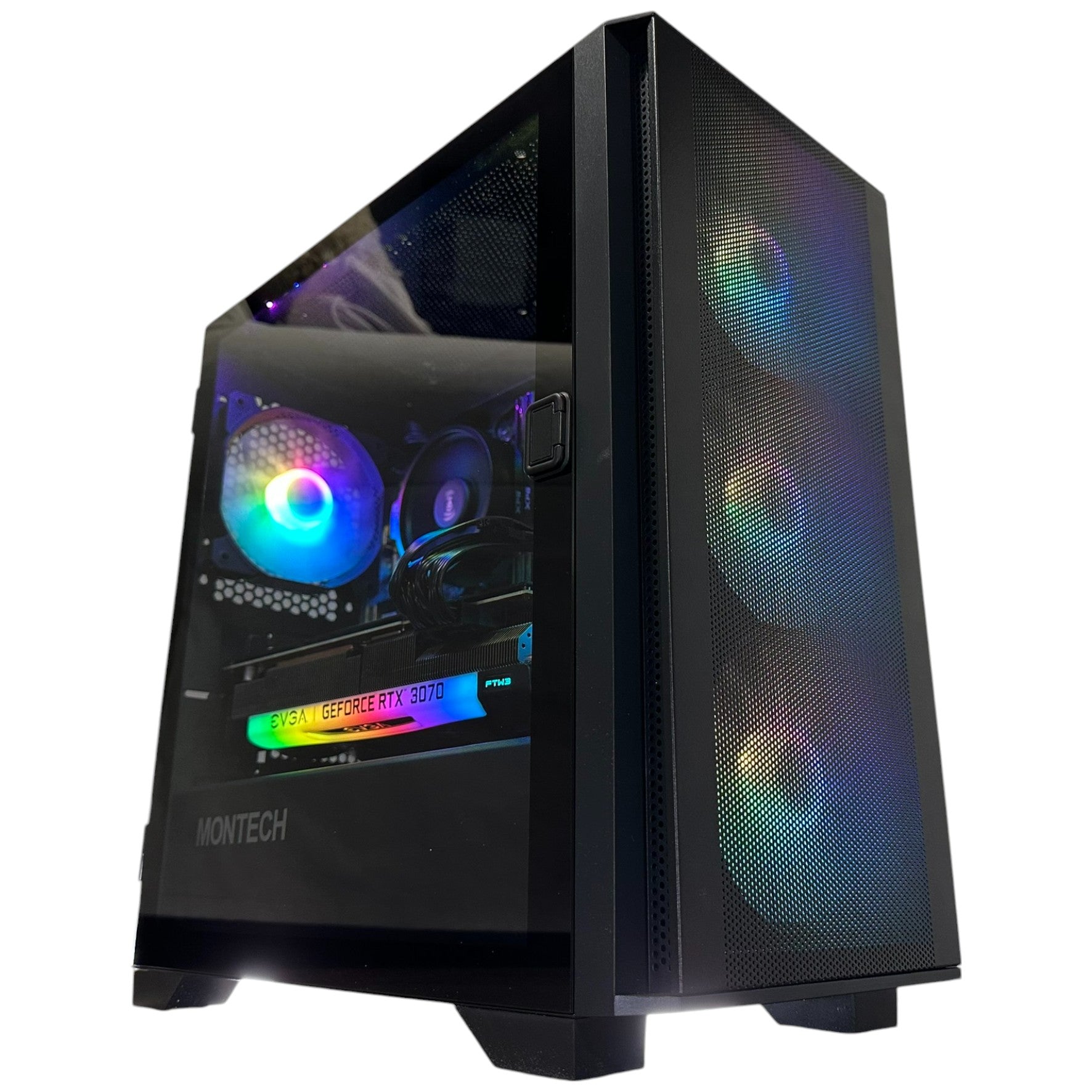
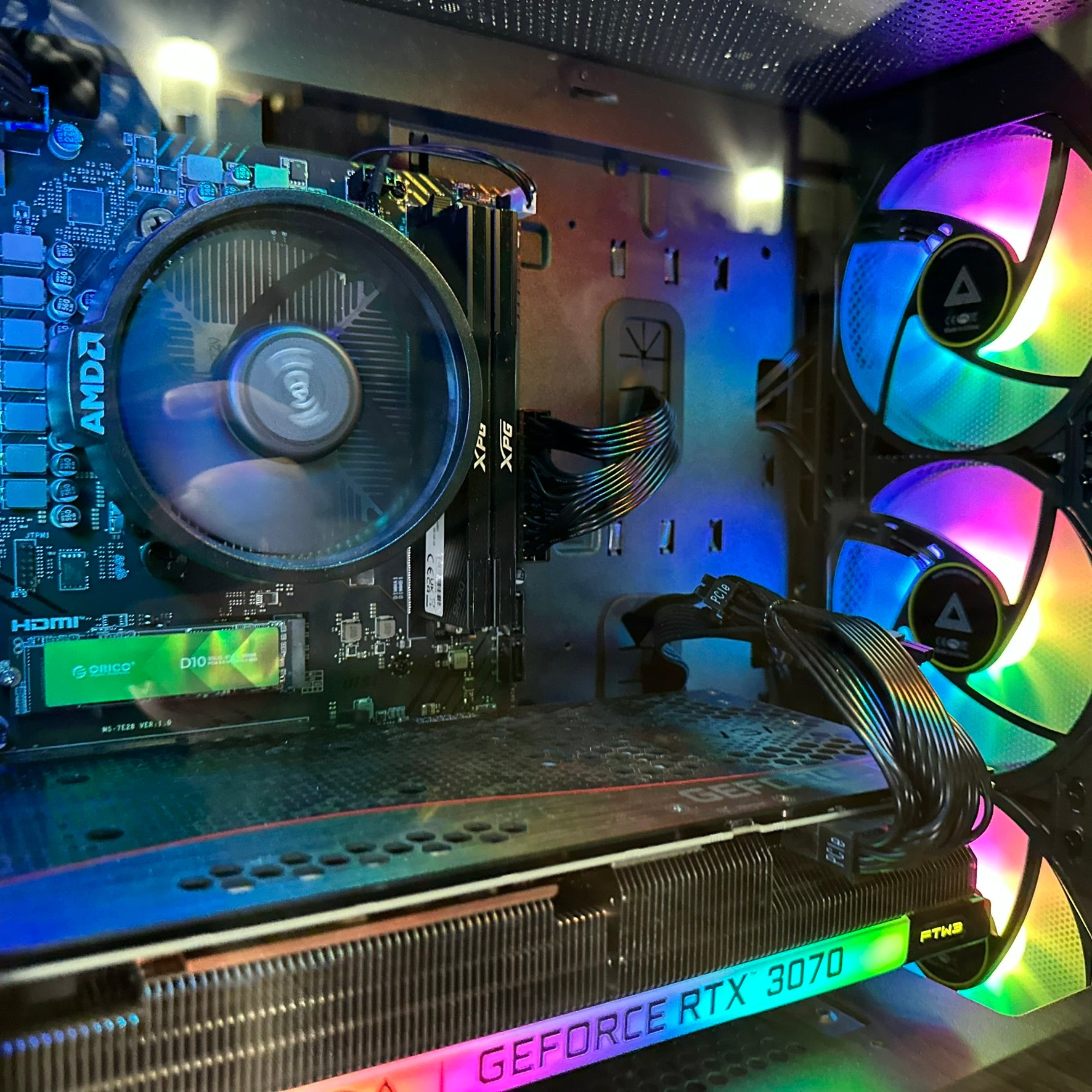
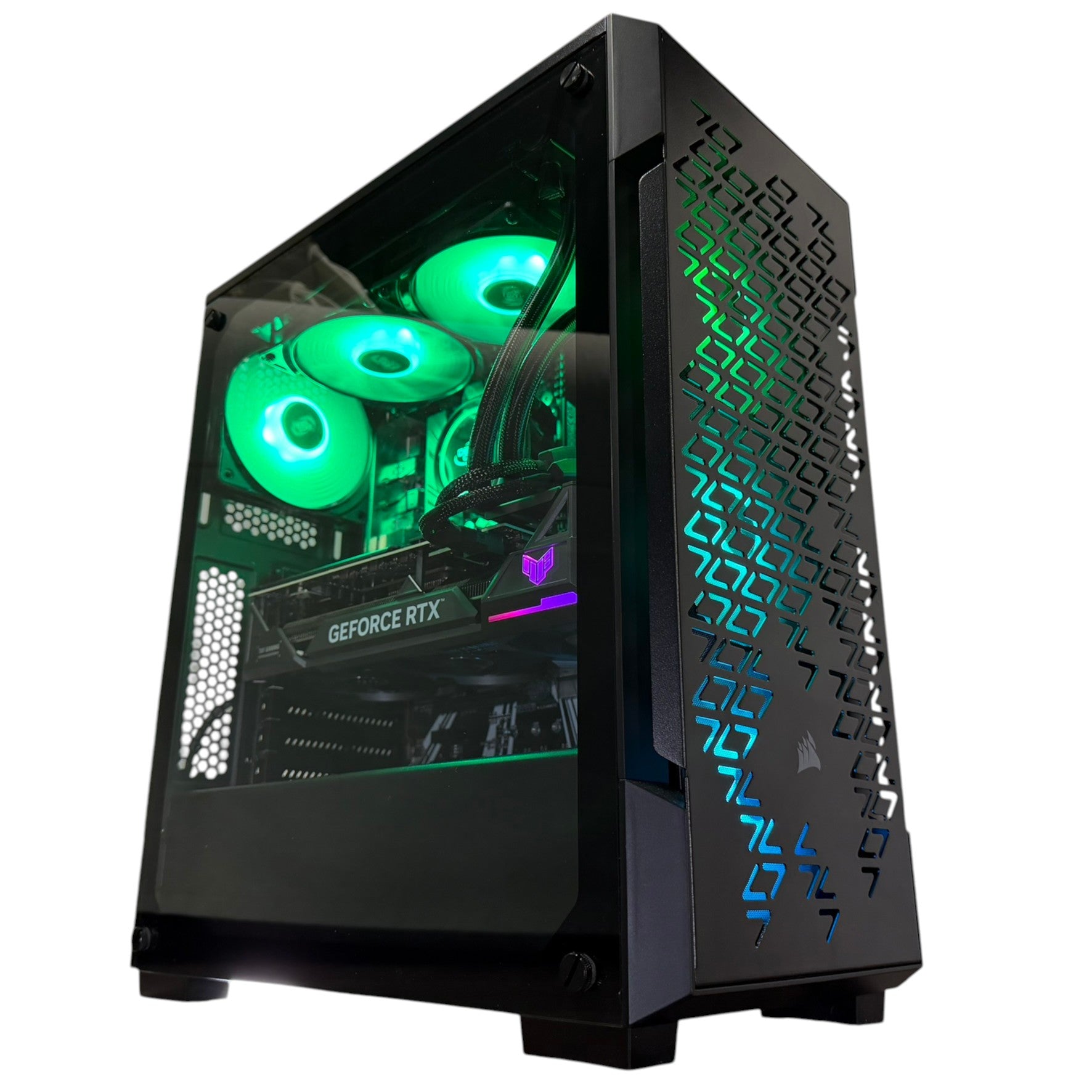
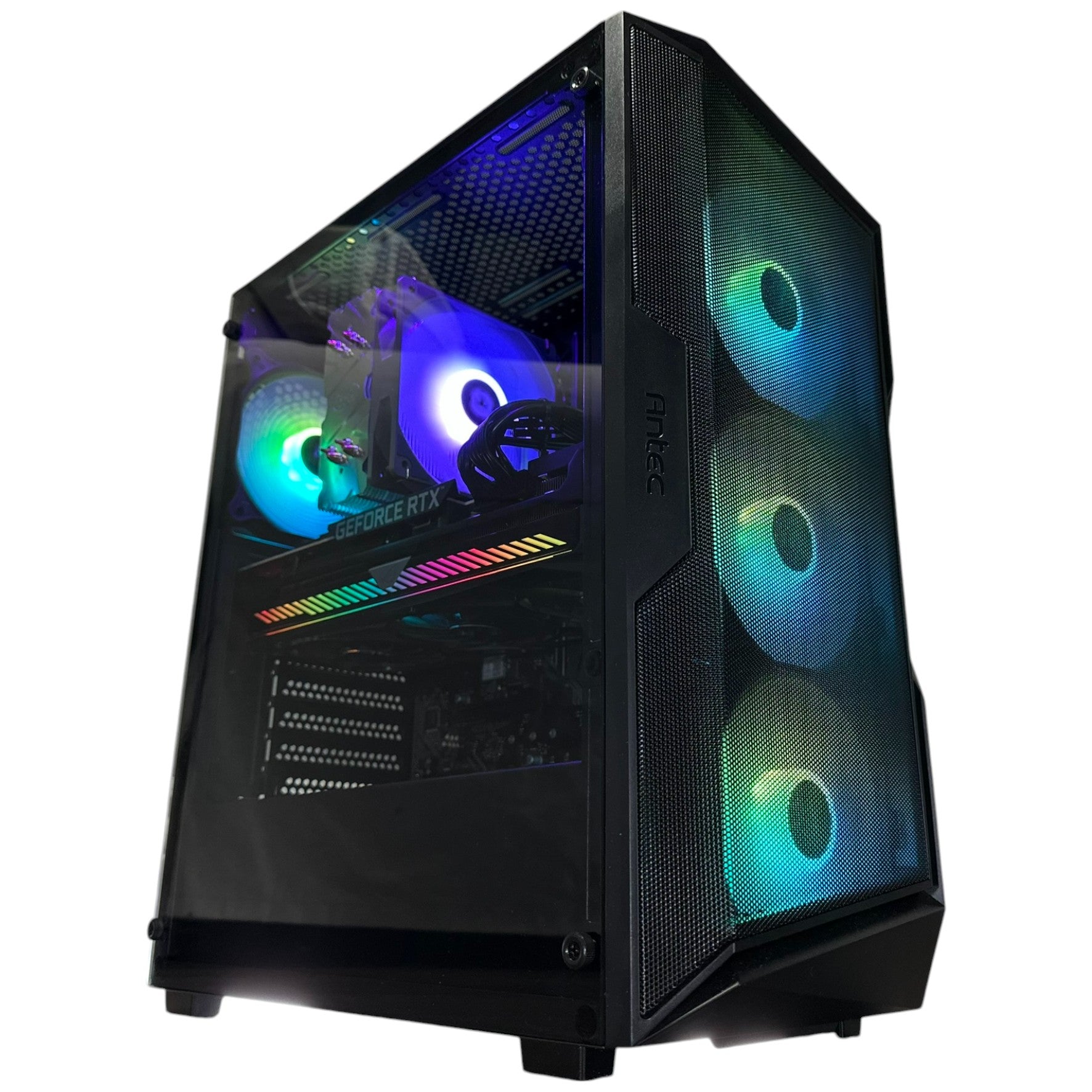
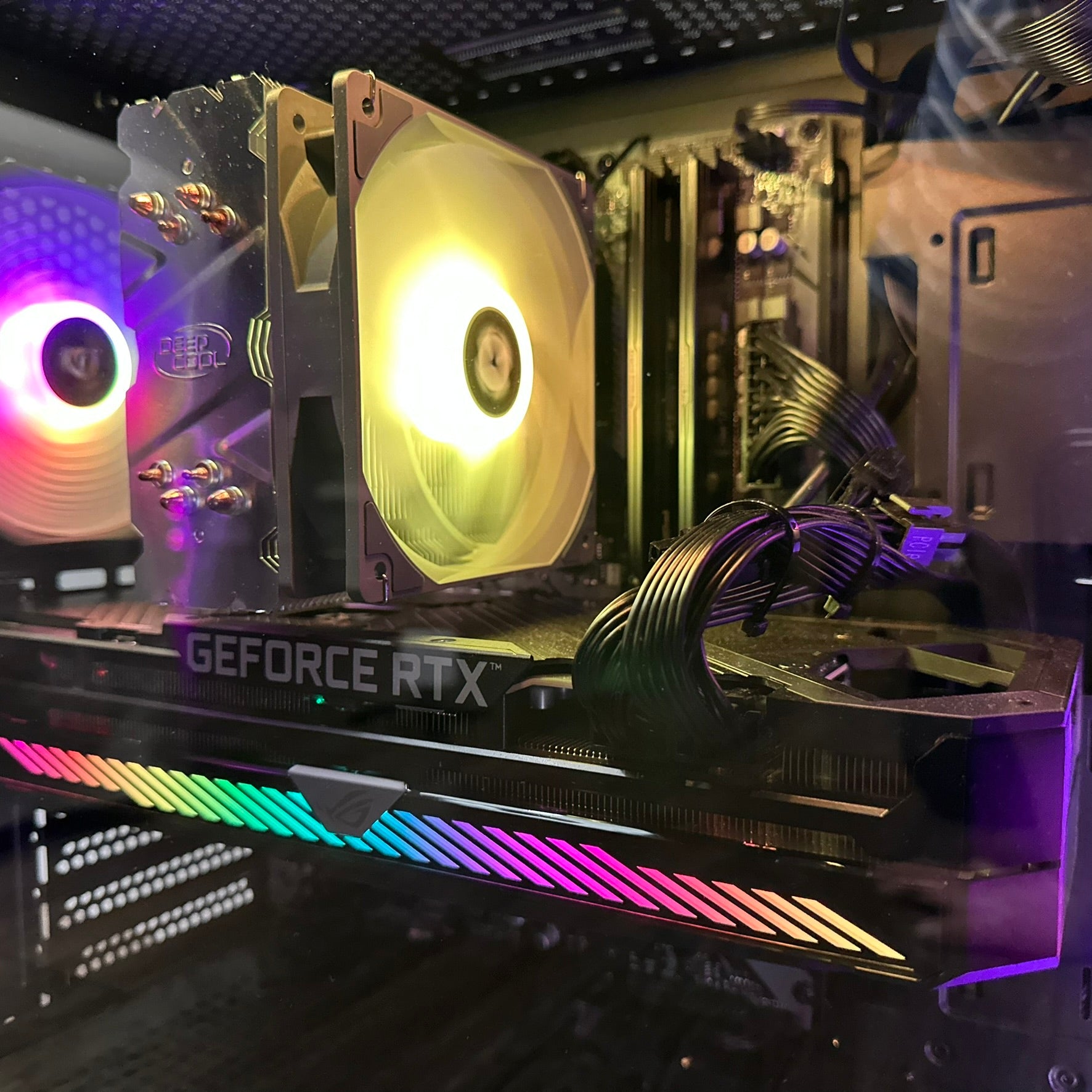
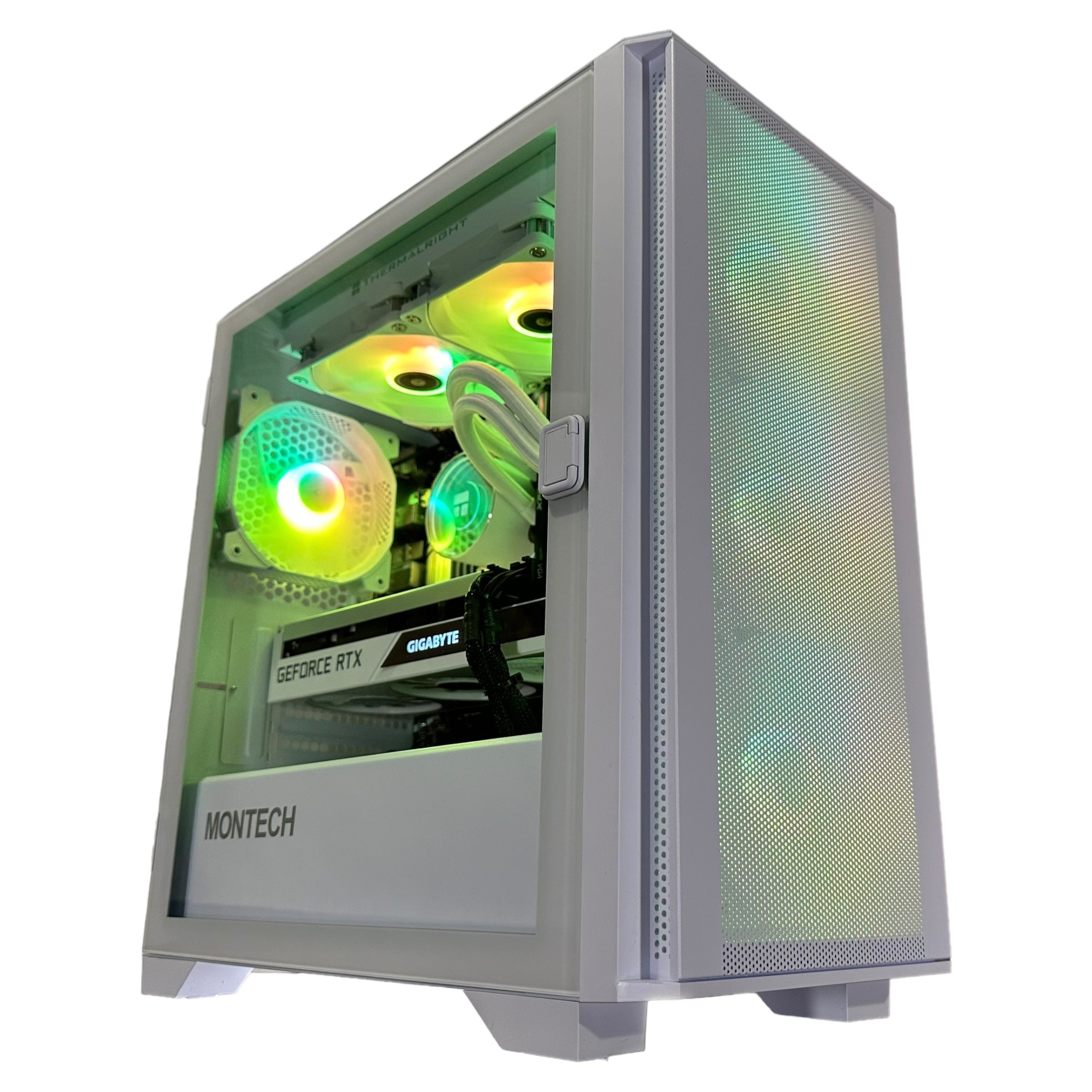
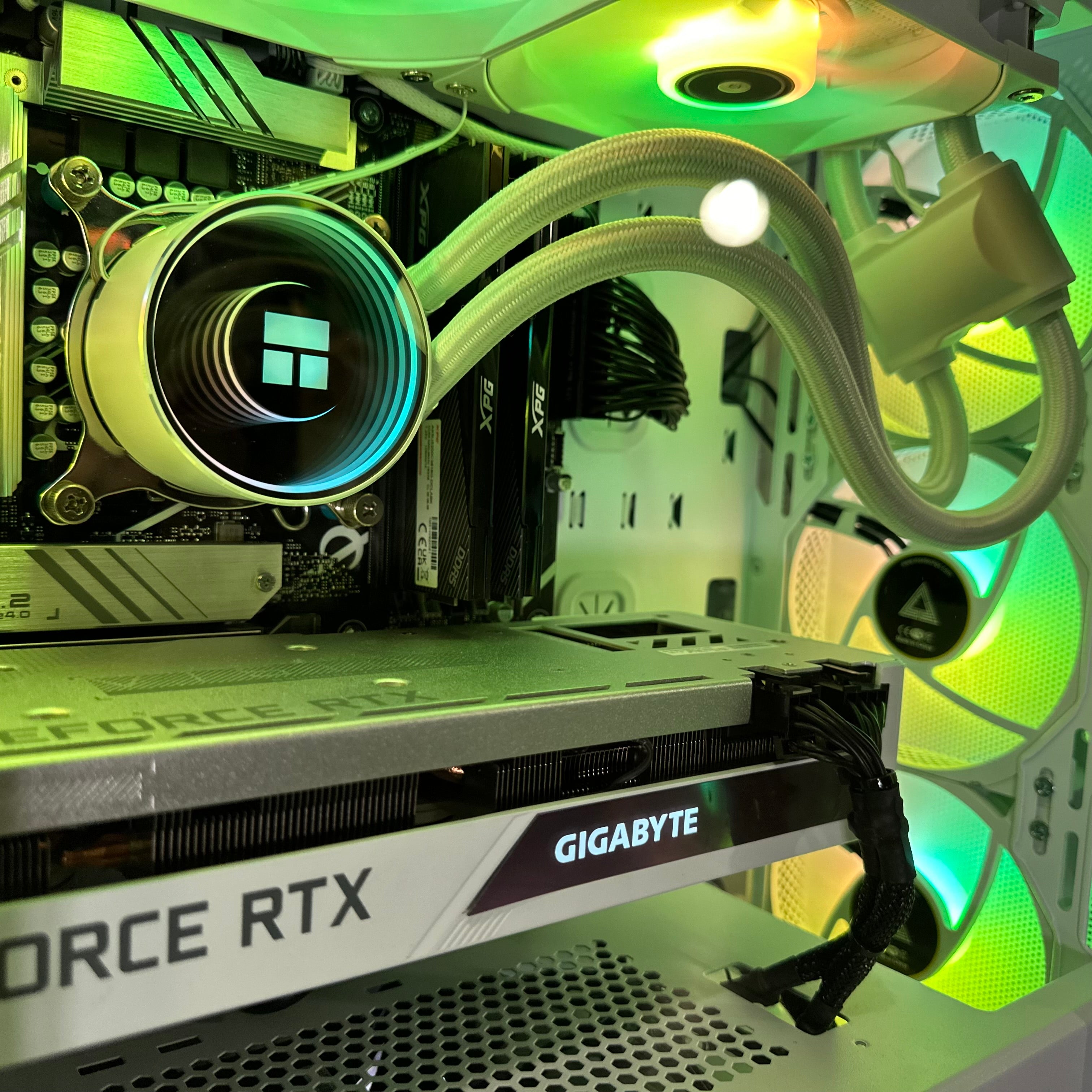
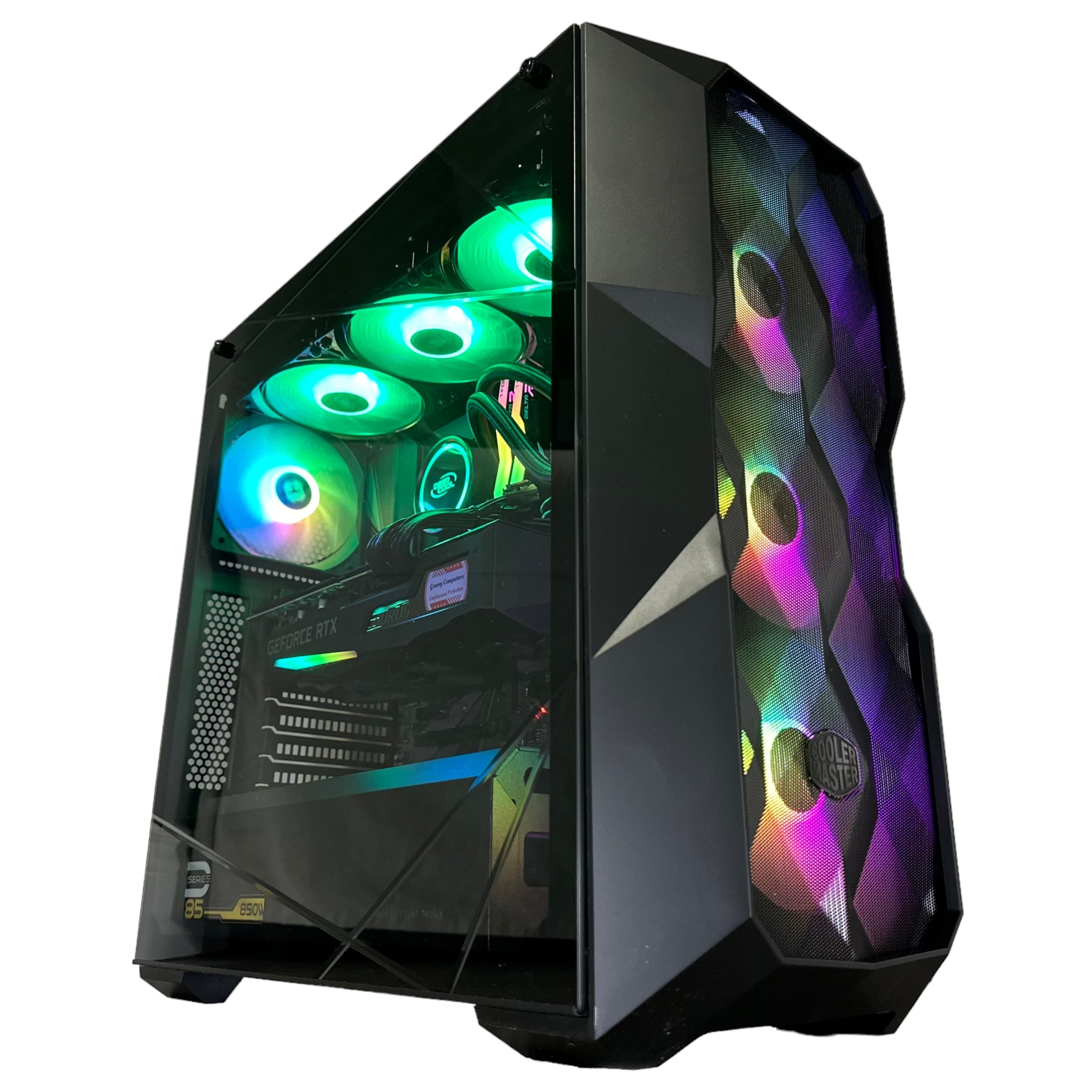
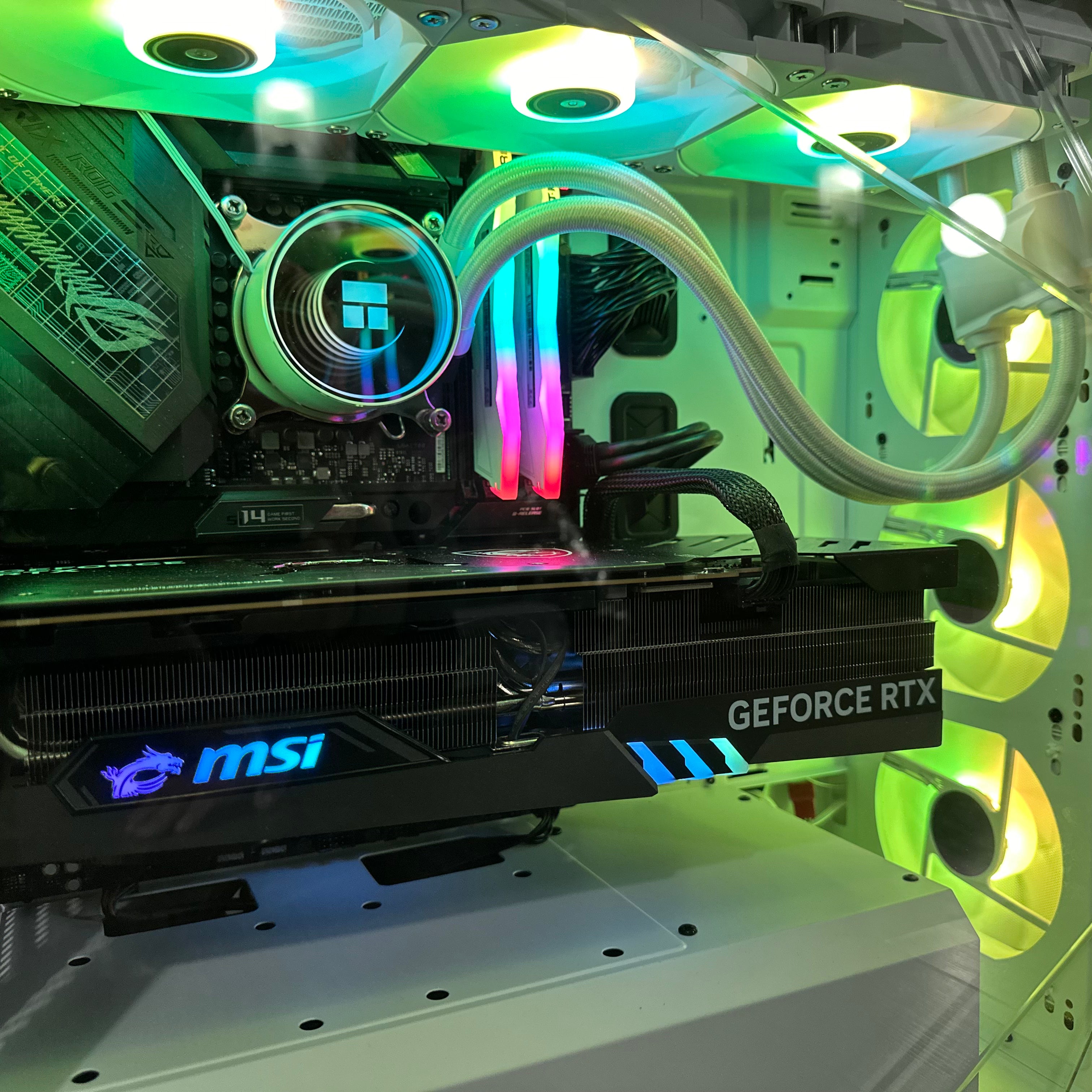
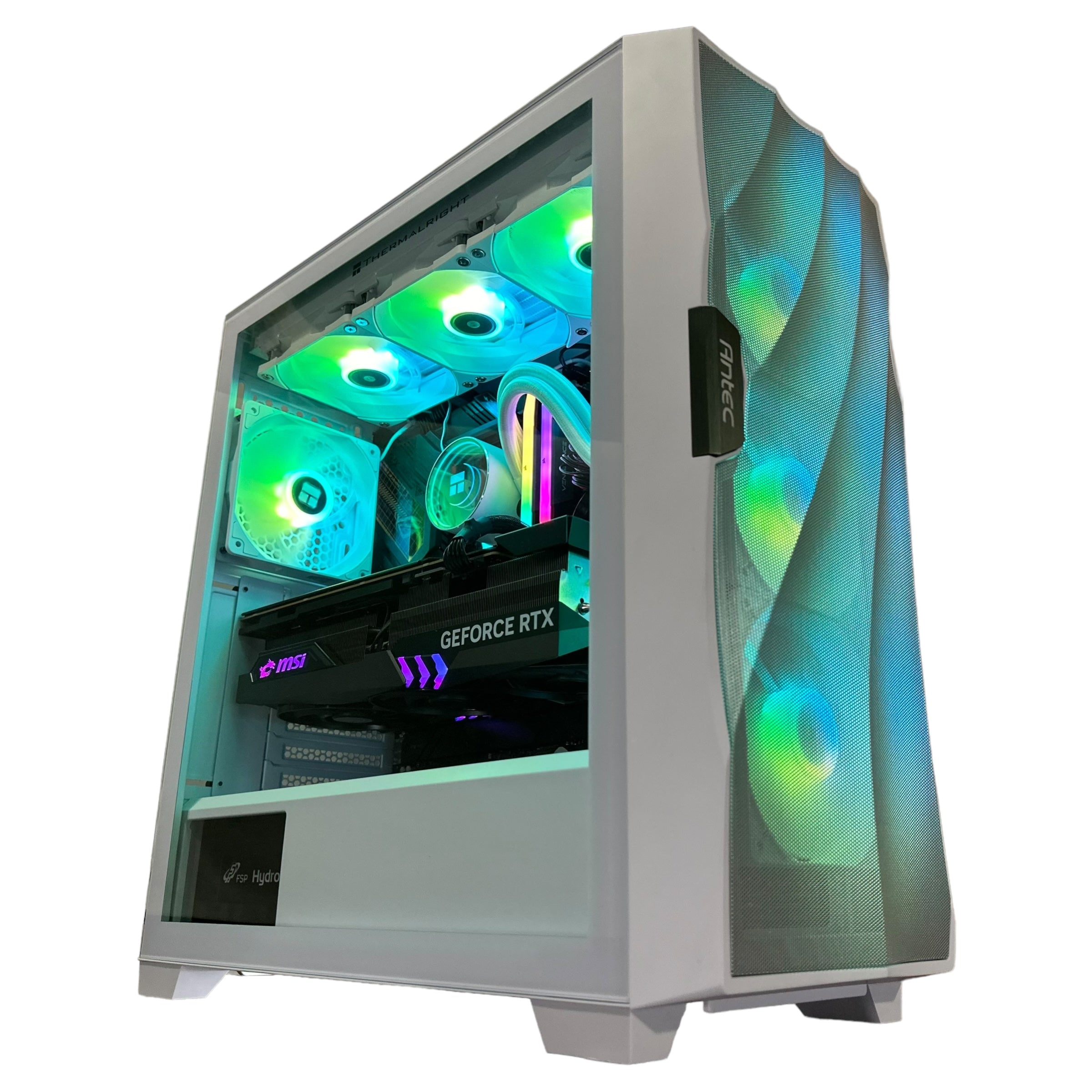
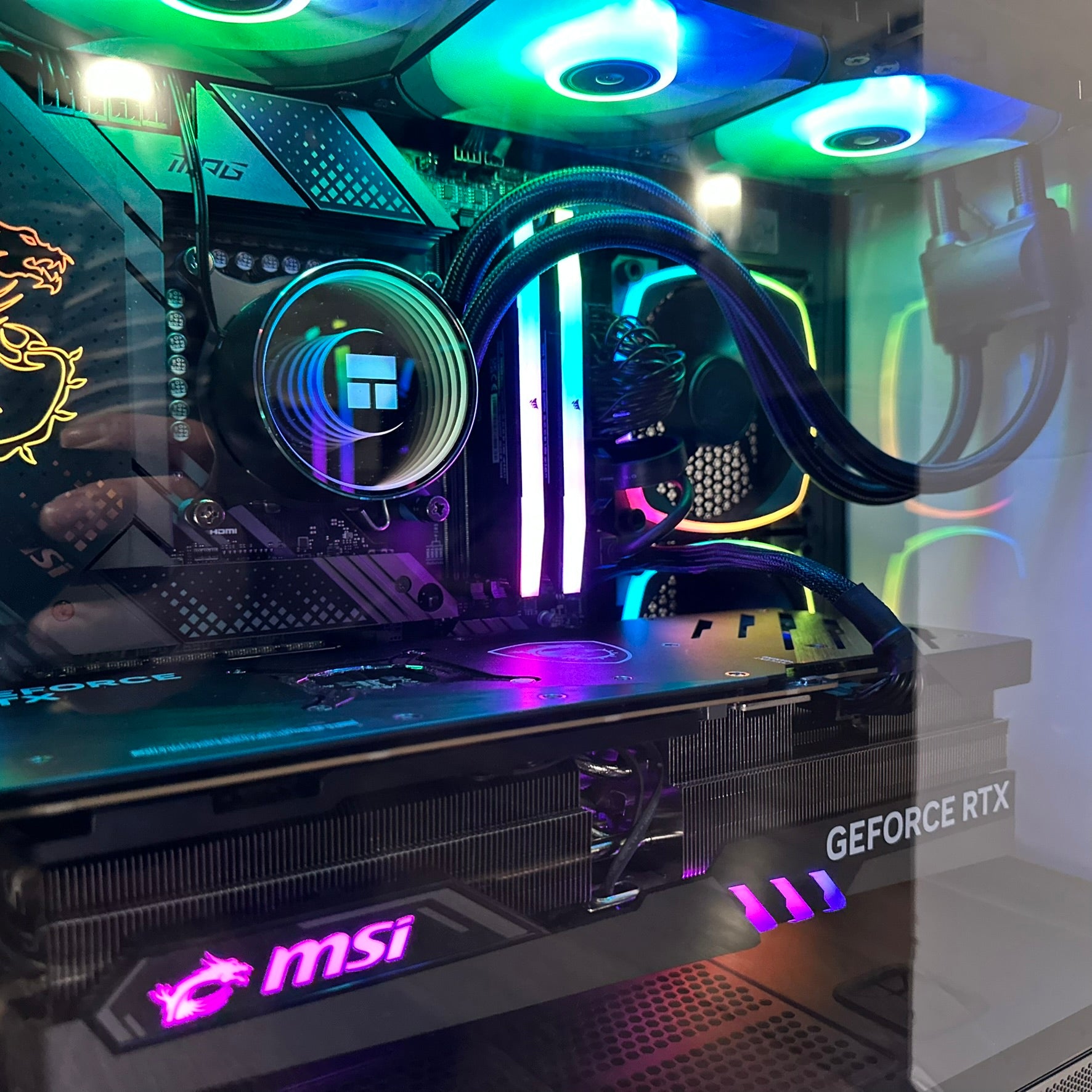
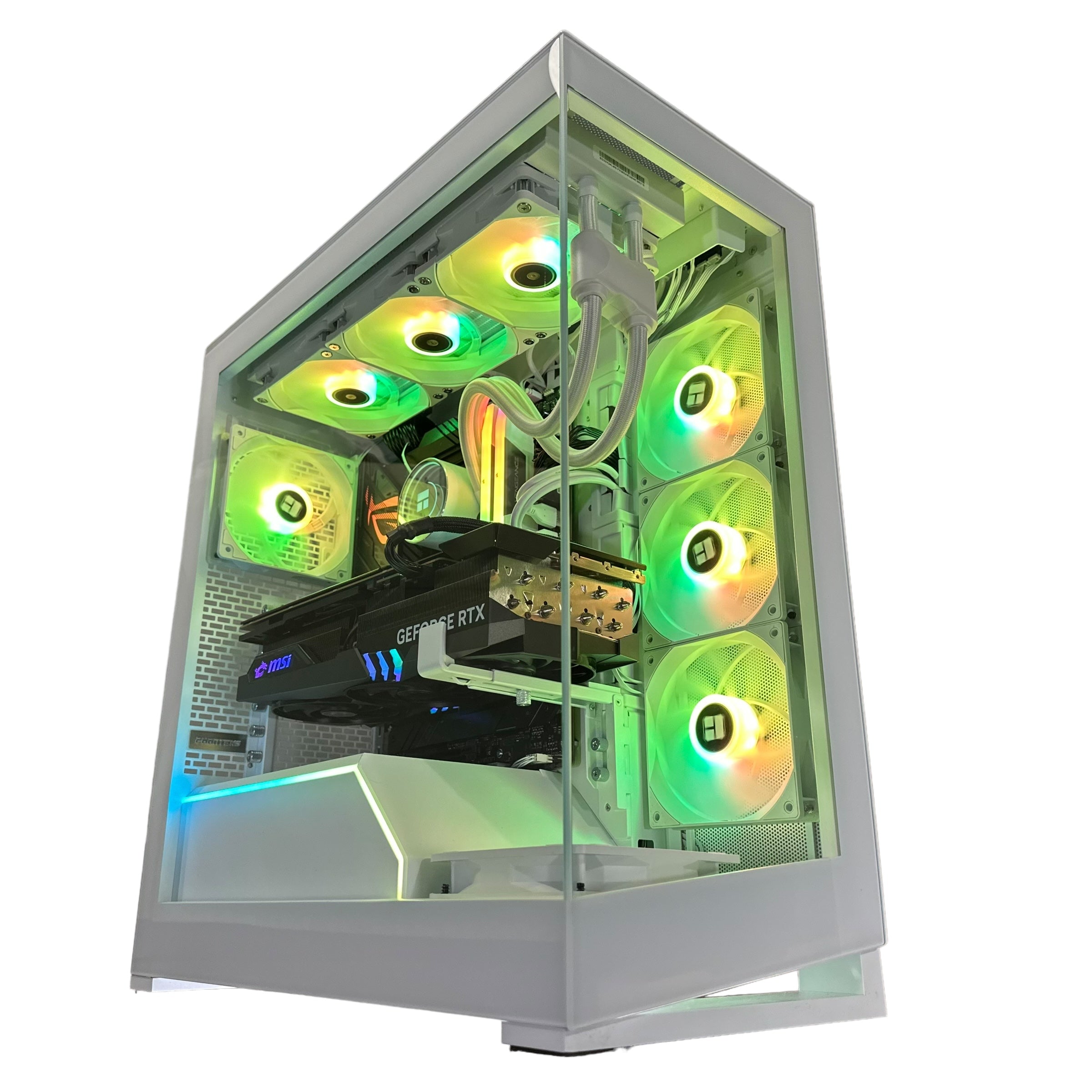
Generic systems often hide compromises in the exact areas that affect real-world use: motherboard quality, cooling, power supply quality, airflow, upgrade path, memory configuration, SSD size, and balance between CPU and GPU. A racing game may run, but that does not mean the machine is well chosen.
A custom gaming PC in Canada is not only about performance. It is about fit. Do you need more GPU for 1440p and 4K, or more CPU for editing and productivity? Do you need extra storage now because your game library and footage are already growing? Do you need more RAM because you multitask heavily? Do you want cleaner thermals and lower noise because you game for long sessions?
Custom building matters because it allows the system to be selected around your actual use case rather than a generic retail assumption. That becomes even more important if you want one desktop to cover gaming, streaming, editing, and future game releases without wasting money in the wrong areas.
What should Canadian buyers check before choosing their next build?
- Resolution target — Are you staying at 1080p, moving to 1440p, or aiming for 4K?
- Game mix — Is your library mostly esports, open-world racing, shooters, RPGs, or newer AAA games?
- Visual expectations — Do you care about ray tracing, ultra settings, high refresh rates, or just smooth play?
- Secondary workloads — Will you stream, edit video, make thumbnails, work in Adobe apps, or use 3D tools?
- Storage growth — How many large games and media projects do you plan to keep installed?
- Upgrade avoidance — Are you trying to buy once and stay comfortable longer?
- Budget strategy — Does it make more sense to spend less today, or finance a better long-term fit?
If you cannot answer all of those confidently, that is exactly why guided custom PC buying matters.
Why Groovy Computers is a strong fit for Canadian gamers and creators
Groovy Computers is not just selling boxes with parts. The value is in matching hardware to real customer needs, whether that is a racing-game-focused build, a balanced gaming and streaming desktop, a creator system, or a heavier workstation setup. That matters because many buyers do not need the most expensive machine. They need the right one.
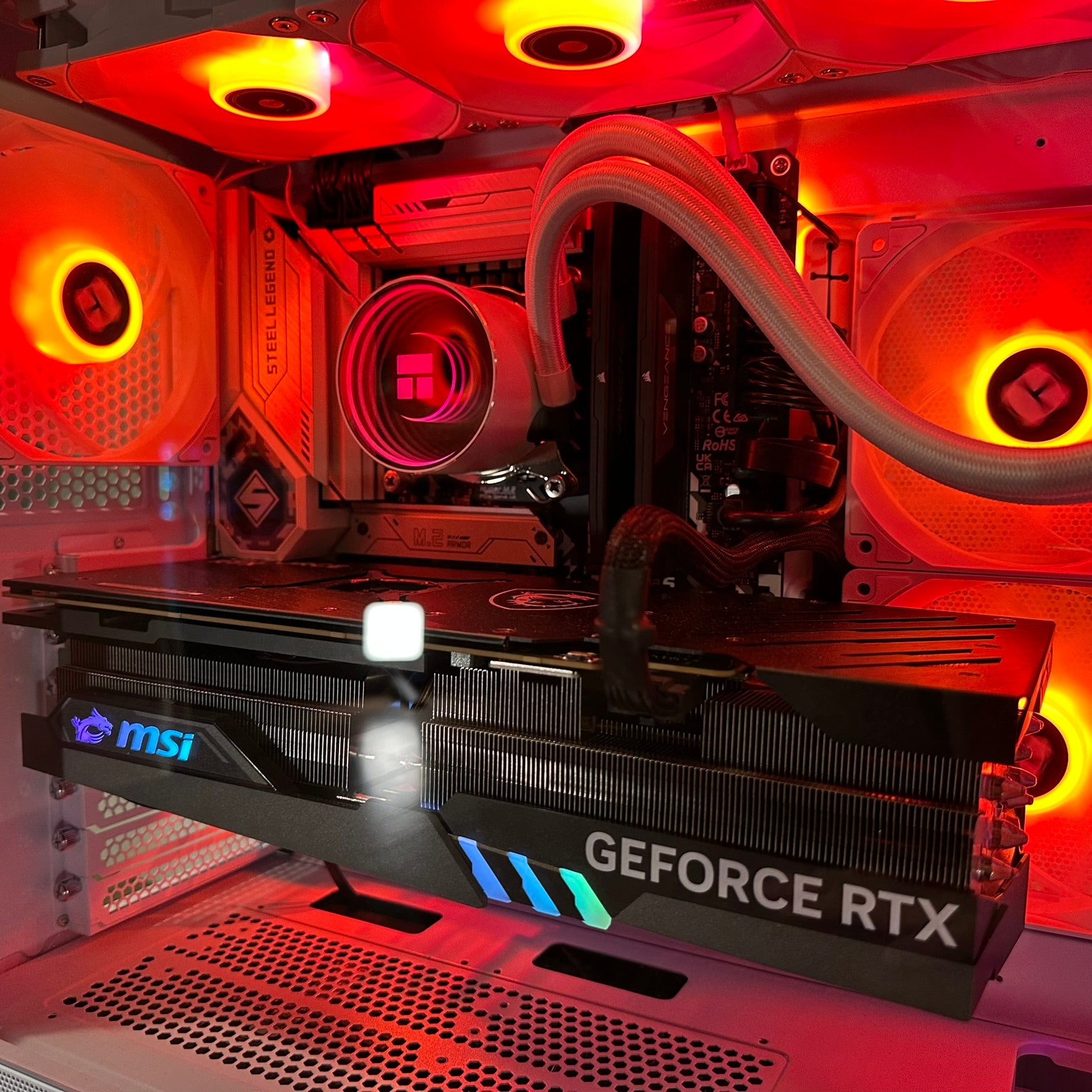
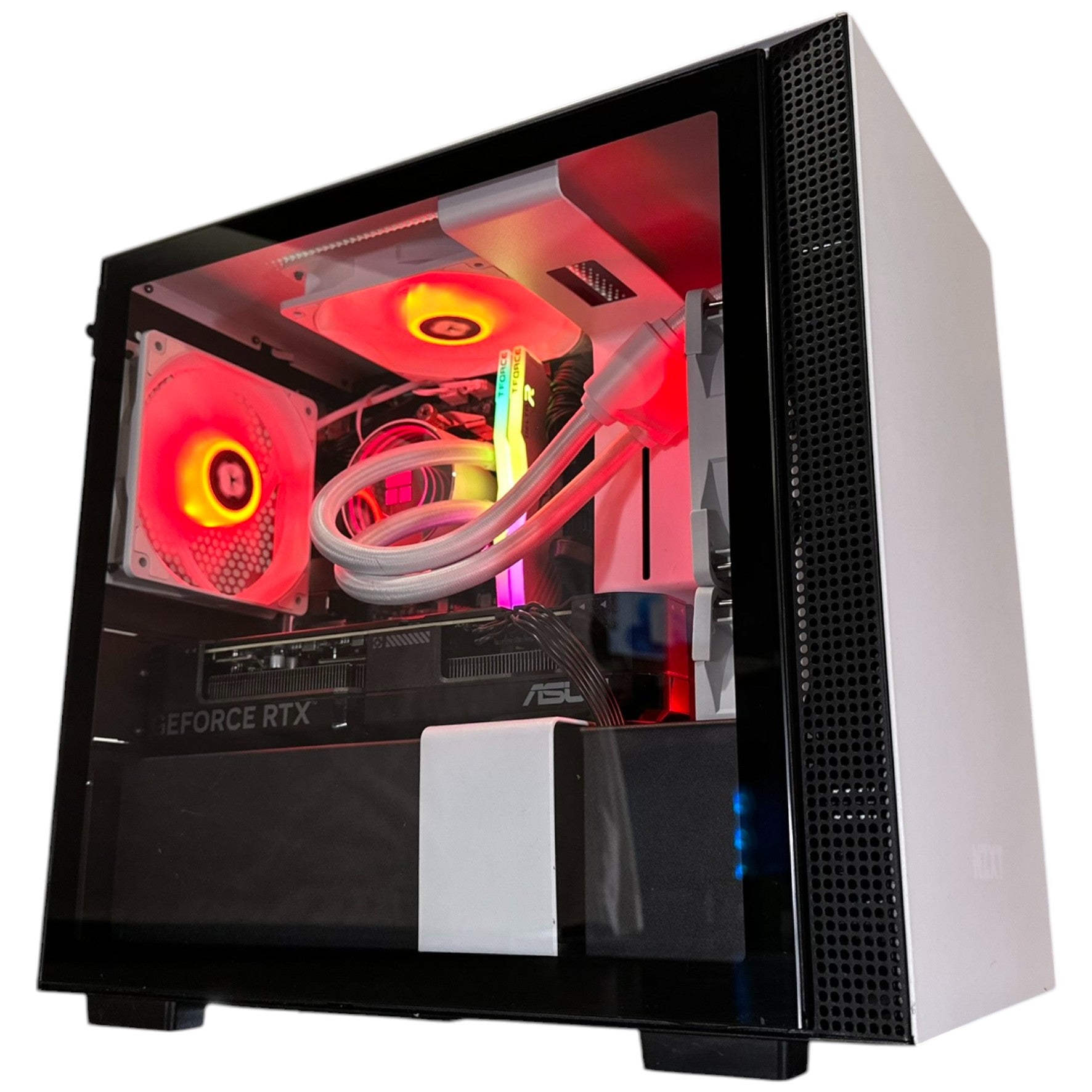
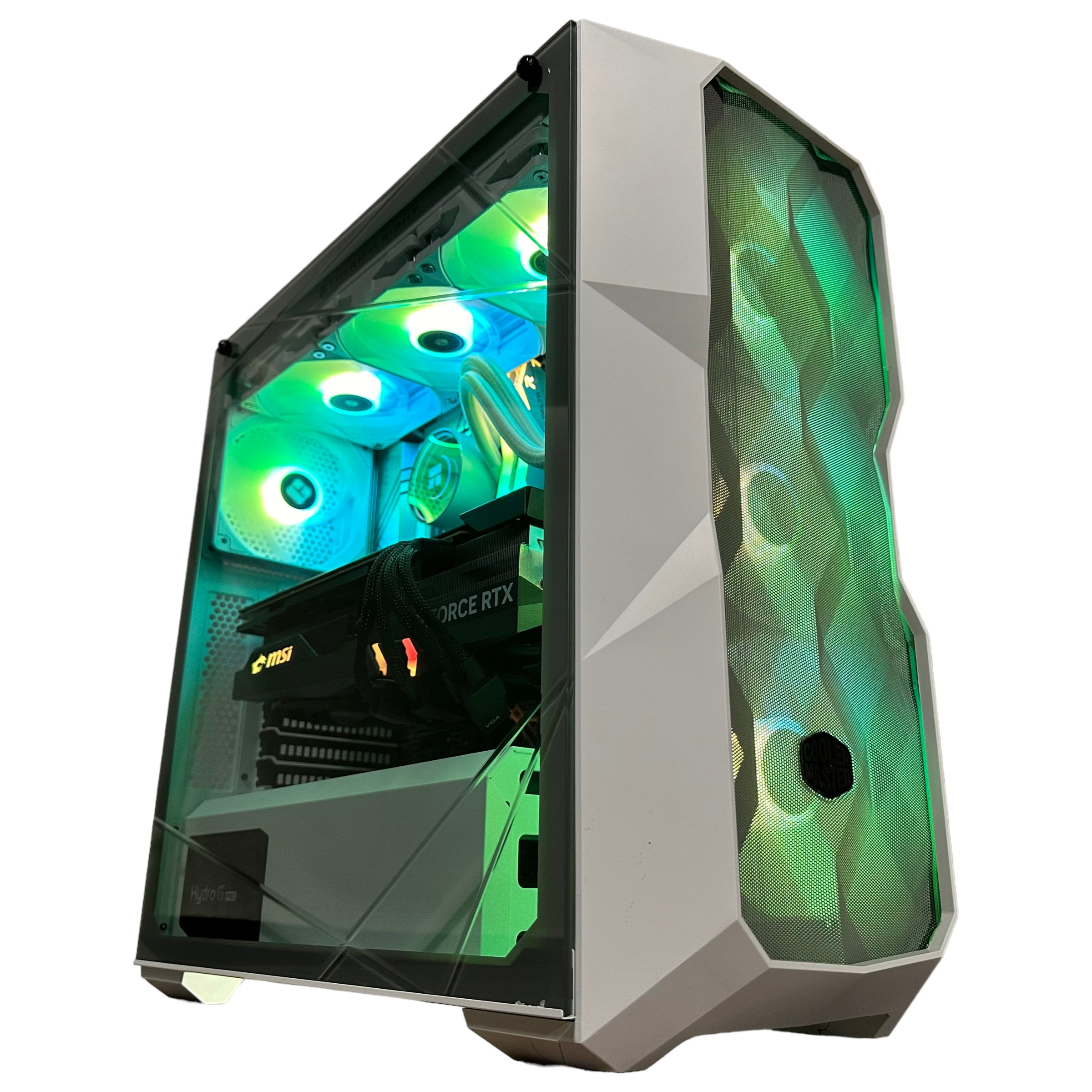
For Canadian customers, that also means buying with confidence from a company that understands custom builds, component balancing, and support expectations. Rigorous testing matters. Stability matters. Cooling matters. Upgrade paths matter. Warranty confidence matters. Groovy Computers offers custom-built systems backed by a 1-year warranty, which helps reduce the uncertainty that often comes with buying from random marketplace sellers or mismatched generic systems.
Whether you are shopping from Nova Scotia, Atlantic Canada, or ordering online elsewhere in the country, the core question is the same: do you want a disposable-feeling PC, or a properly selected system built around how you actually game and work?
Need help deciding between a budget gaming PC, premium RTX build, creator system, or workstation?
If this Forza Horizon 6 update has you thinking about upgrading, the next move should not be guessing. It should be clarifying what you need your machine to do. Are you after a budget gaming computer for smooth 1080p racing and everyday play? Do you want a stronger 1440p setup for new AAA games? Are you looking for a premium RTX system because you care about visual quality, future-readiness, and higher refresh gameplay? Or do you need a creator or workstation build that can handle gaming plus editing, design, or 3D work?
If you are asking any of those questions, visit GroovyComputers.ca and explore a system that actually fits your goals. A customer-focused custom build can save money, frustration, and upgrade pressure compared to buying the wrong machine first.
Final thoughts: why this small game update could be your signal to plan smarter
The Alfa Romeo SE 048SP headline is a small piece of game news, but it points to a larger reality. Racing games keep growing as visual showcases, hobby platforms, and content engines. That means the right desktop matters more than ever. The best time to think about your next system is before your current one becomes the problem.
If you are still wondering what gaming PC do I need, start with your actual goals: resolution, frame rate, game library, streaming plans, editing needs, software workload, and replacement timeline. Then choose a custom system that matches those goals instead of settling for a generic compromise. For Canadian buyers, that is often the smartest way to approach a new gaming PC in Canada, especially if you want stronger long-term value and less pressure to upgrade again too soon.
#ForzaHorizon6 #GamingPCCanada #CustomGamingPCCanada #GamingPCBuilderCanada #CanadianCustomPCBuilders #PCForOpenWorldGames #1440pGamingPCCanada #4KGamingPCCanada #CreatorPCCanada #StreamingPCCanada #VideoEditingPCCanada #3DModelingPCCanada #WorkstationPCCanada #NovaScotiaBusiness #GroovyComputers
Groovy Computers | All Rights Reserved


Leave a comment
This site is protected by hCaptcha and the hCaptcha Privacy Policy and Terms of Service apply.