
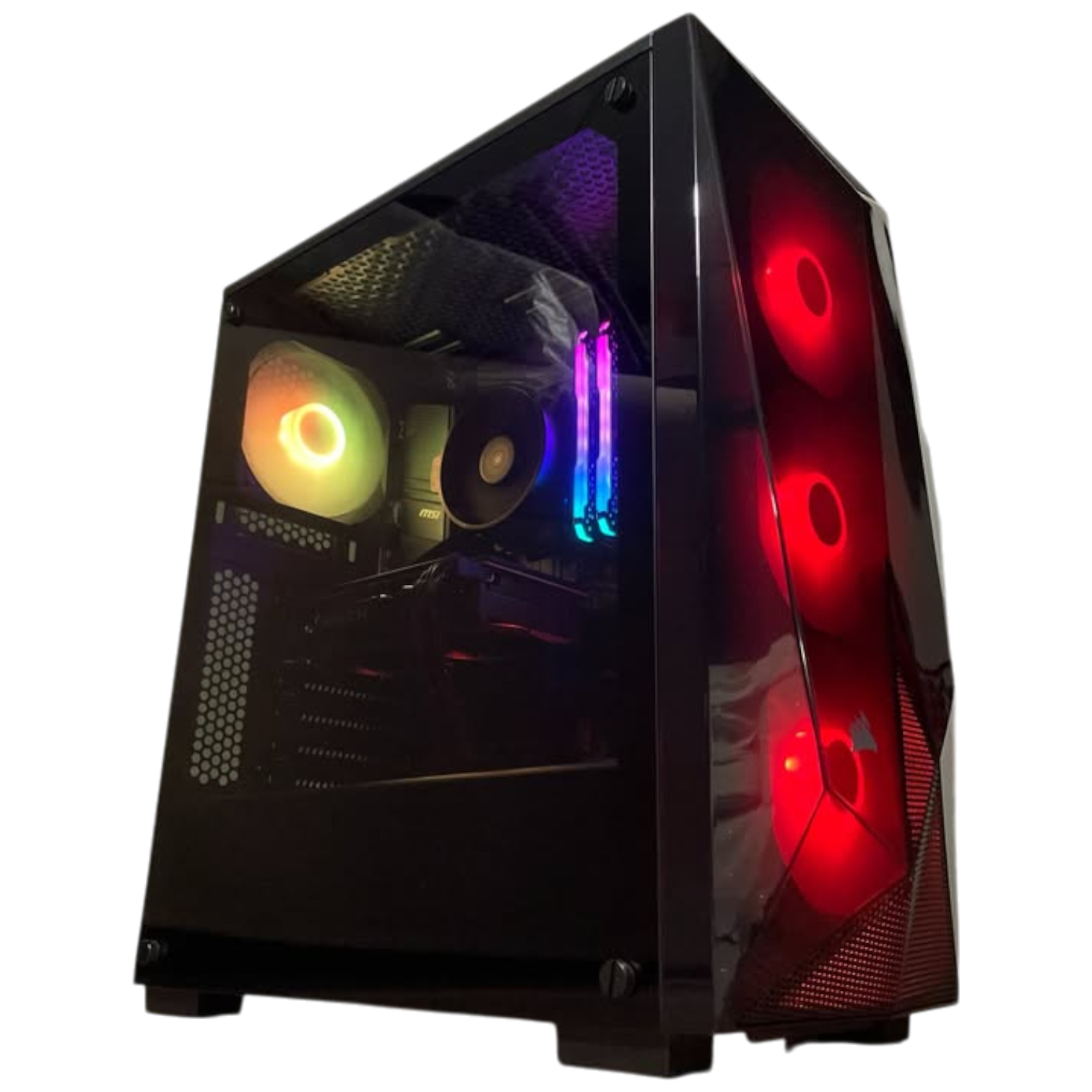
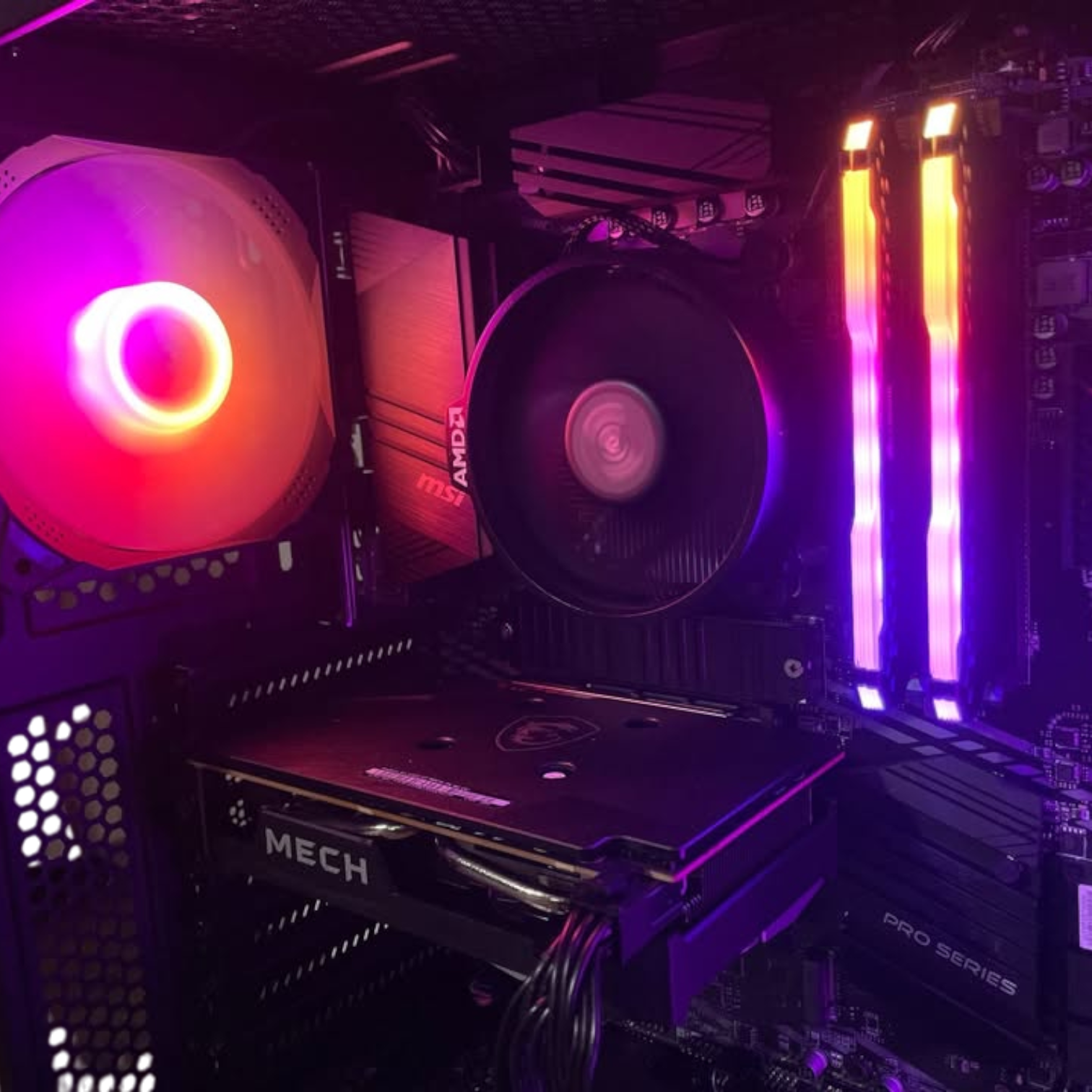
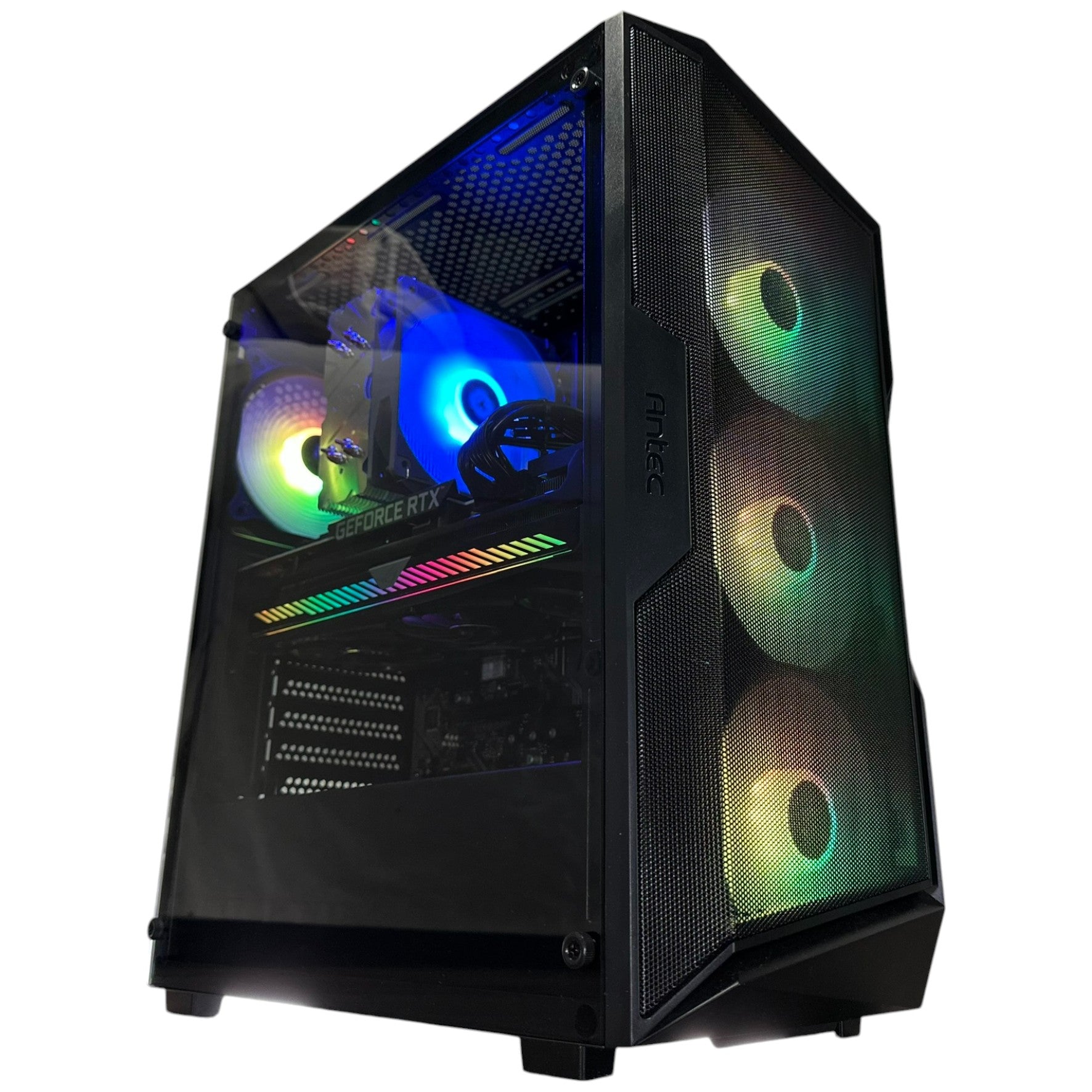
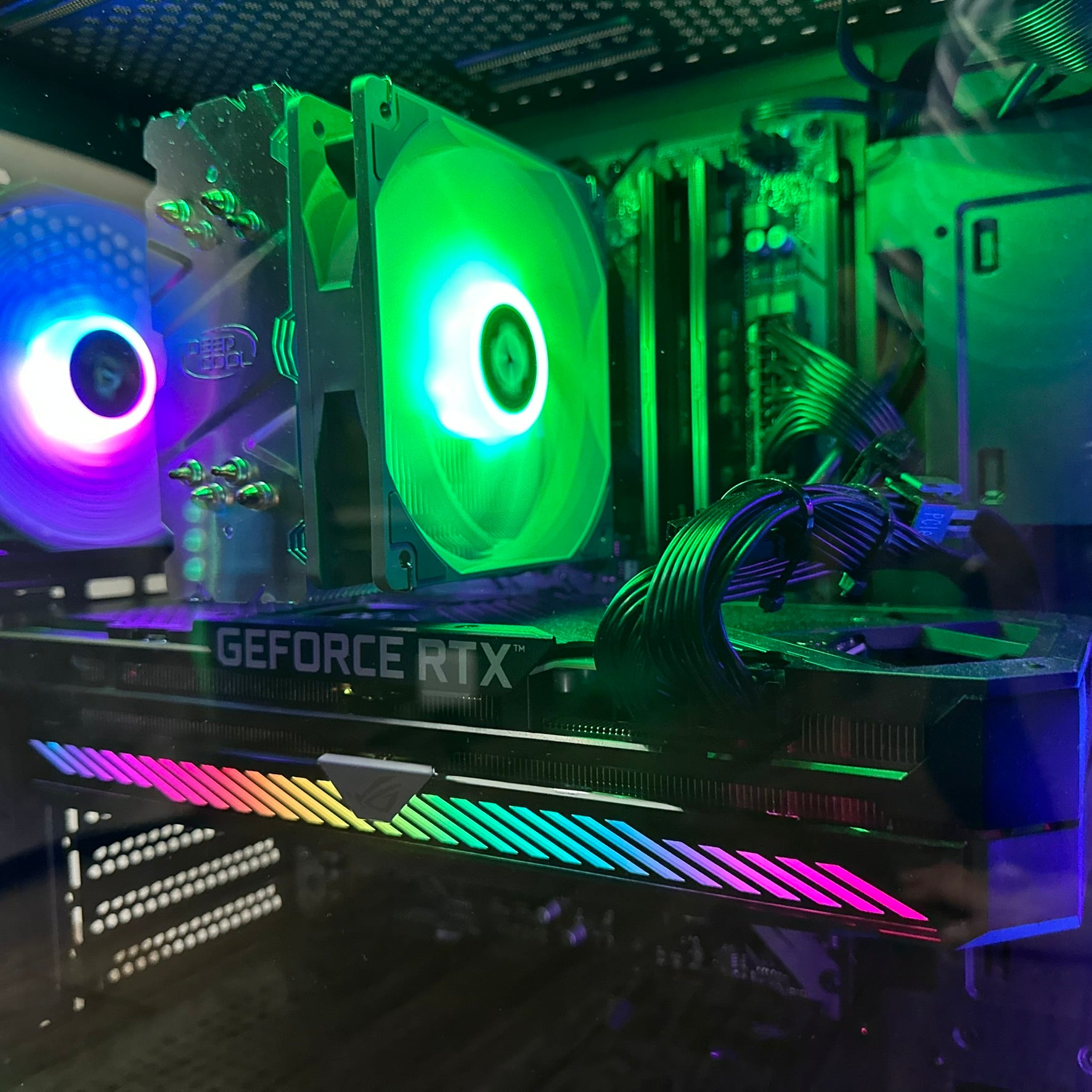


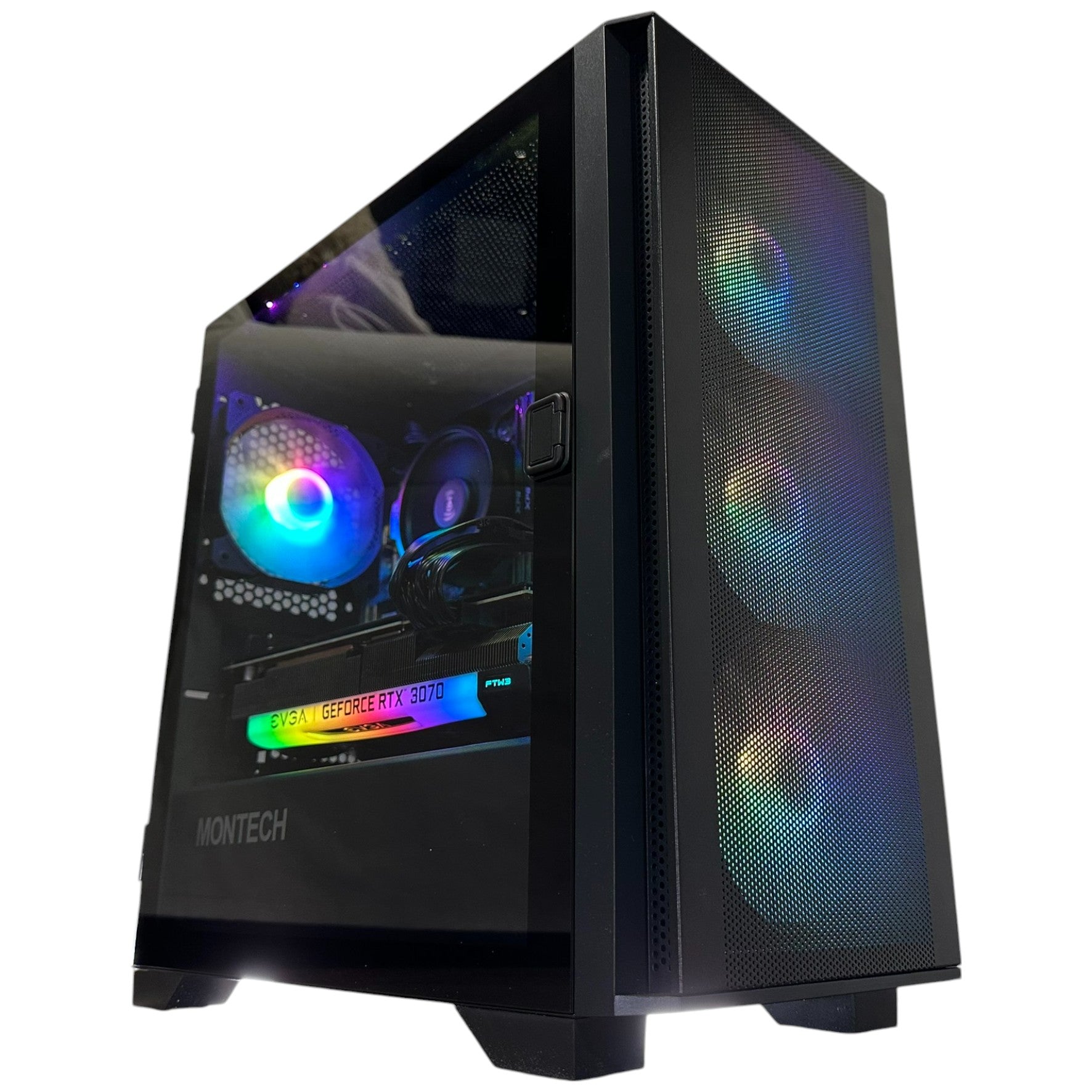
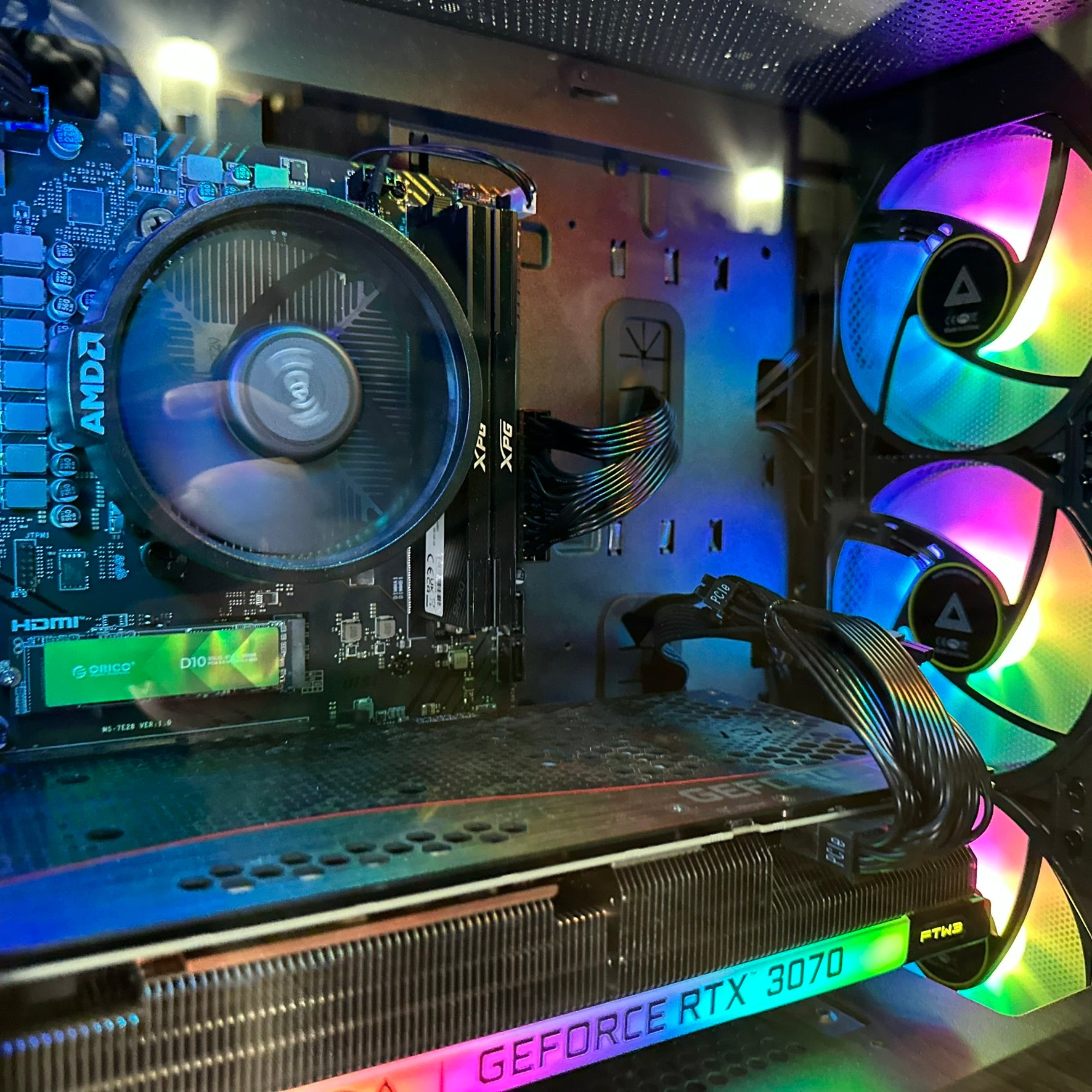
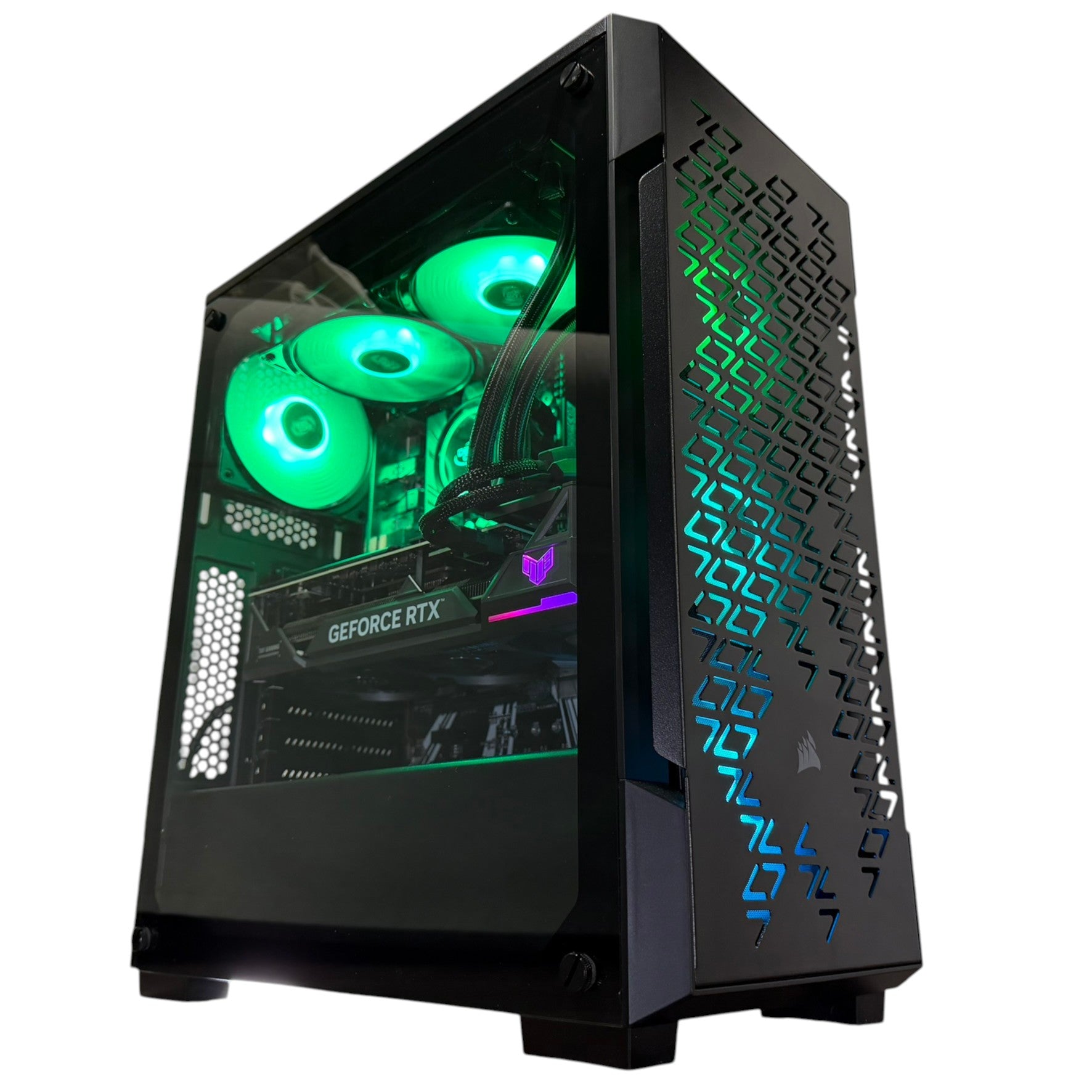

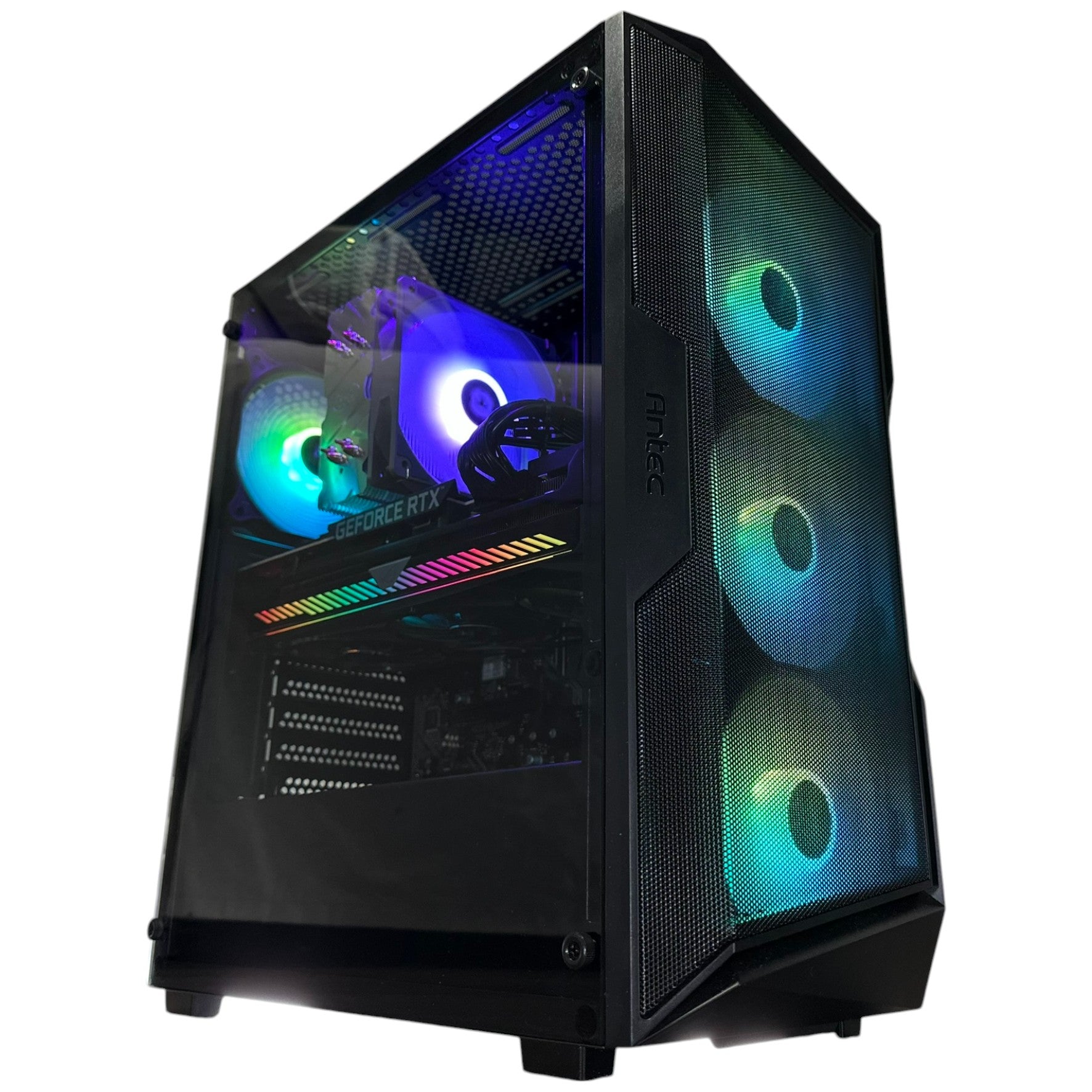


PS5 Supply News Is a Wake-Up Call for Canadian Buyers Choosing a Custom Gaming PC
The latest PS5 supply update matters for more than console fans. It is another clear signal that memory availability, storage pressure, AI-driven component demand, and major game launches can all affect hardware buying decisions across the entire market. For anyone researching a custom gaming PC in Canada, this is not just PlayStation news. It is a reminder that when demand spikes around blockbuster releases, better systems can become harder to source and more expensive to replace.
The source report says Sony has secured enough memory to meet its PlayStation 5 sales targets for its current financial year, even with a major open-world release expected to drive fresh demand. That is important because it shows how seriously large manufacturers are treating RAM and storage supply conditions. If one of the world’s biggest gaming brands is publicly addressing memory supply, Canadian PC buyers should pay attention too.
Why? Because the same broader pressures that affect consoles can also influence custom desktop pricing, upgrade timing, and part selection for gaming PCs, streaming PCs, creator desktops, and workstation builds. If you are asking yourself whether now is a smart time to buy, whether financing a stronger system makes more sense, or whether your current PC will hold up for the next wave of demanding games, this is exactly the right moment to think strategically.
What does the PS5 memory story really tell us?
It tells us that memory and storage are no longer background parts that buyers can ignore. They are central to hardware planning. The source article highlights an ongoing supply and pricing challenge shaped by AI data centre demand, manufacturing shifts, and rising component costs. Even if one company has secured enough supply for its own sales targets, that does not mean the broader market becomes simple overnight.
For PC buyers, this matters in practical ways:
- RAM pricing can affect total build value when you move from 16GB to 32GB or 64GB.
- SSD pricing pressure can change storage decisions for game libraries, editing caches, and project files.
- GPU demand can increase full-system costs when new games, creator software, and AI workloads all compete for the same class of hardware.
- Major game launches can trigger buying waves that push more customers to upgrade at the same time.
So while the console headline is about Sony, the takeaway for Canada is broader: if you know you will need more performance soon, waiting for the perfect moment can sometimes leave you paying more for the same level of power later.
Why should Canadian buyers think about this differently?
Canadian customers often feel pricing changes more sharply because imported components, exchange-rate pressure, freight costs, and regional availability can all influence final system costs. A part that moves only slightly at the wholesale level can still create a noticeable jump in a finished desktop price once everything is added together.
That is why a Canadian custom PC strategy should focus on total value, not just individual part prices. Are you trying to buy the cheapest machine possible today, or are you trying to avoid needing another upgrade too soon? Are you shopping for a short-term fix, or for a system that will still feel strong when the next big wave of AAA games, streaming demands, and creator software updates arrive?
For many buyers across Nova Scotia, Atlantic Canada, and the rest of the country, the smarter question is not just, “Can I get by with less?” It is, “What build gives me the best experience and the best lifespan for my budget?”
What do you want your next PC to do for you?
Before you compare specs, ask the question that matters most: what do you actually want your next PC to handle over the next two to four years?
Do you want smooth 1080p gaming in competitive titles? Do you want a 1440p setup for big cinematic games? Are you targeting 4K, ray tracing, and ultra settings? Do you want to game and stream at the same time? Are you editing 4K video, building content for YouTube, managing large Lightroom catalogues, designing in Adobe apps, or rendering scenes in Blender and Unreal Engine?
Your answer changes everything.
A customer shopping for a budget gaming computer does not need the same hardware balance as someone who wants a custom creator PC. A streamer has different priorities than a 3D artist. A buyer preparing for one huge game launch may need a gaming-first build, while a customer who works in Premiere Pro and games after hours may need a hybrid system with stronger multitasking, more memory, and larger storage.
Are you buying for one game, or for the next generation of games?
The source article points to the demand impact of a major release. That is worth emphasizing. Big launches move hardware. They convince older-console owners to upgrade. They push casual players back into the market. They create urgency for people who have delayed replacing aging systems.
That same pattern happens on PC. When a headline release gets close, buyers begin asking:
- Can my current PC run this game well?
- Do I need ray tracing performance?
- Should I target 1080p, 1440p, or 4K?
- Will my old CPU bottleneck a newer GPU?
- How much RAM should I have for modern open-world titles?
If that sounds like you, the key is to buy for the experience you want, not just the minimum launch-day requirement. A system that only barely meets the moment can feel old quickly. A stronger custom build can deliver a smoother experience now and keep you from paying for another upgrade sooner than expected.
Which performance tier fits you best?
If you are unsure what class of system you need, start with the way you play and work.
Entry-level and value-focused builds
This tier is ideal for buyers asking, “How much should I spend on a gaming PC if I mostly play esports titles, indie games, and lighter online games?” A value-focused desktop is often the right choice for first-time PC gamers, students, and customers who want strong everyday responsiveness without stepping into premium pricing.
This category can be a smart fit if you want:
- Reliable 1080p gaming
- Good frame rates in competitive titles
- Faster everyday performance than an older family PC
- Room to upgrade later
But ask yourself: if you are already watching upcoming AAA releases and know you want to play them at higher settings, will an entry build satisfy you for long?
Mid-range sweet spot builds
For many Canadian gamers, this is the smartest balance of cost and longevity. If you want strong 1080p performance, excellent 1440p capability, better visual settings, and enough overhead for modern game engines, this tier is often the real value winner.
This category makes sense if you are asking:
- What PC do I need for 1440p gaming?
- Is it better to buy a gaming PC now or wait?
- Should I spend a bit more to avoid upgrading next year?
It is also a strong place for customers who want a gaming and streaming PC Canada shoppers can rely on for both gameplay and content recording.
High-end and premium builds
If you are chasing high refresh 1440p, strong 4K results, ray tracing, premium visual settings, or a system that will stay relevant longer, this is the tier to consider. It is also where many buyers land when they decide they would rather finance a better system now than buy twice.
This tier is for people asking:
- What PC do I need for 4K gaming?
- How long will a high-end gaming PC last?
- Should I finance a high-end gaming PC instead of settling for less?
When hardware markets are volatile, premium builds can be especially important to plan carefully, because memory, GPU, and SSD shifts can change system pricing faster than many buyers expect.
What if you also stream, edit, or create content?
Many buyers no longer fit into one simple category. They game, stream, cut videos, design thumbnails, edit photos, and run multiple apps at once. That is where a custom build becomes more valuable than a generic one-size-fits-all desktop.
If you are creating content, ask yourself a few practical questions. Do you record gameplay while gaming? Do you use OBS, Adobe Premiere Pro, DaVinci Resolve, Photoshop, Lightroom, Illustrator, or After Effects? Are you exporting long videos, managing large media libraries, or juggling multiple browser tabs and background tools while you work?
If yes, then the system you need may not just be a gaming PC. It may be a creator-first or hybrid machine with:
- More RAM for smoother multitasking
- Faster SSD storage for project files and scratch disks
- A stronger CPU for editing and background tasks
- A capable GPU for gaming, streaming, rendering, and creative acceleration
Gaming and streaming
A streaming PC should not just run your game. It should leave enough headroom for streaming software, encoding, overlays, chat tools, browser windows, music, and capture workflows. If you want your stream to look polished while your gameplay stays smooth, that balance matters.
Are you streaming casually at 1080p, or do you want a more demanding gaming-and-recording setup? Do you want your next system to handle livestreaming now, even if you are not fully committed yet? Planning for that early can save you from rebuilding later.
Video editing and content creation
A proper video editing PC Canada creators can trust should be built around the way you edit. Long 4K timelines, colour work, layered effects, and export-heavy workflows all push memory, CPU, storage, and GPU in different ways. A gaming desktop can edit video, but not every gaming-first build is optimized for creator workloads.
Ask yourself: how much time are you losing to slow exports, choppy playback, or waiting for files to transfer? If your PC is part of your income, productivity is not a luxury feature. It is business value.
Photo editing and graphic design
Photographers and designers need responsiveness, stability, storage speed, and enough memory to keep large projects moving. If you work in Photoshop, Lightroom, Illustrator, InDesign, or Canva-heavy workflows, your ideal system may look different from a gaming-first machine.
Do you batch export RAW files? Work with very high-resolution images? Run dual monitors? Use AI-assisted tools more often than you did a year ago? All of that changes what “enough PC” really means.
3D modeling and workstation use
Customers using Blender, Unreal Engine, CAD apps, rendering software, and demanding productivity stacks need to think even more carefully about memory and GPU planning. The source article’s focus on memory supply is especially relevant here. Workstation buyers are often more exposed to RAM capacity choices, larger storage demands, and stronger GPU requirements than pure gaming buyers.
If you are building scenes, rendering animations, compiling projects, or working across multiple heavy applications, a custom workstation PC Canada professionals can depend on should be chosen with workload-specific priorities, not just gaming benchmarks.
Why does memory pressure matter so much for custom PCs?
Because memory affects both immediate usability and long-term value. Modern systems are not just running one foreground program anymore. Games are larger. Background services are heavier. Creator apps cache more data. Browser tabs multiply. AI features are appearing in more software. Fast, adequate memory is no longer optional if you want a machine that feels good over time.
That means buyers should think beyond the old “minimum spec” mindset. A cheaper build with too little RAM can become frustrating long before the CPU or GPU actually fails to keep up. The same is true for storage. A fast SSD is not just a nice spec on a page. It changes boot speed, game load times, project handling, and overall responsiveness.
So ask yourself honestly: are you buying a PC to simply turn on and function, or are you buying one to feel fast, capable, and dependable every day?
Should you buy now or wait?
This is the question many readers ask after any hardware supply story. The answer depends on your risk, your timeline, and your current system.
You may want to buy now if:
- Your current PC already struggles with the games or software you use
- You are planning around a major upcoming game release
- You know you will need more RAM, more storage, or a stronger GPU soon
- You want to avoid buying in the middle of a demand spike
- You would rather lock in a stronger system before replacement costs rise
You may be able to wait if:
- Your current machine still gives you the performance you want
- Your use case is very light and unlikely to change soon
- You are not planning to play newer demanding titles or expand into streaming, editing, or creative work
But even then, remember the lesson in the source report: supply conditions are now important enough to shape public messaging from major gaming brands. That alone should tell buyers that “I’ll deal with it later” is not always the safest plan.
Could financing help you secure the right PC before prices shift again?
For many people, yes. Financing is not just about affordability. It is about buying the right level of performance at the right time. If replacing your desktop a year from now could cost more, or if buying too cheap now means upgrading again sooner, financing a better system can be the more practical move.
Think about the trade-off. Would you rather spend less today on a machine that may age out faster, or spread the cost of a stronger build that better matches your real goals? If you know you want smoother gaming, better multitasking, more memory, larger storage, or enough GPU headroom for future titles, financing can help you avoid compromise.
That matters even more for creator and workstation users. If a stronger system saves time every week through faster exports, smoother timelines, quicker renders, or fewer slowdowns, the value is not only in entertainment. It is in workflow efficiency too.
Groovy Computers offers financing options that can help customers access a stronger custom build without needing to pay the full amount up front, including terms up to 4 years where available. If you are asking yourself whether financing a gaming PC is worth it, the real question may be this: would a better system now save you money, time, and frustration compared with settling for a weaker one?
What kind of buyer should choose which kind of Groovy build?
Choose a budget-focused gaming build if:
- You mostly play lighter titles or esports games
- You want a first gaming PC
- You need value and upgrade potential
- You are trying to stay practical without buying the absolute minimum
Choose a balanced mid-range custom gaming PC if:
- You want a strong all-around experience
- You care about 1440p or higher settings
- You want your system to feel relevant for longer
- You may start streaming or recording gameplay
Choose a premium RTX gaming PC if:
- You want ultra settings, ray tracing, or 4K ambitions
- You are buying for big upcoming AAA games
- You want more long-term headroom
- You would rather invest once than upgrade too soon
Choose a creator or editing PC if:
- You use Adobe Creative Cloud, DaVinci Resolve, or similar tools
- You need fast file handling and export performance
- You multitask heavily while gaming or creating
- Your PC affects your content output or income
Choose a 3D modeling or workstation build if:
- You use Blender, Unreal Engine, CAD, rendering, or simulation tools
- You need larger RAM capacity and stronger sustained performance
- You care more about workflow stability than flashy marketing specs
- You want a machine configured around professional workloads
Why do custom builds matter more when hardware markets feel uncertain?
When pricing is stable and stock is easy, buyers can get away with generic decisions. When parts are under pressure, every choice matters more. That is where custom building has a real advantage.
A properly planned custom PC is not just a collection of expensive parts. It is a balanced system built around your use case, your upgrade path, your cooling needs, and your budget. That balance is especially important when RAM, SSDs, GPUs, and CPUs all have the potential to move in price or availability.
Would you rather buy a random machine with weak memory capacity, questionable airflow, and no clear upgrade logic, or a tested system built with your next two to four years in mind?
With Groovy Computers, Canadian customers can shop with more confidence because the focus is on custom-fit solutions, rigorous testing, and a 1-year warranty. In a market where replacement cost and downtime matter, trust is not a small detail. It is part of the value.
Why Groovy Computers makes sense for Canadian buyers right now
Groovy Computers is built around the needs of Canadian customers who want more than a generic box off a shelf. Whether you need a gaming desktop, a creator PC, or a workstation, the goal is the same: match the hardware to the actual work and play you do.
That means helping buyers answer practical questions such as:
- What gaming PC do I need for upcoming releases?
- Should I prioritize 1080p, 1440p, or 4K performance?
- Is a gaming-first build enough for streaming and editing too?
- How much RAM should I choose if I want to avoid upgrading too soon?
- Should I finance a stronger system before prices move again?
For customers in Nova Scotia and across Canada, that kind of guidance matters. So does Canada-wide support, build quality, testing, and having a team focused on custom PCs rather than pushing whatever happens to be sitting in inventory.
What should you ask yourself before placing an order?
Ask these questions before you choose your next system:
- What games or software will I realistically use most?
- Am I buying for today only, or for the next few years?
- Do I want smooth 1080p, strong 1440p, or premium 4K performance?
- Will I stream, record, edit, render, or multitask beyond gaming?
- Would I rather stretch for a better system now than replace a weaker one later?
- Do I want a tested Canadian-built system with warranty support?
If those questions make you realize your needs are bigger than a basic off-the-shelf desktop, that is a good thing. It means you are buying thoughtfully.
The bottom line: console supply headlines are really about buyer timing
The biggest lesson from the PS5 memory update is not simply that one company feels prepared. It is that the broader hardware market remains sensitive to memory availability, rising demand, and release-driven buying waves. For anyone considering a custom gaming PC in Canada, the message is clear: timing, performance planning, and build quality matter.
If you know a major game release is coming, if your current PC already feels dated, or if you need a system that can game, stream, edit, or create without compromise, waiting may not improve your options. In many cases, the better move is to choose a stronger, better-matched build before your old system forces the issue.
Not sure what performance tier fits you best? Wondering whether a budget gaming computer is enough, or whether financing a premium build would be smarter long term? Visit GroovyComputers.ca to explore custom gaming PCs, creator desktops, and workstation options built for Canadian buyers who want confidence before prices and demand shift again.
#CustomGamingPCCanada #GamingPCCanada #CanadianCustomPCBuilders #GamingPCForUpcomingGames #CreatorPCCanada #VideoEditingPCCanada #StreamingPCCanada #3DModelingPCCanada #GamingPCNovaScotia #GroovyComputers
Groovy Computers | All Rights Reserved


Leave a comment
This site is protected by hCaptcha and the hCaptcha Privacy Policy and Terms of Service apply.