
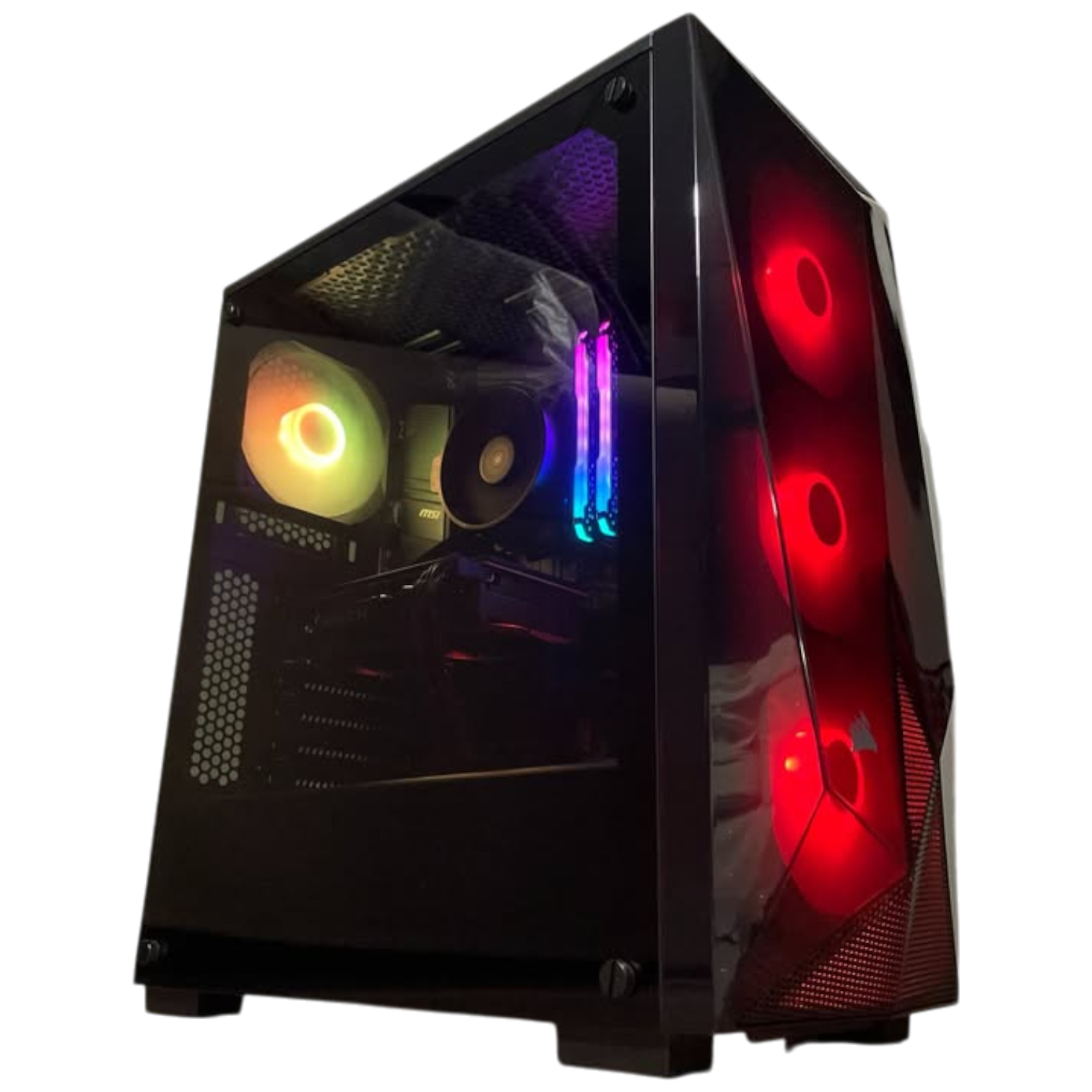
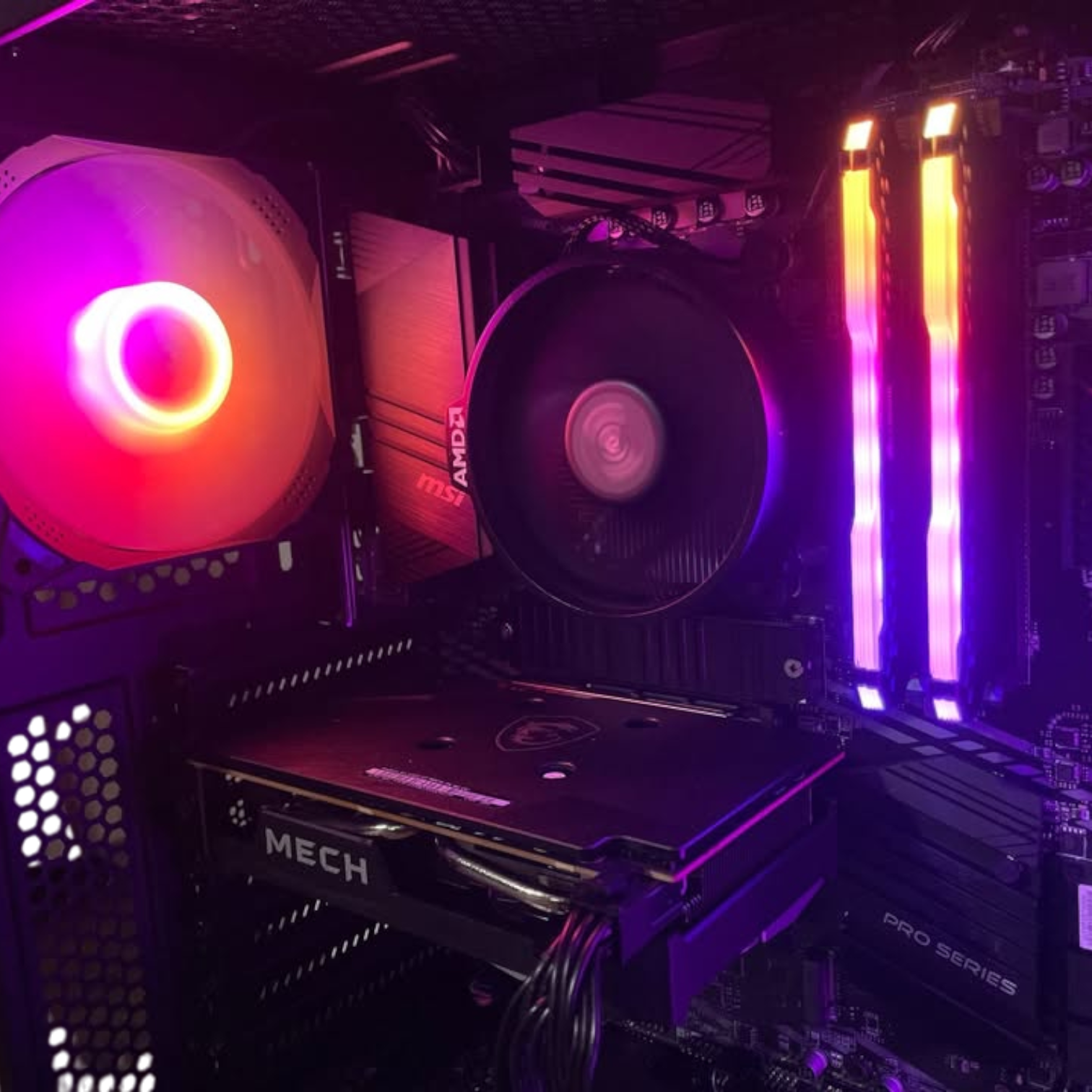
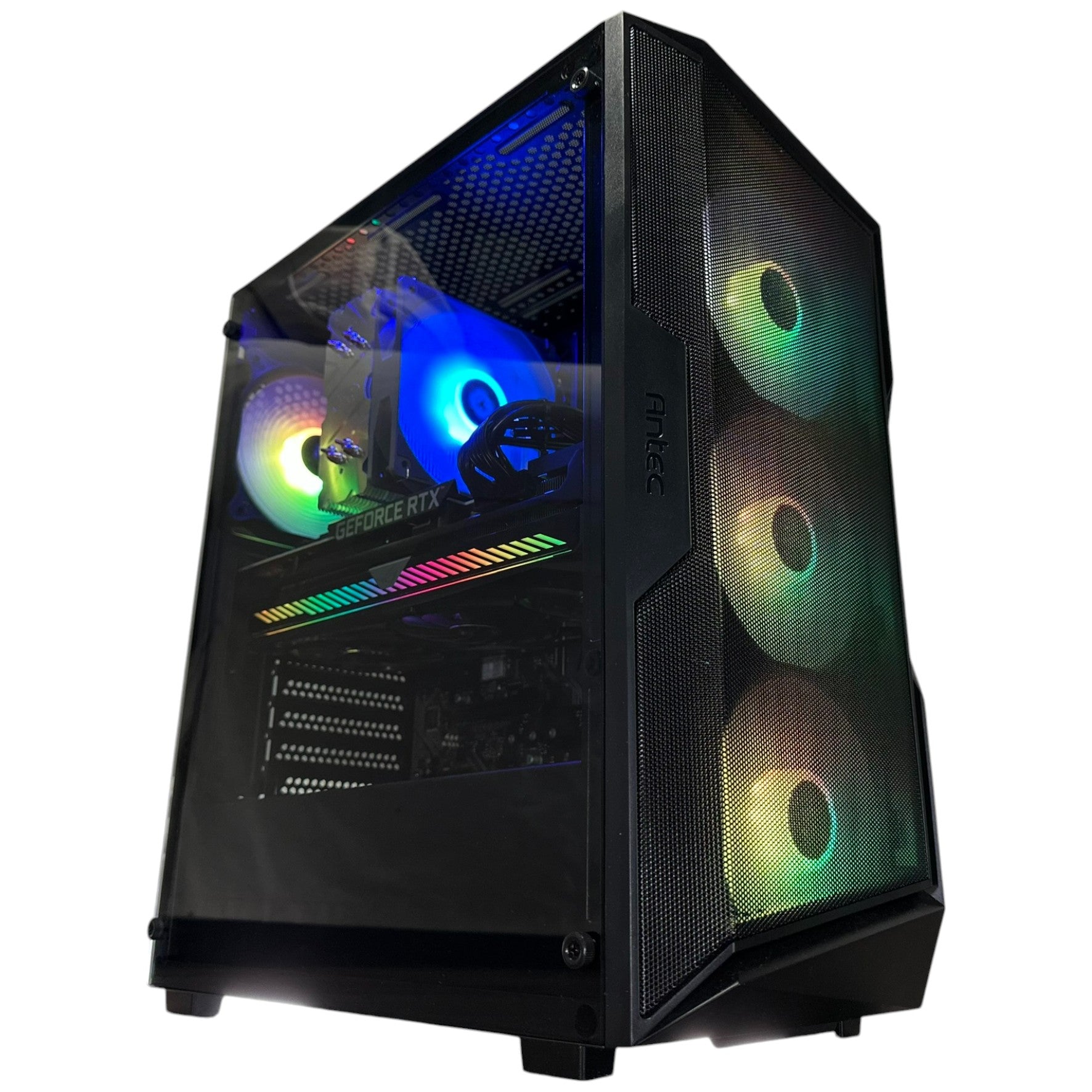
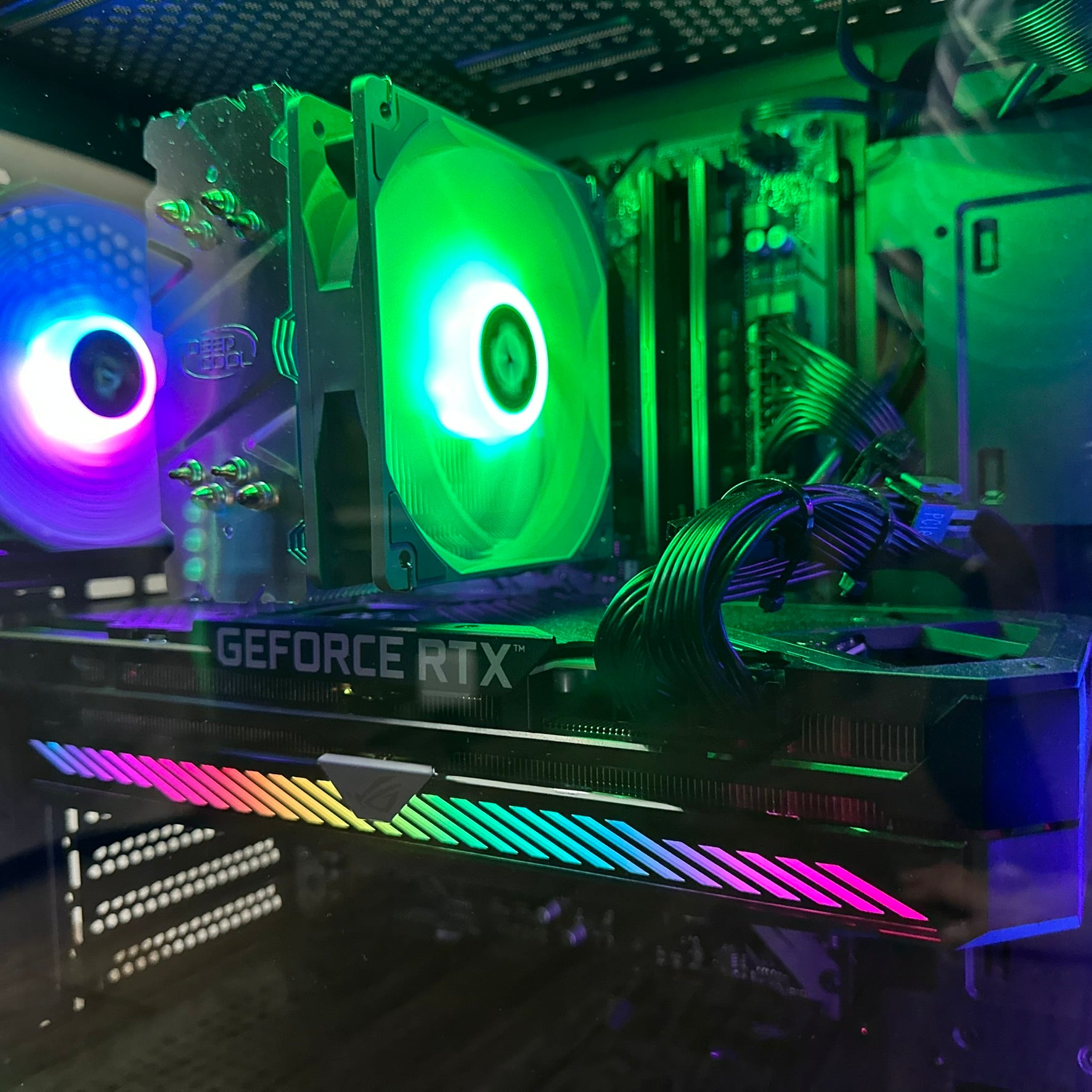


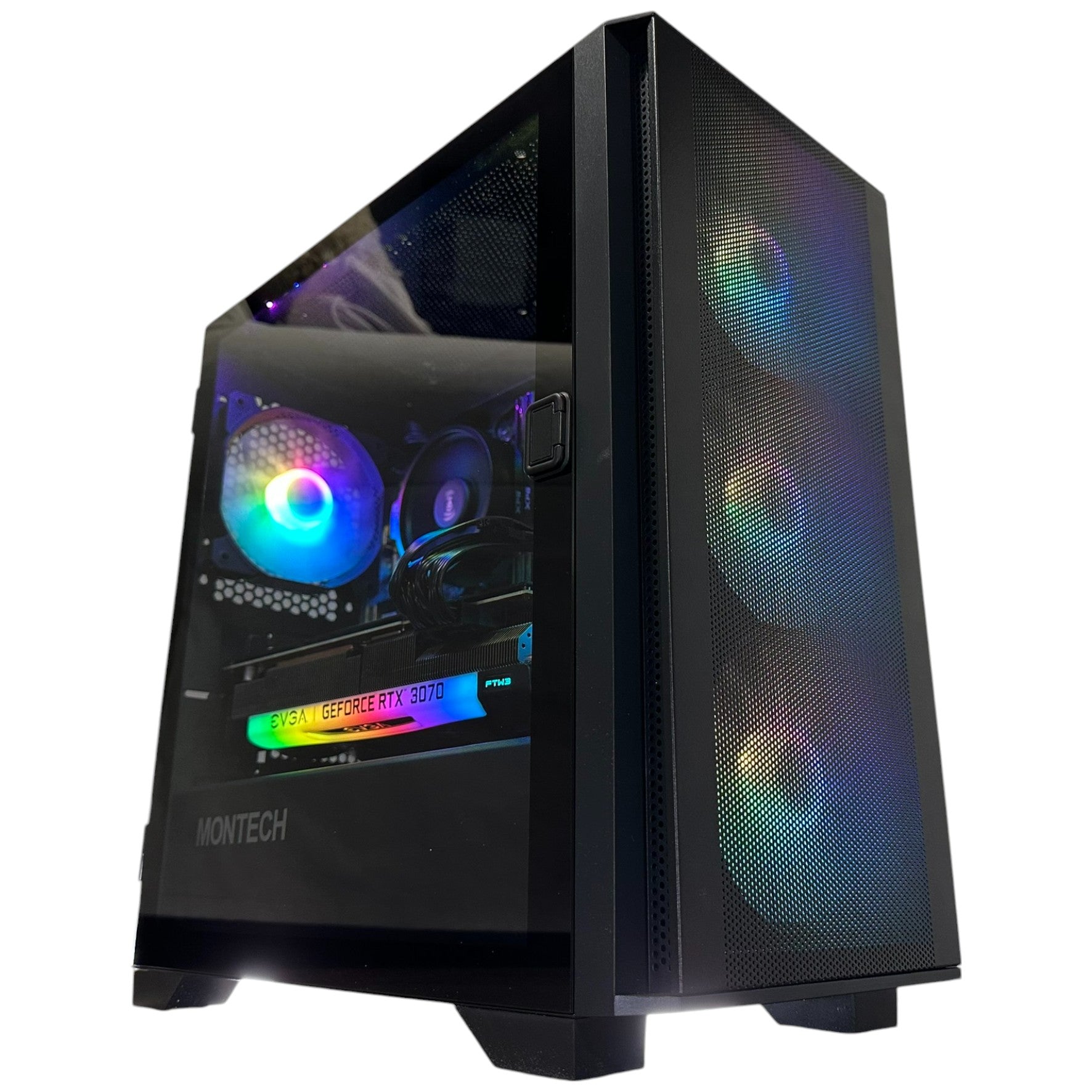
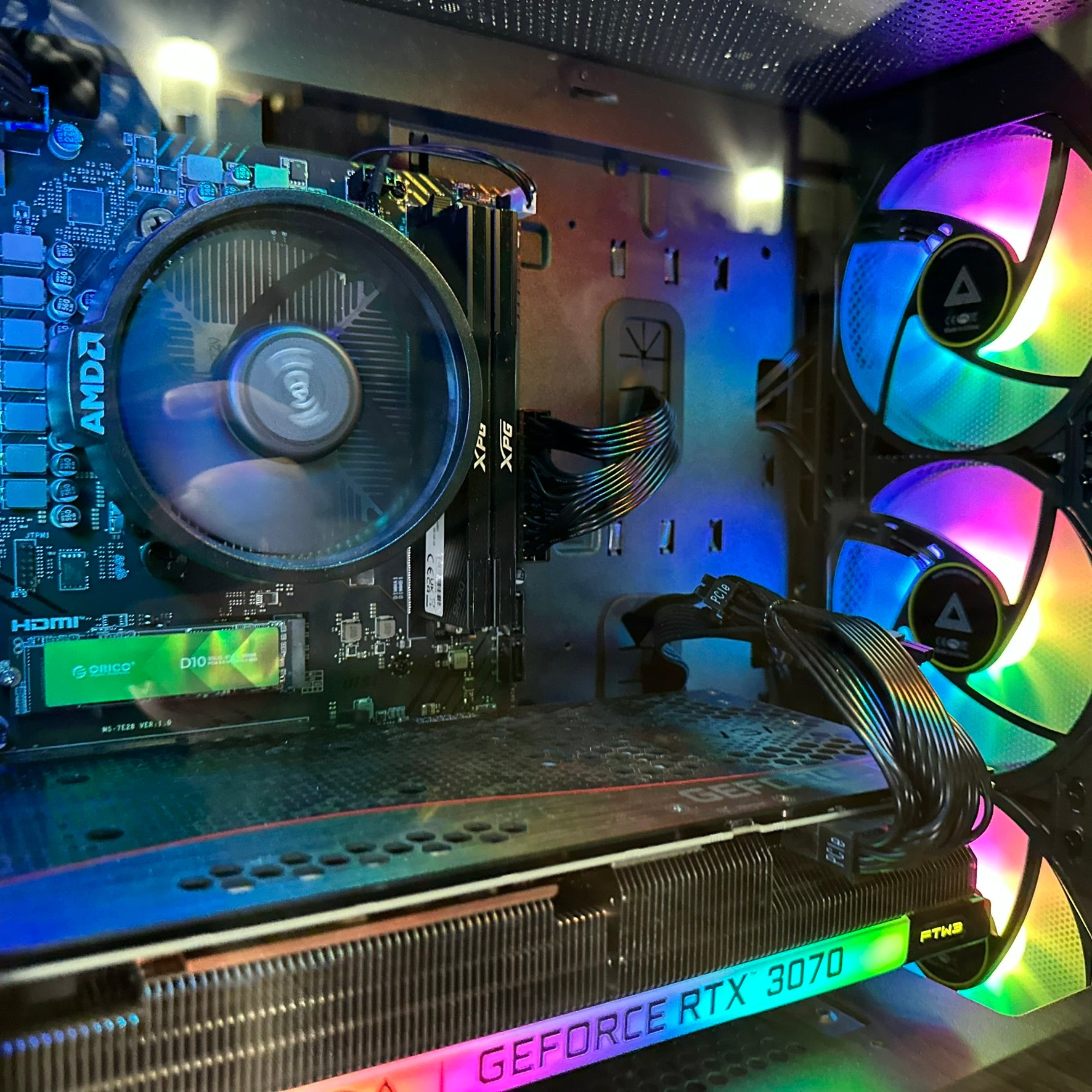
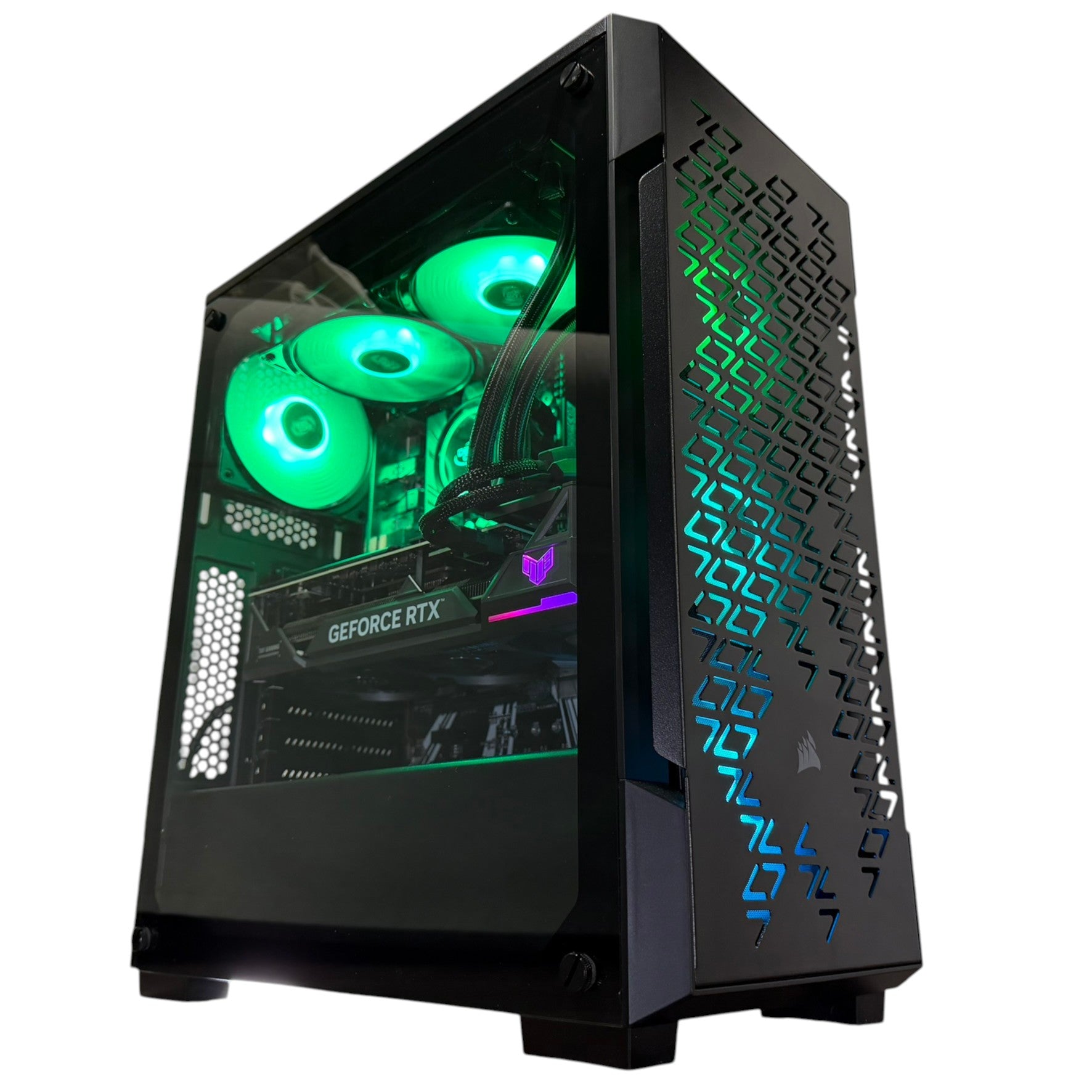

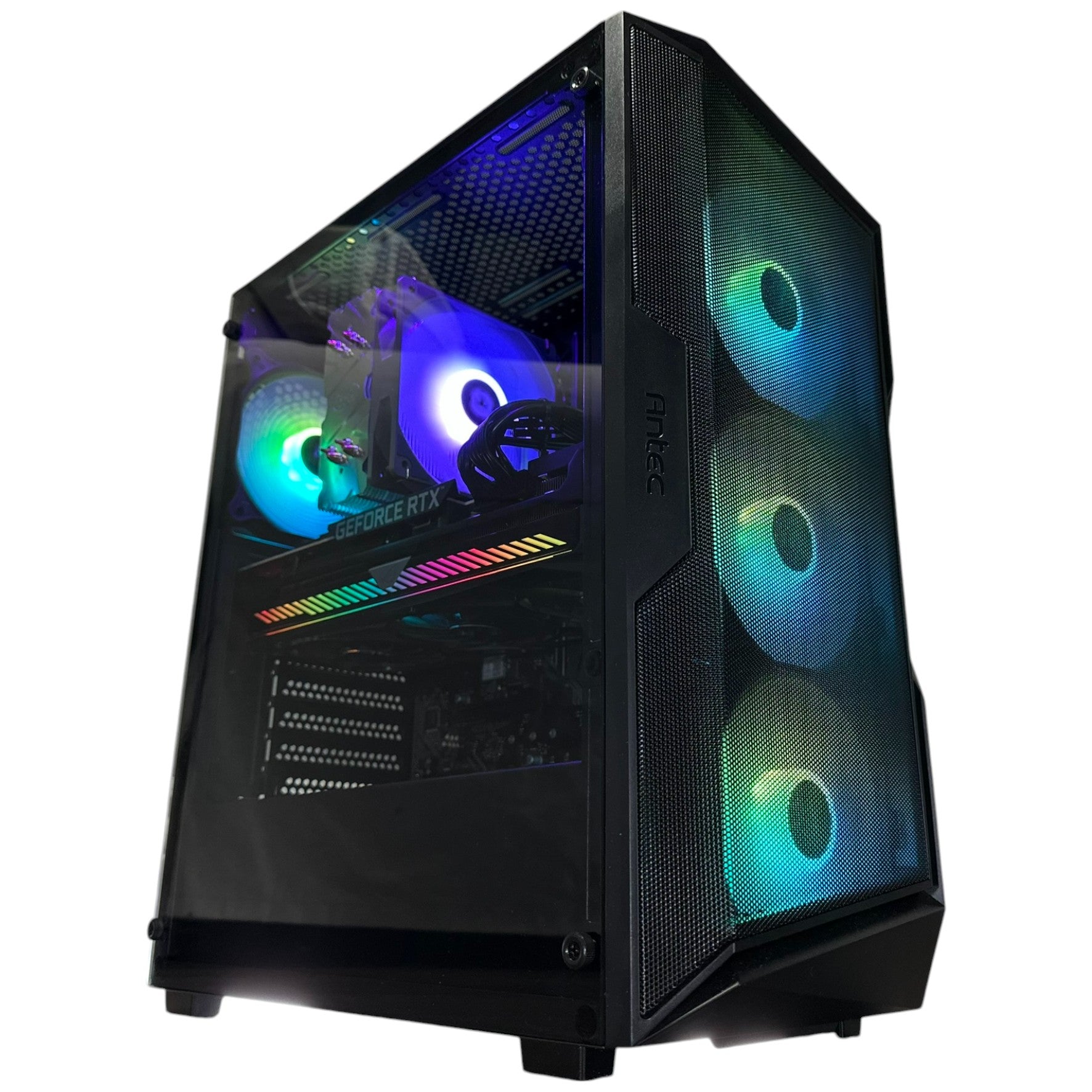
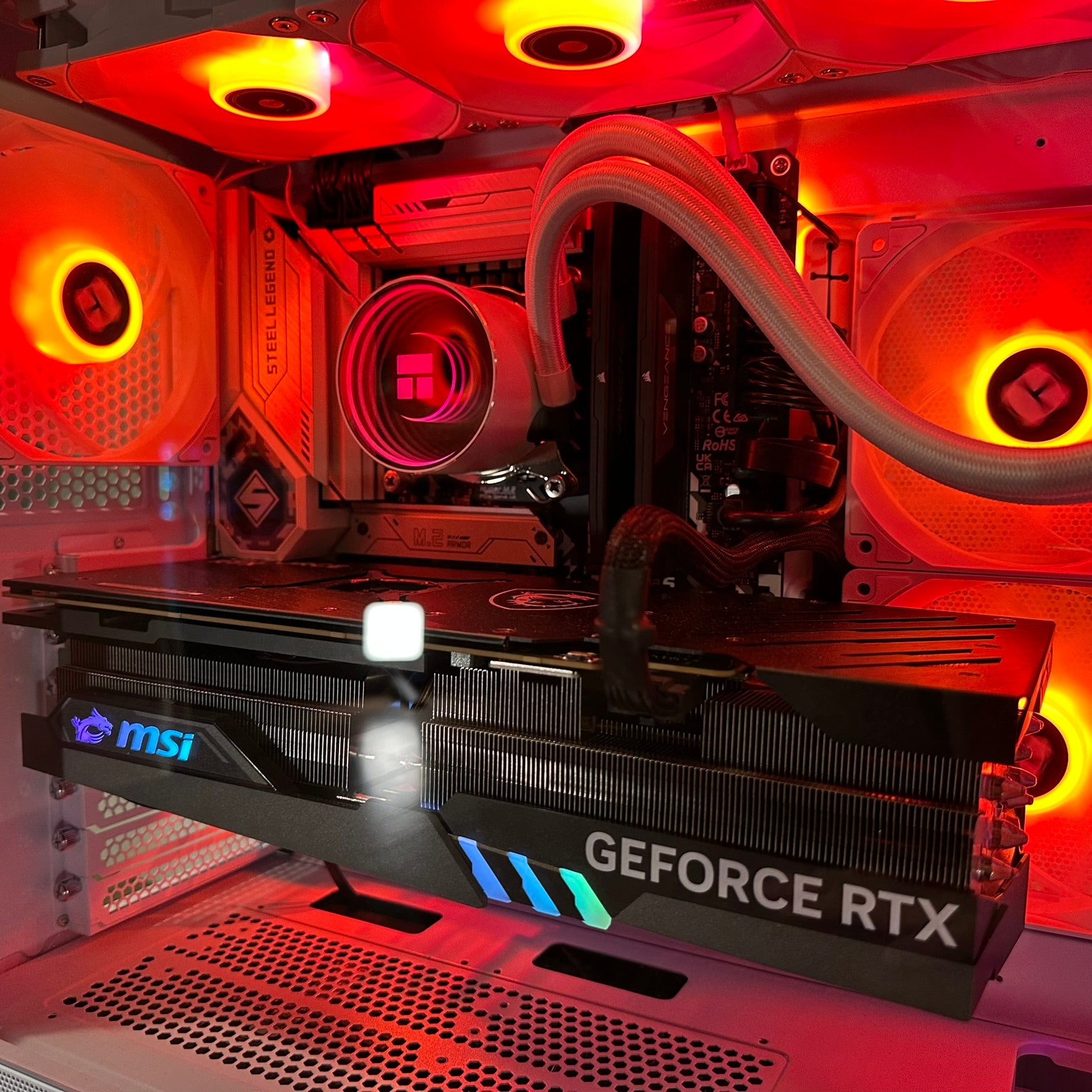
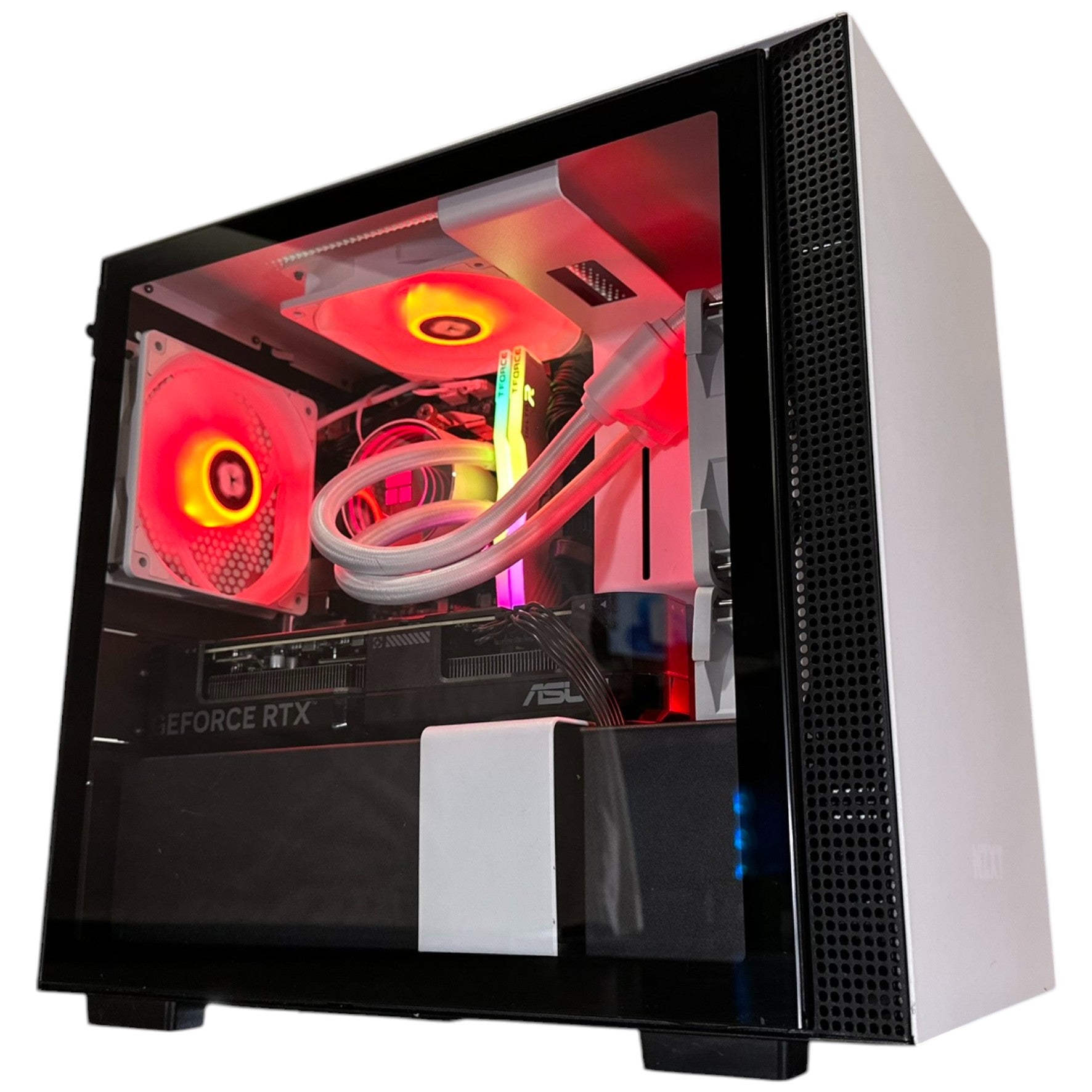
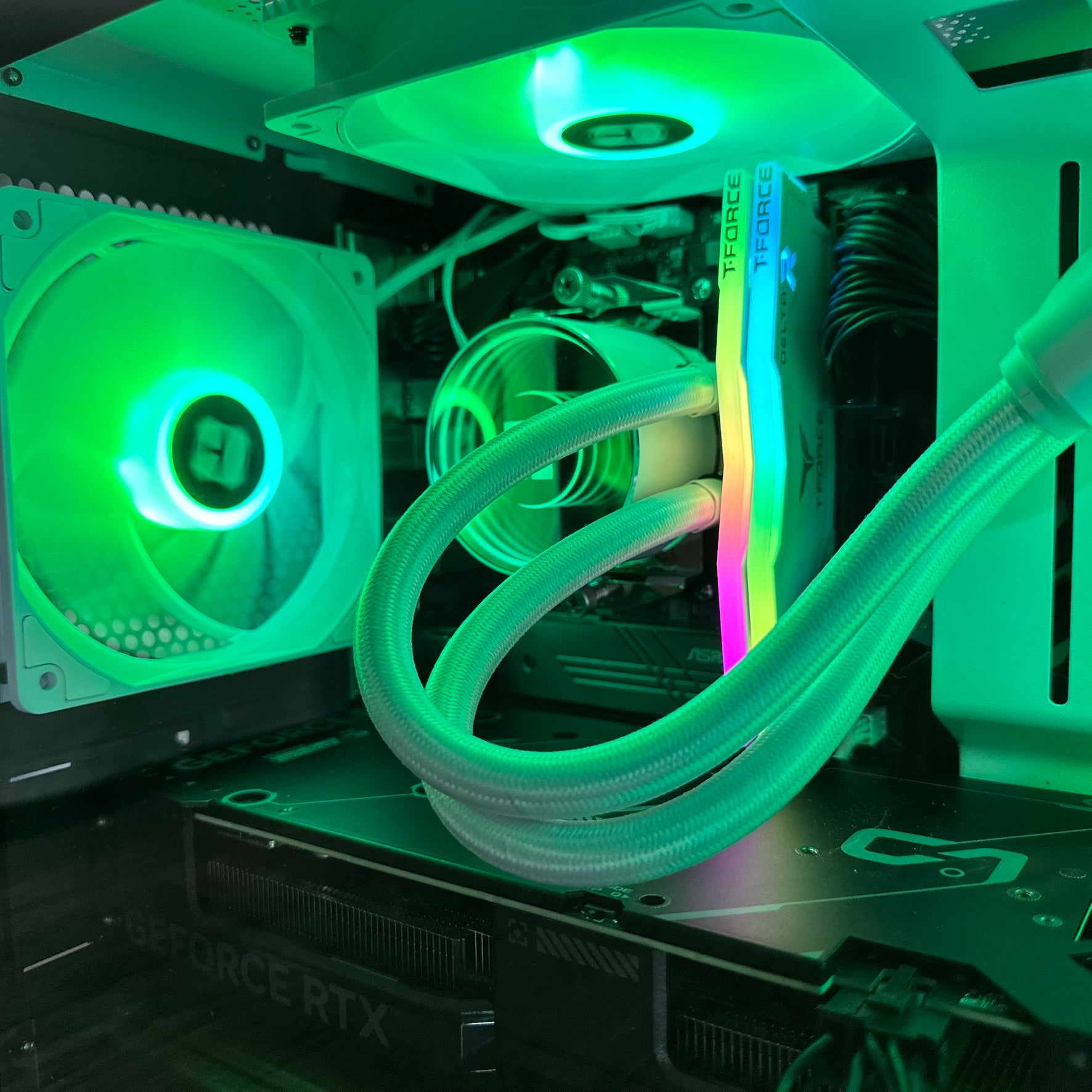
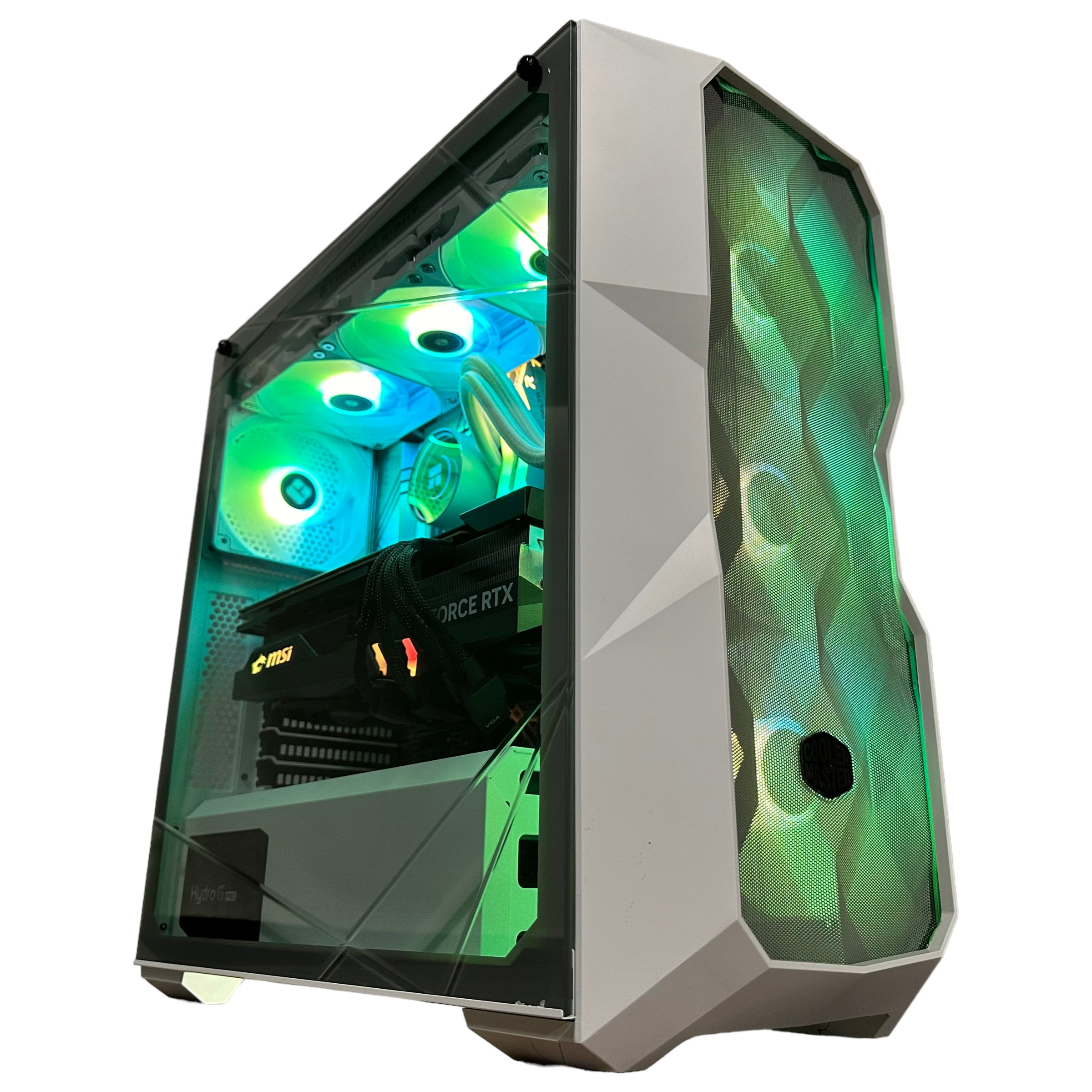
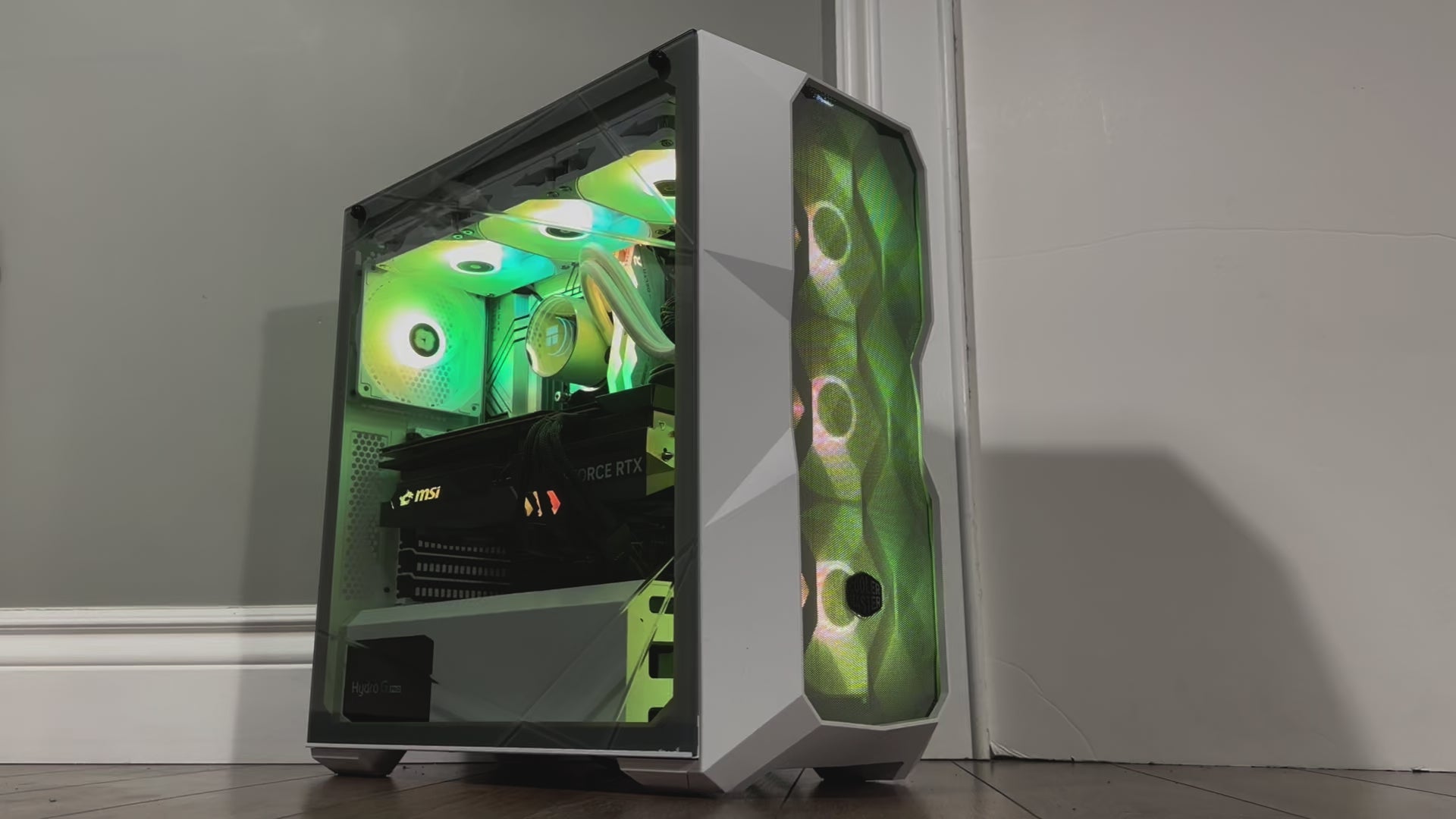
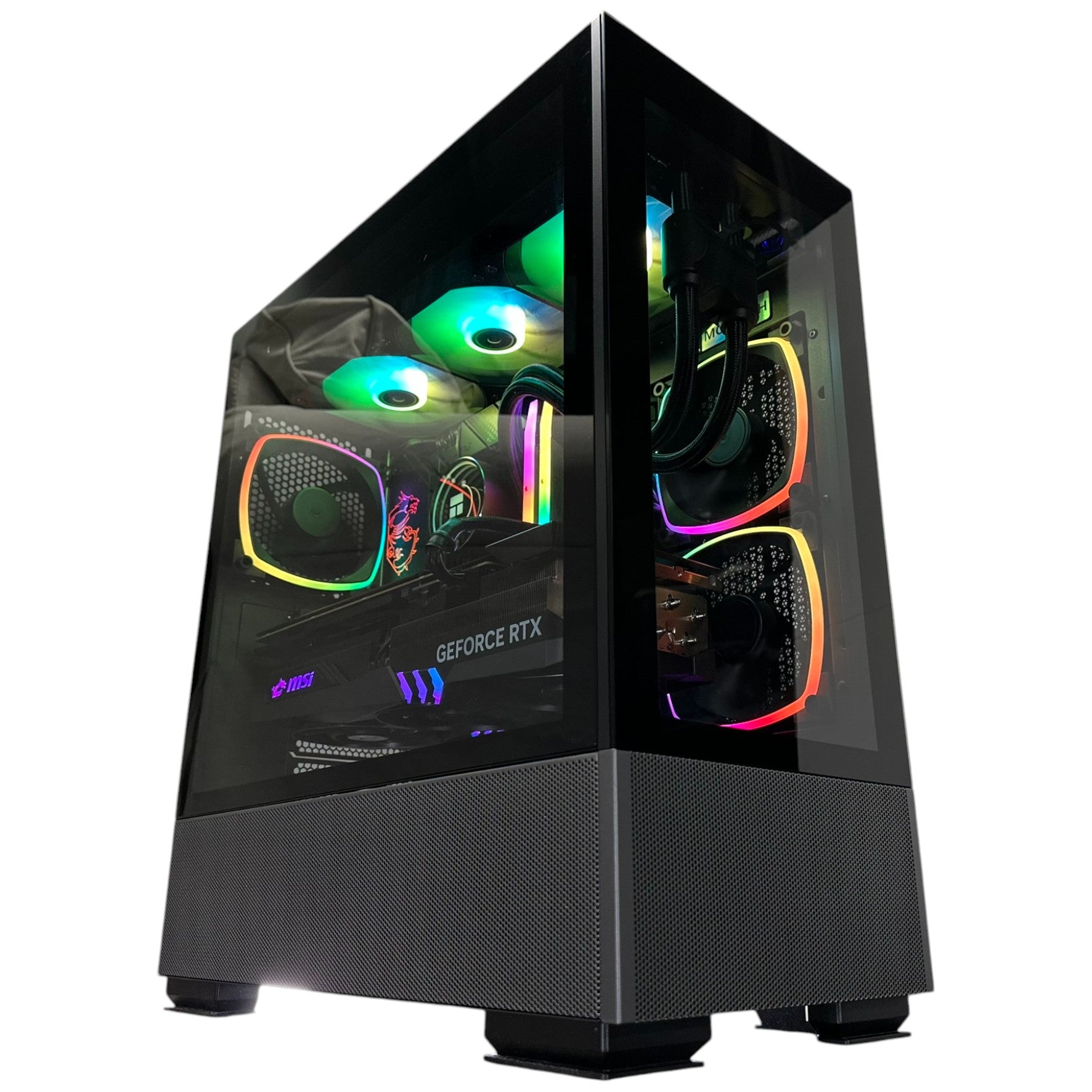
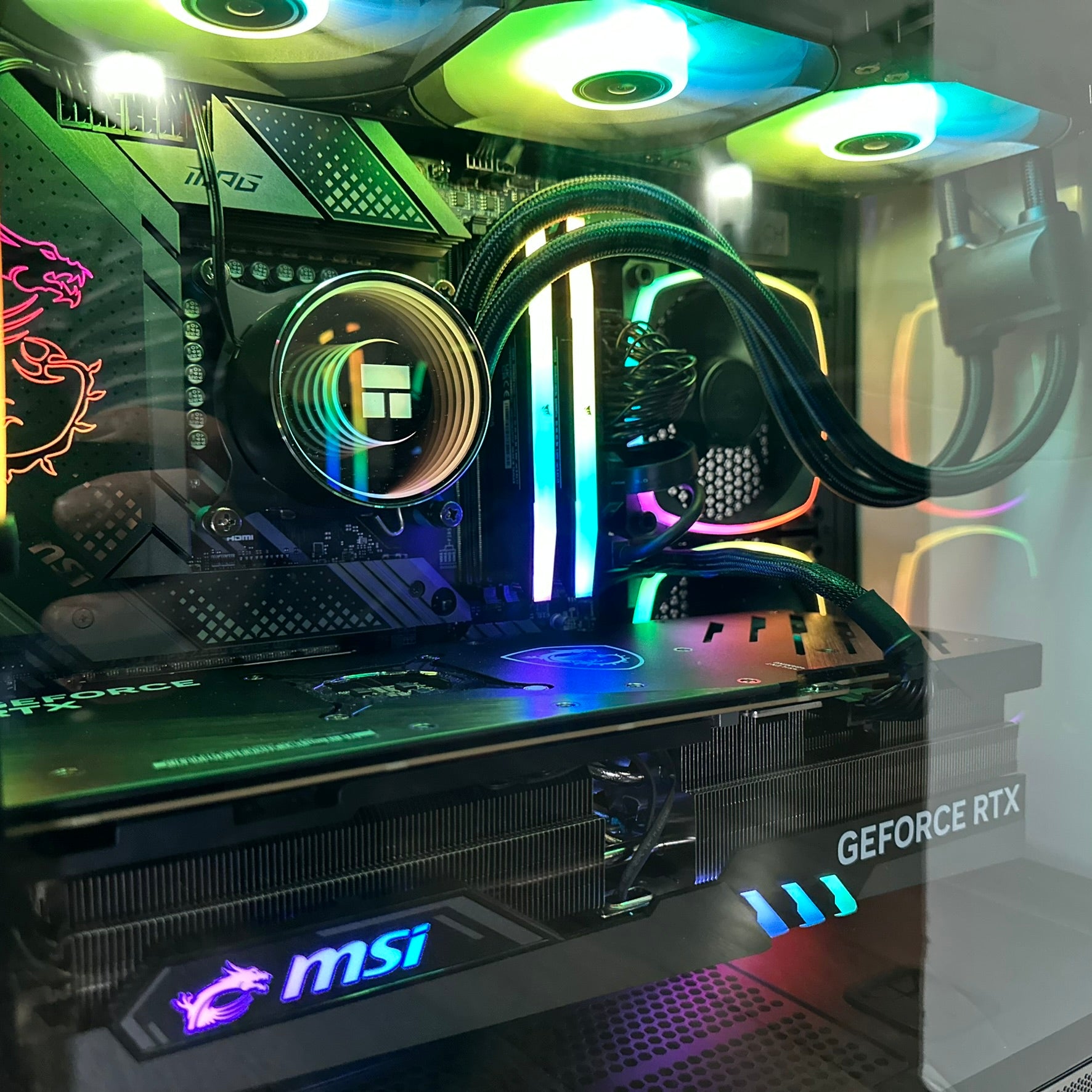
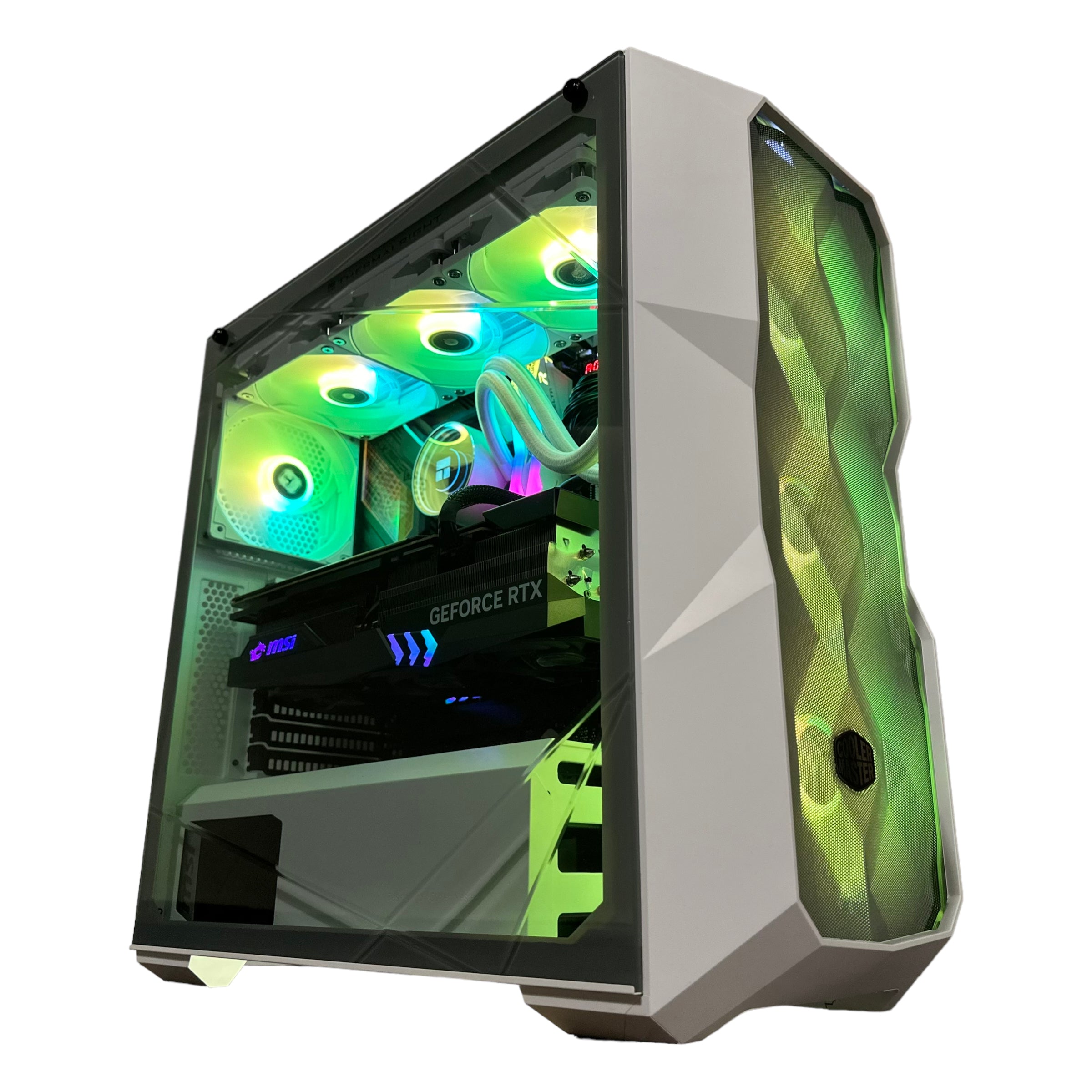
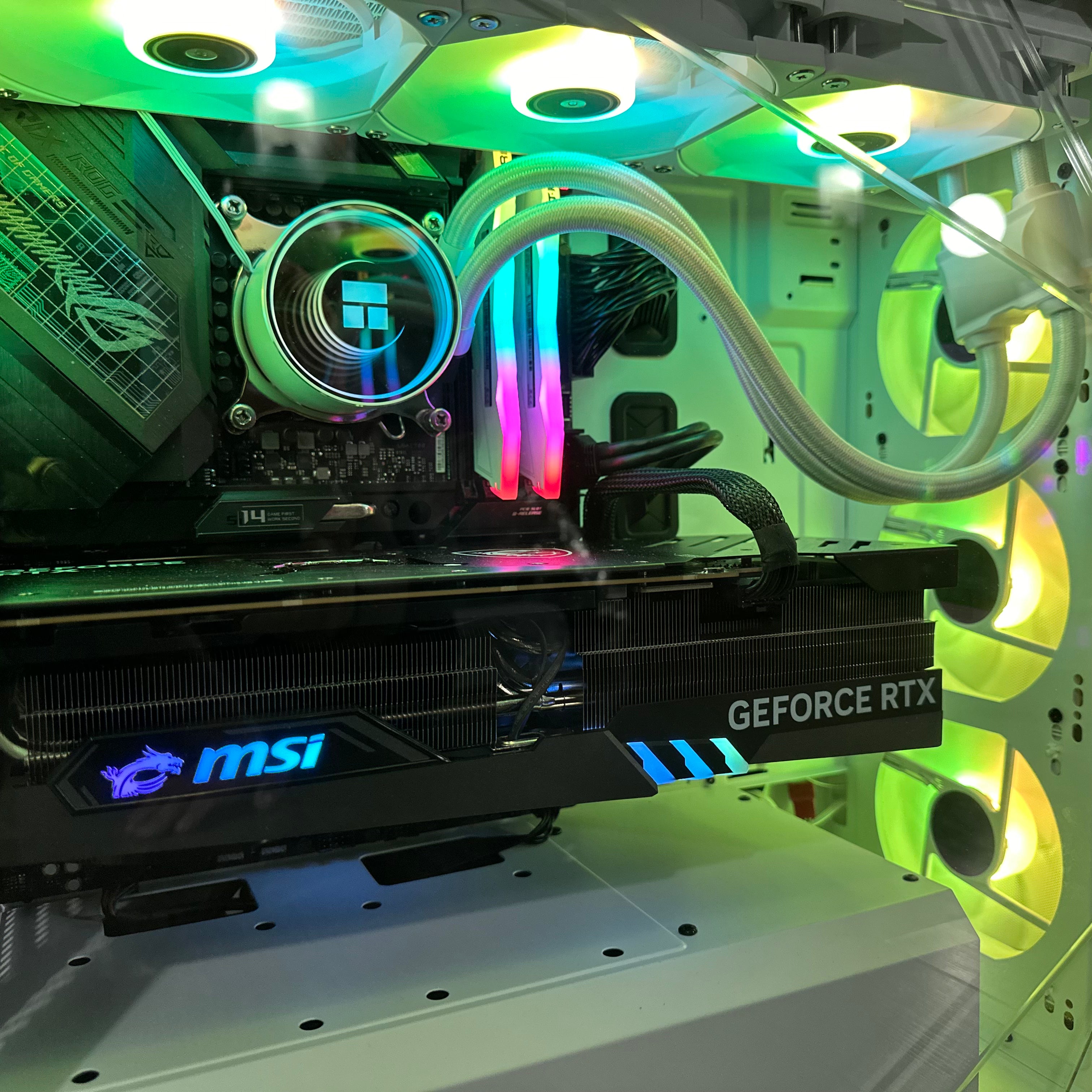
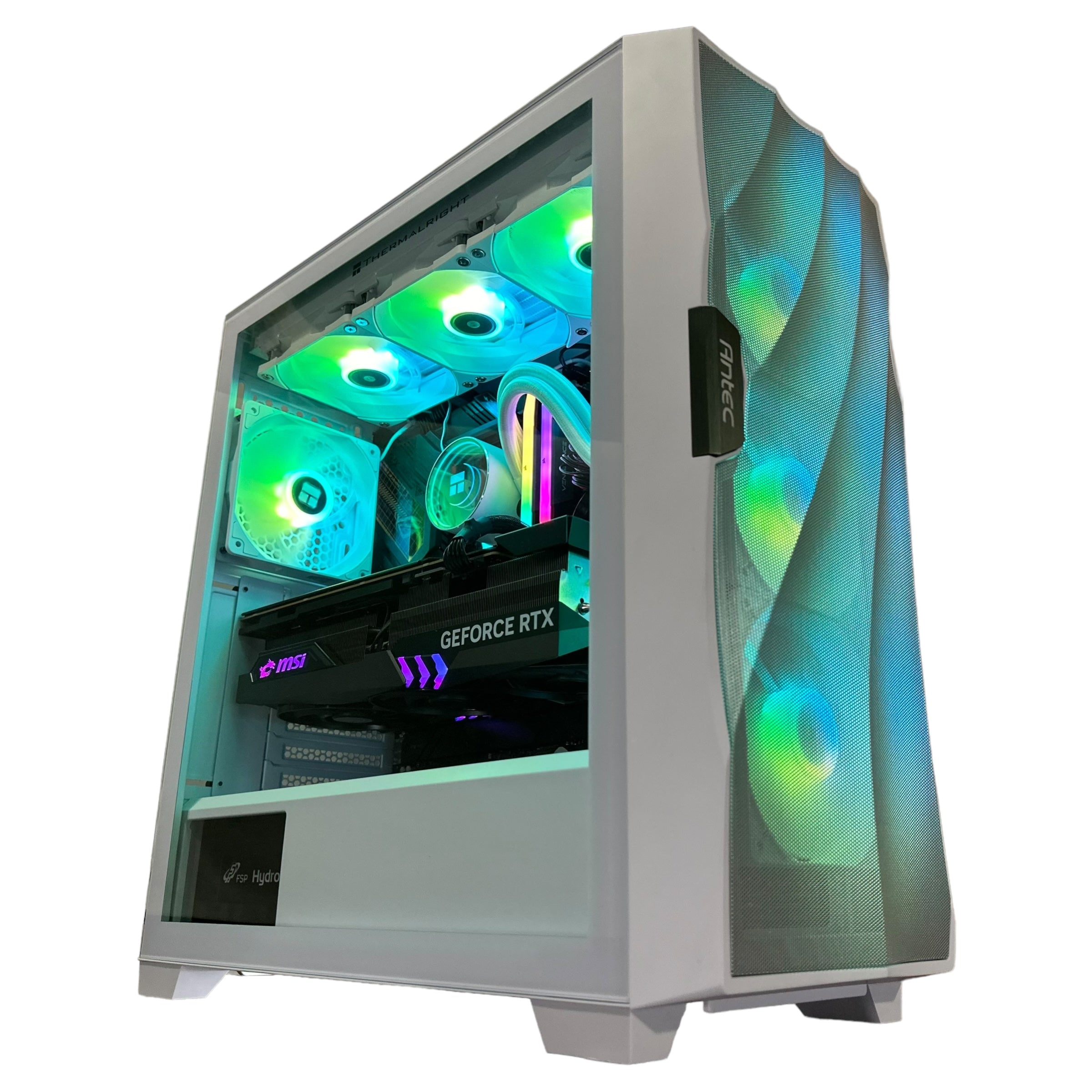

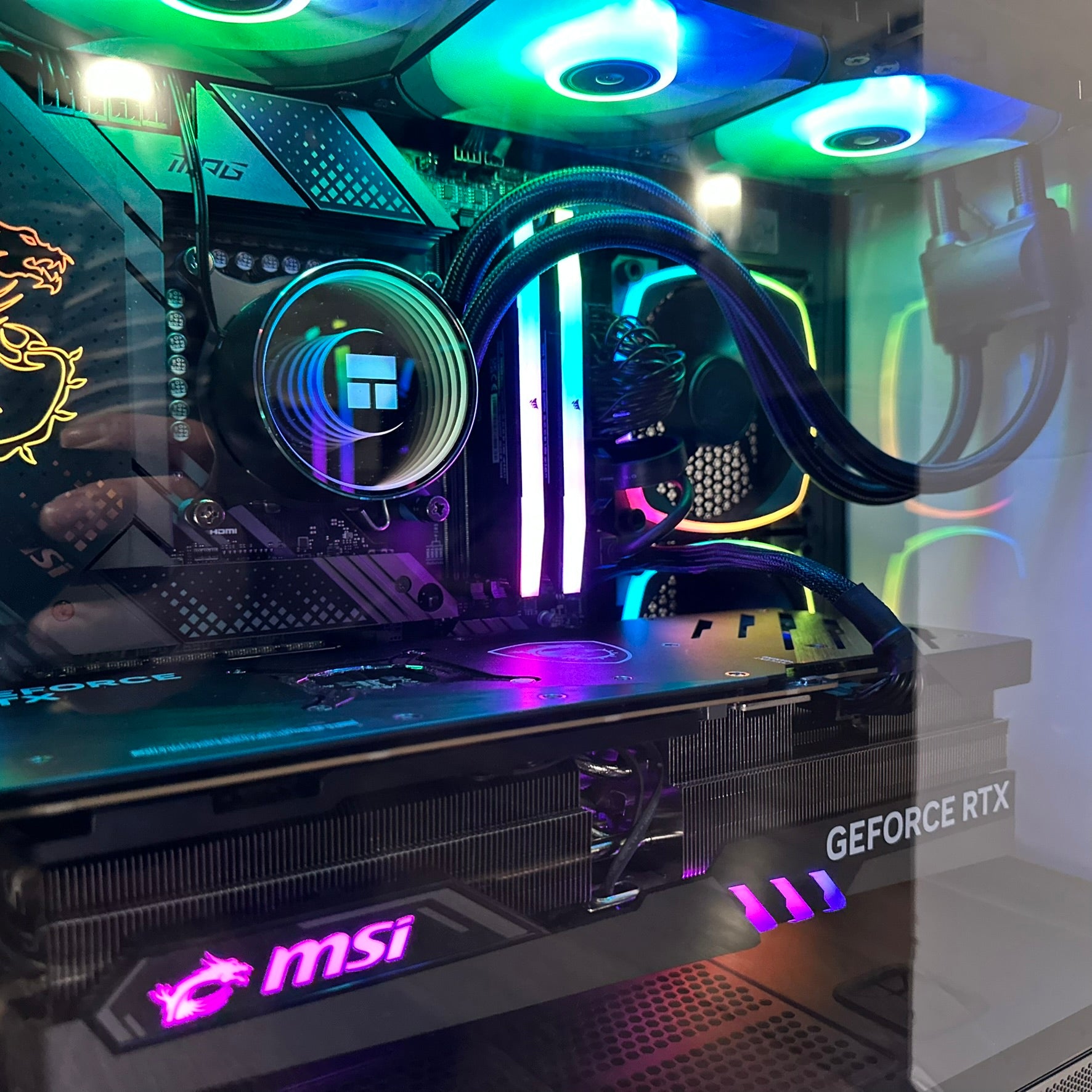
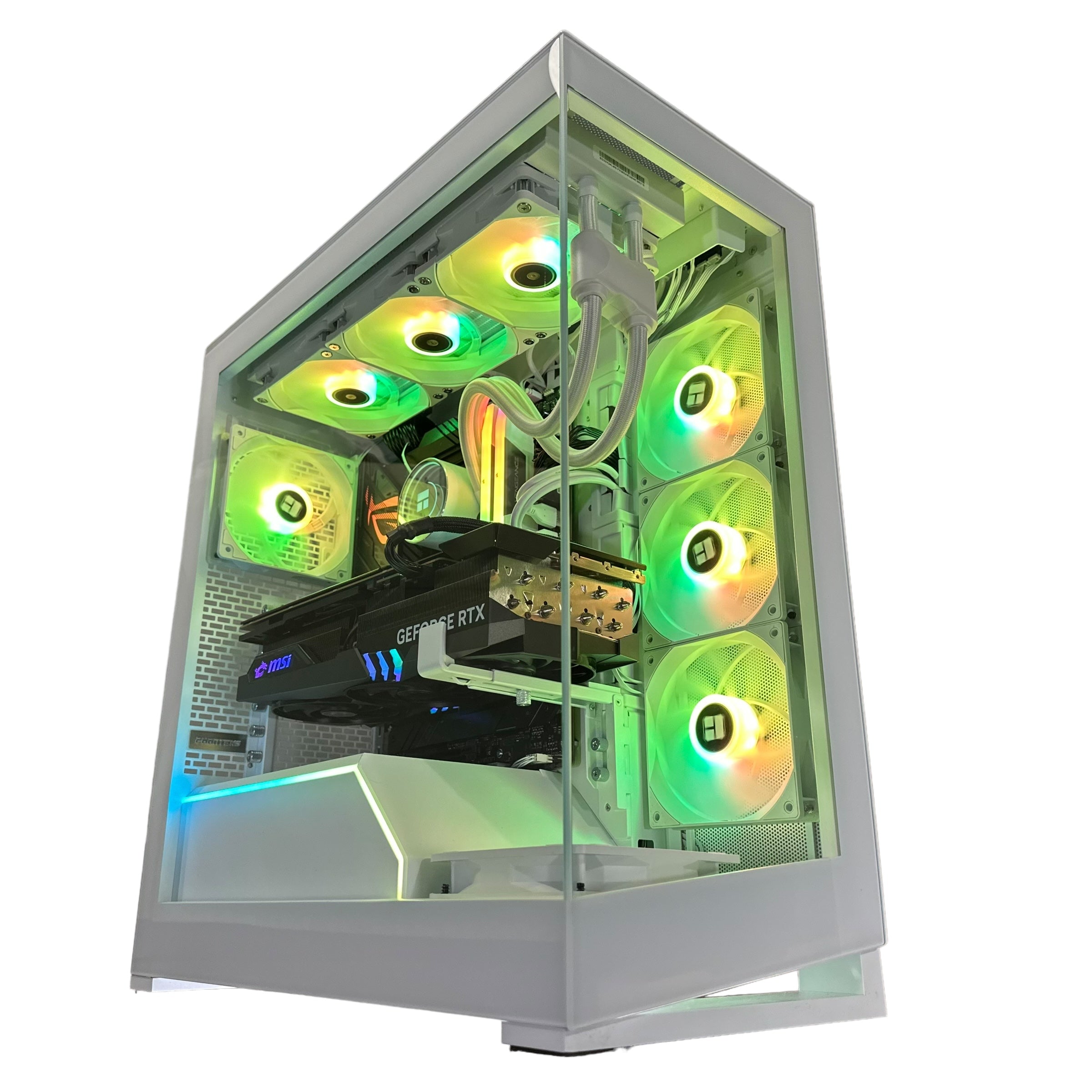

Capcom’s Remake Strategy Shows Why a Custom Gaming PC Canada Buyers Choose Matters More Than Ever
Capcom’s latest comments about remakes funding new releases and fresh ideas are about much more than one publisher’s roadmap. They point to a bigger trend across modern PC gaming: blockbuster franchises, higher production values, longer development cycles, and heavier hardware demands are changing how players should think about their next system. For anyone shopping for a custom gaming PC Canada buyers can rely on, this is the real takeaway. If major studios are using proven hits to bankroll more ambitious games, then gamers, streamers, and creators need to ask a simple question: is your current PC ready for what comes next, or are you already behind?
At Groovy Computers, that question matters because game hype does not stay on social media. It turns into real hardware pressure. Big franchise releases drive more players toward higher-refresh 1080p, smoother 1440p, better ray tracing, faster load times, and stronger creator workflows. The result is that buying the right system is no longer just about “can it run the game?” It is about how well it runs, how long it stays relevant, and whether the PC you buy today saves you from upgrading too soon.
What did Capcom actually reveal, and why does it matter to PC buyers?
The source story highlights a clear business strategy: remakes help provide financial resources for new Resident Evil entries and standalone projects like Pragmata. That is a smart cycle for a publisher. A well-loved remake reduces some commercial risk, strengthens revenue, keeps a franchise visible, and supports investment in new ideas. For players, that means more releases, more technical polish, and more pressure on aging hardware.
Why should a Canadian PC buyer care? Because when major publishers find a working formula, they scale it. More remakes, more sequels, more DLC, more ambitious visual design, and more frequent release cadence all point to one thing: your next PC has to be selected with the future in mind, not just the game in front of you today.
If you have been following major horror games, open-world launches, action blockbusters, and cinematic PC ports, you already know the pattern. Recommended specs keep climbing. VRAM conversations keep getting louder. Frame generation, ray tracing, texture quality, streaming performance, and SSD speed all matter more than they used to. So when a publisher says remakes are funding newer, more demanding projects, that should trigger a buying question: should you wait, or should you secure a stronger system now before your next must-play game arrives?
Why this matters even more in Canada
Canadian buyers face a different market reality than many headline-driven gaming articles account for. Exchange rates, shipping costs, regional availability, and broader component pricing pressure can all affect what a finished system costs. Even when a game story is not directly about hardware pricing, the momentum around high-profile releases can still influence demand for GPUs, CPUs, memory, and complete systems.
That is why a generic “just upgrade later” mindset often backfires. In Canada, replacing a weak GPU, adding more RAM, swapping a power supply, and fixing thermal limitations in a lower-end machine can end up costing more than choosing the right custom build from the start. If you are already thinking about a new gaming system for the next wave of AAA titles, it makes sense to ask: do you want the cheapest short-term answer, or the build that still feels strong a few years from now?
Groovy Computers helps customers across Canada choose systems based on real use cases, not vague marketing tiers. That means a better match for gaming, streaming, editing, content creation, workstation use, and 3D work, plus the confidence of rigorous testing and a 1-year warranty.
What do you want your next PC to do for you?
Before comparing parts, start with the real goal. What are you actually buying this machine to do?
- Do you want a budget-friendly system for esports, indie games, and solid 1080p performance?
- Do you want a 1440p gaming PC that handles modern AAA releases with high settings and strong frame rates?
- Are you aiming for a premium RTX build for ray tracing, ultra settings, and long-term gaming headroom?
- Do you also plan to stream to Twitch or YouTube while gaming?
- Will you edit video in Adobe Premiere Pro or DaVinci Resolve after your gaming sessions?
- Do you work in Photoshop, Lightroom, Illustrator, or InDesign and need a creator-friendly desktop?
- Are you building for Blender, Unreal Engine, 3D rendering, or heavy workstation multitasking?
This is where many shoppers lose money. They buy a PC for one task, then discover three months later they also want to stream, edit clips, run multiple monitors, or jump into more demanding releases. That is exactly why custom build guidance matters. Your system should fit the workload you are growing into, not only the one you have today.
What the Resident Evil and Pragmata conversation tells us about future PC demand
The source article centers on remakes as financial fuel for original development. That matters because it confirms something PC buyers should already assume: publishers are balancing safe commercial wins with bigger experimental projects. In practice, that leads to a pipeline where some games target nostalgia, while others push visuals, performance expectations, and engine capabilities forward.
For PC buyers, this creates a split decision. Some games will still scale reasonably well. Others will expose every weakness in an older build, from insufficient VRAM and weaker CPUs to slow storage and thermal bottlenecks. If you have ever dropped settings far below what you expected, fought stutter during shader compilation, or struggled to stream a new release cleanly, you know how quickly “good enough” stops being good enough.
So ask yourself: are you buying a PC for the games you finished last year, or for the releases you are excited about next year?
What gaming performance tier fits you best?
Not every customer needs the same system, and not every build should chase the highest possible price. The better question is what level of performance actually matches your habits.
Entry-level and value-focused: Is a budget gaming system enough for you?
If you mainly play competitive titles, lighter multiplayer games, older AAA releases, or indie favorites, a value-oriented gaming desktop can still be a smart move. This tier is ideal for players asking questions like: How much should I spend on a gaming PC? or Can a budget gaming PC play new games?
A good value build can make sense if you want:
- 1080p gaming
- Esports performance with high frame rates
- Fast boot times and responsive everyday use
- A lower total system cost without buying disposable hardware
But there is an important warning here. If you already know you want modern AAA games, heavier visual settings, streaming, or multitasking, going too low now can mean upgrading too soon. That usually costs more in the long run.
Mainstream sweet spot: Are you really a 1440p buyer?
For many Canadian gamers, 1440p is the real sweet spot. It gives you a noticeable visual jump over 1080p, better long-term value, and stronger alignment with where new releases are headed. If you are reading gaming news, following franchise revivals, or planning around the next wave of cinematic titles, this is often the performance tier that makes the most sense.
You may be a 1440p buyer if you want:
- High to ultra settings in many modern games
- Better image quality without full 4K cost
- More longevity from your GPU purchase
- A strong balance between gaming, streaming, and editing
If you have been wondering, What PC do I need for 1440p gaming? this is also the tier where good component matching becomes critical. CPU, GPU, RAM, cooling, storage speed, and power supply quality all need to work together. That is one of the biggest differences between a carefully built custom system and a generic spec-sheet machine.
Premium tier: Are you chasing 4K, ray tracing, or long-term headroom?
If your goal is ultra settings, premium visuals, demanding new releases, heavy modding, advanced lighting features, or strong future-proofing, then a high-end build may be the smarter buy. This is especially true for customers asking: Should I buy a better PC instead of replacing a mid-range one in two years?
A premium system makes sense if you want:
- 4K gaming or high-end 1440p gaming with more overhead
- Ray tracing performance that feels worth turning on
- Streaming and recording without compromising gameplay quality
- A longer runway before needing major upgrades
High-end buyers should also think carefully about timing. Premium GPUs and related parts are often the first to feel pressure when demand spikes around new hardware cycles, major game releases, or broader supply shifts.
Are you only gaming, or are you also streaming and creating?
This is one of the most important questions in the entire buying process. Many shoppers start by searching for a gaming PC, but what they actually need is a hybrid system. If you plan to game, stream, edit clips, design thumbnails, upload shorts, or manage a full content workflow, then you are no longer shopping for just a gaming desktop. You are shopping for a more capable creator-ready machine.
A proper gaming and streaming setup in Canada should consider:
- Enough CPU strength for gameplay plus background tasks
- A GPU that supports smooth encoding workflows
- Enough RAM for multitasking, browser tabs, chat tools, OBS, and editing apps
- Fast SSD storage for recordings, project files, and game installs
So ask yourself: What PC do I need for streaming? And then ask the follow-up most people skip: Do I also want that same PC to handle editing and content creation without feeling strained?
Is a gaming PC good for video editing, photo editing, and graphic design?
Sometimes yes, but only if the system is built properly for those tasks. A lot of off-the-shelf gaming systems look strong because they advertise the GPU first, but creator workloads often depend just as much on memory capacity, storage layout, CPU performance, thermals, and stability.
If you are editing in Premiere Pro, working in DaVinci Resolve, compositing in After Effects, sorting RAW images in Lightroom, touching up photos in Photoshop, or building campaign assets in Illustrator and InDesign, your PC needs more than game-ready branding.
You should be asking:
- How much RAM do I need for video editing?
- Will my storage fill too quickly with 4K footage?
- Do I need more CPU power for exports and playback?
- Will a stronger GPU help with effects, acceleration, or render speed?
- Should I choose a creator PC instead of a pure gaming PC?
For many buyers, the ideal answer is a custom creator build that still games beautifully. That kind of system can handle modern titles at strong settings while also supporting editing, streaming, and design work in one machine. If that sounds like you, a tailored Groovy Computers build is usually a better fit than a generic preconfigured box.
What if your workflow includes Blender, Unreal Engine, or 3D rendering?
This is where the difference between a gaming desktop and a workstation becomes even more important. If your next machine needs to support Blender, Unreal Engine, 3D animation, asset creation, rendering, CAD-style workflows, or heavy multitasking, then you need to think in terms of sustained performance, memory capacity, cooling, and reliability.
Ask yourself:
- What PC do I need for Blender?
- What PC do I need for 3D rendering?
- Will I be gaming on this system too, or is work the top priority?
- Do I need more RAM to avoid project slowdowns?
- Should I choose a custom workstation PC instead of a gaming-first build?
For many 3D artists, developers, and advanced creators, the best answer is a hybrid workstation with gaming capability rather than a gaming system forced into professional use. Groovy Computers can help match that balance so you do not overspend in the wrong area or underspec a system that has real revenue-generating work to do.
Why timing matters when game demand rises
The Capcom story is really a story about momentum. Strong remakes support new entries. New entries drive attention. Attention drives sales. Sales fuel more development. And once a franchise is hot, gamers start upgrading.
That matters because hardware buying is rarely isolated from software excitement. When a major game, expansion, or sequel gets traction, more customers start searching for systems that can handle it properly. That can tighten inventory, shift demand toward stronger GPUs, and make “I will wait a bit longer” a more expensive decision than expected.
Are you buying before a major game release? Before a holiday demand wave? Before your current machine fails? Before your editing software update slows everything down? Those timing questions matter more than most people realize.
If your current PC is already limiting what you play or create, waiting may not save you money. It may just delay the inevitable while replacement costs rise.
Should you finance a stronger system now instead of settling for less?
This is one of the most practical questions a buyer can ask. A lot of customers try to force their budget into the lowest possible build, only to discover later that the compromise was too aggressive. Maybe the GPU tier was too weak. Maybe the RAM ceiling was too low. Maybe the storage filled instantly. Maybe the system was not comfortable for streaming, editing, or new releases.
That is where financing can be a smart tool, not an impulse decision. If financing helps you move from a short-lived build to a significantly better long-term system, the value can be very real. Groovy Computers offers financing options up to 4 years, which can help customers secure the performance they actually need before replacement costs rise further.
So ask yourself honestly: Should I finance a better PC instead of buying a cheaper one that I will outgrow too fast? If the stronger system gives you more gaming headroom, better streaming quality, smoother editing, and a longer upgrade runway, then the answer may be yes.
What parts tend to create the biggest cost pressure in a new build?
Even when headlines focus on games instead of components, hardware pricing pressure still shows up in predictable places.
GPU pressure
Graphics cards often drive the biggest price difference between performance tiers. If you care about 1440p, ray tracing, high refresh gameplay, or creator acceleration, GPU selection matters enormously. It is also one of the easiest places to underspend by mistake.
CPU balancing
A stronger GPU can be held back by an unbalanced processor choice. On the other hand, overspending on CPU while ignoring GPU can also distort the build. A good custom system matches both properly for your intended use.
RAM requirements
Modern gaming, streaming, editing, and design work can quickly expose low-memory configurations. Buyers who multitask heavily or work in creator apps should think beyond bare-minimum specs.
SSD storage
Fast storage matters for load times, file transfers, project responsiveness, and overall feel. It is also one of the first places buyers regret going too small, especially if they install multiple large games or edit media locally.
Cooling and power quality
These are not glamorous line items, but they directly affect noise, stability, and upgrade flexibility. Poor cooling and weak power planning often create the problems that generic sales pages never mention.
Custom PC vs generic prebuilt: what really matters?
The easiest mistake in PC shopping is comparing systems only by surface-level specs. A machine can look similar on paper and still differ dramatically in part quality, airflow, thermal tuning, stability, upgrade path, and workload suitability.
That is why custom builds matter. When you choose a system through Groovy Computers, you are not just choosing a CPU and GPU. You are getting a build designed around your goals, assembled with compatibility in mind, rigorously tested, and backed by a 1-year warranty.
If you have ever wondered, Custom PC vs prebuilt PC Canada: which is better? the answer often comes down to risk. A well-built custom PC reduces the risk of mismatched parts, thermal disappointment, weak upgrade planning, and short-term buying decisions that become expensive later.
What kind of buyer should choose which type of Groovy Computers build?
Choose a value gaming build if:
- You mainly play lighter or competitive games
- You want solid 1080p performance
- You care about price discipline
- You do not expect heavy streaming or creator workloads right away
Choose a mainstream gaming build if:
- You want strong 1440p performance
- You play a mix of esports and modern AAA games
- You want better long-term value
- You may stream, record, or multitask regularly
Choose a premium RTX gaming PC if:
- You want ray tracing, ultra settings, or 4K ambitions
- You are buying for upcoming AAA titles
- You want a longer replacement cycle
- You prefer stronger overhead rather than barely meeting requirements
Choose a creator PC if:
- You edit video, photos, or social content
- You use Adobe Creative Cloud or similar software regularly
- You want one machine for gaming and productive work
- You need memory, storage, and stability prioritized correctly
Choose a workstation or 3D-focused build if:
- You work in Blender, Unreal Engine, CAD, or rendering workflows
- You need sustained heavy-load performance
- You multitask with complex projects
- You cannot afford instability, slowdowns, or poor thermal behavior
Questions to ask before you buy your next PC
Before you place an order, ask yourself the questions that actually protect your investment.
- What games, software, or workloads will I use this PC for most?
- Am I targeting 1080p, 1440p, or 4K?
- Do I care about ray tracing or just raw frame rate?
- Will I stream, record, or edit content on the same machine?
- How much storage will I realistically need in six to twelve months?
- Do I want to avoid major upgrades for as long as possible?
- Would financing help me buy the right system now instead of compromising too hard?
- Am I buying before a big game launch, busy retail season, or price shift?
If any of those questions feel harder to answer than they should, that is exactly when expert build guidance becomes valuable.
Why Groovy Computers is a smart fit for Canadian buyers
Groovy Computers is built around what serious Canadian buyers actually need: custom gaming PCs, creator systems, and workstation builds that are selected for real use cases instead of generic category labels. Whether you are shopping from Nova Scotia, Atlantic Canada, or elsewhere in the country, the goal is the same: get a better-fitting machine with less guesswork.
Customers choose Groovy Computers because the value is not only in the parts list. It is in the build logic, rigorous testing, part matching, cooling awareness, and warranty support. That matters whether you are buying your first gaming desktop, upgrading for the next generation of AAA titles, or investing in a system that also supports revenue-generating creative work.
And because budgets are real, financing can matter just as much as raw performance. If stretching to the right build today helps you avoid replacing a weak system early, that is often the more efficient move.
So, is now a good time to buy, or should you wait?
If the source story tells us anything, it is that major franchises are not slowing down. Publishers are investing in a cycle of familiar hits and bigger new ideas, and both trends create stronger reasons to upgrade. That does not mean every buyer should rush blindly. It means you should evaluate honestly.
Is your current PC doing what you need? Can it handle the games you care about at the settings you expect? Can it stream without frustration? Can it edit efficiently? Can it keep up with your software and multitasking habits? Or are you already compensating for its limits every day?
If you are already asking those questions, then the decision is probably closer than you think.
Need help choosing the right performance tier?
If you are not sure whether you need a budget gaming build, a stronger 1440p setup, a premium RTX system, a creator desktop, or a workstation-grade machine, Groovy Computers can help you narrow it down based on what you actually play and create. Want a system that is ready for new games, streaming, editing, or 3D workloads without paying for the wrong parts? Visit GroovyComputers.ca and explore a custom build that fits your goals, your timeline, and your budget.
Final takeaway: the smartest PC buyers are thinking one step ahead
Capcom’s remake-fueled success story is a reminder that the gaming industry rewards momentum, and momentum raises expectations. More polished releases, more ambitious projects, and more audience hype eventually push buyers toward stronger hardware. That is why choosing the right custom gaming PC Canada shoppers can depend on is not just about today’s specs. It is about tomorrow’s demands, your wider workflow, and whether your next system gives you room to grow instead of forcing another upgrade too soon.
If you want a gaming PC, creator PC, or workstation that is built with that bigger picture in mind, Groovy Computers is one of the best places in Canada to start.
#CustomGamingPCCanada #GamingPCCanada #CanadianCustomPCBuilders #GamingPCBuilderCanada #CreatorPCCanada #VideoEditingPCCanada #StreamingPCCanada #3DModelingPCCanada #WorkstationPCCanada #GamingPCFinancingCanada #NovaScotiaTech #GroovyComputers
Groovy Computers | All Rights Reserved


Leave a comment
This site is protected by hCaptcha and the hCaptcha Privacy Policy and Terms of Service apply.