





Resident Evil Requiem Sales Surge: What This Means for Buying a Gaming PC in Canada
Capcom has confirmed that Resident Evil Requiem sales have climbed to eight million units, while Pragmata has reached 2.5 million. That is a major signal for PC buyers in Canada: big-budget games are still driving strong demand, players are still upgrading for new releases, and the performance gap between an aging system and a well-balanced modern desktop keeps getting wider. If you have been wondering whether your current PC is ready for the next wave of AAA titles, this is exactly the right time to ask.
For Groovy Computers, this kind of sales momentum matters because blockbuster launches do not just sell games. They push GPU demand, raise expectations around visual quality, increase interest in ray tracing and higher resolutions, and make more buyers ask a very practical question: what kind of system do I actually need before the next must-play release lands?
Capcom’s latest numbers are impressive, but why should Canadian PC buyers care?
According to the source material, Capcom’s quarterly report for Q1 2026 showed strong year-over-year performance, with total game unit sales rising from 14.16 million to 23.81 million. Resident Evil Requiem continued gaining traction and crossed eight million units cumulatively, helped by broad global appeal and active pricing measures. Pragmata also cleared 2.5 million units after a strong launch supported by promotional activity.
That tells us two things.
- First, demand for major modern games is not slowing down.
- Second, publishers are still investing in visually ambitious experiences that reward stronger hardware.
When that happens, PC shoppers across Canada start moving from casual browsing to serious upgrade planning. A game selling eight million copies this quickly is not just a headline. It is a reminder that large releases shape the buying cycle for gaming desktops, streaming setups, creator PCs, and even editing workstations for content built around those games.
What does Resident Evil Requiem’s success say about the future of gaming performance?
It says that cinematic AAA gaming is still one of the biggest drivers of custom desktop demand. Horror games, action titles, open-world games, and technically ambitious releases increasingly reward systems with better GPUs, faster CPUs, more RAM, and SSD storage that keeps loading times under control.
Are you still playing at 1080p and happy with it? Or are you now looking at 1440p, ultra settings, ray tracing, and smoother frame pacing? Have you started thinking about whether your next system should also handle streaming, recording, editing clips, or running Discord, Chrome, OBS, and a game launcher all at once without choking?
Those are the real questions behind a sales story like this.
What do you want your next PC to do for you?
Before choosing parts, budgets, or financing, start with your actual goal.
Do you want a system mainly for games like Resident Evil Requiem and other new AAA titles? Do you want a machine that can game and stream at the same time? Are you creating YouTube videos, TikTok edits, thumbnails, or livestream content around new releases? Or do you need one desktop that can handle gaming after work and creator software during the day?
If you are not sure yet, ask yourself:
- Do I want reliable 1080p performance for current and upcoming games?
- Do I want stronger 1440p performance with room for higher settings?
- Do I care about ray tracing and visual quality more than raw frame count?
- Do I plan to stream through OBS or record gameplay while I play?
- Will I also use Adobe Premiere Pro, DaVinci Resolve, Photoshop, Lightroom, Illustrator, Blender, or Unreal Engine?
- Am I buying a PC I want to keep for years, or am I solving today’s problem only?
The more clearly you answer those questions, the easier it becomes to choose the right Groovy Computers build category.
Which performance tier fits you best?
Not every buyer needs the same class of system. One of the biggest mistakes Canadian shoppers make is either underbuying and regretting it within a year, or overspending on specs they never use. The smarter move is matching the build to the workload.
Entry-level to value-focused gaming PC
This tier makes sense if you want dependable 1080p play in current games, solid esports performance, and a reasonable path into modern PC gaming without going straight to a premium budget.
This is often the right fit if you are asking questions like: How much should I spend on a gaming PC? or Can a budget gaming PC play new games well enough for the next few years?
A value-focused build is ideal for buyers who:
- Play mostly at 1080p
- Want good settings without chasing maximum ray tracing
- Prefer better overall value per dollar
- Need a first gaming PC, student gaming setup, or family desktop with gaming capability
Mid-range 1440p gaming and streaming PC
This is where many buyers should be looking if they care about modern AAA games. A properly balanced 1440p system usually gives a much better long-term experience than a bare-minimum gaming desktop. It is often the sweet spot for players who want stronger visuals, smoother gameplay, and enough overhead to stream or multitask comfortably.
Is that you? Do you want your PC to run demanding games well today without feeling outdated too soon? Are you the type of buyer who wants to avoid another upgrade cycle after only a year or two?
This tier is great for:
- 1440p gaming
- High settings in new releases
- Better ray tracing performance
- Gaming and streaming on one machine
- Gaming plus school, work, or light content creation
High-end gaming PC for ultra settings and longer lifespan
If your goal is premium performance, higher refresh gaming, heavier ray tracing, and stronger future-proofing, a high-end build is the right conversation. This is where enthusiasts, serious streamers, and buyers who hate compromise usually land.
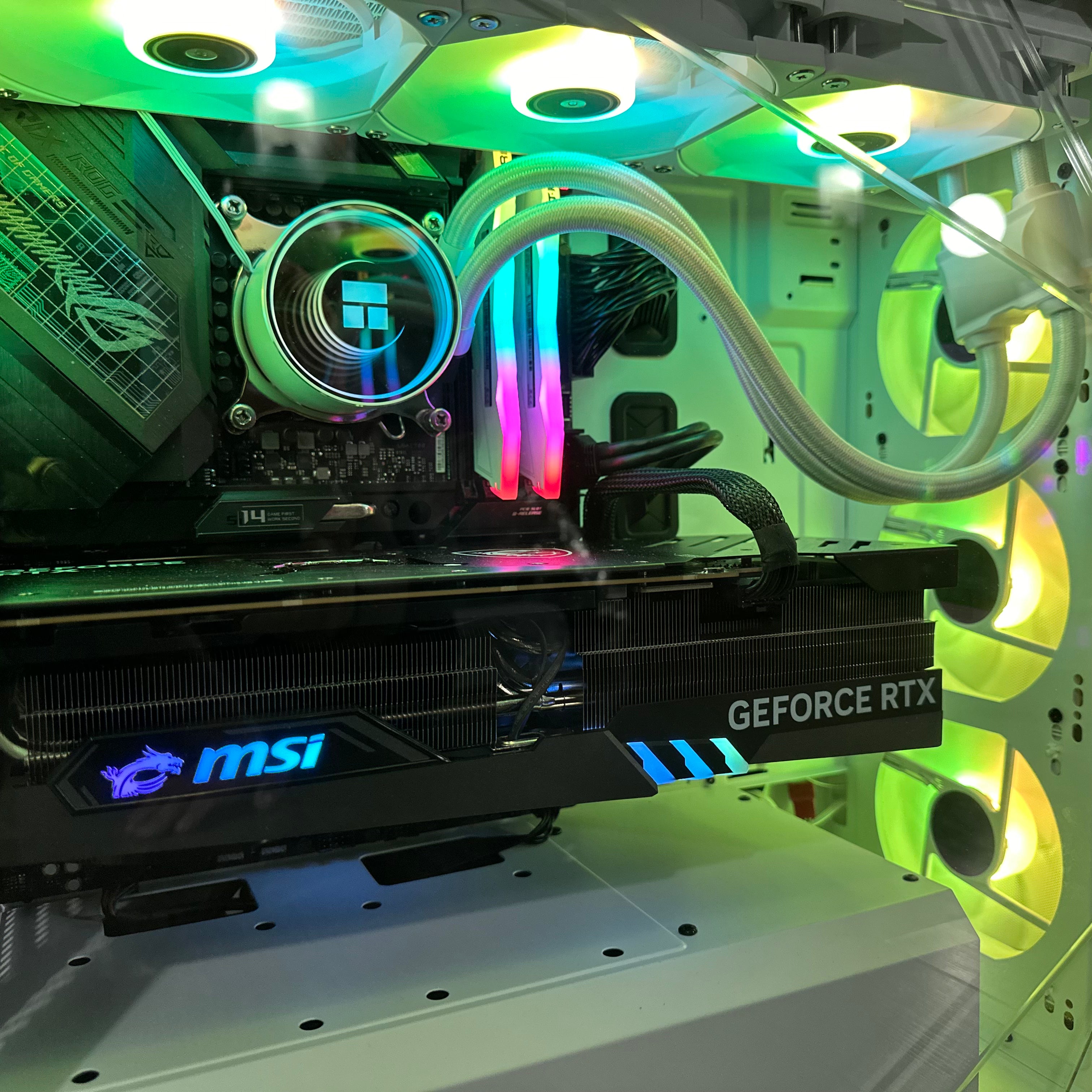
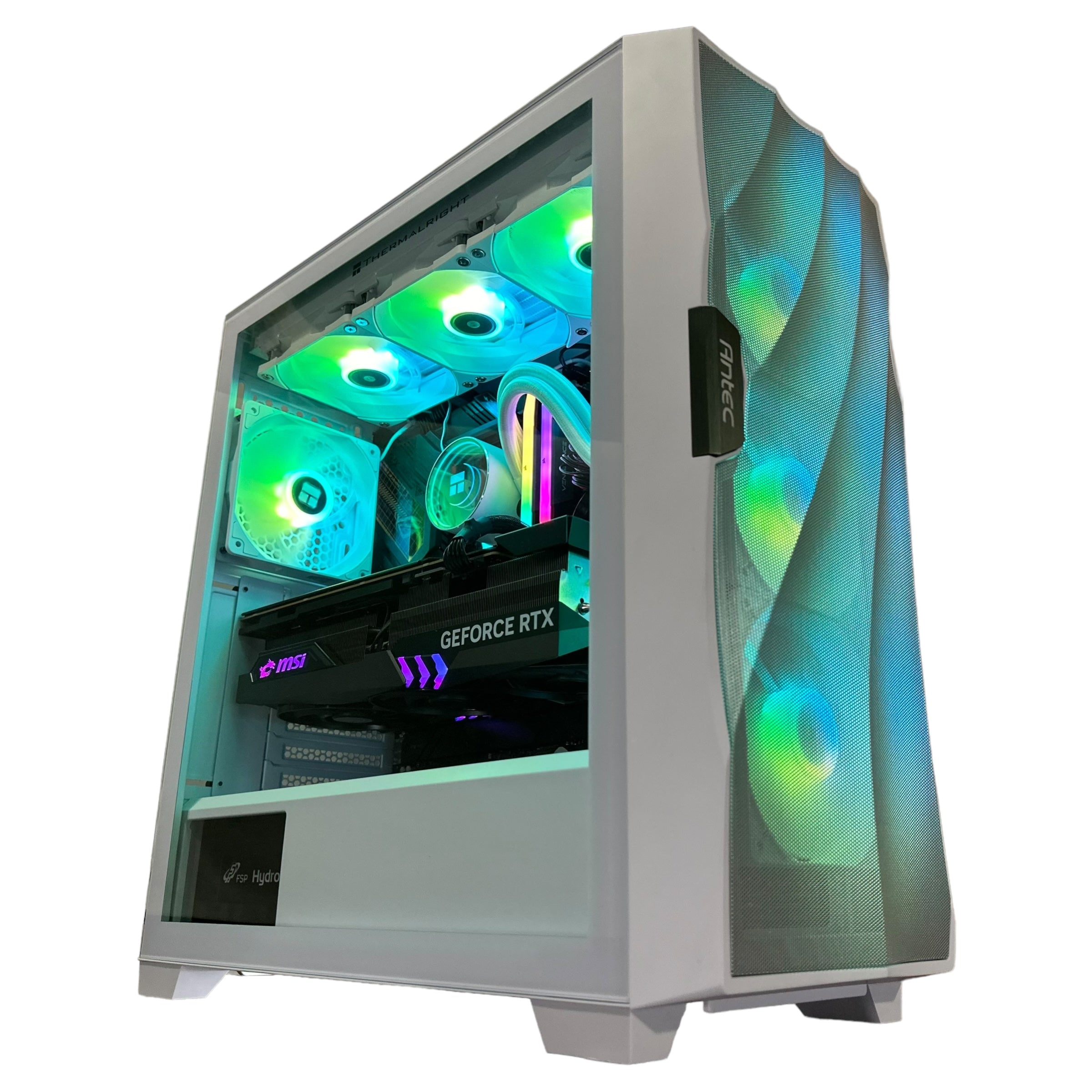
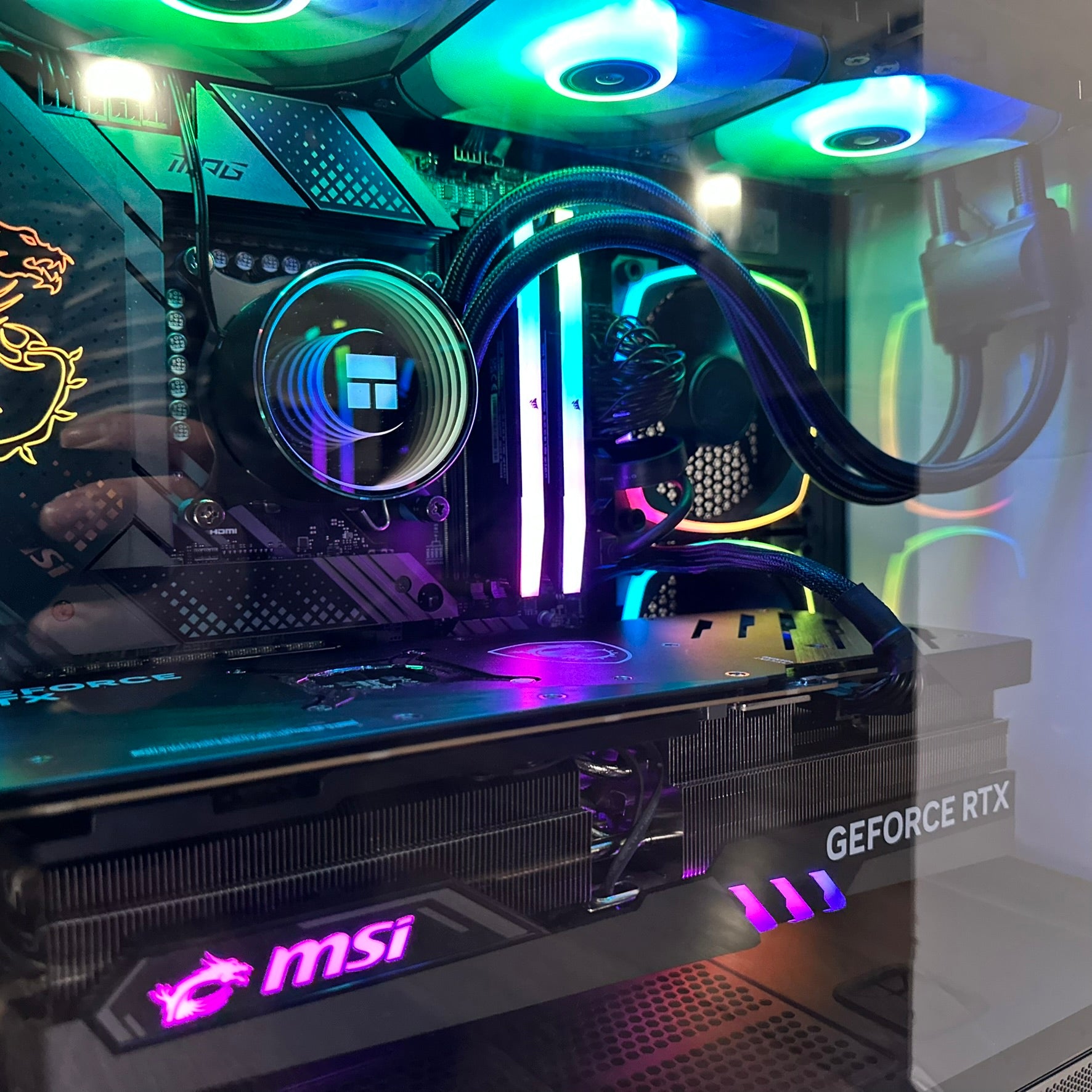
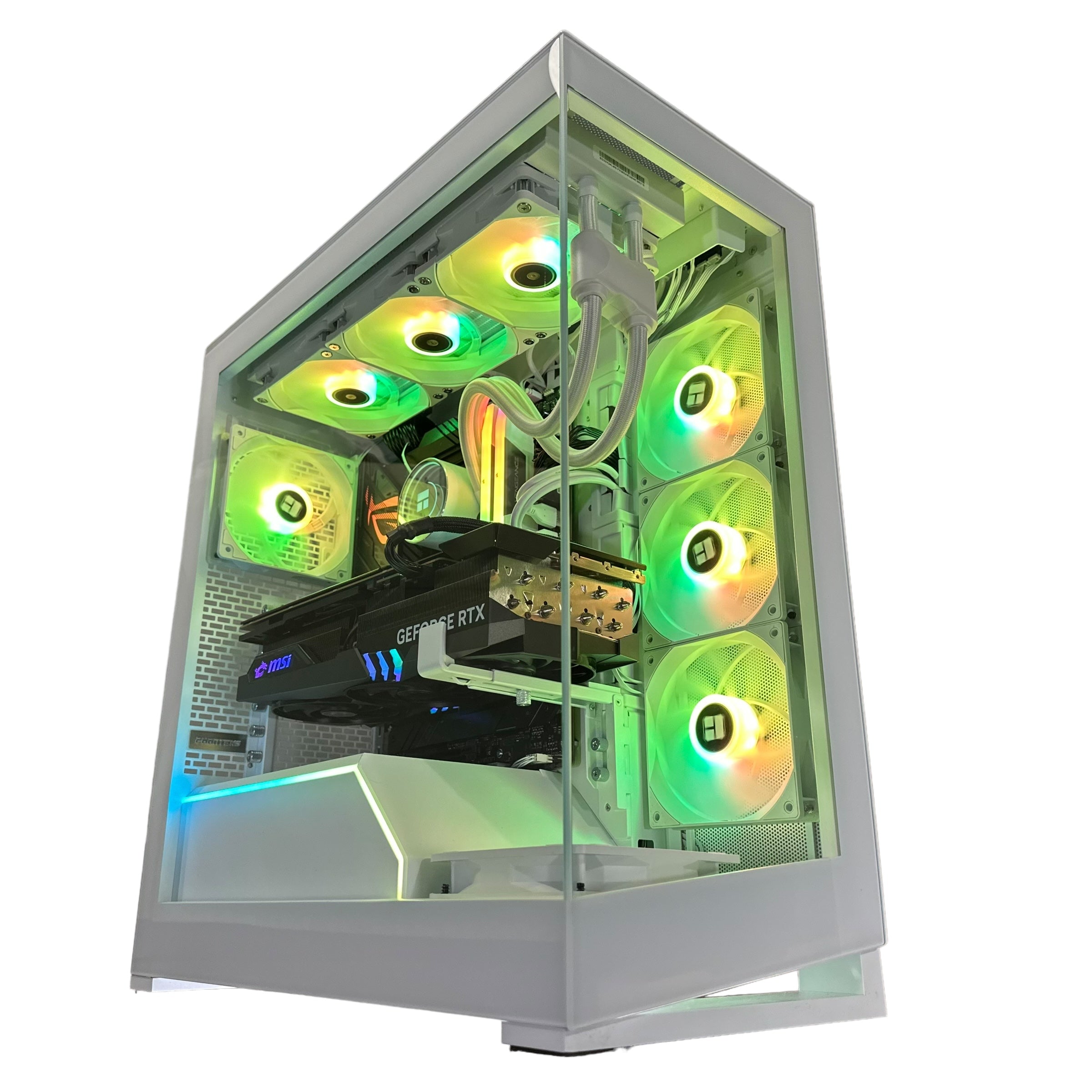
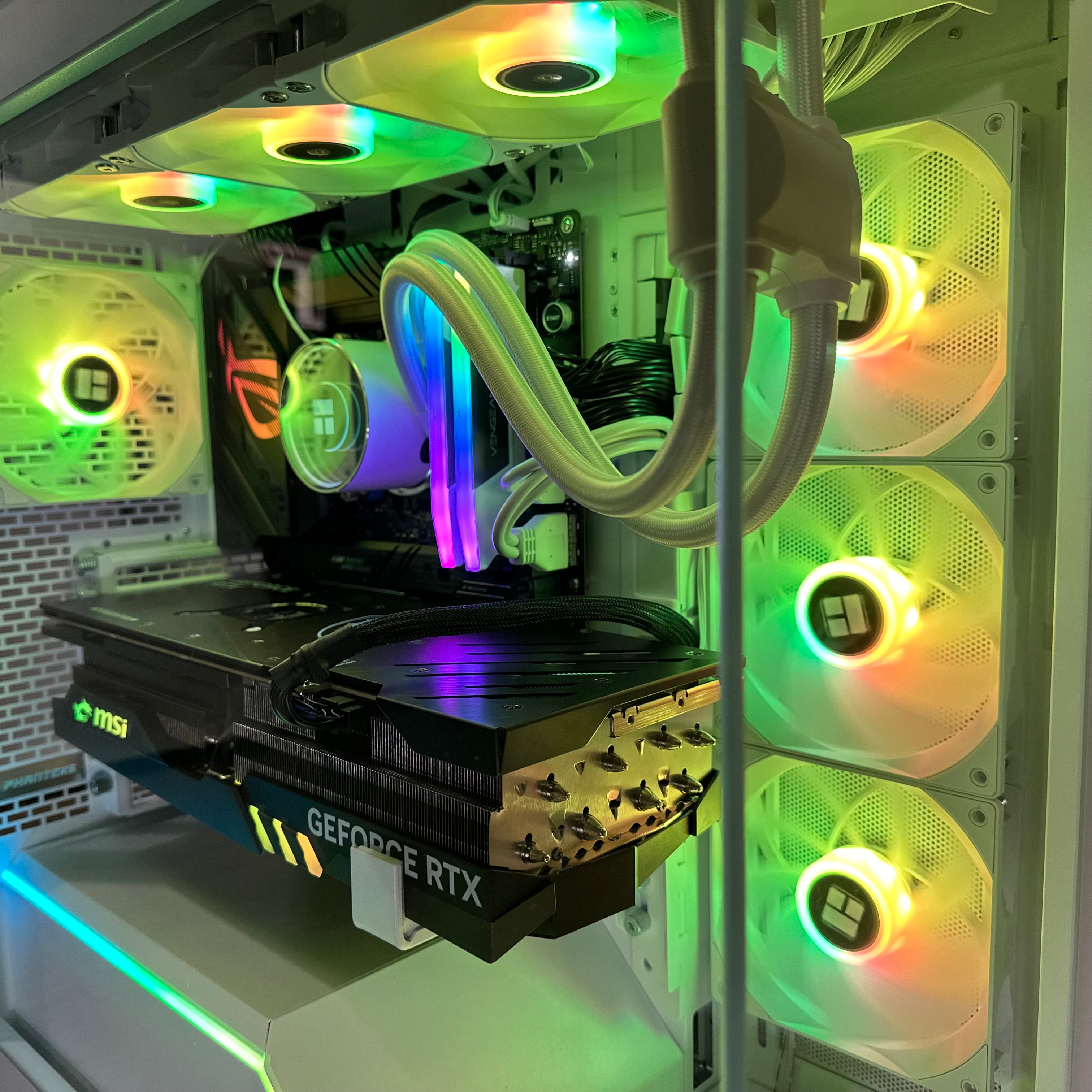
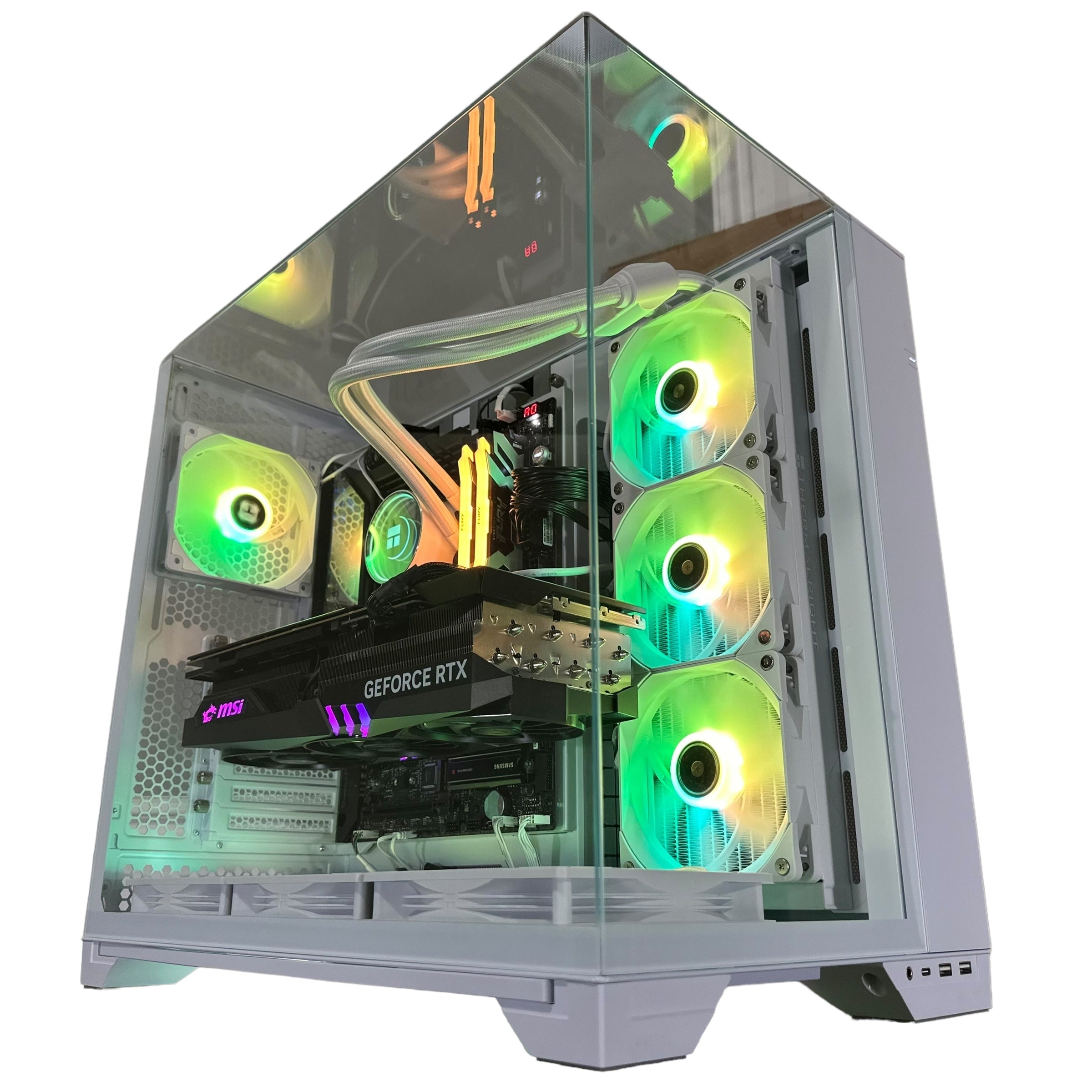
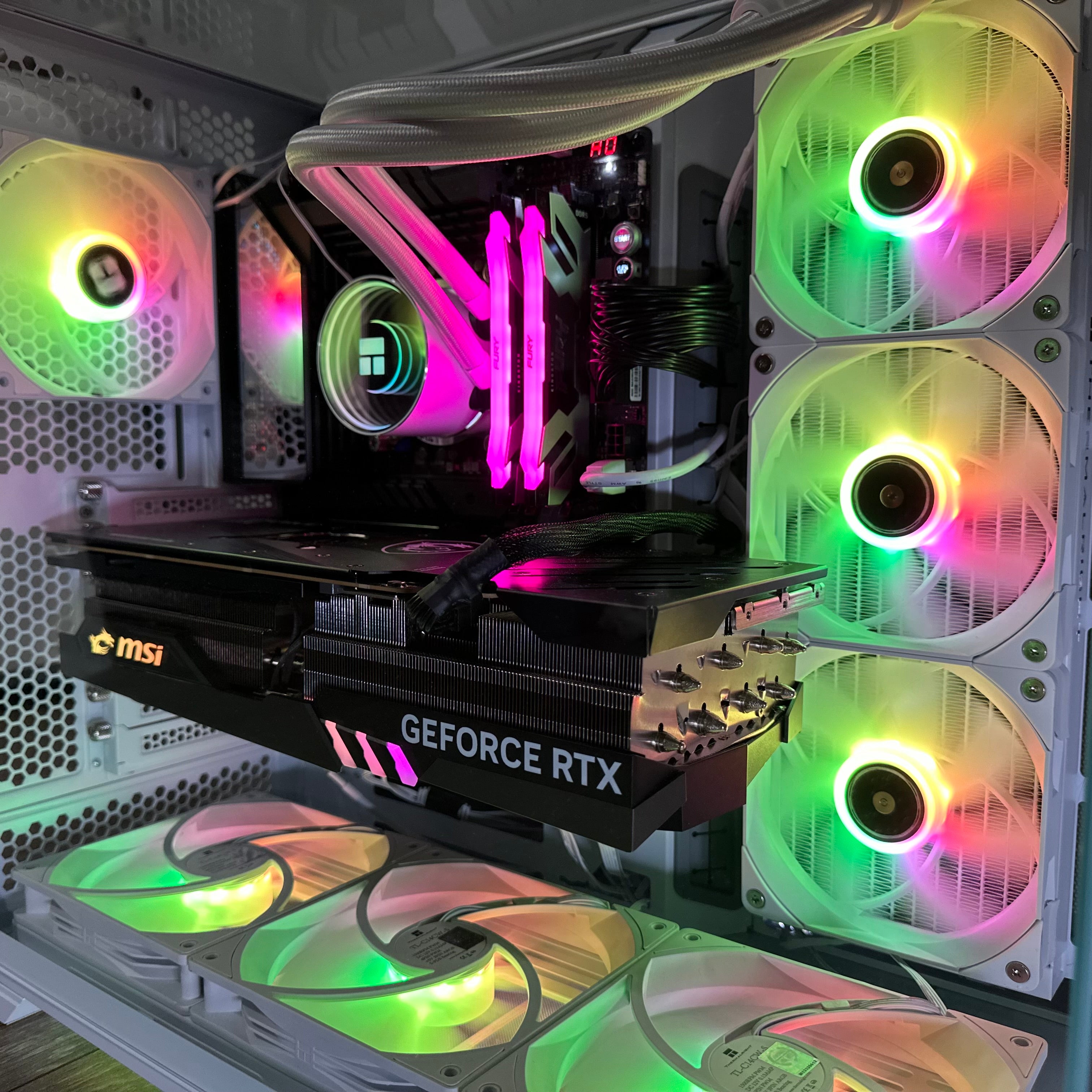
Are you buying specifically to be ready for the next wave of AAA releases? Do you want a premium RTX gaming PC that stays relevant longer? Do you want stronger thermal performance, cleaner cable management, better component matching, and confidence that the system was built for sustained loads instead of just flashy specs on a listing?
This tier is best for:
- High refresh 1440p gaming
- 4K gaming ambitions
- Ray tracing heavy titles
- Streaming, recording, and editing from the same system
- Buyers who want to avoid upgrading too soon
What if you game and create content too?
That is where many buyers underestimate their needs. A desktop that feels fine in game-only use can struggle once you add OBS, webcam feeds, browser tabs, Discord, music, clip capture, and editing software into the mix.
If Resident Evil Requiem, Pragmata, or other major releases are inspiring you to make content, then you may not just need a gaming tower. You may need a content creation PC Canada buyers can rely on for mixed workloads.
Think about your workflow honestly.
Will you be editing gameplay videos in Premiere Pro or DaVinci Resolve? Do you create thumbnails in Photoshop? Are you making social clips in CapCut? Do you use Illustrator for branding, overlays, and channel assets? Are you hoping one desktop can handle both your gaming library and your creator workload without forcing compromises every day?
If yes, that points toward a better-balanced creator or gaming-and-streaming build, often with more RAM, a stronger multi-core CPU profile, and faster storage planning than a pure gaming-first system.
Is a gaming PC good for video editing, photo editing, and graphic design?
Sometimes yes, but not always in the right way.
A strong gaming PC can be a very good starting point for editing and design, especially if it has a capable GPU, enough RAM, and fast SSD storage. But if your income, schoolwork, or deadlines depend on Adobe Creative Cloud, 4K timeline performance, batch exports, RAW image workflows, or multi-application productivity, then a custom creator PC or workstation often makes more sense than a generic gaming-first machine.
For video editing
If you are asking what PC do I need for video editing, look beyond game FPS. You need enough CPU performance for timeline responsiveness, enough RAM for larger projects, and enough storage speed for media-heavy work. If you edit in Premiere Pro or DaVinci Resolve, your parts need to be selected for that workload, not just for benchmark screenshots.
For photo editing and graphic design
If you work in Photoshop, Lightroom, Illustrator, InDesign, or Canva-heavy workflows, system balance matters. Fast SSDs improve responsiveness. More RAM can help with large files and multitasking. A dedicated GPU may matter more depending on filters, AI tools, display setup, and acceleration features.
Do you mainly edit photos and graphics, or do you also animate, render, and export video regularly? That answer changes the right build category immediately.
For 3D modeling and rendering
If your world includes Blender, Unreal Engine, Maya, Cinema 4D, ZBrush, CAD, or rendering workloads, then workstation logic becomes more important. In that case, asking is a gaming PC good for Blender is the right question, but the real answer often depends on scene complexity, GPU rendering, CPU rendering, RAM demands, and whether this machine is for hobby use or professional output.
Why Canadian buyers should think about timing now
Strong game sales do not automatically mean every PC part will become more expensive tomorrow. But they do reinforce a broader pattern: when blockbuster releases keep attention high, more people upgrade, more people shop, and demand pressure tends to build around the same types of components.
That matters in Canada because our market already deals with variables like exchange-rate pressure, shipping costs, inventory fluctuations, and replacement-cost changes. Waiting is not always cheaper. Sometimes waiting simply means buying later into stronger demand, fewer part options, and a narrower budget.
So ask yourself: are you buying before a major game release cycle, before a seasonal sale period, before a possible GPU shortage, or before your current PC turns a fun hobby into a frustrating experience?
If your machine is already stuttering in modern games, overheating under load, slowing down in creator software, or forcing you to lower settings more than you want, that is a practical buying signal.
Should you buy now or wait?
This is one of the most common questions in the market, and the most useful answer is this: buy when your needs are real, your current system is holding you back, and the right build is available.
Waiting only makes sense if you have a clear reason. For example:
- You are happy with your current performance
- You are waiting for a very specific hardware tier
- You know a planned software or gaming change is months away
- You are still deciding whether you need a gaming PC, creator PC, or workstation
But if you already know your next desktop needs to handle newer games, heavier workloads, or more serious streaming and editing, then delaying can easily cost you more in lost performance value than it saves in theory.
Are you trying to stretch a weak PC through another release cycle, only to end up replacing it after another round of price changes? Or would it make more sense to secure the right custom build now and enjoy the upgrade immediately?
Could financing help you get the right system instead of settling?
This is where many buyers make a smarter long-term move. A lot of customers do not actually need the cheapest possible tower. They need the right desktop, but they want a manageable path to it. If paying all at once would force you into a weaker system that you outgrow too fast, financing can be the better decision.
At Groovy Computers, that matters because a stronger system often means better longevity, better day-one performance, and fewer regrets. Financing up to 4 years can help eligible buyers secure a more capable custom PC before replacement costs rise or workload demands increase further.
Ask yourself honestly: would a monthly payment on a stronger PC leave you better off than buying a cheaper system now and replacing or upgrading it again sooner than expected? If your answer is yes, then financing is not about impulse spending. It is about buying more intelligently.
What parts matter most for modern AAA gaming?
When a game like Resident Evil Requiem proves how much appetite there is for high-profile releases, it is worth understanding what actually affects your experience.
GPU
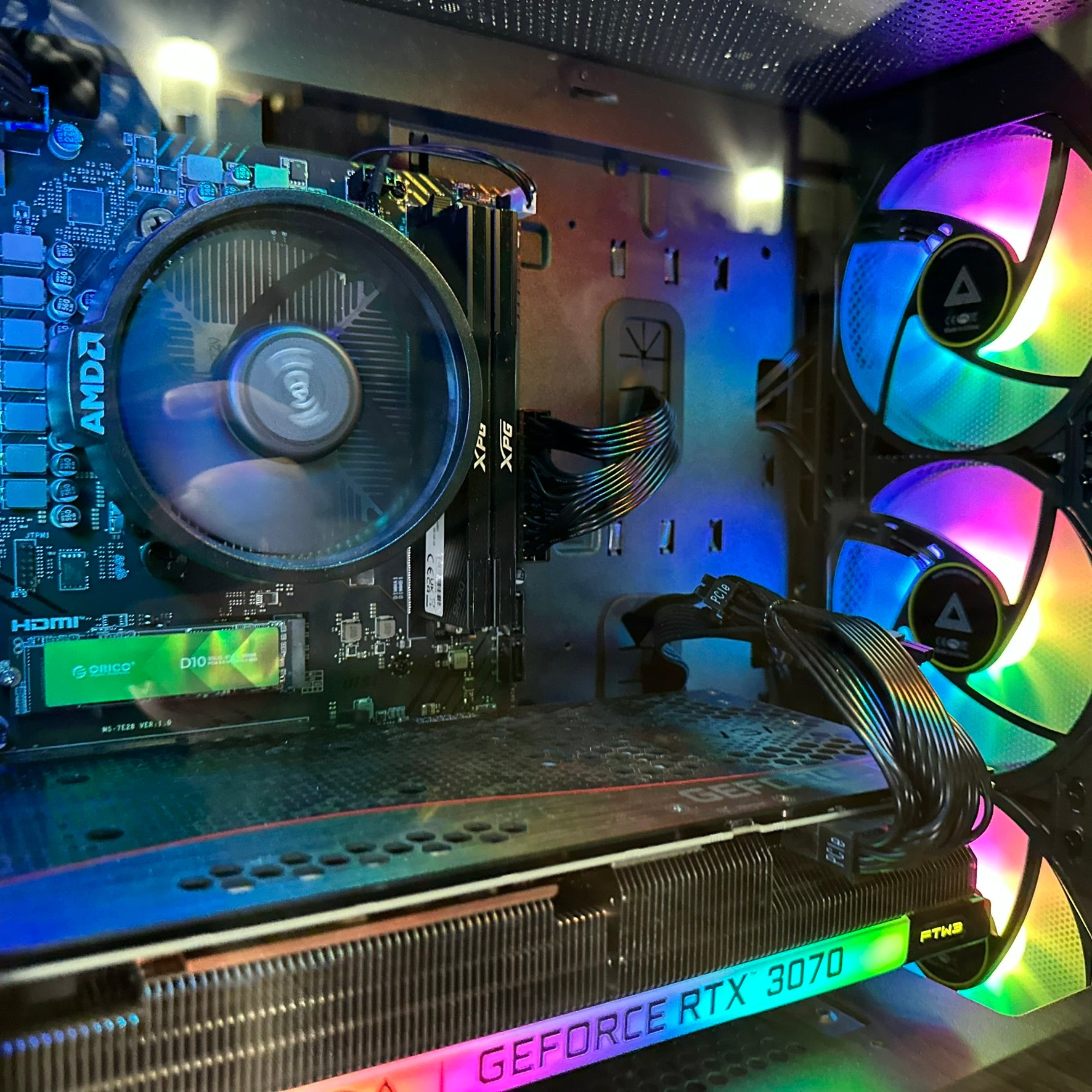
Your graphics card is still one of the biggest factors in resolution, settings, ray tracing capability, and frame rate. If your goal is 1440p or 4K, or if you care about visual features in newer games, this is rarely the place to underspend.
CPU
A good processor helps with smooth frame delivery, background multitasking, streaming, and creator applications. If you want one system for gaming and heavier productivity, CPU selection becomes even more important.
RAM
Modern use stacks up quickly. Gaming alone may be one thing. Gaming plus browsers, launchers, streaming, voice chat, capture tools, and editing apps is another. If you are a content creator, streamer, or power user, RAM planning matters more than many buyers expect.
SSD storage
Fast storage improves system responsiveness, game loading, file transfers, and workflow efficiency. It is especially important if you install several large AAA games or work with photo and video assets.
Cooling and case airflow
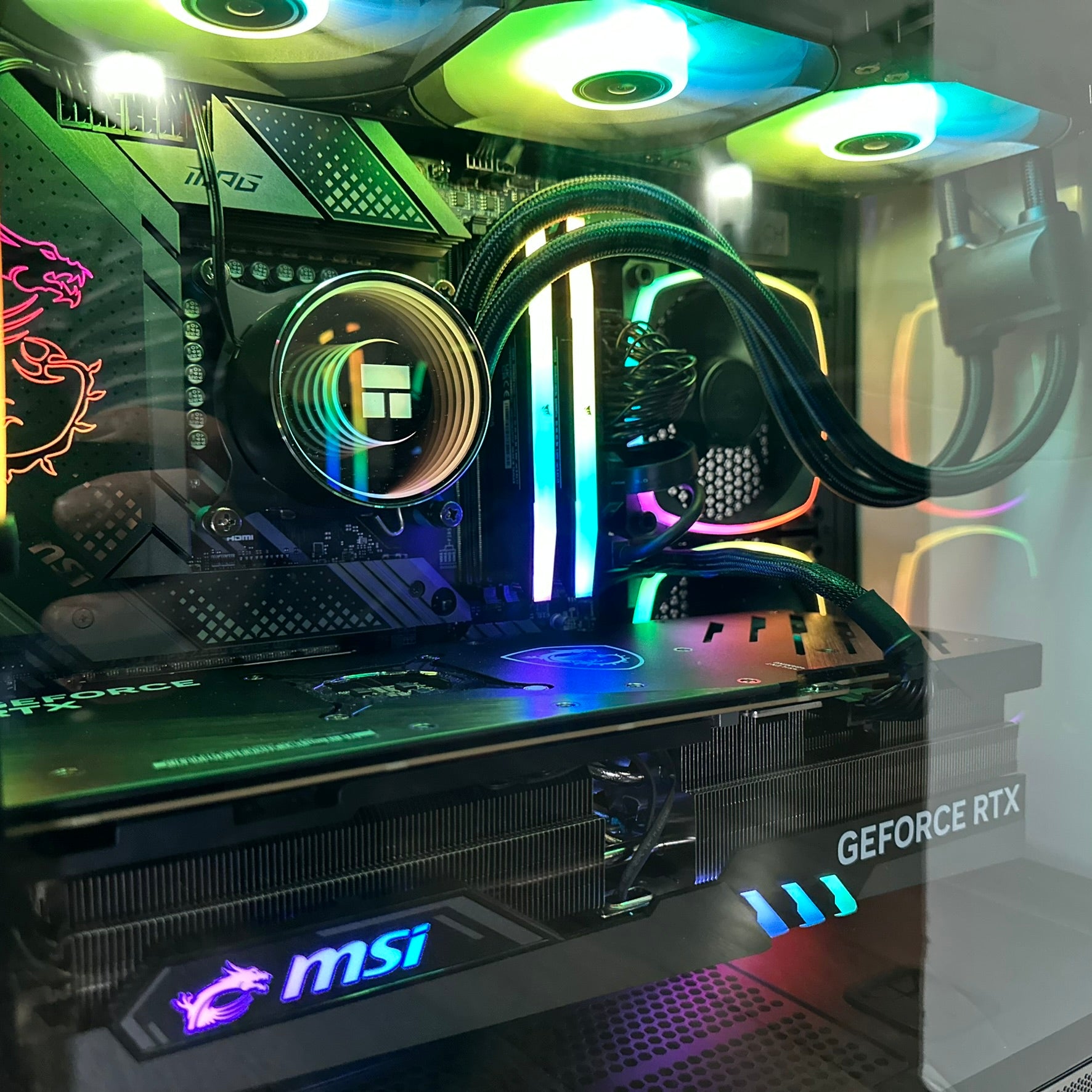
Too often ignored, but absolutely critical. A PC that looks powerful on paper can perform worse in real use if thermals are poorly managed. That is one reason custom building and proper testing matter.
Why custom builds matter more when games get heavier
As software demands rise, build quality matters more. That does not just mean choosing a fast GPU. It means pairing parts correctly, using reliable power delivery, selecting appropriate cooling, and building for upgrade paths and stability.
A random off-the-shelf machine might check enough boxes for a casual buyer, but serious users usually need more confidence than that. You want a desktop built around your resolution target, your software, your storage needs, your cooling requirements, and your budget reality.
Would you rather guess your way through a generic listing, or get a system designed around how you actually use your PC every day?
Why Groovy Computers is a strong fit for Canadian buyers
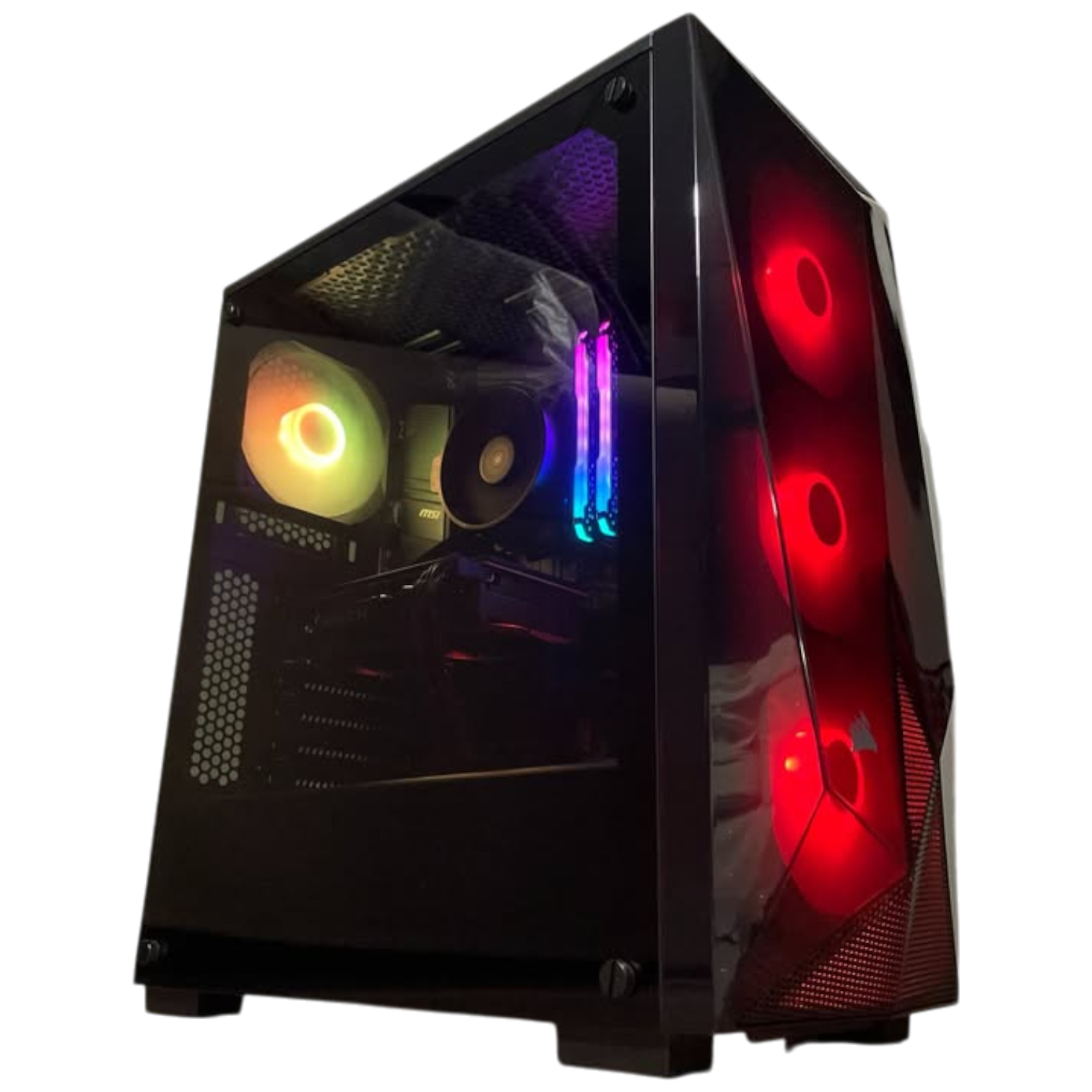
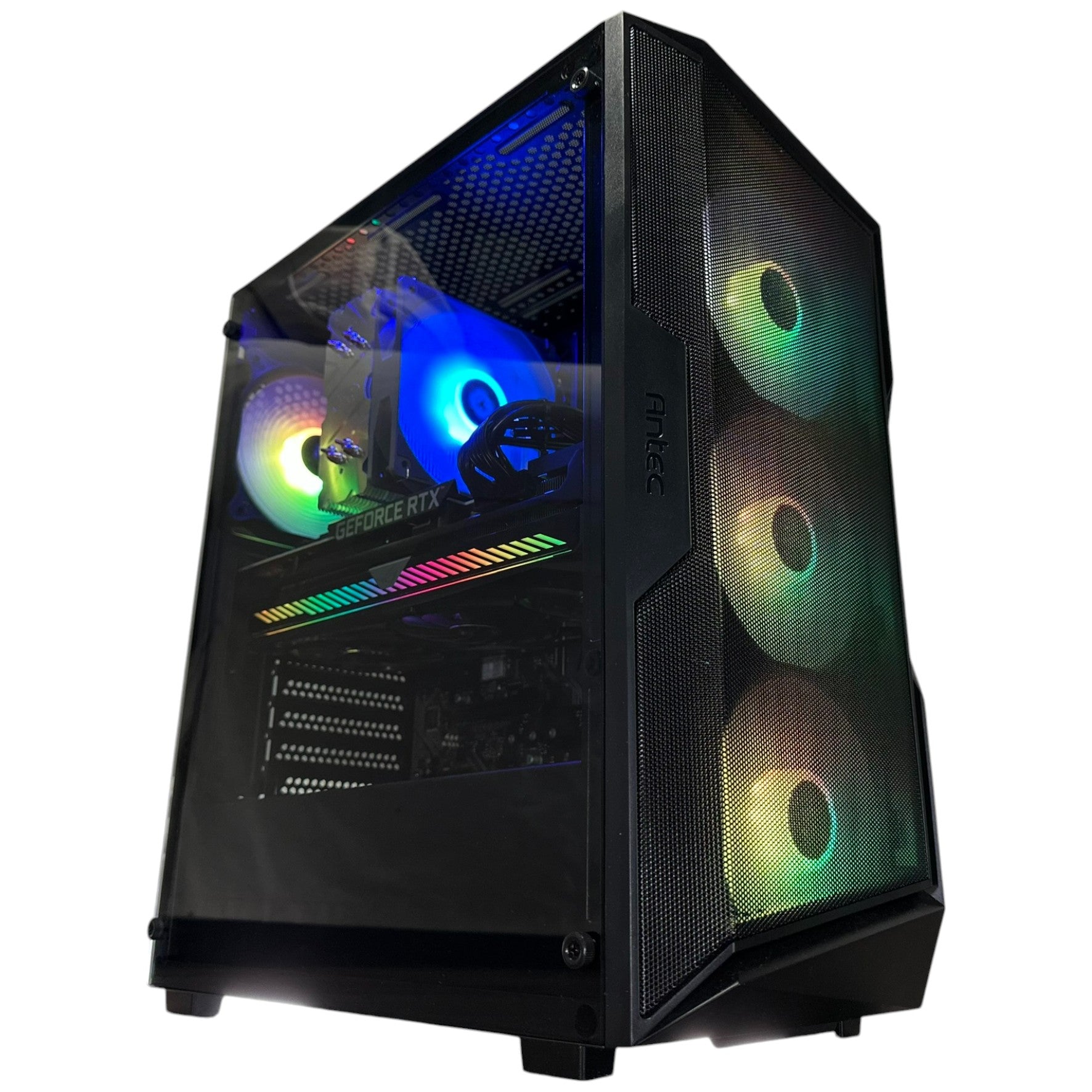
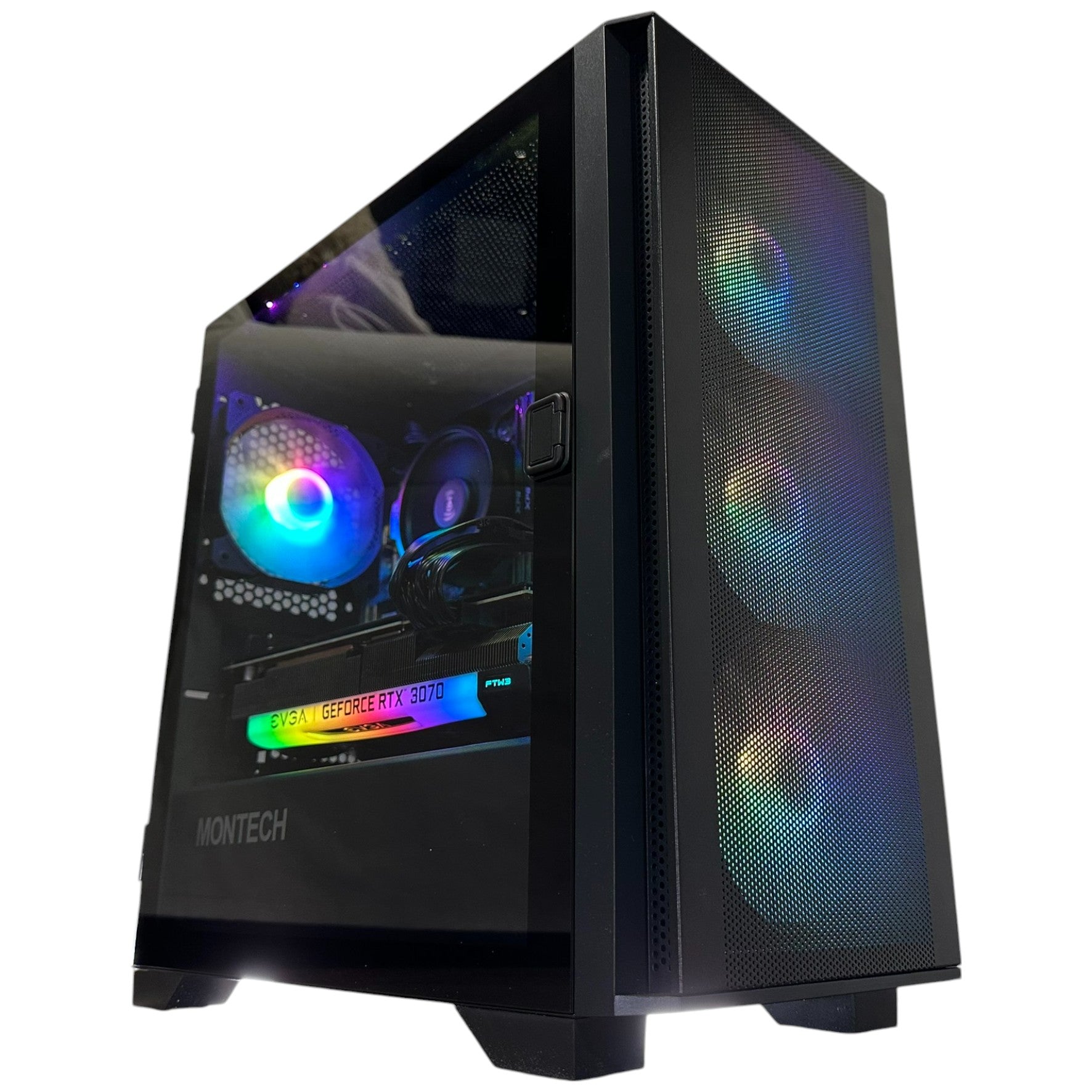
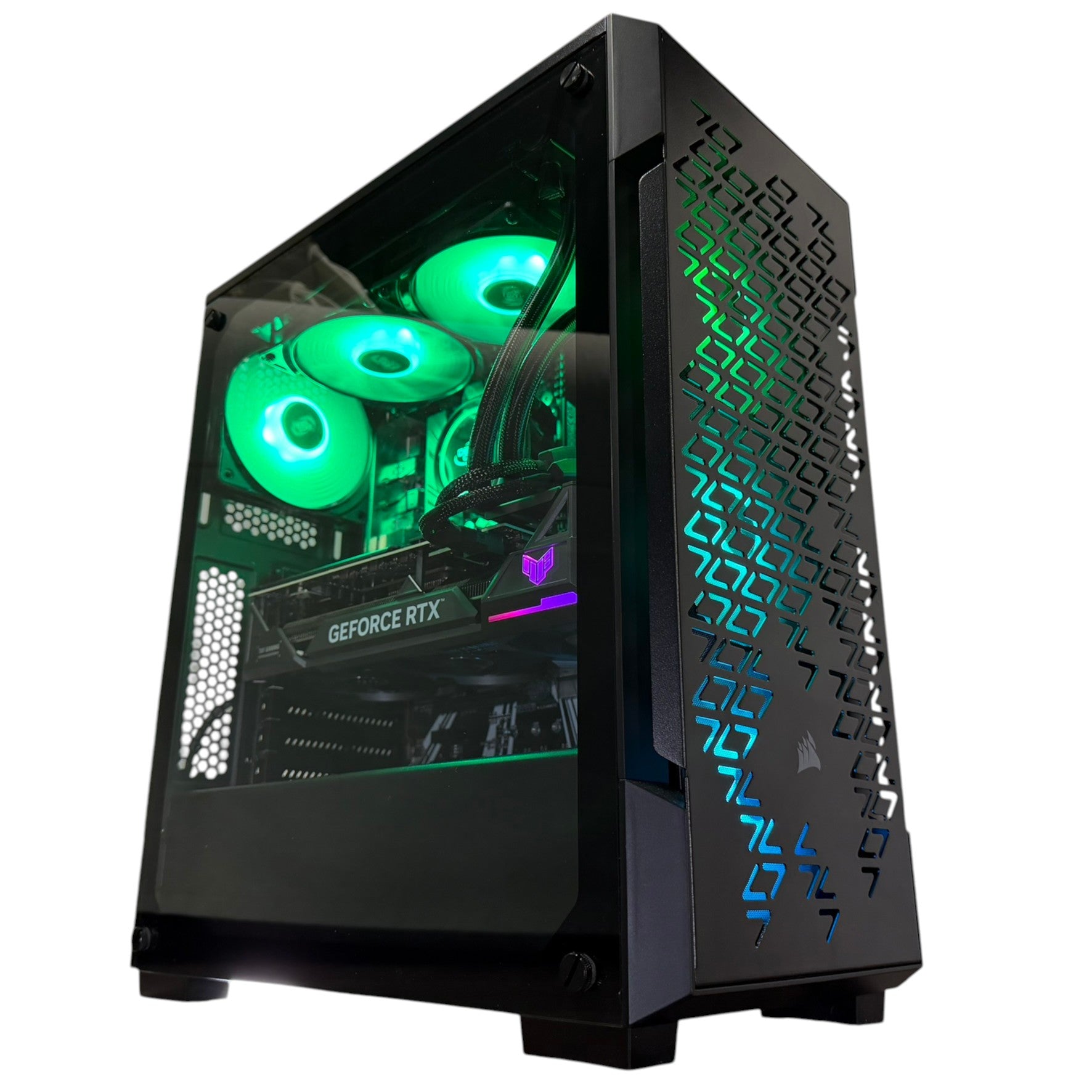
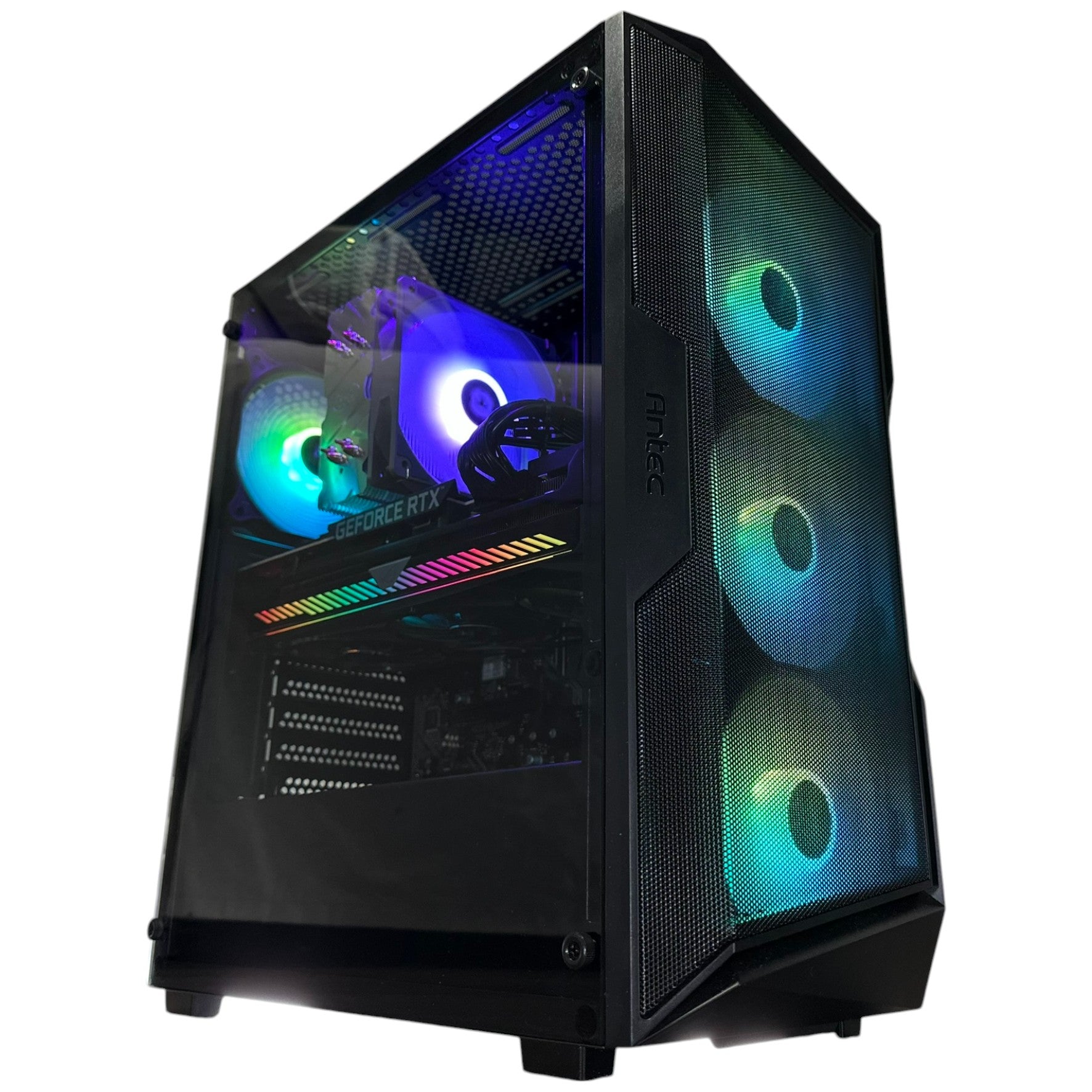
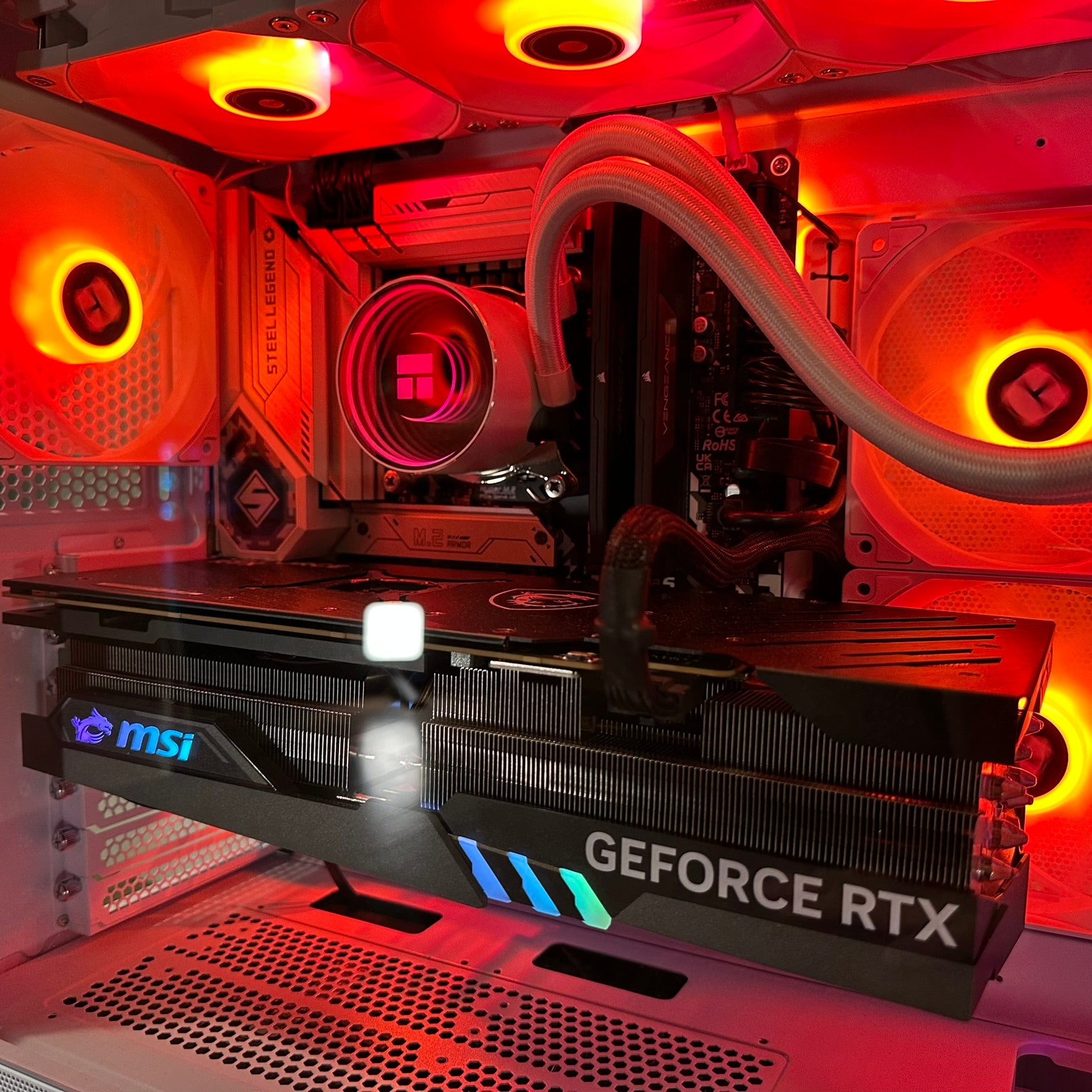
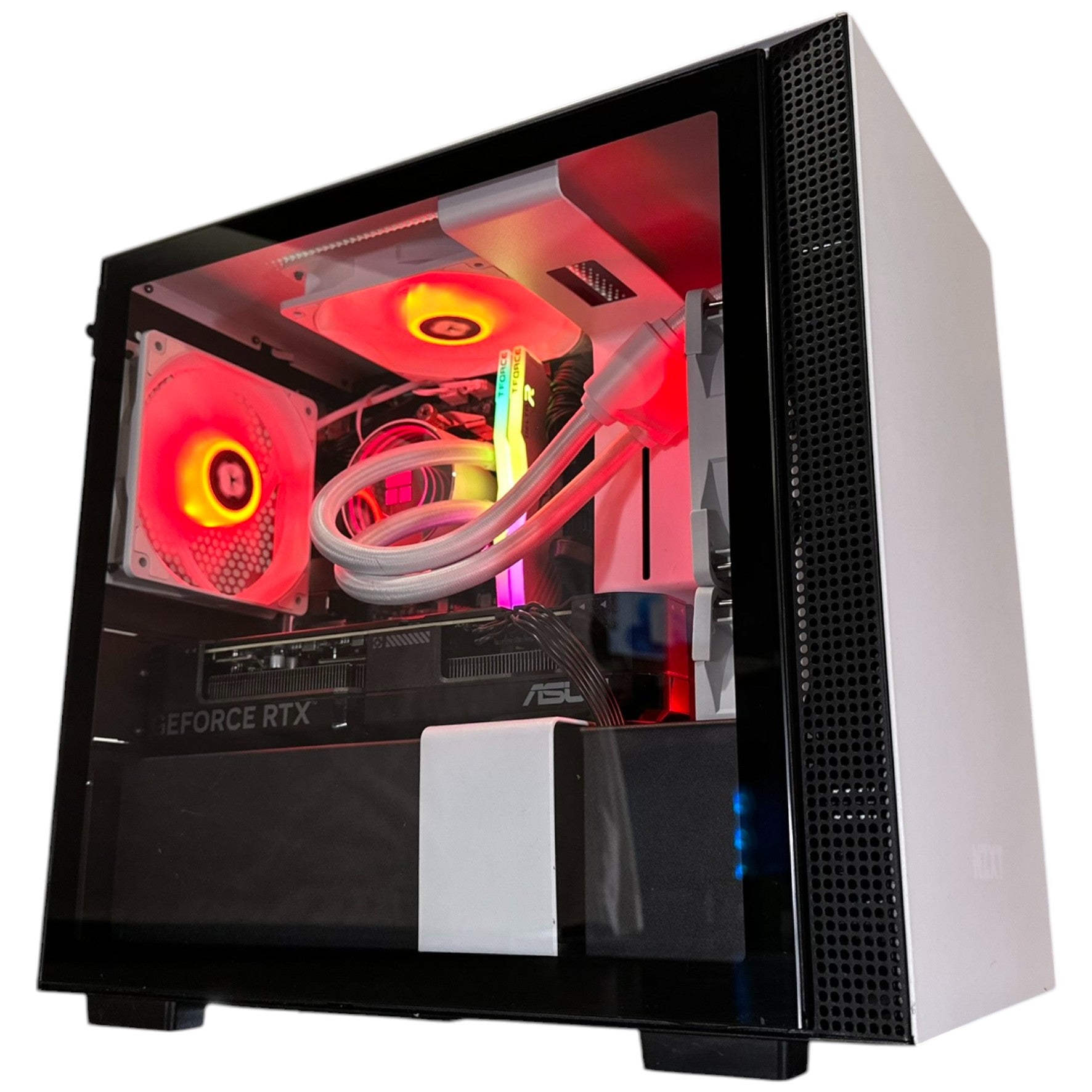
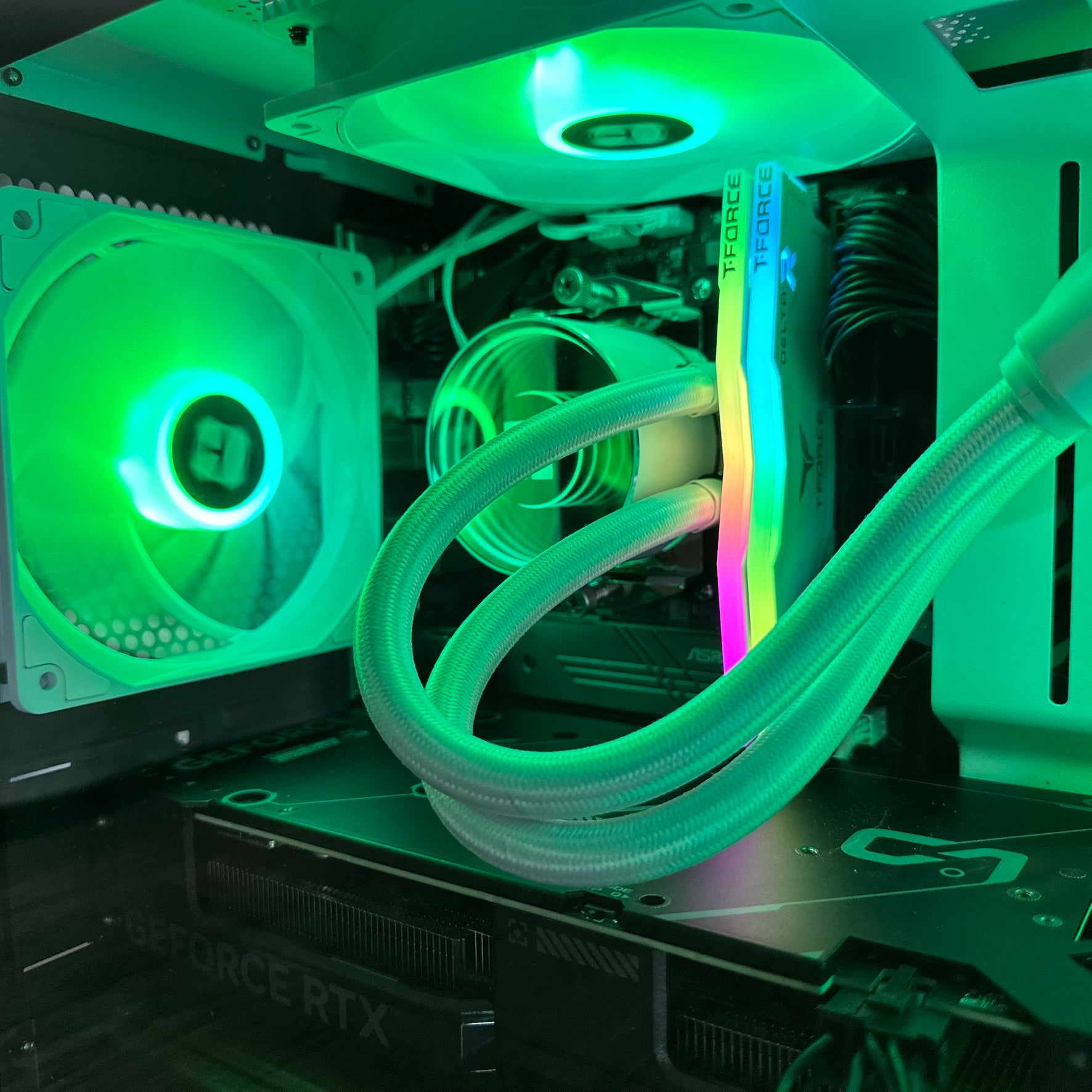
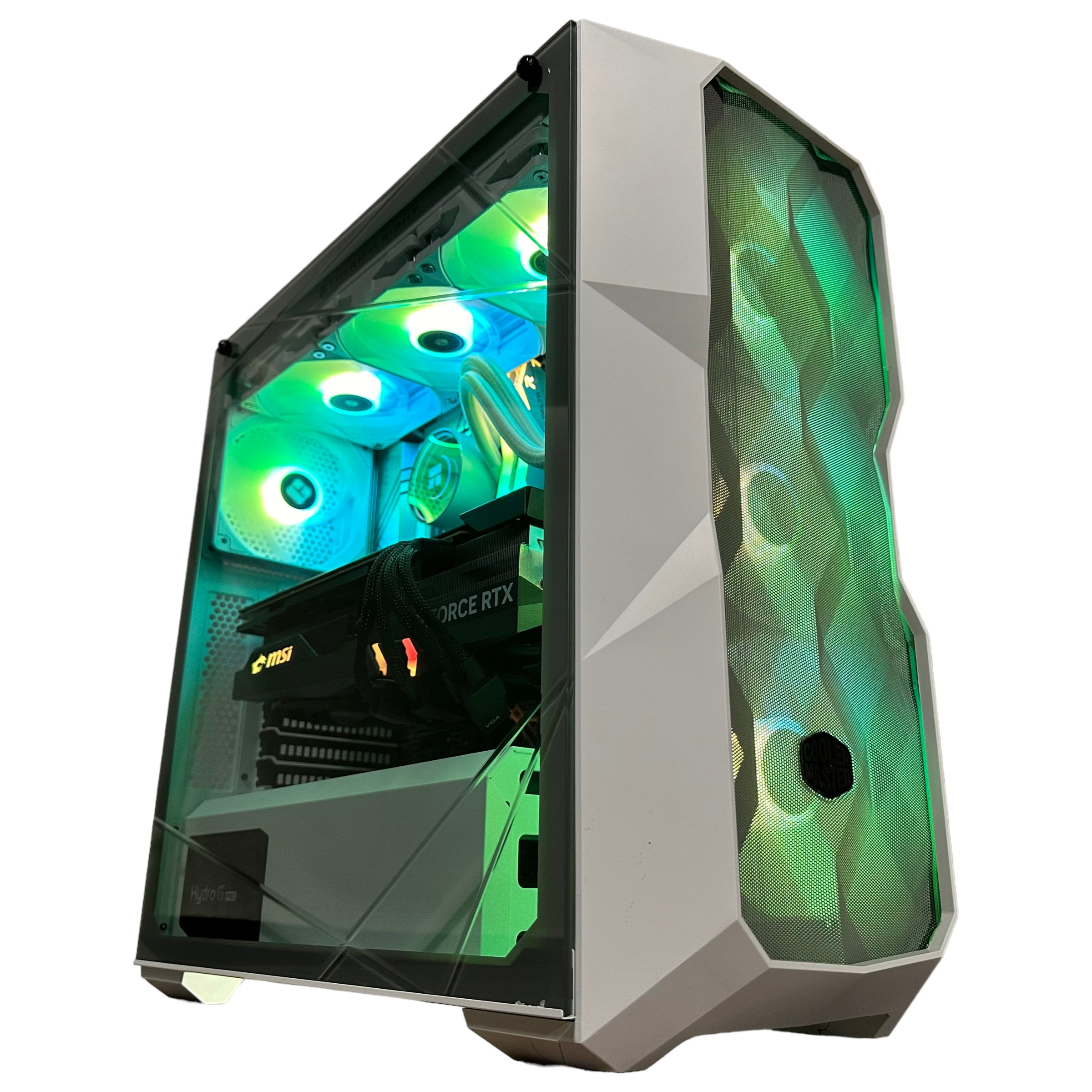
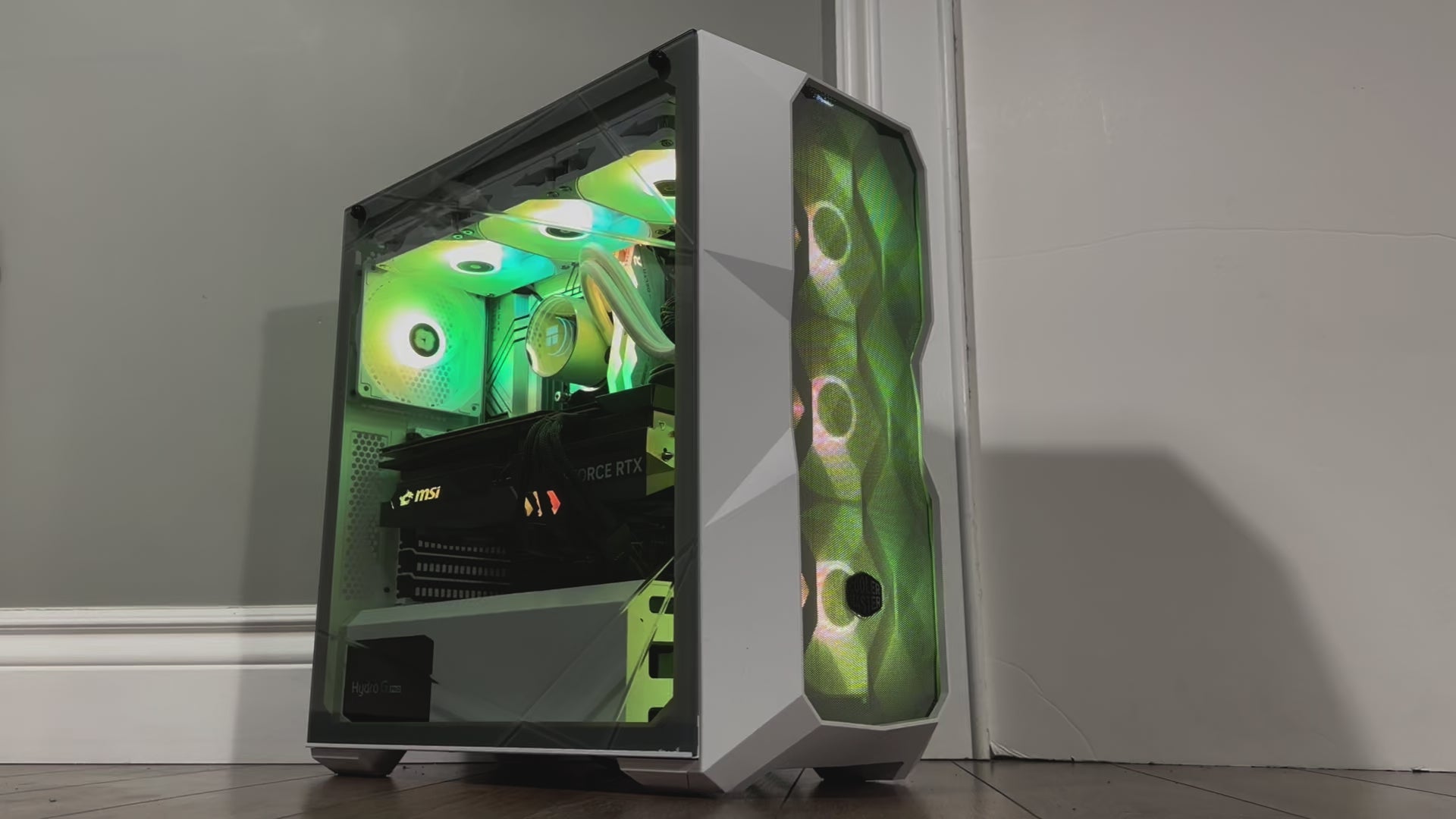
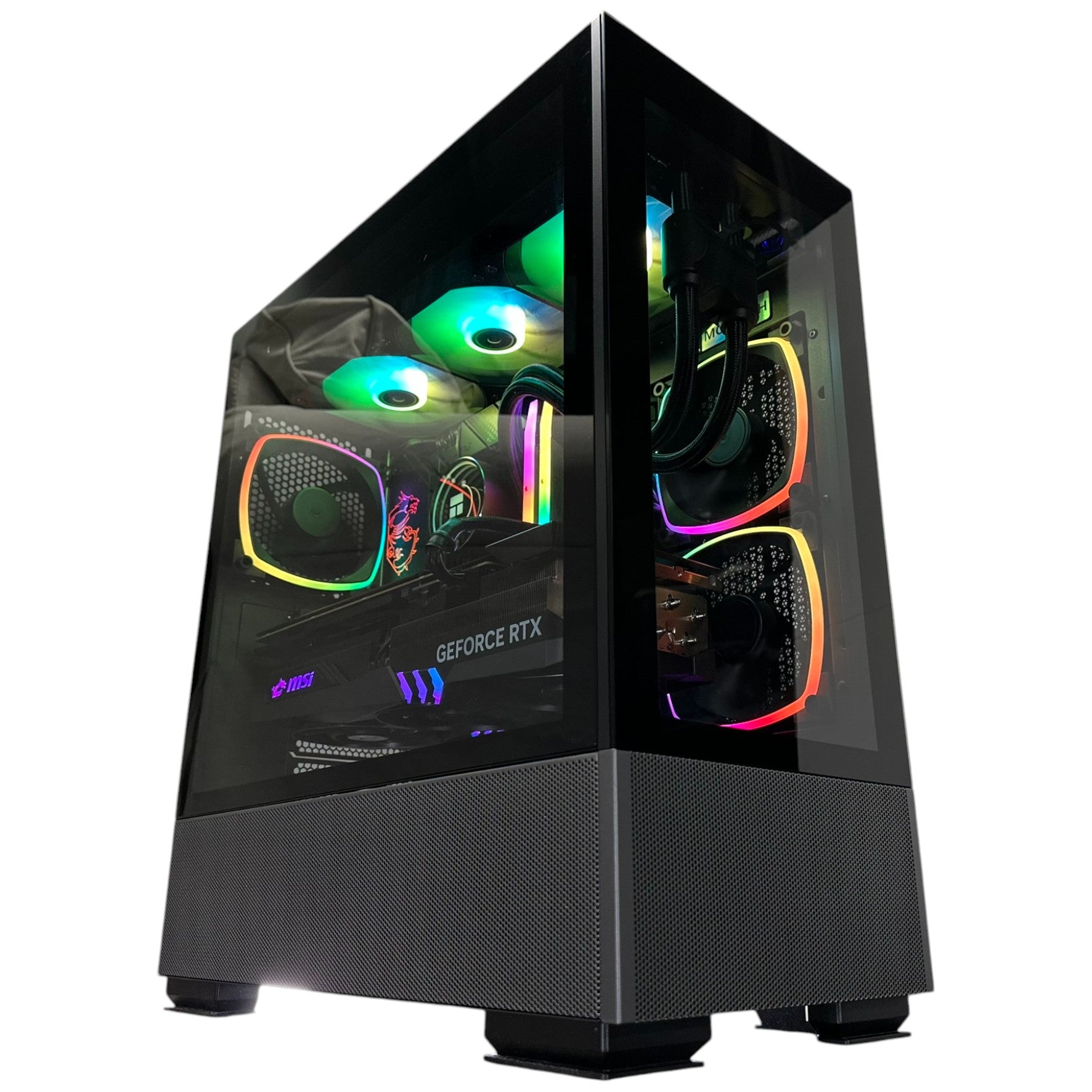
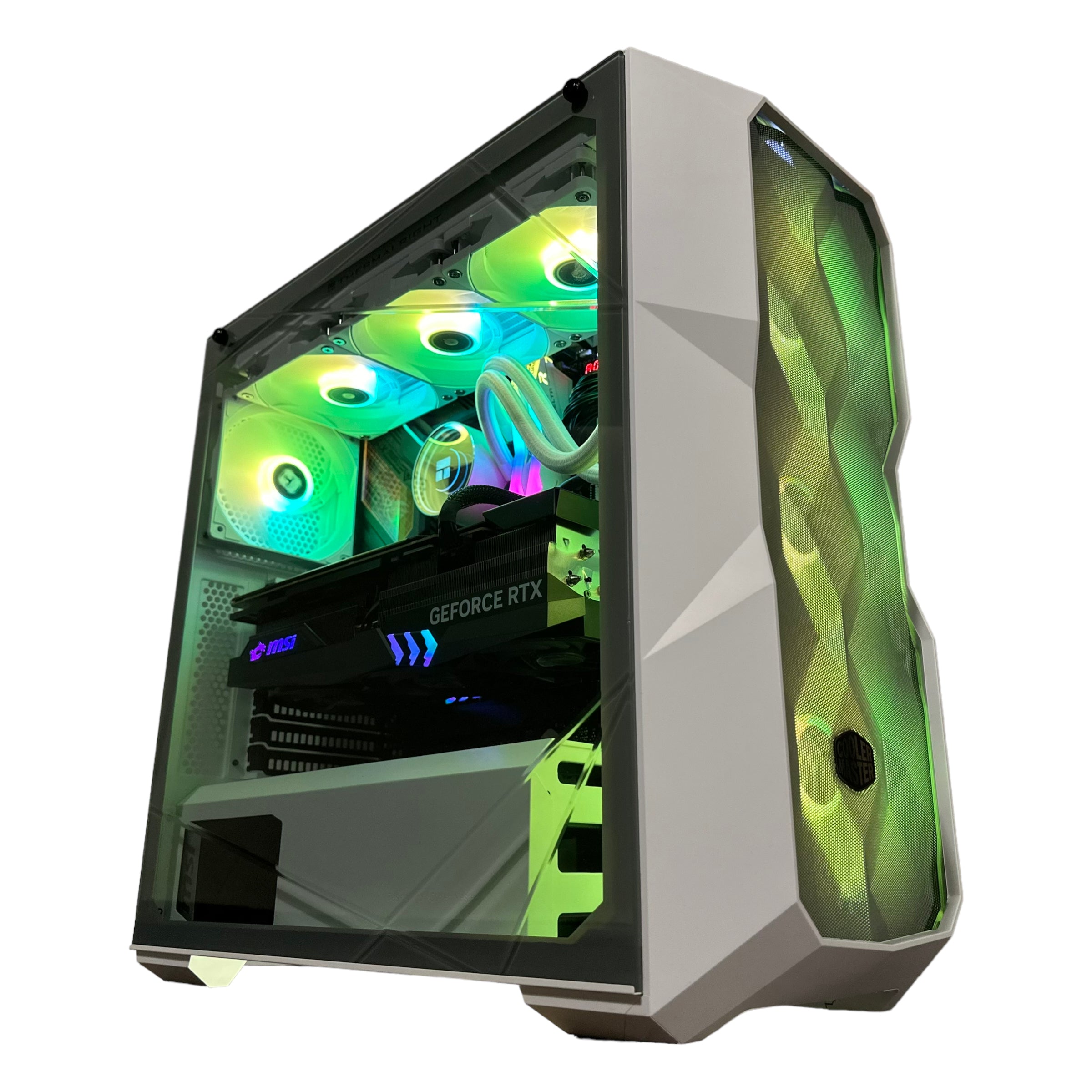
Groovy Computers serves buyers who want more than a commodity box. Whether you are shopping for a custom gaming desktop, a streaming-ready system, a creator tower, or a heavier workstation, the value is in matching the build to the user.
For customers across Canada, that means:
- Custom PC planning based on real workloads
- Build quality focused on performance and reliability
- Rigorous testing before the system reaches you
- A 1-year warranty for added peace of mind
- Financing options that can help you buy smarter, not smaller
- Canadian service from a builder that understands the market here
Whether you are in Nova Scotia, Atlantic Canada, or ordering from elsewhere in the country, that kind of trust matters. A custom desktop is not just a purchase. It is a tool, an entertainment system, a workspace, and often a multi-year investment.
What kind of buyer should choose which Groovy Computers category?
Choose a budget-conscious gaming build if:
- You mainly want 1080p gaming
- You want solid value and a lower entry cost
- You are buying your first desktop or replacing an old one
- You do not need heavy streaming or editing performance yet
Choose a mid-range gaming and streaming build if:
- You want strong 1440p results
- You multitask while gaming
- You plan to stream, record, or run multiple apps at once
- You want better longevity than a basic entry-level system
Choose a premium RTX gaming PC if:
- You want ultra settings, stronger ray tracing, or 4K ambitions
- You buy fewer systems and expect each one to last longer
- You want premium thermals, cleaner performance overhead, and less compromise
- You play a lot of new AAA games and want to stay ahead of the curve
Choose a custom creator PC or workstation if:
- You edit videos or photos regularly
- You use Adobe Creative Cloud, DaVinci Resolve, Blender, or Unreal Engine
- You need faster exports, smoother previews, and better multitasking
- You want one machine for both gaming and professional creative work
What questions should you ask before buying your next PC?
Before you commit, ask these:
- What games or software do I actually use most?
- Am I targeting 1080p, 1440p, or 4K?
- Do I care about ray tracing, high refresh, or both?
- Will I stream, record, edit, or create content too?
- How long do I want this system to feel capable before I upgrade again?
- Would financing a stronger build save me money versus replacing a weaker one too soon?
- Do I want the confidence of a tested custom system with warranty support?
If those questions are making your decision clearer, you are already closer to the right build than most shoppers.
Resident Evil Requiem’s momentum is a reminder: stronger games demand stronger systems
Capcom’s numbers show that Resident Evil Requiem is not just another release. It is part of the continuing push toward bigger, more demanding, more visually ambitious PC gaming. As more blockbuster titles succeed, more buyers upgrade, and more users realize that “good enough for now” often becomes “not enough” faster than expected.
If you are asking what gaming PC you need, what performance tier makes sense, whether you should buy before the next wave of releases, or whether financing could help you secure a better long-term system, this is the time to act on those questions.
Want help choosing the right custom gaming PC, creator desktop, or workstation for your needs? Visit GroovyComputers.ca to explore builds, compare options, and find a system designed around how you actually play, create, and work in Canada.
#ResidentEvilRequiem #GamingPCCanada #CustomGamingPCCanada #GamingPCBuildsCanada #CreatorPCCanada #ContentCreationPCCanada #VideoEditingPCCanada #3DModelingPCCanada #CanadianCustomPCBuilders #NovaScotiaBusiness
Groovy Computers | All Rights Reserved



Leave a comment
This site is protected by hCaptcha and the hCaptcha Privacy Policy and Terms of Service apply.