
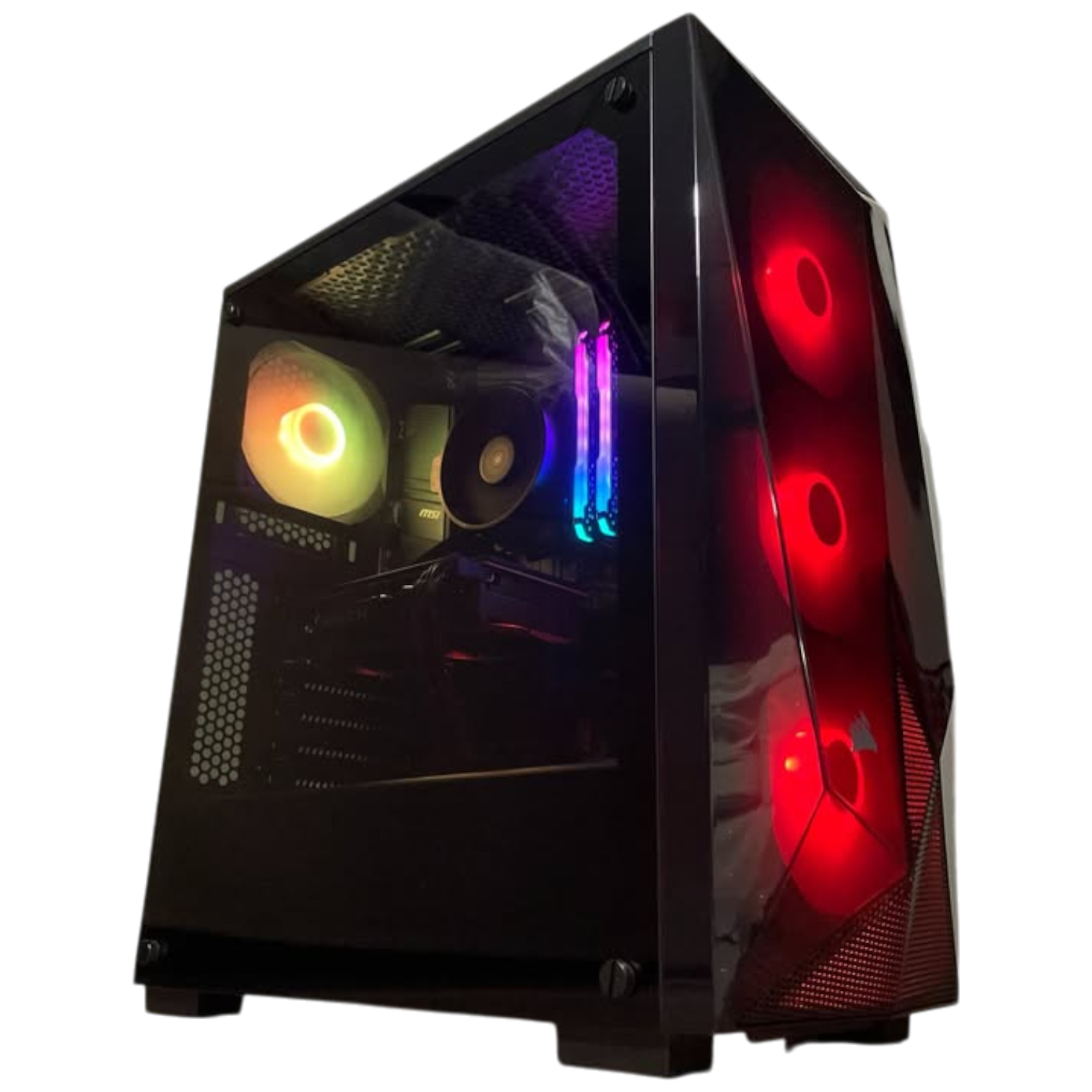
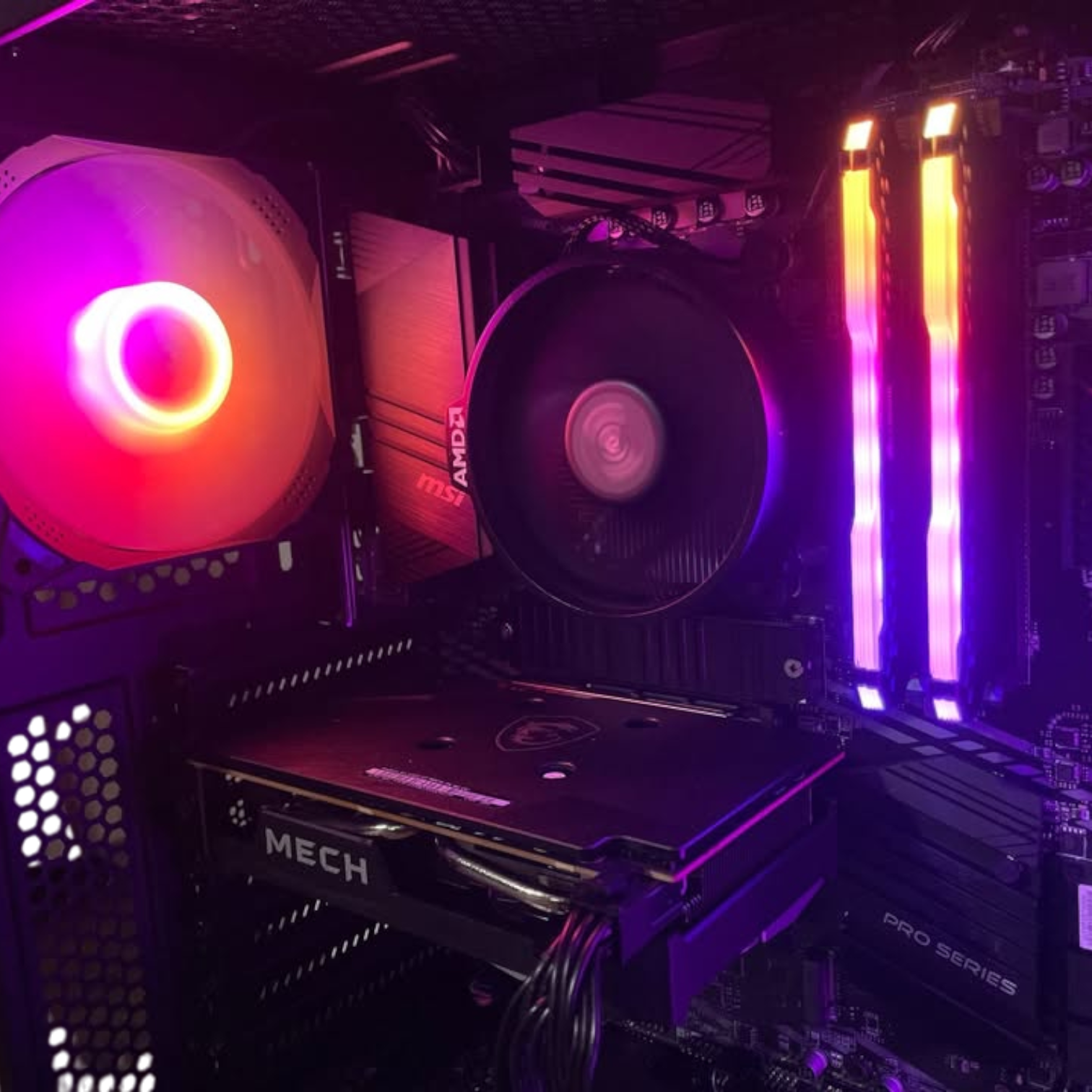
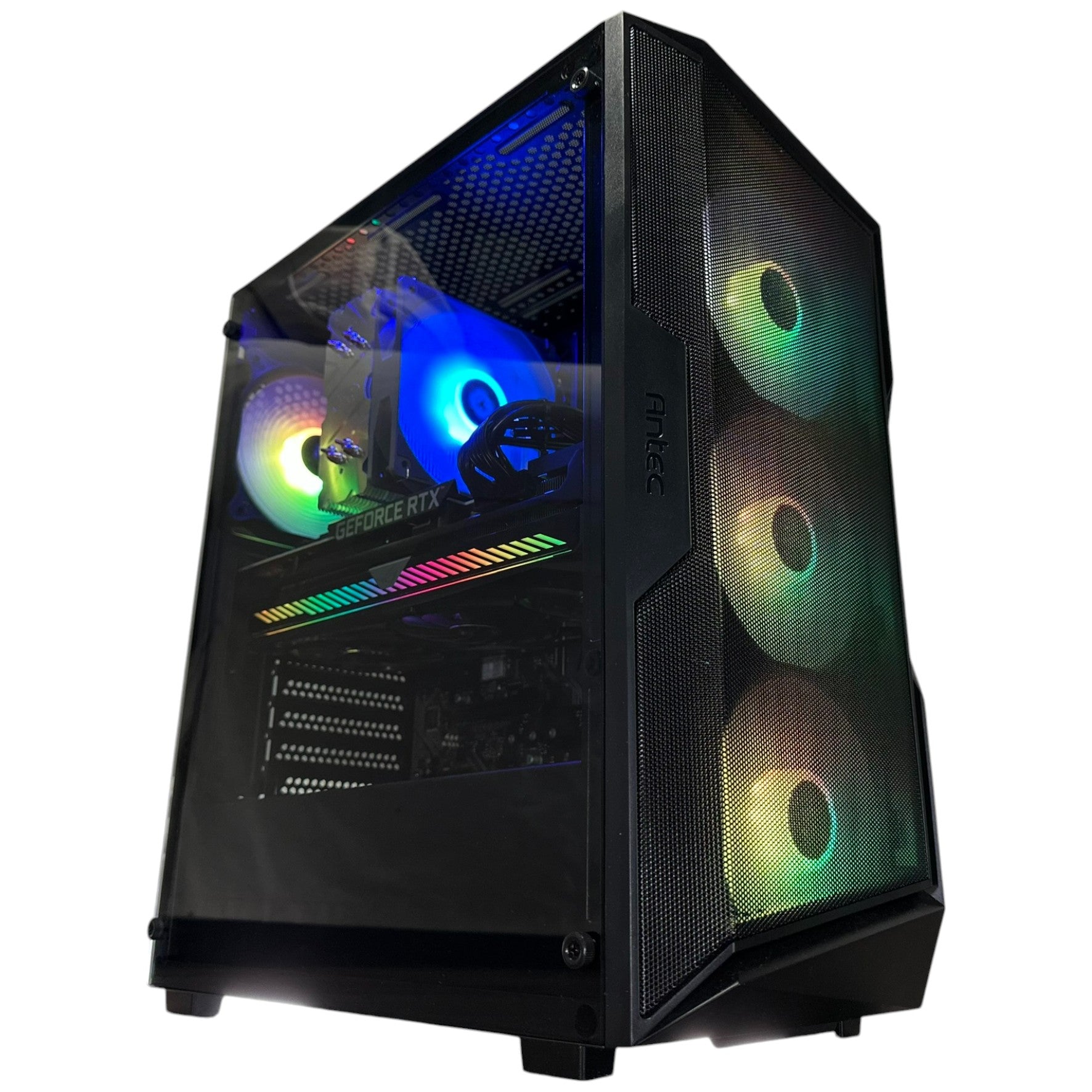
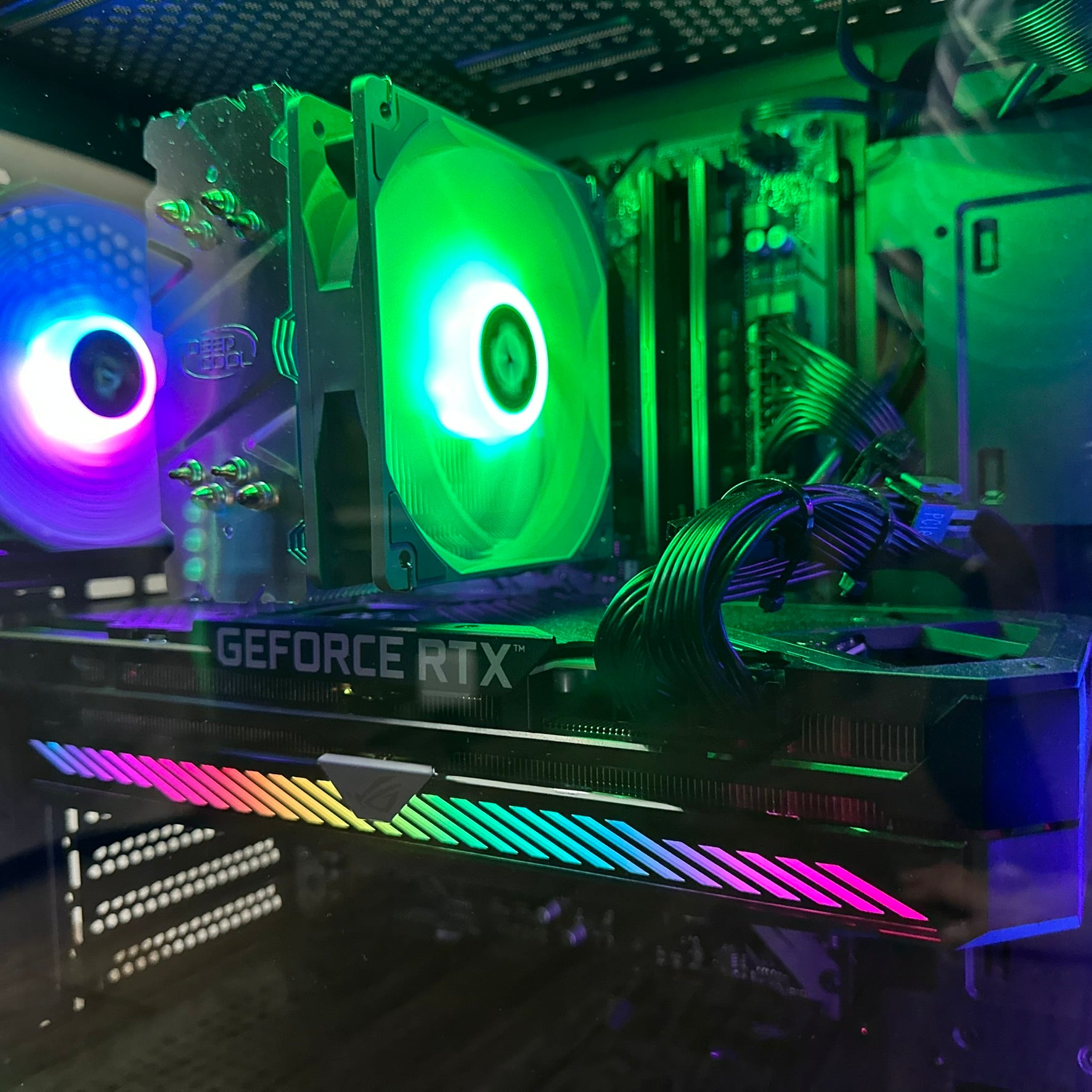


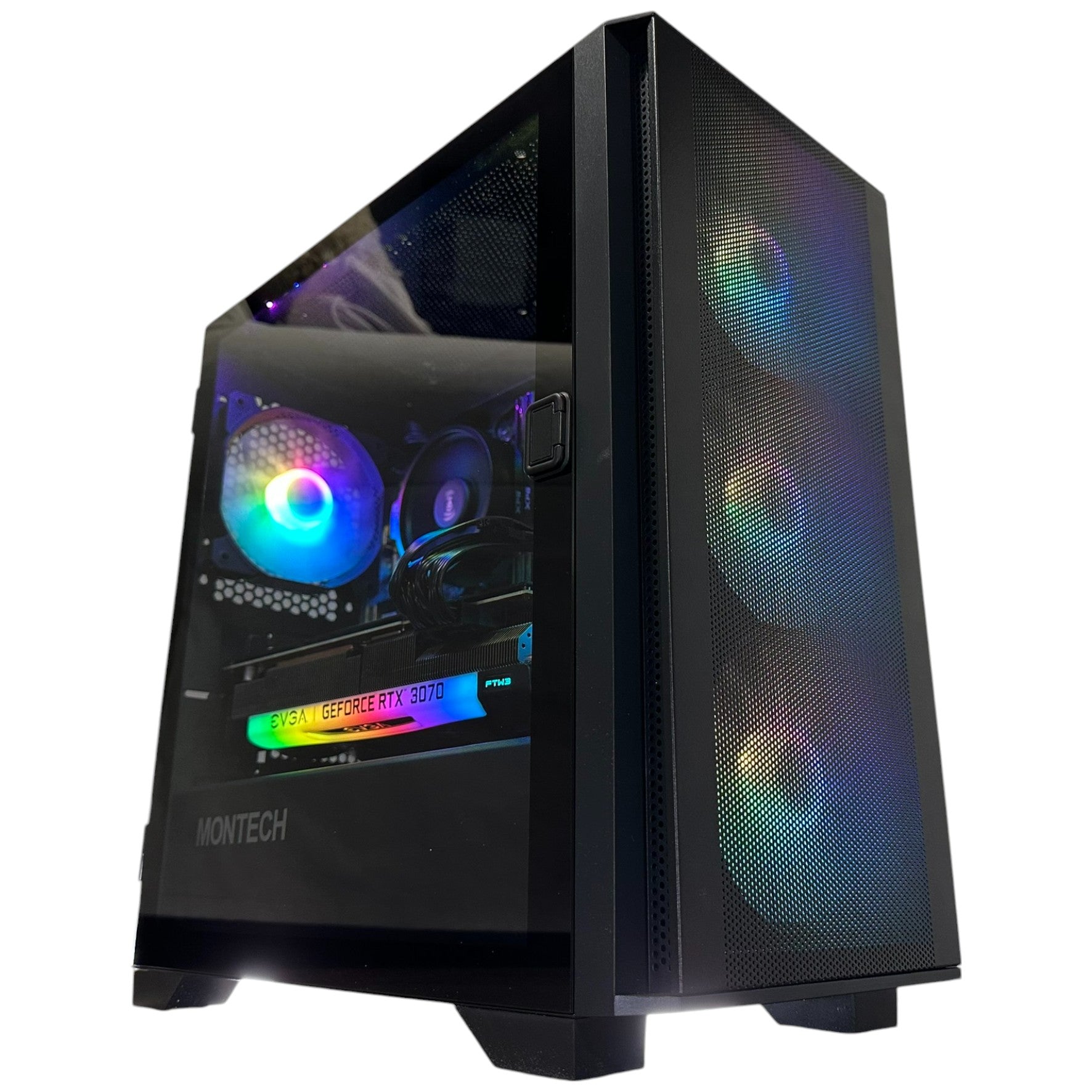
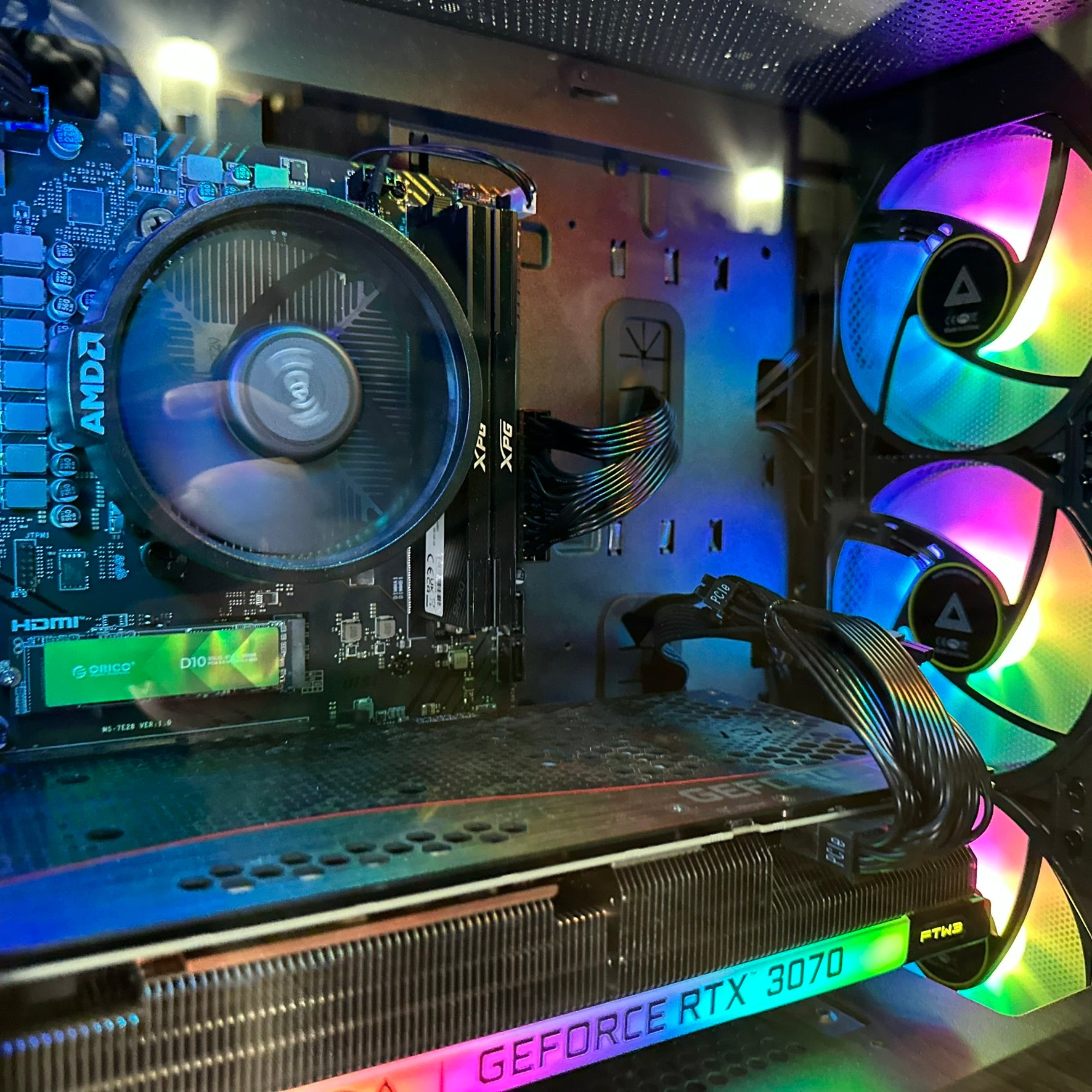
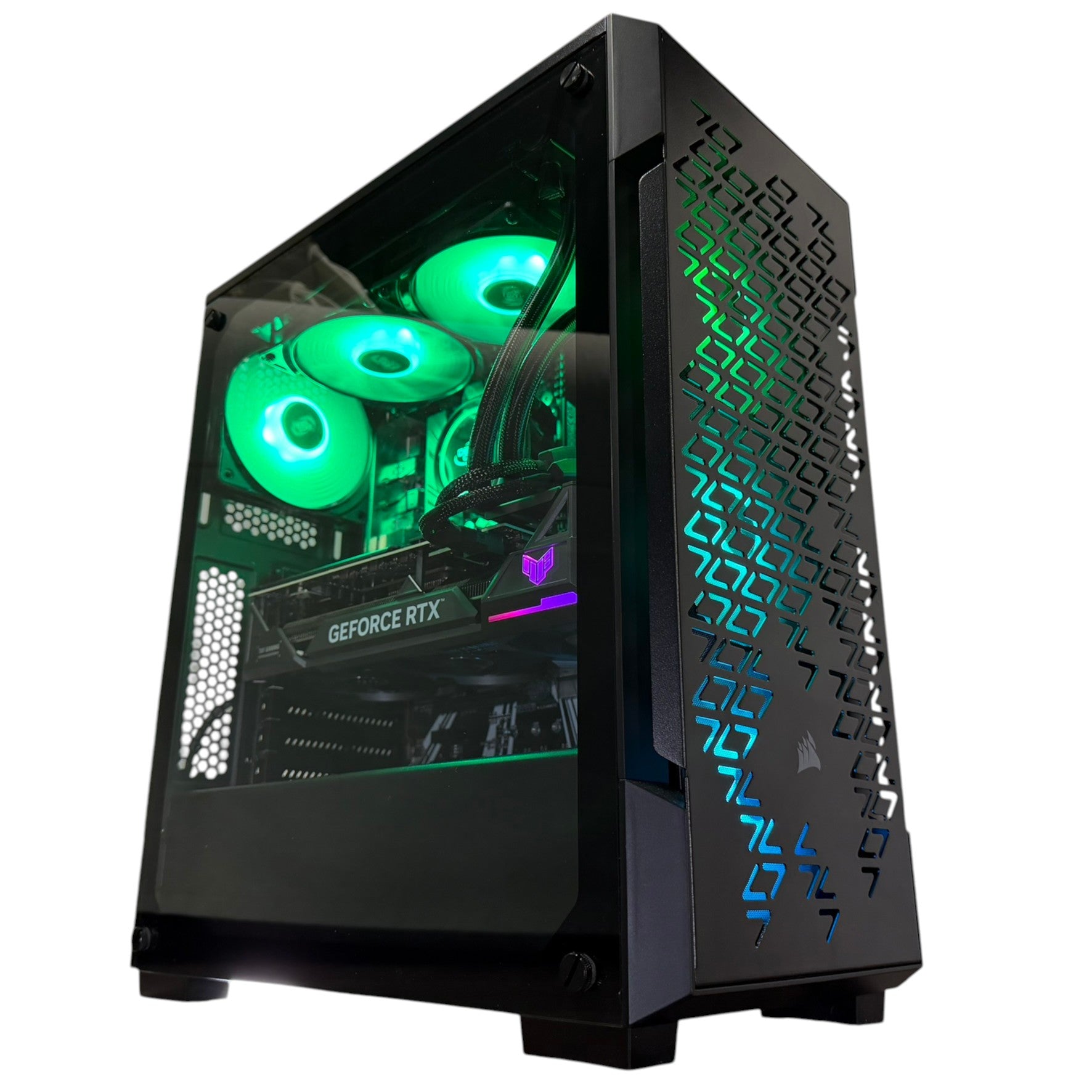

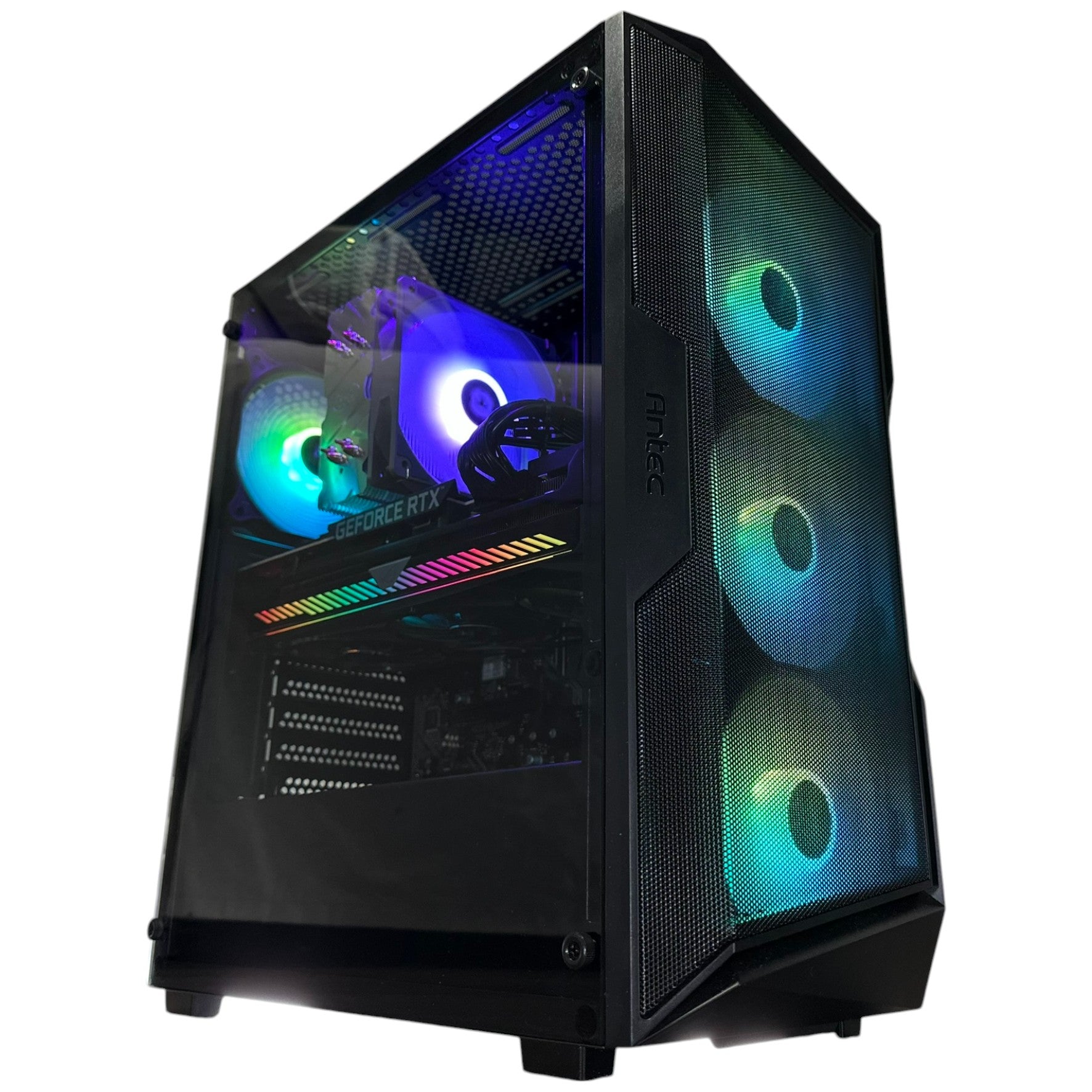
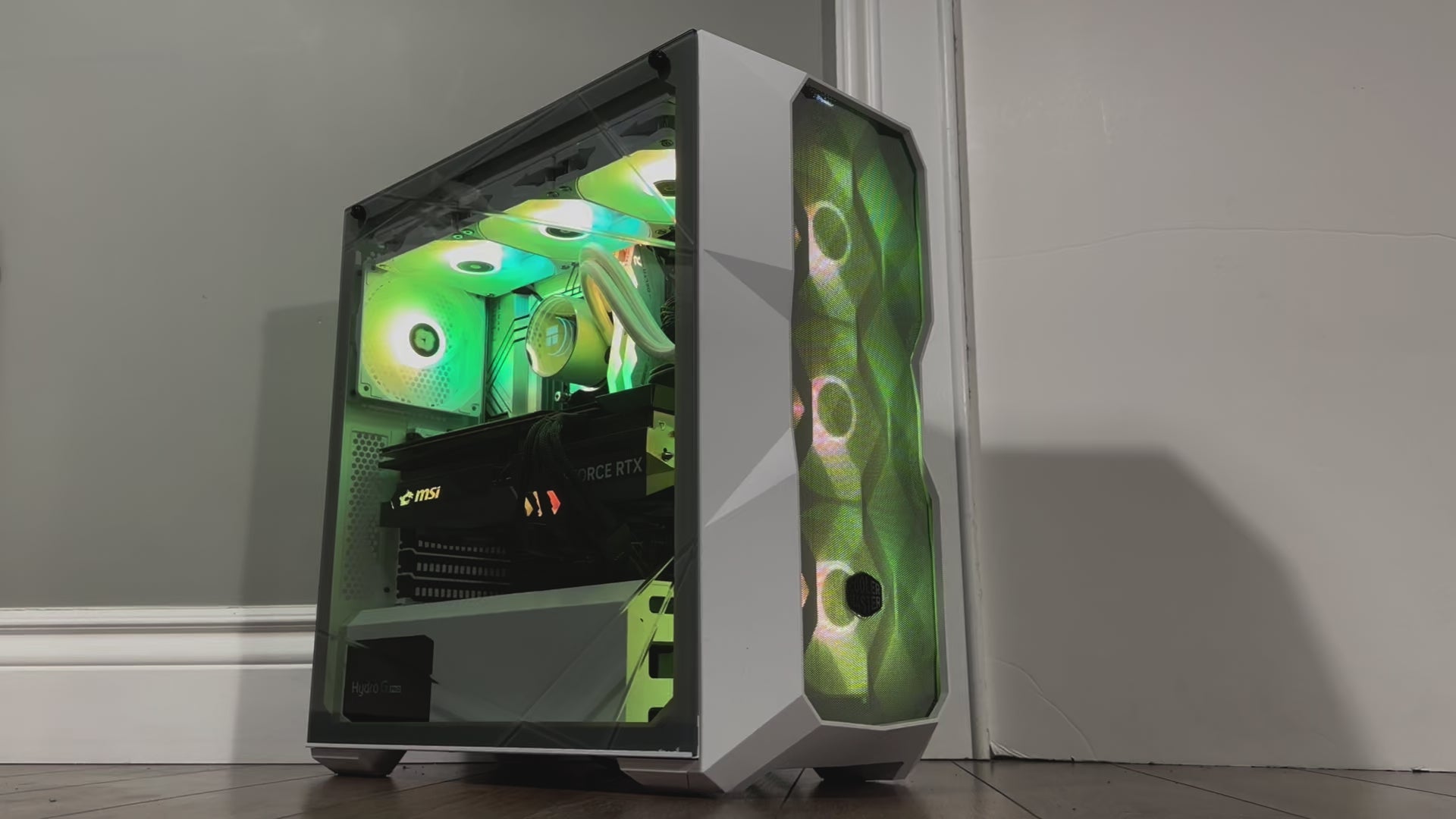
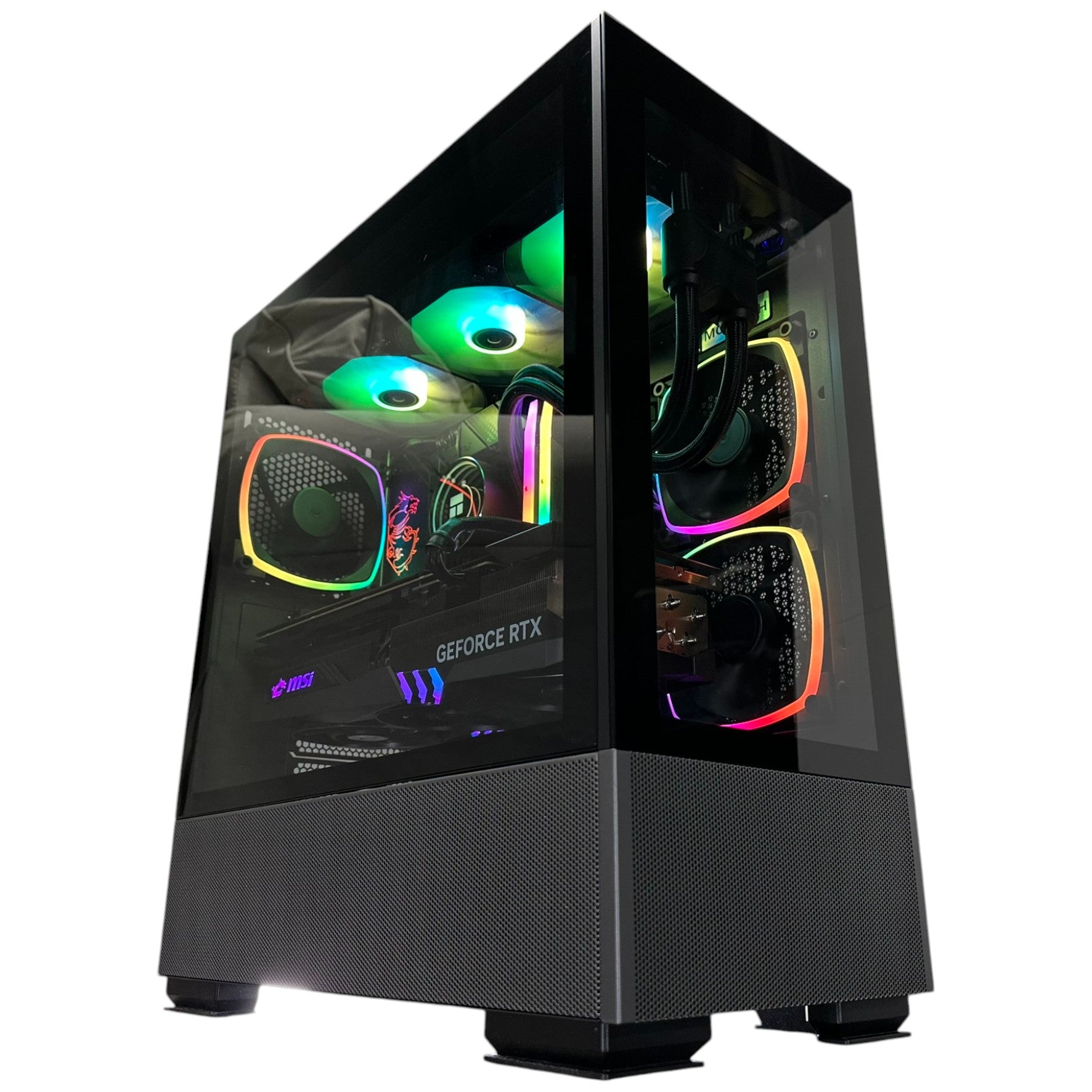
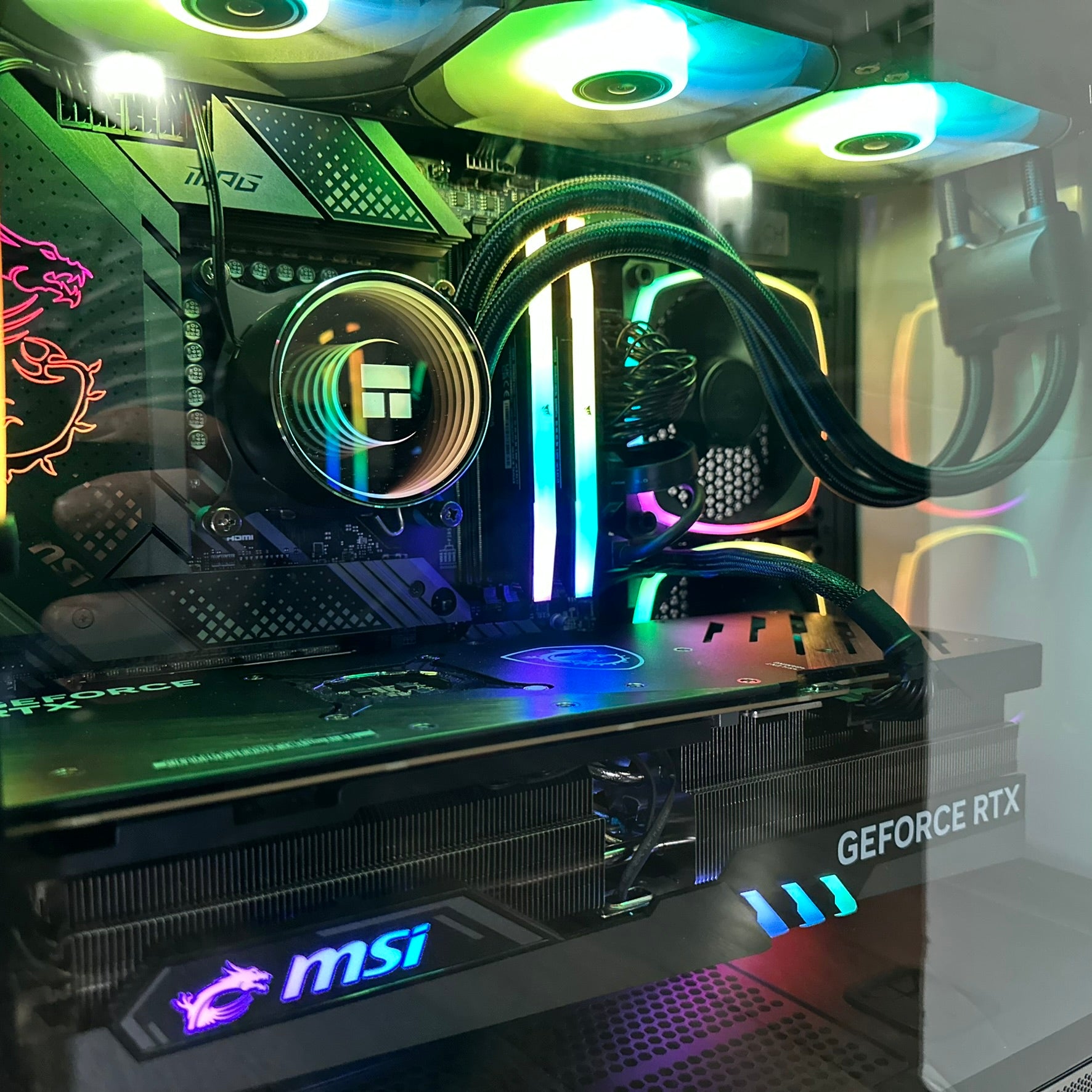
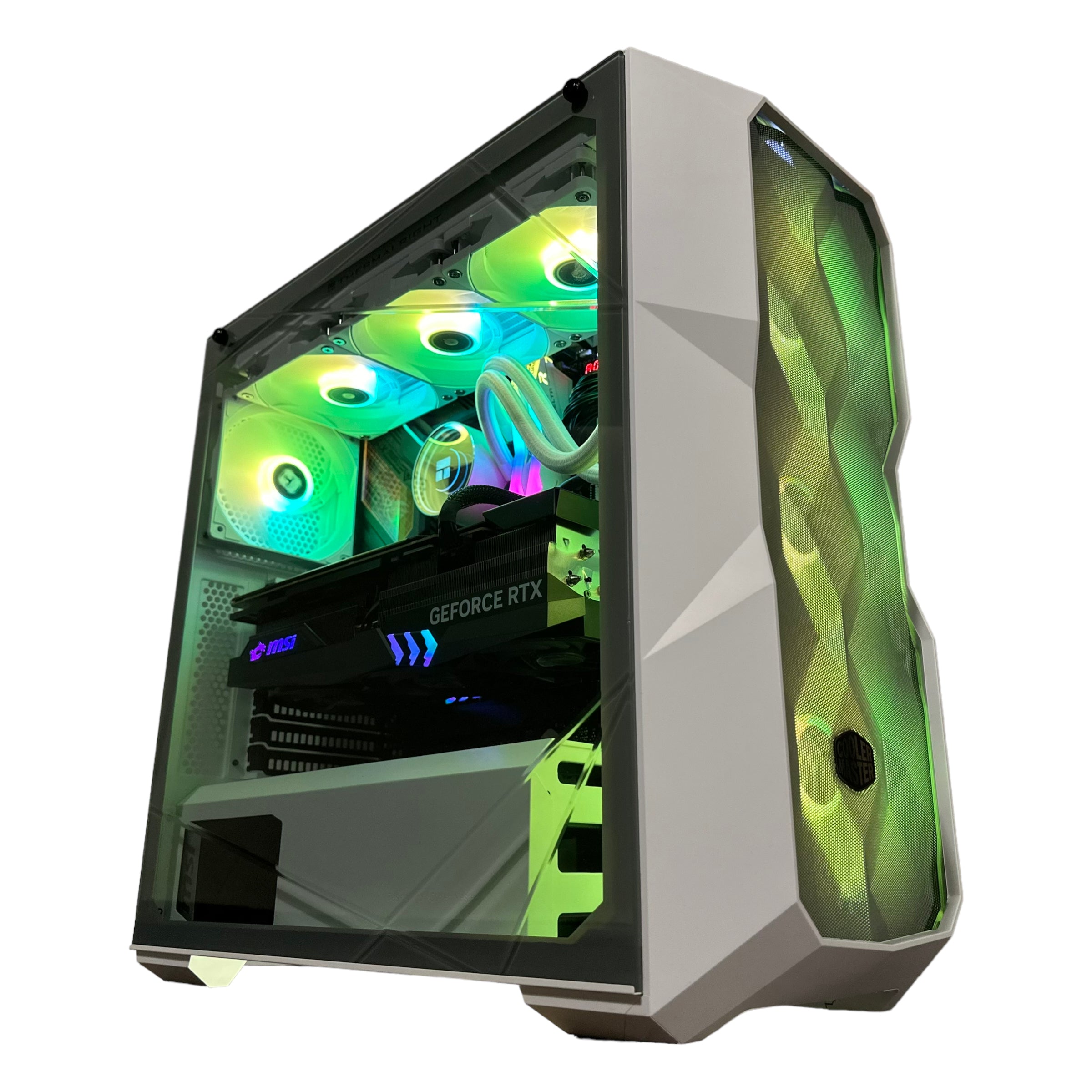

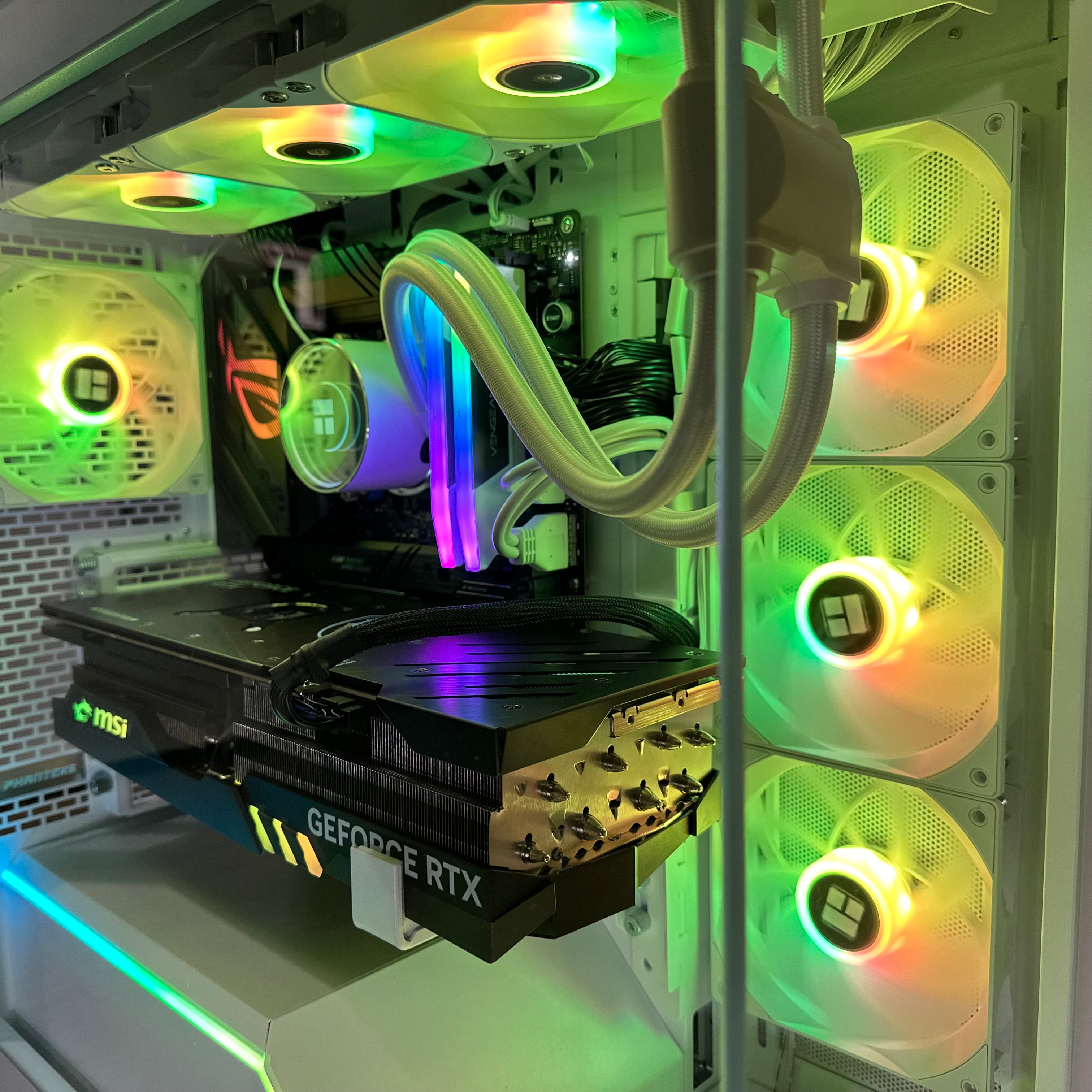
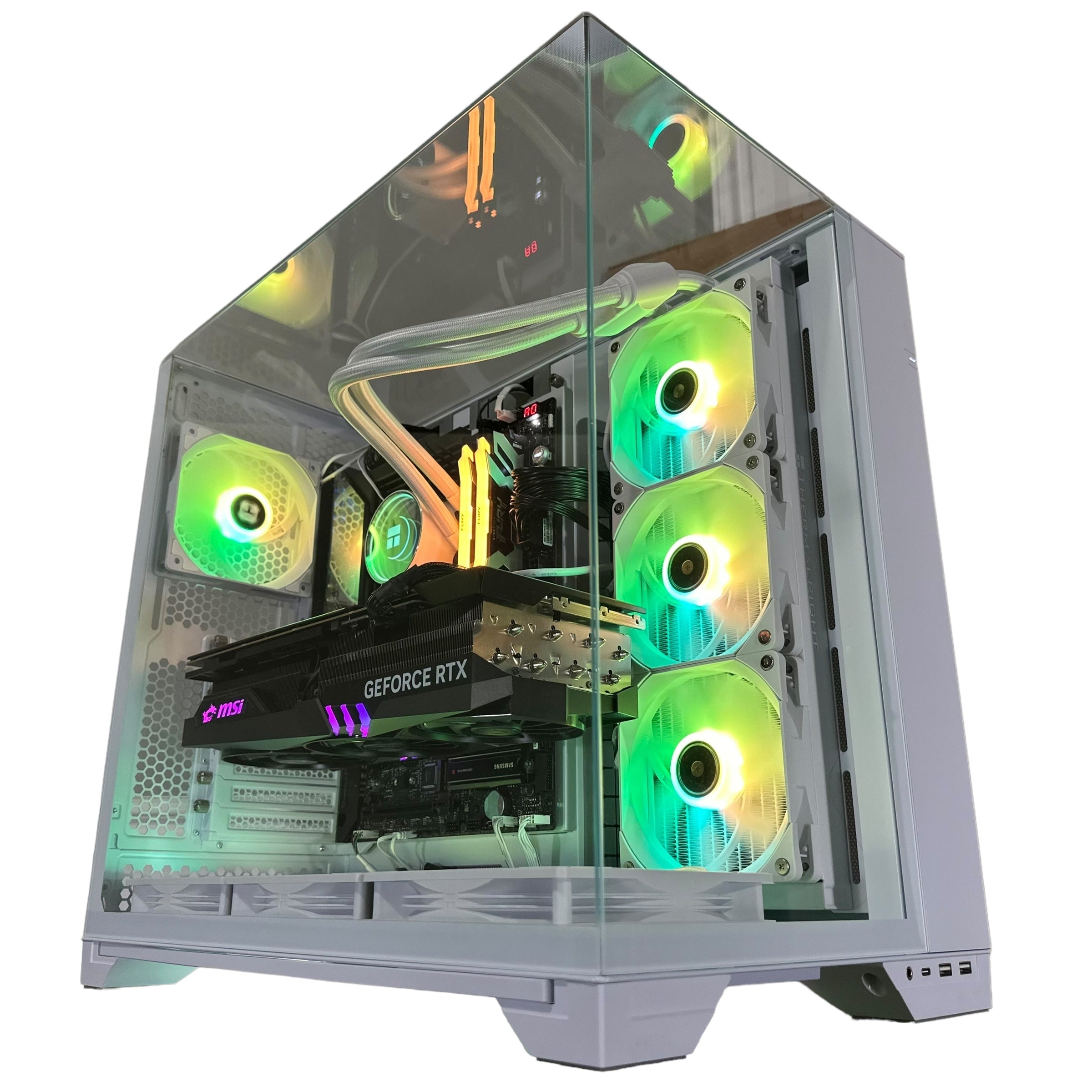
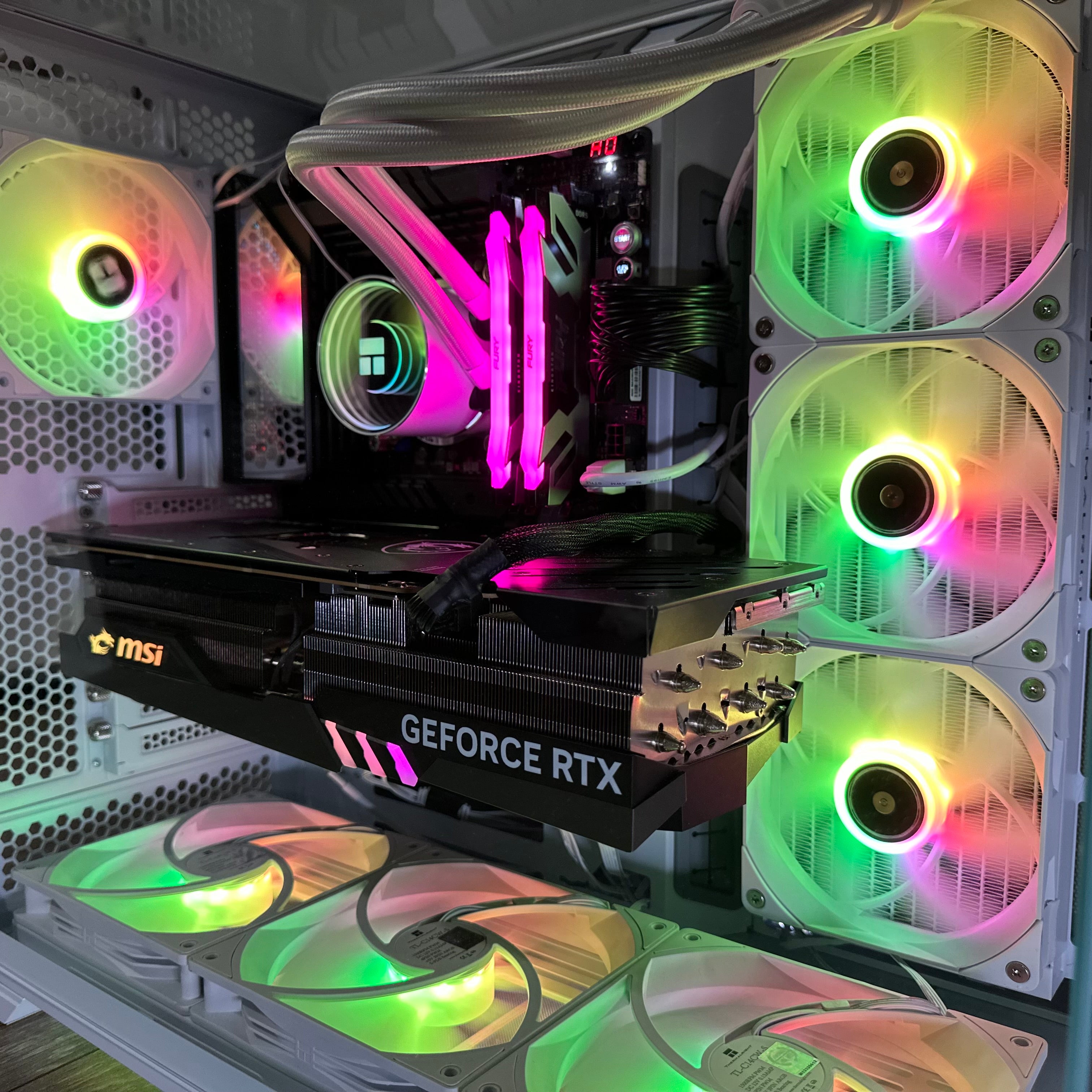

Resident Evil Requiem Sales Show Why a Gaming PC Canada Buyers Choose Now Matters More Than Ever
Capcom has confirmed that Resident Evil Requiem has reached eight million units sold, while Pragmata has hit 2.5 million units. That is more than a headline about two successful games. For anyone shopping for a gaming PC Canada buyers can count on, it is a clear sign that demand for big-budget PC gaming experiences is not slowing down. When blockbuster titles keep selling, more players start asking the same practical question: is their current system actually ready for what is coming next?
For Canadian shoppers, this matters beyond game sales alone. Strong performance from major releases usually keeps pressure on premium graphics cards, performance CPUs, memory, and SSD-equipped systems. It also changes how people shop. Some want a budget gaming desktop that can still deliver smooth 1080p play. Others want a higher-tier custom system built for 1440p, 4K, ray tracing, streaming, or even gaming plus editing. The real opportunity is not just following the news. It is using that news to buy smarter.
Capcom’s latest sales numbers are a reminder: new releases move hardware demand
Based on the source report, Capcom’s latest quarterly results showed strong game unit sales overall, with 23.81 million units sold in the period compared to 14.16 million in the same period a year earlier. Resident Evil Requiem continued to build momentum, rising from six million units previously reported in March to eight million units cumulatively. Pragmata also launched strongly, crossing 2.5 million units worldwide.
Those numbers matter because publishers do not keep investing in visually advanced games unless players keep showing up for them. Resident Evil remains one of the clearest examples of a franchise that rewards stronger PC hardware. Better lighting, sharper textures, higher frame rates, faster load times, and more stable performance all become more visible when your system is not being held back by an aging GPU, limited RAM, or a small boot drive.
So what happens when one successful release is followed by another? More gamers upgrade. More creators build content around those games. More streamers need systems that can play and broadcast smoothly. More buyers move from “my PC still works” to “my PC is now the bottleneck.”
Why should Canadian buyers care about Resident Evil Requiem and Pragmata sales?
If you are in Canada and looking at your next desktop, game sales like these are a signal. They suggest continued interest in demanding PC titles, more online discussion around visual settings and performance, and a higher chance that buyers will compete for similar GPU tiers. That can affect availability, replacement cost, and how long your money goes if you wait too long.
Are you buying before a major game release window? Are you trying to avoid the rush when a new title, expansion, or hardware cycle pushes up demand? Are you already noticing that your current machine struggles with newer effects, modern upscaling features, multitasking, or large installs? These are the questions that matter more than the headline itself.
Canadian buyers also have to think about total value differently. A system is not just a list of parts. It is the finished build quality, airflow, compatibility, cable management, testing, warranty confidence, and support after purchase. That is where a properly assembled custom PC becomes more attractive than generic marketplace listings or unknown assembled systems.
What do you want your next PC to do for you?
This is where the buying decision becomes personal. Do you want to play modern games like Resident Evil Requiem at solid frame rates without turning every setting down? Do you want 1440p with better image quality and smoother performance? Are you targeting 4K and ray tracing because you want the full visual experience? Or are you also planning to stream, edit clips, design thumbnails, render video, or work in 3D tools on the same machine?
If you are unsure, start with the workload, not the parts list.
- Gaming only: Focus on GPU strength, a balanced CPU, fast SSD storage, and enough RAM for modern titles.
- Gaming and streaming: Add more CPU headroom, stronger GPU encoding support, more memory, and reliable cooling.
- Gaming and video editing: Prioritize multicore performance, larger SSD capacity, more RAM, and a GPU that helps with exports and timeline acceleration.
- Photo editing and graphic design: Look for fast responsiveness, memory capacity, quiet operation, and a workflow-friendly configuration.
- 3D modeling or workstation use: Consider a custom workstation with more CPU threads, more VRAM where needed, larger memory pools, and stability under sustained loads.
Do you just want to play? Or do you want a machine that helps you create, earn, and avoid another upgrade too soon?
What the source story gets right about demand for newer games
The source article highlights more than raw sales. It shows that Capcom’s recent releases still have momentum, and that pricing activity helped keep Resident Evil Requiem moving. That matters because game publishers and hardware buyers influence each other. Hit games encourage people to upgrade. Better hardware encourages people to buy and enjoy premium games. It becomes a cycle.
The Resident Evil franchise also has a track record of long-tail value. The source listed lifetime sales for other entries, including the Resident Evil 2 remake, Resident Evil 3 remake, Resident Evil 4 remake, Resident Evil 7: Biohazard, and Resident Evil Village, all with major cumulative sales numbers. That is not just franchise nostalgia. It is proof that players keep coming back to polished, graphically rich, performance-sensitive games.
If you are the kind of buyer who wants one system to carry you through multiple major titles rather than just one launch week, that trend should matter. Buying only for today can be expensive if it forces an early upgrade next year.
What gaming PC do I need for games like Resident Evil Requiem?
That depends on the experience you want. Not every gamer needs the same build, and this is exactly where many shoppers overspend in the wrong place or underspend in the most important one.
1080p gaming: who is this tier best for?
If your goal is to play current games smoothly at 1080p with good image quality, this is often the value sweet spot for budget-conscious buyers. A well-balanced budget gaming PC Canada shoppers choose at this tier can deliver strong everyday gaming, faster boot times, responsive menus, and enough room for school, work, Discord, and browser multitasking.
Ask yourself: are you mainly playing on a 1080p monitor? Are you trying to stay within a practical budget? Do you want a first gaming PC that feels modern without chasing maximum visual settings? If so, an entry-level or lower-midrange custom gaming desktop may be the right fit.
1440p gaming: is this the best balance for most buyers?
For many players, yes. A 1440p gaming PC Canada buyers invest in often hits the best balance between visual quality, longevity, and performance. This tier makes sense if you want sharper visuals than 1080p, stronger texture settings, better future-readiness, and the flexibility to enjoy demanding titles without feeling like your system is already one step behind.
Do you want your next PC to feel meaningfully stronger, not just slightly newer? Do you want room for the next wave of AAA games, not just the current one? Then 1440p is often the most sensible performance target.
4K and ray tracing: when does premium make sense?
If you want the visual showcase experience, a 4K gaming PC Canada buyers choose at the premium tier can make sense. This is especially true for players who value maximum detail, stronger ray tracing performance, larger displays, cinematic single-player games, and a system that should remain relevant for longer at high settings.
But here is the key question: do you really want 4K, or do you mainly want a strong 1440p system that lasts? There is a difference. Some buyers benefit more from a premium 1440p build with extra headroom than from stretching too hard for entry 4K performance.
Are you only gaming, or do you also want to stream and create?
Big game releases do not just sell copies. They also create content ecosystems around them. Walkthroughs, Twitch streams, YouTube reactions, performance tests, shorts, mods, photo modes, and review clips all push more people into creator workloads.
So the smarter question may not be “Can this PC run Resident Evil Requiem?” It may be “Can this PC run the game, record gameplay, keep OBS open, export clips quickly, and handle tomorrow’s software too?”
Gaming and streaming PC needs
A streaming PC Canada buyers should consider needs more than just in-game frame rates. Streaming adds overhead. You need enough CPU or strong GPU-based encoding support, enough RAM for your browser tabs and chat tools, and enough cooling to keep performance stable over longer sessions.
Are you planning to stream at 1080p? Do you want to record local footage while gaming? Will you run Discord, overlays, music apps, and a second monitor setup? If yes, your build should be selected with that reality in mind, not just minimum game specs.
Gaming and editing on one machine
If your PC also needs to cut highlights for YouTube, TikTok, or reels, then a stronger creator-friendly configuration starts making more sense. A creator PC Canada shoppers choose for mixed workloads should include enough RAM, a capable CPU, fast storage, and a GPU that helps with creative acceleration.
Are you editing 1080p footage occasionally, or working with 4K timelines every week? Do you use Adobe Premiere Pro, DaVinci Resolve, or After Effects? Do you want smooth exports and fast scrubbing, or are you okay waiting? How much is your time worth when deadlines or upload schedules are involved?
Could the same gaming news affect video editing, design, and workstation buyers too?
Absolutely. When gaming demand rises, it can pull on the same component categories creator and workstation buyers need. GPUs are the obvious example, but SSD pricing, memory demand, and performance-tier availability can also become more competitive.
That is why this kind of gaming headline matters even if you are shopping for a video editing PC Canada professionals use, a graphic design PC Canada creatives rely on, or a 3D modeling PC Canada artists need for rendering and development. If your workload depends on strong hardware, broad consumer demand can still affect your timing and your budget.
For video editors
If you work in Premiere Pro or DaVinci Resolve, ask yourself: are your exports taking too long? Is your timeline lagging with 4K footage? Do you need more RAM, faster scratch storage, or stronger GPU acceleration? A custom editing system is not about gaming headlines directly, but the same market pressures can shape the cost of your next build.
For photo editors and graphic designers
If you use Photoshop, Lightroom, Illustrator, InDesign, or multiple Adobe apps at once, your needs are different but still performance-sensitive. Are large files slowing down your workflow? Do batch exports take too long? Do AI-assisted tools feel sluggish? A better configured system can save real working hours over time.
For 3D artists and workstation users
If you use Blender, Unreal Engine, CAD software, or rendering tools, then your system decisions may be even more important. Do you need more VRAM? More CPU threads? Larger memory capacity? Better thermal stability for long renders? In this case, buying late in a high-demand cycle can be especially frustrating if the exact parts your workflow benefits from become harder to source.
Is it better to buy now or wait?
This is one of the biggest questions in the PC market, and there is no single answer for every shopper. But there is a practical framework.
If your current computer already struggles with the games, software, or multitasking you use today, waiting often costs more than people realize. It can mean compromised settings, longer exports, missed opportunities to stream or create, and the risk of paying more later if replacement costs rise.
If you are close to a major game launch, content project, school term, or software upgrade, waiting may also leave you buying under pressure instead of buying strategically. That is rarely when shoppers make the best decisions.
Ask yourself:
- Do I need this system before a major game release or seasonal sale period?
- Will my current PC still meet my needs six to twelve months from now?
- Am I buying because of hype, or because I have a real performance problem to solve?
- If prices rise, will I regret not securing the stronger build earlier?
- Would a custom-built desktop save me from upgrading again too soon?
Which performance tier fits your budget and your goals?
The best system is not the most expensive one. It is the one that matches your actual use case while leaving enough room for the next wave of demands.
Entry-level value tier
This is ideal for first-time desktop buyers, students, and gamers focused on mainstream titles and practical 1080p play. If you are asking, “How much should I spend on a gaming PC?” and want to keep things sensible, this tier is where a lot of value lives.
Choose this if you want:
- Reliable 1080p gaming
- Fast everyday responsiveness
- A lower upfront cost
- A proper desktop foundation with upgrade potential
Midrange sweet spot tier
This is often the best answer for buyers who want stronger 1440p gaming, longer usable life, and enough overhead for newer AAA releases. It is also attractive for people who game and occasionally stream or edit.
Choose this if you want:
- Better visual settings and stronger frame rates
- A more future-conscious purchase
- Enough performance for gaming plus light creator work
- Less chance of needing another upgrade too soon
Premium enthusiast tier
This is for buyers targeting 4K, high refresh 1440p, heavier ray tracing, advanced creator workloads, or a higher-end long-term system. It is also the right conversation if your PC is part entertainment machine, part production tool.
Choose this if you want:
- Higher-end AAA gaming performance
- Stronger multitasking and creator capability
- Better long-term confidence
- More room for demanding future software and games
Should you finance a stronger system instead of settling for a weaker one?
For many shoppers, this is the most important buying question of all. If you know you need stronger performance, but the ideal build is just beyond your immediate cash budget, financing can be the practical move rather than the emotional one.
Why? Because settling for a lower-spec machine often leads to one of two outcomes: you compromise every day, or you upgrade again sooner than planned. Neither is especially affordable in the long run.
If financing up to 4 years helps you move from an entry-level build to a better-balanced system with stronger longevity, more RAM, a faster GPU, or more storage, that decision can protect you from near-term replacement costs. It can also help you secure the system you actually need before the market shifts again.
Are you trying to buy before a hardware shortage, a seasonal spike, or a run of new game releases? Would a monthly payment structure make it easier to get the right system now rather than the cheapest one today? If so, financing deserves serious consideration.
Why custom builds matter when buying conditions are uncertain
When the market feels unpredictable, configuration quality matters more. A custom build is not only about aesthetics or brand preference. It is about getting the right balance of CPU, GPU, memory, storage, motherboard quality, power delivery, airflow, and upgrade path for your specific needs.
That is especially important if you are deciding between a gaming-focused system, a mixed gaming-and-streaming machine, or a creator workstation. A generic preconfigured desktop may not allocate the budget where your workload needs it most.
Would you rather buy a machine that looks impressive on paper, or one that is actually matched to your monitor, games, software, and budget? Would you rather overpay for the wrong bottleneck, or invest in the right balance from day one?
Why Canadian buyers look for more than specs alone
A serious desktop purchase should come with confidence. That means careful assembly, component matching, thermal planning, stress testing, and support after delivery. It also means a warranty that gives buyers peace of mind instead of leaving them on their own after checkout.
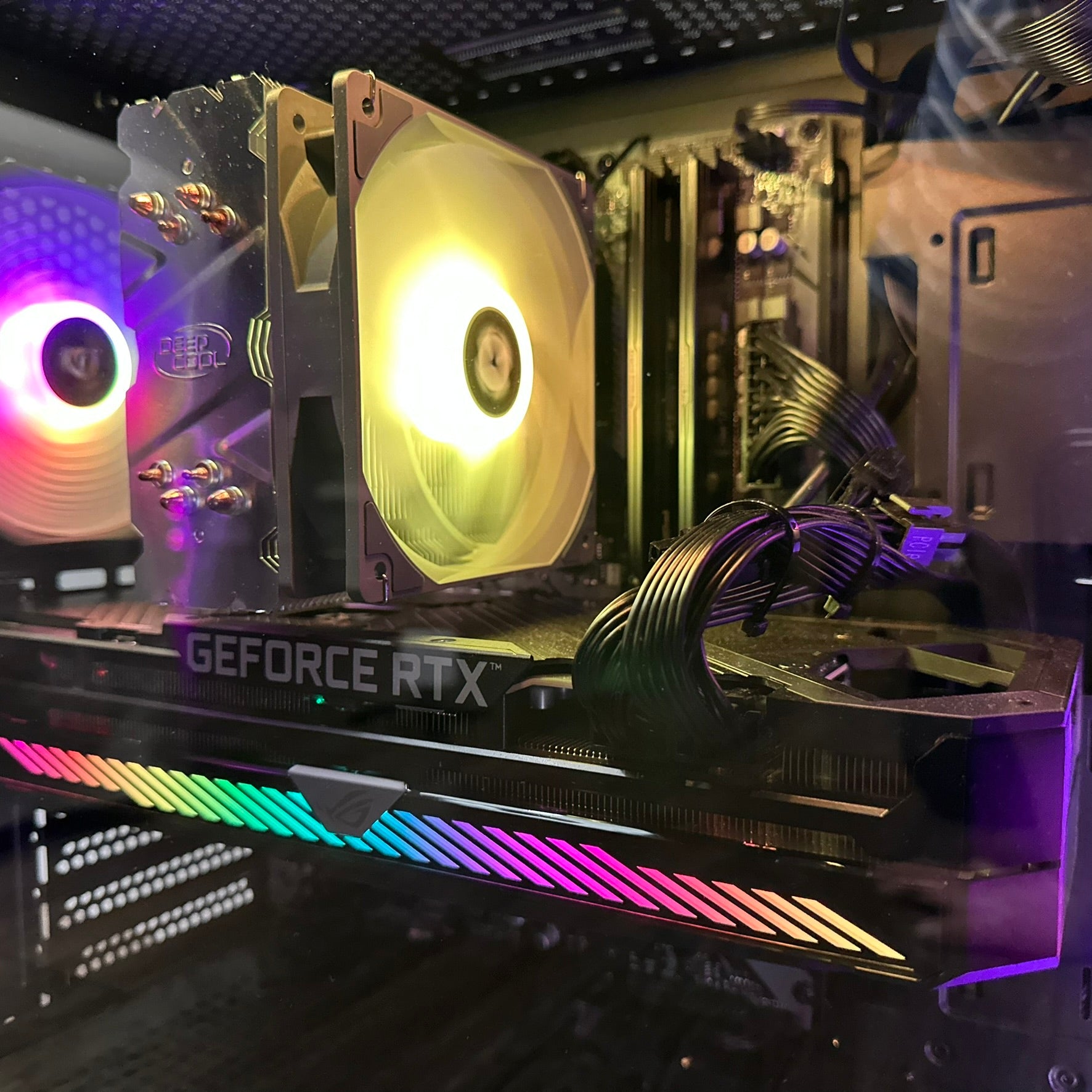
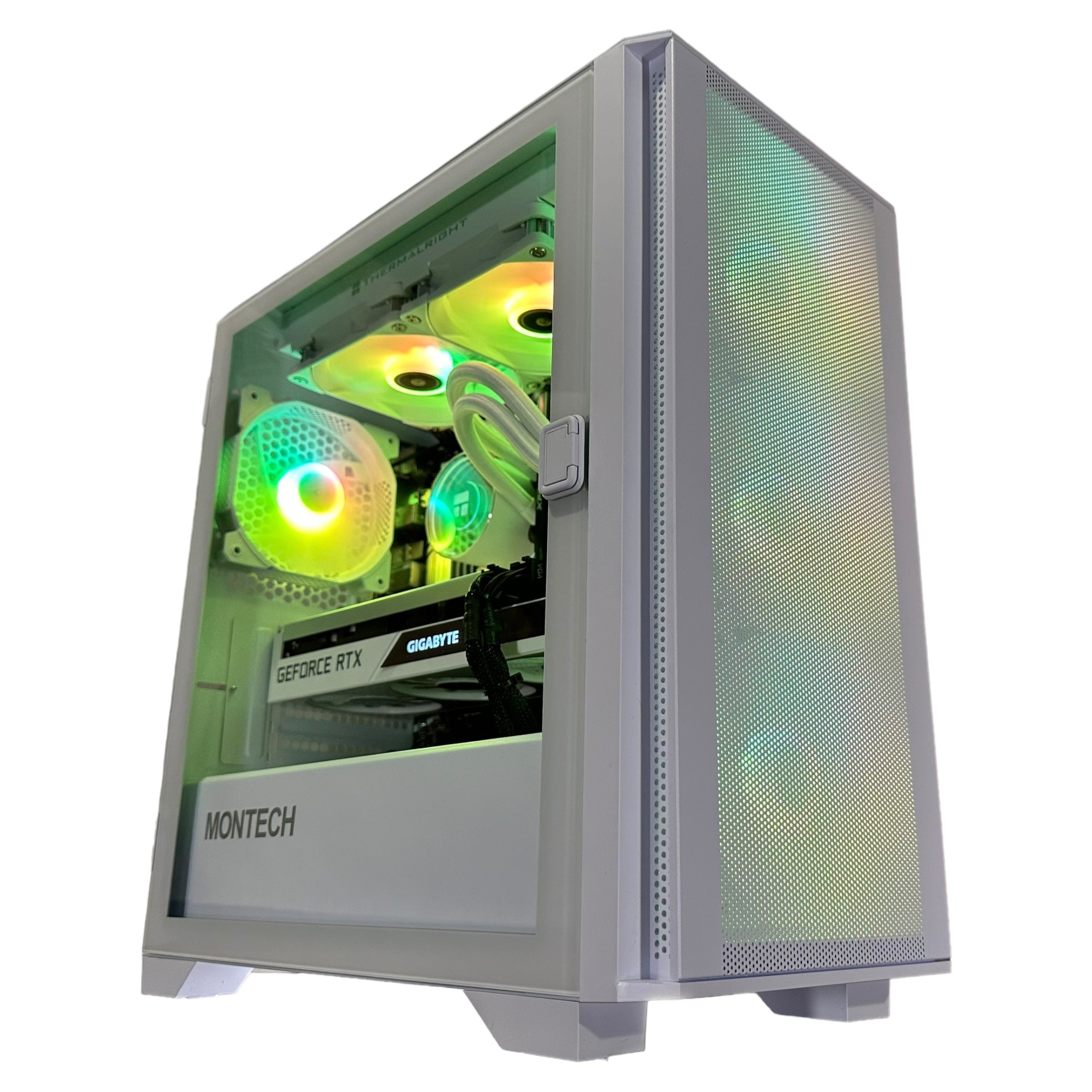
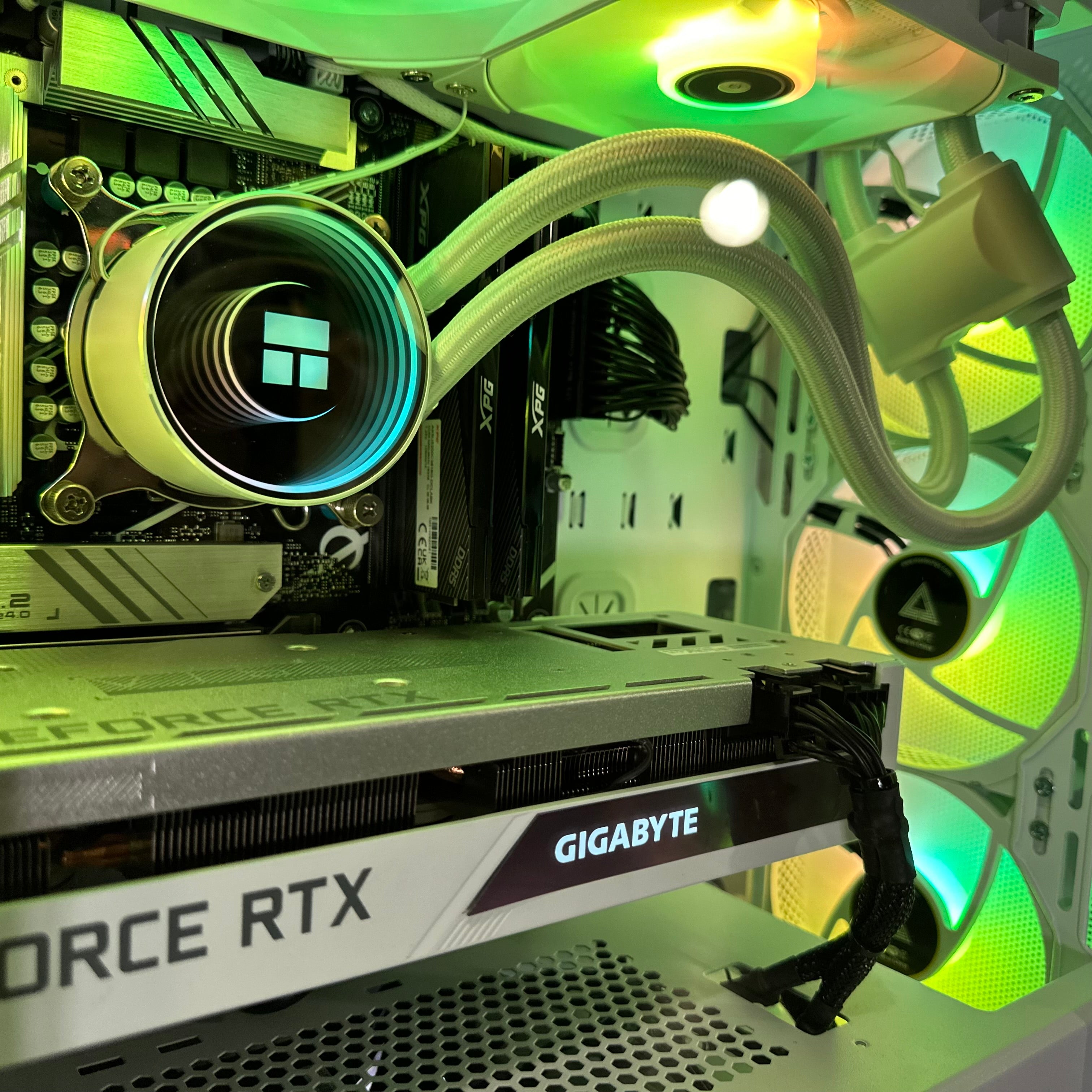
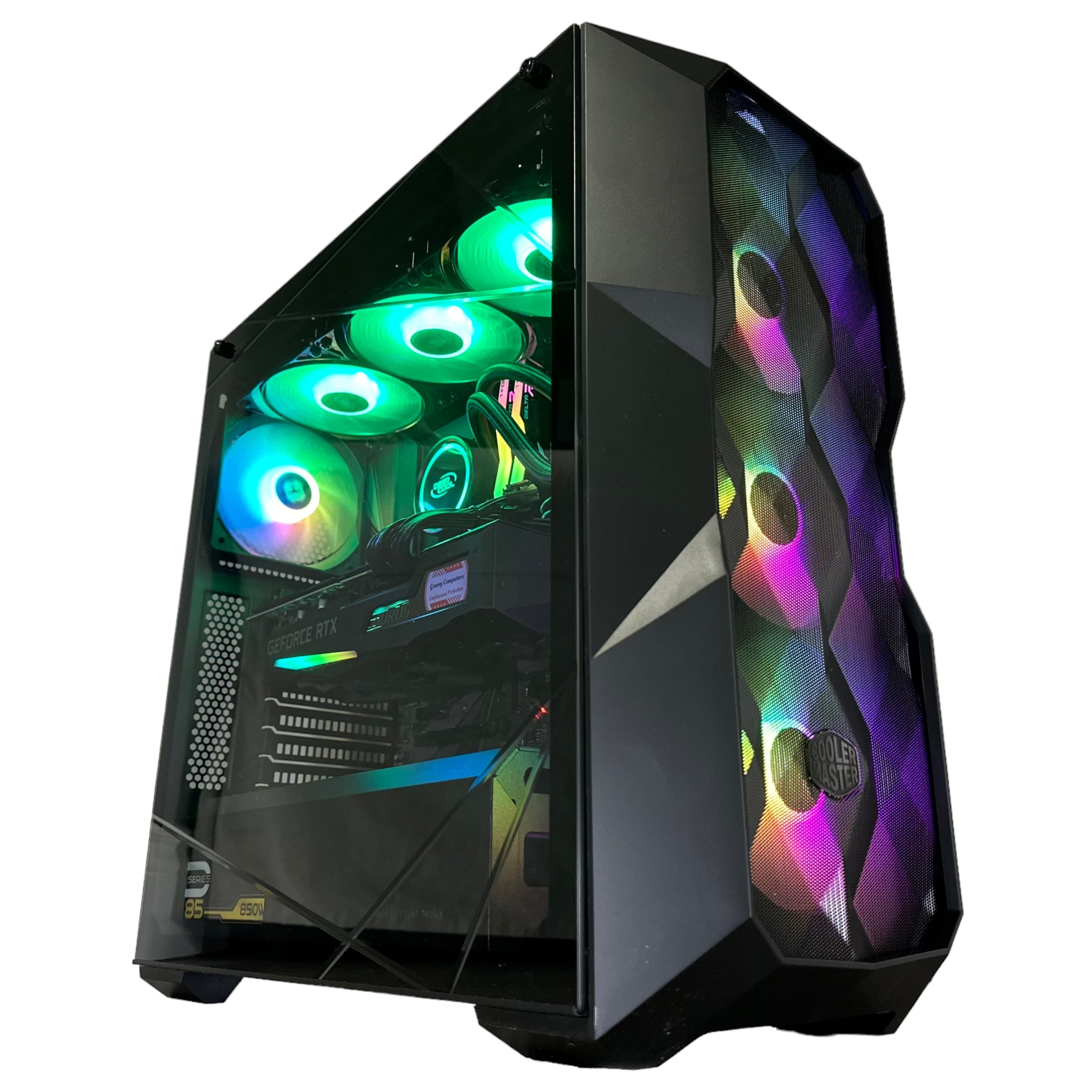
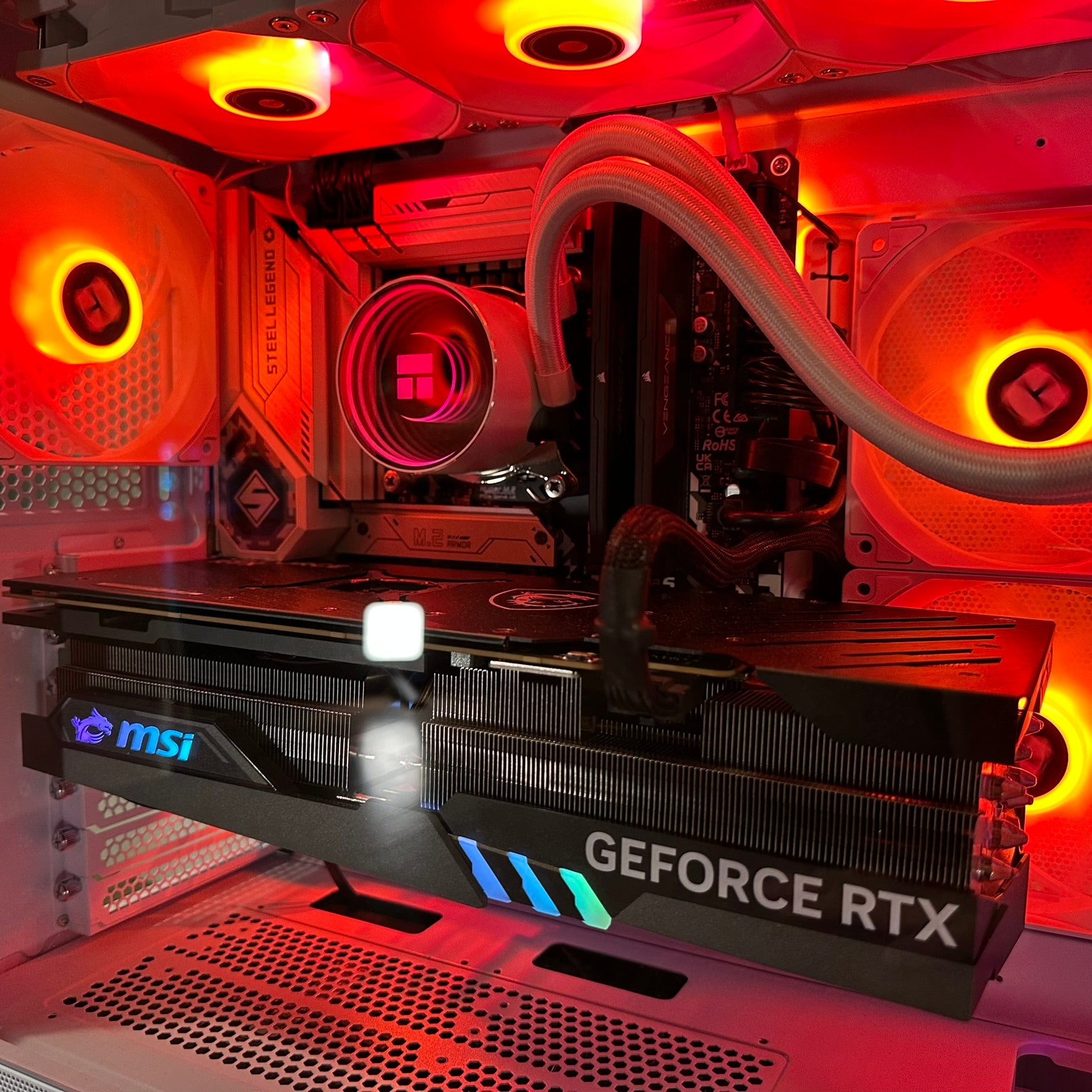
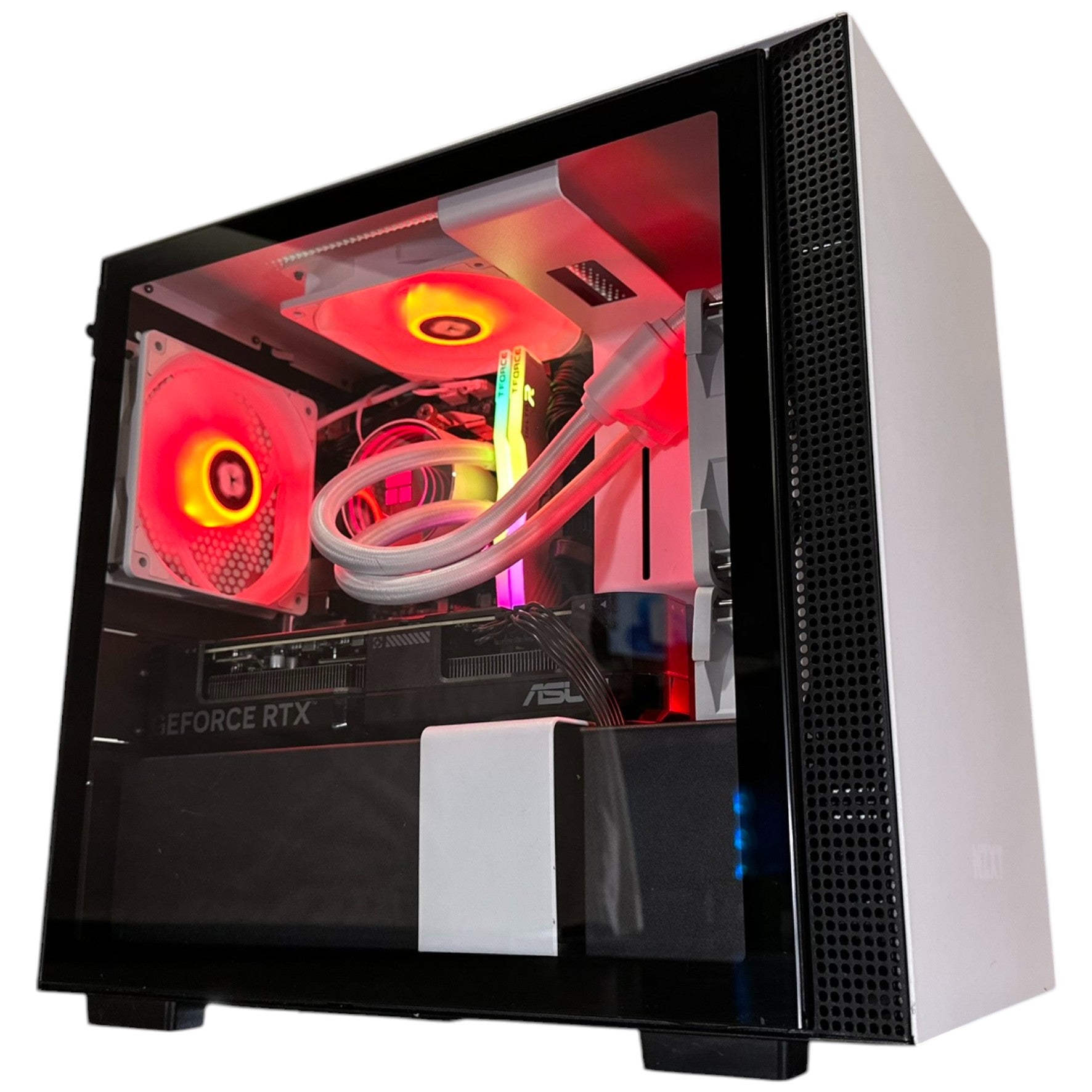
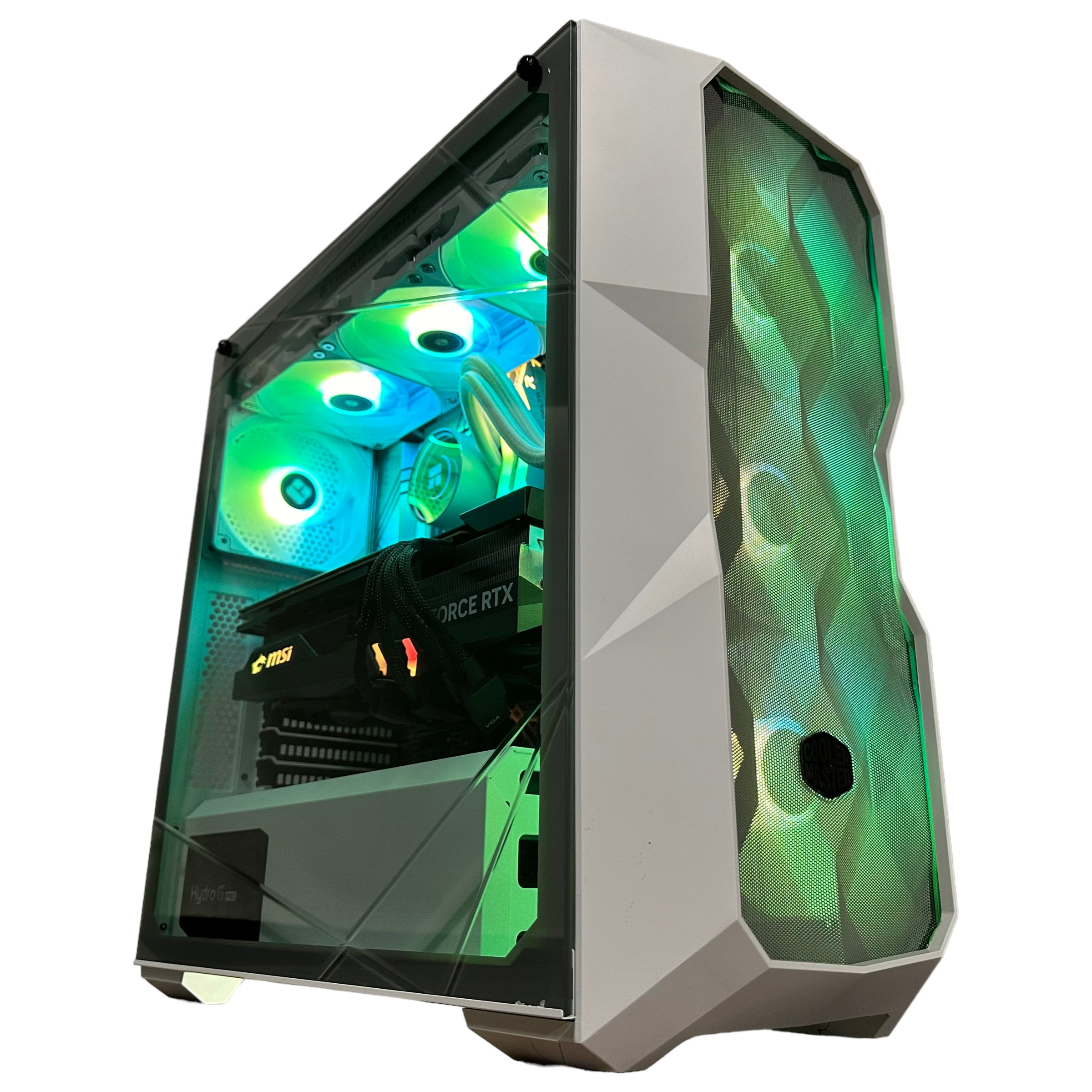
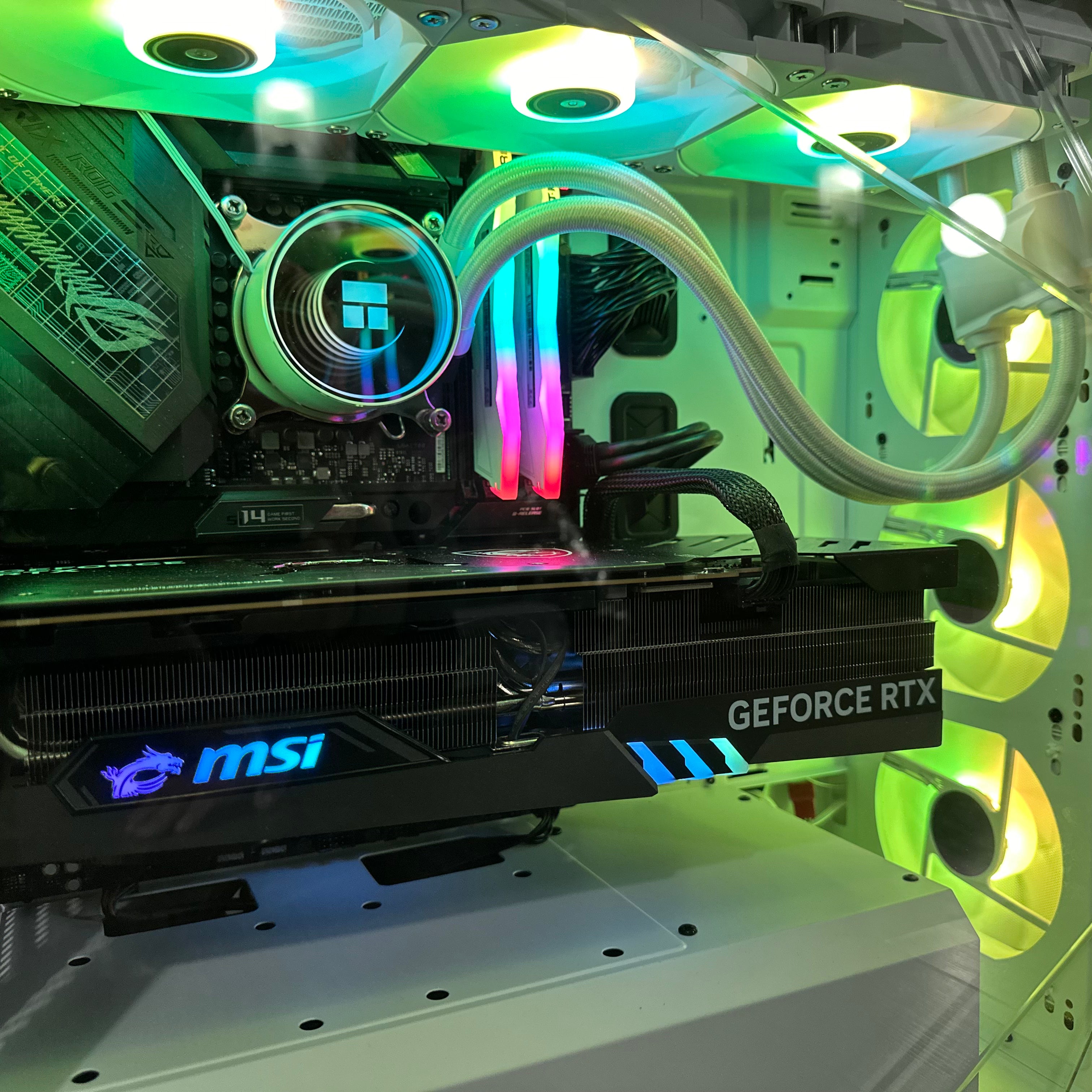
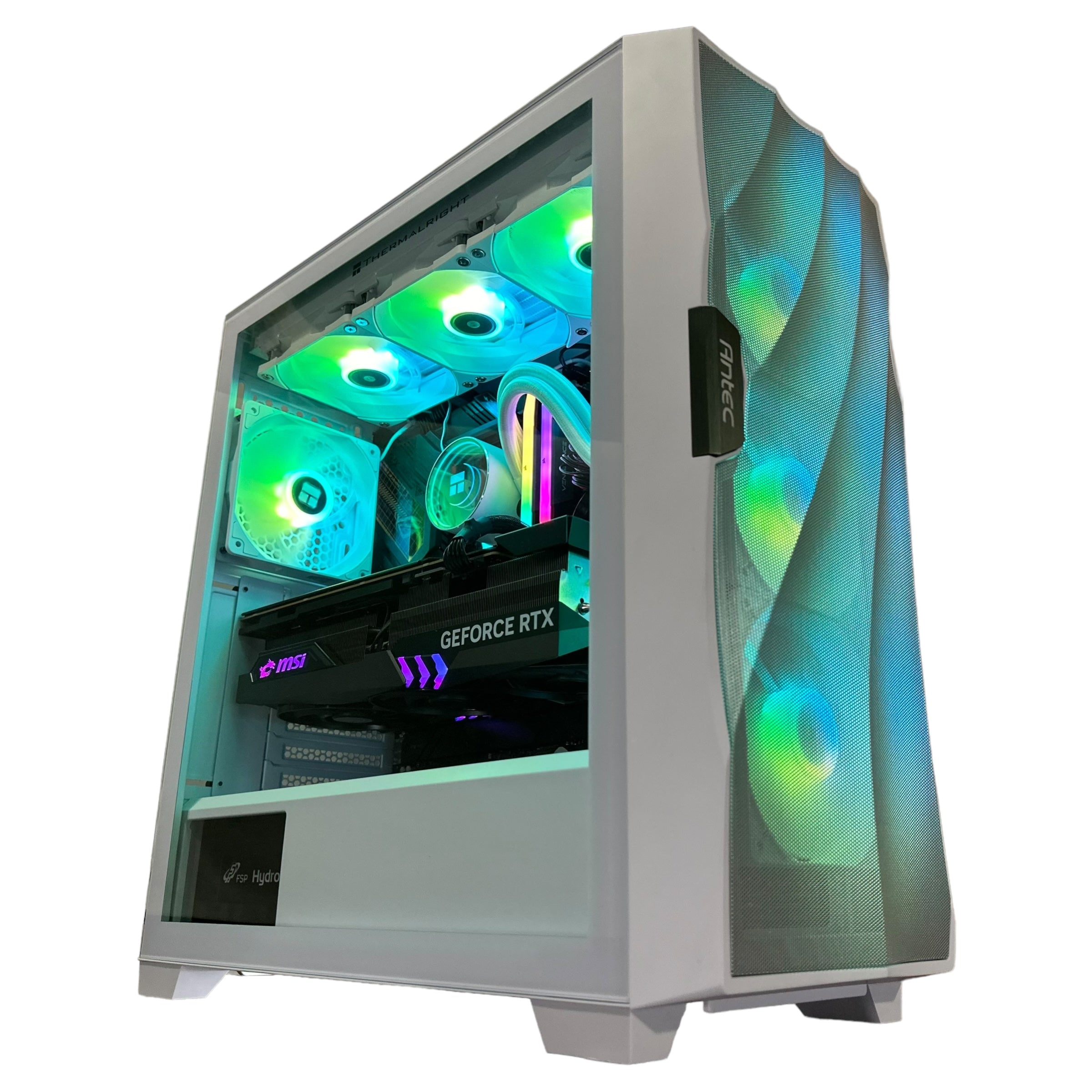
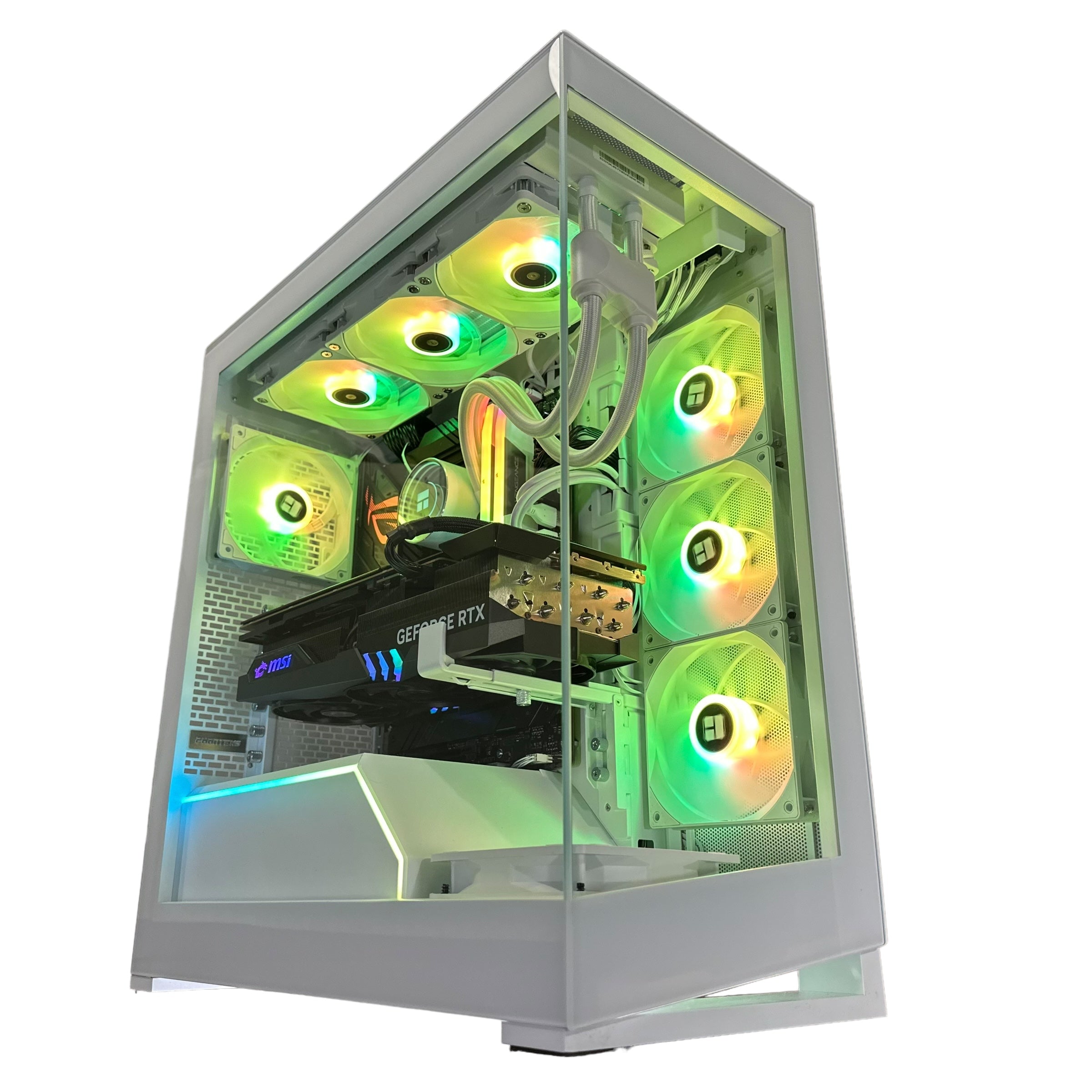
Groovy Computers is built around that kind of trust. For shoppers looking for a custom gaming PC Canada buyers can rely on, or a creator/workstation system tailored to real workloads, the difference is not just what is inside the box. It is the care put into the finished machine.
That includes rigorous testing, thoughtful custom build selection, and a 1-year warranty that supports confidence in your purchase. Whether you are in Nova Scotia, Atlantic Canada, or ordering from elsewhere in the country, that kind of reliability matters when the goal is to buy once and buy properly.
What should you ask before choosing your next PC?
Before you buy, take a minute and ask the questions that actually affect satisfaction after purchase:
- What games or software will I use most? A system for Resident Evil Requiem, streaming, Photoshop, and Blender should not be chosen the same way.
- What resolution am I targeting? 1080p, 1440p, and 4K all change the right GPU tier.
- Do I want ray tracing or just strong overall FPS? Those goals can shift budget priorities.
- Will I also stream, edit, or create content? If yes, memory, storage, and CPU choice matter more.
- How long do I want this system to last before I feel pressure to upgrade? This is one of the most important value questions.
- Would financing help me secure a more appropriate build now? A stronger system can be the cheaper decision over time.
- Do I want expert help choosing a build instead of guessing? That is exactly where a custom PC builder adds value.
So, what should Canadian buyers do next?
If the latest Capcom sales tell us anything, it is that major games are still moving fast, and strong demand for premium gaming experiences is not fading. If your current system is aging, struggling, or holding back what you want to play or create, this is the time to make a clearer plan.
Do you need a practical budget machine for modern 1080p gaming? A stronger 1440p setup that feels balanced for years? A premium RTX gaming desktop for visual-first AAA experiences? A creator system for streaming and editing? A workstation for rendering, design, or production work? The right answer depends on your workload, not just the latest headline.
If you want help choosing a system that fits your games, monitor, software, and budget, visit GroovyComputers.ca. Whether you are shopping for a custom gaming desktop, a creator build, a workstation, or exploring financing to secure a stronger system before costs change, Groovy Computers is positioned to help Canadian buyers make the smarter long-term choice.
In short, the Resident Evil Requiem sales surge is not just gaming news. It is another reminder that demand for high-performance PCs remains real, buyer timing still matters, and a properly chosen gaming PC Canada shoppers invest in today can save frustration, compromise, and unnecessary upgrades tomorrow.
#GamingPCCanada #CustomGamingPCCanada #GamingPCBuildsCanada #1440pGamingPCCanada #4KGamingPCCanada #CreatorPCCanada #VideoEditingPCCanada #StreamingPCCanada #3DModelingPCCanada #CanadianCustomPCBuilders #NovaScotiaComputers #GroovyComputers
Groovy Computers | All Rights Reserved


Leave a comment
This site is protected by hCaptcha and the hCaptcha Privacy Policy and Terms of Service apply.