



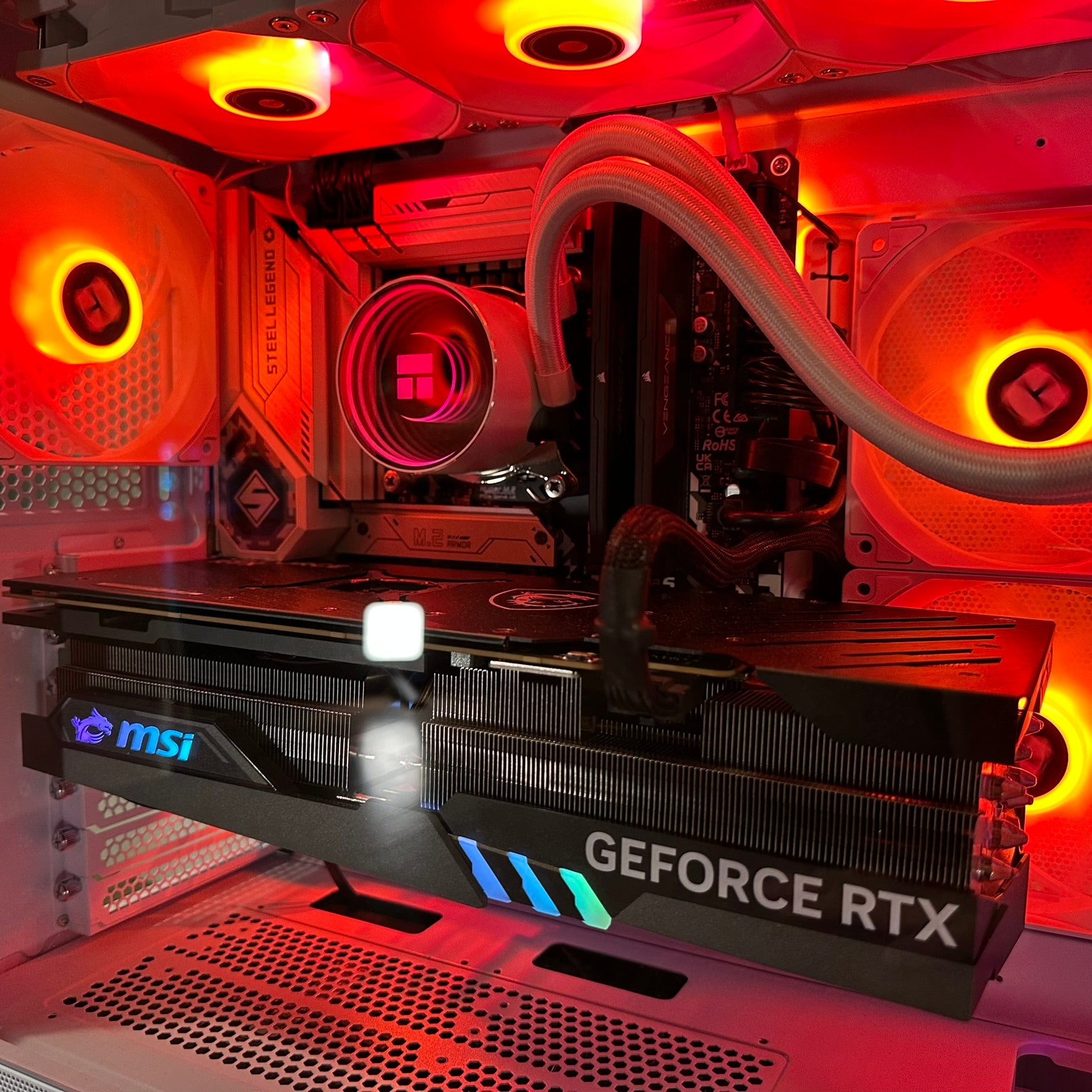
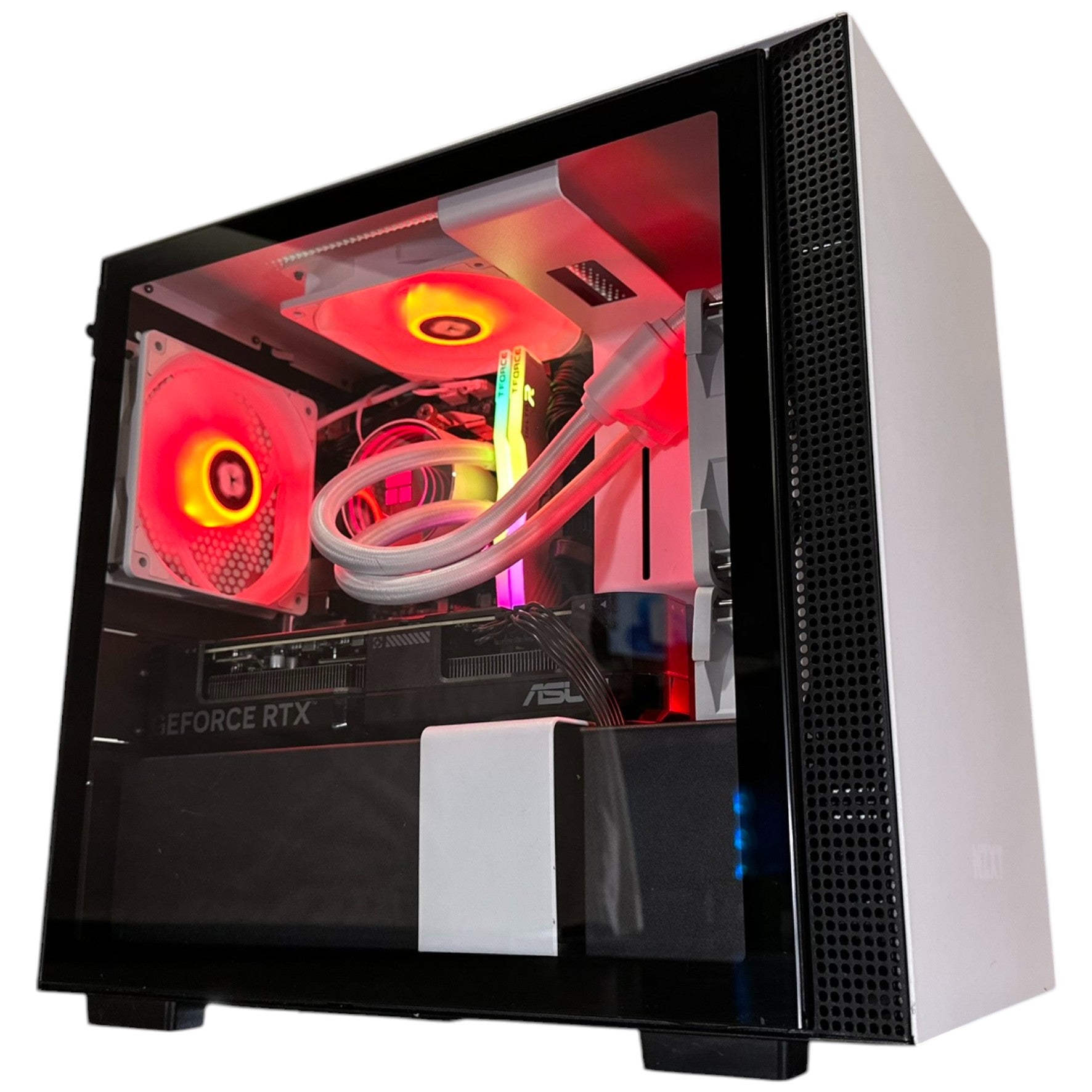
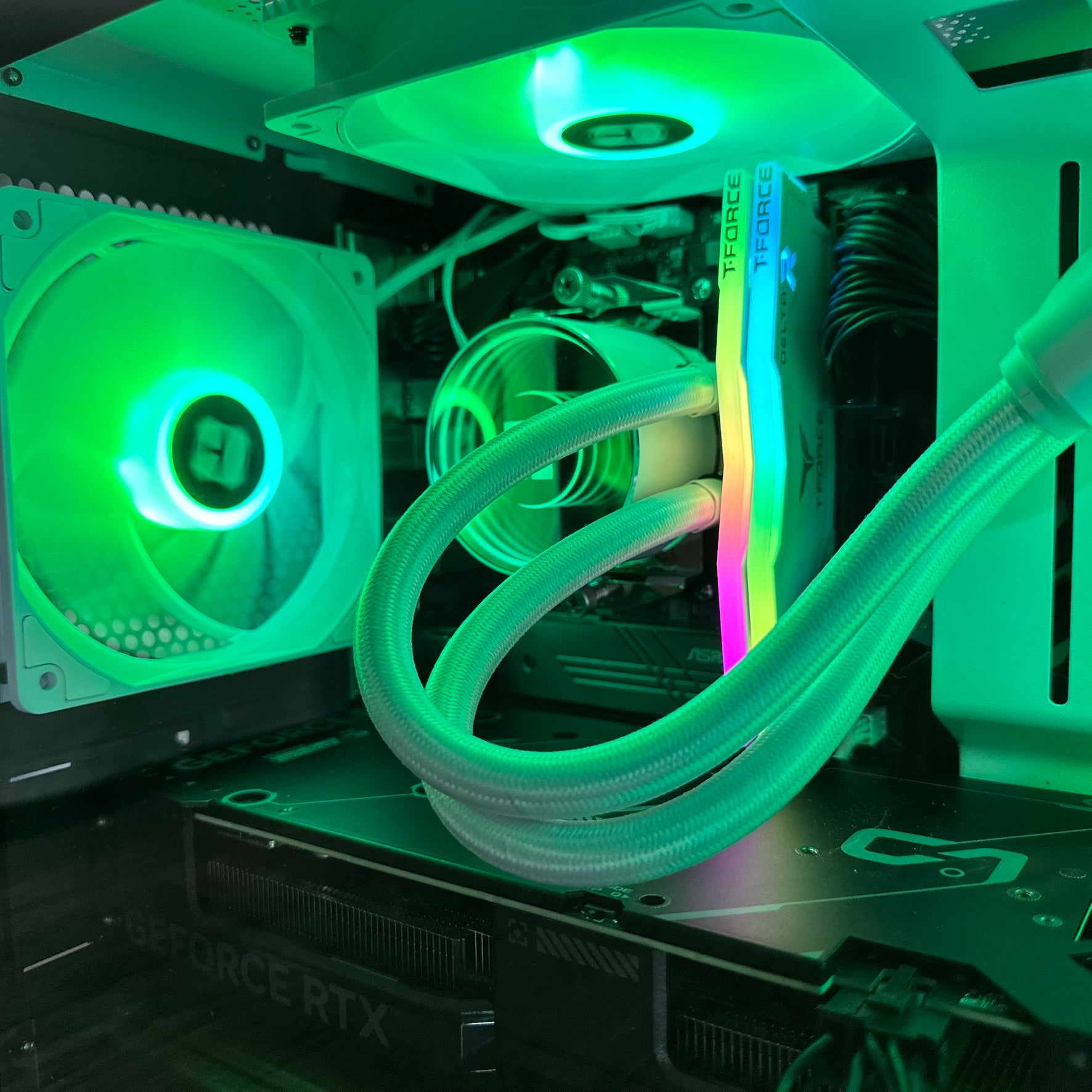
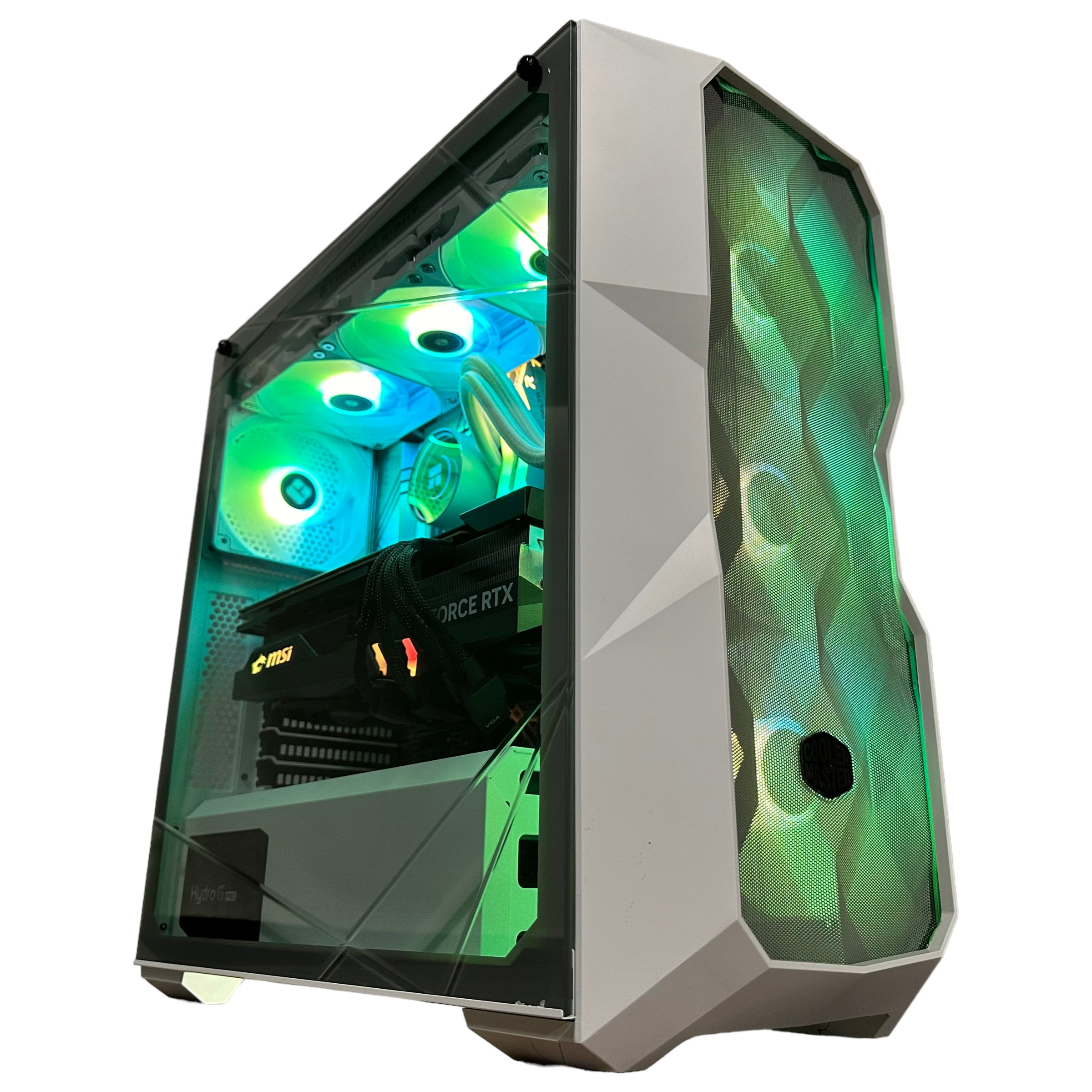
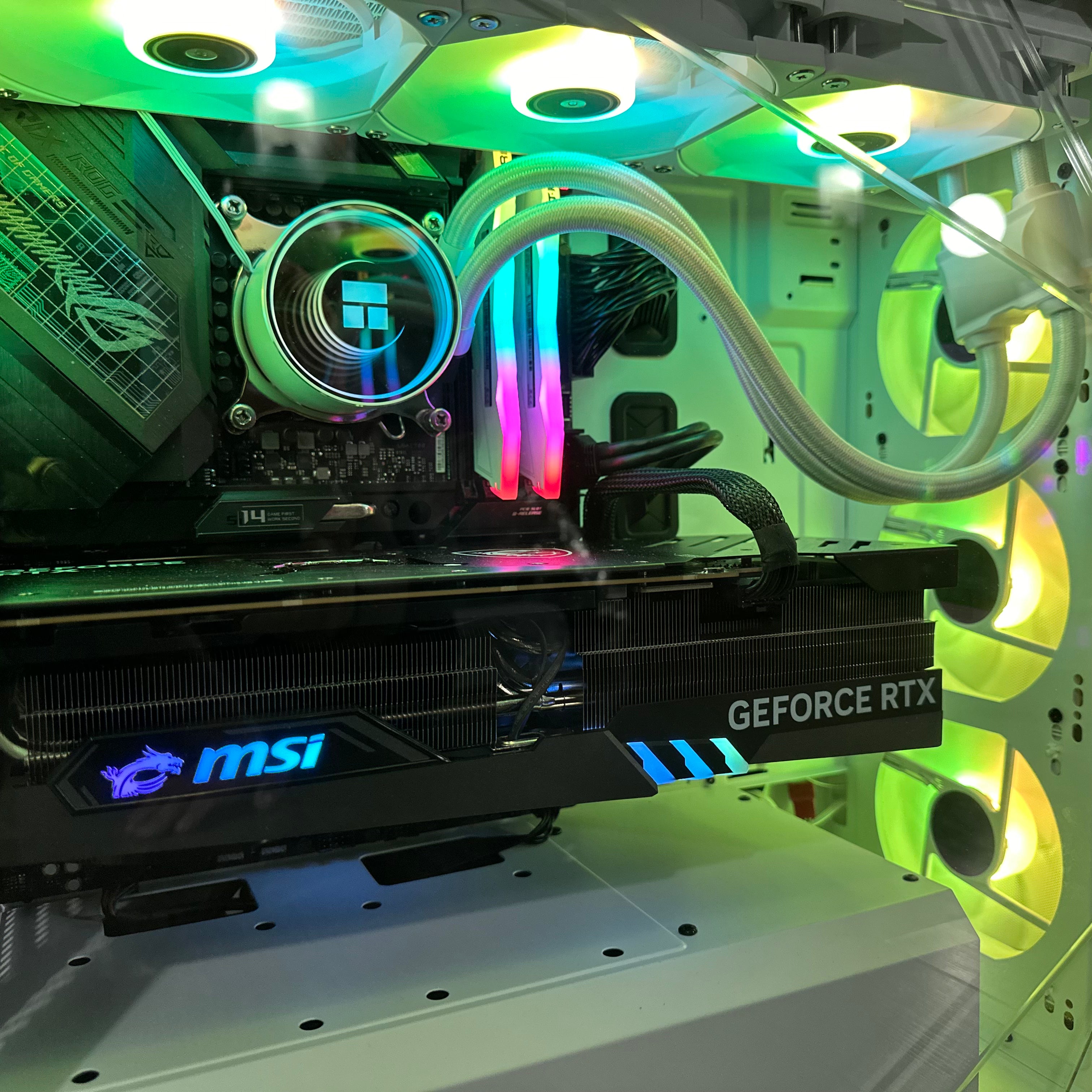
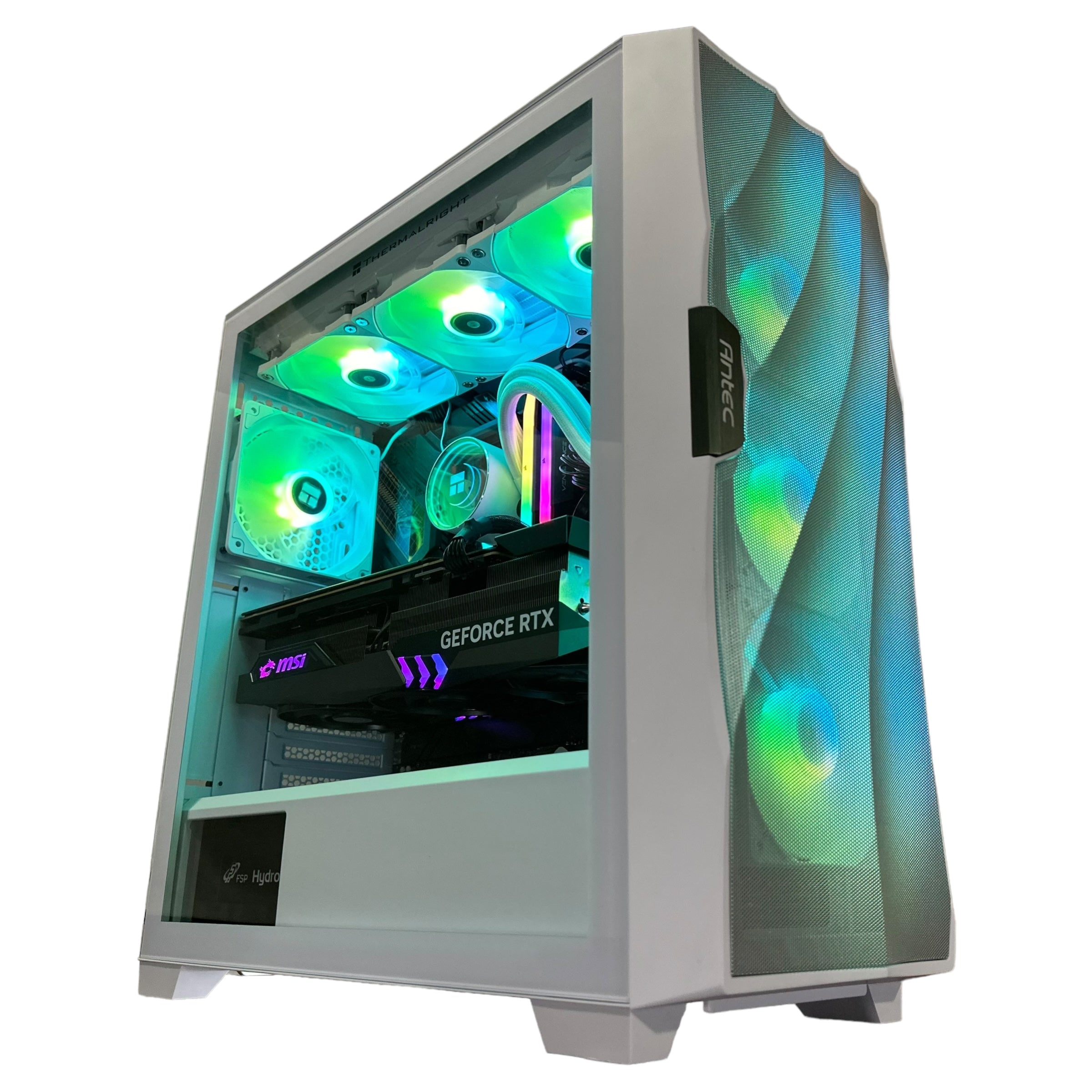

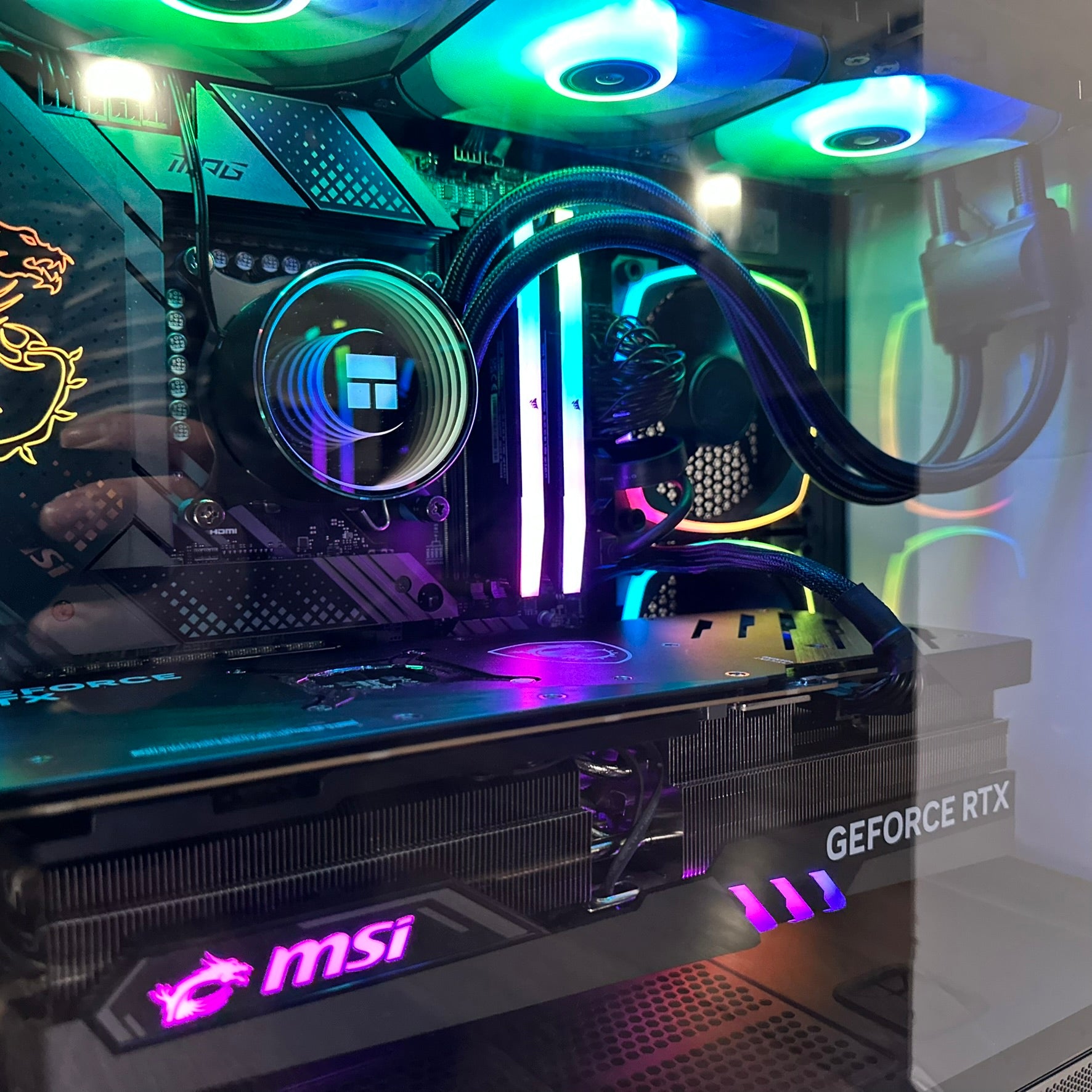
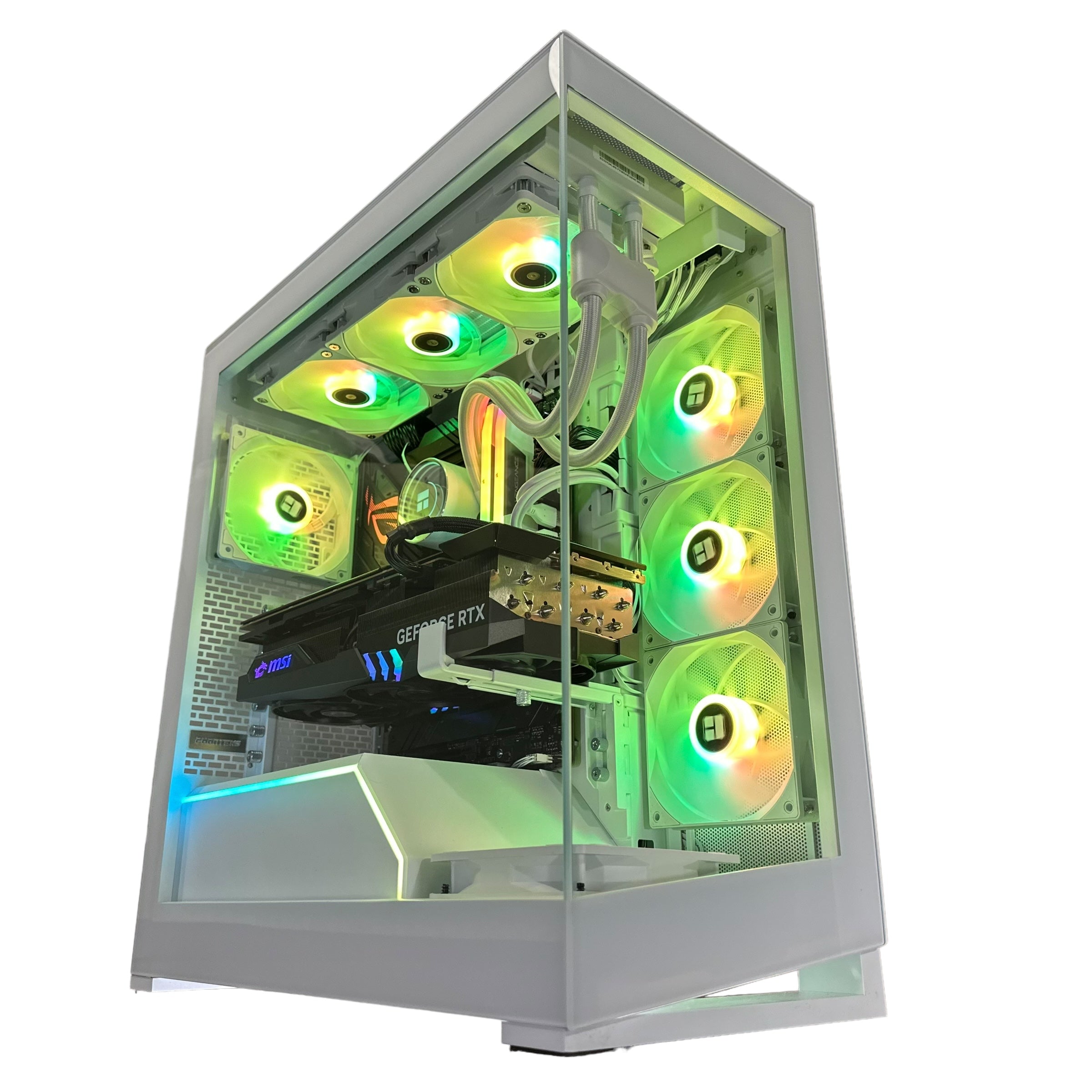

Capcom’s Strong Quarter Signals Rising Demand for a Gaming PC Canada Buyers Can Trust
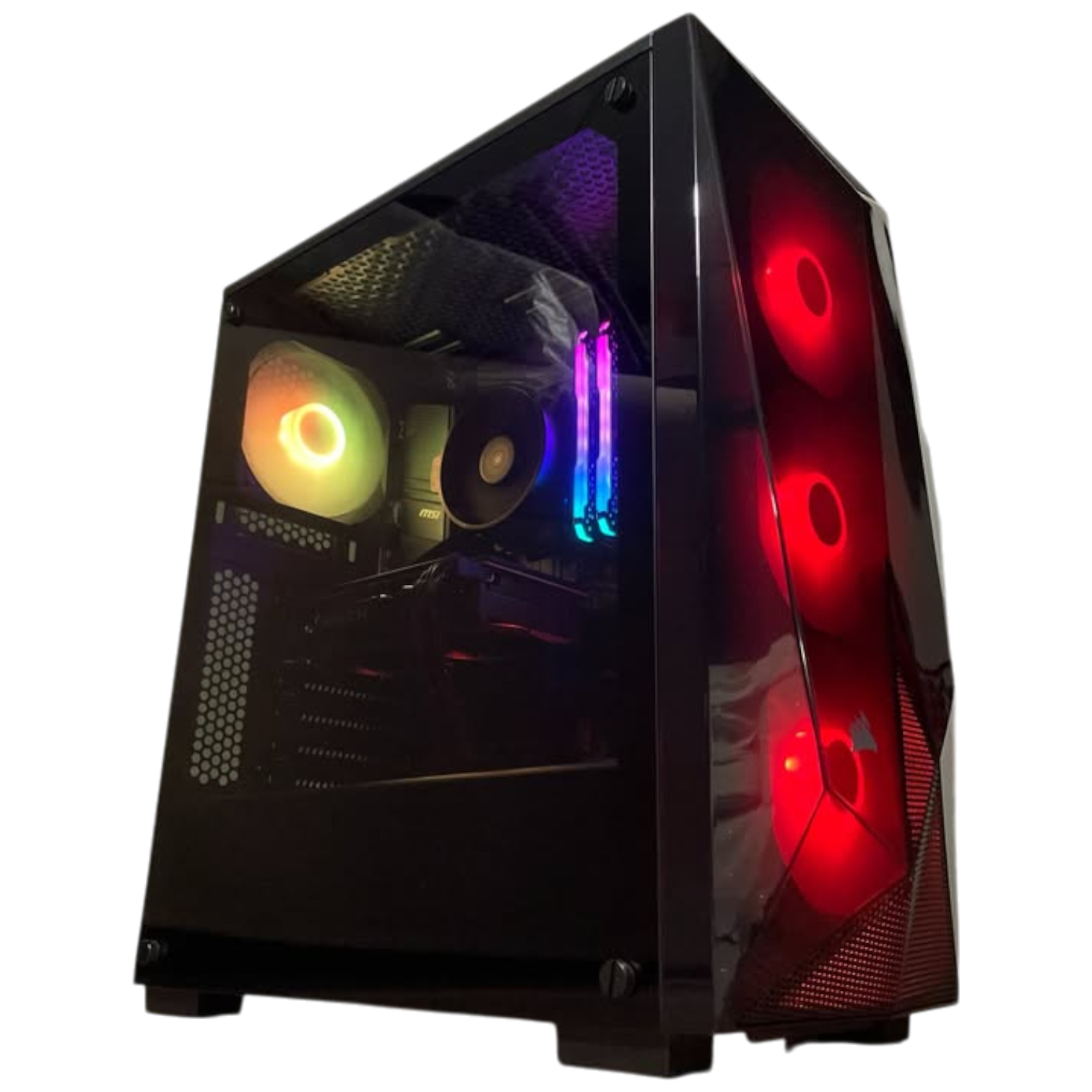
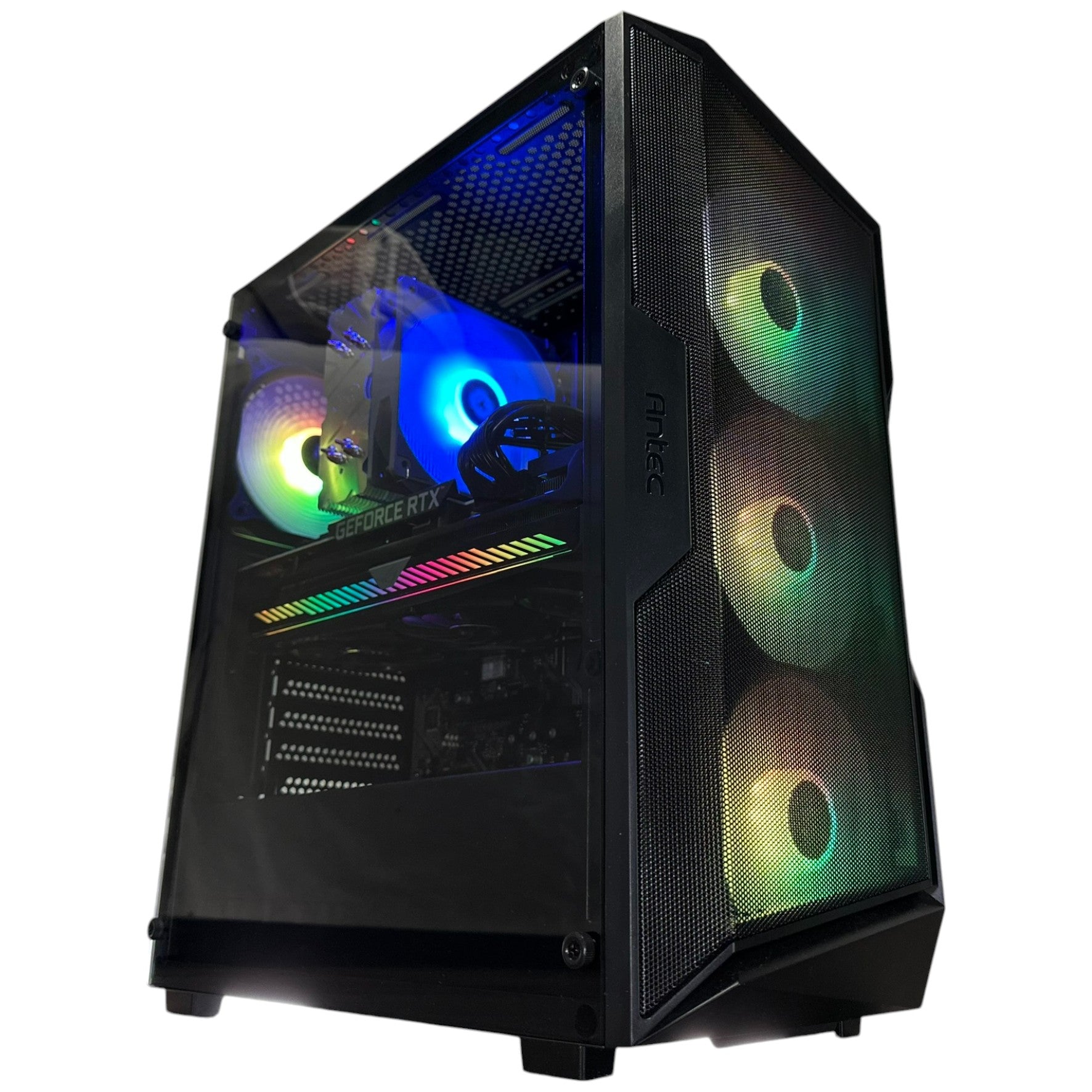
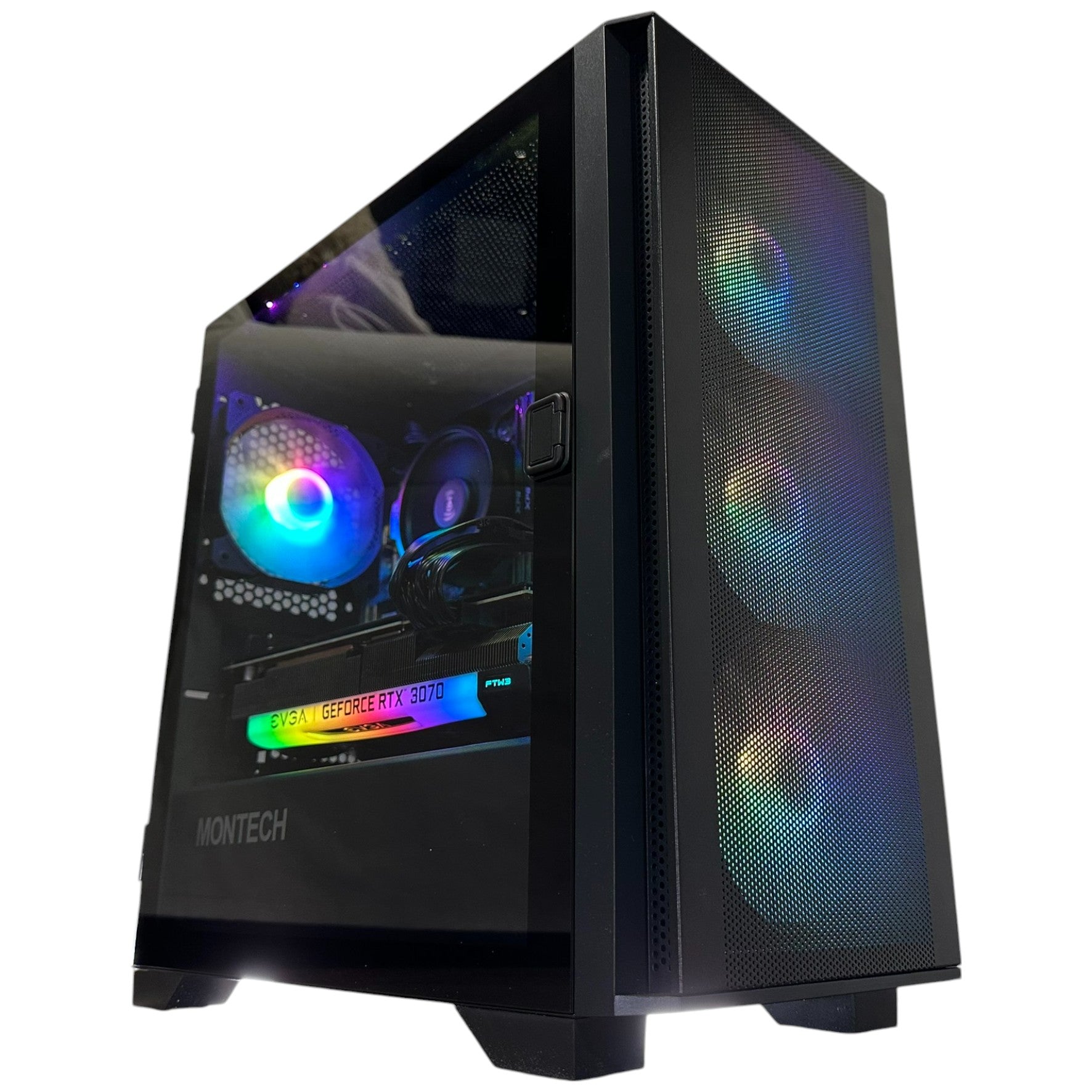
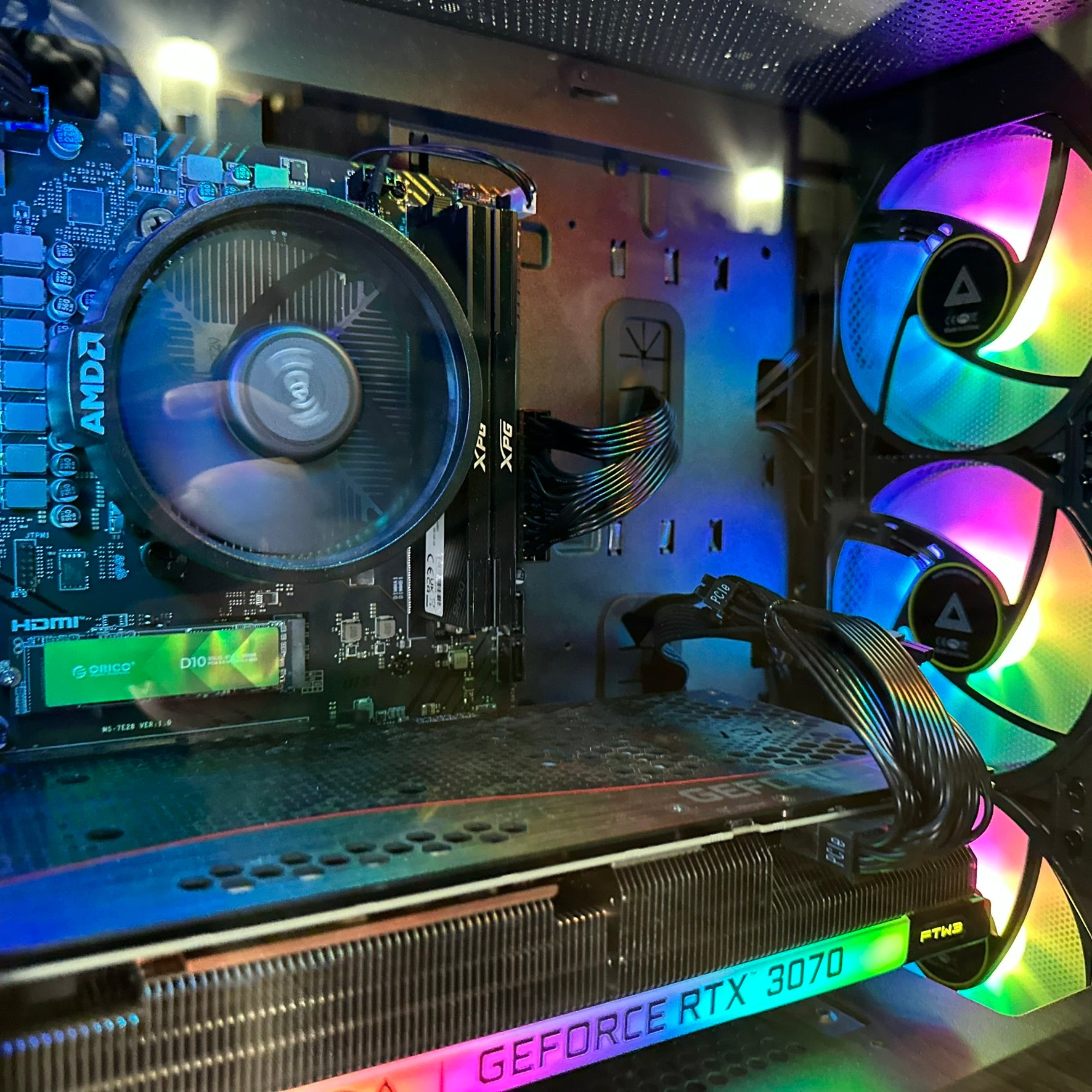
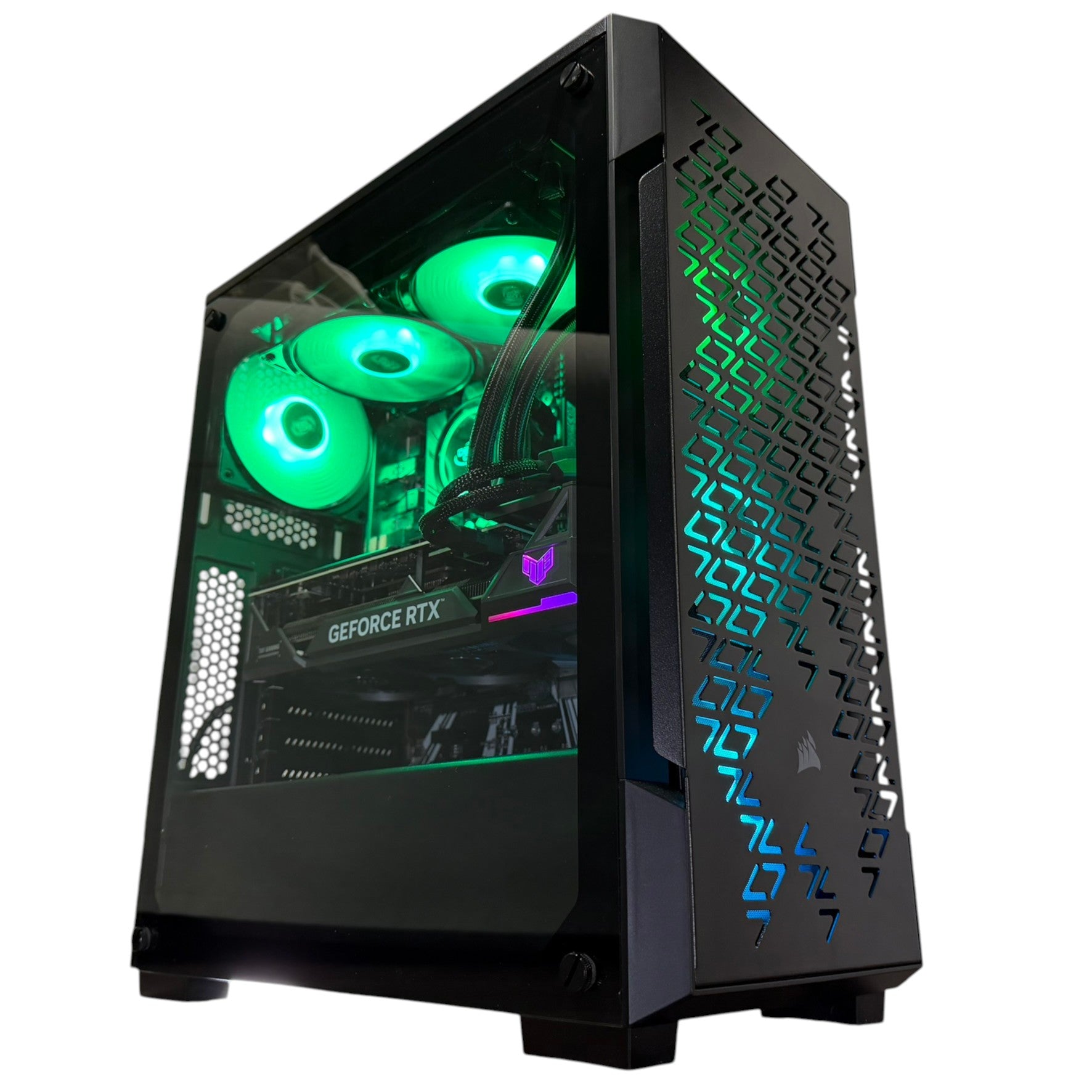
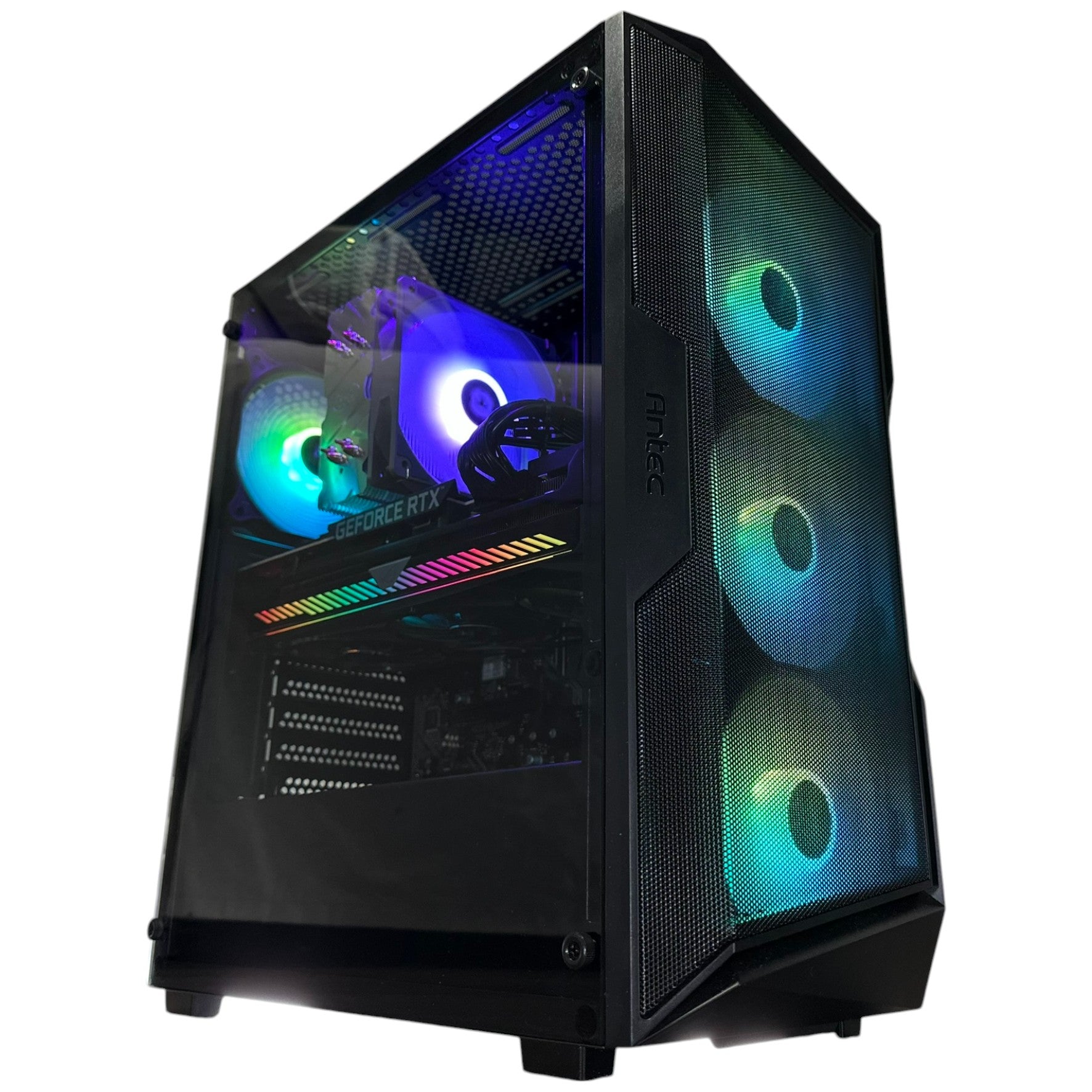
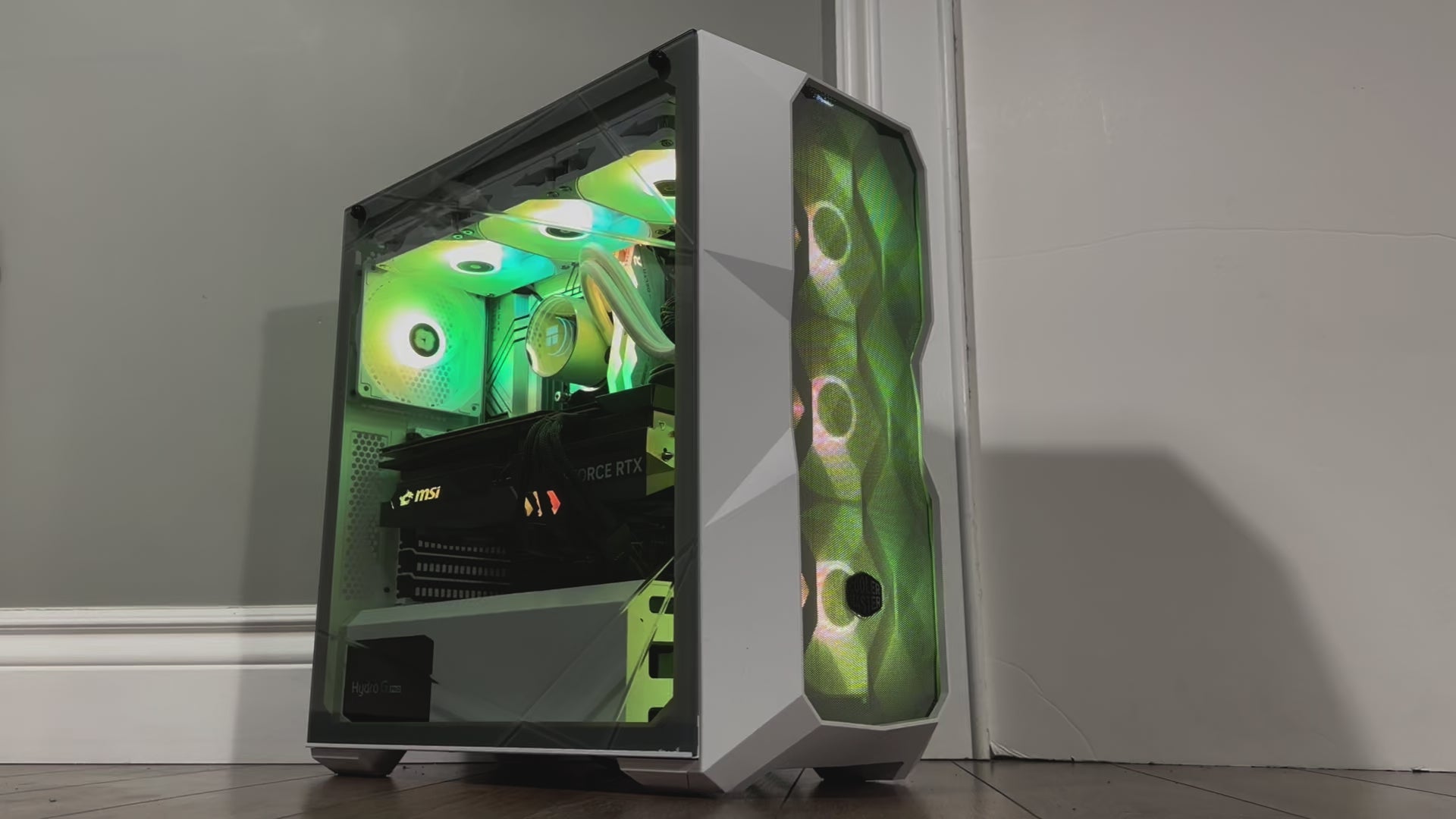
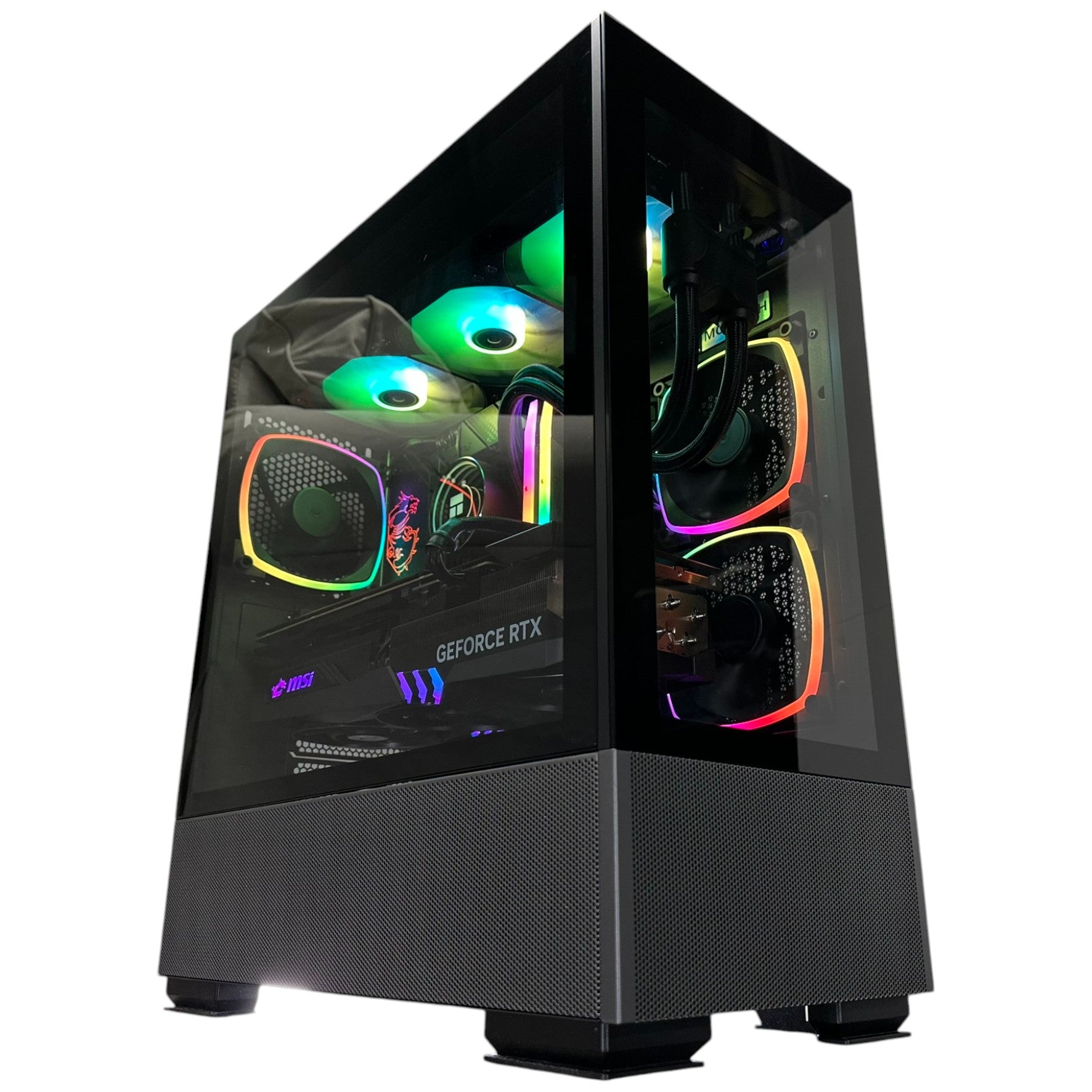
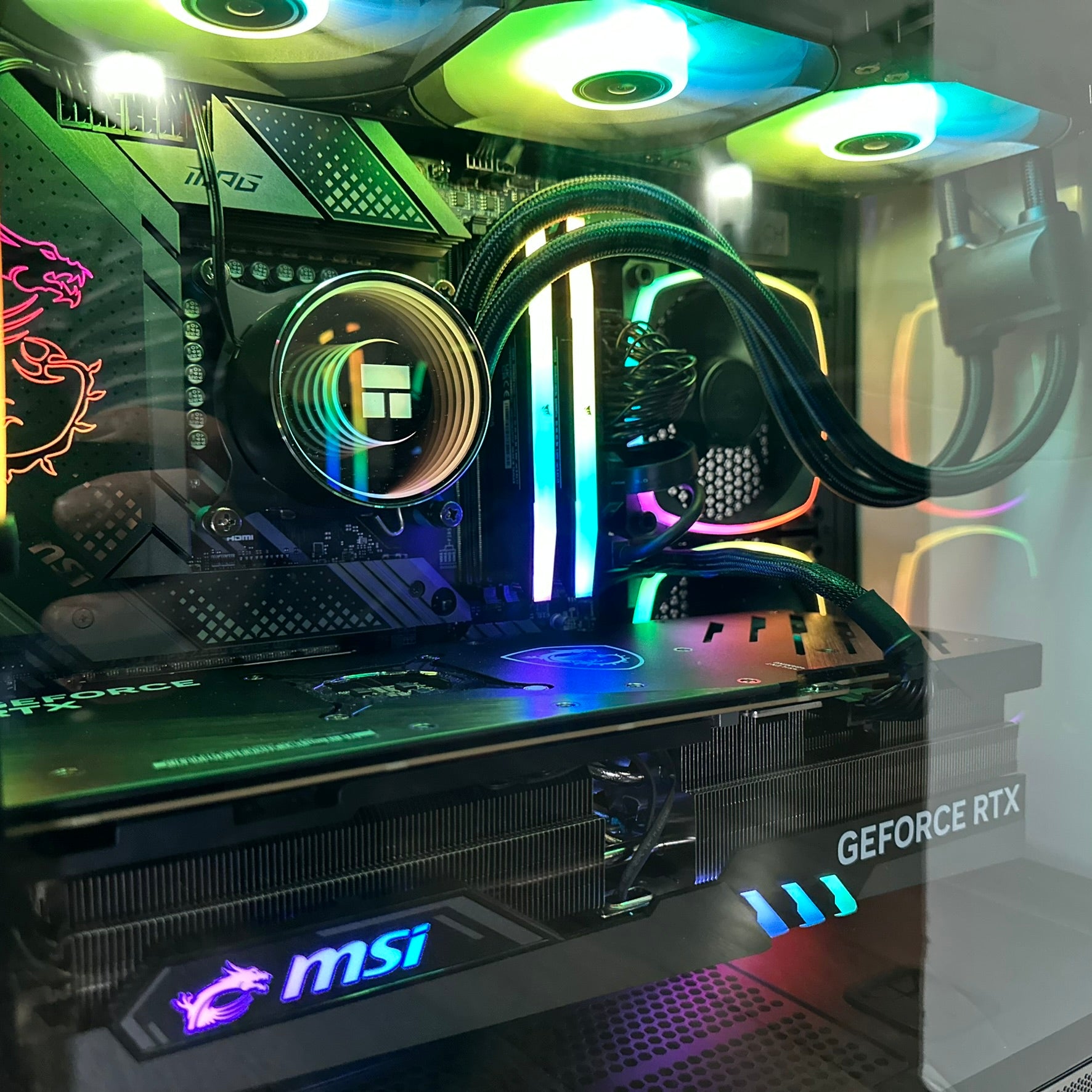
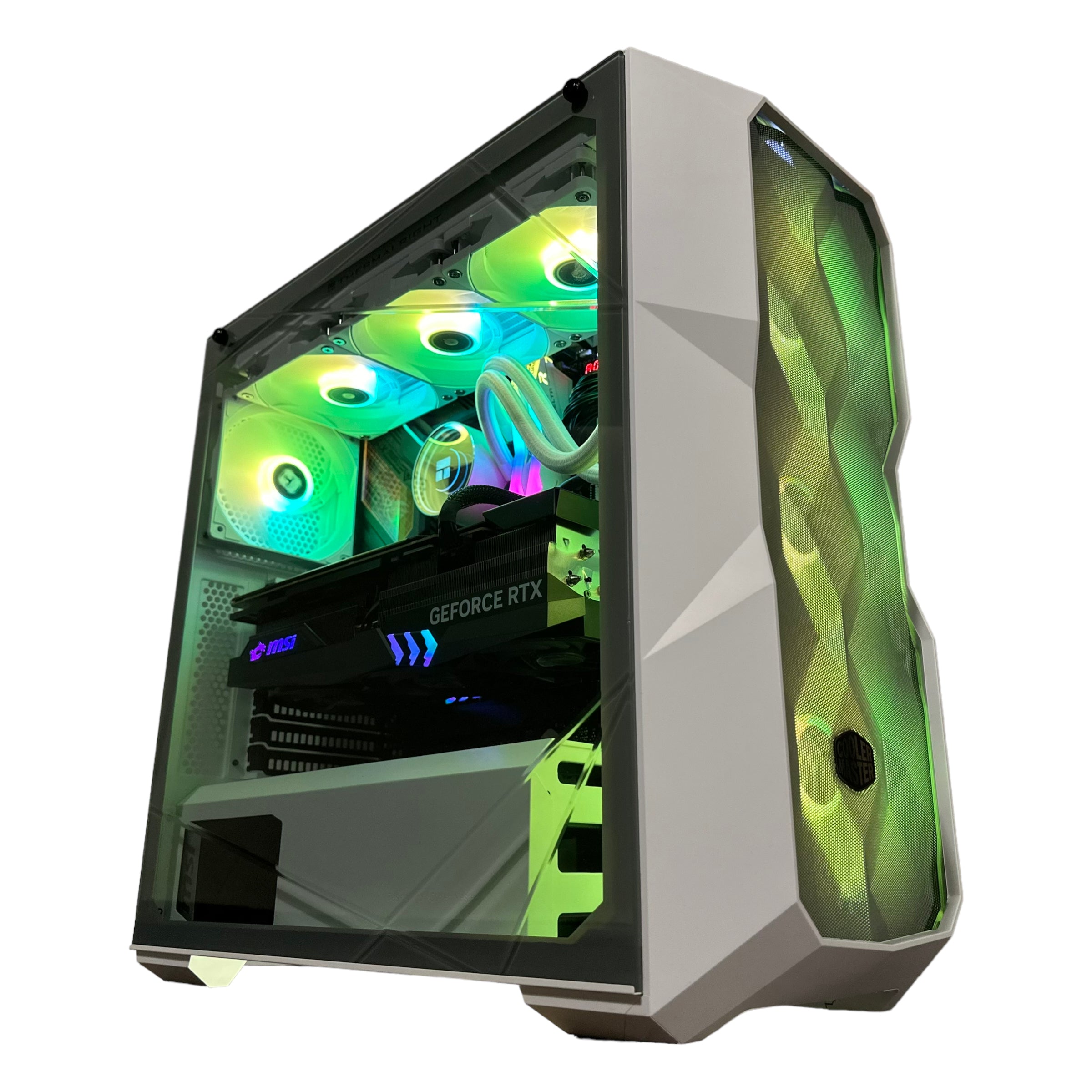
Capcom’s latest financial results tell a bigger story than one publisher having a great quarter. With Resident Evil Requiem surpassing 8 million copies sold and Pragmata reaching 2.5 million units, the message is clear: blockbuster games still move massive audiences, and that matters directly for anyone shopping for a gaming PC Canada buyers can rely on for upcoming releases, higher settings, smoother frame rates, and long-term value.
For Canadian gamers, creators, and performance-focused buyers, this kind of news is more than industry chatter. It is a signal that major game launches continue to drive hardware demand. When highly anticipated titles perform well, more people start asking the same question: is my current system ready for what is next?
That question matters whether you are playing cinematic horror, open-world action, competitive shooters, or graphically advanced AAA games. It also matters if you stream gameplay, cut YouTube videos, edit thumbnails, or use the same machine for school, work, and content creation. A headline about Capcom sales growth can quickly become a personal buying decision about whether to upgrade now, wait, finance a stronger system, or risk falling behind when the next wave of demanding PC games arrives.
What Capcom’s numbers actually tell us about the market
According to the source material, Capcom reported major year-over-year growth in both sales and operating profit for its first fiscal quarter ending June 30, 2026. New releases helped, but back-catalogue performance was also a major factor. Resident Evil remained a powerhouse, with Resident Evil Requiem crossing 8 million sold and multiple older titles still moving over a million copies in the quarter.
That kind of sustained demand matters because it shows how modern game libraries work. Players are not only buying one new game and moving on. They are building collections, revisiting remakes, trying franchise entries they missed, and returning when sales or hype cycles bring them back. A single strong franchise can keep a GPU under pressure for years if users want better visuals, ray tracing, higher frame rates, and faster load times across several titles.
It also shows that even years after release, games continue to influence upgrade behavior. If a title like Devil May Cry 5 can still see strong sales years later, and if horror remakes and flagship action games keep charting, then demand for systems that can handle both current and past-generation showcase titles remains strong. Buyers are not shopping for one weekend. They are shopping for several years of gaming.
Why should Canadian buyers care about a publisher earnings report?
Because game success drives PC demand.
When major releases hit big sales milestones, they pull more players into the ecosystem. Some are upgrading from older desktops. Some are moving over from consoles. Some are first-time buyers looking for a custom gaming PC Canada shoppers can actually grow with instead of replacing too soon. Others are creators who suddenly need a better system because gaming and content workflows have collided.
If you are in Canada, you also need to think beyond game sales alone. You need to think about the real cost of waiting. Exchange rate pressure, GPU demand, memory pricing, SSD pricing, and system-wide component shifts can all affect what your money buys later. Even if one part drops in price, another can rise enough to erase the advantage.
So the real question is not just whether Capcom had a good quarter. The real question is this: what happens if more game launches keep landing well and more buyers decide to upgrade at the same time?
What do you want your next PC to do for you?
This is the most important question in the entire buying process.
Do you want a system that simply runs modern games at 1080p? Do you want a 1440p gaming PC Canada buyers can use for higher refresh rates and sharper visuals? Are you aiming for 4K, ray tracing, and ultra settings? Or are you trying to balance gaming with streaming, editing, Photoshop, Adobe Creative Cloud, Blender, or workstation-level multitasking?
The right answer depends on your actual use case, not on generic hype.
- If you mainly play esports titles, you may prioritize high FPS, low latency, and excellent CPU responsiveness.
- If you play cinematic AAA games, GPU strength, VRAM, cooling, and future-ready performance matter more.
- If you stream on top of gaming, you need enough CPU and GPU headroom for OBS, background apps, chat tools, browser tabs, and recording.
- If you edit videos, fast storage, strong multicore CPU performance, plenty of RAM, and GPU acceleration become far more important.
- If you create thumbnails, artwork, or social content, a creator-focused machine may deliver a better long-term experience than a basic gaming-only build.
- If you use Blender, Unreal Engine, CAD, or rendering tools, you may need a workstation-class configuration, not just a flashy gaming tower.
So before you chase a headline GPU or the cheapest sale system, ask yourself: what is this computer really for over the next two to four years?
Resident Evil, Pragmata, and the return of demanding visual showcases
Franchises like Resident Evil and visually ambitious releases like Pragmata help remind buyers of something important: game requirements do not stand still. Visual expectations keep climbing. Texture quality rises. lighting systems become heavier. Ray tracing becomes more common. Background streaming and asset loading demand faster SSDs. Even games that scale well at lower settings often look dramatically better when paired with stronger hardware.
If you are planning for a gaming PC for new games, that means you should not buy only for minimum requirements. You should buy for the experience you actually want.
Do you want to lower settings every time a major release drops? Do you want to compromise on frame pacing to keep your system alive another year? Or would you rather secure a custom built system now that can handle the next wave of AAA titles with confidence?
What PC do you need for 1080p, 1440p, or 4K gaming?
This is where many buyers either overspend or underbuy.
Entry performance: solid 1080p gaming
If your main goal is dependable 1080p performance in modern games with a mix of high settings, this tier is ideal for budget-conscious buyers, students, and first-time desktop owners. It is also a smart range for players focused more on playability than visual maxing.
You may be a fit for this tier if you are asking questions like:
- How much should I spend on a gaming PC?
- Is a budget gaming PC worth it?
- Can a budget gaming PC play new games?
This is the range where a budget gaming PC Canada shoppers choose should still be built carefully. Cheap-looking systems can cut corners in cooling, power delivery, storage quality, airflow, or upgrade path. A properly balanced custom build matters more here, not less.
Mainstream sweet spot: 1440p gaming and strong all-around value
For many buyers, this is the real performance target. A 1440p gaming PC delivers noticeably sharper visuals than 1080p while still making high frame rates realistic in a wide range of titles. It is often the best blend of performance, lifespan, and value for gamers who want a system that still feels strong a few years from now.
If you are wondering what PC do I need for 1440p gaming, this is likely the tier worth serious consideration. It is also an excellent choice for people who want gaming plus some light streaming, editing, or multitasking without stepping into workstation pricing.
Premium tier: 4K, ultra settings, and ray tracing
If you want visual showcase gaming, premium-tier hardware becomes easier to justify. A 4K gaming PC Canada buyers choose for top-end experiences should not only chase resolution. It should also account for frame generation support, ray tracing demands, cooling, noise control, and future game overhead.
This is the tier for buyers asking:
- What PC do I need for 4K gaming?
- What PC do I need for ultra settings?
- How long will a high-end gaming PC last?
If titles inspired by the same audience momentum we see around Capcom continue to push graphics further, a premium build can save you from an early second upgrade.
Are you only gaming, or are you also streaming and creating?
Many buyers still shop as if gaming and creation are separate categories. In reality, they overlap all the time.
You might game at night, stream on weekends, edit highlight clips for social media, create YouTube content, design overlays, and run multiple communication apps at once. That is not a pure gaming workload anymore. That is content creation.
If that sounds like you, a gaming and streaming PC Canada buyers choose should be built with different priorities than a gaming-only machine.
- More RAM helps with multitasking and creative software.
- Faster SSDs improve load times, project responsiveness, and file transfer speed.
- A stronger CPU helps with background tasks, streaming overhead, and productivity.
- The right GPU helps both modern gaming and creator acceleration.
So ask yourself honestly: do you need a PC just to play, or do you need one to produce, publish, and perform?
Is a gaming PC good for video editing, Photoshop, and graphic design?
Sometimes yes, but not always.
A well-configured gaming system can double as a creator machine, especially for moderate editing and design work. But once your workflow includes 4K video editing, larger Photoshop files, Lightroom catalogues, After Effects compositions, or more serious Adobe Creative Cloud use, the details matter much more.
If you are shopping for a video editing PC Canada creators can trust, here is what to think about:
- CPU performance affects rendering, exports, timeline responsiveness, and multicore-heavy tasks.
- GPU acceleration helps in many editing, effects, and playback workflows.
- RAM capacity becomes critical when working with larger timelines, layered effects, and multiple applications.
- Storage speed changes how quickly projects load, cache, preview, and export.
The same applies if you need a photo editing PC Canada photographers can depend on, or a graphic design PC Canada professionals can keep on all day without instability. The cheapest gaming-first configuration may not be the smartest long-term creative workstation.
That leads to another useful question: are you trying to save money up front, or save time every week for the next several years?
What if your next system needs to handle Blender, Unreal Engine, or rendering work?
Then you are likely crossing into workstation territory.
A 3D modeling PC Canada professionals and serious hobbyists need should be selected around rendering method, scene complexity, viewport demands, simulation workloads, and memory requirements. A flashy consumer setup can still work well, but only if it is matched to your software stack properly.
If you are searching for answers like what PC do I need for Blender or workstation PC vs gaming PC, the right recommendation depends on how your tools use CPU, GPU, and RAM.
For example:
- GPU-heavy rendering users may want stronger graphics acceleration and more VRAM.
- CPU-bound production workloads may justify a more workstation-focused processor choice.
- Larger scenes and multitasking workflows may require significantly more memory and storage planning.
In other words, if your workload earns you money, the wrong compromise can cost more than the better machine would have.
Why timing matters when game hype starts building
Whenever the industry sees strong title performance, a few things tend to happen. Buyers revisit upgrade plans. Friends compare systems. Streamers showcase visual settings. Creator channels publish optimization guides. And suddenly, hardware that felt optional starts to feel urgent.
This is where many customers ask a very reasonable question: is it better to buy a gaming PC now or wait?
The answer depends on your current machine, your next planned games, your budget flexibility, and your risk tolerance. But waiting is not automatically the safer move.
You may wait for a sale and miss availability on the right GPU. You may wait for one part to drop in price while memory or SSD costs rise. You may wait until the next big release and end up shopping in a surge when everyone else is doing the same thing.
If your current system is already struggling, waiting can simply mean paying later for the same problem with less buying leverage.
Could financing make more sense than buying a weaker PC?
For many customers, yes.
If you are torn between buying the cheapest possible build today or securing a much stronger machine that lasts longer, financing can be a practical option. Instead of underbuying and upgrading again too soon, you may be able to spread the cost of a better-performing system across manageable payments.
This is especially relevant when you need performance now for new games, streaming, editing, or productive work. A stronger GPU, more RAM, better storage, and a better CPU can all have a real lifespan advantage. If financing helps you avoid replacing the system early, it may be the more economical move over time.
That is why so many buyers end up asking: should I finance a better PC instead of buying a cheaper one?
If your goal is to avoid immediate bottlenecks, maintain smoother performance, and keep your system useful longer, that question deserves a serious look. Groovy Computers offers options that can help customers finance a stronger custom PC for up to 4 years, which can make a meaningful difference when timing matters.
Which performance tier fits you best?
If you are unsure where you fit, use this buyer-focused framework.
Choose an entry-level or value-focused build if:
- You mainly want 1080p gaming.
- You play lighter or competitive titles more than ultra-demanding AAA releases.
- You are buying your first desktop.
- You want an affordable path into PC gaming without sacrificing reliability.
Choose a mainstream gaming build if:
- You want a 1440p gaming PC with stronger longevity.
- You play a mix of esports and modern AAA titles.
- You want better visual settings without stepping into full premium pricing.
- You may stream casually or do some light editing.
Choose a premium gaming build if:
- You care about 4K, ray tracing, high refresh rates, or ultra settings.
- You want more future overhead for upcoming games.
- You would rather buy once properly than compromise and upgrade again quickly.
- You are aiming for flagship-level gaming performance.
Choose a creator or workstation build if:
- You edit video regularly.
- You use Photoshop, Lightroom, Illustrator, or Adobe Creative Cloud heavily.
- You stream and record while gaming.
- You use Blender, Unreal Engine, CAD, or rendering tools.
- You need your system to be a reliable productivity machine, not just a gaming device.
Still wondering what PC specs do I need? That is exactly where a custom builder becomes more valuable than a generic one-size-fits-all listing.
Why custom builds matter more when buyer expectations are rising
As games become more visually ambitious and users expect one machine to handle gaming, work, and creativity, part selection matters more than ever. This is where custom PC builder expertise makes a difference.
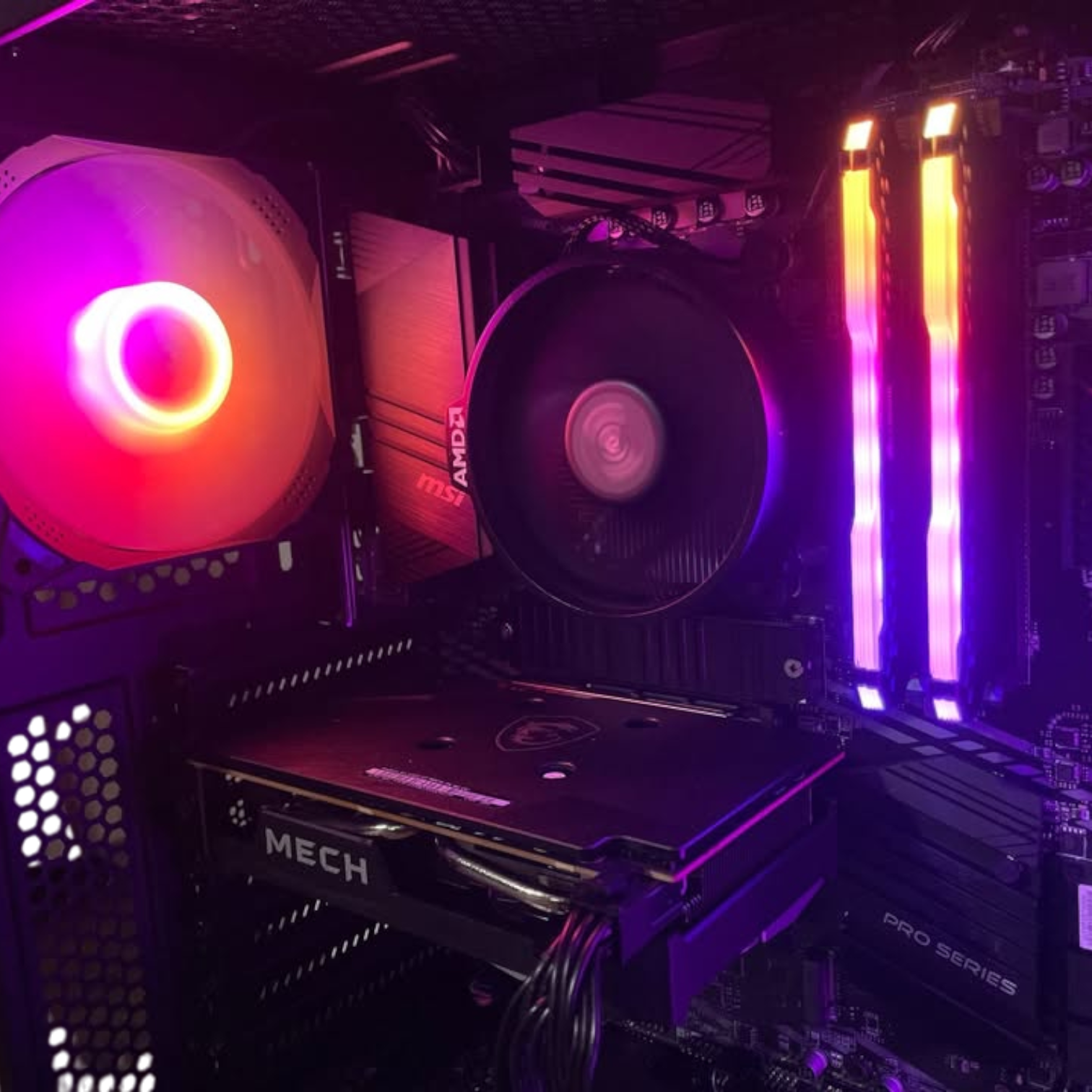
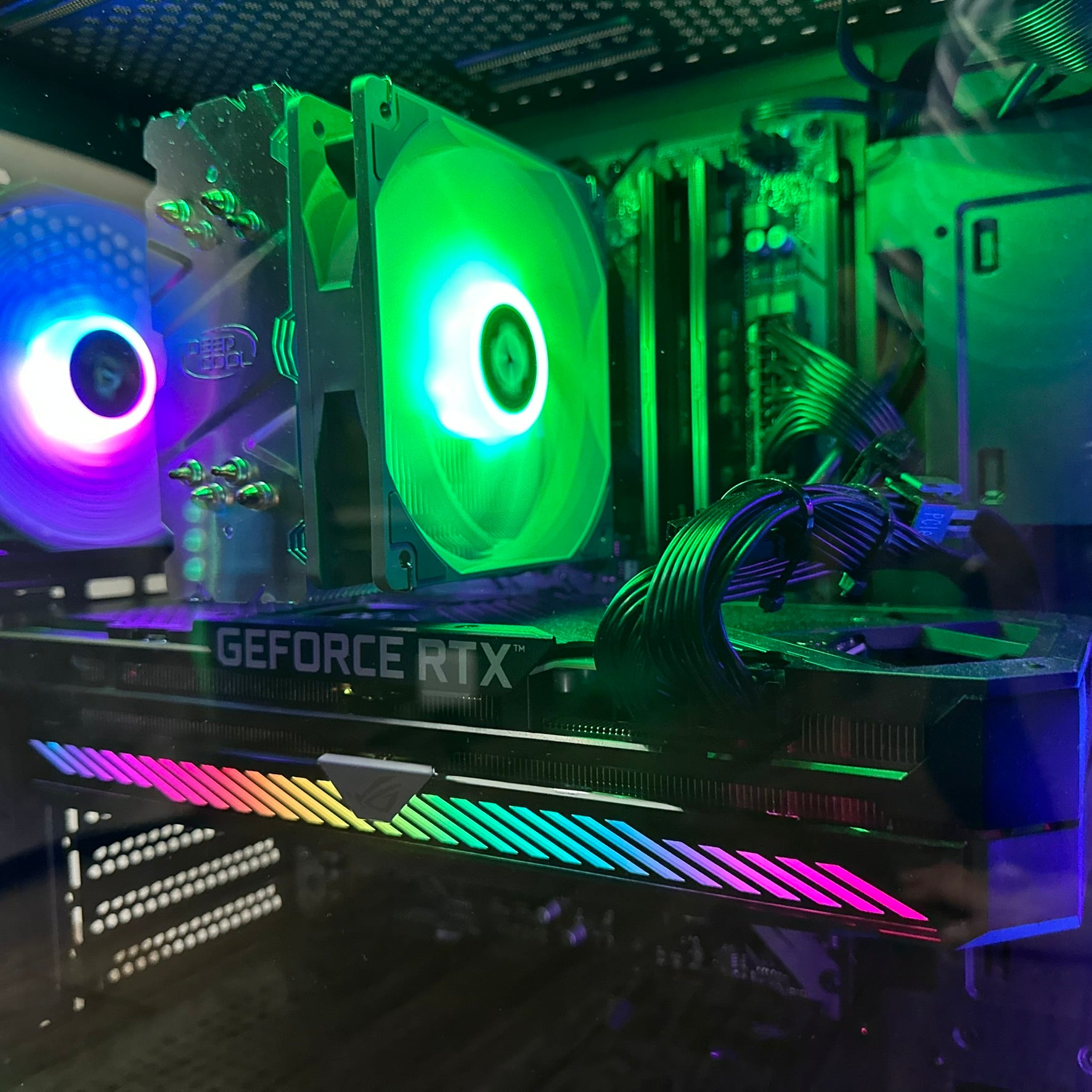
A good custom system is not just a list of expensive parts. It is balance. It is airflow. It is power supply quality. It is motherboard fit for future upgrades. It is storage planning. It is cooler selection. It is knowing whether your money is better spent on GPU, CPU, RAM, or SSD based on your actual workload.
That is one reason custom PC vs prebuilt PC Canada remains such an important comparison. Many generic systems look appealing on paper but cut corners where newer buyers do not notice immediately. A weak power supply, poor thermal design, single-stick memory layout, limited expansion, or rushed assembly can all reduce the value of what looked like a deal.
With a properly planned custom build, your money is more likely to go toward the parts that actually change your experience.
Why Groovy Computers fits this moment for Canadian buyers
Groovy Computers is positioned for exactly the kind of buyer this news cycle creates: someone who sees the industry moving, knows more demanding games are coming, and wants a smart system decision instead of a rushed one.
Whether you need a custom gaming PC, creator desktop, streaming setup, or workstation-class system, Groovy Computers helps Canadian customers choose hardware based on real use, not guesswork. That matters when you are trying to avoid overbuying in one area and underbuying in another.
For buyers in Nova Scotia, Atlantic Canada, and across the country, that trust factor matters. So does proper testing, clear build logic, and after-sale confidence. Groovy Computers also backs systems with a 1-year warranty, which is especially important when you are investing in a performance machine for gaming, work, or both.
If you are in Trenton, New Glasgow, Halifax, elsewhere in Nova Scotia, or ordering from another province, the key advantage is the same: you are dealing with a Canadian custom PC company that understands how to match systems to real-world needs.
Questions to ask yourself before you buy your next PC
Before you commit, ask these practical questions:
- What games do I want to play over the next two years?
- Do I want 1080p, 1440p, or 4K performance?
- Do I care about ray tracing or just high frame rates?
- Will I stream, record gameplay, or edit videos?
- Do I use Photoshop, Premiere Pro, DaVinci Resolve, or Blender?
- How soon would I regret buying too little RAM or too weak a GPU?
- Would financing a stronger system save me from upgrading too soon?
- Am I shopping before a major release cycle, demand spike, or price increase?
- Do I want a tested custom PC with warranty support instead of a generic box?
The answers to those questions usually reveal the right category very quickly.
What should you do if you are unsure?
If you are uncertain, that does not mean you are not ready to buy. It usually means you are trying to buy correctly.
Maybe you are deciding between a budget gaming computer and a stronger 1440p system. Maybe you are wondering whether a gaming machine can also handle video editing. Maybe you want to know if now is a good time to buy a gaming PC before the next release cycle creates more pressure.
Those are exactly the kinds of decisions Groovy Computers can help simplify.
Ask yourself one final question: do you want a PC that barely gets you through today, or one that still feels capable when the next major wave of games and creative software arrives?
The bottom line: Capcom’s momentum is a buying signal for performance-minded shoppers
Capcom’s strong quarter reinforces a larger industry truth: premium game experiences continue to sell, major franchises continue to pull players back in, and demand for capable hardware is not going away. If Resident Evil Requiem, Pragmata, and similar titles are putting pressure on current systems now, the next round of releases will not be easier on aging hardware.
That is why this is not just a story about one publisher’s results. It is a reminder that if you are considering a gaming PC Canada buyers can trust for modern games, streaming, editing, content creation, or workstation use, timing and build quality matter. Buying smarter now can mean enjoying better performance longer, avoiding weak compromises, and reducing the chance that you need another upgrade sooner than expected.
If you are asking what your next PC should do, what performance tier fits, or whether financing a stronger system makes more sense than settling for less, visit GroovyComputers.ca and explore a custom build that matches how you actually play, create, and work.
#GamingPCCanada #CustomGamingPCCanada #GamingPCBuilderCanada #CanadianCustomPCBuilders #VideoEditingPCCanada #CreatorPCCanada #3DModelingPCCanada #WorkstationPCCanada #NovaScotiaComputers #GroovyComputers
Groovy Computers | All Rights Reserved



Leave a comment
This site is protected by hCaptcha and the hCaptcha Privacy Policy and Terms of Service apply.