
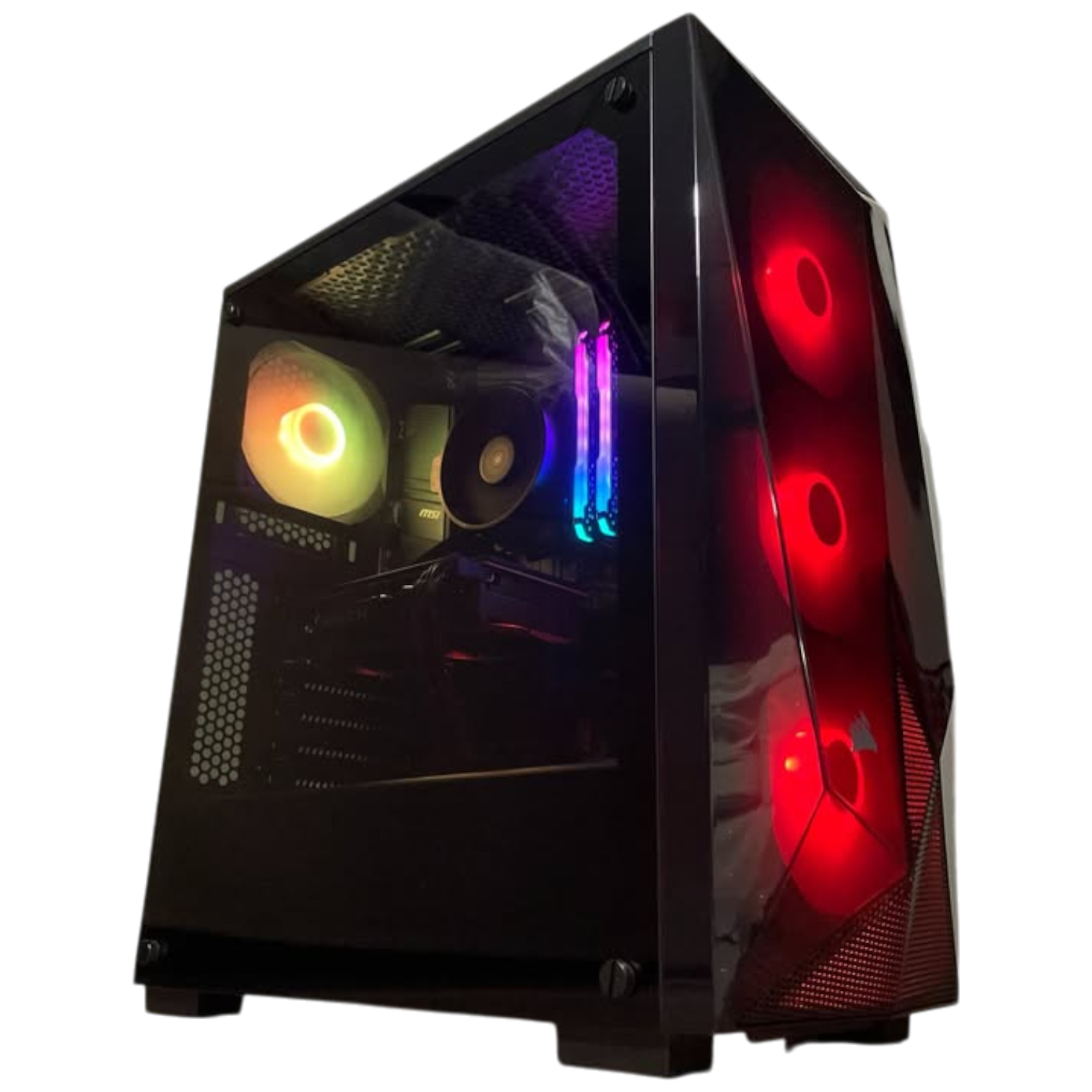
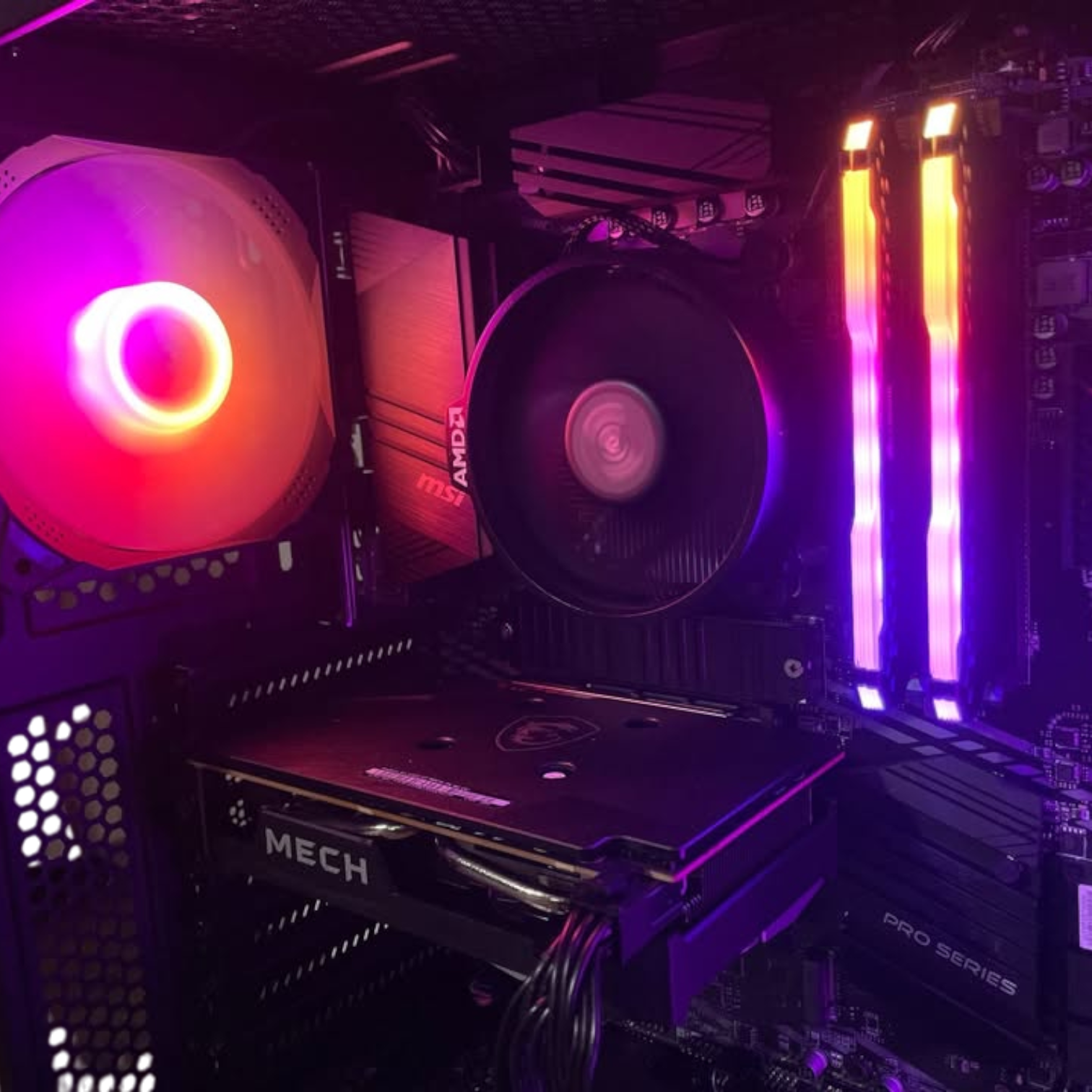
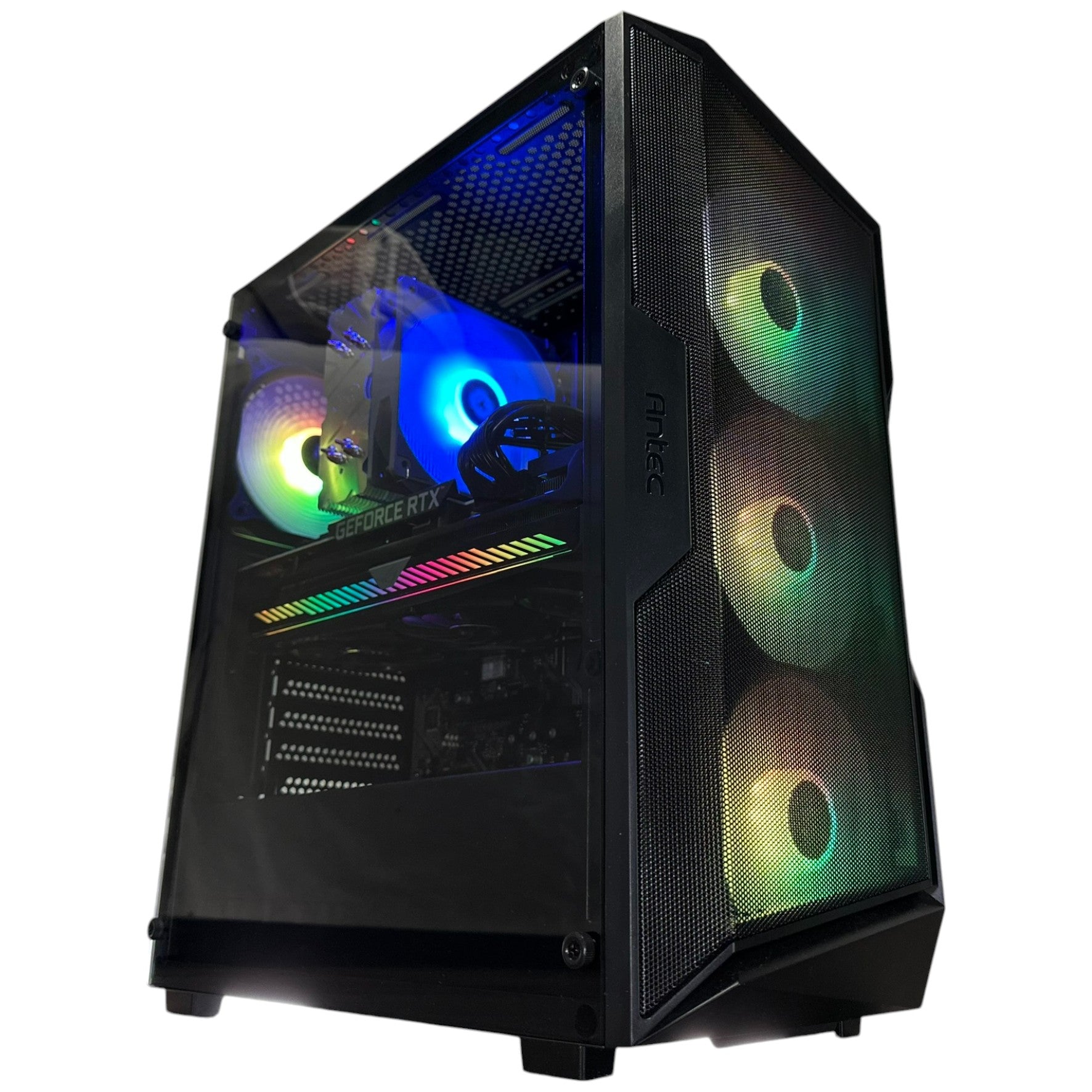
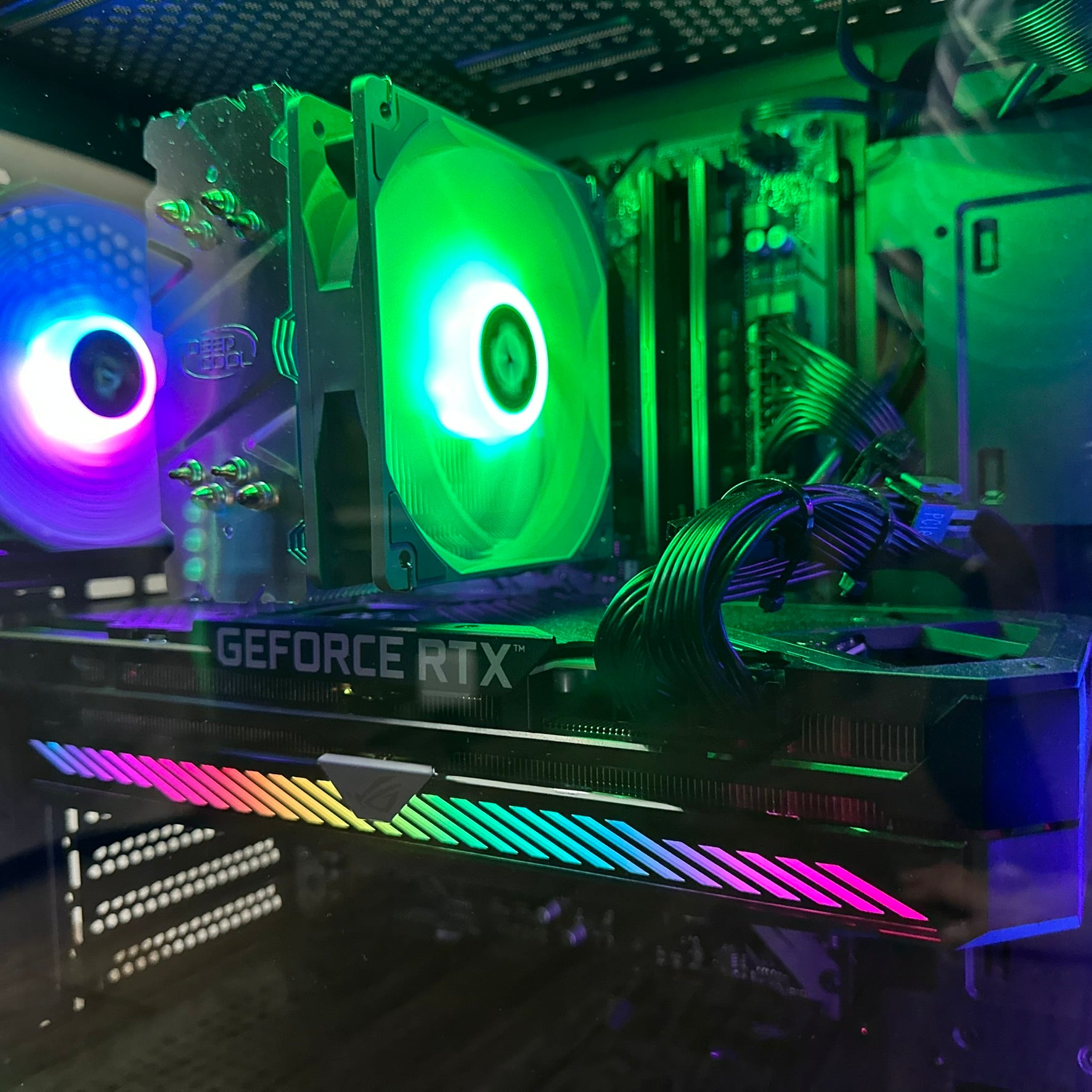


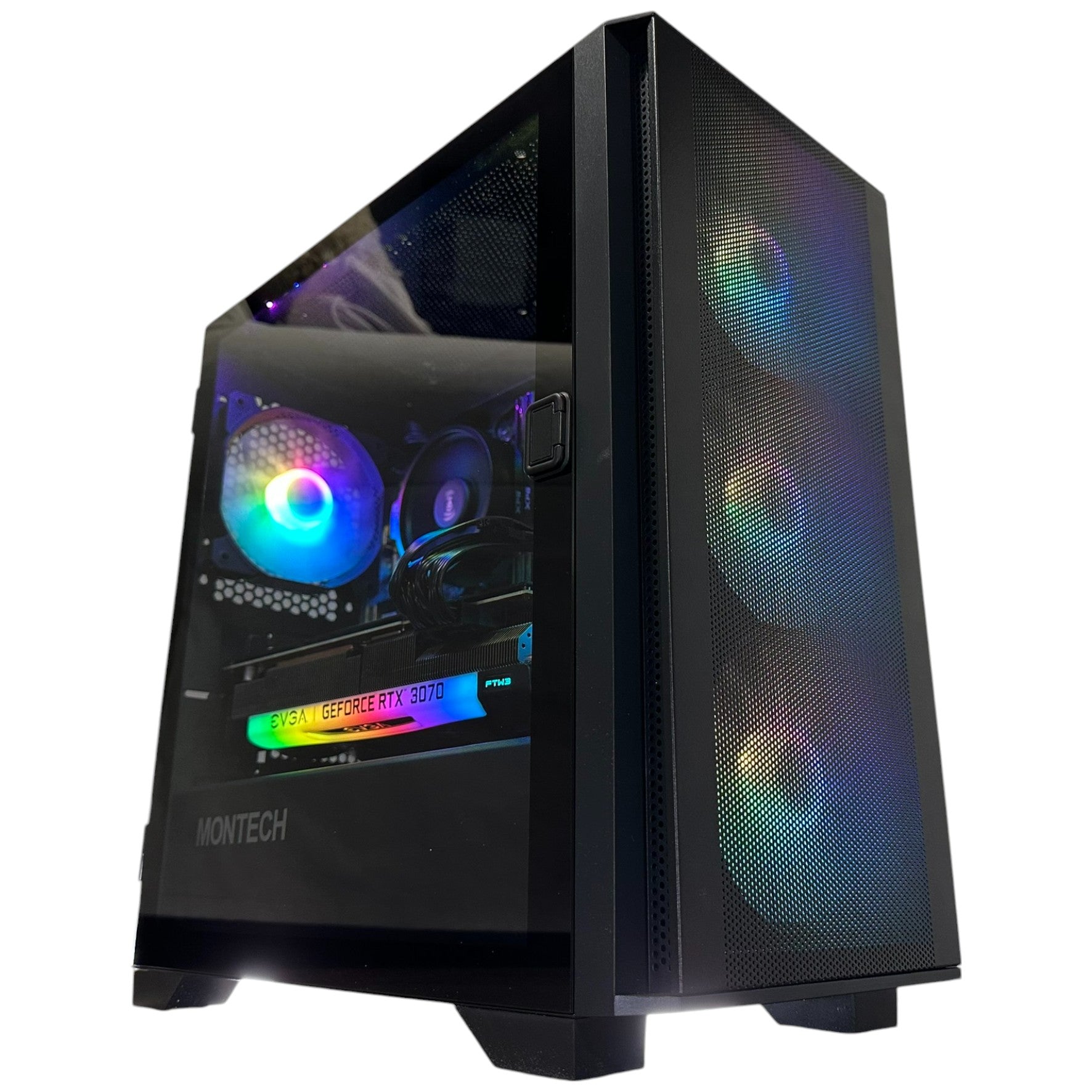
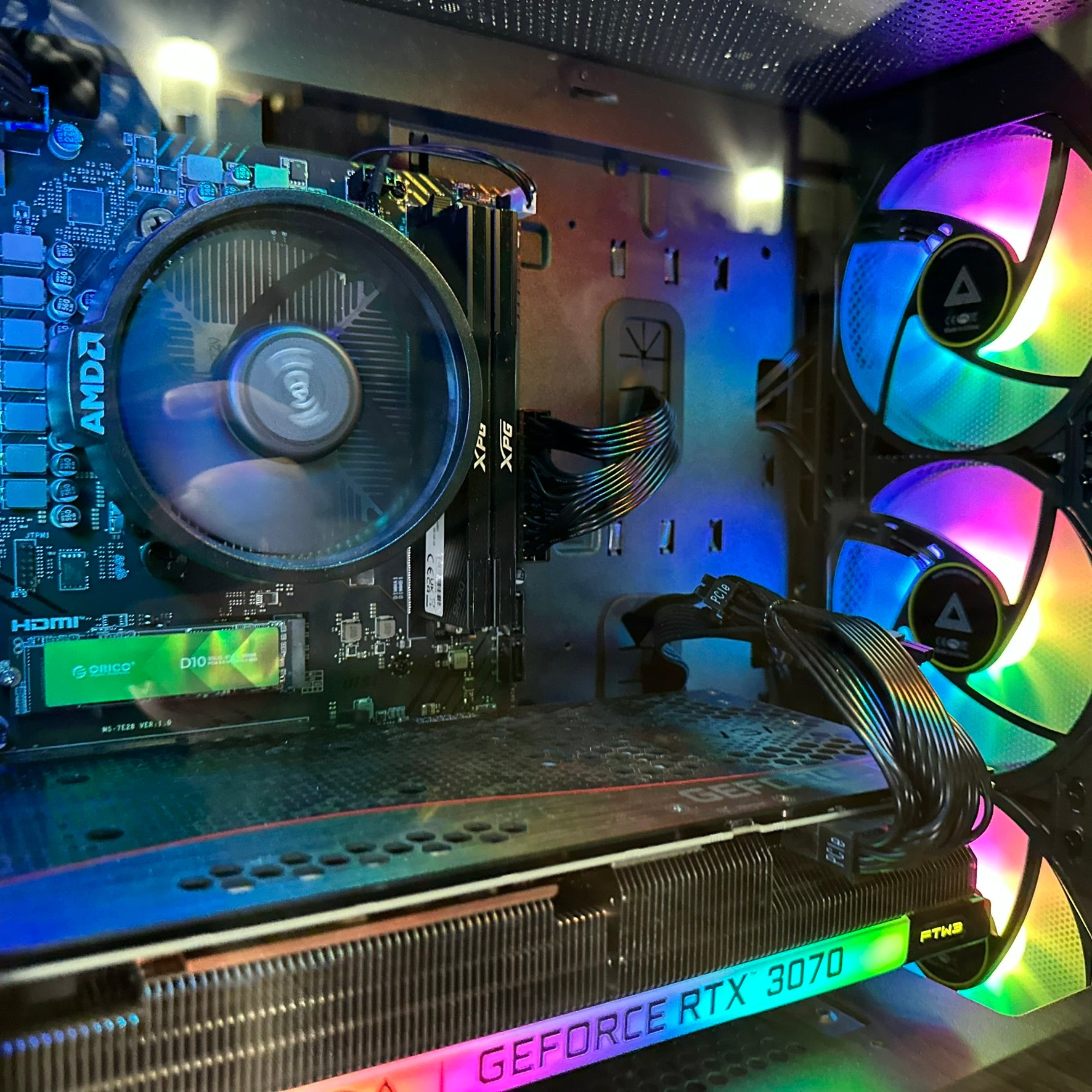
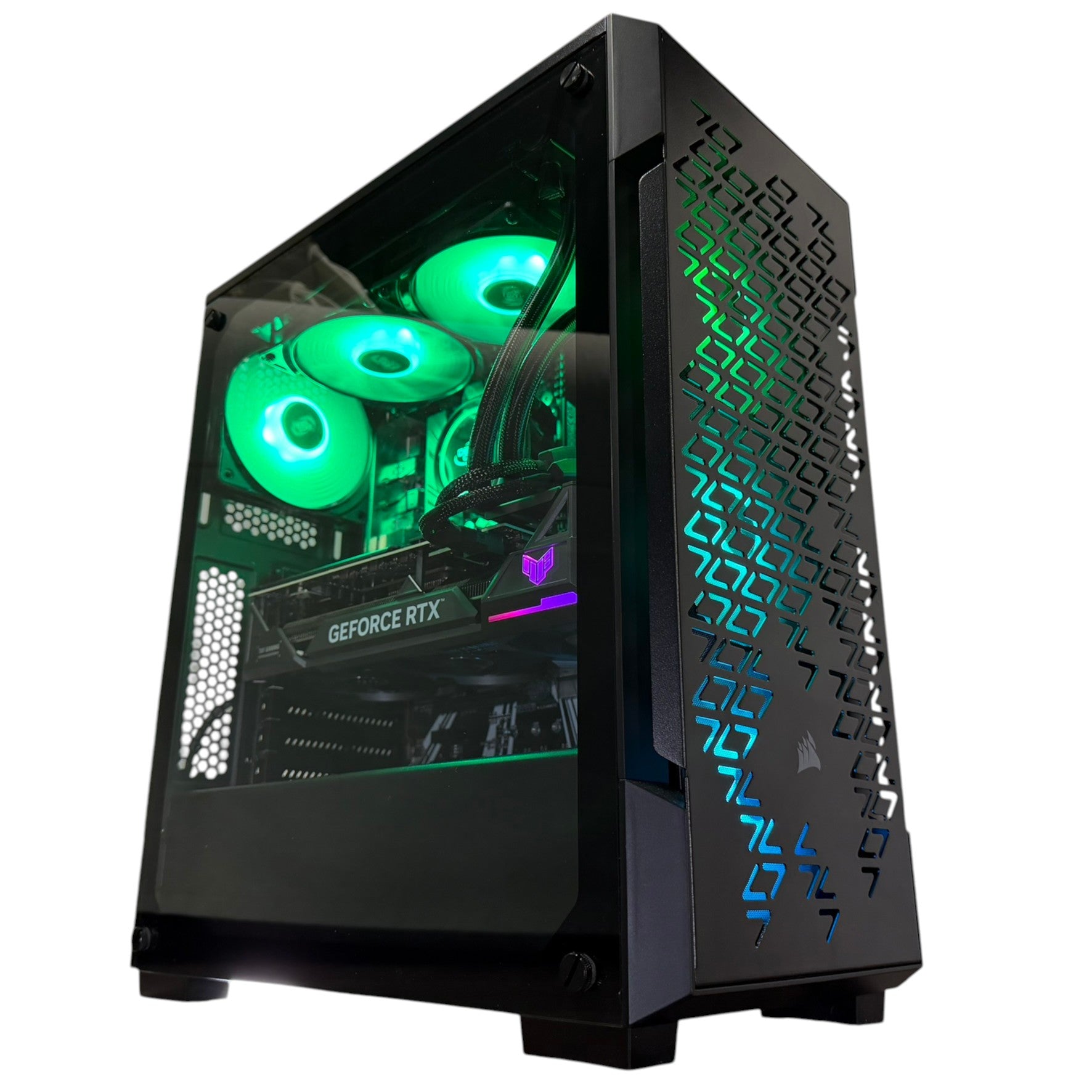

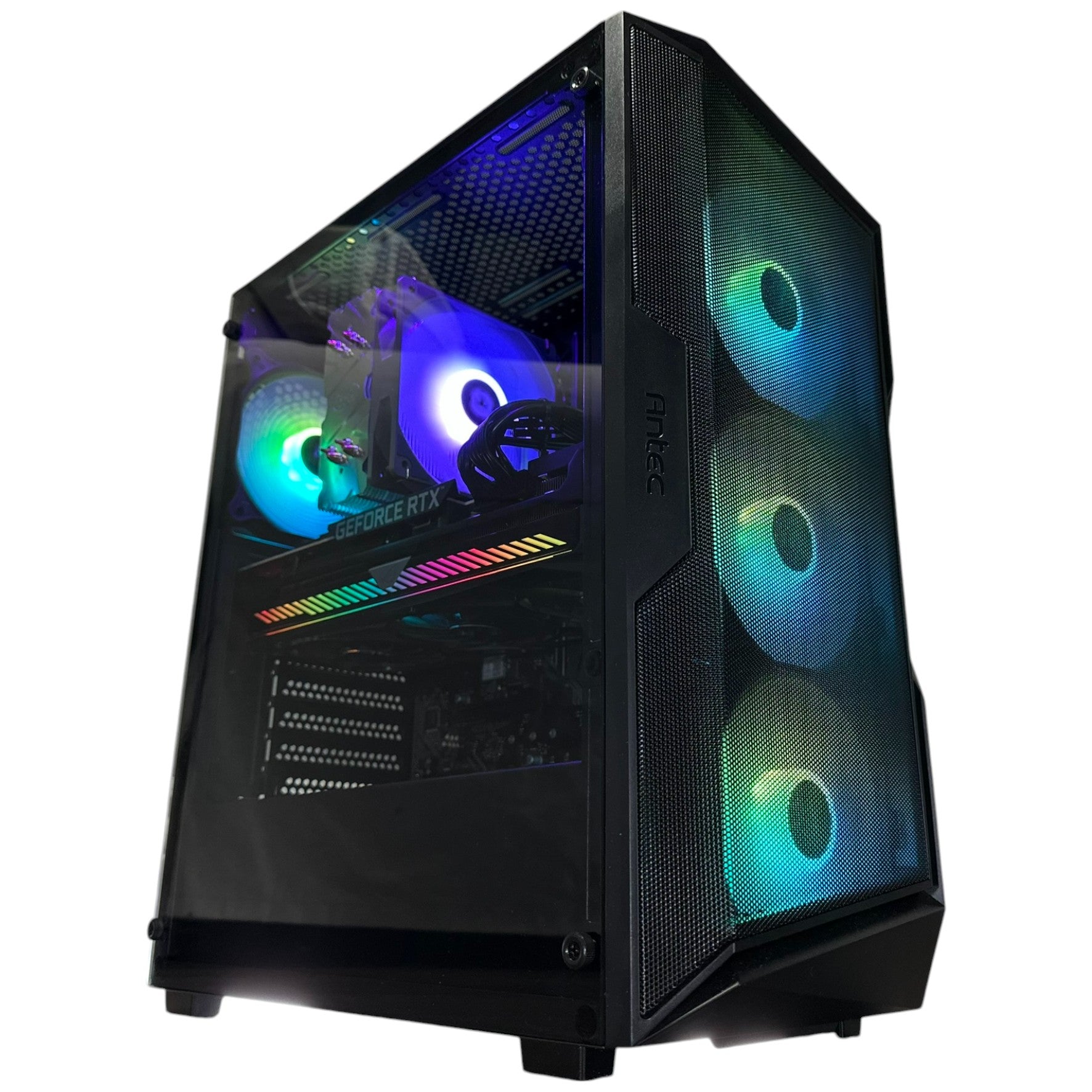
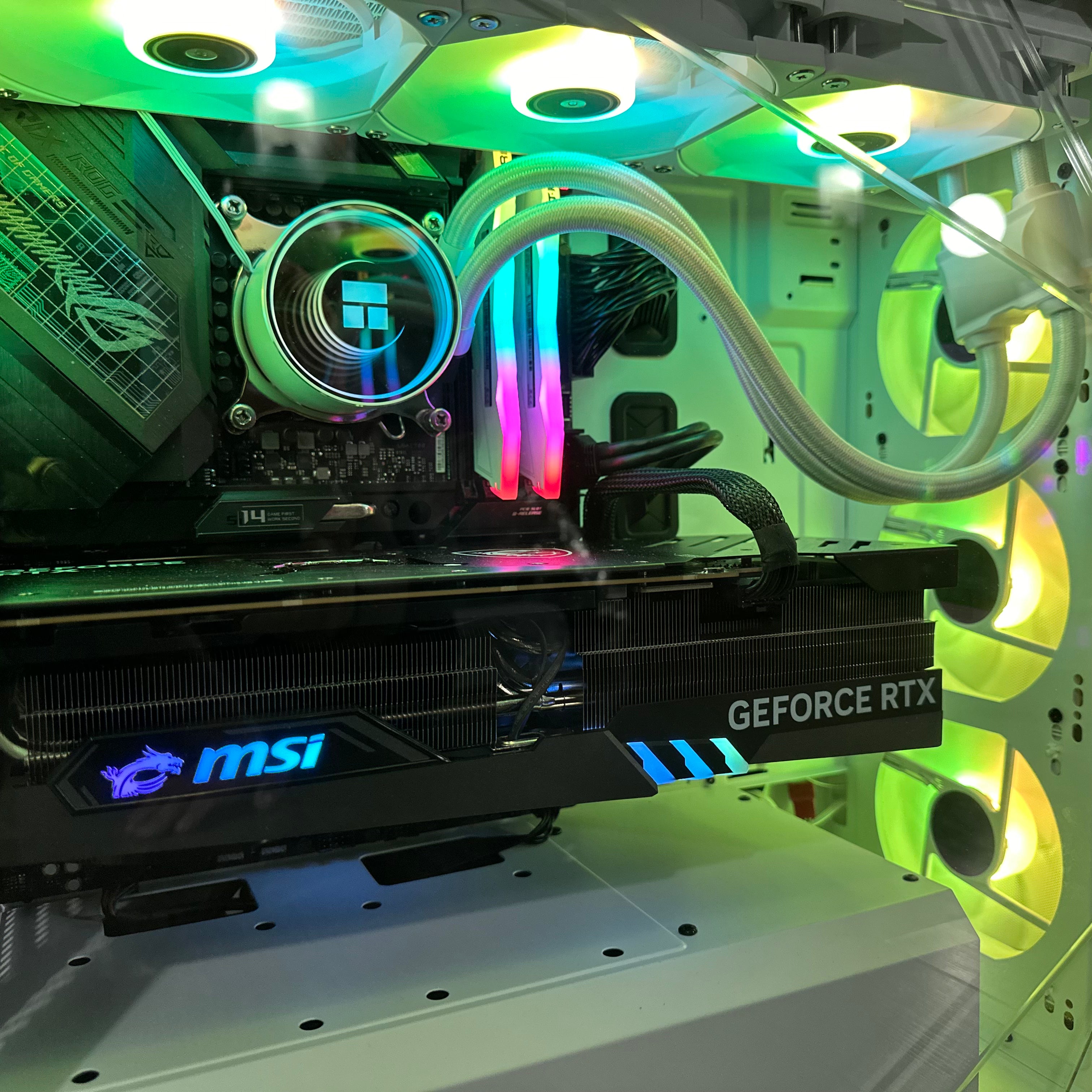
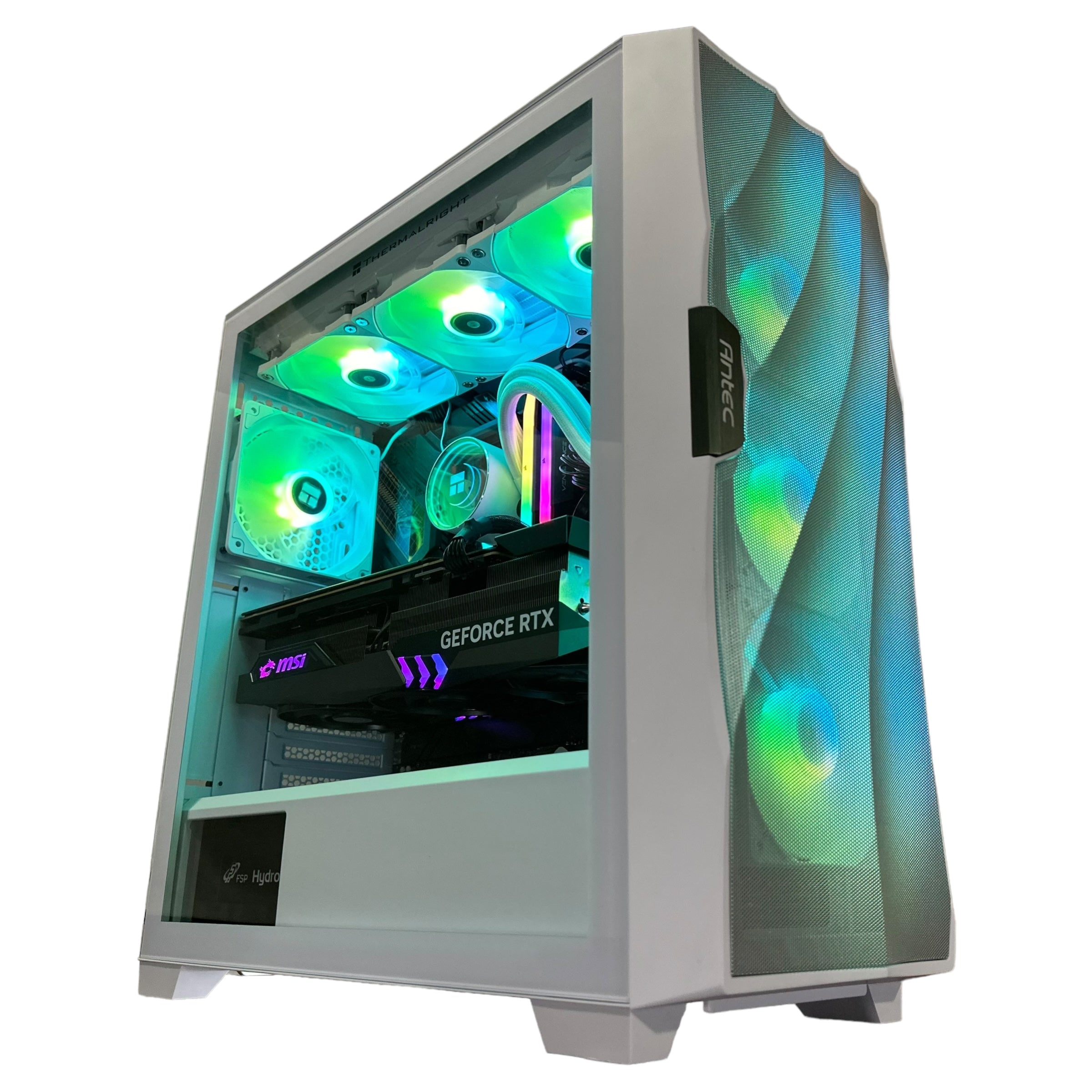

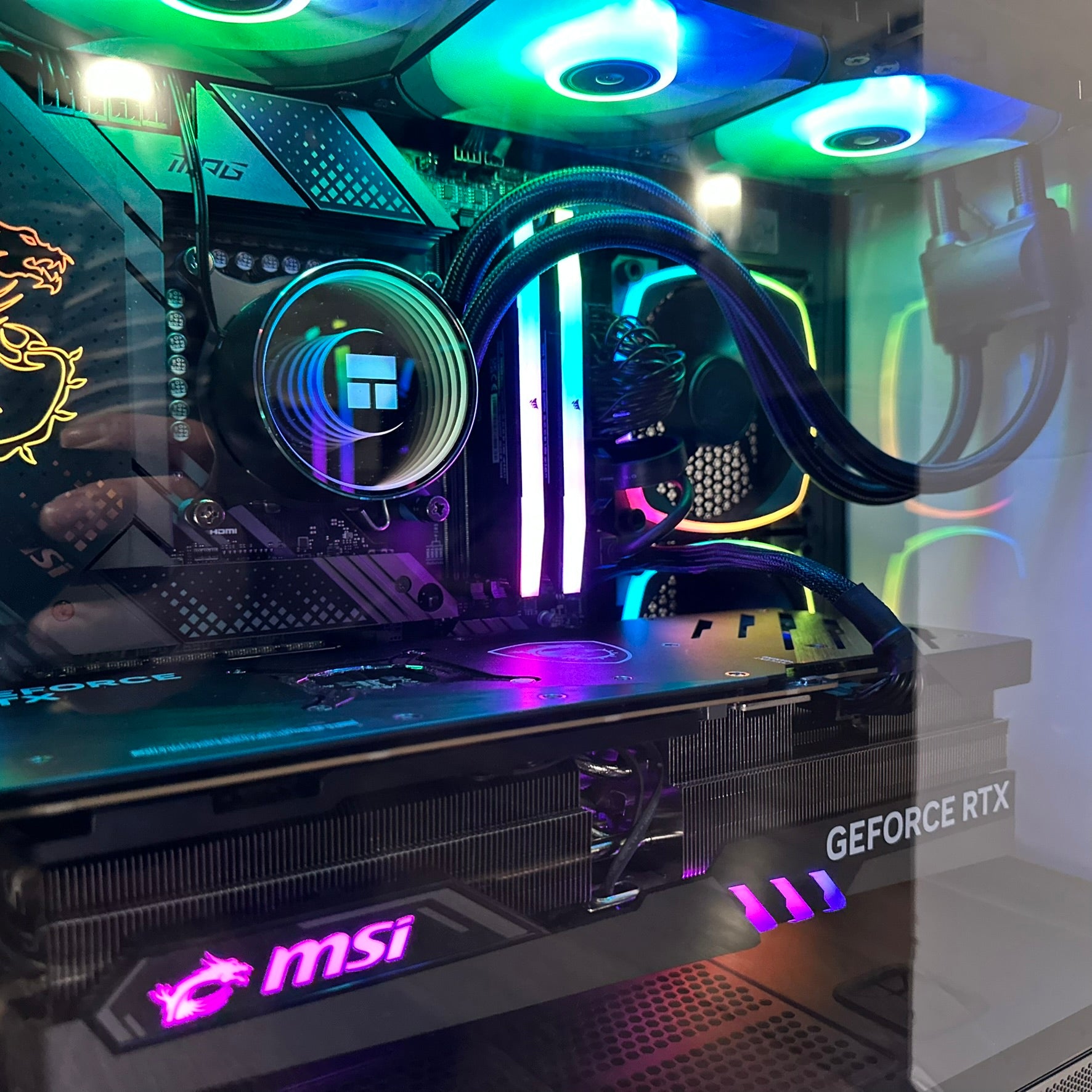
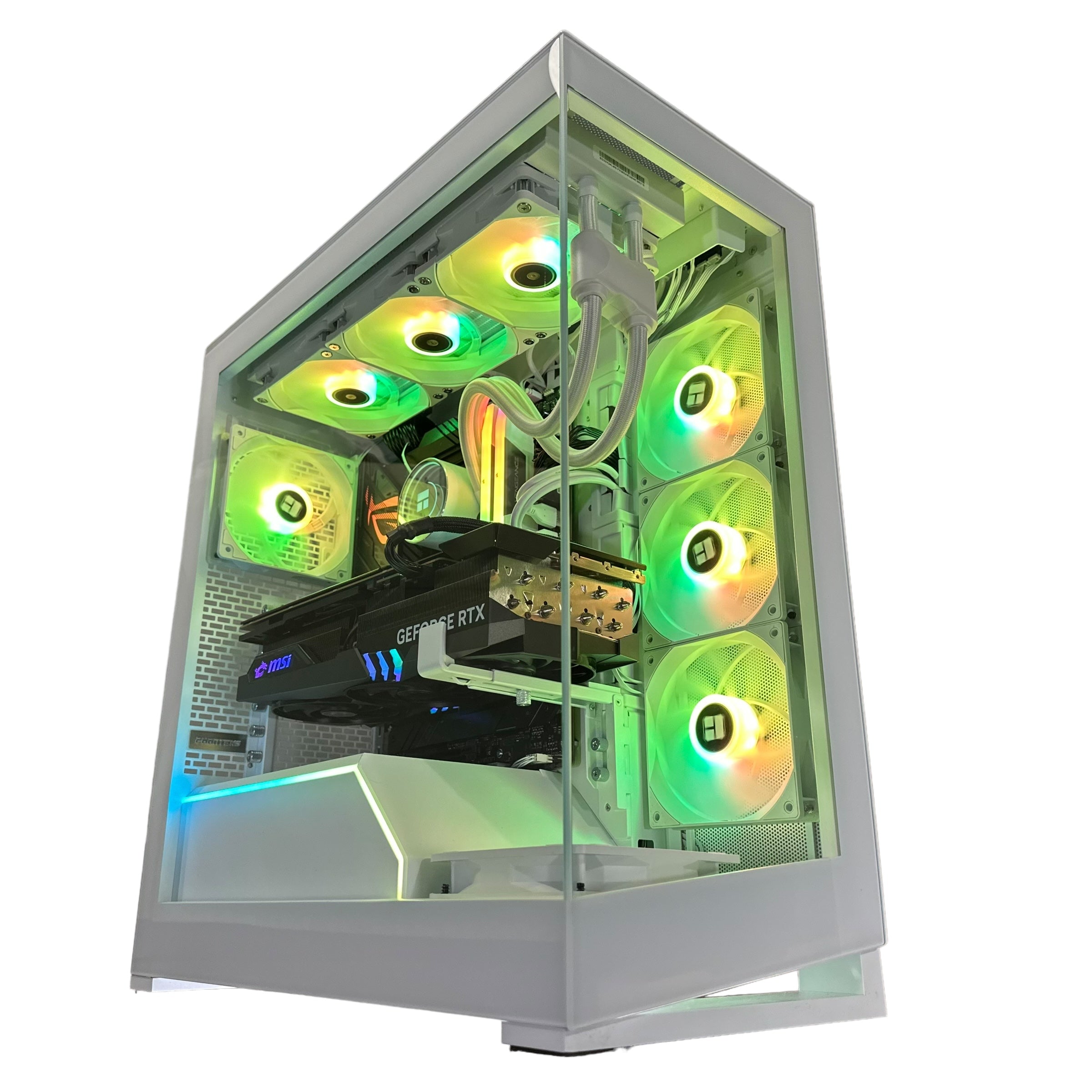
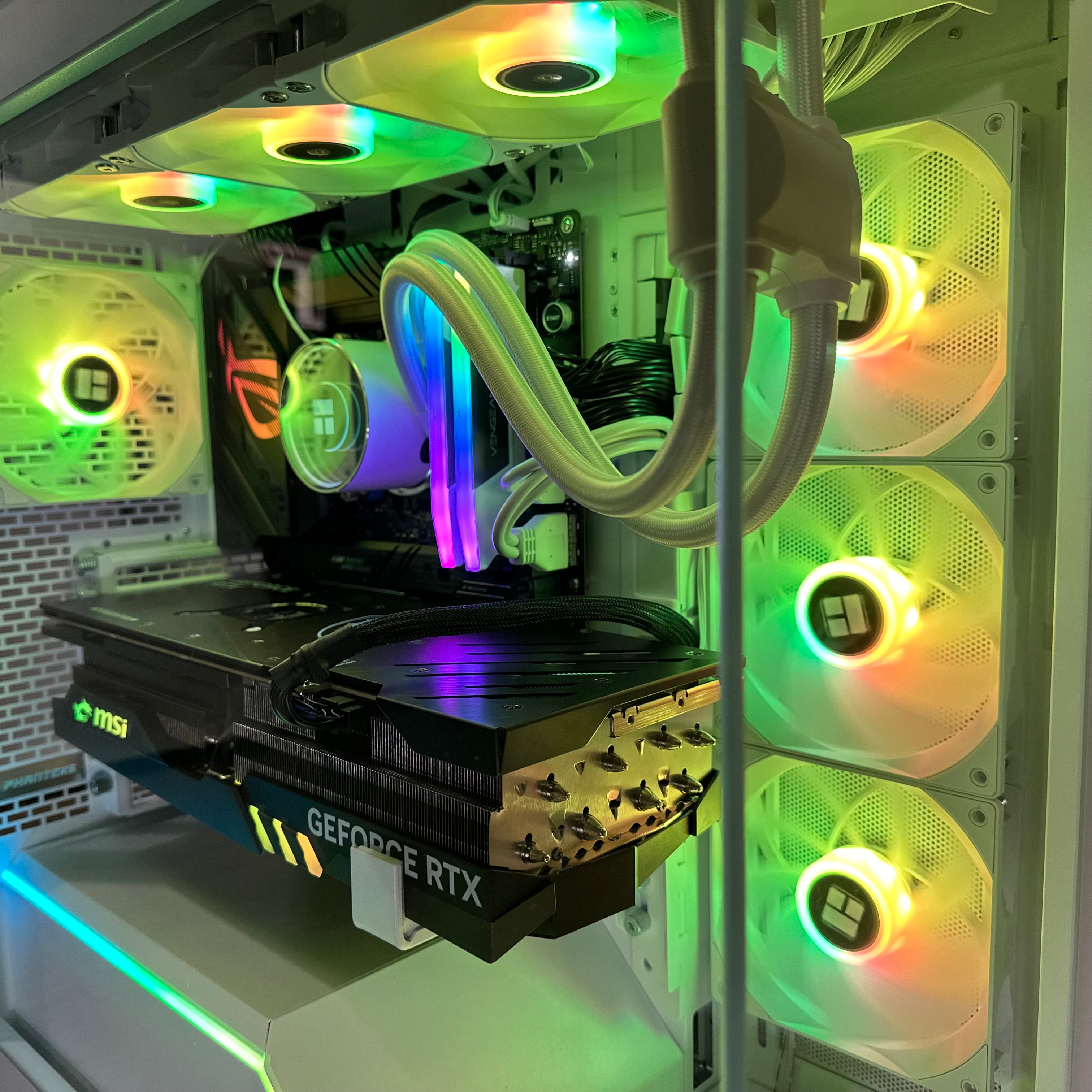
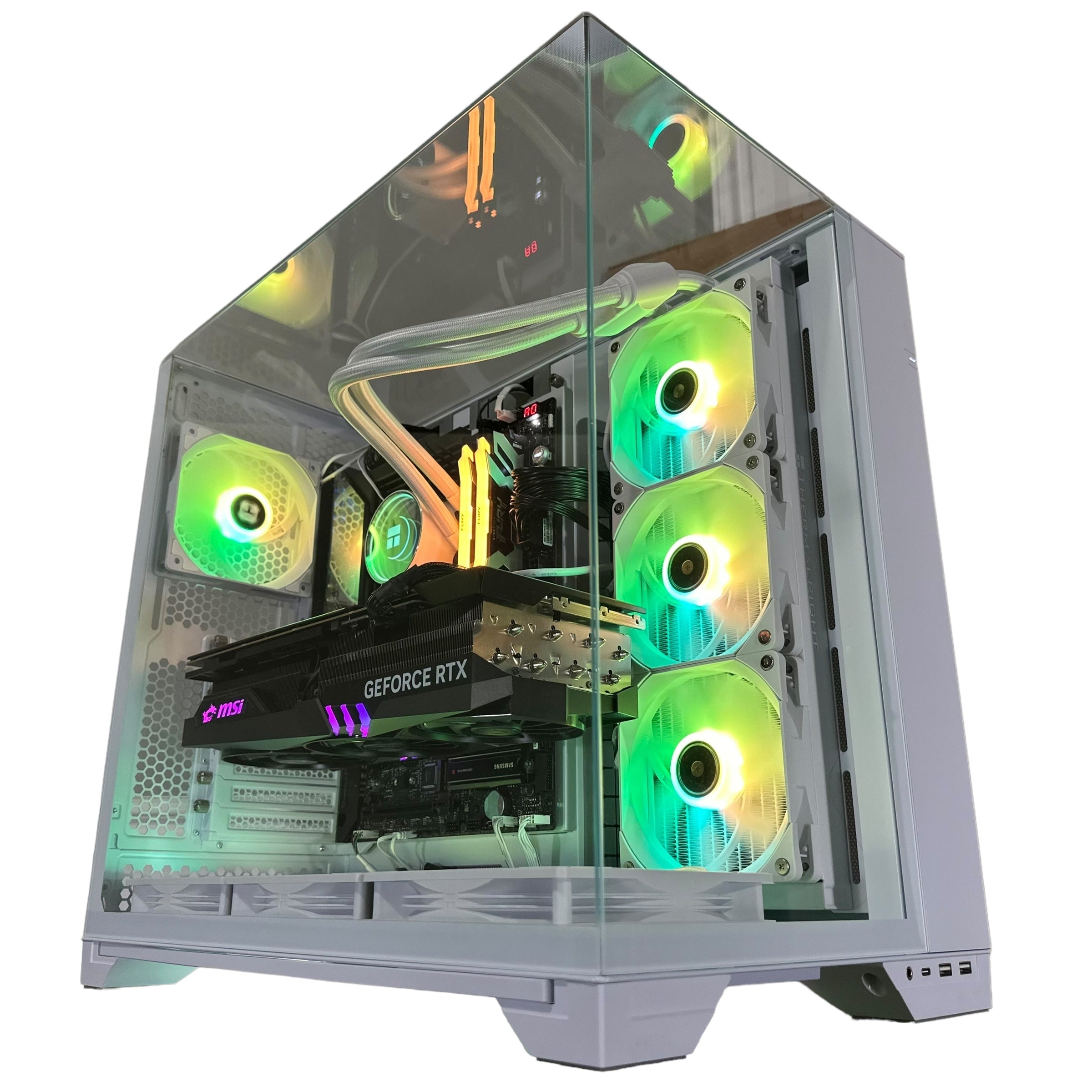
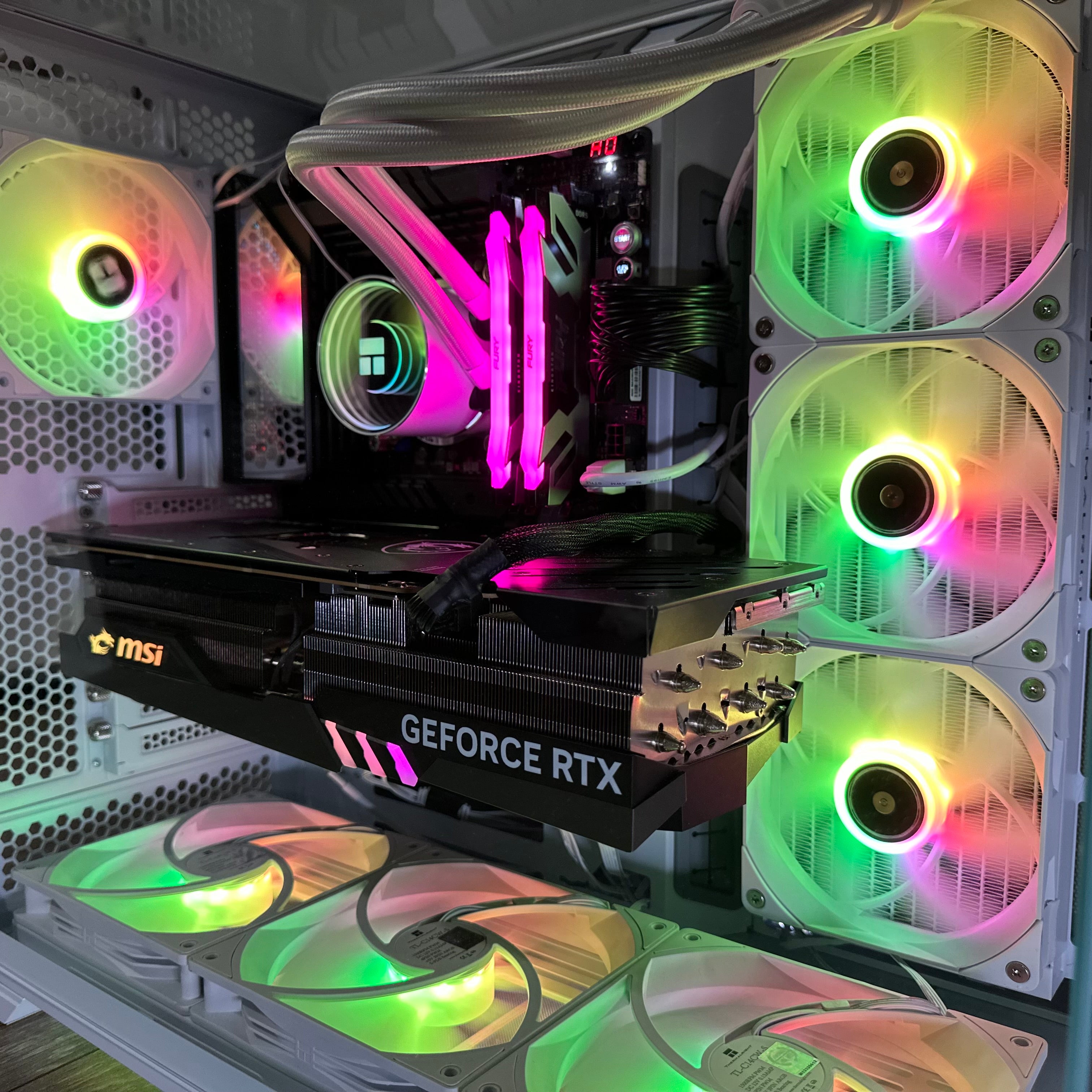

Capcom’s Blockbuster Quarter Shows Why a Gaming PC Canada Buyers Can Trust Matters More Than Ever
Capcom’s latest results tell a bigger story than one publisher having a good quarter. With net sales reported at roughly C$590 million and operating profit at about C$340 million for the April to June period, plus major momentum from Resident Evil Requiem surpassing 8 million units sold and Pragmata reaching 2.5 million, the message is clear: demand for big, visually ambitious games is staying strong. For anyone shopping for a gaming PC Canada buyers can rely on, that matters right now, because blockbuster releases do not just drive game sales. They also shape upgrade cycles, raise performance expectations, and influence when it makes sense to lock in a stronger custom desktop before prices and demand shift again.
For Canadian gamers, creators, and power users, this kind of news is not just industry trivia. It is a practical signal. When publishers keep investing in premium franchises and high-production new IP, players start asking harder questions. Will my current PC handle the next wave of AAA releases? Is 1080p still enough, or should I move to 1440p? If I want ray tracing, high settings, fast load times, streaming, or recording gameplay, am I already behind? And if I also edit content, create thumbnails, render video, or use heavier software after gaming, should I be choosing a more balanced custom system instead of chasing specs one part at a time?
What Capcom’s strong quarter really tells PC buyers
The headline numbers are impressive on their own. Capcom says unit sales rose to 23.81 million in the quarter, up from 14.16 million in the same period a year earlier. New releases helped, but so did continued demand for catalog titles, especially within the Resident Evil series. That combination matters because it reflects two major trends that affect custom PC buying in Canada.
- Trend one: players are still spending on new AAA experiences with demanding graphics and modern engine features.
- Trend two: older games are not really “old” from a hardware perspective when players want higher settings, smoother frame rates, better image quality, mods, recording, or streaming.
In other words, even if you are not buying a PC for one specific launch, the market is moving toward stronger baseline expectations. A machine that was “good enough” a couple of years ago can suddenly feel limited once you want better textures, more stable lows, faster storage performance, quieter cooling under load, or enough overhead to multitask properly.
That is especially true for franchises like Resident Evil, where cinematic presentation, lighting, effects, environmental detail, and performance consistency all matter to the experience. If a major publisher is proving that this style of premium release keeps selling, should you assume future games will get lighter on hardware? Probably not.
Why this matters differently in Canada
Canadian buyers have to think about PC purchasing a little differently. It is not just about whether a game is popular. It is about timing, value retention, shipping confidence, and how to avoid paying more later for a system that still does less than you want.
Hardware pricing in Canada can shift for multiple reasons: exchange-rate pressure, demand spikes around major game launches, GPU availability, seasonal buying periods, and changing replacement costs on core parts like graphics cards, RAM, motherboards, and SSDs. So when the game market shows renewed strength, that can become a practical buying signal for customers who were already close to upgrading.
Are you trying to buy before the next heavy release season? Are you hoping to avoid another year of lowering settings, turning off ray tracing, or dealing with inconsistent frame pacing? Are you comparing a budget gaming computer against a more capable build that could also handle creative work? Those questions become more important when publisher momentum suggests the next 12 to 24 months will continue to reward stronger PCs.
What do you want your next PC to do for you?
Before looking at performance tiers, it helps to ask the most important buying question: what do you actually want your next computer to handle without compromise?
Do you mainly want a system for modern games at 1080p with strong value? Do you want 1440p gaming with high settings and room for streaming? Are you targeting 4K, ray tracing, and premium visual quality? Or are you really shopping for a multi-purpose machine that needs to game at night and edit video, process photos, design graphics, or render 3D work during the day?
Many buyers start by saying they want “a gaming PC,” but what they really mean is something more specific:
- a budget-friendly gaming desktop that can run new releases smoothly
- a premium RTX system built for ultra settings and longevity
- a gaming and streaming PC for OBS, recording, and content uploads
- a creator PC for Premiere Pro, DaVinci Resolve, Photoshop, or Illustrator
- a workstation-class build for Blender, Unreal Engine, CAD, or rendering
The better you define the goal, the easier it becomes to avoid overspending in the wrong place or underspending on the parts that actually matter most.
If Capcom’s biggest games are selling this well, what PC do you need for new games?
This is where many Canadian buyers need clearer guidance. A popular AAA title does not automatically mean you need the most expensive hardware available. But it does mean you should buy with realistic expectations based on how you play.
Entry-level and value-focused buyers
If your goal is smooth 1080p gaming, strong esports performance, and solid results in many modern titles at sensible settings, a budget-oriented build may still be the right answer. This is often ideal for first-time buyers, students, or players coming from older consoles or aging desktops.
But ask yourself: are you happy playing at optimized settings, or will you quickly want more? If you already know you care about higher visual quality, stronger minimum frame rates, or newer GPU features, going too cheap can create regret faster than expected.
Mainstream enthusiasts
For many shoppers, 1440p is now the sweet spot. It offers a clear visual jump over 1080p, feels more “next-gen” on a good monitor, and usually delivers a better long-term experience for premium single-player releases. If you are interested in atmospheric games, horror titles, action adventures, open-world releases, and cinematic presentation, this tier often gives the best balance of price and satisfaction.
Do you want a PC that can handle new releases today and still feel capable two or three game cycles from now? Then a stronger mid-to-upper-range custom system often makes more sense than buying the absolute lowest tier and planning to replace it sooner.
High-end and flagship buyers
If you want 4K gaming, high refresh rate 1440p, heavy ray tracing, better frame generation support where appropriate, or top-tier longevity, then you are in premium territory. This is the category for buyers who want fewer compromises, stronger cooling, cleaner build quality, and enough horsepower to enjoy major releases at a much higher standard.
Should you buy the most powerful setup available? Not always. The smarter question is whether you want maximum settings now, longer usefulness before your next upgrade, or a better experience across gaming, streaming, editing, and productivity in one machine. Premium systems are often about total flexibility, not just benchmark bragging rights.
Which performance tier fits you best?
If you are not sure where you land, use your habits to decide.
Choose a value gaming tier if:
- you mainly play at 1080p
- you want strong everyday gaming without chasing ultra settings
- you care more about price discipline than premium effects
- you are buying your first desktop or upgrading from much older hardware
Choose a performance 1440p tier if:
- you want a better visual jump for modern AAA games
- you play both competitive and cinematic titles
- you want room for streaming, Discord, browser tabs, and background apps
- you want a future proof gaming PC Canada buyers typically keep longer
Choose a premium tier if:
- you want 4K or ultra-quality 1440p gaming
- you care about ray tracing and stronger long-term performance
- you also create content, edit video, or use GPU-accelerated software
- you want to avoid upgrading too soon
Still unsure? Ask a simpler question: will buying a cheaper PC now force you into another upgrade sooner than you want? If the answer might be yes, it may be smarter to step up one tier instead of settling.
Resident Evil, Pragmata, and the bigger GPU conversation
Capcom’s quarter highlights two kinds of demand at once: sequel-driven demand from an established hit franchise and curiosity-driven demand from a new IP that launched successfully. That mix is important because it reflects the broader reality of PC gaming today. The market is not just being pushed by one annual release. It is being shaped by a steady stream of hardware-relevant titles across multiple genres.
That matters for GPUs because graphics expectations do not stand still. Lighting, texture density, scene complexity, image reconstruction techniques, and high-refresh gaming targets all push buyers toward more capable cards. Once enough major titles keep landing successfully, more consumers decide it is finally time to upgrade. When enough consumers do that at once, availability pressure and price friction can follow.
So ask yourself: are you waiting because you genuinely do not need a new PC yet, or because you are hoping the perfect buying moment will appear? In real-world custom PC shopping, the “perfect moment” often disappears once demand gets stronger.
Are you only gaming, or are you also streaming and creating?
This is one of the most overlooked parts of buying a new desktop. A lot of customers who arrive looking for a gaming system are also planning to stream to Twitch or YouTube, clip footage for social media, edit long-form videos, design thumbnails, or handle school and work on the same machine. That changes the recommendation immediately.
If you want to game and stream at the same time, the system needs more than just playable frame rates. It needs enough CPU and GPU headroom, adequate RAM, fast storage, stable thermals, and the right overall balance to avoid a choppy workflow. If you also edit in Premiere Pro or DaVinci Resolve, that balance becomes even more important.
What PC do you need for streaming?
If your plan includes OBS, recording gameplay, using a webcam, running chat tools, and maybe editing clips later, then a gaming and streaming PC Canada buyers choose should not be built like a bare-minimum gaming box. You need a system designed around multitasking.
Do you want to stream at 1080p while still enjoying smooth gameplay? Are you hoping to keep browsers, Spotify, Discord, capture tools, and creator apps open? Then it often makes sense to choose a stronger CPU tier, more RAM, and a GPU that gives you better encoding flexibility and more long-term room.
What PC do you need for video editing?
If Capcom’s quarter reminds you that blockbuster game content keeps driving YouTube, TikTok, review channels, clip channels, and reaction content, then creator performance matters too. A true video editing PC Canada buyers can depend on should not leave you waiting on exports, proxy generation, scrubbing, or background rendering all the time.
Are you editing 1080p footage casually, or are you working with 4K timelines? Do you use Premiere Pro, DaVinci Resolve, After Effects, or CapCut? How many tracks do you stack? Do you colour grade, use motion graphics, or batch export often? These answers change whether you need a lighter creator build or a much more serious workstation-class configuration.
What PC do you need for photo editing and graphic design?
Not every buyer following gaming news is only a gamer. Many customers also shoot RAW photos, manage Lightroom catalogs, work in Photoshop, build graphics in Illustrator, or design for social media and business use. If that sounds like you, a custom creator PC Canada shoppers choose should emphasize responsiveness, memory capacity, fast SSDs, and clean all-day reliability.
Are you opening huge image libraries? Do you rely on AI-assisted tools in your editing workflow? Do you use multiple monitors? If yes, your next PC should be chosen for workflow speed, not just in-game FPS.
What PC do you need for 3D modeling or workstation tasks?
Some readers are seeing this news and thinking less about gaming, more about production. Game industry success often drives demand for 3D artists, developers, modders, and content teams who use Blender, Unreal Engine, Unity, Maya, Cinema 4D, Revit, or other professional software. If that is you, then a workstation PC Canada professionals can trust needs a different kind of planning.
Do you render scenes regularly? Do you work on large assets, simulations, or real-time environments? Are you compiling, baking, animating, or previewing heavy projects? Then you may need a true 3D modeling PC Canada users can scale with, not just a gaming desktop with a flashy case.
Why buying the right custom PC matters more than chasing random specs
When big game releases dominate headlines, many shoppers jump straight to one part, usually the GPU. That is understandable, but incomplete. A good system is not just a graphics card with everything else attached as cheaply as possible.
A stronger gaming or creator experience comes from balance:
- a CPU that matches your gaming or workload goals
- a GPU that fits your target resolution and settings
- enough RAM for current games and multitasking
- fast SSD storage for OS responsiveness, load times, and project files
- proper cooling for sustained performance
- a motherboard and power supply that support stability and future upgrades
That is one reason many Canadian buyers prefer working with a custom PC builder instead of guessing through a patchwork purchase. If your system is built around how you actually use it, you are far less likely to overpay for the wrong upgrade or discover a bottleneck after the fact.
Should you buy now or wait?
This is always one of the most important questions, and Capcom’s quarter gives it extra relevance. Strong software sales do not guarantee immediate hardware shortages, but they do reinforce that interest in premium gaming is healthy. When that interest stays healthy across multiple publishers and release cycles, waiting can become more expensive than expected.
If your current PC is already struggling, what exactly are you waiting for? A lower price? A specific launch? A future part announcement? The risk is that by the time you decide, you may face higher replacement costs, weaker value on your current machine, or more urgency because a game, workload, or software update has made your old setup frustrating to live with.
Waiting makes sense if your system still comfortably handles everything you do. But if you are already compromising every week, then delaying often means paying with time, lower enjoyment, and repeated frustration before you pay with money.
Could financing help you secure a better system before prices change?
For many buyers, the smartest move is not necessarily buying the cheapest system they can get today. It may be securing the right system now so they do not need to replace it prematurely. That is where financing becomes a practical tool, not an impulse decision.
If a modest increase in monthly cost lets you move from a short-term build to a genuinely stronger machine, would that help you avoid upgrading too soon? Would it let you move from 1080p compromise to comfortable 1440p? Would it let you buy enough RAM and storage for gaming plus editing instead of planning an upgrade a few months later?
For Canadian shoppers weighing value against performance, financing up to 4 years can make it easier to choose a desktop that fits real needs instead of just immediate budget pressure. That can be especially important when component replacement costs are volatile and when major upcoming games or software upgrades are likely to punish underpowered systems first.
What questions should you ask before buying or financing a custom PC?
Before you commit, ask yourself the questions that actually shape long-term satisfaction.
- What games do I want to play over the next two to three years?
- Am I aiming for 1080p, 1440p, or 4K?
- Do I care about ray tracing, ultra settings, or high refresh rates?
- Will I stream, record, or edit gameplay content?
- Do I also use Photoshop, Lightroom, Premiere Pro, DaVinci Resolve, Illustrator, Blender, or Unreal Engine?
- How much storage will I need once modern game installs and project files add up?
- Would I rather finance a better PC now than outgrow a cheaper one quickly?
- Do I want a system built and tested by a Canadian custom PC company with warranty support?
These are better questions than simply asking which part has the biggest number attached to it. The goal is not to buy the internet’s favourite component. The goal is to buy the right complete system.
Why Groovy Computers is the better fit for Canadian buyers
Groovy Computers is built around the needs that stories like Capcom’s quarter bring into focus: stronger games, heavier workloads, more demanding buyer expectations, and the need for better decision-making before prices move. For Canadian customers, that means getting a custom build matched to real use cases instead of a generic one-size-fits-all machine.
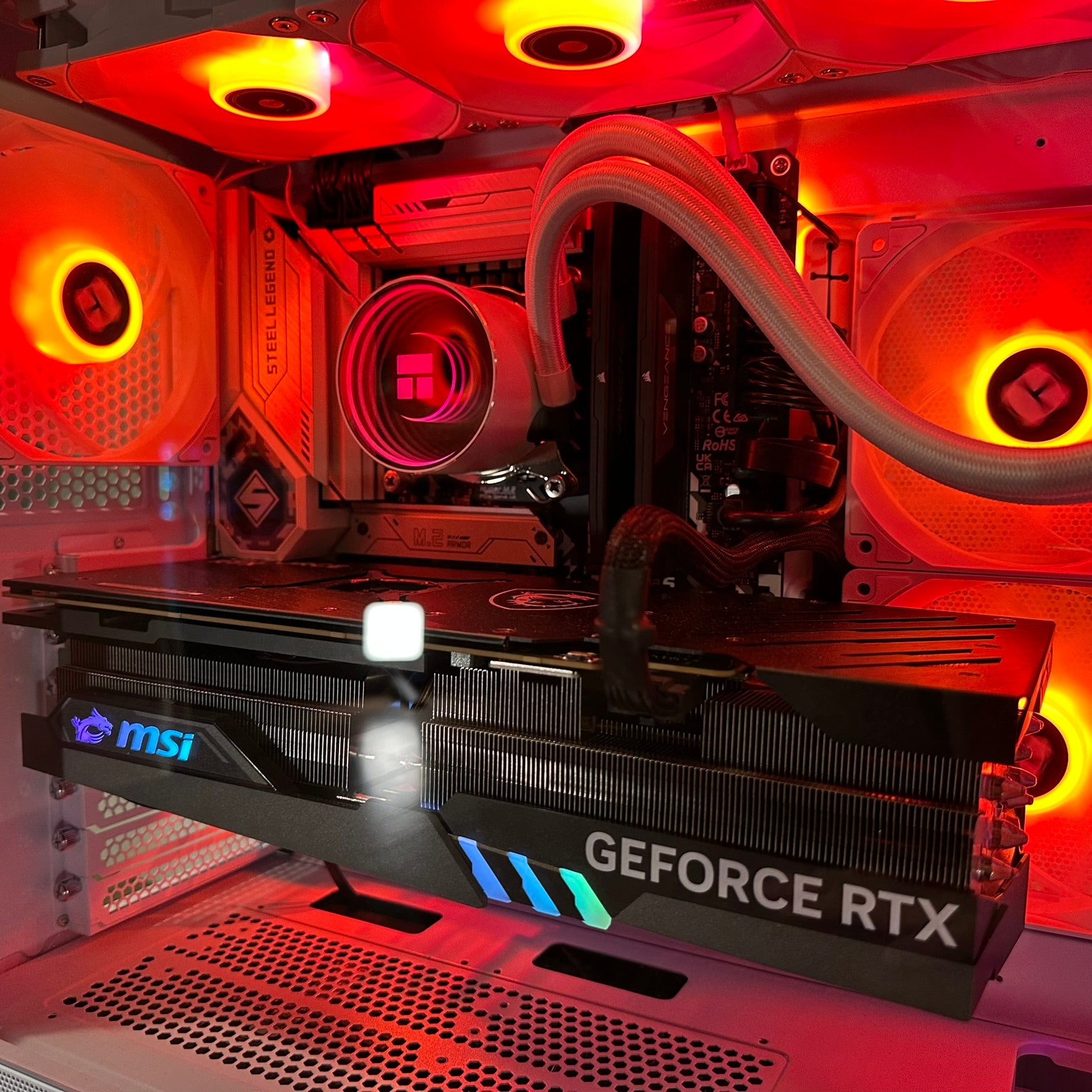
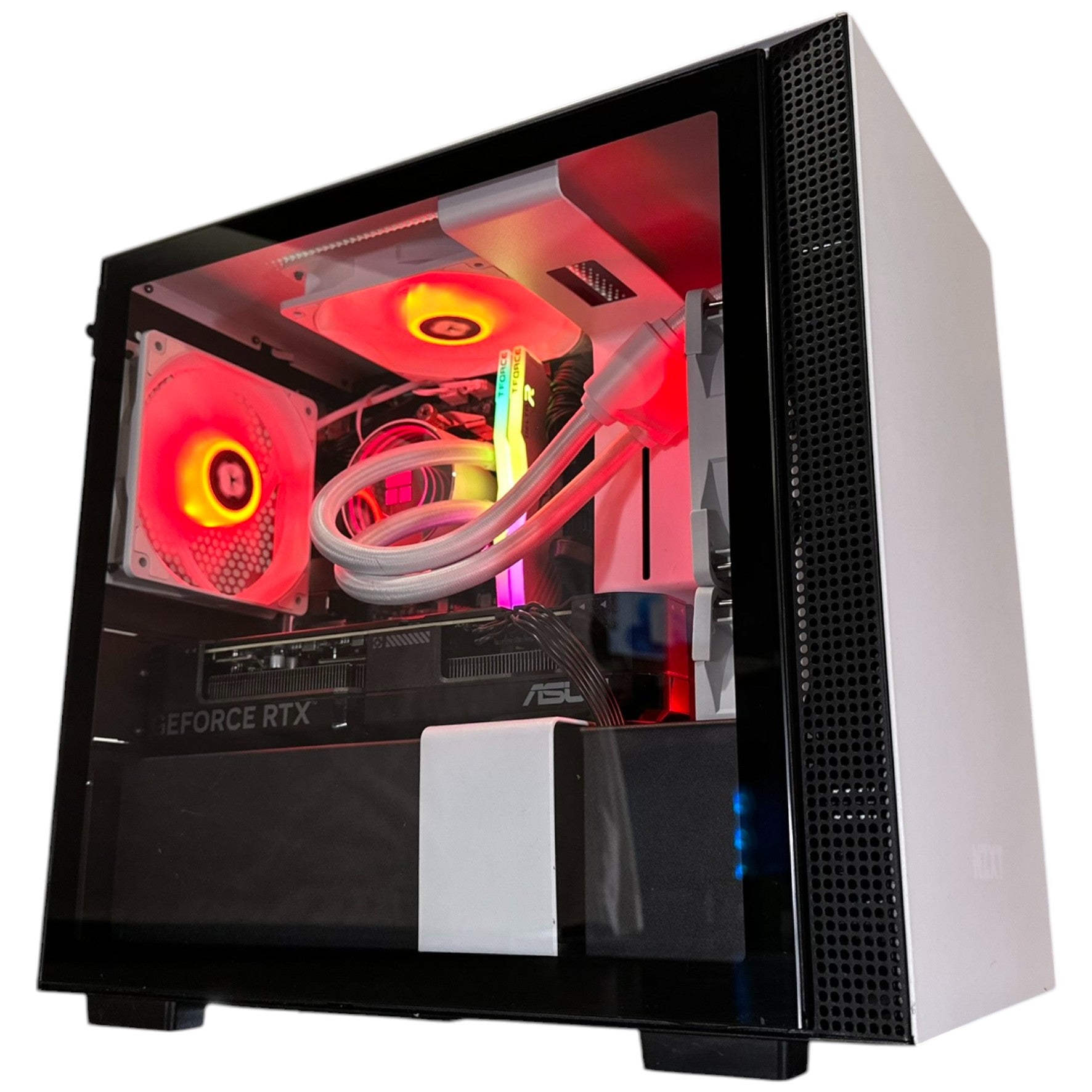
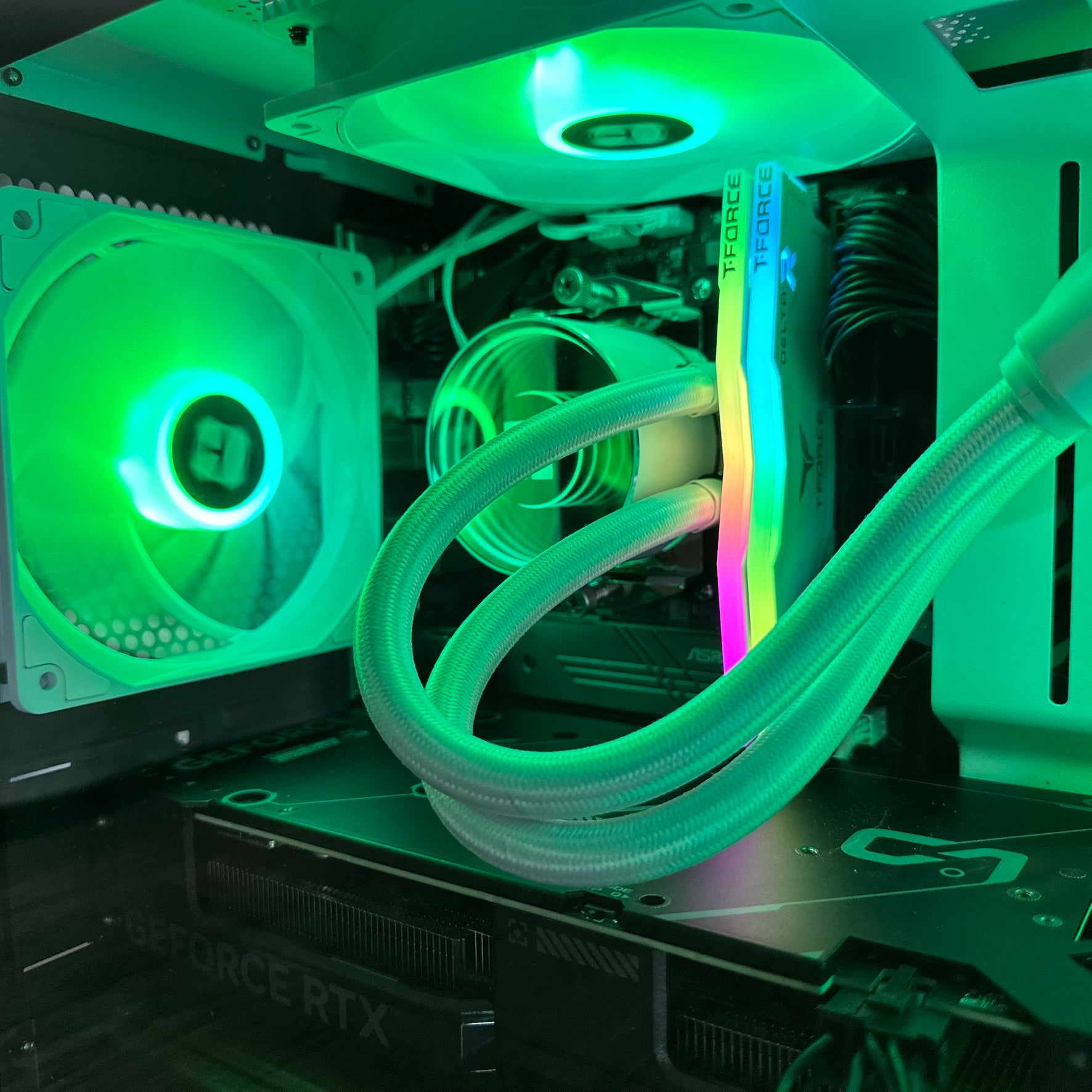
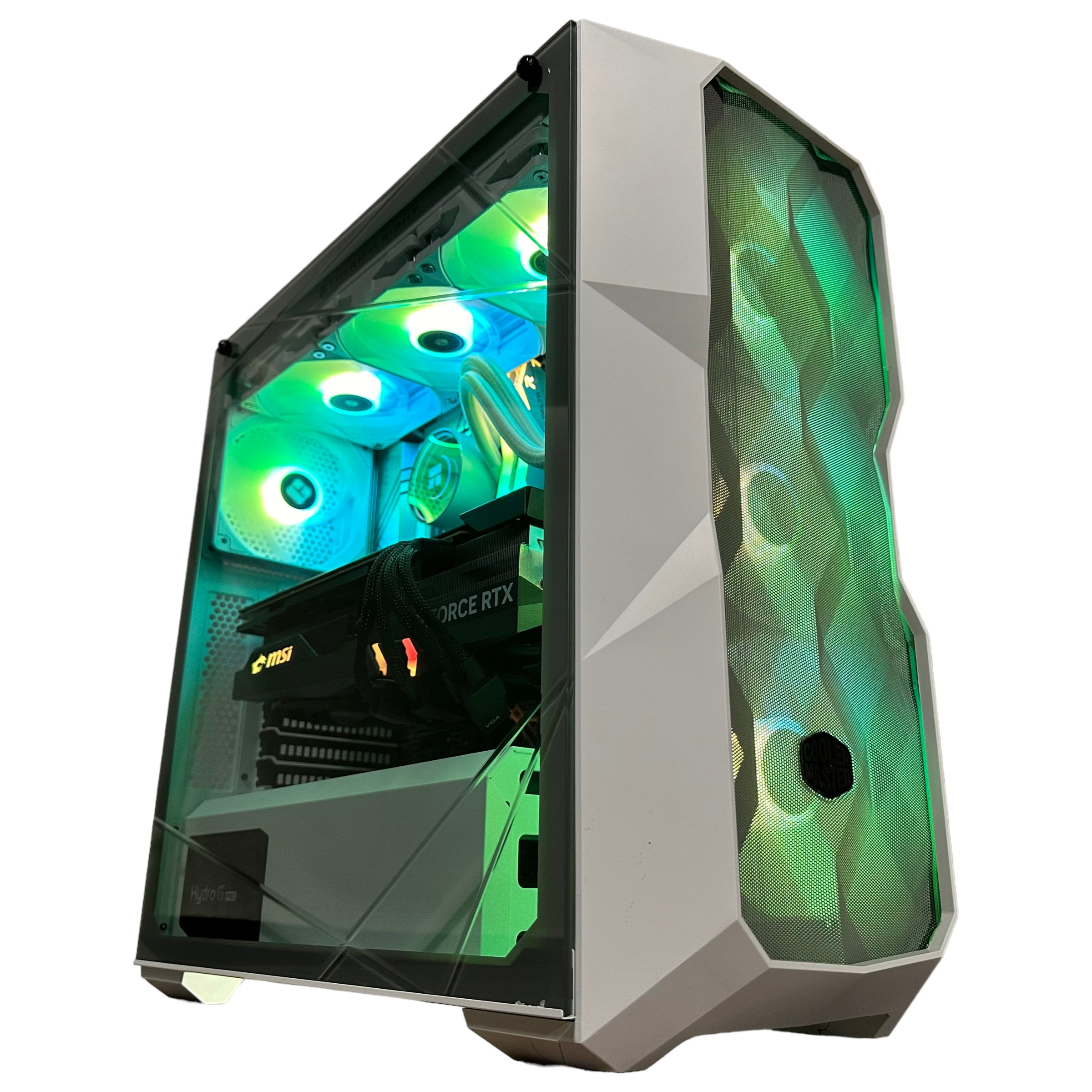
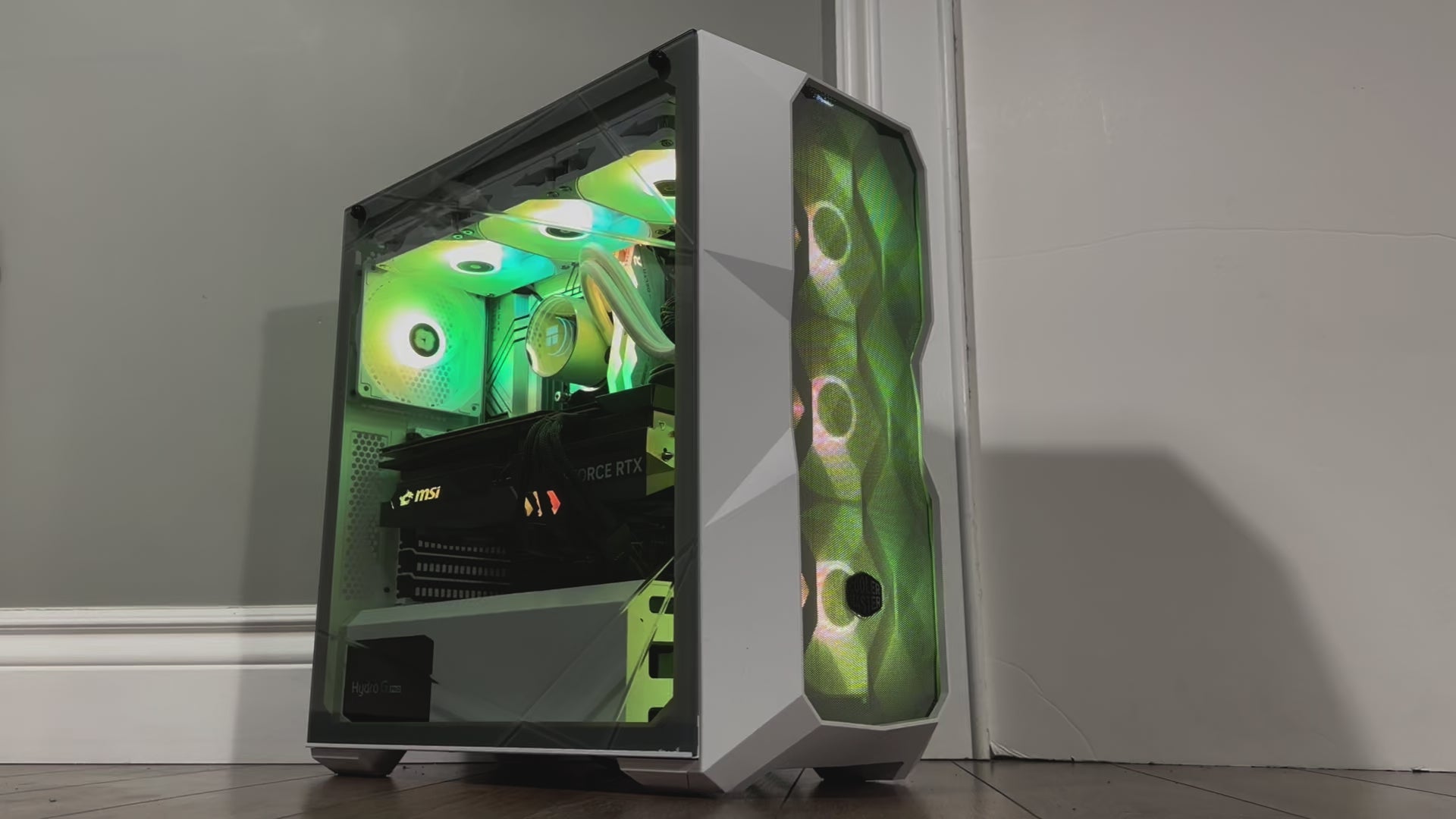
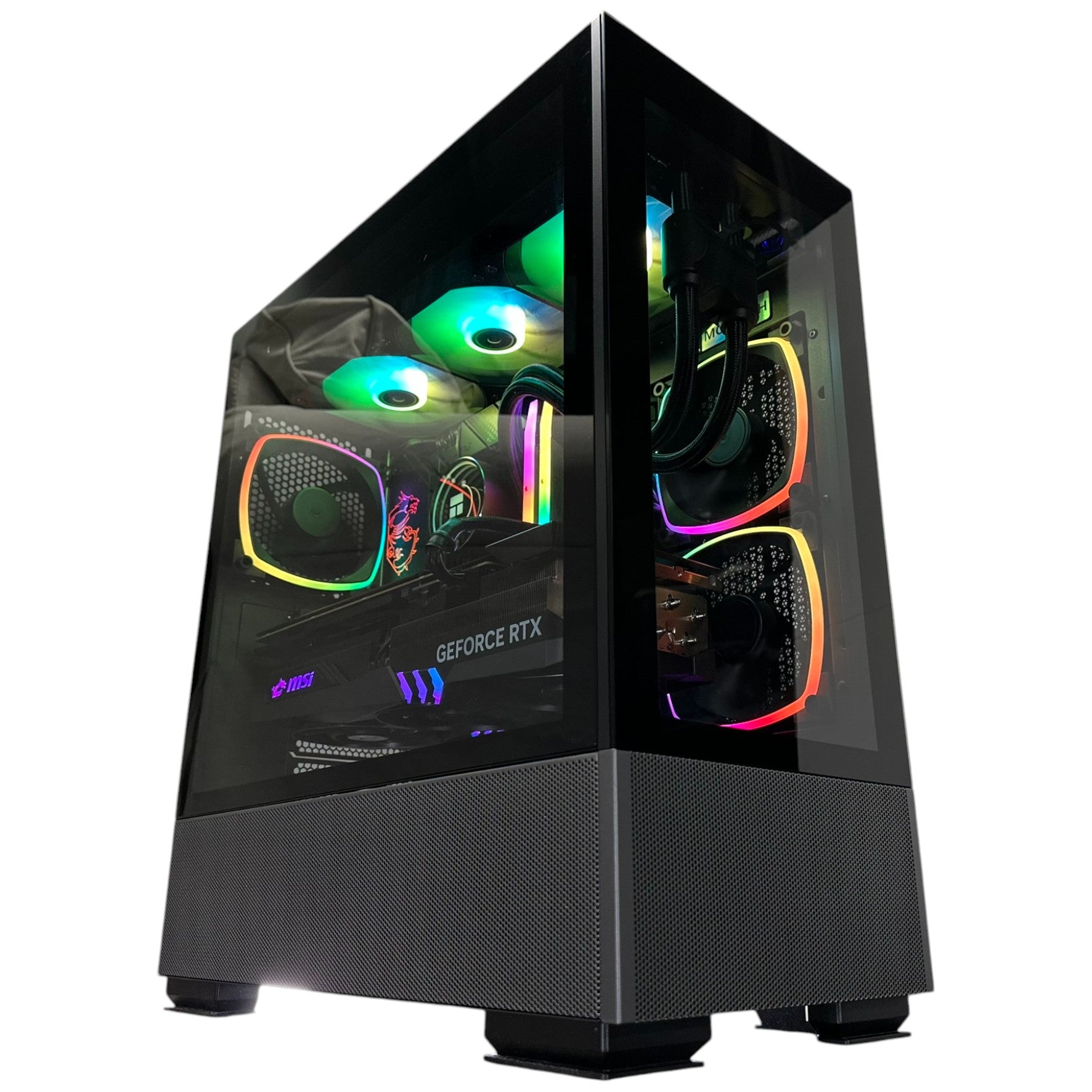
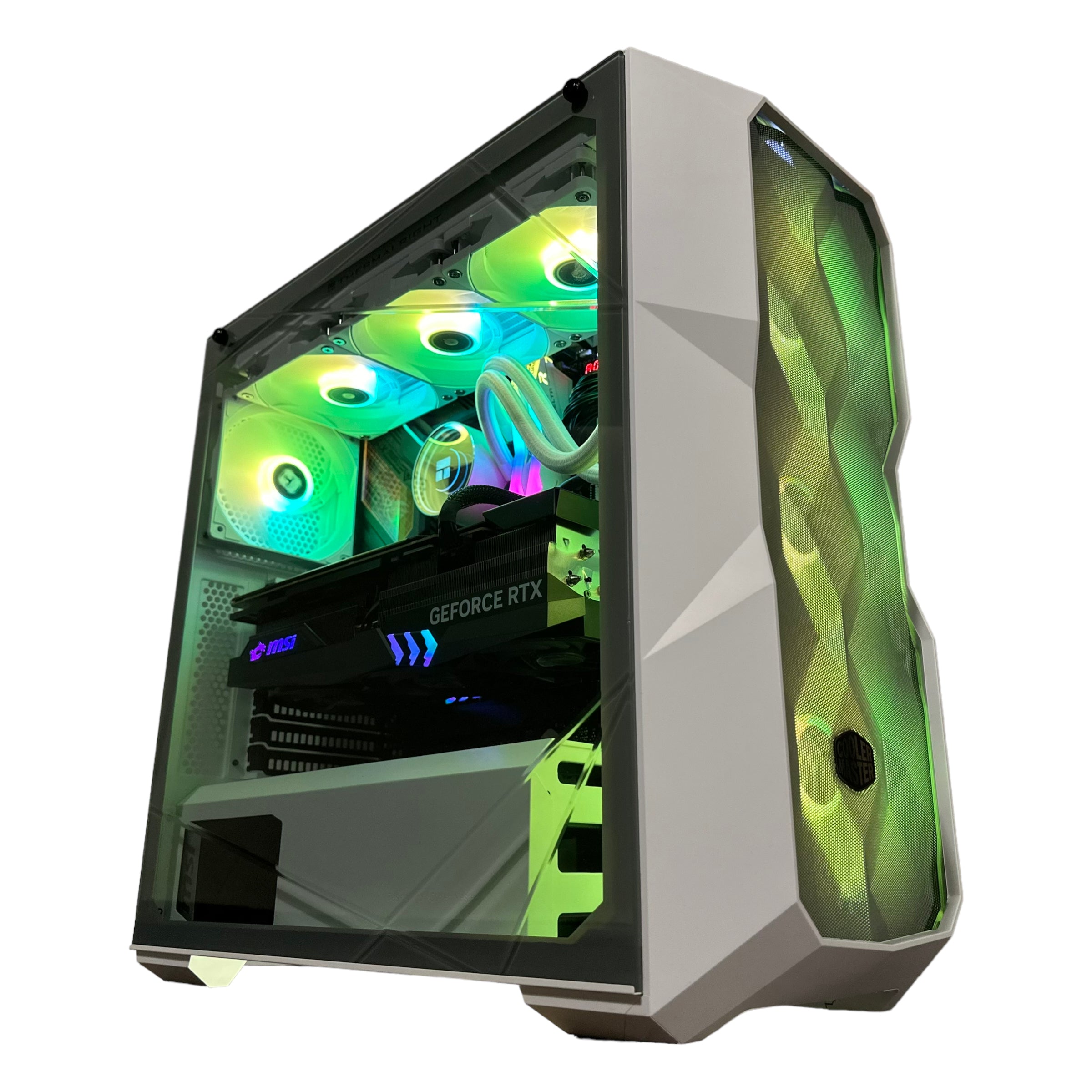
Whether you need a gaming desktop, a streaming-ready setup, a content creation PC, a video editing workstation, or a 3D modeling system, the advantage of going custom is clarity. You get a machine designed around your resolution target, software stack, storage needs, cooling requirements, and upgrade path.
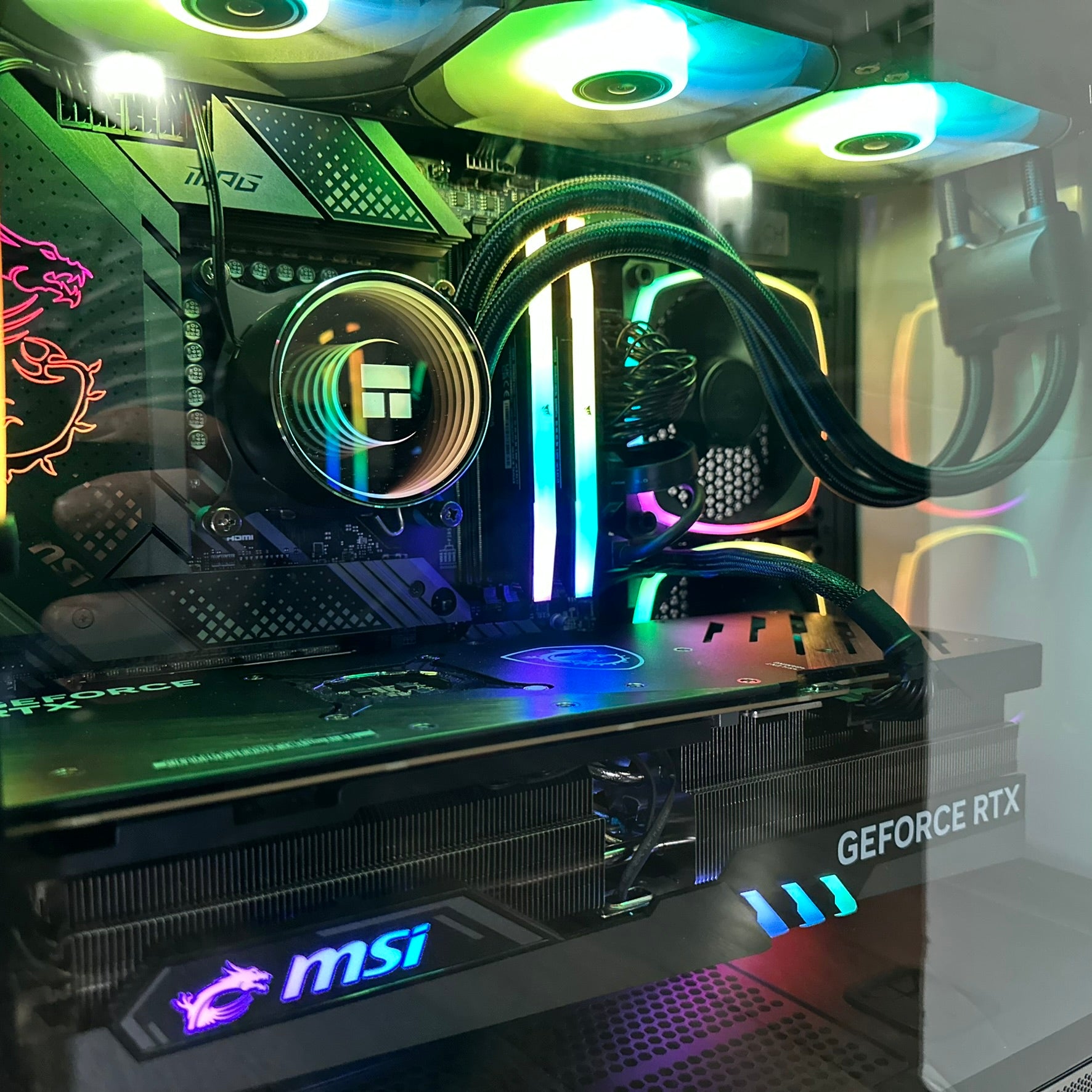
Just as important, you get confidence. Rigorous testing matters. Stable thermals matter. Clean cable management matters. Sensible part pairing matters. And when you are making a meaningful purchase, a 1-year warranty matters too.
For buyers in Nova Scotia, Atlantic Canada, and across the country, that combination of custom planning, tested builds, and real support is a major difference-maker. If you are trying to choose between “something cheap for now” and “the right system for the next several years,” that difference becomes even more valuable.
What kind of buyer are you right now?
You may be one of several common buyer types.
The cautious upgrader
Your current PC still works, but newer games are exposing its age. You do not want to waste money, but you also do not want to get trapped in another cycle of barely-enough performance.
The value-first buyer
You want a budget gaming computer that plays today’s games well and gives you strong value. You are focused on practical performance, not bragging rights, but you still want a desktop that feels modern and reliable.
The premium enthusiast
You want a high-end gaming experience with strong visuals, better longevity, and fewer compromises. You care about future game readiness and want a machine built for major releases, not just today’s library.
The hybrid gamer-creator
You game, stream, edit, design, or post content regularly. You need one system that can do more than one job well, and you do not want your workflow breaking down under real multitasking.
The workstation-minded user
You need performance for creative or professional software and want gaming capability as a bonus, not the whole story. Stability, RAM capacity, storage planning, and sustained performance matter as much as frame rates.
Once you know which buyer you are, the right category becomes much easier to identify.
The real lesson from Capcom’s quarter: demand stays strong, and expectations rise with it
Capcom’s results underline a simple truth. Big games keep selling, major franchises keep performing, and polished new releases still attract huge audiences. That means performance expectations are not easing up. If anything, they are becoming more demanding across gaming, streaming, and creative work tied to gaming culture.
So what do you want from your next system? A budget-friendly desktop that gets you back into modern games with confidence? A 1440p machine that feels like the sweet spot? A premium RTX build that gives you room for ultra settings, streaming, and editing? A creator workstation that can handle both play and production?
If you are asking those questions now, that is usually a sign your current setup is already part of the problem.
Ready to choose the right custom build instead of guessing?
If Capcom’s latest quarter has you thinking about the next wave of demanding games, this is the right time to evaluate your setup honestly. Are you buying for one title, or for the next few years of gaming, streaming, editing, and creative work? Would a stronger custom system save you from a second upgrade sooner than expected? And would financing help you secure the build you actually need before replacement costs rise again?
To explore a custom gaming PC, creator desktop, or workstation tailored to your goals, visit GroovyComputers.ca. If you want help choosing the right performance tier, the right balance of CPU, GPU, RAM, storage, and cooling, or the right path to finance a stronger system with more confidence, Groovy Computers is ready to help Canadian buyers make the smart move.
Whether you are in Nova Scotia or ordering from elsewhere in Canada, the best build is the one that fits what you actually plan to do next. And in a market where major game demand keeps proving its strength, waiting too long can be the most expensive compromise of all.
#GamingPCCanada #CustomPCBuilderCanada #GamingComputersCanada #CanadianCustomPCBuilders #CreatorPCCanada #VideoEditingPCCanada #StreamingPCCanada #3DModelingPCCanada #WorkstationPCCanada #CustomGamingPCNovaScotia
Groovy Computers | All Rights Reserved



Leave a comment
This site is protected by hCaptcha and the hCaptcha Privacy Policy and Terms of Service apply.