
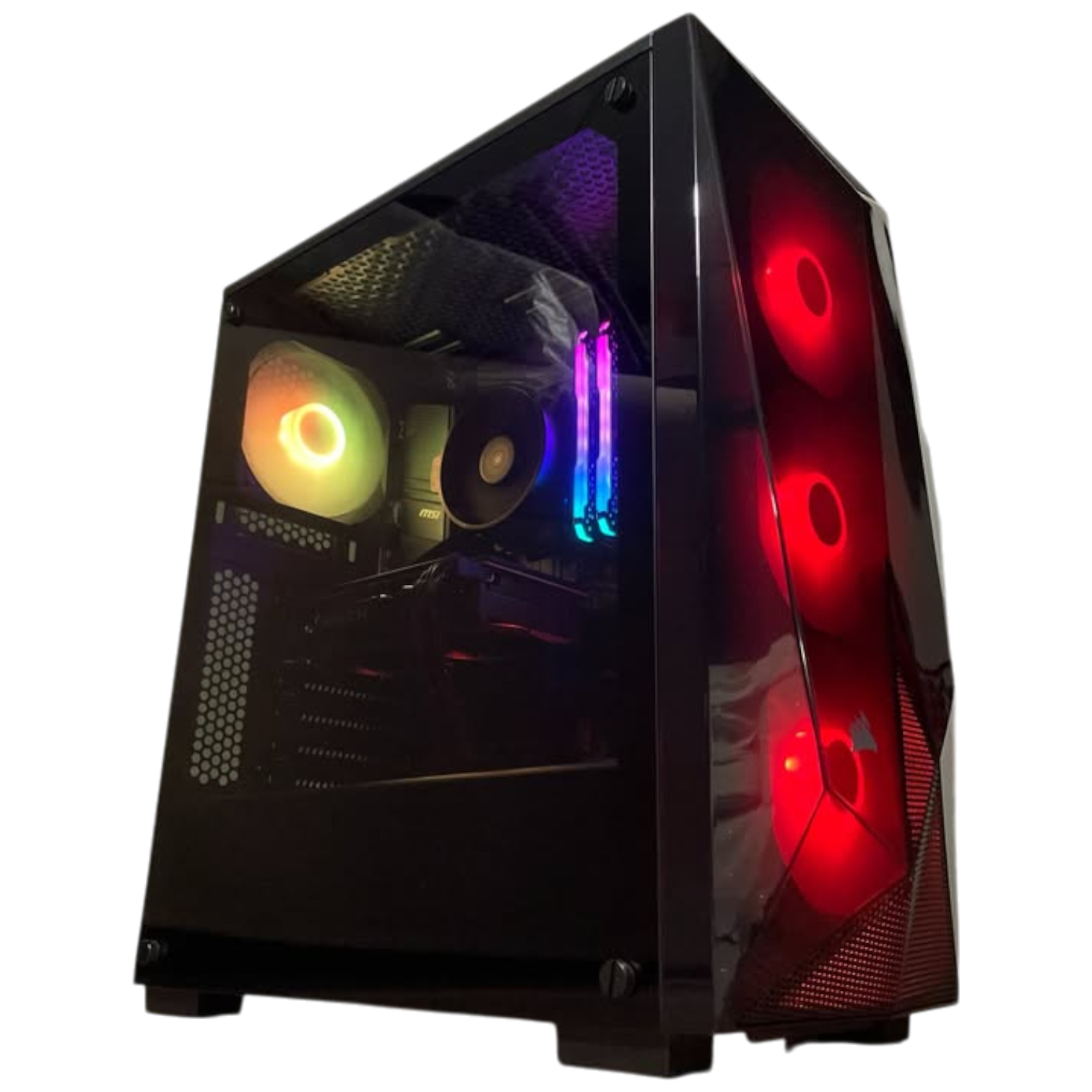
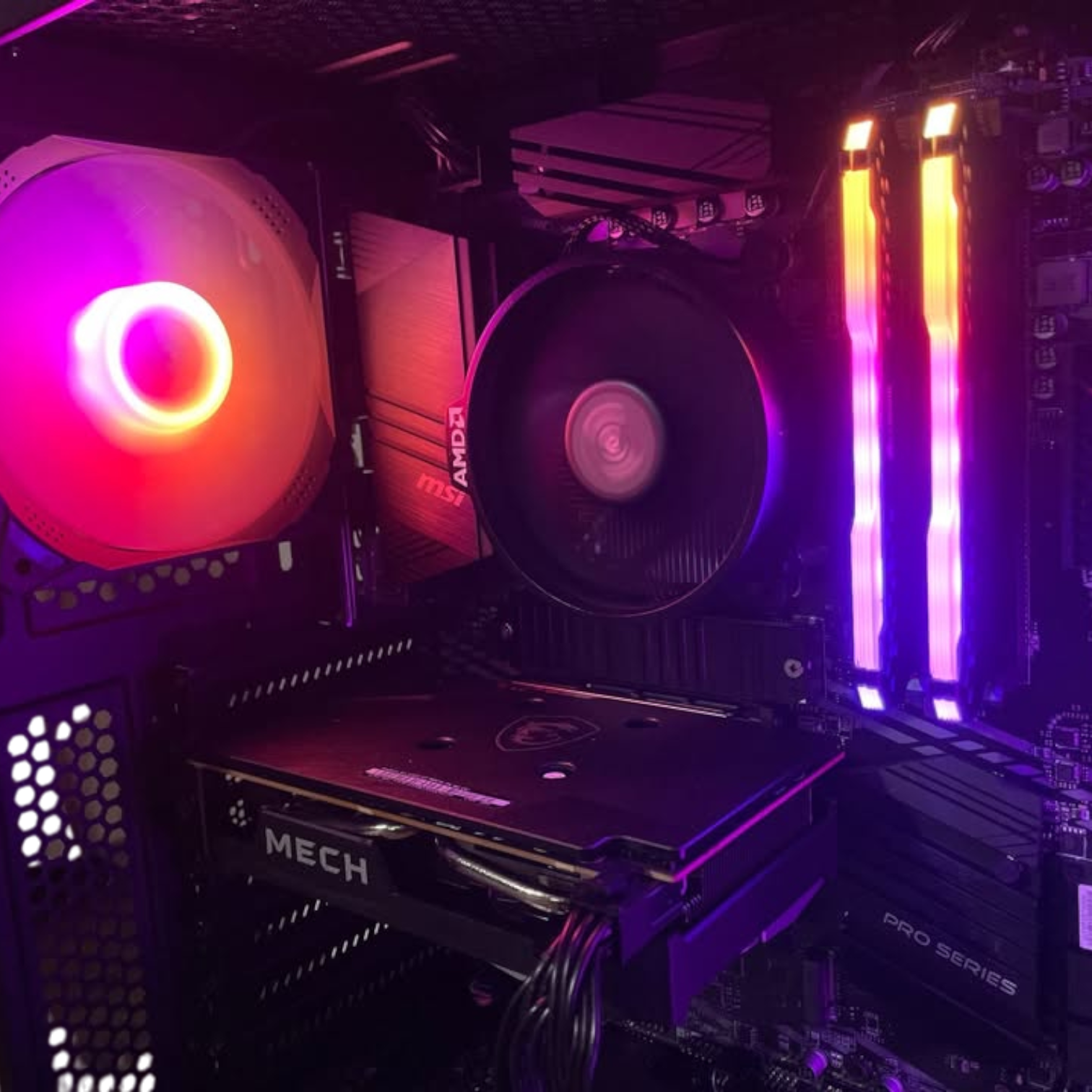
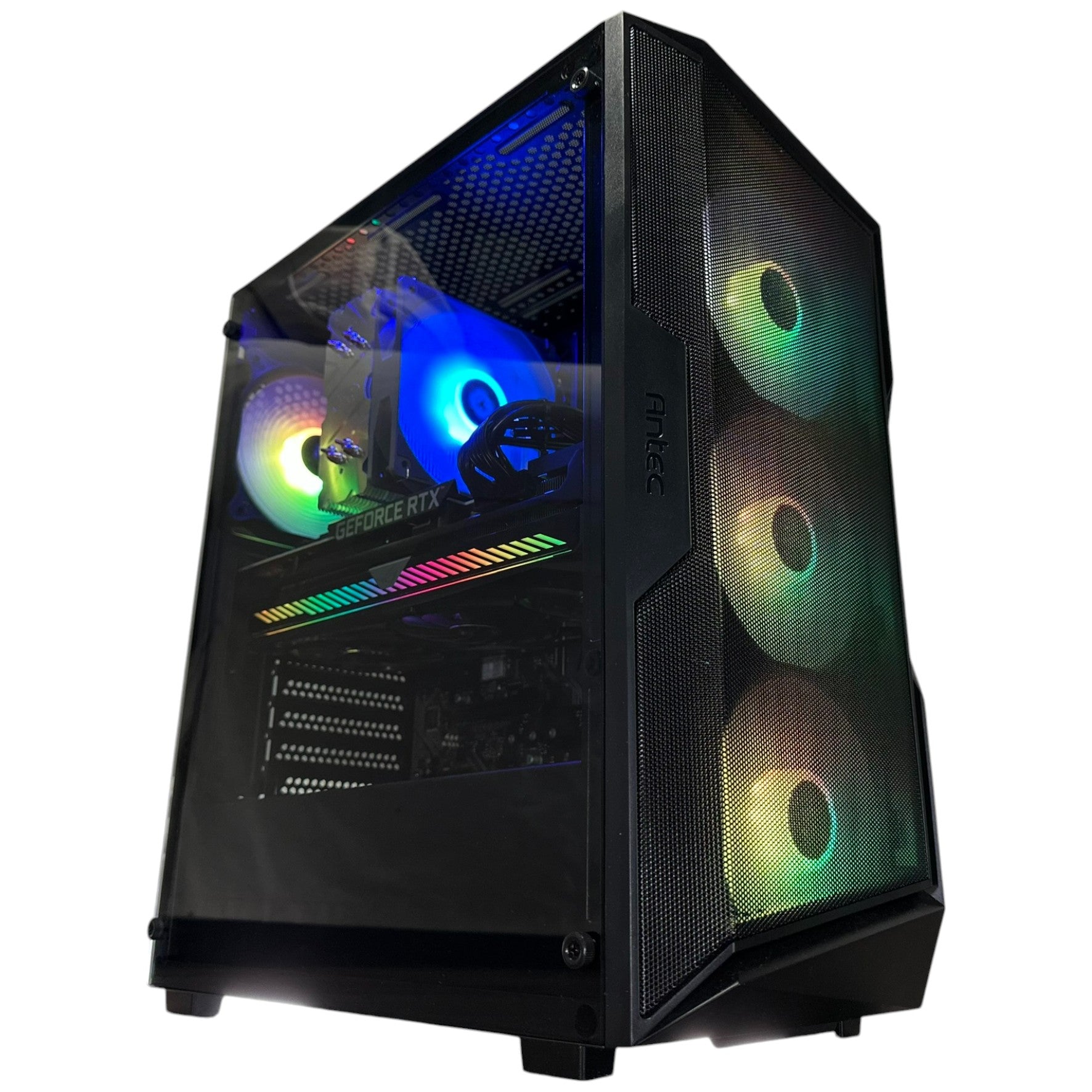
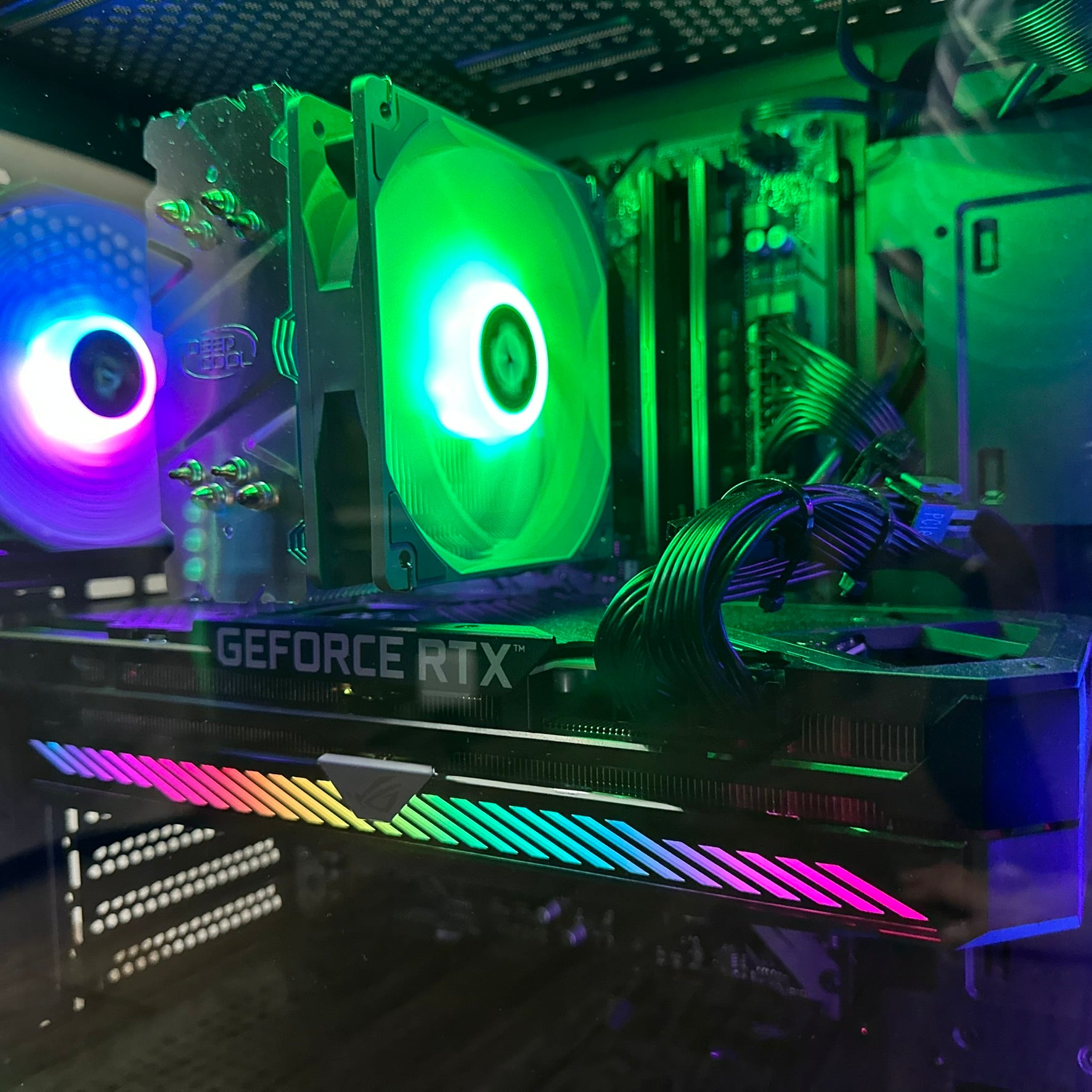





Pragmata Sequel Hype Is Growing: What This Means for Choosing the Right Gaming PC in Canada
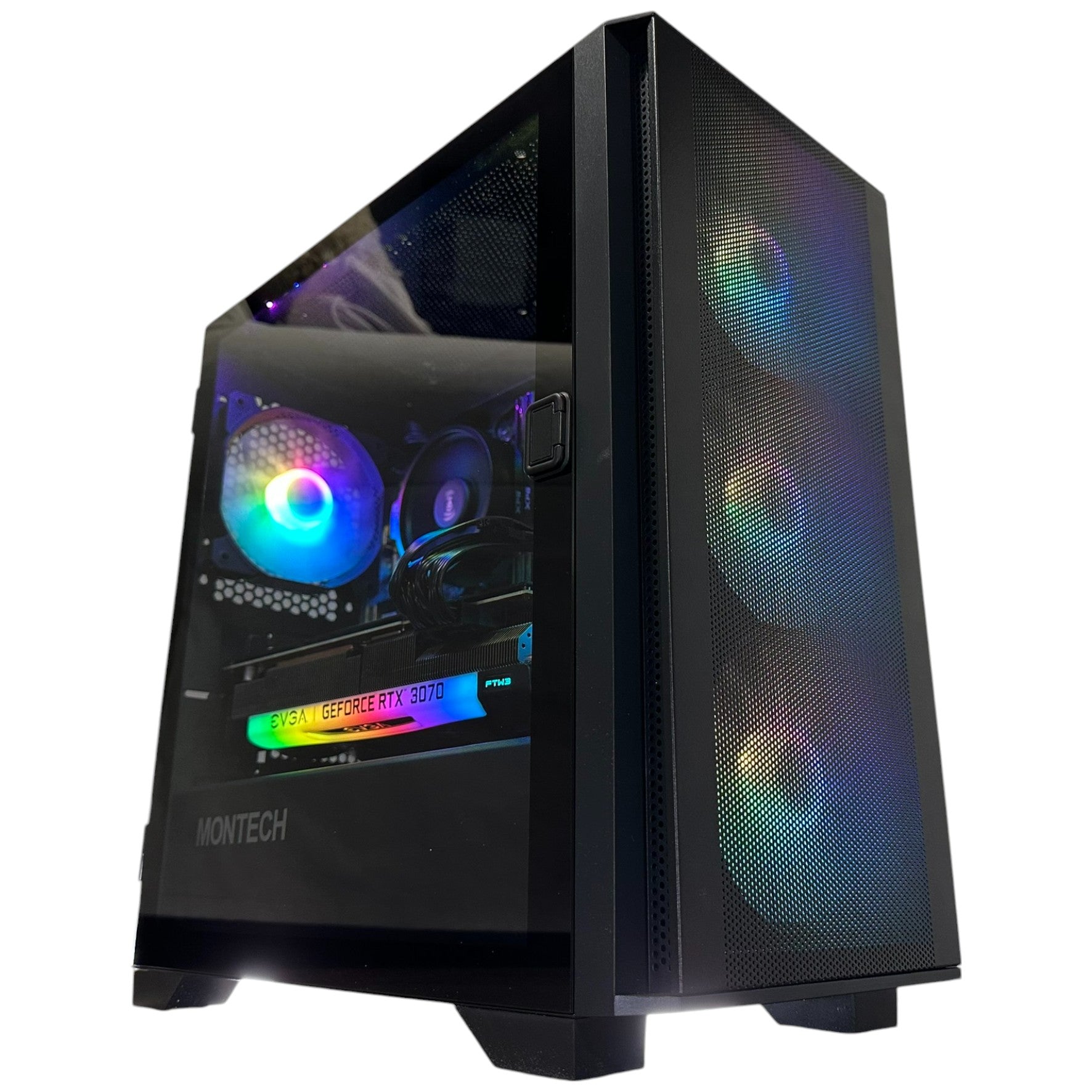
The latest Pragmata sequel discussion matters for more than gaming headlines. It signals something bigger: when a new sci-fi action-adventure IP gains traction quickly, PC players start thinking ahead about performance, upgrade timing, and whether their current system is truly ready for the next wave of visually ambitious games. For Canadian buyers, that turns a news story into a buying question. If games like Pragmata are setting the tone for the next few years, is your current desktop ready for what comes next, or is it time to move toward a stronger custom-built system from GroovyComputers.ca?
Capcom’s early confidence in Pragmata came after strong initial sales and encouraging executive comments. That matters because publishers do not usually start talking this openly about franchise potential unless internal expectations have changed. A sequel is not officially locked in, but the direction is clear enough to start a serious conversation about game readiness, especially for players who want smooth performance, better visuals, and less compromise in future releases.
At Groovy Computers, that is exactly where the conversation becomes practical. News about a likely sequel is exciting, but the more useful question is this: what kind of PC should you buy if you want to be ready for demanding action-adventure games, ray tracing, streaming, content creation, and the next few years of AAA releases without feeling underpowered too soon?
Why the Pragmata sequel conversation matters to PC buyers
Pragmata launched as a sci-fi action-adventure built around a blend of third-person combat, puzzle mechanics, environmental interaction, and a cold, futuristic setting. Games like that tend to lean hard on GPU power, CPU consistency, storage speed, and memory headroom. Even when a title is not marketed first as a PC benchmark showcase, the design trends behind it usually push hardware expectations upward over time.
That is why this sequel chatter matters now. A franchise continuation often means expanded mechanics, improved lighting, denser environments, bigger effects, and more demanding system requirements. If you are already looking at your current PC and asking whether it will still feel strong a year or two from now, you are asking the right question.
Are you mainly interested in one upcoming game, or are you trying to prepare for an entire category of new releases? Are you aiming for 1080p performance and value, or do you want 1440p or 4K headroom with ray tracing enabled? Do you want a system that only plays games, or one that can also stream, edit clips, render content, and handle your day-to-day creative workload?
What the source story gets right about Capcom and new franchise momentum
The key takeaway from the source material is not just that Pragmata sold well. It is that a major publisher appears ready to treat it as more than a one-off experiment. That tells us the game found enough of an audience to justify future investment. In practical terms, that is usually how a title shifts from “interesting new release” to “series worth planning around.”
Capcom’s broader sales strength also helps explain why this matters. A publisher with successful legacy franchises and healthy financial performance has more room to support new IP properly. When a company can lean on established series while also developing original properties, players should expect more polished, more technically ambitious games over time.
For shoppers in Canada, the takeaway is simple: game demands are not moving backward. Whether the sequel arrives soon or later, the larger trend is already here. More high-end lighting features, higher texture expectations, faster storage demands, stronger CPU utilization, and increased pressure on older systems are becoming normal.
What do you want your next PC to do for you?
Before you compare price tags, start with the real use case. What do you actually want your next PC to handle over the next three to five years?
Do you want a reliable system for new action-adventure games at 1080p high settings? Do you want a Gaming PC Canada buyers can trust for 1440p ultra settings and high frame rates? Are you hoping to step into 4K gaming? Do you care about ray tracing, better shadows, more cinematic lighting, and stronger future-proofing?
Or is gaming only part of the picture?
Do you also want to livestream through OBS, upload to YouTube, edit footage in Adobe Premiere Pro or DaVinci Resolve, build graphics in Photoshop and Illustrator, or work in Blender and Unreal Engine? If so, the right answer may not be a basic gaming-only configuration. It may be a stronger crossover system built for both play and productivity.
This is where many buyers make a costly mistake. They shop only for the cheapest machine that can run today’s game instead of asking what will still feel good after the next hardware cycle, the next software update, or the next big release season. Saving a little up front can sometimes lead to replacing a system much sooner than expected.
For games like Pragmata, what performance tier fits you best?
If a likely Pragmata sequel has you thinking about your next build, the best starting point is performance tier. Not every player needs the same system, and not every budget should be pushed into premium territory. The goal is to buy enough power for your real needs without underbuying.
Entry-level value tier: 1080p gaming and first-step AAA readiness
This tier is ideal for players who want a budget gaming PC Canada shoppers can use for modern games at 1080p with sensible settings. If you play a mix of esports titles, older AAA games, and newer releases with some settings optimization, this is often the most affordable path into custom desktop gaming.
Ask yourself: are you happy with strong 1080p performance, or do you already know you will want more visual headroom soon? If you buy a value-tier machine now, will you be satisfied in two years, or will you wish you had gone one step higher?
This is a good category for students, first-time desktop buyers, and players moving off console or laptop who want real upgrade flexibility without jumping straight into premium pricing.
Mid-range sweet spot: 1440p gaming, stronger longevity, better overall value
For many Canadian buyers, this is the smartest tier. A properly balanced mid-range custom system often gives the best long-term experience for demanding action-adventure games. It is especially attractive for players who want 1440p performance, better texture settings, stronger frame pacing, and a more comfortable margin for future releases.
If you are wondering, What PC do I need for 1440p gaming?, this is usually where the answer lives. This tier also makes more sense if you like the idea of ray tracing in moderation, faster SSD loading, and enough CPU and RAM headroom to multitask more comfortably.
For buyers who want a custom gaming PC Canada customers can grow with, mid-range is often the best blend of price, experience, and useful lifespan.
High-end tier: 1440p ultra, heavy ray tracing, content creation, and 4K ambition
This is where you start shopping for a high end gaming PC Canada buyers choose when compromises become annoying. If you want stronger ray tracing performance, higher refresh gaming, more demanding visual settings, better recording quality, and smoother performance in future AAA games, this tier is worth serious attention.
Are you the type of player who notices stutters, dips, long load times, or weak 1% lows immediately? Do you want your machine to feel premium not just today, but across several major release cycles? Are you planning to stream and game on the same PC?
If the answer is yes, a stronger CPU, more capable GPU, quality cooling, fast NVMe storage, and healthy RAM capacity start becoming less of a luxury and more of a practical decision.
Flagship tier: 4K gaming, creator work, and top-tier future-proofing
A flagship build is for buyers who want an ultimate gaming PC experience and also expect heavy-duty performance outside gaming. This can include 4K gaming, advanced ray tracing, video editing, 3D rendering, large project files, professional multitasking, and long-term platform confidence.
Is an ultra-powerful system more than you need? Possibly. But if you are buying one machine to handle gaming, streaming, editing, rendering, and workstation-level tasks, a flagship build can be the most efficient choice over time. It is not just about frames per second. It is about reducing waiting, reducing compromise, and reducing the chance of an early replacement.
Are you only gaming, or do you also need a creator PC?
A lot of buyers who read gaming news are not just gamers anymore. They clip gameplay, upload shorts, stream on Twitch or YouTube, design thumbnails, edit in 4K, and experiment with creative software. That changes the build recommendation dramatically.
If that sounds like you, ask a more useful question than “Can it run the game?” Ask this instead: Can it run the game well while handling the rest of my workflow too?
Gaming and streaming
If you want a gaming and streaming PC Canada shoppers can rely on, your build should be planned around both play performance and encoding efficiency. A balanced CPU and GPU pairing matters. So does RAM capacity. So does thermal stability.
Do you plan to stream at 1080p? Are you recording locally while playing? Are you using OBS, multiple monitors, overlays, browser sources, Discord, music tools, and clip software all at once? If yes, an underpowered system can feel cramped fast.
A stronger streaming-ready custom build can help you avoid dropped frames, background slowdowns, and those annoying moments where gameplay feels smooth until the stream goes live.
Video editing and content creation
If your next machine also needs to function as a video editing PC Canada buyers can count on, component balance becomes even more important. Fast storage, enough RAM, strong CPU performance, and a capable GPU all contribute to smoother timelines, faster exports, and less frustration in Adobe Premiere Pro, DaVinci Resolve, After Effects, and short-form editing tools.
What PC do you need for video editing if you are also a gamer? That depends on project size and workflow. Are you editing 1080p clips for social media, or cutting 4K footage with colour work, motion graphics, and layered effects? Are you batch exporting often? Do you want your system to remain responsive while encoding in the background?
A true creator-friendly gaming desktop should not just benchmark well in games. It should save you time every week.
Photo editing and graphic design
For buyers using Photoshop, Lightroom, Illustrator, InDesign, Canva, or broader Adobe Creative Cloud workflows, a creator PC Canada setup can be the better long-term investment than a basic gaming-first machine. You may not need the most extreme GPU on the market, but you do need fast storage, enough memory, good CPU performance, and a stable platform for multitasking.
Are you editing RAW photos? Working with large PSD files? Building client layouts while a browser, fonts, assets, and communication apps remain open? Do you want a machine that stays snappy during busy workdays and still crushes games at night?
That is exactly the kind of crossover build Groovy Computers is well positioned to help with.
3D modeling, rendering, and workstation tasks
If your gaming interests overlap with Blender, Unreal Engine, CAD, product rendering, animation, or complex professional workflows, you may need more than a conventional gaming desktop. A 3D modeling PC Canada buyers can trust should be selected differently from a pure gaming rig.
What PC do you need for Blender? What PC do you need for Unreal Engine? How much RAM do you need for rendering-heavy work? Those are not small questions, because CPU counts, GPU class, memory capacity, cooling, storage layout, and upgrade path all matter.
For this kind of buyer, a custom workstation PC Canada setup may be the smartest route, especially if one machine has to serve both business and entertainment roles.
Why Canadian buyers should think differently right now
Canadian shoppers always have an extra layer to consider: the total landed cost of technology. Exchange pressure, supply shifts, logistics, and changing component demand can all affect local pricing. Even when a gaming headline starts elsewhere, the purchase decision at home is shaped by what hardware costs in Canada, what is available, and whether waiting actually helps.
Do you really want to gamble on future component pricing if you already know your current PC is close to its limit? If your system is struggling with newer games now, what happens when the next wave of demanding titles lands, creator software gets heavier, and better GPUs are under stronger demand?
The ideal buying moment is not always when prices are at their absolute lowest. Sometimes it is when you can still secure the right performance level, the right parts mix, and the right build quality before availability gets tighter or replacement costs rise.
Is it better to buy now or wait for the sequel?
This is one of the most common questions buyers ask after gaming news like this. The honest answer is: it depends on your current system and your tolerance for compromise.
If your PC already handles your games, software, and daily workload comfortably, waiting may be reasonable. But if you are already turning settings down, skipping ray tracing, dealing with low storage space, fighting background slowdowns, or wondering whether your machine can survive the next round of game launches, waiting may not improve your position.
Ask yourself a few practical questions:
- Can my current PC run the games I want smoothly at the resolution I actually use?
- Am I already delaying upgrades because I do not want to spend twice?
- Do I want to buy once and keep the system longer instead of making a short-term compromise?
- Would financing a stronger system now make more sense than replacing a weaker one early?
If the answer points toward a near-term purchase, then planning the right custom build now is often smarter than waiting for a later panic buy.
Could financing help you buy the right PC instead of the cheapest one?
For many customers, this is where the decision becomes much easier. Financing is not about buying recklessly. It is about avoiding the trap of underbuying when a slightly stronger system would fit your real needs far better.
If you are comparing a lower-end machine that may age out quickly against a better-balanced build that offers stronger longevity, smoother gaming, and better creator performance, monthly payments can change the equation. That is especially true when a PC is used for both entertainment and productive work.
Would you rather settle for the minimum spec today, then upgrade sooner than planned? Or would you rather secure a stronger custom system that stays useful longer? If financing up to 4 years helps you get there, it can be the more rational move, not the more expensive mistake.
Buyers often ask, Is financing a gaming PC worth it? In many cases, yes, especially when the alternative is buying a weak system that struggles with new games, streaming, editing, or multitasking almost immediately.
What parts matter most for next-generation action-adventure games?
If sequel-driven gaming hype has you shopping, it helps to understand which parts really shape the experience.
GPU
The graphics card is still the biggest driver of gaming visuals, resolution targets, and ray tracing capability. If you want 1440p or 4K gaming, higher texture quality, cinematic lighting, and stronger future readiness, the GPU deserves serious attention.
Are you buying for today’s settings only, or for tomorrow’s demands too? If a likely Pragmata sequel pushes visual complexity higher, your GPU choice now will matter later.
CPU
A good CPU keeps game logic, background tasks, frame consistency, and productivity workloads moving smoothly. It matters even more if you stream, edit, or multitask while gaming. A stronger processor can also improve how “smooth” a machine feels beyond average FPS numbers.
RAM
Memory is one of the easiest places to underbuy. For modern games plus multitasking, more RAM often makes a system feel more comfortable and less fragile. If you are also editing video, working in Adobe software, or keeping many apps open, headroom matters.
How much RAM do you need for streaming, editing, or creator work? The answer is usually more than entry-level buyers first assume.
SSD storage
Fast NVMe storage helps with game load times, project responsiveness, asset management, and general system speed. Newer titles and creative tools both benefit from faster storage and enough space. A cramped drive can become a daily annoyance surprisingly fast.
Cooling and power delivery
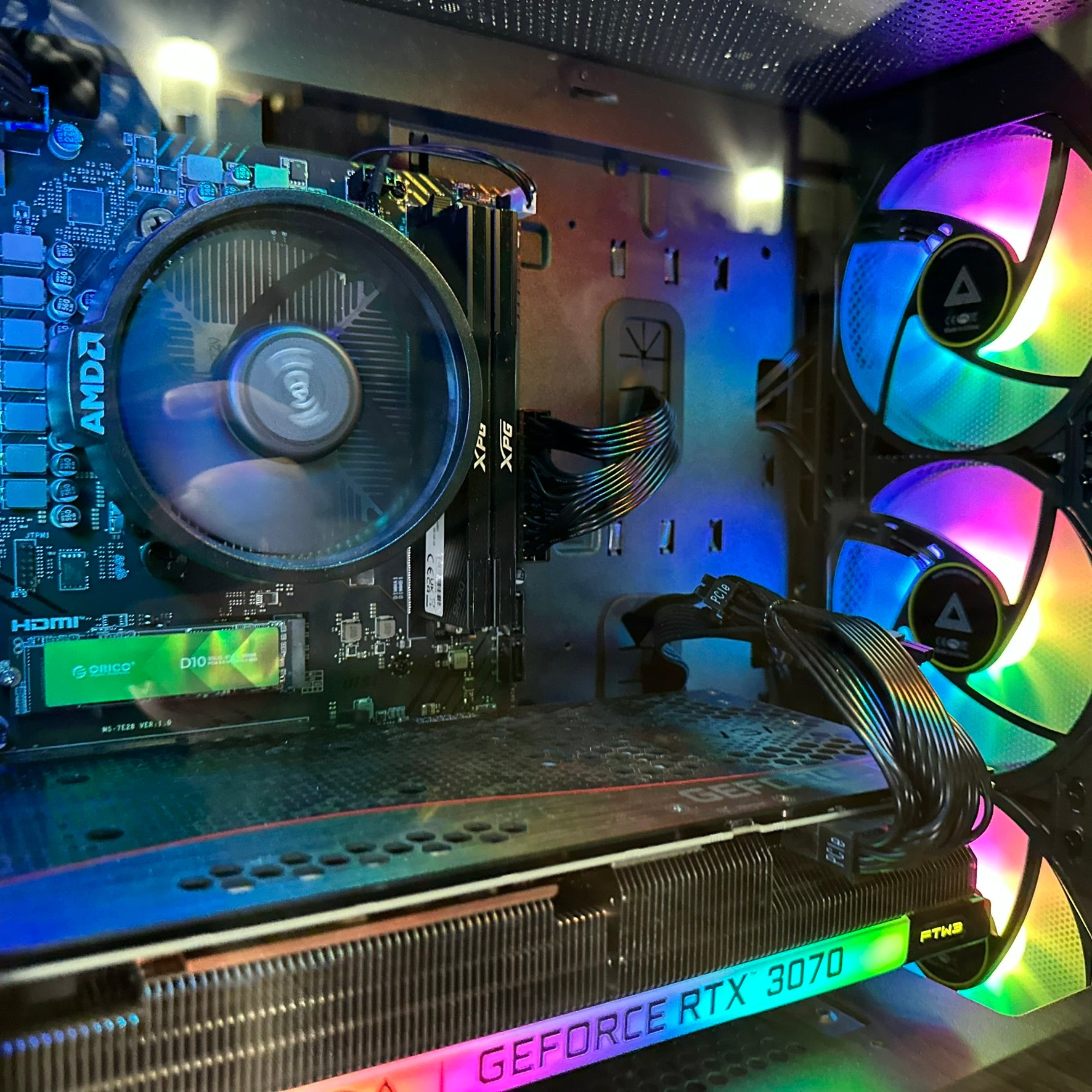
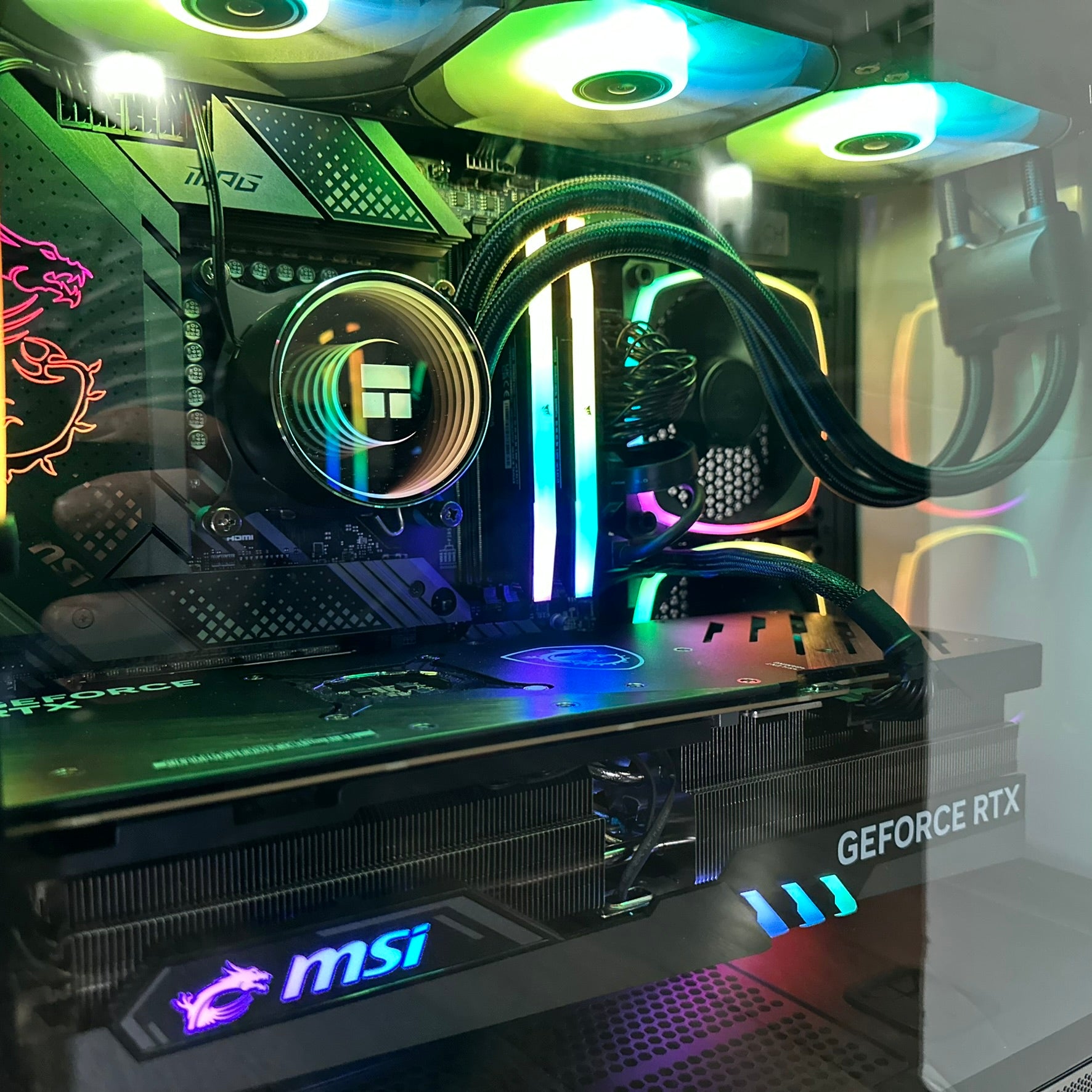
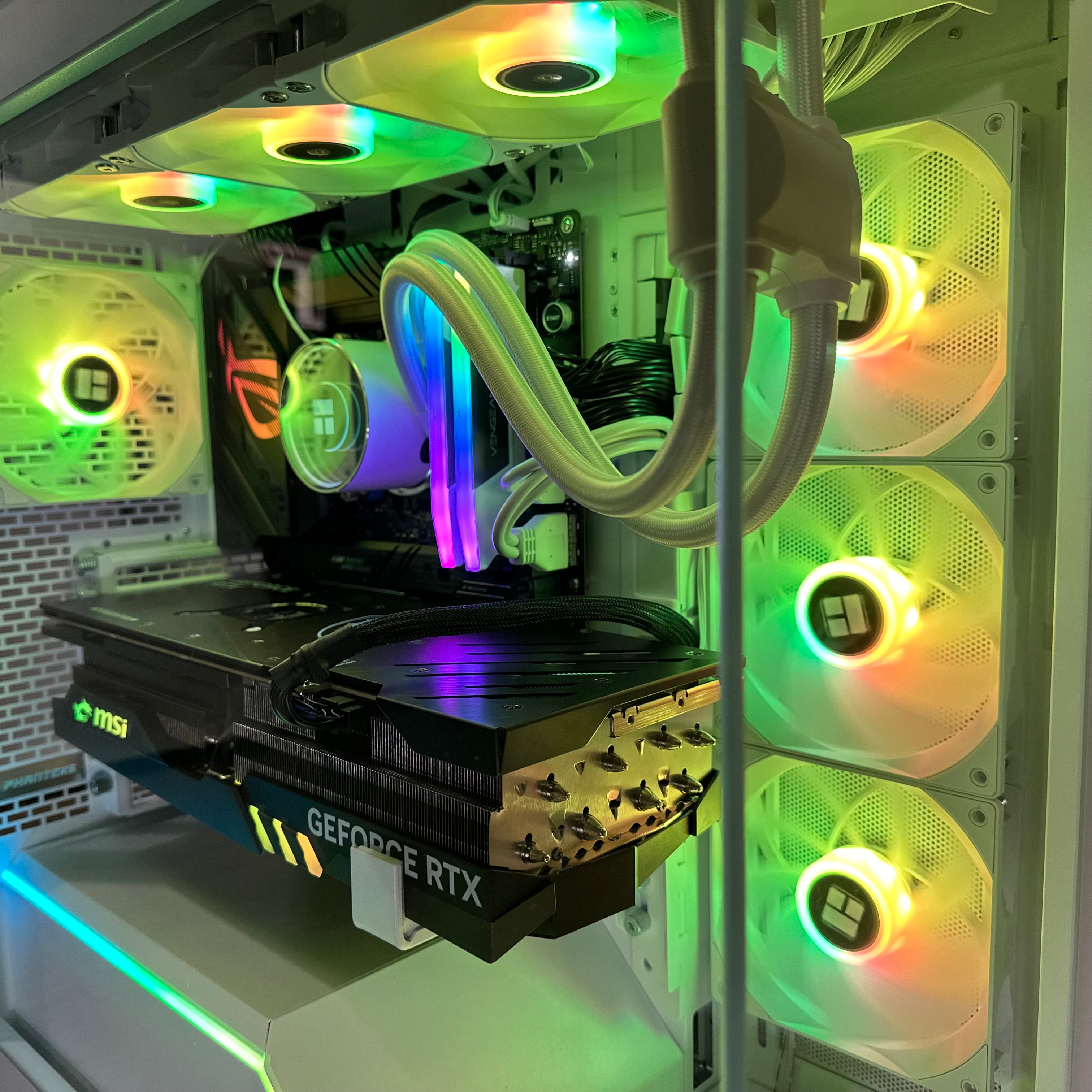
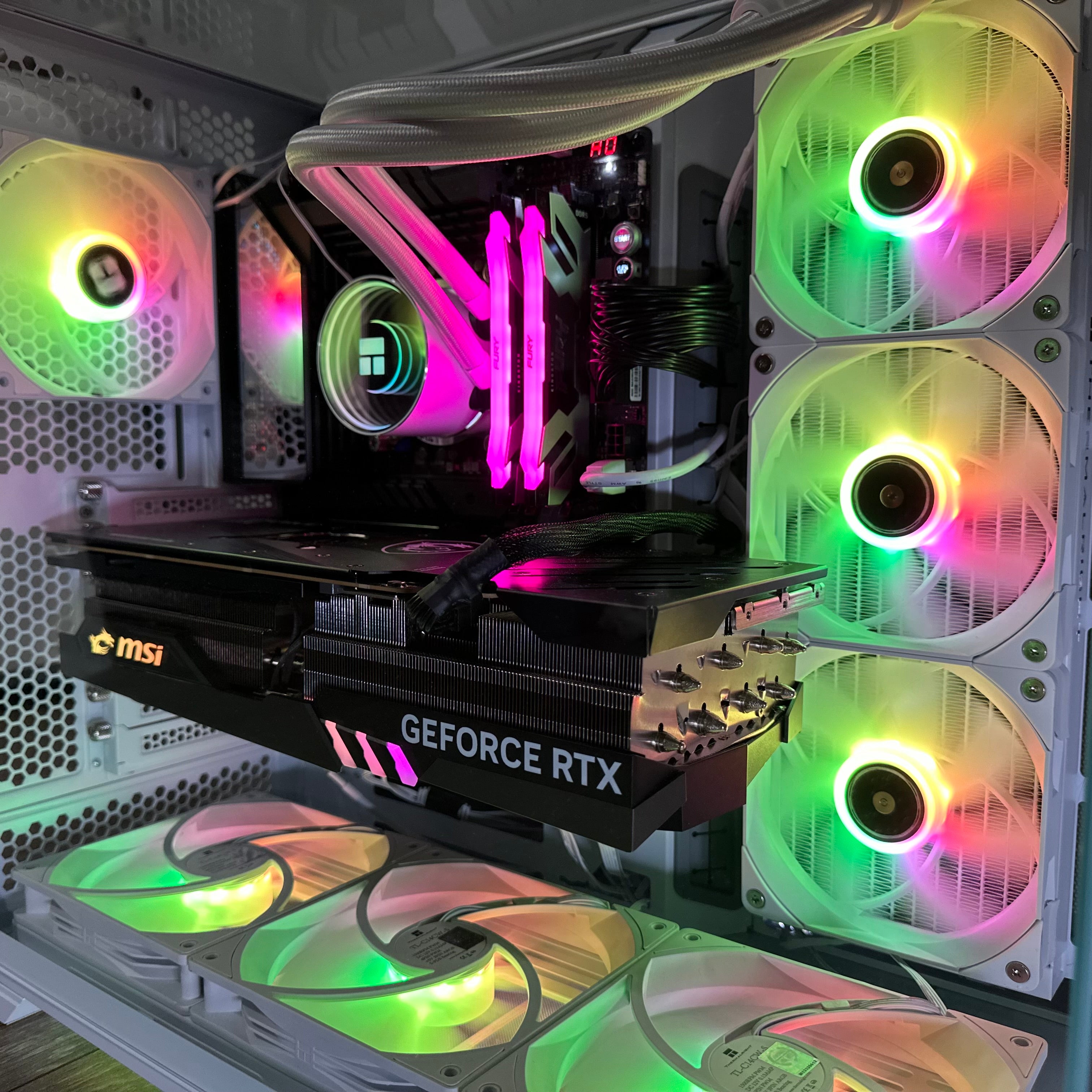
A gaming PC should not just be fast in a benchmark. It should remain stable, cool, and reliable under load. That is one reason custom building and proper testing matter so much. A machine that thermal-throttles or runs noisy under normal use is not delivering the full value you paid for.
Which type of buyer should choose which kind of Groovy build?
Not every shopper reading this article should buy the same system. Here is a practical way to think about it.
Choose a value-oriented gaming build if:
- You mainly play at 1080p
- You want the best affordable entry into modern PC gaming
- You are not heavily focused on ray tracing or 4K
- You want a first custom desktop without overspending
Choose a balanced mid-range gaming build if:
- You want 1440p performance with better longevity
- You play newer AAA titles and want fewer compromises
- You care about smooth frame pacing and strong general responsiveness
- You want a future proof gaming PC Canada buyers often consider the sweet spot
Choose a premium RTX gaming PC if:
- You want high refresh 1440p or 4K gaming
- You care about ray tracing and visual fidelity
- You stream, record, or multitask during gameplay
- You want more confidence heading into future game launches
Choose a custom creator PC or workstation if:
- You game and edit
- You work in Premiere Pro, DaVinci Resolve, Photoshop, Lightroom, or Illustrator
- You build 3D assets or render projects in Blender or Unreal Engine
- You need one machine that earns its keep across both work and play
Why custom builds matter more when game demands keep climbing
When a title like Pragmata shows sequel potential, it reinforces a reality many buyers already feel: off-the-shelf thinking often falls short. Generic machines can look attractive on paper, but part matching, cooling, upgrade path, storage planning, and quality control all affect your real ownership experience.
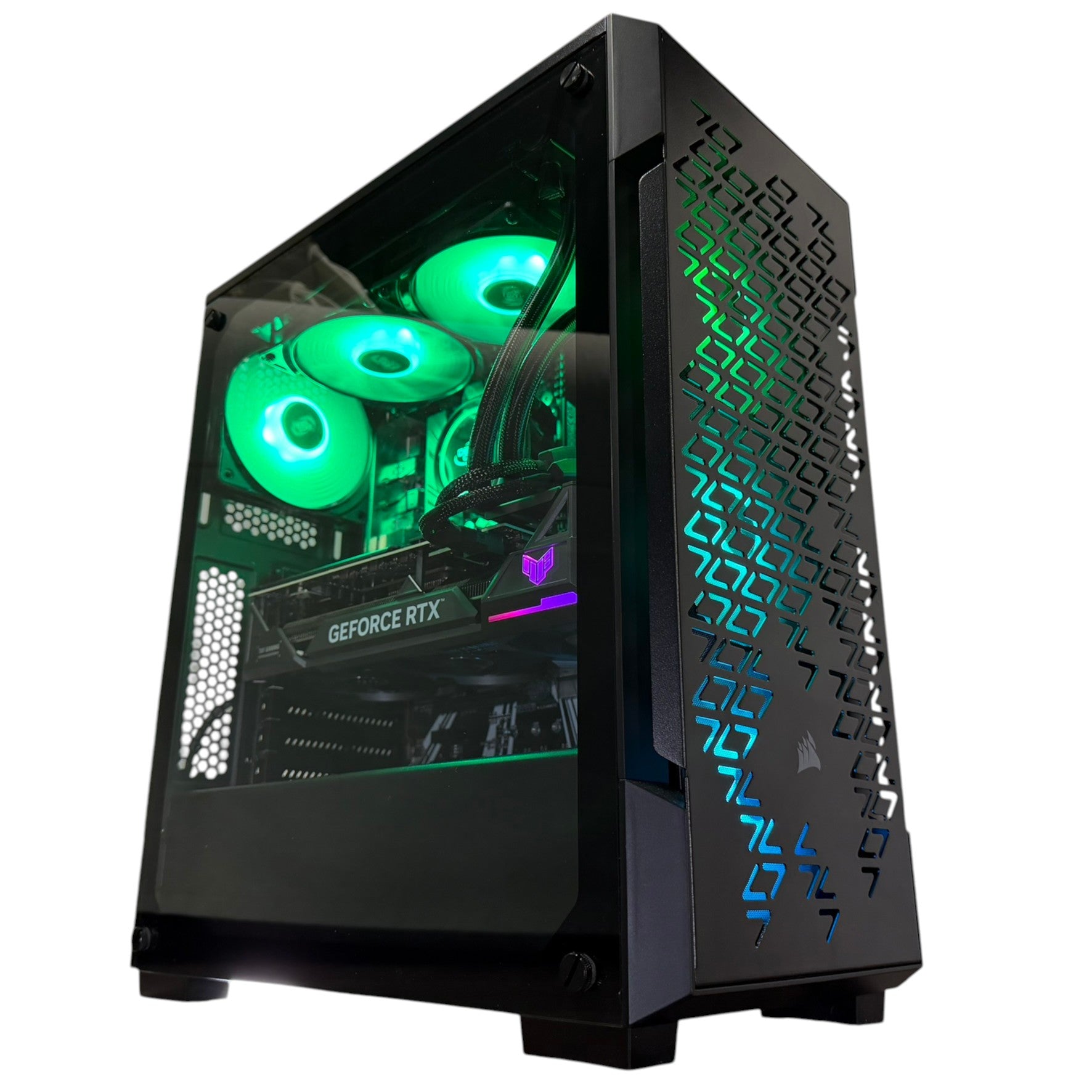
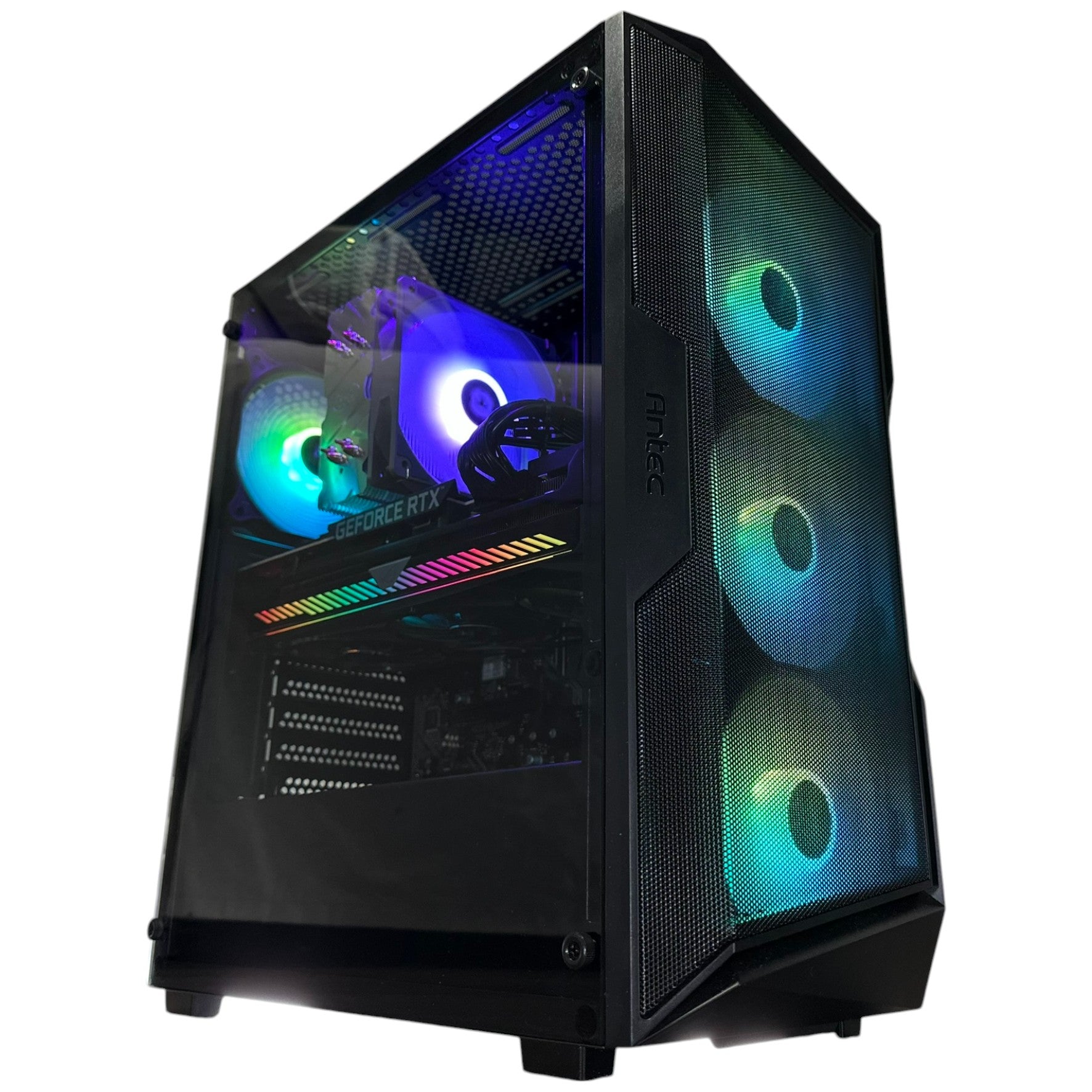
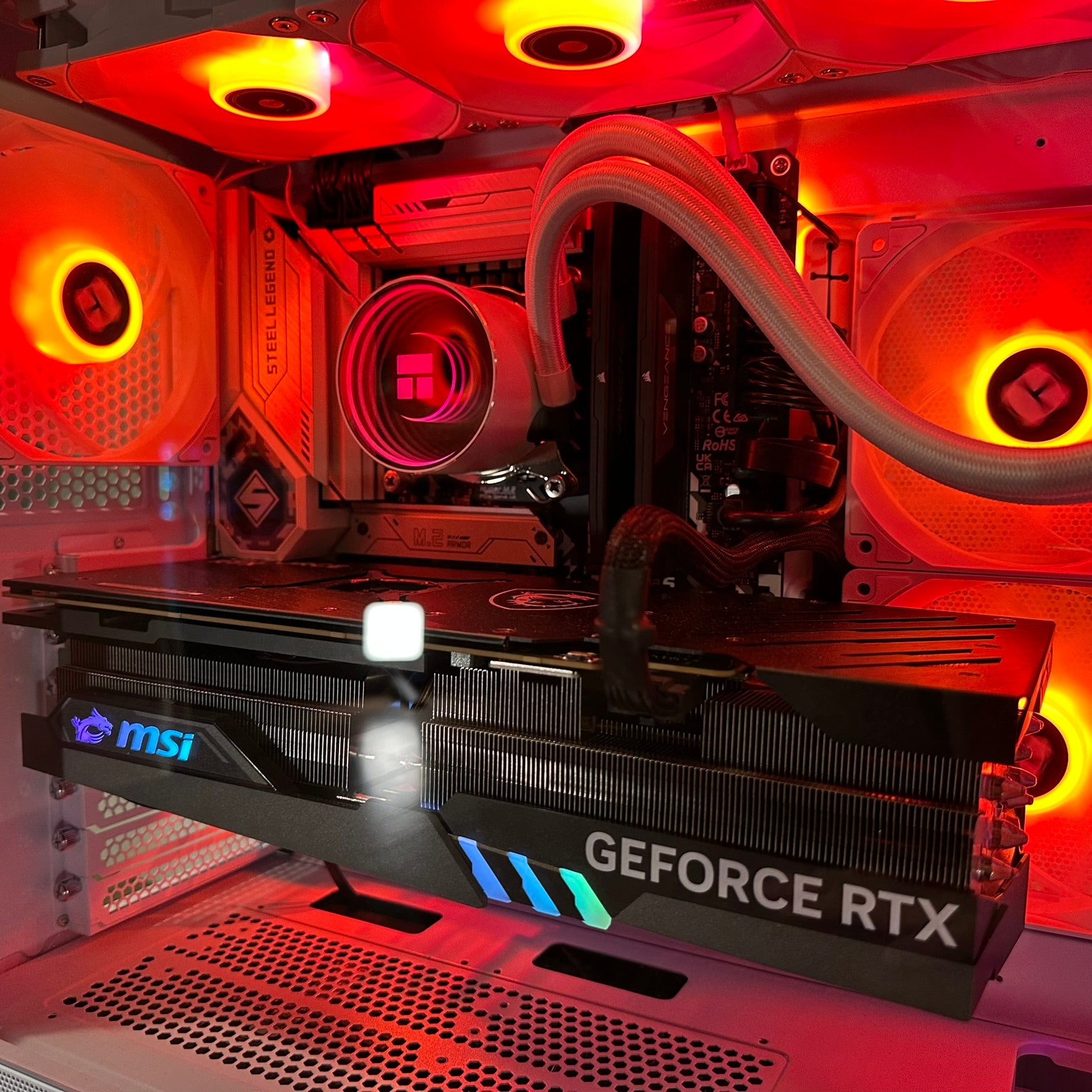
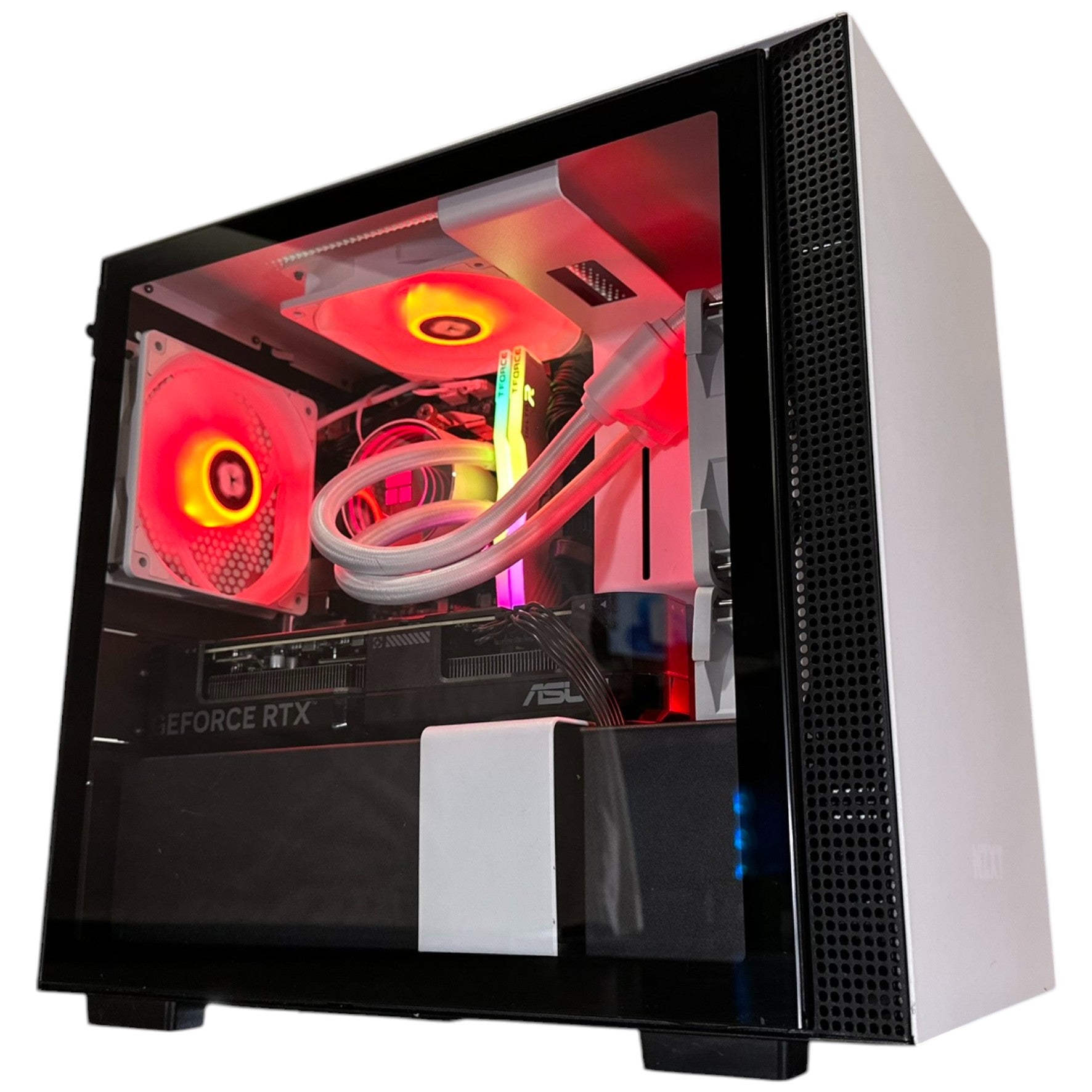
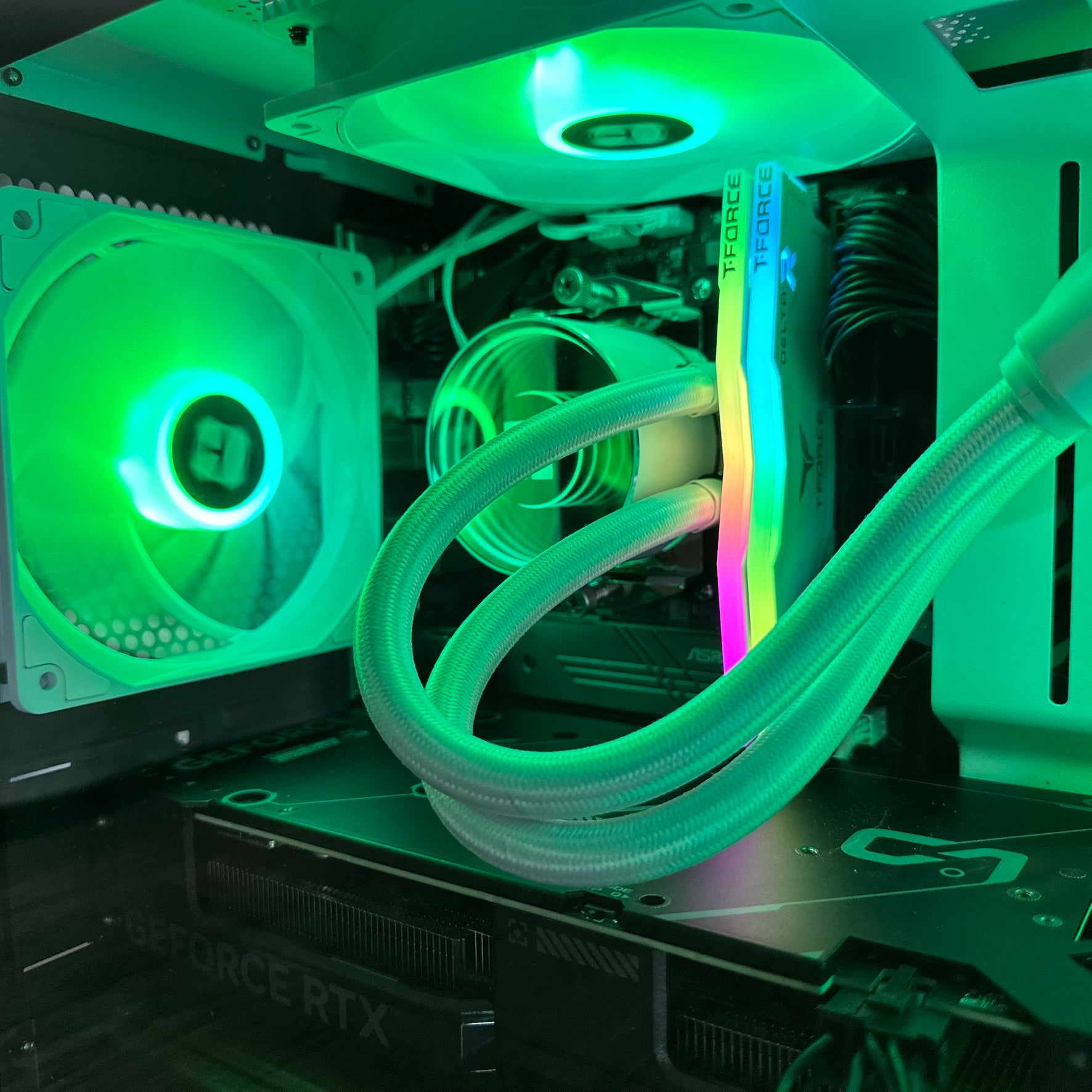
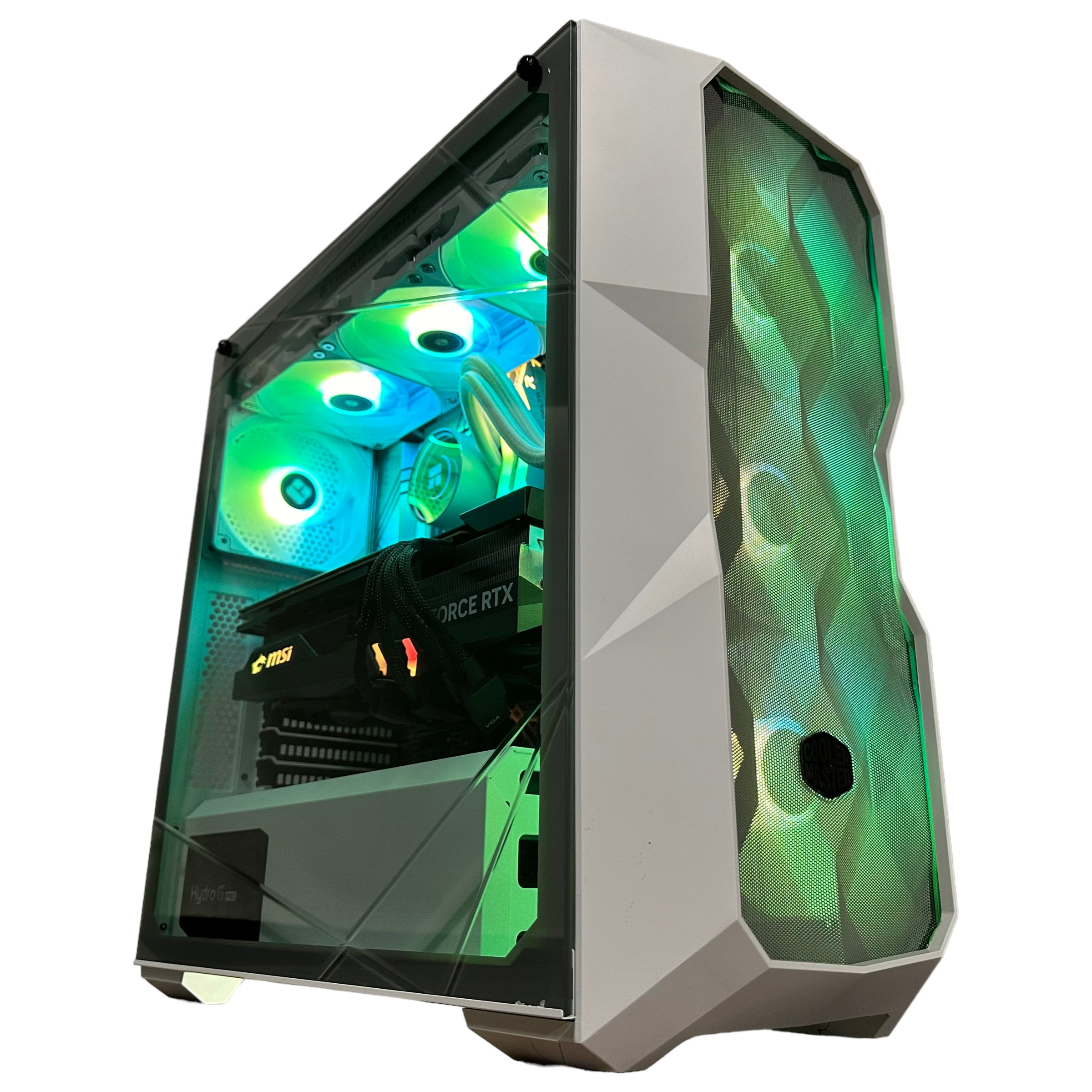
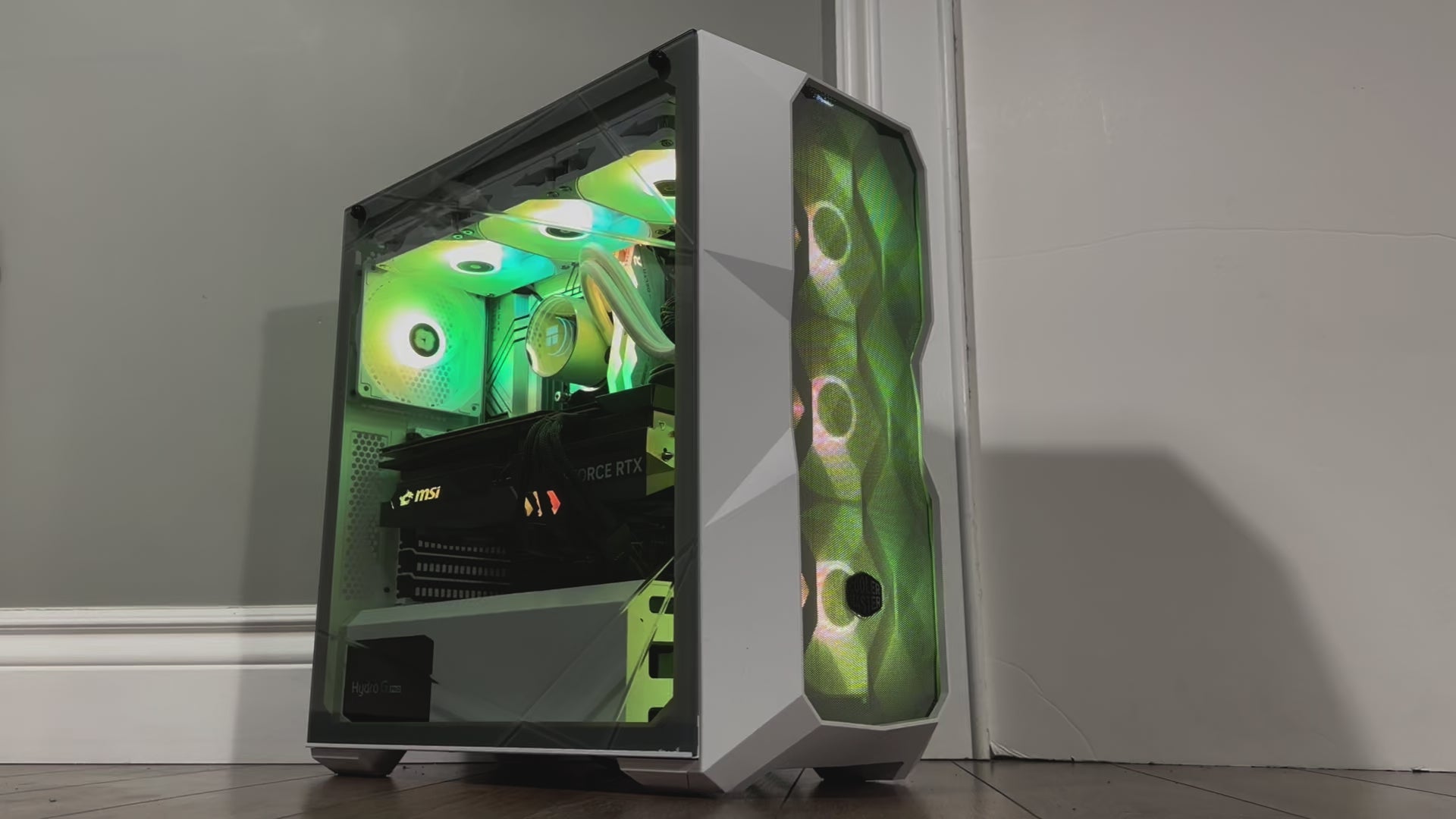
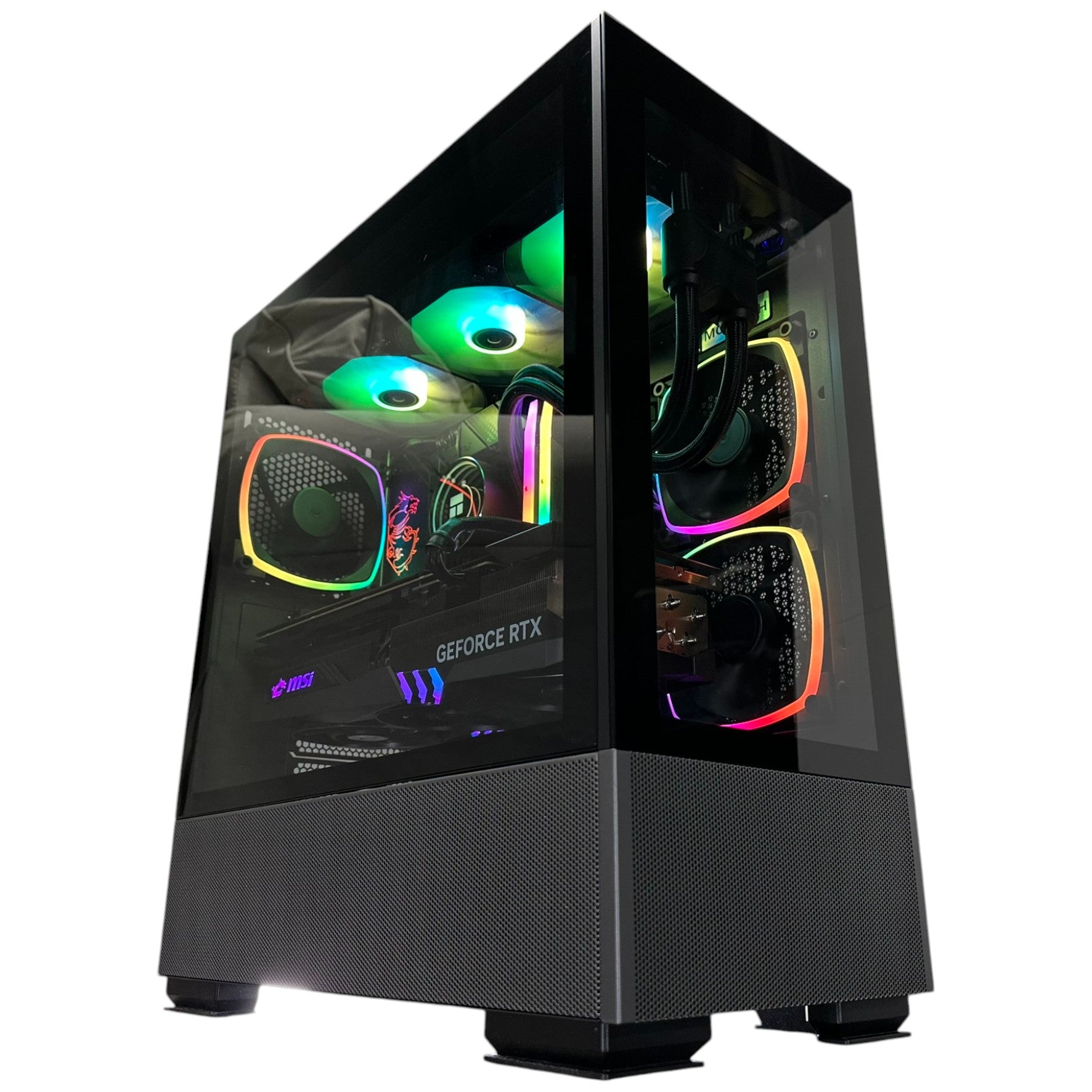
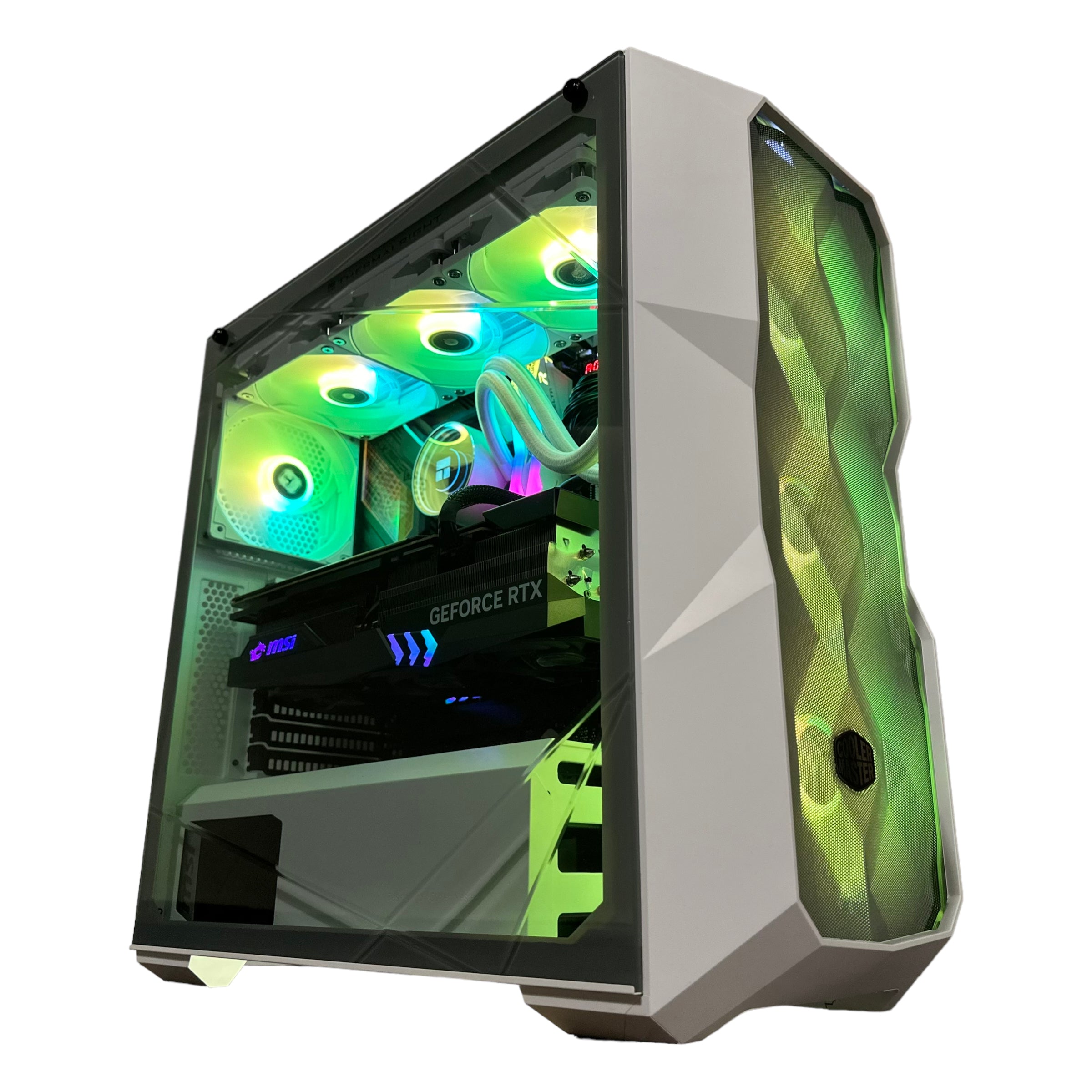
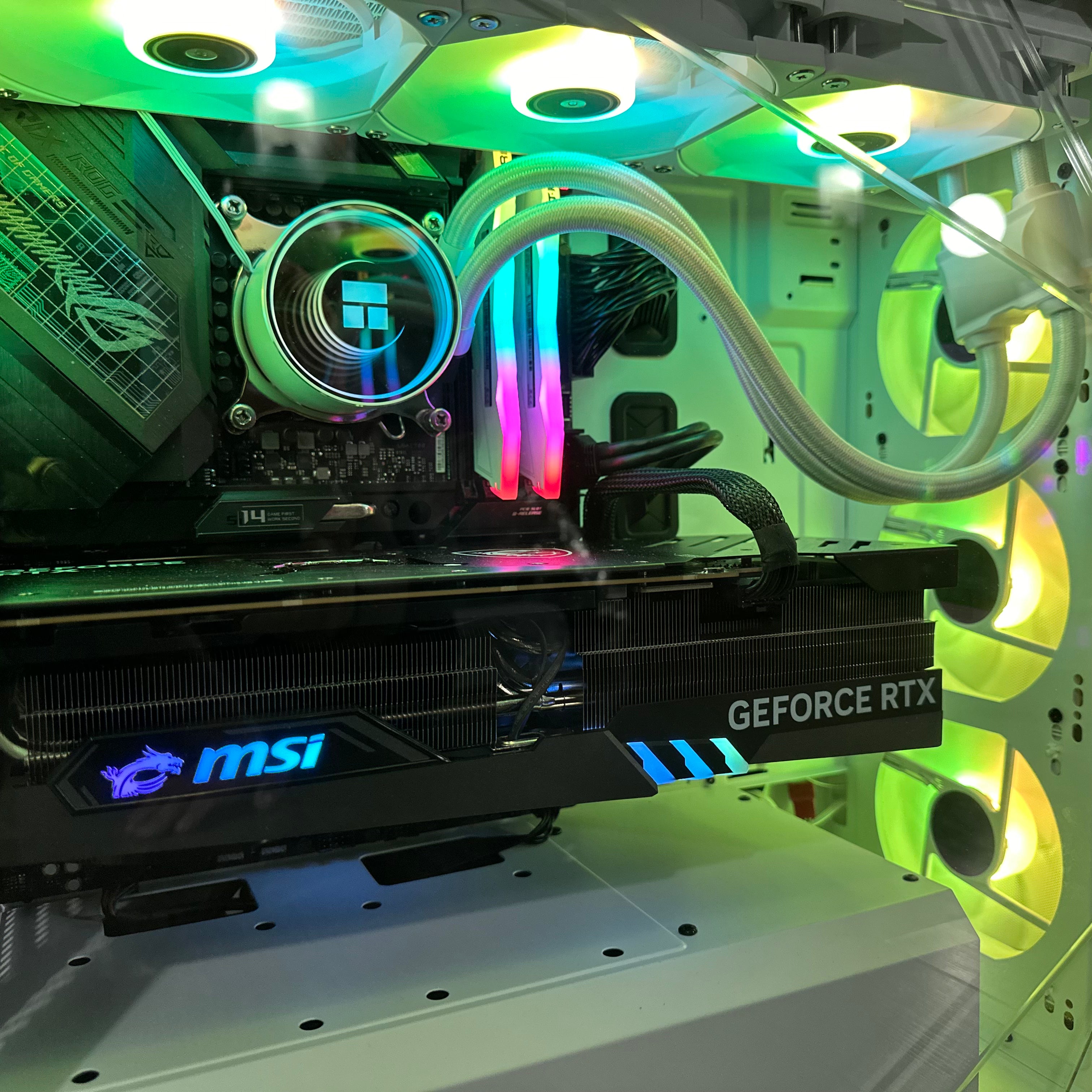
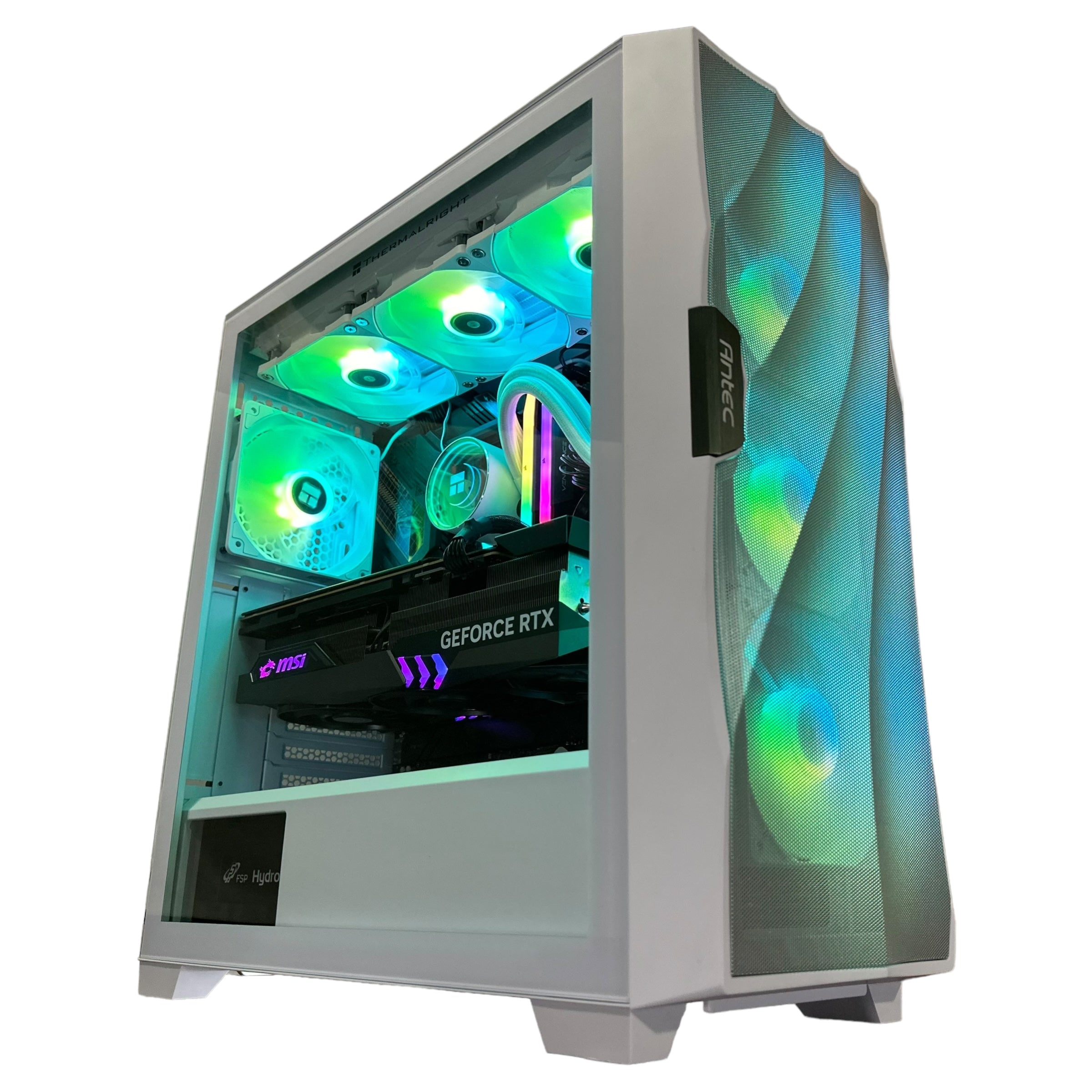
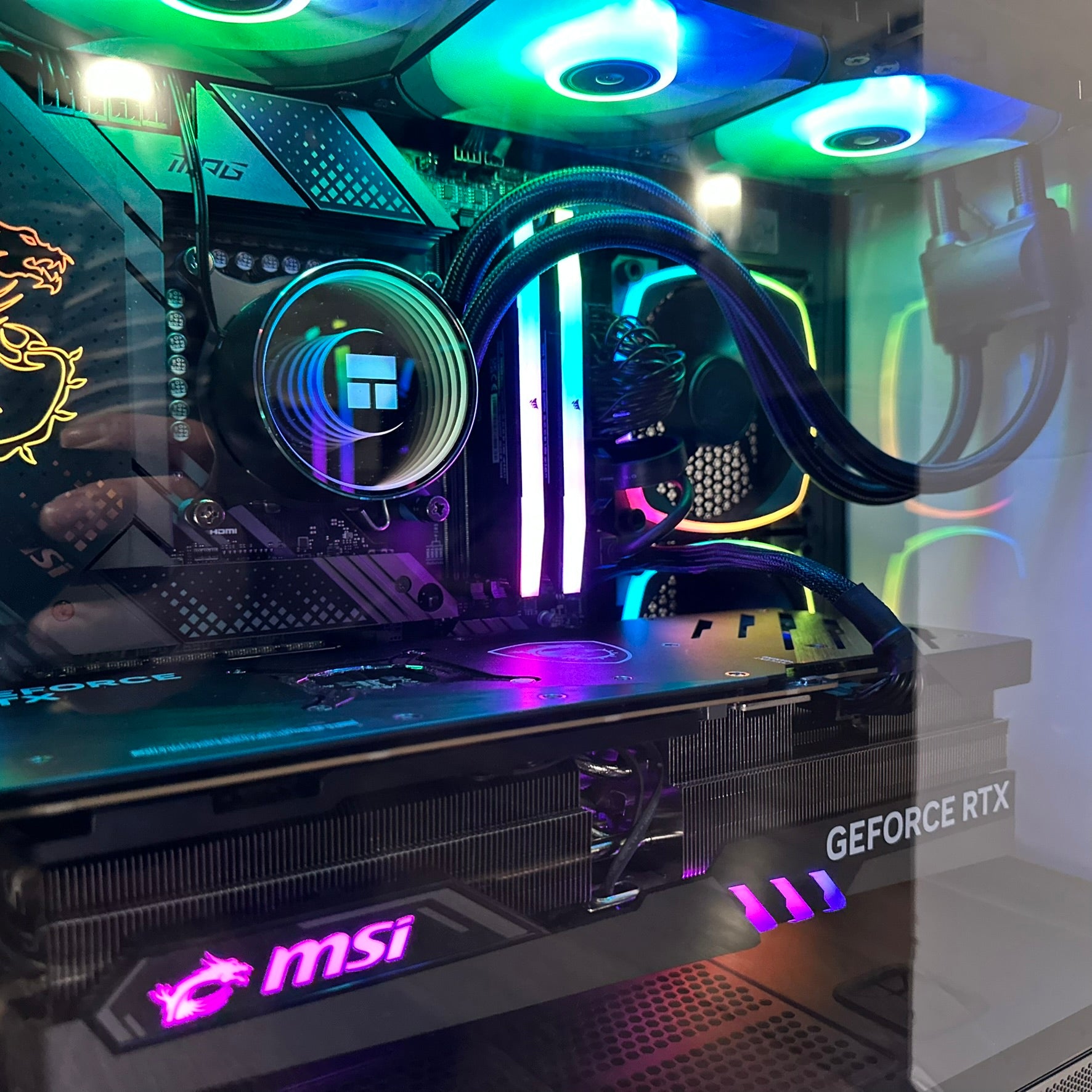
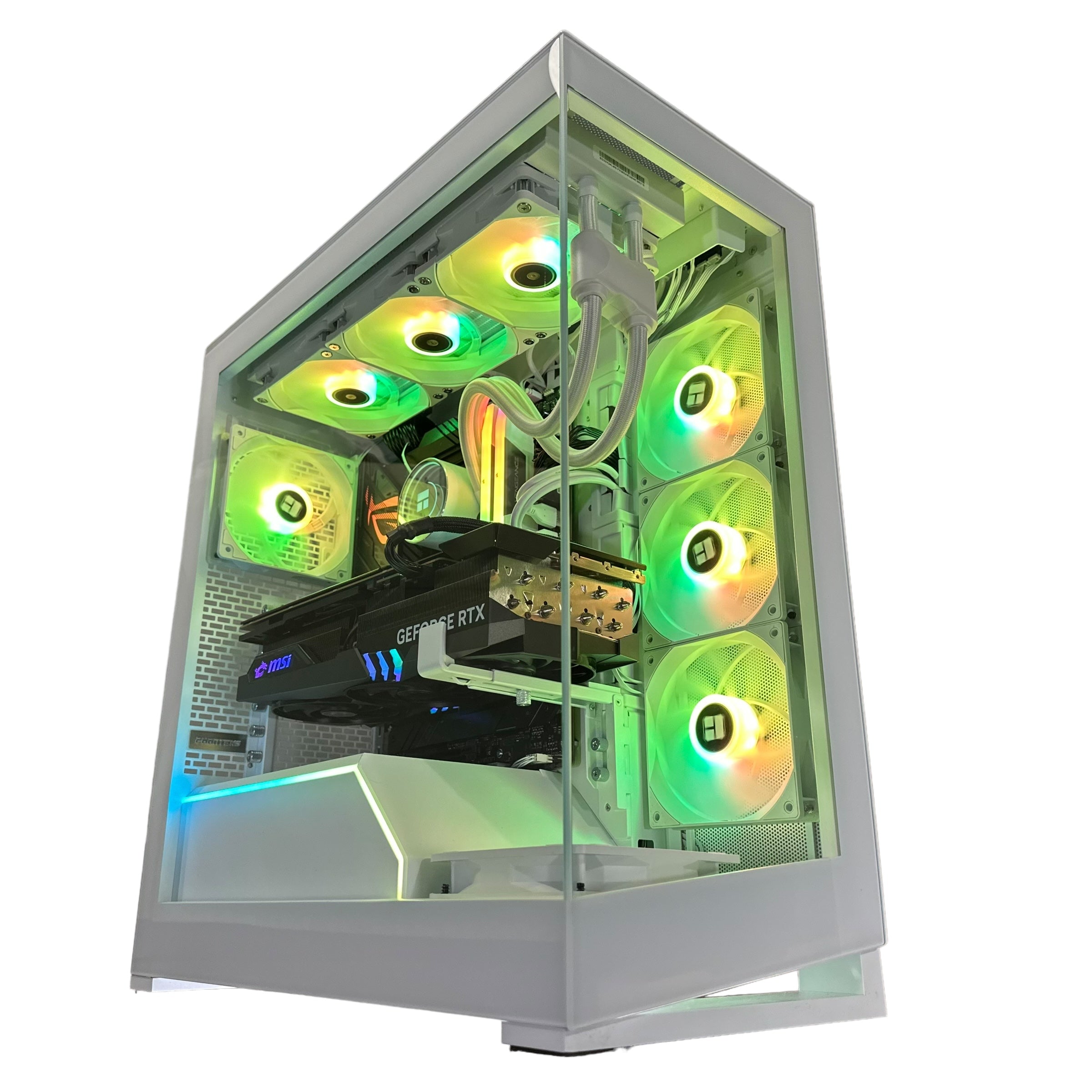
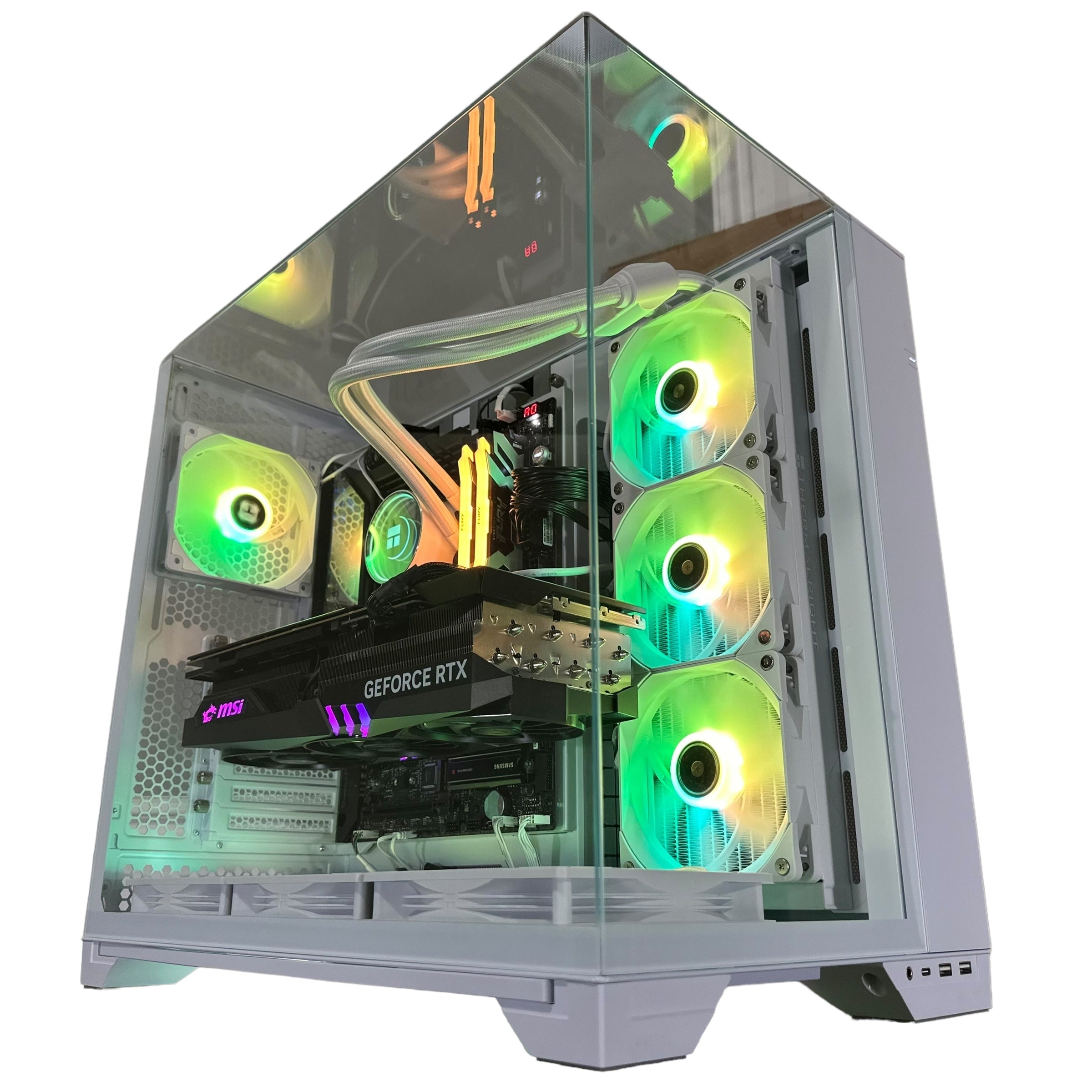
That is where a Custom Gaming PC Canada buyer gains an advantage. A proper custom build can be tailored to your target resolution, preferred games, creative software, budget ceiling, and expected lifespan. It can also avoid waste. Not everyone needs to overspend on every component, but almost nobody benefits from a poorly balanced system.
Would you rather buy a machine built around your actual use, or one assembled around a generic market average? If you already know your needs are a mix of gaming, streaming, editing, and future readiness, custom makes more sense.
Why Groovy Computers is a smart fit for Canadian buyers
Groovy Computers speaks directly to the kind of customer this article is for: buyers in Canada who want more confidence in what they are purchasing. Whether you are shopping from Nova Scotia, Halifax, Trenton, New Glasgow, Atlantic Canada, Ontario, Alberta, British Columbia, or anywhere else in the country, the appeal is the same. You want a system that matches your needs, performs properly, and does not leave you guessing.
Groovy Computers focuses on custom PCs for gaming, streaming, content creation, and workstation use. That matters because your ideal build is not always the same as the next customer’s. The company also offers the kind of trust signals serious buyers look for, including rigorous testing and a 1-year warranty.
When you are spending real money on a desktop you expect to rely on, those details are not extras. They are part of what separates a confident purchase from a risky one.
What questions should you ask before buying your next PC?
Before you make a final decision, slow down and ask the questions that actually affect satisfaction:
- What games do I want to play over the next few years, not just this month?
- Do I want 1080p, 1440p, or 4K performance?
- Do I care about ray tracing, ultra settings, or just stable frame rates?
- Will I stream, record gameplay, or edit content?
- Do I need this system for Photoshop, Premiere Pro, Lightroom, Illustrator, Blender, or Unreal Engine too?
- How soon do I want to upgrade again?
- Would financing help me buy the right system now instead of replacing a weaker one later?
- Do I want help choosing a build that fits my actual workload?
Those questions matter far more than shopping by a single spec or chasing a headline discount.
The real takeaway from the Pragmata sequel buzz
The likely Pragmata sequel story is exciting because it suggests a new sci-fi franchise has real staying power. But for PC buyers, the more important takeaway is broader. More ambitious games are coming. More demanding workloads are normal. More players are blending gaming with streaming, editing, design, and creator work. That means the cost of buying the wrong PC is getting higher.
If your current machine is already struggling, if you want stronger 1440p or 4K gaming, if you plan to stream or create content, or if you want to avoid upgrading too soon, now is the right time to evaluate a custom solution seriously.
So what do you want your next PC to do for you? If you want a system built for modern gaming, future releases, creator workloads, and long-term value, Groovy Computers is the place to start. Visit GroovyComputers.ca to explore the right custom build, ask about performance tiers, or look into financing options that can help you secure a stronger desktop before your current one becomes the bottleneck.
#PragmataSequel #GamingPCCanada #CustomGamingPCCanada #GamingPCBuilderCanada #CanadianCustomPCBuilders #CreatorPCCanada #VideoEditingPCCanada #StreamingPCCanada #3DModelingPCCanada #WorkstationPCCanada #FutureProofGamingPC #NovaScotiaTech #GroovyComputers
Groovy Computers | All Rights Reserved


Leave a comment
This site is protected by hCaptcha and the hCaptcha Privacy Policy and Terms of Service apply.